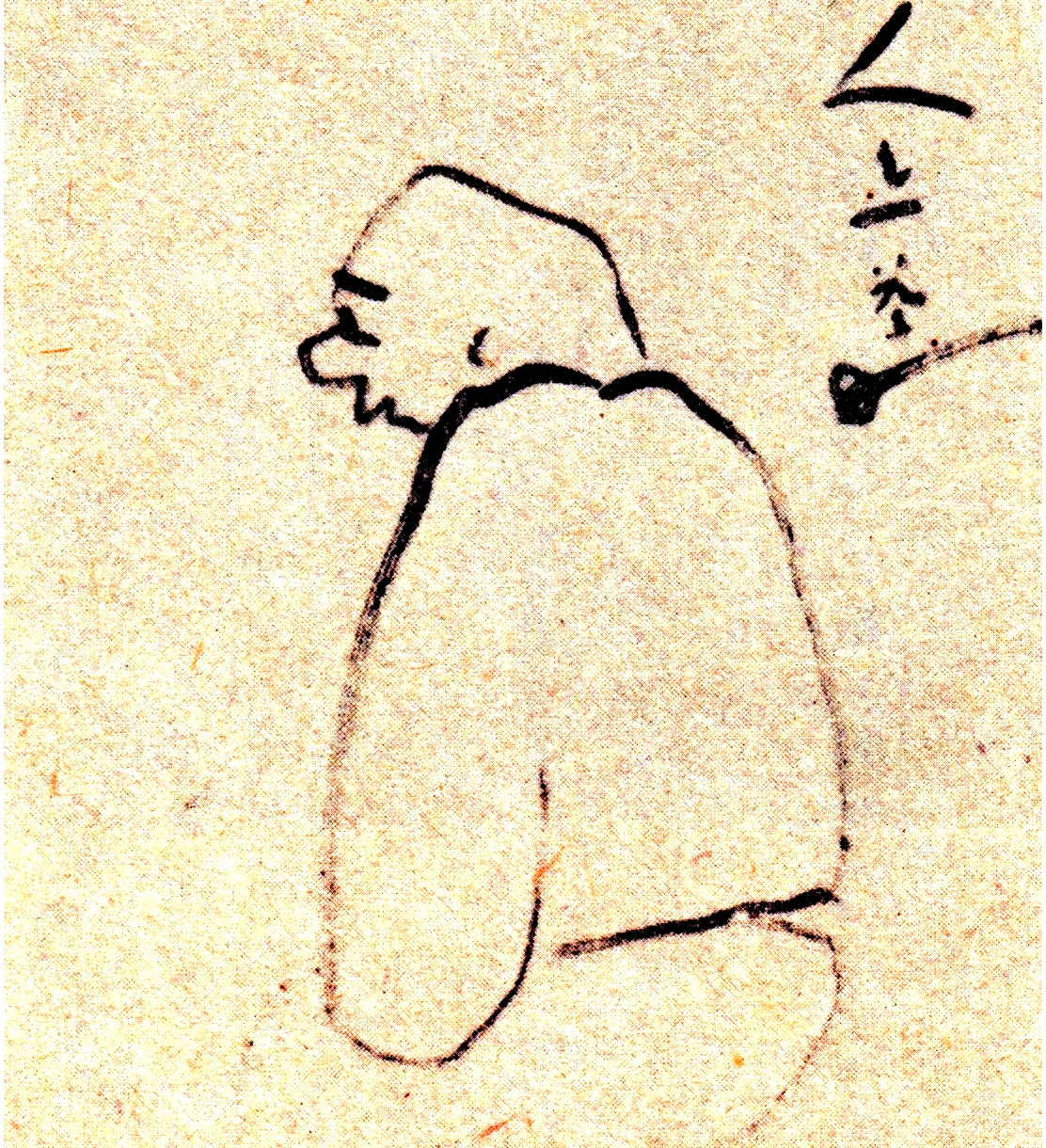
12670 haiku out of 12670
year unknown
.元日にかわいや遍路門に立
ganjitsu ni kawai ya henro kado ni tatsu
on New Year's Day
a cute little pilgrim
at the gate
This is an early haiku written in the 1790s.
year unknown
.元日や日本ばかりの花の娑婆
ganjitsu ya nihon bakari no hana no shaba
New Year's Day
this world of Japan's
blossoms
This is a revision of a haiku of 1821:
ganjitsu ya dochira muite mo hana no shaba
on New Year's Day
everywhere, a corrupt world's
blossoms
The word shaba refers to the Buddhist notion of a fallen age, the "Latter Days of Dharma."
year unknown
.元日の日向ぼこする屑家かな
ganjitsu no hinata bokosuru kuzuya kana
basking
in the New Year's sun...
my trashy hut
On the most auspicious day of the year Issa liked to present himself (and his house) as same-old, same old.
year unknown
.元日や上々吉の浅黄空
ganjitsu ya jôjôkichi no asagi-zora
on New Year's Day
lucky! lucky!
a pale blue sky
New Year's Day was the first day of spring in the old Japanese calendar.
year unknown
.昼頃に元日になる庵かな
hiru-goro ni ganjitsu ni naru iori kana
around noon
New Year's Day begins...
little hut
Issa flaunts his laziness, even on the most auspicious day of the year.
year unknown
.人並の正月もせぬしだら哉
hito nami no shôgatsu mo senu shidara kana
no run-of-the-mill
New Year's Day
for the slob
This is a revision of an 1813 haiku:
yoso nami no shôgatsu mo senu shidara kana:
no customary
New Year's Day
for the slob
Issa refuses to observe all the niceties of seasonal conventions, such as sweeping the house or putting a pine-and-bamboo decoration on his gate. His New Year's Day is not "like anybody else's" (hito nami ni).
Shidara, which means slovenly or disorderly in modern Japanese, in earlier times stood for any condition or course of events; Kogo dai jiten (1983) 773. Shinji Ogawa points out that by the time of Chikamatsu Monzaemon (1653-1724) the negative meaning of shidara was well established.
year unknown
.正月が二日有ても皺手哉
shôgatsu ga futsuka arite mo shiwade kana
First Month, second day--
my wrinkled
hands
The word "my" doesn't appear in the original.
year unknown
.正月や現金酒の通ひ帳
shôgatsu ya genkin sake no kayoichô
First Month--
recording the cash spent
on sake
In Issa's time debts were settled at the end of the year. Perhaps he is a bit late in payng his sake bill. And/or, this haiku might allude to his recent New Year's libations ... and their cost. Shinji Ogawa adds that Kayoichô was a handbook used by a delivery boy. The master account book was kept in the store.
year unknown
.猫塚に正月させるごまめ哉
neko tsuka ni shôgatsu saseru gomame kana
on the cat's grave
in First Month...
dried sardines
A New Year's offering to the departed pet, left by a child (or, perhaps, Issa?).
year unknown
.行灯のかたぴらよりけさの春
andon no katappira yori kesa no haru
to one side
of my paper lantern...
spring's first dawn
Or: "the paper lantern."
I assume that katappira is a combination of kata ("one") and hira, which in Issa's time could refer to anything thin and flat, like paper or leaves. Here, it seems to refer to one face of the paper lantern. Kogo dai jiten (1983) 1416. This undated haiku is almost identical to one written in 1825, which ends with the phrase, ake no haru ("first of spring").
year unknown
.草の戸やいづち支舞の今朝の春
kusa no to ya izuchi shimai no kesa no haru
at my hut
what will come of it?
spring's first dawn
Shinji Ogawa has pointed out that kusa no to is not to be read literally as "grass door," but figuratively as "my hut." Izuchi is an old word that can mean dochira ("whichever") or doko ("wherever"); Kogo dai jiten (1983) 137.
year unknown
.けさ春と掃まねしたりひとり坊
kesa haru to haku mane shitari hitori-bô
spring's first dawn--
the priest pretends
to sweep
Spring's first dawn is New Year's morning. The priest could be Issa (self-described as "a priest of Haikai Temple"), only going through the motions of spring cleaning.
year unknown
.ふしぎ也生れた家でけさの春
fushigi nari umareta ie de kesa no haru
amazing--
in the house I was born
spring's first morning
Since the haiku is undated, we have no way of knowing exactly how long Issa had been absent from his home in Kashiwabara village when he wrote this. Shinji Ogawa notes that he had been away for so long, he must have had many things on his mind, myriad thoughts and memories whirling within--summed up cryptically by the single word, "amazing" (fushigi). In 1816 he writes a similar haiku:
fushigi nari umareta ie de kyô no tsuki
amazing--
in the house I was born
seeing this moon
year unknown
.ふしぎ也生れた家でけふの春
fushigi nari umareta ie de kyô no haru
amazing--
in the house I was born
spring begins today
The haiku has the headnote, "After fifty years' absence, returning to my native village."
year unknown
.塵の身も拾ふ神あり花の春
chiri no mi mo hirou kami ari hana no haru
even for this body of dust
a god to uplift me!
blossoming spring
The phrase hirou kami ("god who uplifts") ends a longer Japanese proverb that begins: suteru kami areba ("if a god abandons you, another god uplifts"). Issa's uplifting "god" is the gloriously blooming spring. This undated haiku is a variant of one written in 1816.
year unknown
.とてもならみろくの御代を松の春
totemo nara miroku no miyo wo matsu no haru
now begins
the Future Buddha's reign...
spring pines
According to the Shingon sect, Miroku Bodhisattva will become a Buddha far in the future, to save all beings who cannot achieve enlightenment.
year unknown
.庵の春寝そべる程は霞なり
io no haru nesoberu hodo wa kasumu nari
spring at my hut--
tall as a sleeping man
the mist
Shinji Ogawa explains that the phrase, nesoberu hodo wa, means "as much as a lying down person." He paraphrases the haiku: "New spring at my hut...here the mist trails just as low as a lying down person."
year unknown
.初春や千代のためしに立給ふ
hatsu haru ya chiyo no tameshi ni tatsu tamau
spring begins
as it has deigned to do
for a thousand ages
This haiku has the headnote, "In a picture of Mount Fuji." Like Mount Fuji, nature's cycle that includes spring seems eternal to human eyes.
year unknown
.我国はけぶりも千代のためし哉
waga kuni wa keburi mo chiyo no tameshi kana
my province--
even the smoke
an ancient thing
Shinji Ogawa explains that chiyo no tameshi can be translated as "old precedent." He believes that this haiku alludes to an incident described in the Kojiki, a Japanese history compiled in 712: "One day the Emperor Nintoku of the fifth century looked down upon the country from a high mountain. As he did not see much smoke, he released the people from the tax for three years. As a result, the court decayed but the country was filled with smoke. Of course, the smoke was cooking smoke."
year unknown
.はる立や門の雀もまめなかほ
haru tatsu ya kado no suzume mo mamena kao
spring begins--
sparrows at my gate
with healthy faces
We can imagine that Issa studied and noted the unique expression on every tiny, bright-eyed face.
year unknown
.神とおもふかたより三輪の日の出哉
kami to omou kata yori miwa no hi no de kana
from where the gods live
Miwa's
sunrise
Miwa ("great wheel") can refer to Miwa Shrine or Mount Miwa. Issa is referring to the first sunrise of the new year.
year unknown
.よその蔵からすじかひに初日哉
yoso no kura kara sujikai ni hatsu hi kana
from a neighbor's storehouse
shining slantwise...
year's first sun
This haiku has the headnote, "First Day." It is similar to one written in 1819:
dozô kara sujikai ni sasu hatsu hi kana
from the storehouse
shining slantwise...
year's first sun
year unknown
.初空のもやうに立や茶の煙
hatsu-zora no moyô ni tatsu ya cha no keburi
rising into
the year's first sky...
tea smoke
year unknown
.雨のない日が初空ぞ翌も旅
ame no nai hi ga hatsu-zora zo asu mo tabi
if it's not raining
it's the year's first sky!
tomorrow too, travel
This haiku has the headnote, "On a journey." Shinji Ogawa paraphrases: "No matter what the date is, it's the first sky of the year to me, if it is not raining. Tomorrow I'll be still on a journey."
year unknown
.はつ空を拵へる也茶のけぶり
hatsuzora wo koshiraeru nari cha no keburi
forming the year's
first sky...
tea smoke
Issa says that the smoke forms or creates the sky, an extremely creative statement. Perhaps he feels that the sky isn't complete without smoke rising languidly into it.
year unknown
.御降りをたんといただく屑屋哉
o-sagari wo tan to itadaku kuzuya kana
welcoming in loads
of New Year's rain...
trashy house
A comic haiku about a leaking roof--with a deeper spiritual message? Tan to is an old expression that means takusan ("a lot"); Kogo dai jiten (1983) 1036.
year unknown
.大原や恵方に出し杖の穴
ôhara ya ehô ni ideshi tsue no ana
big field--
my New Year's walk
follows holes made by canes
This haiku refers to the New Year's custom of visiting a shrine or temple located in a lucky direction. Issa wrote two other versions of this haiku, both dated 1818. In one, he begins with oku saga ya ("deep in Saga"); in the other, he begins with hata heri ya ("edge of a field").
year unknown
.とし神やことしも御世話下さるる
toshi-gami ya kotoshi mo o-sewa kudasaruru
O New Year's god
this year too
send help!
year unknown
.梅の花まけにこぼすや畚下し
ume no hana mage ni kobosu ya fugo oroshi
plum blossoms fall
in the hairdo...
lowering the basket
This haiku refers to a custom at a certain Buddhist temple in Kyoto. On the first Day of the Tiger of each year, pilgrims could purchase the temple's famous flint stones by lowering a basket with their money into a hole. Unseen monks below would then exchange the stones for the money.
Shinji Ogawa notes that the hiragana symbols make should be pronounced mage: an old-fashioned Japanese hairstyle. The blossoms are falling onto someone's hair.
year unknown
.三日月や畚引上る木末から
mikazuki ya fugo hiki-ageru kozue kara
sickle moon--
hauling up the basket
through branches
This haiku refers to a custom at a certain Buddhist temple in Kyoto. On the first Day of the Tiger of each year, pilgrims could purchase the temple's famous flint stones by lowering a basket with their money into a hole. Unseen monks below would then exchange the stones for the money.
The moon is a "three-day moon"...just a sliver.
year unknown
.斎日やぞめき出されて上野迄
sainichi ya zomeki dasarete ueno made
day of fasting--
high revelry from here
to Ueno
Though it is a Buddhist day of fasting in the New Year's season, there are noisy, boisterous drinking parties.
year unknown
.やぶ入やきのふ過たる山祭り
yabuiri ya kinou sugitaru yama matsuri
servant on holiday--
the mountain festival
ended yesterday
After New Year's (First Month, 16th Day), servants in the cities were given time off to return to their native villages and families. The dances in question are sacred Shinto dances (kagura). The servant in this haiku arrives home a day late. An earlier version of this haiku, dated 1804, ends with the phrase, yama kagura ("Shinto dances on the mountain").
year unknown
.やぶ入の顔にもつけよ桃の花
yabuiri no kao ni mo tsuke yo momo no hana
on the homecoming servant's
face too...
peach blossoms
In an earlier version of this haiku, dated 1808, Issa ends with ume no hana ("plum blossoms"). After New Year's (First Month, 16th Day), servants in the cities were given time off to return to their native villages and families.
year unknown
.薮入りや二人並んで思案橋
yabuiri ya futari narande shian-bashi
Servants' Holiday--
two in a row
on Meditation Bridge
After New Year's (First Month, 16th Day), servants in the cities were given time off to return to their native villages and families. Shian-bashi, literally translated, is "Meditation Bridge"--located in the old Nihonbashi district of Edo (today's Tokyo).
year unknown
.小松引人とて人をながむかな
ko matsu hiku hito tote hito wo nagamu kana
yanking up a little pine
he watches
the watchers
Pulling up a young pine tree is a New Year's season custom. Its purpose is to ensure longevity. This is similar to a haiku of 1821 that ends with the phrase, ogamu nari ("he says a prayer"). Shinji notes that the humor of this haiku lies in the fact that people want to watch the ceremonial pine pulling, but at the same time the pine puller wants to watch the people ... watching him.
year unknown
.袴着て芝にころりと子の日哉
hakama kite shiba ni gorori to ne no hi kana
in formal trousers
curled asleep on the lawn...
first day of Rat
Pulling up a young pine tree is a New Year's season custom. Its purpose is to ensure longevity. Here, someone sleeps through the celebration. Gabi Greve notes that "Hakama is an outer garment worn over the kimono that is either split between the legs like pants or non-split like a skirt. Hakama pants originated as an outer garment to protect samurai warriors' legs from brush when riding a horse. Today, the hakama is worn as formal attire for ceremonies, traditional Japanese dance, artists and martial arts."
year unknown
.かま獅子があごではらひぬ門の松
kamashishi ga ago de harainu kado no matsu
pruned by the antelope's
jaws...
New Year's pine
This haiku refers to the New Year's pine-and-bamboo decoration. The animal in question is a Japanese serow, a goatlike antelope that lives deep in the mountains.
The verb harau is being used in its sense of "to prune" as in eda wo harau ("prune a branch"). The -inu ending forms the perfect tense ("has pruned").
year unknown
.皺顔のかくれやはせん七五三飾
shiwa kao no kakure yawasen shichigosan kazari
for a wrinkled face--
children's New Year's
decorations
Issa refers to a New Year's ornament for a shrine or gate for children aged (the lucky numbers) three, five, and seven. Someone is old but fortunate in their grandchildren.
year unknown
.ひょいひょいと藪にかけるや余り注連
hiyoi hiyoi to yabu ni kakeru ya amari shime
here and there
hanging in the thicket...
New Year's ropes
This haiku is similar to one written in 1819 that begins, "two or three/ hang in the thicket... (futatsu mitsu yabu ni kakeru ya). Shime refers to ceremonial ropes with tufts of straw.
year unknown
.外ならば梅がとび込福茶哉
soto naraba ume ga tobikomu fukucha kana
going outside
plum blossoms dive in...
my lucky tea
Issa is drinking fukucha: "lucky tea" of the new year.
year unknown
.影法師もまめ息災で御慶かな
kageboshi mo mame sokusai de gyokei kana
my shadow too
in good health...
"Happy New Year!"
This haiku has the headnote, "Traveling alone." Shinji Ogawa notes that mame signifies "healthy" when used as an adjective. For this reason, I translate mame sokusai as "in good health." In an earlier version, I had it "fit and trim," but Issa doesn't appear "trim" in his portraits. Sokusai is a word with special resonance for Buddhists, signifying a sense of tranquility in the knowledge that the merits of Buddhism can overcome the misfortunes of this world; Kogo dai jiten (1983) 937. Issa ends an 1817 version of this haiku with the phrase, "dawn of spring" (kesa no haru).
year unknown
.しんぼしてわらは笑はぬ御慶哉
shinbo shite wara wa warawanu gyokei kana
the patient child
doesn't laugh...
New Year's greeting
Is the child, perhaps, waiting first to receive his or her New Year's present before laughing? Note the fun alliteration of wara wa warawa.
year unknown
.つぶれ家の其身其まま御慶哉
tsubure ya no sono mi sono mama gyokei kana
my ramshackle hut
just as it is...
"Happy New Year!"
The "my" doesn't appear in the original, but the dilapidated structure is certainly Issa's--based on countless similar allusions to the poet's home. The "just-as-it-is" state of the house reflects the poet's Jôdoshinshû Buddhism. The sect founder of Jôdoshinshû, Shinran, advocated a similar attitude concerning one's salvation and future rebirth in the Pure Land.
year unknown
.いく廻り目だぞとし玉扇又もどる
iku meguri me da zo toshidama ôgi mata modoru
how many times
a New Year's gift?
the fan returns
This undated haiku is similar to one written in 1824:
meguri-meguri to toru toshidama ôgi kana
making the rounds
as a New Year's gift...
paper fan
year unknown
.草の戸やけさのとし玉とりに来る
kusa no to ya kesa no toshidama tori ni kuru
my humble hut--
all morning they come
for New Year's gifts
This undated haiku is a revision of one written in 1814:
waga io ya kesa no toshidama tori ni kuru
my hut--
all morning they come by
for New Year's gifts
Shinji Ogawa has pointed out that kusa no to is not to be read literally as "grass door," but figuratively as "my hut."
year unknown
.こりよそけへいつけて置けよお年玉
kori yosoke heitsukete oke yo o-toshidama
put this one
over there!
New Year's gifts
The opening phrase, kori yosoke means kore wo soko e (put this over there), according to the editors of Issa zenshû (1976-79) 1.41.
year unknown
.とし玉茶どこを廻って又もどる
toshidama cha doko wo megutte mata modoru
New Year's gift of tea--
where did you go
on your journey back to me?
Normally, I avoid rhyme in haiku, but the rhyme in this translation "just happened," so I've left it in. A haiku about regifting.
year unknown
.わんぱくや先試みに筆はじめ
wanpaku ya mazu kokoromi ni fude hajime
the naughty child
attempts first...
year's first writing
Shinji Ogawa notes, "It is a Japanese custom to write with a writing brush on the second day of the year."
year unknown
.子宝や棒をひくのも吉書始
ko-dakara ya bô wo hiku no mo kissho hajime
treasured child--
his cane dragging
the year's first writing
This haiku refers to the year's first calligraphy. But instead of using a brush, the child draws a character on a larger scale--most likely in snow. Shinji Ogawa, who helped with this translation, notes, "It is a Japanese custom to write with a writing brush on the second day of the year."
year unknown
.古壁や釘で書たるはつ暦
furu kabe ya kugi de kaitaru hatsu-goyomi
old wall--
written with a nail
the new almanac
The new almanac (hatsu-goyomi) is a New Year's season word. Someone has scratched at least part of it on an old wall. This undated haiku is similar to two others that Issa wrote in 1824, in which the almanac is scratched on a dry wall (suna kabe) and on a paper wall (hari kabe).
year unknown
.人の世は此山陰も若湯哉
hito no yo wa kono yama kage mo waka yu kana
world of man--
even in mountain shade
New Year's water
This haiku refers to the first water boiled on New Year's Day (waka yu). Issa honors this ritual even on his secluded mountain.
year unknown
.浴みして旅のしらみを罪始め
yuami shite tabi no shirami wo tsumi hajime
hot bath--
against my journey's lice
first sin
Shinji Ogawa notes that Issa is punning in this haiku. The phrase tsumi hajime denotes both "first sin" and "first pinch" (Issa is pinching, i.e. killing, his body lice--disobeying Buddha's precept against taking life.
year unknown
.若水やそうとつき込む梅の花
wakamizu ya souto tsukikomu ume no hana
into the year's first
water softly...
plum blossoms
year unknown
.鳴く猫に赤ン目をして手まり哉
naku neko ni akambe wo shite temari kana
making a face
at the whining cat...
bouncing her ball
Or: "bouncing his ball."
Playing with a ball (temari) is an activity associated with the New Year's season. Akambe (or akanbe or akanbee), which literally means to turn one's eyelids inside out. It denotes making a face at someone: sticking out one's tongue.
year unknown
.猫の子にかして遊ばす手まり哉
neko no ko ni kashite asobasu temari kana
lending it
for the kitten's playtime...
New Year's handball
Issa is referring to a traditional New Year's game, involving the tossing back and forth of a colorful cloth ball while singing songs.
year unknown
.大凧やりんとうごかぬ角田川
ôtako ya rin to ugokanu sumida-gawa
the big kite
perfectly motionless...
Sumida River
In my imagination the kite has landed smack on the surface of the water.
year unknown
.切凧のくるくる舞やお茶の水
kire tako no kuru-kuru mau ya ocha no mizu
a broken kite dancing
round and round...
Ocha-no-Mizu
Ocha-no-mizu, a section of Edo (today's Tokyo) literally means, "tea water." Shinji Ogawa alerted me to the fact that the kite is dancing over this place, not "into the tea water"!
year unknown
.芝浦や上げ捨てある凧
shiba ura ya age-sutete aru ikanobori
grassy shoreline--
a rising then crashing
kite
This haiku recalls an earlier one of 1813, in which a big kite rose and crashed at Mount Matchi.
year unknown
.凧抱て直ぐにすやすや寝る子哉
tako daite sugu ni suya-suya neru ko kana
hugging his kite
soon he's sound asleep...
the child
Flying kites is a New Year's activity for boys; this particular one has spent all of his energy in the excitement of the day, and now sleeps, hugging his beloved kite. The haiku paints a picture of pure, trusting love--the love of a child for a toy. The image has much to teach adult readers, if they open themselves to it.
year unknown
.門獅子やししが口から梅の花
kado shishi ya shishi ga kuchi kara ume no hana
lion puppet at the gate--
from his mouth
plum blossoms
A lion puppet dance (shishimai) is a popular New Year's entertainment.
year unknown
.春駒を人のしてさへいさみけり
haru koma wo hito no shite sae isami keri
spring pony--
even when human-made
so lively!
Issa wrote two haiku (in 1820 and 1822) about a child stomping about on his horse made of bamboo. This is another return to the subject.
year unknown
.かたむべき歯は一本もなかりけり
katamubeki ha wa ippon mo nakari keri
teeth to harden
this New Year's meal...
not even one
year unknown
.歯固は猫に勝れて笑ひけり
hagatame wa neko ni katarete warai keri
New Year's tooth-hardening
meal...the cat wins
and laughs
This haiku refers to a special tooth-hardening meal eaten in the New Year's season. The cat, with better and harder teeth, seems to be laughing at poor Issa.
year unknown
.福俵よい事にして猫ざらる
fuku-dawara yoi koto ni shite neko zareru
lucky straw bag--
a good thing
for a cat's playtime
A fuku-dawara is a straw bag given during the New Year’s season that is meant to bring prosperity and luck. Issa wrote two versions of this haiku with its elements rearranged.
year unknown
.よい事に猫がざれけり福俵
yoi koto ni neko ga zare keri fuku-dawara
it's good
for the cat's playtime...
lucky straw bag
A fuku-dawara is a straw bag given during the New Year’s season that is meant to bring prosperity and luck. Issa wrote two versions of this undated haiku with its elements rearranged.
year unknown
.わかなつむ小じりの先の朝日哉
wakana tsumu kojiri no saki no asahi kana
herb picking--
at the rafter's metal tip
the rising sun
Wakana (young greens or herbs) are picked on the sixth day of First Month--a traditional New Year's observance. A kojiri is the ornamental metal fixture at the end of a rafter or of a sword’s scabbard. The former meaning seems to fit here.
year unknown
.長閑さや垣間を覗く山の僧
nodokasa ya kakima wo nozoku yama no sô
spring peace--
a mountain monk peeks
through a fence
Kaki can be translated as "fence" or "hedge." Shinji Ogawa feels that this is a humorous reference to a scene from The Tale of Genji (Chapter 5), wherein Prince Genji peers through a wattle fence and catches sight of ten-year old Murasaki. Shinji notes, "In spring, even a mountain monk becomes a Peeping Tom." Issa plays with this same image in another comic haiku, but in this case a cat takes the place of the famous prince; search the archive for "Genji."
year unknown
.草麦のひよろひよろのびる日ざし哉
kusa mugi hyoro-hyoro nobiru hizashi kana
the grass and wheat
trembling...
sunlight stretches on
It's a long day of springtime. Mugi is a generic term that refers to several grains, mainly wheat and barley.
year unknown
.舞々や翌なき春を笑ひ顔
mai-mai ya asu naki haru wo warai kao
water spider
on spring's last day...
laughing face
Shinji Ogawa helped with this translation. The mai-mai is also called a "water spinner."
year unknown
.霜の花それさへ春のなごり哉
shimo no hana sore sae haru no nagori kana
frost-white flowers--
and thus
spring ends
This undated haiku is a rewrite of an early work (1793) that begins with the same opening phrase.
year unknown
.行春や馬引き入るるいさら川
yuku haru ya umahiki iruru isaragawa
spring departs--
the work horse is led
into a brook
The farm horse is being led by a farmer or farmer's child into the "babbling brook" (isaragawa).
year unknown
.行春や我を見たをす古着買
yuku haru ya ware wo mitaosu furugigai
spring departs--
the old clothes buyer
ignores me
Jean Cholley identifies this as a haiku written in the period 1798-1800; En village de miséreux (1996) 41. In Issa zenshû it is simply listed as an undated poem (1976-79) 1.64. In this self-ironic portrait Issa suggests that he is so ragtag and beggarly-looking, the used clothes merchant looks past him, confident that he has nothing worth buying.
year unknown
.木兎のつくづく春を惜しむやう
mimizuku no tsuku-zuku haru wo oshimu yô
the horned owl
regrets it deeply...
spring departs
This undated haiku echoes an image that Issa recording in poems of 1810.
year unknown
.淡雪や犬の土ほる通のはた
awayuki ya inu no tsuchi horu michi no hata
light snow--
a dog digs a hole
by the road
Pretty pink blossoms have blown off a tree and filled a dog's bowl. Will the dog partake? (They are edible.)
year unknown
.小烏や巧者にすべる春の雨
ko-garasu ya kôsha ni suberu haru no ame
the little crow
slips so cleverly...
spring rain
This is a rewrite of an 1812 haiku; in the original the crow was a "field crow" (no-garasu).
year unknown
.春雨や夜さりも上る亦打山
harusame ya yosari mo noboru matchi yama
spring rain--
an evening climb
up Mount Matchi
This undated haiku is an alternate version of a haiku of 1814 about an evening pilgrimage (yosari mo mairu) on Mount Matchi.
year unknown
.餅の出る槌のほしさよ春の雨
mochi no deru tsuchi no hoshisa yo haru no ame
wishing I had
a rice cake mallet...
spring rain
Perhaps the boredom of being indoors on a rainy day has Issa thinking of pounding rice into cakes.
year unknown
.安堵して鼠も寝るよ春の雨
ando shite nezumi mo neru yo haru no ame
taking it easy
the mouse sleeps too...
spring rain
For Issa the mouse is a roommate, not a pest.
year unknown
.たびら雪半分交ぜや春の雨
tabira yuki hambun maze ya haru no ame
half of it
is flitting snowflakes...
spring rain
Tabira yuki is an old expression that connotes a light, flitting snow; Kogo dai jiten (1983) 1019. Winter was long in Issa's snowy, mountainous province.
year unknown
.入道が綻ぬふや春の雨
nyûdô ga hokorobi nuu ya haru no ame
the priest is mending
a rip...
spring rain
A slice-of-life haiku. This quiet image of a Buddhist monk sewing might be a self-portrait, since Issa described himself as a "Priest of Haikai Temple."
year unknown
.春雨や相に相生の松の声
harusame ya ai ni aioi no matsu no koe
spring rain--
growing side by side
whispering pines
This haiku has the headnote, "Congratulations on a new marriage." The "pines' voices" (matsu no koe) refer to the sighing of wind through their branches. The word aioi ("growing together") is often used in Japanese wedding speeches.
year unknown
.春雨や夜も愛するまつち山
harusame ya yoru mo ai suru matchi yama
spring rain--
at night, too, making love
on Mount Matchi
Shinji Ogawa notes that there is a mountain called Matchi, but "Mount Matchi" (matchi yama) is also a pillow word (conventional poetic expression) for "waiting." He believes that there are many love poems associated with Mount Matchi.
year unknown
.夜談義やばくちくづれや春の雨
yo dangi ya bakuchi kuzure ya haru no ame
night sermon
backsliding gamblers...
spring rain
This is a rewrite of an earlier haiku of 1818: "spring rain--/ backsliding gamblers/ and a night sermon." Here, Issa reverses the order of images.
year unknown
.ぼた餅や辻の仏も春の風
botamochi ya tsuji no hotoke mo haru no kaze
sticky rice cake
for the crossroads Buddha...
spring breeze
In its original form (1814), this haiku focuses on Jizô, the guardian deity of children. In another version (1819) it focuses on a "Buddha of the thicket" (yabu no hotoke).
year unknown
.春風や供の女の小脇差
harukaze ya tomo no onna no ko wakizashi
spring breeze--
the female servant's
little sword
In his original version of this haiku (1816), Issa describes her as a "servant girl" (tomo no musume).
year unknown
.鬼の面狐の面や春の風
oni no men kitsune no men ya haru no kaze
faces of devils
faces of foxes...
spring breeze
Or: "a devil's face/ a fox's face..."
Shinji Ogawa explains that men in this context means a mask used in a spring celebration.
year unknown
.笠うらの大神宮や春の風
kasa ura no daijingû ya haru no kaze
inside my umbrella-hat
a charm from Ise Shrine...
spring breeze
Issa is referring to the great Shinto shrine at Ise.
Shinji Ogawa helped me to understand Issa's meaning. Literally, the poet has Ise Shrine under his umbrella-hat; actually, this is a lucky charm which he purchased at Ise Shrine.
year unknown
.春風に吹れた形や女坂
harukaze ni fukarete nari ya onnazaka
the spring breeze pushes
somebody
down the slope
Onnazaka is a gentle slope.
year unknown
.春風に吹れ序の湯治哉
harukaze ni fukare tsuide no toji kana
blown upon
by a spring breeze...
healing bath
year unknown
.春風や芦の丸屋の一つ口
harukaze ya ashi no maruya no hitotsu-guchi
spring breeze--
into the round reed hut's
only door
A fishing hut, perhaps?
year unknown
.春風や歩行ながらの御法談
harukaze ya aruki nagara no ôhôdan
spring breeze--
the priest gives his sermon
walking along
The Buddhist priest brings his message of universal enlightenment to green fields under a blue sky: the vast temple of nature.
year unknown
.一つ葉の中より吹や春の風
hitotsuba no naka yori fuku ya haru no kaze
out of the dyer's-weed
it blows...
spring breeze
Shinji Ogawa notes that hitotsuba is the name of a weed: "a dyer's-weed."
year unknown
.おぼろ月松出ぬけても出ぬけても
oboro-zuki matsu denukete mo denukete mo
hazy moon in the pine--
passing through
passing through
As it rises in the sky, the moon passes through the branches of the pine. The season word in this haiku, oboro, refers to spring haze.
Sakuo Nakamura (friend and Japanese advisor) pictures the setting in high country, where Issa lived. There, "the hazy moon is rising up at our eye level; the tree is slender, and the moon can be seen through the young leaves."
year unknown
.福狐啼たまふぞよおぼろ月
fuku kitsune naki tamau zo yo oboro-zuki
a lucky fox
is barking!
hazy moon
The season word in this haiku, oboro, refers to spring haze. In Japanese folklore the fox is a powerful spirit.
year unknown
.ほくほくと霞んで来るはどなた哉
hoku-hoku to kasunde kuru wa donata kana
rap-a-tap
who's that coming
in the mist?
Issa hears the clacking of someone's walking stick.
year unknown
.けふもけふもかすんで暮らす小家哉
kyô mo kyô mo kasunde kurasu ko ie kana
today too
living in mist...
little house
A wonderful portrait of the poet's life and, by extention, the life of all human beings.
year unknown
.かすむ日に古くもならぬ卒塔婆哉
kasumu hi ni furuku mo naranu sotoba kana
in the misty day
not growing older...
grave tablets
There are two definitions for sotoba: (1) a Buddhist shrine constructed to contain Buddha's ashes, used in memorial services for the dead; (2) a wooden grave tablet; Kogo dai jiten (1983) 946. Sakuo Nakamura (friend and Japanese advisor) and Gabi Greve believe that Issa has the second meaning in mind when he uses this term.
year unknown
.霞とや朝からさはぐ馬鹿烏
kasumu to ya asa kara sawagu baka karasu
in spring mist
from morning on a ruckus...
foolish crow
Or: "foolish crows."
year unknown
.かすむ日や大旅籠屋のうらの松
kasumu hi ya ôhatagoya no ura no matsu
misty day--
behind the big inn
a pine
year unknown
.さらばさらばの手にかかる霞かな
saraba saraba no te ni kakaru kasumu kana
farewell! farewell!
hands waving
in spring mist
Friends say goodbye in spring mist, their hand gestures and bowing heads hard to see. They walk away from each other and soon vanish. This undated haiku is similar to one of 1817 in which friends wave their umbrella-hats in a thin mist.
year unknown
.たつぷりと霞と隠れぬ卒塔婆哉
tappuri to kasumu to kakurenu sotoba kana
well hidden
by the spring mist...
grave tablet
Issa's juxtaposition of springtime with a Buddhist cemetery is powerful and (like thick mist) mysterious.
year unknown
.湖のとろりとかすむ夜也けり
mizuumi no torori to kasumu yo nari keri
the lake is slowly
lost in mist...
evening falls
year unknown
.陽炎や子をかくされし親の顔
kagerô ya ko wo kakusareshi oya no kao
heat shimmers--
missing a child
the parent's face
In an earlier haiku (1803) the subject is a mother bird:
kagerô ya ko wo nakusareshi tori no kao
heat shimmers--
having lost a child
the bird's face
"Heat shimmers" are the wavy bends in the air that one sometimes sees in the distance on a warm day--a phenomenon associated with springtime in Japan.
year unknown
.陽炎や犬に追るるのら鼠
kagerô ya inu ni owaruru nora nezumi
heat shimmers--
a field mouse chased
by the dog
"Heat shimmers" are the wavy bends in the air that one sometimes sees in the distance on a warm day--a phenomenon associated with springtime in Japan.
year unknown
.陽炎や草の上行くぬれ鼠
kagerô ya kusa no ue yuku nure nezumi
heat shimmers--
to the top of the weed
a wet mouse
Or: "to the top of the blade of grass." Kusa can signify "grass" or "weed." In this case, it must be a stout plant (stout enough for a mouse to climb it), certainly not the type of grass that grows in most suburban lawns.
year unknown
.我雪も連て流れよ千曲川
waga yuki mo tsurete nagare yo chikuma kawa
float away
my snow too...
Chikuma River
Shinji Ogawa offers this wonderful translation:
Take my snow too
into your flow...
Chikuma River
year unknown
.門前や杖でつくりし雪げ川
monzen ya tsue de tsukurishi yukigegawa
before the gate--
my cane makes a river
of melting snow
year unknown
.大雪を杓子でとかす子ども哉
ôyuki wo shakushi de tokasu kodomo kana
melting the big snow
with a ladle...
a child
A shakushi is a bamboo ladle.
year unknown
.親犬が瀬踏してけり雪げ川
oya inu ga sebumi shite keri yukigegawa
mother dog
testing the depth...
snow-melt river
Love isn't just a human thing. In this wonderful haiku a brood of puppies follows behind while their mother tests the depth of the cold, rushing water.
year unknown
.門畑や米の字なりの雪解水
kado hata ya kome no ji nari no yukige mizu
garden at the gate--
melting snow forming
the word "rice"
Issa discerns the promise of the coming agricultural year, from snow melting to springtime rice seedlings, to transplanted rice in flooded fields, to rice growing tall and green under a hot summer sun, then ripening all golden for autumn's harvest--all in a single moment.
year unknown
.門畠や棒でほじくる雪解川
kado hata ya bô de hojikuru yukigegawa
garden at the gate--
with my cane digging
a snow-melt river
year unknown
.我門のかざりに青む苗代田
waga kado no kazari ni aomu nawashiroda
my gate's adornment--
the rice seedlings
turning green
year unknown
.御彼岸のぎりに青みしかきね哉
o-higan no giri ni aomishi kakine kana
in honor of the equinox
the hedge
turns green
Spring equinox. The hedge is mysteriously and wonderfully locked in step with the vast motion of the planet whirling through space. Haiku is an art of discovering (and deeply feeling) conections.
year unknown
.袖あたり遊ぶ虱の彼岸哉
sode atari asobu shirami no higan kana
heading for my sleeve
to play...
spring equinox louse
year unknown
.出代や六十顔をさげながら
degawari ya roku jû-zura wo sage nagara
a migrating servant
laid off...
his sixty year-old face
In springtime, old servants were replaced by young ones. The old ones would leave their employers to return to their home villages; the young ones traveled in the opposite direction. In earlier times this took place during the Second Month; later, the Third Month. The old servant, with his sixty-year old face, finally returns to his home village after many, many years.
year unknown
.青の葉は汐干なぐれの烏哉
ao no ha wa shiohi nagure no karasu kana
some stay behind
in the green leaves...
low tide crows
Nagure is the same as nagori ("vestiges," "remains"); see Kogo dai jiten (1983) 1213. The crows at low tide are doing the same thing as their human counterparts: looking for shellfish. A few linger behind in trees and field.
year unknown
.鶴亀の遊ぶ程ずつやくの哉
tsuru kame no asobu hodo-zutsu yaku no kana
the crane and the tortoise's
playground...
burnt field
In an earlier version of this haiku, the burnt field was the playground of "children" (kodomora). The crane and tortoise, emblems of longevity, contrast pointedly with the transience of the field's grass that has gone up in smoke.
year unknown
.風雲ややけ野の火より日の暮るる
kazagumo ya yakeno no hi yori hi no kururu
windblown clouds--
the fires of burning fields
bring sunset
year unknown
.松苗の花咲くころは誰かある
matsunae no hana saku koro wa dare ka aru
when this pine sapling
grows to flower...
who'll be here?
While Issa plants the pine, he wonders who will stand under its shade, one day, when it reaches maturity.
year unknown
.恋猫のぬからぬ顔でもどりけり
koi neko no nukaranu kao de modori keri
the lover cat
his face so innocent
comes home
This haiku was written in 1824-25. It is a rewrite of a haiku of 1822, in which the cat returns from his amorous adventures with an "I'm not talking face" (nakanu kao shite).
year unknown
.恋猫や口なめづりをしてもどる
koi neko ya kuchi namezuri wo shite modoru
the lover cat
licking his chops
comes home
In a similar haiku of 1824 the cat licks his chops while "escaping" (nigeru). In that poem, it would seem that the food that makes him lick his lips has been stolen. Or has the cat in this haiku found another person willing to feed him?
year unknown
.髭前に飯そよぐ也猫の恋
hige saki ni meshi soyogu nari neko no koi
on his whisker tips
rice grains tremble...
the lover cat
year unknown
.ちる桜鹿はぽつきり角もげる
chiru sakura shika wa pokkiri tsuno mogeru
cherry blossoms scatter--
snap! the buck's antlers
come off
Robin D. Gill points out that pokkiri in the Edo era connoted "the sound made when a hard thing breaks."
year unknown
.雀子や人が立ても口を明く
suzumego ya hito ga tatte mo kuchi wo aku
baby sparrow--
even when people come
opening his mouth
This undated haiku is a revision of one written in 1807. The original version starts with the phrase, "nestling" (su no tori ya).
year unknown
.鳥の巣も鬼門に立つや日枝の山
tori no su mo kimon ni tatsu ya hie no yama
the bird's nest, too
in the unlucky direction...
Mount Hie
In an earlier version of this haiku (1821), Issa begins with "the black kite" (tobi). The "unlucky direction" (kimon) is the northeast.
year unknown
.雀子が中で鳴く也米瓢
suzumego ga naka de naku nari kome fukube
a baby sparrow
chirps inside it...
rice gourd
A rice gourd, according to Shinji Ogawa, can be the size of a basketball. In a haiku written in 1816 Issa has a bat chirping in the gourd. Note the musical middle phrase: naka de naku nari.
year unknown
.鶯の苦にもせぬ也茶のけぶり
uguisu no ku ni mo senu nari cha no keburi
the bush warbler
not at all concerned...
tea smoke
year unknown
.鶯の苦にもせぬ也辻ばくち
uguisu no ku ni mo senu nari tsuji bakuchi
the bush warbler
not at all concerned...
gambling at the crossroads
This haiku is a rewrite of one that Issa composed in 1813. He ends the original version with "little gambling shack" (bakuchi koya).
year unknown
.鶯のぬからぬ顔や東山
uguisu no nukaranu kao ya higashi yama
the bush warbler's
"I'm perfect" face...
Higashi Mountains
The verb nukaru in Issa's time meant to commit a careless blunder; Kogo dai jiten (1983) 1270. Issa uses its negative form (nukuranu) to modify the bird's face: the bush warbler has an expression that is "not blundering."
According to Sakuo Nakamura (friend and Japanese advisor), Higashiyama ("Eastern Mountains") is the collective name for a number of mountains located between Kyoto and Lake Biwa: a total of 36 peaks, one of which is the temple mountain, Hieizan.
year unknown
.鶯や尿しながらもほつけ経
uguisu ya shito shi nagara mo hokkekyô
bush warbler--
even while pooping, sings
Lotus Sutra
The Lotus Sutra is one of Mahayana Buddhism's most popular texts. Issa imagines that the bird is chirping passages of it, intimating that birdsong, to Issa, is natural prayer.
This is an undated revision of a haiku written in 1816. In the original poem, the bird poops.
year unknown
.鶯も上鶯の垣根かな
uguisu mo jô uguisu no kakine kana
even among bush warblers
royalty
on the fence
In an earlier version of this haiku, written in 1819, Issa ends with inaka kana: "the countryside." In other words, some bush warblers are bumpkins.
year unknown
.鶯のまてにまはるや組屋敷
uguisu no mate ni mawaru ya kumiyashiki
the dragnet of bush warblers
closes in...
police station
Usually pronounced made, mate signifies "both hands"; Kogo dai jiten (1983) 1527.
According to Shinji Ogawa, there is an old Japanese phrase, te ga mawaru ("hands are circulated" or "hands are in circulation"). This means that a thief is being pursued; that police are "closing in." In this haiku, bush warblers substitute for the police. Ironically, they "besiege the police quarter."
year unknown
.鶯の幾世顔也おく信濃
uguisu no ikuyo kao nari oku shinano
many generations
had your face, bush warbler...
deep Shinano
Shinano, present-day Nagano Prefecture, was Issa's home province. Birds live in the moment, but Issa, being human, imagines the past, sharing with the bush warbler the astounding ancientness of its family line.
year unknown
.鶯のはねかへさるるつるべ哉
uguisu no hanekaesaruru tsurube kana
the bush warbler
is bouncing about...
well bucket
I picture a bush warbler landing on a hanging bucket that starts rocking wildly up and down: an ephemeral moment captured in haiku.
year unknown
.鶯も水を浴せてみそぎ哉
uguisu mo mizu wo abisete misogi kana
the bush warbler
splashes too...
purification font
The bird bathes in the font that holds water for hand-washing purification at a shrine
year unknown
.鶯や隅からすみへ目を配り
uguisu ya sumi kara sumi e me wo kubari
bush warbler--
from one corner to another
his searching eyes
year unknown
.夕雲雀どの松島が寝よいぞよ
yû hibari dono matsushima ga ne yoi zo yo
evening lark--
which pine island's
good for sleeping?
This is a revision of an 1803 haiku in which Issa asks the lark, "which pine island's/ your sleeping place?" (dono matsushima ga nedokoro). Issa is referring to Matsushima, the famous sightseeing resort consisting of many tiny pine islands..
year unknown
.野大根も花となりにけり鳴雲雀
no daiko mo hana to nari keri naku hibari
even the field's
radishes blooming...
the lark singing!
Though many readers these days know what a daikon is, I continue to translate it with the more familiar (though technically inaccurate) term, "radish."
year unknown
.漣や雲雀に交る釣小舟
sazanami ya hibari ni majiru tsuri kobune
ripples on water--
mingling with the larks
a fishing boat
In this gorgeously evocative haiku Issa suggests a distant perspective: a tiny boat almost lost amid sparkling ripples and wheeling birds.
year unknown
.湖におちぬ自慢やなくひばり
mizuumi ni ochinu jiman ya naku hibari
"I won't fall
in the lake!"
the lark sings
This haiku is a rewrite. In the original poem (1822), Issa ends with "evening lark" (yû hibari).
year unknown
.臼からも松の木からも雲雀哉
usu kara mo matsu no ki kara mo hibari kana
from the rice cake tub
from the pine...
skylarks
An usu is a large wooden tub used for rice or herb cake making. The cake maker pounds the ingredients with a wooden mallet.
year unknown
.墓からも花桶からも雲雀哉
haka kara mo hana oke kara mo hibari kana
from the grave
and from the flowerpot...
skylarks!
year unknown
.おれを見るや雉伸上り伸上り
ore wo miru ya kiji nobi-agari nobi-agari
looking at me
the pheasant on tiptoe
on tiptoe
Though nobi-agari literally means "on tiptoe," a secondary meaning is "arrogantly." The pheasant seems to be looking at the poet with haughty disdain.
year unknown
.雉鳴くやころり焼野の千代の松
kiji naku ya korori yakeno no chiyo no matsu
a pheasant cries
in the burned field, look!
an ancient pine
Chiyo no matsu signifies "a thousand year-pine." Shinji Ogawa notes that korori can be translated as "suddenly" or "abruptly." I believe that Issa is modifying the pheasant's surprise as it suddenly seems to notice the old, lonely pine.
year unknown
.草原を覗れてなく雉子哉
kusabara wo nozokarete naku kigisu kana
peeking into
the grassy meadow...
a pheasant cries
Shinji Ogawa sees the pheasant's cry as its protest. Issa is saying, "How do you feel when strangers peep into your house?"
year unknown
.雨だれは月よなりけりかへる雁
amadare wa tsuki yo nari keri kaeru kari
the bright moon in raindrops
from the eaves...
the geese depart
An amadare is an eavesdrop, where water falls from a roof's overhang. This is a spring haiku; the wild geese are leaving Japan (i.e., returning to northern lands).
year unknown
.連もたぬ雁もさつさと帰りけり
tsure motanu kari mo sassa to kaeri keri
a goose without companions
flying fast as he can
returns
In an earlier version of this haiku, composed in 1816, the lone goose is "plodding along" (tobo-tobo).
year unknown
.けふ迄のしんぼ強さよ帰る雁
kyô made no shimbo tsuyosa yo kaeru kari
up to today
such perserverance and strength!
returning geese
This haiku is a revision of one written in 1817, in which the geese (or goose) shows "great perserverance" (yô shinbo shita) and appears at Issa's gate. The poet admires the disciplined, hard-traveling geese.
year unknown
.けふ迄はよく辛抱した雁よ雁よ
kyô made wa yoku shimbo shita kari yo kari yo
up to today
such great perserverance...
wild geese! wild geese!
This haiku is a revision of one written in 1817, in which the geese (or goose) appears at Issa's gate. The poet admires the disciplined, hard-traveling geese.
year unknown
.雁鳴や今日本を放るると
kari naku ya ima nippon wo hanaruru to
geese honking--
now they leave behind
Japan
This haiku has the headnote, "Off to foreign shores."
year unknown
.みちのくの田植見てから帰る雁
michi no ku no taue mite kara kaeru kari
after seeing rice planted
in Mutsu province...
the geese depart
This is a spring haiku; the wild geese are leaving Japan (i.e., returning to northern lands).
year unknown
.行たいか雁伸上り伸上り
yukitai ka kari nobi-agari nobi-agari
thinking of taking off?
goose on tiptoe
on tiptoe
year unknown
.古池や先御先へととぶ蛙
furu ike ya mazu o-saki e to tobu kawazu
old pond--
"let me go first!"
jumping frog
This haiku has the headnote, "Looking at the ruins of Bashô's hut." The opening phrase, "old pond" (furu ike ya), is a playful reference to Bashô's famous haiku: furu ike ya kawazu tobikomu mizu no oto:
old pond--
a frog-jumping-into-water
sound
Shinji Ogawa adds, "I would like to point out the humor Issa put into the haiku. The old pond is not any pond but the pond of the great haiku master Bashô. Therefore, there must be the descendants of Bashô's frog in the pond. The ordinary frogs, perhaps Issa's, must pay respect to the frogs of high birth. When it comes to this type of humor, Issa towers above the rest."
year unknown
.今の間に一喧嘩して啼かはづ
ima no ma ni hito-genka shite naku kawazu
now they're quarreling
the croaking
frogs
year unknown
.薄緑やどさり居て鳴く蛙
usumidori ya dosari suwatte naku kawazu
pale green
sitting down with a thump...
croaking frog
year unknown
.大榎小楯に取って啼かはづ
ôenoki kotate ni totte naku kawazu
the big hackberry tree
as his shield...
croaking frog
A kotate (also pronounced kodate) is a type of shield; Kogo dai jiten (1983) 622. Shinji Ogawa assisted with this translation.
year unknown
.御地蔵の膝にすわってなく蛙
o-jizô no hiza ni suwatte naku kawazu
in holy Jizo's lap
squatting, croaking
frog
In Japan Jizô is the beloved guardian deity of children (technically a bodhisattva).
year unknown
.御社へじくなんで入るかはづ哉
o-yashiro e jikunande iru kawazu kana
taming the flesh
he enters a shrine...
frog
The frog appears (comically) as a flesh-taming arhat. Shinji Ogawa glosses jikunande as an expression meaning "for self-discipline": ji = "self"; kunan = "hardship"; de = "ly" (in English to make the word adverbial). In an 1826 haiku Issa uses jikunande to describe a frog moving through a thorn bush.
year unknown
.けふ明し窓の月よやなく蛙
kyô akeshi mado no tsuki yo ya naku kawazu
in the open window
a bright moon
croaking frogs
year unknown
.供部屋にさはぎ勝なり蛙酒
tomobeya ni sawagi katsu nari kawazu sake
the uproar in the servants' room
beats the frogs...
drinking party
This undated haiku resembles one that Issa wrote in 1825:
tomobeya ga sawagi katsu nari nenshi sake
the uproar in the servants' room
wins out...
New Year's toasts
year unknown
.寝た牛の頭にすはるかはづかな
neta ushi no atama ni suwaru kawazu kana
sitting on the head
of a sleeping cow...
a frog
year unknown
.花桶に蝶も聞かよ一大事
hana oke ni chô mo kiku ka yo ichi daiji
on the flower pot
does the butterfly, too
hear Buddha's promise?
According to its headnote in the two diaries in which it appears, this haiku was inspired by a memorial service that Issa attended, suggesting a temple scene wherein the congregation is chanting the nembutsu--("namu amida butsu")--the Pure Land Buddhist prayer that celebrates Amida Buddha's vow to help sentient beings be reborn in the Western Paradise; Issa zenshû (1976-79) 2.467; 9.222.
year unknown
.一人茶や蝶は毎日来てくれる
hitori cha ya chô wa mainichi kite kureru
drinking tea alone--
every day the butterfly
stops by
This undated haiku is a rewrite of one that Issa composed in 1813. The original version begins with "weak tea" (cha no awa).
year unknown
.蝶とぶやしんらん松も知つた顔
chô tobu ya shinran matsu mo shitta kao
a butterfly flits--
even Shinran's pine
remembers it
Literally, the tree has a "knowing face" (shitta kao). Has it recently befriended the butterfly, or does the pine know it from a previous life? This undated haiku is a slight rewrite of one that Issa composed in 1818, which begins, "a butterfly departs" (chô yuku ya). The pine at Zenkôji descended from a sprig donated ovder 500 years earlier by Shinran, founder of Jôdoshinshû Buddhism.
year unknown
.木の陰やてふと宿るも他生の縁
ki no kage ya chô to yadoru mo tashô no en
sharing tree shade
with a butterfly...
friends in a previous life
This haiku has the headnote, "A little girl was serving as my guide on a mountain road, when a capricious rain suddenly fell." Issa presents a variant of this haiku in another text with a more explanatory headnote: "Being guided on a mountain road by a young girl named Butterfly, when a sudden rain came pattering down." In the moment of composition the "butterfly" was a little girl, not an insect. However, the haiku is just as tender if we imagine a real butterfly.
year unknown
.つぐら子の口ばたなめる小てふ哉
tsugura ko no kuchi-bata nameru ko chô kana
baby in a basket--
a little butterfly
licking her lips
Or: "his lips." A tsugura is a container of woven straw used to keep things warm. Here, it serves as a cradle. There's a scientific explanation for the interspecies "kiss" in this haiku: butterflies crave salt.
year unknown
.田の人の内股くぐるこてふかな
ta no hito no uchimata kuguru ko chô kana
creeping through
the rice farmer's legs...
little butterfly
In a related haiku written in 1814, Issa sees "creeping through" the crotch of a plowman.
year unknown
.庭のてふ子が這へばとびはへばとぶ
niwa no chô ko ga haeba tobi haeba tobu
garden butterfly--
the child crawls, it flies
crawls, it flies...
Leslie Anderson writes, "The child symbolizes the human position, and the butterfly symbolizes transformation or improvement. Issa ingeniously relays that it is a natural instinct for human beings to desire or seek greater dreams. Perhaps, in the eyes of Issa, such dreams may have included rebirth. Although the butterfly (dreams) may seem beyond reach, the child (humans) does not crawl forever. Eventually, he/she begins to walk, then grow and, ultimately, he/she is able to touch the butterfly (his/her dreams)."
Keishondra Sampson adds, "Pure Land Buddhism teaches of reincarnation as everyone is moving toward becoming a Buddha and reaching Enlightenment. The child crawling and chasing the butterfly represents everyone chasing the hope of reaching Enlightenment."
year unknown
.門の蝶子が這へばとびはへばとぶ
kado no chô ko ga haeba tobi haeba tobu
butterfly at the gate--
the child crawls, it flies
crawls, it flies...
Issa presents a little motion picture: a baby crawls through a meadow toward a butterfly; the butterfly flits away and alights a little farther off. Undaunted, the baby crawls again toward its new, colorful friend, who, once again, flits away. Baby and butterfly play a back-and-forth game of Catch Me If You Can.
year unknown
.はつ蝶や会釈もなしに床の間へ
hatsu chô ya eshaku mo nashi ni toko-no-ma e
first butterfly--
without formal greeting
entering the alcove
It is customary when entering the alcove of a Japanese house to give a formal salutation to the people within. The butterfly, of course, ignores human etiquette.
year unknown
.夕暮にがつくりしたと草のてふ
yûgure ni gakkuri shita yo kusa no chô
as evening falls
so deeply disappointed...
meadow butterfly
The butterfly seems dejected to Issa because its day of cavorting is over.
year unknown
.世の中は蝶も朝からかせぐ也
yo no naka wa chô mo asa kara kasegu nari
in this world
from dawn to dusk
even a butterfly must toil
In the original, the butterfly toils "from morning" (asa kara). To complete the idiom in English, "to dusk" has been added.
year unknown
.内中にきげんとらるる蚕哉
uchinaka ni kigen toraruru kaiko kana
the whole house
pays them court...
silkworms
Bridget Dole comments, "I am reminded of something I read about the raising of silkworms and how the families with silkworms in their attics were very careful of the silkworms' moods. They were careful not to make loud noises, display discord, etc. because they needed the silkworms to spin uninterrupted (a cocoon is made of one long strand of silk. If a silkworm stops spinning, it may not have enough silk left to make another cocoon). Anyway, I'm just wondering if toraruru could be translated to indicate the catering of the people to the silkworms."
Indeed, Shinji Ogawa offers this translation:
They are soothed
by the whole family
silkworms...
year unknown
.惣々にきげんとらるる蚕哉
sô-sô ni kigen toraruru kaiko kana
quickly people
pay them court...
silkworms
Bridget Dole comments, "I am reminded of something I read about the raising of silkworms and how the families with silkworms in their attics were very careful of the silkworms' moods. They were careful not to make loud noises, display discord, etc. because they needed the silkworms to spin uninterrupted (a cocoon is made of one long strand of silk. If a silkworm stops spinning, it may not have enough silk left to make another cocoon). Anyway, I'm just wondering if toraruru could be translated to indicate the catering of the people to the silkworms." Shinji Ogawa offers this translation:
In a hasty manner
they are soothed
silkworms...
He comments, "It is Issa's humor to show the odd combination of the hasty manner and the soothing. Nevertheless, Issa's sketch is accurate and skillful. It is a hasty manner because the farmers are so busy; the soothing is half-hearted only because it is the custom."
year unknown
.それ虻に世話をやかすな明り窓
sore abu ni sewa wo yakasu-na akarimado
don't be mean
to that horsefly
skylight!
Classic Issa. Sympathy for fellow creatures, large and small, pervades his haiku.
year unknown
.夕月や鍋の中にて鳴田にし
yûzuki ya nabe no naka nite naku tanishi
evening moon--
pond snails singing
in the kettle
This haiku has the headnote, "Hell." Pure Land Buddhists maintain that there are "Six Ways" of possible future life reincarnation: (1) as a sufferer in hell, (2) as a hungry ghost, (3) as an animal, (4) as an angry demon, (5) as a human being, or (6) as a heavenly being. This haiku is poem 1 of a six-poem series on the Six Ways. Two versions of this series exist; one appears in the 1812 book, Kabuban, while the other was published posthumously by Issa's students in Issa hokku shû in 1829. The present haiku appears only in the later, 1829 version. Shinji Ogawa believes that the "singing" is the sound of the snails spitting water.
year unknown
.蛤や在鎌倉の雁鴎
hamaguri ya zai-kamakura no kari kamome
O clams
meet the geese and gulls
of Greater Kamakura!
The scene is one of several beaches (for exasmple, Shichirigahama) on the outskirts of Kamakura. Ravenous wild geese and seagulls feast on the unfortunate clams.
year unknown
.萩の芽や人がしらねば鹿が喰
hagi no me ya hito ga shiraneba shika ga kuu
bush clover sprouting--
when people aren't looking
the deer eats
Or: "the deer eat." Issa doesn't specify singular or plural.
year unknown
.人つきや野原の草も若盛り
hito tsuki ya nohara no kusa mo waka-zakari
pricking people--
new grasses of the plain
are precocious!
year unknown
.若草で足拭ふなり這入口
wakakusa de ashi nuguu nari hairiguchi
wiping their feet
on the baby grass...
doorway
year unknown
.若草や今の小町が尻の跡
wakakusa ya ima no komachi ga shiri no ato
baby grass--
the stylish woman leaves
her butt print
Komachi is a beauty or a belle. In a haiku of 1813, the print is left in fallen blossoms:
chiru hana ya ima no komachi ga shiri no ato
fallen blossoms--
the stylish woman leaves
her butt print
year unknown
.我国は草さへさきぬさくら花
waga kuni wa kusa sae sakinu sakura kana
in my province
grass blooms too...
cherry blossoms
Bunmi Abraham writes, "Literally, he is comparing grass to blossoms, but symbolically the grass represents the ordinary people, and the cherry blossoms represent the rich nobles. Even though the nobility are important and rich, ordinary people are just as important."
This undated haiku is an alternate version of one that Issa wrote in 1820:
waga kuni wa kusa mo sakura wo saki ni keri
my province--
even the grass blooms
cherry blossoms
R. H. Blyth identifies the blooming grass in this haiku as "primroses," which he calls the people's flower, contrasting with the noble cherry blossoms; A History of Haiku (1964) 1.350, overleaf.
year unknown
.なの花にだらだら下りの日暮哉
na no hana ni dara-dara ori no higure kana
in flowering mustard
step by step sinking...
sun
This is an early haiku written in the 1790s. Mustard (also called rape and canola) is a bright yellow flowering oil seed plant.
year unknown
.菜畠の花見の客や下屋敷
na-batake no hana mi no kyaku ya shimo yashiki
a visitor views
the field of mustard blossoms...
villa shed
Or: "visitors." Mustard (also called rape and canola) is a bright yellow flowering oil seed plant. In Issa's time, shimo yashiki denoted a shed located on the premises of a daimyo's residence in the suburbs of Edo. See Kogo dai jiten (1983) 806.
year unknown
.菜の花や西へむかへば善光寺
na no hana ya nishi e mukaeba zenkôji
flowering mustard--
and looking west
Zenkô Temple
More than a beautiful postcard of color and perspective, this haiku has religious resonance. Zenkô Temple (Zenkôji) is a major temple in Issa's home province. Since the Buddha's Pure Land was thought to lie somewhere in the mythic west, the direction alluded to in this haiku is significant. Shinji Ogawa adds, "A rape plant blooms bright yellow flowers in spring in Japan. The seeds are used to make cooking oil. It is rather a common sight in spring that the bright yellow flowers cover the farmland as far as the eye can reach. Obviously, Issa was well aware of Buson's famous haiku, na no hana ya tsuki wa higashi hi wa nishi ni, that is, 'Flowering rape.../the moon in the east/ the sun in the west.'"
year unknown
.野大根酒呑どのに引れけり
no daikon sake nomi dono ni hikare keri
drunk on sake
he yanks
the radish
My translation changes the focus of this haiku. Shinji Ogawa explains: "The leading actor is the radish, not the drunkard." He proposes:
the radish
is yanked out
by Mr. Drunkard
This correctly presents the haiku's "leading actor," but passive voice is less forceful than active voice in English, especially in English poetry. Complicating matters further, Issa ends with the verb, not with the drunkard. Perhaps:
the radish
by Mr. Drunkard
is yanked out
This translation is the most faithful to Issa's grammatical emphasis and poetic structure, but not very natural-sounding.
year unknown
.かい曲り猫が面かく木の芽哉
kaimagari neko ga tsura kaku ki no me kana
twisting, turning
the cat scratches his face...
budding tree
Or: "her face." This undated haiku is an alternate version of one that Issa wrote in 1818, which begins ori-ori ni ("now and then...").
year unknown
.木々もめを開らくやみだの本願寺
kigi mo me wo hiraku ya mida no honganji
the tree buds, too
open up...
Amida's Hongan Temple
Hongan Temple is named after the "Original Vow" (hongan) of Amida Buddha, who promised to rescue all who relied on him. What else is opening in this haiku, suggested by the word "too" (mo)? The doors of the temple? Issa's heart?
year unknown
.北浜の砂よけ椿咲にけり
kita hama no suna yoke tsubaki saki ni keri
North Beach's
sand-barrier camellias
in bloom
year unknown
.春の日の入所なり藤の花
haru no hi no iri-tokoro nari fuji no hana
the setting place
for the spring sun...
wisteria blossoms
Shinji Ogawa explains that haru no hi in this context means "the spring sun," not "the spring day." I have revised my translation accordingly.
year unknown
.梅さくや子供の声の穴かしこ
ume saku ya kodomo no koe no ana kashiko
blooming plum--
the voices of children
sound reverent
A revision of an 1813 haiku that begins, "plum blossom scent" (ume ga ka ya). One of the old meanings of anakashiko is to express fear or fright, and so I originally thought that the children were pretending to be scared. However, as Shinji Ogawa points out, this word can also refer to feeling great reverence or awe for a person; hence, in old-style letters, it is used as an expression equivalent to "yours truly." Shinji suggests, as a translation solution, that the children's voices "sound noble." I think "reverent" might work even better. The normally boisterous children lower their voices reverently in the divine presence of the blossoms. See Kogo dai jiten (1983) 48.
year unknown
.梅さくや犬にまたがる金太郎
ume saku ya inu ni matagaru kintarô
plum blossoms--
riding a dog
the Golden Boy
A creative kid! A doll of the boy-hero Kintarô (Golden Boy) riding a bear is a popular gift for the Boy's Festival of 5th day, Fifth Month. In Japanese folklore Kintarô is an exaggerated version of the Heian Era samurai, Sakata no Kintoki. Issa wrote a similar haiku in 1813 in which the Peach Boy (another folk hero) is the dog rider.
year unknown
.紅梅や縁にほしたる洗ひ猫
kôbai ya heri ni hoshitaru aria neko
red plum blossoms--
on the porch
the bathed cat dries
year unknown
.家内安全と咲けり門の梅
kanai anzen to saki keri kado no ume
the family's good fortune
in bloom...
plum tree at the gate
The original version of this haiku (1816) has a different ordering of images:
kado no ume kanai anzen to saki ni keri
gate's plum tree--
the family's good fortune
in bloom
year unknown
.黒塗の馬もぴかぴか梅の花
kuro nuri no uma mo pika-pika ume no hana
the black painted
horse is glittering too!
plum blossoms
This undated haiku is a revision of one that Issa composed in 1821. In the original poem, the horse "is happy!" (isamu ya). Maybe a child's toy?
year unknown
.ちりめんの猿がいさむや梅の花
chirimen no saru ga isamu ya ume no hana
the cloth monkey
in high spirits...
plum blossoms
This haiku was written some time between 1806 and 1811. Specifically, the doll is made of crepe (chirimen). Gabi Greve suggests that Issa may be referring to the migawari-zaru of Naramachi: a monkey charm used to take on one's bad luck. In the old section of Nara, she notes, there's a special custom of hanging out a small red monkey to ward off evil.
year unknown
.梅がかや狐の穴に赤の飯
ume ga ka ya kitsune no ana ni aka no meshi
plum blossom scent--
at the fox's hole
red beans and rice
The food is an offering left for the fox--a powerful spirit that, if not placated, could possess people.
year unknown
.梅の木や庵の鬼門に咲給ふ
ume no ki ya io no kimon ni saki tamau
plum tree--
on my hut's unlucky side
blooming!
The tree is located in the unlucky quarter (the northeast), yet it blooms.
year unknown
.梅満り酒なき家はなき世也
ume miteri sake naki ie wa naki yo nari
plum in full bloom--
a house without sake
can't be found
Shinji Ogawa helped me to understand the syntax of this haiku. He offers his own translation:
Plum in full bloom...
No house in the world
without sake
year unknown
.片隅の天神さまもうめの花
kata sumi no tenjinsama mo ume no hana
even the heavenly gods
crowd 'round...
plum blossoms
year unknown
.門口やつつぱり廻る梅一枝
kado-guchi ya tsuppari mawaru ume hito e
in my gate
thrust out, swaying
plum branch
Shinji Ogawa assisted with this translation. He observes, "The haiku depicts a humorous scene of a branch of beautiful plum in bloom and the inconvenience. I think the gate must be Issa's, otherwise the value of the haiku may be greatly reduced."
year unknown
.下谷一番の顔して梅の花
shitaya ichiban no kao shite ume no hana
the first and best
of Shitaya Ward...
plum blossoms
In another haiku with the same opening lines, Issa provides the headnote, "A song for playing ball." Evidently, the haiku borrows its first two lines from a children's song.
Sakuo Nakamura (friend and Japanese advisor) notes that the famous amusement center of Shitaya ward is located north of Asakusa, between Asakusa and Edo castle. He believes that it was a residential block in Edo (today's Tokyo). Issa's best friend in Edo, Ittupyô, was a priest at the Buddhist temple, Hongyô-ji in Nippori, very near to this ward.
year unknown
.捨扇梅盗人にもどしけり
sute ôgi ume nusubito ni modoshi keri
abandoned fan--
I return it
to the plum blossom thief
Whoever snipped and stole blossoms from Issa's tree must be a neighbor or friend, identifiable by the fan left at the crime scene.
year unknown
.ちる梅を屁とも思はぬ御顔哉
chiru ume wo he to mo omowanu o-kao kana
not giving a damn
that plum blossoms fall...
his stern face
This haiku has the headnote, "Picture of Great Master Dharma." Dharma (Bodhidharma) was the Buddhist patriarch who brought Ch'an (Zen) Buddhism from India to China. Shinji Ogawa explains that the expression, he to mo omowanu (consider it less than a fart) is a Japanese colloquial expression for "don't care a bit about it."
Originally, I translated o-kao as "his saintly face," but Gabi Greve and Sakuo Nakamura (friend and Japanese advisor) feel that "stern" is more befitting.
year unknown
.鳥の音に咲うともせず梅の花
tori no ne ni sakô to mo sezu ume no hana
the bird is singing
but it ain't blooming...
plum tree
The bird in this haiku must be a bush warbler (uguisu)--a bird conventionally linked to plum blossoms.
year unknown
.薮梅の散もべんべんだらり哉
yabu ume no chiru mo ben-ben darari kana
in the thicket
the plum blossoms scatter
languidly
year unknown
.比もよし五十三次華見笠
koro mo yoshi go jû san tsugi hanami-gasa
good timing!
at all 53 post towns
umbrella-hatted blossom viewers
This is an early haiku written in the 1790s. There were fifty-three post towns on the Tôkaidô highway from Edo (today's Tokyo) to Kyoto.
year unknown
.似た声の径は聞也華雲り
nita koe no michi wa kiku nari hana kumori
two voices that sound alike
make their way...
clouds of blossoms
This is an early haiku written in the 1790s. "Blossoms" (hana) can signify cherry blossoms in the shorthand of haiku.
year unknown
.正直はおれも花より団子哉
shôjiki wa ore mo hana yori dango kana
honestly--
even more than blossoms
I love dumplings!
This is a revision of an 1814 haiku. The original starts with the phrase, ariyô wa ("if truth be told").
Makoto Ueda notes that Issa is alluding to a Japanese proverb, "Dumplings rather than blossoms"; Dew on the Grass (2004) 94.
year unknown
.花さくやとある木陰も開帳仏
hana saku ya to aru kokage mo kaichôbutsu
cherry blossoms--
under every tree
a Buddha on display
This haiku is a revision of a poem of 1818, in which the blossoms are scattering (hana chiru ya).
An image of Buddha that is normally locked inside a temple is being displayed outdoors.
"Blossoms" (hana) can denote cherry blossoms in the shorthand of haiku.
Sakuo Nakamura (friend and Japanese advisor) comments that in Zenkôji Temple, near Issa's native village, a famous "secret Buddha" is displayed to the public once a year. At the time, gamblers are allowed to play on the temple grounds, and so "Buddha on display" also connotes gambling.
year unknown
.花の世は石の仏も親子哉
hana no yo wa ishi no hotoke mo oyako kana
world of blossoms--
even the stone Buddhas
parents and children
"Blossoms" (hana) can denote cherry blossoms in the shorthand of haiku. Just as families stroll and picnic among the blooming cherry trees, Issa imagines that the big and small statues of Buddha are families too. Alastair Watson writes, "Yet again, Issa delivers a loaded verse: a juxtaposition of ephemeral blossoms and (relatively) longer-lasting stone Buddhas, with young and old humans ... transiency all around!"
This is a revision of a haiku of 1818, in which the middle phrase reads: "even among the Buddhas" (hotoke ni mo sae).
year unknown
.花の世は地蔵ぼさつも親子哉
hana no yo wa jizô bosatsu mo oyako kana
world of blossoms--
even the holy Jizos
parents and children
"Blossoms" (hana) can denote cherry blossoms in the shorthand of haiku. Just as families stroll and picnic among the blooming cherry trees, Issa imagines that the big and small statues of Jizô are families too.
This is a revision of a haiku of 1818, in which the middle phrase reads: "even among the Buddhas" (hotoke ni mo sae).
In Japan Jizô is the beloved guardian deity of children (technically a bodhisattva).
year unknown
.花さくや爺が腰の迷子札
hana saku ya jiji ga koshi no maigo fuda
cherry blossoms--
around grandpa's waist
a name tag
Shinji Ogawa notes that maigo fuda has two meanings: one is a sign or illustration of lost child, and the other is an address tag on a person to prevent from going astray. In the case of this haiku, he suspects that the latter is the case. The old man may be suffering from Alzheimer's.
This undated haiku is very similar to one written in 1821:
toshiyori no koshi ya hanami no maigo fuda
around the old man's waist
blossom viewing...
a name tag
In the shorthand of haiku, "blossoms" (hana) can mean "cherry blossoms."
year unknown
.空色の傘のつづくや花盛り
sora iro no kasa no tsuzuku ya hana sakari
sky-blue parasols
one by one...
blossoms at their peak
This is an undated version of a haiku that Issa composed in 1823:
sora iro no kasa tsuzuku nari hana no kumo
sky-blue parasols
one by one...
blossom clouds
In the shorthand of haiku, "blossoms" (hana) can mean "cherry blossoms."
year unknown
.御印文の頭に花のちりにけり
go-inmon no atama ni hana no chiri ni keri
onto the paper amulet
cherry blossoms
scatter
An inmon is a paper charm or amulet sold at Buddhist temples; Kogo dai jiten (1983) 181.
"Blossoms" (hana) can denote cherry blossoms in the shorthand of haiku.
year unknown
.声々に花の木蔭のばくち哉
koe-goe ni hana no kokage no bakuchi kana
fussing, fussing
in the blossom shade...
gamblers
Pure Land Buddhists maintain that there are "Six Ways" of possible future life reincarnation: (1) as a sufferer in hell, (2) as a hungry ghost, (3) as an animal, (4) as an angry demon, (5) as a human being, or (6) as a heavenly being. This haiku is poem 4 of a six-poem series on the Six Ways. Issa thus poetically associates gamblers with angry demons.
Two versions of this series exist; one appears in the 1812 book, Kabuban, while the other was published posthumously by Issa's students in Issa hokku shû in 1829. The present haiku appears only in the second, 1829 version.
"Blossoms" (hana) can denote cherry blossoms in the shorthand of haiku.
year unknown
.さすが花ちるにみれんはなかりけり
sasuga hana chiru ni miren wa nakari keri
when cherry blossoms
scatter...
no regrets
Issa begins the haiku with the word sasuga: "truly" or "as one might have expected." Here, the first meaning seems to fit. He proposes that, "truly," the cherry blossoms fall to death without regret.
This undated haiku resembles one that Issa wrote in 1821:
miren naku chiru mo sakura wa sakura kana
without regret
they fall and scatter...
cherry blossoms
In a related haiku (1809), he urges the blossoms to trust in Amida Buddha's liberating power:
tada tanome hana wa hara-hara ano tôri
simply trust!
cherry blossoms flitting
down
"Blossoms" (hana) can denote cherry blossoms in the shorthand of haiku.
year unknown
.寝ころぶや御本丸御用の花の陰
ne-korobu ya o-honmaru goyô no hana no kage
curled to sleep--
the important official
in cherry blossom shade
This haiku has the headnote, "At Mokubo Temple." An official of the "inner citadel" (honmaru) should be about his business (go-yô), but the blooming cherry blossoms have drawn him to their beauty ... and to a nap. A honmaru normally refers to the inner citadel of a castle, where the lord of the castle lives; Kogo dai jiten (1983) 1502.
"Blossoms" (hana) can denote cherry blossoms in the shorthand of haiku.
year unknown
.花衣よごれ去来と見ゆる也
hana koromo yogore kyorai to miyuru nari
my dirty blossom-viewing
robe...
I look like Kyorai!
Or: "his dirty blossom-viewing/ robe.../ he looks like Kyorai." Shinji Ogawa notes that Kyorai, or Kyorai Mukai, is a name of one of Basho's disciples. Issa's haiku alludes to Kyorai's haiku: "as many days I wait/ for blossom-viewing,/ my clothes gets dirty."
year unknown
.花見笠一日わらぢのぐはひ哉
hanami-gasa ichi nichi waraji no guai kana
my blossom-viewing umbrella-hat...
but all day
straw sandals in such a state!
Shinji Ogawa notes that guai is difficult to translate. It means "a condition." In this case it means, he believes, to be annoyed or to be trouble, because of the condition of his straw sandals.
year unknown
.蕗の葉に煮〆配りて花の陰
fuki no ha ni nishime kubarite hana no kage
a vegetable hodgepodge
on butterbur leaves...
cherry blossom shade
"Blossoms" (hana) can denote cherry blossoms in the shorthand of haiku.
This undated haiku seems to be a revision of one that Issa wrote in 1816. In that version he ends with "mountain cherry blossoms" (yama-zakura).
year unknown
.ほくほくと花見に来るはどなた哉
hoku-hoku to hanami ni kuru wa donata kana
rap-a-tap
who's that coming
to view the blossoms?
Issa hears the clacking of someone's walking stick. Compare this haiku to a similar undated one:
hoku-hoku to kasunde kuru wa donata kana
rap-a-tap
who's that coming
in the mist?
year unknown
.親負て子の手を引いてさくら哉
oya oute ko no te wo hiite sakura kana
carrying his mother
and leading his child by the hand...
cherry blossoms!
This is an early haiku written in the 1790s. Three generations go together to view the blossoms.
Shinji Ogawa assisted with this translation.
year unknown
.軍勢甲乙入べからずとさくら哉
gunzei kô-otsu iri-bekarazu to sakura kana
"No soldiers
allowed!"
say the cherry blossoms
This is an early haiku written in the 1790s. Shinji Ogawa assisted with its translation.
year unknown
.花桜是にさへ人の倦日哉
hana sakura kore ni sae hito no aku hi kana
cherry trees in bloom--
yet some folks
are tired of them
This is an early haiku written in the 1790s. Even as a young poet Issa's wry humor shines through.
year unknown
.見かぎりし古郷の桜咲にけり
mikagirishi furusato no sakura saki ni keri
the home village
I abandoned...
cherry trees in bloom
This haiku has the headnote, "Third Month, 20th day, entering Kashiwabara." Kashiwabara was Issa's native village. In his translation, Yuzuru Miura renders the first line, "In my deserted home village," implying that the town is devoid of people; Classic Haiku: A Master's Selection (Boston/Tokyo: Tuttle, 1991) 25. Here is an instance where knowledge of Issa's biography helps to uncover his meaning. From his early teens up to his fifties Issa is the one who "deserted" Kashiwabara; it never became, even to this day, a ghost town.
Gregory Wonderwheel translates this poem: "The cherry blossoms/ of the old hometown I abandoned.../ still blooming there." He comments: "Beyond the technical aspects of translating, I listen for Issa's Buddhism in every haiku he writes. Here, I see 'the old hometown' as the Buddha nature that we all abandon in a manner of speaking when we develop dualistic consciousness. When we return to the old hometown, that is when we have some insight into our original nature, we see the cherry blossoms (i.e., the world of appearances) in a new light."
year unknown
.ばばが餅ととが桜も咲にけり
baba ga mochi toto ga sakura mo saki ni keri
grandma's rice cakes
and papa's cherry tree
in bloom!
In an earlier version dated 1817, the middle phrase is "grandpa's cherry tree" (jijii ga sakura).
year unknown
.待々し桜と成れど田舎哉
machi-machishi sakura to naredo inaka kana
cherry blossoms
I waited and waited for...
countryside
This haiku is a rewrite of an 1813 verse, which ends with hitori kana ("alone").
year unknown
.桜花ちれちれ腹にたまる程
sakura hana chire chire hara ni tamaru hodo
O cherry blossoms
fall! fall!
enough to fill my belly
Instead of focusing on their beauty, Issa humorously emphasizes the fact that he will eat the blossoms.
This is an undated revision. The original haiku, written in 1814, starts with the phrase, yama-zakura ("mountain cherry blossoms").
year unknown
.百尋の雨だれかぶる桜哉
momohiro no amadare kaburu sakura kana
a thousand gallons
shower from the eaves...
cherry blossoms
This haiku has the headnote, "Yoshino." Yoshino is a famous place for viewing the cherry blossoms. Literally, Issa says that the blossoms are "showered by 100 fathoms of eavesdrops," but since most English speakers think of a fathom as a unit of ocean depth, this term would be confusing. I substituted "a thousand gallons" for "a hundred fathoms" to express the idea of an enormous amount of water spilling from the eaves. To help me visualize this, Shinji Ogawa sent images of a temple's multi-tiered pagoda.
An amadare is an eavesdrop, where water falls from a roof's overhang.
year unknown
.としよりも目の正月ぞさくら花
toshiyori mo me no shôgatsu zo sakura hana
even an old man
has New Year's eyes...
cherry blossoms
The sight of the cherry blossoms puts the old man (Issa?) in a happy, "First Month" mood. This is an undated revision of a haiku written in 1823. The original poem starts with kochitora mo ("we").
year unknown
.門桜ちらちら散るが仕事哉
kado sakura chira-chira chiru ga shigoto kana
gate's cherry tree
all this flit-flit flitting
is work!
The blossoms are scattering. Note Issa's middle phrase, chira-chira chiru ga: a nice example of sound play.
year unknown
.君が代の大飯喰ふてさくら哉
kimi ga yo no ômeshi kuute sakura kana
a hearty meal
in Great Japan...
cherry blossoms
"Great Japan" is my translation of kimi ga yo, a phrase that refers to the emperor's reign and begins the Japanese national anthem. Most people gaze at the blossoms. In a mischievous twist, Issa (or someone) is eating them.
year unknown
.君なくて誠に多太の桜哉
kimi nakute makoto ni tada no sakura kana
without you--
the cherry blossoms
just blossoms
year unknown
.さくらさく哉と炬燵で花見哉
sakura saku kana to kotatsu de hanami kana
cherry trees in bloom--
warmed by a brazier
blossom-gazing
Though it's springtime, winter cold lingers. A kotatsu is a quilt-covered brazier.
year unknown
.里の子の袂からちる桜かな
sato no ko no tamoto kara chiru sakura kana
trickling from
a village child's sleeve...
cherry blossoms
The cherry trees have begun to scatter their blossoms. Their brief, precious time of blooming is ending, and now delicate, pale pink petals are everywhere, even in the little kimono sleeve of a child. First, the petals fell from trees; now, they fall again, this time from the child's kimono, suggesting a deep connection between the little human being and Great Nature.
year unknown
.先生なくなりてはただの桜哉
sensei nakunarite wa tada no sakura kana
the master being dead
just ordinary...
cherry blossoms
According to the headnote to this haiku, it was inspired by a Buddhist memorial service for Seibi, Issa's haiku master. Shinji Ogawa offers this paraphrase: "Since my haiku master is gone, they become ordinary cherry blossoms."
year unknown
.散る桜心の鬼も出て遊べ
chiru sakura kokoro no oni mo dete asobe
cherry blossoms fall--
come out and play
devil in me!
This is an undated haiku. In a haiku written in 1813, Issa invokes his "inner devil" with similar terms:
hana no yama kokoro no oni mo dete asobe
blossoming mountain--
come out and play
devil in me!
year unknown
.散る桜心の鬼も角を折る
chiru sakura kokoro no oni mo tsuno wo oru
cherry blossoms scatter--
even the devil in me
has lost his horns
The beauty of the falling blossoms has transformed both the outer and inner worlds. As Issa likes to do sometimes, this haiku is the antithesis of another one (also undated):
chiru sakura kokoro no oni mo dete asobe
cherry blossoms fall--
come out and play
devil in me!
In one version, the devil seems ready for carousing, but in the other his horns have broken off (tsuno wo oru)--not a good sign for a devil!
year unknown
.散桜称名うなる寺の犬
chiru sakura shômyô unaru tera no inu
in falling cherry blossoms
growling to Amida Buddha...
temple dog
Shômyô is another name for the nembutsu chant: "Namu Amida Butsu" ("All praise to Amida Buddha!"). As the blossoms fall, reminding us of death and transition, Issa reminds us to trust faithfully in Amida's vow to enable our rebirth in the Pure Land--and ultimate enlightenment. Even the dog seems to understand.
In an almost identical haiku of 1810, the temple dog growls his prayer as "blossoms" fall (hana chiru). Since hana can be read as "cherry blossoms," the two poems are virtually the same.
year unknown
.隣から気の毒がるや遅ざくら
tonari kara ki no dokugaru ya oso-zakura
the neighbor expresses
his condolences...
late-blooming cherry tree
Or: "late-blooming cherry trees."
year unknown
.寝並んで遠見ざくらの評議哉
ne narande tômi-zakura no hyôgi kana
lying down in a row--
discussing the distant
cherry blossoms
A similar, also undated haiku by Issa:
ne narande tô yûdachi no hyôgi kana
lying down in a row--
discussing
the distant storm
year unknown
.畠中にのさばり立る桜哉
hata naka ni nosabari tateru sakura kana
lording over
the vegetable patch...
a cherry tree in bloom
Nosabaru is an old word that means to behave selfishly or in an arrogant manner; Kogo dai jiten (1983) 1292.
year unknown
.末世末代でもさくらさくら哉
masse matsudai demo sakura sakura kana
a corrupt world
in its latter days...
but cherry blossoms!
The term masse refers, in Pure Land Buddhism, to these "latter days" of corruption. The beauty of the blossoms (almost?) makes up for the depravity of the world.
Issa adds emphasis by repeating: "cherry blossoms! cherry blossoms!" (sakura sakura). This repetition doesn't work as well in English.
Shinji Ogawa notes that Issa's repetition, sakura sakura kana, connotes the fact that many people are crazy for cherry blossom viewing. The word, demo ("although," "still" or "despite"), suggests that Issa may be saying, "Although it's a corrupt world in its latter days, people still have the heart to appreciate the beauty of cherry blossoms--or they are merry with the blossom viewing."
year unknown
.深山木のしなの五月も桜哉
miyamagi no shinano no gogatsu mo sakura kana
Shinano's deep wooded mountains
even in Fifth Month...
cherry blossoms
Shinano, present-day Nagano Prefecture, was Issa's home province. It is known for its long, cold winters and late springs. Cherry trees are supposed to bloom in the springtime, but in Shinano (in the poem) they bloom in Fifth Month: mid-summer by the old Japanese calendar.
year unknown
.欲面へ浴せかけたる桜哉
yoku tsura e abise-kaketaru sakura kana
pouring onto
the faces of sinners...
cherry blossoms
Issa juxtaposes the heavenly and the mundane: the cherry blossoms and the covetous faces of humans.
year unknown
.桃咲や犬にまたがる悪太郎
momo saku ya inu ni matagaru akutarô
peach blossoms--
riding a dog
the naughty boy
Issa wrote two similar haiku about the Peach Boy (1813) and the Golden Boy (undated) riding a dog.
year unknown
.けろりくわんとして烏と柳哉
kerorikan to shite karasu to yanagi kana
keeping their cool--
the crow
the willow
Undated but from the Bunsei Era. In a Japanese dictionary of obsolete words and expressions, kerorikan is defined as "appearing to show no concern or interest." Issa coined it. See Kogo dai jiten (1983) 574. Nanao Sakaki translates the first line, "As if nothing had happened"; Inch by Inch: 45 Haiku by Issa (Albuquerque: La Alameda Press, 1999) 46. In an earlier version, Issa had a wild goose alongside the willow. According to Shinji Ogawa, this later version is more widely known in Japan.
year unknown
.犬の子の踏まへて眠る柳哉
inu no ko no fumaete nemuru yanagi kana
the sleeping puppy
paws
at the willow
There's no deep level of meaning, no hidden symbolism, yet this simple image is powerful--oozing with love.
year unknown
.門柳しだるる世事はなかりけり
kado yanagi shidaruru seji wa nakari keri
the willow at my gate
droops
just because
Shinji Ogawa explains: "The phrase yanagi shidaruru or 'willow droops'... connotes feminine attraction. The haiku is saying, 'Nothing worthy for my gate willow to droop is happening'."
year unknown
.洗たくの婆々へ柳の夕なびき
sentaku no baba e yanagi no yû nabiki
to the old woman
doing laundry, the willow
waves goodnight
The tree bends its long, fluttering branches as if honoring the hard-working woman. Issa bows too.
year unknown
.眠り覚て柳の雫聞夜哉
nemuri samete yagi no shizuku kiku yo kana
waking from sleep--
drip-dripping willow
in the night
In his Japanese, Issa gives emphasis to the word "hear" (kiku): he depicts a night of listening to the sound of the raindrops dripping from the willow. The sound has awakened him and now is keeping him awake.
year unknown
.墓手水御門の柳浴てけり
haka teuzu o-mon no yanagi abite keri
cemetery font--
the willow at the gate
washes its hands
Death and life. One can picture the tips of a willow branch dipping into the purification water. Teuzu is short form of temizu ("hand water").
year unknown
.右は月左は水や夕柳
migi wa tsuki hidari wa mizu ya yû yanagi
moon to the right
water to the left...
the evening willow
year unknown
.水まして蝦這のぼる柳哉
mizu mashite ebi hai-noburu yanagi kana
water rising--
the shrimp crawls up
the willow
Ebi can mean shrimp, prawn or lobster. In my original translation, I went with "lobster," but Bob Bagwill suggests "crayfish" is more realistic, especially if Issa is possibly referring to fresh water rising.
year unknown
.柳からまねまね出たり狐面
yanagi kara mane-mane detari kitsune tsura
peeking out
from the willow tree...
face of a fox
The word mane can mean "imitation"; more specifically it can refer to something that pretends; Kogo dai jiten (1983) 1531. Issa describes the fox's action of showing its face as mane-mane, which I picture to describe a process of hesitancy, as if it pretends to show itself then withdraws--again and again. In English, I could come up with no better expression for this than "peeking out."
year unknown
.鶯にすこし夏めく軒の露
uguisu ni sukoshi natsumeku noki no tsuyu
a bush warbler sounding
a bit more summery...
dewy eaves
Though the bush warbler (uguisu) is a spring season word and dewdrops can signify autumn, the season of this haiku is summer, due to the fact that the bird's song is sounding, to Issa's ears, in a summer mode.
year unknown
.夏の寝覚月見に堤へ出たりけり
ge no nezame tsukimi ni dote e detari keri
waking from summer sleep--
going moon-gazing
on the levee
This is an early haiku written in the 1790s. Dote is an old word for levee, dike or embankment; Kogo dai jiten (1983) 1171.
year unknown
.日盛りの上下にかかるひとり哉
hizakari no jôge ni kakaru hitori kana
at high noon
for high and low...
I'm alone
It's high noon (a summer season word) everywhere in Japan. Issa implies that all people (rulers and the ruled) are staying indoors to avoid the brutal heat.
year unknown
.夏の夜や河辺の月も今三日
natsu no yo ya kawabe no tsuki mo ima mikka
summer night--
the moon by the river
just a sliver
This is an early haiku written in the 1790s. The rhyme in my translation is accidental--so I decided to allow it. The moon is a "three-day moon"...just a sliver.
year unknown
.夏の夜や枕にしたる筑波山
natsu no ya ya makura ni shitaru tsukuba yama
in the summer night
it's a pillow...
Mount Tsukuba
Mount Tsukuba is located near the city of Mito in Ibaraki Prefecture.
year unknown
.短夜をさつさと開く桜かな
mijika yo wo sassa to hiraku sakura kana
popping open
in the short summer night...
cherry blossoms
his haiku has the headnote, "Shinano." Though cherry blossoms are associated with spring, they bloom late in Issa's cold and mountainous province of Shinano. Issa's hometown of Kashiwabara is 2100 feet (700 meters) above sea level. I thank Robin D. Gill for assisting with this translation.
Shinji Ogawa notes that the expression sassa to ("quickly") suggests human action, and so it "personifies the cherry blossoms. Personification is one of the techniques that Issa prefers."
year unknown
.草の葉に願ひ通りの暑哉
kusa no ha ni negai-dôri no atsusa kana
answering prayers
for the grasses...
summer heat
Heat = growth. This is an undated variant of an 1815 haiku that begins, "rice shoots" (ine no ha).
year unknown
.暑き夜や藪にも馴てひぢ枕
atsuki yo ya yabu ni mo narete hiji makura
hot night in the trees--
I'm getting used to it
arm for a pillow
year unknown
.けふもけふも翌もあついか薮の家
kyô mo kyô mo asu mo atsui ka yabu no ie
today too, heat
and tomorrow, more heat?
house in the trees
year unknown
.じつとして白い飯くふ暑かな
jitto shite shiroi meshi kuu atsusa kana
quiet and still
I eat my white rice...
the heat
Or: "he eats" or "she eats." It's too hot for much movement.
year unknown
.稗の葉の門より高き暑哉
hie no ha no kado yori tataki atsusa kana
from the barnyard grass
at the gate, rising...
the heat
year unknown
.萱庇やはり涼しき鳥の声
kaya-bisashi yahari suzushiki tori no koe
under thatched eaves
cool as the cool air...
birdsong
This is an early haiku written in the 1790s. In a nice example of synesthesia, Issa feels coolness in the voice of a bird.
year unknown
.涼風を真向に居へる湖水哉
suzukaze wo mamuki ni ieru kosui kana
facing the cool breeze
straight on...
a lake
This is an early haiku written in the 1790s.
year unknown
.涼しさは三月も過る鳥の声
suzushisa wa yayoi mo sugiru tori no koe
cool air--
"Third Month has passed!'
sings the bird
Or: "the birds sing." This is an early haiku written in the 1790s.
In the old Japanese calendar, summer began with the first day of Fourth Month. Cool air is a summer season word in haiku, referring to people cooling themselves in the evening, in a shady place, or perhaps with a cool breeze. The bird thus is announcing the beginning of summer.
year unknown
.涼風も隣の竹のあまり哉
suzukaze mo tonari no take no amari kana
the cool breeze
through my neighbor's bamboo
just a remnant
In other words, the tree is blocking the breeze so that only its remnants can reach Issa's house. As Shinji Ogawa notes, amari in this context signifies a remant or leftover.
In the original version, composed in 1815, the breeze-blocker is a pine tree:
suzukaze mo tonari no matsu no amari kana
the cool breeze
through my neighbor's pine
just a remnant
year unknown
.朝涼や汁の実を釣るせどの海
asasuzu ya shiru no mi wo tsuru sedo no umi
morning cool--
fishing for soup stock
in his back door sea
Issa's phrase, sedo no umi ("back door sea"), leads me to picture a fishing hut with a back door that opens to the sea.
This is an undated rewrite of a haiku of 1817. In the original version, Issa starts with the phrase, "evening cool" (yûsuzu ya). The rewrite has the headnote, "Chôshi"--a port town in Chiba Prefecture, which was known as Shimosa Province in Issa's day.
year unknown
.涼しさは蚊を追ふ妹が杓子哉
suzushisa wa ka wo ou imo ga shakushi kana
cool air--
my love chases a mosquito
with a ladle
"Cool air" suggests a pleasant summer evening--ruined by a pesky mosquito. Issa's wife (cooking or in the midst of serving supper?) counterattacks.
year unknown
.人は人我は我が家の涼しさよ
hito wa hito ware wa waga ya no suzushisa yo
people are people
I am me...
in my cool house
This haiku echoes one of 1822 in which Issa cites the proverb, "wood is wood; metal is metal." He feels like he is finally himself again, thanks to the air cooling off his stifling hot home.
year unknown
.涼しさや扇でまねく千両雨
suzushisa ya ôgi de maneku senryô ame
cool air--
he beckons with his fan
a rain of coins
Or: "she beckons with with her fan." I picture a beggar beckoning with his or her fan, hoping for a rain of senryo: coins worth one thousand ryô each. A ryô equals 4,000 mon, the basic currency of the period which took the form of a coin with a hole in its middle so that it could be strung on a string. In Issa's day six mon could pay for a bowl of rice. If a single mon = 25 cents of contemporary U.S. currency, a ryô would be a coin worth 4,000 quarters: $1,000 (U.S.). A senryo would be this amount times 1,000 = one million dollars (U.S.). A "rain" of such coins would indeed represent a fabulous amount. This haiku does not appear in the authoritative collection of Issa, Issa zenshû. I found it in Issa to kuhi (Tokyo: Kankohkai 2003) 53. It appears engraved in a haiku stone.
year unknown
.雨三粒天から土用見舞かな
ame san tsubu ten kara doyô mimai kana
three raindrops
a greeting card from heaven...
midsummer heat
In the hot "dog days" of midsummer, the cooling rain comes as a gift from above. Shinji Ogawa explains that it is a Japanese tradition to send a letter of inquiry in the hot summer season called doyô mimai or shochû mimai.
In a similar haiku of 1823 Issa writes:
kono ame wa ten kara doyô mimai kana
this rain
a greeting card from heaven...
midsummer heat
year unknown
.五月雨夜の山田の人の声
satsuki ame yoru no yamada no hito no koe
June rain--
in a mountain field at night
voices
This is an early haiku written in the 1790s. The "field" is a rice field. Evidently, farmers are working late, despite the rain. "Fifth Month rain" pertains to the old lunar calendar; it would be June rain in the present calendar.
year unknown
.五月雨の竹にはさまる在所哉
samidare no take ni hasamaru zaisho kana
in June rain
tucked among bamboo...
farmhouse
We can imagine a thickly thatched roof and a cozy, dry interior as the torrential rain of ealry summer comes pounding down. "Fifth Month rain" pertains to the old lunar calendar; it would be June rain in the present calendar.
year unknown
.朝顔に翌なる蔓や五月雨
asagao ni asu naru tsuru ya satsuki ame
vines today
morning glories tomorrow...
June rain
Shinji Ogawa paraphrases: "They are mere vines now, but inferring from the buds they carry, they will become morning glories tomorrow."
year unknown
.ちさい子が草背負けり五月雨
chisai ko ga kusa seoi keri satsuki ame
a small child
a bundle of hay on his back...
June rain
A haiku of deep ninjô, "human feeling": compassion.
year unknown
.我門は闇もちさき五月かな
waga kado wa yami morai saki gogatsu kana
at my gate
even darkness is tiny...
Fifth Month
This haiku alludes to gloomy light under heavy rain clouds. Issa, who likes to mention the smallness of his dwelling in haiku, claims that the gloom over it, too, is small. "Fifth Month rain" pertains to the old lunar calendar; it would be June rain in the present calendar.
year unknown
.八兵衛や泣ざなるまい虎が雨
hachibei ya naki za narumai tora ga ame
if that's not Hachibei's
tears coming down...
Rain of the Tiger
According to tradition, if it rains on the 28th day of Fifth Month, the raindrops are the tears shed by Tora ("Tiger") the wife of one of the Soga brothers. Hachibei is the protagonist of a folktale that also involves a heavy rain.
year unknown
.夕立や乞食どのの鉢の松
yûdachi ya kojiki dono no hachi no matsu
rainstorm--
a beggar with his potted
pine
This is a revision of an earlier haiku, in which a "crossroads beggar" (tsuji no kojiki) appears.
year unknown
.夕立を見せびらかすや山の水
yûdachi wo misebirakasu ya yama no mizu
showing off
with a cloudburst...
mountain's water
The original version of this haiku, written in 1821, ends with the phrase, "god of the mountain" (yama no kami).
year unknown
.夕立の又来るふりで走りけり
yûdachi ya mata kuru furi de hashiri keri
the cloudburst
is pouring down again...
run for it!
Literally, Issa ends the haiku with the phrase hashiri keri ("ran"); I exercise a bit of poetic license to capture the feeling.
year unknown
.青柳や雲のみねより日のとどく
ao yagi ya kumo no mine yori hi no todoku
green willow--
bathed in sunlight
from billowing clouds
The light reflecting off the towering summer clouds is brilliant.
year unknown
.雲のみね翌も降らざる入日哉
kumo no mine asu mo furazaru irihi kana
billowing clouds
tomorrow too won't collapse...
sunset
Issa imagines (pessimistically, from a farmer's perspective) that the clouds remain stay huge and puffy, not yet discharging their blessing of rain.
year unknown
.夕飯過ぎに揃ひけり雲の峰
yûmeshi sugi ni soroi keri kumo no mine
after the evening meal
they gather...
billowing clouds
This haiku has an unusual structure of 7-5-5 sound units.
year unknown
.翌ははや只の河原か夏の月
asu wa haya tada no kawara ka natsu no tsuki
tomorrow morning
a humdrum river beach again?
summer moon
This is an early haiku written in the 1790s.
Tonight the beach is magical with the full summer moon and (perhaps rowdy) moon-gazers, but tomorrow morning it will be back to normal.
year unknown
.夏の月河原の人も翌引る
natsu no tsuki kawara no hito mo asu hikeru
summer moon--
this river beach crowd
gone tomorrow
This is an early haiku written in the 1790s.
year unknown
.家陰行人の白さや夏の月
ya-kage yuku hito no shirosa ya natsu no tsuki
the man's whiteness
walking in the house's shadow...
summer moon
This is an early haiku written in the 1790s. Shinji Ogawa notes that in summer people tend to wear whitish clothes. In this haiku, the summer moon illuminates such clothing.
year unknown
.青あらしかいだるげなる人の顔
aoarashi kaidarugenaru hito no kao
wind on the greenery--
the weary faces
of people
This is an early haiku written in the 1790s.
Aoarashi denotes "wind blowing over fresh greenery" and is a summer season word in haiku. In this poem, I picture farm workers who have toiled so hard for the green crops to arise that now their faces seem weary and languid.
Shinji Ogawa notes that, even though Issa wrote the word kaitarugenaru, it would have been pronounced kaidarugenaru; I have adjusted the Japanese text accordingly.
year unknown
.草刈の馬に寝て来ル青あらし
kusa kari no uma ni nete kuru aoarashi
to where the grazing
horse lies...
wind on the greenery
Aoarashi denotes "wind blowing over fresh greenery" and is a summer season word in haiku.
This is an early haiku written in the 1790s.
year unknown
.夏山ののしかかつたる入江哉
natsu yama no noshi-kakattaru irie kana
the summer mountain
leans
on the cove
This is an early haiku written in the 1790s.
Shinji Ogawa notes that the subject of noshi-kakattaru ("leans on") is the mountain, not (as I originally translated it) the cove.
year unknown
.姫ゆりの心ありげの清水哉
himeyuri no kokoro arige no shimizu kana
touching the princess lily's
heart...
pure water
The flower is a Japanese red-star lily, literally, a "princess lily."
The phrase, kokoro arige no, means "to have an inclination for." The flower is fond of the pure water. In my translation, I keep the word "heart" (kokoro).
year unknown
.わらぢ売る木陰の爺が清水哉
waraji uru kokage no jiji ga shimizu kana
selling straw sandals
in the shade, an old man...
pure water
year unknown
.青田原箸とりながら見たりけり
aodabara hashi tori nagara mitari keri
green rice field--
grabbing the chopsticks
he watches
This is an early haiku written in the 1790s. Thinking way ahead to harvest time, the farmer can almost taste the grain to come.
year unknown
.箸持ってぢつと見渡る青田哉
hashi motte jitto miwataru aoda kana
chopsticks in hand
his steady gaze
on the green rice field
This is an early haiku written in the 1790s. Thinking way ahead to harvest time, the farmer can almost taste the grain to come. The editors of Issa zenshû believe that miwatasu (to overlook, see far) should be read where Issa writes miwataru; (1976-79) 1.277. In an earlier translation, I wrote, "patiently he waits," but Shinji Ogawa believes that jitto is being used in the sense of "attentively." The farmer is surveying the green rice field(s), possibly during a rest break, attentively.
year unknown
.下手植の稲もそろそろ青みけり
heta ue no ine mo soro-soro aomi keri
even poorly planted
rice plants
slowly, slowly...green!
Some rice plants might have been placed crookedly in the flooded field, but even they turn green in time.
Ivan M. Granger comments on this haiku in his book, The Longing in Between: Sacred Poetry from Around the World (Poetry Chaikhana 2014): "No matter how imperfect we imagine our circumstances to be--lack of education, finances, travel, guidance, whatever we think is missing and holding us back--still we inexorably grow green. Spirit awakens in us with utter disregard to the limiting details of our lives." (7).
year unknown
.かたつぶりそろそろ登れ富士の山
katatsuburi soro-soro nobore fuji no yama
little snail
inch by inch, climb
Mount Fuji!
In Issa's time, climbing Mount Fuji was thought to be a sacred pilgrimage. However, not everyone could make the climb. Therefore, imitation Mount Fujis (small, sculpted hills) were built at various shrines, so that everyone, including the infirm and elderly, could reap spiritual benefit by climbing them. Issa's snail is on one of these pseudo-mountains. Soro-soro nobore means, "climb slowly, steadily, and gradually." Most translators choose "slowly" to modify Issa's command, which is indeed one of the meanings of soro-soro. I decided to use "inch by inch": to indicate the notion of slow but steady progress.
year unknown
.大川へはらはら蚤を御祓哉
ôgawa e hara-hara nomi wo misogi kana
to the great river
fleas go flitting...
rite of purification
This haiku refers to a Shinto purification ritual that takes place in Sixth Month in the traditional Japanese calendar. One of the observances is to launch special shrine boats in water; see Kiyose (1984) 162. Shinji Ogawa adds that the most popular forms of the ritual involve (1) entering a shrine through the chinowa (a large ring made of woven reeds) or (2) going to a river and releasing a paper boat containing a paper doll (katashiro). As the doll drifts away it is thought to take "all unclean things with it."
year unknown
.御鴉も鶯も潜る茅の輪哉
o-karasu mo uguisu mo kuguru chinowa kana
crow and bush warbler
pass through it too...
purification hoop
This haiku refers to a hoop made out of miscanthus reed, used for a summer purification ritual. If one passes through it, one is protected from infectious diseases. In this haiku, both a crow and a bush warbler pass through, suggesting that the hoop welcomes both commoners (crows) and nobility (bush warblers).
year unknown
.それでこそ古き夕べぞ葺菖蒲
sore de koso furuki yûbe zo fuki ayame
the perfect thing
for an old-time evening...
thatch of irises
The night before the annual Boy's Festival (fifth day, Fifth Month), eaves of houses were thatched with grafts of blooming irises; Kiyose (1984) 122.
year unknown
.鳴さうな虫のあれあれ葺あやめ
naki-sô na mushi no are-are fuki ayame
an insect singing?
look! look!
thatch of irises
The night before the annual Boy's Festival (fifth day, Fifth Month), eaves of houses were thatched with grafts of blooming irises; Kiyose (1984) 122. In this haiku, a hard-to-spot insect sings among the irises.
year unknown
.君が代は乞食の家ものぼり哉
kimi ga yo wa kojiki no ie mo nobori kana
Great Japan!
even a beggar's house
has a summer banner
This is an early haiku written in the 1790s. "Great Japan" is my translation of kimi ga yo, a phrase that refers to the emperor's reign and begins the Japanese national anthem. Issa would have known the lyrics, though not the current melody which came after his time.
year unknown
.つかれ鵜の節句やすみもなかりけり
tsukare u no sekku yasumi mo nakari keri
weary cormorant--
no festival holiday
for you
Japanese fishermen use cormorants. Tied to a tether, these sea birds dive for fish that they are forced to disgorge. In this haiku, the hard-working bird is deprived of an annual festival day off (sekku yasumi).
year unknown
.汗拭て墓に物がたる別哉
ase fukite haka ni monogataru wakare kana
mopping sweat--
at his tomb I tell my story
then go
This is an early haiku written in the 1790s. Shinji Ogawa paraphrases the second two phrases: "I talked to his tomb and parted."
year unknown
.小娘も菩薩気どりよ更衣
ko musume mo bosatsu kidori yo koromogae
even the little girl
poses like a saint...
new summer robe
Or: "even the little daughter." Specifically, the child is posing like a bodhisattva (bosatsu): a Buddhist saint who has returned to the world on a compassionate mission to awaken others. . In the original version of this haiku (1815) Issa begins with "even the servant" (sansuke mo).
year unknown
.小短き旅して見たや更衣
ko mijikaki tabi shite mita ya koromogae
taking a tiny trip
to see and be seen...
new summer robes
year unknown
.更衣松風聞に出たりけり
koromogae matsukaze kiki ni detari keri
new summer robes--
listening to the pine breeze
they emerge
year unknown
.杉の香に鶯ききぬ衣がへ
sugi no ka ni uguisu kikinu koromogae
amid scented cedars
a bush warbler's song...
new summer robes
A luxurious moment.
year unknown
.朝湯から直に着ならふ袷哉
asa yu kara sugu ni ki narau awase kana
after morning's hot bath
trying it on...
summer kimono
year unknown
.白妙の帷子揃ふ川辺哉
shirotae no katabira sorou kawabe kana
one and all
in white summer kimonos...
riverbank
The light summer garment in question is made of hemp: katabira. In this archive, I translate both katabira and awase as "summer kimono."
year unknown
.寺の児赤かたびらはいつ迄ぞ
tera no chigo aka katabira wa itsu made zo
temple toddler--
how long will you wear
your little red kimono?
The light summer garment in question is made of hemp: katabira. In this archive, I translate both katabira and awase as "summer kimono." In this haiku, a tiney acolyte at a Buddhist temple is wearing a katabira. In my translation, I decided that it would be more effective to describe it as a "little red kimono" as opposed to "red summer kimono." Issa alludes to the idea of growth. The child won't fit the cute little kimono for long.
year unknown
.夕ぐれの古帷子を我世かな
yûgure no furu katabira wo waga yo kana
evening's old
summer kimono...
my world
The light summer garment in question is made of hemp: katabira. In this archive, I translate both katabira and awase as "summer kimono."
year unknown
.我門や蓙一枚のなつ座敷
waga kado ya goza ichi mai no natsu zashiki
at my gate--
one straw mat
my summer room
This haiku is undated. In a poem of 1819 Issa begins with the phrase, "pine tree shade" (matsu kage ya).
year unknown
.かくれ家や死ば簾の青いうち
kakurega ya shinaba sudare no aoi uchi
secluded house--
if I die may the bamboo blinds
still be green
A deceptively simple poem with great spiritual depth. It's a revision of a haiku that Issa wrote in 1805:
mi hitotsu ya shinaba sudare no aoi uchi
my life--
if I die may the bamboo blinds
still be green
year unknown
.むら雨やほろがやの子に風とどく
murasame ya horogaya no ko ni kaze todoku
a rain shower--
in her little mosquito net
touched by the breeze
Or: "his." The child is inside a little mosquito net (horogaya). This is an early haiku written in the 1790s.
year unknown
.翌日も翌同じ夕べや独り蚊屋
asu mo asu onaji yûbe ya hitori kaya
tomorrow night and the next
the same...
in my mosquito net, alone
Though the editors of Issa zenshû don't list it as such, this haiku is a variant of one written in 1809. The only difference is that the original haiku has the particle ka instead of ya, making the opening phrase a question: "tomorrow night and the next the same?" (1976-79) 1.305-6.
year unknown
.鹿の背にくすくす鳥の昼寝哉
shika no se ni kusu-kusu tori no hirune kana
on the deer's back
the songbird takes
a siesta
A lovely and instructive vision of harmony.
year unknown
.人並に猿もごろりと昼寝哉
hito nami ni saru mo gorori to hirune kana
curled to sleep
just like people do...
monkey's siesta
A siesta, literally a "midday nap" (hirune) in Japanese, is a summer season word.
year unknown
.松影や扇でまねく千両雨
matsu kage ya ôgi de maneku senryo ame
pine tree shade--
he beckons with his fan
a rain of golden coins
Or: "she beckons with with her fan." I picture a beggar beckoning with his or her fan, hoping for a rain of senryo: coins worth one thousand ryô each. A ryô equals 4,000 mon, the basic currency of the period which took the form of a coin with a hole in its middle so that it could be strung on a string. In Issa's day six mon could pay for a bowl of rice.
How, then, to translate a "rain of senryo"? Shinji Ogawa suggests the phrase, "million dollar rain," but to my ears the word "dollar" sounds too un-Japanese and incorrectly suggests an image of paper money. If a single mon = 25 cents of contemporary U.S. currency, a ryô would be a coin worth 4,000 quarters: $1,000 (U.S.) or 630」 (U.K.). A senryo would be this amount times 1,000 = one million dollars (U.S.) or 630,000」. A "rain" of such coins would indeed represent a fabulous amount of wealth. Issa must be exaggerating. This seems to be a case of wishful thinking, a beggar's fantasy. For this reason, I have made the coins "golden": even though the senryo were not made of gold, this English adjective suggests great value.
year unknown
.団扇張って先そよがする浮草哉
uchiwa hatte mazu soyogasuru ukisa kana
after re-papering
the first thing I fan...
duckweed
In this undated revision of a haiku written in 1805, Issa replaces "weeds" (mugura) with "duckweed" (ukisa). Shinji Ogawa explains that uchiwa hatte means "to re-paper the fan." After Issa puts new paper on his fan, he playfully fans the plant.
year unknown
.結構にかやりの上の朝日哉
kekkô ni kayari no ue no asahi kana
how pretty
over smudge pot smoke...
rising sun
This haiku refers to the custom of smoking out mosquitos using the dense smoke of a smudge pot.
year unknown
.蚊いぶしや赤く咲けるは何の花
ka ibushi ya akaku sakeru wa nan no hana
in smudge pot smoke
blooming red...
what flower is that?
year unknown
.畠々や蚊やりはそよぐ虫の鳴
hata hata ya kayari wa soyogu mushi no naku
garden after garden
smudge pot smoke wafts
insects chirr
Does Issa imagine that the clouds of mosquito-repelling smoke not only benefit people, that other insects sing their relief?
year unknown
.浦風に旅忘レけり夕涼
ura kaze ni tabi wasure keri yûsuzumi
in a beach breeze
my travels forgotten...
evening cool
This is an early haiku written in the 1790s.
year unknown
.松陰に人入替る涼み哉
matsu kage ni hito irekawaru suzumi kana
in pine tree shade
people take turns...
cool air
There's only so much space under the pine to enjoy its shade. Therefore, people do so in shifts. This is an early haiku written in the 1790s. It has the headnote, "Spending the night at Karazaki." Hiroshige has a painting titled "Evening Rain at Karazaki." Karazaki is on the shore of Lake Biwa.
year unknown
.草履ぬいで人をゆるして涼み台
zôri nuide hito wo yurushite suzumi dai
everyone kick off
your straw sandals!
evening cool
This is an early haiku written in the 1790s. Shinji Ogawa provides a literal paraphrase: "Taking straw sandals off and being friendly ... cool dais." He adds that "the mood may correspond to the American expression,'Take your shoes off and make yourself at home'." In a related haiku written around the same time, Issa writes:
mina zôri nugazu ni tôre yûsuzumi
everyone keep on
your straw sandals!
evening cool
year unknown
.皆草履ぬがずに通れ夕涼
mina zôri nugazu ni tôre yûsuzumi
everyone keep on
your straw sandals!
evening cool
This is an early haiku written in the 1790s. Shinji Ogawa paraphrases: "Don't bother to take your straw sandals off and come right in . . . evening cool." In a related haiku written around the same time, Issa writes:
zôri nuide hito wo yurushite suzumi dai
everyone kick off
your straw sandals!
evening cool
year unknown
.身の上の鐘ともしらで夕涼み
mi no ue no kane to mo shirade yûsuzumi
not knowing the bell's
deep meaning...
evening cool
In a haiku written in 1823 Issa changes perspective: "knowing" that the clanging bell at a Buddhist temple is announcing everyone's mortality.
year unknown
.夜涼や足でかぞへるしなの山
yo suzumi ya ashi de kazoeru shinano yama
evening cool--
with my feet counting
the mountains of Shinano
Shinano was Issa's home province: Nagano Prefecture today.
year unknown
.煤けたる家向きあふて夕涼み
susuketaru ie mukiaute yûsuzumi
turning to face
my soot-blackened house...
evening cool
This haiku was written in the mid-Bunka Era (1804-1818).
year unknown
.夜に入ば下水の側も涼み哉
yo ni ireba gesui no soba mo suzumi kana
as night falls
even next to a sewer...
cool air
This haiku has the headnote, "Edo" (today's Tokyo). It is a revision of a haiku of 1819, in which the people cooled themselves "above" (no ue) the sewer.
year unknown
.雨の日やひとりまじめに田を植る
ame no hi ya hitori majime ni ta wo ueru
rainy day--
alone and diligent
planting rice
This is an early haiku written in the 1790s.
year unknown
.道とふも遠慮がましき田植哉
michi tou mo enryogamashiki taue kana
even asking directions
I hesitate...
rice planters
This is an early haiku written in the 1790s. In my first translation, I had the rice planters as the "reserved" ones in the scene, but Shinji Ogawa explains that it is Issa who hestitates when asking the farmers for directions, because they are so busy. This interpretation is in line with the fact that 1790s was a period of incessant travel for Issa. He would have had to ask for directions many, many times.
year unknown
.もたいなや昼寝して聞田うへ唄
motaina ya hirune shite kiku taue uta
a shameful waste--
napping, hearing
the rice-planting song
This is an early haiku written in the 1790s.
year unknown
.しなのぢや上の上にも田うえ唄
shinano ji ya ue no ue ni mo taue uta
Shinano road--
higher and higher
rice-planting songs
Issa's home province of Shinano is a mountainous area. Even at high elevations, there are terraced rice fields.
year unknown
.鶯も笠きて出よ田植唄
uguisu mo kasa kite ide yo taue uta
you, too, bush warbler
go with an umbrella-hat!
rice-planting song
A happy exaggeration. Issa fancies that the bush warbler (uguisu) should go forth into the field, like the rice-planting farmers, wearing an umbrella-hat.
year unknown
.つつがなふ氷納めて朝寝哉
tsutsuganau kôri osamete asane kana
summer ice delivered
safe and sound...
sleeping late
This is an early haiku from the 1790s. In Issa's time snow and ice from mountains were used to make cool summer drinks. Having ice and sleeping late ... luxury!
year unknown
.心太五尺にたらぬ木陰哉
tokoroten go shaku ni taranu kokage kana
not quite five feet
of sweet jelly strands...
deep tree shade
Shinji Ogawa explains, "Tokoroten is still a popular summer dessert in Japan. It is a jelly made from seaweed called Gelidium Amansii. Tokoroten is pushed through a coarse mesh to form long threads like Japanese noodles. Gelidium is a genus of red algae.
year unknown
.君が代の木陰を鹿の親子哉
kimi ga yo no kokage wo shika no oyako kana
Great Japan!
under shady trees deer
parents and children
This is an alternate version of a haiku of 1810; Issa has substituted "shady trees" (kokage) for "evening" (yûbe). Great Japan" is my translation of kimi ga yo, a phrase that refers to the emperor's reign and begins the Japanese national anthem.
year unknown
.鹿の子を目ざとくしたる芒かな
shika no ko wo mezatoku shitaru susuki kana
making the fawn
awake and alert...
plume grass
The fawn hides in tall grass that sways and swishes in the wind, keeping it awake and alert.
year unknown
.しかの子にわるぢえ付けななく烏
shika no ko ni warujie tsukena naku karasu
don't teach your tricks
to the fawn!
cawing crows
The fawn is innocent. Issa beseeches the worldly crows not to teach it their cunning ways.
year unknown
.芒萩かのこに智恵を付けにけり
susuki hagi kanoko ni chie wo tsuke ni keri
plume grass, bush clover--
the fawn
acquires wisdom
Hidden safely in tall grass and flowering shrubs, the fawn learns and grows.
year unknown
.萩の葉にかくれくらする鹿の子哉
hagi no ha ni kakure kurasuru kanoko kana
in bush clover
staying well hidden...
a fawn
In this haiku Issa has fun with the "h" and "k" sounds of hagi, ha, kakure, kurasuru, ka, ko, kana.
year unknown
.こんな夜は庵にもあろか時鳥
konna yo wa io ni mo aro ka hototogisu
is the night this nice
back at the hut?
cuckoo
Issa doesn't literally say that the night is "nice," but I feel that this is implied by the phrase, "this kind of evening" (konna yo).
year unknown
.うの花も馳走にさくかほととぎす
u no hana mo chisô ni saku ka hototogisu
are you feasting
on tofu dregs too?
cuckoo
The expression u no hana can mean, literally, "deutzia blossoms." A second meaning is "bean curd refuse." Also called okara, this is the lees by-product of tofu-making. It is called u no hana because the whiteness of the tofu by-product is similar to that of the deutzia flower of early summer.
This haiku is undated, but in two related haiku, written in Fifth Month 1816, Issa scatters tofu refuse for a cuckoo and then warns him not to get indigestion from it.
year unknown
.どこを押せばそんな音が出ル時鳥
doko wo oseba sonna ne ga deru hototogisu
where were you poked
to make that sound...
cuckoo?
This undated haiku is identical to one of 1812, except that the singer is a "mountain deer" (yama no shika).
year unknown
.江戸庭へ片足入れば時鳥
edo niwa e kata ashi ireba hototogisu
stepping one foot
in an Edo garden
"Cuckoo!"
year unknown
.そつと鳴け隣は武士ぞ時鳥
sotto nake tonari wa bushi zo hototogisu
sing softly!
a samurai lives next door
cuckoo
Samurai, the only members of Japanese society allowed to carry weapons, were often drunken and violent--and always feared.
year unknown
.柳から明て鳴きけりほととぎす
yanagi kara akete naki keri hototogisu
after dawn hits
the willow...
a cuckoo sings
Shinji Ogawa translates yanagi kara akete as "the willow tree dawned first" or "the dawn begins at the willow tree."
year unknown
.それそこの朝顔つむな閑古鳥
sore soko no asagao tsumu na kankodori
don't peck that
morning glory!
mountain cuckoo
year unknown
.百両の鶯老を鳴にけり
hyaku ryô no uguisu oi wo naki ni keri
the priceless bush warbler
warbles
even in summer
The seasonal reference of this haiku is to bush warblers (uguisu) that are still singing in summertime.
This is an undated rewrite of a haiku of 1813. In both versions, a bush warbler that costs one hundred ryô sings of old age. Issa might be referring to a caged bird or, as Shinji Ogawa suggests, a "priceless" bird in the wild. Shinji adds that "old" in this haiku refers not so much to old age as to the season word of "a bush warbler in summer." For this reason, he suggests as a translation for oi wo naki ni keri: "warbles in summer."
year unknown
.鶯も老をうつるな草の家
uguisu mo oi wo utsuru na kusa no ie
bush warbler--
don't catch old age!
thatched hut
The seasonal reference of this haiku is to bush warblers (uguisu) that are still singing in summertime.
Issa suggests that the oldness of his house might be contagious. This is an undated rewrite of a haiku of 1820. The original version ends with the phrase, "my house" (ore ga ie). In another undated rewrite, it ends with "house in the trees" (yabu no ie).
year unknown
.鶯も老をうつるな藪の家
uguisu mo oi wo utsuru na yabu no ie
bush warbler--
don't catch old age!
house in the trees
The seasonal reference of this haiku is to bush warblers (uguisu) that are still singing in summertime.
Issa suggests that the oldness of his house might be contagious. This is an undated rewrite of a haiku of 1820. The original version ends with the phrase, "my house" (ore ga ie). In another undated rewrite, it ends with "thatched hut" (kusa no ie).
year unknown
.よい風を鼻にかけてや行々し
yoi kaze wo hana ni kakete ya gyôgyôshi
taking credit
for the good wind...
reed warbler
The phrase hana ni kakeru is an idiom for being proud of something. Shinji Ogawa suggests the translation, "bragging of." The original form of this haiku, written in 1814, has the reed warbler seeming proud about a "cool breeze" (suzukaze).
year unknown
.神風や蛇が教へる山の道
kamikaze ya hebi ga oshieru yama no michi
divine wind--
a snake shows the Way
on a mountain road
This haiku has the headnote, "offering to the god(s)]." The snake has shed its skin and left it as if to teach human beings piety. While the direct context is Shintoism, an additional Buddhist lesson can be found in the image: let go of self, move on to Oneness!
year unknown
.笠程な花が咲たぞとべ蛍
kasa hodona hana ga saita zo tobe hotaru
a flower big
as an umbrella-hat...
fly there firefly!
Or: "fireflies!" A revision of an 1810 haiku. The original poem doesn't end with a command. Shinji Ogawa explains that kasa hodo no "means a flower as big as an umbrella-hat." He adds, "I think Issa expresses his joy over the blooming of a big flower."
I imagine that it is raining or about to rain.
year unknown
.蚊いぶしにやがて蛍も行にけり
ka ibushi ni yagate hotaru mo yuki ni keri
mosquito smudge smoke--
soon the fireflies
leave too
A poem about collateral damage. This undated haiku doesn't appear in Issa's journals, but exists on a manuscript written in his handwriting.
year unknown
.今売た草にあれあれはつ蛍
ima utta kusa ni are-are hatsu-botaru
in fresh-sold
grass, look!
the first firefly
In 1820 Issa wrote a version of this haiku that begins, "in fresh-grabbed..." (ima tsutta).
year unknown
.芦の家は昼の蛍のさかりけり
ashi no ya wa hiru no hotaru no sakari kana
reed-thatched house--
the midday fireflies
at their peak
I picture a dark, deeply shaded hut in the woods--so dark, the fireflies have come out and are dazzling in the afternoon.
year unknown
.そこふむな夕べ蛍の居たあたり
soko fumuna yûbe hotaru no ita atari
don't step there!
that's where an evening
firefly went
year unknown
.茶の水も筧で来る也蛍来る
cha no mizu mo kakehi de kuru nari hotaru kuru
from the tea water
flume also comes...
a firefly
Reza from Taiwan notes that a firefly's habitat is near water, especially pure, clean water. The water used for Issa's tea of of the highest quality. Kakehi refers to a water pipe or flume.
year unknown
.一握草も売也ほたるかご
hito nigiri kusa mo uru nari hotaru kago
sold with a clump
of grass...
firefly cage
Shinji Ogawa, who assisted with this translation, notes, "To a country boy like Issa it might seem strange to make merchandise out of a handful of grass."
year unknown
.蛍こよ蛍こよとよひとり酒
hotaru ko yo hotaru ko yo to yo hitori-zake
come, firefly!
firefly, come!
drinking alone
Issa's drink, of course, is sake. Shinji Ogawa explains that the repeat symbol in Issa's text applies to the entire phrase, hotaru ko yo, not, as I had first assumed, to ko yo alone.
year unknown
.宵越しの豆腐明りの薮蚊哉
yoigoshi no tôfu akari no yabu ka kana
left out all night
the tofu gleams...
mosquitos
Or: "a mosquito." Shinji Ogawa believes that some sort of mold or bacteria is making the tofu gleam.
According to R. H. Blyth, "thicket mosquito" (yabu ka) refers to a species of "striped mosquitos"; Haiku (1981-1982/reset paperback edition) 3.805. Robin D. Gill notes that the scientific name for these large striped, bloodthirsty mosquitos is Stegomyia fasciata, according to Kenkyûsha's Japanese-English Dictionary.
year unknown
.夕暮や蚊が鳴出してうつくしき
yûgure ya ka ga nakidashite utsukushiki
evening falls--
the whine of mosquitos
so pretty
Most people hear only a blood-sucking pest; Issa hears music, noticing and appreciating the mosquitos' tiny, high-pitched, delicate song.
year unknown
.ねがひから都の蚊にも喰れけり
negai kara miyako no ka ni mo kuware keri
after prayers
bitten also by mosquitos
of Kyoto
This is an undated rewrite of a haiku of 1813 that begins, "age fifty" (go jû ni shite).
year unknown
.昼の蚊を後ろにかくす仏かな
hiru no ka wo ushiro ni kakusu hotoke kana
midday's mosquitos
hidden behind
the Buddha of stone
Shinji Ogawa notes that the doer of the action (of hiding) is the statue of Buddha. He offers a more literal translation:
hides midday's mosquitos
in his back
statue of Buddha
year unknown
.腕の蠅手をする所を打れけり
ude no hae te wo suru toko wo utare keri
where the fly on my arm
rubbed his hands...
swat!
This is an undated variant of a haiku of 1819 that begins with a "verandah fly" (en no hae).
year unknown
.蠅打ば蝶もそこそこ去にけり
hae uteba chô mo soko-soko sari ni keri
swattting at a fly--
a butterfly too
rushes away
This is an undated revision of a haiku of 1819 in which the butterfly "sneaks away" (koso-koso sari ni keri).
year unknown
.豊年の声を上けり門の蝿
hônen no koe wo age keri kado no hae
"It's a good year!"
they buzz...
flies at the gate
Literally, it is a "fruitful year."
year unknown
.田がよいぞ田がよいぞとや蠅さわぐ
ta ga yoi zo ta ga yoi zo to ya hae sawagu
this rice field is
good! good!
buzz the flies
The monosyllabic, stacatto sound of this haiku in Japanese suggests the on-and-off buzzing of flies.
year unknown
.川中へ蚤を飛ばする旦哉
kawa naka e nomi wo tobasuru ashita kana
into the river
fleas are tossed...
sunrise
This is an early haiku written in the 1790s: a bittersweet juxtaposition of a new day and little lives ending.
year unknown
.むさしのへ蚤をとばする夜明哉
musashino e nomi wo tobasuru yoake kana
to Musashi Plain
fleas sent flying...
dawn
This is an early haiku written in the 1790s. At dawn, Issa gets up, sending his fleas flying. Musashi Plain, from where Mount Fuji can be viewed, is a locale rich with literary and artistic associations. Issa makes it seem as if dispelling the fleas is doing them a favor, sending them to a famous tourist spot.
year unknown
.痩蚤の不便や留主になる庵
yase nomi no fubin ya rusu ni naru iori
my skinny fleas
so pitiful...
left to house-sit
This is an undated alternate version of a haiku of 1827, in which Issa describes the fleas left behind in his house as his "cute darlings" (kawai ya).
year unknown
.うら山を遊び歩行や寺の蚤
ura yama wo asobi aruku ya tera no nomi
on a pleasure walk
up the mountain...
temple flea
Literally, the flea is walking up the "back mountain" (ura yama): the mountain behind the temple.
year unknown
.羽蟻出る迄に目出度庵哉
ha-ari deru made ni medetaki iori kana
until the winged ants
come out
my fortunate hut
Issa is referring to a wood-chewing carpenter ant that swarms when it breeds in the summer. This is a revision of a haiku that Issa wrote in 1819:
ha-ari deru made ni medetaki hashira kana
until the winged ants
come out
a fortunate pillar
year unknown
.ねがはくば念仏を鳴け夏の蝉
negawakuba nembutsu wo nake natsu no semi
if you're praying
pray to Amida Buddha!
summer cicadas
The nembutsu prayer is "Namu Amida Butsu"--"All praise to Amida Buddha!"
For Issa, even non-human "Buddhists" can benefit from Amida's vow to make possible their rebirth in the Pure Land.
year unknown
.我宿のおくれ鰹も月よ哉
waga yado wa okure katsuo mo tsuki yo kana
at my house
late-summer bonito
and bright moon
In haiku, bonito is a summer season word.
This haiku is an undated revision of one that Issa wrote in 1804. The original version begins with the phrase, "in one village" (kata zato wa).
year unknown
.昼顔にふんどし晒す小僧かな
hirugao ni fundoshi sarasu kozô kana
in blooming bindweed
airing out his loincloth...
little boy
Literally, a "little priest" (kozô) is involved. However, in Japanese this expression can mean any little boy.
year unknown
.夕顔や男結びの垣にさく
yûgao ya otoko musubi no kaki ni saku
moonflowers--
from the bamboo
fence blooming
This haiku has the headnote, "About Genji." Yugao ("Moonflower") was one of Prince Genji's lovers in The Tale of Genji; she died young and tragically. The bamboo fence in the haiku is tied together with palm rope, using the simple knot called "man knot" (otoko musubi). Issa might be writing allegorically: the young concubine, fleeing one man only to end up in the arms of another--an action that results in her death--is indeed the victim of male "knots."
year unknown
.けし提て群集の中を通りけり
keshi sagete gunshû no naka wo tôri keri
carrying a poppy
he passes through
the crowd
This undated haiku resembles one of 1825, in which the poppy carrier passes through a quarrel.
year unknown
.善尽し美を尽してもけしの花
zen tsukushi bi wo tsukushite mo keshi no hana
virtue beyond virtue
beauty beyond beauty...
just a poppy!
The particle mo, in this context, means "after all that"--according to Shinji Ogawa. The third line literally reads, "after all that you are still a poppy." This, Shinji says, "is Issa's humorous twist."
year unknown
.扇にて尺をとらせるぼたん哉
ôgi nite shaku wo toraseru botan kana
it makes me measure it
with a fan...
the peony
In the original form of this haiku, the peony was merely measured by means of a fan. In this revision, Issa changes the verb form so that the peony is the cause of the action, forcing the person to measure it.
year unknown
.掃人の尻で散たる牡丹かな
haku hito no shiri de chiritaru botan kana
petals scattered
by the sweeper's butt...
peony
year unknown
.蓮の香や昼寝の上を吹巡る
hasu no ka ya hirune no ue wo fuki meguru
scent of lotuses--
wafting in the air
above my siesta
A luxuriously sensuous moment. "Midday nap" (hirune) and lotuses are both summer seasonal expressions in haiku.
year unknown
.犬の声ぱつたり止て蓮の花
inu no koe pattari yamite hasu no hana
suddenly
the dog stops barking...
lotus blossoms!
year unknown
.なでしこや地蔵菩薩の跡先に
nadeshiko ya jizô bosatsu no ato saki ni
blooming pinks
behind and in front
of holy Jizo
In Japan Jizô is the beloved guardian deity of children (technically a bodhisattva).
year unknown
.浮草や魚すくふたる小菅笠
ukigusa ya uo sukuutaru ko suge-gasa
duckweed--
with a little sedge hat
rescuing a fish
The fish, stuck in duckweed, is gently scooped up and saved: yet another compassionate encounter with an animal in the haiku of Issa.
year unknown
.朝富士の天窓へ投る早苗哉
asa fuji no atama e hôru sanae kana
to the top
of Mount Fuji in the morning...
tossing rice plants
In summer, farm workers transplant rice shoots from seedling beds into flooded fields. They slog through muck, singing songs. The editors of Issa zenshû read the verb as hôru instead of the more standard nageru (both mean "to throw"; 1.405).
year unknown
.象潟や蛍まぶれの早苗舟
kisagata ya hotaru mabure no sanae fune
Kisa Lagoon--
sparkling with fireflies
the rice planting boat
Kisa Lagoon (Kisagata) was ravaged by an earthquake in 1804. This undated haiku was probably written some time before that event.
year unknown
.麦秋の小隅に咲る椿かな
mugi aki no kosumi ni sakitaru tsubaki kana
blooming in a nook
of ripened wheat...
camellias
Mugi is a generic term that refers to several grains, mainly wheat and barley. Ripened wheat in summer resembles ready-for-harvest rice in autumn, hence the phrase, "wheat's autumn" (mugi no aki).
year unknown
.ことし竹真直に旭登りけり
kotoshi take masugu ni asahi nobori keri
newborn bamboo--
straight up the rising sun
climbing
Literally, the bamboo is "this year's" (kotoshi).
This is an early haiku written in the 1790s.
year unknown
.藪竹もわかいうちとてそよぐ也
yabu take mo wakai uchi tote soyogu nari
the thicket's bamboo
like all young folk...
agitated
This is an undated revision of a haiku of 1812. In the original version Issa ends with sawagu nari ("raising a ruckus").
year unknown
.竹の子の影の川こす旭哉
takenoko no kage no kawa kosu asahi kana
bamboo shoot shadows
cross the river...
rising sun
This is an early haiku written in the 1790s. Shinji Ogawa assisted with its translation.
year unknown
.一番の大竹の子を病かな
ichiban no ôtakenoko wo yamai kana
the tallest
of the bamboo shoots...
sickly
Perhaps the tall bamboo shoot has bent over--as others have done in Issa's poems on this topic.
year unknown
.葉がくれの瓜を枕に子猫哉
ha-gakure no uri wo makura ni ko neko kana
in leafy shade
a melon for a pillow...
a kitten
If Issa were alive today, he'd be a master of cute animal memes: pictures that touch our hearts and coax our minds to rethink our relationship with nonhuman beings.
year unknown
.草の戸や一月ばかり冷し瓜
kusa no to ya hito tsuki bakari hiyashi uri
my hut--
the only cooling melon
is the moon
Shinji Ogawa has pointed out that kusa no to is not to be read literally as "grass door," but figuratively as "my hut." Issa alludes often to his poverty. Here, he comically laments his lack of a melon. The round moon serves as a substitute.
year unknown
.門口にわか葉かぶさる雨日哉
kado-guchi ni wakaba kabusaru ame hi kana
the gateway shelters
fresh green leaves...
a rainy day
This early haiku was composed in the 1790's.
year unknown
.存分に藤ぶら下るわか葉哉
zonbun ni fuji burasagaru wakaba kana
wisteria dangles
to its heart's content...
fresh green leaves
This is an early haiku written in the 1790s.
year unknown
.芝でした腰掛茶屋や夏木立
shiba de shita koshikake chaya ya natsu kodachi
making the lawn
a sit-down teahouse...
summer trees
Issa is alluding to the shade provided by the trees.
This is an undated haiku. In 1819 Issa writes, in a similar vein:
shiba de shita yasumi-dokoro ya natsu kodachi
making the lawn
a vacation spot...
summer trees
year unknown
.法談のてまねも見へて夏木立
hôdan no temane mo miete natsu kodachi
the preacher's
hand gestures...
the summer trees
In this visual haiku an itinerant preacher tells passers-by about Amida Buddha's vow to allow all who trust in him rebith in the Pure land. Issa watches his earnest hand gestures but also, at the same time, the green summer trees that surround him. The connection between the two images is left to the reader's imagination. When I contemplate this haiku, I suspect that Issa is purposely zoning out the preacher's words, implying that the beauty of Nature itself--embodied in the trees--is Buddha's promise. This is a rewrite of an 1820 haiku, in which the sermon takes place at night. The 1820 haiku, in turn, is a variant of an 1814 poem about a sermon in the withered fields of winter.
year unknown
.大寺は留主の体也夏木立
ôtera wa rusu no tei nari natsu kodachi
the big temple
looks empty...
summer trees
year unknown
.門脇や栗つくだけの木下闇
kado waki ya kuri tsuku dake no ko shita yami
no lazing by the gate
they husk chestnuts...
deep tree shade
Literally, the haiku reads: "at the gate they only husk chestnuts ... deep tree shade." Normally, people laze under tree's shade on a summer's day, but in this case that shade is being used only by workers. Since Issa's Japanese readers would understand the implications of the dake ("only") in the poem, I've added "no lazing" to my translation.
In an almost identical haiku composed in 1815, the people are husking "wheat" (mugi).
year unknown
.柿の花おちてぞ人の目に留る
kaki no hana ochite zo hito no me ni tomaru
persimmon blossoms
falling...
only now noticed
Shinji Ogawa paraphrases: "persimmon blossoms ... only after falling down they are noticed." He adds, "Persimmon blooms in a very modest way; the view of the red-brown flowers is obscured by the summer leaves."
year unknown
.卯の花の垣はわらぢの名代哉
u no hana no kaki wa waraji no nadai kana
deutzia blossom hedge--
famous straw sandals
for sale
The idea that the sandals are for sale isn't stated in Issa's Japanese but is implied. Kaki can be translated as "fence" or "hedge." In this case, the latter fits.
This undated haiku is a revision of one that Issa wrote in 1816. In the original version, Issa depicts a "gate" (kado) instead of a hedge.
year unknown
.花うばら垣ね曲る山家哉
hana ubara kakine magareru yamaga kana
circled by a hedge
of wild roses...
mountain home
Of the seventeen on (sound units) in this musical haiku, twelve have the vowel sound of a.
year unknown
.もまれてや江戸のきのこは赤くなる
momarete ya edo no kinoko wa akaku naru
fondled and squeezed
Edo's mushrooms
blush red
In an earlier version of this haiku written in 1821, Edo's plums are being handled and, Issa thinks, embarrassed.
year unknown
.御地蔵の玉にもち添ふ李哉
o-jizô no tama ni mochi-sou sumomo kana
added to
holy Jizo's jewel...
a plum
In Japan Jizô is the beloved guardian deity of children (technically a bodhisattva).
Most statues of Jizo hold a jewel in the left hand. This one also holds a plum. Alastair Watson notes that the plum is the earliest blossom of spring. As such, it became a symbol for Zen Buddhists (such as for Dogen) for persistent practice bearing fruit.
year unknown
.門の月暑がへれば人もへる
kado no tsuki atsusa ga hereba hito mo heru
moon at the gate--
as the heat dwindles
so do people
This is a rewrite of a haiku of 1821. The original poem ends with the phrase, tomo mo heru ("so do companions"). As summer heat gives way to autumn cold, fewer people are outside, moon-gazing.
year unknown
.くらがりやこそり立っても寒い秋
kuragari ya kosori tatte mo samui aki
just like darkness
it sneaks in...
autumn cold
Literally, Issa is saying, "darkness--/ also arising stealthily/ cold autumn."
year unknown
.次の間の行灯で寝る夜寒哉
tsugi no ma no andon de neru yozamu kana
by the next room's lamplight
I sleep...
a cold night
This undated haiku portrays a scene at an inn. In a similar, dated poem (1815), Issa eats his rice by the light of his neighbor's lamp:
tsugi no ma no hi de meshi wo kuu yozamu kana
by the next room's lamplight
eating my rice...
a cold night
year unknown
.庵の夜の遊かげんの夜寒哉
io no yo no asobi kagen no yozamu kana
night in the hut
is carousing-time...
a cold night
This haiku is undated. It's a rewrite of a haiku of 1815 that begins with the phrase, "vain mankind" (muda hito). The word kagen can mean (in addition to degree and adjustment) a condition. In this case, I believe that sake is involved.
year unknown
.我庵や夜寒昼寒さて是は
waga io ya yozamu hiru samu sate kore wa
at my hut
cold nights, cold days...
ah well
year unknown
.山見ても海見ても秋の夕哉
yama mite mo umi mite mo aki no yûbe kana
looking at the mountain
looking at the sea...
autumn evening
This is an early haiku written in the 1790s.
year unknown
.御旅宿の秋の夕を忘れたり
o-ryoshuku no aki no yûbe wo wasuretari
at the inn
the autumn evening
is forgotten
I picture Issa and other guests of the inn drinking plenty of sake, "forgetting."
year unknown
.芦の穂を蟹がはさんで秋の夕
ashi no ho wo kani ga hasande aki no yû
a crab hanging on
to a reed...
autumn night
In a haiku of 1812 a crab hangs onto a reed in a downpour of June rain.
year unknown
.島々や一こぶしづつ秋の暮
shima-jima ya hito kobushi-zutsu aki no kure
every little island
fist after fist...
autumn dusk
This is an undated rewrite of a haiku composed in 1811. Issa starts the original poem with "Matsushima." Matsushima is the famous sightseeing resort consisting of many tiny pine islands. Issa imagines that they look like fists jutting up from the water.
The third phrase of this haiku, aki no kure, means both "autumn night" and "autumn's end."
year unknown
.夜は長し徳利はむなし放れ家
yo wa nagashi tokuri wa munashi hanare ie
the night is long
my bottle, empty
my house, set apart
Issa is referring (sadly) to his sake bottle.
year unknown
.夕蝉の翌ない秋をひたと鳴く
yû semi no yoku nai aki wo hita to naku
evening cicada--
a last burst of song
to autumn
It's the last night of autumn; the cicada chirrs a final song. Tomorrow, winter. Tomorrow, death.
year unknown
.霜おくやふとんの上の天の川
shimo oku ya futon no ue no ama-no-gawa
frost has formed
on the futon...
Milky Way above
This haiku has the headnote, "On a boat." Issa's phrase, "Heaven's River" (ama-no-gawa) refers to the Milky Way.
year unknown
.ゆかしさよ田舎の竹も天の川
yukashisa yo inaka no take mo ama-no-gawa
charming--
in rural bamboo too
the Milky Way
Issa's phrase, "Heaven's River" (ama-no-gawa) refers to the Milky Way. Issa is happy to find it even in this backward province far from the capital.
year unknown
.出る月のかたは古郷の入江哉
deru tsuki no kata wa furusato no iri-e kana
where the moon is rising
the home village's
cove
This is an early haiku written in the 1790s. During this period, Issa was traveling far from his native village of Kashiwabara in the mountains of Shinano Province, a place, incidentally, without a "cove" (iri-e), which would suggest that Issa is seeing some other village in the moment: someone else's hometown.
year unknown
.さぞ今よひ古郷の川も月見哉
sazo koyoi kokyô no kawa mo tsukimi kana
on the river back home too
no doubt...
moon-gazing
This is an early haiku written in the 1790s. Issa traveled far and wide during this period. In this haiku, he thinks wistfully of his native village of Kashiwabara, imagining what might be going on there tonight, under the moon.
year unknown
.月今よひ古郷に似ざる山もなし
tsuki koyoi kokyô ni nizaru yama mo nashi
tonight's moon--
no mountain not like
the ones back home
This is an early haiku written in the 1790s. Issa traveled far and wide during this period. His native village of Kashiwabara has plenty of mountains surrounding it. Perhaps Issa derives comfort from the familiar scene. Shinji Ogawa, who assisted with this translation, helped me to grasp the meaning of Issa's double negative: nizaru ("not resemble," "be unlike") and yama mo nashi ("not a mountain") together denote, "not a mountain is unlike" the mountains back home in Shinano Province (present-day Nagano Prefecture).
year unknown
.月今よひ古郷に似たる山はいくつ
tsuki koyoi kokyô ni nitaru yama wa ikutsu
tonight's moon--
how many mountains resemble
the ones back home?
This is an early haiku written in the 1790s. It is a revision of the following, changing statement to question:
tsuki koyoi kokyô ni nizaru yama mo nashi
tonight's moon--
mountains just like
the ones back home
year unknown
.月今よひ山は古郷に似たる哉
tsuki koyoi yama wa kokyô ni nitaru kana
tonight's moon--
mountains just like
the ones back home
This is an early haiku written in the 1790s. Issa traveled far and wide during this period. His native village of Kashiwabara has plenty of mountains surrounding it. In this scene, he appears homesick.
In another haiku of the same period, he captures the same idea but uses a negative construction:
tsuki koyoi kokyô ni nizaru yama mo nashi
Shinji Ogawa translates the second and third phrases: "not a mountain is unlike the mountains back home."
year unknown
.月やこよひ舟連ねしを平家蟹
tsuki ya koyoi fune tsuraneshi wo heike-gani
harvest moon--
side by side with the boat
a Heike crab
This is an early haiku written in the 1790s.
Crabs with special markings resembling faces of samurai are thought to be reincarnated heroes who died in a famous battle, recounted in the medieval Tale of the Heike.
year unknown
.古郷に似たる山をかぞへて月見哉
kokyô ni nitaru yama wo kazoete tsukimi kana
counting mountains
like the ones back home...
moon-gazing
year unknown
.よ所からはさぞ此島を月見哉
yoso kara wa sazo kono shima wo tsukimi kana
elsewhere, no doubt
someone's viewing this island
this moon
Issa provides an interesting perspective: he stands on an island under the moon, imagining the viewpoint of another person, on another island, looking in his direction. The imagined scene is a worthy subject for a painting: a little pine island, the shining moon, and because of his out-of-body perspective, Issa is there too, immersed in his own picture.
year unknown
.名月や女だてらの頬かぶり
meigetsu ya onna datera no hôkaburi
harvest moon--
unbefitting a woman
in a cheek scarf
This is an undated revision of a haiku of 1811. In the first version the woman is drinking sake. Issa's point in both poems is that a woman has boldly entered the normally male world of moon-gazing and sake drinking. An iconoclast himself, Issa surely admires her.
year unknown
.数珠かけて名月拝む山家哉
juzu kakete meigetsu ogamu yamaga kana
prayer beads dangling
a harvest moon prayer...
mountain home
This haiku was written in the mid-Bunka Era (1804-1818).
year unknown
.御の字の月夜也けり草の雨
on no ji no tsuki yo nari keri kusa no ame
it's become a top-notch night
of harvest moon!
rain-drenched grass
This undated haiku is a rewrite of a haiku written in 1822. Issa has simply changed tsuki ("moon") to tsuki yo ("moonlit night"). Shinji Ogawa translates the headnote to the 1822 poem: "As the night progressed, the sky cleared."
year unknown
.御の字の月夜なりけり草の花
on no ji no tsuki yo nari keri kusa no hana
it's become a top-notch night
of harvest moon!
wildflowers
Except for its last word, this undated haiku is identical to another undated haiku, which in turn is a rewrite of a haiku written in 1822. In both of the earlier versions, Issa ends with kusa no ame ("rain on the grass" or "rain-drenched grass"). In this version, he ends with kusa no hana ("wildflowers"), completely changing the meaning. Did Issa mean to write the character for ame and accidentally write hana instead? Or did he purposefully change the last word and the punch line of the haiku? You decide.
year unknown
.十五夜もただの山也秋の雨
jûgoya mo tada no yama nari aki no ame
harvest moon night
on the mountain, like any other...
autumn rain
Issa literally refers to the night as "night of the 15th" (jûgoya). In the old calendar, there were two harvest moons: the 15th day of Eighth Month (this is the more important meigetsu) and the 13th day of Ninth Month. As Shinji Ogawa points out, "The 15th night (the harvest moon night) view has become a just ordinary mountain (view) because of the autumn rain ... no moon."
year unknown
.名月や羽織でかくす欲と尿
meigetsu ya haori de kakusu yoku to shito
harvest moon--
hiding with their coats
lust and piss
Or: "hiding with my coat" or "hiding with his coat." I prefer to visualize a group of moon-gazers whose hidden, sinful reality contrasts starkly with the divine moon. This is a funny and raw haiku with Pure Land Buddhist overtones. According to Shinran, the patriarch of the Jôdoshinshû sect to which Issa belonged, we are all, inescapably, sinners.
year unknown
.名月や仏のやうに膝をくみ
meigetsu ya hotoke no yô ni hiza wo kumi
harvest moon--
sitting cross-legged
like Buddha
year unknown
.うち水のかわかぬ内を秋の風
uchimizu no kawakanu uchi wo aki no kaze
while the water
I sprinkled is drying...
autumn wind
The expression "hit water" (uchimizu) refers to sprinkling water onto something. In a related haiku of 1806 (also connected to autumn wind), the water is being sprinkled onto grass. This is an early haiku written in the 1790s.
year unknown
.住吉の灯また消ル秋の風
sumiyoshi no tomoshi mata kiyuru aki no kaze
Sumiyoshi's lamps
die out again...
autumn wind
This is an early haiku written in the 1790s. Sumiyoshi is a Shinto shrine in Osaka.
year unknown
.常に見る煙ながらも秋の風
tsune ni miru kemuri nagara mo aki no kaze
looking at smoke
I always look at...
autumn wind
This is an early haiku written in the 1790s.
year unknown
.野山ぢやけふうけ初る秋の風
noyamaji ya kyô ukesomuru aki no kaze
mountain path--
today beginning to feel
the autumn wind
This is an early haiku written in the 1790s.
year unknown
.日あたりや草の秋風身にあたる
hiatari ya kusa no akikaze mi ni ataru
sunny spot--
autumn wind from the grass
strikes my very self
This is an early haiku written in the 1790s. Issa plays with the words atari (part of hiatari: sunny place) and ataru (the autumn wind "aims" straight for his physical self).
year unknown
.秋風や藻に鳴虫のいくそばく
akikaze ya mo ni naku mushi no ikusobaku
autumn wind--
singing in the duckweed
how many insects?
The word ikusobaku denotes an unknown number; Kogo dai jiten (1983) 107.
year unknown
.鳥飛や人は藻に鳴秋の風
tori tobu ya hito wa mo ni naku aki no kaze
a bird takes flight--
a shout in the duckweed
autumn wind
Or: "birds take flight." A person (hito) cries out, scaring the bird or birds.
year unknown
.芦の穂の波に屯ス野分哉
ashi no ho no nami ni tamuro su nowaki kana
a barracks amid waves
of reeds gone to seed...
autumn gale
This is an early haiku written in the 1790s. Tamuro is a camp, barracks, or quarters for soldiers; Kogo dai jiten (1983)1027.
year unknown
.内に居ばおどり盛りの野分哉
uchi ni oreba odori sakari no nowaki kana
when it comes inside
it dances full fury...
autumn gale
This is an early haiku written in the 1790s.
year unknown
.ざぶざぶと暖き雨ふる野分哉
zabu-zabu to nukuki ame furu nowaki kana
splish-splash
a warm rain falls...
autumn gale
This is an early haiku written in the 1790s.
year unknown
.ぬくき雨のざぶりざぶりと野分哉
nukuki ame no zaburi-zaburi to nowaki kana
warm rain falling
splish-splash...
autumn gale
This is an early haiku written in the 1790s.
year unknown
.野分して又したたかのわか葉哉
nowaki shite mata shitataka no wakaba kana
autumn gale--
but the new leaves
hang tough
This is an early haiku written in the 1790s. Shinji Ogawa notes that shitataka means "strong" and modifies the new leaves, not, as I originally thought, the damage to the leaves done by the gale. I have revised.
year unknown
.山は虹いまだに湖水は野分哉
yama wa niji imada ni mizu wa nowaki kana
rainbow over the mountain
yet on the lake
an autumn gale
This is an early haiku written in the 1790s.
Originally, I read the kanji for "lake water" as mizuumi mizu, but Shinji Ogawa says that a Japanese person would naturally shorten this to kosui or mizu. The latter fits the normal 5-7-5 pattern of Japanese sound units.
year unknown
.寝むしろや野分に吹かす足のうら
nemushiro ya nowaki ni fukasu ashi no ura
sleeping mat--
the autumn gale blowing
the soles of my feet
year unknown
.いつぞやがいとまごひ哉墓の露
itsuzoya ga itomagoi kana haka no tsuyu
just the other day
we said goodbye...
dewy grave
This is an early haiku written in the 1790s. According to R. H. Blyth, graves are visited in Seventh Month of the old calendar, between the 13th and 15th; Haiku (1981-1982/reset paperback edition) 1027.
year unknown
.白露に片袖寒き朝日哉
shira tsuyu ni kata sode samuki asahi kana
in the silver dew
one sleeve cold...
rising sun
This is an early haiku written in the 1790s. Issa feels warm on the sunlit side, cold on the other. Issa wrote this version in 1794:
tsuyu no no ni kata sode samuki asahi kana
in the dewy field
one sleeve cold...
rising sun
year unknown
.灰ふむも恐れおほさよ石の露
hai fumu mo koware ôsa yo ishi no tsuyu
even on ashes
walking is scary...
dewy stones
Someone has spread ashes on the stone (steps? paving stones?), but the dew still makes them dangerously slippery. This is an early haiku from the 1790s.
year unknown
.末の露もとの雫やにぎはしき
sue no tsuyu moto no shizuku ya nigihashiki
in the base
of a droplet of dew...
such riches!
To Issa, the dewdrop is a precious, ephemeral jewel. In a dated version of this haiku (1812), he begins shita no tsuyu moto... ("in the dripping tip...").
year unknown
.人問わば露と答へよ合点か
hito towaba tsuyu to kotae yo gatten ka
if someone asks
answer: it's a dewdrop
OK?
This enigmatic haiku alludes to a line from Ise monogatari.
Zoltan Barczikay notes that the reference is to Episode 6, which he paraphrases: In short, a man falls in love with a woman, and one night they flee from the place they live. When crossing the Akuta river, the woman sees a dewdrop on the grass and asks what is it. Later, they spend the night in an abandoned storehouse, not knowing that an oni (devil) is living there. The man stays outside with his bow and arrows. During the night, the oni devours the lady. Her cries are deafened by the thunder. In the morning, when he discovers what happened, he recites:
shiratama ka / nani zo to hito no / toishi toki tsuyu to kotaete / kienamashi mono o
When she asked: "white gem, what could it be? A jewel?"
--I wish I had replied "it is a dewdrop" and died on the spot...
I wonder if Issa might be using this literary reference to make a point about the world in a Buddhist sense: that it is, in one of his favorite phrases: tsuyu no yo, a "dewdrop world."
year unknown
.身の上の露ともしらでさはぎけり
mi no ue no tsuyu to mo shirade sawagi keri
unaware of life
passing like dewdrops...
they frolic
year unknown
.白露の身にも大玉小玉から
shira tsuyu no mi ni mo ôtama ko tama kara
even among silver
dewdrops...
some big, some little
Is this social satire, a comment on human hierarchy? Shinji Ogawa, who helped with this translation, writes, "It is hard to know what Issa implied in this haiku, but in Japanese tradition dewdrops are often referred as the souls passed away."
year unknown
.稲妻やすすきがくれの五十顔
inazuma ya susuki-gakure no go jû kao
lightning flash--
in plume grass
a fifty-year-old face
The sudden revelation of a person nearby in the tall grasses is shocking and eerie. This haiku was written in the mid-Bunka Era (1804-1818).
year unknown
.稲妻に泣もありけり門すずみ
inazuma ni naku mo ari keri kado suzumi
the lightning flash
makes someone cry...
cooling at the gate
Most people, farmers especially, rejoice to see the lightning--a harbinger of a good rice harvest. Still, it makes person at the gate, most likely a child, cry.
year unknown
.朝霧にあはただし木の雫哉
asa-giri ni awatadashi ki no shizuku kana
in morning fog
a frenzy of drops
from the tree
This is an early haiku written in the 1790s.
year unknown
.秋霧や河原なでしこぱつと咲く
aki-giri ya kawara nadeshiko patto saku
autumn fog--
the river beach's pinks
have bloomed in a flash
This is haiku is undated. Shinji Ogawa notes that the reason for the "sudden" bloom of the pinks is the sudden lift of the autumn mist. It is related to a poem of 1804:
aki-giri ya kawara nadeshiko miyuru made
autumn mist--
the river beach's pinks
barely visible
year unknown
.かたみ子や母が来るとて手をたたく
katamigo ya haha ga kuru tote te wo tataku
the orphan child
summons his mother
clapping
In one text this haiku has the headnote, "Dead wife's first Bon Festival"; Issa zenshû (1976-79) 9.229.
The Bon Festival of the Dead takes place in Eighth Month in the old lunar calendar. At this time, people light lanterns to guide their ancestors' spirits back home.
Issa's child claps at his mother's grave: an act that precedes prayer at Shinto shrines. The little boy died later that year.
year unknown
.末の子や御墓参りの箒持
sue no ko ya o-haka mairi no hôki mochi
the youngest child
on the grave visit
brings the broom
According to R. H. Blyth, graves are visited in Seventh Month of the old calendar, between the 13th and 15th; Haiku (1981-1982/reset paperback edition) 1027.
year unknown
.かき立って履見せる灯籠哉
kaki tatte hakimono miseru tôro kana
stoking it
to find my shoes...
lantern for the dead
The Bon Festival of the Dead takes place in Eighth Month in the old lunar calendar. At this time, people light lanterns to guide their ancestors' spirits back home. In this comic haiku, Issa finds a less than pious use for the lantern's light.
This undated rewrite has an earlier version (1822) that begins with the phrase, "at times [I use it" (aru toki wa).
year unknown
.寝所からならして出たり踊り下駄
nedoko kara narashite detari odori geta
clacking outside
straight from bed...
Bon dance clogs
The Bon Festival of the Dead takes place in Eighth Month in the old lunar calendar. At this time people light lanterns to guide their ancestors' spirits back home. Group dancing is also part of the celebration.
year unknown
.さむしろや女は二布して星迎
samushiro ya onna wa futano shite hoshi mukae
on a little mat
a woman in an underskirt
watches stars meet
Tanabata is a festival that takes place on the seventh day of Seventh Month. Two celestial lovers--the stars Altair and Vega--are separated by Heaven's River (the Milky Way). One night a year (Tanabata night) they cross the starry river to be together. Sitting outside her home (perhaps), a woman wearing only the underskirt of a kimono watches.
year unknown
.御揃ひや孫星彦星やしやご星
o-soroi ya mago-boshi hiko-boshi yashago-boshi
a gathering of stars--
children, grandchildren
great-great-grandchildren
This undated haiku relates to two written in 1823 and 1825, where Issa sees stars as children, grandchildren, and great-great-grandchildren. Tanabata is a festival that takes place on the seventh day of Seventh Month. According to a romantic legend, two celestial lovers--the stars Altair and Vega--are separated by Heaven's River (the Milky Way). One night a year (Tanabata night), they cross the starry river to be together. In this haiku, Issa pushes the myth even further, imagining that the lover stars, over time, have produced many shining offspring.
year unknown
.川上にしばし里ある花火哉
kawakami ni shibashi sato aru hanabi kana
upstream a village
for just a little while...
fireworks
Hiroshi Kobori believes that the village is familiar to Issa; that perhaps he visited it in his boyhood. This is an early haiku written in the 1790s. The village is visible just for "a while" (shibashi) because the fireworks flare up, then darkness returns.
year unknown
.しずかさや外山の花火水をとぶ
shizukasa ya toyama no hanabi mizu wo tobu
silence--
the mountain's fireworks
fly into water
Toyama (often translated as "foothills") refers to any mountain located near a village; Kogo dai jiten (1983) 1185.
year unknown
.しばらくは湖も一つぱいの玉火哉
shibaraku wa umi mo ippai no tamabi kana
in a flash the lake
is filled...
with fireworks!
year unknown
.しばらくは闇のともしを花火哉
shibaraku wa yami no tomoshi wo hanabi kana
for a moment
our darkness is lit...
fireworks
While we may associate fireworks with New Year's and summer festivities, for Issa it was an autumn season word.
year unknown
.縁はなや二文花火も夜の体
en hana ya ni mon hanabi mo yoru no tei
at verandah's edge
two-penny fireworks
in the night
The mon was the basic currency of Issa's time. It took the form of a coin with a hole in its middle so that it could be strung on a string. In Issa's day six mon could pay for a bowl of rice. In this haiku, the fireworks cost two mon, which would have a modern equivalent of approximately fifty cents (U.S.) I prefer the translation "two-penny" to "half dollar."
year unknown
.負角力親も定めて見ていべき
make-zumô oya mo sadamete mite ibeki
defeated sumo wrestler--
his father
must be watching
Or: "his parents/ must be watching." This undated haiku is a rewrite of a poem of 1792. In the original version, Issa poses the question: "Is his father watching too?" (sono ko no oya mo mite iru ka).
year unknown
.楠に汝も仕へしかがし哉
kusunoki ni nare mo tsukaeshi kagashi kana
protecting the camphor tree
too...
scarecrow
This is an early haiku written in the 1790s. Shinji Ogawa points out that there was a military general of the fourteenth century named Kusunoki ("camphor tree"). Is Issa suggesting that the scarecrow is a loyal retainer who "serves" (tsukaeshi) the lordly tree?
year unknown
.人はいさ直な案山子もなかりけり
hito wa isa suguna kagashi mo nakari keri
like people
an upright scarecrow
can't be found
Shinji Ogawa explains that the third word in this haiku, isa, is traditionally followed by shirazu ("not knowing"). He adds that the most famous example of the usage of isa is the tanka (#42) in Kokinwakashu compiled in the early tenth century:
hito wa isa
kokoro mo shirazu
furusato wa
hana zo mukashi no
kani nioi keru
I don't know about people's minds, but the flowers in my home village smell as they used to.
Shinji continues: "In Issa's haiku shirazu ("not knowing") is curtailed, but a negative phrase nakari keri makes the haiku grammatically sound. The haiku says, 'I don't know about the people, but an upright scarecrow can't be found.' Of course, the expression 'I don't know about the people' or 'not mentioning the people' is a euphemistic way to say 'like people'."
year unknown
.老の身やかがしの前も恥しき
oi no mi ya kagashi no mae mo hazukashiki
my old age--
even facing a scarecrow
ashamed
year unknown
.姨捨しあたりをとへばきぬた哉
obasuteshi atari wo toeba kinuta kana
when I ask the way
to Obasute...
pounding cloth
Wooden mallets were used to pound fabric and bedding. The fabric was laid over a flat stone, covered with paper, and pounded, making a distinctive sound.
This is an early haiku written in the 1790s.
Obasute (sometimes Ubasute) is a mountain in Issa's home province of Shinano (today's Nagano Prefecture) where old people were, according to legend, "thrown away": left to die. It was also known as Sarashinayama. Today it is called Kamurikiyama.
year unknown
.飯けむり賑ひにけり夕ぎぬた
meshi kemuri nigiwai ni keri yûginuta
an abundance
of cooking smoke...
evening cloth-pounding
Wooden mallets were used to pound fabric and bedding. The fabric was laid over a flat stone, covered with paper, and pounded, making a distinctive sound.
year unknown
.近砧遠砧さて雨夜かな
chika kinuta tô-ginuta sate ame yo kana
cloth-pounding near
cloth-pounding far...
a rainy night
Wooden mallets were used to pound fabric and bedding. The fabric was laid over a flat stone, covered with paper, and pounded, making a distinctive sound.
year unknown
.神前の草にこぼして新酒哉
shinzen no kusa ni koboshite shinshu kana
into the grass
at the shrine, pouring...
new sake
The brewing of new sake (rice wine) is an autumn event. Here, someone (Issa?) pours a libation to the god of the shrine in thanksgiving for the good harvest. This is an early haiku written in the 1790s.
year unknown
.うかれ舟や山には鹿の妻をよぶ
ukare fune ya yama ni wa shika no tsuma wo yobu
pleasure boat--
on the mountain a deer
calls his wife
This early haiku was composed in the 1790's.
year unknown
.おれがふく笛と合すや鹿の声
ore ga fuku fue to awasu ya shika no koe
making a duet
with my flute...
cry of a deer
year unknown
.淋しさに鵙がそら鳴したりけり
sabishisa ni mozu ga sora naki shitari keri
solitude--
that song the shrike
is singing!
A mozu is a bull-headed shrike, a carnivorous bird.
year unknown
.鵙なくやむら雨かはくうしろ道
mozu naku ya murasame kawaku ushiro michi
a shrike sings--
rain puddles dry
on the back road
A mozu is a bull-headed shrike, a carnivorous bird.
year unknown
.藪先の鵙がわるさの蛙かな
yabu saki no mozu ga warusa no kawazu kana
edge of the thicket--
the shrike's
naughty frog
A mozu is a bull-headed shrike, a carnivorous bird. To stock up on food, they impale their prey on sharp twigs or thorns. Because Issa describes it as "the shrike's naughty frog," I assume that he has found the frog dead and stuck on a branch.
year unknown
.つくづくと鴫我を見る夕べ哉
tsuku-zuku to shigi ware wo miru yûbe kana
the snipe's eyes
locked on me...
evening
Or: "the snipes' eyes." Snipe (shigi) is an autumn bird. This is an early haiku written in the 1790s.
year unknown
.おちつきにちっと寝て見る小鴫哉
ochitsuki ni chitto nete miru ko shigi kana
calmly opening
sleeping eyes a bit...
little snipe
Shinji Ogawa explains that nete miru means "to lie down and see," i.e., "see something from a lying-down position." Snipe (shigi) is an autumn bird.
year unknown
.松の風鴫と我との中を吹く
matsu no kaze shigi to ware to no naka wo fuku
pine tree wind--
between me and a snipe
it blows
Snipe (shigi) is an autumn bird.
year unknown
.雁おりて畠も名所のひとつ哉
kari orite hata mo meisho no hitotsu kana
geese landing--
the farmer's field too
a famous site
This is an early haiku written in the 1790s. The common field, for the geese, is a "famous site" (meisho).
year unknown
.次雁は最う秋のやうす夜明哉
tsugi kari wa mô aki no yôsu yoake kana
with each goose
it's more like autumn...
dawn
This is an early haiku written in the 1790s. Wild geese are migrating in autumn, returning to Japan from northern lands.
year unknown
.天津雁おれが松にはおりぬ也
amatsu kari ore ga matsu ni wa orinu nari
celestial geese--
none of them come down
to my pine
Shinji Ogawa notes that the nu in orinu, in this case, signifies a negation: the geese don't land.
year unknown
.門の雁袖引雨がけふも降
kado no kari sode hiku ame ga kyô mo furu
geese at my gate--
another seductive rain
falls today
The expression, sode hiku, literally denotes dragging one by the sleeve; metaphorically, it refers to seduction. The migrating geese enjoy the rain enough to linger another day.
year unknown
.雁おりよ昔の芦の名所也
kari ori yo mukashi no ashi no meisho nari
geese descend--
the ancient reeds
a famous site
Issa imagines that the migrating geese are sightseers
year unknown
.雁鳴やあはれ今年も片月見
kari naku ya aware kotoshi mo kata tsuki mi
geese honking--
in this year of suffering
just one harvest moon
Ideally, harvest moon-gazing should be done twice: on the 15th day of Eighth Month and the 13th day of Ninth Month. Bad weather prevented one such night in this unlucky year.
year unknown
.山雀も左右へ別るる八島哉
yamagara mo sau e wakaruru yashima kana
the titmice split
to the left and right...
Yashima Island
The place could be translated "Ya Island"; shima (island) is part of its name. This is an early haiku written in the 1790s.
year unknown
.満汐や月頭には虫の声
michi shio ya tsuki atama ni wa mushi no koe
high tide--
atop the moon's head
insects singing
A funny exaggeration. The tide is in, leaving no dry place for the singing insects. Issa fancies that they have all taken refuge on the head of Goddess Moon. Despite its humor, the haiku achieves gravity by presenting a sublime moment of moon, glimmering sea, and the ecstatic chanting of insects.
year unknown
.虫の声しばし障子を離れざる
mushi no koe shibashi shôji wo hanarezaru
the insect's song
on the paper door
lingers
At first I visualized an insect's shadow on a sliding paper door (shôji), but Shinji Ogawa suggests that we should not read mushi no koe figuratively to mean "a singing insect" but literally as "an insect's voice." The voice or song of the insect stays on the paper door "for a while" (shibashi). This phrasing intensifies the poetic focus on sound.
This is an early haiku written in the 1790s.
year unknown
.鳴ながら虫の流るる浮木かな
naki nagara mushi no nagaruru ukigi kana
still singing
the insect drifts away...
floating branch
Sakuo Nakamura (friend and Japanese advisor) views this as a haiku of pity, not only for the insect, but for human beings, who cannot escape time going by and the inevitable end. I agree with Sakuo, but I also think that the poem is a meditation on transience from a Buddhist perspective; the impermanence of the insect being swept to oblivion intensifies the beauty and meaning of its song. Issa, writing his haiku, is the insect. We, reading the haiku, are also that insect, whether we realize it or not.
year unknown
.蓑虫や鳴ながら枝にぶら下る
minomushi ya naki nagara ni burasagaru
the bagworm
sings a song dangling
from a branch
The bagworm is a moth larva inside a dry, fibrous case. Literally, it is called the "straw raincoat bug" (minomushi). Its "singing," according to Shinji Ogawa, was a popular but erroneous belief in Issa's time. Like earthworms, whose singing is also noted in the haiku of Issa and others, bagworms have no organ to produce sounds.
This is an early haiku written in the 1790s.
year unknown
.蓑虫が餅恋しいと鳴くにけり
minomushi ga mochi koishii to naki ni keri
the bagworm
sings a song...
"I love rice cake!"
The bagworm is a moth larva inside a dry, fibrous case. Literally, it is called the "straw raincoat bug" (minomushi). Its "singing," according to Shinji Ogawa, was a popular but erroneous belief in Issa's time. Like earthworms, whose singing is also noted in the haiku of Issa and others, bagworms have no organ to produce sounds.
Shinji adds that the bagworm's song--though it was actually another insect making it--was thought to be a chi-chi sound which, in Japanese, was interpreted as "papa," "father" or "longing for father." Issa humorously twists chi-chi ("father") into mo-chi ("rice cake").
year unknown
.日ぐらしや我影法師のあみだ笠
higurashi ya waga kageboshi no amida-gasa
a cicada chirrs--
my shadow's umbrella-hat
makes a halo!
The higurashi is a type of cicada. The name, as Shinji Ogawa points out, means "evening cicada." One dictionary calls it, a "clear toned cicada." Shinji explains, "An evening cicada sings in rich modulation in a sing-song way." While ordinary cicadas are associated with summer, higurashi is an autumn season word in haiku, "based on the elegant tones."
Literally, Issa sees in his own shadow an "Amida umbrella-hat" (amida-gasa), an old expression that denotes a halo; see Kogo dai jiten (1983) 70. Amida is the Buddha to which Pure Land devotees such as Issa faithfully depend for rebirth in the Western Paradise. The poet is delighted to see in his shadow the blessing of an unexpected halo. The image is both funny and profound: funny because Issa devotes much ink in his journals to describing his own sinfulness; and yet profound, too, in that it reminds us that even sinners, thanks to Amida Buddha's grace, can become saints.
year unknown
.夕日影町いつぱいのとんぼ哉
yû hikage machi ippai no tombo kana
sunset--
the town is buzzing
with dragonflies
year unknown
.蜻蛉の百度参りやあたご山
tombô no hyakudo mairi ya atago yama
the dragonfly's
100 prayer pilgrimage...
Mount Atago
Hyakudo mairi is a practice of praying while moving back and forth one hundred times between a shrine or temple and some fixed point in that shrine or temple's precincts. It can take two forms: making the cicuit one hundred times without stopping or visiting a shrine or temple on one hundred consecutive days. Atago is a mountain near Kyoto with a major shrine at its summit. On the 24th day of Sixth Month in Issa's time pilgrims who climbed to it just once would reap the benefits of one thousand climbs: the so-called sennichi mairi. Issa's lucky dragonfly must be visiting the temple on a special day that multiplies the spiritual benefit of the journey by one hundred. .
year unknown
.ぬぎ捨し笠に一ぱいいなご哉
nugi-suteshi kasa ni ippai inago kana
the discarded
umbrella-hat is loaded...
with locusts
This haiku, brimming with life, is an early one, written in the 1790s.
year unknown
.ばらばらと臑に飛つくいなご哉
bara-bara to sune ni tobitsuku inago kana
rustle, rustle
leaping at my shins...
locusts
This is an early haiku written in the 1790s.
year unknown
.水鉢にちよつと泳ぎしいなご哉
mizu hachi ni chotto oyogishi inago kana
a quick dip
in the water bowl...
locust
year unknown
.きりぎりす野の牛も聞風情哉
kirigirisu no no ushi mo kiku fuzei kana
song of the katydid--
even the field cow
a connoisseur
This is an early haiku written in the 1790s. A katydid (kirigirisu) is a shrill-calling cousin of crickets and grasshoppers.
year unknown
.小便の身ぶるひ笑へきりぎりす
shôben no miburui warae kirigirisu
laugh at my piss
and shudder...
katydid
This is an early haiku written in the 1790s. A katydid (kirigirisu) is a shrill-calling cousin of crickets and grasshoppers.
Makoto Ueda, in his translation of this haiku, renders kirigirisu "grasshoppers"; Dew on the Grass (2004) 34.
year unknown
.我死なば墓守となれきりぎりす
ware shinaba haka mori to nare kirigirisu
when I die
guard my grave
katydid!
Though this is an early haiku written in the 1790s, it's a possible candidate for Issa's death verse. He asks the little insect to guard his grave and, we presume, to continue his poetic legacy by "singing" over it.
year unknown
.赤い花頬ばって鳴きりぎりす
akai hana hôbatte naku kirigirisu
cheeks stuffed
with a red flower
the katydid sings
A katydid (kirigirisu) is a shrill-calling cousin of crickets and grasshoppers.
year unknown
.きりぎりす声をからすな翌も秋
kirigirisu koe wo karasu na asu mo aki
don't get hoarse
katydid! tomorrow is
autumn too
A katydid (kirigirisu) is a shrill-calling cousin of crickets and grasshoppers.
year unknown
.古犬や蚯蚓の唄にかんじ顔
furu inu ya mimizu no uta ni kanji-gao
the old dog
looks as if he's listening...
earthworms sing
One Japanese saijiki, a book of season words with examples, says the following about the expression "earthworms sing" (mimizu naku): "Earthworms don't sing. On autumn evenings, when one says one is hearing the 'jii-jii' song of earthworms, in fact they are referring to mole-crickets"; Kiyose (1984) 296. Shinji Ogawa notes, in modern usage, the expression can refer to any "unknown bugs" singing in the autumn.
year unknown
.片隅に日向ぼこして隠居菊
kata sumi ni hinata bokoshite inkyo kiku
in a little nook
basking in the sun...
hermit chrysanthemum
This undated haiku has the headnote, "An impromptu verse in front of the hermit Ryohô's garden." It is a slight revision of one written in 1821:
kata kage ni hinata bokori ya inkyo kiku
in a secret place
basking in the sun...
hermit chrysanthemum
year unknown
.酒臭き黄昏ごろや菊の花
sake kusaki tasogare goro ya kiku no hana
the smell of sake
around about dusk...
chrysanthemum
year unknown
.猫の鈴夜永の菊の咲にけり
neko no rin yonaga no kiku no saki ni keri
cat's bell--
in the long night the chrysanthemum
has bloomed
year unknown
.痩菊もよろよろ花となりにけり
yase kiku mo yoro-yoro hana to nari ni keri
the emaciated chrysanthemum
totters
into bloom
This undated haiku is similar to one that Issa wrote in 1813:
yase kusa no yoro-yoro hana to nari ni keri
the emaciated grass
totters
into bloom
year unknown
.大菊の秋もずんずとくれにけり
ôgiku no aki mo zunzu to kure ni keri
for the big
chrysanthemum too
autumn ends quickly
year unknown
.朝顔をふはりと浮す茶碗哉
asagao wo fuwari to ukasu chawan kana
morning glories
softly floating...
in the teacup
year unknown
.鈴がらりがらり朝顔ひとつさく
suzu garari-garari asagao hitotsu saku
the shrine's bell
jingles, a morning glory
blooms
This haiku has the headnote, "At a Shinto shrine" (literally, "Before the god"). For this reason, I have added "shrine" to my translation, even though Issa does not qualify the bell in this way in the body of his haiku. Readers who favor a more faithful translation should ignore the word "shrine's" in the first line.
Shinji Ogawa observes that garari-garari is not an old word meaning "promptly," as I first thought, but an onomatopoeic expression for the jingling sound of a bell. He explains, "There is a rope hanging down in front of a Shinto shrine. A bell or bells are attached to the rope. Just before praying, we shake the rope to jingle the bells, I guess, to draw the god's attention."
year unknown
.夕立をくねり返すや女郎花
yûdachi wo kuneri kaesu ya ominaeshi
shaking her body
in the summer rain...
maiden flower
Shinji Ogawa explains that kuneri kaesu means to "repeatedly wriggle."
year unknown
.関東の嵯峨とも申すつたもみぢ
kantô no saga to mo môsu tsuta momiji
they call this
the "Saga of Kanto"...
red autumn ivy
Saga is a place near Kyoto, about which Issa wrote two haiku admiring the red autumn ivy in 1819. In this undated verse, he praises the lovely autumn ivy of the Tokyo area (Kantô).
year unknown
.一かぶに道をふさげり萩の花
hito kabu ni michi wo fusageri hagi no hana
one shrub
blocks the path...
blooming bush clover
This is an early haiku written in the 1790s.
year unknown
.鹿垣にむすび込るる萩の花
shika kaki ni musubi-komaruru hagi no hana
woven into
the deer fence...
bush clover blooms
Kaki can be translated as "fence" or "hedge."
year unknown
.乱れ萩鹿のつもりに寝た猫よ
midare hagi shika no tsumori ni neta neko yo
in dishevelled bush clover
thinking he's a deer...
sleeping cat
Deer will often lie hidden in bushes, especially fawns. Here, Issa jokes that a cat has delusions of grandeur.
year unknown
.鼠尾花や手にとるからに秋は立つ
misohagi ya te ni toru kara ni aki wa tatsu
blooming looseleaf--
just to touch it
starts autumn
Looseleaf (here, spelled with the colorful idiom "mouse tail blossom") is Lythrum anceps--when it blooms evidently a clear sign that autumn has begun.
year unknown
.鶏頭に向ひあふたる野守哉
keitô ni mukai autaru nomori kana
face to face
with blooming cock's comb...
field watchman
This is an early haiku written in the 1790s. Silver cock's comb (Celosia Argentea) is a brightly colored autumn bloom.
year unknown
.山畠やそばの白さもぞつとする
yama hata ya soba no shirosa mo zotto suru
mountain field--
blooming buckwheat's whiteness
makes me shiver
Or: "makes one shiver"; Issa doesn't specify who is shivering. The white blossoms covering the fields remind him of snow. This is a rewrite of an 1817 haiku that starts with the phrase, "Shinano road."
Makoto Ueda translates the last phrase, "makes me shudder." He suggests that anything resembling snow sent "chills down his spine"; Dew on the Grass (2004) 4-5. I don't see this haiku as a negative comment on snow. In my view, Issa is simply being playful, claiming to shiver at the sight of the buckwheat blossoms that look like snow.
year unknown
.日の入りのはやき辺りを蕎麦の花
hi no iri no hayaki atari wo soba no hana
touched by
the early sunset...
buckwheat blossoms
We can imagine the field of white blossoms turning pink in the glow of the setting sun.
year unknown
.蜘の巣の中へ這かかるぬかご哉
kumo no su no naka e haikakaru nukago kana
creeping straight
into the spiderweb...
yam's new sprout
This is an early haiku written in the 1790s. Nukago or Mukago is a bulbil, a young clone growing from a bud on a parent plant's stem, often that of a yam.
year unknown
.稲こきの戸板四五枚の夕日哉
inekoki no to-ita shi go mai no yûhi kana
the rice thresher shoulders
four or five boards...
sunset
This is an early haiku written in thr 1790s. The thresher, heading home after a day of work, has four or five to-ita: rain shutters that can be used to carry things on.
year unknown
.稲の香のすき腹に入む日影哉
ine no ka no sukihara ni iramu hikage kana
scent of rice plants
hits my empty stomach...
sunshine
Though hikage can mean either shade or sunshine, in this case the lattr makes more sense. The bright sun has created a bountiful harvest; hungry Issa can almost taste the rice.
year unknown
.通るほど橋をのこしてかりほ哉
tôru hodo hashi wo nokoshite kariho kana
harvesters crossing
left some on the bridge...
rice ears
This early haiku was written in the 1790s.
year unknown
.寒いぞよ軒の蜩唐がらし
samui zo yo noki no higurashi tôgarashi
it's cold!
a cicada in the eaves
with hot peppers
The peppers are being stored in the thatch of the eaves. Issa plays with the similar sounds of higurashi ("cicada") and tôgarashi ("red cayenne peppers").
This undated haiku was written at some point in the Bunka Era (1804-1818).
The higurashi is a type of cicada. The name, as Shinji Ogawa points out, means "evening cicada." One dictionary calls it, a "clear toned cicada." Shinji explains, "An evening cicada sings in rich modulation in a sing-song way." While ordinary cicadas are associated with summer, higurashi is an autumn season word in haiku, "based on the elegant tones."
year unknown
.穂すすきや細き心のさわがしき
ho susuki ya hosoki kokoro no sawagashiki
plumes of plume grass--
the thin hearts
swishing
I follow Blyth in translating ho as "plumes." The plume grass has produced seed-bearing "heads" or "ears"--but neither of these words sounds quite right. "Plume," however, nicely suggests the feathery structure in question. See A History of Haiku (1964) 1.396.
year unknown
.秋風や草も角力取る男山
akikaze ya kusa mo sumotoru otoko yama
autumn wind--
on this rugged mountain
sumo grass
This undated haiku has two other slightly different versions (1825 & 1827). A "male mountain" (otoko yama) is a rugged mountain, usually paired with a gentler-looking "woman mountain" (onna yama). Sumôtorigusa ("sumo wrestler grass") blooms in autumn.
year unknown
.夕紅葉谷残虹の消へかかる
yûmomiji tani zankô no kie kakaru
evening's fall colors--
the rainbow in the valley
fades away
Perhaps the "rainbow" is figurative: as evening darkens the valley, the bright tints of autumn foliage fade like a rainbow. This is an early haiku written in the 1790s.
year unknown
.宮の鳩見て居る紅葉拾ひけり
miya no hato no mite iru momiji hiroi keri
the shrine's snipe
spots a red leaf...
snatches it
In a dated version of this haiku (1809) the bird is a snipe. Issa implies that the glorious autumn colors that humans cherish are mere nest material for birds.
year unknown
.小一寸紅葉明たり水車
ko issun momiji aketari mizukuruma
removing two quarts
of red leaves...
waterwheel
A colorful obstruction in a small waterwheel in a Japanese garden. One shô equals 1.8 liters, nearly two quarts.
year unknown
.もどる時人の少き紅葉哉
modoru toki hito no sukunaki momiji kana
when I return
people are few...
red leaves
Perhaps Issa came to this pace earlier only to find it crowded with autumn leaf-gazers. Returning later, he almost has it to himself.
year unknown
.涼しさのたらぬ所へ一葉哉
suzushisa no taranu tokoro e hito ha kana
to a place
the cool air missed...
a leaf falls
year unknown
.幸にやきもちくるむ一葉かな
saiwai ni yakimochi kurumu hito ha kana
the roasted rice cake
wrapped for luck...
paulownia leaf
Literally, Issa writes, "one leaf" (hito ha), but this is haiku shorthand for a paulownia leaf. According to its headnote, this haiku was written at a place called Shirousagi-tei: "White Rabbit Mansion."
Shinji Ogawa comments: "In a Chinese book, Enanji (in Japanese pronunciation) published in the early third century, it is written that when a paulownia leaf falls, the world's autumn is known. The 'world's autumn' implies the changing of the dynasty. Since paulownia leaves are the crest of the Tyotomi family that ruled Japan in the sixteenth century and was ruined by the Tokugawa, the word hito ha ("one paulownia leaf") implies a sort of sadness. Knowing this, Issa uses the word hito ha in a completely different way to make the haiku comical. In Issa's day, haiku was called haikai, which means 'comical poem' and, therefore, the comical aspect was regarded as important."
year unknown
.あつぱれに咲揃ふ昼の槿哉
appare ni saki-sorou hiru no mukuge kana
splendidly blooming
en masse, midday's
roses of Sharon
This is an early haiku written in the 1790s.
year unknown
.あつぱれの山家と見ゆる木槿哉
appare no yamaga to miyuru mukuge kana
a splendid mountain home
and roses
of Sharon
This is an early haiku written in the 1790s.
year unknown
.朝ばかり日のとどく渓のむくげ哉
asa bakari hi no todoku tani no mukuge kana
the early sun
reaches the valley...
roses of Sharon
This visually gorgeous poem is one of Issa's earliest, written in the 1790s.
year unknown
.てふてふのいまだにあかぬ木槿哉
chôchô no imada ni akanu mukuge kana
butterflies never
tire of them...
roses of Sharon
And, we can assume, Issa feels the same way. This is an early haiku written in the 1790s.
year unknown
.花木槿家不相応の垣ね哉
hana mukuge ie fusôô no kakine kana
roses of Sharon--
the hedge too good
for the house
Kaki can be translated as "fence" or "hedge." Since Issa is referring to blooming shrubs, the latter translation fits here. The house must be drab or delapidated; the lovely roses of Sharon aren't "suitable" for it (fusôô).
This is an early haiku written in the 1790s. Issa wrote two haiku on this topic during this period.
year unknown
.花木槿里留守がちに見ゆる哉
hana mukuge sato rusugachi ni miyuru kana
roses of Sharon--
in a village
mostly empty
Issa wonders where everyone has gone. Viewing the empty town's colorful blooming shrubs is a lonely pleasure--and a bit uncanny. This is an early haiku written in the 1790s.
year unknown
.木槿しばし家不相応のさかり哉
mukuge shibashi ie fusôsô no sakari keri
roses of Sharon--
too good for the house
they bloom
Kaki can be translated as "fence" or "hedge." Since Issa is referring to blooming shrubs, the latter translation fits here. The house must be drab or delapidated; the lovely roses of Sharon aren't "suitable" for it (fusôô).
This is an early haiku written in the 1790s. Issa wrote two haiku on this topic in the same journal.
year unknown
.影法師の畳にうごくふくべ哉
kageboshi no tatami ni ugoku fukube kana
its shadow moves
across the tatami mat...
the gourd
This is an early haiku written in the 1790s.
year unknown
.朔日のあとになりゆく瓢かな
tsuitachi no ato ni noriyuku fukube kana
the result
of autumn's first day...
gourds
Issa writes only "first day" (tsuitachi), but in context he means the first day of autumn.
year unknown
.へちまづる切って支舞ば他人哉
hechima-zuru kitte shimaeba tanin kana
after cutting
the sponge gourd vine...
strangers
This biographical haiku has the headnote, "Divorce." In Eighth Month of 1824 Issa divorced his second wife, Yuki. Lewis Mackenzie prints a different ending to this haiku not found in Issa zenshû: ("moto no mizu" ("Throw it back in the water!"). See The Autumn Wind (1957; rpt. 1984) 45.
year unknown
.栃の実やいく日転げて麓迄
tochi no mi ya iku hi korogete fumoto made
horse chestnut--
how many days till you roll
down the mountain?
This is a slight revision of a haiku written in 1814. The original begins with tochi no ko, which carries the same meaning as tochi no mi ("horse chestnut").
year unknown
.団栗と転げくらする小猫哉
donguri to koroge kurasuru ko neko kana
having a tumble
with the acorn...
kitten
A revision of an earlier haiku, in which the kitten "prances" (hanetsukurasuru) with the acorn.
year unknown
.流るるに苦はなかりけり実なし栗
nagaruru ni ku wa nakari keri mi nashi kuri
tumbling along
without troubles...
nutless chestnut
This is a revision of a haiku of 1819. The original version ends, "to be a chestnut!" (kuri naraba). Why does Issa change the ending? If the chestnut lacks a nut inside, is it even more carefree and less in danger of being cracked open? This reminds me of Chuang Tzu's (Zhuangzi's) Taoist image of a "worthless" gnarled tree that lives long because the woodcutter can't use it.
year unknown
.焼栗やへらへら神の向方に
yakiguri ya hera-hera kami no muku hô ni
roasted chestnuts
indiscreetly aimed...
at the god
This is a revision of a haiku of 1815. In the original version, the tempting aroma of the chestnuts is supposedly "tantalizing" (hero-hero) the god of the shrine.
year unknown
.いが栗も花の都へ出たりけり
igaguri mo hana no miyako e detari keri
burry chestnuts
get sent too...
blossoming Kyoto
Issa often tests opposite meanings in his haiku rewrites. In this revision of a haiku of 1820, he changes the ending (in which the chestnuts are not sent to Kyoto) and so subtly shifts the message. In the original haiku, below-standard chestnuts are rejected; in the revision, all chestnuts are appreciated.
year unknown
.雨上り柱見事にきのこ哉
ameagari hashira migoto ni kinoko kana
rain is over--
on the post a splendid
mushroom
Lovely but probably not edible! This is an early haiku written in the 1790s.
year unknown
.扇にてしばし教るきのこ哉
ôgi nite shibashi oshieru kinoko kana
pointing them out
with a folding fan...
mushrooms
This is an early haiku written in the 1790s.
year unknown
.御御足の下にいつも茸哉
omiashi no shita ni itsumo kinoko kana
always found
right underfoot...
mushrooms
This is an early haiku written in the 1790s. Perhpas Issa is suggesting (humorously) that good mushrooms are discovered only after being stepped on and crushed.
year unknown
.こぼれ種草ににょきにょき茸哉
kobore tane kusa ni nyoki-nyo0ki kinoko kana
spore-splashed grass--
popping up one by one
mushrooms
This is an early haiku written in the 1790s.
year unknown
.松原に作ったやうにきの子哉
matsubara ni tsukatta yô ni kinoko kana
looking like
it's Matsubara-grown...
this mushroom
Matsubara is a town in Osaka Prefecture. Mushrooms grown there are presumably quite good. This is an early haiku written in the 1790s.
year unknown
.初茸を手に植て見る小僧哉
hatsu take wo te ni uete miru kozô kana
watching the first mushroom
grow in his hand...
little boy
The expression kozô ("little priest") can be taken to mean not only a Buddhist acolyte but any small boy with his head shaved. Is the child's imagination making the mushroom that he has picked seem to grow bigger? And/or does Issa imply a more physical meaning? If the latter, the haiku is not salacious; it captures a feeling of innocent astonishment at the wonders of one's own body.
year unknown
.節穴や月もさし入る寒も入る
fushiana ya tsuki mo sashi iru kan mo iru
peephole--
in comes moonlight
in comes the cold
It's so cold outside, Issa must gaze at the moon (an important activity for haiku poets) through a peephole--into which (sadly) frigid air streams. This haiku has the headnote, "Cold-water ablution" (kori), a humorous allusion to the ascetic practice of shugendô in physically harsh conditions.
year unknown
.我好て我する旅の寒さ哉
ware sukite ware suru tabi no samusa kana
though I'm loving
these travels of mine...
it's cold!
This is an early haiku written in the 1790s.
year unknown
.一人と帳面につく寒さかな
ichi nin to chômen ni tsuku samusa kana
"a man"
signs the guest book...
a cold night
This is an undated revision of a two haiku of 1818. In all three a traveler at an inn signs the book, "a man" (ichi nin).
year unknown
.寒き夜や風呂の明りで何かぬふ
samuki yo ya furo no akari de nanika nuu
cold night--
by a hot tub's gleam
he stitches
The person in the tub keeps warm as he works. This undated haiku recalls a verse of 1821 in which a bather stitches a hem.
year unknown
.次の間の灯で膳につく寒さ哉
tsugi no ma no hi de zen ni tsuku samusa kana
my dinner tray lit
by the next room's lamplight...
winter cold
A lonely scene at an inn. A zen (dining tray) is about one foot by one foot with five-inch legs.
year unknown
.月花のぬくなき門の寒さかな
tsuki hana no nukunaki kado no samusa kana
the gate unused
to see blossoms or moon...
winter cold
It's so cold, Issa's gate is out of service--literally "not passed through" (nukunaki)--and so he has not ventured out to gaze at blossoms or the moon. In other words, he can't perform his job as a haiku poet (though, ironically, he writes this haiku about not being able to write more conventional ones). Interestingly, the verse has three season words: blossoms (spring), moon (autumn), and cold (winter).
year unknown
.のらくらの遊びかげんの寒さ哉
norakura no asobi kagen no samusa kana
it's time for
lazy carousing...
winter cold
Forced to stay indoors without much to do, Issa opts for idleness and "carousing" (asobi)--almost certainly a reference to drinking sake.
year unknown
.門垣にほしておく也丸氷
kado kaki ni hoshite oku nari maru kôri
withering
on the fence by the gate...
ice ball
Or: "ice circle." Ice balls and ice circles can be formed in lakes and rivers in wintertime. In this and a related haiku of 1817, Issa seems to see one forming on a fence.
year unknown
.さわぐ雁そこらもとしが暮るかよ
sawagu kari sokora mo toshi ga kururu ka yo
clamoring geese--
over there is the year
ending too?
In the original version of this haiku, dated 1813, the middle phrase is different: toshi wa soko kara, but the meaning is the same.
year unknown
.手枕や年が暮よとくれまいと
temakura ya toshi ga kure yo to kure mai to
an arm for a pillow--
the year ends
or doesn't end
This is a rewrite of a haiku of 1825 that begins, "makes no difference to me" (aa mama yo).
Issa prefaces this version with the note, "After drinking sake."
year unknown
.初時雨夕飯買に出たりけり
hatsu shigure yûmeshi kau ni detari keri
first winter rain--
going out to buy
dinner
year unknown
.洛陽やちとも曲らぬ初時雨
rakuyô ya chito mo magaranu hatsu shigure
Kyoto--
falling straight down
the first winter rain
Rakuyô is an old name for Kyoto; Kogo dai jiten (1983) 1728.
year unknown
.山鳩が泣事をいふしぐれ哉
yama-bato ga nakigoto wo iu shigure kana
the mountain pigeon
grumbles...
winter rain
Issa has been accused of being anthropomorphic in his attribution of human moods and emotions to animals. Indeed, in this example the reader might infer that Issa is projecting his own displeasure at the winter rain in his depiction of the pigeon. Even so, the haiku suggests that a bird, too, has consciousness, feeling, and a legitimate point of view. Who are we to say that it isn't grumbling?
year unknown
.しぐれ捨てしぐれ捨てけり野の仏
shigure sute shigure sute keri no no hotoke
the winter rain
dumps and dumps...
Buddha in the field
In a haiku of 1821, Issa ends with "a crossroads Buddha."
year unknown
.山寺の豆入日也初時雨
yamadera no mame iri hi nari hatsu shigure
mountain temple--
on bean-parching day
the first winter rain
In an earlier version of this haiku, dated 1823, Issa ends with mura shigure: "non-stop winter rain."
year unknown
.かけがねの真赤に錆びて時雨哉
kake-gane no makka ni sabite shigure kana
the door latch
rusting deep red...
winter rain
year unknown
.鶏頭の立往生や村時雨
keitô no tachiôjô ya mura shigure
the blooming cockscomb
dies standing up...
steady winter rain
The cockscomb is a blooming plant, an autumn season word in haiku.
The expression, mura shigure, signifies winter rain that passes through strongly and incessantly; Kogo dai jiten (1983) 110; 1603.
year unknown
.しぐるるや逃る足さへちんば鶏
shigururu ya nigeru ashi sae chinba-dori
winter rain--
the lame chicken
limps away
year unknown
.山人の火を焚立る時雨哉
yamaudo no hi wo takitateru shigure kana
the mountain hermit's
fire is rising...
winter rain
Issa juxtaposes the cozy interior of the hermit's hut with the harsh world outside. He may be referring to himself.
year unknown
.こがらしや壁のうしろはえちご山
kogarashi ya kabe no ushiro wa echigo yama
winter wind--
behind the wall
Echigo mountains
Or: "Echigo mountain." Echigo is one of the old provinces of Japan, today's Niigata Prefecture. A northern land, it is famous for its coldness. In Issa's time "the mountains of Echigo" would have been synonymous with a cold place in the north.
Kogarashi ("winter wind") means "a dry windy day during the late autumn-deep winter season." It is classified as a winter season word.
year unknown
.木枯や諸勧化入れぬ小制札
kogarashi ya shokange irenu ko seisatsu
winter wind--
"No Soliciting" on roadside
edict boards
More exactly, the edict boards are prohibiting the solicitation of money by Buddhist priests. The coldness of the weather matches the coldness of hearts.
year unknown
.木がらしや天井張らぬ大御堂
kogarashi ya tenjô haranu ômidô
winter wind--
the great temple hall
is ceiling-less
In this particular Buddhist temple hall, there's nothing keeping out the cold wind. Issa writes a similar haiku in 1815 about a "snowy day" (yuki no hi).
Kogarashi ("winter wind") means "a dry windy day during the late autumn--deep winter season." It is classified as a winter season word.
year unknown
.木がらしや塒に迷ふ夕烏
kogarashi ya negura ni mayou yû-garasu
winter wind--
he can't find his roost
the evening crow
Kogarashi ("winter wind") means "a dry windy day during the late autumn-deep winter season." It is classified as a winter season word.
year unknown
.じつとして雪をふらすや牧の駒
jitto shite yuki wo furasu ya maki no koma
stone still
he lets the snow fall
colt in the pasture
Issa at his best: he puts us there, to see and feel for ourselves.
year unknown
.雪散るやきのふは見へぬ借家札
yuki chiru ya kinou wa mienu shakuya fuda
falling snow--
yesterday it wasn't there
"House for Rent" sign
The original version of this haiku, composed in 1813, has an "Empty House" (akiya) sign.
year unknown
.うまさふな雪やふふはりふふはりと
uma sôna yuki ya fûwari fûwari to
looking delicious
the snow falling softly
softly
As written, this haiku does not appear in Issa zenshû (1976-79). It exists on a haiku stone in Issa's native village; Issa to kuhi (Tokyo: Kankohkai 2003) 28.
Issa's poem, a variant of a haiku written in 1813, begins with muma: mumasôna yuki ya fûwari fûwari to.
Muma is a colloquial substitute for uma ("delicious"), just as muma, in earlier times, substituted for uma ("horse"); Kogo dai jiten (1983) 1601.
In Matthew Gollub's whimsical translation of this haiku for his children's book, the snowflakes are "mouth-watering" and "heaven's snack"; Cool Melons--Turn to Frogs! The Life and Poems of Issa. New York: Lee and Low Books, 1998. Illustrations by Kazuko G. Stone.
year unknown
.ぬくぬくと雪にくるまる小家哉
nuku-nuku to yuki ni kurumaru ko ie kana
warm and snug
blanketed with snow...
little house
This undated haiku resembles (in mood and structure) one written in 1812 in which snow falls softly on Issa's home (jûsho).
year unknown
.放ち雪走り入りたる木影ぞや
hanachi yuki hashiri iritaru kokage zoya
burst of snowfall--
a mad dash
to tree shade
Though Issa ends this haiku with the kanji, kana, the editors of Issa zenshû recommend reading it as ya to preserve the 5-7-5 structure of sound units (1.646).
year unknown
.深雪へ犬よけけり通り道
fukayuki e inu yoke keri tôri michi
into deep snow
the dog dives...
letting me pass
This undated haiku is similar to one written in 1822, in which "the dog/ makes way for me" (inu domo ga yokete).
year unknown
.むつかしやてっきり雪と見ゆる空
mutsukashi ya tekkiri yuki to miyuru sora
such gloom--
the sky looks certain
to snow
Mutsukashi ("difficult") can also convey the connotations of "troublesome" or "gloomy."
year unknown
.むらの雪くち淋しきやけぶり立つ
mura no yuki kuchisabishiki ya keburi tatsu
they crave food
in the snowy village...
smoke rising
I picture cooking smoke rising from each snow-blanketed house. If you're stuck indoors, you might as well eat!
year unknown
.雪ちるや脇から見たら栄耀駕
yuki chiru ya waki kara mitara eyô kago
watching snow fall
from a side window...
splendid palanquin
A rich person (of course) is enjoying the view from inside the "luxurious" (eyô, short for eiyô) palanquin.
year unknown
.雪の夜にむかふの臼の谺哉
yuki no yo ni mukau no usu no kodama kana
on a snowy night
a neighbor's mill-pounding
echoes
More literally, the sound is coming from the "facing" house (mukau). An usu is a large mill with a pestle used to pound rice or other grain.
year unknown
.宵々の雪に明るき栖哉
yoi yoi no yuki ni akaruki sumika kana
every snowy evening
the lights come on...
houses
Though Issa couldn't have known this, he is predicting a scene in Christmas cards.
year unknown
.念仏に拍子付たる霰哉
nembutsu ni hyôshi tsuketaru arare kana
keeping the beat
of the prayer to Buddha...
hailstones
The prayer being chanted is the nembutsu: "Namu Amida Butsu" ("All praise to Amida Buddha!").
year unknown
.箕の中の箸御祓や散霰
mi no naka no hashi o-harai ya chiru arare
winnowing basket--
chopsticks, a charm
and hailstones
A winnowing basket is a farm implement used to separate chaff from grain.
year unknown
.逃水のにげかくれてもかれの哉
nigemizu no nige-kakurete mo kareno kana
a mirage running
and hiding...
withered fields
This early haiku was composed in the 1790's. Issa plays with the word nige (flee) in nigemizu (mirage: literally, fleeing water) and nige-kakurete (running and hiding).
year unknown
.ばせを忌に丸い天窓の披露哉
bashôki ni marui atama no hirô kana
Basho's Death Day--
a round freshly
shaved head
Or: "round freshly/ shaved heads." The great haiku poet Basho's death anniversary is celebrated in Tenth Month on the 12th day. In a haiku of 1821 Issa describes it simply as a monk's head without mentioning its shape.
year unknown
.芭蕉忌や客が振る舞ふ夜蕎麦切り
bashôki ya kyaku ga furumau yo sobakiri
Basho's Death Day--
the visitor offers a supper
of buckwheat noodles
Someone is visiting Basho's grave, leaving the great poet a tasty offering. Tenth Month, 12th day.
year unknown
.ばせを忌やことしもまめで旅虱
bashôki ya kotoshi mo mame de tabi-jirami
Basho's Death-Day--
another year of good health
for my journey's lice
The haiku poet, Bashô, was famous for his travels. Issa, on the occasion of his great predecessor's death anniversary (Tenth Month, 12th day), seems proud of his vagrant life--and the attendant lice!
year unknown
.寒垢離や首のあたりの水の月
kangori ya kubi no atari no mizu no tsuki
midwinter bathing--
his head in the water
the moon
During the midwinter purification ceremony, a bather's bald head and the moon's reflection align.
year unknown
.煤掃て松も洗て三ケの月
susu haite matsu mo araute mika no tsuki
sweeping the soot
washing the pine...
sickle moon
This haiku is a rewrite of one composed in 1817. The earlier poem has the middle phrase, "washing the fence." The moon is a "three-day moon"...just a sliver.
year unknown
.おく小野や藪もせき候節季候
oku ono ya yabu mo sekizoro sekkizoro
remote field--
even in a thicket
Twelfth Month singers!
Sekizoro refers to a Twelfth Month custom in which strolling female singers wandered from town to town, singing festive songs.
year unknown
.傾城がかはいがりけり小せき候
keisei ga kawaigari keri ko sekizoro
the beautiful courtesan
pets the child...
Twelfth Month singer
The lady is a courtesan (keisei) dressed in a fine kimono. She is caresssing a child singer.
Sekizoro refers to a Twelfth Month custom in which strolling female singers wandered from town to town, singing festive songs.
year unknown
.跡臼は烏のもちか西方寺
ato usu wa karasu no mochi ka saihôji
is the next batch of rice cakes
for the crow?
Saiho Temple
Shinji Ogawa notes that ato usu means "the next batch of rice cakes" (not, as I originally thought, the "tub in back"). Saihôji is a Buddhist temple in Kyoto. In an dated version of this haiku (1813), Issa makes a statement instead of a question: "The next batch of rice cakes is for the crow" (ato usu wa karasu no mochi ya).
An usu is a large wooden tub used for rice or herb cake making. The cake maker pounds the ingredients with a wooden mallet.
year unknown
.餅つきや大黒さまもてつくつく
mochi tsuki ya daikoku sama mo te tsuku-tsuku
pounding rice cakes--
even the god of wealth
watches eagerly
Daikoku is a god of wealth. In a related haiku of 1819, Issa writes:
mochi tsuki ya tana no daikoku niko-niko to
pounding rice cakes--
the altar's god of wealth
beams a smile
In the above haiku, Daikoku on the home altar seems to be smiling with anticipation for the rice cake offerings.
year unknown
.江戸の子の在所の親へ衣くばり
edo no ko no zaisho no oya e kinu kubari
from their son in Edo
a gift for country parents...
new clothes
Or: "from their daughter." This haiku alludes to the Twelfth Month custom of providing gifts of new clothes, usually for one's relatives.
year unknown
.両国や舟も一組とし忘
ryôgoku ya fune mo hito-gumi toshiwasure
Ryogoku Bridge--
even on a boat, people
drinking away the year
This haiku refers to an end-of-year drinking party.
Ryôgoku Bridge is the oldest of the major bridges crossing the Sumida River in Edo (today's Tokyo). It links the provinces of Shimosa and Musashi, hence its name, which means, "Both Provinces."
According to Maruyama Kazuhiko, Ryôgoku was a famous east-west bridge where people would gather to enjoy the cool of evening. In this case, instead of pleasant cool air, the bitter cold of night stretches to the east and west. See Issa haiku shû (1990; rpt. 1993) 132, note 637.
An earlier version of this haiku, dated 1817, starts with the phrase, "Fukagawa" (fukagawa ya).
year unknown
.小十年跡暦や庵の壁
ko jû nen ato no koyomi ya io no kabe
about ten years old--
the calendar
on my hut's wall
Or: "the almanac."
year unknown
.親と子と別れ別れや追れ鳥
oya to ko to wakare wakare ya oware tori
mother and children
are separated...
hunted birds
Or: "father and children." Shinji Ogawa notes, "The phrase wakare wakare (are separated) is of the descriptive mood, not the imperative (split up!). The phrase oware tori means "chased birds."
The hunters are using falcons to catch their prey.
year unknown
.逃鳥や子をふり返りふり返り
nige tori ya ko wo furikaeri furikaeri
the fleeing bird
turns back to her children
turns back...
A hunting scene. The mother or father bird, pursued by a falcon or hawk, keeps turning back toward the nest.
year unknown
.皹をかくして母の夜伽かな
akagire wo kakushite haha no yotogi kana
mother hides her
winter-chapped skin...
night nursing
The cold weather has cracked and fissured her skin.
year unknown
.芭蕉塚先拝む也はつ紙子
bashô-zuka mazu ogamu nari hatsu kamiko
at Basho's grave
beginning with a prayer...
first paper robe
Paper robe (kamiko) is a winter season word: a thin, wind-resistant outer kimono. "First paper robe" (hatsu kamiko) refers to the first one worn in the season.
The great haiku poet Matsuo Bashô was associated with winter rain, and he wrote well-known poems about paper robes. His death anniversary, which falls on the 12th day of Tenth Month, is also called "Winter Rain Anniversary" (shigure ki). Bashô's grave is at Gichû Temple in Ôtsu, near Kyoto.
year unknown
.ぶつぶつと衾のうちの小言哉
butsu-butsu to fusuma no uchi no kogoto kana
grumble, grumble
in the winter quilt..
nagging
year unknown
.鼠らよ小便無用古衾
nezumira yo shôben muyô furu fusuma
hey mice
no pissing on my old
winter quilt!
year unknown
.舟が着いて候とはぐふとん哉
fune ga tsuite sôrô to hagu futon kana
the boat arrives--
peeling off
the quilts
According to Lewis Mackenzie, this haiku was written at Osaka. See The Autumn Wind (1957; rpt. 1984), 63.
year unknown
.橇を子等に習ってはきにけり
kanjiki wo kora ni naratte haki ni keri
snowshoes--
children show me how
to put them on
Shinji Ogawa has two theories as to the meaning of this undated haiku in its original form. Issa was born and raised in snowy mountains, so he certainly knew how to put on snowshoes. Nevertheless, there are many local variations of such shoes, so if he happened to be in another province, he might need someone (in this case, children) to show him how to wear them. Shinji's other theory is that the children aren't showing him how to put on the snowshoes, but rather are indicating that the snow in a certain area requires them. For my translation, I follow Shinji's first theory. In either case, the haiku presents a delightful role-reversal: a child (or children) teaching an adult. This is one of Issa's favorite themes: we have much to learn from children.
year unknown
.そり引や犬が上荷乗て行
sori hiku ya inu ga uwani nosete yuku
a man pulls a snow sled
a dog atop
the cargo
Or: "a woman pulls."
year unknown
.大犬が尻でこぢるや雪筵
ôinu ga shiri de kojiru ya yuki mushiro
the big dog
wriggles in butt-first...
snow shed
year unknown
.市人を深山木に見て冬籠
ichibito wo miyamagi ni mite fuyugomori
the market vendor
among deep mountain trees...
winter seclusion
A radical shift in lifetstyle. Normally he lives in the bustling heart of a city or town; now he spends the coldest part of year alone in a hut among the quiet, snowy trees. This haiku has a puzzling headnote: "An old Buddhist priest's four-seasons abode."
year unknown
.満月をそっくり置いて冬籠
mangetsu wo sokkuri oite fuyugomori
completely leaving behind
the full moon...
winter seclusion
In other words, Issa is taking a break from haiku journeys that were centered upon natural wonders such as spring flowers or autumn moon. He hunkers inside his warm house, waiting for spring.
year unknown
.留守札もそれなりにして冬籠
rusu fuda mo sorenari ni shite fuyugomori
the "I'm out" sign
in itself...
winter seclusion
Issa implies humorously that just by hanging his "I'm out" sign, people will leave him alone. This haiku has the headnote, "Returning to my hut."
year unknown
.子ども衆炬燵弁慶とは我事也
kodomo shû kotatsu benkei to wa waga koto nari
hey you kids
my Benkei brazier
is my affair
We know from an earlier haiku (1822) that Issa decided to name his beloved brazier "Benkei," after the gigantic, twelfth-century warrior-monk. Perhaps the children are laughing at his humanizing of the brazier. In an alternate version (1824) Issa begins with, "my burry headed" (iga atama).
year unknown
.金のなる木を植たして炬燵哉
kane no naru ki wo ueta shite kotatsu kana
warming a tree
that will turn to gold...
winter brazier
The "tree that becomes gold" or "money tree" (Crassula ovata) is a potted jade plant (used in bonsai) often given as a gift in Japan, symbolizing prosperity and long life.
year unknown
.小坊主を人形につかふ炬燵哉
ko bôzu wo ningyô ni tsukau kotatsu kana
for the little boy
it's a doll...
winter brazier
Just as the expression kôzô ("little priest") can be taken literally or mean any little boy, the "little priest" (ko bôzu) in this haiku might signify not only a Buddhist acolyte but any small, smooth-headed boy.
year unknown
.赤い実もはかり込だる粉炭哉
akai mi mo hakari kondaru kozumi kana
red berries too
on the scale...
little charcoals
Issa wrote two haiku (on the 26th and 27th days of Tenth Month, 1803) about red berries mixed with small charcoals. This version is undated.
year unknown
.炭焼る空にすみかへうき世哉
sumi yakiru sora ni sumi kae ukiyo kana
making charcoal--
isn't that slice of sky
a floating world?
Issa uses "floating world" (ukiyo) in the old Buddhist sense: this world is temporary and imperfect. This haiku is undated, but in 1810 and 1820 Issa wrote similar haiku, noting how the smoke makes even the eternal sky appear (as all things are, according to Buddhism) temporary.
year unknown
.おとろへやほた折かねる膝頭
otoroe ya hota orikaneru hizagashira
weak with age--
can't even break kindling
with my knee
Hizagashira literally means "kneecap" or "bend of the knee."
year unknown
.大名もほた火によるや大井川
daimyô mo hotabi ni yoru ya ôi-gawa
a war lord too
draws near our fire...
Oi River
The fire is a wood fire. The Ôi river flows through Shizuoka Prefecture. Dammed and tamed today, in Issa's time it was an impediment to travelers, with no bridges or ferries allowed by the Shogunate. People had to cross on the shoulders of bearers.
In this haiku, the winter cold honors no social distinctions among human beings.
year unknown
.旅人にほた火をゆづる夜明哉
tabibito ni hotabi wo yuzuru yoake kana
giving a traveler
my place by the fire...
dawn
The fire is a wood fire in wintertime.
year unknown
.わらづとの納豆煙るほた火哉
warazuto no nattô keburu hotabi kana
straw-wrapped natto
smolders...
little wood fire
Nattô is fermented or "spoiled" soybeans--popular among the Japanese but, for many foreigners, a gastronomic challenge. In Issa's time it was especially eaten in the winter for health reasons, and therefore is a winter season word. In this haiku, Issa includes two winter season words: nattô and hotabi ("wood fire").
year unknown
.ひとり身や両国へ出て薬喰
hitori mi ya ryôgoku e dete kusuri-gui
my life alone--
all the way to Ryogoku Bridge
for medicinal meat
"Medicinal meat" (kusuri-gui), a winter season word, refers to the meat of deer or wild boars--normally taboo for Japanese Buddhists but sometimes eaten for health.
year unknown
.鰒くふてしばらく扇づかひ哉
fugu kuute shibaraku ôgi zukai kana
after pufferfish soup
soon fans
are flitting
Pufferfish soup (fukuto-jiru) is a winter season word.
year unknown
.鰒喰ぬ顔で子どもの指南哉
fugu kuwanu kao de kodomo no shinan kana
making a face
he turns down the pufferfish soup...
children's teacher
Perhaps the teacher is a strict (hence vegetarian) Buddhist. In a haiku of 1824 he turns down boar stew. Pufferfish soup (fukuto-jiru) is a winter season word.
year unknown
.みそさざい九月三十日も合点か
misosazai kugatsu misoka mo gatten ka
hey wren!
do you realize it's Ninth Month
30th day?
This undated haiku seems to be a revision of this one that Issa wrote in 1813:
misosazai kono tsugomori wo gatten ka
hey wren!
do you realize
it's the 30th?
In the old Japanese calendar, the 30th day of Ninth Month was the last day of autumn. Since the wren is a winter bird, Issa is either saying: "You're a day early!" or: "Get ready; your season starts tomorrow!"
John, a subscriber to Daily Issa, writes, "What Issa is--somewhat satirically--implying here is that wrens do not need calander prompts."
year unknown
.村千鳥そっと申せばかっと立つ
mura chidori sotto môseba katto tatsu
speak softly--
the flock of plovers
bursts into flight
This undated haiku is an alternate version of one that Issa wrote in 1819, which ends with hatto tatsu ("takes flight").
year unknown
.此月に何をいぢむじ鳴く千鳥
kono tsuki ni naniwo ijimuji naku chidori
why all the fuss
over the moon tonight?
shrieking plovers
The word ijimuji can refer to quarrels, entanglements, and complications--similar to izakoza.
year unknown
.この月も二十九日や啼く千鳥
kono tsuki mo ni jû kyu nichi ya naku chidori
though it's a moon
of the twenty-ninth...
plovers shrieking
In the old Japanese calendar full moons occurred in the middle of each (normally) thirty-day month, so a moon of the twenty-ninth night would have waned to its last quarter. Nevertheless, the plovers seem excited by it, Issa thinks, judging by the noise they are making.
year unknown
.浪花づや俵の山に鳴く千鳥
naniwazu ya tawara no yama ni naku chidori
Naniwa Bay--
from Mount Tawara
shrieking plovers
Naniwa is an old name for Osaka and its vicinity; Kogo daijiten (1983) 1227. Mount Tawara is over 600 kilometers to the south--on Kyûshû Island. Issa claims that from Naniwa Bay, he can hear the plovers singing on Mount Tawara: a hyperbole attesting to their piercing sound.
year unknown
.ばか鳥にけとばさるるなむら千鳥
baka tori ni ketobasaruruna mura chidori
don't be kicked
foolish bird!
flock of plovers
I assume that the foolish bird is a non-plover. Issa is giving it friendly advice to avoid the aggressive flock.
year unknown
.我門の餅恋鴨の鳴きにけり
waga kado no mochi koi kamo no naki ni keri
at my gate rice cakes--
lover ducks
quacking
Issa has evidently left food for the ducks. After eating, they turn to lovemaking.
year unknown
.屈たくの見えぬ門なり冬の蠅
kuttaku no mienu kado nari fuyu no hae
no worries
in sight at my gate...
winter fly
Is Issa suggesting that he won't swat the fly, or is he admiring how the fly is facing its imminent death so calmly?
year unknown
.べんべんと何をしなのの冬の蠅
ben-ben to naniwo shinano no fuyu no hae
so languid-
Shinano Province's
winter flies
Issa's home province of Shinano (present-day Nagano Prefecture) had hard, cold winters. No wonder the fly moves slowly.
year unknown
.寒けしや枯ても針のある草は
samukeshi ya karete mo hari no aru kusa wa
cold--
the withered grasses
with prickles
This is an undated revision of a haiku that Issa wrote in 1816. The original version begins with the phrase, toga-togashi ("putting up a fight").
year unknown
.我門や只四五本の大根倉
waga kado ya tada shi go hon no daikon-gura
my gate--
just four or five radishes
in store
This is a revision of an 1820 haiku in which six radishes remain.
Shinji Ogawa explains, "The radishes are not stored in a storage house but are buried in the ground in the late autumn for the winter. In the snow-country, usually a stick is standing to locate the spot covered with snow."
year unknown
.古柳蛇ともならで枯にけり
furu yanagi hebi to mo narade kare ni keri
the old willow
isn't a snake...
winter withering
This is an undated revision of a haiku of 1815. Presumably, the willow is not like a snake because the snake's skin-shedding is obvious. The willow's winter withering is subtle.
year unknown
.今見れば皆欲目也枯木立
ima mireba mina yokume nari kare kodachi
still I see them
how they were...
bare winter trees
This haiku has the headnote: kurama hotoke. Though he spells it unconventionally, using the hiragana symbols kura followed by the kanji for maru ("circle"), I believe that Issa is referring to a Buddha at the Kurama Temple in Kyoto. If so, what is the connection between the headnote and the haiku? Shinji Ogawa notes that the haiku embraces two times: now and the past. The poet gazes now at the bare winter trees with fondness and partiality (yokume), recalling the time earlier in the year when they were lush with life and leaves. This earlier view, Shinji writes, "was an illusion." Is Issa attempting to see the trees (and life) the way the Buddha sees them: as illusions, impermanent, unreal? Shinji paraphrases: "looking now at the bare winter trees, those were all illusions (the summer trees)."
year unknown
.そばこねしうら戸も見へて枯木立
soba koneshi urado mo miet kare kodachi
kneading soba
gazing out the back door...
winter trees
year unknown
.楢の葉の朝からちるや豆腐桶
nara no ha no asa kara chiru ya tôfu oke
an oak leaf this morning
fallen
in the tofu tub
This is an undated revision of a haiku that Issa wrote in 1804. The original version ends with "tofu tank" (tôfu-bune).
year unknown
.空桶を鼠のはしるおち葉哉
karaoke wo nezumi no hashiru ochiba kana
a mouse runs
to the empty bucket...
falling leaves
year unknown
.高砂は今の我らぞおちばかく
takasago wa ima no warera zo ochiba kaku
look! we're the old couple
of Takasago...
raking leaves
Issa alludes playfully to the Noh play, Takasago, by Zeami. An elderly couple sweep the area under pine trees, only to reveal themselves (later) to be the ghosts of two wedded pines. Though this haiku is undated, I would guess that it was written during his marriage to his first wife, Kiku (1814-23).
year unknown
.冬がれて碓がたりがたりかな
fuyugarete karausu gatari-gatari kana
winter withering--
pestles and mortars
pound and grind
With colder weather people grind grain, herbs and seeds to make winter condiments like miso paste).
year unknown
.冬がれやねござまくれば裸虫
fuyugare ya negoza makureba hadakamushi
winter withering--
rolling up the sleeping mat
there's a caterpillar
Specifically, it's a non-hairy caterpillar, literally "a naked bug" (hadakamushi).
year unknown
.名ある木は下へさがって帰り花
na aru ki wa shita e sagatte kaeri-bana
the famous tree
leans toward the ground...
out-of-season blooms
The tree, which as the headnote indicates is located at the great shrine of Kamisaki, "has a name" (na aru ki). It is old, nearing collapse, but still blossoming (an inspiration to aging Issa?). "Out-of-season blossom" (kaeri-bana) is a winter expression.
year unknown
.へしおりていよいよ寒し返り花
heshiorite iyo-iyo samushi kaeri-bana
growing colder and colder
they break...
out-of-season blooms
"Out-of-season blossom" (kaeri-bana) is a winter expression.
year unknown
.水仙の笠かりて寝る雀哉
suisen no kasa karite neru suzume kana
borrowing the umbrella-hat
daffodil...
sleeping sparrow
This is an undated revision of a haiku of 1813. In the original poem, Issa ends with neru ko suzume ("sleeping little sparrow"). He seems to have made the revision to avoid the irregular 6-syllable third phrase.
year unknown
.水仙や女きれなき御庵
suisen ya onna kirenaki on iori
such daffodils--
that hermitage
can't be a woman's
This is a gender-switching rewrite of a haiku of 1813, in which Issa says that the hermitage "can't be a man's" (otko kirenaki).
year unknown
.水仙や垣にゆひ込むつくば山
suisen ya kaki ni yuikomu tsukuba yama
daffodils wreathing
into the fence...
Mount Tsukuba
Mount Tsukuba is located near the city of Mito in Ibaraki Prefecture. Kaki can be translated as "fence" or "hedge."
year unknown
.きき給へ竹の雀もちよちよと
kiki tamae take no suzume mo chiyo-chiyo to
listen! the sparrow
in bamboo is chirping
"Long live Japan!"
Issa hears the bird chirping a New Year's wish for the emperor: "May your reign last a thousand generations (chiyo)--taken from an old waka poem that would later provide the lyrics for Japan's national anthem.
year unknown
.鶴の子の千代も一日なくなりぬ
tsuru no ko no chiyo mo ichi nichi nakunarinu
baby crane--
you'll die in a thousand years
or one day
Cranes are symbols of longevity, but to achieve it they must survive their vulnerable first days.
year unknown
.あけぼののけぶりも比良の風情哉
akebono no keburi mo hira no fuzei kana
even dawn's smoke
is elegant...
Hira mountains
This is an early haiku written in the 1790s. The Hira mountains line the west coast of Lake Biwa.
year unknown
.こっそりと隣を借りて小酒盛り
kossori to tonari wo karite ko sakamori
with sake secretly
borrowed from a neighbor...
a little party
A party of one, or is Issa treating friends with his neighbor's booze? This is an early haiku written in the 1790s.
year unknown
.魂から返事をせっく駕迎え
tama kara henji wo sekku kago mukae
a soulful reply--
greeting the festival
palanquin
This is an early haiku written in the 1790s.
year unknown
.ちちちちと鬼の子もなく雨夜哉
chichi chichi to oni no ko mo naku amayo kana
"Daddy! Daddy!" cries
my straw raincoat bug...
a rainy night
Literally, the bug is a "devil's child" (oni no ko), a kind of bug that infests straw raincoats and makes a "chi-chi" call that sounds, in Japanese, like "father" (chichi). This is an early haiku written in the 1790s.
year unknown
.茶けぶりやめずらしきひらの夕べ哉
cha keburi ya mezurashiki hira no yûbe kana
tea smoke--
an ordinary evening
turns marvellous
Issa loved his tea--as suggested by his chosen pen name (issa = "one tea"). This is an early haiku written in the 1790s.
year unknown
.又けふもわすれてもどる日影哉
mata kyô mo wasurete modoru hikage kana
today once again
forgetting to go home...
deep shade
This haiku oficially has no season, but Issa might imply that he is (once again) taking a summer nap under a tree.
1788
.永き日や水に画を書鰻掻き
nagaki hi ya mizu ni e wo kaku unagikaki
long spring day--
the eel catcher draws pictures
on water
Unagikaki is a hooked tool for catching eels. On a long spring day, a bored fisherman uses it to draw on the surface of the water.
1788
.出代りや蛙も雁も鳴別れ
degawari ya kawazu mo kari mo naki wakare
migrating servants--
even frogs and geese
cry when they part!
In springtime, old servants were replaced by young ones. The old ones would leave their employers to return to their home villages; the young ones traveled in the opposite direction. In earlier times this took place during the Second Month; later, the Third Month.
1788
.舞蝶にしばしは旅も忘けり
mau chô ni shibashi wa tabi mo wasure keri
dancing butterflies--
my journey forgotten
for a while
Or: "butterfly." One of Issa's earliest travel poems, this haiku is found in a collection called Fifty-three Post Towns; there were 53 post towns on the Tôkaidô highway from Edo (today's Tokyo) to Kyoto.
1788
.淋しさはどちら向ても菫かな
sabishisa wa dochira muite mo sumire kana
solitude--
whichever way I turn...
violets!
This haiku has the headnote, "Goyu." Goyu was one of the fifty-three post towns on the Tôkaidô highway from Edo (today's Tokyo) to Kyoto. This haiku appears in the anthology, Fifty-three Post Towns; Makoto Ueda, Dew on the Grass (2004) 14.
1788
.色鳥や木々にも花の放生会
iro tori ya kigi ni mo hana no hôjôe
colorful birds
set free in the trees...
blossoms
This refers to the custom of setting a bird free at a funeral or memorial service. To Issa, it seems as though the spring blossoms on the branches are a colorful flock released in such a ceremony: "an outgrowth of the Mahayana [Buddhist respect for all forms of life." See Daigan and Alicia Matsunaga, Foundation of Japanese Buddhism, Vol. 1 (Los Angeles/Tokyo: Buddhist Books International, 1974) 19.
1788
.苔の花小疵に咲や石地蔵
koke no hana ko kizu ni saku ya ishi jizô
moss blossoms bloom
in a little crack...
stone Jizo
Or: "in little cracks." In Japan Jizô is the beloved guardian deity of children (technically a bodhisattva). This haiku has the headnote, "Ôiso." Ôiso was one of the fifty-three post towns on the Tôkaidô highway from Edo (today's Tokyo) to Kyoto. This haiku appears in the anthology, Fifty-three Post Towns; Makoto Ueda, Dew on the Grass (2004) 14.
1788
.名月を重ねっこけつ波の間
meigetsu wo kasanekkoketsu nami no ai
harvest moon
again and again...
between waves
One of Issa's earliest haiku. Moon reflections shine between waves like a string of bright pearls.
1788
.焼米の俵や袖に旅の杖
yakigome no tawara ya sode ni tbi no tsue
in the sleeve
of the parched rice bag...
traveling stick
An extremely early haiku by Issa at age 26. It appears in a collection, 53 Post Stations, with the headnote "Shono," a post station on the Tôkaidô Highway near Fukushima. Issa most likely wrote it in Edo, where he was a student in Chikua's Nirokuan haiku school at the time.
1789
.木々おのおの名乗り出たる木の芽哉
kigi ono-ono nanori idetaru ko no me kana
every tree
with its calling card...
spring buds
Literally, Issa is saying that every tree is giving a self-introduction with its emerging buds.
1789
.象潟もけふは恨まず花の春
kisagata mo kyô wa uramazu hana no haru
even Kisa Lagoon
isn't hateful today...
blossoming spring
Before the earthquake of 1804, Kisa Lagoon (Kisagata) was, in Shinji Ogawa's words, "beautiful ... like a miniature archipelago." Shinji sees in this haiku an allusion to a sentence in Bashô's Oku no hosomichi ("Narrow Road to the Far Provinces"): "Matsushima is smiling, Kisagata grieving." Though Bashô uses the word, uramu, it does not mean "hateful" but rather "melancholy" (the literary meaning of uramu). Shinji paraphrases, "Though Bashô called it 'melancholy,' Kisagata is not melancholy today because of the blossoming spring."
Makoto Ueda notes that this haiku shows the playful humor typical of the Katsushika school that influenced Issa in his early years; Dew on the Grass (2004) 14.
1789
.騒がしき世をし祓って遅桜
sawagashiki yo wo oshi haratte oso-zakura
the cure for
this raucous world...
late cherry blossoms
Literally, the blossoms "exorcize" or "drive away the evil" from the loud, raucous world. Makoto Ueda notes that this haiku shows the playful humor of the Katsushika school, which influenced Issa in his early years. Ueda notes that the poem "humorously makes the tree into a god that has pacified all the clamor." Dew on the Grass (2004) 14-15.
1789
.酔ってから咄も八重の桜哉
yotte kara hanashi mo yae no sakura kana
after getting drunk
even our talk...
double cherry blossoms
Yae no sakura refers to eightfold or double cherry blossoms. Shinji Ogawa paraphrases the second and third phrases: "the way we talk/ is like the eightfold cherry blossoms." This begs the question: What is the way that eightfold cherry blossoms talk? I think this haiku is meant to evoke the crazy logic and language slurring of drunk people.
1789
.象潟や朝日ながらの秋のくれ
kisagata ya asahi nagara no aki no kure
Kisa Lagoon--
the sun rising
autumn dusk
Issa strangely juxtaposes "rising sun" (asahi) with "autumn dusk" (aki no kure). Perhaps his point is that even though the sun is rising, autumn has reached its dusk, i.e., its end?
Kisa Lagoon (Kisagata) would later be ravaged by an earthquake (1804).
1789
.象潟や島がくれ行刈穂舟
kisagata ya shima-gakure yuku kariho-bune
Kisa Lagoon--
from an island's shadow
a rice barge
The boat is carrying harvested rice.
In a prose preface to this haiku, Issa tells that he rowed a boat to the middle of the lagoon, where he watched villagers on shore heading home at dusk. Makoto Ueda notes that the haiku alludes to an anonymous waka about a boat in morning fog disappearing behind an isle at Akashi Bay; Dew on the Grass (2004) 15.
Fifteen years after the year of this haiku's composition (1789), Kisa Lagoon (Kisagata) was ravaged by an earthquake: Sixth Month, 1804. The effect, according to Shinji Ogawa, was that the seabed was raised and the "beautiful scenery like a miniature archipelago suddenly became dry land."
1790
.三文が霞見にけり遠眼鏡
san mon ga kasumi mi ni keri tômegane
for three pennies
nothing but mist...
telescope
According to Makoto Ueda, this haiku refers to a scenic lookout on Yushima Hill in Edo (today's Tokyo); Dew on the Grass (2004) 16. The mon was the basic currency of Issa's time. It took the form of a coin with a hole in its middle so that it could be strung on a string. In Issa's day six mon could pay for a bowl of rice. The three mon telescope view would cost approximately 75 cents today.
1790
.最う一里翌を歩行ん夏の月
mô ichi ri asu wo arikan natsu no tsuki
another two miles
for tomorrow's walk...
summer moon
One ri is 2.44 miles. The editors of Issa zenshû suggest that the "walk" and "go" kanji combination should be read, "arikan"; (1.272).
1790
.かんこ鳥昼丑満の山路かな
kankodori hiru ushi mitsu no yamaji kana
mountain cuckoo--
early afternoon
on a mountain road
1790
.今迄は踏れて居たに花野かな
ima made wa fumarete ita ni hanano kana
up to now
people tramped there...
field of flowers
Or: "I tramped there." Makoto Ueda, in his translation, uses the first-person "I": in his vision, Issa is the one who has trampled the weeds that have suddenly "burst into flowers"; Dew on the Grass (2004) 17.
Now that the autumn field has bloomed, do people respect its beauty and no longer take a shortcut through it?
1790
.山寺や雪の底なる鐘の声
yamadera ya yuki no soko naru kane no koe
mountain temple--
deep under snow
a bell
The image is simple, but it shows that even in his earliest period as a poet Issa is receptive to ordinary moments of life and to the surprises such moments bring to the attentive mind. A Buddhist temple on a mountainside, along with its great iron bell, lies buried in snow. Suddenly, Issa hears the "voice" of the bell, calling out from deep in the snow. The sound is dull and muted. On one level, the haiku is an example of one of Issa's favorite techniques--that of comic exaggeration. There's so much snow, the bell clangs under instead of over it. But, as with his best comic haiku, he embues the scene with spiritual feeling. In a cold, snow-smothered universe, the heartbeat of the temple, its bell, clangs on. By implication, the beautiful faith that the bell proclaims will survive the winter, no matter how high or deep the snow.
1790
.汐浜を反故にして飛ぶ千鳥かな
shiohama wo hogo ni shite tobu chidori kana
messing up
smooth-raked salt...
the plovers
Makoto Ueda believes that shiohama refers to a "neatly raked salt farm"; Dew on the Grass (2004) 17. The rambunctious birds are ruining (or are they improving on?) human perfection.
1791
.陽炎やむつましげなるつかと塚
kagerô ya mutsumashigenaru tsuka to tsuka
heat shimmers--
looking like dear friends
two graves
The ending, gena (genaru here), is the equivalent of rashii or yôda in modern Japanese; it denotes a presumption or estimation. This haiku appears in Issa's earliest travel diary, Kansei san nen kikô, following a prose passage that reveals who the owners of the two grave mounds are: Kumagai no Jirô Naozane and Taira no Atsumori. In 1184 Naozane killed fifteen-year old Atsumori in a battle between the Genji and Heike clans. Naozane later became a Buddhist, taking the Buddhist name of Renjô and founding a temple. According to his wishes, he was buried next to the grave of Atsumori, his old enemy. See Issa zenshû (1976-79) 5.18; and Jean Cholley, En village de miséreux (1996) 233, note 2.
"Heat shimmers" are the wavy bends in the air that one sometimes sees in the distance on a warm day--a phenomenon associated with springtime in Japan.
1791
.雉鳴て梅に乞食の世也けり
kiji naite ume ni kojiki no yo nari keri
pheasant crying--
it's a plum blossom-filled
beggar's world now!
In Third Month of 1791, at age 29, Issa left Edo on his first walking tour. "Beggar's world" (kojiki no yo) refers to the fact that Issa intended to beg for his meals and lodging along the way. See Issa zenshû (1976-79) 5.24, note 19. Shinji Ogawa notes that the headnote for this haiku paraphrases a passage from Bashô's Oku no hosomichi("Narrow Road to the Far Provinces"). Issa, who lost his haiku master [Chikua the previous year, was determined to set off on a walking tour to claim his destiny as a haiku master. Shinji writes, "the last line, 'it's a world of the beggar with the plum blossoms' may mean, 'It's my world now!'"
1791
.青梅に手をかけて寝る蛙哉
aoume ni te wo kakete neru kawazu kana
resting his hands
on the green plum, asleep...
a frog
This is one of Issa's first frog poems, recorded in his first travel journal, Kansei san nen kikô ("Third Year of Kansei Era Diary")--1791.
1791
.浦々の波よけ椿咲にけり
ura-ura no nami yoke tsubaki saki ni keri
the coastal wall--
camellias
in bloom
1791
.華の友に又逢ふ迄は幾春や
hana no tomo ni mata au made wa ikuharu ya
my blossom comrades
when next we meet...
how many springs from now?
Or: "my blossom comrade." Since the kind of "blossom" (hana) is not specified, Issa means cherry blossoms. Shinji Ogawa explains that the phrase, hana no tomo ("blossoms' friends"), signifies a friend, or friends, from whom Issa is departing during the blooming spring. Jean Cholley agrees with this interpretation in his French translation: ("mes amis sous les fleurs" ("my friends under the blossoms"); En village de miséreux (1996) 31.
1791
.華のもと是非来て除掃勤ばや
hana no moto zehi kite josô tsutomebaya
I will return
to sweep the blossoms
under this tree
"Blossoms" (hana) can denote cherry blossoms in the shorthand of haiku.
An occasional poem. Issa included it in a note of thanks to his haiku master Somaru, who had granted him a month's leave to visit his home village. See Makoto Ueda, Dew on the Grass (2004) 19.
1791
.山下て桜見る気に成にけり
yama orite sakura miru ki ni nari ni keri
descending the mountain
a cherry blossom-viewing mood
sets in
Perhaps Issa's implication is that he is seeing more and more blooming trees, as he moves down the mountain slope from a colder elevation, his springtime mood increasing with every step.
Alastair Watson writes, "Perhaps Issa is simultaneously alluding to the Buddhist notion of 'descending from the mountaintop' (i.e., after achieving awakening) and moving back down into the marketplace and the fleeting world of humans, signified by the ephemeral blossoms."
1791
.神祭卯月の花に逢ふ日哉
kami matsuri uzuki no hana ni au hi kana
shrine festival--
today I meet
Fourth Month flowers
In this early haiku of 1791 (age 29), Issa presents a theme that he would pursue for the rest of his life: treating plants and animals as sentient fellow travelers.
1791
.五月雨や雪はいづこのしなの山
samidare ya yuki wa izuko no shinano yama
June rain--
where's your snow now
Shinano mountains?
Issa refers to his mountainous home province of Shinano, present-day Nagano Prefecture. Cold and high, its mountains have held the snow until, finally, the rains of Fifth Month have washed winter away. "Fifth Month rain" pertains to the old lunar calendar; it would be June rain in the present calendar.
1791
.五月雨や夜もかくれぬ山の穴
samidare ya yoru mo kakurenu yama no ana
June rain--
evening doesn't hide
the mountain's holes
A headnote to this haiku identifies the location as Mount Myôgi. Two large "holes" that resemble the mouths of caves are visible on it. "Fifth Month rain" pertains to the old lunar calendar; it would be June rain in the present calendar.
1791
.逃込んで白雨ほめるおのこ哉
nigekonde yûdachi homeru onoko kana
running for cover
praising the cloudburst...
a farmer
Issa's "man" (archaic word: onoko) by inmplication is a farmer who, even as he flees from the summer downpour, praises it for the sake of his crops.
1791
.飛ぶことなかれ汲むことなかれ山清水
tobu koto nakare kumu koto nakare yama shimizu
you can't fly
you can't ladle it...
mountain's pure water
According to Issa's travel journal, at the time he was touring Shimôsa Province. He wrote this haiku to console a friend whom he describes as an "old man of Minamidô" (today's Narita City). It seems that the pure spring water on the mountain is hard for him to reach.
1791
.門の木も先つつがなし夕涼
kado no ki mo mazu tsutsuganashi yûsuzumi
even the tree by the gate
safe and sound...
evening cool
According to the headnote, this haiku was composed when Issa returned home after an absence of fourteen years.
In L. Mabesoone's French translation the tree appears "Toujours fidèle à lui-même" ("Always faithful to himself") Issa to kuhi (Tokyo: Kankohkai 2003) 23.
Another French translator, Jean Cholley, translates more literally: the trees at the gate ("semblent bien aussi" ("also look well"); En village de miséreux (1996) 33.
Tutsuganashi denotes "in good health," "without harm," or "in safety"; Kogo dai jiten (1983) 1094.
1791
.時鳥我身ばかりに降雨か
hototogisu waga mi bakari ni furu ame ka
cuckoo--
is this rain falling
only on me?
As Hiroshi Kobori points out, on one level the person complaining about the rain is the cuckoo; on another level, it is Issa. And Mr. Kobori observes another double meaning in this haiku: this "poor me!" gripe is done with a smile.
1791
.閑古鳥必ず我にあやかるな
kankodori kanarazu ware ni ayakaru na
O mountain cuckoo
don't try being
like me!
In 1791 Issa (age 29) embarked on his first haiku journey, visiting fellow poets in Shimôsa Province. The bird would be better off not emulating the hard, often hungry lifestyle of a wandering poet. Issa bemoans his new situation but, deep down, we sense his pride as he sets out on an artistic mission that will last the rest of his life.
1791
.蓮の花虱を捨るばかり也
hasu no hana shirami wo suteru bakari nari
lotus blossoms--
just the place for discarded
lice
This haiku has a long, self-ironic headnote in which Issa describes himself as a "sinner" who complains about the cuckoo's song and sleeps through nights of moon and days of blossoms. Makoto Ueda believes that Issa is hinting here that his poetics will be different from cuckoo, moon, and blossom-loving Basho; Dew on the Grass (2004) 23.
There might be a Buddhist meaning in this haiku, since the lotus symbolizes rebirth.
1791
.茨の花ここをまたげと咲にけり
bara no hana koko wo matage to saki ni keri
thorny wild roses
"Step over us here!"
as they bloom
Jean Cholley points out that this haiku carries both literal and symbolic meanings. It appears in Issa's travel diary, Kansei san nen kikô, along with an anecdote. While Issa made his trip home to his native village, he witnessed the guards of the Nakagawa Barrier Gate prevent two women from passing by boat. Literally, the thorny bushes in the haiku impede travelers; symbolically, they are the border guards, agents of the Edo government, who impede the travel of women across provinces. Cholley believes that Issa is speaking ironically when he praises "our magnificent regime" for its laws; En village de miséreux (1996) 233, note 4.
Issa's original text can be found in Issa zenshû (1976-79) 5.16-17.
1791
.きさがたや浪の上ゆく虫の声
kisagata ya nami no ue yuku mushi no koe
Kisa Lagoon--
riding on the waves
insects singing
Kisa Lagoon (Kisagata) would later be ravaged by an earthquake (1804).
1791
.吹降や家陰たよりて虫の声
fukiburi ya ya kage tayorite mushi no koe
driving rain--
shaded by the house
insects singing
1792
.松竹の行合の間より初日哉
matsu take no yukiai no ma yori hatsu hi kana
from meeting rooms
of pine and bamboo...
year's first dawn
Issa is referring to traditional New Year's pine-and-bamboo decorations.
1792
.行春の町やかさ売すだれ売
yuku haru no machi ya kasa uri sudare uri
spring ends in the town--
umbrella-hat, bamboo blind
vendors
Shinji Ogawa notes that this haiku parodies an earlier one by Ôemaru: yûdachi ya edo wa kasa uri ashida uri, which might be translated, "Cloudburst/ in Edo umbrella-hat vendors/ wooden sandal vendors." See Issa zenshû (1976-79) 2.50, note 6; and Maruyama Kazuhiko, Issa haiku shû (1990; rpt. 1993) 15, note 17. Shinji believes that Issa's haiku, being a parody, is not art. I think that the fact that Issa playfully alludes to a previous poem in a present moment does not, in itself, disqualify the haiku as a work of art.
1792
.春風や尾上の松に音はあれど
harukaze ya onoe no matsu ni ne wa aredo
soft spring breeze--
but the pine of Onoe
whispers it
Sakuo Nakamura (friend and Japanese advisor) points out that the Onoe pine was made famous by an old Noh song.
1792
.いつ逢ん身はしらぬひの遠がすみ
itsu awan mi wa shiranuhi no tôgasumi
when will we meet again?
I'm off to the phosphorescent fires
in the far mist
This haiku has the headnote, "Rain. Before setting off on my journey, saying farewell to the people staying behind." According to Lewis Mackenzie, Issa was on his way to Shimabara Bay, a place known for ignis fatuus: phosphorescent lights (will-o'the-wisps); The Autumn Wind (1957; rpt. 1984), 27.
Shinji Ogawa notes that shiranuhi literally means "unknown fire" (shiranu = unknown; hi = fire). Since hi (fire) and hi (day) are homonyms, shiranuhi carries a double meaning of "unknown day." Shinji notes that this "punning phrase is very proper for the departure. In most cases, a pun exchanges the haiku's quality for a giggle. But in this case, the pun is nicely done. The word shiranuhi (same as shiranui) is a makura-kotoba (a pillow word or a conventional epithet mostly used in waka poems) for Tsukushi, an old name for Kyûshû, the south island of Japan." Shimbara Bay, Issa's destination, is located on this island.
Makoto Ueda translates shiranuhi as "sea fires," which, he explains "are believed to be caused by the refractions of fires used by fishermen far out at sea." See Dew on the Grass (2004) 26.
1792
.白雲のかすみ吹抜く外山哉
shiro-gumo no kasumi fukinuku toyama kana
white clouds of mist
blow away...
the village's mountain
Toyama (often translated as "foothills") refers to any mountain located near a village; see Kogo dai jiten (1983) 1185.
1792
.しら浪に夜はもどるか遠がすみ
shiranami ni yoru wa modoru ka tôgasumi
turning into white waves
at night?
the far mist
Shinji Ogawa explains that yoru wa modoru ka ("the evening returns") can be a shortened form of yoru ni wa modoru ka ("returning in the evening"). On this basis, he paraphrases, "into white billows/ do you return at night/ far mist?"
1792
.畠打が焼石積る夕べかな
hata uchi ga yakeishi tsumeru yûbe kana
the plowman stacks
volcanic rocks...
evening
Shinji Ogawa pictures the scene: "The field may be located close to a volcanic mountain. The farmer piles up the volcanic rocks, which he found during plowing, on the side of the field."
1792
.うたかたや淡の波間の平家蟹
utakata ya awa no namima no heike-gani
sea foam--
in the fleeting wave
a Heike crab
Crabs with special markings resembling faces of samurai are thought to be reincarnated heroes who died in a famous battle, recounted in the medieval Tale of the Heike.
1792
.剃捨て花見の真似やひのき笠
sori-sutete hanami no mane ya hinoki-gasa
cutting off my hair
like a blossom-viewing party!
wicker umbrella-hat
This early haiku has the headnote, "At the time of my departure, cutting off my hair." Before he took to the road, Issa shaved his head like a monk. A hinoki-gasa is a wickerwork umbrella-hat in which thin sheets of cypress wood are woven; Kogo dai jiten (1983) 1406.
1792
.父ありて母ありて花に出ぬ日哉
chichi arite haha arite hana ni denu hi kana
having father and mother
he stays home...
cherry blossom day
Or: "she." The child has chores or perhaps needs to take care or one or both parents. For Issa, an orphan, the child is lucky.
1792
.もし降らば天津乙女ぞ花曇
moshi furaba amatsuotome zo hana kumori
have celestial maidens
descended to earth?
blossom clouds
"Blossoms" (hana) can denote cherry blossoms in the shorthand of haiku.
1792
.白雲の桜をくぐる外山哉
shira-gumo no sakura wo kuguru toyama kana
creeping through white
cherry blossom clouds...
the mountain
Although Lewis Mackenzie and Kai Falkman contend that toyama is the name of a particular mountain, the word denotes any mountain located near a village; see Mackenzie, The Autumn Wind (1957) 25; Falkman, Understanding Haiku: A Pyramid of Meaning (Winchester, VA: Red Moon Press, 2002) 50. Robin D. Gill believes that Issa is painting a picture of "white clouds wafting through cherry blossoms on mountains seen from below. Shinji Ogawa offers three ways to read this haiku: (1) "the white clouds creep through the cherry blossoms" [Robin's theory; (2) "we creep through the cherry blossoms in a white cloud"; or (3) "Toyama hill creeps through the cherry blossoms in a white cloud."
1792
.日盛りや芦雀に川の音もなき
hizakari ya yoshikiri ni kawa no oto mo naki
high noon--
the reed warbler sings
to a silent river
Or: "the reed warbleres sing."
Makoto Ueda, who translates yoshikiri as "reed sparrows," admires the artless spontaneity of this early haiku; Dew on the Grass (2004) 29-30.
1792
.夏の夜に風呂敷かぶる旅寝哉
natsu no yo ni furushiki kaburu tabine kana
in the summer night
I'm covered with a bath towel...
the inn
A cloth, furushiki, is used in bathhouses to cover the clothing of bathers; Kogo dai jiten (1983) 1461. In this haiku, as Shinji Ogawa notes, kaburu refers to the action of Issa covering himself with the furoshiki, possibly to protect himself from mosquitos.
1792
.砂原やあつさにぬかる九十九里
sunawara ya atsusa ni nukaru kujûkuri
sandy field--
all muddy in the heat
Kujûkuri's coast
Although Sunawara is a place in Japan, it's located 787 kilometers from Kukûkuri Beach, so Issa must mean "sandy field" (sunawara) literally in this haiku.
1792
.涼しさや只一夢に十三里
suzushisa ya tada hito yume ni jû san ri
cool air--
in just one dream
seventy miles!
One ri is 2.44 miles. In this dream of travel, Issa covers a distance of thirty ri: over 73 miles.
Shinji Ogawa notes that the final kanji in this haiku should be read as ri (the unit of distance) and not as sato ("village").
1792
.涼しさや見るほどの物清見がた
suzushisa ya miru hodo no mono kiyomigata
coolness!
everything in sight
at Kiyomigata
Kiyomigata Bay is a famous place from which to view Mount Fuji.
Shinji Ogawa notes that miru hodo no mono means "everything you can see." In this context, everything that Issa lays his eyes upon in this place famous for its scenic beauty looks cool.
1792
.石と成る雲のなりてや虎が雨
ishi to naru kumo no narite ya tora ga ame
the clouds changing
into stone...
Rain of the Tiger
According to tradition, if it rains on the 28th day of Fifth Month, the raindrops are the tears shed by Tora ("Tiger") the wife of one of the Soga brothers. Why did the clouds turn to stone in this haiku? Does this mean no rain (no tears) this year?
1792
.しづかさや湖水の底の雲のみね
shizukasa ya kosui no soko no kumo no mine
stillness--
in the depths of the lake
billowing clouds
Even though Issa is known for his comic haiku that have surprising, spiritual resonance; he is just as capable of revealing the sublime. French translator Jean Cholley translates the first word, shizukasa, as "sérénité" ("serenity"); En village de miséreux (1996) 33. Indeed, shizukasa denotes tranquility, quiet, calm. Of English possibilities, I've decided to use "stillness"--but the reader should be aware that Issa establishes a sense of deep peace before showing billowing mountains of clouds reflected "in the depths of the lake." The haiku serves as a substitute for experience--or, perhaps, a clear window into experience--allowing the reader, in contemplation, to see that same lake, those same clouds, and to feel the serenity and stillness of the moment.
1792
.雲の峰の中にかみなり起る哉
kumo no mine no naka ni kaminari okoru kana
from deep in the cloud's
billows
thunder comes
1792
.寝せ付て外へは出たり夏の月
nese-tsukete soto e wa detari natsu no tsuki
tucking them in
out I go...
summer moon
Or: "tucking her" or "him" in. When he wrote this haiku (age 30), Issa had no children. He was traveling in Shikoku Island. The person or person he "tucks in" would be a friend or friends.
1792
.打ち解る稀の一夜や不二の雪
uchi-tokuru mare no hito yo ya fuji no yuki
melting in one
amazing night...
Mount Fuji's snow
The night is mare: "rare" or "phenomenal." I translate it here as "amazing."
Shinji Ogawa notes that Issa's language ("melting in one") could imply a sensual night of lovemaking, adding an erotic connotation to the melting snow on Fuji.
1792
.牛車の跡ゆく関の清水哉
ushi-guruma no ato yuku seki no shimizu kana
in the ox cart's tracks
the barrier outpost's
pure water
1792
.櫛水に髪撫上る清水哉
kushimizu ni kami nade agaru shimizu kana
soaking the comb
before combing the hair...
pure water
Issa's unusual word kushimizu appears to be a reversal of mizugushi: a rough comb that must be soaked in water before use.
1792
.賤やしづしづはた焼が汲め清水
shizu ya shizu shizuhata yaki ga kume shimizu
Shizu, O Shizu!
with Shizuhata porcelain
scoop pure water
The first part of this haiku is a quote from an old waka on the theme of love. The lover repeats the name of his lady (Shizu) then, in a display of clever wordplay, mentions Mount Shizuhata, a place famous for the manufacture of porcelain. Issa adds the part about ladling the pure spring water. Note: I am following the text in Issa zenshû 2.52; a slightly different text appears in 1.274 (ni instead of ga).
1792
.みやこ哉東西南北辻が花
miyako kana tôzainamboku tsuji ga hana
in Kyoto
east, west, south, north...
summer kimonos
This haiku has the headnote, "Imperial Capital," i.e., Kyoto. In Issa's day, this is where the emperor lived (as he still does). Political and military power was centered in the Shogun's city of Edo, today's Tokyo.
The phrase, "crossroads blossoms" (tsuji ga hana), is a euphemism for a light summer garment made of hemp: katabira. In this archive, I translate both katabira and awase as "summer kimono." Hiroshi Kobori explains that tsujiga-hana designs were in fashion from the mid-Muromachi era until the early Edo era; they were mostly dyed purple, red, and deep indigo..."bold and marvelous."
Makoto Ueda writes that the "blossoms" (hana) refer to the colorful kimonos worn by the people of Kyoto; Dew on the Grass (2004) 28. Since kimono is a more widely known term than katabira, I use it in my translation, following professor Ueda's example.
1792
.川中に床机三ッ四ッ夕すずみ
kawa naka ni shôgi mitsu yotsu yûsuzumi
mid-river
on three or four stools...
evening cool
In his headnote to this haiku, Issa reveals that he is talking about a dry riverbed. Water flows on both sides of their little island, while three or four people on stools enjoy evening's cool air, literally in the middle of the river.
1792
.狐火の行方見送るすずみ哉
kitsunebi no yukigata miokoru suzumi kana
escorted by
phosphorescent fires...
the cool air
Kitsunebi is a phosphorescent fire (or ignis fatuus) believed to be vomited from the mouth of a fox; Kogo dai jiten (1983) 452.
1792
.月影や赤坂かけて夕すずみ
tsukikage ya akasaka kakete yûsuzumi
moonlight--
evening's cool reaches
Akasaka
Akasaka is one of the fifty-three post towns on the Tôkaidô highway from Edo (today's Tokyo) to Kyoto.
1792
.能い女郎衆岡崎女郎衆夕涼み
yoi joro shu okazaki joro shu yûsuzumi
skillful courtesans!
Okazaki courtesans!
enjoying evening's cool
Jorô can be translated as "geisha" or "courtesan (prostitute)." Okazaki is one of the fifty-three post towns on the Tôkaidô highway from Edo (today's Tokyo) to Kyoto. It had a licensed pleasure district. Issa seems happy to visit there, either in person or in his imagination.
Shinji Ogawa writes, "Judging form the tone of the haiku, my hunch is that it may be related to a popular song of Issa's time."
1792
.馬の屁に目覚て見れば飛ほたる
uma no he ni mezamete mireba tobu hotaru
the horse's fart
wakes me to see...
fireflies flitting
My translation of this haiku was guided by Jean Cholley's French version in En village de miséreux (1996) 33.
1792
.盃に散れや糺すのとぶほたる
sakazuki ni chire ya tadasu no tobu hotaru
into my sake cup
to investigate?
flitting firefly
Or: "the sake cup." The verb tadasu signifies to question or verify.
1792
.通し給へ蚊蠅の如き僧一人
tôshi tamae ka hae no gotoki sô hitori
let him pass
like a mosquito, a fly...
solitary priest
Jean Cholley notes that Issa is referring to himself in this haiku, since by this time he was already wearing the robe of a Buddhist priest. Cholley adds that he is addressing the guardians of Japan's barrier gates in a sly and, for Issa, typical jab at authority; En village de miséreux (1996) 234, note 7.
Makoto Ueda agrees that Issa is depicting himself, adopting a "pose of self-promotion vieled by self-irony"; Dew on the Grass (2004) 31.
1792
.浜松や蝉によるべの浪の声
hamamatsu ya semi ni yorube no nami no koe
Hamamatsu beach--
helping out the cicadas
singing waves
I assume that the steady "voice of the waves" (nami no koe) is helping the cicadas musically, providing rhythmic percussion for their chant in the trees. However, this connection is not obvious to the Japanese reader. Shinji Ogawa paraphrases, "Hamamatsu beach/ for the cicadas/ reliable voice of waves"--and comments, "I have no idea what this haiku wants to say. With a stretch of my imagination, the haiku may say, 'There is the voice of the waves for the cicadas...but there is no one to comfort me.' If so, the haiku is asking the readers too much because what the haiku has is so little."
1792
.昼顔やしほるる草を乗越々々
hirugao ya shioruru kusa wo noko-noko
blooming bindweed--
over the withered grass
it creeps
Bindweed (hirugao) is a vine that in summer produces (usually) pink flowers.
1792
.散ぼたん昨日の雨をこぼす哉
chiru botan kinou no ame wo kobosu kana
the peony falls
spilling out yesterday's
rain
According to Makoto Ueda, this early haiku represents an attempt at Tenmei style, a school of haiku that valued aestheticism and fictional elegance; Dew on the Grass (2004) 30.
1792
.梅の木の心しづかに青葉かな
ume no ki no kokoro shizuka ni aoba kana
the plum tree
with heart at peace...
leafing green
Kai Falkman believes that "peaceful" (shizuka ni) modifies the leaves, not the tree's heart; see Understanding Haiku: A Pyramid of Meaning (Winchester, VA: Red Moon Press, 2002) 102. Shinji Ogawa is even more specific. He writes, "The phrase kokoro shizuka ni (heart peaceful + ni) is an adverb phrase (not 'tree's heart'). The ni functions like '-ly' in English to change an adjective to an adverb. Therefore, the phrase can be translated as 'heart-peacefully'." Shinji concludes: "The haiku can be translated as 'the plum tree is heart-peacefully green-leafing'. Once we reach this translation, it is rather easy to translate it into more 'natural' English. Therefore, the haiku may be translated more or less as 'The plum tree is peacefully leafing'." Plum trees, when they bloom, are one of spring痴 glories. Here, Issa pays attention to a plum tree in its "off-season," in summer--noticing its green leaves. Thousands of poets have written tens of thousands of haiku about plum trees blooming in spring, but Issa writes about the plum tree in summer, no longer surrounded by excited, drunk blossom-viewers, unfurling its green leaves in peace.
1792
.塔ばかり見へて東寺は夏木立
tô bakari miete tôji wa natsu kodachi
Toh Temple--
just its pagoda shows
over the summer trees
The haiku refers to Tôji, a Buddhist temple in Kyoto. Shinji Ogawa comments, "[Issa skillfully depicts the vigorous green foliage in summer without mentioning anything about the foliage itself."
1792
.船頭よ小便無用浪の月
sendô yo shôben muyô nami no tsuki
hey boatman
no pissing on the moon
in the waves!
In my novel, Haiku Guy (Winchester, VA.: Red Moon Press, 2000, 47), I translate this haiku much more liberally:
the boatman pisses
but misses
the real moon
1792
.松島や三ツ四ツほめて月を又
matsushima ya mitsu yotsu homete tsuki wo mata
Matsushima--
clapping three or four times
then again, the moon
Matsushima is a famously lovely bay of Japan known for its picturesque pine islands, a place that Issa's role model, the poet Bashô, visited but found too beautiful to write a suitable haiku about. Shinji Ogawa translates the last phrase (tsuki wo mata), "then look up at the moon again." Issa applauds the lovely, moon-glazed scene. He looks up, looks down (and claps), then looks up again, capturing in this simple action the rapture that Bashô could not.
1792
.東西南北吹交ぜ交ぜ野分哉
tôzainamboku fuki maze-maze nowaki kana
blowing from the east
west south north...
autumn gale
1792
.雨を分て夕霧のぼる外山哉
ame wo wakete yûgiri noboru toyama kana
parting the rain
the evening fog ascends...
mountain
Toyama (often translated as "foothills") refers to any mountain located near a village; see Kogo dai jiten (1983) 1185.
1792
.おり姫に推参したり夜這星
orihime ni suisan shitari yobaiboshi
dropping in on
the Weaver...
a shooting star
Tanabata is a festival that takes place on the seventh day of Seventh Month. According to a romantic legend, two celestial lovers--the stars Altair and Vega--are separated by Heaven's River (the Milky Way). One night a year (Tanabata night), they cross the starry river to be together. The female star (Vega) is pictured as a weaver; the male, a herder. Since yobaiboshi can mean both "night-sneaking star" and "shooting star," Altair becomes (on this magical night) a shooting star, crossing the River.
1792
.負角力其子の親も見て居るか
make-zumô sono ko no oya mo mite iru ka
defeated sumo wrestler--
is his father
watching too?
Or: "are his parents/ watching too?" In an undated revision, Issa is more assertive: "his father must be watching" (oya mo sadamete mite ibeki).
1792
.鎌倉や今はかがしの屋敷守
kamakura ya ima wa kagashi no yashiki mori
Kamakura--
these days scarecrows
are the gatekeepers
This is Issa's earliest haiku that we have on the subject of scarecrows. The "gatekeepers" (yashiki mori) might also be translated, "keepers of the mansions." Kamakura is one of Japan's ancient capitals, on Sagami Bay southwest of Tokyo.
Sakuo Nakamura (friend and Japanese advisor) notes that Issa left for his journey to Shikoku Island on the 25th day of Third Month, 1792. In a few days, he had reached Kamakura, where he saw the old mansion of Minamoto no Yotitomo, the first shogun. His haiku about scarcrow gatekeepers reflects on the long-past glory of the place.
1792
.人去って万灯きへて鹿の声
hito satte mandô kiete shika no koe
people depart
ten thousand lanterns dying...
cry of a deer
This haiku refers to a Buddhist lantern festival.
1792
.岩間やあらしの下の虫の声
iwaai ya arashi no shita no mushi no koe
among the crags
under the storm...
insects singing
1792
.山紅葉入日を空へ返す哉
yama momiji irihi wo sora e kaesu kana
mountain's red leaves
the setting sun returns
to the sky
Literally, Issa says that the autumn foliage "returns the setting sun to the sky" (irihi wo sora e kaesu). Is he saying that the leaves on the mountain are so bright and red, the setting sun has returned to the sky?
Shinji Ogawa has also mulled over this haiku. He suggests that perhaps "the red leaves reflect the rays of the evening sun to the sky; that is why the sky glows so red." Based on this theory, he translates:
the mountain's red leaves
return the sunbeam
to the sky
In his more literal French version, Jean Cholley has the mountain maples make the setting sun ("remonter" ("go up again"); En village de miséreux (1996) 35.
Colleen Rain Austin pictures the following: "The red leaves on the mountaintop retain the intensity of sunset and make it look as if the sun is setting, once more."
Susan Delphine Delaney writes, "Most blazing red leaves, like maples, are very translucent. I read this poem as the sun has set below the treetops, and the translucent red maple leaves are set 'aflame' by the sun transillumenating them as it moves from treetops to true setting behind the line of the earth. The ephemerality of this phenomenon (it would only take about a minute for the sun to pass below the treetops to below the earth) is very haiku-y."
1792
.寒き夜や我身をわれが不寝番
samuki yo ya waga mi wo ware ga nezunoban
cold night--
for me, myself and I
a sleepless vigil
Issa humorously emphasizes his aloneness.
1792
.関処より吹戻さるる寒さ哉
sekisho yori fukimodosaruru samusa kana
blown back
from the barrier gate...
the cold
Like an unwelcome traveler without a passport, winter's frigid wind cannot pass the human-made barrier gate--a nice fantasy!
1792
.浮草と見し間に池の氷かな
ukigusa to mishi ma ni ike no kôri kana
while I looked at the duckweed
the pond
froze
1792
.夕風や社の氷柱灯のうつる
yûkaze ya yashiro no tsurara hi no utsuru
night wind--
the shrine's icicles
reflect the lights
A Shinto shrine. The icicles reflect the flickering flames of votive lights.
1792
.外堀の割るる音あり冬の月
sotobori no waruru oto ari fuyu no tsuki
the ice of the moat
cracking...
winter moon
A sotobori is the outer moat of a castle, such as can be found in Tokyo, the city Issa knew as Edo. Toru Kiuchi explains that Issa wrote this haiku in front of the west gate of Himeji Castle, looking down at its frozen surface.
1792
.木がらしやされど入江は鳥睦る
kogarashi ya saredo irie wa tori mutsuru
winter wind--
yet the inlet's birds
get along well
1792
.山寺や木がらしの上に寝るがごと
yamadera ya kogarashi no ue ni neru ga goto
mountain temple--
like trying to sleep
on winter wind
Shinji Ogawa explains that the phrase neru ga goto is "a short form for neru ga gotoku" and means "as if sleeping."
Kogarashi ("winter wind") means "a dry windy day during the late autumn-deep winter season." It is classified as a winter season word.
1792
.外は雪内は煤ふる栖かな
soto wa yuki uchi wa susufuru sumika kana
outside, snow
inside, soot-caked...
my home
Cozy and warm.
1792
.雪の山何を烏の親にあたふ
yuki no yama naniwo karasu no oya ni atau
snow mountain--
what crow
has had children?
My guess is that Issa is looking at bird footprints in the snow--big and small.
1792
.遠乗や霰たばしるかさの上
tônori ya arare ta-bashiru kasa no ue
a long ride--
hailstones drumming
umbrella-hats
Or: "my umbrella-hat." There might be one or several people on horseback in the scene--and, if only one, the rider might be Issa. The reader must decide.
Ta-bashiru refers to something flying with violent force; Kogo dai jiten (1983) 1016.
1792
.初霜や乞食の竈も一ながめ
hatsu shimo ya kojiki no kudo mo hito nagame
first frost--
the beggar's stove
a welcome sight
Kudo is an old word for the chimney hole located at the rear of a stove; Kogo dai jiten (1983) 510. In this context, according to Shinji Ogawa, it means, simply, "stove."
Sakuo Nakamura (friend and Japanese advisor) pictures the following. Early one winter morning, Issa stands in a field outside a village. All around, the ground is covered with the year's first frost. It is cold. He happens to see a narrow strand of smoke rising from the beggar's stove, and he feels its warmth. Sakuo adds, "How scenic!"
1792
.初霜や蕎麦悔る人めづる人
hatsu shimo ya soba kuyuru hito mesuru hito
first frost--
one hates buckwheat noodles
one loves 'em
Buckwheat noodles (soba) is a winter dish. The first frost signals the beginning of the season for this food--whether people like it or not.
1792
.年木樵る女親あり子なき哉
toshigikoru onna oya ari ko naki kana
firewood for the new year--
a mother
no child
Issa is referring to the end-of-year custom of cutting and bundling firewood for the new year. Sadly, a mother has lost the child who might have helped her gather the wood.
1792
.翁さびうしろをあぶるほた火哉
okinasabi ushiro wo aburu hotabi kana
an old man's ways--
my backside warmed
by the wood fire
Or: "warming his backside..."
Okinasabi denotes behavior typical of an old man; Kogo dai jiten (1983) 264. When he wrote this haiku in 1792, Issa was just starting his career as a professional poet, age thirty. If this is a self-portrait, he is making fun of the fact that already at thirty he is practicing "an old man's ways."
Shinji Ogawa explains that, literally, Issa has tucked his kimono up, exposing his back to the wood fire.
1792
.ほたの火や糸取窓の影ぼうし
hota no hi ya ito toru mado no kagebôshi
a wood fire--
her shadow in the window
pulling thread
The figure in the window is pulling thread from cotton--"woman's work," according to Maruyama Kazuhiko. See Issa haiku shû (1990; rpt. 1993) 19, note 40.
1792
.わらつとの焼飯あたたむるほた火哉
warazuto no yakimeshi atatamuru hotabi kana
warming up
straw-wrapped fried rice...
my wood fire
1792
.冬枯に風除作る山家哉
fuyugare ni kazayoke tsukuru yamaga kana
a windbreak
in the winter withering...
mountain home
1793
.花じやぞよ我もけさから三十九
hana ja zo yo ware mo kesa kara san jû ku
blossoms--
from this morning on
39 springs to go
Issa had turned 31. He reckoned that he had 39 more springs before reaching 70. Impermanence--of blossoms, of self--creates beauty. (He made it to 65.)
1793
.ちぎりきな藪入茶屋を知せ文
chigirikina yabuiri chaya wo shirase-bumi
a Servants' Holiday
teashop sign
The Flail Weapon
After New Year's (First Month, 16th Day), servants in the cities were given time off to return to their native villages and families. A chigiriki (more commonly pronounced chigirigi) is a weapon that has a weight hanging from a chain attached to a pole. A cruel sign for a teashop!
1793
.君が世や旅にしあれど笥の雑煮
kimi ga yo ya tabi ni shi aredo ke no zôni
Great Japan!
even mid-journey a bowl
of rice cake soup
"Great Japan" is my translation of kimi ga yo, a phrase that refers to the emperor's reign and begins the Japanese national anthem. Issa would have known the lyrics, though not the current melody which came after his time. In this instance Issa uses the character yo meaning "world" instead of the usual character used in this phrase, meaning "age"...but the gist is the same. Zôni, glutinous rice cakes with vegetables, is enjoyed in the New Year's season. Shinji Ogawa notes that this haiku refers to a tanka poem written by Arimanomiko (Prince Arima) in Manyôshu (#142), which he paraphrases, "If at home, the rice is served in a (silver) bowl. Now on the journey, it is served on a leaf." Shinji comments, "Because of his involvement in a coup d'etat, the nineteen-year old Prince Arima was captured and sent to be executed in 658. It was a journey to death. Knowing the sad and tragic poem of Prince Arima, Issa turns it 180 degrees to create a light-touched and happy haiku."
1793
.しろしめせや民の辛苦も若菜摘み
shiroshimese ya tami no shinku mo wakana tsumi
govern the people--
even picking New Year's herbs
they suffer
Wakana (young greens or herbs) are picked on the sixth day of First Month--a traditional New Year's observance. In this early haiku, Issa (at age 31) makes a bold statement about oppression of the poor by the governing authorities. Later in life, he learned to disguise dangerous criticism of the shogunate with figurative language ("Sir Horse" versus lowly "sparrows," for example).
1793
.長閑しや隣にはとき洗ひ衣
nodokeshi ya tonari ni wa tokiarai-ginu
spring peace--
the neighbor's kimono
unsewn and washed
The traditional way to clean a kimono invovles removing its stitches and gently washing each panel, after which, it's sewn back together.
1793
.嬌女を日々にかぞへる春日哉
taoyame wo hi-bi ni kazoeru haru hi kana
more charming ladies
day by day...
spring days!
Issa often praises spring blossoms. Here, he celebrates a different kind of blooming: women in their dazzling kimonos after a drab, gray winter.
1793
.永き日や余処も無人の返し文
nagaki hi ya yoso mo munin no kaeshibumi
long spring day--
even in this no man's land
a reply letter
Issa was traveling at the time. Somehow, a reply letter reached him even in a low-populated area on the outskirts of a city or town.
1793
.霜の花そふだに春のなごり哉
shimo no hana sô da ni haru no nagori kana
frost-white flowers--
spring ends
with you
Issa might be referring to white-flowered wisteria.
1793
.陽炎に敷居を越る朝日哉
kagerô ni shiki-i wo koeru asahi kana
heat shimmers--
the rising sun
crosses the threshold
Sakuo Nakamura (friend and Japanese advisor) pictures the scene: the rising sun warms the ground, causing heat shimmers to rise. The higher the sun rises, the farther its light travels, crossing the threshold and entering the room where Issa sits. Sakuo adds, "The movement of the sun shows the dynamic transformation of time and space ... a great, dramatic haiku, isn't it?"
"Heat shimmers" are the wavy bends in the air that one sometimes sees in the distance on a warm day--a phenomenon associated with springtime in Japan.
1793
.里の子が枝川作る雪解哉
sato no ko ga edagawa tsukuru yukige kana
a village child
makes a river branch...
melting snow
For anyone who grew up in a place where it snows in winter, this haiku of playing with "rivers" of snowmelt is sure to stir up memories.
1793
.命也焼く野の虫を拾ふ鳥
inochi nari yaku no no mushi wo hirou tori
such is life--
the burning field's bugs
a feast for birds
Shinji Ogawa explains that nari in the first phrase is a kireji (cutting word) "which has many functions. In this case, the wording inochi nari (life...) implies a phrase like 'It is a way of life that...' The scene is of the burning field, the running bugs and the feasting birds all in one."
1793
.畠打が近道教ゆ夕べ哉
hata uchi ga chikamichi oshiyu yûbe kana
the plowman
shows me a shortcut...
evening
A generous gesture. The farmer, often portrayed in Japanese literature as selfish and suspicious, lets Issa cut through his precious field.
1793
.鳥も巣を作るに橋の乞食哉
tori mo su wo tsukuru ni hashi no kojiki kana
even birds
make nests...
beggars under the bridge
Shinji Ogawa helped with this translation. Originally, I felt that hashi no kojiki denoted "bridge's beggars," so I rendered this, "bridge of beggars." Shinji, however, points out that the phrase depicts beggars "around (or on or at...etc.) the bridge." He imagines that the beggars are nesting under it.
1793
.夕されば凧も雲雀もをりの哉
yû sareba tako mo hibari mo ori no kana
evening falls--
the kite and the lark
come down
The "kite" (tako) in this haiku is the paper kind, not a bird.
1793
.雲に鳥人間海にあそぶ日ぞ
kumo ni tori ningen umi ni asobu hi zo
birds in the clouds
people in the sea...
a holiday
Birds soar in the clouds; people play (or hunt for shellfish) in the sea. Issa's one-breath poem unfolds a breathtaking panorama of life. French translator Jean Cholley sees this as a scene of people gathering shellfish at low tide. At the end of Third Month seabirds have migrated north ("in the clouds"), leaving good pickings for the humans; En village de miséreux (1996) 234, note 9. Issa later (1795) revises this haiku to begin with "larks in the sky" (ten ni hibari).
1793
.岩が根に蛙の眠る真昼哉
iwa ga ne ni kawazu no nemuru mahiru kana
at the rock's base
the frog's siesta...
high noon
1793
.寝転んで若草摘る日南哉
ne-koronde waka-gusa tsumeru hinata kana
lying down to sleep
plucking the new grass...
sunbather
1793
.花椿落来る竹のしげみ哉
hana tsubaki ochi kuru take no shigemi kana
camellia blossoms
come falling in...
bamboo grove
1793
.寝心に花を算へる雨夜哉
ne-gokoro ni hana wo kazoeru amayo kana
my sleepy mind
counting cherry blossoms...
a rainy night
Shinji Ogawa notes that this haiku alludes a famous Chinese poem, "A Spring Morning," by Meng Haoran (691-740). Shinji translates:
I awake in the late morning of spring
The bird songs are all around me
I might hear the storm in the night
I wonder how many blossoms have fallen
1793
.吹降や花に浴びせるかねの声
fukiburi ya hana ni abiseru kane no koe
driving rain--
pouring over the blossoms
a temple bell
The bell of the Buddhist temple suggests transience. After this rain and wind, the blossoms will have all fallen to the ground.
Shinji Ogawa notes that, grammatically, the sound of the temple bell is pouring on the blossoms--a strong and creative image.
1793
.蛇出て兵者を撰る花見哉
hebi idete tsuwamono wo eru hanami kana
when the snake comes out
there's a brave soldier...
blossom viewers
In my first translation, I read tsuwamono as a literal warrior or samurai. Shinji Ogawa notes that Issa is using the word metaphorically: one of the blossom viewers shows his bravery facing the snake. Others are running away, one presumes, yelling and screaming.
Blossoms" (hana) can denote cherry blossoms in the shorthand of haiku.
1793
.涼しさや欠釜一つひとりずみ
suzushisa ya kakegama hitotsu hitori-zumi
cool air--
with one cracked pot
my life alone
1793
.閉会に卯の花降し流れけり
heiai ni u no hana kudashi nagare keri
meeting at the fence--
an early summer rain
streams down
The phrase u no hana ("rabbit blossom") denotes Fourth Month in the old calendar, the beginning of summer.
1793
.白雨や三日正月触れる声
yûdachi ya mistuka shôgatsu fureru koe
"A cloudburst!"
his voice like it's New Year's
Day Three
I picture a farmer, thrilled that the summer rain will benefit his crops. Issa implies that the farmer, visited a shrine on the third day of the year to pray to the gods for prosperity. Issa sees a causal connection between that New Year's prayer and this summer shout of joy. The editors of Issa Zenshû note that the characters "white + rain" should be read as yûdachi, not haku-u; 1.263.
1793
.夏の月明地にさわぐ人の声
natsu no tsuki akichi ni sawagu hito no koe
summer moon--
in the vacant lot a ruckus
of voices
1793
.山颪家々の幟に起る也
yama oroshi ya-ya no nobori ni okiru nari
mountain wind--
house after house
with summer banners
Shinji Ogawa provides this paraphrase: "The mountain wind shows itself at the summer banner of each house." To preserve a seven syllable count in the middle phrase, ie-ie ("house after house") might be read, ya-ya.
1793
.更衣しばししらみを忘れたり
koromogae shibashi shirami wo wasuretari
a new summer robe--
for a little while
no lice
Literally, lice are "forgotten" (wasuretari) for a while. Issa has changed into clean, new summer clothes, ridding himself only temporarily of body lice.
1793
.青すだれ白衣の美人通ふ見ゆ
ao sudare byakue no bijin kayou miyu
through green bamboo blinds
a pretty woman
in white
We could add that the woman in white "attends" (kayou) to someone, as Shinji Ogawa points out.
According to Makoto Ueda, this early haiku represents an attempt at Tenmei style, a school of haiku that valued aestheticism and fictional elegance; Dew on the Grass (2004) 30. "Green bamboo blinds" (ao sudare) is a summer season word. The blinds are fresh-made. A year later, they will be yellow.
1793
.夜仕事や子を思ふ身は蚊屋の外
yo shigoto ya ko wo omou mi wa kaya no soto
night work--
outside the mosquito net
she thinks of her child
Or: "he thinks of his child." Issa doesn't specify if the "parent" (oya) is a mother or a father. Either way, it's a haiku about love. The parent toils for food and shelter; the child sleeps, safe and sound inside the net.
1793
.子に肩を間摩す人あり門涼み
ko ni kata wo momasu hito ari kado suzumi
his child massages
his shoulders...
cool air at the gate
A tranquil domestic scene. Originally, I misread this haiku to signify a parent massaging a child's shoulders. Shinji Ogawa corrected me.
1793
.蚊を焼くや紙燭にうつる妹が顔
ka wo yaku ya shisoku ni utsuru imo ga kao
burning mosquitos--
in the paper lamp
my dear one's face
R. H. Blyth explains that the woman's face is being reflected in the oil in which a paper wick is burning; A History of Haiku (1964) 1.354.
Imo ("sister") is a literary word for "dear one"--an intimate term that a man uses to refer to his beloved; Kogo dai jiten (1983) 454. Had Issa been married at this point, I would have translated this, "my wife's face."
1793
.只一つ耳際に蚊の羽かぜ哉
tada hitotsu mimi-giwa ni ka no hakaze kana
only one
fans my ear...
mosquito
In Issa: Cup-of-Tea Poems, I translated this haiku, "one more wing-buzzing mosquito in my ear"; (Berkeley: Asian Humanities, 1991) 43. However, Shinji Ogawa points out that tada hitotsu ("only one") modifies the hakaze (wing-created breeze), not the number of mosquitos. He offers this translation:
close to my ear
a single breeze
from a mosquito
1793
.戸惑や蚊の声さぐる木賃宿
tomadoi ya ka no koe sagurtu kichin yado
getting lost--
I follow the mosquito's whine
to the cheap inn
Issa has lost his bearings at night; the fact that a mosquito's "voice" shows the location of the cheap lodging house doesn't bode well for him getting a good night's sleep.
1793
.人ありて更けて蚊たたく庭の月
hito arite fukete ka tataku niwa no tsuki
staying up late
swatting at mosquitos...
moon over the garden
A splendid moon-gazing party is plagued by uninvited guests.
1793
.出る枝は伐らるる垣のわか葉哉
deru eda wa kiraruru kaki no wakaba kana
proud branches
are trimmed...
fresh leaves of the hedge
Shinji Ogawa explains, "There is a proverb in Japan saying, deru kugi wa utaeru (the nail that sticks out may be hit), i.e., don't be too presumptuous. Issa paraphrases the proverb." Guided by Shinji's insight, I have decided to translate deru eda ("sprouting branches") as "proud branches." This, I think, captures a semantic shade that lies deeper than the literal.
Kaki can mean a fence or a hedge (that may serve as a fence). In this context, "hedge" is clearly the more appropriate term.
1793
.君が世や茂りの下の那蘇仏
kimi ga yo ya shigeri no shita no yaso-botoke
Great Japan--
buried in lush leaves
a Jesus-Buddha
This is Issa's one haiku about Jesus, written at Nagasaki. The foreign sect had been repressed, but stone figures remained. "Great Japan" is my translation of kimi ga yo, a phrase that refers to the emperor's reign and begins the Japanese national anthem. Issa would have known the lyrics, though not the current melody which came after his time. Issa wrote this haiku while on a journey to Nagasaki, the site of an old Christian mission. Though this foreign sect was repressed by the local authorities, stone figures of the "Jesus-Buddha" were left behind. Jean Cholley believes that Issa is referring to images of Jesus and Mary disguised as Buddhas, used by clandestine Japanese Christians. Cholley notes, however, that at least one Japanese scholar, Katô Shûson, believes that Issa might have written the haiku about a cross on a tomb; En village de miséreux (1996) 234, note 10.
1793
.菊月や山里里も供日酒
kiku-zuki ya yama-zato sato mo tomo hi-zake
chrysanthemum month--
for every mountain village
days of sake
The Ninth Month (old lunar calendar) is "chrysanthemum month." Plenty of parties for mum-viewing and mum contests are in store.
1793
.酒呑まぬ吾身一つの夜寒哉
sake nomanu waga mi hitotsu no yozamu kana
out of sake
such is my life alone...
a cold night
Difficult to translate, mi hitotsu means "all I have is my physical living body without possessions: alone in the universe." Issa would love to drink sake on this cold, lonely night.
1793
.歯噛みする人に目覚て夜寒哉
hagami suru hito ni mezamete yozamu kana
his grinding teeth
wake me...
a cold night
At first I translated hagami suru as "chattering teeth," but Shinji Ogawa points out that "gnashing" is more accurate.
I picture a scene at an inn.
1793
.秋の夜や旅の男の針仕事
aki no yo ya tabi no otoko no harishigoto
autumn evening--
a traveling man busy
stitching
Robin D. Gill notes that the traveler "must be poor or deliberately solitary for the meshimori woman would sew for him at any inn."
1793
.さらぬだに月に立待惣稼哉
saranu dani tsuki ni tachimatsu sôka kana
not only waiting
for the harvest moon to rise...
streetwalker
The streetwalker (sôka) was the lowest grade of prostitute in Issa's Japan. The expression, sara nu dani has the modern equivalents, sô de nakute sae and tadadesae ("not only"); Kogo dai jiten (1983) 932, 724. The prostitute isn't only waiting for the moon; she's waiting for her customers. The moon is that of the 17th day of Eighth Month--two days past the full harvest moon. Because Western readers usually aren't aware of the fine distinction between a full moon and a two days past full moon, in my translation I render it, simply, "harvest moon." In his book, Issa to onnatachi ("Issa and Women"), Kobayashi Masafumi cites this poem as an example of a haiku that "strikes the heart" (2004) 41. I agree.
1793
.秋風や水かさ定まる大井川
akikaze ya mikasa sadamaru ôi-gawa
autumn wind--
Oi River has reached
full volume
With the coming of autumn the river has finally reached its full "water volume" (mikasa, short for mizukasa).
1793
.花の原誰かさ敷る跡に哉
hana nohara taga kasa shikeru ato ni kana
field of flowers--
whose umbrella-hat
marked you?
Shinji Ogawa notes that ato in this haiku refers to a "mark." Someone has laid his or her umbrella-hat on the flowers, leaving a hat-shaped impression.
1793
.手叩て親の教ゆるをどり哉
te tataite oya no oshiyuru odori kana
hands clapping
mother teaches her child
the dance
The "parent" (oya) could also be a father. The "dance" referred to pertains to the autumn Bon Festival. The Bon Festival of the Dead takes place in Eighth Month in the old lunar calendar. At this time, people light lanterns to guide their ancestors' spirits back home.
1793
.湖や鴛の側ゆく夜這星
mizuumi ya oshi no soba yuku yobaiboshi
in the lake
by a mandarin duck...
shooting star
The shooting star's reflection appears next to the mandarin duck (oshi). Tanabata is a festival that takes place on the seventh day of Seventh Month. According to a romantic legend, two celestial lovers--the stars Altair and Vega--are separated by Heaven's River (the Milky Way). One night a year (Tanabata night), they cross the starry river to be together. The female star (Vega) is pictured as a weaver; the male, a herder. Since yobaiboshi can mean both "night-creeping star" and "shooting star," the Herder is imagined to become a shooting star on this one magical night of the year, crossing the River to be with his love.
1793
.落し水魚も古郷へもどる哉
otoshi mizu uo mo kokyô e modoru kana
draining the rice field--
a fish also
heads home
In autumn when the rice is ready for harvest, farmers break the dikes that have kept the fields flooded. In this charming haiku Issa muses that the fish, too, is returning to its "native village" (kokyô)--an excellent example of his portrayal of animal behavior in human terms.
1793
.神がきや濁酒にさわぐ人の声
kamigaki ya dakushu ni sawagu hito no koe
shrine fence--
raw sake raises
a ruckus of voices
The kamigaki is a decorative fence around a Shinto shrine. The rice in unrefined or raw sake is not as finely milled as refined sake, but it's still drinakable and potent.
1793
.鞍壷に三ッ四ッ六ッいなご哉
kuratsubo ni mittsu yotsu mutsu inago kana
on the saddle
three, four, six...
locusts
Kuratsubo is an old word that denotes the part of the saddle that is indented for the rider's bottom; see Kogo dai jiten (1983) 525.
Sakuo Nakamura (friend and Japanese advisor) notes that inago ("locust") can be spelled with the Japanese numbers, 1 (i), 7 (na) and 5 (go). This creates a numerical game in the haiku, where every number from 1 to 7 is mentioned. In addition, Sakuo recognizes that this haiku is a parody of Bashô's poem:
kuratsubo ni ko-bôzu noru ya daiko hiki
in the saddle
a little boy rides...
radish picking
1793
.きりぎりすしばし布団のうへに哉
kirigirisu shibashi futon no ue ni kana
katydid--
for a little while
on my futon
This haiku has the headnote, "A leisurely night." A katydid (kirigirisu) is a shrill-calling cousin of crickets and grasshoppers.
1793
.吹降やされど師走の人通り
fukiburi ya saredo shiwasu no hito tôri
driving rain--
in Twelfth Month a man
passes by
1793
.黒雲や雪降る山を分登る
kurokumo ya yuki furu yama wo wakenoboru
dark clouds--
climbing a mountain
of fallen snow
Issa is more accurately "plowing through while climbing" (wake noboru) the new snow mountain. Dark clouds add an exclamation point to this dreary winter scene.
1793
.なりはいや雪に按摩の笛の声
nariwai ya yuki ni anma no fue no koe
his livelihood--
blind masseur playing flute
in the snow
As in other cultures, blind men traditionally worked as masseurs in Japan.
1793
.雪の朝や先隠居家へ作り道
yuki no asa ya mazu inkyo ya e tsukuri michi
snowy morning--
first I dig a path
to my hermitage
Or: "he digs...his hermitage." Issa doesn't use the first-person pronoun, but this is implied.
1793
.追れ行人のうしろや雪明かり
oware kôjin no ushiro ya yuki akari
walking behind
a traveler...
path through snow
Saving energy, Issa lets the man ahead of him form a path in the new-fallen snow.
1793
.遠方や枯野の小家の灯の見ゆる
enpô ya kareno no koya no hi no miyuru
distant sight--
in withered fields
a little house's lamp
This early haiku is filled with sabi, that sense of existential aloneness that was so essential in the work of Matsuo Bashô. Without doubt, Bashô served as Issa's model, especially at this early stage.
1793
.君が世や寺へも配る伊勢暦
kimi ga yo ya tera e mo kubaru ise-goyomi
Great Japan!
even for a Buddhist temple
Ise Shrine's calendar
Or: "Ise Shrine's almanac." Issa is referring to the great Shinto shrine at Ise. "Great Japan" is my translation of kimi ga yo, a phrase that refers to the emperor's reign and begins the Japanese national anthem. Issa would have known the lyrics, though not the current melody which came after his time. Yo is normally written with the kanji for "age" or "era," but here Issa uses the one for "world." His meaning is the same. In the haiku he celebrates the peculiarly Japanese syncretism of Buddhism and Shinto.
1793
.君が世やから人も来て年ごもり
kimi ga yo ya karabito mo kite toshi-gomori
Great Japan--
a foreigner also attends
the year's end service!
"Great Japan" is my translation of kimi ga yo, a phrase that refers to the emperor's reign and begins the Japanese national anthem. Issa would have known the lyrics, though not the current melody which came after his time. In 1793, Issa visited the port city of Nagasaki, where he encountered, possibly for the first time, a European--most likely a Dutchman.
1793
.冬篭り鳥料理にも念仏哉
fuyugomori tori ryôri ni mo nebutsu kana
winter seclusion--
cooking a chicken
praising Buddha
This haiku refers to the nembutsu ("Namu Amida Butsu"--"All praise to Amida Buddha"), a prayer of thanksgiving for, and praise of, Amida Buddha's liberating power. Eons ago, Amida promised that all who rely on him will be reborn in the Pure Land (the Western Paradise). This means that even the sinner who kills the chicken, trusting in Amida, can reach the Pure Land--both a mythic place and a metaphor for enlightenment. The patriarch of Jôdoshinshû, Shinran, insisted that sinners could be rescued by Amida's "Other Power."
1793
.思ふ人の側へ割込む炬燵哉
omou hito no soba e warikomu kotatsu kana
squeezing in next
to my lover...
quilt-covered brazier
Or: "his lover." Issa doesn't specifically say that he is the one squeezing in, but this might be inferred. This haiku has the headnote, "Lovers." A kotatsu is a quilt-covered brazier. Gabi Greve brought this to my attention and helped with its translation. She writes, "To sit near a person you love in a kotatsu is quite a different thing than sitting beside a fireplace. Nobody can see your legs in the dark, and we often call it 'playing footsies.' It is difficult to translate this word without giving a long explanation or show a picture to explain what it is."
1793
.楼や不二見る方へ置炬燵
takadono ya fuji miru kata e okigotatsu
watchtower--
on the Fuji-facing side
a brazier
Whether one is guarding a province or sight-seeing, the preferred direction to watch is of course is toward Mount Fuji, hence the brazier is on that side, keeping viewers warm.
1793
.すぎはひやほた一つ掘に小一日
sugiwai ya hota hitotsu horu ni ko ichi nichi
an all-day job--
digging one small chunk
of firewood
Is the firewood in question perhaps a tree stump?
1793
.起なんとして埋火を見る夜明哉
oki nantoshite uzumibi wo miru yoake kana
waking up at dawn
top priority...
check banked fire
A "banked fire" is a fire covered with ashes to ensure low burning. This early haiku by Issa has an unusual 7-7-5 structure of sound units.
1793
.糞土より梅へ飛んだりみそさざい
fundo yori ume e tondari misosazai
from crappy ground
to the plum tree
the wren
1793
.俤や身投げし迹に鴛あそぶ
omokage ya minageshi ato ni oshi asobu
after the suicide
drowning...
mandarin ducks play
Issa begins this shocking early haiku with the word, omokage ("remnant" or "vestige"). A tragic event has occurred, but in the ripples it caused life goes on.
1793
.君が世や舟にも馴れてうき寝鳥
kimi ga yo ya fune ni mo narete ukinedori
Great Japan!
accustomed to the boat
a waterfowl sleeps
"Great Japan" is my translation of kimi ga yo, a phrase that refers to the emperor's reighn and begins the Japanese national anthem.
1793
.冬枯て窓はあかるき雨夜哉
fuyugarete mado wa akaruki ame yo kana
winter withering
leaves light in the window...
rainy evening
Less foliage from nearby trees is allowing more light into the window, even during an evening rain.
1793
.冬枯やあらしの中の御神灯
fuyugare ya arashi no naka no go-shintô
winter withering--
amid the storm
a sacred lantern
The lantern might also be translated, "festival lantern." Literally, it is a "lantern of the gods."
1793
.冬枯や男花のうへの一つ道
fuyugare ya obana no ue no hitotsu michi
winter withering--
over flattened plume grass
a path
Since the normally impassable plume grass is dry and lifeless, someone has forged a path over it. I've added the word "flattened" (a word that Issa doesn't use) to clarify what I believe to be his meaning.
1793
.冬枯や桜もわらの掛どころ
fuyugare ya sakura mo wara no kake-dokoro
winter withering--
even the cherry tree
a place for straw
1793
.冬枯や飛び飛びに菜のこぼれ種
fuyugare ya tobi-tobi ni na no kobore tane
winter withering--
tumbling now and then
vegetable seeds
1793
.冬枯や松火とがむる人の声
fuyugare ya matsubi togamuru hito no koe
winter withering--
people's voices criticize
the pine fire
Some people are never satisfied!
1793
.山茶花や花の間に間に蝦かづら
sazanka ya hana no ma ni ma ni ebikazura
sasanqua tree--
blooming where permitted
by the grapevine
The sazanka (camellia sasanqua) is a small evergreen tree with white or pale red blossoms in winter. The grapevie is, specifically, the woody crimson glory vine (Vitis Coignetiae).
1794
.雑煮いはふ吾も物かは旅の春
zôni iwau ware mo monoka wa tabi no haru
I too celebrate
with zoni...
spring journey
Zôni, glutinous rice cakes with vegetables, is enjoyed in the New Year's season. Monoka, usually written with a different kanji than the one that Issa uses here, can mean nante a negative expression; Kogo dai jiten (1983) 1634. I believe that Issa's meaning is: "Why don't I also celebrate with zôni as I set off on my spring journey?" If I'm understanding him, the negative is conveying a positive.
1794
.初夢に古郷を見て涙哉
hatsu yume ni furusato wo mite namida kana
in the year's first dream
my home village...
tears
Excluding a brief visit three years earlier, at the time of the haiku's composition in 1794 he had been away from home for 17 long years. According to Makoto Ueda, Issa wrote this homesick haiku while staying at Nagasaki, where he celebrated the new year; Dew on the Grass (2004) 28.
1794
.岩がねや塵をし分て福寿草
iwa ga ne ya chiri oshiwakete fukuju kusa
pushing up through
the dust...
a New Year's flower
Fukuju kusa is, literally, "prosperity grass" or "longevity grass"--a New Year's season word. Shinji Ogawa explains that this is the plant, pheasant's eye, which blooms in early spring. Since pheasant's eye blooms around New Year's Day in the old Japanese calendar, its other name is New Year's Grass. In my translation I render it "New Year's flower," so that the English-speaking reader might picture a blooming plant in the New Year's season.
1794
.きぬぎぬやかすむ迄見る妹が家
kinu-ginu ya kasumu made miru imo ga ie
lovers parting--
looking back at her house
until only mist
This unusually romantic haiku has the headnote, "Parting lovers." On the morning after a night of passion, lovers depart. The last line, imo ga ie, refers to the "dear one's house," (imo) being an intimate term that a man uses to refer to his beloved.
According to Makoto Ueda, this early haiku represents an attempt at Tenmei style, a school of haiku that valued aestheticism and fictional elegance; Dew on the Grass (2004) 31.
Shinji Ogawa notes, "it is the man (Issa) who turns to look at her house again and again until it fades into mist."
For definitions of kinu-ginu and imo see Kogo dai jiten (1983) 167; 454.
1794
.窓明て蝶を見送る野原哉
mado akete chô wo mi-okuru no hara kana
opening the window
I see the butterfly off...
into the field
Issa ends the haiku with, simply, "the field" (no hara), suggesting that the butterfly (after being trapped indoors) now joyfully flits into a flowery, grassy meadow.
1794
.高山や花見序の寺参り
takayama ya hanami tsuide no tera mairi
Mount Taka--
while viewing blossoms
a temple pilgrimage
An example of multi-tasking: while on a pilgrimage to a Buddhist temple, Issa enjoys the spring blossoms. "Blossoms" (hana) can denote cherry blossoms in the shorthand of haiku.
1794
.奈良坂や花の咲く夜も鹿の声
narazaka ya hana no saku yo mo shika no koe
Narazaka--
even as night's blossoms bloom
the cry of a deer
Narazaka is a section of the ancient capital of Japan, Nara. It is the location of the Nara Zuhiko Shrine. "Blossoms" (hana) can denote cherry blossoms in the shorthand of haiku. I wonder is Issa is implying that the deer should be happy to see the blossoms; yet, even on this night, he hears its plaintive call.
1794
.桃咲やおくれ年始のとまり客
momo saku ya okure nenshi no tomari kyaku
peach blossoms--
a belated "Happy New Year!"
for the inn's guests
1794
.茶の煙柳と共にそよぐ也
cha no kemuri yanagi to tomo ni soyogu nari
the tea smoke
and the willow
together trembling
Literally, they tremble together. In my earlier, freer translation, I ended with "dance partners."
1794
.夏の暁や牛に寝てゆく秣刈
ge no ake ya ushi ni nete yuku magusa kari
summer dawn--
riding an ox, asleep
the hay cutter
In this very early haiku, Issa gives us a snapshot of rural life.
1794
.山うらを夕日に巡るあつさ哉
yama ura wo yûhi ni meguru atsusa kana
evening sun cradles
the mountain's back...
the heat
1794
.涼しさや半月うごく溜まり水
suzushisa ya hangetsu ugoku tamarimizu
cool air--
the half moon moves
across a puddle
Or: "across puddles." Literally, tamarimizu denotes "standing water" or "stagnant water." In William J. Higginson's translation (assisted by Emiko Sakurai), the half-moon "shifts puddles"; The Haiku Handbook: How to Write, Share, and Teach Haiku (Tokyo: Kodansha International,1985) 19.
1794
.竹原や余処の白雨に風騒ぐ
takahara ya yoso no yudachi ni kaze sawagu
bamboo grove--
noisy wind
from a cloudburst elsewhere
The editors of Issa Zenshû say that the characters "white + rain" should be read here as yudachi not haku-u; 1.263.
1794
.棒突がごもくを流す白雨哉
bô tsuki ga gomoku wo nagasu yudachi kana
my walking stick
sends the trash floating...
cloudburst
Gomoku is an old word for gomi: trash or rubbish; Kogo dai jiten (1983) 654.
The Japanese word for a summer "cloudburst" is normally pronounced with four on (sound units): yûdachi, but here it is shortened to three to fit the 5-7-5 pattern of a haiku: yudachi.
1794
.雲の峰外山は雨に黒む哉
kumo no mine toyama wa ame ni kuromu kana
billowing clouds--
the mountains in the rain
all black
Or: "the mountain..." Toyama (often translated as "foothills") refers to any mountain located near a village; see Kogo dai jiten (1983) 1185. Issa paints a striking vista: billowing white clouds, so dense that the mountains below are black.
1794
.雲のみね見越見越て阿蘇煙
kumo no mine mikoshi mikoshite aso kemuri
peaks of clouds--
looking down, down...
Mount Aso's smoke
Mount Aso is a volcano in Kyûshû. The middle phrase of this haiku, mikoshi mikoshite, might mean "looking, looking down"--according to Shinji Ogawa. He adds, "The word kumonomine means peaks of clouds or billowing clouds...more precisely the cumulonimbus in summer. Therefore, the word kumonomine (cumulonimbus) is a season word for summer."
Lewis Mackenzie believes that the poet is looking through Mount Aso's smoke at the clouds. See The Autumn Wind (1957; rpt. 1984), 53.
1794
.憎るる稗は穂に出て青田原
nikumaruru hie wa ho ni dete aodabara
the hated barnyard grass
rears its head...
green rice field
The unwanted "barnyard grass" (hie) forms heads of seed in a rice field. In an 1804 rewrite Issa changes this to simply "grass" (kusa).
1794
.ふるや雨なくやはやしの蛙哉
furu ya ame naku ya hayashi no kawazu kana
"Rain's falling!"
in trees they cheer...
frogs
The frogs (kawazu) in this scene are tree frogs because they appear in woods or a grove (hayashi). This is what the editors in Issa zenshû note in one volume (2.65)--though in a different volume they read the hiragana differently to mean "musical accompaniment" or "cheering" (1.355). I suspect that Issa, punning, intends all these meanings.
1794
.雨垂の内外にむるる藪蚊哉
amadare no uchito ni mururu yabu ka kana
in and out of raindrops
they swarm...
mosquitos
The word amadare can mean "raindrops" or "eavesdrops." In this context, "raindrops" make for a more dynamic image.
1794
.芥子の花々と見る間にあらし哉
keshi no hana hana to miru ma ni arashi kana
while looking
at poppies, poppies...
a storm
Issa is so absorbed in the beauty of the flowers, he doesn't notice the storm brewing. A moment of peace, then nature's violence.
1794
.垣津旗よりあの虹は起りけん
kakitsubata yori ano niji wa okoriken
irises--
where that rainbow
starts from
Issa imagines that the rainbow has arisen from blooming irises--the intense, showy colors of the flowers continuing in bold streaks upward, into the sky, forming the rainbow. It's interesting that "iris" derives from the Greek word for "rainbow." Issa could not have known this, but he intuits the same connection that exists in many Western languages. The rainbow is a flower in the sky; irises are rainbows on earth.
1794
.やや寝よき夜となれば夜の寒哉
yaya neyoki yo to nareba yo no samusa kana
soon I'll sleep--
when night falls
night cold
Perhaps Issa is going to bed early, preferring the warmth of his futon to the night coldness.
1794
.露の野にかた袖寒き朝日哉
tsuyu no no ni kata sode samuki asahi kana
in the dewy field
one sleeve cold...
rising sun
Issa feels warm on the sunlit side, cold on the other.
Sakuo Nakamura (friend and Japanese advisor) pictures the following: as the sun begins to rise, one sleeve receives the sunlight; the other remains in shadow. One sleeve is warm; the other cold. This juxtaposition of cold autumn field and bright rising sun, he adds, "makes the haiku's impression strong."
1794
.あぢきなや魂迎へ火を火とり虫
ajikina ya tama mukae hi wo hitorimushi
bad luck!
into the bonfire for the dead
a tiger moth
The insect's name, hitorimushi, literally means, "fire-taken bug." Tiger moths are drawn to fire, often to their deaths. Issa is referring to tamamukae: a Bon Festival ritual for welcoming the spirits of the dead.
1794
.それでこそ奉公忘れめ盆おどり
sore de koso hôkô wasureme bon odori
perfect for forgetting
one's apprenticeship...
Bon Festival dance
The Bon Festival of the Dead takes place in Eighth Month in the old lunar calendar. At this time, people light lanterns to guide their ancestors' spirits back home. Group dancing is also part of the celebration.
1794
.すくも火やかがしの果も夕煙り
sukumo-bi ya kagashi no hate mo yû keburi
bonfire--
a scarecrow also ends up
in evening's smoke
Literally a "peat fire" (sukumo-bi). This early haiku by Issa, written at age 32, shows the compassion, offbeat humor, and Buddhist theme of transience that fill his later work.
1794
.神世より色替ぬ哉松と波
kamiyo yori irokaenu kana matsu to nami
straight from the gods
unchanging colors...
pine and waves
The image of a pine tree that doesn't change its colors is an autumn seasonal expression in haiku. The green of pines stands out especially well when surrounding trees turn brown. In this early haiku, Issa celebrates the unchanging green of the trees. Perhaps this color can be seen as well reflected in the nearby sea, or perhaps he is praising the unchanging green of the pines and blue of the ocean.
1794
.せせなぎや氷を走る炊ぎ水
sesenagi ya kôri wo hashiru kashigimizu
a gutter--
racing over ice
the cooking water
Issa ends the haiku with kashigimizu, "cooking water." French translator Jean Cholley is probably correct to assume that this is ("l'eau de caisson du riz": "rice-cooking water"; En village de miséreux (1996) 37. Sesenagi is an old word for a ditch or gutter; Kogo dai jiten (1983) 912.
1794
.冬の月いよいよいよの高根哉
fuyu no tsuki iyo-iyo-iyo no takane kana
winter moon--
more and more and more
tall peaks
This haiku has the headnote, "A distant view."
1794
.初雪に昨夜の松明のほこり哉
hatsu yuki ni kizo no taimatsu no hokori kana
in first snow
last night's pine torch
remnant
Issa uses the word hokori ("dust") in its older sense as "remnant": in the new-fallen snow he sees the charred remains of last night's torch. A nice example of both juxtaposition and seasonal mood in haiku. See Kogo dai jiten (1983) 1483.
1794
.家陰や吹雪吹雪の吹き溜り
ie kage ya fubuki fubuki no fuki damari
shady side of the house--
the blizzard blows
a pile
1794
.灯ちらちら疱瘡小家の吹雪哉
hi chira-chira mogasa ko ie no fubuki kana
lamplight flickers
in the smallpox shack...
a blizzard
Issa is referring to an infirmary for isolation cases on the outskirts of Nagasaki. Illness and winter: a terrible mix.
1794
.畠打がうてば唸る霰かな
hata uchi ga uteba unaru arare kana
plowing the field--
the clatter
of hailstones
1794
.朝霜に潮を散す宮居哉
asa-jimo ni ushio wo chirasu miyai kana
morning frost melts
in the floodtide...
Shinto shrine
The haiku's last image, miyai, can mean imperial palace or shrine compound. Since the action takes place on the seashore, I assume that he means a Shinto shrine compound, the imperial palace in Kyoto being far from the sea.
Shinji Ogawa believes that, Issa may be referring to the Miyajima Shrine (also called as Itsukushima Shrine), built in the sea and located in Hiroshima Prefecture. Indeed, the year of the haiku's composition, 1794, coincides with Issa's journey throughout Kyûshû Island, a short boat ride across the Inland Sea to Hiroshima Prefecture.
1794
.朝霜に野鍛冶が散火走る哉
asa-jimo ni no kaji ga chiribi hashiru kana
on the morning frost
the blacksmith's sparks
spurting
As a haiku poet, Issa attends to the wonders of the ordinary. The blacksmith pounds on heated metal, sparks spurting onto the morning frost. Issa doesn't say what this juxtaposition of fire and ice means; he doesn't editorialize or suggest what we should think ... or feel. He simply presents the scene and lets the reader's heart and mind do the rest.
I've revised my translation of this haiku, guided by that of French translator L. Mabesoone in Issa to kuhi (Tokyo: Kankohkai 2003) 39. Not included in either of our translations, however, is Issa's word "field" (no), indicating that the man is a "field blacksmith," i.e. working outdoors.
1794
.暁の霜に風呂屋が門をたたく哉
ake no shimo ni furoya ga kado wo tataku kana
dawn frost--
at the bathhouse gate
knocking
An early customer (Issa)?
1794
.葉うらうら灯影とどかぬ里神楽
ha ura-ura hokage todokanu sato kagura
touched gently
by lamp-lit leaf shadows...
Shinto dancers
Villagers are taking part in a sacred dance in winter.
1794
.朝な朝な焼大根哉冬ごもり
asana-asana yaki daiko kana fuyugomori
morning after morning
damn roasted radishes!
winter seclusion
I have added "damn" to the translation to convey the feeling that I sense in the original poem: Issa is sick and tired of the limited food supply during his long winter seclusion.
1794
.うら町や炭団手伝ふ美少年
uramachi ya tadon tetsudau bishônen
backstreet--
helping with briquettes
a beautiful boy
A "beautiful boy" (bishônen) is helping someone (a parent? a boss? Issa?) with charcoal briquettes--perhaps adding them to a fire, perhaps helping to carry them.
1794
.小夜更けてもへみももへずみ榾火哉
sayo fukete moe-mi moezu-mi hotabi kana
evening deepens--
burning, not burning
wood fire
I sense a parable buried in this image.
1794
.猪追ふやすすきを走る夜の声
shishi ou ya susuki wo hashiru yoru no koe
boar hunt--
swiftly through the plume grass
evening shouts
Hunting wild boar is a winter activity.
1794
.落葉焚く妹が黒髪つつむ哉
ochiba taku imo ga kuro-gami tsutsumu kana
burning leaves--
sweet potatoes wrapped
in black paper
Shinji Ogawa notes, "It is a popular practice to cook sweet potatoes by inserting them in the pile of leaves, especially popular among children and girls." Since kuro gami or kuro kami are also homonyms (for "black hair" and "black paper"), Shinji believes that Issa is punning.
The scene is winter, since "burning leaves" and "fallen leaves" are winter season words in Japanese haiku. One pictures the happy children gathered around the burning pile of leaves on a cold day, waiting with excitement for their paper-wrapped treats while dark smoke rises into the sky. Issa presents a wonderful slice-of-life image.
1795
.元日やさらに旅宿とおもほへず
ganjitsu ya sara ni ryoshuku to omohoezu
New Year's Day--
that I'm still on this journey
unbelievable
This haiku is the lead poem in Issa's 1795 travel journal, Saigoku kikô ("Western Provinces Travelogue"); Issa zenshû (1976-79) 5.35.
Shinji Ogawa explains that ryoshuku ("inn"), in this context, signifies "journey." Shinji notes that Issa started off on the 25th day of Third Month, 1792, and when this haiku was composed on New Year's Day of 1795, he was still on the same journey. Sara ni signifies "once more," or "over again." In this situation, it means, "still." Issa is still on his great journey--a fact that seems, suddenly, incredible to him.
1795
.乞食も護摩酢酌むらん今日の春
konjiki mo gomazu kumuran kyô no haru
even beggars toast
with sesame sake...
first of spring
The ending -ran changes the verb into a conjecture ("they may or may not be drinking"). In my translation, I use the verb "toast" in its simple, present tense, but Issa more exactly is saying, "perhaps even beggars may toast..." In English, the "perhaps" and "may" weaken the poem, so I've left them out.
The word kotsujiki is the old pronunciation of the word "beggar" in this haiku. However, Sakuo Nakamura (friend and Japanese advisor) writes that "Issa usually didn't like to use such a snobby word. He liked to use local accent to form his characteristic haiku style." Sakuo grew up in the same language area as Issa and feels confident that Issa would have pronounced the word, konjiki.
1795
.出て見れば我のみならず初旅寝
dete mireba ware no mi narazu hatsu tabine
off on a journey
I'm not alone...
first inn of the year
Shinji Ogawa translates ware no mi narazu as "I'm not alone." Issa discovers that he is not the only one setting out on a journey on New Year's Day. Dete mireba, literally "when going outside," in this situation means, "while on a journey."
1795
.くつさめは我がうはさか旅の春
kussame wa ware ga uwasa ka tabi no haru
"Ah-choo!"
is someone gossiping about me?
spring journey
Shinji Ogawa explains that there is a belief in Japan that when a person sneezes, this indicates that someone is talking about him or her.
1795
.なべ一つ柳一本も是も春
nabe hitotsu yanagi ippon mo kore mo haru
one kettle
one willow tree...
this too is spring
This haiku celebrates the first day of spring, which was the first day of the year in the old Japanese calendar.
1795
.召仕新しき哉小正月
meshi tsukai atarashiki kana ko shôgatsu
the servants
all are new...
Little New Year's
Little New Year's is celebrated on the 15th and 16th days of First Month. Meshi tsukau is an old expression for a nobleman sending for a person to come and render a service; Kogo dai jiten (1983) 1612. Shinji Ogawa notes that in Issa's time, this phrase could signify any one of a wide range of employees, from samurai to maids.
1795
.吾恵方参は正月ざくら哉
waga ehô mairi wa shôgatsu-zakura kana
my New Year's
lucky direction walk...
to cherry blossoms
This haiku refers to the New Year's custom of visiting a shrine or temple located in a lucky direction. It appears in Issa's 1795 travel journal, Saigoku kikô ("Western Provinces Travelogue").
Robin D. Gill (author of Cherry Blossom Epiphany) writes, "Plum blossoms rather than cherry blossoms are normal for the New Year season. Issa was delighted to find he could head in the lucky direction for that year and visit a temple with a specific cherry tree famous for blooming every year on the sixteenth day of the month."
1795
.家飛々凧も三ッ四ッふたつ哉
ie tobi-tobi tako mo mitsu yotsu futatsu kana
houses here and there
fly kites, three...four...
two
This early haiku appears in Issa's 1795 travel journal, Saigoku kikô ("Western Provinces Travelogue"). Shinji Ogawa explains that tobi-tobi ("jump-jump" or "skip-skip") means "here and there" or "sporadic." It modifies the houses. He adds, "By counting the New Year's kites, Issa elevates the still picture to a movie."
1795
.凧青葉を出つ入つ哉
ikanobori aoba wo idetsu iritsu kana
New Year's kite--
out of green leaves
then back in
This early haiku appears in Issa's 1795 travel journal, Saigoku kikô ("Western Provinces Travelogue").
1795
.遠かたや凧の上ゆくほかけ舟
ochikata ya tako no ue yuku hokake-bune
far away--
gliding above the kite
a sailboat
This haiku has the headnote, Rambling to a coastal inlet. Is the boat sailing over a kite that has fallen into the water, or is it sailing over a reflection? The reader must decide.
1795
.日でり雨凧にかかると思ふ哉
hideri ame tako ni kakaru to omou kana
sunny day rain
has splashed the kite...
it seems
This early haiku appears in Issa's 1795 travel journal, Saigoku kikô ("Western Provinces Travelogue"). Shinji Ogawa explains that hideri ame ("clear sky rain") means "the rain while the sun is shining."
1795
.雨の日や猿起きさるる猿まはし
ame no hi ya saru okisaruru saru mawashi
rainy day--
a monkey dancing
wakes up another
Dancing monkeys perform their tricks in the New Year's season.
1795
.七草の音に負じと烏かな
nanakusa no oto ni makeji to karasu kana
pounding the seven herbs
doesn't drown him out...
crow
The seven herbs of health (nanakusa) were eaten at New Year's. In this haiku, a crow's raucous cawing in "not defeated" (makeji) by the sound of the herbs being pounded into a gruel.
1795
.長閑や雨後の縄ばり庭雀
nodokeshi ya ugo no nawabari niwa suzume
spring peace--
after rain, a gang war
garden sparrows
Shinji Ogawa clarifies the meaning of this haiku. He explains, "The word nawabari (to stretch a rope) means the 'turf' for mobsters." He translates the second and third phrases, "a turf war among the garden sparrows."
1795
.長閑しや雨後の畠の朝煙り
nodokeshi ya ugo no hatake no asa kemuri
spring peace--
the rained-on field's
morning smoke
1795
.已に春ちる露見えて松の月
sude ni haru chiru tsuyu miete matsu no tsuki
spring dew
is sparkling already...
moon in the pine
Dewdrops are normally associated with autumn. This is Issa's only haiku about spring dew.
1795
.忌明けの伽に来る日ぞ春の雨
imiake no togi ni kuru hi zo haru no ame
the period of mourning
ends today...
spring rain
1795
.起て見れば春雨はれず日も暮れず
okite mireba harusame harezu hi mo kurezu
waking up--
the spring rain hasn't cleared
the day hasn't ended
This haiku appears in Issa's 1795 travel journal, Saigoku kikô ("Western Provinces Travelogue").
1795
.春雨や独法談二はいかい
harusame ya hitori hôdan ni haikai
spring rain--
one Buddhist sermon
two haiku
This haiku appears in Issa's 1795 travel journal, Saigoku kikô ("Western Provinces Travelogue").
1795
.春風や順礼共がねり供養
harukaze ya junrei-domo ga nerikuyô
spring breeze--
pilgrims on their way
to rites for the dead
Life and death powerfully juxtaposed. The nerikuyô is a memorial service at temples to petition Amida Buddha to guide spirits of the dead to the Pure Land.
1795
.朧々ふめば水也まよひ道
oboro-oboro fumeba mizu nari mayoi michi
in hazy night
stepping into water...
losing my way
The season word in this haiku, oboro, refers succinctly to a hazy night of spring. In this uncertain, dreamlike light, Issa steps off a path into water. Hiroshi Kobori notes that the poet's state of mind is like the misty night. He feels insecure and bewildered, aware of the uncertainty of his own future. According to Lewis Mackenzie, this haiku alludes to the death of one of Issa's friends, a Buddhist priest. On a journey, Issa went to visit him only to find that he had been dead for several years. Mackenzie translates the last phrase, "Ways of delusion!" See The Autumn Wind (1957; rpt. 1984), 30.
In Saigoku kikô ("Western Provinces Travel Diary") there is an explanatory headnote of which Shinji Ogawa offers this paraphrase: After hearing of his priest friend Sarai's death, Issa begged his replacement for a night's stay at the temple but was refused. Counting on Sarai, he had come over 300 ri (732 miles), "without a soul to lean on, going over the fields and the yards..." See Issa zenshû (1976-79) 5.36.
Makoto Ueda reports that Issa found a place to stay that night "just one hundred feet away"; Dew on the Grass (2004) 33.
Debi Bender likes the repetition and alliteration in the opening phrase (oboro-oboro). To preserve this subtle music, she suggests this translation:
misty, misty moon
stepping into water
losing my way
1795
.朝がすみ天守の雨戸聞へけり
asa-gasumi tenshu no amado kikoe keri
morning mist--
the castle's shutters
bang open
Literally, Issa says that the "shutter(s)" or "storm door(s)" can be heard. At first I imagined someone shutting them, but Sakuo Nakamura (friend and Japanese advisor) points out that in the morning the shutters would be opening.
In his translation, Makoto Ueda imagines the sound is a "creak"; Dew on the Grass (2004) 34.
1795
.門前や何万石の遠がすみ
monzen ya nan man-goku no tôgasumi
at the gate
how many thousands of bushels
of far mist?
Issa asks how many "ten-thousands" (man) of koku might there be. 1 koku = 4.96 bushels.
1795
.汲みて知るぬるみに昔なつかしや
kumite shiru nurumi ni mukashi natsukashi ya
drawing water
it's tepid...
nostalgia for olden times
This haiku, written during Issa's journey to Matsuyama on Shikoku Island, was inspired by a stone monument containing a haiku by Bashô that includes the lines, "thrusting in my hands I noticed/ the urn water" (te wo irete shiru/ kame no mizu). Natsukashi, has no exact English equivalent. It usually connotes the feeling of something dear or fondly remembered--a sort of sweet nostalgia.
1795
.魁てうき草浮けり苗代田
sakigakete uki kusa uki keri nawashiroda
duckweed is first
to float...
rice-seedling bed
This haiku refers to the flooded field where rice is planted.
1795
.いつの間に乙鳥は皆巣立けり
itsu no ma ni tsubakura wa mina su-dachi keri
when did they go?
all the swallows' nests
empty
1795
.天に雲雀人間海にあそぶ日ぞ
ten ni hibari ningen umi ni asobu hi zo
larks in the sky
people in the sea...
a holiday
This haiku is similar to one written two years earlier, in 1793:
kumo ni tori ningen umi ni asobu hi zo
birds in the clouds
people in the sea...
a holiday
Jean Cholley believes that the people in the above haiku are gathering shellfish. Perhaps this is what is going on in the present haiku as well; see En village de miséreux (1996) 234, note 9.
Sakuo Nakamura (friend and Japanese advisor) notices the "interesting contrast" between the vertical (birds in the clouds) and the horizontal (the sea). And the poem ends, he adds, with the psychological: it's a holiday, no work!
1795
.蛙鳴き鶏なき東しらみけり
kawazu naki tori naki higashi shirami keri
frogs sing, roosters sing
the east
turns light
According to the headnote, Issa set out before dawn with a Buddhist priest, Hôzen, as his traveling companion. He composed this haiku en route.
1795
.蝶と共に吾も七野を巡る哉
chô to tomo ni ware mo nana no wo meguru kana
a butterfly my companion
through Nana Field
we wander
1795
.寝ころんで蝶泊らせる外湯哉
ne-koronde chô tomaraseru soto yu kana
lying down
with a visiting butterfly...
outer hot spring
This haiku has the headnote, "Close by Dôgo Hot Spring." The hot spring Issa enjoyed that day was an open air pool of overflow water just to the west of Dôgo Spa in Matsuyama. Issa didn't realize that the pool was intended for horses and cows, not people. I thank Takashi Kasegawa, president of the Shiki Museum in Matsuyama, for helping me to grasp this poem. Shinji Ogawa helped translate the headnote.
1795
.白魚のしろきが中に青藻哉
shirauo no shiroki ga naka ni aomo kana
amid the white
of little fishes...
duckweed's green
This early gem of a haiku by Issa at age 33 is starkly visual. Shirauo can refer to icefish or whitebait.
1795
.平家蟹昔はここで月見船
heike-gani mukashi wa koko de tsukimi-bune
Heike crabs--
long ago they moon-gazed here
on boats
Crabs with special markings resembling faces of samurai are thought to be reincarnated heroes who died in a famous battle, recounted in the medieval Tale of the Heike. Issa muses that in olden times (mukashi), these crabs were men, enjoying moon parties on boats.
1795
.海のなき国をおもひきる田にし哉
umi no naki kuni wo omoikiru tanishi kana
resigning himself
to this oceanless province...
pond snail
Or: "resigning themselves ... pond snails." And one more possibility: "resigning herself."
1795
.藤咲くや順礼の声鳥の声
fuji saku ya junrei no koe tori no koe
wisteria in bloom--
voices of pilgrims
voices of birds
The presence of "pilgrims" (junrei) suggests that the setting is a Buddhist temple or Shinto shrine.
1795
.梅がかに障子ひらけば月夜哉
ume ga ka ni shôji hirakeba tsuki yo kana
plum blossom scent--
when I open my paper door
a bright moon
1795
.梅の月一枚のこす雨戸哉
ume no tsuki ichi mai no kosu amado kana
for the plum blossom moon
I leave one open...
rain shutter
Issa (age 33) wrote this during a journey to Shikoku Island. Honoring the moon, for the young poet, meant honoring and following the great master of haiku, Bashô.
1795
.正風の三尊見たり梅の宿
shôfû no san-zon mitari ume no yado
I view three masters
of the original style...
plum blossom inn
This obscure haiku is clarified by its prose context in Issa's journal. He was visiting Matsuyama on Shikoku Island, where he saw three hanging scrolls containing haiku by Bashô and two other poets of Bashô's school ("original style"): Kikaku and Sodô. I thank Takashi Kasegawa, president of the Shiki Museum in Matsuyama, for providing information on this haiku.
1795
.或時は花の都にも倦にけり
aru toki wa hana no miyako ni mo aki ni keri
there comes a time
even in blossoming Kyoto...
sick of it
In this comic haiku, all the hoopla over the cherry blossoms, after a while, gets tiresome. The "capital" (miyako) was Kyoto in Issa's day. This is where the emperor and his court lived. Political and military power was centered in the Shogun's city of Edo, today's Tokyo.
1795
.拝上頭に花の雫かな
ogami agu kashira ni hana no shizuku kana
to my upturned face
as I pray, blossoms
drip down
Or: "to his upturned face/ as he prays..." This haiku has the headnote, "Second Month, 22nd day [...] after a rain, cherry blossoms dripped down. On a pilgrimage to shrines and temples." It appears in Issa's early travel journal, Saigoku kikô ("Western Provinces Travel Diary"). Though he describes them as cherry blossoms in the headnote, in the haiku he refers to them simply as "blossoms" (hana); this can denote cherry blossoms in the shorthand of haiku.
1795
.塚の花にぬかづけや古郷なつかしや
tsuka no hana ni nukazuke ya kokyô natsukashi ya
amid his grave's
blossoms I bow...
missing him
This haiku has the headnote, "Praying at my dead master's monument." The editors of Issa zenshû explain that Issa was visiting the tombstone of his haiku teacher Chikua (who died five years earlier, in 1790). The whereabouts of Chikua's grave is unknown; (1976-79) 5.62, note 96.
1795
.遠山や花と見るより道急ぐ
tôyama ya hana to miru yori michi isogu
distant mountain--
looking at the blossoms
then hurrying on my way
Or: "distant mountains" or "on his way." "Blossoms" (hana) can denote cherry blossoms in the shorthand of haiku. Issa (or someone) stops to admire the blooming trees, like a pale pink cloud covering the distant mountain, then hurries down the road. Life with its destinations and deadlines continues.
1795
.冥加あれや日本の花惣鎮守
myôga are ya nippon no hana sôchinju
divine providence--
throughout Japan gods
guarding blossoms
This early haiku in Saigoku kikô ("Western Provinces Travel Diary") has a headnote in which Issa says, "I prayed at a Shinto shrine named Sanjima." He alludes, in the poem, to the Shinto belief that local gods protect the life around them, in this case, the blossoms. "Blossoms" (hana) can signify "cherry blossoms" in the shorthand of haiku.
1795
.桃柳庇々の花見かな
momo yanagi hisashi hisashi no hanami kana
peach blossoms and willow
decorate the eaves...
blossom viewing
This early haiku appears in Saigoku kikô ("Western Provinces Travel Diary"). In the previous poem in this travel journal, Issa mentions "blossoms in the eaves" (noki no hana) and writes, in a headnote, that "all the houses were decorated. A scene of refinement and elegance"; Issa zenshû (1976-79) 5.39.
1795
.軒の雨鉢うつさくら閑しや
noki no ame hachi utsu sakura shizukeshi ya
rain on the eaves--
the potted cherry tree
calm and still
Perhaps the blooming tree is "calm and still" (shizukeshi) because it is shelted from the rain, protected by the house's overhanging eaves.
1795
.落書の一句拙し山ざくら
raku-gaki no hito ku tsutanashi yama-zakura
an off-the-cuff haiku
for a poor crop...
mountain cherry blossoms
1795
.振向ばはや美女過る柳哉
furimukeba haya bijo suguru yanagi kana
turning 'round
just missing a pretty woman...
willow tree
The question that this haiku poses, and that the reader must answer with his or her imagination, is the following: where is the willow (or willows) in relation to the action? I think that Issa has turned around to find that a pretty woman in kimono has passed out of view, a willow tree now blocking his sight of her, spoiling his girl-watching. French translator Jean Cholley has the woman passing ("là-bas sous les saules" ("there, under the willows"); En village de miséreux (1996) 37.
Shinji Ogawa writes, "I agree with your guess that Issa has turned around to find that the woman has passed the willow tree that now blocks his view. The word haya (already, so quickly) implies Issa's turning was too late. The willow tree is the spoiler."
Patrick Van Fessem writes, "What if the 'blocking' is not literal and not directly physical, but that the willow tree still is the reason he missed her? Meaning, he was so captured by this beautiful willow tree that he was too late noticing the woman: willow tree/ marveling at this beauty/ too late to see another pass by."
Syllableº17 notes, "The willow is a symbol of many things of which grace, humility and a certain unfulfilled receptive sadness (as in weeping and rain) are not the least. The willow is certainly feminine in attribute globally. All of these notions would add to the enjoyment of this charming, dare we say archetypal, Issa haiku. Its overall effect psychologically is representative of the presence that remains after the woman in question has disappeared from Issa's sight; around the corner of his eye."
Kikuko J. Hilbun believes that the willow, symbolizing a woman's movements, is a welcome and pleasing substitute in the haiku.
1795
.五月雨や借傘五千五百ばん
samidare ya kashigasa go sen go hyaku ban
June rain--
the five thousand five hundredth
rented umbrella
"Fifth Month rain" pertains to the old lunar calendar; it would be June rain in the present calendar.
1795
.磯清水旅だんすほしき木陰哉
iso shimizu tabi dansu hoshiki kokage kana
seaside pure water--
wish I had my tea setup
for this shady tree
Literally, Issa wishes that he had a portable "travel chest of drawers" (tabi dansu) so that he might brew some tea, on the spot, using the pure spring water that, he notes in his journal, is oddly located on Takashi Beach (in today's Osaka Prefecture).
1795
.遠かたや青田のうへの三の山
ochikata ya aoda no ue no mitsu no yama
far distance--
above green rice fields
three mountains
1795
.つくづくと鵜ににらまるる鵜飼哉
tsuku-zuku to u ni niramaruru ukai kana
the cormorants stare
at them hard...
cormorant fishermen
Japanese fishermen use cormorants. Tied to a tether, these sea birds dive for fish that they are forced to disgorge.
Shinji Ogawa paraphrases, "thoroughly stared at/ by the cormorants.../ cormorant fishing party," and he comments, "Issa shows in this haiku his compassion for the cormorants and his guilty conscience." Shinji is reminded of Basho's haiku, "delightful/ but ending in sadness/ cormorant fishing party." Shinji comments, "The superior side of Issa's haiku is that it does not contain such adjectives like 'delightful' and 'sad.' The adjective tsuku-zuku to ('thoroughly') personifies the cormorants and, therefore, makes the haiku humorous, not gloomy."
1795
.衣がえ替ても旅のしらみ哉
koromogae kaete mo tabi no shirami kana
also changing
into a summer robe...
my journey's lice
One of Issa's hallmarks as a poet is the way he pays attention to animals, big and small, treating them as equals and comrades in the pilgrimage of life. In this comic haiku, he changes into a summer robe on the first day of summer--the first day of Fourth Month in the old Japanese calendar. His body lice have changed clothes too.
1795
.更衣ふりかけらるる湯花哉
koromogae furikakeraruru yubana kana
my new summer robe
splashed by hot
purification water
Yubana might be translated, "flowers of sulphur" or "hot spring crystals": incrustations at hot springs. However, in Saigoku kikô ("Western Provinces Travel Diary") this haiku has the headnote, "At the Buddhist Saint Kûkai's praying-for-rain well, inside the shrine." The editors of Issa zenshû suggest that in this context yubana means yutama: bubbles of hot spring water; (1976-79) 5. 64, note 142. The shrine maiden blesses Issa by dousing his new summer clothes.
1795
.鉢植の竹と我とが涼み哉
hachi ue no take to ware to ga suzumi kana
for the potted bamboo
and me...
cool air
Issa imagines that his companion, the bamboo, enjoys the cool air just as much as he does.
1795
.暁や鶏なき里の時鳥
akatsuki ya tori naki sato no hototogisu
daybreak--
the rooster-less village
has a cuckoo!
In a later haiku of 1823 the village receives its wake-up call from a pheasant.
1795
.つかれ鵜の見送る空やほととぎす
tsukare u no miokuru sora ya hototogisu
the weary cormorant
sees off the cuckoo
in the sky
Japanese fishermen use cormorants. Tied to a tether, these sea birds dive for fish that they are forced to disgorge. The hard-working cormorant looks up at the passing cuckoo: a striking contrast of drudgery and freedom.
1795
.御旅所を吾もの顔やかたつぶり
o-tabisho wo waga mono-gao ya katatsuburi
temporary shrine--
acting like he owns it
a snail
This haiku has a headnote in which Issa explains: at a place called Mitsu-no-mura a purification ritual takes place each year (Sixth Month) on the grounds of a temple. Tabisho is the temporary resting place for a shrine carried at festivals (mikoshi).
1795
.青梅や餓鬼大将が肌ぬいで
aoume ya gaki-daishô ga hada nuide
green plums--
the baddest of bad boys
bare-chested
Green plums dangle in trees, and the ring leader of naughty boys swaggers by. Issa hints at a deep symbolic connection.
1795
.天広く地ひろく秋もゆく秋ぞ
ten hiroku chi hiroku aki mo yuku aki zo
vast sky
vast earth
autumn passes too
Even awesomely vast things must undergo change. In Issa's Buddhist vision of the universe (which happens to coincide perfectly with that of science), change is constant.
1795
.笠の露眠むらんとすれば犬の声
kasa no tsuyu nemuran to sureba inu no koe
under dewy umbrella-hat
nodding off...
the dog barks!
Or: "dogs bark." French translator Jean Cholley opts for the plural here; En village de miséreux (1996) 39.
1795
.義仲寺へいそぎ候はつしぐれ
gichûji e isogi sôrô hatsu shigure
to Gichu Temple
we run...
first winter rain
This could also read: "I run" or "he/she runs."
Shinji notes that Gichû Temple is located nearby Lake Biwa and famous for Bashô's grave. Issa is hurrying to a memorial service for Bashô held at Gichû Temple on Tenth Month, 12th day. Shinji adds, "Another name for this memorial service is 'Winter Rain Service,' which is why Issa used the word, 'first winter rain.' I believe that Issa expresses his respect for Bashô with the phrase, 'I'm walking fast'."
1796
.旅笠を小さく見せる霞かな
tabi-gasa wo chiisaku miseru kasumi kana
their traveling hats
looking small...
mist
Or: "his traveling hat." The hat in question is a kasa: umbrella-hat. I picture Issa watching travelers departing in the early morning--perhaps from an inn. As their bodies blend in with the spring mist, all he can see now are the outlines of their umbrella-hats growing smaller and smaller. In this early haiku he shows that he has already mastered the art of using simple observation to suggest depths of meaning and feeling. Like Issa, we shall miss those who go before us, fading into nothing.
1796
.鳥と共に人間くぐる桜哉
tori to tomo ni ningen kuguru sakura kana
birds and people
creeping through...
cherry blossoms
1796
.湖に鳥鳴初めて夜寒かな
mizuumi ni tori naki-somete yozamu kana
birds on the lake
all start honking...
a cold night
Are the waterfowl complaining about the cold, in Issa's imagination?
1796
.人並に畳のうえの月見哉
hito nami ni tatami no ue no tsukimi kana
like the others
on tatami mats...
moon-gazing
In a headnote to this haiku, Issa indicates that a crowd gathered at a place called "Snail Hut." The event took place in Matsuyama City in 1796; see Maruyama Kazuhiko, Issa haiku shû (1990; rpt. 1993) 28, note 83.
Shinji Ogawa comments, ("Hito nami ni means 'like anybody else.' For poor Issa it was a blessing to be able to join in a moon-gazing on tatami mats like anybody else."
Makoto Ueda notes the tone of exaggerated modesty in this haiku. Issa implies that he normally would sit on the ground, not on a fine tatami mat "like the others"; Dew on the Grass (2004) 36.
1796
.降雪に草履で旅宿出たりけり
furu yuki ni zôri de tabiyado detari keri
in falling snow
in straw sandals
leaving the inn
An early haiku written during Issa's journey to Shikoku, age 34.
1797
.正月の子供に成て見たき哉
shôgatsu no kodomo ni natte mitaki kana
becoming a child
on New Year's Day...
I wish!
Issa wrote this in First Month of 1797 at Matsuyama City in Shikoku. It appears at the beginning of a renku made by Issa and the most prominent poet of the city, Kurita Chodô. Issa's wish to become a child again isn't completely impossible, for it is his mission as a haiku poet to see the world with open, nonjudgmental, child-like eyes. In Issa's Japan New Year's Day was everyone's birthday: a time for presents, games, and sweet treats (the equivalent of Christmas morning in many Western countries). One such a day to be a kid again would be wonderful indeed.
1797
.しづけしや春を三島のほかけ舟
shizukeshi ya haru wo mishima no hokake-bune
tranquility--
Mishima Island's boats
sail to spring
Mishima Island is in the Sea of Japan, part of the Hagi Archipelago.
1797
.青空や夜さりばかりの秋の風
ao-zora ya yosari bakari no aki no kaze
blue sky--
just when evening comes
autumn wind
The blue of the sky is growing darker, colder.
1797
.塚の土いただひてふるしぐれかな
tsuka no tsuchi itadaite furu shigure kana
the grave's soil
welcomes its falling...
winter rain
1798
.とそ酌もわらじながらの夜明哉
toso kumu mo waraji nagara no yoake kana
my New Year's toast
with straw sandals on...
dawn
Spiced sake (toso) is a New Year's drink.
Makoto ueda observes the poet's "hurried state of mind" in this haiku. Even while toasting the new year, he has his traveling shoes on, eager to begin his journey; Dew on the Grass (2004) 37.
1798
.むく起の鼻の先よりかすみ哉
mukuoki no hana no saki yori kasumi kana
from the nose
of the sudden riser...
mist
This haiku has the headnote, "A head-and-tail song."
Is the sudden riser Issa? Makoto Ueda thinks so; Dew on the Grass (2004) 37.
Mukuoki is an old word meaning to get up (from bed) quickly; see Kogo dai jiten (1983) 1589.
1798
.苗代の雨を見て居る戸口哉
nawashiro no ame wo mite iru toguchi kana
watching rain fall
on the rice seedlings...
from the doorway
This haiku has the headnote, "Third Month, third day." The rain is a blessing for the rice-seedling bed.
1798
.夕立に賑はしき野火山火かな
yûdachi ni nigiwashiki nobi yamabi kana
crackling in the rainstorm--
field fires
mountain fires
The spring fires that have been set to clear away dead grass are nigiwashiki: lively, bustling, noisy, happy, prosperous. Originally, I translated nigiwashiki as "happy," but Shinji Ogawa believes that this word doesn't fit the scene. His hunch is that Issa "means 'noisy' or, in an expanded sense, 'confused'."
1798
.なの花に四ッのなる迄朝茶かな
na no hana ni yotsu no naru made asa cha kana
amid mustard flowers
till the ten o'clock bell...
morning tea
Mustard (also called rape and canola) is a bright yellow flowering oil seed plant.
Shinji Ogawa notes that morning's "fourth bell" (yotsu no naru) corresponds roughly to ten o'clock in the morning. He adds, "The temple bells were utilized to tell the time. In reality, no temple has a clock. The determination of the hour was, I think, at the mercy of the apprentice-monk's judgment."
1798
.梅の月階子を下りて見たりけり
ume no tsuki hashigo wo orite mitari keri
plum blossom moon--
descending the ladder
I see it
Robin D. Gill pictures Issa observing the moon after descending a ladder, "perhaps after cutting some new shoots off to present to someone. Up the ladder he was too intent on his work and holding on to notice." I contemplated making the middle phrase of my translation, "after descending the ladder," but I've decided to leave out the "after," and let readers decide: Is Issa glimpsing the moon on his way down, or taking a good look at it once he reaches terra firma?
1798
.我もけさ清僧の部也梅の花
waga mo kesa seiso no bu nari ume no hana
this morning I'm one
of the pure-minded priests...
plum blossoms
This haiku is the opening verse of one of Issa's earliest books, Saraba-gasa ("Umbrella Hats' Farewell"), 1798. It has the headnote, "Here I greet the spring." "Here" refers to a mountain temple where the poet was staying.
1798
.あの鐘の上野に似たり花の雲
ano kane no ueno ni nitari hana no kumo
that temple bell
sounds like Ueno's...
clouds of blossoms
Ueno is a famous place for blossom viewing. Issa is alluding to Basho's famous haiku, hana no kumo kane wa ueno ka asakusa ka 花の雲鐘は上野か浅草か ("clouds of blossoms/ is that the bell of Ueno/ or of Asakusa?" Issa's answer: "The temple bell sounds like Ueno's!"
1798
.花雲三輪は真黒のくもりかな
hana kumori miwa wa makuro no kumori kana
the blossom clouds
over Mount Miwa...
pitch black
The editors of Issa zenshû explain that Miwa in this early haiku is a mountain covered with cedars (sugi). Thus, even though it may be time for "clouds" of cherry blossoms on other mountains, this particular one is "pitch black" (makuro) with its shady cedars; (1976-79) 6.223, note 42.
Shinji Ogawa has a different theory. If the god of Mount Miwa is the rain god, then Issa may be playing with the idea that the blossom clouds over Mount Miwa must be pitch black--like clouds of rain.
1798
.花さくやあれが大和の小口哉
hana saku ya are ga yamato no koguchi kana
cherry blossoms--
over there an edge
of Old Japan
"Blossoms" (hana) can signify cherry blossoms in the shorthand of haiku. Seeing the cherry blossoms, Issa imagines that he is glimpsing a scene of ancient Japan (yamoto). In the same year (1798) he revises this haiku to begin with "clouds of blossoms" (hana no kumo).
1798
.花の雲あれが大和の小口哉
hana no kumo are ga yamato no koguchi kana
cherry blossom clouds--
over there an edge
of Old Japan
This is a rewrite of a haiku composed earlier that year (1798). The original poem starts with "cherry blossoms" (hana saku ya). In the shorthand of haiku, "blossoms" (hana) can mean "cherry blossoms."
1798
.涼しさや雨をよこぎる稲光り
suzushisa ya ame wo yokogiru inabikari
in cool air
slicing the falling rain...
lightning!
1798
.ツあらしかいだるき雲のかかる也
aoarashi kaidaruki kumo no kakaru nari
wind on the greenery--
a weary cloud
hangs over
Aoarashi denotes "wind blowing over fresh greenery" and is a summer season word in haiku.
Shinji Ogawa notes that, even though Issa wrote the word kaitaruki, it would have been pronounced kaidaruki; I have adjusted the Japanese text accordingly.
This is an early haiku written in the 1790s.
1798
.青あらし我家見に出る旭哉
aoarashi waga ya mi ni deru asahi kana
popping up to see my house
in windblown greenery...
the sun
A joyous, playful haiku written by Issa on a poetic journey at age 36. Aoarashi ("green storm") denotes wind blowing through leaves, a summer season word.
1798
.新茶の香真昼の眠気転じたり
shincha no ka mahiru no nemuke tenjitaru
new tea aroma--
my midday sleepiness
shattered
Just the smell of the "new tea" (shincha: a summer season word) is enough stimulation to divert Issa's mind from pre-nap sleepiness.
1798
.植込みにきのふのままのほたる哉
uekomi ni kinou no mama no hotaru kana
in the thick weeds
same as yesterday...
fireflies
Or: "firefly." Uekomi can mean shrubbery or a thick growth of plants.
1798
.ほたるよぶよこ顔過るほたる哉
hotaru yobu yokogao yogiru hotaru kana
calling for fireflies
flashing past my face...
a firefly
Or: "his" or "her" face. Issa refers to the game of calling for fireflies on a summer evening. In this case, one seems to answer the call with a surprisingly close flyby.
1798
.横町に蚤のござ打月夜哉
yokochô ni nomi no goza utsu tsuki yo kana
in an alley
beating fleas off a mat...
bright moon
A canny juxtaposition of lowly and high, mundane and sublime. Issa's vision of the universe is clear-eyed, non-censoring.
1798
.名月のこころになれば夜の明る
meigetsu no kokoro ni nareba yo no akeru
harvest moon--
when my heart's had its fill
it's dawn
1799
.今さらに別ともなし春がすみ
imasara ni wakare tomonashi harugasumi
we didn't intend
to say goodbye this soon...
spring mist
Makoto Ueda notes that Issa used this haiku in an elegiac haibun on the death of his friend, Ôkawa Ryûsa; Dew on the Grass (2004) 40-41.
1799
.姨捨のきらき中より清水かな
obasute no kiraki naka yori shimizu kana
though Mount Obasute
is hateful...
such pure water
Obasute (sometimes Ubasute) is a mountain in Issa's home province of Shinano (today's Nagano Prefecture) where old people were, according to legend, "thrown away": left to die. It was also known as Sarashinayama. Today it is called Kamurikiyama. Pure water is a summer season word.
1799
.夕山やいつまで寒い風の吹
yû yama ya itsu made samui kaze no fuku
evening mountain--
how long will the cold wind
blast?
1799
.炉のはたやよべの笑ひがいとまごひ
ro no hata ya yobe no warai ga itomagoi
by the hearth
last night, his smile
was farewell
On the last day of Eleventh Month, 1799, Issa visited his friend Ôkawa Ryûsa, whom he found lying on his deathbed. Issa attended to him as he died; Jean Cholley, En village de miséreux (1996) 234, note 13.
Yobe is an old word for "last night"; Kogo dai jiten (1983) 1717.
1800
.きのふ迄毎日見しを若菜かな
kinou made mainichi mishi wo wakana kana
up to yesterday
I saw you every day...
New Year's herbs
Wakana (young greens or herbs) are picked on the sixth day of First Month--a traditional New Year's observance. In this haiku, the herbs that Issa was used to seeing have all been picked.
1800
.さく花に拙きわれを呼子鳥
saku hana ni tsutanaki ware wo yobu ko tori
in the blossoms
calling to me clumsily...
a little bird
Or: "little birds."
In an earlier translation, I had "a baby bird," but Shinji Ogawa explains that ko tori means "small birds" such as sparrows and bush warblers, distinguishing them from large birds such as cranes and chickens.
"Blossoms" (hana) can denote cherry blossoms in the shorthand of haiku.
1800
.夏山に洗ふたやうな日の出哉
natsu yama ni arauta yôna hi no de kana
it seems to wash
the summer mountains...
sunrise
The mountains appear to be scrubbed clean: shiny new in the dawn light.
1800
.かつしかや早乙女がちの渡し舟
katsushika ya saotome-gachi no watashibune
Katsushika--
mostly rice planters
on the ferry
Makoto Ueda notes that this haiku is a sketch "of the countryside east of Edo where there were many streams flowing through rice paddies"; Dew on the Grass (2004) 42. Katsushika is an area of land east of Sumida River--a riverside suburb of Edo (today's Tokyo).
1800
.河べりの冷汁すみて月夜哉
kawaberi no hiyajiru sumite tsuki yo kana
chilled soup by the river
settles to clarity...
moonlight
I picture the moon reflecting perfectly in the soup. The verb in Issa's original text is sute; the editors of Issa zenshû believe that he meant to write, sumite (6.332). If so, the verb might be a form of sumu: to settle or become clear. Chilled soup (miso or clear broth) is served in summertime.
1801
.空錠と人には告よ田打人
karajô to hito ni wa tsuge yo ta uchi hito
his lock is worthless
he's told...
plowing the rice field
A humorous haiku. Some trespasser (Issa?) has entered a field via a gate with a non-functioning lock, boldly reporting the malfunction to the hard-working farmer.
1801
.父ありて明ぼの見たし青田原
chichi arite akebono mitashi aodabara
if my father were here--
dawn colors
over green fields
This haiku appears at the end of Chichi no shûen nikki ("The Journal of My Father's Last Days"), a journal in which Issa narrates the death of his father. Hiroshi Kobori comments: it is before sunrise and the sky is gradually changing to brighter transparence. "Still dark on the surface of the earth, Issa recognizes the rice field to be green. His consciousness focuses on the future of himself faced with his father's death."
1801
.鹿の親笹吹く風にもどりけり
shika no oya sasa fuku kaze ni modori keri
wind shakes the bamboo grass--
mother deer
returns
Or: "father deer." Issa doesn't specify; he writes, literally, "parent deer" (shika no oya). Nobuyuki Yuasa pictures a father deer; The Year of My Life (1960; 2nd ed. 1972) 101. This haiku has the headnote, "On the subject of a fawn." The sound of wind rustling the grasses causes the concerned parent to return and check on his or her hidden fawn.
1801
.時鳥我も気相のよき日也
hototogisu ware mo kiai no yoki hi nari
cuckoo--
today I'm in good spirits
too
This haiku appears in Chichi no shûen nikki ("The Journal of My Father's Last Days"). On this particular day, Issa's father seemed to be improving; he had regained his appetite enough to drink three bowls of broth. Hopeful that he would recover, the poet felt at ease enough, after days of worry and tension, to notice the song of summer's first cuckoo.
1801
.寝すがたの蠅追ふもけふがかぎり哉
nesugata no hae ou mo kyô ga kagiri kana
shooing flies too
today, as he sleeps
for the last time
This emotion-packed haiku appears in Chichi no shûen nikki ("The Journal of My Father's Last Days"). The "too" (mo) suggests that this office is one of several that the son is performing for his father for the last time. Robert N. Huey ends his translation with, "There's nothing more to do"; "Journal of My Father's Last Days: Issa's Chichi no Shûen Nikki," Monumenta Nipponica 39, 1 (1984): 49.
1801
.夜々にかまけられたる蚤蚊哉
yoru-yoru ni kamakeraretaru nomi ka kana
night after night
of pestering...
fleas, mosquitos
On its own, this haiku may seem comic, but in the context of Issa's diary (and life) it is filled with pathos. It appears in Chichi no shûen nikki ("The Journal of My Father's Last Days"), written after the poet woke from a dream about his dead father. In his translation, Robert N. Huey makes it clear that Issa is talking about someone else in the haiku: "How he was plagued"; "Journal of My Father's Last Days: Issa's Chichi no Shûen Nikki," Monumenta Nipponica 39, 1 (1984): 53.
1801
.足元へいつ来りしよかたつぶり
ashi moto e itsu kitarishi yo katatsuburi
at my feet
when did you get here?
snail
Shinji Ogawa comments: "This haiku shows a very common scene of surprise when one finds a slow snail very close to oneself. Adding to that, when we learn that Issa was attending his dying father, our appreciation of this haiku may advance farther. We must learn how many things are left out from the haiku and yet, or therefore, so many things are expressed."
1801
.生残る我にかかるや草の露
ikinokoru ware ni kakaru ya kusa no tsuyu
splashing me
the survivor...
grassy dew
This haiku appears in Chichi no shûen nikki ("The Journal of My Father's Last Days"). It was written on the day that Issa gathered up the ashes of his cremated father. For French translator Jean Cholley it is the dew that "remains in this world" (("Reste en ce monde"); En village de miséreux (1996) 43. For Robert N. Huey, Issa is the one that "remains alive" ;"Journal of My Father's Last Days: Issa's Chichi no Shûen Nikki," Monumenta Nipponica 39, 1 (1984): 53.
1802
.門松やひとりし聞は夜の雨
kadomatsu ya hitorishi kiku wa yoru no ame
New Year's pine--
alone, listening to
the evening rain
Kaneko Tohta attributes the sorrow of this first haiku of the year 1802 to the death of Issa's father the year before. The New Year's pine-and-bamboo decoration on his gate seems a hollow symbol, a reminder of the poet's isolation in the world as he listens to the dreary pitter-patter of the evening rain; Issa kushû (Tokyo: Iwanami Shoten, 1983; rpt. 1984) 116-17.
1802
.日の暮の山を見かけて凧
hi no kure no yama wo mikakete ikanobori
eye-catching
over the sunset mountain...
a kite
1802
.雑煮餅深山榊もおり添よ
zôni mochi miyama sakaki mo ori soe yo
rice cake soup--
deep in mountains garnished
with sakaki leaves
Zôni is glutinous rice with vegetables: a New Year’s dish. In this case, it is being garnished with the leaves of sakaki: a broad-leafed evergreen (Cleyera japonica) that, according to a botanical website that I checked, has no known edible use. The people living deep in the mountains of Japan (in this haiku) would not agree.
1802
.けふ植し槙の春雨聞く夜哉
kyô ueshi maki no harusame kiku yo kana
a yew plum pine
planted today...
listening to night's spring rain
1802
.文七が下駄の白さよ春の月
bunshichi ga geta no shirosa yo haru no tsuki
a hair cord maker's
white wooden clogs...
spring moon
A bunshichi is a craftsman who produces hair cords out of shiny white paper.
1802
.茹汁の川にけぶるや春の月
yudejiru no kawa ni keburu ya haru no tsuki
a river of broth
steaming...
spring moon
My renku friend Juten theorizes that someone (Issa?) is throwing a pot of broth onto the ground, making a steaming river--glimmering with moonlight.
1802
.昼風呂の寺に立也春がすみ
hiru furo no tera ni tatsu nari harugasumi
from the temple's
noon bath rising...
spring mist
Buddhist temples established the institution of public baths in Japan. Immersive bathing was believed to be physically and spiritually healthy, a type of ablution or purification ritual.
1802
.陽炎や小藪は雪のまじまじと
kagerô ya ko yabu wa yuki no maji-maji to
heat shimmers--
snow in the little thicket
winking
The word maji-maji has three meanings: "blinkingly," "hesitantly" and "brazenly." The first seems to fit this context.
"Heat shimmers" are the wavy bends in the air that one sometimes sees in the distance on a warm day--a phenomenon associated with springtime in Japan.
1802
.凍解や敷居のうちのよひの月
ite-doke ya shiki-i no uchi no yoi no tsuki
ice melting--
in the threshold
early evening's moon
1802
.初午を後に聞くや上野山
hatsu uma wo ushiro ni kiku ya ueno yama
behind me I hear
the Fox Festival...
Ueno Hill
The opening phrase, hatsu uma ("first horse"), refers to a specific date in the old lunar calendar, in spring, at which time celebrations were held in honor of Inari, the fox god.
1802
.初午の聞へぬ山や梅の花
hatsu uma no kikoenu yama ya ume no hana
no Fox Festival ruckus
on this hill...
plum blossoms
The opening phrase, hatsu uma ("first horse"), refers to a specific date in the old lunar calendar, in spring, at which time celebrations were held in honor of Inari, the fox god.
1802
.初午や山の小すみはどこの里
hatsu uma ya yama no kosumi wa doko no sato
Fox Festival--
what village is this
in the mountain's nook?
The opening phrase, hatsu uma ("first horse"), refers to a specific date in the old lunar calendar, in spring, at which time celebrations were held in honor of Inari, the fox god.
1802
.うぐひすのあごの下より淡路島
uguisu no ago no shita yori awaji shima
below the bush warbler's
chin...
Awaji Island
1802
.湯の里とよび初る日やむら燕
yu no sato to yobi-somuru hi ya mura tsubame
today they're flying
in the bathhouse town...
swallow swarm
Mura in this haiku is not "village"; it refers to something that is bunched together with other things of the same class, i.e., in this case, a flock; Kogo dai jiten (1983) 1602.
1802
.夕暮の松見に来しをかへる雁
yûgure no matsu mi ni koshi wo kaeru kari
stopping to watch
the pines at dusk...
geese flying north
Or: "the pine." Issa fancies that the geese have poetic souls, like him. This is a spring haiku; the wild geese are leaving Japan (i.e., returning to northern lands).
1802
.よひ闇の一本榎なくかはづ
yoiyami no ippon enoki naku kawazu
darkening dusk--
in one hackberry tree
croaking frogs
1802
.草の蝶大雨だれのかかる也
kusa no chô ôamadare no kakaru nari
a meadow butterfly
bombarded by big raindrops
from the eaves
An amadare is an eavesdrop, where water falls from a roof's overhang. Shinji Ogawa assisted with the translation of this haiku.
1802
.辻風の砂にまぶれし小てふ哉
tsujikaze no suna ni mabureshi ko chô kana
flecked with sand
from the whirlwind...
little butterfly
Tsujikaze is another word for tsumuji kaze, "whirlwind"; Kogo dai jiten (1983) 1090.
1802
.むら雨やきのふ時分の草のてふ
murasame ya kinou jubun no kusa no chô
rain shower--
yesterday at this time
meadow butterflies
Or: "a meadow butterfly."
1802
.一人はつつじにかかるわらび哉
ichi nin wa tsutsuji ni kakaru warabi kana
someone's draped them
over the azaleas...
bracken
Bracken is a fern with tough stems that sprouts in springtime. A popular feature in Japanese gardens, azalea bushes in springtime produce brilliant red, pink, and purple blooms.
In this haiku, it seems that some collector of bracken has left his load on a bush of blooming azaleas: a contrast of toughness and delicateness.
1802
.片枝は都の空よむめの花
kata eda wa miyako no sora yo mume no hana
one branch makes
Kyoto's sky...
plum blossoms
Mume is ume ("plum tree"). Just one blooming branch against the blue is enough to create a sky befitting the capital. The "capital" (miyako) was Kyoto in Issa's day. This is where the emperor and his court lived. Political and military power was centered in the Shogun's city of Edo, today's Tokyo.
1802
.なつかしや梅あちこちにゆふ木魚
natsukashi ya ume achi kochi ni yû mokugyo
like olden times--
plum blossoms here and there
evening's wooden drum
Natsukashi, has no exact English equivalent. It usually connotes the feeling of something dear or fondly remembered--a sort of sweet nostalgia. Mokugyo is a wooden drum used in Buddhist temples.
1802
.ちる花やほつとして居る太郎冠者
chiru hana ya hotto shite iru tarôkaja
cherry blossoms scatter--
the servant Taro
is relieved
"Blossoms" (hana) can signify cherry blossoms in the shorthand of haiku.
Issa is alluding to Hana-arasoi, a quarrel farce of the Muromachi Period in which "Young Servant Tarô" quarrels with his master over what to call the cherry blossoms. Tarô claims that they should be called sakura, but his master insists that hana is the correct term. Issa masterfully evokes this absurd quarrel in his poem about cherry blossoms scattering. Tarô feels relief at the sight, Issa writes, and then allows his readers to conclude for themselves the reason for the servant's relief: the object of contention, the blossoms, are now falling from their branches, no longer a thing to argue about.
1802
.薄月の礎しめる柳哉
usu-zuki no ishizue shimeru yanagi kana
holding up
the hazy moon...
willow tree
A visual, painterly haiku. Literally, the willow tree serves as the "cornerstone" (ishizue) for the moon shining faintly through thin clouds.
1802
.水切の本道り也土用なり
mizugire no hondôri nari doyô nari
the main road
dry from drought...
midsummer
1802
.雨はらはら荒鵜の親よ枝に鳴
ame hara-hara ara u no oya yo eda ni naku
pitter-patter rain--
a wild cormorant mother
cries on a branch
Japanese fishermen use cormorants. Tied to a tether, these sea birds dive for fish that they are forced to disgorge. The bird in this scene is free from a life of fish-catching servitude, but, as Shinji Ogawa suggests, her children are not. She cries pitifully for her children who cannot come to her.
1802
.枕から外見てをるやころもがへ
makura kara soto mite oru ya koromogae
from my bed
I peek outside...
new summer robes
More literally, Issa watches from his "pillow" (makura). He prefaces this haiku with the note, "Morning, still dark."
1802
.片照りの軒にたよたよほたる哉
kata teri no noki ni tayo-tayo hotaru kana
one feeble light
shining in the eaves...
firefly
1802
.放し亀蚤も序でにとばす也
hanashi-game nomi mo tsuide ni tobasu nari
setting a turtle free
and with it...
a flea
This haiku alludes to a ritual of compassion in which a captive animal is released--a custom that originated in China. In addition to the turtle, Issa "releases" one of his fleas as well.
1802
.ひとりなは我星ならん天の川
hitori na wa waga hoshi naran ama[-no-]gawa
that one by itself
will be my star...
Milky Way
This haiku refers to a popular belief that each person upon birth is assigned a corresponding star in the heavens. Issa's phrase, "Heaven's River" (ama-no-gawa) refers to the Milky Way.
1802
.洪水の尺とる門よ秋の風
kôzui no shaku toru kado yo aki no kaze
a foot-deep flood
at the gate...
autumn wind
1802
.助舟に親子おちあふて星むかひ
sukebune ni oyako ochiaute hoshi mukai
in a lifeboat
parents and children...
welcome Tanabata
The expression hoshi mukae (spelled hoshi mukai here) signifies the welcoming of the lover-stars on Tanabata night. The fact that the family is watching from a lifeboat suggests a quite dramatic context.
1802
.むら竹に夜の更過し砧哉
mura take ni yo no fuke-sugoshi kinuta kana
in the bamboo grove
too late at night!
pounding cloth
Wooden mallets were used to pound fabric and bedding. The fabric was laid over a flat stone, covered with paper, and pounded, making a distinctive sound. In this haiku, the cloth-pounder is keeping Issa awake.
1802
.里あれば人間ありて鴫の立つ
sato areba ningen arite shigi no tatsu
where there's a village
there's people...
the snipe flies off
Issa encourages the bird to find a less populated area. Snipe (shigi) is an autumn bird.
1802
.鴫どもも立尽したり木なし山
shigi-domo mo tachi tsukushitari kinashi yama
the snipes too
tired of standing...
treeless hill
The ending -domo indicates that there is a large number of the same thing in the scene, in this case, snipes; Kogo dai jiten (1983) 1183.
Makoto Ueda believes that Issa is comparing himself to birds that "have no tree to rest on"; Dew on the Grass (2004) 46.
1802
.立鴫の今にはじめぬゆふべ哉
tatsu shigi no ima ni hajimenu yûbe kana
a snipe rises--
now let the evening
begin!
Snipe (shigi) is an autumn bird.
1802
.段々に雁なくなるや小田の月
dan-dan ni kari nakunaru ya oda no tsuki
gradually the geese
pass on...
rice field moon
Issa suggests that the migrating geese, like haiku poets, appreciate and revel in the moonlight.
1802
.浦の雨ほたをふまへて見たりけり
ura no ame hota wo fumaete mitari keri
rain on the beach
stamping out
the wood fire
1803
.頭巾とる門はどれどれ花の春
zukin toru kado wa dore-dore hana no haru
removing my skullcap--
at everywhich gate
spring blossoms
Or: "removing his skullcap"--a gesture of respect and deep appreciation for the blossoms.
1803
.身じろぎのならぬ家さへ花の春
mijirogi no naranu ie sae hana no haru
even at my penned-in
house...
spring blossoms
Or: "a penned-in house." Issa doesn't state that it is his, though this can be inferred. Shinji Ogawa translates mijirogi mo naranu as "cannot-move-around" or "narrow spot." When he wrote this haiku, he lived in Edo, today's Tokyo. His tenement house was "penned in" by other buildings.
1803
.春立といふばかりでも草木哉
haru tatsu to iu bakari demo kusaki kana
"Spring begins"
just saying it...
green everywhere
Literally, the haiku ends, "trees and grass!" (kusaki kana).
1803
.首上て亀も待たる初日哉
kubi agete kame mo machitaru hatsu hi kana
stretching his neck
the turtle waits too...
the year's first day
1803
.我々が顔も初日や御代の松
ware-ware ga kao mo hatsu hi ya miyo no matsu
even in our faces
the year's first dawn...
the emperor's pine
This haiku has the headnote, "Idea borrowed from a Chinese poem." Literally, it ends with the phrase, "reign's pine" (miyo no matsu). Issa is referring to a pine decoration in honor of the new imperial year. His face and those of his companions reflect the dawn colors.
1803
.薮入のわざと暮れしや草の月
yabuiri no waza to kureshi ya kusa no tsuki
ending the Servants' Holiday
on purpose...
sliver moon
After New Year's (First Month, 16th Day), servants in the cities were given time off to return to their native villages and families. The moon is full on the 15th day of First Month; by the time it wanes down to just a sliver, the holiday is over and servants must return to their jobs. Here, Issa blames the moon for ending the holiday "on purpose" (waza to).
1803
.一ぱいにはれきる山の弓始
ippai ni harekiru yama no yumi hajime
under a clear sky
on a mountain...
year's first archery
Shinji Ogawa translates the phrase, ippai ni harekiru as "fully cleared" in the sense of ideal weather, or a clear sky.
1803
.明ぼのの春早々に借着哉
akebono no haru haya-baya ni karigi kana
at dawn
I start the spring...
borrowed clothes
This haiku has the headnote, "Without clothes." The first day of spring was New Year's Day in the old Japanese calendar. Wendy S. King notes that on New Year's Day people traditionally put on new clothes; if they were too poor to buy clothes, they would borrow. Issa makes light of his own poverty.
1803
.万歳よも一つはやせ春の雪
manzai yo mo hitotsu hayase haru no yuki
begging actors
play one more song!
spring snow
This haiku refers to begging actors who make their rounds during the New Year's season performing a traditional style of stand-up comedy. Shinji Ogawa translates hitotsu hayase: "play one more round of music!"
1803
.釜粥を洗ふて待や野はわか菜
kama-gayu wo araute matsu ya no wa wakana
the gruel cauldron
all clean and ready...
herbs in the field
Wakana (young greens or herbs) are picked on the sixth day of First Month--a traditional New Year's observance.
1803
.切株は御顔の際やわかな摘
kirikabu wa o-kao no kiwa ya wakana tsumi
a tree stump at the edge
of his holy face...
picking herbs
Issa uses the honorofic o-kao ("honorable face") when referring to Buddha or to bodhisattvas (Buddhist saints). Is a holy man picking herbs, his face bending low to the ground? Wakana (young greens or herbs) are picked on the sixth day of First Month--a traditional New Year's observance.
1803
.竹かごにすこしあるこそわかな哉
take kago ni sukoshi aru koso wakana kana
in the bamboo basket
only a bit, of course...
New Year's herbs
Wakana (young greens or herbs) are picked on the sixth day of First Month--a traditional New Year's observance.
1803
.三足程旅めきにけり野はわか菜
miashi hodo tabi meki ni keri no wa wakana
right underfoot
for travelers...
field of New Year's herbs
Wakana (young greens or herbs) are picked on the sixth day of First Month--a traditional New Year's observance.
1803
.わかなつみわかなつみつみ誰やおもふ
wakana tsumi wakana tsumi tsumi tare ya omou
picking, picking
picking New Year's herbs...
who is it?
Wakana (young greens or herbs) are picked on the sixth day of First Month--a traditional New Year's observance.
1803
.わか菜摘袂の下や角田川
wakana tsumu tamoto no shita ya sumida-gawa
into my sleeve
fresh-picked New Year's herbs...
Sumida River
Or: "his sleeve/ as he picks..." or "her sleeve/ as she picks..." Wakana (young greens or herbs) are picked on the sixth day of First Month--a traditional New Year's observance.
Literally, Issa writes, "under my sleeve" (tamoto no shita), but this seems to have the same meaning as "in my sleeve"--based on the way that he uses this expression in other haiku. He seems to be stowing the herbs in his sleeve.
1803
.雨だれの名ごりおしさよ花わかな
amedare no nagori oshisa yo hana wakana
in the eaves
the remnants still cling...
blooming New Year's herbs
Wakana (young greens or herbs) are picked on the sixth day of First Month--a traditional New Year's observance.
1803
.君が代を鶏も諷ふや餅の臼
kimi ga yo wo tori mo utau ya mochi no usu
the rooster also sings
to Great Japan...
on the rice cake mill
"Great Japan" is my translation of kimi ga yo, a phrase that refers to the emperor's reign and begins the Japanese national anthem. Issa would have known the lyrics, though not the current melody which came after his time. This is a haiku of the New Year's season, the seasonal reference being "the year's first rooster's song" (hatsu tori).
1803
.君が世の鶏となりけり餅の臼
kimi ga yo no tori to nari keri mochi no usu
serving as rooster
for Great Japan...
rice cake pounding
"Great Japan" is my translation of kimi ga yo, a phrase that refers to the emperor's reign and begins the Japanese national anthem. Issa would have known the lyrics, though not the current melody which came after his time.
People are pounding New Year's rice cakes; this sound in the early morning is a rooster substitute.
1803
.初鶏に神代の臼と申べし
hatsu tori ni kamiyo no usu to môsubeshi
let rice cake pounding
be your rooster...
Great Japan
The word kamiyo (“age of the gods”) can also signify the ancient and sacred heritage of Japan. People are pounding New Year’s rice cakes; their sound in the morning is a rooster substitute.
1803
.春めくや京も雀の鳴く辺り
harumaku ya kyô mo suzume no naku atari
sign of spring--
even Kyoto's sparrows
start chirping
Issa may be joking that the sparrows of the imperial capital are normally quiet and refined--like its people.
1803
.雪車立って少し春めく垣ね哉
sori tatte sukoshi harumeku kakine kana
small sign of spring--
snow sled leaning
against the fence
Or: "against the hedge."
1803
.万よき日牛の山やまだ寒き
yorozu yoki hi ushi no yama ya made atsuki
on the blessed
Day of the Ox
the mountain, still cold
The Day of the Ox (hi ushi) is a festival day that immediately precedes the start of spring and the agricultural year. Issa complains that there's no sign of spring yet on his cold mountain. The headnote to this haiku, "Wild Geese," refers to a poem in the ancient Chinese classic Shi Jing.
1803
.掘かけし井戸の春辺の一つ哉
horikakeshi ido no harube no hitotsu kana
digging out the well--
one more
sign of spring
This haiku has the headnote, "Water, Wind, Well": hexigram 48 of the I-Jing.
1803
.やえやえの妹もとつぐ春辺哉
yae-yae no imoto mo totsugu harube kana
everyone's little sister
getting married...
sign of spring
The expression yae-yae can signify overlapping: one upon another.
1803
.紫の袖にちりけり春の雪
murasaki no sode ni chiri keri haru no yuki
scattering onto
my purple sleeves...
spring snow
Or: "his" or "her purple sleeves."
1803
.北さがや春の雨夜のむかし杵
kita saga ya haru no amayo no mukashi-gine
Kitasaga--
in evening rain
a pestle from olden times
Issa hears the nostalgic sound of a wooden pestle pounding, its music adding to the pattering of the rain. Kitasaga, "North Saga," is an area in the western part of Kyoto, facing Mount Arashi.
1803
.膳先に雀なく也春の雨
zen saki ni suzume naku nari haru no ame
at my dinner tray
a sparrow chirps...
spring rain
Or: "sparrows." A zen (dining tray) is about one foot by one foot with five-inch legs.
1803
.春雨や何に餅つく丘の家
harusame ya nan ni mochi tsuku oka no ie
spring rain--
pounding those rice cakes
house on a hill
1803
.春の雨よ所の社もめづらしき
haru no ame yoso no yashiro mo mezurashiki
spring rain--
elsewhere the shrines
are wonderful
Evidently written during a visit to a Shinto shrine.
1803
.焼餅に烏の羽や春の雨
yakimochi ni karasu no hane ya haru no ame
a crow's feather
on a toasted rice cake...
spring rain
Did a crow nibbling on the cake get chased away by the rain? Or is Issa simply recording a mysterious juxtaposiiton?
1803
.春の風草深くても古郷也
haru no kaze kusa fukakute mo kokyô nari
spring breeze--
though deep in the grasses
my home village
Shinji Ogawa explains, "The phrase, kusa fukakute mo kokyô nari means 'even though it's in thick grass, it is my native village'." Issa's sentiment, he adds, is similar to that of the English verse, "Be it ever so humble, there's no place like home."
1803
.京見えてすねをもむ也春がすみ
kyô miete sune wo momu nari harugasumi
seeing Kyoto
I massage my shins...
spring mist
The "capital" (miyako) was Kyoto in Issa's day. This is where the emperor and his court lived. Political and military power was centered in the Shogun's city of Edo, today's Tokyo.
1803
.馬上から黙礼するや薄霞
bajô kara mokurei suru ya usu-gasumi
on horseback
making a silent bow...
thin mist
This haiku has the headnote, "Return." The rider (Issa?) has returned from a journey. Perhaps he is thanking the god or gods that have protected him along the way.
Shinji Ogawa points out that bajô kara means "from the horse's back," not, as I first assumed, "dismounting."
1803
.陽炎や子をなくされし鳥の顔
kagerô ya ko wo nakusareshi tori no kao
heat shimmers--
having lost a child
the bird's face
Issa later revises this image in human terms:
kagerô ya ko wo kakusareshi oya no kao
heat shimmers--
missing a child
the parent's face
"Heat shimmers" are the wavy bends in the air that one sometimes sees in the distance on a warm day--a phenomenon associated with springtime in Japan.
1803
.雪どけや麓の里の山祭
yuki-doke ya fumoto no sato no yama matsuri
melting snow--
at the foot of the mountain
a festival!
1803
.焚残る巣をくわへ行烏哉
taki nokoru su wo kuwae yuku karasu kana
saved from the fire
a nest in its beak...
the crow moves on
This haiku has the headnote, "Dead grass burning on a journey." Issa is referring to the burning of dead grass--a spring event. Shinji Ogawa notes that takinokoru means "smoldering." The crow is hurrying along with a smoldering nest in its beak.
1803
.鶯や松にとまれば松の声
uguisu ya matsu ni tomareba matsu no koe
when the bush warbler
moves into the pine...
voice of the pine
1803
.鶯や南は鴻の嘴たたく
uguisu ya minami wa kô no hashi tataku
bush warbler singing--
to the south a goose
clacking
A kô is a large wild goose. Literally, it is clacking its beak, an interesting sound contrast to the mellifluous song of the Japanese bush warbler (uguisu).
1803
.松島はどれが寝よいぞ夕雲雀
matsushima wa dore ga ne yoi zo yû hibari
pine islands--
which one's good for sleeping
evening lark?
Issa is referring to Matsushima, the famous sightseeing resort consisting of many tiny pine islands..
1803
.夕雲雀どの松島が寝所ぞ
yû hibari dono matsushima ga nedokoro zo
evening lark--
which pine island's
your sleeping place?
Issa is referring to Matsushima, the famous sightseeing resort consisting of many tiny pine islands..
1803
.雨だれの有明月やかへる雁
amadare no ariake tsuki ya kaeru kari
the dawn moon in raindrops
from the eaves...
the geese depart
An amadare is an eavesdrop, where water falls from a roof's overhang. Shinji Ogawa notes that kaeru in this context can be translated as "return" or "leave." Since this is a spring haiku, the wild geese are leaving Japan (i.e., returning to northern lands).
1803
.行灯で飯くふ人やかへる雁
andon de meshi kuu hito ya kaeru kari
eating my rice
by lamplight...
the geese depart
Or: "eating his rice."
This is a spring haiku; the wild geese are leaving Japan (i.e., returning to northern lands).
1803
.一度見度さらしな山や帰る雁
ichi do mitaki sarashina yama ya kaeru kari
all eager to see
Mount Sarashina...
departing geese
This is a spring haiku; the wild geese are leaving Japan (i.e., returning to northern lands). Mount Sarashina is another name for Ubasute or Obasute: a mountain in Issa's home province of Shinano (today's Nagano Prefecture) where old people were, according to legend, "thrown away": left to die. Today it is called Kamurikiyama.
1803
.小田の雁一つとなりて春いく日
oda no kari hitotsu to narite haru iku hi
the rice field geese
all head north...
a lucky spring day
Iku hi is an old expression for a lucky day upon which Shinto festivals were held; see Kogo dai jiten (1983) 107. As Shinji Ogawa notes, Issa is punning with it, since it also means "a going day" or "day of departure," which is connected to the geese. He paraphrases, "the geese in the rice field/ are going to the northern country as a flock/ a lucky spring day!"
1803
.かへる雁駅の行灯かすむ也
kaeru kari umaya no ando kasumu nari
geese flying north--
the stage barn's lamplight
in mist
Umaya refers to a barn or stable for horses at a stage station. The geese will not stop at the station for a rest.
This is a spring haiku; the wild geese are leaving Japan (i.e., returning to northern lands).
According to the editors of Issa's collected works, the word, andon ("lamp"), should be read, ando, thus preserving a middle phrase of seven on ("sound units"): u-ma-ya-no-a-n-do; Issa zenshû (1976-79) 1.150.
1803
.帰る雁何を咄して行やらん
kaeru kari nani wo hanashite yukuyaran
departing geese
what are you
gabbing about?
This is a spring haiku; the wild geese are leaving Japan (i.e., returning to northern lands). For Issa animal language was not poetic fancy.
1803
.帰る雁北陸道へかへる也
kaeru kari hokurokudô e kaeru nari
departing geese
over Hokuroku Road
departing
Hokurokudô was one of the seven great roads of Old Japan, running north from the capital, Kyoto. Here, the geese seem to be following it like everyone else. See Kogo dai jiten (1983) 1483.
This is a spring haiku; the wild geese are leaving Japan (i.e., returning to northern lands).
1803
.帰る日も一番先や寡雁
kaeru hi mo ichiban saki ya yamome kari
on the day of departure, too
she leads...
the widow goose
This touching haiku has the headnote, kôgan: a species of large wild geese (also called ôtori).
This is a spring haiku; the wild geese are leaving Japan (i.e., returning to northern lands).
1803
.門口の行灯かすみてかへる雁
kado-guchi no andon kasumite kaeru kari
the gateway's lamp
in mist...
the geese depart
I assume that kasumite is the gerund form of kasumu (to mist); in modern Japanese it would be kasunde. Issa uses both forms in his poetry.
This is a spring haiku; the wild geese are leaving Japan (i.e., returning to northern lands).
1803
.草の雨松の月よやかへる雁
kusa no ame matsu no tsuki yo ya kaeru kari
rain-drenched grass
moon in the pine...
the geese depart
This is a spring haiku; the wild geese are leaving Japan (i.e., returning to northern lands).
1803
.かりそめの娶入月よやなく蛙
karisome no yomeri tsuki yo ya naku kawazu
a fleeting moonlit
wedding night...
frogs singing
This haiku has a headnote referring to a love poem in the ancient Chinese classic Shi Jing. The poem, "Inside the Gate," begins, “He was waiting for me inside the gate.” Tran. Ha Poong Kim, Joy and Sorrow: Songs of Ancient China (2016) 126.
1803
.つるべにも一夜過ぎけりなく蛙
tsurube ni mo hito yo sugi keri naku kawazu
even in the well bucket
croaking all night...
a frog
This haiku has the headnote, "Heaven, Wind, Coupling": a reference to Chinese divination, specifically to Hexagram 44 of the I Ching. When Heaven (Qian) is the upper trigram and Wind (Xun) is the lower, the resulting hexagram is Gou (Japanese = Kô), the sign for copulation or "coming to meet." Issa's geomantic joke is on the frog, singing his mating song all night, eager to copulate, yet without much chance of success inside the well bucket.
1803
.鳴ながら蛙とぶ也草の雨
naki nagara kawazu tobu nari kusa no ame
jumping while croaking--
the frog in
rain-drenched grass
An example of Issa's emerging mature style: writing from life and from the heart. This haiku is an exuberant description of the here-and-now, compelling in its simplicity
1803
.桑つむや負れし柿も手を出して
kuwa tsumu ya owareshi kaki mo te wo dashite
picking mulberry leaves--
the baby on her back
stretches a hand
The mulberry leaves are being picked to feed silkworms.
This haiku, written on the 21st day of Ninth Month, 1803, has the headnote, "Seventh Month," which is odd, since picking mulberry leaves to feed the silkworms is a spring activity.
There is still more mystery in this haiku. Shinji Ogawa notes that its literal meaning, "picking mulberry leaves.../ a carried persimmon too/ stretches its hand," makes no sense. He theorizes that the "persimmon" (kaki) might be a misspelling for "baby" (akago). I have followed Shinji's hunch in my translation. See Issa zenshû (1976-79) 2.133.
1803
.細腕に桑の葉しごく雨夜哉
hoso ude ni kuwa no ha shigoku amayo kana
with thin arms
stripping mulberry leaves...
night rain
The leaves are being stripped off branches to feed silkworms.
1803
.夕暮を待つ人いくら藤の花
yûgure wo matsu hito ikura fuji no hana
how many people
waiting for evening?
wisteria in bloom
1803
.あながちに留主とも見へず梅の花
anagachi ni rusu to mo miezu ume no tuski
it seems likely
someone's at home...
plum blossoms
Shinji Ogawa notes that anagach ni means "likely" but is always followed by a negative word, in this case the suffix zu or "not." The expression, rusu to mo miezu, thus means, "it doesn't look like he (or she) is absent."
I wonder if Issa is contemplating stealing some plum blossoms but hesitates because the owner seems to be at home.
1803
.梅さけど鶯なけどひとり哉
ume sakedo uguisu nakedo hitori kana
plum trees bloom
bush warblers sing...
all alone
Alluding to the death of his father two years earlier, Issa includes a headnote, "Arrowroot Vines Grow": a poem of mourning from the ancient Chinese Book of Songs. See Lewis Mackenzie, The Autumn Wind (1957; rpt. 1984), 33 and Makoto Ueda, Dew on the Grass (2004) 47.
1803
.梅の月花の表は下水也
ume no tsuki hana no omote wa gesui nari
plum moon--
facing the blossoms
sewer water
1803
.梅一枝とる人を待ゆふべ哉
ume hito e toru hito wo matsu yûbe kana
a branch of blooming plum
awaits the thief...
evening
Shinji Ogawa translates: "a branch of blossoming plum/ waiting in the dusk/ for a stealer." He asks, "Is the branch Juliet waiting for Romeo?"
Perhaps the blossom thief will be Issa.
1803
.梅守に舌切らるるなむら雀
ume mori ni shita kiraruruna mura suzume
don't let the plum
blossom guard cut your
tongues, sparrows!
In a Japanese fairy tale an old woman cuts a sparrow's tongue with scissors for pecking at her starch. The guard is a similar mean old grouch.
1803
.片枝の待遠しさよ梅の花
kata eda no machi-dôshisa yo ume no hana
waited so long
for just one branch...
plum blossoms
After a hard, cold winter, a beautiful harbinger of warmer days.
1803
.かつしかに知人いくら梅の花
katsushika ni shiru hito ikura ume no hana
in Katsushika
how many connoisseurs!
plum blossoms
Now a ward in Tokyo, Katsushika in Issa's day was an area in Musashi Province.
1803
.草分の貧乏家や梅の花
kusawake no bimbô ie ya ume no hana
at his house
though he's dirt-poor...
plum blossoms
Or: "at my house/ though I'm..." Kusawake can mean "going through deep grass" or "village founder." In my first translation, I thought that the second meaning applied. Shinji Ogawa agrees that kusawake no literally denotes, in this context, "the founder's," but he feels that Issa means by this "genuine" or "authentic." I decided to use the expression "dirt-poor" to express the idea of someone who is "genuinely poor." Though poor, he (perhaps Issa?) is rich with blossoms.
1803
.手をかけて人の顔見て梅の花
te wo kakete hito no kao mite ume no hana
laying my hands on them
suddenly, a face...
plum blossoms
Shinji Ogawa explains that this is a comical scene. Issa is caught red-handed, attempting to steal a branch of plum blossoms. As soon as he puts his hand on the branch, he sees a person's face--perhaps the owner of the tree, perhaps just a witness to his "crime."
1803
.火種なき家を守るや梅の花
hidane naki ie wo mamoru ya ume no hana
guarding a house
with no live coals...
plum blossoms
The house without "live coals" (hidane) is vacant, but the blooming plum tree guards it.
1803
.梟がさきがけしたり梅の花
fukurô ga sakigake shitari ume no hana
the owl
sees them first...
plum blossoms
The owl is literally "first in line" (sakigake), ahead of the human blossom-viewers.
1803
.松間にひとりすまして梅の花
matsu ai ni hitori sumashite ume no hana
among the pines
all alone
a plum tree blooms
1803
.娶貰ふ時分となるや梅の花
yome morau jibun to naru ya ume no hana
tis the season
for taking a wife...
plum blossoms
Issa was 41 when he wrote this poem. His own marrying season was still eleven years away.
1803
.あたら雨の昼ふりにけり花の山
atara ame no hiru furi ni keri hana no yama
a harsh rain
falls at noon...
blossoming mountain
Or: "blossoming mountains." Atara is an old word that has the same meaning as the modern atarashi: wasteful, profane, unthankful, regrettable; Kogo dai jiten (1983) 39.
1803
.方脇に息をころして花見哉
kata waki ni iki wo koroshite hanami kana
off to one side
they're breath-taking...
blossom viewing
1803
.としよりの追従わらひや花の陰
toshiyori no tsuisho warai ya hana no kage
an old man's
flattering laughter...
blossom shade
Shinji Ogawa notes that Japanese blossom viewing is a social event. People go in groups--neighbors, relatives, colleagues. "The old man is trying to be sociable in the party."
Why does Issa single him out? Is he trying too hard? Is he a sycophant?
Shinji responds: "It's a good question. In Japan, especially in Issa's day, it is a common view that an old man, keeping his dignity, doesn't laugh so easily. Therefore, it is noteworthy that even an old man laughs a flattering laugh on such an occasion as a blossom-viewing party."
"Blossoms" (hana) can signify cherry blossoms in the shorthand of haiku.
1803
.花の雲あれが大和の臣下哉
hana no kumo are ga yamato no shinka kana
blossom clouds--
the loyal retainers
of Old Japan
"Blossoms" (hana) can signify cherry blossoms in the shorthand of haiku. Issa fancies that the "clouds" of blooming cherry trees are the "retainers" (shinka) of ancient Japan.
1803
.夕暮や鳥とる鳥の花に来る
yûgure ya tori toru tori no hana ni kuru
evening falls--
a bird of prey flies
into blossoms
The musical phrase tori toru tori is short for tori wo toru tori (literally, a bird-seizing bird, or "bird of prey"). "Blossoms" (hana) can signify cherry blossoms in the shorthand of haiku.
1803
.翌の分に一山残す桜哉
asu no bu ni hito yama nokosu sakura kana
by tomorrow
one mountain left...
cherry blossoms
In other words, only one mountain will still have blooming cherry trees.
1803
.安元の比の桜哉夕の鐘
angen no koro no sakura ya yû no kane
an ancient cherry tree
in bloom...
evening bell
The tree dates back to the Angen Era (1175-77), seven centuries before Issa's time. Since Issa is referring to the bell of a Buddhist temple, the tree is most likely growing on the grounds of a temple.
The editors of Issa zenshû suggest a reading of ya for the particle kana to preserve the 5-7-5 sound structure (1976-79) 1.222. I have followed this suggestion in my rômaji transcription.
1803
.暖国の麦も見えけり山桜
dangoku no mugi no mie keri yama-zakura
in a warm province
you see wheat...
mountain cherry blossoms
Mugi is a generic term that refers to several grains, mainly wheat and barley. Cherry trees bloom in spring; wheat normally grows in summer. However, in this particular warm province Issa notes an exception.
1803
.一足も踏せぬ山の桜哉
hito ashi mo fumasenu yama no sakura kana
a mountain where
no foot has stepped...
cherry blossoms
Pristine beauty without the usual blossom-viewing crowds.
1803
.人に喰れし桜咲也みよしの山
hito ni kuwareshi sakura saku nari mi-yoshino yama
these cherry blossoms
people eat...
Yoshino Hill
Yoshino is a famous place for viewing the cherry blossoms. In this case, Issa refers to blossoms that "people eat" (hito ni kuwareshi). They literally devour the beauty.
This haiku has an unusual 7-7-6 sound structure.
1803
.山桜きのふちりけり江戸の客
yama-zakura kinou chiri keri edo no kyaku
the mountain cherry blossoms
fell yesterday...
visitors from Edo
Or: "a visitor from Edo." Edo is the old name for Tokyo.
Shinji Ogawa comments: "Though there is no hard rule to determine, edo no kyaku ('visitor of Edo') may mean 'the visitors from Edo' or 'the visitors to Edo.' " He finds the former more likely in this case. The visitor or visitors arrived a day too late to see the blossoms.
1803
.夕桜家ある人はとくかへる
yûzakura ie aru hito wa toku kaeru
evening cherry blossoms--
people with homes
hurry home
According to Makoto Ueda, this haiku alludes to the Chinese poem, "A Solitary Pear Tree," in which a man misses a brother from whom he has been separated; Dew on the Grass (2004) 47-48. In Issa's haiku, families who have picnicked under the blossoms start for home--something that Issa didn't really have at this point in his life.
1803
.祈りしはしらぬ里也桃の花
inorishi wa shiranu sato nari momo no hana
for the strange village
a prayer...
peach blossoms
At first I read inorishi wa shiranu sato as "a village where prayer is unknown," but Shinji Ogawa interpets it to mean that Issa is saying a prayer for an unfamiliar village. Why does the village inspire Issa's prayer? Is he thanking them for planting the lovely, blooming peach trees?
1803
.青柳の先見ゆるぞや角田川
ao yagi no mazu miyuru zo ya sumida-gawa
green willows
are the first thing seen...
Sumida River
Shinji Ogawa imagines that the water level of the river is low."
1803
.是からは大日本と柳哉
kore kara wa dainippon to yanagi kana
from here on
it's Great Japan!
willow trees
Shinji Ogawa notes the nationalistic tone of this haiku.
1803
.六月の空さへ二十九日哉
rokugatsu no sora sae ni jû kyû hi kana
it's still
a Sixth Month sky...
summer's last day
In the old Japanese calendar autumn began with the first day of Seventh Month. Issa notes that summer will be officially over tomorrow, but the sky still looks the same.
1803
.短夜の門にうれしき榎哉
mijika yo no kado ni ureshiki enoki kana
short summer night--
at the gate a happy
hackberry tree
1803
.短夜の鹿の顔出す垣ね哉
mijika yo no shika no kao dasu kakine kana
short summer night--
a deer pokes her face
through the hedge
Kaki can be translated as "fence" or "hedge." A delightful shock, the deer appears to animal-loving Issa as if to say, "Here I am, neighbor! I live in this world too!"
1803
.麻ひたす池小ささよ涼しさよ
asa hitasu ike chiisasa yo suzushisa yo
hemp plants soak
in the pond a bit...
cooling off
1803
.涼しさは黒節だけの小川哉
suzushisa wa kuro-bushi dake no ko-gawa kana
such cool air!
just ankle-deep
the little river
Shinji Ogawa notes that kuro-bushi signifies an "ankle." The little river is only ankle-deep.
1803
.木末から土用に入し月よ哉
kozue kara doyô ni irishi tsuki yo kana
from the treetop
gliding into midsummer...
bright moon
1803
.寝心や膝の上なる土用雲
negokoro ya hiza no ue naru doyôgumo
tucking me in
they cover my lap...
midsummer clouds
Literally, the clouds are a "sleeping comforter" (negokoro).
1803
.家一つ蔦と成りけり五月雨
ie hitotsu tsuta to nari keri satsuki ame
the house has become
one heap of ivy...
June rain
"Fifth Month rain" pertains to the old lunar calendar; it would be June rain in the present calendar.
1803
.一日にはや降りあがる五月雨
ichi nichi ni haya furi agaru satsuki ame
every day
the briefest of stops...
June rain
"Fifth Month rain" pertains to the old lunar calendar; it would be June rain in the present calendar.
1803
.かい曲り柱によるや五月雨
kaimagari hashira ni yoru ya satsuki ame
the house pillar
suddenly looks bent...
June rain
"Fifth Month rain" pertains to the old lunar calendar; it would be June rain in the present calendar.
1803
.五月雨の竹に隠るる在所哉
samidare no take ni kakururu zaisho kana
in June rain
hidden by bamboo...
farmhouse
The farmhouse is doubly hidden: by sheets or rain and a thick grove of bamboo. Issa hints that whoever lives there (and maybe it's him) is enjoying hermit-like privacy encased within sensuous walls of bamboo and water. "Fifth Month rain" pertains to the old lunar calendar; it would be June rain in the present calendar.
1803
.五月雨や二階住居の草の花
samidare ya ni kai sumai no kusa no hana
June rain--
the second floor room
has wildflowers!
Growing lavishly in the rain, a vine has crept all the way up to a second floor dwelling--and blooms. "Fifth Month rain" pertains to the old lunar calendar; it would be June rain in the present calendar.
1803
.二階から見る木末迄五月雨
ni kai kara miru kozue made satsuki ame
even the branches
viewed from the second floor...
June rain
Even the upper branches of the tree sag under the heavy rain. "Fifth Month rain" pertains to the old lunar calendar; it would be June rain in the present calendar.
About this haiku, Shinji Ogawa writes, "I think that Issa wanted to show his sense of humor" in depicting "the satsuki ame or samidare that falls day after day.... as the result of which everything, including the upper branches of the tree, is wet."
1803
.ほつほつと二階仕事や五月雨
hotsu-hotsu to ni kai shigoto ya satuki ame
little by little
work on the second floor...
June rain
"Fifth Month rain" pertains to the old lunar calendar; it would be June rain in the present calendar. Is repair work going on due to rain damage?
1803
.川縁ははや月夜也雲の峰
kawaberi wa haya tsuki yo nari kumo no mine
on the river's bank
already it's a moonlit night...
billowing clouds
I picture a moon rising over the river, shining in the space under the "peaks of clouds" (kumo no mine).
1803
.雲の峰いささか松が退くか
kumo no mine isasaka matsu ga shirizoku ka
billowing clouds--
have the pine trees
shrunk a bit?
Literally, Issa wonders if the pines have "retreated" (shirizoku): they look smaller below the massive "peaks of clouds" (kumo no mine).
1803
.雲の峰の下から出たる小舟哉
kumo no mine no shita kara detaru kobune kana
emerging under
billowing clouds...
a little boat
Issa often juxtaposes vast and tiny: deep blue ocean below, mountainous white clouds above, a small boat gliding between. The boat is Issa; the boat is you.
1803
.しばらくは枕の上や雲の峰
shibaruku wa makura no ue ya kumo no mine
for the moment
straight above my pillow...
billowing clouds
1803
.あれ程の中洲跡なし夏の月
arehodo no nakasu ato nashi natsu no tsuki
a vast river island
gone without a trace...
summer moon
Shinji Ogawa explains that are hodo no indicates that the now-vanished island once was of "such a size."
1803
.乞食せば都の外よ夏の月
kojiki seba miyako no soto yo natsu no tsuki
if you're a beggar
get out of Kyoto!
summer moon
Issa described himself as "Shinano Province's chief beggar." Some cities are more beggar-friendly than others.
1803
.夏の月と申すも一夜二夜哉
natsu no tsuki to môsu mo hito yo futa yo kana
a so-called "summer moon"
one night
two nights...
The moon is full for only one or two nights.
1803
.夏の月中州ありしも此比や
natsu no tsuki nakasu arishi mo konogoro ya
summer moon--
this river island then
and now
The word arishi can mean ancient, long ago.
1803
.夏の月二階住居は二階にて
natsu no tsuki ni kai sumai wa ni kai nite
summer moon--
the second-story dweller's
second-story view
1803
.なりどしの隣の梨や夏の月
naridoshi no tonari no nashi ya natsu no tsuki
a big crop
for my neighbor's pear tree...
summer moon
1803
.痩松も奢がましや夏の月
yase matsu mo ogori ga mashi ya natsu no tsuki
the scrawny pine, too
looks extravagant...
summer moon
1803
.夏山や片足かけては母のため
natsu yama ya kata ashi kakete wa haha no tame
summer mountain--
one foot on it
for Mother's sake
I imagine that Issa is going to visit his mother's grave, but he hesitates. Visiting his mother's grave means visiting his childhood: losing her at age three and later suffering emotional abuse at the hands of a cruel stepmother. One foot on the mountain, he pauses.
1803
.たまたまに晴れば闇よ夏の山
tama-tama ni hareba yami yo natsu no yama
finally a clear sky
yet no moon...
summer mountain
Shinji Ogawa notes that yami ("gloom" or "darkness") indicates the absense of the moon, even though Issa doesn't literally mention the latter.
1803
.夏山の膏ぎったる月よ哉
natsu yama no abura-gittaru tsuki yo kana
slicing off fat
on the summer mountain...
moonlight
This haiku has the headnote, kôkyû: "Sheep leather." The leather workers in Issa's Japan were Ainu, oppressed non-citizens who performed "unclean" tasks such as leather making.
1803
.夏山や一足づつに海見ゆる
natsu yama ya hito ashi zutsu ni umi miyuru
summer mountain--
with each step more
of the sea
Originally, I translated the second and third phrases, "with each step watching/ the sea." Shinji Ogawa clarified Issa's meaning: "summer mountain.../ with each step appearing/ the sea." With each step the viewer sees more and more of the sea.
1803
.空腹に雷ひびく夏野哉
sukibara ni kaminari hibiku natsu no kana
a rumble of thunder
in my empty stomach...
summer field
This haiku is a fine example of Issa's multilayered humor. The "thunder" of hunger pangs connects to longed-for rain that will grow the crops that will feed Issa.
1803
.あさら井の今めかぬ也夏花つみ
asara i no ima mekanu nari gebana tsumi
now you can't tell
where the well is...
picking summer flowers
Asara is an old word for asai: "shallow"; Kogo dai jiten (1983) 118. People (maybe Issa?) have plucked away the flowers growing in the moist earth around it.
1803
.えた町に見おとされたる幟哉
eta machi ni miotosaretaru nobori kana
in the outcaste village
overlooked...
summer banners
This compassionate haiku refers to the Ainu. An oppressed minority, they performed "unclean" jobs such as disposing of dead animals, working with leather, and executing criminals.
1803
.川狩のうしろ明りの木立哉
kawagari no ushiro akari no kodachi kana
behind the night fishing
light
in a grove
R. H. Blyth describes the scene: men are fishing by the light of torches and using a large square net. The light that Issa mentions, according to Blyth, comes from "the faintly pale sky"; A History of Haiku (1964) 1.356. I wonder if the light might be that of the torches, revealing a background of trees?
1803
.むら雨の北と東に夜川哉
murusame no kita to higashi ni yo kawa kana
rain showers
to the north and east...
fishing the night river
In the original the word "fishing" is implied, not stated.
1803
.大名のなでてやりけり馬の汗
daimyô no nadete yari keri uma no ase
the great lord
does the brushing...
horse's sweat
Instead of relying on servants, the feudal lord himself brushes his horse: a moment of tenderness that has nothing to do with human hierarchies or political power.
1803
.飴ン棒横に加へて初袷
amenbô yoko ni kuwaete hatsu awase
chewing the side
of her candy stick...
summer kimono
Or: "his candy stick." I picture a child. This haiku refers to the year's first day of putting on summer clothes.
1803
.常体の笠は似合ぬ袷哉
tsunetei no kasa wa niawanu awase kana
my everyday umbrella-hat
doesn't match it...
summer kimono
Issa reflects, tongue in cheek, on a fashion faux pas.
1803
.青山を始て見たる日傘哉
aoyama wo hajimete mitaru higasa kana
seeing the green mountain
for the first time...
ladies with parasols
Issa doesn't directly mention "ladies" in his original text, but Shinji Ogawa suggests that the closing image, higasa ("parasol"), is meant to evoke "ladies with parasols."
1803
.木母寺が見ゆる見ゆると日傘哉
mokuboji ga miyuru miyuru to higasa kana
I see Mokubo Temple
I see ladies
with parasols
Issa doesn't directly mention "ladies" in his original text, but Shinji Ogawa suggests that the closing image, higasa ("parasol"), is meant to evoke "ladies with parasols."
1803
.門々も雨ははれけり青すだれ
kado kado mo ame wa hare keri ao sudare
gate after gate
the rain has cleared...
green bamboo blinds
"Green bamboo blinds" (ao sudare) is a summer season word. The blinds are fresh-made. A year later, they will be yellow.
1803
.風吹や穴だらけでも我蚊帳
kaze fuku ya ana darake demo waga kachô
wind blows--
lots of rips, my so-called
mosquito net
Shinji Ogawa explains that Issa is saying, literally, despite its rips, it is nevertheless a mosquito net. Its effectiveness is, of course, doubtful.
1803
.糊こはき帷子かぶる昼寝哉
nori kowaki katabira kaburu hirune kana
his starched summer
robe his blanket...
siesta
Katabira refers to a light summer garment made of hemp.
1803
.青い柳に任せて出たる扇哉
ao yagi ni makasete detaru ôgi kana
entrusting it
to the green willow...
my paper fan
Or: "the paper fan."
1803
.あさ陰に関も越えたる扇哉
asa kage ni kan mo koetaru ôgi kana
in morning shadows
he passes through the barrier gate...
with paper fan
The "with" isn't stated by Issa but implied.
1803
.雨三粒はらって過し扇哉
ame mi tsubu haratte sugishi ôgi kana
sweeping off three drops
of rain in passing...
paper fan
Shinji Ogawa notes that sugishi means, in this context, "to pass by"—not "to surpass" or "to be too much."
1803
.海の月扇かぶって寝たりけり
umi no tsuki ôgi kabutte netari keri
moon on the sea--
he's under his fan
asleep
Or: "I'm under my fan." Whoever it is (Issa or a friend), that person is missing out on a glorious summer moon in sky above and sea below.
1803
.朝顔に老づら居て団扇哉
asagao ni oi-zura suete uchiwa kana
my old face rests
in morning glories...
fanning my paper fan
Shinji Ogawa offers this as a possible reading: "laying my old face beside the morning glories ... paper fan" or "... fanning myself." I think in this situation, the action of fanning is important, so I've translated it in this way.
1803
.うつくしき団扇持けり未亡人
utsukushiki uchiwa mochi keri mibôjin
holding
such a pretty fan...
the widow
Shinji Ogawa traslates mibôjin as "widow." In my first translation, I was way off, reading this to mean "the deceased."
1803
.風下の蘭に月さす蚊やり哉
kaza shimo no ran ni tsuki sasu ka yari kana
downwind, an orchid
in moonlight...
smudge pot smoke
This haiku refers to the custom of smoking out mosquitos using the dense smoke of a smudge pot. The perfect, "poetic" scene of an orchid in moonlight is wrecked by the drifting smoke.
1803
.富士おろし又吹け吹けと蚊やり哉
fuji oroshi mata fuke fuke to kayari kana
descending Mount Fuji
blow! blow!
smudge pot smoke
This haiku refers to the custom of smoking out mosquitos using the dense smoke of a smudge pot.
1803
.餅音の西に東に蚊やり哉
mochi oto no nishi ni higashi ni kayari kana
pounding rice cakes
to the west, to the east
smudge pots
This haiku refers to the custom of smoking out mosquitos using the dense smoke of a smudge pot.
1803
.行灯を持ってかたづく涼み哉
andon wo motte katazuku suzumi kana
holding a lantern
tidying up...
evening cool
Ending the translation with "evening cool" is one of Shinji Ogawa's suggestions. Issa doesn't literally use this phrase--he ends the haiku simply with "cool air" (suzumi kana)--but the presence of the lantern indicates the time fo day.
1803
.一尺の竹に毎晩涼み哉
isshaku no take ni maiban suzumi kana
in the foot-tall bamboo
night after night...
cool air
Shinji Ogawa comments, "The foot-tall bamboo serves as an air conditioner for Issa."
1803
.噂すれば鴫の立けり夕涼み
uwasa sureba shigi no tachi keri yûsuzumi
speak of the devil!
a snipe takes flight...
evening cool
There is an expression in Japanese, uwasa wo sureba kage ga sasu, literally, "If you talk about him (or her), his (her) shadow will appear." The closest English equivalent expression is, "Speak of the devil and he shall appear." Evidently, Issa or someone was talking about the snipe right before it shot into the sky.
1803
.木一本畠一枚夕涼み
ki ippon hatake ichi mai yûsuzumi
one tree
one farmer's field...
evening cool
1803
.さわってもとがむる木也夕涼み
sawatte mo togamuru ki nari yûsuzumi
this tree hates
to be touched...
evening cool
Issa's headnote refers to a poem in the ancient Chinese classic Shi Jing about a "soaring tree" that "you may not rest under," perhaps symbolizing an unapproachable maiden. Tran. Ha Poong Kim, Joy and Sorrow: Songs of Ancient China (2016) 20. I wonder if Issa might be jokingly commenting on an inviting shade tree that has been fenced off.
1803
.死跡の松をも植てゆふ涼み
shini ato no matsu wo mo uete yûsuzumi
planting a pine too
for after I die...
evening cool
This haiku has a headnote referring to a poem in the ancient Chinese classic Shi Jing. The poem, "In the Mountain Grows the Thorn-elm," begins, “In the mountain grows the thorn-elm,/ In the lowland grows the white elm." Tran. Ha Poong Kim, Joy and Sorrow: Songs of Ancient China (Eastbourne UK: Sussex Academic Press 2016) 147.
1803
.近よれば祟る榎ぞゆふ涼み
chika yoreba tataru enoki zo yûsuzumi
if you get too close
the hackberry tree will curse you!
evening cool
Shinji Ogawa explains Issa's idea: "It may true in all religions in the world that on the one hand it may be believed that you will be blessed if you approach close to a holy thing; on the other hand, you will be cursed because of being too close to the holy thing." In this case, the hackberry tree is believed to be a holy tree.
1803
.松苗ややがて他人のゆふ涼み
matsunae ya yagate tanin no yûsuzumi
pine sapling--
before long, strangers enjoy
evening's cool
Someone (Issa?) plants a pine sapling and imagines the day when it will be a big tree, and people unknown to him or her will sit in its shade, enjoying the cool air of a summer evening.
1803
.行過て茨の中よゆふ涼み
yukisugite ibara no naka yo yûsuzumi
going too far
into the thick of thorns...
evening cool
Issa has gone outside to enjoy the cool air of the summer evening only to stray into a thorn patch.
1803
.夜涼のやくそくありし門の月
yo suzumi no yakusoku arishi kado no tsuki
a promise
of cool air this evening...
moon at the gate
Simple pleasures on a summer evening: cool air, bright moon.
1803
.竹植て竹うっとしきゆふべ哉
take uete take uttôshiki yûbe kana
planting bamboo
to be gloomy and dark...
evening
My guess is that Issa is looking ahead to when the young shoots of bamboo will grow to become a tall, shadowy grove.
1803
.住来の人にすれたる鹿の子哉
waurai no hito ni suretaru ka no ko kana
bold with people
who come and go...
fawn
The phrase, hito ni suretaru, means "bold with people." Shinji Ogawa explains, "In Nara where many temples were built, deer are protected and sometimes become a nuisance to the people."
1803
.おへば追ふ鹿の子の兄よ弟よ
oeba ou kanoko no ani yo otôto yo
fawn chasing
each other...
big brother, little brother
1803
.親鹿のかくれて見せる木の間哉
oya shika no kakurete miseru konoma kana
a mother deer
so well hidden...
in the trees
Because a "parent deer" (oya shika) is mentioned we can assume that a fawn is nearby.
1803
.片隅に乳の不足かのこ哉
kata sumi ni chichi no tarawanu kanoko kana
tucked in a nook
still unweaned...
the fawn
By "nook" (sumi) Issa means a hiding spot in the trees.
1803
.傘の下にしばらくかのこ哉
karakasa no shita ni shibaraku kanoko kana
lingering
under the paper umbrella...
a fawn
A scene in a temple's precincts. One of the tame deer, a fawn, enjoys the protection of someone's (Issa's?) umbrella.
1803
.鹿の子の人に摺たる柴生哉
shika no ko no hito ni suretaru shibau kana
the fawn's become
bold with people...
temple lawn
Though the word "temple" doesn't appear, Issa strongly hints that the "lawn" (shibau) in question is that of a Buddhist temple, where deer are protected and quite bold.
1803
.暁のむぎの先よりほととぎす
akatsuki no mugi no saki yori hototogisu
dawn--
from atop the wheat
"Cuckoo!"
Mugi is a generic term that refers to several grains, mainly wheat and barley. Shinji Ogawa explains that the word saki in this context, means the "edge" or the "end," ergo, the bird is singing from "the top of the wheat."
1803
.下枝に子も口真ねや閑古鳥
shita eda ni ko mo kuchi mane ya kankodori
on a low branch
a child's imitation...
mountain cuckoo
1803
.はいかいの地獄のそこか閑古鳥
haikai no jigoku no soko ka kankodori
so is haiku hell
over that-a-way...
mountain cuckoo?
The headnote reads, "At Tate-yama." Tate-yama is a mountain located in the northwestern Japanese Alps. A dormant volcano, its ancient crater is called, "Hell's Valley" (jigoku tani). The bird warbles its "haiku" in "Hell."
Shinji Ogawa notes a biographical dimension to this poem. Issa had lost his father two years earlier, his inheritance dispute with his stepmother and half brother was unresolved, and his own haiku career in Edo at the time seemed "not so promising." Issa sees the mountain cuckoo (kankodori) very much as a kindred spirit.
Makoto Ueda adds that there is a popular belief in Japan, according to which a cuckoo leads the dead to hell; Dew on the Grass (2004) 49.
1803
.樅からも二つなきけりかんこ鳥
momi kara mo futatsu naki keri kankodori
from the fir tree too
two are singing...
mountain cuckoos
1803
.行々し尋ねる牛は吼へもせず
gyôgyôshi tazuneru ushi wa hoe mo sezu
reed warbler--
the cow doesn't answer
his question
This haiku has the headnote, "An argument." Issa imagines a quarrel between the cow and the bird.
1803
.追われ追われ蚊の湧く草を寝所哉
oware oware ka no waku kusa wo nedoko kana
chased away
from my napping spot...
mosquito-spurting grass
Literally, the grass "boils" (waku) with moquitoes.
1803
.蚊を殺す紙燭にうつる白髪哉
ka wo korosu shishoku ni utsuru shiraga kana
lit by the mosquito-murdering
taper...
my white hair
Or: "his white hair," or "her white hair." R. H. Blyth notes "a contrasted harmony" between the mosquito's death and the old age of the human in the scene; A History of Haiku (1964) 1.357. I agree!
Shishoku is a variant of shisoku: a type of taper; Kogo dai jiten (1983) 764.
1803
.蚊のゆふべ坊主にされし一木哉
ka no yûbe bôzu ni sareshi hito ki kana
mosquito evening--
a monk driven away
from the tree
Perhaps Issa (always on the lookout for iconoclastic humor) hints that the monk was meditating under a tree just as Buddha once did, but with far less success than his great predecessor. Instead of achieving inner peace and enlightenment, he's eaten alive--and runs.
1803
.蚊一つの一日さはぐ枕哉
ka hitotsu no ichi nichi sawagu makura kana
a mosquito
all day it whines...
by my pillow
Or: "by the pillow." Issa doesn't identify the pillow as his, but this might be inferred.
1803
.宵越しのとうふ明りや蚊のさわぐ
yoigoshi no tôfu akari ya ka no sawagu
left out all night
the tofu gleams...
mosquitos whine
Shinji Ogawa believes that some sort of mold or bacteria is making the tofu gleam.
1803
.蝿一つ打ては山を見たりけり
hae hitotsu utte wa yama wo mitari keri
swatting at a fly
looking at
a mountain
Issa belonged to the True Teaching Pure Land sect, Jôdoshinshû. Following Buddha's rules (like not killing) ultimately means nothing: just trust in Amida Buddha. Everyone sins.
1803
.風も吹き月もさしけり蚤の宿
kaze mo fuki tsuki mo sashi keri nomi no yado
wind still blows
moon still shines...
inn of fleas
Issa's accomodations for his journey may be miserable, but the universe remains glorious.
1803
.草の蚤はらはらもどる火かげ哉
kusa no nomi hara-hara modoru hokage kana
the grasses' fleas
pitter-patter return...
lamplight's shade
Issa implies that he has (mercifully) tossed his fleas into the grass, but one by one they are returning to him.
1803
.浮島やうごきながらの蝉時雨
uki-jima ya ugoki nagara no semi shigure
while the floating island
moves along...
cicada chorus
Issa is referring to the concept of semi shigure ("cicada rain"): in Sakuo Nakamura (friend and Japanese advisor)'s words, "cicadas sing like heavy rain falling."
1803
.夕顔にひさしぶりなる月夜哉
yûgao ni hisashiburi naru tsuki yo kana
for moonflowers
long time no see...
bright moon
Moonflower (yûgao) is a night-blooming summer flower.
1803
.夕顔の長者になるぞ星見たら
yûgao no chôja ni naru zo hoshi mitara
I'm becoming
a Moonflower Rich Man...
such stars!
Issa is referring to a Japanese folktale about an evil elder brother and good younger one. The younger one is eventually rewarded with a bountiful harvest of rice coming from the gourds of his moonflowers, causing him to be called Yûgao Chôza (Moonflower Rich Man).
1803
.夕顔や草の上にも一つ咲く
yûgao ya kusa no ue ni mo hitotsu saku
moon blossom--
above the tall grasses
it blooms alone
Issa doesn't include the word "tall," but the grass that he is referring to would have been tall and wild, not a trimmed lawn.
1803
.夕顔や兵共の雨祝
yûgao ya tsuwamono domo no ame iwai
moonflowers--
a warrior celebrates
the rain
A "rain celebration" (ame iwai) takes place especially after a drought.
1803
.夕顔や柳は月に成にけり
yûgao ya yanagi wa tsuki ni nari ni keri
moonflowers--
the willow becomes
their moon
A cloudy night?
1803
.夕顔やひとつひとつに風さわぐ
yûgao ya hitotsu hitotsu ni kaze sawagu
moonflowers--
one by one the wind
rustles them
According to Shinji Ogawa, this haiku literally says: "moonflowers.../ at each one/ wind rustles." He notes that Issa is focusing his attention on the wind, perceived through the movement of the moonflowers.
1803
.陽炎のおびただしさやけしの花
kagerô no obitadashisa ya keshi no hana
heat shimmers
on top of heat shimmers...
poppies
"Heat shimmers" are the wavy bends in the air that one sometimes sees in the distance on a warm day--a phenomenon associated with springtime in Japan.
Issa views the flowers through an "abundance" (obitadashisa) of heat shimmers. The visual effect of the colorful distant flowers, bending and waving, is intense.
1803
.けつくして松の日まけや芥子の花
kekku shite matsu no hi make ya keshi no hana
the tall pines
end up sunburned
O poppies!
Or: "the tall pine." Issa doesn't mention that the pines are "tall," but a size comparison between them and the poppies is implied, so I felt that "tall" is necessary, for clarity, in my translation. The pines, high in the sun, aren't so well off--at least according to Issa in this poem. It's better to be a humble little poppy in the shade than something "great." In the long run (kekku shite) the pine ends up sunburned. Could Issa be speaking obliquely about the human world as well (pines = lords; poppies = commoners)?
Nancy from Telluride speculates that Issa is "stating the essence of the 'tall poppy syndrome' whereby the tall poppy is the one which gets cut down."
1803
.咲く日より雨に逢けりけしの花
saku hi yori ame ni ai keri keshi no hana
from the day they bloomed
drenched by rain...
poppies
Is Issa reflecting on how hard life can be--for flowers and people? His own life could be described almost perfectly with this haiku.
1803
.兵が足の跡ありけしの花
tsuwamono ga ashi no ato ari keshi no hana
among footprints
of long-ago warriors...
poppies
This haiku has the headnote, "North Wind" (haifû), which the editors of Issa zenshû describe as an allusion to an old poem; Issa zenshû (1976-79) 2.141, note 6. According to The Book of Chinese Poetry,published by Clement Francis Romilly Allen (London: Kegan Paul, 1891), there is an ancient Chinese ballad from "the land of P'ei," "Hard Times," that starts with the lines, "Chilly blows the north wind;/ Thickly falls the snow..." It ends with men getting on their chariots--evidently, soldiers. Issa echoes Bashô's haiku in Oku no hosomichi ("Narrow Road..."): "summer grasses.../ all that remains/ of warriors' dreams." Interestingly, Bashô's own haiku echoes an ancient Chinese poem written by Du Fu.
1803
.門番がほまちなるべしけしの花
monban ga homachi narubeshi keshi no hana
the gatekeeper's
side-field...
let the poppies bloom!
"Side-field" (homachi) refers to a plot of newly cultivated land that, in that period, was farmed in secret, evidently to avoid the daimyo's taxation; Kogo dai jiten (1983) 1495. In this haiku, the guard at a barrier gate has such a field, but it's filled with poppies instead of wheat or rice.
1803
.明星に影立ちすくむ葵哉
myôjô ni kage tachi-sukumu aoi kana
awestruck
beneath the morning star...
hollyhocks
Issa's image seems to involve the flowers cowering respectfully beneath the shining splendor of Venus.
1803
.暁に人気も見へぬはらす哉
akatsuki ni hitoge mo mienu harasu kana
at dawn
not a soul in sight...
lotus blossoms
Shinji Ogawa assisted with this translation.
1803
.白蓮に二筋三すじ柳哉
shiro hasu ni ni suji san suji yanagi kana
in the white lotuses
two or three strands
of willow
This haiku reminds Shinji Ogawa of Bashô's haiku: "white chrysanthemum/ not a piece of dust/ can be seen."
1803
.せせなぎの樋の口迄蓮の花
sesenagi no toi no kuchi made hasu no hana
even in the mouth
of the gutter pipe...
lotuses
Sesenagi is an old word for a ditch or gutter; Kogo dai jiten (1983) 912.
1803
.蓮の香をうしろにしたり岡の家
hasu no ka wo ushiro ni shitari oka no ie
the scent of lotuses
in the back
house on a hill
1803
.山松に吹つけられし百合の花
yama matsu ni fukitsukerareshi yuri no hana
against the mountain pine
they're blown...
lilies
1803
.我見ても久しき蟾や百合の花
ware mite mo hisashiki hiki ya yuri no hana
staring at me
on and on...
toad in the lilies
Issa is the toad; the toad is Issa; Issa and toad are us--immersed in a world of splendor for our short time.
1803
.浮草の花より低き通りかな
ukigusa no hana yori hikuki tôri kana
duckweed blooms--
and below that
a street
Makoto Ueda believes that this is a sketch of Issa's neighborhood in 1803: an area next to the Tate River in Edo (today's Tokyo) where the streets were lower than the water level; Dew on the Grass (2004) 49.
1803
.浮草や黒い小蝶のひらひらと
ukigusa ya kuroi ko chô no hira-hira to
duckweed--
a little black butterfly
flitting
Or: "little black butterflies." I prefer to picture one butterfly flapping (hira-hira) its delicate black wings over the marsh.
According to the editors of Issa zenshû, Issa would have pronounced duckweed, ukikusa. Modern pronunciation = ukigusa; (1976-79) 1.403.
1803
.麦刈の不二見所の榎哉
mugi kari no fuji mi-dokoro no enoki kana
a Mount Fuji viewing spot
for wheat harvesters...
hackberry tree
The harvesters are most likely sitting in the shade of the tree.
Mugi is a generic term that refers to several grains, mainly wheat and barley.
1803
.山水の溝にあまるや田麦刈
yama mizu no mizo ni amaru ya ta mugi kari
leftovers in the mountain
spring's ditch...
wheat harvest
Mugi is a generic term that refers to several grains, mainly wheat and barley.
1803
.麦刈の用捨もなしやことし竹
mugi kari no yôsha mo nashi ya kotoshi take
the wheat harvesters
show no mercy...
young bamboo
Collateral damage. Some of the year's new bamboo is being hacked down with the ripened grain. Issa feels for the plants unjustly destroyed.
1803
.わか竹の起きんとすれば電り
waka take no okin to sureba inabikari
just as young bamboo
start to rise...
lightning flash
This haiku has the headnote, "Reverberating thunder" (inkirai). It's a hard world. Young bamboo have been flattened by an earlier storm. Now, just as they start to rise again, lightning flashes.
1803
.おくればせに我が畠も茄子哉
okurebase ni ware ga hatake mo nasubi kana
also running late--
my garden's
eggplants
1803
.苗売の通る跡より初なすび
naeuri no tôru ato yori hatsu nasubi
where the seedling
seller passed...
first eggplant
Issa implies that the seedling seller must have dropped one of his clippings. It grew and produced summer's first eggplant. A happy haiku about life's tenacity and nature blessing even those without money.
1803
.も一日葉陰に見たき茄子哉
mo ichi nichi ha kage ni mitaki nasubi kana
one more day
of leafy shade for you...
eggplant
After one more day the eggplant will be picked.
1803
.駒つなぐ門の杭にわか葉哉
koma tsunagu kado no kuize ni wakaba kana
on the gate's post
where the pony is tied...
fresh green leaves
I picture a vine wrapped around the post, its new green leaves a sign of summer. The pony reinforces the idea of fresh new life.
1803
.大蛇の二日目につく茂り哉
ôhebi no futsukame ni tsuku shigeri kana
for the second day
the same big snake...
thick summer grasses
In his headnote to his haiku, Issa says that he spotted a snake 3.3 yards long (1 jo) while on a journey. Shinji Ogawa translates futsukame ni tsuku as "has been seen for two days."
1803
.日々に四五本ちるや合歓の花
nichi-nichi ni shi go hon chiru ya nemu no hana
every day
four or five fall...
Sleeping Tree's blossoms
Unlike the cherry blossoms of spring that fall like a blizzard, the soft pink blossoms of the nemunoki ("Sleeping Tree") linger on the branches, falling one by one. The tree derives its name from the fact that its small leaves close at night, as if sleeping; Kogo dai jiten (1983) 1284.
1803
.青梅に蟻の思ひも通じけん
aoume ni ari no omoi mo tsûjiken
the green plum
also accepts the feeling
of the ant
Shinji Ogawa, who helped with this translation, writes, "I do not understand the meaning of the haiku. Is the ant Issa and the green plum a young lady? Or is Issa's sympathy with the sweet-toothed ants encountering the sour green plum?"
1803
.探る梅枝の蛙のをしげ也
saguru ume eda no kawazu no oshige nari
groping for plums--
the frog on the branch
is magnanimous
1803
.秋寒や行く先々は人の家
akisamu ya yuku saki-zaki wa hito no ie
autumn cold--
wherever I go people
have homes
According to Makoto Ueda, this haiku alludes to the Chinese poem, "A Magpie's Nest": a congratulatory verse written on the occasion of a princess marrying into another house. Issa transforms it into a poem about lonely travels; Dew on the Grass (2004) 47-48.
1803
.うつる日やあはれ此世は秋寒き
utsuru hi ya aware kono yo wa aki samuki
daylight--
this damned world
of cold autumn!
On the surface the poem is a grumpy complaint about the weather; deeper down, it suggests the Pure Land Buddhist notion that we live in a wretched world and age.
1803
.漸寒き後に遠しつくば山
yaya samuki ushiro ni tôshi tsukuba yama
nippy air--
far to my back
is Mount Tsukuba
This haiku has the headnote, "A shrine visit to Susaki." Susaki is a shinto shrine in Kyoto, far from Tsukuba, a mountain in Ibaraki Prefecture to the north and east of Edo (today's Tokyo). Issa has traveled quite far on this pilgrimage.
1803
.はだ寒き国にふみ込むゆふべ哉
hada samuki kuni ni fumikomu yûbe kana
skin-chilling air
strolls into the land...
evening falls
In this fanciful haiku Issa personifies the chilly autumn air, boldly invading the land.
1803
.朝寒にとんじやくもなき稲葉哉
asa-zamu ni tonjaku mo naki inaba kana
paying no heed
to morning's cold...
shoots of rice
1803
.念入て竹を見る人朝寒き
nen irete take wo miru hito asa samuki
he checks the bamboo
with concern...
morning cold
1803
.活過し門の夜寒や竹の月
ikisugishi kado no yozamu ya take no tsuki
living too long
a cold night at the gate...
moon in bamboo
Moon in bamboo was a popular subject for paintings in Issa's day. In this haiku about winter its light seems cold and cruel. Issa often notes how hard cold weather is on old people. The gate to death?
1803
.殻俵たたいて見たる夜寒哉
kara tawara tataite mitaru yozamu kana
beating the empty
straw bag--nothing!
a cold night
I assume that Issa is out of charcoal ... and starting to shiver.
1803
.灯ちらちらどの顔つきも夜寒哉
hi chira-chira dono kaotsuki mo yozamu kana
by flickering lamplight
someone's face...
a cold night
The fact that the face is "someone's"--unspecified--adds to the physical and emotional coldness expressed in this masterful haiku.
1803
.見る程の木さへ山さへ夜寒哉
miru hodo no ki sae yama sae yozamu kana
all I can see
a tree, a mountain...
a cold night
Or: "trees and mountains." I prefer to picture a single tree and a single mountain. It's so cold outside that Issa has decided to stay indoors, peering out a window (perhaps looking for poetic inspirtation?) and seeing so little.
1803
.よりかかる度に冷つく柱哉
yorikakaru tabi ni hiyatsuku hashira kana
while leaning on it
it's turned chilly...
the post
This haiku has a headnote that, according to Jean Cholley, is a parody of a passage in Confucius's Book of Poems (Bei Feng). The passage concerns a lover waiting for a woman who doesn't show up; he asks himself the age-old question, "Should I stay or should I go?" Issa is lingering at the beginning of one of his journeys. See En village de miséreux (1996) 235, note 21.
1803
.一つなくは親なし鳥よ秋の暮
hitotsu naku wa oya nashi tori yo aki no kure
all alone
the orphan bird chirps...
autumn dusk
Motherless himself from age three on, Issa feels a deep connection to the bird. In a famous haiku he offers to play with an orphan sparrow. This one with its overtones of death ("dusk," "autumn") is much darker.
1803
.我植し松も老けり秋の暮
waga ueshi matsu mo oi keri aki no kure
even the pine tree
I planted grows old!
autumn dusk
The third phrase of this haiku, aki no kure, means both "autumn night" and "autumn's end."
R. H. Blyth reads the first kanji as ware; A History of Haiku (1964) 1.356. The editors of Issa zenshû read it as waga; Nagano: Shinano Mainichi Shimbunsha, 1976-79, 1.441.
1803
.ばか長き夜と申したる夜永哉
baka nagaki yo to môshitaru yonaga kana
"It's a foolishly long
night!" I say
in the long night
1803
.耳際に松風の噴く夜永哉
mimi-giwa ni matsukaze no fuku yonaga kana
the pine wind
blows in my ear...
a long night
1803
.天の川都のうつけ泣やらん
ama[-no-]gawa miyako no utsuke naku yaran
Milky Way--
maybe the fools of Kyoto
are crying
Issa's phrase, "Heaven's River" (ama-no-gawa) refers to the Milky Way. The word utsuke can mean emptiness in general but also, more particularly, empty-headed people. Why is Issa poking fun at the people of the capital? Is it raining this night? The "capital" (miyako) was Kyoto in Issa's day. This is where the emperor and his court lived. Political and military power was centered in the Shogun's city of Edo, today's Tokyo. Issa might be contrasting the boundlessness of the starry heavens with the cramped emptiness of small minds.
Shinji Ogawa notes that yaran makes the verb ("cry") conjectural ("may be weeping"). He is also puzzled by this haiku.
Jean Cholley believes that Issa is alluding to the fact that refined poets of the court followed a tradition of composing repetitive and cliché poems about the Milky Way; En village de miséreux (1996) 235, note 19.
1803
.雲形に寝て見たりけり天の川
kumogata ni nete mitari keri ama[-no-]gawa
a cloud zigzags
above where I lie...
Milky Way
Issa's phrase, "Heaven's River" (ama-no-gawa) refers to the Milky Way.
Shinji Ogawa notes that kumogata ("cloud formation") can specifically denote "a letter Z-shape with rounded corners. It is a typical cloud form used in traditional Japanese painting."
1803
.汁なべもながめられけり天の川
shiru nabe mo nagamerare keri ama[-no-]gawa
a clear view
in the soup kettle...
Milky Way
Issa's phrase, "Heaven's River" (ama-no-gawa) refers to the Milky Way--reflected here in his soup.
1803
.深さうな所もありけり天の川
fuka sôna toko mo ari keri ama-no-gawa
some spots up there
look deep...
heaven's river of stars
Issa's phrase, "Heaven's River" (ama-no-gawa), refers to the Milky Way. He humorously perceives deep places in the celestial river.
1803
.我星はどこに旅寝や天の川
waga hoshi wa doko ni tabine ya ama-no-gawa
where will my star
stop for the night?
Milky Way
This haiku refers to a popular belief that each person upon birth is assigned a corresponding star in the heavens. Issa's phrase, "Heaven's River" (ama-no-gawa) refers to the Milky Way.
Richard Damrow writes, "For me, as rolling-stone persona, while I collect no moss, I am left with the mystery of just where I will reside. While I recognize that "home" is illusionary and temporary at best; nonetheless, at times I do wonder where my star will will stop. Thus, I identify with Issa, using travel as a form of pilgrimage--home being where the heart is."
1803
.投られし角力も交じる月よ哉
nagarareshi sumô mo majiru tsuki yo kana
the defeated wrestler, too
joins the crowd...
bright moon
The sumo wrestler, literally, has been "thrown" (nagarareshi), i.e., from the ring. However, his defeat does not keep him from joining the party of moon-gazers.
1803
.西向て小便もせぬ月よ哉
nishi muite shôben mo senu tsuki yo kana
no westward facing
pissing tonight...
bright moon
This haiku has a headnote that cites a sign in the Book of Divinations, denoting the unlucky direction northeast; Issa zenshû (1976-79) 2.143, note 1. Instead of relieving one's self while facing Amida's Western Paradise and the full moon, Issa suggests that it would be better to take aim in the unlucky direction.
1803
.名月は翌と成けり夜の雨
meigetsu wa asu to nari keri yoru no ame
the harvest moon
comes tomorrow...
evening rain
The weather doesn't look good for tomorrow night's moon-gazing.
1803
.姥捨の山のうらみる今宵哉
ubasute no yama no ura miru koyoi kana
behind a mountain
where the old were left to die...
tonight's moon
Obasute (sometimes Ubasute) is a mountain in Issa's home province of Shinano (present-day Nagano Prefecture) where old people were, according to legend, "thrown away": left to die. Issa ends this haiku with koyoi ("tonight"), an abbreviation of tsuki koyoi ("tonight's moon").
1803
.草の雨松の月夜や十五日
kusa no ame matsu no tsuki yo ya jû go nichi
rain in the grass
moon in the pine...
night of the 15th
In the old calendar, there were two harvest moons: the 15th day of Eighth Month (this is the more important meigetsu) and the 13th day of Ninth Month. In this haiku, "day of the 15th" (jû go nichi) refers to the former. Though literally Issa says, "day of the 15th," I translate it as "night of the 15th" because the term tsuki yo, earlier in the haiku, denotes, "moonlit night."
1803
.白石のしろき心の月見哉
shira ishi no shiroki kokoro no tsukimi kana
on the white rock's
white heart...
moon-gazing
This haiku has a headnote referring to a poem in the ancient Chinese classic Shi Jing. The poem, "Spraying Stream," begins, “The spraying stream,/ The white stones...” Tran. Ha Poong Kim, Joy and Sorrow: Songs of Ancient China (Eastbourne UK: Sussex Academic Press 2016) 148.
1803
.名月もそなたの空ぞ毛唐人
meigetsu mo sonata no sora zo ketôjin
harvest moon
up in that sky...
for foreigners, too!
Originally, ketôjin refered to Chinese people. Later, it came to refer to all foreigners; Kogo dai jiten (1983) 563. Issa feels a connection, perhaps camaraderie, with the people in distant lands who are seeing the same moon at that moment.
Shinji Ogawa writes, "The moon has moved into the western sky," causing Issa to surmise that it must be at its zenith in the Chinese sky "and Chinese people must be enjoying it."
1803
.刈株のうしろの水や秋日和
karikabu no ushiro no mizu ya akibiyori
there's water
beyond the stubble...
clear fall weather
A simple landscape charged with subtle, seasonal feeling.
1803
.秋雨やともしびうつる膝頭
akisame ya tomoshibi utsuru hizagashira
autumn rain--
the lamplight lights
my knees
Hizagashira literally means "kneecap" or "bend of the knee."
Issa wrote this haiku on the 13th day of Eighth Month, 1803. On the same day he revised it:
hizabushi ni hi no chirameku ya aki no ame
lamplight glimmers
on my knees...
autumn rain
1803
.秋の雨つい夜に入し榎哉
aki no ame tsui yo ni irishi enoki kana
autumn rain--
night begins now
for the hackberry tree
1803
.馬の子の故郷はなるる秋の雨
uma no ko no kokyô hanaruru aki no ame
the pony leaves
his home village...
autumn rain
Like the pony, Issa left his own family and home at a tender age: just 15 (13 in the Western way of calculating age). He too found himself alone in the world.
1803
.片袖の風冷つくや秋の雨
kata sode no kaze hiya tsuku ya aki no ame
the wind chills
one sleeve...
autumn rain
The wind is blowing toward Issa's side, chilling one "sleeve" (sode) but not the other.
1803
.喰捨の瓜のわか葉や秋の雨
kui sute no uri no wakaba ya aki no ame
the half-eaten melon's
young green leaf...
autumn rain
A poignant image. Someone has eaten part of a melon, then thrown it away--the sort of everyday occurence that most people overlook but Issa, the poet, notices.
1803
.口明て親待つ鳥や秋の雨
kuchi akete oya matsu tori ya aki no ame
its mouth open
waiting for mother...
baby bird in the autumn rain
1803
.田の雁の古郷いかに秋の雨
ta no kari no furusato ika ni aki no ame
what's your home village like
rice field goose?
autumn rain
From one traveler to another, Issa questions the wild goose (or geese).
1803
.膝節に灯のちらめくや秋の雨
hizabushi ni hi no chirameku ya aki no ame
lamplight glimmers
on my knees...
autumn rain
Hizagashira literally means "kneecap" or "bend of the knee."
Issa wrote this haiku on the 13th day of Eighth Month, 1803. It immediately follows a similar haiku:
akisame ya tomoshibi utsuru hizagashira
autumn rain--
the lamplight lights
my knees
1803
.ひよろ長き草四五本に秋の雨
hyoronagaki kusa shi go hon ni aki no ame
on four or five
slender blades of grass
autumn rain
1803
.松の木も在所めきけり秋の雨
matsu no ki mo zaisho-meki keri aki no ame
even the pine tree
looks rustic...
autumn rain
Added to a noun, -meku is equivalent to the modern endings -rashii and no yô ni naru (-like); Kogo dai jiten (1983) 1609. Here, Issa uses the past tense -meki keri. Added to zaisho ("farmhouse") it denotes "farmhouse-like" or, as I've translated it, "rustic."
1803
.秋の風親なきに我を吹そぶり
aki no kaze oyanaki ni ware wo fuku soburi
the autumn wind
blows as if it knows
I'm an orphan
Issa was indeed "parentless" (oyanaki) at the time. His mother died in his childhood, and his father died two years before the composition of this haiku. The cold autumn wind seems to be picking on him.
1803
.大根の二葉うれしや秋の風
daikon no futaba ureshi ya aki no kaze
two leaves of radish
rejoice!
autumn wind
Though many readers these days know what a daikon is, I continue to translate it with the more familiar (though technically inaccurate) term, "radish."
1803
.一人づつ皆去にけり秋の風
hitori-zutsu mina sari ni keri aki no kaze
one by one
everyone has left...
autumn wind
A haiku of keen existential aloneness, what Bashô called sabi. In fact, Issa's poem echoes one by Bashô: "This road/ with no one on it.../ autumn dusk."
1803
.日の暮や人の顔より秋の風
hi no kure ya hito no kao yori aki no kaze
sunset--
from people's faces
the autumn wind
The world is turning colder; so are the expressions on faces.
1803
.夕月のけばけばしさを秋の風
yûzuki no kebakebashisa wo aki no kaze
shining up
the evening moon...
autumn wind
This haiku has the headnote, "Behind the house" (ushiro ni).
1803
.露けさや石の下より草の花
tsuyukesa ya ishi no shita yori kusa no hana
humidity--
from beneath a stone
wildflowers
This haiku has the headnote, "A burnt mountain's dead grass burned off." The wildflowers under the stone are a welcome sign of life. Tsuyukesa is an old word for the kind of damp air that produces autumn dew; Kogo dai jiten (1983) 1107.
1803
.露けしや草一本も秋の体
tsuyukeshi ya kusa ippon mo aki no tei
humidity--
even one blade of grass
is autumn
Dewdrops are forming on the blade of grass, making, all by itself, an autumn scene (aki no tei = "autumnal"). Tsuyukeshi is a variant of tsuyukesa, an old word for the kind of damp air that produces autumn dew; Kogo dai jiten (1983) 1107.
1803
.朝露の袖からけぶり初めけり
asa tsuyu no sode kara keburi hajime keri
signs of morning dew
start to show...
my sleeves
Or: "his sleeves" or "the sleeves." I prefer to imagine that Issa's talking about his own sleeves dragging in tall grass, getting damp with dew.
1803
.活過し脛をたたくや草の露
ikisugishi sune wo tataku ya kusa no tsuyu
hitting shins
that have lived too long...
grass's dew
In Eighth Month 1803 Issa wrote two haiku about shins that have lived too long; this is the second, written on the second day of the month. The first, written on the first day, has his shins being struck by a falling paulownia leaf.
1803
.大名の笠にもかかる夜露哉
daimyô no kasa ni mo kakaru yo tsuyu kana
clinging to the lord's
umbrella-hat too...
evening dew
1803
.同じ年の顔の皺見ゆる灯籠哉
onaji toshi no kao no shiwa miyuru tôro kana
a wrinkled face
he's my age...
lanterns for the dead
The Bon Festival of the Dead takes place in Eighth Month in the old lunar calendar. At this time, people light lanterns to guide their ancestors' spirits back home.
1803
.灯籠やきのふの瓦けふ葎
tôrô ya kinou no kawara kyô mugura
Bon lanterns--
yesterday's roof tiles
today are weeds
The Bon Festival of the Dead takes place in Eighth Month in the old lunar calendar. At this time, people light lanterns to guide their ancestors' spirits back home. Issa's haiku is a reflection on passing time. The roof tiles that once were new now are so overgrown by weeds, they can't be seen. The people who lived in the house, who once were young, are gone. The plant is mugura, which some translators render as "goose-grass." Maruyama Kazuhiko defines it simply as zassô, "weeds"; see Issa haiku shû (1990; rpt. 1993) 288, note 1537.
1803
.盆灯籠三ッ二ッ見てやめにけり
bon tôro mitsu futatsu mite yame ni keri
stopping to watch
three, two...
lanterns for the dead
The Bon Festival of the Dead takes place in Eighth Month in the old lunar calendar. At this time, people light lanterns to guide their ancestors' spirits back home.
1803
.松陰におどらぬ人の白さ哉
matsu kage ni odoranu hito no shirosa kana
in pine-tree shade
the one who doesn't dance
ivory white
The "dance" referred to pertains to the autumn Bon Festival. The Bon Festival of the Dead takes place in Eighth Month in the old lunar calendar. At this time, people light lanterns to guide their ancestors' spirits back home. Dancing is also part of the festivities, but one pale "wall flower" doesn't join in. Hiroshi Kobori imagines that this hesitant person is a young lady. "As the festival dance comes to full swing," he writes, "she is a little hesitant to come into the circle, but not aloof."
1803
.かぢのをとは耳を離れず星今よい
kaji no oto wa mimi wo hanarezu hoshi ko yoi
the sound of oars
lingers...
good stars tonight
The expression, "good stars tonight" (hoshi ko yoi), refers to Tanabata, a festival that takes place on the seventh day of Seventh Month. According to a romantic legend, two celestial lovers--the stars Altair and Vega--are separated by Heaven's River (the Milky Way). One night a year (Tanabata night), they cross the starry river to be together.
1803
.かはがりの煙もとどけ星今よひ
kawagari no kemuri mo todoke hoshi ko yoi
for the fisherman's
rising smoke too...
good stars tonight
The expression, "good stars tonight" (hoshi ko yoi), refers to Tanabata, a festival that takes place on the seventh day of Seventh Month. According to a romantic legend, two celestial lovers--the stars Altair and Vega--are separated by Heaven's River (the Milky Way). One night a year (Tanabata night), they cross the starry river to be together. In this haiku, the smoke against the clear heavens signals a good night for star-gazing.
1803
.七夕の相伴に出る川辺哉
tanabata no shôban ni deru kawabe kana
going outside
to enjoy Tanabata night...
river beach
Tanabata is a festival that takes place on the seventh day of Seventh Month. According to a romantic legend, two celestial lovers--the stars Altair and Vega--are separated by Heaven's River (the Milky Way). One night a year (Tanabata night) they cross the starry river to be together.
1803
.七夕や親ありげなる人の舟
tanabata ya oya arigenaru hito no fune
Tanabata night--
the man in the boat
must be a dad
Tanabata is a festival that takes place on the seventh day of Seventh Month. Two celestial lovers--the stars Altair and Vega--are separated by Heaven's River (the Milky Way). One night a year (Tanabata night) they cross the starry river to be together. Perhaps the man in the boat is pointing at the sky and relating the legend to his children (who Issa can't see).
1803
.七夕や流れの方を枕して
tanabata ya nagare no hô wo makura shite
Tanabata night--
adjusting my pillow
to watch the flow
Tanabata is a festival that takes place on the seventh day of Seventh Month. Two celestial lovers--the stars Altair and Vega--are separated by Heaven's River (the Milky Way). One night a year (Tanabata night) they cross the starry river to be together. Issa has adjusted his pillow to watch the "flow" of Heaven's River.
1803
.七夕や大和は男三分一
tanabata ya yamato wa otoko san bun ichi
Tanabata in Great Japan--
one out of three
are male
Issa is referring to people who are out celebrating Tanabata, a festival that takes place on the seventh day of Seventh Month. According to a romantic legend, two celestial lovers--the stars Altair and Vega--are separated by Heaven's River (the Milky Way). One night a year (Tanabata night), they cross the starry river to be together. The female-male ratio suggests that women have more romantic imaginations.
Yamato is the ancient name for Japan. Because of its patriotic overtones, I have translated it "Great Japan."
1803
.寝聳ってふんぞりかへって星迎
nesobette funzori kaette hoshi mukae
lying on my back
legs stretched forth...
stars of Tanabata
Tanabata is a festival that takes place on the seventh day of Seventh Month. Two celestial lovers--the stars Altair and Vega--are separated by Heaven's River (the Milky Way). One night a year (Tanabata night) they cross the starry river to be together.
1803
.けふぎりの入日さしけり勝角力
kyôgiri no irihi sashi keri kachi sumô
the sun sets
on the tournament...
sumo champion
1803
.正面は親の顔也まけ角力
shômen wa oya no kao nari make-zumô
sitting in front
his father's face...
defeated wrestler
1803
.案山子にもうしろ向かれし栖哉
kagashi ni mo ushiro mukareshi sumika kana
even the scarecrow
turns his back to it...
my home
A bit of self-deprecating humor: Issa alludes, once more, to his trashy house.
1803
.川音や鳴子の音や明近き
kawa oto ya naruko no oto ya ake chikaki
sound of river
sound of bird clapper...
daybreak is near
The "bird clapper" (naruko) is a wood and bamboo contraption that hangs from a rope over a field. The wind causes its dangling parts to clack loudly together, a sound that the farmer hopes will scare off birds that might otherwise raid his crop.
Shinji Ogawa points out that the kanji in Issa's last phrase should be construed, ake chikaki: "daybreak is near."
1803
.赤兀の山の贔屓や遠ぎぬた
akahage no yama no hiiki ya tô-ginuta
favoring
Mount Akahage...
distant cloth-pounding
Wooden mallets were used to pound fabric and bedding. The fabric was laid over a flat stone, covered with paper, and pounded, making a distinctive sound.
1803
.片耳は尾上の鐘や小夜砧
kata mimi wa onoe no kane ya sayo-ginuta
in one ear a bell
on the ridge, someone pounding cloth
in the evening
Wooden mallets were used to pound fabric and bedding. The fabric was laid over a flat stone, covered with paper, and pounded, making a distinctive sound.
1803
.砧打夜より雨ふる榎哉
kinuta utsu yo yori ame furu enoki kana
pounding cloth
in the night...
rain on the hackberry tree
The word, yori, indicates that the rain starts to fall after the sound of the wooden mallet is heard. Wooden mallets were used to pound fabric and bedding. The fabric was laid over a flat stone, covered with paper, and pounded, making a distinctive sound.
1803
.口も手も人並でなし小夜砧
kuchi mo te mo hitonami de nashi sayo-ginuta
her mouth and hands
not like everyone's...
evening cloth-pounding
Wooden mallets were used to pound fabric and bedding. The fabric was laid over a flat stone, covered with paper, and pounded, making a distinctive sound. In this haiku, the cloth-pounder's mouth and hands are not "average" (hitonami). He leaves it to the reader to decide what this might mean.
1803
.洪水は去年のけふ也小夜砧
kôzui wa kozo no kyô nari sayo-ginuta
the flood was exactly
a year ago...
evening cloth-pounding
Wooden mallets were used to pound fabric and bedding. The fabric was laid over a flat stone, covered with paper, and pounded, making a distinctive sound. In this haiku, Issa literally says that "the flood is last year's misfortune" (kôzui wa kozo no kyô nari). Shinji Ogawa writes,"It is a traditional treatment of the wooden mallets in haiku to depict the hard reality of the struggle for living." Their clonking sound evokes, he adds, a feeling of "elegy or blues."
1803
.更しなの蕎麦の主や小夜砧
sarashina no soba no aruji ya sayo-ginuta
the lord of Sarashina's
buckwheat fields...
evening cloth-pounding
Wooden mallets were used to pound fabric and bedding. The fabric was laid over a flat stone, covered with paper, and pounded, making a distinctive sound.
Sarashina is one of the districts of Issa's home province of Shinano (today's Nagano Prefecture). Bashô visited Sarashina Village in 1688, writing in his Visit to Sarashina Village (Sarashina kikô).
Though he lords over fields of "buckwheat" (soba), the landowner, too, must dry his clothes. Shinji Ogawa assisted with this translation.
1803
.更しなや闇き方には小夜砧
sarashina ya kuraki hô ni wa sayo-ginuta
Sarashina--
in a dark direction
evening cloth-pounding
Wooden mallets were used to pound fabric and bedding. The fabric was laid over a flat stone, covered with paper, and pounded, making a distinctive sound.
Sarashina is one of the districts of Issa's home province of Shinano (today's Nagano Prefecture). Bashô visited Sarashina Village in 1688, writing in his Visit to Sarashina Village (Sarashina kikô).
1803
.昼中の須磨の秋也遠砧
hiruchû no suma no aki nari tôginuta
this afternoon in Suma
autumn begins...
distant cloth-pounding
Wooden mallets were used to pound fabric and bedding. The fabric was laid over a flat stone, covered with paper, and pounded, making a distinctive sound. In a haiku, cloth-pounding is an autumn season word. As Issa hears the distant sound, he declares that autumn has officially begun.
Suma is a famous moon-gazing location that Issa's great predecessor, Basho, visited.
1803
.小男鹿の角引つかけし葎哉
saoshika no tsuno hikkakeshi mugura kana
dangling from
the young buck's antler
weeds
The plant is mugura, which some translators render as "goose-grass." Maruyama Kazuhiko defines it simply as zassô, "weeds"; see Issa haiku shû (1990; rpt. 1993) 288, note 1537.
1803
.鴉めが推参したる堅田哉
karasume ga suisan shitaru katada kana
a crow pays
the wild geese a visit...
rice field
Though the first kanji in katada should denote that the rice field is hard and dry, I doubt that this is Issa's image. Spelled with a different kanji (as Issa does elsewhere), katada can mean "one rice field."
1803
.小烏にあなどられたり小田の雁
ko karasu ni anadoraretari oda no kari
the little crow
is snubbed...
rice field geese
This haiku has a headnote referring to a poem in the ancient Chinese classic Shi Jing. The poem, "Londe Wild Pear-tree," begins, “There stands a lone wild pear-tree,/ Its leaves dense,” and contains the lines, "Ah, traveler,/ Why don't you befriend me?" Tran. Ha Poong Kim, Joy and Sorrow: Songs of Ancient China (2016) 151.
1803
.殺されにことしも来たよ小田の雁
korosare ni kotoshi mo kita yo oda no kari
another year
they're back for the massacre...
rice field geese
Jean Cholley notes that the daimyo and other high personages held great hunts for the migrating geese, often decimating them; En village de miséreux (1996) 235, note 18.
1803
.殺されに南へ行か天つ雁
korosare ni minami e yuku ka amatsu kari
flying south
for the slaughter?
celestial geese
Amatsu kari ("celestial geese") is a season word for geese migrating in autumn. Jean Cholley notes that the daimyo and other high personages held great hunts for the migrating geese, often decimating them; En village de miséreux (1996) 235, note 18.
1803
.一群は今来た顔や小田の雁
hito mure wa ima kita kao ya oda no kari
a new face
in the flock...
rice field geese
1803
.待ちもせぬ烏がおりしかただ哉
machi mo senu karasu ga orishi katada kana
unexpectedly
a crow comes down...
rice field
Humorous disappointment. Issa was expecting the exciting arrival of migrating autumn geese. Instead, an ordinary crow descends from the sky.
1803
.夕暮は鴉がおりても片田哉
yûgure wa karasu ga orite mo katada kana
as evening falls
a crow comes down too...
rice field
From the word "too" (mo) we can assume that the crow is joining a group of migrating autumn geese.
1803
.又来たら我家忘れな行燕
mata kitara waga ya wasure na yuku tsubame
when you return
don't forget my house!
departing swallows
Or: "swallow," though I agree with French translator Jean Cholley, who prefers to visualize a flock of hirondelles ("swallows"), not a single bird; En village de miséreux (1996) 49.
1803
.人の世も我もよし也とぶいなご
hito no yo mo waga mo yoshi nari tobu inago
"The world of man
and me are good!"
locusts fly
Or: "the locust flies." I believe that the first part of the haiku expresses the words of the locust(s), not a human perspective, and so I have placed it in quotes. This editorial choice was influenced by the fact that, in a later, similar haiku, Issa directly states that the locusts are speaking. The insects are elated with the "world of man" (hito no yo), eager to devour people's crops.
1803
.捨られし夜より雨ふるきりぎりす
suterareshi yo yori ame furu kirigirisu
after a wasted night
the rain falls...
katydid
A katydid (kirigirisu) is a shrill-calling cousin of crickets and grasshoppers.
1803
.けふも死に近き入りて草の花
kyô mo shinu ni chikaki irite kusa no hana
today again
death draws closer...
the wildflowers
1803
.染総のつつぱりとれて菊の花
somefusa no tsuppari torete kiku no hana
their many colors
fade so soon...
chrysanthemums
My translation of this haiku was guided by Kenneth Yasuda's example in The Japanese Haiku: Its Essential Nature, History, and Possibilities in English (Tokyo/Rutland, Vermont: Tuttle, 1957; rpt. 1987) 194.
Shinji Ogawa notes that tsuppari torete means, "the inner tension is gone (or withered)."
1803
.朝顔のこく咲にけりよ所の家
asagao no koku saki ni keri yoso no ie
morning glories
blooming thick...
someone else's house
1803
.朝顔やしたたかぬれし通り雨
asagao ya shitataka nureshi tôri ame
morning glories
utterly drenched...
a passing rain
1803
.今時の人とは見へず窓の蔦
imadoki no hito to wa mirenu mado no tsuta
nowadays
I see no people...
window ivy
Ivy covering Issa's window shuts him off from the world.
1803
.蔦紅葉も一つ家をほしげ也
tsuta momiji mo hitotsu ie wo hoshige nari
red autumn ivy--
another house
I wish I had
Who hasn't experienced house envy?
1803
.松の蔦紅葉してから伐られけり
matsu no tsuta momiji shite kara kirare keri
pine's ivy--
after leaves turn red
cut down
1803
.御馬の屁ながれけり萩の花
on-uma no he nagare keri hagi no hana
Sir Horse's fart
wafting over...
blooming bush clover
1803
.乱れ萩門の葎におとらじと
midare hagi kado no mugura ni otoraji to
disheveled bush clover--
wild like
weeds by the gate
The blooming shrub is in disarray. Untrimmed, it grows wildly like the nearby weeds. Issa (the owner who has failed to or refuses to prune?) has a soft spot in his heart for unkepmt nature.
1803
.痩萩や松の陰から咲そむる
yase hagi ya matsu no kage kara saki somuru
scrawny bush clover
in pine tree shade...
blooming now
The shrub is scrawny--like the frog that Issa will urge in a later haiku of 1816 to not give up the fight (Issa loved underdogs). Though somewhat deprived of sunlight, it manages to bloom.
1803
.膳先へのさばり出たり葛紅葉
zen saki e nosabari detari kuzu momiji
swaggering toward
the dinner tray...
autumn-red arrowroot
Nosabaru is an old word that means to behave selfishly or in an arrogant manner; Kogo dai jiten (1983) 1292. The blooming vine, Issa imagines, is proud of its autumn hue.
1803
.水上も秋になしたり葛蔓
minakami mo aki ni nashitari kuzu kazura
the headwaters too
usher in autumn...
arrowroot vines
The vine's leaves are turning red at the bubbling source of the mountain stream.
1803
.神風のはや吹給ふ稲葉哉
kamikaze no haya fuki tamau inaba kana
the divine wind
blows a blessing...
spears of rice
Literally, kamikaze refers to a "providential wind," the "wind of the gods." Long after Issa's time, the word was used to describe suicide planes packed with explosives that pilots flew into enemy ships.
1803
.大豚の顔出しけり芦の花
ôbuta no kao idashi keri ashi no hana
a big pig
sticks out his face...
blooming reeds
One of Issa's delightful haiku surprises.
1803
.川下は知識の門よ夕紅葉
kawa shimo wa chishiki no kado yo yûmomiji
downstream, the gate
to knowledge...
evening's red leaves
This haiku is lovely but enigmatic. Perhaps Issa is saying that autumn leaves have fallen into a river and now float downstream to the sea, where they will learn the Buddhist truth of mujô, transience: all things must pass.
1803
.ふまぬ地をふむ心也夕紅葉
fumanu chi wo fumu kokoro nari yûmomiji
pulled by my heart
to step where none have stepped...
evening's red leaves
My Japanese advisor Shinji Ogawa feels that this haiku is about stepping into "another world." Reality is suddenly, shockingly transfigured by true perception. The Pure Land here and now.
1803
.二軒して作る葱や柿紅葉
ni ken shite tsukuru nebuka ya kaki momiji
green onions raised
by two households...
red persimmon leaves
Issa implies that the leaves have fallen and are covering the onion crop.
1803
.あらかんと二人寝て見る一葉哉
arakan to futari nete miru hito ha kana
lying down with
the holy man we watch...
one leaf fall
"One leaf" (hito ha) is haiku shorthand for a paulownia leaf falling, signaling that autumn has begun. The "holy man" might be a statue of an arhat.
1803
.活過し脛を打けば一葉哉
ikisugishi sune wo tatakeba hito ha kana
hitting shins
that have lived too long...
one leaf falls
"One leaf" (hito ha) is haiku shorthand for a paulownia leaf falling/ signaling that autumn has begun. In Eighth Month 1803 Issa wrote two haiku about shins that have lived too long; this is the first/ written on the first day of the month. The second/ written on the second day/ has his shins hitting dewy grass.
1803
.起々に片ひざ抱ば一葉哉
oki-oki ni kata hiza dakeba hito ha kana
waking up
it's hugging one knee...
one fallen leaf
"One leaf" (hito ha) is haiku shorthand for a paulownia leaf falling, signaling that autumn has begun. We can picture Issa sitting outside when this large sign of autumn lands on his leg.
1803
.白露のおき所也桐一葉
shiro tsuyu no oki tokoro nari kiri hito ha
a chalice
for the silver dew...
paulownia leaf
Although Issa uses the kanji that denotes a Chinese parasol tree (aogiri), his intended meaning seems to be a paulownia tree (kiri). "One paulownia leaf" (kiri hito ha) means that a single leaf has fallen, signaling that autumn has begun.
1803
.月影のささぬ方より一葉哉
tsukikage no sasanu hô yori hito ha kana
from where moonlight
doesn't shine...
a paulownia leaf
"One leaf" (hito ha) is haiku shorthand for a paulownia leaf falling, signaling that autumn has begun.
1803
.人去って行灯きえて桐一葉
hito satte andon kiete kiri hito ha
people have gone
lanterns have died...
a paulownia leaf falls
"One paulwnia leaf" (kiri hito ha) means a paulownia leaf is falling, signaling that autumn has begun.
1803
.ふはふはとしていく日立つ一葉哉
fuwa-fuwa to shite ikuhi tatu hito ha kana
softly, softly
a lucky day dawns...
one leaf falls
"One leaf" (hito ha) is haiku shorthand for a paulownia leaf falling, signaling that autumn has begun.
1803
.痩臑を抱き合せけり桐一葉
yase-zune wo daki-awase keri kiri hito ha
falling to hug
these skinny shins...
paulownia leaf
"One paulownia leaf" (kiri hito ha) means that a single leaf has fallen, signaling that autumn has begun. The leaf is quite large.
1803
.夕暮やひざをいでけば又一葉
yûgure ya hiza wo idakeba mata hito ha
as evening falls
another hugs my lap...
paulownia leaf
"One leaf" (hito ha) is haiku shorthand for a paulownia leaf falling, signaling that autumn has begun. Previously on the same day (1st day of Seventh Month, 1803) Issa wrote a similar haiku about a paulownia leaf hugging his "skinny shins" (yase-zune).
1803
.山椒をつかみ込んだる小なべ哉
sanshô wo tsukami kondaru ko nabe kana
taking hold
of the mountain pepper...
little kettle
The "mountain pepper" (sanshô) is also known as "Japanese pepper."
1803
.手の前に蝶の息つく茸哉
te no mae ni chô no ikitsuku kinoko kana
it's all yours
butterfly, take a rest
on the mushroom
1803
.松茸にむされて立つか山兎
matsutake ni musarete tatsu ka yama usagi
did you pop up
with the matsutake mushrooms?
mountain rabbit
Issa wonders if the rabbit grew magically from the ground alongside the tall and delicious mushrooms.
1803
.京の師走高みに笑ふ仏哉
kyô no shiwasu takami ni warau hotoke kana
Kyoto's Twelfth Month--
in a high place
Buddha laughs
1803
.けろけろと師走月よの榎哉
kero-kero to shiwasu-zuki yo no enoki kana
indifferent--
the hackberry tree
in Twelfth Month
The opening phrase, kero-kero means "appearing to show no concern or interest"; Kogo dai jiten (1983) 574. The tree seems (to Issa) unconcerned about the fact that it's wintertime.
1803
.旅の空師走も二十九日哉
tabi no sora shiwasu mo ni jû ku nichi kana
a traveler's sky--
Twelfth Month
29th day
In one more day it will be New Year's and the beginning of spring in the old Japanese calendar. Issa is eager to leave his winter confinement. The season word for this haiku is simply "Twelfth Month," a winter season word. The reason I don't call it "December" is because I want the reader to sense that, indeed, the Japanese traditional calendar is different from the Western one. The 29th day of Twelfth Month could correspond to a much later date in the modern calendar. For example, Issa died on the 19th day of Eleventh Month in the dynastic year that corresponds to 1827. But, because the old Japanese New Year's Day comes later than the Western one, Issa's actual death date is January 5th, 1828. This means, in that particular year, the 29th Day of Twelfth Month would have occurred somewhere in the third week of February, Western calendar.
1803
.今時分の寒の入るらん夜念仏
ima jibun no kan no iruran yo nembutsu
the cold season
must be here...
evening prayers
Issa often associates winter with the fear of death. The coldest nights of the year inspire piety. The "prayer" is the nembutsu: "Namu Amida Butsu"--"All praise to Amida Buddha!"
1803
.降雨の中に寒の入にけり
furu ame no naka ni mo kan no iri ni keri
even from falling rain
stabbing
cold
1803
.井戸にさへ錠のかかりし寒さ哉
ido no sae jô no kakarishi samusa kana
even the well
is padlocked...
winter cold
Coldness is both physical and metaphorical in this haiku.
1803
.掌に酒飯けぶる寒さ哉
tenohira ni sakameshi keburu samusa kana
palms
in the cooking smoke
winter cold
Issa simply shows the scene: the palms, the cooking smoke, the winter cold. Like many of his haiku, it's a slice-of-life image and yet it's more. We feel the coldness of the universe surrounding us, but we also feel the warmth of our little cooking fire as we extend our open hands to it. For at least a little while, life is winning in its struggle with death.
According to Sakuo Nakamura (friend and Japanese advisor), sakameshi is rice boiled with tea and sake--a poor man's dinner.
1803
.鳥の羽のひさしにさはる寒さ哉
tori no ha no hisashi ni sawaru samusa kana
bird wings
brush against the eaves...
winter cold
I picture birds huddling for warmth on the eaves of Issa's house.
1803
.流れ木のアチコチとしてとし暮ぬ
nagare-gi no achi-kochi to shite toshi kurenu
driftwood floating
this way, that way...
ends the year
Is the "driftwood" that restless traveler, Issa? He once referred to himself as unsui: a "Cloud-Water Wanderer" in the Buddhist sense.
1803
.片壁に海手の風や冬の月
kata kabe ni umite no kaze ya fuyu no tsuki
over one wall
the sea wind blows...
winter moon
Umite means "near the sea."
1803
.冬の月さしかかりけりうしろ窓
fuyu no tsuki sashikakari keri ushiro mado
the winter moon
hanging over...
back window
1803
.冬の月膝元に出る山家哉
fuyu no tsuki hizamoto ni deru yamaga kana
the winter moon
on my lap...
mountain home
1803
.古郷に高い杉ありはつしぐれ
furusato ni takai sugi ari hatsu shigure
cedars are tall
in my hometown...
first winter rain
1803
.初時雨馬も御紋をきたりけり
hatsu shigure uma mo o-mon wo kitari keri
first winter rain--
even the warlord's horse
wears his crest
Issa doesn't directly mention a daimyo or "lord" in the poem, but such a person is implied by the honorific o-mon ("crest"). Despite his worldly power, the winter rain falls on him (and his horse) as it does on everyone else.
1803
.一時に二ッ時雨し山家哉
ittoki ni futatsu shigureshi yamaga kana
right away
a second winter rainfall...
mountain home
1803
.北時雨火をたく顔のきなくさき
kita shigure hi wo taku kao no kinakusaki
cold northern rain--
the fire-starter's face
smells burnt
A wonderful slice-of-life haiku.
1803
.けぶり立隣の家を時雨哉
keburi tatsu tonari no ie wo shigure kana
on the neighbor's house
where smoke rises...
winter rain
1803
.しぐるるや牛に引かれて善光寺
shigururu ya ushi ni hikarete zenkôji
winter rain--
led by a cow
to Zenkô Temple
This haiku refers to a popular folktale in Issa's home province of Shinano. A sinful woman left a piece of cloth to dry in the garden behind her house, but a passing cow snagged it with a horn and trotted off. The woman followed the beast all the way to Zenkôji, where it disappeared and she found herself standing before the image of Amida Buddha. From that point on, she became pious.
Eight years later (1811) Issa revises this haiku, beginning with "spring breeze" (harukaze). Either way, the poem is a tribute to Pure Land Buddhism. According to the patriarch of Issa's Jôdoshinshoû sect, Shinran, salvation is a gift that comes from beyond the ego's calculations. The woman in the story arrives at salvation without thinking about it--simply by following a cow. Issa, too, follows a cow to Zenkô Temple (and salvation) in this haiku. And, perceptive readers will follow it there too.
1803
.吹かれ吹かれ時雨来にけり痩男
fukare fukare shigure ki ni keri yase otoko
windblown here they come--
the winter rain
the thin man
It is likely that the "thin man" is Issa.
1803
.山の家たがひ違ひに時雨哉
yama no ie tagai chigai ni shigure kana
mountain house--
it's off, it's on
the winter rain
Literally, winter rainstorms are "taking turns" (tagai chigai), one after the other.
1803
.夕時雨馬も古郷へ向てなく
yû shigure uma mo furusato e muite naku
rainy winter night--
the horse neighs too
toward his home village
Written on the 10th day of Third Month, 1803, this haiku alludes to Issa's own exile from his native village of Kashiwabara. According to the poet, two years previously his dying father asked him to promise to return to the family home, but Issa's stepmother later refused to allow this vow to be carried out. It would take nine more years of haggling before Issa would be allowed to return in 1812.
1803
.夕時雨すつくり立や田鶴
yûshigure sukkuri tatsu ya ta tsuru
evening of winter rain--
a rice field crane
stands tall
Issa ends this haiku with an atypical ending phrase of three sound units: ta tsuru ("ricefield crane"). Perhaps he meant to add the particle kana at the end but neglected to do so.
Sukkuri means to stand completely straight; see Kogo dai jiten (1983) 884.
1803
.夜時雨の顔を見せけり親の門
yo shigure no kao wo mise keri oya no kado
in night's winter rain
a face...
his parents' gate
Or: "her parents' gate." I read this haiku autobiographically: a scene of Issa returning home after years of exile. His mother died when he was a child, and his father died two years before the composition of this haiku. If Issa is writing about himself, the poem is quite melancholy: the son soaked in the winter rain, returning to his parental home where no parents are living. However, if we read the poem without reference to Issa's life, it seems more hopeful: a son returns to a warming hearth and loving parents.
1803
.我上にふりし時雨や上総山
waga ue ni furishi shiture ya kazusa yama
winter rain
pouring down on me...
Kazusa mountains
Kazusa was an ancient province in the Kantô area.
1803
.時雨雲毎日かかる榎哉
shigure-gumo mainichi kakaru enoki kana
winter rain cloud
every day snagged
in the hackberry tree
1803
.三度くふ旅もつたいな時雨雲
san do kuu tabi mottaina shigure-gumo
three meals a day
this trip, too much!
winter storm clouds
A deeper meaning of this haiku derives from its context. Issa wrote it during a trip to Shimôsa Province on the 12th day of Tenth Month: Bashô's death anniversary. Jean Cholley notes that Issa's poetic role model, Bashô, often experienced hunger on his journeys, which is why Issa pretends to feel ashamed of his own relatively cushy travels; En village de miséreux (1996) 235 note 22.
The ending phrase, "winter storm clouds" (shigure-gumo) is an allusion to Bashô, since another name for that poet's death anniversary is "Winter Rain Anniversary" (shigure ki).
1803
.風寒し寒し寒しと瓦灯哉
kaze samushi samushi samushi to gwatô kana
"The wind
is cold! cold! cold!"
ceramic lamp
Issa imagines that his "ceramic lamp" is speaking ... and complaining. A gwatô is a ceramic lamp (tôsei no tôka gu); Kogo dai jiten (1983) 540.
1803
.木がらしの夜に入かかる榎哉
kogarashi no yo ni irikakaru enoki kana
settling into a night
of winter wind...
hackberry tree
Kogarashi ("winter wind") means "a dry windy day during the late autumn-deep winter season." It is classified as a winter season word.
1803
.木がらしや鋸屑けぶる辻の家
kogarashi ya ogakuzu keburu tsuji no ie
winter wind--
smoke from a sawdust fire
house at the crossroads
Kogarashi ("winter wind") means "a dry windy day during the late autumn-deep winter season." It is classified as a winter season word.
1803
.木がらしや門に見えたる小行灯
kogarashi ya kado ni mietaru ko andon
winter wind--
looking in the gate
with a little lantern
Kogarashi ("winter wind") means "a dry windy day during the late autumn-deep winter season." It is classified as a winter season word.
1803
.木がらしや壁の際なる馬の桶
kogarashi ya kabe no kiwa naru ume no oke
winter wind--
on the wall's ledge
the horse's bucket
Kogarashi ("winter wind") means "a dry windy day during the late autumn-deep winter season." It is classified as a winter season word.
1803
.木がらしやこの坂過る今の人
kogarashi ya kono saka suguru ima no hito
winter wind--
this hill's enough
for people today
This haiku has a headnote: "Kibi [Province, 88 hills." Kibi Province is today's Okayama Prefecture. The "88 hills" could refer to a pilgrimage route modeled after the more famous 88 temple route on the nearby island of Shikoku. Issa jokes that pilgrims of the past climbed 88 hills, but "peole of today" (ima no hito) find one hill to be enough. The old verb suguru (also sugu) could mean to pass through a place.
1803
.木がらしや隣といふは淡ぢ島
kogarashi ya tonari to iu wa awajishima
winter wind--
Awaji Island is called
"neighbor"
Awaji Island is located in Japan's Inland Sea, a famously temperate place. My theory of this haiku is that Issa is noting the irony of feeling such bitter-cold wind when warm Awaji Island is just "next door." In a related haiku written the same day (Tenth Month, 26th Day), Issa imagines that his pillow is stuffed with the island.
1803
.木がらしや枕元なる淡ぢ島
kogarashi ya makura moto naru awajishima
winter wind--
next to my pillow
Awaji Island
Awaji Island is located in Japan's inland sea. In a haiku written previously on the same day (Tenth Month, 26th Day) Issa imagines (with wry irony) that this warm island is just "next door." He scribbled an edit for this haiku, changing "next to" (moto naru) to "reaching" (ni todoku). In his dreams, Issa wants to travel to the warm paradise.
1803
.乙松も索を綯るや冬日向
otomatsu mo nawa wo naeru ya fuyu hinata
the youngest child too
twining rope...
sunny spot in winter
The editors of Issa zenshû speculate that otomatsu, a word that suggests a grafted pine branch, could signify the youngest child of a family (3.455).
1803
.初雪に聞おじしたる翁哉
hatsu yuki ni kiku ojishitaru okina kana
hearing of first snow
a dreadful thing...
old man
An ironic haiku. Poets look forward eagerly to the year's first snowfall, but the old man dreads it, wondering if he will make it through another hard winter.
1803
.初雪のふはふはかかる小鬢哉
hatsu yuki no fuwa-fuwa kakaru kobin kana
the first snow
softly, softly clings...
side lock of hair
This haiku has the headnote, Mushinshojaku, an obscure word from poetic tradition that appears in Manyôshu ("Collection of 10,000 Leaves"), the first major anthology of Japanese poetry compiled in the 8th century. It means a song without meaning. See Maruyama Kazuhiko, Issa haiku shû (1990; rpt. 1993) 57, note 233; and Kogo dai jiten (1983) 1595. Issa presents his haiku about snow on a side lock of hair as a mere trifle--nothing deep here.
1803
.五日月此世の雪も見倦てか
itsuka tsuki kono yo no yuki mo mi aite ka
crescent moon--
are you as sick as I am
of this world's snow?
The fifth-day moon is a slender crescent, five days after the new moon phase.
1803
.海音は塀の北也夜の雪
umi oto wa hei no kita nari yoru no yuki
sound of ocean
north of the wall...
night snow
A cold, cold, cold world.
1803
.七りんの門も旭や草の雪
shichirin no kado mo asahi ya kusa no yuki
rising sun--
brazier at the gate
snow on the grass
A shichirin is an earthen brazier used for cooking.
1803
.夜々の雪を友也菜雑炊
yoru yoru no yuki wo tomo nari nazôsui
night after night
paired with the snow...
vegetable rice gruel
The warm gruel is perfect on a cold, snowy night.
1803
.真昼の草にふる也たびら雪
mappiru no kusa ni furu nari tabira yuki
onto high noon's grasses
flitting down...
snowflakes
Tabira yuki is an old expression that connotes a light, flitting snow; Kogo dai jiten (1983) 1019.
1803
.衛士の火のますますもゆる霰哉
eji no hi no masu-masu moyuru arare kana
the imperial guard's fire
blazes still more...
hailstones
1803
.玉霰降れとは植ぬ柏哉
tama arare fure to wa uenu kashiwa kana
hey hailstones!
keep falling and the oak
won't grow
Two years later (1805) Issa writes a similar haiku in which he warns the autumn wind that its blowing will stunt a little pine's growth.
1803
.けしからぬ月夜となりしみぞれ哉
keshikaranu tsuki yo to narishi mizore kana
feels so wrong--
moon shining
on falling sleet
Just as the sun can be shining while it rains, so can the moon when it sleets. This, Issa says, feels mysteriously odd, vaguely disturbing.
1803
.酒菰の戸口明りやみぞれふる
sakagomo no toguchi akari ya mizore furu
my sake keg
unwrapped and open...
sleet pouring down
Issa opens the "doorway" of his sake keg while sleet falls outside: a good day to stay home and drink. Sakagomo is a reed mat used to protect sake kegs.
1803
.酒飯の掌にかかるみぞれ哉
sakameshi no tenohira ni kakaru mizore kana
my tea-boiled rice
in the palm of my hand...
falling sleet
According to Sakuo Nakamura (friend and Japanese advisor), sakameshi is rice boiled with tea and sake--a poor man's dinner.
1803
.みぞれはく小尻の先の月よ哉
mizore haku kojiri no saki no tsuki yo kana
sweeping sleet--
at the rafter's metal tip
a bright moon
A kojiri is the ornamental metal fixture at the end of a rafter; Kogo dai jiten (1983) 617.
1803
.夕みぞれ竹一本もむつかしき
yû mizore take ippon mo mutsukashiki
night sleet--
even my bamboo plant
in a rotten mood
Or: "the bamboo plant." Issa doesn't say that it's his plant, but this can be inferred.
Mutsukashiki is an old word that can signify having a bad or unpleasant feeling; Kogo dai jiten (1983) 1597.
1803
.ゆで汁のけぶる垣根也みぞれふる
yudejiru no keburu kakine nari mizore furu
steam from boiling soup
a fence...
falling sleet
Is Issa implying that the steam from his soup will protect him from the cold world outside--the falling sleet?
Kaki can be translated as "fence" or "hedge."
1803
.一人前菜も青けりけさの霜
ichininmae na mo aomi keri kesa no shimo
my full serving of vegetables
all greens...
morning frost
This haiku has the headnote, ("Sanrai divination sign." One of the sixty-four divination signs, sanrai refers to the chin and is associated with eating and nutrition to promote health and good fortune; Issa zenshû (1976-79) 2.127, note 1. Perhaps Issa's point is that, now that cold weather has arrived, he is eating healthy greens.
Ichininmae ("in front of one person") denotes one plate, one helping.
1803
.起々にくさめの音や草の霜
oki-oki ni kusame no oto ya kusa no shimo
waking up
with a sneeze...
frost on the grass
1803
.掌に酒飯けぶる今朝の霜
tenohira ni sakameshi keburu kesa no shimo
warming my palms
in the cooking smoke...
morning frost
According to Sakuo Nakamura (friend and Japanese advisor), sakameshi is rice boiled with tea and sake--a poor man's dinner.
1803
.としよりの高股立や今朝の霜
toshiyori no takamomodachi ya kesa no shimo
the old man's skirt
hiked up his thighs...
morning frost
This haiku has a headnote referring to a poem in the ancient Chinese classic Shi Jing. The poem, "Lamb Skins," begins “In lamb skins/ Sewn with white silk thread in five strands,/ He is withdrawing from office for meal...” Tran. Ha Poong Kim, Joy and Sorrow: Songs of Ancient China (2016) 30.
1803
.かくれ家に日のほかほかとかれの哉
kakurega ni hi no hoka-hoka to kareno kana
on a secluded house
the warm sun...
withered fields
Shinji Ogawa notes, "The word hoka-hoka means (1) rapid, sudden (2) thoughtless (3) warm. In the context, I think Issa meant the third one 'warm'." The sun is shining warmly on the house.
1803
.片袖に風吹通すかれの哉
kata sode ni kaze fuki-tôsu kareno kana
through one sleeve
the wind passes...
withered fields
1803
.子七人さはぐかれのの小家哉
ko shichi nin sawagu kareno no ko ie kana
a seven-child ruckus
in withered fields...
little house
The season is winter, but the scene is full of life, as seven children raise a happy ruckus in the little house amid the withered fields. Issa's love for children is palpable in the poem; the more, the merrier.
1803
.ざぶりざぶりざぶり雨ふるかれの哉
zaburi-zaburi-zaburi ame furu kareno kana
splish-splash
splash-splish the rain...
withered fields
Issa's poetry is often quite musical, especially in Japanese.
1803
.近道はきらひな人や枯野原
chikamichi wa kiraina hito ya kareno hara
he hates taking
the shortcut...
withered fields
Or: "I hate." Shinji Ogawa notes that chikamichi wa kiraina hito ya means "a person who dislikes (to take) a short cut."
1803
.鳥をとる鳥も枯野のけぶり哉
tori wo toru tori mo kareno no keburi kana
a bird of prey
and smoke...
over withered fields
Issa plays with sound pattern in this haiku: tori wo toru tori (literally, a bird-seizing bird).
1803
.虫除の札のひよりひよりかれの哉
mushiyoke no fuda no hyoro-hyoro kareno kana
the anti-insect charm
flutters, flutters...
withered fields
This haiku refers to the popular custom of hanging a magic charm in a field to protect it from insects. Now the fields are barren, harvest is long over, and the charm flutters forlornly in the winter wind.
1803
.影ぼうしの翁に似たり初時雨
kagebôshi no okina ni nitari hatsu shigure
my shadow looks
like the Old Man's!
first winter rain
The "Old Man" (okina) is the great haiku poet, Bashô.
1803
.としうへの人交りて里神楽
toshiue no hito majiwarite sato kagura
an old man
joins in too...
Shinto dancers
Villagers are taking part in a sacred dance in winter.
1803
.此程の梅にかまはず寒念仏
kono hodo no ume ni kamawazu kan nebutsu
ignoring the blooming
plum trees...
winter prayers
Issa chants his winter prayers despite the early blooming of the plum tree, a sign of spring. "Winter prayers" refers to chanting the nembutsu for 30 days (or, often, nights) during the coldest part of winter. The nembutsu ("Namu Amida Butsu"--"All praise to Amida Buddha") is a prayer of thanksgiving for, and praise of, Amida Buddha's liberating power. Eons ago, Amida promised that all who rely on him will be reborn in the Pure Land (the Western Paradise).
1803
.君が代を鶏も諷ふや餅の臼
kimi ga yo wo tori mo utau ya mochi no usu
even a rooster singing
Great Japan!
rice cake tub
"Great Japan" is my translation of kimi ga yo, a phrase that refers to the emperor's reign and begins the Japanese national anthem. Issa would have known the lyrics, though not the current melody which came after his time.
An usu is a large wooden tub used for rice or herb cake making. The cake maker pounds the ingredients with a wooden mallet. Issa imagines that the rooster is singing praises to the emperor's reign, prompted by the sound of rice cake pounding.
1803
.もちつきはうしろになりぬ角田川
mochi tsuki wa ushiro ni narinu sumida-gawa
the rice cake pounding
is now behind me...
Sumida River
Shinji Ogawa comments: "Issa was walking along with Sumida River. Describing the switch of the sound source from front to behind, he skillfully shows his own movement along with the river."
1803
.としとりに鶴も下たる畠哉
toshitori ni tsuru mo oritaru hatake kana
also a year older
the crane flies down...
a field
The season word in this haiku, toshitori, ("growing old") relates to the year's ending; in the traditional Japanese system for counting age, everyone gains a year on New Year's Day. The crane, a symbol of longevity, has gained another year--as has Issa.
1803
.狩小屋の夜明也けり犬の鈴
kari koya no yoake nari keri inu no suzu
dawn
at the hunting shack...
the dog's bell
Or: "the dogs' bells."
1803
.あじろ木にま一度かかれ深山霧
ajiroki ni ma ichi do kakare miyama-giri
his wicker fishing trap
built once more...
deep mountain haze
Issa refers to fishermen who build wicker traps for catching fish.
1803
.親のおやの打し杭也あじろ小屋
oya no oya no uchishi kui nari ajiro koya
the posts driven in
by his father's father...
wicker fish trap
Issa refers to fishermen who build wicker traps for catching fish.
1803
.親の世に生し蔦かよあじろ小屋
oya no yo ni haeshi tsuta ka yo ajiro koya
did his father
plant this ivy?
wicker fish trapper hut
Issa refers to fishermen who build wicker traps for catching fish.
1803
.三四本流れ寄たるとし木哉
san yo hon nagare yosetaru toshige kana
three or four have
drifted to shore...
firewood for the new year
Issa is referring to the end-of-year custom of cutting and bundling firewood for the new year. In this case people are gathering driftwood.
1803
.不二颪真ともにかかる頭巾哉
fuji oroshi matamo ni kakaru zukin kana
in the teeth
of Mount Fuji's wind...
winter skullcap
Or: "winter skullcaps."
1803
.昼比にもどりてたたむふとん哉
hiru-goro ni modorite tatamu futon kana
around noon
I come back to fold it up...
futon
Issa has procrastinated about making his bed.
1803
.三つ五つ星見てたたむふとん哉
mitsu itsutsu hoshi mite tatamu futon kana
three or five stars
by the time I fold it...
futon
Issa has really procrastinated about making his bed today!
1803
.御迎ひの鐘の鳴也冬篭
o-mukai no kane no naru nari fuyugomori
the death bell
tolls at the temple...
winter seclusion
Shinji Ogawa notes that the phrase o-mukae no kane (Issa's variant: mukai no kane) means "welcome-bell" in the sense of welcoming the faithful to the next world, Amida Buddha's Pure Land. I first translated it, "the welcome bell," but Gabi Greve feels that this loses the sense of "someone waiting for his death." She suggests: "funeral bells/ starting to toll" or "coming to get me/ the bell is tolling." I have decided to go with "death bell," and to include the word "temple" (not in Issa's original text but certainly implied).
1803
.親も斯見られし山や冬篭
oya mo kô mirareshi yama ya fuyugomori
my father saw
this same damn mountain...
winter seclusion
I translate "parent" (oya) as "my father" based on the assumption that Issa is alluding to his father, who passed away just two years earlier. The "damn" has been added to convey a sense of boredom that I feel in Issa's original.
1803
.清水を江戸のはづれや冬篭
kiyo mizu wo edo no hazure ya fuyugomori
for pure water
go to Edo's outskirts...
winter seclusion
During the long winter seclusion, the city water of Edo (today's Tokyo) is dirty. One must venture all the way to the outskirts to find the pure stuff...Issa groans.
1803
.浅ぢふは昼も寝よげよ土火鉢
asajiu wa hiru mo ne yoge yo tsuchi hibachi
among tufted grasses
a good midday nap...
ceramic brazier
"Tufted grasses" is my translation of asaji: cogon grass. Though it's wintertime, a nap outside is possible, thanks to the warmth of the earthenware brazier.
1803
.草の門も貧乏めかぬ火鉢哉
kusa no to mo bimbô mekanu hibachi kana
even my bramble door
looks less shoddy...
little brazier
The brazier happily warming Issa's home makes everything look less poor.
1803
.暮るる迄日のさしにけり土火鉢
kururu made hi no sashi ni keri tsuchi hibachi
the sun shines
only till sunset...
ceramic brazier
When the sun sets, Issa will rely on his little brazier for heat.
1803
.川風の真西吹く也大火鉢
kawa kaze no manishi fuku nari ôhibachi
the river's wind
blows due west...
a big brazier
Issa wrote two different openings for this haiku, first: "castle's outer moat" (sotobori no) and, secondly, "river's wind" (kawa kaze no). The second creates a clearer picture, I think. Issa prefaces the haiku with a headnote, "Entryway step" (shikidai), so one might picture the big brazier blazing just outside an entrance.
1803
.町内の一番起きの火鉢哉
chônai no ichiban oki no hibachi kana
the best blazing
fire in town...
my brazier
On a cold winter's day a brazier is a priceless possession. In this haiku and many others Issa expresses his appreciation.
1803
.二日程座り込んだる火鉢哉
futsuka hodo suwari kondaru hibachi kana
almost two days now
squatting inside...
by my brazier
Issa's province of Shinano (today's Nagano Prefecture) has bitterly cold winters. I have visited Issa's home (actually, what's left of his home: a shed that he had to move into when his house burned down). It had about four feet of snow piled on its roof--and it was mid-March!
1803
.ぼんのくぼ夕日にむけて火鉢哉
bon no kubo yûhi ni mukete hibachi kana
on the nape
of my neck, setting sun
and hibachi
1803
.松風の吹古したる火鉢哉
matsukaze no fuki-furushitaru hibachi kana
that wind through pines
is getting old...
little brazier
I picture Issa huddling inside, close to his charcoal fire, while a bitter-cold wind howls through the trees: psychological torture!
1803
.峯の松しばし見よとて火鉢哉
mine no matsu shibashi mi yo tote hibachi kana
a quick look
at the pine on the peak...
then my brazier!
It's too cold for poetic sightseeing. Issa takes a peek at the majestic pine, then returns to his brazier and the practical business of staying alive.
1803
.赤人見る槇をうへて炬燵哉
aka hito miru maki wo uete kotatsu kana
red-faced he watches
his yew shrub grow...
brazier
In the depth of winter someone (Issa?) keeps his or her self and ornamental Japanese yew warm by a burning brazier. In this playfully structured haiku, the word miru ("watch") must be divided in the reder's mind to create a 5-7-5 pattern of sound units; superficially, the structure is 6-6-5.
1803
.朝戸出や炬燵と松とつくば山
asa tode ya kotatsu to matsu to tsukuba yama
leaving at dawn--
brazier, pines
and Mount Tsukuba
A poem of farewell. Mount Tsukuba is located near the city of Mito in Ibaraki Prefecture.
1803
.おのが身になれて火のない火燵哉
ono ga mi ni narete hi no nai kotatsu kana
emulating me--
brazier
without fire
Issa jokes at his own expense, claiming that the brazier without fire is (to use an English idiom) "standing in his shoes."
1803
.川縁に炬燵をさますゆふべ哉
kawaberi ni katatsu wo samasu yûbe kana
on the riverbank
the brazier goes cold...
evening
On the tenth day of Eleventh Month 1803, Issa wrote two haiku back-to-back about a brazier turning cold on a riverbank. This is the second one.
1803
.川縁や炬燵の酔をさます人
kawaberi ya kotatsu no yoi wo samasu hito
riverbank--
the drunk man's brazier
goes cold
This translation is tentative. On the tenth day of Eleventh Month 1803, Issa wrote two haiku back-to-back about a brazier turning cold on a riverbank. This is the first one.
1803
.南天よ炬燵やぐらよ淋しさよ
nanten yo kotatsu yagura yo sabishisa yo
southern sky--
by the watchtower's brazier
lonely
This haiku has a playful and interesting repetion of yo (exclamatory particle) three times. Ten years earlier (1793) Issa wrote a haiku about a Mount Fuji-facing watcher in a watchtower by a brazier.
1803
.赤い実も粒々転る粉炭哉
akai mi mo tsubu-tsubu korogaru kozumi kana
red berries too
roll and tumble...
little charcoals
Issa wrote this haiku on the 26th day of Tenth Month (1803). The next day he wrote a similar verse about red berries mixed with small charcoals being weighed on a scale.
1803
.赤い実は何の実かそもはかりずみ
akai mi wa nan no mi ka somo hakari-zumi
how many red berries
amid the charcoals
on the scale?
Issa wrote this haiku on the 26th day of Tenth Month (1803). The next day he wrote a similar verse about red berries mixed with small charcoals being weighed on a scale.
1803
.起てから烏聞く也おこり炭
okite kara karasu kiku nari okori-zumi
after getting up
I hear a crow...
starting my charcoal fire
Shinji notes that crows often caw in early morning hours. He translates from an old Japanese old song: "Killing all the crows in the whole world, I wish to sleep late in the morning with my darling."
1803
.くわんくわんと炭のおこりし夜明哉
kan-kan to sumi no okorishi yoake kana
charcoal catching
fire blazes fiercely...
dawn
1803
.炭くだく腕にかかる夜雨哉
sumi kudaku kaina ni kakaru yoame kana
charcoal-smashing
arms charcoal-dusted...
evening rain
Issa implies that the charcoal-smasher will rinse his arms in the rain.
1803
.炭の火のふくぶくしさよ藪隣
sumi no hi no fukubukushisa yo yabu tonari
a charcoal fire
happy and well...
the thicket next door
Is Issa envious of his neighbor's fire? This is a reordering of another haiku: "through the thicket/ happy and well.../ little charcoal fire." He wrote both of these haiku, back to back, on the 28th day of Tenth Month, 1803.
1803
.炭の火も貧乏ござれといふべ哉
sumi no hi mo bimbô gozare to iube kana
even my charcoal fire
piss-poor...
evening
1803
.雷盆の上手にかけておこり炭
suribachi no jyôzu ni kekete okori-zumi
nicely done
in my earthen mortar...
charcoal fire
1803
.鳴鶏のはらはら時の炭火哉
naku tori no hara-hara toki no sumibi kana
the rooster flaps and crows
"It's time!"
morning's charcoal fire
Shinji Ogawa believes that "the scene is of an early winter morning where a rooster crows and Issa is preparing a charcoal fire. In Japan, the rooster's crow in the early morning is called an announcement of the hour."
In this case, the rooster tells Issa it's time to light the fire.
1803
.二三俵粉炭になるもはやさ哉
ni san hyô kozumi ni naru mo hayasu kana
two or three bags
of little charcoals...
so quick
Issa is either filling the bags with charcoals quickly or, I suspect, using them up quickly in the cold winter weather.
1803
.ぱちぱちと椿咲けり炭けぶる
pachi-pachi to tsubaki saki keri sumi keburi
snap and crackle
the camellia blooms
the coal fire smokes
1803
.昔人の雨夜に似たりはかり炭
mukashi-bito no amayo ni nitari hakari-zumi
like a rainy night
in olden times...
charcoal on the scale
I believe that Issa is describing (rather romantically) the pitter-patter sound of charcoals being poured onto the scale.
1803
.藪ごしに福々しさよおこり炭
yabu-goshi ni fukubukushisa yo okori-zumi
through the thicket
happy and well...
morning's charcoal fire
Issa rearranges the main elements of this haiku in another one: "a charcoal fire/ happy and well.../ the thicket next door." He wrote both of these haiku, back to back, on the 28th day of Tenth Month, 1803.
The phrase, okori-zumi, signifies "beginning charcoal fire." In Issa's Japanese okoru could mean hajimaru ("begin"); Kogo dai jiten (1983) 260. The implication is that it's morning's first fire on a cold winter's day.
1803
.夜々は炭火福者のひとり哉
yoru yoru wa sumi hi fukusha no hitori kana
night after night
my charcoal fire...
lucky but alone
Issa feels like a "lucky person" or "wealthy person" (fukusha) to enjoy the nightly luxury of his little fire.
1803
.けふけふと命もへるや炭俵
kyôkyô to inochi mo heru ya sumidawara
fearfully fast
your life slips away too...
charcoal bag
Issa connects his own life to a charcoal bag that slowly empties as winter drags on.
1803
.げっそりとほしへり立ぬ炭俵
gessori to hoshiheri tachinu sumi-dawara
disappointment--
my dried-out sagging
bag of charcoal
The editors of Issa zenshû speculate that hoshiheri is a compound verb describing when a thing dries out and decreases in volume (2.159).
1803
.炭もはや俵の底ぞ三ケの月
sumi mo haya tawara no soko zo mika no tsuki
my charcoal goes quickly--
bag's bottom
lit by a sickle moon
It's winter and Issa's supply of heating coal is dangerously low. The dim glow of a "three-day moon" (just a sliver) illuminates this discovery, adding to the shivering coldness of the scene.
1803
.忽に淋しくなりぬ炭俵
tachimachi ni sabishiku narinu sumidawara
in just a twinkling
you've gotten low...
charcoal bag
Shinji Ogawa explains that sabishiku naru literally means "getting lonesome" but, in this context, denotes "getting scarce" or "getting low."
Issa bemoans the fact that he's running out of charcoal on a cold winter's day (or night). His phraseology suggests a humanized view of the bag. It, like Issa, has grown old, it seems, too fast.
1803
.場ふさげと思ふ間もなし炭俵
bafusage to omou ma mo nashi sumidawara
no sooner than I thought
it an obstacle...
charcoal bag
Bafusagi, according to Shinji Ogawa, means originally "an encumbrance" and derivatively "useless" or "good-for-nothing." Shinji believes that the original meaning applies here.
Before the cold weather arrived, did the charcoal bag seem like an annoying encumbrance, just taking up space in the house? Now, does Issa imply that he appreciates the bag and its contents?
1803
.炭𥧄にぬり込られし旭哉
sumigama ni nurikomerareshi asahi kana
sealed inside
the charcoal kiln...
a rising sun
Issa equates the fiercely burning, red-glowing coals with a rising sun.
1803
.赤い実の粒々転るたどん哉
akai mi no tsubu-tsubu korogaru tadon kana
red berries too
roll and tumble...
briquettes
Issa wrote this haiku on the 26th day of Tenth Month, 1803. The next day he wrote an almost identical one ending with "little charcoals" (kozumi kana). The context seems to be the weighing of charcoals on a scale.
1803
.雨の日やほたを踏へて夕ながめ
ame no hi ya hota wo fumaete yû nagame
rainy day--
tramping over firewood
to my evening's gazing
The firewood is too soaked to be of any use, at least not tonight.
1803
.うれしさは暁方のほた火哉
ureshisa wa akatsuki kata no hotabi kana
happiness
just before dawn
is a wood fire
Since the wood fire is used to warm the house on a cold winter's day, it means happiness to Issa.
1803
.二軒前干菜かけたり草の雨
ni ken mae hoshi na kaketari kusa no ame
vegetables hung to dry
at two houses...
thatch dripping rain
In the same year Issa writes another version of this haiku, ending with "little houses" (ko ie kana).
Literally, the vegetables are hung "in front of two houses" (ni ken mae).
In this haiku I assume that kusa no ame ("grass's rain") refers to rain dripping from the thatched roofs, as it seems to in a later poem (1814):
sasa no ya ya hiina no kao e kusa no ame
thatched hut--
on the doll's face dripping
rain
1803
.二軒前干菜もかけし小家哉
ni ken mae hoshi na mo kakeshi ko ie kana
vegetables hung to dry
in front...
two little houses
In the same year Issa writes another version of this haiku, ending with "thatch dripping rain" (kusa no ame).
1803
.御仏の真向ふ先がかけ菜哉
mi-hotoke no ma-mukau saki ga kake na kana
smack in front
of Buddha, vegetables
hung to dry
Issa is referring to a statue of wood or stone.
1803
.浅ましと鰒や見らん人の顔
asamashi to fugu ya miruran hito no kao
looking shameful
to the pufferfish...
people's faces
A humorous role-reversal. People may think that the fish has an ugly face, but, Issa imagines, this negative perception could go both ways. Issa uses the kanji for "abalone" but, according to the editors of Issa zenshû, it is to be pronounced, fugu: pufferfish; (1976-79) 1.711. Pufferfish soup is a winter season word.
1803
.親分と家向あふて鰒と汁
oyabun to ie mukiaute fukuto-jiru
for the headman
in the house facing mine...
pufferfish soup
Issa seems to envy the "headman" or "boss" (oyabun). In other haiku he makes it clear that pufferfish soup, a winter season word, is a luxury dish.
Carole MacRury notes that pufferfish are highly poisonous and must be prepared carefully. She writes, "I'm grinning as I think just maybe Issa's thinking this might be a luxury a lowly poet would happily avoid!"
1803
.京も京京の真中や鰒と汁
kyô mo kyô kyô no manaka ya fukuto-jiru
Kyoto, Kyoto
in the heart of Kyoto!
pufferfish soup
Pufferfish soup (fukuto-jiru) is a winter season word.
1803
.汝等が親分いくら鰒と汁
nanjira ga oyabun ikura fukuto-jiru
how much are you bringing
to the headman?
pufferfish soup
Pufferfish soup (fukuto-jiru) is a winter season word. Here, he refers to the servant(s) of the "headman" or "boss" (oyabun). In a related haiku of the same year (1803) the headman is eating pufferfish soup in the house facing Issa's.
1803
.はらはらと紅葉ちりけり鰒と汁
hara-hara to momiji chiri keri fukuto-jiru
red leaves
flitting down...
pufferfish soup
Pufferfish soup (fukuto-jiru) is a winter season word.
1803
.鰒汁や大宮人の顔をして
fugu shiru ya ômiyabito no kao wo shite
pufferfish soup--
putting on airs
like a great courtier
Literally, the person eating the soup is "making a face like a great courtier." Pufferfish soup, a winter season word, was a luxury dish.
1803
.鰒好と窓むきあふて借家哉
fugu-zuki to mado mukiaute kariya kana
a pufferfish soup-lover
in the facing window...
rented house
In a related haiku of the same year (1803) the soup eater in the facing house is a "headman" or "boss" (oyabun). Whoever he is, Issa seems to have soup envy. Pufferfish soup, a winter season word, was a luxury dish.
1803
.鰒と汁くひたくもなるつぶり哉
fukuto-jiru kuitaku mo naru tsuburi kana
pufferfish soup--
not wanting to eat
the head
Pufferfish or fugu soup is a winter season word. Is the fish's head (tsuburi = tsumuri) not appetizing because of its bloated, famously ugly face?
1803
.京にも子分ありとや鰒と汁
miyako ni mo kobun ari to ya fukuto-jiru
in Kyoto
even for apprentices!
pufferfish soup
Pufferfish soup, a winter season word, was a luxury dish.
The "capital" (miyako) was Kyoto in Issa's day. This is where the emperor and his court lived. Political and military power was centered in the Shogun's city of Edo, today's Tokyo.
1803
.ももしきの大宮人や鰒と汁
momoshiki no ômiyabito ya fukuto-jiru
for a great courtier
of the imperial palace...
pufferfish soup
It's not clear whether Issa is depicting an actual courtier or speaking metaphorically: suggesting that eating the winter delicacy makes one feel like a courtier. In the same year (1803) he writes:
fugu shiru ya ômiyabito no kao wo shite
pufferfish soup--
putting on airs
like a great courtier
1803
.山紅葉吹おろしけり鰒と汁
yama momiji fuki-oroshi keri fukuto-jiru
the mountain's red leaves
blowing down...
pufferfish soup
Pufferfish soup (fukuto-jiru) is a winter season word.
1803
.片袖は山手の風や鳴千鳥
kata sode wa yamate no kaze ya naku chidori
from one side
wind from the hills...
plovers singing
Literally, the wind from the hills is felt on "one sleeve." Perhaps, by implication, Issa hears the plovers singing in the direction of his other sleeve, i.e., in the other direction.
1803
.夕やけの鍋の上より千鳥哉
yûyake no nabe no ue yori chidori kana
from atop a kettle
in evening's glow...
a plover's song
Issa's "from" (yori) implies that something is passing from the location of the kettle to where Issa is; this something must be the song of the plover. Therefore, though Issa ends his poem simply with "plover" (chidori) plus the emphatic particle kana, I've added this implied "song" to my translation.
1803
.鐘の声水鳥の声夜はくらき
kane no koe mizudori no koe yo wa kuraki
a temple bell tolls
a waterfowl calls...
a dark night
In his original Japanese text, Issa repeats the word "voice" (koe): voice of a bell and voice of a bird--both heard in darkness.
1803
.降る雨に水鳥どもの元気哉
furu ame ni mizudori domo no genki kana
in falling rain
waterfowl...
healthy and spry
Issa imagines the joyful energy that water imparts to waterfowl.
1803
.水鳥のあなた任せの雨夜哉
mizudori no anata makase no amayo kana
trust in the Buddha
waterfowl!
a rainy night
In Issa's Pure Land Buddhist belief, even waterfowl must trust in the "beyond": Amida Buddha.
1803
.水鳥のどちへも行かず暮にけり
mizudori no dochi e mo yukazu kure ni keri
whichever way
you fly, waterfowl...
it's dusk
This simple statement of fact might (if contemplated) be a metaphor for life and what follows it.
1803
.水鳥や人はそれぞれいそがしき
mizudori ya hito wa sore-zore isogashiki
waterfowl--
each and every human
so busy
Issa imagines the perspective of the bird as it watches the restless activities of human beings. Serene and living in the now, it seems closer to enlightenment than the people.
1803
.どこを風が吹かとひとり鰒哉
doko wo kaze ga fuka to hitori fukuto kana
to wherever
the wind may blow it...
a pufferfish
Issa spells fukuto ("tetrodon" or "pufferfish") using the Japanese character for awabi ("abalone").
In this haiku, he puns with fuka to ("blows") and fukuto ("pufferfish"). He seems to be referring to a fish that has been caught and now will be sent to who-knows-where.
1803
.とら鰒の顔をつん出す葉かげ哉
torafugu no kao wo tsundasu ha kage kana
a tiger pufferfish
face sticks out...
shade of leaves
"Tiger puffer" (torafugu) is a kind of pufferfish--caught and eaten in winter. Perhaps it has been wrapped in leaves.
1803
.葱の葉に顔をつん出す鰒哉
negi no ha ni kao wo tsundasu fukuto kana
from scallions
a face sticks out...
pufferfish
Pufferfish in Japan are caught and eaten in winter.
1803
.都にもままありにけり鰒の顔
miyako ni mo mama ari ni keri fugu no kao
even in Kyoto
the same as always...
pufferfish face
Though considered ugly by (some) human standards, the fish doesn't try to change or put on airs in the refined and beautiful capital city. I sense that Issa admires and suggests that we emulate the pufferfish's "just-as-I-am, changing-for-no-one" attitude.
1803
.かれ萩に裾引つかける日暮哉
kare hagi ni suso hikkakeru higure kana
my hem caught
on withered bush clover...
sunset
Suso ("hem") is the bottom border of a kimono; Kogo dai jiten (1983) 882.
1803
.冬枯の萩も長閑けく売家哉
fuyu kare no hagi mo nodokeku uriya kana
winter's withered bush clover
peaceful too...
house for sale
1803
.赤い実の毒々しさよかれすすき
akai mi no dokudokushisa yo kare suzuki
those red berries
are poisonous!
withered plume grass
1803
.かれすすき人に売れし一つ家
kare susuki hito ni urareshi hitotsu ie
withered plume grass--
a solitary house
for sale
The lone house amid the withered winter field, vacant and for sale, makes a desolate image.
1803
.一本は翌の夕飯大根哉
ippon wa asu no yûmeshi daikon kana
that one is
tomorrow night's dinner...
radish
Though many readers these days know what a daikon is, I continue to translate it with the more familiar (though technically inaccurate) term, "radish."
1803
.時雨よと一本残す大根哉
shigure yo to ippon nokosu daikon kana
even if winter rain falls
I'll save this one
radish
Sakuo Nakamura (friend and Japanese advisor) paraphrases: "Even if cold winter rain falls, I will keep this radish."
1803
.大根引一本づつに雲を見る
daikon hiku ippon-zutsu ni kumo wo miru
yanking radishes
one by one...
watching the clouds
Shinji Ogawa comments, "Issa comically depicts the guy pulling radishes out by bending himself backward as if he is looking up to watch the clouds each time."
Why is the farmer watching the clouds? Is bad weather threatening? His multi-tasking is funny but also troubling. Radishes below, clouds above--Issa paints another memorable scene where a human being stands (and stoops) in between.
1803
.むら雨にすつくり立や大根引
murasame ni sukkuri tatsu ya daikon hiki
in the rain shower
standing straight...
the radish puller
Sukkuri means to stand completely straight; see Kogo dai jiten (1983) 884.
1803
.我庵の冬は来りけり痩大根
waga io no fuyu wa kitari keri yase daikon
winter arrives
at my hut...
a scrawny radish
The radish is appropriately emaciated (yase), reflecting Issa's typical self-portraiture.
Maxene Alexander writes, "What I like about this one is ... it shows how haiku may include mankind as part of nature - an obvious reflection of Issa's current situation, reflected by a scrawny radish."
1803
.売家の長閑也けりかれ茨
uri ie no nodoka nari keri kare ibara
the house for sale
so peaceful...
withered roses
This haiku evokes, for me, deep feelings. I picture a house filled with family and love, but years have passed, children have grown up and left, and now the house is for sale. The roses have withered. Issa wrote this and another haiku about a house for sale on the 26th day of Tenth Month, 1803. The other haiku (written first) mentions the "former owner" (saki no hito).
1803
.枯茨のけてくれけり先の人
kare ibara nokete kure keri saki no hito
he kindly cleared away
the withered roses...
former owner
Issa wrote two haiku on the topic of a house for sale on the 26th day of Tenth Month, 1803. This is the first. In the second one, he remarks how "peaceful" the house seems (nodoka nari keri).
1803
.引足は水田也けり枯茨
hiku ashi wa mizuta nari keri kare ibara
its dragged foot
makes a rice paddy...
withered roses
The dragged foot is that of a lame wolf. Its track has filled with rain water, resembling (to Issa) a paddy field. This haiku has a headnote. "The Wolf Stumbles," referring to a poem in the ancient Chinese classic Shi Jing. The poem begins, “The wolf stumbles on its own dewlap,/ Trips on its own tail." Tran. Ha Poong Kim Joy and Sorrow: Songs of Ancient China (2016) 208.
1803
.赤い実は何のみかそもかれ木立
akai mi wa nan no mi ka somo kare kodachi
those red berries
what on earth are they?
withering grove
My mother would warn Issa, "Don't eat them!"
1803
.二葉三葉根ばりづよさよ冬木立
futaba mi ha nebarizuyosa yo fuyu kodachi
two or three leaves
are tenacious...
winter grove
One senses that Issa admires these tough leaves, clinging to their trees.
1803
.こやし積夕山畠や散紅葉
koyashi tsumu yû yama hata ya chiru momiji
more fertilizer
for the evening mountain garden...
red leaves fall
1803
.あたら日のついと入りけり帰り花
atara hi no tsui to iri keri kaeri-bana
sadly sunset
comes fast...
out-of-season blooms
"Out-of-season blossom" (kaeri-bana) is a winter expression. The early winter sunset is regrettable from the flowers' point of view, which Issa compassionately imagines.
1803
.北窓や人あなどれば帰り花
kita mado ya hito anadoreba kaeri-bana
north window--
though scorned by people
out-of-season blooms
"Out-of-season blossom" (kaeri-bana) is a winter expression.
1803
.畠人の思ひの外や帰り花
hata-bito no omoi no hoka ya kaeri-bana
surprising
the gardener...
out-of-season blooms
"Out-of-season blossom" (kaeri-bana) is a winter seasonal expression.
1803
.山川のうしろ冷し帰り花
yama-gawa no ushiro tsumetashi kaeri-bana
by a mountain stream
catching a chill...
out-of-season blooms
"Out-of-season blossom" (kaeri-bana) is a winter seasonal expression.
1803
.剰海へ向って冬椿
amatsusae umi e mukatte fuyu tsubaki
also facing
the sea...
winter camellias
Who or what else is facing the sea? I assume that Issa means himself.
1803
.塊のはしやぎ抜けけり冬椿
tsuchikure no hashiyagi nuke keri fuyu tsubaki
thrusting up
throught dried-up mud...
winter camellias
Hashiyagi refers to dryness, aridity.
1803
.火のけなき家つんとして冬椿
hinoke naki ie tsunto shite fuyu tsubaki
"No warmth in this house!"
the stuck-up
winter camellia
Issa imagines the flower has a prima donna attitude.
1803
.日の目見ぬ冬の椿の咲にけり
hi no me minu fuyu no tsubaki no saki ni keri
without seeing sunlight
the winter camellia
blooms
1803
.世にあはぬ家のつんとして冬椿
yo ni awanu ie no tsunto shite fuyu tsubaki
"No society here!"
the stuck-up
winter camellia
Issa imagines the flower has a prima donna attitude.
1803
.七郷の柱とたのむ榎哉
shichigô no hashira to tanomu enoki kana
the pillar marking
Shichigo village...
hackberry tree
Shichigô is a town in Miyagi Prefecture.
1803
.晴天の真昼にひとり出る哉
seiten no mahiru ni hitori izuru kana
a clear sky
at high noon...
walking out alone
Hiroshi Kobori believes that this haiku symbolically expresses "the poet's state of mind, blank and transparent. Quite a forerunner of the contemporary haiku." He adds that Issa felt no need for a season word, focusing instead on expressing "his spiritual landscape."
1804
.元日の寝聳る程は曇る也
ganjitsu no nesoberu hodo wa kumoru nari
on New Year's Day
tall as a sleeping man...
the clouds
Shinji Ogawa explains that the phrase, nesoberu hodo wa, means "as much as a lying down person."
1804
.正月やよ所に咲ても梅の花
shôgatsu ya yoso ni saite mo ume no hana
First Month--
the plum trees blooming
elsewhere
1804
.又土になりそこなうて花の春
mata tsuchi ni narisokonaute hana no haru
once again
I've managed not to die...
blossoming spring
Shinji Ogawa explains that tsuchi ni narisokonaute ("I failed to become mud") is a way of saying, "I didn't die." Issa has lived through another winter. My alternate translation: "one more year/ above the ground.../ blossoming spring."
1804
.わが春は竹一本に柳哉
waga haru wa take ippon ni yanagi kana
my spring--
a bit of bamboo
and a willow sprig
Issa refers to the traditional pine-and-bamboo decoration (kadomatsu) on New Year's Day, the first day of spring in the old Japanese calendar. His own decoration is characteristically without frills: just a single stick of bamboo and a sprig of willow leaves.
1804
.春立や四十三年人の飯
haru tatsu ya shi jû san nen hito no meshi
spring begins--
forty three years
fed by strangers
Literally, the food is "rice" (meshi). In traditional Japan the first day of the year was also the first day of spring. On that day--not the birthday--a year was added to a person's age. Shinji Ogawa helped me to grasp Issa's meaning in this haiku. Literally, the poem ends, "people's rice" (hito no meshi), which I formerly translated, "human food." Shinji explained that hito in this context means "unrelated persons," and so the haiku alludes to the poet's long, bitter exile from his native village.
1804
.春立や見古したれど筑波山
haru tatsu ya mi-furishitaredo tsukuba yama
spring begins--
Mount Tsukuba a vision
from long ago
This haiku has the headnote (From Ryôgoku Bridge a purple sunrise). Ryôgoku Bridge is the oldest of the major bridges crossing the Sumida River in Edo (today's Tokyo). It links the provinces of Shimosa and Musashi, hence its name (which means Both Provinces). Issa recopied this haiku in a later journal with the headnote, "[Looking out the window."
1804
.春立やよしのはおろか人の顔
haru tatsu ya yoshino wa oroka hito no kao
spring begins--
in Yoshino the faces
of fools
Yoshino is a famous place for viewing the cherry blossoms.
1804
.中々にかざらぬ松の初日哉
naka-naka ni kazaranu matsu no hatsu hi kana
without a shred
of pine decoration...
the year's first dawn
Issa is perversely proud of the fact that he hasn't put up, at his house, the traditional New Year's pine-and-bamboo decoration.
1804
.上段の代の初日哉旅の家
jôdan no yo no hatsu hi kana tabi no ie
I greet the year's first dawn
in the top bunk...
inn
Jôdan can mean a dais, the raised part of a floor, or an upper berth. Issa means the latter in this haiku.
1804
.上段の代の先あふ初日哉
jôdan no yo no mazu au hatsu hi kana
in the top bunk
I'm first to greet it...
year's first dawn
Jôdan can mean a dais, the raised part of a floor, or an upper berth. Issa means the latter in this haiku.
1804
.粥杖に撰らるる枝か小しほ山
kayuzue ni eraruru eda ga oshio yama
choosing a branch
for her "pregnancy stick"...
Mount Oshio
On the 15th day of First Month, wood was whittled into a special cane that was used to strike childless women. It was believed that this ritual would result in the birth of a male child that year; Kogo dai jiten (1983) 410.
1804
.やぶ入の先に立けりしきみ桶
yabuiri no saki ni tachi keri shikimi oke
the homecoming servant
stands in front
visiting graves
Literally, Issa ends this haiku with the phrase, shikimi oke: a bucket filled with sacred shikimi wood. Cut branches of the evergreen shrub shikimi ("star anise") are placed at Buddhist graves, often in stone vases. Originally, the fragrance of the branches covered the odor of decay. After New Year's (First Month, 16th Day), servants in the cities were given time off to return to their native villages and families. In this haiku, I picture a servant returning home to find that one or both of his parents have died while he was away. Shinji Ogawa, however, believes that there isn't sufficient evidence in the haiku to assume a parent's death.
1804
.やぶ入やきのふ過たる山神楽
yabuiri ya kinou sugitaru yama kagura
homecoming servant--
Shinto dances on the mountain
ended yesterday
After New Year's (First Month, 16th Day), servants in the cities were given time off to return to their native villages and families. The dances in question are sacred Shinto dances (kagura). The servant in this haiku arrives home a day late.
1804
.やぶ入や先つつかなき墓の松
yabuiri ya mazu tsutsuganaki haka no matsu
homecoming servant--
the graveyard's pine
safe and sound
Or: "graveyard's pines." I prefer to picture one particular pine tree that is shading a particular grave a servant is visiting. After New Year's (First Month, 16th Day), servants in the cities were given time off to return to their native villages and families. In this haiku, the servant's parent(s) may be dead, but there is something comforting and reassuring about the same pine tree, another year alive and well.
1804
.薮入よ君が代歌へ麦の雨
yabuiri yo kimi ga yo utae mugi no ame
Servants' Holiday!
sing "Great Japan"
rain on the wheat field
"Great Japan" is my translation of kimi ga yo, a phrase that refers to the emperor's reign and begins the Japanese national anthem. Issa would have known the lyrics, though not the current melody which came after his time. After New Year's (First Month, 16th Day), servants in the cities were given time off to return to their native villages and families. Mugi is a generic term that refers to several grains, mainly wheat and barley.
1804
.榎迄引抜れたる子の日哉
enoki made hiki-nukeretaru ne no hi kana
even a hackberry tree
is uprooted...
first day of Rat
Pulling up a young pine tree is a New Year's season custom that originated in China. This haiku was written in Second Month of 1804, which indeed was a Year of the Rat. Shinji Ogawa explains that its purpose is to ensure longevity. Here, instead of a pine, someone indiscriminantly uproots a young hackberry tree.
1804
.月見よと引残されし小松哉
tsukimi yo to hiki-nokosareshi ko matsu kana
yanking up trees
he saves one for moon-gazing...
little pine
Pulling up a young pine tree is a New Year's season custom. Its purpose is to ensure longevity. Here, as Shinji explains, one tree is spared. One day, it will grow tall and become part of an ideal moon-gazing scene.
1804
.門の松おろしや夷の魂消べし
kado no matsu oroshi ya ebisu no tamagebeshi
down comes my New Year's pine--
let the god of wealth
be shocked!
The traditional pine-and-bamboo decoration ensures prosperity for the new year. Issa takes it down, imagining how shocking this must be to the god of wealth (ebisu).
1804
.住の江ものべつけにして門の松
sumi no e mo nobetsuke ni shite kado no matsu
a Sumiyoshi shrine charm
attached too...
gate's pine decoration
Shinji Ogawa translates sumi no e as "a charm of Sumiyoshi Shrine."
1804
.ちる雪に立合せけり門の松
chiru yuki ni tachiawase keri kado no matsu
keeping the falling
snow company...
New Year's pine
This haiku refers to the traditional New Year's pine-and-bamboo decoration on the gate.
1804
.万歳のまかり出たよ親子連
manzai no makari ideta yo oyako-zure
the begging actors
pay a visit...
parents and children
This haiku refers to begging actors who make their rounds during the New Year's season performing a traditional style of stand-up comedy.
1804
.七草を敲き直すや昼時分
nanakusa wo tataki naosu ya hiru jibun
the pounding
of the seven herbs resumes...
noontime
The seven herbs of health (nanakusa) were eaten at New Year's. This haiku refers to the sound of the herbs being pounded into a gruel.
1804
.あらためて鶴もおりるか初わかな
aratamete tsuru mo oriru ka hatsu wakana
are you coming down
crane, to see?
picking herbs
Wakana (young greens or herbs) are picked on the sixth day of First Month--a traditional New Year's observance.
1804
.こてこてと鍋かけし若菜哉
kote-kote to nabe kakeshi wakana kana
the kettle's lid
rattle-rattles...
New Year's herbs
A happy slice-of-life poem involving a boiling pot, a wooden lid, sound, and (implied) smell. Kote-kote ("thickly") in this context is an onomatopoeic imitation of rattling. Wakana (young greens or herbs) are picked on the sixth day of Firsth Month--a traditional New Year's observance.
1804
.三足程旅めきぬ朝わか菜
miashi hodo tabi mekinu asa wakana
right underfoot
for travelers...
morning's New Year's herbs
Wakana (young greens or herbs) are picked on the sixth day of First Month--a traditional New Year's observance.
1804
.あの藪に人の住めばぞ薺打
ano yabu ni hito no sumeba zo nazuna utsu
in every thicket
where people live...
pounding New Year's herbs
Nazuna (shepherd's purse) is one of the seven herbs of health that are eaten in a gruel on the seventh day of First Month, Mankind's Day.
1804
.君が世の鶏諷ひけり餅むしろ
kimi ga yo no tori fûi keri mochi mushiro
Great Japan's answer
to cock-a-doodle-doo...
rice cake pounding
"Great Japan" is my translation of kimi ga yo a phrase that refers to the emperor's reign and begins the Japanese national anthem. Issa would have known the lyrics, though not the current melody which came after his time. People are pounding New Year’s rice cakes; their sound in the morning is a rooster substitute.
1804
.親里へ水は流るる春辺哉
oya-zato e mizu wa nagaruru harube kana
to my home village
the water flows...
springtime
This is a homesick haiku written while Issa was living in Edo (today's Tokyo), far from his "parental village" (oya-zato). Makoto Ueda speculates that Issa came upon a stream that was flowing in a northwesterly direction: toward his native village in the mountains. Of course, since water can't flow uphill, there's a bit of humor in the haiku to balance the nostalgia; Dew on the Grass (2004) 56.
1804
.長閑さや去年の枕はどの木の根
nodokasa ya kozo no makura wa dono ki no ne
spring peace--
last year which tree root
was my pillow?
Now that spring has returned, Issa is ready for a delicious nap.
1804
.春の日や水さへあれば暮残り
haru no hi ya mizu sae areba kure nokori
the spring day's
remnants...
only in the water
According to Jean Cholley, Issa wrote this haiku in Katsushikano, a neighborhood of today's Tokyo known as Katsushika. It was one of the poet's favorite walking places, with plenty of ponds and streams. At dusk, even though the sky was already dark, glimmers of twilight lingered on the surfaces of water; En village de miséreux (1996) 235, n. 25.
1804
.春の夜や瓢なでても人の来る
haru no yo ya fukube nadete mo hito no kuru
spring evening--
he comes out to pet
the gourd
Is the proud gardener Issa?
1804
.春もはや残りすくなや山の雨
haru mo haya nokori sukuna ya yama no ame
spring rushes by
so little of it left...
mountain rain
1804
.京人はあきずもあらなん春の雪
kyôbito wa akizu mo aranan haru no yuki
Kyoto citizens
just sick of it...
spring snow
I hope I'm reading Issa's double negative correctly. The citizens are, literally, "not being not tired" of the snow.
1804
.足癖のあさぢが原や春の雨
ashiguse no asaji ga hara ya haru no ame
fancy footwork
through tufted grasses...
spring rain
"Tufted grasses" is my translation of asaji: cogon grass.
1804
.あたら日をふりなくしけり春の雨
atarabi wo furinaku shi keri haru no ame
not falling
on the predicted day...
spring rain
1804
.垣添にゆで湯けぶりや春の雨
kakizoi ni yude yu keburi ya haru no ame
steam of boiling water
in the hedge...
spring rain
Has someone prepared and is now perhaps enjoying an outdoor bath? Rain, steam, and green, leafy hedge mingle sensuously.
1804
.から下戸の片長家也春の雨
kara geko no kata nagoya nari haru no ame
on the nondrinker's
row house...
spring rain
A nagaya is a long, narrow house with a single roof ridge: a poor tenement house.
1804
.川見ゆる木の間の窓や春の雨
kawa miyuru ko no ma no mado ya haru no ame
watching the river
through a window of trees...
spring rain falls
Sakuo Nakamura (friend and Japanese advisor) assisted with this translation.
1804
.きのふ寝しさが山見へて春の雨
kinô neshi saga yama miete haru no ame
yesterday from bed
I could see Mount Saga...
spring rain
Issa wakes up to a transformed world: the mountain obliterated by cloud and rain.
1804
.草山のくりくりはれし春の雨
kusa yama no kuri-kuri hareshi haru no ame
haystacks fat and round
when clouds clear...
spring rain
Like ghostly apparitions. "Haystack" is my translation for kusa yama ("grass mountain").
1804
.さが山に誰々寝ます春の雨
saga yama ni dare-dare nemasu haru no ame
who's sleeping
up on Mount Saga?
spring rain
Maybe Issa finds the pitter-patter of the rain soporific.
1804
.酒ありと壁に張りけり春の雨
sake ari to kabe ni hari keri haru no ame
"Sake for sale"
a sign on a wall...
spring rain
Issa humorously suggests it's a good day for staying inside and drinking. Sake ari ("sake is here") are words pasted on a wall.
1804
.白壁のもっと遠かれ春の雨
shira kabe no motto tôkare haru no ame
the white wall
is farther away...
spring rain
The wall that Issa sees (perhaps from his window) appears to have receded to a far distance, viewed through raindrops.
1804
.捨杵のちょろちょろ水や春の雨
sutegine no choro-choro mizu ya haru no ame
water trickles
from the cloth-pounding mallet...
spring rain
The word sutegine can refer to the last decisive hit of a wooden mallet when pounding fabric or bedding.
1804
.袖笠や水見ておはす春の雨
sodegasa ya mizu mite owasu haru no ame
sleeve for a hat
watching water...
spring rain
The compound word sodegasa ("sleeve" + "umbrella-hat") signifies using one's sleeve to cover one's head in the rain.
1804
.袖たけの垣根うれしや春の雨
sodetake no kakine ureshi ya haru no ame
tall as my sleeve
it's a happy hedge...
spring rain
The little hedge is sure to grow, thanks to the rain.
1804
.春雨で恋しがらるる榎哉
harusame de koishigararuru enoki kana
because of spring rain
the dear hackberry tree
is missed
According to Shinji Ogawa, harusame de signifies "due to the spring rain," and koishigararuru enoki denotes a "nostalgically beloved hackberry tree," in other words, a hackberry tree that is no longer here. Is Issa implying that he cut down the tree but regrets it, now that he needs a rain shelter?
1804
.春雨になれて灯とぼる薮の家
harusame ni narete hi toboru yabu no ie
becoming inured
to spring's rain...
lamp-lit house in the trees
Shinji Ogawa offers this translation:
Getting used to
the spring rain,
The house in the woods is lighted.
1804
.春雨のいくらもふれよ茶呑橋
harusame no ikura mo fure yo chanomi-bashi
a lot of shaking
in spring rain...
tea-drinking bridge
Sounds dangerous.
1804
.春雨の中に立たる榎哉
harusame no naka ni tachitaru enoki kana
standing tall
in the spring rain...
hackberry tree
1804
.春雨もはやうるさがる榎哉
harusame mo haya urusagaru enoki kana
spring rain
so soon is annoying...
hackberry tree
Perhaps Issa is sheltering under the big shade tree.
1804
.春雨やけぶりの脇は妹が門
harusame ya keburi no waki wa imo ga kado
spring rain--
alongside the smoke
my sweetheart's gate
Imo ("sister") is a literary word for "dear one"--an intimate term that a man uses to refer to his beloved; Kogo dai jiten (1983) 454.
1804
.春雨や雀口明く膳の先
harusame ya suzume kuchi aku zen no saki
spring rain--
a sparrow begs
by my dinner tray
The sparrow opens its mouth; one assumes it is begging for a handout. A zen (dining tray) is about one foot by one foot with five-inch legs.
1804
.春雨やはや灯のとぼる亦打山
harusame ya haya hi no toboru matchi yama
spring rain--
lamps lit so early
on Mount Matchi
Rain clouds bring darkness: an early evening.
1804
.春雨や火もおもしろきなべの尻
harusame ya hi mo omoshiroki nabe no shiri
spring rain--
a delightful fire
under the kettle
1804
.昼過の浦のけぶりや春の雨
hiru sugi no ura no keburi ya haru no ame
steam on the bay
past midday...
spring rain
1804
.ほうろくをかぶって行や春の雨
hôroku wo kabutte yuku ya haru no ame
walking along
a baking pan on his head...
spring rain
Or: "her head." One of the most important aspects of haiku is that much is left ambiguous, unspoken, undefined. Ludmila Balabanova writes, "Haiku isn't a perception shared by the author, but an invitation to the reader to achieve his own enlightenment" (World Haiku Association speech, Tenri Japan, October 2003). Is the person walking along a child? An adult? Issa? I prefer to picture a child, but this choice is left to each reader to decide. Whoever we imagine, the makeshift umbrella-hat raises a smile. The delight of seeing a baking pan in this unexpected place, worn as a hat, is justification enough for the poem--a sketch from life that isn't straining to reveal deeper meaning. The image is simple, but the feeling it evokes, one of springtime joy, resonates in our hearts. Raindrops patter on the pan; the person under it--child, man, woman or Issa--strides forward unabashed.
1804
.山の鐘も一つひびけ春の雨
yama no kane mo hitotsu hibike haru no ame
clang once more
mountain temple bell!
spring rain
Literally, it is a "mountain bell" (yama kane), but Issa's readers Japanese readers understand that this refers to the bell of a Buddhist temple. Originally, I had the bell "ring," but Shinji Ogawa advises, "A Japanese mountain bell (or temple bell) is so huge that it rather peals than rings." I then changed it to "clang"--a stronger, louder sound, though the temple bells that I heard in Japan sounded more like BONGGGGGGGgggggg!
1804
.我松もかたじけなさや春の雨
waga matsu mo katajikenasa ya haru no ame
my pine tree too
is grateful...
spring rain
1804
.小盥の貫すは青し春の風
ko-darai no nukisu wa aoshi haru no kaze
the little tub's
braided bamboo is green...
spring breeze
Nukisu is a mat of woven bamboo used in hand-washing. Shinji Ogawa explains that the greenness of the bamboo means it is a newly-made screen. "When the bamboo is fresh, it carries a green color, and the color changes to yellow after a month or so."
1804
.春風の吹かぬ草なし田舎飴
harukaze no fukanu kusa nashi inaka ame
not a blade of grass
untouched by the spring breeze...
country jelly
An odd juxtaposition.
1804
.春風や黄金花咲むつの山
harukaze ya kogane hana saku mutsu no yama
spring breeze--
golden flowers bloom
on Mutsu mountain
Mutsu was one of Japan's old provinces, now divided into four prefectures, one of which is Fukushima.
1804
.松苗も肩過にけり春の風
matsunae mo kata sugi ni keri haru no kaze
the pine saplings
over shoulder-high...
spring breeze
1804
.霞み行や二親持し小すげ笠
kasumi yuku ya futa oya mochishi ko suge-gasa
walking in mist
in a little sedge hat
with both parents
Or: "with her parents." The child is wearing a little sedge umbrella-hat (ko suge-gasa).
Shinji Ogawa notes that the phrase, "walking into the mist" (kasumi yuku) shows "the time progression during which Issa was watching them enviously."
Perhaps. Or, perhaps, Issa is simply happy for the lucky little child who, unlike himself, is no orphan?
1804
.陽炎によしある人の素足哉
kagerô ni yoshi aru hito no suashi kana
in heat shimmers
the holy man's
bare feet
The subject of the haiku is a "good person" (yoshi aru hito); I think that by this Issa might mean a Buddhist arhat.
"Heat shimmers" are the wavy bends in the air that one sometimes sees in the distance on a warm day--a phenomenon associated with springtime in Japan.
1804
.雪汁のかかる地びたに和尚顔
yuki-jiru no kakaru jibita ni oshôgao
splashed with slush
close to the ground...
a high priest's face
In a prose passage of his journal preceding this haiku, Issa declares that he felt pity to see a monk chained to a pillory near Nihonbashi bridge in Edo. Passersby, walking through the slush, splashed his face. Jean Cholley notes that the monk was being punished for seducing a member of the congregation: chained in a kneeling position, hands behind his back, head nearly touching the ground; En village de miséreux (1996) 236, n. 29.
1804
.かくれ家も人に酔けり春の山
kakurega mo hito ni yoi keri haru no yama
secluded house--
even here, crowd-sick
spring mountain
Originally, I thought that someone was getting drunk in this haiku, but Shinji Ogawa set me straight. The phrase hito ni yoi keri, he explains, means "felt sick from the jostling of a crowd" or "got sick from overcrowding." Is Issa suggesting, then, that he has too many house guests--perhaps fellow poets who have come to enjoy his spring mountain?
1804
.老僧のけばけばしさよ春の山
rôsô no kebakebashisa yo haru no yama
the old priest
in his fancy clothes...
spring mountain
1804
.髪虱ひねる戸口も春野哉
kami-jirami hineru toguchi mo haru no kana
pinching head lice
in a doorway...
spring fields
1804
.苔桃も節句に逢ふや赤い花
kokemomo mo sekku ni au ya akai hana
cowberries too
at the festival...
red flowers
Cowberries, also called ligonberries, are red.
1804
.かつしかや昔のままの雛哉
katsushika ya mukashi no mama no hiina kana
in Katsushika
like olden times, unchanged...
Doll Festival
The Doll Festival takes place on the third day of Third Month. Katsushika is an area of land east of Sumida River--a riverside suburb of Edo (today's Tokyo).
1804
.女から先へかすむぞ汐干がた
onna kara saki e kasumu zo shiohigata
the mist covers up
the women first...
shell gathering
Or: "woman." Shinji Ogawa interpets the poem to be saying that the mist is moving in, covering the women who are gathering shells. There's a hint of annoyance in the poem, since the mist is depriving Issa of a view of the women.
William J. Higginson (assisted by Emiko Sakurai) interprets the haiku differently: a woman "leads into the mist"; The Haiku Handbook: How to Write, Share, and Teach Haiku (Tokyo: Kodansha International,1985) 18. In Higginson's vision, a woman is moving; in Ogawa's vision, the mist is moving.
1804
.淋しさや汐の干る日も角田河
sabishisa ya shio no hiru hi mo sumida-gawa
solitude--
even on a low tide day
Sumida River
Sumida River flows through Edo (today's Tokyo) and into Tokyo Bay. Its level is affected by the tides.
1804
.汐干潟雨しとしとと暮かかる
shiohi-gata ame shito-shito to kure kakaru
low tide
in a soft, soft rain...
darkness coming
The season word ("tideland at low tide": shiohi-gata) suggests that there are people in the scene, hunched over, searching for shellfish. The day is growing dark, and rain is falling. Issa evokes a slice of life, with a world of feeling and implications, with a few deft strokes of his writing brush.
1804
.汐干潟女のざいに遠走り
shiohi-gata onna no zai ni toppashiri
low tide--
to my woman's house
a long way to go
In modern Japanese, toppashiri means "long-distance flight."
Shinji Ogawa explains that zai in this haiku means "a place." He paraphrases: "low tide.../ to my lover's house/ long run."
1804
.汐干潟しかも霞むは女也
shiohi-gata shikamo kasumu wa onna nari
low tide--
the mist wrecks my view
of the women
Or: "the woman." The women (or woman) are gathering shellfish at low tide. As Shinji Ogawa explains, shikamo in this context means, "why on earth" or "oh well." Issa doesn't like the spring mist that obscures his view, interfering with his girl-watching.
1804
.汐干潟松がなくても淋しいぞ
shiohi-gata matsu ga nakute mo sabishii zo
low tide
without pine trees...
lonelier still
1804
.住吉や汐干過ても松の月
sumiyoshi ya shiohi sugite mo matsu no tsuki
at Sumiyoshi
all through the low tide...
moon in the pine
Sumiyoshi is a Shinto shrine in Osaka. Shinji Ogawa notes that sugiru has two meanings: "to pass through a space" and "to pass through time." He believes that the latter applies better in this case: that the moon is still above the pine after the low tide.
1804
.折角の汐の干潟をざんざ雨
sekkaku no shio no hi-gata wo zanza ame
waited so long
for the low tide...
a driving rain
Zanza is an old word that describes an energetic and swift action; see Kogo dai jiten (1983) 735. And Shinji Ogawa notes that sekkaku no can mean "special" or "long-awaited." The latter makes better sense in this case. People have waited patiently and long for the low tide and the opportunity to collect shellfish, but now a hard rain is falling.
1804
.鶏のなく家も見へたる汐干哉
tori no naku ie mo mietaru shioi kana
a house
with a rooster crowing...
low tide
1804
.降雨や汐干も終に暮の鐘
furu ame ya shiohi mo tsui ni kure no kane
rain falling--
for shellfish gatherers
the sunset bell at last
A wet, gray scene. Shellfish hunters have been working at low tide. A temple's sunset bell is a relief and a blessing.
1804
.御寺から直に行るる汐干哉
mi-tera kara sugu ni yukaruru shioi kana
from the temple
quick and easy access...
shell gathering
Low tide shell gathering is a spring seasonal expression.
1804
.鳥の巣を見し辺りぞや山を焼
tori no su wo mishi atari zo ya yama wo yaku
where I've seen
birds nesting...
they burn the mountain
Fires are set in the mountains to clear away dead brush and prepare the fields for tilling.
1804
.巣の鳥の口明く方や暮の鐘
su no tori no kuchi aku hô ya kure no kane
toward the open mouth
of the nesting bird...
the sunset bell tolls
Issa is referring to the bell of a Buddhist temple.
1804
.つつがなき鳥の巣祝へあみだ坊
tsutsuganaki tori no su iwae amida-bô
pray good health
for the nesting bird!
Amida's priest
Amida Buddha is the Buddha most revered in the Pure Land Buddhism that Issa followed. "Amida's priest" (amida-bô) might be "Priest Issa."
1804
.鳥の巣のありありみゆる榎哉
tori no su no ariari miyuru enoki kana
the bird nest
in plain sight for all to see...
hackberry tree
1804
.鳥の巣や翌は切らるる門の松
tori no su ya asu wa kiraruru kado no matsu
bird's nest--
tomorrow the pine by the gate
will be cut down
The bird builds its nest without knowledge of tomorrow. An image of Buddhist impermanence but also a reminder of the burden of human awareness.
1804
.子雀は千代千代千代と鳴にけり
ko suzume wa chiyo chiyo chiyo to naki ni keri
"Happy New Year,
long live Japan!"
a baby sparrow cheeps
A patriotic bird! Issa hears it chirping a New Year's wish for the emperor: "May your reign last a thousand generations" (chiyo)--taken from an old waka poem that would later provide the lyrics for Japan's national anthem. Issa prefaces this haiku with the fitting headnote, "Congratulations."
1804
.雀子も梅に口明く念仏哉
suzumego mo ume ni kuchi aku nebutsu kana
sparrow babies
in plum blossoms
praise Buddha!
This haiku refers to the nembutsu ("Namu Amida Butsu"--"All praise to Amida Buddha"), a prayer of thanksgiving for, and praise of, Amida Buddha's liberating power. Eons ago, Amida promised that all who rely on him will be reborn in the Pure Land (the Western Paradise).
1804
.鶯ももどりがけかよおれが窓
uguisu mo modori-gake ka yo ore ga mado
bush warbler
are you also returning?
my window
1804
.鶯よこちむけやらん赤の飯
uguisu yo kochi muke yaran aka no meshi
hey bush warbler
turn this way!
red beans and rice
Though literally translated as "red rice," aka no meshi (also aka no gohan) is a rice and red bean dish served in a bowl. Issa is evidently sharing his with his friend.
1804
.窓あれば下手鶯も来たりけり
mado areba heta uguisu mo kitari keri
to every window
an off-key bush warbler
comes too
Issa doesn't specify that they are his windows, though this might be inferred. Literally, he says "where there's a window" or "if there's a window" (mado areba) a poor-singing bush warbler (i.e, its song) also comes.
1804
.痩藪の下手鶯もはつ音哉
yase yabu no heta uguisu mo hatsu ne kana
in a sparse thicket
an off-key bush warbler too...
first song
1804
.片山は雨のふりけり鳴雲雀
kata yama wa ame no furi keri naku hibari
on the mountain
rain falling
lark singing
1804
.住吉に灯のとぼりけり鳴雲雀
sumiyoshi ni hi no tobori keri naku hibari
at Sumiyoshi
lamps are burning
larks are singing
Or: "a lark is singing." Sumiyoshi is a Shinto shrine in Osaka.
1804
.鳴雲雀人の顔から日の暮るる
naku hibari hito no kao kara hi no kururu
a skylark sings--
a man facing
sunset
Or: "a woman."
1804
.鳴雲雀貧乏村のどこが果
naku hibari bimbô mura no doko ga hate
singing skylark
where is this poor village's
border?
Issa seems to be requesting aerial reconnaissance.
1804
.野大根も花咲にけり鳴雲雀
no daiko mo hana saki ni keri naku hibari
even the field's
radishes are blooming...
the lark singing!
Though many readers these days know what a daikon is, I continue to translate it with the more familiar (though technically inaccurate) term, "radish."
1804
.雲雀鳴通りに見ゆる大和哉
hibari naku tôri ni miyuru yamato kana
the lark sings
as it flies along...
Great Japan!
Yamato is the ancient name for Japan. Because of its patriotic overtones, I have translated it "Great Japan!"
1804
.故郷の見へなくなりて鳴雲雀
furusato no mienaku narite naku hibari
my home village
no longer in sight...
singing lark
The village is out of sight, but to whom? In his translation, Lewis Mackenzie implies that the village is out of sight to Issa, but he can still hear the lark there; The Autumn Wind (1957; rpt. 1984) 55.
Shinji Ogawa lists four ways to picture this haiku: (1) Issa's home village is out of sight to Issa. Issa hears the skylarks that are plentiful in his village, reminding him of it. (2) After his home village is out of sight, Issa notices the singing lark. (3) The singing lark flies high, trying but no longer able to see its home village. (4) Issa's home village is no longer in sight to Issa. But from the vantage point of the singing lark, Issa's village may be visible. Shinji comments, "Due to the short form, ambiguity is one of haiku's properties. In my opinion, haiku poets should minimize ambiguity. Implication and ambiguity are two different things."
R. J. writes, "Perhaps Issa sees his new situation in its enormity at once with its perils, yet with its obverse coming into focus he can't help but sing."
The same year (1804) Issa writes:
oya no ie mienaku narinu natsu no yama
my parents' house
no longer in sight...
summer mountain
1804
.夕急ぐ干潟の人や鳴雲雀
yû isogu higata no hito ya naku hibari
evening rushes in--
someone on the tideland
a lark singing
The person in the scene is most likely gathering shellfish at low tide.
1804
.夕雲雀野辺のけぶりに倦るるな
yû hibari nobe no keburi ni akaruru na
evening lark
don't let the field's smoke
annoy you
Yet another of Issa's many encouraging pep talks addressed to a fellow creature.
1804
.雷に鳴あはせたる雉哉
kaminari ni naki awasetaru kigisu kana
mingling
with the thunder--
a pheasant's cry
1804
.雉なくや千島のおくも仏世界
kiji naku ya chishima no oku mo butsu sekai
a pigeon cries--
even deep in the Thousand Islands
it's Buddha's world
Literally the "Thousand Islands," Chishima refers to the Kurile Islands.
1804
.朝雨を祝ふてかへれ小田の雁
asa ame wo iwaute kaere oda no kari
celebrate the morning rain
then off you go!
rice field geese
Shinji Ogawa points out that kaere in this context can be translated as "return" or "leave" (command). Since this is a spring haiku, the wild geese are leaving Japan (i.e., returning to northern lands). However, before they depart, Issa recommends that they celebrate the morning rain--as he does, in the haiku.
1804
.跡立は雨に逢ひけりかへる雁
atodachi wa ame ni ai keri kaeru kari
the last in line
hits the rain...
departing geese
Atodachi is an old word referring to the last one in a procession, parade, or queue; see Kogo dai jiten (1983) 47.
This is a spring haiku; the wild geese are leaving Japan (i.e., returning to northern lands).
1804
.かへる雁翌はいづくの月や見る
kaeru kari asu wa izuku no tsuki ya miru
departing geese
where will you moon-gaze
tomorrow?
This is a spring haiku; the wild geese are leaving Japan (i.e., returning to northern lands). Issa implies that the geese are just like haiku poets: they, like he, travel restlessly, forever seeking new places in which to appreciate nature.
1804
.立雁のぢろぢろみるや人の顔
tachi kari no jiro-jiro miru ya hito no kao
the departing goose
stares the man
in the face
The expression jiro-jiro miru connotes the idea of sizing up someone or something. This comic haiku shows a goose (geese?) staring boldly at a person (most likely Issa), appraising him coldly.
The editors of Issa's collected works suggest a reading of tachi kari for the first two kanji of this haiku; Issa zenshû (1976-79) 1.151. Shinji Ogawa asserts that tatsu kari is "more natural in Japanese pronunciation."
1804
.田の雁のかへるつもりか帰らぬか
ta no kari no kaeru tsumori ka kaeranu ka
are the rice field's geese
planning to fly north?
planning not to?
This is a spring haiku; the wild geese are leaving Japan (i.e., returning to northern lands).
1804
.田の人の笠に糞してかへる雁
ta no hito no kasa ni hako shite kaeru kari
pooping on the farmer's
umbrella-hat
the goose departs
This is a spring haiku; the wild geese are leaving Japan (i.e., returning to northern lands).
1804
.はげ山も見知ておけよかへる雁
hage yama mo mishirite oke yo kaeru kari
the bald mountain, too
memorize by sight!
geese flying north
Hageyama literally means, "bald mountain." French translator Jean Cholley chooses to visualize several bald mountains in the scene; En village de miséreux (1996) 53.
1804
.一つでも鳴て行也かへる雁
hitotsu demo naite yuku nari kaeru kari
just one
but he goes honking...
departing goose
This is a spring haiku; the wild geese are leaving Japan (i.e., returning to northern lands).
1804
.行雁に呑せてやらん京の水
yuku kari ni nomasete yaran kyô no mizu
geese taking off
have a drink on me...
Kyoto's water
Kyoto was Japan's capital in Issa's time. Shinji Ogawa paraphrases: "I'll give the flying-north geese a drink of Kyoto's water."
1804
.行雁やきのふは見へぬ小田の水
yuku kari ya kinou wa mienu oda no mizu
traveling geese--
those rice fields weren't flooded
yesterday
Shinji Ogawa paraphrases: "Geese are flying north. I didn't see the water in rice fields yesterday." Japanese rice fields are dry until planting time. Issa is suggesting that today the fields are being flooded so that rice can be planted. Though Shinji sees the seeing as Issa's action ("I didn't see the water"), I think it might be possible that the poet is imagining the aerial perspective of the geese, as they look down at the land and comment on its changes.
1804
.行な雁廿日も居れば是古郷
yuku na kari hatsuka mo ireba kore kokyô
don't go geese!
after twenty days
this is your home
Shinji Ogawa corrected my way-off-the-mark translation of this haiku by providing this paraphrase: "don't leave geese!/ having stayed for more than twenty days/ it's your hometown now."
1804
.我恋はさらしな山ぞかへる雁
waga koi wa sarashina yama zo kaeru kari
"My love
is at Mount Sarashina!"
the goose departs
Or: "geese fly north."
I assume that this statement is being made by the goose (or geese), not Issa, hence the quotation marks. Issa wrote this haiku the previous year (1803):
ichi do mitaki sarashina yama ya kaeru kari
all eager to see
Mount Sarashina...
departing geese
This is a spring haiku; the wild geese are leaving Japan (i.e., returning to northern lands). Mount Sarashina is another name for Ubasute or Obasute: a mountain in Issa's home province of Shinano (today's Nagano Prefecture) where old people were, according to legend, "thrown away": left to die. Today it is called Kamurikiyama.
1804
.油火のうつくしき夜やなく蛙
aburabi no utsukushiki yo ya naku kawazu
a lovely night lit
with oil lamps...
croaking frogs
1804
.蛙なくや始て寝たる人の家
kawazu naku ya hajimete netaru hito no ie
croaking frogs--
my first night
visiting this house
Shinji Ogawa explains that this is Issa's "first sleep" at a house he is visiting. Perhaps the raucous frogs are keeping him up?
1804
.鍋ずみを目口に入てなく蛙
nabe-zumi wo meguchi ni irete naku kawazu
the kettle's soot
in his mouth and eyes...
croaking frog
Is the frog annoyed by this human-made pollution?
1804
.初蛙梢の雫又おちよ
hatsu kawazu kozue no shizuku mata ochi yo
spring's first frog--
another drop falls
from the twig
I believe that the water drops are falling onto the frog's head. Is he perturbed? Astonished? Accepting the drops with Buddhist equanimity? The reader must decide.
1804
.あたふたに蝶の出る日や金の番
atafuta ni chô no deru hi ya kane no ban
on a hurry-scurry
butterfly day
guarding the money
A study in contrasts: butterflies bustling here and there while a person watches over his (or more likely, his master's or employer's) money.
1804
.今上げし小溝の泥やとぶ小蝶
ima ageshi ko mizo no doro ya tobu ko chô
fresh-scooped mud
from the little ditch...
a little flitting butterfly
The connection between the mud and the butterfly is obscure to me. Shinji Ogawa explains that ima ageshi signifies, "newly scooped up."
Gil Rognstad writes, "It seems to me that a child might scoop mud from a little ditch, and flit about playing as well. Perhaps Issa is watching the child at play. It seems less likely to me that the poet or another adult scooped mud out of a little ditch (for what reason?) and then noticed a literal butterfly fluttering by. But who knows...?"
Gil's comment makes me wonder if Issa might not be the mud-scooping person in the scene--playing like a child. Or, as Gil suggests, the scooper could be a real child. Issa leaves a lot to the reader's imagination here, to connect the dots.
In 1819 Issa writes:
mugura kara anna ko chô ga umare keri
from the weeds
that little butterfly
is born!
I wonder if, in the present haiku, Issa might be suggesting that the mud has given birth to the butterfly? The butterfly is depicted in other haiku as a creature made of dust.
1804
.うそうそと雨降中を春のてふ
uso-uso to ame furu naka wo haru no chô
nervously
through the raindrops...
spring butterfly
Uso-uso can mean "uneasily" or "full of anxiety"; Kogo dai jiten (1983) 196.
Michael Hebert writes, "Unease or anxiety is an 'unskillful' mental state in Buddhist thought. In the past scholars translated dhukka as suffering, as in the Four Noble Truths: 1. Life is suffering. I have read modern scholars who note that the word dhukka is based on a root word that means a wheel out of balance, and infer that instead of suffering, something more akin to unease, unsatisfactoriness is a better understanding of the meaing of the word. Perhaps Issa is empathizing with the anxious butterfly, knowing that he too, is anxious?"
1804
.川縁や蝶を寝さする鍋の尻
kawaberi ya chô wo nesasuru nabe no shiri
riverbank--
the butterfly's bed
a kettle's bottom
The kettle has been washed and left upside-down to dry.
1804
.手のとどく山の入日や春の蝶
te no todoku yama no irihi ya haru no chô
the mountain sunset
within my grasp...
spring butterfly
Or: "spring butterflies." French translator Jean Cholley chooses the plural here; En village de miséreux (1996) 55.
1804
.通り抜ゆるす寺也春のてふ
tôrinuke yurusu tera nari haru no chô
a shortcut through
the temple with permission...
spring butterfly
1804
.とぶ蝶や溜り水さへ春のもの
tobu chô ya tamari mizu sae haru no mono
flitting butterfly
even stagnant water
a spring thing
1804
.初蝶のいきおひ猛に見ゆる哉
hatsu chô no ikioi mou ni miyuru kana
the year's first
butterfly
full of swagger
Hiroshi Kobori offers this translation:
a butterfly
this year's first--
straight, bold
In his translation Lucien Stryk renders the key phrase, "Moment of/ fierceness"; The Dumpling Field: Haiku of Issa (1991) 17.
1804
.吹やられ吹やられたる小てふ哉
fuki yarare fuki yararetaru ko chô kana
blowing along
blowing along...
little butterfly
The brave little butterfly is subject to the erratic whim of the wind: an image from life and parable about it.
1804
.又窓へ吹もどさるる小てふ哉
mata mado e fuki-modosaruru ko chô kana
blown to the window
again
little butterfly
1804
.湖の駕から見へて春の蝶
mizuumi no kago kara miete haru no chô
from a palanquin
at the lake, watching
spring butterflies
Some noble personage sits in the palanquin, enjoying the spring scene.
1804
.目の砂をこする握に小てふ哉
me no suna wo kosuru kobushi ni ko chô kana
rubbing sand from his eyes
in my hand...
little butterfly
Literally, the butterfly is in his "fist" (kobushi), but since Issa can see the butterfly in it rubbing its eyes, his fist isn't closed. I picture his hand cupped open.
1804
.行人のうしろ見よとや風のてふ
yuku hito no ushiro mi yo to ya kaze no chô
behind the man
walking along, look!
windblown butterfly
The man isn't alone; a butterfly follows close behind, a delicate little traveling compasion. In this world (Issa hints) no one truly walks alone.
1804
.よしずあむ槌にもなれし小てふ哉
yoshizu amu tsuchi ni mo nareshi ko chô kana
getting used to
the screen weaver's hammer...
little butterfly
The weaver is braiding reed screens.
1804
.女衆に追ぬかれけり菫原
onna shu ni oinukare keri sumire-bara
a group of women
overtake me...
field of violets
Do the women pass Issa because he has slowed down to look at the violets? Or, are they rushing past him to pick the violets? Or is Issa wryly commenting on his own lack of leg power? The reader must decide.
Ed Grossmith speculates,"A fourth interpretation, one that I immediately sensed, was he witnessed their multi-colored, floral garments and was overtaken by their femininity which he equated to a field of violets." And Ashley Mabbit thinks, along similar lines, that "the women remind [Issa of a small bundle of violets; maybe one or two are wearing blue or purple, and they are keeping close to one another."
1804
.菫咲門や夜さへなつかしき
sumire saku kado ya yoru sae natsukashiki
violets on the gate--
even at night
sweet nostalgia
Natsukashiki has no exact English equivalent. It usually connotes the feeling of something dear or fondly remembered--a sort of sweet nostalgia.
1804
.花菫便ない草もほじらるる
hana sumire bin nai kusa mo hojiraruru
blooming violets--
some worthless grass
dug up too
1804
.我前に誰々住し菫ぞも
waga mae ni dare dare sumishi sumire zo mo
before me
who also lived here
with these violets?
Issa composed this haiku on the 17th day of First Month, 1804, a rainy day, according to his journal. He was living at the time in Edo, today's Tokyo. The violets endure while human generations come and go. Issa wonders about the previous tenants of his rented house; did they, too, gaze out the window on rainy days, looking at the violets? He doesn't know who they were, and they can never know him, but they share a warm connection: the flowers.
1804
.雨だれの毎日たたく椿哉
amadare no mainichi tataku tsubaki kana
clobbered every day
by raindrops from the eaves...
camellias
An amadare is an eavesdrop, where water falls from a roof's overhang.
1804
.片浦の汐よけ椿咲にけり
kata ura no shio yoke tsubaki saki ni keri
a tide wall
for the coast, camellias
blooming
Mayumi notes, "What I understand (at least in Japan) about ocean weather is that "winter sea" is very rough. Camellia is an early spring tree flower. So, if a camellia is blooming the weather is getting mild, and the sea is not as rough as it was in midwinter. A win-win situation for a fishing village.
1804
.赤貝を我もはかるよ梅の花
akagai wo ware mo hakaru yo ume no hana
surveying also
bloody clams...
plum blossoms
Or: "a bloody clam." Akagai, literally "red shell" or "red shellfish," refers to a "bloody clam" or "ark shell."
1804
.あれ梅といふ間に曲る小舟哉
are ume to iu ma ni magaru kobune kana
"Look! Plum blossoms!"
the little boat
turns around
1804
.家一つあればはたして梅の花
ie hitotsu areba hatashite ume no hana
if there's a house
standing alone, sure enough...
plum blossoms
1804
.いたいけに梅の咲けり本道
itai-ke ni ume no saki keri hondôri
precious little plum trees
in bloom...
the main road
Itai-ke denotes something small, precious, dear (kawairashii); Kogo dai jiten (1983) 118.
1804
.一日も我家ほしさよ梅の花
ichi-nichi mo waga ya hoshisa yo ume no hana
if only for a day
to have my own house!
plum blossoms
Shinji Ogawa notes that Issa at age 42 (when he wrote this haiku) was poor and could not afford to buy a house. Perhaps he is looking longingly at a house with blooming plum trees in the yard.
1804
.うしろからぼろを笑ふよ梅の花
ushiro kara boro wo warau yo ume no hana
behind me
laughter at my rags...
plum blossoms
The "me" in this haiku is implied, not stated, in Issa's original.
1804
.梅がかやどなたが来ても欠茶碗
ume ga ka ya donate ga kite mo kake chawan
plum blossom scent--
for whoever shows up
a cracked teacup
Lucien Stryk's translation is more interpretive: "guest won't mind..."; The Dumpling Field: Haiku of Issa (1991) 25.
Makoto Ueda describes this haiku as a "deprecating self-portrayal"; Dew on the Grass (2004) 55.
1804
.梅さくに鍋ずみとれぬ皴手哉
ume saku ni nabe-zumi torenu shiwade kana
in plum blossoms
kettle soot won't come off...
my wrinkled hands
Is Issa "ashamed" of his dirty hands amid the pure blossoms?
Cynthia writes, "The blossoms are a sign of spring, new life, rebirth. The plum blossoms, like the lilies in the Gospel, 'neither toil nor spin.' They just are. Both the wrinkled hands and the soot embedded in the wrinkles are signs of things long in use, careworn, shopworn, showing their age. A kettle with soot is no longer new, and neither is Issa."
1804
.梅咲くや木を割さへも朝げしき
ume saku ya ki wo waru sae mo asa-geshiki
plum in bloom--
even wood chopping
a morning scene
Shinji Ogawa notes the ki wo waru means "wood chopping" and not, as I first thought, a "chopped-down tree."
1804
.梅咲や去年は越後のあぶれ人
ume saku ya kozo wa echigo no abure-bito
plum blossoms--
last year's unemployed worker
from Echigo
Or: "workers." Echigo is one of the old provinces of Japan, today's Niigata Prefecture.
Shinji Ogawa notes that abure-bito signifies an unemployed person. Many farmers from Echigo Province were working in Edo, but, according to the haiku, some were unemployed.
Shinji comments: "Plum blossoms bloom much earlier than cherry blossoms so that their beauty and faint fragrance are highly appreciated as messengers of spring. In olden times, such as the seventh or eighth centuries, when a poet said "flowers" (hana), this meant mean plum blossoms, not (as in later centuries) cherry blossoms. There are many good poems and haiku regarding plum blossoms, but in Issa's days Edo haiku had become so hackneyed that we must give credit to Issa for juxtaposing an unemployed farmer to plum blossoms. I prefer to interpret the phrase 'last year's unemployed' in the sense of 'that was last year he was unemployed, but now he is working and it's a joyful spring.'"
1804
.梅の木は咲ほこりけりかけ硯
ume no ki wa saki-hokori keri kake suzuri
plum trees bloom
in full glory...
my broken inkstone
The "my" could be omitted, since Issa doesn't specify that it's his inkstone. However, this might be inferred. What's the connection between the inkstone and the blossoms? Perhaps Issa is bemoaing the fact that the plum trees are in full bloom, the perfect topic for a haiku, but his inkstone is broken--making writing impossible. Of course, somehow, he wrote this poem!
1804
.梅の月牛の尻迄見ゆる也
ume no tsuki ushi no shiri made miyuru nari
plum blossom moon
and the rump
of a cow
The moon over the blossoms is divine, ethereal, distant; the cow below them is mortal, palpable, near. Both are round and full. A deliciously complex haiku.
1804
.梅見ても青空見ても田舎哉
ume mite mo ao-zora mite mo inaka kana
viewing plum blossoms
viewing blue sky...
but I'm in the sticks
1804
.大原やぶらりと出ても梅の月
ôhara ya burari to dete mo ume no tsuki
also rambling
over the big field...
plum blossom moon
1804
.来るも来るも下手鶯よ窓の梅
kuru mo kuru mo heta uguisu yo mado no ume
one by one they come
off-key bush warblers
to the plum blossom window
Shinji Ogawa explains that kuru mo kuru mo signifies a repeated action. One after another, the bush warblers come, though Issa isn't impressed by their singing.
1804
.此当り洛陽なるか梅の月
kono atari rakuyô naru ka ume no tsuki
has this place become
old Lo-yang?
plum blossom moon
Lo-Yang was a capital of the eastern Han Dynasty in China. On the southern bank of one of the tributaries of the Yellow River, Lo-Yang was described by Tang Dynasty poets, including Li Po and Han Yu, as an ideal site for drinking, writing poetry, and enjoying the flowering landscape. Its association with poetry goes back to Zuo Si, a poet of Lo-yang whose work was so widely copied, there is an old Chinese expression, "Paper is expensive in Lo-yang" (Lo-yang zhi gui)--implying that the demand for paper on which to copy Zuo Si's poetry had driven up its price in that city. In his haiku, Issa admires the scene of plum blossoms and moon so much, he wonders if old Lo-yang has magically appeared in the here and now.
1804
.咲日から梅にさわるや馬の首
saku hi kara ume ni sawaru ya uma no kubi
after blooming
the plum tree a neck scratcher...
for the horse
Or: "head scratcher." Haiku poets rejoice in the beauty of the plum blossoms, a glorious sign of early spring; the horse has a more practical use in mind.
1804
.袖すれば祟る杉ぞよ梅の花
sode sureba tataru sugi zo yo ume no hana
the damn cedars
ripping sleeves!
plum trees in bloom
Shinji Ogawa explains that sode sureba means "if the sleeve rubs" or "if the sleeve touches." If one's sleeve rubs against the rough bark of a cedar tree, the tree will "bite it off." Issa presents a tale of two trees: sleeve-ripping cedars alongside gentle, blooming plum trees.
1804
.ちる梅のかかる賎しき身柱哉
chiru ume no kakaru iyashiki chirike kana
a plum blossom falls
to a low place...
scar from burning wormwood
Chirike is the name of a specific point on the body where sharp sticks of wormwood would be stuck, and burned, for healing purposes or simply to ensure good health.
1804
.膝の児の指始梅の花
hiza no ko no yubisashi hajime ume no hana
the lap-baby's
first pointing...
plum blossoms
Or: "the lap-baby/ points first..."? Either way, Issa expresses a natural and spontaneous connection between the baby and Nature's wonders. The love of beauty, love of Nature, is not taught or learned, in Issa's vision. It is simply part of being human. The baby's heart responds to the lovely blossoms without prompting. Plum blossoms, an early sign of spring, reflect the freshness and newness of the baby's own life. His or her gesture of pointing suggests the start of a lifelong love affair with Nature. One day, the child will grow up, perhaps become a haiku poet like Issa, and still, spring after spring, feel just as moved by the blossoms, just as excited.
1804
.ひたすらに咲うでもなし門の梅
hitasura ni sakô demo nashi kado no ume
not very devoted
to blooming...
plum tree at my gate
1804
.むづかしやだまって居ても梅は咲
muzukashi ya damatte ite mo ume wa saku
a difficult feat--
in utter silence
the plum tree blooms
Shinji Ogawa believes this is Issa's wry comment on the Japanese mania for discussing when plum trees with bloom. The tree can of course perform this wonder even if people would shut up about it.
1804
.我庵の貧乏梅の咲にけり
waga io no bimbô ume no saki ni keri
my hut's
down-and-out plum tree
has bloomed!
1804
.狙どのも赤いべえきて梅の花
saru dono mo akai bee kite ume no hana
Mister Monkey too
wears a funny face...
plum blossoms
I assume that by akaibee Issa means akambe (or akanbe or akanbee), which literally means to turn one's eyelids inside out. It denotes making a face at someone: sticking out one's tongue. The monkey seems to be answering Issa's own funny face.
1804
.白妙の僧白妙の梅の花
shirotae no sô shirotae no ume no hana
white as a monk's
white robe...
plum blossoms
Blossoms in Japan are associated with impermanence: a foundational truth of Buddhism. The blooming tree that embodies a sermon appears to Issa like a white-robed monk.
1804
.雀らも身祝するか梅の花
suzumera mo mi-awai suru ka ume no hana
are the sparrows too
having a private party?
plum blossoms
Or: "are you sparrows too..." According to the editors of Issa zenshû, mi-awai refers to a personal celebration (isshinjô no shûgi); (1976-79) 3.511, note 3. People are scattered among the blooming plum trees, having private parties. Issa asks if the sparrows are doing the same.
1804
.咲くからに雨に逢けり花の山
saku kara ni ame ni ai keri hana no yama
soon after blooming
pelted by rain...
mountain cherry trees
"Blossoms" (hana) can denote cherry blossoms in the shorthand of haiku.
1804
.どこからの花のなぐれぞ角田川
doko kara no hana no nagure zo sumida-gawa
from where
did those blossoms float?
Sumida River
"Blossoms" (hana) can signify cherry blossoms in the shorthand of haiku. In this haiku, Issa sees cherry blossoms petals drifting down Sumida River past Edo (today's Tokyo). He wonders out loud where they might have come from.
1804
.奈良漬を丸でかじりて花の陰
narazuke wo maru de kajirite hana no kage
eating my pickle
rind and all...
blossom shade
Or: "his pickle" or "her pickle." Narazuke is a pickle seasoned in sake lees (the sediment that settles during fermentation). "Blossoms" (hana) can signify cherry blossoms in the shorthand of haiku.
Shinji Ogawa writes that maru de kajirite means "to eat something whole without slicing."
1804
.初花や山の粟飯なつかしき
hatsu hana ya yama no awameshi natsukashiki
first flowers--
boiled mountain millet
sweet nostalgia
The taste of the millet reminds Issa of his own faraway home in the mountains.
1804
.花びらの埃流にふる雨か
hanabira no hokori nagashi ni furu ame ka
are you falling
to wash dust off blossoms
rain?
"Blossoms" (hana) can signify cherry blossoms in the shorthand of haiku.
1804
.ふる雨に一人残りし花の陰
furu ame ni hitori nokorishi hana no kage
in falling rain
one man remains...
blossom shade
1804
.見かぎりし古郷の山の桜哉
mikagirishi kokyô no yama no sakura kana
the home village
I abandoned...
mountain cherry blossoms
Kashiwabara was Issa's home village that he "abandoned" until his homecoming in 1813. According to volume 1 of Issa zenshû, this haiku was written in 1803, but in volume 2 a date of 1804 is given (1976-79, 1.222; 2.199).
1804
.江戸衆に見枯らされたる桜哉
edo shû ni mi karasaretaru sakura kana
made to wither
by the people of Edo's eyes...
cherry blossoms
The blossoms are so sensitive and delicate, Issa imagines that the gazes of the crowd have made them dry and wither.
1804
.大川へ吹なぐられし桜哉
ôkawa e fuki nagurareshi sakura kana
blown to the big river
floating away...
cherry blossoms
"Big River" (ôkawa) commonly refers to the Sumida River in Edo (today's Tokyo) and to the Yodo River in Osaka. Issa most likely is referring to Sumida River.
1804
.大降りや桜の陰に居過して
ôburi ya sakura no kage ni i-sugoshite
heavy rain--
in cherry blossom shade
I stayed too long
Shinji Ogawa notes that i-sugosu means "stay too long." Issa's long stay in the cherry blossom's shade is the cause of his getting caught in the rain.
1804
.京人にせつちうされし桜哉
kyôbito ni setchû sareshi sakura kana
blended in
with people of Kyoto...
cherry blossoms
1804
.咲からに縄を張れし桜哉
saku kara ni nawa wo harareshi sakura kana
after blooming
they're roped off...
cherry blossoms
Issa isn't at all happy that a landowner has roped off the cherry blossoms, claiming this divine gift of nature as private property.
1804
.四五九年見ても初花ざくら哉
shi go ku nen mite mo hatsu hana-zakura kana
four, five, nine years
always the first to bloom...
cherry tree
Shinji Ogawa translates more literally: "in my four, five, or nine years observation/ the cherry tree is/ always the first bloomer."
1804
.聖人に見放されたる桜哉
seijin ni mi-hanasaretaru sakura kana
the holy man
leaves them behind...
cherry blossoms
This haiku appears with an anecdote about a Pure Land Buddhist high priest named Tokuon. This saintly man, according to Issa, endured cold and heat, rain and snow, every day preaching Amida Buddha's way to the wild creatures on his mountain, including wild boars and monkeys. Now, Tokuon has deigned to come down to the human world to preach at Ryôzen Temple, leaving his beloved mountain cherry blossoms behind. See Issa zenshû (1976-79) 2.200.
1804
.袖たけのはつ花桜咲にけり
sodetake no hatsu hana-zakura saki ni keri
the first cherry tree
tall as my sleeve...
in bloom
A miniature bonsai tree, perhaps?
1804
.初桜はやちりかかる人の顔
hatsu sakura haya chiri kakaru hito no kao
the first cherry blossoms
soon scatter and stick...
people's faces
1804
.花桜一本一本のいさほしや
hana sakura ippon ippon no isaoshi ya
cherry blossoms--
tree after tree
of good karma
Literally, each tree embodies a "meritorious deed" or "diligent achievement" (isaoshi). Issa playfully hints that this astounding beauty flows from good past-life deeds.
1804
.本降のゆふべとなりし桜哉
homburi no yûbe to narishi sakura kana
an evening
of steady rainfall...
cherry blossoms
Is it real rain or a metaphorical downpour of blossoms? Issa slyly lets the reader choose the image and mood.
1804
.又人の立ふさがるや初桜
mata hito wo tachi-fusagaru ya hatsu sakura
again someone stands
blocking my view!
first cherry blossoms
Issa loves the blooming cherry trees but not the crowds.
1804
.むら雨に半かくれし桜哉
murasame ni nakaba kakureshi sakura kana
half-hidden
in the rain shower...
cherry blossoms
1804
.夕暮や池なき方もさくらちる
yûgure ya ike naki kata mo sakura chiru
evening falls--
in a pondless place, too
cherry blossoms scatter
Might Issa be implying that others are viewing and appreciating the falling blossoms only by some picturesque pond, ignoring the just-as-lovely blossoms elsewhere?
1804
.桜花どつちへ寝ても手のとどく
sakura hana dotchi e nete mo te no todoku
cherry blossoms--
whichever side I sleep on
within hand's reach
An outdoor nap?
1804
.福蟾ものさばり出たり桃の花
fuku-biki mo nosabari detari momo no hana
Lucky the Toad, too
swaggers out...
peach blossoms
"Lucky" (Fuku) is a common pet name for toads. Nosabaru is an old word that means to behave selfishly or in an arrogant manner; Kogo dai jiten (1983) 1292.
1804
.青柳や蛍よぶ夜の思はるる
ao yagi ya hotaru yobu yo no omowaruru
green willow--
thinking of a night
of calling fireflies
1804
.青柳ややがて蛍をよぶところ
ao yagi ya yagate hotaru wo yobu tokoro
green willow--
soon we'll be calling
fireflies here
Or: "they'll be calling." "Green willow" is a spring seasonal expression, while fireflies are associated with summer. Issa is looking ahead.
1804
.しるよしの郷の鐘なる柳哉
shiruyoshi no sato no kane naru yanagi kana
Shiruyoshi's bell
is clanging...
willow tree
Or: "willow trees." I picture Issa sitting in the shade of the willow tree, listening to the bell: a tranquil scene.
1804
.鳥どもに糞かけられし柳哉
tori domo ni kuso kakerareshi yanagi kana
all spattered
with bird poop...
the willow tree
1804
.独寝るつもりの家か柳陰
hitori neru tsumori no ie ka yanagi kage
no one at home
to sleep with?
willow shade
Issa (rhetorically) asks the man under the tree if he would be sleeping alone in his house, should he sleep there. Instead, lying in the shade of the willow, he isn't alone.
1804
.蛍よぶ夜のれうとやさし柳
hotaru yobu yoru no ryô to ya sashi yanagi
an evening spot
for calling fireflies...
planting a willow
Issa is visualizing the future. When the willow is large and shady, people will sit under it in the summertime, calling fireflies.
1804
.身じろぎもならぬ塀より柳哉
mijirogi mo naranu hei yori yanagi kana
from where a fence
pens it in...
a willow
Shinji Ogawa translates mijirogi mo naranu as "cannot-move-around" or "narrow spot." He explains that Issa's humor derives from the fact that he uses this idiom, since "we all know that the willow doesn't move around."
1804
.三筋程松にかくれし柳哉
mi suji hodo matsu kakureshi yanagi kana
three strands or so
hide in the pine...
willow tree
1804
.柳見へ東寺も見へて昔也
yanagi mie tôji mo miete mukashi nari
looking at willows
and Toh Temple...
olden times return
Tôji is a temple in Kyoto.
1804
.段々に夏の夜明や人の顔
dan-dan ni natsu no yoake ya hito no kao
little by little
the summer night turns dawn...
people's faces
The features of Issa's companions slowly materialize as night turns to day.
1804
.夏の夜や人も目かける草の花
natsu no yo ya hito mo megakenu kusa no hana
summer evening--
no one notices
the wildflowers
Except for Issa! The editors of Issa zenshû provide two different readings of the verb in this haiku: mekakeru (1.246) and megakenu (2.218); the latter makes sense to me..
1804
.けふも暮けふも暮けり五月雨
kyô mo kure kyô mo kure keri satsuki ame
all day, all day
day after day...
June rain
"Fifth Month rain" pertains to the old lunar calendar; it would be June rain in the present calendar.
1804
.五月雨の里やいつ迄笛法度
samidare no sato ya itsu made fue hatto
June rain--
in the town how long
this flute ban?
According to the editors of Issa zenshû, this haiku refers to a law prohibiting the playing of flutes. Issa, perhaps bored by the constant rain, seems to long for a melodic distraction. See Issa zenshû (1976-79) 2.211, note 6. "Fifth Month rain" pertains to the old lunar calendar; it would be June rain in the present calendar.
1804
.五月雨や子のない家は古りたれど
samidare ya ko no nai ie wa furitaredo
June rain--
a house with no children
and growing old
Issa wanted badly to have children. Four died young; he knew his fifth child only as a baby bump--then died. "Fifth Month rain" pertains to the old lunar calendar; it would be June rain in the present calendar.
1804
.五月雨や弥陀の日延もきのふ迄
samidare ya mida no hinobe mo kinou made
June rain--
postponed by Amida
till yesterday
"Fifth Month rain" pertains to the old lunar calendar; it would be June rain in the present calendar.
1804
.鳴烏けふ五月雨の降りあくか
naku karasu kyô samidare no furiaku ka
cawing crow
today will the June rains
peter out?
"Fifth Month rain" pertains to the old lunar calendar; it would be June rain in the present calendar.
1804
.二人とは行かれぬ厨子や五月雨
futari towa ikarenu zushi ya satsuki ame
two won't fit
in the little shrine...
June rain
"Fifth Month rain" pertains to the old lunar calendar; it would be June rain in the present calendar.
1804
.うつくしき寝蓙も見へて夕立哉
utsukushiki negoza mo miete yûdachi kana
a pretty sleeping mat
also in view...
cloudburst
A negoza is a sleeping mat that one spreads on top of a futon in summertime to lessen the heat; see Kogo dai jiten (1983) 1279.
1804
.夕立や竹一本の小菜畠
yûdachi ya take ippon no ko na-batake
rainstorm--
a one-bamboo
little vegetable patch
1804
.夕立や舟から見たる京の山
yûdachi ya fune kara mitaru kyô no yama
rainstorm--
watching from a boat
Kyoto's mountain
1804
.雲の峰立や野中の握飯
kumo no mine tatsu ya no naka no nigirimeshi
billowing clouds rise--
in the field below
rice balls
Puffy and white, rice balls visually mirror the clouds. Also, there's a causal connection: clouds bring that rain that will make the rice grow. The clouds are a delicious promise.
1804
.どの人も空腹顔也雲の峰
dono hito mo hidaru kao nari kumo no mine
on every man's face
a hungry look...
billowing clouds
Issa suggests that rain will fall and cause crops to grow, thus making food. For now, they watch the clouds with hungry anticipation.
1804
.湖に手をさし入て雲の峰
mizuumi ni te wo sashi irete kumo no mine
plunging my hand
into the lake...
billowing clouds
Or: "his hand" or "her hand." Perhaps Issa (or someone else) is trying to touch the clouds reflected in the lake.
1804
.葎家は人種尽きん雲の峰
mugura ya wa hitodane tsukin kumo no mine
house in the weeds--
while sperm is spent
billowing clouds
I believe that Issa is referring to a house of prostitution of the lowest, unsanctioned type--like the one that he later writes about (in 1819), in which customers pay only 24 mon ("pennies"), a pittance. The juxtaposition of human and nature--weed-surrounded brothel and vast, glorious clouds--is striking.
1804
.虫のなる腹をさぐれば雲の峰
mushi no naru hara wo sagureba kumo no mine
patting my belly
full of worms...
billowing clouds
Or: "his belly" or "her belly." Issa suggests that rain will fall from the clouds and cause crops to grow, thus making food. For now, he pats his hungry (and worm-filled) belly and waits.
1804
.うら町は夜水かかりぬ夏の月
uramachi wa yo mizu kakarinu natsu no tsuki
no night water
hauled to this backstreet...
summer moon
A playful urban spoof of Buson's bucolic haiku: yomizu toru sato hito no koe ya natsu no tsuki: "voices of village men/ hauling night water.../ summer moon."
1804
.汁なべも厠も夏の月よ哉
shiru nabe mo kawaya mo natsu no tsuki yo kana
in soup kettle
and outhouse
the summer moon
1804
.夏の月柱なでても夜の明る
natsu no tsuki hashira nadete mo yo no akeru
summer moon--
in one pat on the pillar
it's dawn
The summer night is short. I wonder if Issa's image here might be a bit risqué.
1804
.一人見る草の花かも夏の月
hitori miru kusa no hana kamo natsu no tsuki
all alone
is he gazing at wildflowers?
summer moon
In his journal on the 14th day of Sixth Month, 1804, Issa wrote this haiku immediately after another one on the topic of looking at wildflowers on a summer evening: natsu no yo ya hito mo megakenu kusa no hana ("summer evening--/ no one notices/ the wildflowers"). In this second haiku, someone is looking down at the flowers instead of up at the moon? Is it his or her personal preference, or is it perhaps cloudy?
1804
.水切の騒ぎいつ迄夏の月
mizugire no sawagi itsu made natsu no tsuki
how much longer
this damn drought?
summer moon
Issa asks the moon how much longer this "uproar" or "agitation" (sawagi) caused by the drought will last.
1804
.親の家見へなくなりぬ夏の山
oya no ie mienaku narinu natsu no yama
my parents' house
no longer in sight...
summer mountain
The same year (1804) Issa writes:
furusato no mienaku narite naku hibari
my home village
no longer in sight...
singing lark
1804
.夏山や京を見る時雨かかる
natsu yama ya kyô wo miru toki ame kakaru
summer mountain--
just when I sight Kyoto
rain!
1804
.夏山やつやつやしたる小順礼
natsu yama ya tsuya-tsuyashitaru ko junrei
summer mountain--
a glowing
little pilgrim
1804
.柱拭く人も見へけり夏の山
hashira fuku hito mo mie keri natsu no yama
a man wiping
a post...
the summer mountain
1804
.浅ぢふも月さへさせば清水哉
asajiu mo tsuki sae saseba shimizu kana
among tufted grasses
when the moon shines...
pure water
"Tufted grasses" is my translation of asaji: cogon grass.
1804
.かくれ家や月ささずとも湧清水
kakurega ya tsuki sasazu to mo waku shimizu
secluded house--
no moonlight
but gushing pure water
Issa's secluded life on a cloud-wrapped mountain has its advantages. Pure water is a summer season word.
1804
.清水湧く翌の山見て寝たりけり
shimizu waku asu no yama mite netari keri
pure water gushes--
looking at tomorrow's mountain
lying down
Will Issa climb the mountain tomorrow? For now, he enjoys a lazy moment, listeing to the sound of the gushing spring.
1804
.茨ありと仰おかれし清水哉
bara ari to ôse okareshi shimizu kana
out of respect
for the wild roses...
pure water
Issa humorously describes the mountain spring as if it were a humble servant, fulfilling the wishes of a superior: the roses.
1804
.二筋はなくてもがもな清水湧く
futa suji wa nakute mo gamo na shimizu waku
no need for two
is there?
pure water gushing
The editors of Issa Zenshû translate the expression, nakute mo gamo na, into modern Japanese: nakute hoshii ga naa ("no need for, no?"; 2.218, note 1). One "vein" (suji) of pure spring water gushing is enough.
1804
.二森も清水も跡になりにけり
futamori mo shimizu mo ato ni nari ni keri
in Futamori
even summer's pure water...
running late
Issa doesn't include the word "summer," but this is implied. Futamori is in today's Fukukuoka Prefecture.
1804
.松迄は月もさしけり湧く清水
matsu made wa tsuki mo sashi keri waku shimizu
the moon shines
up to the pine...
pure water gushes
Shinji Ogawa comments: "Issa might want to say, 'The moon illuminates the pine. But the spring under the pine is in the dark. Therefore, only the gushing sounds of the spring can be heard'."
1804
.湧く清水浅間のけぶり又見ゆる
waku shimizu asama no keburi mata miyuru
gushing pure water--
Mount Asama's smoke
appears again
Mount Asama is a volcano in Issa's home province of Shinano, active during the poet's lifetime. The eruption of 1783, when Issa was twenty-one years old and living in Edo (today's Tokyo), killed 1,151 people.
Shinji Ogawa helped with my translation by providing this paraphrase: "In gushing pure water, I see again Mount Asama's smoke." The "again" (mata) is the key. The volcanic smoke is so all-pervasive, it shows up everywhere, even at the gushing spring. Dirty smoke and pure water create an interesting juxtaposition.
1804
.悪まれし草は穂に出し青田哉
nikumareshi kusa wa ho ni deshi aoda kana
the hated grasses
rear their heads...
green rice field
A rewrite of a 1794 haiku, in which the unwanted plant is identified as hie ("barnyard grass").
1804
.木がくれに母のほまちの青田哉
kogakure ni haha no homachi no aoda kana
hidden by trees
mother's side-field...
rice so green
The mother's "side-field" (homachi) refers to a plot of newly cultivated land that, in that period, was farmed in secret, evidently to avoid the daimyo's taxation; Kogo dai jiten (1983) 1495.
1804
.更衣そもそも藪の長者也
koromogae somo-somo yabu no chôja nari
new summer robes--
the thicket's become
opulent
Issa implies that his new summer robes match the richness of the lush green grove. Somo-somo is an expression used when one is beginning to explain something. English equivalents include, "well," "to begin," and "in the first place..."; see Kogo dai jiten (1983) 953. In this light, the middle phrase could be translated, "well, the thicket's become..." I've left out the "well" because it seems unnecessary in the English version.
1804
.更衣松の木ほしくなりにけり
koromogae matsu no ki hoshiku nari ni keri
new summer robes--
now I want
a pine tree!
Shinji Ogawa suspects that "there may be a some literary relationship between the change of clothes and a pine tree."
1804
.高砂は榎も友ぞころもがへ
takasago wa enoki mo tomo zo koromogae
at Takasago
even for the hackberry tree...
a new summer robe
Takasago is a famous pine tree-covered coastal area. Issa's twist is to focus instead on the lowly hackberry tree. Literally, the hackberry tree is a "friend" (tomo); I take this to mean that it is Issa's companion in the act of changing to summer clothes. I suspect that he is referring to its thick summer foliage.
1804
.痩藪も窓も月さすころもがへ
yase yabu mo mado mo tsuki sasu koromogae
in a sparse thicket, in my window
the bright moon...
new summer robes
1804
.袷きて見ても淋しや東山
awase kite mite mo sabishi ya higashi yama
even trying on my summer kimono
lonely...
Higashi Mountains
According to Sakuo Nakamura (friend and Japanese advisor), Higashiyama ("Eastern Mountains") is the collective name for a number of mountains located between Kyoto and Lake Biwa: a total of 36 peaks, one of which is the temple mountain, Hieizan.
1804
.あばら家に入ると見へしよ日傘
abaraya ni iru to mieshi yo higarakasa
entering my ramshackle
hut you see...
a parasol
Or: "the ramshackle hut." Issa doesn't say that it's his but this can be inferred. The humor of this haiku arises from the juxtaposition the broken-down house and the delicate, colorful parasol.
1804
.僧正が野糞遊ばす日傘哉
sôjô ga no-guso asobasu higasa kana
the high priest
poops in the field...
parasol
Issa is often bold and iconoclastic--poetically and politically. He doesn't hesitate to poke fun at authority, in this case, portraying the high priest of a Buddhist temple in a moment that isn't exactly flattering. Issa shocks those readers who expect only pretty sights in haiku: moon and blossoms. In addition to such conventional images, he gladly presents bodily functions that many would not expect to be the stuff of poetry. However, by showing a priest pooping under a parasol (with a giggle), he reminds us of life's plenitude: there are sublime moments under moon and blossoms, but there is also the universal need to poop. His comic portrait humanizes the high priest.
The priest does his business outside, shaded by a parasol. Is he alone in the scene or is a young monk dutifully holding the parasol for him? The reader must decide.
Jean Cholley believes this haiku reveals Issa's disdain for arrogant and corrupt Buddhist officials. Despite his magnificent parasol (a symbol of his status), the high priest is just flesh and blood; En village de miséreux (1996) 235-36, n. 26.
The verb asobasu is an honorific verb meaning "to do"--according to Shinji Ogawa.
1804
.窓だけに月のさし入る紙帳哉
mado dake ni tsuki no sashi iru shichô kana
moonlight enters
only through the window...
paper mosquito net
Shinji Ogawa explains that shichô means a paper enclosure, used as a substitute for a mosquito net. A window is made by cutting the paper and attaching a piece of thin see-through cloth. Issa, being inside the paper enclosure, can see the moon only through the window in the paper.
1804
.二番火の酒試るうちは哉
ni ban hi no sake kokoromiru uchiwa kana
after trying out
the twice-fired sake...
paper fan
Literally, Issa ends simply with the image of the "round fan" (uchiwa kana), but this noun strongly implies the action of fanning.
1804
.一人では手張畠や渋団扇
hitori de wa tebaru hatake ya shibu uchiwa
the field's too much
for one man alone...
rustic fan
The hard-working farmer fans himself. A shibu uchiwa is a rustic fan coated in persimmon juice.
1804
.松の露ぽちりぽちりと蚊やり立つ
matsu no tsuyu pochiri-pochiri to kayari kana
the pine tree dew
dripping, dripping...
smudge pot smoke
1804
.木に打ってば竹にたらざる流哉
ki ni utteba take ni tarazaru nagare kana
when the tree is watered
the bamboo makes do...
run-off
1804
.朝顔の折角咲ぬ門涼み
asagao no sekkaku sakinu kado suzumi
morning glories blooming
just for me...
cool air at the gate
Or: "just for us."
Shinji Ogawa notes, "The nu in sakinu functions as the word 'have' in English to make the perfect tense (have bloomed). The word sekkaku (with much trouble) may carry important meaning in the haiku to show Issa's gratitude for the morning glories."
Sakuo Nakamura (friend and Japanese advisor) pictures the following scene. Issa has risen on a summer morning. Last night was so hot, he couldn't sleep well. He steps out and finds the morning glories blooming, looking as if they have bloomed especially for him. He feels the cool air of the morning at the gate.
This haiku is his "thank-you" to Nature
1804
.翌は剃る仏が顔や夕涼み
asu wa soru hotoke ga kao ya yûsuzumi
tomorrow
Buddha will be shaved...
evening cool
I originally believed that Issa was the "Buddha" in the haiku, reflecting on shaving his own head. However, Shinji Ogawa warns that "Buddha" can also mean a dead person. He writes, "It is possible that Issa was to shave some dead person's face the next day. In the context, the evening cool is not a pleasant pastime but a soul-searching time."
1804
.門涼み余所は朝顔咲にけり
kado suzumi yoso wa asagao saki ni keri
cooling at the gate--
morning glories have bloomed
elsewhere
1804
.涼にもはりあひあらじ門の月
suzumu ni mo hariai araji kado no tsuki
even cool air basking
not worth the effort...
moon at the gate
Late in life, in 1826, Issa revises this haiku slightly, using the middle phrase, hariai no nashi. The meaning is the same.
1804
.竹笛は鎌倉ぶりよ田植がさ
take fue wa kamakura-buri yo taue-gasa
a bamboo flute
Kamakura-style, rice planters
in umbrella-hats
Kamakura is one of Japan's ancient capitals, on Sagami Bay southwest of Tokyo.
1804
.有明もさし合せけり一夜酒
ariake mo sashiawase keri hitoyozake
crack of dawn
already it's ready!
overnight sake
Issa refers here to the summer custom of using overnight fermentation to produce a sweet kind of sake enjoyed in hot weather. The joyful tone of the haiku suggests that he didn't wait till cocktail hour to sample it.
1804
.一夜酒隣の子迄来たりけり
hitoyozake tonari no ko made kitari keri
overnight sake--
even the neighbor kid
comes over
Or: "kids come..." Issa refers here to the summer custom of using overnight fermentation to produce a sweet kind of sake enjoyed in hot weather.
1804
.松よりも古き顔して心太
matsu yori mo furuki kao shite tokoroten
his face older
than the pine...
sweet jelly
Or: "her face." Issa's poem is cryptic. I picture an old man enjoying his jelly.
Shinji Ogawa explains, "Tokoroten is still a popular summer dessert in Japan. It is a jelly made from seaweed called Gelidium Amansii. Tokoroten is pushed through a coarse mesh to form long threads like Japanese noodles." Gelidium is a genus of red algae.
1804
.かつしかやどこに住でも時鳥
katsushika ya doko ni sunde mo hototogisu
even living
in Katsushika...
"Cuckoo!"
Katsushika is an area of land east of Sumida River--a mosquito-infested riverside suburb of Edo (today's Tokyo).
1804
.角田川もつと古びよ時鳥
sumida-gawa motto furubi yo hototogisu
Sumida River
even more old-timey...
"Cuckoo!"
The verb furubu means to become old-style; see Kogo dai jiten (1983) 1460.
1804
.雷のごろつく中を行々し
kaminari no gorotsuku naka wo gyôgyôshi
amid the thunder's
rumble...
a reed warbler singing
Issa literally ends this haiku, simply, with "reed warbler" (gyôgyôshi), but he implies that he is hearing the bird's song.
1804
.行々しどこが葛西の行留り
gyôgyôshi doko ga kasai no yukidomari
O reed warbler
which road is the dead end
of Kasai?
A subway stop in Greater Tokyo today, in Issa's time Kasai was a farming village east of Edo. In another haiku of the same year, Issa again asks a reed warbler for directions, this time to Naniwa, the old name for Osaka.
1804
.行々しどこが昔の難波なる
gyôgyôshi doko ga mukashi no naniwa naru
hey reed warbler
which way to ancient
Naniwa?
Naniwa is an old name for Osaka and its vicinity; Kogo dai jiten (1983) 1227. In another haiku of the same year, Issa again asks a reed warbler for directions, this time to Kasai, a farming village east of Edo.
1804
.はつはつに松島見へて行々し
hatsu-hatsu ni matsushima miete gyôgyôshi
Matsushima
barely in sight...
warble of a reed warbler
Matsushima is a famously lovely bay of Japan known for its picturesque pine islands, a place that Issa's role model, the poet Bashô, visited but found too beautiful to write a suitable haiku about. In this haiku, Issa sees the reed warbler as a fellow traveler and, perhaps, a poet. Shinji Ogawa notes that hatsu-hatsu ni means "barely" in this context: "Matsushima barely came into sight..."
1804
.今植し草とも見ゆれとぶ蛍
ima ueshi kusa to mo miyure tobu hotaru
take a look
at the fresh-sprouted grass...
flitting firefly
Or: "flitting fireflies."
1804
.風道を塞ぐ枝より蛍哉
kazamichi wo fusagu eda yori hotaru kana
from branches that block
the wind...
fireflies
Or: "from the branch that blocks." Shinji Ogawa asks, "Is Issa saying that the branch becomes a nuisance because it blocks winds but that one merit of it is the production of fireflies?"
1804
.けしからぬ夕晴人やとぶ蛍
keshikaranu yûbare hito ya tobu hotaru
disgraceful!
'round the red-faced drunkard
fireflies flit
Shinji Ogawa speculates that yûbare (the clear weather or sky at sunset; sunset glow) joined with hito (person) might denote "a red-faced (drunken) person." If so, the fireflies are the ones who are commenting, "disgraceful!"
1804
.小竹さへよそのもの也とぶ蛍
ko take sae yoso no mono nari tobu hotaru
even the little bamboo
isn't mine...
flitting fireflies
Originally, I believed that yoso no mono denotes "strange" in this context, but Shinji Ogawa reads it as "things belonging to other persons." The young bamboo belongs to someone else, not to Issa. The haiku comically alludes to his poverty: he has nothing to offer the fireflies.
1804
.とぶ蛍家のうるさき夜也けり
tobu hotaru ie no urusaki yo nari keri
flitting fireflies--
another annoying night
in the house
Humorously, Issa regards these flickering, "poetic" insects as a nuisance. He's trying to sleep!
1804
.はたはたと蛍とぶ夜の桶茶哉
hata-hata to hotaru tobu yo no okecha kana
flit-flitting
a night of fireflies...
tea water bucket
1804
.鉢植の一つほしさよとぶ蛍
hachi ue no hitotsu hoshisa yo tobu hotaru
the potted plant's
one wish...
a flitting firefly
Issa imagines that the plant must welcome fireflies as much as he does.
1804
.物さしのとどかぬ松や初ぼたる
monosashi no todokanu matsu ya hatsu-botaru
a pine
no taller than a ruler...
first firefly
The exact length of Issa's ruler is unknown, but his point is that his tree is quite small.
1804
.大雨や大ナ月や松の蝉
ôame ya ôkina tsuki ya matsu no semi
big rain
big moon
cicada in the pine
A wonderful minimalistic scene.
1804
.かくれ家は浴過けり松の蝉
kakurega wa yuami sugi keri matsu no semi
secluded house--
a hot bath
and cicadas in the pines
A sensual haiku: Issa soaking in a hot spring or tub serenaded by cicadas.
1804
.聞倦て人は去也枝の蝉
kiki aite hito wa saru nari eda no semi
tired of listening
the man walks away...
cicada on a branch
1804
.蝉なくや柳ある家の朝の月
semi naku ya yanagi aru ya no asa no tsuki
cicadas chirr--
house in the willows
morning moon
Or: "a cicada chirrs."
Sakuo Nakamura (friend and Japanese advisor) asks: Whose house is it? Based on the year of composition, he speculates that it might be Issa's house near the river in Edo (today's Tokyo). In this period, Issa wanted to make a name for himself in the big city. He surrounded himself with guests and friends.
1804
.宵越の茶水明りやかたつぶり
yoigoshi no cha mizu akari ya katatsuburi
glimmer of tea water
left out overnight...
a snail
The word "glimmer" (akari) suggests an almost magical beauty to the ordinary tea water that has attracted the snail. Shinji Ogawa assited with this translation.
1804
.初松魚序ながらも富士の山
hatsu-gatsuo tsuide nagara mo fuji no yama
viewed in passing
after summer's first bonito...
Mount Fuji
Shinji Ogawa explains that the haiku shows the fever for the first bonito in Edo. The first bonito takes first place and Mount Fuji is a distant second. In haiku, bonito is a summer season word.
1804
.初松魚山の際迄江戸気也
hatsu-gatsuo yama no kiwa made edoki nari
summer's first bonito--
even at the mountain's edge
a taste of Edo
Issa later revises this haiku in 1816:
yama kage mo edoki ni shitari hatsu-gatsuo
even in mountain shade
a taste of Edo...
first bonito
In haiku, bonito is a summer season word.
In this haiku, the fish so popular in Edo (today's Tokyo) is enjoyed even at the edge of a mountain some distance from the city.
1804
.一向に日まけは見へぬぼたん哉
ikkô ni himake wa mienu botan kana
not a trace
of sunburn shows...
peony
The flower blooms gloriously in the summer sunshine without sunburn (himake has the same meaning as hiyake). In a related haiku of the same year (1804) Issa changes his mind and imagines that a peony amid the grasses is getting sunburn.
1804
.草の葉に半分見ゆる牡丹哉
kusa no ha ni hambun miyuru botan kana
half of it showing
in the deep grass...
peony
1804
.日まけする草の中よりぼたん哉
himake suru kusa no naka yori botan kana
getting sunburned
amid the grasses...
peony
In another haiku of the same year (1804) Issa imagines the peony wonderfully without a trace of sunburn.
1804
.青柳ははや夜に入て蓮の花
ao yagi wa haya yo ni irite hasu no hana
for the green willow
night rushes in...
lotus blossoms
1804
.大沼や一つ咲ても蓮の花
ônuma ya hitotsu saite mo hasu no hana
in a big swamp
just one bloom...
but it's a lotus!
Shinji Ogawa believes that is is trying to show "the high status of the lotus among other flowers. After all, the lotus is the flower associated with Buddha."
1804
.雀等が浴なくしたり蓮の水
suzumera ga abi nakushi tari hasu no mizu
sparrows bathing
have scattered it...
lotus water
Shinji Ogawa explains that the phrase, abi nakushi tari signifies, "bathed and lost." The sparrows took a bath in the pool of water inside a blossom but flapped around so much, they drained their tub.
1804
.百合の花朝から暮るるけしき也
yuri no hana asa kara kururu keshiki nari
lilies in bloom--
from morning on
sunset colors
More literally, Issa says that "from morning on, it's a sunset scene." The colors of the lilies are the same as those in the sky at sunset.
1804
.冷し瓜二日立てども誰も来ぬ
hiyashi uri futsuka tatedo mo dare mo konu
the melon cooling
two days now...
no one has come
Or: "the melons cooling." No one has come to eat the melon (or melons) with Issa.
1804
.待もせぬ月のさしけり冷し瓜
machi mo senu tsuki no sashi keri hiyashi uri
unexpected moonlight
shines down...
cooling melon
Shinji Ogawa believes that "Issa is not welcoming the moonlight for security reasons." The moon might light the way for a melon thief.
1804
.とぶ蝶や青葉桜も縄の中
tobu shô yo aoba sakura mo nawa no naka
a flitting butterfly
and green-leafed cherry tree
roped off
Evidently, some sort of barrier rope surrounds the tree and butterfly. Issa makes a wry comment on the human mania to make Nature the object of private ownership.
1804
.灰汁桶の蝶のきげんや木下闇
aku oke no chô no kigen ya koshitayami
round the lye bucket
a happy butterfly...
deep cool shade
Japanese lye is made from an puckery sap. For now, the butterfly is happy, flirting with the danger below.
1804
.卯の花に蛙葬る法師哉
u no hana ni kawazu hômuru hôshi kana
in deutzia blossoms
the priest buries
the frog
A tender, sorrowful scene. One might expect a child to put on a funeral for a frog, but in this haiku an adult, an actual priest, performs the ritual, suggesting that it is no game. For the Buddhist priest who subscribes to a belief in reincarnation, a frog is a peer and a cousin. The living blossoms contrast powerfully with the dead frog, revealing a cosmic balance that perhaps the priest--standing in between these images of life and death--understands.
1804
.卯の花や葬の真似する子ども達
u no hana ya sô no mane suru kodomotachi
deutzia blossoms--
the children play
funeral
As it becomes clear in other versions of this haiku, they are burying a frog or a toad.
1804
.卯の花や水の明りになく蛙
u no hana ya mizu no akari ni naku kawazu
deutzia blossoms--
in the water's gleam
a croaking frog
The frog's appearance in the scene (and the haiku) is comically anticlimactic. The deutzia shrub's delicate, white, pure blossoms, one imagines, reflect in the tranquil water below. The frog barges into this picture of peace and beauty, croaking raucously, as if to say, "I belong here, too!"
1804
.淋しさに蠣殻ふみぬ花卯木
sabishisa ni kakigara fuminu hana u no ki
in solitude
walking on oyster shells...
deutzia in bloom
Issa might be referring to Fukagawa, a neighborhood in Edo (today's Tokyo) on Sumida River's east bank. The great haiku poet Bashô lived there in his Bashô-an ("Banana-leaf hermitage"). Makoto Ueda explains that many residents of Fukagawa shucked shellfish, creating hills of shells; Dew on the Grass (2004) 138. In a later haiku (1821), Issa writes:
fukugawa ya kakigara yama no aki no tsuki
Fukagawa--
an oyster shell mountain
and autumn's moon
1804
.立秋や旅止まくと思ふ間に
tatsu aki ya tabi yamemaku to omou ma ni
autumn begins--
I thought by now this journey
would've ended
1804
.雨だれや三粒おちてもけさの秋
amadare ya san tsubu ochite mo kesa no aki
from the roof's overhang
three drops...
first autumn morning
An amadare is an eavesdrop, where water falls from a roof's overhang.Though only three drops fall, they presage the hard weather to come.
1804
.朝寒や松は去年の松なれど
asa-zamu ya matsu wa kyonen no matsu naredo
a cold morning--
but the same pine tree
as last year
1804
.あさぢふや茶好になりて朝寒き
asajiu ya cha-juki ni narite asa samuki
among tufted grasses
becoming a tea lover...
morning cold
I agree with Issa: hot tea is best a cold morning. "Tufted grasses" is my translation of asaji: cogon grass.
1804
.深川の家尻も見へて朝寒き
fukugawa no yajiri mo miete asa samuki
the backs
of Fukagawa's houses...
morning cold
Fukagawa is a neighborhood in Edo (today's Tokyo) on Sumida River's east bank. Issa lived there for a while (as did Basho before him). I'm unclear on the connection between the cold weather and the backs of the houses.
1804
.青梧の見れば見る程夜寒哉
aogiri no mireba miru hodo yozamu kana
the more I look at
the parasol tree...
a cold night
A "Chinese parasol tree" (aogiri) is an ornamental tree, Firmiana simplex.
1804
.朝見れば夜寒げもなし次の宿
asa mireba yozamu ge mo nashi tsugi no yado
in the morning
no sign of night's cold...
another inn
The words tsugi no or "next," which I translate as "another," imply a continuing journey of warm mornings but cold autumn nights.
1804
.兄分の門とむきあふ夜寒哉
anibun no kado to mukiau yozamu kana
facing the gate
of elder brother...
a cold night
Issa didn't have an elder brother. The word, anibun, can refer to a person that one regards as one's elder brother. Though the identity of this "brother" is unknown, the haiku is quietly powerful--hinting of a greater story.
1804
.すりこ木もけしきに並ぶ夜寒哉
surikogi mo keshiki ni narabu yozamu kana
a pounding pestle
completes the scene...
a cold night
This haiku has a headnote that alludes to a poem by the 8th-century Chinese poet, Du Fu, "Friendship in Poverty." Stephen Owen, Tran., The Poetry of Du Fu (De Gruyter 2016) 94-95.
1804
.野のけぶり袖にぞ這る夜寒哉
no no keburi sode ni zo hairu yozamu kana
the field's smoke
crawls into my sleeves...
a cold night
A field (no) is burning. Is Issa letting the smoke enter his sleeves as a way for him to stay warm? Or, more comically, does he imagine that the smoke is crawling into his garment so that it can stay warm? Both possibilities exist.
1804
.山見るも片ひざ立って夜寒哉
yama miru mo katahiza tatte yozamu kana
looking at a mountain
kneeling on one knee...
a cold night
In later haiku Issa shows animals in this unusual posture: a frog (1805) and a buck (1820 & 1825). Does he mean to imply a gesture of reverence?
1804
.秋の夜やよ所から来ても馬のなく
aki no yo ya yoso kara kite mo uma no naku
autumn evening--
from elsewhere another horse
neighs in reply
A key word in this haiku is mo ("also"). It indicates that the horse from "elsewhere" (yoso) isn't the only horse neighing in the autumn evening.
1804
.すりこ木もけしきにならぶ夜永哉
surikogi mo keshiki ni narabu yonaga kana
even the pestle
becomes part of the scene...
a long night
The pounding of the pestle, which most likely is keeping Issa up, is simply part of the "scenery" (keshiki) this long autumn night.
1804
.出る度に馬の嘶く夜永哉
deru tabi ni uma no inanaku yonaga kana
every time I go out
the horse neighs...
a long night
Issa is (most likely) referring to his frequent, nocturnal trips to the outhouse.
1804
.利根川の秋もなごりの月よ哉
tone-gawa no aki mo nagori no tsuki yo kana
Tone River's
farewell to autumn...
bright moon
In the Kantô region, the Tone is one of Japan's three great rivers.
1804
.木に鳴はやもめ烏か天の川
ki ni naku wa yamome karasu ka ama[-no-]gawa
cawing in the tree
are you a widow, crow?
Milky Way above
Issa's phrase, "Heaven's River" (ama-no-gawa) refers to the Milky Way.
1804
.やぶ陰も月さへさせば我家哉
yabu kage mo tsuki sae saseba waga ya kana
shaded by thicket--
the moon breaks through...
my house
Symbolically might this poem be describing Buddhist enlightenment?
1804
.名月や後にして行くあさぢ原
meigetsu ya ato ni shite yuku asajihara
harvest moon--
and later a field
of tufted grass
"Tufted grasses" is my translation of asaji: cogon grass.
1804
.名月や雨なく見ゆるよ所の空
meigetsu ya ame naku miyuru yoso no sora
harvest moon
on a clear, rainless night
elsewhere!
1804
.名月や石のあはひの人の顔
meigetsu ya ishi no awai no hito no kao
harvest moon--
people on the stone
with pale faces
The verb, "sitting," doesn't appear in Issa's text, but this action is implied. People have gathered on some sort of rock to view the moon.
1804
.名月や誰々ばかり去年の顔
meigetsu ya dare-dare bakari kozo no kao
harvest moon--
all the same faces
as last year
Issa humorously notes that the same people who attended the previous year's moon-gazing party have gathered again. On a deeper level of comedy, the moon's "face" is also the same.
1804
.名月や都に居てもとしのよる
meigetsu ya miyako ni ite mo toshi no yoru
harvest moon--
even in Kyoto
growing old
The "capital" (miyako) was Kyoto in Issa's day. This is where the emperor and his court lived.
Sakuo Nakamura (friend and Japanese advisor) notes that the full moon in decline over Kyoto might have a political dimension: "authority in ancient time all has gone away," as the center of power in Japan has moved from imperial Kyoto to the Shogun's city, Edo (Tokyo).
1804
.橋見へて暮かかる也秋の空
hashi miete kure kakaru nari aki no sora
watching the bridge
as evening falls...
autumn sky
This haiku has the headnote, "At a Ryôgoku Bridge tea shop." Ryôgoku Bridge is the oldest of the major bridges crossing the Sumida River in Edo (today's Tokyo). It links the provinces of Shimosa and Musashi, hence its name, which means, "Both Provinces."
According to Maruyama Kazuhiko, Ryôgoku was a famous east-west bridge where people would gather to enjoy the cool of evening; Issa haiku shû (1990; rpt. 1993) 132, note 637.
1804
.秋雨や人げも見へぬうらの門
akesame ya hitoge mo mienu ura no kado
autumn rain--
not a soul in sight
the back gate
1804
.秋雨や我にひとしきかたつぶり
akisame ya ware ni hitoshiki katatsuburi
autumn rain--
he's just like me
the snail
The snail in its shell is like Issa in his house--but this is just the obvious level of meaning in this haiku. There are more.
1804
.秋の雨松一本に日の暮るる
aki no ame matsu ippon ni hi no kururu
autumn rain--
for a lonely pine
day's end
1804
.売馬の親かへり見る秋の雨
uri uma no oya kaeri miru aki no ame
the sold pony
looks back at mother...
autumn rain
1804
.越後節蔵に聞へて秋の雨
echigo-bushi kura ni kikoete aki no ame
a song from Echigo
in the storehouse...
autumn rain
Echigo is one of the old provinces of Japan, today's Niigata Prefecture.
1804
.かつしかや遠く降っても秋の雨
katsushika ya tôku futte mo aki no ame
in Katsushika
falling in the distance...
autumn rain
Katsushika is an area of land east of Sumida River--a riverside suburb of Edo (today's Tokyo).
1804
.手の皺の一夜に見ゆる秋の雨
te no shiwa no hito yo ni miyuru aki no ame
all night looking
at my wrinkled hands...
autumn rain
1804
.山里や秋の雨夜の遠歩き
yama-zato ya aki no ame yo no tô aruki
mountain village--
a rainy autumn evening's
long walk
1804
.秋風や手染手をりの小ふり袖
akikaze ya te-zome teori no ko furisode
autumn wind--
a hand-dyed, handspun
little kimono
I picture a child wearing the little, homemade "long-sleeved kimono" (furisode), its sleeves flapping happily in the wind.
1804
.秋の風芸なし狙も夜の明る
aki no kaze geinashi-zaru mo yo no akeru
autumn wind--
even for a monkey without tricks
the dawn
In a later haiku of 1810 Issa shows an "artless monkey" (geinashi-zaru) in Edo among spring blossoms. In both cases I suspect that Issa is talking about himself.
1804
.秋の風乞食は我を見くらぶる
aki no kaze kojiki wa ware wo mikuraburu
autumn wind--
a beggar looking
sizes me up
A beggar appraises poor, ragged Issa. We might conclude that he doesn't bother to hold out his bowl.
1804
.秋の風蝉もぶつぶつおしと鳴く
aki no kaze semi mo butsu-butsu oshi to naku
autumn wind--
the cicadas' grumbling
is louder
1804
.秋の風剣の山を来る風か
aki no kaze tsurugi no yama wo kuru kaze ka
does this autumn wind
come from the Mountain
of Swords?
This haiku was written after a visit to Daijô Temple, where Issa viewed a didactic painting of Hell. According to the scholar-monk Genshin (the Japanese Dante), one level of Hell contained a forest of razor-sharp swords. The painting that Issa viewed could have been a depiction of this.
Shinji Ogawa notes, "Issa felt that the chilly autumn wind might be coming from the Mountain of Swords."
1804
.秋の風我が参るはどの地獄
aki no kaze waga ga mairu wa dono jigoku
autumn wind--
on my pilgrimage
to which hell?
Shinji Ogawa notes, "It is said that there are many sorts of hells. We will go to one of them according to the sins we committed." He paraphrases the haiku, "autumn wind--/ to which hell/ am I going?"
1804
.あや竹の袂の下を秋の風
ayadake no tamoto no shita wo aki no kaze
blowing under
the loom's rod sleeves...
autumn wind
An ayadake is a "lease rod" of a loom, used to keep threads separated and in order.
1804
.姥捨し国に入けり秋の風
ubasuteshi kuni ni iri keri aki no kaze
entering a land
where the old are discarded...
autumn wind
Obasute (sometimes Ubasute) is a mountain in Issa's home province of Shinano (today's Nagano Prefecture) where old people were, according to legend, "thrown away": left to die. Today it is called Kamurikiyama. Here, Issa poetically connects the cold wind and approaching winter with old age and death.
1804
.松苗のけばけばしさよ秋の風
matsunae no kebakebashisa yo aki no kaze
the little pine
puts on a show...
autumn wind
Issa notices (so we notice) the pine seedling bravely dancing in the chilly wind: a tiny, tough spirit in a vast, dangerous world.
1804
.浴せぬ腕を見れば秋の風
yuami senu kaina wo mireba aki no kaze
arms exposed
but not in hot tubs...
autumn wind
Or: "not in hot springs." The wind is blowing back kimono sleeves, exposing skin normally shown only when a person bathes. Instead of luxurious warmth, shivers.
1804
.垣際の足洗盥野分哉
kaki-giwa no ashi arai-darai nowaki kana
next to the fence
a foot-washing tub...
autumn gale
Or: "next to the hedge." Kaki can be translated as "fence" or "hedge."
1804
.ぽつぽつと馬の爪切る野分哉
potsu-potsu to uma no tsume kiru nowaki kana
bit by bit
trimming the horse's hooves...
autumn gale
1804
.山本の祭の釜に野分哉
yamamoto no matsuri no kama ni nowaki kana
festival at the mountain's foot--
in the cauldron
an autumn gale
1804
.あさ露のきほう折けんつくもがみ
asa tsuyu no kihô oreken tsukumogami
popping a bubble
of morning dew...
a ghost
A tsukumogami is an "artifact spirit": a kind of ghost that haunts household objects. Issa imagines that one such spirit is to blame for the destruction of a bubble of dew: a fanciful thought that, on a deeper level, may suggest that worlds come and go in the great scheme of things ... ours included.
1804
.おく露になつかしがらす榎哉
oku tsuyu ni natsukashigarasu enoki kana
amid dewdrops
it triggers nostalgia...
hackberry tree
Might Issa be referring to a childhood memory?
1804
.おく露やことしの盆は上総山
oku tsuyu ya kotoshi no bon wa kazusa yama
dewdrops form--
I spend this year's O-Bon
in Kazusa's mountains
The melancholy feeling of this haiku might be lost to many non-Japanese readers. At the time of the O-Bon Festival, people return to their homes, if they are able to, to greet the souls of their ancestors. Issa, far from home and his roots, finds himself on the road during this season for family ... again. Kazusa is an old province that, along with Shimôsa, made up the territory of present-day Chiba Prefecture.
1804
.土器のほどこし栗や草の露
kawarake no hodokoshi kuri ya kusa no tsuyu
in earthenware
an offering of chestnuts...
dewy grass
The editors of Issa zenshû speculate that Issa might have meant to write "millet" (awa) instead of "chestnut" (kuri), a similar kanji (Nagano Mainichi Shimbunsha, 1979, 1.474).
1804
.国の父に申し分なき夜露哉
kuni no chichi ni môshi wakenaki yo tsuyu kana
not apologizing
to the country's father...
evening dew
The "country's father" (kuni no chichi) is the Emperor of Japan, but why should the dew apologize to him? Is Issa perhaps noting that nature follows its own course, that human hierarchies don't matter to it?
1804
.人は旅日は朝朗けさの露
hito wa tabi hi wa asaborake kesa no tsuyu
travelers set out
as the sun rises...
morning dew
Or: "a traveler sets out." Issa wrote three haiku back-to-back on the second day of Seventh Month, 1804, that begin with the same image. This is the first.
1804
.人は旅見なれし草や秋の露
hito wa tabi minareshi kusa ya aki no tsuyu
travelers set out
in familiar grass...
autumn dew
Or: "a traveler sets out." On the second day of Seventh Month, 1804, Issa wrote three haiku that begin the same way. This is the third.
1804
.秋霧や河原なでしこ見ゆる迄
aki-giri ya kawara nadeshiko miyuru made
autumn fog--
the river beach's pinks
barely visible
Shinji Ogawa paraphrases: "The autumn mist is as thin as to make the pinks of the riverbed barely visible." This haiku is related to an undated poem:
aki-giri ya kawara nadeshiko patto saku
autumn fog--
the river beach's pinks
have bloomed in a flash
1804
.仰山に霧のはれけり付木突
gyôsan ni kiri no hare keri tsukegi-tsuki
when the fog clears
a mountain...
of fire chips
The expression gyôsan ni refers to a large quantity of something, in this case, the tsukegi-tsuki: chips of cypress wood coated with sulphur. Shinji Ogawa explains: "Only after the mist cleared off, Issa noticed the large quantity of chips that had been made." The word tsukegi means not exactly a match but a piece of thin wood coated with sulphur on the edge. It does not generate fire like a match does, but is used to transfer fire."
1804
.しきみ桶手からも霧は立にけり
shikimi oke te kara mo kiri wa tachi ni keri
from a hand that holds
a bucket of sacred branches...
fog rises
Cut branches of the evergreen shrub shikimi ("star anise") are placed at Buddhist graves, often in stone vases. Originally, the fragrance of the branches covered the odor of decay. Issa immediately revises this haiku in his journal. The haiku that follows it is identical, except that it begins with the phrase shikimi sasu ("pricked by sacred branches").
1804
.しきみさす手からも霧は立にけり
shikimi sasu te kara mo kiri wa tachi ni keri
from a hand
pricked by sacred branches...
fog rises
Cut branches of the evergreen shrub shikimi ("star anise") are placed at Buddhist graves, often in stone vases. Originally, the fragrance of the branches covered the odor of decay. This is an immediate rewrite in Issa's journal. The haiku that precedes it is identical, except that it begins with the phrase shikimi oke ("sacred branches bucket").
1804
.山霧のかかる家さへ祭哉
yama-giri no kakaru ie sae matsuri kana
even at a house
shrouded in mountain fog...
a festival
A haiku written on the 25th day of Seventh Month, 1804. In the old Japanese calendar, Seventh Month signaled the beginning of autumn (it roughly corresponds to late August or early September in the Western calendar). In Japan, this is a time of festivals. According to Issa's diary, Bunka ku chô ("Bunka Era Haiku Collection"), he entered Edo (today's Tokyo) on that day, so this is the likely setting for the haiku: perhaps Issa's house or that of one of his friends, covered in autumn mist, where a festival is being celebrated with song, dance, and wine.
1804
.妹が家は跡になりけり花の原
imo ga ya wa ato ni nari keri hana no hara
behind my sweetheart's
house a field...
of flowers
The first phrase, imo ga ie, refers to the "dear one's house," imo being an intimate term that a man uses to refer to his beloved.
1804
.赤紙のちさい草履を玉迎
aka-gami no chisai zôri wo tama mukae
tiny sandals
made of red paper...
for the ancestor
This haiku refers to a Bon Festival memorial service for one's ancestors.
1804
.迎鐘ならぬ前から露のちる
mukae-gane naranu mae kara tsuyu no chiru
when the bell tolls
for the ancestors...
dewdrops scatter
This haiku refers to a Bon Festival memorial service for one's ancestors.
1804
.うかうかと盆も過たる灯ろ哉
uka-uka to bon mo sugitaru tôrô kana
the Bon Festival
flickers out too...
lanterns for the dead
Uka-uka to is an old expression meaning (1) not at peace or (2) thoughtless or absentminded; Kogo dai jiten (1983) 182. In this case I am assuming that Issa is using the first meaning: the lamplights flicker restlessly as the festival ends. The Bon Festival of the Dead takes place in Eighth Month in the old lunar calendar. At this time, people light lanterns to guide their ancestors' spirits back home.
1804
.夕風や木のない門の高灯籠
yûkaze ya ki no nai kado no takadôro
evening wind--
for the tree-less gate
a tall Bon lantern
The Bon Festival of the Dead takes place in Eighth Month in the old lunar calendar. At this time, people light lanterns to guide their ancestors' spirits back home.
1804
.よ所事と思へ思へど灯ろ哉
yoso-goto to omoe omoedo tôro kana
someone else's affair
you think...
lanterns for the dead
Is this Issa's version of "Ask not for whom the bell tolls;/ It tolls for thee"? The Bon Festival of the Dead takes place in Eighth Month in the old lunar calendar. At this time, people light lanterns to guide their ancestors' spirits back home.
1804
.仇し野の火の片脇におどり哉
adashi no no hi no katawaki ni odori kana
right alongside
Adashi Field's fires...
Bon Festival dance
The Bon Festival of the Dead takes place in Eighth Month in the old lunar calendar. At this time, people light lanterns to guide their ancestors' spirits back home. Group dancing is also part of the celebration. Gabi Greve explains that Adashi Field adjoins the Adashino Nembutsu-ji, a famous temple and cemetery on the outskirts of Kyoto. With over 8000 grave markers it is a place that, Gabi writes, evokes the Buddhist concept of "the brevity and fragility of life."
1804
.うら町の曲りなりなるおどり哉
uramachi no magari nari naru odori kana
becoming crooked
down a backstreet...
Bon Festival dance
The Bon Festival of the Dead takes place in Eighth Month in the old lunar calendar. At this time, people light lanterns to guide their ancestors' spirits back home. Group dancing is also part of the celebration.
1804
.おどる夜や浅間の砂も廿年
odoru yo ya asama no suna mo ni jû nen
evening Bon dance--
dust from Asama's eruption
twenty years old
Mt. Asama in Issa's home province erupted in 1763, killing 1,151 people. Issa wrote this haiku in 1804--after twenty years had passed. The Bon Festival of the Dead takes place in Eighth Month in the old lunar calendar. At this time, people light lanterns to guide their ancestors' spirits back home. Group dancing is also part of the celebration. The juxtaposition of living dancers and the dust of the dead is stark.
1804
.おどる夜や大坂陣の後の松
odoru yo ya ôsaka jin no ato no matsu
evening Bon dance--
this pine tree saw
the Osaka Siege
The Bon Festival of the Dead takes place in Eighth Month in the old lunar calendar. At this time, people light lanterns to guide their ancestors' spirits back home. Group dancing is also part of the celebration. In the Osaka Siege of 1615 the Tokugawa shogunate defeated the Toyotomi clan, killing thousands. The old pine dates was a "witness" to the conflict. Perhaps Issa is imagining those ghosts of those samurai who were killed invisibly joining the dance.
1804
.おどる夜や水にのがれし門榎
odoru yo ya mizu ni nogareshi kado enoki
evening Bon dancers
flee the rain...
hackberry by the gate
The Bon Festival of the Dead takes place in Eighth Month in the old lunar calendar. At this time, people light lanterns to guide their ancestors' spirits back home. Group dancing is also part of the celebration. These dancers flee, literally, "water" (mizu), running for shelter under the tree.
1804
.去年迄は踊りし下駄よ門の月
kozo made wa odorishi geta yo kado no tsuki
up to last year
his Bon dancing clogs...
moon at the gate
Or: "her" clogs. Issa implies that someone has died and can no longer participate in the Bon dance. The Bon Festival of the Dead takes place in Eighth Month in the old lunar calendar. At this time, people light lanterns to guide their ancestors' spirits back home. Group dancing is part of the celebration.
1804
.寝て聞くも今はうるさき踊り哉
nete kiku mo ima wa urusaki odori kana
trying to sleep
now the noise is annoying...
Bon Festival dance
The Bon Festival of the Dead takes place in Eighth Month in the old lunar calendar. At this time, people light lanterns to guide their ancestors' spirits back home. Group dancing is also part of the celebration. Issa implies that the music and crowd noises were fine, earlier--when he was dancing too.
1804
.二人とは行れぬ町におどり哉
futari to wa yukarenu machi ni odori kana
two people
in a town no one visits...
Bon Festival dance
The Bon Festival of the Dead takes place in Eighth Month in the old lunar calendar. At this time, people light lanterns to guide their ancestors' spirits back home. Group dancing is also part of the celebration.
1804
.山かげの一軒家さへおどり哉
yama kage no ikken-ya sae odori kana
an isolated house
in mountain shade
but a festival dance!
1804
.山里やおどりもしらで年のよる
yama-zato ya odori mo shirade toshi no yoru
mountain village--
the old man doesn't know
the dance
The "dance" referred to pertains to the autumn Bon Festival. The Bon Festival of the Dead takes place in Eighth Month in the old lunar calendar. At this time, people light lanterns to guide their ancestors' spirits back home.
1804
.七夕や都もおなじ秋の山
tanabata ya miyako mo onaji aki no yama
Tanabata Night
in Kyoto, the same
autumn mountain
This haiku refers to Tanabata, a festival that takes place on the seventh day of Seventh Month. According to a romantic legend, two celestial lovers--the stars Altair and Vega--are separated by Heaven's River (the Milky Way). One night a year (Tanabata night), they cross the starry river to be together. The "capital" (miyako) was Kyoto in Issa's day. This is where the emperor and his court lived. Political and military power was centered in the Shogun's city of Edo, today's Tokyo.
1804
.人の世や山の小すみもほし迎
hito no yo ya yama no kosumi mo hoshi mukae
world of man--
in a mountain nook too
Tanabata stars
Tanabata Festival takes place on the seventh day of Seventh Month. According to a romantic legend, two celestial lovers--the stars Altair and Vega--are separated by Heaven's River (the Milky Way). One night a year (Tanabata night), they cross the starry river to be together.
Shinji Ogawa translates the phrase, hoshi mukae, "welcome to Tanabata stars."
1804
.我星は上総の空をうろつくか
waga hoshi wa kazusa no sora wo urotsuku ka
sky over Kazusa--
is my star up there
prowling?
This haiku refers to a popular belief that each person upon birth is assigned a corresponding star in the heavens.
1804
.無縁時の鐘も聞へて大花火
muen-ji no kane mo kikoete ôhanabi
Muen Temple's bell
clangs too...
great fireworks
1804
.秋角力初まる日から山の雲
aki sumô hajimaru hi kara yama no kumo
autumn sumo tournament--
from day one
mountain clouds
1804
.咲かかる草の辺りに角力哉
saki kakaru kusa no atari ni sumô kana
heading straight
to the wildflowers...
sumo wrestler
Is the moment comic or tender? Comic: the whale-bellied wrestler, not noticing the flowers, threatens to crush them. Tender: the wrestler, though huge, goes straight to the flowers, perhaps to pick some.
1804
.淋さを鶴に及ぼすかがし哉
sabishisa wo tsuru ni oyobosu kagashi kana
making the crane
feel lonely...
the scarecrow
Colleen Rain Austin notes: "As cranes are a significant symbol of joy and marital bliss in Japan, the scene is even more desolate; the crane and the scarecrow are a mismatched pair."
1804
.最う古いかがしはないか角田川
mô furui kagashi wa nai ka sumida-gawa
was there ever
an older looking scarecrow?
Sumida River
1804
.えた町も夜はうつくしき砧哉
eta mura mo yo wa utsukushiki kinuta kana
in the outcastes' village too
a lovely night...
pounding cloth
Sakuo Nakamura (friend and Japanese advisor) writes, "In my native town there is an eta village; mothers tell their children not to enter there. Issa has a very peaceful mind. He know well the sadness of living. When he saw the Eta village in the night, not only darkness covered, but racial discrimination as well. And he heard the sound of the kinuta as if it came from Buddha."
Wooden mallets were used to pound fabric and bedding. The fabric was laid over a flat stone, covered with paper, and pounded, making a distinctive sound. This haiku refers to the Ainu. An oppressed minority, they performed "unclean" jobs such as disposing of dead animals, working with leather, and executing criminals.
1804
.小夜砧菰きて蘇鉄立にけり
sayo-ginuta komo kite sotetsu tachi ni keri
evening cloth-pounding--
a cycad tree wrapped
in a reed mat
Wooden mallets were used to pound fabric and bedding. The fabric was laid over a flat stone, covered with paper, and pounded, making a distinctive sound. In this haiku, a cycad (a palm-like evergreen plant) "stands" (tachi ni keri). Shinji Ogawa pictures a typical autumn scene; one hears the sounds of wooden mallets at night and sees a tree "dressed" in a reed mat. Cloth-pounding required little light, which is why cloth-pounding was a night job. People dressed trees in reed or straw mats in autumn. The bugs in the trees would come down in late autumn to go underground to pass the winter. The mat's purpose was to trap the bugs. At a proper time the mat would be removed and burned. "This method is still in use today," Shinji adds.
1804
.兀山も見棄られぬぞ小夜砧
hage yama mo misuterarenu zo sayo-ginuta
even the bald mountain
isn't left out...
evening cloth-pounding
Wooden mallets were used to pound fabric and bedding. The fabric was laid over a flat stone, covered with paper, and pounded, making a distinctive sound.
1804
.身祝の榊もうへて砧哉
mi-iwai no sakaki mo uete kinuta kana
a sakaki tree planted
for good luck...
cloth-pounding
Wooden mallets were used to pound fabric and bedding. The fabric was laid over a flat stone, covered with paper, and pounded, making a distinctive sound. In this haiku, the pounding never seems to stop. Issa (or someone) plants a sacred sakaki tree for good fortune. Shinji Ogawa comments, "Though it is a hard life, people maintain a positive attitude."
1804
.松苗も風の吹く夜のしん酒哉
matsunae mo kaze no fuku yo no shinshu kana
for the pine sapling too
a windy night...
new sake
The brewing of new saker (rice wine) is an autumn event. Issa might be playing with the concept of "pine tree wind" (matsukaze), suggesting that even his small sapling can have wind wafting through its branches.
1804
.さをしかや恋初めてより山の雨
saoshika ya koi somete yori yama no ame
young buck--
when he starts to make love
mountain rain
Sakuo Nakamura (friend and Japanese advisor) notes that the image of a buck crying on a rainy mountain is a poetic scene found often in early tanka.
1804
.死所もかなりに葺て鹿の鳴
shinidoko mo kanari ni fuite shika no naku
his dying place
fairly well thatched...
crying deer
Or: my dying place.
1804
.なけ鶉邪魔なら庵もたたむべき
nake uzura jama nara io mo tatamubeki
sing, quail!
if my hut bothers you
I'll close it
It is unclear why Issa makes such a magnanimous offer to the quail.
1804
.今しがた逢し人ぞよ鴫をつく
imashigata no aishi hito zo yo shigi wo tatsu
the man I'm meeting
just now...
scares a snipe
Literally, the man "reaches" (tsuku) the bird; I picture him approaching through tall grass, scaring the bird hidden at his feet to take flight. Snipe (shigi) is an autumn bird.
1804
.鴫鳴くや鶴はいつもの松の丘
shigi naku ya tsuru wa itsumo no matsu no oka
a snipe calls--
the crane on his usual
pine tree hill
Snipe (shigi) is an autumn bird.
1804
.人は年とるべきものぞ鴫の立
hito wa toshitorubeki mono zo shigi no tatsu
all people must
grow old...
the snipe rises
This is an enigmatic haiku. Since the snipe is an autumn bird, perhaps Issa sees it as a sign of his own growing old. Lewis Mackenzie's translation of the first two phrases is no help: "Men must take the years that come/ Know they are thus!" See The Autumn Wind (1957; rpt. 1984), 59.
1804
.姫松のけばけばしさを鴫の立つ
himematsu no kebakebashisa wo shigi no tatsu
the princess pine
so fancy...
a snipe flies up
A "princess pine" (himematsu) is a small pine tree. Issa suggests that its showiness has properly impressed the snipe (shigi), an autumn bird.
1804
.あながちにかくれもせぬや小田の雁
anagachi ni kakure mo senu ya oda no kari
not exactly
well hidden...
rice field goose
Issa might be implying that the migrating autumn goose is calling too much attention to itself by honking and/or splashing. Are hunters nearby?
1804
.小田の雁畠の月夜や庵ほしき
oda no kari hata no tsuki yo ya io hoshiki
rice field geese
with moon above...
I want a hut here!
More literally, there are two kinds of "field" in the haiku: migrating wild geese are in the "rice field" (oda), while the moon shines over the nearby "vegetable and/or grain field" (hata). To Issa, the location seems ideal.
1804
.雁鴨にゆるりとかさん畠も哉
kari kamo ni yururi to kasan hata mo kana
also lent
to the geese and ducks...
vegetable patch
Perhaps due to overcrowding in the rice field, geese and ducks also sprawl into a nearby field of vegetables or grain.
1804
.雁鴨も武ばり顔也かさい筋
kari kamo mo bubari kao nari kasai suji
even ducks and geese
with samurai faces...
natives of Kasai
A subway stop in Greater Tokyo today, in Issa's time Kasai was a farming village east of Edo. Tough people must have lived there because, Issa notes, even the ducks and geese of Kasai have "soldierly" (bubari) faces.
1804
.雁鴨や一夜もほしき田一枚
kari kamo ya hito yo mo hoshiki ta ichi mai
geese and ducks--
all night wishing for
a rice field
Are the migrating birds flying above, looking for a place to land?
1804
.あのやうに我も老しか秋のてふ
ano yô ni ware mo oishi ka aki no chô
will I grow old
like you?
autumn butterfly
Issa wrote this haiku at age 42. Butterflies are a spring season word in haiku, so an autumn butterfly isn't long for this world.
1804
.うろたへな寒くなるとて赤蜻蛉
urotae na samuku naru tote aka tombo
don't be bewildered
by the cold weather!
dragonfly
1804
.蜻蛉や二尺飛では又二尺
tombô ya ni shaku tonde wa mata ni shaku
dragonfly--
flying two feet
then two feet more
1804
.きりぎりす隣に居ても聞へけり
kirigirisu tonari ni itte mo kikoe keri
even the katydid
next door...
an earful
A katydid (kirigirisu) is a shrill-calling cousin of crickets and grasshoppers.
1804
.その草はむしり残すぞきりぎりす
sono kusa wa mushiri nokosu zo kirigirisu
that grass over there
won't be cut...
katydid
Issa is "inviting" the katydid to land on the long, uncut grass, perhaps after the fact. Is he referring (proudly) to his own yard?
Shinji Ogawa assisted with this translation.
A katydid (kirigirisu) is a shrill-calling cousin of crickets and grasshoppers.
1804
.焼原やはやくも鳴やきりぎりす
yake hara ya hyaku mo naku ya kirigirisu
a burned field
but soon he's singing...
katydid
Shinji Ogawa explains that hyaku has two meanings: "fast" and "soon." In this context, he believes that "soon" applies: "Everything runs away from the burning field. After the short silence, Issa heard the katydid singing."
A katydid (kirigirisu) is a shrill-calling cousin of crickets and grasshoppers.
1804
.夕月や流残りのきりぎりす
yûzuki ya nagare nokori no kirigirisu
evening moon--
surviving the flood
a katydid
Or: "katydids." French translator Jean Cholley pictures "some grasshoppers" (quelques sauterelles); En village de miséreux (1996) 59.
This is the second of two haiku in a row written about a flood at Nagareyama village in Shimosa Province. The first one is as follows:
uodomo no asobi ariku ya kiku no hana
fish frolic about
on foot...
chrysanthemums
Issa entered Nagareyama on the 27th day of Eighth Month, 1804, amid rainy weather. He wrote both of the haiku on the 2nd day of Ninth Month.
A katydid (kirigirisu) is a shrill-calling cousin of crickets and grasshoppers.
1804
.雨落に生へ合せたり草の花
amaochi ni hae awasetari kusa no hana
in the rain gutter too
wildflowers
have sprouted
1804
.五六日居過す門や草の花
go roku nichi I sugosu kado ya kusa no hana
lasting five, six days
at the gate...
wildflower
The flower is trampled in this high-traffic area. Hanging onto life for five or six days shows its toughness.
1804
.魚どもの遊びありくや菊の花
uodomo no asobi ariku ya kiku no hana
fish frolicking
on foot...
chrysanthemums
Ariku, I assume, is a variant of aruku, "to walk." Issa presents the strange image of fish, left over from a flood, wriggling among the chrysanthemums.
This is the first of two haiku in a row written about a flood at Nagareyama village in Shimosa Province. The second one is as follows:
yûzuki ya nagare nokori no kirigirisu
evening moon--
surviving the flood
a katydid
Issa entered Nagareyama on the 27th day of Eighth Month, 1804, amid rainy weather. He wrote both of the haiku on the 2nd day of Ninth Month.
1804
.菊園につつと出たる葎哉
kiku-zono ni tsutto idetaru mugura kana
in the mum garden
sprouting all at once...
weeds
In an earlier version I rendered mugura as "goose-grass," but I now believe that its sense is more correctly conveyed as "weeds." See Maruyama Kazuhiko, Issa haiku shû (1990; rpt. 1993) 288, note 1537.
1804
.柴門の薮の中迄小菊哉
shiba kado no yabu no naka made ko-giku kana
even in the thicket
beyond the bramble gate
a little chrysanthemum
1804
.白菊に拙き手水かかる也
shira-giku ni tsutanaki chôzu kakaru nari
a splash for the white
chrysanthemum...
hand-wash water
1804
.たやすくも菊の咲けり川の縁
tayasuku mo kiku no saki keri kawa no fuchi
chrysanthemums bloom
with ease...
river's edge
1804
.痩土にぼつぼつ菊の咲にけり
yase tsuchi ni botsu-botsu kiku no saki ni keri
in poor soil
little by little it blooms...
chrysanthemum
Botsu-botsu (also hotsu-hotsu) can mean "little by little"; Kogo dai jiten (1983) 1489.
Whether intentional or not, this haiku portrays Issa: a poor man from a poor province who, despite all odds, bloomed as a poet.
1804
.僧も立鶴も立たる野菊哉
sô mo tachi tsuru mo tachitaru nogiku kana
a standing priest
a standing crane...
field chrysanthemums
"Field chrysanthemums" (nogiku) are wildflowers that bloom in autumn.
1804
.朝顔や藪蚊の中にりんとして
asagao ya yabu ka no naka ni rin to shite
morning glories--
amid the mosquitos
standing tall
Admiring the beauty of the flowers, under the circumstances, is an act of courage.
The phrase rin to means "majestically, imposingly, gallantly," writes Maruyama Kazuhiko; see Issa haiku shû (1990; rpt. 1993) 207, note 1080. Shinji Ogawa explains further that rin to shite is short for rinzen to shite: "commandingly."
According to R. H. Blyth, "thicket mosquito" (yabu ka) refers to a species of "striped mosquitos"; Haiku (1981-1982/reset paperback edition) 3.805. Robin D. Gill notes that the scientific name for these large striped, bloodthirsty mosquitos is Stegomyia fasciata, according to Kenkyûsha's Japanese-English Dictionary.
1804
.蔦紅葉口紅つけし庇也
tsuta momiji kuchibeni tsukeshi hisashi nari
red-leaf ivy--
lipstick is applied
to the eaves
The ivy is growing on the eaves (hisashi). In his original text, Issa wrote, kuchi ima ("mouth now"); the editors of Issa zenshû believe that he meant to write, kuchibeni ("lipstick"); Nagano: Shinano Mainichi Shimbunsha, 1976-79, 1.571.
1804
.豆蔦もまけぬ気になる紅葉哉
mame tsuta mo makenu ki ni naru momiji kana
the petite ivy
not to be outdone
turns red
Issa implies that other (larger) trees and plants are all exhibiting their glorious autumn colors; the little ivy plant does the same.
1804
.寺嗅き夕べではなし萩の花
tera kusaki yûbe de wa nashi hagi no hana
no stink this evening
in the temple...
blooming bush clover
A natural air freshener.
1804
.みそ萩や水につければ風の吹く
misohagi ya mizu ni tsukereba kaze no fuku
loosestrife--
if soaked in water
wind will blow
Issa suggests a mysterious connection between thre flowering plant loosestrife (Lythrum anceps) and the wind blowing. In a variant form of this haiku he uses the verb hitasu; the meaning is the same, equally enigmatic.
1804
.ぼつぼつと痩けいたうも月夜也
botsu-botsu to yase keitô mo tsuki yo nari
little by little
scrawny cock's combs bloom...
in moonlight
Silver cock's comb (Celosia Argentea) is a brightly colored autumn bloom.
1804
.しなのぢはそば咲けりと小幅綿
shinano ji wa soba saki keri to kohabawata
the Shinano road
through blooming buckwheat...
a swath of cloth
The editors of Issa zenshû comment on the ending of this haiku: "In traditional Japan kohabawata was a set size of kimono cloth, approximately 36 centimeters width of cotton" (1976-79) 2.233, note 1. Shinano, present-day Nagano Prefecture, was Issa's home province, known as buckwheat country. The road running through the blooming autumn fields appears like a long narrow strip of unrolled kimono cloth.
1804
.そばの花咲くや仏と二人前
soba no hana saku ya hotoke to futarimae
buckwheat blossoms
enough for the Buddha
and me
Issa seems to be referring to a statue of the Buddha made of stone or wood.
1804
.そばの花二軒前程咲にけり
soba no hana ni ken mae hodo saki ni keri
buckwheat
in front of two houses...
in bloom
Issa writes several haiku about "two houses" from 1803 to 1820, possibly referring to his own house and that of a next-door neighbor.
1804
.近い比しれし出湯やそばの花
chikai koro shireshi ideyu ya soba no hana
very soon
it's hot springs time...
buckwheat blooming
The autumn harvest of the now ripe buckwheat signals a time of year when hot springs bathing (a luxury in chilly weather) will be popular.
1804
.痩山にぽつと咲けりそばの花
yase yama ni patto saki keri soba no hana
on a barren mountain
it bloomed in a flash
buckwheat
1804
.稲かけし夜より小藪は月よ哉
inekakeshi yo yori ko yabu wa tsuki yo kana
rice dries on racks--
all night the little thicket
lit by the moon
After the autumn harvest, ears of rice are laid on racks to dry.
1804
.稲こきの相手がましき家鴨哉
inekoki no aite ga mashiki ahiru kana
the rice thresher's
extra partner...
a duck
The duck is "helping" by gobbling up fallen grains of rice.
1804
.啄木も日の暮かかる紅葉哉
kitsutsuki mo hi no kure kakaru momiji kana
the woodpecker too
engulfed in sunset...
red leaves
1804
.それ切にしてもよいぞよ薄紅葉
sorekiri ni shite mo yoi zo yo usumomiji
to stop at that point
is just fine...
pale red leaves
Issa enjoys the pale red color, no need for the leaves to turn deeper red.
1804
.初紅葉どれも榎のうしろ也
hatsu momiji dore mo enoki no ushiro nari
first red leaves--
the view blocked
by hackberry trees
The red leaves are literally "behind" (ushiro) the hackberry tree or trees, whose leaves can turn yellow in fall but not brilliant colors.
1804
.松切に鳥も去けり夕紅葉
matsu kiru ni tori mo sari keri yûmomiji
the birds have left
the chopped down pine...
evening's red leaves
1804
.箕をかつぐ人と連立紅葉哉
mi wo katsugu hito to tsuredatsu momiji kana
following the man
who shoulders a winnow...
red leaves
A winnow or winnowing fan is a farm implement used to separate chaff from grain. By saying that the red leaves are "going along with" the farmer, Issa implies that they are blowing in a wind in the same direction that the farmer is walking.
1804
.紅葉々にま一度かかれ今の雨
momiji-ba ni ma ichi do kakare ima no ame
once again
wet those red leaves...
today's rain
Issa wants the rain to help the autumn colors shine.
1804
.うかうかと出水に逢し木槿哉
uka-uka to demizu ni aishi mukuge kana
acting fidgety
in the flood...
roses of Sharon
Uka-uka to is an old expression meaning (1) not at peace or (2) thoughtless or absent-minded; Kogo dai jiten (1983) 182. Here, the first definition seems to fit. An overflowing stream or river flows through the blooming shrubs, agitating them. This haiku is an example of Issa's bait-and-switch humor: after the first two phrases the reader might expect that some human is acting fidgety, but instead, in the third phrase (the punch line), we see roses.
Shinji Ogawa, however, notes that even in Issa's time the second meaning ("absent-minded") was dominant. Knowing both meanings, Shinji prefers to apply the second one, the illogicality being the whole point:
acting absent-mindedly
they encountered the flood...
roses of Sharon
1804
.寝る外に分別はなし花木槿
neru hoka ni funbetsu wa nashi hana mukuge
outside of sleeping
lacking good sense...
rose of Sharon
In his translation, Lucien Stryk believes that Issa is addressing the flower, asking for forgiveness ("forgive me..."); The Dumpling Field: Haiku of Issa (1991) 39. I think that the poet is simply describing the lazy life of the flower.
1804
.不平な垣もむくげは咲にけり
futairana kaki mo mukuge wa saki ni keri
an unlevel hedge, too
in bloom...
roses of Sharon
Kaki can be translated as "fence" or "hedge." Since Issa is referring to blooming shrubs, the latter translation fits here.
1804
.雨三粒おちてもぬれし瓢哉
ame san tsube ochite mo nureshi fukube kana
three drops of rain
and it's drenched...
the gourd
Though the kanji for "gourd" is today read as hisago, Issa read it as fukube.
1804
.うきうきと草の咲そふ瓢哉
uki-uki to kusa no sakisô fukube kana
with light hearts
the grasses bloom...
gourds
Though the kanji for "gourd" is today read as hisago, Issa read it as fukube.
1804
.見覚して鳥の立らん大瓢
mioboe shite tori no tachiran ô fukube
the bird flies off
making a mental note...
the big gourd
Issa imagines that the bird is thinking of returning to eat it when it isn't being guarded.
Though the kanji for "gourd" is today read as hisago, Issa read it as fukube.
1804
.闇の夜に段々なるぞ種瓢
yami no yo ni dan-dan naru zo tane fukube
in the gloom of night
bit by bit it grows...
the gourd
Or, more literally, "the seed gourd" (tane fukube). Though the kanji for "gourd" is today read as hisago, Issa read it as fukube.
1804
.門口の木の実に見るや木曽の雨
kado-guchi no ko no mi niru ya kiso no ame
at the gate
looking at berries...
Kiso cloudburst!
Kiso is the name of a district and town in Issa's home province of Shinano, present-day Nagano Prefecture. Are the berries falling from a tree (perhaps a gingko) and pelting Issa?
1804
.くやしくも過し山辺や木の実散る
kuyashiku mo sugishi yamabe ya ko no mi chiru
how annoying
to walk this mountain
pelted by berries
In autumn the amber berries of gingko trees fall. They not only stain but have a rancid smell. Sometimes nature's grandeur has a cost.
1804
.ちる木の実赤ふんどしがうれしいか
chiru ko no mi aka fundoshi ga ureshiika
falling berries--
is my red loincloth
happy now?
The berries are red. Have they stained Issa's loincloth that color, or is the loincloth already red and therefore safe from becoming stained?
1804
.爪先にいく日馴たる木の実哉
tsumasaki ni ikuhi naretaru ko no mi kana
how many days
staining my toes?
berries
Or: "staining toes." Literally, Issa's toes (or everyone's) are "becoming used to" (naretaru) the berries that, we can assume, have fallen onto the ground. I take this to mean that the toes have all turned red.
1804
.前の人も春を待しか古畳
mae no hito mo haru wo machishi ka furu-datami
did others sit here too
waiting for spring?
old tatami mat
1804
.大年のよい夢見るかぬり枕
ôtoshi no yoi yume miru ka nuri makura
a good dream
for the year's end?
lacquered pillow
The "lacquered pillow" (nuri makura) was mainly used in the pleasure quarter--what today is known as the red-light district...a pillow not for sleeping. See Kogo dai jiten (1983) 1276.
1804
.寝所はきのふ葺けり初時雨
nedokoro wa kinou fuki keri hatsu shigure
my sleeping place
just thatched yesterday...
first winter rain
Or: "the sleeping place." Issa doesn't specify whose.
1804
.寝始る其夜を竹の時雨哉
ne hajimaru sono yo wo take no shigure kana
my very first night
sleeping here...
winter rain on bamboo
On the 21st day of Tenth Month of 1804 Issa moved to a new residence near Sumida River just east of Edo, in Bashô's old neighborhood. The reader must decide if Issa is annoyed by the noisy rain interrupting his first night's sleep in the new place, or if he might have perceived the winter rain, a season word particularly associated with Bashô's death day, as a lucky omen, a sort of welome to the neighborhood.
1804
.木がらしに口淋しいとゆふべ哉
kogarashi ni kuchi sabishii to yûbe kana
in winter wind
no one to talk to...
evening
Literally, the middle phrase is "lonely mouth" (kuchi sabishii to).
Kogarashi ("winter wind") means "a dry windy day during the late autumn-deep winter season." It is classified as a winter season word.
1804
.木がらしに三尺店も我夜也
kogarashi ni san-jakudana mo waga yo nari
in winter wind
in three-foot wide lodgings...
my night
According to Makoto Ueda, Issa rented a small house in Edo (today's Tokyo), near the Sumida River. He wrote this haiku after fixing it up to move in; Dew on the Grass (2004) 49.
Kogarashi ("winter wind") means "a dry windy day during the late autumn-deep winter season." It is classified as a winter season word.
1804
.木がらしの吹き留まりけり鳩に人
kogarashi no fuki-domari keri hato ni hito
the winter wind
stops blowing...
people like pigeons
I have asked a Japanese advisor, Toru Kiuchi to help me understand Issa's meaning in this haiku.
1804
.木がらしや小溝にけぶる竹火箸
kogarashi ya ko dobu ni keburu take hibashi
winter wind--
in a little ditch smoke
and bamboo tongs
Someone (Issa?) is cooking a meal, using bamboo tongs and a little, perhaps makeshift grill.
Kogarashi ("winter wind") means "a dry windy day during the late autumn-deep winter season." It is classified as a winter season word.
1804
.木がらしやこんにゃく桶の星月夜
kogarashi ya konnyaku oke no hoshi tsuki yo
winter wind--
in the konjac jelly
stars and moon
Literally, stars and moon are reflected in the jelly's "bucket" (oke). Konjac jelly (konnyaku) is a popular treat made by boiling konjac in water; it solidifies as it cools.
1804
.木がらしや地びたに暮るる辻うたひ
kogarashi ya jibita ni kururu tsuji-utai
winter wind--
a street singer at dusk
hunkers to the ground
This haiku has the headnote, "Living in the world is made hard (kewashii) by mountains and rivers." According to the editors of Issa zenshû, the street singer is a type of beggar who sings little songs by the wayside (1976-79) 2.248, note 4.
Maruyama Kazuhiko adds that the singer's face is probably hidden under a fan or umbrella-hat; see Issa haiku shû (1990; rpt. 1993) 76, note 329.
French translator Jean Cholley visualizes several street singers in the scene; En village de miséreux (1996) 59.
Makoto Ueda adds that the singer performed "passages from famous Noh plays"; Dew on the Grass (2004) 54.
Kogarashi ("winter wind") means "a dry windy day during the late autumn--deep winter season." It is classified as a winter season word.
1804
.はつ雪に白湯すすりても我家哉
hatsu yuki ni sayu susurite mo waga ya kana
in first snowfall
though slurping only hot water...
my home
Shinji Ogawa comments, "The meaning of mo (even though) in susurite mo is important. In essence, Issa is saying, 'Be it ever so humble, there's no place like home'."
Shinji adds, "The word 'humble' in Payne's poem is conceptual whereas Issa's 'slurping mere hot water' is concrete; 'there's no place like home' is reasoning or explanatory whereas Issa states 'my home' without explanation. I'm not saying which is better but to show one of the important characteristics of haiku. Haiku avoids to state conceptual words but states instead concrete matters or actions, preferably plain everyday matters or actions, in plain language. Therefore, any explanatory remark may be regarded as a flaw or a weakness of the haiku."
1804
.はつ雪や翌のけぶりのわら一把
hatsu yuki ya asu no keburi no wara ichi wa
first snowfall--
tomorrow's smoke one
bundle of straw
1804
.はつ雪や竹の夕を独寝て
hatsu yuki ya take no yûbe wo hitori nete
first snowfall--
in the bamboo evening
sleeping alone
1804
.初雪や古郷見ゆる壁の穴
hatsu yuki ya furusato miyuru kabe no ana
first snow--
my home village through a hole
in the wall
Three years after his father's death, Issa's desire to return home as his father had wanted him to was being thwarted by his stepmother with the support of many villagers. Cold scene, cold hearts.
1804
.それがしも雪を待夜や欠土鍋
soregashi mo yuki wo matsu yo ya kake donabe
"I too await
snowy nights!"
chipped earthen pot
Or, we could omit the quotation marks and assume that this is Issa's declaration, not that of the pot. Both interpretations are possible.
1804
.降る雪にもったいなくも枕哉
furu yuki ni mottai naku mo makura kana
in falling snow
with a pang of guilt...
I stay in bed
Literally, Issa ends the haiku with "pillow" (makura), shorthand for being in bed. Mottai naku derives from mi no mottanai: to feel shame about something, in this case, Issa's indolence.
1804
.雪の日も蒙求しらぬ雀哉
yuki no hi mo môgui shiranu suzume kana
on a snowy day
ignorant of history...
a sparrow
Specifically, the sparrow doesn't know about the traditional Chinese primer, The Child's Treasury (Mengqiu), a collection of historical anecdotes, written by Li Hen (possibly) in the eighth century.
1804
.藪菊や霰ちる日に咲合
yabu-giku ya arare chiru hi ni saki-awase
thicket's chrysanthemum
on a day of hailstorm...
blooms
1804
.大霜の古家も人の地内也
ôshimo no furuya mo hito no chinai nari
heavy frost
on the old house, its owner
in the ground
A heavy poem for light-hearted Issa.
1804
.淋しさは得心しても窓の霜
sabishisa wa tokushin shite mo mado no shimo
adding to
my solitude...
frost on the window
1804
.枯原の雨のひびきし枕哉
kare-bara no ame no hibikishi makura kana
rain on withered fields
resounds...
my pillow
The relentless pounding of the winter rain on the barren fields resonates in Issa's pillow.
1804
.野はかれて何ぞ喰たき庵哉
no wa karete nani zo kuitaki iori kana
withering fields--
oh for a bite to eat
in my hut!
1804
.芭蕉忌に先つつがなし菊の花
bashôki ni mazu tsutsuganashi kiku no hana
safe and sound
on Basho's Death-Day...
chrysanthemum
The death anniversary of the great poet, Bashô, falls on the 12th day of Tenth Month. This anniversary is also called "Winter Rain Anniversary" (shigure ki) and "The Old Man's Anniversary" (okina ki).
Shinji Ogawa notes, "A haiku composed for death anniversary often contains something to remind one of the deceased. In this case, Issa put the word "mazu" to reflect Bashô's haiku:
mazu tanomu shiinoki mo ari natsukodachi
This haiku appears at the very end of Bashô's haibun, Genju Hut. The meaning of the haiku: 'in case of need, there is a pasania (oak) among the summer trees.' Bashô expresses his dilemma between his determination to die on the road and the human nature to seek some comforts."
1804
.京を出て聞き直さうぞはち敲き
kyô wo dete kikinaosau zo hachi tataki
leaving Kyoto
I hear it again...
monks beating bowls
In winter Pure Land Buddhist priests went on nightly pilgrimages, begging for food along the way by banging on their bowls.
1804
.西山はもう鶯かはち敲
nishi yama wa mô uguisu ka hachi tataki
in western mountains
a bush warbler already?
a monk beats his bowl
In winter Pure Land Buddhist priests went on nightly pilgrimages, begging for food along the way by banging on their bowls. Amida's Pure Land is located in the mythic west.
1804
.鉢敲今のが山の凹み哉
hachi tataki ima no ga yama no kubomi kana
a monk beats his bowl--
by now a dent
in the mountain!
A fun poetic exaggeration. In winter Pure Land Buddhist priests went on nightly pilgrimages, begging for food along the way by banging on their bowls.
1804
.冬構蔦一筋も英耀也
fuyugamae tsuta hito suji mo eyô nari
stocking up
for my winter seclusion...
a treasured strand of ivy
Japanese ivy is edible.
1804
.月さすや年の市日の待乳山
tsuki sasu ya toshi no ichibi no matsuchi yama
shining moon--
the year's end fair
on Mount Matsuchi
Matsuchi-yama is a hill on Sumida River's west bank--in Edo (today's Tokyo).
1804
.年の市何しに出たと人のいふ
toshi no ichi nani shi ni deta to hito no iu
year's end fair
"What's he doing here?"
they ask
Jean Cholley describes the scene: Issa is alone in the city, ignorant of where his next bowl of rice will come from, walking through the crowd at the year's end fair just for the pleasure of seeing the world. His ragged appearance attracts attention and people's looks that seem to say: "What could he possibly want here, having no money?" En village de miséreux (1996) 236, n. 30.
1804
.我宿は蠅もとしとる浦辺哉
waga yado wa hae mo toshitoru urabe kana
at my home
the flies too, a year older...
seacoast
Or: "the fly." The season word in this haiku, toshitori, ("growing old") relates to the year's ending; in the traditional Japanese system for counting age, everyone gains a year on New Year's Day.
1804
.冬篭其夜に聞くや山の雨
fuyugomori sono yo ni kiku ya yama no ame
winter seclusion--
all night the sound
of mountain rain
1804
.垣越しの人に答る火桶哉
kakigoshi no hito ni kotayuru hioke kana
for a man who climbed
over my fence...
a wooden brazier
I'm tempted to translate this "person" (hito) as a "neighbor" (which he probably is), but I'll stick to Issa's literal meaning.
1804
.炭俵はやぬかるみに踏れけり
sumidawara haya nukarumi ni fumare keri
empty charcoal bag--
in the mud so quickly
trampled
The word "empty" doesn't appear in Issa's original text, but this seems to be implied. As Makoto Ueda pictures it, someone has used an empty sack to cover a muddy spot in a street after a rainfall; Dew on the Grass (2004) 54.
1804
.ほたの火や目出度き御代の顔と顔
hota no hi ya medetaki miyo no kao to kao
wood fire--
oh happy age!
on every face
Though the seasonal expression, hota no hi, suggests winter, R. H. Blyth reads this as a haiku of New Year's Day (correctly, I think, due to its celebratory tone); A History of Haiku (1964) 1.357.
1804
.久木おふ片山かげや鰒汁
hisagi-fû kata yama kage ya fukuto-jiru
under tall oaks
in the mountain's shade
pufferfish soup
Hisagi are tall, shady deciduous trees such as the red budded oak (akame kashiwa); Kogo dai jiten (1983) 1385.
Pufferfish soup (fukuto-jiru) is a winter season word.
1804
.山風を踏こたへたりみそさざい
yama kaze wo fumi kotaetari misosazai
fighting the mountain wind
on foot...
a wren
1804
.みそさざいちつといふても日の暮る
misosazai chitto iute mo hi no kururu
little wren
despite your cheeping
the day ends
This haiku appears in R. H. Blyth's Haiku with a major typo: "it grows duck" should read, "it grows dark" (1981-1982/reset paperback edition) 4.1264.
1804
.夕雨を鳴出したりみそさざい
yû ame wo naki-ideshitari misosazai
breaking out in song
at the evening rain...
wren
1804
.片壁は千鳥に住す夜也けり
kata kabe wa chidori ni sumisu yo nari keri
a plover lives
in one of my walls...
evening
1804
.麦の葉の夜はうつくしや千鳥鳴
mugi no ha no yo wa utsukushi ya chidori naku
"This evening in the wheat field
so pretty!"
sings the plover
Issa leaves to the reader's imagination the identity of the speaker of the first two phrases: Issa or the plover. I like to think that the plover is the speaker, hence the quotation marks. The other way to read the haiku seems less interesting, less "Issa":
this evening in the wheat field
so pretty...
a plover is singing
Mugi is a generic term that refers to several grains, mainly wheat and barley.
1804
.麦の葉は春のさま也なく千鳥
mugi no ha wa haru no sama nari naku chidori
"The field of wheat
so spring-like!"
sings the plover
As in a similar haiku of the same year (referring to evening in the wheat field), Issa leaves to the reader's imagination the identity of the speaker of the first two phrases: Issa or the plover. In both cases, I like to think that the plover is the speaker, hence the quotation marks.
Mugi is a generic term that refers to several grains, mainly wheat and barley.
1804
.鰒提げて京の真中通る也
fugu sagete kyô no mannaka tôru nari
with a pufferfish
in the middle of Kyoto...
he passes
The previous years (1803) Issa wrote a haiku in which the pufferfish has the same face, even in the capital. This comic haiku also plays with the incongruous juxtaposition of elegant Kyoto with (supposedly) ugly fish.
1804
.揚土にくつ付き初る木の葉哉
agetsuchi ni kutsu tsuki-somuru konoha kana
on raised ground
they start sticking to shoes...
fallen leaves
1804
.汁の実の見事に生えてちる木の葉
shiru no mi no migoto ni haete chiru konoha
my soup stock
is growing splendidly...
falling leaves
In a later haiku (1821) Issa uses chrysanthemums in his soup stock. Normally made with vegetables, meat, seaweed and such, Issa's soup stock suggests (in a self-ironizing way) that he is a poor man who uses whatever he can find.
1804
.ちらぬかと木槿にかかる木の葉哉
chiranu ka to mukuge ni kakaru konoha kana
did you break your fall
with roses of Sharon?
tree leaves
1804
.散木の葉ことにゆふべや鳩の豆
chiru konoha koto ni yuube ya hato no mame
a strange evening
for falling leaves...
pigeon feed
The pigeons must be hungry to be pecking at fallen tree leaves. Sympathetic Issa imagines how strange it must be for the leaves!
1804
.楢の葉の朝からちるやとうふぶね
nara no ha no asa kara chiru ya tôfu-bune
an oak leaf this morning
fallen
in the tofu tank
In undated revisions, Issa ends this haiku with the phrase, "tofu tub" (tôfu oke).
1804
.畠の菊折角咲けば木の葉哉
hata no kiku sekkaku sakeba konoha kana
the garden's chrysanthemum
blooms at great pains...
fallen leaves
A life-death juxtaposition. The flower, buried in dead leaves, is determined to assert its life.
1804
.はらはらと木槿にかかる木の葉哉
hara-hara to mukuge ni kakaru konoha kana
flitting down
to hang on roses of Sharon...
tree leaves
1804
.有明や窓の名残をちる紅葉
ariake ya mado no nagori wo chiru momiji
at dawn a keepsake
left on the window
red leaves
1804
.今打し畠のさまや散紅葉
ima uchishi hatake no sama ya chiru momiji
the garden looking
freshly plowed...
fallen red leaves
This haiku has the headnote, "Tenth Month, 27th day." In a revision the following year (1805), Issa changed the middle phrase slightly without affecting the meaning: hata no sama nari. Perhaps Issa is saying that someone has raked the leaves so vigorously, the garden seem freshly plowed.
1804
.川下は誰々が住むちる紅葉
kawa shita wa dare-dare ga sumu chiru momiji
who might be living
downriver?
red leaves fall
Issa wonders aloud about the person who will enjoy the sight of the pretty red leaves floating by.
1804
.志賀人の箕をきたなりや散紅葉
shigajin no mi wo kita nari ya chiru momiji
into the lake shoreman's
winnowing basket...
red leaves fall
The lake is Lake Biwa, east of Kyoto. Shiga is another name for it; Issa zenshû 2.245. A winnowing basket is a farm implement used to separate chaff from grain.
1804
.散紅葉流れぬ水は翌のためか
chiru momiji nagarenu mizu wa asu no tame ka
red leaves fall--
just to be swept away
tomorrow?
This haiku has the headnote, "At Shôtô Temple." Shôtôin is a famous Buddhist temple in Kamakura.
1804
.ちる紅葉水ない所も月よ也
chiru momiji mizu nai toko mo tsuki yo nari
red leaves fall--
even in a waterless place
a moonlit night
Red leaves and moon reflected on water would be aesthetically pleasing, but even without water Issa is enthralled.
1804
.寒菊にせき立られし梅の様
kangiku ni seki taterareshi ume no sama
a barrier built
for the winter mums...
plum tree
Or: "winter chrysanthemums."
1804
.寒菊や臼の目切がぼんのくぼ
kangiku ya usu no mekiri ga bon no kubo
winter chrysanthemum--
in the nape
of the mill-carver's neck
A mekiri is an artizan who carves the stone bottoms of hand-mills, including the drain hole or "eye" (me). This one (while he works) has a pretty flower stuck into his clothing behind his head.
1805
.年立や日の出を前の舟の松
toshi tatsu ya hi no de wo mae no fune no matsu
a new year begins--
before sunrise
a pine-decorated boat
Arrangements of pine and bamboo are traditional New Year's decorations.
1805
.元日のけしきになるや泥に雪
ganjitsu no keshiki ni naru ya doro ni yuki
it's become
a First Month scene...
snow on the mud
1805
.鳥なくや野老畳もお正月
tori naku ya yarô tatami mo o-shôgatsu
birds singing--
for an old farmer on a mat, too
happy New Year
Is the old farmer Issa? A happy, hope-filled scene.
1805
.わが春やたどん一つに小菜一把
waga haru ya tadon hitotsu ni ona ichi wa
my spring--
one charcoal ball
and a bundle of greens
1805
.欠鍋も旭さす也是も春
kake nabe mo asahi sasu nari kore mo haru
a cracked kettle
and the rising sun...
this too is spring
This haiku celebrates the first day of spring, which was the first day of the year in the old Japanese calendar.
1805
.はつ春も月夜となるや顔の皺
hatsu haru mo tsuki yo to naru ya kao no shiwa
spring's first day
turns moonlit night...
my wrinkled face
Or: "his" or "her" wrinkled face. Issa lets the reader decide how exactly to imagine this scene of passing time in which newness and age meet in stark juxtaposition.
1805
.初春も月夜もよ所に伏家哉
hatsu haru mo tsuki yo mo yoso ni fuseya kana
spring's beginning
and bright moon are elsewhere...
my hut
Or: "the hut." Issa doesn't specify that it is his, but this is strongly suggested. Elsewhere, spring and moon are being celebrated, but not in Issa's humble hut under a cloudy sky.
1805
.ちぐはぐの下駄から春は立にけり
chiguhagu no geta kara haru wa tachi ni keri
the offbeat clomping
of clogs...
must be spring!
1805
.春立や草さへ持つたぬ門に迄
haru tatsu ya kusa sae mottanu kado ni made
spring begins--
even for a gate
without grass
Perhaps the gate is Issa's. Other yards are blessed with fresh green grass on this first day of spring, not the poet's.
1805
.葎家も春になりけり夜の雨
mugura ya mo haru ni nari keri yoru no ame
spring comes too
to the weed-thatched hut...
evening rain
The thatch in question is mugura, which some translators render as "goose-grass." Maruyama Kazuhiko defines it simply as zassô, "weeds"; see Issa haiku shû (1990; rpt. 1993) 288, note 1537.
1805
.左義長や夜も天筆和合楽
sagichô ya yoru mo tenpitsu wagôraku
into the New Year's bonfire--
lucky calligraphy
harmony" and "ease
On a certain day in the New Year's season, lucky calligraphy is burned along with other gate decorations.
1805
.左義長や夜も天筆和合楽
sagichô ya yoru mo tenpitsu wagôraku
into the New Year's bonfire--
lucky calligraphy
harmony" and "ease
On a certain day in the New Year's season, lucky calligraphy is burned along with other gate decorations.
1805
.家二ッ三ッ四ッ凧の夕哉
ie futatsu mitsu yotsu tako no yûbe kana
two houses, three, four...
an evening
of kites
Shinji Ogawa notes that the numbers grammatically modify the houses, yet "the numbers influence the 'kites' also." He adds that the normal Japanese expression is to give just two numbers, "two, three," or "three, four," but here, "Issa uses three numbers to create special effects--to make the image more clear, the image of a tranquil and peaceful village." Sakuo Nakamura (friend and Japanese advisor) also provided help with this translation.
1805
.凧今木母寺は夜に入るぞ
ikanobori ima mokuboji wa yo ni iru zo
a kite--
Mokubo Temple settles
into evening
1805
.山かげや薮のうしろや凧
yama kage ya yabu no ushiro ya ikanobori
mountain shade--
deep in a thicket
a kite
1805
.霞む日も寝正月かよ山の家
kasumu hi mo neshôgatsu ka yo yama no ie
on this misty day
sleeping through New Year's?
mountain home
Staying in bed during the New Year's holiday can be a sign of sickness, but for Issa (who liked to depict himself as a "lazy-bones") it's a way to poke fun at social conventions.
1805
.一桶は如来のためよ朝わかな
hito oke wa nyorai no tame yo asa wakana
one bucketful
for Buddha...
morning herbs
Someone (Issa?) leaves an offering of herbs for a statue of Buddha. Wakana (young greens or herbs) are picked on the sixth day of First Month--a traditional New Year's observance.
1805
.夕空ののの様おがめわかなつむ
yûzora no no no yô ogame wakana tsumi
in a field looking sideways
at evening's sky...
New Year's herb picker
Wakana (young greens or herbs) are picked on the sixth day of First Month--a traditional New Year's observance. With the light fading, time is running out for the herb picker. Note how Issa has fun with the repetition of no no no.
1805
.わかな摘鷺も淋しく思ふやと
wakana tsumi sagi mo sabishiku omou ya to
picking herbs
the heron also
seems lonely
Wakana (young greens or herbs) are picked on the sixth day of First Month--a traditional New Year's observance.
1805
.わかなのや一葉摘んでは人をよぶ
wakana no ya hito ha tsunde wa hito wo yobu
herb garden--
picking one, he shouts
"Over here!"
Or: "she shouts" or "I shout." This is a very free translation. Literally, "a person picking one leaf of young greens calls a person." Wakana (young greens or herbs) are picked on the sixth day of First Month--a traditional New Year's observance.
1805
.空錠と人には告よ磯菜畑
karajô to hito ni wa tsuge yo iso na-bata
a broken lock
calls to people...
seaside herb garden
The herbs are for New Year's celebrations. The lock, described literally as "empty," is worthless. People are going into the garden, helping themselves.
1805
.揚土のいかにも春の日也けり
agetsuchi no ikanimo haru no hi nari keri
the earth mound's
part of it indeed...
a fine spring day
I have a hunch that Issa could be referring to a grave mound with the term, agetsuchi ("earth mound"), but Shinji Ogawa notes that "some gardens have earth mounds to make the view interesting."
1805
.橋の芥つゝつき流す春日哉
hashi no gomi tsuttsuki nagasu haru hi kana
the trash on the bridge
washed away...
a spring day
Cleansing rain.
1805
.破風からも青空見ゆる春日哉
hafu kara mo ao-zora miyuru haru hi kana
even from the gable
clear blue sky...
a spring day
1805
.春の日を背筋にあてることし哉
haru no hi wo sesuji ni ateru kotoshi kana
exposing my spine
to the spring sun...
this year
1805
.春の日を降りくらしたる都哉
haru no hi wo furikurashitaru miyako kana
on the spring day
all day, rain...
Kyoto
The "capital" (miyako) was Kyoto in Issa's day. This is where the emperor and his court lived. Political and military power was centered in the Shogun's city of Edo, today's Tokyo.
1805
.春の日や暮ても見ゆる東山
haru no hi ya kurete mo miyuru higashi yama
spring day--
visible even after sunset
Higashi Mountains
According to Sakuo Nakamura (friend and Japanese advisor), Higashiyama ("Eastern Mountains") is the collective name for a number of mountains located between Kyoto and Lake Biwa: a total of 36 peaks, one of which is the temple mountain, Hieizan.
Shinji Ogawa assisted with this translation.
1805
.はんの木のひょいひょい先は春日哉
han no ki no hyoi-hyoi saki wa haru hi kana
alder trees
little by little blooming...
a spring day
A Japanese alder (Alnus japonica). Issa literally says that the tree or trees are first; I assume this means first to bloom.
1805
.山々や川の春日を針仕事
yama-yama ya kawa no haru hi wo hari shigoto
mountains and river
on this spring day...
needlework
Is someone sewing by a river, surrounded by spring mountains? Or, does Issa have a metaphorical meaning of "needlework" in mind?
1805
.暮遅き羅漢鴻や觜たたく
kure osoki rakankugui ya hashi tataku
getting dark later--
the bean goose
clacks his beak
Or: "her beak." "Getting dark later" (kure osoki) is a seasonal expression for springtime. The bean goose (rakankugui) is Anser fabalis.
1805
.さりとては此長い日を田舎哉
saritote wa kono nagai hi wo inaka kana
long spring days
and yet...
in the sticks
Instead of enjoying spring rituals like blossom-viewing in exciting Kyoto or Edo, Issa is stuck in a rural backwater.
1805
.砂をする大淀舟や暮遅き
suna wo suru ôyodobune ya kure osoki
grating on sand
the big ferryboat...
late sunset
The seasonal phrase "late sunset" (kure osoki) indicates a long day of spring.
1805
.ひょいひょいと痩菜花咲く日永哉
hyoi-hyoi to yase na hana saku hi naga kana
little by little
my scrawny vegetables bloom...
a long spring day
Just as Issa favored a scrawny frog in a famous pond battle, he cheered for the scrawny vegetables in his garden.
1805
.雨がちに都の春も暮る也
amegachi ni miyako no haru mo kururu nari
in falling rain
in Kyoto too
dusk of spring
The "capital" (miyako) was Kyoto in Issa's day. This is where the emperor and his court lived. Political and military power was centered in the Shogun's city of Edo, today's Tokyo.
1805
.顔染し乙女も春の暮る哉
kao someshi otome mo haru no kururu kana
for the painted faced
maiden too...
spring dusk
Cynthia writes, "The clock is ticking for the young woman, who is in the dusk of her season of youthful beauty."
1805
.下京の窓かぞへけり春の暮
shimogyô no mado kazoe keri haru no kure
counting the windows
of Shimogyo Town...
spring dusk
Shimogyô in Issa's time was a place near Kyoto. Today, it is one of Kyoto's 11 wards.
1805
.菅笠の毛ば立もせず春暮るる
sugegasa no kebadachi mo sezu haru kururu
my sedge umbrella-hat
isn't fluffy...
spring dusk
My guess is that Issa's sedge hat, woven recently, has lost some of its newness after a day's use.
1805
.松に藤春も暮れぬと夕哉
matsu ni fuji haru mo kurenu to yûbe kana
for the wisteria in the pine, too
spring's dusk
this evening
1805
.木兎の面魂よ春の暮
mimizuku no tsuradamashii yo haru no kure
the horned owl
makes a face...
spring dusk
1805
.春の夜やくらからぬ里の梅臭ひ
haru no yo ya kurakaranu sato no ume nioi
spring evening--
in a village lacking nothing
plum blossom scent
To avoid a middle phrase of eight sound units, sato might possibly read as ri, but this reading makes less sense since it normally denotes a measurement of length rather than "village."
1805
.舞々や翌なき春を顔を染て
mai-mai ya asu naki haru wo kao wo somete
water spider
on spring's last day
blushing
In one manuscript, Issa prefaces this haiku with the comment, "Third Month's end." In the old lunar calendar, summer began on the first day of Fourth Month. The mai-mai is also called a "water spinner."
1805
.みよし野の春も一夜と成りにけり
miyoshino no haru mo hito ya to nari ni keri
Yoshino's spring--
just one more night
left
Miyoshino is another name for Yoshino, a famous place for viewing the cherry blossoms.
1805
.大和路や翌なき春をなく烏
yamato-ji ya asu naki haru wo naku karasu
road to Nara--
a crow caws
at spring's last day
The phrase yamato-ji means "road to Nara," not "road of Japan," as I originally translated it. I thank Shinji Ogawa for this correction. Nara was Japan's capital before Kyoto.
1805
.小田の鶴又おりよかし春の雨
oda no tsuru mata oriyokashi haru no ame
rice field crane
again, come on down!
spring rain
Shinji Ogawa explains that oriyokashi means, "come down, please!"
1805
.黒門の半分見へて春の雨
kurumon no hambun miete haru no ame
the Black Gate
just half visible...
spring rain
The "Black Gate" (kuromon) is the main temple gate of Kan-eiji in the Ueno district of Edo (today's Tokyo).
1805
.春雨や家鴨よちよち門歩き
harusame ya ahiru yochi-yochi kado aruki
spring rain--
ducks waddle-waddle
to the gate
Is it Issa's house and gate, and do the ducks expect to be fed there? Or are they just waddling about happily in the rain?
1805
.春雨や江戸気はなれし寛永寺
harusame ya edoke wa nareshi kaneiji
spring rain--
Edo's citizens are used to it
at Kanei Temple
Kaneiji is a Tendai Buddhist temple in Edo (present-day Tokyo).
1805
.春雨や膳の際迄茶の木原
harusame ya zen no kiwa made cha no kibara
spring rain--
to the dinner tray's edge
the tea grove
A zen (dining tray) is about one foot by one foot with five-inch legs.
1805
.春雨や蛤殻の朝の月
harusame ya hamaguri-gara no asa no tsuki
spring rain--
the morning moon
in a clam shell
I picture the moon being reflected in the water in the shell.
1805
.松の木も小ばやく暮れて春の雨
matsu no ki mo ko-bayaku kurete haru no ame
pine trees too
grow dark a bit early...
spring rain
Or: "the pine tree too/ grows dark..." Heavy rain clouds cause an early evening.
1805
.春風の闇にも吹くや浦の家
harukaze no yami ni mo fuku ya ura no ie
the spring breeze
blows in darkness too...
house on the shore
The wind is driving waves against the shore and, Issa claims, the darkness too.
1805
.春風や土人形をゑどる也
harukaze ya tsuchi ningyô wo wedoru nari
spring breeze--
the clay doll
gets some color
Someone is painting a clay doll, the freshness of the color accentuating the feeling of springtime.
1805
.棒先の茶笊かわくや春の風
bô saki no chazaru kawaku ya haru no kaze
on the tip of the pole
the tea strainer dries...
spring breeze
As Makoto Ueda points out, A tea strainer (chazaru) is made of bamboo. It needs to be dried in the sun to prevent it from becoming moldy; Dew on the Grass (2004) 138.
1805
.浅川や鍋すすぐ手も春の月
asa kawa ya nabe susugu te mo haru no tsuki
shallow river--
on hands rinsing a kettle
spring moon
1805
.春の月さはらば雫たりぬべし
haru no tsuki sawaraba shizuku tarinubeshi
spring moon--
if I touched it
it would drip
The suffix -beshi indicates that the action of the verb is probable: a guess on the poet's part; see Kogo dai jiten (1983) 1469. Lucien Stryk's translation is a bit more hyperbolic than Issa's original: "raise a finger/ and it drips"; The Dumpling Field: Haiku of Issa (1991) 11. Issa wrote this on the 23rd day of Second Month. According to his journal, it rained that day, so perhaps the poem was inspired by the damp weather. Literally, he is saying, "If I touched the spring moon, water would drip from it, I bet."The wetness of the moon and the fanciful idea of touching it and making it drip combine in one of Issa's most imaginative and unforgettable images.
1805
.春の月軒の雫の又おちよ
haru no tsuki noki no shizuku no mata ochi yo
the spring moon
in a raindrop from the eaves...
falls again
1805
.夜明ても朧也けり角田川
yoakete mo oboro nari keri sumida-gawa
even at dawn
spring haze hovers...
Sumida River
The word "even" (mo) suggests that the haze has lasted all night.
1805
.青苔や膝の上迄春の虹
ao-goke ya hiza no ue made haru no niji
green moss--
all the way to my lap
spring's rainbow
A love note to Planet Earth. Spring's dazzling colors touch and include Issa. He gazes and realizes: I am (we are) part of this glory!
1805
.鰯焼片山畠や薄がすみ
iwashi yaku kata yama hata ya usu-gasumi
grilling sardines
in a mountain field...
thin mist
1805
.薄霞む夕々の菜汁哉
usu-gasumu yûbe-yûbe no na-zuyu kana
thin mist--
night after night
vegetable soup
1805
.うら窓にいつもの人が霞む也
ura mado ni itsumo no hito ga kasumu nari
at the back window
the same person...
mist
1805
.かすむ日もうしろ見せたる伏家哉
kasumu hi mo ushiro misetaru fuseya kana
the misty day, too
viewed out back...
my humble hut
Or: "the humble hut." Issa doesn't specify that it is his, but this might be inferred.
1805
.かすむ日や夕山かげの飴の笛
kasumu hi ya yûyama kage no ame no fue
misty day--
in evening mountain's shadow
candyman's flute
Makoto Ueda notes that ame no fue ("candy flute") signifies "a candyman's flute": the flute that a candy peddler is playing to catch children's attention (similar to the ice cream truck jingles of a later time); 56.
A year later (1806) Issa rewrites this haiku, changing the ending to fue no ame ("flute's candy").
Shinji Ogawa comments, "Issa tries to wrap the sound of the flute with mist to fuse the visual and acoustic senses into one."
1805
.かりそめに出て霞むやつくば山
karisome ni idete kasumu ya tsukuba yama
peeking in, peeking out
of the mist...
Mount Tsukuba
Mount Tsukuba is located near the city of Mito in Ibaraki Prefecture.
Karisome can mean "transient," "provisional," or "in sport." Shinji Ogawa chooses the third connotation when he paraphrases this haiku: "hide-and-seek/ with the spring mist/ Mount Tsukuba." He adds that this is a typical example of personification in Issa.
1805
.盗する烏よそれも春がすみ
nusumi suru karasu yo sore mo harugasumi
the thieving crow
strikes again...
helped by spring mist
Literally, Issa adds the mist as an additional fact of the scene: "a thieving crow indeed; in addition, spring mist." Mist is the crow's accomplice.
1805
.柱をも拭じまひけり春霞
hashira wo mo fuki-jimai keri harugasumi
the post is wiped
all clean...
spring mist
1805
.我袖も一つに霞むゆふべ哉
waga sode mo hitotsu ni kasumu yûbe kana
even my sleeve
is one with the mist...
evening
1805
.陽炎の内からも立葎哉
kagerô no nai kara mo tatsu mugura kana
standing deep inside
the heat shimmers...
weeds
The plant in question is mugura, which some translators render as "goose-grass." Maruyama Kazuhiko defines it simply as zassô, "weeds"; see Issa haiku shû (1990; rpt. 1993) 288, note 1537.
"Heat shimmers" are the wavy bends in the air that one sometimes sees in the distance on a warm day--a phenomenon associated with springtime in Japan.
1805
.陽炎やいとしき人の杖の跡
kagerô ya itoshiki hito no tsue no ato
heat shimmers--
traces of a dear friend's
walking stick
"Heat shimmers" are the wavy bends in the air that one sometimes sees in the distance on a warm day--a phenomenon associated with springtime in Japan.
1805
.陽炎や笠の手垢も春のさま
kagerô ya kasa no teaka mo haru no sama
heat shimmers--
umbrella-hat's handprints too
a sign of spring
Sakuo Nakamura (friend and Japanese advisor) believes that the finger-smudged umbrella-hat might be Issa's own; it makes the poet think of starting his spring travels.
1805
.家形に月のさしけり春の水
ie nari ni tsuki no sashi keri haru no mizu
moonlight halos
the house...
spring water
The seasonal reference of this haiku is to the warm waters of springtime. Issa is looking at a reflection of the moonlit house in the water. Even though "spring water" is ambiguous in English, I think it works better in the translation than "springtime water" or "water of spring."
1805
.草の葉や彼岸団子にむしらるる
kusa no ha ya higan dango ni mushiraruru
blades of grass
are plucked for their sake...
equinox dumplings
Higan is the spring equinox, celebrated at Buddhist temples.
1805
.山陰も桃の日あるか砂糖売
yama kage mo momo no hi aru ka satô uri
even in mountain shade
is it Peach Day?
sugar vendor
This haiku refers to the annual Peach Festival.
1805
.猿も来よ桃太郎来よ草の餅
saru mo ko yo momotarô ko yo kusa no mochi
come, monkey!
come, Peach Boy!
herb cakes
Long ago a woman found a peach floating on a stream. Her husband cut it open, releasing a child: Peach Boy. Issa playfully invites the monkey(s) and the famous Peach Boy to have some herb cake.
1805
.我宿の餅さへ青き夜也けり
waga yado no mochi sae aoki yo nari keri
even at my home
herbs for cake turn green...
evening
1805
.草つみのこぶしの前の入日哉
kusa tsumi no kobushi no mae no irihi kana
the herb picker
reaches...
for the setting sun
From where Issa watches, the setting sun is "in front of" (mae ni) the fist of the herb picker. The picker seems to be reaching to pick the setting sun.
1805
.うつくしい鳥見し当よ山をやく
utsukushii tori mishi ate yo yama wo yaku
where I saw
a pretty bird...
they burn the mountain
Fires are set in the mountains to clear away dead brush and prepare the fields for tilling.
1805
.又一つ山をやく也おぼろ也
mata hitotsu yama wo yaku nari oboro nari
another mountain
set on fire...
the haze thickens
This haiku refers to the springtime burning of dead grass.
1805
.山やくや眉にはらはら夜の雨
yama yaku ya mayu ni hara-hara yoru no ame
dead grass burning--
on my eyebrows pattering
evening rain
Burning dead grass is a spring event. I thank Hiroshi Kobori for helping to translate this.
1805
.草蒔や肴焼香も小昼過
kusa maku ya sakana yaku ka mo ko-biru sugi
sowing herbs--
the smell of fish cooking
a little past noon
Someone is preparing lunch for the farmer(s).
1805
.妻乞や一角とれしのらの猫
tsuma-goi ya hito kado toreshi nora no neko
looking for a wife
he's become respectable...
stray cat
Shinji Ogawa notes that hito kado toreshi, literally, "round off the angle," is an idiom which means to "become sociable." The stray cat's rough edges have been smoothed, Issa imagines.
1805
.のら猫も妻かせぎする夜也けり
nora neko mo tsuma kasegi suru yo nari keri
the stray cat too
goes wife-hunting...
nightfall
Issa suggests that he, like the tomcat, is in search of female companionship this night.
1805
.山猫も恋は致すや門のぞき
yama neko mo koi wa itasu yo kado nozoki
even the wild cat
looks for sex...
peeking in the gate
Literally, the would-be lover is a "mountain cat" (yama neko).
1805
.山猫や恋から直に里馴るる
yama neko ya koi kara sugu ni sato naruru
wild cat--
after making love
he's the town pet
Literally, a "mountain cat" (yama neko).
1805
.鳥の巣の乾く間もなし山の雨
tori no su no kawaku ma mo nashi yama no ame
no break for the bird's nest
to dry...
mountain rain
1805
.其夜から雨に逢けり巣立鳥
sono yo kara ame ni ai keri su-dachi tori
from night onward
rain...
birds who've left the nest
Or: "a bird that has left the nest." Shinji Ogawa explains that sono yo kara means "from the night on." He suggests "fledglings" as a translation for su-dachi tori, but this might give the reader the impression that the birds are still safe in the nest. I read su-dachi tori literally as "birds who've left the nest." No longer protected from the hardships of the world, they learn their first lesson of life--in drenching rain.
1805
.人鬼が野山に住ぞ巣立鳥
hito oni ga noyama ni sumu zo su-dachi tori
human goblins live
in hills and fields!
bird leaving the nest
Iss might be offering a friendly warning to the nestling, alerting it to the danger of bird hunters, or he might be translating into human language the warning chirps of a parent bird.
1805
.浅草や乙鳥とぶ日の借木履
asakusa ya tsubame tobu hi no kari bokuri
Asakusa--
on the day the swallows fly
rented clogs
There is a Buddhist temple, Sensôji, at Asakusa in Tokyo. Bokuri are geta: wooden clogs.
1805
.草の葉のひたひた汐やとぶ乙鳥
kusa no ha no hita-hita shio ya tobu tsubame
blades of grass
swish in the tide...
a swallow flies
1805
.草の葉や燕来初てうつくしき
kusa no ha ya tsubame kisomete utsukushiki
blades of grass--
swallows start arriving
prettily
1805
.さし汐も朝はうれしやとぶ乙鳥
sashishio mo asa wa ureshi ya tobu tsubame
high tide
and a happy morning...
swallows flying
Or: "a swallow flies."
1805
.乙鳥のけぶたい顔はせざりけり
tsubakura no kebutai kao wa sezari keri
a swallow--
not at all bothered
by my smoke
Or: "swallows" or "the smoke." I add "my" in the translation for the following reason. Shinji Ogawa translates the phrase, kebutai kao as "to frown at the smoke." Kebutai or kebutashi is an old word meaning to suffocate on smoke; Kogo dai jiten (1983) 570. The swallow's face doesn't seem bothered by the smoke at all--a statement which implies that somebody is bothered. I assume that this somebody is Issa. The smoke could therefore be from his own cooking fire or smudge pot. It's blowing in his face, making him suffocate and scowl. The swallow, however, seems unperturbed.
1805
.乙鳥もことし嫌ひし葎哉
tsubakura mo kotoshi kiraishi mugura kana
the swallows, too
avoid it this year...
patch of weeds
Is the weed patch Issa's yard? The plant is mugura, which some translators render as "goose-grass." Maruyama Kazuhiko defines it simply as zassô, "weeds"; see Issa haiku shû (1990; rpt. 1993) 288, note 1537.
1805
.あさぢふは夜もうれしや雉なく
asajiu wa yoru mo ureshi ya kigisu naku
a happy night
among tufted grasses...
a pheasant cries
"Tufted grasses" is my translation of asaji: cogon grass.
1805
.雉なくやきのふは見へぬ山畠
kiji naku ya kinou wa mienu yama hatake
a pheasant cries--
yesterday it wasn't there
mountain field
Perhaps the field is freshly plowed, startling the pheasant (in Issa's imagination) with a sight that wasn't here yesterday.
1805
.雉なくや立草伏し馬の顔
kiji naku ya tachi kusa fuseshi uma no kao
a pheasant cries--
bedded down in tall grass
a horse's face!
1805
.草山に顔おし入て雉のなく
kusa yama ni kao oshi-irete kiki no naku
poking his face
into the haystack...
a pheasant cries
Or: "her face." "Haystack" is my translation for kusa yama ("grass mountain").
1805
.菜の花がはなれにくいか小田の雁
na no hana ga hanare nikui ka oda no kari
is it hard leaving behind
the flowering mustard?
rice field geese
Mustard (also called rape and canola) is a bright yellow flowering oil seed plant. Issa fancies that the geese are delaying their migration, lingering in Japan.
1805
.あさぢふや目出度雨になく蛙
asajiu ya medetai ame ni naku kawazu
celebrating the rain
in tufted grasses...
croaking frogs
The rain is "auspicious" (medetai). "Tufted grasses" is my translation of asaji: cogon grass.
1805
.入相は蛙の目にも涙哉
iriai wa kawazu no me ni mo namida kana
sunset--
tears shine in a frog's eyes
too
Why are there tears in the poet's eyes? He doesn't say. Instead, he shows us, simply, a sunset and a frog.
1805
.片ひざは月夜也けり夕蛙
katahiza wa tsuki yo nari keri yû kawazu
on one knee
in moonlight...
a frog
This frog posed like a relaxed haiku poet gazing at the moon recalls the famous painted scrolls of anthropomorphized frogs and other animals at Kôzanji Temple in Kyoto.
1805
.蛙とぶ程はふる也草の雨
kawazu tobu hodo wa furu nari kusa no ame
looks almost
like frogs hopping!
rain on the grass
A striking image. The raindrops hit the grass and rebound...like hopping frogs.
1805
.草陰にぶつくさぬかす蛙哉
kusa kage ni butsukusa nukasu kawazu kana
in grassy shade
such rude grumbling...
a frog
1805
.草かげや何をぶつくさゆふ蛙
kusa kage ya nani wo butsukusa yû kawazu
in grassy shade
what's that grumbling?
evening frog
1805
.なく蛙此夜葎も伸ぬべし
naku kawazu kono yo mugura mo nobinubeshi
frogs singing--
"Tonight let the weeds
grow taller!"
The plant in question is mugura, which some translators render as "goose-grass." Maruyama Kazuhiko defines it simply as zassô, "weeds"; see Issa haiku shû (1990; rpt. 1993) 288, note 1537.
1805
.葉がくれに鳴ぬつもりの蛙哉
ha-gakure ni nakanu tsumori no kawazu kana
in leafy shade
deciding not to croak...
a frog
Shinji Ogawa assisted with this translation.
1805
.痩藪も己が夜也なく蛙
yase yabu mo ono ga yoru nari naku kawazu
even in a sparse thicket
"This is our night!"
croak the frogs
The thicket isn't very thick, but it will do. Shinji Ogawa notes that, even though it's a humble thicket, the frogs in it are celebrating their lives: "This is our world, this is our night!"
1805
.糸屑にきのふの露や春のてふ
itokuzu ni kinou no tsuyu ya haru no chô
in the waste threads
yesterday's dewdrops...
spring butterfly
1805
.すのへりにひたとひつつく小てふ哉
su no heri ni hita to hittsuku ko chô kana
devotedly stuck
to the reed mat...
little butterfly
As he so often does, Issa tries to imagine the consciousness of a fellow creature. For reasons only understood by it, the butterfly has chosen an edge of the reed mat as a favorite spot.
1805
.すりこ木の舟にひつつく小てふ哉
surikogi no fune ni hittsuku ko chô kana
clinging to
the pestle's trough...
little butterfly
The word fune, literally a "boat," can also signify a trough.
1805
.蝶とぶや二軒もやひの痩畠
chô tobu ya ni ken mo yahi no yase hatake
a butterfly flits--
two houses with piss-poor
gardens
Or: "butterflies flit."
The gardens are "sparse" (yase) and "vulgar, low-class" (yahi). I have a hunch that one of them is Issa's.
1805
.蝶とぶや夕飯過の寺参り
chô tobu ya yûmeshi sugi no tera mairi
flitting butterfly--
after dinner, a temple
pilgrimage
1805
.とぶ蝶に追抜れけり紙草履
tobu chô ni oi-nukure keri kami zôri
a flitting butterfly
outstrips me...
paper sandals
Walking along in his paper sandals (kami zôri), Issa is passed by a butterfly. Might the poem be a comment on the aging process, juxtaposing a slowing-down, older poet with a butterfly, a symbol of spring and youth? Issa was 44 when he wrote this haiku.
1805
.鳥もなき蝶も飛けり古畳
tori mo naki chô mo tobi keri furu tatami
birds singing
butterflies flitting...
old tatami mat
Or: "a butterfly flitting." Shinji Ogawa points out that naki means "sang" in this haiku, not, as I originally thought, "devoid of." With his correction, the haiku now makes perfect sense. Issa sits on his old tatami mat, enjoying the spring day along with the birds and butterflies.
1805
.二三本茄子植ても小てふ哉
ni sanbon nasubi uete mo ko chô kana
even when planting
two or three eggplants...
little butterflies
Or: "a little butterfly."
1805
.文七とたがひ違ひに小てふ哉
bunshichi to tagai chigai ni ko chô kana
now on, now off
the hair cord maker...
little butterfly
A bunshichi is a craftsman who produces hair cords out of shiny white paper.
1805
.町口ははや夜に入し小てふ哉
machiguchi wa haya yo ni irishi ko chô kana
at Machiguchi
night falls so fast...
little butterfly
1805
.豆程の人顕れし小てふ哉
mame hodo no hito arawareshi ko chô kana
a little person
enters the scene...
a little butterfly
Or: "little butterflies." The person is "bean-like" (mame hodo), which I take to mean "tiny," hence, a child.
1805
.我庵は蝶の寝所とゆふべ哉
waga io wa chô no nedoko to yûbe kana
my hut
the butterfly's sleeping place
tonight
1805
.二三日はなぐさみといふ蚕哉
ni san hi wa nagusami to iu kaiko kana
for two or three days
its pure fun...
for silkworms
Bridget Dole, a raiser of silkworms, speculates that the fun involves eating mulberry leaves: "I assume the silkworms enjoy themselves more during the eating stage, and of course, they are more fun to watch. Before molting, they are still and, when I first started raising them, I worried that they were dead. Also, you are not supposed to touch them during that inactive time; it can prevent them from molting. So you can't play with them, and they are no longer enjoying themselves (as far as I know) but starting the hard work of pulling themselves out of their old skins."
Shinji Ogawa believes that the fun lies in cocoon spinning. He paraphrases the haiku: "The two or three days are our fun time/ So silkworms say" and comments, "It takes two days for a silkworm to complete the cocoon. I think Issa refers to the spinning period. A cocoon consists of 600 to 1,200 meters (2,000-4,000 feet) of silk. The cocoon making for two days may look very laborious. Issa made the silkworms say it's fun."
1805
.三ケ月や田螺をさぐる腕の先
mikazuki ya tanishi wo saguru ude no saki
a sickle moon--
hands groping
for pond snails
The moon is a "three-day moon"...just a sliver.
1805
.蜆さへ昔男のゆかりにて
shijimi sae mukashi otoko no yukari nite
even the clams
are related to the great
men of old
Issa contemplates reincarnation, the interconnectedness of all life.
1805
.田芹摘み鶴に拙く思れな
ta seri tsumi tsuru ni tsutanaku omoware na
parsley pickers--
don't let the crane
think you're clumsy!
This haiku sounds quite musical in Japanese, with its alliteration (...tsumi tsuru ni tsutanaku...). Shinji Ogawa helped me understand Issa's grammar and, therefore, his point. Issa fancies that the crane is watching the parsley pickers with a critical eye, and so the poet addresses the pickers, cajoling them to do their job with more grace.
1805
.菜の花も一つ夜明やよしの山
na no hana mo hitotsu yoake ya yoshino yama
one more dawn
for the flowering mustard...
Yoshino Hill
Yoshino is a famous place for viewing the cherry blossoms. Mustard (also called rape and canola) is a bright yellow flowering oil seed plant.
1805
.今晴れし雨とも見へてわらび哉
ima hareshi ame tomo miete warabi kana
the rain cleared
recently, I see...
dripping bracken
Bracken is a fern with tough stems that sprouts in springtime. R. H. Blyth notes that this is a haiku of "logical deduction": Issa sees drops of rain on the bracken and decides that it must have rained recently. However, Blyth points out that the meaning of the haiku is "that of recognition"; History of Haiku (1964) 1.360.
1805
.誰が手につみ切れしよ痩蕨
tare ga te ni tsumikirareshi yo yase warabi
I wonder who picked
all this?
skinny bracken
Bracken is a fern with tough stems that sprouts in springtime. Shinji Ogawa assisted with this translation.
1805
.金のなる木のめはりけりえたが家
kane no naru ki no me hari keri eta ga ie
eyes wide for
a tree that turns to gold...
outcaste home
This haiku refers to the Ainu. An oppressed minority, they performed "unclean" jobs such as disposing of dead animals, working with leather, and executing criminals. The "tree that becomes gold" or "money tree" (Crassula ovata) is a potted jade plant (used in bonsai) often given as a gift in Japan, symbolizing prosperity and long life.
1805
.びんづるを一なでなでて木の芽哉
binzuru wo hito nade-nadete ki no me kana
giving Holy Binzuru
a rub...
the budding tree
According to Kazuhiko Maruyama, Binzuru is a Buddhist saint, one of the 16 Enlightened Ones. Folk custom dictates that if one prayerfully rubs his image, he or she will recover from illness; see Issa haiku shû (1990; rpt. 1993) 223, note 1169. Here, a tree's budding branch (ki no me) is doing the lucky rubbing.
1805
.庵椿見すぼらしくはなかりけり
io tsubaki misuborashiku wa nakari keri
my hut's camellias--
not a shoddy one
among them
Or: "the hut's camellias." Issa doesn't specify that it's his hut, but this can be inferred.
1805
.牛の子の顔をつん出す椿哉
ushi no ko no kao wo tsundasu tsubaki kana
a calf's face
stretches forward...
camellias
Issa loves to discover incongruent juxtapositions that, upon reflection, are actually congruent. The calf's face is unexpected in a scene of (and poem about) camellias. The human mind feasts on the beauty of flowers; the calf stretches its neck for a different kind of feast. At first, the haiku seems just a joke. Poets praise the delicate, colorful flowers; the calf strives to eat them. But appreciation is, after all, appreciation. In its way, the calf is a poet too.
1805
.馬貝を我もはかうよ里の梅
umagai wo waga mo hakau yo sato no ume
I'll put on shell-sandals
too!
village plum blossoms
At first I translated umagai as a "trumpet-shell," but Shinji Ogawa writes that it actually denotes a "trough-shell" or "round clam." Children wear these shells as play sandals.
1805
.梅咲くや三文笛も音を出して
ume saku ya san mon fue mo ne wo dashite
plum blossoms--
the sound of a three-penny
flute
The mon was the basic currency of Issa's time. It took the form of a coin with a hole in its middle so that it could be strung on a string. In Issa's day six mon could pay for a bowl of rice. In this haiku, the flute costs three mon, which would have a modern equivalent of approximately 75 cents (U.S.) I prefer the translation "three-penny" to "seventy-five-cent."
1805
.梅咲くや山の小すみは誰が家
ume saku ya yama no kosumi wa tare ga ie
plum blossoms--
in a mountain nook
somebody's house
The owner of the house may be an utter stranger, but Issa (and we) might conclude that he or she has a flower-loving heart.
1805
.梅のちる空は巳午の間哉
ume no chiru sora wa mi uma no aida kana
plum blossoms scatter
in the sky, nine a.m.
to one p.m.
Issa uses traditional Japanese time measure: the time of Snake (mi), 9-11 a.m., and the time of Horse (uma), 11 a.m.-1 p.m.
1805
.蒲焼の香にまけじとや梅の花
kabayaki no ka ni makeji to ya ume no hana
unconquered
by the smell of broiled eels...
plum blossoms
In Jean Cholley's French translation of this haiku the two smells are "rivals" (rivales); En village de miséreux (1996) 63.
Robin D. Gill suggests: "Not giving in / to the roast-eel smell-- / blossoming plums! "
1805
.袖口は去年のぼろ也梅の花
sodeguchi wa kozo no boro nari ume no hana
my kimono cuffs
are last year's rags...
plum blossoms
Issa paints a self-ironic portrait that emphasizes the contrast of old and new.
1805
.ちるは梅畠の足跡大きさよ
chiru wa ume hata no ashiato ôkisa yo
through the garden's fallen
plum blossoms, footprints...
he was big!
1805
.塊に裾引ずって梅の花
tsuchikure ni suso hikizutte ume no hana
my hem dragging
through dirt...
plum blossoms
"Hem" (suso) can pertain to the cuffs of trousers, but Issa is more likely referring to the hem of his kimono. The juxtaposition of "dirt clods" (tsuchikure) and plum blossoms is striking. Issa sees beauty and ugliness, yin and yang, with wide-open eyes.
1805
.寝勝手や夜はさまざまの梅の花
ne katte ya yo wa sama-zama no ume no hana
while I slept--
night unfurled all kinds
of plum blossoms
1805
.松が根に一息しては梅の花
matsu ga ne ni hito iki shite wa ume no hana
catching its breath
on the pine tree's root...
plum blossom
Issa humanizes the fallen blossom. He imagines that it is resting on its downward journey upon the pine tree's root.
1805
.梅咲や江戸見て来る子ども客
ume saku ya edo mite kitaru kodomo kyaku
plum blossoms--
they've come to see Edo
child tourists
Edo is today's Tokyo.
1805
.梅さくやかねの盥の三ケの月
ume saku ya kane no tarai no mika no tsuki
plum blossoms--
in a metal tub
a sickle moon
The moon is a "three-day moon"...just a sliver.
1805
.素湯売りも久しくなるや花の山
sayu uri mo hisashiku naru ya hana no yama
even the hot water vendor
lingers...
blossoming mountain
Or: "blossoming mountains." "Blossoms" (hana) can signify cherry blossoms in the shorthand of haiku.
1805
.ちる花を屁とも思はぬ御顔哉
chiru hana wo he to mo omowanu o-kao kana
not giving a damn
that cherry blossoms fall...
his stern face
This haiku has a headnote, "In praise of Dharma" or "An inscription on a picture of Dharma." Dharma (Bodhidharma) was the Buddhist patriarch who brought Ch'an (Zen) Buddhism from India to China. "Blossoms" (hana) can signify cherry blossoms in the shorthand of haiku. In an almost identical undated haiku, Dharma appears among falling plum blossoms. Shinji Ogawa explains that the expression, he to mo omowanu (consider it less than a fart) is a Japanese colloquial expression for "don't care a bit about it."
In the undated haiku, I translated o-kao as "his saintly face," but Gabi Greve and Sakuo Nakamura (friend and Japanese advisor) suggested that "stern" would be more befitting. For consistency's sake, I have done the same in this translation.
1805
.ちる花に活過したりとゆふべ哉
chiru hana ni iki-sugoshitari to yûbe kana
in scattering blossoms
I've lived too long...
evening
In the shorthand of haiku, "blossoms" (hana) can mean "cherry blossoms."
1805
.ちる花や土の西行もうかれ顔
chiru hana ya tsuchi no saigyô mo ukare kao
cherry blossoms scatter--
the earthenware Saigyo
looks merry
The editors of Issa zenshû explain that tsuchi no saigyô is an earthenware doll shaped like Saigyô, a famous Japanese poet-priest (1118-90). Here, the Saigyô figure (who in his life loved to write about cherry blossoms) imitates other blossom-viewers; (1976-79) 2.266, note 6. In the shorthand of haiku, "blossoms" (hana) can mean "cherry blossoms."
1805
.花さけや惟然が鼾止るやら
hana sake ya izen ga ibiki tomaru yara
bloom, cherry trees!
Izen's snoring
may stop
"Blossoms" (hana) can denote cherry blossoms in the shorthand of haiku.
Shinji Ogawa explains that Izen in this haiku refers to the priest Hirose Izen (d. 1711), one of Basho's disciples. He adds, "I don't know whether Priest Izen is legendarily famous for his snoring as the haiku implies." I haven't found this connection, but according to W. Puck Brecher in his essay, "In Appreciation of Buffoonery, Egotism, and the Shômon School: Koikawa Harumachi's Kachô karurenbô (1776)," Izen was famously eccentric; Early Modern Japan Vol. 18 (2010): 93.
1805
.花に雨糸楯着たる御顔哉
hana ni ame itodate kitaru o-kao kana
rain on blossoms--
under a hemp tarp
his stern face
In another "blossom" haiku of 1805, Issa uses the phrase, o-kao to refer to the face of Dharma. Dharma (Bodhidharma) was the Buddhist patriarch who brought Ch'an (Zen) Buddhism from India to China. Since, as Gabi Greve and Sakuo Nakamura (friend and Japanese advisor) point out, Dharma is known for his stern expression, I've translated the third phrase as "his stern face"--making explicit in English something implied in Issa's Japanese.
Itodate is an old word for hemp or straw matting that, on journeys, can be worn as a sunshade or rain cover; Kogo dai jiten (1983) 144.
1805
.花の山飯買家はかすむ也
hana no yama meshi kau ie wa kasumu nari
blossoming mountain--
the little food shop
lost in mist
Or: "blossoming mountains." In the shorthand of haiku, "blossoms" (hana) can mean "cherry blossoms."
1805
.後から吹来る桜々哉
ushiro kara fuki-kuru sakura sakura kana
from behind me
they blow...cherry blossoms!
cherry blossoms!
1805
.かいはいの口すぎになる桜哉
kaiwai no kuchi sugi ni naru sakura kana
feeding the whole
neighborhood...
cherry blossoms
Shinji Ogawa notes that kuchi sugi means "to take care of the mouth" or "to make a living." The cherry blossoms benefit the neighborhood (kaiwai) because the neighbors can make a living by selling things to the blossom-viewers.
1805
.米袋空しくなれど桜哉
kome-bukuro munashiku naredo sakura kana
though my rice sack
is empty...
cherry blossoms!
Issa's rice has run out, but Nature's treasure of cherry blossoms compensates for this hardship.
1805
.桜咲く春の山辺や別の素湯
sakura saku haru no yamabe ya betsu no sayu
cherry blossoms
on the spring mountain...
another hot water?
Shinji Ogawa translates the last phrase, betsu no sayu: "Why not another cup of hot water?"
1805
.一里の身すぎの桜咲にけり
hito sato no misugi no sakura saki ni keri
it's how the village
makes a living...
cherry trees in bloom
The village makes its money like any tourist trap does: selling food and drink to hordes of visiting blossom-viewers.
1805
.桃の門猫を秤にかける也
momo no kado neko wo hakari ni kakeru nari
peach blossoms--
at the gate he weighs
the cat
1805
.青柳や二軒もやひの茶呑橋
ao yagi ya ni ken moyai no chanomi-bashi
green willow--
jointly owned by neighbors
a tea-drinking bridge
Issa concisely paints a picture of social harmony and neighborly love.
1805
.朝やけも又めづらしき柳哉
asayake mo mata mezurashiki yanagi kana
dawn's glow
even more of a wonder...
willow tree
Shinji Ogawa comments on Issa's original: "With this wording, it is difficult to figure out what modifies what." Is dawn's glow the wonder, or is it the willow tree? In light of this ambiguity, an alternative translation would be:
in dawn's glow
even more of a wonder...
willow tree
Is dawn's glow more of a wonder, or is it the willow tree? Or, does Issa mean to imply that both the dawn and the willow seem more wondrous--each one because of the presence of the other? He leaves this decision to our imaginations.
1805
.入相を待遠しがる柳哉
iriai wo machidôshigaru yanagi kana
waiting and waiting
for sunset...
the willow tree
1805
.入口に柳の立し都哉
iriguchi ni yanagi no tatashi miyako kana
a willow stands
at the entrance gate...
Kyoto
The "capital" (miyako) was Kyoto in Issa's day. This is where the emperor and his court lived. Political and military power was centered in the Shogun's city of Edo, today's Tokyo.
1805
.うとましき片壁かくす柳哉
utomashiki kata kabe kakusu yanagi kana
annoyingly
it hides one wall...
willow
Instead of appreciating the willow like a typical haiku poet, Issa complains about it. Is he standing outside looking at the house, annoyed at the way the tree obstructs his view of it, or is he inside the house, looking at a blocked window? Either way, he finds the tree utomashiki: disagreeable; Kogo dai jiten (1983) 216.
Note the fun that he has with k-alliteration in this haiku: kata kabe kakusu.
1805
.さし柳翌は出て行庵也
sashi-yanagi asu wa dete yuku iori nari
willow tree graft--
tomorrow you leave
the hut
Issa was famously tender and compassionate toward animals and, as in this haiku, plants.
1805
.土染もうれしく見へて柳哉
tsuchizome mo ureshiku miete yanagi kana
the earth-dyed cotton
looking happy too...
willow tree
The "too" (mo) indicates that the dyed fabric isn't the only thing or person looking happy. I picture people in their earth-dyed clothes, lazing contentedly under the willow.
1805
.炎天にてり殺されん天窓哉
enten ni teri korosaren atama kana
in sweltering heat
slayed by sunshine...
my head
Or: "one's head." Issa ends this haiku simply with "head" (atama)--not specifying who it belongs to.
1805
.夏の夜やあなどる門の草の花
natsu no ya ya anadoru kado no kusa no hana
summer night--
the disdained gate's
wildflowers
People scoff at the gate in question, perhaps because it leads to a poor, ramshackle house and is decrepit itself. However, the gate (perhaps Issa's gate?) is surrounded by lush, colorful wildflowers. Nature bestows her riches upon the poor, too. This "disdained" gate looks regal.
1805
.夏の夜は小とり廻しの草家哉
natsu no ya wa kotorimawashi no sôan kana
summer evening--
at the thatched hut
of a clever man
Issa doesn't identify the kotorimawashi ("quick-witted") person; perhaps this haiku was a compliment for a host. He wrote this haiku on the 30th day of Fourth Month, but doesn't mention in his journal who he spent that evening with.
1805
.捨人や明安い夜を里歩き
sutebito ya akeyasui yo wo sato aruki
holy hermit--
in early dawn walking
to a village
Sutebito is a person who has rejected the world: a "hermit" or a "recluse"; Kogo dai jiten (1983) 885.
1805
.五月雨におつぴしげたる住居哉
samidare ni oppishigetaru sumai kana
crushed
under the June rain...
my home
My translation has been guided by Jean Cholley's French version in En village de miséreux (1996) 63. Though I cannot locate the verb, oppishigetaru, in dictionaries, Cholley translates it: "is crushed" (s'en ècrase). Based on this clue, I feel that the verb must be a compound in which the second cognate is hishigu (to crush). "Fifth Month rain" pertains to the old lunar calendar; it would be June rain in the present calendar.
1805
.五月雨もよそ一倍や草の家
samidare mo yoso ichibai ya kusa no ie
in June rain too
just one helping...
thatched hut
A poem about loneliness. There is only one serving of food in the little house. "Fifth Month rain" pertains to the old lunar calendar it would be June rain in the present calendar.
1805
.すき腹に風の吹けり雲の峰
sukihara ni kaze no fuki keri kumo no mine
for my empty belly
the wind blows...
billowing clouds
Or: "his belly" or "her belly." Issa suggests that rain will fall from the clouds and cause crops to grow, thus making food.
1805
.峰となる雲が行ぞよ笠の先
mine to naru kumo ga yuku zo yo kasa no saki
billowing clouds
on the move...
before my umbrella-hat
The haiku's ending phrase, "before my umbrella-hat" (kasa no saki), might suggest that the brim of Issa's hat serves as a stationary object against which the movement of the clouds is perceived.
1805
.あさぢふや夏の月夜の遠砧
asajiu ya natsu no tsuki yo no tô-ginuta
tufted grasses--
in summer moonlight, distant
cloth-pounding
Wooden mallets were used to pound fabric and bedding. The fabric was laid over a flat stone, covered with paper, and pounded, making a distinctive sound. "Tufted grasses" is my translation of asaji: cogon grass.
1805
.鶯も鳴さふらふぞ苔清水
uguisu mo naki sôrô zo koke shimizu
the bush warbler
sings too...
pure water over moss
A pleasant duet.
1805
.青田中さまさせて又入る湯哉
aoda naka samasasete mata iru yu kana
chilled amid the green
rice field...
back into the hot tub
In a wonderful moment of synaesthesia, the color of the green rice field chills Issa, sending him back to the hot tub.
1805
.其次の稗もそよそよ青田哉
sono tsugi no hie mo soyo-soyo aoda kana
barnyard grass too
rustles, rustles...
like the green rice field
The "barnyard grass" (hie) starts rustling after the rice field's rice plants have done so--as if the one inspired the other.
1805
.うれしさや御祓の宵の天の川
ureshisa ya misogi no yoi no ama-no-gawa
a happy sight--
on purification evening
the Milky Way
This haiku refers to a Shinto purification ritual that takes place in Sixth Month in the traditional Japanese calendar.
Issa's phrase, "Heaven's River" (ama-no-gawa) refers to the Milky Way.
1805
.夕はらひ竹をぬらして済す也
yû harai take wo nureshite sumasu nari
evening purification--
a splash of water on bamboo
will do
This haiku refers to a Shinto purification ritual that takes place in Sixth Month in the traditional Japanese calendar. Someone (Issa?) is in a hurry.
1805
.身一つや死ば簾の青いうち
mi hitotsu ya shinaba sudare no aoi uchi
life alone--
when I die may the bamboo
blinds be green
Green bamboo blinds are fresh cut in summer. Issa muses that this would be a worthy sight for life's last moments. Difficult to translate, mi hitotsu means "all I have is my physical living body without possessions: alone in the universe." Issa later revises this haiku to begin with "secluded house" (kakurega ya).
1805
.団扇張って先そよがする葎哉
uchiwa hatte mazu soyogasuru mugura kana
after re-papering
the first thing I fan...
weeds
The plant is mugura, which some translators render as "goose-grass." Maruyama Kazuhiko defines it simply as zassô, "weeds"; see Issa haiku shû (1990; rpt. 1993) 288, note 1537. Shinji Ogawa explains that uchiwa hatte means "to re-paper the fan." After Issa puts new paper on his fan, he playfully fans the plant.
1805
.反故団扇しやにかまへたるひとり哉
hogo uchiwa sha ni kamaetaru hitori kana
with my wastepaper fan
striking poses...
alone
Or: "his" or "her." Shinji Ogawa explains that sha ni kamaetaru means "to pose in a slightly side-ways fashion" or "to pose affectedly."
1805
.夕陰のはらはら雨に団扇哉
yûkage no hara-hara ame ni uchiwa kana
evening shadows--
rain pitter-patters
on my fan
Or: "his" or "her."
1805
.買水を皆竹に打つゆふべ哉
kai mizu wo mina take ni utsu yûbe kana
all the bought water
is for the bamboo...
evening
Issa shows compassion for all life, including plants. In a later haiku (1813), he notes:
kado e utsu mizu mo zeni nari edo sumai
even water sprinkled
at the gate earns money...
life in Edo
1805
.板塀に鼻のつかへる涼哉
itabei ni hana no tsukaeru suzumi kana
my nose
to a wooden fence...
cool air
Or: "our noses," "his nose," "her nose," "their noses." All of these translations are possible, but I prefer to read this as a comic self-portrait.
Makoto Ueda translates this haiku using third person: he pictures townspeople sitting outside, enjoying the cool air in a yard that is so small "their noses almost touch their neighbors' fence"; Dew on the Grass (2004) 54.
1805
.宵々や下水の際もゆふ涼み
yoi-yoi ya gesui no kiwa mo yûsuzumi
every evening
at the canal's edge...
evening cool
According to Maruyama Kazuhiko, Issa is referring to Old Edo's sewer system: two nine-foot wide canals running north and south through the city Issa haiku shû (1990; rpt. 1993) 204, note 1058.
1805
.夜涼や蟾が出ても福といふ
yo suzumi ya hiki ga idete mo fuku to iu
evening cool--
the toad who comes out
I call "Lucky"
A year later (1806) Issa writes a haiku in which Lucky the Toad crawls out of a lotus blossom. "Lucky" (Fuku) is a common pet name for toads.
1805
.降雨は去年のさま也時鳥
furu ame wa kozo no sama nari hototogisu
this falling rain
feels like last year...
"Cuckoo!"
According to this haiku's headnote, a "big, driving rain" was falling, just as it had a year ago.
1805
.午の貝うしろになりて閑古鳥
uma no kai ushiro ni narite kankodori
answering the blast
of the conch...
mountain cuckoo
The hours of 11 a.m. to 1 p.m. were the period of uma ("horse"); "horse shell" (uma no kai) was the shell trumpet used to annoounce the noon period.
1805
.草も木も源氏の風やとぶ蛍
kusa mo ki mo genji no kaze ya tobu hotaru
in grass, in trees
the army of the Genji...
fireflies flit
This haiku alludes to the historical battle between the Minamoto (Genji) and Taira (Heike) clans. The swarming fireflies remind Issa of a great army lighting campfires or carrying torches in the night. See Issa zenshû (1976-79) 2.287, note 5.
1805
.一しめり松浦のうらを蛍哉
hito shimeri matsura no ura wo hotaru kana
a rain sprinkle...they're off
to Matsura Lagoon!
fireflies
A lagoon in the northwest part of Saga Prefecture; see Issa zenshû (1976-79) 2.285, note 2. Notice the sound play of matsura no ura wo.
1805
.宵々はきたない竹も蛍哉
yoi-yoi wa kitanai take mo hotaru kana
every evening
even in the dirty bamboo...
fireflies
1805
.起て見よ蠅出ぬ前の不二の山
okite mi yo hae denu mae no fuji no yama
waking up, look!
that fly still hasn't left
facing Mount Fuji
Issa imagines that the fly has a poet's heart.
1805
.蠅のもち蝿から先に来たりけり
hae no mochi hae kara saki ni kitari keri
the flies you have
came earlier
from other flies
Issa is stating a simple biological fact, but perhaps his tone is one of amazement at how quickly the flies reproduce.
1805
.蜘の巣に月さしこんで夜のせみ
kumo no su ni tsuki sashikonde yoru no semi
on the moonlit spider web
an evening
cicada
1805
.蝉時雨蝶は日やけもせざりけり
semi shigure chô wa hiyake mo sezari keri
cicada chorus--
for the butterfly too
no sunburn
Originally, I thought that the phrase "cicada rain" (semi shigure) referred to cicadas singing in a summer rain. Gabi Greve and Sakuo Nakamura (friend and Japanese advisor) corrected this mistake. The phrase, in Sakuo's words, means "cicadas sing like heavy rain falling."
1805
.せみ啼や梨にかぶせる紙袋
semi naku ya nashi ni kabuseru kami-bukuro
a cicada chirrs--
covering the pears
a paper bag
1805
.朝やけがよろこばしいかかたつぶり
asayake ga yorokobashii ka katatsuburi
does the red dawn
delight you...
snail?
Here we have the thematic opposite of another haiku that Issa wrote in same year (1805), about tears shining in a frog's eyes at sunset. In both poems, Issa seeks human emotions in small animals: a frog weeps at sunset; a snail, at the beginning of day, delights in dawn colors ... maybe. Issa leaves some uncertainly by making this a question. Is the snail as delighted as, we presume, he is? The fact that he poses his haiku as a question adds to the warmth and humor of the scene. Snails are motionless, unemotive. Asking about a snail's "delight" raises a smile. But, on a deeper level (and there usually is a deeper level in Issa's poetry), the question is valid and important. Do not all creatures revel in the beauty of the dawn, which might be read, symbolically, as the beginning of their lives? And furthermore, who is to say that even the taciturn snail isn't happy at dawn? The Chinese Taoist Chuang Tzu famously claimed to know the "joy of fishes" because of his own joy, walking along the river.
1805
.かたつぶり蝶はいきせきさわぐ也
katatsuburi chô wa ikiseki sawagu nari
snail--
the butterfly in a mad
hurry
1805
.昼顔の秣の員に刈れけり
hirugao no magusa no kazu ni karare keri
bindweed flowers
along with the hay...
clipped
Sakuo Nakamura (friend and Japanese advisor) comments, "We enjoy the beautiful bindweed, but judging from the point of view of Nature, the flowers, too, are only the horse's and livestock's feed. Beauty and art mean little in Nature's cycle of rebirth."
1805
.蓮の花辰上りしと人のいふ
hasu no hana tatsu noborishi to hito no iu
lotus blossom--
a dragon once rode you
people say
Shinji Ogawa suspects that Issa is referring to the famous love affair between Chinese Emperor, Xuan Zong (772-846) and one of his consorts, Yang Guifei, the Chinese Cleopatra--a liaison celebrated by the poem, "The Song of Eternal Sorrow," written by Bai Juyi (b. 772). The lotus is Yang Guifei, and the dragon is the Emperor Xuan Zong.
1805
.足首の埃たたいて花さうぶ
ashikubi no hokori-tataite hana shôbu
dusting off
my ankles...
irises blooming
The flowers in the haiku are Japanese irises: Iris ensata. Eduardo Lopez Herrero comments: "In the poem, Issa expresses how long he had to walk (thus collecting a lot of dust on his ankles) to finally be able to admire the beautiful flowers."
1805
.うしろ日のいらいらしさよ花あやめ
ushiro hi no irairashisa yo hana ayame
the sunlight behind
is irritating...
blooming irises
Shinji Ogawa translates ushiro hi as "the sunlight behind something" or "counter-light." Issa is griping like a photographer: the sunlight is ruining an otherwise perfect scene.
The flowers in the haiku are Japanese irises: Iris ensata.
1805
.見るうちに日のさしにけり花せふぶ
miru uchi ni hi no sashi ni keri hana shôbu
while looking at them
sunlight hits...
blooming irises
A magical moment.
The flowers in the haiku are Japanese irises: Iris ensata.
1805
.瓜一つ丸にしづまぬ井也けり
uri hitotsu maru ni shizumanu i nari keri
the melon
can't sink completely...
the well
Someone (Issa?) is cooling melons in the water of a well. As Shinji Ogawa explains, the nu in shizumanu is a negative ending. The well or fountain is too shallow for the melon to sink completely.
1805
.加茂川や瓜つけさせて月は入る
kamo-gawa ya uri tsukesasete tsuki wa iru
Kamo River--
after soaking a melon
the moon sets
Kamo River is a river that runs through the center of Kyoto. The agency of action in this haiku is interesting. Issa credits the moon, not a human being, for having made the melon soak in the river. Shinji Ogawa comments, "Issa treats the moon as a governor of night."
1805
.僧入れぬ垣の卯の花咲にけり
sô irenu kaki no u no hana saki ni keri
a hedge where no priests
enter...
deutzia in bloom
Kaki can mean a fence or a hedge (that may serve as a fence). In this context, "hedge" seems to be the more appropriate term. I picture a place on the grounds of a Buddhist temple where the priests don't usually go.
1805
.人形りに穴の明く也花うの木
hito nari ni ana no aku nari hana u no ki
a person-shaped
hole beckons...
deutzia blossoms
People going through the blooming shrubs have made a passageway.
1805
.小朝顔大朝顔も九月哉
ko asagao ôasagao mo kugatsu kana
little morning glories
big morning glories...
it's Ninth Month!
1805
.ほうろくのかたつく家や秋寒き
hôroku no katatsuku ie ya aki samuki
a house with baking pan
pushed aside...
autumn cold
My guess is that the baking would be done in an outdoor oven (a yakigama)--hence it's too cold to bake.
1805
.朝寒し寒しと菜うり箕うり哉
asa samushi samushi to nauri miuri kana
so cold in morning's cold--
vegetable vendor
winnow vendor
A miuri is a vendor of winnows; Kogo dai jiten (1983) 1550.
1805
.朝寒や梅干桶も旅のさま
asu samu ya umeboshi oke mo tabi no sama
morning cold--
a bucket of pickled plums
ready for travel
Will the pickled plums provide food for the winter trip--or presents for the traveler's hosts?
1805
.朝寒や蟾も眼を皿にして
asa-zamu ya hiki mo manako wo sara ni shite
morning cold--
the toad's eyes too
open wide
"Eyes like saucers" (manako wo sara ni shite) is a Japanese expression for eyes opened wide with surprise. The toad "also" seems astonished at the coldness of the morning, suggesting that Issa is just as surprised. The time for the frog's winter hibernation and the poet's winter seclusion is fast approaching.
1805
.青柳の門にはらはら夜寒哉
ao yagi no kado ni hara-hara yozamu kana
green willow at the gate
rustling...
a cold night
1805
.さる人のおもしろがりし夜寒哉
saru hito no omoshirogarishi yozamu kana
a smart man
amuses himself...
a cold night
Or: "smart woman" or "smart person." I picture a man, because I read this as an ironic self-portrait. Issa is the saru hito: a "just-right" or "appropriate" person (saru being an old word akin to shikarubeki).
1805
.二度生の瓜も花咲く夜寒哉
ni do-bae no uri mo hana saku yozamu kana
even the replanted
melon blooms...
a cold night
The melon shows its hardy spirit, blooming despite the cold.
1805
.有明に躍りし時の榎哉
ariake ni odorishi toki no enoki kana
dawn is your time
for dancing...
hackberry tree
1805
.鶴亀の上にも秋の夕哉
tsuru kame no ue ni mo aki no yûbe kana
even tortoise and crane
meet their fate...
autumn evening
As Shinji Ogawa explains, ue ni mo in this haiku means that the fate of the tortoise and crane is creeping up on them, despite their legendary longevity. Even they must face the autumn evening: the sadness of aging.
1805
.松原の秋をおしむか鶴の音
matsubara no aki wo oshimu ka tsuru no oto
are you regretting
Matsubara's autumn's end?
clamoring cranes
Matsubara is a town in Osaka Prefecture.
1805
.かつしかや月さす家は下水端
katsushika ya tsuki sasu ie wa gesui-bata
Katsushika--
a moonlit house
by a sewer
A beautiful moonlit house sitting next to a sewer is a striking juxtaposition of images.
Katsushika is an area of land east of Sumida River--a riverside suburb of Edo (today's Tokyo).
Makoto Ueda believes that this could be a portrait of Issa's rented house in Katsushika; Dew on the Grass (2004) 55.
1805
.里の火の古めかしたる月夜哉
sato no hi no furumekashitaru tsuki yo kana
the village fires
burn anciently...
a moonlit night
In Issa's time, furumekasu was a verb that denoted a state of being old, as in olden times.
1805
.汁の実を取に出ても月よ哉
shiru no mi wo tori ni idete mo tsuki yo kana
going out
to get soup stock...
bright moon
Shiru no mi is "soup stock." Shinji Ogawa explains the scene: Issa went outside to bring in the stock to make his soup, and found the bright moon. He wasn't planning on moon-gazing; it just happened in the course of an ordinary chore.
1805
.むさしのに住居合せて秋の月
musashino ni sumai awasete aki no tsuki
on Musashi Plain
complementing a house...
autumn moon
Musashi Plain, from where Mount Fuji can be viewed, is a locale rich with literary and artistic associations, including the Tale of Ise (Ise monogatari), a famous haiku by Basho, and several ukiyo-e depictions.
1805
.むさしのや犬のこふ家も月さして
musashino ya inu no kôka mo tsuki sashite
Musashi Plain--
over the dog's toilet too
a bright moon
Musashi Plain, from where Mount Fuji can be viewed, is a locale rich with literary and artistic associations, including the Tale of Ise (Ise monogatari), a famous haiku by Basho, and several ukiyo-e depictions.
In a haiku of 1815, Issa once again uses the phrase, "dog's toilet" (inu no kôka):
uramachi wa inu no kôka mo hatsu yuki zo
the backstreet
is the dog's toilet
first snowfall
Shinji Ogawa notes that Issa doesn't mean "toilet" literally. He paraphrases, "In the back street, dog's droppings, too, are covered by the first snow."
1805
.山の月親は綱引子はおがむ
yama no tsuki oya wa tsuna hiki ko wa ogamu
mountain moon--
father pulls the bell rope
his child prays
Or: "mother pulls the bell rope." As Shinji Ogawa explains, the rope in question is attached to a bell at a Shinto shrine. One pulls it before praying, to wake up the god so that one's prayers can be heard. Other elements of the scene are important: the moon, the mountains, the praying child. Moon and mountains suggest the vastness of the universe, and yet the child, so small, is also so precious: Issa's ultimate focus. A parent--whether mother or father is left to the reader's imagination--prays at the little mountain shrine in the moonlight, and the child joins in. Issa's Jôdoshinshû Buddhism, as established by its founder Shinran, values non-calculating trust in Amida Buddha. Looking at the praying child from this Buddhist perspective, one sees in him or her the embodiment of Shinran's ideal of innocent, spontaneous piety. As in so many of Issa's poems, children show us the way; they are our teachers.
1805
.待宵の松葉焚さへさが野哉
matsuyoi no matsuba taku sae saga no kana
almost a harvest moon
burning pine needles...
Saga Field
Saga is a place near Kyoto.
In this haiku, Issa plays with two meanings of matsu: "wait" and "pine." Matsuyoi ("wait" + "evening") refers to the night before the harvest moon.
1805
.雨降らぬ空も見へけり月一夜
ame furanu sora mo mie keri tsuki hito yo
in some sky
rain isn't falling...
harvest moon night
Poor Issa!
1805
.雨ふるや名月も二度目角田川
ame furu ya meigetsu mo ni do sumida-gawa
rain wrecks two
harvest moon nights...
Sumida River
In 1805 the lunar calendar was adjusted to include an intercalary Eighth Month--meaning there were two chances to view the harvest moon that year on the 15th day of Eighth Month. This would happen again (and Issa would write about it) in 1816.
1805
.雨降も角田河原や月一夜
ame furi mo sumida kawara ya tsuki hito yo
rain falling, too
on Sumida's river beach...
harvest moon night
The beach along Sumida River would be an ideal moon-gazing site, if only...!
1805
.家かりて先名月も二度目哉
ie karite mazu meigetsu mo ni do me kana
after renting the house
the first thing: moon-gazing
twice
Shinji Ogawa explains that true moon viewing should be done twice: on the 15th day of Eighth Month (around the middle of September, modern calendar) and the 13th day of Ninth Month (about the second week of October, modern calendar). He adds, "According to some theories, the two moon-viewings must be done in the same garden."
1805
.家かりてから名月も二度目哉
ie karite kara meigetsu mo ni do me kana
after renting the house
moon-gazing there...
twice
A slight revision of a haiku written that same year; the original begins, "before renting the house" (ie karate mazu).
1805
.大雨や月見の舟も見へてふる
ôame ya tsukimi no fune mo miete furu
a big rain--
on the moon-gazing boat
watching it fall
1805
.けふの月我もむさしに住合せ
kyô no tsuki waga mo musashi ni sumi-awase
tonight's moon--
I, too, am staying
in Musashi!
Musashi is the name of one of the old Japanese provinces which occupied the land that is now divided between Saitama and Tokyo Tô Prefectures. Issa mentions it in the opening passage of his first travel diary, Kansei san nen kikô ("Kansei Era Third Year [1791] Travel Diary"): "Rambling to the west, wandering to the east, there is a madman who never stays in one place. In the morning, he eats breakfast in Kazusa; by evening, he finds lodging in Musashi. Helpless as a white wave, apt to vanish like a bubble in froth--he is named Priest Issa" (5.15).
1805
.十五夜にふれと祈し雨なるか
jûgoya ni fure to inorishi ame naru ka
harvest moon night--
did someone pray
for this rain?
Literally, Issa begins this haiku with "on the night of the 15th" (jûgoya ni); the 15th day of Eighth Month (and the 13th day of Ninth Month) were dedicated to harvest moon-gazing. Issa wonders if some farmer, praying for rain, is responsible for spoiling the night.
1805
.十五夜の月霞む家も我世哉
jûgoya no tsuki kasumu ya mo waga yo kana
harvest moon
but a mist-wrapped house...
my life
Literally, Issa begins this haiku with "the night of the 15th" (jûgoya); the 15th day of Eighth Month (and the 13th day of Ninth Month) were dedicated to harvest moon-gazing. Issa bemoans his bad luck; he knows the moon is up there, but he can't see it.
1805
.十五夜の二度目も雨の角田川
jûgoya no ni do me mo ame no sumida-gawa
on both harvest
moon nights, rain...
Sumida River
In 1805 the lunar calendar was adjusted to include an intercalary Eighth Month--meaning there were two chances to view the harvest moon that year on the 15th day of Eighth Month. This would happen again (and Issa would write about it) in 1816.
1805
.十五夜の二度目も雨か角田川
jûgoya no ni do me mo ame ka sumida-gawa
on both harvest
moon nights, rain?
Sumida River
In 1805 the lunar calendar was adjusted to include an intercalary Eighth Month--meaning there were two chances to view the harvest moon that year on the 15th day of Eighth Month. This would happen again (and Issa would write about it) in 1816.
1805
.十五夜や田を三巡りの神の雨
jûgoya ya ta wo mimeguri no kami no ame
harvest moon--
for the rice field
Mimeguri's rain
The Mimeguri Shrine, on the east bank of the Sumida River in Edo (present-day Tokyo), housed the god of food and rice, Ukanomitama. According to folklore, it was built in a place around which a white fox ran three times, hence its name ("three times around": mimeguri).
1805
.月見荒それさへもないことし哉
tsuki mi are sore sae mo nai kotoshi kana
no moon-gazing
this stormy night...
this year
We know from Issa's journal that it was raining the night he wrote this haiku (14th day of Eighth Month) and the next night (15h day: the official time of the harvest moon). Sadly, he viewed only storm clouds that year.
1805
.年よりや月を見るにもなむあみだ
toshiyori ya tsuki wo miru ni mo namuamida
growing old--
even while moon-gazing
praising Buddha!
1805
.武蔵野の名月も二度逢ふ夜哉
musashino no meigetsu mo ni do au yo kana
on Musashi Plain
met a second time...
harvest moon
In 1805 the lunar calendar was adjusted to include an intercalary Eighth Month--meaning there were two chances to view the harvest moon that year on the 15th day of Eighth Month. This would happen again (and Issa would write about it) in 1816.
1805
.名月をさしてかまはぬ草家哉
meigetsu wo sashite kamawanu kusaya kana
not caring about
a harvest shining above...
thatched hut
Two years later (1807), Issa would have a party (matsuri) going on in the humble house filled with people ignoring the moon.
1805
.名月の二度迄ありと伏家哉
meigetsu no ni do made ari to fuseya kana
until the harvest
moon's second appearance...
my humble hut
In 1805 the lunar calendar was adjusted to include an intercalary Eighth Month--meaning there were two chances to view the harvest moon that year on the 15th day of Eighth Month. This would happen again (and Issa would write about it) in 1816.
1805
.名月の二度目も軒の雫哉
meigetsu no ni do me mo noki no shizuku kana
harvest moon
number two too...
dripping eaves
In 1805 the lunar calendar was adjusted to include an intercalary Eighth Month--meaning there were two chances to view the harvest moon that year on the 15th day of Eighth Month. This would happen again (and Issa would write about it) in 1816.
1805
.持こたへこたへし雨や月一夜
mochikotae kotaeshi ame ya tuski hito yo
rain hanging on
hanging on...
no harvest moon
We know from Issa's journal that it rained that year (1805) on harvest moon night.
1805
.後の月片山かげのくひ祭
nochi no tsuki kata yama kage no kui matsuri
Ninth Month moon--
in the mountain's shade
a food festival
This haiku refers to the full moon of the Ninth Month, 13th day. In the old calendar, there were two harvest moons: the 15th day of Eighth Month (this is the more important meigetsu) and the 13th day of Ninth Month.
1805
.雨がちに十三夜とは成にけり
amegachi ni jû san yo to wa nari ni keri
rain, rain!
on harvest moon night
of course
Issa complains that it's raining on the "13th night." Japanese people celebrate (and haiku poets immortalize) two harvest moons: on the 15th of Eighth Month (the more important meigetsu) and on the 13th of Ninth Month.
1805
.そば花は山にかくれて後の月
soba hana wa yama ni kakurete nochi no tsuki
the mountain's blooming
buckwheat hides it...
Ninth Month moon
Shinano, present-day Nagano Prefecture, was Issa's home province, known as buckwheat country.
This haiku refers to the full moon of the Ninth Month, 13th day. In the old calendar, there were two harvest moons: the 15th day of Eighth Month (this is the more important meigetsu) and the 13th day of Ninth Month.
1805
.秋雨のこぼれ安さよ片山家
aki ame no kobore yasusa yo katayamaga
no fear
of autumn rain's downpour...
mountainside house
Because the house is built into the side of a mountain, the water rushes down and away--no fear of flooding. The resident of the house (Issa?) can remain "at peace" (yasusa).
1805
.翌の茶の松葉かくらん秋の雨
asu no cha no matsuba kakuran aki no ame
he rakes pine needles
for tomorrow's tea, perhaps...
autumn rain
Or: "she gathers." Pine needle tea is a traditional remedy high in vitamin C.
Shinji Ogawa notes that kaku in this context means "to gather" or "to rake."
1805
.殻桶に鹿の立ち添ふ秋の雨
kara oke ni shika no tachisou aki no ame
the deer stands close
to the husk bucket...
autumn rain
1805
.草切の足にひつつく秋の雨
kusa-gire no ashi ni hittsuku aki no ame
the cut grass
sticks to my feet...
autumn rain
Or: "his feet" or "her feet."
1805
.けふもけふも秋雨す也片山家
kyô mo kyô mo aki amesu nari katayamaga
today too
autumn rain...
mountainside house
1805
.山畠や鳩が鳴ても秋の雨
yama hata ya hato ga naite mo aki no ame
mountain field--
pigeons cooing
in autumn rain
1805
.秋風にあなた任の小蝶哉
akikaze ni anata makase no ko chô kana
in autumn wind
trusting in the Buddha...
little butterfly
Robin D. Gill assisted with this translation. Literally, the little butterfly "trusts in the Beyond," but in Issa's Pure Land sect this means trusting in the liberating power of Amida Buddha to make possible its happy reincarnation, in the next life, in the Pure Land or Western Paradise. The cold autumn wind signifies the fact that death is near for the tiny, fragile creature. But instead of struggling against this inevitability, Issa suggests that the butterfly is surrendering to death, trusting death, and at the same time trusting in the Buddha. This is one of his most memorable images of religious surrender to Amida's "Other Power."
1805
.秋風の吹けとは植ぬ小松哉
akikaze no fuke to wa uenu ko matsu kana
blow, autumn wind!
my little pine
won't grow bigger
Issa feels that the cold wind will stunt the growth of his potted pine. Two years earlier (1803), he wrote a similar haiku about a blizzard possibly stunting the growth of an oak tree.
1805
.秋風の吹夜吹夜や窓明り
akikaze no fuku yo fuku yo ya mado akeri
an autumn wind's
blowing! blowing! night...
open window
1805
.秋風や家さへ持たぬ大男
akikaze ya ie sae motanu dai no otoko
autumn wind--
without even a house
the "big man"
I think that Issa might be referring to himself ironically, hence my quotation marks around "big man." The French translator, Jean Cholley, also pictures the "big man" (dai no otoko) to be Issa, but he interprets this phrase to mean a man who is "old" or "mature" (l'homme mûr);Cholley has the woodpecker "peck as if it wanted it to die" (comme s'il voulait sa mort pioche). (1996) 65.
1805
.秋風や草より先に人の顔
akikaze ya kusa yori saki ni hito no kao
autumn wind--
topping the grasses
someone's face
Or: "people's faces."
1805
.秋風は命冥加の藪蚊哉
akikaze wa inochi myôga no yabu ka kana
in autumn wind
its life divinely protected...
mosquito
The "thicket mosquito" (yabu ka) should have died off in the summer. The fact that it's still alive (and, we might assume, biting Issa) proves that it has divine protection.
1805
.穴底の仏の顔も秋の風
anasoko no hotoke no kao mo aki no kaze
reaching the face
of Buddha in his niche...
autumn wind
1805
.うら口は小ばやく暮て秋の風
uraguchi wa kobayaku kurete aki no kaze
out the back door
quickly grown dark...
autumn wind
Issa poetically associates the ending of day with the ending of summer: a darker, colder world.
1805
.水打し石なら木なら秋の風
mizu uchishi ishi nara ki nara aki no kaze
water splashed
on the stone, on the tree...
autumn wind
I believe that Issa is referring to the monumental stone and ornamental pine tree that are typically found near the gate of a traditional Japanese house.
1805
.見る度に秋風吹や江戸の空
miru tabi ni akikaze fuku ya edo no sora
each time I look
autumn wind is blowing...
Edo's sky
This haiku contains the same phrase, miru tabi ni ("each time I look"), as in Issa's famous 1812 poem:
naki haha ya umi miru tabi ni miru tabi ni
my dead mother--
every time I see the ocean
every time...
1805
.秋はただ三足出ても夜露哉
aki wa tada mi ashi idete mo yo tsuyu kana
going out in autumn
on just three legs...
evening dew
A three-legged cat or dog, perhaps?
1805
.うそうそと人も頼まぬ夜露哉
uso-uso to hito mo tanomanu yo tsuyu kana
so restless
people also lack trust...
evening dew
Issa's use of the verb tanomu ("trust") signals that he is alluding to Pure Land Buddhism and the need to trust in the "Other Power" (tariki) of Amida Buddha. Dewdrops are trickling down to oblivion, symbolizing the brevity of human existence. Dewdrops and people should simply trust in Buddha, but they don't.
1805
.朝霧の引からまりし柳哉
asa-giri no hikikaramarishi yanagi kana
the morning fog
tangled
in the willow
1805
.一薮は別の夕霧かかる也
hito yabu wa betsu no yûgiri kakaru nari
over the thicket
a custom-made cloud...
evening fog
Mysterious. Issa leaves to the reader's imagination whast the autumn fog conceals in that clump of trees--perhaps a thatched hut with a solitary tenant?
1805
.秋の山活て居とてうつ鉦か
aki no yama ikite iru tote utsu kane ka
autumn mountain--
is he banging that gong
because he's alive?
Gabi Greve points out that kane, when spelled with this kanji, is actually a small prayer gong used to keep time when one is chanting Buddhist prayers such as the nembutsu (Namu Amida Butsu: "All praise to Amida Buddha!").
1805
.秋の山一つ一つに夕哉
aki no yama hitotsu hitotsu ni yûbe kana
autumn mountains
one by one
the evening falls
Shinji Ogawa offers an alternative translation:
autumn mountains...
each mountain
each evening
1805
.足元に日落て秋の山辺哉
ashi moto ni hi ochite aki no yamabe kana
at my feet
sunset's rays, autumn
mountain
Or: "mountains."
1805
.鳥鳴て又鐘がなる秋の山
tori naite mata kane ga naru aki no yama
bird sings again
bell tolls again...
autumn mountain
Birdsong and the tolling of a bell at a Buddhist temple create an interesting counterpoint.
Shinji Ogawa observes: "The 'again' implies that a substantial amount of time has passed uneventfully."
1805
.人顔も同じ夕や秋の山
hito-gao mo onaji yûbe ya aki no yama
in people's faces
the same darkness...
autumn mountain
A literal translation:
people's faces, too
the same evening...
autumn mountain(s)
An enigmatic haiku. I substitute "darkness" for "evening" in my translation in an attempt to capture what I think might be Issa's feeling: that he discerns the coming of night (and death?) in the faces of people in this autumn scene.
1805
.戸口迄秋の野らなる雨日哉
toguchi made aki no nora naru ame hi kana
up to my doorway
the autumn field blooms...
rainy day
A celebration of colorful, wet wildflowers: nature's beauty delivered to Issa's door.
1805
.あばら家も夜は涼しき灯籠哉
abaraya mo yoru wa suzushiki tôro kana
at my ramshackle hut, too
night is cool...
lanterns for the dead
Or: "at the tumble-down house..."; Issa doesn't say that it's his hut, but this can be inferred.
This haiku refers to Bon Festival lanterns. The Bon Festival of the Dead takes place in Eighth Month in the old lunar calendar. At this time, people light lanterns to guide their ancestors' spirits back home. French translator Jean Cholley renders tôro simply as ("lanternes de pierre": stone lanterns; En village de miséreux (1996) 65.
Sakuo Nakamura (friend and Japanese advisor) notes that there are two kinds of Bon lanterns: one is located outside of the house--in temples or shrines or rich gardens--and the other is the ornament of an indoor altar. In the case of this haiku, he believes that Issa might be referring to the latter. The poet is standing outside his house, feeling the cool night air. The lantern light streams through the window and door.
1805
.寒い程草葉ぬらして灯籠哉
samui hodo kusaba nurashite tôro kana
almost cold
drenched in grass...
lanterns for the dead
Or: "lantern."
The Bon Festival of the Dead takes place in Eighth Month in the old lunar calendar. At this time, people light lanterns to guide their ancestors' spirits back home.
1805
.松風も念入て吹く灯籠哉
matsukaze mo nen irete fuku tôro kana
the pine breeze too
blows carefully...
lanterns for the dead
Shinji Ogawa translates kaze mo nen irete fuku as "blows honestly" or "blows relentlessly." I believe the wind is blowing with care, so as not to extinguish the lanterns. If this is true, the "too" (mo) implies that someone else in the scene is taking care not to blow out the flames: Issa?
The Bon Festival of the Dead takes place in Eighth Month in the old lunar calendar. At this time, people light lanterns to guide their ancestors' spirits back home.
1805
.日も暮ぬ大路に一人踊り哉
hi mo kurenu ôji ni hitori odori kana
at sunset
alone on the main road...
Bon Festival dance
The Bon Festival of the Dead takes place in Eighth Month in the old lunar calendar. At this time, people light lanterns to guide their ancestors' spirits back home. Group dancing is also part of the celebration.
1805
.隠家も星待顔の夜也けり
kakurega mo hoshi machi-gao no yo nari keri
at the hermit's hut, too--
an upturned face awaits
the stars
Even the hermit (Issa?) waits to see stars on Tanabata night, a festival that takes place on the seventh day of Seventh Month. According to a romantic legend, two celestial lovers--the stars Altair and Vega--are separated by Heaven's River (the Milky Way). One night a year (Tanabata night), they cross the starry river to be together.
1805
.星待や亀も涼しいうしろつき
hoshi matsu ya kame mo suzushii ushirotsuki
awaiting the stars--
even a turtle cools
his behind
I'm not clear on why Issa makes it a point to mention that the turtle is viewed in rear profile. Perhaps he is implying that the turtle has seemed to join a group of human star-gazers who also have their backs to the poet. In any case, the haiku refers to Tanabata, a festival that takes place on the seventh day of Seventh Month. According to a romantic legend, two celestial lovers--the stars Altair and Vega--are separated by Heaven's River (the Milky Way). One night a year (Tanabata night), they cross the starry river to be together.
1805
.しやんとした松と並ぶや男星
shan to shita matsu to narabu otoko-boshi
lined up perfectly
with the pine...
Herder Star
Shan to can denote a slapping or a ringing sound, or kichin to: "accurately"; "exactly." The latter definition fits here; Kogo dai jiten (1983) 827.
Tanabata is a festival that takes place on the seventh day of Seventh Month. According to a romantic legend, two celestial lovers--the stars Altair and Vega--are separated by Heaven's River (the Milky Way). One night a year (Tanabata night), they cross the starry river to be together. The female star (Vega) is pictured as a weaver; the male, a herder. In this haiku, Issa refers to the latter as otoko-boshi ("Male Star").
1805
.とうとうと紅葉吹つけるかがし哉
tôtô to momiji fuki-tsukeru kagashi kana
a rush of red leaves
blown against him...
scarecrow
1805
.一つ宛寒い風吹鳴子哉
hitotsu-zutsu samui kaze fuku naruko kana
one by one
the frigid gusts...
bird clapper
The "bird clapper" (naruko) is a wood and bamboo contraption that hangs from a rope over a field. The wind causes its dangling parts to clack loudly together, a sound that the farmer hopes will scare off birds that might otherwise raid his crop. In this haiku, the clapper records the gusts of cold wind, one by one.
1805
.浅山や砧の後もなつかしき
asa yama ya kinuta no ato mo natsukashiki
Mount Asa--
even when cloth-pounding stops
sweet nostalgia
Wooden mallets were used to pound fabric and bedding. The fabric was laid over a flat stone, covered with paper, and pounded, making a distinctive sound.
Natsukashiki has no exact English equivalent. It usually connotes the feeling of something dear or fondly remembered--a sort of sweet nostalgia. Issa believes that Mount Asa exudes a feeling of old times even when the ancient sound of cloth-pounding stops.
1805
.新しい家も三ッ四ッきぬた哉
atarashii ie mo mitsu yotsu kinuta kana
new house--
here too, three or four
cloth-pounders
Wooden mallets were used to pound fabric and bedding. The fabric was laid over a flat stone, covered with paper, and pounded, making a distinctive sound. In this haiku, someone new to the neighborhood (Issa?) discovers how noisy it can be with cloth-pounding on all sides.
1805
.けぶり立松立そして砧哉
keburi tachi matsu tachi soshite kinuta kana
rising smoke
towering pine, then...
cloth-pounding
Or: "pines."
Wooden mallets were used to pound fabric and bedding. The fabric was laid over a flat stone, covered with paper, and pounded, making a distinctive sound.
Shinji Ogawa believes that Issa is approaching a house. First, he sees the rising smoke, the next the pine, and then he can hear the sound of the pounding.
1805
.梟も役にして来る砧哉
fukurô mo yaku ni shite kuru kinuta kana
the owl comes
to lend a hand...
cloth-pounding
Wooden mallets were used to pound fabric and bedding. The fabric was laid over a flat stone, covered with paper, and pounded, making a distinctive sound.
1805
.みちのくの鬼のすみかも砧哉
michi no ku no oni no sumika mo kinuta kana
Mutsu province--
even in a haunted field
pounding cloth
Wooden mallets were used to pound fabric and bedding. The fabric was laid over a flat stone, covered with paper, and pounded, making a distinctive sound.
1805
.焼米や子のない家も御一日
yakigome ya ko no nai ie mo o-tsuitachi
parched rice--
even at a house without kids
a holiday
Literally, it's the first day of the month (o-tsuitachi), a festive time for visits to shrines and temples. The freshly harvested, dry-roasted rice is an autumn treat that (Issa implies) children love.
1805
.投やりの菊も新酒のゆふべ哉
nageyari no kikumo shinshu no yûbe kana
I leave my chrysanthemum
for the evening...
fresh-brewed sake
The brewing of new sake (rice wine) is an autumn event. Shinji Ogawa paraphrases this haiku, "Even though (with) the unattended mum, (I'm very happy with) the evening with new sake'."
1805
.松の木は子日めきたる新酒哉
matsu no ki wa nenohi mekitaru shinshu kana
a suitable pine
for the Day of the Rat...
new sake
The brewing of new sake (rice wine) is an autumn event. Pulling up a young pine tree is a New Year's season custome tht originated in China.
1805
.さらしなの秋は惣別雨夜哉
sarashina no aki wa sôbetsu amayo kana
autumn in Sarashina--
mostly
rainy nights
Sarashina is one of the districts in Issa's home province of Shinano (today's Nagano Prefecture).
1805
.大汐にざぶりざぶりと男鹿哉
ôshio ni zaburi-zaburi to oshika kana
high tide--
splish-splash
goes the buck
1805
.さをしかの萩にかくれしつもり哉
saoshika no hagi ni kakureshi tsumori kana
the young buck
tries to hide
in bush clover
1805
.むら萩に隠れた気かよ鹿の顔
mura hagi ni kakureta ki ka yo shika no kao
do you think you're hiding
in that bush clover?
face of a deer
1805
.山の雨鹿の涙も交るべし
yama no ame shika no namida mo majirubeshi
this mountain rain
and the deer's tears
must be mingling
The suffix -beshi indicates that the action of the verb is probable: a guess on the poet's part; Kogo dai jiten (1983) 1469.
1805
.木つつきの飛んでから入る庵哉
kitsutsuki no tonde kara iru iori kana
only after the woodpecker
flies...
back in my hut
Issa has enjoyed the percussion concert.
1805
.木つつきの松に来る迄老にけり
kitsutuki no matsu ni kuru made oi ni keri
the woodpecker returns
to the pine...
now I'm old
Shinji Ogawa writes, "Though I'm not sure, the haiku may mean, 'A woodpecker, after I waited for a long time (=I'm getting old), finally came to my pine'."
1805
.木つつきや一つ所に日の暮るる
kitsutsuki ya hitotsu tokoro ni hi no kururu
the woodpecker works
one spot...
all through sunset
1805
.木つつきの死ねとて敲く柱哉
kitsutsuki no shine tote tataku hashira kana
the woodpecker
pecks it to death...
the post
Jean Cholley's French version has the woodpecker pecking "as if it wanted it to die" (comme s'il voulait sa mort pioche); En village de miséreux (1996) 63.
1805
.浅沢や鴫が鳴ねば草の雨
asazawa ya shigi ga nakaneba kusa no ame
Asazawa Marsh--
when a snipe calls
the grass drips
Or: "when snipes call." Issa imagines that the bird's call causes the marsh grass to "rain" (kusa no ame). Often depicted in Japanese woodblock prints of the Edo period, Asazawa Marsh is in the Osaka area. Snipe (shigi) is an autumn bird.
1805
.馬と見へ鑓とかくれて鴫の立つ
uma to mie yari to kakurete shigi no tatsu
seeing the horse
and the spear
a hidden snipe flies
A hunter on horseback. Snipe (shigi) is an autumn bird.
1805
.鴫立って畠の馬のあくび哉
shigi tatte hatake no uma no akubi kana
a snipe flies up--
the horse in the field
yawns
The bird's sudden, explosive flight doesn't impress the horse. Snipe (shigi) is an autumn bird.
1805
.大名や鴫立迹に引つづく
daimyô ya shigi tatsu ato ni hiki-tsuzuku
a war lord--
dragged behind a snipe
flying away
The daimyo seems to be hunting the snipe (shigi), an autumn bird.
1805
.雁鳴や旅寝の空の目にうかぶ
kari naku ya tabine no sora no me ni ukabu
honking geese--
I picture skies
over inns
French translator Jean Cholley helped me understand Issa's meaning. Literally, the honking geese cause a vision of "the sky of inns" (tabine no sora) to float into the poet's eyes. In other words, the traveling geese make Issa imagine and, perhaps, yearn for his own traveling: to look up each night and see starry skies over the inns where is staying. See En village de miséreux (1996) 65.
1805
.けふ翌の秋となりけり小田の雁
kyô asu no aki to nari keri oda no kari
just today and tomorrow
left of autumn!
rice field geese
Shinji Ogawa explains, "The phrase kyo asu no aki means 'autumn remains only for a few days'."
1805
.虫なくやきのふは見へぬ壁の穴
mushi naku ya kinou wa mienu kabe no ana
an insect chirps--
yesterday it wasn't there
hole in the wall
Literally, the hole was "unseen yesterday" (kinou mienu), but this could imply that it wasn't there yesterday.
1805
.こほろぎや江戸の人にも住馴るる
kôrogi ya edo no hito ni mo sumi naruru
cricket--
you too have adapted to life
in Edo
Or: "crickets." Literally, the cricket(s) has gotten used to living among "Edo people" (edo no hito): the aggressive, pushy, loud folk of the Shogun's big city, later called Tokyo. Coming from a far province, Issa has done the same.
1805
.きりぎりすきりきり死もせざりけり
kirigirisu kiri-kiri shini mo sezari keri
katydid--
"katy-katy!" not dead
yet
Issa plays with sound in this haiku. The expression, kiri-kiri, recalls the first two syllables of the katydid's Japanese name, kirigirisu. Shinji Ogawa explains that kiri kiri mai means "extremely busy" or "out of control." Instead of attempting to translate the literal meaning--"the katydid/ very busy/ not yet dead"--I have attempted to catch the poem's whimsical music.
A katydid (kirigirisu) is a shrill-calling cousin of crickets and grasshoppers.
1805
.きりぎりす鳴する藪もなかりけり
kirigirisu nakasuru yabu mo nakari keri
not a thicket
for a katydid's singing
in sight
Shinji Ogawa comments, "I think that the haiku depicts living in Edo." In the big city (present-day Tokyo), Issa longs for country thickets and the chirring of katydids.
A katydid (kirigirisu) is a shrill-calling cousin of crickets and grasshoppers.
1805
.蔵陰も草さへあれば秋の花
kura kage mo kusa sae areba aki no hana
even in the barn's shade
if there's grass
there's autumn blooms
1805
.空に迄仏ましまして草の花
sora ni made hotoke mashimashite kusa no hana
all for Buddha
in the sky...
wildflowers
Perhaps Issa is reflecting on the fact that no one has planted these flowers; no one owns them ... but then he decides that human involvement isn't important; the flowers bloom for the sky, for Buddha. He wrote this on the sixth day, Eighth Month. In his diary, it is followed by another religious haiku:
akikaze ni anata makase no ko chô kana
in autumn wind
trust in the Buddha...
little butterfly
1805
.朝顔に入口もないしだら哉
asagao ni iriguchi mo nai shidara kana
blocking the gate--
morning glories
and a slob
Shidara, which means slovenly or disorderly in modern Japanese, in earlier times stood for any condition or course of events; Kogo dai jiten (1983) 773. Shinji Ogawa points out that by the time of Chikamatsu Monzaemon (1653-1724) the negative meaning of shidara was well established. Literally, a lazy, slovenly person is blocking the gate. Shinji adds, "Of course Issa is talking about himself."
In an earlier translation, I end with the phrase, "and lazy me."
1805
.朝顔に片肌入れし羅漢哉
asagao ni katahada ireshi rakan kana
into morning glories
with one shoulder bare...
holy man
The "holy man" (rakan) is a Buddhist arhat ... one who has attained enlightenment. The juxtaposition of saintly and earthly--in this case, a Buddhist holy man and morning glories--is one of Issa's favorite themes. At first, the saint and the flowers seem mutually incompatible, almost enemies. Enlightened people, after all, are supposed to be unattached to the temporary beauties of this temporary world. However, this particular holy man strides boldly into, not away from, the flowers. Issa's message is both complex and beautiful. On one level, he's suggesting that it is spiritually intelligent to enjoy Nature's beauty here and now, however fleeting. On another level, he hints that flowers show the way to enlightenment. Flowers teach Buddhist wisdom. If we would only learn from the flowers: how they bloom and then, without a word of complaint to the universe, shrivel and fall ... we, like the arhat, would be enlightened.
1805
.朝顔に子供の多き在所哉
asagao ni kodomo no ôki zaisho kana
morning glories
and loads of children...
farmhouse
Shinji Ogawa helped me to understand the syntax. As in many if not most of Issa's haiku, the focus is revealed in the last image: the zaisho or farmhouse, a happy place. In other haiku where Issa uses the word zaisho, Shinji suggests that he is referring to his own house or, more generlaly, to his home village. Here, however, he seems to be looking at someone else's home, since in 1805 Issa as yet had no children.
1805
.あさがほに咲なくさるる小家哉
asagao ni saki nakusaruru ko ie kana
lost
in the morning glories
little house
1805
.朝顔に雫拵へて居りけり
asagao ni shizuku koshiraete suwari keri
droplets forming
on the morning glories...
sitting still
The word "still" does not appear in Issa's original, which ends simply with suwari (sit). However, one would need to sit long and quietly to watch dewdrops forming: a meditative posture and attitude.
1805
.朝顔に背中の冷り冷り哉
asagao ni senaka no hiyari hiyari kana
in morning glories
a chill chilling
my spine
1805
.朝顔にほかほかとして寒哉
asagao ni hoka-hoka to shite samusa kana
in the morning glories
warming up...
the cold
Shinji Ogawa points out that hoka-hoka has three meanings: (1) something done suddenly, (2) something done indiscreetly, (3) feel something very warm. He comments, "If Issa meant the third meaning it becomes contradictory. Issa is obviously enjoying playing with the word."
1805
.朝顔や下水の泥もあさのさま
asagao ya gesui no doro mo asa no sama
morning glories
even in sewer mud
a morning scene
Shinji Ogawa translated the final phrase, asa no sama: "morning scene." My original translation, though less literal, might be a better haiku in English:
morning glories
even in sewer mud
greet the dawn
1805
.朝露の朝顔売るやあら男
asa tsuyu no asagao uru ya araotoko
selling morning glories
wet with morning dew...
a tough character
The juxtaposition of delicate flowers and rough flower seller is comic and, deep-down, tender.
1805
.鐘の声朝顔先へそよぐ也
kane no koe asagao saki e soyogu nari
voice of the bell--
the morning glories are the first
to stir
1805
.取込みの門も朝顔咲にけり
torikomi no kado mo asagao saki ni keri
on the busy gate, too
morning glories
bloom
1805
.我宿の悪朝顔も夜明哉
waga yado no waru asagao mo yoake kana
my house's pitiful
morning glories, too
greet the dawn
With typical self-deprecating humor, Issa suggests a connection between himself and his flowers. Compared to his nieghbor's morning glories, his own look wretched; compared to his neighbors, he's a poor nobody. And yet his flowers--and his heart--open with joy to the rising sun.
1805
.はらはらと朝茶崩れや蔦の窓
hara-hara to asa cha kuzure ya tsuta no mado
trickling down
morning's tea dregs...
ivy in the window
Has someone (Issa?) dumped their teapot out the ivy-encased window?
1805
.わが宿の貧乏蔦も紅葉哉
waga yado no bimbô tsuta mo momiji kana
even the poor ivy
at my place...
turning red
Issa often celebrates the triumph of underdogs. Though it's a scrawny plant, it manages to display bright autumn colors.
1805
.雨降るやあさっての月翌の萩
ame furu ya asatte no tsuki asu no hagi
rain falling--
the moon in two days
bush clover tomorrow
This haiku might allude to Basho's famous verse about the moon and bush clover--written when Basho shared an inn with a thin wall separating him from two prostitutes. Issa suggests that appreciating the blooming bush clover and full moon will happen on succeeding nights--provided that the rain kindly stops. In connection to Basho's haiku, does Issa's reference to "bush clover" imply that he will be visiting a lady of the evening tomorrow night?
1805
.稲の穂に犬蓼迄の夜明哉
ine no ho ni inutade made no yoake kana
among ears of rice
dog stalks too...
sunrise
Dog stalk (inutade) is a blooming grass of autumn.
1805
.稲の穂のかかる目出度榎哉
ine no ho no kakaru medetaki enoki kana
rice ears hanging
for good luck...
hackberry tree
Some farmer has hung a sample of the rice harvest in the tree.
1805
.稲の穂や窓へとび入る須磨の鶴
ine no ho ya mado e tobi-iru suma no tsuru
ears of rice--
a Suma crane flies
in the window
Is it the window of a grain barn, perhaps? If so, the bold crane is eager to help himself to freshly harvested rice. Suma, located in Hyôgo Prefecture, has a famous shoreline on the Inland Sea.
1805
.ぬれ色の天に風吹く刈穂哉
nureiro no ten ni kaze fuku kariho kana
wind blows
in a wet-colored sky...
harvesting rice
Literally, the final image of the haiku is "ears of rice for harvest" (kariho).
1805
.籾殻の秋のさま也草の雨
momigara no aki no sama nari kusa no ame
it's become
a rice-husk autumn...
rain-drenched grass
In other words, the grain of the rice has been threshed, leaving just the husks or chaff--everywhere, it seems.
1805
.片枝は真さかさまに紅葉哉
kata eda wa massakasama ni momiji kana
on one branch
tumbling head over heels...
autumn colors
1805
.紅葉して百姓禰宜の出立哉
momiji shite hyakusei negi no detachi kana
leaves turning red--
the village shrine priest
goes forth
The priest, both a peasant (hyakusei) and a senior official at a Shinto shrine (negi), goes forth to enjoy the fall colors, which (Issa hints) are expressions of the divine.
1805
.山畠は鼠の穴も紅葉哉
yama hata wa nezumi no ana mo momiji kana
mountain field--
the mouse's hole too
under red leaves
1805
.綿殻もきて寝る程は吹きにけり
watagara mo kite neru hodo wa fuki ni keri
enough leftover cotton
to make pajamas...
blowing in the wind
The cotton has been picked but, Issa notes, plenty of unharvested bolls blow across the ground.
1805
.身持よき夕や柳ちりそむる
mimochi yoki yûbe ya yanagi chiri somuru
as expected this evening--
willow leaves
begin to fall
1805
.雲低き夕々や柳ちる
kumo hikuki yûbe yûbe ya yanagi chiru
low cloud--
night after night
willow leaves fall
Is the "cloud" the tree, "raining" its leaves on autumn nights?
1805
.秋霜に又咲ほこるむくげ哉
aki shimo ni mata saki hokoru mukuge kana
in autumn frost
lushly blooming again
roses of Sharon
1805
.浦向に咲かたまりし槿哉
ura muki ni saki katamarishi mukuge kana
they crowd to bloom
facing the sea...
roses of Sharon
Like people, the roses seem to value seaside real estate, crowding together for an ocean view.
1805
.遅咲の木槿四五本なく蚊哉
oso-zaki no mukuge shi go hon naku ka kana
late-blooming roses of Sharon
four or five...
mosquitos whine
The roses are very late: an autumn flower blooming while a summer insect, the mosquito, sings! Issa wrote two versions of this haiku around the same time. This is the second one. The first one begins, "even roses of Sharon/ blooming late..." (mukugae sae sugare ni naru); Issa zenshû (1976-79) 2.295.
1805
.酒冷すちよろちよろ川の槿哉
sake hiyasu choro-choro kawa no mukuge kana
a babbling brook
chills the sake...
roses of Sharon
Shinji Ogawa defines choro-choro kawa as "a very thin stream." I use the cliché, "babbling brook," in my English translation for its sound quality. Issa's choro-choro is onomatopoeic, suggesting the sound of the water.
1805
.木槿さへすがれになるをなく蚊哉
mukuge sae sugare ni naru wo naku ka kana
"For roses of Sharon too
the season of withering..."
whines a mosquito
The flower's blooming season is autumn, so if a summer mosquito is in the scene, the rose is way past its peak. Issa wrote two versions of this haiku around the same time. This is the first one. The second one begins, "late-blooming roses of Sharon/ four or five..." (oso-zaki no mukuge shi go hon).
1805
.木槿咲く凸ミ凹ミや金谷迄
mukuge saku takami kubomi ya takaya made
roses of Sharon
on peaks, in valleys
all the way to Takaya
Takaya was one of the fifty-three post towns on the Tôkaidô highway from Edo (today's Tokyo) to Kyoto.
In his journal, Issa ends this haiku with the kanji for naku ("cry"); the editors of Issa zenshû assume that this is a calligraphy mistake for made ("until" or "up to"); (1976-79) 1.591.
1805
.柳まで淋しくしたる槿哉
yanagi made sabishiku shitaru mukuge kana
even the willow
is lonely...
rose of Sharon
1805
.夜々はよい風の吹く槿哉
yoru yoru wa yoi kaze no fuku mukuge kana
night after night
a good wind blows...
roses of Sharon
1805
.曲り目に月の出たる瓢哉
magarime ni tsuki no idetaru fukube kana
the moon emerges
'round a curve...
the gourd
Though the kanji for "gourd" is today read as hisago, Issa read it as fukube.
1805
.山々も年よるさまや種瓢
yama-yama mo toshiyoru-sama ya tane fukube
all the mountains
are looking old...
gourds
Or, more literally, "seed gourds" (tane fukube). Though the kanji for "gourd" is today read as hisago, Issa read it as fukube.
Emma Pierson writes, "He is comparing the shapes of the mountains to the shapes of gourds. Both are rounded. Both are riven with imperfections and differences. Think of mountain paths seen from a distance and the up-close creases in gourds with are dried and dessicated."
1805
.冬の夜やきのふ貰ひしはりまなべ
fuyu no yo ya kinô moraishi harima nabe
winter night--
received yesterday
a Harima kettle
Harima was an old province of Japan, southwest of Kyoto. I picture Issa putting his new pot to use, cooking something.
1805
.冬の夜や庭の小山も影見へて
fuyu no yo ya niwa no koyama mo kage miete
winter night--
a garden hill too
casts its shadow
The particle mo ("also") indicates that another shadow is visible alongside that of the hill: Issa's?
1805
.松の木に寒糞かけて夜の雨
matsu no ki ni kan-guso kakete yoru no ame
cold winter poop
on the pine tree...
evening rain
Bird poop?
1805
.枯し木の空しく暮るることし哉
kareshi ki no munashiku kururu kotoshi kana
with the emptiness
of bare trees...
this year ends
1805
.我と松あはれことしも今暮るる
ware to matsu aware kotoshi mo ima kururu
for me and the pine
this year of suffering
finally ends
1805
.口明て春を待らん犬はりこ
kuchi akete haru wo matsuran inu hariko
mouth open
as if waiting for spring...
paper maché dog
Unlike those of the later Meiji period that had closed mouths and round, cat-like faces, papier maché dogs in Issa's time looked more realistic with smiling open mouths. Issa fancies that it smiles in anticipation of spring.
1805
.春待や雀も竹を宿として
haru matsu ya suzume mo take wo yado to shite
waiting for spring
sparrows also make a home
in the bamboo
Or: "a sparrow." The "also" (mo) seems to refer to Issa.
1805
.大年や我死所の鐘もなる
ôtoshi ya waga shinidoko no kane mo naru
year's end--
the bell of my death place
tolls too
1805
.大年や我はいつ行寺の鐘
ôtoshi ya ware wa itsu yuku tera no kane
year's end--
when will my turn come
temple bell?
I.e., when will the bell ring for my funeral?
1805
.むら竹や大晦日も夜の雨
muratake ya ôtsugomori mo yoru no ame
bamboo thicket--
on the year's last day, too
evening rain
Sakuo Nakamura (friend and Japanese advisor) sees this haiku as a "gloomy scene."
1805
.はつ雪やかさい烏がうかれ鳴
hatsu yuki ya kasai karasu ga ukare naki
first snowfall--
the crows of Kasai
happily caw
A subway stop in Greater Tokyo today, in Issa's time Kasai was a farming village east of Edo.
1805
.捨扶持を寝て見る雪の夕哉
sutebuchi wo nete miru yuki no yûbe kana
lying in bed
with my death stipend rice...
snowy evening
In Issa's time sutebuchi was a small stipend given to members of a family in which someone had died. This might be a memory poem about his father's death four years earlier (1801).
1805
.只居ればおるとて雪の降にけり
tada oreba oru tote yuki no furi ni keri
just being here
just being...
snow flitting down
Does Issa use the verb oru here to mean "to be" or "to stay"? The former suggests that he marvels at his improbable existence in this universe of swirling beauty. The latter suggests that he had better not stay where he is, or he'll get caught in the snow. I vote for the first interpretation.
1805
.なりものの御停止解る夜の雪
narimono no go-chôji tokeru yoru no yuki
the ban on music
is lifted...
evening snow
Who had banned the playing of music? Issa's landlord? At the time he was renting a room in Edo (today's Tokyo).
1805
.唐の日枝迄登れ雪の笠
morokoshi no hie made nobore yuki no kasa
climb old China's
Mount Hua...
snow on umbrella-hat
I suspect that "China's hie" (morokoshi no hie) could refer to Mount Hua, famous for its vertiginous peak. Issa seems to be having fun with the shape that the snow, falling on someone's mountain-shaped hat, is forming.
1805
.雪ちるや小窓のたしの壁土に
yuki chiru ya komado no tashi no kabetsuchi ni
snow falling--
extra plaster
for the little window
White snow seems to be joining the white plaster or stucco (kabetsuchi) surrounding Issa's window.
1805
.雪ちるや友なし松のひねくれて
yuki chiru ya tomo nashi matsu no hinekurete
falling snow
around the lone pine
twisting
Literally, the pine has no "companion" (tomo).
1805
.雪の夜や半人ぶちに梅さして
yuki no yo ya hanninbuchi ni ume sashite
snowy night--
to my half-portion of rice
adding a plum
In the Edo period ichininbushi ("one man's portion") referred to the salary that a lord paid to each vassal, coin or rice. Poor Issa's bowl holds just a helf portion.
1805
.雪降って人に知らるる所哉
yuki futte hito ni shiraruru tokoro kana
snow falling--
every place
where people are
Literally, the snow is falling in a place or places "known by people" (hito ni shiraruru). Perhaps Issa's point is that the snow seems to have engulfed the world; it's everywhere.
1805
.夜の雪だまって通る人もあり
yoru no yuki damatte tôru hito mo ari
night snow--
in a hush people
passing
1805
.いざ走れ霰ちる夜の古木履
iza hashire arare chiru yo no furu bokuri
hurry along!
in nighttime hail
on wooden clogs
French translator Jean Cholley assumes that Issa is talking to himself: that furu bokuri refers to ("mes vieux socques en bois" (my wooden clogs); En village de miséreux (1996) 65.
Since the haiku opens with a command, "Well hurry up!" (iza hashire), I prefer to imagine that the poet is urging someone else to outrun the hail, the clacking of his or her clogs adding to the racket of hailstones.
1805
.春の夜のおもはくもあり夜の霜
haru no yo no omowaku mo ari yoru no shimo
expecting an evening
of spring...
evening frost
A haiku of disappointment.
1805
.ばせを忌や丸こんにゃくの名所にて
bashôki ya maru konnyaku no meisho nite
Basho's Death Day--
at a place famous
for konjac jelly
Basho wrote some well-known haiku about konnyaku (konjac jelly), so it is appropriate to celebrate his Death Anniversary (Tenth Month, 12th day) in a place famous for this delicacy.
1805
.里並に藪のかぢ屋も祭哉
sato nami ni yabu no kajiya mo matsuri kana
village festival--
even for the blacksmith
in the trees
Issa is referring to fuigo matsuri: the Bellows Festival for blacksmiths and foundries. On the Eleventh Month, 8th day (old calendar), bellows were cleaned and prayed over.
1805
.江戸中に炉を明るもひとり哉
edo chû ni ro wo akeru mo hitori kana
even in Edo
cleaning out the hearth...
all alone
The hearth in a traditional Japanese house was a hole sunken in the floor. Issa is digging out ash and debris to prepare it for winter use.
1805
.名月や松の天窓の煤もはく
meigetsu ya matsu no atama no susu mo haku
harvest moon--
the pine tree's head too
swept for soot
1805
.松風や小野のおくさへせき候と
matsukaze ya ono no oku sae sekizoro to
pine breeze--
in the middle of a field too
Twelfth Month singers
Sekizoro refers to a Twelfth Month custom in which strolling female singers wandered from town to town, singing festive songs.
1805
.もちつきも夜に入るさまの角田川
mochi tsuki mo yo ni iru sama ni sumida-gawa
pounding rice cakes
gliding into evening...
Sumida River
1805
.もちつきや門は雀の遊処
mochi tsuki ya kado wa suzume no asobi-doko
pounding rice cakes--
the gate is the sparrows'
playground
Preparing rice cakes by pounding them with a pestle is a winter activity.
1805
.餅つきや羅漢の鴻もつつがなく
mochi tsuki ya rakan no kô mo tsutsuganaku
pounding rice cakes--
the holy man's goose, too
alive and well
The "holy man" (rakan) is a Buddhist arhat ... one who has attained enlightenment. Is Issa implying that the goose will receive a rice cake once they're done?
1805
.夜に入れば餅の音する榎哉
yo ni ireba mochi no oto suru enoki kana
at night a sound
like rice cake pounding...
the hackberry tree
1805
.我門は常の雨夜や餅の音
waga kado wa tsune no amayo ya mochi no oto
at my gate
the usual evening rain...
pounding rice cakes
I imagine that the rice cakes are being made elsewhere, not at Issa's gate. He hears the distant pounding of someone else's treat, adding to his melancholy feeling in the rain.
1805
.若松に雪も来よ来よ衣配
waka matsu ni yuki mo ko yo ko yo kinu kubari
come, come, snow!
the young pine needs
new clothes
This haiku alludes to the Twelfth Month custom of providing gifts of new clothes, usually for one's relatives. Here, Issa includes the pine in this human celebration. To his eyes, it looks naked without the "clothing" of snow.
1805
.浄土寺の年とる鐘や先は聞
jôdo ji no toshitori kane ya mazu wa kike
a Pure Land temple's
bell of old age...
listen!
Issa belonged to the Pure Land Buddhist faith, specirfically to Jôdoshinshû Buddhism. The season word in this haiku, toshitori, ("growing old") relates to the year's ending; in the traditional Japanese system for counting age, everyone gains a year on New Year's Day.
1805
.鷹がりや麦の旭を袖にして
takagari ya mugi no asahi wo sode ni shite
falconry--
a wheat field's rising sun
on one sleeve
Mugi is a generic term that refers to several grains, mainly wheat and barley. The field's rising sun being "on a sleeve" (sode ni) indicates that the hunter is facing either north or south.
1805
.松の木に寒糞かけて夜の雨
matsu no ki ni kanguso kakete yoru no ame
winter manure hanging
in the pine...
evening rain
The poop in the tree (in this dreary scene) is being saved to be used as fertilizer.
1805
.道々や拾った綿で更衣
michi-michi ya hirotta wata de koromogae
along the road--
enough cotton gathered
to pad my robe
Issa prudently collects cotton left over from the recent harvest, using it to pad his robe for winter.
1805
.あつさりと浅黄頭巾の交ぞ
assari to asagi zukin no majiriwari zo
plain, light-blue
skullcaps...
sprinkled in
In other words, among the winter skullcaps (zukin) being worn, some are light blue. Issa later writes, in 1825:
assari to asagi zukin no hanami kana
with a plain, light-blue
skullcap...
blossom viewing
1805
.寝て見よ菊も寝て咲く火桶哉
inete mi yo kiku mo nete saku hioke kana
going to bed
my chrysanthemum sleeps too...
wooden brazier
A cozy, tranquil scene of two roommates: Issa and his potted flower.
1805
.雀にも仲よく暮る火桶哉
suzume ni mo nakayoku kureru hioke kana
a sparrow too
my sunset bosom buddy...
wooden brazier
The pleasant heat of Issa's charcoal brazier, especially when the sun goes down, attracts many new friends.
1805
.炭くだく手の淋しさよかぼそさよ
sumi kudaku te no sabishisa yo kabososa yo
charcoal-smashing hands--
so lonely
so frail
1805
.炭の火や夜は目につく古畳
sumi no hi ya yoru wa me ni tsuku furu tatami
charcoal fire--
my old tatami mat
evening's eyesore
More literally, the old tatami mat is noticeable, but Issa seems to imply that it's not standing out in a good way.
1805
.ちとの間は我宿めかすおこり炭
chito no ma wa waga yado mekasu okori-zumi
in a flash my home's
dressed to the nines...
morning's charcoal fire
Issa humorously applies the human action of "adorning one's self" (mekasu) to his house. On the cold winter morning, the house "dresses" itself with the warmth of the fire.
The phrase, okori-zumi, signifies "beginning charcoal fire." In Issa's Japanese okoru could mean hajimaru ("begin"); Kogo dai jiten (1983) 260. The implication is that it's morning's first fire on a cold winter's day.
1805
.宵々に見べりもするか炭俵
yoi-yoi ni miberi mo suru ka sumidawara
every evening
you're also more depleted...
charcoal bag
As the cold weather continues and the charcoal is burned, the bag holds less and less. Issa hints at a comparison between the bag and his own aging.
1805
.雨ふるや翌からほたの当もなき
ame furu ya asu kara hota no ate mo naki
rain falling--
tomorrow's chance of firewood
is nil
On one level, Issa is saying that the wood will be soaked and impossible to burn.
Shinji Ogawa goes deeper: "Issa has no hope for firewood tomorrow not because of the rain but because of his pure poverty. The rain is just coincidental, intensifying miserable feelings."
1805
.歌によむ浦をこなして榾火哉
uta ni yomu ura wo konashite hotabi kana
eating up
the Bay of Waka...
wood fire
The editors of Issa zenshû speculate that "poem-composing-bay" (uta ni yomu ura) might refer to Waka-no-Ura Bay (2.321).
1805
.ほた焚て皺くらべせんかがみ山
hota taite shiwa kurabesen kagami yama
by the wood fire
comparing our wrinkles...
Mount Kagami
Mount Kagami is in Saga Prefecture near the resort city of Karatsu.
1805
.埋火に桂の鴎聞へけり
uzumibi ni katsura no kamome kikoe keri
banked fire--
gulls clamor
in the redbud tree
A "banked fire" is a fire covered with ashes to ensure low burning. The katsura is the "Japanese Judas tree," due to its resemblance to the Judas or redbud tree on which, it is thought, Judas hung himself. I purposely use "redbud" instead of "Judas" in my translation. The latter, while it makes for an interesting poem, has sinister overtones that Issa would not have intended.
1805
.埋火の引っぱり足らぬ夜さり哉
uzumibi no hippari taranu yosari kana
my banked fire
not lasting long enough...
evening
A "banked fire" is a fire covered with ashes to ensure low burning.
1805
.埋火や山松風を枕元
uzumibi ya yama matsukaze wo makura moto
banked fire--
the mountain pine wind
at my pillow
A "banked fire" is a fire covered with ashes to ensure low burning. Is the pine wind blowing smoke on Issa as he tries to sleep?
1805
.古利根や鴨の鳴く夜の酒の味
furu tone ya kamo no naku yo no sake no aji
old Tone--
a wild duck-quacking night
sake flavor
A brilliant example of synesthesia. Tone (pronounced something like "toe nay") is a town in Ibaraki Prefecture, northeast of Tokyo.
1805
.湯どうふの名所と申せ鴨の鳴く
yudôfu no meisho to môse kamo no naku
"A famous site
for boiled tofu!"
quack the ducks
In Issa's original haiku, the verb môse is a command: "Call it a famous site for boiled tofu."
1805
.江戸ずれし目ざしも見ゆる鰒哉
edo-zureshi mezashi mo miyuru fukuto kana
with eyes
like a citizen of Edo...
pufferfish
The pufferfish has a bold, fearless expression worthy of a citizen of Edo (today's Tokyo).
1805
.大鰒や不二を真向きに口明けて
ôfugu ya fuji wo mamuku ni kuchi akete
big pufferfish--
facing Mount Fuji
mouth open wide
Playing with perspective, Issa humorously suggests that the fish is set to swallow the great mountain.
1805
.山おろし鰒の横面たたく也
yama oroshi fugu no yokotsura tataku nari
descending the mountain--
a pufferfish face
claps against him
A fish vendor? More literally, the "side of the face" (yokotsura) is clapping against a person. I picture it dangling, tied to his or her body.
1805
.かけがねのさても錆しよちる木の葉
kake-gane no sate mo sabishi yo chiru konoha
the door lock
also looks rusty...
falling leaves
In this and a later haiku of 1813, Issa plays with the similarity in color: lock and leaves.
1805
.鳴鹿に紅葉もほろりほろり哉
naku shika ni momiji mo horori horori kana
when the deer cries
the red leaves too
fall like tears
Shinji Ogawa explains that horori horori means "to drip," and so it can refer both to tears and to falling leaves. Traditionally a deer's cry is regarded as a sad sound.
1805
.紅葉々のちるは足らぬ水田哉
momiji pa no chiru wa taranu mizuta kana
falling red leaves
not quite enough...
paddy field
Perhaps Issa means that red leaves in the now-empty autumn rice paddies are not sufficient to create a beautiful scene...?
1805
.浅沢や亀の夫じきも冬枯るる
asasawa ya kame no fujiki mo fuyugaruru
in a shallow marsh
feeding a turtle...
winter withering
1805
.下京や紙打音も冬枯るる
shimogyô ya kami utsu oto mo fuyugaruru
Shimogyo Town--
the sound of pulping paper
and winter withering
The process of traditional paper-making includes pounding the pulp.
1805
.月よ闇よ吉原行も冬枯るる
tsuki yo yamiyo yoshiwara yuku mo fuyugaruru
moonlight! shadow!
even en route to Yoshiwara
winter's withering
Yoshiwara was the licensed brothel district near Edo (today's Tokyo). Even this pleasure center can't escape the ravages of winter.
1805
.人かげや地蔵の塔も冬枯るる
hitokage ya jizô no tô mo fuyugaruru
a man's shadow--
even on St. Jizo's monument
winter withering
Tô can mean pagoda, obelisk, or monument. In Japan Jizô is the beloved guardian deity of children (technically a bodhisattva). As Gabi Greve notes, Jizô is not a "saint" in the strictest sense, since saints are human beings. On the other hand, Jizô certainly is a supernatural helper of humans. It is because of this aspect of saintliness that I add "Saint" to the name in my translation: to let Western readers who might not know who Jizô is understand at least that he is a helpful religious figure.
1805
.冬枯て手持ぶさたの山家哉
fuyugarete temochi busata no yamaga kana
winter withering--
sheer boredom
in the mountain home
1805
.冬枯に看板餅の日割哉
fuyugare ni kanban mochi no hiware kana
winter withering--
a signboard for rice cakes
dried and cracked
1805
.冬枯もそしらぬ顔や都鳥
fuyugare mo soshiranu kao ya miyakodori
even for winter's withering
an indifferent face...
sea gull
Or: "sea gulls." A miyakodori can mean "sea gull" or a toy bird on a string. Here, it refers to a live bird. Shinji Ogawa explains that soshiranu kao means "an unconcerned air" or "indifference." The gull is stoic and unperturbed by winter.
1805
.冬枯や親に放れし馬の顔
fuyugare ya oya ni hanareshi uma no kao
winter withering--
departing from mother
the pony's face
1805
.冬枯や紙打音も夜の友
fuyugare ya kami utsu oto mo yoru no tomo
winter withering--
the sound of pulping paper
completes the evening
The process of traditional paper-making includes pounding the pulp.
1805
.冬枯や鹿の見て居る桶の豆
fuyugare ya shika no mite iru oke no mame
winter withering--
a deer looking at
the bucket of beans
Longingly, I assume.
1805
.こほろぎも明ぼのいはへ冬の梅
kôrogi mo akebono iwae fuyu no ume
celebrate the dawn
too, cricket...
winter plum tree
A year later (1806) Issa tells the cricket to let the winter plum tree be his singing place.
1805
.御桜御梅の花松の月
on-sakura on-ume no hana matsu no tsuki
honorable cherry
and plum blossoms...
moon in the pine
This haiku has a headnote, "Kameido Tenjin Shrine"--located in what is today called Koto City, Tokyo.
1805
.我と松あはれいつ迄旧り残る
ware to matsu aware itsu made furi nokoru
me and the pine--
how much more suffering
for old relics?
Written on the 17th day of Eleventh Month, 1805. A bit later, on the 3rd day of Twelfth Month, Issa writes another haiku that begins with "me and the pine" (ware to matsu), this one reflecting on a year of suffering finaly ending.
1805
.藪の雨貧乏神のござるげな
yabu no ame bimbôgami no gozarugena
rainy thicket--
the god of the poor
must be here
A miserable-looking place. Is there a shabby little house here too?
1806
.又ことし娑婆塞ぞよ草の家
mata kotoshi shaba-fusage zo yo kusa no ie
another year
just taking up space...
thatched hut
Robin D. Gill assisted with this translation and the romanization. Shinji Ogawa notes that the phrase, shaba fusagi, means "a good-for-nothing person occupies this place." He adds, "It is Issa's self-abasement which we observe so often in his haiku. But, as everyone knows, self-abasement is sometimes very close to arrogance." Literally, shaba refers to the Buddhist notion of a fallen age, the "Latter Days of Dharma," but Shinji believes that Issa's use of the word "has no religious connotation." Nevertheless, I believe, in light of Issa's lifelong interest in Pure Land Buddhist metaphors, he is at least hinting at the Buddhist connotation of shaba.
1806
.長閑しや梅はなくともお正月
nodokeshi ya ume wa naku to mo o-shôgatsu
spring peace--
no plum blossoms yet
this First Month
The throngs that will flood the countryside to view the plum blossoms have not yet arrived.
1806
.我宿もうたたあるさまや御代の春
waga yado mo utata aru same ya miyo no haru
even my house
is all decked out...
the emperor's spring
Miyo no haru refers to the first day of a new calendar year of the imperial reign. Perhaps Issa, uncharacteristically, has decorated his home for the occasion. Utata is an old word that can mean iyo-iyo ("more and more") or hidoku ("severely, terribly"); Kogo dai jiten (1983) 198.
1806
.へら鷺も万才聞か君が春
herasagi mo manzai kiku ka kimi ga haru
does the spoonbill too
hear the begging actors?
"Happy New Year!"
This haiku refers to begging actors who make their rounds during the New Year's season performing a traditional style of stand-up comedy. Kimi can signify "you," "my friend," or "the emperor." Kimi ga haru could therefore mean: "Happy New Year to you" or "Happy New Year to the emperor."
1806
.君が世やよ所の膳にて花の春
kimi ga yo ya yoso no zen nite hana no haru
Great Japan!
with your dinner trays
spring blossoms
"Great Japan" is my translation of kimi ga yo, a phrase that refers to the emperor's reign and begins the Japanese national anthem.
Issa would have known the lyrics, though not the current melody which came after his time.
A zen (dining tray) is about one foot by one foot with five-inch legs. He suspects that haiku may have been composed by Issa as a token of his appreciation for a dinner invitation. Yoso in this context means, "not my place" or "not belonging to me."
1806
.正月を寝てしまひけり山の家
shôgatsu wo nete shimai keri yama no ie
sleeping through
the New Year's celebration...
mountain home
The seasonal reference in this haiku is to neshôgatsu (formerly pronounced, neshôgwatsu), which refers to staying in bed for leisurely sleeping during the New Year's holiday. This can be due to a sickness or simply for relaxation's sake; Kogo dai jiten (1983) 1280.
1806
.いさら井や磯のわかなの水かがみ
isara i ya iso no wakana no mizu kagami
little well--
seaside herbs mirrored
in its water
The herbs are for New Year's celebrations. In the mirror of water at the bottom of the little well, such herbs are reflected. Are they growing lushly around the top of the well or perhaps inside it?
1806
.相持の橋の春めく月よ哉
aimochi no hachi no harumeku tsuki yo kana
on Aimochi Bridge
spring has sprung...
bright moon
Aimochi means, literally, "Mutual Aid." Shinji Ogawa explains that, despite the "ridiculous luxury" of the war lords and the shogun, many bridges (such as this one) were built with donations from the people.
1806
.ほんの木のひょいひょい先は春辺哉
hon no ki no hyoi-hyoi saki wa harube kana
little by little
a few trees blooming...
it's springtime!
Issa can't wait for the long, hard winter to be over.
1806
.軒の雨ぽちりぽちりと暮遅き
noki no ame pochiri-pochiri to kure osoki
rain from the eaves
drip-drip...
a late sunset
The seasonal phrase "late sunset" (kure osoki) indicates a long day of spring.
1806
.春の夜や物さわがしくへりて行く
haru no yo ya monosawagashiku herite yuku
spring evening--
the boistruous racket
dies down
Issa is perhaps referring to loud, drunken, blossom-viewing parties.
1806
.石臼のたが見て居ても春は暮るる
ishi usu no taga mite ite mo haru wa kururu
while examining
a millstone's hoop...
spring has ended
Stone mortars used for grinding grain were often encircled with hoops, much like the hoop around a wooden barrel. Perhaps Issa is thinking ahead to autumn harvest, now that spring is over.
1806
.山守や春の行方を箒して
yamamori ya haru no yukigata wo hôki shite
forest ranger--
he sweeps away spring
with a broom
This haiku commemorates the last day of spring. Shinji Ogawa writes, "I can imagine the forest ranger sweeping away colorful flower petals."
1806
.行春の空はくらがり峠哉
yuku haru no sora wa kuragari tôge kana
departing spring's
sky turns dark...
mountain pass
1806
.朝漬のあさあさしさや春の霜
asazuke no asa-asashisa ya haru no shimo
so very thin
over morning pickles...
spring frost
Issa is having fun with alliteration and assonance (asazuke no asa-asashisa). "Morning pickles" (asazuke) are garden vegetables (radishes, gourds, eggplants...) that are pickled only for a short time, literally overnight.
1806
.雁鳴て霜も名残の夜なるべし
kari naite shimo mo nagori no yo narubeshi
wild geese honking
"Let tonight be the end
of the frost!"
Frost is a winter season word, but the "last" or "remains" of frost (nagori) signifies spring.
1806
.二葉から朝顔淋し春の霜
futaba kara asagao sabishi haru no shimo
down to two leaves
the lonely morning glory...
spring frost
1806
.あさぢふや逆に寝てさへ春の雨
asajiu ya gyaku ni nete sae haru no ame
shelter amid tufted grasses--
every time I turn over
spring rain
"Tufted grasses" is my translation of asaji: cogon grass. Issa's shelter must be open on the sides; when he changes his sleeping position, he still sees (and feels?) the spring rain.
1806
.小雀や寝にはせで鳴く春の雨
ko suzume ya ne ni wa se de naku haru no ame
a little sparrow
chirps in his sleep...
spring rain
Or: "her sleep."
1806
.春雨のめぐみにもれぬ草葉哉
harusame no megumi ni morenu kusaba kana
not missing
the spring rain's blessing...
blades of grass
1806
.春雨も横にもて来る浦辺哉
harusame mo yoko ni mote kuru urabe kana
spring rain too
comes in sideways...
seacoast
The strong sea wind that pushes waves against the shore also pushes the rain.
1806
.春雨や千代の古道菜漬売
harusame ya chiyo no furu michi nazuke uri
spring rain
on an ancient road...
the pickle vendor
The vendor is selling pickled vegetables (nazuke).
1806
.春雨や窓も一人に一つづつ
harusame ya mado mo hitori ni hitotsu-zutsu
spring rain--
there's one window
per person
A comic, slice-of-life haiku. Every person, up and down the block, is stuck inside, watching the rain. What emotions are they feeling? Joy? Irritation? Boredom? Issa leaves this unsaid, and, really, the emotions of the watchers in their windows don't matter. What matters in the scene, its controlling reality, is the spring rain itself, falling from the sky and splashing the street.
1806
.百両の石も倦かれし春の雨
hyaku ryô no ishi mo akareshi haru no ame
even the priceless
garden stone, sick of it...
spring rain
The stone is worth one hundred ryô, an old Japanese coin.
1806
.笠程の窓持て候春の風
kasa hodo no mado mochite soro haru no kaze
through a window big
as an umbrella-hat...
spring breeze
1806
.春の風垣の雑巾かわく也
haru no kaze kaki no zôkin kawaku nari
spring breeze--
the mop on the fence
drying
Kaki can be translated as "fence" or "hedge."
1806
.春の風草にも酒を呑すべし
haru no kaze kusa ni mo sake wo nomasubeshi
spring breeze--
let the grass also
drink sake!
I picture a drinker (perhaps Issa) drunkenly spilling some of his sake, then generously offering it to the grass. Louis Russ wonders, "Perhaps the grass is waving in the breeze like someone who's had too much to drink?"
Shinji Ogawa notes that the word beshi, in this context, indicates a strong suggestion : sake wo nomasubeshi = "let (the grass) drink sake or have (the grass) drink sake."
1806
.山寺や春の月夜の連歌道
tera yama ya haru no tsuki yo no renga michi
temple mountain--
under a spring moon heading
to a poem party
At the party poets will make a renga of linked verses. Shinji Ogawa comments, "The meaning of renga michi is a haiku road or a road to a poem party."
1806
.宵々や軒の雫も春の月
yoi-yoi ya noki no shizuku mo haru no tsuki
every evening
in raindrops from the eaves...
spring moon
1806
.段々に朧よ月よこもり堂
dan-dan ni oboro yo tsuki yo komori-dô
bit by bit
more haze, more moon...
secluded temple
Is the haze making the moon seem bigger?
1806
.かすむ日に窓さへ見へぬ獄屋哉
kasumu hi ni mado sae mienu hitoya kana
in the misty day
no window can be seen...
a prison
In Issa: Cup-of-Tea Poems (Berkeley: Asian Humanities, 1991), I translated this haiku as if "prison" (hitoya) were a metaphor: "misty/ day/ windows/ solid/ blank/ prison" (17). Now I believe that the prison is real. Shinji Ogawa concurs. He writes, "Though I do not know anything about this haiku, if we can assume that Issa's friend was in the prison, then the phrase, 'no window can be seen' is a very proper expression."
1806
.霞む日や門の草葉は昼時分
kasumu hi ya kado no kusaba wa hiru jibun
misty day--
grasses at the gate
at noon
The morning mist lingers all the way to the noon hour.
1806
.片袖はばらばら雨や春がすみ
kata sode wa bara-bara ame ya harugasumi
on one sleeve
rain pitter-patters...
spring mist
On one side of the poet ("one sleeve") rain is falling. Issa might imply that the spring mist is located on the other side--in the direction of his other sleeve.
Shinji Ogawa pcitures the scene: "The rain hit one side of the poet due to the direction of the wind. Inferring from the expression bara-bara ("pitter-patter"), I think that Issa might be wearing a paper raincoat: paper clothing reinforced with some sort of oil. It is known that in Issa's day such raincoats were used and handy, especially for the travelers like Issa."
1806
.菜畠のふくら雀もかすみ哉
na-batake no fukura suzume mo kasumi kana
a vegetable patch
of fat little sparrows too...
in the mist
The expression fukura suzume refers to sparrows that look fat and round.
1806
.春がすみ鍬とらぬ身のもつたいな
harugasumi kuwa toranu mi no mottaina
spring mist--
not taking up a hoe
a shameless loafer
Issa is referring to himself, for, as Shinji Ogawa reminds us, he was born as a farmer's first son who, at this point in his life, did not farm. Mi no mottaina, a shortened form of mi no mottainai, means to feel ashamed or guilty, Shinji says. He believes that Issa feels a guilt pang, loafing while others work hard with their hoes in the misty field. While this may be true, I imagine Issa saying the poem with a smile. In a perverse way, he takes pride in his laziness.
1806
.むさしのや我等が宿も一かすみ
musashino ya warera ga yado mo hito kasumi
Musashi Plain--
our dwelling too
in mist
Musashi Plain, from where Mount Fuji can be viewed, is a locale rich with literary and artistic associations, including the Tale of Ise (Ise monogatari), a famous haiku by Basho, and several ukiyo-e depictions.
1806
.山里の寝顔にかかるかすみ哉
yama-zato no ne-gao ni kakaru kasumi kana
veiling the mountain
village's sleeping face...
mist
1806
.陽炎や蚊のわく薮もうつくしき
kagerô ya ka no waku yabu mo utsukushiki
heat shimmers--
the mosquito-breeding thicket
is pretty too
"Heat shimmers" are the wavy bends in the air that one sometimes sees in the distance on a warm day--a phenomenon associated with springtime in Japan.
1806
.妹が家も田舎雛ではなかりけり
imo ga ya mo inaka hina de wa nakari keri
in my sweetheart's house
not one provincial doll
on Doll's Day
This haiku refers to the Doll Festival, the third day of Third Month. Imo ("sister") is a literary word for "dear one"--an intimate term that a man uses to refer to his beloved; Kogo dai jiten (1983) 454. Issa didn't marry until a decade later, in 1814. The woman in question evidently had sophisticated taste, preferring fancy city-made dolls over the crude clay dolls of the country. Since Issa came from a poor province, perhaps there is another layer to this haiku: perhaps he is the "country doll" that has no place in this woman's house ... or life.
1806
.古郷は雛の顔も葎哉
furusato wa hina no kao mo mugura kana
my home village--
even the doll's face
made of weeds
This haiku refers to the Doll Festival, the third day of Third Month. In Issa's poor village, weeds supply the material for doll-making--no porcelain faces to be had.
1806
.染色の傘のちらちら汐干哉
some-iro no kasa no chira-chira shiohi kana
their colorful umbrellas
fluttering...
low tide
The people under the umbrellas are looking for shellfish.
1806
.田を打てば露もおりけり門の口
ta wo uteba tsuyu mo ori keri kado no kuchi
plowing the rice field
dewdrops fall too...
entrance gate
I think the last image, "gate" (kado no kuchi), reveals the viewer's perspective in this haiku. Issa is standing at a gate, contemplating the work in a nearby field.
1806
.畠打や祭々も往く所
hata uchi ya matsuri-matsuri mo iku tokoro
plowing fields--
festivals, festivals
all over!
Along with spring plowing comes a myriad of agricultural festivals in honor of the appropriate gods.
1806
.うら道や草の上迄種を蒔く
ura michi ya kusa no ue made tane wo maku
back road--
even on top of grasses
sowing herbs
1806
.山畠や種蒔よしと鳥のなく
yama hata ya tane maki yoshi to tori no naku
mountain field--
"Nice job of seeding!"
sing the birds
Shinji Ogawa helped me revise this translation. Originally, I had the birds singing, "Hooray! He's sowing seeds!" This rendering is slightly off; the greedy birds are complimenting the farmer's sowing, calling it "good" (yoshi).
1806
.鶯のあてにして来る垣ね哉
uguisu no ate ni shite kuru kakine kana
the bush warbler aims
and arrives...
my fence
"My" is not stated in the haiku but might be inferred.
Kaki can be translated as "fence" or "hedge."
1806
.山烏山のうぐひすさそひ来よ
yama-garasu yama no uguisu sasoi kiyo
mountain crows
bring the mountain bush warblers
when you come
Shinji Ogawa paraphrases, "mountain crows/ bring with you/ bush warblers of the mountain."
1806
.巣乙鳥や草の青山よそにして
su tsubame ya kusa no aoyama yoso ni shite
hey nesting swallows--
grassy green mountains
are elsewhere
Issa is informing the birds that green spring mountains are somewhere else. Winter weather lingers.
1806
.とぶ燕君が代ならぬ草もなし
tobu tsubame kimi ga yo naranu kusa mo nashi
flying swallows--
wherever there's grass
hail Great Japan!
"Great Japan" is my translation of kimi ga yo, a phrase that refers to the emperor's reign and begins the Japanese national anthem. Issa would have known the lyrics, though not the current melody which came after his time. Shinji Ogawa helped with this translation. He notes that kimi ga yo naranu kusa mo nashi is a double negative that makes a positive: "no grass without praising/ Great Japan."
1806
.野烏に藪を任せて鳴雲雀
no-garasu ni yabu wo makasete naku hibari
entrusting the thicket
to the field crow...
the lark sings
1806
.足がらの片山雉子靄祝へ
ashigara no kata yama kigisu moya iwae
Mount Ashigara's
mountain pheasant,
celebrate the haze!
Or: "pheasants." Shinji Ogawa explains that Ashigara is the name of a mountain.
1806
.丘の雉鷺の身持をうらやむか
oka no kiji sagi no mimochi wo urayamu ka
hilltop pheasant
are you jealous of the heron's
style?
More literally, Issa wonders if the pheasant is jealous "of the way the heron carries himself" (sagi no mimochi).
1806
.昼比やほろほろ雉の里歩き
hiru-goro ya horo-horo kiji no sato aruki
around noon, squawking
the pheasant walks
through town
Though horo-horo can signify the falling of leaves or tears, it has a special meaning in conjunction with pheasants: it evokes the sound of their singing; Kogo dai jiten (1983) 1498.
1806
.山陰も畠となりてなく雉子
yama kage mo hatake to narite naku kigisu
even in mountain shade
a plowed field!
the pheasant cries
Issa fancies that the pheasant is crying out with surprise and delight.
1806
.行雁や更科見度望みさへ
yuku kari ya sarashina mitai nozomi sae
geese fly north--
how they yearn to see
Mount Sarashina
Mount Sarashina is another name for Ubasute or Obasute: a mountain in Issa's home province of Shinano (today's Nagano Prefecture) where old people were, according to legend, "thrown away": left to die. Today it is called Kamurikiyama.
1806
.見知られし雁もそろそろ立田哉
mishirareshi kari mo soro-soro tatsu ta kana
the geese I know
by sight, are they gone?
rice field of Nara
Tatsu ta refers to a place in Nara Prefecture, located north of the river; see Kogo dai jiten (1983) 1007.
Shinji Ogawa notes that Issa is punning in this haiku: "The word tatsu means 'to stand up' and 'to depart.' Tatsu ta (Tatsuta) is the name of the place in Nara Prefecture and also means 'departed.' The word soro-soro means, in this context, 'by now.' Hence, the haiku says, 'Have the geese we are acquainted with departed by now?'"
1806
.蛙なくやとりしまりなき草の雨
kawazu naku ya torishimarinaki kusa no ame
frogs croaking--
"This rain on the grass
is unsanctioned!"
The phrase, torishimarinaki, is an old expression for being negligent (darashi no nai) or lax (shimari ga nai)--especially, as Shinji Ogawa points out, in the sense of lax government. The rain is falling with "no government regulation."
1806
.あだしのに蝶は罪なく見ゆる也
adashi no ni chô wa tsumi naku miyuru nari
in Adashi Field
the butterflies seem
sinless
Or: "a butterfly seems..." Adashi Field is a place near Kyoto.
Shinji Ogawa notes that Issa is punning in this haiku. Adashino means "Adashi Field" and "guilty field." The butterflies seem sinless, despite being in "Sinful Field."
Gabi Greve explains that Adashi Field adjoins the Adashino Nembutsu-ji, a famous temple and cemetery on the outskirts of Kyoto. With over 8,000 grave markers, it is a place that, Gabi writes, evokes the Buddhist concept of "the brevity and fragility of life."
1806
.跡のてふ松原西へ這入なり
ato no chô matsubara nishi e hairu nari
behind me a butterfly
west toward Matsubara
crawls
Matsubara is a town in Osaka Prefecture. Why is the butterfly crawling and not flying? Issa wrote this on the 16th day of Third Month. For that day, he wrote in his journal, "Rain at 5-7 p.m." Are the butterfly's wings wet, perhaps?
1806
.一姫の神笑み給へ草のてふ
ichihime no kami emi tamae kusa no chô
O goddess Ichihime
smile!
a meadow butterfly
Kamu-O-Ichi-Hime is an important Shinto goddess, the mother of O-Toshi-no-Kami, the great harvest god and guardian of rice fields. She has an important shrine in Kyoto, Ichihime Jinja.
1806
.うつつなの人の迷ひや野べの蝶
utsutsuna no hito no mayoi ya nobe no chô
casting a spell
on the man...
meadow butterflies
"Meadow butterfly" could be singular, depending on how the reader chooses to imagine the scene.
1806
.かつしかや雪隠の中も春のてふ
katsushika ya setchin no naka mo haru no chô
in Katsushika
even in the outhouse...
a spring butterfly
Katsushika is an area of land east of Sumida River--a riverside suburb of Edo (today's Tokyo).
1806
.門々を一々巡る小てふ哉
kado kado wo ichi-ichi meguru ko chô kana
gate after gate
making the rounds...
little butterfly
Issa constructs the poem like a joke. Its first two phrases, "Gate after gate/ making the rounds," set up an expectation of human activity, human agency. Who's making the rounds? A policeman? A beggar? A vendor? But then, in the third and last phrase, Issa shifts gears, presenting a "little butterfly" as the scene's protagonist. On one level, he's playing a favorite haiku joke: showing animals in human terms. On a deeper, Buddhist level; he presents and acknowledges the personhood of the animal. In this perspective, the little, friendly butterfly isn't only a peer--but a role model.
1806
.杭の鷺蝶はいきせきさわぐ也
kui no sagi chô wa ikiseki sawagu nari
heron on a post--
butterflies in a breathless
flurry
The butterflies "breathlessly" or "pantingly" (ikiseki) "make merry" (sawagu nari).
1806
.草の蝶牛にも詠られにけり
kusa no chô ushi ni mo nagamerare ni keri
meadow butterflies--
the cow also
gazes
Or: "meadow butterfly." In my first translation, the cow was "entranced," but I've followed Shinji Ogawa's advice to make the action plainer. The butterflies are so lovely, the cow (like Issa) gazes at them. A cow with a poet's heart!
1806
.蝶ひらひら仏のひざをもどる也
chô hira-hira hotoke no hiza wo modoru nari
flitting butterfly
to Buddha's lap
returns
1806
.若草に冷飯すすむ伏家哉
waka-gusa ni hiya meshi susumu fuseya kana
the new grass
cools my cold rice...
humble hut
Issa's closeness to nature wasn't poetic fancy.
1806
.わか草に夜も来てなく雀哉
waka-gusa ni yoru mo kite naku suzume kana
in the new grass too
evening comes...
chirping sparrow
1806
.わか草や油断を責る暮の鐘
waka-gusa ya yudan wo semeru kure no kane
chiding the new grass
for not being ready...
sunset bell
The new spring grasses are not ready for death. The sunset bell of a Buddhist temple seems to be scolding them.
1806
.薄菫是にも月のやどる也
usu sumire kore ni mo tsuki no yadoru nari
straggly violets--
here, too
the moon's dwelling
1806
.ついついと藪の中より菜種哉
tsui-tsui to yabu no naka yori na tane kana
a swish-swish
deep in the thicket...
flowering mustard
Mustard (also called rape and canola) is a bright yellow flowering oil seed plant.
In my first translation of this haiku I read tsui-tsui as tsui to, meaning "suddenly." However, commenting on a different poem, Shinji Ogawa suggests that Issa is using this word onomatopoeically to express the swishing sound of a canoe's paddle in water. In light of Shinji's comment on that poem, I've decided to rethink (and re-translate) this haiku and all others that contain this phrase.
1806
.なの花にうしろ下りの住居哉
na no hana ni ushiro sagari no sumai kana
flowering mustard
drapes the back...
my home
Or: "a home." Issa's doesn't specify "my" in the original text, but this might be inferred. Mustard (also called rape and canola) is a bright yellow flowering oil seed plant.
1806
.人しらぬ藪もつやつや木の芽哉
hito shiranu yabu mo tsuya-tsuya ki no me kana
in the thicket no one
knows about
trees budding bright
Shinji Ogawa defines tsuya as "glossy, lustrous, or bright." Therefore, tsuya-tsuya can mean "very glossy," or, in this case, maybe "lively." He interprets Issa's meaning as follows: "Human beings are not the center of this world; we belong to the world, not vice versa."
1806
.春ぞとてしぶしぶ咲し椿哉
haru zo tote shibu-shibu sakushi tsubaki kana
springtime
yet it blooms reluctantly...
the camellia
1806
.古郷は牛も寝て見る椿哉
furusato wa ushi mo nete miru tsubaki kana
my home village--
even lying-down cows
look at camellias
Or: "even the lying-down cow..." Shinji Ogawa explains that nete miru means "lie down and see," i.e., "see something from a lying-down position." This implies that camellia viewing is not such a serious matter. Shinji adds, "I think that Issa is humorously teasing his colleagues in Edo who go to camellia viewings and hold a haiku meeting to compose haiku on camellias."
1806
.ありふれの野さへ原さへ梅の花
arifure no no sae hara sae ume no hana
in plain old everyday
plains and fields...
plum blossoms!
1806
.梅がかを都へさそふ風も哉
ume ga ka wo miyako e sasou kaze mo gana
may the wind send
this plum blossom scent
to Kyoto!
This haiku has the headnote, "Renga," indicating that Issa wrote it as part of a series of linked verses done with other poet(s). The "capital" (miyako) was Kyoto in Issa's day. This is where the emperor and his court lived. Political and military power was centered in the Shogun's city of Edo, today's Tokyo. Robin D. Gill explains that mo gana is an archaic expression of wishing: "Oh, for a wind/ to take the plum blossom scent/ to the capital."
1806
.梅がかに鼬もないて通りけり
ume ga ka ni itachi mo naite tôri keri
plum blossom scent--
even the weasel passes
with a song
1806
.梅がかに引くるまりし小家哉
ume ga ka ni hiki-kurumarishi ko ie kana
wrapped in the scent
of plum blossoms...
little house
1806
.梅がかや針穴すかす明り先
ume ga ka ya hari ana sukasu akarisaki
plum blossom scent--
through a needle's eye
the light
Someone (Issa?) is trying to thread a needle. Shinji Ogawa notes that the play on the senses of smell and sight is "very traditional," resulting in an unremarkable haiku.
I wonder if there might be a deeper connection between the plum blossom scent and the light. Is it possible that the "light" in the scene is reflecting off the blossoms?
Shinji replies: "The plum blossom scent is so faint that after the sensibility of his nerves is increased by the action of threading, Issa is able to notice the faint scent. It is a very clever setting. To some, this haiku may seem to be excellent; in my judgment, however, the traditional subject of the faint scent and the vision, and the clever setting, make the haiku unimpressive nevertheless."
1806
.下草も香に匂ひけり梅の花
shitagusa mo ka ni nioi keri ume no hana
even weeds under the tree
smell nice...
plum blossoms
1806
.山里は油手ふくも梅の花
yama-zato wa aburate fuku mo ume no hana
mountain village--
wiping greasy hands
on plum blossoms
Issa deftly conveys the idea that some hard-working peasants (unlike haiku poets) have no time to enjoy the beauty of blossoms.
1806
.金の糞しそうな犬ぞ花の陰
kin no fun shisôna inu zo hana no kage
that dog ought to poop
pure gold!
blossom shade
Robin D. Gill, who assisted with this translation, alerted me to Kaneko Tohta's belief that the dog in question might be the pampered pet of a rich person, which makes the haiku a satire on Edo-period extravagance. As for the rômaji reading of the first phrase, Kaneko prefers kin no fun to the reading given by the editors of Issa zenshû: kane no hako. See Issa kushû (Tokyo: Iwanami Shoten, 1983; rpt. 1984) 177-79.
1806
.咲ちるやけふも昔にならんずる
saki chiru ya kyô mo mukashi ni naranzuru
scattering blossoms--
today too
like olden times
In the shorthand of haiku, "blossoms" (hana) can mean "cherry blossoms."
1806
.鼻先の上野の花も過にけり
hana saki no ueno no hana mo sugi ni keri
under my nose
they have passed on too...
cherry blossoms of Ueno
In the shorthand of haiku, "blossoms" (hana) can mean "cherry blossoms." Since Ueno is famous for its cherry blossoms, there's no doubt that Issa means "cherry blossoms" here.
Issa puns in this haiku: hana saki means both "tip of the nose" and "blossoms in bloom." Though he literally means the former (since the kanji that he uses for hana and saki remove ambiguity), the second meaning of hana saki lingers in the haiku as a little joke for readers who notice it.
Shinji Ogawa notes that the phrase, hana saki no is a short form of me to hana no saki ("front of the eyes and nose"), a Japanese idiom for "very close."
1806
.花咲や二十の比の鐘もなる
hana saku ya hatachi no koro no kane mo naru
cherry blossoms--
I also hear a temple bell
from my twenties
In the shorthand of haiku, "blossoms" (hana) can mean "cherry blossoms."
In my first translation, I had Issa hearing twenty temple bells. Shinji Ogawa explains that hatachi no koro no kane in fact means, "the bell I heard in my twenties." Issa's point, according to Shinji, is that the excitement of blossom viewing makes him feel young again.
1806
.花の陰此世をさみす人も有
hana no kage kono yo wo samisu hito mo ari
in cherry blossom shade
there are even those
who hate this world
Or: "there is even one/ who hates this world." In the shorthand of haiku, "blossoms" (hana) can mean "cherry blossoms." Samisu is an old verb that can mean to be foolish (baka ni suru) or to despise (anadoru); Kogo dai jiten (1983) 719. The second meaning seems to fit here. Even amid the glories of the blossoms, there are some who hate the world. Is Issa referring to a Buddhist ascetic who has rejected worldly attachments?
Shinji Ogawa notes that blossom viewing is always associated with sake drinking. When they get drunk, some people become jolly; some grumble.
1806
.今からは桜一人よ窓の前
ima kara wa sakura hitori yo mado no mae
from now on
cherry blossom solitude!
my window
Issa enjoys the blooming cherry tree(s) outside his window.
1806
.姥捨し片山桜咲にけり
ubasuteshi kata yama-zakura saki ni keri
on Mount Ubasute
where the old were left to die...
cherry blossoms
Obasute (sometimes Ubasute) is a mountain in Issa's home province of Shinano (today's Nagano Prefecture) where old people were, according to legend, "thrown away": left to die. It was also known as Sarashinayama. Today it is called Kamurikiyama.
1806
.大かたは泥にひつつく桜哉
ôkata wa doro ni hittsuku sakura kana
most end up
stuck in mud...
cherry blossoms
Issa's simple observation resonates with spiritual and philosophical insight.
1806
.穀つぶし桜の下にくらしけり
gokutsubushi sakura no shita ni kurashi keri
an idler--
under the cherry blossoms
I live
Or: "he lives" or "she lives." I prefer to see Issa as the "idler" (gokutsubushi).
1806
.土鳩が寝に来ても鳴く桜哉
tsuchibato ga ne ni kite mo naku sakura kana
even in sleep
pigeons come to coo...
cherry blossoms
Or: "a pigeon comes to coo." Tsuchibato (or dobato) is a domesticated pigeon.
1806
.初桜花ともいはぬ伏家哉
hatsu sakura hana to mo iwanu fuseya kana
no one says
"First cherry blossoms!"
my humble hut
Or: "the humble hut." Issa doesn't specify that it is his, but this is strongly suggested.
1806
.人寄せぬ桜咲けり城の山
hito yosenu sakura saki keri shiro no yama
cherry trees in bloom
with no crowds...
castle mountain
1806
.夕過や桜の下に小言いふ
yû sugi ya sakura no shita ni kogoto iu
all night
under the cherry blossoms
nagging
The evening cherry blossoms, so delicate and ethereal, clash with the grumbling, nagging humans sitting below them--possibly a married couple.
1806
.留主寺やせい出してさく桃さくら
rusu tera ya seidashite saku momo sakura
vacant temple--
industriously blooming
peach and cherry
Later, in 1815, Issa writes:
rusu-dera ni seidashite saku sakura kana
vacant temple--
cherry trees blooming
industriously
Shinji Ogawa notes that rusu tera means an unoccupied temple, or a temple whose master is out of the town.
1806
.日本は柳の空となる夜哉
nippon wa yanagi no sora to naru yo kana
Japan's night sky
has become
all willows
Under the spring willows, the people of Japan (like Issa) look up to see willow branches instead of the night sky.
1806
.夕山に肩を並ぶる柳哉
yû yama ni kata wo naraburu yanagi kana
lined up
with the evening mountain...
a willow
A haiku about perspective: the willow and the moutain seem to be the same height.
1806
.明安き榎持けりうしろ窓
ake yasuki enoki mochi keri ushiro mado
in summer's early dawn
a hackberry tree...
back window
The seasonal expression in this haiku, ake yasuki ("early dawn"), refers to the short nights of summer.
1806
.明安き鳥の来て鳴榎哉
ake yasuki tori no kite naku enoki kana
in summer's early dawn
a bird comes chirping...
hackberry tree
The seasonal expression in this haiku, ake yasuki ("early dawn"), refers to the short nights of summer.
1806
.月さして遊びでのない夜也けり
tsuki sashite asobi de no nai yo nari keri
the moon shining--
no carousing
this summer night!
Issa is referring to the short nights of summer. Since the moon is shining bright, there's too much light for people to perfomr and hide naughty deeds, hence "no carousing" (asobi de no nai).
1806
.夕涼や凡一里の片小山
yûsuzu ya oyoso hito sato no kata oyama
evening cool--
for each little village
one little hill
Issa estimates that "as a rule" or "in round numbers" (oyoso), for every village there is a little hill upon which people can enjoy the evening cool.
1806
.夕涼や薬師の見ゆる片小藪
yûsuzume ya yakushi no miyuru kata ko yabu
evening cool--
a Buddha of healing
in a thicket
In a clump of trees Issa comes upon a stone or wooden statue of the Buddha of healing.
1806
.夕立に次の祭りの通りけり
yûdachi ni tsugi no matsuri no tôri keri
in a cloudburst
another festival shrine
passes by
Shinji Ogawa explains, "The phrase, tsugi no matsuri no tôri keri means 'the next festival passed'." Issa is watching as the next mikoshi (portable shrine) passes.
1806
.夕立の祈らぬ里にかかる也
yûdachi no inoranu sato ni kakaru nari
rainstorm--
hanging over the village
that doesn't pray
Other villages have been praying for rain, and yet the rain comes to the village that didn't pray. Are the gods listening?
1806
.夕立や草花ひらく枕元
yûdachi ya kusabana hiraku makura moto
rainstorm--
a wildflower blooms
at my pillow
Or: "wildflowers bloom."
1806
.片里や米つく先の雲の峰
kata-zato ya kome tsuku saki no kumo no mine
remote village--
before rice can be hulled
the clouds billow
Issa wrote two versions of this haiku in 1806. In the other one he begins with "mountain village" (yama-zato). Summer heat and rain (provided by the billowing clouds) allow the rice to grow--later to be hulled and eaten.
1806
.山里や米つく先の雲の峰
yama-zato ya kome tsuku saki no kumo no mine
mountain village--
before rice can be hulled
the clouds billow
Issa wrote two versions of this haiku in 1806. In the other one he begins with "remote village" (kata-zato). Summer heat and rain (provided by the billowing clouds) allow the rice to grow--later to be hulled and eaten.
1806
.切雲の峰となる迄寝たりけり
kire-gumo no mine to naru made netari keri
only when a scrap of cloud
billows to form peaks...
then to bed
In Issa's journal, this related haiku appears next:
ne-kaereba haya mine tsukuru ko-gumo kana
when I go back to sleep
it quickly forms peaks...
little cloud
1806
.寝返ればはや峰作る小雲哉
ne-kaereba haya mine tsukuru ko-gumo kana
when I go back to sleep
it quickly forms peaks...
little cloud
In Issa's journal, this haiku immediately follows a related one:
kire-gumo no mine to naru made netari keri
only when a scrap of cloud
billows to form peaks...
then to bed
1806
.柴門も青田祝ひのけぶり哉
shiba no to mo aoda iwai no keburi kana
at a humble hut, too
a green rice field, the smoke
of New Year's pine
Although Issa writes shiba kado ("brushwood gate"), the editors of Issa zenshû read these kanji as shiba no to ("brushwood door"), an idiom for a "hut" or "my humble home." The New Year's pine-and-bamboo decorations are usually burned on the 15th day of First Month.
1806
.手枕におのが青田と思ふ哉
temakura ni ono ga aoda to omou kana
an arm for a pillow
imagining the green rice field
is mine
Shinji Ogawa explains that the particle to in this context means "as if."
1806
.灌仏やふくら雀も親連れて
kuwanbutsu ya fukura suzume mo oya tsurete
Buddha's birthday--
fat little sparrows
and their parents
On the Eighth Day of Fourth Month Gautama Buddha's birthday is celebrated. The expression fukura suzume refers to sparrows that look fat and round.
1806
.花つみや替々のうちは持
hana tsumi ya kawaru-gawaru no uchiwa mochi
picking flowers--
everyone with a different
style of fan
Shinji Ogawa points out that kawaru-gawaru normally means "by turns" but, in this case, means "a variety of" or "according to one's own taste." Issa is depicting, Shinji writes, "a florid and joyful flower-picking party."
1806
.わざわざに蝶も来て舞ふ夏花哉
waza-waza ni chô mo kite mau gebana kana
a butterfly deigns
to come and dance...
summer flowers
Or: "butterflies too/ come dancing..." Shinji Ogawa notes that in this context waza-waza denotes how the butterfly "deigns" to come and dance.
1806
.涼風もけふ一日の御不二哉
suzukaze mo kyô tsuitachi no o-fuji kana
a cool wind today
the first of the month...
Mount Fuji
During Issa's time, summer pilgrims would climb artificial, miniature hills shaped like Mount Fuji.
1806
.軒の菖蒲しなびぬうちに寝たりけり
noki no shôbu shinabinu uchi ni netari keri
irises on the eaves--
before they shrivel
to bed I go
The seasonal reference of this haiku is to the Boy's Festival of fifth day, Fifth Month (Issa's birthday), which involved some sort of thatching ritual. The flowers in the haiku are Japanese irises: Iris ensata.
1806
.更衣里は汐干る日也けり
koromogae sato wa shiohiru hi nari keri
new summer robes--
the town today
at the low-tide beach
I picture people wearing colorful summer kimonos. In Issa's day bathing suits as we know them didn't exist. But people enjoyed going to the beach. At low tide, they would collect shells inside which edible marine life lurked.
1806
.あかざをも目出度しといふ団扇哉
akaza wo mo medetashi to iu uchiwa kana
a "Good fortune!" wish
even for the pigweed...
paper fan
Though Issa writes, "the paper fan says," Shinji Ogawa believes that it is natural to assume that the person holding the fan has spoken.
1806
.入相に片耳ふさぐ団扇哉
iriai ni kata mimi fusagu uchiwa kana
sunset bell--
one ear covered
with my paper fan
The word, iriai, literally means "sunset," but in this context, according to Shinji Ogawa, it is shorthand for "the sunset bell." Issa finds himself a bit too close to the loud, clanging sunset bell.
1806
.春日野の萩の風引く鹿の子哉
kasugano no hagi no kaze hiku kanoko kana
catching a cold
in Kasuga Field's bush clover...
a fawn
Why is the fawn catching a cold? Is the field perhaps dew-drenched and chilly? The Kasugano (Kasuga Plain or Field), famous for its deer, is located east of Kohuku Temple and south of Tôdai Temple"--Shinji Ogawa.
1806
.鹿の子の人を見ならふ木陰哉
shika no ko no hito wo minarau kokage kana
a fawn imitating
people...
deep tree shade
People are cooling off on a hot summer day under the trees; a fawn is following suit.
1806
.萩の葉を加へて寝たる鹿の子哉
hagi no ha wo kuwaete netaru kanoko kana
eating bush clover leaves
while sound asleep...
a fawn
1806
.煙してかはほりの世もよかりけり
keburi shite kawahori no yo mo yokari keri
smoke rising--
the bats' world, too
is good
The rising smoke could be coming from smudge pots, as people attempt to smoke out the mosquitos. There are so many of the pesky insects, the bats are having a feast: the world is good! In modern Japanese "bat" is pronounced, kômori. Issa pronounced it, kawahori.
1806
.時鳥火宅の人を笑らん
hototogisu kataku no hito wo warauran
cuckoo--
laughing at the man
in the burning house?
This haiku refers to a parable in The Lotus Sutra, Chapter 3. A man coaxes his three children from a burning house by offering each of them a carriage. The burning house represents addiction to temporary, worldly pleasure. The three carriages represent the three main schools of Buddhism.
Shinji Ogawa notes, "In Japan, the phrase, kataku no hito (a man or persons in the burning house), is customally used as a idiom for people in this world, just like the phrase shaba no hito. The word, warauran, means 'may be laughing' (conjecture)." Shinji offers this translation:
cuckoo may be laughing
at the people's
struggling lives
1806
.芋茶屋もうれしいものよ閑古鳥
imo chaya mo ureshii mono yo kankodori
even a penny teahouse
a happy thing!
mountain cuckoo
Shinji Ogawa explains that "potato teahouse" (imo chaya) is a teahouse that serves potatoes as well: an inexpensive "penny teahouse."
1806
.かんこ鳥しなのの桜咲にけり
kankodori shinano no sakura saki ni keri
mountain cuckoo--
the cherry blossoms of Shinano
have bloomed!
The humor of this haiku involves seasonal expectations. The mountain cuckoo (kankodori) is a summer bird, yet the "spring" cherry blossoms, in Issa's home province, are only now blooming. The winter, in this cold, mountainous area, has been long and hard. Robin D. Gill adds that "the mountain cuckoo (kankodori) is also a metaphor for nothing-doing, laid-back places/times. This, in contrast to the bustling cherry-blossom viewing days of the capital."
1806
.山のはへ足を伸せばかんこ鳥
yama no ha e ashi wo nobaseba kankodori
when you step one foot
on the mountain...
mountain cuckoo
1806
.庵の蛍痩なくなりもせざりけり
io no hotaru yase nakunari mo sezari keri
my hut's firefly
still hasn't starved
to death
A humorous reference to Issa's poverty and lack of food.
1806
.初蛍二度目も京に入りにけり
hatsu-botaru ni dome mo kyô ni iri ni keri
first firefly--
I see you enter Kyoto
a second time
Has the firefly entered, backed away from, and then re-entered the city gate?
1806
.むさしのや不二見へぬ里もほたる時
musashino ya fuji mienu sato mo hotaru toki
Musashi Plain--
can't see Fuji from this village
but it's firefly time!
Musashi Plain, from where Mount Fuji can be viewed, is a locale rich with literary and artistic associations. In this particular village, Fuji can't be viewed but the dazzling display of fireflies is a compensation.
1806
.痩蛍大舟竿にかかる也
yase hotaru ôfunezao ni kakaru nari
skinny firefly
on the big boat's mast
clinging
1806
.痩蛍是も誰やらよばる也
yase hotaru kore mo tare yara yobaru nari
skinny firefly--
here too I wonder who
will call for you?
Like his more famous "scrawny frog" (yasegaeru), the "skinny firefly" (yase hotaru) serves as a metaphor (and natural companion) for Issa.
1806
.我家や町の蛍の逃所
waga ie ya machi no hotaru no nige-dokoro
my house
where the town's fireflies
hide out
1806
.我門や蛍をやどす草もなき
waga kado ya hotaru wo yadosu kusa mo naki
my gate--
lodging for the fireflies
there being no grass
1806
.我薮は時分はづれの蛍哉
waga yabu wa jibun hazure no hotaru kana
in my thicket
at the end of their time...
fireflies
Perhaps Issa is alluding to the fact that their mating (and glowing) season is at an end. He wrote this on the 20th day of Fourth Month.
1806
.目出度さは上総の蚊にも喰れけり
medetasa wa kazusa no ka ni mo kuware keri
O joy!
the mosquitos of Kazusa
feast on me too
Kazusa was an ancient province in the Kantô area. Issa ironically praises his mosquito bites there as a cause for celebration.
1806
.焼にけりさしてとがなき藪蚊迄
yake ni keri sashite toga naki yabu ka made
burned to ashes--
even the blameless
mosquitos
This haiku has the headnote, "Shitaya fire." Shitaya was a district in Edo (today's Tokyo), near Issa's home at the time. His sympathy extends even to the pesky mosquitos.
1806
.庵の蝿何をうろうろ長らふる
io no hae naniwo uro-uro nagarafuru
my hut's flies--
what are you so restlessly
doing with your lives?
Literally, they are living long lives (modern Japanese: nagareru).
1806
.かつしかや蠅を打々松を友
katsushika ya hae wo uchi-uchi matsu wo tomo
Katsushika--
swatting at flies
befriending a pine
Katsushika is a an area of land east of Sumida River--a riverside suburb of Edo (today's Tokyo). My theory is that Issa is swatting the flies when they land on the tree, making the pine his ally in the war against the flies.
1806
.蝿打てけふも聞也山の鐘
hae uchite kyô mo kiku nari yama no kane
while swatting a fly
today again...
the mountain temple bell
Literally, it is a "mountain bell" (yama kane), but Issa's readers Japanese readers understand that this refers to the bell of a Buddhist temple. Perhaps Issa feels a tinge of guilt for taking a life: violating one of Buddha's main precepts. And just as he does the dirty deed, as if to personally chide him, the temple bell tolls in the distance.
1806
.蝿打にけふもひつじの歩哉
hae uchi ni kyô mo hitsuji no ayumi kana
swatting flies--
today too they come
at a sheep's pace
Issa is playing with a Japanese expression that someone comes to the slaughter at a sheep's pace: that is, slowly.
1806
.蝿打や友となりぬる崎の松
hae uchi ya tomo to narinuru saki no matsu
swatting flies--
the cape's pine tree
becomes a friend
My theory is that Issa is swatting the flies when they land on the tree making the pine his ally in the war against the flies.
1806
.蝿飛んで畳にうつる楓哉
hae tonde tatami ni utsuru kaede kana
flies flying--
a maple tree reflected
on the tatami mat
I picture a traditional Japanese-style room open to a garden, in which case ni utsuru means "to be reflected on."
1806
.もちの蝿楓のあらしかかる哉
mochi no hae kaede no arashi kakaru kana
so many flies--
a storm engulfs
the maple tree
A striking image: a tempest of buzzing flies!
1806
.馬の子も同じ日暮よかたつぶり
uma no ko mo onaji higure yo katatsuburi
sharing the sunset
with the pony...
a snail
1806
.煤わらの古家のぼたん咲にけり
susu wara no furuya no botan saki ni keri
at an old house
with sooty straw...
blooming peony
The house may be old and its thatch sooty, but pristine beauty lives there.
1806
.小盥も蓮もひとつ夕べ哉
ko-darai mo harasu mo hitotsu yûbe kana
one little tub
one blooming lotus...
evening falls
In addition to the little tub and the lotus floating in it, there is one more "one" in the scene: the solitary poet, contemplating and honoring the moment.
1806
.蓮の花乞食のけぶりかかる也
hasu no hana kojiki no keburi kakaru nari
lotus blossoms--
the beggar's smoke
wafts over
1806
.蓮の花燕はとしのよらぬ也
hasu no hana tsubame wa toshi no yoranu nari
lotuses in bloom--
the swallow isn't
growing old!
A lotus blossom pond for Issa offers a glimpse into a paradise beyond the ravages of time. A swallow shares his rapture, he imagines.
1806
.福蟇も這出給へ蓮の花
fuku-biki mo haiide tamae hasu no hana
Lucky the Toad
crawl out!
lotus blossom
"Lucky" (Fuku) is a common pet name for toads. Since the lotus blossom is associated with rebirth and Buddhist enlightenment, the toad crawling out of one is lucky indeed.
1806
.霧雨にあらのの百合のさきぬべし
kirisame ni arano no yuri no sakinubeshi
foggy rain--
let the lilies in the desolate field
bloom!
Issa wrote saenu but the editors of Issa zenshû believe that he meant to write, sakinu; (1976-79) 1.403.
Arano is a desolate and deserted field or moor; Kogo dai jiten (1983) 79.
1806
.筍に娑婆の嵐のかかる也
takenoko ni shaba no arashi no kakaru nari
the bamboo shoots suffer
this crappy world's
storm
Though the term shaba has Buddhist connotations, suggesting the notion of a fallen age (the Latter Days of Dharma), Shinji Ogawa believes that Issa is using the word to mean "this world" without religious connotations. Still, the feeling is negative, so I've added the "crappy."
1806
.痩梅のなりどしもなき我身哉
yase ume no naridoshi mo naki waga mi kana
another fruitless year
for the scrawny plum tree...
my life
When he wrote this haiku, Issa was 44, unmarried, and childless. Eight years later he married to start the family he wanted so badly. Tragically, his first four children and first wife died, one by one.
1806
.長月の空色袷きたりけり
naga tsuki no sora iro awase kitari keri
Ninth Month--
the sky wears a colorful
kimono
The editors of Issa zenshû leave the original text of this haiku mysterious. In Volume 1 the sky is wearing hakama, a man's formal divided skirt or woman's pleated skirt. But in Volume 2 the sky is wearing awase: a lined kimono (1976-79) 1.429; 2.370. I have decided to base my translation on Vol. 2.
Since Ninth Month is the end of autumn, even the sky seems to be changing into warmer clothes.
Shinji Ogawa explains that this haiku can be read in two ways: (1) the Ninth Month wears a sky-blue kimono, or (2) the Ninth Month sky wears a colored kimono. He adds, "The word no indicates that the second is more likely."
1806
.なでしこの気を引立る夜寒哉
nadeshiko no ki wo hikitateru yozamu kana
the blooming pink
rallies its spirits...
a cold night
1806
.なでしこの一花ほこる夜寒哉
nadeshiko no hito hana hokoru yozamu kana
the pink flaunts
a single bloom...
a cold night
The plant bravely shows off a bloom, defying the cold.
1806
.人の声森に夜寒はなかりけり
hito no koe mori ni yozamu wa nakari keri
people's voices--
in the grove the cold night
isn't
1806
.山里や夜寒の宵の歩き好
yama-zato ya yozamu no yoi no arukizuki
mountain village--
a cold night's
night walker
Literally, the person is "one who loves to walk at night" (yoi no arukizuki). Could this be Issa?
1806
.背中から冷かかりけり日枝の雲
senaka kara hie kakari keri hie no kumo
a chill running
up my spine...
chilly clouds
1806
.冷々と日の出給ふうしろ哉
hie-bie to hi no ide tamau ushiro kana
chilly, chilly
the sun deigns to rise
behind me
1806
.又人にかけ抜れけり秋の暮
mata hito ni kakenukare keri aki no kure
yet another traveler
overtakes me...
autumn dusk
Shinji Ogawa believes that this haiku reflects Issa's "uneasiness" about his social position as a poor person. I agree that the haiku can be read in this way, but I think its tone is comic. "Yet another traveler" on the physical road, and perhaps on the road to success, has overtaken him--but Issa, even while he admits this, is smiling.
1806
.子供等が翌なき秋をさわぐ也
kodomora ga asu naki aki wo sawagu nari
children
on autumn's last day...
a ruckus!
1806
.是程の月にかまはぬ小家哉
kore hodo no tsuki ni kamawanu ko ie kana
taking no notice
of such a moon...
little house
1806
.煤くさき畳も月の夜也けり
susu kusaki tatami mo tsuki no yo nari keri
on a soot-grimed
straw mat too...
moon-gazing
The original haiku ends with the phrase, "it's become a moonlit night" (tsuki yo nari keri). The moon-gazing is implied. Other moon watchers sit on fine tatami mats, but one poor participant (Issa?) sits on a soot-stained one. For all, it's the same moon.
1806
.名月ややがて嫌ひな風の吹く
meigetsu ya yagate kiraina kaze no fuku
harvest moon--
before long a hated
wind blows
There's always a problem. Often, rain gets in the way of viewing the moon in Issa's haiku. This time, the sky is clear, but a cold autumn wind blows.
1806
.秋風に蟬さす人も通りけり
akikaze ni semi sasu hito mo tôri keri
in autumn wind
a cicada-stung man too
passes by
Cicadas can bite.
1806
.秋風に吹なれ顔の山家哉
akikaze ya fuki-nare karo no yamaga kana
autumn wind--
a face used to its blast
in his mountain home
A self-portrait?
1806
.秋風の朝から吹くややけ瓦
akikaze no asa kara fuku ya yake kawara
from morning on
autumn wind blowing...
burnt roof tiles
This haiku appears in Issa's journal after a description of a fire in Edo (today's Tokyo) that occurred on the 28th day of Seventh Month 1806--four months after Edo's Great Bunka Fire of Fourth Month 1806.
1806
.秋の風人の顔より吹そむる
aki no kaze hito no kao yori fukisomuru
autumn wind--
from people's faces
it starts to blow
Colder weather, colder expressions on faces. This is a revision of a haiku of three years earlier (1803), which begins, "sunset" (hi no kure).
1806
.うしろから秋風吹やもどり足
ushiro kara akikaze fuku ya modori ashi
behind me
the autumn wind blows
me home
Literally, the haiku ends with "returning feet" (modori ashi). The poet's feet are carrying him home, step by step, helped by the impetus of the autumn wind. This home to which he is returning can be read symbolically. Autumn is the season of dying. Issa surrenders to autumn's wind, letting it blow him along...toward death, toward "home."
1806
.桶の箍ゆるがぬはなし秋の風
oke no taga yuruganu wa nashi aki no kaze
the bucket hoops
can't stop trembling...
autumn wind
I picture the metal hoops to be separate from the wooden buckets that they are meant to hold together--perhaps in a loose pile. Of these hoops, "none are not trembling" (yuruganu wa nashi).
1806
.笠紐にはや秋風の立つ日哉
kasa himo ni haya akikaze no tatsu hi kana
so quickly
on my umbrella-hat's cord...
autumn wind's first day
Perhaps Issa feels the wind lifting his hat, kept on his head by its cord.
1806
.どの星の下が我家ぞ秋の風
dono hoshi no shita ga waga ya zo aki no kaze
under which star
is my home?
autumn wind
1806
.水かけて草を見て居る秋の風
mizu kakete kusa wo mite iru aki no kaze
watching water
sprinkling on grass...
autumn wind
1806
.焼杭を伸して見たり秋の風
yake-gui wo nobashite mitari aki no kaze
burnt wooden posts
stretching upward...
autumn wind
This haiku appears in Issa's journal after a description of a fire in Edo (today's Tokyo) that occurred on the 28th day of Seventh Month 1806--four months after Edo's Great Bunka Fire of Fourth Month 1806.
1806
.焼杭をとく吹さませ秋の風
yake-gui wo toku fukisamase aki no kaze
blow and cool
the burnt wooden posts!
autumn wind
This haiku appears in Issa's journal after a description of a fire in Edo (today's Tokyo) that occurred on the 28th day of Seventh Month 1806--four months after Edo's Great Bunka Fire of Fourth Month 1806.
1806
.焼杭を見とめて見れば秋の風
yake-gui wo mitomete mireba aki no kaze
examining
burnt wooden posts...
autumn wind
This haiku appears in Issa's journal after a description of a fire in Edo (today's Tokyo) that occurred on the 28th day of Seventh Month 1806--four months after Edo's Great Bunka Fire of Fourth Month 1806.
1806
.焼柱転げたなりに秋の風
yake-bashira korogeta nari ni aki no kaze
over tumbled-down
burnt house pillars...
autumn wind
This haiku appears in Issa's journal after a description of a fire in Edo (today's Tokyo) that occurred on the 28th day of Seventh Month 1806--four months after Edo's Great Bunka Fire of Fourth Month 1806.
1806
.欲捨よ捨よと吹か秋の風
yoku sute yo sute yo to fuku ka aki no kaze
do you whisper
"Cast away desire?"
autumn wind
Literally, Issa asks the wind, "Do you blow?" (fuku ka), but in English translation "Do you whisper?" seems to convey his meaning and feeling.
1806
.朝顔のぞくぞく生て野分吹
asagao no zoku-zoku haete nowaki fuku
morning glories open
one by one...
an autumn gale
The brave flowers defy the storm.
1806
.赤子からうけならはすや夜の露
akago kara uke narawasu ya yoru no tsuyu
from babyhood
this lesson is learned...
evening dew
The lesson is the fact of life's brevity, symbolized by the dewdrops. Realizing that nothing abides is a key step toward Buddhist enlightenment.
1806
.翌は我はけぶりとしらで草の露
asu wa ware wa keburi to shirade kusa no tsuyu
not thinking that
tomorrow I'll be smoke...
grassy dew
When Issa contemplates dewdrops he often is reminded of the brevity of life. The Japanese Buddhist funeral ritual includes cremation.
1806
.今に見よ人とる人も草の露
ima ni miyo hito toru hito mo kusa no tsuyu
soon enough
for the murderer too...
dew on the grass
This haiku has a lengthy headnote in which Issa describes the murder of a blind masseur on Ninth Month, 24th day (traditional calendar); see Makoto Ueda, Dew on the Grass (2004) 53.
Dew is a conventional symbol for the Buddhist theme of mujô: the transience of all things. Here, Issa suggests that the murderer and the murdered are just the same: temporary dewdrops in this world.
1806
.おく露や丘は必けぶり立
oku tsuyu ya oka wa kanarazu keburi tatsu
dewdrops forming--
on the hill, of course
smoke rising
1806
.おく露や武張った門の草の花
oku tsuyu ya bubatta kado no kusa no hana
dewdrops forming--
widlflowers
at the samurai's gate
Literally, the gate is "soldierly" or "martial" (bubatta); I assume this must mean the gate of a samurai, though it might possibly mean the gate of a castle.
1806
.垣越しの小言に露のかかりけり
kakigoshi no kogoto ni tsuyu no kakari keri
on my nagging
climbing over the fence...
dewdrops
1806
.門の露雀の声もさへにけり
kado no tsuyu suzume no koe mo sae ni keri
dewy gate--
the sparrow's chirp
sparkles too
Interesting poetic synesthesia: Issa connects the brightness of the sun-reflecting dewdrops with the sparrow's voice.
1806
.草の露先うれしさよ涼しさよ
kusa no tsuyu mazu ureshisa yo suzushisa yo
dewdrops on the grass
at first so happy!
so cool!
The key word in this haiku, I think, is the "at first" (mazu), for it implies that the happiness and cool air of the dewdrops won't last the morning: the Buddhist theme of mujô: transience.
1806
.白露としらで笛吹く隣哉
shira tsuyu to shirade fue fuku tonari kana
unaware
of the silver dewdrops...
my neighbor's flute
Issa implies that his neighbor isn't thinking about how the dewdrops symbolize life's brevity. In that sense he isn't being a pious Buddhist. On the other hand, he is making a beautiful melody, celebrating the here and now. Is ignorance bliss?
1806
.露時雨仏頂面へかかりけり
tsuyu shigure buchôzura e kakari keri
dew dripping down--
a scowling Buddha-face
wet with it
The Buddha-face could be that of a stone statue of Buddha or, metaphorically, the face of a grouchy man (Issa?). Dew is dripping like rain from the tree branches above.
1806
.露の玉一つ一ッに古郷あり
tsuyu no tama hitotsu hitotsu ni furusato ari
in beads of dew
one by one my home
village
1806
.稲妻やむら雨いはふ草の原
inazuma ya murasame iwau kusa no hara
lightning flash--
a rain shower party
for the wild grasses
Literally, the rain is making a celebration for the "grassy field" (kusa no hara).
1806
.おく露は馬の涙か秋の山
oku tsuyu wa uma no namida ka aki no yama
is that dew
the horse's tears?
autumn mountain
Issa composed this in Fourth Month, 1806. Later that year, in Seventh Month, he revises the ending to "rice blossoms." See Issa zenshû (1976-79) 2.347; 358.
I imagine that he is referring to a work horse that has been slaving alongside a farmer.
1806
.踊る夜にかくれし松も老にけり
odoru yo ni kakureshi matsu mo oi ni keri
on Bon-dancing night
a hidden pine too...
has grown old
The Bon Festival of the Dead takes place in Eighth Month in the old lunar calendar. At this time, people light lanterns to guide their ancestors' spirits back home. Group dancing is also part of the celebration. Issa implies that he, like the pine tree, has grown old. Too old to participate in the dance? He was only 44 years old at the time.
1806
.槍やらんいざいざ踊れ里わらは
yari yaran iza-iza odore sato warawa
with a spear
you dance! dance! so well
village child
The Bon Festival of the Dead takes place in Eighth Month in the old lunar calendar. At this time, people light lanterns to guide their ancestors' spirits back home. Group dancing is also part of the celebration.
1806
.涼しさは七夕雲とゆふべ哉
suzushisa wa tanabata kumo to yûbe kana
such cool air!
Tanabata clouds
and evening
The haiku refers to Tanabata, a festival that takes place on the seventh day of Seventh Month. According to a romantic legend, two celestial lovers--the stars Altair and Vega--are separated by Heaven's River (the Milky Way). One night a year (Tanabata night), they cross the starry river to be together.
1806
.七夕に一本茄子立りけり
tanabata ni hito moto nasubi tateri keri
Tanabata Night--
a single eggplant
standing up
An interesting juxtaposition: celestial lovers and an eggplant! The haiku refers to Tanabata, a festival that takes place on the seventh day of Seventh Month. According to a romantic legend, two celestial lovers--the stars Altair and Vega--are separated by Heaven's River (the Milky Way). One night a year (Tanabata night), they cross the starry river to be together. Perhaps Issa is suggesting that the eggplant, like humans on this night, is standing up, star-gazing.
1806
.彦星のにこにこ見ゆる木間哉
hiko-boshi no niko-niko miyuru konoma kana
the Boy Star
beams his smile...
through the trees
The "Boy Star" is Altair. The Tanabata Festival takes place on the seventh day of Seventh Month. According to a romantic legend, two celestial lovers--the stars Altair and Vega--are separated by Heaven's River (the Milky Way). One night a year (Tanabata night), they cross the starry river to be together.
1806
.勝角力其有明も昔也
kachi sumô sono ariake mo mukashi nari
the sumo champion
and the dawn...
classics
1806
.昔々角力にかちし伏家哉
mukashi mukashi sumô ni kachishi fuseya kana
once upon a time
he was the champ...
humble cottage
Issa is referring to a sumo champion.
1806
.夕暮は風が吹いても角力哉
yûgure wa kaze ga fuite mo sumô kana
evening falls--
wind blows too
on the sumo wrestler
Even a celebrity like the sumo wrestler must endure the chilly autumn wind like everyone else.
1806
.かがし立て餅なき家はなかりけり
kagashi tatte mochi naki ie wa nakari keri
scarecrows standing--
a house without rice cakes
can't be found
1806
.松苗のうつくしくなるかがし哉
matsunae no utsukushiku naru kagashi kana
the pine saplings
looking pretty...
a scarecrow
1806
.我方へ向てしぐるるかがし哉
waga hô e mukete shigururu kagashi kana
facing my way
in the cold rain...
a scarecrow
1806
.小田の水おとした人も淋しいか
oda no mizu otoshita hito mo sabishii ka
that farmer
draining his rice field...
lonely too?
In autumn when the rice is ready for harvest, farmers break the dikes that have kept the fields flooded. Watching one such farmer at work, Issa wonders if he, too, feels lonely--a poignant example of ninjô ("human feeling").
Shinji Ogawa comments, "The word sabishii (lonely) is a difficult word to use in haiku because the word tends to make a haiku shallow. However, Issa's firm description makes the quality of this haiku so high."
1806
.小田守も落した水を見たりけり
oda mori mo otoshita mizu wo mitari keri
the rice field guard
also watches...
water drains away
In autumn when the rice is ready for harvest, farmers break the dikes that have kept the fields flooded.
1806
.みよしのの古き夜さりを砧哉
miyoshino no furuki yosai wo kinuta kana
in Yoshino's
ancient night...
someone pounding cloth
Wooden mallets were used to pound fabric and bedding. The fabric was laid over a flat stone, covered with paper, and pounded, making a distinctive sound.
Miyoshino is another name for Yoshino, a famous place for viewing the cherry blossoms. Yosari is an old word for nighttime; Kogo dai jiten (1983) 1584; 1707.
1806
.鶯もひょいと来て鳴く柚みそ哉
uguisu mo hyoi to kite naku yumiso kana
a bush warbler too
shows up singing...
yuzumiso in the pot
Issa is cooking a kind of thick soup made with the citris fruit yuzu and kneaded miso. He implies that at least one neighbor has also stopped by, eager for a taste.
1806
.松風の聞き時といふ柚みそ哉
matsukaze no kikidoki to iu yumiso kana
they call it
wind through the pines...
cooking yumiso
Someone is cooking a kind of thick soup made with the citris fruit yuzu and kneaded miso. Is Issa referring (poetically) to a hissing sound as it heats?
1806
.片丘や住初る日を鴫の鳴く
kata oka ya sumi-somuru hi wo shigi no naku
a hill--
snipes call for a day
of life to begin
Snipe (shigi) is an autumn bird.
1806
.かまくらや袂の下も鴫の立つ
kamakura ya tamoto no shita mo shigi no tatsu
Kamakura--
they even fly up sleeves
the snipe
There must have been a lot of them! Snipe (shigi) is an autumn bird.
1806
.鴫なくや汁のけぶりの止まぬうち
shigi naku ya shiru no keburi no yamanu uchi
a snipe calls--
steam is rising
from my soup
More literally, Issa seems to be saying that the bird is calling while the smoke or steam from his soup "doesn't stop" (yamanu uchi). I wonder if he is perceiving a deeper connection. Snipe (shigi) is an autumn bird.
1806
.小田の雁年寄声はなかりけり
oda no kari toshiyori-goe wa nakari keri
rice field geese--
not a single voice
sounds old
1806
.おちつくと直に鳴けり小田の雁
ochitsuku to sugu ni naki keri oda no kari
once they settle down
another clamor...
rice field geese
1806
.風吹てそれから雁の鳴にけり
kaze fuite sore kara kari no naki ni keri
wind is blowing
and so the geese
are honking
1806
.雁鳴て直に夜に入る小家哉
kari naite sugu ni yo ni iru ko ie kana
geese honking
hasten the evening...
little house
1806
.夕風やふり向度に雁の鳴
yûkaze ya furimuku tabi ni kari no naku
evening wind--
the geese turn around
honking
1806
.日短かは蜻蛉の身にも有にけり
hi mijika wa tombo no mi ni mo ari ni keri
the day is short
as is the life
of the dragonfly
Carpe diem!
1806
.朝顔を鳴なくしたりきりぎりす
asagao wo naki naku shitari kirigirisu
leaving the morning glory
songless...
a katydid
Shinji Ogawa paraphrases, "The katydid made the morning glory unable to sing." He speculates, "Issa may be saying that the katydid sang so well, this made the morning glory silent."
A katydid (kirigirisu) is a shrill-calling cousin of crickets and grasshoppers.
1806
.草花に汁鍋けぶる祭哉
kusabana ni shiru nabe keburu matsuri kana
over wildflowers
soup steam wafts...
autumn festival
The word "autumn" does not appear in the original, but it is implied.
1806
.たやすくも菊の咲たる川辺哉
tayasuku mo kiku no sakitaru kawabe kana
chrysanthemums bloom
with ease...
riverbank
This haiku is a rewrite of an earlier (1804) poem:
tayasaku mo kiku no saki keri kawa no fuchi
chrysanthemums bloom
with ease...
river's edge
1806
.はづかしの庇葺けり菊の花
hazukashi no hisashi fuki keri kiku no hana
among my pitifully
thatched eaves...
a chrysanthemum
Hazukashi ("shameful") applies to Issa's eaves, making this haiku yet another comic verse poking fun at his poverty and run-down abode. Despite the shameful surroundings, there is a beautiful flower.
1806
.朝顔や再生と秋を咲
asagao ya futatabibae to aki wo saku
born again
morning glories make
autumn bloom
1806
.朝顔の咲くたびれもせざりけり
asagao no saki kutabire mo sezari keri
morning glories--
they also aren't tired
of blooming
This haiku has similar structure to a later one by Issa (1816):
mai-zaru mo kutabire-gao wa sezari keri
dancing monkey--
its face also
isn't weary
In both haiku, the mystery is: Who else isn't tired? Issa leaves this to the reader's imagination.
1806
.朝顔や引切捨し所に咲
asagao ya hikkiri suteshi toko ni saku
morning glories
on the saw scrap heap
bloom
1806
.おく露は馬の涙か稲の花
oku tsuyu wa uma no namida ka ine no hana
is that dew
the horse's tears?
rice blossoms
Issa composed this in Seventh Month, 1806. Earlier that year, in Fourth Month, he ends with the phrase, "autumn mountain." See Issa zenshû (1976-79) 2.347; 358.
I imagine that he is referring to a work horse that has been slaving alongside a farmer.
1806
.狗の寝所迄も紅葉哉
enokoro no nedokoro made mo momiji kana
even where the puppy
sleeps...
red fallen leaves
1806
.小男鹿の枕にしたる紅葉哉
saoshika no makura ni shitaru momiji kana
a fluffy pillow
for the young buck...
red leaves
1806
.袖寒き川も聞へて夕紅葉
sode samuki kawa mo kikoete yû momiji
one sleeve cold
river's rushing sound...
evening's red leaves
A highly sensuous haiku involving feeling, sound, and color.
1806
.紅葉して朝茶の道を作りけり
momiji shite asa cha no michi wo tsukuri keri
leaves turning red--
making my morning tea
complete
Issa declares that the view of autumn colors makes possible "the way" (michi) of tea.
1806
.蔓草におしつけられし槿哉
tsurakusa ni oshitsukerareshi mukuge kana
oppressed by creepers
roses
of Sharon
1806
.花木槿烏叱りてながらふる
hana mukuge karasu shikarite nagara furu
roses of Sharon
despite the scolding crows
survive
Or: "despite the scolding crow." Shinji Ogawa explains that furu means to "last longer" or "survive longer." He believes that Issa protected the roses of Sharon from the crows. Furu = "to become old"; Kogo dai jiten (1983) 1459.
1806
.栗おちて一つ一つに夜の更る
kuri ochite hitotsu hitotsu ni yo no fukeru
chestnuts dropping
one by one...
the night deepens
1806
.樒桶落ぬ日はなし峯の栗
shikime oke ochinu hi wa nashi mine no kuri
wooden bucket--
but no mountain chestnuts
today
Specifically, the bucket is one used for the branches of the shikimi ("star anise") tree, which are placed at Buddhist graves, often in stone vases. Originally, the fragrance of the branches covered the odor of decay. Issa seems to have a different purpose for it in mind.
1806
.芝栗のいく度人に踏れけり
shibaguri no iku tabi hito ni fumare keri
little chestnuts
how often are you
stepped on!
1806
.芝栗や馬のばりしてうつくしき
shibaguri ya uma no bari shite utsukushiki
little chestnuts
pissed on by the horse...
shiny new
1806
.鐘氷る山をうしろに寝たりけり
kane kôru yama wo ushiro ni netari keri
a frozen bell clangs
on the mountain behind...
still in bed
It's too cold to get up!
1806
.大年にかぎって雪の降にけり
ôtoshi ni kagitte yuki no furi ni keri
marking the end
of another year...
snowfall
1806
.梅干と皺くらべせんはつ時雨
umeboshi to shiwa kurabesen hatsu shigure
comparing my wrinkles
with the pickled plums...
first winter rain
"Pickled plum" (umeboshi) is an idiom that can denote an old, wrinkled woman. However, in a later haiku (1822) Issa uses it to describe old men:
ume miru ya umeboshi jijii to yobaretsutsu
viewing plum blossoms--
they call old men
pickled plums
1806
.かたつぶり我と来て住め初時雨
katatsuburi ware to kite sume hatsu shigure
come in snail
and live with me...
first winter rain
In Japan, Issa is loved by children. The fact that he addresses animals directly as his peers, friends and (sometimes) cousins, charms the little ones. But his invitation to a snail to come live with him isn't pandering to his younger readers. It's not a pose. One senses that Issa sincerely welcomes the snail into his home and into his heart. The compassion and love in the haiku are not fake--and children, maybe sometimes better than adults, realize this.
1806
.祭り酒紅葉かざして初時雨
matsuri sake momiji kazashite hatsu shigure
festival sake
festooned with red leaves...
first winter rain
1806
.切株の茸かたまる時雨哉
kirikabu no kinoko katamaru shigure kana
mushrooms congregate
on the tree stump...
winter rain
Shinji Ogawa notes that katamaru in this context means "to get together in a spot" or "to flock together."
1806
.我と山とかはるがはるに時雨哉
ware to yama to kawaru-gawaru ni shigure kana
on me, on the mountain
we take our turns...
winter rain
R. H. Blyth presents a different text for this haiku, ending with hototogisu ("cuckoo"). The bird, in this version, sings to the mountain and to the poet; A History of Haiku (1964) 1.412. This seems to be an error.
1806
.売飯に夕木がらしのかかりけり
urimeshi ni yû kogarashi no kakari keri
over the vendor's cooked food
evening's
winter wind
Kogarashi ("winter wind") means "a dry windy day during the late autumn-deep winter season." It is classified as a winter season word.
1806
.木がらしの袖に吹けり酒強飯
kogarashi no sode ni fuki keri sakakohai
winter wind
blowing in my sleeves...
sake, beans and rice
Kogarashi ("winter wind") means "a dry windy day during the late autumn-deep winter season." It is classified as a winter season word.
1806
.木がらしの日なたに立や待乳山
kogarashi no hinata ni tatsu ya matsuchi yama
in winter wind
basking in the sun...
Mount Matsuchi
Matsuchi-yama is a hill on Sumida River's west bank--in Edo (today's Tokyo).
Kogarashi ("winter wind") means "a dry windy day during the late autumn-deep winter season." It is classified as a winter season word.
1806
.雪ちるや我宿に寝るは翌あたり
yuki chiru ya waga yado ni neru wa asu atari
falling snow
we'll sleep at my house
maybe tomorrow
After traveling, Issa is on his way back home to Edo (today's Tokyo). According to Jean Cholley, this haiku was probably written near the end of a journey to visit friends in Shimôsa and Kazusa Provinces, to the east of Edo; En village de miséreux (1996) 237.
1806
.雪の雁はやく来よ来よ門かさん
yuki no kari hayaku ko yo ko yo kado kasan
it's snowing, geese
come quick!
to my gate
Nine years late (1815) Issa writes a similar haiku in which he invites a goose without companions to shelter with him.
1806
.能登殿の矢先にかかる霰哉
noto dono no yasaki ni kakaru arare kana
pierced by
Lord Noto's arrowhead...
a hailstone
Lord Noto is more commonly known as Taira no Noritsune (1160-1185), a famous general whose exploits are told in the Tale of the Heike. Is Issa viewing a statue of him or imagining a past scene?
1806
.膝ぶしの皺にひつつく霰哉
hizabushi no shiwa ni hittsuku arare kana
stuck in the wrinkles
of my knees...
hailstones
Or: "stuck in the wrinkle/ of my knee.../ a hailstone."
1806
.散みぞれ臼の湯気さへ見られけり
chiru mizore usu no yuge sae mirare keri
sleet falling
into steam rising...
rice cake tub
An usu is a large wooden tub used for rice or herb cake making. The cake maker pounds the ingredients with a wooden mallet.
1806
.飯の湯のうれしくなるやちるみぞれ
meshi no yu no ureshiku naru ya chiru mizore
hot water on rice
and I'm happy...
sleet falling
Shinji Ogawa comments: "In the old days, as cooking rice was very a cumbersome task, the rice was cooked in the morning for the day's three meals. In winter, they poured hot water over the cold rice. If hot tea was used instead, it was called chazuke or 'hot-tea-rice'. Issa is getting happy with the steaming rice soaked in hot water, while the sleet is falling outside."
1806
.初霜や茎の歯ぎれも去年迄
hatsu shimo ya kuki no hagire mo kyonen made
first frost--
my teeth could crack radishes
up to last year
A poem about aging. Jean Cholley notes that this haiku is one of many that laments Issa's loss of his teeth as he grew older; En village de miséreux (1996) 236-37.
Literally, he misses cracking "stems" (kuki): vegetables like radishes. I substitute "radishes" in my translation to make his meaning clear.
1806
.草の霜あはれことしも踏そむる
kusa no shimo aware kotoshi mo fumi-somuru
frost on grass--
in this year of suffering
I'm off to trample you
Perhaps Issa is setting off on a winter journey.
1806
.酒呑まぬ家のむきあふ霜夜哉
sake nomanu ie no mukiau shimo yo kana
facing a house
without sake...
night frost
Issa implies that it will be a hard cold night with no sake to warm the person(s) inside the house ... perhaps Issa himself.
1806
.あちこちに茄子も下る枯の哉
achi kochi ni nasubi mo sagaru kareno kana
here and there
eggplants dangle too...
withered fields
1806
.もろもろの愚者も月見る十夜哉
moro-moro no gusha mo tsuki miru jûya kana
all sorts of fools
moon-gaze too...
winter prayers
"Winter prayers" refer to the Ten Nights Festival, a Tenth Month event during which people gathered at temples to recite the nembutsu, a prayer of thanksgiving for, and praise of, Amida Buddha's liberating power. Eons ago, Amida promised that all who rely on him will be reborn in the Pure Land (the Western Paradise).
Shinji Ogawa notes that moro-moro no means "all sorts of." In this comic haiku, Issa is observing not just a single type of fool but a diverse collection of them at the Ten Nights Festival.
1806
.こんにゃくにかからせ給へ初時雨
konnyaku ni kakarase tamae hatsu shigure
break out
the konjac jelly!
first winter rain
Basho wrote some well-known haiku about konnyaku (konjac jelly); it seems fitting to enjoy this treat when winter rain is falling, because Basho's death anniversary is also called "Winter Rain Anniversary" (shigure ki).
1806
.寒ごりに袖すりてさへ寒さ哉
kangori ni sode surite sae samusa kana
at midwinter bathing
wringing my sleeves too...
so cold!
This haiku refers to a midwinter purification ritual that involves bathing outside in cold water--sometimes in white, long-sleeved robes.
1806
.はづかしや喰って寝て聞く寒念仏
hazukashi ya kutte nete kiku kan nebutsu
ashamed--
eating then going to bed
I hear the winter prayers
"Winter prayers" refers to chanting the nembutsu for 30 days (or, often, nights) during the coldest part of winter. The nembutsu ("Namu Amida Butsu"--"All praise to Amida Buddha") is a prayer of thanksgiving for, and praise of, Amida Buddha's liberating power. Eons ago, Amida promised that all who rely on him will be reborn in the Pure Land (the Western Paradise).
1806
.見てさへや惣身にひびく寒の水
mite sae ya sômi ni hibiku kan no mizu
just watching it
my whole body shivers...
cold water bathing
"Cold water" (kan no mizu) refers to the winter purification ritual of bathing in frigid water.
1806
.手前茶の口切にさへゆふべ哉
temae cha no kuchikiri ni sae yûbe kana
all the tea at hand
I unseal...
evening time
The seasonal word in this haiku is kuchikiri: the opening of a container of new tea, a beginning of winter expression.
1806
.炉開いて先はかざさん紅葉哉
ro hiraite mazu wa kazasan momiji kana
first thing smoking
in my winter hearth...
red leaves
The unusual word kazasan signifies "to make something smoke" (keburaseru), according to the editors of Issa zenshû (2.377).
1806
.かつしかや煤の捨場も角田川
katsushika ya susu no suteba mo sumida-gawa
in Katsushika
they dump soot there too...
Sumida River
Katsushika is an area of land east of Sumida River--a riverside suburb of Edo (today's Tokyo).
1806
.節季候の見むきもせぬ角田川
sekizoro no mimuki mose nu ya sumida-gawa
the Twelfth Month singers
don't turn around and look...
Sumida River
Sekizoro refers to a Twelfth Month custom in which strolling female singers wandered from town to town, singing festive songs.
1806
.暁の網代守りとかたりけり
akatsuki no ajiro mori to katari keri
at dawn
with the wicker fish trap
fisherman, chatting
Issa refers to fishermen who build wicker traps for catching fish.
1806
.小ざかしき一番鶏やあじろ小屋
kozakashiki ichiban-dori ya ajiro koya
a bit cheeky
morning's first rooster...
wicker fish trap hut
Issa refers to fishermen who build wicker traps for catching fish.
1806
.麦蒔いて松の下はく御寺哉
mugi maite matsu no shita haku o-tera kana
sowing wheat
under the pines...
Buddhist temple
Sowing wheat is a winter seasonal expression in haiku. Here, monks are sowing it on the grounds of a Buddhist temple.
1806
.塵の身もことしの綿をきたりけり
chiri no mi mo kotoshi no wata wo kitari keri
even for this body of dust--
this year's cotton
is worn
Issa has survived to greet one more winter, padding his clothes with recently harvested cotton.
1806
.衾音聞しりて来る雀哉
fusuma oto kikishirite kuru suzume kana
hearing the winter quilt
unfold, here comes
sparrow
Literally, the sparrow hears the "sound of the quilt" (fusuma oto). This sound is that of the quilt being unfolded. In the cold weather the sparrow appreciates the warm bedcover as much as Issa does.
1806
.馬迄もよいとしとるか雪車の唄
uma made mo yoi toshitoru ka sori no uta
is the horse also
growing old well?
snow sled song
1806
.君が代を雀も唄へそりの唄
kimi ga yo wo suzume mo utae sori no uta
"Great Japan!"
join the snow sled song
sparrows
Or: "sparrow." "Great Japan" is my translation of kimi ga yo, a phrase that refers to the emperor's reign and begins the Japanese national anthem. Issa would have known the lyrics, though not the current melody which came after his time. Here, Issa invites the sparrow(s) to join in the patriotic song.
1806
.なかなかに梅もほだしや冬篭
naka-naka ni ume mo hodashi ya fuyugomori
the plum tree too
utterly shackled...
winter seclusion
Issa transfers his own sense of being trapped by harsh winter weather (the famously deep snow of Shinano Province) to the tree.
1806
.はやばやと誰冬ごもる細けぶり
haya-baya to taga fuyugomoru hoso keburi
early winter seclusion--
whose thin smoke
over there?
Shinji Ogawa comments, "The phrase haya-baya to means 'early.' In this context, it means 'early season' not 'early morning': 'Judging from the thin smoke, someone has secluded himself early on for the winter'."
1806
.冬篭雁は夜迄かせぐ也
fuyugomori kari wa yoru made kasegu nari
winter seclusion--
the wild geese labor
till evening
A study in contrast and subtle connection. Inside: human inactivity in the name of survival; outside: busy geese working hard to survive.
1806
.冬三月こもるといふも齢哉
fuyu mi tsuki komoru to iu mo yowai kana
for three months
my winter seclusion...
old age
Shinji Ogawa paraphrases, "Secluding myself for three months in winter...due to my old age." However, as Shinji notes, the haiku is not literally accurate: "In the winter of 1806, Issa was far from winter seclusion. He kept himself quite busy in visiting many places and attending many haiku meetings."
1806
.枝ずみのことしは折れぬこぶし哉
edazumi no kotoshi wa orenu kobushi kana
white charcoal
not broken his year...
in my fist
Literally, Issa ends simply with "fist" (kobushi), but he implies that he is holding the charcoal "in" it. Edazumi is a special white-colored charcoal made of thin branches used in the tea ceremony. Perhaps Issa is regretting that a year has passed by without having occasion to burn this special charcoal.
1806
.猪の今寝た跡も見ゆる也
inoshishi no ima neta ato mo miyuru nari
wild boar--
it looks like you just
woke up
1806
.風吹や猪の寝顔の欲げなき
kaze fuku ya shishi no ne-gao no hoshige naki
wind blows--
the wild boar's sleeping face
so innocent
Shinji Ogawa notes that hosige nashi means "unselfish" or "innocent."
Later, in 1820, Issa will write a similar haiku:
inazuma ya enokoro bakari muyoku-gao
lightning flash--
only the puppy's face
is innocent
1806
.我家を踏つぶす気かむら千鳥
waga ie wo fumi-tsubusu ki ka mura chidori
trampling my house
to pieces, are you?
flock of plovers
Mura in this haiku refers to something that is bunched together with other things of the same class, i.e., in this case, a flock. See Kogo dai jiten (1983) 1602.
1806
.赤々と紅葉をつけよ鰒の顔
aka-aka to momiji wo tsuke yo fugu no kao
wrapped in
red, red leaves...
pufferfish face
Pufferfish in Japan are caught and eaten in winter. This one is wrapped in red leaves.
1806
.梅の咲く門に入りけり鰒売
ume no saku kado ni iri keri fukuto uri
entering a gate
under plum blossoms...
pufferfish vendor
Pufferfish in Japan are caught and eaten in winter; plum trees bloom in early spring. This haiku of mixed seasons offers a comic juxtaposition of (supposedly) ugly fish with beautiful blossoms.
1806
.京入に紅葉葉つけよ鰒の顔
kyô iri ni momiji ha tsuke yo fugu no kao
entering Kyoto
wrapped in red leaves...
pufferfish face
In earlier haiku Issa also plays with the comic contrast of (supposedly) ugly pufferfish with refined and elegant Kyoto.
1806
.鰒提げてむさしの行くや赤合羽
fugu sagete musashino yuku ya aka-gappa
with a pufferfish
crossing Musashi Plain...
red raincoat
A fish vendor? Musashi Plain, from where Mount Fuji can be viewed, is a locale rich with literary and artistic associations.
1806
.かれ草や茶殻けぶりもなつかしき
karegusa ya chagara keburi mo natsukashiki
winter hay
and smoke from tea grounds...
sweet nostalgia
Natsukashi, has no exact English equivalent. It usually connotes the feeling of something dear or fondly remembered--a sort of sweet nostalgia. In this haiku, Issa's memories seem to be triggered by his sense of smell.
1806
.かい曲りしらぬ鳥なく木の葉哉
kaimagari shiranu tori naku konoha kana
bobbing and weaving
a know-nothing bird sings...
fallen leaves
The bird's ignorance might be a lucky thing in Issa's eyes. It doesn't know about the seasonal meaning of the fallen leaves: that winter and death will come. It flits about, singing in this precious moment without (unlike most human beings) worries about the future.
1806
.茶けぶりも仏の陰よちる木の葉
cha keburi mo hotoke no kage yo chiru konoha
tea smoke too
in the Buddha's shadow...
falling leaves
In this context the Buddha is a (probably stone) statue. The falling leaves symbolize Buddha's core teaching that everything is transitory.
1806
.ちる度に鳥のよろこぶ木の葉哉
chiru tabi ni tori no yorokobu konoha kana
at falling time
the birds rejoice...
tree leaves
1806
.見るも見る人のうしろや木の葉ちる
miru mo miru hito no ushiro ya konoha chiru
looking again and again
behind him...
leaves falling
The "him" (literally, the "person": hito) could be Issa, writing about himself in an objective fashion.
1806
.焼めしに握り交へし散紅葉
yakimeshi mi nigiri-majieshi chiru momiji
mixed in
with the fried rice...
red leaves
1806
.とくとくと枯仕廻ぬか小藪垣
toku-toku to kare shimawanu ka ko yabu kaki
why so slow
withering?
little thicket's hedge
This refers to the custom of setting a bird free at a funeral or memorial service. Toku-toku had two meanings for Issa: the sound of pouring liquid or swiftness. In this case, the plant seems to not be in a hurry to lose its green leaves.
1806
.帰り咲分別もない垣ね哉
kaeri-zaku funbetsu mo nai kakine kana
lacking good sense
out-of-season flowers
on the fence
"Out-of-season blooming" (kaeri-zaku) is a winter seasonal expression. Here, the premature blooms indicate, to Issa, a lack of discretion; winter is not over.
Kaki can be translated as "fence" or "hedge."
1806
.焼枝もみすみす見えてかへり花
yake eda mo misu-misu miete kaeri-bana
on a burnt branch
before my eyes...
out-of-season bloom
"Out-of-season blossom" (kaeri-bana) is a winter expression. A fire in Edo (today's Tokyo) occured on the 28th day of Seventh Month 1806. This haiku was written two months later.
1806
.こほろぎの鳴き所にせよ冬の梅
kôrogi no nakidoko ni se yo fuyu no ume
let this be your
singing place, cricket...
winter plum tree
The previous year (1805), Issa wrote about the cricket celebrating dawn in the winter plum tree.
1807
.元日もここらは江戸の田舎哉
ganjitsu mo kokora wa edo no inaka kana
even on New Year's Day
around here Edo
is countrified
Maruyama Kazuhiko notes that kokora ("around here") refers to Issa's home at the time, in the Aioi suburb of the Honjo district of Edo, today's Tokyo; Issa haiku shû (1990; rpt. 1993) 101, note 473. Even on New Year's Day, Issa's neighborhood feels more like a backwater village than part of a great city.
1807
.亀の身の正月も立日也けり
kame no mi no shôgatsu mo tatsu hi nari keri
for the turtle too
it's the First Month
first day
This seemingly simple haiku expresses a profound truth. The New Year's promise of new spring and renewed life applies even to the proverbially old turtle or tortoise.
1807
.さかゆきに神の守らん御代の春
sakayuki ni kami no mamoran miyo no haru
may the gods grant
prosperity!
the emperor's spring
Miyo no haru refers to the first day of a new calendar year of the imperial reign. Sakayuku means to become prosperous or to continue to be prosperous; Kogo dai jiten (1983) 685.
1807
.はつ春やけぶり立るも世間むき
hatsu haru ya keburi tateru mo seken muki
spring begins--
I send up my smoke
like everyone else
Shinji Ogawa translates the last phrase of this haiku, seken muki as seken nami: "average, as people do."
Robin D. Gill writes that seken-muki here means "for appearance's sake" and thinks it means: "he does it although he'd rather be snoozing than making tea."
1807
.我門や芸なし鳩も春を鳴
waga kado ya geinashi hato mo haru wo naku
at my gate
the artless pigeon too
sings "It's spring!"
1807
.けぶりさへ千代のためしや春の立
keburi sae chiyo no tameshi ya haru no tatsu
even the smoke
rises anciently...
spring begins
This haiku has the headnote, "Mount Fuji." Shinji Ogawa assisted with this translation, noting that the smoke rises "in the ancient way." The smoke seems something old indeed, rising just as it has for "one thousand ages" (chiyo).
1807
.沙汰なしに春は立けり草屋敷
sata nashi ni haru wa tachi keri kusa yashiki
with no cards or letters
spring has begun...
thatched hut
The house is most likely Issa's. Shinji Ogawa explains that sata nashi means "without news from acquaintance(s)." Spring has arrived "letter-less" or "news-less."
1807
.春立といふより見ゆる壁の穴
haru tatsu to iu yori miyuru kabe no ana
"Spring's begun"
I say then see
the hole in the wall
Or: "He says then sees." Robin D. Gill adds yet another possiblity: "He says then I see"--but prefers an ambiguous,"so saying." He notes, "with everything supposedly cleaned and patched up fully at the end of the year, this would be the time one might suddenly 'notice' a hole."
I feel that the haiku is a self-ironic portrait of Issa in his ramshackle house on New Year's Day. Issa humorously sees his house as an image of his own life.
1807
.けふもけふも凧引かかる榎哉
kyô mo kyô mo tako hikkakaru enoki kana
today too
the hackberry tree snags
the kite
A one-breath summary of Issa's life?
1807
.猿引は猿に持せて凧
saru hiki wa saru ni motasete ikanobori
the trainer lets
his monkey hold it...
New Year's kite
1807
.機音は竹にかくれて凧
hata oto wa take ni kakurete ikanobori
sound of a loom--
hidden in bamboo
a New Year's kite
1807
.正月を寝て見る梅でありしよな
shôgatsu wo nete miru ume de arishi yona
New Year's Day--
plum blossom-viewing
from my bed
The seasonal reference in this haiku is to neshôgatsu (formerly pronounced, neshôgwatsu), which refers to staying in bed for leisurely sleeping during the New Year's holiday. This can be due to a sickness or simply for relaxation's sake; Kogo dai jiten (1983) 1280.
1807
.けふはとて垣の小すみもわかな哉
kyô wa tote kaki no ko sumi mo wakana kana
it being today
even in a nook of the hedge
picking herbs
Or: "even in nooks..." Kaki can be translated as "fence" or "hedge." Wakana (young greens or herbs) are picked on the sixth day of First Month--a traditional New Year's observance.
1807
.こよろぎや磯さまたげに摘むわかな
koyorogi ya iso samatage ni tsumu wakana
Koyorogi--
the beach sets a limit
to herb-picking
Wakana (young greens or herbs) are picked on the sixth day of First Month--a traditional New Year's observance. Koyorogi Beach on Sagami Bay is a famous locale in Japanese poetic tradition.
1807
.ちる雪をありがたがるやわかなつみ
chiru yuki wo arigatagaru ya wakana tsumi
appreciating
the falling snow...
picking herbs
Robin D. Gill notes, "The Nihon kokugo daijiten includes the word arigatagaru; it means to hold feelings of gratitude and for that to be expressed in one's attitude, behavior and appearance. While Issa often expressed antipathy for that 'bad stuff' as he called snow, spring snow was considered a good portent for crops and, with well-known particularly sweet classical poems about picking young greens in the snow, people out picking herbs would have felt more in touch with the dreamtime of their ancestors. In otherwords, people find the snow enchanting and are delighted as they pluck around."
1807
.鶯の東訛りも春辺哉
uguisu no azuma namari mo harube kana
the bush warbler sings
with a country twang...
springtime
Issa is alluding to a Kasai accent. A subway stop in Greater Tokyo today, in Issa's time Kasai was a farming village east of Edo.
1807
.ついついと草に立たる春日哉
tsui-tsui to kusa ni tachitaru haru hi kana
rising over
the swishing grasses...
spring sun
Commenting on a different poem, Shinji Ogawa suggests that Issa is using this word onomatopoeically to express the swishing sound of a canoe's paddle in water.
1807
.春の日やついつい草に立安き
haru no hi ya tsui-tsui kusa ni tachi yasuki
spring sun--
over the swishing grasses
gliding up
In my first translation of this haiku I read tsui-tsui as tsui to, meaning "suddenly." However, commenting on a different poem, Shinji Ogawa suggests that Issa is using this word onomatopoeically to express the swishing sound of a canoe's paddle in water. In light of Shinji's comment on that poem, I've decided to rethink (and re-translate) this haiku and all others that contain this phrase.
1807
.浅草へ銭くれに出る日永哉
asakusa e zeni kure ni deru hi naga kana
off to Asakusa
with coins to offer...
a long spring day
There is a Buddhist temple, Sensôji, at Asakusa in Tokyo.
1807
.岩の亀不断日永と思ふ哉
iwa no kame fudan hi naga to omou kana
for the turtle on a rock
the usual...
long spring day
1807
.うら門のひとりでに明く日永哉
ura kado no hitori de ni aku hi naga kana
the back gate
opens on its own...
a long spring day
In their index, the editors of Issa zenshû read the first two kanji as ura kado (1976-79). Makoto Ueda reads them as uramon. Ueda speculates that a spring breeze has opened the gate; Dew on the Grass (2004) 62.
1807
.暮遅き音をたてたるたか屋哉
kure osoki oto wa tatetaru takaya kana
getting dark later--
the sound of building
a hut for hawks
"Getting dark later" (kure osoki) is a seasonal expression for springtime. Someone is building a hut in which to keep his hunting hawk(s).
1807
.鶏の人の顔見る日永哉
niwatori no hito no kao miru hi naga kana
the chicken stares
at the man...
a long spring day
Shinji Ogawa, who helped with the translation, finds this haiku to be funny because "the scene is so boring and, therefore, so appropriate to depict the long day."
I agree. There's great comedy built into the scene of a chicken staring at a man--as if accusing the latter for making the day so long. Later, Issa writes poems depicting "staring contests" with a frog (1819) and with a gargoyle (1824), but this early poem isn't about a friendly, two-way game. The chicken stares and stares at the man (Issa?). The day, indeed, is long!
1807
.木兎は不断日永と思ふ哉
mimizuku wa fudan hi naga to omou kana
the horned owl's opinion--
every day
is long
A nocturnal bird, the owl is frustrated not only by the longer days of spring but by daylight, period--says Issa.
1807
.草の葉も風癖ついて暮れの春
kusa no ha mo kazeguse tsuite kure no haru
blades of grass
catch the measles too...
spring departs
Is Issa perhaps referring to red berries or red blossoms appearing in the field?
1807
.春永の春も行く也のべの山
haru naga no haru mo yuku nari nobe no yama
"even this long spring
comes to an end..."
mountain meadow
Issa might be implying that the meadow is informing him of this news, hence the quotation marks.
1807
.淡雪に皆正月の心かな
tansetsu ni mina shôgatsu no kokoro kana
thin spring snow--
everyone in
a New Year's mood
If I'm understand this haiku correctly, the light snow of spring is putting First Month thoughts in people's minds.
1807
.春の雪せまき袂にすがりけり
haru no yuki semaki tamoto ni sugari keri
spring snow
on my narrow sleeves...
clinging
Or: "his" or "her sleeves." There is a cultural dimension to this haiku that is lost in translation. Shinji Ogawa explains, "The expression tamoto ni sugari or 'clinging to the sleeve' is a typical gesture in the theater for a lover's departure. I think it is Issa's humor to depict the spring's unwillingness to depart. The phrase semaki tamoto implies the work clothes or poor man's clothes."
1807
.春の雪地祭り唄にかかる哉
haru no yuki chi matsuri uta ni kakaru kana
spring snow sprinkles
the earth god's
festival song
This haiku refers to a song sung in honor of earthly deities; see Issa zenshû (1976-79) 2.392, note 3. Gabi Greve adds, "In Japan, purification ceremonies are performed before the commencement of all important events and functions. When a new home or building is to be constructed, a groundbreaking ceremony, which is called 'earth pacifying ceremony' (jichinsai) is performed to pacify the earth deity and to purify the spot where construction will be carried out."
1807
.古郷や餅につき込春の雪
furusato ya mochi ni tsukikomu haru no yuki
my home village--
rice cakes soaked
with spring snow
One of many haiku in which Issa grumbles about his snowy home province in the mountains, where New Year's Day (celebrated with rice cakes) signals the beginning of spring in name only.
1807
.ばさばさと古びし芦を春の雨
basa-basa to furubishi ashi wo haru no ame
rustling reeds
all bedraggled...
spring rain
1807
.木母寺の夜を見に行春の雨
mokuboji no yoru wo mi ni yuku haru no ame
off to enjoy
Mokubo Temple's evening...
spring's last rain
Bad luck for Issa.
1807
.山里は常正月や春の雨
yama-zato wa jô shôgatsu ya haru no ame
for the mountain village
the usual First Month...
spring rain
1807
.春風がならして行くぞ田にし殻
harukaze ga narashite yuku zo tanishi-gara
the spring breeze
whistles through...
pond snail shells
1807
.春風に箸を掴んで寝る子哉
harukaze ni hashi wo tsukande neru ko kana
in spring's breeze
clutching chopsticks...
a sleeping child
A deeply happy scene. On a symbolic level, the chopsticks might represent a promise that one day the child's hands will be large and coordinated enough to eat with them.
1807
.ぼた餅に宵の春風吹にけり
botamochi ni yoi no harukaze fuki ni keri
over sticky rice cakes
the good spring breeze
blows
1807
.かすむ日や麓の飯のめづらしき
kasumu hi ya fumoto no meshi no mezurashiki
misty day--
the meal at the mountain's foot
marvelous
1807
.陽炎にさらさら雨のかかりけり
kagerô ni sara-sara ame no kakari keri
through heat shimmers
the murmuring
rain
"Heat shimmers" are the wavy bends in the air that one sometimes sees in the distance on a warm day--a phenomenon associated with springtime in Japan.
1807
.陽炎やあの穴たしかきりぎりす
kagerô ya ano ana tashika kirigirisu
heat shimmers--
the katydid must be
in that hole
A kirigirisu (katydid) is a shrill-calling cousin of crickets and grasshoppers.
"Heat shimmers" are the wavy bends in the air that one sometimes sees in the distance on a warm day--a phenomenon associated with springtime in Japan.
1807
.鬼島の涅槃の桜咲にけり
oni-jima no nehan no sakura saki ni keri
on Devil's Island
on Buddha's Death-Day...
cherry blossoms
This haiku refers to the Second Month, 15th Day festival of Buddha's Death Day, commemorating Gautama Buddha's entrance into nirvana (i.e., his death).
1807
.角力取も雛祭に遊びけり
sumotori mo hina matsuri ni asobi keri
even the sumo wrestler
has a blast...
Doll Festival
This haiku refers to the Doll Festival, the third day of Third Month. The burly, macho wrestler enjoys this quintessential "Girls' Festival."
1807
.人一人二人汐干の小すみ哉
hito hitori futari shioi no kosumi kana
by ones and twos
in little nooks they crouch...
low tide
"Crouch" does not appear in the original poem. I have added it to convey the image of people hunting for shellfish.
1807
.深川や桃の中より汐干狩
fukagawa ya momo no naka yori shiohi-gari
Fukagawa--
from a peach tree gathering
low tide shells
Fukagawa is a neighborhood in Edo (today's Tokyo) on Sumida River's east bank. The great haiku poet Bashô lived there in his Bashô-an ("Banana-leaf hermitage").
1807
.茶をこくやふくら雀の顔へ迄
cha wo koku ya fukura suzume no kao e made
threshing tea--
leaves fly at a fat sparrow's
face too
The expression fukura suzume refers to sparrows that look fat and round.
1807
.鍋ずみに一際蒔る草葉哉
nabezumi ni hito kiwa makeru kusaba kana
sowing seeds to the edge
of the kettle's soot-pile...
herbs
I picture a place in the garden where the soot from the kettle has been scraped off into a pile. For this reason, I add "pile" to my translation, a word not found in Issa's original text.
1807
.御僧の其後見へぬつぎ木哉
on sô no sono nochi mienu tsugiki kana
the blessed priest
won't see it in his next life...
grafted tree
A Buddhist priest is grafting a fruit tree at a temple. Issa reflects on the fact that the priest will not see the blossoming tree in his future life. Grafting it is, therefore, a selfless gift to whomever shall come to this place.
1807
.なく烏門のつぎ穂を笑ふらん
naku karasu kado no tsugiho wo warauran
at my gate
the crow laughs
at the branch I grafted
Issa's original is more speculative: the crow "may be laughing" (warauran).
1807
.のら猫も妻乞ふ声は持にけり
nora neko mo tsuma kou koe wa mochi ni keri
even the stray cat
begging
for a wife!
1807
.巣の鳥や人が立ても口を明く
su no tori ya hito ga tatte mo kuchi wo aku
nestling--
even when people come
opening its mouth
1807
.見るうちに一人かせぎや雀の子
miru uchi ni hitori kasegi ya suzume no ko
while I watch
he's off to make a living alone...
baby sparrow
1807
.鶯が呑んでから汲古井哉
uguisu ga nonde kara kumu furu i kana
after the bush warbler drinks
water is drawn...
old well
Issa politely allows the bush warbler to drink first.
1807
.鶯が人は何とも思はぬか
uguisu ga hito wa nan to mo omowanu ka
bush warbler--
what don't you know
about people?
This haiku has the headnote, "Ueno." A popular blossom-viewing spot in Edo (old Tokyo), Ueno attracted plenty of spring visitors, exposing the bush warbler to all kinds of people. Issa jokes that it must be an expert on human nature.
1807
.鶯にかさい訛はなかりけり
uguisu ni kasai namari wa nakari keri
the bush warbler sings--
no trace of a country
accent
Literally, the bird has no "Kasai accent" (kasai namari). A subway stop in Greater Tokyo today, in Issa's time Kasai was a farming village east of Edo.
1807
.鶯や摺小木かけも梅の花
uguisu ya surikogi kake mo ume no hana
bush warbler sings
a pestle pounds...
plum blossoms
Literally, Issa only says that a bush warbler and pestle are somewhere in the plum blossoms. His implication is that we know this because of their respective sounds--which is why I add the words "sings" and "pounds" to my translation.
1807
.島々も仏法ありて燕哉
shima-jima mo buppô arite tsubame kana
even on the little islands
Buddha's law...
swallows
The image in this haiku is simple: green, piney islands jut up from the blue sea; swallows fly overhead. But what makes the verse especially interesting, and mysterious, is Issa's comment that "Buddha's law" (buppô) is in effect here, too. Buddha's law encompasses many things; in fact, it encompasses all things, for it is the law of the universe. Buddha's law might also be construed to mean, in this context, Buddhism. Is Issa suggesting that he sees a temple or image of the Buddha on one of the islands? Does he hear someone on one of the islands chanting the nembutsu prayer? Or does he see in the quick flight of the swallows an emblem of Buddha's law of transience: that nothing lasts, that everything fades to nothing? Johnette Downing writes, "I interpret it to mean that according to Buddha, no matter how big or small, all things are equal."
1807
.巣乙鳥の目を放さぬや暮の空
su tsubame no me wo hanasanu ya kure no sora
baby swallows in the nest--
eyes glued
on the evening sky
The nestlings wait their mother, watching the sky with eager anticipation.
1807
.山里は乙鳥の声も祝ふ也
yama-zato wa tsubame no koe mo iwau nari
mountain village--
even the swallows sing
in celebration
Issa implies that a festival is going on. The swallows seem to join in the ruckus.
1807
.夕燕我には翌のあてはなき
yûtsubame ware ni wa asu no ate wa naki
evening swallows--
no hope for tomorrow
for me
An emotional haiku of internal feeling. Despite it being the season for optimism and new beginnings, Issa broods. Yuzuru Miura translates its key phrase, "My heart teems with cares and anxieties"; Classic Haiku: A Master's Selection (Boston/Tokyo: Tuttle, 1991) 48.
1807
.売布を透かす先より雲雀哉
uri nuno wo sukasu saki yori hibari kana
through a gap
in the cloths for sale...
a skylark
1807
.鳴雲雀朝から咽のかわく也
naku hibari asa kara nodo no kawaku nari
singing since morning
skylark, your throat
is parched
1807
.鳴雲雀小草も銭に成にけり
naku hibari o-gusa mo zeni ni nari ni keri
singing lark--
little grasses too
become money
Why does Issa feel compelled to point out this economic fact to the skylark? Is it because it soars so high above the mundane world of buying and selling?
Shinji Ogawa writes, "Certain grasses gathered at the mountain side are delicacies, like mushrooms. I think that the haiku depicts the vitality of spring with singing larks and people's economic activities."
Sakuo Nakamura (friend and Japanese advisor) notes that the word "money" (zeni) seems unpoetic, and yet with it Issa expresses how poor people are enjoying the warm spring day.
1807
.馬の呑水になれたる雉哉
uma no nomu mizur ni naretaru kigisu kana
getting used to drinking
the horse's water...
a pheasant
1807
.雉鳴て姥が田麦もみどり也
kiji naite uba ga ta mugi mo midori nari
a pheasant crying
the old woman's plot of wheat, too
all green
Is the pheasant congratulating the woman?
1807
.雉なくやきのふ焼れし千代の松
kiji naku ya kinou yakareshi chiyo no matsu
a pheasant cries--
burnt black yesterday
this ancient pine
This haiku has the headnote, "Kogane Field." Issa imagines that the pheasant's cry is one of lament for the burned tree.
1807
.雉子なくや気のへるやうに春の立
kiji naku ya ki no heru yô ni haru no tatsu
the pheasant's cry
sounds half-hearted...
spring begins
Issa chides the bird's lack of enthusiasm, as if to say, "Get with the joyful spirit of the season, pheasant!"
1807
.痩臑にいきみをつける雉哉
yase-zune ni isami wo tsukeru kigisu kana
giving these skinny legs
new life...
a pheasant
Or: "his skinny legs" or "her skinny legs." Most likely, however, Issa is describing himself. The calling pheasant, a sign of spring, puts zest in his stride. Or ... could the legs belong to the bird?
1807
.雁行って人に荒行草葉哉
kari itte hito ni areyuku kusaba kana
geese have gone--
the field's grass chafing
people
The last phrase of this haiku, kusaba kana, literally reads, "leaves of grass."
Shinji Ogawa notes, "The haiku depicts a natural progression of the season; the weeds grow thicker. However, Issa's subtle humor is, I think, to let the readers think: 'Does the absence of geese make the grasses behave rough?'"
1807
.立雁が大きな糞をしたりけり
tatsu kari ga ôkina hako wo shitari keri
the departing goose
drops an enormous
crap
Issa provides a wonderfully down-to-earth view of a traditionally sublime poetic scene.
1807
.藪蕎麦のとくとく匂へかへる雁
yabu soba no toku-toku nioe kaeru kari
smell the thicket's
buckwheat before you go...
departing geese
Toku-toku had two meanings for Issa: the sound of pouring liquid or swiftness. Here, he recommends that the geese take a quick sniff of appreciation. This is a spring haiku; the wild geese are leaving Japan (i.e., returning to northern lands).
1807
.行雁がつくづく見るや煤畳
yuku kari ga tsuku-zuku miru ya susu tatami
the traveling geese
check it out thoroughly...
sooty mat
The mat is a tatami mat made of woven straw. The fact that it is sooty implies that it belongs to "beggar" Issa.
1807
.行雁や人の心もうはの空
yuku kari ya hito no kokoro mo uwa no sora
traveling geese--
the human heart, too
wanders
The expression uwa no sora (upper sky) is part of a Japanese idiom for absentmindedness. Figuratively speaking, Issa could be saying that the human heart/mind soars and drifts...like the geese.
1807
.あさぢふや臼の中よりなく蛙
asajiu ya usu no naka yori naku kawazu
from a tub
amid tufted grasses...
croaking frog
"Tufted grasses" is my translation of asaji: cogon grass." An usu is a large wooden tub used for rice or herb cake making. The cake maker pounds the ingredients with a wooden mallet.
1807
.影ぼふし我にとなりし蛙哉
kagebôshi ware ni tonari shi kawazu kana
next to my shadow
that
of a frog
I imagine the sun in this scene to be setting: the shadows of Issa and the frog are slowly lengthening as the day comes to a peaceful end.
1807
.なく蛙夜はあつけなく成にけり
naku kawazu yo wa akkenaku nari ni keri
frogs croaking
the nights becoming
shorter
Shinji Ogawa corrected my misreading of atsukenaku; this should be read akkenaku, meaning "brief" or "too short."
1807
.能因が雨もはらはら蛙哉
nôin ga ame mo hara-hara kawazu kana
Noin's rain
pitter-patter falls too...
on the frog
Noin (born 988) was a poet-monk of the Heian period. He wrote a famous waka about praying for rain.
1807
.葉隠に年寄声の蛙哉
ha-gakure ni toshiyori koe no kawazu kana
in leafy shade
an old man's voice...
a frog!
An example of bait-and-switch humor: Issa seems to be talking about a person but in the punch line reveals who the "old man" really is.
1807
.葉隠の椿見つめてなく蛙
ha-gakure no tsubaki mitsumete naku kawazu
in leafy shade
gazing at the camellia...
croaking frog
1807
.むさい家の夜を見にござれなく蛙
musai ya no yo wo mi ni gozare naku kawazu
"Come see
the crappy house at night!"
croak the frogs
Or: "croaks the frog." Shinji Ogawa translates musai ya no yo as "the night of the crappy house." The house is most likely Issa's. He imagines the frogs hawking it.
1807
.夕蛙葎の雨に老をなく
yû kawazu mugura no ame ni oi wo naku
an evening frog
in rainy weeds sings
of old age
Or: "evening frogs...sing." Kawazu (the old word for "frog") can be singular or plural. I prefer to imagine one frog in the scene: Issa's aging counterpart.
The plant is mugura, which some translators render as "goose-grass." Maruyama Kazuhiko defines it simply as zassô, "weeds"; see Issa haiku shû (1990; rpt. 1993) 288, note 1537.
1807
.我門のしはがれ蛙鳴にけり
waga kado no shiwagare kawazu naki ni keri
at my gate
the hoarse frog
keeps singing
Or: "the hoarse frogs/ keep singing." I perfect to imagine one persistent frog: Issa's fellow "poet."
1807
.蝶おりおり馬のぬれ足ねぶる也
chô ori-ori uma no nure ashi neburu nari
a butterfly on the horse's
wet leg
fast asleep
Issa writes that the butterfly takes naps from time to time (ori-ori) on the horse's wet leg. Is it a cool and pleasant bed?
1807
.藪の蜂来ん世も我にあやかるな
yabu no hachi kon'yo mo ware ni ayakaru na
thicket bees
in the next life don't
be like me
Or: "thicket bee." Shinji Ogawa assisted with this translation.
1807
.あさぢふや馬の見て居る梅の花
asajiu ya uma no mite iru ume no hana
tufted grasses--
the horse gazes
at plum blossoms
"Tufted grasses" is my translation of asaji: cogon grass.
1807
.馬の子の襟する梅の咲にけり
uma no ko no eri suru ume no saki ni keri
for the pony
it's a neck-scratcher...
blooming plum
Shinji Ogawa notes that this haiku can be read in two ways as "the plum tree against which the pony loves to scratch his neck bloomed," or "the plum tree that rubs the pony's neck bloomed." Of course, the former is better than the latter.
the plum tree
rubbing the pony's neck
in full bloom
I decided that a less literal translation might better capture Issa's humor. For humans, the blossoming plum is a glory of nature. For the pony, it's just a neck-scratcher.
1807
.藪脇にこそり咲けり梅の花
yabu waki ni kosori saki keri ume no hana
the thicket's edge
blooming on the sly...
plum trees
A delightful discovery!
1807
.傘で来し人をにらむや花の陰
kasa de koshi hito wo niramu ya hana no kage
glaring at the newcomer
with his umbrella...
blossom shade
I didn't understand this haiku at all until Shinji Ogawa explained: "Issa, without an umbrella, is under the blossom shade which temporarily serves to block the rain." He glares jealously at someone passing by with an umbrella.
1807
.かつしかの空と覚へて花の雲
katsushika no sora to oboete hana no kumo
like the sky
over Katsushika...
clouds of blossoms
Literally, Issa is remembering Katsushika, which is an area of land east of Sumida River--a riverside suburb of Edo (today's Tokyo).
1807
.咲花やけふをかぎりの江戸住居
saku hana ya kyô wo kagiri no edo sumai
cherry blossoms--
I've been living in Edo
for this day!
Edo is today's Tokyo. In the shorthand of haiku, "blossoms" (hana) can mean "cherry blossoms."
1807
.花の雨ことしも罪を作りけり
hana no ame kotoshi mo tsumi wo tsukuri keri
rain of cherry blossoms--
this year, too
I've sinned
In the shorthand of haiku, "blossoms" (hana) can mean "cherry blossoms."
1807
.花の陰よい雷といふも有
hana no kage yoi kaminari to iu mo ari
cherry blossom shade--
"That was good thunder!"
he says
Or: "she says." "Blossoms" (hana) can signify cherry blossoms in the shorthand of haiku. Blossom-viewers sit under a tree, listening as a storm approaches.
1807
.花の雲翌から江戸におらぬ也
hana no kumo asu kara edo ni oranu nari
cherry blossom clouds--
leaving Edo
tomorrow
Edo is today's Tokyo. "Blossoms" (hana) can signify cherry blossoms in the shorthand of haiku.
Shinji Ogawa explains that the phrase, asu kara edo ni oranu nari means "will leave Edo tomorrow" or "will not be in Edo from tomorrow on." Who will leave Edo? The cherry blossom clouds or Issa? Or both? Shinji adds, "Ambiguous expressions are common in Japanese, especially in haiku."
With Shinji's explanation in mind, I rewrote my translation, preserving the ambiguity in English.
1807
.花の山仏を倒す人も有
hana no yama hotoke wo taosu hito mo ari
blossoming mountain--
even men who've knocked down Buddha
are here
Or: "blossoming mountains." In the shorthand of haiku, "blossoms" (hana) can mean "cherry blossoms." In my first translation, I thought that the men had "killed Buddha," referring perhaps to the iconoclasm of Zen Buddhists. However, Shinji Ogawa proposes a simpler scene: some of the blossom viewers, possibly drunk, have bumped into and knocked over a roadside Buddha.
1807
.貧乏人花見ぬ春はなかりけり
bimbônin hana minu haru wa nakari keri
for the poor
there's no spring
without blossoms!
Issa returns to a favorite theme: some riches cannot be bought or sold. Spring's blossoming glory is for everyone.
1807
.降雨もしすまし顔や花の陰
furu ame mo shi-sumashi kao ya hana no kage
even in falling rain
satisfied faces...
blossom shade
In the shorthand of haiku, "blossoms" (hana) can mean "cherry blossoms." Shi-sumasu is an old verb that signifies "to be happily successful" (umaku yatte nokeru) or "to achieve" (nashitogeru); Kogo dai jiten (1983) 765. Despite the rain, the expression on the faces (or face) under the cherry blossoms is one of happy accomplishment.
1807
.うしろから犬のあやしむ桜哉
ushiro kara inu no ayashimu sakura kana
behind me a dog
growls his distrust...
cherry blossoms!
Shinji Ogawa translates ayashimu as "got suspicious." What is the dog suspicious about? And without looking, how does Issa know it is suspicious? It must be growling or barking. I imagine that Issa, drawn by the irresistible beauty of the blossoms, is trespassing.
1807
.鉦太鼓敲止ば桜哉
kane taiko tataki yamereba sakura kana
bells and big drums
all stop...
cherry blossoms
More literally: "When the music of hand-held bells and big drums comes to a stop, cherry blossoms." Perhaps the beauty of the blossoms has stunned the musicians to silence.
1807
.桜守り仏の気にはそむくべし
sakura mori hotoke no ki ni wa somukubeshi
cherry blossom guard--
not much
of a Buddhist
The cherry blossom guard must lack Buddhist detachment. The suffix -beshi indicates that the action of the verb is probable: a guess on the poet's part; see Kogo dai jiten (1983) 1469. Shinji Ogawa believes that Issa is saying, "cherry blossom guard/ don't be so gentle like/ Buddha."
1807
.ただ頼々とや桜咲
tada tanome tada tanome to ya sakura saku
simply trust,
simply trust!
cherry blossoms in bloom
The message of this haiku is that of Pure Land Buddhism. All that one can do in the face of certain oblivion is to trust utterly in the liberating power of Amida Buddha to be reborn in his Pure Land. Shinji interprets this message differently, with emphasis on the blossoms' beauty rather than their transience: "I think Issa made the cherry blossoms say: 'Simply trust! Simply trust! There is the Pure Land waiting for you. I am the proof.' The emergence of the beautiful cherry blossoms may be the proof for the existence of the Pure Land."
1807
.菜畠もたしに見らるる桜哉
na-batake mo tashi ni miraruru sakura kana
the vegetable patch too
is worth a look...
cherry blossoms
1807
.山吹に大宮人の薄着哉
yamabuki ni ômiyabito no usugi kana
in yellow roses
a great courtier's
thin kimono
1807
.里の子が柳掴で寝たりけり
sato no ko ga yanagi tsukande netari keri
the village child
clutching the willow
sound asleep
The child holds the low-drooping branch of a willow tree, as if holding the hand of a best friend. Issa's portrait leads us to this conclusion: the child and the tree are companions. While awake, the child plays with its branches; asleep, he or she clings to them lovingly. The tree, meanwhile, shades the child like a loyal friend, standing guard over the little one's siesta.
1807
.草植て夜は短くぞ成にけり
kusa uete yo wa mijikaku zo nari ni keri
planting grass--
the nights are growing
shorter
1807
.短夜やけさは枕も草の露
mijika yo ya kesa wa makura mo kusa no tsuyu
short summer night--
this morning on my pillow
dewdrops
Literally, Issa wakes up with kusa no tsuyu ("grasses' desdrops") on his pillow. I think his meaning is that his pillow has become as wet with dew as the grass in the meadow.
1807
.五月雨や烏あなどる草の家
samidare ya karasu anadoru kusa no ie
June rain--
the crow scorns
my thatched hut
"Fifth Month rain" pertains to the old lunar calendar; it would be June rain in the present calendar.
1807
.五月雨や二軒して見る草の花
samidare ya ni ken shite miru kusa no hana
June rain--
they watch from two houses
wildflowers
In 1820 Issa revises this haiku with the opening phrase, "summer evening" (natsu no yo). "Fifth Month rain" pertains to the old lunar calendar; it would be June rain in the present calendar.
This haiku reminds Shinji Ogawa of Buson's famous haiku: samidare ya taiga wo mae ni ie niken; "June rain.../ beside the big river/ two houses." Shinji comments, "In Japan, this haiku of Buson is highly praised; on the other hand this haiku of Issa is totally ignored. Buson's haiku depicts the contrast of rising river with the persistent June rain and the fragile existence of the two houses to the limit the Japanese language can carry. On the other hand, after reading Issa's haiku we say, 'So what?'"
1807
.見直せば見直せば人の青田哉
minaoseba minaoseba hito no aoda kana
looking again
looking again...
someone else's green field
Shinji Ogawa notes that hito no ("person's") signifies "other guy's" in this context. Issa admires how green the rice field is, but, alas, it isn't his.
1807
.曙の空色衣かへにけり
akebono no sora iro koromo kae ni keri
the sky colors
of dawn have changed
to summer clothes
A fanciful projection of the human world on the world of Nature.
1807
.袷きる度にとしよると思哉
awase kiru tabi ni toshiyoru to omou kana
every time I put on
the summer kimono...
feel old
It's another summer; Issa is a year older--and feeling it.
1807
.此月に扇かぶって寝たりけり
kono tsuki ni ôgi kabutte netari keri
such a moon!
yet he's under his fan
asleep
Possibly Issa is ironically portraying himself. Shinji Ogawa notes that another reading of this haiku is possible:
as the moon was so bright
I had to cover my face with a fan
to sleep
1807
.川々は昔の闇や時鳥
kawa-gawa wa mukashi no yami ya hototogisu
the rivers have
an ancient darkness...
cuckoo
1807
.時鳥都にして見る月よ哉
hototogisu miyako ni shite miru tsuki yo kana
cuckoo--
since you're in Kyoto
look at that moon!
The "capital" (miyako) was Kyoto in Issa's day. This is where the emperor and his court lived. Political and military power was centered in the Shogun's city of Edo, today's Tokyo. The hototogisu or "little cuckoo" sings day and night, unlike the common cuckoo (Japanese: kakô).
1807
.時鳥ことしも見るは葎也
hototogisu kotoshi mo miru wa mugura nari
cuckoo--
this year again, nothing
but weeds
The plant is mugura, which some translators render as "goose-grass." Maruyama Kazuhiko defines it simply as zassô, "weeds"; see Issa haiku shû (1990; rpt. 1993) 288, note 1537. Shinji Ogawa translates the phrase, kotoshi mo miru wa mugura nari, as "this year again/ I see nothing but weeds." Is Issa perhaps apologizing, with tongue in cheek, for his miserable-looking field?
1807
.時鳥常と成たる月よ哉
hototogisu tsune to naritaru tsuki yo kana
the cuckoo's becoming
a regular...
moonlit night
In the original text, the first character is time (toki). The second character is "rain" (ame), but the editors of Issa zenshû believe that Issa meant to write "bird" (tori) to form the word "cuckoo" (hototogisu). See Issa zenshû (1976-79) 337. The hototogisu or "little cuckoo" sings day and night, unlike the common cuckoo (Japanese: kakô).
Shinji Ogawa asks, "Is it the cuckoo or the moonlit night that became a regular? The haiku can be translated in both ways." He offers this alternate reading:
cuckoo
moonlit night
every night
1807
.鶯に老を及す草家哉
uguisu ni oi wo oyobosu kusaya kana
making the bush warbler
reach old age...
my thatched hut
The seasonal reference of this haiku is to bush warblers (uguisu) that are still singing in summertime.
1807
.鶯の寝に来て垣も老にけり
uguisu no ne ni kite kaki mo oi ni keri
my fence where the bush warbler
comes to sleep...
it too is old
Or: "the fence." Kaki can be translated as "fence" or "hedge."
The seasonal reference of this haiku is to bush warblers (uguisu) that are still singing in summertime.
1807
.風そよそよ空しき窓をとぶ蛍
kaze soyo-soyo munashiki mado wo tobu hotaru
wind-blown softly
through the open window...
firefly
1807
.手の皺が歩み悪いか初蛍
te no shiwa ga arumi nikui ka hatsu-botaru
is my wrinkled hand
bad for walking?
first firefly
1807
.鶯と留主をしておれかたつぶり
uguisu to rusu wo shite ore katatsuburi
while I'm gone
you and the bush warbler are in charge
my snail
Shinji Ogawa helped me revise this translation, making it clearer who is leaving the house, who is staying.
1807
.わか葉吹々とて寝たりけり
wakaba fuku fuku tote netari keri
fresh green leaves
blowing, blowing...
where I lie
I picture Issa lying down outside, not sleeping (netari).
1807
.けぶり見へ戸隠見へて肌寒き
keburi mie togakushi miete hada samuki
smoke rises
on Mount Togakushi...
skin-chilling air
Togakushi is a mountain with a Shinto shrine on it (of the same name) in Issa's home province of Shinano (today's Nagano Prefecture).
1807
.越後山背筋あたりを冷つきぬ
echigo yama sesuji atari wo hiyatsukinu
Echigo mountains--
a chill runs up
my spine
Or: "Echigo mountain." Echigo is one of the old provinces of Japan, today's Niigata Prefecture. A northern land, it is famous for its coldness. In Issa's time "the mountains of Echigo" would have been synonymous with a cold place in the north. Just thinking about these mountains sends a chill up the poet's spine.
In the same year (1807) Issa writes a similar haiku about spine-chilling in which the image of the Echigo mountains comes last instead of first.
1807
.背筋から冷つきにけり越後山
sesuji kara hiyatsuki ni keri echigo yama
a chill runs up
my spine...
Echigo mountains
Or: "Echigo mountain." Echigo is one of the old provinces of Japan, today's Niigata Prefecture. A northern land, it is famous for its coldness. In Issa's time "the mountains of Echigo" would have been synonymous with a cold place in the north. Just thinking about these mountains sends a chill up the poet's spine.
In the same year (1807) Issa writes a similar haiku about spine-chilling in which the image of the Echigo mountains comes first instead of last.
1807
.冷つくや背すじあたりの斑山
hiyatsuku ya sesuji atari no madara yama
autumn chill--
my spine feels
the mottled mountain
A "mottled mountain" (madara yama) refers to a mountain that is only partially covered with foliage. Issa writes in 1820:
saohime no some sokonai madara yama
the goddess of spring
missed a few spots...
mottled mountain
1807
.秋の夕親里らしくなかりけり
aki no yû oya-zato-rashiku nakari keri
autumn evening--
this is nothing like
my home village
One senses Issa's homesickness in this haiku. Five more years would pass before he would finally return to live in the "village of my parents" (oya-zato).
1807
.行雲やかへらぬ秋を蝉の鳴く
yuku kumo ya kaeranu aki wo semi no naku
drifting cloud--
"Autumn is over!"
a cicada sings
Or: "cicadas sing." I prefer to imagaine just one solitary cicada at the edge of winter, nearing the end of its life aboveground. A stark, mournful image.
1807
.たまに来た古郷の月は曇りけり
tama ni kita furusato no tsuki wa kumori keri
a glimpse of moon
over my home village...
then clouds
Issa's gloomy feeling about his native village derives from the fact that his fellow villagers did not support him in his inheritance dispute with his stepmother and half-brother--a long, drawn-out battle that was in full swing when he wrote this haiku.
This haiku was written during a visit to the poet's home village in 1807: his first visit there since his father's death in 1801.
1807
.たまたまの古郷の月も涙哉
tama-tama no furusato no tsuki mo namida kana
even the moon
over my home village...
brings tears
More literally, Issa is saying, "Even when I chance to see the moon at my home village ... tears."
1807
.月さしてちいさき薮も祭り也
tsuki sashite chiisaki yabu mo matsuri nari
bright moon--
in a little thicket too
a festival!
1807
.名月にかまはぬ家も祭り哉
meigetsu ni kamawanu ie mo matsuri kana
not caring about
the harvest moon above...
house party
Two years earlier (1805) the indifference about the harvest moon occurs in a "thatched hut" (kusaya).
1807
.山霧や声うつくしき馬糞かき
yama-giri ya koe utsukushiki ma-guso-kaki
mountain fog--
the beautiful voice
of the dung-hauler
Literally, the man is carrying a load of "horse dung" (ma-guso) on his shoulders. An excellent illustration of ironic juxtaposition in Issa.
Makoto Ueda observes that people collected dung dropped by packhorses on the road. It was used for compost; Dew on the Grass (2004) 62.
1807
.里の子のおもしろがるか迎へ鐘
sato no ko no omoshiragaru ka mukae-gane
does it delight
the village child?
bell for the ancestors
This haiku refers to a Bon Festival memorial service for one's ancestors. The child doesn't understand the meaning of the bell. To him or her, it makes a fine clamor.
1807
.玉棚に必風の吹といふ
tama-dana ni kanarazu kaze no fuku to iu
on the ancestors' altar
without fail
a lucky wind blows
The ancestors' altar (tama-dana) is an altar for the spirits of the dead used during the Bon Festival. The Bon Festival of the Dead takes place in Eighth Month in the old lunar calendar. At this time, people light lanterns to guide their ancestors' spirits back home.
Issa writes "a so-called wind blows" (kaze no fuku to iu), but I assume that he is using fuku in a double sense: as "blows" and as "lucky." I've attempted to capture this idea in my translation.
1807
.迎へ火と見かけて降か山の雨
mukaebi to mikakete furu ka yama no ame
you saw the bonfires
for the dead?
mountain rain
Issa is referring to tamamukae: a Bon Festival ritual for welcoming the spirits of the dead. He playfully asks the rain if it had caught sight of the bonfires and therefore decided to fall.
1807
.おどる夜の小川は古き流れ哉
odoru yo no ogawa wa furuki nagare kana
Bon dancing night--
the little stream flows
more anciently
The Bon Festival of the Dead takes place in Eighth Month in the old lunar calendar. At this time, people light lanterns to guide their ancestors' spirits back home. Group dancing is also part of the celebration. In this haiku Issa feels that the ancient ritual of the dance has made everything, even a stream, seem ancient too.
1807
.おどる夜は別して古き流れ哉
odoru yo wa betsu shite furuki nagare kana
Bon dancing night--
seems especially ancient
this flow...
In a similar haiku of the same year, Issa identifies the ancient flow to be a nearby stream (ogawa). In this version, he is more vague, inviting us to imagine the "flow" might perhaps be the dancers--or even the river of human generations (ghostly ancestors of the past and their flesh and blood descendants of today). The Bon Festival of the Dead takes place in Eighth Month in the old lunar calendar. At this time people light lanterns to guide their ancestors' spirits back home. Group dancing is also part of the celebration.
1807
.間々に松風の吹角力哉
aiai ni matsukaze no fuku sumô kana
now and then
a pine breeze...
sumo wrestler
1807
.草花をよけて居るや勝角力
kusabana wo yokete suwaru ya kachi sumô
avoiding the wildflowers
he sits...
sumo champion
A gentle giant. Issa wrote this haiku at a Shinto shrine where autumn sumo matches were taking place; see Makoto Ueda, Dew on the Grass (2004) 58.
1807
.角力とり松も年よる世也けり
sumôtori matsu mo toshiyoru yo nari keri
the sumo wrestler
and the pine
grow old together
More literally, "It's become an old man's world" (toshiyoru yo nari keri) for the wrestler and the pine.
1807
.まどいして紅葉を祭る山の鹿
madoi shite momiji wo matsuru yama no shika
a little party
in the red leaves...
mountain deer
The word madoi, translated here as "a little party," denotes a small gathering or happy circle.
1807
.鍬の罰思ひつく夜や雁の鳴
kuwa no batsu omoitsuku yo ya kari no naku
the hoe's a curse
I'm thinking tonight...
wild geese calling
This haiku has the headnote, "He doesn't work but still eats, doesn't weave but still is clothed, dreading the future." According to Jean Cholley, this self-portrait and haiku were inspired by a visit to Issa's home village on the seventh anniversary of his father's death. Though he would eventually return to the family farm, at this early point the hoe seemed a curse to the wandering poet. The road called; En village de miséreux (1996) 237.
1807
.窓の蓋おろしすまして雁の鳴
mado no futa oroshi sumashite kari no naku
pulling shut
the window covers...
geese honking
1807
.草原のその長き赤とんぼ
kusabara no sono nagaki aka tombo
in the grassy meadow
how l-o-n-g you are!
red dragonfly
This haiku has an unusual structure of 5-5-5 sound units (on-ji). Shinji Ogawa writes, "I feel very strange about the haiku and the 5-5-5. Something may be missing."
1807
.そば所と人はいふ也赤蜻蛉
soba toko to hito wa iu nari aka tombo
people call it
the "Buckwheat Place"
red dragonfly
Women are making buckwheat noodles (soba) by hand.
1807
.とんぼうの赤きは人に追れけり
tombô no akaki wa hito ni oware keri
the dragonfly's redness--
chased away
by people
Is Issa implying that people, attracted by the redness of the dragonfly, try to go near it or perhaps attempt to catch it--and so it flies away? Or is his meaning more fanciful: that people have chased away a dragonfly's bright color?
1807
.とんぼうの糸も日々古びけり
tombô no ito mo nichi-nichi furubi keri
the dragonfly's tail, too
day by day
grows old
I interpret ito ("thread") to mean the dragonfly's tail, in light of a later haiku (1820) in which a dragonfly is dragging its ito (ito hikizutte), presumably on the surface of water.
1807
.庇から引つづく也草の花
hisashi kara hikitsuzuku nari kusa no hana
from the eaves
one by one...
wildflowers
Evidently, the petals are scattering--drifting down.
1807
.咲直し咲直しけり祭り菊
saki naoshi saki naoshi keri matsuri kiku
blooming better
and better!
the festival chrysanthemum
1807
.里犬の尿をかけけり菊の花
sato inu no bari wo kake keri kiku no hana
watered by
the village dog...
chrysanthemum
The haiku is funny--and another example of Issa's openness to everything in Nature, including piddle. For humans, the chrysanthemum is a thing of beauty; for the dog, it's no more significant than a fire hydrant ... a convenient target.
Some readers, including Richard Steiner, suspect that, since the chrysanthemum is the imperial emblem, Issa is slyly expressing "a comment on the royal office." I resist this political reading because Issa wrote so many chrysanthemum haiku that are plainly about the flowers as flowers. To paraphrase what people have said about Freud and cigars, "sometimes a chrysanthemum is just a chrysanthemum."
1807
.雪国の大朝顔の咲にけり
yuki-guni no ôasagao no saki ni keri
snow country's
humongous morning glories
have bloomed!
"Snow country" (yukiguni) refers to Issa's mountainous home province of Shinano, present-day Nagano Prefecture.
1807
.きたないといふまま萩の咲にけり
kitanai to iu mama hagi no saki ni keri
down and dirty
just as is...
bush clover blooms
1807
.咲日から足にからまる萩の花
saku hi kara ashi ni karamaru hagi no hana
after blooming day
twining 'round my legs...
bush clover
1807
.玉川や杵にからまる萩の花
tamagawa ya kine ni karamaru hagi no hana
Tama River--
entwined around a pestle
blooming bush clover
The pestle, a wooden mallet used to pound rice and other grains, has been left undisturbed--recalling the famous haiku by Chiyo-ni about borrowing water from a neighbor so as not to hurt the morning glory twined around her well bucket.
1807
.痩萩やぶくりぶくりと散にけり
yase hagi ya bukuri-bukuri to chiri ni keri
barren bush clover--
softly, softly its blooms
have scattered
1807
.夕暮や萩一本を窓のふた
yûgure ya hagi ippon wo mado no futa
evening falls--
blooming bush clover
fills the window
Literally, the flowering shrub serves as the window's "lid" (futa).
1807
.小烏も嬉し鳴する稲ほ哉
ko-garasu mo ureshinaki suru inaho kana
the little crow
also weeps for joy...
ears of rice
The "also" (mo) implies that someone else, most likely the farmer who grew the rice, is joyous. A hungry little bandit is happy too.
1807
朝々の塩茶すすりが紅葉哉
asa-asa no shiocha susuri ga momiji kana
morning after morning
slurping salted tea...
red leaves
In a haiku of the previous year (1806) Issa claims that the classically aesthetic view of red leaves makes possible his "way" of morning tea. "Salted tea" (shiocha) is a coarse tea served with a pinch of salt.
1807
.小男鹿の水鼻拭ふ紅葉哉
saoshika no mizu-bana nuguu momiji kana
the young buck
wipes his wet nose...
autumn leaves
1807
.近づけば急に淋しき紅葉哉
chikazukeba kyû] ni sabishiki momiji kana
drawing near them
a sudden loneliness...
autumn leaves
The editors of Issa zenshû assume that the second kanji in this haiku, uo ("fish") is an error for kyû ("suddenly"). Issa corrects the mistake in a different text; Issa zenshû (1976-79) 1.585.
1807
.紅葉々や近付程に小淋しき
momiji-ba ya chikazuku hodo ni ko sabishiki
red leaves--
the closer you get
a bit sad
The autumn leaves are lovely but signify death. They mark the turning of the year's cycle toward winter, the end of things.
1807
.乙松も朝茶仲間や柿紅葉
otomatsu mo asacha nakama ya kaki momiji
the youngest child
joins us for morning tea...
red persimmon leaves
Red autumn leaves make the garden aesthetically pleasing for the tea ceremony. The editors of Issa zenshû speculate that otomatsu, a word that suggests a grafted pine branch, could signify the youngest child of a family (3.455).
1807
.渋柿も紅葉しにけり朝寝坊
shibugaki mo momiji shi ni keri asanebô
puckery persimmons
also yield red leaves...
late riser
The connection between persimmon leaves and the late riser is obscure, but perhaps Issa is implying that the leaves turned red while he slept late.
1807
.人先に鷺の音する氷哉
hito saki ni sagi no oto suru kôri kana
before people do
herons raise a clamor
"Ice!"
The pond or lake has frozen. The herons seems to notice it first and make noise about it.
1807
.としの暮亀はいつ迄釣さるる
toshi no kure kame wa itsu made tsuru saruru
the year ends--
how long will that turtle
hang there?
Or: "those turtles."
This haiku has the headnote, "Ryôgoku." According to Maruyama Kazuhiko, this refers to a famous east-west bridge where people would gather to enjoy the cool of evening. See Issa haiku shû (1990; rpt. 1993) 132, note 637.
Shinji Ogawa notes that tsuru saruru in this context means "to be hanged." Turtles, he notes, are symbols of longevity: appropriate for new years celebrations.
Jean Cholley believes that the turtles are being suspended by shop owners along the bridge prior to a Buddhist ceremony of releasing captive animals (hôjôkuyô). Cholley believes that Issa sees himself in the tortured, hanging creatures; En village de miséreux (1996) 237. There is artistic evidence to support Cholley's interpretation: an 1857 ink drawing of a turtle hanging at Ryôgoku bridge in preparation for the Buddhist releasing of animals ritual.
1807
.牛の汗あらし木がらし吹にけり
ushi no ase arashi kogarashi fuki ni keri
winter storm, winter wind--
the cow's sweat
blown away
This haiku has the headnote, "Mountain pass, second day."
Kogarashi ("winter wind") means "a dry windy day during the late autumn-deep winter season." It is classified as a winter season word.
Here, Issa uses two weather terms: arashi ("storm") and kogarashi ("winter wind").
1807
.超て来た山の木がらし聞く夜哉
koete kita yama no kogarashi kiku yo kana
winter wind
from off the mountain...
night howling
Literally Issa "hears the winter wind in the night" (kogarashi kiku yo); for my translation this became a howling.
1807
.木がらしにくすくす豚の寝たりけり
kogarashi ni kusu-kusu buta no netari keri
winter wind--
the pig giggles
in his sleep
A haiku filled with compassion, humor, and a Buddhist sense of life's transience. The pig is destined to be slaughtered, but for now, fully alive, it enjoys a happy dream.
1807
.心からしなのの雪に降られけり
kokoro kara shinano no yuki ni furare keri
from the deep heart
of Shinano
snow is falling
Shinano was Issa's home province. Issa wrote this haiku on the 12th day of Twelfth Month. According to his diary, it was a clear day, but it snowed the previous day; see Issa zenshû (1976-79) 2.412. Hiroshi Kobori believes that Issa's "inner world" is also snowing; "Issa now dwells in each flake of snow."
Jean Cholley believes that this haiku alludes to Issa's frosty homecoming in his native village the previous month. His stepmother, half-brother, and other villagers did not exactly welcome him with open arms; En village de miséreux (1996) 237.
1807
.椎柴や大雪国を贔屓口
shii shiba ya ôyuki-guni wo hiiki-guchi
mallet brushwood--
good words spoken about
our great snow country
"Snow country" (yukiguni) refers to Issa' mountainous home province of Shinano, present-day Nagano Prefecture. Literally, someone (perhaps the mallet or chinquapin brushwood?) is speaking in favor of the snow country. Is this because the wood will be used to provide warming fires all winter?
1807
.寝ならふやしなのの山も夜の雪
ne narau ya shinano no yama mo yoru no yuki
sleeping side by side
Shinano's mountains too...
evening snow
According to the editors of Issa zenshû, the first phrase is ne narau ("sleep-learn"); (1976-79) 1.641.However, Jean Cholley presents a different first phrase: ne narabu ("sleeping in a row"). In his translation, therefore, the mountains are sleeping side-by-side (dormant côte à côte); En village de miséreux (1996) 74-75. Shinji Ogawa agrees with Cholley: "In Issa's days, the two dots to change fu to bu were often omitted to rely on readers' discretion, because the double dot makes the writing ugly. So that, I presume that Issa's original writing also lacks the double dot, but it should be read as bu to make sense."
1807
.雪ちるやしなのの国の這入口
yuki chiru ya shinano no kuni no hairiguchi
snow falling--
the entrance gate
to Shinano
As Issa enters the famous "snow country" (yukiguni) of his home province of Shinano, today's Nagano Prefecture, it's snowing, of course!
1807
.雪の日や古郷人もぶあしらひ
yuki no hi ya furusato-bito mo buashirai
snowy day--
people of my village too
unwelcoming
This haiku was written on the fifth day of Eleventh Month, 1807, at which time Issa returned to his native village of Kashiwabara. Evidently, his stepmother, half-brother, and other villagers gave him a cold reception.
1807
.雪の山見ぬ日となれば別れ哉
yuki no yama minu hi to nareba wakare kana
mountain of snow--
the day I don't see it
I'll go
A prodigious snow pile looms outside the house or inn where Issa is staying. He (wisely) vows not to depart until it has melted.
1807
.はつ霜や何を願ひのきりぎりす
hatsu shimo ya nani wo negai no kirigirisu
first frost--
what are you praying for
katydid?
In a later version of this haiku (1809), Issa begins with "first snowfall" (hatsu yuki).
A katydid (kirigirisu) is a shrill-calling cousin of crickets and grasshoppers.
1807
.ばせを忌や時雨所の御こんにゃく
bashôki ya shigure tokoro no o-konnyaku
Basho's Death Day--
where winter rain falls
konjac jelly
Basho wrote some well-known haiku about konnyaku (konjac jelly); it seems fitting to enjoy this treat when winter rain is falling, because Basho's death anniversary is also called "Winter Rain Anniversary" (shigure ki).
1807
.我塚もやがて頼むぞ鉢敲
waga tsuka mo yagate tanomu zo hachi tataki
my grave too
will soon need his prayer...
a monk beats his bowl
In winter Pure Land Buddhist priests went on nightly pilgrimages, begging for food along the way by banging on their bowls.
1807
.すす払藪の雀の寝所迄
susu harai yabu no suzume no nedoko made
sweeping soot--
even the sparrow's bed
in the thicket
1807
.ぶつぶつと鳩の小言や衣配
butsu-butsu to hato no kogoto ya kinu kubari
grumble, grumble
the pigeon nags...
no gift of new clothes
This haiku alludes to the Twelfth Month custom of providing gifts of new clothes, usually for one's relatives. Issa imagines that the pigeon is complaining for being left out of the seasonal gift-giving.
1807
.高砂の松や笑はんとしの豆
takasago no matsu ya warawan toshi no mame
the pines of Takasago
laughing...
the year's last day
Takasago is a famous town in Japan. Literally, Issa ends this haiku with the expression toshi no mame: "the year's beans"--referring to the good luck beans that are eaten on the year's last day.
1807
.磯際に拾ひ拾ひてとし木哉
isogiwa ni hiroi-hiorite toshigi kana
gathered up and down
the shore...
firewood for the new year
Issa is referring to the end-of-year custom of cutting and bundling firewood for the new year. In this case people are gathering driftwood.
1807
.うつらうつら紙子仲間に入りにけり
utsura-utsura kamiko nakama ni iri ni keri
drowsily nodding off--
circle of friends
in paper robes
Paper robe (kamiko) is a winter season word: a thin, wind-resistant outer kimono.
1807
.立枯の木にはづかしき頭巾哉
tachigare no ki ni hazukashiki zukin kana
looking pitiful
in the blighted tree...
a skullcap
1807
.霜がれの菊とものいふ火桶哉
shimogare no kiku tomo no iu hioke kana
for a chysanthemum
nipped by frost...
wooden brazier
Issa is referring to a potted flower. He has kindly moved it closer to the fire.
1807
.けふもけふもけふも竹見る火桶哉
kyô mo kyô mo kyô mo take miru hioke kana
today too
bamboo viewing...
wooden brazier
1807
.はかり炭同じ隣のあれかしな
hakari-zumi onaji tonari no arekashi na
charcoal scale--
please dont be
next door!
Two years later (1810) Issa notices a charcoal scale at his neighbor's house that looks suspiciously like his own. Was it borrowed an never returned?
1807
.正月の来るもかまはぬほた火哉
shôgatsu no kuru mo kamawanu hotabi kana
paying no heed
that spring is coming...
the wood fire
Literally, Issa says, "First Month" (shôgatsu). In the old lunar calendar First Month signaled the beginning of spring.
1807
.けぶらして昔めかする木の葉哉
keburashitemukashi mekasuru konoha kana
through the smoke
a glimpse of olden times...
fallen leaves
1807
.淋しさの上もりしたる木の葉哉
sabishisa no uwamori shitaru konoha kana
this loneliness
and to top it off...
fallen leaves
1807
.地蔵さへとしよるやうに木の葉哉
jizô sae toshiyoru yô ni konoha kana
even holy Jizo
is looking older...
fallen leaves
In Japan Jizô is the beloved guardian deity of children (technically a bodhisattva).
1807
.独り焚く木の葉をつひに夜の雨
hitori taku konoha wo tsui ni yoru no ame
falling on
my lone bonfire of leaves...
evening rain
Or: "his lone bonfire." The fire has been set by one person (hitori).
1807
.鶯に一葉かぶさる紅葉哉
uguisu ni hito ha kabusaru momiji kana
for the bush warbler
one is a hat...
red leaves
Issa wrote in a time before photography and the internet. I can imagine, were he alive today, he'd be flooding the Web with nature pictures shot from interesting, curious angles. Many of his haiku, like this one, could anachronistically be described a photographic.
1807
.ろうそくの心を剪るさへ小松哉
rôsoku no shin wo kiru sae komatsu kana
pruning the wick
of the candle too...
little pine
Issa, busy pruning his little potted tree, decides to multi-task.
1807
.翌ありと思ふ烏の目ざし哉
asu ari to omou karasu no mezashi kana
the crow looks
like he's thinking
"Tomorrow!"
I read mezashi to mean "expression of the eyes." Issa's optimistic crow is the antithesis of Poe's raven.
1807
.古里や又あふことも片思い
furusato ya mata aukoto mo kata omoi
meeting you again
my home village...
one-sided love
Issa loves his village of Kashiwabara, but the village doesn't love him back. When he wrote this haiku, he was emvbroiled in a bitter inheritance dispute with his stepmother and half-brother. Many in the village took the side of the latter and gave Issa the cold shoulder.
1807
.湯けぶりのつんとかかる庵哉
yu keburi no tsunto kakaru iori kana
hot bath steam
a bit stuck-up...
little hut
The steam seems "stuck-up" (tsunto), perhaps as if to proclaim its importance...?
1808
.さりながら道の悪るさよ日の始
sari nagara michi no warusa yo hi no hajime
ah well
the road is wretched...
year's first day
I originally thought that the road was metaphorical: the "road to evil," an allusion to Issa's Jôdoshinshû Buddhism. Shinji Ogawa convinced me that Issa's meaning is plainer: "Anyway, the road is terrible..."
1808
.あら玉のとし立かへる虱哉
aratama no toshi tachikaeru shirami kana
a shiny-new year
has come again...
for my lice
The first word in this haiku, aratama, denotes an unpolished gem. The expression aratama no is often used to describe year, month, day, spring, and so on; Kogo dai jiten (1983) 79. Robin D Gill writes, "Issa's ku uses the hiragana phonetic syllabary which leaves the meaning ambiguous. Aratama can also denote a new gem. Most Japanese today tend to read 'aratama' as 'new-gem,' which is why it may be translated as 'shiny' or 'bright.' True, in the Edo era, it was often used to mean 'unpolished,' and one finds a debate about its proper etymology going way back even further. I personally favor the concept of a year in the rough, that we polish as the year proceeds, and I believe the evidence in classical poetry suggests it was the earliest meaning, but the idea of a brand new shiny New Year was probably dominant by Issa's time. Unless the content of the haiku or the Chinese character used makes one or the other reading clear, the only thing clear about 'ara' is that it is not."
Makoto Ueda translates the first phrase, "bright like a gem"; Dew on the Grass (2004) 60.
1808
.正月や猫の塚にも梅の花
shôgatsu ya neko no tsuka ni mo ume no hana
First Month--
at the cat's grave too
plum blossoms
1808
.正月や村の小すみの梅の花
shôgatsu ya mura no kosumi no ume no hana
First Month--
in a nook of the village
plum blossoms!
Sakuo Nakamura (friend and Japanese advisor) comments, "Issa is watching the plum blossoms in a nook of the village with peace of mind."
1808
.古羽織長の正月も過にけり
furu haori naga no shôgatsu mo sugi ni keri
old coat--
a long First Month
finally ends
Even though the First Month coincides with the beginning of spring in the old Japanese calendar, it's still cold enough for Issa to wear his Japanese coat (haori).
1808
.藪並や貧乏草も花の春
yabu nami ya bimbô-gusa mo hana no haru
stand of trees--
wild daisies also part
of flowering spring
Since yabu means "thicket," yabu nami might be translated as a row of trees or bushes. Makoto Ueda pictures the latter; Dew on the Grass (2004) 61. Gabi Greve notes that bimbô-gusa ("weed of the poor," common fleabane) might be translated, "wild daisies."
1808
.貧乏草愛たき春に逢にけり
bimbô-gusa medetaki haru ni ai ni keri
the wild daisies
celebrating
spring's first day
Gabi Greve suggests "wild daisies" as a translation for bimbô-gusa ("weed of the poor" or common fleabane).
1808
.春立と猿も袖口見ゆる也
haru tatsu to saru mo sodeguchi miyuru nari
a new spring
and a monkey!
viewed through my cuff
1808
.春立や我家の空もなつかしき
haru tatsu ya waga ya no sora mo natsukashiki
spring's begun--
the sky over my house too
like olden times
Natsukashiki has no exact English equivalent. It usually connotes the feeling of something dear or fondly remembered--a sort of sweet nostalgia.
1808
.寝勝手に梅の咲けり我恵方
ne katte ni ume no saki keri waga ehô
while I slept
the plum tree bloomed!
lucky direction walk
This haiku refers to the New Year's custom of visiting a shrine or temple located in a lucky direction.
1808
.それそこの梅も頼むぞ畚おろし
sore soko no ume mo tanomu zo fugo oroshi
those plum blossoms too
must trust...
lowering the basket
This haiku refers to a custom at a certain Buddhist temple in Kyoto. On the first Day of the Tiger of each year, pilgrims could purchase the temple's famous flint stones by lowering a basket with their money into a hole. Unseen monks below would then exchange the stones for the money. In Issa's poem, some plum blossoms are being lowered, along with (I assume) the fee.
1808
.やぶ入の顔にもつけよ梅の花
yabuiri no kao ni mo tsuke yo ume no hana
on the homecoming servant's
face too...
plum blossoms
As Shinji Ogawa explains, the literal action in this haiku is that of plum blossoms being "attached" (tsuke) to the servant's face. After New Year's (First Month, 16th Day), servants in the cities were given time off to return to their native villages and families. In a later, undated version of this haiku, Issa ends with momo no hana ("peach blossoms").
1808
.やぶ入のかくしかねたる白髪哉
yabuiri no kakushi kanetaru shiraga kana
on the Servants' Holiday
there's no hiding
the white hair
After New Year's (First Month, 16th Day), servants in the cities were given time off to return to their native villages and families.
1808
.相場原子の日の時の松ならん
sôba hara ne no hi no toki no matsu naran
Soba Field--
on the first day of Rat
picking a pine tree
Pulling up a young pine tree is a New Year's season custom. Its purpose is to ensure longevity. In this haiku, Sôba is a place name, not soba (buckwheat noodles). My translation is a bit free. Literally, according to Shinji, Issa ends the haiku with the statement, "it must be the pine." I imagine that someone is choosing a young pine to uproot. This haiku was written in 1808, four years after the most recent Year of the Rat.
1808
.喰つみも子隅の春と成にけり
kuitsumi mo ko sumi no haru to nari ni keri
stockpiling rice
for Little New Year's...
little nook of spring
This haiku refers to the rice used in a rice-and-bean gruel that is eaten on Little New Year's: First Month, 15th day.
1808
.門松の陰にはづるる我家哉
kadomatsu no kage ni hazururu waga ya kana
out of place
with the New Year's pine...
my house
This haiku refers to the traditional New Year's pine-and-bamboo decoration on the gate. This fancy touch looks out of place next to Issa's sloppy, "just-as-it-is" (kono mama) abode.
1808
.きそ始山の梟笑ふらん
kiso hajime yama no fukurô warauran
putting on my
New Year's clothes...
the mountain owl laughs
Issa's original haiku is speculative: the owl "may be laughing" (warauran). Issa doesn't often dress in fancy clothes.
1808
.わか水のよしなき人に汲れけり
wakamizu no yoshi naki hito ni kumare keri
New Year's water--
an unfortunate soul
ladles it
Originally I translated yoshi naki hito as "an unlucky soul." Shinji Ogawa suggests that yoshi in this context could mean "reason," not "luck." The expression might signify that a person with no reason to do so is ladling the New Year's water. Kobayashi Masafumi, in Issa to onnatachi ("Issa and Women"), has a different theory. He writes that yoshi naki hito refers to an unfortunate soul: a prostitute who, when she was alive, ladled the water at a certain well. "I don't know why she died, but it's surely a sad story," he adds (2004) 42-43.
1808
.万歳のけふも昔に成りにけり
manzai no kyô mo mukashi ni nari ni keri
begging actors--
the olden times return
today
This haiku refers to begging actors who make their rounds during the New Year's season performing a traditional style of stand-up comedy.
1808
.としよりの今を春辺や夜の雨
toshiyori no ima wo harube ya yoru no ame
now it's a springtime
befitting old men...
evening rain
1808
.長閑さに明り過たるうら家哉
nodokasa ni akari sugitaru uraya kana
spring peace--
too much light hits
my back-alley home
Springtime brings more daylight to the alley. Does Issa perhaps prefer darker winter weather for sleeping late?
1808
.春の日や雪隠草履の新しき
haru no hi ya setchin zôri no atarashiki
spring day--
the outhouse sandals
are new
1808
.鶯の咽かはかする日永哉
uguisu no nodo kawakasuru hi naga kana
the bush warbler's
throat is parched...
a long spring day
The bush warbler (uguisu) is thirsty, Issa imagines, singing so long on this long day of spring. Shinji Ogawa is unimpressed. He writes, "This haiku is too explanatory. Based upon the common phrase 'long day,' Issa constructed a joke. Because of the conventionalism, this haiku is not funny but smelly."
1808
.草をつく石の凹みや暮遅き
kusa wo tsuku ishi no kubomi ya kure osoki
grass growing
from a dent in stone...
getting dark later
It's the season for tenacious life. "Getting dark later" (kure osoki) is an expression for springtime.
1808
.隣から竹そしらるる日永哉
tonari kara take soshiraruru hionaga kana
complaining about
my neighbor's bamboo...
a long spring day
Border dispute?
1808
.のべの草蝶の上にも日や長き
nobe no kusa chô no ue ni mo hi ya nagaki
even for the meadow
butterflies...
the day is long
Or: "for the butterfly."
1808
.花ちりてげっくり長くなる日哉
hana chirite gekkuri nagaku naru hi kana
days for blossoms
to scatter...
sadly grow longer
"Days growing longer" (nagaku naru hi) is a seasonal expression for springtimne. The word gekkuri is a variant of gakkuri: a feeling of dejection or disappointment. Normally spring is thought of as a season of joy; Issa notes the sadness of dying blossoms.
1808
.ぽちやぽちやと鳩の太りて日の長き
pocha-pocha to hato no futorite hi no nagaki
roly-poly pigeons
growing fatter...
a long spring day
The extra daylight hours of springtime allow the pigeons more time to peck for food and, Issa notes, grow fatter.
1808
.角田川どこから春は暮るるぞよ
sumida-gawa doko kara haru wa kururu zo yo
Sumida River
from whence will spring's dusk
come?
1808
.手ばかしく春は暮けり寛永寺
teba kashiku haru wa kure keri kaneiji
the spring dusk
signs off...
Kanei Temple
Since kashiku is a "yours sincerely"-type way of ending a letter, it seems that Issa is imagining the spring day to be formally saying goodbye. Kaneiji is a Tendai Buddhist temple in Edo (today's Tokyo).
1808
.春の夜や一の宝の火吹竹
haru no yo ya ichi no takara no hifukitake
spring evening--
the bamboo fire-feeding pipe
is a treasure
Bamboo pipes (hifukitake) were used to build fires; Kogo dai jiten (1983) 1408.
1808
.庵崎や古きゆふべを春の雨
iozaki ya furuki yûbe wo haru no ame
at Iozaki
an old-timey evening...
spring rain
Iozaki was a place on Sumida River.
1808
.壁の穴幸春の雨夜哉
kabe no ana saiwai haru no amayo kana
hole in the wall--
"blessed" spring's
night rain
With the rain coming inside, spring doesn't seem quite so "blessed" or "fortunate" (saiwai).
1808
.春雨の晴れ所也君が松
harusame no hare tokoro nari kimi ga matsu
in a place spring rain
has stopped...
"I wait for thee"
Issa alludes to a waka from the 10th-century collection, Kokinshû: Book 4, Poem 694, which ends with the line,"of course I wait for thee" (kimi wo koso matsu). Issa uses the "pillow word" pine tree (matsu) to stand in for the verb, "wait" (matsu).
1808
.春雨やかまくら雀何となく
harusame ya kamakura suzume nan to naku
in spring rain
Kamakura's sparrow's...
how they sing!
Kamakura is one of Japan's ancient capitals, on Sagami Bay southwest of Tokyo.
1808
.古郷や草の春雨鍬祭
furusato ya kusa no harusame kuwa matsuri
home village--
spring rain on the grass
Hoe Festival
I haven't found information on "Hoe Festival" (kuwa matsuri). Was it an actual celebration in Issa's native village, or is it a joking reference to the fact that all hoeing must stop during the rain?
1808
.膳先に夜の春風吹にけり
zen saki ni yoru no harukaze fuki ni keri
to my dinner tray
evening's spring breeze
comes wafting
A zen (dining tray) is about one foot by one foot with five-inch legs.
1808
.霞日や大宮人の髪の砂
kasumu hi ya ômiyabito no kami no suna
misty day--
the great courtier
with sand in his hair
Why does the courtier have sand in his hair? Colleen Rain Austin believes that this is "an indication that the courtier is subject to the elements like everyone else and a comment on his (undeserved) exalted status. Remember that for common people to even look at courtiers at this time was punishable by death. Issa is being revolutionary in his observation. Think of the idiom 'feet of clay'."
1808
.玉琴も乞食の笛もかすみけり
tamagoto mo kojiki no fue mo kasumi keri
a precious harp
a beggar's flute
deep in mist
I discuss this haiku in my book, Pure Land Haiku: The Art of Priest Issa. In it, I compare it to a later poem of 1818:
yabu goshi no konujiki fue yo uguisu yo
wafting through trees
a beggar's flute
a bush warbler
I write, "Feudal hierarchy has nothing to do with one's ability to harmonize with Nature. Sweet music is sweet music. The beggar and the bush warbler combine forces in a spontaneous duet. In similar fashion, a beggar and a courtier can unite in their music" (2004) 51.
1808
.吹下手の笛もほのぼのかすみ哉
fuki-beta no fue mo hono-bono kasumi kana
a poorly played flute
faintly, faintly...
spring mist
1808
.陽炎の手の皺からも立にけり
kagerô no te no shiwa kara mo tachi ni keri
heat shimmers rise
even from my hand's
wrinkles!
"Heat shimmers" are the wavy bends in the air that one sometimes sees in the distance on a warm day--a phenomenon associated with springtime in Japan.
1808
.陽炎や翌の酒価の小柴垣
kagerô ya asu no sakane no ko shiba-gaki
heat shimmers--
tomorrow's sake price
on a little brushwood fence
Issa enjoyed his sake.
"Heat shimmers" are the wavy bends in the air that one sometimes sees in the distance on a warm day--a phenomenon associated with springtime in Japan.
1808
.陽炎やきのふ鳴たる田にし殻
kagerô ya kinou nakitaru tanashi-gara
heat shimmers--
yesterday it sang
pond snail shell
Shinji Ogawa believes that the song of the deceased pond snail was the sound of it spitting water. Debi Bender theorizes that it was the hissing of its shell in a cooking pot, "making a noise, something like air escaping a tea-kettle, only not as loud." She imagines that this haiku was written "the day after dinner--when only the pond snail's shell was left--after the cooking, the snail now passed nutritiously through Issa's satisfied digestive system."
"Heat shimmers" are the wavy bends in the air that one sometimes sees in the distance on a warm day--a phenomenon associated with springtime in Japan.
1808
.陽炎や人に聞れし虫の殻
kagerô ya hito ni kikareshi mushi no kara
heat shimmers--
someone listening to
a snail shell
Just as one holds a seashell to one's ear to hear the ocean, a person (hito) is listening to the husk (kara) of a mushi: a general term for insects, bugs, worms, and the like. In this case, I think Issa is definitely referring to a pond snail because of the haiku that immediately precedes this one in his diary:
kagerô ya kinou nakitaru tanashi-gara
heat shimmers--
yesterday it sang
pond snail shell
"Heat shimmers" are the wavy bends in the air that one sometimes sees in the distance on a warm day--a phenomenon associated with springtime in Japan.
1808
.雛の日もろくな桜はなかりけり
hina no hi mo rokuna sakura wa nakari keri
by Doll Festival time
not a decent cherry tree
blooming anywhere
This haiku refers to the Doll Festival, the third day of Third Month.
1808
.煙たいとおぼしめすかよ雛顔
kebutai to oboshimesu ka yo hiina kao
do you think
it's too smoky in here?
face of the doll
This haiku refers to the Doll Festival, the third day of Third Month. Kebutai or kebutashi is an old word meaning to suffocate on smoke; Kogo dai jiten (1983) 570.
1808
.そろそろと蝶も雀も汐干哉
soro-soro to chô mo suzume mo shioi kana
the butterfly and sparrow
creep along with it...
low tide
1808
.麦の葉に汐干なぐれの烏哉
mugi no ha ni shiohi nagure no karasu kana
some stay behind
in the wheat...
low tide crows
Mugi is a generic term that refers to several grains, mainly wheat and barley. Nagure is the same as nagori ("vestiges," "remains"); see Kogo dai jiten (1983) 1213. The crows at low tide are doing the same thing as their human counterparts: looking for shellfish. A few linger behind in the field.
1808
.うぐひすもうかれ鳴する茶つみ哉
uguisu mo ukare naki suru cha tsumi kana
the bush warbler, too
has a merry song...
tea pickers
1808
.鳥をとる鳥の栖も焼れけり
tori wo toru tori no sumika mo yakare keri
even bird-eating birds
lose their nests
in the burning grass
This haiku refers to the springtime burning of dead grass. It begins with an example of Issa's playful use of syllable music: tori wo toru tori.
1808
.寝蝶や焼野の煙かかる迄
neru chô ya yakeno no kemuri kakaru made
the butterfly sleeps--
until the burning field's smoke
covers it
I first imagined that this haiku is a hyperbole: the field is so smoky, Issa's butterfly is clinging only to smoke. Unfortunately, I misread Issa's syntax. Shinji Ogawa has clarified it.
1808
.畠打やかざしにしたる梅の花
hata uchi ya kazashi ni shitaru ume no hana
giving shade
for the farmer's plowing...
plum blossoms
This haiku has two spring season words: "plowing" and "plum blossoms." As Shinji Ogawa points out, kazashi (sometimes spelled kanzashi) has two meanings: "shade," and "ornamental hairpin." Another possible translation, then, would be: "the plowman/ making them a hairpin/ plum blossoms."
1808
.鶯の鳴とばかりにつぎ穂哉
uguisu no naku to bakari ni tsugiho kana
just hearing a bush warbler
is enough...
grafting a branch
Hearing the bush warbler is enough to motivate Issa to get busy with spring activities, such as grafting branches.
1808
.鶯の寝所になれとつぎ穂哉
uguisu no nedoko ni nare to tsugiho kana
become the bush warbler's
sleeping place...
my grafted tree
1808
.夜に入れば直したくなるつぎ穂哉
yo ni ireba naoshitaku naru tsugiho kana
after dark
now I want to fix it...
grafted tree
A humorous haiku, capturing one of life's frustrating moments. Issa would like to fiddle with the grafting of his fruit tree, but it has grown dark.
1808
.梅がかにうかれ出けり不精猫
ume ga ka ni ukare ide keri bushô neko
plum blossom scent
sends him carousing...
lazy cat
The cat is lazy, but the blooming plum trees of early spring (Issa imagines) spur him to amorous action. French translator Jean Cholley guesses that it's Issa's cat (mon chat); En village de miséreux (1996) 75.
1808
.鳥の巣をやめるつもりか夕の鐘
tori no su wo yameru tsumori ka yû no kane
are you planning
to leave your nest, little bird?
evening bell
Issa is referring to the bell of a Buddhist temple.
1808
.鳥の巣にあてがうておく垣根哉
tori no su ni ategaute oku kakine kana
anchoring
the bird's nest...
the fence
Kaki can be translated as "fence" or "hedge."
1808
.鳥の巣に作り込れし桜哉
tori no su ni tsukuri komareshi sakura kana
adding themselves
to the bird's nest...
cherry blossoms
1808
.鶯に亀も鳴たいやうす哉
uguisu ni kame mo nakitai yôsu kana
bush warbler--
even the turtle wants
to break into song
1808
.鶯にだまって居らぬ雀かな
uguisu ni damatte oranu suzume kana
not hushing up
for the bush warbler...
sparrows
Or: "sparrow." The fact that the plebian sparrow(s) will not hush for the princely bush warbler makes for a moment of humor as well as social satire. Issa's sympathies, I believe, lie with the sparrows.
1808
.鶯や懐の子も口を明く
uguisu ya futokoro no ko mo kuchi wo aku
bush warbler--
the nursing baby also
opens her mouth
Or: "his mouth." The infant attempts to imitate the bush warbler, opening his or her mouth as if to sing. Issa shows a spontaneous connection between children and Nature. He also suggests a fact about human history. As a highly imitative species, did human beings invent singing in an attempt to imitate the birds? Nature is mankind's first teacher.
1808
.巣乙鳥や何をつぶやく小くらがり
su tsubame ya nani wo tsubuyaku ko kuragari
nesting swallows
what are you grumbling about?
darkness
1808
.なまけ日をさつさと雲雀鳴にけり
namake hi wo sassa to hibari naki ni keri
speeding along
a lazy day, the singing
of a skylark
1808
.雉なくや彼梅わかの涙雨
kiji naku ya kano ume waka no namida ame
a pheasant cries--
the teardrop rain
of Umewaka Day
In the old Japanese calendar Umewakaki or Umewaka Matsuri was a religious festival held on the 15th day of Third Month at the Buddhist temple, Mokuboji, in Edo. If it rained on that day, the rain was referred to as umewaka no namida ame ("The teardrop rain of Umewaka"); Kogo dai jiten (1983) 227. In his haiku, Issa uses this conventional phrase. Shinji Ogawa adds that Umewaka, according to an old tale, was kidnapped in Kyoto and brought to Edo (today's Tokyo), where he died beside the Sumida River. Umewaka was the illegitimate son of an emperor during the Heian period. Soami wrote a Noh play about his tragic life.
1808
.尻尾から月の出かかる雉哉
shippo kara tsuki no dekakaru kigisu kana
its tail points
to the rising moon...
pheasant
1808
.野の雉の隠所の庵哉
no no kiji no kakure-dokoro no iori kana
the field pheasant's
hiding place...
my hut
Or: "the hut." Issa doesn't identify it as his hut, but this might be inferred.
1808
.木母寺は暮ても雉の鳴にけり
mokuboji wa kurete mo kiji no naki ni keri
Mokubo Temple--
even at dusk the pheasant
still crying
1808
.山寺や雪隠も雉のなき所
yamadera ya setchin mo kiji no naki-dokoro
mountain temple--
in the outhouse too
a pheasant cries
Sakuo Nakamura (friend and Japanese advisor) writes, "This haiku shows the stillness of the temple, and how is it far from the village and lonesome."
1808
.我門や何をとりえに雉の鳴
waga kado ya nani wo torie ni kiji no naku
at my gate
what's your point?
crying pheasant
Perhaps Issa is implying that he has no food to give the "crying" pheasant.
1808
.雁にさへとり残されし栖哉
kari ni sae tori-nokosareshi sumika kana
even the wild geese
leave it alone...
my home
Another of many haiku in which Issa mocks his pitiful-looking house. The geese fly over it, refusing to land.
1808
.梅の木を鳴古したる蛙哉
ume no ki wo naki furushitaru kawazu kana
that croaking at the plum tree
is growing old...
frog
1808
.浦人のお飯の上もかはづ哉
urabito no o-meshi no ue mo kawazu kana
even atop
the seaside dweller's rice...
a frog
Whereas English has one word for rice, Japanese has two. The rice in the haiku (o-meshi) is rice that has been harvested and cooked, not rice in a field, which would be called kome. This makes the haiku more comic in its original Japanese than in English translation, as we are led to picture a frog that has landed--plop!--in a bowl or kettle of food. The humorous implication of the particle mo ("even" or "too") is that frogs appear everywhere in the scene, even atop the seaside dweller's rice!
1808
.ちる花を口明て待かはづ哉
chiru hana wo kuchi akete matsu kawazu kana
his mouth open
for the falling blossoms...
a frog
In the shorthand of haiku, "blossoms" (hana) can mean "cherry blossoms." The frog's mouth gapes as if to eat the drifting-down petals. Or, might we assume that his expression is one of wide-mouthed awe at the delicate beauty of the scene? Or, is the frog yawning with boredom, suggesting that he's had enough of cherry-blossom season? Issa invites us to contemplate the moment and arrive at our own answers.
1808
.昼顔にうしろの見ゆるかへる哉
hirugao ni ushiro no miyuru kaeru kana
behind blooming
flowers of bindweed...
a frog
Issa is admiring the pale pink flowers. Suddenly, he sights a frog sitting quietly: blossom-viewing (in a wondrous instant of refocusing) becomes frog-viewing.
1808
.山の鐘蛙もとしのよりぬべし
yama no kane kawazu mo toshi no yorinubeshi
mountain temple bell--
the frog too
must feel old
Literally, it is a "mountain bell" (yama no kane) clanging, but Issa's original Japanese readers understand that this refers to the bell of a Buddhist temple which, for them as for the Buddhist poet, is a reminder of life's transience.
The suffix -beshi indicates that the action of the verb is probable: a guess on the poet's part; Kogo dai jiten (1983) 1469.
1808
.我を見てにがひ顔する蛙哉
ware wo mite nigai-gao suru kawazu kana
watching me
with a grumpy face...
a frog
1808
.あか棚に蝶も聞くかよ一大事
aka tana ni chô mo kiku ka yo ichi daiji
on the offering shelf
does the butterfly also hear
Buddha's promise?
For Pure Land Buddhists the One Great Thing (ichi daiji) is Amida Buddha's vow to make enlightenment possible for all.
1808
.仇し野や露に先立草の蝶
adashi no ya tsuyu ni sakidatsu kusa no chô
Adashi Field--
preceding the dewdrops
butterflies
Or: "a butterfly." Is Issa thinking of the system of traditional haiku season words, according to which butterflies, associated with spring, come before dewdrops, associated with autumn? If so, this haiku presents an interesting moment of perceiving the future in the here-and-now.
Gabi Greve explains that Adashi Field adjoins the Adashino Nembutsu-ji, a famous temple and cemetery on the outskirts of Kyoto. With over 8,000 grave markers, it is a place that, Gabi writes, evokes the Buddhist concept of "the brevity and fragility of life." The dewdrops in the haiku, destined to fade so quickly, reinforce this idea.
1808
.門の蝶朝から何がせはしない
kado no chô asa kara nani ga sewashinai
gate's butterfly
since dawn, how have you
kept yourself busy?
1808
.酒好の蝶ならば来よ角田川
sake suki no chô naraba ko yo sumida-gawa
if you like sake
butterfly, come!
Sumida River
Issa invites the butterfly (or butterflies) to partake of sake, possibly at a riverside drinking party.
1808
.蝶飛んで箸に折るる藪の梅
chô tonde hashi ni oraruru yabu no ume
a flying butterfly
broken by chopsticks...
wild plum
Is Issa perhaps observing the action of a cruel child?
1808
.初蝶の一夜寝にけり犬の椀
hatsu chô no hito yo ne ni keri inu no wan
spring's first butterfly
sleeps there all night...
dog's bowl
Translator Lucien Stryk imagines that the butterfly "scoots off," but Issa's original image is one of peaceful stillness; The Dumpling Field: Haiku of Issa (1991) 17.
1808
.初蝶もやがて烏の扶食哉
hatsu chô mo yagate karasu no fujiki kana
first butterfly--
before long some crow's
bite
Or: "first butterflies"..."crows." Jean Cholley has both butterflies and crows plural in his French translation; En village de miséreux (1996) 77.
A key word in the poem is fujiki 扶食: an unusual compound absent from all the modern and old Japanese dictionaries that I have consulted, leading me to suspect that Issa coined it. I render it as "bite"; it combines the characters for "help" or "support" (fu 扶) with "food" (jiki 食). The butterfly helps support the crow's diet, serving as a food supplement.
1808
.春の蝶牛は若やぐ欲もなし
haru no chô ushi wa wakayagu yoku mo nashi
spring butterflies--
the cow has no desire
to be young again
Or: "spring butterfly." A humorous haiku. The grumpy old cow contrasts nicely with the youthful, lively butterflies (or butterfly). Wakayagu is an old word that means "to become youthful" or "to be young again"; Kogo dai jiten (1983) 1757.
1808
.山鳥のほろほろ雨やとぶ小蝶
yamadori no horo-horo ame ya tobu ko chô
a copper pheasant
coos in the rain...
a flitting butterfly
Or: "flitting butterflies."
1808
.白魚に大泥亀も遊びけり
shirauo ni ôdoro-game mo asobi keri
among the whitebait
a big mud turtle
plays too
Whitebait are little white fish.
1808
.白魚のどつと生るるおぼろ哉
shirauo no dotto umaruru oboro kana
darting whitebait
suddenly are born...
night haze
The season word in this haiku, oboro, refers succinctly to a hazy night of spring. Shinji Ogawa explains: "The word, dotto is an onomatopoeic word that describes sudden movements of things of a large number. It seems that the scene is of fishing. The whitebaits are running in a large numbers from the sea into the rivers to spawn in spring. Fishermen scoop them with large nets. In the hazy night, one cannot see the whitebaits swimming in the river, but when the net is raised, the whitebaits suddenly emerge in the net."
1808
.白魚やきのふも亀の放さるる
shirauo ya kinou mo kame no hanasaruru
whitebait--
yesterday they parted ways
with the turtle
Whitebait are little white fish.
1808
.わか草に我もことしの袂哉
waka-gusa ni waga mo kaotoshi no tamoto kana
in new grass
even I'm in fashion!
this year's sleeves
1808
.わか草や我と雀と遊ぶ程
waka-gusa ya ware to suzume to asobu hodo
new grass--
a sparrow and I
just playing
1808
.凡に三百年の菫かな
ôyoso ni san-byaku nen no sumire kana
in round numbers
about three hundred years...
violets
Issa reveals in a headnote that this haiku was written at Hongyôji, a Buddhist temple in Edo (the Nishi Nippori neighborhood of today's Tokyo), where he had gone to pay his respects at a grave. Normally, flowers appear in haiku as emblems of Buddhist transience: here today, gone tomorrow. In this haiku, however, Issa and all the human beings who have enjoyed these violets over the centuries appear as the ephemeral ones. Generations of flower-watchers come and go, but the flowers remain.
1808
.菜の花のさし出て咲けりよしの山
na no hana no sashidete saki keri yoshino yama
flowering mustard
barging in, blooms...
Yoshino Hill
Yoshino is a famous place for viewing the cherry blossoms. Mustard (also called rape and canola) is a bright yellow flowering oil seed plant.
1808
.なの花の横に寝て咲く庵哉
na no hana no yoko ni nete saku iori kana
mustard flowers bloom
while lying down...
my hut
Or: "a hut." Issa's doesn't specify that it is his, but this can be inferred, especially since the poet liked to depict himself as a "lazy-bones" who was always napping while others toiled. Naturally, the flowers do the same around his hut. Mustard (also called rape and canola) is a bright yellow flowering oil seed plant.
1808
.なの花や雨夜に見ても東山
na no hana ya amayo ni mite mo higashi yama
flowering mustard--
even on a rainy night
Higashi Mountains
According to Sakuo Nakamura (friend and Japanese advisor), Higashiyama ("Eastern Mountains") is the collective name for a number of mountains located between Kyoto and Lake Biwa: a total of 36 peaks, one of which is the temple mountain, Hieizan. Here, Issa writes that the flower-covered mountain is worth viewing even in the night, even in the rain. Mustard (also called rape and canola) is a bright yellow flowering oil seed plant.
1808
.棚つけて一度も咲かず藤の花
tana tsukete ichi do mo sakazu fuji no hana
tied to the trellis
it blooms no more...
wisteria
1808
.有がたや楮裂く人の梅の花
arigata ya kazosaku hito no ume no hana
the way things are--
the bark-stripper's plum trees
are in bloom
Arigata is an old word that means "the present state of affairs"; Kogo dai jiten (1983) 83. It does not connote "grateful," as I thought in my earlier translation of this haiku.
1808
.梅が香をすすり込だる菜汁哉
ume ga ka wo susuri kondaru na-zuyu kana
plum blossom scent--
slurping it in
with the vegetable soup
1808
.梅がかにかぶり馴たる筵哉
ume ga ka ni kaburi naretaru mushiro kana
getting used to this blanket
of plum blossom scent...
straw mat
Issa, sitting on the mat, is the one who is getting used to the "blanket" of scent--not the mat itself.
1808
.梅がかに引くるまりて寝たりけり
ume ga ka ni hikikurumarite netari keri
tucked into folds
of plum blossom scent
I sleep
Robin D. Gill corrected my earlier, quite bad translation by providing the paraphrase, "Falling to sleep /wrapped up in the scent / of plum blossoms." In my new version, I attempt to end with Issa痴 last image (falling to sleep)--and to convey the haiku's sensuous, intimate feeling.
1808
.梅ちりて急に古びる都哉
ume chirite kyû ni furubiru miyako kana
plum blossoms gone
suddenly Kyoto
looks old
The "capital" (miyako) was Kyoto in Issa's day. This is where the emperor and his court lived. Political and military power was centered in the Shogun's city of Edo, today's Tokyo.
Sakuo Nakamura (friend and Japanese advisor) conjures the following image with this haiku: "The season of plum blossom has passed away. People have forgotten their joyous mood and now are going to work. The dream is over and real life has appeared. It seemed to Issa as if Kyoto has suddenly grown older."
Sakuo's second image is that, after the plum blossom have fallen, there is "little gorgeousness" in Kyoto.
Originally, I translated the first phrase, "plum blossoms scatter," but Shinji Ogawa points out that ("chiru, in association with blossoms, sometimes means, 'the season is gone' without implying the movement of falling flowers." The verb furubu means to become old-style; see Kogo dai jiten (1983) 1460.
1808
.梟の分別顔や梅の花
fukurô no funbetsu kao ya ume no hana
the owl
has a connoisseur's face...
plum blossoms
1808
.いざさらば死げいこせん花の陰
iza saraba shinigeiko sen hana no kage
"Well then, we'll teach you
how to die..."
blossom shade
This haiku seems to be a companion to one written that same year (1808):
shinibeta to mata mo miraren sakura-bana
that they're no good at dying
again can be seen...
cherry blossoms
1808
.乞食も一曲あるか花の陰
konjiki mo ikkyoku aru ka hana no kage
the beggar too
sings a song?
blossom shade
Nature's gifts are for everyone, including the poor. At a blossom-viewing party under the cherry trees, a beggar sings too. Sakuo Nakamura (friend and Japanese advisor), who grew up in the same language area as Issa, feels confident that he would have pronounced the first word in this haiku, konjiki.
1808
.咲く花に部張り給はぬ御馬哉
saku hana ni bubari tamawanu o-uma kana
among cherry blossoms
not so soldierly...
Sir Horse
In the shorthand of haiku, "blossoms" (hana) can mean "cherry blossoms." The blossoms seem to affect the normally proud and soldier-like horse.
1808
.さく花や昔々はこの位
saku hana ya mukashi mukashi donokurai
cherry blossoms--
how long
since olden times?
Issa wonders out loud how long the blossoms have bloomed on a particular tree or trees. He recopies this poem in one text with the headnote, "My home village." In the shorthand of haiku, "blossoms" (hana) can mean "cherry blossoms."
1808
.ちる花をざぶざぶ浴る雀哉
chiru hana wo zabu-zabu abiru suzume kana
splish-splash!
the sparrow takes
a blossom bath
"Blossoms" (hana) can denote cherry blossoms in the shorthand of haiku. Fallen cherry blossoms symbolize transience--the important Buddhist truth that all things must pass. A little bird cleanses itself with the dying flowers. One being's death is another's bathtime. Life's cycle rolls on.
1808
.ちる花や鶯もなく我もなく
chiru hana ya uguisu mo naku ware mo naku
cherry blossoms scatter--
a bush warbler sings
I cry
Shinji Ogawa notes that naku translates as "sing" or "warble" in relation to the bush warbler, but in relation to a human being, it denotes "cry" or "moan." Issa humorously describes a happy bush warbler and a sad person with the same word, naku.
Unfortunately, my English translation erases Issa's pun, and much of the comedy of the poem.
In the shorthand of haiku, "blossoms" (hana) can mean "cherry blossoms."
1808
.花盛り必風邪のはやりけり
hana sakari kanarazu kaze no hayari keri
cherry trees in full bloom--
colds, no doubt
are spreading
In this astutely epidemiological haiku, Issa alludes to the fact that throngs of people will gather for blossom-viewing parties, spreading colds. In the shorthand of haiku, "blossoms" (hana) can mean "cherry blossoms."
1808
.花さくや目を縫れたる鳥の鳴
hana saku ya me wo nuwaretaru tori no naku
cherry blossoms--
birds with eyes stitched
shut singing
Jean Cholley pictures chickens with eyes sewn shut to keep them immobile while being fattened; En village de miséreux (1996) 237. Tamaki Tsukasa pictures decoy birds used by hunters to lure other birds; Issa Kushû (2014). Either way, Issa's outrage is clear.
1808
.花の雨虎が涙も交るべし
hana no ame tora ga namida mo majirubeshi
rain of blossoms
and the Tiger's tears...
let them mingle
In the shorthand of haiku, "blossoms" (hana) can mean "cherry blossoms."
This haiku presents two seasonal references "mingled": hana no ame or "rain of petals" and tora ga namida: "Tears (Rain) of the Tiger." According to tradition, if it rains on the 28th day of Fifth Month, the raindrops are the tears shed by Tora ("Tiger"), the wife of one of the Soga brothers of medieval times. Yuasa explains: "In the twelfth century Sukeyasu was murdered by Kudô Suketsune, and the murdered man's sons Tokimune and Sukenari had vowed from childhood to avenge their father's death. When the elder brother Sukenari parted from his wife Tora before setting out with his brother to kill Suketsune, her tears were so copious that ever after rain fell on that day" The Year of My Life (1960; 2nd ed. 1972) 75.
1808
.又しても橋銭かする花見哉
mata shite mo hashisen ka-suru hanami kana
once again
there's a toll on the bridge...
blossom viewing
In the shorthand of haiku, "blossoms" (hana) can mean "cherry blossoms." As throngs of people arrive for their viewing parties, the normally free bridge now has a toll. Issa suggests, sardonically: Nature's beauty may be free, but the bridge to see it costs money.
1808
.山盛の花の吹雪や犬の椀
yamamori no hana no fubuki ya inu no wan
a cherry blossom
blizzard...
the dog's bowl
Though yamamori signifies "forest ranger" in two of Issa's haiku about a forest ranger's broom, this word can also mean a "big pile." Issa clarifies the difference by using different kanji for mori--as Gabi Greve points out.
1808
.翌あらばあらばと思ふ桜哉
asu araba araba to omou sakura kana
tomorrow and tomorrow
will they still be?
cherry blossoms
Shinji Ogawa explains: "The haiku depicts, I think, the short life of cherry blossoms. Will there still be the cherry blossoms tomorrow, too?"
1808
.大汗に拭ひ込だる桜哉
ôase ni nugui kondaru sakura kana
polished to a shine
by my sweat...
cherry blossoms
Shinji Ogawa pictures the scene: Issa has wiped his sweat on the cherry blossom petals.
1808
.小坊主や親の供して山桜
ko bôzu ya oya no tomo shite yama-zakura
the little boy
goes with his father...
mountain cherry blossoms
Or: "his mother" or "his parents." Issa lets the reader choose the exact image in this sweet haiku of generations bonding over nature's beauty.
1808
.米踏みも唄をば止よ桜ちる
komefumi mo uta woba yame yo sakura chiru
even the rice grinders
stop singing...
cherry blossoms scatter
The cherry blossoms' short season of beauty ends in a gust of wind. Everyone stops what they are doing and takes notice.
1808
.桜花賎しき袖にかかりけり
sakura hana iyashiki sode ni kakari keri
cherry blossoms--
to my lowly sleeve
they cling
The scattering cherry blossoms fall like a divine blessing, even gracing the sleeve of poor, humble Issa.
Compare this haiku to one that he wrote four years earlier (1804):
chiru ume no kakaru iyashiki chirike kana
a plum blossom falls
to a low place...
scar from burning wormwood
1808
.死下手と又も見られん桜花
shinibeta to mata mo miraren sakura-bana
that they die hard
is proven again...
cherry blossoms
The word "again" (mata) suggests that this is something Issa sees every spring: cherry blossoms blooming and scattering. Like everyone else, the blossoms cling to life. They do not "go gentle into that good night."
1808
.煤臭い笠も桜の咲日哉
susu kusai kasa mo sakura no saku hi kana
a soot-grimed
umbrella-hat too...
on cherry blossom day
Other people are wearing fine new umbrella-hats, but one poor participant (Issa?) has an old soot-stained one. Yet for all, the beauty of the blossoms is the same.
1808
.祟りなす杉はふとりてちる桜
tatari nasu sugi wa futorite chiru sakura
the cursed cedar
growing fat...
cherry blossoms fall
In the headnote to this haiku, Issa refers to an old trees where, "nightly, the tengu goblins hold their dances." Tengu are fierce-looking, red-faced, long-nosed creatures. In a later, related haiku (1823), Issa writes:
tatari nasu ki to mo shirade ya kankodori
unaware
the tree is cursed...
mountain cuckoo
1808
.ちる桜けふもむちやくちやくらしけり
chiru sakura kyô mo mucha-kucha kurashi keri
cherry blossoms scatter--
another day
of life's chaos
Why is life "chaotic" (mucha-kucha)? Issa seems to be reflecting on death: on how the blossoms of this world (and the people and all other animals) die with no apparent rhyme or reason.
1808
.花咲くや桜が下のばくち小屋
hana saku ya sakura ga shita no bakuchi koya
under the cherry tree
in bloom
a little gambling shack
1808
.ぼた餅や跡の祭りに桜ちる
botamochi ya ato no matsuri ni sakura chiru
sticky rice cakes--
but too late
cherry blossoms fall
Shinji Ogawa notes that "after the festival" is an idiom for being too late for something, "missing the boat."
In this comic haiku, Issa (or someone) has a nice snack of botamochi: rice cake covered with bean-jam. He is all ready to watch the falling cherry blossoms. However, the blossoms don't fall. They keep to their own schedule; they don't scatter for the benefit of blossom-viewers or poets.
1808
.御仏もこち向給ふ桜哉
mi-hotoke mo kochi muki tamau sakura kana
the Buddha too
looks this way...
cherry blossoms!
1808
.山桜髪なき人にかざさるる
yamazakura kami naki hito ni kazasaruru
mountain cherry blossoms--
hair decoration
for a bald man
1808
.山桜松は武張って立にけり
yamazakura matsu wa buhatte tachi ni keri
mountain cherry blossoms--
the pine trees
stand guard
The pines stand "in soldierly fashion" (buhatte). Perhaps Issa means by this that they are standing guard over their more fragile, blooming cousins.
1808
.桃苗は花を持けり数珠嫌
momo nae wa hana wo mochi keri juzu-girai
his peach sapling
has blossomed...
though he never prays
Or: "my peach sampling" ... "though I never pray."
According to Shinran, the founder of the Jôdoshinshû sect of Pure Land Buddhism to which Issa belonged, Amida Buddha's blessing comes without "self power" (jiriki): without, for example, reciting prayers. It is a free gift from Beyond. Even sinners can be reborn in the Pure Land. A man who "hates prayer beads" (juzu-girai) has a sapling that blooms.
1808
.大藪の入りの入りなる桃の花
ôyabu no iri no iri naru momo no hana
the servant returns
and welcoming him home...
peach blossoms
Shinji Ogawa explains that ôyabu no iri (literally, "entering the thicket") refers to the Servants' Day in the middle of First Month. In Issa's time servants were given holidays to return home, from the capital or city, twice a year: in the middle of Sixth Month and the middle of First Month.
In this complicated haiku, Issa seems to be playing with the literal sense of entering a thicket: a peach tree blooms at the "entrance" to a thicket. On another level of meaning, a servant returning home is welcomed by a blooming peach tree.
Shinji writes, "I agree with your translation 100%. Issa skillfully used the words, 'thicket' and 'entrance' to their full extension."
1808
.蚊所の八重山吹の咲にけり
ka-dokoro no yae yamabuki no saki ni keri
in mosquito territory
the double blossom
yellow roses
The mosquito is a summer season word; yellow rose (yamabuki) pertains to spring. Issa is not afraid to break the rules of haiku--in this case the rule of not mixing season words--to realize his vision.
1808
.山吹や培ふ草は日まけして
yamabuki ya tsuchikau kusa wa hi makeshite
yellow rose--
the cultivated grasses
blocking your sun
1808
.山吹は時鳥待つもり哉
yamabuki wa hototogisu matsu tsumori kana
the yellow rose
wants to hang around...
for the cuckoo
The yamabuki ("yellow rose") is a spring flower. The hototogisu ("cuckoo") is a summer bird. Issa implies that the rose is hanging on to life, blooming late in the spring, as if planning to be around when the cuckoo (i.e. summer) arrives.
1808
.青柳のかかる小隅も都哉
ao yagi no kakaru kosumi mo miyako kana
even in little nooks
green willows...
Kyoto
The "capital" (miyako) was Kyoto in Issa's day. This is where the emperor and his court lived. Political and military power was centered in the Shogun's city of Edo, today's Tokyo.
1808
.鶏〆る門の柳の青みけり
tori shimeru kado no yanagi no aomi keri
killing a chicken--
the willow at the gate
so green
Shinji Ogawa notes that shimeru means "kill" when associated with the word, "chicken."
The haiku presents a stark and intense image of death and life, side by side--the way they always are.
1808
.巣立鳥夜の短かいが目に見ゆる
su-dachi tori yo no mijikai ga me ni miyuru
a bird leaves the nest
to see for himself...
short summer night
1808
.短夜を継たしてなく蛙哉
mijika yo wo tsugitashite naku kawazu kana
stitching together
the short summer nights...
croaking frogs
Shinji Ogawa explains that the frogs are "stitching one short night to another."
1808
.短夜に竹の風癖直りけり
mijika yo ni take no kazakuse naori keri
short summer night--
wind-made flaws in bamboo
mend
1808
.涼風に立ちふさがりし茨哉
suzukaze ni tachi-fusagarishi ibara kana
choking off
the cool breeze...
wild roses
1808
.とくとくと水の涼しや蜂の留守
toku-toku to mizu no suzushi ya hachi no rusu
glug-glug goes
cool water...
bees have left their hive
A tranquil summer scene. Toku-toku had two meanings for Issa: the sound of pouring liquid or swiftness.
1808
.寝所も五月雨風の吹にけり
nedokoro mo samidare kaze no fuki ni keri
even where I sleep
the June rain
sends its wind
"Fifth Month rain" pertains to the old lunar calendar; it would be June rain in the present calendar.
1808
.夕立にとんじやくもなし舞の袖
yûdachi ni tonjaku mo nashi mai no sode
in the cloudburst
paying no heed...
sleeves of the dancers
According to Issa's headnote, he was visiting a Shinto shrine, watching a performance of a sacred sword dance when the storm came.
1808
.夏山や目にもろもろの草の露
natsu yama ya me ni moro-moro no kusa no tsuyu
summer mountain--
dewdrops in the grass
all shapes and sizes
A haiku of keen perception with just a hint of a social and religious message.
1808
.芒から菩薩の清水流れけり
susuki kara bosatsu no shimizu nagare keri
from the plume grass
the saint's pure water
flows
The "saint" is a bodhisattva (bosatsu). A year later (1809) Issa rewrites this haiku to begin with the phrase, "in the pine breeze" (matsukaze ni).
1808
.なでしこの折ふせらるる清水哉
nadeshiko no ori fuseraruru shimizu kana
the blooming pinks
folded over...
pure water
1808
.蜂の巣のてくてく下る清水哉
hachi no su no teku-teku sagaru shimizu kana
the beehive dangles
heavily above...
pure water
The expression teku-teku means to walk "ploddingly." How does this describe the movement of the beehive suspended over the water? I picture a ponderous, perhaps precarious kind of dangling.
1808
.山清水木陰にさへも別けり
yama shimizu kokage ni sae mo wakare keri
mountain's pure water--
though shaded by trees
it disperses
With Issa's word wakare, we have a choice: does the mountain spring water "fork" into two channels, or does it "disperse"? I suspect that Issa means the latter. Even though a shady spot would be ideal for enjoying the pure water, its flow (instead) disperses and disappears.
1808
.山清水守らせ給ふ仏哉
yama shimizu mamorase tamau hotoke kana
deigning to guard
the pure water...
a stone Buddha
Literally, "Buddha" (hotoke) guards the water. I have translated it, "a stone Buddha," because I believe that Issa is referring to a palpable image, not Buddha in the abstract.
1808
.古葎祭の風のとどく也
furu mugura matsuri no kaze no todoku nari
old weeds--
the festival's breeze
reaches them
Alastair Watson points out that in "Zen tradition, 'weeds' and 'brambles' are often used metaphorically for delusion/ignorance, and so one might read this verse as the spiritual rightness, or insightful wisdom (from or 'as' the festival) in its beneficence penetrating one's troublesome (lowly, common) old ways ... and doing so gently as a breeze..."
R. H. Blyth translates the mugura in this haiku as "goose grass," which he describes as a "symbol of desolation" that contrasts with the noisy, lively festival; A History of Haiku (1964) 1.361. Following Maruyama Kazuhiko, I have decided to render mugura, "weeds"; Issa haiku shû (1990; rpt. 1993) 288, note 1537.
1808
.灌仏にとんじやくもなし草の花
kuwanbutsu ni tonjaku mo nashi kusa no hana
paying no heed
to Buddha's birthday...
wildflowers
This haiku has the headnote, "Nishi Hongan Temple." Nishi (West) Honganji is one of the major Pure Land temples in Kyoto. On the Eighth Day of Fourth Month Buddha's birthday is celebrated.
1808
.藤棚も今日に逢けり花御堂
fujidana mo kyô ni ai keri hanamidô
a wisteria trellis
joins the fray...
Buddha's birthday flowers
This haiku has the headnote, "Kayaba's Buddha of Healing." Kayaba was a town in the Nihonbashi section of Edo, today's Tokyo; Issa zenshû (1976-79) 2.436, note 1.
Gabi Greve explains that hanamidô ("blossom temple hall") is a miniature hall set up at Buddhist temples and decorated with colorful flowers on Gautauma Buddha's birthday, celebrated on the Eighth Day of Fourth Month. Small statues of the child Buddha are also decorated with flowers, and hydrangea tea is poured over the statue by visitors.
1808
.不精者蝉の羽衣着たりけり
bushômono semi no hagoromo kitari keri
lazy cicada--
wearing only a light
kimono of wings
Issa humorously suggests that the cicada has dressed lazily. The haiku that follows this one in Issa's journal (28th day, 4th Month 1808) repeats the image of the cicada's transparent, patterned wings as a light summer kimono.
1808
.夏菊の花ととしよる団扇哉
natsugiku no hana to toshiyoru uchiwa kana
growing old
with the early chrysanthemum
paper fan
Literally, the early chrysanthemum is a "summer chrysanthemum"; natsugiku.
1808
.夕暮の虫を鳴する団扇哉
yûgure no mushi wo nakasuru uchiwa kana
conducting the choir
of evening's insects...
paper fan
A free translation. More literally, the fan seems to be causing the insects to sing. Issa perceives or imagines a connection between his fanning and their singing.
1808
.鶯の寝所迄も蚊やり哉
uguisu no nedokoro made mo ka yari kana
it reaches
the bush warbler's bed too...
smudge pot smoke
This haiku refers to the custom of smoking out mosquitos using the dense smoke of a smudge pot.
1808
.四五尺の山吹そよぐ蚊やり哉
shi go shaku no yamabuki soyogu kayari kana
a four or five foot
yellow rose trembles...
smudge pot smoke
Issa fancies that the flower might be affected by the mosquito-repelling smoke.
1808
.柴門や蚊にいぶさるる草の花
shiba no to ya ka ni ibusaruru kusa no hana
at my humble hut
smoked by mosquito smudge...
wildflowers
Shiba no to ("brushwood door") is an idiom for a "hut" or "my humble home."
1808
.露おくや晩の蚊やりの草の花
tsuyu oku ya ban no kayari no kusa no hana
dewdrops--
evening's smudge pot smoke
over wildflowers
This haiku refers to the custom of smoking out mosquitos using the dense smoke of a smudge pot. This specific reference makes it a summer poem; "dewdrops" without any other seasonal qualifiers would signal an autumn setting.
1808
.痩脛や涼めば虻に見込まるる
yase-zune ya suzumeba abu ni mikomaruru
thin legs--
while cooling myself appraised
by a horsefly
Issa implies that his legs look too thin: not enough blood in them for the horsefly to take a bite.
1808
.かはほりの住古したる柱哉
kawahori no sumi-furushitaru hashira kana
the bats' home
getting on in years...
the post
Furusu is an old verb meaning, "get old."
1808
.かはほりよ行々京の飯時分
kawahori yo yuke-yuke kyô no meshi jibun
get a move on, bat!
it's dinnertime
in Kyoto
Or: "bats." It is dusk, which means, from a bat's perspective, the air is a living smorgasbord of tasty flying insects. He encourages the bat to hurry up and claim his share.
The "capital" (miyako) was Kyoto in Issa's day. This is where the emperor and his court lived. Political and military power was centered in the Shogun's city of Edo, today's Tokyo. In modern Japanese "bat" is pronounced, kômori. Issa pronounced it, kawahori.
1808
.悪酒や此時鳥此木立
waru-zake ya kono hototogisu kono kodachi
drinking cheap sake--
this cuckoo
this grove
Though the sake is the cheap stuff, Issa enjoys it and the song of a cuckoo in a little stand of trees. Simple pleasures.
1808
.鶯もとしのよらぬや山の酒
uguisu mo toshi no yoranu ya yama no sake
the bush warbler, too
isn't growing old!
mountain sake
The seasonal reference of this haiku is to bush warblers (uguisu) that are still singing in summertime. In this haiku, Issa drinks sake and feels young again; in fact, everything seems young, even the "old" bush warbler--a happy, tipsy moment.
In 1822 Issa revises this haiku to end with the phrase, "hot spring mountain" (deyu no yama).
1808
.うつくしき花の中より薮蚊哉
utsukushiki hana no naka yori yabu ka kana
from deep inside
the pretty flower...
a mosquito
According to R. H. Blyth, "thicket mosquito" (yabu ka) refers to a species of "striped mosquitos"; Haiku (1981-1982/reset paperback edition) 3.805. Robin D. Gill notes that the scientific name for these large striped, bloodthirsty mosquitos is Stegomyia fasciata, according to Kenkyûsha's Japanese-English Dictionary.
1808
.門酒を藪蚊も祝へ朝の月
kado-zake wo yabu ka mo iwa e asa no tsuki
drinking at the gate--
mosquito, you too
toast the morning moon!
The "morning moon" (asa no tsuki) suggests that Issa and friends have been drinking sake all night, writing moon verses.
1808
.蚊の出て空うつくしき夜也けり
ka no idete sora utsukushiki yo nari keri
mosquitos coming out--
such a gorgeous
evening sky
With dry humor Issa suggests that the mosquitos have come for beauty, not blood.
1808
.蚊の声や足を伸せば草の原
ka no koe ya ashi wo nobaseba kusa no hara
whine of mosquitos--
just stretching your foot
toward the grass
Just by stretching one's foot toward (that is, taking one step into) the "field of grass" (kusa no hara), mosquitos offer a high-pitched (and hungry) welcome.
1808
.蚊の声やさらさら竹もそしらるる
ka no koe ya sara-sara take mo soshiraruru
mosquitos whine--
even the rustling bamboo
is slandered
Or: "a mosquito buzzes."
Robin D. Gill notes that "bamboo is associated with comfort in the summer, for inviting the cooling breeze, but is also known for breeding blood-thirsty mosquitos, in particular a large striped mosquito called yabu ka (lit. 'thicket mosquito'), Stegomyia fasciata according to Kenkyûsha's Japanese-English Dictionary. Though cool-but-mosquito-ridden-bamboo haiku and senryû are a dime a dozen, the indirect mention of breeze by mimesis and the cussing make Issa's effort, perhaps, the best such poem."
1808
.ぬれ臑にへたとひっつく藪蚊かな
nure-zune ni heta to hittusuku yabu ka kana
on wet shins
they can't stick well...
mosquitos
According to R. H. Blyth, "thicket mosquito" (yabu ka) refers to a species of "striped mosquitos"; Haiku (Tokyo: Hokuseido 1949-1952; rpt. 1981-1982/reset paperback edition) 3.805.
1808
.時鳥聞所とて薮蚊哉
hototogisu kiki dokoro tote yabu ka kana
a great spot
to hear the cuckoo...
but mosquitos!
According to R. H. Blyth, "thicket mosquito" (yabu ka) refers to a species of "striped mosquitos"; Haiku (1981-1982/reset paperback edition) 3.805. Robin D. Gill notes that the scientific name for these large striped, bloodthirsty mosquitos is Stegomyia fasciata, according to Kenkyûsha's Japanese-English Dictionary.
1808
.蠅打に敲かれ玉ふ仏哉
hae uchi ni tatakare tamau hotoke kana
swatting a fly
but hitting
the Buddha
Issa (or someone) has accidentally hit a statue of the Buddha...perhaps. Or, possibly the fly is Buddha, or at least a Buddha-in-the-making?
1808
.蝿追や花なでしこに及ぶ迄
hae ou ya hana nadeshiko ni oyobu made
chasing a fly
all the way
to the blooming pink
I assume that the flower is a safe refuge for the fly; Issa won't dare swat the fly now, for fear of harming the flower. The fly has won this round.
1808
.草の葉やたつぷりぬれて蝉の鳴
kusa no ha ya tappuri nurete semi no naku
blades of grass--
utterly drenched the cicada
sings
Or: "the cicadas/ sing."
1808
.蝉ばかり涼しき衣きたりけり
semi bakari suzushiki koromo kitari keri
the only thing
the cicada wears...
cool,light kimono
The previous haiku in Issa's journal (18th day, Fourth Month 1808) refers to wings "worn" by a lazy cicada--a delicate, intricately patterned and transparent summer kimono.
1808
.投足の蝉へもとどけ昼の空
nageashi no semi e mo todoke hiru no sora
for the cicada too
with outstretched legs...
the noon sky
1808
.片里はおくれ鰹も月よ哉
kata-zato wa okure katsuo mo tsuki yo kana
in one village
late-summer bonito
and bright moon
In haiku, bonito is a summer season word.
In an undated revision, Issa starts the poem with "at my house" (waga yado wa).
1808
.昼顔に大きな女通りけり
hirugao ni ôkina onna tôri keri
through blooming bindweed
a large woman
makes her way
Perhaps Issa is suggesting that the woman is thoughtlessly trampling the delicate pink flowers.
1808
.昼顔にころころ虫の鳴にけり
hirugao ni koro-koro mushi no naki ni keri
in bindweed
"Cricky! Cricky!" a cricket
sings
I assume that the insect (mushi) is a cricket because Issa uses koro-koro to describe cricket song in other haiku.
1808
.昼顔や赤くもならぬ鬼茄子
hirugao ya akaku mo naranu oni nasubi
blooming bindweed--
as red
as the devil's eggplant
"Devil's eggplant" (oninasubi), also known as "bad eggplant" (warunasubi), is a thorny, fruit-bearing plant that grows in the wild. Normally bindweed blossoms are pink, but evidently Issa has encountered a red variety.
1808
.昼顔やけぶりのかかる石に迄
hirugao ya keburi no kakaru ishi ni made
bindweed flowers--
even on the smoke-covered
rocks
This haiku has the headnote, "Mount Asama." Mount Asama is a volcano in Issa's home province of Shinano, active during the poet's lifetime. In his translation Lucien Stryk adds more visual details than Issa's original language with "vines tight/ around scorched rocks"; The Dumpling Field: Haiku of Issa (1991) 11.
1808
.夕顔の長者になれよ一つ星
yûgao no chôja ni nare yo hitotsu hoshi
be a Moon Flower
Rich Man...
just one star
Issa is referring to a Japanese folktale about an evil elder brother and good younger one. The younger one is eventually rewarded with a bountiful harvest of rice coming from the gourds of his moonflowers, causing him to be called Yûgao Chôza (Moonflower Rich Man).
1808
.夕顔の花めで給へ後架神
yûgao no hana medetamae kôka-gami
enjoy the moonflowers
O god
of the outhouse!
Or: "you god."
1808
.夕顔やはらはら雨も福の神
yûgao ya hara-hara ame mo fuku no kami
moonflowers--
the pitter-pattering rain
a good luck god
1808
.筍や鶯親子連立て
takenoko ya uguisu oya-go tsure-dachite
bamboo shoots--
the bush warbler brings
her children
Fresh shoots of summer bamboo are a happy reminder of life's cycle of continual renewal. Issa imagines that the bush warbler family, itself an emblem of Nature's renewal, shares in his excitement. An ordinary patch of young bamboo becomes a place of holy pilgrimage.
1808
.瓜むいて芒の風に吹かれけり
uri muite susuki no kaze ni fukare keri
peeling a melon
in the plume grass...
a breeze
Shinji Ogawa assisted with this translation.
1808
.長月や廿九日のきくの花
naga tsuki ya ni jû ku nichi no kiku no hana
Ninth Month--
the 29th day
the chrysanthemum blooms
The humor of this haiku lies in the fact that the Ninth Month (old lunar calendar) is "chrysanthemum month." Only at its very end has the mum managed to bloom.
The Chrysanthemum Festival takes place on the ninth day of Ninth Month.
1808
.秋立や寝れば目につく雪の山
aki tatsu ya nereba me ni tsuku yuki no yama
autumn begins--
lying down, looking at
snowy mountains
1808
.今朝の秋山の雪より来る風が
kesa no aki yama no yuki yori kuru kaze ga
first autumn morning
the mountain snow's wind
arrives
1808
.うそ寒うそ寒とて出る夜哉
uso samushi uso samushi tote deru yo kana
nippy air
turns even nippier...
nightfall
1808
.うそ寒き風やぼけのみ木瓜の花
uso samuki kaze ya boke no mi boke no hana
a nippy wind--
quince fruit
quince blossoms
Nippy weather (uso sakumi) is an autumn seasonal expression. Quince blossoms arrive in spring. I believe that Issa's meaning is (and I'm tempted to add these clarifying words to the translation): "quince fruit now will be followed by quince blossoms later." After reflecting on it, I decided to keep my translation cryptic, like Issa's original haiku.
1808
.うそ寒く売れて参る小馬哉
uso samuki urarete mairu ko uma kana
nippy air--
the sold pony goes
on a journey
This haiku recalls one of 1804, in which a sold pony looks back at his mother in autumn rain. Both are sad poems, recalling Issa's own heartbreaking loss of his mother in childhood.
1808
.草家からうそうそ寒くなる夜哉
kusaya kara uso-uso samuku naru yo kana
nippy, nippy air
in the thatched hut...
nightfall
1808
.いななくや馬も夜寒は同じ事
inanaku ya uma mo yozamu wa onaji koto
the horse neighs--
the night just as cold
for him
Or: "for her." Issa interprets the horse's neigh in cold darkness as a grumbling complaint--a funny thought that underscores a deep truth: all animals are "in this together."
1808
.かくべつの松と成たる夜寒哉
kakubetsu no matsu to naritaru yozamu kana
a pine tree
like none other...
a cold night
1808
.門の木に階子かかりし夜寒哉
kado no ki ni hashigo kakarishi yozamu kana
against the tree
by the gate a ladder...
a cold night
1808
.げっそりと夜寒くなりし小家哉
gessori to yozamuku narishi ko ie kana
a huge disappointment
nights turning cold...
little house
We can safely assume that Issa is referring to his own house.
1808
.ことごとく仏の顔も夜寒哉
kotogotoku hotoke no kao mo yozamu kana
one and all
faces of the Buddhas
cold tonight
1808
.月出て夜寒ならざる家もまし
tsuki idete yozamu narazaru ie mo nashi
emerging moon--
there's no house
not cold tonight
Issa's playful use of the double negative makes this haiku interesting.
1808
.何の夜寒関のうらてや人の立つ
nan no yozamu seki no urate ya hito no tatsu
such cold nights!
behind the barrier gate
he stands
I picture a gate guard, standing in the area behind the gate (instead of in front of it) to somewhat escape the cold.
1808
.ふらふらと瓢のやうに夜寒哉
fura-fura to fukube no yô ni yozamu kana
even the gourd
seems to shiver...
a cold night
Issa's compassion extends to plant life too.
1808
.行灯を引つたくられて夜寒哉
andon wo hittakurarete yozamu kana
my paper lantern
is snatched away...
a cold night
Who snatched away the lantern? Issa hints at a story here. But even without knowing the particulars, the reader feels the coldness of the scene (human and natural) perfectly.
1808
.かたつむり何をかせぐぞ秋の暮
katasumuri nani wo kasegu zo aki no kure
hey snail
how do you make your living?
autumn dusk
At the end of the day and the end of autumn, Issa and the snail metaphorically enter the final season of life. How will the snail (and by implication, Issa) survive from now until death?
1808
.梟の一人きげんや秋の暮
fukurô no hitori kigen ya aki no kure
the owl is happy
in his solitude...
autumn dusk
Or: "in her solitude." The third phrase of this haiku, aki no kure, means both "autumn night" and "autumn's end."
1808
.入月に退くやうな小山哉
iri tsuki ni shirizoku yôna ko yama kana
with the moon out
it seems to shrink back...
little mountain
1808
.ことごとく月はささぬぞらかん達
kotogotoku tsuki wa sasanu zo rakan-tachi
no sight yet
of the rising moon...
holy men
The "holy men" (rakan-tachi) are Buddhist arhats ... those who have attained enlightenment.
1808
.しなのぢやいく夜なれても軒の月
shinano ji ya iku yo narete mo noki no tsuki
Shinano road--
how many nights now
that moon on the eaves?
1808
.湯けぶりにふすぼりもせぬ月の顔
yu keburi ni fusubori mo senu tsuki no kao
not looking smoky
through hot spring steam...
face of the moon
In the original the moon is viewed through "hot bath steam" (yu keburi), but Issa indicates in a headnote that he was visiting the Kusatsu hot spring. See Maruyama Kazuhiko, Issa haiku shû (1990; rpt. 1993) 114, note 546. Fusuboru is an old word for "smoky"; Kogo dai jiten (1983) 1439.
Shinji Ogawa notes that "the phrase fusubori moseu means 'does not even look smoky'." Even though hot spring steam is rising, the face of the moon doesn't appear smoky.
1808
.いさらいに石あたたまる月よ哉
isarai ni ishi atatamaru tsuki yo kana
under my bottom
the stone warms up...
moonlit night
Issa starts this haiku with an old kanji (isarai = "butt") that doesn't appear among my Japanese language fonts; number 3822 in Nelson's system.
1808
.石とならば此名月ぞ其女
ishi to naraba kono meigetsu zo sono onna
as if stone--
this harvest moon
that woman
A sublime moment of time, frozen.
1808
.名月にすっかり立し榎哉
meigetsu ni sukkari tatashi enoki kana
blocking completely
the harvest moon...
hackberry tree
The big tree, its cool shade so desirable in summer, becomes a nuisance for autumn moon-gazing.
1808
.名月の御覧の通り屑家也
meigetsu no goran no tôri kuzuya nari
lit by the harvest moon
no different...
trashy house
Shinji Ogawa comments, "This is a very popular haiku in Japan. I have known this haiku since my schoolboy days. I believed for a long time that the 'trashy house' was a modest expression that the Japanese use so often. Later, I learned that Issa was really poor and his house was really trashy, and I learned also that Issa was seeing the situation rather objectively through haiku. The haiku is humorous rather than desperate."
1808
.名月も脇へつんむく小家哉
meigetsu mo waki e tsunmuku ko ie kana
the harvest moon too
turns a cold shoulder...
little house
Is the house wrapped in mountain mist, perhaps?
1808
.秋の天小鳥一つのひろがりぬ
aki no ten ko tori hitotsu no hirogarinu
autumn heavens--
for one little bird
so vast
Initially, I pictured the bird stretching (hirogarinu) its wings. Shinji Ogawa agrees that this is a possible reading, but he prefers to interpret the haiku so that the autumn sky is doing the stretching for one little bird. He adds, "Behind the haiku lies a Japanese concept ... influenced by Chinese literature, that is, that the autumn sky is vaster than the skies of other seasons. Yes, the existence of a little bird is lonely indeed, but its existence is supported by the will of heaven."
1808
.秋風に御任せ申す浮藻哉
akikaze ni o-makase môsu ukimo kana
trusting its fate
to the autumn wind...
duckweed
1808
.秋風にことし生たる紅葉哉
akikaze ni kotoshi haetaru momiji kana
in autumn wind
this year's crop...
red leaves
1808
.秋風や軒さへあればみその玉
akikaze ya noki sae areba miso no tama
autumn wind--
even in the eaves
balls of miso
An unusual storage area.
1808
.秋風や仏に近き年の程
akikaze ya hotoke ni chikaki toshi no hodo
autumn wind--
death draws closer
with every year
This haiku has the headnote, "Granny's 33rd Death Anniversary." After his mother died when he was three, Issa's grandmother cared for him. Her death in 1776, when he was fourteen, devastated him.
1808
.なけなしの歯を秋風の吹にけり
nakenashi no ha wo akikaze no fuki ni keri
through what teeth
I have left
autumn's wind whistles
1808
.おく露やおのおの翌の御用心
oku tsuyu ya ono-ono asu no o-yôjin
dewdrops forming--
each by each no worry
till tomorrow
Issa is being playfully ironic. Since dewdrops don't last past noon, they never see tomorrow.
1808
.草の露人を見かけてこぼるるか
kusa no tsuyu hito wo mikakete koboruru ka
dew on the grass--
are you watching people
as you tumble?
Looked at closely, a dewdrop is a tiny mirror reflecting the world and the person looking at it. In this haiku, Issa wonders if the droplets are watching him as he watches them.
1808
.白露を何とおぼすぞかかし殿
shira tsuyu wo nani to obosu zo kakashi dono
what do you think
of the silver dew
Mr. Scarecrow?
Obosu is an old word for "think" or "consider"; see Kogo dai jiten (1983) 287.
1808
.白露にお花の種を蒔ばやな
shira tsuyu ni obana no tane wo makaba ya na
in the silver dew
I'd like to sow seeds
of plume grass
1808
.白露に仏供かしぐ人も有り
shira tsuyu ni bukkyô kashigu hito mo ari
in silver dew
people with offerings...
rice for Buddha
The editors of Issa zenshû believe that the kanji that Issa wrote after "Buddha" (kô: "flood") should be the similarly shaped kyô ("submit" or "offer"); 1.475. I have followed this suggestion in recording the Japanese text.
1808
.白露や家を持身のはづかしき
shira tsuyu ya ie wo motsu mi no hazukashiki
silver dewdrops--
the house's owner
is ashamed
We can safely assume that the owner is Issa; he is ashamed at how ugly and shabby his house seems, surrounded by the glittering jewels of dewdrops.
1808
.白露や白露やとて腮に杖
shira tsuyu ya shira tsuyu ya tote ago ni tsue
silvery silvery dewdrops--
I rest my chin
on my cane
Or: "he rests his chin/ on his cane." I prefer to imagine Issa in the scene, stopping to admire the glittering droplets.
1808
.露置てうれしく見ゆる蛙哉
tsuyu oite ureshiku miyuru kawazu kana
happily watching
the dewdrops forming...
a frog
Unless another season is specified, "frog" (kawazu) is a spring season word. Here, the dewdrops indicate an autumn setting. Sakuo Nakamura (friend and Japanese advisor) admires this haiku. For the frog, autumn is a hard season: it loses food and cold weather comes. It is time to prepare for winter's sleep. But before this happens, "Heaven gracefully gives the frog dewdrops to enjoy." Sakuo adds, "I think this haiku conveys Issa's warm heart for the living."
1808
.露おけと立給ひたる庵哉
tsuyu oke to tachitamaitaru iori kana
please do form
O dewdrops!
says my hut
I imagine that Issa is imagining that his house is inviting the dewdrops to form. He may be implying that his house looks poor and shabby, and can use the adornment of glitering dewdrops surrounding it.
1808
.毒虫もいつか一度は草の露
dokumushi mo itsuka ichi do wa kusa no tsuyu
stinging bug
you too someday, some time...
dewy grass
Dewdrops being one of Issa's favorite images of impermanence, this haiku alludes cryptically to death: to the poet's death and to the death of a bug that has, probably, just now stung him. To make this connection clearer, French translator L. Mabesoone adds the phrase, ("tu finiras" ("you will end up")...among the dewdrops in the grass; Issa to kuhi (Tokyo: Kankohkai 2003) 45.
1808
.乙鳥のつくづく見たる切籠哉
tsubakura no tsuku-zuku mitaru kiriko kana
the swallow's steady
stare...
lantern for the dead
The Bon Festival of the Dead takes place in Eighth Month in the old lunar calendar. At this time, people light lanterns to guide their ancestors' spirits back home.
1808
.荒法師七夕雨のかかりけり
arahôshi tanabata ame no kakari keri
warrior monk--
Tanabata night's rain
pouring down
Tanabata is a festival that takes place on the seventh day of Seventh Month. Two celestial lovers--the stars Altair and Vega--are separated by Heaven's River (the Milky Way). One night a year (Tanabata night) they cross the starry river to be together. Of course, rain on that night is a great disappointment. Perhaps the warrior monk (looking angry about the situation) is a statue.
1808
.二布して夕顔棚の星むかひ
futano shite yûgao-dana no hoshi mukai
watching in an underskirt--
above the moonflower trellis
Tanabata stars
The person looking at the stars is wearing a futano, a kimono underskirt. Tanabata is a festival that takes place on the seventh day of Seventh Month. Two celestial lovers--the stars Altair and Vega--are separated by Heaven's River (the Milky Way). One night a year (Tanabata night) they cross the starry river to be together.
1808
.かがし暮かがし暮けり人の顔
kagashi kure kagashi kure keri hito no kao
scarecrows at dusk
darkening...
human faces
Shinji Ogawa offers this "wild guess" as to Issa's meaning: "While the evening dusk deepens, many things fade away and the faces of people who may be able to feel the same loneliness as Issa feels are barely seen."
I wonder if, in the failing light, Issa might be discerning human faces on the scarecrows?
1808
.大切に仕廻って置しかがし哉
taisetsu ni shimatte okishi kagashi kana
stored away
with reverence...
the scarecrow
1808
.人に人かがしにかがし日の暮るる
hito ni hito kagashi ni kagashi hi no kururu
for people
and for scarecrows
the day ends
1808
.さをしかの鳴も尤も山の雨
saoshika no naku mo mottomo yama no ame
the young buck cries
with good reason...
rain on the mountain
Is Issa humorously interpreting the buck's grunt or roar as a weather complaint?
1808
.小男鹿や後の一声細長き
saoshika ya ato no hito koe hosonagaki
young buck--
his last cry
thin and long
The buck's last pitiful mating call of the season tells a whole story of amorous failure. Perhaps Issa (still unmarried in 1808) identifies with the frustrated bachelor...?
1808
.山の鹿小萩の露に顔洗へ
yama no shika kohagi no tsuyu ni kao arae
mountain deer
in bush clover dew...
wash your face!
Shinji Ogawa notes that kao arae is a command: "Wash your face." Issa is telling the deer to use the dew for a face washing.
1808
.雁よりも先へ場とりし烏哉
kari yori mo saki e ba torishi karasu kana
before the geese
can take their seats...
crows
This haiku is perhaps a spoof on human rudeness. Before the geese take their seats, the crows claim them. Shinji Ogawa assisted with this translation.
1808
.はつ雁や貧乏村を一番に
hatsu kari ya bimbô mura wo ichiban ni
autumn's first geese
come first
to the poor town
1808
.行灯に来馴し虫の鳴にけり
andon ni ki-nareshi mushi no naki ni keri
my lantern comes--
the insect breaks out
in song
An intimate interspecies communication. Each time Issa approaches with a lamp in the night, an insect starts singing. Light excites it, stimulating mate-calling.
1808
.籠の虫けぶりけぶりに鳴馴るる
kago no mushi keburi keburi ni naki naruru
caged insect--
he's learned to sing
in all this smoke
1808
.五六本稲もそよぎて虫の籠
go roku hon ine mo soyogite mushi no kago
five or six trembling
rice plants...
my insect cage
Or: "an insect cage." Issa doesn't state directly that it is his. Someone (perhaps Issa) has made a cage for a singing insect, weaving together five or six rice plants. In my translation, I left out the word, "too" (mo). Issa implies that this simple homemade cage "too" suffices, even though there are fancier cages around.
1808
.鳴虫の小さくしたる社哉
naku mushi no chiisaku shitaru yashiro kana
the insects' chorus
makes it smaller...
shrine
In Issa's imagination, the enormous sound of chanting insects makes the Shinto shrine look smaller and smaller.
1808
.御仏も杓子も虫に鳴かれけり
mi-hotoke mo shakushi mo mushi ni nakare keri
Buddha and ladles
and everything else...
insect song
Issa plays with the expression, neko mo shakushi mo ("cats and bamboo ladles"), in other words, "everything."
1808
.むさしのの野中の宿の虫籠哉
musashino no no naka no yado no mushi ko kana
Musashi Plain--
in its middle at a inn
an insect cage
Issa has great fun with the sound no in this haiku, especially the back-to-back: no no no! Presumably, the insect is singing, making its presence known. Our perspective shifts dramatically from the vast to the tiny: from Musashi Plain to the inn, to an insect singing in a cage.
Musashi Plain, from where Mount Fuji can be viewed, is a locale rich with literary and artistic associations, including the Tale of Ise (Ise monogatari), a famous haiku by Basho, and several ukiyo-e depictions.
1808
.夜涼みのかぎりを鳴やかごの虫
yo suzumi no kagiri wo naku ya kago no mushi
singing all
the cool night long...
caged insect
1808
.葉の虫ハ化して飛けり朝の月
ha no mushi wa kashite tobi keri asa no tsuki
the caterpillar
transformed flies away...
morning moon
This haiku by Issa, dated Fourth Month, Second Day 1808, is one of two that were recently discovered in Japan (2009). They were found on a page of Issa's "Sixth Diary" (Rokuban nikki), on a hanging scroll held by the Issa Memorial Museum in his native village of Kashiwabara. Sakuo Nakamura (friend and Japanese advisor), Emiko Miyashita and Toru Kiuchi all assisted with my translation. Emiko notes that the Japanese characters for "leaf" and "insect," added together, become the character for "butterfly." Indeed, it seems that the leaf-eating insect is a caterpillar that, in the haiku, "emerges and flies away." The other newly discovered haiku is: hane umaete namushi wa tobu zo hikigaeru (hey toad/ the caterpillars will grow/ and fly away!).
1808
.羽根生へてな虫ハとぶぞ引がへる
hane haete namushi wa tobu zo hikigaeru
hey toad
the caterpillar will grow
and fly away!
This haiku by Issa, dated Fourth Month, Second Day 1808, is one of two that were recently discovered in Japan (2009). They were found on a page of Issa's "Sixth Diary" (Rokuban nikki), on a hanging scroll held by the Issa Memorial Museum in his native village of Kashiwabara. Sakuo Nakamura (friend and Japanese advisor), Emiko Miyashita and Toru Kiuchi all assisted with my translation. Issa ends his haiku with the toad, but since he seems to be addressing it, I moved this to the beginning in my translation for the sake of clarity. Is Issa consoling the toad, telling him that he will have the garden all to himself once the caterpillar becomes a butterfly and flies away? The other newly discovered haiku is: ha no mushi wa uka shite tobi keri asa no tsuki (a buttefly emerges/ and flies away.../morning moon).
1808
.朝寒もはや合点のとんぼ哉
asa-zamu mo haya gatten no tombo kana
he, too, quickly learns
how cold the morning is...
dragonfly
Issa and the dragonfly both disapprove.
1808
.こほろぎの巣にはいつなる我白髪
kôrogi no su ni wa itsu naru waga shiraga
when will it become
a cricket's nest?
my white hair
Shinji Ogawa points out that this haiku focuses on a question: itsu ("when?").
This, I think, is Issa's best death poem.
1808
.世の中のよしよしといふいなご哉
yo no naka no yoshi-yoshi to iu inago kana
"The world is good!
Good!" so say
the locusts
The insects are elated with the world they find themselves in: eager to devour its crops.
1808
.入相にたじろぎもせず草の花
iriai ni tajirogi mo sezu kusa no hana
not shrinking back
from the sunset...
wildflowers
Shinji Ogawa explains that tajirogi mo sezu means "not even shrink back." The "small but bold wildflowers" do not shrink back from the "gorgeous" and "awesome" sunset.
No matter how tiny, how humble, every living being belongs in this universe, right where it is. And the universe would not be the universe without every living being, including the wildflowers. The sun (whether one interprets it as "life force," "Buddha's grace," "God's love," or more scientifically, as the star whose dust created us and whose daily gift of energy lets us live) shines on all living beings, equally. There痴 no reason to shrink from it, no matter how small or insignificant one believes one's self to be.
1808
.狼の毛ずれの草の咲にけり
ôkami no kezure no kusa no saki ni keri
in grass where the wolf
shed his fur...
wildflowers
1808
.草の花人の上には鐘がなる
kusa no hana hito no ue ni wa kane ga naru
wildflowers--
high over people's heads
the bell tolls
The bell of a Buddhist temple.
1808
.草の花よんどころなく咲にけり
kusa no hana yondokoronaku saki ni keri
out of the grasses
the inevitable
wildflowers!
1808
.鳥鳴て貧乏草も咲にけり
tori naite bimbô-gusa mo saki ni keri
birds singing--
wild daisies too
are blooming
Or: "a bird singing." Gabi Greve suggests "wild daisies" as a translation for bimbô-gusa ("weed of the poor" or common fleabane).
1808
.鉄砲の先に立たり女郎花
teppô no saki ni tachitari ominaeshi
in the musket's
line of fire...
a maiden flower
Susumu Takiguchi assisted in the translation of this haiku. He points out that guns were "brought to Japan for the first time by the shipwrecked Portuguese in 1543 (some say 1542), and revolutionised the way battles were fought and castles were designed. They were initially 'hinawa-ju' (matchlock or firelock) and this must be the type of 'teppo' which Issa was talking about." (Message posted on WHChaikuforum, 3/4/01).
1808
.我が秋蔦は紅葉の時も有
ware ga aki tsuta wa momiji no toki mo ari
my autumn--
time for the ivy
to turn red
In other words, it's autumn.
1808
.狗のかざしにしたり萩の花
enokoro no kazashi ni shitari hagi no hana
decorating the puppy
bush clover
blooms
1808
.子供等が鹿と遊ぶや萩の花
kodomora ga shika to asobu ya hagi no hana
children play
with the deer
bush clover blooming
The scene suggests the old city of Nara, where tame deer run rampant. Three images--the children, the deer, the blooming bush clover--combine in a celebratory sketch of Nature in one of her most lovely, gentle, and innocent moments.
1808
.萩の花大な犬の寝たりけり
hagi no hana ôkina inu no netari keri
bush clover blooming--
the big dog
sound asleep
1808
.宮ぎのや一つ咲いても萩の花
miyagino ya hitotsu saite mo hagi no hana
Miyagi wilds--
one lone bush clover
in bloom
Miyagino is a wildreness area in the easter part of Sendai City (current Miyagi Prefecture) that was popular in early Japanese waka poems.
1808
.宵々に古くもならず萩の花
yoi-yoi ni furuku mo narazu hagi no hana
every evening
not growing old...
blooming bush clover
1808
.片袂すすきの風に荒れにけり
kata tamoto susuki no kaze ni are ni keri
in one sleeve
the plume grass wind
buffets
1808
.秋蝿の終の敷寝の一葉哉
aki hae no tsui no shikine no hito ha kana
the autumn fly's
final sleeping spot...
paulownia leaf
Literally, Issa writes, "one leaf" (hito ha), but this is haiku shorthand for a paulownia leaf.
1808
.朝ぐせのばらばら雨や桐一葉
asaguse no bara-bara ame ya kiri hito ha
morning rain
pitter-patters...
a paulownia leaf falls
"One paulownia leaf" (kiri hito ha) means that a single leaf has fallen, signaling that autumn has begun.
1808
.狗のどさりとねまる一葉かな
enokoro no dosari to nemaru hito ha kana
dropping plop!
onto the puppy...
one leaf
Nemaru is an old word that can mean to sleep or to stay in one place. Here, the action applies to the paulownia leaf coming to rest on the dog.
1808
.ちる一葉葎は痩もせざりけり
chiru hito ha mugura wa yase mo sezari keri
one leaf falls--
yet the summer weeds
still are lush
More literally, the weeds have not yet "thinned out" (yase mo sezari). "One leaf" (hito ha) is haiku shorthand for a paulownia leaf falling, signaling that autumn has begun--in this case, is the sign of autumn a bit premature?
1808
.一日の人の中より一葉哉
ichi nichi no hito no naka yori hito ha kana
after one day
among people...
one leaf left
1808
.むづかしや桐の一葉の吹れやう
muzukashi ya kiri no hito ha no fukare yô
not a pretty sight
the paulownia leaf
wind-blown
Muzukashii ("difficult") is difficult to translate, since, as Shinji Ogawa points out, it can also mean "unpleasant," "vexatious," "spooky," "troublesome," "irksome," "abominable," and "finicky."
1808
.秋風の吹くともなしや烏瓜
akikaze no fuku to mo nashi ya karasu uri
the autumn wind
isn't blowing...
mountain gourd
The "crow gourd" (karasu uri) grows in mountains, so in my translation I call it, "mountain gourd." Issa wrote this on the 20th day of Seventh Month without leaving any clue in his journal as to the connedction between the gourd and the lack of wind--a bit mysterious (Issa zenshû 2.510).
1808
.団栗や而うして後露時雨
donguri ya shika ushite nochi tsuyu shigure
acorns--
soon to drop down
with the dew
Dew is dripping like rain from the tree branches above.
1808
.ぞくぞくと人のかまはぬ茸哉
zoku-zoku to hito no kamawanu kinoko kana
one by one
not noticed by people...
mushrooms
1808
.念仏のころりと出たる茸哉
nembutsu no korori to detaru kinoko kana
a "Praise Buddha!"
pops to my lips...
mushrooms
An allusion to the nembutsu prayer, "Namu Amida Butsu" ("All praise to Amida Buddha!"). According to Pure Land Buddhism, sentient beings must rely on Amida's liberating power to be reborn in the Western Paradise--a metaphor for enlightenment.
Shinji Ogawa comments, "The haiku depicts a scene in which, after finding the mushrooms, a prayer popped from Issa's mouth in gratitude."
1808
.松茸にかぶれ給ひし和尚哉
matsutake ni kabure tamaishi oshô kana
a matsutake mushroom
on his head...
high priest
While the reader is free to picture (literally) a mushroom or several mushrooms on the priest's head, he is more likely wearing a rounded, mushroom-shaped cap.
1808
.松散や茸の時は誰かある
matsu chiru ya kinoko no toki wa dareka aru
pines shed their needles--
come mushroom-hunting time
who'll be here?
Shinji Ogawa explains that pine trees shed in summer, while mushroom gathering happens in autumn. He paraphrases this haiku: "The pine sheds its needles (summer). Who will be around here in the mushroom-hunting time (autumn)?"
1808
.山の神木子盗人おがむ也
yama no kami kinoko nusutto ogamu nari
to the mountain's god
the mushroom thief
prays
Is he praying for permission or forgiveness? The reader must decide.
1808
.あさぢふや大三十日の夕木魚
asajiu ya ôtsugomori no yû mokugyo
among the reeds
on the year's last evening...
a wooden drum
Mokugyo is a wooden drum used in Buddhist temples. Asajiu means a place where asaji, a sort of miscanthus reed, is growing; Kogo dai jiten (1983) 24-25.
1808
.大年の日向に立る榎哉
ôtoshi no hinata ni tateru enoki kana
standing
in the dying year's sun...
hackberry tree
Issa's imagery: simple and powerful.
1808
.角田川見て居る雪を捨にけり
sumida-gawa mite iru yuki wo sute ni keri
Sumida River--
all the snow in sight
swept away
1808
.雪ひさめうしろ追れて六十里
yuki hisame ushiro owarete rokujû ri
snow and sleet
chasing behind me...
a hundred miles
"A hundred miles" is my poetic translation of sixty ri: approximately 147 miles. Issa writes hisame ("sleet") with an old kanji not available on my word processor.
1808
.妹が子も寒念仏のもやう哉
imo ga ko mo kan nembutsu no moyô kana
my child too
praising Buddha...
winter prayers
The phrase, imo ga ko ("sister's child") means, in literary usage, "my wife's child," ergo "my child."
1808
.梅見るもむづかしき夜を寒念仏
ume miru mo muzukashiki yo wo kan nebutsu
plum blossom viewing
is difficult tonight...
winter prayers
This is the first of two back-to-back haiku written on the 9th day of Twelfth Month 1808 on th etopic of night falling and winter prayers to Amida Buddha beginning.
1808
.かかる夜に不二もとしよれ寒念仏
kakaru yo ni fuji mo toshiyore kan nebutsu
as night falls
even Mount Fuji ages...
winter prayers
This is the second of two back-to-back haiku written on the 9th day of Twelfth Month 1808 on th etopic of night falling and winter prayers to Amida Buddha beginning.
1808
.死所はどこの桜ぞ寒念仏
shinidoko wa doko no sakura zo kan nebutsu
let the place I die
have cherry blossoms...
my winter prayer
"Winter prayers" refers to chanting the nembutsu for 30 days (or, often, nights) during the coldest part of winter. The nembutsu ("Namu Amida Butsu"--"All praise to Amida Buddha") is a prayer of thanksgiving for, and praise of, Amida Buddha's liberating power. Eons ago, Amida promised that all who rely on him will be reborn in the Pure Land (the Western Paradise).
1808
.ふつつかな我家へもむく寒念仏
futsutsuka-na waga ya e mo muku kan nebutsu
clueless I bow
toward my house...
winter prayers
"Winter prayers" refers to chanting the nembutsu for 30 days (or, often, nights) during the coldest part of winter. The nembutsu ("Namu Amida Butsu"--"All praise to Amida Buddha") is a prayer of thanksgiving for, and praise of, Amida Buddha's liberating power. Eons ago, Amida promised that all who rely on him will be reborn in the Pure Land (the Western Paradise). Issa should be aiming his prayer west or perhaps toward a Pure Land temple, but he ineptly (with a heavy dose of self-irony) faces his own house.
1808
.梅の木や都のすすの捨所
ume no ki ya miyako no susu no sute-dokoro
plum tree--
the dumping ground for
Kyoto's soot
The haiku refers to winter soot-sweeping. The plum tree, so honored in springtime, becomes the sorry site of a dumping ground. The "capital" (miyako) was Kyoto in Issa's day. This is where the emperor and his court lived. Political and military power was centered in the Shogun's city of Edo, today's Tokyo.
1808
.すす竹や馬の首も其序
susutake ya uma no kôbe mo sono tsuide
soot sweeping--
the horse's head
is next
Using his bamboo broom (susutake), Issa promises to sweep the soot off the horse's head in addition to everything else he's been cleaning...a thorough job!
1808
.すす竹や先鶯の鳴ところ
susutake ya mazu uguisu no naku tokoro
soot sweeping--
the first bush warbler's
singing spot
The scene is winter. Perhaps Issa is sweeping (with his bamboo broom) a fence or branch where, last summer, the year's first bush warbler sang.
1808
.すす掃て長閑に暮る菜畠哉
susu haite nodoka ni kururu na hata kana
sweeping soot
the sun sets in peace...
vegetable field
1808
.すすはきやけろけろ門の梅の花
susu haki ya kero-kero kado no ume no hana
sweeping soot--
plum blossoms at the gate
indifferent
The phrase, kero-kero means "appearing to show no concern or interest"; Kogo dai jiten (1983) 574.
1808
.木隠やあみだ如来の餅をつく
kogakure ya amida nyorai no mochi wo tsuku
in the tree's shade
pounding rice cakes
for Amida Buddha
The cakes will be left as offerings for the Buddha.
1808
.餅つきや都の鶏も皆目覚
mochi tsuki ya miyako no tori mo mina mezamu
pounding rice cakes--
in Kyoto all chickens
are awake
The "capital" (miyako) was Kyoto in Issa's day. This is where the emperor and his court lived. Political and military power was centered in the Shogun's city of Edo, today's Tokyo.
1808
.住吉の隅にとしよる鴎哉
sumiyoshi no sumi ni toshiyoru kamome kana
in a Sumiyoshi nook
growing a year older...
sea gulls
Or: "sea gull." Sumiyoshi is a Shinto shrine in Osaka. The season word in this haiku, toshitori, ("growing old") relates to the year's ending; in the traditional Japanese system for counting age, everyone gains a year on New Year's Day.
1808
.関守に憎まれ千鳥鳴にけり
sekimori ni nikumare chidori naki ni keri
despised
by the barrier guard...
a plover sings
The sekimori guards a barrier gate. Why does the guard hate the bird? My hunch is this: since the plover is a winter bird, its appearance is a harbinger of bitter-cold weather to come.
1808
.拙しと鰒は思はん人の顔
tsutanashi to fugu wa omowan hito no kao
rather ugly
the pufferfish thinks...
human face
A comic switch in perspective.
1808
.尋常に枯れて立たる柳哉
jinjô ni karete tachitaru yanagi kana
withering naturally
where it stands...
willow tree
1808
.けふといふけふこそ本の夕べ哉
kyô to iu kyô koso hon no yûbe kana
today
exactly like today
in the evening...
Issa's headnote helps elucidate this otherwise impenetrable haiku: "Song of mourning for my father." Seven years earlier, in Fifth Month 1801, Issa attended to his dying father all night; he passed away at dawn. It is customary in Japan to honor the dead on the seventh anniversary of their passing. Issa wrote this haiku in Tenth Month 1808.
1809
.礎や元日しまの巣なし鳥
ishizue ya ganjitsu shima no su nashi tori
cornerstone--
on New Year's morning
a bird without a nest
A fire swept through Edo (old Tokyo) that New Year's Day, destroying Issa's house.
1809
.元日や我のみならぬ巣なし鳥
ganjitsu ya ware nominaranu su nashi tori
on New Year's Day
I have company
bird without a nest
Kikuko J. Hilbun describes the feeling in this haiku as one of "I am not alone" or "I am not the only one." She notes that nominaranu is a compound word that signifies, "not only." A fire swept through Edo (old Tokyo) that New Year's Day, destroying Issa's house. When he wrote this haiku he was literally homeless. Shinji Ogawa believes that "birds" should be plural. He suggests this as a translation: "New Year's Day:/ birds, you are homeless, too?" Makoto Ueda visualizes a single bird in his translation; Dew on the Grass (2004) 64.
1809
.元日に曲眠りする美人哉
ganjitsu ni kyoku nemuri suru bijin kana
on New Year's Day
a balancing act in her sleep...
pretty woman
Shinji Ogawa suggests that kyoku nemuri might be related to kyokuba and kyokunori, which signify performing acrobatic stunts on horseback, and to kyokunomi: performing acrobatic stunts while drinking sake. Analogously, kyoku nemuri would denote an acrobatic stunt performed while sleeping. Shinji explains, "I think the pretty woman is nodding off to sleep, keeping herself in balance. It is Issa's humor, I think, to say, in an exaggerated way, 'acrobatic sleep' instead of 'nodding off to sleep'." See Kogo dai jiten (1983) 472.
1809
.正月がへる夜へる夜の霞かな
shôgatsu ga heru yo heru yo no kasumi kana
less and less First Month
as nights pass by...
mist
The New Year's season, sadly, is rushing to its end. Shinji Ogawa translates shôgatsu ga heru yo heru yo as "(the remains of) First Month is decreasing with the nights going by."
1809
.正月は後の祭や春の風
shôgatsu wa ato no matsuri ya haru no kaze
missing the boat
for First Month...
spring breeze
In my original translation, I read ato no matsuri literally, but Shinji Ogawa notes that "after the festival" is an idiom for being too late for something, "missing the boat." In other words, the spring breeze has finally arrived but later than First Month, which in the Japanese calendar marked the beginning of spring.
1809
.朝笑いくらに買か花の春
asa warai ikura ni kau ka hana no haru
morning's laugh--
how much to buy
the blossoming spring?
A silly yet profound question. Asking it, Issa pokes fun at people who see everything as a commodity with a price tag.
1809
.家なしの身に成て見る花の春
ie nashi no mi ni natte miru hana no haru
now with homeless eyes
I see it...
blossoming spring
A fire swept through Edo on New Year's Day 1809. Issa's house was destroyed, and so he was literally seeing the new spring with the eyes of a homeless person.
1809
.家なしの此身も春に逢ふ日哉
ie nashi no kono mi mo haru ni au hi kana
for this homeless body
of mine, spring's
first day
A fire swept through Edo (old Tokyo) on New Year's Day, 1809, destroying Issa's house. In the old lunar calendar, New Year's Day was the first day of spring.
1809
.薮入が柿の渋さをかくしけり
yabuiri ga kaki no shibusa wo kakushi keri
homecoming servant--
pretending the persimmon
is sweet
After New Year's (First Month, 16th Day), servants in the cities were given time off to return to their native villages and families. In this case, as Shinji Ogawa explains, "the homecoming boy tries to hide the puckery taste of persimmons."
1809
.薮入や桐の育ちもついついと
yabuiri ya kiri no sodachi mo tsui-tsui to
homecoming servant--
the paulownia tree too
grew up fast
After New Year's (First Month, 16th Day), servants in the cities were given time off to return to their native villages and families. In this tender haiku about childhood's end, the returning servant seems all grown up, like the paulownia tree. In some cases Issa uses tsui-tsui onomatopoeically to express a swishing sound. Here, he seems to be using it as tsui to, "suddenly."
1809
.雑巾のほしどころ也門の松
zôkin no hoshi-dokoro nari kado no matsu
in the mop's
drying place...
my New Year's pine
This haiku refers to the traditional pine-and-bamboo New Year's decoration. Issa, as usual, handles such rituals in a casual, self-ironic way.
1809
.生炭団一つ一ッの日永哉
ike tadon hitotsu hitotsu no hi naga kana
making charcoal balls
one by one...
a long spring day
1809
.大鶴の身じろぎもせぬ日永哉
ôtsuru no mijirogi mo senu hi naga kana
the big crane
not stirring a bit...
a long spring day
A living statue.
1809
.暮遅し暮遅しとや風の吹く
kure ososhi kure ososhi to ya kaze no fuku
it's getting dark later
getting dark later...
whispers the wind
"Getting dark later" (kure osoki) is a seasonal expression for springtime.
1809
.永の日に口明通る烏哉
naga no hi ni kuchi ake-tôru karasu kana
in the long spring day
mouth wide, passing by...
a crow
Susan Delphine Delaney notes that "Birds don't sweat. On hot days they 'pant' like dogs do to cool off. Hence the open mouth all day."
1809
.ひたひたと日永の汐の草葉哉
hita-hita to hi naga no shio no kusaba kana
swishing in the tide
this long spring day...
grasses
1809
.一村はかたりともせぬ日永哉
hito mura wa katari to mo senu hi naga kana
no one in the village
says a word...
a long spring day
1809
.細けぶりいかさま永き日也けり
hoso keburi ikasama nagaki hi nari keri
thin smoke rising--
this spring day
is long indeed!
1809
.翌ぎりの春と成りけりぼんの凹
asugiri no haru to nari keri bon no kubo
tomorrow spring
will come to an end...
nape of my neck
Issa feels the coming change of weather as a tingle on his neck.
1809
.春の行夜を梟の小言哉
haru no yuku yo wo fukurô no kogoto kana
at spring's last night
the owl
is nagging
1809
.行春にさしてかまはぬ烏哉
yuku haru ni sashite kamawanu karasu kana
paying no attention
to the departing spring...
crows
Or: "the crow."
Issa, human and a poet, knows that it is spring's last day and is ready to write about it. The crows pay no attention to this fact. They go on being crows.
1809
.彼郷が夢の浮橋春の霜
kano sato ga yume no ukihashi haru no shimo
that village's
floating bridge of dreams...
spring frost
Issa alludes to the final chapter of Shikibu Murasaki's 11th-century Tale of Genji: "A Floating Bridge of Dreams."
1809
.神棚は皆つつじ也春の雨
kami-dana wa mina tsutsuji nari haru no ame
the little shrine
is all azaleas...
spring rain
Azaleas grace the Shinto shrine; their blossoms are prayers and the god's living embodiment to which Issa bows as he offers his poem.
1809
.菊苗に流れぐせつく春の雨
kiku nae ni nagareguse tsuku haru no ame
chrysanthemum seedlings
wet and bedraggled...
spring rain
1809
.けふもけふも同じ山見て春の雨
kyô mo kyô mo onaji yama mite haru no ame
today too
looking at the same mountain...
spring rain
1809
.ことごとく柳と成って春の雨
kotogotoku yanagi to natte haru no ame
the willow completely
a willow now...
spring rain
1809
.土焼の姉様うれる春の雨
tsuchiyaki no anesama ureru haru no ame
an earthenware
elder sister doll for sale...
spring rain
In this haiku anesama ("elder sister") is an abbreviation for anesama ningyô ("elder sister doll"): a figurine of a kimono-clad woman.
1809
.春雨に花殻ひろふ烏帽子哉
harusame ni hanagara hirou eboshi kana
in spring rain
plucking wilted flowers...
the courtier
Literally, Issa ends with "courtier's hat" (eboshi), an interesting example of metonymy. Someone wearing the headgear of a court noble is plucking "flower debris" (hanagara): wilted flowers that have finished blooming.
1809
.春雨のたしなく思ふ角田川
harusame no tashinaku omou sumida-gawa
this spring rain
won't be enough, I think!
Sumida River
Is Issa having this thought or, more humorously, is the vast river having it?
1809
.春雨のふり所にせん田にし殻
harusame no furi-doko ni sen tanishi-gara
where the spring rain
falls first...
pond snail shells
Or: "shell"--but I prefer to picture a rubbish heap of several shells disgarded by whoever cooked and ate the snails within them.
1809
.春雨や土のだんごも遠土産
harusame ya tsuchi no dango mo tômiyage
spring rain--
mud-dumplings too
gifts from afar
Or: "a mud-dumpling too/ is a gift from afar."
1809
.春雨や人の花より我小薮
harusame ya hito no hana yori waga ko yabu
spring rain--
better than the flowers of others
my little thicket
Shinji Ogawa paraphrases, "My little thicket is more important than others' flowers."
1809
.棒先のさかき桂よ春の雨
bô saki no sakaki katsura yo haru no ame
at the pole's tip
evergreen and redbud...
spring rain
Sakaki is an evergreen often planted at Shinto shrines. Katsura ("redbud") is a deciduous tree. I picture a pole planted in a garden; right above it, branches of the two trees meet.
1809
.春風の夜も吹也東山
harukaze no yoru mo fuku nari higashi yama
the spring breeze
blows all evening too...
Higashi Mountains
According to Sakuo Nakamura (friend and Japanese advisor), Higashiyama ("Eastern Mountains") is the collective name for a number of mountains located between Kyoto and Lake Biwa: a total of 36 peaks, one of which is the temple mountain, Hieizan.
1809
.春風や草よりかわく犬張子
harukaze ya kusa yori kawaku inu hariko
spring breeze--
drying in the grass
a paper dog
An inu hariko is a papier maché dog
1809
.春風や柱の穴も花の塵
harukaze ya hashira no ana mo hana no chiri
spring wind--
even in the pillar's hole
pollen
Normally, I translate harukaze as "spring breeze," but this haiku suggests a forceful "wind."
1809
.春風や夜にして見たき東山
harukaze ya yo ni shite mitaki higashi yama
spring breeze--
on a night journey to see
Higashi Mountains
According to Sakuo Nakamura (friend and Japanese advisor), Higashiyama ("Eastern Mountains") is the collective name for a number of mountains located between Kyoto and Lake Biwa: a total of 36 peaks, one of which is the temple mountain, Hieizan.
Literally, Issa is saying that he or someone "wants to see the Higashi Mountains at night." My translation pictures this as a "night journey" to see them.
1809
.春風や夜も市立なにはがた
harukaze ya yoru mo ichidachi naniwagata
spring breeze--
even at night a market stand
on Naniwa Bay
Or: "market stands." Naniwa is an old name for Osaka and its vicinity; Kogo dai jiten (1983) 1227. Naniwagata (Naniwa Bay) is an old name for Osaka Bay.
1809
.愚さを松にかづけて夕がすみ
orokasa wo matsu ni kazukete yûgasumi
accusing the pine
of foolishness...
evening mist
Kathleen E. Davis observes, "Pines and mist go together. They have conversations all the time."
1809
.窓先や常来る人の薄霞
mado saki ya tsune kuru hito no usu-gasumi
to my window
he comes as usual...
thin mist
Or: "she comes."
1809
.夕風呂のだぶりだぶりとかすみ哉
yûfuro no daburi-daburi to kasumi kana
the evening bath
slish-slosh...
mist
Daburi-daburi ("slish-slosh") seems to be a variant of tabu-tabu/taburi to: the movement of water or liquid that is filled to the brim; see Kogo dai jiten (1983) 1020.
1809
.我笠ぞ雁は逃るな初霞
waga kasa zo kari wa nigeru na hatsu-gasumi
it's my umbrella-hat
don't run, geese!
first mist
It is the first mist of spring.
1809
.陽炎ににくまれ蔓の見事也
kagerô ni nikumare tsuru no migoto kana
in heat shimmers
the vines people loathe...
beautiful
Or: "the vines I loathe."
1809
.陽炎やきのふは見へぬだんご茶屋
kagerô ya kinou wa mienu dango chaya
heat shimmers--
yesterday it wasn't there
tea-and-dumpling shop
Issa states that the shop was "unseen yesterday" (kinou wa mienu): does this mean that it was there and he didn't notice it, or has a new shop sprung up overnight? French translator L. Mabesoone assumes the latter, referring to it as ("l'étalage/ D'un nouveau marchand de gâteaux" ("the shop-window of a new cake merchant"); Issa to kuhi (Tokyo: Kankohkai 2003) 40. Shinji Ogawa agrees. He writes, "There were two types of tea-and-dumpling shop: permanent ones and temporary ones. I think the shop Issa is talking about is the temporary one. The most temporary tea-and-dumpling shops in Issa's day consisted of a shade with four poles, or no shade at all, with one or two benches ... no table, no walls."
"Heat shimmers" are the wavy bends in the air that one sometimes sees in the distance on a warm day--a phenomenon associated with springtime in Japan.
1809
.雪どけや門の雀の十五日
yuki-doke ya kado no suzume no jûgo nichi
snow melting--
for sparrows at the gate
good as a harvest moon!
1809
.雪解や門は雀の御一日
yuki-doke ya kado wa suzume no o-ichi nichi
snow melting--
at the gate the sparrows'
New Year's bash!
1809
.出代の己が一番烏かな
degawari no ono ga ichiban karasu kana
"I'm the first
of the migrating servants!"
a crow
In springtime, old servants were replaced by young ones. The old ones would leave their employers to return to their home villages; the young ones traveled in the opposite direction. In earlier times this took place during the Second Month; later, the Third Month.
Here, Issa imagines that the crow is taking credit for being the first servant to hit the road.
1809
.夕暮の笠も小褄もこき茶哉
yûgure no kasa mo kozuma mo koki cha kana
umbrella-hats and kimonos
as evening falls...
threshing tea leaves
Or: "umbrella-hat and kimono."
1809
.畠打の顔から暮るつくば山
hata uchi no kao kara kururu tsukuba yama
a plowman facing
sunset...
Mount Tsukuba
This haiku is similar to an earlier one written in 1804:
naku hibari hito no kao kara hi no kururu
a skylark sings--
a man facing
sunset
Mount Tsukuba is located near the city of Mito in Ibaraki Prefecture.
1809
.有明や家なし猫も恋を鳴
ariake ya ie nashi neko mo koi wo naku
at dawn
the homeless cat, too
cries for love
1809
.恋猫の源氏めかする垣根哉
koi neko no genji mekasuru kakine kana
the lover cat
dandied up like Genji
at the fence
The haiku spoofs a scene from The Tale of Genji (Chapter 5), wherein Prince Genji peers through a wattle fence and catches sight of ten-year old Murasaki. Later that year he abducts her and begins training her to be his ideal woman. Issa's sly poem can be seen to elevate the mate-seeking cat--by equating him with an archetypal romantic lover--and yet also to denigrate Genji, suggesting slyly that the "shining prince" was just a sexually excited animal, in fact, a predator.
1809
.穴一の穴に馴けり雀の子
ana ichi no ana ni nare keri suzume no ko
settling into
the penny toss hole...
baby sparrow
In this game, gamblers stand behind a line and toss coins at a small hole. Now, however, the target of their greed is occupied by a fledgling that has probably fallen from its mother's nest but has ended up and "gotten used to" (nare ni keri) the penny toss hole.
1809
.五六間烏追けり親雀
gorokken karasu oi keri oya suzume
chasing the crow
ten or twelve yards...
mother sparrow
Or: "father sparrow." One of the baby sparrows' parents protectively chases away a crow for "five or six ken." A ken is a unit of length of about two yards.
1809
.雀子や人のこぶしに鳴初る
suzumego ya hito no kobushi ni naki someru
baby sparrow--
inside someone's fist
his first cry
Or: "her." The fist cradles the orphan bird. Inside this protective human hand (Issa's?) it chirps. Issa, too, lost his mother early in life.
1809
.巣放れの顔を見せたる雀哉
su hanare no kao wo misetaru suzume kana
fledgling faces
peek out the nest...
sparrows
Shinji Ogawa perceives two possible meanings in Issa's orginal: (1) "The (baby) sparrows (in their nest) show their fledgling faces"; or (2) "The fledglings visit me...sparrows." He prefers the second option; I prefer the first.
1809
.鶯のだまって聞や茶つみ唄
uguisu no damatte kiku ya cha tsumi uta
the bush warbler
hushes to listen...
tea-picking song
Shinji Ogawa doesn't think much of this haiku. He comments, "This haiku is too pretentious or showy. [It says that even the prima donna bush warbler hushes to listen to the tea-picking song. This is not humor but a tickle."
1809
.むら雨を尾であしらひし雉哉
murasame wo o de ashiraishi kigisu kana
accompanying the rain
with its tail...
a pheasant
1809
.雁立つた跡を見に行小松哉
kari tatta ato wo mi ni yuku ko matsu kana
seeing off
the departing geese...
little pines
Or: "the little pine."
1809
.大切の廿五日やかへる雁
taisetsu no nijûgo nichi ya kaeru kari
an auspicious
twenty fifth day...
the geese depart
This haiku was written on the tenth day of First Month, 1809. The twenty-fifth day, however, makes for a nice seven-sound unit line in Japanese (ni jû go nichi ya). See Issa zenshû (1976-79) 2.522. Shinji Ogawa believes that Issa may be referring to the memorial day of Hônen, the founder of Jôdoshû (Pure Land Buddhism), who died on January 25th, 1212.
Shinji adds that kaeru in this context can be translated as "return" or "leave." Since this is a spring haiku, the wild geese are leaving Japan (i.e., returning to northern lands).
1809
.行雁や我湖をすぐ通り
yuku kari ya waga mizuumi wo sugu tôri
traveling geese
my lake is crossed
in no time
1809
.蝶とぶや此世に望みないやうに
chô tobu ya kono yo ni nozomi nai yô ni
a butterfly flits
as if wanting nothing
in this world
Shinji Ogawa believes that the phrase, "wanting nothing in this world," can be interpreted in two ways: (1) satisfaction with this world; (2) a feeling of hopelessness about this world. He thinks that Issa is saying the latter. I prefer to look at this haiku in a third way: the butterfly is celebrating life in the corrupt and hopeless world. With its purity and innocence, it craves nothing in or from such a world and so is exempt from its karmic penalties; it flits through it but is not of it.
1809
.蝶とんでかはゆき竹の出たりけり
chô tonde kawayuki take no detari keri
butterflies flitting--
pretty little bamboo shoots
shooting up
Or: "a butterfly flitting." I prefer the plural, since it evokes more of a parallel between the butterflies and the bamboo shoots. Each of these harbingers of spring are going about their business.
1809
.なの花の咲連もない庵哉
na no hana no saki-tsure mo nai iori kana
nothing else blooming
but mustard plants...
my hut
Mustard (also called rape and canola) is a bright yellow flowering oil seed plant.
1809
.藤棚や後ろ明りの草の花
fuji-dana ya ushiro akari no kusa no hana
wisteria trellis--
behind it, in the light
wildflowers
In one text, Issa copies this haiku with the headnote, "Tôgan Temple wisteria temple solicitation." His point in the haiku, perhaps, is that Nature gives its gifts freely--the wildflowers in the light--and has nothing to do with the money-making of the Buddhist temple with its wisteria trellis and request for donations.
1809
.梅が香やそもそも春は夜の事
ume ga ka ya somo-somo haru wa yoru no koto
plum blossom scent--
I tell you spring
is a night thing
Somo-somo is an expression used when one is beginning to explain something. English equivalents include, "well," "to begin," and "in the first place..."; see Kogo dai jiten (1983) 953.
1809
.のら猫のうかるる梅が咲にけり
nora neko no ukaruru ume ga saki ni keri
the plum tree
where the stray cat carouses
in bloom
1809
.古郷や卯月咲ても梅の花
furusato ya uzuki saite mo ume no hana
my home village--
even in summer
plum trees bloom
Literally, the trees are blooming in "Fourth Month" (uzuki): the first month of summer in the old Japanese calendar. Issa's home province of Shinano, present-day Nagano Prefecture, was known for its long winters and late springs. Official spring flowers, like plum blossoms, were still in bloom in summer.
1809
.梅がかや神酒を備へる御制札
ume ga ka ya omiki wo sonaeru o-seisatsu
plum blossom scent--
the edict board furnished
with sacred sake
Sacred rice wine has been left as an offering at the roadside board where laws and prohibitions are posted. The hard "letter of the law" contrasts with the delicate scent of the blossoms.
1809
.ただ頼め花ははらはらあの通り
tada tanome hana wa hara-hara ano tôri
simply trust!
cherry blossoms flitting
down
In an earlier translation I put the first phrase in quotes, assuming that the blossoms are speaking to Issa--and to us. This might be the case, or else Issa is the one talking, urging the blossoms to accept the truth of Pure Land Buddhism: all that one can do in the face of certain oblivion is to trust utterly in the liberating power of Amida Buddha to be reborn in the Pure Land.
1809
.ちる花や仏ぎらひが浮れけり
chiru hana ya hotoke-girai ga ukare keri
cherry blossoms scatter--
bad Buddhists
carousing
The "bad Buddhists" or "people who dislike Buddha" (hotoke-girai) continue their drinking and carousing, oblivious to the lesson of impermanence evident in the blossoms falling all around them. One of the first lessons of the Buddha is that nothing lasts.
In the shorthand of haiku, "blossoms" (hana) can mean "cherry blossoms."
1809
.花さくや田舎鶯いなか飴
hana saku ya inaka uguisu inaka ame
cherry blossoms!
country bush warblers
country candy
Inaka refers to the country or rural provinces, as opposed to cities. Ame can mean glutinous rice-jelly or candy in general; the latter translation is clearer for non-Japanese readers. "Blossoms" (hana) can denote cherry blossoms in the shorthand of haiku.
Now that the cherry trees are in bloom, people flood into the countryside to view them. The blossom viewers enjoy not only the view, but also the singing of "country" birds and the taste of "country" rice-jelly.
1809
.一本は桜もちけり娑婆の役
ippon wa sakura mochi keri shaba no yaku
one cherry tree
has kept blooming...
the corrupt world
Shinji Ogawa explains the situation: one cherry tree keeps blooming so that local people (the "corrupt world") can still make money off it, selling their goods to visitors who come blossom-viewing.
1809
.隠家や遅山桜おそ鰹
kakurega ya oso yamazakura oso katsuo
secluded house--
the cherry blossoms late
the bonito...late
The cherry blossoms of spring and the bonito fish of summer both arrive late...to the chagrine of the inhabitant of the secluded house, presumably Issa.
Shinji Ogawa notes that Issa is alluding here to a haiku by Sodô Yamaguchi (1642 - 1716):
me niwa aoba yama-hototogisu hatsu gatsuo
for the eyes green leaves
mountain cuckoo
first bonito
Shinji Ogawa comments, on their way to the north. They return to pass Tokyo in the fall on their way back to the south."
1809
.風所の一本桜咲にけり
kazadoko no ippon sakura saki ni keri
a windy place!
but one cherry tree
in bloom
1809
.五十年見れども見れど桜哉
go jû nen miredo mo miredo sakura kana
fifty years
of gazing, gazing...
cherry blossoms
By Japanese reckoning, Issa was 47 when he wrote this haiku (in 1809).
1809
.住吉の隅の小すみの桜哉
sumiyoshi no sumi no kosumi no sakura kana
in a Sumiyoshi nook
blooming
cherry blossoms
Note the sound-play in Issa's original text, sumi being repeated three times. Sumiyoshi is a Shinto shrine in Osaka. I thank Naia for collaborating on this translation.
1809
.ただ頼桜ぼたぼたあの通り
tada tanome sakura bota-bota ano tôri
simply trust!
cherry blossoms fall
pit-a-pat
The old expression bota-bota denotes the ever-so soft sound that blossoms make as they fall, one after the other; Kogo dai jiten (1983) 1487. This haiku has the headnote, "Kôzoji" (Kôzo Temple).
The haiku's message is that of Pure Land Buddhism. All that one can do in the face of certain oblivion is to trust utterly in the liberating power of Amida Buddha to be reborn in the Pure Land.
1809
.つくづくと蛙が目にも桜哉
tsukuzuku to kawazu ga me ni mo sakura kana
even the frog's eyes
can't turn away...
cherry blossoms!
1809
.にくい程桜咲たる小家哉
nikui hodo sakura sakitaru ko ie kana
almost criminal--
blooming cherry tree
and a little house
Or: "trees." The phrase nikui hodo might be paraphrased as "almost hateful," suggesting envy. The pretty little house is plainly not Issa's.
1809
.古桜倒るる迄と咲にけり
furu-zakura taoruru made to saki ni keri
the old cherry tree
blooming
till it drops
1809
.山桜さくや八十八所
yama-zakura saku ya hachi jû hachi-dokoro
mountain cherry blossoms--
in all 88
sacred sites
There are 88 sacred pilgrimage sites in Japan's Shikoku Island. In this exuberant moment, all 88 are bursting with cherry blossoms.
1809
.苦桃の花のほちゃほちゃ咲にけり
niga momo no hana no hocha-hocha saki ni keri
my mean peach tree
nice and chubby
with blossoms
Or: "the mean peach tree." Issa doesn't say that it's his, but this can be inferred.
Shinji Ogawa reads hocha-hocha as a variant of pocha-pocha: "plump" or "chubby."
1809
.桃さくや先祈るる麦の露
momo saku ya mazu inoruru mugi no tsuyu
peach tree in bloom--
but first a prayer
for the dewy wheat
The farmer has his priorities straight. His first prayer of the day goes to his field of wheat, glittering with morning dew: food for the table. After this, he can turn his religious attention to the "useless" beauty of the peach tree.
Mugi is a generic term that refers to several grains, mainly wheat and barley.
1809
.青柳や十づつ十の穴一に
ao yagi ya jû-zutsu jû no ana ichi ni
green willows--
at ten different holes
gamblers tossing pennies
Issa is referring to a gambling game called ana ichi ("one hole"), in which people throw coins to a hole in the ground. The game must be popular in this particular scene, since Issa counts ten holes in use.
1809
.観音の心をそよぐ柳哉
kannon no kokoro wo soyogu yanagi kana
rustling
in Goddess Kannon's heart...
the willow
Kannon is the female bodhisattva of mercy.
1809
.さし柳涼む夕は誰か有
sashi yanagi suzushimu yû wa dare ka ari
planting a willow--
someday, in summer
who'll enjoy its cool air?
Willows are planted in springtime. Shinji Ogawa paraphrases: "I'm planting a willow (in spring); who will be here to enjoy the cool evening (under the grown willow in a future summer?"
1809
.又六が門の外なる柳哉
mata roku ga kado no soto naru yanagi kana
again there is splendor
beyond the gate...
willow tree
1809
.今来るは木曽夕立か浅間山
ima kuru wa kisô yudachi ka asama yama
coming now
is it a Kiso cloudburst?
Mount Asama
Kiso is the name of a district and town in Issa's home province of Shinano, present-day Nagano Prefecture.
Mount Asama is a volcano in Issa's home province of Shinano, active during the poet's lifetime. The eruption of 1783, when Issa was twenty-one years old and living in Edo (today's Tokyo), killed 1,151 people.
The Japanese word for a summer "cloudburst" is normally pronounced with four on (sound units): yûdachi, but here it is shortened to three to fit the 5-7-5 pattern of a haiku: yudachi.
1809
.夕立にすくりと森の灯哉
yûdachi ni sukuri to mori no tomoshi kana
under the cloudburst
standing tall...
lamps in the grove
Sukkuri means to stand completely straight; see Kogo dai jiten (1983) 884.
1809
.夕立になでしこ持たぬ門もなし
yûdachi ni nadeshiko motanu kado mo nashi
in the cloudburst
there's not a gate
without a pink
A "pink" (nadeshiko) is a white flower.
1809
.夕立の枕元よりすすき哉
yûdachi no makura moto yori susuki kana
extending from my pillow
in the downpour...
plume grass
Jean Cholley translates yûdachi as "Averse de soir": night storm; En village de miséreux (1996) 85.
While it is written with the characters for "evening" and "stand," yûdachi is not literally a night storm. It is a summer downpour that darkens the day with its heavy clouds.
1809
.夕々夕立雲の目利哉
yûbe yûbe yûdachi kumo no mekiki kana
every evening
"Rain is coming!"
cloud watchers
Evening after evening the village "watchers" (mekiki) view the distant clouds and forecast a downpour.
1809
.宵祭大夕立の過にけり
yoi matsuri ôyûdachi no sugi ni keri
night festival--
the big cloudburst
has passed on
Issa implies that the summer rainstorm has been an unwelcome visitor to the festival.
1809
.シ風に菩薩の清水流れけり
matsukaze ni bosatsu no shimizu nagare keri
in the pine breeze
the saint's pure water
flows
The "saint" is a bodhisattva (bosatsu). In an earlier version of this haiku (1808) Issa begins with the phrase, "from the plume grass" (susuki kara).
1809
.夏籠のけしきに植し小松哉
ge-gomori no keshiki ni ueshi ko matsu kana
planted for
my summer retreat's scenery...
little pine
1809
.蟷螂が不二の麓にかかる哉
tôrô ga fuji no fumoto ni kakaru kana
a praying mantis
to the base of Mount Fuji
clings
During Issa's time, summer pilgrims would climb artificial, miniature hills shaped like Mount Fuji. The praying mantis is a pilgrim too--en route to enlightenment.
1809
.不二の草さして涼しくなかりけり
fuji no kusa sashite suzushiku nakari keri
it's Mount Fuji's grass
but no trace
of cool air
During Issa's time, summer pilgrims would climb artificial, miniature hills shaped like Mount Fuji. Here, Issa sits on the grass of one of these tiny hills, complaining about the lack of cool air that one would enjoy on the real Mount Fuji. John Newman suspects that Issa is referring to hakone grass, a cascading ornamental grass found at the Hakone hot springs near Mr. Fuji.
Later, in 1814, Issa writes the opposite:
fuji no ki de matageba kusa mo suzushii zo
though I can straddle
this Mount Fuji...
cool grass
1809
.またぐ程の不二へも行かぬことし哉
matagu hodo no fuji e mo ikanu kotoshi kana
no Mount Fuji
I can almost straddle
this year
During Issa's time, summer pilgrims would climb artificial, miniature hills shaped like Mount Fuji. Here, Issa laments that he won't be visiting such a hill this year.
1809
.菖蒲ふけ浅間の煙しづか也
ayame fuke asama no keburi shizuka nari
let's thatch with irises--
Mount Asama's smoke
looks calm
The night before the annual Boy's Festival (fifth day, Fifth Month), eaves of houses were thatched with grafts of blooming irises; Kiyose (1984) 122. Mount Asama is a volcano in Issa's home province of Shinano, active during the poet's lifetime. The eruption of 1783, when Issa was twenty-one years old and living in Edo (today's Tokyo), killed 1,151 people.
Shinji Ogawa assisted with this translation.
1809
.乙鳥もしようぶ葺く日に逢りけり
tsubakura mo shôbu fuku hi ni aeri keri
swallows return
on the day eaves are thatched
with irises
The night before the annual Boy's Festival (fifth day, Fifth Month), eaves of houses were thatched with grafts of blooming irises; Kiyose (1984) 122. The return of the swallows coincides with the human celebration.
1809
.我門を山から見たる幟哉
waga kado wo yama kara mitaru nobori kana
from the mountain
I see my own gate...
summer banner
Issa's version of "I can see my house from here!"--in haiku form.
1809
.はらはらと汗の玉ちる稲葉哉
hara-hara to ase no tama chiru ine ha kana
pit-a-pat pearls
of sweat drip down...
rice plants
The son of a farmer, Issa calls attention to the human labor ("sweat") required for the rice plants to grow and thrive.
1809
.鶯の飯時ならん更衣
uguisu no meshi toki naran koromogae
it's the bush warbler's
dinnertime...
I change to a summer robe
Is Issa implying that he has gotten a late start on summer's first day?
1809
.更衣朝から松につかはるる
koromogae asa kara matsu ni tsukawaruru
new summer robe--
from morning on used
by the pine
Shinji Ogawa, who calls this haiku "enigmatic," translates the phrase, matsu ni tsukawaruru as "the pine tree is using me." Issa's meaning is unclear in this case, but I wonder if perhaps the phrase might mean, "the pine tree is using the summer robe." In other words, the robe is hanging in the pine tree...?
1809
.春日野の鹿にかがるる袷かな
kasugano no shika ni kagaruru awase kana
Kasuga Field's deer
sniff it...
my summer kimono
Shinji Ogawa explains that Kasuga is a name that originated from the Kasuga Jinjya (Kasuga Shrine). "There are many Kasuga Jinjya all over Japan. However, the one located in Nara is the headquarters of the Kasuga Shrines, and is it called Kasuga Taisha (Kasuga Great Shrine). The Kasugano (Kasuga Plain or Field), famous for its deer, is located east of Kohuku Temple and south of Tôdai Temple." See Maruyama Kazuhiko, Issa haiku shû (1990; rpt. 1993) 117, note 564.
1809
.一日の渋帷子をきたりけり
tsuitachi no shibu katabira wo kitari keri
first day of summer
my summer kimono...
rustic
This haiku refers to a light summer garment made of hemp: katabira. In this archive, I translate both katabira and awase as "summer kimono." Shibu can mean "unrefined"; Kogo dai jiten (1983) 792.
1809
.帷子の白きを見れば角田川
katabira no shiroki wo mireba sumida-gawa
watching the whiteness
of summer kimonos...
Sumida River
This haiku refers to a light summer garment made of hemp: katabira. In this archive, I translate both katabira and awase as "summer kimono."
1809
.木男が薄帷子をきたりけり
ki otoko ga usu katabira wo kitari keri
a boor with the ladies
but he puts one on...
thin summer kimono
Shinji Ogawa explains that ki otoko ("tree man") is an expression for "a man unpopular among women": a "boor." The light summer garment in question is made of hemp: katabira. In this archive, I translate both katabira and awase as "summer kimono."
1809
.翌も翌も同じ夕か独蚊屋
asu mo asu mo onaji yûbe ka hitori kaya
tomorrow night and the next
the same?
in my mosquito net, alone
One of Issa's dark poetic expressions of existential loneliness.
1809
.蚊屋の穴かぞへ留りや三ケの月
kaya no ana kazoe tomari ya mika no tsuki
stopping to count
my mosquito net's holes...
sickle moon
The moon is a "three-day moon"...just a sliver. As a humorous touch, the moon seems to be doing the counting.
1809
.昼比や蚊屋の中なる草の花
hiru-goro ya kaya no naka naru kusa no hana
high noon--
inside the mosquito net
wildflowers blooming
Instead of a person inside the net taking a noon nap, Issa sees wildflowers.
1809
.宵々や団扇とるさへむつかしき
yoi-yoi ya uchiwa toru sae mutsukashiki
stroke victim--
even holding a paper fan
an ordeal
Shinji Ogawa notes that yoi-yoi can mean "a shaky old man" or "paralytic." See Kogo dai jiten (1983) 1702.
Mutsukashiki is an old word that can signify having a bad or unpleasant feeling. It can also mean, simply, "unpleasant" (itowashii); Kogo dai jiten 1597. Even a simple act like holding a fan becomes an ordeal for the stroke victim. Years later (in 1824), Issa would suffer a stroke. Another stroke was the cause of his death in 1828.
1809
.蚊いぶしにやがて蛍も去りにけり
ka ibushi ni yagate hotaru mo sari ni keri
smoking out mosquitos--
soon the fireflies
are gone too
1809
.夕月の正面におく蚊やり哉
yûzuki no shômen ni oku ka yari kana
veiling the face
of the evening moon...
smudge pot smoke
This haiku refers to the custom of smoking out mosquitos using the dense smoke of a smudge pot.
1809
.おれが田を誰やらそしる夕涼み
ore ga ta wo dare yara soshiru yûsuzumi
they're all slandering
my rice field!
evening cool
As people sit outside enjoying the cool air of a summer evening, they look out upon the rice fields, making judgmental and, in Issa's case, cruel comments.
1809
.目をぬひて鳥を鳴かせて門涼
me wo nuite tori wo nakasete kado suzumi
stitching her eyes shut
makes the bird cry...
cool air at the gate
Or: "his eyes." In a similar haiku of the previous year (1808) this cruel custom is juxtaposed with blooming cherry trees. Commenting on the earlier poem, Jean Cholley explains that this is a scene in the poultry market in the Muromachi district of Edo (today's Tokyo). The birds' eyes were sewn shut to keep them immobile while being fattened in their cages; En village de miséreux (1996) 237.
In both poems Issa presents torture and a beautiful natural scene, side-by-side.
1809
.氷売り芒ばかりも涼しさや
kôri uri susuki bakari mo suzushisa ya
the ice vendor
cools himself...
with just plume grass
On a hot summer day, the vendor doesn't use his own product; he cools off in the shade of tall grasses.
1809
.鹿の子の枕にしたるつつじ哉
shika no ko no makura ni shitaru tsutsuji kana
a soft pillow
for the fawn...
azalea bush
A popular feature in Japanese gardens, azalea bushes in springtime produce brilliant red, pink, and purple blooms.
1809
.萩の葉と一所に伸びるかのこ哉
hagi no ha to issho ni nobiru kanoko kana
growing up
with the bush clover...
a fawn
We know from other haiku that fawns hide in bush clover. In this spiritually insightful verse, Issa notes how they grow tall together--animal and plant--as friends.
1809
.木母寺は夜さへ見ゆる時鳥
mokuboji wa yoru sae miyuru hototogisu
Mokubo Temple
even at night can be seen...
cuckoo
Is Issa speaking to the cuckoo, or is the cuckoo telling this to Issa? Shinji Ogawa assisted with this translation. The hototogisu or "little cuckoo" sings day and night, unlike the common cuckoo (Japanese: kakô).
Syllable⁰17 writes, "I intuit that Issa is linking a famous legend to the lost children of the bird perpitrated by a cuckoo when laying its solitary egg in a hijacked nest and/or the abandoned cuckoo's child itself." According to legend, the Plum Blossom Boy became an orphan at age five and then a monk. "The importance of this temple being seen at night, as well as being a lovely image, may well connote the persistence of Issa's poignant memory of abandonment and loss in the reveries of night."
1809
.時鳥声をかけたか御伐木
hototogisu koe wo kaketa ka gobatsuboku
hey cuckoo
did you call out?
logs for the temple
Issa is referring to special timber gathered for rebuilding the Main Hall of the Buddhist temple, Higashi Honganji, in Asakusa; Issa zenshû (1976-79) 1.337.
1809
.時鳥田のない国の見事也
hototogisu ta no nai kuni no mi-goto nari
cuckoo--
in a province without rice fields
splendid
1809
.時鳥鳴く空持し在所哉
hototogisu naku sora mochishi zaisho kana
it has a sky
for singing cuckoos...
farmhouse
1809
.雨三粒蛍も三ッ四ッかな
ame mi tsubu hotaru mo mitsu yotsu kana
three raindrops
and three or four
fireflies
A superbly minimalistic poem with deeper levels of significance for the reader to contemplate. Dark drops of water and firey sparks of life in almost equal measure: a yin and yang vision of the universe in a breath.
1809
.そよそよと世直し風やとぶ蛍
soyo-soyo to yonaoshi kaze ya tobu hotaru
a softly blowing
world-improving breeze...
fireflies flit
1809
.はづかしき鍋に折々蛍哉
hazukashiki nabe ni ori-ori hotaru kana
into my pitiful kettle
one by one...
fireflies
Shinji Ogawa pointed out that the "shameful" thing, grammatically, is Issa's kettle itself (this being the noun that directly follows the adjective hazukashiki). This makes the haiku a comic verse that pokes fun at Issa's poverty and miserable living conditions: a dwelling that is hardly suitable for guests--including fireflies.
1809
.蛍来よ一本竹も我夜也
hotaru ko yo ippon take mo waga yo nari
"Come, fireflies!"
a single stalk of bamboo
makes my night
Characteristically humble, Issa doesn't have an entire grove for the fireflies to frolic in; he hopes, however, that his single bamboo will suffice.
1809
.蛍火や蛙もかうと口を明く
hotarubi ya kawazu mo kau to kuchi wo aku
sparkling fireflies--
even the frog's mouth
gapes
The frog seems to be gaping with wonder and appreciation. In reality, is it hungry for the insects?
1809
.夕暮や蛍にしめる薄畳
yûgure ya hotaru ni shimeru usu-datami
evening falls--
dampened by fireflies
my thin tatami mat
Fireflies don't piddle but can exude tiny drops of liquid (hemolymph): foul-smelling stuff that tells predators, "Don't eat me; I taste nasty!"
1809
.あばれ蚊の生所の御花哉
abare ka no umare-dokoro no o-hana kana
the pesky mosquito's
birthplace...
temple flower
The honorific prefix o- before "blossom" (hana) indicates not an ordinary flower but a sacred one associated with a temple. Issa's first word in this haiku is written, abara, but he probably meant to write, abare ("pesky"); Issa zenshû (1976-79) 1.368.
1809
.あまびらや蚊を焦す火に行当
amabira ya ka wo kogasu hi ni yukiataru
a swallowtail butterfly
flutters in...
mosquito-scorching fire
The fire was set to kill off mosquitos. An innocent (and beautiful) creature pays the price.
1809
.母恋し恋しと蝉も聞ゆらん
haha koishi koishi to semi mo kikoyuran
do you also miss
your mother?
cicada
This haiku, written on the 21st day of Fifth Month, 1809, has a headnote: "Visited my father's grave, stayed at Seigan Temple in Asano, paid a visit to Furuma Sekko, who has secluded himself in mourning for his mother." Issa lost his own mother at age three.
1809
.世直しの竹よ小藪よ蝉時雨
yo naoshi no take yo ko yabu yo semi shigure
the world-healing
bamboo! little thicket!
cicada chorus
Originally, I thought that the phrase "cicada rain" (semi shigure) referred to cicadas singing in a summer rain. Gabi Greve and Sakuo Nakamura (friend and Japanese advisor) corrected this mistake. The phrase, in Sakuo's words, means "cicadas sing like heavy rain falling."
"World-healing" (yo naoshi) could refer to the Pure Land Buddhist notion that we live in a corrupt and depraved age. Nature seems to repair the world.
1809
.ともかくもあなた任せかかたつぶり
tomokaku mo anata makase ka katatsuburi
come what may
won't you trust in the Buddha
snail?
In Issa's Pure Land Buddhist vision of reality even a snail is on the path to enlightenment.
1809
.御仏の雨が降ぞよかたつぶり
mi-hotoke no ame ga furu zo yo katatsuburi
it's Buddha's rain
that's falling!
snail
1809
.夕顔や世直し雨のさばさばと
yûgao ya yo naoshi ame no saba-saba to
moonflowers--
world-improving rain
so refreshing
The expression saba-saba denotes refreshment and relief.
1809
.咲ぼたん一日雀鳴にけり
saku botan ichi nichi suzume naki ni keri
the peony has bloomed!
the whole day
sparrows chirping
Or: "a sparrow chirping." Shinji Ogawa assisted in this translation, explaining that ichi nichi ("one day") signifies, in this context, 'all day long'."
1809
.猫の鈴ぼたんのあつちこつち哉
neko no rin botan no atchi kotchi kana
the cat's bell tinkling
in the peonies
here and there
Jean Cholley presents the first phrase of this haiku as neko no atama ("the cat's head"), an error; En village de miséreux (1996) 82.
1809
.我庵やあくたれ烏痩ぼたん
waga io ya akutare karasu yase botan
at my hut--
rascally crows
emaciated peonies
Or: "a rascally crow/ an emaciated peony."
1809
.筍を見つめてござる仏哉
takenoko wo mitsumete gozaru hotoke kana
staring at the shoots
of new bamboo...
Buddha
1809
.瓜になれなれなれとや蜂さわぐ
uri ni nare nare nare to ya hachi sawagu
"Grow, grow, grow
melons!"
buzz the bees
Or: "buzzes the bee."
1809
.うの花にどつさりかかる柳哉
u no hana ni dossari kakaru yanagi kana
thick drapes over
the deutzia blossoms...
willow
1809
.うの花や蛙葬る明り先
u no hana ya kawazu hômuru akarisaki
deutzia blossoms--
by lantern light
I bury the frog
Or: "he buries" or "she buries." Shinji Ogawa helped with this haiku, explaining that akarisaki means simply "the tip of the light." He adds that, since most deutzia blossoms are pure white, the blossoms in the dim light of a lantern make for a "very impressive scene."
1809
.うの花や二人が二人仏好
u no hana ya futari ga futari hotoke-zuki
blooming deutzia--
both of us
Buddha's devotees
Shinji Ogawa notes that futari ga futari means "the both of us."
Issa and the blooming shrub both follow the Buddha.
1809
.梅おちて又落にけり露の玉
ume ochite mata ochi ni keri tsuyu no tama
a plum drops
and then another...
beads of dew
Ripe plums drop from a tree into dewy grass, one by one. Issa records this simple scene of life with joyful sensuousness, more than hinting of his deep love for this world.
1809
.沙汰なしに実をむすびたる野梅哉
sata nashi ni mi wo musubitaru no ume kana
without fanfare
they've borne plums!
trees in the field
The trees have produced plums without issuing "notice" or "tidings": a humble, quiet miracle.
1809
.山の院梅は熟して立りけり
yama no in ume wa jukushite tateri keri
mountain mansion--
the plum trees
stand ripening
The trees belong to some rich and powerful person; their fruit is going to waste.
1809
.有明や空うつくしき蚊の行方
ariake ya sora utsukushiki ka no yukue
moon in the autumn dawn--
to the pretty sky flies
a mosquito
In this context the word "dawn" (ariake) is an autumn season word (ki-go) because, as Shinji Ogawa oints out, it is short for ariakezuki: a full moon at dawn, the full moon suggesting autumn in the seasonal system of haiku.
Jean Cholley lists this haiku as one written in 1811; it was actually written in 1809; En village de miséreux (1996) 94.
1809
.芥藪ぞも名月の夜也けり
akuta yabu somo meigetsu no yo nari keri
rubbish dump--
yet still the harvest
moon arrives
We might picture the dump to be in a thicket of trees (yabu). This haiku resonates with spiritual significance. The divine moon deigns to shine even on the lowest of places.
1809
.けふといふ今日名月の御山哉
kyô to iu kyô meigetsu no o-yama kana
tonight's so-called
harvest moon...
a mountain
In other words, the mountain is blocking one's view of the moon. In a headnote to this haiku, Issa identifies it as Mount Ubasute, a mountain in Shinano Province where old people were, according to legend, "thrown away": left to die. This haiku is a revision. The original version, written the same year (1809), ends with o-soba ("proximity"), which is harder to understand, unless (in light of Issa's revision) he meant that the close proximity of the mountain made moon-viewing impossible.
1809
.名月のさしかかりけり貰ひ餅
meigetsu no sashikakari keri morai mochi
the harvest moon
hangs over it...
rice cake gift
A friend or neighbor has brought Issa a rice cake.
1809
.名月や下戸が植たる松の木に
meigetsu ya geko ga uetaru matsu no ki ni
harvest moon--
in the pine planted
by a nondrinker
Issa may be playing with a contrast between hard-drinking moon-gazers (including himself?) and their nondrinking host, who long ago planted the pine to create the lovely view that all are enjoying.
1809
.名月やそもそも寒きしなの山
meigetsu ya somo-somo samuki shinano yama
harvest moon--
I tell you it's cold
on Shinano Mountain!
Issa lived in Shinano province, present-day Nagano Prefecture--a cold and mountainous place. Somo-somo is an expression used when one is beginning to explain something. English equivalents include, "well," "to begin," and "in the first place..."; see Kogo dai jiten (1983) 953.
1809
.名月やどこに居っても人の邪魔
meigetsu ya doko ni otte mo hito no jama
harvest moon--
wherever you are
someone's annoyed
Shinji Ogawa explains that the haiku's last phrase, hito no jama ("human nuisance"), denotes, "nuisance to someone."
1809
.名月や深草焼のかぐや姫
meigetsu ya fukakusa yaki no kaguya hime
harvest moon--
a Fukakusa ceramic
Princess Kaguya
In a popular Japanese folktale, Princess Kaguya, who came from the moon, was discovered by a bamboo-cutter inside a stalk of bamboo. Ceramics from Fukakusa in the Kyoto area are highly valued. Is Issa imagining that he sees the moon princess, as if depicted on an exquisite Fukakusa pot, when he looks at the moon? Or, is he (in moonlight) looking at an actual pot that shows the moon princess?
1809
.秋雨や乳放馬の市に行
aki ame ya chibanare uma no ichi ni yuku
autumn rain--
the weaned pony
goes to market
1809
.かたつぶり何をかせぐぞ秋の雨
katatsuburi nani wo kasegu zo aki no ame
hey snail
how do you make your living?
autumn rain
Normally associated with summer, the snail in autumn faces colder, harder times--yet appears to be doing nothing. Issa feels compassion, curiosity, and perhaps even envy.
1809
.薬呑む馬もありけり秋の雨
kusuri nomu uma mo ari keri aki no ame
the horse drinks
medicine too...
autumn rain
1809
.さらしなもそろそろ秋の雨よ哉
sarashina mo soro-soro aki no ame yo kana
even in Sarashina
one by one...
rainy autumn nights
Sarashina is one of the districts of Issa's home province of Shinano (today's Nagano Prefecture). Bashô visited Sarashina Village in 1688, writing in his Visit to Sarashina Village (Sarashina kikô).
1809
.なけなしの歯をゆるがしぬ秋の風
nakenashi no ha wo yurugashinu aki no kaze
making what teeth
I have left wiggle...
autumn wind
In a related haiku of the previous year (1808), Issa describes the wind blowing through "what teeth I have left" (nakenashi no ha wo akikaze no fuki ni keri).
1809
.秋風や剃り損ひし五十髪
akikaze ya sori-sokonaishi isoji kami
autumn wind--
the untrimmed hair
of my fifty years
When he wrote this haiku Issa was 47 but plainly thinking ahead.
1809
.秋風や山のはづれの灯ろより
akikaze ya yama no hazure no tôro yori
autumn wind--
blowing from mountainside
lanterns
Though Issa only writes one kanji, (tô) ("lamp"), the sound structure of this haiku suggests that he meant the two-kanji word, tôrô ("lantern"), pronounced here as tôro to make a five sound-unit ending.
1809
.わらでゆふ髪もめでたし秋の風
warade yû kami mo medetashi aki no kaze
his hair tied with straw
but joyous...
autumn wind
Issa alludes to an old Japanese saying: "Though his hair is tied with straw, a man is a man" (warade tabenete mo otoko wa otoko): riches don't essentially matter. As to why the person is "joyous" (medetashi), Kathleen E. David notes, "After a hot summer, the cool autumn wind is welcome."
1809
.白露は価の外のさうぶ哉
shira tsuyu wa atai no hoka no shôbu kana
silver dewdrops--
and just as precious
irises
1809
.山寺や霧にまぶれし鉋屑
yamadera ya kiri ni mabureshi kannakuzu
mountain temple--
fog covers up
the wood shavings
Kannakuzu refers to wood shavings produced by a carpenter's plane. This evidence of human activity at the temple is blotted out by the autumn mist.
1809
.なまなかに消きりもせぬ灯ろ哉
namanaka ni kiekiri mo senu tôro kana
almost halfway
burned out...
lanterns for the dead
Bon Festival lanterns, lit to guide ancestors' spirits back home, are themselves (ironically) dying. A dark haiku.
1809
.きりぎりす星待人に取られけり
kirigirisu hoshi matsu hito ni torare keri
katydid--
caught by someone
waiting for the stars
The haiku refers to Tanabata, a festival that takes place on the seventh day of Seventh Month. According to a romantic legend, two celestial lovers--the stars Altair and Vega--are separated by Heaven's River (the Milky Way). One night a year (Tanabata night), they cross the starry river to be together. A katydid (kirigirisu) is a shrill-calling cousin of crickets and grasshoppers.
1809
.七夕にとどきもすべきかやり哉
tanabata ni todoki mo subeki kayari kana
it'll probably wreck
Tanabata...
smudge pot smoke
Tanabata is a festival that takes place on the seventh day of Seventh Month. Two celestial lovers--the stars Altair and Vega--are separated by Heaven's River (the Milky Way). One night a year (Tanabata night) they cross the starry river to be together. Issa worries that the mosquito-repelling smoke will ruin the view.
1809
.七夕に我奉る蚊やりかな
tanabata ni waga tatematsuru kayari kana
instead of Tanabata
all I can see...
smudge pot smoke
Tanabata is a festival that takes place on the seventh day of Seventh Month. Two celestial lovers--the stars Altair and Vega--are separated by Heaven's River (the Milky Way). One night a year (Tanabata night) they cross the starry river to be together. The mosquito-repelling smoke is wrecking Issa's view.
1809
.七夕の牛に参らせん初お花
tanabata no ushi ni mairasen hatsu obana
on Tanabata night
he brings his cow...
first plume grass
The cowherd and weaver stars (Altair and Vega) are lovers that meet on Tanabata night (seventh day of Seventh Month). The cowherd brings along his cow to nibble on the new plume grass--Issa imagines.
1809
.七夕の閨にとどけとかやりかな
tanabata no neya ni todoke to kayari kana
shine through to my bedroom
Tanabata stars!
smudge pot smoke
Tanabata is a festival that takes place on the seventh day of Seventh Month. Two celestial lovers--the stars Altair and Vega--are separated by Heaven's River (the Milky Way). One night a year (Tanabata night) they cross the starry river to be together. Issa hopes that the scene will be visible through the mosquito-repelling smoke.
1809
.星待や茶殻をほかす千曲川
hoshi matsu ya chagara wo hokasu chikuma-gawa
awaiting the stars
throwing out tea grounds...
Chikuma River
The haiku refers to Tanabata, a festival that takes place on the seventh day of Seventh Month. According to a romantic legend, two celestial lovers--the stars Altair and Vega--are separated by Heaven's River (the Milky Way). One night a year (Tanabata night), they cross the starry river to be together.
1809
.荒駒の木曽を離るる尾をふりぬ
arakoma no kiso wo hanaruru o wo furinu
the wild pony
is led away from Kiso...
his tail waving goodbye
This haiku alludes to an Eighth Month custom of sending a tribute horse from the pastures of Shinano (Issa's home province, present-day Nagano Prefecture) to the capital, Kyoto. Issa can't help but to see a bit of his own biography in the exiled pony. His mother died when he was three years old (by Japanese reckoning), and at age fifteen he left his family home, heading for Edo (today's Tokyo).
Shinji Ogawa explains that the nu in furinu is an auxiliary verb expressing perfect tense. The pony's tail is waving. Shinji notes that it is "waving goodbye."
1809
.こほろぎの声も添へけりおとし水
kôrogi no koe mo soe keri otoshimizu
the cricket's song
is accompaniment...
the rice field drains
In autumn when the rice is ready for harvest, farmers break the dikes that have kept the fields flooded. Here, a cricket adds to the merry sound of rushing water.
1809
.夕けぶり鳩吹人にかかりけり
yû keburi hato fuku hito ni kakari keri
evening smoke--
on the man playing pigeon flute
it hangs
Shinji Ogawa explains that there is a flute called hato-bue ("pigeon flute") used to call birds for hunting; it is similar to an ocarina.
1809
.松竹は昔々のきぬた哉
matsu take wa mukashi mukashi no kinuta kana
for pine and bamboo
it's like olden days...
cloth-pounding
Wooden mallets were used to pound fabric and bedding. The fabric was laid over a flat stone, covered with paper, and pounded, making a distinctive sound. The ancient sound fills Issa with nostalgia. He fancies that the pine and bamboo share his feeling.
1809
.唐の吉野もかくや小夜ぎぬた
morokoshi no yoshino mo kaku ya sayo-ginuta
like in Old China
Yoshino, too, clonks...
evening cloth-pounding
In Japan and Korea (and--we see in this haiku--Old China), wooden mallets were used to pound fabric and bedding. The fabric was laid over a flat stone, covered with paper, and pounded, making a distinctive sound. For Issa, the sound evokes a nostalgic feeling.
Yoshino is a famous place (in Japan) for viewing the cherry blossoms.
1809
.菜も青し庵の味噌豆今や引く
na mo aoshi io no misomame imaya hiku
still green--
miso beans at my hut
yanked up at last
Issa is referring to the autumn harvest of soybeans that are made into miso.
1809
.ことし酒先は葎のつつがなき
kotoshi sake mazu wa mugura no tsutsuganaki
this year's sake--
first toast:
to the weeds!
The plant is mugura, which some translators render as "goose-grass." Maruyama Kazuhiko defines it simply as zassô, "weeds"; see Issa haiku shû (1990; rpt. 1993) 288, note 1537.
1809
.そば咲て菊もはらはら神酒哉
soba saite kiku mo hara-hara shinshu kana
buckwheat blooming
chrysanthemums fluttering...
new sake!
An ideal autumn moment. The brewing of new sake (rice wine) is an autumn event.
1809
.はや空しことし作りのかさい酒
haya munashi kotoshi tsukuri no kasai-zake
emptied so quickly--
this year's
sake from Kasai
Kasai is the area east of Edo, on the east bank of the Sumida River, where Issa lived at the time. The brewing of new sake (rice wine) is an autumn event.
1809
.深草の鶉鳴けりばばが糊
fuku kusa no uzura naki keri baba ga nori
in deep grass
a quail sings...
grandma starches clothes
A quail has sung (naki keri = past tense) while an "old woman" (baba) does her starching. Since English haiku tradition generally favors the immediacy of present tense, I have translated accordingly.
1809
.浅沢や又顕れて鴫のなく
asazawa ya mata arawarete shigi no naku
Asazawa Marsh--
arising yet again
call of a snipe
Often depicted in Japanese woodblock prints of the Edo period, Asasawa Marsh is in the Osaka area. Snipe (shigi) is an autumn bird.
1809
.鴫の立つ程は残して暮れにけり
shigi no tatsu hodo wa nokoshite kure ni keri
a snipe flying
finishes off the day...
dusk
Snipe (shigi) is an autumn bird.
1809
.立鴫に罪なき牛の寝やう哉
tatsu shigi ni tsumi naki ushi no neyô kana
a snipe flies up--
the sinless cow
only wants to sleep
Despite its explosive burst into the sky, the cow, unimpressed, continues dozing. This haiku recalls one of four years earlier (1805) in which a horse yawns at the snipe's sudden flight. Snipe (shigi) is an autumn bird.
1809
.立鴫の顕れ渡る草葉哉
tatsu shigi no araware wataru kusaba kana
flying snipe--
skimming over crossing
the tall grass
Although Issa doesn't use the adjective "tall," the "blades of grass" (kusaba) to which he refers exist in a marsh, hence are wild and tall. Snipe (shigi) is an autumn bird.
1809
.立鴫の片足上てしあん哉
tatsu shigi no kata ashi agete shian kana
the snipe standing
on one leg...
deep in thought
Issa jokes that the wading bird, associated with autumn in haiku, is mindfully practicing what's called the Tree position in Indian yoga.
1809
.渡り鳥いく組我を追ぬくか
watari-dori iku-gumi ware wo oinuku ka
migrating birds--
how many of your flocks
have overtaken me?
A haiku about travel. Issa walks along, but the birds overtake and pass him, flock after flock.
1809
.渡り鳥日本の我を見しらぬか
watari-dori nihon no ware wo mishiranu ka
migrating birds
haven't you seen me before
in Japan?
1809
.蓑虫や梅に下るはかれが役
minomushi ya ume ni sagaru wa kare ga yaku
bagworm--
hanging in the plum tree
his job
The bagworm is a moth larva inside a dry, fibrous case. Literally, it is called the "straw raincoat bug" (minomushi).
In a similar haiku written the same year (1809) the bagworm's "job" (yaku) is hanging from flowers.
1809
.蓑虫や花に下る己が役
minomushi ya hana ni sagaru wa ono ga yaku
bagworm--
hanging from flowers
his job
The bagworm is a moth larva inside a dry, fibrous case. Literally, it is called the "straw raincoat bug" (minomushi).
In a similar haiku written the same year (1809) the bagworm's "job" (yaku) is hanging in the plum tree.
1809
.日ぐらしや急に明るき湖の方
higurashi ya kyû ni akaruki umi no kata
a cicada chirrs--
suddenly light breaks
toward the lake
The higurashi is a type of cicada. The name, as Shinji Ogawa points out, means "evening cicada." One dictionary calls it, a "clear toned cicada." Shinji explains, "An evening cicada sings in rich modulation in a sing-song way." While ordinary cicadas are associated with summer, higurashi is an autumn season word in haiku, "based on the elegant tones."
R. H. Blyth sees the light in this haiku to be the "last rays of the sunken sun" glittering on the water; A History of Haiku (1964) 1.361. Kai Falkman appreciates the haiku's structure: "The sound of the cicada opens up a whole landscape like a fan spreading out before our eyes"; see Understanding Haiku: A Pyramid of Meaning (Winchester, VA: Red Moon Press, 2002) 73.
1809
.代官の扇の上のいなご哉
daikan no ôgi no ue no inago kana
atop the magistrate's
folding fan...
a locust
Daikan can refer to a magistrate, a governor, a bailiff, or to a temple official. The point is: this is an important (most likely, self-important) man in the human world who now finds an unexpected guest on his fancy fan.
1809
.とぶいなご柳もとしのよりにけり
tobu inago yanagi mo toshi no yori ni keri
flying locusts--
the willow tree too
grows old
Or: "flying locust."
1809
.八朔の鱠に逢しいなご哉
hatsusaku no namasu ni aishi inago kana
Eighth Month--
on the raw fish salad
locusts gather
In the old calendar of Japan, hatsusaku was the first day of Eighth Month, at which time namasu was served: thinly sliced raw fish or other meat with vegetables. Locusts help themselves.
1809
.鼻唄にどつといなごのきげん哉
hana-uta ni dotto inago no kigen kana
locust swarm--
suddenly in a mood
for humming
Leave it to Issa to write endearingly about an insect that the farmers of his home province of Shinano (today's Nagano Prefecture) looked upon as a (tasty) pest.
1809
.山主にしたしき蔦も紅葉哉
yamanushi ni shitashiki tsut mo momiji kana
the mountain lord's
beloved ivy...
also turns red
Mountain lord (yamanushi) could mean the owner of the mountain or its watchman. Either way, an ivy plant that he has nurtured (to his and Issa's delight) displays a bright autumn color.
1809
.草萩の咲ふさげけり這入口
kusa hagi no saki fusage keri hairiguchi
grasses and bush clover
clog it with blooms...
doorway
1809
.萩咲くや常盤御前が尻の迹
hagi saku ya tokiwa gozen ga shiri no ato
bush clover blooming--
the butt print
of Tokiwa Gozen
Tokiwa Gozen was the mother of the great samurai general, Minamoto no Yoshitsune. Issa imagines that she once sat where he now sits, admiring the blooming bush clover.
1809
.萩の末ききやうの下になく蚊哉
hagi no sue kikyô no shita ni naku ka kana
over the bush clover
under the bell-flowers
mosquitos whisper
The bell-flower (kikyô) is one of the autumn grasses of Japan.
1809
.道ばたへ乱れぐせつく萩の花
michibata e midareguse tsuku hagi no hana
beside the road
wildly disheveled...
bush clover blooms
Issa appreciated untrimmed, un-interfered-with nature.
1809
.墓原や赤鶏頭のひとり咲
hakawara ya aka keitô no hitori-zaki
field of graves--
a red cock's comb
blooms alone
Silver cock's comb (Celosia Argentea) is a brightly colored autumn bloom.
1809
.なむだ仏なむあみだ仏まんじゅさ花
namuda butsu namu amida butsu manjusake
"Praise Buddha!
All praise to Amida Buddha!"
manjusa flower
The first two phrases are the nembutsu prayer ("All praise to Amida Buddha!"). The manjusake is a mythical lotus with little red blooms found in the Buddhist Paradise or Pure Land. Simply looking at it will sever one from all evil. A real world flower also has this name. When Issa comes upon it, he praises Buddha, celebrating the flower's religious significance. See Kogo dai jiten (1983) 1546.
Shinji Ogawa notes, "The worldly version of the manjusake (Lycoris radiate) is also called higanbana: 'flower of the autumnal equinox'." He adds, "It is quite possible to speculate that Issa may be punning with the word, manjusake. The correct pronunciation is manjushage. It is natural to assume that Issa knew the correct pronunciation. But the way Issa puts it can be read manju sake, that is: 'bloom cakes!' or 'cakes and sake!' If it is so, the haiku can be translated as: 'abracadabra/ bloom/ sweet cakes!' or 'abracadabra/ cakes/ and sake!'" A manjû is a bean-jam bun.
1809
.我植た稲を見知ってしたりけり
waga ueta ine wo mishitte shitari keri
the rice I planted--
I know it
by sight
Issa refers to mature rice ready for harvest. He recalls the painstaking summer work of transplanting each stalk in the flooded field, one by one. Now it is autumn and his labor has borne fruit.
1809
.我門は稲四五本の夕哉
waga kado wa ine shi go hon no yûbe kana
four or five rice stalks
at my gate...
evening falls
1809
.鶯がさくさく歩く紅葉哉
uguisu ga saku-saku aruku momiji kana
the bush warbler struts
crunch crunch...
red leaves
1809
.立田姫尿かけたまふ紅葉哉
tatsutahime shito kake-tamau momiji kana
autumn's goddess
allows the piddle splashing...
red leaves
Saohime and her sister, Tatsuhime, were Chinese imports, not part of the native Japanese pantheon. Saohime rules spring; Tatsuhime, autumn. Perhaps Issa is relieving himself outside, splashing red leaves with (he hopes) Tatsuhime's permission.
1809
.宮鴫の見て居る紅葉拾ひけり
miya shigi no mite iru momiji hiroi keri
the shrine's snipe
spots a red leaf...
snatches it
In an undated alternate version of this haiku the bird is a pigeon. Issa implies that the glorious autumn colors that humans cherish are mere nest material for birds.
1809
.仲のよい煙三つ四つ柿紅葉
naka no yoi kemuri mitsu yotsu kaki momiji
everyone on good terms
smoke from three or four pipes...
red persimmon leaves
Pipe smoke is a visual emblem of social harmony, as the autumn leaf-gazers share a common joy.
1809
.懐の猫も見て居る一葉哉
futokoro no neko mo mite iru hito ha kana
even the suckling
kitten watches...
falling leaf
1809
.赤木槿咲くや一人涼む程
aka mukuge saku ya ichi nin suzumu hodo
red roses of Sharon
enough to cool
a man
1809
.くりくりと栗をふみ行く流哉
kuri-kuri to kuri wo fumi yuku nagare kana
trodding on acorns
big and round...
I wander
Issa puns with the word kuri ("chestnut") and the onomatopoeic expression, kuri-kuri ("big and round").
1809
.芝栗のえむといふ日もなかりけり
shibaguri no emu to iu hi mo nakari keri
little chestnuts
it's not yet your day
to burst
1809
.あさぢふや門の口からきのこがり
asajiu ya kado no kuchi kara kinoko-gari
a reedy place--
from the gate onward
gathering mushrooms
Asajiu means a place where asaji, a sort of miscanthus reed, is growing; Kogo dai jiten (1983) 25. It's a nice, moist location, ideal for gathering mushrooms. Issa just passes through the gate and there they are.
1809
.虻よぶや必茸ある通り
abu yobu ya kanarazu kinoko aru tôri
the horsefly calls
"Surely the mushrooms
are this way!"
1809
.此方に茸ありとや虻のとぶ
kono kata ni kinoko ari to ya abu no tobu
"This way
to the mushrooms!"
the horsefly flies
Talking animals is one of Issa's favorite themes, underscoring his concept that animals and humans are the same. See Issa and the Meaning of Animals.
1809
.ぞくぞくと鼠の穴もきのこ哉
zoku-zoku to nezumi no ana mo kinoko kana
one by one--
even the mouse's hole
has mushrooms
1809
.身に添や前の主の寒さ迄
mi ni sou ya mae no aruji no samusa made
it suits me--
even the former owner's
winter cold
Issa wrote this haiku after renting a "snail shell-sized" house at the foot of Ueno Hill in Edo (today's Tokyo); Makoto Ueda, Dew on the Grass (2004) 65-66.
1809
.はつ雪や何を願ひのきりぎりす
hatsu yuki ya nani wo negai no kirigirisu
first snowfall--
what are you praying for
katydid?
In an earlier version of 1807, Issa begins with "first frost" (hatsu shimo).
A katydid (kirigirisu) is a shrill-calling cousin of crickets and grasshoppers.
1809
.古郷の袖引く雪が降にけり
furusato no sode hiku yuki ga furi ni keri
my hometown's
sleeve-dragging snow
flitting down
The snow is keeping Issa indoors, holding him back from venturing outside. The expression, sode hiku, literally denotes dragging one by the sleeve; metaphorically, it can refer to seduction (though not in the present case).
1809
.散紅葉妹が小鍋にかかる哉
chiru momiji imo ga konabe ni kakaru kana
red leaves fall--
one in my dear one's
little pan
Imo ("sister") is a literary word for "dear one"--an intimate term that a man uses to refer to his beloved.
1809
.此次は我身の上かなく烏
kono tsugi wa waga mi no ue ka naku karasu
will I be the next one
you caw over?
crows
This haiku has a headnote: "Elegy for Master Kôshun." According to Jean Cholley, the deceased, Kôshun (Tokizawa Yûzô), was Issa's friend; En village de miséreux (1996) 237.
1810
.家なしも江戸の元日したりけり
ie nashi mo edo no ganjitsu shitari keri
homeless, too
seeing in the new year
in Edo
Issa wasn't literally homeless in that he probably had a roof over his head. However, in 1810 he was trying hard to resolve the inheritance dispute with his stepmother, who was blocking his return to the family house in his native village of Kashiwabara. He spent the auspicious day meant for family and togetherness in the big city of Edo--by himself. The "too" in the haiku implies that he is not alone in his aloneness. He misses home.
1810
.牛馬も元日顔の山家哉
ushi uma mo ganjitsu kao no yamaga kana
even cows and horses
with New Year's faces...
mountain home
1810
.古郷や馬も元日いたす顔
furusato ya uma mo ganjitsu itasu kao
my home village--
even the horse
with a New Year's face
1810
.老が身の値ぶみをさるるけさの春
oi ga mi no nebumi wo saruru kesa no haru
taking stock
of this old body...
spring's first dawn
Jean Cholley notes that Issa wrote this haiku at the beginning of his 48th year, which was considered an advanced age at the time. His New Year's visitors look him over appraisingly as they present their felicitations; En village de miséreux (1996) 238, note 45.
1810
.大江戸や芸なし猿も花の春
ôedo ya geinashi-zaru mo hana no haru
great Edo--
even for a monkey without tricks
spring blossoms
Edo is today's Tokyo. Is the "monkey" Issa?
1810
.下京や闇いうちから花の春
shimogyô ya kurai uchi kara hana no haru
Shimogyo Town--
in the dark before dawn
spring blossoms
Shimogyô in Issa's time was a place near Kyoto. Today, it is one of Kyoto's 11 wards. Commenting on a haiku that contains the same expression, kurai uchi kara, Shinji Ogawa notes that uchi in this context means not inside of a space but inside of time. Kurai uchi thus signifies "before dawn" or "it is still dark in the morning."
1810
.身一つも同じ世話也花の春
mi hitotsu mo onaji sewa nari hana no haru
for my lonely life too
help arrives...
spring blossoms
Difficult to translate, mi hitotsu means "all I have is my physical living body without possessions: alone in the universe."
1810
.我庵や菜の二葉より花の春
waga io ya na no futaba yori hana no haru
my hut--
just two green leaves
my blossoming spring
1810
.門々の下駄の泥より春立ぬ
kado kado no geta no doro yori haru tachinu
muddy clogs
at the gates reveal...
it's spring!
1810
.春立と申すもいかが上野山
haru tatsu to môsu mo ikaga ueno yama
how do the words
"Spring's begun" strike you?
Ueno Hill
Ueno is a famous place for blossom viewing. On the first day of spring (and of the year, in the old Japanese calendar), Issa anticipates the beauty to come.
1810
.あばら家も年徳神の御宿哉
abaraya mo toshi tokujin no o-yado kana
even my ramshackle
hut, home
to the New Year's god
Or: "the ramshackle hut." Issa doesn't say that it's his hut, but this can be inferred.
1810
.大原や後れ薮入おくれ梅
ôhara ya okure yabuiri okure ume
big field--
the late homecoming servant
late plum blossoms
After New Year's (First Month, 16th Day), servants in the cities were given time off to return to their native villages and families. Here, the servant is running behind schedule, just like the plum trees.
1810
.薮入や墓の松風うしろ吹
yabuiri ya haka no matsukaze ushiro fuku
homecoming servant--
behind the graveyard's pines
the wind
After New Year's (First Month, 16th Day), servants in the cities were given time off to return to their native villages and families. This particular servant visits his parents' gravesite. R. H. Blyth believes this haiku is autobiographical, that Issa, who lost both his parents, is "perhaps speaking of himself under the guise of an apprentice" (Haiku Tokyo: Hokuseido, 1949-1952; rpt. 1981-1982/reset paperback edition, 2.459).
1810
.凧麦もか程の世也けり
ikanobori mugi moka hodo no yo nari keri
a kite flies--
it's practically already
a world of wheat
In the season of New Year's (signified by kite flying), Issa is anticipating autumn, picturing a world of wheat (or other grains) fully grown and ready for harvest.
1810
.朔日や一文凧も江戸の空
tsuitachi ya ichi mon-dako mo edo no sora
New Year's Day--
a one-penny kite, too
in Edo's sky
The sky and wind are free for all to enjoy. Expensive kites soar in the New Year's sky, but so does a one-penny kite--just as happily.
The mon was the basic currency of Issa's time. It took the form of a coin with a hole in its middle so that it could be strung on a string. In Issa's day six mon could pay for a bowl of rice. Even though the kite would cost more than a penny in modern currency, I have kept it in my translation as a "one-penny kite," to emphasize its cheapness and the fact that only one small coin buys it.
1810
.舞扇猿の涙のかかる哉
mai ôgi saru no namida no kakaru kana
the monkey with
a dancer's fan...
a tear rolls down
The monkey is forced by its handler to perform tricks in the New Year's season. Issa shows insight into the reality of, and compassion for, a fellow creature.
1810
.朝陰や親ある人のわかなつみ
asa kage ya oya aru hito no wakana tsumi
morning shadows--
someone who has parents
picking herbs
Wakana (young greens or herbs) are picked on the sixth day of First Month--a traditional New Year's observance. In this haiku, someone is picking healthy herbs for his or her parents. One detects a twinge of envy, or perhaps longing, in Issa's verse. His mother died when he was a toddler; his father died almost a decade before he wrote this poem.
1810
.某も世に有るさまのわかな哉
soregashi mo yo ni arusama no wakana kana
I too
live in this world...
New Year's herbs
The herbs are for New Year's celebrations. I'm not sure what inspired this haiku. Could it be Issa's broad vision of nature in which people and plants are citizens of equal status?
I love it.
1810
.春の日のつるつる辷る樒かな
haru no hi no tsuru-tsuru suberu shikimi kana
slick and slippery
in the spring day...
sacred branches
Issa is referring to shikimi: branches of the evergreen tree star anise that are set before Buddhist graves. Is he perhaps decorating a grave in this scene?
1810
.さあさわげ日永になるぞ門の雁
saa sawage hi naga ni naru zo kado no kari
go ahead, clamor
this long spring day!
geese at my gate
1810
.ひよりひよりと磯田の鶴も日永哉
hyoro-hyoro to iso ta no tsuru mo hi naga kana
trembling in seaside rice...
for the crane too
the day is long
Maintaining balance on long legs (or on one leg) in the long spring day poses a challenge.
1810
.けふぎりの春とは成りぬのべの草
kyôgiri no haru to wa narinu nobe no kusa
"just today
spring comes to an end..."
field of grass
There's not much of a poem here, unless we imagine that the grass is whispering these words to Issa. Hence, the quotation marks. Three years earier (1807), the bearer of this news is a mountain meadow.
1810
.長の春今尽る也角田川
naga no haru ima tsukiru nari sumida-gawa
the long spring
finally at an end...
Sumida River
1810
.若雀翌なき春をさわぐ也
waka suzume asu naki haru wo sawagu nari
the young sparrows
clamor at spring's
last day
1810
.木兎の春を惜しがる目もと哉
mimizuku no haru wo oshigaru memoto kana
the horned owl
regrets spring's passing...
those eyes!
Perhaps Issa imagines that the owl dreads hot weather.
1810
.行灯で畠を通る春の雨
andon de hatake wo tôru haru no ame
crossing the field
with a paper lantern...
spring rain
1810
.春雨や魚追逃す浦の犬
harusame ya uo oi-nogasu ura no inu
in spring rain
chasing the elusive fish...
dog on the shore
1810
.春雨や盃見せて狐よぶ
harusame ya sakazuki misete kitsune yobu
spring rain--
showing a sake cup
calling foxes
In Japanese folklore the fox is a powerful spirit. Here, someone has set out an offering of sake and is calling for a "lucky" fox...or fox god. Sakuo Nakamura (friend and Japanese advisor) writes that this is a scene at Inari Shrine (inari = "fox").
1810
.春雨や少古びし刀禰の鶴
harusame ya sukoshi furubishi tone no tsuru
in spring rain
a bit bedraggled...
Tone River crane
In the Kantô region, the Tone is one of Japan's three great rivers.
1810
.春雨や菜の世にかくて米の宮
harusame ya na no yo ni kakute yone no miya
spring rain--
a world of vegetables
at Yone shrine
Yone no Miya is a Shinto shrine south of Mount Fuji.
1810
.鳩の恋烏の恋や春の雨
hato no koi karasu no koi ya haru no ame
pigeons mating
crows mating...
the spring rain falls
1810
.春ひと風の夜にして見たる我家哉
harukaze no yo ni shite mitaru waga ya kana
seeing it
on a spring breeze night...
my house
Issa wrote the haiku in Second Month, 1810. At the time he was attempting to settle an inheritance dispute with his stepmother and half-brother; the dispute would drag on for two more years. Perhaps, in this haiku, he is longing to be back in his family home.
1810
.春風や残らず晴しらかん達
harukaze ya nokorazu hareshi rakan-tachi
spring breeze--
completely gone now
the holy men
The "holy men" (rakan-tachi) are Buddhist arhats ... those who have attained enlightenment. Why have they "completely cleared away" (nokorazu hareshi)? Is the weather so nice that arhats who wish to tame their flesh have left for harsher places?
1810
.春風やはや陰作るかきつばた
harukaze ya haya kage tsukuru kakitsubata
in the spring breeze
already casting shadows...
irises
A summer flower, the irises in this haiku are off to an early start, already casting shadows in the springtime.
1810
.親にらむ平目もかすむ一つ哉
oya niramu hirame mo kasumu hitotsu kana
father's steady glare
another thing
in the mist
This haiku was written in 1810, Second Month. The editors of Issa zenshû do not provide a note for it (1976-79; 3.32). This is unfortunate, since, as Shinji Ogawa points out, Issa's meaning is obscure. Shinji notes that hirame can mean "halibut" or "calmness, monotone." Therefore, widely divergent translations are possible:
1. The calmly glaring parent is also one of those in the mist.
2. The calmly glared-at parent is also one of those in the mist.
3. The halibut that the parent glares at is also one of those in the mist.
4. The halibut that glares at the parent is also one of those in the mist.
The first possibility seems the best, I think. I picture a parent glaring at a naughty child.
1810
.かすむぞよ松が三本夫婦鶴
kasumu zo yo matsu ga sanbon fûfu-zuru
in spring mist
three pines, two cranes
husband and wife
1810
.此門の霞むたそくや隅田の鶴
kono kado no kasumu tasoku ya sumida no tsuru
at the gate
so many in the mist!
Sumida River cranes
1810
.柴の戸やかすむたそくの隅田鶴
shiba no to ya kasumu tasoku no sumida-zuru
at my hut in the mist
so many legs!
Sumida River cranes
Shiba no to ("brushwood door") is an idiom for a "hut" or "my humble home." The normal counting word for birds in Japanese is "wing"; Issa humorously (and appropriately for cranes) uses "leg."
1810
.とくかすめとくとくかすめ放ち鳥
toku kasume toku toku kasume hanachi-dori
hurry into mist
hurry, hurry!
a bird set free
This refers to the custom of setting a bird free at a funeral or memorial service. Toku-toku had two meanings for Issa: the sound of pouring liquid or swiftness.
1810
.夕暮れや霞中より無常鐘
yûgure ya kasumu naka yori mujô-gane
evening falls--
from mist the bell
of life passing
The bell of a Buddhist temple reminds Issa of Buddha's key insight: nothing lasts.
1810
.片隅に烏かたまる雪げかな
kata sumi ni karasu katamaru yukige kana
in one spot
the crows congregate...
snow is melting!
An exuberant moment for birds and poet.
1810
.雁起よ雪がとけるぞとけるぞよ
kari oki yo yuki ga tokeru zo tokeru zo yo
the geese awake
"snow is melting!
melting!"
1810
.長々の雪のとけけり大月夜
naga-naga no yuki no toke keri ôtsuki yo
a winter's worth of snow
melting...
a humongous moon
Shinji Ogawa notes that the word naga-naga ("long-long" = "long time"), in this context, means "all winter long," not "all night long"--as I had originally translated. More importantly, he adds, it is an adjective for the "snow," not an adverb for the "melting."
1810
.雪とけてくりくりしたる月よ哉
yuki tokete kuri-kuri shitaru tsuki yo kana
snow melting--
tonight a fat round
moon
1810
.雪どけや順礼衆も朝の声
yuki-doke ya junrei shû mo asa no koe
melting snow--
the morning voices
of pilgrims
1810
.雪どけや巣鴨辺りのうす月夜
yuki-doke ya su kamo hotori no usu tsuki yo
snow melting--
where ducks are nesting
soft moonlight
Shinji Ogawa notes that there is a section of Edo (today's Tokyo) called Sugamo (literally, "duck's nest"). It's possible that Issa is referring to this place name, not to actual nesting ducks. In this case, the haiku might be translated, "Snow melting/ in Sugamo's sky/ soft moonlight."
1810
.雪とけるとけると鳩の鳴木かな
yuki tokeru tokeru to hato no naku ki kana
"Snow's melting! Melting!"
pigeons celebrate
in the tree
1810
.梅の木に何か申して出替りぬ
ume no ki ni nanika môshite degawarinu
talking things over
in the plum tree...
migrating servants
In springtime, old servants were replaced by young ones. The old ones would leave their employers to return to their home villages; the young ones traveled in the opposite direction. In earlier times this took place during the Second Month; later, the Third Month.
1810
.おぼろげや同じ夕をよその雛
oboroge ya onaji yûbe wo yoso no hina
this same hazy night
somewhere else...
the Doll Festival
This haiku refers to the Doll Festival, the third day of Third Month.
1810
.乞食子がおろおろ拝む雛哉
kojiki ko ga oro-oro ogamu hiina kana
the beggar child prays
with trembling voice...
for a doll
This haiku refers to the Doll Festival, the third day of Third Month. Tadashi Kondo explains that the child is literally "worshipping" the fancy doll; she is praying "to" it, not "for" it. In my imagination, the little girl's poverty must be preventing her from ever owning or holding her object of adoration (perhaps viewed in a shop window?). This is why I've decided to stick with her praying "for" it.
1810
.むさい家との給ふやうな雛哉
musai ya to no tamau yôna hiina kana
looking like she's enduring
my crappy house...
the doll
This haiku refers to the Doll Festival, the third day of Third Month.
The beautiful doll seems out of place in the "crappy house" (musai ya), evidently Issa's.
1810
.草餅を先吹にけり筑波東風
kusamochi wo masu fuki ni keri tsukuba kochi
first one to blow
on the hot herb cakes...
Mount Tsukuba's east wind
Mount Tsukuba is located near the city of Mito in Ibaraki Prefecture.
1810
.蓬餅そのの鶯是ほしき
yomogi mochi sono no uguisu kore hoshiki
herb cakes--
the garden's bush warbler
wants this one
The herb in question is yomogi (mugwort). The cakes are ready to eat; Issa fancies that the bush warbler wants one. I imagine that he gave it to the bird.
1810
.鶯の嘴の先より汐干哉
uguisu no hashi no saki yori shioi kana
from the tip
of the bush warbler's beak
the tide rushes out
Shinji Ogawa translates the first two phrases: "as the tip of the bush warbler's beak/ guides..."
The bird's beak points the way for the receding tide. In one of his most creative juxtapositions of the small and vast, Issa suggests that the great ocean is taking directions from a little bush warbler.
1810
.雀鳴庭の小隅も汐干哉
suzume naku niwa no kosumi mo shiohi kana
sparrows chirp
in a garden nook, here too...
low tide
This haiku has the headnote, "Fukagawa." Fukagawa was the riverside district of Edo (today's Tokyo).
1810
.折ふしは鹿も立添茶つみ哉
orifushi wa shika mo tachisou cha tsumi kana
now and then deer
move in close...
tea pickers
Issa loves to remind us that this world is a shared space of people and animals.
1810
.幾日やら庵の雀も皆巣立つ
ikka yara io no suzume mo mina su tatsu
what day then?
all the hut's sparrows
leave the nest
1810
.鳴よ鳴よ親なし雀おとなしき
nake yo nake yo oya nashi suzume otonashiki
sing, sing!
orphan sparrow...
so quiet
In a more famous haiku Issa asks the sparrow "without parents" to come play with him, underscoring his own aloneness in the world after losing his mother at age three.
1810
.人鬼に鳴かかりけり親雀
hito oni ni naki-kakari keri oya suzume
she cries and attacks
the human goblins...
mother sparrow
Or: "father sparrow." Shinji Ogawa explains that the phrase, hito oni means, in this context, "the goblins called men." Issa captures the parent bird's perspective perfectly. To a bird guarding its nest, a human being is a dangerous monster.
1810
.人鬼よおによと鳴か親雀
hito oni yo oni yo to naku ka oya suzume
"Beware the human goblins!"
is that what you're chirping?
mother sparrow
Or: "father sparrow." Shinji Ogawa explains that the phrase, hito oni means, in this context, "the goblins called men." To a bird guarding its nest, a human being is a dangerous monster.
1810
.むつまじき二親もちし雀哉
mutsumajiki futaoya mochishi suzume kana
a happy family--
the sparrow has
both parents!
The word, mutsumaji, denotes a harmonious, affectionate, happy state.
1810
.夕暮や親なし雀何と鳴
yûgure ya oya nashi suzume nanto naku
evening falls--
how the orphan sparrow
cries!
It's bad enough to be motherless and alone in the world, but when night falls...
1810
.浅草や家尻の不二も鳴雲雀
asakusa ya yajiri no fuji mo naku hibari
Asakusa--
behind the house Mount Fuji
and a singing lark
This haiku seems to refer to a house where Issa stayed in the Asakusa section of Edo (today's Tokyo). Mount Fuji was visible in the far distance and, to make the scene perfect, a lark was singing in the sky.
1810
.けふもけふも一つ雲雀や亦打山
kyô mo kyô mo hitotsu hibari ya matchi yama
today too
a single skylark...
Mount Matchi
1810
.青山を拵へてなく雉哉
ao yama wo koshiraete naku kigisu kana
completing
the green mountain
a pheasant cries
Literally, the pheasant is making or creating the mountain (koshiraete).
1810
.蟻程に人は暮れしぞ雉の鳴
ari hodo ni hito wa kureshi zo kiji no naku
looking like ants
people at dusk...
a pheasant cries
Is Issa adopting the pheasant's perspective? Like ants, people form lines as they march home at dusk after another working day. In a later haiku that refers to people looking like ants (1814), a singing lark is the apparent viewer.
1810
.酒桶や雉の声の行とどく
sake oke ya kigisu no koe no yuki-dokoro
the sake bucket--
where the pheasant
goes to sing
1810
.鳴く雉や尻尾でなぶる角田川
naku kiji ya shippo de naburu sumida-gawa
the crying pheasant
teases it with his tail...
Sumida River
Or: "her tail."
1810
.我庵のけぶり細さを雉の鳴
waga io no keburi hososa wo kiji no naku
my hut's thin
thread of smoke...
a pheasant's cry
Shinji Ogawa has a "hunch" that the pheasant's cry is "expressing" the thin thread of smoke.
If this is true, the haiku is similar in conception to a later composition (of 1819):
kumo wo haku kuchi tsukishitari hikigaeru
his great mouth
burping clouds...
the toad
If a pheasant can sing smoke into being, a toad can burp clouds.
1810
.我夕や里の犬なく雉のなく
waga yû ya sato no inu naku kiji no naku
my evening--
a village dog barks
a pheasant cries
1810
.有明や念仏好の雁も行
ariake ya nembutsu suki no kari mo yuku
dawn--
a Buddha-praising goose
flies too
The middle phrase, literally, identifies the migrating goose as one that "loves the nembutsu" (nembutsu suki no). The nembutsu prayer is "Namu Amida Butsu"--"All praise to Amida Buddha!"
1810
.いざさらばさらばと雁のきげん哉
iza saraba saraba to kari no kigen kana
in a mood for farewell
farewell!
the wild geese
1810
.帰る雁我をかひなき物とやは
kaeru kari ware wo kainaki mono to ya wa
to returning geese
what I am...
a worthless nobody
Is it because he brought no food for them? Yet Issa is quietly proud--like Zhuangzi (the "useless" tree lives long) and Emily Dickinson ("I'm Nobody! Who are you?").
1810
.雁行な今錠明る藪の家
kari yuku na ima jô akeru yabu no ie
don't go, geese!
now I'm unlocking
the house in the trees
In my first translation I wrote that the house is "unlocked today," but Shinji Ogawa notes that Issa is describing an action in process.
1810
.念仏をさづけてやらん帰る雁
nembutsu wo sazukete yaran kaeru kari
wishing them
Buddha's blessing...
departing geese
In this springtime haiku Issa offers a nembutsu prayer ("Namu Amida Butsu": "All praise to Amida Buddha!") for the wild geese leaving Japan, returning to northern lands.
1810
.正月を正月をとやなく蛙
shôgatsu wo shôgatsu wo to ya naku kawazu
"First Month!
we want First Month!"
croaking frogs
First Month in the old calendar was the beginning of spring.
1810
.花びらに舌打したる蛙哉
hanabira ni shitauchi shitaru kawazu kana
on a flower petal
clucking his tongue...
a frog
In his translation, Jean Cholley pictures the frog clucking his tongue at the petals (aux pétales des fleurs); En village de miséreux (1996) 87. I prefer to picture the frog sitting on the petals, clucking his tongue reprovingly at Issa or, perhaps, at life in general ... like a cranky old man.
1810
.藪並や仕様事なしに鳴蛙
yabu nami ya shô koto nashi ni naku kawazu
stand of trees--
the inevitable croaking
frog
Or: "frogs." Issa notes the inevitability of frenzied frog song in every row or clump of trees at the height of spring mating season.
1810
.夕陰や連にはぐれてなく蛙
yûkage ya tsure ni hagurete naku kawazu
evening shadows--
separated from his friends
a frog croaks
1810
.入相を合点したやら蝶のとぶ
iriai wo gaten shita yara chô no tobu
aware of the sun
setting, the butterfly
flits away
Robin D. Gill believes the butterfly has heard (and understood the meaning of) a temple bell tolling vespers. He elaborates: "It is AS IF the butterfly picked up on the vespers. The understanding or agreement or 'got it!' part is the gaten-shita, while the yara adds a quizzical feeling, as in, 'Hmm, could that butterfly know what the vespers mean (there may be some Buddhist significance, too)?' But, I do indeed wonder if a butterfly hearing/sensing the bell coinciding with sunset day after day came to realize unconsciously that it was about to grow chilly and dark.
1810
.木曽山や蝶とぶ空も少の間
kiso yama ya chô tobu sora mo sukoshi no ma
Kiso Mountains--
butterflies fill your sky
so briefly!
The Kiso Mountains are found in today's Nagano and Gifu Prefectures
1810
.蝶とんで我身も塵のたぐひ哉
chô tonde waga mi mo chiri no tagui kana
butterfly flitting--
I too am made
of dust
1810
.ついついと常正月ややもめ蝶
tsui-tsui to tsune shôgatsu ya yamome chô
she had a husband
when the year was new...
widow butterfly
1810
.とぶ蝶の邪魔にもならぬけぶり哉
tobu chô no jama ni mo naranu keburi kana
the flitting butterfly
not bothered at all...
smoke
Shinji Ogawa notes that the nu in naranu expresses the negative: the butterfly isn't bothered by the smoke (Issa's?).
1810
.はづかしや蝶はひらひら常ひがん
hazukashi ya chô wa hira-hira tsune higan
what a shame--
the butterfly flits off
to the Other Shore
In other words, the butterfly is going off to die, headed for the great "Yonder" (higan).
1810
.はづかしや三十日が来ても草のてふ
hazukashi ya misoka ga kite mo kusa no chô
shame, shame!
on the month's last day
a meadow butterfly
Or: "meadow butterflies." Shinji Ogawa explains that Issa's phrase, "month's last day" (misoka), alludes to bills that need to be paid. He paraphrases the haiku: "Shame, shame! on the month's last day I cannot pay my debt." In Issa's days, most people bought things on credit and paid up at the end of the month or, in some cases, end of the year. Issa replaces the phrase, "I cannot pay my debt" with "a meadow butterfly," which suggests, in Shinji's view, that he is "as penniless as a meadow butterfly." All this is implied by Issa's Japanese, not stated--making the task of translation especially difficult.
I might make the comparison explicit, as Shinji suggests:
shame, shame!
on the month's last day
I'm as penniless as a meadow butterfly
...but this makes for a less effective haiku, making explicit a thing that Issa leaves to the reader's imagination.
1810
.蓑虫はそれで終かとぶ小蝶
minomushi wa sore de owari ka tobu ko chô
"Hey bagworm
are you ready?" asks
the flitting butterfly
The bagworm is a moth larva that, in this season, is protected from the rain in its cozy, dry fibrous case. Literally, it is called the "straw raincoat bug" (minomushi).
1810
.はつ蝶やつかみ込れな馬糞かき
hatsu chô ya tsukami komare na ma-guso kaki
first butterfly
don't get caught up!
horse dung raking
Shinji Ogawa explains that kaki in this haiku refers to the raking up of the dung.
1810
.山住や蜂にも馴て夕枕
yama-zumi ya hachi ni mo narete yûmakura
living on the mountain
I'm used to the bees...
evening pillow
1810
.入相や桜のさわぐ鮎さわぐ
iriai ya sakura no sawagu ayu sawagu
sunset--
a ruckus of cherry blossoms
a ruckus of trout
Issa invites readers to use their imaginations to make sense of this haiku. Here's what I picture: humans raise a ruckus at their blossom-viewing party; trout do the same in a nearby stream. Read in this way, the haiku is a tale of two worlds that are really one, as humans and fish alike celebrate springtime.
Shinji Ogawa believes that the ruckus is being raised by the cherry blossoms themselves and by the trout, "signifying the vitality of spring."
1810
.心して桜ちれちれ鮎小鮎
kokoro shite sakura chire-chire ayu ko ayu
"Be brave, cherry blossoms
and fall!"
the little trout
I assume that these encouraging words are being spoken by a little trout in a stream under the tree(s), hence the quotation marks.
1810
.笹陰を空頼みなる小鮎哉
sasa kage wo soradanomi naru ko ayu kana
the bamboo grass shade
an empty hope...
little trout
Are the trout being caught in this seemingly safe refuge?
1810
.花の散る拍子に急ぐ小鮎哉
hana no chiru hyôshi ni isogu ko ayu kana
darting to the rhythm
of blossoms falling...
little trout
1810
.わか鮎は西へ落花は東へ
waka ayu wa nishi e ochi hana wa hingashi e
little trout
swimming west while blossoms
flow east
A lovely scene of conflicting movement and color. Shinji Ogawa notes that, in the spring, young trout swim upstream (in this case, west). The fallen blossoms, afloat on the surface of the water, flow east. "East" (higashi) is spelled here, hingashi, to make the haiku conform to the 5-7-5 syllable pattern.
1810
.蛤の芥を吐する月夜かな
hamaguri no gomi wo hakasuru tsuki yo kana
letting clams
vomit mud...
a moonlit night
In his translation, Makoto Ueda adds the words "in a bucket" to specify a location for the clam or clams; Dew on the Grass (2004) 70. The fact that he is paying such minute attention to a small creature that will soon be eaten conjures a feeling of sympathy for it ... and connection to it. Shinji Ogawa notes that the clams have been placed in a wooden tub filled with water to rid them of sand before cooking. Hakasuru means to "have or make someone vomit"--a causative verb. A more literally accurate translation might be, "the clams are made to vomit."
1810
.山の草芽出すと直に売られけり
yama no kusa me dasu to sugu ni urare keri
mountain grass--
soon as it sprouts
it's sold
Shinji Ogawa notes, "Some grasses that grow in the mountains are delicacies like mushrooms, sold at a good price."
1810
.草々もわかいうちぞよ村雀
kusa-gusa mo wakai uchi zo yo mura suzume
the grasses too
are in their youth...
flock of sparrows
Mura in this haiku is not "village"; it refers to something that is bunched together with other things of the same class, i.e., in this case, a flock; Kogo dai jiten (1983) 1602.
1810
.蒲公英も天窓剃たるせつく哉
tanpopo mo atama soritaru sekku kana
the dandelions too
have shaved heads...
festival day
Sekku is one of five annual festivals in Japan. With their "shaved heads" (atama soritaru) the dandelions that have lost their seeds resemble Buddhist priests.
1810
.うす菫桜の春はなく成ぬ
usu sumire sakura no haru wa nakinarinu
straggly violets--
the cherry blossom spring
has passed
In a similar haiku, written the same year (1810), the "camellia spring" (tsubaki no haru) has passed.
1810
.きりぎりすけふや生れん菫さく
kirigirisu kyô ya umaren sumire saku
the katydid
born just today...
blooming violets
A katydid (kirigirisu) is a shrill-calling cousin of crickets and grasshoppers.
1810
.住吉の隅に菫の都哉
sumiyoshi no sumi ni sumire no miyako kana
in a Sumiyoshi nook
violets have
their capital
Note the sound-play in Issa's original text, sumi being repeated three times. Sumiyoshi is a Shinto shrine in Osaka.
Compare this to a haiku of the previous year (1809):
sumiyoshi no sumi no kosumi no sakura kana
in a Sumiyoshi nook
blooming
cherry blossoms
1810
.にくまれし妹が菫は咲にけり
nikumareshi imo ga sumire wa saki ni keri
his detested wife's
violets...
all have bloomed
Drama in the garden! Imo ("little sister") means, in literary usage, "my wife," Shinji Ogawa observes. Since Issa married for the first time in 1814, four years after this haiku, I have translated it without the "my." Shinji suspects that this haiku has a literary echo. In an old waka verse of the twelfth century, quoted by Kenkô in the fourteenth centrury, a lover's neglected garden has nothing but violets among weeds.
1810
.花菫椿の春はなくなるぞ
hana sumire tsubaki no haru wa nakunaru zo
violets blooming--
the camellia spring
has passed
In a similar haiku, written the same year (1810), the "cherry blossom spring" (sakura no haru) has passed.
1810
.水上は皆菫かよ角田川
minakami wa mina sumire ka yo sumida-gawa
do your headwaters horde
all the violets?
Sumida River
Issa plays with mina in this haiku: minakami ("headwater") and mina ("all").
1810
.草餅とともどもそよぐ菫哉
kusa mochi to tomo-domo soyogu sumire kana
herb cake herbs
join in the rustling
violets
1810
.菜の花や袖を苦にする小傾城
na no hana ya sode wo ku ni suru ko keisei
flowering mustard--
the little beauty
worries about her sleeves
Mustard (also called rape and canola) is a bright yellow flowering oil seed plant. The girl in her kimono "worries about her sleeves" (sode wo ku ni suru), fearing that the flowers will stain them with their golden dust. Ko keisei can mean "little beauty" or "little courtesan." In Issa's time courtesans in training wore long-sleeved kimonos, so perhaps the latter meaning is implied.
1810
.深山木の芽出しもあへず喰れけり
miyama-gi no me dashi mo aezu kuware keri
deep mountain trees--
soon as buds appear
they're eaten
1810
.梅を見て梅を蒔けり人の親
ume wo mite ume wo maki keri hito no oya
plum blossom lovers
who planted plum trees...
parents
Literally, the parents are people who looked at plum blossoms, but Issa implies that they were blossom lovers. Shinji Ogawa helped me to struggle with this translation by providing this paraphrase: "After seeing the (beautiful) plum blossoms, the parents planted plum trees (for their children)."
1810
.梅咲や里に広がる江戸虱
ume saku ya sato ni hirogaru edo-jirami
plum blossoms--
spreading into the countryside
lice of Edo
The blossom-viewers of Edo (today's Tokyo) spread out into the countryside, bringing with them their city lice. Shinji Ogawa describes this haiku as an example of Issa's "humorous logic."
1810
.幼子や掴々したり梅の花
osanago ya nigi nigi shitari ume no hana
the child
clutches them tightly...
plum blossoms
Issa suggests that the love of Nature's beauty is part of the human soul, not taught or learned. He also reveals, in this haiku, a connection and affinity between innocent child and fresh spring blossoms. We see in this clutching child a future poet.
1810
.人の世や田舎の梅もおがまるる
hito no yo ya inaka no ume mo ogamaruru
world of man--
even in the country bowing
to plum blossoms!
Peasants bow to the plum blossoms, their hearts moved as much as the most "sensitive" and "cultured" souls of Kyoto.
1810
.斯う活て居るも不思議ぞ花の陰
kô ikite iru mo fushigi zo hana no kage
to be alive like this
is a wonder...
cherry blossom shade
"Blossoms" (hana) is haiku shorthand for cherry blossoms.
1810
.さく花に長逗留の此世哉
saku hana ni naga-tôryû no kono yo kana
among cherry blossoms
a long stay
in this world
"Blossoms" (hana) can denote cherry blossoms in the shorthand of haiku.
Issa feels that his stay in the world is long, compared to the famously ephemeral cherry blossoms.
1810
.さく花にぶつきり棒の翁哉
saku hana ni bukkiribô no okina kana
amid cherry blossoms
he speaks bluntly...
old man
In this comic haiku, the old man, who Issa describes as "plain" or "blunt" (bukkiribô), contrasts with the ethereal blossoms. Maybe the "old man" is the poet at age 48, a self-portrait.
"Blossoms" (hana) can denote cherry blossoms in the shorthand of haiku.
1810
.さく花や此世住居も今少し
saku hana ya kono yo-zumai mo ima sukoshi
cherry blossoms--
residents of this world
a short time
"Blossoms" (hana) can denote cherry blossoms in the shorthand of haiku.
Shinji Ogawa notes that the mo in the phrase, kono yo-zumai mo, means "indeed" rather than "too." He adds, "Who is the short resident...the cherry blossoms or Issa? Of course, it is both of them."
1810
.さざ波や花に交る古木履
sazanami ya hana ni majiwaru furu bokuru
ripples on water--
mingling with cherry blossoms
an old clog
This is how I picture it: a girl's lost, flat wooden clog (bokuri) is floating and mingling with the cherry blossoms that have fallen onto the water. Or: perhaps the clog floats and mingles with the reflection of the blossoms.
"Blossoms" (hana) can denote cherry blossoms in the shorthand of haiku.
1810
.ちる花や已におのれも下り坂
chiru hana ya sude ni onore mo kudarizaka
cherry blossoms scatter--
my life too is heading
downhill
In the shorthand of haiku, "blossoms" (hana) can mean "cherry blossoms."
1810
.花ちるや已が年も下り坂
hana chiru ya sude ga toshi mo kudarizaka
blossoms scatter--
my years too
on a downhill slide
1810
.手の奴足の乗もの花の山
te no yakko ashi no norimono hana no yama
all by itself
without any help...
blossoming mountain
This haiku begins with an idiom, "hands for servants, feet for a palanquin" (te no yakko ashi no norimono). This old expression conveys the meaning of do-it-yourself: use one's own hands instead of relying on servants; use one's own feet instead of riding in a palanquin; Kogo dai jiten (1983) 1114.
1810
.花咲や欲のうきよの片すみに
hana saku ya yoku no ukiyo no kata sumi ni
cherry blossoms
in a nook in this floating
world of craving
"Blossoms" (hana) can denote cherry blossoms in the shorthand of haiku.
Issa uses "floating world" (ukiyo) in the old Buddhist sense: this world is temporary and imperfect.
1810
.花ちるや称名うなる寺の犬
hana chiru ya shômyô unaru tera no inu
in falling blossoms
growling to Amida Buddha...
temple dog
The temple dog is growling the nembutsu prayer: "Namu Amida Butsu"--"All praise to Amida Buddha!" This is appropriate for the situation, since the blossoms are dying and only Amida Buddha's intercession can bring salvation: rebirth in the Pure Land. "Blossoms" (hana) can denote cherry blossoms in the shorthand of haiku. In an undated revision, Issa starts this haiku with chiru sakura ("falling cherry blossoms").
1810
.花の雨扇かざさぬ人もなし
hana no ame ôgi kazasanu hito mo nashi
rain of cherry blossoms--
not a face
without a fan
People are screening their faces with their fans. In a later haiku (1816) Issa shows the same action in a different season, starting with "spring snow" (haru no yuki).
1810
.花の陰我は狐に化されし
hana no kage ware wa kitsune ni bakasareshi
cherry blossom shade--
a fox spirit
has enchanted me!
"Blossoms" (hana) can signify cherry blossoms in the shorthand of haiku. According to Japanese belief, powerful and mischievous fox spirits can enchant the unsuspecting human. In this haiku, Issa feels enchanted, though he is probably experiencing the "spell" of the cherry blossoms.
1810
.花びらがさわっても出る涙哉
hanabira ga sawatte mo deru namida kana
just touching
the cherry blossom petals
brings tears
"Blossoms" (hana) can signify cherry blossoms in the shorthand of haiku.
1810
.腹中の鬼も出て見よ花の山
fukuchû no oni mo dete mi yo hana no yama
even my inner devil--
come out, look!
blossoming mountain
Or: "blossoming mountain." "Blossoms" (hana) can denote cherry blossoms in the shorthand of haiku.
Shinji Ogawa reads this as a haiku about soul-searching. He was very poor at the time and his prospect of success wasn't bright. And yet, despite his discontent, "he couldn't but admire the goodness of the world."
1810
.夕暮はもとの旅也花の山
yûgure wa moto no tabi nari hana no yama
as evening falls
my usual journey...
blossoming mountain
Or: "blossoming mountain." "Blossoms" (hana) can denote cherry blossoms in the shorthand of haiku. Issa enjoys the view so much, every evening he makes the same trip.
1810
.汚坊花の表に立りけり
yogore-bô hana no omote ni tateri keri
a defiled priest--
before the cherry blossoms
he stands
Is the Buddhist priest physically dirty or spiritually defiled by his attachment to the beauty of the blossoms? Buddha preached detachment from the ephemeral things of this earth. Perhaps, the blossom-loving priest is Issa.
"Blossoms" (hana) can denote cherry blossoms in the shorthand of haiku.
1810
.天の邪鬼踏れながらもさくら哉
ama no jaku fumare nagara mo sakura kana
trampled demons
supporting Buddha's way...
cherry blossoms
The phrase ama no jaku today can mean a stubborn or contrarian person, but Issa is using its literal rather than metaphorical meaning. "Heaven's Demons" in Buddhist temples are demons that the Four Heavenly Kings stand upon and trample. Though they once were evil, now they support Buddhism. Issa suggests (with a smile) that the people walking on the fallen blossoms are Heavenly Kings, while the blossoms are former demons that now, through their sacrifice, pave the way to enlightenment.
1810
.えた寺の桜まじまじ咲にけり
eta tera no sakura maji-maji saki ni keri
at the outcastes' temple
with cool defiance...
cherry blossoms
This haiku refers to the Ainu. An oppressed minority, they performed "unclean" jobs such as disposing of dead animals, working with leather, and executing criminals.
The word maji-maji has three meanings: "blinkingly," "hesitantly" and "brazenly." Robin D. Gill picks the latter in his reading of this haiku, and on this basis he detects a subtle irony. The outcastes must keep their eyes deferentially lowered in the presence of their social superiors, yet the blossoms "brazenly" bloom. Shinji Ogawa, however, thinks that maji-maji denotes "hesitantly" here. He paraphrases: "The cherry blossoms of the outcastes' temple hesitatingly bloomed."
In my first translation, I relied on Shinji's instinct and included the line, "reluctantly blooming." Since that time, Robin has convinced me that the cherry trees are blooming with calm indifference to racial prejudice. The cherry blossoms belong to everyone.
1810
.狗が供して参る桜かな
enokoro ga tomo shite mairu sakura kana
the puppy is escort
on the pilgrimage...
cherry blossoms!
1810
.鬼の角ぽつきり折るる桜哉
oni no tsuno pokkiri oruru sakura kana
the devil's horns
snap off!
cherry blossoms
Robin D. Gill points out that pokkiri in the Edo era connoted "the sound made when a hard thing breaks." He adds, ("oni or demon also meant a hardened character, or belligerent tough-guy." In Issa's poem the horns of the devil--either real devil or swaggering tough guy--snap off; he is mollified by the beauty of the blossoms.
1810
.観音のあらんかぎりは桜かな
kannon no aran kagiri wa sakura kana
where Goddess Kannon
is found, expect
cherry blossoms!
Kannon is the female bodhisattva of mercy.
1810
.咲くからに罪作らする桜哉
saku kara ni tsumi tsukurasuru sakura kana
before blooming
they already seduce...
cherry blossoms
Shinji Ogawa notes that tsumi tsukurasuru functions like a causative verb: "to make someone commit sins; to seduce."
1810
.桜木や同じ盛も御膝元
sakura ki ya onaji sakari mo o-hizamoto
cherry tree--
the same blooming splendor
for Father Emperor
"Beggar" Issa (as he liked to call himself) enjoys the same natural glory as the emperor of Japan.
1810
.桜々花も三月三十日哉
sakura sakura hana mo sangatsu misoka kana
cherry blossoms
cherry blossoms
Third Month, 30th day!
In Issa's cold province of Shinano (today's Nagano Prefecture), winter weather lingers into spring. The cherry blossoms that should have bloomed at least a month earlier finally do so on spring's last day--a cause for celebration tinged with irony.
1810
.桜花何が不足でちりいそぐ
sakura hana nani ga fusoku de chiri isogu
hey cherry blossoms--
why the rush
to scatter so soon?
Robin D. Gill corrected my earlier translation of this haiku, pointing out that Issa is rhetorically asking the blossoms, "What do you lack" to be in such a hurry? He comments, "Laid-back Issa sometimes rebelled against rushing (saw Edo as hyper), but mainly, I see this as his take on the 'debate' over the character of 'slow' or 'fast' cherry blossoms that goes back to the Manyoshu."
Shinji Ogawa comments, "The word fusoku in this context means 'discontent' or 'dissatisfaction,' and not 'lack'...The word chiri (one of the conjugational forms of chiru) means scatter, fall, leave, and go. In the context, the phrase chiri isogu means, 'to go so soon'."
Robin responds that fusoku includes "mental disatisfaction/discontent"; therefore "what Shinji writes in no way differs from what I thought I wrote."
1810
.さざ波やさもなき桜咲にけり
sazanami ya samonaki sakura saki ni keri
ripples on water--
only so-so
cherry blossoms
In this context samonaki means "mediocre"--not a big deal. Shinji Ogawa notes that Issa plays with the sa sound, repeating it four times.
1810
.死支度致せ致せと桜哉
shinijitaku itase itase to sakura kana
"Get ready, get ready
for death!"
cherry blossoms
The cherry blossoms that live for a short, splendid time then scatter to the ground seem to be preaching a Buddhist sermon.
Makoto Ueda believes that this haiku illustrates Issa's "pessimistic outlook on life"; Dew on the Grass (2004) 70. I see it in a different light. The cherry blossoms show creaturely compassion, reminding the poet (and, through the poet, us) of the Buddhist truth of mujô: all things pass. This is neither pessimism nor optimism. It's just the truth.
1810
.上人は菩薩と見たる桜哉
shônin wa bosatsu to mitaru sakura kana
to saintly eyes
they are bodhisattvas...
cherry blossoms
I thank Robin D. Gill for clarifying the syntax of this haiku. A bodhisattva (bosatsu) is a Buddhist saint who has returned to the world on a compassionate mission to awaken others. When a holy man gazes upon the cherry blossoms, he perceives his peers: fellow "saints" who possess the power to lead people to enlightenment.
1810
.散桜肌着の汗を吹せけり
chiru sakura hadagi no ase wo fukase keri
cherry blossoms
brush my sweaty underwear...
windblown
Robin D. Gill helped with the syntax of this translation.
1810
.散桜よしなき口を降埋めよ
chiru sakura yoshi naki kuchi wo furi ume yo
fall, cherry blossoms--
stop up
their foul mouths!
Or, as I originally translated this: "his foul mouth." Though both readings are possible, I now prefer to imagine that Issa is railing against a whole group of his cussing contemporaries, not an individual. Robin D. Gill helped me to realize the imperative tone of this haiku. Issa is fed up and calling upon his allies, the blossoms, for aid.
1810
.三十日か三十日かとやちるさくら
tsugomori ka tsugomori ka to ya chiru sakura
is today the 30th?
the 30th?
cherry blossoms scatter
The month of cherry blossoms is over; their petals falling to the ground signal the month's last day. Perhaps Issa is impressed that they lasted so long. In a similar haiku written the same year, he focuses on mountain cherry trees in bloom on the 29th of the month.
1810
.年よりの目にさへ桜々哉
toshiyori no me ni sae sakura sakura to
even to these old eyes--
cherry blossoms!
cherry blossoms!
1810
.なんのその西方よりもさくら花
nanno sono saihô yori mo sakura hana
how they bloom
even in the west...
cherry trees
Issa alludes here to the Western Paradise of Amida Buddha.
1810
.山桜々も二十九日かな
yama-zakura sakura mo ni jû ku nichi kana
mountain cherry blossoms
cherry blossoms!
even on the 29th
In a related haiku of the same year (1810) Issa focuses on cherry trees scattering their blossoms on the thirtieth day of the month.
1810
.山桜中々花が病かな
yama-zakura chûchû hana ga yamai kana
mountain cherry trees--
the blossoms quite
sickly
Shinji Ogawa elucidates: "The word, naka-naka can be pronounced as chû-chû, which is an onomatopoeic expression for the sound of a running nose. The word, hana (blossoms) is a homonym for the word, hana (nose, nasal mucous)." The blossoms not only look sickly; Issa jokes that they have caught a cold. In light of Shinji's explanation, I've changed the naka-naka of the rômaji transcription to chû-chû.
1810
.山桜花をしみれば歯のほしき
yama-zakura hana wo shimireba ha no hoshiki
seeing the mountain
cherry blossoms...
I miss my teeth
Issa humorously alludes to his own lack of teeth with which to nibble the blossoms. This is just one of several haiku that refer to his tooth-loss. Another layer of the comedy of this haiku is the fact that Issa is regarding the ethereally beautiful blossoms as a food item.
Shinji Ogawa notes that the shi in shimireba is a particle used in an elegant literary expression to stress the meaning of the verb which follows it, in this case, a provisional form of the verb miru ("to see"). He adds that, in Japan, it is said, "Dumplings rather than blossoms; bread is better than the song of the birds."
1810
.夕桜鬼の涙のかかるべし
yûzakura oni no namida kakarubeshi
evening cherry blossoms--
the devil is moved
to tears
1810
.夕ざくらけふも昔に成にけり
yûzakura kyô mo mukashi ni nari ni keri
evening cherry blossoms--
today too
like olden times
1810
.よるとしや桜のさくも小うるさき
yorutoshi ya sakura no saku mo ko urusaki
growing old--
even the cherry blossoms
a bit annoying
1810
.山吹や草にかくれて又そよぐ
yamabuki ya kusa ni kakurete mata soyogu
yellow roses--
hidden in the grass
they rustle
1810
.夏の夜やいく原越る水戸肴
natsu no yo ya iku hara koeru mito-zakana
summer evening--
how many fields crossed
fish from Mito?
Mito is a coastal city to the northeast of Tokyo, capital of Ibaraki Prefecture.
1810
.夏の夜やうらから見ても亦打山
natsu no yo ya ura kara mite mo matchi yama
in the summer night
out the back door too...
Mount Matchi
1810
.明安き闇の小すみの柳哉
ake yasuki yami no kosumi no yanagi kana
summer's early dawn--
in a dark little corner
a willow
The seasonal expression in this haiku, ake yasuki ("early dawn"), refers to the short nights of summer.
1810
.五本草のついつい[ついと]夜はへりぬ
go hon kusa no tsui-tsui tsui to yo wa herinu
five blades of grass
go swish-swish...
nights grow short
Why so few grasses? Could Issa perhaps be making fun of his own meager yard or gasrden?
1810
.暑き夜に大事大事の葎哉
atsuki yo ni daiji-daiji no mugura kana
the hot night's
great, great thing...
weeds!
The plant is mugura, which some translators render as "goose-grass." Maruyama Kazuhiko defines it simply as zassô: "weeds"; see Issa haiku shû (1990 rpt. 1993) 288 note 1537.
1810
.あつき夜や江戸の子隅のへらず口
atsuki yo ya edo no kosumi no herazuguchi
hot night--
in an Edo nook
bickering
Edo is now called Tokyo. Issa, like Shakespeare, understood the connection between heat and human rage.
1810
.大空の見事に暮る暑哉
ôzora no migoto ni kureru atsusa kana
a big sky's
splendiferous sunset...
the heat
Good news, bad news. A glorious sunset in a vast western sky but insufferable heat. Issa bows to the mixed bag that is life on Planet Earth.
1810
.蓬生に命かけたる暑哉
yomogiu ni inochi kaketaru atsusa kana
a wasteland
of lush green life...
the heat
As Issa mentions in other haiku, many plants thrive in the summer heat.
1810
.立じまの草履詠る暑哉
tatejima no zôri nagameru atsusa kana
staring at straw sandals
with stripes...
the heat
The connection between the striped sandals and the heat is mysterious. Is Issa at a vendor's stall, thinking of buying them--excelent footwear for hot summer days?
1810
.朝涼や瘧のおつる山の松
asa suzu ya okori no otsuru yama no matsu
morning coolness--
the mountain pine's
fever drops
In one text Issa prefaces this haiku with the headnote, "Masakado historical site." Taira no Masakado was a Heian-era samurai (10th century) who led a rebellion and was beheaded. I don't see a connection to the haiku.
1810
.門の夜や涼しい空も今少し
kado no yo ya suzushii sora mo ima sukoshi
evening at the gate--
a cool sky
coming soon
Wishful thinking?
1810
.涼風や力一つぱいきりぎりす
suzukaze ya chikara ippai kirigirisu
a cool breeze--
the katydid
bursting with song
In his translation, Lewis Mackenzie makes this haiku into a command: "Now, Grasshopper, sing,/Sing with all your might!" See The Autumn Wind (1957; rpt. 1984), 63. A katydid (kirigirisu) is a shrill-calling cousin of crickets and grasshoppers the wings with which they produce shrill calls. equivalent, many translators (such as Mackenzie and R. H. Blyth) . See Blyth, Haiku . Literally in this haiku, Issa is saying that the katydid is filled with strength.
1810
.涼風はあなた任せぞ墓の松
suzukaze wa anata makase zo haka no matsu
the cool breeze
a gift from Buddha...
pine by the grave
Another way of translating this haiku would have the cool breeze trusting in Buddha. I prefer to see the breeze as a gift bestowed by the grace of Amida Buddha. Lewis Mackenzie agrees, translating the middle phrase, "Trust we to the Grace that sends them i.e. the cool breezes." See The Autumn Wind (1957; rpt. 1984), 65.
R. H. Blyth translates the middle phrase, "Not my will be done"; A History of Haiku (1964) 1.363.
1810
.涼しさに忝さの夜露哉
suzushisa ni katajikenasa no yo tsuyu kana
in this cool air--
grateful drops
of evening dew
The cool air allows the dewdrops to form and exist. Issa imagines their gratitude.
1810
.涼しさに前巾着をとられけり
suzushisa ni mae-ginchaku wo torare keri
in cool air
my stringed money purse...
stolen
Or: "his" or "her" purse. This haiku presents an interesting juxtaposition of a pleasant experience of nature (coolness relieving the heat of summer) and an unpleasant human interaction.
1810
.涼しさや今出て行く青簾
suzushisa ya ima idete yuku ao sudare
cool air--
now I must leave you
green bamboo blind
This haiku has the headnote, "Farewell to those staying behind."
1810
.涼しさや山から見へる大座敷
suzushisa ya yama kara mieru ôzashiki
cool summer air--
viewed from the mountain
a big sitting room
1810
.涼しさや闇の隅なる角田川
suzushisa ya yami no sumi naru sumida-gawa
cool air--
a dark little nook
on Sumida River
1810
.月涼しすずしき松のたてりけり
tsuki suzushi suzushiki matsu no tateri keri
cool moon
and a cool pine tree
standing
Minimalistic but so evocative!
Though Issa ends the haiku with tatari keri, the editors of Issa zenshû believe that he meant to write tateri keri ("stood"--translated here as "standing"); (1976-79) 1.253.
1810
.五月雨や胸につかへるちちぶ山
samidare ya mune ni tsukaeru chichibu yama
June rain--
pressing on my chest
Chichibu mountain
In headnotes to this haiku Issa indicates that he wrote it while on the road from Edo to his home province of Shinano. Literally, he feels a heavy pressure in his chest; is this because he senses that the rain-soaked mountain is something within, not without? The ongoing inheritance dispute with his half-brother and stepmother made travel to his home village a stressful event.
Shinji Ogawa believes that Issa is punning here; the Japanese word for 'breast' is chichi or chichibusa; Chichibu Mountain is, literally, "Breast Mountain."
"Fifth Month rain" pertains to the old lunar calendar; it would be June rain in the present calendar.
1810
.いかめしき夕立かかる柳哉
ikameshiki yûdachi kakaru yanagi kana
with dignity
in the cloudburst drooping...
willow
Issa admires the willow that endures with dignity the downpour of a summer rainstorm. The tree is stately and solemn, drooping under the rain with patient stoicism.
1810
.小祭や人木隠て夕立す
ko matsuri ya hito kogakurete yûdachisu
little festival--
people in the tree shade
while it pours
1810
.夕市や夕立かかる見せ草履
yûichi ya yûdachi kakaru mise zôri
evening market--
the cloudburst caught
in sandals for sale
I picture a summer shower that, earlier, drenched the merchandise. The sandals made of straw are sopping wet.
1810
.夕立に大の朝顔咲にけり
yûdachi ni ô no asagao saki ni keri
in the cloudburst
an enormous morning glory
has bloomed!
1810
.夏山や一人きげんの女郎花
natsu yama ya hitori kigen no ominaeshi
summer mountain--
the maiden flower
happy by herself
Originally, I translated the last phrase, "keeps to herself," but Shinji Ogawa advised that this misses the happy mood of hitori kigen, which he translates "cheerful all alone."
1810
.唐がらし詠られけり門清水
tôgarashi nagamerare keri kado shimizu
watched over
by hot peppers...
pure water by the gate
Here as in other haiku Issa substitutes the kanji ei (詠) for the kanji normally used in nagameru (眺).
1810
.昔々々の釜が清水哉
mukashi mukashi mukashi no kama ga shimizu kana
in an old, old kettle
from olden times...
pure water
1810
.夕陰や清水を馬に投つける
yûkage ya shimizu wo uma ni nagetsukeru
evening shadows--
he throws pure water
on the horse
1810
.けいこ笛田はことごとく青みけり
keiko fue ta wa kotogotoku aomi keri
flute pratice--
the rice fields one and all
so green!
Someone (Issa?) is practicing a summer festival flute. See Maruyama Kazuhiko, Issa haiku shû (1990; rpt. 1993) 131, note 629.
1810
.乙松やことし祭の赤扇
otomatsu ya kotoshi matsuri no aka ôgi
youngest child--
for this year's festival
a red fan
The editors of Issa zenshû speculate that otomatsu, a word that suggests a grafted pine branch, could signify the youngest child of a family (3.455).
1810
.かい曲り雀の浴びる甘茶哉
kaimagari suzume no abiru amacha kana
splashing about
the sparrows bathe...
Buddha's birthday tea
The sparrows wash themselves in the hydrangea tea at a temple: an offering for Buddha on his birthday.
1810
.春日のの鹿も立ちそう花御堂
kasuga no no shika mo tachi sô hanamidô
Kasuga Field's deer
also attend...
Buddha amid birthday flowers
Shinji Ogawa explains, "The Kasugano (Kasuga Plain or Field), famous for its deer, is located east of Kohuku Temple and south of Tôdai Temple."
Gabi Greve explains that hanamidô ("blossom temple hall") is a miniature hall set up at Buddhist temples and decorated with colorful flowers on Gautauma Buddha's birthday, celebrated on the Eighth Day of Fourth Month. Small statues of the child Buddha are decorated with flowers, and hydrangea tea is poured over the statue by visitors. Here, the deer seem to be honoring Buddha along with the human visitors. Sakuo Nakamura (friend and Japanese advisor) points out that the deer is a "servant of the Kasuga Shinto shrine," and so its attendance at Buddha's Birthday festival is like "an Arab's camel visiting a synagogue."
Sakuo's observation reminds us that Issa, like most Japanese, honors both Buddhism and Shinto. His religious sentiment is vast, deep, and non-exclusive.
1810
.里の子や烏も交る花御堂
sato no ko ya karasu mo majiru hanamidô
village children
and crows mingle...
Buddha amid birthday flowers
Gabi Greve explains that hanamidô ("blossom temple hall") is a miniature hall set up at Buddhist temples and decorated with colorful flowers on Gautauma Buddha's birthday, celebrated on the Eighth Day of Fourth Month. Small statues of the child Buddha are also decorated with flowers, and hydrangea tea is poured over the statue by visitors.
1810
.旅烏江戸の御祓にとしよりぬ
tabikarasu edo no misogi ni toshiyorinu
traveling crow
at Edo's purification...
now you're old
This haiku refers to a Shinto purification ritual that takes place in Sixth Month in the traditional Japanese calendar. Four years later (1814), Issa revises:
tabi karasu edo no misogi ni iku tabi au
traveling crow
at Edo's purification...
how many years?
Shinji Ogawa notes that a tabikarasu ("traveling crow") can denote travelers, especially frequent travelers, or outlaws. The term would certainly apply to Issa, an incessant traveler.
1810
.蟾親子づれして夕祓
hikigaeru oya-go-zure shite yû harai
toad parents
bring their children...
evening purification
This haiku refers to a Shinto purification ritual that takes place in Sixth Month in the traditional Japanese calendar. One of the observances is to launch special shrine boats in water; see Kiyose (1984) 162. Shinji Ogawa adds that the most popular forms of the ritual involve (1) entering a shrine through the chinowa (a large ring made of woven reeds) or (2) going to a river and releasing a paper boat containing a paper doll (katashiro). As the doll drifts away it is thought to take "all unclean things with it."
1810
.夕祓鴫十ばかり立にけり
yû harai shigi jû bakari tachi ni keri
evening's shrine boats--
about ten snipes
stand guard
This haiku refers to a Shinto purification ritual that takes place in Sixth Month in the traditional Japanese calendar. One of the observances is to launch special shrine boats in water; see Kiyose (1984) 162. Shinji Ogawa adds that the most popular forms of the ritual involve (1) entering a shrine through the chinowa (a large ring made of woven reeds) or (2) going to a river and releasing a paper boat containing a paper doll (katashiro). As the doll drifts away it is thought to take "all unclean things with it."
1810
.茅の輪や始三度は母の分
chinowa ya hajime san do wa haha no bun
purification hoop--
the first three times
for Mother
This haiku refers to a hoop made out of miscanthus reed, used for a summer purification ritual. If one passes through it, one is protected from infectious diseases. In this haiku, as Shinji Ogawa describes it, a child show his (her?) love for Mother by doing the ritual three times for her benefit.
1810
.形代の後れ先立角田川
katashiro no okure sakidatsu sumida-gawa
purification dolls lag behind
others in the lead...
Sumida River
On the last day of Sixth Month, a doll of paper, straw or reed is set adrift on a river to exorcise (by sailing away) diseases.
1810
.形代やとても流れば西の方
katashiro ya totemo nagareba nishi no hô
purification dolls--
how wise of them
drifting west
On the last day of Sixth Month, a doll of paper, straw or reed is set adrift on a river to exorcise (by sailing away) diseases. The purification dolls are drifting in the direction of Amida Buddha's Western Paradise.
1810
.かたしろや水になる身もいそがしき
katashiro ya mizu ni naru mi mo isogashiki
purification dolls--
setting them on the water
heavy traffic
On the last day of Sixth Month, a doll of paper, straw or reed is set adrift on a river to exorcise (by sailing away) diseases. Literally, Issa ends with the word, "busy" (isogashiki).
1810
.夕あらし我形代を頼むぞよ
yûarashi waga katashiro wo tanomu zo yo
night storm--
I rely on my little
purification doll
On the last day of Sixth Month, a doll of paper, straw or reed is set adrift on a river to exorcise (by sailing away) diseases.
1810
.鰍鳴月の山川狩られけり
kajika naku tsuki no yamagawa karare keri
bullheads sing--
he fishes the moonlit
mountain stream
Or: "they fish."
How does a fish sing? And how does Issa hear this? Is he calling the bullhead's splashing its song? If so, a less literal but more realistic translation would be:
bullheads splash--
he fishes the moonlit
mountain stream
1810
.川がりや鳴つくばかりきりぎりす
kawagari ya nakitsuku bakari kirigirisu
night fishing--
the pleading
of a katydid
Is the katydid pleading for the fishermen to spare the lives of his fellow creatures?
A katydid (kirigirisu) is a shrill-calling cousin of crickets and grasshoppers.
1810
.鵜匠にとしのとれとや姫小松
u-dakumi ni toshi no tore to ya hime ko matsu
grow old
with the cormorant fisherman
little pine
Japanese fishermen use cormorants. Tied to a tether, these sea birds dive for fish that they are forced to disgorge.
1810
.鵜匠や鵜を遊する草の花
u-dakumi ya u wo asobasuru kusa no hana
the cormorant fisherman
tends to his cormorants...
wildflowers
Or: "tends to his cormorant." Japanese fishermen use cormorants. Tied to a tether, these sea birds dive for fish that they are forced to disgorge. The verb asobasuru, which I initially thought had to do with playing, means "attend" in this context, according to Shinji Ogawa.
If Shinji is correct, then R. H. Blyth made the same mistake I did. Blyth envisions a "cormorant-master" who is letting his cormorants play "in the mud and sand along the bank"; A History of Haiku (1964) 1.361.
1810
.うつくしき草のはづれのう舟哉
utsukushiki kusa no hazure no u-bune kana
beyond the pretty
grasses...
a cormorant boat
Evidently, wildflowers are blooming in the grass. Japanese fishermen use cormorants. Tied to a tether, these sea birds dive for fish that they are forced to disgorge.
1810
.風そよそよ今始たる鵜舟哉
kaze soyo-soyo ima hajimetaru u-bune kana
wind wafting
it now sets forth...
cormorant boat
Japanese fishermen use cormorants. Tied to a tether, these sea birds dive for fish that they are forced to disgorge.
1810
.草花のちらちら見へてう舟哉
kusabana no chira-chira miete u-bune kana
watching wildflowers
flit and flutter...
cormorant boat
Japanese fishermen use cormorants. Tied to a tether, these sea birds dive for fish that they are forced to disgorge.
1810
.人の子や鵜を遊する草の花
hito no ko ya u wo asobasuru kusa no hana
the man's child
tends to the cormorant...
wildflowers
Or: "cormorants." Japanese fishermen use cormorants. Tied to a tether, these sea birds dive for fish that they are forced to disgorge. The verb asobasuru, which I initially thought had to do with playing, means "attend to" in this context, according to Shinji Ogawa.
1810
.見る人に夜露のかかる鵜舟哉
miru hito ni yo tsuyu no kakaru u-bune kana
evening dew hangs
on the man who watches...
cormorant boat
Japanese fishermen use cormorants. Tied to a tether, these sea birds dive for fish that they are forced to disgorge. In this evening scene lit by torches, a fisherman watches and waits for his bird to surface.
1810
.更衣此日も山と小藪かな
koromogae kono hi mo yama to ko yabu kana
in their new summer robes
today too...
mountain, little thicket
Issa sees the summer foliage in human terms.
1810
.何をして腹をへらさん更衣
nani wo shite hara wo herasan koromogae
doing what I can
to shrink the belly...
new summer robe
To shrink the belly (hara wo herasu) is an idiom for "to help the digestion." In this case, as a big-bellied Issa attempts to fit into his summer clothes, his meaning is literal.
1810
.鶯に声かけらるる袷かな
uguisu ni koe kakeraruru awase kana
the bush warbler
sings to it!
my summer kimono
Or: "summer kimono." Issa doesn't specify that it's his garment, but this can be inferred.
1810
.四月の二日の旦の袷かな
shingatsu no futsuka no asa no awase kana
Fourth Month, second morning
I put on
the summer kimono
In the old Japanese calendar, Fourth Month was the first month of summer. "Lazy" Issa is a day late.
1810
.帷子に忝の夜露哉
katabira ni katajikenasa no yo tsuyu kana
grateful
for the summer kimono
evening dew
The light summer garment in question is made of hemp: katabira. In this archive, I translate both katabira and awase as "summer kimono."
1810
.草そよそよ簾のそよりそより哉
kusa soyo-soyo sudare no soyori soyori kana
soft-blowing grasses
and soft, soft
green bamboo blind
1810
.吹風のきのふは青き簾哉
fuku kaze no kinou wa aoki sudare kana
green yesterday
in the blowing wind...
bamboo blind
"Green bamboo blinds" (ao sudare) is a summer season word. The blinds are fresh-made. A year later, they will be yellow. This particular one has lost its fresh color after a day of battering by the wind.
1810
.から舟や鷺が三疋蚊屋の番
kara fune ya sagi sambiki kaya no ban
empty boat--
three herons guard
the mosquito net
1810
.梟よ蚊屋なき家と沙汰するな
fukurô yo kaya naki ie to sata suru na
O owl
don't tell the world my house
has no mosquito net!
Issa doesn't specifically say that it is his house, but this can be inferred. He humorously begs the owl not to broadcast his vulnerability to any mosquitos who might be listening.
1810
.暮行や扇のはしの浅間山
kure yuku ya ôgi no hashi no asama yama
evening falls--
on the tip of my fan
Mount Asama
Mount Asama is a volcano in Issa's home province of Shinano, active during the poet's lifetime. The eruption of 1783, when Issa was twenty-one years old and living in Edo (today's Tokyo), killed 1,151 people.
1810
.山けぶり扇にかけて急ぐ哉
yama keburi ôgi ni kakete isogu kana
smoke from the mountain--
my paper fan
speeds it along
This haiku has the headnote, "Passing below Mount Asama." Asama is a volcano in Issa's home province of Shinano, active during the poet's lifetime.
1810
.うつくしや蚊やりはづれの角田川
utsukushi ya ka yari hazure no sumida-gawa
pretty--
beyond the smudge pot smoke
Sumida River
This haiku refers to the custom of smoking out mosquitos using the dense smoke of a smudge pot.
1810
.蚊いぶしをはやして行や夕烏
ka ibushi wo hayashite yuku ya yû karasu
rushing into
the smudge pot smoke...
evening crow
This haiku refers to the custom of smoking out mosquitos using the dense smoke of a smudge pot.
1810
.今に入草葉の陰の夕涼
ima ni iru kusaba no kage no yûsuzumi
in grasses' shade
where soon I'll enter...
evening cool
Shinji Ogawa notes that kusaba no kage ("shade of grasses") is an idiom for "the other world" or "the next world." Issa is thinking about the grave ... and beyond.
1810
.うら門や誰も涼まぬ大榎
ura kado ya dare mo suzumana ôenoki
back gate--
under the big hackberry tree
nobody cooling off
Enjoying the cool shade of a big tree is a summer pleasure. In this case, the shade goes unused, inviting the reader to choose an emotional response: loneliness? Sadness? Regret? Or is Issa delighted--eager to claim the free spot?
1810
.巾着の殻が流るる夕涼み
kinchaku no kara ga nagaruru yûsuzumi
the empty purse
floats away...
evening cool
This haiku has the headnote, "Ryôgoku." According to Maruyama Kazuhiko, this refers to a famous east-west bridge where people would gather to enjoy the cool of evening. The floating "purse" (kinchaku) is a bag for coins with a drawstring at the mouth. Maruyama speculates that perhaps a thief has discarded the empty purse in the river. See Issa haiku shû (1990; rpt. 1993) 132-33, note 637.
1810
.茶のけぶり仏の小田も植りけり
cha no keburi hotoke no oda mo uwari keri
tea smoke--
Buddha's little rice field
is planted too
I picture an old stone Buddha lording over a little field. The planters have stopped for a tea-break.
1810
.君が世の夕を鹿の親子哉
kimi ga yo no yûbe wo shika no oyako kana
Great Japan!
an evening of deer
does and fawns
"Great Japan" is my translation of kimi ga yo, a phrase that refers to the emperor's reign and begins the Japanese national anthem. Since father bucks are not involved in the raising of their young, I translate oyako ("parents and children") as "does and fawns."
1810
.弓提し人の跡おふかのこ哉
yumi sageshi hito no ato ou kanoko kana
following behind
the hunter with his bow...
a fawn
The gentle fawn follows the hunter fearlessly because, for it, "weapons" don't exist. Only humans invent and love tools of violence.
1810
.かはほりをもてなすやうな小竹哉
kawahori wo motenasu yôna ko take kana
like it's throwing a party
for the bats...
grove of new bamboo
Though some modern poets assert that simile has no place in haiku, Issa uses it often.
1810
.人鬼を便りにしたり羽抜鳥
hito oni wo tayori ni shitari hanuke tori
placing its trust
in human goblins...
molting bird
Losing its feathers, the bird seems especially vulnerable. Its trust in human "goblins" or "devils" (oni) is tragically misplaced if, as I assume, the "goblins" are bird hunters.
1810
.暁の夢をはめなん時鳥
akatsuki no yume wo hamenan hototogisu
gobble up
my dawn dream...
cuckoo!
According to the headnote this haiku was inspired by a dream of Kikuto, one of Issa's haiku students. Kikuto dreamed that he saw Issa's corpse in a river, tied to a rope being held by a child; Issa zenshû (1976-79) 3.63.
I have revised my translation based on that of Makoto Ueda, who reveals that hamenan is a form of the verb hamu: to eat or to feed on; Dew on the Grass (2004) 68.
1810
.朝々やけふは何の日ほととぎす
asa-asa ya kyô wa nan no hi hototogisu
morning after morning--
what day is it now
cuckoo?
Shinji Ogawa explains, "The phrase, kyô wa nan no hi, is a common phrase for the question, "What's the day today?" Issa is asking, "What's the day today, my cuckoo?"
1810
.有様は待申さぬぞ時鳥
ariyô wa machi môsanu zo hototogisu
he's not the type
to wait around...
cuckoo
Issa begins with the phrase, "if truth be told" (ariyô wa).
1810
.十日程雲も古びぬほととぎす
tôka hodo kumo mo furubinu hototogisu
ten cloudy days--
this is getting old
cuckoo!
Shinji Ogawa explains that furubinu means "have grown old"; the -nu is not a negative particle (as I originally thought) but a particle to make the perfect tense. He offers this translation:
about ten days
the clouds have grown old
my dear cuckoo
Rain has been falling for ten days, irritating the bird as much as the poet--or so Issa imagines.
The verb furubu means to become old-style; see Kogo dai jiten (1983) 1460.
1810
.なでしこの正月いたせ郭公
nadeshiko no shôgatsu itase hototogisu
it's New Year's
for the blooming pinks...
"Cuckoo!"
The excitement of summer's beginning, with its blooming pinks and singing cuckoo, is like that of New Year's month.
1810
.なでしこもすすきも起よほととぎす
nadeshiko mo susuki mo oki yo hototogisu
wake up, pinks
and plume grass...
"Cuckoo!"
1810
.汝らもとしとり直せ時鳥
nanjira mo toshitori naose hototogisu
you too
should grow old...
cuckoo
Or: "cuckoos." Shinji Ogawa assisted with this translation, providing this paraphrase for toshitori naose: "make sure to grow old (you are too green)."
1810
.時鳥木を植るとてしかる也
hototogisu ki wo ueru tote shikaru nari
cuckoo--
he even scolds
the tree planter
1810
.時鳥我湖水ではなかりけり
hototogisu waga mizuumi de wa nakari keri
hey cuckoo--
this lake doesn't
belong to me!
Issa might be implying that, if the cuckoo is registering a complaint, he should tell someone else! This haiku has the headnote, "Staying at Lake Nojiri, Rodô Cottage." Nojiriko is a large lake just to the north of Issa's home village of Kashiwabara in Shinano, today's Nagano Prefecture.
1810
.むさしのに只一つぞよほととぎす
musashino ni tada hitotsu zo yo hototogisu
in all Musashi Plain
just one...
cuckoo
Musashi Plain, from where Mount Fuji can be viewed, is a locale rich with literary and artistic associations, including the Tale of Ise (Ise monogatari), a famous haiku by Basho, and several ukiyo-e depictions.
1810
.用なしは我と葎ぞ時鳥
yô nashi wa ware to mugura zo hototogisu
useless me
useless weeds...
the cuckoo's opinion
In an earlier version I rendered mugura as "goose-grass," but I now believe that its sense is more correctly conveyed as "weeds." See Maruyama Kazuhiko, Issa haiku shû (1990; rpt. 1993) 288, note 1537.
Shinji Ogawa believes that this haiku relates to Issa's biography. He writes, "I believe this haiku reflects Issa's depressed state of mind. His inheritance dispute was nowhere near settled. When some money disappeared at Seibi's house in January of 1810, Issa was treated as one of the suspects by Seibi, a rich senior poet, whom Issa regarded as a good friend."
R. H. Blyth takes a less somber view of this haiku. In his translation, Issa and the "burweed" have "nothing special to do"; A History of Haiku (1964) 1.364.
1810
.若い衆にきらはれ給ふほととぎす
wakai shu ni kiraware tamau hototogisu
he's hated
by the young folk...
the dear cuckoo
I believe that the cuckoo is an actual bird, whose singing has caused some young people to complain. In this case, the meaning of the haiku would involve the callousness of youth, too engrossed in their drinking party to open themselves to Nature.
1810
.我汝を待こと久し時鳥
ware nanji wo matsu koto hisashi hototogisu
I've waited long
for thee
O cuckoo!
This haiku was composed in Fourth Month, 1810. Later, Issa recopied it with explanatory headnotes: "A painting of an old man sitting on a rock handing over a scroll" and "The place where an old man sitting on a rock handed over a scroll"; Issa zenshû (1976-79, 3.472; 6.152). According to historical tradition, Kôsekikô met Chôryô at Kahi Bridge, where the former conferred upon the latter a scroll containing his tactics of war. Chôryô arrived late, and was greeted by the old man with the words, "I've waited long for thee!" Issa humorously applies this famous quote to his own long wait to hear the song of the cuckoo.
1810
.何事もなむあみだ仏閑古鳥
nanigoto mo namu amida butsu kankodori
come what may
praise Buddha!
mountain cuckoo
I translate nanigoto as "come what may." In his French translation, L. Mabesoone has the bird singing a sutra ("a la moindre occasion" ("with the least provocation" or, more metaphorically, "at the drop of a hat"); Issa to kuhi (Tokyo: Kankohkai 2003) 46. Not exactly a sutra, the nembutsu prayer, "Namu Amida Butsu," renders praise to Amida Buddha. According to Pure Land Buddhism, sentient beings must rely on Amida's liberating power to be reborn in the Western Paradise--a metaphor for enlightenment.
1810
.行々し下手盗人をはやすらん
gyôgyôshi heta nusubito wo hayasuran
cheered on
by a reed warbler
the incompetent thief
In the headnote to this haiku, Issa relates that a stranger attempted to steal a robe but was caught by the local citizens, tied to a bamboo pole, and run out of town--a spectacle that the poet described as "entertaining"; Issa zenshû (1976-79) 2.572.
Issa's original is speculative: the bird or birds "may be cheering" (hayasuran). In my first translation I had the bird chasing the thief, but "cheer" is a closer translation for hayasu.
1810
.長の日を涼んでくらす浮巣哉
naga no hi wo suzunde kurasu ukisu kana
cooling off
in the long day...
floating nest
The nest is that of a waterfowl such as a grebe.
1810
.笠程の花が咲たぞとぶ蛍
kasa hodo no hana ga saita zo tobu hotaru
a flower big
as an umbrella-hat...
flitting firefly
Or: "fireflies." Shinji Ogawa explains that kasa hodo no "means a flower as big as an umbrella-hat." In a later version, Issa ends with a command, "fly, firefly!" (tobe hotaru).
1810
.手枕や小言いうても来る蛍
temakura ya kogoto iute mo kuru hotaru
an arm for a pillow--
though there's nagging
a firefly guest
Or: "firefly guests."
1810
.とぶ蛍うはの空呼したりけり
tobu hotaru uwa no sora yobi shitari keri
fireflies flitting--
yet still absentmindedly
calling for them
1810
.人鬼の中へさつさと蛍哉
hito oni no naka e sassato hotaru kana
so quickly they join
the human goblins...
fireflies
Commenting on a different poem that captures the perspective of a mother bird, Shinji Ogawa explains that the phrase, hito oni can mean, "the goblins called men." Issa seems to be playing the same perspective game in this haiku. From the point of view of the little fireflies, humans are monsters--and yet the fireflies approach them fearlessly.
1810
.梟や蛍々をよぶやうに
fukurô ya hotaru hotaru wo yobu yô ni
the owl
seems to be hooting
for fireflies
Or: "Owls are calling"; see R. H. Blyth, A History of Haiku (1964) 1.364; and Lucien Stryk, The Dumpling Field: Haiku of Issa (1991) 5.
Shinji Ogawa notes that "the hoot of the owl resembles the firefly-call of children."
1810
.物前に大な蛍出たりけり
monomae ni ôkina hotaru detari keri
pre-festival evening--
a huge firefly
comes out
I suspect that the festival is Bon, when people light lanterns to guide the souls of their ancestors home. The large firefly with its bright light is perfect for the occasion.
1810
.山伏が気に喰ぬやら行く蛍
yamabushi ga ki ni kuwanu yara yuku hotaru
the mountain hermit
doesn't suit their taste...
flitting fireflies
Shinji Ogawa explains that the phrase, ki ni kuwanu ("in no mood to eat it") is not to be taken literally. The fireflies "dislike" the mountain hermit (most likely, Issa himself) and this is why they are flitting away.
1810
.悪土の国とも見えぬ蛍哉
waru tsuchi no kuni to mo mienu hotaru kana
though a poor-soiled
province...
such fireflies!
Shinji Ogawa explains, "The phrase, waru tsuchi no kuni, means 'a poor-soil province.' The tomo mienu means 'it does not seem.' That is: 'Despite the futile province, the fireflies are abundant' or 'After seeing the abundant fireflies, the province no longer seems so futile'." The "poor-soiled province" is most likely Issa's Shinano, present-day Nagano Prefecture.
Robin D. Gill translates:
Who said
this is a barren land?
What fireflies!
1810
.翌も翌も翌も太山と藪蚊哉
asu mo asu mo asu mo miyama to yabu ka kana
tomorrow, tomorrow
and tomorrow...
Mount Mi's mosquitos
According to R. H. Blyth, "thicket mosquito" (yabu ka) refers to a species of "striped mosquitos"; Haiku (Tokyo: Hokuseido 1949-1952; rpt. 1981-1982/reset paperback edition) 3.805.
1810
.老ぬれば只蚊をやくを手がら哉
oi nureba tada ka wo yaku wo tegara kana
in old age
mosquito-burning
the only great feat
Or: "my only great feat." Issa reflects sardonically on the loss of physical abilities that comes with aging. Burning mosquitos with a taper becomes one's last "heroic" accomplishment which, of course, isn't heroic at all.
When he wrote this haiku he was 48 by Japanese reckoning.
1810
.鐘鳴るや蚊の国に来よ来よ来よと
kane naru ya ka no kuni ni ko yo ko yo to
the bell clangs
"Come to mosquito country!
Come! Come!"
The Japanese text in Issa zenshû shows two "repeat" marks that might refer to individual words (ko and yo) or to a phrase (koyo). I believe that Issa means the latter, since the resulting haiku has the proper number of on ("sound units"): 17
kane naru ya = 5 ka no kuni ni koyo = 7 ko yo ko yo to = 5
1810
.蚊柱や凡そ五尺の菊の花
ka-bashira ya oyoso go shaku no kiku no hana
swarm of mosquitos--
a five foot tall
chrysanthemum
The mosquitos are swarming in a column (ka-bashira).
1810
.さし柳見ておれば蚊の出たりけり
sashi yanagi mite oreba ka no detari keri
just seeing
a willow being planted...
mosquitos come out
The springtime grafting of a willow evokes (in Issa's imagination) the summer swarms that will encircle the tree.
1810
.夕々蚊に住れたる桜かな
yûbe yûbe ka ni sumaretaru sakura kana
evening after evening
alive with mosquitos...
cherry tree
Or: "cherry trees." Issa is picturing a green summer tree (or trees), not the blooming ones of springtime.
1810
.山人や袂の中の蝉の声
yamaudo ya tamoto no naka no semi no koe
mountain hermit--
deep in his sleeve
singing, a cicada
Yamaudo, literally, a "mountain person," also signifies a hermit.
1810
.朝雨やすでにとなりのかたつぶり
asa ame ya sude ni tonari no katatsuburi
morning rain--
look! next to me
a snail
1810
.それなりに成仏とげよかたつぶり
sore nari ni jôbutsu toge yo katatsuburi
just as you are
become Buddha!
snail
Robin D. Gill assisted with this translation.
1810
.陶の笹もそよそよ松魚哉
suemono no sasa mo soyo-soyo katsuo kana
the potted bamboo
rustles, rustles...
bonito!
Shinji Ogawa explains that suemono no sasa is an idiom that means "potted bamboo." Even the bamboo seems caught up in the excitement of bonito season.
In haiku, bonito is a summer season word.
1810
.只たのめ山時鳥初松魚
tada tanome yama hototogisu hatsu-gatsuo
simply trust
mountain cuckoo!
summer's first bonito
"Mountain cuckoo" is usually kankodori or kakkôdori in this archive. In this case, "mountain cuckoo" refers to a different species (yama hototogisu). In haiku, bonito is a summer season word.
1810
.旅人に雨降る花の咲にけり
tabibito ni ame furu hana no saki ni keri
for a traveler
rainmaking flowers
have bloomed
We know from Issa's note in one text that he is referring to bindweed (hirugao; 1.390).
1810
.とうふ屋が来る昼顔が咲にけり
tôfu ya ga kuru hirugao ga saki ni keri
when the tofu vendor
comes by, bindweed
blooms
In Issa's time tofu vendors came to a place always at the same time: a kind of human clock.
1810
.生て居るばかりぞ我とけしの花
ikite iru bakari zo ware to heshi no hana
just being alive
I
and the poppy
Issa enjoyed portraying himself as a lazy, do-nothing person, but on a deeper level a poem like this one suggests that "just living" is all that really matters for a flower and a man.
1810
.ひろびろと麦に咲そうぼたん哉
hiro-biro to mugi ni saki sô botan kana
a vast wheat field
dotted with blooming
peonies
Mugi is a generic term that refers to several grains, mainly wheat and barley.
1810
.うき葉うき葉蓮の虻にぞ喰れける
uki ha uki ha hasu no abu ni zo kuwarekeru
floating leaves, floating leaves
lotus blossom horseflies
feed
1810
.馬喰し虻が逃行蓮の花
uma kuishi abu ga nigeyuku hasu no hana
after biting the horse
the horsefly hides out...
lotus blossoms
In the original diary, Issa wrote, "blossom" (hana) to begin the middle phrase. Editors have emended this to "horsefly" (abu).
1810
.花盛蓮の虻蚊に喰れけり
hana-zakari hasu no abuka ni kuware keri
lotuses at their peak
horseflies and mosquitos
feast
Lotus-viewers have come in droves, to the delight of the hungry insects.
1810
.けふからの念仏聞々ゆりの花
kyô kara no nebutsu kiki kiki yuri no hana
from today on
hear my "Praise Buddha!"
lilies
This haiku refers to the nembutsu ("Namu Amida Butsu"--"All praise to Amida Buddha"), a prayer of thanksgiving for, and praise of, Amida Buddha's liberating power. Eons ago, Amida promised that all who rely on him will be reborn in the Pure Land (the Western Paradise). In Issa's religious understanding, Amida's salvation applies to lilies as much as it does to him.
1810
.さくゆりになむあみだぶのはやる也
saku yuri ni namu amida bu no hayaru nari
amid blooming lilies
many, many prayers
to Amida Buddha
This haiku refers to the nembutsu ("Namu Amida Butsu"--"All praise to Amida Buddha"), a prayer of thanksgiving for, and praise of, Amida Buddha's liberating power. Eons ago, Amida promised that all who rely on him will be reborn in the Pure Land (the Western Paradise). In Issa's religious understanding, Amida's salvation applies to lilies as much as it does to him.
Literally, the nembutsu prayer has "become popular" (hayaru nari) amid the lilies.
1810
.しんしんとゆりの咲けり鳴雲雀
shin-shin to yuri no saki keri naku hibari
quietly the lilies
have bloomed...
a skylark sings
One of the old meanings of shin-shin to is "quietly"; Kogo dai jiten (1983) 858.
1810
.寝る牛はゆりの心にかなふべし
neru ushi wa yuri no kokoro ni kanaubeshi
the cow sleeps--
the lilies must
have happy hearts
The lilies enjoy a break from being eaten. Issa understood what scientists are discovering now: plants have feelings too. He uses the kanji that signifies the astrological sign of horse, but the editors of Issa zenshû believe that he meant to write the quite similar character, "cow" (ushi); (1976-79) 1.403.
1810
.ゆり咲てとりしまりなき夕哉
yuri saite torishimari naki yûbe kana
lilies blooming
sanctioned by no one...
evening
The Japanese word for nature is jinen: that which grows "of itself." Issa reminds us that summer lilies don't need human approval to bloom.
1810
.ゆり咲や大骨折って雲雀鳴く
yuri saku ya ôhone otte hibari naku
lilies blooming!
giving his all to his song
the skylark
Literally, the lark is singing with "bone-breaking" effort.
Syllableº17 writes, "Issa humorously uses the lily blossoms as a graphic symbol to express, by their trumpet-like appearance, the vigorous song of the male skylark. (Visualize an animated cartoon.) These delightful birds prove their masculinity by the strength of their singing. This serves to secure territory from competing males and impress possible mates. Issa has used the lily blooms as a visual joke to emphasise Mr. Lark's tuneful gusto ('bone-breaking', even); as well as fielding the flowering Lilium as a kigo to signify early summer."
The closest thing to a trumpet that Japanese people in Issa's time would have had known were seashell horns, horagai.
1810
.鶯やうき世の隅も麦の秋
uguisu ya ukiyo no sumi mo mugi no aki
bush warbler--
in a floating world nook
ripened wheat
Mugi is a generic term that refers to several grains, mainly wheat and barley. Ripened wheat in summer resembles ready-for-harvest rice in autumn, hence the phrase, "wheat's autumn" (mugi no aki).
Issa uses "floating world" (ukiyo) in the old Buddhist sense: this world is temporary and imperfect.
1810
.麦秋の小隅に咲くは何の花
mugi aki no kosumi ni saku wa nan no hana
blooming in a nook
of ripened wheat...
what's that flower?
Mugi is a generic term that refers to several grains, mainly wheat and barley. Ripened wheat in summer resembles ready-for-harvest rice in autumn, hence the phrase, "wheat's autumn" (mugi no aki).
1810
.せい出してそよげわか竹今のうち
sei dashite soyoge waka take ima no uchi
with all your might
wiggle young bamboo
while you can!
I read ima no uchi as "before it's too late" or "while you can."
Unmentioned in the haiku, but implied, is the wind. In his French translation, Jean Cholley includes it; En village de miséreux (1996) 89.
1810
.そよげそよげそよげわか竹今のうち
soyoge soyoge soyoge waka take ima no uchi
wiggle wiggle
wiggle young bamboo
while you can!
1810
.わか竹や是も若は二三日
waka take ya kore mo wakaki wa ni san nichi
young bamboo--
just two or three days
of youth
In a haiku of three years later (1813) the bamboo is "young" for only one or two nights. Some species of bamoo can grow nearly three feet per day.
1810
.竹の子といふ竹の子のやみよかな
takenoko to iu takenoko no yamiyo kana
for bamboo shoots
a dark night
for bamboo shoots
The "dark night" (yamiyo) is possibly rainy; in any case it offers the perfect opportunity for the shoots of bamboo to grow.
1810
.竹の子にへだてられけり草の花
takenoko ni hedaterare keri kusa no hana
living apart
from the bamboo shoots...
wildflowers
Issa humorously applies a human tendency to the plants: as if the wildflowers have made a conscious decision to live with "their own kind" in an exclusive neighborhood, apart from the fast-growing bamboo.
1810
.竹の子の兄よ弟よ老ぬ
takenoko no ani yo ototo yo toshiyorinu
bamboo shoots--
big brothers, little brothers
growing up
1810
.竹の子や痩山吹も夜の花
takenoko ya yase yamabuki mo yoru no hana
bamboo shoots--
scraggly yellow roses, too
grew overnight
1810
.夜々は門も筍分限哉
yoru-yoru wa kado mo takenoko bugen kana
night after night
the gate's bamboo shoots
rise in the world
Literally, they rise in social standing; affluence--an example of comic anthropomorphism in Issa.
1810
.旦夕にふすぼりもせぬわかば哉
asa yû ni fusubori mo senu wakaba kana
morning and night
yet still not smoldered...
fresh green leaves
Shinji Ogawa notes that asa yû means "morning and evening." In this case, he believes that Issa is referring to the cooking smoke of morning and evening. Somehow, the leaves have survived them.
Fusuboru is an old word that is synonymous with kusuburu: to smolder; Kogo dai jiten (1983) 1439.
1810
.桑の木や旦々の初わか葉
kuwa no ki ya ashita ashita no hatsu wakaba
mulberry tree--
tomorrow, tomorrow
your new leaves
1810
.下やみや萩のやうなる草の咲
shitayami ya hagi no yônaru kusa no saku
deep tree shade--
some bush clover-like grass
in bloom
1810
.堅どうふあな卯の花の在所哉
kata-dôfu ana u no hana no zaisho kana
hard tofu--
amid deutzia blossoms
a farmhouse
Issa uses zaisho sometimes to refer to a farmhouse, specifically, his house; and sometimes to refer to a farming town, specifically, his native village. In this case, it evokes a farmhouse where hard tofu is being made or eaten.
Ana (not ana = "hole") is an old word with modern equivalents such as are ("look!") and aa ("so"); Kogo dai jiten (1983) 48.
1810
.古郷やよるも障るも茨の花
furusato ya yoru mo sawaru mo bara no hana
the closer I get
to my village, the more pain...
wild roses
In a headnote to this haiku Issa reports that he entered his home village on the morning of Fifth Month, 19th day, 1810. First, he paid his respects at his father's gravesite, and then he met with the village headman. While the content of their meeting is not revealed, it plainly had to do with the matter of the poet's inheritance that his stepmother and half brother had withheld from him for years. He goes on to write, tersely, "After seeing the village elder, entered my house. As I expected they offered me not even a cup of tea so I left there soon." In another text dated that same year, he recopies this "wild roses" haiku and signs it, mamako issa: "Issa the Stepchild." See Issa zenshû (1976-79) 3.61; 1.424. Shinji Ogawa assisted with the above translation.
1810
.芦に舟いかにもいかにも夜寒也
ashi ni fune ika ni mo ika ni mo yozamu nari
boat in the reeds--
truly, truly
a cold night
The phrase ika ni mo can be translated, "indeed," "truly," or "extremely."
1810
.小柱や己が夜寒の福の神
ko-bashira ya ono ga yozamu no fuku no kami
little post--
on a cold night
my good luck god
Perhaps Issa's point is that it's too cold to journey to a Shinto shrine to ask the God of Luck and Prosperity to help him; instead, he substitutes a quick prayer to a humble, nearby post...?
1810
.古郷や是も夜寒の如来様
furusato ya kore mo yozamu no nyorai sama
my home village--
Lord Buddha
in the cold night
1810
.赤紐の草履も見ゆる秋の夕
aka himo no zôri mo miyuru aki no yû
red-laced straw sandals
pass by too...
autumn evening
More literally, the sandals are "visible" or "can be seen" (miyuru). I assume that Issa is looking at the footwear of various people passing by. This image has guided my translation.
In a variation of this haiku, written the same year (1810), Issa ends with "autumn dusk" (aki no kure).
1810
.赤紐の草履も見ゆる秋の暮
aka himo no zôri mo miyuru aki no kure
red-laced straw sandals
pass by too...
autumn dusk
More literally, the sandals are "visible" or "can be seen" (miyuru). I assume that Issa is looking at the footwear of various people passing by. This image has guided my translation.
The third phrase of this haiku, aki no kure, means both "autumn night" and "autumn's end." In a variation of this haiku, written the same year (1810), Issa ends with "autumn evening" (aki no yû).
1810
.争ひや夜長のすみの角田川
arasoi ya yonaga no sumi no sumida-gawa
bickering in the long night
in a nook
of Sumida River
1810
.あばら骨あばらに長き夜也けり
abarabone abara ni nagaki yo nari keri
to my rib cage bones
O the night
is long!
When you have pain in your ribs, it's a long night, indeed. Issa will feel an aching chill in his rib cage once again, five years later (1815), this time in the context of winter coldness.
1810
.行秋をぶらりと大の男哉
yuku aki wo burari to dai no otoko kana
autumn's end--
a big man strolls
along
Shinji Ogawa explains that ("burari means, in this context, 'to stroll about' or 'to ramble about'." He paraphrases, "in the end of autumn/ a big man/ strolls about."
1810
.行秋やすでに御釈迦は京の空
yuku aki ya sude ni o-shaka wa kyô no sora
autumn ends--
already the Buddha
fills Kyoto's sky
In a headnote to this haiku, Issa alludes to an image of Gautama Buddha being returned to its temple in Kyoto. See Issa zenshû (1976-79), 3.85, note 2.
1810
.名月をにぎにぎしたる赤子哉
meigetsu wo nigi-nigishitaru akago kana
trying and trying
to grasp the harvest moon--
toddler
Shinji explains that nigi-nigi is baby talk that depicts "a baby's clumsy grippping motion."
1810
.名月の御顔あでかな茶のけぶり
meigetsu no o-kao ade kana cha no keburi
aimed at the face
of the harvest moon...
tea smoke
I base my translation on the hunch that ade in this haiku is a variant (or mispelling?) of ate ("aim").
1810
.名月やけふはあなたもいそがしき
meigetsu ya kyô wa anata mo isogashiki
harvest moon--
tonight even you
are busy!
Is Issa implying that the moon is occupied with business elsewhere and therefore is unable to appear (i.e. it's a cloudy night)?
John Scarlett writes, "What if the full moon is busy crossing the sky and providing light so folks can work all night--moon and workers in sync?"
1810
.名月や旅根性の萩すすき
meigetsu ya tabi konjô no hagi susuki
harvest moon on a journey--
bush clover
and plume grass
Issa isn't able to view the moon in a refined place (like, for example, a manicured garden). The "nature" or "personality" (konjô) of moon-viewing while on the road is rustic, occuring among the most common wild-growing plants.
1810
.名月は汐に流るる小舟かな
meigetsu ya shio ni nagaruru kobune kana
the harvest moon
drifts with the tide...
a little boat
A moment of life: simple and gorgeous. Issa's language makes it clear that the little boat is a real boat, not the reflection of the moon viewed metaphorically. Since we can imagine the moon's reflection floating on the water alongside the little boat, a deep connection is suggested.
1810
.夕暮や鬼の出さうな秋の雲
yûgure ya oni no desôna aki no kumo
evening falls--
like demons emerging
autumn clouds
Or: "like a demon emerging/ the autumn cloud." The red-tinted, fantastic shapes seem alive with hellish energy.
In Makoto Ueda's lively translation, a "monster" is threatening to "leap" from the clouds; Dew on the Grass (2004) 71.
1810
.秋の雨小さき角力通りけり
aki no ame chiisaki sumô tôri keri
autumn rain--
a little sumo wrestler
passes
1810
.秋風の吹き行く多田の楽師哉
akikaze no fuki-yuku tada no gakushi kana
the autumn wind
blows him along...
Tada the musician
Tada the musician lived in Edo (today's Tokyo); I have no further information about him; see Issa zenshû 3.76..
1810
.秋風の藪から例のけぶり哉
akikaze no yabu kara rei no keburi kana
on autumn wind
from the thicket...
the usual smoke
In Issa's journal the tenth haiku preceding this one has "the usual smoke" (rei no keburi) wafting over silver dew.
1810
.秋風やあれも昔の美少年
akikaze ya are mo mukashi no bishonen
autumn wind--
he was good-looking too
in olden times
When he wrote this haiku in 1810, Issa was 48 years old by Japanese reckoning. In his Japanese text, he includes the word "too" (mo), which implies that there are two people in the scene who once were good-looking: a person whom Issa is describing, and Issa himself. Both of them used to be "young and handsome." Seeing another person past his prime, Issa sees himself and thinks back on his own younger days that seem, suddenly, like ancient history.
1810
.秋風や腹の上なるきりぎりす
akikaze ya hara no ue naru kirigirisu
autumn wind--
landing on my belly
a katydid
A katydid (kirigirisu) is a shrill-calling cousin of crickets and grasshoppers. In an earlier translation I pictured the insect blown onto its back, "belly up," but Sakuo Nakamura (friend and Japanese advisor) persuades me that Issa's image is actually that of a katydid landing on the poet's belly.
1810
.御供衆の泳ぐ中より秋の風
o-tomoshu no oyogu naka yori aki no kaze
from the midst
of swimming servants...
autumn wind
The o-tomoshu would have been a group of attendants, possibly a samurai's retinue.
1810
.草原やとうふの殻に秋の風
kusahara ya tôfu no kara ni aki no kaze
grassy field--
over tofu dregs
the autumn wind
Perhaps Issa is implying that he is having a poor man's meal of tofu "refuse" or waste (okara).
1810
.誰どのの星やら落る秋の風
daredono no hoshi yara ochiru aki no kaze
from which star
did you tumble?
autumn wind
A fanciful synesthetic haiku: Issa associates the chill of the wind with starlight.
1810
.朝露や蝶は大きななりをして
asa tsuyu ya chô wa ôkina nari wo shite
morning dew--
the gigantic shape
of a butterfly
Issa imagines what the butterfly might look like from the dewdrop's point of view: not only huge but a possibly dangerous monster who could destroy it with the mere flutter of a wing.
1810
.草の葉や雨にまぎれぬ秋の露
kusa no ha ya ame ni magirenu aki no tsuyu
blades of grass--
lost among the raindrops
autumn dew
"Dew" by itself is an autumn season word, so Issa only seldom uses the phrase, "autumn dew" (aki no tsuyu). This is one of those times.
1810
.白露をいかに是なる俗行者
shira tsuyu wo ika ni kore naru zoku gyôja
here for as long
as the silver dewdrops...
mountain ascetic
Issa's idea in this hard-to-translate haiku seems to be that for as long as dewdrops have been forming in this place, there have also been ascetics here (gyôja), practising shugendô.
1810
.白露にそよそよ例のけぶり哉
shira tsuyu ni soyo-soyo rei no keburi kana
over silver dewdrops
the usual smoke...
wafting
In Issa's journal the tenth haiku that follows this one has "the usual smoke" (rei no keburi) in an autumn wind.
1810
.白露につぶつぶ並ぶ仏哉
shira tsuyu ni tsubu tsubu narabu hotoke kana
silver dewdrops
drop by drop leading...
to Buddha
On a literal level, the dewdrops seems to be all in a row, leading to a statue of Buddha (I picture a stone Buddha sitting in a morning field). On a deeper level, the example of the dewdrops--"alive" for such a brief time with no recourse but to trust and let go of self--can lead human hearts and minds to Buddha's enlightenment.
1810
.白露に何やら祈る隣哉
shira tsuyu ni nan yara inoru tonari kana
in silver dewdrops
what is he praying for?
my neighbor
Since dewdrops were conventionally associated in Japan with the brevity of life, perhaps Issa's neighbor is contemplating his own death, praying for rebirth in Amida's Pure Land.
1810
.白露に鉢をさし出す羅漢哉
shira tsuyu ni hachi wo sashidasu rakan kana
in silver dewdrops
holding out his bowl...
holy man
A Buddhist arhat (rakan) holds out his begging bowl.
1810
.白露にまぎれ込だる我家哉
shira tsuyu ni magire kondaru waga ya kana
in the silver dewdrops
vanishing...
my house
1810
.白露や後生大事に鳴く雀
shira tsuyu ya goshô daiji ni naku suzume
silver dewdrops--
a sparrow sings
of next-life enlightenment
Literally, the "Great Thing of the Next Life" (goshô daiji) is Amida Buddha's vow to enable all who trust in him to be reborn in the Pure Land. In the same year (1810) Issa wrote two almost identical haiku on this subject. The other version begins with the phrase, "dewdrops scatter" (tsuyu chiru ya). I like both poems equally: one emphasizes the haunting beauty of this world; the other emphasizes how briefly it will last.
1810
.白露は廉よりどのの宝かな
shira tsuyu wa yasuyori dono no takara kana
silver dewdrops--
the treasures
or Sir Yasuyori!
Taira no Yasuyori was a samurai in the Heian period who, after a short exile and becoming a Buddhist priest, wrote a book of tales titled, Treasure Collection.
1810
.涼しさに忝さの夜露哉
suzushisa ni katajikenasa no yo tsuyu kana
grateful
for the cool, cool air...
evening dew
1810
.露ちるや後生大事に鳴雀
tsuyu chiru ya goshô daiji ni naku suzume
dewdrops scatter--
the sparrow sings
of next-life enlightenment
Literally, the "Great Thing of the Next Life" (goshô daiji) is Amida Buddha's vow to enable all who trust in him to be reborn in the Pure Land. In the same year (1810) Issa wrote two almost identical haiku on this subject. The other version begins with the phrase, "silver dew" (shira tsuyu ya). I like both poems equally: one emphasizes the haunting beauty of this world; the other emphasizes how briefly it will last.
1810
.露々に流れさうなる柱哉
tsuyu tsuyu ni nagaresô naru hashira kana
in dewdrops dewdrops
like it's drifting...
the pillar
Perhaps Issa is imagining that the pillar is the mast of a boat, drifting on a glittering "sea" of dewdrops.
1810
.露の世と世話やき給ふ御舟哉
tsuyu no yo to sewayaki tamau o-fune kana
the dewdrop world's
great helper...
his boat of prayer
The "helpful person" (sewayaki) is Amida Buddha, to whom Pure Land Buddhists direct their prayer, the nembutsu, which the founder of Jôdoshinhû, Shinran, likened to a "prayer boat." This world evaporates to nothingness; the only hope for the faithful Buddhist (in Issa's mind) was to jump onto Amida's boat, which would carry him or her across a restless sea of desire to the Western Paradise (a metaphor for enlightenment).
1810
.露の世の露の中にてけんくわ哉
tsuyu no yo no tsuyu no naka nite kenka kana
amid dewdrops
of this dewdrop world
a quarrel
Issa's word in hiragana, kenkuwa, is an old spelling for kenka ("quarrel"). According to Jean Cholley, this haiku refers to Issa's inheritance dispute with his half-brother and stepmother; En village de miséreux (1996) 238, note 49.
1810
.露ほろりほろりと鳩の念仏哉
tsuyu horori horori to hato no nebutsu kana
amid weeping dewdrops
pigeons coo
"Praise Buddha!"
The pigeons (or, as R. H. Blyth translates, doves) cooingly pray the nembutsu: "Namu Amida Butsu"--"All praise to Amida Buddha!" See A History of Haiku (1964) 1.362.
1810
.露見ても酒は呑るることし哉
tsuyu mite mo sake wa nomaruru kotoshi kana
even viewing dewdrops
an occasion for sake...
this year
Drinking sake (rice wine) is traditionally done while viewing blossoms or moon. Issa extends this custom to include dewdrop-gazing.
1810
.ひきの顔露のけしきになりもせよ
hiki no kao tsuyu no keshiki ni nari mo se yo
face of a toad--
adopt the mood
of dewdrops!
In Issa's poetic vision the faces of toads always appear grumpy. Here, he encourages the scowling toad to adopt the (calm? peaceful?) attitude of the dewdrops.
1810
.欲ばるや夜の田の露草の露
yokubaru ya yoru no ta no tsuyu kusa no tsuyu
coveting--
dewdrops on evening's rice field
dewdrops on grass
In this interesting haiku, the reader must decide: Is Issa "coveting" the sparkling jewels of the dewdrops? Or, does he mean to imply that the dewdrops themselves "covet" and cling to their own brief lives, when Buddhist wisdom would tell them (and us) to surrender and let go?
1810
.我門の宝もの也露の玉
waga kado no takara mono nari tsuyu no tama
a treasure at my gate
pearls
of dew
Issa often celebrates in the free gifts of Nature. Though he lives in a ramshackle hut, he discovers a treasure-trove of "pearls" strewn in the grasses by his gate. He's poor only in the humanly constructed economic sense. As a haiku poet who opens his mind and heart daily to the wonders of Nature, he's richer than most.
1810
.誰どのの若松さまや星迎
taredono no waka matsu-sama ya hoshi mukae
someone's young pine
enjoys it too...
Tanabata stars
Tanabata is a festival that takes place on the seventh day of Seventh Month. Two celestial lovers--the stars Altair and Vega--are separated by Heaven's River (the Milky Way). One night a year (Tanabata night) they cross the starry river to be together. Issa doesn't literally say that the pine is enjoying the sight, but this might be inferred from the fact that it is in the scene alongside human star-gazers.
1810
.迎鐘落る露にも鳴にけり
mukae-gane ochiru tsuyu ni mo nari ni keri
bell for the ancestors--
in falling dewdrops
it rings
This haiku refers to a Bon Festival memorial service for one's ancestors.
1810
.我仏けふもいづくの草枕
waga hotoke kyô mo izuku no kusamakura
my ancestors--
today too they wander
to points unknown
This haiku refers to a Bon Festival memorial service for one's ancestors. Issa quips that his ancestors (literally, his "Buddhas"), are wanderers like him.
1810
.迎へ火をおもしろがりし子供哉
mukaebi wo omoshirogarishi kodomo kana
delighted by bonfires
for the dead...
children
Issa is referring to tamamukae: a Bon Festival ritual for welcoming the spirits of the dead. The children, in their innocence of death and loss, feel only delight to see the fires.
1810
.草原にそよそよ赤い灯ろ哉
kusabara ni soyo-soyo akai tôro kana
in the grassy meadow
flickering red...
lantern for the dead
The Bon Festival of the Dead takes place in Eighth Month in the old lunar calendar. At this time, people light lanterns to guide their ancestors' spirits back home.
1810
.下手祭妹がすすきは荒にけり
heta matsuri imo ga susuki wa are ni keri
a clumsy festival!
my love wrecks her chopsticks
of plume grass
At the great shrine of Suwa, on the 26th day of Seventh Month, a harvest-related festival was held. One of the rituals associated with it was to eat beans and rice with chopsticks of plume grass; Issa zenshû (1976-79) 1.501.
Imo ("sister") is a literary word for "dear one"--an intimate term that a man uses to refer to his beloved; Kogo dai jiten (1983) 454. Had Issa been married at this point, I would have translated this, "my wife."
1810
.朝顔を一垣咲す角力哉
asagao wo hito kaki sakasu sumô kana
morning glories
make the fence bloom...
sumo wrestling
Kaki can be translated as "fence" or "hedge." The former makes for a more striking image, the inanimate fence blooming as if to celebrate a day of sumo wrestling. Does Issa view the vining plant "grappling" the fence like a wrestler?
1810
.角力とりや是は汝が女郎花
sumotori ya kore wa nanji ga ominaeshi
sumo wrestler--
for you this maiden
flower
The editors of Issa zenshû advise that the first two kanji should be read as sumotori, not sumôtori. This preserves the 5-7-5 sound structure (sumotori ya = 5 sound units); Issa zenshû (1976-79) 1.506.
A year later (1811) Issa revises this haiku slightly, substituting sonata no for nanji no. The meaning ("yours") is the same.
1810
.立かがしそもそも御代の月夜也
tatsu kagashi somo-somo miyo no tsuki yo nari
a scarecrow stands--
now the age
of moonlit nights!
Issa hyperbolically calls the autumn season of moonlit nights an "age" (miyo).
1810
.どちらから寒くなるぞよかがし殿
dochira kara samuku naru zo yo kagashi dono
where did this cold
come from...
Mr. Scarecrow?
1810
.笛吹て山のかがしの御礼哉
fue fuite yama no kagashi no orei kana
flute melody--
thanking the mountain
scarecrow
Or: "scarecrows." On the 10th day of Tenth Month in Issa's home province, scarecrows are thanked for their service with food offerings. More exactly, the mountain god who inhabited them is thanked.
1810
.君が代や牛かひが笛小夜砧
kimi ga yo ya ushikai ga fue sayo-ginuta
Great Japan!
a cowherd's flute
and evening cloth-pounding
"Great Japan" is my translation of kimi ga yo, a phrase that refers to the emperor's reign and begins the Japanese national anthem. Issa would have known the lyrics, though not the current melody which came after his time. Wooden mallets were used to pound fabric and bedding. The fabric was laid over a flat stone, covered with paper, and pounded, making a distinctive sound.
1810
.恋猫の片顔見ゆる小夜砧
koi neko no kata-gao miyuru sayo-ginuta
the lover cat
watches with one eye...
evening cloth-pounding
Wooden mallets were used to pound fabric and bedding. The fabric was laid over a flat stone, covered with paper, and pounded, making a distinctive sound.
1810
.直そこのわか松諷ふきぬた哉
sugu soko no waka matsu utau kinuta kana
singing with
the young pine nearby...
pounding cloth
Wooden mallets were used to pound fabric and bedding. The fabric was laid over a flat stone, covered with paper, and pounded, making a distinctive sound.
Shinji Ogawa points out that this haiku can be read in two ways: "the nearby young pine is singing ... cloth-pounding" or "singing about the young pine nearby ... cloth-pounding." He prefers the latter reading. I suppose, though, that the pine might "sing" if an autumn wind is blowing through its branches.
Sakuo Nakamura (friend and Japanese advisor) pictures a romantic scene. He notes that pounding cloth is woman's work, and that the pine tree is a symbol for a man. He pictures the woman singing a love song to her man, who answers her with the sound of wind going through the pine. The wind is the melody; the pounding of the cloth the rhythm. He concludes, "Isn't this a romantic musical scene?"
1810
.なでしこの一花咲ぬ小夜ぎぬた
nadeshiko no ichi-bana sakinu sayo-ginuta
one pink
has bloomed...
evening cloth-pounding
Wooden mallets were used to pound fabric and bedding. The fabric was laid over a flat stone, covered with paper, and pounded, making a distinctive sound. In haiku, cloth-pounding is an autumn season word. Nadeshiko ("pink") is a summer flower. Issa juxtaposes the hammering of the cloth, an autumn activity, with the late blooming of a pink.
1810
.故郷や寺の砧も夜の雨
furusato ya tera no kinuta mo yoru no ame
home village--
pounding cloth at the temple
and evening rain
Wooden mallets were used to pound fabric and bedding. The fabric was laid over a flat stone, covered with paper, and pounded, making a distinctive sound.
1810
.故郷や母の砧のよわり様
furusato ya haha no kinuta no yowari sama
home village--
mother's cloth-pounding
faintly heard
Issa wrote this nostalgic haiku long after his mother's death. Wooden mallets were used to pound fabric and bedding. The fabric was laid over a flat stone, covered with paper, and pounded, making a distinctive sound.
1810
.古松や我身の秋もあの通り
furu matsu ya waga mi no aki mo ano tôri
old pine--
my own life's autumn
is like that
Or: "old pines."
In another version of this haiku, Issa ends with the phrase, me ni miyuru ("fills my eyes").
1810
.古松や我身の秋が目に見ゆる
furu matsu ya waga mi no aki ga me ni miyuru
old pine--
my own life's autumn
fills my eyes
Or: "old pines." In his French translation, Jean Cholley pictures several "pins vieillis"; En village de miséreux (1996) 89.
Issa sees in the old pine(s) a reflection of his own aging self. In another version of this haiku, he ends with ano tôri ("is like that").
1810
.うら口やすすき三本雁夫婦
ura-guchi ya susuki sanbon kari fûfu
back door--
three spears of plume grass
and Mr. and Mrs. Goose
1810
.大橋や鑓もちどのの跡の雁
ôhashi ya yarimochi dono no ato no kari
big bridge--
the hunter is followed
by a goose
1810
.暮行や雁とけぶりと膝がしら
kure yuku ya kari to keburi to hizagashira
evening falls--
wild geese, smoke
and my bended knees
Hizagashira literally means "kneecap" or "bend of the knee." Jean Cholley pictures a posture in which Issa's knees are in his hands: "genoux dans mes mains"; En village de miséreux (1996) 91.
I picture a scene of sublime contentment, but Shinji Ogawa, thinking of Issa's biography, has a different picture: "The scene is very lonesome. The 48-year-old man, who cannot afford to have a wife, has to deal with no one but his own kneecaps when it's getting dark outside. The year is one of the most difficult years in Issa痴 life (1810). Yet most of his haiku, even in this period, indeed show contentment. Even in this lonesome haiku, Issa avoids to use any adjective. To me it is more the reason to feel his loneliness and sadness."
1810
.出る月に門田の雁の行儀哉
deru tsuki ni kado ta no kari no gyôgi kana
the moon's out!
in the gate's rice field
polite geese
Shinji Ogawa notes that gyôgi kana can be read as "polite behavior."
1810
.赤蜻蛉かれも夕が好じややら
aka tombô kare mo yûbe ga suki ja yara
the red dragonfly
savors the evening too...
doesn't he?
1810
.夕汐や草葉の末の赤蜻蛉
yû shio ya kusaba no sue no aka tombo
evening tide--
on the grass blade's tip
a red dragonfly
Presumably, the grass is a sort of aquatic plant half-submerged by the tide.
1810
.こほろぎのなくやころころ若い同士
kôrogi no naku ya koro-koro wakai doshi
crickets sing
"Cricky! Cricky!"
two young lovers
1810
.枯々の野辺に恋するいなご哉
kare-gare no nobe ni koi suru inago kana
making love
in the withered fields...
locusts
1810
.庵の夜や棚捜しするきりぎりす
io no yo ya tana sagashi suru kirigirisu
night in the hut--
a katydid forages
for food
Shinji Ogawa notes that in Issa's day, the phrase tana sagashi ("searching for something on the shelf") implied "searching for something to eat" or "searching for some faults to nag." In this context, the former interpretation seems to fit. A modern equivalent might be, "raiding the refrigerator."
A katydid (kirigirisu) is a shrill-calling cousin of crickets and grasshoppers.
1810
.きりぎりすさがし歩くや庵の棚
kirigirisu sagashi aruku ya io no tana
a katydid walking
searching...
my hut's shelf
The"shelf" (tana) might be part of a small shrine kept in the house. Shinji Ogawa explains, "The kirigirisu is not searching for the shelf but searching for something on the shelf."
A katydid (kirigirisu) is a shrill-calling cousin of crickets and grasshoppers.
1810
.大切のぼたもちふむなりきりぎりす
taisetsu no botamochi fumu nari kirigirisu
trampling the god's
sticky rice cake...
katydid
The cake is made of rice and red bean paste. Because it is described as "important" (taisetsu) it must be an offering to a god. A katydid (kirigirisu) is a shrill-calling cousin of crickets and grasshoppers.
1810
.ぼた餅を踏へて鳴やきりぎりす
botamochi wo fumaete naku ya kirigirisu
stomping and singing
on sticky rice cake...
katydid!
The rice cake is covered with bean jam. A katydid (kirigirisu) is a shrill-calling cousin of crickets and grasshoppers.
1810
.夕汐や塵にすがりてきりぎりす
yû shio ya chiri ni sugarite kirigirisu
at evening tide
clinging to flotsam...
a katydid
A katydid (kirigirisu) is a shrill-calling cousin of crickets and grasshoppers.
1810
.草花やいふもかたるも秋の風
kusabana ya iu mo kataru mo aki no kaze
wildflowers--
all we say or speak about
is autumn wind
Or: "all I say..." Makoto Ueda uses the more personal "I" in his translation. I prefer to read the haiku as a more general statement about the human condition.
Ueda notes that Issa composed this haiku on the occasion of the death of a female friend and haiku comrade, Orimoto Kakyô; Dew on the Grass (2004) 69.
1810
.ふくろふよ鳴ばいくらの草の花
fukurô ya nakeba ikura no kusa no hana
when the owl hoots
how many are left?
wildflowers
This haiku might allude to the fact that many wildflowers close up at night.
1810
.雷の焦し給ひぬ女郎花
kaminari no kogashi tamainu ominaeshi
singed by a bolt
of lightning...
maiden flowers
Or: "maiden flower."
Shinji Ogawa comments, "The haiku can be read in two ways: (1) the thunder scorched the maiden flowers, or (2) the thunder is lovesick for the maiden flower(s)." Shinji observes that the Japanese phrase, mi wo kogasu, means to be scorched, i.e. "to be lovesick." Nevertheless, he believes that the first interpretation is more likely.
1810
.よろよろは我もまけぬぞ女郎花
yoro-yoro wa ware mo makenu zo ominaeshi
you can't beat me
in trembling!
maiden flower
Shinji Ogawa explains, "Maiden flowers are tall and always swinging in the wind. However, Issa believes that he is the better totterer."
1810
.有明や親もつ人の稲の花
ariake ya oya motsu hito no ine no hana
dawn--
the rice blossoms of a man
with parents
A haiku about filial love. The farmer will use the coming harvest to take care of his parents.
1810
.四五本の稲もそよそよ穂に出ぬ
shi go hon no ine mo soyo-soyo ho ni idenu
four or five rice plants
rustle still...
ears left behind
In the big field, harvesters have left just a few (lonely? rustling) ears of rice uncut.
1810
.茶けぶりや丘穂の露をただ頼む
cha keburi ya okabo no tsuyu wo tada tanomu
tea smoke--
the upland rice
trusts in the dew
This haiku has Pure Land Buddhist connotations. Just as the believer must trust in the liberating power of Amida Buddha, the upland rice relies on morning dewdrops for life-giving moisture.
1810
.名月の大事として稲の花
meigetsu no ôgoto to shite ine no hana
a great thing
under the harvest moon...
rice blossoms!
1810
.夕月や大々として稲の花
yûzuki ya dai-dai to shite ine no hana
evening moon--
and reaching to the sky
rice blossoms!
This celebratory haiku features two related autumn season words: harvest moon and healthy-looking, soon-to-be-harvested rice. Life is good!
1810
.三ケ月の御若い顔や桐一葉
mikazuki no o-wakai kao ya kiri hito ha
the young face
of the sickle moon...
a paulownia leaf falls
The moon is a "three-day moon"...just a sliver.
1810
.柿を見て柿を蒔けり人の親
kaki wo mite kaki wo maki keri hito no oya
looking at persimmons--
someone's parents
planted seeds
The phrase, hito no oya, can mean "people's parents" or "the parents of strangers." Either way, Issa is appreciating their long-ago gift of planting the tree that now is bearing fruit.
1810
.山姫の袖より落る木の実哉
yama hime no sode yori ochiru ko no mi kana
spilling from the sleeve
of a mountain goddess...
cherries
Or: "berries." Ko no mi can signify berries or cherries. In this haiku, perhaps the "mountain princess" (yama hime) is actually a pretty peasant girl.
1810
.おち栗やきのふは見へぬ茶呑橋
ochi kuri ya kinou wa mienu chanomi-bashi
chestnuts dropping--
a tea-drinking bridge
not there yesterday
What is the connection between the new brigde (or bridge that Issa hadn't noticed yesterday) and the chestnuts falling?
1810
.十月の中の十日の霰哉
jûgatsu no naka no tôka no arare kana
Tenth Month
on the tenth day...
hail
1810
.十月やほのぼのかすむ御綿売
jûgatsu ya hono-bono kasumu o-wata uri
first winter month--
dimly in the mist
selling temple cotton
This haiku has the headnote, "Eighth Day, at Suidochô." Cotton items are being sold at a Buddhist temple.
Literally, Issa begins this haiku with "Tenth Month" (jûgatsu). Tenth Month was the first month of winter in the old Japanese calendar; "first winter month" is a translation that captures this important fact that would have been obvious to Issa's original readers.
1810
.むつかしや今月が入る寒が入る
mutsukashi ya ima tsuki ga iru kan ga iru
unpleasant tonight--
full moon coming
cold weather coming
Issa is torn. He would like to go outside to moon-gaze, but it's so cold! Mutsukashiki is an old word that can signify having a bad or unpleasant feeling; Kogo dai jiten (1983) 1597.
1810
.とし暮て薪一把も栄耀哉
toshi kurete takigi ichi wa mo eyô kana
the year ending--
one bundle of firewood
a luxury
1810
.わらの火のめらめら暮ることし哉
wara no hi no mera-mera kururu kotoshi kana
straw fire--
this year goes up
in smoke
Literally, the year ends in a burst of flame (hi no mera-mera).
1810
.鶯が親の跡追ふ初時雨
uguisu ga oya no ato ou hatsu shigure
the bush warbler follows
his mother...
first winter rain
Or: "her mother." Literally, the young bird chases behind its "parent" (oya)--flying, one hopes--to a dry nest somewhere.
1810
.必や湯屋休みてはつ時雨
kanarazu ya yuya yasumite hatsu shigure
without fail
the bathhouse, closed...
first winter rain
Shinji Ogawa explains that yasumite means "to rest" or " to be absent," but in this context signifies, "to be closed." He paraphrases, "The bathhouse is always closed when the first winter rain falls."
1810
.初時雨俳諧流布の世也けり
hatsu shigure haikai rufu no yo nari keri
first winter rain--
the world drowns
in haiku
In other words, every haiku poet is cranking out verses to commemorate Basho's Death Day, which is associated with winter rain. My Japanese advisor, Shinji Ogawas cautions, "I believe that Issa expresses his appreciation for and confidence in being a haiku master; that is why I think 'drown' with its negative connotation is inappropriate." Still, I feel that a world drowning in haiku is humorous and close to Issa's mischievous image.
1810
.しぐるるや苦い御顔の仏達
shigururu ya nigai o-kao no hotoke-tachi
in winter rain
how they scowl...
the Buddhas
Issa could be talking about statues of Buddha or people making grouchy faces.
1810
.誰ためにしぐれておはす仏哉
taga tame ni shigurete owasu hotoke kana
enduring the winter rain
for whom?
stone Buddha
1810
.寝筵にさつと時雨の明り哉
nemushiro ni satto shigure no akari kana
on my sleeping mat
the winter rain suddenly
gives off light!
An unusual image: "winter rain's light" (shigure no akari). R. H. Blyth imagines that the "candles" of raindrops are making it "a little lighter"; A History of Haiku (1964) 1.364.
1810
.蕗の葉に酒飯くるむ時雨哉
fuki no ha ni sakameshi kurumu shigure kana
wrapping dinner
in butterbur leaves...
winter rain
According to Sakuo Nakamura (friend and Japanese advisor), sakameshi is rice boiled with tea and sake--a poor man's dinner.
Sakuo discerns three levels of meaning in this haiku:
1. Superficial layer: wrapping dinner in butterbur represents a humble and poor dinner; the winter rain is cold and evokes a lonely feeling.
2. Psychological layer: Issa is traveling. It is evening and raining. He is hungry. He has passed by the inn, carrying poor food for dinner. He wants to reach his destination fast.
3. Deep desire layer: Issa is upset over the long struggle over his inheritance.
1810
.又犬にけつまづきけり小夜時雨
mata inu ni ketsumazuki keri sayo shigure
tripping over the dog
again...
night of winter rain
Sakuo Nakamura (friend and Japanese advisor) notes that ke in ketsumazuki is a "not elegant" word which suggests Issa's "angry passion."
Even so, I picture "angry" Issa complaining to the dog with a smile on his face.
1810
.山里は槌ならしても時雨けり
yama-zato wa tsuchi narashite mo shigure keri
in the mountain village
the clonk of a hammer...
winter rain
1810
.鶯と婆々の木がらし吹にけり
uguisu to baba no kogarashi fuki ni keri
bush warbler and granny's
winter wind...
blowing hard
Though I haven't found it yet, I suspect that Issa is alluding to a folktale.
1810
.けふもけふも只木がらしの菜屑哉
kyô mo kyô mo tada kogarashi no na kuzu kana
today too
the winter wind has strewn about
the vegetables
More literally, Issa sees "only" (tada) the winter-wind's "vegetable litter" (na kuzu).
Kogarashi ("winter wind") means "a dry windy day during the late autumn-deep winter season." It is classified as a winter season word.
1810
.木がらしに大事大事の月よ哉
kogarashi ni daiji daiji no tsuki yo kana
in the winter wind
a great thing, the great
moon!
Kogarashi ("winter wind") means "a dry windy day during the late autumn-deep winter season." It is classified as a winter season word.
1810
.木がらしや雀も口につかはるる
kogarashi ya suzume mo kuchi ni tsukawaruru
winter wind--
a topic of conversation
for sparrows too
1810
.木がらしや額にさわる東山
kogarashi ya hitai ni sawaru higashi yama
in winter wind
my forehead throbs...
Higashi Mountains
According to Sakuo Nakamura (friend and Japanese advisor), Higashiyama ("Eastern Mountains") is the collective name for a number of mountains located between Kyoto and Lake Biwa: a total of 36 peaks, one of which is the temple mountain, Hieizan. Kogarashi ("winter wind") means "a dry windy day during the late autumn-deep winter season." It is classified as a winter season word.
1810
.はつ雪をいまいましいと夕哉
hatsu yuki wo imaimashii to yûbe kana
the first snowfall
becomes a nuisance...
evening
1810
.はつ雪が降とや腹の虫が鳴
hatsu yuki ga furu to ya hara no mushi ga naku
first snowfall--
the worms in my belly
sing
This strange haiku is oddly cheerful. The cold season has arrived, and Issa's parasites (he imagines) rejoice.
1810
.はつ雪や朝夷する門乞食
hatsu yuki ya asaebisu suru kado kojiki
first snowfall--
early morning at my gate
a beggar
Or: "at the gate." Issa doesn't identify the gate as his, but this seems to be his meaning. The word asaebisu is an old expression for "early in the morning"; Kogo dai jiten (1983) 22.
1810
.はつ雪や犬なき里の屑拾ひ
hatsu yuki ya inu naki sato no kuzu hiroi
first snowfall--
for a dog-less village
the garbage remover
Actually, of course, the garbage is not removed but covered up.
1810
.はつ雪やそれは世にある人の事
hatsu yuki ya sore wa yo ni aru hito no koto
first snowfall--
a big deal for people
in the world
1810
.初雪や鶏の朝声浅草寺
hatsu yuki ya tori no asa-goe sensôji
first snowfall--
the rooster's morning crow
at Senso Temple
Sensôji is located in the Asakusa section of Edo, today's Tokyo.
1810
.はつ雪や仏の方より湧清水
hatsu yuki ya hotoke no hô yori waku shimizu
first snowfall--
from Buddha's direction
pure water gushes
1810
.初雪やほのぼのかすむ御式台
hatsu yuki ya hono-bono kasumu o-shikidai
first snowfall--
the temple walkway
misty dim
What I have translated as "walkway" (shikidai) is, more accurately, a removable slatted floor; see Kogo dai jiten (1983) 754.
1810
.はつ雪や雪やといふも歯なし哉
hatsu yuki ya yuki ya to iu mo ha nashi kana
"First snowfall, snowfall!"
he says
without teeth
Or: "I say"; Issa doesn't specify who is speaking.
1810
.むつかしや初雪見ゆるしなの山
mutsukashi ya hatsu yuki miyuru shinano yama
watching first snowfall
in a rotten mood...
Shinano Mountain
Issa's mountainous home province of Shinano, present-day Nagano Prefecture, is known for its hard, bitter winters. The haiku is ironic: poets in other locations look forward to the first snow as a joyous occasion; for Issa it's just plain hard. Mutsukashiki is an old word that can signify having a bad or unpleasant feeling; Kogo dai jiten (1983) 1597.
1810
.けさの雪我小便も売られけり
kesa no yuki waga shôben mo urare keri
morning snow--
my piss is also
for sale
I pictue a summer scene. Someone is gathering some snow on the mountain as a commodity to be sold to make cold drinks in lower elevations. Issa notes (with a smile) that some of the snow where he releived himself earlier that morning is also on its way to market.
1810
.雪ちるや七十顔の夜そば売り
yuki chiru ya shichi jû kao no yo soba uri
as snow falls
a seventy year-old face...
evening soba shop
It's a cold world with death drawing nearer, but steaming bowls of noodles can be enjoyed in the eternal now.
1810
.雪ちるや鳥もかまはぬ女郎花
yuki chiru ya tori mo kamawanu ominaeshi
snow falling--
bird and maiden flower
don't care
1810
.雪ちるや夜の戸をかく秘蔵猫
yuki chiru ya yo no to wo kaku hozô neko
snow falls--
scratching my door at night
cherished cat
Or: "the door..."
1810
.わらの火のへらへら雪はふりにけり
wara no hi no hera-hera yuki wa furi ni keri
a sudden flare
like a straw fire...
snow is falling
I read hi no hera-hera as hi ga mera-mera: bursting into flames.
1810
.玉霰瓦の鬼も泣やうに
tama arare kawara no oni mo naku yô ni
hailstones--
even the gargoyle demon
seems to cry
A wild moment of running people, a barrage from the sky, a grimacing statue ... and Issa watching it all.
1810
.玉霰夜たかは月に帰るめり
tama arare yotaka wa tsuki ni kaerumeri
hailstones--
the nightjar returns
to the moon
Literally, Issa is saying that the nightjar (a nocturnal bird, literally a "nighthawk") "seems to" return to the moon (kaerumeri).
1810
.散霰鳩が因果をかたる様
chiru arare hato ga inga wo kataru-yô
hailstones falling--
the pigeons hear
their fate
Issa's word for "fate" (inga) might also be translated, "karma."
Shinji Ogawa notes that kataru in this context means "to tell" or "to narrate." He translates:
hailstones falling...
as if telling
the pigeons' ill-fate
1810
.わやくやと霰を侘る雀哉
wayaku ya to arare wo waburu suzume kana
in a tizzy
worried by hailstones...
the sparrow
Or: "sparrows."
1810
.けふの日や鳩も数珠かけて初時雨
kyô no hi ya hato mo juzu kakete hatsu shigure
today even the pigeon
coos a prayer...
first winter rain
This haiku alludes to the death anniversary of the great poet, Bashô: Tenth Month, 12th day. The pigeon seems to be reciting a prayer as if using Buddhist prayer beads (juzu).
1810
.念入れてしぐれよ藪も翁塚
nen irete shigure yo yabu mo okina tsuka
winter rain falling
on the thicket...
on the Old Man's grave
The "Old Man" (okina) is the great haiku poet Basho. His death anniversary is also called "Winter Rain Anniversary" (shigure ki).
1810
.ばらつくや是は御好みの初時雨
baratsuku ya kore wa okonomi no hatsu shigure
big fat drops
his favorite kind...
first winter rain
Issa is alluding to the great haiku poet Basho, whose death anniversary is also called "Winter Rain Anniversary" (shigure ki). One of Basho's haiku refers to big, scattered drops of winter rain ("autumn comes quickly/ big raindrops alter/ the moon's shape" (aki mo haya haratsuku ame ni tsuki no nari).
1810
.ほかほかと煤がかすむぞ又打山
hoka-hoka to susu ga kasumu zo matchi yama
click-clack
in a soot-sweeping mist...
Mount Matchi
Someone is walking in the cloud of swept soot, clacking his cane.
1810
.都鳥それさへ煤をかぶりけり
miyakodori sore sae susu wo kaburi keri
sea gull--
even you
are covered in soot
1810
.せき候やそれそれそこの梅の花
sekizoro ya sore-sore soko no ume no hana
Twelfth Month singers
look! over there!
plum blossoms
Sekizoro refers to a Twelfth Month custom in which strolling female singers wandered from town to town, singing festive songs.
1810
.焦紙子人にかたるな女郎花
koge kamiko hito ni kataruna ominaeshi
don't tell anyone
about my singed paper robe!
maiden flower
Issa addresses the flower as if she were a roommate. Paper robe (kamiko) is a winter season word: a thin, wind-resistant outer kimono.
1810
.加茂川を二番越さず紙子哉
kamo-gawa wo ni ban koesazu kamiko kana
not crossing
Kamo River twice!
paper robe
Kamo River is a river that runs through the center of Kyoto. In the case described by Issa's haiku, crossing it must have been difficult. Paper robe (kamiko) is a winter season word: a thin, wind-resistant outer kimono.
1810
.朔日の拇出る足袋で候
tsuitachi no oyayubi izuru tabi de soro
on winter's first day
big toes emerge...
toe socks
Tabi are Japanese socks that have indentations for the big toes. Since this is a winter season word, tsuitachi ("first day") refers to the first day of winter, not to the first day of the year--as Jean Cholley translates the haiku; En village de miséreux (1996) 85.
Issa's socks are so worn, his toes stick out of holes in them.
1810
.こほろぎの寒宿とする衾哉
kôrogi no kanshuku to suru fusuma kana
the cricket's
winter residence...
my quilt
1810
.隣々かかへて歩く火桶哉
tonari tonari kakaete aruku hioke kana
two neighbors walk along
toting it...
a wooden brazier
1810
.念仏を申し込んだる火桶哉
nenbutsu wo môshi kondaru hioke kana
reciting a "Praise Buddha!"
for you...
wooden brazier
Issa feels so grateful to have his charcoal-burning heat source in the dead of winter, he remembers it in his prayers.
1810
.うれしさやしらぬ御山のくぬぎ炭
ureshisa ya shiranu o-yama no kunugi-zumi
what joy!
sawtooth oak charcoal
from a mountain
It's a special white charcoal used in tea ceremonies.
1810
.おもしろや隣もおなじはかり炭
omoshiro ya tonari mo onaji hakari-zumi
funny--
my neighbor's charcoal scale
looks like mine
Borrowed and never returned?
1810
.誰どのや菊にかくるるおこり炭
taredono ya kiku ni kakururu okori sumi
someone's charcoal fire
hidden...
by the chrysanthemum
Issa is referring to a potted chrysanthemum, indoors.
1810
.はかり炭先子宝が笑ふ也
hakari-zumi mazu ko-dakara ga warau nari
the charcoal scale's
first purpose a treasured
child's laughter
Before using it to weigh charcoal, the scale serves as a makeshift toy.
1810
.炭𥧄の空の小隅もうき世哉
sumigama no sora no kosumi mo ukiyo kana
a slice of sky
over the charcoal kiln...
floating world
Issa uses "floating world" (ukiyo) in the old Buddhist sense: this world is temporary and imperfect. The smoke makes even the eternal sky appear (as all things are, according to Buddhism) temporary.
1810
.埋火に作りつけたる法師哉
uzumibi ni tsukuri-tsuketaru hôshi kana
staying glued
to the banked fire...
a priest
The "priest" (hyôshi) is a Buddhist priest or monk. A "banked fire" is a fire covered with ashes to ensure low burning.
1810
.埋火の餅をながむる烏哉
uzumibi no mochi wo nagamuru karasu kana
eyeing the rice cake
on the banked fire...
crow
A "banked fire" is a fire covered with ashes to ensure low burning.
Issa's nagamuru signifies nagamuru: to gaze at.
1810
.埋火や貧乏神の渋うちは
uzumibi ya bimbô-gami no shibu uchiwa
banked fire--
the god of the poor's
poor fan
A self-portrait of poverty: a poor man using a cheap fan to encourage a meager fire. A shibu uchiwa is a rustic fan coated in persimmon juice.
1810
.埋火をはねとばしけり盗み栗
uzumibi wo hanetobashi keri nusumi kuri
tossing 'em on
the banked fire...
stolen chestnuts
A "banked fire" is a fire covered with ashes to ensure low burning.
1810
.埋火の天窓張りこくるきせる哉
uzumibi no atama hari-kokuru kiseru kana
rapping on
the banked fire's head...
my pipe
A "banked fire" is a fire covered with ashes to ensure low burning. Here, Issa personalizes the fire, knocking his pipe against its "head" (atama). Hari-kokuru (here written hari-kokuri) is an old expression that means to "resolutely hit"; Kogo dai jiten (1983) 1361.
In the same year, Issa writes this haiku with his images in a different order:
usumibi ya kiseru de atama hari-kokuri
banked fire--
with my pipe rapping
its head
1810
.埋火やきせるで天窓はりこくり
usumibi ya kiseru de atama hari-kokuri
banked fire--
with my pipe rapping
its head
A "banked fire" is a fire covered with ashes to ensure low burning. Here, Issa personalizes the fire, knocking his pipe against its "head" (atama). Hari-kokuru is an old expression that means to "resolutely hit"; Kogo dai jiten (1983) 1361.
In the same year, Issa writes this haiku with his images in a different order:
uzumibi no atama hari-kokuru kiseru kana
rapping on
the banked fire's head...
my pipe
1810
.埋火や白湯もちんちん夜の雨
uzumibi ya sayu mo chin-chin yoru no ame
banked fire--
hot water burbles too
evening rain
A "banked fire" is a fire covered with ashes to ensure low burning. Issa (or someone) heats water on it, enjoying the chin-chin sound of bubbling water and falling rain.
1810
.茎漬の氷こごりを歯切哉
kukizuke no kôri kogori wo hagiri kana
frozen pickle water--
my teeth
crackle
A bit more literally, he "gnashes his teeth" (hagiri).
1810
.朝々に半人前の納豆哉
asa-asa ni hanninmae no natto kana
morning after morning
just a half portion...
natto
Nattô is fermented or "spoiled" soybeans--popular among the Japanese but, for many foreigners, a gastronomic challenge. In Issa's time it was especially eaten in the winter for health reasons, and therefore is a winter season word.
Why is Issa eating a half portion? One might be tempted to say that he can't stand the taste, but a more likely answer is that he doesn't have much of it and needs to make it last. I base this conclusion on a haiku that he writes later, in 1824:
nattô ya ichininmae ni haru-baru to
natto--
for a full portion
traveling far
Normally pronounced nattô, this word can be shortened to natto to fit the five-seven-five syllable pattern of haiku (natto kana = 5 on or sound units).
1810
.有明や納豆腹を都迄
ariake ya nattô hara wo miyako made
dawn--
for a bellyful of natto
a trip to Kyoto
Nattô is fermented or "spoiled" soybeans--popular among the Japanese but, for many foreigners, a gastronomic challenge. In Issa's time it was especially eaten in the winter for health reasons, and therefore is a winter season word.
The "capital" (miyako) was Kyoto in Issa's day. This is where the emperor and his court lived. Political and military power was centered in the Shogun's city of Edo, today's Tokyo.
1810
.有明や紅葉吹おろす鰒汁
ariake ya momiji fuki-orosu fukuto-jiru
at dawn red leaves
blowing down...
pufferfish soup
Issa wrote a similar haiku seven years earlier, in 1803:
yama momiji fuki-oroshi keri fukuto-jiru
the mountain's red leaves
blowing down...
pufferfish soup
Pufferfish soup (fukuto-jiru) is a winter season word.
1810
.梟や我から先へ飯買に
fukurô ya ware kara saki e meshi kai ni
O owl--
let me shop for food
first!
Shinji Ogawa writes, "This is an enigmatic haiku." He has two theories about it. (1) Since the owl is nocturnal, it seems to do nothing all day, which prompts Issa to say, "I cannot afford to spend the whole day with you doing nothing. I知 getting hungry. Let me go buy something to eat." (2) After spending the good part of the day together, the owl flew away. It seemed to Issa that the owl went off to buy some food, which made Issa feel hungry too.
Of course, the owl doesn't "buy" its food. This is another one of hundreds of examples of Issa describing animal behavior in human terms.
1810
.鶯や黄色な声で親をよぶ
uguisu ya kiirona koe de oya wo yobu
bush warbler--
with a shrill voice
calling mother
Or: "calling father." In Issa's original, the young bird is calling its "parent(s)" (oya). In one text Issa prefaces this haiku with the note, "Birdsong in bamboo grass" (sasa naku).
1810
.笹鳴も手持ぶさたの垣根哉
sasa naki mo temochi-busata no kakine kana
birdsong in bamboo grass--
too shy
for the fence
Kaki can be translated as "fence" or "hedge." The bird is young, hiding in the bamboo grass of winter, not at all ready for its spring solo on the fence/hedge.
Shinji Ogawa notes that sasa naki ("birdsong in bamboo grass") has a special meaning in Japanese: "In winter, the birdsong, especially that of a warbler, is not fully developed due to the low sex-drive. The fragmented birdsong in winter is called sasa-naki and has nothing to do with bamboo grass. Knowing this, Issa plays with the literal meaning of the word, sasa-naki, to juxtapose it to singing on the fence."
1810
.小夜千鳥人は三十日を鳴にけり
sayo chidori hito wa misoka wo naki ni keri
evening plovers--
bills are due
people are crying
Issa composed this haiku on the 30th day of Tenth Month, 1810. Shinji Ogawa explains that the plovers are crying for one reason and people for another: "People must pay their debts at the end of the month." I decided to use Shinji's insight in my translation. However, a more literal translation would be: "evening plovers--/ at the end of the month/ people are crying."
1810
.其やうに朝きげんかよ川千鳥
sono yô ni asa kigen ka yo kawa chidori
you call that
your morning mood?
river plover
Issa's question may imply that the plover isn't singing with the appropriate vigor and optimism for morning.
1810
.袂へも飛入ばかり千鳥哉
tamoto he mo tobi-iru bakari chidori kana
even flying
into my sleeve...
a plover
This haiku has the headnote, "Fukagawa, 29th day." Did a plover literally fly into Issa's sleeve, or is he exaggerating? It's up to the reader to decide.
1810
.うかうかと常正月や池の鴨
uka-uka to tsune shôgatsu ya ike no kamo
without thought
a new year begins as usual...
pond of ducks
The new year coincided with the beginning of spring in the old Japanese calendar. Uka-uka to is an old expression meaning (1) not at peace or (2) thoughtless or absentminded; Kogo daijiten (1983) 182.
1810
.鴨鳴くや寒さ新田五介村
kamo naku ya samusa shinden gokai mura
ducks quacking--
a cold new rice field
at Gokai
The "new rice field" (shinden) was part of an ongoing land reclamation project in Issa's time: new rice paddies (nitta) created to feed the people. Gokai is the name of a town.
1810
.人ならば仏性なるなまこ哉
hito naraba hotokeshô naru namako kana
if they were people
they'd be Buddhas!
sea slugs
Issa admires the peaceful, do-nothing sea slugs. They embody the ideal of non-striving, a core value of Jôdoshinshû (True Teaching Pure Land) Buddhism--the sect to which he belonged.
Robin D. Gill cites my translation of this haiku in Rise, Ye Sea Slugs (Key Biscayne, Florida: Paraverse Press, 2003) 157.
1810
.尋常に枯て仕廻ぬ野菊哉
jinjô ni karete shimainu nogiku kana
following custom
all have withered...
wild chamomile
Shinji Ogawa notes that the verbal ending -nu does not make the sentence negative but rather signals the perfect tense: "has finished withering" (karete shimainu).
1810
.かつしかや鷺が番する土大根
katsushika ya sagi ga ban suru tsuchi daikon
Katsushika--
a heron guards the radish
in the mud
Katsushika is an area of land east of Sumida River--a riverside suburb of Edo (today's Tokyo).
1810
.ちる木の葉渡世念仏通りけり
chiru kinoha tosei nembutsu tôri keri
leaves falling--
a prayer-chanting monk
passes by
The monk earns his living by chanting the nembutsu: "Namu Amida Butsu"--"All praise to Amida Buddha," a prayer of thanksgiving for, and praise of, Amida Buddha's liberating power. Eons ago, Amida promised that all who rely on him will be reborn in the Pure Land (the Western Paradise). The falling leaves suggest how temporary life is, how necessary it is to trust in the Buddha.
1810
.吉原のうしろ見よとやちる木の葉
yoshiwara no ushiro mi yo to ya chiru konoha
behind Yoshiwara
look!
leaves are falling
Yoshiwara was the walled-in, licensed pleasure district of Edo (today's Tokyo).
1810
.鶯の山と成したるおち葉哉
uguisu no yama to nashitaru ochiba kana
forming a mountain
for the bush warbler...
fallen leaves
1810
.霜がれや勧化法度の藪の宿
shimogare ya kange hatto no yabu no yado
killing frost--
"No Begging Allowed"
at the thicket's inn
Literally, there is a ban against Buddhist priests soliciting funds. The coldness that has killed the grass is echoed in the heart of the innkeeper.
1810
.いかさまに大慈大悲のかへり花
ikasama ni daiji daihi no kaeri-bana
mercy and compassion
a hoax...
out-of-season blooms
Issa writes daiji ("great mercy") followed by a repetition mark that normally would signal the same word is repeated (daiji daiji). In this case, I believe that he means the expression, daiji daihi ("great mercy and compassion"). "Out-of-season blossom" (kaeri-bana) is a winter expression. The supposed benevolence of nature is fraudulent: unseasonable warm temperatures have tricked plants to bloom in wintertime, setting them up to freeze and die.
1810
.老木やのめる迄もとかへり花
rôboku ya nomeru made mo to kaeri-bana
old tree--
till it crashes down
out-of-season blooms
"Out-of-season blossom" (kaeri-bana) is a winter expression. Literally, the old tree will produce the untimely blossoms until the day it "tumbles forward" (nomeru).
1810
.月花や抑是は俗行者
tsuki hana ya somo-somo kore wa zokugyôja
moon! blossoms!
secular devotees
adore you
Specifically, Issa means haiku poets like himself, whose way of art can be summarized as the honoring of spring blossoms and autumn moon, thus defining them as "this-world devotees" (zokugyôja).
1811
.例の通り梅の元日いたしけり
rei no tôri ume no ganjitsu itashi keri
a classic New Year's
Day spent...
with plum blossoms
Shinji Ogawa is confident that Issa is referring to "plum blossoms" when he writes ume ("plum"), specifically, to viewing plum blossoms on New Year's Day, "just like other years."
1811
.正月の町にするとや雪がふる
shôgatsu no machi ni suru to ya yuki ga furu
spring's first month
in the town...
snow falling
Literally, Issa doesn't mention "spring" in this haiku, but this is implied, since "First Month" (shôgatsu) is the beginning of spring in the old Japanese calendar. In his mountainous province of Shinano (present-day Nagano Prefecture), the weather is hardly springlike.
1811
.正月や外はか程の御月夜
shôgatsu ya soto ha kahodo no on-tsuki yo
First Month--
such a night
of bright moon!
I missed the mark in my first translation, parsing Issa's phrase soto haka hodo instead of soto wa kahodo--which led me to the false conclusion that haka ("tomb") appears in the haiku. Shinji Ogawa corrected the error. Kahodo signifies "just like" or "such." Since the word is followed by "a night of moon," it can be translated as "such a night of moon" or "a night of bright moon."
1811
.正月や奴に髭のなささうに
shôgatsu ya yakko ni hige no nasasô ni
First Month--
on the servant no sign
of a beard
The young servant traveling from his small town to a city to seek work is a mere child. Issa's heart goes out to him.
1811
.今朝の春四九じやもの是も花
kesa no haru shi jû ku ja mono kore mo hana
first spring morning
my 49th year
of blossoms
In the traditional Japanese way of counting age, Issa turned 49 on New Year's Day of 1811. New Year's Day marked the beginning of spring in the old calendar.
1811
.けさ程やちさい霞も春じやとて
kesa hodo ya chisai kasumi mo haru ja tote
this morning
just a tiny bit of mist...
it's springtime!
1811
.我春も上々吉よ梅の花
waga haru mo jôjôkichi yo ume no hana
my spring
is lucky, lucky!
plum blossoms
The "my" in this haiku suggests that Issa senses all this beauty is deeply, truly his: he is (and you are) the universe.
1811
.春立や夢に見てさへ小松原
haru tatsu ya yume ni mite sae ko matsu-bara
spring's begun--
I even dream about
the grove of young pines
1811
.壁の穴や我初空もうつくしき
kabe no ana ya waga hatsuzora mo utsukushiki
hole in the wall
pretty
my year's first sky
1811
.初空へさし出す獅子の首哉
hatsuzora e sashidasu shishi no kashira kana
to the year's first sky
the lion puppet
rears his head
Issa is referring to a lion puppet dance (shishimai), a popular New Year's entertainment.
1811
.初空を拵へているけぶり哉
hatsuzora wo koshiraete iru keburi kana
it's forming
the New Year's sky...
smoke
1811
.初空にならんとすらん茶のけぶり
hatsuzora ni naran to suran cha no keburi
so that the year's
first sky might come to be...
tea smoke
Issa suggests that the smoke from his tea-boiling fire will help the New Year's sky to become what it will become.
1811
.初空の色もさめけり人の顔
hatsu-zora no iro mo same keri hito no kao
the color of the year's
first sky fades--
people's faces
1811
.初空のはづれの村も寒いげな
hatsu-zora no hazure no mura mo samui-gena
village at the edge
of the year's first sky...
must be cold
The ending, gena, is the equivalent of rashii or yôda in modern Japanese; it denotes a presumption or estimation. In my translation, I express this idea with the phrase, "must be."
1811
.初空のはなばなしさを庵哉
hatsu-zora no hanabanashisa wo iori kana
under the brilliance
of the year's first sky...
a hut
Issa's hut?
1811
.初空のもやうに立るけぶり哉
hatsu-zora no moyô ni tateru keburi kana
rising into
the year's first sky...
smoke
1811
.初空やはばかり乍ら茶のけぶり
hatsu-zora ya habakari nagara cha no keburi
year's first sky--
please allow
my tea smoke!
"My" doesn't appear in the original.
Shinji Ogawa offers another perspective on this haiku:
year痴 first sky--
hesitantly it rises
tea smoke
1811
.初空や縁の色の直さむる
hatsu-zora ya heri no iro no sugu samuru
year's first sky--
at the edges its color
is faded
Samuru is a form of sameru, to fade.
1811
.蓬莱に南無南無といふ童哉
hôrai ni nammu nammu to iu warabe kana
to the eternal
youth ornament the child
prays
Hôrai is a mythical island of eternal youth. On New Year's Day offerings are set on a special table in its honor. "Namu Amida Butsu" is a Pure Land Buddhist prayer that means something like, "Praise be Amida Buddha!"
The child is repeating just the first word "Namu" and is slurring it a bit, "Nammu," in a childish way. This is an endearing scene: the cute little boy or girl, hands together in a gesture of prayer, says a Buddhist prayer to a Shinto New Year's ornament. Of course, the child makes no distinction between Buddhism and Shinto. To him (her) prayer is prayer.
1811
.蓬莱に夜が明込ぞ角田川
hôrai ni yo ga akekome zo sumida-gawa
day breaks
over the eternal youth ornament...
Sumida River
Hôrai is a mythical island of eternal youth. On New Year's Day offerings are set on a special table in its honor.
1811
.蓬莱の下から出たる旭かな
hôrai no shita kara detaru asahi kana
from under the eternal
youth ornament rising...
sun
Hôrai is a mythical island of eternal youth. On New Year's Day offerings are set on a special table in its honor.
1811
.蓬莱や只三文の御代の松
hôrai ya tada san mon no miyo no matsu
my eternal youth ornament--
just three cents
of emperor's pine
Hôrai is a mythical island of eternal youth. On New Year's Day offerings are set on a special table in its honor. Literally, miyo no matsu signifies "reign's pine." Issa is referring to a rather cheap pine decoration on the table in honor of the new imperial year.
1811
.蓬莱や先昌陸が御代の松
hôrai ya mazu shôriku ga miyo no matsu
eternal youth ornament's
first landmark...
imperial pine
Hôrai is a mythical island of eternal youth. On New Year's Day, offerings are set on a special table in its honor. In this case the first offering is a branch of pine to honor the emperor's reign (New Year's Day being the first day of a new imperial year.) Pine trees are associated with longevity (eternal youth).
1811
.正夢や春早々の貧乏神
masayume ya haru haya-baya no bimbô-gami
my dream came true--
about the god of the poor
this early spring
This comic haiku refers to the first dream of the new year. Issa has dreamed about the God of Poverty. When he wakes up and finds himself still dirt poor, he declares that his dream came true!
1811
.今様の凧上りけり乞食小屋
ima yô no tako agari keri kojiki koya
a trendy kite soars--
below
a beggar's hut
Sakuo Nakamura (friend and Japanese advisor) views this haiku as an illustration of the contrast between having and not having: the "up and down of fortune."
1811
.今様の凧の上りし山家哉
ima yô no tako no agarishi yamaga kana
a trendy kite soars
a mountain home
below
The kite flier may be poor (may be Issa), but the kite is wondrous!
1811
.里しんとしてづんづと凧上りけり
sato shin to shite zun-zu to tako nobori keri
in a silent village
one by one...
rising kites
Kite flying, a New Year's activity, was usually done by boys.
1811
.辻うたひ凧も上っていたりけり
tsujiutai tako mo nobotte itari keri
the street singer's
kite also...
rising and rising
1811
.人の親凧を跨いで通りけり
hito no oya tako wo mataide tôri keri
someone's parent
steps over a kite
in passing
I picture a child's kite that has either crashed to the ground, or it has failed to rise; an adult steps gingerly over it.
1811
.大声や二十日過ぎての御万歳
ôgoe ya hatsuka sugite no o-manzai
loud voices--
over twenty days now
of begging actors
This haiku refers to begging actors who make their rounds during the New Year's season performing a traditional style of stand-up comedy.
1811
.万歳や馬の尻へも一祝
manzai ya uma no shiri e mo hito iwai
begging actors--
even the horse's rump
gets a song
This haiku refers to begging actors who make their rounds during the New Year's season performing a traditional style of stand-up comedy.
1811
.万ざいや門に居ならぶ鳩雀
manzai ya kado ni inarabu hato suzume
begging actors at the gate--
pigeons and sparrows
in a row
The pigeons and sparrows are lined up as if to view the performance. This haiku refers to begging actors who make their rounds during the New Year's season performing a traditional style of stand-up comedy.
Paul Ivanovskis writes, "An alternate reading is that the actors are like pigeons and sparrows begging for food ... metaphor rather than literal."
1811
.万ざいや汝が梅はどの位
manzai ya nare ga ume wa dono kurai
begging actors--
how many plum blossoms
have you?
This haiku refers to begging actors who make their rounds during the New Year's season performing a traditional style of stand-up comedy. It seems that the actors have brought plum blossoms to use as props.
1811
.万ざいや麦にも一つ祝ひ捨
manzai ya mugi ni mo hitotsu iwai sute
begging actors--
even the wheat field
gets a song
This haiku refers to begging actors who make their rounds during the New Year's season performing a traditional style of stand-up comedy. Mugi is a generic term that refers to several grains, mainly wheat and barley.
1811
.獅子舞や大口明て梅の花
shishimai ya ôkuchi akete ume no hana
the lion puppet
opens wide...
plum blossoms
A lion puppet dance (shishimai) is a popular New Year's entertainment.
1811
.だまっても行ぬやけさの遅烏
damatte mo yukanu ya kesa no oso karasu
not shutting up
New Year morning's late riser...
the crow
1811
.二月や天神様の梅の花
kisaragi ya tenjin-zama no ume no hana
Second Month--
the heavenly gods'
plum blossoms!
1811
.月さして一文橋の春辺哉
tsuki sashite ichi mon hashi no harube kana
moon shining
on a one-penny bridge...
springtime
The mon was the basic currency of Issa's time. It took the form of a coin with a hole in its middle so that it could be strung on a string. In Issa's day six mon could pay for a bowl of rice. In this haiku, even though the toll would cost more than a penny in modern currency, I have kept it in my translation as a "one-penny bridge" to emphasize its cheapness and the fact that only one small coin is required.
1811
.長閑しや酒打かける亦打山
nodokeshi ya sake uchi-kakeru matchi yama
spring peace--
smash goes the sake bottle
on Mount Matchi
A drunken party?
1811
.鳩鳴や大事の春がなくなると
hato naku ya daiji no haru ga nakunaru to
a pigeon coos--
"That great thing, spring
has passed!"
1811
.ゆさゆさと春が行ぞよのべの草
yusa-yusa to haru ga yuku zo yo nobe no kusa
swish-swish
spring is departing...
field of grass
1811
.鳥どもよだまって居ても春は行
tori domo yo damatte ite mo haru wa yuku
hey birds!
even if you shut up
spring would go
This haiku commemorates the last day of spring. Shinji Ogawa offers this literal paraphrase: "Hey you, noisy birds! You don't have to chase the spring out. The spring will go away even if you keep quiet."
1811
.大橋や縄引き有りて春の雨
ôhashi ya nawahiki arite haru no ame
a big bridge
with guide ropes...
spring rain
Today, boundary ropes would be pronounced nawabiki.
1811
.門の木や念彼観音の春の雨
kado no ki ya nebi kannon no haru no ame
the tree at the gate
trusts in Kannon...
spring rain
Kannon is the female bodhisattva of mercy.
1811
.此杭は烏のか也春の雨
kono kui wa karasu no ka nari haru no ame
it this post
just for you, crow?
spring rain
We can picture the crow perched steadfastly on the post as if it owns it.
1811
.野大根烏のかがし春の雨
no daikon karasu no kagashi haru no ame
warding off crows
in the radish field...
spring rain
Kagashi is roasted animal flesh intended to keep a field safe from pests such as crows. Here, spring rain serves as the kagashi warding off the birds; see Kogo dai jiten (1983) 329.
1811
.萩の葉に鹿のくれけり春の雨
hagi no ha ni shika no kure keri haru no ame
in bush clover
a deer are gone...
spring rain
1811
.春雨に大欠する美人哉
harusame ni ôakubi suru bijin kana
in the spring rain
a big yawn...
pretty woman
1811
.春雨や小島も金の咲くやうに
harusame ya o-jima mo kane no saku yô ni
spring rain--
a little island too
blooms gold
The beautiful golden island is most likely covered with blooming mustard (also called rape or canola), a bright yellow flowering oil seed plant. Juxtaposed with gold (Issa implies) is the deep blue of the surrounding sea.
1811
.春雨や是は我家の夜の松
harusame ya kore wa waga ya no yoru no matsu
spring rain--
here's my house's
evening pine
A pine tree goes perfectly with a spring shower. Is Issa addressing the rain, asking it to fall on his pine, too?
1811
.春雨やつつじでふきし犬の家
harusame ya tsutsuji de fukishi inu no ie
spring rain--
a doghouse thatched
with azaleas
The pooch is living large. Popular in Japanese gardens, azalea bushes in springtime produce brilliant red, pink, and purple blooms.
1811
.春雨や貧乏樽の梅の花
harusame ya bimbô-daru no ume no hana
spring rain--
in an old keg
a plum tree blooms
The "old keg" (bimbô-daru) might also be translated "poor keg," suggesting that it belongs to a poor man--perhaps Issa. Amid someone's poverty, the potted plum tree blooms...gloriously.
Wendy S. King writes, "He sees the plum tree blooms in the reflection of the water in the keg--an allusion to the Buddhist teaching of the illusory world of 10,000 things: that everything is like the reflection of the moon in water; no appearance has a lasting essence that can be grasped! This emotion of awe and tenderness when admiring loveliness, tinged with the sadness of knowing it will not last, only increases the poignancy of the beauty."
1811
.春雨や夜はことごとくへの字山
harusame ya yo wa kotogotaku he no ji yama
spring rain--
evening's mountain
shaped like a frown
Literally, the mountain is shaped like the hiragana character he, a shape that can signify a frown to the Japanese imagination.
1811
.人のいふ法ほけ経や春の雨
hito no iu hôhokekyô ya haru no ame
someone recites
the Lotus Sutra...
spring rain falls
The Lotus Sutra is one of Mahayana Buddhism's most popular texts. Issa implies that the rhythmic patter of the rain is also a prayer. Man and universe praising Buddha.
1811
.不精神そこのき給へ春の雨
bushô-gami soko noki tamae haru no ame
make way
for the God of Laziness...
spring rain
As far as I know, the God of Laziness (bushô-gami) is Issa's (comic) invention.
1811
.餅買にはこ提灯や春の雨
mochi kau ni hako-jôchin ya haru no ame
fresh-bought rice cakes
in the box lantern...
spring rain
To keep them dry.
1811
.餅欠けの石と成りけり春の雨
mochi kake no ishi to nari keri haru no ame
crumbling rice cakes
with a stone...
spring rain
It was thought to be bad luck to cut up rice cakes (kakimochi) with a knife.
1811
.わら苞やとうふのけぶる春の雨
warazuto ya tôfu no keburu haru no ame
steam rising
from straw-wrapped tofu...
spring rain
A block of tofu encased in straw simmering in brine water is a dish known as tsuto tôfu.
1811
.春風や東下りの角力取
harukaze ya azuma kudari no sumôtori
spring breeze--
going down to the east
a sumo wrestler
The wrestler is traveling toward the eastern part of Japan (azuma).
1811
.春風や牛に引かれて善光寺
harukaze ya ushi ni hikarete zenkôji
spring breeze--
a cow leads the way
to Zenkô Temple
This haiku refers to a popular folktale in Issa's home province of Shinano. A sinful woman left a piece of cloth to dry in the garden behind her house, but a passing cow snagged it with a horn and trotted off. The woman followed the beast all the way to Zenkôji, where it disappeared and she found herself standing before the image of Amida Buddha. From that point on, she became pious.
This is a revision of a haiku written eight years earlier (1803), in which Issa begins with "winter rain" (shigururu). Either way, the poem is a tribute to Pure Land Buddhism. According to the patriarch of Issa's Jôdoshinshoû sect, Shinran, salvation is a gift that comes from beyond the ego's calculations. The woman in the story arrives at salvation without thinking about it--simply by following a cow. Issa, too, follows a cow to Zenkô Temple (and salvation) in this haiku. And, perceptive readers will follow it there too.
1811
.彼の桃が流れ来よ来よ春がすみ
kano momo ga nagare ki yo ki yo harugasumi
O peach
come float to me!
spring mist
Long ago a woman found a peach floating in a stream. Her husband cut it open, releasing a child: Peach Boy. Is Issa hungry or (at age 49) longing to start a family?
1811
.死鐘と聞さへのらのかすみ哉
shini kane to kiku sae nora no kasumi kana
a death bell too
can be heard...
misty field
A subtle, deeply emotional haiku.
1811
.ちとの間にかすみ直すや山の家
chito no ma ni kasumi naosu ya yama no ie
so quickly
the mist is mended...
mountain home
The moment of clarity has been brief. Almost instantly the housde (most likely Issa's) is once again sealed up tight in thick spring mist.
1811
.古郷や下手念仏も春がすみ
furusato ya heta nembutsu mo harugasumi
my home village--
a poor "Praise Buddha!" too
in spring mist
The nembutsu prayer is "Namu Amida Butsu"--"All praise to Amida Buddha!" Is Issa referring to his own poorly chanted prayer?
1811
.湖を風呂にわかして夕がすみ
mizuumi wo furo ni wakashite yûgasumi
the lake steams
like a hot bath...
evening mist
1811
.陽炎や道灌どのの物見塚
kagerô ya dôkan dono no monomi tsuka
heat shimmers--
Lord Dokan's
lookout mound
In one text Issa adds this headnote: "First Month, 29th day, a meeting at Hongyô Temple. The lookout mound of Lord Dôkan, seven foot high, thirty feet in circumference, is found at Hongyôji; Issa zenshû (1976-79) 3.105, note 1.
Shinji Ogawa translates monomi-tsuka as 殿 watch mound for a military purpose."
"Heat shimmers" are the wavy bends in the air that one sometimes sees in the distance on a warm day--a phenomenon associated with springtime in Japan.
1811
.けふの日や庵の小草も餅につく
kyô no hi ya io no ko kusa mo mochi ni tsuku
today
my hut's little herbs too
become cakes
1811
.妹が子やけふの汐干の小先達
imo ga ko ya kyô no shiohi no ko sendatsu
my child--
today's low tide
little guide
The rhyme in my translation is accidental but, I think, pleasant. The little girl is guiding the poet on a hunt for shellfish at low tide. The phrase, imo ga ko ("sister's child") means, in literary usage, "my wife's child," ergo, "my child." (Shinji Ogawa).
When Issa wrote this haiku in 1811 he was unmarried and had no children (he didn't marry until 1814; his first child was born in 1816). The little girl cannot, therefore, really be his child. Perhaps this is an example of wishful thinking; Issa longs to have a child, and so he depicts the little girl of the poem as such. In any case, in this haiku he returns to one of his favorite themes: children showing grown-ups the way. The child is not only wise as to the best places for finding shellfish; she provides Issa, and us, with an instructive example of how to live: innocent, curious, spontaneous, loving.
1811
.深川や五尺の庭も汐干狩
fukagawa ya go shaku no niwa mo shiohi-gari
Fukagawa--
even in a five-foot garden
low tide shell-gathering
Fukagawa is a neighborhood in Edo (today's Tokyo) on Sumida River's east bank. The great haiku poet Bashô lived there in his Bashô-an ("Banana-leaf hermitage").
1811
.なむあみだなむあみだとてこき茶哉
namu amida namu amida tote koki cha kana
"Praise Amida!
Praise Amida!"
threshing tea leaves
1811
.二番茶にこき交られしつつじ哉
ni ban cha ni koki mazerareshi tsutsuji kana
mixed in
with the second tea harvest
azaleas
1811
.田を打って弥々空の浅黄哉
ta wo utte iyo-iyo sora no asagi kana
plowing the rice field--
the sky a deeper and deeper
blue
1811
.畠打や手洟をねぢる梅の花
hata uchi ya tebana wo nejiru ume no hana
plowing the field
wiping snot
on plum blossoms
Shinji Ogawa comments, "This haiku may not present a pretty scene but a real scene. Realism was the undercurrent of haiku poetry in opposition to the elegant waka poetry in Issa's time. The realism may not be, socially and philosophically, as deep as that of Europe. The realism of haiku was, nevertheless, a result of haiku masters' conscious efforts in the feudal society in the eighteenth and early nineteenth centuries, isolated from the rest of the world. This haiku was composed in 1811, whereas European realism was started in the mid-nineteenth century."
1811
.真直に人のさしたるしきみかな
massugu ni hito no sashitaru shikimi kana
he grafts the branch
perfectly straight...
sacred branches
Branches of the evergreen shikimi tree are placed at Buddhist graves, often in stone vases. Originally, the fragrance of the branches covered the odor of decay.
1811
.赤馬の鼻で吹きけり雀の子
aka uma no hana de fuki keri suzume no ko
blown by the red
horse's nose...
baby sparrow
1811
.大勢の子に疲たり雀哉
ôzei no ko ni tsukaretari suzume kana
children crowded 'round
wear her out...
mother sparrow
My first translation of this haiku was influenced by R. H. Blyth, who pictures an "exhausted sparrow" surrounded by a "crowd of children"; Haiku (1981-1982/reset paperback edition) 2.522. I imagined that a fledgling had fallen from its nest, which would explain why it didn't simply fly away. Shinji Ogawa, however, offers a different way of reading the poem: the "children" crowded 'round are baby sparrows, wearing out their mother. My translator's instinct tells me that this is the scene Issa is describing--with characteristic humor and sympathy. Instead of the "suffering and death" that Blyth perceives in the poem, its mood is light: a celebration of the sometimes wearying joy of parenting.
1811
.晴天に産声上る雀かな
seiten ni ubugoe ageru suzume kana
rising to the blue sky
baby sparrow's
first cry
In this haiku, a little bird's first song is described as ubugoe, a Japanese word for the first cry of a newborn infant. By applying this human term to the bird, Issa suggests a warm, emotional closeness to it. Its first little "cheep!" rises to the vast, blue sky like a prayer rising to the heavens. This juxtaposition of tiny and large--baby sparrow and great sky--adds an interesting element to the poem. The great blue heavens smile down on the new life; and the new life, with its first breath, is singing, "Thank you!"
1811
.夕暮とや雀のまま子松に鳴
yûgure to ya suzume no mamako matsu ni naku
evening falls--
a stepchild sparrow
cries in the pine
Japanese language contains the homonyms naku (the chirp or song of an animal) and naku (the cry of a person). In this particular haiku, Issa is plainly using the former word, yet I have decided to translate the bird's sound as a "cry" instead of a "chirp" or "peep." Issa, a stepchild, plainly sees himself in the abandoned bird, and he senses in its forlorn chirp emotional pain.
1811
.鶯の足をふく也梅の花
uguisu no ashi wo fuku nari ume no hana
the bush warbler
wipes his feet...
on plum blossoms
A thing of delicate beauty for people (especially haiku poets) is just a doormat for a bird.
1811
.鶯のけむい顔する垣根哉
uguisu no kemui kao suru kakine kana
the bush warbler
makes a face in the smoke...
fence sitting
Literally, it makes a "smoky face" (kemui kao). Is this an expression of disapproval of the poet's smoldering fire?
Kaki can be translated as "fence" or "hedge."
1811
.鶯の鳴ておりけりひとり釜
uguisu n naite ori keri hitori kama
a bush warbler
is singing...
in the kettle
1811
.鶯の法ほけ経を信濃哉
uguisu no hôhokekyô wo shinnô kana
listening to the bush warbler's
Lotus Sutra...
Shinano
Shinano is Issa's mountainous home province, today known as Nagano Prefecture. The Lotus Sutra is one of Mahayana Buddhism's most popular texts.
1811
.鶯や仕へ奉る梅の花
uguisu ya tsukae-matsuru ume no hana
a bush warbler--
and made to order
plum blossoms
Issa uses two spring season words in the poem: bush warbler and plum blossoms, a popular combination in Japanese art.
1811
.おく山も今はうぐひすと鳴にけり
oku yama mo ima wa uguisu to naki ni keri
in deep mountains too
now the bush warbler
sings!
Issa rejoices in the fact that even in a poor, mountainous province far from the Emperor's Kyoto or the Shogun's Edo, the "courtly" uguisu sings ... for all.
1811
.かさい酒かさい鶯鳴にけり
kasai sake kasai uguisu naki ni keri
drinking country sake--
a country bush warbler
singing
Literally, the haiku refers to Kasai sake and a bush warbler of Kasai. A subway stop in Greater Tokyo today, in Issa's time Kasai was a farming village east of Edo.
1811
.鍬のえに鶯鳴くや小梅村
kuwa no e ni uguisu naku koume mura
on the hoe's handle
a bush warbler sings...
Little-Plum village
Little-Plum village was located near Edo (today's Tokyo) on the Sumida River. See Maruyama Kazuhiko, Issa haiku shû (1990; rpt. 1993) 97, note 451.
1811
.信濃なる鶯も法ほけ経哉
shinano naru uguisu mo hohokekyô kana
even the bush warbler
of Shinano sings it...
Lotus Sutra
Or: "even the bush warblers/ of Shinano..."
The Lotus Sutra is one of Mahayana Buddhism's most popular texts.
Issa's home province was Shinano, present-day Nagano Prefecture. Shinji Ogawa notes that hohokekyô (Lotus Sutra) onomatopoeically suggests the sound of a bush warbler's warble.
1811
.三日月やふはりと梅にうぐひすが
mikazuki ya fuwari to ume ni uguisu ga
sickle moon--
through plum blossoms softly
the bush warbler
The moon is a "three-day moon"...just a sliver.
1811
.有明や鶯が鳴く綸が鳴る
ariake ya uguisu ga naku rin ga naru
daybreak--
a bush warbler sings
a bell rings
Shinji Ogawa believes that this haiku depicts a morning scene at an inn, not an ordinary household, since "a bell was a very special object in Issa's day." Sakuo Nakamura (friend and Japanese advisor) believes that rin in this context is a bell used at a Buddhist altar, suggesting either a temple scene or someone's home altar.
1811
.小社や尾を引つかけて夕雉
ko yashiro ya o wo hikkakete yû kigisu
at a little shrine
dragging his tail...
evening pheasant
1811
.祠から頭出して鳴きぎす哉
hokora kara kao dashite naku kigisu kana
poking his head
out the little shrine
crying pheasant
Or: "her head."
1811
.三月や三十日になりて帰る雁
sangetsu ya misoka ni narite kaeru kari
Third Month--
come the 30th day
the geese depart
The humor of this haiku lies in two facts: (1) the Third Month is the last month of spring in the old lunar calendar, and (2) "returning geese" is a spring season word. The geese have started north at the last possible moment: the day before summer.
This is a spring haiku; the wild geese are leaving Japan (i.e., returning to northern lands).
1811
.浅ぢふや歩きながらになく蛙
asajiu ya aruki nagara ni naku kawazu
in tufted grasses
croaking while walking...
a frog
"Tufted grasses" is my translation of asaji: cogon grass.
1811
.象潟や桜を浴てなく蛙
kisagata ya sakura wo abite naku kawazu
Kisa Lagoon--
bathing in cherry blossoms
croaking frog
Kisa Lagoon (Kisagata) was ravaged by an earthquake in Sixth Month, 1804. The effect, according to Shinji Ogawa, was that the seabed was raised and the "beautiful scenery like a miniature archipelago suddenly became dry land."
1811
.我庵や蛙初手から老を鳴く
waga io ya kawazu shote kara oi wo naku
frogs at my hut
from the beginning have sung
"We grow old!"
Or: "the frog at my hut/ from the beginning has sung/ "I grow old!"
1811
.蝶とぶやしなののおくの草履道
chô tobu ya shinano no oku no zôri michi
butterflies flit--
deep in Shinano
tracks of sandals
In another haiku Issa also uses the phrase, "sandal road" (zôri michi); Shinji Ogawa believes that this refers to footprints in snow. That other haiku is set in the New Year's season, so it is natural to assume a snowy scene, especially in the mountains of Issa's home province of Shinano (today's Nagano Prefecture).
1811
.むつまじや生れかはらばのべの蝶
mutsumaji ya umare kawaraba nobe no chô
such sweet harmony
to be reborn
a meadow butterfly!
Literally, Issa is saying that he wishes to be reborn as a meadow butterfly. The word, mutsumaji, translated here as "sweet harmony," denotes a sense of gentle friendliness. Shinji Ogawa believes that Issa is specifically referring to a male and female couple. The poet uses this same expression to describe gentle, tame deer in a temple town, possibly Nara.
ashi makura temakura shika no mutsumaji ya
my feet for a pillow
and my hands...
the friendly deer
1811
.世の中や蝶のくらしもいそがしき
yo no naka ya chô no kurashi mo isogashiki
this world--
the butterfly also toils
busily
1811
.うつるとも花見虱ぞよしの山
utsuru tomo hanami-jirami zo yoshino yama
though infested with lice
blossom viewing...
Yoshino Hill
"Blossom-viewing lice" is a season word denoting the lice that infest one's warm weather clothing during the spring blossom season. Yoshino is a famous place for viewing the cherry blossoms.
1811
.上人の西の藤波そよぐ也
shônin no nishi no fujinami soyogu nari
the holy man's
westward waves of wisteria
rustling
Amida Buddha's Pure Land is located in the mythic West.
1811
.上人の西の藤波今やさく
shônin no nishi no fujinami ima ya saku
the holy man's
westward waves of wisteria
fresh-bloomed
Amida Buddha's Pure Land is located in the mythic West.
1811
.鳶のいる餅屋が藤は咲にけり
tobi no iru mochiya ga fuji wa saki ni keri
black kite--
the rice cake dealer's wisteria
in bloom
The "black kite" in the scene (tobi) is a bird, not the paper kind.
1811
.藤さくやすでに三十日の両大師
fuji saku ya sude ni misoka no ryôdaishi
wisteria in bloom
on the 30th day...
Ryodaishi Temple
The wisteria is blooming on the last day of the month.
1811
.鶯の親子仕へる梅の花
uguisu no oyako tsukaeru ume no hana
for the bush warbler
parents and children...
plum blossoms!
Issa believes that the aesthetic sense is not an exclusively human gift. Here, he presents a little family of bush warblers enjoying the blooming plum trees. Nature's beauty is meant for all creatures. Issa writes poetry about it; the bush warblers sing.
1811
.梅咲くや一日ごろのつくば山
ume saku ya tsuitachi goro no tsukuba yama
plum blossoms--
a new year begins
on Mount Tsukuba
Mount Tsukuba is located near the city of Mito in Ibaraki Prefecture. Literally, Issa says that it's "around the first day" (tsuitachi goro) on the mountain. A check of his journal shows that he wrote it early in the First Month of 1811, and so I assume that "first day," in this case, refers to the New Year.
1811
.大空のはづれは梅の在所哉
ôzora no hazure wa ume no zaisho kana
at the edge
of the big sky...
plum blossom farmhouse
1811
.かま獅子や大口明て梅の花
kamashishi ya ôkuchi akete ume no hana
the antelope's
mouth opens wide...
plum blossoms
Instead of opening its mouth in awe at the beauty of the blossoms, the antelope is more interested in their nutritional value.
I thank Toru Kiuchi for helping with this translation. The animal in question is a Japanese serow, a goatlike antelope that lives deep in the mountains. This haiku appears in the collection, Waga haru shû ("My Spring Collection")--a booklet of haiku composed by Issa and several other poets. On the first page of this collection, Issa signs, "Written by Shinano Province's Chief Beggar Issa" (shinano no kuni kojiki shuryô issa sho). See Issa zenshû (1976-79) 6.15; the haiku appears on p. 23.
1811
.黒土も団子になるぞ梅の花
kuro tsuchi mo dango ni naru zo ume no hana
making dumplings
from black mud...
plum blossoms
1811
.黒土や草履のうらも梅の花
kuro tsuchi ya zôri no ura mo ume no hana
black mud--
stuck to my straw sandals, too
plum blossoms
Issa has walked through mud and now the fallen plum blossoms have stuck to the bottoms of his sandals.
1811
.米搗や臼に腰かけて梅の花
kome tsuki ya usu ni koshikakete ume no hana
the rice husker sits
on his rice cake tub...
plum blossoms
An usu is a large wooden tub used for rice or herb cake making. The cake maker pounds the ingredients with a wooden mallet. The rice husker stops work and sits on the tub, admiring the blossoms.
1811
.三尺も麓とあれば梅の花
san jaku mo fumoto to areba ume no hana
for every three feet
of mountain's foot...
plum blossoms!
1811
.三方の銭五六文梅の花
sanbô no zeni go roku mon ume no hana
on the offering stand
five or six pennies...
plum blossoms
The mon was the basic currency of Issa's time. It took the form of a coin with a hole in its middle so that it could be strung on a string. In Issa's day six mon could pay for a bowl of rice. In the haiku, five or six mon would equal something between one and two dollars today.
1811
.ちりめんの猿狙が三疋梅の花
chirimen no saru ga sanbiki ume no hana
cloth monkeys
three in all...
plum blossoms
Specifically, the dolls are made of crepe (chirimen).
1811
.古郷や犬の番する梅の花
furusato ya inu no ban suru ume no hana
my home village--
a dog stands guard
over plum blossoms
1811
.物売を梅からよぶや下屋敷
monouri wo ume kara yobu ya shimoyashiki
from plum blossoms
he calls to the peddlar...
country villa
1811
.梅咲て打切棒の小家哉
ume saite bukkirabô no ko ie kana
plum tree blooming--
my blunt and plain
little house
Or: "the blunt..." The plain, not-flashy house contrasts vividly with the blooming trees.
1811
.貝殻で家根ふく茶屋や梅の花
kaigara de yane fuku chaya ya ume no hana
the teahouse
is roofed with shells...
plum blossoms
1811
.さく花にけぶりの嗅いtばこ哉
saku hana ni keburi no nioi tabako kana
amid cherry blossoms
the smell of smoke...
pipes
Literally, the haiku ends with "tobacco" (tabako kana). Issa smoked a pipe. Most likely, he enjoyed the smell of it, so the haiku shows a pleasant sensual experience: pretty flowers, pipe smoke, beauty and relaxation.
"Blossoms" (hana) can denote cherry blossoms in the shorthand of haiku.
1811
.如意輪は御花の陰の寝言哉
nyoirin wa o-hana no kage no negoto kana
holy Nyoirin
in cherry blossom shade...
sleep talk
"Blossoms" (hana) can signify cherry blossoms in the shorthand of haiku. In Buddhist belief, Nyoirin Kannon is a bodhisattva of compassion. In my translation, I add the "holy" to indicate that Nyoirin is a supernatural helper of humans. Is Issa humorously depicting one of his companions as a sleep-talking Nyoirin?
1811
.花咲て祖師のゆるしの肴哉
hana saite soshi no yurushi no sakana kana
cherry blossoms--
with the Founder's blessing
eating fish
Issa ends the haiku simply with "fish" (sakana kana) but his implication is that someone has been granted permission to break Buddha's precept against taking life and is eating the fish. The founder of Issa's Jôdoshinshû sect was Shinran, a Buddhist patriarch who scoffed at following rules and precepts. According to Shinran, one can achieve rebirth in the Pure Land only through trust in the Other Power of Amida Buddha, not by following rules.
Six years later (1817), Issa writes a similar haiku:
yamadera ya soshi no yurushi no neko no koi
mountain temple--
with the Founder's blessing
cats make love
"Blossoms" (hana) can signify cherry blossoms in the shorthand of haiku.
1811
.花さくや桜所の俗坊主
hana saku ya sakura tokoro no zoku bôzu
spring blossoms--
in the cherry grove
a worldly priest
The Buddhist priest is "worldly" (zoku) because he feels attachment to the beauty of the cherry blossoms. Perhaps, the priest is Issa.
1811
.花の木にさつと隠るる倅哉
hana no ki ni satto kakururu segare kana
in blossoming trees
suddenly he's hidden...
my son
Or: "his son." Issa marries in 1814 and has his first son in 1816. This haiku of 1811 could be about someone else's son, or it might represent wishful thinking.
"Blossoms" (hana) can denote cherry blossoms in the shorthand of haiku.
1811
.花の日も精進ものや山の犬
hana no hi mo shôjin mono ya yama no inu
on cherry blossom day
fasting too...
wild dog
"Blossoms" (hana) can signify cherry blossoms in the shorthand of haiku. Issa imagines that the dog is observing a religious day of fasting and purification in honor of the blooming trees. His projection of human religious practice on the dog is humorous, because Issa and his readers know exactly what the dog would do with a hunk of meat.
1811
.売ものの札を張られし桜哉
urimono no fuda wo harareshi sakura kana
someone has slapped on
a price tag...
cherry tree
Shinji Ogawa assisted with this translation. This is the second of two haiku on this subject written back-to-back in Issa's journal. The first haiku reads:
ôsakura sara ni kaite wa nakari keri
no buyers at all
for the big
cherry blossoms
In both poems Issa gently satirizes the absurdity and greed of selling nature's "free" beauty.
1811
.大桜さらに買人はなかりけり
ôsakura sara ni kaite wa nakari keri
the big cherry blossoms--
no buyers
at all
Someone is selling branches of cherry blossoms but having no luck. Is Issa poking fun at this attempt to commodify and sell that which Nature provides for free? Edward Grossmith writes, "Perhaps the beauty of cherry blossoms is best appreciated in its living grandeur rather than as a lopped-off, dying branch." And Joe Smargisso suggests, "Maybe the seller of goods is upstaged by the tree in full blossom."
This is the second of two haiku on this subject written back-to-back in Issa's journal. The first haiku reads:
urimono no fuda wo harareshi sakura kana
someone has slapped on
a price tag...
cherry tree
1811
.からからと下駄をならして桜哉
kara-kara to geta wo narashite sakura kana
click-clack
go the wooden clogs...
cherry blossoms!
A wonderfully sensual haiku of sound, color, and (if readers use their imaginations), scent.
1811
.桜見て歩く間も小言哉
sakura mite aruku aida mo kogoto kana
even while walking
through cherry blossoms...
nagging!
1811
.下々に生れて夜もさくら哉
shimojimo ni umarete yoru mo sakura kana
born poor
viewing them even at night...
cherry-blossoms
Shinji Ogawa paraphrases: "thanks to being born poor/ enjoying at night, too/ blossom viewing." He explains: "If one were rich, one might worry about his or her safety at night. But poor Issa had nothing to lose."
1811
.誰も居ぬうしろ座敷の桜哉
dare mo inu ushiro sashiki no sakura kana
a rear sitting room
no one enters...
cherry blossoms
Perhaps Issa's meaning is, "a rear sitting room that no one else enters"; he has it all to himself. The room looks out to a garden, its sliding door open wide to an excellent, private view. Or, perhaps he is lamenting the fact that no one in enjoys the rear sitting room with its fine view: a pity.
1811
.花守や夜は汝が山桜
hana mori ya yoru wa nanji ga yama-zakura
flower guard
at night they're yours...
mountain cherry blossoms
1811
.懐の子が喰たがる桜哉
futokoro no ko ga kuitagaru sakura kana
the baby at her breast
wants to eat...
cherry blossoms
Issa reveals a spontaneous human desire for Nature's beauty. However, this time, with a smile, he suggests that the baby's interest in the flowers is gastronomical, not aesthetic. On one level, the poem is simply realistic: babies love to explore the world by stuffing things into their mouths. On a deeper level, it implies that Nature's beauty is food for us, that without it, we starve.
1811
.家根をはく人の立けり夕桜
yane wo haku hito no tachi keri yûzakura
the roof sweeper
stands still...
evening cherry blossoms
1811
.山桜咲や附たり仏の事
yama-zakura saku ya tsuketari butsu no koto
soon as the mountain
cherry trees bloom...
Buddhist whatnots are attached
Or: "cherry tree blooms." Shinji Ogawa's "wild guess" is that ya in this haiku is not the cutting word, but instead short for inaya ("as soon as"). As soon as the flowers bloomed, someone attached a "Buddhist thing," which Shinji surmises may be a poster. But, he admits, this haiku is "enigmatic indeed." I suspect that, whatever the Buddhist "thing" is in the scene, Issa is alluding to the notion of transience that the short-lived blossoms embody. The Buddhist monk who has attached to the tree(s) his poster or other bit of religious paraphenalia is aware of death in this moment of birth.
1811
.山ざくらそなたの空も三十日哉
yama-zakura sonata no sora mo misoka kana
mountain cherry blossoms--
for you too
an end-of-month sky
Shinji Ogawa notes that sonata means "the direction" or "there" and derivatively means "you." Thus, Issa is addressing the blossoms.
In the same year (1811), Issa writes a related haiku:
yama-zakura sore ga ue ni mo misoka ari
mountain cherry blossoms--
over you too
an end-of-month sky
1811
.山桜それが上にも三十日有
yama-zakura sore ga ue ni mo misoka ari
mountain cherry blossoms--
over you too
an end-of-month sky
In this haiku, Shinji Ogawa explains, sorega means "you." Though it doesn't contain the word "sky," It is related to another haiku of 1811 that specifies Issa's meaning:
yama-zakura sonata no sora mo misoka kana
mountain cherry blossoms--
for you too
an end-of-month sky
1811
.夕桜蟻も寝所は持にけり
yûzakura ari mo nedoko wa mochi ni keri
evening cherry blossoms--
the ants also
have a place to sleep
1811
.つき合はむりにうかるる桜哉
tsukiai wa muri ni ukaruru sakura kana
the whole gang
forced to merriment...
cherry blossoms
Cherry blossom viewing in Japan, with people having picnics and drinking sake, can be a rowdy affair; it certainly was in Issa's day. Here, Issa blames the cherry blossoms themselves for the human revels.
1811
.麦などもほちゃほちゃ肥て桃の花
mugi nado mo hocha-hocha koete momo no hana
wheat and all
fattening nicely...
peach blossoms
Shinji Ogawa reads hocha-hocha as a variant of pocha-pocha: "plump" or "chubby."
Mugi is a generic term that refers to several grains, mainly wheat and barley.
Two years earlier (1809) Issa writes in a similar vein:
niga momo no hana no hocha-hocha saki ni keri
my mean peach tree
nice and chubby
with blossoms
1811
.山吹をさし出し顔の垣ね哉
yamabuki wo sashidashi kao no kakine kana
a yellow rose
offered as a gift...
by the fence
This haiku has the headnote, "At Negishi." Shinji Ogawa recounts the legend that Issa is alluding to here. When the feudal lord, Dôkan Ôta (1432-1486) was caught in a sudden shower, he stopped at a hut to ask for a raincoat. A maiden offered him a branch of yellow rose instead. The lord was angry at her "stupid treatment," but later learned that the maiden was referring to an old waka poem, "Though blooming well, it is sad that the yellow rose doesn't bear even a seed" (nanae yae hana wa sake domo yamabuki no mi no hitotsu dani nakizo kanashiki). The poem contains mi no (seed), a pun on mino (raincoat), so that the maiden was saying with her silent gesture, "I don't have a raincoat to lend you."
Kaki can be translated as "fence" or "hedge."
1811
.雁鴨のづうづうしさよ門柳
kari kamo no zûzûshisa yo kado yanagi
the geese and ducks
are brazen...
willow at the gate
1811
.けろりくわんとして雁と柳哉
kerorikan to shite kari to yanagi kana
keeping their cool--
the wild goose
the willow
In a Japanese dictionary of obsolete words and expressions, kerorikan is defined as "appearing to show no concern or interest." Issa coined it. See Kogo dai jiten (1983) 574. Issa later revises this haiku, placing a crow alongside the willow.
1811
.下総へ一すじかかる柳かな
shimôsa e hito suji kakaru yanagi kana
one strand dangles
toward Shimosa...
willow tree
Shimosa Province is today known as Chiba Prefecture. Issa's patron in this province was Akimoto Sôju, a sweet sake brewer. Sweet sake is used like sugar in cooking.
A museum in Nagareyama City documents Issa's connnection with Sôju: Issa-Sôju Kinenkan.
1811
.柳さし柳さしては念仏哉
yanagi sashi yanagi sashite wa nebutsu kana
with each willow tree
he plants
"Praise Buddha!"
Or: "I plant." This haiku refers to the nembutsu ("Namu Amida Butsu"--"All praise to Amida Buddha"), a prayer of thanksgiving for, and praise of, Amida Buddha's liberating power. Eons ago, Amida promised that all who rely on him will be reborn in the Pure Land (the Western Paradise). This means that even the sinner who kills the chicken, trusting in Amida, can reach the Pure Land--a metaphor for enlightenment. The patriarch of Jôdoshinshû, Shinran, insisted that sinners could be rescued by Amida's "Other Power."
1811
.楽々と家鴨の留主の柳哉
raku-raku to ahiru no rusu no yanagi kana
the ducks have gone--
peace and quiet
of the willow
In my first translation, I had "peace and quiet/ at the willow." Shinji Ogawa notes that it is the anthropomorphic willow who enjoys the tranquility created by the absence of the noisy ducks. Changing "at" to "of" makes the haiku more comic, more tender, more interesting ... more like Issa.
1811
.夜のつまる峠も下り月夜哉
yo no tsumaru tôge mo sagari tsuki yo kana
on a short summer night
setting on the mountain pass...
moon
1811
.涼風も仏任せの此身かな
suzukaze mo hotoke makase no kono mi kana
cool breeze
you, too, surrender to Buddha
this life!
One of Issa's many haiku that make reference to the Pure Land Buddhism that he followed, in which the faithful surrender to the "Other Power" of Amida Buddha. The patriarch of Jôdoshinshû (the "True Teaching Pure Land" sect to which Issa belonged), was Shinran. He preached that self-powered effort--saying prayers, following Buddhist precepts--actually impedes enlightenment. The secret is to trust completely, surrender utterly.
1811
.涼風や鼠のしらぬ小隅迄
suzukaze ya nezumi no shiranu kosumi made
cool breeze--
reaching even nooks
the mouse doesn't know!
This haiku has the headnote, "An improvisation at Shôen Mansion."
1811
.涼しさに一本草もたのみ哉
suzushisa ni ippon kusa mo tanomi kana
on the cool air
one blade of grass also
relies
The "also" (mo) implies that Issa, too, relies on/trusts in the cool air. The word tanomi ("trust in, rely on") has a special significance in Pure Land Buddhism. In other haiku, Issa uses it directly to refer to trusting in the liberating power ("original vow" = hongan) of Amida Buddha. Just as the blade of grass depends on the cool air--perhaps because the cool air allows dewdrops to form that the plant will absorb, Buddhists like Issa rely on Amida's "Other Power" (tariki): a power that will enable their rebirth in the Pure Land and ultimate enlightenment.
1811
.涼しさにぶらぶら地獄巡り哉
suzushisa ni bura-bura jigoku meguri kana
in summer cool
ambling down my road
to hell
Sakuo Nakamura (friend and Japanese advisor) imagines that this haiku is about a visit to a hot spring located at the bottom of a valley. Issa went down toward the hot spring through the summer greenery. "It was easy to walk down, and it was getting cooler toward lower ground level. Moreover, the cool wind came through the trees, so his mood became light (bura-bura)." Hot springs, Sakuo adds, are sometimes referred to as "hell" (jigoku). He finds the contrast of the words "hell" and "ambling" (bura-bura)--heaviness versus lightness--interesting.
I believe that Issa's lackadaisical attitude regarding hell recalls Shinran, the Pure Land Buddhist patriarch who cultivated a spiritual attitude of non-striving. One should trust in the Other Power of the Buddha, Shinran advised, with an attitude of jinen, that is, of naturalness and spontaneity. Without calculation, relying utterly on Amida Buddha, the believer emulates Nature's own non-forcing. This means that one's expectation of being saved by Buddha is a dangerous exercise in self-power.
1811
.涼しさや門も夜さりは仏在世
suzushisa ya kado no yosari wa butsu zaise
cool air--
evening brings to my gate
the age of Buddha
The phrase butsu zaise refers to the period in which the historical Buddha was living on the earth. Issa feels as though this evening of perfect cool air has returned him to that ideal time.
1811
.涼しさや松見ておはす神の蛇
suzushisa ya matsu mite owasu kami no hebi
cool air--
admiring the pine
the shrine's snake
Literally, Issa addresses a "god's snake" (kami no hebi), thus identifying the setting as a Shinto shrine.
1811
.涼しさは雲の作りし仏哉
suzushisa wa kumo no tsukurishi hotoke kana
cool air--
the shape of the cloud
is Buddha
1811
.蝉の世も我世も涼し今少し
semi no yo mo waga yo mo suzushi ima sukoshi
the cicadas' world
and my world of cool air...
coming soon
1811
.夕立に打任せたりせどの不二
yûdachi ni uchi makasetari sedo no fuji
trusting the cloudburst
to water it...
back door Fuji
In one text Issa copies this haiku with a headnote, "In Asano's rice fields." There is a village named Asano near Issa's home village of Kashiwabara in Shinano, present-day Nagano Prefecture. In this haiku of perspective, Mount Fuji is viewed at a great distance from someone's back door.
1811
.夕立やすすき刈萱女郎花
yûdachi ya susuki karigaya ominaeshi
rainstorm--
plume grass, reeds,
maiden flowers
No verb in this haiku, just a summer downpour and a list of plants being poured on.
1811
.夕立や辻の乞食が鉢の松
yûdachi ya tsuji no kojiki ga hachi no matsu
rainstorm--
a crossroads beggar
with a potted pine
Though the poor man's situation in the summer downpour seems dismal, he holds in his hands a green sprig of life and hope. Issa later revises this haiku to "Mr. Beggar" (konjiki dono).
1811
.心から鬼とも見ゆる雲の峰
kokoro kara oni to mo miyuru kumo no mine
I swear
I see a demon...
billowing clouds
Kokoro kara literally means, "from the heart." Shinji Ogawa advises that it can also mean, "surely."
1811
.ちさいのは門にほしさよ雲の峰
chisai no wa kado ni hoshisa yo kumo no mine
I'd like that little one
for my gate...
billowing clouds
Or: "I'd like those little ones..."
Issa sees the little cloud (or clouds) as suitable for his small, humble hut.
1811
.ちさいのは皆正面ぞ雲の峰
chiisai no wa mina shômen zo kumo no mine
the little ones
are all to the front...
billowing clouds
The "peaks of clouds" (kumo no mine) seemed to be arranged as if for a family portrait: little ones in the front, big ones in the back.
1811
.よい風や中でちひさい雲の峰
yoi kaze ya naka de chiisai kumo no mine
a good wind!
in it, a tiny
mountain of cloud
Kumo no mine in Japanese signifies, literally, "clouds' peaks." When I translate this phrase I usually go with "billowing clouds," unless Issa is calling special attention to the mountain-like quality of the billows. Here, the strong wind stunts the cloud's growth.
1811
.柴門や天道任せの田の青む
shiba no to ya tentô makase no ta no aomu
my humble hut--
trusting in the sun
rice field greening
Or: "humble hut"--the "my" is not stated. In my first translation, I had the phrase, "trusting in Providence," but Shinji Ogawa explains that, while tentô can mean Providence in certain situations, here it signifies, literally, the sun. He adds that shiba no to ("brushwood door") is an idiom for a "hut" or "my humble home."
1811
.御仏やえぞが島へも御誕生
mi-hotoke ya ezo ga shima e mo o-tanjô
Buddha--
all the way to Hokkaido
your birthday party!
On the Eighth Day of Fourth Month Buddha's birthday is celebrated. Ezo refers to the Ainu people, who lived on Ezo Island (ezo no shima): the island of Hokkaido and other islands to the north; Kogo dai jiten (1983) 241. Issa is celebrating Buddhism's spread all the way to the northern "barbarian" islands.
1811
.乙鳥まちを祈るや川社
tsubakurame machi wo inoru ya kawa yashiro
the swallows too
pray for the town...
river shrine
This haiku refers to a Shinto purification ritual that takes place in Sixth Month in the traditional Japanese calendar. One of the observances is to launch special shrine boats in water; see Kiyose (1984) 162. Here, evening's swallows seem to be joining in the ritual.
1811
.菖草巣に引たがる雀哉
ayame-gusa su ni hiki-tagaru suzume kana
trying to yank
the thatch of irises for its nest...
sparrow
The night before the annual Boy's Festival (fifth day, Fifth Month), eaves of houses were thatched with grafts of blooming irises; Kiyose (1984) 122.
1811
.わか様がせうぶをしやぶる湯どの哉
wakasama ga shôbu wo shaburu yudono kana
the young folk
lick the iris leaves...
bath time
On the fifth day of Fifth Month (Boy's Festival), children bathed in hot water steeped with iris leaves. This was thought to fend off sickness and disease. Girls could participate as guests of their brothers.
1811
.今ぞりの児や帷うつくしき
ima-zori no chigo ya katabira utsukushiki
the toddler's head fresh-shaved
his summer kimono
pretty
The light summer garment in question is made of hemp: katabira. In this archive, I translate both katabira and awase as "summer kimono."
1811
.雨笠も日笠もあなた任せ哉
ama-gasa mo higasa mo anata makase kana
umbrella-hats
sun hats...
trust in Buddha!
The phrase anata makase ("trust in the Beyond!") refers specifically to trusting in the liberating power of Amida Buddha. "Umbrella-hats" (ama-gasa) and "parasols" (higasa) protect from rain and sun, respectively. Issa's meaning seems to be: Rain or shine, the best course is to trust in Buddha!
1811
.八九間柳を去て日傘哉
hachi ku ken yanagi wo sarite higasa kana
fifty, sixty feet away--
the willow
the parasols
The unit of measurement in this haiku is the ken: a length of six feet. Issa judges the distance to be "eight or nine ken" (hachi ku ken). Shinji Ogawa notes, "This haiku parodies Basho's haiku, hachi ku ken sora de ame furu yanagi kana (fifty, sixty feet/ rain in the sky/ willow): meaning, 'Inferring from the wet branches of the willow, it may be raining on the fifty-foot wide willow'." In Issa's haiku, the poet stands (or sits) fifty or sixty feet away from the willow where parasols are in use, a fact which implies that the sun must be shining over there.
1811
.かつしかや猫の逃込むかやのうち
katsushika ya neko no nigekomu kaya no uchi
Katsushika--
the cat seeks shelter
in the mosquito net
Katsushika is an area of land east of Sumida River--a riverside suburb of Edo (today's Tokyo) where the mosquitos were evidently thick.
1811
.白扇どこで貰ふたと人のいふ
shiro ôgi doko de morauta to hito no iu
a white fan--
"Who gave it to you?"
they ask
In my first translation, I end with "he asks," but Shinji Ogawa reads hito in this context as an undefined number of people: "people ask." The humor of the verse lies in the fact that, as Shinji puts it, "No one ever assumed that Issa bought it."
1811
.門涼爺が乙鳥の行儀也
kado suzumi jiji ga tsubame no gyôgi nari
cooling at the gate--
the old man's swallows
behaving
Or: "swallow." Since these birds tend to fly and hunt in flocks, I picture more than one. Literally, the swallows have "manners" (gyôgi). What does Issa mean by this? Shinji Ogawa speculates: "Since swallows catch their prey in the air, they need to fly for a long time and to rest well. They perch in stillness unlike sparrows, which constantly move around." Perhaps this what Issa means by their "behaving": they are sitting still in what appears to be a polite manner.
1811
.月様もそしられ給ふ夕涼
tsuki sama mo soshirare tamau yûsuzumi
even Mr. Moon
is slandered!
evening cool
A portrait of human impertinence. The moon-gazers' appetite for gossip and criticism seems to have no bounds.
1811
.月さへもそしられ給ふ夕涼
tsuki sae mo soshirare tamau yûsuzumi
even the moon
is slandered...
evening cool
This haiku is a revision. The original, written earlier in the same year (1811), begins with the phrase, tsuki sama mo ("even Mr. Moon").
Issa includes this version in a haibun (mixed prose and haiku piece) about an old woman who refuses to sell her land to governmental authorities, who want to build a coastguard fortress there. For a complete translation of the haibun, see Makoto Ueda, Dew on the Grass (2004) 73-74.
1811
.植る田やけふもはらはら帰る雁
ueru ta ya kyô mo hara-hara kaeru kari
rice planting--
today too, traveling geese
flutter down
The geese are coming to Japan from northern lands.
1811
.誰どのやふる廻水の草の花
taredono ya furumaimizu no kusa no hana
somebody giving
roadside drinking water...
to wildflowers
Issa is referring to drinking water left in buckets for passing travelers (furumaimizu)--a summer custom.
1811
.親鹿や片ひざ立て何かいふ
oya shika ya katahiza tatate nanika iu
mother deer
kneeling on one knee...
what's she saying?
What's she saying to her fawn, who (Issa implies) is also in the picture? Parental advice?
1811
.浅草や上野泊りのほととぎす
asakusa ya ueno-domari no hototogisu
Asakusa--
the cuckoo stays close by
in Ueno
Ueno, famous for its cherry blossoms, isn't far from the Asakusa area of Edo, today's Tokyo. Japanese readers understand instantly that the cuckoo stays nearby. Since this connection isn't apparent to most English readers, I include "close by" in the translation.
1811
.あさくらや名乗て通る時鳥
asakura ya nanorite tôru hototogisu
Asakura--
introducing himself in passing
a cuckoo
1811
.いざ名乗れ松の御前ぞ時鳥
iza na nore matsu no gozen zo hototogisu
announce yourself
to Lord Pine...
cuckoo!
This is a fun bit of haiku humor. Issa describes the pine tree as if it is a high personage granting an audience to the bird. The word gozen can also mean "imperial presence," making the pine an emperor. This haiku has the headnote, "The Old Capital."
1811
.えた村や山時鳥ほととぎす
eta mura ya yama hototogisu hototogisu
outcaste village--
instead of a cuckoo
a mountain cuckoo
This haiku refers to the Ainu. An oppressed minority, they performed "unclean" jobs such as disposing of dead animals, working with leather, and executing criminals. They were the subject of racial prejudice, scorned by "pure" Japanese.
Shinji Ogawa notes that yama hototogisu ("mountain cuckoo") is a particular species of bird less valued than the hototogisu. Therefore, Issa is joking, "The cuckoo in the outcaste village is also inferior." "Mountain cuckoo" is kankodori. In this case, "mountain cuckoo" refers to a different species.
1811
.こんな夜は唐にもあろか時鳥
konna yo wa kara ni mo aro ka hototogisu
is night
like this in China?
cuckoo
The hototogisu or "little cuckoo" sings day and night, unlike the common cuckoo (Japanese: kakô). A migratory bird that spends its summer in East Asia, the cuckoo winters far to the south and west, in Africa.
1811
.時鳥汝も京は嫌ひしな
hototogisu nanji mo kyô wa kirai shina
oh cuckoo
you also hate Kyoto
don't you?
In the original text the word mo ("also") suggests that someone else despises the capital, presumably Issa. Shinji Ogawa explains that kirai shina (dislike don't you) is Kyoto dialect. The "capital" (miyako) was Kyoto in Issa's day. This is where the emperor and his court lived. Political and military power was centered in the Shogun's city of Edo, today's Tokyo.
1811
.時鳥橋の乞食も聞れけり
hototogisu hashi no kojiki mo kikare keri
a cuckoo--
the bridge beggar
listens too
A favorite theme for Issa. Rich or poor, this world's beauty stirs our hearts if we take the time to notice. What we share in common runs deeper than what divides us.
1811
.鶯も愚に返るかよだまってる
uguisu mo gu ni kaeru ka yo damatteru
are you a fool, too
bush warbler?
singing no more
The seasonal reference is to bush warblers (uguisu) that are still singing in summertime. In this case, the bush warbler has finally stopped singing. Issa compares the bird to himself: at this point in his life he was still unmarried. He feels kinship with the bird that has pointlessly sung for a mate who never answered.
1811
.尼君のしきみにすがる蛍哉
amagimi no shikimi ni sugaru hotaru kana
clinging to the grave
of the lady-turned-nun...
firefly
An amagimi is a noble lady who has become a Buddhist nun. Cut branches of the evergreen shrub shikimi ("star anise") are placed at Buddhist graves, often in stone vases. Originally, the fragrance of the branches covered the odor of decay. Literally, this is what the firefly clings to.
1811
.熊坂が長刀にちる蛍哉
kumasaka ga naginata ni chiru hotaru kana
scattered by
Kumasaka's halberd...
fireflies
Kumasaka Chohan was a legendary bandit, a popular character in Noh and kabuki theater.
1811
.子ありてや橋の乞食もよぶ蛍
ko arite ya hashi no kojiki mo yobu hotaru
they have kids--
bridge beggars too
calling fireflies
Beggars, too, have children, love nature, and play.
1811
.さし柳蛍とぶ夜と成にけり
sashi yanagi hotaru tobu yo to nari ni keri
a night of fireflies
has arrived...
the willow I planted
Willows are planted in springtime; fireflies appear in the summer. It is summer, and Issa is looking back.
In a related haiku of 1820, he looks ahead:
hotaru tobu yûbe wo ate ya sashi yanagi
planting a willow
will become nights
of fireflies
1811
.念仏の口からよばる蛍哉
nembutsu no kuchi kara yobaru hotaru kana
the mouth that
praised Amida Buddha
calling fireflies
1811
.茨藪になることなかれとぶ蛍
bara yabu ni naru koto nakare tobu hotaru
don't turn into
a thorn bush!
flitting firefly
Or: "rose bush." Issa urges the firefly (or fireflies) to be friendly and approachable. This haiku reminds Shinji Ogawa of another one by Issa, written the previous year:
furusato ya yoru mo sawaru mo bara no hana
the closer I get
to my village, the more pain...
wild roses
1811
.夕されば蛍の花のかさい哉
yû sareba hotaru no hana no kasai kana
evening falls--
in Kasai Village
fireflies and flowers
A subway stop in Greater Tokyo today, in Issa's time Kasai was a farming village east of Edo.
1811
.庵の蚊にあはれことしも喰れけり
io no ka ni aware kotoshi mo kuware keri
hut's mosquitos
in this year of suffering...
feasting
1811 hasn't been a good year for Issa, evidently.
1811
.夕空や蚊が鳴出してうつくしき
yûzora ya ka ga nakidashite utsukushiki
evening sky--
the whine of mosquitos
pretty
1811
.世の中はよ過にけらし鳴く藪蚊
yo no naka wa yosugi ni kerashi naku yabu ka
in this world
they linger too long...
whining mosquitos
"Thicket mosquito" (yabu ka) refers to a species of voracious striped mosquitos.
1811
.盃に蚤およぐぞよおよぐぞよ
sakazuki ni nomi oyogu zoyo oyogu zoyo
in a sake cup
a flea
swimming! swimming!
The flea, I believe, is an ordinary flea that has dropped into Issa's cup, not a "water-flea" (nomi-oyogu).
1811
.蚤に似た虫のやれやれ不便さよ
nomi ni nita mushi no yare-yare fubinsa yo
a bug resembling
a flea tsk-tsk...
pitiful
Whatever the look-alike bug is, it simply doesn't measure up to the flea--in Issa's opinion.
1811
.山里やおがんで借りし蚤莚
yama-zato ya ogande karishi nomi mushiro
mountain village--
begging I borrow
a flea-infested mat
Shinji Ogawa explains that nomi mushiro "may be 'a flea infected mat'." Issa, then, is borrowing a flea-infested straw mat in some mountain village. From whom is he borrowing it: from an innkeeper, a friend...or from the fleas themselves? I suspect the latter because of other haiku in which he "borrows" sleeping space from fleas and mosquitos, for example:
sôan wa nomi ka ni karite netari keri
borrowing the hut
from fleas and mosquitos
I sleep
1811
.けふ切の声を上けり夏の蝉
kyô-giri no koe wo age keri natsu no semi
raising their chirr
on their last day...
summer cicadas
My earlier translation of this haiku was influenced by Jean Cholley's French one; En village de miséreux (1996) 93. I followed Cholley in reading kyô-giri no koe as "today's last voice" (Ce jour le dernier/ est le cri qu'elle a lancé. However, Shinji Ogawa reads kyô-giri as "today only (no tomorrow)" or "the last day." He believes that Issa, "considering the cicadas' short lives, hears the urgency in their voices."
1811
.蝉なくや鷺のつつ立寺座敷
semi naku ya sagi no tsuttatsu tera zashiki
cicadas chirr
herons stand at attention...
temple sitting room
Or: "a cicada chirrs/ a heron stands..."
1811
.露の世の露を鳴也夏の蝉
tsuyu no yo no tsuyu wo naku nari natsu no semi
in a dewdrop world
singing of dewdrops...
summer cicada
Sakuo Nakamura (friend and Japanese advisor) notes the religious (Buddhist) feeling in this haiku. 'Dewdrop world' suggests fragile life: how all living beings die so quickly. The phrase, "singing at dewdrops," means "singing for a very short time." He adds, "The dewdrop will soon disappear when the sun rises, and yet the summer cicada is alive and singing with pleasure, like a human being. He is not aware of his short life."
Shinji Ogawa notes that tsuyu wo naku means "singing of dewdrops." He adds, "Of course, what the cicadas are singing about depends upon who is hearing it. At least to Issa, the cicadas are singing of the dewdrops, of the fragile life."
1811
.夕顔の夜もさばさばなくなりぬ
yûgao no yoru mo saba-saba nakunarinu
a refreshing evening
for the moonflowers
dies away
The expression saba-saba denotes refreshment and relief.
1811
.夕顔やさもなき国に笛を吹く
yûgao ya samonaki kuni ni fue wo fuku
moonflowers--
in this so-so land
a flute plays
In this context samonaki means "mediocre"--not a big deal. Issa is probably referring to his home province of Shinano (present-day Nagano Prefecture).
1811
.住吉のすみの小隅もせうぶ哉
sumiyoshi no sumi no ko sumi mo shôbu kana
in a Sumiyoshi nook
here too
blooming irises
Sumiyoshi is a Shinto shrine in Osaka. The flowers in the haiku are Japanese irises: Iris ensata.
1811
.番町や谷底見れば瓜の花
banchô ya tani soko mireba uri no hana
Bancho Town--
deep in the valley
melon blossoms
Issa might be referring to the location of Banchô Sarayashiki ("The Dish Mansion at Banchô"), a famous ghost legend. A woman refused the advances of her samurai master and then, depending on the version of the story, either killed herself or was killed by him. She subsequently became a vengeful spirit, haunting her former master.
1811
.夕陰や鳩の見ている冷し瓜
yûkage ya hato no mite iru hiyashi uri
evening shadows--
a pigeon watches
the melon cool
1811
.卯の花の垣根に吹雪はらはらと
u no hana no kakine ni fubuki hara-hara to
a blizzard
of deutzia blossoms
on the fence
In the original, the white blossoms are falling rapidly in big, soft clumps (hara-hara to).
Kaki can be translated as "fence" or "hedge."
1811
.うしろから大寒小寒夜寒哉
ushiro kara ôsamu kosamu yozamu kana
behind me--
big cold, little cold
night cold
1811
.さぼてんのさめはだ見れば夜寒哉
saboten no same hada mireba yozamu kana
just looking at the shark skin
of a cactus...
the night turns cold
Saboten is a cochineal cactus. The phrase "shark skin" (same hada) refers to its roughness.
1811
.まじまじと梁上君の夜寒哉
maji-maji to ryôjôkun no yozamu kana
without a blink
a mouse walks in...
a cold night
The word ryôjôkun ("guy on a house beam") denotes "thief" but connotes, derivatively, "mouse" or "rat." The unblinking mouse is shameless.
1811
.象潟や田中の島も秋の暮
kisagata ya tanaka no shima mo aki no kure
Kisa Lagoon--
on an island in a rice field, too
autumn dusk
Kisa Lagoon (Kisagata) was ravaged by an earthquake in Sixth Month, 1804. The effect, according to Shinji Ogawa, was that the seabed was raised and the "beautiful scenery like a miniature archipelago suddenly became dry land."
The third phrase of this haiku, aki no kure, means both "autumn night" and "autumn's end."
1811
.島々や思々の秋の暮
shima-jima ya omoi-omoi no aki no kure
every little island
in its own way...
autumn dusk
Issa could be referring to Matsushima, the famous sightseeing resort consisting of many tiny pine islands. I base this inference on the fact that in the same year Issa rewrote a haiku that began with Matsushima, replacing the phrase shima-jima ("islands") with Matsushima.
The third phrase of this haiku, aki no kure, means both "autumn night" and "autumn's end."
1811
.なかなかに人と生れて秋の暮
naka-naka ni hito to umarete aki no kure
quite remarkable
being born human...
autumn dusk
This enigmatic poem is evidently one of Issa's favorites and most personally important, appearing in his haibun Waga haru shû and recopied in six other texts. The expression naka-naka ni can mean either "remarkable" or "just so-so." Issa seems to be playing with both meanings; see my discussion of this ambiguity in Issa and Being Human: Portraits of Early Modern Japan (HaikuGuy.com, 2017), "Introduction."
1811
.松島や一こぶしづつ秋の暮
matsushima ya hito kobushi-zutsu aki no kure
little pine islands
fist after fist...
autumn dusk
Issa is referring to Matsushima, the famous sightseeing resort consisting of many tiny pine islands. Issa imagines that they look like fists jutting up from the water. While the Japanese reader will instantly get a mental.
In an undated rewrite, Issa starts the poem with the phrase shima-jima: "islands."
The third phrase of this haiku, aki no kure, means both "autumn night" and "autumn's end."
1811
.吉原やさはさりながら秋の暮
yoshiwara ya saa sari nagara aki no kure
this is Yoshiwara
and yet...
autumn dusk
Yoshiwara was the licensed brothel district near Edo (today's Tokyo). Dusk and autumn's end came even to this floating world of beauty and pleasure.
The third phrase of this haiku, aki no kure, means both "autumn night" and "autumn's end."
1811
.秋の夜や窓の小穴が笛を吹
aki no yo ya mado no ko ana ga fue wo fuku
autumn evening--
wind in the window's little hole
plays flute
Issa finds beauty in the ordinary. Instead of complaining about the poverty represented by the hole in his paper window (we can assume it's made of paper because he says so in a nearly identical haiku written the same year), he smiles and appreciates.
1811
.秋の夜やしようじの穴が笛を吹
aki no yo ya shôji no ana ga fue wo fuku
autumn evening--
the hole in the paper door
blows flute
1811
.おもしろき夜永の門の四隅哉
omoshiroki yonaga no kado no shikaku kana
delightful, the view
from the gate in the long night...
all four directions
1811
.秋行や沢庵番のうしろから
aki yuku ya takuan ban no ushiro kara
autumn departs
trailing the pickled radish
vendor
Autumn and the pickled radish vendor leave together.
1811
.赤い月是は誰のじや子ども達
akai tsuki kore wa tare no ja kodomotachi
which of you owns
that red moon
children?
In Issa's silly question to the children, the moon is simply one of their toys, a red ball in the sky. Perhaps his question isn't as absurd as it seems at first glance. With it, he draws our attention to the fact that the resplendent moon belongs to no one and therefore to all of us--along with the stars, the sun, and all the glories of Nature. We are the "children" that the poem is addressed to.
1811
.婆々どのが酒呑に行く月よ哉
baba dono ga sake nomi ni yuku tsuki yo kana
granny walks along
drinking sake...
a moonlit night
1811
.名月や女だてらの居酒呑み
meigetsu ya onna datera no izaka nomi
harvest moon--
unbefitting a woman
a tavern drinker
The gender expectations of Issa's Japan were stringent, and according to those expectations, it wasn't fitting for a woman to join the company of sake-guzzling, moon-gazing men. However, one senses that Issa admires her nonconformity. In an undated revision, he ends with hôkaburi ("cheek scarf").
1811
.名月や門から直にしなの山
meigetsu ya kado kara sugu ni shinano yama
harvest moon--
from my gate then up
Shinano Mountain
Shinji Ogawa paraphrases, "harvest moon.../from my gate straight up/ Shinano Mountain."
Issa is referring to a mountain in his home province of Shinano, present-day Nagano Prefecture.
1811
.名月や暮ぬ先から角田川
meigetsu ya kurenu saki kara sumida-gawa
just a tip remains
of the harvest moon...
Sumida River
1811
.名月や高観音の御ひざ元
meigetsu ya taka kannon no o-hizamoto
harvest moon--
at the divine knees
of Kannon
Kannon is the female bodhisattva of mercy.
1811
.名月や薮蚊だらけの角田川
meigetsu ya yabu ka darake no sumida-gawa
harvest moon--
Sumida River thick
with mosquitos
According to R. H. Blyth, "thicket mosquito" (yabu ka) refers to a species of "striped mosquitos"; Haiku (1981-1982/reset paperback edition) 3.805. Robin D. Gill notes that the scientific name for these large striped, bloodthirsty mosquitos is Stegomyia fasciata, according to Kenkyûsha's Japanese-English Dictionary.
1811
.牛の子が旅に立也秋の雨
ushi no ko ga tabi ni tatsu nari aki no ame
the calf begins
his journey...
autumn rain
The calf has been sold and now must leave its mother, a scene that becomes even more poignant in light of Issa's own childhood, losing his mother at age three.
1811
.秋風に何して暮す島の友
akikaze ni nan shite kurasu shima no tomo
in autumn wind
how's life over there?
partner island
This haiku recalls Basho's famous one: "deep autumn--/ what might my neighbor/ be doing?" (aki fukaki tonari wa nani wo suru hito zo).
1811
.秋風や門田の鷺も夕顔
akikaze ya kado ta no sagi mo yûbe kao
autumn wind--
the rice field heron's face
darkens too
It's a challenge to condense Issa's meaning into succinct English: "autumn wind/ the heron in the rice field by the gate also/ evening face."
1811
.秋風や壁のへまむしよ入道
akikaze ya kabe no hemamushi yo nyûdô
autumn wind--
graffiti on a wall
the monk Hemamushiyo
Jean Cholley explains that Issa is referring to a design in which the katakana symbols for he, ma, mu, shi, yo, when added to the kanji for "monk" (nyûdô) creates the image of a seated monk; En village de miséreux (1996) note 54, 238.
1811
.秋風や皮を剥れしかんばの木
akikaze ya kawa wo hagareshi kanba no ki
autumn wind
stripping the birch tree's
bark
The tree in question, kanba, is a white birch.
1811
.秋風や松苗うへて人の顔
akikaze ya matsunae uete hito no kao
autumn wind--
the face of the man
who planted pines
Or: "woman." Since the planting of tree saplings is a spring activity, I don't read this as a present tense planting. A "pine-planting person" in autumn looks at their tree or trees growing tall--metaphorically hinting of an old person nearing life's winter proudly regarding what he or she has done in life to pass life on.
1811
.牛の子の旅に立つ也秋の風
ushi no ko no tabi ni tatsu nari aki no kaze
the calf begins
his journey...
autumn wind
The calf has been sold and now must leave its mother, a scene that becomes even more poignant in light of Issa's own childhood, losing his mother at age three.
1811
.さぼてんの鮫はだみれば秋の風
saboten no same hada mireba aki no kaze
just looking at the shark skin
of a cactus...
autumn wind
Saboten is a cochineal cactus. The phrase "shark skin" (same hada) refers to its roughness.
1811
.月ちらちら野分の月の暑哉
tsuki chira-chira nowaki no tsuki no atsusa kana
dazzling moon
over the autumn gale...
nice and hot
Issa imagines that the moon is comfortably hot above the cold autumn gale.
1811
.生あつい月がちらちら野分哉
nama atsui tsuki ga chira-chira nowaki kana
the toasty warm moon
dazzling bright
over the autumn gale
Issa imagines that the moon is warm, high above the cold autumn gale.
1811
.蚤の跡二人吹るる野分哉
nomi no ato futari fukaruru nowaki kana
blowing two people
after their fleas...
autumn gale
1811
.おく露のはり会もなき念仏哉
oku tsuyu no hariai mo naki nembutsu kana
the forming dewdrops
don't struggle...
"Praise Buddha!"
Like in many of his haiku about dewdrops, Issa expresses once again a Buddhist message. In this one, he sees the dewdrops as admirable Buddhists, not struggling or striving or complaining, despite the fact they are fading so soon to oblivion; they simply let go and trust (he implies) in Amida Buddha's "Other Power" (tariki). The nembutsu prayer (namu amida butsu: "All praise to Amida Buddha!") celebrates a power from beyond the ego to which one must surrender as a necessary step toward enlightenment.
1811
.御地蔵や何かの給ふ露しぐれ
o-jizô ya nanika notamau tsuyu shigure
holy Jizo
is proclaiming something...
dew dripping down
Dew is dripping like rain from the tree branches above. Jizô, the beloved guardian of children, might be proclaiming (to Issa's mind) the Buddhist insight that everything is transient as the dew.
1811
.かつしかや拝まれ給ふ竹の露
katsushika ya ogamare tamau take no tsuyu
Katsushika--
the dew on bamboo too
gets a prayer
Katsushika is an area of land east of Sumida River--a riverside suburb of Edo (today's Tokyo). Issa's prayer is always the same: thanking Amida Buddha for rescuing souls from attachment to this ephemeral "dewdrop world."
1811
.門の露雀がなめて仕舞けり
kado no tsuyu suzume ga namete shimai keri
dew at the gate--
the sparrow licks it
clean
Or: "the sparrows lick it..."
1811
.杭の鷺いかにも露を見るやうに
kui no sagi ikanimo tsuyu wo miru yô ni
heron on a post
gazing down, it seems
at dewdrops
Shinji Ogawa paraphrases, "heron on a post.../ it seems as if it is looking/ at the dewdrops."
1811
.けさ程や目出度員に草の露
kesa hodo ya medetaki kazu ni kusa no tsuyu
this morning
an auspicious number...
dewdrops in grass
1811
.けぶりして露ふりて無我な在所哉
keburi shite tsuyu furite muga-na zaisho kana
dew turns to steam
trickling down selflessly...
farmhouse
Issa uses the word, muga ("without self"), which has a special Buddhist meaning of surrendering the fiction of one's ego. I picture a farmhouse surrounded at dawn by glittering dewdrops; Issa, inside, looks out the window and reflects on how the dewdrops that exist so briefly in this world demonstrate for him the necessity (for he is a good Buddhist) to let go of self.
1811
.白露にざぶとふみ込む烏哉
shira tsuyu ni zabu to fumi-komu karasu kana
into the silver dew
splashing struts
the crow
Why is this haiku so compelling? The poem strides forward syllable by syllable into the sparkling dew, arriving finally at: a crow! Issa's language perfectly matches the image it presents: vibrant, cocky, irrepressible. Readers who latch onto Issa's verses of personal sorrows and consequently paint him as a poet of suffering, should remember this haiku. He is, above all else, a poet of life.
1811
.露見ても活きて居るる住所哉
tsuyu mite mo ikite oraruru jûsho kana
watching dewdrops
shows what life is...
my home
Dewdrops are a conventional Buddhist symbol for the brevity of life.
1811
.世の中は少しよすぎて玉の露
yo no naka wa sukoshi yo sugite tama no tsuyu
passing briefly
through this world...
dewdrop pearls
Dewdrops are a conventional Buddhist symbol for the brevity of life.
1811
.柴の戸や手足洗ふも草の露
shiba no to ya teashi arau mo kusa no tsuyu
my humble hut--
washing arms and legs
in dewy grass
Or: "humble hut"--the "my" is not stated.
Teashi, literally "hands and feet," can also refer to arms and legs. Issa does so in another haiku, in which his teashi are "like nails," i.e., "thin as nails":
kanakugi no yôna teashi wo aki no kure
my arms and legs
thin as nails...
autumn dusk
Shiba no to ("brushwood door") is an idiom for a "hut" or "my humble home."
1811
.うす霧の引からまりし垣ね哉
usu-giri no hikikaramarishi kakine kana
the thin fog
in a tangle...
hedgerow
The autumn mist is tangled in kakine: a fence or a hedge.
1811
.送り火やばたりと消てなつかしき
okuribi ya batari to keshite natsukashiki
bonfires for the dead
sputter and die...
a flood of memories
Issa is referring to tamaokuri: a Bon Festival ritual for sending off the spirits of the dead.
Natsukashi, has no exact English equivalent. It usually connotes the feeling of something dear or fondly remembered--a sort of sweet nostalgia. Here, I render it, "a flood of memories." I suspect that Issa is thinking of his dead parents.
1811
.真直に人のさしたる樒かな
shinchoku ni hito no sashitaru shikimi kana
placed perfectly straight
by people...
branches on graves
Cut branches of the evergreen shrub shikimi ("star anise") are placed at Buddhist graves, often in stone vases. Originally, the fragrance of the branches covered the odor of decay. Upright and green, the branches create a life-death juxtaposition.
1811
.木の股の人は罪なし辻角力
ki no mata no hito wa tsuminashi tsuji sumô
the man in the tree
can't be blamed...
outdoor sumo match
Literally, the "sinless man" (hito wa tsuminashi) is in the tree's crotch (mata): the place where branches diverge. He has climbed there for a better view--or, as Shinji Ogawa suggests, to avoid buying a ticket.
1811
.梟はやはり眠るぞ大角力
fukurô wa yahari nemuru zo ôsumô
the owl sleeps
nevertheless...
sumo wrestling
Shinji Ogawa notes that ôsumô denotes "the major league, or professional sumo wrestling or wrestler(s)." He pictures the scene in this way: "Despite the excitement of sumo wrestling, the owl keeps sleeping. In Issa's day, sumo wrestling was a big event. Everybody in Edo was talking who beat whom and how the next day's matches would be. Issa, I think, wanted to show that there is the world unaffected by such human activities."
1811
.夕暮をそら合点のかがし哉
yûgure wo sora gatten no kagashi kana
not caring
that evening falls...
the scarecrow
The scarecrow is not "understanding" or "grasping" (gatten) the autumn evening's arrival. Shinji Ogawa comments, "An autumn evening fills us with deep emotion. Issa's concern is that the scarecrow may not fully understand the profundity of an autumn evening." This indifference makes the scarecrow more enlightened perhaps, but less human.
1811
.梟が高みで笑ふ砧かな
fukurô ga takami de warau kinuta kana
the owl high above
laughs to the beat...
pounding cloth
Wooden mallets were used to pound fabric and bedding. The fabric was laid over a flat stone, covered with paper, and pounded, making a distinctive sound.
1811
.かい曲り蝉が鳴けり鹿の角
kaimagari semi ga naki keri shika no tsuno
suddenly alighting
a cicada starts his song...
buck's antler
1811
.さをしかや角に又候蝉の鳴
saoshika ya tsuno ni matazoro semi no naku
young buck--
on his antler again
the cicada sings
Issa's vision of nature is harmonious and friendly.
1811
.我庵も二の足ふむや迷ひ鹿
waga io mo ni no ashi fumu ya mayoi shika
hesitating
at my hut
the stray deer
Shinji Ogawa explains that the phrase ni no ashi fumu ("two leg treading") is an idiom for "hesitate" or "scruple."
1811
.小庇やけむいけむいとなく鶉
ko-bisashi ya kemui-kemui to naku uzura
little eaves--
"It's smoky! smoky!"
sings the quail
The eaves are most likely on Issa's house. The quail complains about his chimney smoke.
1811
.大沢や返らぬ鴫を鴫の鳴く
ôsawa ya kaeranu shigi wo shigi no naku
big marsh--
calling to returning snipes
snipes
Snipe (shigi) is an autumn bird.
1811
.小けぶりやさて又鴫の陰法師
ko keburi ya sate mata shigi no kagebôshi
little smoke rises--
once again a snipe's
silhouette
Snipe (shigi) is an autumn bird.
1811
.鴫がたち人が立っても夕哉
shigi-gatachi hito ga tatte mo yûbe kana
snipe-like a man
rises from tall grass...
evening
Issa doesn't mention tall grass, but he implies it. The man rises up into view suddenly and surprisingly--like the marsh bird often does. Snipe (shigi) is an autumn bird.
1811
.鴫立や人のうしろの人の顔
shigi tatsu ya hito no ushiro no hito no kao
a snipe flies up--
behind one man
another man's face
The person behind the first person could be a hunter. Issa has a similar haiku later (1820), in which he calls the person behind him a "fool" (utsuke hito)--possibly because he is getting ready to toss a spear. Snipe (shigi) is an autumn bird.
1811
.立鴫とさし向たる仏哉
tatsu shigi to sashimukaitaru hotoke kana
the rising snipe
face to face...
with Buddha
The Buddha is evidently an outdoors statue of stone or wood. Snipe (shigi) is an autumn bird.
1811
.門の雁いくら鳴ても米はなき
kado no kari ikura naite mo kome wa naki
geese at my gate
cry all you like...
no rice
1811
.雁の首長くして見る門口哉
kari no kubi nagaku shite miru kado-guchi kana
stretching her neck
the goose peeks in
my gate
Or: "stretching his next/ the gander..."
1811
.田の雁や里の人数はけふもへる
ta no kari ya sato no ninzu wa kyô moeru
rice field geese--
the village's population
surges
Jean Cholley relates this haiku to the fact that many villagers in Issa's province of Shinano left in the cold autumn to seek work in Edo (today's Tokyo); En village de miséreux (1996) 238, note 52.
1811
.はつ雁が人にはこして通りけり
hatsu kari ga hito ni hako shite tôri keri
autumn's first geese
crapping on people
as they go
Southbound geese are a popular and traditional poetic topic evocastive of nostalgic autumnal beauty. Iconoclastic Issa offers a more realistic view.
1811
.はつ雁やあてにして来る庵の畠
hatsu kari ya ate ni shite kuru io no hata
autumn's first geese
hitting the mark...
field by my hut
1811
.はつ雁やすすきはまねく人は追ふ
hatsu kari ya susuki wa maneku hito wa ou
autumn's first geese--
plume grass beckons
people chase
The migrating geese of autumn face a mixed reception.
1811
.髭どのがおじやるぞだまれ小田の雁
hige dono ga ojaru zo damare oda no kari
Mr. Long-Beard's coming
hush up!
rice field geese
Is "Mr. Long-Beard" a hunter?
Ojaru is an old word meaning "to come"; Kogo dai jiten (1983) 269.
1811
.二親にどこで別れし小田の雁
futa oya ni doko de wakareshi oda no kari
where did you
leave your parents?
rice field goose
1811
.こほろぎがうごかして行柱哉
kôrogi ga ugokashite yuku hashira kana
the cricket moves
to a new post...
on the post
The pun, which I found hard to resist, doesn't occur in Issa's Japanese.
1811
.象がたを鳴なくしけりきりぎりす
kisagata wo naku-nakushi keri kirigirisu
crying and crying
at Kisa Lagoon...
the katydid
Kisa Lagoon (Kisagata) was ravaged by an earthquake in Sixth Month, 1804. The effect, according to Shinji Ogawa, was that the seabed was raised and the "beautiful scenery like a miniature archipelago suddenly became dry land."
A katydid (kirigirisu) is a shrill-calling cousin of crickets and grasshoppers.
1811
.きりぎりすふと鳴出しぬ鹿の角
kirigirisu futo nakidashinu shika no tsuno
the katydid
breaks out into song...
on the deer's antler
A katydid (kirigirisu) is a shrill-calling cousin of crickets and grasshoppers.
1811
.なつかしや籠かみ破るきりぎりす
natsukashi ya kago kami yaburu kirigirisu
like one long ago--
the katydid rips
its paper cage
A katydid (kirigirisu) is a shrill-calling cousin of crickets and grasshoppers.
Natsukashi, has no exact English equivalent. It usually connotes the feeling of something dear or fondly remembered--a sort of sweet nostalgia. In this context, Shinji Ogawa believes that it is Issa, not the katydid, who is recalling fond memories. Shinji adds, "It is very difficult to know the meaning of this haiku. This is my guess: 'I remember just like the one/ ripping the paper cage/ the katydid.' I think that watching the katydid rip its paper cage, Issa recalls his boyhood memories. But, in order to justify my assumption, it depends on the big if."
1811
.石仏誰が持たせし草の花
ishi-botoke tare ga motaseshi kusa no hana
stone Buddha--
who gave you wildflowers
to hold?
Maybe a child? In my first translation, I had the statue "lavished with" the flowers, but Shinji Ogawa notes that the action is a shade different: someone has placed the flowers in the Buddha's hands.
1811
.かつしかやなむ廿日月草の花
katsushika ya namu hatsuka-zuki kusa no hana
Katsushika--
praise the twentieth-day moon
wildflowers!
This haiku has the headnote, "Seventh Month, 20th day, Sogan's Death Anniversary." Sogan, who lived in Katsushika, was one of Issa's former haiku masters. Katsushika is an area of land east of Sumida River--a riverside suburb of Edo (today's Tokyo). See Maruyama Kazuhiko, Issa haiku shû (1990; rpt. 1993) 147, note 723 and 33, note 109.
Shinji Ogawa assisted with this translation.
1811
.かつしかやかやの中から菊の花
katsushika ya kaya no naka kara kiku no hana
Katsushika--
growing in a mosquito net
a chrysanthemum
Katsushika is an area of land east of Sumida River--a riverside suburb of Edo (today's Tokyo) where the mosquitos were evidently thick.
1811
.菊さくや我に等しき似せ隠者
kiku saku ya ware ni hitoshiki nise inja
blooming chrysanthemum
like me
a pseudo-hermit
Issa and the flower live a hermit-like existence--alone but they have each other.
1811
.とんぼうのはこしているや菊の花
tombô no hako shite iru ya kiku no hana
the dragonfly
takes a crap...
chrysanthemum
1811
.我庵は朝顔の花の長者哉
waga io wa asagao no hana no chôja kana
my hut
with its morning glories
a palace
Literally, his hut is "rich" (chôza).
1811
.一日もみそかもないか女郎花
tsuitachi mo misoka mo nai ka ominaeshi
on the month's first day
last day, no vacation?
maiden flowers
The word "vacation" is implied, not stated. Shinji Ogawa paraphrases, "don't you ever/ take a day off/ maiden flowers?"
1811
.墓原や一人くねりの女郎花
hakawara ya hitori kuneri no ominaeshi
graveyard--
all alone a maiden flower
twisting
In my first translation, I had the flower "bend down," but Shinji Ogawa suggests that "twisting" works better in this context: the verb kuneri ("wiggle" or "wriggle") "is associated with a grievous cry as well as happy laughter."
1811
.さほしかの黙礼したり萩の花
saoshika no mokurei shitari hagi no hana
the young buck
silently bows...
blooming bush clover
A nice example of natural piety in Issa. The young buck bows reverently to Nature's beauty.
1811
.のら猫も宿と定る萩の花
nora neko mo yado to sadamuru hagi no hana
the stray cat also
picks this inn...
bush clover blooming
1811
.山里や昔かたぎの猫と萩
yama-zato ya mukashi katagi no neko to hagi
mountain village--
an old-style cat
and bush clover
At first, this haiku was puzzling to Sakuo Nakamura (friend and Japanese advisor), who wondered: "What kind of cat is old-style? A cat who is modest or gentle?" Gradually, however, Issa's implications became clearer to him: "Issa is expressing the loneliness of a mountain village."
I wonder if Issa might also be recognizing the ancientness of the mountain village scene: this cat, this bush clover, are exactly like the cats and bush clover from olden times. Nothing has changed.
1811
.露の世を押合へし合萩の花
tsuyu no yo wo oshiai heshiai hagi no hana
pushing and shoving
into this dewdrop world...
bush clover in bloom
The crowded-together flowers enter pell-mell into a world of fragile, transient beuty.
1811
.青稲や薙倒されて花の咲
ao ine ya nagitaosarete hana no saku
green rice field--
razed to the ground
still blooming
The blossoming rice laden with heads of grain has been "mowed down" (nagitaosarete)--a military expression. In this case, as Shinji Ogawa notes, the conquering enemy has been the wind.
1811
.豊年を招き出したるすすき哉
hônen wo maneki dashitaru susuki kana
waving in
a fruitful year...
plume grass
1811
大寺や片々戸ざる夕紅葉
ôtera ya kata-kata tozasu yû momiji
the big temple's doors
slamming shut...
evening's red leaves
A sensuous sound-and-sight haiku.
1811
.紅葉たく人をじろじろ仏哉
momiji taku hito wo jiro-jiro hotoke kana
staring at the man
burning leaves...
stone Buddha
In an earlier haiku (1807), a chicken stares at a man all day. Now, in 1811, a stone Buddha does the staring. As in the earlier poem, there's an undertone of accusation. The chicken seems to blame the man for the day being so long. Here, the Buddha could be indicting the farmer for being an agent of destruction. Or, is his stare one of compassion and understanding? After all, destruction is an inevitable part of life, and one must learn this lesson as a first step toward enlightenment. All things, eventually, "burn." The Buddha understands. Do we?
1811
紅葉ばや爺はへし折子はひろふ
momiji-ba ya jiji wa heshiori ko wa hirou
red leaves--
an old man crushes them
a child collects them
A one-breath parable about older people growing numb to nature's wonders; children see clearly.
1811
.夕紅葉芋田楽の冷たさよ
yû momiji imodengaku no tsumetasa yo
evening's red leaves--
cooling off
the grilled yams
Yams doused with miso and grilled on skewers (imodengaku) have been wrapped in autumn leaves.
1811
.咲仕廻忘れて居るか花木槿
saki shimai wasurete iru ka hana mukuge
have you forgotten
blooming season's over?
roses of Sharon
Roses of Sharon reach their peak of bloom in autumn. This is one of several haiku by Issa on the topic of their late blooming.
1811
.生残り生残りたる寒さ哉
ikinokori ikinokoritaru samusa kana
surviving
and surviving...
how cold it is!
1811
.合点して居ても寒いぞ貧しいぞ
gaten shite ite mo samui zo mazushi zo
all according to plan, yet
I'm cold!
poor!
Issa seems to be reflecting on his life as a haiku poet.
Shinji Ogawa detects a similarity in thought structure between this haiku and Issa's later famous poem of 1819 written after the death of his daughter:
tsuyu no yo wa tsuyu no yo nagara sari nagara
this world
is a dewdrop world
yes... but...
1811
.闇がりの畳の上も氷哉
kuragari no tatami no ue mo kôri kana
in darkness
even on the tatami mat...
ice
1811
.子ども達江戸の氷は甘いげな
kodomo tachi edo no kôri wa amaigena
children--
Edo's ice tastes sweet
I bet!
Edo is old Tokyo. The ending, gena, is the equivalent of rashii or yôda in modern Japanese; it denotes a presumption or estimation. In my translation, I express this idea with the phrase, "I bet." Children eat ice while Issa watches and offers encouragement. For the definition of gena see Kogo dai jiten (1983) 567.
1811
.草の戸やどちの穴から春が来る
kusa no to ya dochi no ana kara haru ga kuru
my hut--
from which hole
will spring come?
Shinji Ogawa notes that kusa no to should not be translated literally as "grass door" but rather figuratively as "my hut." The holes aren't located on the door but on the house's walls or paper windows.
1811
.雁鴨よなけなけとしが留るなら
kari kamo yo nake-nake toshi ga tomaru nara
geese and ducks
sing! sing!
stop the year from ending
In my first translation, I ended with "the year runs out." Shinji Ogawa explains that Issa's image is more fanciful. He tells the geese and ducks to cry "if your cry can make the year stay."
1811
.寒月や喰つきさうな鬼瓦
kangetsu ya kui tsuki sôna onigawara
like he's biting
the cold moon...
gargoyle
In Matthew Gollub's translation of this haiku for his children's book, the gargoyle has "a face so fierce" it looks as though "he'd snap at the wintry moon"; Cool Melons--Turn to Frogs! The Life and Poems of Issa (1998). Illustrations by Kazuko G. Stone.
1811
.青柴や秤にかかるはつ時雨
ao shiba ya hakari ni kakaru hatsu shigure
green brushwood
weighed in the scales...
first winter rain
1811
.此時雨なぜおそいとや鳴烏
kono shigure naze osoi to ya naku karasu
"Why's this winter
rain so late?"
the crow caws
1811
.時雨して名札吹るる俵哉
shigure shite nafuda fukaruru tawara kana
its name tag blowing
in the winter rain...
bag of rice
Literally, tawara is "straw bag." Issa seems to be referring to such a bag stuffed with rice.
1811
.木がらしにしくしく腹のぐあい哉
kogarashi ni shiku-shiku hara no guai kana
in winter wind
a churning, churning
in my belly
Is it parasites or hunger? In other haiku Issa speaks of "belly worms" (hara no mushi).
Kogarashi ("winter wind") means "a dry windy day during the late autumn-deep winter season." It is classified as a winter season word.
1811
.木がらしや是は仏の二日月
kogarashi ya kore wa hotoke no futsuka tsuki
winter wind--
and there's the Buddha's
two-day moon
A sickle moon in Japanese is called a "three-day moon" (mikazuki). A two-day moon is even thinner.
Kogarashi ("winter wind") means "a dry windy day during the late autumn-deep winter season." It is classified as a winter season word.
1811
.木がらしや千代に八千代の大榎
kogarashi ya chiyo ni yachiyo no ôenoki
winter wind--
for thousands of generations
the big hackberry
Issa exaggerates. The old tree has withstood the wind winter after winter--and has survived. He uses the Japanese expression, chiyo ni hachiyo ni ("for a thousand, eight thousand generations"): expressing a kind of prayer for thriving longevity.
1811
.はつ雪ぐわらぐわらさはぐ腹の虫
hatsu yuki ya guwara-guwara sawagu hara no mushi
first snowfall--
the worms in my gut
raise a ruckus
Issa imagines the joy of his intestinal parasites, as they celebrate the snow and the hard weather that is sure to follow: a great season for them, not so great for the poet. The sound of the middle phrase, guwara-guwara sawagu, brilliantly captures the grumbling in his gut.
1811
.初雪や雪隠の供の小でうちん
hatsu yuki ya setchin no tomo no kojôchin
first snow--
the outhouse attendant's
little lantern
Setchin no tomo can mean "outhouse attendant" or "outhouse companion." Jean Cholley, in his French translation, chooses the latter; En village de miséreux (1996) 95.
1811
.腹の虫しかと押へてけさの雪
hara no mushi shika to osaete kesa no yuki
tamping down
my belly's worms...
morning snow
This is one of the most surprising of Issa's haiku about his intestinal parasites. He imagines them creeping deeper inside him--presumably for warmth!
1811
.おく霜や白きを見れば鼻の穴
oku shimo ya shiroki wo mireba hana no ana
frost has formed--
I see whiteness
in my nostrils!
Or: "in his nostrils!" Issa might be referring to his own aging process.
1811
.塚の霜雁も参て啼にけり
tsuka no shimo kari mo mairite naki ni keri
frost on the graves--
the pilgrim geese above
honking
Left out of my translation is the word "also" (mo). The geese are pilgrims also, implying that someone else is in the scene: the human visitors to the graves.
1811
.掛取が土足ふみ込むいろり哉
kaketori ga dosoku fumi-komu irori kana
the bill collector
with shoes on steps inside
to the hearth
The rude bill collector ignores the Japanese custom of removing one's shoes when entering a house.
1811
.煎豆の福がきたぞよ懐へ
iri mame no fuku ga kita zo yo futokoro e
stowing the good luck
of roasted beans...
in my heart
Issa is referring to beans that are scattered to drive out demons at the end of the year. The word futokoro, Shinji Ogawa explains, means "the bosom" and, derivatively, "pocket." In my first translation, I had the luck going into the poet's pocket, but Shinji pictures it going into the opening of Issa's kimono where his chest is ... and his heart.
1811
.としとるや竹に雀がぬくぬくと
toshitoru ya take ni suzume ga nuku-nuku to
a year older
sparrows in the bamboo...
warm and snug
The season word in this haiku, toshitori, ("growing old") relates to the year's ending; in the traditional Japanese system for counting age, everyone gains a year on New Year's Day.
1811
.ほたの火や白髪のつやをほめらるる
hota no hi ya shiraga no tsuya wo homeraruru
wood fire--
my white hair's luster
gets a compliment
Or: "his white hair's luster" or "her..." I prefer to read this as a tonuge-in-cheek self-portrait.
1811
.埋火の芋をながむる烏哉
uzumibi no imo wo nagamuru karasu kana
eyeing the potato
on the banked fire...
crow
This haiku is a rewrite of one that Issa composed the year before, in 1810. The revision substitutes "potato" for "rice cake." Interestingly Issa didn't seem able to make up his mind on this poem. In the revision he writes "potato" (imo) and "rice cake" (mochi) side by side; Issa zenshû (1976-79) 2.586.
A "banked fire" is a fire covered with ashes to ensure low burning.
Issa's nagamuru signifies nagamuru: to gaze at.
1811
.むさしのに誰々たべぬ鰒汁
musashino ni tare-tare tabenu fukuto-jiru
on Musashi Plain
who are they?
eating pufferfish soup
Pufferfish soup (fukuto-jiru) is a winter season word.
Musashi Plain, from where Mount Fuji can be viewed, is a locale rich with literary and artistic associations, including the Tale of Ise (Ise monogatari), a famous haiku by Basho, and several ukiyo-e depictions.
1811
.浅ましの尿瓶とやなくむら千鳥
asamashi no shibin to ya mura chidori
"Shameful, that piss-pot!"
the flock of plovers
sing
Is the piss-pot "shameful" (asamashi) because Issa is using it in front of them? Mura in this haiku refers to something that is bunched together with other things of the same class, i.e., in this case, a flock. See Kogo dai jiten (1983) 1602.
1811
.芦火たく盥の中もちどり哉
ashibi taku tarai no naka mo chidori kana
even in the tub
where reeds are burning...
a plover!
Issa implies that the winter bird, like he is, is attempting to stay warm. In old Japanese usage, ashihi or ashibi is a fire the uses dried reeds as a fuel; Kogo dai jiten (1983) 32. This seems to be Issa's meaning. In modern usage, ashibi can refer to a torch of reeds.
1811
.庵崎の犬と仲よいちどり哉
iosaki no inu to nakayoi chidori kana
on friendly terms
with the dog of Iosaki...
a plover
Or: "with the dogs of Iosaki.../plovers." Iosaki is a coastal city located 27 miles west of Kobe.
1811
.御地蔵のひざよ袂よ鳴千鳥
o-jizô no hiza yo tamoto yo naku chidori
on holy Jizo's lap!
in his sleeves!
plovers singing
In Japan Jizô is the beloved guardian deity of children (technically a bodhisattva). Here, he offers his divine protection to the little birds.
1811
.千鳥鳴九月三十日と諷ひけり
chidori naku kugatsu misoka to utai keri
plovers singing--
"It's the last day
of Ninth Month!"
In the old Japanese calendar, Ninth Month, 30th day was the last day of autumn. The plovers, winter birds, are singing of their season which will begin, officially, tomorrow.
1811
.鳴千鳥俵かぶって通りけり
naku chidori tawara kabutte tôri keri
a plover sings--
with a rice bag on his head
he passes
Or: "on her head/ she passes"--the subject's gender is not revealed. Literally, tawara is "straw bag." Issa seems to be referring to such a bag stuffed with rice.
1811
.冬の蝿逃せば猫にとられけり
fuyu no hae nigaseba neko ni torare keri
the winter fly
I spare, the cat
snatches
1811
.衆生ありさて鰒あり月は出給ふ
shujô ari sate fugu ari tsuki wa ide tamau
on people
and on pufferfish
the same moon shines
This haiku has an unusual 5-9-5 syllable count.
Issa spells fugu ("tetrodon" or "pufferfish") using the Japanese character for awabi ("abalone").
The word shujô can mean all living beings or human beings. In a later haiku (1812) Issa uses it plainly to refer to humans:
saku hana no naka ni ugomeku shujô kana
squirming
through the blossoms...
people
This haiku, part of a series on the Six Ways of Buddhist reincarnation, is Issa's portrait of human existence.
1811
.橋下の乞食が投る鰒哉
hashi shita no kojiki ga nageru fukuto kana
beggars under a bridge
give it a toss...
pufferfish
Are the beggars just amusing themselves, or are they throwing the fish away since parts of it are poisonous?
Issa spells fukuto ("tetrodon" or "pufferfish") using the Japanese character for awabi ("abalone").
1811
.鰒の顔いかにもいかにもふてぶてし
fugu no kao ika ni mo ika ni mo futebuteshi
pufferfish face--
indeed indeed
brazen and bold
Rather than describing the pufferfish's face as ugly, Issa sees it as brazen, shameless, and bold (futebuteshi); it is not trying to look acceptable by human standards. For this reason, one suspects, Issa admires it.
1811
.むさしのへまかり出たる鰒哉
musashino e makari-idetaru fukuto kana
presenting itself
to Musashi Plain...
the pufferfish
A fish vendor has brought this ocean catch inland.
Musashi Plain, from where Mount Fuji can be viewed, is a locale rich with literary and artistic associations, including the Tale of Ise (Ise monogatari), a famous haiku by Basho, and several ukiyo-e depictions.
Issa spells fugu ("tetrodon" or "pufferfish") using the Japanese character for awabi ("abalone").
1811
.わら巻やそれとも見ゆる鰒の顔
warazura ya soretomo miyuru fugu no kao
wrap it in straw
or it'll show...
face of the pufferfish
Issa implies that it would be better to wrap up the fish, hiding its ugly, bloated face. He spells fugu ("tetrodon" or "pufferfish") using the Japanese character for awabi ("abalone").
1811
.わら巻やもちろん鰒と梅の花
warazura ya mochiron fugu to ume no hana
wrapped in straw--
of course! a pufferfish
and plum blossoms
A nice contrast of the grotesque and the delicate.
Issa spells fugu ("tetrodon" or "pufferfish") using the Japanese character for awabi ("abalone").
1811
.冬木立むかしむかしの音す也
fuyu kodachi mukashi mukashi no oto su nari
winter trees--
an old sound
from olden times
Issa hears a sound in the winter trees, a sound that he describes with the phrase "Old, old.." (mukashi mukashi), which happens to be the conventional beginning for an old story or fairy tale ("Once upon a time..."). What is the sound? Is it the winter wind rustling through bare branches or making them creak and groan? Whatever it is, it sounds as old as the world.
1811
.ちる木の葉則去ぬる夕かな
chiru konoha sunawachi inuru yûbe kana
leaves fall
in other word, die...
evening rain
A blunt, dark poem. Issa forgoes romantic feelings about the autumn leaves to focus on what they are in reality.
1811
.逃足の人にかまふな散紅葉
nige ashi no hito ni kamau na chiru momiji
let the fleeing people
alone!
red leaves falling
1811
.真間寺で斯う拾ひしよ散紅葉
mama-dera de kau hiroishi yo chiru momiji
Mamasan Temple--
they pick up by hand
the red leaves
Issa visited Mamasan Guhoji Temple in Ichikawa, where this haiku has been engraved on a stone.
1811
.霜がれの中を元三大師哉
shimogare no naka wo ganzandaishi kana
amid frost-killed
grass see!
Great Master Ryogen
Tendia master Ryôgen was the chief abbot of Enryaku-ji Monastery on Mount Hiei near Kyoto. He is sometimes pictured with horns to scare away bad luck and demons. Issa imagines that the outline of his image is visible in the killing frost--a good omen.
1811
.霜がれや木辻の鹿のほくほくと
shimogare ya kitsuji no shika no hoku-hoku to
killing frost--
the deer of Kitsuji
clickety clack
The expression hoku-hoku suggests the sound of hooves on hard winter ground. Kitsuji is a district of Nara where tame deer roam freely.
1811
.けふ迄はちらぬつもりか帰り花
kyô made wa shiranu tsumori ka kaeri-bana
up to today
still no decision to scatter?
out-of-season blooms
"Out-of-season blossom" (kaeri-bana) is a winter seasonal expression.
Issa wonders when the premature blossoms will yield to the inevitable and scatter to the ground.
1811
.鶯の忰がなくぞつはの花
uguisu no segare ga naku zo tsuwa no hana
the bush warbler's
son is singing...
blooming silverleaf
Issa reflects on passing time and generations, imagining he hears the son of last year's bush warbler. Silverleaf (tsuwabuki) is an evergreen plant that produces yellow flowers in early winter.
1811
.御地蔵のおさむいなりや石蕗の花
o-jizô no osamu inari ya tsuwa no hana
an offering
for Jizo's fox-god...
silverleaf blossoms
In Japan Jizô is the beloved guardian deity of children (technically a bodhisattva). Statues of Inari, the fox god of Shinto, often appear on the grounds of Buddhist temples--an example of Japanese syncretism. Silverleaf (tsuwabuki) is an evergreen plant that produces yellow flowers in early winter.
1811
.月花や四十九年のむだ歩き
tsuki hana ya shi jû ku nen no muda aruki
moon! blossoms!
forty-nine years walking around
a waste
This haiku is one of mixed seasons: "moon" suggests autumn (the harvest moon), and "blossoms" suggest spring. The opening phrase evokes Issa's haiku journey through life. Jean Cholley notes that 49 years was the age at which, according to Confucianist tradition, a man should examine what he had accomplished thus far in life. Issa's tongue-in-cheek (?) answer: "Nothing!"; En village de miséreux (1996) 239. Perhaps we should imagine a wryly ironic tone when reading this haiku. Many people would feel lucky to "waste" their lives on the moon and flowers.
1811
.花の月のとちんぷんかんのうき世哉
hana no tsuki no to chinpunkan no ukiyo kana
"moon" and "blossoms"
empty babble
of a floating world
This haiku is one of mixed seasons: "moon" suggests autumn (the harvest moon), and "blossoms" suggest spring. The opening phrase evokes Issa's haiku journey through life.
1811
.江戸の猫あわただしさよ角田川
edo no neko awatadashisa yo sumida-gawa
an Edo cat
in a restless hurry...
Sumida River
We might interpret the cat to be rushing along the riverbank in a hurry just like the human beings of the great metroplois of Edo (today's Tokyo). I doubt that the cat is in the water, thrashing desperately for shore, but this reading doesn't seem impossible.
1812
.口べたの東烏もけさの春
kuchibeta no higashi-garasu mo kesa no haru
even for the tongue-tied
crow of the east...
spring's first dawn
1812
.みどり子や御箸いただくけさの春
midori ko ya o-hashi itadaku kesa no haru
the baby given chopsticks
digs in...
spring's first morning
Midori ko, literally "green child," is an old expression for a baby or suckling child. In the haiku, Issa depicts a momentous, exciting step in a baby's life, as he or she prepares to move from mother's milk to solid food. The fact that this occurs on New Year's morning accentuates the feeling of a new beginning.
Shinji Ogawa notes that the phase o-hashi itadaku ("receive chopsticks") idiomatically means "to dine." In other words, the suckling child "joins in the breakfast."
On a symbolic level, he or she is joining human society.
1812
.おのれやれ今や五十の花の春
onore yare imaya go jû no hana no haru
well, well...
now I've seen fifty
blossoming springs
1812
.五十年あるも不思議ぞ花の春
go jû nen aru mo fushigi zo hana no haru
amazing to reach
my fiftieth year...
blossoming spring
In traditional Japan the first day of the year was also the first day of spring. On that day--not the birthday--a year was added to a person's age.
1812
.春立や菰もかぶらず五十年
haru tatsu ya komo mo kaburazu go jû nen
spring begins--
no reed mat over my head
fifty years now
Shinji Ogawa explains that lacking a mat over one's head is an idiom for "not being a beggar." He translates, "spring begins/ without being a beggar/ fifty years." Issa's humor lies in the fact that he seems to be bragging about so little: that he has managed to stay at least one step above beggars crouching under their mats when it rains.
1812
.春立や先人間の五十年
haru tatsu ya mazu ningen no go jû nen
spring begins--
at least I'm human
fifty years now
In traditional Japan, a person's age increased by one year at the beginning of every new spring. Now Issa is fifty. This is his first haiku of 1812. Later in his journal, he revises:
haru tatsu ya komo mo kaburazu go jû nen
spring begins--
no reed mat over my head
fifty years now
Shinji Ogawa explains that not having a reed mat over one's head is an idiom for "never being a beggar." Issa's humor lies in the fact that he seems to be bragging about so little: that he has managed to stay at least one step above street beggars crouching under their mats when it rains.
In the first poem, he brags about even less: that at least he's been human!
1812
.春立やみろく十年辰の年
haru tatsu ya miroku jû nen tatsu no toshi
spring begins--
the Future Buddha's tenth
Year of the Dragon
According to the Shingon sect, Miroku Bodhisattva will become a Buddha far in the future, to save all beings who cannot achieve enlightenment. Issa fancies that the beautiful spring day is foretaste of a future paradise.
1812
.うつくしき春に成しけり夜の雨
utsukushiki haru ni nashi keri yoru no ame
creating a pretty
spring...
the evening rain
1812
.同じ世をへらへら百疋小ばん哉
onaji yo wo hera-hera mukade koban kana
to the same world
one after another...
temple coin souvenirs
On the year's first Day of the Tiger, pilgrims who went to temples to pray to Bishamon, a god of wealth, acquired amulets that resembled gold coins (koban); Kogo dai jiten (1983) 1587. Hera-hera seems to convey the same idea as pera-pera in modern Japanese: "one after another."
1812
.折ってさす是も門松にて候
otte sasu kore mo kadomatsu nite sôrô
a few broken twigs
this too
is a New Year's pine
Issa is referring to kadomatsu, the New Year's pine-and-bamboo decoration for his door. As he mentions in other haiku, he slaps his own decoration together with scraps.
1812
.小一尺それも門松にて候
ko isshaku sore mo kadomatsu nite sôrô
just a foot long
but it'll do...
New Year's pine
Issa liked to describe himself and his home furnishings with self-deprecating humor. Here, he refers to a traditional New Year's pine-and-bamboo decoration.
1812
.友雀二月八日も吉日よ
tomosuzume nigatsu yôka mo kichijitsu yo
a greenfinch--
Second Month, eighth day
is lucky too
Perhaps Issa feels that it's good luck to spot a gray-capped greenfinch (tomosuzume): Carduelis sinica.
1812
.辻だんぎちんぷんかんも長閑哉
tsuji dangi chinpunkan mo nodoka kana
a crossroads sermon
gibberish
spring peace
In my article, "The Dewdrop World: Death and Other Losses in the Haiku of Issa," I write:
Issa regards the crossroads sermon as a lot of "gibberish"--long-winded and fundamentally meaningless. However, his attitude is not one of disdain, but rather of quiet, peaceful acceptance, for the sermon, too, is part of the lovely spring day. The final words, nodoka kana, translate literally as, "peacefulness!" but in the shorthand of haiku nodoka specifically connotes the tranquility of springtime. Hence the monk, his listeners, Issa, and the crossroads are all seen as part of a greater picture--the spring day itself: green fields, blue sky, and the peace evoked without and within. The poet is not condemning the sermon or the monk; his calling the sermon gibberish, in the whole context of the poem, sounds almost like a loving tribute, for the outdoor sermon is as much a sound of spring as the warble of birds. However, its content is evidently not to be taken seriously. Modern Haiku 16. No. 3 (1985): 20-31.
1812
.長閑しや大宮人の裾埃
nodokeshi ya ômiyabito no suso-bokori
spring peace--
in the great courtier's hem
dust
The courtier has dragged his ceremonial robe in the dust, gathering it in its hem. Perhaps he has been in the countryside viewing the spring blossoms. Issa hints that even the rich and powerful are tainted with dust: a Buddhist metaphor for worldliness.
1812
.やみくもに長閑になりし烏哉
yamikumo ni nodoka ni narishi karasu kana
all of a sudden
he shuts up...
crow
Or: "they shut up/ crows." Shinji Ogawa explains that yamikumo means literally "dark and cloudy," but idiomatically expresses the idea, "all of a sudden," or "abruptly."
The sudden silence is deafening. The crow is becoming "peaceful" in a very specific sense, since nodoka designates the tranquility of springtime. Up to this point, the crow has been shattering that tranquility, but now, finally and suddenly, has gotten with the program.
1812
.永の日を喰やくわずや池の亀
naga no hi wo kuu ya kuwazu ya ike no kame
in the long spring day
they eat, they don't eat
pond turtles
In a headnote for this haiku, Issa writes that he visited a secluded pond, where he watched the turtles begging for handouts. It must be painful for them, he mused, to live so long in this "world of suffering"; Issa zenshû (1976-79) 4.111. According to Jean Cholley, Issa sees himself in the hungry turtles; En village de miséreux (1996) 239, note 56.
1812
.鶯も元気を直せ忘れ霜
uguisu mo genki wo naose wasure-jimo
feel better, bush warbler!
it's the last
night of frost
Frost is a winter season word, but "forgotten frost" (wasure-jimo) signifies spring.
1812
.貝殻の山いくつある春の雨
kaigara no yama ikutsu aru haru no ame
how many mountains
of seashells!
spring rain
Three years earlier (1809) Issa writes about pond snail shells in the spring rain--most likely a rubbish heap nearby a kitchen.
1812
.野烏の巧者にすべる春の雨
no-garasu no kôsha ni suberu haru no ame
the field crow
slips so cleverly...
spring rain
Issa later revises this to be about a "little crow" (ko-garasu).
1812
.野鼠も福を鳴ぞよ春の雨
no nezumi mo fuku wo naku zo yo haru no ame
even the field mouse
squeaks, "What luck!"
spring rain
1812
.春雨や翌は何くふ浦の家
harusame ya asu wa nan kuu ura no ie
in spring rain
what to eat tomorrow?
house on the shore
Too rainy to fish?
1812
.春雨やてうちん持の小傾城
harusame ya chôchin mochi no ko keisei
in spring rain
with a paper lantern...
little beauty
The young girl is dressed precociously in a kimono. Ko keisei can mean "little beauty" or "little courtesan."
1812
.はちの木や我春風のけふも吹
hachi no ki ya waga harukaze no kyô mo fuku
potted tree--
I blow a spring breeze on you
again today
1812
.春風や傾成丁の夜の体
harukaze ya keisei machi no yoru no tei
spring breeze--
the pleasure quarter's
night life
Issa might be referring to Yoshiwara, the licensed brothel district near Edo (Tokyo).
1812
.春風や十づつ十の石なごに
harukaze ya jû-zutsu jû no ishinago ni
spring breeze--
over the game stones
ten at a time
Issa is referring to ishinadori, a game that is played with little stones. The player would toss a stone in the air, pick up another stone, and then catch the tossed one. Edwin A. Cranston, A Waka Anthology (Stanford Univeristy Press, 2006) 2.411; see also Kogo dai jiten (1983) 114. In Issa's haiku an expert player is scooping up ten stones at a time.
1812
.春風やひらたく成って家根をふく
harukaze ya hirataku natte yane wo fuku
spring wind--
my thatched roof
blown flat
Normally, I translate harukaze as "spring breeze," but this haiku suggests a forceful "wind."
1812
.春の風足むく方へいざさらば
haru no kaze ashi muku hô e iza saraba
spring breeze--
where my feet are pointed
I'm on my way
1812
.春の風いつか出てある昼の月
haru no kaze itsuka dete aru hiru no tsuki
spring breeze--
when did you come out
day moon?
1812
.細長い春風吹くや女坂
hosonagai harukaze fuku ya onnazaka
long and narrow
the spring breeze blows...
gentle slope
Onnazaka is a gentle slope.
1812
.亀の甲並べて東風に吹れけり
kame no kô narabete kochi ni fukare keri
turtle shells
blown into a row...
east wind
1812
.かすむぞよ金のなる木の植所
kasumu zo yo kane no naru ki no ue tokoro
spring mist--
the place where money trees
are planted
This haiku has the headnote, "On the subject of the eastern capital." Issa is referring to Edo (today's Tokyo), where many people made their fortunes.
1812
.かすむ日の咄するやらのべの馬
kasumu hi no hanashi suru yara nobe no uma
on a misty day
they chat...
horses in the field
R. H. Blyth reads the kanji verb in the middle phrase as uwasu: "gossip"; A History of Haiku (1964) 1.369-70. The editors of Issa zenshû read it, hanashi ("talk"); (1976-79) 1.84. Either way, Issa imputes "human" action to the horses. Or, is he challenging our preconceptions that would draw such a hard, clear line between "human" and "animal?" I suspect that the latter is true.
1812
.かすむ日やさぞ天人の御退屈
kasumu hi ya sazo tennin no o-taikutsu
misty day--
no doubt Heaven's saints
bored stiff
An ironic view of Paradise. Pure Land Buddhists maintain that there are "Six Ways" of possible future life reincarnation: (1) as a sufferer in hell, (2) as a hungry ghost, (3) as an animal, (4) as an angry demon, (5) as a human being, or (6) as a heavenly being. This haiku is poem 6 of a six-poem series on the Six Ways. Two versions of this series exist; one appears in the 1812 book, Kabuban, while the other was published posthumously by Issa's students in Issa hokku shû in 1829. The present haiku appears in both versions.
1812
.古鐘やかすめる声もむづかしき
furu kane ya kasumeru koe mo muzukashiki
an old temple bell
and voices too
muffled in mist
1812
.古椀がはやかすむぞよ角田川
furu wan ga haya kasumu zo yo sumida-gawa
the old bowl
quickly misted over...
Sumida River
1812
.麦の葉も朝きげんぞよ青霞
mugi no ha mo asa kigen zo yo ao-gasumi
even the wheat
in a morning mood...
blue mist
Mugi is a generic term that refers to several grains, mainly wheat and barley.
1812
.我ににた能なし山もかすみ哉
ware ni nita nô nashi yama mo kasumi kana
imitating me
the good-for-nothing mountain
in the mist
Issa often describes himself as "good for nothing."
1812
.老松や改て又幾かすみ
oi matsu ya aratamete mata iku kasumi
old pine
starting a new year...
how many spring mists?
This haiku has the headnote, "New Year's felicitations."
1812
.霞から人のつづくや寛永寺
kasumi kara hito no tsuzuku ya kan-eiji
out of mist
one by one they come...
Kan-ei Temple
1812
.夕客の行灯霞む野寺哉
yû kyaku no andon kasumu nodera kana
the night guest's
lantern, misty
temple in a field
In Issa's time pilgrims would stay overnight at Buddhist temples.
1812
.陽炎に何やら猫の寝言哉
kagerô ni nani yara neko no negoto kana
heat shimmers--
how the cat talks
in her sleep!
Or: "in his sleep."
"Heat shimmers" are the wavy bends in the air that one sometimes sees in the distance on a warm day--a phenomenon associated with springtime in Japan.
1812
.陽炎にめしを埋たる烏哉
kagerô ni meshi wo umetaru karasu kana
in heat shimmers
covering the rice...
crows
"Heat shimmers" are the wavy bends in the air that one sometimes sees in the distance on a warm day--a phenomenon associated with springtime in Japan.
1812
.陽炎や見むく奴がうしろから
kagerô ya mimuku yatsu ga ushiro kara
heat shimmers--
the lackey turns to look
behind him
In one text this haiku has the headnote, "18th day of First Month, Hongyôji (Hongyô Temple)." Yatsu ("lackey") is a deprecating name for a person or animal; see Kogo dai jiten (1983) 1664.
"Heat shimmers" are the wavy bends in the air that one sometimes sees in the distance on a warm day--a phenomenon associated with springtime in Japan.
1812
.小酒屋の出現したり春の山
ko sakaya no shutsugen shitari haru no yama
the little tavern
open for business...
spring mountain
1812
.山々は袂にすれて青むぞよ
yama-yama wa tamoto ni surete aomu zo yo
brushed by her sleeves
every mountain
is greening!
Shinji Ogawa explains that Issa is alluding to Saohime, the goddess of spring in charge of the spring mist, the greening of mountains and fields, and such.
In a later haiku (1820), Issa writes:
saohime no some sokonai madara yama
the goddess of spring
missed a few spots...
mottled mountain
1812
.草餅にいつか来ている小蝶哉
kusamochi ni itsuka kite iru ko chô kana
herb cakes--
when did you get here
little butterfly?
1812
.米蒔くも罪ぞよ鶏がけあふぞよ
kome maku mo tsumi zo yo tori ga keau zo yo
even tossing rice
is a sin...
sparring chickens
Feeding the birds is a "sin" (tsumi), for it has caused a violent kicking match (keai) among them. This haiku appears with a long headnote:
On a temple-visit to Tôkaiji in Fuse no Benten, chickens followed me inexpediently. At a house in front of the temple gate, I bought just a bit of rice, which I scattered among the violets and dandelions. Before long though, a fight broke out. Meanwhile, groups of pigeons and sparrows came flying down from the branches, eating with tranquil hearts, but when the chickens returned, back to the trees they quickly fled. The pigeons and sparrows would have liked the kicking-fight to have lasted longer. Samurai, farmers, artizans, and merchants all make their living in this manner (Issa zenshû, Nagano: Shinano Mainichi Shimbunsha, 1976-79, 6.52).
Issa views the squabbling birds at the temple gate as a microcosm of human society.
1812
.晴天の又晴天の汐干哉
seiten no mata seiten no shiohi kana
blue skies
nothing but blue skies...
low tide
A happy scene: it often is pouring down rain in Issa's haiku about low tide shell-gathering, but today's sky is glorious.
1812
.草つみや狐の穴に礼をいふ
kusa tsumi ya kitsune no ana ni rei wo iu
picking herbs--
the foxhole gets
a thank you
As a divine shape-shifting being incarnating the agricultural and fertility god Inari, the fox naturally deserves thanks for plant life near its den.
1812
.里の子や草つんで出る狐穴
sato no ko ya kusa tsunde deru kitsune ana
the village child
picking herbs, reveals
a foxhole
Or: village children. Shinji Ogawa believes that the phrase tsunde deru ("pick and emerge") signifies that the foxhole emerged because of the children痴 herb picking."
1812
.猿が猿に負れて見たるやけの哉
saru ga saru ni owarete mitaru yakeno kana
from mother's back
the baby monkey watches...
burning field
The fire clears a field for future planting. New to this world, the little monkey witnesses a terrible power unleashed by its human cousins.
1812
.松苗や一つ植ては孫の顔
matsunae ya hitotsu uete wa mago no kao
planting one
pine sapling...
my grandchild's face
Issa writes, simply: "pine sapling--/ planting one/ grandchild's face." I assume that he is imagining that one day, when the pine has grown, his grandchild will be standing under it, perhaps admiring it, with a happy face. Since Issa wasn't married yet (in 1812), his imagination is stretching, like the life of the pine, far into the future.
1812
.へら鷺がさしつかましてつぎ木哉
herasagi ga sashi-tsukamashite tsugiki kana
snatched
by the spoonbill...
the grafted tree
The bird has snatched the grafted fruit tree off of its rootstock, probably for nest building.
1812
.山烏おれがつぎ木を笑ふ哉
yama-garasu ore ga tsugiki wo warau kana
mountain crow--
laughing at the tree
I grafted
In a slightly different version of this haiku (same year), Issa uses sashiki to signify his grafting of a fruit tree branch onto its rootstock.
1812
.山烏おれがさし木を笑ふ哉
yama-garasu ore ga sashiki wo warau kana
mountain crow--
he sees my grafted tree
and laughs
Evidently, Issa hasn't done a very impressive job of grafting a fruit tree branch onto its rootstock. In a slightly different version of this haiku (the same year), Issa replaces sashiki with tsugiki (the same meaning: "grafted tree").
1812
.猫なくや中を流るる角田川
neko naku ya naka wo nagaruru sumida-gawa
cats' love calls--
between them flows
Sumida River
Two cats ready for lovemaking are separated by the wide river. This haiku alludes to the Tanabata legend, according to which two lovers (the stars Altair and Vega) are tragically separated by "Heaven's River": the Milky Way.
Following almost immediately in Issa's journal is this verse:
edo neko no awatadashisa yo sumida-gawa
the Edo cat
in a frenzy...
Sumida River
1812
.江戸猫のあはただしさよ角田川
edo neko no awatadashisa yo sumida-gawa
the Edo cat
in a frenzy...
Sumida River
Edo is present-day Tokyo. The cat's predicament is clarified by this verse that precedes it on the same page of Issa's journal:
neko naku ya naka nagaruru sumida-gawa
cats' love calls--
between them flows
Sumida River
Both haiku allude to the Tanabata legend, according to which two lovers (the stars Altair and Vega) are tragically separated by "Heaven's River": the Milky Way.
1812
.火の上を上手にとぶはうかれ猫
hi no ue wo jyôzu ni tobu wa ukare neko
jumping so well
over the fire...
the love-crazed cat
The expression, ukare neko ("carousing cat"), indicates the spring season, the time for cats to mate. This particular feline is literally jumpy with seasonal, sexual excitement.
1812
.むさしのや只一つ家のうかれ猫
musashino ya tada hitotsu ya no ukare neko
Musashi Plain--
just one house
one love-crazed cat
Musashi Plain, from where Mount Fuji can be viewed, is a locale rich with literary and artistic associations, including the Tale of Ise (Ise monogatari), a famous haiku by Basho, and several ukiyo-e depictions.
1812
.親雀子雀山もいさむぞよ
oya suzume ko suzume yama mo isamu zo yo
parent sparrows
baby sparrows...
a happy mountain
Issa celebrates family love in this haiku. The mountain is, literally, in "high spirits" (isamu). The joy of the sparrows, parents and babies, seems to infect everyone on the mountain, including Issa, and, in a wonderful bit of literary exaggeration, the mountain itself.
1812
.雀子や親のけん嘩をしらぬ顔
suzumego ya oya no kenka wo shiranu kao
baby sparrow--
his face unaware
of his parents' fights
1812
.鶯のひとり娘か跡で鳴
uguisu no hitori musume ka ato de naku
are you the bush warbler's
only daughter
behind the others, singing?
Issa chides the bird for being a shrinking violet.
1812
.鶯のやれ大面もせざりけり
uguisu no yare ôzura mo sezari keri
hey bush warbler--
up close you don't look
like a big shot
The bush warbler doesn't have a "big face" (ôzura), which can metaphorically suggest that he doesn't have a domineering or bossy attitude--despite his reputation for being an aristocratic bird. Issa reworks this haiku ten years later (1822), changing his description of the face to looking not "stuck up" (takaburi).
1812
.今来たと顔を並べる乙鳥哉
ima kita to kao wo naraberu tsubame kana
lining up
with newcomer's face...
a swallow
An interesting perspective.
1812
.乙鳥や小屋のばくちをべちやくちやと
tsubakura ya ko ya no bakuchi wo becha-kucha to
at the little gambling shack
the swallow
prattles
1812
.うつくしや雲雀の鳴し跡の空
utsukushi ya hibari no nakushi ato no sora
lovely--
the sky after a lark
has sung
1812
.うつくしや昼の雲雀の鳴し空
utsukushi ya hiru no hibari no nakushi sora
lovely--
the sky where a noon lark
is singing
1812
.おりよおりよ野火が付いたぞ鳴雲雀
ori yo ori yo nobi ga tsuita zo naku hibari
come down! come down!
brushfires have started...
singing lark
Shinji Ogawa notes that the lark's nest is on the ground, hence the urgency of Issa's warning.
1812
.けふもけふも竹のそちらや鳴雲雀
kyô mo kyô mo take no sochira ya naku hibari
today too
over in the bamboo
a lark sings
1812
.二三尺人をはなるる雲雀哉
ni san jaku hito wo hanaruru hibari kana
missing people
by two or three feet...
skylarks
This haiku is open to various interpretations. One might picture the larks swooping down from the sky, feasting on insects, or perhaps they are nesting on the ground and shooting up into the sky when people dreaw too near. Or, as one reader suspects, the flying larks could be pooping, narrowly missing the people below.
1812
.はたご屋のおく庭見へて鳴雲雀
hatagoya no oku niwa miete naku hibari
seeing the inn's
inner garden, the lark
sings
Or: "the larks sing."
Shinji Ogawa explains: "The inner garden is visible because all the sliding-doors are open, implying that it is a warm day."
1812
.細ろ次のおくは海也なく雲雀
hosoroji no oku wa umi nari naku hibari
down a narrow alley
the ocean...
a singing lark
1812
.山人は鍬を枕や鳴雲雀
yamaudo wa kuwa wo makura ya naku hibari
the mountain man's
hoe is his pillow...
singing lark
Yamaudo, literally, a "mountain person," also can signify a hermit. R. H. Blyth translates this, "The mountain villager"; A History of Haiku (1964) 1.368.
1812
.雉うろうろうろ門を覗くぞよ
kigisu uro-uro-uro kado wo nozoku zo yo
a pheasant
loitering about, peeks
in my gate
Or: "in the gate." Issa doesn't say that it's his gate, but the perspective of the haiku suggests that the poet is inside the gate, seeing the pheasant peeking in.
1812
.雉と臼寺の小昼は過にけり
kiji to usu tera no kobiru wa sugi ni keri
crying pheasant, pounding mill
till past noon
at the temple
An usu is a large wooden tub used for rice or herb cake making. Literally, the "forenoon" (kobiru) of the Buddhist temple has passed with "pheasant and mill" (kiji to usu): the sounds of both, on and on...
1812
.雉鳴や関八州を一呑に
kiji naku ya kanhasshû wo hito nomi ni
crying pheasant--
swallow the Eight Provinces
in a gulp!
This haiku resembles another one written that same year (1812):
hototogisu hana no o-edo wo hito nomi ni
oh cuckoo--
swallow blossom-filled Edo
in a gulp!
In both cases, Issa imagines that the bird's mouth is open so wide in song, it could swallow anything.
1812
.雉なくや見かけた山のあるやうに
kiji naku ya mikaketa yama no aru yô ni
the pheasant cries
as if catching sight
of a mountain
Issa hears, in the cry of the pheasant, a tone of astonishment. He attributes to the bird the kind of "human" emotion that one feels when, suddenly, a mountain in all its grandeur comes into view. In this poem he returns to one of his favorite themes: calling into question the imaginary line of demarcation between humans and animals.
1812
.走る雉山や恋しき妻ほしき
hashiru kiji yama ya koishiki tsuma hoshiki
a pheasant rushing
to the mountain, missing
his darling wife
1812
.青柳も見ざめのしてや帰る雁
ao yagi mo mizame no shite ya kaeru kari
the green willow too
tires of watching...
departing geese
This is a spring haiku; the wild geese are leaving Japan (i.e., returning to northern lands).
1812
.帰る雁人はなかなか未練也
kaeru kari hito wa naka-naka miren nari
departing geese--
human beings miss them
terribly
This is a spring haiku; the wild geese are leaving Japan (i.e., returning to northern lands). Shinji adds that miren in this haiku signifies "irresolute to forget," in other words, the people are missing the geese.
1812
.雁行や跡は本間の角田川
kari yuku ya ato wa honma no sumida-gawa
after the geese depart
back to normal...
Sumida River
Shinji Ogawa explains that honma in this haiku is synonymous with hontô ("true," "real"). Here, it signifies that the river has returned to its original state.
1812
.からさきの松真黒に蛙かな
karasaki no matsu makkuro ni kawazu kana
in the Karasaki pine
jet black...
a frog
Issa is referring here to an immense, famous pine tree in Karasaki, a town on the shore of Lake Biwa. In Hiroshige's woodblock print, Night Rain on the Karasaki Pine, the tree looms hugely in a rainstorm, its propped-up branches overshadowing buildings and extending over the lake. In Issa's haiku a tiny, black tree frog clings to the colossal pine, a juxtaposition of small and vast that reminds us of his haiku about a snail on Mount Fuji. The sacred tree and sacred mountain could symbolically stand for the universe, but Issa's mind notices--and his heart goes out to--a little black frog and a small, persistent snail. In the great scheme of things, we are like these unassuming creatures, engaged in our humble pilgrimages through a vastness that our minds can never grasp.
1812
.草陰に蛙の妻もこもりけり
kusa kage ni kawazu no tsuma mo komori keri
in grassy shade
the frog's wife also lives
in seclusion
1812
.小便の滝を見せうぞ鳴蛙
shôben no taki wo mishô zo naku kawazu
get ready to see
my piss waterfall!
croaking frog
Part of Issa's genius is his ability to imagine the perspective of fellow creatures.
1812
.づうづうし畳の上の蛙哉
zûzûshi tatami no ue no kawazu kana
brazenly squatting
on the tatami mat...
a frog
1812
.どち向も万吉とやなく蛙
dochi muku mo yorozu yoshi to ya naku kawazu
in every direction
ten thousand blessings...
croaking frogs
1812
.逃足や尿たれながら鳴蛙
nige ashi ya shito tare nagara naku kawazu
taking flight
and a leak...
croaking frog
1812
.橋わたる盲の跡の蛙哉
hashi wataru mekura no ato no kawazu kana
crossing the bridge
behind the blind man...
a frog
The figure of a blind man crossing a bridge recalls a series of at least eight zenga (Zen paintings) by Hakuin Ekaku (1685-1768). In these monochrome paintings, the number of blind men on the bridge ranges from one to nine. In the verse that accompanies two of these images, Hakuin writes, "Both inner life and the floating world outside us/ Are like the blind man's round log bridge--/ An enlightened mind is the best guide" (Two Blind Men on a Bridge, Manyoan Collection, unknown translator); see also Audrey Yoshiko Seo and Stephan Addiss, The Sound of One Hand: Paintings and Calligraphy by Zen Master Hakuin (Boston: Shambhala 2010) 139-41. The blind men, moving from right to left, strive to leave the world behind and reach, on the other side of the precarious bridge, enlightenment. In Issa's haiku, the blind man's faithful follower toward enlightenment is a frog.
1812
.花の根へ推参したる蛙哉
hana no ne e suisan shitaru kawazu kana
paying a visit
to the flower's root...
a frog
Issa comically describes the frog's journey to the bottom of a flower in terms of human language and etiquette: he is paying a formal visit (suisan shitaru).
1812
.蕗の葉に片足かけて鳴く蛙
fuki no ha ni kata ashi kakete naku kawazu
just one foot
on a butterbur leaf...
croaking frog
A butterbur leaf is large enough to serve as the frog's launch pad, but with only one foot on it, he dangles. Still, his mating call continues. Priorities!
1812
.ふんどしのやうなもの引く蛙哉
fundoshi no yôna mono hiku kawazu kana
like he's tugging
at his loincloth...
a frog
An interesting image!
1812
.山吹の御味方申す蛙かな
yamabuki no o-mikata môsu kawazu kana
the yellow rose's
honorable ally...
a frog
Yamabuki has two meanings: a type of yellow rose and an old Japanese golden coin, otherwise known as a koban. Literally, the yamabuki of the haiku is a spring flower, but its other meaning as a coin adds a satirical resonance. The samurai-frog gallantly or avariciously pledges his support to the golden rose/coin, possibly because of its beauty, possibly because his sword is for sale to the highest bidder.
1812
.夕空をにらみつけたる蛙哉
yûzora wo nirami tsuketaru kawazu kana
scowling
at the evening sky...
a frog
Issa writes yet another haiku that attributes "human" emotion to an animal. In 1805, he depicted a frog shedding tears at sunset, but this frog of 1812 is cranky and curmudgeonly--like Issa?
1812
.夕不二に尻を並べてなく蛙
yû fuji ni shiri wo narabete naku kawazu
next to evening's Mount Fuji
his butt...
croaking frog
In his translation Lucien Stryk pictures several frogs "back to back"; The Dumpling Field: Haiku of Issa (1991) 12. Shinji Ogawa, however, reads this as a poem of perspective. When one views Mount Fuji from a far distance and a frog is close, the two can seem to be the same size, side by side. This image suggests, with comic iconoclasm, that the sacred mountain is no bigger (no more important?) than the backside of a frog.
1812
.起よ起よ雀はをどる蝶はまふ
oki yo oki yo suzume wa odoru chô wa mau
wake up! wake up!
sparrows, butterflies
are dancing
Shinji Ogawa believes that the wake-up call in this haiku is addressed to people, not to the sparrows and butterflies (as I had originally translated this).
1812
.なまけるな雀はおどる蝶はまふ
namakeru na suzume wo odoru chô wa mau
don't be lazy!
sparrows, butterflies
are dancing
Shinji Ogawa believes that the wake-up call in this haiku is addressed to people, not to the sparrows and butterflies (as I had originally translated this).
1812
.かせぐぞよてふの三夫婦五夫婦
kasegu zo yo chô no mi fûfu itsu fûfu
making their living
butterfly couples...
three...five!
1812
.糞汲が蝶にまぶれて仕廻けり
koekumi ga chô ni maburete shimai keri
the poop scooper
utterly smeared...
with butterflies
Shinji Ogawa comments: "The butterflies' point of view on aesthetics may not be necessarily the same as that of human beings."
1812
.小むしろや蝶と達磨と村雀
samushiro ya chô to daruma to mura suzume
little straw mat--
Bodhidharma, butterfly
and sparrows
Mura in this haiku is not "village"; it refers to something that is bunched together with other things of the same class, i.e., in this case, a flock. See Kogo dai jiten (1983) 1602. Daruma (Bodhidharma) is the patriarch who brought Ch'an (Zen) Buddhism from India to China. Here, Issa could be referring to a Buddhist priest or holy man sitting in quiet meditation, surrounded by small, gentle companions.
1812
.猪ねらふ腕にすがる小てふ哉
shishi nerau kaina ni sugaru ko chô kana
clinging to
the boar hunter's arm...
little butterfly
Shinji Ogawa explains: "The cast consists of three characters: the wild boar, the hunter who is aiming at the wild boar, and the little butterfly that is clinging onto the arm (kaina) of the hunter."
1812
.蝶が来てつれて行けり庭のてふ
chô ga kite tsurete yuki keri niwa no chô
one came
and two left...
garden butterflies
Shinji Ogawa assisted in this translation, providing this paraphrase: "a butterfly came/ and took a butterfly with it/ my garden."
Though Issa doesn't specify that the garden is his, this is a possible interpretation.
1812
.蝶と鹿のがれぬ仲と見ゆる也
chô to shika nogarenu naka to miyuru nari
the butterfly
and the deer, best
of friends
1812
.蝶まふや鹿の最期の矢の先に
chô mau ya shika no saigo no ya no saki ni
butterfly dances
'round the arrow
in a dying deer
1812
.鉄砲の三尺先の小てふかな
teppô no san jaku saki no ko chô kana
three feet
from the musket's barrel...
little butterfly
Susumu Takiguchi points out that guns were "brought to Japan for the first time by the shipwrecked Portuguese in 1543 (some say 1542), and revolutionised the way battles were fought and castles were designed. They were initially 'hinawa-ju' (matchlock or firelock) and this must be the type of 'teppo' which Issa was talking about." (Message posted on WHChaikuforum, 3/4/01).
1812
.寺山や児はころげる蝶はとぶ
tera yama ya chigo wa korogeru chô wa tobu
temple mountain--
a baby tumbles
a butterfly flits
This haiku depicts a simple, happy scene: a baby tumbling and a butterfly flitting somewhere on the grassy grounds of a Buddhist temple in the mountains. Issa invites us to meditate on the connections between the three: baby, butterfly, temple. Though at first glance this is just an everyday event, the poet suggests that life itself--the life of children and of butterflies--is sacred.
1812
.夜明から小てふの夫婦かせぎ哉
yoake kara ko chô no fûfu kasegi kana
from dawn to dusk
the butterfly couple
makes their living
Literally, the butterflies are "husband and wife" (fûfu). In his original text, Issa writes that the butterflies work "from dawn" (yoake kara). To complete the idiom in English, I've added the phrase, "to dusk."
1812
.青芝ぞここ迄ござれ田にし殿
ao shiba zo koko made gozare tanishi dono
a green lawn--
come have a seat
Sir Pond Snail!
Gozare is a word cried out by women soliciting guests at inns; Kogo dai jiten (1983) 610.
1812
.小盥や今むく田螺すべりあそぶ
ko-darai ya ima muku tanishi suberi asobu
little tub--
pond snails ready for shelling
play sliding games
A haiku of compassion and Buddhist insight. Shinji Ogawa explains that the snails have not yet been shelled. The ima in this context means that the shelling is imminent. The snails are unaware of what is about to happen, living happily in the moment. A similar haiku of 1815:
uo domo wa oke to shirade ya yûsuzumi
the fish
unaware of the bucket...
a cool evening
1812
.尋常に引つかまるる田にし哉
jinjô ni hittsukamaruru tanishi kana
making no fuss
they are captured...
pond snails
Or: pond snail. Shinji Ogawa assisted with this translation.
The gentle pond snails don't put up a fight when they are gathered. Issa seems to admire their Buddhist equanimity.
1812
.鳴田にし鍋の中ともしらざるや
naku tanishi nabe no naka tomo shirazaru ya
pond snails sing
they're in the kettle
but don't know it
Issa wrote this haiku in Second Month of 1812, when he was using his diary, Shichiban nikki, to brainstorm "Hell" poems for his "Six Ways" of reincarnation series that appeared that same month in another text, Kabuban. Though the image of pond snails in a kettle is indeed hellish (for the snails), Issa didn't use it for the series. Shinji Ogawa believes that the "singing" is the sound of the snails spitting water. Debi Bender theorizes that Issa is hearing the hissing of the shells, "making a noise, something like air escaping a tea-kettle, only not as loud."
Shinji comments, "This haiku is much inferior to Issa's similar haiku--yûzuki ya nabe no naka nite naku tanishi--that is, 'Evening moon...the pond snails are singing in the kettle.' The expression 'unaware they're in the kettle' is too explanatory."
1812
.寝たり寝たり天下太平の田にし哉
netari netari tenka taihei no tanishi kana
sound asleep
there is peace on earth...
pond snail
1812
.木母寺や花見田にしとつくば山
mokuboji ya hanami tanishi to tsukuba yama
Mokubo Temple--
a blossom-viewing pond snail
and Mount Tsukuba
Mount Tsukuba is located near the city of Mito in Ibaraki Prefecture.
1812
.うつくしや貧乏蔓もまだ二葉
utsukushi ya bimbô-zuru mo mada futaba
a pretty thing
on the beggarly vine...
buds
Issa uses the word futaba here to mean "bud"--a spring season word. In other haiku, futaba signifies "two leaves."
1812
.世につれて庵の草もわかいぞよ
yo ni tsurete iori no kusa mo wakai zo yo
this changing world--
even my hut's grasses
so young!
The phrase yo ni tsurete refers to this changing world. Perhaps Issa (at age fifty) is marvelling at the new life surrounding him: young people, young grasses.
1812
.わか草や町のせどのふじの山
waka-gusa ya machi no sedo no fuji no yama
new grass--
at the town's back door
Mount Fuji
1812
.なく蛙溝のなの花咲にけり
naku kawazu mizo no na no hana saki ni keri
croaking frogs--
"Mustard in the ditch
has bloomed!"
Or: "croaking frog." Issa leaves to the reader's imagination is the connection between the frog(s) and the statement, "mustard flowers in the ditch/ have bloomed!" These lines could be Issa's observation or, more likely, the frogs themselves praising the blooming mustard. Mustard (also called rape and canola) is a bright yellow flowering oil seed plant.
1812
.なの花に上総念仏のけいこ哉
na no hana ni kazusa nebutsu no keiko kana
in the flowering mustard
Kazusa-style
"Praise Buddha!"
Mustard (also called rape and canola) is a bright yellow flowering oil seed plant. Kazusa was an ancient province in the Kantô area. In the blooming field, someone is chanting the nembutsu prayer, "Namu Amida Butsu"--"All praise to Amida Buddha!"
1812
.菜の花にやれやれいなり大明神
na no hana ni yare-yare inari daimyôjin
in the flowering mustard
well, well
the great god Inari!
Mustard (also called rape and canola) is a bright yellow flowering oil seed plant. Inari is the Shinto god of cereal grains.
1812
.なの花の門の口より角田川
na no hana no kado no kuchi yori sumida-gawa
beyond the gate
of flowering mustard...
Sumida River
Mustard (also called rape and canola) is a bright yellow flowering oil seed plant.
1812
.なの花のとつぱづれ也ふじの山
na no hana no toppazure nari fuji no yama
at the far edge
of flowering mustard...
Mount Fuji
Issa offers a word painting for us to imagine: a vast field of bright yellow mustard (also called rape and canola) stretches to the horizon, where snow-topped Fuji rises majestically against a brilliant blue sky.
1812
.なむあみだおれがほまちの菜も咲た
namu amida ore ga homachi no na mo saita
Praise Buddha!
my little side-field
has bloomed with rape
Mustard (also called rape and canola) is a bright yellow flowering oil seed plant. Issa's "side-field" (homachi) refers to a plot of newly cultivated land that, in that period, was farmed in secret, evidently to avoid the daimyo's taxation; Kogo dai jiten (1983) 1495.
1812
.ほのぼのと乞食の小菜も咲にけり
hono-bono to kojiki no ona mo saki ni keri
flimsily
the beggar's mustard flowers too
have bloomed
Mustard (also called rape and canola) is a bright yellow flowering oil seed plant.
I translate hono-bono as "flimsily," going with the second meaning (after "dimly") provided in Kogo dai jiten (1983) 1493. Sakuo Nakamura (friend and Japanese advisor), however, believes that in this case the expression denotes "warmly," "tenderly," or "heart-warmly"--definitions not found in the dictionary.
1812
.鶯を招くやうなるわらび哉
uguisu wo maneku yônaru warabi kana
like they're calling
to the bush warbler...
the bracken
Bracken is a fern with tough stems that sprouts in springtime.
1812
.梅さくや乞食の花もつい隣
ume sake ya kojiki no hana mo tsui tonari
plum in bloom--
a beggar's blossoms too
next door
This is a recurring theme for Issa: even a poor person (a beggar or even an outcaste) can be "rich" with Nature's gifts.
1812
.切ござや銭が四五文梅の花
kiri-goza ya zeni ga shi go mon ume no hana
on his scrap of mat
four or five pennies...
plum blossoms
The beggar hasn't made much money, but the blooming plum trees are a consolation. Issa paints a more desolate scene seven years later (1819):
jûbako no zeni shi go mon ya yû shigure
in the box
four or five pennies...
night of winter rain
The mon was the basic currency of Issa's time. It took the form of a coin with a hole in its middle so that it could be strung on a string. In Issa's day six mon could pay for a bowl of rice.
1812
.御不運の仏の野梅咲にけり
go-fu-un no hotoke no no ume saki ni keri
in the field
of the Buddha of Misfortune
plum blossoms!
The Buddha of Misfortune (go-fu-un no hotoke) seems, suddenly, fortunate.
1812
.咲ばとて見るかげもなき梅の花
sakaba tote miru kage mo naki ume no hana
though they bloomed
they're not much to look at...
plum blossoms
Shinji Ogawa explains that the phrase, miru kage mo naki means "unworthy for viewing."
1812
.浄はりや梅盗む手が先うつる
jôhari ya ume nusumu te ga mazu utsuru
in hell's mirror
the plum-blossom thief's
reflection
According to Japanese myth, Emma, the judge of hell, has a magic mirror that reflects the sins of all new arrivals to his realm. Issa declares, with a wink, that someone's (his?) plum blossom stealing will be noted in the infernal mirror.
1812
.せなみせへ作兵衛店の梅だんべへ
sena misee sakubei-dana no ume danbee
brother, look!
Sakubei's shop has
plums
This haiku has the headnote, "Kasai speech." Issa is referring to an eastern dialect of Japanese spoken in the region between the Nakagawa and Edogawa rivers. In this dialect, sena means "older brother." See Issa zenshû (1976-79) 6.58, note 90. According to Hiroshi Kobori, danbee is a colloquial and local expression for de arou ("I guess").
1812
.銭からから敬白んめの花
zeni kara-kara tsutsushinde môsu nme no hana
coins clattering
he thanks them politely...
plum blossoms
The beggar is being super-polite, almost reverent (tsutsushinde môsu). Nme is a variant of ume ("plum tree").
1812
.銭ねだる縄の先より梅の花
zeni nedaru nawa no saki yori ume no hana
at the end of the money-
begging rope...
plum blossoms
Written in First Month, 1812. Though the editors of Issa zenshû include this haiku in the plum blossom section ("Spring"), I have a hunch that it is a New Year's poem, referring to a custom at a certain Buddhist temple in Kyoto. On the first Day of the Tiger of each year, pilgrims could purchase the temple's famous flint stones by lowering a basket with their money into a hole. Unseen monks below would then exchange the stones for the money.
In a haiku of 1808 that refers to this practice, the basket contains plum blossoms:
sore soko no ume mo tanomu zo fugo oroshi
plum blossoms too
must trust...
lowering the basket
1812
.ももんじの出さうな藪を梅の花
momonji no de sôna yabu wo ume no hana
in the woods where
a wild boar was spotted...
plum blossoms
Momonjii is an old word for "wild boar" (inoshishi); Kogo dai jiten (1983) 1643.
1812
.穴一のあなかしましや花の陰
ana ichi no ana kashimashi ya hana no kage
an uproar 'round
the penny toss hole...
blossom shade
Buddhists maintain that there are "Six Ways" of possible future life reincarnation: (1) as a sufferer in hell, (2) as a hungry ghost, (3) as an animal, (4) as an angry demon, (5) as a human being, or (6) as a heavenly being. This haiku is poem 4 of a six-poem series on the Six Ways. Two versions of this series exist; one appears in the 1812 book, Kabuban, while the other was published posthumously by Issa's students in Issa hokku shû in 1829. The present haiku appears only in the original, 1812 version. Referring to a gambler's game of throwing coins into a hole, Issa suggests that the loud gamblers are like angry demons--oblivious to the beauty of the blossoms above them. In my essay, "At the Crossroads of Six Ways: A Haiku Buddhist Vision of Life, Death, and Everything," I stated that an unseen animal inside the hole raises the ruckus in the haiku. I now believe that the gamblers themselves are doing this. See Modern Haiku 27, No. 3 (Fall, 1996): 60-70.
Shinji Ogawa notes that Issa is punning with the word ana, which can mean "hole" and "indeed." Hence, ana kashimashi denotes "the hole is noisy" and also "indeed noisy."
1812
.おくえぞや仏法わたる花も咲
oku ezo ya buppô wataru hana mo saku
spreading as far
as Hokkaido...
Buddhism and blossoms
Issa celebrates Buddhism's spread all the way to the northern Ainu islands, placed under the shogunate's control just five years earlier (in 1807).
1812
.さく花の中にうごめく衆生哉
saku hana no naka ni ugomeku shujô kana
squirming
through the cherry blossoms...
people
Pure Land Buddhists maintain that there are "Six Ways" of possible future life reincarnation: (1) as a sufferer in hell, (2) as a hungry ghost, (3) as an animal, (4) as an angry demon, (5) as a human being, or (6) as a heavenly being. This haiku is poem five of a six-poem series on the Six Ways. Two versions of this series exist; one appears in the 1812 book, Kabuban, while the other was published posthumously by Issa's students in Issa hokku shû in 1829. The present haiku, which portrays rebirth as a human, appears in both versions.
Humans infest the cherry grove, wriggling through it like worms--an unforgettable image that suggests, for Issa, that the essence of human nature is the love of beauty. He also notes, with a wry smile, that humans can tend to mar the beauty they love: during cherry-blossom season droves of people pour into the countryside, "squirming" among the flowers. Visitors to America's national parks might know what Issa's talking about.
"Blossoms" (hana) can denote cherry blossoms in the shorthand of haiku.
1812
.ちる花に仏とも法ともしらぬ哉
chiru hana ni butsu tomo nori tomo shiranu kana
in scattering blossoms
Buddha and Buddhism
unknown
Pure Land Buddhists maintain that there are "Six Ways" of possible future life reincarnation: (1) as a sufferer in hell, (2) as a hungry ghost, (3) as an animal, (4) as an angry demon, (5) as a human being, or (6) as a heavenly being. This haiku is poem 3 of a six-poem series on the Six Ways, a sketch of animal existence. Issa suggests with a hint of jealousy that animals live unaware of Buddha's law of transience, including the imminence of their own necessary deaths. Two versions of this series exist; one appears in the 1812 book, Kabuban, while the other was published posthumously by Issa's students in Issa hokku shû in 1829. The present haiku appears in both versions.
1812
.ちる花や呑みたい水も遠がすみ
chiru hana ya nomitaki mizu wa tôgasumi
scattering cherry blossoms--
thirsty for that faraway
mist
In the shorthand of haiku, "blossoms" (hana) can mean "cherry blossoms." Pure Land Buddhists maintain that there are "Six Ways" of possible future life reincarnation: (1) as a sufferer in hell, (2) as a hungry ghost, (3) as an animal, (4) as an angry demon, (5) as a human being, or (6) as a heavenly being. This haiku is poem 2 of a six-poem series on the Six Ways. Two versions of this series exist; one appears in the 1812 book, Kabuban, while the other was published posthumously by Issa's students in Issa hokku shû in 1829. The present haiku, which portrays rebirth as a hungry (thirsty) ghost, appears in both versions.
1812
.としどしの花の罪ぞよ人の皺
toshi-doshi no hana no tsumi zo yo hito no shiwa
year after year
the sin of blossoms...
wrinkled now
More literally, Issa ends the haiku with "people's wrinkles (hito no shiwa). I believe that he is referring especially to his own wrinkles: the fact that he has grown old with year after year of returning springs ... and the "sin" (tsumi) of blossoms. "Blossoms" (hana) can signify cherry blossoms in the shorthand of haiku.
In what sense is Issa's connection to the blossoms sinful? Buddhists cherish the goal of detachment from worldly things. Issa is admitting that he's a bad Buddhist; he loves the spring blossoms. In a related haiku written the previous year (1811), he refers to a "worldly priest" (zoku bôzu) among the cherry blossoms--another possible self-portrait.
1812
.花さけや仏法わたるえぞが島
hana sake ya buppô wataru ezo ga shima
bloom, cherry trees!
Buddha's law spreads
to Hokkaido
Ezo refers to the Ainu people, who lived on Ezo Island (ezo no shima): the island of Hokkaido and other islands to the north; Kogo dai jiten (1983) 241. Issa is celebrating Buddhism's spread all the way to the northern "barbarian" islands. Cherry blossoms, their time of glory so brief, exemplify transience, a key concept in Buddhism.
1812
.世の中は地獄の上の花見哉
yo no naka wa jigoku no ue no hanami kana
in this world
over hell...
gazing at blossoms
Pure Land Buddhists maintain that there are "Six Ways" of possible future life reincarnation: (1) as a sufferer in hell, (2) as a hungry ghost, (3) as an animal, (4) as an angry demon, (5) as a human being, or (6) as a heavenly being. This haiku is poem one of a six-poem series on the Six Ways. Two versions of this series exist; one appears in the 1812 book, Kabuban, while the other was published posthumously by Issa's students in Issa hokku shû in 1829. The present haiku appears only in the original, 1812 version.
In it, Issa offers a striking juxtaposition: above, people enjoy a pleasant day of viewing spring blossoms--drinking sake, eating, joking, laughing; while deep below, poor souls suffer the torments of hell. The contrast suggests that, for Issa, the opposite of hell isn't heaven; it's being in this world on a day when the blossoms bloom. The poem is Issa's one-breath Divine Comedy.
1812
.まま子花いぢけ仕廻もせざりけり
mamako hana ijike shimai mo sezari keri
stepchild cherry blossoms--
not stunted
at all
The phrase mamako hana ("stepchild blossom") challenges the reader. Are the blossoms "stepchildren" or is Issa referring to a cherry tree owned by a stepchild? Issa was a stepchild. Perhaps the tree is his. Unlike his own childhood experience, these "stepchild cherry blossoms" are thriving.
"Blossoms" (hana) can denote cherry blossoms in the shorthand of haiku.
1812
.花掘し跡をおぼへて風の吹く
hana horishi ato wo oboete kaze no fuku
where they dug up
the blooming cherry tree
the wind blows
According to Steven D. Carter, this haiku alludes to a cherry tree that was dug up to serve as a decoration for the Third Month Snake Festival at Yoshiwara, the licensed brothel district. The editors of Issa zenshû leave this haiku undated, but Carter cites 1812 as the year of composition. See Traditional Japanese Poetry (Stanford: Stanford Univ. Press, 1991) 421.
1812
.市に出て二日ほさるる桜哉
ichi ni dete futsuka hosaruru sakura kana
second day
at market, drying up...
cherry blossoms
Branches of cherry blossoms are for sale, but dying.
1812
.天からでも降たるやうに桜哉
ten kara demo futtaru yô ni sakura kana
like they fell
from heaven...
cherry blossoms
1812
.十日様九日さまのさくらかな
tôka sama kokonoka sama no sakura kana
the month's
Mr. Ten and Mr. Nine...
cherry blossoms
This haiku has the headnote, "At Ueno." Ueno is a famous place for blossom viewing. On the ninth and tenth days of the month, the blossoms have hit their peak.
1812
.山桜花きちがひの爺哉
yama-zakura hana kichigai no jijii kana
he's a mountain
cherry blossom-crazed
old man
A self-portrait of Issa at age 50?
1812
.花咲と直に掘らるる桜哉
hana saku to sugu ni horaruru sakura kana
as soon as it bloomed
they dug up
the cherry tree
According to Steven D. Carter, this haiku alludes to a cherry tree that was dug up to serve as a decoration for the Third Month Snake Festival at Yoshiwara, the licensed brothel district. The editors of Issa zenshû leave this haiku undated, but Carter cites 1812 as the year of composition. See Traditional Japanese Poetry (Stanford: Stanford Univ. Press, 1991) 421.
1812
.山吹や午つながるる古地蔵
yamabuki ya uma tsunagaruru furu jizô
yellow roses--
a horse tied
to an old Jizo
In Japan Jizô is the beloved guardian deity of children (technically a bodhisattva). The horse is tied to Jizô's statue.
1812
.山吹にぶらりと牛のふぐり哉
yamabuki ni burari to ushi no fuguri kana
dangling
in the yellow roses
the bull's balls
Here, as often in Issa, we find a startling juxtaposition. Fearlessly and without self-censorship, he presents what he sees. And also, as often is the case, after the initial shock of the image wears off, we find deeper connections to ponder. The bull's testicles and the roses, after all, are sex organs.
1812
.六月は丸にあつくもなかりけり
rokugatsu wa maru ni atsuku mo nakari keri
Sixth Month--
the brutal heat
is no more
In the old Japanese calendar autumn began with the first day of Seventh Month. Issa notices, in Sixth Month, that the worst heat of the summer has passed.
1812
.我上も青みな月の月よ哉
waga ue mo aomina-zuki no tsuki yo kana
over my head
a Sixth Month night
of moon
1812
.明安き夜のはづれの柳哉
ake yasuki yoru no hazure no yanagi kana
summer's early dawn--
dwindling night reveals
a willow
The seasonal expression in this haiku, ake yasuki ("early dawn"), refers to the short nights of summer.
1812
.江戸の夜は別にみじかく思ふ也
edo no yo wa betsu ni mijikaku omou nari
nighttime in Edo
is especially short...
it seems
Issa is referring to the short nights of summer. With the lively night life of Edo (today's Tokyo), such nights seem even shorter.
1812
.短くて夜はおもしろやなつかしや
mijikakute yo wa omoshiro ya natsukashi ya
nights growing shorter
a delight...
sweet nostalgia
Natsukashi, has no exact English equivalent. It usually connotes the feeling of something dear or fondly remembered--a sort of sweet nostalgia.
1812
.短夜をあくせくけぶる浅間哉
mijika yo wo akuseku keburu asama kana
all the short summer night
hard at work puffing...
Mount Asama
Mount Asama is a volcano in Issa's home province of Shinano, active during the poet's lifetime. The eruption of 1783, when Issa was twenty-one years old and living in Edo (today's Tokyo), killed 1,151 people.
1812
.短夜や草葉の陰の七ヶ村
mijika yo ya kusaba no kage no nanaka mura
short summer night--
seven villages shaded
by tall grass
I add the word "tall" in my translation because many Westerners might not picture grass growing higher than houses.
1812
.短夜やまりのやうなる花の咲
mijika yo ya mari no yô naru hana no saku
short summer night--
little puff-ball flowers
have bloomed
1812
.短夜やよやといふこそ人も花
mijika yo ya yo ya to iu koso hito mo hana
"The summer night
so brief, so brief!"
people and blossoms agree
1812
.暑き日に何やら埋る烏哉
atsuki hi ni nani yara umeru karasu kana
in the hot day
what's buried there?
crow
I picture the crow eagerly unearthing something.
1812
.暑き日の宝と申す小薮哉
atsuki hi no takara to môsu ko yabu kana
a hot day's treasure
they say, little clump
of trees
1812
.暑き日のめでたや臼に腰かけて
atsuku hi no medeta ya usu ni koshikakete
a bit of joy
on a hot day...
sitting in the kneading tub
The big wooden tub used for pounding rice cakes must be shaded and cool.
1812
.あら暑しなごや本町あらあつし
ara atsushi nagoya honmachi ara atsushi
fierce heat
in Great Nagoya...
fierce heat
Sometimes the summer heat can numb the brain, resulting in dull thoughts, dull repetition. Nagoya is an important city in Aichi Prefecture.
1812
.粟の穂がよい元気ぞよ暑いぞよ
awa no ho ga yoi genki zo yo atsuiu zo yo
the beards of millet
in good health...
such heat!
Humans may be suffering from the heat, but the millet thrives in it.
1812
.鶯の草にかくるるあつさ哉
uguisu no kusa ni kakururu atsusa kana
a bush warbler hides
in the grass...
such heat!
Can you blame him?
1812
.むさしのや暑に馴れし茶の煙
musashino ya atsusa ni nareshi cha no keburi
on Musashi Plain
getting used to the heat...
teahouse smoke
Literally, Issa ends with "tea smoke" (cha no keburi), but I picture it rising from a little teahouse.
1812
.鷺並べどつこも同じ涼風ぞ
sagi narabe dokko mo onaji suzukaze zo
herons in a row--
everywhere the same
cool breeze
In a structurally similar haiku of the next year (1813), Issa tells wild geese that everywhere is the same floating world: the Buddhist idea of impermanence. Here, he seems to be reassuring the herons that the cool summer breeze will soothe all equally, no matter how they line up or which bird is "first."
1812
.涼風に月をも添て五文哉
suzukaze ni tsuki wo mo soete go mon kana
a cool breeze
with a moon thrown in...
for five pennies
Is someone perhaps charging admission for sitting in this cool, pleasant place--a garden or verandah? The mon was the basic currency of Issa's time. It took the form of a coin with a hole in its middle so that it could be strung on a string. In Issa's day six mon could pay for a bowl of rice. The five mon mentioned in this haiku would equate to approximately $1.50 today.
1812
.涼しさのうしろから来る三十日哉
suzushisa no ushiro kara kuru misoka kana
trailing behind
the cool air...
the month's last day
Though Issa writes the particle ya at the end of the first phrase, the editors of Issa zenshû suggest that he meant to write no, which creates the expression suzushisa no ushiro: "behind the cool air"; (1976-79) 1.253. I have followed this interpretation in my translation.
1812
.涼しさよ手まり程なる雲の峰
suzushisa yo temari hodo naru kumo no mine
summer cool--
the puffy clouds
like handballs
1812
.夜に入れば江戸の柳も涼しいぞ
yo ni ireba edo no yanagi mo suzushii zo
when evening falls
the willows of Edo
chill
1812
.よるとしや涼しい月も直あきる
yorutoshi ya suzushii tsuki mo sugu akiru
old age--
even the cool moon
soon grows tiresome
1812
.なかなかに出れば吹く也土用東風
naka-naka ni dereba fuku nari doyô kochi
if you unwisely go out
feel it blow...
midsummer east wind
Though an east wind without qualifications is a spring season word, this particular east wind blows punishingly hot summer air.
1812
.朝鳶がだまして行くや五月雨
asa tobi ga damashite yuku ya satsuki ame
morning's black kite
glides stealthily along...
June rain
Issa means the bird, not the toy.
1812
.芦の葉を蟹がはさんで五月雨
ashi no ha wo kani ga hasande satsuki ame
a crab hangs on
to a reed--
June rain
A delightfully wet image: rain hammering the seaside reeds, a little crab holding on for dear life. "Fifth Month rain" pertains to the old lunar calendar; it would be June rain in the present calendar.
1812
.坂本や草家草家の五月雨
sakamoto ya kusaya kusaya no samidare
Sakamoto--
thatched huts, thatched huts
and June rain
"Fifth Month rain" pertains to the old lunar calendar; it would be June rain in the present calendar.
1812
.五月雨つつじをもたぬ石もなし
samidare tsutsuji wo motanu ishi mo nashi
June rain--
not a rock
without azaleas
A popular feature in Japanese gardens, azalea bushes in springtime produce brilliant red, pink, and purple blooms. "Fifth Month rain" pertains to the old lunar calendar; it would be June rain in the present calendar.
1812
.五月雨や花を始まる小萩原
samidare ya hana wo hajimaru ko hagihara
June rain--
the reedy field
starting to flower
"Fifth Month rain" pertains to the old lunar calendar; it would be June rain in the present calendar.
1812
.乙鳥や子につかはるる五月雨
tsubakura ya ko ni tsukawaruru satsuki ame
swallows--
children sent forth
in June rain
"Fifth Month rain" pertains to the old lunar calendar; it would be June rain in the present calendar.
1812
.蟾どののはつ五月雨よ五月雨よ
hiki dono no hatsu samidare yo samidare yo
Mr. Toad--
the June rains
have begun!
"Fifth Month rain" pertains to the old lunar calendar; it would be June rain in the present calendar.
1812
.蓑虫の運の強さよ五月雨
minomushi no un no tsuyosa yo satsuki ame
the bagworm
has strong karma...
June rain
The bagworm is a moth larva that, in this season, is protected from the rain in its cozy, dry fibrous case. Literally, it is called the "straw raincoat bug" (minomushi). It must have very good karma from a previous life, Issa muses, to enjoy such a fine raincoat on this wet day. "Fifth Month rain" pertains to the old lunar calendar; it would be June rain in the present calendar.
1812
.三粒でもそりや夕立といふ夜哉
mi tsubu demo sori ya yûdachi to iu yo kana
just three raindrops
and they call it
"A stormy night!"
1812
.三粒でもそりや夕立よ夕立よ
mi tsubu demo sori ya yûdachi yo yûdachi yo
just three raindrops
"A cloudburst!
A cloudburst!"
Issa has fun with the fact that the Japanese word for a summer storm, which literally means "evening rising" (a metaphor for dark clouds bursting forth), can be applied to describe such a paltry sprinkle.
1812
.夕立が始る海のはづれ哉
yûdachi ga hajimaru umi no hazure kana
rainstorm--
at the edge of the sea
it starts
1812
.夕立に鶴亀松竹のそぶり哉
yûdachi ni tsurukame matsutake no soburi kana
in the cloudburst
a crane-tortoise-pine-bamboo
attitude
The crane and tortoise are symbols of longevity; tsurukame ("crane tortoise") is a congratulatory expression, wishing one to have long life. Pine and bamboo also have a celebratory connotation, being the contents of New Year's decorations on gates. Issa throws all four images into one haiku, suggesting that the rain brings the best of luck.
1812
.夕立の天窓にさはるすすき哉
yûdachi no atama ni sawaru susuki kana
touching the head
of the raining cloud...
plume grass
Shinji Ogawa helped with this translation. He notes that "it all depends on the perspective of the viewer." From a certain point of view, the tall grasses seem to be touching the head of the storm cloud.
1812
.夕立のとんだ所の野茶屋哉
yûdachi no tonda tokoro no no chaya kana
the cloudburst's
target...
teahouse in a field
1812
.夕立の日光さまや夜の空
yûdachi no nikkô sama ya yoru no sora
the cloudburst's
answer to sunlight...
a night sky
This haiku has the headnote, "Twelfth Day of the month, impromptu composition." The summer cloudburst with its dark clouds makes the daytime sky seem like night.
1812
.夕立やかみつくやうな鬼瓦
yûdachi ya kamitsuku yôna onigawara
like he's snapping
at the downpour...
gargoyle
1812
.夕立やけろりと立し女郎花
yûdachi ya kerori to tateshi ominaeshi
standing in the cloudburst
keeping her cool...
maiden flower
Kerori to means "appearing to show no concern or interest"; Kogo dai jiten (1983) 574.
1812
.夕立や天王さまが御好きとて
yûdachi ya tennôsama ga o-suki tote
a cloudburst--
even His Majesty the Emperor
loves it
Rain means crops, which means prosperity for Japan.
1812
.夕立や貧乏徳利のころげぶり
yûdachi ya bimbô tokuri no korogeburi
rainstorm--
a poor sake bottle
rolls along
The bottle, sadly, is empty.
1812
.雲の峰草一本にかくれけり
kumo no mine kusa ippon ni kakure keri
the cloud mountain
behind one blade of grass
vanishes
An interesting experiment with perspective.
1812
.雲の峰草にかくれてしまひけり
kumo no mine kusa ni kakurete shimai keri
the peaks of clouds
hiding
in the grass
An interesting perspective poem.
1812
.祭りせよ小雲も山を拵る
matsuri se yo ko-gumo mo yama wo koshiraeru
have a festival!
even you little clouds
forming peaks
Kumo no mine in Japanese signifies, literally, "clouds' peaks." When I translate this phrase I usually go with "billowing clouds," unless Issa is calling special attention to the mountain-like quality of the billows.
1812
.三ケ月に逃ずもあらなん雲のみね
mikazuki ni nigezu mo aranan kumo no mine
don't run away
from the sickle moon
billowing clouds!
The moon is a "three-day moon"...just a sliver.
At first I wasn't sure whom Issa is addressing: the moon or the clouds. Gabi Greve explains that it must be the clouds, based on the position of the particle ni. In this case, Issa might be making a joke, telling the fluffy clouds that there's no need to fear the sharp-looking "horns" of the moon.
1812
.むさしのや蚤の行衛も雲の峰
musashino ya nomi no yukue mo kumo no mine
Musashi Plain--
the flea also heads
for the peaks of clouds
Musashi Plain, from where Mount Fuji can be viewed, is a locale rich with literary and artistic associations, including the Tale of Ise (Ise monogatari), a famous haiku by Basho, and several ukiyo-e depictions.
1812
.象がたや能因どのの夏の月
kisagata ya nôin dono no natsu no tsuki
Kisa Lagoon--
a summer moon worthy
of Noin
Nôin (987 - 1058) was a poet who moved to Kosobe (or Kosobu) in Issa's home province of Shinano (Nagano Prefecture), where he lived a secluded life. Kisa Lagoon (Kisagata) was ravaged by an earthquake in 1804.
1812
.さほ姫の御子も出給へ夏の月
saohime no miko mo detamae natsu no tsuki
goddess of spring's
shrine maiden, come out!
summer moon
Saohime and her sister, Tatsutahime, were Chinese imports, not part of the native Japanese pantheon. Saohime rules spring; Tatsutahime, autumn. Since the moon is a summer moon, perhaps Issa is warning the Shinto shrine maiden of the spring goddess that her season is over.
1812
.小便に川を越けり夏の月
shôben ni kawa wo koe keri natsu no tsuki
crossing the river
taking a leak...
summer moon
1812
.蝶と成って髪さげ虫も夏の月
chô to natte kami sage mushi mo natsu no tsuki
the hairy bug
becomes a butterfly...
summer moon
A dramatic transformation by moonlight.
1812
.戸口から難波がた也夏の月
toguchi kara naniwagata nari natsu no tsuki
the door opens
to Naniwa Bay...
summer moon
Naniwa is an old name for Osaka and its vicinity; Kogo dai jiten (1983) 1227. Naniwagata (Naniwa Bay) is an old name for Osaka Bay.
1812
.夏の月無きずの夜もなかりけり
natsu no tsuki mukizu no yoru mo nakari keri
summer moon--
there's no such thing
as a flawless night
Perhaps clouds have come to cover the moon for a while.
1812
.萩の葉のおもはせぶりや夏の月
hagi no ha no omowaseburi ya natsu no tsuki
bush clover leaves
have a deeper meaning...
summer moon
An enigmatic haiku. Is Issa perhaps sensing a deep connection between bush clover and the moon? Bush clover blooms in autumn, so it is often included as an offering to the harvest moon. In ancient Japanese poetry (8th century Man'yôshû) bush clover is the most popular blossom mentioned: a harbinger of summer's end and autumn's beginning. These seasonal connections are perhaps ruinning through Issa's mind when he calls the leaves omowaseburi: significant, suggestive, meaningful.
1812
.観音の番してござる清水哉
kannon no ban shite gozaru shimizu kana
guarded by the goddess
Kannon...
pure water
Kannon is the female bodhisattva of mercy.
1812
.苔清水さあ鳩の来よ雀来よ
koke shimizu saa hato no ko yo suzume ko yo
pure water over moss--
come, pigeons!
come, sparrows!
1812
.なむ大悲大悲大悲の清水哉
namu daihi daihi daihi no shimizu kana
praise Buddha's
mercy mercy mercy!
pure water
Issa repeats the word daihi three times in his original poem--an effect that attempt to duplicate in my English translation. In Buddhism (Shingon sect), daihi refers to the "great compassion" of bodhisattvas: the enlightened "saints" of Buddhism who strive to free others from worldly illusions.
1812
.古郷や厠の尻もわく清水
furusato ya kawaya no shiri mo waku shimizu
my home village--
even behind the outhouse
pure water gushes
1812
.夜に入ればせい出してわく清水哉
yo ni ireba seidashite waku shimizu kana
come nightfall
it still gushes diligently...
pure water
1812
.浅ぢふに又そよぐ也ちまき殻
asajiu ni mata soyogu nari chimaki-gara
in tufted grasses
it rustles again...
rice dumpling wrapper
The rice dumpling (chimaki) is wrapped in bamboo grass. Someone hidden in the tall grass seems to be unwrapping and enjoying the treat. "Tufted grasses" is my translation of asaji: cogon grass.
1812
.がさがさと粽をかぢる美人哉
gasa-gasa to chimaki wo kajiru bijin kana
rustle-rustle
nibbling on a rice dumpling...
a pretty woman
The rice dumpling (chimaki) is wrapped in bamboo grass that rustles as it is opened.
1812
.がやがやと鵜も正月を致す哉
gaya-gaya to u mo shôgatsu wo itasu kana
clamorous cormorants
see in the New Year
too
Japanese fishermen use cormorants. Tied to a tether, these sea birds dive for fish that they are forced to disgorge. Even though the action of the haiku takes place in the New Year's season ("First Month" = shôgatsu), the editors of Issa zenshû include it in the cormorant section: a summer season word (1976-79, 1.291).
1812
.婆々が鵜も三日正月致す哉
baba ga u mo mikka shôgatsu itasu kana
granny's cormorant too
celebrates the third day
of First Month
Or: "cormorants." Japanese fishermen use cormorants. Tied to a tether, these sea birds dive for fish that they are forced to disgorge. In traditional Japan the first and second days of First Month involved mostly formal rituals and visits; on the third day people held less formal celebrations. Perhaps the old woman is giving her bird(s) a special New Year's treat.
1812
.雁鴨よ是世の中は更衣
kari kamo yo kono yo no naka wa koromogae
for the geese and ducks
of this world...
new summer robes
Issa views the summer plumage of geese and ducks in human terms.
1812
.能なしもどうやらかうやら更衣
nô nashi mo dô yara kô yara koromogae
even no-good me
somehow pulls it off...
a new summer robe
I assume that Issa is (humorously) depicting himself and his poverty. The "me" is implied, not stated.
1812
.先以朝の柳やころもがへ
mazu motte asa no yanagi ya koromogae
the morning willow
is first...
a new summer robe
Issa sees the willow's summer foliage in human terms.
1812
.雇れて念仏申すころもがへ
yatowarete nembutsu môsu koromogae
chanting "Praise Buddha!"
changing into
my summer robe
Or: "his summer robe." The prayer being chanted is the nembutsu: "Namu Amida Butsu" ("All praise to Amida Buddha!").
1812
.薮蔭の乞食村もころもがへ
yabu kage no kojiki mura mo koromogae
in the beggar's town, too
in thicket shade
new summer robe
1812
.明がたや袷を通す松の月
akegata ya awase wo tôsu matsu no tsuki
dawn--
through my summer kimono shining
moon in the pine
Is Issa's kimono hanging outside, perhaps?
1812
.瓢たんで鯰おさゆる袷哉
hyôtan de namazu osayuru awase kana
a catfish caught
in a gourd...
summer kimono
Who caught the fish? I picture a little boy in his summer kimono.
1812
.青空のやうな帷きたりけり
ao-zora no yôna katabira kitari keri
like blue sky
the summer kimono
I'm wearing
Or: "he's wearing." The light summer garment in question is made of hemp: katabira. In this archive, I translate both katabira and awase as "summer kimono."
1812
.帷を帆にして走る小舟かな
katabira wo ho ni shite hashiru kobune kana
a kimono for a sail
rushing along...
little boat
The light summer garment in question is made of hemp: katabira. In this archive, I translate both katabira and awase as "summer kimono." However, in the present haiku I call it simply, "a kimono," because it the English translation seems simpler and cleaner, I think, if we leave out the word, "summer."
1812
.帷に摺りやへらさん亦打山
katabira ni suri yaerasan matchi yama
printed small
on the summer kimono
Mount Matchi
The light summer garment in question is made of hemp: katabira. In this archive, I translate both katabira and awase as "summer kimono." In an undated revision of this haiku, Issa changes the middle phrase to suri-herasuran ("printed in minature"). I assume that suri yaerasan conveys roughly the same meaning.
1812
.帷やふし木のやうな大男
katabira ya fushigi no yôna daiotoko
like a felled tree
in his summer kimono...
big man
In this haiku, as Shinji Ogawa explains, fushigi means, literally, a "fallen tree." Metaphorically, it refers to a big man lying down. The light summer garment that he's wearing is made of hemp: katabira. In this archive, I translate both katabira and awase as "summer kimono."
1812
.臑きりの麻帷も祭り哉
sune kiri no asa katabira mo matsuri kana
summer kimonos, too
cut to show shins...
festival
The light summer garment in question is made of hemp: katabira. In this archive, I translate both katabira and awase as "summer kimono."
1812
.大竹のおくのおく也昼の蚊屋
ô take no oku no oku nari hiru no kaya
in the deep heart
of the tall bamboo...
an afternoon mosquito net
Someone is taking a midday siesta.
1812
.古郷は蚊屋の中から見ゆるぞよ
furusato wa kaya no naka kara miyuru zo yo
my home village--
from inside my mosquito net
I watch
1812
.草花が咲候と扇かな
kusabana ga saki sôrô to ôgi kana
wildflowers
at full bloom...
her paper fan
Or: "his paper fan" or "my paper fan." I imagine that wildflowers have been painted on the fan.
1812
.西行の不二してかざす扇哉
saigyô no fuji shite kazasu ôgi kana
shading my eyes
with Saigyo's Mount Fuji...
paper fan
Saigyô was a Japanese poet-priest (1118-90). The image of him gazing at Mount Fuji was popular in Issa's time. The fan has been decorated with this image.
1812
.貧乏神からさづかりし団扇哉
bimbô-gami kara sazukarishi uchiwa kana
a gift
from the god of the poor...
paper fan
I suspect that the fan is made of wastepaper. Issa mentions a "wastepaper fan" in an earlier haiku (1805) and in a later one (1823).
1812
.いざいなん江戸は涼みもむつかしき
izainan edo wa suzumi mo mutsukashiki
whew!
cooling off in Edo
is also hard
Even today Tokyo (formerly, Edo) is famous for being miserably hot and muggy in the summer. Issa implies that this is just one thing out of many that makes life in the big city a challenge.
1812
.うしろ手に数珠つまぐりて夕すずみ
ushirode ni juzu tsumagurite yûsuzumi
behind my back
fingers rolling prayer beads...
evening cool
Or: "behind his back."
1812
.馬は鈴虫ははたをる夕涼み
uma wa rin mushi wo hata oru yûsuzumi
the horse's bell
the insects' weaving...
evening cool
Shinji Ogawa explains that the weaving insects in this case are not specifically bagworms but are all sorts of insects that make up the autumn chorus in the field. Japanese traditionally interpret the singing of autumn insects as if they are chanting, "weave now, weave now." The horse's bell, Shinji adds, may allude to praying the Buddhist scripture. All in all, this is a wonderful haiku of sound and feeling.
1812
.江戸の夜もけふ翌ばかり門涼
edo no yo mo kyô asu bakari kado suzumi
nights in Edo
today and tomorrow...
cool air at the gate
Edo is present-day Tokyo. Cooling off in the evening air is a summer seasonal expression.
1812
.空山に蚤を捻って夕すずみ
kûzan ni nomi wo hinette yûsuzumi
on a deserted mountain
pinching fleas...
evening cool
Kûzan is a mountain without people on it, quiet and still; Kogo dai jiten (1983) 487.
1812
.乞食が何か侍る夕すずみ
konjiki ga nanika hanberu yûsuzumi
a beggar offers
his services...
evening cool
The word kotsujiki is the old pronunciation of the word "beggar" in this haiku. However, Sakuo Nakamura (friend and Japanese advisor) writes that "Issa usually didn't like to use such a snobby word. He liked to use local accent to form his characteristic haiku style." Sakuo grew up in the same language area as Issa and feels confident that Issa would have pronounced the word, konjiki.
1812
.煤くさき弥陀と並んで夕涼
susu kusaki mida to narande yûsuzumi
a soot-grimed Amida Buddha
at my side...
evening cool
1812
.捨人や袷をめして夕涼み
sutebito ya awase wo meshite yûsuzumi
the holy hermit
puts on a lined robe...
evening cool
Sutebito is a person who has rejected the world: a "hermit" or a "recluse"; Kogo dai jiten (1983) 885. In the haiku, he is wearing an awase, a lined kimono
1812
.鶴亀や裃ながらの夕涼
tsurukame ya kamishimo nagara yûsuzumi
live long!
in your ceremonial robe
enjoy the evening cool
The crane and tortoise are symbols of longevity; tsurukame ("crane tortoise") is a congratulatory expression, wishing one to have long life.
1812
.町住や涼むうちでもなむあみだ
machi-zumi ya suzumu uchi demo namu amida
life in town--
while enjoying the cool air
"Praise Buddha!"
1812
.行月や都の月も一涼み
yuku tsuki ya miyako no tsuki mo hito suzumi
the moon departs--
in Kyoto even she enjoys
the cool breeze
The "capital" (miyako) was Kyoto in Issa's day. This is where the emperor and his court lived. Political and military power was centered in the Shogun's city of Edo, today's Tokyo.
In the haiku, everyone in the capital goes out to enjoy the cool air of the summer evening ... even the moon.
1812
.夜々は貧乏づるも涼哉
yoru yoru wa bimbô-zuru mo suzumi kana
night after night--
even the beggarly vine
enjoys the cool air
Issa imagines that the vine enjoys the cool evening air as much as he does.
1812
.鶯よ江戸の氷室は何が咲
uguisu yo edo no himuro wa nani ga saku
hey bush warbler
what blooms at the icehouses
of Edo?
Issa wrote this haiku in Fifth Month 1812 on one of his journeys away from Edo (today's Tokyo). "Icehouse" (himuro) is a summer season word: a partly underground place where snow and ice from mountains can be stored to create cold summer drinks.
1812
.掌の虱と並ぶ氷かな
tenohira no shirami to narabu kôri kana
in my palm
next to one of my lice...
ice
A summer haiku, referring to ice brought down from a mountain to make a cold drink on a hot day. The juxtaposition of treat and pest is one of Issa's most striking.
1812
.雪国の雪いはふ日や浅黄空
yuki-guni no yuki iwau hi ya asagi-zora
a day to celebrate
snow country's snow!
a pale blue sky
Seasonally, this haiku pertains to summer, referring to snow and ice brought down from the mountains to make cold refreshments on hot days.
1812
.鹿の子の跡から奈良の烏哉
shika no ko no ato kara nara no karasu kana
following behind the fawn
a crow
of Nara
Tame deer are a common sight in the temple precincts of Nara, the first permanent capital of Japan. With its alliteration and assonance, this haiku has a delightful sound in Japanese: "shika no ko no ato kara nara no karasu kana!"
1812
.朝々や花のう月のほととぎす
asa-asa ya hana no uzuki no hototogisu
morning after morning
blossoming Fourth Month's
cuckoo
Literally, Issa writes, "Fourth Month" (uzuki), a month of the old lunar calendar; in modern terms, mid-May to mid-June, roughly.
1812
.有明や今えど入のほととぎす
ariake ya ima edo iri no hototogisu
at dawn
Edo's new arrival...
"Cuckoo!"
Edo is present-day Tokyo.
1812
.今ごろや大内山のほととぎす
imagoro ya ôuchiyama no hototogisu
always around now
from the palace...
"Cuckoo!"
Issa refers to the Imperial Palace in Kyoto. I think the cuckoo might be in a cage. In Issa's journal, when we skip the next haiku we find one in which a cuckoo is "escaping" the same palace at night.
1812
.江戸入の一ばん声やほととぎす
edo iri no ichiban koe ya hototogisu
entering Edo
the first voice I hear
"Cuckoo!"
Ichiban ("first") also implies that it is the best (i.e. number one) voice in the city.
1812
.大淀やだまって行と鳥時
ôyodo ya damatte yuke to hototogisu
Oyodo Town--
leave in silence
cuckoo
Oyodo is a town in Nara Prefecture.
1812
.それでこそ御時鳥松の月
sore de koso on-hototogisu matsu no tsuki
worthy of Sir Cuckoo--
the moon
in the pine
Originally, I translated sore de koso as "just right." Now, I believe that Issa's meaning is closer to: "just right for Sir Cuckoo." The moon in the pine (or pines) is a fitting complement to the bird.
In an undated variant, Issa begins with the phrase kore de koso and ends with matsu ni tsuki. The meaning is pretty much the same.
Syllable 17 believes that Issa is "alluding to a single egg, famously laid by a cuckoo in another bird's nest, which, once hatched, hijacks that nest for itself by kicking out other eggs and any hatchlings." The moon in the pine(s) would be "the young cuckoo triumphant," lording over its "nest" of pine(s).
1812
.時鳥大内山を夜逃して
hototogisu ôuchiyama wo yo nigeshite
cuckoo--
escaping the palace
at night
In Issa's journal, the second haiku before this one is related:
imagoro ya ôuchiyama no hototogisu
always around now
from the palace...
"Cuckoo!"
I suspect that the cuckoo was being kept in a cage but somehow escaped.
1812
.時鳥竹がいやなら木に泊れ
hototogisu take ga iyanara ki ni tomare
cuckoo--
if you don't like the bamboo
stay in the tree!
"Stay" (tomare) is used here in the sense of abiding in a place.
1812
.時鳥つつじまぶれの野よ山よ
hototogisu tsutsuji mabure no no yo yama yo
cuckoo--
azalea clotted fields!
mountains!
A popular feature in Japanese gardens, azalea bushes in springtime produce brilliant red, pink, and purple blooms.
1812
.時鳥つつじは笠にさされたり
hototogisu tsutsuji wa kasa ni sasaretari
cuckoo--
azaleas adorn
my umbrella-hat
Though Issa doesn't say this, I assume that the cuckoo is singing.
1812
.時鳥花のお江戸を一呑に
hototogisu hana no o-edo wo hito nomi ni
oh cuckoo--
swallow blossom-filled Edo
in a gulp!
This translation has gone through several revisions. Earlier, I rendered it: "flower-filled Edo/ the cuckoo swallows it/ in a gulp." Then I decided that perhaps the blossoms were swallowing Edo. Shinji Ogawa preferred my original translation but suggested that I make it a wish or a command. This way, the haiku expresses Issa's resentment against Edo (present-day Tokyo). This haiku resembles another one written that same year (1812):
kiji naku ya kanhasshû wo hito nomi ni
crying pheasant
swallow the Eight Provinces
in a gulp!
In both cases, Issa imagines that the bird's mouth is open so wide in song, it could swallow anything.
1812
.三日月とそりがあふやら時鳥
mikazuki to sori ga au yara hototogisu
a good match--
the sickle moon
the cuckoo
The moon is a "three-day moon"...just a sliver. Shinji Ogawa notes that sori ga au literally means "the curves match one another," and idiomatically denotes "a good match," or "on good terms." Because the sickle moon is a curve, Issa is using this expression, "their curves match," humorously--a pun that I'm unable to duplicate in my English translation.
1812
.無縁寺の念仏にまけな時鳥
muenji no nebutsu ni makena hototogisu
don't let Muen Temple's
prayers drown you out...
cuckoo!
At the temple the nembutsu prayer, "Namu Amida Butsu" ("All praise to Amida Buddha!") is being recited. According to Pure Land Buddhism, sentient beings must rely on Amida's liberating power to be reborn in the Western Paradise--a metaphor for enlightenment.
Muenji ("Muen Temple") is "a temple for the souls of dead persons who have no relatives" (Shinji Ogawa).
1812
.山国やなぜにすくないほととぎす
yama-guni ya naze ni sukunai hototogisu
mountain country--
why do you dislike it
cuckoo?
Issa lived in a "mountainous province" (yama-guni): Shinano Province, present-day Nagano Prefecture.
1812
.行舟や天窓の際のほととぎす
yuku fune ya atama no kiwa no hototogisu
the boat departs--
right next to his head
a cuckoo
Or: "my head" or "her head."
1812
.我ら儀は只やかましい時鳥
warera gi wa tada yakamashii hototogisu
all our doctrines
just a lot of noise...
to the cuckoo
Tomoko Lance assisted with this translation. She reads warera gi as "our rules, ceremonies, affairs, matters." I wonder if Issa might be imagining a temple setting where Buddhist teachings or prayers are being vocalized? To the bird, it's just a lot of noise.
1812
.かんこ鳥鳴や馬から落るなと
kankodori naku ya uma kara ochiru na to
a mountain cuckoo sings
"Don't fall off
that horse!"
Originally, I felt that the "Don't fall off/ that horse" (uma kara ochiru na to) was Issa's advice to a bird perched on the back of a horse. Shinji Ogawa believes that the kankodori is the one speaking these lines (to Issa?). Trusting Shinji's instinct, I have revised accordingly.
This haiku was written in Third Month, 1812, while Issa still lived in Edo (today's Tokyo). He returned to live in his native village in Shinano Province (today's Nagano Prefecture) in Eleventh Month.
1812
.白壁の里見くだしてかんこ鳥
shira kabe no sato mikudashite kankodori
looking down at the village
of white walls
mountain cuckoo
1812
.よしきりのよしも一本角田川
yoshikiri no yoshi mo ippon sumida-gawa
just one reed
for the reed warbler...
Sumida river
Is Issa drawing a portrait of loneliness or self-sufficiency? Or is the water high and threatening disaster? The reader must decide.
1812
.よしきりや四五寸程なつくば山
yoshikiri ya shi go sun hodo na tsukuba yama
hey reed warbler--
it's four or five inches tall
Mount Tsukuba
Mount Tsukuba is located near the city of Mito in Ibaraki Prefecture. In this haiku, Issa is playing with perspective. From where he and the reed warbler are located, the distant mountain appears to be only 4 or 5 sun tall. A sun is equal to 1.2 inches.
1812
.よしきりや空の小隅のつくば山
yoshikiri ya sora no kosumi no tsukuba yama
a reed warbler--
Mount Tsukuba
in a corner of the sky
Mount Tsukuba is located near the city of Mito in Ibaraki Prefecture.
1812
.水鶏なく拍子に雲が急ぐぞよ
kuina naku hyôshi ni kumo ga isogu zo yo
to the rhythm
of a moorhen's cries...
a cloud speeds by
Or: "clouds speed by." R. H. Blyth imagines "clouds" in his translation; A History of Haiku (1964) 1.369.
The bird (kuina) is an Eastern water-rail. I follow Blyth in translating it, "moorhen." Issa hears its calls and imagines a causal connection between them and the quickly passing cloud. We smile, at first, at the absurdity of a cloud moving to the rhythm of a moorhen's cries. But then, looking deeper, we ask: Isn't everything related? Issa thinks so.
1812
.木母寺の鉦の真似してなく水鶏
mokuboji no kane no mane shite naku kuina
mocking Mokubo Temple's
prayer gong...
a moorhen calls
The bird (kuina) is an Eastern water-rail. I follow R. H. Blyth in translating it, "moorhen." Gabi Greve points out that kane, when spelled with this kanji, is actually a small prayer gong used to keep time when one is chanting Buddhist prayers such as the nembutsu (Namu Amida Butsu: "All praise to Amida Buddha!"). A monk (or Issa?) strikes his gong while, somewhere nearby, a moorhen cries in regular intervals as if imitating the sound--as if it, too, is praying.
1812
.老猫の蛇とる不承不承哉
oi neko no hebi toru fushô fushô kana
old cat
will you catch that snake?
"Hell no!"
Issa ends this haiku with repetition. The idea of the old cat catching the snake meets with a twice-repeated "refusal" (fushô fushô).
1812
.芦の家や何の来ずともよい蛍
ashi no ya ya nanno kozu tomo yoi hotaru
reed-thatched house--
no one comes
except fireflies
The humble house isn't a popular place for people, but in the evening it dazzles with fireflies.
1812
.あれ蛍こしば油をなめに来た
are hotaru koshiba abura wo name ni kita
if a firefly comes
it comes to lick...
lamp oil
Issa makes gentle fun of the romantic belief that fireflies come in response to people calling for them.
1812
.一本の草さへまねく蛍かな
ippon no kusa sae maneku hotaru kana
a single blade
of grass beckons...
the firefly
1812
.江戸者にかはいがらるる蛍かな
edo mono ni kawaigararuru hotaru kana
kept as pets
by citizens of Edo...
fireflies
Edo is the Shogun's city that today is called Tokyo.
1812
.笠にさす草が好やらとぶ蛍
kasa ni sasu kusa ga suki yara tobu hotaru
he likes the grass
of my umbrella-hat...
flitting firefly
Fireflies are drawn to grassy areas. This one likes the grasses woven into an umbrella-hat.
1812
.草の葉や犬に嗅れてとぶ蛍
kusa no ha ya inu ni kagarete tobu hotaru
the grass sniffed
by the dog...
a firefly flies
1812
.さくさくと飯くふ上をとぶ蛍
saku-saku to meshi kuu ue wo tobu hotaru
over the crunch-crunch
of my eating...
a firefly flits
Or: "fireflies flit." Shinji Ogawa explains that saku-saku is an onomatopoeic word for the sound of eating.
1812
.其石が天窓あぶないとぶ蛍
sono ishi ga atama abunai tobu hotaru
"Don't bump your head
on that stone!"
flitting firefly
As R. H. Blyth and Lucien Stryk translate it, Issa is the one warning fireflies to be careful; A History of Haiku (1964) 1.369; The Dumpling Field: Haiku of Issa (1991) 9. Shinji Ogawa disagrees. He believes the firefly is addressing Issa. Trusting Shinji's instinct, I've added quotation marks.
1812
.とべ蛍庵はけむいぞけむいぞよ
tobe hotaru io wa kemui zo kemui zo yo
fly away, firefly
my hut's smoky!
smoky!
Or: fireflies.
1812
.髭どのに呼れたりけりはつ蛍
hige dono ni yobaretari keri hatsu-botaru
called forth
by Mr. Long-Beard...
the first firefly
1812
.蛍火か何の来ずともよい庵
hotarubi ka nanno kozu tomo yoi iori
firefly lights?
though no one comes
the hut is good
This haiku is a playful inversion of a similar one that Issa wrote in the same journal, seven haiku earlier: "reed-thatched house--/ though no one comes/ the fireflies are good" (ashi no ya ya...). This time, it's the fireflies that don't come.
1812
.蛍よぶ口へとび入るほたる哉
hotaru yobu kuchi e tobi iru hotaru kana
a mouth calling fireflies--
one
flies in
In his diary, this haiku actually begins with the word, "bush warbler" (uguisu). Scholars are confident that Issa meant to write the similar character, "firefly" (hotaru).
Issa presents in the poem a comic moment of real life--not much "deep meaning" here, unless one derives from it the lesson, "Watch out what you ask for."
1812
.夕暮や今うれる草をとぶ蛍
yûgure ya ima ureru kusa wo tobu hotaru
evening falls--
to the just-sold grass
fireflies flit
1812
.夕蛍灸をなめてくれにけり
yû hotaru yaito wo namete kure ni keri
evening firefly--
giving my moxa cautery
a good licking
In traditional medicine, moxa cauteries are sharp sticks of wormwood that are stuck into flesh and burned for healing purposes or simply for good health.
1812
.行け蛍手のなる方へなる方へ
yuke hotaru te no naru hô e naru hô e
flit firefly!
to the sound of hands
of hands
People are clapping, hoping that fireflies will come their way.
1812
.まゆひとつ仏のひざに作る也
mayu hitotsu hotoke no hiza ni tsukuru nari
one cocoon
in the stone Buddha's
lap
On its way to "rebirth" as a butterfly, the caterpillar in its cocoon symbolizes Buddhist awakening.
1812
.火とり虫人は人とてにくむ也
hitorimushi hito wa hito tote nikumu nari
tiger moth--
people acting like people
are hateful
The insect’s name hitorimushi literally means, “fire-taken bug.” Tiger moths are drawn to fire, often to their deaths. Are people hateful because they build moth-destroying fires?
1812
.蚊柱の外は能なし榎哉
ka-bashira no hoka wa nô nashi enoki kana
beyond the swarming
mosquitos, the no-good
hackberry tree
The mosquitos are swarming in a column (ka-bashira). The tree is useless (nô nashi) to mosquitos that are looking for something to bite.
1812
.ひとつ蚊の咽へとび込むさわぎ哉
hitotsu ka no nodo e tobikomu sawagi kana
one mosquito
flies down my throat...
still whining!
The "one" mosquito implies a swarm of bloodsuckers. Issa is besieged but finds humor in the situation.
1812
.庵の蚤かはいや我といぬる也
io no nomi kawai ya ware to inuru nari
my hut's fleas
how cute!
they sleep with me
1812
.蚤とぶや笑仏の御口へ
nomi tobu ya warai-botoke no ôkuchi e
a flea jumps
in the laughing Buddha's
mouth
My "haiku novel," Laughing Buddha, derives its title from this haiku. In it, I write:
On the literal level, the mouth of a wooden or bronze Buddha receives an errant, hopping flea. To be sure, the flea didn't consciously aim to land in the maw of the Great Compassionate One. However, the fact that it has "randomly" done so is a happy reminder of a benevolent power at work in the universe. In that power, Shinran the founder of Jôdoshinshû Buddhism advised, we should devoutly, utterly trust. (Winchester, Virginia: Red Moon Press, 2004) 88-89.
1812
.夕暮や大盃の月と蚤
yûgure ya ô sakazuki no tsuki to nomi
evening falls--
in a big sake cup
moon and a flea
Issa is a master of juxtapositions.
1812
.蝉鳴や赤い木の葉のはらはらと
semi naku ya akai konoha no hara-hara to
cicadas chirr--
a red leaf
flutters down
Since cicadas sing in summer, Japanese critic Maruyama Kazuhiko believes the prematurely falling leaf must be sick; Issa haiku shû (1990; rpt. 1993) 166.
1812
.初蝉といへば小便したりけり
hatsu semi to ieba shôben shitari keri
"first cicada!"
he says
while it pisses
Shinji Ogawa's comment reveals the comedy of this haiku: "It is important to clarify who is pissing. The cicada is the pisser, not the person. It is a well-known fact by those boys who chase cicadas on a hot summer day that cicadas piss quite often. Cicadas live on tree trunks. When they start to fly to the next tree they piss. Those boys mostly looking up to see the cicada receive it right on their faces."
1812
.湖に尻を吹かせて蝉の鳴
mizuumi ni shiri wo fukasete semi no naku
cooling his butt
toward the lake...
cicada singing
In L. Mabesoone's French version, the cicada's butt is simply turned toward the lake (("Le derrière tourné vers le lac"); Issa to kuhi (Tokyo: Kankohkai 2003) 30. This leaves the problem of how to interpret the verb, fukasu ("blow"), appearing here as the gerund fukasete. I believe that the cicada may be enjoying the cool wind off the lake, back-side first. Stefan suggests this alternate translation: "just chillin'/ his butt toward the lake/ cicada singing."
1812
.むく犬や蝉鳴く方へ口を明く
muku inu ya semi naku kata e kuchi wo aku
the dog turns
in the cicada's direction...
mouth agape
1812
.朝顔もさらりと咲て松魚哉
asagao mo sarari to saite katsuo kana
the morning glories
brightly bloom...
and bonito!
Two pleasant things: delicious fish and morning glories. In a similar, earlier haiku (1804), the happy combination is bonito and a bright moon.
In haiku, bonito is a summer season word.
1812
.江戸者に三日也けり初鰹
edo mono ni mikka nari keri hatsu-gatsuo
a third day
for citizens of Edo...
summer's first bonito
In haiku, bonito is a summer season word.
1812
.髭どのに先こされけりはつ松魚
hige dono ni saki kosare keri hatsu-gatsuo
Sir Whiskers
has first crack
at summer's first bonito
In an earlier translation, I rendered hige dono as "Mr. Long Beard." Robin D. Gill prefers "Sir Whiskers," since it might connote a nobleman or samurai; in Robin's word, "a bigshot." In the present haiku, this connotation makes sense. A nobleman is the first one to enjoy the season's first bonito.
Robin speculates that another possible meaning of "Sir Whiskers" might be "cat," in which case a cat (or cats) beats Issa to the first bonito. Shinji Ogawa agrees.
In haiku, bonito is a summer season word.
1812
.むさしのは不二と鰹に夜が明ぬ
musashino wa fuji to katsuo ni yo ga akenu
Musashi Plain--
Mount Fuji and bonito
on everyone's mind
A rapturous haiku that brings together three great things: Musashi Plain, Mount Fuji, and delicious fish. Shinji Ogawa explains that the phrase, yo ga akenu, which literally means "it has dawned," is a figurative expression for "the matter everybody is talking about" or "the matter the world is going around for."
In haiku, bonito is a summer season word.
Musashi Plain, from where Mount Fuji can be viewed, is a locale rich with literary and artistic associations, including the Tale of Ise (Ise monogatari), a famous haiku by Basho, and several ukiyo-e depictions.
1812
.大汐や昼顔砂にしがみつき
ôshio ya hirugao suna ni shigamitsuki
big tide--
blooming bindweed clings
to the sand
Life: so fragile, so tenacious.
1812
.昼顔やざぶざぶ汐に馴てさく
hirugao ya zabu-zabu shio ni narete saku
the bindweed
splish-splash in the tide
blooms anyway
This haiku has the headnote, "A promontory." The plant with its delicate pink flowers has grown used to the tide.
1812
.夕顔に涼せ申す仏哉
yûgao ni suzumase môsu hotoke kana
kept cool
by moonflowers...
the Buddha
A stone or wooden statue, perhaps in a garden.
1812
.夕顔のかのこ斑の在所かな
yûgao no kanoko madara no zaisho kana
moonflowers--
home for the spots
of the fawn
The fawn is hiding behind the blossoms that provide camouflage.
1812
.夕顔の花で洟かむ娘かな
yûgao no hana de hana kamu musume kana
blowing her snot
on the moonflower...
a young girl
In another version of this haiku, written in 1819, Issa ends with o-baba, "granny."
1812
.夕顔の花で洟かむおばば哉
yûgao no hana de hana kamu o-baba kana
blowing her snot
on the moonflower...
granny
In an earlier version of this haiku, written in 1812, Issa ends with musume, "a young girl." Of the two images, I think granny's desecration of the flower is more powerful and crass.
1812
.夕顔の花にぬれたる杓子哉
yûgao no hana ni nuretaru shakushi kana
the moonflowers
get a drenching...
from my spoon
A shakushi is a bamboo ladle for rice or soup. See Kogo dai jiten (1983) 822.
1812
.夕顔やあんば大杉はやし込み
yûgao ya anba ôsugi hayashi komi
moonflowers--
so swiftly they enter
Osugi Shrine
The vine creeps in a divine direction. The shrine dedicated to Ôsugi Daimyôjin ("Great Cedar Gracious Deity") is in Inashiki (Ibaraki Precfecture), northeast of Tokyo.
1812
.大原や前キの小村がけしの花
ôhara ya saki no ko mura ga keshi no hana
a big field
by a little village...
poppies
More literally, the colorful field of poppies lies spread out "before" or "in front of" (saki) the village. For the English translation, "by" seems nicer.
1812
.何をいふはりあひもなし芥子の花
nani wo iu hariai mo nashi keshi no hana
words
are a waste of time...
poppies
Whatever anyone can say is "not worth the trouble" (hariai mo nashi). The flowers are so beautiful, they defy language to describe them, even the language of a poet.
1812
.裸子が這ふけしの咲にけり
hadaka-go ga harabau keshi no saki ni keri
the naked child crawls--
the blooming
poppies
1812
.花げしのふはつくやふな前歯哉
hana-geshi no fuwatsuku yôna maeba kana
like a poppy
how it sways...
front tooth
Or: "how they sway.../ front teeth." When he wrote this haiku in 1812, Issa was 50. Yoshida Miwako believes that this haiku is an allusion to Issa's own aging process, including the loss of teeth; Issa burai (1996) 188. Shinji Ogawa, who assisted with this translation, explains that fuwatsuku means "unstable, wavering." He adds, "Issa lost his last tooth on June 16, 1811." Indeed, in Shichiban nikki ("Seventh Diary), this entry appears on Sixth Month, 16th day: "Issa's one tooth fell out" (一茶歯一本欠る); Issa zenshû (1976-79) 3.121. If he lost his last tooth in 1811, perhaps this haiku of 1812 is a memory piece. Or, Issa isn't talking about himself at all.
1812
.蓮の葉に乗せたやうなる庵哉
hasu no ha ni noseta yô naru iori kana
looks like it's built
on lotus leaves...
the hut
1812
.べら坊に日の永くなるはすの花
berabô ni hi no nagaku naru hasu no hana
days are becoming
absurdly long!
lotus blossoms
Since lotuses are blooming, the season is summer (though "long day" by itself in a haiku indicates spring). Long, hot days are cooking the pond. Perhaps Issa imagines that the flowers themselves are lodging this complaint.
1812
.御地蔵や花なでしこの真中に
o-jizô ya hana nadeshiko no man naka ni
holy Jizo
in the blooming pinks...
dead center
As a Buddhist saint (bodhisattva), Jizô is also a flower, its purity representing enlightenment.
1812
.なでしこが大な蜂にさされけり
nadeshiko ga ôkina hachi ni sasare keri
a blooming pink--
the big bee
stings it!
A fanciful, if not biologically correct, image. I thank Shinji Ogawa for assisting with this translation. The haiku ends with verbal action: sasare keri ("was stung by"). As I often do, I use present tense in the translation, since English haiku tradition generally favors the succinctness and immediacy of simple, active verbs.
1812
.雁鴨が足を拭也かきつばた
kari kamo ga ashi wo fuku nari kakitsubata
geese and ducks
wipe their feet...
on the irises
Karel Sloane writes, "It conjures an immediate image; so visceral; I can just see the geese and ducks, just exited the pond, using the irises as their personal bath mats."
Sakuo Nakamura (friend and Japanese advisor)'s imagination takes a different turn. For him, the geese and ducks are seasonal workers who have come from the countryside to Edo (today's Tokyo). Some of them return to their home villages every spring, but others stay in Edo for long periods. They wear grass sandals and their feet become dirty with mud. Therefore, if they want to enter some house, they should wipe their feet. At the house that they want to enter, the "irises" are beautiful women. He adds, "I think the house is a Joy House for men," located in the licensed brothel district of Yoshiwara.
1812
.さをしかの角にかけたりゆりの花
saoshika no tsuno ni kaketari yuri no hana
dangling from
the young buck's antler...
lilies
This recalls an earlier haiku of 1803:
saoshika no tsuno hikkakeshi mugura kana
dangling from
the young buck's antler
weeds
1812
.長々と犬の寝にけりゆりの花
naga-naga to inu no ne ni keri yuri no hana
all stretched out
the dog naps
in the lilies
Shinji Ogawa notes that with the phrase naga-naga ("long, long") Issa is referring to the physical length of the dog, stretched out at full length in the flowers--a serene and luxurious image.
1812
.夕闇やかのこ斑のゆりの花
yû yami ya kanoko madara no yuri no hana
evening gloom--
a fawn's spots
on the lily
Though I originally pictured an actual fawn hidden among lilies, Tadashi Kondo insists that this particular lily has spots like a fawn.
1812
.浮草にぞろりと並ぶ乙鳥哉
ukigusa ni zorori to narabu tsubame kana
over the duckweed
one by one in a row...
swallows
I would classify this as one of Issa's visual haiku: a poem of painterly perspective. Note that Issa would have pronounced duckweed, ukikusa. Modern pronunciation = ukigusa; Issa zenshû (1976-79) 1.403.
1812
.浮草の花よ来い来い爺が茶屋
ukigusa no hana yo kii kii jiji ga chaya
duckweed blooms
"Come! Come to the old man's
teahouse!"
Shinji Ogawa explains that Issa is addressing the flowers, not the other way around (as I originally translated this verse). If this is true, then perhaps the teahouse is next to a lagoon on which the duckweed is drifting. Issa invites it to come on over.
According to the editors of Issa zenshû, Issa would have pronounced duckweed, ukikusa. Modern pronunciation = ukigusa; (1976-79) 1.403.
1812
.浮草も願ひ有やら西にさく
ukigusa mo negai aru yara nishi ni saku
the duckweed too
may have prayed...
blooming in the west
The "West" in this haiku is an allusion to Amida Buddha's Western Paradise. The fact that the duckweed is blooming in this direction, to Issa, suggests that the duckweed, like Issa, yearns for rebirth in the Pure Land. Shinji Ogawa notes that negai aru yara means "may have wishes."
It can also be translated as "may have a petition or a prayer"; specifically, the duckweed may have prayed to Amida Buddha.
According to the editors of Issa zenshû, Issa would have pronounced duckweed, ukikusa. Modern pronunciation = ukigusa; (1976-79) 1.403.
1812
.麦秋やうらの苫屋は魚の秋
mugi aki ya ura mo tomaya wa uo no aki
"wheat's autumn"--
but in the hut of reeds
"fish autumn"
The coastal hut has walls and roof made of reeds. Mugi is a generic term that refers to several grains, mainly wheat and barley. Ripened wheat in summer resembles ready-for-harvest rice in autumn, hence the phrase, "wheat's autumn" (mugi no aki). The fishermen don't care about this; they gleefully eye the fish they have caught.
1812
.麦秋やしはがれ声の小田の雁
mugi aki ya shiwagare-goe no oda no kari
ripened wheat--
the little field's geese
grow hoarse
Mugi is a generic term that refers to several grains, mainly wheat and barley. Ripened wheat in summer resembles ready-for-harvest rice in autumn, hence the phrase, "wheat's autumn" (mugi no aki).
1812
.故郷や細い柱の苔もさく
furusato ya hosoi hashira no koke mo saku
home village--
even on a thin post
moss has bloomed
1812
.藪竹もわかいうちとてさわぐ也
yabu take mo wakai uchi tote sawagu nari
the thicket's bamboo
like all young folk
raising a ruckus
In an undated revision, Issa ends the haiku with soyogu nari ("agitated!").
1812
.わか竹をたのみに思ふ小家哉
waka take ni tanomi ni omou ko ie kana
depending on
the young bamboo...
little house
1812
.わか竹やさもうれしげに嬉しげに
waka take ya samo ureshige ni ureshige ni
summer's young bamboo--
joyful!
joyful!
1812
.瓜の香に手をかざしたる鼬哉
uri no ka ni te wo kazashitaru itachi kana
smelling the melon
shading his eyes to gaze...
a weasel
Or: "smelling the melons."
1812
.瓜の香やどこにどうしてきりぎりす
uri no ka ya doko ni dôshite kirigirisu
I smell melons--
where might they be
katydid?
Or: "I smell a melon--/ where might it be/ katydid?"
A katydid (kirigirisu) is a shrill-calling cousin of crickets and grasshoppers.
1812
.はつ瓜の天窓程なる御児哉
hatsu uri no atama hodo naru o-chigo kana
the year's first melon
big as her head...
baby
Or: "big as his head."
1812
.朝顔もたしにざわつく茄子哉
asagao no tashi ni zawatsuku nasubi kana
the morning glories' rustle
mere extra...
eggplant
Shinji Ogawa writes, "It is important to know that the eggplant is not a farmer's crop but a potted plant for admiration in Edo-period living. Here, the star is the eggplant and the morning glories are in the supporting role."
1812
.江戸者にかはいがらるる茄子哉
edo mono ni kawaigararuru nasubi kana
caressed by citizens
of Edo...
eggplant
Or: "by a citizen of Edo." The summer eggplant is lovingly fondled and petted. Edo is now called Tokyo.
1812
.吾庵の巾着茄子にくにくし
waga io no kinchaku nasubi nikunikushi
the eggplant I'm growing
in my hut...
a horror!
The eggplant is "hateful" or "odious" (nikunikushi). A kinchaku nasubi ("pouch eggplant"), as Shinji Ogawa points out, is a potted plant that was raised as an ornament in the Edo period. In the case of this particular one, Issa seems profoundly disappointed.
1812
.一本の茂りを今はたのみ哉
ippon no shigeri wo ima wa tanomi kana
just one blade
of thick summer grass
works fine
Issa (exaggerating?) has enough shade for his siesta.
1812
.笹の葉に飴を並べる茂り哉
sasa no ha ni ame wo naraberu shigeri kana
candy lined up
on leaves of bamboo...
thick summer grasses
Ame can mean glutinous rice-jelly or candy in general; the latter translation is clearer for non-Japanese readers. The scene seems to be a little candy stand in the trees. A clue for this is the second-to-next poem in Issa's journal (for Fifth Month, 1812):
shiokarai ame no uretaru shiguri kana
salty candy
for sale...
thick summer grasses
Sasa can mean "bamboo grass" or "dwarf bamboo." The latter seems to fit here.
1812
.塩からい飴のうれたる茂り哉
shiokarai ame no uretaru shiguri kana
salty candy
for sale...
thick summer grasses
A little candy stand in the trees.
1812
.住の江の隅の飴屋の茂り哉
sumi no e no sumi no ameya no shigeri kana
a candy stand in a nook
of Suminoe...
thick summer grasses
Issa puns with two meanings of sumi: the first word in the place name Suminoe and sumi as "corner" or "nook."
Suminoe is a place in Osaka.
1812
.目の上の瘤とひろがる榎哉
me no ue no kobu to hirogaru enoki kana
spreading so thick
what an eyesore...
hackberry tree
Shinji Ogawa notes that me no ue no kobu ("a lump above the eye") is a Japanese idiom for "a very annoying thing."
Instead of praising the tree's thick summer foliage, Issa finds it annoying.
1812
.秋立や隅のこすみの小松島
aki tatsu ya sumi no kosumi no ko matsushima
autumn begins--
in a little pine island's
little nook
Issa is referring to Matsushima, the famous sightseeing resort consisting of many tiny pine islands..
1812
.赤玉は何のつぼみぞ秋の夕
akadama wa nanno tsubomi zo aki no yû
the red gems
of a flower's buds...
autumn evening
1812
.秋の暮かはゆき鳥の通りけり
aki no kure kawayuki tori no tôri keri
autumn dusk--
a pretty little bird
passes by
The first phrase of this haiku, aki no kure, means both "autumn night" and "autumn's end."
1812
.十ばかり屁を棄てに出る夜永哉
jû bakari he wo sute ni deru yonaga kana
going out to fart
about ten times...
a long night
Shinji Ogawa assisted with this translation. Issa's phrase, sute ni deru, indicates that he is going outside, in Shinji's phrase, "to dispose," of his flatulence...quite considerate of him.
1812
.秋おしめ秋おしめとか昔松
aki oshime aki oshime to ka mukashi matsu
regret autumn's end
regret it!
ancient pine
In other words, winter will be worse.
1812
.子をもたば盆々々の月よ哉
ko wo motaba bon bon bon no tsuki yo kana
for all with children--
a Bon Bon Bon
Festival moon!
A playful, happy verse. The Bon Festival of the Dead takes place in Eighth Month in the old lunar calendar. At this time, people light lanterns to guide their ancestors' spirits back home.
1812
.蚯諷ひ蚊が餅をつく盆の月
mimizu utai ka ga mochi wo tsuku bon no tsuki
earthworms singing
mosquitos on rice cakes...
Bon Festival moon
A fanciful, happy vision of a human festival in which all creatures seemingly are participating. The Bon Festival of the Dead takes place in Eighth Month in the old lunar calendar. At this time, people light lanterns to guide their ancestors' spirits back home. The "singing" earthworms are most likely mole-crickets.
1812
.名月やおれが八まん大菩薩
meigetsu ya orega hachiman daibosatsu
harvest moon--
my eighty thousand
great saints
In The Lotus Sutra 80,000 bodhisattvas assemble to hear Buddha preach. Issa claims that the divine moon is enough to replace 80,000 merciful beings who have pledged to lead people to enlightenment. Contemplation of the moon will be his path to awakening: the haiku way.
1812
.秋風やつれても行かぬ貧乏神
akikaze ya tsurete mo yukanu bimbô-gami
autumn wind--
the god of the poor
won't come along
My guess about this haiku: Issa feels so bedraggled and alone, he imagines that even the god of poverty won't travel with him.
1812
.秋風やのらくら者のうしろ吹
akikaze ya norakuramono no ushiro fuku
autumn wind--
on the loafer's back
it blows
A self-portrait?
1812
.泣く者をつれて行くとや秋の風
naku mono wo tsurete yuku to aki no kaze
a crybaby
tagging along...
autumn wine
This haiku has the headnote, "A young child."
1812
.赤玉は何の実ならんけさの露
akadama wa nanno mi naran kesa no tsuyu
that red jewel
what seed could it be?
morning dew
1812
.有明や露にまぶれしちくま川
ariake ya tsuyu ni mabureshi chikuma-gawa
at dawn
sprinkled with dew...
Chikuma River
On a super-dewy morning Issa imagines that he can see dew even on the river, water on water: a humorous exaggeration.
1812
.老蛙それそれ露がころげるぞ
oi kawazu sore-sore tsuyu ga korogeru zo
old frog
dewdrops are tumbling
look! there!
On one level the haiku is another of Issa's endearing communications with an animal. Deeper, the frog's old age connects to the traditional association of dewdrops with transience: how short, how beautiful and glittering life is!
1812
.口利や今に我等も草の露
kuchi kiku ya ima ni warera mo kusa no tsuyu
true words--
before long we too
are dew on grass
In other words, we also will (sooner than we think) dissolve to nothingness.
1812
.くよくよと露の中なる栄花哉
kuyo-kuyo to tsuyu no naka naru eiga kana
though they fret
amid the dewdrops...
such splendor!
I imagine that Issa is imagining that the dewdrops are fretting about their short lives and inevitable evaporation. Nevertheless, they glitter like splendid jewels. The lesson for his readers is clear: stop worrying about the future; enjoy the majesty of this precious moment!
1812
.けさ程は草家も露の化粧哉
kesa hodo wa kusaya mo tsuyu no keshô kana
this morning
even my thatched hut
made-up with dew
Issa compares his hut to a woman putting on her morning make-up.
1812
.下の露末の露やににぎはしき
shita no tsuyu sue no tsuyu ya ni nigihashiki
in the dripping
tip of a dewdrop...
such riches!
To Issa, the dewdrop is a precious, ephemeral jewel. In an undated variant of this haiku, he begins, sue no tsuyu moto... ("in the base of a droplet...").
1812
.小便の露のたし也小金原
shôben no tsuyu no tashi nari kogane hara
taking a leak
adding to the dew...
Kogane Field
The name of the field, Kogane, means a "small fortune" or "small amount of money." I don't know the location of this place.
1812
.白露のてれん偽りなき世哉
shira tsuyu no teren itsuwari naki yo kana
this world--
the silver dewdrops
aren't lying
The shimmering dewdrops are telling the truth about life (from a Buddhist perspective): nothing abides.
1812
.涼しさは露の大玉小玉哉
suzushisa wa tsuyu no ôtama ko-dama kana
such cool air--
big pearls, little pearls
of dew
1812
.蓼喰ふ虫も好々の夜露哉
tade kuu mushi mo suki-zuki no yo tsuyu kana
a knotweed-eating bug
likes what it likes...
evening dew
The first phrases of the haiku (which scan as 4/8 sound units rather than the standard 5/7) constitute a Japanese proverb which expresses the idea that there's no accounting for taste; preferences vary from person to person. Even the knotweed-eating bug enjoys its meal. Issa leaves it to the reader's imagination to connect the first part of the haiku to its ending image of evening dew. This poem invites us to visualize and meditate.
1812
.露おりて四季はもとの川原哉
tsuyu orite shiki wa moto no kawahara kana
all four seasons
dew drips down...
ex-river beach
Or: "original river beach." I think that "ex-" or "former" is probably what Issa means: a place that once was a beach now overgrown with trees and foliage.
1812
.露時雨如意りんさまも物や思ふ
tsuyu shigure nyoirin sama mo mono ya omou
dew dripping down--
even holy Nyoirin
is thinking...
Nyoirin Kannon is a bodhisattva of compassion. My guess is that Issa imagines her to be thinking (as he often does) of life's impermanence when contemplating dewdrops. In this case, the dew is dripping down from tree branches above, creating a sort of rainfall.
1812
.露の世や露の小脇のうがひ達
tsuyu no yo ya tsuyu no kowaki no ugai-tachi
dewdrop world--
clinging to dewdrops...
cormorant fishermen
This haiku is unusual in that it mentions two different seasonal topics: dew (autumn) and cormorant fishing (summer)--something forbidden in conventional haiku. Issa, like all great artists, knows when to break the rules.
I'm not 100% sure about my translation. Literally, Issa's Japanese can be read: "dewdrop world--/ under the arms of the dewdrops/ cormorant fishermen." At first I had the fishermen "up to their armpits in dew," but now I'm thinking that Issa might be playing one of his poetic jokes: instead of dewdrops clinging to the sides of the men, there is so much dew in the field that the opposite is happening. Shinji Ogawa, who also has his doubts about this poem, notes that its second tsuyu may be read as "dew in the context of a dewdrop world," in other words, "temporal." And kowaki ("under the arms") may mean "side" or "secondary" or even "unimportant." Shinji translates the second two phrases, "dewed, miserable/ cormorant fishermen."
1812
.露の世や露のなでしこ小なでしこ
tsuyu no yo ya tsuyu no nadeshiko ko nadeshiko
a dewdrop world--
dewy pinks
big and little
1812
.露はらりはらり大事のうき世哉
tsuyu harari harari daiji no ukiyo kana
dewdrops fall
drip-drip, this floating world's
Great Thing
The "Great Thing" (daiji) in Pure Land Buddhism is Amida Buddha's vow to make enlightenment possible for all beings who trust in his "Other Power." Here, Issa is using the expression "floating world" (ukiyo) in its old Buddhist sense of the world being temporary and imperfect.
1812
.露はらりはらり世の中よかりけり
tsuyu harari-harari yo no naka yokari keri
dewdrops falling
drip-drip, this world
is good!
A year later, in 1813, Issa poses a seemingly opposite view:
tsuyu chiru ya musai kono yo ni yô nashi to
dewdrops scatter--
"Goodbye, cruel
world!"
1812
.露三粒上野の蝉の鳴出しぬ
tsuyu mi tsubu ueno no semi no nakidashinu
three dewdrops--
Ueno's cicadas
break out into song
Cicadas are a summer insect in haiku. Dewdrops signify autumn. Perhaps Issa's point is that with only the slightest sign of autumn (three dewdrops) the cicadas burst into their mating songs.
1812
.蜂どもや蜜盗まれて露けぶり
hachi domo ya mitsu nusumarete tsuyu keburi
bees--
stealing your honey
dewdrops evaporate
Dew is dripping from, or perhaps evaporating off, the hive. Issa imagines that it is infused with honey, making the dewdrops thieves.
1812
.笛吹て白露いわふ在所哉
fue fuite shiro tsuyu iwau zaisho kana
blowing a flute
to celebrate the silver dew...
my hometown
Originally, I translated zaisho as "farmhouse," but Shinji Ogawa explains that Issa is referrring to his home village, where a summer festival is taking place.
1812
.ふんどしと小赤い花と夜露哉
fundoshi to ko akai hana to yo tsuyu kana
on loincloth
and little red flowers...
evening dew
1812
.稲妻をとらまへたがる子ども哉
inazuma wo toramaetagaru kodomo kana
trying to catch
the lightning bolt...
a child
Or: "children." In his French translation, Jean Cholley chooses the plural (les peitits enfants); En village de miséreux (1996) 103.
1812
.有明や浅間の霧が膳をはふ
ariake ya asama no kiri ga zen wo hau
dawn--
Mount Asama's fog on the dinner tray
crawls
Mount Asama is a volcano in Issa's home province of Shinano, active during the poet's lifetime. The eruption of 1783, when Issa was twenty-one years old and living in Edo (today's Tokyo), killed 1,151 people.
A zen (dining tray) is about one foot by one foot with five-inch legs.
1812
.浅ぢふや聖霊棚に蝉がなく
asajiu ya jôryô] tana ni semi ga naku
on a holy shrine
in tufted grasses...
a singing cicada
The cicada is singing on the Shinto shrine's "shelf" (tana), where the spirit of the god resides. "Tufted grasses" is my translation of asaji: cogon grass. This haiku refers to a Bon Festival memorial service for one's ancestors.
1812
.蚊柱の先立にけり聖霊棚
ka-bashira no mazu tachi ni keri shôryûdana
the first to arise
a mosquito swarm...
ancestors' altar
Shôryû matsuri is another name for the Bon Festival. Shôryûdana is, accordingly, another name for tama-dana: an altar for the spirits of the dead used during the Bon Festival. The Bon Festival of the Dead takes place in Eighth Month in the old lunar calendar. At this time, people light lanterns to guide their ancestors' spirits back home.
The mosquitos are swarming in a column (ka-bashira).
1812
.玉棚にしてもくねるや女郎花
tama-dana ni shite mo kuneru ya ominaeshi
even on the ancestors' altar
they wriggle...
maiden flowers
In this humorous haiku, the maiden flowers lack propriety, wriggling seductively on the ancestors' altar. The ancestors' altar (tama-dana) is an altar for the spirits of the dead used during the Bon Festival. The Bon Festival of the Dead takes place in Eighth Month in the old lunar calendar. At this time, people light lanterns to guide their ancestors' spirits back home.
1812
.玉棚やはたはた虫も茶をたてる
tamadana ya hata-hata mushi no cha wo tateru
ancestors' altar--
for gnawing silkworms, too
a tea offering
The ancestors' altar (tama-dana) is an altar for the spirits of the dead used during the Bon Festival. The Bon Festival of the Dead takes place in Eighth Month in the old lunar calendar. At this time, people light lanterns to guide their ancestors' spirits back home.
I suspect that the mushi (worms or insects) in this poem are silkworms based on this haiku that Issa wrote two years later in 1814):
ônomi no naka ni hata-hata kaiko kana
fleas thumping
and the gnawing, gnawing
silkworms
1812
.送り火や焚く真似しても秋の露
okuribi ya taku mane shite mo aki no tsuyu
like bonfires for the dead
burning to nothing...
autumn dew
Issa is referring to tamaokuri: a Bon Festival ritual for sending off the spirits of the dead. He notes the parallel between the fires burning out and the evaporating dew: both are emblems of mujô: the Buddhist concept of transience. Nothing abides.
1812
.送り火やどちへも向かぬ平家蟹
okuribi ya dochi e mo mukanu heike-gani
bonfires for the dead--
in every direction
Heike crabs
Crabs with special markings resembling faces of samurai are thought to be reincarnated heroes who died in a famous battle, recounted in the medieval Tale of the Heike.
Issa is referring to tamaokuri: a Bon Festival ritual for sending off the spirits of the dead.
1812
.赤紐や手を引れつつおどり笠
aka himo ya te wo hikare-tsutsu odori kasa
red string
connects their hands...
Bon dance umbrella-hats
The Bon Festival of the Dead takes place in Eighth Month in the old lunar calendar. At this time, people light lanterns to guide their ancestors' spirits back home. Group dancing is also part of the celebration. Here, I picture children tied together by red string to not get lost in the crowd.
1812
.ことしきりことしきりとておどり哉
kotoshi kiri kotoshi kiri tote odoru kana
just this year
just this year!
Bon Festival dance
The Bon Festival of the Dead takes place in Eighth Month in the old lunar calendar. At this time people light lanterns to guide their ancestors' spirits back home. Group dancing is also part of the celebration. I picture a cute little toddler, dressed up in kimono and clogs, dancing for the very first time.
1812
.御目出度のわか松さまよ星迎
o-medeta no waka matsu-sama yo hoshi mukae
a young potted pine
celebrates too...
Tanabata stars
Tanabata is a festival that takes place on the seventh day of Seventh Month. Two celestial lovers--the stars Altair and Vega--are separated by Heaven's River (the Milky Way). One night a year (Tanabata night) they cross the starry river to be together.
1812
.泣く虫も七夕さまよ七夕よ
naku mushi mo tanabata-sama yo tanabata yo
even the insects sing:
"It's great Tanabata!
Tanabata!"
Sakuo Nakamura (friend and Japanese advisor) notes that Issa wrote so many haiku about it that night, he became aware that even the insects were singing Tanabata poems.
The haiku refers to Tanabata, a festival that takes place on the seventh day of Seventh Month. According to a romantic legend, two celestial lovers--the stars Altair and Vega--are separated by Heaven's River (the Milky Way). One night a year (Tanabata night), they cross the starry river to be together. Issa imagines that the chirring insects are singing a praise-song for the occasion.
1812
.星迎庵はなでしこさくのみぞ
hoshi mukae io wa nadeshiko saku nomi zo
greeting the stars
of Tanabata
at my hut, pinks
According to a romantic legend, two lovers (the stars Altair and Vega) are separated by Heaven's River (the Milky Way). One night a year they come together.
1812
.夜されば花の田舎よ星迎
yoru sareba hana no inaka yo hoshi mukae
come evening
it's a homeland of blossoms...
Tanabata night
Tanabata is a festival that takes place on the seventh day of Seventh Month. Two celestial lovers--the stars Altair and Vega--are separated by Heaven's River (the Milky Way). One night a year (Tanabata night) they cross the starry river to be together. People are decorating their viewing places with flowers.
1812
.勝角力やあごにてなぶる草の花
kachi sumô ya ago nite naburu kusa no hana
the sumo champion
caresses with his chin...
wildflowers
Or: "a wildflower." Shinji Ogawa notes that the doer of the action ("caressing") is the wrestler, not the flower or flowers.
1812
.草花をあごでなぶるや勝角力
kusabana wo ago de naburu ya kachi sumô
wildflowers caressed
by his chin...
sumo champion
In another version of this haiku, written the same year, Issa ends with the image of the flower or flowers.
1812
.我庵や二所ながら下手砧
waga io ya futa toko nagara heta-ginuta
my hut
and two out-of-sync
cloth-pounders
Wooden mallets were used to pound fabric and bedding. The fabric was laid over a flat stone, covered with paper, and pounded, making a distinctive sound.
Issa wrote this haiku in Eighth Month, 1812. Later that same year, in Eleventh Month, he returned to his native village, to a house divided. Issa lived on one side of the partitioned house; his stepmother and half-brother lived on the other. Sakuo Nakamura (friend and Japanese advisor) believes that this haiku might reflect the "unbalance" between Issa and his brother's family.
1812
.どこをおせばそんな音が出る山の鹿
doko wo oseba sonna ne ga deru yama no shika
where were you poked
to make that sound...
mountain deer?
In an undated haiku Issa asks a cuckoo (hototogisu) this same question.
1812
.跡の雁やれやれ足がいたむやら
ato no kari yare-yare ashi ga itamu yara
the rear goose--
well, well
a sore foot
Shinji Ogawa notes that ato in this haiku, though it is spelled with the kanji for "footprint," in fact means "rear": ato no kari = "rear goose."
1812
.庵の夜や竹には雀芦に雁
io no yo ya take ni suzume ashi ni kari
hut's evening
sparrows in the bamboo
geese in the reeds
1812
.うしろから雁の夕と成にけり
ushiro kara kari no yûbe to nari ni keri
behind me--
it's become a night
of wild geese!
1812
.小田の雁我通てもねめつける
oda no kari ware tôtte mo nemetsukeru
rice field geese
glare at me
as I pass
1812
.かしましや将軍さまの雁じやとて
kashimashi ya shôgun sama no kari ja tote
an uproar--
those wild geese
are the Shogun's!
According to a headnote accompanying this first haiku of Ninth Month, 1812; it was written in one of the neighborhoods of Edo, today's Tokyo: the Shogun's city.
Jean Cholley believes that the uproar is caused by the Shogun's brutal guards, driving away common people so that their master and his retinue can hunt the geese; En village de miséreux (1996) 239, note 59. Or the geese that belong, by hunting rights, to the Shogun are making self-important noise.
1812
.雁鳴や霧の浅間へ火を焚と
kari naku ya kiri no asama e hi wo taku to
geese honking--
into Mount Asama's fog
a fire
Mount Asama is a volcano in Issa's home province of Shinano, active during the poet's lifetime. The eruption of 1783, when Issa was twenty-one years old and living in Edo (today's Tokyo), killed 1,151 people.
1812
.雁わやわやおれが噂を致す哉
kari waya-waya ore ga uwasa wo itasu kana
the wild geese
honking! honking!
about me
The expression waya-waya denotes a boisterous, noisy, clamorous sound; Kogo dai jiten (1983) 1769. Shinji Ogawa paraphrases: "quack, quack!/ the geese must be/ talking about me."
1812
.けふからは日本の雁ぞ楽に寝よ
kyô kara wa nihon no kari zo raku ni ne yo
from today on
you are Japanese geese...
rest easy
1812
.死迄もだまり返って小田の雁
shinu made mo damari kaete oda no kari
settling back
to dead silence...
rice field geese
Although Shinji Ogawa comments, "The phrase, shinu made mo damari kaete means 'dead silence sets in' or 'dead silence prevailed with no meaning of 'return'"...I believe that the silence is deep and death-like to the degree that it contrasts to the wild, honking clamor that preceded it: the geese are "returning" or "settling back" to a profound silence.
1812
.初雁に旅の寝やうをおそはらん
hatsu kari ni tabi no ne yô wo osowaran
autumn's first geese--
from you I could learn
where to sleep
Migrating geese are seasoned travelers. Issa fancies that they could teach him which inns are the best for his own long journies.
In the same year, he revises this haiku:
hatsu kari yo nanji ni tabi wo osowaran
autumn's first geese--
from you I could learn
about travels!
1812
.はつ雁よ汝に旅をおそはらん
hatsu kari yo nanji ni tabi wo osowaran
autumn's first geese--
from you I could learn
about travels!
1812
.湖へおりぬは雁の趣向哉
mizuumi e orinu wa kari no shukô kana
not landing
on the lake...
the geese's plan
1812
.夕月に尻つんむけて小田の雁
yûzuki ni shiri tsunmukete oda no kari
aiming their butts
at the evening moon...
rice field geese
As their heads dip into the water of the flooded fields, their butts salute the evening moon.
1812
.こほろぎや子鹿の角のてんぺんに
kôrogi ya koshika no tsuno no tenpen ni
cricket--
on the young buck's antler's
tip
Issa shows harmony between two vastly different creatures. Of course, a skeptic could say that neither is aware of the other. For the cricket, the buck's horn is nothing but a branch; and the buck might hear, but not see or feel the cricket. Yet Issa shows them together in his moment of haiku insight. Whether they know it or not, they are companions in the pilgrimage of life, if only for a moment. And, in haiku, a moment is all that matters.
1812
.猫の飯打くらひけりきりぎりす
neko no meshi uchikurai keri kirigirisu
gorging himself
on the cat's food...
katydid
A kirigirisu (katydid) is a shrill-calling cousin of crickets and grasshoppers.
1812
.頬つぺたに飯粒つけてきりぎりす
hoppeta ni meshi tsubu tsukete kirigirisu
a grain of rice
stuck to his cheek...
katydid
Shinji Ogawa comments, "The phrase, hoppeta ni meshi tsubu tsukete (a grain, or grains, of rice on the cheek) is a typical way to depict a child's face that, after eating a bowl of rice, carries a grain of rice sticking on the cheek. But the phrase and kirigirisu (katydid) makes a very odd combination."
A katydid (kirigirisu) is a shrill-calling cousin of crickets and grasshoppers.
1812
.又も来よ膝をかさうぞきりぎりす
mata mo ko yo hiza wo kasô zo kirigirisu
come again
I'll lend you my lap...
katydid
A katydid (kirigirisu) is a shrill-calling cousin of crickets and grasshoppers.
1812
.草花に蝿も恋するさわぎ哉
kusabana ni hae mo koi suru sawagi kana
the wildflowers
a-buzz with flies
making love
1812
.朝顔の花で鼻かむ女哉
asagao no hana de hana kamu onna kana
blowing her nose
with a morning glory...
a woman
Issa puns on two meanings of hana: "blossom" and "nose." Instead of respecting the morning glory's fragile beauty (like the poet and Buddhist nun Chiyo-ni famously did), this unenlightened lady uses it as a tissue.
1812
.朝顔の花で葺たる庵哉
asagao no hana de fukitaru iori kana
thatched with
morning glories
my little hut
Just as in an earlier haiku (1810), Issa discovers "pearls" of dew at his gate, in this one he "owns" a similar natural treasure: the morning glories that thatch his roof.
1812
.狗の朝顔さきぬ門先に
enokoro no asagao sakinu kado saki ni
the puppy's morning glory
has bloomed...
at the gate
Did the dog, perhaps, water the flower every day? The verbal ending -nu is not a negative particle (as I originally thought) but, as Shinji Ogawa explains, "functions as the English 'have' to make the perfect tense." Hence, sakinu = "has bloomed."
1812
.じやらつくもけふ翌ばかり女郎花
jaratsuku mo kyô asu bakari ominaeshi
just today and tomorrow
for your flirting...
maiden flowers
The flowers won't last long: just a few days. Shinji Ogawa paraphrases, "Even (the time for) flirtation (remains) only for a few days (because winter is approaching)."
1812
.世の中はくねり法度ぞ女郎花
yo no naka wa kuneri hatto zo ominaeshi
in this world
no wriggling allowed!
maiden flowers
A silly haiku in which, Shinji Ogawa notes, "Issa is posing as a moralist."
1812
.誰ぞ来よ来よとてさわぐすすき哉
tare zo ko yo ko yo tote sawagu susuki kana
come one! come all!
the rustling
plume grass
Shinji Ogawa explains that tare zo ko yo ko yo tote means "as if saying, 'Come anyone, come!'" He adds, "The movements of plume grass in the wind resemble the Japanese beckoning gesture (palm-side-down)."
1812
.びんづるは撫なくさるる紅葉哉
binzuru wa nade nakusaruru momiji kana
keeping Holy Binzuru
from being rubbed...
a red leaf
According to Kazuhiko Maruyama, Binzuru is a Buddhist saint, one of the 16 Enlightened Ones. Folk custom dictates that if one prayerfully rubs his image, he or she will recover from illness; see Issa haiku shû (1990; rpt. 1993) 223, note 1169. In this comic haiku, an autumn leaf has fallen onto the statue's holy head.
Sakuo Nakamura (friend and Japanese advisor) notes that Binzuru-sama is famous for his bald head, which people rub in hopes of recovering from sickness. Here, a leaf is doing the rubbing, "like a baby's palm."
1812
.夕陰やいだ天さまの大紅葉
yûkage ya idaten-sama no ômomiji
evening shadows--
a big red leaf
for divine Idaten
Idaten is a god of justice and truth, protector of monasteries. Perhaps Issa notices the huge (suddenly sacred) leaf at a Buddhist temple.
1812
.天の川流れ留まりの一葉哉
ama-no-gawa nagare-domari no hito ha kana
stoppoing the flow
of Heaven's River...
one fallen leaf
"One leaf" (hito ha) is haiku shorthand for a paulownia leaf falling, signaling that autumn has begun. A huge leaf, Issa jokes that it's big enough to dam the Milky Way ("Heaven's River": ama-no-gawa).
1812
.あらましに涼しく候と一葉哉
aramashi ni suzushiku soro to hito ha kana
just about enough
to cool me off...
fallen leaf
Or: "cool one off." "One leaf" (hito ha) is haiku shorthand for a paulownia leaf falling, signaling that autumn has begun. The leaf is large; big enough to serve as a sunshade or fan for Issa.
1812
.きり一葉とてもの事に西方へ
kiri hito ha totemo no koto ni saihô e
one paulownia leaf
good choice!
it falls westward
The leaf's trajectory is "the preferable thing to do" (totemo no koto ni = onaji koto nara isso no koto); Kogo dai jiten (1983) 1171. It is wise to be falling (dying) in the direction of Amida Buddha's Western Paradise.
1812
.きり一葉二は三は四はせはしなや
kiri hito ha futa ha mi ha yo ha sewashina ya
one paulownia leaf
then two, three, four...
a downpour!
Literally, the falling leaves make for a "busy" scene (sewashina).
Shinji Ogawa notes, "The phrase kiri hito ha (one leaf of paulownia) is a well-established poetic expression that originated from Enanji, an ancient Chinese classic. Rebellious Issa applies his realistic observation by counting the leaves, two, three, four...destroying the original meaning of the phrase. As a result, the haiku is very comical."
1812
.けさ程やこそりとおちてある一葉
kesa hodo ya kosori to ochite aru hito ha
this morning
one snuck off the tree...
paulownia leaf
"One leaf" (hito ha) is haiku shorthand for a paulownia leaf falling, signaling that autumn has begun.
1812
.御隠居に何ぞ書けとの一葉哉
go-inkyo ni nanizo kake to no hito ha kana
for my hermitage
something to write on...
paulownia leaf
"One leaf" (hito ha) is haiku shorthand for a paulownia leaf falling, signaling that autumn has begun. A large leaf, Issa plans to make good use of it.
1812
.さをしかの角にかけたり一葉哉
saoshika no tsuno ni kaketari hito ha kana
snagged by the buck's
antler, one
fallen leaf
1812
.念仏に拍子のつきし一葉哉
nembutsu ni hyôshi no tsukishi hito ha kana
dying to the beat
of the prayer to Buddha...
one leaf falls
The phrase, "one leaf" (hito ha), specifically denotes a paulownia leaf in the shorthand of haiku. The prayer being chanted is the nembutsu: "Namu Amida Butsu" ("All praise to Amida Buddha!"). For followers of the Pure Land sect like Issa, the nembutsu represents a prayer of thanksgiving for Amida Buddha's vow to rescue all who invoke his name, enabling their rebirth in his Pure Land, or Western Paradise. In this haiku, the leaf falls from the tree, drifting to the ground as if purposely following the rhythm of the prayer--an image brimming with symbolism. An emblem for death, the falling leaf seems to be trusting in the same Other Power of Amida Buddha celebrated in the nembutsu. Death isn't the end; it's the beginning of a new life, a doorway to enlightenment.
1812
.三ケ月の細き際より一葉哉
mikazuki no hosoki kiwa yori hito ha kana
from the thin curve
of the sickle moon...
one leaf falls
The phrase, "one leaf" (hito ha), specifically denotes a paulownia leaf in the shorthand of haiku. The fact that it has fallen is implied, not stated. The moon is a "three-day moon"...just a sliver.
Shinji Ogawa writes, "This haiku depicts the loneliness of an autumn evening so beautifully and eloquently."
1812
.七尺の粟おし分て木槿哉
shichi shaku no awa oshi-wakete mukuge kana
pushing up through
seven feet of millet...
rose of Sharon
1812
.木槿さくや親代々の細けぶり
mukuge saku ya oya dai-dai no hoso keburi
roses of Sharon--
for generations
thin smoke rising
Issa is looking at a house surrounded by blooming shrubs. The smoke from its chimney has been rising into the sky for generations, while year after year the roses of Sharon have bloomed. In a later variation of this scene (1817), he pictures an abandoned house that "emits no smoke"--creating quite a different mood.
1812
.老たりな瓢と我が影法師
oitari na fukube to ware ga kagebôshi
the aging gourd
and I
cast our shadows
Though the kanji for "gourd" is today read as hisago, Issa read it as fukube.
1812
.溝川や水に引るる烏瓜
mizo-gawa ya mizu ni hikaruru karasu uri
drainage canal--
dragged off by the water
a mountain gourd
The "crow gourd" (karasu uri) grows in mountains, so in my translation I call it, "mountain gourd."
1812
.かけ金の真っ赤に錆て寒さ哉
kakegane no makka ni sabite samusa kana
the door latch
rusting deep red...
winter cold
Issa has another version of this haiku (year unknown) in which the latch rusts deep red in "winter rain" (shigure).
1812
.寒き日や井戸の間の女郎花
samuki hi ya ido no aida no ominaeshi
cold day--
in the space above the well
a maiden flower
This haiku is reminiscent of (18th-century poet) Chiyo-ni's haiku about her well bucket becoming tangled in morning glories. She borrowed water from a neighbor so as not to disturb the flowers.
1812
.寒き日や鎌ゆひ付し竿の先
samuki hi ya kamayui tsukeshi sao no saki
a cold sun
at the very tip...
wind-cutting charm
Issa's word, kamayui, is an old name for kazekiri-gama: a sickle-shaped "wind cutter" that was placed at the top of a pole as a charm against wind damage, especially in winter.
1812
.しなのぢの山が荷になる寒さ哉
shinano ji no yama ga ni ni naru samusa kana
Shinano road's mountains
bearing down...
the cold!
Literally, the mountains seem to press down upon the poet like burdens. Shinji Ogawa paraphrases, "The mountains of Shinano road become a heavy load (for the travelers)..."
In an later haiku (1818) Issa ends with atsusa kana (the heat!).
1812
.二つ三つ赤い木の葉のあら寒き
futatsu mitsu akai ki no ha no ara samuki
two or three
red tree leaves...
bitter cold
A minimalistic haiku that says so much.
1812
.夕過の臼の谺の寒さ哉
yû sugi no usu no kodama no samusa kana
all night
a mill's pounding echo...
winter cold
Issa skillfully suggests the hard clarity of sound in cold weather. An usu is a large mill with a pestle used to pound rice or other grain.
1812
.年の内に春は来にけり猫の恋
toshi no uchi ni haru wa ki ni keri neko no koi
the year's not over
but spring comes anyway...
cats making love
Robin D. Gill points out that the first 13 on ("sound units") of this haiku are taken from Ariwara-no-Motokata's waka--the first song of the ancient Kokinshû collection.
1812
.有様は寒いばかりぞはつ時雨
ariyô wa samui bakari zo hatsu shigure
truthfully
it's cold, nothing more!
first winter rain
Issa begins with the phrase, "if truth be told" (ariyô wa). Perhaps he's making fun of the process of writing a haiku about this particular season word. There's nothing more to be said: it's cold!
1812
.はつ時雨酒屋の唄に実が入ぬ
hatsu shigure sakaya no uta ni mi ga irinu
first winter rain--
songs in the tavern
become ripe
Literally, the songs "ripen" (mi ga irinu). Originally, I translated the third phrase, "more lively," but Robin D. Gill suggests that melancholy songs were being sung "with real spirit, with the fall bringing home to all their mortality." As I can't think of a succinct way of saying this in English, I have decided to stick to Issa's literal meaning.
1812
.椋鳥の釣瓶おとしやはつ時雨
mukudori no tsurube otoshi ya hatsu shigure
the well bucket
for the "starlings"
first winter rain
"Starling" or "gray starling" (mukudori) refers to migrant workers from the provinces who sought employment in Edo during the winter months. The origin of the word is disputed. Yuasa suggests that it alludes to the way that they swarmed the roads like flocks of migrating birds. See Nobuyuki Yuasa, The Year of My Life (1960; 2nd ed. 1972) 134. The editors of Issa zenshû believe that mukudori refers to the plain, shabby clothes worn by the migrants (1976-79, 4.86).
1812
.山寺の茶に焚かれけりはつ時雨
yamadera no cha ni takare keri hatsu shigure
tea is steaming
at the mountain temple...
first winter rain
1812
.初時雨走り入けり山の家
hatsu shigure hashiri iri keri yama no ie
first winter rain--
a mad dash
to the mountain house
1812
.女郎花結れながら時雨けり
ominaeshi musubare nagara shigure keri
while tying up
the maiden flowers...
winter rain
1812
.柿一つつくねんとして時雨哉
kaki hitotsu tsukunen to shite shigure kana
one persimmon
on the tree all alone..
winter rain
Looking at a fruit Issa suggests his own emotion on a dreary winter day.
1812
.鶏頭のつくねんとして時雨哉
keitô no tsukunen to shite shigure kana
the blooming cockscomb
droops listlessly...
winter rain
The cockscomb is a blooming plant, an autumn season word in haiku.
1812
.しぐるるや菊を踏へてなく蛙
shigururu ya kiku wo fumaete naku kawazu
winter rain--
stomping on the mum
the croaking frog
Frogs are a spring season word in haiku. A winter frog, highly unusual, intimates spunky old age: a comrade and a mirror for Issa.
1812
.しぐるるや闇の図星を雁のなく
shigururu ya yami no zuboshi wo kari no naku
in winter rain
toward the heart of darkness...
honking geese
Literally, the geese are aiming at the "bull's eye of darkness" (yami no zuboshi).
1812
.はやばやとしぐれて仕廻小家哉
haya-baya to shigurete shimau ko ie kana
the winter rain
hurries to a finish...
little house
1812
.夕暮を下手な時雨の道りけり
yûgure wo hetana shigure no tôri keri
clumsily wrecking
the dusk of day...
winter rain
Although Issa doesn't literally say that the rain is wrecking the poetic dusk, this can be implied; its appearance at such a moment is "clumsy" (hetana).
1812
.はつ雪に口さし出すな手どり鍋
hatsu yuki ni kuchi sashidasuna tedori nabe
first snow falling--
close your mouth
skillet!
Tedori nabe is an old word for a pan or pot with a handle; Kogo dai jiten (1983) 1129.
1812
.はつ雪に餅腹こなす烏哉
hatsu yuki ni mochi harakonasu karasu kana
in first snow strutting
to digest his rice cake...
the crow
The crow is doing light exercise after his meal to improve digestion. Issa most likely provided the rice cake.
1812
.はつ雪や俵のうへの小行灯
hatsu yuki ya tawara no ue no ko andon
first snowfall--
atop the rice bag
a little lamp
Literally, tawara is "straw bag." Issa seems to be referring to such a bag stuffed with rice. Winter has come, but at least there's a store of food in the house.
1812
.はつ雪や犬が先ふむ二文橋
hatsu yuki ya inu ga mazu fumu ni mon-bashi
in first snow
the dog goes first...
two-penny bridge
The mon was the basic currency of Issa's time. It took the form of a coin with a hole in its middle so that it could be strung on a string. In Issa's day six mon could pay for a bowl of rice.
Even though the toll would cost around a half dollar in modern currency, I have kept it in my translation as a "two-penny bridge" to preserve the image of two small coins exchanging hands.
1812
.是がまあつひの栖か雪五尺
kore ga maa tsui no sumika ka yuki go shaku
well here it is,
the place I'll die?
five feet of snow
Viewed as his death verse, this haiku was etched on Issa's gravestone. Issa wrote this some time after the 24th day of Eleventh Month, 1812, when he returned to his native village, determined to fulfill his father's dying wish for him to live in the family home. By Second Month of 1813, his inheritance dispute with his stepmother was resolved, and he returned for good.
In March 2015 while visiting Issa's home province of Nagano, I and Issa scholar Tsukasa Tamaki viewed the original manuscript in which this haiku appears: a small notebook filled with Issa's haiku in black with corrections in red by his haiku teacher and benefactor Natsume Seibi. To the side of the middle phrase, tsui no sumika ka ("my last residence?"), Issa offered an alternative middle phrase, which Seibi rejected by crossing it out. Professor Tamaki translates Issa's alternative version as "my death place?" We agreed that Seibi was wrong to reject this much stronger statement. I've emended my translation to reflect Issa's alternate version.
Kaneko Tohta, cites the poem as an example of nostalgia and complex emotions in Issa. L. Mabesoone's French translation of Kaneko's essay renders the poet's question: ("Voilà, c'est ici/ Que je dois finir ma vie?" ("Here it is, the place/ Where I should finish my life?"); Issa to kuhi (Tokyo: Kankohkai 2003) iii-iv.
1812
.掌へはらはら雪の降りにけり
tenohira e hara-hara yuki no furi ni keri
to my open palms
snowflakes flitting
down
The snowflakes flit down to Issa's open palms like a heavenly gift. This image, one of my favorites in Issa's poetry, reveals his stance in respect to haiku, to Nature, to the universe, and to Amida Buddha: one of open-handed acceptance, submission, and spiritual gratitude.
1812
.ほちほちと雪にくるまる在所哉
hochi-hochi to yuki ni kurumaru jûsho kana
softly, softly
blanketed with snow...
my home
In an undated variant of this haiku, Issa writes, hocha-hocha, suggesting the plumpness of the snow.
1812
.雪ちりて隣の臼の谺哉
yuki chirite tonari no usu no kodama kana
snow falling--
mill-pounding echoes
next door
An usu is a large mill with a pestle used to pound rice or other grain.
1812
.雪ちりて人の善光寺平哉
yuki chirite hito no zenkôji taira kana
snow falling--
inside Zenkô Temple
people settle in
In no hurry to go out into the snow, pilgrims at the temple adopt a relaxed seated posture (taira).
1812
.痩脛へざくりざくりと丸雪哉
yase-zune e zakuri-zakuri to arare kana
on my thin legs
smack! smack!
hailstones
1812
.入らぬ世話よ夷の飯をなく烏
iranu sewa yo ebisu no meshi wo naku karasu
wasted offering--
a crow caws for the god
of wealth's rice
On the 20th day of Tenth Month (old calendar), a festival was held in honor of Ebisu, god of wealth.
1812
.夷講にこね交られし庵かな
ebisu kô ni kone mazerareshi iori kana
joining the festivities
for the god of wealth...
my hut
On the 20th day of Tenth Month (old calendar), a festival was held in honor of Ebisu, god of wealth. Issa in his poor, trashy hut participates. Does he seriously hope that this will ensure his prosperity, or is he gently spoofing this belief?
1812
.かくれ家や犬の天窓のすすもはく
kakurega ya inu no atama no susu mo haku
secluded house--
sweeping soot
off the dog's head, too
1812
.名月や御煤の過し善光寺
meigetsu ya o-susu no sugishi zenkôji
harvest moon--
so much soot to sweep
at Zenkô Temple
1812
.せき候や七尺去って小せき候
sekizoro ya shichi shaku satte ko sekizoro
Twelfth Month singers--
seven feet away
a little one sings
The little singer is part of the troupe.
Sekizoro refers to a Twelfth Month custom in which strolling female singers wandered from town to town, singing festive songs.
1812
.餅つきや今それがしも古郷入
mochi tsuki ya ima soregashi mo kokyô iri
pounding rice cakes--
now, even I return
to my home village
Soregashi is often translated, "a mister" or "a so-and-so," but Shinji Ogawa explains that it means "I" in the idiom of Japanese samurai. The sound of the pounding of rice cakes entices Issa to return to his home village.
1812
.山しろや小野のおく迄衣配
yamashiro ya ono no oku made kinu kubari
mountain castle--
even in a little field
gifts of new clothes
This haiku alludes to the Twelfth Month custom of providing gifts of new clothes, usually for one's relatives.
1812
.紅葉葉もよそにはせぬや網代守
momiji ba mo yoso ni hasenu ya ajiro mori
red leaves also
stuck where they are...
wicker trap fishing
Issa refers to fishermen who build wicker traps for catching fish. In this case, the fisheman might have caught more fallen leaves than fish.
1812
.金のなる木を植たして紙子哉
kane no naru ki wo ueta shite kamiko kana
planting a tree
that will turn to gold...
paper robe
The "tree that becomes gold" or "money tree" (Crassula ovata) is a potted jade plant (used in bonsai) often given as a gift in Japan, symbolizing prosperity and long life. Paper robe (kamiko) is a winter season word: a thin, wind-resistant outer kimono.
1812
.着始に梅引さげる紙子哉
kihajime ni ume hikisageru kamiko kana
first time wearing it
pulled from a plum tree...
paper robe
Was the robe hanging from a branch, airing out? Paper robe (kamiko) is a winter season word: a thin, wind-resistant outer kimono.
1812
.入相に片耳ふさぐ衾哉
iriai ni kata mimi fusagu fusuma kana
at the sunset bell
one ear plugged...
winter quilt
Shinji Ogawa explains that iriai (sunset) is, in this context, "a short form for iriai no kane (sunset bell). This bell is struck six times at thirty minutes after sunset, three times in short intervals as the prelude, then six times in longer intervals. Issa is saying, 'I don't want to hear the sunset bell'."
The winter quilt covers "one ear" (kata mimi).
1812
.こほろぎの鳴き々這入る衾かな
kôrogi no naki-naki hairu fusuma kana
the cricket crawls in
chirping...
winter quilt
1812
.梟のくすくす笑ふ衾哉
fukurô no kusu-kusu warau fusuma kana
the owl laughs
hoo-hoo! hoo-hoo!
winter quilt
Literally, the owl "laughs titteringly" (kusu-kusu warau). Issa seems to be playing onomatopoeically with the "oo" sound in kusu-kusu, so I have translated the middle line, "hoo-hoo! hoo-hoo!" The relationship between the owl and the quilt is seasonal. The owl loves the cold winter weather that has forced someone (Issa?) to break out the warm bedcover.
1812
.夢の世と亀を笑ふかふゆ篭
yume no yo to kame wo warau ka fuyugomori
in dream world
was I laughing at a turtle?
winter seclusion
Perhaps Issa's dream is symbolic. Like a turtle, he is hunkered inside his shell (hut), waiting out the harsh winter weather. Or, William Nicholas offers a different interpretation, noting that the turtle is linked with good luck and longevity in Japan. In 1812 Issa was still a bachelor; he married two years later. At this point in his life he longed for the good luck of marriage and family life, hence the dream turtle's teasing laughter?
1812
.鎌もふれ風も吹けとて炬燵哉
kama mo fure kaze mo fuke tote kotatsu kana
set aside the sickle!
blow, wind!
it's brazier time
Literally, Issa ends this haiku simply with the image of a brazier. I end my translation, "It's brazier time," because given the cold winter wind, the time for farmwork has passed; huddling over one's cozy brazier is the order of the day.
1812
.炬燵より見ればぞ不二もふじの山
kotatsu yori mireba zo fuji mo fuji no yama
looking up
from my brazier peerless...
Mount Fuji!
This haiku is wonderful in Japanese. In an ecstatic mood, Issa puns with the name Fuji, mean "no two" (in other words, one-of-a-kind).
1812
.捨人や炬燵さましに上野迄
sutebito ya kotatsu samashi ni ueno made
holy hermit--
his brazier cold all
the way to Ueno
Sutebito is person who has rejected the world: a "hermit" or a "recluse." This one is notably flesh-denying, undertaking a long journey in winter without lighting his brazier.
1812
.吹降りや親は舟こぐ子は炬燵
fukiburi ya oya wa fune kogu ko wa kotatsu
driving rain--
father rows the boat
child tends the brazier
1812
.おり炭の打残たる腕哉
ori sumi no uchi nokoritaru kaina kana
what's left
of the crushed charcoals...
my arms
Or: "his" arms or "her" arms--blackened with coal dust.
1812
.十郎も五郎も笑へはかり炭
jûrô mo gorô mo warae hakiri-zumi
laugh, little Juro
and Goro!
charcoal scale
According to the editors of Issa zenshû, Jûrô and Gorô were brothers with the surname Sôga (3.205). They are using the scale as a toy, just as a "treasured child" (ko-dakara) did in a haiku of two years earlier (1810).
1812
.炭の手で物うり招く翁哉
sumi no te de monouri maneku okina kana
he beckons
with a charcoal-dusted hand...
old peddler
The peddlar beckons to customers; he is either selling charcoal or has been handling it to keep his shop warm.
1812
.炭の火の上より明けて小倉山
sumi no hi no ue yori akete ogura yama
materializing
above a charcoal fire...
Mount Ogura
Literally, the mountain is "opening" or "dawning"; perhaps Issa is seeing it take shape through rising smoke.
1812
.福々といせ屋がおくの炭火哉
fukubuku to iseya ga oku no sumi hi kana
happy and well--
the Ise merchant's shop
has a charcoal fire
Ise is a coastal city in Mie Prefecture.
1812
.鶯が先とまつたぞ炭俵
uguisu ga mazu tomatta zo sumi-dawara
the bush warbler
alit on it first...
charcoal bag
1812
.さが山や納豆汁とんめの花
saga yama ya nattô shiru to nme no hana
Mount Saga--
with the natto soup
plum blossoms
Nattô is fermented or "spoiled" soybeans--popular among the Japanese but, for many foreigners, a gastronomic challenge. In Issa's time it was especially eaten in the winter for health reasons, and therefore is a winter season word.
The plum blossoms aren't a picturesque vision blooming on the mountain; they're being eaten along with the nattô. Since the season is winter, the blossoms must be dried. Nme is a variant of ume (plum tree).
1812
.納豆と同じ枕に寝る夜哉
nattô to onaji makura ni neru yo kana
my natto shares
my pillow...
my night's sleep
Eating in bed? Nattô is fermented or "spoiled" soybeans--popular among the Japanese but, for many foreigners, a gastronomic challenge. In Issa's time it was especially eaten in the winter for health reasons, and therefore is a winter season word.
1812
.皆ござれ鰒煮る宿の角田川
mina gozare fugu niru yado no sumida-gawa
"Come and get it!"
boiled pufferfish
at a Sumida River inn
The verb gozare is what female hawkers at inns shout to bring in customers; I translate it here as "Come and get it!" Kogo dai jiten (1983) 610.
Pufferfish soup (fukuto-jiru) is a winter season word.
In the same year (1812) Issa writes a similar haiku:
mina gozare shishi niru yado no sumida-gawa
"Come and get
your boar stew!"
Sumida River inn
1812
.皆ごされ猪煮宿の角田川
mina gozare shishi niru yado no sumida-gawa
"Come and get
your boar stew!"
Sumida River inn
Wild boar stew is a winter season word.
In the same year (1812) Issa writes a similar haiku:
mina gozare fugu niru yado no sumida-gawa
"Come and get it!"
boiled pufferfish
at a Sumida River inn
1812
.十月の十日生かみそさざい
jûgatsu no tôka umare ka misosazai
were you born
Tenth Month, tenth day?
wren
The wren is a winter bird. In the old Japanese calendar, Tenth Month was the first month of winter. Here, Issa playfully tries to guess the wren's birthday.
1812
.夜に入れば日本橋に鳴千鳥
yo ni ireba nihonbashi ni naku chidori
as evening falls
in Nihonbashi, a chorus
of plovers
Nihonbashi (literally, "Japan Bridge") was an old section of Edo, today's Tokyo.
1812
.大菊の天窓張たるおち葉哉
ôgiku no atama haritaru ochiba kana
spanking the big
chrysanthemum's head...
falling leaf
Ochiba ("falling/fallen leaf") is a winter season word, not autumn.
1812
.おち葉して憎い烏はなかりけり
ochiba shite nikui karasu wa nakari keri
fallen leaves--
not a single crow
is irksome
Big raucous pests, the crows that one might ordinarily hate seem somehow agreeable, strutting among the fallen leaves. Why? Issa leaves this to the reader's musing. Oddly, ochiba ("falling/fallen leaf") is a winter season word in Japanese haiku.
1812
.生若い紅葉もほろりほろり哉
nama wakai momiji mo horori horori kana
even newborn leaves
turned red...
fall like tears
This haiku is difficult to translate because, as Shinji Ogawa explains, horori horori can mean "to fall one by one" and "to drop tears." Issa seems to be using the expression for both meanings.
1812
.紫の雲にいつ乗るにしの海
murasaki no kumo ni itsu noru nishi no umi
on purple clouds
when will I set sail?
western sea
This haiku without season alludes to rebirth in the Pure Land, located somewhere in the mythic west.
1812
.浅ましや杖が何本老の松
asamashi ya tsue ga nanbon oi no matsu
what a shame!
how many canes prop you up
old pine?
I first translated asamashi as "pitiful," but for a different haiku in which this word appears, Shinji Ogawa suggests, "shameful," as a better translation. In snow country like Issa's home province of Shinano, certain kinds of trees must be protected by columns placed under every branch to prevent the branches from being broken by the weight of the snow. Shinji explains that Issa is playfully teasing the old pine: "Shame! Shame! How many canes are you using, old pine?"
1812
.老松のついには業をさらすき
oi matsu no tsui ni gô wo sarasubeki
old pine--
you'll reap your karma
in the end
Issa muses that the old pine tree must be garnering karma for its future life--good karma, I suspect.
1812
.神の木もうきめの釘を打れけり
kami no ki mo ukime no kugi wo utare keri
even in the god's tree
a painful nail
is driven
Issa understood that even plants can feel pain and experience harm. A sacred tree at a Shinto shrine is not spared the pain of a nail, most likely holding up a sign.
1812
.五寸釘松もほろほろ涙哉
go sun kugi matsu mo horo-horo namida kana
a five-inch nail--
the pine tree
is weeping
Issa shows compassion not only for animals but also, at times, for plants. I felt a similar feeling when I wrote the following haiku, which subconsciously might have been my answer poem to Issa's.
a "Lost Dog" sign
nailed deep
into the oak
Frogpond 27.2 (2004)
1812
.直ぐな世を何の因果で庭の松
suguna yo wo nanno inga de niwa no matsu
what karma will follow you
to the next world?
garden's pine
A bit earlier in his journal for Second Month, 1812, Issa writes about an old pine tree awaiting its karma in the next life.
1812
.盗人に腰かけられな老の松
nusubito ni koshikakerare-na oi no matsu
hey thief
no sitting down there!
old pine
Since the old pine is replete with good karma, Issa advises the thief not to tarnish it.
1812
.鉢の松是も因果の一つ哉
hachi no matsu kore mo inga no hitotsu kana
potted pine--
you too must follow
your karma
This haiku appears in Issa's journal a bit after a verse about an old pine waiting to realize its karma in the next life.
1812
.百両の松も一夜のあらし哉
hyaku ryô no matsu mo hitoya no arashi kana
even a priceless
pine tree...
one night's storm
The storm must have destroyed the old tree, which Issa describes as "priceless": worth one hundred ryô, an old Japanese coin.
1812
.仏ともならでうかうか老の松
hotoke tomo narade uka-uka oi no matsu
not yet Buddha--
the mindless old
pine
Uka-uka to is an old expression meaning (1) not at peace or (2) thoughtless or absentminded; Kogo dai jiten (1983) 182. In my translation, I have chosen the second meaning. With its non-thinking non-mindedness the pine is well on the way to achieving enlightenment. However, it occurs to me that the first meaning might also apply, taking the haiku in a completely different direction:
not yet Buddha--
restless old
pine
Agitated by the wind perhaps, the pine doesn't show the perfect calm of the Buddha it will one day become.
1812
.松蔭に寝てくふ六十よ州かな
matsu kage ni nete kuu roku jû yoshû kana
in pine-tree shade
sleeping, eating...
sixty provinces!
Two years after he died, Issa's students published an anthology of their master's works. In the preface, they single out this haiku as Issa's signature work. They admired it so much that they erected a stone monument with an engraving of it in his native village of Kashiwabara on the third-year anniversary of his death. The "60 Provinces" refers to all of Japan.
Shinji Ogawa notes that matsu kage ni ("in pine-tree shade") implies "in Bashô's shade" or "thanks to Bashô." Bashô has the word "pine" (matsu) in his full name: Matsuo Bashô. Shinji writes, "The haiku shows Issa's deep appreciation for Bashô, who single-handedly elevated the haiku genre so high that one could pursue it for life. Issa responded to Bashô's calling and never regretted the decision."
1812
.是がまあ竹の園生か石畠
kore ga maa take no sonou ka ishibatake
well, well
a garden of bamboo...
Ishibatake
Ishibatake is a village in Shiga Prefecture, east of Lake Biwa.
1812
.竹ついつい天にさはらぬ気どり哉
take tsui-tsui ten ni sawaranu kidori kana
swishing bamboo
almost scraping heaven...
such snobs!
Issa imagines that the tall bamboo is somewhat prideful.
1812
.竹にさへいびつでないはなかりけり
take ni sae ibitsu de nai wa nakari keri
even for bamboo
there's nothing but
crookedness
Shinji Ogawa explains that there is an expression in Japanese: "straight as bamboo." Issa, as usual, twists the cliché.
This humorous poem may be a comment on human society.
1812
.竹林是も丸きはなかりけり
takebayashi kore mo maruki wa nakari keri
bamboo grove--
here, too, there's no
perfection
1812
.なよ竹のささら三八御宿哉
nayotake no sasara sanpachi o-yado kana
an anti-plague charm
on Simon bamboo...
door of the inn
The words sasara sanpachi is an incantation to ward off contageous diseases like smallpox. The charm is written on a piece of bamboo.
1812
.なよ竹の雀をきらふ折も有
nayotake no suzume wo kirau ari mo ari
some Simon bamboo
hate sparrows...
sometimes
Are they too noisy perhaps? Simon bamboo are thin, flexible, and tall.
1812
.あの世は千年目かよ鶴婦夫
ano yo wa sennen me ka yo tsuru fûfu
a thousand years
until the next life?
Mr. and Mrs. Crane
With their legendary longevity, cranes are symbols of long life. Shinji Ogawa notes that ano yo means "the next world" or "the other world." Depending on one's perspective, the haiku can be read as sympathetic or envious.
1812
.草の戸も子を持って聞夜の鶴
kusa no to mo ko wo motte kiku yoru no tsuru
at my hut too
holding a child, listening...
evening crane
Shinji Ogawa has pointed out that kusa no to is not to be read literally as "grass door," but figuratively as "my hut."
Cranes symbolize longevity. In this haiku of 1812 the old and the young, Issa and a child, listen to the crane's song and its promise of long life. The hut adds another important element to the scene: the poet and child are ordinary, poor humans, not privileged or rich. And yet the crane, a magnificent bird praised in the courtly poetry of China and Japan, generously sings for these commoners. Issa holds the child, and without saying a word about it suggests the prayer that is in his heart: "May you live long, little one!"
1812
.千年もけふ一日か鶴のなく
sennen mo kyô ichi nichi ka tsuru no naku
are your thousand years
ending today?
song of the crane
With their legendary longevity, cranes are symbols of long life. Shinji Ogawa explains, "It is said in Japan that a crane lives for a thousand years. Since the song of this crane sounds so sad, Issa jokingly asks, "Is this the last day of your one thousand years, today?"
1812
.鶴下りてゆかしの小屋もけしき哉
tsuru orite yukashi no koya mo keshiki kana
the crane descends
for sightseeing...
a charming hut
Issa's house?
1812
.鶴の菜をしょうばんしたる雀哉
tsuru no na wo shôban shitaru suzume kana
partaking of
the crane's veggies...
sparrows
Lowly sparrows dare to eat vegetables supposedly earmarked for the noble crane.
1812
.大釜の湯やたぎるらん亀の夢
ôkama no yu ya tagiruran kame no yume
is water boiling
in the big kettle?
turtle's nightmare
Issa might be just a spectator or even the cook, but he compassionately imagines the turtle's reality.
1812
.亀どののいくつのとしぞ不二の山
kame dono no ikutsu no toshi zo fuji no yama
and how old are you
Mr. Turtle?
Mount Fuji
The highest and most sacred of Japan's peaks, Mount Fuji was the home of the great kami-sama or gods. Buddhists believed it was a mystical gateway between earth and heaven. Turtles in Japanese culture are famous for their longevity.
1812
.亀に問わんみろく十年辰の年
kame ni towan miroku jû nen tatsu no toshi
do tell, turtle
of Future Buddha's tenth
year of the dragon
Turtles like cranes are symbols of longevity. Issa jokes that the turtle will live to enjoy the far future bliss when (according to Shingon belief) Miroku Bodhisattva will become a Buddha and save all beings who cannot otherwise achieve enlightenment.
1812
.からからと音して亀を引ずりぬ
kara-kara to oto shite kame wo hikizurinu
with a thump, thump
the turtle drags
along
Issa loves to play with sound in his poetry. The "thump-thump" (kara-kara) gives the turtle's action a sound-track.
1812
.さればとて脇へも行かず放し亀
sareba tote waki e mo ukazu hanashi kame
though he's not
walking away...
turtle set free
This haiku alludes to a ritual of compassion in which a captive animal is released--a custom that originated in China.
1812
.どこへなとも我もおぶへ磯の亀
doko e na to mo ware mo obue iso no kame
carry me off too
wherever you like...
beach turtle
French translator Jean Cholley opts for the plural here (tortues); En village de miséreux (1996) 242, note 84. Shinji Ogawa, however, prefers to imagine a single turtle, because, he notes, this haiku refers to a fairy tale, "Urashima Taro." He provides this synopsis: "Once upon a time, a young man, Taro, saved a tormented turtle from the children at the beach. Later, the turtle carried Taro to a palace in the sea to introduce him to a princess. Taro spend many dreamy years and returned. When he opened the gift from the princess, white smoke came out and he became an old man with white hairs." Issa fancies that the turtle can carry him away, too, to a magical place.
1812
.のら猫が仏のひざを枕哉
nora neko ga hotoke no hiza wo makura kana
the stray cat
makes Buddha's lap
her pillow
Or: "his pillow."
1812
.恥入ってひらたくなるやどろぼ猫
haji itte hirataku naru ya dorobo neko
filled with shame
flat to the ground...
the thief cat
What has Issa's cat stolen this time? We can only imagine.
1812
.三日して忘れられぬかのらの猫
mikka shite wasurenu ka nor no neko
after three days
you've forgotten me?
stray cat
Issa fed and befriended the cat three days ago, but today receives a cold shoulder.
1812
.松島の松に生れて小すみ哉
matsushima no matsu ni umarete kosumi kana
born in the pines
of Matsushima...
this little nook
Matsushima is a famously lovely bay of Japan known for its picturesque pine islands, a place that Issa's role model, the poet Bashô, visited but found too beautiful to write a suitable haiku about.
My translation loses Issa's repetition of matsu ("pine"): an important structural point of the haiku in Japanese. A more literal translation:
born in the pines
of the Pine Islands...
this little nook
1812
.松島や同じうき世を隅の島
matsushima ya onaji ukiyo wo sumi no shima
pine island--
the same floating world
even here
Issa is referring to Matsushima, the famous sightseeing resort consisting of many tiny pine islands. More literally, it's the same floating world in this "nook" of an island. Issa uses "floating world" (ukiyo) in the old Buddhist sense: this world is temporary and imperfect.
1812
.亡母や海見る度に見る度に
naki haha ya umi miru tabi ni miru tabi ni
my dead mother--
every time I see the ocean
every time...
Issa's mother died when he was a small child. In his diary, this haiku is followed immediately by another ocean poem--about setting sail on the western sea. In mythic terms, the western sea separates this world from the Pure Land. The ocean, then, is a barrier between this world and the next, keeping Issa separate from his beloved mother. The sea is (additionally) a universal symbol for mother. I wonder if Issa might also be contemplating that the word "ocean" (海) in Japanese contains "mother" (母). Emiko Miyashita pictures the Japan Sea when she reads this haiku, because, she explains, "it has a sad color, and the clouds are more somber."
1812
.鶏に修羅もやさせて遊ぶかな
niwatori ni shura mo ya sasete asobu kana
where chickens
waged their war...
now they play
Before peace was restored, the chickens engaged in a violent conflict that Issa describes as shura, referring to the Asura, the fighting deva of Hindu myth.
1812
.腹中は誰も浅間のけぶり哉
fukuchû wa dare mo asama no keburi kana
deep inside
of everyone, Mount Asama's
smoke
This haiku has the headnote, "On the topic of carnage." Issa is referring to the devastating eruption of the volcano, Mt. Asama, in 1783. Issa was twenty-one years old and living in Edo (today's Tokyo) at the time. 1,151 people were killed.
1813
.正月や梅のかはりの大吹雪
shôgatsu ya ume no kawari no ôfubuki
First Month--
instead of plum blossoms
a blizzard
In the old Japanese calendar New Year's Day was the first day of spring. In this haiku, winter obviously has refused to go away.
1813
.よ所並の正月もせぬしだら哉
yoso nami no shôgatsu mo senu shidara kana
no customary
New Year's Day
for the slob
The "slob" is Issa, who refuses to tidy up the house or add seasonal pine-and-bamboo decorations.
Shidara, which means slovenly or disorderly in modern Japanese, in earlier times stood for any condition or course of events; Kogo dai jiten (1983) 773. Shinji Ogawa points out that by the time of Chikamatsu Monzaemon (1653-1724) the negative meaning of shidara was well established.
This haiku is an example of Issa's comic, ironic self-portraiture. Others are sprucing up and decorating their homes for the New Year's season; slothful Issa does nothing.
1813
.花じやもの我もけさから廿九
hana ja mono ware mo kesa kara ni jû kyû
blossoms--
from this morning on
29 springs to go
This is similar to a haiku of 1793, in which Issa noted that he had 39 more springs to go before reaching the ripe, round age of 70. In 1813, at the time of the poem's composition, he was 51. His aspiration to live to an old age seems to have increased by ten years (51 + 29 = 80). However, this might simply be a case of a writing error: Issa might have been remembering and recopying his old haiku, writing "29" where he meant to write "39." In any case, Issa failed to meet either goal, dying fifteen springs later, in early 1828.
1813
.骨つぽい柴のけぶりをけさの花
honeppoi shiba no keburi wo kesa no hana
joining
the brushwood fire's smoke
morning's blossoms
Honeshiba is firewood with the leaves and branches stripped off; Kogo dai jiten (1983) 1493.
1813
.すりこ木のやうな歯茎も花の春
surikogi no yôna haguki mo hana no haru
gums for grinders
I greet the blossoming
spring
Or: "he" or "she greets." Literally, his gums are "like pestles" (surikogi no yôna). Though old and missing teeth, he or she (most likely Issa) greets the new year, new spring with youthful excitement.
1813
.大雪の我家なればぞ花の春
ôyuki no waga ie nareba zo hana no haru
just when my house
has gotten used to deep snow...
spring blossoms
1813
.ふがいない身となおぼしそ人は春
fugainai mi to na oboshiso hito wa haru
do not think me
a poor-spirited soul...
mankind's spring
Issa seems to imply that, unlike other people, he isn't celebrating spring with all of the proper, expected rituals. If this is so, the third phrase, hito wa haru ("mankind's spring"), is ironic. Shinji Ogawa helped my translation by untangling Issa's syntax: na oboshi so = "do not think"; hito wa haru = "spring is the prime season for man, or man is in his prime in spring."
1813
.世の中の梅よ柳よ人は春
yo no naka no ume yo yanagi yo hito wa haru
a world of plum blossoms
and willows!
mankind's spring
Makoto Ueda translates the third phrase as "other people's spring" and detects "anger and jealousy" in Issa's tone; Dew on the Grass (2004) 84.
1813
.人の日や改めがたし庵のかゆ
hito no hi ya aratamegatashi io no kayu
Mankind's Day--
but nothing special
in my rice gruel
"Mankind's Day" (hito no hi) is the seventh day of First Month, at which time the seven herbs of health are boiled with rice gruel. But Issa's own gruel is hard to change (aratame-gatashi).
1813
.薮入が供を連たる都哉
yabuiri ga tomo wo tsuretaru miyako kana
back from holiday
the servant brings a friend...
Kyoto
The "capital" (miyako) was Kyoto in Issa's day. This is where the emperor and his court lived. Political and military power was centered in the Shogun's city of Edo, today's Tokyo. The servant in this haiku is either leaving the capital or returning to it. I think it makes more sense to picture him returning: bringing along a new recruit from his native village to join the ranks of Kyoto servants.
1813
.薮入の大輿の通りけり
yabuiri no ô omikoshi no tôri keri
Servants' Holiday--
the great festival shrine
passes by
After New Year's (First Month, 16th Day), servants in the cities were given time off to return to their native villages and families. The festival shrine is a huge, decorated palanquin. In Issa zenshû two readings for the character, "palanquin," are given: norimono and omikoshi (1976-79, 1.36; 3.215).
1813
.薮入の供して行や大男
yabuiri no tomo shite iku ya ô otoko
joining the travelers
on Servants' Holiday...
a huge man
After New Year's (First Month, 16th Day), servants in the cities were given time off to return to their native villages and families.
1813
.薮入やうらから拝む亦打山
yabuiri ya ura kara ogamu matchi yama
a servant on holiday
behind me says a prayer...
Mount Matchi
After New Year's (First Month, 16th Day), servants in the cities were given time off to return to their native villages and families.
1813
.福豆も福茶も只の一人哉
fuku mame mo fukucha mo tada no hitori kana
lucky beans
and lucky tea
just for me alone
Issa is drinking fukucha: "lucky tea" of the new year.
1813
.門の春雀が先へ御慶哉
kado no haru suzume ga saki e gyokei kana
spring at my gate--
the first New Year's greeting
from sparrows
In traditional Japan the first day of the year was also the first day of spring. Shinji Ogawa assisted with this translation.
1813
.大凧や上げ捨てある亦打山
ôtako ya age-sutete aru matchi yama
a big kite
rising and crashing...
Mount Matchi
Mount Matchi was a mountain, made famous in Heian Era poetry, located on the border of ancient Japan (Yamato).
1813
.都辺や凧の上るもむづかしき
miyakobe ya tako no ageru mo muzukashiki
a Kyoto suburb--
even flying kites
is hard
The "capital" (miyako) was Kyoto in Issa's day. This is where the emperor and his court lived. Political and military power was centered in the Shogun's city of Edo, today's Tokyo. Perhaps Issa is suggesting that everything, even kite flying, is easier in the emperor's capital, harder in outlying areas...?
1813
.山寺や翌そる児の凧
yamadera ya asu soru chigo no ikanobori
mountain temple--
for the child head-shaved tomorrow
a kite
The future monk will begin his Buddhist training tomorrow. For now, he's just a little boy enjoying his New Year's kite.
1813
.乞食も福大黒のつもり哉
konjiki mo fuku daikoku no tsumori kana
even the beggar
hopes to get rich...
god of wealth singers
Daikoku is a god of wealth. In Issa's time, the daikokumai were troupes of begging musicians who performed between the 11th day of First Month and the first day of Second Month; Kogo dai jiten (1983) 964. Since they were named after a god of wealth, supporting them was a way to ensure prosperity for the coming year. Here, even a beggar donates.
The word kotsujiki is the old pronunciation of the word "beggar" in this haiku. However, Sakuo Nakamura (friend and Japanese advisor) writes that "Issa usually didn't like to use such a snobby word. He liked to use local accent to form his characteristic haiku style." Sakuo grew up in the same language area as Issa and feels confident that Issa would have pronounced the word, konjiki.
1813
.舞込んだ服大黒と梅の花
mai konda fuku daikoku to ume no hana
god of wealth singers
come dancing...
plum blossoms
Daikoku is a god of wealth. In Issa's time the daikokumai were troupes of begging musicians who performed between the 11th day of First Month and the first day of Second Month.
1813
.乞食の春駒などもかすみ哉
konjiki no haru koma nado mo kasumi kana
a beggar's New Year's song
too
in the mist
The "spring colt" (haru koma) is a performer who makes the rounds on New Year's Day, singing songs at people's gates.
The word kotsujiki is the old pronunciation of the word "beggar" in this haiku. However, Sakuo Nakamura (friend and Japanese advisor) writes that "Issa usually didn't like to use such a snobby word. He liked to use local accent to form his characteristic haiku style." Sakuo grew up in the same language area as Issa and feels confident that Issa would have pronounced the word, konjiki.
1813
.無造作に春は来にけり栗雑煮
muzôsa ni haru wa ki ni keri kuri zôni
spring begins
so simply...
chestnut rice cake soup
Zôni is glutinous rice with vegetables: a New Year’s dish.
1813
.鶯に一葉とらするわかな哉
uguisu ni hito ha torasuru wakana kana
one leaf
for the bush warbler...
New Year's herbs
Wakana (young greens or herbs) are picked on the sixth day of First Month--a traditional New Year's observance.
1813
.一人前こぼして走るわかな哉
ichininmae koboshite hashiru wakana kana
enough for one helping
spills out while running...
New Year's herbs
Wakana (young greens or herbs) are picked on the sixth day of First Month--a traditional New Year's observance. Why the rush? Is the herb picker (Issa?) perhaps running late?
1813
.垢爪やなずなの前もはづかしき
akazume ya nazuna no mae mo hazukashiki
dirty nails
facing my New Year's dish
ashamed
This haiku has the headnote, "Day of Mankind," referring to the seventh day of First Month. R. H. Blyth points out that, on this day, the seven herbs of health are boiled with rice gruel. Nazuna (shepherd's purse) is one of these herbs. See Haiku (1981-1982/reset paperback edition) 2.635.
Shinji Ogawa adds, "Tradition says that, if you cut your nails after soaking them in the seven-herbs gruel, it will expel evil spirits; see Maruyama Kazuhiko, Issa haiku shû (1990; rpt. 1993) 174, note 883.
1813
.大雨や花の三月ふりつぶす
ôame ya hana no sangatsu furitsubusu
heavy rain--
splashing and smashing
Third Month blossoms
Spring rain, normally associated with bringing life, can turn destructive.
1813
.大びらな雪のぼたぼた長閑さよ
ôbirana yuki no bota-bota nodokesa yo
blatantly the snow
falls pit-a-pat...
spring peace
Winter was long in Issa's snowy, mountainous province. The old expression bota-bota denotes the ever-so soft sound that snowflakes or blossoms make as they fall, one after the other; Kogo dai jiten (1983) 1487.
1813
.片脇に雨のちょぼちょぼ日永哉
kata waki ni ame no chobo-chobo hi naga kana
off to one side
rain dribbles down...
a long spring day
1813
.小けぶりに小雪かかりて日の永き
ko keburi ni ko yuki kakarite hi no nagaki
a thread of smoke
a bit of snow...
a long spring day
Smoke rises lazily over this scene of early spring.
1813
.鶏やちんば引々日の長き
niwatori ya chinba hiki-hiki hi no nagaki
the lame chicken
dragging, dragging...
a long spring day
One of at least three haiku about a lame chicken, this is yet another example of Issa's compassionate view of animals.
1813
.雉の鳴く拍子に春は暮にけり
kiji no naku hyôshi ni haru wa kure ni keri
to the beat
of a pheasant's cries
spring dusk
1813
.鑓持よ春を逃すな合点か
yari mochi yo haru wo nogasu na gatten ka
hey spear holder!
don't let the spring
escape!
This comic haiku commemorates the last day of spring. A spear is powerless to stop the season's escape.
Sakuo Nakamura (friend and Japanese advisor) pictures a daimyo's parade marching into a town. "The spear man is the leader of this march. A specially selected young man becomes the spear man, because he is the symbol of the parade. People evaluate the feudal lord by the dancing spear man at the head of the parade, just like a cheerleader in a modern sports game. When Issa sees the parade, he cries, "Please stop spring from departing, spear holder!" Sakuo adds, "This haiku is so vivid that I feel I can see it like a movie scene."
1813
.穴蔵の中で物いふ春の雨
anagura no naka de mono iu haru no ame
small talk
down in the cellar...
spring rain
In Issa's time mono iu could mean any kind of talking or, more specifically, a man and a woman exchanging passionate words; Kogo dai jiten (1983) 1632.
1813
.起々の目に付る也春の雨
oki-oki no me ni tsukeru nari haru no ame
first thing after waking up
spring rain
in my eyes
1813
.挑灯を親に持たせて春の雨
choûchin wo oya ni motasete haru no ame
letting her parent carry
the paper lantern...
spring rain
Or: "his parent."
1813
.春雨や喰れ残りの鴨が鳴
harusame ya kuware-nokori no kamo ga naku
spring rain--
the uneaten ducks
are quacking
A sensuous, joyous haiku. The ducks survived the cooking pots of winter.he ducks are the leftovers from last winter." He goes on to say, "This humorous and hillbilly perspective is, in my opinion, one of the reasons for Issa's popularity."
1813
.春雨や手のうら返すたびら雪
harusame ya te no ura kaesu tabira yuki
spring rain--
hands turned palms up
for flitting snow
A rain-snow mix. Tabira yuki is an old expression that connotes a light, flitting snow; Kogo dai jiten (1983) 1019.
1813
.春雨や鼠のなめる角田川
harusame ya nezumi no nameru sumida-gawa
spring rain--
a mouse licking up
Sumida River
In another version of this haiku, written the same year, Issa begins with "spring breeze."
1813
.一つ舟に馬も来りけり春の雨
hitotsu fune ni uma mo nori keri haru no ame
in one boat
a horse rides too...
spring rain
I assume that hitotsu fune ("one boat") means that the horse is in the same boat that people are riding.
1813
.見給へや土の西行も春の雨
mi tamae ya tsuchi no saigyô mo haru no ame
take a look,
earthenware Saigyo...
spring rain
Issa is addressing an earthenware figurine of Saigyô, a famous poet-priest (1118-90).
1813
.草山の雨だらけ也春の風
kusa yama no ame darake nari haru no kaze
the haystack
soaked with rain...
spring breeze
Can you smell it? "Haystack" is my translation for kusa yama ("grass mountain").
1813
.てうちんでたばこ吹也春の風
chôchin de tabako fuku nari haru no kaze
smoking a pipe
by lantern light...
spring breeze
1813
.春風に尻を吹るる屋根屋哉
harukaze ni shiri wo fukaruru yaneya kana
his butt cooled
by the spring breeze
roof thatcher
1813
.春風や御祓うけて帰る犬
harukaze ya o-harai ukete kaeru inu
spring breeze--
purified at the shrine
a dog heads home
The faithful dog has tagged along with its human family on a shrine visit, where a purification ritual has taken place.
1813
.春風や鼠のなめる角田川
harukaze ya nezumi no nameru sumida-gawa
spring breeze--
a mouse licking up
Sumida River
In Makoto Ueda's translation, a rat is "feeding by" the river. He believes that the rat is not drinking water but is eating something in the water; Dew on the Grass (2004) 96-97.
I disagree. I see the haiku as a vision of contrasts: tiny mouse drinking the great river. It has the same tone and resonance, for me, as Issa's image, in another haiku, of a little snail climbing Mount Fuji.
1813
.春の風おまんが布のなりに吹
haru no kaze oman ga nuno no nari ni fuku
spring breeze--
Oman's cloth simply
blowing
According to R. H. Blyth, Oman is a name taken from a song by Kashiwazaki, part of which he translates: "O-Man so charming/ Bleaching cloth in the sun..." (Haiku Tokyo: Hokuseido, 1949-1952; rpt. 1981-1982/reset paperback edition 2.423-24).
Shinji Ogawa writes, "The haiku is very sensual and creative. In my opinion, this haiku is one of the Issa's best."
He proposes two paraphrases: "spring breeze/ blows Oman's cloth/ as it is" and "spring breeze/ caresses Oman's clothes/ revealing how she is."
1813
.春の風垣の茶笊を吹にけり
haru no kaze kaki no chazaru wo fuki ni keri
spring breeze--
the fence's tea strainer
blowing
As Makoto Ueda points out, A tea strainer (chazaru) is made of bamboo. It needs to be dried in the sun to prevent it from becoming moldy; Dew on the Grass (2004) 138.
Kaki can be translated as "fence" or "hedge."
1813
.芦の鶴宵の朧を拵ぬ
ashi no tsuru yoi no oboro wo koshiraenu
crane in the reeds--
this evening's haze
is your doing
The season word, oboro, refers to spring haze. Issa blames it on the crane.
1813
.おぼろ夜や餅腹こなす東山
oboro yo ya mochi hara konasu higashi yama
night of haze
with a bellyful of rice cakes...
Higashi Mountains
According to Sakuo Nakamura (friend and Japanese advisor), Higashiyama ("Eastern Mountains") is the collective name for a number of mountains located between Kyoto and Lake Biwa: a total of 36 peaks, one of which is the temple mountain, Hieizan.
1813
.かすむ日も雪の上なる住居哉
kasumu hi mo yuki no ue naru sumai kana
even in spring mist
it's snow-covered...
my home
Winter was long in Issa's snowy, mountainous province.
1813
.かすむ日や目を縫たる雁が鳴
kasumu hi ya me wo nuwaretaru kari ga naku
misty day--
with their eyes sewn shut
geese honking
Writing about a similar haiku of 1808, Jean Cholley explains that the scene is the poultry market in the Muromachi district of Edo (today's Tokyo). The birds' eyes were sewn shut to keep them immobile while being fattened in their cages; En village de miséreux (1996) 237.
1813
.かすむやら目が霞やらことしから
kasumu yara me ga kasumu yara kotoshi kara
all is misty
even my eyes!
from this new year on
Robin D. Gill suggests that kara ("from") is the key word in this haiku. From this new year onward, Issa's old age will continue.
1813
.すりこ木の音に始るかすみ哉
suriko-gi no oto ni hajimaru kasumi kana
with the pounding
of a pestle
the mist gathers
1813
.泣な子供赤いかすみがなくなるぞ
naku na kodomo akai kasumi ga nakunaru zo
don't cry, children!
the red mist
has passed away
A haiku for children with a lesson for grown-ups: don't try to grasp the ineffable, which everything, ultimately, is.
1813
.西山やおのれがのるはどのかすみ
nishi yama ya onore ga noru wa dono kasumi
western mountains--
which cloud of mist
will I ride?
Issa is referring, with hope, to being reborn in Amida Buddha's Western Paradise. His imagery calls to mind Buddhist paintings in which Amida appears surrounded by saints riding clouds of mist ("The Descent of Amida from Heaven," attributed to Genshin and kept in the Museum Reihokan on Mt. Koya is perhaps the most famous of such images).
1813
.御仏の手桶の月もかすむ也
mi-hotoke no teoke no tsuki mo kasumu nari
the moon
in Buddha's bucket, too...
mist-covered
I assume that Issa is referring to an image of Buddha, most likely made of stone. In a nearby pail of water, he sees the misty moon's reflection.
1813
.陽炎に成っても仕舞へ草の家
kagerô ni natte mo shimae kusa no ie
you, too, turn to
heat shimmers...
my thatched hut
Or: "thatched hut" (without the "my"). Issa doesn't say that it is his house, but this might be inferred.
"Heat shimmers" are the wavy bends in the air that one sometimes sees in the distance on a warm day--a phenomenon associated with springtime in Japan.
1813
.陽炎や臼の中からま一すじ
kagerô ya usu no naka kara ma hito suji
heat shimmers--
from inside the rice cake tub
one more
Literally, Issa sees "one more strand" of heat shimmer. See Maruyama Kazuhiko, Issa haiku shû (1990; rpt. 1993) 176, note 890.
An usu is a large wooden tub used for rice or herb cake making. The cake maker pounds the ingredients with a wooden mallet.
"Heat shimmers" are the wavy bends in the air that one sometimes sees in the distance on a warm day--a phenomenon associated with springtime in Japan.
1813
.陽炎や鍬で追やる村烏
kagerô ya kuwa de oiyaru mura-garasu
heat shimmers--
chasing the village crow
with a hoe
"Heat shimmers" are the wavy bends in the air that one sometimes sees in the distance on a warm day--a phenomenon associated with springtime in Japan.
1813
.陽炎や子に迷ふ鶏の遠歩き
kagerô ya ko ni mayou tori no tô aruki
heat shimmers--
the child's lost chicken
struts in the distance
"Heat shimmers" are the wavy bends in the air that one sometimes sees in the distance on a warm day--a phenomenon associated with springtime in Japan.
1813
.庵の雪下手な消やうしたりけり
io no yuki hetana keshiyô shitari keri
my hut's snow
not very good
at dying
1813
.雁鴨に鳴立られて雪げ哉
kari kamo ni naki taterarete yukige kana
geese and ducks
honking, quacking it away...
melting snow
Shinji Ogawa notes, "The phrase naki taterarete means "being chased away by the quacks."
1813
.しなのぢや雪が消れば蚊がさはぐ
shinano ji ya yuki ga kiereba ka ga sawagu
Shinano road--
when the snow finally melts
mosquitos whine
1813
.雀来よ四角にとけし門の雪
suzume ko yo shikaku ni tokeshi kado no yuki
come, sparrows
in all four corners the gate's
snow is melting!
1813
.大切な雪がきへけり朝寝坊
taisetsuna yuki ga kie keri asanebô
the momentous snow
has melted away...
late riser
The late riser (Issa?) has missed the fun of watching the snow melt.
1813
.けふぎりや出代る隙の凧
kyôgiri ya degawaru hima no ikanobori
servants take a break
from their migration...
kite flying
In springtime, old servants were replaced by young ones. The old ones would leave their employers to return to their home villages; the young ones traveled in the opposite direction. In earlier times this took place during the Second Month; later, the Third Month.
1813
.出代やいづくも同じ梅の花
degawari ya izuku mo onaji ume no hana
migrating servants--
wherever you go, the same
plum blossoms!
In springtime, old servants were replaced by young ones. The old ones would leave their employers to return to their home villages; the young ones traveled in the opposite direction. In earlier times this took place during the Second Month; later, the Third Month.
1813
.後家雛も一つ桜の木の間哉
goke hina mo hitotsu sakura no ki no ma kana
the widow, too
leaves a doll
among the cherry trees
This haiku refers to the Doll Festival, the third day of Third Month.
1813
.草つみや羽織の上になく蛙
kusa tsumi ya haori no ue ni naku kawazu
picking herbs--
on my coat a croaking
frog
Or: "on his coat" or "on her coat." Someone (I picture Issa) bends low to pick lucky and healthful New Year's herbs when, suddenly, a frog is noticed, croaking and clinging to the herb picker's winter coat (haori). The seasonal context is important. On the first day of a new year and new spring, the frog appears out of nowhere, as if to proclaim, "I'm back!" He has survived the cold stasis of winter and now brims with vigor to start life anew. One can guess that the frog's feelings in the haiku might also be Issa's.
1813
.古笠へざくりざくりとこき茶哉
furu kasa e zakuri-zakuri to koki cha kana
on the old umbrella-hat
smack! smack!
threshing tea leaves
1813
.山烏手伝ふてやく小藪哉
yama-garasu tetsudaute yaku ko yabu kana
a mountain crow
helps the fire setters...
little thicket
Fires are set in the mountains to clear away dead brush and prepare the fields for tilling. How is the crow helping with this? I assume that it is squawking encouragement.
1813
.山やけや畠の中の水風呂へ
yama yake ya hatake no naka no suifuro e
grass fire on its way
to the hot tub
in the field
This haiku refers to the springtime burning of dead grass. Is a bather about to get smoked out?
1813
.子どもらが遊ぶ程ずつやくの哉
kodomora ga asobu hodo-zutsu yaku no kana
the children
make it a playground...
burnt field
In a later rewrite of this haiku, Issa substitutes "the crane and the tortoise" (tsuru kame) for the children.
1813
.里人のねまる程づつやく野哉
sato-bito no nemaru hodo-zutsu yaku no kana
as if the villagers
are frozen...
burning field
My translation is provisional. Nemaru is an old word that can mean to sleep or to stay in one place; Kogo dai jiten (1983) 1285. I believe that the villagers seem "as if they froze in their tracks" (nemaru hodo-zutsu), but I welcome other opinions on what Issa is seeing in this haiku.
1813
.野火山火夜も世の中よいとやな
nobi yama hi yoru mo yo no naka yoi to ya na
fire on field and mountain--
at night this world
ain't bad!
Literally, Issa ends with the expression, "good, isn't it?" (yoi to ya na).
1813
.我蒔いた種をやれやれけさの霜
waga maita tane wo yareyare kesa no shimo
where I planted seeds
oh well!
morning frost
In Issa zenshû (1976-79, 1.118) this haiku ends with the word, tsuyu (dew). However, I follow Fujimoto in believing that Issa intended to write shimo (frost)--a similarly constructed character that makes much better sense in the context. See Fujimoto Jitsuya, Issa no kenkyû (Tokyo: Meiwa Insatsu, 1949) 427.
1813
.鶏の番をしているつぎ木哉
niwatori no ban wo shite iru tsugiki kana
the chicken
is standing guard...
my grafted tree
Or: "the chickens/ are standing guard..." Issa doesn't say that the tree is his, but this might be inferred.
1813
.庵の猫玉の盃そこなきぞ
io no neko tama no sakazuki soko naki zo
hut's cat
deep in the sake goblet
yowling!
Tama no sakazuki is a "beautiful" or "treasured" sake pitcher.
1813
.大猫よはやく行け行け妻が鳴く
ô neko yo hayaku ike ike tsuma ga naku
hey big cat
shake a leg!
the wife calls
1813
.なの花にまぶれて来たり猫の恋
na no hana ni maburete kitari neko no koi
smeared with flowering
mustard here he comes...
lover cat
Mustard (also called rape and canola) is a bright yellow flowering oil seed plant. Issa's carousing cat is nicely decorated for his night of lovemaking.
1813
.菜の花も猫の通ひぢ吹とぢよ
na no hana mo neko no kayoiji fukitoji yo
O flowering mustard
blow the cat's prowling route
shut!
Mustard (also called rape and canola) is a bright yellow flowering oil seed plant.
Toji is derived from tojimari: closing a door. Issa commands the wind to blow the flowers, blocking the entrance to the cat's prowling route. Shinji Ogawa notes that this haiku is a parody of tanka #872 of Kokinwaka shu, compiled in 905: "Heavenly wind, please blow and shut the cloud's route for I want to hold the view of the maiden for a while." This tanka is especially popular in Japan because it was chosen one of the Hundred Tanka, a popular New Year's card game: a hundred cards on which the last 14 on ("sound units") of tanka are written and, when the first 17 on are read, players compete to pick up as fast as possible the right card. Shinji adds that mo ("too") implies that "not only the heavenly wind but you too, my flowering mustard, blow and shut the cat's prowling route."
1813
.春日のやあくたれ鹿も角落る
kasuga no ya akutare shika mo tsuno ochiru
Kasuga Field--
even the rascally buck
sheds his antlers
Shinji Ogawa alerted me to the fact that Issa's first two kanji in this haiku (literally, "spring day") are in fact a place name, a certain field in Nara: Kasuga. Even today, tame deer abound in Nara, especially near its Buddhist temple containing a great bronze Buddha (daibutsu).
1813
.さをしかに手拭かさん角の跡
saoshika ni tenugui kasan tsuno no ato
may I lend you
a head scarf?
buck after antler-shedding
Tenugui, literally a hand towel, also refers to a scarf. Issa playfully offers one to the buck.
1813
.さをしかの桜を見てや角落る
saoshika no sakura wo mite ya tsuno ochiru
the buck looks
at cherry blossoms...
shedding his antlers
1813
.我宿は何にもないぞ巣立鳥
waga yado wa nannimo nai zo su-dachi tori
at my house
there's nothing!
the bird's left the nest
Shinji Ogawa observes that there are two ways to read this haiku: either the fledgling is talking to Issa, or vice versa.
1813
.今生えた竹の先也雀の子
ima haeta take no saki nari suzume no ko
on the tip of the
newly sprouted bamboo...
a baby sparrow
Issa captures in this haiku a favorite theme in Japanese painting: sparrow and bamboo. But what makes this poem special and charming is the fact that these old companions in art appear together in their youth: the bamboo is a fresh, green sprout; the sparrow, just a baby. Issa celebrates in the verse not only youth, but lifelong affinity and friendship.
1813
.かはるがはる巣の番したり親雀
kawaru-gawaru su no ban shitari oya suzume
taking turns
guarding the nest...
parent sparrows
1813
.雀子を遊ばせておく畳哉
suzumego wo asobasete oku tatami kana
the baby sparrow
is allowed to play...
tatami mat
Or: "baby sparrows/ are allowed..."
1813
.雀子も朝開帳の間にあひぬ
suzumego mo asa kaichô no ma ni ainu
baby sparrows, too
arrive for the Buddha's
morning showing
An image of Buddha is being displayed at a temple. Human pilgrims abound, but Issa notices other pilgrims as well; these happen to have feathers. Of course, the skeptic exclaims, "The fledgling sparrows just happen to be in the scene; they aren't really Buddhists or pilgrims!" To this, Issa replies, "Are you sure?" In his view of the universe, all sentient beings, including little birds, are on the road to the same enlightenment, the same Western Paradise of Amida Buddha. The happy chirping of baby birds is authentic prayer--superior to most human prayers since it is utterly spontaneous and not arising out of ego or selfish calculation. As in Buddhism, Christianity, too, praises this sort of innocent piety: "Let the little children come unto me."
1813
.雀の子庵の埃がむさいやら
suzume no ko io no hokori ga musai yara
baby sparrow--
the dust in this hut
is filthy!
1813
.大仏の鼻で鳴也雀の子
daibutsu no hana de naku nari suzume no ko
in the great bronze
Buddha's nose chirping...
sparrow babies
There are two huge bronze statues of the Buddha in Japan: at Kamakura and at Nara. The one at Nara, in Tôdaiji Temple, is 53 1/2 feet high and made of 400+ tons of bronze. The Kamakura Great Buddha is 37 feet high, 90+ tons.
1813
.鶯のけむい顔する山家哉
uguisu no kemui kao suru yamaga kana
the bush warbler
makes a face in the smoke...
mountain home
A rewrite of an earlier haiku in which the bush warbler sat on a fence or hedge. Literally, it makes a "smoky face" (kemui kao). Is this an expression of disapproval of the poet's smoldering fire?
1813
.跡なるは鶯のひとり娘哉
ato naru wa uguisu no hitori musume kana
staying behind--
the bush warbler's only
daughter
This haiku is a reshuffling of one written the previous year (in 1812), which asks, "Are you the bush warbler's only daughter?" (uguisus no hitori musume ka). It has an irregular syllable count of 5-8-5. Issa chides the bird for being a shrinking violet.
1813
.鶯にあてがっておく垣ね哉
uguisu ni ategatte oku kakine kana
bush warbler
this fence is reserved
for you
Kaki can be translated as "fence" or "hedge."
1813
.鶯の御気に入けり御侍
uguisu no o-ki ni iri keri o-samurai
catching the spirit
of the bush warbler's song...
samurai
1813
.鶯のかたもつやうな雀哉
uguisu no kata motsu yôna suzume kana
he seems to have
the bush warbler's back...
sparrow
To have someone's back (kata wo motsu) means the same thing in Japanese as it does in English. The common sparrow seems to be lending support to the courtly bush warbler.
1813
.鶯の苦にもせぬ也ばくち小屋
uguisu no ku ni mo senu nari bakuchi koya
the bush warbler
not at all concerned...
little gambling shack
Human vice doesn't bother the bush warbler, singing above it all.
1813
.鶯の真似して居れば鶯ぞ
uguisu no mane shite ireba uguisu yo
while imitating
a bush warbler...
a bush warbler!
A delightful haiku surprise. The person doing birdcalls is answered by the real thing.
1813
.鶯や何が不足ですぐ通り
uguisu ya nani ga fusoku de sugu tôri
hey bush warbler--
why the rush
to go so soon?
Issa writes a syntactically similar haiku in 1810:
sakura hana nani ga fusoku de chiri isogu
hey cherry blossoms--
why the rush
to scatter so soon?
About the above haiku, Shinji Ogawa comments, "The word fusoku in this context means 'discontent' or 'dissatisfaction'..."
1813
.鶯よたばこにむせな江戸の山
uguisu yo tabako ni musena edo no yama
bush warbler, don't suffocate
from the pipe smoke!
Edo mountain
1813
.武士や鶯に迄つかはるる
samurai ya uguisu ni made tsukawaruru
samurai--
even the bush warbler
gives orders
Shinji Ogawa helped with this translation. He comments, "In Issa's day, the living of samurai, especially the samurai of low rank, was not so dignified. They lived with rigid rules and customs with small pay." Here, even a bush warbler seems to be bossing one of them around.
Makoto Ueda speculates that a feudal lord is keeping a bush warbler (Japanese bush warbler) in a cage. The samurai who serves him must "wait on the bird." A comic image: the fierce warrior feeding a bird or cleaning its cage; Dew on the Grass (2004) 96.
1813
.鳴けよ鳴けよ下手でもおれが鶯ぞ
nake yo nake yo heta demo ore ga uguisu zo
sing! sing!
though off key
my bush warbler
1813
.寝ながらや軒の鶯うぐひすな
ne nagara ya noki no uguisu uguisu na
trying to sleep--
that bush warbler on the eaves
is a bush warbler!
Shinji Ogawa translates: "listening while drowsing/ the bush warbler at the eaves/ is indeed a bush warbler." But, he adds, "it doesn't make sense." I wonder if Issa might have been sleepily listening to the bird's song when, in a flash of recognition, he realizes, "Nightingale!"
1813
.宮様の鶯と云ぬばかり哉
miyasama no uguisu to iwanu bakari kana
he's a prince
of a bush warbler!
you could say
According to Shinji Ogawa, the phrase iwanu bakari is an idiom meaning, "as if saying so."
1813
.久しぶりの顔もって来る燕哉
hisashiburi no kao motte kuru tsubame kana
arriving with faces that say
it's been a long time...
swallows
1813
.大井川見へてそれから雲雀哉
ôigawa miete sore kara hibari kana
seeing Oi River
and then...
a lark
Or: "larks." In his translation, R. H. Blyth pictures several "skylarks"; A History of Haiku (1964) 1.372.
The Oi river (ôigawa) flows between Mount Fuji and Nagoya. Shinji Ogawa offers this paraphrase of the haiku: "The Ôi River came in sight (first), and then a lark."
1813
.釣舟は花の上こぐ雲雀哉
tsuri-bune wa hana no ue kogu hibari kana
a fishing boat rows
over blossoms...
a skylark
1813
.昼飯をたべに下りたる雲雀哉
hirumeshi wo tabe ni oritaru hibari kana
coming down
to eat his lunch...
skylark
Or: "her lunch." Issa must have liked this haiku; it appears in eight manuscripts.
1813
.かい曲り雉の鳴也大坐敷
kaimagari kiji no naki nari ôzashiki
bobbing and weaving
the pheasant cries...
big sitting room
In another haiku of the same year (1813) a pheasant confidently walks through a big room--evidently the same bold bird.
1813
.雉鳴くやきじの御山の子守達
kiji naku ya kiji no oyama no komoritachi
pheasants cry--
the sacred mountain's
babysitters
Might the sacred mountain be Mount Fuji?
1813
.きじ鳴や汁鍋けぶる草の原
kiji naku ya shiru nabe keburu kusa no hara
a pheasant cries--
soup steam wafts over
wild grasses
Literally, the steam rises over a "grassy field" (kusa no hara).
1813
.野社の赤過しとやきじの鳴
no yashiro no aka sugoshi to ya kiji no naku
"The shrine in the field
is too red!"
the pheasant cries
Shinji Ogawa agrees with the pheasant: "Due to its Chinese origin, the red color in shrines and temples is very excessive for the Japanese sense."
1813
.昼ごろや雉の歩く大座敷
hiru goro ya kigisu no aruku ôzashiki
around noon a pheasant
strolls through...
big sitting room
For Issa this world is a shared space.
1813
.焼飯は烏とるとやきじの鳴
yakimeshi wa karasu toru to ya kiji no naku
"The crow took
the fried rice!"
the pheasant cries
Issa imagines that the pheasant is a tattle-tale.
1813
.夕雉の寝所にしたる社哉
yû kiji no nedoko ni shitaru yashiro kana
the evening pheasant's
sleeping place...
a little shrine
1813
.夕きじの走り留まりや草と空
yû kiji no hashiri-domari ya kusa to sora
the evening pheasant
runs then stops...
grass and sky
In his French translation, Jean Cholley proposes a causal relationship: the grass and the sky make the pheasant stop running. I'm not sure; En village de miséreux (1996) 109.
1813
.かしましや江戸見た雁の帰り様
kashimashi ya edo mita kari no kaeri-sama
clamorous
wild geese who saw Edo
returning home
The geese returning from their long migration might signify Issa's own homecoming to his home village after years of exile. See Fujimoto Jitsuya, Issa no kenkyû (Tokyo: Meiwa Insatsu, 1949) 448.
Syllable 17 writes, "As he so often does, Issa is presenting more than one perspective to the reader. Through their eyes we are excited geese upon seeing Edo way down below - a final landmark to our destination. So too, Issa feels swell at the sight of Tokyo, as he also, perhaps, returns from his own travels. We share this parallel vision, experienced by the author, prior to him composing this spring haiku. We are also reminded that looking through the eyes of birds is fun!"
1813
.善光寺も直ぐ通りして帰る雁
zenkôji mo sugu tôri shite kaeru kari
Zenkô Temple, too
quickly passed over...
geese flying north
Zenkô Temple (Zenkôji) is the major temple in Issa's home province.
This is a spring haiku; the wild geese are leaving Japan (i.e., returning to northern lands).
1813
.又かとて鹿の見るらん帰る雁
mata ka tote shika no miruran kaeru kari
once again
the deer see them off..
geese flying north
Robin D. Gill detects humor in the phrase, mata ka tote, which "makes it seem like the deer are saying to themselves, 'Are they doing it again?'"
This is a spring haiku; the wild geese are leaving Japan (i.e., returning to northern lands).
1813
.行な雁どつこも茨のうき世ぞや
yuku na kari dokko mo ibara no ukiyo zo ya
don't go geese!
everywhere it's a floating world
of sorrow
Issa uses "floating world" (ukiyo) in the old Buddhist sense: this world is temporary and imperfect. Migration is pointless in such a "thorny" world.
1813
.浅草の不二を踏へてなく蛙
asakusa no fuji wo fumaete naku kawazu
trampling Asakusa's
little Fuji...
a croaking frog
The highest and most sacred of Japan's peaks, Mount Fuji was the home of the great kami-sama or gods. Buddhists believed it was a mystical gateway between earth and heaven. Climbing it was a sacred pilgrimage. However, not everyone could make the climb. Therefore, imitation Mount Fujis (small, sculpted hills) were built at various temples so that one could reap spiritual benefit by climbing them. Issa's frog treads on one of these pseudo-mountains in Asakusa.
1813
.狗にここ迄来いと蛙哉
enokoro ni koko made koi to kawazu kana
"Hey puppy
come here!" croaks
the frog
In a related haiku of 1819, Issa has a frog calling to the puppy. We picture an excited, curious puppy exploring the world. One moment, his attention is drawn to a frog; another moment, to a cicada. In Issa's imagination, the frog's croak and the cicada's chirr summon the puppy: "Come over here!"
1813
.おぢ甥よいとこはどこやなく蛙
oji oi yo itoko wa dokoya naku kawazu
uncles, nephews
which are the cousins...?
croaking frogs
The look-alike frogs remind Issa that they are all part of one big family (as are all living things).
1813
.草の葉にかくれんぼする蛙哉
kusa no ha ni kakurenbo suru kawazu kana
in leaves of grass
playing hide-and-seek...
a frog
1813
.柴舟に鳴く鳴く下る蛙かな
shiba fune ni naku naku oriru kawazu kana
on a brushwood boat
croaking downstream...
a frog
1813
.ちる花にあごを並べる蛙哉
chiru hana ni ago wo naraberu kawazu kana
chin-deep
in the fallen blossoms...
a frog
In Pure Land Haiku: The Art of Priest Issa I write about this poem: "Like the frog, we find ourselves chin-deep in a world that owes much of its beauty to the fact that nothing in it will last" (2004) 71.
1813
.なの花に隠居してなく蛙哉
na no hana ni inkyo shite naku kawazu kana
in his retreat
in the flowering mustard
a croaking frog
Mustard (also called rape and canola) is a bright yellow flowering oil seed plant.
1813
.のさのさと恋をするかの蛙哉
nosa-nosa to koi wo suru ka no kawazu kana
enjoying your sex
so shamelessly?
frogs
The haiku's key expression, nosa-nosa, has several meanings. It can denote performing an action with composure (heizen), with lighthearted nonchalance (nonki), lacking dread (habakaru tokoro no nai), or shamelessly (ôchaku). In other, later haiku, Issa uses the expression to describe a village dog guiding him across a low-tide beach (1816), lice on a straw mat (1822), lice in his blossom-viewing robe (1822), and a big toad at a rice-planting drinking party (1822). The images of lice suggest a sense of shamelessness; the images of the dog and toad suggest a sense of bold resolve. Taking these later haiku into consideration, we can conclude that Issa sees the lovemaking of the frogs as bold and shameless: happily unhampered by human modesty; Kogo dai jiten (1983) 1292.
1813
.疱瘡のさんだらぼしへ蛙哉
hôsô no sandara-boshi e kawazu kana
onto a straw lid
marked "Smallpox"
hops a frog
A haiku of remarkable juxtaposition. Sandara-bôshi is another word for sandawara: a round straw lid used on both ends of straw rice bags; Kogo dai jiten (1983) 739-40. Shinji Ogawa believes that the haiku depicts a scene of exorcism where a round straw lid is released in a river to carry the smallpox god away.
Comically, a frog chooses this surface as his raft.
Like the captain of a tiny ship, the frog drifts away, heroically taking with him the disease of a city or village.
In an undated version of the scene, Issa writes:
imo kami no sandara-boshi ni kawazu kana
on the straw lid
of the smallpox god...
a frog
1813
.むきむきに蛙のいとこはとこ哉
muki muki ni kawazu no itoko hatoko kana
facing every-which way
frog cousins
and second cousins!
Issa uses familial terms normally applied to people, shortening the distance between human and nonhuman animal. The frogs are cousins and second-cousins not only to each other but to Issa, and to us.
1813
.むだ口は一つも明ぬ蛙哉
muda kuchi wa hitotsu mo akenu kawazu kana
never opening
their mouths in vain...
frogs
Or: "never opening/ his mouth in vain . . ./ the frog." Is Issa perhaps reflecting on the utility of the frogs' song, in attracting a mate? Shinji Ogawa notes that the nu in akenu means "not" or "never." Literally, hitotsu mo akenu denotes, "not open even once."
Issa notes that frogs open their mouths only for good reasons. What might these reasons be? Certainly, we recognize that catching a fly or some other tasty morsel justifies mouth-opening, but might Issa also be thinking of the frog's use of "language"? Science tells us that frogs sing with their mouths tightly shut, relying vocal pouches that inflate and resonate at the sides of their heads--a phenomenon of which patient, observant Issa must have been aware. Nevertheless, he might be using "mouth" to imply speech, suggesting that frogs sing only for the good reason of attracting a mate. If we read the haiku in this way, Issa slyly pokes fun at homo sapiens: a species filled with individuals who open their mouths constantly, "in vain."
1813
.木母寺の花を敷寝の蛙哉
mokuboji no hana wo shikine no kawazu kana
at Mokubo Temple
bunking on a flower...
a frog
Human guests at the Buddhist temple sleep on mats (shikine). Issa imagines that the frog has spread his shikine on the flower, and now sleeps on it.
1813
.いうぜんとして山を見る蛙哉
yûzen to shite yama wo miru kawazu kana
serene and still
the mountain-viewing
frog
This haiku appears in Hachiban nikki, 1813, without headnote, but Issa recopies it six years later in Oraga haru with a prose preface: "In the summer evening, spreading my straw mat, I call 'Lucky! Lucky!' and soon he comes crawling out from his hiding place in the thicket, enjoying the evening cool just like a person." "Lucky" (Fuku) is a pet name for toads.
Issa's first two phrases echo a well-known, pre-Tang Chinese poem by Tao Qian, also known as Tao Yuanming. His poem, "I Built My House Near Where Others Dwell," has the lines: "I pluck chrysanthemums under the eastern hedge,/ And gaze afar towards the southern mountains." The ancient Chinese poem is about a hermit poet gazing upon distant mountains and flying birds, sensing within these things an ineffable "hint of Truth." Tao Qian's tone, Shinji Ogawa notes, is "serene and refined," but in Issa's parody this tone is comically shattered, moving from classical heights down . . . to a frog! [Chinese translation by William Acker in T'ao the Hermit, Sixty Poems by T'ao Chi'en (London: Thames and Hudson, 1952).]
1813
.世の中は是程よいを啼蛙
yo no naka wa kore hodo yoi wo naku kawazu
even around here
the world is good!
frogs croaking
1813
.我杖としるやじろやじろなく蛙
waga tsue to shiru yajiro yajiro naku kawazu
thinking my cane's
a balancing toy...
croaking frog
Perhaps the frog is a tree frog, balancing on Issa's cane like the yajirobe, an Edo-period toy that contained balancing figures.
1813
.うら住や五尺の空も春のてふ
urazumi ya goshaku no sora mo haru no chô
my back-alley home--
five feet of sky
but spring butterflies
1813
.けさの雨蝶がねぶって仕廻けり
kesa no ame chô ga nebutte shimai keri
morning rain--
a butterfly licks
it up
1813
.するがぢは蝶も見るらん不二の夢
surugaji wa chô mo miruran fuji no yume
Suruga Road--
even the butterflies dream
about Mount Fuji
1813
.茶の淡や蝶は毎日来てくれる
cha no awa ya chô wa mainichi kite kureru
weak tea--
every day the butterfly
stops by
1813
.茶のけぶり蝶の面へ吹かける
cha no keburi chô no tsura e fukikakeru
tea smoke--
into the butterfly's face
it blows
1813
.蝶来るや何のしやうもない庵へ
chô kuru ya nanno shiyô mo nai io e
a butterfly comes
to my good-for-nothing
hut
1813
.てふ小てふ小蝶の中の山家哉
chô ko chô ko chô no naka no yamaga kana
amid butterflies
little butterflies
mountain home
Issa returns to one of his favorite themes: natural riches compensating for human poverty. The "mountain home" most likely belongs to Issa. Whether it's his house or someone else's, his point is clear. It's a lucky thing to live in the thick of little, gentle butterflies.
1813
.蝶々や猫と四眠の寺座敷
chôchô] ya neko to shimin no tera zashiki
a butterfly, a cat
deep asleep...
temple sitting room
At first I read shimin as "four directions," but Shinji Ogawa believes that Issa misspelled a homonym that means, "to sleep deeply."
1813
.手枕や蝶は毎日来てくれる
temakura ya chô wa mainichi kite kureru
an arm for a pillow--
every day the butterfly
visits
Or: "every day the butterflies/ visit." Shinji Ogawa prefers to picture butterflies in the plural.
1813
.寝るてふにかしておくぞよ膝がしら
neru chô ni kashite oku zo yo hizagashira
lending it
to the sleeping butterfly...
my knee
Hizagashira literally means "kneecap" or "bend of the knee."
1813
.のら猫よ見よ見よ蝶のおとなしき
nora neko yo mi yo mi yo chô no otonashiki
stray cat
look! the butterfly's
well-behaved
Peer pressure. As an added bit of humor the words mi yo mi yo (look! look!) sound like meow-meow.
1813
.丸く寝た犬にべつたり小てふ哉
maruku neta inu ni bettari ko chô kana
stuck to the dog
curled asleep...
little butterfly
The previous year (1812) Issa portrays a cricket on the tip of a buck's antler. In this haiku, he presents a similar vision of "buddies." Once again, the skeptic might question the level of awareness that the two bring to their relationship. The dog is sound asleep; the butterfly lands on it as if landing on a bush. Each might be completely unaware of the existence of the other, but Issa sees them both, and in his mind and heart discovers their relationship--writing it into his haiku so that we can discover it too. All creatures are connected.
1813
.山蜂や鳴々抜る寺座敷
yama hachi ya naki-naki nukeru tera zashiki
mountain bees
buzz-buzz pass through
the temple room
The temple being Buddhist, the bees have the run of the place. Extermination would be unthinkable.
1813
.大鶴の大事に歩く菫哉
ôtsuru no daiji ni aruku sumire kana
the big crane walks
with great importance...
violets
1813
.菫咲川をとび越す美人哉
sumire saku kawa wo tobi-kosu bijin kana
hopping over the river
of blooming violets...
pretty woman
I picture the violets blooming in a field in a river-like shape. A pretty woman, dressed to the nines in a kimono, jumps over it.
1813
.かるた程門のなの花咲にけり
karuta hodo kado no na no hana saki ni keri
like playing cards--
mustard blossoms
at my gate
The blossoms are shaped like Japanese playing cards, i.e. little rectangles. Mustard (also called rape and canola) is a bright yellow flowering oil seed plant.
1813
.鉄釘のやうな蕨も都哉
kanakugi no yôna warabi mo miyako kana
even the bracken
are like nails...
Kyoto
Bracken is a fern with tough stems that sprouts in springtime. The "capital" (miyako) was Kyoto in Issa's day. This is where the emperor and his court lived. Political and military power was centered in the Shogun's city of Edo, today's Tokyo. In this haiku, Issa hints of Kyoto's hardness, perhaps to outsiders like he was.
1813
.草陰に棒のやうなる蕨哉
kusa kage ni bô no yô naru warabi kana
in grassy shade
looking like canes...
the bracken
Bracken is a fern with tough stems that sprouts in springtime.
1813
.鳥べのの地蔵菩薩の蕨哉
tori be no no jizô bosatsu no warabi kana
for Toribe Field's
holy Jizo...
bracken
Bracken is a fern with tough stems that sprouts in springtime.
In Japan Jizô is the beloved guardian deity of children (technically a bodhisattva).
Toribe Field (Toribe no no) is a place near Tokyo's Tôyama's Shimizu Temple; Issa zenshû (1976-79) 3.224, note 1.
In this haiku, the gentle saint accepts an offering of the hardy plant: either someone has cut it and left it at his feet, or it is growing rampant around him. I prefer to picture the latter.
1813
.茨の芽も皆々人に喰れけり
bara no me mo mina-mina hito ni kuware keri
even wild rose buds--
all eaten
by people
Issa laments the fact that the tasty buds, eaten by people, will not have the chance to bloom.
1813
.かまくらや昔どなたの千代椿
kamakura ya mukashi donata no chiyo tsubaki
Kamakura--
who planted these camellias
in olden times?
1813
.梅がかに四角な家はなかりけり
ume ga ka ni shikaku-na ie wa nakari keri
plum blossom scent--
a house with four walls
can't be found
Traditional Japanese houses have walls that can be removed in nice weather. Here, it seems that every house is missing at least one wall to let the fragrance of the blossoms waft through.
1813
.梅がかや子供の声の穴かしこ
ume ga ka ya kodomo no koe no ana kashiko
plum blossom scent--
the voices of children
sound reverent
One of the old meanings of anakashiko is to express fear or fright, and so I originally thought that the children were pretending to be scared. However, as Shinji Ogawa points out, this word can also refer to feeling great reverence or awe for a person; hence, in old-style letters, it is used as an expression equivalent to "yours truly." Shinji suggests, as a translation solution, that the children's voices "sound noble." I think "reverent" might work even better. The normally boisterous children lower their voices reverently in the divine presence of the blossoms. See Kogo dai jiten (1983) 48. Issa later revises this haiku to begin, "blooming plum" (ume saku ya).
1813
.梅さくや飴の鶯口を明く
ume sake ya ame no uguisu kuchi wo aku
plum blossoms--
the candy bush warbler
opens his mouth
Shinji Ogawa informs me notes that Issa is referring to a "candy bush warbler" made of wheat gluten. Candy vendors traditionally create various sweet-tasting figures of wheat gluten for children. Here, it seems as if the candy bird is about to sing, it looks so real.
1813
.梅さくや犬にまたがる桃太郎
ume saku ya inu ni matagaru momotarô
plum blossoms--
riding a dog
the Peach Boy
Long ago a woman found a peach floating on a stream. Her husband cut it open, releasing a child: Peach Boy. In an undated version, Issa ends with "the Golden Boy" (kintarô). In both versions the dog rider seems to be a treasured child.
1813
.かくれ家や茶をにる程は梅の花
kakurega ya cha wo niru hodo wa ume no hana
secluded house--
enough plum blossoms
for brewing tea
Issa suggests that there are now enough plum trees in flower to warrant a blossom-viewing tea party.
1813
.里犬のなぐさみなきや梅の花
sato inu no nagusami naki ya ume no hana
nothing special
to the village dog...
plum blossoms
1813
.のら猫に引つかかれけり梅の花
nora neko ni hikkakare keri ume no hana
snatched
by the stray cat...
plum blossoms
1813
.畠の梅したたか犬におとさるる
hata no ume shitataka inu ni otosaruru
plum blossoms
of the field dropped...
naughty dog
Originally, I misread the passive voice and imagined that the blossoms had dropped onto the dog. Shinji Ogawa corrected my syntax and informed me that shitataka inu means "naughty dog."
Sakuo Nakamura (friend and Japanese advisor) notes that Issa often uses plum blossoms to signify a woman or a lover. Issa's patron, Akimoto in Nagareyama, had the poet as a guest in his mansion many times. While Issa was staying there, a young maid took care of him. Sakuo concludes that the plum blossom is the maid and "of course the dog is Issa himself."
1813
.人のするほふほけ経も梅の花
hito no suru hôhokekyô mo ume no hana
someone chanting
the Lotus Sutra...
plum blossoms
The Lotus Sutra is one of Mahayana Buddhism's most popular texts. In Chapter 1 Buddha's lips are described as pleasantly red, "like a scarlet flower." Blossoms often symbolize enlightenment in haiku and renku.
1813
.滝かぶり側で見てさへ花の雲
taki keburi soba de mite sae hana no kumo
waterfall's mist--
even here, off to the side
blossom clouds
This haiku has the headnote, "Naeno Falls." In the shorthand of haiku, "blossoms" (hana) can mean "cherry blossoms."
1813
.ちる花を引つかぶりたる狗哉
chiru hana wo hikkaburitaru enoko kana
tucking himself in
under fallen blossoms
puppy
Or: "herself." Literally, the puppy or dog is pulling the blanket of blossoms over its head, i.e., tucking itself in. In the shorthand of haiku, "blossoms" (hana) can mean "cherry blossoms."
1813
.ちる花に息を殺して都鳥
chiru hana ni iki wo koroshite miyakodori
in scattering blossoms
holding their breath...
sea gulls
Or: "holding its breath.../ sea gull."
In the shorthand of haiku, "blossoms" (hana) can mean "cherry blossoms." The birds hold their breath; are they stopping their cries as if stunned by the beauty surrounding them, or is Issa suggesting, hyperbolically, that the downpour of petals looks thick enough to drown them?
1813
.ちる花や今の小町が尻の跡
chiru hana ya ima no komachi ga shiri no ato
fallen blossoms--
the stylish woman leaves
her butt print
In the shorthand of haiku, "blossoms" (hana) can mean "cherry blossoms." In an undated haiku, the print is left in baby grass:
wakakusa ya ima no komachi ga shiri no ato
baby grass--
the stylish woman leaves
her butt print
1813
.乗り物の花盗人よぬす人よ
norimono no hana nusubito yo nusubito yo
riding in a palanquin
the blossom thief!
blossom thief!
In the shorthand of haiku, "blossoms" (hana) can mean "cherry blossoms." Though the palanquin rider is a rich person and can afford to buy almost anything, she steals a branch of cherry blossoms. Issa (humorously) raises the alarm.
1813
.花の山心の鬼も出てあそべ
hana no yama kokoro no oni mo dete asobe
blossoming mountain--
come out and play
devil in me!
Or: "blossoming mountains." In the shorthand of haiku, "blossoms" (hana) can mean "cherry blossoms."
Sakuo Nakamura (friend and Japanese advisor) comments, "Issa became very exited with the mountain blooming. It is a very fresh and joyful haiku."
In an undated haiku, Issa writes:
chiru sakura kokoro no oni mo dete asobe
cherry blossoms fall--
come out and play
devil in me!
1813
.古垣も花の三月十日哉
furu kaki mo hana no sangatsu tôka kana
the old fence too
has Third Month, 10th day
blossoms!
In the shorthand of haiku, "blossoms" (hana) can mean "cherry blossoms." Kaki can be translated as "fence" or "hedge."
1813
.笠きるや桜さく日を吉日と
kasa kiru ya sakura saku hi wo kichi nichi to
donning my umbrella-hat--
cherry blossoms portend
a lucky day
According to Shinji Ogawa, the phrase, "putting on my umbrella-hat" (kasa kiru ya) may imply that the poet is setting out on a journey. In this context, "lucky day" means a good day for travel, the cherry blossoms being a good omen for such.
1813
.傘にべたりべたりと桜哉
karakasa ni betari-betari to sakura kana
sticking, sticking
to paper umbrellas...
cherry blossoms
Or: "to the paper umbrella."
1813
.塵箱にへばり付たる桜哉
chiribako ni hebari tsuketaru sakura kana
lining the bottom
of the trash can...
cherry blossoms
Literally, it's a "dust box" (chiribako): a dustbin.
1813
.ちる桜犬に詫して通りけり
chiru sakura inu ni wabishite tôri keri
the cherry blossoms fall--
I apologize to a dog
in passing
1813
.待々し桜と成れどひとり哉
machi-machishi sakura to naredo hitori kana
cherry blossoms
I waited and waited for...
I'm alone
Robin D. Gill helped me to grasp Issa's meaning. He paraphrases: "I've waited and waited for these cherries to bloom but, hell, here I am with none of my poet buddies around, all alone, out in the boondocks! Damn!"
1813
.山桜序に願をかける也
yama-zakura tsuide ni gan no kakeru nari
while viewing mountain
cherry blossoms...
a prayer
For more on the connection between Issa's Buddhism and the appreciation of Nature's beauty, see my book, Pure Land Haiku: The Art of Priest Issa (Buddhist B2004); and my essay, "The Haiku Mind: Pure Land Buddhism and Issa" (Eastern Buddhist 39.2, 2008): 159-76.
1813
.夕桜鉦としゅもくの間にちる
yûzakura kane to shumoku no ai ni chiru
evening cherry blossoms
to the prayer gong's beat
scatter
In my first translation I pictured someone hitting the great bell of the temple. Gabi Greve, however, points out that kane, when spelled with this kanji, is actually a small prayer gong used to keep time when one is chanting Buddhist prayers such as the nembutsu (Namu Amida Butsu: "All praise to Amida Buddha!"). In this light, the blossoms are scattering rhythmically: in the pauses between the sound of the gong being hit by a wooden hammer (shumoku). Since the nembutsu is a prayer of surrender to the Other Power, trusting in Amida to ensure one's rebirth in the Pure Land; the clanging of a bell keeping time for such a prayer adds a special religious meaning to this scene of falling blossoms. Beauty and life soon pass away; all one can do is pray...and trust.
1813
.柳から梅から御出狐哉
yanagi kara ume kara on-deru kitsune kana
from willow tree
from plum tree comes
the fox!
1813
.柳からももんぐわとて出る子哉
yanagi kara momonguwa tote deru ko kana
from the willow
a ghost attacks!
the child
According to Issa zenshû, the child has thrown a coat over his head and is running out from the shadow of the willow, attempting to scare people (1976-79, 6.171). Momonguwa is another word for the Japanese flying squirrel (musasabi); more generally it refers to a wide-eyed, mouth-open boogieman who frightens children; see Kogo dai jiten (1983) 1642. Shinji Ogawa suggests that "ghost" is a good translation in context, noting that "the association of a willow tree and a ghost was well established by the time of Issa." The haiku captures a moment of energy and imagination, taking its adult readers back to an earlier time when all the world seemed magical. A constant theme in Issa's poetry about children seems to be: Live that way again!
1813
.四五月やかすみ盛りのつくば山
shi gogatsu ya kasumi-zakari no tsukuba yama
Fourth, Fifth Months--
mist at its peak
on Mount Tsukuba
Mount Tsukuba is located near the city of Mito in Ibaraki Prefecture.
1813
.夏のよや焼飯程の不二の山
natsu no yo ya yakimeshi hodo no fuji no yama
summer night--
like a lump of fried rice
Mount Fuji
1813
.露ちりて急にみじかくなるよ哉
tsuyu chirite kyû ni mijikaku naru yo kana
dewdrops spilling--
suddenly the nights
grow short
Shinji Ogawa offers a translation in past tense:
dewdrops fell...
the nights
suddenly grew shorter
Since English haiku tradition generally favors the immediacy of present tense, I have translated accordingly.
1813
.花の夜はみじかく成ぬ夜はなりぬ
hana no yo wa mijikaku narinu yo wa narinu
nights for the blossoms
grow shorter...
and shorter
I attempt to duplicate the feeling and rhythm of Issa's repeated phrase, literally: "nights become shorter, nights become..."
1813
.短夜の真中にさくつつじ哉
mijika yo no man naka ni saku tsutsuji kana
in the middle of the short
summer night blooming...
azaleas
A popular feature in Japanese gardens, azalea bushes in springtime produce brilliant red, pink, and purple blooms.
1813
.短夜や妹が蚕の喰盛
mijika yo ya imo ga kaiko no kui-zakari
short summer night--
sister's silkworms
in a feeding frenzy
Imo ("sister") is a literary word for "dear one"--an intimate term that a man uses to refer to his beloved; Kogo dai jiten (1983) 454. While Issa often uses this term to refer to his loved one or wife, in this case I believe he might be referring to a little girl, because in other haiku he writes of a little girl (musume) tending to silkworms. This night, the silkworms reach their "peak of feeding" (kui-zakari).
1813
.短よや獅フ口のさわがしき
mijika yo ya kaiko no kuchi no sawagashiki
short summer night--
the silkworms' mouths
chomping
1813
.短よや髪ゆひどのの草の花
mijika yo ya kamiyui dono no kusa no hana
short summer night--
the hairdresser's wildflowers
blooming
1813
.短夜や傘程の花のさく
mijika yo ya karakasa hodo no hana no saku
short summer night--
an umbrella-shaped flower
has bloomed
1813
.短夜やくねり盛の女郎花
mijika yo ya kuneri-zakari no ominaeshi
in the short summer night
wriggling to climax...
maiden flowers
Shinji Ogawa points out that the phrase kuneri-zakari has a double meaning: "wiggle and bloom" and "at the climax of wiggling." Issa is playing with the flower's name (ominaeshi = "maiden flower") and this sexual double-entendre.
1813
.短夜やにくまれ口をなく蛙
mijika yo ya nikumare-guchi wo naku kawazu
short summer night--
the frogs croaking
trash talk
Originally, I had the frogs singing "curses," but Shinji Ogawa feels that this sets a too gloomy tone for what should be a comic haiku; the frogs, he suggests, croak "saucily" or "cheekily" or "insolently." Literally, nikumare-guchi can mean the expression of abusive language or satirical remarks.
The Japanese dynastic year Bunka 10 isn't exactly equivalent to the year 1813. Due to the difference between the Japanese and Western calendars, this haiku, composed in Eleventh Month of Bunka 10, actually corresponds to early 1814. However, I count it among the 1813 haiku, since Issa considered it to be a haiku of Bunka 10 (~1813). Even though he writes it in winter, in it he conjures a summer scene. He prefaces this haiku with the headnote, "Summer."
1813
.風鈴のやうな花さく暑哉
fûrin no yôna hana saku atsusa kana
the flower that looks
like a wind-chime blooms...
the heat
In an earlier translation I compressed the first image to: "the wind-chime flower"--an expression that could mislead readers to think that this is some flower's formal name. Shinji Ogawa advised me to stick closer to Issa's language: "flower resembling the wind-chime" (fûrin no yôna hana).
1813
.おお涼しおお涼し夜も三十日哉
ôsuzushi ôsuzushi yo mo misoka kana
oh cool cool
evening!
the month's last day
The humor of this haiku derives from that fact that it took a whole month of summer for one cool evening to arrive.
1813
.下々も下々下々の下国の涼しさよ
gege mo gege gege no gegoku no suzushisa yo
it's a down, down
downtrodden land...
but cool!
Issa's home province of Shinano (present-day Nagano Prefecture) was poor and downtrodden but blessed in summer with cool, high country air.
1813
.涼風の月も〆出す丸屋哉
suzukaze no tsuki mo shimedasu maroya kana
the cool, windy moon
is shut out too...
thatched hut
A maroya (literally, "round house") is a small, temporary house thatched with reeds; Kogo dai jiten (1983) 1543.
1813
.涼風も今は身になる我家哉
suzukaze mo ima wa mi ni naru waga ya kana
the cool breeze
makes it a house...
my house
Issa implies that without a breeze coming in, his house is insufferably hot.
1813
.涼しさに雪も氷も二文哉
suzushisa ni yuki mo kôri mo ni mon kana
what cool air--
snow and ice
two cents apiece
1813
.涼しさに我と火に入るきりぎりす
suzushisa ni ware to hi ni iru kirigirisu
in the cool air
me and flame-drawn
katydid
A katydid (kirigirisu) is a shrill-calling cousin of crickets and grasshoppers.
1813
.涼しさや今拵へし夜の山
suzushisa ya ima koshiraeshi yoru no yama
cool air--
the evening mountain
becomes itself
A free translation. More literally, the evening mountain "is just now being created."
1813
.涼しさや八兵衛どのの祈り雨
suzushisa ya hachibei dono no inori ame
cool air--
the rain that Hachibei
prayed for
Hachibei is a character in an old Japanese folktale that involved a heavy rain.
1813
.涼しさや枕程なる門の山
suzushisa ya makura hodo naru kado no yama
cool air--
like pillows beyond the gate
the mountains
I picture snow-capped, pillow-shaped peaks.
1813
.涼しさや又西からも夕小雨
suzushisa ya mata nishi kara mo yûkosame
cool air--
again from the west
an evening shower
1813
.涼しさや貰て植し稲の花
suzushisa ya moraute ueshi ine no hana
cool summer air--
so that these rice plants
will blossom
Issa imagines that the cool air of summer--most probably evening air--will help the rice flourish to blossom in the autumn.
1813
.涼しさは天王様の月よ哉
suzushisa wa tennôsama no tsuki yo kana
cool air--
a moonlit night fit
for a god
Although I originally translated tennôsama as "emperor," according to Kazuhiko Maruyama, here it refers to the guardian god of the Yasaka Shrine in Kyoto; Shichiban-nikki (Tokyo: Iwanami) 1.383.
1813
.大の字に寝て涼しさよ淋しさよ
dai no ji ni nete suzushisa yo sabishisa yo
lying spread-eagle
cool
lonely
With arms and legs spread wide, the poet's body forms the Japanese character "big" (dai no ji)--the first word in the Japanese text of this poem.
Issa exhibits another distinguishable trait about his poetry in this haiku: his tendency to be intensely personal. He might ordinarily revel in the cool air of summer but, in this moment, has no one to share it with. He lies on his futon alone and spread-eagle--as if ready for an embrace that never comes. Some critics who want haiku to remain "objective," regard such a self-portrait as too personal, too egocentric. Others see it as revolutionary. Issa dares to include himself in his art. For him, no subject is taboo. And, because haiku is art, the "Issa" in his poems is an artistic creation whose joys and sorrows can represent the joys and sorrows of all people. Issa is Everyman
1813
.何もないが心安さよ涼しさよ
nanimo nai ga kokoroyasusa yo suzushisa yo
nothing at all
but a calm heart
and cool air
1813
.迹からも又ござるぞよ小夕立
ato kara mo mata gozaru zo yo ko yûdachi
one after another
they come...
little cloudbursts
Issa is referring to summer showers, which are deeply appreciated by any Japanese person who likes to eat.
1813
.草二本我夕立をはやす也
kusa nihon ware yûdachi wo hayasu nari
two blades of grass
cheer for the cloudburst
I bring
Issa seems to be watering his meager garden.
1813
.ござるぞよ戸隠山の御夕立
gozaru zo yo togakushiyama no o-yûdachi
blessings fall
on Mount Togakushi...
a cloudburst
Professor Toru Kiuchi helped decipher this haiku. Its closing phrase, o-yûdachi, is polite and thankful. Professor Kiuchi writes, "Issa puts 'o' on yûdachi, implying that he may think that the rain shower from the mysterious and holy mountain is blessed and welcome." The summer rain, a gift from the god above, falls as a blessing on the sacred mountain in Issa's home province of Shinano (Nagano Prefecture). Professor Kiuchi adds that he once witnessed a storm form over Togakushiyama, and he recalled this haiku, happy to be seeing with his own eyes what Issa saw so long ago.
1813
.是でこそ夕立さまよ夕立よ
kore de koso yûdachi-sama yo yûdachi yo
here you come
O divine cloudburst!
cloudburst divine!
A farmer's perspective on crop-growing summer rain. Issa was the son of farmers.
1813
.小むしろやはした夕立それもよい
sa mushiro ya hashita yûdachi sore mo yoi
little straw mat--
the cloudburst just a spurt
but a good one
The opening phrase, "little straw mat" (sa mushiro), implies that someone (Issa?) is sitting on a mat in a sheltered place, watching the brief summer shower.
1813
.真丸に一夕立の始りぬ
man maru ni hito yûdachi no hajimarinu
perfectly round
the cloud's first
burst
1813
.身にならぬ夕立ほろりほろり哉
mi ni naranu yûdachi horori horori kana
after a cloudburst
of raindrops...
teardrops
After the burst of summer rain, the sky now only drips scattered drops ... like tears (horori horori).
1813
.夕立に椀をさし出す庵哉
yûdachi ni wan wo sashidasu iori kana
a bowl to catch
the cloudburst...
my hut
Or: "the hut." Issa doesn't specify that it is his hut, but this might be inferred. Shinji Ogawa explains that this haiku can be understood in two ways: (1) a bowl is offered to the cloudburst, just as a bowl of rice might be offered to a begging priest, or (2) a bowl is set out to gather rain water. He writes, "For the translation, the second case should be chosen." I have done so.
1813
.夕立やかゆき所へ手のとどく
yûdachi ya kayuki tokoro e te no todoku
a summer rainstorm--
scratches
my itch
Shinji Ogawa comments, "The phrase, kayuki tokoro e te no todoku ('reach the itchy spot') is an idiom for being very attentive, or attending to someone with scrupulous care." In the haiku, the long-awaited cloudburst fulfills Issa's wish.
1813
.夕立や名主組頭五人組
yûdachi ya nanushi-gumi tô gonin-gumi
for the cloudburst
village headmen gather...
five heads!
The editors of Issa zenshû speculate that the village headmen are gathering to pray for rain (for their crops); 1.265. In this case, the first word, "cloudburst" (yûdachi), is something desired-for that hasn't yet happened.
1813
.夕立や弁慶どのの唐がらし
yûdachi ya benkei dono no tôgarashi
a cloudburst--
a heroic Benkei-sized
hot pepper
Since Benkei was a gigantic warrrior-monk of the 12th century, the pepper (soaking up the summer rain to swell large) must be gargantuan.
1813
.いかさまにきのふのか也雲の峰
ikasama ni kinou no ka nari kumo no mine
yesterday
were you tricking us?
billowing clouds
A farmer (or in Issa's case, a farmer's son) complains: Where's the rain?
1813
.たのもしや西紅の#38642;の峰
tanomoshi ya nishi kurenai no kumo no mine
a good omen--
in the west, deep red
billowing clouds
Issa is hoping for rain, but on another level he is excited that the clouds are in the west: the direction of Amida Buddha's Pure Land. The crimson clouds seem to be a gift from Amida.
1813
.伝馬貝吹なくすなよ雲の峰
tenma-gai fukunakusuna yo kumo no mine
don't blow them away
post horse conch!
billowing clouds
Issa is referring to someone using a conch shell to blow a loud signal, announcing the arrival of a post horse or horses (tenma).
1813
.投出した足の先也雲の峰
nagedashita ashi no saki nari kumo no mine
on the tips
of my outstretched toes...
billowing clouds
1813
.昼ごろや枕程でも雲の峰
hiru goro ya makura hodo demo kumo no mine
noontime--
about pillow high
the billowing clouds
Shinji Ogawa writes, "The humor of this haiku lies in Issa's egocentric perspective to compare the height of the billowing clouds to that of his pillow. Issa, I presume, has been lying down and sees the distant billowing clouds; he measures them as high as his pillow."
1813
.水およぐ蚤の思ひや雲の峰
mizu oyogu nomi no omoi ya kumo no mine
the swimming flea
thinks to reach them...
billowing clouds
Kumo no mine in Japanese signifies, literally, "clouds' peaks." Here, the reflection of the clouds in the water might appear (to the swimming flea) as solid ground, in fact, a mountain. Of course, the flea is doomed.
1813
.むだ雲やむだ山作る又作る
muda kumo ya muda yama tsukuru mata tsukuru
vain clouds
forming vain peaks
in vain
One way to interpret this haiku is to picture a farmer eagerly watching the puffy cumulus clouds of summer rise to fantastic peaks, but all in vain, since they move on without blessing his fields with a single drop of rain. The poem is subject to a more universal interpretation as well. Nothing lasts, nothing abides, according to Buddhism. All things are mujô: transient and ephemeral. The clouds, though they appear as majestic mountains in the sky, don't last. Their billowing in the blue heavens is temporary, "in vain." Every living thing, including every human being--no matter how important or great he or she might be--shares the same fate.
1813
.雲見てもつい眠る也夏の山
kumo mite mo tsui nemuru nari natsu no yama
watching the clouds
drifting to sleep...
summer mountain
1813
.鶯が果報過たる清水哉
uguisu ga kahô sugitaru shimizu kana
the bush warbler's
good karma overflows...
pure water
Without other seasonal cues in a haiku, a bush warbler signifies spring. In this one, gushing pure water sets the scene in summer.
1813
.かい曲り寝聳るたしのし水哉
kaimagari nesoberu tashi no shimizu kana
with sudden curves
it wants to sprawl...
pure water
Issa seems to be using tashi in one of its old meanings: the equivalent of the verbal ending tai in modern Japanese, indicating a desire.
1813
.つつじから出てつつじの清水哉
tsutsuji kara idete tsutsuji no shimizu kana
from the azaleas
the azaleas' pure
water
A popular feature in Japanese gardens, azalea bushes in springtime produce brilliant red, pink, and purple blooms. Pure water or clear water (shimizu) is a summer season word. It refers to the pure, cold water of mountain streams. Here, the pure water seems to be emanating from the azaleas themselves. Is Issa picturing a little stream flowing out of a profusion of blooming bushes, or are the flowers so dewy, rivulets of pure water are flowing from them? The reader's imagination is free to choose.
1813
.ほのぼのと朝顔がさくし水哉
hono-bono to asagao ga saku shimizu kana
flimsily
the morning glories bloom...
pure water
I translate hono-bono as "flimsily," going with the second meaning (after "dimly") provided in Kogo dai jiten (1983) 1493.
1813
.山里は馬の浴るも清水哉
yama-zato wa uma no abiru mo shimizu kana
mountain village--
even the horse bathes
in pure water
1813
.わか赤い花の咲きけり苔清水
waka akai hana no saki keri koke shimizu
new red flowers
have bloomed...
pure water over moss
1813
.我宿はしなのの月と清水哉
waga yado wa shinano no tsuki to shimizu kana
at my home
Shinano's moon
and pure water!
Issa's home was in Shinano Province, present-day Nagano Prefecture. After years of exile from it, he returned to live there in the last week of 1812. He wrote this haiku in Fifth Month of 1813. Though his mountainous province was famously poor, Issa felt rich in its natural beauty. One senses in this haiku that with the moon and pure spring water of Shinano, he has everything he needs.
1813
.門先や掌程の田も青む
kado saki ya tenohira hodo no ta mo aomu
at the gate
a palm-sized rice field too
has greened
1813
.一人前田も青ませて夕木魚
hitorimae ta mo aomasete yû mokugyo
my portion of rice field
turns green too...
evening's wooden drum
Or: "his portion." Mokugyo is a wooden drum used in Buddhist temples. The farmer (Issa?) is delighted that his small, "portion-for-one" (hitorimae) rice field, like those of his neighbors, is turning green.
1813
.ほまし田も先青むぞよ青むぞよ
homachi ta mo mazu aomu zo yo aomu zo yo
my side-field of rice--
the first to turn
green! green!
A "side-field" (homachi) refers to a plot of newly cultivated land that, in that period, was farmed in secret, evidently to avoid the daimyo's taxation; Kogo dai jiten (1983) 1495.
1813
.軒下も人のもの也青田原
noki shita mo hito no mono nari aodabara
even under the eaves
human handiwork...
a green rice field
1813
.御祭りや誰子宝の赤扇
o-matsuri ya taga ko-dakara no aka ôgi
festival--
for whose treasured child
this red fan?
1813
.御祭り扇ならして草臥ぬ
on-matsuri ôgi narashite kutabirenu
festival--
snapping my fan
wore me out
Or: "snapping his (her) fan." Shinji Ogawa believes that Issa is talking about himself.
1813
.灯籠のやうな花さく御祓哉
tôrô no yôna hana saku misogi kana
a flower shaped
like a Bon lantern...
purification ritual
This haiku refers to a Shinto purification ritual that takes place in Sixth Month in the traditional Japanese calendar.
1813
.都鳥古く仕へよ川やしろ
miyakodori furuku tsukae yo kawa yashiro
the sea gull
is an old devotee...
river shrine
This haiku refers to a Shinto purification ritual that takes place in Sixth Month in the traditional Japanese calendar. One of the observances is to launch special shrine boats in water; see Kiyose (1984) 162.
Miyakodori ("capital bird") is a sea gull.
1813
.宿かりに鴎も来るか川やしろ
yadokari ni kamome mo kuru ka kawa yashiro
are you renting a home
sea gull?
river shrine
Or: "sea gulls." This haiku refers to a Shinto purification ritual that takes place in Sixth Month in the traditional Japanese calendar. One of the observances is to launch special shrine boats in water; see Kiyose (1984) 162. Shinji Ogawa adds that the most popular forms of the ritual involve (1) entering a shrine through the chinowa (a large ring made of woven reeds) or (2) going to a river and releasing a paper boat containing a paper doll (katashiro). As the doll drifts away it is thought to take "all unclean things with it." A sea gull is "renting a home" on the shrine boat; in other words, it has landed on it.
1813
.川がりや地蔵のひざの小脇差
kawagari ya jizô no niza no ko wakazashi
night fishing--
on St. Jizo's lap
a short sword
The fisherman, a samurai, has left his short sword on the lap of Jizô, creating an odd and poignant juxtaposition: weapon of war, bodhisattva of mercy. In Japan Jizô is the beloved guardian deity of children (technically a bodhisattva).
1813
.月のすみ松の陰より夜川哉
tsuki no sumi matsu no kage yori yo kawa kana
moonlight nook--
from the pine's shadow
night fishing
A more accurate, though perhaps too long, third line would be: "fishing the river at night."
1813
.舟の鵜や子の鳴窓を跡にして
fune no u ya ko no naku mado wo ato ni shite
cormorant boat--
her children cry in the window
left behind
The cormorant's children, left behind, cry for their mother as the boat leaves. Japanese fishermen use cormorants. Tied to a tether, these sea birds dive for fish that they are forced to disgorge.
1813
.牛馬の汗の玉ちる草葉哉
ushi uma no ase no tama chiru kusaba kana
sweat drops from cows
from horses...
blades of grass
1813
.老の身や一汗入れて直ぐに又
oi no mi ya hito ase irete sugu ni mata
growing old--
one drop of sweat
soon, another
This haiku has the headnote, "Inscription on a picture of a woodcutter." Issa copies it in another text with the headnote, "Picture of a firewood seller."
1813
.けふの日や替てもやはり苔衣
kyô no hi ya kaete mo yahari kokegoromo
this day perhaps
even I'll do it...
new summer robe
Issa uses the unusual expression kokegoromo ("moss clothing") to signify a summer garment.
1813
.更衣門の榎と遊びけり
koromogae kado no enoki to asobi keri
in our new summer robes
the gate's hackberry tree
and me
Issa sees the tree's summer foliage in human terms. Literally, he and the tree are "carousing" together (asobi).
1813
.下谷一番の顔してころもがへ
shitaya ichiban no kao shite koromogae
the first and best
of Shitaya Ward...
in summer kimono
This haiku has the headnote, "A song for playing ball." Evidently, the haiku borrows its first two lines from on a children's song. On the first day of summer (the start of Fourth Month in the old lunar calendar), people put away winter's heavy padded clothing and changed into light summer robes.
Sakuo Nakamura (friend and Japanese advisor) notes that the famous amusement center of Shitaya ward is located north of Asakusa, between Asakusa and Edo castle. He believes that it was a residential block in Edo (today's Tokyo). Issa's best friend in Edo, Ittupyô, was a priest at the Buddhist temple, Hongyô-ji in Nippori, very near to this ward.
1813
.渋紙のやうな顔して更衣
shibugami no yôna kao shite koromogae
with a face like he's licked
persimmon paper...
a new summer robe
He (or she) has a sour face, despite the change of season and garment. Shibugami or shibukami is paper treated with puckery persimmon juice.
1813
.四ン月のしの字嫌ひや更衣
shingatsu no shi no ji-girai ya koromogae
hating the "four"
of Fourth Month...
the change to summer clothes
It's the first day of Fourth Month, the first day of summer in the traditional Japanese calendar. Issa hates it, perhaps because of the hoopla, or perhaps because, in his poverty, he can't afford a fine new garment. Another possibility is that shi can also mean death, which is also hateful.
1813
.手の皺を引伸しけり更衣
te no shiwa wo hikinobashi keri koromogae
stretching out
the hand's wrinkles...
a new summer robe
1813
.白雲を袂に入て袷かな
shira-gumo wo tamoto ni irete awase kana
letting white cloud
into the sleeves...
summer robe
Is Issa walking in morning mist? Or, pehaps, is his robe hanging outside, the mist running through it?
1813
.滝けぶり袂に這入る袷哉
taki keburi tamoto ni hairu awase kana
waterfall's mist
crawls into my sleeves...
summer kimono
This haiku has the headnote, Nai no Taki ("Earthquake Falls").
1813
.帷を真四角にぞきたりけり
katabira wo masshikaku ni zo kitari keri
putting on
the summer kimono...
a perfect square!
The light summer garment in question is made of hemp: katabira. In this archive, I translate both katabira and awase as "summer kimono." In this haiku (and in another of the same year, 1813) Issa notes the geometrical squareness of the kimono.
1813
.帷子にいよいよ四角な爺哉
katabira ni iyo-iyo shikaku na jijii kana
in his summer kimono
more and more square...
old man
The light summer garment in question is made of hemp: katabira. In this archive, I translate both katabira and awase as "summer kimono." In this haiku (and in another of the same year, 1813) Issa notes the geometrical squareness of the kimono.
1813
.古郷や蚊屋につり込草の花
furutsato ya kaya ni tsuri-komu kusa no hana
my home village--
dangling into the mosquito net
wildflowers
1813
.御祭りや誰子宝の赤扇
o-matsuri ya taga ko-dakara no aka ôgi
festival day--
some treasured child's
red fan
1813
.西山や扇おとしに行く月夜
nishi yama ya ôgi otoshi ni yuku tsuki yo
western mountains--
I'm off to play paper fan gliders
under the moon
Shinji Ogawa explains that Issa is referring to a children's game (tôsenkyô) in which paper fans are tossed like gliders at a target. Some adults, Shinji adds, played this game with geisha. Issa's mood, on his way to partake in such a game, is "buoyant."
1813
.髭どののかざさるる也京扇
hige dono no kazasaruru nari kyô ôgi
shading
Mr. Long-Beard's eyes...
a paper fan from Kyoto
Mr. Long-Beard (hige dono) is most likely a poor mountain man or hermit, and yet he somehow has a fan from the capital.
1813
.帯に似て山のこし巡る蚊やり哉
obi ni nite yama no koshi meguru ka yari kana
like a belt encircling
the mountain's hips...
smudge pot smoke
This haiku refers to the custom of smoking out mosquitos using the dense smoke of a smudge pot.
1813
.蚊いぶしもなぐさみになるひとり哉
ka ibushi mo nagusami ni naru hitori kana
the smudge pot smoke
is a comfort...
my life alone
This haiku refers to the custom of smoking out mosquitos using the dense smoke of a smudge pot. R. H. Blyth comments in Haiku: "Issa is not entirely alone. Through all the quietness and monotony there is the comfort of change in the flame that flickers, and the smoke that wreathes and sways" (1981-1982/reset paperback edition) 3.749.
1813
.古郷や蚊やり蚊やりのよこがすみ
furusato ya ka yari ka yari no yoko-gasumi
my home village--
the smudge pots trailing
mist
Or: "the smudge-pot..." This haiku refers to the custom of smoking out mosquitos using the dense smoke of a smudge pot. Shinji Ogawa notes that, in Japanese aesthetics, misty scenery is considered beautiful. However, "the humor of this haiku is the reality that the 'mist' is created by the rather ugly smudge pot smoke." Shinji translates yoko-gasumi as "lines of trailing mist."
1813
.門へ打つ水も銭なり江戸住居
kado e utsu mizu mo zeni nari edo sumai
even water sprinkled
at the gate costs money...
life in Edo
The extravagance of Edo (today's Tokyo) is one of Issa's frequent themes.
1813
.虫干やふとんの上のきりぎりす
mushiboshi ya futon no ue no kirigirisu
airing out the bedding--
atop the futon
a katydid
Mushiboshi refers to a summer custom: putting clothing and bedding outside in the sun. Literally, it means "drying out the bugs." The humor of this haiku derives from the fact that the bold katydid isn't budging.
A katydid (kirigirisu) is a shrill-calling cousin of crickets and grasshoppers.
1813
.有明に涼み直すやおのが家
ariake ni suzumi naosu ya ono ga ie
at dawn
cool air is restored...
my house
1813
.大涼無疵な夜もなかりけり
ôsuzumi mukizuna yoru mo nakari keri
this evening's
cooling off...
not quite flawless
This haiku asks a lot of the reader whose imagination must fill the unspoken gaps. Shinji Ogawa offers this take on the scene: "The word ôsuzumi or yûsuzumi means not a cool night but rather an activity in a summer evening for cooling oneself off by sitting on the front porch in the evening breeze or by taking a walk in the garden." In this haiku, he believes, Issa implies that hordes of mosquitos are spoiling an otherwise perfect evening. Shinji translates freely:
a perfect evening cool
but not without
scratches
1813
.門涼み夜は煤くさくなかりけり
kado suzumi yo wa susu kusaku nakari keri
cool air at the gate--
the evening isn't
soot-grimed
Unlike inside Issa's house!
1813
.臑一本竹一本ぞ夕涼み
sune ippon take ippon zo yûsuzumi
just me
and a stalk of bamboo...
evening cool
Shinji Ogawa explains that sune ippon, literally "one shin," is akin to the English expression, "singlehandedly." In the haiku, Issa is making his way in the world on his own: alone, except for his companion, the bamboo.
1813
.芭蕉翁の脛をかじって夕涼
bashô-ô no sune wo kajitte yûsuzumi
feeding on
Old Basho's legs...
evening cool
In Issa's time, the great poet of haiku, Bashô, was called the "old man" as a term of respect and endearment. Shinji Ogawa points out that this haiku contains the idiom, sune wo kajitte, which literally means, "feed on someone's leg," but metaphorically denotes "sponging off someone or living at someone's expense." In this scene, Issa is the mosquito feeding on "old man Basho's legs." At the time of the haiku's composition (1813), Issa's "inheritance dispute was settled" and "his status as a haiku master was well-established." Shinji offers these possible translations: "at Maestro Basho's expense.../ enjoying/ the evening cool"; "being indebted/ to Maestro Basho.../evening cool"; "owing Maestro Basho/ like the mosquito on my leg/ evening cool."
1813
.夜々は本ンの都ぞ門涼
yoru yoru wa hon no miyako zo kado suzumi
night after night
this is true Kyoto!
cooling at the gate
The "capital" (miyako) was Kyoto in Issa's day. This is where the emperor and his court lived. Political and military power was centered in the Shogun's city of Edo, today's Tokyo.
1813
.田の草や投付られし所にさく
ta no kusa ya nagetsukerareshi toko no saku
where rice field weeds
are thrown away...
they bloom
A celebration of life's resilience.
1813
.鶯も番をしてなく氷室哉
uguisu mo ban wo shite naku himuro kana
the bush warbler too
standing guard...
ice house
"Icehouse" (himuro) is a summer season word: a partly underground place where snow and ice from mountains can be stored to create cold summer drinks.
1813
.しなのの雪も祝はるる日にあひぬ
shinano no yuki mo iwaruru hi ni ainu
even the snow
of Shinano! celebrated
on this day
This haiku has the headnote, "Concerning Sixth Month, first day." Issa's tone is playfully ironic. In winter, the snow of Shinano Province (Nagano Prefecture today) is dreaded, not celebrated. However, in hot summer months, when vendors sell mountaintop snow to make cold drinks, the same white stuff is praised.
1813
.山人や雪の御かげに京ま入
yamaudo ya yuki no o-kage ni kyô mairi
the mountain hermit
under a bundle of snow
Kyoto-bound
Yamaudo, literally, a "mountain person," also signifies a hermit.
Seasonally, this haiku pertains to summer, referring to snow and ice brought down from the mountains to make cold refreshments on hot days. The hermit is heading to Kyoto to sell his snow.
1813
.雪もとべ御用の雪の関越る
yuki mo tobe goyô no yuki no kan koyuru
snow, fly too!
straight through
the barrier gate
The snow is described as goyô literally "on official business," which might imply that it is being shipped for some high official (hence allowed to "fly" through the gate). The term can also refer to trees being hewn into lumber, so perhaps Issa means simply that the snow has been cut and shaped into a commodity.
1813
.一尺の滝も涼しさや心太
isshaku no taki mo suzushisa ya tokoroten
the one-foot waterfall
is also cool...
sweet jelly
Someone has placed the jelly in the stream to keep it cool.
Shinji Ogawa explains, "Tokoroten is still a popular summer dessert in Japan. It is a jelly made from seaweed called Gelidium Amansii. Tokoroten is pushed through a coarse mesh to form long threads like Japanese noodles." Gelidium is a genus of red algae.
1813
.小盥や不二の上なる心太
ko-darai ya fuji no ue naru tokoroten
little tub--
on top of Mount Fuji
sweet jelly
Shinji Ogawa explains, "Tokoroten is still a popular summer dessert in Japan. It is a jelly made from seaweed called Gelidium Amansii. Tokoroten is pushed through a coarse mesh to form long threads like Japanese noodles." Gelidium is a genus of red algae.
1813
.旅人や山に腰かけて心太
tabibito ya yama ni koshi kakete tokoroten
traveler--
on a mountain he sits
with sweet jelly
Shinji Ogawa explains, "Tokoroten is still a popular summer dessert in Japan. It is a jelly made from seaweed called Gelidium Amansii. Tokoroten is pushed through a coarse mesh to form long threads like Japanese noodles." Gelidium is a genus of red algae. Shinji adds that the phrase, koshi kakete, is an idiom for "sitting."
1813
.心太から流けり男女川
tokoroten kara nagare keri minano-gawa
from a tub
of sweet jelly it flows...
Minano River
A poem of interesting perspective.
Shinji Ogawa explains, "Tokoroten is still a popular summer dessert in Japan. It is a jelly made from seaweed called Gelidium Amansii. Tokoroten is pushed through a coarse mesh to form long threads like Japanese noodles." Gelidium is a genus of red algae.
1813
.心太すすきもともにそよぐぞよ
tokoroten susuki mo tomo ni soyogu zo yo
sweet jelly
along with the plume grass
sways
Shinji Ogawa explains, "Tokoroten is still a popular summer dessert in Japan. It is a jelly made from seaweed called Gelidium Amansii. Tokoroten is pushed through a coarse mesh to form long threads like Japanese noodles." Gelidium is a genus of red algae.
In my translation, I originally had the jelly and grass "quivering," but this did not do justice to the movement of the long bearded stalks of grass. Shinji notes, "The word soyogu means 'sway' or 'swing,' that is, a long object sways rather slowly."
1813
.心太盛りならべたり亦打山
tokoroten mori narabetari matchi yama
heaping helpings
of sweet jelly laid out...
Mount Matchi
Since "Mount Matchi" (matchi yama) is a pillow word (conventional poetic ezpression) for "waiting," Issa could be implying that he can hardly wait to dig into the sweet jelly treat. Shinji Ogawa explains, "Tokoroten is still a popular summer dessert in Japan. It is a jelly made from seaweed called Gelidium Amansii. Tokoroten is pushed through a coarse mesh to form long threads like Japanese noodles. Gelidium is a genus of red algae.
1813
.青柳の二すじ三すじ一よ鮓
aoyagi no ni suji san suji hito yo-zushi
in two or three leaves
of green willow...
overnight sushi
"Overnight sushi" (hito yo-zushi) is a summer dish wrapped in leaves.
1813
.逢坂の蕗の葉かりて一よ鮓
ôsaka no fuki no ha karite hito yozushi
in butterburr leaves
borrowed from Osaka...
overnight sushi
"Overnight sushi" (hito yo-zushi) is a summer dish wrapped in leaves.
1813
.鮓見世や水打かける小笹山
sushi mise ya mizu uchi kakeru ozasa yama
sushi stand--
water splashing down
on Mount Ozasa
The vendor is preparing "overnight sushi" (hito yo-zushi), a summer dish wrapped in leaves. Issa watches him sprinkle on water as part of the recipe. I wonder if "Mount Ozasa" is a metaphor for the mound of white rice.
1813
.みちのくのつつじかざして一よ鮓
michi no ku no tsutsuji kazashite hitoyo-zushi
shaded by azaleas
from Mutsu...
overnight sushi
Mutsu was one of Japan's old provinces, now divided into four prefectures, one of which being Fukushima. "Overnight sushi" (hito yo-zushi) is a summer dish wrapped in leaves.
1813
.夕暮やしょうじん鮓も角田川
yûgure ya shôjin-zushi mo sumida-gawa
evening falls--
vegetarian sushi too
by Sumida River
The fact that the sushi is vegetarian relates it to Buddhist religious fasting.
1813
.臼程の月が出たとや時鳥
usu hodo no tsuki ga deta to ya hototogisu
the moon like a tub
has risen...
"Cuckoo!"
An usu is a large wooden tub used for rice or herb cake making. The cake maker pounds the ingredients with a wooden mallet. The moon is "tub-like."
1813
.江戸の雨何石呑んだ時鳥
edo no ame nan goku nonda hototogisu
how many gallons
of Edo's rain did you drink?
cuckoo
1 koku = 4.96 bushels. Shinji Ogawa believes that this haiku expresses Issa's feeling over his long exile in Edo (present-day Tokyo)--a city that, according to Shinji, "Issa never liked."
1813
.江戸迄も只一息かほととぎす
edo made mo tada hito iki ka hototogisu
almost spitting distance
to Edo, eh?
cuckoo
Shinji Ogawa explains, "The phrase, tada hito iki ("just one breath") is an idiom for a short distance." Edo (present-day Tokyo) is just a stone's throw away.
1813
.木曽山や雪かき分て時鳥
kiso yama ya yukikaki wakete hototogisu
Kiso Mountains--
plowing through the snow
a cuckoo
The Kiso Mountains are found in today's Nagano and Gifu Prefectures.
1813
.小けぶりが雲を作るぞ時鳥
ko keburi ga kumo wo tsukuru zo hototogisu
a little smoke
makes a cloud...
"Cuckoo!"
1813
.さをしかの角傾けて時鳥
saoshika no tsuno katamukete hototogisu
the young buck's
antlers tilting...
"Cuckoo!"
The buck tilts his head as if listening to the cuckoo (hototogisu).
1813
.せはしさを人にうつすな時鳥
sewashisa wo hito ni utsusuna hototogisu
I hope your busy-ness
isn't contagious
cuckoo!
1813
.どれどれが汝が山ぞほととぎす
dore-dore ga nanji ga yama zo hototogisu
which, oh which
is your mountain?
cuckoo
1813
.仲々に聞かぬが仏ほととぎす
naka-naka ni kikanu ga hotoke hototogisu
heard so rarely
makes it precious...
"Cuckoo!"
Shinji Ogawa explains that there is an idiom in Japanese, shiranu ga hotoke ("He is as happy, or as calm, as Buddha not knowing the fact, or the truth"). Issa uses this idiom in a slightly different way: in Shinji's paraphrase, "We don't have the opportunity to hear the cuckoo's song so often, so we are more appreciative of its song; in other words, if we heard it too often, it may become a nuisance." Issais playing with an idiom similar to "Ignorance is bliss." More exactly, he is saying, "Not hearing (the cuckoo's song very often) is bliss."
1813
.汝迄蚤とり目ほととぎす
nanji made nomi tori manako hototogisu
even you
have "flea-spotting eyes"...
cuckoo
Shinji Ogawa advises that the phrase nomi tori manako ("flea-catching eyes") is an idiom for "eagle eyes" or "scrutinizing eyes." The cuckoo isn't actually looking for fleas. In the translation, I place "flea-spotting eyes" inside quotes to indicate it is an expression. The "even you" (nanji made) suggests that someone else also regards Issa with sharp, critical eyes that take in every flaw...his fellow humans?
1813
.寝ぼけたかばか時鳥ばか烏
neboketa ka baka hototogisu baka karasu
are you half-asleep?
foolish cuckoo
foolish crow
1813
.寝ぼけたか八兵衛村の時鳥
neboketa ka hachibee mura no hototogisu
is everyone half asleep?
prostitute
and cuckoo
Issa wrote two haiku back-to-back about the unlicensed prostitutes in the Chiba area east of Edo. This is the first. In the second he adds a drowsy horse.
1813
.寝ぼけたか八兵衛と馬と時鳥
neboketa ka hachibee to uma to hototogisu
is everyone half asleep?
prostitute, horse
cuckoo
Issa wrote two haiku back-to-back about the unlicensed prostitutes in the Chiba area east of Edo. This is the second. In the first he didn't have the drowsy horse.
1813
.時鳥お江戸の雨が味いやら
hototogisu o-edo no ame ga umai yara
cuckoo--
the rain of Great Edo
is sweet!
1813
.時鳥退く時をしりにけり
hototogisu shirizoku toki wo shiri ni keri
cuckoo--
you know when it's time
to run
The cuckoo knows when it's time to retreat. Are people approaching? A cat?
1813
.時鳥のらくら者を叱るかや
hototogisu norakuramono wo shikaru ka ya
hey cuckoo--
are you scolding
the loafer?
I assume that the "loafer" (norakuramono) is Issa.
1813
.時鳥湯けぶりそよぐ草そよぐ
hototogisu yu keburi soyogu kusa soyogu
cuckoo--
hot tub steam stirs
as does the grass
Issa repeats the verb "stirs" (soyogu). A more literal, though less effective, translation would be:
cuckoo--
hot tub steam stirs
grass stirs
1813
.山人のたばこにむせなほととぎす
yamabito no tabako ni musena hototogisu
don't choke
on the hermit's pipe smoke!
cuckoo
The "hermit" (yamabito, literally, "mountain man") is probably Issa.
1813
.我庵は目に這入ぬかほととぎす
waga io wa me ni hairanu ka hototogisu
are you trying not to
look at my hut?
cuckoo
Issa humorously implies that his hut, which he often calls "trashy," is an eyesore--beneath the dignity of the cuckoo to look at.
1813
.前の世のおれがいとこか閑古鳥
saki no yo no ore ga itoko ka kankodori
in a previous
life, my cousin?
mountain cuckoo
The mountain cuckoo (kankodori) is a creature of the countryside, not the court (unlike the bush warbler which is associated with the aristocracy). As a singer the bird is a sort of poet. For these two reasons Issa may sense a deep kinship.
1813
.淋しさを我にさづけよかんこ鳥
sabishisa wo ware ni sazuke yo kankodori
pass your solitude
to me...
mountain cuckoo
Shinji Ogawa notes that Issa is addressing the cuckoo in this haiku.
1813
.我庵のひいきしてやら閑古鳥
waga io no hiiki shite yara kankodori
so my hut
is your favorite!
mountain cuckoo
1813
.我門にしるしに鳴やかんこ鳥
waga kado no shirushi ni naku ya kankodori
on the sign
on my gate singing
mountain cuckoo
1813
.百両の鶯もやれ老を鳴く
hyaku ryô no uguisu mo yare oi wo naku
even the priceless bush warbler
well!
warbles in summer
The seasonal reference of this haiku is to bush warblers (uguisu) that are still singing in summertime.
Literally, Issa is saying that "even a bush warbler that costs one hundred ryô is singing of old age." He might be referring to a caged bird or, as Shinji Ogawa suggests, a "priceless" bird in the wild. Shinji adds that "old" in this haiku refers not so much to old age as to the season word of "a bush warbler in summer."
1813
.蟾十面作って並びけり
hikigaeru jûmen tsukutte narabi keri
toads
with grimacing faces...
all in a row
Issa spells jûmen with nonstandard kanji--literally "ten faces" instead of "bitter faces"--but his meaning is clear. The summer toads girmace as if they all ate something sour.
1813
.筏士が箸にかけたるほたる哉
ikadashi ga hashi ni kaketaru hotaru kana
clinging to
the raftsman's chopstick...
firefly
The fireflies must have been plentiful at the riverside. Two years later, in 1815, Issa writes:
ikadashi ga meshi ni kaketaru hotaru kana
sprinkled on
the raftsman's rice...
fireflies
1813
.筏士のうんじ果たる蛍哉
ikadashi no unji hatetaru hotaru kana
the raftsman
has had his fill...
fireflies
A humorous psychological poem. Even a beautiful sight, if seen often enough, can grow old. Note the musical fun that Issa has with the phrase, hatetaru hotaru.
According to the editors of Issa zenshû, unji refers to something that one has grown tired of (1976-79, 3.243, note 1).
1813
.いかだ士の箸に又候蛍哉
ikadashi no hashi ni mata-zoro hotaru kana
on the raftsman's chopstick
once again...
firefly
1813
.いかだ士や蛍の責めを見るやうに
ikadashi ya hotaru no seme wo miru yô ni
raftsman--
watching fireflies as if
they're to blame
Are the fireflies annoying him? Are they simply too many of them swarming thickly along the river?
1813
.此柱気に喰ぬやら行く蛍
kono hashira ki ni kuwanu yara yuku hotaru
my house's pillar
doesn't suit their taste...
flitting fireflies
Literally, the fireflies "aren't in the mood to eat" the pillar; I interpret this to mean the pillar that's holding up Issa's roof. Shinji Ogawa explains (commenting on a similar haiku) that this phrase is not to be taken literally: the fireflies "dislike" and avoid the pillar. However, given the famously rickety state of Issa's hut, perhaps in this case he is using the expression both literally and figuratively.
1813
.笹の家や掴み捨ても来る蛍
sasa no ya ya tsukami sutete mo kuru hotaru
thatched hut--
catching and releasing
fireflies
Or: "the firefly." Literally, the house is thatched with bamboo-grass (sasa).
1813
.すすきから松から蛍々哉
susuki kara matsu kara hotaru hotaru kana
from the plume grass
from the pine
fireflies! fireflies!
1813
.其はづぞ我住む山のやせ蛍
sono hazu zo waga sumu yama no yase hotaru
it's only natural--
on the mountain where I live
skinny fireflies
Issa implies (with a sad smile) that the fireflies share his poverty and hunger.
1813
.手枕やぼんの凹よりとぶ蛍
temakura ya bon no kubo yori tobu hotaru
an arm for a pillow--
from the nape of my neck
a firefly flits
This haiku has the headnote, "Relaxing at leisure." The firefly emerges from beneath Issa's head and then flies off--a pleasant surprise viewed from an interesting angle.
1813
.古壁や理窟もなしに行蛍
furu kabe ya rikutsu mo nashi ni yuku hotaru
old wall--
for no reason a firefly
flits there
Or: "fireflies flit there."
1813
.ほけ経の一葉投ればとぶ蛍
hokekyô no ichiyô hôreba tobu hotaru
he flips a page
of the Lotus Sutra...
a firefly flies
Or: "I flip..." I picture the firefly sitting on the page of the Buddhist scripture. When a priest or Issa "hurls" it (hôreba), the firefly takes off. The Lotus Sutra is one of Mahayana Buddhism's most popular texts.
1813
.木母寺や犬が呼んでも来る蛍
mokuboji ya inu ga yonde mo kuru hotaru
Mokubo Temple--
the dog calls, too
fireflies come
1813
.行な蛍都は夜もやかましき
yuku na hotaru miyako wa yoru mo yakamashiki
don't go, firefly!
even at night Kyoto
is noisy
The "capital" (miyako) was Kyoto in Issa's day. This is where the emperor and his court lived. Political and military power was centered in the Shogun's city of Edo, today's Tokyo.
1813
.行け蛍薬罐の口がさし出たぞ
yuke hotaru yakan no kuchi ga sashidata zo
flit away, firefly!
the teapot's mouth
gapes wide
Issa warns the firefly to flit away from the dangerous hot water.
1813
.我声が聞へぬかして行く蛍
waga koe ga kikoenu ka shite yuku hotaru
didn't you hear
me call?
flitting away firefly
Issa refers to the summer evening custom of calling for fireflies to come.
1813
.我宿や鼠と仲のよい蛍
waga yado ya nezumi to naka no yoi hotaru
my dwelling--
mingling with the mice
pretty fireflies
Lewis Mackenzie translates: "The Fireflies on good terms/ With the Mouse." See The Autumn Wind (1957; rpt. 1984), 78.
1813
.ぼうふりや日にいく度のうきしづみ
bôfuri ya hi ni iku tabi no uki-shizumi
mosquito larvae--
in a day how many
ups and downs?
Shinji Ogawa explains that uki-shizumi is an expression meaning "to rise and fall," or "up and down," to depict changes of fortune. The humor is that Issa has applied this phrase to the mosquito larvae, whose natural behavior is rising and falling in the water.
1813
.朝な朝な蚊のかくれ家の御花哉
asana asana ka no kakurega no o-hana kana
morning after morning
a mosquito hideout...
the temple flower
Or: "temple flowers." The honorific prefix o- before "blossom" (hana) indicates not an ordinary flower but a sacred one associated with a temple.
1813
.今の間に蚊が拵へし柱哉
ima no ma ni ka ga koshiraeshi hashira kana
just now
built by mosquitos...
a towering swarm!
The mosquito swarm is shaped like a column (hashira). Issa humorously notes that thier column is much straighter than those holding up his house.
1813
.うかれ蚊の臼となり又柱哉
ukare ka no usu to nari mata hashira kana
mosquitos party
in the rice cake tub...
again a swarm
The mosquito swarm is shaped like a column (hashira).
1813
.臼となり柱となりてなく蚊哉
usu to nari hashira to narite naku ka kana
in the rice cake tub
a swarm...
whining mosquitos
The mosquito swarm is shaped like a column (hashira).
1813
.蚊の声の中に赤いぞ草の花
ka no koe no naka ni akai zo kusa no hana
amid the buzz of mosquitos
a bit of red...
wildflower
1813
.蚊柱をよけよけ這入乙鳥哉
ka-bashira wo yoke-yoke hairu tsubame kana
into the mosquito swarm
take care! take care!
swallow
The mosquitos are swarming in a column (ka-bashira). The swallow is feasting, while Issa coaches from below.
1813
.蚊柱が袂の下に立にけり
ka-bashira ga tamoto no shita ni tachi ni keri
mosquito swarm--
into my sleeve
they rise
The mosquitos are swarming in a column (ka-bashira).
1813
.蚊柱も立よささうなかきね哉
ka-bashira mo tachiyosa sôna kakine kana
the mosquito swarm
stops for a visit...
the hedge
Or: "the fence." The mosquito swarm is shaped like a column (hashira).
1813
.蚊柱や翌も来るなら正面へ
ka-bashira ya asu mo kurunara shômen e
swarming mosquitos--
if you return tomorrow
stay out front!
Issa politely declines to invite his "guests" inside. The mosquito swarm is shaped like a column (hashira).
1813
.蚊柱やこんな家でもあればこそ
ka-bashira ya konna ie demo areba koso
mosquito swarm--
there are far better
houses than mine!
Issa politely declines to invite his "guests" inside. The mosquito swarm is shaped like a column (hashira).
1813
.蚊柱やとてもの事に正面へ
ka-bashira ya totemo no koto ni shômen e
swarming mosquitos--
it's a good choice
to stay out front
Issa politely declines to invite his "guests" inside. The mosquito swarm is shaped like a column (hashira).
1813
.蚊柱や松の小脇の捨て蚊やり
ka-bashira ya matsu no kowaki no sute kayari
swarming mosquitos--
under the arms of the pine
a discarded smudge pot
Sadly, the thrown-away pot isn't smoking to drive away the pests. The mosquito swarm is shaped like a column (hashira).
1813
.五十にして都の蚊にも喰れけり
go jû ni shite miyako no ka ni mo kuware keri
age fifty--
bitten also by mosquitos
of Kyoto
Issa was actually 51 in 1813.
1813
.尻くらべ観音堂の藪蚊哉
shiri kurabe kannon dô no yabu ka kana
comparing butts
in Kannon's temple...
mosquitos
Kannon is the female bodhisattva of mercy, but the mosquito shows none of this quality.
According to R. H. Blyth, "thicket mosquito" (yabu ka) refers to a species of "striped mosquitos"; Haiku (1981-1982/reset paperback edition) 3.805. Robin D. Gill notes that the scientific name for these large striped, bloodthirsty mosquitos is Stegomyia fasciata, according to Kenkyûsha's Japanese-English Dictionary.
1813
.其袂しばしと餅をつく蚊哉
sono tamoto shibashi to mochi wo tsuku ka kana
up my sleeve--
mosquitos are pounding
a rice cake
Issa imagines that the mosquitos are hammering him so viciously, it's like the pounding of rice cakes.
1813
.隣からいぶし出されし藪蚊哉
tonari kara ibushi dasareshi yabu ka kana
driven from next door's
smudge pot...
mosquitos
"Thicket mosquito" (yabu ka) refers to a species of voracious striped mosquitos.
1813
.人あれば蚊も有り柳見事也
hito areba ka mo ari yanagi migoto nari
where there's people
there's mosquitos...
admiring the willow
1813
.百敷や夜の都も蚊のさわぐ
momoshiki ya yoru no miyako mo ka no sawagu
imperial palace--
even in Kyoto's night
mosquitos whine
Noble blood is just blood. Momoshiki literally means, "one hundred rooms"--a conventional epithet for the imperial palace.
1813
.さわぐなら外がましぞよ庵の蝿
sawagu nara soto ga mashi zo yo io no hae
if you're raising
a ruckus go outside!
hut's flies
Only Issa mixes annoyance and tenderness so well.
1813
.蠅打の四五寸先の小てふ哉
hae uchi no shi go sun saki no ko chô kana
swatting a fly
four or five inches away...
little butterfly
Issa juxtaposes an admired, beautiful insect and a loathed, supposedly ugly one.
1813
.我庵の蠅をも連て帰りけり
waga io no hae wo mo tsurete kaeri keri
my hut's flies
come along too...
returning home
1813
.あばれ蚤我手にかかって成仏せよ
abare nomi waga te ni kakatte jôbutsu se yo
pesky flea
caught in my hand
become a Buddha!
1813
.有明や不二へ不二へと蚤のとぶ
ariake ya fuji e fuji e to nomi no tobu
dawn--
to Fuji! to Fuji!
fleas jumping off
The highest and most sacred of Japan's peaks, Mount Fuji was the home of the great kami-sama or gods. Buddhists believed it was a mystical gateway between earth and heaven.
1813
.庵の蚤ふくら雀にひろはれな
io no nomi fukura suzume ni hirowarena
hut's fleas--
don't get gobbled
by the fat sparrow!
The expression fukura suzume refers to sparrows that look fat and round.
1813
.庵の蚤不便やいつか痩る也
io no nomi fubin ya itsu ka yaseru nari
hut's fleas--
when did you get
so pitifully thin?
Issa is subtly referring to his own poverty (at least as a poetic self-image if not completely accurate in terms of his biography); even the fleas in his hut don't have enough to eat.
1813
.遅しとや迎えに出たる庵の蚤
ososhi to ya mukae ni detaru io no nomi
though late
I go to greet them...
hut's fleas
A particularly extreme case of Issa treating nonhuman animals as peers.
1813
.門榎人から蚤をうつりけり
kado enoki hito kara nomi wo utsuri keri
the gate's hackberry tree
catches fleas
from people
Or: "from the man." Is Issa talking about his flea-bitten self?
1813
.草原や何を目当に蚤のとぶ
kusabara ya nani wo meate ni nomi no tobu
grassy meadow--
the flea jumps
to points unknown
This haiku is difficult to put into English. The flea is jumping off to only-he-knows-where.
1813
.皺腕歩きあきてや蚤のとぶ
shiwa kaina aruki akite ya nomi no tobu
tired of walking
on my wrinkled arm
the flea jumps
1813
.長々の留守にもあかぬ庵の蚤
naga-naga no rusu ni mo akanu io no nomi
away for so long
but you're still here?
hut's fleas
I read akanu as the negative form of the verb aku ("to tire of"). Issa is disappointed to discover that the fleas continue to enjoy his home even when he's gone for a long time.
1813
.蚤とべや野べは刈萱女郎花
nomi tobe ya nobe wa karu kaya ominaeshi
"Jump away, flea!
they're cutting grass for thatch..."
maiden flower
In my interpretation of this haiku the flower is kindly warning the flea, so I've added the quotation marks.
1813
.蚤どもに松島見せて逃しけり
nomi domo ni matsushima misete nigashi keri
fleas hopping off
to see...
Matsushima
Matsushima is a bay with picturesque pine islands, a place haiku master Bashô visited but found too impressive to write a suitable haiku about.
1813
.蚤の跡それもわかきはうつくしき
nomi no ato sore mo wakaki wa utsukushiki
even flea bites
on the young
are pretty
R. H. Blyth comments that it is not clear whether this haiku refers to "Issa's wife of child"; see Haiku (1981-1982/reset paperback edition) 3.789. In reality, it is neither, since he wrote the poem a year before he married.
1813
.蚤蠅にあなどられつつけふも暮ぬ
nomi hae ni anadorare tsutsu kyô mo kurenu
held in contempt
by fleas and flies...
today too ends
This haiku has the headnote, "While sick." Issa composed it while suffering a high fever brought on by an infected boil on his backside.
In his translation, Lucien Stryk uses the phrase, "Treated shabbily" for anadorare tsutsu in The Dumpling Field: Haiku of Issa (1991) 10. Makoto Ueda opts for "taunted"; Dew on the Grass (2004) 86.
1813
.ふくれ蚤腹ごなしかや木にのぼる
fukure nomi hara gonashi ka ya ki ni noboru
bloated flea
are you walking it off?
up a tree
The flea is undertaking exercise to aid its digestion (gonashi).
1813
.むく起や蚤を飛ばする角田川
mukuoki ya nomi wo tobasuru sumida-gawa
waking up--
sending fleas jumping
to Sumida River
1813
.痩蚤の達者にさはぐ山家哉
yase nomi no tassha ni sawagu yamaga kana
a scrawny flea
so lively hops around...
mountain home
Though the flea is scrawny, it's full of bouncy energy. Its thinness suggests the poverty and hunger of the human inhabitant of the mountain home ... Issa?
1813
.よい日やら蚤がをどるぞはねるぞよ
yoi hi yara nomi ga odoru zo haneru zo yo
a good day, eh?
fleas dancing
and hopping
Robin D. Gill's suggests that yara makes the "good day a bit of a question, and that makes the poem wittier."
1813
.逃る也紙魚が中にも親よ子よ
nigeru nari shimi ga naka ni mo oya yo ko yo
the silverfish scurry
away...
parents and children
1813
.恋をせよ恋をせよせよ夏のせみ
koi wo se yo koi wo se yo se yo natsu no semi
go ahead, make love!
make love!
summer cicadas
After spending years underground, cicadas grow wings and fly up into trees for a short, raucous mating season followed by death. Issa cheers them on. Carpe diem!
1813
.せみ鳴や笠のやうなるにほの海
semi naku ya kasa no yô naru nio no umi
cicadas chirr--
looking like an umbrella-hat
Lake Biwa
A grebe (nio or kaitsuburi) is a fish-catching waterfowl. Shinji Ogawa notes that the expression, nio no umi ("sea of grebes") is the old name for Lake Biwa, the largest lake in Japan located near Kyoto. In my first translation, I had one cicada chirring, but Shinji prefers "cicadas chirr." He explains: "I understand the argument that a single cicada makes the haiku more intense. However, when the cicada is treated as the mere background, 'cicadas chirr' is much closer to the reality than 'a cicada chirrs', because cicadas tend to chirr in chorus. It is my belief that an expression based on the reality must be more impressive to the readers. Of course, there are obvious exceptions such as 'the first cicada', or a haiku about 'a particular cicada', which are no longer staying in the back ground."
1813
.蝉鳴や空にひつつく最上川
semi naku ya sora ni hittsuku mogami-gawa
cicadas chirr--
sticking to the sky
Mogami River
Mogami River in Yamagata Prefecture is the famous subject of a haiku by Matsuo Bashô: samidare o atsumete hayashi mogami-gawa ("collecting Fifth Month Rains/ swiftly it runs.../ Mogami River").
In what sense does the river stick or cling to the sky? Shinji Ogawa offers this theory: "When he sees the river flow into the horizon to merge into the sky it seems to him that the river sticks to the sky a very colloquial way to say 'merge'. As you mentioned, no one can make a haiku about Mogami River without thinking that of Bashô. The colloquial expression, hittsuku ('to stick'), in my opinion, Issa used intentionally to express his color or personality."
In an undated revision of this haiku, Issa ends with "Chikuma River" (chikuma-gawa), a river in his home province of Shinano (present-day Nagano Prefecture).
1813
.蝉なくや我家も石になるやうに
semi naku ya waga ya mo ishi ni naru yô ni
cicadas chirr--
my hut, too, becoming
stone
This haiku alludes to a famous poem by Bashô:
shizukasa ya iwa ni shimiiru semi no koe
silence--
boring into the rock
cicada song
Bashô wrote that the cicada song was so piercing that it drilled into rock. Issa takes it a step further, claiming that his hut has become Bashô's rock!
1813
.だまれ蝉今髭どのがござるぞよ
damare semi ima hige dono ga gozaru zo yo
hush cicada!
Mr. Long-Beard
has arrived
The bearded person of this haiku has been translated in different ways: "Lord Whiskers" (Mackenzie), "Milord Whiskers" (Blyth), and "Old Whiskers" (Stryk). See Lewis Mackenzie, The Autumn Wind (1957; rpt. 1984) 79; R. H. Blyth, A History of Haiku (1964) 1.371; and Lucien Stryk, The Dumpling Field: Haiku of Issa (1991) 29.
1813
.寺山や袂の下を蝉のとぶ
tera yama ya tamoto no shita wo semi no tobu
temple mountain--
buzzing into my sleeve
a cicada
Two years later, in 1815, Issa writes,
naku semi ya tamoto no shita wo tsui to tobu
a cicada chirrs--
then flies in a flash
up my sleeve
1813
.夏の蝉恋する隙も鳴にけり
natsu no semi koi suru hima mo naki ni keri
summer cicada--
even in his lovemaking break
singing!
1813
.逃くらし逃くらしけり夏のせみ
nigekurashi nigekurashi keri natsu no semi
a life of running away
running away...
summer cicada
Is Issa alluding to the fact that people, especially young boys, are trying to catch the cicadas? Shinji Ogawa thinks so: "Yes indeed, the cicadas are chased by little boys all day long. It is amazing that Issa depicted the boys' summer activities so vividly without mentioning a single word about them."
1813
.山蝉や鳴々抜る大座敷
yama semi ya naki naki nukeru ôzashiki
mountain cicada--
singing, singing passes through
the big sitting room
The middle phrase of his haiku has an appropriately playful sound in Japanese that simply can't be translated: naki naki nukeru.
1813
.かたつむり仏ごろりと寝たりけり
katatsumuri hotoke gorori to netari keri
the snail-Buddha
curls up
to sleep
Due to the condition of the manuscript, the word, "Buddha" (hotoke) is an editorial conjecture.
1813
.でで虫や莚の上の十文字
dedemushi ya mushiro no ue no jû monji
snail on the straw mat
has written
"10"!
The snail has left a slime trail shaped like a cross, since the number "10" in Japanese is formed by horizontal and vertical lines intersecting at a right angle. The haiku might also be translated, therefore, as: "snail on the straw mat/ has drawn/ a cross!" Either way, Issa seems impressed by its calligraphy.
1813
.何事の一分別ぞかたつぶり
nanigoto no hitofunbetsu zo katatsuburi
why
such careful consideration
snail?
Issa acknowledges the consciousness and selfhood of fellow creatures, large and (in this case) small. He wonders what the patient, cautious snail might be thinking.
1813
.古郷や仏の顔のかたつむり
furusato ya hotoke no kao no katatsumuri
my home village--
Buddha's face
on the snail
In an earlier translation, I assumed that the snail is stuck like a pimple on the face of a stone Buddha:
my home village--
on Buddha's face
a snail
Shinji Ogawa notes that, while this translation "is not necessarily wrong," the phrase hotoke no kao no katatatumuri can also mean, "snail that has Buddha's countenance." He explains: "The latter is more likely than the former. Knowing this ambiguity, reasonable Japanese choose another phrase, hotoke no kao ni katatsumuri to express the former meaning." Finally, Shinji points out that "the phrase hotoke no kao no is very commonly used in Japan for 'kind or gentle face like Buddha's'." R. H. Blyth's translation falls in line with Shinji's insights: "...The face of the snail/ Is the face of Buddha"; Haiku (1981-1982/reset paperback edition) 3.832.
1813
.夕月や大肌ぬいでかたつぶり
yûzuki ya ôhada nuide katatsuburi
in evening moonlight
going bare-chested...
snail
Issa follows his standard joke pattern in this haiku. The first two phrases seem to describe human activity ("in evening moonlight/ going bare-chested..."), but then, in the third phrase, the punch line, he surprises us by revealing the agent of action to be a snail. Once again he blurs the line between animal and human. Or, more precisely, he questions the existence of such a line.
1813
.昼顔の花の東や伝馬貝
hirugao no hana no higashi ya tenma-gai
to the east
of blooming bindweed...
post horse conch
Issa is referring to someone using a conch shell to blow a loud signal, announcing the arrival of a post horse or horses (tenma).
1813
.世直しの夕顔さきぬ花さきぬ
yo naoshi no yûgao sakinu hana sakinu
improving the world
moonflowers, blossoms
in bloom!
According to the Pure Land Buddhism that Issa followed, we live in a world and age of corruption. Nature's wonders (like night flowers blooming) make our world a bit better.
1813
.みそ豆の数珠がそよぐぞ芥子の花
misomame no juzu ga soyogu zo keshi no hana
soybean prayer beads
rustle...
a poppy blooms
Or: "poppies bloom." Issa's prayer is a thank-you to the universe.
1813
.牛のやうなる蜂のなくぼたん哉
ushi no yônaru hashi no naku botan kana
like a cow
the bee buzzes...
a peony
Shinji Ogawa writes, "Believe it or not, the haiku is saying, 'a bee as big as a cow buzzes...a peony!' I'm not surprised at all, knowing Issa made a snail climb up Mt. Fuji."
This is most likely Issa's meaning, but I have decided to leave out the words "big as" (which don't appear in the original) and let the reader decide for him or herself in what way Issa's bee is cow-like. Perhaps, for example, it is grazing on the flower just like a cow grazes in a pasture?
1813
.後の世の寝所にせんぼたん哉
ato no yo no nedokoro ni sen botan kana
looking like
my bed in the next life...
peonies
I suspect that Issa is hoping for a happy rebirth in Amida Buddha's flower-stuffed Pure Land.
1813
.福相と脇から見ゆるぼたん哉
fukusô to waki kara miyuru botan kana
looking pleased
sidelong glances
at the peony
1813
.平八に過たる物はぼたん哉
heihachi ni sugitaru mono wa botan kana
too fine even
for Heihachi Teahouse...
this peony
The Heihachi Teahouse on Takano River near Kyoto was an official inn for daimyo who came to visit the Shogun.
1813
.乞食の枕に並ぶうき葉哉
kojiki no makura ni narabu uki ha kana
alongside
the beggar's pillow...
lotus leaves float
Issa implies that the poor man is rich in his closeness to nature's beauty.
1813
.誰家や蓮に吹かれて夕茶漬
taga ie ya hasu ni fukarete yû chazuke
whose house?
wafting over lotuses
evening's tea-and-rice
Chazuke is a poor man's meal of green tea-soaked rice.
1813
.児達や盃をく也蓮の花
chigotachi ya sakazuki oku nari hasu no hana
the toddlers
put them in sake cups...
lotus blossoms
This haiku has an irregular structure of 5-8-5 on ("sound units").
1813
.はす池やつんとさし出る乞食小屋
hasu ike ya tsunto sashideru kojiki koya
lotus pond--
with a stuck-up attitude
the beggar's hut
1813
.なでしこや一つ咲ては露のため
nadeshiko ya hitotsu saite wa tsuyu no tame
pinks--
one is blooming
thanks to the dew
In Issa's faith of Jôdoshinshû Buddhism, the only prayer is one of thanks.
1813
.赤犬の欠の先やかきつばた
aka inu no akubi no saki ya kakitsubata
before
the red dog's yawn...
irises
Or: "iris." Shinji Ogawa explains, "The phrase, no saki, means 'tip of' or 'front of'." I have decided to go with "before" for my first line, resisting the temptation to insert words not found in Issa's original ("sprawling before," "blooming before"...).
1813
.磯寺やこつぱの中のかきつばた
iso-dera ya koppa no naka no kakitsubata
seaside temple--
among the wood chips
irises
Emma writes, "This haiku has so much imagery and texture and myth. It is exquisite: irises, wood chips, temple by the sea. It leaves the reader with the sense of discovery and delightful surprise. I see the irises as blue. Perhaps others see yellow or white. Perhaps someone visited the temple and was preparing to make a fire. Such a practical thing one does in everyday life. Yet, there, among the woodchips was a clump of blooming iris to feed the soul. My current favorite haiku by Issa."
Sakuo Nakamura (friend and Japanese advisor) notes irony in this haiku: "The traditional and noble iris has grown from a low class bed of wood chips."
1813
.沢潟に日陰とられてかきつばた
omodaka ni hikage torarete kakitsubata
shading the arrowheads
from the sun...
irises
Omodoka ("arrowhead") is an aquatic marsh plant.
1813
.さりとてはばか長き日よかきつばた
saritote wa baka nagaki hi yo kakitsubata
well, well
the day is foolishly long...
irises
The opening phrase, saritote wa, means, "Then, in that case," or "Being that as it is," or "Well..."; Kogo dai jiten (1983) 726.
1813
.ひよろひよろと草の中よりかきつばた
hyoro-hyoro to kusa no naka yori kakitsubata
trembling
amid the grasses...
an iris blooms
1813
.陽炎の真盛也麦の秋
kagerô no massakari nari mugi no aki
the heat shimmers
in full bloom...
ripened wheat
Mugi is a generic term that refers to several grains, mainly wheat and barley. Ripened wheat in summer resembles ready-for-harvest rice in autumn, hence the phrase, "wheat's autumn" (mugi no aki).
"Heat shimmers" are the wavy bends in the air that one sometimes sees in the distance on a warm day--a phenomenon associated with springtime in Japan.
1813
.朝顔のあつらへたやうなことし竹
asagao no atsuraeta yôna kotoshi take
made-to-order
for the morning glories...
this year's bamboo
1813
.うれしげや垣の小竹もわか盛
ureshige ya kaki no ko take mo waka-zakari
joyful!
the fence's little bamboo
at the peak of youth
Kaki can be translated as "fence" or "hedge."
1813
.陽炎の真盛り也ことし竹
kagerô no massakari nari kotoshi take
in heat shimmers
at their peak...
this year's bamboo
By "peak" (massakari) Issa means the peak of their youth, as he specifies in another haiku of the same year (1813):
ureshige ya kaki no ko take mo waka-zakari
joyful!
the fence's little bamboo
at the peak of youth
"Heat shimmers" are the wavy bends in the air that one sometimes sees in the distance on a warm day--a phenomenon associated with springtime in Japan.
1813
.君が代や世やとそよぐことし竹
kimi ga yo ya yo ya to soyogu kotoshi take
"O great Japan!
O world!"
the rustling young bamboo
"Great Japan" is my translation of kimi ga yo, a phrase that refers to the emperor's reign and begins the Japanese national anthem. Issa would have known the lyrics, though not the current melody which came after his time. Issa's bamboo is patriotic.
1813
.さては月君がわか松わか竹よ
sate wa tsuki kimi ga waka matsu waka take yo
well, moon
now you have young pines!
young bamboo!
1813
.鳩遊べわがわか竹ぞわか竹ぞ
hato asobe waga waka take zo waka take zo
play, pigeons
in my young bamboo!
young bamboo!
1813
.わか竹と云るるも一夜ふたよ哉
waka take to iwaruru mo hito yo futa yo kana
it's "young bamboo"
for one night only...
or two
In an earlier haiku (1810) the bamboo is "young" for only two or three days. Some species of bamboo can grow nearly three feet per day.
1813
.わか竹に一癖なきもなかりけり
waka take ni hito kuse naki mo nakari keri
among the young bamboo
not a single one
flawless
1813
.若竹の世をはばからぬわか葉哉
waka take no yo wo habakaranu wakaba kana
for the young bamboo
bold and fresh
green leaves
Shinji Ogawa believes that that the fresh green leaves belong to the young bamboo, which is stretching them "boldly" (habakaranu).
1813
.わか竹や盲蜻蛉に遊ばるる
waka take ya mekura tombo ni asobaruru
young bamboo--
the blind dragonfly
carousing
1813
.うつくしや苦竹の子のついついと
utsukushi ya niga takenoko no tsui-tsui to
pretty--
the bitter bamboo shoots
swishing
Niga take, literally "bitter bamboo" for its bitter taste, is a pseudonym for the medake and madake types of bamboo; Kogo dai jiten (1983) 1251.
1813
.閑居して筍番をしたりけり
kankyo shite takenoko ban wo shitari keri
life in seclusion--
guarding the growing
bamboo shoots
1813
.竹の子に病のなきもなかりけり
takenoko ni yamai no naki mo nakari keri
shoots of new bamboo--
not one of them
looks healthy
Shinji Ogawa points out Issa's use of the double negative: "there are none that are not sick" (yamai no naki mo nakari keri): no bamboo shoot looks healthy.
1813
.露ちるや若竹お子のぞくぞくと
tsuyu chiru ya waka takenoko no zoku-zoku to
dewdrops spill--
newbamboo shoots
one by one
Issa suggests a causal relationship between the two actions: that the water of dewdrops falling off leaves is fueling the growth of new bamboo. Is he wrong?
1813
.石川や有明月と冷し瓜
ishi-gawa ya ariake tsuki to hiyashi uri
shallow river--
a dawn moon
melons cooling
The word ishi-gawa can mean a nearly dried-up river with a predominantly stony bottom; Issa zenshû; (1976-79) 6.173, note 252.
1813
.葉がくれの瓜と寝ころぶ子猫哉
ha-gakure no uri to ne-korobu ko neko kana
in leafy shade
curled up with a melon...
a kitten
The kitten is lying down to sleep (ne-korobu).
1813
.人来たら蛙になれよ冷し瓜
hito kitara kawazu to nare yo hiyashi uri
if someone comes
change into frogs!
cooling melons
This whimsical haiku inspired the title of Matthew Gollub's children's book about Issa: Cool Melons--Turn To Frogs!: The Life and Poems of Issa (New York: Lee & Low Books, 1998). Illustrations by Kazuko G. Stone. The poem is, indeed, one that has helped to earn for Issa the reputation of being a "child's poet." Issa probably wouldn't mind this label, as long as we hasten to add that he's a "grown-up's poet" too. In fact, one could argue that his childlike way of looking at the world--innocently, playfully, imaginatively, without preconceptions--is more aimed at his adult readers than at children. Adults have so much more to unlearn!
1813
.盗人の見るともしらで冷し瓜
nusubito no miru to mo shirade hiyashi uri
unaware of the thief's
eyes, melons
cooling in water
1813
.一本の下闇作る榎かな
ippon no shitayami tsukuru enoki kana
just one's enough
for deep cool shade...
hackberry tree
Shitayami ("darkness under tress") usually involves a dense, luxuriant summer grove. Here, a single tree is enough.
1813
.長の日やびんづるどのと合歓の花
naga no hi ya binzuru dono to nemu no hana
a long spring day--
Holy Binzuru and blossoms
of Sleeping Tree
According to Kazuhiko Maruyama, Binzuru is a Buddhist saint, one of the 16 Enlightened Ones. Folk custom dictates that if one prayerfully rubs his image, he or she will recover from illness; Issa haiku shû (1990; rpt. 1993) 223, note 1169.
The nemunoki ("Sleeping Tree") derives its name from the fact that its small leaves close at night, as if sleeping; Kogo dai jiten (1983) 1284.
1813
.卯の花や伏見へ通ふ犬の道
u no hana ya fushimi e kayou inu no michi
deutzia blossoms--
on the road to Fushimi
a dog
Shinji Ogawa points out that Fushimi is one of the wards of Kyoto. However, he has "no idea" of the meaning of this haiku. Perhaps, he speculates, "Issa may be alluding to some old literature."
1813
.うそ寒も小猿合点か小うなづき
uso samu mo ko saru gaten ka ko unazuki
does baby monkey
agree it's getting nippy?
a slight nod
Yet another haiku revealing Issa's feeling of deep and warm connection with fellow animals.
1813
.うそ寒や親といふ字を知ってから
uso samu ya oya to iu ji wo shitte kara
nippy weather--
the meaning of "parent"
sinks in
This haiku has the headnote, "Flowing through all the provinces for fifty years." Issa wrote it in Ninth Month, 1813. He was 51 (by Japanese reckoning) and had returned to his native village to settle down. The next year, he married, but already the idea of becoming a parent seems to have been on his mind.
1813
.うそ寒や我両国の殊勝さよ
uso samu ya waga ryôgoku no shusô sayo
nippy air--
my admirable evening
in Rygoku
Issa's tone is ironic. Ryôgoku was an area of Edo (today's Tokyo) next to Sumida River. It also refers to the "Both Provinces" bridge that crossed the river and connected Shimosa and Musashi provinces. Issa lived for a while on the Shimosa side, not far from where Basho once dwelled.
1813
.朝寒を猿も合点か小うなづき
asa-zamu wo saru mo gaten ka ko unazuki
does the monkey understand
"morning cold"?
a little nod
Issa may be wondering if the monkey can understand the words he has just said out loud, "morning cold"; this is why I put this phrase inside quotation marks. The monkey's little nod suggests that he understands perfectly.
1813
.芦の家の見ればみる程夜寒哉
ashi no ya no mireba miru hodo yozamu kana
the more I look at
the house of reeds...
a cold night
Empathy.
1813
.あばら骨なでじとすれど夜寒哉
abarabone nadeji to suredo yozamu kana
I rub, rub my ribs
still the night
is cold
1813
.今見ても石の枕の夜寒哉
ima mite mo ashi no makura no yozamu kana
how it looks now--
a cold night
on a pillow of stone
Issa anticipates a difficult night.
1813
.芋などが裾にからめる夜寒哉
imo nado ga suso ni karameru yozamu kana
potatoes and such
twining 'round my hem...
a cold night
Issa suggests that the vines are trying to cling to his legs (literally, the lower hem of his kimono) for warmth.
1813
.おじ甥の家のごちゃごちゃ夜寒哉
oji oi no ie no gocha-gocha yozamu kana
uncle and nephew's
house a crazy mess...
a cold night
The identities of the uncle and nephew are unknown, but in the context of his journal, it seems that the "uncle" could be Issa's patron, the wealthy rice merchant Seibi Natsume, which would make the "nephew" Issa (Issa zenshû 6.446).
1813
.折々は蚤もしくしく夜寒哉
ori-ori wa nomi mo shiku-shiku yozamu kana
now and then
even the fleas sobbing...
a cold night
On the surface it seems silly to imagine fleas crying in the night, but Issa's deeper message is that all creatures share this world; all creatures suffer in it.
1813
.救世観世音かかる夜寒を介給へ
guze-kanzeon kakaru yozamu wo tasuke tamae
oh Goddess of Mercy
from this cold night
deliver me!
Kanzeon (or Kannon) is the Buddhist goddess of mercy.
1813
.早速に身程あたりの夜寒哉
sassoku ni mi hodo atari no yozamu kana
all at once
hitting the core of me...
night's cold
1813
.鳩部屋に鳩が顔出す夜寒哉
hato heya ni hato ga kao dasu yozamu kana
from the pigeon coop
a face pokes out...
a cold night
Wise pigeon. It's a night to stay inside and warm. Unmentioned in the poem but implied is poor Issa, shivering outside.
1813
.火ともして生おもしろき夜寒哉
hitomoshite nama omoshiroki yozamu kana
lighting a lamp
helps just a bit...
a cold night
Normally the word omoshiroki would be translated as "interesting," but it can also describe something desirable or encouraging.
1813
.一夜一夜虫喰ふ虫も寒い声
hito yo hito yo mushi kuu mushi mo samui koe
night after night
the bug-eating bugs'
cold voices
Shinji Ogawa explains that hito yo hito yo is an idiom for "night by night"; he believes that the voices of the bugs are growing progressively colder with each night:
night after night
voices of the bug-eating bugs
grow colder
I think that ending, as Issa does, with "cold voices" (samui koe) is more effective in English than doing so with the phrase, "grow colder"--a case where a less literal translation is perhaps more faithful to a haiku's structure and feeling.
1813
.下手鼓脇の夜寒をしらぬげな
heta tsuzumi waki no yozamu wo shiranugena
the off-beat drummer
seems to not feel...
night's cold
The drummer is playing a hand-drum (tsuzumi). The ending gena is the equivalent of rashii or yôda in modern Japanese.
1813
.窓の竹うごくや夜寒始ると
mado no take ugoku ya yozamu hajimaru to
bamboo in the window
stirs, night's cold
begins
1813
.木兎が杭にちょんぼり夜寒哉
mimizuku ga kui ni chonbori yozamu kana
a mere trifle
for the horned owl on his post...
night's cold
Tough bird.
1813
.むつまじき家のごちゃごちゃ夜寒哉
mutsumajiiki ie no gocha-gocha yozamu kana
home sweet home
a crazy mess...
a cold night
In another haiku of the same year (1813) Issa uses the same expression to describe the house of an "uncle and nephew."
1813
.両国の両方ともに夜寒哉
ryôgoku no ryôhô to mo ni yozamu kana
on Ryogoku Bridge
in both directions...
the cold night
Ryôgoku Bridge is the oldest of the major bridges crossing the Sumida River in Edo (today's Tokyo). It links the provinces of Shimosa and Musashi, hence its name, which means, "Both Provinces."
According to Maruyama Kazuhiko, Ryôgoku was a famous east-west bridge where people would gather to enjoy the cool of evening. In this case, instead of pleasant cool air, the bitter cold of night stretches to the east and west. See Issa haiku shû (1990; rpt. 1993) 132, note 637.
1813
.雨雲が山をかくして夜寒かな
amagumo ga yama wo kakushite yozamu kana
a rain cloud
hides the mountain...
a cold night
1813
.今に成って念入て見る秋の暮
ima ni natte nen irite miru aki no kure
now I watch
with careful attention...
autumn dusk
The first phrase of this haiku, aki no kure, means both "autumn night" and "autumn's end." Why is Issa paying careful attention "now" (ima)? Is it because, earlier in the year, he failed to pay much attention to the dusk, but now that it is autumn's dusk, signifying the approaching end of the year and, metaphorically, end of life ... he's soaking it in?
1813
.親と云ふ字を知ってから秋の暮
oya to iu ji wo shitte kara aki no kure
since the day I knew
the word "Parent"...
autumn dusk
"Autumn dusk" (aki no kure) can mean both a dusk in autumn and the "dusk," or end, of autumn. Symbolically, the phrase suggests death. Issa may be alluding to the loss of his parents.
He writes later, in 1819:
oya to iu ji wo shitte kara yozamu kana
since the day I knew
the word "Parent"...
cold nights
1813
.かな釘のやうな手足を秋の暮
kanakugi no yôna teashi wo aki no kure
my arms and legs
thin as nails...
autumn dusk
According to his headnote, Issa was suffering the seventy-fifth day of some kind of ailment at a place called Keikôtei.
In another version of this haiku, written the same year, Issa ends with aki no kaze ("autumn wind").
1813
.死神により残されて秋の暮
shini-gami ni yori-nokosarete aki no kure
the god of death
has passed me over...
autumn dusk
Or: "the gods of death/ have..."
Jean Cholley, in his French translation, prefers the plural: dieux de la mort; see En village de miséreux (1996) 115.
1813
.庵の夜も小長く成るや遊ぶ程
io no yo mo ko nagaku naru ya asobu hodo
at my hut too
the night turns long...
bottoms up!
My translation is interpretive. Literally, Issa ends with "carousing" (asobi), but I assume that he's referring to drinking.
1813
.庵の夜や寝あまる罪は何貫目
io no yo ya ne-amaru tsumi wa nan kanme
night at my hut--
this sinful oversleeping
weighs heavily!
His excessive sleeping during the long autumn night has Issa feeling guilty--though one imagines a sly smile on his face as he says this haiku.
1813
.おそろしや寝あまり夜の罪の程
osoroshi ya ne-amari yoru no tsumi no hodo
feeling afraid--
nights of so much sleep
are sinful!
His excessive sleeping during the long autumn night has Issa feeling guilty--though one imagines a sly smile on his face as he says this haiku.
1813
.下駄からりからり夜永のやつら哉
geta karari-karari yo naga no yatsura kana
wooden clogs
clomp! clomp!
a long, weary night
1813
.虱ども夜永かろうぞ淋しかろ
shirami-domo yonaga karô zo sabishikaro
for you lice
is the night long?
is it lonely?
This haiku has the headnote, "Thinking of my bedroom at Zenkô Temple." Zenkôji was a major Pure Land Buddhist temple in Issa's home province.
In another haiku of the same year (1813) the subject is "fleas" (nomi).
In Jean Cholley's text the middle phrase reads, yonaga darô zo ("the night must be long"); En village de miséreux (1996) 114. The editors of Issa zenshû, however, have it as a question: yonaga karô zo ("is the night long?"); Nagano: Shinano Mainichi Shimbunsha, 1976-79, 1.446. The ending -domo indicates that there is a large number of the same thing in the scene, in this case, lice; Kogo dai jiten (1983) 1183.
1813
.長いぞよ夜が長いぞよなむあみだ
nagai zo yo yo ga nagai zo yo namu amida
long!
the night is long!
"Praise Amida..."
1813
.長き夜や心の鬼が身を責る
nagaki yo ya kokoro no oni ga mi wo semeru
a long night--
the devil in me
torments me
1813
.なむあみだあむみだ仏夜永哉
namu amida amu mida butsu yonaga kana
"Praise Buddha!
Praise Buddha!"
it's a long night
The expression, amu mida butsu, appears to be a slurred or broken attempt at namu amida ("All praise to Amida Buddha!"). Perhaps Issa's comic point is that the nembutsu prayer is turning less and less comprehensible as the night wears on.
When he copies this haiku in two later texts, the middle phrase appears as the intact namu amida butsu.
1813
.蚤どもがさぞ夜永だろ淋しかろ
nomi domo ga sazo yonaga daro sabishi karo
for you fleas
the night must be long...
and lonely?
1813
.のら猫が夜永仕事かひたと鳴
nora neko ga yonaga shigoto ka hita to naku
stray cat
all the long night is this your job?
yowling
1813
.ばらばらと夜永の蚤のきげん哉
bara-bara to yonaga no nomi no kigen kana
thippity thump!
the fleas this long night
in a fine mood
Literally, the fleas are "in a mood" (kigen kana). With their festive hopping about, I assume that Issa means a good mood.
1813
.腹の上に字を書ならふ夜永哉
hara no ue ni ji wo kakinarau yonaga kana
practicing calligraphy
on my belly...
a long night
A long, dark autumn night of insomnia. Issa writes a similar haiku a year later (1814) with the season word, "cold night."
1813
.翌からは冬の空ぞよ蝶蜻蛉
asu kara wa fuyu no sora zo yo chô tombo
from tomorrow on
it's a winter sky...
butterflies, dragonflies!
The beginning of winter spells the end for those butterflies and dragonflies that are still living. I sense compassion in Issa's warning to the insects--and a deep sense of life's brevity, what Japanese Buddhists called mujô.
1813
.暮る秋も猿合点か小うなづき
kureru aki mo saru gatten ka ko unazuki
do you also know
that autumn's ending?
the monkey nods
1813
.行秋を尾花もさらばさらば哉
yuku aki wo obana mo saraba saraba kana
even plume grass
waves farewell, farewell...
to autumn
This is one of those haiku in which the music of the original text plays an important role. The soft, sibilant sound of saraba saraba ("Farewell! Farewell!") suggests the whispering of wind through tall grasses. Also, as Shinji Ogawa points out, "The movement of plume grass in the wind resembles a waving hand."
1813
.うつくしやしようじの穴の天の川
utsukushi ya shôji no ana no ama[-no-]gawa
looking pretty
in a hole in the paper door...
Milky Way
Issa's phrase, "Heaven's River" (ama-no-gawa) refers to the Milky Way.
Shinji Ogawa comments, "There are many haiku composed on the Milky Way. Most of them are of sublimity with grand scenery. Issa's Milky Way, on the other hand, is in a hole in the paper screen, which is a symbol of poor living. Issa simply states, 'It's looking pretty,' instead of self-pitying. I believe that Issa might regard not only the Milky Way but also the torn paper screen as pretty; to Issa everything is pretty as it is."
1813
.あの月をとってくれろと泣子哉
ano tsuki wo totte kurero to naku ko kana
"Gimme that moon!"
cries the crying
child
Shinji Ogawa notes that kurero (give me) means asking someone for something. The crying child literally wants the moon: a pretty round ball.
1813
.三ケの月かすまんとして入にけり
mika no tsuki kasuman to shite iri ni keri
the sickle moon
all clouded over...
when I go out
The moon is a "three-day moon"...just a sliver.
In Jean Cholley's French translation the moon hides behind "mountains" (monts), not clouds; En village de miséreux (1996) 115.
1813
.明がたに本の名月と成りにけり
akegata ni hon no meigetsu to nari ni keri
at dawn
the harvest moon...
just barely
The problem of this haiku is understanding what Issa means by hon no: is it a "mere" or "slight" moon--or is it the "true" or "original" moon? I opt for the former, picturing the full harvest moon barely perceptible in the blue morning sky.
1813
.丸一夜名月にてはなかりけり
maru hito yo meigetsu nite wa nakari keri
the whole night--
no harvest moon
at all
A cloudy disappointment.
1813
.名月や明けて気のつく芒疵
meigetsu ya akete ki no tsuku susuki kizu
when the harvest moon
appears I notice it...
plume grass cut
Issa gazes heavenward, but earthly troubles persist: a painful grass cut.
1813
.名月や家より出て家に入
meigetsu ya ie yori dete ie ni iru
harvest moon--
going out
going back in
The night of the harvest moon--the full moon nearest to the autumn equinox--is, along with New Year's Day and the blooming of cherry blossoms, one of the top three most important dates in a haiku poet's calendar. In fact, in 1811, two years before he wrote this poem, Issa summarizes 49 years of poetry with the phrase, "moon! blossoms!" (tsuki hana ya), spring's blossoms and autumn's harvest moon being the essential subjects of haiku. It's surprising and humorous, then, to see him walk outside, take a quick, obligatory look at the moon, then walk back in. The humor cuts at least two ways. Issa makes fun of himself, showing himself to be impatient and unwilling to open his heart and absorb the beauty of the moon. And, he makes fun of poets who make a big deal about the harvest moon. After all, the moon is the moon all year long, with at least eleven other nights of perfect fullness. The ultimate humor of the haiku derives from the fact that, despite Issa's quick, perfunctory glimpse at the moon, he does, after all, write a nice little poem.
1813
.名月や上座して鳴きりぎりす
meigetsu ya jôza shite naku kirigirisu
harvest moon--
in the seat of honor
a katydid chirrs
A katydid (kirigirisu) is a shrill-calling cousin of crickets and grasshoppers.
1813
.名月やきのふと成りし大荒日
meigetsu ya kinô to narishi ôarebi
harvest moon--
after yesterday's
big storm
Luckily, it rained the previous day, not on harvest moon night. Issa's haiku exudes freshness (the air and sky after a storm) and hope (the glorious, divine moon).
1813
.名月や草の下座はどこの衆
meigetsu ya kusa no shimoza wa doko no shû
harvest moon--
in low seats in tall grass
where's everybody?
Issa can see the moon but not his fellow moon-gazers, sitting in "low seats" (shimoza) in the plume grass.
1813
.名月や寝ながらおがむ体たらく
meigetsu ya ne nagara ogamu teitaraku
harvest moon--
in bed I pray
for deliverance
In Buddhist terms, Issa is praying to be reborn in the Pure Land, to escape this world of sorrow ("an unpleasant predicament": teitaraku). In another text (his haibun Shidara), he repeats this haiku after a long prose passage about health problems, including a painful carbuncle.
1813
.山里は汁の中迄名月ぞ
yama-zato wa shiru no naka made meigetsu zo
mountain village--
even in my soup
the harvest moon
A reflection. Two years later (1815), Issa writes:
suzushisa ya o-shiru no naka mo fuji no yama
cool air--
even in my soup
Mount Fuji!
1813
.秋雨や人を身にする山烏
aki ame ya hito wo mi ni suru yama-garasu
autumn rain--
in the same boat as people
mountain crow
Or: "mountain crows." There is an idiom in Japanese, mi ni nasu, which signifies being someone's friend or ally; 1548. I assume that Issa's mi ni suru is a parallel construction with similar meaning: humans and crow(s) must endure the same autumn rain.
1813
.秋の雨いやがる蚤をとばせけり
aki no ame iyagaru nomi wo tobase keri
autumn rain--
I send an unwilling flea
flying
Shinji Ogawa notes that iyagaru nomi means, in this context, "unwilling (to leave) fleas." Issa evicts a flea or fleas from his house, sending it/them out into the rain. However, the very next haiku in his journal reads:
hanasetaru nomi no mata kuru aki no ame
my evicted fleas
have returned...
autumn rain
1813
.放たる蚤の又来る秋の雨
hanasetaru nomi no mata kuru aki no ame
my evicted fleas
have returned...
autumn rain
A related haiku immediately precedes this on in Issa's journal:
aki no ame iyagaru nomi wo tobase keri
autumn rain--
I send an unwilling flea
flying
1813
.秋風に歩行て逃る蛍哉
akikaze ni aruite nigeru hotaru kana
in autumn wind
escaping on foot...
firefly
Shinji Ogawa comments, "The situation is so pressing to the firefly that the firefly must escape from it. But all the firefly can do is walk. It no longer has the power to fly in the autumn wind."
1813
.秋風に長逗留の此世哉
akikaze ni naga-tôryû no kono yo kana
in autumn wind
a long stay
in this world
This haiku echoes one of three years earlier (1813) in which the long stay is "among cherry blossoms" (saku hana ni). Together, the two poems create a spring-to-autumn diptych: a succinct panorama of life on earth.
1813
.秋風やそとば踏へてなく烏
akikaze ya sotoba fumaete naku karasu
autumn wind--
trampling the grave tablet
a crow caws
There are two definitions for sotoba: (1) a Buddhist shrine constructed to contain Buddha's ashes, used in memorial services for the dead; (2) a wooden grave tablet; Kogo dai jiten (1983) 946. Sakuo Nakamura (friend and Japanese advisor) and Gabi Greve believe that Issa has the second meaning in mind when he uses this term.
The black bird on the shrine seems just as ominous as Poe's raven atop the "pallid bust of Pallas."
1813
.秋風やまだかまだかと枕吹く
akikaze ya mada ka mada ka to makura fuku
the autumn wind
"Not yet? Not yet?"
whispers to my pillow
In this cryptic haiku the autumn wind (harbinger of year's end and, symbolically, of life's end) literally "blows" (fuku) this question. A headnote helps to clarify its meaning: "Beginning of autumn, sick." Issa lies in bed, sick, while the wind seems to be asking him (perhaps tauntingly), "Still alive? Not dead yet?"
1813
.秋の風俄にぞっとしたりけり
aki no kaze niwaka ni zotto shitari keri
autumn wind--
a sudden shiver
of horror
The autumn wind signals that the year is ending; symbolically, life is ending. Issa's sudden shiver implies both a physical chill and a (shocking) mental realization of his own mortality.
1813
.御子達や都の空も秋の風
mikotachi ya miyako no sora mo aki no kaze
shrine maidens--
in Kyoto's sky too
autumn wind
Shinto shrine maidens perform various functions, including ritual dances. I picture the maidens dancing in this scene, their costumes billowing in the wind.
1813
.門並や臼の秋風草の月
kadonami ya usu no akikaze kusa no tsuki
like everyone--
rice cake tub, autumn wind
sliver moon
Shinji Ogawa explains that kadonami ("every gate": every house or a row of houses) expresses the idea, "like everyone else." Issa may be poor, but he enjoys simple treasures on earth and among the stars.
1813
.鉄釘のやうな手足を秋の風
kanakugi no yôna teashi wo aki no kaze
on my arms and legs
thin as nails...
the autumn wind
In another version of this haiku, written the same year, Issa ends with the phrase, aki no kure ("autumn dusk"). In a headnote to that haiku, he mentions that he was suffering from some sort of ailment.
1813
.熊坂が大長刀を秋の風
kumasaka ga ônaginata wo aki no kaze
blowing on Kumasaka's
great halberd...
autumn wind
Kumasaka Chohan was a legendary bandit, a popular character in Noh and kabuki theater.
1813
.行先も只秋風ぞ小順礼
yukisaki mo tada akikaze zo kojunrei
his destination
only the autumn wind...
little pilgrim
Literally, the little pilgrim's destination is a Buddhist temple or Shinto shrine, but symbolically it can be death.
1813
.粟ひへが家より高き野分哉
awa hie ga ie yori takaki nowaki kana
millet and barnyard grass
taller than the house...
autumn gale
1813
.膳先は葎雫や野分吹
zen saki wa mugura shizuku ya nowaki kana
at the dinner tray
dripping weeds...
an autumn gale
A zen (dining tray) is about one foot by one foot with five-inch legs.
The plant is mugura, which some translators render as "goose-grass." Maruyama Kazuhiko defines it simply as zassô, "weeds"; see Issa haiku shû (1990; rpt. 1993) 288, note 1537.
1813
.裸児と烏とさはぐ野分哉
hadaka-go to karasu to sawagu nowaki kana
a naked baby
and a crow raise a ruckus...
autumn gale
1813
.朝露に浄土参りのけいこ哉
asa tsuyu ni jôdo mairi no keiko kana
in morning dew
a reaching-the-Pure-Land
lesson
1813
.芋の葉や親碗程の露の玉
imo no ha ya oya wan hodo no tsuyu no tama
potato leaf--
a rice bowl's worth
of dew!
Literally, the leaf is holding "approximately a large rice bowl's worth" (oya wan hodo) of "dewdrop pearls" (tsuyu no tama).
1813
.後からぞつとするぞよ露時雨
ushiro kara zotto suru zo yo tsuyu shigure
a shiver
runs up my spine...
dew dripping down
Tsuyu shigure is an old expression for so much dew dripping from above that it resembles winter rain; Kogo dai jiten (1983) 1107.
1813
.越後馬夜露払って通りけり
echigo uma yo tsuyu haratte tôri keri
Echigo horse--
sweeping away the evening dew
in passing
The province of Echigo is called Niigata Prefecture today.
1813
.おがまるる露にならんとしたりけり
ogamaruru tsuyu ni naran to shitari keri
to become a dewdrop
I bow
in prayer...
Literally, Issa seems to be saying, "[I] become prayed-for dew." My hunch is that he is once again referring to dewdrops as a conventional symbol for the brevity of life. The only hope (for him as Pure Land Buddhist) is to bow his head in prayer, trusting in Amida Buddha. Ed Grossmith adds, "Another interpretation is that this is his prayer to become as pure as dew. This will allow him to return to the ocean of Truth from whence he came."
1813
.置露に蝶のきげんの直りけり
oku tsuyu ni chô no kigen no naori keri
among dewdrops
the butterfly's mood
improves
In Issa's vision of life human beings do not own exclusive rights to emotions. An insect flitting in a green, glistening world can also feel joy.
1813
.白露と仲間よく見ゆる影ぼふし
shiro tsuyu to nakama yoku miyuru kagebôshi
silver dewdrops
and my companion...
sharp shadows
Or: "companions."
An interesting haiku, visually. The dewdrops and Issa's companion(s) are "clearly visible" (yoku miyuru) in the shadows they cast.
1813
.露を吸ふたぐひ也けり草の庵
tsuyu wo suu tagui nari keri kusa no io
sucking up
all the dewdrops...
my thatched hut
Or: "the thatched hut." Issa doesn't say that it is his, though this might be inferred.
1813
.露ちるや已におのれもあの通り
tsuyu chiru ya sude ni onore mo ano tôri
dewdrops scatter--
soon enough
there go I
This haiku has the headnote, "Tana Festival." The Tana Festival, to benefit the souls of ancestors, was held in the old calendar Seventh Month, 3rd day, and lasted three days; Kogo dai jiten (1983) 1025.
A conventional symbol for mujô (transience), the fading dewdrops provide an occasion for Issa to reflect on his own death ... "soon enough."
1813
.露ちるやむさい此世に用なしと
tsuyu chiru ya musai kono yo ni yô nashi to
dewdrops scatter--
done with this crappy
world
Or: "a dewdrop falls."
My earlier translation is a bit freer:
dewdrops scatter--
"Goodbye, cruel
world!"
1813
.露の玉いくつ入たる土瓶哉
tsuyu no tama ikutsu haitaru dobin kana
how many dewdrops
have crept inside?
earthen teapot
1813
.二文菜にかさいの露のまだひぬぞ
ni mon na ni kasai no tsuyu no mada hinu zo
on two-penny vegetables
the dew...
still not dry
1813
.火ともして生おもしろや草の露
hi tomoshite nama omoshiro ya kusa no tsuyu
lighting a lamp
it's kind of interesting...
dewy grass
Issa playfully enjoys the glittering reflections of his lamp in the evening dew.
1813
.古壁の草もたのみや露の玉
furu kabe no kusa mo tanomi ya tsuyu no tama
the old wall's grass
trusting...
beads of dew
The grass that has sprouted on the wall must trust in the morning dew for life-giving water. Issa often uses the word "trust" (tanomi) to describe a religious attitude vis-à-vis Amida Buddha.
1813
.世の中はよ過ぎにけらしけさの露
yo no naka wa yosugi ni kerashi kesa no tsuyu
staying in this world
too long...?
morning dew
Issa imagines the dew's perspective. It evaporates to nothingness so fast as if it is quickly tiring of this world.
1813
.朝々や茶がむまく成る霧おりる
asa-asa ya cha ga mumaku naru kiri oriru
morning after morning
my tea tastes better...
falling fog
The editors of Issa zenshû suggest that mumaku means umaku ("deliciously"); Nagano: Shinano Mainichi Shimbunsha, 1976-79 1.487.
1813
.袖からも霧立のぼる山路哉
sode kara mo kiri tachi-noboru yamaji kana
even from my sleeves
fog rising...
mountain road
1813
.山霧のさつさと抜る座敷哉
yama-giri no sassa to nukeru zashiki kana
the mountain fog
rushes through...
the sitting room
1813
.鶺鴒を作つたやうな灯ろ哉
sekirei wo tsukutta yôna tôro kana
maybe the wagtail
put it there...
lantern for the dead
A wagtail (sekirei) is a bird with long, wagging tail feathers. The Bon Festival of the Dead takes place in Eighth Month in the old lunar calendar. At this time, people light lanterns to guide their ancestors' spirits back home. In some perhaps desolate place, Issa playfully attributes the placing of the lantern to the wagtail.
1813
.七夕もむさしとや見ん此枕
tanabata mo musashi to ya min kono makura
Tanabata stars
and Musashi Plain...
from my pillow
Tanabata is a festival that takes place on the seventh day of Seventh Month. Two celestial lovers--the stars Altair and Vega--are separated by Heaven's River (the Milky Way). One night a year (Tanabata night) they cross the starry river to be together.
1813
.軒葺もすすき御はしもすすき哉
noki-buki mo susuki o-hashi mo susuki kana
even the eaves' thatch
chopsticks
of plume grass
At the great shrine of Suwa, on the 26th day of Seventh Month, a harvest-related festival was held. One of the rituals associated with it was to eat beans and rice with chopsticks of plume grass; Issa zenshû (1976-79) 1.501.
1813
.うす闇き角力太鼓や角田川
usu-guraki sumô daiko ya sumida-gawa
in twilight the big
sumo match drum...
Sumida River
Shinji Ogawa comments: "In the sumo season, particular drumbeats are heard in Ryôgoku since early morning." Ryôgoku is a neighborhood of Issa's Edo, today's Tokyo.
1813
.朝顔のちよいの咲たるかがし哉
asagao no choi no sakitaru kagashi kana
the morning glories
bloom so briefly...
scarecrow
The editors of Issa zenshû believe that the phrase choi no could be read choi to (1976-79, 1. 510). Choi to can mean "quickly," "suddenly," "momentarily." Therefore, I would paraphrase this haiku: "The morning glories bloom just for the moment...scarecrow." Issa's implication is that the scarecrow should enjoy the flowers (that are perhaps twined about and engulfing him) while he can.
Shinji Ogawa translates choi to here as "casually": "morning glory/ has casually bloomed/ scarecrow."
1813
.庵の畠かがし納もなかりけり
io no hata kagashi osame mo nakari keri
field by my hut--
no thank-you ceremony
for the scarecrow
On the 10th day of Tenth Month in Issa's home province, scarecrows are thanked for their service with food offerings. More exactly, the mountain god who inhabited them is thanked. Issa chides himself for not performing this ceremony.
1813
.むら雨に水洟たるるかがし哉
murasame ni mizubana taruru kagashi kana
in the rain shower
with a runny nose...
scarecrow
1813
.遠山のやうの榎よ小夜砧
tôyama no yôna enoki yo sayo-ginuta
the hackberry tree looks
like a far-off mountain...
evening cloth-pounding
Wooden mallets were used to pound fabric and bedding. The fabric was laid over a flat stone, covered with paper, and pounded, making a distinctive sound.
1813
.隣とは合点しても小夜砧
tonari to wa gatten shite mo sayo-ginuta
my neighbor and I
have an understanding...
evening cloth-pounding
Wooden mallets were used to pound fabric and bedding. The fabric was laid over a flat stone, covered with paper, and pounded, making a distinctive sound.
1813
.梟の口真似したる砧哉
fukurô no kuchi mane shitaru kinuta kana
imitating
the owl's hoots...
pounding cloth
Wooden mallets were used to pound fabric and bedding. The fabric was laid over a flat stone, covered with paper, and pounded, making a distinctive sound. In this haiku, the cloth-pounder's rhythm seems to echo the owl's hooting.
1813
.鳩どもやけ起して見る柚みそ殻
hato domo ya keokoshite miru yumiso-gara
pigeons rising
to take a look...
yumiso dregs
Someone is cooking a kind of thick soup made with the citris fruit yuzu and kneaded miso. Evidently, some by-product has been discarded in the yard.
1813
.さをしかは萩に糞して別れけり
saoshika wa hagi ni kuso shite wakare keri
the young buck
craps in the bush clover
and moves on
1813
.鳴蝉に角をかしたる男鹿哉
naku semi ni tsuno wo kashitaru oshika kana
leasing his antler
to the cicada...
the young buck
1813
.かまくらや早夕飯の鴫が立つ
kamakura ya haya yûmeshi no shigi ga tatsu
Kamakura--
for a quick evening meal
a snipe flies away
Snipe (shigi) is an autumn bird.
1813
.鴫立や門の家鴨も貰ひ鳴く
shigi tatsu ya kado no ahiru mo morai naku
a snipe flies--
ducks at the gate
raise a cheer
In a similar haiku of the same year (1813) domestic ducks (ahiru) welcome migrating geese. Snipe (shigi) is an autumn bird.
1813
.鴫立や鴨の影ぼしばからしと
shigi tatsu ya kamo no kageboshi bakarashi to
a snipe flies--
the duck's silhouette
looks foolish
Apparently, the snipe doesn't approve of the duck and therefore, Issa imagines, it flies away. Snipe (shigi) is an autumn bird.
1813
.藪村や馬盥からも鴫の立つ
yabu mura ya uma-darai kara mo shigi no tatsu
remote village--
even from a horse's trough
a snipe flies up
The bird flies out of the horse's feeding trough or bucket. Snipe (shigi) is an autumn bird.
1813
.鳴な雁どつこも同じうき世ぞや
naku na kari dokko mo onaji ukiyo zo ya
don't cry, geese--
everywhere, the same
floating world
Issa uses "floating world" (ukiyo) in the old Buddhist sense: this world is temporary and imperfect. Geese migrating south for the winter honk noisily. Issa, as he likes to do, addresses them directly, consoling them that, no matter where they travel, they will always be in the same world of sorrow. Is the poem an invitation for the geese to stop their restless journey and settle down? Of course, they won't settle, and as they fly away Issa's thoughts and heart go with them.
In later years, Issa begins other haiku with the same phrase, "don't cry, geese" (1816, 1817, 1821, 1822).
1813
.雁とぶや門の家鴨も貰ひ鳴
kari tobu ya kado no ahiru mo morai naku
geese flying south--
the ducks at the gate
cheer them on
The season is autumn, and so the geese are returning to Japan from northern lands. The ducks welcome them back.
1813
.蛙穴に入て弥勒の御代を頼む哉
kawazu ana ni irite miroku no miyo wo tanomu kana
the frog enters his hole
in the Future Buddha
he trusts
According to the Shingon sect, Miroku Bodhisattva will become a Buddha far in the future, to save all beings who cannot achieve enlightenment. Issa sees the frog entering his (or her) hole in autumn as a movement toward death and spiritual rebirth, not hibernation.
1813
.小筵や青菜のやうな虫が鳴
sa mushiro ya aona no yôna mushi ga naku
little straw mat--
a green plant-like insect
singing
1813
.又泊れ行灯にとまれ青い虫
mata tomare ando ni tomare aoi mushi
stop again!
with your lantern stop!
a green insect
1813
.秋のてふかがしの袖にすがりけり
aki no chô kagashi no sode ni sugari keri
autumn butterfly
on the scarecrow's sleeve
clinging
Issa is not merely a "child's poet." Many of his haiku are not suitable for children, and many parents might include this one in that group. An autumn butterfly is a soon-to-be dead butterfly. Yet this one clings to life, as it physically clings to the sleeve of a scarecrow. But is there hope in the scene? The scarecrow, an image of a man, is actually nothing but lifeless clothes, sticks and straw. It offers no hope or real consolation to the butterfly that clings to it. This is one of Issa's darkest portraits of life's autumn.
1813
.蜻蛉ににらまれ給ふ仏かな
tombô ni niramare tamau hotoke kana
glared at
by the dragonfly...
the Buddha
Most likely a stone Buddha.
Shinji Ogawa comments on the grammar of this haiku: "The glarer is the dragonfly, not the Buddha, though the Buddha is the subject of the sentence. The tricky part is the niramare tamau. Because of the tamau, which is an honorific word, the active voice and passive voice of niramu (glare) become the same in the conjugation. The key word to determine whether it is active or passive voice is the word ni in tombô ni, which indicates the sentence is of a passive voice: 'the Buddha is glared at by the dragonfly'."
1813
.蜻蛉の尻でなぶるや角田川
tombô no shiri de naburu ya sumida-gawa
the dragonfly
dips his butt...
Sumida River
The verb, naburu, suggests playfulness. The dragonfly is having fun, scribbling the surface of the water with his (or her?) behind.
1813
.なまけるな蜻蛉赤く成る程に
namakeru na tombo akaku naru hodo ni
don't be lazy!
O dragonfly turned
so red
Shinji Ogawa paraphrases, "Don't be so lazy as to blush thus red, dragonfly."
1813
.こほろぎを叱て寝たる草家哉
kôrogi wo shikatte netaru kusaya kana
scolding the cricket
in my sleep...
thatched hut
1813
.こほろぎの大声上る三十日哉
kôrogi no ôgoe ageru misoka kana
the crickets raise
a ruckus...
another month ends
Or: "the cricket raises..." Misoka denotes the thirtieth day of a month.
1813
.今掃し箒の中のきりぎりす
ima hakishi hôki no naka no kirigirisu
inside the broom
I'm sweeping with...
a katydid
A katydid (kirigirisu) is a shrill-calling cousin of crickets and grasshoppers.
1813
.おとなしく留主をしていろきりぎりす
otonashiku rusu wo shite iro kirigirisu
you be good
and guard the house...
katydid
Issa appoints the katydid to be in charge of things while he's away. Shinji Ogawa translates the phrase, rusu wo shite iro as "be in charge" or "guard the house."
A katydid (kirigirisu) is a shrill-calling cousin of crickets and grasshoppers.
1813
.けふ迄はまめで鳴たよきりぎりす
kyô made wa mame de naita yo kirigirisu
up to today
such a healthy singer...
katydid
A katydid (kirigirisu) is a shrill-calling cousin of crickets and grasshoppers.
1813
.粉引に叱られてなくきりぎりす
konahiki ni shikararete naku kirigirisu
the grain grinder
gives it a scolding...
katydid
Someone is working with a hand-held pestle, a club-shaped tool, mashing grain in a mortar while telling off a chirring katydid. A katydid (kirigirisu) is a shrill-calling cousin of crickets and grasshoppers.
1813
.妻やなきしはがれ声のきりぎりす
tsuma ya naki shiwagare koe no kirigirisu
still no wife
his voice grows hoarse...
katydid
Shinji Ogawa believes that this haiku "may be Issa's self- portrait. He was fifty-one and still a bachelor." Issa married his first wife, Kiku, the following year.
A katydid (kirigirisu) is a shrill-calling cousin of crickets and grasshoppers.
1813
.橋杭や泥にまぶれしきりぎりす
hashigui ya doro ni mabureshi kirigirisu
on the bridge pile
smeared with mud...
katydid
A katydid (kirigirisu) is a shrill-calling cousin of crickets and grasshoppers.
1813
.我天窓草と思ふかきりぎりす
waga atama kusa to omou ka kirigirisu
do you think my head's
grass?
katydid
A katydid (kirigirisu) is a shrill-calling cousin of crickets and grasshoppers. With this in mind, a more playful English translation would be:
do you think my head's
grass?
grasshopper
1813
.痩草のよろよろ花と成にけり
yase kusa no yoro-yoro hana to nari ni keri
the emaciated grass
totters
into bloom
1813
.馬蝿の遊び所也きくの花
uma-bae no asobi toko nari kiku no hana
it's the horseflies'
playground...
chrysanthemum
1813
.菊さくや馬糞山も一けしき
kiku saku ya ma-guso yama mo hito keshiki
chrysanthemum blooming
horse-dung mountain...
one scene
This is indeed a smelly poem: a contrast of the sweet-smelling flower with the stinky "mountain." Issa refuses to screen out unpleasant or "unpoetic" topics. The humor of his haiku, and perhaps its deep value as a comment on life, is precisely this stark juxtaposition.
Kikuko J. Hilbun suggests that the flower might be growing out of the horse dung. Dung, after all, is a good fertilizer. Perhaps Issa's hidden message is that beauty comes from something ugly, or that beautiful and ugly depend on each other and define each other in a sort of yin-yang cosmic balance.
1813
.夕暮や馬糞の手をも菊でふく
yûgure ya ma-guso no te wo mo kiku de fuku
evening fall--
wiping horse dung off his hand
with a chrysanthemum
Or: "my hand."
1813
.朝顔や朝々蚤の逃所
asagao ya asa-asa nomi no nige-dokoro
morning glories--
every morning the fleas'
hideout
Literally, the fleas use the flowers as a "fleeing place" (nige-dokoro). Issa attempts to pinch his fleas in the morning, but they hop off and escape into the morning glories.
1813
.一本に門をふさげる木萩哉
ippon ni kado wo fusageru kihagi kana
with one branch
it blocks the gate...
bush clover
1813
.こぼれ萩はらばふ鹿のもやう哉
kobore hagi harabau shika no moyô kana
bush clover flowers
fall...
on a sleeping deer
1813
.我宿は萩一本の野と成ぬ
waga yado wa hagi ippon no no to naranu
my home--
a field with not even one
bush clover shrub
A depiction of Issa's home with his typical self-deprecatory tone.
1813
.四五寸の鶏頭づらり赤らみぬ
shi go sun no keitô zurari akaraminu
four or five inches tall
cock's combs in a row...
blushing red
Silver cock's comb (Celosia Argentea) is a brightly colored autumn bloom.
1813
.ぞくぞくと自然生たる鶏頭哉
zoku-zoku to jinen haetaru keitô kana
one by one
sprouting wildly...
cock's combs
Silver cock's comb (Celosia Argentea) is a brightly colored autumn bloom.
1813
.古壁の足しに並ぶや小鶏頭
furu kabe no tashi ni narabu ya ko keitô
gracing the old wall
all in a row...
little cock's combs
Silver cock's comb (Celosia Argentea) is a brightly colored autumn bloom.
1813
.かくれ家やあなた任せの稲の花
kakurega ya anata makase no ine no hana
secluded house--
trusting in the Buddha
rice plants bloom
1813
.古薮や小すみの稲も五六尺
furu yabu ya kosumi no ine mo go roku shaku
old thicket--
a nook of rice
five or six feet tall
1813
.我庵の大刀より切るるすすきかな
waga io no tachi yori kiruru susuki kana
more cutting than my hut's
old sword...
plume grass
In Jean Cholley's French translation, the blades of plume grass at Issa's house "are more cutting than a sword" (plus encore que sabre tranchantes); En village de miséreux (1996) 115.
I believe that waga io no tachi signifies that the sword belongs to Issa, or more exactly, to his hut. I picture an "old sword," but a more literal translation would be "long sword."
1813
.門の森渋紙色で果てるげな
kado no mori shibugami iro de haterugena
woods at the gate--
dying leaves the color
of persimmon paper
Reddish brown shibugami is paper stained with persimmon juice.
1813
.黄ばむ真似したばかり也榎哉
kibamu mane shita bakari nari enoki kana
doing its best
to just turn yellow...
hackberry tree
The hackberry tree (enoki) turns yellow in autumn, not (more gloriously) red.
1813
.柿の葉に小判色なる木の葉哉
kaki no ha ni koban iro naru ki no ha kana
persimmon tree--
the color of gold coins
its leaves
Yet another hint by Issa that true riches come from nature for all to share.
The editors of Issa zenshû suggest that the poet might have meant to write "tree" (ki), not "leaf" (ha), after "persimmon's" (kaki no); (1976-79) 1.586.
1813
.柿の葉や真赤に成て直にちる
kaki no ha ya makka ni natte sugu ni chiru
persimmon leaves--
once they turn crimson
game over
A free translation. Literally, Issa ends: "soon they scatter" (sugu ni chiru).
1813
.ぼんぼりにはっしとあたる木の実哉
bonbori ni hasshi to ataru ko no mi kana
hitting the paper lantern
thump!
a cherry
Or: "a berry." The phrase hasshi to denotes the sound of one solid thing colliding with another.
1813
.大栗や漸とれば虫の穴
ôguri ya yôyaku toreba mushi no ana
after great effort
picking the big chestnut...
a wormhole
1813
.草原や子にひろはする一つ栗
kusabara ya ko ni hirowasuru hitotsu kuri
grassy meadow--
the helpful child gathers
one chestnut
Though this haiku was written a year before his first marriage and three years before the birth of his own first child, it reveals Issa's warm, lifelong love for children.
1813
.拾れぬ栗の見事よ大きさよ
hirowarenu kuri no migoto yo ôkisa yo
among the ungathered
chesnuts a beauty...
gigantic!
This haiku has the headnote, "Obuse"--a town in Issa's home province of Shinano, present-day Nagano Prefecture.
1813
.虫喰が一番栗ぞ一ばんぞ
mushi kui ga ichiban kuri zo ichiban zo
worm-eaten--
the best chestnut!
the best!
Or: "the best chestnuts!" Ichiban can mean either "first" or "best." Shinji Ogawa believes that Issa means the latter in this case: "perverse as usual, [Issa insists that the worm-eaten chestnuts are the best."
1813
.山陰に心安げよ実なし栗
yama kage ni kokoroyasuge yo mi nashi kuri
in mountain shade
rest without a care!
nut-less chestnut tree
No nut-pickers will be bothering this tree.
1813
.うつくしやあら美しや毒きのこ
utsukushi ya ara utsukushi ya doku kinoko
it's so pretty!
so pretty!
the poison mushroom
Issa wrote two haiku back-to-back in his journal (Seventh Month 1813) about how pretty the poison mushroom is. This is the first one. Shinji Ogawa reads it as a possible allusion to sometimes fatal feminine beauty.
1813
.うつくしや人とる木の子とは見へぬ
utsukushi ya hito toru kinoko to wa mienu
looks so pretty--
the man-murdering
mushroom
Issa wrote two haiku back-to-back in his journal (Seventh Month 1813) about how pretty the poison mushroom is. This is the second one.
1813
.御子達よ赤い木の子に化されな
o-kodachi yo akai kinoko ni bakasare na
watch out, kids!
don't let those red mushrooms
cast a spell
Originally, I thought that Issa was saying to the children:
watch out, kids!
don't turn into red
mushrooms
The phrase, bakasare na, can be translated, "don't be bewitched and turned into red mushrooms." This is how I interpreted the scene. However, Shinji Ogawa suggests a second possibility: "don't be bewitched by the red mushrooms." He comments, "The red mushrooms, possibly poisonous, are so beautiful that they may have the magical power to bewitch people."
The haiku's opening word can be pronounced two ways: mi-kodachi or o-kodachi. The editors of Issa zenshû list it both ways: mi-kodachi in the volume 3 index and o-kodachi in the general index (1976-79).
1813
.折々や庵の柱の茸狩
ori-ori ya io no hashira no kinoko-gari
now and then
on the post of my hut...
gathering mushrooms
1813
.赤い葉におつ広がりし寒さ哉
akai ha ni oppirogarishi samusa kana
coating
the red leaf...
the cold
Shinji Ogawa comments: "The word oppirogarishi is a colloquial expression for hirogarishi (to spread or to be spread). The haiku says, 'The cold is indeed spread on the red leaf.' It is a very interesting perspective. I prefer a leaf to leaves because the haiku is so focused onto the surface of a red leaf; presumably Issa is holding up and gazing at a red maple leaf. The word oppirogarishi is so colloquial that the traditional tanka poets would not even imagine using such a word in their poetry. Issa, knowing this, uses the colloquial word in a perfect way to capture the essence of nature without pretensions or any gimmick to induce giggles. Despite the colloquialism, the haiku has an aura of nobility."
1813
.けふばかり別の寒さぞ越後山
kyô bakari betsu no samusa zo echigo yama
just for today
a custom-made cold snap...
Echigo mountains
Echigo is one of the old provinces of Japan, today's Niigata Prefecture. This haiku has the headnote, "Lament."
1813
.死こじれ死こじれつつ寒さかな
shini-kojire shini-kojire-tsutsu samusa kana
death-entangling
death-entangling...
winter cold
Issa often presents winter as a time of death, especially for old people.
1813
.草庵は夢に見てさへ寒さ哉
sôan wa yume ni mite sae samusa kana
in my thatched hut
even dreaming
the cold
Shinji Ogawa notes that sôan ("thatched hut") means "a humble house," and therefore, according to the etiquette of Japanese, always means "my hut," not "someone's hut."
1813
.一祭り過てげっくり寒さ哉
hito matsuri sugite gekkuri samusa kana
the festival ends
on a down note...
winter cold
Issa's word, gekkuri, is a variant of gakkuri: a feeling of dejection or disappointment.
1813
.今夜から世が直るやら鐘さへる
konya kara yo ga naoru yara kane saeru
from tonight on
the world will be better...
cold temple bell
Perhaps Issa is hoping (out loud) that winter's coldest point has finally been reached.
1813
.有明や月より丸き棄氷
ariake ya tsuki yori maruki sute kôri
dawn--
round as the moon
the tossed-out ice
Ice balls and ice circles can be formed in lakes and rivers in wintertime. Issa seems to have collected one of these treasures.
1813
.鶯の軒廻りする小春哉
uguisu no noki meguri suru ko haru kana
a bush warbler makes his rounds
eave to eave...
a spring day in winter
"Little spring" (ko haru) refers to mild, clear weather in the Eleventh and Twelfth Months.
1813
.けふもけふもけふも小春の雉子哉
kyô mo kyô mo kyô mo ko haru no kigisu kana
today too
on a spring day in winter
a pheasant
"Little spring" (ko haru) refers to mild, clear weather in the Eleventh and Twelfth Months.
1813
.椋鳥が唄ふて走る小春哉
mukudori ga utôte hashiru ko haru kana
the gray starling
rushes his song...
a spring day in winter
Does the bird sing in a hurry because the nice weather won't last long?
"Little spring" (ko haru) refers to mild, clear weather in the Eleventh and Twelfth Months.
1813
.杭の鷺汝がとしはどう暮る
kui no sagi nanji ga toshi wa dô kururu
heron on a post--
how is your year
ending?
1813
.とく暮よことしのやうな悪どしは
toku kure yo kotoshi no yôna akudoshi wa
end quickly!
this year, you've been
an evil one
This haiku appears in Issa's "Seventh Diary" (Shichiban nikki) in an entry dated 1813, 11th intercalary month (Issa zenshû Nagano: Shinano Mainichi Shimbunsha, 1976-79) 3.276. Issa also uses it to climax a short haibun (mixed prose and haiku), titled "An Uprising at Zenkôji Town." In this piece, he describes a revolt that took place Tenth Month, 13th day of 1813. That year's rice crop had failed and the price of rice went sky-high, leading to civil unrest. The day before the insurrection Issa was at Zenkôji, the major temple in his home province of Shinano, where he had participated in a linked verse party to mark Basho's death anniversary. Issa describes the next evening:
13th day, clear. That night, at Zenkôji, night thieves rose up, every hand holding spears, woodman's hatchets and the like, breaking into rich men's houses...
The editors of Issa zenshû find it "deeply interesting" that the poet refers to the mob in this way (5.130). To utter a sympathetic word about the rioters would have been a dangerous thing, so, naturally, Issa calls them "thieves" inspired by some hellish demon.
1813
.梟がとしおしむやら竿の先
fukurô ga toshi oshimu yara sao no saki
the owl's year
is running out...
atop the pole
1813
.かすむぞや大三十日の寛永寺
kasumu zo ya ômisoka no kan-eiji
misty--
the year's last day
Kan-ei Temple
Kan-eiji is a Buddhist temple in the Ueno district of Edo (today's Tokyo).
1813
.どこを風が吹かと寝たり大三十日
doko wo kaze ga fuku ka to netari ômisoka
wherever the wind blows--
on the year's last day
I sleep
Or: "he sleeps" or "she sleeps." The phrase, doko wo kaze ga fuku ("where does the wind blow?") is an idiom for "unconcerned." The year's last day is the day when people have to pay debts from credit-purchases. The sleeper, most likely Issa himself, stays in bed with a feeling of resignation.
1813
.夜も夜大三十日のたびら雪
yoru mo yoru ômisoka no tabira yuki
evening of the year's
last day...
flitting snow
Tabira yuki is an old expression that connotes a light, flitting snow; Kogo dai jiten (1983) 1019. In the old Japanese calendar, New Year's Day was the first day of spring. The weather prospect for this particular New Year's Day doesn't look good.
1813
.人のためしぐれておはす仏哉
hito no tame shigurete owasu hotoke kana
for our sake enduring
the winter rain...
stone Buddha
In Pure Land Haiku: The Art of Priest Issa, I comment on this and another haiku about a statue of Buddha in the winter rain:
These stone Buddhas endure the cold rain "for the sake of people" (hito no tame). In an interesting twist, Issa feels sympathy for the Sympathizer, compassion for the Compassionate One. The Buddhas appear dejected and forlorn in the icy drizzle, but Issa stops to notice them and, by writing his poems, makes the reader notice too. The feeling is not pity or sappy sentimentality. Issa's heart goes out to the roadside statues in an act of spontaneous, appreciative sympathy that flows from a clear understanding of the Buddha's role, especially in this fallen world and age (2004) 27.
1813
.しぐるるや迎に出たる庵の猫
shigururu ya mukae ni detaru io no neko
winter rain--
I meet my hut's cat
at the door
1813
.時雨るや母親もちし網代守
shigururu ya haha oya mochishi ajiro mori
winter rain--
the night fisherman
with his mother
The haiku refers to a night watchman guarding his wicker fishing nets. Adding pathos to the scene, his elderly mother is with him, enduring the rain.
1813
.草庵や菊から先へしぐれたり
sôan ya kiku kara saki e shiguretari
thatched hut--
the chrysanthemum hit first
by winter rain
The winter rain falls on the chrysanthemum first, then moves on to other things--like Issa's house?
1813
.日本と砂へ書たる時雨哉
nippon to suna e kakitaru shigure kana
spelling "Japan"
in the sand...
the winter rain
1813
.目ざす敵は鶏頭よ横時雨
mezasu teki wa keitô yo yoko shigure
taking aim
at the blooming cockscomb...
slanting winter rain
The cockscomb is a blooming plant, an autumn season word in haiku. In a later revision, Issa makes the first two phrases a question: "are you taking aim at the cockscomb?" (mezasu teki wa keitô ka).
1813
.綿玉のひそかにはぜる時雨哉
wata tama no hisoka ni hazeru shigure kana
the cotton bolls burst
in secret...
winter rain
1813
.木がらしやかます着て行く箱根山
kogarashi ya kamasu kite yuku hakone yama
winter wind--
wearing a straw bag
on Mount Hakone
The person is in movement, "going" somewhere (yuku). A more literal, though perhaps too wordy, translation:
winter wind--
wearing a straw bag he walks along
on Mount Hakone
Kogarashi ("winter wind") means "a dry windy day during the late autumn-deep winter season." It is classified as a winter season word.
Mount Hakone is south of Edo (today's Tokyo).
1813
.かり家や村一番の冬日向
kari ie ya mura no ichiban no fuyu hinata
rented house--
the village's best spot
for basking in the winter sun
Issa wrote this haiku in Tenth Month, 1813. That year he rented a house in his home village of Kashiwabara, determined to settle the inheritance dispute with his stepmother and half brother. That autumn, the he finally succeeded. Perhaps the house in this haiku is the same one he rented during that stressful period.
1813
.はつ雪を敵のやうにそしる哉
hatsu yuki wo kataki no yô ni soshiru kana
first snowfall--
like my worst enemy
damn you!
Or: "his worst enemy"; Issas doesn't specify the person. The haiku might be paraphrased: "Like it's a foe [I] slander/censure the year's first snow." The haiku is comic...and ironic: whereas other poets might look forward to the year's first snow, for Issa it is an implacable enemy. Shinji Ogawa writes, "Issa had a good reason to curse the first snow, because from now on he was going to spend the winter season in the snow country of Shinano." Issa returned to live in his native province of Shinano (present-day Nagano Prefecture) that year (1813).
1813
.はつ雪を皆ふんづけし烏哉
hatsu yuki wo mina funzukeshi karasu kana
the year's first snow
all trampled...
by the crows
Or: "the crow."
1813
.はつ雪が焼飯程の外山哉
hatsu yuki ga yakimeshi hodo no toyama kana
the first snow
makes fried rice balls...
of mountains
Toyama (often translated as "foothills") refers to any mountain located near a village; see Kogo dai jiten (1983) 1185.
1813
.はつ雪や雪隠のきはも角田川
hatsu yuki ya setchin no kiwa mo sumida-gawa
first snowfall--
bordering the outhouse
Sumida River
1813
.はつ雪やとある木陰の神楽笛
hatsu yuki ya toaru kokage no kagura-bue
first snowfall--
in the tree's shade
a Shinto flute
Someone plays a melody that is normally used to accompany Shinto dances. This juxtaposition of snow and sacred music suggests that every white flake is a precious, holy thing.
1813
.はつ雪やといへば直に三四尺
hatsu yuki ya to ieba sugu ni san shi shaku
"First snowfall!"
and then, soon enough
three or four feet
Winters are hard in Issa's mountainous home province of Shinano, today called Nagano.
1813
.はつ雪や軒の菖蒲もふはふはと
hatsu yuki ya noki no shôbu mo fuwa-fuwa to
first snowfall
on irises in the eaves
softly, softly
The flowers in the haiku are Japanese irises: Iris ensata.
1813
.或人を学者にしたる雪降りぬ
aru hito wo gakusha ni shitaru yuki furinu
enough to make
a man a scholar...
falling snow
Issa is shut indoors with his books.
1813
.むまさうな雪がふうはりふはり哉
mumasôna yuki ga fûwari fuwari kana
looking delicious
the snow flitting softly
softly
Issa copies this haiku in other texts with a slight revision that doesn't affect the meaning: mumasôna yuki ya fûwari fuwari to. R. H. Blyth presents a different version: umasô na yuki ga fûwari-fuwari to. Blyth's version replaces muma, not a standard word, with uma ("delicious"); A History of Haiku (1964) 1.425. Muma is perhaps a colloquial substitute for uma ("delicious"), just as muma, in earlier times, substituted for uma ("horse"); Kogo dai jiten (1983) 1601.
An almost identical version (umasô na yuki ga fûwari-fuwari to) exists on a haiku stone in Issa's native village; Issa to kuhi (Tokyo: Kankohkai 2003) 28.
1813
.大雪の山をづかづか一人哉
ôyuki no yama wo zuka-zuka hitori kana
chop-chopping
a mountain of snow...
a man alone
1813
.大雪やおれが真上の天の川
ôyuki ya ore ga ma ue no ama-no-gawa
a big snow--
straight above me
the Milky Way
Issa's phrase, "Heaven's River" (ama-no-gawa) refers to the Milky Way.
1813
.大雪や印の竿を鳴く烏
ôyuki ya shirushi no sao wo naku karasu
deep snow--
on the signpost
a crow caws
The snow to be so deep, only the signpost's top is visible and available for the crow to perch on: a cold, white wasteland stretching in all directions around the jet-black bird. Issa lived in Shinano Province (today's Nagano Prefecture), snow country.
1813
.大雪や膳の際から越後山
ôyuki ya zen no kiwa kara echigo yama
heavy snow--
from the dinner tray's edge
Echigo mountains
Or: "Echigo mountain." Echigo is one of the old provinces of Japan, today's Niigata Prefecture. A northern land, it is famous for its coldness. In Issa's time "the mountains of Echigo" would have been synonymous with a cold place in the north.
A zen (dining tray) is about one foot by one foot with five-inch legs.
1813
.雁鴎おのが雪とてさわぐ哉
kari kamome ono ga yuki tote sawagu kana
geese and gulls
raise a ruckus...
"It's my snow!"
Shinji Ogawa notes that ono ga yuki ("my snow") refers to the first-person quacking and squawking of the geese and gulls. The birds are clamoring, "It's my snow! It's my snow!"
1813
.下窓の雪が明りのばくち哉
shita mado no yuki ga akari no bakuchi kana
by the light of the snow
under the window...
gambling
Shinji Ogawa explains that yuki ga akari means "the light of the snow." He paraphrases, "Relying on the illumination from the snow under the window...gambling."
1813
.松原や駒が勇めば雪がちる
matsubara ya koma ga isameba yuki ga chiru
Matsubara--
a pony in high spirits
as snow flits down
Matsubara is a town in Osaka Prefecture.
1813
.雪ちるやきのふは見へぬ明家札
yuki chiru ya kinou wa mienu akiya fuda
falling snow--
yesterday it wasn't there
"Empty House" sign
1813
.雪ちるや銭はかり込む大叺
yuki chiru ya zeni hakari komu ôgamasu
snow falling--
stowing the money scale
in a straw bag
With snow falling, perhaps the merchant (at an outdoor stall?) is closing for business.
1813
.雪の夜や苫屋の際の天の川
yuki no yo ya tomaya no kiwa no ama-no-gawa
snowy night--
near the hut of reeds
Milky Way
Issa's phrase, "Heaven's River" (ama-no-gawa) refers to the Milky Way.
1813
.我郷の鐘や聞くらん雪の底
waga sato no kane ya kikuran yuki no soko
my village bell
heard maybe, deep
in the snow
I added "maybe" to my translation because Issa's original is speculative: the bell "may be heard" (kikuran).
1813
.霰来とうたへる口へあられ哉
arare ku to utaeru kuchi e arare kana
into the mouth singing
"Come, hailstones!"
a hailstone
1813
.霰ちれくくり枕を負ふ子ども
arare chire kukurimakura wo ou kodomo
fall, hailstones!
with pillow on his head
a child
Or: "her head."
The child has invented a clever way to defy the weather. The pillow in question, kukurimakura, is stuffed with cotton or buckwheat chaff and tied at both ends; Kogo dai jiten (1983) 491. The child is young and, most likely, poor, but nevertheless demonstrates his human birthright of creativity--to Issa's applause.
1813
.熊坂が大長刀をあられ哉
kumasaka ga ônaginata wo arare kana
falling on Kumasaka's
great halberd...
hailstones
Kumasaka Chohan was a legendary bandit, a popular character in Noh and kabuki theater.
1813
.鶏頭に三十棒のあられ哉
keitô ni san jû bô no arare kana
for blooming cockscomb
thirty whacks with a stick...
hailstones
The expression san jû bô ("30 srticks") refers to Zen masters striking their disciples with a stick to encourage proper meditation.
1813
.来よ来よとよんだる霰ふるにけり
ko yo ko yo to yondaru arare furi ni keri
come! come!
counting hailstones
as they fall
1813
.小筵の嫁がはち子よちる丸雪
samushiro no yome ga hachiko yo chiru arare
a serving tray for the bride
on the little straw mat...
hailstones
The young wife uses a serving tray (hachiko) to shield herself from the hail. Hachiko is an old word for kobachi ("serving tray"); Issa zenshû (1976-79) 3.267, note 3.
1813
.玉霰それそれ兄が耳房に
tama arare sore sore ani ga mimi fusa ni
hailstones--
look! there's one behind
Brother's ear
Ani is an elder brother.
1813
.ちりめんの猿を抱く子よ丸雪ちる
chirimen no saru wo daku ko yo arare chiru
the child hugs
her cloth monkey...
hailstorm
Or: "his cloth monkey." Specifically, the doll is made of crepe (chirimen). Gabi Greve suggests that Issa may be referring to the migawari-zaru of Naramachi: a monkey charm used to take on one's bad luck. In the old section of Nara, she notes, there's a special custom of hanging out a small red monkey to ward off evil.
1813
.散丸雪張子の犬も狂ふぞよ
chiru arare hariko no inu mo kuruu zo yo
hailstones falling--
the paper dog, too
going nuts!
Who else is raving in the hailstorm? Issa?
Hariko no inu is a papier maché dog.
1813
.一降は小雀交りのあられ哉
hito furi wa kogara majiri no arare kana
one falls smack
amid the marsh tits...
hailstones
Kogara, spelled with the kanji "little" + "sparrow," is the name for the Japanese marsh tit.
1813
.盛任が横面たたくあられ哉
moritô ga yokotsura tataku arare kana
smacking the side
of Morito's face...
hailstone
According to the editors of Issa zenshû, Issa is possibly referring to the Buddhist priest Mongaku (1139-1203), who was originally a samurai named Morito Endo. Morito lusted for Kesa, the wife of a noblewoman. He pressed Kesa so hard to marry him, that she finally devised a plan for Morito to sneak into her house one night and kill her husband while he slept. Kesa was loyal to her husband, however, and so designated her own bed as that of her husband. Morito ended up killing her in the darkness. He then became a monk to seek atonement, changing his name to Mongaku; Issa zenshû (1976-79) 3.264, note 1. Are the hailstones in Issa's haiku heavenly chastisement for Morito?
1813
.大菊のさんだらぼしをみぞれ哉
ôgiku no sandaraboshi wo mizore kana
the big chrysanthemum
wears a straw hat...
falling sleet
In a later version of this haiku (1814), Issa ends with "morning snow" (kesa no yuki).
1813
.門番は足で掃寄るみぞれ哉
monban wa ashi de haki-yosuru mizore kana
the gatekeeper sweeps
a pile with his foot...
sleet
1813
.戸口迄ついと枯込野原哉
toguchi made tsui to kare komu no hara kana
up to my doorway
so quickly the fields
have withered
Or: "the doorway." Issa doesn't say it is his doorway, but this can be inferred.
Tsui to can mean satto ("suddenly") or migaru ni ("with agility"); Kogo dai jiten (1983) 1075. Here, the first meaning fits.
1813
.時雨する今日とてふりし上着哉
shigure suru kyô tote furishi uwagi kana
winter rain today
pouring down...
I wear a coat
The great haiku poet Basho's death anniversary is also called "Winter Rain Anniversary" (shigure ki). Issa alludes to a famous image from Basho: a monkey (also) without a straw raincoat in the first winter rain.
1813
.南無上着なむ翁初しぐれ
namu uwagi namu okina hatsu shigure
praise the coat!
praise the Old Man!
first winter rain
The "old man" (okina) is the great haiku poet Basho, whose death anniversary is also called "Winter Rain Anniversary" (shigure ki). Issa alludes to a famous image from Basho: a monkey (also) without a straw raincoat in the first winter rain. This haiku has an unusual 5-5-5 sound pattern.
1813
.有明や梅にも一つ鉢たたき
ariake ya ume ni mo hitotsu hachi tataki
at dawn by the plum tree
there's one too...
a monk beats his bowl
In winter Pure Land Buddhist priests went on nightly pilgrimages, begging for food along the way by banging on their bowls.
1813
.君が代や鳥も経よむはちたたき
kimi ga yo ya tori mo kyô yomu hachi tataki
Great Japan!
a bird recites a sutra
a monk beats a bowl
"Great Japan" is my translation of kimi ga yo, a phrase that refers to the emperor's reign and begins the Japanese national anthem. Issa would have known the lyrics, though not the current melody which came after his time. In winter Pure Land Buddhist priests went on nightly pilgrimages, begging for food along the way by beating on their bowls.
1813
.殊勝さや同じ瓢のたたき様
shushôsa ya onaji fukube no tataki-sama
admirable!
he beats the gourd
non-stop
In winter Pure Land Buddhist priests went on nightly pilgrimages, begging for food along the way by banging on their bowls (in this case, a gourd).
1813
.雪礫瓢でうけよ尋之丞
yukitsubete fukube de uke yo jinnojô
a snowball
for his begging gourd...
Jinnojô
Jinnojô was a famous artist of the early sixteenth century, known for his dramatic depictions of animals. The previous haiku in Issa's journal shows Jinnojô "catching" a pufferfish. In this haiku, Issa presents the artist as a begging monk. Beginning with the 13th day of Eleventh Month and continuing for 48 days thereafter, certain Buddhist priests went on pilgrimage each night, reciting the nembutsu and singing religious songs. Since they had to beg for food along the way, they announced their presence and need by banging on their bowls (in this case, a gourd).
1813
.門の梅寒念仏に盗まれし
kado no ume kan nembutsu ni nusumareshi
the gate's plum blossoms
rob me...
of winter prayers
Issa would be (perhaps should be) praying, but the lovely blossoms grab his attention. "Winter prayers" refers to chanting the nembutsu for 30 days (or, often, nights) during the coldest part of winter. The nembutsu ("Namu Amida Butsu"--"All praise to Amida Buddha") is a prayer of thanksgiving for, and praise of, Amida Buddha's liberating power. Eons ago, Amida promised that all who rely on him will be reborn in the Pure Land (the Western Paradise).
1813
.冴る夜や梅にも一つ寒念仏
saeru yo ya ume ni mo hitotsu kan nebutsu
a cold, clear night--
a winter prayer for the plum tree
too
"Winter prayer" refer to "winter nembutsu." The nembutsu ("Namu Amida Butsu"--"All praise to Amida Buddha") is a prayer of thanksgiving for, and praise of, Amida Buddha's liberating power. Eons ago, Amida promised that all who rely on him will be reborn in the Pure Land (the Western Paradise).
1813
.須磨迄はうかれがてらや寒念仏
suma made wa ukare ga tera ya kan nebutsu
from here to Suma
festive temples...
winter prayers
"Winter prayers" refers to chanting the nembutsu for 30 days (or, often, nights) during the coldest part of winter. The nembutsu ("Namu Amida Butsu"--"All praise to Amida Buddha") is a prayer of thanksgiving for, and praise of, Amida Buddha's liberating power. Eons ago, Amida promised that all who rely on him will be reborn in the Pure Land (the Western Paradise). Suma is a famous moon-gazing location that Issa's great predecessor, Basho, visited.
1813
.大門やから戻りする寒念仏
daimon ya karamodori suru kan nebutsu
temple's great gate--
a return visit
for winter prayers
"Winter prayers" refers to chanting the nembutsu for 30 days (or, often, nights) during the coldest part of winter. The nembutsu ("Namu Amida Butsu"--"All praise to Amida Buddha") is a prayer of thanksgiving for, and praise of, Amida Buddha's liberating power. Eons ago, Amida promised that all who rely on him will be reborn in the Pure Land (the Western Paradise). The word karamodori refers to a return visit due to the fact that on the previous visit the person wasn't at home.
1813
.一夜でも寒念仏のつもり哉
hito yo demo kan nembutsu no tsumori kana
just one night
to squeeze them all in...
winter prayers
"Winter prayers" refers to chanting the nembutsu for 30 days (or, often, nights) during the coldest part of winter. The nembutsu ("Namu Amida Butsu"--"All praise to Amida Buddha") is a prayer of thanksgiving for, and praise of, Amida Buddha's liberating power. Eons ago, Amida promised that all who rely on him will be reborn in the Pure Land (the Western Paradise). Instead of chanting for several nights, Issa hopes to fulfill his religous obligation in one.
1813
.油桶そわかと開くいろり哉
abura oke sowaka to hiraku iori kana
oil bucket--
with an "Amen!" I open
my hearth
Sowaka is the Japanese rendering the Sanskrit word sva^ha^ with which one concludes a Buddhist chant. Issa is preparing his hearth for winter (with a prayer).
1813
.炉開や勧学院の鳩雀
ro hiroki ya kangakuin no hato suzume
preparing the hearth
at Kangakuin...
pigeons and sparrows
This is one of Issa's haiku that doesn't make much sense to non-Japanese readers. In the Heian period, Kangakuin in Otsu was an academy of the Fujiwara clan for instructing young nobles. Among its famous elaborate wall paintings, birds are featured. These birds are watching as the hearth is cleaned out for winter use.
1813
.炉開やけん使がましや鳶の顔
ro hiroki ya kenshi gamashi wa tobi no kao
cleaning my hearth--
the black kite's
judgmental face
The hearth in a traditional Japanese house was a hole sunken in the floor. Issa is digging out ash and debris to prepare it for winter use. The disapproving "black kite" is a bird, not the paper kind.
1813
.二人していろりの縁を枕哉
futari shite irori no fuchi wo makura kana
two sleep
at the edge of the hearth
their pillows
Or: "our pillows."
1813
.有明やあみだ如来とすす祝
ariake ya mida nyorai to susu iwai
daybreak--
Amida Buddha's soot
is swept
A temple scene.
1813
.庵のすすざつとはく真似したりけり
io no susu zatto haku mane shitari keri
my hut's soot--
I go through the motion
of sweeping it
Or: "the hut's soot"; Issa doesn't specify that it is his hut, but this can be inferred.
1813
.門雀米ねだりけり煤いはひ
kado suzume kome nedari keri susu iwai
sparrows at the gate
beg for rice...
soot-sweeping
1813
.水仙も煤をかぶって立りけり
suisen mo susu wo kabutte tatari keri
the daffodil too
covered with soot
stands
Everything in the scene is covered with winter soot, including a daffodil which, despite this, stands firm.
1813
.煤はきや池の汀の亀に迄
susu haki ya ike no migiwa no kame ni made
soot sweeping--
even the turtle by the pond
gets swiped
A light-hearted, slice-of-life haiku.
1813
.煤はきや花の水仙梅つばき
susu haki ya hana no suisen ume tsubaki
sweeping soot--
off daffodil, plum blossom
camellia
1813
.すすはくや藪は水仙梅つばき
susu haku ya yabu wa suisen ume tsubaki
dumping soot in a thicket--
daffodils, plum blossoms
camellias
The word "dumping" doesn't appear in Issa's haiku, but this action is implied.
1813
.煤ほこり天窓下しや梅つばき
susu hokori atama kudashi ya ume tsubaki
soot and dust dumping--
I bow to plum blossoms
and camellias
Issa's bow is one of apology; he has evidently dumped on the flowers the soot and dust that he swept in his house.
1813
.山里や煤をかぶって梅椿
yama-zato ya susu wo kabutte ume tsubaki
mountain village--
soot-covered plum blossoms
and camellias
At first, I pictured someone sweeping up the soot in his house and dumping it on the flowers. Joey Connolly imagines the scene differently: "The soot was probably not swept at all but landed on the blossoms in the trees and bushes after it passed up and out the chimney. Villagers may have been making a seasonal product." He adds, "My thought is the village is working--whether it is shoeing horses, firing a kiln or burning trash. The soot is there, not very aesthetic, and the poet comments."
If someone has dumped the soot on the flowers, it seems like an act of crass disrespect for Nature's beauty. If, as Joey sees it, the soot has fallen on the blossoms accidentally, the scene--though still sad for the flowers and for blossom-lovers--at least lacks a villain, unless human society with its industry and pollution is the haiku's villain.
1813
.我庵やすすはき竹も其序
waga io ya susu haki take mo sono tsuide
my hut--
I'll get to soot sweeping
by and by
Procrastination.
1813
.おく小野や小藪隠れも節き候
oku ono ya ko yabu kakure mo sekkizoro
remote field--
hidden in trees, here too
Twelfth Month singers
Sekizoro refers to a Twelfth Month custom in which strolling female singers wandered from town to town, singing festive songs.
1813
.節季候にけられ給ふな跡の児
sekizoro ni kerare tamau na ato no chigo
Twelfth Month singers--
don't kick that baby
behind you!
Sekizoro refers to a Twelfth Month custom in which strolling female singers wandered from town to town, singing festive songs. Evidently (based on this haiku), they danced as well.
1813
.せき候よ女せき候それも御代
sekizoro yo onna sekizoro sore mo miyo
the Twelfth Month singers
are female...
our Great Age!
Miyo ("reign") is short for the Emperor of Japan's reign or dynasty.
Sekizoro refers to a Twelfth Month custom in which strolling female singers wandered from town to town, singing festive songs.
1813
.節季候を女もす也それも御代
sekizoro wo onna mo su nari sore mo miyo
women also
are Twelfth Month singers...
our Great Age!
Miyo ("reign") is short for the Emperor of Japan's reign or dynasty. Issa seems to be using it here as an expression of "this modern age we live in"--wherein even women participate in an activity once reserved exclusively for men.
Sekizoro refers to a Twelfth Month custom in which strolling female singers wandered from town to town, singing festive songs.
1813
.あこが餅あこが餅とて並べけり
ako ga mochi ako ga mochi tote narabe keri
my child's rice cakes
my child's rice cakes...
all in a row
The great translator R. H. Blyth pictures a mother making rice cakes while her child watches impatiently. She says, "This one is yours; this one is yours too," and so on; A History of Haiku (1964) 1.373. The row of tasty cakes embodies her love.
1813
.跡臼は烏のもちや西方寺
ato usu wa karasu no mochi ya saihôji
the next batch of rice cakes
is for the crow...
Saiho Temple
Saihôji is a Buddhist temple in Kyoto. Shinji Ogawa notes that ato usu means "the next batch of rice cakes." In an undated version of this haiku, Issa frames it as a question, "Is the next batch of rice cakes for the crow?" (ato usu wa karasu no mochi ka)
An usu is a large wooden tub used for rice or herb cake making. The cake maker pounds the ingredients with a wooden mallet.
1813
.餅臼にそれうぐひすようぐひすよ
mochi usu ni sore uguisu yo uguisu yo
on the rice cake tub
a bush warbler!
bush warbler!
An usu is a large wooden tub used for rice or herb cake making. The cake maker pounds the ingredients with a wooden mallet.
1813
.餅臼に例の鶯とまりけり
mochi usu ni rei no uguisu tomari keri
on the rice cake tub
the usual bush warbler...
again
An usu is a large wooden tub used for rice or herb cake making. The cake maker pounds the ingredients with a wooden mallet.
1813
.もち搗や軒から首を出す烏
mochi tsuki ya noki kara kubi wo dasu karasu
pounding rice cakes--
from the eaves a crow
sticks out his head
Does the crow in the thatch of the eaves expect to receive one of the cakes? Issa implies hungry interest on the crow's part.
1813
.妹が子は餅負ふ程に成にけり
imo ga ko wa mochi ou hodo ni nari ni keri
my child can almost
carry them...
rice cakes for the neighbors
Distributing rice cakes (kubari mochi) is a winter season word.
The phrase, imo ga ko ("sister's child") means, in literary usage, "my wife's child," ergo, "my child." (Shinji Ogawa). When he wrote this haiku in 1813 Issa was unmarried and childless.
1813
.我宿へ来さうにしたり配り餅
waga yado e kisô ni shitari kubari mochi
to my home
he seemed to be coming...
neighbor with rice cakes
Distributing rice cakes (kubari mochi) is a winter season word. Issa was expecting his neighbor to come to his home with these tasty gifts, but, sadly, he passed him by. Six years later, in 1819, he revises this haiku to begin with "to my gate" (waga kado e).
Shinji Ogawa feels that it is important to think of the different circumstances of these two haiku of 1813 and of 1819. The relationship between Issa and his half-brother, with whom he was struggling for his inheritance, was bad in 1813--and so was his relationship with the villagers, who took the brother's side. When he wrote the haiku of 1813, in the Eleventh Intercalary Month, he wasn't living in his home village, but the haiku could nevertheless depict his sour relationship with Kashiwabara and its inhabitants. However, in the haiku of 1819, the inheritance dispute had been settled, and Issa was living in his half of the paternal home with his wife, Kiku. By then, Shinji points out, Issa's reputation as a haiku master has soared quite high. He and Kiku expected the same rice-cake gift as the previous year. So, the cause of their disappointment, in this second poem, is accidental, not intentional--resulting in a comic scene that, in terms of Issa's biography, can't be read as an indictment of the people of his home village.
1813
.餅花の木陰にてうちあはは哉
mochibana no kokage nite uchi awawa kana
in the shade
of the rice cake flower...
making baby laugh
Mochibana are rice cakes with willow branches stuck in them, presented as offerings to the gods on home altars; Issa zenshû (1976-79) 6.171, note 193.
Awawa is a way to amuse babies by using the palm of the hand to cover and uncover one's mouth, making a silly sound; Kogo dai jiten (1983) 52. I picture Issa amusing his daughter Sato in this scene.
In his translation, Nobuyuki Yuasa writes, "A child clasps his hands/ Happily at play"; The Year of My Life (1960; 2nd ed. 1972) 97.
1813
.其次に猫も並ぶや衣配
sono tsugi ni neko mo narabu ya kinu kubari
next in line
the cat...
gifts of new clothes
This haiku alludes to the Twelfth Month custom of providing gifts of new clothes, usually for one's relatives. Here, the cat seems to expect to be the next one in the family to receive such a gift.
1813
.誰が子ぞ辻の仏へ衣配
tare ga ko zo tsuji no hotoke e kinu kubari
whose child has dressed
the crossroads Buddha?
new clothes
This haiku alludes to the Twelfth Month custom of providing gifts of new clothes, usually for one's relatives. Here, Issa assumes that only a child would have the innocence and natural piety to offer a statue of Buddha such a gift.
1813
.としの市かますかぶって通りけり
toshi no ichi kamasu kabutte tôri keri
year's end fair--
a straw bag on her head
she passes
Or: "he passes."
1813
.福豆や福梅ぼしや歯にあはぬ
fuku mame ya fuku umeboshi ya ha ni awanu
lucky beans
lucky pickled plums...
yet no teeth
Issa has no teeth left with which to chew these end-of-year treats.
1813
.鬼の出た跡へ先さす月夜哉
oni no deta ato e saki sasu tsuki yo kana
after the demons
have all gone...
bright moon
During the end-of-year bean-throwing ritual, it is a custom to shout, "Luck indoors, demons be gone!"
1813
.かくれ家や歯のない口で福は内
kakurega ya ha no nai kuchi de fuku wa uchi
secluded house--
a toothless mouth cries
"Luck indoors!"
During the end-of-year bean-throwing ritual, it is a custom to shout, "Luck indoors, demons be gone!"
1813
.闇がりへ鬼追出して笑ひ哉
kuragari e oni oi-dashite warai kana
driving demons
into the darkness...
laughing
During the end-of-year bean-throwing ritual, it is a custom to shout, "Luck indoors, demons be gone!" In this haiku, who is laughing? I picture children.
1813
.高砂や鬼追出も歯ぬけ声
takasago ya oni oi-dasu mo hanuke-goe
Takasago--
shouting away demons
a toothless one too
Takasago is famous for pine tree-covered islands. During the end-of-year bean-throwing ritual, it is a custom to shout, "Luck indoors, demons be gone!" In this haiku, someone without teeth joins in the shouting. This could be a self-portrait, since Issa lost his last tooth two years earlier, in 1811.
1813
.あなた任せ任せぞとしは犬もとり
anata makase makase zo toshi wa inu mo tori
trust, trust in Buddha!
you're a year older too
dog
The season word in this haiku, toshitori, ("growing old") relates to the year's ending; in the traditional Japanese system for counting age, everyone gains a year on New Year's Day. Here, Issa advises the dog to trust, as he does, in the liberating power of Amida Buddha while they both move one step closer to death.
1813
.としとるや犬も烏も天窓数
toshitoru ya inu mo karasu mo atama kazu
a year older
the dog and the crow...
headcount
1813
.君が代や厄おとしに御いせ迄
kimi ga yo ya yaku wo otoshi ni o-ise made
Great Japan!
to drive out devils
to Ise I go
Issa is referring to the great Shinto shrine at Ise. As part of a winter exorcism ritual, a priest is driving away evil spirits. Shinji Ogawa notes that the expression o-ise made means, "a trip to Ise."
"Great Japan" is my translation of kimi ga yo, a phrase that refers to the emperor's reign and begins the Japanese national anthem. Issa would have known the lyrics, though not the current melody which came after his time.
1813
.網代木と同じ色なる天窓哉
ajiroki to onaji iro naru atama kana
the same color
as his wicker fish traps...
his head
Issa refers to fishermen who build wicker traps for catching fish. The fisherman's sunburnt head is as brown as his traps.
1813
.雁聞ん一夜は寝かせ網代守
kari kikan hito yo wa nekase ajiro mori
wild geese honking
all night long...
wicker trap fisherman
Issa refers to fishermen who build wicker traps for catching fish. Evidently, it's not a quiet occupation.
1813
.徳利を蔦に釣すや網代守
tokkuri wo tsuta ni tsurusu ya ajiro mori
hanging his sake bottle
on the ivy...
wicker trap fisherman
Issa refers to fishermen who build wicker traps for catching fish. In a haiku of ten years earlier (1803), Issa mentions ivy growing on the fisherman's hut.
1813
.三ケ月と肩を並べてあじろ守
mikazuki to kata wo narabete ajiro mori
his shoulder aligned
with the sickle moon...
night fisherman
The haiku refers to a fisherman overseeing his wicker construction for trapping fish. The moon is a "three-day moon"...just a sliver.
1813
.紅葉葉の千畳敷やあじろ守
momiji ba no senjôjiki ya ajiro mori
a thousand mat room
of red leaves...
wicker trap fisherman
Issa refers to fishermen who build wicker traps for catching fish. In this case (sadly), he has caught in his traps only a considerable amount of autumn leaves.
1813
.二三把のとし木も藪のかざり哉
ni san ba no toshigi mo yabu no kazari kana
two or three bundles
of firewood for the new year...
the grove's decorations
Issa is referring to the end-of-year custom of cutting and bundling firewood for the new year.
1813
.寝てみるや元日焚きの柴一把
nete miru ya ganjitsu-daki no shiba hito ha
seen in my sleep--
a firewood bundle ablaze
on New Year's Day
Issa is referring to the end-of-year custom of cutting and bundling firewood for the new year. He even dreams about it.
1813
.梅の木の連れに蒔たる麦葉種
ume no ki no tsure ni maitaru mugi ha tane
to give the plum tree
some company...
sowing wheat
Sowing wheat is a winter seasonal expression in haiku.
1813
.一掴み麦を蒔たり堂の隅
hito tsukami mugi wo makitari dô no sumi
sowing a fistful
of wheat...
temple nook
Sowing wheat is a winter seasonal expression in haiku. The "temple nook" (dô no sumi) refers to some out-of-the-way little corner on the temple grounds.
1813
.一掴み麦を蒔ぞよ門雀
hito tsukami mugi wo maku zo yo kado suzume
sowing a fistful
of wheat...
sparrows at the gate
Sowing wheat is a winter seasonal expression in haiku. Issa kindly "sows" a handful of the grain for the benefit of the sparrows.
1813
.浅草の辰巳へもどる紙子哉
asakusa no tatsumi e modoru kamiko kana
returning home
southeast of Asakusa...
in a paper robe
Asakusa was a section of Edo (today's Tokyo). When he wrote this haiku (1813), Issa was in Shinano Province, but the previous year he had been living southeast of Edo on the east bank of Sumida River. Paper robe (kamiko) is a winter season word: a thin, wind-resistant outer kimono.
1813
.御ばは四十九で信濃へと紙子哉
oba wa shi jû ku de shinano e to kamiko kana
forty-nine grannies
heading to Shinano...
paper robes
Four years later (1817) Issa writes about 49 grannies on a Shinano road in a spring breeze. Paper robe (kamiko) is a winter season word: a thin, wind-resistant outer kimono.
1813
.菊かつぐうしろ見よとの紙子哉
kiku katsugu ushiro mi yo to no kamiko kana
look behind!
carrying a chrysanthemum
wearing a paper robe
Paper robe (kamiko) is a winter season word: a thin, wind-resistant outer kimono.
1813
.黒塚の婆々とも見へぬ紙子哉
kurozuka no baba to mo mienu kamiko kana
doesn't she look
like the Kurazuka demon?
paper robe
Both the Noh play, Kurozuka, and the Kabuki play, Adachigahara, tell the story of an old, people-devouring demon woman. Paper robe (kamiko) is a winter season word: a thin, wind-resistant outer kimono.
1813
.ここらから都か紙子きる女
kokora kara miyako ka kamiko kiru onna
"Are these the outskirts
of Kyoto?"
woman in a paper robe
The "capital" (miyako) was Kyoto in Issa's day. This is where the emperor and his court lived. Political and military power was centered in the Shogun's city of Edo, today's Tokyo.
Shinji Ogawa paraphrases kokora kara miyako ka as: "Around here on does Kyoto begin?" He believes that Issa is the traveler, questioning the woman in the paper robe.
In a similar haiku of the same year (1813) he asks the same question about the more ancient capital, Nara.
Paper robe (kamiko) is a winter season word: a thin, wind-resistant outer kimono.
1813
.時雨来よ来よとて紙衣かな
shigure ko yo ko yo tote kamiko kana
winter rain--
come! come!
my paper robe
Paper robe (kamiko) is a winter season word: a thin, wind-resistant outer kimono. Issa feels ready for the rain.
1813
.其木から奈良かよ紙衣きる女
sono ki kara nara ka yo kamiko kiru onna
"From this tree on
am I in Nara?"
woman in a paper robe
In a similar haiku of the same year (1813) the traveler asks the same question about Kyoto.
Paper robe (kamiko) is a winter season word: a thin, wind-resistant outer kimono.
1813
.似合しや女坂下る紙衣達
niaishi ya onnazaka oriru kamiko-dachi
well suited--
down the slope they go
in paper robes
Paper robe (kamiko) is a winter season word: a thin, wind-resistant outer kimono.
Onnazaka is a gentle slope.
1813
.町並に紙子なんどとむづかしき
machinami ni kamiko nando to muzukashiki
row of houses--
the people in paper robes
hard to count
Paper robe (kamiko) is a winter season word: a thin, wind-resistant outer kimono.
1813
.明神の御猿とあそぶ紙子哉
myôjin no o-saru to asobu kamiko kana
playing with the god's
sacred monkeys...
paper robe
Or: "sacred monkey." Or: "paper robes."
Paper robe (kamiko) is a winter season word: a thin, wind-resistant outer kimono. In this haiku, one or more persons wearing paper robes plays with the monkey(s) protected by the local god.
1813
.唐の吉野へいざと紙子哉
morokoshi no yoshino e iza to kamiko kana
like in old China
to Yoshino they go...
paper robes
Yoshino is a famous place (in Japan) for viewing the cherry blossoms.
Paper robe (kamiko) is a winter season word: a thin, wind-resistant outer kimono.
1813
.衾から顔出してよぶ菜うり哉
fusuma kara kao dashite yobu nauri kana
a face pokes out
the winter quilt...
"Hey, vegetable man!"
The vegetable vendor is making his rounds. Someone swaddled in a quilt (Issa?) shouts to get his attention.
1813
.安房猫おのがふとんは知にけり
ahô neko ono ga futon wa shiri ni keri
foolish cat--
yet he knows which futon
is his
1813
.今少雁を聞とてふとん哉
ima sukoshi kari wo kiku tote futon kana
won't be long now
I'll hear the wild geese...
futon
When I read this haiku, I picture Issa unpacking his winter futon, his mind racing ahead to the spring geese. Wendy S. King, who lives in Japan, pictures it differently: "He is shaking out his winter futon to check for mouse nests in it, which he will have to repair before it gets cold. he knows he will soon hear the geese migrating south, harbingers of colder weather." Wendy pictures the haiku as belonging to early autumn.
However, "Futon" is a conventional winter season word in Japanese haiku. And Issa wrote this haiku in midwinter, according to his journal Shichiban Nikki, during the 11th intercalary month of 1813 (an extra month added to the calendar that year, between Eleventh Month and Twelfth Month). Winter in the old calendar encompassed the Tenth, Eleventh, and Twelfth Months. This is why I prefer to imagine that the geese that Issa is expecting soon will be the returning geese of spring rather than the departing geese of autumn. However, without this background information the haiku can certainly be read as Wendy reads it--proving once again the marvelous elasticity of a poetic form that depends so much on the different experiences and imaginations of readers.
1813
.さる人が真丸に寝るふとん哉
saru hito ga manmaru ni neru futon kana
the man who left
slept in a ball...
futon
Lewis Mackenzie adds a headnote to this haiku: "At the Inn." This does not appear in Issa's journal, but it's a reasonable assumption; see The Autumn Wind (1957; rpt. 1984) 80.
1813
.ふとんきて達磨もどきに居りけり
futon kite daruma modoki ni suwari keri
tucking into my futon
just like Dharma
I sit
Shinji Ogawa notes that modoki ni means "in the style of" or "similarly as." He paraphrases: "I tuck into my futon/ and sit there like/ Dharma."
Daruma (Bodhidharma) is the patriarch who brought Ch'an (Zen) Buddhism from India to China.
The daruma doll comes with white, blank eyes. The idea is to make a wish while drawing in the pupil of one of its eyes. When the wish is fulfilled, one draws the other eye.
1813
.ふとんきるや翌のわらじを枕元
futon kiru ya asu no waraji wo makura moto
tucking into my futon
tomorrow's straw sandals
by the pillow
Issa goes to sleep; tomorrow, he travels.
1813
.まじまじと達磨もどきのふとん哉
maji-maji to daruma modoki no futon kana
eyes glaring
just like Dharma...
winter futon
Daruma (Bodhidharma) is the patriarch who brought Ch'an (Zen) Buddhism from India to China. Buried in his futon with only his eyes showing, is the subject of this haiku perhaps angry about the cold weather?
1813
.目覚しの人形並べるふとん哉
mezameshi no ningyô naraberu futon kana
waking up
to a row of dolls...
my futon
1813
.侘ぬれば猫のふとんをかりにけり
wabi nureba neko no futon wo kari ni keri
my last resort--
I borrow the cat's
futon
According to Jean Cholley, this haiku is a parody of a love poem by Prince Motoyoshi (890-943) in Hyakunin-isshu ("One Hundred Poems by One Hundred Poets"). It starts with the phrase, wabi nureba ("in my dejection"); En village de miséreux (1996) 241, note 73.
Though Cholley translates it as désarroi ("confusion" or "disarray"), Shinji Ogawa notes that wabi nureba means "being decayed," like "the trees, or the scenery, in the progression of autumn or winter," or "the poor living condition after a series of misfortunes," and, in this context, signifies, "as my last resort." In Prince Motoyoshi's waka, a love poem concerning him and one of the Emperor's lovers, wabi nureba means he was "in a very difficult situation," because everybody was talking behind his back about his love affair. Prince Motoyoshi goes on to say, "but no matter what may happen to myself, I am resolute to see you."
1813
.我宿はつくねた雪の麓哉
waga yado wa tsukuneta yuki no fumoto kana
at my dwelling
the lumped-together snow...
foothills
In modern Japanese the verb tsukuneru means to knead or fold one's arms; in Issa's time it also meant to join together into one; to arrange, gather, lump; Kogo dai jiten (1983) 1086. The snow has been swept or shoveled into massive piles that now resemble a range of hills.
1813
.有明や雪で作るも如来様
ariake ya yuki de tsukuru mo nyorai-sama
dawn--
with snow I make
Lord Buddha
Or: "he makes" or "she makes." The reader is free to imagine who is making the snow Buddha, but it's most likely Issa. This whimsical and religious task prerfectly suits him.
1813
.うす雪の仏を作る子ども哉
usu yuki no hotoke wo tsukuru kodomo kana
he rolls thin snow
into a Buddha...
the child
Or: "she rolls." The child has little to work with but creates something amazing.
1813
.御ひざに雀鳴也雪仏
on-hiza ni suzume naku nari yuki-botoke
a sparrow chirping
in his lap...
snow Buddha
The image is realistic and yet resonant with symbolism. The sparrow, though unaware, is spiritually safe in the lap of Buddha. Thanks to Amida Buddha's compassion, according to the Jôdoshinshû sect to which Issa belonged, even a sparrow has the opportunity, in a future lifetime, to be reborn in the Pure Land and attain enlightenment. The sparrow is, of course, unconscious of the symbolism of being where it has landed, but Issa sees and, through the poem, makes us see too. Every chirp is a prayer.
1813
.とるとしもあなた任せぞ雪仏
torutoshi mo anata makase zo yuki-botoke
also growing old
in you I trust...
Buddha of snow
Issa trusts in Amida Buddha to enable a happy next-life rebirth in his Pure Land.
1813
.はづかしや子どもも作る雪仏
hazukashi ya kodomo mo tsukuru yuki-botoke
ashamed--
even a child has made
a snow Buddha
Evidently, "lazy" Issa hasn't made a snow Buddha--outdone by a child who has shown more energy and piety.
1813
.はつ雪や仏にするもむづかしき
hatsu yuki ya hotoke ni suru mo muzukashiki
first snow--
making a Buddha of you
is hard too
The "too" (mo) seems to be a humorous, self-mocking reference. The first snow isn't the right consistency to make a decent Buddha. Issa's own road to enlightenment, he suggests, is just as hard.
1813
.雪仏犬の子どもが御好げな
yuki-botoke inu no kodomo ga o-sukigena
the snow Buddha
likes the puppy
it seems
Or: "likes the puppies." The ending, gena, is the equivalent of rashii or yôda in modern Japanese; it denotes a presumption or estimation. Here, I try to express this idea with the phrase, "it seems." See Kogo dai jiten (1983) 567.
Shinji Ogawa notes that o-sukigena is an honorific expression, which means the snow Buddha is the subject of the action, not (as I first thought) the puppy or puppies. He paraphrases, "snow Buddha seems to like puppies."
1813
.我門にとしとり給へ雪仏
waga kado ni toshitori tamae yuki-botoke
grow old
at my gate, if you wish...
snow Buddha
Issa implies a connection with the snow Buddha: both of them are growing old.
1813
.わんぱくが仕業ながらも雪仏
wanpaku ga shiwaza nagara mo yuki-botoke
naughty child--
instead of his chores
a snow Buddha
Issa calls the child "naughty," but this is really disguised praise. Though the child was supposed to be doing useful "work" (shiwaza), he playfully made a snow Buddha. In the eyes of the practical world (and perhaps, in the eyes of a stern father), building a Buddha of snow was a waste of time. In Issa's eyes, perhaps, the child has performed an act of spontaneous piety far more important than whatever mundane chores he was expected to do.
1813
.雪礫馬が喰んとしたりけり
yukitsubete uma ga kuwan to shitari keri
my snowball--
the horse
ate it
Or: "the snowball." Issa doesn't say that it's his, though this is implied.
1813
.雪礫投る拍子にころぶかな
yukitsubute tojiru hyôshi ni korobu kana
to the beat
of the snowballs
he tumbles
1813
.我袖になげてくれぬや雪礫
waga sode ni nagete kurenu ya yukitsubute
hurled, it lands
in my sleeve...
a snowball
1813
.大菊を喰仕廻迄冬篭
ôgiku wo kui shimau made fuyugomori
until the big chrysanthemum's
completely gobbled...
my winter seclusion
This haiku might allude to an insect that has feasted on Issa's flower. In another haiku that immediately follows in the diary, he calls this his "mum-gobbling bug" (kiku kurau mushi); see Issa zenshû (1976-79) 3.177.
Shinji Ogawa suspects that Issa himself may be the "mum-gobbling bug." Chrysanthemum petals are edible.
1813
.菊喰虫と云れて冬篭り
kiku kurau mushi to iwarete fuyugomori
he's called
the mum-gobbling bug...
winter seclusion
Issa names the insect that has been feasting on his chrysanthemum. Shinji Ogawa suspects that Issa himself may be the "mum-gobbling bug." Chrysanthemum petals are edible.
1813
.君が代は女もす也冬篭り
kimi ga yo wa onna mo su nari fuyugomori
in Great Japan
women do it too...
winter seclusion
"Great Japan" is my translation of kimi ga yo, a phrase that refers to the emperor's reign and begins the Japanese national anthem.
Issa would have known the lyrics, though not the current melody which came after his time.
Shinji Ogawa notes that the phrase, onna mo su means "women (onna) also (mo) do (su being short for suru, to do)": women also "do" winter seclusion in Japan.
1813
.猪熊と隣づからや冬篭
shishi kuma to tonari-zukara ya fuyugomori
boars and bears
are my neighbors...
winter seclusion
Or: "his neighbors." In another passage in one of his journals, a holy man living alone on a mountain is described in this same way. Issa may be referring to a holy hermit here also or, if not, he could be suggesting that he is living like one--his tongue firmly in cheek."
1813
.梨柿は烏任せよ冬ごもり
nashi kaki wa karasu makase yo fuyugomori
pears and persimmons
left for the crows...
winter seclusion
1813
.冬篭けしきに並ぶ小薮哉
fuyugomori keshiki ni narabu ko yobu kana
in my winter seclusion
line of sight...
a little thicket
1813
.冬篭る奴が喰ふぞよ菊の花
fuyugomoru yatsu ga kuu zo yo kiku no hana
winter seclusion--
some little pest nibbles
my chrysanthemum
In the previous month in his diary, Issa writes two other haiku about a mum-gobbling bug; Issa zenshû (1976-79) 3.177-78.
Yatsu is a deprecating name for a person or animal. In this case, I translate it, "pest"; Kogo dai jiten (1983) 1664.
Shinji Ogawa suspects that Issa himself may be this "mum-gobbling bug." Chrysanthemum petals are edible.
1813
.唐迄も鵜呑み顔して炬燵哉
kara made mo unomi kao shite kotatsu kana
from here to China
resigned faces...
over braziers
Now that winter has come, people crouch over braziers with unomi faces (literally "swallowing-without-chewing-like-a-cormorant" faces). While this expression can imply gullibility, in this case Issa's meaning seems closer to a feeling of resigned acceptance. He wrote two haiku with this image that year (1813). In the other one the faces appear "throughout Japan" (nihon chû).
1813
.雀来よ炬燵弁慶是に有
suzume ko yo kotatsu-benkei kore ni ari
come, sparrows!
get warm at my brazier
I'm a great hero!
Issa calls himself Benkei, a gigantic twelfth-century Japanese warrior-monk who, in folklore, had the strength of a Hercules. Of course, he is being ironic. The expression, kotatsu-benkei, refers to someone in a house who is swaggering or putting on airs; Kogo dai jiten (1983) 622. Nevertheless, to sparrows on a bitterly cold winter's day, Issa might indeed appear a benevolent giant, offering them the warmth of his brazier.
A kotatsu is a brazier, a winter season word. The kore ni ari ("here I am") indicates that Issa is the would-be Benkei. In 1816 he uses the same phrase to end his famous haiku about the skinny frog:
yasegaeru makeru na issa kore ni ari
scrawny frog, hang tough!
Issa
is here
1813
.日本中鵜呑顔なる炬燵哉
nihon chû unomi kao naru kotatsu kana
throughout Japan
resigned faces...
over braziers
Now that winter has come, people crouch over braziers with unomi faces (literally "swallowing-without-chewing-like-a-cormorant" faces). While this expression can imply gullibility, in this case Issa's meaning seems closer to a feeling of resigned acceptance. He wrote two haiku with this image that year (1813). In the other one the faces appear "from here to China" (kara made).
1813
.前の世によい種蒔て炬燵哉
mae no yo ni yoi tane maite kotatsu kana
in my previous life
good seeds were sown...
my cozy brazier!
A kotatsu is a quilt-covered brazier. Issa muses that he must have done some good deeds in an earlier incarnation to merit the warm, cozy brazier that he's now enjoying. In my first translation, I began with "in an earlier life," but Shinji Ogawa thinks that "in my previous life" works better.
1813
.朝晴にぱちぱち炭のきげん哉
asa hare ni pachi-pachi sumi no kigen kana
on a clear morning
the coal fire in a crackling
mood
1813
.一茶坊に過たるものや炭一俵
issa-bô ni sugitaru mono ya sumi ippyô
more than enough
for Priest Issa...
one bag of coal
1813
.おこり炭峰の松風通ひけり
okori-zumi mine no matsukaze kayoi keri
morning's charcoal fire--
the mountain's pine breeze
wafting by
The phrase, okori-zumi, signifies "beginning charcoal fire." In Issa's Japanese okoru could mean hajimaru ("begin"); Kogo dai jiten (1983) 260. The implication is that it's morning's first fire on a cold winter's day.
1813
.直なるも曲るも同じ炭火哉
sugu naru mo magaru mo onaji sumibi kana
whether upright
or crooked it's the same...
charcoal fire
A parable? Whether the fire is upright or crooked, it gives the same warmth on a cold winter's day.
1813
.炭舟や筑波おろしを天窓から
sumi-bune ya tsukuba oroshi wo atama kara
charcoal boatman
from Tsukuba...
head to toe
Issa ends with "from head..." (atama kara), letting the reader to mentally finish the expression: "to toe" (tsuma saki made), conjuring in the imagination a completely charcoal-blackend boatman. Tsukuba is a city northeast of Edo (present-day Tokyo).
1813
.すりこ木も炭打程に老にけり
surikogi mo sumi utsu hodo ni oi ni keri
my pestle, too
for pounding charcoal
has grown old
1813
.手さぐりに掴んでくべる粉炭哉
tesaguri ni tsukande kuberu funtan kana
groping for it
to feed the fire...
coal dust
Funtan is pulverized coal.
1813
.一人にはありあまる也ひろひ炭
hitori ni wa ariamaru nari hiroi-zumi
for one person
it's more than enough...
gathered charcoal
Issa doesn't need to buy charcoal; he's walked around and gathered enough.
1813
.深川や一升炭もわたし舟
fukagawa ya isshô sumi mo watashibune
Fukagawa--
one measure of charcoal too
on the ferry
Fukagawa is a neighborhood in Edo (today's Tokyo) on Sumida River's east bank. The great haiku poet Bashô lived there in his Bashô-an ("Banana-leaf hermitage").
One shô, which I translate here as "one measure," is 1.8 liters or 4.8 gallons.
1813
.福の神やどらせ給へおこり炭
fuku no kami yadorase tamae okori-zumi
good luck god
come live here, please!
morning's charcoal fire
Issa comically suggests that his house is cozy-warm enough on a cold winter's morning to entice the god of good fortune to move in with him.
The phrase, okori-zumi, signifies "beginning a charcoal fire." In Issa's Japanese okoru could mean hajimaru ("begin"); Kogo dai jiten, 260.
1813
.ふだらくや岸打波をはしり炭
fudaraku ya kishi utsu nami wo hashiri sumi
"O Fudaraku
where waves pound the shore..."
winter's first charcoal fire
Mount Fudaraku is a Buddhist Paradise located in the Southern Sea, where Kannon, Bodhisattva of mercy, resides. Issa is quoting a pilgrim's song: fudaraku ya kishi utsu nami wa ("Fudaraku: the waves pound the shore..."; Kogo dai jiten (1983) 1443.
1813
.曲つたも一つけしきやおこり炭
magatta mo hitotsu keshiki ya okori-zumi
though crooked
it's quite a sight...
morning's charcoal fire
In an another haiku of 1813 Issa writes:
sugu naru mo magaru mo onaji sumibi kana
whether upright
or crooked the same...
charcoal fire
The phrase, okori-zumi, signifies "beginning a charcoal fire." In Issa's Japanese okoru could mean hajimaru ("begin"); Kogo dai jiten, 260. Shinji Ogawa translates hitotsu kesiki as, "It's a quite sight."
1813
.待時は犬も来ぬ也おこりずみ
matsu toki wa inu mo konu nari okori-zumi
in the waiting time
even the dog won't come...
morning's charcoal fire
Poor Issa. Everyone else, including the dog, stays in bed until the fire has been built and has warmed up the room.
The phrase, okori-zumi, signifies "beginning a charcoal fire." In Issa's Japanese okoru could mean hajimaru ("begin"); Kogo dai jiten, 260.
1813
.魚串のさし所也炭俵
uogushi no sashi-dokoro nari sumidawara
stuck
to the fish-skewer
a bag of charcoal
1813
.今行し爺が炭𥧄でありしよな
ima yukishi jiji ga sumigama de arishi yona
just arrived
the old man stays close...
charcoal kiln
Issa often associates old age with feeling cold.
1813
.雲と見し桜は炭にやかれけり
kumo to mishi sakura wa sumi ni yakare keri
the cherry tree
that made blossom clouds
becomes charcoal
Charcoal is being made in a kiln. In this case, the wood is of a cherry tree. As Shinji Ogawa points out, this tree once made "clouds of blossoms."
Issa and his fellow poets celebrate such clouds of blossoms often in their haiku. However, now a tree that once produced such beauty is being burned to charcoal. Cherry blossoms falling to the earth constitute a standard image of mujô, Buddhist transience. But in this haiku Issa takes it a step further: the tree itself becomes an image of transience. However, there's a twist: now it will become a useful commodity, especially during the cold winters of Issa's home province. In a sense, it's "rebirth" as charcoal can be veiwed as a karmic improvement!
1813
.炭𥧄の四五本伸し日ざし哉
sumigama no shi go hon nobishi hizashi kana
from the charcoal kiln
four or five stretch...
sunrays
In an earlier haiku (1803) Issa compares the fire of the kiln to the rising sun.
1813
.炭竈のちよぼちよぼけぶる長閑さよ
sumigama no chobo-chobo keburu nodokasa yo
the charcoal kiln's smoke
puff by puff...
tranquility
Normally, nodokasa denotes in haiku the peacefulness of springtime, but in this case the charcoal kiln, a winter season word, signals that Issa is using nodokasa to mean simply "tranquility."
1813
.炭竈やあれが桜の夕けぶり
sumigama ya are ga sakura no yû keburi
charcoal kiln--
the cherry tree becoming
evening smoke
Charcoal is being made in a kiln. The wood used is that of a cherry tree. The resulting poem is a succinct and poignant expression of Buddhist impermanence.
1813
.炭竈や今に焼るる山ざくら
sumigama ya ima ni yakeruru yama-zakura
charcoal kiln--
the soon-to-be-cooked
mountain cherry tree
Charcoal is being made in a kiln. The wood used is that of a cherry tree.
In my first translation I had the tree "cooking now," but Shinji Ogawa translates ima ni as "soon-to-be."
1813
.炭竈や師走らしくもなかりけり
sumigama ya shiwasurashiku mo nakari keri
a charcoal kiln smokes--
doesn't feel
like Twelfth Month
Charcoal is being made in a kiln. It will be used to provide warmth in the cold winter months. On this day of Twelfth Month, though, the weather is mild.
1813
.見よ子ども爺が炭竈今けぶる
mi yo kodomo jiji ga sumigama ima keburu
look, children!
the old man's charcoal kiln
is smoking
Charcoal is being made in a kiln.
1813
.今の世や女もすする鰒汁
ima no yo ya onna mo susuru fukuto-jiru
the world today!
even a woman slurps
pufferfish soup
Pufferfish soup, a winter season word, was a luxury dish that, evidently, was most often eaten by men.
1813
.肩越に馬の覗くや鰒汁
katagoshi ni uma no nozoku ya fukuto-jiru
the horse peeks
over his shoulder...
pufferfish soup
Pufferfish soup (fukuto-jiru) is a winter season word.
1813
.鰒喰ぬ奴には見せな不二の山
fugu kuwanu yatsu ni wa misena fuji no yama
no pufferfish soup
for the lackey...
no view of Mount Fuji
Pufferfish soup (fukuto-jiru) is a winter season word. In this haiku, a lackey doesn't get to eat any and, perhaps in retaliation, doesn't open the window.
Yatsu ("lackey") is a deprecating name for a person or animal; see Kogo dai jiten (1983) 1664.
1813
.鰒汁やせ中にあてる箱根山
fugu shiru ya senaka ni ateru hakone yama
pufferfish soup--
turning my back
to Mount Hakone
Pufferfish soup, a winter season word, was a luxury dish. Here, Issa suggests that he's more interested in his soup than in viewing Mount Hakone--a peak south of Edo (today's Tokyo). In a haiku written a year later (1814), he turns his back to Cape Izu while slurping his soup.
1813
.木兎はとしの暮るがおかしいか
mimizuku wa toshi no kureru ga okashiii ka
hey horned owl!
is the year's end
funny to you?
The owl's cry sounds like laughter to Issa.
1813
.朝々にうぐひすも鳴けいこ哉
asa-asa ni uguisu mo naku keiko kana
morning after morning
the bush warbler's
singing lesson
The bird is young. In winter it practices for its spring debut.
1813
.みそさざいこの三十日を合点か
misosazai kono tsugomori wo gatten ka
hey wren!
do you realize
it's the 30th?
In an undated revision, Issa identifies the date as "Ninth Month, 30th day." In the old Japanese calendar, this was the last day of autumn. Since the wren is a winter bird, Issa is either saying: "You're a day early!" or: "Get ready; your season starts tomorrow!"
John, a subscriber to Daily Issa, writes, "What Issa is--somewhat satirically--implying here is that wrens do not need calander prompts."
1813
.我ひざもかぞへて行やみそさざい
waga hiza mo kazoete yuku ya misosazai
coming to count
my lap too...
the wren
1813
.芦の家や枕の上も鳴千鳥
ashi no ya ya makura no ue mo naku chidori
the reed-thatched house--
even on the pillow
a plover sings
1813
.御地蔵と日向ぼこして鳴千鳥
o-jizô to hinata bokoshite naku chidori
basking in the sun
with holy Jizo...
a plover sings
Or: "plovers sing." In Japan Jizô is the beloved guardian deity of children (technically a bodhisattva).
1813
.象潟の欠をかぞへて鳴千鳥
kisagata no kake wo kazoete naku chidori
counting the remains
of Kisa Lagoon...
a singing plover
This haiku has the headnote: "Into the bowels of the earth." Kisa Lagoon (Kisagata) was ravaged by an earthquake in Sixth Month, 1804. The effect, according to Shinji Ogawa, was that the seabed was raised and the "beautiful scenery like a miniature archipelago suddenly became dry land."
1813
.象潟の欠を掴んで鳴千鳥
kisagata no kake wo tsukande naku chidori
clutching a piece
of Kisa Lagoon...
a singing plover
Kisa Lagoon (Kisagata) was ravaged by an earthquake in Sixth Month, 1804. The effect, according to Shinji Ogawa, was that the seabed was raised and the "beautiful scenery like a miniature archipelago suddenly became dry land."
1813
.雪隠も名所のうちぞ鳴千鳥
setchin mo meisho no uchi zo naku chidori
the outhouse too
in a famous site...
a plover sings
1813
.ちちははの小言聞々千鳥哉
chichi haha no kogoto kiki-kiki chidori kana
I hear my father
and mother nagging...
plovers
Shinji Ogawa believes that Issa, listening the garble of plovers, remembers his childhood and the sound of his own parents nagging. Sakuo Nakamura (friend and Japanese advisor) adds that kiki-kiki (kiku-kiku) can describe the natural, up-and-down movement of the plovers' heads. He goes on to say that Issa, in his imagination, has become the baby plover and so, for a moment at least, is reunited with his long-dead parents.
1813
.鳴な鳴な春が来るぞよばか千鳥
naku na naku na haru ga kuru zo yo baka chidori
stop crying!
spring's on its way
foolish plover
Or: "foolish plovers." The plover is a winter bird in haiku.
Shinji Ogawa explains, "The phrase hare ga kuru zo yo means "spring will come" or "spring is coming." He paraphrases, "Stop crying! Spring will come (or is coming), you silly plovers."
1813
.干菜切音も須磨也鳴千鳥
hoshina kiru oto mo suma nari naku chidori
chopping dried mustard
another sound on Suma Beach...
singing plovers
Suma Beach is a famous scenic spot west of Kobe. Haiku master Bashô traveled there in 1688 and wrote two poems there, recorded in his Oi no kobumi ("Manuscript in My Knapsack"). Viewing the summer moon, he felt vaguely unsatisfied with Suma--as if something were missing. In contrast to Bashô's melancholy and lonely verses, Issa's is filled with noise and life.
1813
.おちつきに一寸寝て見る小鴨哉
ochitsuki ni chotto nete miru kogamo kana
calmly opening
sleeping eyes a bit...
duckling
Issa wrote a similar, undated haiku that ends, "little snipe" (ko shigi kana).
1813
.けふもけふもだまって暮す小鴨哉
kyô mo kyô mo damatte kurasu ko kamo kana
today too
keeping perfectly quiet...
little duck
1813
.不便さよ豆に馴たる鴨鴎
fubinsa yo mame ni naretaru kamo kamome
what a pity--
getting used to beans
ducks and gulls
1813
.足音やつい人馴れて浮寝鳥
ashi oto ya tsuibito narete ukinedori
sound of feet--
unfazed by passing people
sleeping waterfowl
This haiku has the headnote, "Nihonbashi." Literally, "Japan Bridge," Nihonbashi was an old section of Edo, today's Tokyo. In this case, Issa seems to refer to the busy bridge itself, nearby which a waterfowl sleeps contentedly on the water. In the same year (1813) but different text, Issa provides an alternate version of this haiku, beginning with "Edo bridge" (edobashi).
1813
.うき寝鳥それも江戸気と云つべし
ukinedori sore mo edoki to yûtsubeshi
sleeping waterfowl--
you too
have Edo spirit
Issa wrote other haiku about waterfowl sleeping unfazed near a busy bridge in Edo. Perhaps this is why he praises the waterfowl in the present verse as a true big city citizen.
1813
.江戸橋やつい人馴れて浮寝鳥
edobashi ya tsuibito narete ukinedori
Edo bridge--
unfazed by passing people
sleeping waterfowl
In a similar haiku written the smae year (1813) but in a different text, Issa starts with, "sound of feet" (ashi oto ya).
1813
.君が世のとつぱづれ也浮寝鳥
kimi ga yo no toppazure nari ukinedori
at the far edge
of Great Japan...
waterfowl
"Great Japan" is my translation of kimi ga yo, a phrase that refers to the emperor's reign and begins the Japanese national anthem.
Issa would have known the lyrics, though not the current melody which came after his time. Ukinedori, which literally means, "birds who sleep while floating," is a general term for waterfowl.
1813
.君が世や国のはづれもうき寝鳥
kimi ga yo ya kuni no hazure mo ukinedori
Great Japan!
on the country's outskirts, too
waterfowl
"Great Japan" is my translation of kimi ga yo, a phrase that refers to the emperor's reign and begins the Japanese national anthem.
Issa would have known the lyrics, though not the current melody which came after his time.
Ukinedori, which literally means, "birds who sleep while floating," is a general term for waterfowl.
1813
.水鳥の我折れた仲間つき合ぞ
mizudori no ga oreta nakama tsukiai zo
so deferential
these waterfowl friends
in fellowship
Issa suggests that people might have something to learn from these politely harmonious birds.
1813
.水鳥や長い月日をだまり合
mizudori ya nagai tsukihi wo damari ai
waterfowl--
long months and days
of silence
Or: "a long stretch/ in silence." Tsukihi, literally, "months and days," can also signify a long time.
1813
.水鳥よぷいぷい何が気に入らぬ
mizudori yo pui-pui naniga ki ni iranu
waterfowl--
something unpleasant
has you in a huff
The word puito indicates a sudden bad mood, a fit of pique.
1813
.人鬼をいきどほるかよ鰒の顔
hito oni wo ikidôru ka yo fugu no kao
are you mad
at the human goblins?
face of the pufferfish
Issa spells fugu ("tetrodon" or "pufferfish") using the Japanese character for awabi ("abalone").
Commenting on a different poem that captures the perspective of a mother bird, Shinji Ogawa explains that the phrase, hito oni can mean, "the goblins called men." Issa seems to be playing the same perspective game in this haiku. From the point of view of the pufferfish, humans are the ones who look ugly and monster-like.
1813
.広沢で鰒おさへよ尋之丞
hirosawa de fukuto osae yo jinnojô
at Lake Hirosawa
catching a pufferfish...
Jinnojô
Jinnojô was a famous artist of the early sixteenth century, known for his dramatic depictions of animals. Issa's meaning might be that the artist has "caught" the essence of the rugged fish in a painting.
1813
.赤いのが先へもげたる木の葉哉
akai no ga saki e mogetaru ko no ha kana
the red ones
get torn off first...
autumn leaves
Sometimes being pretty can be harmful to one.
1813
.今来たと土にかたればちる木の葉
ima kita to tsuchi ni katareba chiru ko no ha
just fallen
they posing as soil...
tree leaves
Eventually they will disnitegrate and become soil. Perhaps Issa is remarking on their brown color, as if it's a disguise. He wrote a similar haiku in the same month and year (Twelfth Month, 1813). This is the first. A little later in his journal, he revises, beginning with "evening" (yûgure).
1813
.ちる木の葉音致さぬが又寒き
chiru konoha oto itasanu ga mata samuki
leaves falling
without a sound...
it's cold already!
In the shorthand of haiku "cold" denotes winter, but Issa already senses winter's presence as leaves fall (I imagine) in a cold wind.
1813
.ちる木の葉社の錠の錆しよな
chiru konoha yashiro no jô no sabi shi yo na
leaves falling--
the lock on the shrine
is rusty
In an earlier haiku (1805) Issa compares a rusty door lock to the leaves: both have the same rusty-brown color.
1813
.水を蒔く奴が尻へ木の葉哉
mizu wo maku yakko ga shiri e konoha kana
on the butt of a servant
sprinkling water...
a leaf falls
A humorous slice-of-life picture.
1813
.夕暮や土かたればちる木の葉
yûgure ya tsuchi to katareba chiru konoha
evening falls--
posing as soil
the fallen leaves
This is the second of two haiku written on this topic in Issa's journal (Twelfth Month, 1813). The first one begins, "just fallen" (ima kita).
1813
.留守札のへげんとしてちる木の葉
rusu fuda no hegenan to shite chiru konoha
trying to knock down
the "I'm out" sign...
falling leaves
1813
.おち葉してけろりと立し土蔵哉
ochiba shite kerori to tateshi dozô kana
among fallen leaves
cool and aloof...
storehouse
Kerori to means "appearing to show no concern or interest"; Kogo dai jiten (1983) 574. Ochiba ("falling/fallen leaf") is a winter season word, not autumn.
1813
.淋しさやおち葉が下の先祖達
sabishisa ya ochiba ga shita no senzotachi
solitude--
under the fallen leaves
my ancestors
A graveyard scene. Or, perhaps, Issa is thinking of the ordinary ground under the leaves as containing the remains of countless generations of ancestors--dust unto dust. Either way, the mood is somber, and fills the poet with a feeling of "solitude" (sabishisa). He feels all alone in this world of dead leaves, dead ancestors.
1813
.霜がれや壁のうしろは越後山
shimogare ya kabe no ushiro wa echigo yama
killing frost--
behind the wall
Echigo mountains
Or: "Echigo mountain." Echigo is one of the old provinces of Japan, today's Niigata Prefecture. A northern land, it is famous for its coldness. In Issa's time "the mountains of Echigo" would have been synonymous with a cold place in the north.
1813
.霜がれや新吉原も小藪並
shimogare ya shinyoshiwara mo ko yabunami
killing frost--
at Yoshiwara
a little stand of trees
Shinyoshiwara ("New Yoshiwara") is the name for the pleasure district of Edo that was relocated to Asakusa in the mid-17th century. This famous center for sensual enjoyment looks and feels desolate with dead grasses and (we can assume) leafless trees.
1813
.霜がれや庇の上の茶呑道
shimogare ya hisashi no ue no chanomidô
killing frost--
a tea ceremony
on the eaves
Perhaps Issa and company are enjoying tea at a window, their cups and kettle laid atop the eaves. Instead of the ideal setting of a flower-filled garden, the vista consists of austere, yellowed fields.
1813
.編の目に水仙の花咲にけり
ami no me ni suisen no hana saki ni keri
in the meshes
of the net daffodils
in bloom
1813
.家ありてそして水仙畠かな
ie arite soshite suisen hatake kana
since there's
a house there...
field of daffodils
Issa implies a deep and necessary connection between flowers and the flower-loving people who cultivate them.
1813
.窪村は小便小屋も水仙ぞ
kubo mura wa shôben koya mo suisen zo
low-lying village--
at the outhouse, too
daffodils
The flowers in question, suisen, can also be translated as narcissus. Literally, the name in Japanese means "water hermit." Is Issa hinting that the low-lying village (like a bowl) has collected plenty of rain water, as a result of which the "water hermits" happily bloom all over the place?
1813
.咲よいか皆水仙の凹屋敷
saki yoi ka mina suisen no kubo yashiki
are you blooming well
daffodils?
at home in the hollow
This is the second of two haiku on this subject, written back-to-back in Issa's journal (Eleventh Month 1813). The first haiku is a statement, not a question.
1813
.四十雀家の水仙したひこぬ
shijûkara ie no suisen shitai konu
Japanese tit--
my home's daffodils
are off-limits!
This haiku is somewhat obscure because Issa leaves it incomplete in his journal. The editors of Issa zenshû (1.737) speculate that he meant to add no ('s) between ie ("house") and suisen ("daffodils") to form ie no suisen ("house's daffodils"). They also guess that shitai nu might be read shitai konu, which could roughly translate to, "don't come messing with" the daffodils. Japanese tits build their nests in tree holes and such places, using plants, grasses, moss, and the like. Perhaps Issa fears that the bird sees his daffodils as nest-stuffing material.
1813
.水仙の笠をかりてや寝る小雀
suisen no kasa wo karite ya neru ko suzume
borrowing the umbrella-hat
daffodil, asleep...
little sparrow
The daffodil, because of its shape, serves as an umbrella-hat (kasa) for the sparrow.
In an undated revision of this haiku, Issa ends simply with suzume kana ("sparrow"), eliminating the ko ("little"). In this way he avoids the irregular 6-syllable count in the third phrase (neru ko suzume).
1813
.水仙の咲きよく見ゆる凹み哉
suisen no saki yoku miyuru kubomi kana
daffodils blooming
a lovely sight...
in the hollow
This is the first of two haiku on this subject, written back-to-back in Issa's journal (Eleventh Month 1813). The second haiku is a question, not a statement.
1813
.水仙の花の御港誕生時
suisen no hana no o-minato tanjôji
a harbor
of blooming daffodils...
Tanjo Temple
Tanjo Temple (Tanjôji) in Kamogawa City in Shimôsa Province (present-day Chiba Prefecture) literally means, "Nativity Temple." It was built 52 years after the birth of the Buddhist patriarch Nichiren.
1813
.水仙や江戸の辰巳のかじけ坊
suisen ya edo no tatsumi no kajike bô
daffodils--
in Edo's Tatsumi
a gaunt priest
Tatsumi was an area in Edo (today's Tokyo) located to the southeast of the Imperial Palace. Issa might be referring to a Buddhist priest beloging to one of the temples in Tatsumi, or perhaps (because gauntness might signify poverty and hunger) this could be a comic self-portrait.
1813
.水仙や大仕合せのきりぎりす
suisen ya ôshiawase no kirigirisu
daffodils--
and for good luck
a katydid!
A katydid (kirigirisu) is a shrill-calling cousin of crickets and grasshoppers.
1813
.水仙や男きれなき御庵
suisen ya otoko kirenaki on iori
such daffodils--
that hermitage
can't be a man's
In an undated revision of this haiku Issa playfully switches it to read, "can't be a woman's" (onna kirenaki).
1813
.水仙や垣にかひ込角田川
suisen ya kaki ni kaikomu sumida-gawa
daffodils
grow into the fence...
Sumida River
Kaki can be translated as "fence" or "hedge."
1813
.水仙やせ中にあてる上総山
suisen ya senaka ni ateru kazusa yama
daffodils--
I show Kazusa mountains
my back
Kazusa was an ancient province in the Kantô area. As Issa exposes his back to the mountains or mountain, is he looking forward to a plain or valley filled with daffodils?
1813
.水仙や隙とも見へぬ古かがし
suisen ya hima to mo mienu furu kagashi
daffodils--
the old scarecrow
seems busy
More literally, the old scarecrow doesn't seem to have any spare time. Is he, in Issa's imagination, busy guarding or just watching the blooming daffodils?
1813
.水仙や降って湧いたる五十雀
suisen ya futte waitaru go jû-gara
daffodils--
suddenly a flock of
fifty sparrows!
A magical moment.
1813
.水仙や卅日迄もさく合点
suisen ya san jû nichi made mo saku gatten
daffodils--
committed to bloom
till month's end
Issa imagines that the flowers have kindly assented to stay in bloom up until the thirtieth day.
1813
.水仙や文覚どのの鈴の声
suisen ya mongaku dono no rin no koe
daffodils--
Sir Mongaku's voice
was a bell
Issa plays with the bell-like shape of ther flowers. Mongaku was a samurai of the late Heian, early Kamakura periods. After killing a woman, he performed penance under a cold waterfall with a Buddhist bell in his mouth.
1813
.御侍御傘忘れな水仙花
mi-saburai mi-kasa wasure na suisen hana
Sir Samurai
don't forget your umbrella!
daffodil
A whimsical haiku. Issa imagines that the umbrella-shaped daffodil can protect the samurai from the rain. This recalls another haiku written a bit later in the same month (Sixth Month 1813):
suisen no kasa wo karite ya neru ko suzume
borrowing the umbrella-hat
daffodil, asleep...
little sparrow
The daffodil is about the right size to serve as the sparrow's hat but ludicrously small for the samurai.
1813
.来年は信濃水仙と成りぬべし
rainen wa shinano suisen to narinubeshi
next year
I'll become a daffodil
of Shinano
A death poem at age 51; he lived fourteen more years. Shinano was his home province in the mountains, present-day Nagano Prefecture.
1813
.茶の花に隠んぼする雀哉
cha no hana ni kakurenbo suru suzume kana
playing hide-and-seek
in tea blossoms...
sparrows
Issa demonstrates his familiar, two-part joke pattern in this haiku. From the set-up in the first two phrases, we expect to see human begins, specifically, children ("playing hide-and-seek/ in tea blossoms..."), but Issa surprises us in the punch line: "sparrows!" In the same year, he writes another haiku with an animal playing hide-and-seek: a frog in the grass. And, the following year (1814), a kitten plays hide-and-seek in blush clover. In all three poems, Issa smiles to see animals "playing" this game of human children. We smile too.
1813
.ぼつぼつと花のつもりの茶の木哉
botsu-botsu to hana no tsumori no cha no ki kana
bit by bit
trying to blossom...
tea tree
Issa imagines that the tree is "intending" to blossom (hana no tsumori).
1813
.嵯峨村と名乗り顔也枇杷の花
saga mura to nanori kao nari biwa no hana
their faces say
"We're from Saga!"
loquat blossoms
Saga is a place near Kyoto.
1813
.嵯峨村と人には告よ枇杷の花
saga mura to hito ni wa tsuge yo biwa no hana
announcing
"We're from Saga!"
loquat blossoms
Saga is a place near Kyoto.
1813
.山道の曲り々し心かな
yama michi no magari-magarishi kokoro kana
the mountain road's
twisting, winding
heart
1814
.あれ小雪さあ元日ぞ元日ぞ
are ko yuki saa ganjitsu zo ganjitsu zo
hey little snow
it's New Year's Day!
New Year's Day!
Issa playfully scolds the snow. New Year's Day, the most auspicious day of the year, should be clear.
1814
.かれらにも元日させん鳩すずめ
karera ni mo ganjitsu-sasen hato suzume
for them too
a New Year's feast...
pigeons, sparrows
Shinji Ogawa helped me to see that Issa is feeding the birds, so I have changed my translation from "a New Year's celebration" to "a New Year's feast." The verbal ending, sasen, means "will make," as in, "I will make them do it." Shinji's translation of this haiku:
Let me help them
to celebrate the New Year's Day
Pigeons and sparrows!
1814
.又ことし娑婆塞なる此身哉
mata kotoshi shaba-fusagi naru kono mi kana
another year
just taking up space...
my life
Robin D. Gill assisted with this translation and the romanization. Shinji Ogawa notes that the phrase, shaba fusagi, means "a good-for-nothing person occupies this place." He adds, "It is Issa's self-abasement which we observe so often in his haiku. But, as everyone knows, self-abasement is sometimes very close to arrogance." Literally, shaba refers to the Buddhist notion of a fallen age, the "Latter Days of Dharma," but Shinji believes that Issa's use of the word "has no religious connotation." Nevertheless, I believe, in light of Issa's lifelong interest in Pure Land Buddhist metaphors, he is at least hinting at the Buddhist connotation of shaba.
1814
.正月や辻の仏も赤頭巾
shôgatsu ya tsuji no hotoke mo aka zukin
First Month--
on the crossroads Buddha
a red skullcap
1814
.骨つぽい柴のけぶるをけさの春
honeppoi shiba no keburu wo kesa no hana
the brushwood fire's smoke
coaxes
spring's first dawn
Honeshiba is firewood with the leaves and branches stripped off; Kogo dai jiten (1983) 1493.
1814
.わが春も上々吉よけさの空
waga haru mo jôjôkichi yo kesa no sora
my spring
is lucky, lucky!
this morning's sky
Evidently, the sky is clear and blue on this first day of spring (New Year's Day in the old Japanese calendar).
1814
.男風今や吹らん島の春
otoko kaze imaya fukaran shimo no haru
now a manly wind
blows...
spring island
Or: "spring islands."
1814
.あつさりと春は来にけり浅黄空
assari to haru wa ki ni keri asagi-zora
spring comes simply
with a pale blue
sky
1814
.御傘めす月から春は来たりけり
o-kasa mesu tsuki kara haru wa kitari keri
with that moon
and its halo...
spring has come
I first translated this haiku literally with the phrase, "the moon with its umbrella." Shinji Ogawa informed me that this is a euphemism for a "haloed moon."
1814
.湯けぶりも月夜の春となりにけり
yu keburi mo tsuki yo no haru to nari ni keri
hot bath steam--
it's become a moonlit
night of spring
1814
.うす墨の夕ながらもはつ空ぞ
usu-zumi no yû nagara mo hatsu-zora zo
at evening
like washed-out ink...
the year's first sky
A drab, thin color.
1814
.うす墨のやうな色でも初空ぞ
usu-zumi no yôna iro demo hatsuzora zo
a drab color
but it's the year's
first sky!
Literally, the sky is the color of thin ink (usu-zumi).
1814
.塀合や三尺ばかりはつ空ぞ
heiai ya sanjaku bakari hatsu-zora zo
facing fences--
just three feet wide
the year's first sky
Makoto Ueda pictures an urban district crowded with houses, limiting Issa's view of the New Year's sky; Dew on the Grass (2004) 94.
1814
.松間や少ありてもはつ空ぞ
matsu ai ya sukoshi arite mo hatsu-zora zo
among the pines
just a piece of it but still...
the year's first sky!
1814
.松並や木の間木の間のはつ空ぞ
matsu nami ya ki no ma ki no ma no hatsu-zora zo
row of pines--
in patches between trees
the year's first sky
1814
.よわ足を又年神の御せわ哉
yowa ashi wo mata toshi-gami no o-sewa kana
praying the New Year's god
will heal my weak foot...
again
Or: "my weak leg."
1814
.ちさいのはおれが在所のどんど哉
chisai no wa ore ga zaisho no dondo kana
it's tiny
at my farmhouse...
New Year's bonfire
The phrase, don do indicates that this haiku refers to the "Little New Year," i.e. the day occurring on the year's first full moon: First Month, 15th day. At this time the New Year's decorations of pine-and-bamboo and sacred Shinto rope are burned. Shinji Ogawa translates this haiku:
The smaller bonfire
of New Year's decoration
is mine
He comments, "Issa is comparing his bonfire with those of his neighbors." The implication is that he has much less to burn, not being one to put up loads of fancy decorations for the season.
1814
.はやされよ庵の飾のけぶり様
hayasare yo io no kazari no keburi-sama
with a cheer
my hut's New Year's decorations
up in smoke
Or: "the hut's." Issa doesn't specify that it is his, though this might be inferred. On Little New Year's, the day of the year's first full moon ( First Month, 15th day), New Year's decorations of pine-and-bamboo and sacred Shinto rope are burned.
1814
.山添やはやしてもなきどんどやき
yamazoi ya hayashite mo naki dondo yaki
foot of the mountain--
without a cheer
my New Year's bonfire
Or: "the New Year's bonfire." Issa doesn't specify that it is his, though this might be inferred. On Little New Year's, the day of the year's first full moon ( First Month, 15th day), New Year's decorations of pine-and-bamboo and sacred Shinto rope are burned.
1814
.世の中はどんどと直るどんど哉
yo no naka wa don do to naoru dondo kana
this world of ours--
so fast the bonfires
burn out
The phrase, don do indicates that this haiku refers to the "Little New Year," i.e. the day occurring on the year's first full moon: First Month, 15th day. At this time the New Year's decorations of pine-and-bamboo and sacred Shinto rope are burned. Shinji Ogawa offers this translation:
Bonfire!
the world is turning
so fast
He notes that Issa is punning with don do, the first usage meaning "fast" and the second meaning "bonfire." The verb naoru, he notes, "is commonly used as 'repaired' or 'cured'...therefore 'improve'. But the naoru also means 'return to the original state'. If the latter, then the naoru may imply the cycles of life or the transmigration of the soul...samsara in Buddhism." In light of this last comment, I have revised my translation: the New Year's bonfires quickly return to their original state, i.e. to nothingness--a Buddhist lesson in mujô, the transience of all things.
1814
.わか草よわか松さまよ門の松
waka-gusa yo waka matsu-sama yo kado no matsu
young grasses
young pine...
my New Year's decoration
Or: "the New Year's decoration." Issa is referring to a traditional New Year's pine-and-bamboo decoration on a gate, most likely his own gate.
1814
.福わらや雀が踊る鳶がまふ
fukuwara ya suzume ga odoru tobi ga mau
fresh straw for the garden!
a sparrow dances
a black kite wheels
In the New Year's season, new straw is spread in gardens in a purification ritual; Kogo dai jiten (1983) 1433. The "black kite" in the scene (tobi) is a bird, not the paper kind.
1814
.福わらや十ばかりなる供奴
fukuwara ya jû bakari naru tomo yakko
fresh straw for the garden--
about ten servants
at work
In the New Year's season, new straw is spread in gardens in a purification ritual; Kogo dai jiten (1983) 1433. The garden in this haiku must belong to a rich person or daimyo. I assume that the servants are spreading the straw, even though Issa doesn't specify their action.
1814
.玉も玉御とし玉ぞまめな顔
tama mo tama o-toshi-dama zo mamena kao
a present, a present
a New Year's present!
her pink cheeks
Originally, I translated the last phrase, "her tiny face," since Issa writes, literally, "bean-sized face" (mamena kao). Commenting on a similar haiku, Shinji Ogawa informed me that mame signifies "healthy" when it is used as an adjective. He adds that "bean-sized face is, however, not totally impossible but less likely."
1814
.我庵やけさのとし玉とりに来る
waga io ya kesa no toshidama tori ni kuru
my hut--
all morning they come by
for New Year's gifts
1814
.わか水や見たばかりでも角田川
waka mizu ya mita bakari demo sumida-gawa
just looking at
my year's first water...
Sumida River
Perhaps Issa's meaning is that he would prefer just to see the water of the great river this year, not drink it as tea. In another haiku about New Year's water he mentions staining his teeth.
1814
.番町や夕飯過の凧
banchô ya yûmeshi sugi no ikanobori
Bancho Town--
after dinner flying
a kite
Or: "flying kites."
Issa might be referring to the location of Banchô Sarayashiki ("The Dish Mansion at Banchô"), a famous ghost legend. A woman refused the advances of her samurai master and then, depending on the version of the story, either killed herself or was killed by him. She subsequently became a vengeful spirit, haunting her former master.
1814
.大凧のりんとしてある日暮哉
ôtako no rin to shite aru higure kana
the big kite
cuts a brave figure...
sunset
The phrase rin to means "majestically, imposingly, gallantly," according to Maruyama Kazuhiko; see Issa haiku shû (1990; rpt. 1993) 207, note 1080. Shinji Ogawa comments that some of the kites in Issa's day "were as big as ten feet by ten feet, raised by ten persons or more. The strings were as thick as a thumb. Their hands were protected with leather."
1814
.凧の尾を追かけ廻る狗
tako no o wo oikake mawaru enoko kana
chasing the kite's tail
'round and 'round...
puppy
1814
.山蔭も市川凧の上りけり
yama kage mo uchikawa tako no nobori keri
in mountain shade too
an Ichikawa kite
rises
There are two major towns named Ichikawa. Issa might be referring to the one by the Edogawa River in Chiba Prefecture, or perhaps the one in Kanzaki, near Mount Kasasgata.
1814
.江戸芥の山をえりはりわかな哉
edo gomi no yama wo eriwari wakana kana
on one of Edo's
mountains of rubbish...
picking herbs
Edo is today's Tokyo. Wakana (young greens or herbs) are picked on the sixth day of First Month--a traditional New Year's observance.
1814
.負た子が先へ指さすわかな哉
outta ko ga saki e yubi sasu wakana kana
the child on her back
points them out first...
New Year's herbs
Wakana (young greens or herbs) are picked on the sixth day of First Month--a traditional New Year's observance.
1814
.わかい衆や庵の薺も唄でつむ
wakai shu ya io no nazuna mo uta de tsumu
young folk--
even while picking my hut's herbs
they sing
Or: "the hut's herbs." Issa doesn't say that it's his hut, but this might be inferred. Nazuna (shepherd's purse) is one of the seven herbs of health that are eaten in a gruel on the seventh day of First Month, Mankind's Day.
1814
.門の木のあはう烏もはつ音哉
kado no ki no ahô karasu mo hatsu koe zo
tree by the gate
the year's first bird song
a foolish crow
1814
.さあ春が来たと一番烏哉
saa haru ga kita to ichiban karasu kana
"Well, spring has come!"
the year's first
crow
Issa imagines that this is what the crow is cawing.
1814
.土の鍋土の狗の長閑也
tsuchi no nabe tsuchi no enoko no nodoka nari
an earthen pot
and an earthen puppy...
spring peace
1814
.菜畠に幣札立る日永哉
na-batake ni nusa fuda tateru hi naga kana
an offering placard
in the vegetable patch...
a long spring day
This haiku refers to a Shinto offering charm.
1814
.茨薮に紙のぶらぶら日永哉
bara yabu ni kami no bura-bura hi naga kana
in a thorn patch
some paper, to and fro...
a long spring day
1814
.丸にのの字の壁見へて暮遅き
maru ni no no ji no kabe miete kure osoki
the word "of"
written on the wall...
getting dark later
Mysteriously, the hiragana symbol no ("of") appears on a wall. "Getting dark later" (kure osoki) is a seasonal expression for springtime.
1814
.鑓もちて馬にまたがる日永哉
yari mochite uma ni matagaru hi naga kana
holding a spear
riding a horse...
a long spring day
1814
.鳴く鳥のありへべき世に春の暮
naku tori no arihebeki yo ni haru no kure
in a world
where birds should sing nonstop...
spring dusk
Sadly, the beautiful spring day is ending.
1814
.春永と伸ばした山もけふぎりぞ
haru naga to nobashita yama mo kyôgiri zo
a long spring
on a stretched out mountain...
ends today
Issa seems to be drawing a parallel between the long, stretched out spring and the shape of the mountain.
1814
.やよ虱這へ這へ春の行方へ
yayo shirami hae-hae haru no yuku kata e
hey lice--
crawl after the departing
spring!
1814
.淡雪や野なら薮なら道者達
awayuki ya no nara yabu nara dôsha-dachi
a light snow
over fields, through woods...
pilgrims
The season word, "light snow" (awayuki), signifies a spring context.
1814
.思出し思出してや春の雪
omoidashi omoidashite ya haru no yuki
remembering
to fall again...
a light spring snow
Shinji Ogawa suspects that "the haiku depicts on-and-off snowing. A Japanese expressions says, 'It snows again as if it has recollected,' when the snow starts falling again after an interval."
1814
.一村は柳の中や春の雪
hito mura wa yanagi no naka ya haru no yuki
a village deep
in the willows deep
in spring snow
A simple haiku still life resonant with nostalgia, appreciation of natural beauty, and "deep" love for the people who live and have lived here.
1814
.梅鉢や竹に雀や春の雨
ume-bachi ya take ni suzume ya haru no ame
potted plum tree
sparrows in bamboo...
spring rain
With plum, sparrows, bamboo and the rain this haiku is a grand-slam homerun of spring images.
1814
.かがしどのこち向き給へ春の雨
kagashi dono kochi muki tamae haru no ame
hey Mr. Scarecrow
look over here!
spring rain
1814
.客ぶりや犬も並んで春の雨
kyakuburi ya inu mo narande haru no ame
like a proper guest
the dog falls in...
spring rain
1814
.春雨や祇園清水東福寺
harusame ya gion kiyomizu tôfukuji
spring rain--
pure water for Gion
and Tofuku Temple
In Kyoto, the Zen Buddhist temple Tôfukuji is located to the south of the Gion District. Perhaps Issa's point is that the purifying rain is falling all over Kyoto. Kiyomizu is an alternate pronunciation of shimizu ("pure water").
1814
.春雨や夜さりも参る亦打山
harusame ya yosari mo mairu matchi yama
spring rain--
an evening pilgrimage
on Mount Matchi
1814
.春の雨草を喰ってもあそばるる
haru no ame kusa wo kutte mo asobaruru
spring rain--
even playing at
eating grass
Trapped by the rain without food in the house?
1814
.梟も面癖直せ春の雨
fukurô mo tsuraguse naose haru no ame
cheer up, owl!
the spring rain
is falling
Issa rewrites this haiku a year later (1815) with a slightly different opening (fukurô yo). In a later, undated copy from the Bunsei Era, Issa prefaces the poem with the headnote, "The pigeon speaks words of admonishment."
Makoto Ueda believes that the owl is Issa; the pigeon is his wife, Kiku; Dew on the Grass (2004) 98. In his children's book, Matthew Gollub merges the headnote with the poem: "The dove tells the owl/ to fix his worried face"; Cool Melons--Turn to Frogs! The Life and Poems of Issa (1998). The book's illustrator, Kazuko G. Stone, presents a charming picture of dove and owl (Kiku and Issa) as husband and wife kneeling side by side.
1814
.藪尻の賽銭箱や春の雨
yabu-jiri no saisen-bako ya haru no ame
behind the thicket
an offering box...
spring rain
Instead of coins, a different treasure has filled the offering box of the little shrine in the trees.
1814
.藪といふ藪がそれぞれ春の雨
yabu to iu yabu ga sore-zore haru no ame
for every thicket
every thicket...
spring rain
Shinji Ogawa writes, ("yabu to iu yabu is an idiom for "every thicket we know of." In other words, a blessing of spring rain falls "upon every thicket."
Literally, the expression denotes "every thicket called a thicket"; i.e. "every thicket worthy of the name." It is difficult to echo Issa's repetition in English without sounding less natural than Issa's Japanese sounds to Japanese ears (if that makes sense!). However, I think that such repetition is absolutely necessary, as it underscores the steady rhythm of the rain.
1814
.湯けぶりや草のはづれの春の雨
yu keburi ya kusa no hazure no haru no ame
hot bath steam--
spring rain beyond
the grasses
Perhaps someone (Issa?) is soaking in the ouitdoor tub, watching the rain approaching in the distance.
1814
.馬の背の幣に先吹春の風
uma no se no nusa ni mazu fuku haru no kaze
the horse's paper decorations
feel it first...
spring breeze
The Shinto offerings (nusa) can be in the form of cloth, rope, or zigzag paper.
1814
.春風にお江戸の春も柳かな
harukaze ni o-edo no haru mo yanagi kana
with the spring breeze
spring reaches Edo...
the willows!
1814
.春風に二番たばこのけぶり哉
harukaze ni ni ban tabako no keburi kana
in the spring breeze
my second pipe's
smoke
Or: "his second pipe's smoke."
1814
.春風や大宮人の野雪隠
harukaze ya ômiyabito no no setchin
spring breeze--
the great courtier
poops in the field
French translator Jean Cholley interprets no setchin ("field outhouse") as a person doing his business in an open field; En village de miséreux (1996) 167.
1814
.春風や小薮小祭小順礼
harukaze ya ko yabu ko matsuri ko junrei
spring breeze--
little thicket, little festival
little pilgrim
Issa doesn't shy away from cuteness in haiku, especially when kids are invovled. He invites us to imagine the little pilgrim's colorful costume and swagger.
1814
.春風や地蔵の口の御飯粒
harukaze ya jizô no kuchi no o-meshi tsubu
spring breeze--
on holy Jizo's lips
a grain of rice
The rice has been left as an offering. A grain of it seems to have blown into the statue's mouth, as if he is eating.
In Japan Jizô is the beloved guardian deity of children (technically a bodhisattva).
1814
.春風や人でつくねし寺の山
harukaze ya hito de tsukuneshi tera no yama
spring breeze--
packed with people
the mountain temple
Shinji Ogawa notes that tsukuneru, in this context, means "to be very crowded."
1814
.ぼた餅や地蔵のひざも春の風
botamochi ya jizô no hiza mo haru no kaze
sticky rice cake
on holy Jizo's lap
the spring breeze
In Japan Jizô is the beloved guardian deity of children (technically a bodhisattva). Issa later revises this haiku twice: subsituting tsuji no hotoke ("crossroads Buddha") and yabu no hotoke ("Buddha in the thicket") for Jizô.
1814
.白水の畠へ流て春の月
shiro mizu no hata e nagarete haru no tsuki
silver water flowing
toward the garden...
spring moon
1814
.土橋の御神酒得利や春の月
tsuchi-bashi no o-miki dokuri ya haru no tsuki
on an earthen bridge
an offering of sake...
spring moon
1814
.湯けぶりも月夜の春と成りにけり
yu keburi mo tsuki yo no haru to nari ni keri
steam from my bath
and the moonlight...
springtime!
1814
.雨だれのぽちぽち朧月夜哉
amadare no pochi-pochi oboro tsuki yo kana
from the roof's overhang
dripping, dripping...
hazy moon
An amadare is an eavesdrop, where water falls from a roof's overhang. Issa sees a reflection of the hazy spring moon in each falling drop.
1814
.我立た畠の棒もおぼろ月
waga tateta hatake no bô mo oboro-zuki
on the pole I stuck
in the garden...
hazy moon
Issa presents a pole and a hazy moon; he leaves it to the reader to imagine the connection. I picture the moon aligned so that it seems to be sitting atop the pole, and so I begin my translation with "on."
1814
.かすむとてよろこび烏ばかり哉
kasumu tote yorokobi karasu bakari kana
in the mist
crows are rejoicing...
nothing else
1814
.かすむ夜やうらから見ても吉原ぞ
kasumu yo ya ura kara mite mo yoshiwara zo
misty evening--
out the back door too
Yoshiwara
Yoshiwara was the licensed brothel district near Edo (today's Tokyo).
1814
.折角にかすんでくれし榎哉
sekkaku ni kasunde kureshi enoki kana
a custom-made mist
just for it...
hackberry tree
1814
.野ばくちや藪の法談も一かすみ
no bakuchi ya yabu no dangi mo hito kasumi
gambling in the field
a sermon in the thicket...
one mist
Saints and sinners are united by the same mist: a parable of the universe?
1814
.一聳かすみ放しの榎哉
hito sobie kasumi hanashi no enoki kana
one soars
released from the mist...
hackberry tree
1814
.ぼた餅をつかんでかすむ烏哉
botamochi wo tsukande kasumu karasu kana
snatching a sticky rice cake
in the mist...
crow
1814
.我里はどうかすんでもいびつ也
waga sato wa dô kasunde mo ibitsu nari
even in the mist
my village
is a mess
1814
.我をよぶ人の顔よりかすみ哉
ware wo yobu hito no kao yori kasumi kana
from the face
of the man yelling for me...
mist
I assume that Issa is referring to "mist" coming from the man's mouth. This haiku has the headnote, "25th day of the month, a storm in Azari."
1814
.陽炎にぐいぐい猫の鼾かな
kagerô ni gui-gui neko no ibiki kana
in heat shimmers
the cat snores
deeply
"Heat shimmers" are the wavy bends in the air that one sometimes sees in the distance on a warm day--a phenomenon associated with springtime in Japan.
1814
.陽炎や縁からころり寝ぼけ猫
kagerô ya en kara korori neboke neko
heat shimmers--
off the verandah tumbles
the half-asleep cat
"Heat shimmers" are the wavy bends in the air that one sometimes sees in the distance on a warm day--a phenomenon associated with springtime in Japan.
1814
.今解る雪を流や千曲川
ima tokeru yuki wo nagasu ya chikuma kawa
the snow melting
now flows away...
Chikuma River
1814
.沙汰なしに大雪とれし御山哉
sata nashi ni ôyuki toreshi o-yama kana
without fanfare
the great snow has left...
mountain
The snow has melted without issuing "notice" or "tidings."
1814
.十ばかり鍋うつむける雪げ哉
jû bakari nabe utsumukeru yukige kana
about ten cooking pots
upside-down...
snow is melting!
1814
.丸い雪四角な雪も流れけり
marui yuki shikakuna yuki mo nagare keri
the round patches
the square patches...
snow floats away!
Issa seems to be looking at a river.
1814
.薮村や雪の解るもむづかしき
yabu mura ya yuki no tokeru mo muzukashiki
in the remote village
snow melting also
is not easy
Literally, the village is in a "thicket" (yabu).
1814
.雪とけて村一ぱいの子ども哉
yuki tokete mura ippai no kodomo kana
snow melting
the village brimming over...
with children!
Kai Falkman singles out this poem to illustrate "the mechanism of surprise in haiku." He explains, "The first line provides a factual picture of melting snow. The second line excites the imagination: there is so much melting snow that the village is flooded. The third line brings the surprise: with children"; see Understanding Haiku: A Pyramid of Meaning (Winchester, VA: Red Moon Press, 2002) 38.
Comedians understand Falkman's "mechanism of surprise," since the same mechanism is at work in a good joke. A master joke-teller, Issa sets up the situation: "snow melting/ the village brimming over..." and then hits the reader with the unexpected punch line: "with children!" The children have been cooped inside during the long, cold winter. Now, as the snow melts, they burst outside, "flooding" the village, shouting and laughing.
Shinji Ogawa believes that "this is one of the best haiku Issa made ... with simple words and in a simple way it depicts the joy of spring so well that it paradoxically shows us how difficult it is to make a good haiku."
1814
.我国は何にも咲かぬ彼岸哉
waga kuni wa nannimo sakanu higan kana
in my province
nothing blooming yet...
spring equinox
The flowers of springtime in Issa's cold, mountainous province of Shinano (present-day Nagano Prefecture) always bloomed late.
1814
.大原に出代駕の通りけり
ôhara ni degawari kago no tôri keri
across the wide plain
a migrating servant
in a palanquin
In springtime, old servants were replaced by young ones. The old ones would leave their employers to return to their home villages; the young ones traveled in the opposite direction. In earlier times this took place during the Second Month; later, the Third Month.
Unlike the others, this particular servant doesn't need to walk. She is a geisha or a courtesan, riding in a palanquin carried by other servants. The contrast of the unseen woman in her little closed box and the vast plain stretching in all directions is powerful. Issa's heart goes out to her.
1814
.出代やうらからおがむ日枝の山
degawari ya ura kara ogamu hie no yama
migrating servant--
behind him blessings
of Mount Hiei
Issa calls the mountain hieda; the editors of Issa zenshû believe that he meant hieizan: the mountain northeast of Kyoto known for its Buddhist temples. In springtime, old servants were replaced by young ones. The old ones would leave their employers to return to their home villages; the young ones traveled in the opposite direction. In earlier times this took place during the Second Month; later, the Third Month.
1814
.家並や土の雛も祭らるる
ienami ya tsuchi no hina mo matsuraruru
every house on the street
celebrates the festival...
clay dolls
This haiku refers to the Doll Festival, the third day of Third Month.
1814
.けふの日や山の庵も雛の餅
kyô no hi ya yama no iori mo hina no mochi
today
even in the mountain hut
rice cake for a doll
This haiku refers to the Doll Festival, the third day of Third Month.
1814
.笹の家や雛の顔へ草の雨
sasa no ya ya hiina no kao e kusa no ame
thatched hut--
on the doll's face dripping
rain
Literally, the house is thatched with bamboo-grass (sasa). This haiku refers to the Doll Festival, the third day of Third Month.
1814
.雛棚やたばこけぶりも一気色
hina-dana ya tabako keburi mo hito keshiki
a shelf of dolls
and pipe smoke...
one scene
This haiku refers to the Doll Festival, the third day of Third Month.
1814
.薮村の雛の餅つくさわぎ哉
yabu mura no hina no mochi tsuku sawagi kana
remote village--
they pound rice cakes
for their dolls
Literally, the village is in a "thicket" (yabu). This haiku refers to the Doll Festival, the third day of Third Month.
1814
.盃よ先流るるな三ケの月
sakazuki yo mazu nagaruru na mika no tsuki
oh sake cup
don't go floating away!
a sickle moon
Jean Cholley explains that this haiku alludes to an old Chinese poetry and drinking game that took place under a "three-day moon" (just a sliver). Cups filled with wine would come floating down a stream in a garden; one would need to compose a poem before the cup floated out of reach and, as a reward, drink it; En village de miséreux (1996) 241.
1814
.鶏が先踏んでみる炉蓋哉
niwatori ga saki funde miru robuta kana
the chicken tries
walking on it first...
lid on the sunken hearth
On the last day of Third Month in the old calendar, the sunken fireplace was covered.
1814
.欠にも節の付たる茶つみ哉
akubi ni mo fushi no tsukitaru cha tsumi kana
even while yawning
she keeps on singing...
picking tea
The tea pickers sing as they work.
1814
.しがらきや大僧正も茶つみ唄
shigaraki ya ôsôjô mo cha tsumi uta
Shigaraki--
even the high priest sings
a tea-picking song
Shigaraki is a town with a Buddhist temple.
1814
.だまってもつまぬや尻の茶の木藪
damatte mo tsumanu ya shiri no cha no kiyabu
in the thicket
behind the house, silence...
no one picking tea
1814
.烏等も恋をせよとてやく野哉
karasura mo koi wo se yo tote yaku no kana
make love, crows
while you can!
burning fields
In his translation of this haiku, Lewis Mackenzie has Issa addressing "birds" instead of "crows." This is due to a misprint in his Japanese text. The first word in Issa's original haiku is karasura ("crows"), but Mackenzie has it as tori ("bird")--an easy mistake to make in Japanese, since the two kanji are nearly identical; compare "bird" [鳥] with "crow" [烏]. The Autumn Wind (1957; rpt. 1984), 69; 114.
1814
.わらんべも蛙もはやす焼の哉
waranbe mo kawazu mo hayasu yaku no kana
children and frogs
raise a cheer...
the field on fire
A raucous, jubilant scene. The verb hayasu can mean "to hurry" or "to cheer." Originally, I imagined that the fire was causing the children and frogs to rush madly about. Shinji Ogawa is convinced--and has convinced me--that the second meaning applies. Children cheer with excitement as farmers burn a field in preparation for spring planting. The frogs raise their voices too, as if joining the chorus.
1814
.雲に似て山の腰起す畠哉
kumo ni nite yama no koshi okosu hatake kana
following a cloud
he plows...
the mountain's hip
1814
.畠打の真似して歩く烏哉
hata uchi no mane shite aruku karasu kana
mocking the farmer
plowing, the strutting
crow
The crow seems to be humorously imitating the farmer, walking behind him.
1814
.畠打や腕の先のにほの海
hata uchi ya kaina no saki no nio no umi
he plows his field
an arm's length away...
sea of grebes
A grebe (nio or kaitsuburi) is a fish-catching waterfowl.
1814
.畠打やざぶりと浴る山桜
hata uchi ya zaburi to abiru yama-zakura
plowing the field--
a shower of mountain
cherry blossoms
Originally, I had pictured the farmer plowing through fallen blossoms; Robin D. Gill has convinced me that the petals are still in the process of falling in the haiku moment.
Emma writes, "This haiku conveys so much to the reader. There is the man plowing. This implies sod being turned over and brown earth uncovered. He is plowing a mountain, an uphill, arduous undertaking. His task is a practical and necessary one: to feed himself and others is part of the cycle of life, as well as the year's cycle. He is struggling yet moving forward. Then, there is this shift to the
ethereal and beautiful: he is performing this humble Spring task beneath a shower of cherry blossoms falling on him and the earth he plows. Like the farmer the cherry trees follow nature's cycle. They are in harmony with each other and with nature. On a metaphysical level, the cherry blossoms may be viewed as a beneficent blessing on the man and his work, the mountain as a symbol of things which are above the human plane. At the visual level there is the mountain, the soil, the human, the plow, the cherry trees and the pink falling blossoms. It is a small masterpiece to contemplate."
1814
.あまり鳴て石になるなよ猫の恋
amari naite ishi ni naru na yo neko no koi
such yowling
don't turn to stone!
lover cat
A year earlier (in 1813) Issa writes:
semi naku ya waga ya mo ishi ni naru yô ni
cicadas chirr--
my hut, too, changed
to stone
This haiku, in turn, alludes to Bashô's haiku:
shizukasa ya iwa ni shimiiru semi no koe
silence--
boring into the rock
cicada song
Bashô wrote that the cicada song was so piercing that it drilled into rock. Issa takes it a step further, claiming that his hut has become stone. In the present haiku, the high-pitched yowling of the cat, Issa playfully suggests, will produce a similar effect.
1814
.うかれ猫奇妙に焦れて参りけり
ukare neko kimyô ni jirete mairi keri
the lover cat
strangely on edge
wanders off
The cat is going away (as I read it) or coming home--as Jean Cholley reads it in En village de miséreux (1996) 141. Either way, he's acting crazy at mating time.
1814
.梅のきず桜のとげや猫の恋
ume no kizu sakura no toge ya neko no koi
plum trees are eyesores!
cherry trees have thorns!
cats in heat
Or: "cat in heat."
Lovely trees are blooming, but their ethereal beauty is utterly lost on cats in mating season. Their yowls sound painful.
1814
.つりがねのやうな声して猫の恋
tsurigane no yôna koe shite neko no koe
with a voice
like a temple bell...
the lover cat
1814
.猫の恋打切棒に別れけり
neko no koi bukkirabô ni wakare keri
the lover cats
bluntly go
their separate ways
Shinji Ogawa notes, "The point this haiku shows is the blunt separation after the lovemaking. A pair of lover cats, when their biological desires have been satisfied, bluntly part from each other."
1814
.親のない一つ雀のふとりけり
oya no nai hitotsu suzume no futori keri
the lone orphan sparrow
nice
and plump
1814
.来い来いと腹こなさする雀の子
koi koi to hara konasasuru suzume no ko
come! come here!
digest your food
baby sparrow
1814
.参詣のたばこにむせな雀の子
sankei no tabako ni musena suzume no ko
temple visit--
don't choke on the pipe smoke
baby sparrow!
This haiku has the headnote, "Main Temple Hall."
1814
.雀の子地蔵の袖にかくれけり
suzume no ko jizô no sode ni kakure keri
baby sparrows
safely hidden...
holy Jizo's sleeve
Or: "baby sparrow." In Japan Jizô is the beloved guardian deity of children (technically a bodhisattva). Here, Issa makes this bodhisattva (in statue form) the protector of baby birds too; Buddhism is for everyone.
1814
.竹に来よ梅に来よとや親雀
take ni ko yo ume ni ko yo to ya oya suzume
"Come to the bamboo!
Come to the plum tree!"
mother sparrow calls
1814
.むら雀さらにまま子はなかりけり
mura suzume sara ni mamako wa nakari keri
flock of sparrows--
and not one of them
a stepchild
Issa was a stepchild. Mura in this haiku is not "village"; it refers to something that is bunched together with other things of the same class, i.e., in this case, a flock; Kogo dai jiten (1983) 1602.
1814
.我と来てあそぶや親のない雀
ware to kite asobu ya oya no nai suzume
coming to play
with me...
orphan sparrow
This haiku appears in one diary with a headnote that describes how stepchild Issa was lonely and sad at age six, cruelly taunted by village children for being motherless. He would spend the long days by himself, crouched in the shade of the piled-up wood and reeds behind the garden. His life, he wrote, was all "grief and sorrow." In a different text, he supplies more details: "A parentless sparrow made himself known by singing pitifully, alone. In a little shack in the back yard, I cared for it all day." See Issa zenshû (1976-79) 6.147; 1.129. In this original form the sparrow is "coming to play" (kite asobu). In a later rewrite, Issa changes the verb to a command: "come and play" (kite asobe). According to Shinji Ogawa, the second version is more popular in Japan.
1814
.赤い実を咥た所が鶯ぞ
akai mi wo kuwaeta toko ga uguisu zo
a red berry
in its beak posing...
bush warbler
The word toko in this context means "the moment" or "the state"--according to Shinji Ogawa.
1814
.鶯が呑ぞ浴るぞ割下水
uguisu ga nomu zo abiru zo wari gesui
the bush warbler
drinks and bathes...
sewage canal
According to Maruyama Kazuhiko, Issa is referring to Old Edo's sewer system: two nine-foot wide canals running north and south through the city Issa haiku shû (1990; rpt. 1993) 204, note 1058.
1814
.鶯に仏の飯のけぶりけり
uguisu ni hotoke no meshi no keburi keri
in the bush warbler's
song, steam
from the Buddha's rice
Shinji Ogawa writes, "The word keburi ('smoke') means, in this context, 'steam.' In Japan, we never cook anything for Buddha's sake; we offer a portion of our food, whatever we have, to Buddha. The rice offered to Buddha is still hot and steaming."
1814
.鶯の袖するばかり鳴にけり
uguisu no sode suru bakari naki ni keri
bush warbler--
only an off-the-cuff
song
Sode ni suru ("doing in the sleeve") is an old idiom for performing an action negligently; Kogo dai jiten (1983) 944.
1814
.鶯のぬからぬ顔や京の山
uguisu no nukaranu kao ya kyô no yama
the bush warbler's
"I'm perfect" face...
Kyoto's mountain
The verb nukaru in Issa's time meant to commit a careless blunder; Kogo dai jiten (1983) 1270. Issa uses its negative form (nukuranu) to modify the bird's face: the bush warbler has an expression that is "not blundering."
1814
.鶯のふいふい田舎かせぎ哉
uguisu no fui-fui inaka kasegi kana
flitting about
the bush warbler makes a living...
a rural bird
Fui-fui is an old expression that denotes (1) a movement like shaking in a light wind, and (2) staggering or wavering without settling down; Kogo dai jiten (1983) 1425.
1814
.鶯やあのものといふやうな顔
uguisu ya ano mono to iu yôna kao
bush warbler--
just a run-of-the-mill
face
Issa isn't impressed by the bird's face. Ano no mono no is an old expression for are ya kore ya ("one thing or another", "this or that matter"); Kogo dai jiten (1983) 50. In a similar haiku written the same year (1814), Issa makes the same comment about the bush warbler's "way of speaking" (kuchitsuki).
1814
.鶯があのものといふ口つきぞ
uguisu ya ano mono to iu kuchitsuki zo
bush warbler--
just a run-of-the-mill
voice
Ano no mono no is an old expression for are ya kore ya ("one thing or another", "this or that matter"); Kogo dai jiten (1983) 50. In a similar haiku written the same year (1814), Issa makes the same comment about the bush warbler's "face" (kao).
1814
.鶯や田舎の梅も咲だんべい
uguisu ya inaka no ume mo saku-danbei
a bush warbler--
plum trees in the countryside
should be blooming
Danbei is the equivalent of -darô ("should be"); Kogo dai jiten (1983) 1037. Issa is saying: "Hearing your song, bush warbler, I wonder why the plum trees in the countryside aren't in bloom." One sign of spring is present; one is missing. Issa uses two spring season words in the poem: bush warbler and plum blossoms, a popular combination in Japanese art.
1814
.鶯や田舎廻りが楽だんべい
uguisu ya inaka mawari ga raku-danbei
a bush warbler--
touring the countryside
should be fun
Danbei is the equivalent of -darô ("should be"); Kogo dai jiten (1983) 1037. Issa is saying: "Now that I hear a bush warbler singing, it's a perfect time for touring the countryside." In other words, trees should be blooming.
1814
.鶯や会釈もなしに梅の花
uguisu ya eshaku mo nashi ni ume no hana
the bush warbler
doesn't bow...
plum trees in bloom
The courtly bush warbler seems to take the plum blossoms for granted, not bowing to them--unlike, one presumes, Issa. Issa uses two spring season words in the poem: bush warbler and plum blossoms, a popular combination in Japanese art.
1814
.鶯やかさい訛りもけさの空
uguisu ya kasai namari mo kesa no sora
bush warblers--
country accents, too
in the morning sky
Or: "a bush warbler--/ a country accent, too... Issa leaves to the reader's imagination whether there are one or many bush warblers in the morning sky. The bird or birds have Kasai accent (kasai namari).
1814
.鶯や泥足ぬぐふ梅の花
uguisu ya doro ashi nuguu ume no hana
a bush warbler wipes
his muddy feet...
plum blossoms
Anita Virgil points out that the plum blossom was the emblem of the Maeda family. Hence, this haiku might be a "veiled jab" at the daimyo Maeda, Lord of Kaga. See "Issa: The Uses of Adversity." Snow on the Water: The Red Moon Anthology of English-Language Haiku (Winchester, Virginia: Red Moon Press, 1998) 139.
Whether or not there's a hidden political message, the image of the bird wiping his muddy feet on the blossoms reminds us of similar comic images in Issa's poetry--like that of granny blowing her nose in moon blossoms.
Sakuo Nakamura (friend and Japanese advisor) likes to read this haiku allegorically. The bush warbler is Issa, wiping his feet after a journey at the door of an inn. When I pointed out to Sakuo that the haiku was written in Eleventh Month, 1814--the same month that Issa married his first wife, Kiku--Sakuo suggested that perhaps the plum blossoms represent the poet's young wife.
1814
.鶯や鳴けども鳴けども里遠き
uguisu ya nake domo nake domo sato tôki
hey bush warbler
sing! sing!
the town's far away
1814
.なけよなけ下手鶯もおれが窓
nake yo nake heta uguisu mo ore ga mado
sing! sing!
off-key bush warbler
at my window
Issa humorously suggests that he shares an affinity with the imperfect bird/poet.
1814
.山崎や山鶯も下々の客
yamazaki ya yama uguisu mo gege no kyaku
Yamazaki--
the bush warbler from the mountain, too
a third-class guest
Issa, a man from the mountains, is staying at an inn in the cheapest and worst of rooms. He imagines that the bush warbler from the mountains is receiving similar treatment.
1814
.我友の後家鶯よ鶯よ
waga tomo no goke uguisu yo uguisu yo
my friend's widow--
a bush warbler!
a bush warbler!
Is the widow forgetting her grief, delighting in the song of the nigthingale?
1814
.今植た木へぶら下る乙鳥哉
ima ueta ki e burasagaru tsubame kana
dangling over
the fresh-planted tree...
a swallow
Issa's "dangling" lark is a strange image. I imagine that it could be soaring in the sky--perhaps facing into the wind so that it seems to be motionless, just hanging from the sky.
1814
.起よ起よあこが乙鳥鳩すずめ
oki yo oki yo ako ga tsubakura hato suzume
wake up! wake up! my children--
swallows, pigeons
sparrows
Ako is an old word meaning "my child"; Kogo dai jiten (1983) 20.
1814
.乙鳥よ是はそなたが桃の花
tsubakura yo kore wa sonata ga momo no hana
swallows--
these peach blossoms belong
to you
Or: "swallow." Sonata is an old word meaning hômen: "a direction" or "a side." Here, it is a formal way of saying "you"; Kogo dai jiten (1983) 946.
1814
.乙鳥とぶや二度とふたたび来ぬふりに
tsubame tobu ya nido to futa tabi konu furi ni
flying swallows--
as if there's no turning back
for them
Or: "a swallow flies--/ ... / for him."
1814
.とび下手は庵の燕ぞ燕ぞよ
tobi heta wa io no tsubame zo tsubame zo yo
not much of a flyer
my hut's
swallow!
Or: "the hut's swallow." Issa doesn't identify it as his hut, but this can be inferred. In his original text, he repeats the word "swallow, a repetition that doesn't add much to the English translation; in fact, I think it detracts from it, so I've left it out.
1814
.まあな尻ついと並る乙鳥哉
mamena shiri tsui to naraberu tsubame kana
their cute butts suddenly
all in a row...
swallows
Tsui to can mean satto ("suddenly") or migaru ni ("with agility"); Kogo dai jiten (1983) 1075. Here, the first meaning fits.
1814
.飯前に京へいて来る乙鳥哉
meshimae ni kyô e ite kuru tsubame kana
before dinner
off to Kyoto and back...
swallows
"The capital" (kyô) was the city of Kyoto in Issa's day.
1814
.我庵や先は燕のまめな顔
waga io ya mazu wa tsubame no mamena kao
at my hut, first thing--
the healthy face
of a swallow
Or: "the healthy faces/ of swallows." Issa writes, literally, "bean-sized face" (mamena kao). Commenting on a similar haiku, Shinji Ogawa informs me that mame signifies "healthy" when it is used as an adjective.
1814
.から腹と人はいふ也朝雲雀
kara hara to hito wa iu nari asa hibari
people call it
"empty belly" hunger...
morning lark
The word "hunger" doesn't appear in the haiku. However, this is what the expression "empty belly" denotes. The lark, in the morning, is as hungry as its human counterparts.
1814
.人は蟻と打ちらかって鳴雲雀
hito wa ari to uchi-chirakatte naku hibari
people scatter
like ants...
the lark sings
An interesting haiku in which Issa adopts the larks' eye-in-the-sky perspective. It recalls an earlier haiku of 1810 in which people look like ants to a pheasant.
1814
.むさし野にたつた一つの雲雀哉
musashino ni tatta hitotsu no hibari kana
over Musashi Plain
only one...
skylark
Musashi Plain, from where Mount Fuji can be viewed, is a locale rich with literary and artistic associations, including the Tale of Ise (Ise monogatari), a famous haiku by Basho, and several ukiyo-e depictions.
1814
.門番が花桶からも雲雀哉
kado ban ga hana oke kara mo hibari kana
from the gate sentinel's
flowerpot...
a skylark!
1814
.薮尻はまだ闇いぞよ鳴雲雀
yabu-jiri wa mada kurai zo yo naku hibari
the rear of the thicket
still dark...
a lark sings
1814
.朝寝坊が窓からのろり雉哉
asanebô ga mado kara norori kigisu kana
a late riser
he's slow to leave my window...
pheasant
1814
.石川をざぶざぶ渡る雉哉
ishi-gawa wo zabu-zabu wataru kigisu kana
splish splash
across the shallow river...
a pheasant!
The word ishi-gawa can mean a dried-up river with a predominantly stony bottom; Issa zenshû; (1976-79) 6.173, note 252. In this case, due to the splashing sound, I translate it as "shallow river." A clue that the ishi-gawa can have water is provided in a haiku of 1813, where Issa has melons cooling in it.
1814
.大筵雉を鳴せて置にけり
ômushiro kiji wo nakisete oki ni keri
laying out my big mat
I make a pheasant
cry
1814
.大屋根の桶の中から雉哉
ôyane no oke no naka kara kigisu kana
from the bucket
on the big roof...
a pheasant
1814
.立臼に片尻かけてきじの鳴く
tachi usu ni kata shiri kakete kiji no naku
on the rice cake tub
tail hanging
the pheasant cries
An usu is a large wooden tub used for rice or herb cake making. The cake maker pounds the ingredients with a wooden mallet.
1814
.野の雉起給へとや雉の鳴く
no no kiji oki tamae to ya kiji no naku
go wake the pheasants
in the field!
crying pheasant
Early in the morning, Issa doesn't appreciate the pheasant's wake-up call.
1814
.花のちるちるとてきじの夜鳴哉
hana no chiru-chiru tote kiji no yo naku kana
"Blossoms are falling!
falling!" the pheasant's
night cry
1814
.髭どのを伸上りつつきじの鳴
hige dono wo nobi-agaritsutsu kiji no naku
Sir Whiskers gets an earful--
on tiptoe
the pheasant cries
In an earlier translation, I rendered hige dono as "Mr. Long Beard." Robin D. Gill prefers "Sir Whiskers," since it might connote a nobleman or samurai; in Robin's word, "a bigshot."
1814
.一星見つけたやうにきじの鳴
hitotsu boshi mitsuketa yô ni kiji no naku
as if it just spotted
a star
the pheasant cries
1814
.びんづるの御膝に寝たる雉哉
binzuru no o-hiza ni netaru kigisu kana
in Holy Binzuru's lap
sound asleep...
a pheasant
According to Kazuhiko Maruyama, Binzuru is a Buddhist saint, one of the 16 Enlightened Ones. Folk custom dictates that if one prayerfully rubs his image, he or she will recover from illness; see Issa haiku shû (1990; rpt. 1993) 223, note 1169.
1814
.本堂に首つつ込んで雉の鳴
hon dô ni kubi tsutsu konde kiji no naku
sticking their necks
into the temple hall
pheasants sing
1814
.山きじの妻をよぶのか叱るのか
yama kiji no tsuma wo yobu no ka shikaru no ka
mountain pheasant
are you calling the wife?
scolding her?
1814
.山の雉あれでも妻をよぶ声か
yama no kiji are demo tsuma wo yobu koe ka
mountain pheasant--
is that your wife-calling
voice?
1814
.辛崎の松はどう見た帰る雁
karasaki no matsu wa dô mita kaeru kari
how did the pine
of Karasaki look?
returning geese
Issa is referring here to an immense, famous pine tree in Karasaki, a town on the shore of Lake Biwa, the subject of Hiroshige's painting, Night Rain on the Karasaki Pine (circa 1833-35).
1814
.我顔にむつとしたやら帰る雁
waga kao ni mutto shita yara kaeru kari
all in a huff
seeing my face...
migrant goose
Or: "migrant geese."
1814
.うす縁にばりして逃る鳴蛙
usuberi ni bari shite nigeru naku kawazu
piddling on the mat
as he flees...
croaking frog
Usuberi is a fine tatami mat to which a fancy, decorative border has been sewn: plainly an indoors mat. In the haiku, the frog invades the human world with brazen aplomb, leaving piddle in his wake.
1814
.草陰につんとしている蛙かな
kusa kage ni tsunto shite iru kawazu kana
in grassy shade
acting stuck-up...
a frog
1814
.ちる花にのさばり廻る蛙哉
chiru hana ni nosabari mawaru kawazu kana
lording over
the scattering blossoms...
a frog
Nosabaru is an old word that means to behave selfishly or in an arrogant manner; Kogo dai jiten (1983) 1292.
"Blossoms" (hana) can denote cherry blossoms in the shorthand of haiku.
1814
.菜畠に妻やこもりて鳴蛙
na-batake ni tsuma ya komorite naku kawazu
in the vegetable patch
his wife hides...
croaking frog
This haiku was written in First Month, 1814. At age 53, Issa married his first wife, Kiku (age 28), a little later this year, in Fourth Month. One wonders if this might be a poem of anticipation; is the poet thinking that he, too will not be alone for long?
Shinji Ogawa assisted with this translation.
1814
.一つ星見つけたやうになく蛙
hitotsu boshi mi-tsuketa yô ni naku kawazu
like he just now
spotted a star...
croaking frog
Of course, biologists who inform us of the frog's poor eyesight might doubt that such a creature could notice the dim, distant light of a star. Issa, if presented with this challenge, would smile, I suspect. The deeper truth of his whimsical poem is that frogs, just as much as humans, are fully part of this universe.
1814
.我一人醒たり顔の蛙哉
ware hitori sametari kao no kawazu kana
for me all alone
his sober face...
a frog
Sameru can mean to be awake, be disillusioned, or to be sober. In this context, I have chosen the third definition.
1814
.天窓干すお婆々や蝶も一むしろ
atama hosu o-baba ya chô mo hito mushiro
granny drying her hair
and a butterfly...
one straw mat
1814
.大雨の降って涌たる小てふ哉
ôame no futte waitaru ko chô kana
the big rain
gushing down
little butterfly
Issa can imagine, and empathize with, the reality of tiny creatures. For this intrepid little butterfly, for example, raindrops are crashing down like bombs.
1814
.かい曲りかくれんぼする小てふ哉
kaimagari kakurenbo suru ko chô kana
it bobs and weaves
for hide-and-seek...
little butterfly
1814
.さをしかの角をも遊ぶ小てふ哉
saoshika no tsuno wo asobu ko chô kana
the buck's antlers
her playmate...
little butterfly
Or: "his." Life is more than a survival struggle, Issa suggests. Life (at least sometimes) is fun.
1814
.蝶とんでくわらくわら川のきげん哉
chô tonde kara-kara kawa no kigen kana
butterflies flitting--
the river laughing
ha-ha-ha!
Or: "a butterfly flitting." Shinji Ogawa explains that kuwara-kuwara should be pronounced as kara-kara, to depict the sound of laughter, like English's "ha-ha."
1814
.蝶べたり「あ」みだ如来の頬べたへ
chô betari amida nyorai no hobbeta e
a butterfly
stuck fast to Amida
Buddha's cheek
According to the Pure Land Buddhism that Issa believed in, the only path to the Pure Land and enlightenment is to "cling" to the liberating power of Amida Buddha. In this haiku, the butterfly is a living emblem of faith.
Shinji Ogawa notes that Issa is humorously playing with similar sounds in this haiku: chô betari ("butterfly sticking fast") and hobbeta e ("to the cheek").
1814
.ちる花にがつかりしたる小てふ哉
chiru hana ni gakkari shitaru ko chô kana
crestfallen
by the scattering blossoms...
little butterfly
1814
.とぶ蝶も三万三千三百かな
tobu chô mo san man san-zen san-byaku kana
flitting butterflies--
thirty three thousand
three hundred!
Issa gives this haiku the headnote, Sanjûsangen-dô: a Tendai Buddhis temple in the Higashiyama District of Kyoto. The temple's name translates to, Hall with Thirty-Three Spaces between Columns, referring to the columns in the main building. Inside, there are 1,001 statues of Kannon, the Buddhist goddess of mercy. The number thirty-three is significant, since according to the Kannon Sutra, Chapter 25 of the Lotus Sutra, Kannon can manifest herself in thirty-three different shapes in her efforts to help suffering beings. Issa, in his his haiku, is obviously having fun with the number thirty-three and its multiples. Issa declares the number of butterflies to be 33,300. By giving them this number, associated with Kannon's many forms, he implies that the butterflies, too, are gentle, living incarnations of the Mercy Goddess.
1814
.泥足を蝶に任せて寝たりけり
doro ashi wo chô ni makasete netari keri
my muddy foot
left to the butterfly
I sleep
Shinji Ogawa assisted with this translation.
Mike Hebert imagines "that Issa has had a long walk, and is too tired to clean up before taking a nap. Just before he drifts off, he notices a butterfly on his foot..."
1814
.菜よ梅よ蝶がてんてん舞をまふ
na yo ume yo chô ga ten-ten mai wo mau
vegetables! plum blossoms!
butterfly dances
from one to another
Or: "butterflies dance."
1814
.春のてふ大盃を又なめよ
haru no chô ôsakazuki wo mata name yo
spring butterfly
at the big sake cup...
sip again!
1814
.べつたりと蝶の咲たる枯木哉
bettari to chô no sakitaru kareki kana
blooming
with butterflies
the dead tree
The tree isn't technically "dead" but leafless and dry (kareki). Still, Issa's point is that the butterflies have endowed the dead-looking tree with life in the form of colorful, fluttering petals--so I've decided to use "dead tree" in my translation. The spring butterflies effect a miraculous blooming
1814
.麦に菜にてんてん舞の小てふ哉
mugi ni na ni ten-ten mai no ko chô kana
to wheat field, to vegetable patch
the little butterfly
dances
Mugi is a generic term that refers to several grains, mainly wheat and barley.
1814
.大蚤の中にはたはた蚕哉
ônomi no naka ni hata-hata kaiko kana
fleas thumping
and the gnawing, gnawing
silkworms
I believe that Issa is describing sounds in the house, perhaps at night. Though he doesn't literally say that the "big fleas" (ô nomi) are thumping, this seems to be implied. Together, the fleas and silkworms make an interesting orchestra.
1814
.みよしのへ遊びに行や庵の蜂
miyoshino e asobi ni iku ya io no hachi
they're off to play
in Yoshino...
my hut's bees
Miyoshino is a euphemism for Yoshino, a famous place for viewing the cherry blossoms; see Kogo dai jiten (1983) 1584. Issa's nectar-seeking bees, of course, won't just be "playing" among the flowers.
1814
.陽炎にぱつかり口を浅蜊哉
kagerô ni pakkari kuchi wo asari kana
in heat shimmers
his mouth clacks shut...
clam
Technically, an asari is a "short-necked clam." This is Issa's only haiku that makes use of this spring season word. In an undated rewrite, Issa changes pakkari to pakkuri, both words being variants of pakuri, a snapping or clacking noise.
"Heat shimmers" are the wavy bends in the air that one sometimes sees in the distance on a warm day--a phenomenon associated with springtime in Japan.
1814
.毒草のそぶりも見へぬわか葉哉
dokusô no soburi mo mienu waka-gusa kana
no telling which
are poisonous...
new grasses
In the headnote to this haiku, Issa tells of a village man who ate an herb commonly called "horse parsely" (uma seri), upon which he died a painful death.
1814
.わか草の勇に負たる庵かな
wakakusa no yû ni maketaru iori kana
conquered
by the young grasses...
my hut
Shinji Ogawa assisted with this translation. Issa doesn't write "my" hut, but Shinji and I agree that this is implied. A more literal third line: "the hut."
1814
.わか草ののうのうとする葉ぶり哉
waka-gusa no nô nô to suru haburi kana
new grass growing--
a masterful
leaf arrangement!
Issa praises Nature as the most skilled of ikebana artists.
1814
.愛想やのべの草さへ若盛り
aisô ya nobe no kusa sae waka-zakari
lovely--
even the meadow grasses
hit their peak young
Aisô or aiso denotes amiability, affability. These English equivalents sound too cold for this context; I hope that "lovely" expresses Issa's warm and tender feeling toward the young grasses.
1814
.餅になる草が青むぞ青むぞよ
mochi ni naru kusa ga aomu zo aomu zo yo
on their way to becoming
herb cakes
grasses turn green! green!
1814
.臼と盥の間より菫かな
usu to tarai no aida yori sumire kana
from the rice cake tub
from the basin...
violets
An usu is a large wooden tub used for rice or herb cake making. The cake maker pounds the ingredients with a wooden mallet.
1814
.ちぐはぐの菜種も花と成にけり
chigu-hagu no na tane mo hana to nari ni keri
rape seeds cast
pell-mell too...
have bloomed
Mustard (also called rape and canola) is a bright yellow flowering oil seed plant.
1814
.針程のなの花咲ぬやれ咲ぬ
hari hodo no na no hana sakinu yare sakinu
needle-like stems
of mustard have flowered!
flowered!
Mustard (also called rape and canola) is a bright yellow flowering oil seed plant.
1814
.藪の芽や人がしらねば鹿が喰ふ
yabu no me ya hito ga shiraneba shika ga kuu
buds in the thicket
that people missed
eaten by deer
1814
.石なごの玉の手元へ椿哉
ishinago no tama no temoto e tsubaki kana
to the hand
playing a game of jacks...
a camellia
Ishinago is a game that involves throwing and picking up pebbles--similar to jacks. Here, a player (a child? Issa?) grabs a flower instead of a pebble.
1814
.赤いぞよあのものおれが梅の花
akai zo yo ano mono ore ga ume no hana
I call dibs
on the red ones!
plum blossoms
1814
.梅がかや生覚なるうばが家
ume ga ka ya namaoboe naru uba ga ie
plum blossom scent--
a hazy memory
of my granny's house
Namaoboe in Issa's time meant: (1) an indefinite, hazy memory; and (2) an almost imperceptible perception. The first meaning seems to apply here; Kogo dai jiten (1983) 1232.
Shinji Ogawa believes that uba here may mean "nanny," but in light of Issa's biography, the "granny" who raised him after his mother died (another possible translation) may fit better.
1814
.下戸村やしんかんとして梅の花
geko mura ya shinkan to shite ume no hana
silence in the village
of nondrinkers...
plum blossoms
In other places parties of loud, drunken blossom-viewers (haiku poets among them) fill the groves.
1814
.正面は乞食の窓ぞ梅の花
shômen wa kojiki no mado zo ume no hana
facing
the beggar's window...
plum blossoms
When I first translated this haiku, I was surprised that the "beggar" (kojiki) owned a house with a window to see out of. Shinji Ogawa suggests that the beggar is in fact Issa. This would correspond with the poet's self-caricature as "Shinano Province's Chief Beggar." Shinji offers this translation:
facing
my humble window
plum blossoms
1814
.谷の梅忽然と咲給ひけり
tani no ume kotsuzen to saki tamai keri
the valley's plum trees
in a flash deign
to bloom
1814
.古郷や梅干婆々が梅の花
furusato ya umeboshi baba ga ume no hana
my home village--
a wrinkled old woman's
plum blossoms
In this haiku, Issa puns on the word "plum." The old woman with the blooming plum tree has a face wrinkled like a "pickled plum" (umeboshi).
Sakuo Nakamura (friend and Japanese advisor) detects another level of meaning: in Issa's home village, for every beautiful girl there is a wrinkled old woman.
1814
.山里やまぐれ当りも梅の花
yama-zato ya magure-atari mo ume no hana
mountain village--
a stroke of rare luck
these plum blossoms!
Magure-atari is a lucky shot that hits the target.
1814
.有様は我も花より団子哉
ariyô wa ware mo hana yori dango kana
I'm the type
who'd rather have dumplings
than blossoms
Issa begins with the phrase, "if truth be told" (ariyô wa). Makoto Ueda notes that this haiku alludes to a Japanese proverb, "Dumplings rather than blossoms." Ueda ends Issa's text with nari ("becomes") instead of kana (a "cutting word" of emphasis)--this seems to be an error; Dew on the Grass (2004) 94.
Normally, I like to end my translation with Issa's image, but in this case it is difficult to place "dumplings" at the end:
I'm the type
who prefers, over blossoms
dumplings
To my ears, this doesn't sound as natural and as idiomatic, in English, as Issa's original text sounds in Japanese.
1814
.妹が家や庵の花にまぎれ込
imo ga ya ya iori no hana ni magirekomu
my sweetheart's hut--
lost amid blooming
blossoms
Imo ("sister") is a literary word for "dear one"--an intimate term that a man uses to refer to his beloved; Kogo dai jiten (1983) 454. Issa married in Fourth Month, 1814; he wrote this haiku that same year in Seventh Month. Therefore, the "dear one" is his new wife, Kiku. In the shorthand of haiku, "blossoms" (hana) can mean "cherry blossoms."
1814
.気に入た花の木陰もなかりけり
ki ni ita hana no kokage mo nakari keri
no favorite
blossoming tree's shade
for me
Issa's syntax is difficult to duplicate in English, but his sense seems to be that he refuses to play favorites, loving the shade under every tree equally. In the shorthand of haiku, "blossoms" (hana) can mean "cherry blossoms."
1814
.小泥棒花の中から出たりけり
ko dorobô hana no naka kara detari keri
little thief--
from deep in the blossoms
he comes
Or: "she comes." Has a child been "stealing" blossoms? In the shorthand of haiku, "blossoms" (hana) can mean "cherry blossoms."
1814
.ちる花に罪も報もしら髪哉
chiru hana ni tsumi mo mukui mo shiraga kana
in scattering blossoms
sin and karma...
white hair
The scattering cherry blossoms suggest the transience of all things, a major Buddhist idea. Issa perceives both sin (tsumi) and retribution (mukui) in the falling blossoms: the law of karma that will determine the next life for both flowers and white-haired poets.
Shinji Ogawa notes that Issa may be punning with the word shiraga ("white hair"), which sounds like shiranu ("do not know"). The ending, which is literally "white hair," therefore hints at a secondary meaning: the scattering flower petals are not aware of sins or karma. This type of punning, he adds, "was very popular in Issa's days, especially in Edo."
1814
.ちる花に鉢をさし出す羅漢哉
chiru hana ni hachi wo sashidasu rakan kana
in scattering blossoms
holding out his bowl...
holy man
The "holy man" (rakan) is a Buddhist arhat...one who has attained enlightenment. In the shorthand of haiku, "blossoms" (hana) can mean "cherry blossoms."
1814
.花見るも役目也けり老にけり
hana miru mo yakume nari keri oi ni keri
even blossom viewing
becomes a chore...
growing old
In the shorthand of haiku, "blossoms" (hana) can mean "cherry blossoms."
1814
.山里やかりの後架も花の陰
yama-zato ya kari no kôka mo hana no kage
mountain village--
a temporary toilet
in blossom shade
In the shorthand of haiku, "blossoms" (hana) can mean "cherry blossoms."
1814
.我に似てちり下手なるや門の花
ware ni nite chiri-beta naru ya kado no hana
like me they're
bad at dying...
blossoms at the gate
In the shorthand of haiku, "blossoms" (hana) can mean "cherry blossoms." Instead of scattering like other blossoms have, the ones on Issa's tree by the gate cling to life, imitating Issa.
1814
.うしろから冷々したる桜哉
ushiro kara hiya-hiyashitaru sakura kana
something behind me
tingles my spine...
cherry blossoms!
Literally, Issa feels "chilly-chilly" (hiya-hiya).
1814
.売わらじぶらりと下る桜哉
uri waraji burari to sagaru sakura kana
straw sandals for sale
dangle...
cherry blossoms
Wendy King explains: "everyone goes to the temple in spring or to Arashiyama to walk along the riverbank, which is lined with cherry trees. Vendors set up their stalls and tea shops there. The sandal vendor hangs his sandals from three or four bamboo poles which create a wall of hanging sandals of different sizes."
1814
.大江戸の隅の小すみの桜哉
ôedo no sumi no kosumi no sakura kana
in one of great Edo's
little nooks...
cherry blossoms
Originally, I thought that Issa meant that the blossoms are blooming all over Edo (present-day Tokyo): in "every nook's nook." Shinji Ogawa has persuaded me that a particular nook is being focused on. He paraphrases: "In the nook's nook of the great Edo, cherry blossoms..."
1814
.気に入た桜の蔭もなかりけり
ki ni itta sakura no kage mo nakari keri
the cherry blossoms
that stirred me, shade me
no more
1814
.ことしきりことしきりとや古ざくら
kotoshi kiri kotoshi kiri to ya furu-zakura
only this year
this year, blooming!
old cherry tree
The blooming is implied in the Japanese, not stated. Literally, Issa says: "only this year, this year! old cherry tree."
1814
.此やうな末世を桜だらけ哉
kono yôna masse wo sakura darake kana
this corrupt world
plastered
with cherry blossoms
In Pure Land Buddhist belief, the present age is the third and worst of three ages that followed the historical Buddha's entrance into nirvana. First came the age of Right Dharma during which Buddhist teaching, practice, and enlightenment all existed. According to Shinran, this golden age lasted five hundred years. Next came a millennium of Imitative Dharma, when only teaching and practice were possible, not enlightenment. The present, third age of mappô or masse, the "Latter Days of Dharma," comprises a ten thousand year period of corruption in which only Buddhist teaching survives; practice and enlightenment are unattainable through self-power. Issa suggests a sort of natural redemption of the fallen world and age, brought about by the blossoms. In his poetic vision, Nature's beauty is a correlative to the saving "Other Power" of Amida Buddha. The spring flowers, specifically, the cherry blossoms, redeem the world.
1814
.桜さく大日本ぞ日本ぞ
sakura saku dainippon zo nippon zo
cherry trees in bloom--
oh great Japan!
Japan!
Shinji Ogawa notes that "This nationalistic haiku reflects the historical trend. Though Issa as well as the most of Japanese was not aware of was going on in the world, the arrival of the Russian envoy in 1802 and the construction of a fortress on the shore of Edo in 1808 might have given them some uneasy feelings."
1814
.三尺に足らぬも花の桜哉
san jaku ni taranu mo hana no sakura kana
though less
than three feet tall...
cherry blossoms
Issa seems to be referring to a bonsai tree. In a later revision (1821) he changes the tree's height to less than one foot.
1814
.大の字に踏んぞり返て桜哉
dai no ji ni funzori-kaete sakura kana
falling to my back
spread eagle...
cherry blossoms!
With arms and legs spread wide, the poet's body forms the Japanese character "big" (dai no ji)--the first word in the Japanese text of this poem.
In a similar haiku of 1817 Issa falls spread eagle to enjoy the cool air of the air.
1814
.花ながらまがきに曲るさくら哉
hana nagara magaki ni magaru sakura kana
leaning on the fence
it flowers...
cherry tree
More exactly, the tree is leaning on a rough woven fence or, perhaps, on a bamboo hedge--both of which are meanings of magaki.
1814
.髭どのの鍬かけ桜咲にけり
hige dono no kuwa kake sakura saki ni keri
Mr. Long-Beard's
hoe stand...
blooming cherry tree
The farmer takes some time off from his gardening, presumably to enjoy the beauty of the blossoms.
1814
.人声にぼつとしたやら夕桜
hitogoe ni botto shita yara yûzakura
hearing people's voices
they blush...
evening cherry blossoms
Two versions of the middle phrase appear in Issa zenshû (1976-79): hotto shita yara (1.229) and botto shita yara (3.296). Following the second reading, some translators of this haiku (myself included) have the blossoms blush. However, if Issa means hotto, then the blossoms are either sighing or feeling disgusted--perhaps annoyed by the crowds of blossom-viewers. The Japanese critic, Maruyama Kazuhiko, favors the latter reading; see Issa haiku shû (1990; rpt. 1993) 206, note 1070.
French translator Jean Cholley, opting for hotto, has the cherry trees feeling "relieved" (soulagés); En village de miséreux (1996) 123.
1814
.隙あれや桜かざして喧嘩買
hima are ya sakura kazashite kenkakai
leisure time--
in cherry blossom shade
picking fights
Makoto Ueda notes that this is a parody of a waka about lords and ladies leisurely whiling away the time. Issa transforms this courtly scene into one of drunken "toughs" picking fights among picnickers under the cherry trees; Dew on the Grass (2004) 96.
1814
.迷子のしつかり掴むさくら哉
mayoigo no shikkari tsukamu sakura kana
the lost child
clutches them tightly...
cherry blossoms
This haiku evokes deep and conflicting emotions. At first, the reader feels pity for the lost child, but pity soon gives way to a feeling of joy. The child isn't sad, isn't crying for his mother. Instead, he (or she) clings to a little branch of blooming cherry blossoms. Perhaps the child isn't even worried about being lost; the flowers are so pretty, such a prize to have! If this is so, his example is instructive to Issa's adult readers: don't worry about the future; pay attention to the beauty in the world, here and now!
On the other hand, a student in my World Literature class at Xavier University of Louisiana, Rynisha, suggests that the lost child could be Issa, orphaned and clinging to the blossoms that symbolize his life of haiku.
1814
.みちのくの鬼住里も桜かな
michi no ku no oni sumu sato mo sakura kana
Mutsu province--
even in a haunted place
cherry blossoms
1814
.桃柳桜の風を引にけり
momo yanagi sakura no kaze wo hiki ni keri
I've caught
a peach, willow, cherry
tree cold!
Issa blames the trees for his cold. Perhaps (more scientifically) he caught it from throngs of people enjoying the cherry blossoms.
1814
.山桜皮を剥れて咲にけり
yama-zakura kawa wo hagarete saki ni keri
mountain cherry tree
with bark peeling...
in bloom
That year Issa (52) married Kiku (28).
1814
.山桜ちれちれ腹にたまる程
yama-zakura chire chire hara ni tamaru hodo
mountain cherry blossoms
fall! fall!
enough to fill my belly
Instead of focusing on their beauty, Issa humorously emphasizes the fact that he will eat the blossoms.
In an undated revision he starts this haiku with the phrase, sakura hana ("cherry blossoms").
1814
.山桜花の主や石仏
yamazakura hana no aruji ya ishi-botoke
lord of the mountain's
cherry blossoms...
stone Buddha
The stone Buddha is the "master" or "lord" (aruji) of the mountain cherry blossoms. The juxtaposition of Buddhism and blossoms is interesting and one of Issa's favorites--evident in many other poems. If Buddhism requires one to see past the temporary pleasures of the earth, we may be surprised to find the Buddha in the role of "lord" of blossoms. But the blossoms only last for a short while, so they are, just by being what they are, excellent teachers of Buddhism. Their "lord," the Buddha, approves.
1814
.夕暮や下手念仏も桜ちる
yûgure ya heta nembutsu mo sakura chiru
evening falls--
even for a clumsy "Praise Buddha!"
cherry blossoms scatter
The nembutsu prayer is "Namu Amida Butsu"--"All praise to Amida Buddha!"
1814
.犬の子の加へて寝たる柳哉
inu no ko no kuwaete netaru yanagi kana
the sleeping puppy
gnaws
on the willow
1814
.門柳仏頂面をさする也
kado yanagi butchôzura wo sasuru nari
willow at the gate
strokes his sour
face
The expression, butchôzura (Buddha-face) refers to a sullen or sour face. Shinji Ogawa points out that the phrase "is an idiom...without any religious connotation."
Michael Hebert imagines "the image of some fierce Japanese guardian deity, with the fragile, thin leaves brushing it's grimacing face."
1814
.観音のやうに人眠る柳哉
kannon no yô ni hito nemuru yanagi kana
like peaceful Kannon
the man sleeps...
willow tree
Kannon is the female bodhisattva of mercy. Literally, Issa only tells us that the person sleeps "like Kannon." I have added the word "peaceful" to my translation in an attempt to capture his image: a face with no earthly cares in the shade of the willow.
1814
.ちよんぼりと不二の小脇の柳哉
chonbori to fuji no kowaki no yanagi kana
looking dejected
next to Mount Fuji...
willow tree
The highest and most sacred of Japan's peaks, Mount Fuji was the home of the great kami-sama or gods. Buddhists believed it was a mystical gateway between earth and heaven. Next to it, the willow seems chonbori (an alternate form of shonbori): dejected or disheartened.
1814
.寝る隙にふいとさしても柳哉
neru hima ni fui to sashite mo yanagi kana
while napping
swish-swish stroked
by the willow
Fui-fui is an old expression that denotes (1) a movement like shaking in a light wind, and (2) staggering or wavering without settling down; Kogo dai jiten (1983) 1425. Issa shortens the expression to fui to.
1814
.畠打の内股くぐる柳かな
hata uchi no uchimata kuguru yanagi kana
viewed between
the plowman's legs...
willow tree
Shinji Ogawa reads this as a haiku about perspective: Issa sees the willow tree through the plowman's "crotch" (uchimata).
Note how he plays with the sound of uchi in hata uchi ("plowman") and uchimata ("inner thighs").
In a related haiku (undated) a butterfly "creeps through" the crotch of a rice farmer.
1814
.柳からなびきつづくや下総山
yanagi kara nabiki-tsuzuku ya shimôsa yama
a willow droops
and also drooping...
Shimosa mountains
Shimosa Province is today known as Chiba Prefecture.
1814
.水無月の空色傘や東山
minazuki no sorairo-gasa ya higashi yama
Sixth Month parasols
all sky blue...
Higashi Mountains
According to Sakuo Nakamura (friend and Japanese advisor), Higashiyama ("Eastern Mountains") is the collective name for a number of mountains located between Kyoto and Lake Biwa: a total of 36 peaks, one of which is the temple mountain Hieizan.
1814
.明安き天窓はづれや東山
akeyasuki atama hazure ya higashi yama
dawn comes quick
to their crowns...
Higashi Mountains
The seasonal reference of this haiku is to the short nights of summer.
According to Sakuo Nakamura (friend and Japanese advisor), Higashiyama ("Eastern Mountains") is the collective name for a number of mountains located between Kyoto and Lake Biwa: a total of 36 peaks, one of which is the temple mountain, Hieizan.
1814
.明安き夜を触歩く雀哉
akeyasuki yo wo fure-aruku suzume kana
"Dawn's coming quick!"
cries the town crier...
sparrow
The seasonal reference of this haiku is to the short nights of summer.
1814
.遊ぶ夜は手のなく成りぬなく成ぬ
asobu yo wa te no naku narinu naku narinu
my nights of carousing
over so soon!
so soon!
This is the third haiku that Issa wrote in his journal, Shichiban nikki ("Seventh Diary") in Fifth Month, 1811. Shinji Ogawa notes that it alludes to Issa's marriage to his first wife, Kiku, the previous month. Now that he was married, he could no longer carouse as he once did.
Shinji adds that, according to the text of Shichibann nikki published by Iwanami press and edited by Maruyama Kazuhiko (Volume 2, p. 49), the first word of this haiku's second phrase is te ("hand"), not the partical de presented by the editors of Issa zenshû (1976-79) 1.247; 3.310. "Hand" in this context can derivatively denote "means" or "chances." As Shinji puts it, Issa no longer has the "means" or opportunity to carouse as he previously did. I have followed Maruyama's edit in my presentation of the Japanese text.
The seasonal reference of this haiku is to the short nights of summer.
1814
.短よや十七年も一寝入
mijika yo ya jû shichi nen mo hito ne-iri
short summer night--
for seventeen years
one long sleep
This haiku has the headnote, "Kankô's 17th-year death anniversary."
1814
.行雲やだらだら急に夜がつまる
yuku kumo ya dara-dara kyû ni yo ga tsumaru
moving clouds--
step by step, so soon
the dawn
The seasonal reference of this haiku is to the short nights of summer.
Literally, Issa doesn't say "dawn"; he says, "night is shortened" (yo ga tsumaru).
1814
.暑き日や一つ並の御用松
atsuki hi ya hitotsu narabi no goyômatsu
hot day--
one pine for lumber
stands alone
The word goyô plus "tree" (moku) signifies a tree cut down to use as lumber.
1814
.あつき夜をありがたがりて寝ざりけり
atsuki yo wo arigatagarite ne-zari keri
appreciating
the hot night...
sound asleep
Is Issa joking that the only way to appreciate the heat is to lose consciousness of it?
1814
.茶屋の灯のげそりと暑へりけり
chaya no hi no gesori to atsusa heri ni keri
the teahouse lamp's
flame growing thinner...
heat abates
1814
.蓑虫の暑くるしさよくるしさよ
minomushi no atsukurushisa yo kurushisa yo
the bagworm's
hot summer misery...
misery!
The bagworm is a moth larva that, in this season, lives in a fibrous case. Literally, it is called the "straw raincoat bug" (minomushi).
1814
.一本の草も涼風やどりけり
ippon no kusa mo suzukaze yadori keri
one blade of grass
the cool wind
lives
In Lewis Mackenzie's translation, "The cool wind has lodged" in the "stalk of grass." See The Autumn Wind (1957; rpt. 1984), 69. In Nanao Sakaki's more recent version the breeze "lingers"; Inch by Inch: 45 Haiku by Issa (Albuquerque: La Alameda Press, 1999) 51.
1814
.草雫今拵へし涼風ぞ
kusa shizuku ima koshiraeshi suzukaze zo
a water drop in grass
fresh-made...
cool wind
1814
.涼風の第一番は後架也
suzukaze no dai ichiban wa kôka nari
the number one
best cool breeze...
outhouse
Issa appreciates the cool breeze in a comically unusual place.
1814
.涼風の横すじかひに入る家哉
suzukaze no yoko sujikai ni iru ya kana
the cool breeze
slips in slantwise...
my house
Or: "the house." Issa doesn't say that it's his house, though this might be inferred.
1814
.涼しさの江戸もけふ翌ばかり哉
suzushisa no edo mo kyô asu bakari kana
cool air of Edo--
today, tomorrow
that's all
Edo is present-day Tokyo. Anyone who has spent a muggy summer there will say "Amen" to this haiku. ("cool air" is a summer season word.)
1814
.涼しさや畠掘っても湯のけぶり
suzushisa ya hatake hotte mo yu no keburi
cool air--
even digging in a field
hot steam
The field must be on top of a hot spring. Issa wrote this haiku in Fourth Month, 1814. Two months later, he tried a different summer season word:
hirugao ya hatake hotte mo yu no keburi
dayflowers--
even for the dirt farmer
hot bath steam
In a haiku written a year later (1815), oil gushes from the farmer's digging.
1814
.古薮も夜は涼風の出所哉
furu yabu mo yo wa suzukaze no dedoko kana
old thicket--
the source of the cool
evening wind
1814
.夕涼や水投つける馬の尻
yûsuzu ya mizu nage-tsukeru uma no shiri
evening cool--
tossing water on the
horse's rump
1814
.鬼と成り仏となるや土用雲
oni to nari hotoke to naru ya doyôgumo
becoming demons
becoming Buddhas...
the midsummer clouds
In this haiku Issa plays the age-old game of looking for familiar shapes in the clouds. The fact that he sees the "opposites" of demons and Buddhas makes for humor, but also, as so often is the case with Issa, hints at a deeper meaning. Demons and Buddhas arise from the same stuff and both are, essentially, illusions: wisps and billows of steam. Issa's poetic joke turns out to be one of his most penetrating comments on the nature of reality. As the Chinese Taoist Lao-tzu teaches, "Being and non-being create each other./ Difficult and easy support each other./ Long and short define each other" (Stephen Mitchell, tran., Tao Te Ching New York: Harper Perennial, 1992) 2. The Yin defines the Yang, and vice versa. There can be no Buddha without a demon; there can be no demon without a Buddha. Mick Jagger takes this a step further in Sympathy for the Devil: "All the cops are criminals, all the sinners saints."
1814
.草刈のざくりざくりや五月雨
kusakari no zakuri zakuri ya satsukiame
the grass cutter's
splish and splash...
June rain
"Fifth Month rain" pertains to the old lunar calendar; it would be June rain in the present calendar.
1814
.五月雨 に さくさく歩く烏かな
samidare ni saku-saku aruku karasu kana
in June rain
splish-splash the strutting
crow
This haiku is reminiscent of a one written three years earlier, in 1811, where the crow struts "into the silver dew." Once again, sound is important. Saku-saku aruku suggests the swagger and splash of the bold crow, brimming with energy and life.
Two versions of the middle phrase appear in Issa zenshû (1976-79): zaku-zaku aruku (1.260) and saku-saku aruku (3.197). Either way, Issa is attempting to convey the sound of the walking bird.
"Fifth Month rain" pertains to the old lunar calendar; it would be June rain in the present calendar.
1814
.一舟は皆草花ぞ五月雨
hito fune wa mina kusabana zo satsukiame
on one boat
all the wildflowers!
June rain
"Fifth Month rain" pertains to the old lunar calendar; it would be June rain in the present calendar.
1814
.須磨村の貰ひ夕立かかりけり
suma mura no morai yûdachi kakari keri
this cloudburst
a gift from Suma Village...
engulfing us
Oddly, the editors of Issa zenshû read the word "village" (mura) as a mistake; they think that Issa meant to write "temple" (tera); 1.265. Since I can't find a temple with this name, but an old town existed (present-day section of Kobe City), I call it a village in my translation.
1814
.竹垣の大夕立や素湯の味
takegaki no ôyûdachi ya sayu no aji
the bamboo fence's
big cloudburst...
a boiled water taste
The takegaki could be a bamboo fence or a bamboo hedge. Either way, it is dripping rain that, for some reason, Issa decides to taste.
1814
.とかくしてはした夕立ばかり哉
tokaku shite hashita yûdachi bakari kana
all too often--
the cloudburst just
a spurt
1814
.西からと北と夕立ち並びけり
nishi kara to kita to yûdachi narabi keri
from the west
from the north
cloudbursts taking turns
The personification ofr clouds isn't a poetic trick. Issa recognizes that the whole universe cooperates to make life happen.
1814
.夕暮の一夕立が身に成りぬ
yûgure no hito yûdachi ga mi ni narinu
evening falls--
replacing
the cloudburst
The summer cloudburst with its dark clouds seems to bring on a sudden evening. Now, at dusk, the real evening will continue the cloudburst's darkening job. In Issa's Japanese there is also a bit of word play in this haiku: yûgure ("sunset") reflecting yûdachi ("cloudburst"). The yû in both words, the kanji for "evening," is the same.
1814
.夕立や三文花もそれそよぐ
yûdachi ya san mon hana mo sore soyogu
rainstorm--
the three-penny flower too
trembles
The mon was the basic currency of Issa's time. It took the form of a coin with a hole in its middle so that it could be strung on a string. In Issa's day six mon could pay for a bowl of rice.
Even though the flower would cost around 75 cents in modern currency, I have kept it in my translation as a "three-penny flower" to preserve the image of three coins paying for it.
1814
.夕立や一人醒たる小松島
yûdachi ya hitori sametaru ko matsushima
rainstorm--
waking up alone
on a little pine island
Issa is referring to Matsushima, the famous sightseeing resort consisting of many tiny pine islands..
1814
.夕立は是切とぱらりぱらり哉
yûdachi wa koregiri to parari parari kana
summer cloudburst--
just a pitter
patter
The rainstorm isn't very impressive.
1814
.稲葉から出現したか雲の峰
ine ha kara shutsugen shita ka kumo no mine
did you emerge
from the rice plants?
billowing clouds
A nice haiku of perspective.
1814
.米出来る雲の大峰小峰哉
kome de kuru kumo no daimine komine kana
coming to grow our rice--
big clouds
little clouds
The summer clouds with billowing "peaks" (mine) bring rain for the crops.
1814
.順々にうごき出しけり雲の峰
jun-jun ni ugoki-dashi keri kumo no mine
one by one
they rise and form...
peaks of clouds
Kumo no mine in Japanese signifies, literally, "clouds' peaks." When I translate this phrase I usually go with "billowing clouds," unless Issa is calling special attention to the mountain-like quality of the billows. Here, Issa focuses attention on the peaks that are shooting up from a cloud.
1814
.涼しさは雲の大峰小みね哉
suzushisa wa kumo no ômine komine kana
cool air--
cloud mountain peaks
and hills
1814
.富士に似た雲よ雲とや鳴烏
fuji ni nita kumo yo kumo to ya naku karasu
"Look! that cloud
looks like Mount Fuji!"
the crow caws
1814
.穴蔵に一風入て夏の月
anagura ni hito kaze irete natsu no tsuki
one breeze
reaches the cellar...
summer moon
1814
.夏山に花なし蔓の世也けり
natsu yama ni hana nashi-zuru no yo nari keri
summer mountain--
a world
of flowerless vines
1814
.夏山や仏のきらひさうな花
natsu yama ya hotoke no kirai sôna hana
summer mountain--
a flower even Buddha
would hate
Is Issa using comic exaggeration?
1814
.売わらぢ松につるして苔清水
uri waraji matsu ni tsuru shite koke shimizu
straw sandals for sale
hang in the pine...
pure water over moss
The sandal seller has set up his shop, beautifully, outdoors.
1814
.惜るる人の青田が一番ぞ
oshimaruru hito no aoda ga ichiban zo
the stingy farmer's rice field--
the first
to turn green
Issa's haiku reflects humorously on the competitiveness of farmers. In this case, a mean one comes out ahead.
1814
.三人が枕にしたる青田哉
sannin ga makura ni shitaru aoda kana
three men
use it for a pillow...
green rice field
Three farmers taking a siesta?
1814
.四五本の青田の主の我家哉
shi go hon no aoda no nushi no waga ya kana
lording over four
or five rice plants...
my house
A humble little rice field for Issa.
1814
.たのもしや青田のぬしの這出しぬ
tanomoshi ya aoda no nushi no haidashinu
a good omen--
the green rice field's master
crawl outs
Shinji Ogawa notes that the rice field's master might be not be a man. He could be, for example, a toad. In any case, the nu in the verb haidashinu ("crawl out") does not make the action negative; it indicates perfect tense in a literary expression.
1814
.合点して蛍も寝るか夏花桶
gaten shite hotaru mo neru ka gebana oke
firefly, are you planning
to sleep here?
bucket of summer flowers
The flowers have been plucked by someone--perhaps Issa.
1814
.袖垣も女めきけり夏花つみ
sodegaki mo onna-meki keri gebana tsumi
the little fence too
looks feminine...
plucked summer flowers
A sodegaki is a low fence or a fence flanking a gate. Added to a noun, -meku is equivalent to the modern endings -rashii and no yô ni naru (-like); Kogo dai jiten (1983) 1609. Here, Issa uses the past tense -meki keri. Added to onna ("woman") it denotes "woman-like" or, as I've translated it, "feminine." I picture the plucked flowers wreathed into the fence.
1814
.雲霧もそこのけ富士を下る声
ummu mo soko noke fuji wo oriru koe
cloud and fog
move aside! voices
descend Mount Fuji
Issa can hear the voices of the summer pilgrims coming down the mountain. He playfully tells the cloud and fog to make way for them.
1814
.涼しさや五尺程でもお富士山
suzushisa ya go shaku hodo demo o-fuji yama
cool air--
just five feet tall
this Mount Fuji!
During Issa's time, summer pilgrims would climb artificial, miniature hills shaped like Mount Fuji.
In one text, Issa copies this haiku with the headnote, "Asakusa Fuji."
1814
.富士の気で鷺は歩くや大またに
fuji no ki de sagi wa aruku ya ômata ni
because it's Mount Fuji
the heron's stride
is long
During Issa's time, summer pilgrims would climb artificial, miniature hills shaped like Mount Fuji. Here, the heron seems to be one of the pilgraims.
1814
.富士の気で跨げば草も涼しいぞ
fuji no ki de matageba kusa mo suzushii zo
though I can straddle
this Mount Fuji...
cool grass
During Issa's time, summer pilgrims would climb artificial, miniature hills shaped like Mount Fuji. Here, Issa sits on the grass of one of these tiny hills, enjoying the cool air that one would find on the real Mount Fuji.
In 1809 Issa wrote the opposite:
fuji no kusa sashite suzushiku nakari keri
it's Mount Fuji's grass
but no trace
of cool air
1814
.旅烏江戸の御祓にいく度逢ふ
tabikarasu edo no misogi ni iku tabi au
traveling crow
at Edo's purification...
how many years?
This haiku refers to a Shinto purification ritual that takes place in Sixth Month in the traditional Japanese calendar. Four years earlier (1810), Issa wrote:
tabi karasu edo no misogi ni toshitorinu
traveling crow
at Edo's purification...
now you're old
1814
.蛙等も何かぶつくさ夕はらひ
kawazura mo nanika butsu-kusa yû harai
hey frogs
why the grumbling?
evening purification
This haiku refers to a Shinto purification ritual that takes place in Sixth Month in the traditional Japanese calendar. One of the observances is to launch special shrine boats in water; see Kiyose (1984) 162. In this haiku, the nearby frogs seem to be grumbling.
The old expression butsu-kusa signifies "grumbling" (butsu-butsu kogoto); Kogo dai jiten (1983) 1445.
1814
.十ばかり蛙も並ぶ御祓哉
jû bakari kawazu mo narabu misogi kana
about ten frogs
in a row...
shrine boats
This haiku refers to a Shinto purification ritual that takes place in Sixth Month in the traditional Japanese calendar. One of the observances is to launch special shrine boats in water; see Kiyose (1984) 162. Shinji Ogawa adds that the most popular forms of the ritual involve (1) entering a shrine through the chinowa (a large ring made of woven reeds) or (2) going to a river and releasing a paper boat containing a paper doll (katashiro). As the doll drifts away it is thought to take "all unclean things with it."
In this haiku, I picture frogs riding the boats like little sea captains, heroically shipping disease away from the human shore.
1814
.一番に乙鳥のくぐるちのわ哉
ichiban ni tsubame no kuguru chinowa kana
the first one through
is the swallow...
purification hoop
This haiku refers to a hoop made out of miscanthus reed, used for a summer purification ritual. If one passes through it, one is protected from infectious diseases. In this case, the swallow flies through first.
1814
.蜻蛉も起てはたらく夜川哉
tombô mo okite hataraku yo kawa kana
the dragonfly, too
works late...
night fishing
Or: "the dragonflies, too/ work late." The seasonal reference is to night river fishing. The fishermen, then, are the others in the scene in addition to whom the dragonfly is "also" (mo) working late. Shinji Ogawa explains, "The phrase, okite hataraku, means 'stay up late and work'"--not, as I first assumed, waking up for work.
1814
.遊んだる夜は昔なり更衣
asondaru yo wa mukashi nari koromogae
my nights of pleasure
are ancient history...
new summer robe
Shinji Ogawa helped to translate this haiku and shed light on its meaning. Issa was married on the 11th day of Fourth Month, 1814. Issa wrote this haiku that same month. He humorously suggests that his nights of carousing are over.
1814
.蒲公英は天窓そりけり更衣
tanpopo wa atama sori keri koromogae
the dandelion gives
a nod...
my new summer robe
Or: "the dandelions give a nod." Or: "new summer robes." Shinji Ogawa notes that sori keri can mean "to shave," "to bend" or "to tilt." Issa deliberately avoids using kanji in order to keep the haiku ambiguous. Is the dandelion "shaved" (in other words, has its seeds blown away)? Or is it tilting its head with approval for the new summer robe? Issa's haiku, in Japanese, is rich in possibilities.
1814
.人らしく替もかえけり麻衣
hitorashiku kae mo kae keri asagoromo
like decent folk
I change for summer...
linen robe
Issa liked to portray himself as a slovenly outsider to social conventions. Changing into a new summer robe like everyone else, he somewhat amazes himself.
1814
.町並や馬鹿正直に更衣
machinami ya baka shôjiki ni koromogae
row of houses--
sticklers for propriety
in their new summer robes
Shinji Ogawa translates baka shôjiki ni as "foolishly and honestly" or "honest to a fault."
1814
.世に倦た顔をしつつも更衣
yo ni aita kao wo shittsu mo koromogae
even he loses
his world-weary expression...
new summer robe
An ironic self-portrait?
1814
.泣虫と云れてもなく袷哉
naki mushi to iwarete mo naku awase kana
called a crybaby
she starts crying...
summer kimono
Or: "he cries." Shinji Ogawa explains that naki mushi means "a crybaby."
1814
.西山や袷序の神だのみ
nishi yama ya awase tsuide no kami tanomi
western mountains--
in summer kimono
trusting in the gods
This haiku is an interesting mix of Shinto and Buddhist imagery. The "western mountains" (nishi yama) suggest Amida Buddha's Western Paradise, and placing "trust" (tanomi) recalls the Pure Land Buddhist idea of placing absolute trust in Amida Buddha's saving vow that will enable one to be reborn in the Western Paradise or Pure Land. The "gods" (kami) of the mountains, however, pertain to Shinto belief: the notion that each mountain houses a powerful divine spirit. Issa skillfully bundles these religious concepts in a single breath.
1814
.冷々と蕗の葉かぶる袷かな
hiya-hiya to fuki no ha kaburu awase kana
feeling chilly
a butterbur leaf for a hat...
summer kimono
This could be a comic self-portrait, but I picture a child in this haiku.
1814
.貧乏樽しやにかまへつつ袷哉
bimbô-daru sha ni kamaetsutsu awase kana
arranged crookedly
on an old keg...
summer kimonos
1814
.我きれば皺帷とはや成ぬ
ware kireba shiwa katabira to haya narinu
I put on
my summer kimono, so quickly
wrinkled
The light summer garment in question is made of hemp: katabira. In this archive, I translate both katabira and awase as "summer kimono."
1814
.真つ黒な大入道の日傘哉
makkurona ônyûdô no higasa kana
perfectly black
the big priest's
parasol
1814
.くら住や田螺に似せてひとり蚊屋
kura-zumi ya tanishi ni nisete hitori kaya
living in a storehouse
like a pond snail
in my mosquito net, alone
This haiku of 1814 presages the fact that Issa spent the last months of his life living in a storehouse after his house burned down. Evidently, he had this experience in 1814 also.
1814
.五十婿天窓をかかす扇かな
go jû muko atama wo kakasu ôgi kana
the fifty year-old son-in-law
hides his head...
paper fan
A humorous self-portrait. As Jean Cholley explains, Issa got married in 1814 at the age of 52. As he made the rounds announcing the marriage, he jokingly hid his white hair with his fan; En village de miséreux (1996) 241, note 77.
1814
.二百膳ばかり並て団扇かな
ni hyaku zen bakari narabete uchiwa kana
two hundred dinner trays
in a row...
fans fanning
A zen (dining tray) is about one foot by one foot with five-inch legs. Issa portrays 200 (or so) trays lined up in a row, then ends with the summer season word, "fan" (uchiwa). Though he ends with a noun, I picture action: people kneeling before their trays in hot summer weather, fanning themselves.
1814
.雀等が寝所へもはふ蚊やり哉
suzumera ga nedoko e mo hau ka yari kana
it crawls
to the sparrows' bed too...
smudge pot smoke
This haiku refers to the custom of smoking out mosquitos using the dense smoke of a smudge pot.
1814
.虫干や吹かれて鳴やきりぎりす
mushiboshi ya fukarete naku ya kirigirisu
airing out the bedding--
he's blown away, still singing
katydid
Mushiboshi refers to a summer custom: putting clothing and bedding outside in the sun.
A katydid (kirigirisu) is a shrill-calling cousin of crickets and grasshoppers.
1814
.今に行今に行とや門涼み
ima ni yuku ima ni yuku to ya kado suzumi
it's time to go
time to go!
cool air at the gate
Issa is eager to enjoy the cool summer air.
1814
.片天窓剃って乳を呑夕涼
kata atama sotte chi wo nomu yûsuzumi
she shaves a side of his head
while he nurses...
cool evening
An intimate scene of mother and child. Shinji Ogawa unraveled the mystery of this haiku for me by indicating that kata atama refers here to "one side of the head." In a variant of this haiku Issa ends with kado suzumi ("coolness at the gate").
1814
.母親や涼がてらの祭り帯
haha oya ya suzumi ga tera no matsuri obi
mother cools off--
the Buddhist temple's
festive sash
1814
.薮むらや貧乏馴て夕すずみ
yabu mura ya bimbô narete yûsuzumi
in a remote village
they're used to poverty...
evening cool
Literally, the village is in a "thicket" (yabu).
1814
.木がくれや大念仏で田を植る
kogakure ya ônembutsu de ta wo ueru
hidden in trees
praising Amida Buddha...
rice planter
1814
.藪添に雀が粟も蒔にけり
yabu-zoi ni suzume ga awa mo maki ni keri
in the thicket
a sparrow also sowing...
millet
Sowing millet is a summer activity. How is a sparrow sowing this grain? My theory is that Issa is referring politely and indirectly to pooping.
1814
.冷水や口のはたなる三ケの月
hiyamizu ya kuchi no hata naru mika no tsuki
over chilled water
they gossip...
a sickle moon
The moon is a "three-day moon" ... just a sliver.
1814
.門雀ふる廻水の先浴る
kado suzume furumaimizu wo mazu abiru
drinking water bucket
at the gate, first
the sparrow bathes
Issa is referring to drinking water left in buckets for passing travelers (furumaimizu)--a summer custom.
1814
.ごちゃごちゃと鹿の親子が寝顔哉
gosha-gosha to shika no oyako ga ne-gao kana
jumbled together--
mother deer and fawn's
sleeping faces
Literally, the deer are "parent and child" (oyako), but I prefer to translate this as "mother deer and fawn" because father bucks are not involved in the raising of their young.
1814
.夕立の相伴したるかのこ哉
yûdachi no shôban shitaru kanoko kana
partaking
of the cloudburst...
a fawn
Shinji Ogawa observes that yûdachi no shôban shitaru can mean: (1) partook of the cloudburst or (2) accompanied with cloudburst. He prefers the second reading; I favor the first. Either way, as Shinji points out, we have a "wet fawn."
1814
.かはほりやさらば汝と両国へ
kawahori ya saraba nanji to ryôgoku e
bats are flying--
let's go, then
to Ryogoku Bridge!
Ryôgoku Bridge is the oldest of the major bridges crossing the Sumida River in Edo (today's Tokyo). It links the provinces of Shimosa and Musashi, hence its name, which means, "Both Provinces."
According to Maruyama Kazuhiko, Ryôgoku was a famous east-west bridge where people would gather to enjoy the cool of evening; Issa haiku shû (1990; rpt. 1993) 132, note 637.
In my first translation, I rendered saraba as "farewell," but Shinji Ogawa points out that there are two meanings to saraba. Though it can signify, derivatively, "goodbye," its original meaning is, "if it is so." In this case, Issa means, "if it is so" or "let's." Who is the speaker in the haiku? Issa or the bats? He leaves this to the reader's imagination.
1814
.なかなかに安ど顔也ぬけ鳥
naka-naka ni ando kao nari hanuke tori
remarkably peaceful
its face...
the molting bird
Based on its facial expression, the bird seems to calmly accept its alarming loss of feathers. Though Issa uses the kanji tayori, meaning news or tidings, the editors of Issa zenshû believe that he meant to write the tayori kanji that signifies reliance or dependence (1.335).
1814
.羽抜鳥親の声にもかくれけり
hanuke tori oya no koe ni mo kakure keri
mother bird molting--
her babies hide
when she calls
1814
.羽抜鳥どちらに親よ妻よ子よ
hanuke tori dochira ni oya yo tsuma yo ko yo
molting birds--
which one is father?
mother? child?
1814
.行な鳥きれいな羽鳥の生る迄
yuku na tori kireina hane tori no haeru made
don't go, bird!
you'll grow pretty feathers
soon enough
Issa is addressing a bird that has molted in summertime.
1814
.赤門やおめずおくせず時鳥
akamon ya omezu okusezu hototogisu
through the great red gate
no fear...
cuckoo
This Akamon or "Red Gate" is not to be confused with the famous one that is today the symbol of the University of Tokyo. The latter was built the year Issa died (1828), so he must be referring here (in 1814) to some other great gate, most likely one leading to a major temple. His point is that the plucky cuckoo shows no fear passing through it. If the gate is flanked by scowling, guardian Deva Kings, the cuckoo's nonchalance seems even more impressive.
1814
.江戸へいざ江戸へいざとやほととぎす
edo e iza edo e iza to ya hototogisu
to Edo, to Edo
off you go!
cuckoo
Edo is today's Tokyo. By leaving the countryside and going to the big city, the cuckoo retraces the steps of Issa's life.
1814
.門の木もまめ息災でほととぎす
kado no ki mo mame sokusai de hototogisu
the gate's tree too
in good health...
cuckoo
Sokusai is a word with special resonance for Buddhists, signifying a sense of tranquility in the knowledge that the merits of Buddhism can overcome the misfortunes of this world; Kogo dai jiten (1983) 927.
1814
.此雨にのつ引ならじ時鳥
kono ame ni noppiki naraji hototogisu
in this rain
we ain't going anywhere...
cuckoo
Once again, Issa uses a Japanese expression that is difficult to recreate in English. Shinji Ogawa explains, "The phrase, noppiki naraji, is an idiom to say that one is in a situation from which one cannot extricate oneself. In this haiku, Issa used the cuckoo in a very traditional way, that is, that the cuckoo is his companion to whom he was talking. Of course, such words like 'I' or 'we' do not show up; that is traditional too. Therefore, Issa is actually saying, 'I'm stuck in the rain!' But he had to invite a cuckoo to make the plain statement poetic."
1814
.時鳥俗な庵とさみするな
hototogisu zokuna iori to sami suru na
don't disdain
my worldly hut
cuckoo!
1814
.三日月に天窓うつなよ時鳥
mikazuki ni atama utsu na yo hototogisu
don't bump your head
on that sickle moon!
cuckoo
The moon is a "three-day moon"...just a sliver.
1814
.一昨日もきのふもけふもかんこ鳥
ototoi mo kinou mo kyô mo kankodori
day before yesterday
yesterday, today...
mountain cuckoo
Sakuo Nakamura (friend and Japanese advisor) thinks that the song of the mountain cuckoo is gloomy, matching Issa's own "somber mood."
1814
.吉日の卯月八日もかんこ鳥
kichi nichi no uzuki yôka mo kankodori
on the lucky Eighth Day
of Fourth Month...
a mountain cuckoo
On the Eighth Day of Fourth Month Gautama Buddha's birthday is celebrated. In one text, this haiku has the headnote: "In the hut." In another, Issa prefaces it with: "Relaxing at the window" or "Quiet window."
1814
.地獄へは斯う参れとや閑古鳥
jigoku e wa kô maire to ya kankodori
"This way to hell,
pilgrim!"
mountain cuckoo
1814
.死んだならおれが日を鳴け閑古鳥
shinda nara ore ga hi wo nake kankodori
when I'm dead
sing my requiem
mountain cuckoo!
Literally, Issa asks the bird to sing on those days on which, according to custom, family members commemorate the death of a loved one.
1814
.俳諧を囀るやうなかんこ鳥
haikai wo saezuru yôna kankodori
like warbling pure
haiku
mountain cuckoo
For Issa, birds are poets gushing one-breath improvisations deep in the shady summer trees. Is he wrong?
1814
.人の世に花はなしとや閑古鳥
hito no yo ni hana wa nashi to ya kankodori
"In the world of man
there are no blossoms!"
mountain cuckoo
The mountain cuckoo (kankodori) is the voice of Nature in this haiku, bragging.
Written on the occasion of Issa's marriage to his first wife (whose name, Kiku, means "chrysanthemum"), the poem appears in a short haibun (mixed prose and haiku piece) that reflects soberly on the happy event; see Makoto Ueda, Dew on the Grass (2004) 91.
1814
.涼風を鼻にかけてや行々し
suzukaze wo hana ni kakete ya gyôgyôshi
taking credit
for the cool breeze...
reed warbler
The phrase hana ni kakeru is an idiom for being proud of something. Later, in an undated haiku, Issa substitutes "cool breeze" (suzukaze) with "good wind" (yoi kaze).
A year later, in 1815, Issa writes similarly about a different bird:
nikko wo hana ni kakete ya hototogisu
holding his nose up
to the sunlight...
cuckoo
1814
.それからは我松島か行々し
sore kara wa waga matsushima ka gyôgyôshi
is that next one
my pine island?
reed warbler
Issa is referring to Matsushima, the famous sightseeing resort consisting of many tiny pine islands.. Here, the reed warbler is flying from island to island, as if picking one for Issa.
1814
.よし切とうしろ合せの笹家哉
yoshikiri to ushiro awase no sasaya kana
the back yard suits
the reed warbler...
thatched hut
Literally, the house is thatched with bamboo-grass (sasa).
1814
.市中や大骨折ってとぶ蛍
ichi naka ya ôhone otte tobu hotaru
at the market
with all his might
firefly flits
Literally, the firefly is flitting with "bone-breaking" effort.
1814
.犬どもが蛍まぶれに寝たりけり
inu domo ga hotaru mabure ni netari keri
the dog sparkling
with fireflies...
sound asleep
A magical evening scene.
1814
.馬の草食らふ音してとぶ蛍
uma no kusa kurau oto shite tobu hotaru
sound of a horse
gobbling grass...
fireflies flitting
Or: "sound of a horses." R. H. Blyth, in his translation, pictures one horse; A History of Haiku (1964) 1.378. I do too. This image conjures a nice set of contrasts: one versus many, large versus small, loud versus silent, strong versus delicate...
1814
.来よ蛍一本草も夜の露
ko yo hotaru ippon kusa mo yoru no tsuyu
come, firefly!
on one blade of grass
evening dew
1814
.田所や馬がよんでも来る蛍
tadokoro ya uma ga yonde mo kuru hotaru
farmland--
though it's a horse calling
fireflies come
Issa refers to the (normally human) custom of calling for fireflies.
1814
.露蒔くぞ逃尻するな初蛍
tsuyu maku zo nigejiri suru na hatsu hotaru
dewdrops sprinkle--
don't run away
first firfly!
Perhaps the dew fell from a tree or other plant, startling summer's first firefly. Issa tells it to not be a "runaway-butt" (nigejiri): a cute expression akin to "fraidy cat."
1814
.とぶ蛍卵の殻をかぞへるか
tobu hotaru tamago no kara wo kazoeru ka
flitting firefly--
are you counting
the eggshells?
1814
.はつ蛍都の空はきたないぞ
hatsu-botaru miyako no sora wa kitanai zo
first firefly--
the sky over Kyoto
is smoggy!
Literally, Issa calls the sky "dirty" (kitanai). The "capital" (miyako) was Kyoto in Issa's day. This is where the emperor and his court lived. Political and military power was centered in the Shogun's city of Edo, today's Tokyo.
1814
.人声や大骨折ってとぶ蛍
hitogoe ya ôhone otte tobu hotaru
people's voices--
with all their might
the fireflies flit
Literally, the firefly (or fireflies) are flitting with "bone-breaking" effort ... to reward the people who are calling.
1814
.本町をぶらりぶらりと蛍哉
honchô wo burari-burari to hotaru kana
in the Old Quarter
without rhyme or reason...
fireflies
The "Old Quarter" was in the Nihonbashi section of Edo, today's Tokyo; see Maruyama Kazuhiko, Issa haiku shû (1990; rpt. 1993) 213, note 1113. In the haiku, fireflies are flitting aimlessly here and there.
1814
.行け蛍とくとく人のよぶうちに
yuke hotaru toku-toku hito no yobu uchi ni
go, firefly!
rush off when people
calls for you
Toku-toku had two meanings for Issa: the sound of pouring liquid or swiftness. Here, Issa’s command for it to do the opposite of what people want could either be a wry acknowledgement of the firefly’s contrariness or a warning for it to avoid firefly merchants.
1814
.明がたはどこへかせぎに行く蚊哉
akegata wa doko e kasegi ni yuku ka kana
dawn--
where are you off to work today
mosquito?
Or: "mosquitos."
1814
.蚊柱の穴から見ゆる都哉
ka-bashira no ana kara miyuru miyako kana
through a hole
in the mosquito swarm...
Kyoto
The "capital" (miyako) was Kyoto in Issa's day. This is where the emperor and his court lived--and, in summer, millions of tiny bloodsuckers.rary center. "Those pressures stood before him like a mosquito swarm."
1814
.蚊柱のそれさへ細き栖かな
ka-bashira no sore sae hosoki sumika kana
mosquito swarm--
even you
have a narrow home
The mosquitos are swarming in a column (ka-bashira).
1814
.蚊柱や是もなければ小淋しき
ka-bashira ya kore mo nakereba ko sabishiki
without the column
of mosquitos...
a bit lonely
The mosquitos are swarming in a column (ka-bashira). The editors of Issa zenshû add ki to nakereba: nakikereba ("if without"); (1976-79) 369.
1814
.方々から叩き出されて来る蚊哉
hôbô kara tataki dasarete kuru ka kana
driven from many houses
here they come...
mosquitos
Shinji Ogawa notes that hôbô literally means "many directions," but in this context denotes "many houses." Ten years later, in 1824, Issa rewrites this haiku, starting with the phrase, tonari kara ("from next door").
1814
.我庵は蚊柱ばかり曲らぬぞ
waga io wa ka-bashira bakari magaranu zo
my hut--
only the column of mosquitos
isn't askew
The mosquito swarm is shaped like a column (hashira). Issa humorously suggests that the mosquito column is much straighter than those holding up his roof.
1814
.蠅とって口が達者なばかり也
hae totte kuchi ga tassha-na bakari nari
catching flies
with his mouth...
his only talent
Or: "her mouth/her..." Issa doesn't need to use the word "dog" for the reader to have a clear picture.
1814
.蝿一つ打てはなむあみだ仏哉
hae hitotsu utte wa namu amida butsu kana
while swatting a fly
"All praise to Amida
Buddha!"
The nembutsu prayer is "Namu Amida Butsu"--"All praise to Amida Buddha!"
Issa returns to the image of a follower of Jôdoshinshû Buddhism, killing or attempting to kill despite Buddha's prohibition against taking life. Shinran, the founder of Issa's sect, taught that following precepts is not the way to rebirth in Amida Buddha's Pure Land. So, on one level the fly-swatting Buddhist is simply acknowledging Shinran's doctrine: that we are all sinful, and that we can realize enlightenment only through the "Other Power" of Amida. On another level, the praying man swatting the fly (perhaps Issa himself), appears as a hypocrite.
1814
.我宿の蝿とり猫とうたひけり
waga yado no hae tori neko to utai keri
I sing the praises
of my fly-catching
house cat!
1814
.追な追な追な子どもよ子持蚤
ouna ouna ouna kodomo yo ko mochi nomi
don't chase, don't chase
children!
that flea has kids
In the original Issa repeats "don't chase" three times.
1814
.狭くともいざ飛習へ庵の蚤
semaku to mo iza tobinarae io no nomi
though it's cramped
practice your jumping!
hut's fleas
The haiku shows two of Issa's favorite themes: addressing small animals as his peers and referring to the smallness and poverty of his ramshackle hut.
1814
.辻堂を蚤蚊に借て寝たりけり
tsuji dô wo nomi ka ni karite netari keri
borrowing the crossroads temple
from fleas and mosquitos
I sleep
1814
.草家は蚤蚊に借て寝たりけり
sôan wa nomi ka ni karite netari keri
borrowing my hut
from fleas and mosquitos
I sleep
Shinji Ogawa notes that sôan ("thatched hut") means "a humble house," and therefore, according to the etiquette of Japanese, always means "my hut," not "someone's hut."
1814
.夕されば痩子やせ蚤賑はしや
yû sareba yase ko yase nomi nigiwashi ya
evening comes--
skinny kids and fleas
thrive
Despite how thin and hungry they both look, the children and fleas become "prosperous" (nigiwashi) in the evening, a time to frolic.
1814
.蝉鳴や物喰ふ馬の頬べたに
semi naku ya mono kuu uma no hobbeta ni
the cicada chirrs
on the grazing horse's
cheek
1814
.夏の蝉なくが此世の栄よう哉
natsu no semi naku ga kono yo no eyô kana
chirring of summer cicadas--
this world
is all theirs!
Shinji Ogawa paraphrases, "For the summer cicadas the chirring is their great accomplishment in this world."
Toru Kiuchi, however, doesn't read eyô as "accomplishment." He reads it as "luxury" or "living at one's own sweet will." His understanding is: "With the chirring of summer cicadas they live in a world in luxury."
1814
.はつ蝉や馬のつむりにちよつと鳴く
hatsu semi ya uma no tsumuri ni chotto naku
first cicada--
on the horse's head
a quick song
Tsumuri is an old word for "head."; see Kogo dai jiten (1983) 1106.
1814
.かたつぶり見よ見よおのが影ぼふし
katatsuburi mi yo mi yo ono ga kagebôshi
little snail
look! look!
at your shadow
1814
.でで虫や赤い花には目もかけず
dedemushi ya akai hana ni wa me mo kakezu
little snail--
for the red flower
not even a glance
Issa chides the snail for neglecting beauty. Compare this to an earlier haiku (1805):
asayake ga yorokobashii ka katatsuburi
does the red dawn
delight you...
snail?
1814
.並んだぞ豆つぶ程なかたつぶり
naranda zo mame tsubu hodo na katatsuburi
look! they've lined up!
little bean-sized
snails
Shinji Ogawa comments, "The phrase, naranda zo, means, 'look, they lined up'." This was the image that I hoped to convey with the English expression, "playing follow the leader," in my original translation. However, Issa's original doesn't allude to a children's game, so I have emended accordingly.
I like my first try enough to hold onto it, if only in this footnote:
playing follow the leader
little bean-sized
snails
1814
.昼顔や畠掘っても湯のけぶり
hirugao ya hatake hotte mo yu no keburi
dayflowers--
even digging in a field
hot steam
More literally, he is a farmer who is "plowing a field" (hatake hotte). Even he enjoys a hot bath.
Issa wrote this haiku in Sixth Month, 1814. Two months earlier, he tried a different summer season word:
suzushisa ya hatake hotte mo yu no keburi
cool air--
even for the dirt farmer
hot bath steam
1814
.昼顔やふんどし晒らす傍に杭
hirugao ya fundoshi sarasu soba ni kui
dayflowers--
a loincloth airing
on a post
In a related haiku (undated), a "little priest" (kozô) airs out his loincloth. In Japanese this expression can mean any little boy.
1814
.夕顔の花に冷つく枕かな
yûgao no hana ni hiyatsuku makura kana
kept cool
by the moonflowers...
my pillow
Or: "the pillow." Issa doesn't state that it's his pillow but this can be inferred.
1814
.汁椀にぱつと夕顔明り哉
shiru wan ni patto yûgao akari kana
in the soup bowl
suddenly the moonflower's
glow
Or: "the moonflower's glow." Shinji Ogawa writes, "The phrase, yûgao akari means 'moonflowers' light' or 'reflection from the moonflowers'." Suddenly, in the soup bowl, Issa sees the glow from a nearby moonflower--or, perhaps, from several flowers.
1814
.百も生ん夕顔棚の下住居
hyaku mo ikin yûgao-dana no shita sumai
a hundred lives--
moonflowers
under the trellis
Literally, the flowers live in a shita sumai: a small dwelling attached to a main house. Issa uses the term metaphorically to mean a dwelling space under the trellis.
1814
.夕顔に尻を揃て寝たりけり
yûgao ni shiri wo soroete netari keri
among moonflowers
their butts aligned...
they sleep
Is Issa making fun of travel companions?
1814
.夕顔も貧乏かくし咲きにけり
yûgao mo bimbô kakushi saki ni keri
moonflowers
hiding my poverty
have bloomed
The vining nocturnal flower covers (and improves) Issa's shabby house. A year later (1815), referring to "poverty-hiding" snow, he writes the word a bit differently: bimbô-gakushi.
1814
.夕顔や祭の客も一むしろ
yûgao ya matsuri no kyaku mo hito mushiro
moonflowers--
for the festival guest too
a straw mat
Is Issa perhaps the "festival guest" (matsuri no kyaku)? I picture a scene at a Buddhist temple, where the priests kindly provide Issa with a straw mat upon which he can sit and join the festivities, especially enjoying the view of the "evening flowers" (yûgao), a summer bloom.
1814
.子を喰ふ猫も見よ見よけしの花
ko wo kurau neko mo mi yo mi yo keshi no hana
even the cat
who ate her kittens...
look! poppies
A stark juxtaposition of the harsh reality of life and the beauty of life's flowers.
1814
.足洗ふ拍子にひらく蓮の花
ashi arau hyôshi ni hiraku hasu no hana
unfolding to the rhythm
of washing feet...
lotus blossoms
The mundane and the sublime juxtaposed.
1814
.穏坊のむつきほしたり蓮の花
ombô no mutsuki hoshitari hasu no hana
the cemetery guard
dries his loincloth...
lotus blossoms...
The person in question (ombô) is either a cemetery guard or a worker at a crematorium.
1814
.雲霧もそつちのけとや蓮の花
kumo-giri mo sotchi noke to ya hasu no hana
move aside
cloud and fog!
lotuses are blooming
1814
.蝶鳥もそつちのけとや蓮の花
chô tori mo sotchi noke to ya hasu no hana
move aside
butterflies and birds!
lotuses are blooming
1814
.蓮池にうしろつんむく後架哉
hasu ike ni ushiro tsunmuku kôka kana
turning a cold shoulder
to the lotus pond...
outhouse
1814
.さをしかの口とどかぬや杜若
saoshika no kuchi todokanu ya kakitsubata
the young buck's
mouth can't reach...
the iris
Or: "irises."
1814
.乙鳥にも節句をさせよ杜若
tsubame ni mo sekku wo sase yo kakitsubata
swallows join in
the festival...
irises
Or: "a swallow joins in." The haiku refers to an annual festival day (sekku) that the swallows also seem to be celebrating.
1814
.我庵や花のちいさいかきつばた
waga io ya hana no chiisai kakitsubata
at my hut
an iris with the tiniest
blossoms
Issa bends down low to acknolwedge and appreciate a small flower. There is a world of meaning in this simple act of paying reverent attention to things that other people ignore. The tiny-petaled iris is as precious as the big, bold chrysanthemum. Issa's approach to the living universe is democratic.
1814
.大馬の口のとどかぬあやめ哉
ôuma no kuchi no todokanu ayame kana
the big horse's mouth
can't quite reach...
blooming irises
Lucky for the flowers, they lie just beyond the hungry horse's reach.
The flowers in the haiku are Japanese irises: Iris ensata.
1814
.此所かすみ盛りや麦の秋
kono tokoro kasumi sakari ya mugi no aki
the mist 'round here
in full bloom...
ripened wheat
Mugi is a generic term that refers to several grains, mainly wheat and barley. Ripened wheat in summer resembles ready-for-harvest rice in autumn, hence the phrase, "wheat's autumn" (mugi no aki).
1814
.のさばるや黒い麦のほ里蜻蛉
nosabaru ya kuroi mugi no ho sato tombo
lording over
the black wheat ears...
village dragonflies
Shinji Ogawa paraphrases: "black wheat ears and village dragonflies are everywhere." In his view, Issa doesn't show a particular dragonfly on a particular head of wheat. This makes sense to me, but I question his reading of nosabaru as "everywhere." This is an old word that means to behave selfishly or in an arrogant manner; Kogo dai jiten (1983) 1292.
Mugi is a generic term that refers to several grains, mainly wheat and barley.
1814
.麦の穂や大骨折って行小蝶
mugi no ho ya ôhoneotte yuku ko chô
ears of wheat--
with back-breaking effort
the little butterfly
Is the butterfly flying against the wind? Mugi is a generic term that refers to several grains, mainly wheat and barley.
1814
.苔咲くや自慢を聞に来る雀
koke saku ya jiman wo kiki ni kuru suzume
moss is blooming!
sparrows come
to hear me brag
Or: "a sparrow comes." Shinji Ogawa comments, "Issa's reasoning for the sparrow's visit is so egocentric, and that makes the haiku humorous."
1814
.さわぐぞよ竹も小笹もわか盛り
sawagu zo yo take mo ko-zasa mo waka-zakari
what a racket!
for bamboo and plume grass
the peak of youth
The "racket" (sawagu) is the sound of the young bamboo and plume grasses clicking and swishing in the wind.
1814
.なよ竹や今のわかさを庵の垣
na yo take ya ima no wakasa wo io no kaki
greens! bamboo!
now enjoy their youth
at my hut's gate
Or: "the hut's gate." Issa doesn't specify that it's his hut, but this can be inferred.
1814
.細竹もわかわかしさよゆかしさよ
hoso take mo wakawakashisa yo yukashisa yo
even the skinny bamboo
young and fresh!
charming!
1814
.わか竹や山はかくれて入間川
waka take ya yama wa kakurete iruma-gawa
young bamboo
hiding the mountain...
Iruma River
Or: "hiding the mountains." In an undated rewrite Issa starts with the phrase, "in the new bamboo" (waka take ni).
A haiku of perspective: from a certain point the young bamboo blocks Issa's view of the mountain or mountains.
1814
.筍の連に咲けり赤い花
takenoko no tsure ni saki keri akai hana
keeping bamboo shoots
company, blooming
red flower
In my first translation, the red flower simply bloomed "amid" the bamboo shoots, but this, as Shinji Ogawa points out, erases the personification in Issa's original, in which tsure ni projects the human-like quality of "accompanying" onto the world of flower and bamboo.
1814
.しんとしてわか葉の赤い御寺哉
shin to shite wakaba no akai o-tera kana
perfectly still
the new red leaves...
Buddhist temple
The temple is a Buddhist temple. This is one of several haiku that Issa wrote on the topic of freshly unfurled red leaves: evoking summer, not autumn.
1814
.辻番の窓をせうじをわか葉哉
tsuji ban no mado wo shôji wo wakaba kana
at the crossroads guard's
window and paper door...
fresh leaves
1814
.なぜかして赤いわか葉がもろいぞよ
naze ka shite akai wakaba ga moroi zo yo
why are you like this
new red leaves?
so flimsy!
Or: "why are they like this?" This is one of several haiku that Issa wrote on the topic of freshly unfurled red leaves: evoking summer, not autumn.
1814
.寝ころべば腹の上迄わか葉哉
ne-korobeba hara no ue made wakaba kana
lying down to nap--
on my belly
a fresh green leaf
At peace, at one, with nature.
1814
.古垣の仕様事なしのわか葉哉
furu kaki no shiyôji nashi no wakaba kana
on the old fence
to no avail...
fresh leaves
Kaki can be translated as "fence" or "hedge." Perhaps Issa's point is that the fresh young leaves are not enough to dress up the old, pitiful-looking fence/hedge.
1814
.向ふ三軒隣々へわか葉哉
mukau sanken tonari tonari e wakaba kana
for three neighbors
across the way...
fresh green leaves
By implication, is Issa griping that his own side of the street lacks new summer leaves?
This haiku has an unusual 7-7-5 sound structure.
1814
.わか葉さへ日陰もの也鉢の木は
wakaba sae hikage mono nari hachi no ki wa
even new leaves
are shady characters...
potted tree
Shinji Ogawa notes that Issa is punning in this haiku. Hikage mono ("people in the shade") can mean second-class citizens such as criminals, prostitutes and concubines. Issa playfully compares the potted tree in the house to these second class citizens. "Shady characters" is my attempt to convey the pun in English.
1814
.わか葉して又もにくまれ榎哉
wakaba shite mata mo nikumare enoki kana
fresh leaves again
make it hateful...
hackberry tree
I had no idea what Issa might mean in this haiku until Shinji Ogawa suggested that "The fresh leaves again make the hackberry tree hated because it blocks the view."
Sakuo Nakamura (friend and Japanese advisor) has a different theory. He believes that people hate the tree because it grows so large that sweeping its fallen leaves in autumn is an onerous chore. They are ungrateful perhaps, since the tree provides ample, cool shade in the summer.
1814
.故郷やちさいがおれが夏木立
furusato ya chisai ga ore ga natsu kodachi
home village--
my summer grove is small
but it's mine!
In 1814, the year this haiku was written, Issa had recently settled his long and bitter inheritance dispute. He was home at last.
1814
.渋柿のしぶしぶ花の咲にけり
shibugaki no shibu-shibu hana no saki ni keri
the puckery persimmon tree's
reluctant
blossoms
Issa's punning is lost in English translation. The persimmon is shibu or "puckery." Shibu-shibu together, as Shinji Ogawa points out, means "reluctant." Issa's shibu tree blooms shibu-shibu, but in English the "puckery persimmon tree" blooms "reluctantly"--losing the play on words and much of the poem's charm.
1814
.卯の花や神と乞食の中に咲
u no hana ya kami to kojiki no naka ni saku
deutzia shrub--
among gods and beggars
it blooms
1814
.卯の花や乞食村の大祭
u no hana ya konjiki mura no ômatsuri
deutzia blossoms--
a big festival
in beggar-town
Issa wrote several haiku about "beggar-town," a village of poverty.
The word kotsujiki is the old pronunciation of the word "beggar" in this haiku. However, Sakuo Nakamura (friend and Japanese advisor) writes that "Issa usually didn't like to use such a snobby word. He liked to use local accent to form his characteristic haiku style." Sakuo grew up in the same language area as Issa and feels confident that Issa would have pronounced the word, konjiki.
1814
.ずつぷりと濡て卯の花月よ哉
zuppuri to nurete u no hana tsuki yo kana
the deutzia blossoms
utterly drenched...
bright moon
One meaning of zuppuri is to plunge one's whole body into water or a bath; Kogo dai jiten (1983) 885.
1814
.立秋もしらぬ童が仏哉
tatsu aki mo shiranu warabe ga hotoke kana
not knowing
autumn has begun...
a child Buddha!
In Pure Land Haiku: The Art of Priest Issa I relate this haiku to one written later, in 1820, in which Issa substitutes a puppy for the child: "The puppy and the child are karmically advanced not despite their ignorance of autumn's beginning ... but because of it. They revel innocently in the present moment without anxiety about autumn, loss, or the inevitable end of things. They are not Buddhists but Buddhas, and as such, Issa suggests, their way of being in the world is worth emulating" (2004) 113.
1814
.けさ秋と云ばかりでも小淋しき
kesa aki to iu bakari demo ko sabishiki
"First autumn morning!"
just saying it...
lonely
1814
.けさ秋と合点でとぶかのべの蝶
kesa aki to gaten de tobu ka nobe no chô
are you aware
that autumn has dawned?
meadow butterfly
The butterfly is "flitting" or "flying" in Issa's original (tobu).
Shinji Ogawa translates gaten as "to agree" or "to understand."
Issa wonders if the butterfly grasps the fact that autumn has arrived and its days are numbered.
1814
.うそ寒し寒しと作るかきね哉
uso samushi samushi to tsukuru kakine kana
the cause
of this nippy, nippy air...
the fence
Or: "the hedge." The porous fence or hedge is allowing nippy cold air to reach Issa.
1814
.うそ寒や只居る罰が今あたる
uso samu ya tada iru batsu ga ima ataru
nippy air--
the usual punishment
strikes
With tongue in cheek, Issa describes the nippy autumn air (presaging the coming of winter) as a form of divine punishment.
1814
.うそ寒や如意輪さまもつくねんと
uso samu ya nyoirin-sama mo tsukunen to
nippy air--
even holy Nyoirin
looks listless
Nyoirin is a bodhisattva of compassion, more commonly known as Kannon. In other haiku Issa uses the expression, tsukunen, to describe a drooping persimmon and a sagging cockscomb flower. "Listless" is a possible translation; another would be that Nyoirin is staring blankly.
1814
.寝むしろや虱忘れてうそ寒き
nemushiro ya shirami wasurete uso samuki
sleeping mat--
so nippy cold
I forget the lice
Life has its challenges for traveling haiku poets like Issa. Most often, he reacts to hardships of the road with cheerful acceptance.
1814
.石梨のからりからりと夜寒哉
ishi nashi no karari-karari to yozamu kana
mountain pears
going thump! thump!
a cold night
I picture the pears dropping from branches in the night.
1814
.熊坂の松のみ残る夜寒哉
kumasaka no matsu no mi nokoru yozamu kana
only the nuts
of Kumasaka's pine remain...
a cold night
Kumasaka Chohan was a legendary bandit, a popular character in Noh and kabuki theater. He posted his lookout in an enormous pine tree. Issa suggests that it's too cold for Kumasaka's lookout tonight: the only thing in the tree are its pine nuts (matsu no mi).
1814
.はっとして丸屋丸屋の夜寒哉
hatto shite maroya maroya no yozamu kana
shock to the system--
a cold night
a roof of thatch
The house is thatched with grass or reeds--not good insulation from the cold autumn night.
1814
.母親に猿がおぶさる夜寒哉
haha oya ni saru ga obusaru yozamu kana
the monkey rides
his mother's back...
a cold night
1814
.腹上で字を書習ふ夜寒哉
hara ue de ji wo kakinarau yozamu kana
practicing calligraphy
on my belly...
a cold night
A year earlier (1813) Issa wrote a similar haiku with "long night" as its season word.
1814
.身をつんで人の夜寒をしられけり
mi wo tsunde hito no yozamu wo shirare keri
by the way
he's swaddled you know...
night is cold
Or: "I'm swaddled." This could be a self-portrait of Issa, wrapped up in his futon on a cold autumn night.
1814
.六十に二ッふみ込む夜寒哉
roku jû ni futatsu fumikomu yozamu kana
another year closer
to sixty...
the cold night
In 1814 Issa was 52 by Japanese reckoning. Literally, he says that he is two years closer: two more years have passed in his sixth decade.
1814
.へら鷺や水が冷たい歩き様
herasagi ya mizu ga tsumetai aruki sama
spoonbill, you walk
through that water
like it's chilly!
Classic Issa: talking to animals (his companions and peers) with humor and compassion.
1814
.さぼてんやのつぺらぼうの秋の夕
saboten ya nopperabô no aki no yû
cactuses--
a facelessly dull
autumn evening
Saboten is a cochineal cactus.
The word nopperabô can describe something that is unchanging and not interesting. It can also refer to a goblin who lacks eyes, mouth and nose. In my translation, I attempt to suggest both meanings; Kogo dai jiten (1983) 1296.
1814
.野歌舞伎や秋の夕の真中に
no kabuki ya aki no yû no mannaka ni
outdoor kabuki
in the autumn evening's
dead center
A performance of Japanese popular drama (kabuki) is taking place in a field.
1814
.青空に指で字をかく秋の暮
ao-zora ni yubi de ji wo kaku aki no kure
writing with a finger
in the clear blue sky...
"autumn dusk"
1814
.朝顔の生れ替りや秋の暮
asagao no umare kawari ya aki no kure
instead of morning glories
unfolding...
autumn dusk
Morning-glories are an autumn flower. "Autumn dusk" (aki no kure) can mean both a dusk in autumn and the "dusk," or end, of autumn. In this case, Issa is referring to the end of autumn and the morning glories' season.
1814
.芦の葉を蟹がはさみて秋のくれ
ashi no ha wo kani ga hasamite aki no kure
crabs jam themselves
into the reeds...
autumn dusk
1814
.江戸江戸とえどへ出れば秋の暮
edo edo to edo e izureba aki no kure
when heading to Edo
Edo, Edo!
autumn dusk
"Autumn dusk" (aki no kure) can mean both a dusk in autumn and the "dusk," or end, of autumn. The normally exciting prospect of visiting the Shogun's great capital is overshadowed by a sense of the year's (and life's) approaching end.
1814
.狼も穴から見るや秋の暮
ôkami mo ana kara miru ya aki no kure
the wolf too
peeks out his hole...
autumn dusk
1814
.草からも乳は出るぞよ秋の暮
kusa kara mo chi wa deru zo yo aki no kure
from the grasses, too
milk flowing!
autumn dusk
Is Issa referring to a form of milkweed?
1814
.杉で葺く小便桶や秋の暮
sugi de fuku shôben oke ya aki no kure
with cedars for a roof
the piss bucket...
autumn dusk
1814
.化されに稲むら歩く行秋の暮
bakasare ni inamura aruku aki no kure
enchanting walk
among stacks of rice straw...
autumn dusk
After rice harvest farmers stack leftover straw like teepees in the fields. Wandering through gathering shadows under a red autumn sky feels magical to Issa.
1814
.むさし野へ投出ス足や秋の暮
musashino e nagedasu ashi ya aki no kure
stretching my legs
toward Musashi Plain...
autumn dusk
Musashi Plain, from where Mount Fuji can be viewed, is a locale rich with literary and artistic associations, including the Tale of Ise (Ise monogatari), a famous haiku by Basho, and several ukiyo-e depictions.
1814
.むら雨やおばばがまきも秋の暮
murasame ya o-baba ga maki mo aki no kure
rain shower--
for granny's evergreen too
autumn dusk
Georgia Kornbluth writes, "Redolent of the end of life ~ sad & lovely."
Granny's maki is an ornamental tree.
1814
.どん亀の秋も暮るぞ暮るぞよ
dongame no aki mo kururu zo kururu zo kururu zo yo
even for the mud turtle...
autumn ends
autumn ends
The word dongame ("slow turtle") is a synonym for dorogame ("mud turtle").
1814
.庵門に流れ入けり天の川
io kado ni nagare-iri keri ama-no-gawa
flowing through the gate
to my little hut...
Milky Way
The phrase, "Heaven's River" (ama-no-gawa), refers to the Milky Way. Issa imagines the river of stars is paying him a friendly visit.
1814
.我星は年寄組や天の川
waga hoshi wa toshiyori-gumi ama-no-gawa
my stars--
a gang of old men
in the Milky Way
This haiku refers to a popular belief that each person upon birth is assigned a corresponding star in the heavens. In this case, Issa pictures a gang of stars--all of them, like him, old men. Issa's phrase, "Heaven's River" (ama-no-gawa) refers to the Milky Way.
1814
.名月や焼飯程のしなの山
meigetsu ya yakimeshi hodo no shinano yama
harvest moon--
Shinano mountains like
fried rice balls
The two haiku of the previous year (1813), Issa compared Mount Fuji and other mountains to mounds of fried rice. The current haiku goes beyond visual similarity. The harvest moon shines over the harvest celebration: a good harvest means "mountains" of food for the people of Japan.
1814
.木母寺は反吐だらけ也けふの月
mokuboji wa hedo darake nari kyô no tsuki
Mokubo Temple
covered in vomit...
tonight's moon
Did the moon-gazers indulge in a bit too much sake this evening?
1814
.藪原やばくちの銭も名月ぞ
yabu hara ya bakuchi no zeni mo meigetsu zo
grassy thicket--
with coins of gamblers
a harvest moon
The richest prize of all!
1814
.半分も又名月ぞ名月ぞ
hambun mo mata meigetsu zo meigetsu zo
only half there
but still the harvest moon!
harvest moon!
This haiku, written in Seventh Month 1814, has the headnote, "Eclipse."
1814
.秋風に烏も畠祭りかよ
akikaze ni karasu mo hatake matsuri ka yo
autumn wind--
are you crows having a festival
in that field?
1814
.秋風や馬も出さうな大瓢
akikaze ya uma mo desôna ôfukube
autumn wind--
it's big as a horse
this gourd!
1814
.秋風や櫛の歯を引おく道者
akikaze ya kushi no ha wo hiku oku dôsha
autumn wind--
sawing the teeth of a comb
a hermit
Shinji Ogawa explains that hiku in this context means "to saw." The Japanese saw is pulled, whereas the Western saw is pushed. The scene in the haiku is of a poor man, making the teeth of combs for living. Issa calls him oku dôsha: "a secluded hermit."
1814
.秋風やのらくら者のとぼけ顔
akikaze ya norakuramono no toboke-gao
autumn wind--
the loafer's blank
expression
Toboke-gao ("blank face") can also be translated, "stupid look."
1814
.秋風やひよろひよろ山の影法師
akikaze ya hyoro-hyoro yama no kagebôshi
autumn wind--
the mountain's shadow
is trembling
1814
.秋風や曲がり曲がりて門に入
akikaze ya magiri magirite kado ni iru
the autumn wind
twisting and turning
enters my gate
1814
.嘘つきの何の此世を秋の風
usotsuki no nan no kono yo wo aki no kaze
blowing on
such a world of liars...
autumn wind
Because Issa uses the phrase "this world" (kono yo), which has the Pure Land Buddhist implication of a fallen age in which achieving enlightenment is impossible (without Amida's help), the "liars" of his haiku would be the majority of human beings, deluding themselves that earthly pleasures can last...or matter.
1814
.江戸立の身がまへしたり秋の風
edotachi no migamae shitari aki no kaze
with a big city
attitude...
the autumn wind
Literally, Issa depicts the wind's attitude as that of people of Edo (today's Tokyo): brash, loud, and confident.
1814
.膝節の古びも行か秋の風
hizabushi no furubi mo yuku ka aki no kaze
will these old knees
journey on?
autumn wind
1814
.赤椀のだぶだぶ酒を野分哉
aka wan no dabu-dabu sake wo nowaki kana
the red sake cup
overflowing...
autumn gale
The late autumn gale or typhoon (nowaki) is overfilling Issa's cup, but sadly not with sake!
1814
.世の中や祈らぬ野分きつと吹
yo no naka ya inoranu nowaki kitto fuku
in this world
unprayed-for autumn gales
surely blow
1814
.朝顔の花に何盃けさの露
asagao no hana ni nanbai kesa no tsuyu
in the morning glories
how many cups?
morning dew
1814
.大きなは乙にやらふぞ露の玉
ôkina wa oto ni yarau zo tsuyu no tama
by your size you must
be a younger brother...
pearl of dew
Issa often imagines animals in human terms; in this case, he does this with a dewdrop.
1814
.くよくよとさわぐな翌は翌の露
kuyo-kuyo to sawagu na asu wa asu no tsuyu
don't mope and moan!
tomorrow brings
tomorrow's dewdrops
Issa seems to be consoling someone (a child?) about the vanishing dewdrops. Of course, his words have a deeper implication.
1814
.白露の丸く成るにもいそがしや
shira tsuyu no maruku naru ni mo isogashi ya
the silver dew
becoming round, this too
takes work!
1814
.白露や乞食村の祭り客
shira tsuyu ya konjiki mura no matsuri kyaku
silver dewdrops--
beggar-town has festival
guests
This haiku is one of several that Issa wrote about the "beggar-town," a village of poverty that is nevertheless blessed with Nature's free and bountiful gifts. In this case, Nature's gift takes the form of silver dewdrops. The poor people of the quarter celebrate an autumn festival that seems suddenly lavish, decorated with pearls of dew.
The word kotsujiki is the old pronunciation of the word "beggar" in this haiku. However, Sakuo Nakamura (friend and Japanese advisor) writes that "Issa usually didn't like to use such a snobby word. He liked to use local accent to form his characteristic haiku style." Sakuo grew up in the same language area as Issa and feels confident that Issa would have pronounced the word, konjiki.
1814
.白露や茶腹で越るうつの山
shira tsuyu ya cha-bara de koeru utsu no yama
silver dewdrops--
with a bellyful of tea
crossing Mount Utsu
This haiku refers to a mountain pass where Issa has stopped at a teahouse. See Maruyama Kazuhiko, Issa haiku shû (1990; rpt. 1993) 215, note 1122.
1814
.只頼め頼めと露のこぼれけり
tada tanome tanome to tsuyu no kobore keri
simply trust! trust!
dewdrops spilling
down
The haiku's message is that of Pure Land Buddhism. All that one can do in the face of certain oblivion is to trust utterly in the liberating power of Amida Buddha to be reborn in the Pure Land.
1814
.露ざぶざぶ愛度御代の印かや
tsuyu zabu-zabu medetaki miyo no shirushi kaya
splashing dew--
the official stamp
of Great Japan
Literally, the dew is the official stamp or seal of "the auspicious imperial reign" (medetaki miyo). Issa's implication is that even this vast and powerful empire, in the great scheme of things, is a fragile, temporary drop of dew.
1814
.露ちるや地獄の種をけふもまく
tsuyu chiru ya jigoku no tane wo kyô mo maku
dewdrops scatter--
today, too,
sowing hell seeds
Or: "a dewdrop falls..." This haiku illustrates Issa's seemingly cavalier attitude vis-à-vis sin and damnation. Though humorous on its surface, the haiku suggests, on a deeper level, Shinran's dictim that one achieves the Pure Land only through the grace of Amida Buddha, not by following precepts.
1814
.露の玉どう転げても愛出度ぞ
tsuyu no tama dô korogete mo medetai zo
pearls of dew--
whichever way you tumble
is happy
Based on Issa's many other haiku about dewdrops, their happiness is due to Amida Buddha's vow to save sentient beings from this temporary world of sorrow. They fall to nothingness, but Buddha will, in a sense, catch them. Of course, the dewdrops are sentient only in Issa's imagination; they more accurately represent Issa and his human readers, present company included.
1814
.露ほろり気の短さよ短さよ
tsuyu horori ki no mijikasa yo mijikasa yo
dew falls softly--
life so short
so short...
Issa evokes the conventional Japanese Buddhist understanding of dew as a symbol for life's brevity.
1814
.盗人も身につまさるる夜露哉
nusubito mo mi ni tsumasaruru yo tsuyu kana
even a thief
feels your sorrows...
evening dew
A thief sneaking around in the night, in Issa's imagination, sympathizes with the evening dew that will exist for only a short time.
1814
.呑め食へと露がざぶざぶざぶり哉
nome kue to tsuyu ga zabu-zabu zaburi kana
drink! eat!
dewdrops splish-splash
splashing
Issa summarizes life succinctly: we eat, we drink, then (as quickly as dewdrops) we die. He wrote two haiku on this topic in Eighth Month of 1814. This is the second one. The earlier one begins, "a peaceful world..." (raku-raku to).
1814
.蕗の葉や立臼程のけさの露
fuki no ha ya tachi usu hodo no kesa no tsuyu
butterbur leaf--
about enough morning dew
for a rice cake tub
Big leaf, lots of dew.
1814
.細けぶり立ばや翌は翌の露
hoso keburi tateba ya asu wa asu no tsuyu
thin smoke rises--
tomorrow's dewdrops
tomorrow
My guess is that Issa imagines that the rising smoke will return tomorrow in the form of dewdrops.
1814
.身の上の露とは更にしらぬ哉
mi no ue no tsuyu to wa sara ni shiranu kana
not at all aware
that life's dewdrop
is fading...
1814
.痩畠もそれ相応に秋の露
yase hata mo sore sôô ni aki no tsuyu
starved garden--
a fitting locale
for autumn dew
1814
.夕朝の露で持たる世界哉
yû asa no tsuyu de mottaru sekai kana
evening and morning
it's all dewdrops...
this world
Issa often returns to the image of the world being fragile and impermanent, like a drop of dew.
1814
.よい世じやと露がざんぶりざんぶり哉
yoi yo ja to tsuyu ga zanburi zanburi kana
a good world?
dewdrop
dribbling down
Or: "dewdrops." The first phrase is spoken by the dew on its way to oblivion.
Viewed from the perspective of the dewdrops, this world isn't "good" because their time in it is so brief. Or does Issa mean to imply that the world is good because our time in it is brief?
1814
.世の中へおちて見せけり草の露
yo no naka e ochite mise keri kusa no tsuyu
to this world
dripping to be seen...
dew on grass
Issa's syntax suggests that the dew, which stays in this world for just a brief time, comes from somewhere else. Of course, he's really talking about people.
1814
.蓬生や露の中なる粉引唄
yomogifu ya tsuyu no naka naru ko hiki uta
thick-grown weeds--
among dewdrops a miller
singing
Literally, a "flour-grinding song" (ko hiki uta) is heard.
1814
.楽々と食ふて寝る世や秋の露
raku-raku to kuute neru yo ya aki no tsuyu
a peaceful world
of eating and sleeping...
autumn dew
Issa summarizes life succinctly: we eat, we sleep, and then (as quickly as dewdrops) we die. He wrote two haiku on this topic in Eighth Month of 1814. This is the first one. The second one begins, "drink! eat!" (nome kue to).
1814
.稲妻を浴せかけるや死ぎらい
inazuma wo abise-kakeru ya shinigirai
lightning strikes!
I'm afraid
to die
Or: "he" or "she" is afraid to die.
1814
.稲妻にけらけら笑ひ仏哉
inazuma ni kera-kera warai-botoke kana
in the lightning
how he laughs...
Buddha!
The statue of a Laughing Buddha seems to come to life in the lightning flash.
1814
.稲妻の打力なき草家哉
inazuma no utsu chikara naki kusa ya kana
the lightning
powerless to strike it...
thatched hut
1814
.稲妻やうつかりひよんとした顔へ
inazuma ya ukkari hyon to shita kao e
lightning flash--
his absentminded
expression
In his translation Lucien Stryk presents the face as Issa's ("My empty face"); The Dumpling Field: Haiku of Issa (1991) 20.
1814
.朝ぎりのろくには晴ぬ山家哉
asagiri no roku ni wa harenu yamaga kana
the morning mist
scarcely clears away...
mountain home
The morning mist seems to linger all day.
1814
.大仏の鼻から出たりけさの霧
daibutsu no hana kara detari kesa no kiri
from the great bronze
Buddha's nostrils...
morning fog
About this haiku, Kai Falkman writes, "It seems improbable that the fog should come out from the nostrils--the fog probably surrounds the whole Buddha"; see Understanding Haiku: A Pyramid of Meaning (Winchester, VA: Red Moon Press, 2002) 49. There are two huge bronze statues of the Buddha in Japan: at Kamakura and at Nara. The one at Nara, in Tôdaiji Temple, is 53 1/2 feet high and made of 400+ tons of bronze. The Kamakura Great Buddha is 37 feet high, 90+ tons. Many critics assume that Issa is referring to the Nara daibutsu, but perhaps he means the Kamakura statue, which sits outside, exposed to the elements (the temple that originally housed it having burned down).
1814
.つりがねの中から霧の出たりけり
tsurigane no naka kara kiri no detari keri
pouring out
the hanging temple bell...
fog
Moving like a slow living thing, thick autumn fog transforms a Buddhist temple into a scene of ancient stillness and ineffable mystery--an ordinary moment of life a sheer wonder to the attentive, open mind of Issa.
1814
.山霧や瓦の鬼が明く口へ
yama-giri ya kawara no oni ga aku kuchi e
mountain fog--
the gargoyle demon
devours it
1814
.明神の猿遊ぶや秋の山
myôjin no mashira asobu ya aki no yama
the great god's
monkeys are playing...
autumn mountain
The location might well be Mount Hiei near Kyoto where some of the most famous sacred monkeys of Japan reside. Mashira is an old word for monkey.
1814
.夜に入れば入程秋の山辺哉
yo ni ireba iru hodo aki no yamabe kana
the more night falls
the more autumnal
the mountain
Or: "the vicinity of the mountain," a more literal translation of yamabe.
1814
.夜々や枕ほどでも秋の山
yoru-yoru ya makura hodo demo aki no yama
night after night
like pillows...
the autumn mountains
1814
.猿の子につかはるる花の哉
saru no ko ni tsukawaruru hanano kana
the baby monkey
puts it to good use...
field of flowers
1814
.玉棚に孫の笑ひを馳走哉
tama-dana ni mago no warai wo chisô kana
at the ancestors' altar
a grandchild's laughter
offered up
The ancestors' altar (tama-dana) is an altar for the spirits of the dead used during the Bon Festival. The Bon Festival of the Dead takes place in Eighth Month in the old lunar calendar. At this time, people light lanterns to guide their ancestors' spirits back home.
Shinji Ogawa explains, "The laughter of the grandchild is the appropriate offering for the ancestors' altar."
1814
.魂棚や上座して鳴くきりぎりす
tama-dana ya jôza shite naku kirigirisu
ancestors' altar--
in the seat of honor
a katydid chirrs
Sakuo Nakamura (friend and Japanese advisor) notes that the katydid singing in the honored place of the altar takes on the role of Issa's ancestor.
The ancestors' altar (tama-dana) is an altar for the spirits of the dead used during the Bon Festival. The Bon Festival of the Dead takes place in Eighth Month in the old lunar calendar. At this time, people light lanterns to guide their ancestors' spirits back home. A katydid (kirigirisu) is a shrill-calling cousin of crickets and grasshoppers.
1814
.妙法の火に点をうつ烏哉
myôhô no hi ni ten wo utsu karasu kana
"Marvelous Law" written in fire--
the period
a crow
This haiku refers to the Festival of Lanterns. On the 16th day of Seventh Month (old calendar), the Buddhist phrase "Marvelous Law" (myôhô) is written with fire on a mountainside near Kyoto. A crow provides the punctuation.
1814
.御祝儀に楫もそよぐか星いはひ
o-shûgi ni kaji mo soyogu ka hoshi iwai
do you celebrate
Tanabata too?
rustling mulberry leaves
The haiku refers to Tanabata, a festival that takes place on the seventh day of Seventh Month. According to a romantic legend, two celestial lovers--the stars Altair and Vega--are separated by Heaven's River (the Milky Way). One night a year (Tanabata night), they cross the starry river to be together. In my first translation, I misread kaji as "oars." Shinji Ogawa corrected me: in this context, kaji signifies "paper mulberry." The large leaves of this tree were used to write Tanabata poems on.
1814
.七夕にかくれてさくや女郎花
tanabata ni kakurete saku ya ominaeshi
on Tanabata Night
hidden it blooms...
maiden flower
The haiku refers to Tanabata, a festival that takes place on the seventh day of Seventh Month. According to a romantic legend, two celestial lovers--the stars Altair and Vega--are separated by Heaven's River (the Milky Way). One night a year (Tanabata night), they cross the starry river to be together. Issa juxtaposes the celebration of vast, brilliant stars with the dark, quiet miracle of a maiden flower blooming.
1814
.七夕や天よりつづく女郎花
tanabata ya ten yori tsuzuku ominaeshi
Tanabata Night--
straight from the heavens
maiden flowers
The haiku refers to Tanabata, a festival that takes place on the seventh day of Seventh Month. According to a romantic legend, two celestial lovers--the stars Altair and Vega--are separated by Heaven's River (the Milky Way). One night a year (Tanabata night), they cross the starry river to be together.
1814
.ふんどしに笛つつさして星迎
fundoshi ni fue tsutsu-sashite hoshi mukae
a flute stuck
in his loincloth...
Tanabata stars
Tanabata is a festival that takes place on the seventh day of Seventh Month. Two celestial lovers--the stars Altair and Vega--are separated by Heaven's River (the Milky Way). One night a year (Tanabata night) they cross the starry river to be together.
1814
.子宝が蚯蚓のたるぞ梶の葉に
ko-dakara ga mimizu no taru zo kaji no ha ni
the treasured child's
wormy scribbles...
mulberry leaf
This haiku refers to the Tanabata Festival, which takes place on the seventh day of Seventh Month. According to a romantic legend, two celestial lovers--the stars Altair and Vega--are separated by Heaven's River (the Milky Way). One night a year (Tanabata night), they cross the starry river to be together. In honor of the star lovers, a star poem is written on a mulberry leaf. The child's poor handwriting resembles the squiggles of earthworms. See Maruyama Kazuhiko, Issa haiku shû (1990; rpt. 1993) 215, note 1125.
Robin D. Gill writes, "The kaji is and is not a mulberry in the same sense a flowering cherry is and is not a prunus, or plum. It is in the mulberry family but not a mulberry per se. This is important because 'mulberry' makes one think of the silk-worms fed on its leaves and hence the weaver, while the kaji is used for writing poems (about the lovers, the weather conditions and the wishes of the poet) because of other associations, namely the shape is said to resemble sculling oars (the upper two parts of the five-part leaf seem like the handle and the bottom three the oar) or, alternatively, the heart, a good shape to write wishes on."
1814
.久かたの花婿星よ婿星よ
hisakata no hanamuko-boshi yo muko-boshi yo
up in the Heavens
the Bridegroom Star!
Bridegroom Star!
Tanabata is a festival that takes place on the seventh day of Seventh Month. According to a romantic legend, two celestial lovers--the stars Altair and Vega--are separated by Heaven's River (the Milky Way). One night a year (Tanabata night), they cross the starry river to be together.
1814
.婿星も見よ山盛の稲の花
muko-boshi mo mi yo yamamori no ine no hana
O Bridegroom Star
look! piles
of blossoming rice
Tanabata is a festival that takes place on the seventh day of Seventh Month. According to a romantic legend, two celestial lovers--the stars Altair and Vega--are separated by Heaven's River (the Milky Way). One night a year (Tanabata night), they cross the starry river to be together. In this haiku, Issa addresses the Bridegroom Star (muko-boshi).
In this haiku, according to Shinji Ogawa, yamamori means "a pile of" or "a lot of," not (as I previously translated it) "forest ranger." Shinji notes that in 1814, for the first time in his life, Issa had his own rice fields.
1814
.嫁星の行儀可笑しやけふの雨
yome-boshi no gyôgi okashi ya kyô no ame
the Bride Star
has funny manners...
tonight's rain
Tanabata is a festival that takes place on the seventh day of Seventh Month. According to a romantic legend, two celestial lovers--the stars Altair and Vega--are separated by Heaven's River (the Milky Way). One night a year (Tanabata night), they cross the starry river to be together. In this haiku, Issa blames the "Bride Star" (yome hoshi) for the bad weather. Is he suggesting that the rain, this night, might be her tears?
1814
.大それた花火の音も祭哉
daisoreta hanabi no oto mo matsuri kana
a rogue firework
explodes too...
autumn festival
The word "autumn" doesn't appear in Issa's haiku, but his readers would understand that the matsuri ("festival") is an autumn one.
In L. Mabesoone's French translation, the firework explodes ("au mauvais moment"--at a bad time; Issa to kuhi (Tokyo: Kankohkai 2003) 32.
1814
.世につれて花火の玉も大きいぞ
yo ni tsurete hanabi no tama mo okii zo
in this world today
fireworks...
bigger and bigger!
The phrase yo ni tsurete refers to the changing world. In Issa's day, the technique for making fireworks improved year by year and their popularity increased. According to Lewis Mackenzie, Issa wrote this "while he was in Edo to receive the plaudits and farewells of the 'literary world'." However, the haiku was written in Seventh Month, 1814, in Shinano Province; see The Autumn Wind (1957; rpt. 1984), 70; and Issa zenshû (1976-79) 3.324.
1814
.角力とりやはるばる来る親の塚
sumôtori ya haru-baru kinuru oya no tsuka
the sumo wrestler
has come from afar...
parents' grave
Or: "father's grave" or "mother's grave." Oya can signify one parent or two. Later in Seventh Month of 1814, Issa portrays a grave-visiting wrestler who avoids stepping on the shadow of the tomb's tree.
1814
.墓の木の陰法師ふまぬ角力哉
haka no ki no kageboshi fumanu sumô kana
not treading on the shadow
of the tomb's tree...
sumo wrestler
Earlier in Seventh Month of 1814, Issa wrote a similar haiku about a sumo wrestler visiting the grave of his parents or parent. In this later haiku, the wrestler avoids stepping on the shadow of the grave's tree: a sign of respect?
1814
.梟が笑ふ目つきや辻角力
fukurô ga warau metsuki ya tsuji sumô
seems like the owl
is laughing!
outdoor sumo match
1814
.ぬつぽりと月見顔なるかがし哉
nuppori to tsukimi kao naru kagashi kana
that gentle
moon-gazing face...
a scarecrow
Nuppori describes a facial expression that is otonashi, "gentle"; Kogo dai jiten (1983) 1273.
1814
.うかと来て我をかがしの替哉
uka to kite ore wo kagashi no kawari kana
absent-minded
I'm the scarecrow's
replacement
Shinji Ogawa paraphrases, "absent-minded.../ mistook me for/ a scarecrow."
1814
.立かがし三つ四つ五つ六つかしや
tatsu kagashi mitsu yotsu itsutsu mutsu kashiya
scarecrows standing--
three, four, five, six
houses for rent
Shinji Ogawa notes that Issa is punning in the third phrase, mutsu kashiya, which has three meanings: (1) six as they are, (2) six houses for rent, and (3) difficult indeed.
1814
.立田山紅葉御覧のかがし哉
tachida yama momiji goran no kagashi kana
inspecting the red leaves
of Mount Tachida...
a scarecrow
1814
.どこもどこも若いかがしはなかりけり
doko mo doko mo wakai kagashi wa nakari keri
nowhere, nowhere
can a young scarecrow
be found
1814
.とぶ蝶を憐み給へ立かがし
tobu chô wo awaremi tamae tatsu kagashi
take pity
on the flitting butterfly...
scarecrow
The scarecrow lends its arm or head for the weary butterfly to rest on. Because of the verb form of tamau ("deign to") this haiku can be read as a command: "Oh take pity on the flitting butterfly, scarecrow!"
1814
.夕鐘に野べ賑しくかがし哉
yû-gane ni nobe nigiwashiku kagashi kana
at evening's bell
the fields are crowded...
with scarecrows!
1814
雨降や苔の衣を打夜とて
ame furu ya koke no koromo wo utsu yo tote
rain falls--
a night for pounding
the monk's rough clothes
Wooden mallets were used to pound fabric and bedding. The fabric was laid over a flat stone, covered with paper, and pounded, making a distinctive sound.
Shinji Ogawa explains that koke koromo ("moss clothing") denotes "the monk's clothes."
1814
.芋蔓がうしろでそそる砧哉
imo-zuru ga ushiro de sosoru kinuta kana
stirring the potato vine
from behind...
cloth-pounding
Wooden mallets were used to pound fabric and bedding. The fabric was laid over a flat stone, covered with paper, and pounded, making a distinctive sound.
1814
.うぢ山や木魚の外も小夜砧
uji yama ya mokugyo no hoka mo sayo-ginuta
night on Mount Uji--
wooden temple drums
and evening cloth-pounding
Wooden mallets were used to pound fabric and bedding. The fabric was laid over a flat stone, covered with paper, and pounded, making a distinctive sound. In this haiku, Issa hears a duet of sounds on the mountain: drums and cloth-pounding. Literally, he says, in this order: "Mount Uji... besides the wooden temple drums there is also night cloth-pounding." I moved the word "night" to the first line of my translation for poetic effect.
Mokugyo is a wooden drum used in Buddhist temples. Mount Uji is located to the southeast of Kyoto.
1814
.えのころもうかれ出たるきぬた哉
enokoro mo ukare idetaru kinuta kana
the dog too
runs out to play...
pounding cloth
Wooden mallets were used to pound fabric and bedding. The fabric was laid over a flat stone, covered with paper, and pounded, making a distinctive sound.
1814
.門の木もやもめ烏よさよ砧
kado no ki mo yamome karasu yo sayo-ginuta
in the tree by the gate
a widow crow...
evening cloth-pounding
Wooden mallets were used to pound fabric and bedding. The fabric was laid over a flat stone, covered with paper, and pounded, making a distinctive sound.
1814
.玉川や涼がてらの小夜砧
tama-gawa ya suzumi ga tera no sayo-ginuta
Tama River--
in the temple's cool evening
pounding cloth
Wooden mallets were used to pound fabric and bedding. The fabric was laid over a flat stone, covered with paper, and pounded, making a distinctive sound.
1814
.鳩だまれ苔の衣を今打ぞ
hato damare koke no koromo wo ima utsu zo
hush, pigeon!
now the monk's rough clothes
are pounded
Or: "hush, pigeons!"
Wooden mallets were used to pound fabric and bedding. The fabric was laid over a flat stone, covered with paper, and pounded, making a distinctive sound.
Shinji Ogawa explains that koke koromo ("moss clothing") denotes "the monk's clothes."
1814
.土焼の利休の前へ柚みそ哉
tsuchiyaki no rikyû no mae e yumiso kana
I offer it
to an earthenware Rikyu...
yumiso soup
Rikyû was the great master of the tea ceremony who championed the use of unglazed earthenware. Issa sets his offering before an unglazed earthenware statue of Rikyû. Yumiso is a kind of thick soup made with the citris fruit yuzu and kneaded miso.
1814
.足枕手枕鹿のむつまじや
ashi makura temakura shika no mutsumaji ya
my feet for a pillow
and my hands...
the friendly deer
Shinji Ogawa believes that Issa is specifically referring to a male and female couple of gentle, tame deer in a temple town, possibly Nara:
In another haiku, Issa uses the word mutsumaji ("friendly") to describe butterflies.
mutsumaji ya umare kawaraba nobe no chô
sweet harmony
to be reborn
a meadow butterfly!
1814
.妻乞や秘若い鹿でなし
tsuma-goi ya hisoka wakai shika de nashi
calling for a wife
the deer is no
spring chicken
Lewis Mackenzie proposes that this haiku alludes to Issa's own recent wooing of his much younger first wife, Kiku. In my translation, I leave out the word hisoka (in secret, stealthy). See The Autumn Wind (1957; rpt. 1984), 81.
1814
.人ならば五処ハぞ鹿の恋
hito naraba go jû kurai zo shika no koi
if you were human
you could be about fifty...
mating deer
In spring of 1814 Issa married his first wife, Kiku. He was 52 by Japanese reckoning; she was 28. He wrote this haiku later that year, in Ninth Month, playfully referring to his own late-in-life marriage.
1814
.御用山けんにかけてや鵙の声
goyô yama ken ni kakete ya mozu no koe
voice of authority
on the imperial mountain...
a shrike
A mozu is a bull-headed shrike, a carnivorous bird.
1814
.鵙鳴くやおのれが庵はつぶれ也
mozu naku ya onore ga io wa tsubure nari
shrike's call--
my hut
is crushed
A mozu is a bull-headed shrike, a carnivorous bird. Issa suggests that its call is so piercing, it can make his flimsy hut come tumbling down.
1814
.鵙の声かんにん袋破れたか
mozu no koe kanninbukuro yabureta ka
a shrike's voice--
did your bag of patience
break?
Kanninbukuro might be translated "bag of patience" (Blyth) or "stock of patience" (Yuasa); see R. H. Blyth, A History of Haiku (1964) 1.390; Noboyuki Yuasa, The Year of My Life: A Translation of Issa's Oraga Haru, 2nd Edition (1972) 127. The bird's urgent, shrill calling leads Issa to wonder if its patience is at an end. A mozu is a bull-headed shrike, a carnivorous bird.
1814
.鵙の声松を生して返せとや
mozu no koe matsu wo ikashite kaese to ya
shrike's call--
"Return to life
pine tree!"
A mozu is a bull-headed shrike, a carnivorous bird. Is Issa implying that the bird's piercing call can revive the tree?
1814
.関守が声を真似るや枝の鵙
sekimori ga koe wo maneru ya eda no mozu
imitating
the barrier guard's voice...
shrike on a branch
A mozu is a bull-headed shrike, a carnivorous bird. Its call is loud and authoritative, like the barrier guard's.
1814
.山稜やしらぬ顔して鴫の立つ
sanryô ya shiranu kao shite shigi no tatsu
mountain ridge--
with a know-nothing face
a snipe flies away
Snipe (shigi) is an autumn bird.
1814
.青い虫茶色な虫の鳴にけり
aoi mushi chairona mushi no naki ni keri
green insect
and brown insect...
a duet
1814
.青虫よ黒よどつちが鳴まける
ao mushi yo kuro yo dotchi ga naki makeru
green insect, black insect
which will lose
the singing match?
1814
.こほろぎのころころ髭を自慢哉
kôrogi no koro-koro hige wo jiman kana
the cricket
"Cricky! Cricky!"
brags about his beard
1814
.あてがっておくぞ其薮きりぎりす
ategatte oku zo sono yabu kirigirisu
that thicket
is reserved for you...
katydid
A katydid (kirigirisu) is a shrill-calling cousin of crickets and grasshoppers.
1814
.きりぎりす髭をかつぎて鳴にけり
kirigirisu hige wo katsugite naki ni keri
the katydid
wagging his beard
is singing
R. H. Blyth translates the middle phrase, "Shoulders his whiskers"; A History of Haiku (1964) 1.370. This odd image of a bearded insect makes me wonder if Issa meant to write, hige ni katsugite, in which case the meaning would shift:
carried in his beard
the katydid
is singing
A katydid (kirigirisu) is a shrill-calling cousin of crickets and grasshoppers.
1814
.逃しなや瓜喰欠てきりぎりす
nigeshina ya uri kui kaite kirigirisu
running away
snatching a bite of melon...
katydid
Shinji Ogawa explains that nigeshina means "the moment of escape." Someone (Issa?) chases the insect away, but as it flees it grabs a bite of melon. A katydid (kirigirisu) is a shrill-calling cousin of crickets and grasshoppers.
1814
.野ばくちや銭の中なるきりぎりす
no bakuchi ya zeni no naka naru kirigirisu
gambling in the field--
in the pot
a katydid!
The gamblers care only about their money, but the katydid hops onto their pile of coins, also demanding attention. Issa satirizes the gamblers, so narrowly focused on the game that they miss Nature's gifts, in this case, the autumn katydid. Only when it lands boldly in the center of the pot is it noticed, if at all.
A katydid (kirigirisu) is a shrill-calling cousin of crickets and grasshoppers the wings with which they produce shrill calls. equivalent use the more familiar "grasshopper" and "cricket"; Haiku .
1814
.雀等がはたらきぶりや草の花
suzumera ga hatarakiburi ya kusa no hana
the sparrows
go about their business...
wildflowers
1814
.まけぬ気やあんな小草も花が咲
makenu ki ya anna ko-gusa mo hana ga saku
never saying die
that little wildflower
blooms too
In Japan, Issa is loved as a champion of the downtrodden. This haiku suggests why.
1814
.大菊や負るそぶりはなかりしが
ôgiku ya makeru soburi wa nakarishi ga
big chrysanthemum
despite its undefeated
demeanor...
As Shinji Ogawa points out, the ending particle, ga, reverses meaning in this haiku. The flower looks as if it is undefeated, but...! Issa's unspoken implication is that, indeed, it has lost the flower contest.
Lewis Mackenzie contends that this haiku alludes to Issa's wife, who was named "Chrysanthemum" (Kiku); The Autumn Wind (1957; rpt. 1984), 81. Shinji, however, doubts that Issa would "compare his wife to a loser chrysanthemum."
1814
.片隅や去年勝たる菊の花
kata sumi ya saru nen kachitaru kiku no hana
off in a corner
last year's champion
chrysanthemum
The winner of last year's chrysanthemum contest, once the focus of praise and attention, is neglected now.
1814
.勝菊にほろりと爺が涙哉
kachi kiku ni horori to jiji ga namida kana
a prize-winning chrysanthemum!
the old man
weeps
This haiku alludes to a chrysanthemum contest. The tearful "old man" might be Issa.
1814
.勝菊に餅を備て置にけり
kachi kiku ni mochi wo sonaete oki ni keri
for the prize-winning
chrysanthemum, a gift
of rice cake
1814
.勝声や花咲爺が菊の花
kachi-goe ya hana saku jiji ga kiku no hana
a victory shout--
the old man's chrysanthemum
has won!
This haiku alludes to a chrysanthemum contest. The jubilant "old man" might be Issa.
1814
.門口を犬に預けて菊の花
kado-guchi wo inu ni azukete kiku no hana
trusting the dog
to guard the gate...
chrysanthemum
1814
.金蔵を日除にしたり菊の花
kanagura wo hiyoke ni shitari kiku no hana
the treasure house
gives it shade...
chrysanthemum
The treasure house is most likely located on the grounds of a Buddhist temple. Issa hints that life's real treasures--from Nature--are free.
1814
.けふの日や信濃育ちも菊の花
kyô no hi ya shinano sodachi mo kiku no hana
just today
home-grown in Shinano...
chrysanthemum
Shinano, present-day Nagano Prefecture, was Issa's home province.
1814
.生涯に二番とはなき負たきく
shôgai ni ni ban to wa naki maketa kiku
in life
there's no second place...
defeated chrysanthemum
Lewis Mackenzie asserts that this haiku is about Issa's wife, "Chrysanthemum" (Kiku), who has "submitted" to him. I believe that it is simply about a flower contest. See The Autumn Wind (1957; rpt. 1984), 81.
1814
.小便の香も通ひけり菊の花
shôben no ka mo kayoi keri kiku no hana
the smell of piss
wafting too...
chrysanthemums
1814
.七転び髪八起の花よ女郎花
nana korobi ya oki no hana yo ominaeshi
seven tumble down
eight rise up...
maiden flowers
1814
.此所またげと萩の咲にけり
kono tokoro matage to hagi no saki ni keri
this bush clover
you can step over...
in bloom
Remarkably tiny shrubs, but pretty.
1814
.さをしかにかりて寝にけり萩の花
saoshika ni karate ne ni keri hagi no hana
the young buck
borrows it for a nap...
blooming bush clover
1814
.猫の子のかくれんぼする萩の花
neko no ko no kakurenbo suru hagi no hana
the kitten plays
hide-and-seek...
in bush clover
1814
.ぶち猫も一夜寝にけり萩の花
buchi neko mo hito yo ne ni keri hagi no hana
a tabby cat too
spends a night...
blooming bush clover
1814
.犬に迄いただかせたる刈穂哉
inu ni made itadakasetaru kariho kana
even the dog
becomes a beneficiary...
harvested rice
1814
.ちさい子がきせる加へて刈穂哉
chisai ko ga kiseru kuwaete kariho kana
a small child
chews on a pipe...
they harvest the rice
1814
.天皇の袖に一房稲穂哉
tennô no sode ni hito fusa inaho kana
a fringe
for the emperor's sleeve...
ears of rice
A highly metaphorical haiku. The rice harvest is essential to Japan. The emperor, the embodiment of the nation, wears it proudly on his sleeve.
1814
.雷をまねき落したすすき哉
kaminari wo maneki otoshita susuki kana
beckoning the lightning bolt
to strike...
plume grass
1814
.芦の穂やあんな所にあんな家
ashi no ho ya anna tokoro ni anna ie
heads of the reeds--
in such a place
such a house!
In autumn the reeds produce seed-filled heads.
1814
.芦吹や天つ乙女も斯うまへと
ashi fuku ya amatsuotome mo kô mae to
wind-blown reeds--
celestial maidens
miust dance like this
Issa perceives divine elegance in the tall wetland grasses.
1814
.或人の着られし芦のほ綿哉
arubito no kirareshi ashi no ho wata kana
some folks weave
and wear it...
cotton of the reeds
Issa is referring to the cotton-like fibers produced by certain aquatic plants when they produce their seeds.
1814
.日の暮や芦の花にて子をまねく
hi no kure ya ashi no hana nite ko wo maneku
sunset--
she calls for her child
in the blooming reeds
Or: "he calls for his child."
1814
.紅葉々にまだけぶる也たばこ殻
momiji-ba ni mada keburu nari tabako-gara
smouldering still
among red leaves...
tobacco ashes
Someone (Issa?) has knocked the ashes out of his pipe.
1814
.野の宮や吹ちりもせぬ綿初穂
no no miya ya fukichiri mo senu wata hatsu ho
shrine in a field--
wind can't scatter
the first cotton bolls
The bolls hang on tenaciously.
1814
.大闇にやみを添たる一葉哉
ôyami ni yami wo soetaru hito ha kana
adding its darkness
to the great darkness...
one leaf falls
The phrase, "one leaf" (hito ha), specifically denotes a paulownia leaf in the shorthand of haiku.
1814
.桐の木やてきぱき散てつんと立
kiri no ki ya tekipaki chitte tsunto tatsu
its leaves shed quickly
the paulownia tree looking
stuck-up
1814
.只一葉あたり八間目覚ましぬ
tada hito ha atari hachiken mezamashinu
just one leaf
hitting the paper lantern...
I'm awake now
Big leaf, big noise. "One leaf" (hito ha) is haiku shorthand for a paulownia leaf falling, signaling that autumn has begun.
1814
.寝た犬にふはとかぶさる一葉哉
neta inu ni fuwa to kabusaru hito ha kana
on the sleeping dog
gently, a hat...
a leaf
The phrase, "one leaf" (hito ha), specifically denotes a paulownia leaf in the shorthand of haiku.
1814
.尼君の畠を塞ぐ木のみ哉
amagimi no hatake wo fusagu ko no mi kana
clogging up
the lady-nun's garden...
berries
Berries or cherries have fallen from a tree or trees. Amagimi is a high-ranking lady who has become a Buddhist nun.
1814
.なつかしと吉野の木の実いる夜哉
natsukashi to yoshino no ko no mi iru yo kana
like olden times--
cherries roasting in the evening
at Yoshino
Yoshino in springtime is a famous place for viewing cherry blossoms. In autumn people enjoy the cherry trees' fruit.
1814
.十月の中の十日を茶の湯哉
jûgatsu no naka no tôka wo cha no yu kana
first winter month
tenth day...
a tea ceremony
Literally, Issa begins this haiku with "Tenth Month" (jûgatsu). Tenth Month was the first month of winter in the old Japanese calendar; "first winter month" is a translation that captures this important fact that would have been obvious to Issa's original readers.
In a related haiku of 1814, Issa changes the time to the last day of the year:
jûnigatsu ni jû ku nichi no cha no yu kana
Twelfth Month
29th day
a tea ceremony
1814
.十二月二十九日の茶の湯哉
jûnigatsu ni jû ku nichi no cha no yu kana
Twelfth Month
29th day
a tea ceremony
It is the last day of the year, by the old Japanese calendar.
In a related haiku of 1814, Issa changes the time to the tenth day of Tenth Month (winter's first month in the old calendar):
jûgatsu no naka no tôka wo cha no yu kana
first winter month
tenth day...
a tea ceremony
1814
.さぼてんを上座に直す冬至哉
saboten wo jôza ni naosu tôji kana
returning the cactus
to the seat of honor...
winter solstice
I imagine that little domestic adjustments such as this one reflect Issa's boredom, confined indoors on a cold winter's day.
1814
.鈴ふりがからりからりと冬至哉
suzufuri ga karari-karari to tôji kana
shrine maidens
clack and clomp...
winter solstice
The word suzufuri is now considered a derogatory term for the shrine maidens who dance and perform other rituals at Shinto shrines. I don't know if it was considered derogatory in Issa's time. The clacking sound might be coming from the maidens' wooden clogs on wood floors.
1814
.日本の冬至も梅の咲にけり
nippon no tôji mo ume no saki ni keri
winter solstice in Japan--
plum trees
in bloom!
1814
.野狐が稲村祭る冬至哉
no kitsune ga inamura matsuru tôji kana
a wild fox celebrates
among rice sheaves...
winter solstice
Issa wrote this haiku in 1814. Forty years later, in 1854, events occuring during a tsunami that flooded Wakayama would lead to a festival of burning rice sheaves. Issa, of course, could not have known of this future festival. His fox is enjoying his own little festival of rice sheaves, none of them on fire.
1814
.我梅はなんのけもなき冬至哉
waga ume wa nanno ke mo naki tôji kana
my plum tree
looks no different...
winter solstice
Issa eagerly awaits the appearance of buds that will blossom in early spring.
1814
.あら寒や大蕣のとぼけ咲き
ara samu ya ôasagao no toboke saki
bitter cold--
the big morning glory
foolishly blooms
The unlucky flower "plays the fool" (toboke).
1814
.下町や寒いが上に犬の糞
shitamachi ya samui ga ue ni inu no kuso
backstreet--
on top of the cold weather
dog poop
The word shitamachi could mean "backstreet" or, as a proper noun, the low-lying eastern area of Edo (present-day Tokyo) near Tokyo Bay.
1814
.両国がはき庭に成る寒さ哉
ryôgoku ga haki niwa ni naru samusa kana
Ryogoku becomes
a swept garden...
winter cold
In Issa's time the idiom niwa haki ("garden sweeping"), which Issa reverses to haki niwa, signified the act of cleaning, leaving nothing. The cold weather has swept the area clean of people. Ryôgoku was an area of Edo (today's Tokyo) next to Sumida River. It also refers to the "Both Provinces" bridge that crossed the river and connected Shimosa and Musashi provinces.
1814
.我程は寒さまけせぬ菜畠哉
ware hodo wa samusa makesenu na-bata kana
unlike me, don't
let the cold defeat you!
vegetable garden
Issa repeats the same sentiment four years later (1818), in a haiku in which he urges plum blossoms to not be defeated by the cold weather.
1814
.御仏の御鼻の先へつらら哉
mi-hotoke no o-hana no saki e tsurara kana
on honorable Buddha's
honorable nose
an icicle
On one hand, Issa makes fun of the Buddha sporting an undignified icicle dangling from the tip of his nose. Deeper, we sense his sympathy for the Buddha, who endures cold weather for our sake--recalling a haiku of 1813:
hito no tame shigurete owasu hotoke kana
for our sake enduring
the winter rain...
stone Buddha
1814
.春来いととしより来いと鳴鳩よ
haru koi to toshiyori koi to naku hato yo
"Come, spring!
Come, old man!"
the pigeon coos
Or: "the pigeons coo." Is the "old man" (toshiyori) Issa?
1814
.米と銭篩分けけり初時雨
kome to zeni furui-wake keri hatsu shigure
sifting the rice
and coins...
first winter rain
1814
.薪の山俵の山やはつ時雨
maki no yama tawara no yama ya hatsu shigure
a pile of firewood
a pile of rice bags...
first winter rain
Shinji Ogawa notes that the "mountains" (yama) of firewood and of straw bags are best translated as "piles." He adds that this was the first time in Issa's life that "he was finally able to compose a haiku that shows his comfortable living. He, now at age fifty-two, had his own house and wife of twenty-eight years old , Kiku who came from a relatively rich farmer, so his father financially aided the newly married couple. And, beyond this, Issa's reputation as a haiku master has grown."
A haiku about the good times.
1814
.今の間に十時雨程の山家哉
ima no ma ni jû shigure hodo no yamaga kana
as of now
about ten winter storms...
mountain home
1814
.芋運ぶ僧都の猿やむら時雨
imo hakobu sôzu no saru ya mura shigure
the abbot's monkey
hauls potatoes...
steady winter rain
A sôzu is a Buddhist priest, second in rank to the high priest, in charge of a temple's nuns. Lacking an exact translation in English, I've decided to use "abbot." The expression, mura shigure, signifies winter rain that passes through strongly and incessantly; Kogo dai jiten (1983) 934, 1603.
1814
.大時雨小しぐれ寝るもむづかしや
ôshigure ko shigure neru mo muzukashi ya
big winter rain
or little winter rain...
sleeping is hard
1814
.おそろしや狼よりももる時雨
osoroshi ya ôkami yori mo moru shigure
a scary sight
worse than a wolf!
winter rain leaking in
Shinji Ogawa explains that yori mo in this context means "than" in a comparison. The winter rain leaking into the house is "more scary than a wolf."
1814
.菰簾ばたりばたりとしぐれかな
komo sudare batari-batari to shigure kana
reed mats, bamboo blinds
flap and clatter...
winter rain
1814
.座頭の坊中につつんで時雨けり
zato no bô naka ni tsutsunde shigure keri
tucking in
the blind priest...
winter rain
Issa implies that the blind priest is a beggar, and his "house" (bônaka) is the street. Literally, bônaka can be the inside of a temple, but it can also signify the streets.
Shinji Ogawa notes that naka ni tsutsunde means "holding or hugging, inside." He adds, "Though the phrase is used as a gentle expression, the haiku is one of harsh reality."
The poem has one of Issa's most dramatic surprise endings. One expects a cozy, warm quilt to be the final image, going along with "tucking in," but instead he gives us winter rain, and, as Shinji puts it, "harsh reality."
1814
.時雨るや細工過たる菊の花
shigururu ya saiku sugitaru kiku no hana
winter rain--
too many strings bend
the chrysanthemum
Literally, the flower has "too much artifice" (saiku sugitaru). Issa is referring to the way that some people bend chrysanthemums in all sorts of unnatural shapes, using strings. As R. H. Blyth points out, "Chrysanthemum plants are artificially forced into all kinds of shapes. They are straight and upright by nature, like nature"; A History of Haiku (1964) 1.384.
1814
.死山を目利しておく時雨哉
shinu yama wo mekiki shite oku shigure kana
forecasting the mountain
where it will die...
winter rain cloud
Or: "the mountains." French translator Jean Cholley pictures more than one montes; En village de miséreux (1996) 131.
Though at one time I speculated that Issa made a brush slip and meant to write "cuckoo" (hototogisu) instead of winter rain, I've scrapped this theory. The haiku as written brilliantly displays two of Issa's favorite poetic techniques: entering sympathetically into the perspective of someone or something else, and surprising the reader with a role-reversal. The rain-laden cloud sizes up the mountain where it will die. Usually, a mekiki is a human forecaster, looking at a cloud and predicting whether it will rain or not. Here, surprisingly, the rain cloud itself forecasts its own raining, its own doom.
1814
.ちんば鶏たまたま出れば時雨けり
chimba-dori tama-tama dereba shigure keri
when the lame chicken
ventures outside...
winter rain
The poor chicken has no luck. Literally, it is leaving the coop is a "rare occasion" (tama-tama); Kogo dai jiten (1983) 1023. It seldom ventures out, and when it does it's pelted by winter rain.
1814
.蛤のつひのけぶりや夕時雨
hamaguri no tsui no keburi ya yûshigure
the clams' cremation smoke
rises...
evening's winter rain
The rising steam from the pot, Issa imagines, is the clams' cremation smoke
1814
.一つ家や馬も旅人もしぐれ込
hitotsu ya ya uma mo tabibito mo shigure komu
huddled in one house
travelers, horses...
winter rain
1814
.木母寺につきあたりたる時雨哉
mokuboji ni tsuki ataritaru shigure kana
Mokubo Temple
takes a pounding...
winter rain
1814
.罠ありてしらでしぐるる雀哉
wana arite shirade shigururu suzume kana
unaware of the snare
in the winter rain...
sparrow
1814
.木がらしの吹ばふけとや角田川
kogarashi no fukaba fuke to ya sumida-gawa
"If you're gonna blow
winter wind, then blow!'
Sumida River
Kogarashi ("winter wind") means "a dry windy day during the late autumn-deep winter season." It is classified as a winter season word.
1814
.ばか烏我はつ雪と思ふかや
baka-garasu waga hatsu yuki to omou ka ya
foolish crow
do you think this first snow
is my fault?
Issa asks the crow if he thinks that the first snow is "mine." I have added the word "fault," because I picture the crow scolding Issa. The haiku is his reply.
1814
.はつ雪の降損じたる我家哉
hatsu yuki no furi-sonjitaru waga ya kana
the first snowfall
didn't happen...
my house
Shinji Ogawa notes that furi-sonjitaru means "failed to fall."
1814
.はつ雪やどなたが這入る野雪隠
hatsu yuki ya donata ga hairu no setchin
first snowfall--
someone has entered
the outhouse
French translator Jean Cholley interprets no setchin ("field outhouse") as a person doing his business in an open field; En village de miséreux (1996) 167. My Japanese advisor, Shinji Ogawa, concurs. I had assumed that no setchin is an outhouse in a field, but Shinji notes that an outhouse is called setchin, not no setchin. Shinji adds, "Though in an open field, in most cases people use a hidden place. In this case, the footprints in the snow reveal the hideout. Issa humorously uses the word hairu ("enter") to regard the open field as an outhouse." In other haiku where Issa uses the expression no setchin, I've translated with the phrase, "pooping in the field," but here, since his joke depends on the word "outhouse," I've kept this word. The reader needs to keep in mind that this "outhouse" is imaginary.
1814
.はつ雪やなむきえ僧の朝の声
hatsu yuki ya namu kiesô no asa no koe
first snow--
a Buddha-trusting priest's
morning voice
We can assume that the voice is chanting a prayer, praising Amida Buddha for enabling rebirth in the Pure Land for the faithful. Snow, associated with the ending year and cold approach of death, adds urgency to the day's first chant.
1814
.大菊のさんだらぼしやけさの雪
ôgiku no sandaraboshi ya kesa no yuki
the big chrysanthemum
wears a straw hat...
morning snow
Lewis Mackenzie believes that Issa is punning in this haiku, alluding to the poet's wife, Kiku (Chrysanthemum). See The Autumn Wind (1957; rpt. 1984), 41. A year earlier (1813), Issa wrote the original version of this haiku, ending with the phrase, "falling sleet" (mizore kana).
1814
.おらが世は臼のこだまぞ夜の雪
oraga yo wa usu no kodama zo yoru no yuki
my world--
rice pounding echoes
over evening snow
An usu is a large wooden tub used for rice or herb cake making. The cake maker pounds the ingredients with a wooden mallet.
1814
.一握り雪持って居る仏かな
hito nigiri yuki motte iru hotoke kana
he's holding one
snowball...
the Buddha
This is most likely a stone Buddha, perhaps at a roadside.
1814
.びんづるの目ばかり光るけさの雪
binzuru no me bakari hikaru kesa no yuki
Holy Binzuru's
eyes glittering...
this morning's snow
According to Kazuhiko Maruyama, Binzuru is a Buddhist saint, one of the 16 Enlightened Ones. Folk custom dictates that if one prayerfully rubs his image, he or she will recover from illness; see Issa haiku shû (1990; rpt. 1993) 223, note 1169. Yoshida Miwako sheds further light on this haiku: in a dark temple, votive lamps darken Binzuru's image with soot, but his glass eyes still glitter. It's a pitiful feeling, Yoshida adds, the glittering eyes in the gloom. On this gray winter day, the first big snow of the year twinkles like Binzuru's eyes. See Issa burai (1996) 186.
1814
.山に雪降とて耳の鳴にけり
yama ni yuki furu tote mimi no nari ni keri
snow falls on the mountain
my ears
are ringing
Makoto Ueda wonders if Issa's eardrums have picked up a change in atmospheric pressure; Dew on the Grass (2004) 98.
1814
.大吹雪今やあざりの御帰りか
ôfubuki imaya azari no o-kaeri ka
big blizzard--
at last with the high monk
come home?
1814
.今降が児が霰ぞそれそこに
ima furu ga chigo ga arare zo sore soko ni
just now it fell--
"A hailstone!" cries the toddler
Over there!"
1814
.啄木も不仕合やら薮あられ
kitsutsuki mo fu shiawase yara yabu arare
no luck
for the woodpecker...
hail on the thicket
1814
.ちる霰立小便の見事さよ
chiru arare tachi shôben no migotosa yo
pissing outside
while hailstones fall...
quite a feat!
This is how you write over 20,000 haiku in your lifetime without going stale. Every moment deserves thoughtful, creative attention.
1814
.御談義の手まねも見ゆるかれの哉
o-dangi no temane mo miyuru kareno kana
the preacher's
hand gestures too...
withered fields
In two similar haiku--one written in 1820, the other undated--Issa situates the sermon with hand gestures among "summer trees" (natsu kodachi).
1814
.達磨忌や傘さしかける梅の花
daruma ki ya kasa sashikakeru ume no hana
Dharma's Death-Day
in umbrella shade...
plum blossoms
Daruma (Bodhidharma) is the patriarch who brought Ch'an (Zen) Buddhism from India to China. His death day is celebrated on the fifth day of Tenth Month.
1814
.達磨きやちんぷんかんを鳴ち鳥
daruma ki ya chinpunkan wo naku chidori
on Dharma's Death-Day
spouting gibberish...
a plover
Daruma (Bodhidharma) is the patriarch who brought Ch'an (Zen) Buddhism from India to China. His death day is celebrated on the fifth day of Tenth Month.
1814
.達磨忌や箒で書し不二の山
daruma ki ya hôki de kakishi fuji no yama
Dharma's Death-Day--
with a broom I draw
Mount Fuji
Daruma (Bodhidharma) is the patriarch who brought Ch'an (Zen) Buddhism from India to China. His sect became known as Zen Buddhism in Japan. Drawing Mount Fuji with a few swipes of a broom expresses the spontaneity of Zen art. Dharma's death day is celebrated on the fifth day of Tenth Month.
1814
.十月や時雨奉ずる御宝前
jûgatsu ya shigure hôzuru gohôzen
Tenth Month--
winter rain offers itself
to his shrine
The great haiku poet Basho's death anniversary (also called "Winter Rain Anniversary") is celebrated in Tenth Month on the 12th day. Since Basho was associated with winter rain (due to his famous haiku about a monkey without a raincoat), the rain seems to offer itself before his shrine on this day of remembrance.
1814
.小豆粥大師の雪も降にけり
azuki-gaya daishi no yuki mo furi ni keri
red bean gruel--
even on the Patriarch's Death-Day
snow falling
The Chinese Tendai Buddhist Third Patriarch Chigi (Chih-I 538-597) passed away on the 24th day of Eleventh Month, 597. His memorial service is celebrated on this day. A "wisdom gruel" (chie-gayu) is served at Tendai temples.
1814
.けふの日やするする粥もおがまるる
kyô no hi ya suru-suru kayu mo ogamaruru
this day--
even stirring gruel
is a prayer!
The expression, suru-suru, denotes a smooth, gliding motion; Kogo dai jiten (1983) 896. Here, it seems to refer to the stirring of gruel. The Chinese Tendai Buddhist Third Patriarch Chigi (Chih-I 538-597) passed away on the 24th day of Eleventh Month, 597. His memorial service is celebrated on this day. A "wisdom gruel" (chie-gayu) is served at Tendai temples.
1814
.相伴に鳩も並ぶや大師粥
shôban ni hato mo narabu ya daishi kayu
even pigeons
line up for their share...
Patriarch's gruel
The Chinese Tendai Buddhist Third Patriarch Chigi (Chih-I 538-597) passed away on the 24th day of Eleventh Month, 597. His memorial service is celebrated on this day. A "wisdom gruel" (chie-gayu) is served at Tendai temples.
1814
.なむ大師しらぬも粥にありつきぬ
namu daishi shiranu mo kayu ni aritsukinu
great Patriarch--
even unbelievers
get his gruel
The Chinese Tendai Buddhist Third Patriarch Chigi (Chih-I 538-597) passed away on the 24th day of Eleventh Month, 597. His memorial service is celebrated on this day. A "wisdom gruel" (chie-gayu) is served at Tendai temples. In this haiku, even non-Tendai visitors are served helpings of his gruel.
1814
.寝て待てば福が来るかや鼠なく
nete mateba fuku ga kuru ka ya nezumi naku
if you sleep and wait
will good luck come?
squeaking mouse
Issa alludes to the "child's festival" (komatsuri), dedicated to Daikokuten, a god of wealth and good fortune. Of Indian origen, Daikokuten became conflated with the Japanese god, Ôkuninushi (also known as Ônamuji). In one story, Ônamuji needed to pass a dangerous test: find an arrow that had been shot into a large field that was set on fire. A mouse saved him, showing him a hole where he could hide from the flames and bringing the arrow to him. The night of this god's festival, it is thus fitting to hear the squeak of a (loyal) mouse.
1814
.鶯に目を覚さすな鉢たたき
uguisu ni me wo samasasu na hachi tataki
don't wake up
the bush warbler!
a monk beating his bowl
In winter Pure Land Buddhist priests went on nightly pilgrimages, begging for food along the way by banging on their bowls.
1814
.ろう八や我と同じく骨と皮
rôhachi ya ware to onajiku hone to kawa
Buddha's Enlightenment Day--
for me the same
skin and bones
The historical Buddha's achieving of enlightenment is celebrated on the 8th day of Twefth Month, at which time Buddhists take stock of their own karmic progress.
Issa, however, is still Issa.
1814
.鶯もまあ寒声か朝つから
uguisu mo maa kangoe ka asa tsukara
performing winter
voice drills, bush warbler?
from morning on
Kangoe is a seasonal expression that denotes exercising the voice in midwinter; Kiyose (1984) 350.
1814
.寒声や不二も丸めて呑んだ顔
kangoe ya fuji mo marumete nonda kao
winter voice drills--
he looks like he swallowed
Mount Fuji!
Kangoe is a seasonal expression that denotes exercising the voice in midwinter; Kiyose (1984) 350.
In this case, the voice exercising must have been extreme!
1814
.口切の天窓員也毛なし山
kuchikiri no atama kazu nari kenashi yama
a head count
for unsealing tea...
Mount Kenashi
Opening a container of new tea is a beginning of winter expression. Mount Kenashi is on the border between Yamanashi and Shizuoka prefectures.
1814
.よい雨や茶壷の口を切る日とて
yoi ame ya chatsubo no kuchi wo kiru hi tote
a good rain--
today's the day to unseal
the new tea
Opening a container of new tea is a beginning of winter expression.
1814
.なむ大ひ大ひと明るいろり哉
namu daihi daihi to akeru irori kana
with a pryaer
to Merciful Kannon...
preparing my hearth
The hearth in a traditional Japanese house was a hole sunken in the floor. Issa is digging out ash and debris to prepare it for winter use--with the help of Kannon, the bodhisattva of mercy.
1814
.開く炉に峰の松風通いけり
hiraku ro ni mine no matsukaze kayoi keri
preparing my hearth--
wind from mountain pines
blows through
The hearth in a traditional Japanese house was a hole sunken in the floor. Issa is digging out ash and debris to prepare it for winter use.
1814
.炉開や例の通りの初時雨
ro hiroki ya rei no tôri no hatsu shigure
preparing my hearth
and as usual...
first winter rain
The hearth in a traditional Japanese house was a hole sunken in the floor. Issa is digging out ash and debris to prepare it for winter use.
1814
.隠家の犬も人数やすす祝
kakurega no inu mo ninzu ya susu iwai
secluded house--
for the dog and all humans
soot sweeping
1814
.煤ひきにげん気付ルや庵の犬
susu haki ni genki-zukeru ya io no inu
the soot sweeping
riles him up...
hut's dog
Or: "my hut's dog."
1814
.さてもさても六十顔のせつき候
sate mo sate mo roku jû kao no sekkizoro
ah well
her face looks sixty...
Twelfth Month singer
Sekizoro refers to a Twelfth Month custom in which strolling female singers wandered from town to town, singing festive songs.
1814
.庵の田もとうとう餅に成にけり
io no ta mo tô-tô mochi ni nari ni keri
my hut's rice field
at long last
becomes rice cakes!
Shinji Ogawa detects a biographical dimension to this haiku: "The long and bitter inheritance dispute with his half bother was settled. In this year, fifty-two years old Issa married twenty-eight years old Kiku. It was the first time in his life to make rice cakes from his own rice, though Issa did not farm but his wife Kiku and the field hands did. Since Kiku came from a relatively rich farmer, Kiku's parents finacially helped Issa and Kiku. Now Issa had his own house, and his social position as a haiku master was getting better. Up to this time, 'rice cake making' had always been other people's affair. Therefore, his word 'at last' carries a deep emotion."
1814
.鶏が餅踏んづけて通りけり
niwatori ga mochi funzukete tôri keri
chickens
trampling the rice cakes
as they go
Sweet and sticky rice cakes (mochi) are a New Year's treat. Even the chickens partake, though their table manners leave something to be desired.
1814
.餅搗や臼にさしたる梅の花
mochi tsuki ya usu ni sashitaru ume no hana
pounding rice cakes
in the tub something extra...
plum blossoms
An usu is a large wooden tub used for rice or herb cake making. The cake maker pounds the ingredients with a wooden mallet.
1814
.餅搗や松の住吉大明神
mochi tsuki ya matsu no sumiyoshi daimyôjin
pounding rice cakes
among the pines
Sumiyoshi Shrine
Sumiyoshi is a Shinto shrine in Osaka.
1814
.藪陰やとしとり餅も一人つき
yabu kage ya toshiyori mochi mo hitori tsuki
in thicket shade
an old man pounds rice cakes
alone
Issa writes an almost identical haiku years later, in 1822:
kogakure ya toshitori mochi mo hitori tsuku
tree shade--
an old man pounds rice cakes
alone
1814
.浅草の鶏にも蒔ん歳暮米
asakusa no tori ni mo makan seibo kome
for Asakusa's chickens, too
a end-of-year gift...
scattering rice
A seibo is a present given at the end of the year.
1814
.綿くりやひょろりと猫の影法師
watakuri ya hyorori to neko no kagebôshi
ginning cotton--
the trembling silhouette
of the cat
Ginning cotton (separating fibers and seeds by means of a wooden contraption) is a winter activity. Evidently, the cat disapproves.
1814
.雲水は虱祭れよ初布子
unsui wa shirami matsure yo hatsu nunoko
rejoice, lice!
the wandering monk's
first padded robe
The monk could be Issa, who once described himself as a "Cloud-Water wanderer" (unsui). Whoever he is, his lice will be much warmer in the cotton-padded robe.
1814
.芭蕉塚先ずおがむ也初布子
bashô-zuka mazu ogamu nari hatsu nunoko
at Basho's grave
beginning with a prayer...
first padded robe
In an almost identical undated haiku Issa ends with "first summer robe" (hatsu kamiko).
1814
.亦打山夕越くればずきん哉
matchi yama yû-goshi kureba zukin kana
as Mount Matchi's
evening grows dark...
winter skullcaps
The word "winter" doesn't appear in Issa's original text, but zukin is understood by Japanese readers to to be a winter season word. The scene, therefore, takes place on a cold winter evening.
1814
.いついつは鹿が餌食ぞ紙衾
itsu-itsu wa shika ga egui zo kami fusuma
soon enough
the deer will eat it...
paper quilt
Shinji Ogawa explains that itsu-itsu (when-when), in this context, means "sooner or later" or "when will it be." Paper quilt is a winter season word.
1814
.雀らよ小便無用古衾
suzume-ra yo shôben muyô furu fusuma
hey sparrows
no pissing on my old
winter quilt!
1814
.梟が念入て見る衾かな
fukurô ga nenirite miru fusuma kana
the owl gives
a good hard look...
winter quilt
1814
.飯粒を鳥に拾はするふとん哉
meshi tsubu wo tori ni hirowasuru futon kana
grains of rice
pecked by a helpful bird...
my futon
Or: "helpful birds." Issa has eaten on his futon and, lucky for the bird(s), spilled some cooked rice.
1814
.我国や子どもも作る雪仏
waga kuni ya kodomo mo tsukuru yuki-botoke
my province--
the children also make
snow Buddhas
Issa's home province is Shinano, present-day Nagano Prefecture. In this haiku he seems proud of his pious land; even the children make snow Buddhas.
1814
.三弦のばちでうけたり雪礫
samisen no bachi de uketari yukitsubute
blocked with her
samisen's plectrum...
snowball
Issa copies this haiku in one text with the headnote, "Brothel music." Prostitutes are having a snowball fight, and even the samisen player must fend off attackers.
A samisen is a long-necked, three-stringed banjo-like instrument, plucked with a plectrum.
1814
.炭の手を柱で拭ふ爺哉
sumi no te wo hashira de nuguu jijii kana
wiping his charcoal-dusted
hands on a post...
the old man
Issa hints of a connection between charcoal and the man: one is dust; one soon will be.
1814
.炭竈やしばし里あるけぶり様
sumigama ya shibashi sato aru keburi yô
charcoal kiln--
a glimpse of a village
through the smoke
Charcoal is being made in a kiln.
1814
.婆々どのや榾のいぶるもぶつくさと
baba dono ya hota no ibura mo butsukusa to
granny muttering
complaints...
smoldering fire
Issa finds comedy in real moments of life--joining the ranks of Aristophanes, Chaucer, Vonnegut, and so many other keen observers.
1814
.榾の火に小言八百ばかり哉
hota no hi ni kogoto happyaku bakari kana
nagging words
over a wood fire...
countless
The number that Issa gives, "800" (happyaku), can denote a multitude. Issa immediately reworks this image in his journal, ending the next (almost identical) haiku with "five cups of sake" (sake go hai).
1814
.榾の火や小言八百酒五盃
hota no hi ya kogoto happyaku sake go hai
countless nagging
words over a fire...
five cups of sake
Too much nagging, too little sake? The number that Issa gives for the nagging, "800" (happyaku), can denote a multitude. The previous (almost identical) haiku in Issa's journal doesn't mention the sake.
1814
.赤椀に竜も出さうなそば湯哉
aka wan ni tatsu mo desôna soba yu kana
in the red bowl
a whorling dragon!
buckwheat noodles
1814
.胡坐して猿も座とるや鰒汁
agura shite saru mo za toru ya fukuto-jiru
sitting cross-legged
a monkey joins too...
pufferfish soup
Pufferfish soup (fukuto-jiru) is a winter season word.
1814
.鰒すするうしろは伊豆の岬哉
fugu susuru ushiro wa izu no misaki kana
slurping pufferfish soup--
behind me
Cape Izu
The previous year (1813) Issa turns his back to Mount Hakone; he's much more interested in his soup than in famous scenery.
The Izu peninsula, known for its hot springs, abuts Mount Fuji.
Pufferfish soup (fukuto-jiru) is a winter season word.
1814
.大津絵の鬼も見じとや暖鳥
ôtsu-e no oni mo miji to ya nukume-dori
even the painted devil
won't look...little bird warming
the hawk's nest
The editors of Issa zenshû explain: "On cold winter nights, hawks capture small birds and sit on them to keep their bottoms warm, releasing them in the morning" (1976-79) 1.714.
Is this mere folklore or real animal behavior?
Issa suggests that the hawk is a greater devil than the devil in the picture: a nightmarish child-snatcher whom even the devil fears to look upon.
1814
.門烏一夜は鷹に雇はれよ
kado karasu hito yo wa taka ni yatoware yo
crow at the gate
all night used by the hawk...
nest warmer
The editors of Issa zenshû explain: "On cold winter nights, hawks capture small birds and sit on them to keep their bottoms warm, releasing them in the morning" (1976-79) 1.714. Shinji Ogawa comments, "I have never hard of it, but the folklore is ridiculous enough to be genuine." Literally, Issa doesn't mention "nest warmer"; he writes, simply, that the crow by the gate was employed one night by a hawk. His contemporary audience would have presumably understood what he meant by this. In my translation, I specify that the crow has served as a "nest warmer": an explanatory addition that wouldn't have been necessary in Issa's day.
Whether this is folklore or real animal behavior, Issa's crow is lucky indeed, having spent the night in the predator's nest and living to caw about it in the morning.
1814
.暖鳥同士が何か咄すぞよ
nukume-dori dôshi ga nani ka hanasu zo yo
two nest-warming birds
conversing
about something
French translator Jean Cholley pictures "chickens" (poules) on their nests; En village de miséreux (1996) 131. However, the editors of Issa zenshû specify that the birds in question are those captured by hawks. They explain: "On cold winter nights, hawks capture small birds and sit on them to keep their bottoms warm, releasing them in the morning" (1976-79) 1.714.
1814
.梅の木に大願あるかみそさざい
ume no ki ni taigan aru ka misosazai
in the plum tree
are you praying hard
wren?
Taigan can signify "earnest prayer" or "great ambition/desire." I think the former fits the context better.
1814
.柴けぶり立るぞ遊べみそさざい
shiba keburi tateru zo asobe misosazai
smoke from brushwood
is rising...
play little wrens!
Or: "little wren."
1814
.野はこせん見ることなかれみそさざい
no hako sen miru koto nakare misosazai
pooping in the field--
avert your eyes
little wren!
Or: "little wrens!"
1814
.草庵の寝事の真似やなく千鳥
kusa io no negoto no mane ya naku chidori
imitating the sleep talk
in the hut...
a plover sings
Literally, it is a "thatched hut" (kusa io)--most likely Issa's. Plovers are winter birds in haiku.
1814
.むら千鳥犬をじらして通りけり
mura chidori inu wo jirashite tôri keri
a flock of plovers
gangs up on the dog
passing through
Mura in this haiku refers to something that is bunched together with other things of the same class, i.e., in this case, a flock; Kogo dai jiten (1983) 1602.
1814
.木母寺の雪隠からも千鳥哉
mokuboji no setchin kara mo chidori kana
from Mokubo Temple's
outhouse too...
a plover
1814
.深川や紅葉きて寝る小鴨哉
fukagawa ya momiji kite neru kogamo kana
Fukagawa--
asleep in red leaves
a duckling
Or: "ducklings." Issa begins this haiku with miyama, a mountain on the border between Osaka and Kyoto prefectures, but this opening doesn't fit the normal 5-7-5 sound pattern. I believe he intended to write, fukagawa ya. Fukagawa is a neighborhood in Edo (today's Tokyo) on Sumida River's east bank. Issa lived there for a while (as did Basho before him).
1814
.水鳥の翌の分迄寝ておくか
mizudori no asu no bun made nete oku ka
hey waterfowl--
will you lie sleeping
till tomorrow?
1814
.水鳥の屹と起番寝ばん哉
mizudori no kitto okiban neban kana
waterfowl
have posted guards...
awake, asleep
Kitto can imply "undoubtedly," "sternly," or "abruptly." In this case, Issa seems to have the first meaning in mind. In a later haiku of 1822, he makes a similar observation about a flock of wild geese.
1814
.水鳥のよい風除や筑波山
mizudori no yoi kazayoke ya tsukuba yama
a good windbreak
for the waterfowl...
Mount Tsukuba
Mount Tsukuba is located near the city of Mito in Ibaraki Prefecture.
1814
.水鳥よ今のうき世に寝ぼけるな
mizudori yo ima no ukiyo ni nebokeru na
waterfowl--
in today's floating world
half-asleep
Issa uses "floating world" (ukiyo) in the old Buddhist sense: this world is temporary and imperfect.
The birds, of course, are floating too.
1814
.賑しき夜やあは鰒上総鰒
nigishiki yo ya awa fugu kazusa fugu
a merry night--
pufferfish from Awa
and Kazusa
Awa and Kazusa were old provinces in areas now occupied by Chiba Prefecture.
1814
.一つ家は鰒の浄土か角田川
hitotsuya wa fugu no jôdo ka sumida-gawa
is this house
pufferfish Pure Land?
Sumida River
An interesting but obscure poem. Why does this "one house" (hitotsuya) seem to be a Pure Land or Buddhist Paradise for pufferfish? I picture it on the bank of Sumida River: a place (private home or restaurant) where pufferfish are being served--in other words, dying and thus moving onward on their karmic path toward becoming Buddhas.
1814
.まかり出て鰒の顔やばからしい
makaridete fukuto no kao ya bakarashii
the face the pufferfish
shows its hosts...
foolish-looking
Its "hosts"(sadly for the fish) are human beings who enjoy eating it. Issa uses polite language that suggests the pufferfish is humbly presenting itself, as if a guest coming to visit.
1814
.松島を見るさへ鰒のおかげ哉
matsushima wo miru sae fugu no okage kana
one day you'll see
Matsushima...
pufferfish's blessing
Matsushima is a famously lovely bay of Japan known for its picturesque pine islands. In this weird but wonderful haiku, the odd-faced fish seems to bestow a benevolent blessing upon a person who (we might assume) is about to eat it.
1814
.見れば見るほど仏頂面の鰒哉
mireba miru hodo butchôzura no fukuto kana
the more you look at it
the more sour the face...
pufferfish
Issa spells fukuto ("tetrodon" or "pufferfish") using the Japanese character for awabi ("abalone").
The expression, butchôzura (Buddha-face) refers to a sullen or sour face.
1814
.紅葉きて京に出よ鰒の顔
momiji kite miyako ni deru yo fugu no kao
dressed in red leaves
he enters Kyoto...
pufferfish
This haiku recalls earlier ones in which Issa humorously juxtaposes elegant Kyoto with this (supposedly) ugly-faced fish. I read de yo as deru yo to fit the expected 5-7-5 pattern of sound units in haiku.
1814
.わら苞はてっきり鰒でありしよな
wara-zuto wa tekkiri fugu de arishi yona
wrapped in straw
doubtlessly...
a pufferfish
Is the fish's distinctive face peeking out, or is Issa guessing based on shape and size?
1814
.浮け海鼠仏法流布の世なるぞよ
uke namako buppô rufu no yo naru zo yo
float, sea slug--
Buddha's law permeates
this world!
In one of his "paraverses," Robin D. Gill renders this haiku using Christian semantics; he has Issa tell the sea slugs that "the day of judgment/ is nigh!" As I said to him in an e-mail--from which he quotes in his book--I believe that this Christianizing of the language brings the poem home to the English/Christian reader. In the eschatological scheme of Pure Land Buddhism, however, there is no "Last Judgment." In Pure Land terms, I think Issa is telling the sea slug: "Keep on being yourself; keep up the good work; keep floating!"; Rise, Ye Sea Slugs (Key Biscayne, Florida: Paraverse Press, 2003) 147.
Robin goes on to note (brilliantly) that ("uke (float) is a homophone for uke (receive)," and so Issa hints that the sea slug is "receiving the Buddhist law" (148).
1814
.鬼もいや菩薩もいやとなまこ哉
oni mo iya bosatsu mo iya to namako kana
not a devil
not a saint...
just a sea slug
I thank Robin D. Gill for bringing this wonderful haiku to my attention. Perhaps Issa is making sly reference to the Jôdoshinshû sect to which he belonged. According to Shinran, the sect's founder, anyone who attempts to earn salvation by acting saintly is misguided. Sinner or saint, all that fundamentally matters is one's absolute faith in Amida Buddha's liberating power. The non-striving sea slug simply follows its nature and so fares better, in the great scheme of things, than saints or devils. Issa uses the term bodhisattva (bosatsu) in this haiku: a Buddhist saint who has returned to the world on a compassionate mission to awaken others.
For more interpretations of this poem, see Robin D. Gill, Rise, Ye Sea Slugs Key Biscayne, Florida: Paraverse Press, 2003, 97-99.
1814
.ほのぼのと明石が浦のなまこ哉
hono-bono to akashi ga ura no namako kana
gliding dimly
in Akashi Bay...
a sea slug
Or: "sea slugs."
Robin D. Gill points out that this haiku alludes to a traditional waka poem about a boat drifting off into the mist, vanishing among the rocky islands of Akashi Bay. The poem begins: hono-bono to akashi no ura no asa giri ni... ("Dimly in the morning mist of Akashi Bay..."). For Robin's discussion, see Rise, Ye Sea Slugs (Key Biscayne, Florida: Paraverse Press, 2003) 281-83.
Shinji Ogawa adds that the waka is #409 of the Kokinshu. "Knowing the beautiful poetic scene, Issa replaced the boat with a sea slug." A wonderful comic twist.
1814
.大根引大根で道を教へけり
daiko hiki daiko de michi wo oshie keri
the radish picker
with a radish...
points the way
In Pure Land Haiku: The Art of Priest Issa I describe this haiku as "one of Issa's most widely translated and admired poems. In it, the farmer has just pulled a daikon, a large radish-like root vegetable, which he uses as a prop while giving directions. This simple gesture for the sake of a stranger resonates with ninjô" (2004) 38. Ninjô is "human feeling."
1814
.売家や一本よりの冬木立
uri ie ya ippon yori no fuyu kodachi
house for sale--
except for one tree
a winter grove
The other trees have lost their leaves. One tree clings to life.
1814
.さはったら手も切やせん冬木立
sawattara te mo kire yasen fuyu kodachi
touch them
your hand shrivels too...
winter trees
1814
.文字のある木の葉もおちよ身延山
moji no aru ko no ha mo ochi yo minobu yama
leaves with words
are falling too...
Mount Minobu
Literally, the leaves have Japanese moji (writing symbols: kanji and hiragana) written on them. A major temple of the Nichiren Buddhist sect, including Nichiren's grave, is found on Mount Minobu. Pilgrims have evidently written prayers for good luck on the tree leaves. Since Nichiren taught his followers to chant, ("Nam myôho renge kyô," as a way to enlightenment, these words most likely appear on the leaves that are falling.
1814
.どの草も犬の後架ぞ散紅葉
dono kusa mo inu no kôka zo chiru momiji
any grass serves
as the dog's toilet...
red leaves falling
1814
.大天狗小天狗とて冬がれぬ
ôtengu ko tengu tote fuyu-garenu
for big goblins
and little ones...
winter withering
Tengu are fierce-looking, red-faced, long-nosed creatures.
1814
.枯々や俵の山になく烏
kare-gare ya tawara no yama ni naku karasu
winter withering--
on a pile of rice bags
the crow caws
Literally, tawara is "straw bag." Issa seems to be referring to such a bag stuffed with rice.
1814
.冬がれの五百がなけや山烏
fuyugare no go hyaku ga nake ya yama-garasu
in winter's withering
all five hundred, sing!
mountain crows
1814
.藪並におれが首も枯にけり
yabu nami ni ore ga kôbe mo kare ni keri
stand of trees--
my head too
withered and bare
Just as the trees have lost their leaves, Issa's head has lost its hair.
1814
.霜がれのそれも鼻かけ地蔵哉
shimogare no sore mo hana kake jizô kana
killing frost--
for this too
Jizo takes credit
In Japan Jizô is the beloved guardian deity of children (technically a bodhisattva). A stone Jizô must be presiding over (and, Issa thinks, causing) the frost that has killed the grass.
1814
.炭窯や投り込だる帰り花
sumigama ya hôri kondaru kaeri-bana
charcoal kiln--
a branch blooming out-of-season
pitched in
"Out-of-season blossom" (kaeri-bana) is a winter expression. In this haiku, blossoms are sadly attached to a branch tossed into the fire.
1814
.梅の木の冬咲く花に生まれけり
ume no ki no fuyu saku hana ni umare keri
plum tree in winter--
blossoms
are born
1814
.冬の梅あたり払って咲にけり
fuyu no ume atari haratte saki ni keri
winter plum tree--
after a quick dusting off
it blooms
1814
.降る雨やおそれ入谷の冬の梅
furu ame ya osore iriya no fuyu no ume
rain pours down--
Iriya's winter plum trees
give thanks
Issa is playing with the expression, osore iriya no kishibojin ("Iriya's goddess of childbirth"), which can be used in an apology or a thank-you with a joking tone. Iriya is a place in Edo (today's Tokyo, Taito ward) where flowers and potted plants were sold.
1814
.土焼の利休祭りや枇杷の花
tsuchiyaki no rikyû matsuri ya biwa no hana
a festival for my
earthenware Rikyu...
loquat blossoms
Issa seems to be referring to a Tenth Month celebration of the great master of the tea ceremony, Rikyû. The blossoms are an offering for him (in the form of an earthenware statue).
1814
.赤い花むしゃむしゃしゃぶる鴉哉
akai hana musha-musha shaburu karasu kana
munching, munching
on the red flower...
a crow
A thing of beauty to people is food to birds.
1815
.狼も上下で出よ戌の春
ôkami mo kamishimo de deyo inu no haru
even you, wolf
go out dressed in a robe...
Year of the Dog
It is New Year's Day, the first day of the Year of the Dog. Issa imagines that even the wolf is wearing ceremonial New Year's garb.
1815
.年神や又も御世話に成りまする
toshi-gami ya mata mo o-sewa ni nari masuru
New Year's god--
once again I rely
on your help
According to Shinji Ogawa, nari masuru means "will be" or "become."
1815
.人の日や本堂いづる汗けぶり
hito no hi ya hondô izuru ase keburi
Mankind's Day--
from the main temple
the steam of bodies
This haiku has the headnote, "Mankind's Day, Main Temple." Mankind's Day (hito no hi) is the seventh day of First Month, at which time the seven herbs of health are boiled with rice gruel.
1815
.生神の凧とり榎たくましや
ikigami no tako tori enoki takumashi ya
the sacred kite
grabbed by the hackberry tree...
a bold one!
The kites on New Year's Day serve a divine purpose in Shinto custom, but the tough and enduring hackberry tree could care less.
1815
.切凧や脇よれよれといふ先へ
kire tako ya waki yore-yore to iu saki e
my torn kite--
move aside! move aside!
they say
I picture people with bright, colorful kites telling whoever is flying the ugly and torn one (Issa?) to "move aside."
1815
.凧きれて犬もきよろきよろ目哉
tako kirete inu mo kyoro-kyoro manako kana
runaway kite!
the dog also eyes it
restlessly
1815
.人真似や犬の見て居る凧
hito mane ya inu no mite iru ikanobori
imitating his master
the dog watching
the kite
1815
.反故凧のあたり捨て上りけり
hogo tako no atari haratte nobori keri
wastepaper kite--
after a quick dusting off
rising to the sky
This is vintage Issa: his world view, including his compassion for the poor and discarded--humans, animals, even kites--is brilliantly compressed into a poem of one breath.
1815
.七草やとんともいはぬ藪の家
nanakusa ya tonto mo iwanu yabu no ie
no one calls it
"seven herbs"...
house in the trees
The seven herbs of health (nanakusa) were eaten at New Year's.
1815
.起番の雁のまじまじ日永哉
okiban no kari no maji-maji hi naga kana
the night watchman's
goose stares and stares...
a long spring day
Is the goose staring at Issa or at the watchman? Reader's choice.
1815
.さぼてんののっぺり長くなる日哉
saboten no nopperi nagaku naru hi kana
the blank stare
of a cactus...
a long spring day
Saboten is a cochineal cactus. Issa has two errors in his first version of this haiku (Second Month 1815): nopetsuri should be nopperi and ki ("tree") should be hi ("day"). He corrects himself in a rewrite the following year (First Month).
1815
.鶏の仲間割して日永哉
niwatori no nakama wareshite hi naga kana
among the chickens
a bitter feud...
a long spring day
Shinji Ogawa translates the phrase, nakama ware as "breaking up" due to a disagreement.
1815
.日の長い日の長いとて涙かな
hi no nagai hi no nagai tote namida kana
the day is long
the day is so long!
tears
This haiku has the headnote, "Feeling old age."
1815
.行灯で菜をつみにけり春の雨
andon de na wo tsumi ni keri haru no ame
picking veggies
with a paper lantern...
spring rain
1815
.草家根や引っ張りたらぬ春の雨
kusa yane ya hippari taranu haru no ame
the thatched roof
not quite tight enough...
spring rain
Evidently the roof is leaking.
1815
.しんしんとしんらん松の春の雨
shin-shin to shinran matsu no haru no ame
a heavy downpour--
Shinran's pine
in spring rain
This haiku has the headnote, "Zenkô Temple." The pine at Zenkôji descended from a sprig donated over 500 years ealier by Shinran, founder of Jôdoshinshû Buddhism.
1815
.春雨や菜をつみに行小行灯
harusame ya na wo tsumi ni yuku ko andon
spring rain--
gone vegetable-picking
with a little lantern
1815
.春風や今つくねたる山の月
harukaze ya ima tsukunetaru yama no tsuki
spring breeze--
a fresh-made moon
over the mountain
The moon appears to be "freshly kneaded" (ima tsukunetaru), like a dumpling in the sky.
1815
.春風や畠掘っても涌く油
harukaze ya hatake hotte mo waku abura
spring breeze--
even digging in a field
oils gushes
This haiku has the headnote, "Echigo." The province of Echigo is called Niigata Prefecture today. Shinji Ogawa explains: "In the early twentieth century, there were some oil wells in the Niigata Prefecture, or Echigo. I think they have dried up by now. However, petroleum was not too much of value in Issa's day."
1815
.霞から人さす虫が出たりけり
kasumi kara hito sasu mushi ga detari keri
from the mist
stinging insects
emerge
A year later, in 1816, Issa writes a structurally similar haiku about cows (or a cow) emerging from fog.
1815
.けふの日も喰つぶしけり春がすみ
kyô no hi mo kuitsubushi keri harugasumi
today too
spent stuffing my face...
spring mist
Shinji Ogawa notes that the phrase, kuitsubushi keri, in this context means "to spend the whole day doing nothing except eating."
1815
.土橋や立小便も先かすむ
tsuchi-bashi ya tatsu shôben mo mazu kasumu
earthen bridge--
I stand pissing
in morning mist
I interepret mazu ("first") to mean "first thing in the morning."
1815
.菜も蒔いてかすんで暮らす小家哉
na mo maite kasunde kurasu ko ie kana
planting vegetables
living in mist...
little house
Shinji Ogawa believes that this haiku, written in Second Month of 1815, alludes to Issa's happy domestic life with his first wife, Kiku. He married her the previous year, in Fourth Month.
1815
.陽炎に扇を敷いて寝たりけり
kagerô ni ôgi wo shiite netari keri
in heat shimmers
paper fan spread wide
he sleeps
Or: "she sleeps."
"Heat shimmers" are the wavy bends in the air that one sometimes sees in the distance on a warm day--a phenomenon associated with springtime in Japan.
1815
.陽炎に子を返せとや鳴く雀
kagerô ni ko wo kaese to ya naku suzume
in heat shimmers
"Give back my child!"
a sparrow sings
In 1822, Issa writes:
oya suzume ko wo kaese to ya neko wo ou
"Give back my child!"
mother sparrow chases
the cat
"Heat shimmers" are the wavy bends in the air that one sometimes sees in the distance on a warm day--a phenomenon associated with springtime in Japan.
1815
.陽炎や狐の穴の赤の飯
kagerô ya kitsune no ana no aka no meshi
heat shimmers--
at the fox's hole
red beans and rice
Aka no meshi (also aka no gohan) is as rice and red bean dish served in a bowl. Here, it is an offering left for the fox--a powerful spirit that, if not placated, could possess people. In his translation Lucien Stryk refers to the food offering as "red rice"; The Dumpling Field: Haiku of Issa (1991) 32.
"Heat shimmers" are the wavy bends in the air that one sometimes sees in the distance on a warm day--a phenomenon associated with springtime in Japan.
1815
.陽炎や敷居でつぶす髪虱
kagerô ya shiki-i de tsubusu kami-jirami
heat shimmers--
in the threshold crushing
hair lice
This is a perfect example of a slice-of-life haiku.
1815
.陽炎の猫にもたかる歩行神
kagerô no neko ni mo takaru aruki-gami
a cat in heat shimmers
also follows
the God of Wandering
The God of Wandering, Aruki-gami, entices people to leave their homes and walk about. Issa, like the cat, feels drawn to the road--as if stirred by a divine force. Two versions of the opening phrase appear in Issa zenshû: "kagerô ya" (1.92) and "kagerô no" (3.350). See Issa zenshû (1976-79).
"Heat shimmers" are the wavy bends in the air that one sometimes sees in the distance on a warm day--a phenomenon associated with springtime in Japan.
1815
.陽炎や馬糞も銭に成にけり
kagerô ya ma-guso mo zeni ni nari ni keri
heat shimmers--
even horse dung
becomes money
The horse dung will be gathered and sold as fuel.
"Heat shimmers" are the wavy bends in the air that one sometimes sees in the distance on a warm day--a phenomenon associated with springtime in Japan.
1815
.さむしろや銭としきみと陽炎と
samushiro ya zeni to shikimi to kagerô to
little straw mat--
coins, offered branches
heat shimmers
This haiku has the headnote, "Sensô Temple." Branches of the evergreen shikimi tree are placed at Buddhist graves, often in stone vases. Originally, the fragrance of the branches covered the odor of decay. The coins are temple offerings.
1815
.朝夕にせってふされて残る雪
asa yû ni sechô sarete nokoru yuki
morning and night
bullied about...
leftover snow
Shinji Ogawa believes that sechô sarete may be a corruption of sesshô; the meaning is to "torment and harass."
1815
.残る雪雀に迄もなぶらるる
nokoru yuki suzume ni made mo naburaruru
the last snow pile--
even the sparrows
make fun of it
1815
.世に住めばむりにとかすや門の雪
yo ni sumeba muri ni tokasu ya kado no yuki
such is life--
the gate's snow is forced
to melt
Shinji Ogawa comments, "Issa is sympathetic not only to little birds and insects but also to non-living things like snow. Of course, it is his fictional value system or poetic value system... we cannot believe it too literally."
1815
.我庵や貧乏がくしの雪とける
waga io ya bimbô-gakushi no yuki tokeru
my hut--
the poverty-hiding snow
melts away
1815
.我門や此界隈の雪捨場
waga kado ya kono kaiwai no yuki suteba
my gate--
the neighborhood's
snow dump
1815
.我雪も連に頼むぞ千曲川
waga yuki mo tsure ni tanomu zo chikuma kawa
my snow too
entrusted to join
Chikuma River
1815
.ねはん会やそよとなでしこ女郎花
nehan e ya soyo to nadeshiko ominaeshi
Buddha's Death-Day--
gently blowing pinks
and maiden flowers
This haiku refers to the Second Month, 15th Day festival of Buddha's Death Day, commemorating Gautama Buddha's entrance into nirvana (i.e., his death).
1815
.ねはん像銭見ておはす顔も有
nehanzô zeni mite owasu kao mo ari
the face of Buddha
on his Death-Day
watching the coins
This haiku refers to the Second Month, 15th Day festival of Buddha's Death Day, commemorating Gautama Buddha's entrance into nirvana (i.e., his death).
Makoto Ueda detects satire: Issa might be making fun of greedy temple priests raking in the coin offerings. In the text that he gives for this verse, Ueda ends with the phrase, zô mo ari, an error; Dew on the Grass (2004) 106.
1815
.花咲くや在家のみだも御開帳
hana saku ya zaika no mida mo o-kaichô
spring blossoms--
even in a farmhouse
Amida Buddha on display
The Buddha is normally displayed at temples, but in this case, a humble farmhouse fills the bill.
1815
.飴売も花かざりけり終御影講
ame uri mo hana kazari keri mieikô
on the candy stand too
decked with flowers...
Kukai's image
In the old Japanese calendar, Third Month, 21st day, a sacred image of the founder of Shingon Buddhism (Kûkai) was shown at the temples of this sect. In this haiku, such an image appears even in a candy stand.
1815
.こんにゃくも拝まれにけり御影講
konnyaku mo ogamare ni keri mi-eikô
konjac jelly
is prayed to too...
Kukai's image
In the old Japanese calendar, Third Month, 21st day, a sacred image of the founder of Shingon Buddhism (Kûkai) was shown at the temples of this sect. Konjac jelly (konnyaku) is a popular treat made by boiling konjac in water; it solidifies as it cools.
1815
.御影講や泥坊猫も花の陰
mieikô ya dorobô neko mo hana no kage
Kukai's image on display--
even the thief cat
in blossom shade
In the old Japanese calendar, Third Month, 21st day, a sacred image of the founder of Shingon Buddhism (Kûkai) was shown at the temples of this sect. Here, a cat joins the celebration, shaded by the flowers that fill it.
1815
.越後衆が歌で出代るこざとかな
echigo shu ga uta de degawaru ko-zato kana
migrating servants
from Echigo singing...
a little village
Echigo is one of the old provinces of Japan, today's Niigata Prefecture. In springtime, old servants were replaced by young ones. The old ones would leave their employers to return to their home villages; the young ones traveled in the opposite direction. In earlier times this took place during the Second Month; later, the Third Month.
1815
.さてもさても六十顔の出代りよ
sate mo sate mo roku jû kao no degawari yo
ah well
his face looks sixty...
laid-off servant
In springtime, old servants were replaced by young ones. The old ones would leave their employers to return to their home villages; the young ones traveled in the opposite direction. In earlier times this took place during the Second Month; later, the Third Month. In a haiku of the previous year (1814) Issa remarks (with similar sympathy) that the face of a Twelfth Month singer looks sixty.
1815
.出代が駕にめしたる都哉
degawari ga kago ni meshitaru miyako kana
one migrating servant
rides a palanquin...
Kyoto
In springtime, old servants were replaced by young ones. The old ones would leave their employers to return to their home villages; the young ones traveled in the opposite direction. In earlier times this took place during the Second Month; later, the Third Month.
The "capital" (miyako) was Kyoto in Issa's day. This is where the emperor and his court lived. Political and military power was centered in the Shogun's city of Edo, today's Tokyo. The "servant" in the palanquin is a geisha or courtesan.
1815
.出代の市にさらすや五十顔
degawari no ichi ni sarasu ya go jû kao
laid-off servant
at the market...
fifty-year-old face
In springtime, old servants were replaced by young ones. The old ones would leave their employers to return to their home villages; the young ones traveled in the opposite direction. In earlier times this took place during the Second Month; later, the Third Month.
1815
.雨漏を何とおぼすぞ雛達
amamore wo nanto obosu zo hiinatachi
what do you think
of my leaking roof?
Doll Festival dolls
Today the word for "roof leak" is pronounced amamori. Issa would have pronounced it amamore--according to the editors of Issa zenshû (1976-79, 1.107). This haiku refers to the Doll Festival, the third day of Third Month.
1815
.ちる花に御目を塞ぐ雛哉
chiru hana ni onme wo fusagu hiina kana
closing her eyes
to the scattering blossoms...
the doll
This haiku refers to the Doll Festival, the third day of Third Month. In the shorthand of haiku, "blossoms" (hana) can mean "cherry blossoms."
1815
.土人形もけふの祭りに逢にけり
tsuchi ningyô mo kyô no matsuri ni ai ni keri
clay dolls too
are gathering today...
festival
This haiku refers to the Doll Festival, the third day of Third Month. Issa suggests that it is a day to be celebrated not only by the rich with their fancy, city-made dolls, but also by the poor.
1815
.おらが世やそこらの草も餅になる
oraga yo ya sokora no kusa mo mochi ni naru
my world--
those herbs over yonder
become my cake
Or: "becomes our cake."
In two texts, this haiku has the headnote, "Noblemen delight in the moon and grieve for the fallen blossoms." Issa was proud that he was not a nobleman. Humble grasses were good enough to become his "rice cake" (mochi).
Makoto Ueda notes that herbal rice cakes were made from the herbs that grew wild in Issa's home province; Dew on the Grass (2004) 104.
1815
.草餅や臼の中から蛙鳴
kusamochi ya usu no naka kara kawazu naku
herb cakes--
inside the mixing tub
a croaking frog
An usu is a large wooden tub used for rice or herb cake making. The cake maker pounds the ingredients with a wooden mallet.
1815
.松の木に笠をならべる汐干哉
matsu no ki ni kasa wo naraberu shioi kana
in a pine tree
umbrella-hats in a row...
low tide
Shinji Ogawa helped me visualize this haiku. People are gathering shellfish at low tide. They have hung their umbrella-hats, in a row, on the branch of a pine.
1815
.負た子が花ではやすや茶つみ唄
ôta ko ga hana de hayasu ya cha tsumi uta
the child on her back
beats time with a flower...
tea-picking song
On a symbolic level, the baby is joining human society. Bundled on his (or her) mother's back, he (or she) participates in the communal song of the tea leaf pickers. Though still unable to sing the song, the child keeps its rhythm with a flower.
1815
.ぶつぶつと大念仏でつむ茶哉
butsu-butsu to ônembutsu de tsumu cha kana
grumbling his praise
to Amida Buddha...
tea picker
Or: "their praise ... tea pickers." The nembutsu prayer is "Namu Amida Butsu"--"All praise to Amida Buddha!"
1815
.君が代は女も畠打にけり
kimi ga yo wa onna mo hatake uchi ni keri
Great Japan!
a woman, also
digs with a plow
"Great Japan" is my translation of kimi ga yo, a phrase that refers to the emperor's reign and begins the Japanese national anthem. Issa would have known the lyrics, though not the current melody which came after his time.
1815
.浮かれ猫いけんを聞いて居たりけり
ukare neko iken wo kiite itari keri
the love-crazed cat
listens
to my scolding
Issa leaves unstated who exactly is talking, but Shinji Ogawa believes it is Issa. He writes, "No matter what subject one composes on, the haiku is, in a sense, a self-portrait. Knowing this, Issa doesn't mention himself in the haiku. That is haiku."
Shinji adds, ("iken means, normally, 'opinion,' but in this context it means 'remonstrance.' Issa might be saying, 'We've got to talk about your recent behavior...' and, to his amusement, the lover cat seems to be listening."
1815
.うかれ猫狼谷を通りけり
ukare neko ôkami tani wo tôri keri
love-struck cat--
down into Wolf Valley
he goes
The tomcat will go to great lengths to mate--even risk his life.
1815
.嗅で見てよしにする也猫の恋
kaide mite yoshi ni suru nari neko no koi
they stop sniffing
and go their separate ways...
lover cats
Shinji Ogawa paraphrases, "after sniffing (he or they) dropped the whole thing ... lover cat (or lover cats)." The phrase, yoshi ni suru means "decided to quit." In other words, no romance. Makoto Ueda, however, sees this stoppage of sniffing as a "sign of consent" on the female cat's part; Dew on the Grass (2004) 106. Of the two possibilities, I think that Shinji must be correct: the humorous scene of two cats sniffing then parting company is worthy of Issa. If we read it the other way, as "they stopped sniffing and got down to business," the haiku has less of a punch.
1815
.恋序よ所の猫とは成にけり
koi tsuide yoso no neko to wa nari ni keri
love-smitten
my cat becomes
the neighbor's pet
Or: "the cat becomes..."
Shinji Ogawa translates: koi tsuide ("as the consequence of the love affair"), yoso no neko ("other house's cat"), to wa ("it is indeed"), nari ni keri ("to have become"): "as the consequence of a love affair/ the cat becomes/ other house's pet."
1815
.恋ゆへにぬすつと猫と呼れけり
koi yue ni nusutto neko to yobare keri
because of love
they call him
"thieving cat!"
1815
.鼻先に飯粒つけて猫の恋
hana saki ni meshi tsubu tsukete neko no koi
a grain of rice
stuck to his nose...
lover cat
1815
.我窓は序に鳴や猫の恋
waga mado wa tsuide ni naku ya neko no koi
while at my window
a yowl...
the lover cat
1815
.むつまじや軒の雀もいく世帯
mutsumaji ya noki no suzume mo iku setai
living in harmony
how many generations?
sparrows in the eaves
The word, mutsumaji, denotes a harmonious, affectionate, happy state. Shinji Ogawa notes that iku setai can be read two ways: "many generations" or "many households." Another possible translation, then, would be: "living in harmony/ how many households?/ sparrows in the eaves."
1815
.草の戸やみやげをねだる雀の子
kusa no to ya miyage wo nedaru suzume no ko
at my humble hut
he begs for a present
a baby sparrow
The sparrow is treating Issa's hut like a temple. When people visit temples, they often buy little souvenirs (miyage). In this case, the "souvenir" would be a scrap of food. Shinji Ogawa has pointed out that kusa no to is not to be read literally as "grass door," but figuratively as "my hut."
1815
.柴門や足にからまる雀の子
shiba no to ya ashi ni karamaru suzume no ko
my humble hut--
with baby sparrows
underfoot
Or: "humble hut"--the "my" is not stated. Shiba no to ("brushwood door") is an idiom for a "hut" or "my humble home." He adds, "The haiku is in essence saying, 'There are many baby sparrows around my house'."
1815
.雀子のはや喰逃をしたりけり
suzumego no haya kûnige wo shitari keri
baby sparrow
so quickly you've learned
to eat and run
Or: "baby sparrows."
Shinji Ogawa notes that the baby sparrow "has already learned the adult behavior of eat-and-run." He believes that Issa's expectation is that a baby sparrow should accompany him for a while after eating (the crumbs or rice that Issa has thrown?). However, like an adult ingrate, the baby bird gobbles then flies.
1815
.雀子や銭投る手に鳴かかる
suzumego ya zeni hôru te ni naki-kakaru
in the hand
tossing coins, baby sparrow
starts cheeping
I picture a shrine or temple scene. Someone is tossing coins into an offering box.
1815
.頬べたのお飯をなくや雀の子
hohobeta no o-meshi wo naku ya suzume no ko
chirping for the rice
on my cheek...
baby sparrow
Originally, I pictured the little sparrow's cheeks "stuffed" with rice, but Shinji Ogawa assures me that Issa is referring to his own cheek; some sticky rice, perhaps left over from dinner, clings there in this humorous self-portrait.
1815
.家跡や此鶯に此さくら
ie ato ya kono uguisu ni kono sakura
behind the house--
this bush warbler
these cherry blossoms
In my first translation of this haiku I read the ni in kono uguisu ni as signifying "on" or "over": "over this bush warbler." Shinji Ogawa, however, translates the phrase, simply, as "this bush warbler," without implying a spatial relationship between the bird and the tree or blossoms. He translates the third phrase as, "this cherry tree." I picture the tree blooming, so I prefer to end with "these cherry blossoms." This would make two spring season words in the poem: bush warbler and cherry blossoms--a double shot of spring, which, I believe, might be Issa's point.
1815
.鶯や雨だらけなる朝の声
uguisu ya ame darake naru asa no koe
bush warbler--
his rain-drenched
morning voice
Kai Falkman writes that the feathers, not the voice, are rain-drenched. I read the syntax differently; Understanding Haiku: A Pyramid of Meaning (Winchester, VA: Red Moon Press, 2002) 89.
Shinji Ogawa agrees with me. He writes, "If it meant that the feathers were wet, it would be a dull report rather than a haiku." He adds, "It might be rationalized that the bush warbler's voice is being heard through the pitter-patter sound. However, I prefer 'drenched voice'."
1815
.鶯や此声にして此山家
uguisu ya kono koe ni shite kono yamaga
bush warbler--
this voice for this
mountain home
Is Issa marveling at the juxtaposition of elegant song and humble mountain home?
Shinji Ogawa thinks so. He writes, "It is the juxtaposition of a princely bush warbler and the humble mountain home. The obvious humor is that Issa applies the human value system to nature."
1815
.鶯や花なき家も捨ずして
uguisu ya hana naki ie mo sutezu shite
bush warbler--
not deserting this house
without blossoms
The house must be Issa's. He uses two spring season words in the poem: bush warbler (uguisu) and "blossoms" (hana), which is haiku shorthand for cherry blossoms.
1815
.鶯よ何百鳴いた飯前に
uguisu yo nan-byaku naita meshimae ni
bush warbler--
how many hundreds of songs
before you eat?
1815
.いざこざをじつと見て居る乙鳥哉
izakoza wo jitto mite iru tsubame kana
keeping a steady eye
on the quarrel...
the swallow
The soaring bird takes note of the human strife below.
1815
.急度した宿もなくて夕乙鳥
kitto shita yado mo nakute yû tsubame
no definite place
to spend the night...
evening swallow
Or: "evening swallows." French translator Jean Cholley chooses the plural, arondes; En village de miséreux (1996) 135.
I prefer to picture a single swallow making its way across the evening sky: a lone traveler, like Issa.
1815
.京も京々の五条の乙鳥哉
kyô mo kyô kyô no go jô no tsubame kana
Kyoto, Kyoto!
on Kyoto's Fifth Avenue...
swallows
"The capital" (kyô) was the city of Kyoto in Issa's day. Shinji Ogawa explains that jô in this haiku is not "line" (as I assumed in my first translation), but "avenue."
1815
.乙鳥やゆききの人を深山木に
tsubakuro ya yukiki no hito wo miyamagi ni
swallows watch the people
come and go...
deep wooded mountains
Issa leaves the action that the birds are performing up to the reader's imagination. We know only that the receivers of the unnamed verb are the traveling "people" (hito). Shinji Ogawa believes that the action is watching: the birds are watching people from their perches in the mountain trees.
1815
.やよ燕細いけぶりを先祝へ
yayo tsubame hosoi keburi wo saki iwae
hey swallows!
for my thin, rising smoke
congratulate me first
Or: "hey swallow!"
Yayo is word used when calling out to someone; Kogo dai jiten (1983) 1679. Issa doesn't specify that it is his smoke, but this can be inferred. It connects the poet on the land with the bird(s) in the sky. The fact that Issa wants his smoke to be congratulated "first" (saki) implies that other, more robust pillars fill the sky. Issa's smoke, like Issa himself (at least in his self-portraits), is not as well-fed as its neighbors.
1815
.世がよいぞよいぞ野燕里つばめ
yo ga yoi zo yoi zo no tsubame sato tsubame
a good world! good world!
country swallows
and town swallows
In the sky, Issa sees harmony: the birds of the countryside and the village fly together.
1815
.大地獄小じごくからも雲雀哉
ôjigoku ko jigoku kara mo hibari kana
from great hell
and from little hell--
skylarks
This haiku seems to refer to a painting that Issa viewed, most probably at a temple. In his diary, the haiku that precedes it opens with the phrase, "in the hell painting..."
Shinji Ogawa believes that the skylarks are not actually in the painting. He explains, "Skylarks are a symbol of joy. As an optimist, Issa could not help but place skylarks in the sky over hell."
1815
.子を捨し藪を離れぬ雲雀哉
ko wo suteshi yabu wo hanarenu hibari kana
sticking to the thicket
where she left her children...
skylark
Shinji Ogawa believes that this haiku alludes to the cruel practise of abandoning babies, especially girls. Indeed, Issa uses the verb suteshi: the children have been "abandoned," literally "thrown away." However, the parent bird stays near the thicket that hides the nest--so, perhaps the baby birds have not been abandoned, after all. Ties of parental love forbid the mother or father skylark to fly away.
1815
.地獄画の垣にかかりて鳴雲雀
jigoku e no kaki ni kakarite naku hibari
in the hell painting
perched on a fence...
a lark sings
Stanford M. Forrester comments: "Being a Pure Land Buddhist myself, I believe, but am not sure, that Heaven and Hell are both in the Pure Land. Each one of us creates our own heaven and hell. I think that was what Shinran generally said. Here is my guess without seeing the painting... Fences are dividers, and though the fence is in Hell it must be dividing one area or realm from another. The lark who sings might function as a reminder that even in Hell there is a Pure Land and it is up to us to decide which side of the fence to be on. The lark calls to us. Calls to us to become enlightened. The lark is Amida Buddha."
Another visitor to the website, Sakuo Nakamura (friend and Japanese advisor), observes, "In springtime with a singing lark we feel as if we are in paradise. Looking at this painting of hell, in which a lark is sitting on the fence, we realize that a lark could sing in heaven as well as in hell. We realize the uncertainty of life."
Kaki can be translated as "fence" or "hedge."
1815
.野ばくちが打ちらかりて鳴雲雀
no bakuchi ga uchi-chirakarite naku hibari
gamblers in the field
scatter below...
a lark sings
This haiku recalls one written a year earlier (1814), in which Issa imagines the lark's perspective: "people scatter/ like ants..." (hito wa ari to uchi-chirakatte).
1815
.朝もやの紛に雁の立にけり
asa moya no magire ni kari no tachi ni keri
disappearing
into morning haze...
geese taking off
Issa depicts ordinary moments of life on Planet Earth as wonderful, magical, even spine-tingling. Children know this feeling; adults forget. Haiku is a reminder.
1815
.小田の雁長居はおそれおそれとや
oda no kari naga-i wa osore osore to ya
rice field geese
if you stay too long
danger! danger!
1815
.釣人のぼんの凹より帰る雁
tsuribito no bon no kubo yori kaeru kari
behind the fisherman's neck
departing
geese
This is a spring haiku; the wild geese are leaving Japan (i.e., returning to northern lands). Shinji writes, "This haiku is enigmatic. It says: 'From the recess of the fisherman's tray, geese are departing'."
Perhaps, however, Issa is using bon no kubo, as he sometimes does, to mean the nape of someone's neck. If so, the fisherman hears the geese depart behind him, as he watches (and fishes) in the opposite direction.
1815
.どこへなと我をつれてよ帰る雁
doko e na to ware wo tsurete yo kaeru kari
wherever you like
lead me along...
departing geese
This is a spring haiku; the wild geese are leaving Japan (i.e., returning to northern lands).
1815
.念仏がうるさいとてや雁帰る
nembutsu ga urusai tote ya kari kaeru
our praising Buddha
is a nuisance! the geese
depart
Or: "my praising..."
The nembutsu prayer is "Namu Amida Butsu"--"All praise to Amida Buddha!" As Shinji Ogawa points out, the "noisy prayer" has annoyed the geese, and so they fly away, continuing their migration.
I picture a temple scene.
1815
.御地蔵の手に居へ給ふ蛙かな
o-jizô no te ni sue tamau kawazu kana
safe in holy
Jizo's hand, squats
a frog
In Japan Jizô is the beloved guardian deity of children (technically a bodhisattva).
1815
.亀どのに負さって鳴蛙哉
kame dono ni obusatte naku kawazu kana
hitching a ride
on Mr. Turtle...
a croaking frog
1815
.炬をはやし立てや鳴蛙
taimatsu wo hayashi tatete ya naku kawazu
raising a cheer
for the torches...
croaking frogs
Evidently, a night scene.
1815
.ちる梅をざぶりと浴てなく蛙
chiru ume wo zaburi to abite naku kawazu
bathing in the fallen
plum blossoms...
a croaking frog
1815
.天下泰平と居並ぶ蛙かな
tenka taihei to i-narabu kawazu kana
sitting in a row
peace on earth...
frogs
Perhaps Issa's point is that the frogs aren't fighting. For the moment, peace prevails.
This haiku has an unusual enjambment of the first and middle phrases.
1815
.人を吐やうに居て鳴く蛙
hito wo haku yô ni suwatte naku kawazu
squatting like he's vomiting
a man!
croaking frog
Five years later, in 1820, Issa writes a similar haiku:
umisôna hara wo kakaete naku kawazu
giving birth
with that belly?
croaking frog
1815
.目出度の煙聳へてなく蛙
medetasa no keburi sobiete naku kawazu
celebratory smoke
rising, the croaking
frogs
1815
.犬と蝶他人むきでもなかりけり
inu to chô tanin muki demo nakari keri
the dog and the butterfly
not strangers
at all
Shinji Ogawa explains Issa's Japanese: "The phrase tanin muki means '(they look) total strangers.' The phrase de mo nakari keri means 'not necessarily so.' Therefore, the haiku says, 'The dog and the butterfly are not necessarily total strangers'." He adds that he prefers to think of them as "the" dog and "the" butterfly, not as "a dog and a butterfly," since "a haiku must depict particular things and events" in order to "induce a universal feeling and concept."
1815
.寝るてふ鼠の米も通りがけ
ineru chô nezumi no kome mo tôrigake
on the way to bed
the butterfly visits
the mouse's rice
I assume that "the mouse's rice" is Issa's rice. The mouse has claimed it as his own. A third character in this little domestic scene is a butterfly, flitting off to bed at the end of the day and visiting, in passing, the mouse's stockpile. Issa presents this world as a shared space for people and animals.
1815
.桟を歩んで渡る小てふ哉
kakehashi wo ayunde wataru ko chô kana
crossing the hanging bridge
on foot...
butterfly
1815
.がむしやらの犬とも遊ぶ小てふ哉
gamushara no inu tomo asobu ko chô kana
playing with
the rambunctious dog...
little butterfly
Citing poems such as this one, critics have accused Issa of anthropomorphism, but animal behavior scientists today confirm that humans are not the only creatures who play.
1815
.此方が善光寺とや蝶のとぶ
kono kata ga zenkôji to ya chô no tobu
"Follow me to Zenkô Temple!"
a butterfly
flits
Z^ji is the major temple in Issa's home province, found in present-day Nagano. Its famous bronze statue of Amida Buddha is shown only once every seven years.
1815
.鹿の角かりて休みし小てふ哉
shika no tsuno karite yasumishi ko chô kana
borrowing an antler
the little butterfly
rests
The antler belongs to a buck. The haiku is reminiscent of an earlier one (1812), where a cricket rests on a buck's antler. In both cases, Issa presents a scene of harmonious connection between animals.
1815
.蝶とぶや草葉の陰も湯がわくと
chô tobu ya kusaba no kage mo yu ga waku to
a butterfly flits--
even in grassy shade
a hot bath's ready
1815
.笛役は名主どの也蝶のまひ
fue yaku wa nanushi dono nari chô no mau
the flute player
is the village headman!
butterflies dance
Or: "a butterfly dances." Issa shows Nature overturning human hierarchies. The musician playing his flute while butterflies dance is suddenly, in this moment, the headman of the village. And the butterflies are his little, dancing villagers.
1815
.舞賃に紙をとばすぞのべの蝶
maichin ni kami wo tobasu zo nobe no chô
for your dancing fee
I let fly this piece of paper...
meadow butterfly
Or: "meadow butterflies." Issa conjures a whimsical moment in which a piece of paper is released into the wind as payment for the butterfly's (or butterflies') dancing. Although most money in Issa's time came in the form of coins, paper currency, "clan notes," (hansatsu) had been introduced to Japan over a century earlier. The reader must decide whether Issa's piece of paper is real or pretend money.
1815
.薮中も仏おはして蝶のまふ
yabu naka mo hotoke owashite chô no mau
in a thicket, too
around the Buddha...
butterflies dance
Or: "a butterfly dances." The Buddha in the thicket is most probably made of stone.
1815
.おのれらも花見虱に候よ
onorera mo hanami-jirami ni sôrô yo
you too
are viewing the blossoms...
lice!
"Blossom-viewing lice" is a season word denoting the lice that infest one's warm weather clothing during the spring blossom season. Shinji Ogawa writes, "The phrase, onorera mo means 'you are too,' or 'we are too.' The question is which one Issa likely meant."
1815
.痩虱花の御代にぞ逢にけり
yase-jirami hana no miyo ni zo ai ni keri
a skinny louse
born into the realm
of blossoms
Literally, the louse is born under the "reign" (miyo) of the blossoms. "Blossom-viewing lice" is a season word denoting the lice that infest one's warm weather clothing during the spring blossom season.
1815
.鮎迄もわか盛也吉の川
ayu made mo waka-zakari nari yoshino kawa
the trout too
hit their peak young...
Yoshino River
Yoshino is a famous place for viewing the cherry blossoms. Issa contemplates an unlikely juxtaposition: cherry blossoms and trout. Perhaps the blossoms are falling into the river where the trout, equally doomed, frolic.
1815
.逃るやら遊ぶやら鮎小鮎哉
nigeru yara asobu yara ayu ko ayu kana
a lot of fleeing
a lot of playing...
little trout
1815
.なの花をとらまへて立鼠哉
na no hana wo toramaete tatsu nezumi kana
seizing
the flowering mustard...
mouse on tiptoe
Mustard (also called rape and canola) is a bright yellow flowering oil seed plant.
1815
.菜の花にちんと蛙の居りけり
na no hana ni chon to kawazu no suwari keri
on the flowering mustard
plop! sits
the frog
Mustard (also called rape and canola) is a bright yellow flowering oil seed plant.
1815
.菜の花や鼠と遊ぶむら雀
na no hana ya nezumi to asobu mura suzume
flowering mustard--
the sparrows play
with a mouse
Mustard (also called rape and canola) is a bright yellow flowering oil seed plant.
1815
.菜の花やふはと鼠のとまりけり
na no hana ya fuwa to nezumi no tomari keri
on flowering mustard
sitting so lightly...
a mouse
Mustard (also called rape and canola) is a bright yellow flowering oil seed plant.
1815
.我庵は菜種の花の台哉
waga io wa na tane no hana no utena kana
my hut--
atop the stems
of flowering mustard
An interesting haiku of perspective. Mustard (also called rape and canola) is a bright yellow flowering oil seed plant.
1815
.仰のけに寝てしやぶりけり藤の花
aonoke ni nete shaburi keri fuji no hana
lying on her back
sucking on the dangling
wisteria
Or: "on his back" or "on my back." I picture a child in the scene. The word "dangling" doesn't appear in Issa's original text, but this is implied.
1815
.菜所や御休所藤の花
na-dokoro ya o-yasumi-dokoro fuji no hana
land of vegetables--
a teahouse with blooming
wisteria
Shinji Ogawa notes that na-dokoro signifies a place that is famous for its na, which can mean either yellow mustard flowers or vegetables. The word, o-yasumi-dokoro means "a rest place," probably a teahouse.
1815
.藤棚を潜れば王子海道哉
fuji-dana wo kugureba ôji kaido kana
creeping through
wisteria trellises...
Oji Highway
Ôji kaido, literally, is "Prince's Highway."
1815
.藤棚の隅から見ゆるお江戸哉
fuji tana no sumi kara miyuru o-edo kana
from a wisteria trellis
nook I see...
great Edo
Edo is called Tokyo today.
1815
.藤の花南無ああああとそよぎけり
fuji no hana namu aa aa to soyogi keri
wisteria blossoms
"Praise Ah... Ah...!"
they rustle
In the sound of wisteria blossoms rustling in the wind, Issa hears a prayer, or at least part of a prayer. Namu aa aa is the beginning of namu amida butsu ("All praise to Amida Buddha!").
1815
.門の梅不承不承に咲にけり
kado no ume fushô fushô ni saki ni keri
the plum tree at my gate
though reluctantly
has bloomed!
1815
.紅梅にほしておく也洗ひ猫
kôbai ni hoshite oku nari aria neko
among red plum blossoms
drying from its bath
a cat
1815
.膳先へ月のさしけり梅の花
zen saki e tsuki no sashi keri ume no hana
the moon shines
before the dinner tray...
plum blossoms
A zen (dining tray) is about one foot by one foot with five-inch legs. Sakuo Nakamura (friend and Japanese advisor) notes that the moon is shining not "on the tray" (as I originally translated this) but rather "in front of the tray. The haiku suggests a progression of moonlight hitting the plum blossoms, the dinner tray, and, finally, reaching Issa (the reader).
1815
.楽々と梅の伸たる田舎哉
raku-raku to ume no nobitaru inaka kana
peacefully
the plum blossoms spread...
countryside
Inaka refers to the country or rural provinces, as opposed to the cities.
Robin D. Gill comments, "In a densely populated area, there is a need to cut back trees for space, a tendency to shape them for aesthetics and a great demand for plum branches to be put in vases. There may also be a psychological element here: the country plums are under no pressure to perform and not stared at by a zillion eyes."
1815
.我梅も仕様事なしに咲にけり
waga ume mo shiyôgoto nashi ni saki ni keri
even my plum tree
in its own sweet time
has bloomed!
Shinji Ogawa explains that Issa's phrase, shiyôgoto nashi ni, means "reluctantly." He paraphrases: "my plum tree/ has reluctantly/ bloomed."
1815
.送られし狼鳴や花の雲
okurareshi ôkami naku ya hana no kumo
the wolf that followed me
howls...
clouds of blossoms
Shinji Ogawa explains that a man who follows you to your home when you cannot pay a bill is called "the following wolf."
1815
.日々の屎だらけ也花の山
nichi-nichi no kuso darake nari hana no yama
day after day
more and more poop...
blossoming mountain
Or: "blossoming mountains." In the shorthand of haiku, "blossoms" (hana) can mean "cherry blossoms." Throngs of people have entered the groves, every day, for blossom-viewing parties. Issa notes the lack of latrines. In Issa's journal, the kanji that starts the second phrase is bari ("urine"), but the editors of Issa zenshû believe that Issa meant to write the quite similar kanji for kuso ("poop"); (1976-79) 1.214.
1815
.花さくや下手念仏も銭が降る
hana saku ya heta nembutsu mo zeni ga furu
cherry blossoms--
even for a poor "Praise Buddha!"
a shower of coins
The nembutsu prayer is "Namu Amida Butsu"--"All praise to Amida Buddha!" A priest or beggar (or both) is reciting the prayer poorly, yet people reward him with coins--perhaps because the beauty of the blossoms has lifted their spirits, making everyone feel a bit more generous. In the shorthand of haiku, "blossoms" (hana) can mean "cherry blossoms."
1815
.花さくや弥陀成仏の此かたは
hana saku ya mida jôbutsu no kono kata wa
cherry blossoms--
since the day
Amida became Buddha
This haiku has a headnote in which Issa indicates that he attended a festival at Eastern Hongan Temple (Honganji) in Kyoto--a Pure Land Buddhist temple. The main Buddha in the Pure Land sect, Amida (Amitabha) compassionately lords over the Western Paradise. Shinji Ogawa explains that the phrase kono kata, in this context, means, "since then." He paraphrases: "cherry blossoms/ bloom/ since Amida became Buddha."
"Blossoms" (hana) can denote cherry blossoms in the shorthand of haiku.
1815
.花ちるや一開帳の集め銭
hana chiru ya hito kaichô no atsume zeni
scattering blossoms--
money is collected
Buddha on display
A temple scene.
"Blossoms" (hana) can denote cherry blossoms in the shorthand of haiku.
1815
.閻魔王も目をむき出して桜哉
emma-ô mo me wo mukidashite sakura kana
even popeyed Emma
hell's judge, gawks...
cherry blossoms!
Shinji Ogawa explains that the phrase, me wo mukidashite means "with bulging eyes." He adds, "Emma always has bulging eyes that never overlook your sins. It is Issa's humor to say, 'The cherry blossoms are so beautiful that Emma too views them with bulging eyes."
Since most English readers won't know who Emma is--and since this knowledge is indispensable for understanding the haiku--I include the descriptor, "hell's judge," in my translation.
1815
.親ありて笠にさしたるさくら哉
oya arite kasa ni sashitaru sakura kana
parents stick them
in their umbrella-hats...
cherry blossoms
This haiku has the headnote, "Fifth Day"--referring to the Boy's Festival of fifth day, Fifth Month (Issa's birthday). The boys' proud parents decorate their hats with cherry blossoms.
1815
.門桜はらりはらりとかきま哉
kado sakura harari-harari to kakima kana
my gate's cherry tree
flits and flutters...
hole in the fence
Or: "the gate's..." Issa doesn't specify that it's his gate, but this can be inferred.
Kaki can be translated as "fence" or "hedge." I picture the blossoms being blown by a wind through a hedge or through gaps in a fence.
1815
.散花の桜きげんや小犬ども
chiru hana no sakura kigen ya ko inu domo
relishing the falling
cherry blossoms...
a puppy
More literally, dogs are in a "falling cherry blossom mood" (chiru hana no sakura kigen) Their enthusiasm reveals (to my imagination) that they are puppies.
1815
.日本は這入口からさくらかな
nippon wa hairiguchi kara sakura kana
from Japan's
front door on...
cherry blossoms!
French translator Jean Cholley reads the first two characters as hi no moto ("The Land of the Rising Sun" = Japan); En village de miséreux (1996) 134. The editors of Issa zenshû read it as nippon (1976-79) Index 77.
1815
.湯も浴て仏おがんで桜かな
yu mo abite hotoke ogande sakura kana
a hot bath
a prayer
then cherry blossoms!
1815
.よしの山変桜もなかりけり
yoshino yama kawari sakura mo nakari keri
Yoshino Hill--
not a single cherry blossom
with a flaw
Yoshino is a famous place for viewing the cherry blossoms. Issa is saying that not a single blossom is "eccentric" or "different" (kawari). The scene is one of breathtaking perfection.
1815
.留主寺にせい出してさく桜哉
rusu-dera ni seidashite saku sakura kana
vacant temple--
cherry trees blooming
industriously
Or: "the cherry tree blooming."
Shinji Ogawa notes that rusu tera means an unoccupied temple, or a temple whose master is out of the town.
This recalls an earlier haiku of 1806:
rusu tera ya seidashite saku momo sakura
vacant temple--
industriously blooming
peach and cherry
1815
.蛇に成るけいこにくねる柳かな
hebi ni naru keiko ni kuneru yanagi kana
becoming snakes
practicing their wriggle...
branches of willow
1815
.今に知れ夜が短いという男
ima ni shire yo ga mijikai to iu otoko
he'll soon find out--
he who says
"Nights are short!"
Shinji Ogawa paraphrases: "The man who says 'Nights are short' shall know it soon" or "Woe to the man who says, 'nights are short'." Shinji comments: "This particular haiku may make sense if we assume that the haiku was composed many days ahead of the summer solstice. My hunch is that Issa is saying, 'You ain稚 seen nothing yet.' In Issa痴 time, living was dictated by sunrise and sunset. Therefore, their feeling about the short night might be much more intense than ours."
The seasonal reference of this haiku is to the short nights of summer.
1815
.短夜を公家で埋たる御山哉
mijika yo wo kuge de umetaru o-yama kana
the short summer night
filled with courtiers...
mountain
Shinji Ogawa translates umetaru as "filled" in this context. Literally, Issa writes that "The short night is filled with courtiers of the Imperial Court" (mijika yo wo kuge de umetaru). The noblemen are out carousing, it seems.
1815
.短夜のなんのと叱る榎哉
mijika yo no nanno to shikaru enoki kana
"What a short summer night!"
the hackberry tree
scolds
1815
.短夜やくじにあたりし御金番
mijika yo ya kuji ni atarishi o-kinban
short summer night--
the vassal
wins the lottery
In Issa's time a kinban (which he spells with nonstandard kanji) was a daimyo's retainer. Lotteries were held to raise funds for temples and shrines.
1815
.短夜や樹下石上の御僧達
mijika yo ya jukasekijô no o-sôtachi
short summer night--
under a tree, on a stone
priests
Are the Buddhist priests enjoying the evening or meditating? The reader must decide.
1815
.わるびれな野に伏とても短夜ぞ
warubire na no ni fusu totemo mijika yo zo
fear not!
if you sleep in the field
night is short
This haiku has the headnote, "Seeing off a traveler." For "traveler," Issa uses the idiom, unsui: "cloud-water." It is a word with Buddhist connotations that he uses to describe his own rootless wanderings: like drifting clouds, flowing water.
Fusu can mean to ambush or to lie down. Though Issa uses the kanji that denotes "ambush," Shinji Ogawa notes that the second meaning applies here. He paraphrases the haiku: "don't be discouraged/ even if you sleep in the field/ the night is short."
1815
.暑き夜をにらみ合たり鬼瓦
atsuki yo wo nirami aitari onigawara
scowling
at the hot night...
gargoyle
1815
.稲の葉に願ひ通りの暑哉
ine no ha ni negai-dôri no atsusa kana
answering prayers
for the rice shoots...
summer heat
Heat was thought to be important for plant growth. In an undated variant of this haiku Issa changes the plant to "grasses" (kusa no ha).
1815
.竹縁の鳩に踏るるあつさ哉
take en no hato ni fumaruru atsusa kana
a pigeon pacing
at the edge of bamboo...
the heat
1815
.蕗の葉にぽんと穴明く暑哉
fuki no ha ni ponto ana aku atsusa kana
a butterbur leaf
pops open a hole...
the heat
Shinji Ogawa paraphrases, "in the butterbur leaf/ with a pop a hole appeared.../ the summer heat." Pon is an onomatopoeic word expressing a popping sound.
1815
.涼風に欠序の湯治哉
suzukaze ni akubi tsuide no tôji kana
cool breeze--
he yawns in the healing
hot spring
A luxurious moment. This haiku has the headnote, "In the middle of a rice field"--an unusual place for a hot spring!
1815
.涼風の曲りくねって来たりけり
suzukaze no magarikunette kitari keri
the cool breeze
meandering
arrives
This haiku has the headnote, "Living in a backcourt tenement house." Shinji Ogawa comments: "The cool breeze had to make many turns before reaching Issa's house. Though in the summer of 1815 he lived in Kashiwabara, his native village, the haiku depicts his Edo living."
1815
.涼風も隣の松のあまり哉
suzukaze mo tonari no matsu no amari kana
the cool breeze
through my neighbor's pine
just a remnant
In other words, the tree is blocking the breeze from reaching Issa's house. As Shinji Ogawa notes, amari in this context signifies a remant or leftover.
In an undated revision, the breeze-blocker is bamboo:
suzukaze mo tonari no take no amari kana
the cool breeze
through my neighbor's bamboo
just a remnant
1815
.涼風は雲のはづれの小村かな
suzukaze wa kumo no hazure no ko mura kana
cool breeze--
on the cloud's outskirts
a little village
1815
.涼しいといふ夜も今少し哉
suzushii to iu yoru mo ima sukoshi kana
the so-called
"cool evenings" of summer...
soon to be over
Issa doesn't write "summer" in his haiku, but this season is implied. cool air is a summer season word in haiku, referring to people cooling themselves in the evening, in a shady place, or perhaps with a cool breeze.
1815
.涼しさやお汁の中も不二の山
suzushisa ya o-shiru no naka mo fuji no yama
cool air--
even in my soup
Mount Fuji!
A reflection. Ten years later (1825) Issa revises this haiku to include the word "bowl" (wan). Two years earlier (1813), Issa wrote a similar haiku that perhaps helped to inspire both of these later poems:
yama-zato wa shiru no naka made meigetsu zo
mountain village--
even in my soup
the harvest moon
1815
.涼しさや笠へ月代そり落し
suzushisa ya kasa e sakayaki sori otoshi
cool air--
the shaved forelock falls
into an umbrella-hat
The hair above the forehead of a boy is being shaved into a half-moon shape, samurai-style.
1815
.涼しさや大大名を御門番
suzushisa ya ôdaimyô wo o-monban
cool air--
for the great lord's
gatekeeper
I detect a sly bit of social satire in this scene. Although the gatekeeper is poor and powerless, compared to his master the daimyô, he enjoys Nature's free gift of cool air. This image calls into question the real value of the lord's status.
1815
.涼しさや湯けぶりそよぐ田がそよぐ
suzushisa ya yu keburi soyogu ta ga soyogu
cool air--
bath steam and rice field
stirring
1815
.涼しやな弥陀成仏の此かたは
suzushi ya na mida jôbutsu no kono kata wa
this cool air comes
from Amida Buddha's
direction!
This haiku has the headnote, "At Eastern Hongan Temple"--referring to a major Pure Land Buddhist temple. Amida Buddha's direction is the west, for this is where his Pure Land is located. Issa imagines that the cool breeze is wafting from the Western Paradise--or perhaps it emanates from the direction of a particular image of Amida at the temple. Either way, Issa gratefully credits the cool air to Amida.
1815
.夕涼や草臥に出る上野山
yûsuzu ya kutabire ni deru ueno yama
evening cool--
visiting Ueno Hill
wears me out
Ueno is a famous place for blossom viewing.
1815
.さみだれや明石の浦へ八島へて
samidare ya akashi no ura e yashima hete
June rain--
to Akashi seacoast
by way of Yashima
Issa has no particle after akashi no ura ("Akashi seacoast"). To achieve a 5-7-5 structure of sound units, I have added the partical he ("to"). Yashima to Akashi is a northerly direction. "Fifth Month rain" pertains to the old lunar calendar; it would be June rain in the present calendar.
1815
.蓮の葉の飯にたかるる五月雨
hasu no ha no meshi ni takaruru satsuki ame
cooking rice
in lotus leaves...
June rain
"Fifth Month rain" pertains to the old lunar calendar; it would be June rain in the present calendar.
1815
.足ばやの逃夕立よ夕立よ
ashibaya no nige yûdachi yo yûdachi yo
swift-footed it flees--
cloudburst!
cloudburst!
1815
.お汁桶一夕立は過にけり
o-jiru oke hito yûdachi wa sugi ni keri
soup bucket--
the summer cloudburst
has passed
Has the summer rainstorm filled the bucket for lazy Issa?
1815
.夕立を鐘の下から見たりけり
yûdachi wo kane no shita kara mitari keri
watching the downpour
from under a temple
bell
Another of Issa's slice-of-life haiku. The temple bell serves as an unlikely and presumably musical rain shelter.
1815
.白雨がせんだくしたる古屋哉
yûdachi ga sendaku shitaru furu ya kana
the cloudburst
scrubs it clean...
the old house
Or: "my old house." The house is probably Issa's, but he doesn't specify this.
The first two characters, "white" + "rain," are read as yûdachi: a summer shower.
1815
.夕立と加賀もぱつぱと飛にけり
yûdachi to kaga mo pappa to tobi ne keri
the cloudburst
and Lord Kaga
splishing, splashing!
Nature pays no attention to human social rank. Even the daimyo Maeda, Lord of Kaga, gets drenched.
The editors of Issa zenshû speculate that Issa meant to write the kanji for tobu ("fly") where he wrote that for sugiru ("to be too much"); (1976-79) 1.265. I have followed their conjecture in my translation: I picture flying, splashing rain and a running, splashing Lord Kaga.
1815
.夕立の迹引にける今の世は
yûdachi no atohiki ni keru ima no yo wa
one after another
insatiable cloudbursts...
our world today
The old word atohiki means "one after another," often applied to insatiable drinkers of booze. Issa turns the seemingly endless succession of summer showers into a reflection on the "world today"--which, according to the Pure Land Buddhism that he fervently followed, is a degenerate age ruled by selfish desire.
1815
.夕立もむかひの山の贔負哉
yûdachi mo mukai no yama no hiiki kana
even the cloudburst
shows the facing mountain
favoritism
1815
.夕立や臼に二粒箕に三粒
yûdachi ya usu ni ni tsubu mi ni mi tsubu
rainstorm--
two drops in the rice cake tub
three in the winnowing basket
A haiku of deadpan humor: it wasn't much of a rainstorm! An usu is a large wooden tub used for rice or herb cake making. The cake maker pounds the ingredients with a wooden mallet. A winnowing basket is a farm implement used to separate chaff from grain.
1815
.我恋のつくば夕立夕立よ
waga koi no tsukuba yûdachi yûdachi yo
my lovemaking--
Mount Tsukuba's clouds
bursting!
A sensous haiku. Tsukuba is both a town and the name of a mountain. Since Issa wrote many haiku about Mount Tsukuba (Tsukubayama), I believe that this haiku also refers to the mountain, even though the word yama ("mountain") doesn't appear in it. Mount Tsukuba is located near the city of Mito in Ibaraki Prefecture.
1815
.青垣や蛙がはやす雲の峰
ao-gaki ya kawazu ga hayasu kumo no mine
green hedge--
a frog cheers
the billowing clouds
Kaki is a fence or a hedge. Since it is green (literally blue (ao) but this can signify green in Japanese), I picture it as a hedge upon which a matching colored frog is chirping.
In 1823 Issa revises this haiku to have the frog cheering from "a twig" (kozue kara).
1815
.けふも亦見せびらかすや雲の峰
kyô mo mata misebirakasu ya kumo no mine
today again
they're putting on a show...
billowing clouds
1815
.雲の峰行よ太鼓のなる方へ
kumo no mine yuku yo taiko no naru hô e
billowing clouds--
toward the big drums
bring your rain
Shinji Ogawa explains: "The drought-suffering villagers are beating drums to pray the god for rain."
1815
.ちよぼちよぼと小峰並べる小雲哉
chobo-chobo to ko mine naraberu ko-gumo kana
like little dots
little billows in a row...
little clouds
1815
.目道りへ並べ立たよ雲の峰
medôri e narabe-tateta yo kumo no mine
toward my line of sight
standing in a row...
cloud billows
1815
.青嵐吹くやずらりと植木売
aoarashi fuku ya zurari to ueki uri
wind on the greenery--
a row of shrubs
for sale
Aoarashi denotes "wind blowing over fresh greenery" and is a summer season word in haiku.
1815
.大の字にふんばたがりて清水哉
dai no ji ni funbatagarite shimizue kana
arms and legs spread wide
straddling
pure water
1815
.毒草の花の陰より清水哉
dokusô no hana no kage yori shimizu kana
from the shade
of the poison plant...
pure water
A succinct summation of Issa's view of life in this world.
1815
.古郷や杖の穴からわく清水
furusato ya tsue no ana kara waku shimizu
my home village--
from my walking stick's hole
pure water gushes
1815
.君が田も我田も同じ青み哉
kimi ga ta mo waga ta mo onaji aomi kana
your rice field
my rice field
the same green
Rice fields show the same green color, despite human concepts of "mine" and "thine." Nature blesses all equally. Issa genlty lampoons the covetousness of farmers.
1815
.雀子がざくざく浴る甘茶哉
suzumego ga zaku-zaku abiru amacha kana
the baby sparrow
splish-splash bathes...
in Buddha's tea
Literally, the bird is bathing in hydrangea tea. On the Eighth Day of Fourth Month in the old Japanese calendar, Buddha's birthday was celebrated. Since it was used in these festivities, hydrangea tea (amacha) became a season word for this day. Issa reiterates the religious theme of salvation belonging to all creatures. As Gabi Greve explains, a miniature hanamidô ("blossom temple hall") is set up at Buddhist temples and decorated with colorful flowers. Small statues of the child Buddha are also decorated with flowers, and hydrangea tea is poured over the statue by visitors. In this scene, the baby sparrows bathe, literally, with the child Buddha; see Junko Takahashi, Issa ikimono no kuchô ("Issa: An Anthology of Haiku about Living Things") Tokyo: Shogakukan, 2002, 6-7.
1815
.神棚のつつじとそよぐ粽哉
kami-dana no tsutsuji to soyogu chimaki kana
on a little shrine
rustling with the azaleas...
rice dumplings
The dumplings and the flowers are related through sound. Rice dumplings (chimaki) are wrapped in bamboo grass (sasa) that rustles when they are opened.
A popular feature in Japanese gardens, azalea bushes in springtime produce brilliant red, pink, and purple blooms.
1815
.鶯の声の薬かけさの雨
uguisu no koe no kusuri ka kesa no ame
medicine
for the bush warbler's voice?
this morning's rain
On the fifth day of Fifth Month (Boy's Festival), rain water was captured and used to make medicine. In this haiku, Issa alludes to the fact that the singing of bush warblers gradually gets better by the end of spring. The medicinal rain, he fancies, is responsible for this particular bush warbler's improved singing.
1815
.衣替て袂に入れる豆腐かな
kinu kaete tamoto ni ireru tôfu kana
in my new summer robe
tucked in the sleeve...
tofu
Issa suggests that his new robe is already getting a bit dirty...with food tucked in it.
1815
.三介も菩薩気どりよ更衣
sansuke mo bosatsu kidori yo koromogae
even a bathhouse boy
poses like a saint...
new summer robe
In Issa's time sansuke was a manservant or an attendant in a bathhouse. In an undated revision, Issa starts this haiku with "even the little girl" (musume mo). A bodhisattva (bosatsu) is a Buddhist saint who has returned to the world on a compassionate mission to awaken others.
1815
.腹のへる工夫尽てや更衣
hara no heru kufû tsukite ya koromogae
growing weary
of the diet...
my new summer robe
Issa needs to shed a few pounds to fit his summer robe.
1815
.としよれば犬も嗅ぬぞ初袷
toshiyoreba inu mo kaganu zo hatsu awase
growing old--
even a dog won't sniff
my summer kimono
This haiku refers to the year's first day of putting on summer clothes.
1815
.初袷しなのへ嫁にござるげな
hatsu awase shinano e yome ni gozaru-gena
summer kimono--
a present for my bride
in Shinano
This haiku refers to the year's first day of putting on summer clothes. The ending, gena, is the equivalent of rashii or yôda in modern Japanese; it denotes a presumption or estimation. Literally, the kimono "must be for" the wife. Issa seems to be drawing a self-portrait, though he speaks speculatively. He married his first wife, Kiku, the previous year (1814).
1815
.帷を雨が洗ってくれにけり
katabira wo ame ga aratte kure ni keri
summer kimono--
the rain kindly
washes it
The light summer garment in question is made of hemp: katabira. In this archive, I translate both katabira and awase as "summer kimono." In this haiku, Issa is most likely wearing the kimono while the rain washes it.
1815
.翌は翌の風が吹とやひとり蚊屋
asu wa asu no kaze ga fuku to ya hitori kaya
tomorrow's wind
blows tomorrow...
in my mosquito net, alone
1815
.逢坂や荷牛の上に一昼寝
ausaka ya ni ushi no ue ni hito hirune
Osaka--
on the back of an ox
a siesta
Ausaka is an old spelling for Osaka.
1815
.闇がりにひらりひらりと扇哉
kuragari ni hirari-hirari to ôgi kana
in the darkness
swishing, swishing...
paper fan
Or: "my paper fan" or "his (her) paper fan." All of these images are possible. In my first translation, I ended with, "my paper fan." I felt that this is a haiku of loneliness: Issa is lying awake, fanning himself, no one speaking to him other than the fan's swish-swishing.
Shinji Ogawa suggests, "It will be better if the paper fan is undefined, leaving it to readers' imagination."
1815
.づうづうと猫の寝ころぶ扇哉
zû-zû to neko no ne-korobu ôgi kana
softly snoring--
the cat curled up
on the fan
1815
.貰よりはやくおとした扇哉
morau yori hayaku otoshita ôgi kana
after getting it
it's dropped so soon...
paper fan
1815
.我庵やたばこを吹ておく蚊やり
waga io ya tabako wo fuite oku ka yari
at my hut
with tobacco, smoking out
the mosquitos
Instead of using a smudge pot, Issa (humorously) relies on his pipe.
1815
.虫干に猫もほされて居たりけり
mushiboshi ni neko mo hosarete itari keri
airing out the bedding
and
the cat
Mushiboshi refers to a summer custom: putting clothing and bedding outside in the sun.
Here, the cat, too, happily soaks up the sun, atop the futon or spread-out clothes.
1815
.翌しらぬ盥の魚や夕涼
asu shiranu tarai no uo ya yûsuzumi
the fish in the tub
won't know tomorrow...
evening cool
A great poetic image of mujô: the Buddhist doctrine of impermanence. Tomorrow, the fish will have been eaten.
1815
.魚どもは桶としらでや夕涼
uo domo wa oke to shirade ya yûsuzumi
the fish
unaware of the bucket...
a cool evening
1815
.神の木に御詫申して一涼
kami no ki ni o-wabi môshite hito suzumi
saying my apology
to the sacred tree...
a cool breeze
Issa shows respect for the old tree that is also a kami-sama ("god"). He is "blessed" with a cool summer breeze.
1815
.土べたにべたりべたりと夕涼
tsuchi beta ni betari-betari yûsuzumi
on the ground
we stick and sit...
evening cool
Issa's punning is lost in translation. Shinji Ogawa explains: he (and perhaps others) sits on the "the ground's surface" (tsuchi beta) so that they are betari-betari, "directly contacted" or "attached" to it. In this context, betari-betari means "sitting around." Issa's repetition of beta vanishes in English. My "stick and sit" is an attempt to evoke at least some of the poem's play with words.
1815
.妻なしが草を咲かせて夕涼
tsuma nashi ga kusa wo sakasete yûsuzumi
a wifeless man
makes his plants bloom...
evening cool
Since Issa got married the year before he wrote this haiku, in 1814, he isn't portraying his present self in the poem. Perhaps he is referring to a different man; or perhaps, as Shinji Ogawa suggests, he's reflecting nostalgically on his past. Whoever the bachelor in the poem is, he is making his "plants" (kusa) bloom. Kusa, normally translated as "grass" or "grasses," can mean more generally any sort of plant, with the exception of trees. The man seems to be compensating for the lack of a human family.
1815
.屁くらべや夕顔棚の下涼み
he kurabe ya yûgao-dana no shita suzumi
a farting contest
under the moonflower trellis...
cool air
A lovely natural scene becomes the backdrop for human silliness.
1815
.庖丁で鰻よりつつ夕すずみ
hôchô de unagi yoritsutsu yûsuzumi
with a kitchen knife
choosing eels...
a cool evening
"In Japan broiled eel is a popular summer dish because it is believed that eel is a good remedy to stay healthy during the summer" (Shinji Ogawa).
1815
.松瘤で肩たたきつつ夕涼
matsu kobu de kata tataki tsutsu yûsuzumi
massaging my back
with the pine tree's gnarl...
evening cool
"Massage" here is hard, Japanese-style pounding (tataki).
1815
.夜涼や足でかぞへるえちご山
yo suzumi ya ashi de kazoeru echigo yama
evening cool--
with my feet counting
Echigo mountains
Or: "Echigo mountain." Echigo is one of the old provinces of Japan, today's Niigata Prefecture. A northern land, it is famous for its coldness. In Issa's time "the mountains of Echigo" would have been synonymous with a cold place in the north.
1815
.夜涼みやにらみ合たる鬼瓦
yo suzumi ya nirami autaru onigawara
scowling
at the cool night...
gargoyle
1815
.おれが田も唄の序に植りけり
ore ga ta mo uta no tsuide ni uwari keri
my rice field too
song by song
is planted
1815
.田植歌どんな恨みも尽ぬべし
taue uta donna urami mo tsukinubeshi
rice-planting song--
let everyone's anger
be cured!
The suffix -beshi indicates that the action of the verb is probable: a guess on the poet's part; Kogo dai jiten (1983) 1469. In this case, as Shinji Ogawa explains, "the verb tsukinubeshi literally means 'should exhaust.' In the context of this haiku, it means, 'should heal'." Shinji paraphrases, "the rice-planting song.../any anger/ shall be appeased."
In his translation of this haiku, R. H. Blyth puts a slightly different spin on the scene: the rice-planting song "tells.../Of every woe"; A History of Haiku (1964) 1.380.
1815
.薮陰やたつた一人の田植唄
yabu kage ya tatta hitori no taue uta
in the thicket shade
all alone...
rice-planting song
1815
.其次の稗田も同じきげん哉
sono tsugi no hie-da mo onaji kigen kana
the next crop
of barnyard grass...
just as healthy
Barnyard grass (also known as barnyard millet) can grow in poor soil and produce a rice-like grain which (since ancient times) was eaten in times of famine.
1815
.虻蠅も脇よれ御用の氷ぞよ
abu hae mo waki yore goyô no kôri zo yo
move aside too
horseflies and flies!
ice delivery
Ice from a mountain is being delivered in summertime.
1815
.下配りの氷すり込む皺手哉
gekubari no kôri surikomu shiwade kana
stenciled onto
the ice he hands down...
wrinkled hands
I picture an old vendor, handling the ice from some mountainside that he is now selling which people in lower, hotter places can enjoy. Issa brilliantly hints at how hard he works.
1815
.御用の雪御傘と申せみさむらい
goyô no yuki mikasa to môse mi-samurai
holding a parasol
over blocks of snow...
a samurai
The seasonal setting is summer. A samurai is trying to keep a delivery of snow (from some mountain) from melting.
1815
.八文で家内が祝ふ氷かな
hachi mon de kanai ga iwau kôri kana
for eight pennies
the whole family celebrates...
summer ice!
The haiku refers to snow and ice brought down from the mountains to make cold refreshments on hot days.
The mon was the basic currency of Issa's time. It took the form of a coin with a hole in its middle so that it could be strung on a string. In Issa's day six mon could pay for a bowl of rice. In the haiku, eight mon would equal around two dollars today.
1815
.身祝いに先寝たりけり氷の貢
mi-iwai ni mazu netari keri hi no mitsugi
a private celebration
but first a nap...
ice delivery
Issa revels in the luxury of a delivery of ice (from some mountaintop) in summertime.
1815
.朝起が薬といふぞほととぎす
asa oki ga kusuri to iu zo hototogisu
early rising
is medicine, they say!
cuckoo
1815
.跡からも日光もどりや時鳥
ato kara mo nikkô modori ya hototogisu
also behind me
returning from Nikko Shrine...
a cuckoo
Nikko is a famously scenic city in modern-day Tochigi Prefecture. Shinji Ogawa notes that it is "a sightseeing place, where Tôshogu Shrine was built to commemorate the first Tokugawa Shogun, Ieyasu. There is a highway called Nikkô Road on which one can reach Nikkô Shrine. This haiku depicts the scene of people on the Nikkô Road, one after another, returning from the Nikkô Shrine visiting."
1815
.江戸入やおめずおくせず時鳥
edo iri ya omezu-okusezu hototogisu
entering Edo
without fear or qualm...
cuckoo!
This haiku has the headnote, "Courage." Edo (today's Tokyo) wasn't a pleasant place for the poet from the mountains. Shinji Ogawa explains, "There were many obstacles in Edo: jealousy among haiku sects, barriers between the social classes, etc. Issa built his reputation and status in haiku society with his tireless industry." He settled in his home village of Kashiwabara but made frequent trips back to Edo, the cultural center, to keep up with haiku society there. His reputation in Edo helped him to become, a Shinji puts it, "a grand maestro of haiku" back in his home province.
1815
.宗鑑に又しかられな時鳥
sôkan ni mata shikarare na hototogisu
scolded by old Sokan
never again...
cuckoo
Yamazaki Sôkan (1465-1552) was a master of linked verse: renga.
1815
.日光を鼻にかけてや時鳥
nikko wo hana ni kakete ya hototogisu
taking credit
for glorious Nikko...
cuckoo
The phrase hana ni kakeru is an idiom for being proud of something. Shinji Ogawa suggests the translation, "bragging of." Nikko is a famously scenic city in modern-day Tochigi Prefecture.
A year earlier, in 1814, Issa writes similarly about a different bird:
suzukaze wo hana ni kakete ya gyôgyôshi
taking credit
for the cool breeze...
reed warbler
1815
.日光の祭りはどうだ時鳥
nikkô no matsuri wa dô da hototogisu
how was the festival
up at Nikko...
cuckoo?
Nikko is a famously scenic city in modern-day Tochigi Prefecture.
1815
.人丸の筆の先より時鳥
hitomaro no fude no saki yori hototogisu
from the tip
of Hitomaro's brush...
a cuckoo
Kakinomoto no Hitomaro (c. 662 - 710) was an ancient master of Japanese poetry. Issa pays the cuckoo the compliment of saying that it has come from the brush of the great master. This haiku celebrates the power of the poetic imagination. The poet's brush "makes" the bird.
1815
.貧乏雨とは云もののほととぎす
bimbô ame to wa iu mono no hototogisu
"That's a poor excuse
for rain!"
sings the cuckoo
A year later, in 1816, Issa writes:
shikararuru bimbô ame mo hototogisu
scolding the poor
rain as well...
cuckoo
1815
.蕗の葉をかぶって聞や時鳥
fuki no ha wo kabutte kiku ya hototogisu
a butterbur leaf
on his head, listen:
"Cuckoo!"
1815
.時鳥馬をおどして通りけり
hototogisu uma wo odoshite tôri keri
the cuckoo hurls threats
at the horse
passing by
A territorial battle?
1815
.夜かせぎや八十島かけて時鳥
yo kasegi ya yaso shima kakete hototogisu
night work
on countless islands...
cuckoos
Literally, Issa says, "80 islands" (yaso shima), but this is an expression that means, "many islands"; Kogo dai jiten (1983) 1663.
1815
.ろうそくでたばこ吸けり時鳥
rôsoku de tabako sui keri hototogisu
lighting my pipe
with a candle...
"Cuckoo!"
Or: "his pipe."
1815
.柿崎やしぶしぶ鳴のかんこ鳥
kakizaki ya shibu-shibu naki no kankodori
Kakizaki--
with a stammering song
the mountain cuckoo
Four years later, in 1819, Issa recopies this haiku with the headnote, "Echigo." Echigo is one of the old provinces of Japan, today's Niigata Prefecture. It is famous for being a town where the founder of Jôdoshinshû Buddhism, Shinran, sought shelter for a night. One of the town's people hesitated before allowing the great patriarch into his home. Issa plays with this idea by having the cuckoo sing "hesitantly" (shibu-shibu).
Shinji Ogawa notes that Issa is also punning with the word shibu ("puckery") and shibu-shibu ("hesitantly") in this haiku because the name of the place is Kakizaki: "Persimmon Point" or "Cape Persimmon."
1815
.かんこ鳥鳴や蟇どのの弔いに
kankodori naku ya hiki dono no tomurai ni
the mountain cuckoo sings
at Mr. Toad's
funeral
Issa offers in this haiku yet another image of connection between animals. Even if the mountain cuckoo is actually unaware of the frog's death, Issa perceives its song as a funeral dirge--and this is what matters. All creatures, whether they know it or not, are related and connected. Issa knows this, and reveals it again and again in his poetry.
1815
.下陰は蟻の地獄ぞかんこ鳥
shita kage wa ari no jigoku zo kankodori
down in the shadows
lurks the ants' hell...
mountain cuckoo
The "ants' hell" (ari no jigoku) is created by so-called antlions, whose predatory larvae dig pits to trap passing ants and other insects.
1815
.先住のつけわたり也かんこ鳥
senjû no tsukewatari nari kankodori
the house's former tenant
kindly left...
the mountain cuckoo!
1815
.草庵の虱でも喰へかんこ鳥
sôan no shirami demo kue kankodori
help yourself to the lice
in my thatched hut!
mountain cuckoo
Shinji Ogawa notes that sôan ("thatched hut") means "a humble house," and therefore, according to the etiquette of Japanese, always means "my hut," not "someone's hut."
1815
.守るかよお竹如来のかんこ鳥
mamoruka yo otake nyorai no kankodori
are you standing guard
like O-Take Buddha?
mountain cuckoo
O-Take Buddha was a loyal servant.
1815
.我宿を守り給ふよかんこ鳥
waga yado wo mamori tamau yo kankodori
deigning to guard
my house...
the mountain cuckoo
1815
.舟引の足にからまる蛍哉
funahiki no ashi ni karamaru hotaru kana
swarming 'round
the boat-hauler's legs...
fireflies
A man is hauling a boat by a rope. See Maruyama Kazuhiko, Issa haiku shû (1990; rpt. 1993) 83, note 375.
1815
.筏士が飯にかけたる蛍かな
ikadashi ga meshi ni kaketaru hotaru kana
sprinkled on
the raftsman's rice...
fireflies
The rice is cooked (meshi).
Issa wrote a similar poem two years earlier, in 1813:
ikadashi ga hashi ni kaketaru hotaru kana
clinging to
the raftsman's chopstick...
firefly
In 1824 Issa revises this to have the fireflies "sticking" (bettari) to the rice.
1815
.妹が子やくねた形りでよぶ忖
imo ga ko ya jikuneta nari de yobu hotaru
my child strikes
a sulky pose
calling fireflies
The phrase, imo ga ko ("sister's child") means, in literary usage, "my wife's child," ergo, "my child"--according to Shinji Ogawa.
Issa was newly married when he wrote this poem but still without children. Perhaps he is looking ahead with optimism, imagining that the child in the scene is his own.
1815
.牛の背を掃おろしたる蛍哉
ushi no se wo haki-orishitaru hotaru kana
sweeping them off
the cow's back...
fireflies
Six years later, in 1821, Issa changes the cow to a horse.
1815
.狗も同じく出てよぶ蛍
enokoro mo onajiku idete yobu hotaru
the puppy comes out
and calls them too...
fireflies
Originally, I translated this:
the puppy also
comes out...
calling fireflies
However, as Shinji Ogawa points out, this creates an ambiguity in English not found in Issa's text: either the puppy has come out in response to the firefly call, or the puppy has come out to join in the calling of the fireflies. Issa means the latter.
1815
.来る蛍おれが庵とあなどるか
kuru hotaru ore ga iori to anadoru ka
my firefly guest
do you disdain
my hut?
Or: "my firefly guests." Shinji Ogawa explains that ("kuru hotaru means 'coming, or visiting, fireflies'."
1815
.小便の滝を見せうぞ来よ蛍
shôben no taki wo mishô zo ko yo hotaru
get ready to see
my piss waterfall...
come, firefly!
1815
.巣乙鳥にはこさせてとぶ蛍かな
su tsubame ni hako kosasete tobu hotaru kana
forced to flit
past swallow nest poop...
firefly
1815
.手の皺に蹴つまづいたる蛍かな
te no shiwa ni ketsumazuitaru hotaru kana
tripping
on the wrinkles of my hand...
firefly
An intimate close-up. The feeling in this haiku is one of tenderness. Issa's age--his sense of his own mortality--is part of that tenderness.
1815
.出よ蛍錠をおろすぞ出よ蛍
deyo hotaru jô wo orosu zo deyo hotaru
out! fireflies
I'm locking up...
out! fireflies
Or: "out! firefly."
1815
.はつ蛍仏の膝へ逃げ入ぬ
hatsu-botaru hotoke no hiza e nige irinu
the first firefly
to Buddha's lap
has fled
1815
.懐を通り抜たる蛍かな
futokoro wo tôri nuketaru hotaru kana
taking a shortcut
across my chest...
firefly
The tiny insect has places to go, things to do. The giant poet sees, respects, and smiles.
1815
.古桶に稲葉そよぎてとぶ忖
furu oke ni ine ha soyogite tobu hotaru
in an old bucket
rice plants rustle
fireflies flit
The old bucket contains a world.
1815
.蛍火や庵を横竪十文字
hotarubi ya io wo yokotate jûmonji
firefly's light--
flitting through my hut
forms a cross
More literally, the firefly forms the cross-shaped Japanese kanji for the number ten.
1815
.蛍見の案内やするや庵の犬
hotaru mi no anai ya suru ya io no inu
guiding the way
to firefly-viewing...
the hut's dog
Or: "my hut's dog." Annai is pronounced anai in this haiku to fit the regular 5-7-5 pattern of sound units (on).
1815
.行く蛍尻見よ観音観音と
yuku hotaru shiri mi yo kannon kannon to
a firefly flits
to peek behind her...
Goddess Kannon
Kannon is the female bodhisattva of mercy. In this temple scene, the firefly can go where Issa can't.
1815
.我宿に鼻つかへてや行蛍
waga yado ni hana tsukaete ya yuku hotaru
my home
a bit too cramped...
a firefly flits away
Shinji Ogawa notes that the phrase, hana tsukaete, literally "bumping one's nose," refers to "a very narrow and close place."
1815
.我宿や棚捜しして行蛍
waga yado ya tana sagashi shite yuku hotaru
my home--
after surveying its flaws
a firefly flits away
Shinji Ogawa notes that tana sagashi ("searching something around the shelf") means, in this context, "to conduct a fault-finding."
1815
.ぼうふりも御経の拍子とりにけり
bôfuri mo okyô no hyôshi tori ni keri
mosquito larvae too
keep the sutra's
rhythm
Issa copies this haiku in one text with the headnote, "At a temple." A Buddhist scripture is being chanted, and the seemingly pious mosquito larvae, swimming to and fro, keep the rhythm.
1815
.十念をうけるこぶしへ鳴く蚊哉
jûnen wo ukeru kobushi e naku ka kana
toward the fist
holding the prayer gong...
whining mosquitos
In Buddhist temples a jûnen is a hollow wooden object that is hit with a stick to keep the rhythym of chants--in Issa's case, the nembutsu to honor Amida Buddha.
1815
.小童に打るる蠅もありにけり
ko warabe ni utaruru hae mo ari ni keri
even the little child
has flies
to swat
There must be lots of flies in the scene!
1815
.谷汲に蝿も納めて出たりけり
tanigumi ni hae mo osamete detari keri
Tanigumi Temple--
even flies
come to make offerings
Built in 798, Tanigumi Kegonji Temple is a famous pilgrim destination in Gifu Prefecture.
1815
.蝿打やあみだ如来の御天窓
hae utsu ya amida nyorai no on-atama
swatting a fly
on Buddha's holy
head
This is Amida Buddha.
1815
.蠅寺や神の下らせ給ふとて
hae-dera ya kami no kudarase tamau tote
temple of flies--
they pray too for the god
to come down
Issa clarifies his meaning with a headnote indicating that the occasion was a festival at a little shrine dedicated to o-shokujin: the god of food or cooking. The need for food is something that people and flies share.
1815
.蠅除の草を釣して又どこへ
hae yoke no kusa wo tsurushite mata doko e
hanging up
fly-repelling grasses...
where this time?
According to a headnote to this haiku, Issa was visiting "Top (as in children's toy) Cottage." Perhaps this was the place's nickname or the name of its owner. Issa uses the kanji for "to fish" (tsuru) to make the verb tsurusu: to hang something.
1815
.飯欠もそまつにせぬや御代の蠅
meshi kake mo somatsu ni senu ya miyo no hae
all over my rice
don't be crude!
imperial flies
I imagine that the flies belong to the emperor's palace in Kyoto. Issa believes that they (therefore) should have better manners.
1815
.留主にするぞ恋して遊べ庵の蝿
rusu ni suru zo koi shite asobe io no hae
while I'm away
enjoy your lovemaking
hut's flies
Issa loves to address animals, large and small, as his peers. In this haiku, he encourages his hut's flies to enjoy their lovemaking in his absense.
He composed it in in 1815, a year during which Issa spent the majority of days traveling (despite the fact he married his first wife, Kiku, just the year before). In fact, Shinji Ogawa points out that Issa stayed home only 77 days the year he married Kiku.
Lest someone think this was a sign that the marriage wasn't working, one should keep in mind that Issa needed to meet with his haiku students throughout Shinano Province (present-day Nagano Prefecture).
1815
.門の蚤犬がまぶって走りけり
kado no nomi inu ga mabutte hashiri keri
after plastering
the gate with fleas
the dog runs off
I revised my translation after Shinji Ogawa helped me realize what exactly is being plastered: the gate, not the dog.
1815
.猫の子が蚤すりつける榎かな
neko no ko ga nomi suritsukeru enoki kana
the kitten rubs
her fleas
on the hackberry tree
Or: "his fleas."
1815
.うす赤い花から蝉の生れけり
usuakai hana kara semi no umare keri
from the pale red flower
a cicada
is born!
1815
.唖蝉それも中々安気かな
ôshi-zemi sore mo naka-naka anki kana
mute cicada--
he, too, perfectly
at peace
The "too" (mo) implies that someone else in the scene is at peace; we can assume that someone to be Issa. He and the cicada share a moment of perfect contentment, no need to speak or chirr.
1815
.小坊主や袂の中の蝉の声
ko bôzu ya tamoto no naka no semi no koe
little monk--
deep in his sleeve
singing, a cicada
The "little monk" (ko bôzu) could metaphorically be any young boy or, literally, a young Buddhist acolyte who has had his head shaved bald. If the latter, although he is starting out on a life of religious devotion, Issa hints that he's still, in essence, a playful child.
1815
.ざんぶりと一雨浴て蝉の声
zanburi to hito ame abite semi no koe
drenched
by a rain shower
the cicada's voice
Zanbu to conveys the sound of someone plunging into water vigorously; Kogo dai jiten (1983) 742. Issa's zanburi to seems to be a variant of this expression. The cicada is subjected to a drenching bath.
1815
.住吉やあひに相生の蝉の声
sumiyoshi ya ai ni aioi no semi no koe
Sumiyoshi--
growing up together
the cicadas sing
Sumiyoshi is a Shinto shrine in Osaka. In another version of this haiku Issa beings with "coolness."
1815
.涼風やあひに相生の蝉の声
suzukaze ya ai ni aioi no semi no koe
cool breeze--
growing up together
the cicadas sing
In another version of this haiku Issa begins with "Sumiyoshi," a Shinto shrine in Osaka.
1815
.蝉鳴て疫病にしたりけり
semi naite hayariyamai ni shitari keri
cicadas singing
it's a contagious
disease
Contagious diseases are nothing funny, yet in this haiku Issa alludes to them for comic purpose. The singing of the cicadas spreads from tree to tree like a "plague" (hayariyamai; modern pronunciation = ekibyô).
1815
.蝉鳴や今伐倒ス松の木に
semi naku ya ima kiritaosu matsu no ki ni
a cicada chirrs--
in the soon-to-be cut
pine tree
Or: "cicadas chirr."
In my first translation, I had the cicada chirring in a "freshly felled" pine. However, Shinji Ogawa notes that ima kiritaosu matsu should be read as future tense: the pine tree has not yet been cut, but will be. This gives the haiku a different and (I think) an even more Buddhist tone. All things pass: mujô.
1815
.蝉鳴やまゆが干るる干るると
semi naku ya mayu ga hosaruru hosaruru to
cicadas chirr--
cocoons are drying up
drying up
Since cicadas don't form cocoons, I at first didn't understand whose "cocoons" (mayu) appear in the scene. Shinji Ogawa believes that they are silkworm cocoons. He notes, "To kill the silkworms the cocoons are boiled and dried."
In this case, the song of the cicadas is a kind of dirge.
1815
.鳴蝉や袂の下をついととぶ
naku semi ya tamoto no shita wo tsui to tobu
a cicada chirrs--
then flies in a flash
up my sleeve
Tsui to can mean satto ("suddenly") or migaru ni ("with agility"); Kogo dai jiten (1983) 1075. The cicada enters the sleeve quickly or deftly. Two years earlier, in 1813, Issa writes,
tera yama ya tamoto no shita wo semi no tobu
temple mountain--
buzzing into my sleeve
a cicada
1815
.初蝉の目見へに鳴か如来堂
hatsu semi no memie ni naku ka nyrai dô
first cicada
are you singing for him?
Buddha's temple
Literally, the cicada is having an "audience" (mimei) with the Buddha. Issa asks if he is singing in the Buddha's honor, if his chant is a prayer.
1815
.松の蝉経聞ながら生れけり
matsu no semi kyô kiki nagara umare keri
cicada in the pine
listening to the sutra
is born
1815
.一つぱしの面魂やかたつむり
ippashi no tsuradamashii ya katatsumuri
a face
like everyone else's...
the snail
Ippashi is an old expression for hito nami ni ("like the others") Kogo dai jiten (1983) 139. In his translation, R. H. Blyth adds somewhat to Issa's text by using the adjective "plucky" to describe the snail; A History of Haiku (1964) 1.380.
1815
.柴の門や錠のかはりのかたつぶり
shiba no to ya jô no kawari no katatsuburi
the brushwood door's
substitute lock...
a snail
Shiba no to ("brushwood door") is an idiom for a "hut" or "my humble home." He adds, "It is safe to say that Issa did not have any brushwood door nor lock. Issa used two unrealistic things, 'brushwood door' and 'lock' to make the haiku comical."
In a later haiku (1818), Issa suggests that he indeed has a padlock for his front door (only it's broken):
sora-jô to hito ni wa tsuge yo ume no hana
tell passers-by
my door lock's broken!
plum blossoms
1815
.夕立がよろこばしいかかたつぶり
yûdachi ga yorokobashii ka katatsuburi
does the cloudburst
delight you...
snail?
Ten years earlier (1805) Issa asked a snail if the red dawn delighted it. He sensed and imagined so well the consciousness of nonhuman animals.
1815
.涼風をはやせば蛭が降りにけり
suzukaze wo hayaseba hiru ga furi ni keri
while praising the cool breeze
leeches
dropped
Shinji Ogawa notes that hayasu, in this context, means to cheer or to praise. Issa (or someone else) is praising the cool breeze--a pastoral moment--but the same wind also carries bloodsuckers from above. Shinji comments, "Mountain leeches live on tree branches and fall down on animals passing under."
1815
.今日の志いふけしの花
konnichi no kokorozashi iu keshi no hana
speaking
this day's deepest thoughts...
poppies
Three years earlier, in 1812, Issa writes:
nani wo iu hariai mo nashi keshi no hana
words
are a waste of time...
poppies
Kokorozashi can be translated many ways: as ikô ("idea," "intention"), hon-i ("motive," "hope"), or shisô ("purpose"); Kogo dai jiten (1983) 605. In this haiku, the poppies seem to be speaking the thoughts of the day--much more eloquently than human words (or human poetry) can.
1815
.指もならぬ葵の咲きにけり
yubisashi mo naranu aoi no saki ni keri
without fanfare
hollyhocks quietly
bloom
Literally, no one is pointing at (noticing) this small miracle.
1815
.世の中よ針だらけでも蓮の花
yo no naka yo hari darake demo hasu no hana
this world
bristles with thorns...
yet lotuses bloom
Issa the optimist.
1815
.余苗馬さへ喰ず成にけり
amari nae uma sae kuwazu nari ni keri
leftover rice plants--
even the horse
won't gobble them
In the summer, stalks of rice are transplanted from their seedling beds into flooded fields. Once a field is filled, leftover stalks are available for consumption, but even the horse rejects them. In a parallel haiku, written two months earlier (Fourth Month, 1815), the horse avoids trampling the leftover rice plants. Shinji Ogawa notes that the verbal ending -zu means "not."
1815
.捨早苗馬も踏ずに通りけり
sute sanae uma mo fumazu ni tôri keri
leftover rice plants--
even the horse
won't trample them
In the summer, stalks of rice are transplanted from their seedling beds into flooded fields. Once a field is filled, leftover stalks are discarded. In a parallel haiku, written two months later (Sixth Month, 1815), a horse doesn't eat the leftover plants.
1815
.我上にやがて咲らん苔の花
waga ue ni yagate sakuran koke no hana
over me
soon enough you'll bloom
moss blossoms
A death verse.
1815
.娑婆の風にはや筍の痩にけり
shaba no kaze ni haya takenoko no yase ni keri
in this world's wind
they thin out quick...
bamboo shoots
Sakuo Nakamura (friend and Japanese advisor) helped me to visualize what's happening in this haiku. When bamboo shoots are born, they look like "fat babies." Soon, however, they begin their dash for the sky, growing rapidly. After a few days they have reached seven meters or more, without branches or leaves: each one just a single, now very slender, pole.
Though the term shaba has Buddhist connotations, suggesting the notion of a fallen age (the Latter Days of Dharma), Shinji Ogawa believes that Issa is using the word to mean "this world" without religious connotations.
1815
.順々に大竹の子の曲りけり
jun-jun ni ôtakenoko no magari keri
one by one
the tall bamboo shoots
bending
1815
.筍の兄よ弟よついついと
takenoko no ani yo ototo yo tsui-tsui to
bamboo shoots--
big brothers, little brothers
swish, swish!
In my first translation of this haiku I read tsui-tsui as tsui to, meaning "suddenly." However, commenting on a different poem, Shinji Ogawa suggests that Issa is using this word onomatopoeically to express the swishing sound of a canoe's paddle in water. In light of Shinji's comment on that poem, I've decided to rethink (and re-translate) this haiku and all others that contain this phrase.
1815
.竹の子のうんぷてんぷの出所哉
takenoko no unputenpu no dedoko kana
blind luck--
bamboo shoots sprout
where they sprout
Unputenpu: luck, chance, hazard, destiny. Shinji Ogawa offers this translation:
bamboo shoots sprout
some are lucky
some are not
1815
.我庵や小川をかりて冷し瓜
waga io ya kogawa wo karite hiyashi uri
my hut--
a creek serves
as my melon cooler
1815
.堂守りが茶菓子売る也夏木立
dômori ga chagashi uru nari natsu kodachi
the temple guard
sells tea cakes...
grove of summer trees
1815
.突さした柳もぱつと茂り哉
tsukisashita yanagi mo patto shigeri kana
even on the grafted willow
so quick!
thick summer grasses
1815
.門脇や麦つくだけの木下闇
kado waki ya mugi tsuku dake no ko shita yami
no lazing by the gate
they husk wheat...
deep tree shade
Literally, the haiku reads: "at the gate they only husk wheat ... deep tree shade." Normally, people laze under tree's shade on a summer's day, but in this case that shade is being used only by workers. Since Issa's Japanese readers would understand the implications of the dake ("only") in the poem, I've added "no lazing" to my translation.
In an undated haiku, Issa substitutes "chestnuts" (kuri) for "wheat" (mugi).
Mugi is a generic term that refers to several grains, mainly wheat and barley.
1815
.堂守が茶菓子売也木下闇
dômori ga chagashi uru nari koshitayami
the temple guard
sells tea cakes...
deep tree shade
1815
.卯の花を先かざしけり菩薩役
u no hana wo mazu kazashi keri bosatsu yaku
first, a deutzia blossom
for his hair...
temple actor
Shinji Ogawa pictures a play being presented at a Buddhist temple. The actor who will represent a bodhisattva (bosatsu) is getting ready. A bodhisattva is a Buddhist saint who has returned to the world on a compassionate mission to awaken others.
Finding an English equivalent for the final image is difficult. "The actor playing a bodhisattva" is long-winded and requires to readers to know what a bodhisattva is. "The actor playing a saint" sounds as if the play has a Christian theme, since "saint" carries a Christian resonance in English. My solution, for now, is just to end with "temple actor" and explain what's missing in this note.
1815
.卯の花に活た雛見る御山哉
u no hana ni ikita hina miru o-yama kana
in deutzia blossoms
a hatchling peeks out...
mountain
A just-hatched baby bird looks out from its nest in the blooming shrub--one of Issa's great images of new life.
1815
.寒くなる秋をしんしんしいん哉
samuku naru aki wo shin shin shiin kana
autumn growing cold--
deep deep
deeeep cold!
Issa stretches the last shin to become an emphatic shiin ("co-o-ld!").
1815
.石橋を足で尋ねる夜寒哉
ishi-bashi wo ashi de tazuneru yozamu kana
feeling for the stone bridge
with my feet...
a cold night
Lewis Mackenzie believes that the poet is "testing" the bridge; The Autumn Wind (1957; rpt. 1984) 84.
In a similar haiku of the same year (1815) Issa uses his feet to feel for parched beans in the cold night.
1815
.うき世も空も夜寒や雲急ぐ
ukiyo mo sora mo yozamu ya kumo isogu
for floating world
and sky a cold night...
rushing clouds
Issa uses "floating world" (ukiyo) in the old Buddhist sense: this world is temporary and imperfect.
1815
.狼どのより漏どのが夜寒哉
ôkami dono yori mori dono ga yozamu kana
from Mr. Wolf
to Mr. Watchman...
night's cold
My interpretation: the sound of a wolf's howl intensifies, for the watchman, the coldness of the night.
Issa uses the kanji for "leak" (mori); he means a "watchman" or "caretaker" (mori).
1815
.かかる時姥捨てつらん夜寒哉
kakaru toki ubasutetsuran yozamu kana
must be time
to discard the old...
a cold night
Issa alludes to a mountain in his home province of Shinano (today's Nagano Prefecture): Obasute or Ubasute, where according to legend old people were "thrown away": selflessly willing to be left to die so that there would be enough food for the young.
1815
.せつかれてむりに笛吹く夜寒哉
setsukarete muri ni fue fuku yozamu kana
I'm forced to play
the flute...
a cold night
Or: "he's forced" or "she's forced." Who or what is compelling the person to play the flute? Perhaps it's the boredom of being stuck inside, due to the cold weather.
1815
.次の間の灯で飯を喰ふ夜寒哉
tsugi no ma no hi de meshi wo kuu yozamu kana
by the next room's lamplight
eating my rice...
a cold night
A scene at an inn. Issa evokes the feeling of a traveler's deep loneliness despite or due to the fact that other people, strangers, are close by.
1815
.ならはしや木曾の夜寒の膝頭
narahashi ya kiso no yozamu no hizagashira
old habit--
the cold nights of Kiso
on my knees
Kiso is a village in Issa's home province of Shinano, present-day Nagano Prefecture. Narihashi is an old word that means "custom" or "habit"; Kogo dai jiten (1983) 1240. Hizagashira literally means "kneecap" or "bend of the knee."
1815
.ぬっぽりと立つや夜寒の大入道
nuppori to tatsu ya yozamu no ônyûdô
absentmindedly
standing in the cold night...
high priest
Issa describes the Buddhist priest as "great" (ô), suggesting that he is a high-ranking.
1815
.膝がしら山の夜寒に古びけり
hizagashira yama no yozamu ni furubi keri
my knees
this cold night in the mountains
feel older
Hizagashira literally means "kneecap" or "bend of the knee."
1815
.笛吹くや已に夜寒が始ると
fue fuku ya sude no yozamu ga hajimaru to
a flute plays--
suddenly night's coldness
begins
1815
.豆煎を足で尋る夜寒哉
mame iri wo ashi de tazuneru yozamu kana
feeling for parched beans
with my feet...
a cold night
In a similar haiku of the same year (1815) Issa uses his feet to feel for a stone bridge in the cold night.
1815
.椋鳥といふ人さはぐ夜寒哉
mukudori to iu hito sawagu yozamu kana
those who call me "starling"
raise a ruckus...
a cold night
"Starling" or "gray starling" (mukudori) refers to migrant workers from the provinces who sought employment in Edo during the winter months. The origin of the word is disputed. Yuasa suggests that it alludes to the way that they swarmed the roads like flocks of migrating birds. See Nobuyuki Yuasa, The Year of My Life (1960; 2nd ed. 1972) 134. The editors of Issa zenshû believe that mukudori refers to the plain, shabby clothes worn by the migrants (1976-79, 4.86). Shinji Ogawa paraphrases: "The people of Edo who call me a bumpkin are having a good time while I am fighting with the bitter cold of a winter night."
1815
.むだ人の遊かげんの夜寒哉
muda hito no asobi kagen no yozamu kana
for vain mankind
it's carousing-time...
a cold night
The word kagen can mean (in addition to degree and adjustment) a condition. In an undated rewrite, Issa starts with "night in the hut" (io no yo). In both haiku he seems to be alluding to drinking sake.
1815
.餅腹をこなして歩く夜寒哉
mochi hara wo konashite aruku yozamu kana
walking off
a bellyful of rice cakes...
a cold night
Issa hopes that the walking will help his digestion: an old-time "constitutional."
1815
.我庵は尻から先へ夜寒哉
waga io wa shiri kara saki e yozamu kana
my hut--
moving from back to front
night's coldness
1815
.小猿めがきせる咥へて秋の暮
ko saru me ga kiseru kuwaete aki no kure
the little monkey
chews on a pipe...
autumn dusk
The word me reveals that the monkey is female.
1815
.寝むしろやたばこ吹かける天の川
nemushiro ya tabako fukakeru ama-no-gawa
sleeping mat--
blowing pipe smoke
at the Milky Way
Issa's phrase, "Heaven's River" (ama-no-gawa) refers to the Milky Way.
1815
.掃溜を山と見なして秋の月
hakidame wo yama to minashite aki no tsuki
consider this rubbish heap
a mountain...
autumn moon
Instead of a classical scene of mountain and moon, the city-dwelling poet makes do with a moonlit heap of garbage.
This haiku has the prescipt, "A pitiful Edo hermit." Edo is today's Tokyo. The hermit is Issa. Though he no longer lived in Edo in 1815, he continued to capture it in haiku.
1815
.むだ人を叱なさるや秋の月
muda-bito wo shikari nasaru ya aki no tsuki
scolding
vain man...
the autumn moon
1815
.壁穴に我名月の御出哉
kabe ana ni waga meigetsu no oide kana
hole in the wall--
my harvest moon
comes in
This haiku reminds me of one composed in 1813:
utsukushi ya shôji no ana no ama[-no-]gawa
looking pretty
in a hole in the paper door...
Heaven's River
Thematically, both poems belong to his "natural riches amid human poverty" group. Issa's screen is torn, but through it he sees the Milky Way. And, his wall has a hole, but through it he sees the moon. In both cases, rips and holes--signs of poverty--are revealed to be lucky, for they allow celestial beauty into the hovel.
1815
.名月やあなたも先は御安全
meigetsu ya anata mo mazu wa go-anzen
harvest moon--
you also seek first
Buddha's peace
Issa refers to the feeling of peace conferred by Amida Buddha, who guides faithful souls to rebirth in his Pure Land. This applies (Issa suggests) even to the divine moon!
1815
.名月や西に向へばぜん光寺
meigetsu ya nishi ni mukaeba zenkôji
harvest moon
and looking west
Zenkô Temple!
1815
.名月や松ない島も天窓数
meigetsu ya matsu nai shima mo atama kazu
harvest moon--
even islands without pines
add to the head count
This haiku has the headnote, "At Matsushima." Matsushima is a famously lovely bay of Japan known for its picturesque pine islands, a place that Issa's role model, the poet Bashô, visited but found too beautiful to write a suitable haiku about.
1815
.破壁や我が名月の今後座る
yare kabe ya waga meigetsu no ima gozaru
broken wall--
my harvest moon's
grand entrance
1815
.秋風が吹くにものらりくらり哉
akikaze ga fuku ni mo norari kurari kana
though autumn wind blows--
lazy
as a slug
Issa's expression norari kurari (today more commonly pronounced nurari kurari) denotes lazy idleness.
1815
.秋風の一もくさんに来る家哉
akikaze no ichi mokusan ni kuru ya kana
autumn wind
racing like hell
to my house
1815
.秋風や我うしろにもうそり山
akikaze ya waga ushiro ni mo usori yama
autumn wind--
also behind me
Mount Usori
The autumn wind is blowing on Issa's back, pushing him along. It's coming from a mountain, so it's especially chilly.
1815
.尻居れば吹侍りぬ秋の風
shiri suereba fuki-haberinu aki no kaze
seated on your butt
it blows to serve you...
autumn wind
The wind is like a loyal samurai serving its (seated) lord. Issa jokes that one needn't do anything to enjoy the wind's "service."
1815
.むだ人や花の都も秋の風
muda hito ya hana no miyako mo aki no kaze
vain mankind!
even in blossoming Kyoto
autumn wind
The "capital" (miyako) was Kyoto in Issa's day. This is where the emperor and his court lived. Political and military power was centered in the Shogun's city of Edo, today's Tokyo. Famous for its spring blossoms, even Kyoto must endure the cold wind of autumn.
1815
.流さるる蚕の蝶を秋の風
nagasaruru kaiko no chô wo aki no kaze
setting the silkworm
moth adrift...
autumn wind
A hauntingly lovely death poem. According to Bridget Dole, the silkworm moth, having reproduced, doesn't fly of its own volition. The autumn wind sweeps it helplessly to oblivion. Ms. Dole shared this insight at the Haiku Society of America's quarterly meeting held in Long Beach, California, on Dec. 1, 2001.
1815
.いびつでも露の白玉白玉ぞ
ibitsu demo tsuyu no shiro tama shiro tama zo
sloppy, yes
but the dewdrops are pearls!
pearls!
1815
.おく露や草葉の陰の七在所
oku tsuyu ya kusaba no kage no nana zaisho
dewdrops form--
in the shade of grasses
seven farmhouses
1815
.おく露や猫なで声の山烏
oku tsuyu ya nekonadegoe no yama-garasu
"Dewdrops here!"
the mountain crow's voice
like a whining cat
1815
.白露のどつちへ人をよぶ烏
shira tsuyu no dotchi e hito wo yobu karasu
to which side
of the silver dew?
the crow's summons
Literally, a crow is cawing, and Issa wonders out loud: to which side of the silver dew is he summoning people (us)?
Shinji Ogawa perceives metaphorical significance in this haiku, since shira tsuyu is a pillow word or a conventional epithet suggesting the fading jewel of life in tanka poems. Issa wonders: to which world is the crow calling us: this one or the next?
1815
.捨てられたおばが日じゃやら露しぐれ
suterareta oba ga hi ja yara tsuyu shigure
it's a day
for discarding old folks...
dew dripping down
Dew is dripping like rain from the tree branches above. Since dewdrops signify the brevity of life, Issa feels that it's a day appropriate for dying. He alludes to a local legend about a mountain where, long ago, old people were left to die: Kamurikiyama.
1815
.玉になれ大玉になれけさの露
tama ni nare ôtama ni nare kesa no tsuyu
become pearls
great big pearls!
morning dew
1815
.丸い露何の苦もなく居直りぬ
marui tsuyu nan no ku mo naku inaorinu
round dewdrop--
with no reason to suffer
stands up straight
Issa marvels at the round orb of dew. It seems so pure and perfect, out of place in this imperfect world of suffering.
1815
.稲妻やあつけとられし犬の顔
inazuma ya akke torareshi inu no kao
lightning flash--
the astonished face
of the dog
1815
.稲妻や一もくさんに善光寺
inazuma ya ichi mokusan ni zenkôji
lightning flash--
running like hell
to Zenkô Temple
1815
.我犬が蜻蛉返りの花の哉
waga inu ga tombo kaeri no hana no kana
my dog
turns a somersault...
field of flowers
Shinji Ogawa notes that tombo kaeri or tonbogaeri is an idiom for "turning a somersault."
1815
.瓜の馬くれろくれろと泣く子哉
uri no uma kurero kurero to naku ko kana
horse-shaped melon--
"Gimme! Gimme!" cries
the crying child
The ancestors' altar (tama-dana) is an altar for the spirits of the dead used during the Bon Festival. The Bon Festival of the Dead takes place in Eighth Month in the old lunar calendar. At this time, people light lanterns to guide their ancestors' spirits back home.
One of the altar's decorations and offerings is a horse-shaped melon--a variation of the nasubi uma: a horse-shaped eggplant with four legs made of twigs; Kogo dai jiten (1983) 1217. Unconcerned about ancestors, the child wants the melon-horse badly!
Two years earlier, in 1813, Issa captures a similar scene:
ano tsuki wo totte kurero to naku ko kana
"Gimme that moon!"
cries the crying
child
1815
.負た子が手でとどく也迎鐘
ôta ko ga te de todoku nari mukae-gane
the child on her back
reaches to touch...
bell for the ancestors
A beautiful image of family generations: child, mother, ancestors.
This haiku refers to a Bon Festival memorial service for one's ancestors.
1815
.こほろぎのふいと乗けり茄子馬
kôrogi no fui to nori keri nasubi uma
a cricket rides
unsteadily...
horse-shaped eggplant
The ancestors' altar (tama-dana) is an altar for the spirits of the dead used during the Bon Festival. The Bon Festival of the Dead takes place in Eighth Month in the old lunar calendar. At this time, people light lanterns to guide their ancestors' spirits back home.
One of the altar's decorations and offerings is a horse-shaped eggplant with potato skin legs; Kogo dai jiten (1983) 1217.
Fui-fui is an old expression that denotes (1) a movement like shaking in a light wind, and (2) staggering or wavering without settling down; Kogo dai jiten 1425.
In his translation of a different haiku by Issa, Jean Cholley renders fui to as soudain ("suddenly"); En village de miséreux (1996) 197. This is indeed one of the meanings of fui in the expression fui ni.
So, does the cricket ride "suddenly" or "waveringly"? I prefer to picture the second image.
1815
.としとへば片手広げる棚経哉
toshi toeba katate hirogeru tanagyô kana
she tells her age
spreading five fingers...
memorial for the dead
The haiku refers to a memorial shelf dedicated to one's deceased relatives--especially important during the autumn Bon Festival.
1815
.なぐさみに打としりつつ迎鐘
nagusami ni utsu to shiritsutsu mukae-gane
realizing it's being hit
just for fun...
bell for the ancestors
This haiku refers to a Bon Festival memorial service for one's ancestors. Someone (a child? Issa?) is hitting the ceremonial bell unceremoniously. Who in the haiku is "realizing" that it's being struck just for fun? I think Issa is referring to the ancestors. They know the difference between authentic ritual and fun.
1815
.雀らもせうばんしたり蓮の飯
suzumera mo shôban shitari hasu no meshi
even the sparrows
partake...
Bon Festival rice
This haiku refers to ikimitama, an autumn, Bon Festival ritual in which elderly parents are regaled. According to Shinji Ogawa, "lotus rice" (hasu no meshi) is a special dish of cooked rice served on a lotus leaf.
1815
.灯籠に我身を我が生身魂
tôrô ni waga mi wo ware ga ikimitama
a lantern for the dead
my Bon present...
from me to me
During the Bon Festival people welcome home their dead ancestors. They also give presents to their living parents (ikimitama). Issa's parents died long ago (and himself being childless at the time), he offers the gift to himself.
1815
.蓮の葉に盛れば淋しきお飯哉
hazu no ha ni moreba sabishiki o-meshi kana
served on a lotus leaf
a lonely sight...
Bon Festival rice
This haiku refers to ikimitama, an autumn, Bon Festival ritual in which elderly parents are regaled. According to Shinji Ogawa, "lotus rice" (hasu no meshi) is a special dish of cooked rice served on a lotus leaf. Issa, who had lost both of his parents, feels a pang of loneliness to see other people serving theirs.
1815
.送り火の明り先也角田川
okuribi no akari saki nari sumida-gawa
lit by a bonfire
for the dead...
Sumida River
Issa is referring to tamaokuri: a Bon Festival ritual for sending off the spirits of the dead.
1815
.夕月や涼がてらの墓参
yûzuki ya suzumi gatera no hakamairi
evening moon--
in the cool air
visiting graves
According to R. H. Blyth, graves are visited in Seventh Month of the old calendar, between the 13th and 15th; Haiku (1981-1982/reset paperback edition) 1027. The suffix -gatera, equivalent to -katagata, means "while" or "at the same time." While enjoying evening's cool air, a person or persons visits the graves.
1815
.おどる夜も盆もけふ翌ばかり哉
odoru yo mo bon mo kyô asu bakari kana
night of dancing
Bon Festival, just today
and tomorrow
The Bon Festival of the Dead takes place in Eighth Month in the old lunar calendar. At this time, people light lanterns to guide their ancestors' spirits back home. Dancing is also part of the festivities.
1815
.君がため不承不承におどりけり
kimi ga tame fushô fushô ni odori keri
for your sake
though I don't want to...
Bon Festival dance
The Bon Festival of the Dead takes place in Eighth Month in the old lunar calendar. At this time people light lanterns to guide their ancestors' spirits back home. Group dancing is also part of the celebration.
1815
.星待や人は若くも思ふかと
hoshi matsu ya hito wa wakaku mo omou ka to
awaiting the stars--
does the grown man
feel young again?
A rhetorical question for which there is only one possible answer. The haiku refers to Tanabata, a festival that takes place on the seventh day of Seventh Month. According to a romantic legend, two celestial lovers--the stars Altair and Vega--are separated by Heaven's River (the Milky Way). One night a year (Tanabata night), they cross the starry river to be together.
1815
.嫁星の御顔をかくす榎哉
yome-boshi no o-kao wo kakusu enoki kana
veiling the face
of the Bride Star...
hackberry tree
Tanabata is a festival that takes place on the seventh day of Seventh Month. According to a romantic legend, two celestial lovers--the stars Altair and Vega--are separated by Heaven's River (the Milky Way). One night a year (Tanabata night), they cross the starry river to be together. In this haiku, the hackberry tree hides the face of the (blushing?) "Bride Star" (yome hoshi).
1815
.青ばしのちぐはぐなるも祭り哉
ao-bashi no chiguhagu naru mo matsuri kana
chopsticks of green
plume grass, uneven...
festival
At the great shrine of Suwa, on the 26th day of Seventh Month, a harvest-related festival was held. One of the rituals associated with it was to eat beans and rice with chopsticks of plume grass; Issa zenshû (1976-79) 1.501.
1815
.一日の名所也けりお花小屋
ichi nichi no meisho nari keri obana koya
for one day
it's a famous site...
plume grass barn
At the great shrine of Suwa, on the 26th day of Seventh Month, a harvest-related festival was held. One of the rituals associated with it was to eat beans and rice with chopsticks of plume grass; Issa zenshû (1976-79) 1.501. The importance of plume grass has transformed the little storage barn into a famous place to which people flock--for one day.
1815
.猪も一夜は寝かせほや作り
inoshishi mo hito yo wa nekase hoya tsukuri
wild boar
spend a night!
thatched hunting hut
This haiku alludes to the harvest festival at the great shrine of Suwa, held on the 26th day of Seventh Month. One of the Shinto rituals of the day was to build little temporary huts thatched with plume grass in which hunters hid, awaiting their game; Issa zenshû (1976-79) 1.501. In this ironic haiku, the hunted animal is invited to enjoy the shelter that his adversary has built.
1815
.お花から出現したかふじの山
obana kara shutsugen shita ka fuji no yama
from plume grass
has it arisen?
Mount Fuji
A haiku of perspective: the plume grass in the foreground, Mount Fuji in the distance. Shinji Ogawa adds that the beckoning movement of the plume grass resembles the Japanese hand gesture for "come here." The grass seems to be inviting Mount Fuji to come.
1815
.きりぎりすほやを葺れて鳴にけり
kirigirisu hoya wo fukarete naki ni keri
building a hunting hut--
in the thatch a katydid
sings
This haiku alludes to the harvest festival at the great shrine of Suwa, held on the 26th day of Seventh Month. One of the Shinto rituals of the day was to build little temporary huts thatched with plume grass in which hunters hid, awaiting their game; Issa zenshû (1976-79) 1.501.
A katydid (kirigirisu) is a shrill-calling cousin of crickets and grasshoppers.
1815
.四角のは今様らしやほや作り
shikaku no wa ima yôrashi ya hoya tsukuri
looking trendy
with four corners...
thatched hunting hut
This haiku alludes to the harvest festival at the great shrine of Suwa, held on the 26th day of Seventh Month. One of the Shinto rituals of the day was to build little temporary huts thatched with plume grass in which hunters hid, awaiting their game; Issa zenshû (1976-79) 1.501.
1815
.しなの中皆すは山の夜露哉
shinano chû mina suwa yama no yo tsuyu kana
throughout Shinano
on every Mount Suwa...
evening dew
At the great shrine of Suwa, on the 26th day of Seventh Month, a harvest-related festival was held; Issa zenshû (1976-79) 1.501. Throughout Issa's home province of Shinano (present-day Nagano Prefecture) people celebrated the festival at smaller, related shrines: "every Mount Suwa" (mina suwa yama).
1815
.すすき箸見たばかりでも涼しいぞ
susuki-bashi mita bakari demo suzushii zo
just the sight
of plume grass chopsticks...
cool air!
At the great shrine of Suwa, on the 26th day of Seventh Month, a harvest-related festival was held. One of the rituals associated with it was to eat beans and rice with chopsticks of plume grass; Issa zenshû (1976-79) 1.501.
1815
.すは風にとんじやくもなきすすき哉
suwa kaze ni tonjaku mo naki susuki kana
paying no heed
to Suwa Shrine's wind...
plume grass
At the great shrine of Suwa, on the 26th day of Seventh Month, a harvest-related festival was held. One of the rituals associated with it was to eat beans and rice with chopsticks of plume grass; Issa zenshû (1976-79) 1.501.
1815
.ちぐはぐのすすきの箸も祝哉
chiguhagu no susuki no hashi mo iwai kana
uneven chopsticks
of plume grass too...
celebrate the festival
At the great shrine of Suwa, on the 26th day of Seventh Month, a harvest-related festival was held. One of the rituals associated with it was to eat beans and rice with chopsticks of plume grass; Issa zenshû (1976-79) 1.501.
1815
.ちつぽけなほ屋から先にそよぐ也
chippokena hoya kara saki ni soyogu nari
from the tiny thatched
hunting hut, first...
a rustling
Is there perhaps a snake inside? This haiku alludes to the harvest festival at the great shrine of Suwa, held on the 26th day of Seventh Month. One of the Shinto rituals of the day was to build little temporary huts thatched with plume grass in which hunters hid, awaiting their game; Issa zenshû (1976-79) 1.501.
1815
.はつお花招き出したよ不二の山
hatsu obana maneki-dashita yo fuji no yama
the first plume grass
has called it forth...
Mount Fuji
A haiku of perspective: the plume grass in the foreground, Mount Fuji in the distance. Shinji Ogawa adds that the beckoning movement of the plume grass resembles the Japanese hand gesture for "come here." The grass seems to be inviting Mount Fuji to come.
1815
.花すずきほやと成っても招く也
hana susuki hoya to natte mo maneku nari
flowering plume grass
even shaped as a hunting hut...
is inviting
This haiku alludes to the harvest festival at the great shrine of Suwa, held on the 26th day of Seventh Month. One of the Shinto rituals of the day was to build little temporary huts thatched with plume grass in which hunters hid, awaiting their game; Issa zenshû (1976-79) 1.501.
1815
.ほやつずきことさら不二のきげん哉
hoya tsuzuki kotosara fuji no kigen kana
thatched hunting huts--
in the mood
for Mount Fuji
This haiku alludes to the harvest festival at the great shrine of Suwa, held on the 26th day of Seventh Month. One of the Shinto rituals of the day was to build little temporary huts thatched with plume grass in which hunters hid, awaiting their game; Issa zenshû (1976-79) 1.501. There is a strong poetic association between plume grass and Mount Fuji. Issa wrote several related haiku about plume grass in the foreground, Mount Fuji in the distance.
1815
.かまくらや犬にも一つ御なん餅
kamakura ya inu ni mo hitotsu o-nan mochi
in Kamakura
one for the dog...
sacred rice cakes
This haiku refers to a celebration held on the 12th day of Ninth Month. Rice cakes in bean jam are offered to Nichiren, the founder of one of Japan's major Buddhist sects. These offerings commemorate a time when an old woman fed Nichiren when he was in exile. See Issa zenshû (1976-79) 1.504 and 3.385, note 1.
1815
.苔衣わざと敲いて仕舞けり
koke koromo waza to tataite shimai keri
the monk's rough clothes
pounded
with a purpose
Wooden mallets were used to pound fabric and bedding. The fabric was laid over a flat stone, covered with paper, and pounded, making a distinctive sound.
Shinji Ogawa explains that koke koromo ("moss clothing") denotes "the monk's clothes." He adds, "In the old days, only privileged people could afford to wear clothes of cotton or silk. The overwhelming majority wore the clothes made of fibers of flax, paper mulberry, wisteria, other vines and barks. Therefore, their clothes were as hard as a basket."
1815
.小夜砧妹が茶の子の大きさよ
sayo-ginuta imo ga cha no ko no ôkisa yo
evening cloth-pounding--
my wife's tea cakes
are huge!
Wooden mallets were used to pound fabric and bedding. The fabric was laid over a flat stone, covered with paper, and pounded, making a distinctive sound.
Imo ("sister") is a literary word for "dear one"--an intimate term that a man uses to refer to his beloved; Kogo dai jiten (1983) 454. Since Issa was married at this point, I translate it as "my wife."
1815
.山住や僧都が打もさよ砧
yamazuma ya sôto ga utsu mo sayo-ginuta
life in the mountains--
even priests
pound cloth in the evening
Wooden mallets were used to pound fabric and bedding. The fabric was laid over a flat stone, covered with paper, and pounded, making a distinctive sound.
Issa is referring to Buddhist priests or monks.
1815
.草の戸も衣打石は持にけり
kusa no to mo kinu utsu ishi wa mochi ni keri
at my hut too
a stone for pounding
cloth
Or: "at a hut too."
Wooden mallets were used to pound fabric and bedding. The fabric was laid over a flat stone, covered with paper, and pounded, making a distinctive sound.
1815
.連のない雁よ来よ来よ宿かさん
tsure no nai kari yo ko yo ko yo yado kasan
wild goose without companions
come! come!
to shelter
1815
.はつ雁や畠の稲も五六尺
hatsu kari ya hatake no ine mo go roku shaku
autumn's first geese--
my rice field too
is five or six feet!
"My" is not stated in the original, but I assume that the garden is Issa's; he brags about it so proudly.
Shinji Ogawa agrees, noting that in 1815 Issa had a wife and farmland of his own. Shinji adds, "This is a haiku poet's way of saying, 'I am happy!'"
1815
.我が門に来て痩雁と成にけり
waga kado ni kite yase kari to nari ni keri
begging at my gate
the geese lose
weight
1815
.黒組よ青よ茶色よ虫の鳴
kurogumi yo ao yo chairo yo mushi no naku
the black, the green,
the brown...
insect chorus
1815
.虫鳴くやとぶやてんでん我々に
mushi naku ya tobu ya tenden ware-ware ni
insects sing, fly
here and there...
"just for us"
The third phrase, ware-ware ni, literally means, "for us," but who is "us"? Shinji Ogawa believes that Issa means the insects themselves; he translates the phrase, "for themselves." He adds, "Issa may be contemplating a social theory like Hobbs."
1815
.日ぐらしやついつい星の出やうに
higurashi ya tsui-tsui hoshi no deru yô ni
a cicada chirrs--
there! and there!
stars appear
The higurashi is a type of cicada. The name, as Shinji Ogawa points out, means "evening cicada." One dictionary calls it, a "clear toned cicada." Shinji explains, "An evening cicada sings in rich modulation in a sing-song way." While ordinary cicadas are associated with summer, higurashi is an autumn season word in haiku, "based on the elegant tones."
Issa poses an interesting cause-and-effect-seeming relationship between the insect's chirring and the stars coming out. In some cases Issa uses tsui-tsui as an onomatopoeic expression for swishing. Here, he seems to be using the word in the sense of tsui to, "suddenly."
1815
.大犬の天窓張たる蜻蛉哉
ôinu no atama haritaru tombo kana
resting
on the big dog's head
dragonfly
1815
.こほろぎの寝所にしたる馬ふん哉
kôrogi no nedoko ni shitaru bafun kana
the cricket
makes his bedroom...
horse dung
A cricket is making his sleeping place in a pile of horse dung. Shinji Ogawa assisted with this translation.
1815
.きりぎりすまんまと籠を出たりけり
kirigirisu manma to kago wo detari keri
the katydid
has given his cage
the slip
A katydid (kirigirisu) is a shrill-calling cousin of crickets and grasshoppers.
1815
.小むしろや粟の山よりきりぎりす
samushiro ya awa no yama yori kirigirisu
little straw mat--
on the mountain of millet
katydid
A katydid (kirigirisu) is a shrill-calling cousin of crickets and grasshoppers.
1815
.柴の戸や渋茶色なるきりぎりす
shiba no to ya shibucha iro naru kirigirisu
my humble hut--
it's turned tea-brown
the katydid
Or: "humble hut"--the "my" is not stated.
The katydid has turned the color of "coarse tea" (shibucha).
Shiba no to ("brushwood door") is an idiom for a "hut" or "my humble home."
A katydid (kirigirisu) is a shrill-calling cousin of crickets and grasshoppers.
1815
.蟷螂が片手かけたりつり鐘に
tôrô ga katate kaketari tsurigane ni
the praying mantis
hangs by one hand...
temple bell
Since it's hanging from the "hanging bell" (tsurigane) of a Buddhist temple, one wonders if the praying mantis's precarious dangling is a visual parable about the life of all creatures and our fragile hold on existence?
1815
.あはう草花も苦はなかりけり
ahô kusabana mo nigami wa nakari keri
foolish wildflower
without a trace
of bitterness
Is Issa being ironic, or is he seriously calling the flower "foolish" for harboring no bitterness in this short, hard life?
1815
.門口や折角咲た草の花
kado-guchi ya sekkaku saita kusa no hana
in the gateway
it struggled but bloomed...
wildflower
1815
.我菊や形にもふりにもかまはずに
waga kiku ya nari ni mo furi ni mo kamawazu ni
my chrysanthemum
doesn't care about looks
or style
Issa's first wife was named Kiku ("Chrysanthemum").
1815
.朝顔の花に顔出す鼠かな
asagao no hana ni kao dasu nezumi kana
in the morning glories
peeking out...
a mouse
The haiku presents one of Issa's visual surprises. Admiring the morning glories, he suddenly sees, "peeking out," a mouse! The tone is comic, yet a deeper meaning also "peeks out" of this silly poem: Issa and human belings aren't the only ones enjoying the morning glories. A little mouse loves the blossoms too, for its own, to us, unknowable reasons.
1815
.寝むしろやたばこ吹かける女郎花
nemushiro ya tabako fukakeru ominaeshi
sleeping mat--
pipe smoke wafts over
the maiden flowers
1815
.古郷や貧乏馴れし女郎花
furusato ya bimbô nareshi ominaeshi
in my home village
they're used to poverty...
maiden flowers
Issa's home village of Kashiwabara was in the famously poor province of Shinano, today's Nagano Prefecture.
1815
.萩咲や子にかくれたる鹿の顔
hagi saku ya ko ni kakuretaru shika no kao
blooming bush clover--
hiding from the child
a deer's face
1815
.月さすや娵にくはさぬ大茄子
tsuki sasu ya yome ni kuwasanu ônasubi
moonlight--
the wife won't serve
this big eggplant
Perhaps it has grown so big, it has become like a pet to Issa's wife, Kiku. She can't bear the thought of killing and serving it.
1815
.一雨を招き当たるすすき哉
hito ame wo maneki atetaru susuki kana
beckoning
the rain shower to strike...
plume grass
1815
.東人紅葉にかぶれ給ひけり
azumabito momiji ni kabure tamai keri
an easterner--
a red leaf worn
on his head
An "easterner" (azumabito) is someone living east of Kyoto. Three years later (1818) Issa switches the leaf-wearing person to "Kyoto man" (miyakobito).
1815
.さをしかの尻にべつたり紅葉哉
saoshika no shiri ni bettari momiji kana
sticking to
the young buck's butt...
red leaves
I mistranslated this haiku in Issa: Cup-of-Tea Poems, where I read the character shiri ("butt") as shito ("piss"); (Berkeley: Asian Humanities, 1991) 73.
1815
.ちょぼちょぼと茶の子焼るる紅葉哉
chobo-chobo to cha no ko yakaruru momiji kana
dollup by dollup
grilled tea cakes...
on red leaves
The tea cakes are being served on red autumn leaves. Issa wrote two haiku in Eighth Month 1815 about food being served "dollup by dollup" on red leaves; this is the second one.
1815
.焼みそをちょぼちょぼ乗せる紅葉哉
yakimiso wo chobo-chobo noseru momiji kana
grilled miso
dollup by dollup loaded...
on red leaves
The grilled miso is being served on red autumn leaves. Issa wrote two haiku in Eighth Month 1815 about food being served dollup by dollup on red leaves; this is the first one.
1815
.夕飯の中からはさむ紅葉哉
yûmeshi no naka kara hasamu momiji kana
evening's cooked rice--
chopsticks grab
a red leaf
Later that same Eighth Month of 1815 Issa writes two haiku about grilled miso and tea cakes served on red autumn leaves.
1815
.柿の葉や仏の色に成るとちる
kaki no ha ya hotoke no iro ni naru to chiru
persimmon leaves
turn Buddha-colored...
then fall
Buddha-colored: golden.
1815
.立臼よ寝臼よさては柿紅葉
tachi usu yo ne usu yo sate wa kaki momiji
tall rice cake tubs
low rice cake tubs...
red persimmon leaves
An usu is a large wooden tub used for rice or herb cake making. The cake maker pounds the ingredients with a wooden mallet. Issa suggests that whether the tub is "standing," i.e tall (tachi), or "lying down," i.e. low (ne), fallen red leaves have filled it.
1815
.茶仲間のぶっきり棒や柿紅葉
cha nakama no bukkiri bô ya kaki momiji
plump twigs
for the tea ceremony...
red persimmon leaves
Issa an friends are enjoying twig tea (bôcha). They are also enjoying the aesthetically pleasing sight of red persimmon leaves in the garden.
1815
.我国や薮の仏も綿初穂
waga kuni ya yabu no hotoke mo wata hatsu ho
my province--
for the Buddha of the thicket
first cotton boll
Someone has left a boll of cotton as an offering for the stone Buddha. Shinji Ogawa writes, "It is a common practice in Japan to offer to Buddha or gods the first crops of the year. We offer the first tomato, the first cucumber, the first rice, the first sake, and so on." This is not "regarding the Buddha as a dependant to nurse but regarding him as an object to which we can show our appreciation."
1815
.渋い柿灸をすへて流しけり
shibui kaki yaito wo suete nagashi keri
a puckery persimmon--
helping drain
my moxa cautery
In traditional medicine, moxa cauteries are sharp sticks of wormwood that are stuck into flesh and burned for healing purposes or simply for good health.
1815
.今の世は糸瓜の皮もうれにけり
ima no yo wa hechima no kawa mo ure ni keri
the world today--
even sponge gourd rind
for sale
This is one of several haiku in which Issa shows people selling nature's gifts: deutzia shrubs (1819), water (1821), snow (1822), and even a snake's skin (1825). In this case, he relates the selling of a gourd's rind to the present age of greed and corruption as understood by Pure Land Buddhism.
1815
.惣領の甚太郎どのの糸瓜哉
sôryô no jintarô dono no hechima kana
for the eldest son
the fool...
a sponge gourd
Who exactly is this eldest son "blockhead" (jintarô or jinroku)? This haiku sounds like an inside joke that Issa's friends would have understood. Is he maybe talking humorously about himself, the eldest of his father's two sons?
1815
.立田姫坐とり給へや杓子栗
tatsutahime za tori tamae ya shakushi kuri
O autumn goddess
have a seat!
ladle of chestnuts
The autumn goddess Tatsuhime and her sister Saohime (who ruled over springtime) were Chinese imports, not part of the native Japanese pantheon. As a goddess of autumn, it seems appropriate (at least to Issa) for her to enjoy the autumn treat of chestnuts.
1815
.我門の猫打栗よ打栗よ
waga kado no neko uchi-guri yo uchi-guri yo
at my gate the cat
batting chestnuts!
chestnuts!
1815
.焼栗やへろへろ神の向方に
yakiguri ya hero-hero kami no muku hô ni
roasted chestnuts
tantalizingly aimed...
at the god
In front of a shrine, Issa jokes that the aroma of the roasting chestnuts must be "tantalizing" (hero-hero) to the god that lives there. In an undated variant, Issa substitutes hera-hera ("indiscreetly") for hero-hero.
1815
.十月の中の十日の寝坊哉
jûgatsu no naka no tôka no nebô kana
first winter month
tenth day...
sleeping late
Literally, Issa begins this haiku with "Tenth Month" (jûgatsu). Tenth Month was the first month of winter in the old Japanese calendar; "first winter month" is a translation that captures this important fact that would have been obvious to Issa's original readers.
1815
.十月やうらからおがむ浅草寺
jûgatsu ya ura kara ogamu sensôji
first winter month--
from behind Senso Temple
I pray
Literally, Issa begins this haiku with "Tenth Month" (jûgatsu). Tenth Month was the first month of winter in the old Japanese calendar; "first winter month" is a translation that captures this important fact that would have been obvious to Issa's original readers.
Sensôji is located in the Asakusa section of Edo, today's Tokyo. Shinji Ogawa notes that the licensed pleasure district, Yoshiwara, was located in the direction behind Sensôji.
1815
.冬の夜を真丸に寝る小隅哉
fuyu no yo wo manmaru ni neru kosumi kana
sleeping in a ball
on a winter's night...
my little nook
1815
.冬の夜や火ばしとりてもおもしろき
fuyu no yo ya hibashi torite mo omoshiroki
winter night--
playing with fire tongs
amusing too
A picture of boredom. Issa finds some amusement, fiddling with the long, metal chopsticks used for tending his charcoal fire.
1815
.大寒の大い大いとした月夜哉
daikan no dai-dai to shita tsuki yo kana
the big cold snap
is big, BIG!
moonlit night
Issa wrote this and several other haiku about the difficulty of gazing at the moon in frigid temperatures.
1815
.あばら骨あばらに寒き夜也けり
abarabone abara ni samuki yo nari keri
felt deep
in my rib cage bones...
night cold
An earlier haiku (1810) is almost identical, except that Issa refers to a long autumn night.
1815
.もたいなと思へど大寒小寒
motaina to omoedo daikan shôkan kana
though you think it
a shameful waste...
bitter cold, milder cold
In other words, winter--with its succession of bitter cold and milder days--may make no sense to the human mind, but its "shameful" behavior continues and will continue. The first word of this haiku, mottaina (short for mottai nai) conveys a sense of unfortunate and/or shameful waste.
1815
.山雀や寒し寒しとふれ歩く
yamagara ya samushi samushi to fure-aruku
our town crier
the titmouse...
"It's cold! So cold!"
This resembles a haiku of the previous year (1814) in which a sparrow announces the coming of dawn.
1815
.うら口や曲げ小便もはつ氷
uraguchi ya mage shôben mo hatsu kôri
back door--
pissing scribbles
in the first ice
1815
.拵へたやうな紅葉やはつ氷
koshiraete yôna momiji ya hatsu kôri
that fallen red leaf
looks fake...
first ice
Shiny and bright under a sheen of ice, the red leaf looks like a human-made object.
1815
.福鼠渡り返せやはつ氷
fuku nezumi watari kaese ya hatsu kôri
the lucky mouse
crossing, come back!
first ice
1815
.さい銭が追かけ廻る氷哉
sai zeni ga oikake mawaru kôri kana
my debt-paying coins
have all run away...
ice
At the end of the year Issa needs to pay his debts, but the coins he has saved for this purpose have "fled hither and yon" (oikake mawaru). The cold weather matches the cold faces (and hearts?) of Issa's vendors.
1815
.鶯の寝所見ゆる冬の月
uguisu no nedoko miyuru fuyu no tsuki
the bush warbler's sleeping place
revealed...
winter moon
1815
.おんひらひら金比羅声よ冬の月
on-hira-hira konpira koe yo fuyu no tsuki
the god Kompira's
fluttering voice...
winter moon
Kompira is a powerful mountain god who protects sailors and travelers. His "fluttering voice" is explained by a later haiku, written by Issa in 1816:
konpira no nobori hira-hira fuyu no tsuki
the god Kompira's
banner fluttering...
winter moon
The banner is fluttering in the wind.
1815
.老人の下駄も鳴りけり冬の月
rôjin no geta mo nari keri fuyu no tsuki
an old man's
clogs clacking too...
winter moon
1815
.寒月や雁も金毘羅祈る声
kangetsu ya kari mo konpira inoru koe
cold moon--
the wild geese also pray
to Kompira
Kompira is a powerful mountain god who protects sailors and travelers.
1815
.酒飯のぽつぽとけぶるはつ時雨
sakameshi no poppo to keburu hatsu shigure
my tea-boiled rice
puffing steam...
first winter rain
According to Sakuo Nakamura (friend and Japanese advisor), sakameshi is rice boiled with tea and sake--a poor man's dinner. In this case, Issa feels rich: he's warm, dry, and ready to eat a bit of hot food while the winter rain pours down outside.
1815
.陶の杉の葉そよぐはつ時雨
suemono no sugi no ha soyogu hatsu shigure
the leaves of the
porcelain cedar tremble...
first winter rain
An interesting juxtaposition of artifice and nature, suggesting a deep connection.
1815
.犬ころが土産をねだる夕時雨
inu koro ga miyage wo nedaru yûshigure
the puppy begs
for a present...
evening's winter rain
When people visit temples, they often buy little souvenirs (miyage). In this case, the "souvenir" would be a scrap of food.
1815
.木つつきも骨折損や夕時雨
kitsutsuki mo honeorizon ya yû shigure
the woodpecker's effort
is wasted...
a night of winter rain
1815
.鶏頭の身に引受る時雨哉
keitô no mi ni hiki-ukeru shigure kana
making the blooming
cockscomb droop...
winter rain
The winter rain is "responsible for" (hiki-ukeru) the degree of "life" (mi) in the cockscomb. The cockscomb is a blooming plant, an autumn season word in haiku.
1815
.しぐるるや在鎌倉雁かもめ
shigururu ya imasu kamakura kari kamome
winter rain falls
on Kamakura's residents...
geeses, gulls
1815
.しぐれ込角から二軒目の庵
shigure kome kado kara ni ken me no iori
come winter rain--
to the house two doors down
from the corner
In other words, Issa wants the winter rain to reach his house (or, more poetically, his "hut"). This haiku has the headnote, "Bashô's grave." The great haiku poet Matsuo Bashô was associated with winter rain. His death anniversary, which falls on the 12th day of Tenth Month, is also called "Winter Rain Anniversary" (shigure ki). Issa will feel honored to have Basho's rain hit his roof.
1815
.うづの山木枯し呑んで向ひけり
uzu no yama kogarashi nonde mukai keri
Mount Uzu
facing the winter wind
drinks it in
Kogarashi ("winter wind") means "a dry windy day during the late autumn-deep winter season." It is classified as a winter season word.
1815
.木がらしに口淋しがる雀哉
kogarashi ni kuchi sabishigaru suzume kana
in winter wind
chirps sounds lonely...
sparrow
Or: "sparrows."
1815
.木がらしに問屋の犬のいびき哉
kogarashi ni tonya no inu no ibiki kana
in winter wind
the wholesale merchant's
dog...snores
The merchant (tonya) can also be pronounced, toiya.
1815
.木がらしや鉄砲かつぎて小脇差
kogarashi ya teppô katsugite ko wakizashi
winter wind--
he shoulders a musket
and a short sword
The samurai manifests a blend of the old and the new. Sakuo Nakamura (friend and Japanese advisor) believes that this soldier armed with a modern weapon as well as carrying an old sword cuts a poor figure in the cold winter wind.
Susumu Takiguchi points out that guns were "brought to Japan for the first time by the shipwrecked Portuguese in 1543 (some say 1542), and revolutionised the way battles were fought and castles were designed. They were initially 'hinawa-ju' (matchlock or firelock) and this must be the type of 'teppo' which Issa was talking about." (Message posted on WHChaikuforum, 3/4/01).
Kogarashi ("winter wind") means "a dry windy day during the late autumn-deep winter season." It is classified as a winter season word.
1815
.土団子けふも木がらし木がらしぞ
tsuchi dango kyô mo kogarashi kogarashi zo
mud-dumplings--
today too, winter wind!
winter wind!
The person making mud pies ("dumplings": dango) is not identified. Is it a child? Is it Issa? This is left to the reader's imagination.
Kogarashi ("winter wind") means "a dry windy day during the late autumn-deep winter season." It is classified as a winter season word.
1815
.身一つにあらし木がらしあられ哉
mi hitotsu ni arashi kogarashi arare kana
just for lonely me
a storm, winter wind
and hail
Difficult to translate, mi hitotsu means "all I have is my physical living body without possessions: alone in the universe."
1815
.やせ脛やあらし木枯らし三ケの月
yase-zune ya arashi kogarashi mika no tsuki
these thin legs--
winter storm winds
a sickle moon
The legs belong to Issa. The moon is a "three-day moon"...just a sliver. Kogarashi ("winter wind") means "a dry windy day during the late autumn-deep winter season." It is classified as a winter season word.
1815
.うら町は犬の後架もはつ雪ぞ
uramachi wa inu no kôka mo hatsu yuki zo
the backstreet
is the dog's toilet
first snowfall
Or: "dogs' toilet." In a haiku of 1805, Issa uses this same phrase:
musashino ya inu no kôka mo tsuki sashite
Musashi Plain--
over the dog's toilet too
a bright moon
Shinji Ogawa notes that Issa doesn't mean "toilet" literally.
1815
.初物ぞうすつぺらでおれが雪
hatsumono zo usuppera demo ore ga yuki
first one of the year
thin as can be...
my snow
Is Issa alluding to his own poverty and hunger? Even his snow is thin.
1815
.はつ雪と呼る小便序哉
hatsu yuki to yobawaru shôben tsuide kana
"First snowfall!"
he shouts in the middle
of pissing
Or: "I shout"; Issa doesn't specify the person. In 1824 he revised this haiku, changing the bottom phrase to nagara kana; the basic meaning in English is the same.
1815
.有様はいまいましいぞ門の雪
ariyô wa imaimashii zo kado no yuki
truthfully
a great nuisance!
snow at my gate
Issa begins with the phrase, "If truth be told..." (ariyô wa). Instead of admiring the snow's pristine, glittering beauty (as a haiku poet should), he dreads shoveling it.
1815
.三弦で雪を降らする二階哉
samisen de yuki wo furasuru ni kai kana
with her samisen
she makes snow fall...
second floor
This haiku has the headnote, "Yoshiwara." Yoshiwara was the licensed brothel district near Edo (today's Tokyo). A geisha is using her samisen, a sort of three-string banjo, to sweep snow from a window ledge, causing a flurry below.
1815
.でも花の都で候か汚れ雪
demo hana no miyako de soro ka kegare yuki
blossoming Kyoto
is it?
beggarly snow
The "capital" (miyako) was Kyoto in Issa's day. This is where the emperor and his court lived. Political and military power was centered in the Shogun's city of Edo, today's Tokyo. At the moment of the haiku, Kyoto isn't living up to its reputation as a great place to view spring blossoms.
1815
.縄帯の美人逃すなけさの雪
nawaobi no bijin nigasu na kesa no yuki
the rope-belted
pretty woman is stuck...
morning snow
She can't escape, due to the snow. Perhaps this is a slightly comical "morning after" love verse.
1815
.雪の日や天井張らぬ大御堂
yuki no hi ya tenjô haranu ômidô
snowy day--
the great temple hall
is ceiling-less
In a similar, undated haiku Issa has the "winter wind" (kogarashi) blowing into the unprotected temple.
1815
.一吹雪尻つんむけて通しけり
hito fubuki shiri tsunmukete tôshi keri
its butt aimed
at us, the blizzard
passes on
Is the blizzard adding insult to injury?
1815
.明神にほうり出された霰哉
myôjin ni hôridasareta arare kana
let loose
by some god above...
hailstones
1815
.はつ霜の草へもちよいと御酒哉
hatsu shimo no kusa e mo choi to o-sake kana
first frost on the grass
gets a dash...
sacred sake
Most likely, Issa is offering the sake in thanksgiving to the harvest god who has granted a good rice crop. No rice, no rice wine.
1815
.はつ霜や女の声のあびらうん
hatsu shimo ya onna no koe mo abiraun
first frost--
a woman's voice
recites a prayer
The woman is reciting an incantation of esoteric Buddhism. The "prayer" (abiraun) is from the Sanskrit avirahumkham. See Kogo dai jiten (1983) 57.
1815
.はつ霜や並ぶ花売鉦たたき
hatsu shimo ya narabu hanauri kane tataki
first frost--
flower sellers in a row
hitting their bells
In this haiku one senses the urgency of the flower sellers, now that the first frost has come.
1815
.初霜や笑顔見せたる茶の聖
hatsu shimo ya egao misetaru cha no hijiri
first frost--
the smiling face
of the tea master
In the cold weather the tea master will likely have more business. Is this why he's smiling? Or is there some other reason...or no reason at all?
Georgia Kornbluth "enjoys thinking that the tea master is a friendly, happy fellow," which, she notes, creates a nice contrast between a warm heart and cold frost.
1815
.霜おくと呼る小便序哉
shimo oku to yobawaru shôben tsuide kana
"Frost has formed!"
he yells
then pisses
Or: "I yell/ then piss." The morning frost presents an irresistible tabula rasa.
1815
.大数珠を首にかけたるかれの哉
ôjuzu wo kubi ni kaketaru kareno kana
a loop of prayer beads
'round his neck...
withered fields
An (ôjuzu) is a large loop of Buddhist prayer beads.
1815
.枯のはら俵かぶって走りけり
kareno hara tawara kabutte hashiri keri
withered fields--
with rice bag on her head
she runs
Or: "his head/he runs." Issa doesn't specify the gender. Literally, tawara is "straw bag." Issa seems to be referring to such a bag stuffed with rice.
1815
.鳶ひょろひいょろ神の御立げな
tobi hyoro-hiyoro kami no o-tachigena
black kites wheeling
in the sky...
the gods depart
In Tenth Month all of Japan's gods vacate their shrines to congregate at the Izumo-Taisha Shrine. The "black kites" in the scene (tobi) are birds, not paper. R. H. Blyth believes that the phrase hyoro hiyoro mimics the bird's cry, similar to the "piercing, melancholy sound" of ceremonial flutes; A History of Haiku (1964) 1.381-2.
1815
.御篝も大豊年のいのこ哉
o-kagari mo ôhônen no inoko kana
a bonfire too
for a fruitful year...
Boar Festival
The Boar Festival (inoko) was celebrated in Tenth Month (old calendar).
1815
.鳴く烏いの子の篝いかが見た
naku karasu inoko no kagari ikaga mita
cawing crow--
didn't you like the bonfire
for Boar Festival?
The Boar Festival (inoko) was celebrated in Tenth Month (old calendar). Does Issa sense disapproval in the crow's cawing?
1815
.朝の月夷の飯にかくれけり
asa no tsuki ebisu no meshi ni kakure keri
morning moon--
the god of wealth's food pile
hides it
On the 20th day of Tenth Month (old calendar), a festival was held in honor of Ebisu, god of wealth. In this haiku, the food offerings for Ebisu are stacked high enough to hide the morning moon.
1815
.夷講出入の鳩も並びけり
ebisu kô deiri no hato mo narabi keri
god of wealth Festival--
also going in, going out
rows of pigeons
On the 20th day of Tenth Month (old calendar), a festival was held in honor of Ebisu, god of wealth. In this haiku, the pigeons appear like faithful pilgrims coming to pay homage, though, in reality, they are eating the food offerings.
1815
.本町や夷の飯の横がすみ
honchô ya ebisu no meshi no yoko-gasumi
Old Quarter--
food for the god of wealth
in mist
On the 20th day of Tenth Month (old calendar), a festival was held in honor of Ebisu, god of wealth. In the haiku, food offerings to the god meet a bank of mist. The "Old Quarter" was in the Nihonbashi section of Edo, today's Tokyo; see Maruyama Kazuhiko, Issa haiku shû (1990; rpt. 1993) 213, note 1113.
1815
.里神楽懐の子も手をたたく
sato kagura futokoro no ko mo te wo tataku
Shinto dance--
even the nursing baby
claps her hands
Or: "his hands." Villagers are taking part in a sacred dance in winter.
1815
.宵闇やあんな藪にも里神楽
yoi yama ya anna yabu ni mo sato kagura
darkening dusk--
even in yonder thicket
a Shinto dance
Villagers are taking part in a sacred dance in winter.
1815
.夜神楽や焚火の中へちる紅葉
yokagura ya takibi no naka e chiru momiji
Shinto dance at night--
red leaves fall
into the bonfires
1815
.我家に来よ来よ下手なはち敲
waga ie ni ko yo ko yo hetana hachi tataki
come! come!
to my house, you off-beat
bowl-beater
In winter Pure Land Buddhist priests went on nightly pilgrimages, begging for food along the way by banging on their bowls. Since Issa's home is shabby, he feels that the clumsily banging monk should naturally come there.
1815
.口切やはやして通る天つ雁
kuchikiri ya hayashite tôru amatsu kari
I unseal the new tea
celestial geese
hurry above
Opening a container of new tea is a beginning of winter expression. Issa suggests a connection between his domestic action (opening the tea container) and the migration of wild geese in the sky above.
1815
.時雨せよ茶壷の口を今切ぞ
shigurese yo chatsubo no kuchi wo ima kiru zo
winter rain--
time to unseal
the new tea!
Opening a container of new tea is a beginning of winter expression.
1815
.西山の口切巡りしたりけり
nishi yama no kuchikiri meguri shitari keri
making the rounds
of western mountains...
fresh winter tea
Opening a container of new tea is a beginning of winter expression. Issa loved tea and tea ceremony, so he had good reason at the beginning of winter to drop in on friends in the western mountains of Shinano Province.
1815
.ひとりだけほじくっておくいろり哉
hitori dake hojikutte oku irori kana
all alone
digging out the ash...
my hearth
The hearth in a traditional Japanese house was a hole sunken in the floor. Issa is digging out ash and debris to prepare it for winter use.
1815
.炉を明けて見てもつまらぬ独り哉
ro wo akete mite mo tsumaranu hitori kana
trying to unclog
my hearth for winter...
all by myself
The hearth in a traditional Japanese house was a hole sunken in the floor. Issa is digging out ash and debris to prepare it for winter use.
1815
.顔見せの顔もことしはいくつへる
kaomise no kao mo kotoshi wa ikutsu heru
kabuki showcase--
how many faces
fewer this year?
Kaomise is a special all-star performance in Twelfth Month at kabuki venues such as Kyoto's Minamiza Theater. Issa puns on the word "face"; kaomise literally means, "showing faces."
1815
.顔見せや親のかたみの苦わらひ
kaomise ya oya no katami no ku warai
kabuki showcase--
the new orphan's
forced laugh
Kaomise is a special all-star performance in Twelfth Month at kabuki venues such as Kyoto's Minamiza Theater. Evidently, one of the players has died; his son, part of the troupe, puts on a brave comic front.
1815
.顔見せや声を合する天つ雁
kaomise ya koe wo awasuru amatsu kari
adding their voices
to the kabuki showcase...
celestial geese
Kaomise is a special all-star performance in Twelfth Month at kabuki venues such as Kyoto's Minamiza Theater. The migrating geese flying above seem to join in the act.
1815
.外堀にりんいのこぼかがり哉
sotobori ni rin to inoko no kagari kana
at the moat
Boar Festival's bonfire
turns cold
A sotobori is the outer moat of a castle, such as can be found in Tokyo, ther city Issa knew as Edo. The Boar Festival (inoko) was celebrated in Tenth Month (old calendar).
1815
.いまいまし紅葉ぞといふ網代守
imaimashi momiji zo to iu ajiro mori
"These damn red leaves
are a nuisance!"
wicker trap fisherman
Issa refers to fishermen who build wicker traps for catching fish. As Issa notes in a few earlier haiku, the frustrated fisherman sometimes only catches autumn leaves.
1815
.面打ってあじろ木叱る爺哉
tsura utte ajiroki shikaru jijii kana
a slap and a scolding
for the wicker trap fisheman...
his old man
Issa refers to fishermen who build wicker traps for catching fish. The old man is training his son (or grandson?) with tough love.
1815
.庵の犬柴漬番をしたりけり
io no inu fushizuke ban wo shitari keri
my hut's dog
is guarding it...
brushwood fish trap
A fushizuke (literally "brushwood pickle") is a fish trap used in winter rivers and lakes. Brushwood is bundled around bait and submerged. The fisherman retrieves it later and (he hopes) small fish caught inside.
1815
.権兵衛が柴漬別て哀なり
gonbei ga fushizuke wakete aware nari
a farmer abandons
his brushwood fish trap...
with regret
A fushizuke (literally "brushwood pickle") is a fish trap used in winter rivers and lakes. Brushwood is bundled around bait and submerged. The fisherman retrieves it later and (he hopes) small fish caught inside. The peasant (gonbei) doesn't feel good about leaving it unguarded.
1815
.柴漬の札や此主三太郎
fushizuke no satsu ya kono nushi santarô
a note on the
brushwood fish trap...
"Property of Santaro"
A fushizuke (literally "brushwood pickle") is a fish trap used in winter rivers and lakes. Brushwood is bundled around bait and submerged. The fisherman retrieves it later and (he hopes) small fish caught inside.
1815
.小鼠がかくれんぼするほかし綿
ko nezumi ga kakurenbo suru hokashi wata
a little mouse
plays hide-and-seek...
discarded cotton
Ginning cotton (separating fibers and seeds by means of a wooden contraption) is a winter activity.
1815
.綿弓やてんてん天下泰平と
watayumi ya ten-ten-tenga taihei to
ginning cotton--
this world under heaven
at peace
Literally, Issa opens this haiku with watayumi, a bow-shaped tool used for ginning cotton (separating fibers and seeds), a winter activity.
1815
.ふだらくや岸うつ波で麦を蒔く
fudaraku ya kishi utsu nami de mugi wo maku
"O Fudaraku
where waves pound the shore..."
sowing wheat
Mount Fudaraku is a Buddhist Paradise located in the Southern Sea, where Kannon, Bodhisattva of mercy, resides. Issa is quoting a pilgrim's song: fudaraku ya kishi utsu nami wa ("Fudaraku: the waves pound the shore..."; Kogo dai jiten (1983) 1443.
1815
.下手蒔の麦もよしのの郡哉
heta maku no mugi mo yoshino no kôri kana
some poorly sown
wheat too...
a field in Yoshino
Yoshino is a famous place for viewing the cherry blossoms. Sowing wheat is a winter seasonal expression in haiku. Issa suggests a contrast between the glorious blossoms and humble grain.
1815
.庵のそばことしも人に刈られけり
io no soba kotoshi mo hito ni karare keri
my hut's buckwheat--
this year too
someone reaped it
Blatant theft or did Issa's poor hut seem to be abandoned?
1815
.庵のそば中から折って仕舞けり
io no soba naka kara otte shimai keri
my hut's buckwheat--
completely bent over
in the middle
A sad-looking crop!
1815
.なむ芭蕉先綿子にはありつきぬ
namu bashô mazu watago ni wa aritsukinu
praise Basho!
I've found my padded
cotton vest
The cotton garment that Issa has found, watako or watago, is warm winter clothing, which reminds him of the great haiku master Matsuo Bashô. Bashô was famous for traveling in miserably cold conditions, especially winter rain.
As Jean Cholley points out, Issa uses the Buddhist praise word, namu, in connection with Bashô, since the latter is as venerated by haiku poets as Amida Buddha is by Pure Land Buddhists; En village de miséreux (1996) 242 note 86.
1815
.御仏に先備たる布子哉
mibotoke ni mazu sonaetaru nunoko kana
Buddha is offered
one first...
padded winter robe
Some kind person (Issa?) has draped the warm robe over the shoulders of a stone Buddha.
1815
.赤づきん垢入道の呼れけり
aka zukin aka nyûdô no yobare keri
"A dirty priest
in a red skullcap"...
he's called
Or: "I'm called." I believe that this is a comic self-portrait, since Issa refers to himself, elsewhere, as a "priest" of the Temple of Haiku.
In this haiku Issa plays with the two meanings of aka: "red" and "dirty."
1815
.屁くらべが已に始る衾かな
he kurabe ga sude ni hajimaru fusuma kana
the farting contest
begins at once...
winter quilt
When he wrote this haiku Issa was enjoying his second year of marriage. It is unknown if he shared this verse with his wife.
1815
.はいかいを守らせ給へ雪仏
haikai wo mamorase tamae yuki-botoke
guard over haiku
I beseech you!
snow Buddha
Originally, I thought that Issa is requesting protection for an individual haiku that he had entrusted to the Buddha's lap, but Shokan Tadashi Kondo explains that actually he's asking the snow Buddha to guard over haiku poetry in general (Issa's term haikai included both what we call haiku today and linked verse or renku). This broader meaning makes this haiku far more interesting and, I think, far more important. Who will guard over the fragile blossom of haiku poetry? Who will protect it in our own time against all that threatens it: societal indifference to poetry in general, materialism, a blindness to nature and our absolute inclusion in it, and, structurally, the heresy that "haiku" can be any utterance written in 5-7-5 syllables, or the recent disturbing trend of defining as haiku short, obtuse, experimental language games that only seem to proclaim the poet's cleverness for cleverness's sake? Who, indeed, will guard over haiku? Issa's prayer to the snow Buddha, of course, is a prayer to everyone who reads this extraordinary poem.
1815
.はつ雪をおつつくねても仏哉
hatsu yuki wo ottsukunete mo hotoke kana
first snow--
even a lump of it
is Buddha
The first snow has been lumped together to make a snow Buddha.
Shinji Ogawa notes that ottukuneru is o + tsukuneru ("to knead") where ("o is a prefix to intensify the meaning in colloquialisms."
1815
.雪仏我手の跡もなつかしや
yuki-botoke waga te no ato mo natsukashi ya
snow Buddha--
my handprint too
is precious
Issa's handprint on the snow Buddha perhaps shares its sacredness.
1815
.寄合って雀がはやす雪仏
yoriatte suzume ga hayasu yuki-botoke
sparrows gather
and cheer...
my snow Buddha
Issa doesn't say outright that he made the snow Buddha, but this might be inferred.
1815
.はつ降りや雪も仏に成にけり
hatsu furi ya yuki mo hotoke ni nari ni keri
first snowfall--
it too
becomes Buddha
This haiku refers to the making of a snow Buddha.
1815
.おかしいと犬やふりむく雪礫
okashii to inu ya furimuku yukitsubute
funny
the dog turns 'round...
snowball!
Someone (Issa?) has thrown a snowball at the dog from behind; it turns around with an expression that the poet describes as okashii ("funny," "droll," "laughable").
1815
.本町の火鉢の上の夜明哉
honchô no hibachi no ue no yoake kana
above the hibachis
of the Old Quarter
day breaks
The "Old Quarter" was in the Nihonbashi section of Edo, today's Tokyo; see Maruyama Kazuhiko, Issa haiku shû (1990; rpt. 1993) 213, note 1113.
1815
.朝夷も一つ笑へおこり炭
asaebisu mo hitotsu warae okori-zumi
another early morning
laugh!
my charcoal fire
The word asaebisu is an old expression for "early in the morning"; Kogo dai jiten (1983) 22. The phrase, okori-zumi, signifies "beginning a charcoal fire." In Issa's Japanese okoru could mean hajimaru ("begin"); Kogo dai jiten, 260.
1815
.枝炭の白粉ぬれて京に入る
edazumi no shiro kona nurete kyô ni iru
tea ceremony white
charcoal getting wet...
entering Kyoto
A badly timed rain? Edazumi is a special white-colored charcoal made of thin branches used in the tea ceremony. As Issa enters Kyoto, the charcoal that he had hoped to use in a cermony there is getting wet.
1815
.炭もけふ俵焚く夜と成にけり
sumi mo kyô tawara taku yo to nari ni keri
even the bag
the charcoal came in
burned tonight!
The night has been a cold one!
1815
.炭竈のけぶりに陰るせうじ哉
sumigama no keburi ni kageru shôji kana
darkened by smoke
from the charcoal kiln...
paper door
Charcoal is being made in a kiln.
1815
.炭竈も必ず隣ありにけり
sumigama mo kanarazu tonari ari ni keri
even the charcoal kiln
invariably
has neighbors
The editors of Issa zenshû explain that Issa is alluding to saying found in Confucius's Analects (1976-79) 3.199, note 4. "Virtue is not left to stand alone. He who practises it will have neighbors"; Book 4, 25 (English translation by James Legge).
In the case of the haiku, it is a kiln producing charcoal, not "Virtue," that has neighbors who, perhaps, are not very appreciative of the smoke.
1815
.真直ぐは仏五兵衛がすみがまよ
massugu wa hotoke gohei ga sumigama yo
straight up--
the smoke of Holy Gohei's
charcoal kiln
Issa doesn't mention smoke in his haiku, but I believe it is implied. The smoke rises in an upright fashion, appropriate to the charcoal-making kiln of the "Buddha" Gohei. The editors of Issa zenshû speculate that Issa might be referring to an episode of Matsuo Bashô's Oku no hosomichi ("Narrow Road to the Interior"). At Nikko, Bashô was given a night's lodging by the host of an inn, named Gozaemon, whom the poet describes as a Buddha of mercy; (1976-79) 3.199, note 5. Shinji Ogawa agrees: Issa is parodying "Gozae" with his "Gohei."
1815
.ほたぽきりぽきりなむあみだ仏哉
hota pokiri-pokiri namu amida butsu kana
snap and crackle
goes the fire...
"All praise to Amida Buddha!"
An allusion to the nembutsu prayer, "Namu Amida Butsu" ("All praise to Amida Buddha!"). According to Pure Land Buddhism, sentient beings must rely on Amida's liberating power to be reborn in the Western Paradise--a metaphor for enlightenment. Perhaps someone is chanting the nembutsu, or else the fire itself is crackling the prayer.
1815
.茶の花に鶯の子のけいこ哉
cha no hana ni uguisu no ko no keiko kana
in tea blossoms
the bush warbler's child's
singing lessons
Or: "the bush warbler's children's..."
1815
.けぶたくも庵を放れな鳴千鳥
kebutaku mo io wo hanare na naku chidori
though it's smoky
don't leave my hut!
singing plover
Kebutai or kebutashi is an old word meaning to suffocate on smoke; Kogo dai jiten (1983) 570.
1815
.笹の家をふみつぶしたる千鳥哉
sasa no ya wo fumi-tsubushitaru chidori kana
trampling my roof thatch
to pieces...
plovers!
Literally, the house is thatched with bamboo-grass (sasa). Nine years earlier, Issa wrote a similar haiku (1806):
waga ie wo fumi-tsubusu ki ka mura chidori
trampling my house
to pieces, are you?
flock of plovers
1815
.さよ千鳥としより声はなかりけり
sayo chidori toshiyori-goe wa nakari keri
plovers on a winter night--
not an old voice
among them
The word "winter" does not appear in Issa's original text, but this is the season for plovers and an important fact of the haiku. The young birds, full of heat and energy, sing in the cold winter night. The scene is ebullient but perhaps tinged with sadness for the old birds (and old people) who haven't survived the winter.
1815
.しやがれ声の千鳥よ仲間はづされな
shagare koe no chidori yo nakama hazure na
hoarse-voiced plover
get in tune
with the others!
Literally, Issa tells the bird not to be an outsider, to stay with the group. The fact that he listens attentively enough to note that one bird in the flock has a "hoarse voice" (shagare koe) says a lot about his haiku way of being in the world.
1815
.とろとろと尻やけ千鳥又どこへ
toro-toro to shiriyake chidori mata doko e
slowly, slowly
plover with burnt tail feathers
where to now?
"Burnt tail feathers" is the best I can come up with for Issa's "butt-burn" (shiriyake). Has the winter bird, in an attempt to warm itself, gotten too close to a fire? The "slowly-slowly" (toro-toro) implies that it has lost the ability to fly and now (sadly) trudges along on the ground. Issa's sympathy goes with it.
1815
.鳴下手も須磨の千鳥千鳥ぞよ
naki-beta mo suma no chidori chidori zo yo
though out of tune
they're Suma Beach's plovers!
plovers!
Suma Beach is a famous scenic spot west of Kobe. Haiku master Bashô traveled there in 1688 and wrote two poems there, recorded in his Oi no kobumi ("Manuscript in My Knapsack"). Viewing the summer moon, he felt vaguely unsatisfied with Suma--as if something were missing.
1815
.吉原も壁一重也さよちどり
yoshiwara mo kabe hitoe nari sayo chidori
even in Yoshiwara
in a one-ply wall
plovers in the night
Or: "a plover in the night." To escape the cold the winter bird(s) have found a hole to huddle in, despite the thinness of the wall. Yoshiwara was the licensed brothel district near Edo (today's Tokyo).
1815
.鴨も菜もたんとな村のみじめさよ
kamo mo na mo nanto-na mura no mijimesa ya
even the wild ducks
and vegetables...
a miserable village!
Evidently, even its ducks and vegetables are as miserable-looking as the village. Issa wrote another version of this haiku ending with mijime kana ("miserable").
1815
.鴨よかもどっこの水にさう肥えた
kamo yo kamo dokko no mizu ni sô koeta
hey wild duck
in what water did you
grow so fat?
Issa recognizes and addresses the migrating duck as a fellow traveler with whom he might swap stories.
1815
.夫婦鴨碇おろして遊びけり
fûfu kamo ikari oroshite asobi keri
Mr. and Mrs. Duck--
as the anchor lowers
they play
Issa invites two possible perspectives: viewing the two wild ducks from a boat or from the shore.
1815
.我門に来て痩鴨と成にけり
waga kado ni kite yase kamo to nari ni keri
coming to my gate
wild ducks...
you'll lose weight
Issa jokes about his poverty: the lack of food to spare for the wild ducks.
1815
.鴛鴦や人の短気を見ぬふりに
oshidori ya hito no tanki wo minu furi ni
mandarin duck--
pretending not to see
human hot temper
Another of many haiku in which animals appear morally superior to people.
1815
.けふもけふものらくら鴛のくらし哉
kyô mo kyô mo norakura oshi no kurashi kana
today too--
the mandarin duck's
lazy living
Issa backhandedly compliments the duck(s). In an earlier haiku (1803), he contrasts the placid lifestyle of waterfowl to that of busy humans, implying the wisdom of the former.
1815
.中々にそれも安堵かやもめ鴛
naka-naka ni sore mo ando ka yamome oshi
remarkably peaceful
despite your loss?
mandarin duck widow
1815
.誰やらに似たるぞ鰒のふくれ顔
dare yara ni nitaru zo fugu no fukure-gao
he looks like someone
I know! pufferfish's
bloated face
Issa spells fugu ("tetrodon" or "pufferfish") using the Japanese character for awabi ("abalone").
1815
.鶏頭が立往生をしたりけり
keitô ga tachi ôjô wo shitari keri
the blooming cockscomb
dies
standing up
The cockscomb is a blooming plant, an autumn season word in haiku.
In an undated poem, Issa writes:
keitô no tachiôjô ya mura shigure
the blooming cockscomb
dies standing up...
steady winter rain
1815
.赤菊の赤恥かくな又時雨
aka-giku no akahaji kaku na mata shigure
no shame for you
red chrysanthemum!
another winter rain
Since it has endured winter so far, the flower has no need to feel "public shame" (akahaji).
In this haiku Issa plays with the word aka ("red"): aka-giku ("red chrysanthemum") and akahaji, literally "red shame."
1815
.金の出た菊も同じく枯にけり
kane no deta kiku mo onajiku kare ni keri
for the money-making
chrysanthemum, too...
the same withering
A philosophical poem. The flower has won contests and cash prizes, but the same death awaits it.
1815
.枯菊に傍若無人の雀哉
kare-giku ni bôjaku bujin no suzume kana
among the withered
chrysanthemums...
brazen sparrows
The sparrows show no respect for the dead. Is Issa admonishing them or smiling at them? I prefer to think the latter.
1815
.木々の葉や菊のみじめに咲にけり
kigi no ha ya kiku no mijime ni saki ni keri
fallen leaves--
a chrysanthemum blooms
wretchedly
A winter scene.
1815
.薮原や何の因果で残る菊
yabu hara ya nanno inga de nokoru kiku
grassy thicket--
what karma lets
the chrysanthemum survive?
Issa wonders out loud why the flower survives in the wintertime when all the others have died. Its longevity must be karma.
1815
.恋人をかくしたすすきかれにけり
koibito wo kakushita susuki kare ni keri
the plume grass
that hides the lovers...
withers
Or: "the lover." Perhaps two lovers hide in the grass; perhaps a solitary Romeo is sneaking home after visiting his Juliet. Either way, the haiku presents a stark juxtaposition of youthful love and winter's withering.
1815
.大柳なんぼ枯てもぼんやりと
ôyanagi nanbo karete mo bonyari to
big willow--
no matter how much withering
it's faint
Issa wrote two haiku back-to-back in his journal on the topic of a big willow tree withering in the winter. This is the second one. The first verse notes that the tree "isn't a snake" (hebi to mo narade), presumably in the sense that a snake's shedding of skin is a lot more obvious.
1815
.大柳蛇ともならで枯にけり
ôyanagi hebi to mo narade kare ni keri
the big willow
isn't a snake...
winter withering
Issa wrote two haiku back-to-back in his journal on the topic of a big willow tree withering in winter. This one, the first, notes that the tree isn't a snake--which, I believe, refers to the fact that a snake shedding its skin is obvious, whereas the withering of the willow is subtle. The second haiku notes that no matter how much the tree withers, "it doesn't show" (bonyari to).
1815
.ろくろくに赤くもならでちる木の葉
roku-roku ni akaku mo narade chiru ko no ha
hardly any red ones
at all...
falling leaves
1815
.風のおち葉ちよいちよい猫が押へけり
kaze no ochiba choi-choi neko ga osae keri
windblown leaves
good job, cat!
pushing them
Choi-choi is an old expression used when one praises an admirable action; Kogo dai jiten (1983) 1066--in this case, Issa admires the way that the cat is pushing the leaves.
Ochiba ("falling/fallen leaf") is a winter season word, not autumn.
1815
.焚くほどは風がくれたるおち葉哉
taku hodo wa kaze ga kuretaru ochiba kana
the wind has brought
enough to build a fire...
fallen leaves
Ochiba ("falling/fallen leaf") is a winter season word, not autumn.
1815
.猫の子がちよいと押へるおち葉哉
neko no ko ga choi to osaeru ochiba kana
the kitten catches one
for a second...
fallen leaves
The wind animates the rambunctious kitten's "prey." Ochiba ("falling/fallen leaf") is a winter season word in Japanese haiku.
1815
.紙屑のたしにちりたる紅葉哉
kamikuzu no tashi ni chiritaru momiji kana
wastepaper joins in
as they fall...
red leaves
I picture red wastepaper folded or cut in the shape of leaves, nature and art mingling.
1815
.空木やかぢけながらの帰り花
utsuro ki ya kajike nagara no kaeri-bana
hollow tree--
though numb with cold
out-of-season blooms
"Out-of-season blossom" (kaeri-bana) is a winter expression.
1815
.紙屑もたしに咲けり帰り花
kamikuzu mo tashi ni saki keri kaeri-bana
wastepaper joins in
the blooming...
out-of-season
"Out-of-season blossom" (kaeri-bana) is a winter expression. In this haiku, I picture wastepaper folded into origami flowers, joining the real ones on the winter branches.
1815
.桜木やつんのめっても帰り花
sakura ki ya tsun-nomette mo kaeri-bana
cherry tree--
though about to crash down
blooming out of season
"Out-of-season blossom" (kaeri-bana) is a winter expression.
1815
.寒菊に黒こんにゃくの光り哉
kangiku ni kuro konnyaku no hikari kana
shining on
the winter chrysanthemum...
black devil's tongue
Konjac jelly (konnyaku) is a popular treat made by boiling konjac in water; it solidifies as it cools. Issa notes that its shiny surface reflects enough light to illuminate the flower in a nearby vase.
1815
.寒菊に頬かぶりする小猿哉
kangiku ni hoho kaburi suru ko-zaru kana
a winter chrysanthemum
and cheek scarf...
for little monkey
The performing monkey is dressed like a little peasant girl, complete with a flower. Cute or sad?
1815
.寒菊やとうふの殻のけぶり先
kangiku ya tôfu no kara no keburi saki
to the winter mum
the smoke of tofu dregs
wafts
Or: "winter chrysanthemum." Issa is referring to cooking a poor man's meal of tofu "refuse" or waste (okara). The flower is growing indoors in a vase.
1815
.つはの花石の上にも三年か
tsuwa no hana ishi no ue ni mo san nen ka
silverleaf blossoms
still perservering...
"three years on a stone?"
Issa alludes to a Japanese proverb: "Three years on a stone will make it warm"--the moral being perserverance. Silverleaf (tsuwabuki) is an evergreen plant that produces yellow flowers in early winter.
1815
.山茶花の垣につつさす杓子哉
sazanka no kaki ni tsutsusasu shakushi kana
stuck into
the sasanqua hedge...
bamboo ladle
The sazanka (camellia sasanqua) is a small evergreen tree with white or pale red blossoms in winter.
1815
.山茶花や飯焚どののかこち顔
sazanka ya meshitaki dono no kakochi kao
sasanqua blossoms--
the cook's
grumpy face
Why is the cook looking grouchy and reproachful? The sazanka (camellia sasanqua) is a small evergreen tree with white or pale red blossoms in winter. Edible oil is obtained from its seeds, and its leaves are sometimes mixed with tea to give it flavor. For some unknown reason, this particular cook seems to disapprove of it.
1815
.茶の花に思ついたる屑家哉
cha no hana ni omoitsuitaru kuzuya kana
thinking about
tea blossoms...
my trashy hut
Issa often self-ironically refers to his house as a "trash-hut" (kuzuya).
1815
.茶の花や達磨ぬる手のとも日和
cha no hana ya daruma naru te no tomo hiyori
tea blossoms--
Bodhidharma's lacquered hands
in sunshine
Daruma (Bodhidharma) is the patriarch who brought Ch'an (Zen) Buddhism from India to China. Issa is referring to a lacquered wooden statue; the blossoms are an offering laid in his hands.
1815
.茶の花や土の西行のかこち顔
cha no hana ya tsuchi no saigyô no kakochi kao
tea blossoms--
an earthenware Saigyo's
grumpy face
Saigyô was a Japanese poet-priest (1118-90).
1815
.びは咲くや延暦二年の三ケの月
biwa saku ya enryaku ni nen mika no tsuki
blooming loquat--
a sickle moon
from year 783
Since, as the editors of Issa zenshû point out, nothing that might hold particular importance for Issa happened in 783, perhaps he chose the date at random--over one thousand years previous to his present time--to signify how ancient the scene appears (3.387).
1815
.びはの花おれが茶釜も毛生へよ
biwa no hana orega chagama mo ke ga ume
loquat blossoms--
my tea kettle too
is growing hair
Loquat blossoms have long, hair-like stamens. Is Issa using his tea kettle as a vase?
1815
.かつしかや大黒爺が冬牡丹
katsushika ya daikoku jiji ga fuyu botan
Katsushika--
the old god of wealth's
winter peonies
Peonies symbolize wealth because long ago only the emperors of China grew them. Katsushika is an area of land east of Sumida River--a riverside suburb of Edo (today's Tokyo).
1815
.仕合な猫と杓子よ冬牡丹
shiawasena neko to shakushi yo fuyu botan
a happy cat
with a bamboo ladle...
winter peony
I can picture the playful cat batting the ladle around the house.
1816
.こんな身も拾ふ神ありて花の春
konna mi mo hirou kami arite hana no haru
even for me
a god to lift me up!
blossoming spring
The phrase hirou kami ("god who uplifts") ends a longer expression that begins: suteru kami areba ("If a god abandons, another god uplifts"). Issa's uplifting "god" is the gloriously blooming spring.
1816
.ちりの身のふはりふはりも花の春
chiri no mi no fuwari-fuwari mo hana no haru
this body of dust
softly, softly...
blossoming spring
Issa's body of dust wafts lightly in the breeze, as delicate as the spring blossoms that are erupting all around him.
1816
.何なくと生れた家ぞ花の春
nan-naku to umateta ie zo hana no haru
at my house
born with ease...
spring blossoms
Or: "at the house." Issa doesn't state that it is his house, but this might be inferred. In other poems, he laments the lack of blossoms at his home; the reverse seems to be the case here. Nan-naku, written with a different kanji than Issa uses, means "without difficulty." I assume that this is his meaning in the present haiku, though I'm not certain.
1816
.小かざりや焼るる夜にはやさるる
ko kazari ya yakeruru yo ni hayasaruru
New Year's decorations--
the night I burn them
I cheer
On Little New Year's, the day of the year's first full moon ( First Month, 15th day), New Year's decorations of pine-and-bamboo and sacred Shinto rope are burned.
1816
.御祝儀に雪も降也どんどやき
o-shûgi ni yuki mo furu nari dondo yaki
snow falls
on the celebration...
New Year's bonfire
On Little New Year's, the day of the year's first full moon ( First Month, 15th day), New Year's decorations of pine-and-bamboo and sacred Shinto rope are burned.
1816
.下手もへはおれがかざりぞかざりぞよ
heta moe wa ore ga kazari zo kazari zo yo
they make a pitiful fire...
my New Year's
decorations
This haiku refers to the "Little New Year," i.e. the day occurring on the year's first full moon: First Month, 15th day. At this time the New Year's decorations of pine-and-bamboo and sacred Shinto rope are burned. Issa's modest decorations don't make for a poor fire.
1816
.姫小松祝儀ばかりに日が伸る
hime ko matsu shûgi bakari ni hi ga nobiru
for the celebration
of little pines
the day stretches longer
Pulling up a young pine tree is a New Year's season custom. Its purpose is to ensure longevity.
1816
.おはむきに犬もかけるぞ凧
o-hamuki ni inu mo kakeru zo ikanobori
showing off
even a dog flies one...
kites
Perhaps someone has tied the end of the kite's string to a dog. I imagine that Issa is having a hard time getting his own kite aloft.
1816
.気につけて凧もかぶりをふりにけり
ki ni tsurete tako mo kaburi wo furi ni keri
wearing it carefully--
a kite
as a hat
On the same few pages of his journal Issa wrote four haiku on the topic of wearing a kite on one's head. This is the first of the series.
1816
.背中から猿が引也凧の糸
senaka kara saru ga hiku nari tako no ito
tied to the monkey's
back...
string of the kite
1816
.大名の凧も悪口言れけり
daimyô no tako mo warukuchi iware keri
even the kite
of the war lord...
bad-mouthed
Issa reflects the popular antagonism toward an often cruel and authoritarian elite. Even the New Year's kite of a provincial lord (daimyo) evokes grumbles.
1816
.凧上げてゆるりとしたる小村哉
tako agete yururi to shitaru komura kana
a kite rises
slow and easy...
a little village
Or: "kites rise."
Yururi to is an old expression that describes an action done in a slow or leisurely manner; Kogo dai jiten (1983) 1698.
In his translation of this haiku, Makoto Ueda ascribes yururi to to the little village that, he writes, "reposes in peace." I think the expression describes the action of the kite (or kites); Dew on the Grass (2004) 107.
1816
.凧抱たなりですやすや寝たりけり
tako daita nari de suya-suya netari keri
hugging his kite
he sleeps
deep and calm
Flying kites is a New Year's activity for boys.
1816
.凧のかぶり猿が守りする日也けり
tako no kaburi saru ga mori suru hi nari keri
worn as a hat
the monkey guards the kite...
sunrise
On the same few pages of his journal Issa wrote four haiku on the topic of wearing a kite on one's head. This is the second one of the series.
1816
.何がいやでかぶりふりけり凧
nani ga iya de kaburi furi keri ikanobori
sort of a challenge
to wear it as a hat...
kite
On the same few pages of his journal Issa wrote four haiku on the topic of wearing a kite on one's head. This is the third in the series.
1816
.寝たいやらかぶりふりけり凧
netai yara kaburi furi keri ikanobori
must be napping
with it over his head...
a kite
On the same few pages of his journal Issa wrote four haiku on the topic of wearing a kite on one's head. This is the fourth in the series.
1816
.一ところに御代の大凧小凧哉
hitokoro ni miyo no ôtako ko tako kana
in one sky--
grand imperial kites
and little kites
An example of Issa's often-noted democratic vision. Despite differences in social and economic class, everyone shares the sky and the New Year's excitement. "Sky" is not stated in the original; Issa writes, "in one place" (hitokoro ni).
1816
.反古凧や隣は前田加賀守
hogo-dako ya tonari wa maeda kaga no kami
a wastepaper kite
next to that of Maeda
Lord Kaga!
An example of Issa's often-noted democratic vision. Despite differences in social and economic class, everyone shares the sky and the New Year's excitement. Lord Kaga of the Maeda clan was the daimyo (feudal lord) in Issa's home province of Shinano. Shinji Ogawa writes, "It is unlikely that Lord Kaga and a farmer flew their kites side by side. It may be within Issa's calculation that the haiku sounds as if the unlikely scene is going on. The reality was more likely that a kite on which Lord Kaga was painted was beside a wastepaper kite."
1816
.本町の行留り也凧の糸
honmachi no yukidomari nari tako no ito
at the big town
it comes to a stop...
kite string
Is the kite flyer perhaps avoiding the dangers of the town's buildings?
1816
.門前の凧とり榎千代もへん
kado mae no tako tori enoki chiyo mo hen
before the gate
the kite-snagging hackberry tree...
a thousand ages old!
1816
.舞猿も草臥顔はせざりけり
mai-zaru mo kutabire-gao wa sezari keri
dancing monkey--
its face also
isn't weary
Dancing monkeys perform their tricks in the New Year's season. Shinji Ogawa asks, "Who else didn't show a weary face? The master of the dancing monkey? In any case, I am totally at a loss. I cannot see any significance in this haiku. When we read haiku, we should make our effort to understand the haiku. However, it is largely of the composer's responsibility to make the haiku understandable." I agree. Though a good haiku must leave something unsaid so that readers can complete it with their imaginations, this particular example perhaps leaves too much unspoken.
This haiku has similar structure to an earlier one (1806):
asagao no saki kutabire mo sezari keri
morning glories--
they also aren't tired
of blooming
Again there is mystery: Who or what else isn't tired of blooming?
1816
.我国は猿も烏帽子をかぶりけり
waga kuni wa saru mo eboshi wo kaburi keri
in my province
even trained monkeys
wear noble hats
A satirical jab at court nobles. In a similar haiku of the same year (1816), the trained monkeys are like Buddhist priests.
1816
.我国は猿も祈とうをしたりけり
waga kuni wa saru mo kitô wo shitari keri
in my province
even trained monkeys
offer prayers!
A satirical jab at priests. In a similar haiku of the same year (1816), the trained monkeys wear the hats of noblemen.
1816
.わか猿が見い見い舞や赤い袖
waka saru ga mii mii mau ya akai sode
the young monkey
looks and looks while dancing...
red sleeves
Dancing monkeys perform their tricks in the New Year's season. In this scene, the young monkey is staring at someone's bright red sleeves, as if yearning to grab them.
1816
.春駒の歌でとかすや門の雪
haru koma no uta de tokasu ya kado no yuki
melting to the tune
of the New Year's singer...
snow at the gate
The "spring colt" (haru koma) is a performer who makes the rounds on New Year's Day, singing songs at people's gates.
1816
.湯けぶりをおし分おし分つむ菜哉
yu keburi wo oshiwake oshiwake tsumu na kana
pushing through
the hot spring steam...
picking herbs
Wakana (young greens or herbs) are picked on the sixth day of First Month--a traditional New Year's observance. Literally, the steam is from "hot water" (yu), which might denote bath water, but in this case (as he does in at least one other poem) it seems to be the steam of a nearby hot spring.
1816
.長閑さに僧のぢんぢんばし折哉
nodokasa ni sô no jin-jin bashiori kana
spring peace--
old monk with kimono
tucked behind
An "old man's tuck" (jin-jin bashiori) is when one tucks the back hem of the kimono in the obi sash to allow for freer and faster movement. It's possible that the monk isn't old but only using an old man-style tuck, but I think the image is more lively and interesting if we picture an old monk, invigorated by the calm spring weather. Two years later (1818) Issa repeats this image with a man rushing to see cherry blossoms.
1816
.あまり湯のたらりたらりと日永哉
amari yu no tarari-tarari to hi naga kana
excess bath water
drips and dribbles...
a long spring day
A long day and a long soak in a hot tub.
1816
.有がたや用ない家も日が長い
arigata ya yô nai ie mo hi ga nagai
the way things are--
in my do-nothing house
the day is long
Arigata is an old word that means "the present state of affairs"; Kogo dai jiten (1983) 83. It does not connote "grateful," as I thought in my earlier translation of this haiku.
1816
.老の身は日の永いにも涙かな
oi no mi wa hi no nagai ni mo namida kana
growing old--
even the long spring day
brings tears
1816
.順番に火縄を提げる日永哉
junban ni hinawa wo sageru hi naga kana
taking turns
with the pipe lighter...
a long spring day
Hinawa is a cord infused with saltpeter used for starting fires. In this context, it seems that Issa and a friend are smoking their pipes.
1816
.連れのない雁ののらのら日永哉
tsure no nai kari no nora-nora hi naga kana
companionless
the goose flies aimlessly...
a long spring day
1816
.長き日の壁に書たる目鼻哉
nagaki hi no kabe ni kaitaru mehana kana
in the long spring day
scribbling on a wall...
eyes, nose
In the long spring day someone (Issa?) has been practicing calligraphy on the wall.
1816
.長の日に心の駒のそばへるぞ
naga no hi ni kokoro no koma no sobaeru zo
long spring day--
the high-spirited pony
frolics
1816
.永の日の杖の先なる火縄哉
naga no hi no tsue no saki naru hinawa kana
in the long spring day
my walking stick's tip...
a pipe lighter
Hinawa is a cord infused with saltpeter used for starting fires. In this case, Issa seems to have thrust his wooden walking stick into a fire, using it as a lighter for his pipe.
1816
.なぐさみに野屎をたれる日永哉
nagusami ni no-guso wo tareru hi naga kana
just for fun
pooping in a field...
a long spring day
1816
.日が長い長いとむだな此世哉
hi ga nagai nagai to mudana kono yo kana
the day is long!
long! in this vain
world today
This haiku alludes to the Pure Land Buddhist concept of mappô, the notion that we live in a fallen age.
1816
.日が長いなんのとのらりくらり哉
hi ga nagai nan no to norari kurari kana
a long spring day--
lazy
as a slug
Issa's expression norari kurari (today more commonly pronounced nurari kurari) denotes lazy idleness. "As a slug" doesn't literally appear in the original Japanese but is my attempt to provide a similar English idiom.
1816
.むだな身に勿体なさの日永哉
mudana mi ni mottainasa no hi naga kana
in this vain life
a sheer waste...
a long spring day
1816
.山守の箒の先を行春ぞ
yamamori no hôki no saki wo yuku haru zo
from the tip
of the forest ranger's broom...
spring departs
This haiku commemorates the last day of spring. It is a revision of a haiku written ten years earlier, in 1806:
yamamori ya haru no yukigata wo hôki shite
forest ranger--
he sweeps away spring
with a broom
Shinji Ogawa writes, "I can imagine the forest ranger sweeping away colorful flower petals."
1816
.白髪同士春を惜しむもばからしや
shiraga doshi haru wo oshimu mo bakarashi ya
even white-haired friends
regret spring's passing...
the idiots
Perhaps Issa is suggesting that old people, who find it so hard to stay warm, should look forward to summer.
1816
.痰雪や藪のいなりの小豆飯
tansetsu wa yabu no inari no azukimeshi
thin spring snow--
red beans and rice
for the fox god
Light snow covers the food left at a shrine of Inari.
1816
.今敷た鋸屑を春の雪
ima shiita nokogirikuzu wo haru no yuki
over the just-spread
sawdust...
spring snow
1816
.春の雪あら菰敷て降らせけり
haru no yuki ara komo shiite furase keri
spring snow--
on fresh-laid reeds
it falls
This haiku refers to reed matting (komo).
1816
.春の雪扇かざさぬ人もなし
haru no yuki ôgi kazasanu hito mo nashi
spring snow--
not a single face
without a fan
People are screening their faces with their fans. In an earlier haiku (1810) Issa shows the same action in a different season, starting with "rain of cherry blossoms" (hana no ame).
1816
.鋤鍬を先拝む也春の雨
suki kuwa wo mazu ogamu nari haru no ame
the first blessing
for plow and hoe...
spring rain
1816
.猫洗ふざぶざぶ川や春の雨
neko arau zabu-zabu kawa ya haru no ame
splish-splash
the cat washes in the river...
spring rain
1816
.春雨や欠をうつる門の犬
harusame ya akubi wo utsuru kado no inu
spring rain--
he catches my yawn
dog at the gate
Issa expresses the boredom of a man and a dog, each one cowering under shelter, waiting out the rain. Issa looks out the window or door of his house and yawns; the dog, watching from under the front gate, yawns too. The scene is comic, reminiscent of the 1807 poem in which a chicken stares at a man (Issa?) all day. Yet, even in such silly moments, the poet senses connections between himself and non-human creatures--who, in a Buddhist universe, are fellow travelers on the road to enlightenment. This particular moment of spring rain, however, neither man nor dog seems anywhere near enlightenment.
1816
.松と松わかい同士や春の雨
matsu to matsu wakai dôshi ya haru no ame
two pines--
young companions
in spring rain
1816
.春風や袂にすれる亦打山
harukaze ya tamoto ni sureru matchi yama
spring breeze--
her sleeves rustle over
Mount Matchi
Shinji Ogawa believes that the sleeves belong to Saohime, the goddess in charge of all spring activities. He writes, "Let me clarify the scene: imagine a spring mist is trailing over a mountain. The spring mist is a part of the Saohime's sleeves. The sleeves are equivalent to a fairy's wand. Because of the touch of the sleeves, the mountain is able to bloom and become green."
1816
.春風や筆のころげる草の原
harukaze ya fude no korogeru kusa no haru
spring wind--
the writing brush rolls away
in the field
Normally, I translate harukaze as "spring breeze," but this haiku suggests a forceful "wind."
1816
.泥坊や其身そのまま朧月
dorobô ya sono mi sono mama oboro-zuki
the thief
is just as he is...
hazy moon
Is the thief "just as he is" (sono mi sono mama) because the dimmed moonlight helps to hide him? The season word, oboro, refers to spring haze.
Sakuo Nakamura (friend and Japanese advisor) pictures the stiletto of a thief appearing in the moonlight. He adds, "It is not sharp but hazy. This is comic and dreamy sight."
1816
.寺の茶の二番鳴子や朝霞
tera no cha no ni ban naruko ya asa-gasumi
the temple teatime's
second bell...
morning mist
A naruko is a bird clapper: a wood and bamboo contraption. Wind causes its dangling parts to clack loudly together, scaring birds away from crops. In the case of this haiku, the word simply denotes a bell or clapper being used to call monks to teatime.
1816
.陽炎にまぎれ込だる伏家哉
kagerô ni magire kondaru fuseya kana
vanishing
in the heat shimmers...
my humble hut
Or: "the humble hut." Issa doesn't specify that it is his, but this might be inferred.
"Heat shimmers" are the wavy bends in the air that one sometimes sees in the distance on a warm day--a phenomenon associated with springtime in Japan.
1816
.陽炎や大の字形に残る雪
kagerô ya dai no ji nari ni nokoru yuki
heat shimmers--
shaped like a cross
the leftover snow
Literally, the snow has melted into the shape of the Japanese character "big" (dai no ji).
1816
.わかい衆よ雪とかしても遊ぶのか
wakai shu yo yuki tokashite mo asobu no ka
young folk--
even melting snow
is fun, no?
1816
.苗代や親子して見る宵の雨
nawashiro ya oyako shite miru yoi no ame
rice seedlings--
a little family watches
the evening rain
Oyako literally means "parents and child(ren)." It is a warm, intimate word that I translate here as "a little family." The spring rain falling on rice seedlings is a palpable example of Grace from Beyond; in this way Nature plays a parallel role to the Other Power of Amida Buddha upon which the devout Pure Land Buddhist depends to ensure his or her rebirth in the Pure Land. In Buddhism as in Christianity, one cannot earn salvation through one's own calculations and efforts; spiritual help from Beyond is required, and so, as Issa writes in many haiku, the best attitude vis-à-vis the universe is to "simply trust." In this poem, the little family welcomes the rain upon which their future survival depends. They didn't make it rain; they trusted a power beyond their conscious selves to shower them with this life-giving blessing, this love.
Louis Russ notes, "In the end, just like the rain, the rice seedlings are transient and impermanent."
1816
.むらのない苗代とてもなかりけり
mura no nai nawashiro totemo nakari keri
rice-seedling beds
with no unevenness...
can't be found
1816
.草餅の桜の花にまぶれけり
kusamochi no sakura no hana ni mabure keri
herb cakes--
cherry blossoms sprinkled
on top
1816
.のさのさと汐干案内や里の犬
nosa-nosa to shiohi anai ya sato no inu
my intrepid guide
on the low tide beach...
village dog
Nosa-nosa can denote performing an action with composure (heizen), with lighthearted nonchalance (nonki), lacking dread (habakaru tokoro no nai), or shamelessly (ôchaku). "Intrepid" seems to fit this situation; Kogo dai jiten (1983) 1292.
1816
.松の葉に足拭ふたる汐干哉
matsu no ha ni ashi nuguutaru shioi kana
wiping my feet
on pine needles...
low tide
1816
.川霧のまくしかけたり茶つみ唄
kawa kiri no makushikaketari cha tsumi uta
in the river fog
a boisterous noise...
tea-picking song
Makushikaku is an old verb meaning to raise one's voice forcefully and energetically; Kogo dai jiten (1983) 1512.
1816
.正面はおばば組み也茶つみ唄
shômen wa o-baba-gumi nari cha tsumi uta
led by a gang
of grannies...
the tea-picking song
1816
.うかれ猫どの面さげて又来たぞ
ukare neko dono tsura sagete mata kita zo
the lover cat
with a shameless face
has returned
Jean Cholley lists this haiku of 1813; it was actually written in 1816. En village de miséreux (1996) 106-7.
Issa makes fun of the cat's innocent look after a night of "sin." This haiku, written in the First Month of 1816, might also be a self-portrait of Issa. Issa married his first wife Kiku in 1814. In 1815, he was traveling, away from her, in Edo, from the 12th day of Ninth Month to the 28th day of Twelfth Month.
1816
.門雀見て居て玉子とられけり
kado suzume mite ite tamago torare keri
while the gate's sparrow
watches
he snatches an egg
Issa leaves to the reader's imagination the identity of the egg snatcher. A child? A cat?
1816
.朝飯の鐘をしりてや雀の子
asameshi no kane wo shirite ya suzume no ko
he knows the meaning
of the breakfast bell...
baby sparrow
Or: "she knows..." At a Buddhist temple, the baby sparrow has learned that the breakfast bell means it's time for a handout.
1816
.子どもらの披露に歩く雀哉
kodomora no hirô ni aruku suzume kana
introducing their children
to society...
strutting sparrows
1816
.善光寺へ行て来た顔や雀の子
zenkôji e itte kita kao ya suzume no ko
faces looking like
they've been to Zenkô Temple
baby sparrows
1816
.手伝って虱を拾へ雀の子
tetsudatte shirami wo hiroe suzume no ko
do me a favor
baby sparrow...
pick at my lice
1816
.鶯がちよいと隣の序哉
uguisu ga choi to tonari no tsuide kana
my neighbor for a moment
the bush warbler
moves on
1816
.鶯がばくち見い見い鳴にけり
uguisu ga bakuchi mii mii naki ni keri
the bush warbler watching
watching the gamblers...
sings
1816
.鶯の朝飯だけを鳴にけり
uguisu no asameshi dake wo naki ni keri
bush warbler's breakfast--
only for this
it sang
Shinji Ogawa assisted with the translation, providing this paraphrase: "The bush warbler/ warbled/ only for the breakfast." I may be way off, but here's what I picture: hearing the bird, Issa feeds it crumbs, after which it flies back into the trees, now silent. If I'm right, the haiku is a gentle complaint: the bird has warbled only to be fed.
1816
.鶯のかせぎて鳴くや飯前に
uguisu no kasegite naku ya meshimae ni
the bush warbler toils
at his singing...
before eating
The bird "sings for his supper."
1816
.鶯の尻目にかけしばくち哉
uguisu no shirime ni kakeshi bakuchi kana
the bush warbler
watches disapprovingly...
they gamble
The bird serves as Issa's proxy. In other haiku he hints that the problem with gamblers isn't simply their loud drunkeness but how they focus greedily on a pile of coins, missing all the splendor of nautre that surrounds them.
1816
.鶯の毎旦北野参り哉
uguisu no maiasa kitano mairi kana
to Kitano
every morning, the bush warbler's
pilgrimage
Kitano ("North Field") is a major shrine in Kyôto.
1816
.鶯や今に直らぬ木曽訛
uguisu ya ima ni naoranu kiso namari
bush warbler--
you still haven't lost
your Kiso accent
In other words, the bird sounds like a country bumpkin--like Issa! The Kiso Mountains are found in today's Nagano and Gifu Prefectures.
1816
.鶯やたまたま来たにばくち客
uguisu ya tama-tama kita ni bakuchi kyaku
a bush warbler arrives
unexpectedly...
gamblers
The gamblers are playing outside, perhaps on the grass under a tree. A bush warbler (uguisu) joins them. As Shinji Ogawa points out, tama-tama in this context means "unexpectedly." He paraphrases what he expects to be Issa's meaning: "What a pity that the bush warbler's unexpected visit is spoiled by the gamblers!" The gamblers' loud voices drown out the bush warbler's singing.
1816
.鶯や糞しながらもほつけ経
uguisu ya kuso shi nagara mo hokkekyô
bush warbler--
even while pooping, sings
Lotus Sutra
The Lotus Sutra is one of Mahayana Buddhism's most popular texts. Issa imagines that the bird is chirping passages from it, intimating that birdsong, to Issa, is natural prayer.
In an undated revision, the bird piddles.
1816
.鶯よ咽がかはかば角田川
uguisu yo nodo ga kawakaba sumida-gawa
bush warbler--
if your throat gets dry
there's Sumida River
1816
.鶯や枝に猫は御ひざに
uguisu ya eda ni neko wa on-hiza ni
bush warbler
on a branch, in her lap
a cat
Shinji Ogawa suspects that Issa might be depicting a lady of high society (the "bush warbler"). Otherwise, it's hard to imagine a cat sitting in a bird's lap!
This haiku has an irregular structure of 5-6-5 on ("sound units").
1816
.木の股の弁当箱よ鶯よ
ki no mata no bentôbako yo uguisu yo
a box lunch
in a tree's crotch...
a bush warbler sings
Someone, perhaps a farmer, has left his bentô lunchbox in a tree's crotch (mata)--the place where branches diverge. Shinji Ogawa assisted with this translation.
1816
.雀程でもほけ経を鳴にけり
suzume hodo demo hokekyô wo naki ni keri
no bigger than a sparrow
yet he warbles
the Lotus Sutra!
The Lotus Sutra is one of Mahayana Buddhism's most popular texts. The editors of Issa zenshû identify the singer as a bush warbler: uguisu (1976-79) 1.135. However, since Issa doesn't spell this out, I have kept the "he" in my translation unspecified. Shinji Ogawa notes that hokekyô (Lotus Sutra) onomatopoeically suggests the sound of a bush warbler's warble. He adds that the bush warbler is warbling "big words, which a sparrow cannot."
1816
.有明や雨の中より鳴雲雀
ariake ya ame no naka yori naku hibari
at dawn
deep in the rain
a lark is singing
1816
.蛤も大口明くぞ鳴雲雀
hamaguri mo ôkuchi aku zo naku hibari
the clam too
opens wide...
a lark is singing
1816
.むさしのや野屎の伽に鳴雲雀
musashino ya no-guso no togi ni naku hibari
Musashi Plain--
while he poops entertained
by a lark
Or: "while I poop..."
Musashi Plain, from where Mount Fuji can be viewed, is a locale rich with literary and artistic associations, including the Tale of Ise (Ise monogatari), a famous haiku by Basho, and several ukiyo-e depictions.
1816
.野談義や大な口へ雉の声
no dangi ya ôkina kuchi e kiji no koe
sermon in the field--
the priest's wide-open mouth
a pheasant's voice
Literally, a pheasant's voice is going toward or into a large mouth, presumably that of the priest. I picture a Buddhist priest opening his mouth wide for the next sentence of his sermon, when suddenly a pheasant cries out, as if taking over the preaching.
1816
.山雉子袖をこすって走りけり
yama kigisu sode wo kosutte hashiri keri
a mountain pheasant
ruffling my sleeve
runs away
1816
.帰る雁浅間のけぶりいく度見る
kaeru kari asama no keburi iku do miru
departing geese--
how many times have you seen
Mount Asama's smoke?
Mount Asama is a volcano in Issa's home province of Shinano, active during the poet's lifetime. The eruption of 1783, when Issa was twenty-one years old and living in Edo (today's Tokyo), killed 1,151 people.
This is a spring haiku; the wild geese are leaving Japan (i.e., returning to northern lands).
1816
.帰る雁花のお江戸をいく度見た
kaeru kari hana no o-edo wo iku do mita
departing geese--
how many times have you seen
blossom-filled Edo?
This is a spring haiku; the wild geese are leaving Japan (i.e., returning to northern lands).
1816
.雁よ雁いくつのとしから旅をした
kari yo kari ikutsu no toshi kara tabi wo shita
goose, wild goose
when did your
journey begin?
1816
.連もたぬ雁もとぼとぼ帰りけり
tsure motanu kari mo tobo-tobo kaeri keri
a goose without companions
plodding along
returns
1816
.どこでどう正月をした帰る雁
doko de dô shôgatsu wo shita kaeru kari
where and how
did you spend First Month?
returning geese
1816
.一組は千住留りか帰る雁
hito kumi wa senju-domari ka kaeru kari
will one flock
stop at Senju town?
geese flying north
This is a spring haiku; the wild geese are leaving Japan (i.e., returning to northern lands).
He adds, "Senju is a town located in today's Arakawa-ku; in Issa's day it was the first post town for travelers from Edo to the northern provinces. Of course, the humor of this haiku lies in Issa's application of the human traveling scale to traveling geese."
1816
.夫婦雁話して行ぞあれ行ぞ
fûfu kari hanashite yuku zo are yuku zo
Mr. and Mrs. Goose
talking as they go...
they go!
The two geese, who Issa decides must be a married couple, are migrating high overhead. Alastair Watson notes that "Adult geese (and many swans too) live as monogamous (permanent) pairs throughout the year."
1816
.木母寺の念仏さづかりて帰る雁
mokuboji no nembutsu suzukarite kaeru kari
learning to praise Buddha
at Mokubo Temple...
geese flying north
The nembutsu prayer is "Namu Amida Butsu"--"All praise to Amida Buddha!" Issa perceives the honking of the geese to be a natural, spontaneous prayer. They evidently learned it, he fancies, in their stay at Mokuboji (Mokubo Temple).
This is a spring haiku; the wild geese are leaving Japan (i.e., returning to northern lands).
1816
.我家を置ざりにして帰る雁
waga ie wo okizari ni shite kaeru kari
finalizing the divorce
leaving my house behind...
departing geese
Okizari is a term for a husband and wife's physical separation in the divorce process of Old Japan; see Kogo dai jiten (1983) 253.
Issa was married to his first wife Kiku at the time. His divorce (of his second wife Yuki) would happen eight years later, in 1824.
This is a spring haiku; the wild geese are leaving Japan (i.e., returning to northern lands).
1816
.能因の雨をはやして鳴く蛙
nôin no ame wo hayashite naku kawazu
cheering on
Noin's pouring rain...
croaking frogs
Noin (born 988) was a poet-monk of the Heian period. He wrote a famous waka about praying for rain.
1816
.亀どのに上座ゆづりて鳴蛙
kame dono no jôza yuzurite naku kawazu
yielding the seat of honor
to Mr. Turtle...
croaking frog
1816
.来かかりて一分別の蛙かな
ki-kakarite hitofunbetsu no kawazu kana
he comes to visit
with such gravitas...
a frog
Three years earlier, in 1813, Issa used the same term hitofunbetsu ("careful consideration"--or, as I translate it here, "gravitas") to describe the actions of a snail.
1816
.車座に居直りて鳴く蛙哉
kurumaza ni i-naorite naku kawazu kana
sitting up straight
in their circle...
croaking frogs
1816
.小仏の御首からも蛙かな
ko-botoke no o-kashira kara mo kawazu kana
the little Buddha's head
a launch pad too...
frogs
Or: "the frog."
Issa writes this haiku in First Month, 1816. Later that same year, in Fourth Month, he would have his own "little Buddha": his first-born son, Sentarô.
Sakuo Nakamura (friend and Japanese advisor) detects a subtle spiritual lesson in this haiku: Nature is "free from religion to which people turn, asking help to be saved. Nature, including life or death, goes beyond Buddha and Buddhism."
1816
.ことしや世がよいぞ小蛙大蛙
kotoshi ya yo ga yoi zo ko kawazu ôkawazu
this year the world is good!
little frogs
big frogs
A healthy pond teeming with frogs, young and old. On a symbolic level, a microcosm of human society: rich and poor share a moment of rare harmony.
1816
.西行のやうに居て鳴蛙
saigyô no yô ni suwatte naku kawazu
like Saigyo
squatting, croaking
frog
Saigyô was a Japanese poet-priest (1118-90).
1816
.笹の家の小言の真似を鳴蛙
sasa no ya no kogoto no mane wo naku kawazu
copying the nagging
in the thatched hut...
croaking frogs
The house is thatched with bamboo grass (sasa).
1816
.叱ってもしやあしやあとして蛙哉
shikatte mo shaa-shaa to shite kawazu kana
despite the scolding
composed and shameless...
frog
I picture Issa's wife, Kiku, scolding an unwanted visitor, but the frog maintains his shameless composure (shaa-shaa to).
1816
.上人の口真似してやなく蛙
shônin no kuchi mane shite ya naku kawazu
taking up the holy man's
chant...
croaking frogs
1816
.小便を致しながらもなく蛙
shôben wo itashi nagara mo naku kawazu
taking a leak
he keeps on croaking...
frog
1816
.順々に座につきてなく蛙
jun-jun ni za ni tsukite naku kawazu kana
one by one
they take their seats...
croaking frogs
Shinji Ogawa explains, "The phrase za ni tsukite means 'to sit in the seat'."
1816
.住吉の神の御前の蛙哉
sumiyoshi no kami no mimae no kawazu kana
in the divine presence
of Sumiyoshi's gods...
a frog
Sumiyoshi is a Shinto shrine in Osaka where several powerful kami-sama are enshrined, most notably the legendary Empress Jingû and Hachimanshin, the god of war and Japan's protector.
1816
.同音に口を明たる蛙かな
dôon ni kuchi wo aketaru kawazu kana
with one voice
their mouths open wide...
frogs
1816
.なむなむと口を明たる蛙かな
namu namu to kuchi wo aketaru kawazu kana
praising Buddha
mouths gaping wide...
frogs
The Buddha is Amida Buddha.
1816
.逃しなに何をぶつくさ夕蛙
nigeshina ni nani wo butsu-kusa yuu kawazu
running away
grumbling, mumbling...
an evening frog
The old word butsu-kusa denotes muttering or grumbling sounds made with the mouth; Kogo dai jiten (1983) 1445.
1816
.女房を追なくしてや鳴く蛙
nyôbô wo ou naku shite ya naku kawazu
chasing a lady
who gets away...
croaking frog
Or: "my wife." Literally, nyôbô denotes a lady or ladies of the court. Shinji Ogawa points out that this is an idiom for "wife." Issa was married to his first wife, Kiku, when he wrote this haiku.
1816
.花蓙や先へ居りている蛙
hana goza ya saki e suwarite iru kawazu
floral mat--
squatting in front
a frog
Issa sits on a colorful mat, looking at a frog looking at Issa.
1816
.痩蛙まけるな一茶是に有り
yasegaeru makeru na issa kore ni ari
scrawny frog, hang tough!
Issa
is here
Composed at Ganshoin Temple in Obuse, Nagano Prefecture. In his diary, Issa explains, "I stooped to watch a frog scuffle on the 20th day of Fourth Month." Since he likes to describe himself as impoverished and hungry, Issa feels a special kinship with the scrawny frog battling for a mate.
1816
.山吹や先御先へととぶ蛙
yamabuki ya mazu o-saki e to tobu kawazu
yellow rose--
"let me go first!"
jumping frog
This humorous haiku is an allusion to Bashô's famous haiku, furu ike ya kawazu tobikomu mizu no oto:
old pond--
a frog-jumping-into-water
sound
According to legend, Kikau, one of Bashô's disciples, suggested that the first line of this haiku could be "yellow rose" (yamabuki ya), an image conventionally associated with frogs. Bashô, however, rejected this and decided to begin with "old pond" (furu ike ya). In an undated version of this haiku, Issa begins it with "old pond" and adds a preface that sets the scene at "Bashô's old hut." The frog is therefore a noble descendent of Bashô's frog deserving of respect.
1816
.夕やけにやけ起してや鳴蛙
yûyake ni yakeokoshite ya naku kawazu
in evening's glow
they glow...
frogs croaking
1816
.我庵に用ありそうな蛙哉
waga io ni yô ari sôna kawazu kana
in my hut
on urgent business...
a frog
In another version of this haiku, written the same year, Issa uses the phrase, "a frog has come" (kuru kawazu).
1816
.我庵や用ありそうな来る蛙
waga io ya yô ari sôna kuru kawazu
my hut--
a frog has come
on urgent business
In another version of this haiku, written the same year, Issa omits the word "come" (kuru) and ends with, simply, "a frog" (kawazu kana).
1816
.我門へしらなんで這入る蛙哉
waga kado e shiranande hairu kawazu kana
entering my gate
unknowingly
a frog
1816
.夕不二に手をかけて鳴蛙哉
yû fuji ni te wo kakete naku kawazu kana
his hands hanging
in Mount Fuji's evening
a croaking frog
1816
.馬の耳一日なぶる小てふ哉
uma no mimi ichi nichi naburu ko chô kana
all day teasing
the horse's ear...
little butterfly
Issa wrote the character for "moon" instead of "day" in his original text, a mistake, according to the editors of Issa zenshû (1976-79) 1.170.
1816
.門畠や烏叱れば行小蝶
kado hata ya karasu shikareba yuku ko chô
gate's garden--
when the crow scolds
the little butterfly leaves
Or: "little butterflies leave." Issa fancifully depicts the crow and butterfly as quarreling husband and wife.
1816
.門筵小蝶の邪魔をしたりけり
kado mushiro ko chô no jama wo shitari keri
on a mat by the gate
I'm the butterfly's
roadblock
I picture Issa sitting on a straw mat in front of the gate, obstructing the butterfly's flight path.
1816
.銭の出た窓きらふてや行小蝶
zeni no deta mado kiraute ya yuku ko chô
miffed by the coin
tossed out the window...
little butterfly leaves
Is someone (Issa?) paying a vendor through an open window? The flying coin annoys the little butterfly.
1816
.たのもしやしかも小てふの若夫婦
tanomoshi ya shikamo ko chô no waka fûfu
brimming with hope
little butterflies...
a young couple
Literally, the butterflies are "husband and wife" (fûfu).
1816
.蝶とぶやそれ仏法の世の中と
chô tobu ya sore buppô no yo no naka to
flitting butterfly--
thus is Buddha's law
in this world
The butterfly often appears as a Buddhist ideal in Issa's poetry: attached so lightly to this world, trusting its delicate life to winds beyond its control.
1816
.蝶とぶや茶売さ湯うり野酒売
chô tobu ya cha uri sayu uri nozake uri
a butterfly flits--
hot tea, hot water
and sake for sale
Shinji Ogawa notes that nozake means "field-sake," similar to the English word, "beer garden." He believes that this is a scene of cherry blossom viewing.
1816
.蝶とまれも一度留れ草もちに
chô tomare mo ichi do tomare kusamochi ni
stop, butterfly
once more, stop!
on the festival rice cake
Kusamochi is an old word for a type of rice cake used during the Girl's Doll Festival on the third day of Third Month; see Kogo dai jiten (1983) 494.
1816
.蝶とまれも一度留れ盃に
chô tomare mo ichi do tomare sakazuki ni
stop, butterfly
once more, stop!
on the sake cup
Jean Cholley includes this haiku in his 1814 section; the editors of Issa zenshû assign it a date of 1816; En village de miséreux (1996) 124-25; Issa zenshû (1976-79) 1.170. It is a rewrite of another haiku of 1816. In the original, the butterfly stops on a kusamochi ("festival rice cake").
1816
.猫の子の命日をとぶ小てふ哉
neko no ko no meinichi wo tobu ko chô kana
to the kitten's
death anniversary it flits...
little butterfly
The butterfly visits the little grave on one of the appointed days of remembrance--like a human mourner would.
1816
.はつ蝶の夫婦連して来たりけり
hatsu chô no fûfu-zurete shite kitari keri
two by two
spring's first butterflies
arrive
More literally, the butterflies arrive as man-and-wife couples (fûfu).
1816
.はつ蝶やしかも三夫婦五夫婦
hatsu chô ya shikamo mi fûfu itsu fûfu
spring's first butterflies--
three couples!
five couples!
The "couples" (fûfu), Issa imagines, are husbands and wives.
1816
.ひざの児の頬つべたなめる小てふ哉
hiza no ko no hobbeta nameru ko chô kana
licking the lap-baby's
cheek...
little butterfly
Perhaps there is some sweet milk on the baby's cheek that the butterfly is enjoying. If so, the baby and the butterfly appear as brothers or sisters, nourished by the same Mother's milk. All creatures are connected. All creatures are One.
1816
.目黒へはこちへこちへと小てふ哉
meguro e wa kochi e kochi e to ko chô kana
"Come this way, this way
blind man!"
little butterfly
A tender scene: the butterfly seems to lead the blind person. Mekuro literally means, "eyes gone black."
1816
.やよや蝶そこのけそこのけ湯がはねる
yayoya chô soko noke soko noke yu ga haneru
hey butterfly
move aside!
bath water's splashing
The scene is an outdoor hot tub.
1816
.湯入衆の頭かぞへる小てふ哉
yu iri shû no atama kazoeru ko chô kana
counting heads
in a hot tub...
little butterfly
Issa makes use of his two-part joke structure in this haiku. The first two phrases, "counting heads/ in a hot tub..." lead the reader to expect a human agent, but then he surprises us by revealing the counter to be a "little butterfly!" The butterfly seems to share in the happiness of the humans, soaking away their aches and troubles in hot water. It flits from head to head, taking roll.
1816
.世にあれば蝶も朝からかせぐぞよ
yo ni areba chô mo asa kara kaesgu zo yo
life in the world--
even butterflies from morning on
must toil!
1816
.鳩の藪雀の垣やから蜆
hato no yabu suzume no kaki ya kara shijimi
in the pigeon's thicket
on the sparrow's fence...
clamshells
The leftovers of some sea gull's dinner?
Kaki can be translated as "fence" or "hedge."
1816
.かくれ家や日々草は若くなる
kakurega ya nichi-nichi kusa wa wakaku naru
secluded house--
day after day more
baby grass
1816
.わか草に笠投やりて入る湯哉
wakakusa ni kasa nageyarite iru yu kana
my umbrella-hat
left on the baby grass...
a hot bath
Or: "his umbrella-hat." In the original text, Issa doesn't specify whose it is.
Sakuo Nakamura (friend and Japanese advisor) notes that this haiku reveals a springtime mood. After being drenched in a cold rain, Issa is ready for a hot bath. He takes off his umbrella-hat and puts it on the young grass. Sakuo writes, "His joy appears fully in this haiku."
I wonder if he is playfully suggesting that the baby grass can "wear" his hat and thus be protected from the rain?
1816
.小菜の花いかなる鬼もつみ残す
ona no hana ikanaru oni mo tsumi nokosu
little mustard flowers
what devil
plucked so many?
Shinji Ogawa notes that Issa is punning with the word tsumi ("to pick" or "to sin"), so that tsumi nokosu can mean both to pick halfway and to leave a sin behind. He comments, "Because they are so many and because they are so pretty, it is hard leave them alone."
1816
.なの花の中を浅間のけぶり哉
na no hana no naka wo asama no keburi kana
in the middle
of flowering mustard
Mount Asama's smoke
Mustard (also called rape and canola) is a bright yellow flowering oil seed plant. Mount Asama is a volcano in Issa's home province of Shinano, active during the poet's lifetime. The eruption of 1783, when Issa was twenty-one years old and living in Edo (today's Tokyo), killed 1,151 people.
1816
.藪の菜のだまって咲て居たりけり
yabu no na no damatte saite itari keri
mustard flowers
in the thicket, hushed
have bloomed
Shinji Ogawa notes that damatte means "silently," but in this case the more literal meaning of "without saying a word" is better. Issa's humorous point: "The flowering mustard in the thicket are blooming without saying a word"...as if they normally speak.
Mustard (also called rape and canola) is a bright yellow flowering oil seed plant.
1816
.鰻屋のうなぎ逃けり梅の花
unagi ya no unagi nige keri ume no hana
an eel shop eel
is escaping!
plum blossoms
A moment of happy chaos. Issa humorously implies that the fleeing eel is wriggling toward the blossoms as if to enjoy their beauty.
1816
.梅の木や花の明りの夜念仏
ume no ki ya hana no akari no yo nembutsu
plum tree--
under blossoms' shine
an evening prayer
The "prayer" is the nembutsu: "Namu Amida Butsu"--"All praise to Amida Buddha!" Shinji Ogawa notes that the correct reading is hana no akari (blossoms' light), not hana no akeri (blossoms open). He explains, "In the night, blossoms reflect light better than other objects." His translation:
plum tree...
under the illuminated blossoms
the evening prayer
1816
.貝殻でばくちもす也梅の花
kaigara de bakuchi mosu nari ume no hana
betting seashells
they gamble...
plum blossoms
The gamblers focus on their game of chance--we can imagine, loudly and drunkenly. Do they even notice the glorious blossoms?
1816
.かつしかや三百店も梅の花
katsushika ya san-byaku-dana mo ume no hana
Katsushika--
three hundred shops
under the plum blossoms
Or: three hundred rented houses. Katsushika is an area of land east of Sumida River--a riverside suburb of Edo (today's Tokyo).
1816
.門の梅家内安全と咲にけり
kado no ume kanai anzen to saki ni keri
gate's plum tree--
the family's good fortune
in bloom
Issa copies this in one text with the headnote, "Celebrating a new house." Since he didn't move into a new house that year, he might have attended a celebration for a friend who did.
1816
.猿丸がきせる加へて梅の花
sarumaro ga kiseru kuwaete ume no hana
the monkey chewing
on a pipe...
plum blossoms
The word sarumaro is an alias for a monkey.
1816
.散銭を投るべからず梅の花
sansen wo tojiru-bekarazu ume no hana
don't throw
those offering coins!
plum blossoms
This haiku has the headnote, "Buddhist saint Tokuhon," suggesting a temple scene in which pilgrims are tossing coin offerings. Perhaps Issa is warning folks not to throw their coins, for they might hit the delicate blossoms. Or, perhaps the pilgrim in the scene stands frozen, unable to throw the offering ... stunned by the beauty of the blossoms.
1816
.雀らが喰こぼしけり梅の花
susumera ga kuu koboshi keri ume no hana
sparrows spill their food--
plum trees
in bloom
1816
.貫之の梅よ附たり三ケの月
tsurayuki no ume yo tsuketari mika no tsuki
Tsurayuki's plum blossoms!
attached
to a sickle moon
Ki no Tsurayuki was a famous Japanese waka poet of the early tenth century. The blooming of plum trees in early spring was one of his favorite themes. The moon is a "three-day moon"...just a sliver.
1816
.蟾どのが何か侍る梅の花
hiki dono ga nannika haberu ume no hana
Sir Toad
on a secret mission...
plum blossoms
The toad "serves" (haberu) like a loyal samurai. For this reason I translate dono here as "Sir" instead of "Mr."
1816
.三ケ月や梅からついと本尊へ
mikazuki ya ume kara tsui to honzon e
sickle moon--
I glide from plum blossoms
to Buddha's image
Honzon is the main image in a Buddhist temple. The moon is a "three-day moon"...just a sliver.
Tsui to can mean satto ("suddenly") or migaru ni ("with agility"); Kogo dai jiten (1983) 1075. Here, the first meaning fits.
1816
.身一つに大な月よ梅がかよ
mi hitotsu ni ôkina tsuki yo ume ga ka yo
just for lonely me...
great moon!
plum blossom scent!
Difficult to translate, mi hitotsu means "all I have is my physical living body without possessions: alone in the universe."
1816
.ちる花に御免の加へぎせる哉
chiru hana ni gomen no kuwae giseru kana
scattering cherry blossoms
please pardon
my pipe!
In the shorthand of haiku, blossoms, if not otherwise specified, can be cherry blossoms. Here, I translate them as such.
1816
.散花もつかみ込けりばくち銭
chiru hana mo tsukami komi keri bakuchi zeni
a fistful of fallen
cherry blossoms too...
gamblers' pot
In the shorthand of haiku, "blossoms" (hana) can mean "cherry blossoms."
1816
.花咲て本ンのうき世と成にけり
hana saite hon no ukiyo to nari ni keri
cherry blossoms--
a floating world of pleasure
has begun
Often Issa uses "floating world" (ukiyo) in the old Buddhist sense: this world is temporary and imperfect. Here, however, he uses it in the sense of a floating world of pleasure, the same ukiyo as in ukiyo-e art.
1816
.起臥も桜明りや念仏坊
okifushi mo sakura akari ya nebutsu-bô
going about
in cherry blossom light...
Pure Land priest
In my first translation, I read okifushi as "getting up and lying down"; I pictured the priest going back to bed. Shinji Ogawa, however, notes that this word can also mean "getting about." He prefers to imagine the priest "getting about/ in cherry blossom light."
I picture reflected light shimmering on the blossoms, while the wandering priest chants the nembutsu (("namu amida butsu"), the Pure Land Buddhist prayer that celebrates Amida Buddha's vow to help sentient beings be reborn in the Western Paradise. Perhaps he is Issa.
The word nembutsu can be shortened to nebutsu to limit the third phrase to five on ("sound units"), thus fitting a 5-7-5 pattern.
1816
.小うるさや山の桜も評判記
ko urusaya yama no sakura mo hyôbanki
a nuisance--
mountain cherry blossom
rumors fly
Rumors of where Japan's first cherry blossoms of the season have appeared have been replaced, in our time, by news reports on television and the Internet.
1816
.是程にけちな桜も都哉
kore hodo ni kechina sakura mo miyako kana
even around here
paltry cherry trees...
Kyoto
Shinji Ogawa thinks Issa is referring to a single tree:
even in the capital
such a miserable
cherry tree
Either way, the irony lies in the fact that Kyoto would normally be expected to flaunt the loveliest blooming trees. The "capital" (miyako) was Kyoto in Issa's day. This is where the emperor and his court lived. Political and military power was centered in the Shogun's city of Edo, today's Tokyo.
Shinji adds, "There are many famous places for cherry blossom viewing in Kyoto. The most famous place is Arashiyama, which holds 5,500 cherry trees. Some of Issa's haiku show Kyoto-bashing. Perhaps it comes from the rivalry between Edo and Kyoto." Edo (today's Tokyo) was the Shogun's center of power in Issa's time; Kyoto was the old imperial capital.
1816
.財布から焼飯出して桜哉
saifu kara yakimeshi dashite sakura kana
fried rice emerges
from my pouch...
cherry blossoms!
1816
.尿をやる子にあれあれと桜哉
shito wo yaru ko ni are-are to sakura kana
a child pissing
"Look! Look!"
cherry blossoms
1816
.としよりの目の正月ぞさくら花
toshiyori no me no shôgatsu zo sakura hana
it's New Year's Day
to these old eyes...
cherry blossoms
Seeing the cherry blossoms, Issa feels the buoyant joy of the New Year's season. Robin D. Gill observes that "'New Year's Day for the eyes' is an idiom meaning that something is a real treat."
1816
.なむなむと桜明りに寝たりけり
namu namu to sakura akari ni netari keri
praise Buddha!
sleeping in the light
of cherry blossoms
The opening phrase of this haiku repeats the first word of the nembutsu prayer, "Namu Amida Butsu"--"All praise to Amida Buddha!" Robin D. Gill points out that the illumination of the blossoms "resembles a halo of a Buddha."
1816
.日本はばくちの銭もさくら哉
nippon wa bakuchi no zeni mo sakura kana
it's gambling money
here in Japan...
cherry blossoms
1816
.蕗の葉に煮〆配りて山桜
fuki no ha ni nishime kubarite yama-zakura
a vegetable hodgepodge
on butterbur leaves...
mountain cherry blossoms
In an undated revision, Issa ends the haiku with "cherry blossom shade" (hana no kage).
1816
.老が世に桃太郎も出よ桃の花
oi ga yo ni momotarô mo deyo momo no hana
to this world for the old
Peach Boy, come out!
peach blossoms
Springtime is a "world for the old" due to its warmer weather. Long ago a woman found a peach floating on a stream. Her husband cut it open, releasing a child: Peach Boy.
1816
.なぐさみに馬のくはへる桃の花
nagusami ni uma no kuwaeru momo no hana
just for fun
a peach blossom
in the horse's mouth
1816
.石下戸の門も青柳と成りにけり
ishi geko no kado mo ao yagi to nari ni keri
gracing the gate
of a non-drinker too...
a greening willow
Shinji Ogawa explains that the word ishi ("stone") in front of geko ("non-drinker") functions the same way as in the English expression, "stone-deaf"; the non-drinker absolutely never touches alcohol. Issa implies that his neighbors, who are also have greening willows decorating their gates, enjoy their sake.
1816
.大犬をこそぐり起す柳哉
ôinu wo kosoguri okosu yanagi kana
giving the big dog
a tickle...
willow tree
1816
.隠坊が門もそよそよ青柳ぞ
ombô ga kado mo soyo-soyo ao yagi zo
at the cemetery guard's
gate too...
a green willow rustles
The person referred to in this haiku (ombô) is either a cemetery guard or a crematory worker.
1816
.加へぎせる無用でもなし門柳
kuwae giseru muyô demo nashi kado yanagi
pipe in my mouth--
smoking's allowed here
by my gate's willow
1816
.倒れ家といほ相もちの柳哉
taore ya to io aimochi no yanagi kana
mutual aid
for ruined house and hut...
willow
1816
.垂柳門の曲りはかくれぬぞ
tare yanagi kado no magari wa kakurenu zo
drooping willow--
the gate's crookedness
not quite hidden
Or: "my gate's crookedness." Issa might be referring to his own gate. I get the feeling that the old, crooked fence is more dear to him than a new, straight one would be.
Shinji Ogawa notes that magari, in this context, denotes something bent or curved.
1816
.六月にろくな夜もなく終りけり
rokugatsu ni rokuna yo mo naku owari keri
a Sixth Month
with not one decent evening...
ends
There is a pun in this haiku that can't be duplicated in English translation. Issa plays with roku ("six") and rokuna ("satisfactory" or "decent").
1816
.遊ぶ夜は短くて目出度けれ
asobu yo wa mijikakute koso medeta kere
our night of carousing
sure is short...
but fun!
Issa is referring to a short night of summer. Perhaps he has been out drinking with friends--or visiting a pleasure quarter.
1816
.田も見へて大事の大事の短夜ぞ
ta mo miete daiji no daiji no mijika yo zo
my rice field
the greatest sight of all!
summer's early dawn
Or: "his rice field." The "short summer night" (mijika yo) is over and a farmer (Issa?) happily sees his rice field materializing in the dawn light. This haiku has the headnote, "leisure window," which I take to mean, "leisurely gazing out the window."
1816
.短夜をさつさと露の草ば哉
mijika yo wo sassa to tsuyu no kusaba kana
in the short night
the dew works fast...
blades of grass
The short night is a summer seasonal expression. Issa humorously suggests that the dew has had to work promptly, as if on a tight schedule.
1816
.短夜やいうぜんとして桜花
mijika yo ya yûzen to shite sakura hana
short summer night--
the serene and still
cherry blossoms
Though cherry blossoms are associated with spring, they bloom late in Issa's cold and mountainous province of Shinano.
1816
.短夜やよしおくるるも草の露
mijika yo ya yoshi okururu mo kusa no tsuyu
short summer night--
dew forming on grass
way behind schedule
Issa jokes that the summer night is so short, there's hardly time for the morning dew to form.
1816
.暑き夜を唄で参るや善光寺
atsuki yow o uta de mairu ya zenkôji
a hot night's pilgrimage
with song...
Zenkô Temple
Zenkô Temple (Zenkôji) is a major temple in Issa's home province.
1816
.暑き夜の咄の見へぬ夕月哉
atsuki yo no hanashi no mienu yûzuki kana
while they discuss
how hot the night is...
unnoticed moon
But, of course, Issa notices!
1816
.大家の大雨だれの暑哉
ôie no ôamadare no atsusa kana
in a big house's
big raindrops from the eaves...
the heat
An amadare is an eavesdrop, where water falls from a roof's overhang.
1816
.喰ぶとり寝ぶとり暑さ暑さ哉
kui-butori ne-butori atsuki atsuki kana
growing fat eating
growing fat sleeping...
summer heat
When it's too hot to do anything but eat and sleep, there are consequences!
1816
.寝草臥て喰くたびれて暑哉
ne-kutabirete kui-kutabirete atsusa kana
tired of sleeping
tired of eating...
the heat
In the same year (1816) Issa writes a similar haiku about growing fat from eating and sleeping; it's simply too hot to do anything else.
1816
.あら涼し涼しといふもひとり哉
ara suzushi suzushi to iu mo hitori kana
"Ah cool air! cool air!"
even while saying this
I'm alone
1816
.涼風の吹木へ縛る我子哉
suzukaze no fuku ki e shibaru waga ko kana
tied to the tree
where cool wind blows
my child
When Issa wrote this haiku, his wife was eight months pregnant with their first child.
1816
.涼しさに転ぶも上手とはやしけり
suzushisa ni marobu mo jyôzu to hayashi keri
in cool air
"what a good tumble!"
I cheer
Japanese allows for many interpretations of this haiku. Issa only stipulates that someone is cheering for someone else's expert roll in the cool air. I picture a child tumbling and Issa cheering, but their roles could also be reversed.
1816
.涼しさに夜はえた村でなかりけり
suzushisa ni yo wa eta mura de nakari keri
in the evening cool
no village
of outcastes
This haiku refers to the Ainu. An oppressed minority, they performed "unclean" jobs such as disposing of dead animals, working with leather, and executing criminals. This sublime moment of enjoying cool evening air reveals that no one is an outcaste, to Nature.
1816
.涼しさは仏の方より降る雨か
suzushisa wa hotoke no kata yori furu ame ka
cool air--
is rain coming from
Buddha's direction?
This haiku has the headnote: "Kouun Mountain inn."
1816
.蕣の竹ほしげ也五月雨
asagao no take hoshige nari satsuki ame
morning glories
want to become bamboo...
June rain
"Fifth Month rain" pertains to the old lunar calendar; it would be June rain in the present calendar. Issa imagines that the morning glories wish that the plentiful rain will make them grow to be as magnificent and tall as bamoo.
1816
.今に切る菜のせわしなや五月雨
ima ni kiru na no sewashina ya satsuki ame
the garden greens
itching to be cut...
June rain
Literally, the greens and/or vegetables are "restless" or "figity" (sewashinai). "Fifth Month rain" pertains to the old lunar calendar; it would be June rain in the present calendar.
1816
.さしつつじ花々しさや五月雨
sashi tsutsuji hanabanashisa ya satsuki ame
the planted azaleas
in full glory...
June rain
The blossoms are hanabanashisa: glorious, brilliant, splendid. While many people may complain about the rainy season, the azaleas thrive in it.
1816
.五月雨の初日をふれる烏哉
samidare no shonichi wo fureru karasu kana
proclaiming the Fifth Month
rain's first day...
a crow
1816
.ちょんぼりと鷺も五月雨じたく哉
chonbori to sagi mo samidare jitaku kana
the heron too
dejected in his home...
June rain
"Fifth Month rain" pertains to the old lunar calendar; it would be June rain in the present calendar. Chonbori is a variant from of shonbori (to be dejected or downhearted); Issa uses shonbori in a rewrite of this haiku.
1816
.どうなりと五月雨なりよ草の家
dônari to samidare nari yo kusa no ie
somehow or another
June rain will come...
thatched hut
The old expression dônari to might be translated today as dono yô ni demo ("in some way"). June rain" (samidare) pertains to the old lunar calendar; it would be June rain in the present calendar.
1816
.砥袋の竹にかかりて五月雨
tobukuro no take ni kakarite satsuki ame
rain shutter storage box
hanging from bamboo...
June rain
"Fifth Month rain" pertains to the old lunar calendar; it would be June rain in the present calendar.
1816
.吹芒はつ五月雨ぞ五月雨ぞ
fuku suzuki hatsu samidare zo samidare zo
wind-blown plume grass--
June rains begin!
they begin!
Issa repeats the phrase, "June rain." "Fifth Month rain" (samidare) pertains to the old lunar calendar; it would be June rain in the present calendar.
1816
.薮陰やひとり鎌とぐ五月雨
yabu kage ya hitori kama togu satsuki ame
in the thicket shade
he sharpens his sickle...
June rain
"Fifth Month rain" pertains to the old lunar calendar; it would be June rain in the present calendar.
1816
.虻出よせうじの破の五月晴
abu ide yo shôji no yare no satsuki-bare
go, horsefly
through the ripped paper door!
June rains are over
According to the editors of Issa zenshû, yabure ("rip") should be pronounced yare in this haiku, thus keeping the 5-7-5 pattern of sound-units; (1976-79) 1.262. Abu ide yo is a (friendly) command: "Go out, horsefly!"
1816
.草花の仕舞は五月腫れにけり
kusabana no shimai wa satsuki hare ne keri
now that wildflowers
are all made...
June rains end
"Fifth Month rain" pertains to the old lunar calendar; it would be June rain in the present calendar.
1816
.草笛のひやりと五月晴れにけり
kusabue no hiyari to satsuki hare ni keri
to a reed pipe's
chilly notes...
June rains end
"Fifth Month rain" pertains to the old lunar calendar; it would be June rain in the present calendar.
1816
.浅間から別て来るや小夕立
asama kara wakarete kuru ya ko yûdachi
leaving Mount Asama
coming this way...
little cloudburst
Mount Asama is a volcano in Issa's home province of Shinano, active during the poet's lifetime. The eruption of 1783, when Issa was twenty-one years old and living in Edo (today's Tokyo), killed 1,151 people.
1816
.あつさりと朝夕立のお茶屋哉
assari to asa yûdachi no ochaya kana
with a light touch
morning's cloudburst...
teahouse
Sakuo Nakamura (friend and Japanese advisor) believes that there might be more than meets the eye in this scene. He sees "teahouse" as a euphemism for the waiting room in a house of prostitution. In Sakuo's view, Issa spent the night at some whorehouse and, next morning, enjoyed tea in "a refreshed mood." Consulting my dictionary of old Japanese words and expressions, I find that Sakuo's reading of chaya is the third definition given. The first two are "a shop where tea leaves are sold" and "a teahouse" (Kogo daijiten, Shogakukan 1983, 1061). I prefer the second meaning for this haiku, since Issa offers no hint in his journal that he was visiting a house of prostitution at the time of its composition. Sakuo and I do agree, however, on this point: the poem describes a happy, tranquil, tea-loving mood.
1816
.てんてんに遠夕立の目利哉
ten-den ni tô yûdachi no mekiki kana
distant storm--
each one of the watchers
has his opinion
Shinji Ogawa notes that ten-den ni means, "by each one" or "in one's own way." Villagers watch the distant storm, each with an opinion, prognosticating back and forth about its potential effect on crops and temperature.
1816
.一つ家や一夕立の真中に
hitotsu ya ya hito yûdachi no mannaka ni
one house
in one summer rain...
dead center
1816
.やめ給へ御夕立といふうちに
yamekyû e on-yûdachi to iu uchi ni
"Please stop answering
our prayers, cloudburst!"
we cry
This haiku has the headnote, "Praying for good weather." Earlier, people begged the gods for rain to help their summer crops, but now that it's been raining so much, enough is enough.
1816
.夕立を逃さじと行く乙鳥哉
yûdachi wo nigesaji to yuku tsubame kana
taking flight
from the cloudburst...
a swallow
Or: "swallows."
1816
.夕立に大行灯の後光哉
yûdachi ni ôandon no gokô kana
in the cloudburst
the big lantern's
halo
1816
.夕立のよしにして行く在所哉
yûdachi no yoshi ni shite yuku zaisho kana
the cloudburst moves along
doing good...
farmhouse
The farmhouse could be Issa's. The summer shower is good for autumn crops.
1816
.夕立やおそれ入たり蟾の顔
yûdachi ya osore-iritari hiki no kao
rainstorm--
an annoyed look
on the toad's face
1816
.赤々と出来揃けり雲の峰
aka-aka to deki soroi keri kumo no mine
shining bright
one and all...
the billowing clouds
1816
.大雲や峰と成ってもずり歩く
ôkumo ya mine to natte mo zuri-aruku
big cloud--
though with lofty peaks
it creeps along
Shinji Ogawa notes that zuri-aruku means, "to creep along." He isn't sure about the meaning of this haiku. It may means: "the grown-up cloud still creeps along like an infant."
1816
先繰りにおつ崩しけり雲の峰
senguri ni otsu kuzushi keri kumo no mine
one by one
they fall and crumble...
the peaks of clouds
Kumo no mine in Japanese signifies, literally, "clouds' peaks." When I translate this phrase I usually go with "billowing clouds," unless Issa is calling special attention to the mountain-like quality of the billows. In this case, the cloud peaks crumble before his eyes.
1816
.相応な山作る也根なし雲
sôôna yama tsukuru nari ne nashi kumo
a suitable mountain
for me...
cloud without peaks
Kumo no mine in Japanese signifies, literally, "clouds' peaks." When I translate this phrase I usually go with "billowing clouds," unless Issa is calling special attention to the mountain-like quality of the billows. Here, Issa plays overtly with the mountain image.
1816
.山と成り雲と成る雲のなりや
yama to nari kumo to naru kumo no nari ya
cloud becomes a mountain
becomes
a cloud
Kumo no mine in Japanese signifies, literally, "clouds' peaks." Here, Issa plays with the mountain image.
1816
.行灯を虫の巡るや青あらし
andon wo mushi no meguru ya aoarashi
around the lamp
insects swarm...
wind on the greenery
Aoarashi denotes "wind blowing over fresh greenery" and is a summer season word in haiku.
1816
.我庵や左は清水右は月
waga io ya hidari wa shimizu migi wa tsuki
my hut--
to the left pure water
to the right the moon
1816
.柴の戸の田やひとりでに青くなる
shiba no to no ta ya hitori de ni aoku naru
my humble hut's rice field
all alone...
so green
Shiba no to ("brushwood door") is an idiom for a "hut" or "my humble home."
1816
.そよ吹や田も青ませて旅浴衣
soyo fuku ya ta mo aomasete tabi yukata
wind wafts
rice field so green...
travelers in bathrobes
Or: "a traveler in a bathrobe." I picture an inn with an outdoor hot tub looking over the rice fields: a splendid spring scene.
1816
.田が青む田が青むとやけいこ笛
ta ga aomu ta ga aomu to ya keiko fue
the rice fields
greener and greener!
flute practice
Someone (Issa?) is practicing a summer festival flute. See Maruyama Kazuhiko, Issa haiku shû (1990; rpt. 1993) 131, note 629.
1816
.茶仲間や田も青ませて京参り
cha nakama ya ta mo aomasete kyô mairi
stopping for tea
by rice fields so green...
pilgrims to Kyoto
In Issa's day the emperor and his court lived in Kyoto. Political and military power was centered in the Shogun's city of Edo, today's Tokyo.
1816
.露の世をさつさと青む田づら哉
tsuyu no yo wo sassa to aomu ta-zura kana
the world of dew
so fast turns green...
rice fields
1816
.人真似に庵の門田も青みけり
hito mane ni io no kado ta mo aomi keri
copy cat--
the hut's gate's rice field, too
is green
1816
.よい風や青田はづれの北の院
yoi kaze ya aoda hazure no kita no in
a good wind--
beyond the green rice fields
Northern Mansion
Issa is referring to the "Northern Mansion" (kita no in) of a Buddhist temple, Ninnaji in Kyoto.
1816
.りんりんと凧上りけり青田原
rin-rin to tako agari keri aodabara
with high spirits
the kite ascends...
green rice fields
A joyful spring poem.
1816
.御指に銭が一文たん生仏
on-yubi ni zeni ga ichi mon tanjô butsu
on his finger
one penny...
Buddha's birthday
On the Eighth Day of Fourth Month Gautama Buddha's birthday is celebrated. The mon was the basic currency of Issa's time. It took the form of a coin with a hole in its middle so that it could be strung on a string. In Issa's day six mon could pay for a bowl of rice.
1816
.門前の爺が作し灌仏ぞ
monzen no jiji ga tsukurishi kuwanbutsu zo
before the gate
an old man's homemade
birthday Buddha
On the Eighth Day of Fourth Month in the old Japanese calendar, Buddha's birthday was celebrated. The old man (Issa?) has made his own little shrine with the child Buddha like the ones displayed in temples.
Issa writes tsukurite, but the editors of Issa zenshû read the word as tsukurishi ("made" or "constructed"). I have followed their lead; (1976-79) 1.281.
1816
.ともどもに犬もはらばふ夕はらひ
tomodomo ni inu mo harabau yû harai
the dog too
lies prostrate...
evening purification
This haiku refers to a Shinto purification ritual that takes place in Sixth Month in the traditional Japanese calendar. Here, a dog seems to join in the ritual.
1816
.形代に虱おぶせて流しけり
katashiro ni shirami obusete nagashi keri
riding the purification doll
the lice
float away
On the last day of Sixth Month, a doll of paper, straw or reed is set adrift on a river to exorcise (by sailing away) diseases.
1816
.今葺たあやめにちよいと乙鳥哉
ima fuita ayame ni choi to tsubame kana
eaves thatched with irises
then right away...
swallows
Seven years earlier, in 1809, Issa writes a similar haiku in which swallows appear on the day that eaves are thatched with irises. The night before the annual Boy's Festival (fifth day, Fifth Month), eaves of houses were thatched with grafts of blooming irises; Kiyose (1984) 122.
1816
.馬の子がなめたがる也さししようぶ
uma no ko ga name-tagaru nari sashi shôbu
the pony tries
to take a bite...
thatch of irises
The night before the annual Boy's Festival (fifth day, Fifth Month), eaves of houses were thatched with grafts of blooming irises; Kiyose (1984) 122.
1816
.かくれ家やそこらむしってふくしようぶ
kakurega ya sokora mushitte fuku shôbu
secluded house--
here they pluck irises
for thatch
The night before the annual Boy's Festival (fifth day, Fifth Month), eaves of houses were thatched with grafts of blooming irises; Kiyose (1984) 122. In this haiku, irises are growing around the secluded house, providing a supply of plants for the celebration. Is the hermit sad or angry to see his flowers go--or does he view the scene with a spirit of neighborly generosity? Issa leaves this question unanswered.
1816
.草の戸の菖蒲や猫の手もとどく
kusa no to no ayame ya neko no te mo todoku
my hut's
thatch of irises, even the cat
can reach it
Is Issa "complaining" about the smallness of his house? Shinji Ogawa has pointed out that kusa no to is not to be read literally as "grass door," but figuratively as "my hut." The night before the annual Boy's Festival (fifth day, Fifth Month), eaves of houses were thatched with grafts of blooming irises; Kiyose (1984) 122.
1816
.十ばかり笹にならせる粽哉
jû bakari sasa ni naraseru chimaki kana
about ten decorate
the bamboo grass...
rice dumplings
The rice dumplings (chimaki) are wrapped in bamboo grass (sasa). Shinji Ogawa explains that ("sasa ni naraseru means 'make something grow on bamboo,' but in this context it means 'decorate the bamboo grass with something."
1816
.叱られて又疲うの入にけり
shikararete mata tsukare u no iri ni keri
after a scolding
the weary cormorants
dive again
Japanese fishermen use cormorants. Tied to a tether, these sea birds dive for fish that they are forced to disgorge. In this case, the birds have come up empty-beaked only to be scolded by their handler and thrown back into the water.
Shinji Ogawa notes, "It is the way of cormorant fishing to use many (about eight to twelve) birds at the same time.
1816
.つかれ鵜や子をふり返りふり返り
tsukare u ya ko wo furikaeri furikaeri
the weary cormorant
turns back to her children
turns back...
Japanese fishermen use cormorants. Tied to a tether, these sea birds dive for fish that they are forced to disgorge. A sad mother is being separated from her chicks.
1816
.夕月やうにかせがせて茶碗酒
yûzuki ya u ni kasegasete chawan sake
night moon--
while cormorants must work
sake in a teacup
Japanese fishermen use cormorants. Tied to a tether, these sea birds dive for fish that they are forced to disgorge. Here, the birds must toil while the fisherman enjoys some sake.
1816
.ふんどしで汗を拭き拭きはなし哉
fundoshi de ase wo fuki-fuki hanashi kana
wiping and wiping his sweat
with his loincloth
as he talks
1816
.我庵は草も夏痩したりけり
waga io wa kusa mo natsuyase shitari keri
at my hut
even the grass this summer
lost weight
1816
.うしろから見れば若いぞ更衣
ushiro kara mireba wakai kogomogae
looking behind me
more young folk...
new summer robes
Or: "another youngster.../ new summer robe."
1816
.門並にぼろぼろ衣替にけり
kadonami ni boro-boro-goromo kae ni keri
like everyone--
I change from rags
to summer robe
Shinji Ogawa explains that kadonami (literally, "every gate": every house or a row of houses) expresses the idea, "like everyone else."
1816
.かりぎとも子はしらぬ也更衣
karigi tomo ko wa shiranu nari koromogae
the child doesn't know
it's borrowed...
new summer robe
A portrait of poverty.
1816
.けふばかり隣ほしさよ更衣
kyô bakari tonari hoshisa yo koromogae
just today
I wish I had neighbors...
my new summer robe
Shinji Ogawa explains that tonari hoshisa yo means "to want to have neighbors." Issa wishes he had neighbors to show off his new robe to.
1816
.御祝儀に雨も降けり更衣
o-shûgi ni ame mo furi keri koromogae
rain falls
on the celebration...
the change to summer robes
1816
.手盥に魚遊ばせて更衣
te-darai ni uo asobasete koromogae
in a hand tub his fish
is allowed to play...
new summer robe
Or: "her fish." I picture a child.
1816
.門外は本のうき世ぞ更衣
kado soto wa hon no ukiyo zo koromogae
outside my gate
a floating world of pleasure...
new summer robes
Often Issa uses "floating world" (ukiyo) in the old Buddhist sense: this world is temporary and imperfect. Here, however, he uses it in the sense of a floating world of pleasure, the same ukiyo as in ukiyo-e art.
1816
.たのもしやてんつるてんの初袷
tanomoshi ya tentsuruten no hatsu awase
how promising!
his summer kimono
already too short
This haiku refers to the year's first day of putting on summer clothes.
Issa sets up this haiku with the headnote, "Congratulations for the baby's growth." He wrote it in Third Month, 1816. His son, Sentarô was born a month later. Could this be a poem of anticipation?
Later that year, a few months after Sentarô's birth, Issa writes a similar haiku with the preface, "Speaking of Sentarô":
hatsu awase nikumare-zakari ni hayaku nare
his first summer kimono--
hurry and grow
into a menace!
Shinji Ogawa writes, "The word tentsuruten means 'being in a very short garment.' The adjective is not likely for a baby, but for a child. But it can nevertheless refer to his first son, Sentarô. As you pointed out, it may be all in Issa's imagination. In his imagination, Sentarô, who was yet to be born, might already be four or five years old."
1816
.杖によい竹に目のつく初袷
tsue ni yoi take ni me no tsuku hatsu awase
I spot some bamboo
good for a walking stick...
summer kimono
Shinji Ogawa assisted with this translation.
1816
.はつ袷にくまれ盛にはやくなれ
hatsu awase nikumare-zakari ni hayaku nare
his first summer kimono--
hurry and grow
into a menace!
This haiku has the headnote, "Speaking of Sentarô." It refers to the year's first day of putting on summer clothes.
Issa's son Sentarô was born in Fourth Month and died in Fifth Month, 1816. According to Makoto Ueda, Issa is alluding to a Japanese adage that "A boy six or seven years old is hated by all." Issa is anxious for his son to reach such an age; Dew on the Grass (2004) 100.
1816
.馬柄杓を伊達にさしたる袷哉
ma-bishaku wo date ni sashitaru awase kana
looking jaunty
on the horse's ladle...
summer kimono
Issa admires the kimono to be worn on the first day of summer, posing it playfully on a ladle used to water a horse.
1816
.老けりな扇づかいの小ぜはしき
oi keri na ôgi-zukai no ko-zewashiki
growing old--
my paper fan waving's
a bit overdone
A humorous self-portrait.
1816
.おとろへの急に見へけり赤扇
otoroe no kyû ni mie keri aka ôgi
how quickly
the color fades...
red paper fan
1816
.大猫のどさりと寝たる団扇哉
ôneko no dosari to netaru uchiwa kana
the big cat
flops down to sleep
on the fan
1816
.膝抱て団扇握って寝たりけり
hiza daite uchiwa nigitte netari keri
hugging her knees
clutching her paper fan...
asleep
Or: "his knees...his paper fan."
1816
.行あたりばつたりばたり団扇哉
yukiatari battari-batari uchiwa kana
helter-skelter
they flap and flap...
paper fans
Yukiatari battari signifies "haphazard" or "happy-go-lucky." I picture a scene of several people, fanning themselves on a warm summer day with all sorts of different speeds and rhythms.
Syllable⁰17 writes, "I see several agitated women. We are invited to wonder why..."
1816
.蚊いぶしの真風下に仏哉
ka ibushi no makkaza shimo ni hotoke kana
downwind
from the smudge pot smoke...
a Buddha
This haiku refers to the custom of smoking out mosquitos using the dense smoke of a smudge pot.
1816
.蚊いぶしも只三文の住居哉
ka ibushi mo tada san mon no sumai kana
smudge pot smoke--
just three pennies' worth
does the house
This haiku refers to the custom of smoking out mosquitos using the dense smoke of a smudge pot.
The mon was the basic currency of Issa's time. It took the form of a coin with a hole in its middle so that it could be strung on a string. In Issa's day six mon could pay for a bowl of rice. In the haiku, three mon would equal a little less than a dollar today.
1816
.さく花もちよいと蚊やりのそよぐ哉
saku hana mo choi to kayari no soyogu kana
the blooming flower
suddenly shivers...
smudge pot smoke
1816
.新しい水湧音や井の底に
atarashii mizu waku oto ya i no soko ni
the sound of fresh water
boiling...
deep in the well
Issa refers to the summer custom of draining and cleaning wells.
1816
.庵の井は手でかへほして仕廻けり
io no i wa te de kaehoshite shimai keri
my hut's well--
I do its summer cleaning
by hand
Issa refers to the summer custom of draining and cleaning wells. In the case of his own well, it's so small and shallow (he claims), he doesn't require workers lowering themselves into it with ropes. He can simply reach down and complete the task by hand.
1816
.井の底をちよつと見て来る小てふ哉
i no soko wo chotto mite kuru ko chô kana
a quick inspection
of the well's bottom...
little butterfly
Issa refers to the summer custom of draining and cleaning wells. The butterfly flits all the way down to the bottom...for just a moment.
1816
.井の中に屁をひるやうな咄哉
i no naka ni he wo hiru yôna hanashi kana
deep in the well
a sound like farting...
the cleaner's voice
Issa refers to the summer custom of draining and cleaning wells. The word "cleaner" doesn't appear in his original poem, but the fact that someone is down in the well cleaning it is clearly implied. The word hiru is an old verb denoting the action of farting or pooping; Kogo dai jiten (1983) 1418.
1816
.涼しくば一寝入せよ井戸の底
suzushikuba hito neiri se yo ido no soko
since it's cool down there
take a little nap...
bottom of the well
Issa refers to the summer custom of draining and cleaning wells. He advises the well cleaner to take advantage of the cool air.
1816
.あこよあこよ転ぶも上手夕涼
ako yo ako yo korobu mo jyôzu yûsuzumi
my child, my child
he tumbles so well!
evening cool
Or: "she." In Sixth Month of 1816, the time of this haiku's composition, Issa was childless. His first child, Sentarô, died the previous month. Viewed in light of Issa's biography, this superficially happy haiku by the recently bereaved father seems heartbreaking. Perhaps, though, Issa isn't talking about "his" child at all. Perhaps he's only reporting the proud exclamation of another parent.
1816
.草のほにこそぐられけり夕涼
kusa no ho ni kosogurare keri yûsuzumi
the beards of grasses
tickling me...
evening cool
1816
.下り虫蓑作りつつ夕涼み
sagari mushi mino tsukuri tsutsu yûsuzumi
the hanging worm
makes himself a raincoat...
evening cool
Or: "herself." The bagworm is a moth larva inside a dry fibrous case. Literally, it is called the "straw raincoat bug" (minomushi).
1816
.大門や涼がてらの草むしり
daimon ya suzumi ga tera no kusa mushiri
great temple gate--
in the cool air a monk
plucks grass
In one visit to Japan I witnessed a Buddhist monk trimming the lawn of a temple by hand.
1816
.立涼寝涼さても涼しさや
tachi suzumi ne suzumi sate mo suzushisa ya
cooling off standing
cooling lying down...
both work
1816
.たばこの火手にうち抜て夕涼
tabako no hi te ni uchinuite yûsuzumi
knocking my pipe's ember
into my hand...
evening cool
Shinji Ogawa clarifies this surprising image. Issa isn't intentionally burning himself. The Japanese pipe has such a small entrance, it accepts only a small amount of tobacco. As the result, after a few puffs, the tobacco needs to be re-loaded. In Issa's time it was quite common to catch a burning piece of tobacco in the palm of the hand while using the other hand to load fresh tobacco in the pipe.
1816
.ばか蛙すこたん云な夕涼
baka kawazu sukotan iu na yûsuzumi
foolish frog
don't talk nonsense!
evening cool
Sukotan (also pronounced sukatan) signifies a blunder or "missing the mark"--and a person who makes such blunders: a dunce, an ass, a fool; Kogo dai jiten (1983) 877. In this case, according to Issa, a frog.
1816
.真丸に芝青ませて夕涼
manmaru ni shiba aomasete yûsuzumi
making grass green
in a perfect circle...
evening cool
This haiku has the headnote, "At Baishô Temple enjoying the evening's cool air."
1816
.むさしのや涼む草さへ主がある
musashino ya suzumu kusa sae nushi ga aru
Musashi Plain--
a grassy place for cooling off
already occupied
Literally, the place as a "master" (nushi), but Issa uses the term figuratively to say that someone has claimed the choice spot for enjing the cool air before him. In a haiku of 1821 he uses the same phrase, nushi ari ("there is a master"), to describe an occupied outhouse.
Musashi Plain, from where Mount Fuji can be viewed, is a locale rich with literary and artistic associations, including the Tale of Ise (Ise monogatari), a famous haiku by Basho, and several ukiyo-e depictions.
1816
.宵々や屎新道も夕涼
yoi yoi ya kuso shin dô mo yûsuzumi
every evening
there's a new shit road...
cool air
I picture a road covered with the fresh droppings from horses and, perhaps, cattle. Issa enjoys the cool summer evening, but the road is treacherous.
1816
.わんぱくや縛れながら夕涼
wanpaku ya shibarare nagara yûsuzumi
naughty child
though tethered enjoys
evening's cool
Tying a child to a tree was a "time out" in Issa's Japan.
1816
.蕗の葉にいわしを配る田植哉
fuki no ha ni iwashi wo kubaru taue kana
sardines served
in butterbur leaves...
planting rice
A lunch break for the rice planters.
1816
.我庵も田植休の仲間哉
waga io mo ta ue yasumi no nakama kana
at my hut too
a rice-planting rest...
comrades
Shinji Ogawa notes that the word mo ("too) is very significant in this haiku. In 1816, he writes, "After the long struggle, now he owned not only his own house but also rice fields." Yet, despite this pride of ownership, Issa let his wife and hired help tend to the fields while he concentrated on haiku teaching and writing.
1816
.住吉やさ乙女迄もおがまるる
sumiyoshi ya saotome made mo ogamaruru
Sumiyoshi--
even the rice-planting girls
are worshipped
Or: "even a rice-planting girl/ is worshipped." Sumiyoshi is a Shinto shrine in Osaka. Shinji Ogawa explains that the -ruru ending of ogamaruru could be viewed as an honorific ending, meaning "deigning to pray," or as a passive form ending, which means to "be prayed to." The latter fits the context.
1816
.田の草の花の盛りを引かれけり
ta no kusa no hana no sakari wo hikare keri
rice field weeds
at the peak of bloom...
yanked up
Weeds get no respect--except from gentle, perceptive Issa.
1816
.植付て稗田も同じそよぎ哉
uetsukete hie-da mo onaji soyogi kana
the transplanted
barnyard grass...
the same rustle
Barnyard grass (also known as barnyard millet) can grow in poor soil and produce a rice-like grain which (since ancient times) was eaten in times of famine.
1816
.小山田や稗を植るも昔唄
koyamada ya hie wo ueru mo mukashi uta
garden hill--
for planting barnyard grass too
an ancient song
Barnyard grass (also known as barnyard millet) can grow in poor soil and produce a rice-like grain which (since ancient times) was eaten in times of famine. Planting songs are normally dedicated to rice-planting. Here, the humble barnyard grass, too, is planted with such a song. Five years later (1821), Issa rewrites this haiku to have the planter(s) singing a "trendy song" (ima yô uta).
1816
.鹿の子のわるぞざへをもせざりけり
shika no ko no waru zozae wo mo sezari keri
little fawn
not quite yet...
spoiled rotten
The editors of Issa zenshû note that zozae signifies "to be spoiled" (3.430). Issa is plainly commenting on the tame deer that live protected, pampered lives on the grounds of Buddhist temples.
1816
.鹿の子やきっといふから人ずれる
shika no ko ya kitto iu kara hito zureru
fawn--
despite stern words
follows the man
The "person" (hito) might be Issa. This haiku has the headnote, "Southern Capital," a reference not to the Chinese city of Nanking (Nanjing) but to one of the Buddhist temples of Nara in Japan, where deer are protected (Issa zenshû 3.417).
1816
.やれもやれも人見しりせぬかのこ哉
yare mo yare mo hito mishirisenu kanoko kana
my oh my!
a fawn not friendly
with people
Or: "not yet friendly," because Issa is most likely referring to a fawn at a Buddhist temple, where they are protected and pampered.
1816
.かはほりが中で鳴けり米瓢
kawahori ga naka de naki keri kome fukube
the little bat
chirps inside
the rice gourd
In an undated haiku, Issa substitutes a baby sparrow for the bat:
suzumego ga naka de naku nari kome fukube
the baby sparrow
chirps inside
the rice gourd
1816
.かはほりのちよいちよい出たり米瓢
kawahori no choi-choi detari kome fukube
good job! the bat
crawls out
the rice gourd
Choi-choi is an old expression used when one praises an admirable action; Kogo dai jiten (1983) 1066.
1816
.行灯に笠をかぶせて時鳥
andon ni kasa wo kabusete hototogisu
putting an umbrella-hat
over the lantern...
"Cuckoo!"
This haiku has the headnote, "Thatched hut, night rain." Evidently, Issa's roof leaked. Shinji Ogawa notes that, according to Kazuhiko Maruyama, this haiku alludes an old waka by Syunzei Fujiwara, that says: "recollecting the old times at the thatched hut in the night rain; don稚 add your tears, cuckoo." Shinji comments, "The waka and the haiku are so different that we smile at the contrast. I believe that it is our smiles that Issa is waiting for."
1816
.うの花に食傷するな時鳥
u no hana ni shokushô suru na hototogisu
don't get indigestion
from the tofu dregs!
cuckoo
The expression u no hana can mean, literally, "deutzia blossoms." A second meaning is "bean curd refuse." Also called okara, this is the lees by-product of tofu-making. It is called u no hana because the whiteness of the tofu by-product is similar to that of the deutzia flower of early summer. Here, Issa warns the cuckoo to not get sick eating too much of the tofu dregs that he has thrown out. In a related haiku, written earlier in the same month and year (Fifth Month 1816), Issa scatters tofu refuse for the cuckoo to eat.
1816
.うの花も馳走にちりぬほととぎす
u no hana mo chisô ni chirinu hototogisu
I scatter tofu dregs too
for his feast...
cuckoo
The expression u no hana can mean, literally, "deutzia blossoms." A second meaning is "bean curd refuse." Also called okara, this is the lees by-product of tofu-making. It is called u no hana because the whiteness of the tofu by-product is similar to that of the deutzia flower of early summer. In a related haiku, written later in the same month and year (Fifth Month 1816), Issa warns the cuckoo not to get indigestion from the tofu refuse.
1816
.川越や肩で水きる時鳥
kawa-goshi ya kata de mizu kiru hototogisu
the river porter
crossing with a swagger
a cuckoo
Or: "river porters." The expression, kata de kaze wo kitte aruku ("walking and cutting the wind with one's shoulders") means to strut or walk with a swagger. Issa uses a similar construction here: someone "cuts the water with his shoulders" (kata de mizu kiru).
Shinji Ogawa writes notes that Kazuhiko Maruyama reads the first two kanji of this haiku as kawa-goshi, even though the editors of Issa zenshû read it as kawa-goe; (1976-79) 1.342. Shinji pictures here "river porters": men who carry items across a river where there is no bridge: a short form of kawa-goshi ninsoku.
1816
.是はさて寝耳に水の時鳥
kore wa sate nemimi ni mizu no hototogisu
well, well
out of the blue...
"Cuckoo!"
Lewis Mackenzie translates the middle phrase: "Like water into sleeping ears." See The Autumn Wind (1957; rpt. 1984), 72.
1816
.叱らるる貧乏雨もほととぎす
shikararuru bimbô ame mo hototogisu
scolding the poor
rain as well...
cuckoo
Issa implies that the bird is scolding another "poor" thing in the moment: himself.
A year earlier, in 1815, Issa writes:
bimbô ame to wa iu mono no hototogisu
"That's a poor excuse
for rain!"
sings the cuckoo
1816
.銭投るやつを叱るか時鳥
zeni hôru yatsu wo shikaru ka hototogisu
are you scolding
that coin-tossing fellow?
cuckoo
Is someone perhaps tossing coins into an offering box at a shrine or temple?
1816
.ちつぽけな田も見くびらず時鳥
chippokena ta mo mikubirazu hototogisu
not despising
the tiny rice field...
cuckoo
1816
.としよりと見てや大声に時鳥
toshiyori to mite ya ôgoe ni hototogisu
thinking I'm old
what a loud voice!
cuckoo
Issa playfully suggests that the loud bird thinks hemust be hard of hearing. Shinji Ogawa helped with this translation.
1816
.掃溜の江戸へ江戸へと時鳥
hakidame no edo e edo e to hototogisu
"I'm off to that rubbish heap
Edo! Edo!"
the cuckoo
Edo is today's Tokyo.
1816
.兀山の天窓こつきりほととぎす
hage yama no atama kokkiri hototogisu
rapping the bald
mountain's head...
cuckoo
Kokkiri refers to something solid hitting something else; Kogo dai jiten (1983) 624.
1816
.馬上からおおいおいとや時鳥
bajô kara ooi oi to ya hototogisu
on the horse's back
"Yee-haw!"
a cuckoo
Oi is an emotional expression when encountering something unexpected, similar to "Oh!" "Yee-haw" fits this situation and suggests Issa's gentle humor. See Kogo dai jiten (1983) 1788.
1816
.頬かぶりならぬならぬぞほととぎす
hoho kaburi naranu naranu zo hototogisu
don't try acting
the innocent babe!
cuckoo
Issa is using an idiom in this haiku. He tells the cuckoo, "don't tie a scarf around your cheeks" (hoho kaburi naranu). To tie a scarf around one's cheeks can mean to affect ignorance. Perhaps some food is missing, and Issa thinks or knows that the cuckoo took it.
While he approves of my translation, Shinji Ogawa notes another possible layer of meaning in this haiku. He suspects that "Issa substitutes a prostitute with a cuckoo."
1816
.時鳥なけなけ一茶是に有
hototogisu nake-nake issa kore ni ari
little cuckoo
sing! sing!
Issa is here
In the same year (the previous month, Fourth Month) Issa writes a similar haiku about a scrawny frog, ending with the same words: "Issa is here!"
1816
.時鳥何を忘て引返す
hototogisu nani wo wasurete hikikaesu
cuckoo
what did you forget?
retracing steps
Issa wrote this haiku early in Fifth Month, 1816. Later in the same month, he wrote:
ware wo mite hikikaesu zo yo hototogisu
looking at me
retracing his steps...
the cuckoo
1816
.時鳥人間界をあきたげな
hototogisu ningenkai wo akitagena
hey cuckoo--
you're sick of people
aren't you?
In other haiku Issa feels the bird is shunning him personally. Here, it appears to be fed up with all humans--a sentiment that perhaps Issa shares.
1816
.むだ山も脇よれ脇よれ時鳥
muda yama mo waki yore waki yore hototogisu
on a vain mountain too--
move aside! move aside!
for Sir Cuckoo
In his Japanese Issa uses repetition for emphasis: waki yore waki yore ("move aside! move aside!"). Shinji Ogawa reads this as the words of command at the front of a daimyô's procession. Common folk were required to move aside and grovel while the feudal lord passed. Shinji believes that "Issa may see the cuckoo as a daimyô. In a way, Issa may be ridiculing the feudal system." His comments have led me to re-translate the third phrase, "Sir Cuckoo."
1816
.飯けぶり聳る里やほととぎす
meshi keburi sobieru sato ya hototogisu
rising over the village
rice cooking smoke...
"Cuckoo!"
1816
.よい蔵にうしろ見せるな時鳥
yoi kura ni ushiro miseru na hototogisu
it's a good grain barn
stand your ground!
cuckoo
Issa tells the cuckoo not to "turn his back and fly before an enemy," playing with the expression ushiro wo miseru ("show one's back").
1816
.我を見て引返すぞよほととぎす
ware wo mite hikikaesu zo yo hototogisu
looking at me
retracing his steps...
the cuckoo
Issa wrote this haiku in Fifth Month, 1816. Earlier that same month, he wrote:
hototogisu nani wo wasurete hikikaesu
cuckoo
what did you forget?
retracing steps
1816
.づぶ濡の仏立けりかんこ鳥
zubunure no hotoke tachi keri kankodori
Buddha stands
drenched to the bone...
a cuckoo calls
A lush, sensuous haiku. I picture a rain-slicked stone Buddha, a wet green temple mountain, and a cuckoo calling bravely from the trees. I usually translate kankodori as "mountain cuckoo" in this archive.
1816
.我門に入らぬ御世話ぞ行々し
waga kado ni iranu o-sewa zo gyôgyôshi
at my gate
thanks for nothing!
reed warbler racket
Iranu o-sewa da is an idiom meaning, "Thanks for nothing." Shinji Ogawa explains that gyôgyôshi has a double meaning: a type of bird ("oriole" or "reed warbler") and "clamor" or "clamorous." The singing bird is making too much noise, bothering or, perhaps, waking up the poet.
1816
.大雨や四五丁北の鳴水鶏
ôame ya shi go chô kita no naki kuina
big rain--
five hundred yards north
a moorhen's cry
A sensous haiku about sound rather than sight: the voluminous clatter of a downpour pierced by the cry of a moorhen. Literally, the bird's song sounds to Issa as if it is coming from a distance of "four or five chô." One chô = 119 yards or 109 meters.
1816
.おれが田に水がないとや鳴水鶏
ore ga ta ni mizu ga nai to ya naku kuina
my rice field
is waterless...
a moorhen complains
More literally, Issa is saying: "In my rice field there's no water, so sings the moorhen." In Japanese this has the tone of a complaint, and so I end my translation with "a moorhen complains." The water bird would prefer a flooded rice field.
1816
.我門や水鶏も鳴かず屁もへらず
waga kado ya kuina mo nakazu he mo herazu
at my gate--
no moorhen crying
no farts
Issa plays with the expression, jinkô mo takazu he mo hirazu: "not burning incense, not farting," an idiom that signifies "not good, not bad." Issa substitutes the cry of a moorhen for the burning incense.
1816
.四五丁の事で来ぬ也鳴水鶏
shi go chô no koto de konu nari naki kuina
from five hundred yards
or so it comes...
moorhen's cry
Literally, the song sounds as if it is coming from a distance of "four or five chô." One chô = 119 yards or 109 meters.
1816
.うんつくやどたり転んであれ蛍
untsuku ya dotari koronde are hotaru
hey blockhead
rolling and tumbling...
fireflies are there!
Issa worries about the fireflies in the grass getting smushed.
1816
.さわぐなよ捨ておいても来る蛍
sawagu na yo suteteoite mo kuru hotaru
don't make a racket!
just let things be
fireflies will come
Perhaps people are calling (a bit too loudly?) for the fireflies to come, as was the custom. Issa recommends silence and patience.
1816
.辷ったをそれ見たかとや行く蛍
subetta wo sore mita ka to ya yuku hotaru
did you see me
slip and stumble?
flitting off firefly
Perhaps Issa was trying to get a closer look but slipped, scaring the firefly.
1816
.草庵はまづいやらして行く蛍
sôan wa mazui yara shite yuku hotaru
is my thatched hut
not to your taste?
flitting off firefly
Issa often makes fun of his poor, ramshackle house. Mazui means having a bad taste.
1816
.とぶ蛍女の髪につながれな
tobu hotaru onna no kami ni tsunagare na
flitting firefly--
don't get tangled
in women's hair!
Is Issa also warning his fellow man?
1816
.入道が気に喰ぬやら行く蛍
nyûdô ga ki ni kuwanu yara yuku hotaru
the Buddhist priest
not up to snuff...
flitting off firefly
The phrase, ki ni kuwanu ("in no mood to eat it") is not to be taken literally. The firefly dislikes the priest, and so it flits away. The priest might be Issa (who often described himself as a "priest" of Haikai Temple).
1816
.寝むしろや尻をかぞへて行蛍
ne mushiro ya shiri wo kazoete yuku hotaru
sleeping mats--
after counting our butts
the firefly flits away
Or: "their butts."
1816
.はつ蛍呼ばぬ蛙が又うせた
hatsu-botaru yobanu kawazu ga mata useta
first firefly--
the uncalled-for frog
vanished again
Issa is calling for the firefly to come but inadvertantly (for a second time) scares off a "frog"--probably a toad.
1816
.蛍見や転びながらもあれ蛍
hotaru mi ya korobi nagara mo are hotaru
viewing fireflies
I take a tumble...
"There's one!"
Or: "he takes a tumble." One might naturally picture a child in the scene, but I think it's funnier (and more Issa-like) to picture the adult poet.
1816
.蛍見や転んだ上へ又ころぶ
hotaru mi ya koronda ue e mata korobu
viewing fireflies--
after tumbling down
tumbling again
Issa leaves to the reader's imagination who's chasing fireflies only to stumble and go rolling in the grass. A child would be cute. Grown-up Issa, hilarious.
1816
.本道りゆらりゆらりと蛍哉
hondôri yurari-yurari to hotaru kana
flickering
down the main road...
a firefly
Issa loves to erase the gap between human and nonhuman creatures. The image of a solitary firefly "traveler" bobbing down the main road is classic Issa.
1816
.藪陰も湯が候ととぶ蛍
yabu kage mo yu ga sôrô to tobu hotaru
in thicket shade too
a hot bath...
flitting fireflies
A magical, luxurious moment.
1816
.我門や折角に来て行蛍
waga kado ya sekkaku ni kite yuku hotaru
after kindly coming
to my gate...
a firefly flits away
1816
.我髪を薮と思ふかはふ蛍
waga kami wo yabu to omou ka hau hotaru
do you think
my hair's a thicket?
firefly
1816
.わんぱくや縛れながらよぶ蛍
wanpaku ya shibarare nagara yobu hotaru
naughty child
though tethered calling
fireflies
Tying a child to a tree was a "time out" in Issa's Japan.
1816
.泣蔵や縛れながらよぶ蛍
nakizô ya shibarare nagara yobu hotaru
through the tears
though he's tethered
calling fireflies
Tying a child to a tree was a "time out" in Issa's Japan.
1816
.汁鍋にちらりちらりと蛍かな
shiru nabe ni chirari-chirari to hotaru kana
into the soup kettle
flitting, flitting
firefly
1816
.老が世ぞもう蚊が一つ鳴きそむる
oi ga yo zo mô ka ga hitotsu naku somuru
an old man's world!
when one mosquito
starts to whine
In several haiku Issa implies that warm weather is what old people prefer, so when the first mosquito is heard (signifying summer), this is cause for rejoicing.
1816
.蚊の中へおつ転しておく子哉
ka no naka e otsu korogashite oku ko kana
tumbling
into the mosquito swarm...
a child
1816
.蚊柱の足らぬ所や三ケ月
ka-bashira no taranu tokoro ya mika no tsuki
a place
short on mosquito swarms...
sickle moon
The mosquitos are swarming in a column (ka-bashira). The moon is a "three-day moon"...just a sliver. Is the place in question the moon, or Issa's moon-viewing spot?
1816
.蚊柱や月の御邪魔でないやうに
ka-bashira ya tsuki no o-jama de nai yô ni
mosquito swarm--
don't block my view
of the moon!
The mosquitos are swarming in a column (ka-bashira). Shinji Ogawa assisted with this translation.
1816
.涼風が口へ吹込む薮蚊哉
suzukaze ga kuchi e fukikomu yabu ka kana
the cool breeze
blows into the mouth...
a mosquito!
According to R. H. Blyth, "thicket mosquito" (yabu ka) refers to a species of "striped mosquitos"; Haiku (1981-1982/reset paperback edition) 3.805. Robin D. Gill notes that the scientific name for these large striped, bloodthirsty mosquitos is Stegomyia fasciata, according to Kenkyûsha's Japanese-English Dictionary.
1816
.それがしが宿は薮蚊の名所哉
soregashi ga yado wa yabu ka no meisho kana
my home--
for the mosquitos
a famous site
Soregashi is often translated, "a mister" or "a so-and-so," but Shinji Ogawa explains that it means with the particle ga] "my" in idiom of Japanese samurai. Therefore, the first line might read, "the home of some so-and-so," but the reader understands that "so-and-so" to be Issa.
According to R. H. Blyth, "thicket mosquito" (yabu ka) refers to a species of "striped mosquitos"; Haiku (1981-1982/reset paperback edition) 3.805. Robin D. Gill notes that the scientific name for these large striped, bloodthirsty mosquitos is Stegomyia fasciata, according to Kenkyûsha's Japanese-English Dictionary.
1816
.旅すれば蚊のわく藪もたのみ哉
tabi sureba ka no waku yabu mo tanomi kana
while traveling
even a mosquito-spurting thicket...
a blessing
Literally the thicket "boils" (waku) with mosquitos.
1816
.なむああと大口明けば薮蚊哉
namu aa to ôkuchi akeba yabu ka kana
while praising Buddha
with wide-open mouth...
a mosquito
The person in the haiku (Issa?) opens wide to recite the nembutsu prayer (Namu Amida Butsu = "All praise to Amida Buddha") but only reaches the "Ah!" sound when an unwelcome visitor flies in.
According to R. H. Blyth, "thicket mosquito" (yabu ka) refers to a species of "striped mosquitos"; Haiku (1981-1982/reset paperback edition) 3.805. Robin D. Gill notes that the scientific name for these large striped, bloodthirsty mosquitos is Stegomyia fasciata, according to Kenkyûsha's Japanese-English Dictionary.
1816
.一つ蚊のかはゆらしくも聞へけり
hitotsu ka no kawayurashiku mo kikoe keri
one mosquito
seems kind of cute...
its sound
1816
.むらの蚊の大寄合や軒の月
mura no ka no ôyoriai ya noki no tsuki
the village mosquitos'
great convocation...
moon on the eaves
1816
.目出度さはことしの蚊にも喰れけり
medetasa wa kotoshi no ka ni mo kuware keri
a celebration--
this year's mosquitos too
feast
I revised the first line of the translation from "oh joy" to "lucky me!" because Shinji Ogawa felt that there might be ambiguity as to who is feeling the joy. He writes, "The joy is appreciated by Issa, not by mosquitos," because Issa "is lucky enough to survive to be bitten again by this year's mosquitos."
1816
.世に住めば蚊のわく藪もたより哉
yo ni sumeba ka no waku yabu mo tayori kana
in this world
even a mosquito-spurting thicket...
a refuge
Literally the thicket "boils" (waku) with mosquitos.
1816
.我宿は口で吹ても出る蚊哉
waga yado wa kuchi de fuite mo deru ka kana
my home
where I even exhale
mosquitos
A poem of comic exaggeration ... or is it?
1816
.ことしや世がよいとや申す蠅の声
kotoshi ya yo ga yoi to ya m^su hae no koe
this year
the world is good!
say the flies
Issa extremely bends the rule of 5-7-5 sound units in this haiku of 4-9-5.
1816
.武士に蝿を追する御馬哉
samurai ni hae wo owasuru o-uma kana
the samurai is ordered
to shoo the flies...
Sir Horse
Or: "the samurai are ordered." Jean Cholley, in his French translation, pictures more than one; En village de miséreux (1996) 145.
This is a humorous role reversal, as the samurai is commanded to chase off Sir Horse's flies. Shinji Ogawa notes that suru after owa ("to chase") in this context "functions just like the 'make' in the phrase 'make someone do something'."
Perhaps the horse belongs to the samurai's superior, the daimyo?
1816
.すりこ木で蠅を追けりとろろ汁
surikogi de hae wo oi keri tororo-jiru
chasing off flies
with a pestle...
grated yam soup
Or: "the fly."
1816
.蝿打に花さく草も打れけり
hae uchi ni hana saku kusa mo utare keri
swatting a fly
and a blooming
wildflower
Collateral damage.
1816
.蠅追を二人倶しけり未亡人
hae oi wo futari-gu shi keri mibôjin
chasing flies
is a two-person job...
widow
A subtle haiku on the sadness after a partner has died.
1816
.我出れば又出たりけり庵の蝿
waga dereba mata detari keri io no hae
when I go out
they go out...
hut's flies
1816
.飛下手の蚤のかわいさまさりけり
tobi-beta no nomi no kawaisa masari keri
not a good jumper
but a cuter flea
than the rest
1816
.蚤放す程は草花咲にけり
nomi hanasu hodo wa kusabana saki ni keri
when I release
the flea, wildflowers
start blooming
Issa suggests a mysterious connection between releasing the flea and the wildflowers blooming. Is he perhaps saying that acts of generosity are rewarded in this universe?
1816
.蚤どもも隠るるすべはしりにけり
nomi-domo mo kakururu sube wa shiri ni keri
even a flea
knows a technique...
for hiding
Every life is precious to whoever is living it.
1816
.じつとして見よ見よ蝉の生れ様
jitto shite mi yo mi yo semi no umare yô
keep stone still
and look! a cicada
being born
Cicadas crawl out of their shells, usually attached to a tree, to begin their adult life of singing and mating.
1816
.蝉鳴や六月村の炎天寺
semi naku ya rokugatsumura no entenji
a cicada chirrs--
Rokugatsu Village's
Enten Temple
Or: "cicadas chirr." Rokugatsumura, "Sixth Month Village," is the name of the neighborhood of today's Tokyo, where Entenji (Enten Temple) is found. Issa stayed there when he visited Edo. There, one can find haiku stones and a modern statue of Issa. Entenji holds an Issa festival every year on November 23. Literally, enten means the sweltering heat of summer.
1816
.初蝉のちよと鳴て見し柱哉
hatsu semi no choto naite mishi hashira kana
first cicada--
for a quick song sighted
on the post
1816
.人の世や山は山とて蛭が降る
hito no yo ya yama wa yama tote hiru ga furu
world of man--
in the mountains of course
leeches drop
1816
.蛭住としりつつ這入る沼田哉
hiru sumu to shiritsutsu hairu numata kana
aware of the leeches
they enter...
marshy rice field
Or: "he enters" or "she enters." Shinji Ogawa paraphrases: "Knowing it is infested with leeches, they enter the marshy rice field." With masterful understatement Issa reveals his deep human sympathy for the poor farm workers.
1816
.馬上からおおいおいとや初松魚
bajô kara oôi ôi to ya hatsu-gatsuo
from horseback
"So many! So many!"
summer's first bonito
In haiku, bonito is a summer season word.
1816
.山かげも江戸気にしたりはつ松魚
yama kage mo edoki ni shitari hatsu-gatsuo
even in mountain shade
a taste of Edo...
first bonito
This haiku is a revision of one that Issa wrote in 1804:
hatsu-gatsuo yama no kiwa made edoki nari
summer's first bonito--
even at the mountain's edge
a taste of Edo
In haiku, bonito is a summer season word.
In this haiku, the fish so popular in Edo (today's Tokyo) is enjoyed even in the shade of a mountain some distance from the city.
1816
.みたらしや梅の葉およぐ鮎およぐ
mitarashi ya ume no ha oyogu ayu oyogu
purification font--
swimming plum leaves
swimming trout
The font holds water for hand-washing purification at a shrine--and other surprises.
1816
.大水や大昼顔のけろり咲く
ômizu ya ôhirugao no kerori saku
a flood--
the tall dayflower keeps
her cool
Kerori to means "appearing to show no concern or interest"; Kogo dai jiten (1983) 574. Here, the flower is tall enough to stay cool above the water.
1816
.昼顔に虫もぎいちよぎいちよ哉
hirugao ni mushi mo giicho giicho kana
among dayflowers
an insect
"geecho! geecho!"
Or: "insects." Giicho giicho is Issa's onomatopoeic expression for the insect's song.
1816
.夕顔に引立らるる後架哉
yûgao ni hikitateraruru kôka kana
all spruced up
by moonflowers...
the outhouse
The vining nocturnal flower has covered and beautified the outhouse.
1816
.夕顔の次其次が我家かな
yûgao no tsugi sono tsugi ga waga ya kana
two doors down
from the moonflowers...
my house
According to Yoshida Miwako, the late-blooming flowers are an image for Issa's own late-blooming family; see Issa burai (1996) 202. Two years previously, at the age of 52, the poet married. This haiku was written in Sixth Month, 1816. The previous month, Issa and Kiku's firstborn, the boy Sentarô, died.
The phrase, tsugi sono tsugi, refers to space, not time, according to Shinji Ogawa. He paraphrases: "next to the next to / the moonflowers / my house," and wonders: "Does this mean to say in Issa's way that the moonflowers do not belong to him?"
1816
.夕顔の中より馬の屁玉哉
yûgao no naka yori uma no hedama kana
wafting in
from the moonflowers...
the horse's fart
In a previous haiku on the same page of his journal (Sixth Month, 1816), a fart (presumably Issa's) wafts through the moonflowers.
1816
.夕顔の花にそれたる屁玉哉
yûgao no hana ni soretaru hedama kana
wafting through
the moonflowers...
my fart
Or: "a fart." Issa doesn't claim that it's his, but it most likely is (given his habit of self-ironizing portraiture). In the second haiku following this one in Issa's journal (Sixth Month, 1816), a horse is the culprit.
1816
.夕顔や馬の尻へも一つ咲く
yûgao ya uma no shiri e mo hitotsu saku
moonflowers--
aimed at the horse's rump
one blooms
Sakuo Nakamura (friend and Japanese advisor) comments that a toilet bowl is sometimes called a morning glory (asagao), which is similar in shape (and sound) to the moonflower (yûgao). This association adds to the humor of this haiku.
1816
.草庵に薬売る也けしの花
sôan ni kusuri uru nari keshi no hana
in the thatched hut
medicine for sale...
poppies
In Japan as early as the 17th century opium from poppies was produced and sold for medicinal purposes. Is Issa implying that poppies are appropriately growing in front of the hut (as a sort of advertisement) or that opium is being sold there--or both?
1816
.我庵は江戸の辰巳ぞけしの花
waga io wa edo no tatsumi zo keshi no hana
at my hut
southeast of Edo...
poppies
When he wrote this haiku Issa was living in his hometown of Kashiwabara in the mountains of Shinano, but earlier he indeed lived southeast of Edo, on the east bank of Sumida River.
1816
.茶けぶりのそよと不運のぼたん哉
cha keburi no soyo to fuun no botan kana
the tea smoke
wafts its way...
unlucky peony
1816
.花咲いて目にかかる也痩ぼたん
hana saite me ni kakaru nari yase botan
my eyes glued
to its blooming...
skinny peony
The flower may be skinny and poor-looking, but it blooms--a metaphor, perhaps, for Issa himself, an impoverished emotionally stunted stepchild.
1816
.千軒の垢も流るる蓮の花
sen ken no aka mo nagaruru hasu no hana
the grime of a thousand
houses floats too...
lotus blossoms
As purity growing from muddy roots, the lotus symbolizes enlightenment in our depraved and polluted world.
1816
.張出しや蓮の台の乞食小屋
hari dashi ya hasu no utena no kojiki koya
overhang--
perched on the lotus's stem
a beggar's hut
Or: "perched on the stems of lotuses."
Because it juts out over the pond, the beggar's hut seems to be blooming on the lotus's stem.
1816
.人の世に田に作るる蓮の花
hito no yo ni ta ni tsukuraruru hasu no hana
world of man--
a rice field replaces
lotus blossoms
I originally translated this so that lotuses are being born "from rice field muck," but this optimistic statement didn't seem to go well with the phrase "world of man," which normally, for Issa, suggests the Buddhist idea of a corrupt age. Lucien Stryk's translation guided me out of my confusion: instead of a rice field making lotuses, lotuses are being "ploughed into" a rice field. See The Dumpling Field: Haiku of Issa (1991) 7.
1816
.虻蠅になぶらるる也捨早苗
abu hae ni naburaruru nari sute sanae
flies and horseflies
sport with them...
leftover rice plants
In the summer, stalks of rice are transplanted from their seedling beds into flooded fields. Once a field is filled, leftover stalks are discarded.
1816
.里の子が犬に付たるさ苗哉
sato no ko ga inu ni tsuketaru sanae kana
the village child
sticks them on the dog...
rice plants
In the summer, stalks of rice are transplanted from their seedling beds into flooded fields. Here, a child performs this work...on a dog.
1816
.捨さ苗犬の寝所にしたりけり
sute sanae inu no nedoko ni shitari keri
the leftover rice plants
a bed
for the dog
In the summer, stalks of rice are transplanted from their seedling beds into flooded fields. Once a field is filled, leftover stalks are available for other uses.
1816
.大道へとなりとなりや捨早苗
daidô e tonari tonari ya sute sanae
flanking the highway
on both sides...
leftover rice plants
In the summer, stalks of rice are transplanted from their seedling beds into flooded fields. Once a field is filled, leftover stalks are discarded.
1816
.妹が子は穂麦の風にふとりけり
imo ga ko wa ho mugi no kaze ni futori keri
my child
in the wheat field wind...
nicely plump
Mugi is a generic term that refers to several grains, mainly wheat and barley. The phrase, imo ga ko ("sister's child") means, in literary usage, "my wife's child," ergo "my child."
Issa wrote this haiku in Third Month, 1816. At the time, his wife was in her eighth month of pregnancy with their first child, Sentarô. The poet might be fantasizing hopefully about the future. Sadly, Sentarô would not grow nicely healthy and plump; he died a month after birth.
1816
.辻仏守り給ふや麦一穂
tsuji-botoke mamori tamau ya mugi hito ho
the crossroads Buddha
guards
one beard of wheat
Mugi is a generic term that refers to several grains, mainly wheat and barley. Wendy S. King writes about this haiku, "Perhaps someone offered it to the Buddha."
1816
.軒下や一本麦も五六尺
noki shita ya ippon mugi mo go roku shaku
under the eaves
one spear of wheat
five, six feet
Mugi is a generic term that refers to several grains, mainly wheat and barley.
1816
.かくれ家や枕元よりことし竹
kakurega ya makura moto yori kotoshi take
secluded house--
extending from my pillow
this year's bamboo
1816
.足序若竹の子も折れけり
ashi tsuide waka takenoko mo orare keri
once on their feet
bamboo shoots, too
break
Issa seems to draw a comparison between the bamboo shoots and human life.
1816
.筍の三本目より月よ哉
takenoko no sanbon me yori tsuki yo kana
spotting three shoots
of new bamboo...
the moonlit night
My translation doesn't capture the syntax of the original. After spotting three shoots of bamboo, the poet turns his attention to the moon.
1816
.竹の子のついと揃も揃たよ
takenoko no tsui to soroi mo sorouta yo
quick-growing bamboo shoots--
the whole gang
the same
Tsui to can mean satto ("suddenly") or migaru ni ("with agility"); Kogo dai jiten (1983) 1075. Here, the first meaning fits.
1816
.瓜西瓜ねんねんころりころり哉
uri suikuwa nennen korori korori kana
cantaloupes, watermelons--
rock-a-bye
my babies
Shinji Ogawa notes that the phrase, nennen koroi is a phrase from a lullaby, like "rock-a-bye baby." Issa is imagining that the cantaloupes and watermelons are sleeping.
1816
.我桜わか葉盛りもちりにけり
waga sakura wakaba sakari mo chiri ni keri
my cherry blossoms
even flush with fresh leaves
scatter
Shinji Ogawa comments, "The phrase wakaba sakari mo (= even during the vigorous leafing) is an adverbial phrase. Technically the haiku has a dangling modifier because what is leafing is not the cherry blossom but the cherry tree. Because of the inherent ambiguity of the word sakura, the dangling phrase is acceptable or tolerable except for thick-glassed high school teachers."
He adds, "I believe that what Issa depicts with the haiku is the short sumer season of his province."
1816
.屁のやうな茶もうれる也夏木立
he no yôna cha mo ureru nari natsu kodachi
they sell tea
not worth a fart...
summer trees
A scene at a Buddhist temple where concessions are being served to pilgrims. Issa isn't impressed, writing his bad review in haiku form.
1816
.鶯も隠居じたくの茂り哉
uguisu mo inkyo jitaku no shigeri kana
the bush warbler's hermitage
too
in thick summer grasses
1816
.下闇に清めの手水手水哉
shita yami ni kiyome no chôzu chôzu kana
deep shade--
purifying hand-wash water
washing hands
The "purifying hand-wash water" (kiyome no chôzu) indicates that the scene is a Shinto shrine. Issa has a bit of fun with repetition.
1816
.下闇や虫もふらふら蓑作る
shita yami ya mushi mo fura-fura mino tsukuru
deep shade--
the worm, too, shakes
making his raincoat
The bagworm is a moth larva inside a dry, fibrous case. Literally, it is called the "straw raincoat bug" (minomushi). In this scene, as it weaves its coat, the worm is "shaky," "unsteady," "staggering" (fura-fura). Who else is unsteady in the scene--as indicated by the mo ("too")? Is Issa (humorously) referring to himself?
1816
.卯の花の門はわらぢの名代哉
u no hana no kado wa waraji no nadai kana
deutzia blossom gate--
famous straw sandals
for sale
The idea that the sandals are for sale isn't stated in Issa's Japanese but is implied.
In an undated rewrite, Issa substitutes "hedge" (kaki) for "gate" (kado).
1816
.鬼茨も花咲にけり咲にけり
onibara mo hana saki ni keri saki ni keri
even the thorn bush
is blooming!
blooming!
Literally, the thorn bush is called "devil's thorn" (onibara) in Japanese. Even the devil's bush is blooming.
1816
.秋寒し鳥も糊つけほほん哉
aki samushi tori mo nori tsuke hohon kana
autumn cold--
even the bird's cheeks
starchy stiff
Issa imagines that the bird's face, too, is stiff from the cold air.
1816
.芝の戸の眠かげんや肌寒き
shiba no to no nemusa kagen ya hada samuki
it's sleepy time
in my humble hut...
skin-chilling air
The expression shiba no to means a "hut" or "my humble hut"--not literally a door made of brushwood. Issa suggests that the best place to be when chilly autumn weather arrives is swaddled in blankets.
1816
.肌寒やむさしの国は六十里
hada samu ya musashino kuni wa roku jû ri
skin-chilling air--
Musashi Province
hundreds of miles away
Issa suggests that the (unwelcome) cold air has traveled 60 ri (across half of Japan) to reach him. 60 ri is 146 miles or 236 kilometers. Musashi was an old Japanese province that is now divided between Saitama and Tokyo Ô Prefectures.
1816
.わらじ売窓に朝寒始りぬ
waraji uru mado ni asa-zamu hajimarinu
a sandal vendor
at the window, morning's
cold beginning
As Shinji Ogawa explains in his comment on a different haiku in which Issa uses the particle, nu, this ending "functions as the English 'have' to make the perfect tense." Hajimarinu = "has begun."
1816
.大声に夜寒かたるや垣越に
ôgoe ni yozamu kataru ya kaki-goe ni
loud talk
about the cold night...
over the fence
Kaki can be translated as "fence" or "hedge."
1816
.おもしろう豆の転る夜寒哉
omoshirou mame no korogaru yozamu kana
delightfully the beans
roll and tumble...
a cold night
Shut inside because of the cold, is Issa looking for ways to amuse himself?
Carl Duncan writes, "I assume that master Issa on that cold night was sitting by his pot of beans warmed by the cooking fire and watching them tumble in the water. Dried beans take hours."
1816
.垣外へ屁を捨に出る夜寒哉
kaki soto e he wo sute ni deru yozamu kana
going outside the fence
to fart...
a cold night
Kaki can be translated as "fence" or "hedge."
1816
.店賃の二百を叱る夜寒哉
tanachin no ni hyaku wo shikaru yozamu kana
nagging about
the two hundred for rent...
a cold night
When he wrote this in 1816 Issa was living in his family home, not paying rent, so it's probably a haiku based on memory. Though he doesn't specify the denomination, he is most likely referring to 200 mon. Since six mon could buy a bowl of rice, the monthly rent was approximately the equivalent of 100 US dollars.
1816
.ぼつぼつと猫迄帰る夜寒哉
botsu-botsu to neko made kaeru yozamu kana
one by one
even the cats come home...
cold nights
Botsu-botsu (also hotsu-hotsu) can mean "little by little"; Kogo dai jiten (1983) 1489. In this context, the expression makes better sense if we assume that there are more than one cat. This is why I translate the first phrase, "one by one."
French translator Jean Cholley, however, pictures just one cat returning; En village de miséreux (1996) 149.
1816
.見上皺見下ル皺の夜寒哉
mi-age shiwa mi-sagaru shiwa no yozamu kana
looking up, wrinkles
looking down, wrinkles...
a cold night
A self-portrait?
1816
.三十日銭がらつく笊の夜寒哉
misoka zeni garatsuku zaru no yozamu kana
end-of-month coins
jingle in the basket...
a cold night
Coins jingle in a bamboo colander (zaru). Is the sound happy (rent will be paid), cold (like the night outside), or both at once?
1816
.身一つ是は朝寒夜寒哉
mi hitotsu kore wa asa-zamu yozamu kana
such is my life alone--
cold mornings
cold nights
Difficult to translate, mi hitotsu means "all I have is my physical living body without possessions: alone in the universe."
1816
.夜寒とて鳥も糊つけほおん哉
yozamu tote tori mo noritsuke ho-on kana
cold night--
even birds using glue
to stay warm
I assume that Issa is referring to the pasting together of snug nests.
1816
.有明や窓からおがむぜん光寺
ariake ya mado kara ogamu zenkôji
moon in the autumn dawn--
prayers from a window
at Zenkô Temple
In this context the word "dawn" (ariake) is an autumn season word (ki-go) because, as Shinji Ogawa oints out, it is short for ariakezuki: a full moon at dawn, the full moon suggesting autumn in the seasonal system of haiku. Zenkô Temple (Zenkôji) is a major temple in Issa's home province.
1816
.馬の子も旅に立也秋の暮
uma no ko mo tabi ni tatsu nari aki no kure
the pony also
sets off on a journey...
autumn dusk
The pony has evidently been sold and now must leave its mother, a sad event appropriate to the season.
1816
.親なしや身に添かげも秋の暮
oya nashi ya mi ni sou kage mo aki no kure
parentless
I only have my shadow...
autumn dusk
"Autumn dusk" (aki no kure) can mean both a dusk in autumn and the "dusk," or end, of autumn.
Issa lost his mother at age 3. He lost his father at age 39. He wrote this haiku in 1816 when he was 64 years old by the Japanese way of determining age (newborns = one year old; a year is added with each successive New Year's Day).
Shinji Ogawa offers this translation: "parentless/ my shadow shows that.../autumn dusk."
1816
.又ことし死損じけり秋の暮
mata kotoshi shini-sonji keri aki no kure
another year
I didn't die...
autumn dusk
1816
.あがくなよ二度目もこんな名月ぞ
agakuna yo ni do me mo konna meigetsu zo
don't fret--
there's a second chance
for this harvest moon
In 1816 the lunar calendar was adjusted to include an intercalary Eighth Month--meaning there were two chances to view the harvest moon that year on the 15th day of Eighth Month.
1816
.梁の横にさしても名月ぞ
utsubari no yoko ni sashite mo meigetsu zo
next to the roof beam
shining bright...
harvest moon
The modern pronunciation of "beam" (utsubari) is uchibari.
1816
.君が代は二度も同じ名月ぞ
kimi ga yo wa ni tabi mo onaji meigetsu zo
Great Japan!
back for a second time
the same harvest moon
"Great Japan" is my translation of kimi ga yo, a phrase that refers to the emperor's reign and begins the Japanese national anthem. Issa repeats this haiku in another text with the headnote, "Intercalary 15th day." In 1816 an intercalary Eighth Month was added to the lunar calendar, creating two opportunities that year to viesw the harvest moon of 15th day, Eighth Month.
1816
.人声やおくれ月見も所がら
hitogoe ya okure tsuki mi mo tokorogara
people grumble--
the delayed moon typical
of this place
In context, Issa's phrase, "people's voices" (hito koe), implies that they are complaining. This haiku has the headnote, "Intercalary harvest moon night." We know from other haiku that it rained off and on that night, causing some grumbling among the moon-gazers.
1816
.ふしぎ也生た家でけふの月
fushigi nari umareta ie de kyô no tsuki
amazing--
in the house I was born
seeing this moon
This haiku has the headnote, "Forty years of wandering." It was written in Eighth Month, 1816. Issa returned to his native village of Kashiwabara in 1813, after (nearly) forty years of exile.
1816
.ぼんやりとしてもさすがに名月ぞ
bonyari to shite mo sasuga ni meigetsu zo
a dim showing
as expected...
harvest moon
Issa's headnote for this haiku explains the situation: "15th night, rain"--disappointing weather for harvest moon-viewing on the 15th day of Eighth Month.
1816
.名月とおつつかつつや通り雨
meigetsu to ottsutsukatsu ya tôriame
the harvest moon
and rain showers...
about equal
A night of off-and-on moon-gazing.
1816
.名月にけろりと立しかがし哉
meigetsu ni kerori to tatashi kagashi kana
in harvest moonlight
keeping his cool...
scarecrow
Kerori to means "appearing to show no concern or interest"; Kogo dai jiten (1983) 574. Georgia Kornbluth suggested the phrase, "keeping his cool."
1816
.名月に引ついて出る藪蚊哉
meigetsu ni hikitsuite deru yabu ka kana
drawn forth
by the harvest moon...
mosquitos
Although the mosquito is a summer insect in haiku, there are still some around for autumn moon celebrations.
1816
.名月も二度逢にけりさりながら
meigetsu mo ni do ai ni keri sari nagara
the harvest moon
met a second time
and yet...
In 1816 the lunar calendar was adjusted to include an intercalary Eighth Month--meaning there were two chances to view the harvest moon that year on the 15th day of Eighth Month. Issa's "and yet" (sari nagara) might be explained by the fact that it rained both nights.
1816
.名月も二度迄御目にかかりけり
meigetsu mo ni do made ome ni kakari keri
harvest moon--
until your second coming
we must wait
In 1816 the lunar calendar was adjusted to include an intercalary Eighth Month--meaning there were two chances to view the harvest moon that year on the 15th day of Eighth Month.
1816
.名月や石の上なる茶わん酒
meigetsu ya ishi no ue naru cha wan sake
harvest moon--
on a stone a teacup
filled with sake
1816
.名月やすすきの陰の居酒呑
meigetsu ya susuki no kage no izaka nomi
harvest moon--
in plume grass shadows
drinking sake
1816
.名月や山のかがしの袂から
meigetsu ya yama no kagashi no tamoto kara
harvest moon
on the mountain scarecrow's
sleeve
1816
.はづかしやおれが心と秋の空
hazukashi ya ore ga kokoro to aki no sora
a wretched shame--
my heart
like the autumn sky
Shinji Ogawa notes that this haiku refers to the Japanese saying, "Ladies' hearts and the autumn weather change so easily" (though ladies may argue that this is true of men痴 hearts).
1816
.小庇や砂利打やうな秋の雨
ko-bisashi ya jari utsu yôna aki no ame
like pebbles pounding
the eaves...
autumn rain
1816
.秋風の袂にすがる小てふ哉
akikaze no tamoto ni sugaru ko chô kana
in the autumn wind
clutching my sleeve...
little butterfly
Grammatically, the butterfly is clinging to the sleeve of the autumn wind, but I assume that this is a poetic reference to Issa's own sleeve.
1816
.秋風や御宿なしの小あみ笠
akikaze ya o-yado nashi no ko amigasa
autumn wind--
a homeless child's
little braided hat
It's a little braided "umbrella-hat" (kasa). Has the child lost his or her hat? Is it blowing in the wind? A desolate image created by a poet who knew from personal experience what it meant to be alone and motherless in the world.
1816
.秋風や鶏なく家のてつぺんに
akikaze ya tori naku ie no teppen ni
autumn wind--
a cock-a-doodling rooster
on the roof
Originally, I read tori naku as tori naki ("rooster-less"). Shinji Ogawa corrected this error. Tori naku ie no teppen = "rooster-crowing roof."
1816
.のらくらや花の都も秋の風
norakura ya hana no miyako mo aki no kaze
loafing--
even in the blossom capital
autumn wind
The "capital" (miyako) was Kyoto in Issa's day. This is where the emperor and his court lived. Political and military power was centered in the Shogun's city of Edo, today's Tokyo. Sakuo Nakamura (friend and Japanese advisor) notes that Issa stayed in Edo, not Kyoto, in 1816. He speculates that the "blossom capital" is therefore Edo in this haiku.
In my first translation, I didn't take into account the mo ("also" or "even") or the "blossom" in the expression "blossom capital" (hana no miyako). Gabi Greve suggests this as a paraphrase: "wandering around, even in Kyoto, the capital of Cherry Blossom viewing, the autumn wind is now blowing..." I revised based on her feedback.
1816
.ばかいふな何の此世を秋の風
baka iuna nan no kono yo wo aki no kaze
blowing on
such a world of fools...
autumn wind
More literally, it's a world of "foolish talking" (baka iuna). This haiku is modeled on one of two years earlier (1814), in which the autumn wind blows on a world of "liars" (usotsuki).
1816
.朝々や庵の茶おけの草の露
asa-asa ya io no chaoke no kusa no tsuyu
every morning
enough for my tea kettle...
dew in the grass
1816
.あばら家やむだ骨折って露のおく
abaraya ya muda honeotte tsuyu no oku
my ramshackle hut--
the dewdrops' great exertion
in vain
Or: "the ramshackle hut." Issa doesn't say that it's his hut, but this can be inferred. The dewdrops are busting their chops (literally, "breaking bones": honeotte) to form...all for nothing. Is this because they soon fade away--or because the beautiful scene they would otherwise create has been spoiled by the eye-sore hut?
1816
.けふからは見るもをがむも草の露
kyô kara wa miru mo ogamu mo kusa no tsuyu
from today on
to see is to pray...
dewdrops in the grass
The dewdrops are a conventional Buddhist symbol for transience (mujô). Seeing them, Issa is reminded of his own fleeting reality, and so, every time, he prays to Amida Buddha for deliverance.
1816
.白露のむだぶりしたり庇哉
shiro tsuyu no muda buri shitari hisashi kana
silver dewdrops
dropping in vain...
from the eaves
The sparkling gems of dew dripping to oblivion prompt Issa to reflect on all of existence; everything seems muda: purposeless, "in vain."
1816
.露の身は同じ並びぞ仏達
tsuyu no mi wa onaji narabi zo hotoke-tachi
life of dewdrops--
just the same
as the Buddhas
Dewdrops experience (in Issa's imagination) the brevity of life--a key insight of Buddhism.
1816
.降れつもれ金の露よ此島に
furetsumore kogane no tsuyu yo kono shima ni
such an accumulation
of golden dew...
these islands
Or: "this island." I prefer the plural because I have a hunch that "Golden Dew" might be the name of a brand of sake. Today (coincidentally?) there's a brand of shochu named Kin no Tsuyu ("Golden Dew"). If this is Issa's meaning, such golden "dewdrops" are inundating the islands of (heavy-drinking) Japan.
1816
.見よとてやでかい露から散じたく
mi yo tote ya dekai tsuyu kara chiri-jitaku
take a look!
that humungous dewdrop's
about to spill
1816
.世の中よでかい露から先おつる
yo no naka yo dekai tsuyu kara mazu otsuru
in this world--
the humungous dewdrop
collapses first
This is Issa's dewdrop version of "the good die young." The most magnificent things don't last long.
1816
.山霧の足にからまる日暮哉
yama-giri no ashi ni karamaru higure kana
mountain fog
twining 'round my legs...
sunset
A beautiful image.
1816
.牛もうもうもうと霧から出たりけり
ushi mô mô mô to kiri kara detari keri
moo moo moo
from fog cows
emerge
In his translation in Haiku, R. H. Blyth imagines one cow in the scene (1981-1982/reset paperback edition) 1.10-11. I prefer to visualize several.
In Pure Land Haiku: The Art of Priest Issa, I write, "The miracle of cows in their ponderous bodies materializing from the nothingness of autumn mist is so natural, so ordinary, and yet, when one really looks and listens ... so astounding" (2004) 82.
Issa is punning, according to Shinji Ogawa. Mô mô, in addition to signifying the mooing of cows, is "an adjective to depict the darkness of mist or smoke." Issa's play on words gives this haiku, in Japanese, a comic tone.
As a general principle I try to avoid the past perfect reading of verbs (with keri) as much as possible, since haiku in English sounds cleaner and more immediate in present tense. "From the mist cows emerge" is an image suitable to English haiku, but the technically more accurate, "from the mist cows have emerged" lessens the immediacy of the image by adding a distance of elapsed time between the viewer and the action.
1816
.大仏や鼻の穴から霧が出る
daibutsu ya hana no ana kara kiri ga deru
from the great bronze
Buddha's nostrils
clouds of fog
There are two huge bronze statues of the Buddha in Japan: at Kamakura and at Nara. The one at Nara, in Tôdaiji Temple, is 53 1/2 feet high and made of 400+ tons of bronze. The Kamakura Great Buddha is 37 feet high, 90+ tons.
1816
.大仏や鼻より霧はふはふはと
daibutsu ya hana yori kiri wa fuwa-fuwa to
from the great bronze
Buddha's nose fog...
softly, softly
There are two huge bronze statues of the Buddha in Japan: at Kamakura and at Nara. The one at Nara, in Tôdaiji Temple, is 53 1/2 feet high and made of 400+ tons of bronze. The Kamakura Great Buddha is 37 feet high, 90+ tons.
1816
.古郷をとく降かくせ霧時雨
furusato wo toku furikakuse kiri shigure
fall quickly, hide
my home village...
fog and cold rain
It is plain from Issa's biography that he had a love-hate relationship with his native village of Kashiwabara.
1816
.山霧の通り抜たり大座敷
yama-giri no tôri nuketari ôzashiki
mountain fog
just passing through...
big sitting room
1816
.夕晴や浅黄に並ぶ秋の山
yûbare ya asagi ni narabu aki no yama
clear evening--
lined up in the pale blue
autumn mountains
1816
.山里は小便所も花の哉
yama-zato wa shôbenjo mo hanano kana
even the mountain village's
pissing place...
a field of flowers
1816
.夕顔の明り先なるをどり哉
yûgao no akari saki naru odori kana
alongside
the moon blossom glow...
Bon Festival dance
The Bon Festival of the Dead takes place in Eighth Month in the old lunar calendar. At this time people light lanterns to guide their ancestors' spirits back home. Group dancing is also part of the celebration. The moon blossoms seem to radiate an enchanting light.
1816
.逢坂や手馴し駒にいとまごひ
ôsaka ya te nareshi koma ni itomagoi
Osaka--
bidding the tamed pony
farewell
This haiku alludes to an Eighth Month custom of sending a tribute horse from the pastures of Shinano (Issa's home province, present-day Nagano Prefecture) to the capital, Kyoto. I believe that Issa begins with "Osaka" because this could be the place where the pony's owner hands it over to the person who will lead it to Kyoto.
1816
.駒鳴くやけふ望月のはなれ際
koma naku ya kyô bôgetsu no hanare-giwa
the pony neighs--
under a full moon
led away from his mother
This haiku alludes to an Eighth Month custom of sending a tribute horse from the pastures of Shinano (Issa's home province, present-day Nagano Prefecture) to the capital, Kyoto. Issa can't help but to see a bit of his own biography in the exiled pony.
1816
.天下泰平と立たるかがし哉
tenka taihei to tachitaru kagashi kana
standing in a world
of tranquility...
the scarecrow
Note the wonderful alliteration of tenka taihei to tachitaru. The word tenka literally means "world below heaven." In written form it is an ancient construction that goes back to Chinese classical poetry; for example, Lao Tzu's Tao Te Ching. This haiku has an unusual enjambment of the first and middle phrases.
1816
.蜻蛉の寝所したるかがし哉
tombô no nedokoro shitaru kagashi kana
the dragonfly
settles to sleep...
on the scarecrow
1816
.昼飯をぶらさげて居るかがし哉
hiru meshi wo burasagete iru kagashi kana
the farmer's lunch
dangles...
on the scarecrow
The owner of the lunch is not identified in the original. Perhaps it is a farmer working in the field. Or, perhaps, it is Issa, in which case the first line could read: "my lunch."
1816
.こほろぎに唄うたわせて小夜砧
kôrogi ni uta utawasete sayo-ginuta
accompanying
the cricket's song...
evening cloth-pounding
Wooden mallets were used to pound fabric and bedding. The fabric was laid over a flat stone, covered with paper, and pounded, making a distinctive sound.
1816
.小夜砧見かねて猫のうかれけり
sayo-ginuta mikanete neko no ukare keri
evening cloth-pounding--
the cat that can't stand it
happy-go-lucky
Wooden mallets were used to pound fabric and bedding. The fabric was laid over a flat stone, covered with paper, and pounded, making a distinctive sound.
1816
.故郷は寝ながらもうつ砧哉
furusato wa ne nagara mo utsu kinuta kana
home village--
even in their sleep pounding
cloth
Wooden mallets were used to pound fabric and bedding. The fabric was laid over a flat stone, covered with paper, and pounded, making a distinctive sound.
1816
.も一つは隣の分ぞゆみそ釜
mo hitotsu wa tonari no wake zo yumiso-gama
one more neighbor
comes to partake...
kettle of yumiso
Issa is cooking a kind of thick soup made with the citris fruit yuzu and kneaded miso.
1816
.老らくや生残りても同じ秋
oiraku ya ikinokorite mo onaji aki
old age--
surviving but autumn
always the same
Autumn signals colder weather, which Issa often notes is the bane of the eldery.
1816
.夕されば鴫つく奴が立にけり
yû sareba shigi tsuku yatsu ga tachi ni keri
evening falls--
the snipe-hunting lackey
rises up
A yatsu ("lackey") is a deprecating name fror a person or animal. In this case, he has been serving a hunter (possibly a daimyo), attempting to scare snipe into the air. Ironically, now that the sun is setting, the lackey (and not a bird) rises from the tall grass. Snipe (shigi) is an autumn bird.
1816
.我門の餅恋鴫の鳴にけり
waga kado no mochi kou shigi no naki ni keri
at my gate
a rice cake-loving snipe
calling
Issa has evidently fed this bird before. Snipe (shigi) is an autumn bird.
1816
.なくな雁けふから我も旅人ぞ
naku na kari kyô kara ware mo tabibito zo
don't cry, geese!
from now on
I'm a traveler too
Written in Eighth Month, 1816.
1816
.うつくしい鳥はだまって渡りけり
utsukushii tori wa damatte watari keri
a pretty bird
passes in silence...
migrating
1816
.来るも来るも同じつれなり渡り鳥
kuru mo kuru mo onaji tsure nari watari-dori
again and again
my same companion...
migrating bird
Shinji Ogawa explains that kuru mo kuru mo signifies a repeated action.
In this haiku, I picture the same bird appearing to accompany Issa as he walks down a road--again and again.
1816
.むさい家もすぐ通りせず渡り鳥
musai ie mo sugu tôri sezu watari-dori
don't pass by
my crappy house too!
migrating birds
Though his house is "crappy" (musai), Issa would like the migrating birds to stop there for a rest.
1816
.手枕や虫も夜なべを鳴中に
temakura ya mushi mo yonabe wo naku naka ni
an arm for a pillow--
insects, too, do their night work
while singing
The "too" (mo) implies that others, like the insects, sing as they work: people. In this comic self-portrait, Issa presents himself as a lazy observer of the night work of both humans and insects.
1816
.仰のけに寝て鳴にけり秋の蝉
aonoke ni nete naki ni keri aki no semi
lying belly-up
yet still singing...
autumn cicada
Shinji Ogawa writes, "If the dying cicada is coaxing a female cicada, it is romantic and sad to say the least." However, he wonders if a cicada on its back can actually sing.
Expert opinion on this matter is welcome.
1816
.ついついとから身でさわぐ蜻蛉哉
tsui-tsui to kara mi de sawagu tombo kana
swish swish
his body's husk...
dragonfly
1816
.蜻蛉の夜かせぎしたり門の月
tombô no yo kasegi shitari kado no tsuki
the dragonfly goes about
his night work...
moon at the gate
1816
.ばん石にかぢり付たるとんぼ哉
banjaku ni kajiritsuketaru tombo kana
holding fast
to the boulder...
a dragonfly
1816
.我門に煤びた色のとんぼ哉
waga kado ni susubita iro no tombo kana
at my gate
just a soot-colored
dragonfly
A comic self-portrait. Instead of a royal red dragonfly, the one at Issa's gate is a plebeian shade of ash.
1816
.おおさうじや逃るがかちぞきりぎりす
ôsôji ya nigeru ga kachi zo hototogisu
big sweeping--
you win the fleeing contest
katydid!
A katydid (kirigirisu) is a shrill-calling cousin of crickets and grasshoppers the wings with which they produce shrill calls.
1816
.きりぎりす庵の柱をかじりけり
kirigirisu io no hashira wo kajiri keri
the katydid
on my hut's post
gnawing away
A katydid (kirigirisu) is a shrill-calling cousin of crickets and grasshoppers.
1816
.きりぎりす尿瓶のおともほそる夜ぞ
kirigirisu shibin no oto mo hosoru yo zo
katydid's song
and my tinkling in the piss-pot
weaken in the night
Issa observes a connection in seemingly unconnected events: the song of a katydid and the sound of his own piddling grow weak at the same time.
A kirigirisu (katydid) is a shrill-calling cousin of crickets and grasshoppers.
1816
.米箱に住かはりけりきりぎりす
komebako ni sumi-kawari keri kirigirisu
moving to live
in the rice box...
katydid
A katydid (kirigirisu) is a shrill-calling cousin of crickets and grasshoppers.
1816
.小むしろや粉にまぶれしきりぎりす
samushiro ya kona ni mabureshi kirigirisu
little straw mat--
dusted with flour
the katydid
A katydid (kirigirisu) is a shrill-calling cousin of crickets and grasshoppers.
1816
.白露の玉ふみかくなきりぎりす
shira tsuyu no tama fumikaku na kirigirisu
don't crush
the dewdrop pearls!
katydid
A katydid (kirigirisu) is a shrill-calling cousin of crickets and grasshoppers.
1816
.寝返りをするぞそこのけきりぎりす
negaeri wo suru zo soko noke kirigirisu
turning over in bed--
move aside!
katydid
A katydid (kirigirisu) is a shrill-calling cousin of crickets and grasshoppers.
1816
.山犬の穴の中よりきりぎりす
yama inu no ana no naka yori kirigirisu
crawling out
the wild dog's hole...
a katydid
A katydid (kirigirisu) is a shrill-calling cousin of crickets and grasshoppers.
1816
.女郎花からみ付けり皺足に
ominaeshi karamitsuke keri shiwa ashi ni
entwined
by the maiden flower...
my wrinkled foot
This haiku of comic juxtaposition might allude to Issa's marriage to Kiku to years earlier. At the time he was 52, she 28.
1816
.我家をくねり倒すな女郎花
waga ie wo kuneri taosuna ominaeshi
don't shake my house
down!
maiden flower
Shinji Ogawa believes that this haiku might allude to Issa's first wife, Kiku.
1816
.鹿の子はとっていくつぞ萩の花
shika no ko wa totte ikutsu zo hagi no hana
that fawn--
how old is it?
blooming bush clover
Shinji Ogawa explains that the word totte (gaining or aging) indicates that Issa is asking how old the fawn is.
1816
.山の井を花で埋る小萩哉
yama no i wo hana de uzumuru ko hagi kana
the mountain well
all clogged up...
bush clover blooms
The blooms are "little" (ko). I left this word out of the translation; "little bush clover blooms" seems too much of a mouthful.
1816
.みそ萩がかぶりしてさく門田哉
misohagi ga kaburi shite saku kado ta kana
blooming looseleaf
crowns it...
the gate's rice field
Looseleaf is Lythrum anceps.
1816
.かくれ家や一人前のそばの花
kakurega ya ichinimmae no soba no hana
secluded house--
enough buckwheat blooms
for one
Shinji Ogawa notes that ichinimmae can mean "for one" or "as good as anybody else." Therefore, another possible translation of this haiku would be:
secluded house--
buckwheat blooms
as good as the neighbors'
1816
.庵の田やどうやら斯うやら稲に出る
io no ta ya dô yara kô yara ine ni ideru
my hut's rice field
somehow pulled it off...
harvest time
Literally, the rice has sprouted heads of grain. Issa doesn't say "my" in the original, but I feel that the rice field is his--and that it serves as a metaphor for his own struggling life.
1816
.今の世はすすきも縞を吹れけり
ima no yo wa susuki mo shima wo fukare keri
this world today--
even plume grass
is blown in stripes
According to Pure Land Buddhism, we live in a fallen age and world. Issa notes, with humor, that the wind is not perfect, as it forms waves in the tall grasses.
1816
.浅ましや熟柿をしゃぶる体たらく
asamashi ya jukushi wo shaburu taitaraku
what a shame, sucking
a mushy persimmon...
most unpleasant!
In his journal (Eighth Intercalary Month 1816) Issa writes two haiku in which he regrets (due to lack of teeth) the fact that he can no longer bite into a crispy persimmon.
1816
.くやしくも熟柿仲間の座につきぬ
kuyashiku mo jukushi nakama no za ni tsukinu
regretfully I've joined them--
the mushy
persimmon eaters
This haiku has the headnote, "Feeling old." Makoto Ueda explains Issa's meaning. In earlier years, the poet had enough teeth to bite into a ripe persimmon. Now, sadly, he must wait until it turns soft to eat it; Dew on the Grass (2004) 105. Issa lost his last tooth five years earlier, in 1811. Literally, he has "taken a seat" (za ni tsukinu) among the eaters of mushy persimmons. This is one of two haiku written on this sad topic in his journal in Eighth Intercalary Month 1816.
1816
.御所柿の渋い顔せぬ罪深し
gosho kaki no shibui kao senu tsumi-bukashi
at the palace
no puckery persimmon face...
a terrible sin!
Biting into a puckery persimmon and not making a sour face just isn't allowed at Kyoto's imperial palace.
1816
.渋柿をはむは烏のまま子哉
shibugaki wo hamu wa karasu no mamako kana
eating the puckery
persimmon, the crow
stepchild
Issa was a stepchild. Here, he imagines that the crow, eating the puckery persimmon, must be an unloved stepchild--a way of writing about his own childhood while seeming to be writing about a crow.
1816
.高枝や渋柿一つなつかしき
taka eda ya shibugaki hitotsu natsukashiki
on the high branch
one puckery persimmon...
like olden times
Natsukashiki has no exact English equivalent. It usually connotes the feeling of something dear or fondly remembered--a sort of sweet nostalgia. In the haiku, is Issa remembering his own childhood? Does the puckery persimmon, high out of reach, remind him of years of neglect as a stepchild? If so, the nostalgia in the poem isn't sweet at all.
1816
.老が世に桃太郎も出よ捨瓢
oi ga yo ni momotarô mo deyo sute fukube
to this world for the old
Peach Boy, come out!
hollow gourd
Springtime is a "world for the old" due to its warmer weather. Long ago a woman found a peach floating on a stream. Her husband cut it open, releasing a child: Peach Boy. In Issa's journal this is the first haiku of Eighth Month, 1816. Earlier that year, the last haiku of Second Month began with the same first two phrases, but ended with "peach blossoms" (momo no hana).
1816
.いけ栗や我塚も今あの通り
ike kuri ya waga tsuka mo ima ano tôri
buried chestnuts--
my grave mound soon
will be like that
Buried chestnuts (surprisingly?) inspire in Issa thoughts of his own death.
1816
.大栗や旅人衆に拾はるる
ôguri ya tabibito shû ni hirowaruru
big chestnuts--
the travelers stop
and gather
1816
.け起せばみんな殻也栗のいが
ke okoseba minna kara nari kuri no iga
if so moved
all are empty husks...
chestnut burrs
Though Issa blames it on the chestnuts' mood, the real reason for a lack of nuts could be bad growing conditions that year.
1816
.茹栗と一所に終るはなし哉
yude-guri to isshô ni owaru hanashi kana
with the boiled chestnuts
finished, so is
the conversation
1816
.青芒さされたうちがはつ茸ぞ
ao susuki sasareta uchi ga hatsu take zo
stuck deep
in green plume grass...
first mushroom
In other words, the first mushroom of autumn's mushroom-gathering time.
1816
.御地蔵よ我も是からかみな月
o-jizô yo ware mo kore kara kamina-zuki
holy Jizo--
for me, too, winter
begins
In Japan Jizô is the beloved guardian deity of children (technically a bodhisattva). In this haiku, Issa is addressing and commiserating with a outdoor statue of Jizo exposed to the elements. His last word, kamina-zuki, denotes the Tenth Month of the old Japanese calendar: the first month of winter.
1816
.十月を春辺にしたり菜畠哉
jûgatsu wo harube ni shitari na-batake kana
in Tenth Month
a slice of spring...
vegetable garden
In the old calendar Tenth Month was the first month of winter. This is the second of two haiku written back-to-back in Issa's journal. The first one begins, "proud of this Tenth Month..."
1816
.十月の春辺をほこる菜畠哉
jûgatsu no harube wo hokoru na-batake kana
proud of this Tenth Month
slice of spring...
vegetable garden
In the old calendar Tenth Month was the first month of winter. This is the first of two haiku written back-to-back in Issa's journal. The second one begins, "in Tenth Month/ a slice..."
1816
.有明や壁の穴から寒が入
ariake ya kabe no ana kara kan ga iru
dawn--
through a hole in the wall
the cold
1816
.さす月のぼんの凹から寒が入る
sasu tsuki no bon no kubo kara kan ga iru
shining moon--
to the nape of my neck
the cold snap
Issa wrote this and several other haiku about the difficulty of gazing at the moon in frigid temperatures.
1816
.なん妙法蓮華寺ときくも寒さ哉
nam myo ho renge ji to kiku mo samusa kana
despite monks
praising the Lotus Sutra...
winter cold
Issa hints that, though the chant might lead to a better existence in a future Buddhist paradise (symbolic of enlightenment), for now, in this life, it's damn cold. In ordinary Japanese the syllables of the chant would be longer (nam myô hô renge), but if we imagine that Issa intended us to read it in a shorter, more clipped way (nam myo ho renge), the haiku comes much closer to 5-7-5 sound units: 7-5-5. The prayer (praising the Lotus Sutra) is that of the Nichiren branch of Buddhism and the much later (20th century) Soka Gakkai church.
1816
.古盆の灰で手習ふ寒さ哉
furu bon no hai de tenarau samusa kana
drawing words
in an old tray's ashes...
winter cold
1816
.僧正の天窓で折し氷柱哉
sôjô no atama de orishi tsurara kana
using his head
the high priest breaks
icicles
Issa loves to lampoon authority figures (in this case a high priest at a Buddhist temple)--his deeper purpose always the same: to celebrate our common humanity.
1816
.年の内に春は来にけりいらぬ世話
toshi no uchi ni haru wa ki ni keri iranu sewa
the year's not over
but spring comes anyway...
who cares?!
Robin D. Gill points out that the first 13 on ("sound units") of this haiku are taken from Ariwara-no-Motokata's waka--the first song of the ancient Kokinshû collection.
Shinji Ogawa explains, "In the old calendar, the first day of spring is usually somewhere in January but sometimes it comes in December. The Motokata waka says, 'The year is not over but the first day of spring has arrived. Shall we say it is last year or this year?' I think Issa's phrase, 'who cares!', is addressed to Motokata."
1816
.羽生へて銭がとぶ也としの暮
hane haete zeni ga tobu nari toshi no kure
my money sprouted wings
and flew away...
the year ends
At the end of the year debts were settled. This year, Issa marvels at how fast his money has gone.
1816
.有がたや能なし窓の日も伸る
arigata ya nô nashi mado no hi mo nobiru
the way things are--
through my worthless window
days grow longer
Arigata is an old word that means "the present state of affairs"; Kogo dai jiten (1983) 83. It does not connote "grateful," as I thought in my earlier translation of this haiku.
1816
.むだ草や汝も伸る日も伸る
muda-gusa ya nanji mo nobiru hi mo nobiru
vain grass--
you grow longer
as do the days
This haiku refers to the period after the winter solstice and before New Year's. The length of the days (i.e. time of daylight) is increasing. In his translation of this haiku, Nanao Sakaki misses the seasonal cue, referring to "summer weeds" and the sun "getting higher"; see Inch by Inch: 45 Haiku by Issa (Albuquerque: La Alameda Press, 1999) 38.
1816
.石切のかちかち山や冬の月
ishikiri no kachi-kachi yama ya fuyu no tsuki
the stonecutter
chop-chops the mountain...
winter moon
In another haiku, Issa uses kachi-kachi to evoke the clacking sound of a cane. Here, he uses it to express the sound of cutting stone.
1816
.下駄音や庵へ曲ル冬の月
geta oto ya iori e magaru fuyu no tsuki
clacking clogs
turn toward my hut...
winter moon
Or: "toward the hut." Shinji Ogawa notes that magaru refers here to the clog-wearer "turning a corner."
Issa doesn't specify that the hut is his, but I picture him inside it, listening to someone's wooden clogs (geta) clacking in the night.
1816
.金比羅の幟ひらひら冬の月
konpira no nobori hira-hira fuyu no tsuki
the god Kompira's
banner fluttering...
winter moon
A year earlier, in 1815, Issa wrote:
on-hira-hira konpira koe yo fuyu no tsuki
the god Kompira's
fluttering voice...
winter moon
1816
.四五寸の橘赤し冬の月
shi go sun no tachibana akashi fuyu no tsuki
a five or six inch
red mandarin orange...
winter moon
The orange (moon) is four or five sun. A Japanese sun equals 1.2 inches, so four or five sun amount to five or six inches.
1816
.笛ぴいぴい杖もかちかち冬の月
fue pii-pii tsue mo kachi-kachi fuyu no tsuki
a toy flute trills
a cane click-clacks...
winter moon
Pii-pii is an onomatopoeic word for a child's toy flute; Kogo dai jiten (1983) 1372.
1816
.ふんどしに脇ざしさして冬の月
fundoshi ni wakizashi sashite fuyu no tsuki
a short sword
stuck in his loincloth...
winter moon
This haiku has the headnote, "A passerby"--evidently a samurai. Cold night, cold moon, cold steel, and (I imagine) cold, dangerous eyes.
1816
.むだ人や冬の月夜をぶらぶらと
muda hito ya fuyu no tsuki yo wo bura-bura to
vain mankind--
idling away this night
of winter moon
This haiku is translated very differently--and I believe, incorrectly--on some websites: "vanity of men/ they would like to retain/ this passing winter moon."
1816
.我はけば音せる下駄ぞ冬の月
ware hakeba oto seru geta zo fuyu no tsuki
in my wooden clogs
raising a racket!
winter moon
1816
.寒月やむだ呼されし座頭坊
kangetsu ya muda yobisareshi zatôbô
cold moon--
the blind priest is called
in vain
Sadly, the priest seems to be deaf as well as blind.
1816
.棒突や石にかんかん寒の月
bôtsuki ya ishi ni kan-kan kan no tsuki
a cane strikes stone
clack-clack...
cold moon
In this brilliantly musical poem Issa plays with the sounds of tsuki/tsuki ("strike"/"moon") and of kan-kan/kan ("clack-clack/cold").
1816
.義中寺や拙者も是にはつ時雨
gichû ji ya sessha mo kore ni hatsu shigure
Gichu Temple--
I'm here too
first winter rain
Sessha (literally, an untalented or ignorant person) means "I." Basho's grave is at Gichû Temple near Kyoto. "First Winter rain" refers to Basho's Death Anniversary, 12th day of Tenth Month.
1816
.干栗の数珠もいく連初時雨
hoshiguri no juzu mo iku ren hatsu shigure
round and round
dried chestnut prayer beads...
first winter rain
The haiku refers to a loop of Buddhist prayer beads. Someone (Issa?) is working their fingers around and around it, praying while the cold rain falls.
1816
.小便の供がつくばふ時雨哉
shôben no tomo ga tsukubau shigure kana
the outhouse attendant
squats...
under the winter rain
Shôben no tomo can mean "outhouse attendant" or "pissing companion." Jean Cholley, in his French translation, chooses the latter; En village de miséreux (1996) 149.
1816
.一時雨行あたりけりうしろ窓
hito shigure yukiatari keri ushiro mado
a winter rain
bumps into the back
window
1816
.古郷や時雨当りに立仏
furusato ya shigure atari ni tatsu hotoke
my home village--
the winter rain targets
a standing Buddha
1816
.冬の雨火箸をもして遊びけり
fuyu no ame hibashi wo moshite asobi keri
winter rain--
burning the fire chopsticks
for fun
Earlier, I translated hibashi as "tongs," but Shinji Ogawa believes that mentioning a European tool will give the reader the wrong impression. In Issa's Japan, he explains, "fire chopsticks" are slightly longer wooden or bamboo chopsticks, which is why Issa can afford to burn them for fun.
1816
.北壁や嵐木がらし唐がらし
kita kabe ya arashi kogarashi tôgarashi
north wall--
"storm," "winter wind,"
"hot pepper"
I picture graffiti on a wall. Someone (Issa?) has playfully written a nonsense sequence of three progressively longer, sound-alike words: arashi, kogarashi, tôgarashi.
1816
.木がらしの日なたぼこして念仏哉
kogarashi no hinata bokoshite nebutsu kana
in winter wind
basking in the sun...
"Praise Buddha!"
The nembutsu prayer ("All praise to Amida Buddha!") can be prononced nebutsu to achieve a 5-7-5 pattern of sound units.
1816
.木がらしや餌蒔の跡をおふ烏
kogarashi ya emaki no ato wo ou karasu
winter wind--
behind the farmer sowing seeds
a crow
Or: "crows." Kogarashi ("winter wind") means "a dry windy day during the late autumn-deep winter season." It is classified as a winter season word.
1816
.むさしのや雪につくばふ御士
musashino ya yuki ni tsukubau mi-samurai
Musashi Field--
squatting in snow
a samurai
Issa leaves the samurai's business to the reader's imagination. Musashi Plain, from where Mount Fuji can be viewed, is a locale rich with literary and artistic associations.
1816
.鉄棒のからりからりやちる霰
tetsubô no karari-karari ya chiru arare
the iron rod
goes cling! clang!
a hailstorm
1816
.指さして笑ふ仏よ玉丸雪
yubisashite warau-botoke yo tama arare
the laughing Buddha
points...
at a hailstone
1816
.おく霜のたしに捨たる髻哉
oku shimo no tashi ni sutetaru tabusa kana
adding to the frost
the samurai's discarded
topknot
This haiku has the headnote, "White hair falls twice." The samurai is old; he discards his topknot of hair white as frost. The meaning of Issa's headnote seems to be: the "white hair" as frost and white hair of the samurai's topknot have both fallen to the ground, hence, "White hair falls twice." The samurai is most likely becoming a monk.
1816
.氏神の留主事さわぐ烏哉
ujigami no rusu koto sawagu karasu kana
with our gods out of town
they raise a ruckus...
crows
The guardian gods (ujigami) have left. In Tenth Month all of Japan's gods vacate their shrines to congregate at the Izumo-Taisha Shrine.
1816
.翁忌や雁も平話な並び様
okina ki ya kari mo heiwa-na narabi sama
Old Man's Dearth Day--
even wild geese
peacefully form a line
The "Old Man" (okina) is the great haiku poet Basho. His death anniversary is celebrated on the 12th day of Tenth Month--evidently even by wild geese.
1816
.翁忌や何やらしやべる門雀
okinaki ya naniyara shaberu kado suzume
Basho's Death-Day--
what are you chattering
sparrows at my gate?
Winter sparrows, their feathers fluffed out plumply for warmth, chatter at the gate of a house. In my imagination and translation, it is Issa's house.
Literally, it is the death anniversary of the "Old Man" (okina), as the great haiku poet Bashô was affectionately known. It fell on the Tenth Month, 12th day.
This anniversary is also called "Winter Rain Anniversary" (shigure ki) and "Bashô's Anniversary" (bashôki).
1816
.御宝前にかけ奉ずるはつしぐれ
gohôzen ni kakehôzuru hatsu shigure
before his shrine
falling in his honor...
first winter rain
This haiku has the headnote, "Music of a Buddhist memorial service" (hôraku). Issa is alluding to the great haiku poet Basho, whose death anniversary is also called "Winter Rain Anniversary" (shigure ki).
1816
.大切のお十二日ぞはつ時雨
taisetsu no ojû ni nichi zo hatsu shigure
indispensible
on this Twelfth Day...
first winter rain
Issa is alluding to the great haiku poet Basho, whose death anniversary on the 12th day of Tenth Month is also called "Winter Rain Anniversary" (shigure ki).
1816
.梟も一句侍れ此時雨
fukurô mo ikku hanbere kono shigure
you too owl
offer up your haiku...
winter rain
Bashô's Death Anniversary is Tenth Month, 12th day. "Winter rain" is a season word associated with him. On this day, poets compose haiku in Bashô's honor--including, Issa jokes, an owl.
1816
.杉箸で火をはさみけり夷講
sugi-bashi de hi wo hasami keri ebisu kô
cedar chopsticks
hold the flame...
god of wealth Festival
On the 20th day of Tenth Month (old calendar), a festival was held in honor of Ebisu, god of wealth. In this haiku, a priest uses special cryptomeria chopsticks to hold a flame--which (I assume) is part of a ritual associated with that day.
1816
.炉を明けて見てもやっぱり独り哉
ro wo akete mite mo yappari hitori kana
cleaning my winter hearth--
as expected
all alone
The hearth in a traditional Japanese house was a hole sunken in the floor. Issa is digging out ash and debris to prepare it for winter use.
1816
.朝つからかじり付たるいろり哉
asa tsukara kajiritsuketaru irori kana
from morning on
sticking close by it...
winter hearth
A cold day in the mountains.
1816
.一尺の子があぐらかくいろり哉
isshaku no ko ga agura kaku irori kana
the pint-sized kid
cross-legged writes...
in the hearth
The kid is writing Japanese (most likely simple hiragana) in the ashes. A memory of Issa's own childhood?
1816
.御烏もついと並ぶや煤祝
o-karasu mo tsui to narabu ya susu iwai
Sir Crow too
quickly gets in line...
for soot sweeping
The crow seems to offer himself to be the next thing swept.
1816
.我家は団扇で煤をはらひけり
waga ie wa uchiwa de susu wo harai keri
my house--
I sweep its soot
with a fan
Issa liked to describe his home as a kuzu-ya, a "trash house."
1816
.庵の餅つくにも千代を諷ひけり
io no mochi tsuku ni mo chiyo wo utai keri
even pounding rice cakes
at my hut, I chant
"Great Japan!"
"Great Japan" refers to kimi ga yo, a phrase that refers to the emperor's reign and begins the Japanese national anthem. Issa would have known the lyrics of this patriotic poem, though not the current melody which came after his time. The second phrase of the song (the one that Issa mentions) is chiyo ni ("for ten thousand years...").
1816
.犬のぶん烏の餅も搗にけり
inu no bun karasu no mochi mo tsuki ni keri
for the dog
and crow too...
pounding rice cakes
1816
.町並やどんな庵でも餅さわぎ
machinami ya donna io demo mochi sawagi
row of houses--
from every one of them
a rice cake commotion
The "commotion" (sawagi) refers to the pounding of the rice cakes.
1816
.餅とぶやぴたりと犬の大口へ
mochi tobu ya pitari to inu no ôkuchi e
the rice cake flies
smack into the dog's
open mouth
Even the dog enjoys a winter treat.
1816
.乙松や手を引れつつ餅配り
otomatsu ya te wo hikare-tsutsu mochi kubari
the youngest child
led by hand...
rice cakes for neighbors
Distributing rice cakes (kubari mochi) is a winter season word. The editors of Issa zenshû speculate that otomatsu, a word that suggests a grafted pine branch, could signify the youngest child of a family (3.455).
1816
.朝妻も一夜は寝かせ網代小屋
asazuma mo hito yo wa nekase ajoiro koya
all night the ruckus
of riverboat prostitutes...
wicker fisherman's hut
Issa refers to fishermen who build wicker traps for catching fish. Three years earlier (1813) the fisherman had to endure the honking of wild geese all night. In this case, he is being "put to sleep" with quite different sounds.
1816
.あじろ木やあはうあはうと鳴く烏
ajiroki ya ahô-ahô to naku karasu
wicker trap fisherman--
"You fool! You fool!"
caws the crow
Issa refers to fishermen who build wicker traps for catching fish. Why does Issa imagine that the crow is calling the man an idiot? The disapproving bird doesn't provide details.
1816
.麦蒔て妻有寺としられけり
mugi maite tsuma aru tera to shirare keri
the wife sowing wheat--
it's that
kind of temple
Priests of Issa's Jôdoshinshû sect could marry. According to Yoshida Miwako, the hard-working wife portrayed in this haiku is not an image of Kiku, Issa's wife whom he married two years previously; Issa burai (1996) 206. Sowing wheat is a winter seasonal expression in haiku.
1816
.松の月頭巾序に見たりけり
matsu no tsuki zukin tsuide ni mitari keri
looking at the moon
in the pine...
skullcaps too
1816
.初ものや雪も仏につくらるる
hatsumono ya yuki mo hotoke ni tsukuraruru
first of the season--
the snow, too
made into Buddha
This haiku refers to the making of a snow Buddha.
1816
.我門は雪で作るも小仏ぞ
waga kado wa yuki de tsukuru mo ko-botoke zo
at my gate too
made of snow...
little Buddha
Sakuo Nakamura (friend and Japanese advisor) perceives two possible images in this haiku: (1) "At Issa's gate, someone has made a little Buddha with snow"; or (2) "The snow of last night has covered his little gate, and the gate seems as if it is made from snow, resembling a little Buddha."
1816
.我とてもをがむ気になる雪仏
ware totemo ogamu ki ni naru yuki-botoke
putting me into
a praying mood...
snow Buddha
In his diary (Shichiban nikki) after ware Issa writes shite mo; the editors of Issa's collected works believe that he meant to write totemo. See Issa zenshû (1976-79) 1.695.
1816
.屁くらべが又始るぞ冬篭
he kurabe ga mata hajimaru zo fuyugomori
the farting contest
begins again...
winter seclusion
Issa was living at the time with his young wife Kiku. One wonders if he showed this poem to her.
1816
.京辺や冬篭さへいそがしき
miyakobe ya fuyugomori sae isogashiki
in a Kyoto suburb
even "winter seclusion"...
hustle and bustle
The "capital" (miyako) was Kyoto in Issa's day. This is where the emperor and his court lived. Political and military power was centered in the Shogun's city of Edo, today's Tokyo.
1816
.辛崎の雨をうしろに榾火哉
karasaki no ame wo ushiro ni hotabi kana
behind the rain
over Karasaki...
a little fire
Karasaki is a town on the shore of Lake Biwa. Hiroshige made a woodblock print, "Night Rain on the Karasaki Pine." Issa refers to this image in other haiku as well.
1816
.榾の火を踏へて見たり天の川
hota no hi wo fumaete mitari ama[-no-]gawa
stomping on
my wood fire watching...
the Milky Way
Or: "his" or "her" fire. Is the person intentionally putting out the fire, or (as I prefer to read it) is this Issa's equivalent parable to that of the ancient Greek star-gazer who fell into a well?
1816
.榾の火に大欠するかぐや姫
hota no hi ni ôakubi suru kaguya hime
by the wood fire
a huge yawn...
Princess Kaguya
Lewis Mackenzie explaines that "Kaguya-hime was a fairy child, found in a shining bamboo tree by a woodcutter" (The Autumn Wind 1957; rpt. 1984) 94.
1816
.ほたの火や仏もずらり並びつつ
hota no hi ya hotoke mo zurari narabi tsutsu
a cozy wood fire--
the Buddhas too
all lined up
1816
.大江戸や只四五文も薬喰
ôedo ya tada shi go mon mo kusuri-gui
great Edo--
four or five pennies
for medicinal meat
"Eating medicinal meat" (kusuri-gui), a winter season word, refers to the meat of deer or wild boars. As Toru Kuichi points out, Japanese people, being Buddhists, didn't eat normally eat meat during Issa's time, but they sometimes ate it as nutritional medicine.
The mon was the basic currency of Issa's time. It took the form of a coin with a hole in its middle so that it could be strung on a string. In Issa's day six mon could pay for a bowl of rice. The 4-5 mon medicinal meat cost would be a little over a dollar today.
1816
.薬喰から始るやあばれ喰
kusuri-gui kara hajimaru ya abare kuu
after medicinal meat
it begins...
the eating binge
"Medicinal meat" (kusuri-gui), a winter season word, refers to the meat of deer or wild boars--normally taboo for Japanese Buddhists but sometimes eaten for health.
1816
.松の葉を添て送れし薬喰
matsu no ha wo soete okurareshi kusuri-gui
after the pine needles
a dessert
of medicinal meat
"Medicinal meat" (kusuri-gui), a winter season word, refers to the meat of deer or wild boars--normally taboo for Japanese Buddhists but sometimes eaten for health.
1816
.から鮭の口へさしけり梅の花
karazake no kuchi e sashi keri ume no hana
thrust into
the dried salmon's mouth
plum blossoms
Dried salmon is a winter season word.
1816
.から鮭も敲ば鳴ぞなむあみだ
karazake mo tatakeba naku zo namu amida
beating time
on a dried salmon too...
praise Buddha!
Or: "with a dried salmon too." Dried salmon is a winter season word. The prayer being chanted is the nembutsu: "Namu Amida Butsu" ("All praise to Amida Buddha!").
1816
.鶯の倅が鳴ぞあれなくぞ
uguisu no segare ga naku zo are naku zo
the bush warbler's son
is singing!
he's singing!
A young bird sings his first song.
1816
.せい出してうぐひすも鳴けいこ哉
seidashite uguisu mo naku keiko kana
slaving away--
even the bush warbler
has a singing lesson
The bird is young. In winter it practices diligently (seidashite) for its spring debut.
1816
.入相に少もさわがずみそさざい
iriai ni sukoshi mo sawagazu misosazai
at sunset
not another peep...
little wren
1816
.みそさざい大事の大事三十日ぞと
misosazai daiji no daiji misoka zo to
wrens chirping--
"It's our big day
the 30th!"
Or: "a wren chirping." The to at the end of the poem leads me to believe that the wrens are the ones "talking" excitedly about the date. This haiku resembles that Issa wrote three years earlier, in 1813:
misosazai kono tsugomori wo gatten ka
hey wren!
do you realize
it's the 30th?
In the old Japanese calendar, the 30th day of Ninth Month was the last day of autumn. The 30th of Ninth Month is therefore a "great, great thing" (daiji no daiji) for the winter bird.
1816
.汝等も福を待かよ浮寝鳥
nanjira mo fuku wo matsu ka yo ukinedori
are you, too
waiting for good luck?
waterfowl
Ukinedori, which literally means, "birds who sleep while floating," is a general term for waterfowl.
1816
.横柄にまかり出たる鰒哉
ôhei ni makari-idetaru fukuto kana
arrogantly
he presents himself...
the pufferfish
In this comic haiku Issa attributes human emotion to the spiny, bloated fish.
Issa spells fukuto ("tetrodon" or "pufferfish") using the Japanese character for awabi ("abalone").
1816
.さる人のそぶりに似たり鰒の面
saru hito no soburi ni nitari fugu no tsura
the guy who just left
looked the same...
face of a pufferfish
A scene at a fish market? Issa wrote several versions of this haiku about a fat-faced man and fish.
Issa spells fugu ("tetrodon" or "pufferfish") using the Japanese character for awabi ("abalone").
1816
.さる人の面にも似たり鰒哉
saru hito no tsura ni mo nitari fukuto kana
the guy who just left
had a similar face...
pufferfish
The person's face is puffy and bloated.
Issa spells fukuto ("tetrodon" or "pufferfish") using the Japanese character for awabi ("abalone").
1816
.誰やらが面にも似たる鰒哉
dare yara ga tsura ni mo nitaru fukuto kana
someone I know
has a similar face...
pufferfish
The person's face is puffy and bloated.
Issa spells fukuto ("tetrodon" or "pufferfish") using the Japanese character for awabi ("abalone").
1816
.枯草と一つ色なる小家哉
karegusa to hitotsu iro naru ko ie kana
the same color
as the winter hay...
little house
Perhaps Issa's idea is that the little house, a drab yellow color, blends in almost seamlessly with the surrounding fields of dead grass: a dismal winter scene and feeling.
1816
.とがとがし枯ても針のある草は
toga-togashi karete mo hari no aru kusa wa
putting up a fight--
withered grasses
with prickles
Issa recognized the life force, agency, and even the personality of plants. In winter the tough grasses may be dying, but thanks to their prickles, not without a fight. An undated revision of this haiku begins with samukeshi ya ("cold").
1816
.女郎花何の因果に枯かねる
ominaeshi nan no inga ni karekaneru
maiden flower
for what karmic reason
do you not fade?
It must have done something good in a previous life, Issa thinks. A delicate bloom that defies aging is beautiful indeed--as are people who do the same.
1816
.庵の大根客有度引れけり
io no daikon kyaku aru tabi ni hikare keri
hut's radish--
when there's a visitor
you'll be yanked
Though many readers these days know what a daikon is, I continue to translate it with the more familiar (though technically inaccurate) term, "radish."
1816
.鬼茨踏んばたがって枯にけり
oni ibara funbata gatte kare ni keri
devil bramble
makes its final stand...
and withers
“Devil bramble” is a wild rose thorn bush.
1816
.芋埋た所も見へてちる木の葉
imo umeta tokoro no miete chiru konoha
where the potato
lies buried...
autumn leaves fall
1816
.木の葉かくすべをもしらでとしよりぬ
konoha kaku sube wo mo shirade toshiyorinu
not even good
at raking the leaves...
growing old
A comic self-portrait?
1816
.木の葉きた昔拝むや草枕
konoha kita mukashi ogamu ya kusamakura
when leaves fall
I pray like olden times...
sleeping on a journey
The word kusamakura ("grass-pillow") can literally denote sleeping outside in a field of grass or, metaphorically, staying at an inn or some temporary loding while traveling. Issa implies that the olden times were more pious than the present age. The falling leaves, a reminder of transience and how short life is, move him to pray.
1816
.金比羅やおんひらひらとちる木の葉
konpira ya on-hira-hira to chiru konoha
great god Kompira--
flitter flutter
the leaves fall down
Kompira is a powerful mountain god who protects sailors and travelers. In at least two other haiku Issa associates Kompira with a fluttering or flapping sound.
1816
.人の世や木の葉かくさへ叱らるる
hito no yo ya ko no ha kaku sae shikararuru
world of man--
even raking leaves
brings a scolding
Lewis Mackenzie translates kaku as "writing": the child is scolded even for "writing on a leaf"--which Mackenzie believes is an allusion to Issa's own harsh treatment, in childhood, at the hands of his cruel stepmother; The Autumn Wind (1957; rpt. 1984), 15.
Shinji Ogawa, however, believes that kaku in this context means "to gather" or "to sweep." He adds, "Many reasons for the scolding can be speculated, for example: (1) because his way of gathering the leaves is sloppy; (2) because the leaves could be used as fuel, the neighbor may complain."
1816
.継っ子が手習をする木の葉哉
mamako ga tenarai wo suru konoha kana
the stepchild practices
calligraphy...
on fallen leaves
Issa was a stepchild. Perhaps he is drawing on memory in evoking this pitiful scene of a child who has been given no paper.
1816
.古き代の紅葉ちりけり湯立釜
furuki yo no momiji chiri keri yudate-gama
red leaves of olden times
are falling...
purification cauldron
This haiku has the headnote, "Festival for the god." Issa attended a Shinto festival at a shrine where a priest was soaking bamboo grass in boiling water, then sprinkling it on people as part of a purification ritual for good health.
1816
.かれがれや一緒に超し角田川
kare-gare ya issho ni koeshi sumida-gawa
winter withering--
we cross Sumida River
together
1816
.碓のがくりがくりも霜がれぬ
karausu no gakuri-gakuri mo shimogarenu
pestles pound and grind
in mortars...
frost-killed grass
With colder weather people grind grain, herbs and seeds to make winter condiments like miso paste).
1816
.霜がれて碓がたりがたり哉
shimogarete karausu gatari-gatari kana
grass-killing frost--
pestles and mortars
pound and grind
With colder weather people grind grain, herbs and seeds to make winter condiments like miso paste).
1816
.霜がれにとろとろせいび参り哉
shimogare ni toro-toro seibi mairi kana
in frost-killed grass
to Seibi's house, slowly
I go
This haiku was written in Twelfth Month 1816, shortly after Issa learned that his friend, haiku teacher, and benefactor Natsume Seibi had died.
1816
.霜がれや烟豊な三軒家
shimogare ya keburi yutaka-na sankenya
killing frost--
smoke billows
from three houses
Cooking and warming fires are in full winter mode.
1816
.霜がれや米くれろとて鳴雀
shimogare ya kome kurero tote naku suzume
frost-killed grass
"Gimme rice!"
a sparrow sings
According to Makoto Ueda, this haiku was written in January 1816 (Western calendar), shortly after the death of Issa's friend Natsume Seibi. Since Seibi often fed Issa, the hungry sparrow in the haiku could be the poet; Dew on the Grass (2004) 103.
Ueda's date seems to be off. The haiku appears in Issa's poetic journal Shichiban nikki in Twelfth Month 1816; Issa zenshû (1976-79) 3.457. This means, in the Western calendar, the date of composition would have been early 1817, not 1816.
Dates in this archive follow the old Japanese calendar.
1816
.霜がれや何を手向にせいび仏
shimogare ya naniwo tamuke ni seibi-butsu
killing frost--
what tribute can I offer
Seibi, now a Buddha?
This haiku was written in Twelfth Month 1816, shortly after Issa learned that his friend and benefactor Natsume Seibi had died.
Issa's tribute is his haiku.
1816
.木瓜つつじ下手な春程咲にけり
boke tsutsuji hetana haru hodo saki ni keri
an imprudent spring
for quince and azaleas...
winter blooms
"Out-of-season blossom" (kaeri-bana) is a winter expression.
1816
.竹ぎれで手習ひをするまま子哉
takegire de tenarai wo suru mamako kana
with a bamboo splinter
practicing calligraphy...
the stepchild
Issa was a stepchild.
1817
.元日をするや揃ふて小田の雁
ganjitsu wo suru ya soroute oda no kari
celebrating New Year's
en masse...
rice field geese
1817
.小菜畠元日さへをしたりけり
ko na-batake ganjitsu sae wo shitari keri
little vegetable patch--
even here
it's New Year's Day
1817
.ぬくぬくと元日するや寺の縁
nuku-nuku to ganjitsu suru ya tera no heri
warm and snug
I greet the new year...
temple verandah
Shinji Ogawa notes, "Open corridors, mostly located on the south side of the building, are very common among traditional Japanese buildings." Issa is "basking in the sun" on New Year's Day.
1817
.鑓にやり大元日の通り哉
yari ni yari ôganjitsu no tôri kana
spear after spear
on New Year's Day
they pass
Issa is describing a New Year's parade.
1817
.我門は昼過からが元日ぞ
waga kado wa hiru sugi kara ga ganjitsu zo
at my gate
New Year's starts
at noon
Issa flaunts his laziness, even on this most auspicious day of the year.
1817
.影ぼしもまめ息災でけさの春
kageboshi mo mame sokusai de kesa no haru
my shadow too
in good health...
dawn of spring
Shinji Ogawa notes that mame signifies "healthy" when used as an adjective. For this reason, I translate mame sokusai as "in good health." Sokusai is a word with special resonance for Buddhists, signifying a sense of tranquility in the knowledge that the merits of Buddhism can overcome the misfortunes of this world; Kogo dai jiten (1983) 927.
In modern Japanese the "o" in kagebôshi is lengthened to two on ("sound units"); Issa writes it with just one.
Issa ends an undated version of this haiku with the phrase, "Happy New Year!" (gyokei kana).
1817
.ちりぢりに居てもする也花の春
chirijiri ni ite mo suru nari hana no haru
though far from home
a new spring
is blossoming
Shinji Ogawa notes that the phrase, chirijiri means "separated." Issa was celebrating the New Year away from home. "Blossoming spring" (hana no haru) is a New Year's seasonal expression.
1817
.春立や牛にも馬にもふまれずに
haru tatsu ya ushi ni mo uma nimo fumarezu ni
a new spring--
neither cow nor horse
has trod on it
1817
.誂の通り浅黄のはつ空ぞ
atsurae no tôri asagi no hatsu-zora zo
a made-to-order
pale blue...
the year's first sky
1817
.草枕雨のない日が初空ぞ
kusamakura ame no nai hi ga hatzu-zora zo
traveling--
and a rainless day
for the year's first sky!
Literally, the haiku begins, "grass for a pillow," (kusamakura)--a metaphorical expression that denotes travel. Shinji Ogawa notes that the lack of rain makes it a blessed day for Issa, since he is traveling and exposed to the elements.
1817
.初空をはやしこそすれ雀迄
hatsu-zora wo hayashi koso sure suzume made
cheer the year's
first sky...
even sparrows!
Or: "even a sparrow." Shinji Ogawa explains that koso sure is an emphatic expression for "do."
1817
.初空を夜着の袖から見たりけり
hatsu-zora wo yogi no sode kara mitari keri
through night clothes' sleeve
I take a peek...
the year's first sky
I picture Issa waking up, then, as he takes off his night clothes (yogi), playfully looking through one sleeve at the New Year's sky.
1817
.はつ空にはやきず付るけぶり哉
hatsu-zora ni haya kizu tsukeru keburi kana
the year's first sky's
first blemish...
smoke
1817
.はつ空の祝儀や雪のちらちらと
hatsuzora no shûgi ya yuki no chira-chira to
the year's first sky
gives a gift...
snow flitting down
Shinji Ogawa clarified for me the meaning of shûgi in this haiku: it denotes "a present on a happy occasion." His translation:
This must be a tip
from the First Sky!
The snow flakes
1817
.初空の行留り也上総山
hatsuzora no yukidomari nari kazusa yama
the year's first sky
hits a dead end...
Kazusa mountains
Kazusa was an ancient province in the Kantô area.
1817
.うらの戸や北より三が明の方
ura no to ya kita yori san ga aki no hô
back door facing south--
three directions
for my New Year's walk
This haiku refers to the New Year's custom of visiting a shrine or temple located in a lucky direction. Literally, Issa is starting "from the north" (kita kara), which leaves him with east, south, or west for his walk.
1817
.淋しさや逢坂過る藪入駕
sabishisa ya ôsaka suguru yabuiri kago
loneliness--
in a palanquin passing Osaka
for the Servants' Holiday
I imagine that a courtesan from one of the pleasure districts is returning home to visit her family, or at least the family graves. The Osaka in this haiku is not the famous city but a smaller town, spelled differently.
1817
.薮入が必ず立や思案橋
yabuiri ga kanarazu tatsu ya shian-bashi
homecoming servants
all stop here...
Meditation Bridge
After New Year's (First Month, 16th Day), servants in the cities were given time off to return to their native villages and families. The Meditation Bridge that Issa refers to was in the old Nihonbashi district of Edo (today's Tokyo). The homeward-bound servants had a lot to ponder. Had any family member died?
1817
.薮入が薮入の駕かきにけり
yabuiri ga yabuiri no kago kaki ni keri
servants on holiday
carry a servant on holiday...
palanquin
After New Year's (First Month, 16th Day), servants in the cities were given time off to return to their native villages and families. In this haiku, a young courtesan is carried by other servants. She may ride in style, but essentially she is just like the boys shouldering the poles of her palanquin: a village child going home.
1817
.薮入の片はなもつや奉加橋
yabuiri no kata-hana motsu ya hôga-bashi
the homecoming servants
pay their share...
Hoga Bridge
Or: "the homecoming servant/ pays his share..." After New Year's (First Month, 16th Day), servants in the cities were given time off to return to their native villages and families. Shinji Ogawa explains that kata hana is an expression meaning "a side of something." The editors of Issa zenshû explain that hoga-bashi, "Donation Bridge," is a bridge where travelers stop to make coin donations to gods or Buddhas; Issa zenshû (1976-79) 3.468, note 1.
1817
.薮入や犬も見送るかすむ迄
yabuiri ya inu mo miokuru kasumu made
the Servants' Holiday is over--
the dog, too, sees him off
in the mist
After New Year's (First Month, 16th Day), servants in the cities were given time off to return to their native villages and families. In this haiku, the servant's holiday is over; he leaves his home, trudging back toward the city. I add the phrase "is over" to my translation, making explicit what Issa implies.
1817
.薮入や涙先立人の親
yabuiri ya namida sakidatsu hito no oya
homecoming servant--
tears precede everything
for the parents
After New Year's (First Month, 16th Day), servants in the cities were given time off to return to their native villages and families.
1817
.薮入や二人して見る又打山
yabuiri ya futari shite miru matchi yama
Servants' Holiday--
two sighted
on Mount Matchi
After New Year's (First Month, 16th Day), servants in the cities were given time off to return to their native villages and families.
1817
.薮入や三組一つに成田道
yabuiri ya mikumi hitotsu ni narita michi
servants on holiday--
three of them
on Narita Road
After New Year's (First Month, 16th Day), servants in the cities were given time off to return to their native villages and families. Shinji Ogawa notes that mikumi can mean "a group of three persons," "a group of three pairs," or "a unit of three groups." He thinks that Issa means the first.
1817
.烏帽子きてどさり寝ころぶ子の日哉
eboshi kite dosari ne-korobu ne no hi kana
in his courtier's cap
flopped down to sleep...
first day of Rat
Pulling up a young pine tree is a New Year's season custom. Its purpose is to ensure longevity. In this haiku, a courtier sleeps through the celebration. This haiku was written in 1817, a Year of the Ox; the previous year was a Year of the Rat.
1817
.太刀佩て芝に寝ころぶ子の日哉
tachi haite shiba ni ne-korobu ne no hi kana
with a sword strapped on
he sleeps on the lawn...
first day of Rat
Pulling up a young pine tree is a New Year's season custom. Its purpose is to ensure longevity. In this haiku, a samurai sleeps through the celebration. This haiku was written in 1817, a Year of the Ox; the previous year was a Year of the Rat.
1817
.我庵や元日も来る雑煮売
waga io ya ganjitsu mo kuru zôni uri
to my hut too
New Year's arrives...
rice cake soup vendor
Zôni, glutinous rice cakes with vegetables, is enjoyed in the New Year's season. This haiku has the headnote, "In Hatsuchôbori Beggar Quarter, I greet the spring." Hatsuchôbori was a district of old Edo (today's Tokyo). See Maruyama Kazuhiko, Issa haiku shû (1990; rpt. 1993) 261, note 1394. Shinji Ogawa offers this translation:
To my hut
even on the New Year's Day
zoni vendors come
He notes that it is a Japanese custom not to work during the first three days of the year, but in the big city of Edo, zoni vendors were busy as bees.
1817
.七草を打ってそれから寝役哉
nanakusa wo utte sore kara ne yaku kana
after pounding
the seven herbs of health...
he sleeps
Or: "she sleeps." The seven herbs of health (nanakusa) were eaten at New Year's. This haiku refers to the sound of the herbs being pounded into a gruel.
1817
.わかなつむ手つきも見へて角田川
wakana tsumu tezuki mo miete sumida-gawa
picking herbs
seeing vinegared water...
Sumida River
Wakana (young greens or herbs) are picked on the sixth day of First Month--a traditional New Year's observance. This haiku is about anticipation. The river reminds the herb-picker of the vinegared water that will soon dress the herbs.
1817
.夜着の袖から首出して薺哉
yogi no sode kara kubi dashite nazuna kana
a head popping out
of a sleeve of night clothes...
a New Year's herb
A late riser? Nazuna (“shepherd’s purse”) is one of the lucky seven herbs eaten in the New Year Season.
1817
.餅臼に鶏諷ひけり君が代と
mochi usu ni tori utai keri kimi ga yo to
on the rice cake mill
the rooster sings too
"Oh Great Japan!"
A rewrite of a haiku of 1803. The original poem begins with "Great Japan." "Great Japan" is my translation of kimi ga yo, a phrase that refers to the emperor's reign and begins the Japanese national anthem. Issa would have known the lyrics, though not the current melody which came after his time. This is a haiku of the New Year's season, the seasonal reference being "the year's first rooster's song" (hatsu tori).
1817
.春雨や薮に吹るる捨手紙
harusame ya yabu ni fukaruru sute tegami
spring rain--
in the thicket
a discarded letter blows
Shinji Ogawa suggests that I change the third line of my translation to "a discarded letter is blown." He explains, "The discarded letter, especially in the thicket, might be blown like a flag but not blown like fallen leaves. In Issa's time, a Japanese letter was written on a single long sheet of paper."
Changing line three to "is blown," however, is ambiguous: the letter might be riffled by the wind (Issa's meaning, according to Shinji) or tumbling from place to place (which, Shinji believes, is not happening). Though Issa uses passive voice in his original text, I try to avoid this when I can, since English haiku tradition generally favors the succinctness and immediacy of simple, active verbs. Moreover, English speakers are more likely to picture a small sheet of stationery, not a long banner-like letter of Old Japan--a misperception more easily corrected in a footnote such as this one than in the translation itself. Therefore, for the time being at least, Issa's letter will keep on blowing.
1817
.春風や犬の寝聳るわたし舟
harukaze ya inu no nesoberu watashibune
spring breeze--
a dog stretched to sleep
in the ferryboat
1817
.春風や八文芝居だんご茶や
harukaze ya hachi mon shibai dango chaya
spring breeze--
an eight-penny play
a tea-and-dumpling shop
Inexpensive springtime fun.
The mon was the basic currency of Issa's time. It took the form of a coin with a hole in its middle so that it could be strung on a string. In Issa's day six mon could pay for a bowl of rice. In this haiku, the play costs eight mon, which would have a modern equivalent of approximately two U.S. dollars. Admittedly, an "eight-penny play" sounds much cheaper than a "two-dollar play," but in my translation I want to preserve Issa's image of eight coins being paid while avoiding the word "dollar," which in most people's minds suggests paper money.
1817
.春風やおばは四十九でしなの道
harukaze ya oba wa shi jû ku de shinano michi
spring breeze--
forty-nine grannies
on the Shinano road
A mysteriously specific number. Shinano (present-day Nagano Prefecture) was Issa's home province.
1817
.笠でするさらばさらばや薄がすみ
kasa de suru saraba saraba ya usu-gasumi
waving umbrella-hats
farewell! farewell!
thin mist
Issa gave this haiku the headnote, "Spring Colors at Karuizawa"--a resort town in Shinano Province. It could depict any two people saying goodbye, but in Issa to onnatachi ("Issa and Women"), Kobayashi Masafumi pictures two lovers parting in the morning: a man (possibly Issa) and his "one-night wife" (2004) 44.
1817
.呉服やの朝声かすみかかりけり
gofukuya no asa koe kasumi kakari keri
voices in the dry goods store
hang
on the mist
1817
.吼る犬かすみの衣きたりけり
hoeru inu kasumi no koromo kitari keri
the barking dog
is wearing a robe...
of mist
1817
.旅浴衣雪はくりくりとけにけり
tabi yukata yuki wa kuri-kuri toke ni keri
travelers in bathrobes--
snow has melted
clean away!
Or: "a traveler in his bathrobe." Spring has arrived. At an inn, the travelers (Issa included?) enjoy a hot bath.
1817
.とけ残る雪や草履がおもしろい
toke nokoru yuki ya zôri ga omoshiroi
the last snow pile--
straw clogs make it
a delight
1817
.町並や雪とかすにも銭がいる
machinami ya yuki tokasu ni mo zeni ga iru
a row of houses--
even melting snow
costs money
1817
.雪どけや大手ひろげし立ち榎
yuki-doke ya ôtehirogeshi tachi enoki
snow has melted--
plenty of elbow room
for the hackberry tree
Without snow around its trunk and clogging its branches, the hackberry tree seems to extend more, spatially (te-hirogeshi).
1817
.雪どけや鷺が三疋立臼に
yuki-doke ya sagi ga sambiki tachi usu ni
snow melting--
three herons perch
on the rice cake tub
An usu is a large wooden tub used for rice or herb cake making. The cake maker pounds the ingredients with a wooden mallet.
1817
.ほろつくや誰出代の涙雨
horotsuku ya taga degawari no namida ame
drop by drop--
some migrating servant's
rain of tears
The word horotsuku is a variant of porotusku: a dripping action (from potsuri-potsuri). In springtime, old servants were replaced by young ones. The old ones would leave their employers to return to their home villages; the young ones traveled in the opposite direction. In earlier times this took place during the Second Month; later, the Third Month. The servant in this haiku could be a young one, missing home already.
1817
.畠打や尾上の松を友として
hata uchi ya onoe no matsu wo tomo to shite
plowing the field
he keeps the mountain ridge pine
company
A depiction of loneliness and solidarity: the lone plowman and the lone pine, because they have each other, are not alone.
1817
.かい曲り鶏の立添ふつぎ木哉
kaimagari tori no tachisou tsugiki kana
bobbing and weaving
a chicken stays close by...
tree grafting
1817
.有明にかこち顔也夫婦猫
ariake ni kakochi kao nari fûfu neko
at daybreak
what grumpy faces...
Mr. and Mrs. Cat
Kakochi is an old word that signifies "grumbling" or "complaining"; Kogo dai jiten (1983) 348.
1817
.庵の猫しやがれ声にてうかれけり
io no neko shagare koe nite ukare keri
my hut's cat
with a hoarse voice
goes carousing
Issa implies that his cat has ruined his voice from previous nights of yowling for a mate, but hope springs eternal.
1817
.うかれきて鶏追まくる男猫哉
ukare kite tori oimakuru oneko kana
so love-crazed
he chases a chicken...
tomcat
1817
.浄はりの鏡見よ見よ猫の恋
jôhari no kagami mi yo mi yo neko no koi
into hell's mirror
look! look!
lover cat
According to Japanese myth, Emma, the judge of hell, has a magic mirror that reflects the sins of all new arrivals to his realm. The lover cat, about to go prowling or returning from a night of amorous adventures, will see his own lust if he looks in Emma's mirror--or so Issa jokingly implies. As an added bit of humor the words mi yo mi yo (look! look!) sound like meow-meow. When I first translated this haiku I missed its Buddhist significance; Issa: Cup-of-Tea Poems (Berkeley: Asian Humanities, 1991) 20.
1817
.竹の雨ざつぷり浴て猫の恋
take no ame zappuri abite neko no koi
the rain in bamboo
a drenching bath...
lover cat
Zappuri is an old expression that means: (1) to cut something forcefully, cleanly; or (2) to pour on a large quantity of water, to drench. The second meaning applies here. See Kogo dai jiten (1983) 708. In his original text Issa adds a needless -te after zappuri.
1817
.寝て起て大欠して猫の恋
nete okite ôakubi shite neko no koi
he sleeps, he wakes
has a big yawn...
the cat goes courting
1817
.ばか猫や身体ぎりのうかれ声
baka neko ya shintai-giri no ukare koe
foolish cat--
putting his whole body
into his yowl
The cat is calling for a mate. Using poetic license, Lewis Mackenzie refers to this cat as a "Broken beggar." See The Autumn Wind (1957; rpt. 1984), 86.
1817
.屋根の声見たばかり也不精猫
yane no koe mita bakari nari bushô neko
just a glance
at the yowler on the roof...
lazy cat
The listless cat only glances at its peer on the roof: whether it's a rival challenging or a potential mate calling. The do-nothing cat reflects the poet's own way of being: kono mama ("just as I am").
1817
.山寺や祖師のゆるしの猫の恋
yamadera ya soshi no yurushi no neko no koi
mountain temple--
with the Founder's blessing
cats make love
This humorous haiku alludes to the founder of Issa's Jôdoshinshû sect, Shinran, who rejected celibacy as a requirement for being a priest. The temple cats' lovemaking thus has Shinran's official blessing. Shinran scoffed at following rules and precepts. According to Shinran, one can achieve rebirth in the Pure Land only through trust in the Other Power of Amida Buddha, not by following rules.
Six years earlier (1811), Issa writes a similar poem:
hana saite soshi no yurushi no sakana kana
cherry blossoms--
with the Founder's blessing
eating fish
1817
.よい所があらば帰るなうかれ猫
yoi tokoro ga araba kaeru na ukare neko
if he finds a good place
he won't return...
love-crazed cat
1817
.我猫が盗みするとの浮名哉
waga neko ga nusumi suru to no ukina kana
my cat is known
as a thief of hearts
scandalous!
Shinji Ogawa notes that ukina in most cases means "love affair," but not always. He proposes an alternate translation:
my cat
the talk of the town
for stealing
I think that the "scandal" (ukina) in the haiku probably connects to the cat's love life, since the editors of Issa zenshû include it in the neko no koi ("cats making love") section; (1976-79) 1.122. If they are correct in this assignment, then the humor of the haiku flows from its application of human morals ("scandalous!") to the Nature-following cat.
However, if the editors of Issa zenshû have misplaced this haiku (meaning that it is actually a haiku of no season), then the middle phrase should be read, simply, "as a thief." Translation is a creative act, and, like the writing of original poetry, must be bold. Whether or not Issa's cat was just a thief, or a thief of hearts, there's no denying that the translation, referring to him as a "thief of hearts," is a fine haiku.
1817
.親としてかくれんぼする子猫哉
oya to shite kakurenbo suru ko neko kana
mother cat
plays hide-and-seek...
with her kittens
1817
.雀子やお竹如来の流し元
suzumego ya otake nyorai no nagashimoto
baby sparrow
is O-Take Buddha
at the sink
R.H. Blyth explains that "O-Take Buddha" refers to a servant who was legendary for being frugal, never throwing away a single grain of rice. The baby sparrow at the sink is eating crumbs, much like its namesake. See Haiku (1981-1982/reset paperback edition) 2.523.
1817
.鶯の涙か曇る鈴鹿山
uguisu no namida ka kumoru suzuka yama
is the bush warbler weeping
at your cloudiness?
Mount Suzuka
Mount Suzuka is located in Mie Prefecture. This haiku was written on the second day of First Month, 1807. Perhaps Issa is transferring his own disappointment onto the bush warbler.
1817
.鶯が命の親の御墓哉
uguisu ga inochi no oya no o-haka kana
bush warbler
a fount of life
at the grave
The second kanji in this haiku can be read as mikoto ("prince") or as inochi ("life"). Shinji Ogawa believes that the second makes more sense in context, since inochi no oya ("parents of life") is an idiom for "essential." He adds: the bush warbler is the "sole comfort" for the grave.
In Issa's Japanese, there is a stark juxtaposition of life and death: inochi and o-haka. In my translation, I attempt to preserve this aspect of the haiku, though a more literal translation of the middle phrase would read: "essential."
1817
.鶯も添て五文の茶代哉
uguisu mo soete go mon no chadai kana
a bush warbler singing
included in the price...
five-penny tea
Though it may sound cheap today, five pennies (mon) was expensive for a cup of tea, especially to poor Issa. The song of the princely bush warbler perfectly suits this extravagance.
The mon was the basic currency of Issa's time. It took the form of a coin with a hole in its middle so that it could be strung on a string. In Issa's day six mon could pay for a bowl of rice. In this haiku, the eight mon represents a modern equivalent of approximately two dollars (U.S.).
1817
.鶯や大盃のぬれ色に
uguisu ya ôsakazuki no nureiro ni
bush warbler
in the big sake cup's
wet color
Is the bird's reflection adding to the color in the wet cup? Yellowish brown "bush warbler-color" (uguisu iro) is one of the traditional colors of Japan (RGB 100,85,48).
1817
.鶯やたばこけぶりもかまはずに
uguisu ya tabako kemuri mo kamawazu ni
bush warbler--
he doesn't mind
my pipe smoke
Or: "our pipe smoke."
In an earlier haiku (1813) Issa adopts the opposite view, telling a bush warbler, "don't suffocate/ from the pipe smoke" (tabako ni musena)!
1817
.鶯よ弥勒十年から来たか
uguisu yo miroku jû nen kara kita ka
bush warbler--
did you come ten years after
the Future Buddha?
According to the Shingon sect, Miroku Bodhisattva would become Maitreya Buddha far in the future, to save all beings who could not achieve enlightenment. Miroku years are special years that serve as a sort of countdown to this far-future paradise. Miroku Year 2 was thought to have occurred in 1507. Issa asks the bush warbler if he came after Miroku Year ten--making him impossibly old?
1817
.けふ迄はようしんぼした門の雁
kyô made wa yô shimbo shita kado no kari
up to today
such great perserverance...
goose at my gate
Or: "geese at my gate." Or: "the gate." Issa doesn't specify that it's his gate, but this might be inferred. He admires the disciplined, hard-traveling geese.
1817
.夜伽してくれたる雁も帰りけり
yotogi shite kuretaru kari mo kaeri keri
after many nights
telling me bedtime stories
the geese have left
The geese have begun their "return" journey (kaeri). Shinji Ogawa explains that the mo in this haiku signifies "at last," not (as I originally thought) "also." Shinji notes that yotogi means "story telling at night," but its more common and explicit meaning is "to make love at night." He paraphrases: "after entertaining me for many nights, the geese at last have left."
1817
.桶伏の猫を見舞やとぶ小蝶
okebuse no neko wo mimau ya tobu ko chô
visiting the cat
on the turned-over tub...
little butterfly
1817
.蝶の身も業の秤にかかる哉
chô no mi mo gô no hakari ni kakaru kana
the butterfly too
on the scales of karma
is weighed
A reference to the Buddhist belief that all beings attain merits and demerits (karma) throughout their lives. Even the butterfly is not exempt from this universal law, Issa notes.
1817
.ぬかるみに尻もちつくなでかい蝶
nukarumi ni shiri mochitsuku na dekai chô
don't dip your butt
in that mud!
huge butterfly
Dekai is a colloquial word for gargantuan. Mabesoone's French translation of dekai chô is ("papillon énorme" ("enormous butterfly"); Issa to kuhi (Tokyo: Kankohkai 2003) 47.
I wonder if Issa might be playing with the homonym dekaichô: the exhibition of a holy image at a temple or shrine; Kogo dai jiten (1983) 1121? If so, is he implying that the butterfly itself is a holy image, an embodiment of Buddha perhaps...or could this similarity in sound be just a coincidence?
1817
.春の蝶平気で上座いたす也
haru no chô heiki de jôza itasu nari
spring butterfly
peaceful, calm...
in the seat of honor
Claiming the high seat (invention of human hierarchy), the peaceful, detached butterfly is a truly superior being in Issa's eyes.
1817
.それ虻に世話をやかすなせうじ窓
sore abu ni sewa wo yakasu na shôji mado
don't be mean
to that horsefly
paper door!
1817
.又虻に世話をやかすぞ明り窓
mata abu ni sewa wo yakasu zo akarimado
once again
giving a horsefly grief
skylight
Or: "the horsefly."
Shinji Ogawa explains that a horsefly is trapped and cannot get out through the skylight. The phrase, sewa wo yakasu, he notes, translates: "to give someone a hard time."
1817
.梅を折る手が浄はりにうつりけり
ume wo oru te ga jôhari ni utsuri keri
the hand that broke off
the plum blossom branch...
in hell's mirror
According to Japanese myth, Emma, the judge of hell, has a magic mirror that reflects the sins of all new arrivals to his realm. A few years earlier (1812), Issa writes:
jôhari ya ume nusumu te ga mazu utsuru
in hell's mirror
the plum-blossom thief's
reflection
1817
.梅折やえんまの帳につく合点
ume oru ya emma no chô ni tsuku gaten
plum blossom thievery--
added to the account book
of hell's judge Emma
A few years earlier (1812), Issa writes:
jôhari ya ume nusumu te ga mazu utsuru
in hell's mirror
the plum-blossom thief's
reflection
1817
.梅がかに喰あひのない烏哉
ume ga ka ni kuiai no nai karasu kana
in plum blossom scent
they stop fighting...
crows
1817
.梅咲て虱の孫も遊ぶぞよ
ume saite shirami no mago mo asobu zo yo
plum blossoming--
how the lice's grandchildren
play!
1817
.梅咲くや現金酒の通帳
ume saku ya genkin-zake no kayoichô
plum blossoms--
I enter in my account book
"cash for sake"
Sake was (and still is) a popular drink at blossom-viewing parties.
1817
.梅の木にわる口たたく烏哉
ume no ki ni waru-guchi tataku karasu kana
cursing like sailors
in the plum tree...
crows
Or: "cursing like a sailor...a crow."
"Cursing like sailors" is an English idiom; Issa's phrase, waru-guchi tataku, literally denotes, "condemning with evil mouths."
Shinji Ogawa believes that "the plum tree is the object of the crows' cursing." He writes, "If the haiku lacks an object of the cursing, it loses its intensity. Why are the crows cursing the plum tree? There is no proper answer for the question. Issa's personification of the crows and their cursing makes the whole logic ridiculous...that is Issa's humor." Perhaps Shinji is right, but if Issa wished to make it clear that the crows are cursing the tree, he could easily have used the particle wo rather than ni. If the crows are in the tree, their crass and noisy behavior contrasts humorously with the placid gentleness of the blossoms.
1817
.おさなごや尿やりながら梅の花
osanago ya shito yari nagara ume no hana
little child--
while Mama helps him pee-pee
plum blossoms
Or: "Papa." Robin D. Gill showed me that the child his being assisted by someone, most likely a parent, due to the verb yari. He writes, "Imagine the parent holding the infant out so he or she pees not on the parent's kimono."
1817
.方々は草履道也梅の花
kata-kata wa zôri michi nari ume no hana
on one side
sandal tracks, the other
plum blossoms
Issa is referring to straw sandals (zôri). In another haiku in which he uses the phrase, "sandal road" (zôri michi), Shinji Ogawa believes that this refers to footprints in snow. That particular haiku is also situated in the New Year's season, and so it is natural to assume a snowy scene, especially in the mountains of Issa's home province of Shinano (today's Nagano Prefecture). Even though the present haiku refers to early spring with the blooming of plum blossoms, there still might be snow on the ground for sandal tracks. Or, perhaps, the passing blossom-viewers are trekking through mud.
1817
.がらがらやぴいぴいうりや梅の花
gara-gara ya pii-pii uri ya ume no hana
the toy flute seller
clatters along...
plum blossoms
Pii-pii is an onomatopoeic word for a child's toy flute. In this cheerful scene of early spring, the flutes clatter happily in the vendor's pack as he walks along in search of young customers among the blossom-viewing families.
1817
.さをしかはとっていくつぞ梅の花
saoshika wa totte ikutsu zo ume no hana
young buck--
how many is he taking?
plum blossoms
I picture the blossoms snagged on the young buck's antlers.
1817
.雀らになぶられてさく野梅哉
suzumera ni naburarete saku no ume kana
mocked
by the sparrows...
the field's blooming plum trees
Are the sparrows ridiculing the trees for their sparse blossoms? Dirk van Nouhuys helped with this translation.
1817
.線香にいぶされつつも梅の花
senkô ni ibusare tsutsu mo ume no hana
though smoky
with incense
plum trees in bloom
1817
.野仏も赤い頭巾や梅の花
no-botoke mo akai zukin ya ume no hana
the Buddha in the field
with a red skullcap...
plum blossoms
Someone has playfully and/or reverently placed the skullcap on the Buddha statue.
Frank Wintle writes, "Maybe this haiku could also, in a readable ambiguity, refer to the plum tree itself as an embodied image of the Buddha?"
I replied to him that in Japanese the first image--a stone or wooden Buddha--is concrete. However, I love the thought of the tree itself as a red-capped Buddha. This might be a rare case in which a Japanese haiku improves in English translation.
1817
.隙さうな里也梅のだらり咲
hima sôna sato nari ume no darari saku
a village of slackers
lackadaisical
plum blossoms
The plum trees are blooming languidly (darari).
1817
.不精犬寝て吼る也梅の咲
bushô inu nete hoeru nari ume no saku
the lazy dog
barks lying down...
plum trees in bloom
1817
.道の記や一つ月一つ梅の花
michi no ki ya hitotsu tsuki hitotsu ume no hana
travel journal--
one moon
one blooming plum tree
1817
.都ぢや梅干茶屋の梅の花
miyakoji ya umeboshi chaya no ume no hana
road to Kyoto--
at the pickled plum teahouse
plum blossoms
The "capital" (miyako) was Kyoto in Issa's day.
1817
.いういうと茨のおくの野梅哉
iu-iu to ibara no oku no no ume kana
cool and calm
deep in the thorn thicket...
blooming plum
Issa's iu-iu signifies yû-yûtaru: quiet and calm.
1817
.おとろへや花を折にも口曲げる
otoroe ya hana wo oru ni mo kuchi mageru
growing feeble--
breaking off blossoms
with twisted mouth
A reflection on the aging process. Issa contorts his face with the effort of snapping off a little branch of blossoms.
1817
.深山木やしなのの育の花盛
miyamagi ya shinano no sodachi no hana-zakari
deep wooded mountains--
home-grown in Shinano
glorious blossoms
Shinano, present-day Nagano Prefecture, was Issa's home province. In the shorthand of haiku, "blossoms" (hana) can mean "cherry blossoms."
1817
.ばばが餅爺が桜咲にけり
baba ga mochi jijii ga sakura saki ni keri
grandma's rice cakes
grandpa's cherry tree
in bloom
In a later, undated haiku, Issa revises the middle phrase to read,"and papa's cherry tree" (toto ga sakura mo).
1817
.窮屈に並られけり山桜
kyûkutsu ni naraberare keri yama-zakura
trees lined up
cramped together...
mountain cherry blossoms
The word kyûkutsu denotes narrowness, strictness, stiffness, formality, or being cramped. Which is Issa's precise meaning? Are the trees growing so close together so that the arrangment is cramped? Or are they looking stiff and proper? In my translation I decided to go with "cramped."
1817
.三文が桜植けり吉野山
san mon ga sakura ue keri yoshino yama
for three pennies
a cherry tree for planting...
Yoshino Hill
Yoshino is a famous place for viewing the cherry blossoms.
The mon was the basic currency of Issa's time. It took the form of a coin with a hole in its middle so that it could be strung on a string. In Issa's day six mon could pay for a bowl of rice. In the haiku, three mon would equal a little less than a dollar today.
1817
.素人の念仏にさへ桜ちる
shirôto no nembutsu ni sae sakura chiru
even a layman
praises Amida Buddha...
cherry blossoms fall
The nembutsu (("namu amida butsu") is the Pure Land Buddhist prayer that celebrates Amida Buddha's vow to help sentient beings be reborn in the Western Paradise. The falling of the blossoms to their death, reminding the human viewers of their own mortality, prompts a Buddhist priest to chant this prayer of hope. Even a layman or, perhaps, a novice monk (shirôto) joins in.
1817
.釣人の邪魔を折々桜哉
tsuribito no jama wo ori-ori sakura kana
distracting the fisherman
now and then...
cherry blossoms
1817
.釣人やいまいましいと夕桜
tsuribito ya imaimashii to yûzakura
for the fisherman
they're a nuisance...
evening cherry blossoms
A tongue-in-cheek haiku. The fisherman can't concentrate on his fishing.
1817
.天下泰平とうに咲桜哉
tenka taihei tô ni saku sakura kana
peace to the world
from time immemorial...
cherry blossoms
This haiku has an unusual enjambment of the first and middle phrases.
1817
.むら雨や六月村の炎天寺
murasame ya rokugatsu mura no entenji
rain shower--
at a Sixth Month village
Enten Temple
Entenji (Enten Temple) is located in a neighborhood of today’s Tokyo--once a separate village. Issa stayed there when he visited Edo. There, one can find haiku stones and a modern statue of Issa. Entenji holds an Issa festival every year on November 23. Literally, enten means the sweltering heat of summer. In this haiku Issa plays with words: murasame ("rain shower") and mura ("village").
1817
.手の込んだ草の花ぞよ短夜に
te no konda kusa no hana zo yo mijika yo ni
such elaborate
wildflowers bloomed!
in one short night
To Issa's delight, colorful and intricately shaped flowers bloomed in a field during a snort night of summer--a natural wonder.
1817
.短夜にさて手の込んだ草の花
mijika yo ya sate te no konda kusa no hana
from one short night--
how intricate
the wildflowers
Issa implies that the flowers bloomed overnight. Shinji Ogawa explains, "The phrase, te no konda means 'complex' or 'intricate'."
1817
.短夜や河芝居のぬり顔に
mijika yo ya kawa shibai no nuri kao ni
short summer night--
a riverside play's
lacquered faces
I assume that Issa is referring to the actors' masks.
1817
.短夜や草はついついついと咲
mijika yo ya kusa wa tsui-tsui-tsui to saku
short summer night--
the grasses bloom
swish, swish, swish!
In my first translation of this haiku I read tsui-tsui as tsui to, meaning "suddenly." However, commenting on a different poem, Shinji Ogawa suggests that Issa is using this word onomatopoeically to express the swishing sound of a canoe's paddle in water. In light of Shinji's comment on that poem, I've decided to rethink (and re-translate) this haiku and all others that contain this phrase.
1817
.短夜を嬉しがりけり隠居村
mijika yo wo ureshigari keri inkyo mura
a short summer night
of rejoicing...
secluded village
1817
.砂山のほてりにむせる小舟哉
sunayama no hoteri ni museru kobune kana
choked by the heat
of Sunayama...
a little boat
The only Sunayama that I am aware of is the beach cove on Okinawa, an island that Issa never visited. Is he using his imagination, or is there another Sunayama in Japan?
1817
.遊女めが見てけつかるぞ暑い舟
yûjome ga mite kekkaru zo atsui fune
prostitutes look me over
from their boat
in the heat
Or: "the prostitute looks me over...from her boat." Jean Cholley explains that prostitutes operated on boats on the west bank of Sumida River in Edo (today's Tokyo). Their price was 32 mon: which in Issa's day would buy five bowls of rice; En village de miséreux (1996) 243, note 96. Kekkaru is an old verb with the same meaning as iru ("to be"); Kogo dai jiten (1983) 565.
1817
.夕涼や汁の実を釣るせどの海
yûsuzu ya shiru no mi wo tsuru sedo no umi
evening cool--
fishing for soup stock
in his back door sea
Issa's phrase, sedo no umi ("back door sea"), leads me to picture a fishing hut with a back door that opens to the sea.
In an undated rewrite, Issa starts this haiku with the phrase, "morning cool" (asasuzu ya).
1817
.我宿といふばかりでも涼しさよ
waga yado to iu bakari demo suzushisa yo
just saying the words
"my house"
the cool air!
1817
.入梅や蟹かけ歩大座敷
nyûbai ya kani kake-aruku ôzashiki
rainy season--
a crab strolls into
the big sitting room
1817
.寝ぼけたか入梅の雨けふも又
neboketa ka nyûbai no ame kyô mo mata
half asleep--
is that rainy season rain
again today?
Although Issa adds the question particle (ka) to the first phrase ("half-asleep"), I feel that the entire haiku is a question. Half-waking to a sound like rain, he wonders if another rainy day of the rainy season has begun.
1817
.入梅の晴損ひや箱根山
nyûbai no hare-zokonai ya hakone yama
the rainy season is over
everywhere else...
Mount Hakone
Mount Hakone is south of Edo (today's Tokyo).
1817
.下手晴の入梅の山雲又出たぞ
heta-bare no tsuyu no yama kumo mata deta zo
some "clear day"!
rainy season clouds again
on the mountain
Even with the help of my Japanese advisor, Shinji Ogawa, it has been difficult to express Issa's meaning in succinct English. This day in the rainy season is a "clumsily clear day" (heta-bare), with mountain clouds once again piling up. Shinji explains, "Because of the rainy season, the clear sky cannot maintain itself for whole day."
1817
.ざぶざぶと五月雨る也法華原
zabu-zabu to samidaruru nari hôkebara
splish splash
drenched in June rain
Lotus Field
"Fifth Month rain" pertains to the old lunar calendar; it would be June rain in the present calendar.
1817
.手始はおれが草家か五月雨
tehajime wa ore ga kusaya ka satsuki ame
must you start
with my thatched hut?
June rain
"Fifth Month rain" pertains to the old lunar calendar; it would be June rain in the present calendar.
1817
.夕立の月代絞る木陰哉
yûdachi no sakayaki shiboru kokage kana
patting dry his forehead
doused the cloudburst...
tree shade
The sakayaki is the half-moon shaped, shaved part of a boy or man's forelock, samurai-style.
1817
.夕立や祈らぬむらは三度迄
yûdachi ya inoranu mura wa san do made
cloudbursts--
the village that doesn't pray
gets three
Is this simply an ironic poem, or is Issa casting doubt on the ability of religion to deliver drought-ending rain?
1817
.大の字に寝て見たりけり雲の峰
dai no ji ni nete mitari keri kumo no mine
lying spread-eagle
and watching...
the peaks of clouds
1817
.今一度婆々もかぶれよつくま鍋
ima ichi do baba mo kabure yo tsukuma nabe
once again
grannies, wear them too!
pots on heads
This haiku refers to a summer festival in which people wear kitchen pots on their heads. Shinji Ogawa notes that sometimes these pots could be symbolic, made of paper, and that "originally young women had to wear the equal number of pots as the number of their sex partners of the previous year. If they lied, they would be cursed by a god."
1817
.入相の鐘にちらばふ鵜舟哉
iriai no kane ni chirabau u-bune kana
at sunset's bell
they scatter...
cormorant boats
Japanese fishermen use cormorants. Tied to a tether, these sea birds dive for fish that they are forced to disgorge. As the bell of a Buddhist temple announces the end of day, boats set out for their night of torch-lit fishing.
1817
.門出の鵜に馳走する妻よ子よ
kado ide no u ni chisô suru tsuma yo ko yo
going out the gate
the cormorant's treated royally...
wife, child
Japanese fishermen use cormorants. Tied to a tether, these sea birds dive for fish that they are forced to disgorge. In this haiku, I assume that the wife and child are birds. They lavish attention on the husband and father bird, leaving (with his human owner) for a night of fishing.
1817
.一村やうにかせがせて夕枕
hito mura ya u ni kasegasete yûmakura
the whole town sleeps
while the cormorants
toil
Issa ends the haiku with the image, yûmakura ("night pillows"). A more literally faithful but harder to picture translation would be:
the whole town--
while the cormorants are made to work
night pillows
Japanese fishermen use cormorants. Tied to a tether, these sea birds dive for fish that they are forced to disgorge.
1817
.雨乞にから鉄砲のきげん哉
amagoi ni kara teppô no kigen kana
after praying for rain
in a mood
to shoot the musket
Perhaps the frustrated farmer (Issa?) feels that shooting at the clouds will make it rain.
1817
.蚊所がくらしよいぞよ裸組
ka tokoro ga kurashi yoi zo yo hadaka-gumi
for the mosquitos
life is good...
a naked party
A group of men are naked on a hot summer day. The mosquitos love it.
1817
.門並に替もおかし苔衣
kadonami ni kaeru mo okashi kokegoromo
like everyone else
clothes-changing is fun...
new summer robe
Issa uses the unusual expression kokegoromo ("moss clothing") to signify a summer garment. Shinji Ogawa explains that kadonami (literally, "every gate": every house or a row of houses) expresses the idea, "like everyone else."
1817
.誰か又我死がらで更衣
dare ka mata waga shinigara de koromogae
when I'm dead
who'll wear it next?
new summer robe
1817
.のらくらも御代のけしきぞ更衣
norakura mo miyo no keshiki zo koromogae
even the loafer
looks imperial!
new summer robe
1817
.念仏の給金とりや初袷
nembutsu no kyûkin tori ya hatsu awase
his prayers for pay
pay off...
a new summer kimono
The nembutsu prayer is "Namu Amida Butsu"--"All praise to Amida Buddha!" At times, monks would chant the nembutsu for wages. In this haiku, such a professional prayer-chanter uses his earnings to buy a kimono to wear on summer's first day.
1817
.一人呑茶も朔日ぞ青簾
hitori nomu cha mo tsuitachi zo ao sudare
drinking tea alone
on the month's first day...
green bamboo blinds
"Green bamboo blinds" (ao sudare) is a summer season word. The blinds are fresh-made. A year later, they will be yellow.
1817
.剰へ反古の紙帳ぞ紙帳ぞよ
amatsusae hogu no shichô zo shichô zo yo
recycling--
waste paper mosquito net!
mosquito net!
Though "recycling" is a modern term, this seems to be exactly Issa's idea when he refers to the waste paper net as amatsusae, the notion of something "besides" or "in addition." He finds an additional use for the waste paper.
1817
.月さすや紙の蚊屋でもおれが家
tsuki sasu ya kami no kaya demo ore ga ie
the moon shines--
this paper mosquito net
my home
1817
.画団扇やあつかましくも菩薩顔
e uchiwa ya atsukamashiku mo bosatsu kao
the face on my paper fan
is shameless...
but a saint!
A bodhisattva (bosatsu) is a Buddhist saint who has returned to the world on a compassionate mission to awaken others.
1817
.天から下りた顔して団扇哉
ten kara orita kao shite uchiwa kana
with a face
come down from heaven
she is fanning
Or: "he is fanning." In my first translation, I pictured the heavenly face painted on the fan, but Shinji Ogawa notes that shite ("doing") is adverbial in the haiku. Had Issa used the form shita ("done"), my translation would have been correct.
1817
.欲心の口を押へる団扇哉
yokushin no kuchi wo osaeru uchiwa kana
covering
my sinful mouth...
my paper fan
Or: "his sinful mouth...his paper fan," or "her sinful mouth...her paper fan." The mouth that the fan is covering is described as "selfish" (yokushin no). The cardinal sin of Buddhism is clinging to the ego and its selfish calculations.
1817
.涼まんと出れば下に下に哉
susuman to izureba shita ni shita ni kana
if you go out
to enjoy the cool air...
grovel and grovel!
French translator Jean Cholley explains that this haiku refers to the way that samurai forced peasants (like Issa) to grovel on roads; En village de miséreux (1996) 243, note 95. Shinji Ogawa adds that the phrase, shita ni shita ni ("stay low, stay low") was the warning call shouted in front of a parade of a military lord (daimyo). People were obliged to kneel on the roadside, often in the mud. Shinji writes, "In my opinion, this haiku is important to know Issa's social view. I wouldn't say that Issa was a great social critic, but he certainly excels Basho and Buson in this regard."
1817
.大の字にふんぞり返る涼哉
dai no ji ni funzori-kaeru suzumi kana
falling to my back
spread eagle...
the cool air
With arms and legs spread wide, the poet's body forms the Japanese character "big" (dai no ji)--the first word in the Japanese text of this poem. I picture a field of soft grasses: a luxurious, happy moment.
In a similar haiku of 1814 Issa falls spread eagle under cherry blossoms.
1817
.松の木に蟹も上りて夕涼
matsu no ki ni kani mo noborite yûsuzumi
a crab, too
climbs the pine tree...
evening cool
Issa and a crab, kindred spirits on a summer evening. The "too" (mo) in the haiku implies that someone is with the crab, enjoying the shady coolness of the seaside pine.
1817
.しかの子はとっていくつぞ春の山
shika no ko wa totte ikutsu zo haru no yama
how old
is that fawn?
spring mountain
Issa wrote a similar haiku the previous year (1816), ending with the phrase, "blooming bush clover" (hagi no hana).
1817
.賢人にかわひがらるるかのこ哉
kenjin ni kawaigararuru kanoko kana
the wise priest's
pampered favorite...
a fawn
Though Issa only describes him as a "wise man" (kenjin), I picture a Buddhist priest (possibly even the high priest) at a temple where the deer are protected and tame.
1817
.門の月蚊を喰ふ鳥が時得たり
kado no tsuki ka wo kuu tori ga toki etari
moon at the gate--
the mosquito-eating bats
prosper
Literally, Issa writes, "mosquito-eating birds" (ka wo kuu tori)--a euphemism for bats.
1817
.一寸も引ぬやえどの時鳥
issun mo hikanu ya edo no hototogisu
not backing down
even an inch...
Edo cuckoo
This bird of the big city of Edo (today's Tokyo) is stubborn and bold--just like the human citizens of Edo.
1817
.今出た不二をさつそく時鳥
ima ideta fuji wo sassoku hototogisu
just now
he's off to Mount Fuji...
cuckoo
A bird with a poetic and spiritual sense!
1817
.入月や一足おそき時鳥
iru tsuki ya hito ashi osoki hototogisu
the setting moon--
you just missed it
cuckoo!
Shinji Ogawa notes that iru tsuki means "the setting moon," and the phrase, hito ashi osoki means "a step late" or "just missed." The cuckoo has just missed the setting of the moon.
1817
.大江戸や闇らみつちやに時鳥
ôedo ya yamira-mittcha ni hototogisu
great Edo--
amid the hustle and bustle
a cuckoo
Edo is present-day Tokyo. Yamira-mittcha is an old expression that can express the same idea as the modern word, mucha-kucha: disorder or chaos; Kogo dai jiten (1983) 1678. Amid the big city's chaos, the cuckoo sings.
1817
.大江戸や槍おし分てほととぎす
ôedo ya yari oshiwakete hototogisu
in Great Edo
fearing no evil...
the cuckoo
Literally, the cuckoo is "pushing through spears" (yari oshiwakete), an idiom that suggests its boldness and bravery. The big city of Edo (today's Tokyo) doesn't intimidate the spunky little bird.
1817
.吉も吉上吉日ぞほととぎす
kichi mo kichi jôkichi nichi zo hototogisu
a lucky, lucky
MOST lucky day
"Cuckoo!"
1817
.神ぎ祇や何れまことや時鳥
jingi gi ya izure makoto ya hototogisu
of all the gods
which ones are real?
cuckoo
Issa poses an interesting theological question to the bird.
1817
.鳴まけなけふからえどの時鳥
naki makena kyô kara edo no hototogisu
from today on
let no one out-sing you!
Edo cuckoo
A country cuckoo has come to the big city of Edo (as Issa did in his teens). Issa encourages him to out-sing everyone, a sly reference to his own ambitions as a haiku poet.
1817
.這渡る橋の下より時鳥
hai-wataru hashi no shita yori hototogisu
crawling across a bridge
far below...
"Cuckoo!"
In his journal Oraga haru ("My Spring") Issa copies this haiku with the headnote, "A Valley Wisteria Bridge." Wendy King theorizes that the bridge may be made out of wisteria vines. "They feel very flimsy, sway above the roaring waters, and you really have to hold on to get across. They make them this way in Nepal, too." The editors of Issa zenshû share Wendy's theory (1976-79) 6.167, note 66.
I assume that Issa hears the cuckoo singing, but, as Shinji Ogawa points out, another possibility is that he catches sight of the bird flying far below. If one prefers to imagine the scene in this way, the third line should be emended:
crawling across a bridge
flying far below...
a cuckoo!
1817
.時鳥五月八日も吉日ぞ
hototogisu gogatsu yôka mo kichi nichi zo
cuckoo--
even Fifth Month, Eighth Day
is lucky!
Perhaps Issa is alluding to the Eighth Day of Fourth Month--exactly a month earlier: the day for celebrating Buddha's birthday. Hearing a cuckoo singing now moves him to declare that this day, too, is lucky and auspicious.
1817
.わたのべの芒にいざや時鳥
watanobe no susuki ni iza ya hototogisu
into Watanobe's plume grass
off you go!
cuckoo
1817
.翌も来よあさっても来よかんこ鳥
asu mo ki yo asatte mo ki yo kankodori
come back tomorrow
and the next day
mountain cuckoo!
1817
.打鉦と互い違いやかんこ鳥
utsu kane to tagai chigai ya kankodori
taking turns
with the prayer gong...
mountain cuckoo
In my first translation I pictured someone hitting the great bell of the temple. Gabi Greve, however, points out that kane, when spelled with this kanji, is actually a small prayer gong used to keep time when one is chanting Buddhist prayers such as the nembutsu (Namu Amida Butsu: "All praise to Amida Buddha!").
1817
.帰る迄庵の番せよ閑古鳥
kaeru made io no ban se yo kankodori
till I return
guard my hut...
mountain cuckoo
1817
.それがしがひぜんうつるな閑古鳥
soregashi ga hizen utsuru na kankodori
don't catch scabies
from me!
mountain cuckoo
Soregashi is often translated, "a mister" or "a so-and-so," but Shinji Ogawa explains that it means with the particle ga] "my" in the idiom of the Japanese samurai.
1817
.長居して蔦に捲れなかんこ鳥
naga-i shite tsuta ni makare na kankodori
don't stay long
and get caught in the ivy!
mountain cuckoo
Shinji Ogawa explains: "The ivy coils up the tree trunk. The meddlesome Issa tries to warn the mountain cuckoo not to stay too long as to get coiled by the ivy."
1817
.たしなめよ口がすぐるぞ行々し
tashiname yo kuchi ga suguru zo gyôgyôshi
shame on you
you're all mouth!
reed warbler
Issa uses suguru to mean sugiru ("to be too much"). He playfully reproves the garrulous bird.
1817
.云ぶんのあるつらつきや引がへる
iibun no aru tsuratsuki ya hikigaeru
a face like
he's lodging a complaint...
the toad
1817
.かくれ家や手負ひ蛍の走入る
kakurega ya teoi hotaru no hashiri iru
secluded house--
the wounded firefly
rushes inside
Shinji Ogawa notes that, in Japan, a "firefly battle" refers to a scene wherein many fireflies are flying in all directions. Issa assumes that a particular firefly was wounded because it had been involved in this "battle" and escaped from there into his house. Shinji adds, "As we cannot see the physical support to think that the firefly is wounded, the firefly's wound is created in Issa's poetic imagination."
1817
.明がたに小言いびいび行く蚊哉
akegata ni kogoto ibi-ibi yuku ka kana
at dawn he goes
nagging and grumbling...
mosquito
Or: "she goes." The old expression ibi-ibi has the same meaning as guzu-guzu in modern Japanese: "grumbling."
1817
.庵の蚊のかせぎに出や暮の月
io no ka no kasegi ni deru ya kure no tsuki
my hut's mosquitos
go out to make a living...
moon at dusk
Or: "the hut's mosquitos." Issa doesn't explicitly say that it is his hut, though this can be inferred.
1817
.庵の蚊は手で追い出して仕廻けり
io no ka wa te de oidashite shimai keri
hut's mosquitos--
my hand's done
with shooing them
Has Issa driven them all away of just given up the fight? Reader's choice.
1817
.うしろからふいと巧者な藪蚊哉
ushiro kara fui to kôshana yabu ka kana
a sudden attack
from behind...
clever mosquito
"Thicket mosquito" (yabu ka) refers to a species of voracious striped mosquitos.
1817
.蚊の声やずらり並んで留守長家
ka no koe ya zurari narande rusu nagaya
whining mosquitos
leave in a straight line...
row house
A nagaya is a long, narrow house with a single roof ridge: a poor tenement house.
1817
.夜の蚊やおれが油断を笑ふらん
yoru no ka ya ore ga yudan wo warauran
evening mosquito
laughing
at my inattention
More literally, the mosquito "must be laughing" (warauran).
1817
.おのれ迄二世安楽か笠の蠅
onore made nise anraku ka kasa no hae
will I too
have a liesurely next life?
fly on umbrella-hat
The fly on his hat takes it easy, letting Issa do the walking. Issa wonders if he might one day enjoy a similarly "lucky" existence.
1817
.蚤噛んだ口でなむあみだ仏哉
nomi kanda kuchi de namu amida butsu kana
the mouth that gnawed
a flea: "All praise
to Amida Buddha!"
The nembutsu prayer is "Namu Amida Butsu"--"All praise to Amida Buddha!"
1817
.大川へ虱とばする美人哉
ôkawa e shirami tobasuru bijin kana
into the big river
tossing her lice...
pretty woman
On the topic of this haiku, Fujimoto Jitsuya writes, "Issa, without concern, makes poems about unsightly, unclean, shameful things ... Such topics seem neither chopsticks nor canes i.e., they are good for nothing, yet Issa encounters them with interest" Issa no kenkyû (Tokyo: Meiwa Insatsu, 1949) 500.
"Big River" (ôkawa) commonly refers to the Sumida River in Edo (today's Tokyo) and to the Yodo River in Osaka. Issa most likely is referring to Sumida River.
Shinji Ogawa notes that shirami tobasuru can be translated as "having the wind blow her lice" as well as "tossing her lice." He prefers to imagine the scene as a pretty woman just standing or walking beside the big river on a windy day. Issa is not depicting her tossing action but rather displaying his peculiar perspective. He believes that Issa made this haiku to present his unusual perspective. For Shinji, the haiku would be "rather dull" if we imagine that the woman is tossing her lice into the big river. He adds, "It is much more persuasive to think that a pretty woman is just standing near the big river on a windy day. That is all, and nothing else. Then, the eccentric Issa imagined that the pretty woman was trying to let her lice get blown away to the big river. To me, this is more poetic and interesting."
If the woman is shedding lice intentionally, the scene presents a powerful and thought-provoking juxtaposition. The woman is outwardly beautiful but spiritually hideous. She ignores Buddha's precept against taking life. Issa sees through her façade.
1817
.門川や逃出しさうな初松魚
kado-gawa ya nigedashi sô na hatsu-gatsuo
river at the gate--
summer's first bonito
look fresh enough to swim away
In haiku, bonito is a summer season word.
In reference to this haiku, Shinji notes that nigedashi sô na means "(so fresh) as to swim away." The fish that have been caught look alive.
1817
.薪部や見付けに立てる葵哉
takigi-beya mitsuke ni tateru aoi kana
firewood shed--
a hollyhock stretches high
to take a look
Or: "hollyhocks stretch."
1817
.只伸びよ祭に逢ぬ我葵
tada nobi yo matsuri ni awanu waga aoi
just stretch high--
my hollyhock, you can't see
the festival!
It's possible that the festival Issa's flower might be eager to see is Kyoto's Hollyhock Festival. Issa wrote another haiku on this topic in Fourth Month (1817); this is the first.
1817
.伸びよ葵とても祭に逢ぬなら
nobi yo aoi totemo matsuri ni awanunara
stretch, hollyhock!
you can't see the festival
at all
It's possible that the festival Issa's flower might be eager to see is Kyoto's Hollyhock Festival. Issa wrote another haiku on this topic in Fourth Month (1817); this is the second.
1817
.花葵芥にまぶれて咲き終ぬ
hana aoi gomi ni maburete saki oenu
covered with trash--
a hollyhock
still blooming
Issa plainly has sympathy for (and identifies with) the flower: soiled by a heartless world but still blooming.
1817
.虻蜂もそつちのけのけ蓮の花
abu-bachi mo sotchi noke noke hasu no hana
move aside
horseflies and bees!
lotuses are blooming
1817
.灯かげなき所が本んの蓮哉
hokage naki tokoro ga hon no harasu kana
in a place
where no light flickers
the perfect lotus
1817
.ちさい子がたばこ吹也麦の秋
chisai ko ga tabako fuku nari mugi no aki
a little child
smoking a pipe...
ripened wheat
I believe that the child is chewing on the pipe, but Issa humorously describes him or her as smoking it. Earlier, in 1814, he wrote a haiku about a small child chewing on a pipe during the rice harvest. Mugi is a generic term that refers to several grains, mainly wheat and barley. Ripened wheat in summer resembles ready-for-harvest rice in autumn, hence the phrase, "wheat's autumn" (mugi no aki).
1817
.畠縁に酒を売也麦の秋
hata-beri ni sake wo uru nari mugi no aki
at the field's edge
sake for sale...
ripened wheat
Refreshments are available for a price, for the hard-working harvesters. Mugi is a generic term that refers to several grains, mainly wheat and barley. Ripened wheat in summer resembles ready-for-harvest rice in autumn, hence the phrase, "wheat's autumn" (mugi no aki).
1817
.ごろり寝の枕にしたる真瓜哉
gorori ne no makura ni shitaru makuwa kana
curled up to sleep--
his pillow
a muskmelon
Or: "her pillow." I picture a child in this scene. Is Issa perhaps remembering his son, Sentarô, who died the previous year?
1817
.白笠を少さますや木下陰
shiro kasa wo sukoshi samasu ya ko shita kage
cooling the white umbrella-hat
just a tad...
tree shade
The editors of Issa zenshû describe the hat as "brand new"; Issa zenshû (1976-79) 6.173, note 249. Nobuyuki Yuasa translates its as "bleached"; The Year of My Life (1960; 2nd ed. 1972) 116.
1817
.下闇や精進犬のてんてんと
shita yami ya shôjin inu no ten-ten to
deep shade--
the fasting dog
rolls and rolls
Issa imagines that the dog is observing a religious day of fasting and purification. This is his humorous way of saying "hungry dog."
1817
.たばこ盆を足で尋る夜寒哉
tabako bon wo ashi de tazuneru yozamu kana
feeling for the tobacco tray
with my feet...
a cold night
Two years earlier (1815), Issa wrote two similar poems about using his feet to find a "stone bridge" (ishi-bashi) and "parched beans" (mame iri).
1817
.いろりから茶の子掘出す夜寒哉
irori kara cha no ko hori-dasu yozamu kana
digging a tea cake
out of the hearth...
a cold night
1817
.草の穂のつんと立たる夜寒哉
kusa no ho no tsunto tatetaru yozamu kana
beards of grasses
stuck-up they stand...
a cold night
1817
.こほろぎの大声上る夜寒哉
kôrogi no ôkoe ageru yozamu kana
the cricket
cranks up the volume...
a cold night
The modern expression, "cranks up the volume," is my translation for Issa's middle phrase, "raises a big voice" (ôkoe ageru).
1817
.立臼の蓑きせておく夜寒哉
tachi usu no mino kisete oku yozamu kana
putting the rice tub's
raincoat on...
a cold night
An usu is a large wooden tub used for rice or herb cake making. The cake maker pounds the ingredients with a wooden mallet. In the cold night, Issa covers the tub with a "raincoat" (mino).
1817
.掌に藍染め込んで夜寒哉
tenohira ni ai some konde yozamu kana
dyeing the hands
indigo blue...
the cold night
Issa wrote this haiku in Ninth Month of 1817, in his home province in the mountains, Shinano. "Cold night" (yosamu) is an autumn season word, but this haiku goes way beyond poetic cliché. The stark reality of Issa's cold province is palpable in the simple image of the palms of his hands that have, literally, turned blue.
1817
.ばか咄嗅出したる夜寒哉
baka-banashi kagi-idashitaru yozamu kana
the blabbering fool
pokes out his nose to sniff...
a cold night
A comic self-portrait?
1817
.咄する一方は寝て夜寒哉
hanashi suru ippô wa nete yozamu kana
on one side
a sleep talker...
a cold night
A scene at an inn.
1817
.下冷の菰をかぶってごろり哉
shitabie no komo wo kabutte gorori kana
in mountain chill
under his reed mat
curled to sleep
Or: "her reed mat." Komo is reed matting or a rush mat. Having a "reed mat" (komo) over one's head is a sign of being a beggar, according to Shinji Ogawa.
Shitabie refers to chilly air coming down a mountain.
1817
.下冷や臼の中にてきりぎりす
shitabie ya usu no naka nite kirigirisu
mountain chill--
in the rice cake tub
a katydid sings
A katydid (kirigirisu) is a shrill-calling cousin of crickets and grasshoppers. Its names in English and Japanese (katydid/kirigirisu) derive from the shrill, mantra-like mating call that males make--the wooden tub serving as an echoey amplifier.
1817
.下冷よ又上冷よ庵の夜は
shitabie yo mata uebie yo io no yo wa
a chill comes down the mountain
a chill comes up...
night in my hut
Shitabie refers to chilly air coming down a mountain. This is the normal phenomenon. However, in Issa's perception, a chill is coming up the mountain as well (uebie). He's stuck in the middle of two chilly onslaughts.
1817
.赤雲や蝶が上にも秋の暮
aka-gumo ya chô ga ue ni mo aki no kure
red clouds--
above the butterfly too
autumn dusk
Or: "a red cloud."
Shinji Ogawa explains that chô ga ue means "above the butterfly," not "a butterfly above." In this case, the particle ga functions in a similar fashion to no ("of").
1817
.鳴くな雁どこも旅寝の秋の月
naku na kari doko mo tabine no aki no tsuki
don't cry, geese!
your inn is wherever
the autumn moon shines
Shinji Ogawa believes that Issa was thinking about Basho when he wrote this haiku. In the opening passage of his Oku no hosomichi ("Narrow Road to the Far Provinces"), Basho celebrates his deep and stirring desire to take to the open road. Shinji paraphrases Issa's haiku, "Don't cry geese! Wherever you are, we are all (temporal) travelers under the autumn moon."
In his first travel diary, Kansei san nen kikô ("Kansei Era Third Year [1791] Travel Diary"), Issa describes himself, "Rambling to the west, wandering to the east, there is a madman who never stays in one place. In the morning, he eats breakfast in Kazusa; by evening, he finds lodging in Musashi. Helpless as a white wave, apt to vanish like a bubble in froth--he is named Priest Issa."
1817
.名月や芒へ投るおさい銭
meigetsu ya susuki e nageru o-saisen
harvest moon--
plume grass tossed
in the offering box
People normally would throw coins into the wooden offering box (o-saisen) outside a shrine or temple, but other offerings--especially from poor farmers--could also be given.
1817
.ころび寝や庵は茶の子の十三夜
korobi ne ya io wa cha no ko no jû san yo
restless sleep--
tea cakes in the hut
for Ninth Month moon
Issa tosses and turns, thinking about the tasty cakes he'll have for the celebration of the full moon of Ninth Month, 13th day.
In the old calendar, there were two harvest moons: the 15th day of Eighth Month (this is the more important meigetsu) and the 13th day of Ninth Month.
1817
.秋雨や乳放れ馬の旅に立
aki ame ya chibanare uma no tabi ni tatsu
autumn rain--
the weaned pony
begins his journey
1817
.笹の家や猫も杓子も秋の雨
sasa no ya ya neko mo shakushi mo aki no ame
thatched hut--
everything drenched
by the autumn rain
The expression neko mo shakushi mo ("the cat and the ladle") is an idiom for "everything." Literally, the house is thatched with bamboo-grass (sasa). A shakushi is a bamboo ladle.
1817
.青臭きたばこ吹かける秋の風
ao kusaki tabako fukakeru aki no kaze
the tobacco
has a green smell...
autumn wind
The smoke of someone's pipe is carried with the wind. Issa (a pipe smoker) can tell that the tobacco is green (not completely cured).
1817
.秋風や翌捨らるる姥が顔
akikaze ya asu suteraruru uba ga kao
autumn wind--
tomorrow they throw you away
old woman
Mount Sarashina is another name for Ubasute or Obasute: a mountain in Issa's home province of Shinano (today's Nagano Prefecture) where old people were, according to legend, "thrown away": left to die. Today it is called Kamurikiyama. Issa alludes to this legend in this haiku about an "old woman's face" (uba ga kao) with the cold autumn wind blowing on it.
1817
.秋風や戸を明残すうら座敷
akikaze ya to wo akenokosu ura zashiki
autumn wind--
the back sitting room's door
half open
Shinji Ogawa notes that to wo akenokosu means "the door is left half open." Inferring from the mention of autumn wind, he believes the main meaning of the haiku is: "Since the back sitting room's door is half open, the chill of the autumn wind is felt."
1817
.秋の風宿なし烏吹かれけり
aki no kaze yado nashi karasu fukare keri
in autumn wind
a homeless crow
is blown
Issa depicts himself as a rootless traveler. Though he had settled into the family home by the time he wrote this haiku, it's possible that he seems himself in the image of a "homeless crow" blown by the autumn wind.
1817
.空ッ坊な徳本堂や秋の風
karappôna toku hondô ya aki no kaze
completely empty
the main temple...
autumn wind
1817
.秋風や谷向ふ行影法師
akikaze ya tani mukau yuku kagebôshi
autumn wind--
walking along the valley's cliff
my shadow
Shinji Ogawa notes that tani mukau or tani mukou means "the other side of the valley's cliff." Issa's shadow is cast on the other side of the valley.
1817
.一升でいくらが物ぞ露の玉
isshô de ikura ga mono zo tsuyu no tama
how much
for two quarts?
pearls of dew
The measurement referred to in the poem is "one shô": 1.8 liters. Shinji Ogawa explains that isshô de ikura ga mono zo is asking, "How much is one shô of dewdrops worth?"
1817
.うれしさはことしの露も浴みけり
ureshisa wa kotoshi no tsuyu mo yuami keri
happiness--
this year's dewdrops too
in my hot bath
I picture Issa bathing outdoors in a hot spring. Dew is dripping into the water, adding to it its freshness and myriad associations with the transitory beauty of life.
1817
.姨捨た奴もあれ見よ草の露
oba suteta yatsu mo are mi yo kusa no tsuyu
look! old women
getting thrown away...
dew in the grass
Issa alludes to a local legend about a mountain where, long ago, old people were left to die: Kamurikiyama. He imagines that the dewdrops, as they evaporate one by one, are old women fading to oblivion.
1817
.三線のはらりはらりや蓮の露
samisen no harari-harari ya hasu no tsuyu
a samisen plucking
gently, gently...
dewy lotuses
The samisen (3-stringed banjo-type instrument) implies a geisha musician, which implies a lavish scene: a garden pond in a pleasure district. The dew implies the transitoriness of this moment of intense beauty; the lotus implies the promise of Buddhist enlightenment within this fragile here and now moment--not despite its fragility but because of it.
1817
.白露やいさくさなしに丸く成る
shira tsuyu ya isakusa nashi ni maruku naru
silver dewdrops--
without fussing
become round
1817
.息災で御目にかかるぞ草の露
sokusai de o-me ni kakaru zo kusa no tsuyu
with Buddha's peace
I gaze upon it...
dewy grass
This haiku has the headnote, "A straw sandal grave-visit." The straw sandal implies that Issa has been on a pilgrimage. The haiku doesn't mention a grave, but instead focuses on dew in the grass: symbolic of life's quick passing. Issa regards the scene with a feeling of sokusai, which can literally mean good health but, in a Buddhist sense, refers to a feeling of tranquility in the knowledge that Buddhism can overcome the misfortunes of this world; Kogo dai jiten (1983) 937.
1817
.露だぶりおくやことしも米の飯
tsuyu daburi oku ya kotoshi mo kome no meshi
this year too
with crazy dewdrops...
boiled rice
This is the second of two haiku about "crazy" dewdrops. It was written in Eighth Month 1817. The first, written the previous month, begins, "this crazy dewdrop world..."
1817
.露だぶり世がよい上に又よいぞ
tsuyu daburi yo ga yoi ue ni mata yoi zo
this crazy dewdrop world
so good!
better than good!
This is the first of two haiku about "crazy" dewdrops. It was written in Seventh Month 1817. The second, written the next month, begins, "this year too..."
1817
.露の世は得心ながらさりながら
tsuyu no yo wa tokushin nagara sari nagara
it's a dewdrop world
surely it is...
yes... but...
This haiku was written on the one-year anniversary of the death of Issa's firstborn child, the boy Sentarô. It has a one-word headnote: "Grieving." According to Buddhist teaching, life is as fleeting as a dewdrop and so one should not grow attached to the things of this world. Issa's response: "and yet..." Two years later, Issa slightly revised this haiku to speak about the death of his second child, his daughter Sato.
1817
.露一つ一つ集めてたく茶哉
tsuyu hitotsu hitosu atsumete taku cha kana
one by one
collecting dewdrops...
brewing tea
1817
.徳本の念仏ともなれ石の露
tokuhon no nebutsu to mo nare ishi no tsuyu
become Priest Tokuhon's
prayer to Buddha...
dew on stone
Tokuhon was a Pure Land Buddhist priest contemporary to Issa.
1817
.丸い露いびつな露よいそがしき
marui tsuyu ibitsu-na tsuyu yo isogashiki
round dewdrops
crooked dewdrops...
all very busy
I picture Issa studying dewdrop activity in a grassy meadow: continual, restless motion of dripping, spilling, evaporating--a paradigm of all "busy" life (including human life), sparkling and brief.
1817
.痩菜にも置いてくれるや秋の露
yase na ni mo oite kureru ya aki no tsuyu
on my scrawny vegetables
it glitters too...
autumn dew
Scrawny vegetables like scrawny frogs are close to Issa's heart. He sees himself in them.
1817
.我庵は露の玉さへいびつ也
waga io wa tsuyu no tama sae ibitsu nari
my hut--
where even beads of dew
are bent
1817
.我庵は露のでかいを自慢哉
waga io wa tsuyu no dekai wo jiman kana
my hut--
the humungous dewdrops
make me proud
Yet another image of riches in poverty for Issa.
1817
.親なしがあれ踊りぞよ諷ふぞよ
oya nashi ga are odori zo yo utau zo yo
a little orphan
dancing the Bon dance!
singing the Bon song!
A happy yet heartbreaking scene. The Bon Festival of the Dead takes place in Eighth Month in the old lunar calendar. At this time people light lanterns to guide their ancestors' spirits back home. Group dancing is also part of the celebration. An orphan joins in, singing and dancing to summon his or her lost parents.
1817
.此月は踊りはきのふかぎり也
kono tsuki wa odori wa kinô kagiri nari
this moon--
Bon dances ended
yesterday
The Bon Festival of the Dead takes place in Eighth Month in the old lunar calendar. At this time people light lanterns to guide their ancestors' spirits back home. Group dancing is also part of the celebration. Perhaps Issa is implying that it's a time of non-stop celebrations--from Bon to moon-gazing.
1817
.世がよいぞはした踊りも月のさす
yo ga yoi zo hashita odori mo tsuki no sasu
a good world!
a hurried Bon dance
a shining moon
The Bon Festival of the Dead takes place in Eighth Month in the old lunar calendar. At this time people light lanterns to guide their ancestors' spirits back home. Group dancing is also part of the celebration. I suspect that the dance has been rushed so that Issa can concentrate on moon-gazing.
1817
.よい雨や二文花火も夜の体
yoi ame ya ni mon hanabi mo yoru no tei
a good rain--
two-penny fireworks
in the night
The rain is good and bad: good for crops, bad for fireworks. The mon was the basic currency of Issa's time. It took the form of a coin with a hole in its middle so that it could be strung on a string. In Issa's day six mon could pay for a bowl of rice.
Even though the fireworks would cost around a half dollar in modern currency, I have kept them in my translation as "two-penny fireworks" to preserve the image of two small coins paying for them.
1817
.べつたりと人のなる木や宮角力
bettari to hito no naru ki ya miya-zumô
a tree filled
with clinging people...
sumo match
People have climbed the tree for a better view of the outdoor match.
1817
.出来立や山のかがしもめづらしき
dekitate ya yama no kagashi mo mezurashiki
newly made
the mountain scarecrow
is a wonder
1817
.牛かひや笛に合する小夜砧
ushikai ya fue ni awasuru sayo-ginuta
a cowherd--
his flute and evening's
cloth-pounding mingle
Wooden mallets were used to pound fabric and bedding. The fabric was laid over a flat stone, covered with paper, and pounded, making a distinctive sound.
1817
.としよりと見えて始まる近砧
toshiyori to miete hajimaru chika-ginuta
seeing that I'm old
he starts pounding cloth...
nearby
Or: "she begins pounding." Wooden mallets were used to pound fabric and bedding. The fabric was laid over a flat stone, covered with paper, and pounded, making a distinctive sound.
1817
.年寄は遠い所より近砧
toshiyori wa tôi toko yori chika kinuta
growing old--
nearby cloth-pounding
better than distant
Zeami's tragic Noh play Kinuta features distant cloth-pounding that deepens a woman's melancholy one autumn evening. Issa jokingly implies that now that he's old, his hearing is less than perfect.
1817
.不拍子はたしか我家ぞ小夜砧
fu hyôshi wa tashika waga ya zo sayo-ginuta
utterly rhythmless
at my house!
evening cloth-pounding
Wooden mallets were used to pound fabric and bedding. The fabric was laid over a flat stone, covered with paper, and pounded, making a distinctive sound. In this haiku, Issa comments on the lack of rhythm in the cloth-pounding at his house--a comic jab at his wife Kiku or at himself?
1817
.贄さして鵙も生砂祭り哉
nie sashite mozu mo ubasuna matsuri kana
impaling its prey
the shrike too...
guardian god festival
A mozu is a bull-headed shrike, a carnivorous bird. To stock up on food, they impale their prey on sharp twigs or thorns. Issa imagines that the bird, too, is saving food for the festival.
1817
.けぶり立ち鴫立ち人も立ちにけり
keburi tachi shigi tachi hito mo tachi ni keri
rising smoke
rising snipe, even a man
is rising
A wonderful moment of three simultaneous "risings." Snipe (shigi) is an autumn bird.
1817
.鴫立ってずんと昔の夕かな
shigi tatte zun to mukashi no yûbe kana
a snipe flies--
suddenly the evening
is ancient
The solitary bird flying up from (we can imagine) tall grasses evokes a feeling of olden times. Snipe (shigi) is an autumn bird.
1817
.鴫立や夕三弦の片脇に
shigi tatsu ya yû samisen no kata waki ni
a snipe flies--
in the evening a samisen
is plucked
Literally, the musician is "off to one side" (kata waki ni). A samisen is a long-necked, three-stringed banjo-like instrument, plucked with a plectrum. Snipe (shigi) is an autumn bird.
1817
.来た雁や片足上て一思案
kita kari ya kata ashi agete isshian
the newly arrived goose
stands on one leg...
deep in thought
Issa jokes that the goose is mindfully practicing what's called the Tree position in Indian yoga.
1817
.青い虫茶色な虫よ庵の夜は
aoi mushi chairona mushi yo iro no yo wa
green insect
and brown insect...
night in my hut
The insects are serenading Issa. This is a rewrite of a haiku of 1814:
aoi mushi chairona mushi no naki ni keri
green insect
and brown insect...
a duet
1817
.行灯にちよつと鳴けり青い虫
andon ni chotto naki keri aoi mushi
in the paper lantern
for a quick chirp...
green insect
1817
.虫どもにとしより声はなかりけり
mushi-domo ni toshiyori koe wa nakari keri
among the insects
not a single old voice
is heard
Issa detects youthful vigor in each and every voice of the chanting autumn insects. Is he perhaps envious, thinking about his own lost youth?
The ending -domo indicates that Issa is referring to a large number of the same thing, in this case, insects; Kogo dai jiten (1983) 1183.
1817
.虫なくなそこは諸人の這入口
mushi naku na soko wa shonin no hairiguchi
don't cry, insects!
we're all headed
for the same exit
In translating this, I assume that Issa is alluding to death.
1817
.かい曲り人にたよるや秋の蝶
kaimagari hito ni tayoru ya aki no chô
trusting in a man's
twists and turns...
autumn butterfly
I assume that the person (hito) is Issa. The butterfly seems to be following his erratic path with total trust.
1817
.辻風やぼた餅程な秋の蝶
tsujikaze ya botamochi hodona aki no chô
in the whirlwind
like sticky rice cakes...
autumn butterflies
Or: "like a rice cake.../ autumn butterfly." Botamochi is rice cake covered with bean jam. Tsujikaze is another word for tsumuji kaze, "whirlwind"; Kogo dai jiten (1983)1090.
1817
.御祭の赤い出立の蜻蛉哉
o-matsuri no akai dedachi no tombo kana
departing for the festival
all in red
dragonfly
Or: "dragonflies." Issa jokes that the red dragonfly has, like people, put on its best "robe" for the festival.
1817
.づぶ濡にぬれてまじまじ蜻蛉哉
zubunure ni nurete maji-maji tombo kana
getting drenched
with big, blinking eyes...
dragonfly
The dragonfly blinks when raindrops hit it. The word "big" doesn't appear in Issa's Japanese, but it feels right in my translation.
1817
.なぐさみにいなごのおよぐ湖水哉
nagusami ni inago no oyogu kosui kana
just for fun
the locust goes swimming...
lake
Or: "the locusts go swimming..."
1817
.湖をちよつと泳しいなご哉
mizuumi wo chotto oyogishi inago kana
a quick dip
in the lake...
locust
Or: "locusts."
1817
.みぞ川をおぶさってとぶいなご哉
mizogawa wo obusatte tobu inago kana
catching a ride
on the ditch water...
locust
Or: "locusts."
1817
.小むしろや米の山よりきりぎりす
samushiro ya kome no yama yori kirigirisu
little straw mat--
on the mountain of rice
katydid
A katydid (kirigirisu) is a shrill-calling cousin of crickets and grasshoppers.
1817
.一方は尿瓶の音ぞきりぎりす
ippô wa shibin no oto zo kirigirisu
on one side
the sound of the piss pot...
on the other, a katydid
The phrase, "on the other," does not appear in the Japanese, but it is implied. A katydid (kirigirisu) is a shrill-calling cousin of crickets and grasshoppers.
1817
.うるさしや菊の上にも負かちは
urusashi ya kiku no ue ni mo make-kachi wa
how annoying!
among chrysanthemums too
the nobles win
This haiku immediately follows two others in Issa's journal on the topic of losing a chrysanthemum contest to a daimyo (lord). The three poems, written at the beginning of Ninth Month, 1817, evidently reflect a real-life injustice; Issa zenshû (1976-79) 3.492.
In Issa: Cup-of-Tea Poems, I translate colloquially: "what/ a/ bitch/ even/ flower/ blue-bloods/ win" (Berkeley: Asian Humanities, 1991) 70. More literally, Issa seems to be saying: "how annoying! among the upper-crust of chrysanthemums, too, losing or winning is decided."
1817
.菊さくや山の天窓も白くなる
kiku saku ya yama no atama mo shiroku naru
chrysanthemums bloom--
the mountain's head, too
turns white
1817
.大名を味方にもつやきくの花
daimyô wo mikata ni motsu ya kiku no hana
the war lord
has pull...
chrysanthemum contest
Issa concludes with the phrase "chrysanthemum blossom(s)" (kiku no hana), which I have translated, "chrysanthemum contest" in an attempt to inject a shade of meaning that exists in the diary context though not in the haiku itself.
This haiku is the second of three in Issa's journal on the topic of losing a chrysanthemum contest to a daimyo (lord). The three poems, written at the beginning of Ninth Month, 1817, evidently reflect a real-life injustice; Issa zenshû (1976-79) 3.492.
1817
.人間がなくば曲らじ菊の花
ningen ga nakuba magaraji kiku no hana
if it weren't for people
they'd not grow crooked...
chrysanthemums
I mistranslated this haiku in Issa: Cup-of-Tea Poems (Berkeley: Asian Humanities, 1991): "if/ it/ weren't/ for/ us/ you'd/ all/ grow/ crooked/ mums" (69). I missed the fact that magaraji is a negative verb form. Literally, Issa is saying, "Without people the chrysanthemums would not grow crooked, I suppose." As R. H. Blyth points out, "Chrysanthemum plants are artificially forced into all kinds of shapes. They are straight and upright by nature, like nature"; A History of Haiku (1964) 1.384.
1817
.負てから大名の菊としられけり
makete kara daimyô no kiku to shirare keri
losing the contest
surprise! the lord's chrysanthemum
won
This haiku is the first of three in Issa's journal on the topic of losing a chrysanthemum contest to a daimyo (lord). The three poems, written at the beginning of Ninth Month, 1817, evidently reflect a real-life injustice; Issa zenshû (1976-79) 3.492.
1817
.負馴れて平気也けりきくの花
make narete heiki nari keri kiku no hana
used to losing
I'm peaceful, calm...
chrysanthemum
Sakuo Nakamura (friend and Japanese advisor) believes that Issa is referring to his wife, Kiku ("Chrysanthemum"). Originally, I thought that the haiku referred to a chrysanthemum contest, as some of Issa's others do.
1817
.我菊や向たい方へつんむいて
waga kiku ya mukitai hô e tsunmuite
my chrysanthemum--
she faces the direction
she chooses
I use "she" in my translation because I agree with Makoto Ueda, who reads this haiku as a reference to Issa's first wife, Kiku ("Chrysanthemum"); Dew on the Grass (2004) 92.
1817
.朝顔にをしつぶされし扉かな
asagao ni oshitsubusareshi tobira kana
crushed
by morning glories...
my door
Or: "the door." A wonderful hyperbole.
1817
.小玉川是にさあさけ萩の花
ko tamagawa koko ni saa sake hagi no hana
little Tama River
go ahead, bloom here!
bush clover
Is Issa encouraging the shrubs to bloom, or is he imagining that these words are being spoken by the little river?
1817
.我庵や竹には烏萩に猫
waga io ya take ni wa karasu hagi ni neko
my hut--
in the bamboo, a crow
in the bush clover, a cat
Shinji Ogawa notes, "In Japan, the traditional associations are: bamboo with sparrow, which originated probably from traditional paintings, and bush clover with wild boar, which originated from a card game (bush clover and a wild boar represent the Seventh Month)."
Iconoclastic Issa breaks with such traditions, associating his bamboo with a crow and his bush clover with a cat.
1817
.塞張らん外山のそばが白くなる
saiharan toyama no soba ga shiroku naru
don't block it!
the mountain's buckwheat
blooming white
This haiku has the headnote, "Thatched hut."
1817
.しなのぢやそばの白さもぞつとする
shinano ji ya soba no shirosa mo zotto suru
Shinano road--
blooming buckwheat's whiteness
makes me shiver
Or: "makes one shiver"; Issa doesn't specify who is shivering. The white blossoms covering the fields remind him of snow. Shinano is Issa's home province, present-day Nagano Prefecture.
1817
.そば咲やその白ささへぞつとする
soba saku ya sono shirosa sae zotto suru
buckwheat blooming--
that whiteness
makes me shiver
Or: "makes one shiver"; Issa doesn't specify who is shivering. The white blossoms covering the fields remind him of snow.
1817
.徳本の腹をこやせよ蕎麦の花
tokuhon no hara wo koyase yo soba no hana
fatten the belly
of Tokuhon!
buckwheat blossoms
Issa is referrring to a famous contemporary, Tokuhon Shonin (1758-1818), a Pure Land Buddhist priest. The previous haiku in the journal refers to Tokuhon's nembutsu (a prayer praising Amida Buddha).
1817
.はや山が白く成るぞよそばでさへ
hayayama ga shiroku naru zo yo soba de sae
Hayayama
has turned all white...
blooming buckwheat
Hayayama is a town in Kanagawa Prefecture.
1817
.それぞれに花の咲けり日やけ稲
sore-zore ni hana no saki keri hiyake ine
each and every one
has come to blossom...
sun-warmed rice
1817
.鰐口にちよいと加へし紅葉哉
waniguchi ni choi to kuwaeshi momiji kana
quickly stuffing
the temple gong...
red leaves
Issa plays with words in this haiku. The "crocodile's mouth" literally "eats" the autumn leaves.
Toru Kiuchi explains that waniguchi ("crocodile's mouth") is a metal gong which hangs under the roof of a temple to let priests know that their meals are ready, or for visitors to hit to inform the priests of their presence.
1817
.妹が子の引っかつぎたる一葉哉
imo ga ko no hikkatsugitaru hito ha kana
my child
shoulders the load...
paulownia leaf
Little kid, big leaf. "One leaf" (hito ha) is haiku shorthand for a paulownia leaf falling, signaling that autumn has begun. The phrase imo ga ko ("sister's child") means, in literary usage, "my wife's child," ergo "my child." The haiku must be based on hopeful imagination rather than on life, since Issa had no children when he wrote it (1817).
1817
.鳴蝉も連てふはりと一葉哉
naku semi mo tsurete fuwari to hito ha kana
with a singing cicada
softly...
one leaf falls
The phrase, "one leaf" (hito ha), specifically denotes a paulownia leaf in the shorthand of haiku.
Shinji Ogawa notes that naku semi mo tsurete means "together with the singing cicada." The falling leaf has a passenger!
1817
.庵の柿なりどしもつもおかしさよ
io no kaki naridoshi motsu mo okashisa yo
my hut's persimmons
even in a bumper crop year...
laughable
Evidently, Issa's persimmon tree isn't very productive, even in good years.
1817
.朝寒を引くり返す木槿哉
asa-zamu wo hikkurikaesu mukuge kana
overturning the cold
of morning...
roses of Sharon
In what sense do the roses "overturn" the cold? Because they defiantly bloom, despite the temperature?
Shinji Ogawa answers, "I think you have guessed it right. Roses of Sharon bloom in the late autumn."
1817
.代々の貧乏垣の木槿哉
dai-dai no bimbô kaki no mukuge kana
for generations
from this poor hedge...
roses of Sharon
Kaki can be translated as "fence" or "hedge." Since Issa is referring to blooming shrubs, the latter translation fits here.
1817
.火のふけぬ家をとりまく木槿哉
hi no fukenu ie wo torimaku mukuge kana
encircling the house
that emits no smoke...
roses of Sharon
In an earlier haiku (1812) Issa depicts a house that has thin smoke rising from its chimney "for generations" (dai-dai). This later version evokes the sabi ("loneliness") that Bashô recommended for haiku. It is typical of Issa to explore both realities: a happy home, a deserted shell.
Literally, the house has no "fire" (hi), but this is known to viewers by an absense of smoke. For this reason I translate with the phrase, "emits no smoke."
1817
.大栗や刺の中にも虫の住
ôguri ya toge no naka ni mo mushi no sumu
the big chestnut
shares his prickly home
with a worm
1817
.拾はれぬ栗がざっくりざくり哉
hirowarenu kuri ga zakkuri zakuri kana
chestnuts not gathered
crunching
crunching
Issa makes use of a variant of the onomatopoeic expression zaku-zaku: the sound of something crunching underfoot.
1817
.二子栗仲よく分ろと計に
futago kuri naka yoku wakero to bakkari ni
two kids--
"Divide those chestnuts
about evenly!"
The implied speaker is (of course) a parent. The "two kids" (futago) might be twins.
1817
.茸狩り子どもに先ンを取られけり
kinoko-gari kodomo ni sen wo torare keri
mushroom gathering--
but the children
got them all first
The two kanji ("mushroom" and "hunt") can be read as four sound units (takegari) or as five (kinoko-gari) to fit a haiku's 5-7-5 structure.
1817
.尻餅をついた手でとる茸哉
shirimochi wo tsuita te de toru kinoko kana
the hand that made
a butt-print rice cake...
picks a mushroom
A mother's hand. In the past, on a baby's first birthday a rice cake was made with the child's butt print, hence the word shirimochi ("butt rice cake").
1817
.背中から児が声かける茸哉
senaka kara ko ga koe kakeru kinoko kana
from on her back
a child's voice...
"Mushroom!"
The child bundled on his mother's back helps her with the mushroom-gathering in this wonderfully alliterative haiku.
1817
.一人前柱にもあるきのこ哉
hitorimae hashira ni mo aru kinoko kana
one serving
on my house pillar too...
mushrooms
Mushrooms are growing on the damp wooden column--but most not the edible kind!
1817
.うす壁にづんづと寒が入にけり
usu kabe ni zunzu to kan ga iri ni keri
through the thin wall
the cold barges
in
1817
.下馬先や奴が尻に寒が入る
geba saki ya yakko ga shiri ni kan ga iru
dismounting--
the cold snap hits
the servant's butt
The servant, possibly a samurai's retainer, had a much warmer bottom in the saddle.
1817
.庵の夜はしんそこ寒ししんしんと
io no yo wa shinsoku samushi shin-shin to
night in the hut--
the deep deep heart
of coldness
The cold is body-piercing.
1817
.御祓も木に縛らるる寒さ哉
o-harai mo ki ni shibararuru samusa kana
a protecting charm
tied to the tree too...
winter cold
Even a tree receives a Shinto purification charm to protect its health during the hard, cold months.
1817
.しんしんと心底寒し新坊主
shin-shin to shinsoko samushi shin bôzu
down to the bone
bitter cold...
a novice priest
To place emphasis on the coldness, the "cold" sound of shin is repeated four times. Sakuo Nakamura (friend and Japanese advisor) notes that this haiku recalls a Japanese children's song about the cold coming down from the mountain and "a little priest crying."
1817
.古郷は寒さもいごちわろき哉
furusato wa samusa mo igochi waroki kana
my home village--
living in this cold
unbearable
Issa's village of Kashiwabara in mountainous Shinano Province (today's Nagano Prefecture) has famously cold winters. The phrase igochi waroki signifies (more or less), "living in comfort isn't possible."
1817
.凍とけぬうちに参るや善光寺
ite tokenu uchi ni mairu ya zenkôji
a pilgrimage
before the ice melts...
Zenkô Temple
Zenkô Temple (Zenkôji) is a major temple in Issa's home province of Shinano, today's Nagano Prefecture.
1817
.うらの戸や腹へひびきて凍割るる
ura no to ya hara e hibikite shimi waruru
back door--
feeling in my stomach
the cracking ice
Issa seems to have stepped outside onto the ice, its deep cracking sound resonating through his body.
1817
.浅漬に一味付けし氷哉
asazuke ni hito ajitsukeshi kôri kana
one seasoning
for the one-day pickles...
ice
Asazuke are vegetables pickled in the morning and eaten that night.
1817
.米負て小唄で渡る氷哉
kome ôte kouta de wataru kôri kana
carrying rice
while singing a ditty
crossing ice
The man is carrying a heavy bag of rice on his back: tricky business over ice.
1817
.さくさくと氷かみつる茶漬哉
saku-saku to kôri kamitsuru chazuke kana
crunch crunch
chewing on ice...
tea-and-rice
Chazuke is a poor man's meal of green tea-soaked rice.
1817
.たばこ殻けぶり歩くやうす氷
tabakogara keburi aruku ya usu kôri
walking along
smoking the dregs...
thin ice
Issa (or someone) is smoking the "dregs of tobacco" (tabako-gara) in his pipe. Issa may be implying that walking on ice requires too much concentration to stop and refill the pipe.
1817
.葭垣や立かけておく丸氷
yoshi-gaki ya tachikakete oku maru kôru
reed fence--
a ball of ice
beginning to form
Ice balls and ice circles can be formed in lakes and rivers in wintertime. In this and a similar undated haiku, Issa seems to see one forming on a fence.
1817
.我家の一つ手拭氷りけり
waga ie no hitotsu tenugui kôri keri
my house's
only hand towel
frozen stiff
Tenugui, literally a hand towel, also refers to a scarf.
1817
.野仏の御鼻の先の氷柱哉
no-botoke no o-hana no saki no tsurara kana
from the tip
of the field Buddha's nose...
an icicle
1817
.我家や初氷柱さへ煤じみる
waga ie ya hatsu tsurara sae susu-jimiru
my house--
even the first icicle
soot-stained
1817
.惣〆只三軒のむら時雨
sô shimete tada sanken no mura shigure
falling on only
three houses...
steady winter rain
The expression, mura shigure, signifies winter rain that passes through strongly and incessantly; Kogo dai jiten (1983) 1603.
1817
.継つ子や指を咥へて行時雨
mamakko ya yubi wo kuwaete yuku shigure
the stepchild's finger
in his mouth...
winter rain
Or: "her mouth." Issa was a stepchild.
1817
.木がらしに女だてらの跨火哉
kogarashi ni onnadatera no matabi kana
in winter wind
unladylike she crouches
astride the brazier
The suffix -datera has a modern Japanese equivalent of rashiku mo naku: "not resembling"; Kogo dai jiten (1983) 1011.
Shinji Ogawa explains that matabi means "to sit astride a brazier." The person in the scene, "unlike a woman, warms up her crotch at the fire."
Kogarashi ("winter wind") means "a dry windy day during the late autumn-deep winter season." It is classified as a winter season word.
1817
.木がらしや木の葉にくるむ塩肴
kogarashi ya konoha ni kurumu shio sakana
winter wind--
wrapped in tree leaves
a salted fish
Kogarashi ("winter wind") means "a dry windy day during the late autumn-deep winter season." It is classified as a winter season word.
1817
.木がらしや菰に包んである小家
kogarashi ya komo ni tsutsunde aru ko ie
winter wind--
wrapped in reed mats
a little house
People would sometimes tie mats around trees to protect them from insects. Here, some clever homeowner (Issa?) has tied them around his entire house as wind protection.
1817
.木がらしや軒の虫籠釣し柿
kogarashi ya noki no mushikago tsurushigaki
winter wind--
in the eaves an insect cage
and dried persimmons
Kogarashi ("winter wind") means "a dry windy day during the late autumn-deep winter season." It is classified as a winter season word.
1817
.木がらしや物さしさした小商人
kogarashi ya monosashi sashita ko akindo
winter wind--
armed with a ruler
the little merchant
I picture a child eqipped to mind the store. Literally, the ruler is stuck somewhere on his person (and sticking out)--in his clothing, perhaps.
1817
.はつ雪を引握つたる烏哉
hatsu yuki wo hiki-nigittaru karasu kana
the first snowfall
scratched to bits...
crows
Or: "crow."
1817
.初雪といふ声ことしよはりけり
hatsu yuki to iu koe kotoshi yowari keri
"First snowfall!"
this year the voice
is weaker
A reflection on the winter phase of life. Issa was 55.
1817
.はつ雪や机の上に一握り
hatsu yuki ya tsukue no ue ni hito nigiri
first snow--
on the desktop
a snowball
1817
.後々は鬼も作らず町の雪
ato ato wa oni mo tsukurazu machi no yuki
someday, someday--
no devilish snow
will bury the town
The first two kanji might also be read, nochi-nochi. In Issa's journal, this is the second haiku in a row about snow that begins with this phrase. The first one predicts a future time when there will be "no more talk of snow" (yuki to mo iwazu nari ni keri).
1817
.後々は雪とも云ず成にけり
ato ato wa yuki to mo iwazu nari ni keri
someday, someday--
there'll be no more
talk of snow
The first two kanji might also be read, nochi-nochi. In Issa's journal, this is the first haiku of two in a row about snow that begins with this phrase. The second one predicts a future time when there will be "no devilish snow" (oni mo tsukurazu ... yuki).
1817
.うら壁やしがみ付たる貧乏雪
ura kabe ya shigami tsuketaru bimbô yuki
clinging fast
to my house's rear wall...
beggarly snow
French translator Jean Cholley pictures this as neige sale ("dirty snow"), but I prefer a more literal image of "poor snow"; En village de miséreux (1996) 155.
1817
.大家の夜なべ盛りや雪つもる
ôie no yonabe sakari ya yuki tsumoru
night work frenzy
at the big house...
snow piling up
I picture servants of a rich person desperately trying to keep up with the snow shoveling--as snow keeps falling.
1817
.ちよんぼりと雪の明りや後架道
chombori to yuki no akari ya kôkamichi
just a smidgen of light
from the snow...
latrine alley
A night scene. The snow throws off enough relected light to enable Issa to conduct his business.
1817
.徳利の土間に転げてけさの雪
tokkuri no doman ni korogete kesa no yuki
a sake bottle rolling
on the dirt floor...
morning snow
Drinking indoors on a snowy day is a theme that Issa visits more than once.
1817
.ともに見るはずでありしよ松の雪
tomo ni miru hazu de arishi yo matsu no yuki
we should have
seen this together...
snowy pine
Is Issa's friend dead?
1817
.鍋の尻ほしておく也雪の上
nabe no shiri hoshite oku nari yuki no ue
bottoms up
the kettles drying
on the snow
1817
.人の親のまだ夜なべ也夜の雪
hito no oya no mada yoname nari yoru no yuki
parents still working
late at night...
evening snow
Shoveling?
1817
.雪ちりてとろとろ御堂参り哉
yuki chirite toro-toro midô mairi kana
snow falling--
a sluggish pilgrimage
to the main temple
Sluggish because the snow slows everyone down.
1817
.雪ちるやきのふ出来たる湯の烟
yuki chiru ya kinou dekitaru yu no keburi
snow falling--
ready since yesterday
hot bath steam
This haiku has the headnote, "Myôkô," referring to a volcano in Issa's home province of Shinano (present-day Nagano Prefecture), overlooking Lake Nojiri. There are many hot springs on Myôkôsan. Soaking in an outdoors hot spring while snow falls is a magical, luxurious experience.
1817
.雪ちるやしかもしなののおく信濃
yuki chiru ya shikamo shinano no oku shinano
snow is falling
in Shinano...
deep in Shinano
More literally, Issa is saying, "Not only is snow falling in Shinano (a province known for its bitter cold winters), it's falling in the deepest (hence coldest, bitterest) heart of Shinano."
1817
.雪ちるや素戻りしたるあんま笛
yuki chiru ya su modorishitaru anma fue
snow is falling
so back to work...
blind masseur's flute
As in other cultures, blind men traditionally worked as masseurs in Japan. The flute was a signal for customers.
1817
.雪ちるや卅日の闇を鳴く烏
yuki chiru ya misoka no yami wo naku karasu
snow falling--
a crow caws at the darkness
of deep winter
Literally, the crow caws at the darkness of "the thirtieth day" (misoka). Issa is referring to the end of the Tenth Month (the first month of winter in the old calendar), which means the deepest, coldest part of winter is about to begin.
1817
.雪の日や字を書習ふ盆の灰
yuki no hi ya ji wo kakinarau bon no hai
snowy day--
practicing writing
in the tray's ashes
We are free to picture a child or perhaps a bored adult: Issa.
1817
.玉霰深山紅葉をさそひ来ぬ
tama arare miyama momiji wo sasoi konu
hailstones not welcome--
to this mountain recess
of red leaves
1817
.掘かけし柱の穴をあられ哉
horikakeshi hashira no ana wo arare kana
dug out
from a hole in the post...
hailstone
A bullseye!
1817
.ちりめんの猿を負ふ子や玉霰
chirimen no saru wo ou ko ya tama arare
the child carries
her cloth monkey...
hailstones
Or: "his cloth monkey." Specifically, the doll is made of crepe (chirimen). Gabi Greve suggests that Issa may be referring to the migawari-zaru of Naramachi: a monkey charm used to take on one's bad luck. In the old section of Nara, she notes, there's a special custom of hanging out a small red monkey to ward off evil.
1817
.村中を膳もて行や玉霰
mura naka wo zen mote yuku ya tama arare
to the town's center
under a table he goes...
hailstones
A zen (dining tray) is about one foot by one foot with five-inch legs. Here, it makes an excellent though unusual umbrella for hailstones.
1817
.わらはべや箕をかぶりつつ玉霰
waraabe ya mi wo kaburitsutsu tama arare
a winnowing basket
is the child's hat...
hailstones
A winnowing basket is a farm implement used to separate chaff from grain. Here, it offers protection for the child in the hailstorm. Issa spells the word warabe ("child") in hiragana with an extra syllable (waraabe)--to fit the standard five-seven-five pattern.
1817
.初時雨お十二日を忘ぬや
hatsu shigure o-jû ni nichi wo wasurenu ya
the first winter rain
didn't forget...
the twelfth day!
This haiku refers to the death anniversary of the great poet, Bashô: Tenth Month, 12th day. This anniversary is also called "Winter Rain Anniversary" (shigure ki) and "The Old Man's Anniversary" (okina ki).
1817
.したはしやむかししのぶの翁椀
shitawashi ya mukashi shinobu no okina wan
olden times tug at the heart--
the Old Man's
wooden bowl
The "Old Man" (okina) is the poet, Bashô. Literally, Issa is marveling: "How beloved and dear it is to yearn after and reflect on the past when I see this wooden bowl that once belonged to the Old Man himself!"--not an easy thing to compress into three lines of English.
1817
.夜に入れてからが本文の夷講
yo ni irete kara ga hombun no ebisu kô
after sunset
becoming authentic...
god of wealth festival
On the 20th day of Tenth Month (old calendar), a festival was held in honor of Ebisu, god of wealth. The most essential part of the celebration took place at night.
1817
.裸身や上手に浴びる寒の水
hadaka mi ya jyôzu ni abiru kan no mizu
naked bodies
so gingerly bathe...
cold water
"Cold water" (kan no mizu) refers to the winter purification ritual of bathing in frigid water.
1817
.庵の煤嵐が掃てくれにけり
io no susu arashi ga haite kure ni keri
my hut's soot--
a storm kindly
does the sweeping
1817
.庵の煤口で吹ても仕廻けり
io no susu kuchi de fuite mo shimae keri
my hut's soot--
just blowing it
does the job
The seasonal reference in this haiku is to winter soot-sweeping. Issa finds a lazy alternative to the broom.
1817
.庵の煤掃く真似をして置にけり
io no susu haku mane wo shite oki ni keri
my hut's soot--
going through the motions
of sweeping it
Literally, Issa is imitating the act of sweeping soot, but leaving it behind.
1817
.煤掃て垣も洗て三ケの月
susu haite kaki mo araute mika no tsuki
sweeping the soot
washing the fence...
sickle moon
The moon is a "three-day moon"...just a sliver. In an undated revision of this haiku, Issa substitutes "pine" for "fence." Kaki can be translated as "fence" or "hedge."
1817
.それ遊べ煤もはいたぞ門雀
sore asobe susu mo haita zo kado suzume
play in this soot
I swept!
gate's sparrows
1817
.鶏の餅ふん付ておかしさよ
niwatori no mochi funzukete okashisa yo
chickens trampling
the rice cakes...
a comedy
Sakuo Nakamura (friend and Japanese advisor) imagines the following: "When Issa and his fellows were making rice cakes, suddenly the chickens came up and trampled them. 'Look ! The shape of chicken feet is stamped on the still-soft cake!' At this moment they all laugh."
1817
.ひえ餅はつく音にてもしられけり
hie mochi wa tsuku oto nite mo shirare keri
the sound of pounding--
millet dumpling
being made
Sakuo Nakamura (friend and Japanese advisor) points out that hie mochi refers to "barn millet cake." It is the season for rice cake pounding, late winter, and most people are pounding rice cakes to prepare for New Year's and the beginning of spring (the two coincided in the old Japanese calendar). While others prepare rice cakes, one person (most likely, Issa) prepares millet dumplings. This is an allusion, Sakuo notes, to Issa's poor life. Farmers who had to give their rice crop as taxes were forced to eat barn millet (hie) and foxtail millet (awa). Today, these are used for birdseed.
Shinji Ogawa agrees with Sakuo's points but notes that, "Though Issa experienced a poor life in Edo, by 1817 his fortune improved so that Issa might not have had the chance to make a millet dumpling again in his life. This haiku, therefore, did not depict himself but the reality in which some poor farmers, despite the fact that they were rice producers, couldn't afford to eat their own rice because of the high tax and high rental fee for their farmland."
1817
.餅搗のもちがとぶ也犬の口
mochi tsuki no mochi ga tobu nari inu no kuchi
the fresh rice cake
goes flying...
the dog's mouth
1817
.世の中やおれがこねても餅になる
yo no naka ya ore ga konete mo mochi ni naru
in this world
even my kneading makes
rice cakes!
Issa might be alluding to the Pure Land Buddhist notion of a corrupt and fallen age and "world" (yo). Despite such corruption, even a sinner like Issa can transform his labor into the pure and tasty treat, and thus ritualistically connect to the great cycle of the seasons, helping winter turn to spring. Though eaten all year round, rice cakes are traditionally eaten on New Year's Day, the first day of spring in the old Japanese calendar.
1817
.鳩雀来よ来よおれも貰ひ餅
hato suzume ko yo ko yo ore mo morai mochi
pigeons and sparrows
come! come!
I've got rice cakes
Distributing rice cakes (kubari mochi) is a winter season word. Issa has received some cakes from a neighbor and invites the birds to share them with him.
1817
.深川や舟も一組とし忘
fukagawa ya fune mo hito-gumi toshiwasure
Fukagawa--
on a boat, too, a party
drinks away the year
This haiku refers to an end-of-year drinking party. Fukagawa is a neighborhood in Edo (today's Tokyo) on Sumida River's east bank. The great haiku poet Bashô lived there in his Bashô-an ("Banana-leaf hermitage").
1817
.掛乞に水など汲で貰ひけり
kakegoi ni mizu nado kunde morai keri
from the bill collector
a ladle full
of water
Kakegoi is another word for kaketori: a bill collector making his rounds at the end of the year; Kogo dai jiten (1983) 344. In another version of this haiku Issa begins with kaketori. Shinji Ogawa paraphrases: "I had the bill collector fill up my water jar." The haiku presents a role reversal wherein the collector gives instead of takes.
1817
.死下手や麦もしっけて夕木魚
shinibeta ya mugi mo shikkete yû mokugyo
bad at dying
the wheat is well trained...
evening's wooden drum
I read the verb as shikkete: the wheat is wet and therefore will live long. The very next haiku in Issa's journal (10th Month 1817) states that the presumably wet noses of visitors to Zenkôji show that they are bad at dying, an allusion to a Japanese proverb which proposes that people who often get sick live long lives.
1817
.旅すれば猫のふとんも借にけり
tabi sureba neko no futon mo kari ni keri
on the road
even a cat's futon
I borrow
1817
.かじき佩て出ても用はなかりけり
kanjiki haite idete mo yô wa nakari keri
putting on snowshoes
going outside...
for no reason
1817
.三介が開眼したり雪仏
sansuke ga kaigen shitari yuki-botoke
the bathhouse boy
displays a holy image...
snow Buddha
In Issa's time sansuke was a manservant or an attendant in a bathhouse. The humble worker achieves priestly status in the moment, displaying his snow Buddha for all passing "pilgrims" to see.
1817
.犬の子が追ふて行也雪礫
inu no ko ga oute yuku nari yukitsubute
the puppy
chases after it...
snowball
1817
.榎迄ことしは行かず雪礫
enoki made kotoshi wa yukazu yukitsubute
this year it doesn't reach
the hackberry tree...
my snowball
This haiku has the headnote, "Growing old!" By Japanese reckoning, Issa was 55 in 1817.
1817
.親犬が尻でうけけり雪礫
oya inu ga shiri de uke keri yukitsubute
mother dog
blocks with her butt...
snowball
1817
.親犬や天窓で明る雪囲
oya inu ya atama de akeru yukigakoi
mother dog
opens it with her head...
snow shed
1817
.どら犬の尻で明るや雪囲
dora inu no shiri de akeru ya yukigakoi
the stray dog
opens it with his butt...
snow shed
Shinji Ogawa notes that dora inu is another way of saying, nora inu ("ownerless dog").
1817
.どら犬や天窓でこぢる雪囲
dora inu ya atama de kojiru yukigakoi
the stray dog
wriggles in head-first...
snow shed
Shinji Ogawa notes that dora inu is another way of saying, nora inu ("ownerless dog").
1817
.蝿打が巧者也けり冬篭
hae uchi ga kôsha nari keri fuyugomori
for the expert
at swatting flies...
winter seclusion
Issa is probably talking about himself.
Shinji Ogawa explains that nari keri means "was" or "has been." He comments, "Issa's humor is that the fly-swatting expert, Issa himself, is in winter seclusion where no fly is around."
1817
.順礼に唄損さする炬燵哉
junrei ni uta sonsasuru kotatsu kana
pilgrims' songs
sung for nothing...
winter brazier
Issa implies that the songs of the pilgrims included prayers for good weather.
1817
.大名は濡れて通るを炬燵哉
daimyô wa nurete tôru wo kotatsu kana
a war lord
drenching wet, passes
my cozy brazier
A kotatsu is a quilt-covered brazier.
1817
.むだな身のあら恥かしや常炬燵
mudana mi no ara hazukashi ya tsune kotatsu
this vain life
what a shame...
constant brazier
The winter cold persists; Issa's brazier burns constantly--leading him to gloomy thoughts.
1817
.先よしと足でおし出すたんぽ哉
mazu yoshi to ashi de oshidasu tanpo kana
at first so good
a foot pushes
the foot-warmer
On a cold winter night Issa's foot-warmer, a hot water bottle, keeps his feet warm under the quilts. At first it's toasty warm, though of course it slowly cools as time passes. Shinji Ogawa believes that this haiku depicts a scene between Issa and his wife, Kiku. She says, "It's good!" and pushes it toward him with her foot.
1817
.浅ましや炭のしみ込む掌に
asamashi ya sumi no shimi komu tenohira ni
how shameful--
with my charcoal-stained
palms...
The season is winter. Issa's palms are stained by his heating charcoal. But is this all? Shinji Ogawa doesn't think so. He notes that the haiku ends with the particle ni, indicating that the sentence is "not quite finished yet." Shinji thinks what Issa feels "shameful" about isn't the charcoal-stained palms but rather what he is about to do with those palms. Whatever it is, he leaves to the reader's imagination.
1817
.いろはをも知らで此世を古郷炭
iroha wo mo shirade kono yo wo kokyô-zumi
for this world
ignorant of how to write...
home village charcoal
The people in "this world" (kono yo) do not know (literally) their A-B-C's: the i-ro-ha, a poem that includes all the hiragana symbols. Issa doesn't think highly of his neighbors who sided with his stepmother during their long and bitter inheritance dispute.
1817
.埋めたり出したり炭火一つ哉
uzumetari deshitari sumi hi hitotsu kana
buried then
bursting to life...
charcoal flame
Though buried in ash, the charcoal's flame bursts back to life. Issa wrote two haiku on this subject in Eleventh Month 1814. This is the first one.
1817
.けふけふとうき世の事も計り炭
kyôkyô to ukiyo no koto mo hakari sumi
frightfully temporary
this floating world...
charcoal on the scale
Issa uses "floating world" (ukiyo) in the old Buddhist sense: this world is temporary and imperfect. Through the cold winter, heating charcoal will soon burn away to smoke and ash.
1817
.たのもしや下手のうめたる炭火さへ
tanomoshi ya jyôzu no umetaru sumi hi sae
a good omen--
the poorly buried
charcoal flame
Though buried in ash, the charcoal's flame bursts back to life. Issa wrote two haiku on this subject in Eleventh Month 1814. This is the second one.
1817
.或坊の榾に焚かれよ放家
aru bô no hota ni takare yo hanare ie
some priest's
wood fire burning...
solitary house
The priest is a Buddhist priest/monk.
1817
.僧正もほた火仲間の座とり哉
sôjô mo hotabi nakama no za tori kana
a cozy wood fire--
the high priest also
takes a seat
1817
.膝節でほたを折さへ手柄哉
hizabushi de hota wo oru sae tegara kana
even breaking firewood
with my knee...
a feat
A playful reference to old age? By Japanese reckoning, Issa was 55 when he wrote this.
1817
.埋火の真闇がりもたのみ哉
uzumibi no makkuragari mo tanomi kana
though night is pitch black
the banked fire
works fine
Issa is referring to a fire covered with ashes to ensure low burning. Since tanomi ("to rely on" or "depend on") is a key word in Pure Land Buddhism (one must rely on the liberating power of Amida Buddha), I suspect a religious meaning lurking in this haiku. Though unseen, the fire covered with ashes brings warmth and cooking heat, just as Amida Buddha, also invisible, assures rebirth in the Pure Land to all who trust in his "Other Power" (tariki).
1817
.ばさら画の遊女も笑へ薬喰
basara-e no yûjo mo warae kusuri-gui
go ahead, laugh
prostitute on my fan!
medicinal meat
"Medicinal meat" (kusuri-gui), a winter season word, is that of deer or wild boars--normally taboo for Japanese Buddhists but sometimes eaten for health. Issa imagines that the erotic image is laughing at him as he digs in, perhaps disapprovingly.
1817
.きよろきよろきよろきよろ何をみそさざい
kyoro-kyoro kyoro-kyoro nani wo misosazai
why so restless
restless, restless?
little wren
1817
.大切の九月三十日をみそさざい
taisetsu no kugatsu misoka wo misosazai
it's your big day
the 30th of Ninth Month!
wren
Literally, the day is "important" (taisetsu).
This haiku resembles similar ones that Issa wrote in 1813 and 1816. In the old Japanese calendar, the 30th day of Ninth Month was the last day of autumn. Since the wren is a winter bird, Issa is saying: "Get ready; your season starts tomorrow!"
1817
.みそさざい犬の通ぢくぐりけり
misosazai inu no kayoiji kuguri keri
a wren
on the dog's prowling route
creeps
1817
.みそさざい身を知る雨が降にけり
misosazai mi wo shiru ame ga furi ni keri
little wren
in falling rain drenched
to the bone
A pitiful sight. Literally, the wren is exposed to "rain that knows its body" (mi wo shiru ame).
1817
.あちこちに小より合する千鳥哉
achi-kochi ni ko yoriai suru chidori kana
here and there
in little meetings...
plovers
1817
.小便の百度参りやさよ千鳥
shôben no hyaku do mairi ya sayo chidori
going out to piss
for the hundredth time...
plovers in the night
1817
.月さして千鳥に埋る笹家哉
tsuki sashite chidori ni umeru sasa ya kana
bright moon--
the plovers all buried
in the house's thatch
To keep warm, the winter birds have burrowed into the roof thatch. Literally, the house is thatched with bamboo-grass (sasa).
1817
.何事の大より合ぞ浜千鳥
nanigoto no ôyoriai zo hama chidori
a huge convention!
plovers
on the beach
Plovers are winter birds in haiku.
1817
.降雪は声の薬か小夜千鳥
furu yuki wa koe no kusuri ka sayo chidori
is the falling snow
medicine for your voices
plovers?
Perhaps Issa notices the plovers singing more, now that the snow is falling, leading him to ask this silly question.
1817
.木がらしも夢で暮らすやうき寝鳥
kogarashi mo yume de kurasu ya ukinedori
winter wind too
must enter your dream...
sleeping waterfowl
No haiku poet has imagined the inner lives of animals as well as Issa did.
1817
.水鳥の紅葉かぶって寝たりけり
mizudori no momiji kabutte netari keri
with red leaves
on their heads, the waterfowl
asleep
1817
.菊なども交ぜてかれけり寺の道
kiku nado mo mazete kare keri tera no michi
chrysanthemums, too
in the withering mix...
temple road
All sorts of roadside plants and grasses are withering as winter progresses, chrysanthemums included.
1817
.人をさす草もへたへた枯にけり
hito wo sasu kusa mo heta-heta kare ni keri
even the grasses
that stab people
clumsily wither
Is Issa perhaps reflecting on his own "clumsy" aging process?
1817
.枯すすきむかし婆々鬼あつたとさ
kare susuki mukashi baba oni atta to sa
withered grassland--
once upon a time there was
a she-demon...
Female oni were believed to live outside of the community in wild, uninhabited areas, which explains Issa's association of desolate, withered grasslands with the story of a she-demon.
1817
.大根で叩きあふたる子ども哉
daikon de tataki autaru kodomo kana
a battle royal
with radishes...
children
Issa celebrates the imagination of children in this haiku, as the little samurai use large radish-like roots (daikon) in their rollicking battle. Not pictured in the poem, but implied, are the children's parents: grown-up farmers stooped over in the field, engaged in the dreary but important work of harvesting the winter radishes. The children's lively and creative play contrasts with the dull drudgery of the adults. The reader needn't guess as to where Issa's deepest sympathies lie.
1817
.片日なたえどの柳もかれにけり
kata hinata edo no yanagi mo kare ni keri
sunny place--
even a willow of Edo
withers
The fact that Edo (today's Tokyo) is the center of political and military power, laws of nature abide.
1817
.おち葉して親孝行の烏哉
ochiba shite oya kôkô no karasu kana
in fallen leaves
the crow who respects
his parents
The crow has "filial piety" (kôkô).
Ochiba ("falling/fallen leaf") is a winter season word, not autumn.
1817
.恋猫の糞ほり埋るおち葉哉
koi neko no kuso hori umeru ochiba kana
burying the latrine
of the lover cat...
fallen leaves
Ochiba ("falling/fallen leaf") is a winter season word, not autumn.
1817
.散紅葉雀の罠にかかる哉
chiru momiji suzume no wana ni kakaru kana
red leaves fall
into the sparrow trap...
caught
Only red leaves, not sparrows, are caught in the bird trap. Issa (I believe) is happy about this.
1817
.霜がれてしょうじの蝿のかはゆさよ
shimogarete shôji no hae no kawayusa yo
grass-killing frost--
a fly on the paper door
looking cute
Does Issa imagine that the winter fly is trying to look cute on purpose to be allowed inside?
1817
.霜がれて庵の門へも夜番札
shimogare ya io no kado e mo yoban satsu
killing frost--
on the gate of my hut too
night watchman's note
Issa repeats this haiku one text with the headnote, "Life in the city"--presumably referring to Edo (today's Tokyo). The editors of Issa zenshû speculate that the note might be informing Issa that it's his turn to serve as the neighborhood's night watchman (3.496).
1817
.死下手や鼻でおしへる善光寺
shinibeta ya hana de oshieru zenkôji
bad at dying
their noses say...
Zenkô Temple
Issa sees runny noses, which means people visiting the temple are sick. He's referring to a Japanese proverb, "Often sick, longer life" (literally, "bad at dying": yamai jôzu ni shinibeta).
1817
.君なくて誠に多太の木立哉
kimi nakute makoto ni tada no kodachi kana
without you--
the grove
is just a grove
The "you" in the haiku is Natsume Seibi, Issa's friend.
1818
.神々やことしも拝む子二人
kami-gami ya kotoshi mo ogamu ko futari
oh gods
this year again I pray...
two children, please?
A New Year's haiku. At the time of the poem's composition Issa was childless, having lost his first son two years earlier. On New Year's Day 1818, his wife Kiku was pregnant again. The poet's prayer would at least be half-answered, with the birth of a daughter, Sato, on the fourth day of Fifth Month. Sadly, she would live only a little over one year before dying of smallpox--and Issa would pray again.
1818
.正月も廿日過けりはおり客
shôgatsu mo hatsuka sugi keri haori kaku
spring is new...
twenty days
in my winter coat
Nominally, it is springtime on the old Japanese calendar, First Month, yet Issa still needs to wear his Japanese coat (haori). His home province of Shinano (present-day Nagano Prefecture) is famous for its long winters.
1818
.正月やえたの玄関も梅の花
shôgatsu ya eta no genkan mo ume no hana
First Month--
even at the outcaste's porch
plum blossoms
This haiku refers to the Ainu. An oppressed minority, they performed "unclean" jobs such as disposing of dead animals, working with leather, and executing criminals. They were subject to discrimination and racial prejudice, and yet, Issa notes, the plum blossoms bloom for them, too.
1818
.正月や夜は夜とて梅の月
shôgatsu ya yoru wa yoru tote ume no tsuki
First Month--
tonight a night
of plum blossom moon
1818
.這へ笑へ二ッになるぞけさからは
hae warae futatsu ni naru zo kesa kara wa
crawl and laugh--
from this morning on
a two-year-old!
Written in 12th Month 1818, the haiku anticipates New Year's Day 1819, when Issa's precious daughter Sato would turn two by Japanese reckoning (age one at birth with a year added with each new imperial year). In Western terms she was just seven months old.
1818
.足元に鳥が立也春も立
ashi moto ni tori ga tatsu nari haru mo tatsu
at my feet
a bird springs up
with the spring!
Issa puns with the word tatsu ("arise" or "begin"). A bird "arises" ("takes wing") at his feet, just as spring "arises" ("begins"). In my translation, I substitute an English play on words.
Shinji Ogawa translates more directly: "at my feet/ a bird arises/ and spring as well." He adds that the phrase, ashi moto ni tori ga tatsu ("a bird flies out near my feet") is an idiom for an unexpected surprise. The phrase is normally used in busy affairs of daily life. Issa痴 humor, Shinji notes, is that he applies it in its literal sense.
1818
.春立や弥太郎改め一茶坊
haru tatsu ya yatarô aratame issa-bô
new spring
Yataro dies, priest Issa
is born
Yatarô was Issa's given name. In this haiku he celebrates his "rebirth" as Issa, which literally means "One cup of tea." In an interview, Issa translator Nanao Sakaki says that Issa's "poems are most important, not his life!" For this reason he calls this haiku "just personal stuff," not interesting; Inch by Inch: 45 Haiku by Issa (Albuquerque: La Alameda Press, 1999) 67, 69. I disagree. Issa's life has metaphorical, universal significance in his haiku. Here, he appears as a pilgrim Everyman rejoicing in a new identity and new beginning--an emotion to which all readers can relate.
Shinji Ogawa agrees. He writes, "This is Issa's New Year's haiku. In Japan, it is a custom to make a New Year's resolution and to recollect past events. Issa was doing just that. "Yatarô" is the name his father gave him. "Issa" is the haiku pen name that he has used since his twenties. Now, he is fifty-six years old. In his mind, the recollection of his whole life is going on. Yes, this haiku is personal. Because it is so personal, we can feel to be so real, and we are able to identify with it. Because of this "just personal stuff," the haiku contains universality. I believe cogito, ergo sum is very personal. I think that Issa, as an accomplished haiku master, consciously avoided using big words and had a firm belief that particularity is the key to universality. Haiku is not a political slogan or a maxim, but rather more serious."
1818
.春もはや立ぞ一ひ二ふ三けの月
haru mohaya tatsu zo hitohi fu mika no tsuki
spring has sprung--
a one-day, two-day
sickle moon
Issa ends this haiku with the phrase, "three-day moon" ... just a sliver.
1818
.ひへ餅にあんきな春が来たりけり
hie mochi ni ankina haru ga kitari keri
with millet dumplings
a peaceful spring
rolls in
Sakuo Nakamura (friend and Japanese advisor) points out that hie mochi refers to "barn millet cake." It is an allusion, Sakuo notes, to Issa's poor life. Farmers who had to give their rice crop as taxes were forced to eat barn millet (hie) and foxtail millet (awa). Today, these are used for birdseed.
1818
.朝雫皺手につたふ初日哉
asa shizuku shiwade ni tsutau hatsu hi kana
morning's raindrops trace
the wrinkles of my hands...
year's first day
Or: "raindrop traces/ the wrinkles of my hand."
1818
.内中にてらてら鍬の初日哉
uchi-uchi ni tera-tera kuwa no hatsu hi kana
in the storehouse
the hoe glinting...
year's first dawn
This haiku relates to one written the following year, in 1819:
dozô kara sujikai ni sasu hatsu hi kana
from the storehouse
shining slantwise...
year's first sun
Shinji Ogawa writes, "I infer that Issa's house opened only toward the west; the other half was shared by his half brother, so that all Issa could see was the first sunlight reflected by the storehouse's wall." In the present haiku, the storehouse's door is open so that Issa sees the dawn light glinting on a hoe.
1818
.隠家は昼時分さす初日哉
kakurega wa hiru jibun sasu hatsu hi kana
at my hermitage
it starts at noon...
the year's first day
Issa flaunts his laziness, even on this most auspicious day of the year. Literally, the day "shines" (sasu) at noon.
1818
.はつ旭鍬も拝まれ給ひけり
hatsu asahi kuwa mo ogamare tamai keri
year's first sunrise--
even the hoe
gets a prayer
Sakuo Nakamura (friend and Japanese advisor) notes that Issa "surely respected farmers," and yet, "at the same time, he disliked to cultivate his own rice farm." Sakuo believes that this sense of ambivalence "has created this haiku."
1818
.足の向く村が我らが恵方哉
ashi no muku mura ga warera ga ehô kana
we follow our feet
to the village...
our New Year's walk
This haiku refers to the New Year's custom of visiting a shrine or temple located in a lucky direction. Ironically, Issa and his cohorts are heading for a village and (I assume) its tavern.
1818
.鶯や折戸半分明の方
uguisu ya orido hambun ake no hô
bush warbler--
through a half-folded folding door
my New Year's walk
This haiku refers to the New Year's custom of visiting a shrine or temple located in a lucky direction.
1818
.大雪や出入の穴も明の方
ôyuki ya deiri no ana mo ake no hô
a big snow--
the exit tunnel
is my lucky direction
This haiku refers to the New Year's custom of visiting a shrine or temple located in a lucky direction.
1818
.おくさがや恵方に出し杖の穴
oku saga ya ehô ni ideshi tsue no ana
deep in Saga--
my New Year's walk
follows holes made by canes
This haiku refers to the New Year's custom of visiting a shrine or temple located in a lucky direction. Saga is a place near Kyoto.
1818
.畠縁や恵方に出し杖の穴
hata heri ya ehô ni ideshi tsue no ana
edge of a field--
my New Year's walk
follows holes made by canes
This haiku refers to the New Year's custom of visiting a shrine or temple located in a lucky direction.
1818
.とし棚の灯に鍬の後光哉
toshi-dana no tomoshi ni kuwa no gokô kana
lit by the New Year's
shelf...
the hoe's halo
Setting up a toshi-dana (New Year's shelf) with offerings to the god of the new year is a Shinto custom.
1818
.とし棚や闇い方より福鼠
toshi-dana ya kurai hô yori fuku nezumi
New Year's shelf--
from a dark nook
a lucky mouse
Setting up a toshi-dana (New Year's shelf) with offerings to the god of the new year is a Shinto custom.
1818
.吾庵や曲たなりに恵方棚
waga io ya magatta nari ni ehô tana
my hut--
it's a crooked path
to the New Year's shelf
This haiku refers to the New Year's custom of visiting a shrine or temple located in a lucky direction. Here, Issa's pilgrimage winds through the clutter to his own house to the toshi-dana (New Year's shelf), where offerings have been placed.
1818
.引下す畚の中より雀哉
hiki-orosu fugo no naka yori suzume kana
hauled up
in the bamboo basket...
a sparrow!
This haiku refers to a custom at a certain Buddhist temple in Kyoto. On the first Day of the Tiger of each year, pilgrims could purchase the temple's famous flint stones by lowering a basket with their money into a hole. Unseen monks below would then exchange the stones for the money. Here, along with or instead of flint stones, a sparrow emerges from the basket.
1818
.左義長に月は上らせ給ひけり
sagichô ni tsuki wa noborase tamai keri
Little New Year's--
and the moon has deigned
to rise!
This haiku refers to the "Little New Year," i.e. the day occurring on the year's first full moon: First Month, 15th day. At this time the New Year's decorations of pine-and-bamboo and sacred Shinto rope are burned.
1818
.左義長や其上月の十五日
sagichô ya sono jôgatsu no jû go nichi
Little New Year's
on the First Month's
15th day
There's not much to this poem: merely an event with its date written in haiku form. On Little New Year's, the day of the year's first full moon ( First Month, 15th day), New Year's decorations of pine-and-bamboo and sacred Shinto rope are burned.
1818
.どんど焼どんどと雪の降りにけり
dondo yaku dondo to yuki no furi ni keri
New Year's bonfire
and a New Year's snow
coming down
Issa repeats and puns with the word, dondo, which refers to a Little New Year's bonfire and also describes the faling of the snow: "rapidly." In my translation, I try to match this effect with the repetition of "New Year's." On Little New Year's, the day of the year's first full moon ( First Month, 15th day), New Year's decorations of pine-and-bamboo and sacred Shinto rope are burned.
1818
.蓬莱を引とらまへて泣子哉
hôrai wo hikitoramaete naku ko kana
clinging to
the eternal youth ornament
the crying child
Hôrai is a mythical island of eternal youth. On New Year's Day offerings are set on a special table in its honor.
1818
.蓬莱の天窓をしやぶるをさな子哉
hôrai no atama wo shaburu wo sana ko kana
sucking on
the eternal youth ornament...
sleeping child
Hôrai is a mythical island of eternal youth. On New Year's Day offerings are set on a special table in its honor. Sanasu is an old verb meaning "to sleep" or "to fall asleep"; Kogo dai jiten (1983) 711.
1818
.犬の子やかくれんぼする門の松
inu no ko ya kakurenbo suru kado no matsu
the puppy plays
hide-and-seek...
New Year's pine
The puppy is hiding behind the pine-and-bamboo New Year's decoration.
1818
.から崎や門松からも夜の雨
karasaki ya kadomatsu kara mo yoru no ame
Karasaki--
even from the New Year's pine
evening rain
Issa refers to a traditional New Year's pine-and-bamboo decoration. Karasaki was famous for its evening rain; Kogo dai jiten (1983) 414.
1818
.君が世や主なし塚もかざり松
kimi ga yo ya nushi nashi tsuka mo kazari matsu
Great Japan!
even an ownerless grave
decorated with pine
"Great Japan" is my translation of kimi ga yo, a phrase that refers to the emperor's reign and begins the Japanese national anthem. Issa would have known the lyrics, though not the current melody which came after his time. Someone has placed a New Year's pine-and-bamboo decoration on the grave. Sakuo Nakamura (friend and Japanese advisor) notes that tsuka in this context refers to a grave mound for people who lived (and died) in Japan before 1500. There is no marker; we will never know their names.
1818
.独寝やはや門松も夜の雨
hitori ne ya haya kadomatsu mo yoru no ame
sleeping alone--
my New Year's pine
in evening rain
Issa is referring to kadomatsu: the New Year's pine-and-bamboo decoration on his door which, quickly, is getting drenched.
1818
.より殻を貰ってしても門の松
yori gara wo moratte shite mo kado no matsu
chosen from
the dregs...
my New Year's pine
Issa is referring to kadomatsu, the New Year's pine-and-bamboo decoration for his door, made out of remnants of branches that others might discard. The poor quality of materials reflects the poet's own poverty, which is why the designation (my) though not overtly stated is implied.
1818
.赤馬の口はとどかずかざり縄
aka uma no kuchi wa todokazu kazari nawa
beyond the reach
of the red horse's mouth...
New Year's rope
This haiku refers to a sacred Shinto rope decoration. Oblivious to its religious purpose, the horse would love to taste it.
1818
.輪飾や辻の仏の御首へ
wakazari ya tsuji no hotoke no o-kashira e
a New Year's wreath
for the crossroads Buddha's
head
1818
.逃しなや水祝はるる五十聟
nigashi na ya mizu iwaruru go jû muko
don't run away!
water to douse
a 50 year-old husband
Issa is referring to a New Year's custom of pouring water on men who married in the previous year. He might be thinking of himself; four years earlier, at age 52, he married for the first time.
1818
.用捨なく水祝ひけり五十聟
yûsha naku mizu iwai keri go jû muko
no mercy
from water-dousing...
50 year-old husband
Issa is referring to a New Year's custom of pouring water on men who married in the previous year. He might be thinking of himself; four years earlier, at age 52, he married for the first time.
1818
.大御代やからたち垣も御慶帳
ômiyo ya karatachi kaki mo gyokei kana
imperial Japan--
even from the quince hedge
"Happy New Year!"
New Year's Day signals the beginning of a new imperial year. Karatachi is a fruit tree (Bengal quince). Shinji Ogawa notes that karatachi ("quince") "is a thorny bush suited for hedge."
1818
.かつしかや川むかふから御慶いふ
katsushika ya kawamukau kara gyokei iu
Katsushika--
from across the river
"Happy New Year!"
Katsushika is an area of land east of Sumida River--a riverside suburb of Edo (today's Tokyo).
1818
.ざぶざぶと泥わらんじの御慶哉
zabu-zabu to doro waraji no gyokei kana
splish-splash
with muddy straw sandals...
"Happy New Year!"
1818
.武家丁やからたち藪も年始帳
buke machi ya karatachi yabu mo nenshijô
samurai street--
even from the quince thicket
"Happy New Year!"
Karatachi is a fruit tree (Bengal quince). Shinji Ogawa notes that karatachi ("quince") "is a thorny bush suited for hedge."
1818
.楽な世やからたち藪の年始帳
rakuna yo ya karatachi yabu no nenshijô
a good world--
even from the quince thicket
"Happy New Year!"
Karatachi is a fruit tree (Bengal quince). Shinji Ogawa notes that karatachi ("quince") "is a thorny bush suited for hedge."
1818
.茶けぶりや我わか水も角田川
cha keburi ya waga wakamizu mo sumida-gawa
tea smoke--
my year's first water
from Sumida River
1818
.名代のわか水浴びる雀哉
myôdai ni wakamizu abiru suzume kana
bathing in the
New Year's water...
my proxy the sparrow
1818
.欲どしくわか水つかふ女哉
yoku-doshiku wakamizu tsukau onna kana
greedily using up
the year's first water...
the woman
Yokudoshi is an old word that means "to be greedy"; see Kogo dai jiten (1983) 1704. Is this haiku a gentle slap at Issa's wife, Kiku?
1818
.若水に白髪吹かせて自慢哉
wakamizu ni shiroga fukasete jiman kana
New Year's water--
I swell with pride
for these white hairs!
Old age is a gift. Issa feels proud to have made it to another year. The first water of the year (wakamizu) is a New Year's season word.
1818
.わか水も隣の桶で仕廻けり
wakamizu mo tonari no oke de shimai keri
New Year's water--
I fetched it too
with my neighbor's bucket
This haiku recalls a famous one by Chiyo-ni, in which she discovers morning glories tangled around her well bucket, so borrows water from a neighbor (so as not to disturb the fragile, living beauty). Issa (ironically and humorously) borrows his neighbor's bucket just because it's convenient--or perhaps because he doesn't have one.
1818
.若水や並ぶ雀もまめな顔
wakamizu ya narabu suzume mo mamena kao
year's first water--
sparrows in a row
with healthy faces
Originally, I translated the last phrase, "with little faces," since Issa writes, literally, "bean-sized faces" (mamena kao). Commenting on a similar haiku, Shinji Ogawa informed me that mame signifies "healthy" when it is used as an adjective. He adds that "bean-sized face is, however, not totally impossible but less likely."
1818
.若水や先は仏のしきみ桶
wakamizu ya mazu wa hotoke no shikimi oke
year's first water--
the first goes to Buddha's
bucket of branches
A temple scene. The stone Buddha's bucket is filled with sacred shikimi ("star anise") branches that are placed at Buddhist graves, often in stone vases. Originally, the fragrance of the branches covered the odor of decay.
1818
.つく羽を犬が加へて参りけり
tsuku hane wo inu ga kuwaete mairi keri
the dog chewing
the shuttlecock
comes running along
Shinji Ogawa comments, "To play shuttlecock is one of the New Year traditions. It is regarded as a girl's game.
1818
.つく羽の落る際也三ケの月
tsukuhane no ochiru kiwa nari mike no tusku
the shuttlecock reaches
its edge...
crescent moon
This haiku refers to a New Year's game. Someone has batted the shuttlecock high enough and with such a trajectory, Issa fancies, to touch the moon.
Sakuo Nakamura (friend and Japanese advisor) asks, "Is it noon or night?" Ordinarily, badminton is played in the daytime, but in this case, "Is it dusk?" If so, he pictures children playing "until the darkness comes." The word "edge" (kiwa), he believes, is "the key of this haiku."
1818
.つく羽の転びながらに一つかな
tsukuhane no korobi nagara ni hitotsu kana
while the shuttlecock
goes tumbling...
one!
My theory of this haiku is the that its last word, one (hitotsu), is being shouted by a badminton player (a New Year's game in Issa's Japan), after the shuttlecock has been swung at and missed.
1818
.万才や五三の桐の米袋
manzai ya gosan no kiri no kome-bukuro
begging actors--
their rice sack with a crest
from Kyoto
This haiku refers to begging actors who make their rounds during the New Year's season performing a traditional style of stand-up comedy. The exact crest on the rice sack is "Gosan Paulownia," indicating that they have traveled all the way from a famous pleasure district of Kyoto.
1818
.万才や東風にふかるる餅袋
manzai ya kochi ni fukaruru mochi-bukuro
begging actors--
blown along by an east wind
a sack of rice cakes
This haiku refers to begging actors who make their rounds during the New Year's season performing a traditional style of stand-up comedy. I picture the actors carrying rice cakes (mochi: a New Year's treat) in a sack. I assume that the rice cakes have been given to them by their appreciative audiences. Though Issa writes fukakaru, I believe he meant, fukaruru (being blown).
1818
.神の代はおらも四角な雑煮哉
kami no ya wa ora mo shikaku-na zôni kana
age of the gods!
even for me a square
of rice cake soup
Zôni, glutinous rice cakes with vegetables, is enjoyed in the New Year's season.
1818
.金時も渋面作る雑煮哉
kintoki mo jûmen tsukuru zôni kana
even Kintoki
is grimacing...
rice cake soup
Zôni is glutinous rice with vegetables: a New Year’s dish. Sakata no Kintoki is a name for the folk hero Kintarô ("Golden Boy").
1818
.目出度といふも二人の雑煮哉
medetai to iu mo futari no zôni kana
though we say
"Happy New Year!"
rice cake soup for two
Zôni, glutinous rice cakes with vegetables, is enjoyed in the New Year's season
This enigmatic haiku seems biographical. Shinji Ogawa notes that it is an established understanding in Japan that "this haiku alludes to the sadness of his son's death two years before...then they were three, now they are two." Lewis Mackenzie, in contrast, thinks that this haiku merely alludes to Issa's marriage to Kiku, which would suggest a happy mood; The Autumn Wind (1957; rpt. 1984), 39.
According to Shinji, the particle mo signifies "although" in this situation. Issa is groaning, "Although we say 'Happy New Year' there's an empty place at the table." Issa and Kiku's first child, Sentarô, died in 1816, Fifth Month. This haiku was written in Second Month, 1818. At the time Kiku was pregnant with their second child, Sato, who would be born that Fifth Month.
1818
.朝不二やとそのてうしの口の先
asa fuji ya toso no chôshi no kuchi no saki
Mount Fuji dawn--
a New Year's sake toast
at my lips
Or: "at his lips" or "at her lips."
Spiced sake (toso) is a New Year's drink.
1818
.御関やとその銚子の不二へむく
onkan ya toso no chôshi no fuji e muku
barrier gate--
a New Year's sake toast
to Mount Fuji
Spiced sake (toso) is a New Year's drink.
1818
.月代にとそぬり付て出たりけり
sakayaki ni toso nuritsukete detari keri
a New Year's toast
on his shaved head...
he goes forth
Or: "on my shaved head/ I go forth."
Spiced sake (toso) is a New Year's drink.
1818
.ぬれ色やほのぼの明のとそ袋
nureiro ya hono-bono ake no toso-bukuro
a wet color
in morning's faint light...
spiced sake bag
Spiced sake (toso) is a New Year’s drink. In this haiku, is Issa worried that the bottle in the bag has leaked?
1818
.温石のさめぬうち也わかなつみ
onjaku no samenu uchi nari wakana tsumi
while the hot stone
in the futon cools...
picking herbs
Wakana (young greens or herbs) are picked on the sixth day of First Month--a traditional New Year's observance. Though it's technically the beginning of spring in Japan, it's cold.
1818
.女衆に出し抜れつつつむわかな
onna-shû ni dashi-nukare tsutsu tsumu wakana
beaten out
by the women...
picking herbs
This haiku has the headnote, "Since I'm becoming an old man." Wakana (young greens or herbs) are picked on the sixth day of First Month--a traditional New Year's observance. As Shinji Ogawa notes, women have beaten Issa to the punch: dashi-nukare = "get passed"; tsu-tsu = "-ing."
1818
.鶴形の雪のちょぼちょぼわかまつみ
tsuri nari no yuki no chobo-chobo wakana tsubi
the crane-shaped snow
melts drop by drop...
picking herbs
Wakana (young greens or herbs) are picked on the sixth day of First Month--a traditional New Year's observance. Issa is referring to a kind of snowman made of snow and sticks to form the shape of a crane (symbol of longevity). Though spring has officially begun in Japan, there's till plenty of snow where Issa lives.
1818
.二葉三葉つみ切って来るわかな哉
futaba mi ha tsumi kitte kuru wakana kana
two or three leaves
then calling it quits...
picking herbs
Wakana (young greens or herbs) are picked on the sixth day of First Month--a traditional New Year's observance.
1818
.三ケ月はそるぞ寒は冴かへる
mikazuki wa soru zo samusa wa saekaeru
the sickle moon
curls up, winter's cold
returns
It is springtime but keenly cold, as if winter has returned. In an earlier translation, I had the sickle moon "bend," but based on one of my student's comments, I now believe that Issa is picturing the moon curling up, like a person under a quilt on a cold night. Thanks, Cintasha! The moon is a "three-day moon"...just a sliver.
1818
.長閑しやぼた餅雪のぼたぼたと
nodokeshi ya botamochi yuki no bota-bota to
spring peace--
sticky rice cake snow
sticky, sticky
Finally the snow is melting--to have the consistency of sticky rice with bean paste.
1818
.じくなんで笠着て眠る春日哉
jikunande kasa kite nemuru haru hi kana
not pouting, asleep
under an umbrella-hat...
a spring day
The old verb jikuneru has the modern equivalent, suneru: to sulk or pout. Why does Issa specify that the person under the hat isn't pouting? Does he mean perhaps that the person (who could be himself) has no worries on this lovely spring day?
1818
.長き日に身もだへするぞもったいな
nagaki hi ni mimodae suru zo mottaina
in the long spring day
writhing in pain...
in shame
The cause of Issa's physical and mental anguish on this day is unknown.
1818
.長き日やここにもごろりごろり寝
nagaki hi ya koko ni mo gorori gorori neru
a long spring day--
here too everyone's
curled asleep
This haiku has the headnote, "Main temple hall." In the long spring day monks and pilgrims nap.
1818
.永き日や身棒強き藪の雪
nagaki hi ya shinbô tsuyoki yabu no yuki
long spring day--
stubbornly resilient
snow in the thicket
The snow refuses to melt, refuses to admit that spring has arrived.
1818
.長き日や大福帳をかり枕
nagaki hi ya daifukuchô wo kari makura
a long spring day--
his account book serves
as a pillow
Or: "my account book," though I prefer to picture a bored merchant, not Issa, napping in the long spring day.
Shinji Ogawa notes that kari in this context signifies "substitution for," "in place of," or "temporary." The account book is a temporary pillow.
1818
.長き日や野らの仕事の目に見ゆる
nagaki hi ya nora no shigoto no me ni miyuru
long spring day--
I watch them working
in the fields
Issa often expresses (his supposed) guilt for his lazy poet's lifestyle while peasants toil in the fields.
1818
.長き日や胸につかへる臼井山
nagaki hi ya mune ni tsukaeru usui yama
long spring day--
Usui mountains pressing
on my chest
Issa is referring to the mountain pass route of Usuitôge between what today we call Nagano and Gunma prefectures. In the same year (1818) he writes a similar haiku that starts with "hot day."
1818
.ばか長い日やと口明く烏哉
baka nagai hi ya to kuchi aku karasu kana
"It's a foolishly long
day!"...the crow opens
his mouth
It seems silly for a crow to be voicing Issa's complaint about the summer's long day, and yet, thinking about it more deeply, we can conceive that crows, like haiku poets, might be capable of boredom. Whether this particular crow is, in fact, bored isn't as important as Issa raising the possibility, narrowing the distance between human and animal realities.
1818
.べら坊に日の長い哉長い哉
berabô ni hi no nagai kana nagai kana
the day is devilishly
long!
long!
Sakuo Nakamura (friend and Japanese advisor) believes that berabô ni ("beyond measure") was not an expression in Issa's home province. He suspects that it was an expression used in Edo (today's Tokyo). Now that he has returned to his home in the mountains, perhaps Issa is complaining, using this big city word, about how long and dull the day is.
1818
.梅どこか二月の雪の二三尺
ume doko ka nigatsu no yuki no ni san jaku
plum blossoms, where?
Second Month snow
two or three feet deep
Issa grumbles about his snowy home in the mountains, where Second Month is springtime in name only.
1818
.梅どこかはらはら雪のむら雀
ume doko ka hara-hara yuki no mura suzume
plum blossoms, where?
snow falls in clumps
among the sparrows
One of many haiku in which Issa "grumbles" about his snowy home in the mountains, where New Year's signals spring in name only. Mura in this haiku is not "village"; it refers to something that is bunched together with other things of the same class, i.e., in this case, a flock. See Kogo dai jiten (1983) 1602.
1818
.雁鴨のきげん直るや春の雪
kari kamo no kigen naoru ya haru no yuki
improving the mood
of the geese and ducks...
spring snow
1818
.古郷やばかていねいに春の雪
furusato ya bakateinei ni haru no yuki
my home village--
spring snow falling
quite politely
Issa claims that the snow is bakateinei: overly polite or even foolishly polite. Maybe he means it's falling lightly so as not to disturb anyone...?
1818
.我村や春降雪も二三尺
waga mura ya haru furu yuki mo ni san jaku
my village--
even the spring snow
two or three feet!
Issa's home village was Kashiwabara in mountainous Shinano Province (today's Nagano Prefecture, the site of the 1998 Winter Olympics)--a famously cold locale.
1818
.もう是がいとまごひかよ別れ霜
mô kore ga itomagoi ka yo wakare-jimo
are you finally
bidding farewell?
lingering frost
Normally, frost is a winter season word, but "lingering" or "remaining" frost (wakare-jimo) is spring frost.
1818
.明六を鳩も諷ふや春の雨
akemutsu wo hato mo utau ya haru no ame
the pigeon too
sings at six a.m.
spring rain
Akemutsu roughly corresponds to six in the morning; see Kogo dai jiten (1983) 20.
1818
.有明や石の凹みの春の雨
ariake ya ishi no kubomi no haru no ame
dawn--
in a stone's hollow
spring rain
Simplicity, tranquility, vision...
1818
.傘さして箱根越也春の雨
kasa sashite hakone kosu nari haru no ame
under their parasols
crossing Mount Hakone...
spring rain
I picture several umbrellas in the scene; Lucien Stryk, in his translation, visualizes just one: the poet's; The Dumpling Field: Haiku of Issa (1991) 18.
French translator Jean Cholley also sees only one parasol in the scene; En village de miséreux (1996) 157.
Mount Hakone is south of Edo (today's Tokyo).
1818
.草の葉に鹿のざれけり春の雨
kusa no ha ni shika no zare keri haru no ame
deer gamboling
in the grass...
spring rain
1818
.小社の餅こそ見ゆれ春の雨
ko yashiro no mochi koso miyure haru no ame
little shrine
with rice cake, of course...
spring rain
It's a Shinto shrine. The rice cake is an offering to a local god.
1818
.酒法度たばこ法度や春の雨
sake hatto tabako hatto ya haru no ame
no drinking, no smoking
allowed...
spring rain
This is a bad thing for Issa, who enjoyed his tobacco and sake. Most likely the location of the smoking and drinking ban is a Buddhist temple. In a later haiku (1824) he refers to a great temple's no-smoking rule.
1818
.笹ツ葉の春雨なめる鼠哉
sasappa no harusame nameru nezumi kana
licking a bamboo leaf's
spring rain...
mouse
1818
.山門の長雨だれの春雨哉
sanmon no naga amadare no harusame kana
from the temple's great gate
long drops from the eaves...
spring rain
An amadare is an eavesdrop, where water falls from a roof's overhang.
1818
.釣り棚のつつじ咲けり春の雨
tsuridana no tsutsuji saki keri haru no ame
the hanging shelf's
azaleas bloom...
spring rain
A popular feature in Japanese gardens, azalea bushes in springtime produce brilliant red, pink, and purple blooms.
1818
.幣振れてよとうふ下げるや春の雨
nusa furete tôfu sageru ya haru no ame
tofu under
a staff with paper streamers...
spring rain
Issa's headnote is "Year of the Ox begins." Is he describing a vendor's stall on New Year's Day? (The first day of the year was also the first day of spring in the old calendar.)
1818
.春雨や海見るのみの窓年貢
harusame ya umi miru nomi no mado nengu
spring rain--
looking at the sea
taxman at the window
The nengu was the annual tribute that farmers needed to pay their feudal lords.
1818
.春雨や松見るのみの窓年貢
harusame ya matsu miru nomi no mado nengu
spring rain--
looking at the pine
taxman at the window
The nengu was the annual tribute that farmers needed to pay their feudal lords. In another version of this haiku written the same year (1818), someone is looking at the sea.
1818
.春雨やしたたか銭の出た窓へ
harusame ya shitataka zeni no deta mado e
spring rain--
hitting the windows
that cost me so much
According to Jean Cholley, Issa is referring to the property tax based on the number of windows in a house; En village de miséreux (1996) 244, note 103.
1818
.春雨やばくち崩と夜談義と
harusame ya bakuchi kuzure to yo dangi to
spring rain--
backsliding gamblers
and a night sermon
The same rain falls on sinners and saints.
Sakuo Nakamura (friend and Japanese advisor) pictures rain falling on a peaceful night: on the gamblers who have fallen into a dissolute way of life, and on the faithful who are hearing the night sermon. He notes, "Buddha gives to all of us the grace of spring rain."
1818
.春雨や髭を並べるせうじ紙
harusame ya hige wo naraberu shôji-gami
spring rain--
beards in a row
at the paper door
Is Issa looking at shadowy outlines of the people outside?
1818
.春雨や窓から値ぎる肴売
harusame ya mado kara negiru sakana uri
spring rain--
in the window they haggle
over fish
1818
.雨だれの中から吹や春の風
amadare no naka kara fuku ya haru no kaze
blowing from the raindrops
from the eaves...
spring wind
An amadare is an eavesdrop, where water falls from a roof's overhang.
1818
.春風や馬をほしたる門の原
harukaze ya uma wo hoshitaru kado no hara
the spring breeze
dries the horse...
field by the gate
1818
.春風や女も越える箱根山
harukaze ya onna mo koeru hakone yama
spring breeze--
a woman also crosses
Mount Hakone
Mount Hakone is south of Edo (today's Tokyo).
1818
.春風や供の娘の小脇差
harukaze ya tomo no musume no ko wakizashi
spring breeze--
the servant girl
has a little sword
The girl carries a samurai short sword (wakizashi)--with a samurai's permission or (illegally) to defend herself? Either way, she's not to be trifled with!
1818
.春風や曲り曲りの奉加橋
harukaze ya meguri-meguri no hôga-bashi
spring breeze--
after twists and turns
Hoga Bridge
The editors of Issa zenshû explain that hoga-bashi, "Donation Bridge," is a bridge where travelers stop to make coin donations to gods or Buddhas; Issa zenshû (1976-79) 3.468, note 1.
Shinji Ogawa thinks that What Issa says is: the spring breeze or he himself (because of reluctance) makes many turns before reaching "Donation Bridge."
1818
.降雪の中も春風吹にけり
furu yuki no naka mo harukaze fuki ni keri
through snow
falling a spring breeze
is blowing
Winters were hard and tenacious in Issa's mountainous home province of Shinano, present-day Nagano Prefecture.
1818
.すつぽんも時や作らん春の月
suppon mo toki ya tsukuran haru no tsuki
a snapping turtle too
crows the time...
spring moon
"A snapping turtle crowing the time" is an expression that denotes a thing that cannot happen in this world"--the Japanese equivalent of "when pigs fly."
1818
.朧夜や酒の流し滝の月
oboro yo ya sake no nagareshi taki no tsuki
hazy night--
sake is flowing
waterfall and moon
The haiku has the headnote, "Yôrô Waterfall." The season word, oboro, refers to spring haze.
1818
.梅ばちの大挑灯やかすみから
ume bachi no daichôchin ya kasumi kara
great lanterns
with the plum blossom crest...
out of mist
This haiku has the headnote, "Lord of Kaga." It refers to the daimyo Maeda, Lord of Kaga. The plum blossom was the crest of the Maeda family; Issa zenshû (1976-79) 3.532, note 2.
1818
.かすむ野にいざや命のせんたくに
kasumu no ni iza ya inochi no sentaku ni
into the misty field
let's go!
refreshing our souls
Shinji Ogawa glosses iza ya as "let's go!" The expression, inochi no sentaku (to launder one's life) means, idiomatically, " to refresh one's soul by having a good time."
1818
.霞やら雪の降やら古郷山
kasumu yara yuki no furu yara kokyô yama
spring mist
and falling snow...
my home mountains
Winter was long in Issa's snowy, mountainous province.
1818
.さらし布かすみの足に聳へけり
sarashi nuno kasumi no tashi ni sobie keri
bleached cotton
adds to the mist...
hanging high
White cloth, white mist. Issa composes this haiku in his "Seventh Diary" (Shichiban nikki) without a headnote. He repeats it a year later (1819) in "My Spring" (Oraga haru) with the headnote, "Tama River." Tama River is a famous locale, which appears in the earlier Japanese poetry anthology, Manyôshu, as an often repeated descriptive epithet for cloth being hung out to dry; Issa zenshû (1976-79) 6.166, note 33.
In yet another text, Issa prefaces this haiku with "Southern Capital," another name for Nara.
Nobuyuki Yuasa notes that "many dye factories are built on the banks of large rivers, and pieces of colored cloth are often seen hung high in the air to dry"; The Year of My Life (1960; 2nd ed. 1972) 43.
1818
.古郷はかすんで雪の降りにけり
furusato wa kasunde yuki no furi ni keri
my home village
in the spring mist, snow
is falling
Winter was long in Issa's snowy, mountainous province.
1818
.我家はどうかすんでもいびつ也
waga ie wa dô kasunde mo ibitsu nari
even in the mist
my house
is a mess
1818
.陽炎のとり付て立草家哉
kagerô no toritsuite tatsu kusaya kana
possessed
by the heat shimmers...
thatched hut
"Heat shimmers" are the wavy bends in the air that one sometimes sees in the distance on a warm day--a phenomenon associated with springtime in Japan.
1818
.陽炎や歩行ながらの御法談
kagerô ya aruki nagara no o-hôdan
heat shimmers--
walking along he preaches
his sermon
"Heat shimmers" are the wavy bends in the air that one sometimes sees in the distance on a warm day--a phenomenon associated with springtime in Japan.
1818
.陽炎や庇の草も花の咲く
kagerô ya hisashi no kusa mo hana no saku
heat shimmers--
among grasses of the eaves
flowers
"Heat shimmers" are the wavy bends in the air that one sometimes sees in the distance on a warm day--a phenomenon associated with springtime in Japan.
1818
.町住や雪とかすにも銭がいる
machizuma ya yuki tokasu ni mo zeni ga iru
city life--
even melting snow
costs money
1818
.大川に四角な雪も流けり
ôkawa ni shikakuna yuki mo nagare keri
in the big river
square slabs of snow, too
float away
"Big River" (ôkawa) commonly refers to the Sumida River in Edo (today's Tokyo) and to the Yodo River in Osaka. Issa most likely is referring to Sumida River.
1818
.門の雪四角にされて流けり
kado no yuki shikaku ni sarete nagare keri
the gate's snow
in a perfect square
flows away
Shinji Ogawa explains that sarete signifies the passive voice: the snow is "being cut square."
1818
.小庇に薪並おく雪解哉
kobisashi ni maki narabe oku yukige kana
firewood laid out
on the eaves...
snow is melting!
1818
.小庇の薪と猫と雪解哉
kobisashi no maki to neko to yukige kana
on the eaves
firewood and a cat...
snow is melting!
Springtime joy for everyone, including cats.
1818
.里犬の渡て見せる雪げ哉
sato inu no wattate miseru yukige kana
the village dog
shows the river crossing
melting snow
Shinji Ogawa notes that wattate miseru means "to demonstrate crossing (the river through a bridge or without a bridge)." He adds, "The melting snow suggests that the water level of the river is high."
1818
.雀迄かち時作る雪げ哉
suzume made kachidoki tsukuru yukige kana
even the sparrow
gives a victory cry...
snow is melting!
1818
.雪解や貧乏町の痩せ子達
yuki-doke ya bimbô machi no yase kodachi
snow melting--
the thin children
of the slum
Before the snow melted, it hid the hunger and poverty of the slum. But now, as it melts in the spring sun, the children come outside to play, their thin frames revealing how hard winter was, how little they had to eat. Still, one imagines the children playing their happy games, feeling none of the heaviness that the reader, as a well-fed outsider, feels. The children, after all, are children: reveling in the moment.
1818
.六尺の暖簾ひたひた雪げ哉
roku shaku no noren hita-hita yukige kana
six feet of curtain
flapping...
the snow is melting!
Christine de Jong writes, "It is just beautiful imagery of the present moment, the image of a huge curtain you hear and see moving, and the silent dripping of melting snow; you can picture it totally and also hear the sound."
1818
.茶のけぶり庵の苗代青みけり
cha no keburi io no nawashiro aomi keri
tea smoke--
the hut's rice seedlings
turning green
1818
.苗代も庵のかざりに青みけり
nawashiro mo io no kazari ni aomi keri
the rice seedlings
my hut's adornment...
so green!
1818
.苗代や草臥顔の古仏
nawashiro ya kutabire kao no furu-botoke
rice seedlings--
an old Buddha's
worn face
A weatherworn stone Buddha gazes upon a flooded field of transplanted seedlings. For centuries he has protected these tender, green, ultimately life-sustaining plants.
1818
.我植た稲も四五本青みけり
waga ueta ine mo shi go hon aomi keri
the rice plants
I planted, five or six
so green!
Shinji Ogawa notes that "rice planting is hard labor, and the planted rice plants are to be counted by thousands. The humor is that Issa didn't do the job at all. Actually, his vegetable patchs were managed by his wife, Kiku, and farmhands."
1818
.雨に雪しどろもどろのひがん哉
ame ni yuki shidoro-modoro no higan kana
a confusing mix
of rain and snow...
spring equinox
Winter was long in Issa's snowy, mountainous province.
1818
.西方は善光寺道のひがん哉
nishi kata wa zenkôji michi no higan kana
the west lies
on the other shore
of the road to Zenkô Temple
Amida Buddha's Pure Land was thought to exist somewhere in the mythic west. Zenkô Temple (Zenkôji) is a major temple in Issa's home province. The season word in this haiku is higan, "spring equinox." Higan also signifies "the other shore" in Japanese. Issa plays on this double meaning, as he perceives the westward way to Amida and the Pure Land.
Another translation, highlighting the other meaning of higan:
west of the road
to Zenkô Temple...
spring equinox
1818
.ばくち小屋降つぶしけり彼岸雨
bakuchi koya furitsubushi keri higan ame
the little gambling shack
is pounded...
spring equinox rain
1818
.我村はぼたぼた雪のひがん哉
waga mura wa bota-bota yuki no higan kana
in my village
snow falls pit-a-pat...
spring equinox
Winter was long in Issa's snowy, mountainous province. Instead of spring rain, snow is falling. The old expression bota-bota denotes the ever-so soft sound that snowflakes or blossoms make as they fall, one after the other; Kogo dai jiten (1983) 1487.
1818
.桃の日や深草焼のかぐや姫
momo no hi ya fukakusa yaki no kaguya hime
Peach Festival--
a doll of Princess Kaguya
fired in Fukakusa
"Peach Day" (momo no hi) refers to the Doll Festival, the third day of Third Month. Lewis Mackenzie explains that "Kaguya-hime was a fairy child, found in a shining bamboo tree by a woodcutter." Fukakusa is the place where a famous doll maker, Kamo Koyemon [Mackenzie spells it "Kouemon"], once created figures with unglazed Fushimi-ware, a type of pottery fired in a kiln; The Autumn Wind (1957; rpt. 1984) 94.
1818
.いとこ雛孫雛と名の付合ふ
itoko hina mago hina to na no tsuki tamau
"Cousin Doll"
and "Grandchild Doll"
she names them
Issa is a great child's poet. This haiku deftly and wonderfully captures a child's perspective, child's reality. The Doll Festival was celebrated on the third day of Third Month.
1818
.小筵や畠の中の蓬餅
samushiro ya hatake no naka no yomogi mochi
little straw mat--
in the middle of a field
eating herb cakes
The herb in question is yomogi ("mugwort").
The word "eating" does not appear in Issa's original but might be inferred.
1818
.一対に並ぶ茶つみの儀式哉
ittsui ni narabu cha tsumi no gishiki kana
lined up double file
the tea pickers'
ritual dance
Gishiki is a ritual service or ceremony. I believe that Issa is using the word metaphorically: the two lines of tea pickers going about their business appear to him like a ritualized ballet.
1818
.小袋に米も少々扱茶哉
ko-bukuro ni kome mo shôshô koku cha kana
in his little bag--
rice and few
tea leaves
This haiku has the headnote, "Poor priest." The poor Buddhist priest has very little provisions in his bag: just a bit of rice and some stripped tea leaves, the latter of which serves as the haiku's season word. Tea is picked in spring.
1818
.僧正が音頭とる也茶つみ唄
sôjô ga ondo toru nari cha tsumi uta
the high priest
joins right in...
tea-picking song
1818
.豊年のほの字にやけよしなの山
hônen no ho no ji ni yake yo shinano yama
a fruitful year's
letter "F" burning...
Shinano mountain
This haiku refers to the springtime burning of dead grass. The fire on the mountain has made the hiragana character, "ho," which Issa playfully interprets as a good omen: hônen, a "fruitful year." Shinano was his home province.
1818
.山焼の明りに下る夜舟哉
yama yaki no akari ni kudaru yobune kana
lit by mountain fires
floating downriver...
night boat
Shinji Ogawa notes that kudaru means "to go down the river."
1818
.畠打や足にてなぶる梅の花
hata uchi ya ashi nite naburu ume no hana
plowing the field
crushed underfoot...
plum blossoms
Shinji Ogawa notes that naburu, means to "treat badly." The farmer is treating the blossoms in this way. Shinji writes, "I think Issa is trying to show us the contrast between the traditional elegance of plum blossoms that poets are so eager to admire, and the harsh reality that the farmers are facing." Alastair Watson believes that Shinji's commentary is too harsh: "It's just the day-to-day reality of seasonal farming activity. In this death (of petals) there is life (new crop)," suggesting "a Buddhist view of cyclic life."
1818
.山畠や人に打たせてねむる鹿
yama hata ya hito ni utasete nemuru shika
mountain field--
a man plows it
for the sleeping deer
Shinji Ogawa translates the phrase, hito ni utasete as "having a man plow the field." In this humorous haiku, the farmer appears to be doing the bidding of his "landlord," a deer, who naps while his minion works. Is Issa implying that, once a crop appears, the deer will feast on it?
1818
.梅持って接木の弟子が御時宜哉
ume motte tsugiki no deshi ga o-jigi kana
a plum branch in his hand
the tree-grafting apprentice
bows
The apprentice is evidently a tree-grafting apprentice. In Issa's diary this haiku is immediately preceded by: "garden's entrance--/the tree-grafting apprentice/ brings the tea." Shinji Ogawa assisted with this translation.
1818
.接木する我や仏に翌ならん
tsugiki suru ware ya hotoke ni asu naran
grafting a tree--
I might be dead
tomorrow
Issa muses that he might (literally) become a "Buddha" (hotoke), that is, die, before he'll be able to enjoy fruit from his newly grafted tree.
1818
.庭先や接木の弟子が茶をはこぶ
niwa saki ya tsugiki no deshi ga cha wo hakobu
garden's entrance--
the tree-grafting apprentice
brings the tea
1818
.のらくらが三人よれば接木哉
norakura ga sannin yoreba tsugiki kana
when three loafers
happen to meet...
grafting trees
This haiku perhaps celebrates a specific happening: Issa and two of his friends are the "loafers" (norakura) grafting fruit trees.
1818
.餅腹をこなしがてらのつぎほ哉
mochi hara wo konashi gatera no tsugiho kana
to help digest
the rice cakes, grafting
the tree
The suffix -gatera, equivalent to -katagata, means "while" or "at the same time."
1818
.謹で犬がつくばふさし木哉
tsutsushinde inu ga tsukubau sashiki kana
the dog bows to it
with reverence...
grafted tree
1818
.へたへたと蛙が笑ふさし木哉
heta-heta to kawazu ga warau sashiki kana
"A clumsy job!"
a frog laughs
at my grafted tree
Or: "at the grafted tree." Issa doesn't specify that he's the one who did such a poor job, but this can be inferred. Shinji Ogawa notes that heta-heta, in this context, means "clumsy, clumsy!"
1818
.朝飯を髪にそよそよ猫の恋
asameshi wo kami ni soyo-soyo neko no koe
breakfast rice
stuck in his whiskers...
lover cat in a rush
Shinji Ogawa believes that soyo-soyo may be equivalent with sowa-sowa ("flurried"). The cat is so restless, so eager to seek a mate, he hasn't bothered to groom himself.
1818
.闇より闇に入るや猫の恋
kuraki yori kuraki ni iru ya neko no koi
from darkness
into darkness
the lover cat
The editors of Issa zenshû have two different opinions on the reading of the haiku's first kanji. It appears in Shichiban nikki ("The Seventh Diary") in an entry for First Month, 1818. On the page in which it appears (Volume 3, p. 510) the editors do not provide a reading for the kanji, but they index it in the back of the book under the spelling yami. However, in the first volume, the one that contains all of Issa's haiku arranged by season words, the editors provide a different reading and index it as kuraki--a reading that makes the poem conform to the 5-7-5 pattern of sound units or on; (1976-79) 1.122.
The second kanji in the haiku is an exact repeat of the first: kuraki ("darkness"). The cat comes from darkness; the cat returns to darkness on his night of amorous prowling. I don't know why the version provided in Stephen Addiss's A Haiku Menagerie presents an alternate version of yami / kurai for the second kanji, but in any case, this doesn't affect the meaning (New York: Weatherhill, 2006).
1818
.面の皮いくらむいてもうかれ猫
tsura no kawa ikura muite mo ukare neko
though everyone knows
his secret, still
a love-crazed cat
Shinji Ogawa explains that tsura no kawa ikura muite mo ("no matter how we peel his face skin") is an idiom meaning, "no matter how we expose his secrets."
The cat's secret is out (that he is a sex fiend), but he continues on, unconcerned with public opinion.
1818
.攣れて来て飯を食する女猫哉
tsurete kite meshi wo kuwasuru me neko kana
tagging along
for the meal...
the cat's lady friend
The lovemaking of cats is a spring season word in haiku.
1818
.盗喰する片手間も猫の恋
nusumi-gui suru katadema mo neko no koi
a food thief
in his spare time...
lover cat
1818
.ばか猫や縛れながら恋を鳴く
baka neko ya shibarare nagara koi wo naku
foolish cat
though tethered still crying
for love
Hope springs eternal.
1818
.猫の子や秤にかかりつつざれる
neko no ko ya hakari ni kakari tsutsu zareru
the kitten
being weighed in the scales
keeps playing
1818
.しよんぼりと雀にさへもまま子哉
shonbori to suzume ni sae mo mamako kana
dejected--
even among sparrows
a stepchild
Issa was a stepchild.
1818
.雀らもおや子連にて善光寺
suzumera mo oyako-zure nite zenkôji
sparrow parents too
bring their children...
Zenkô Temple
Zenkôji is a major Pure Land Buddhist temple in Issa's home province of Shinano, today's Nagano Prefecture. Its icon of Amida Buddha, located in the Main Hall, is believed to possess enough spiritual power to guarantee one's rebirth in the Pure Land, so pilgrims throng to Zenkôji. In this haiku, little families of sparrows join the procession of pilgrims. On one level, Issa paints a "cute" portrait of birds mirroring the human world. A bit deeper though, he suggests that even parent sparrows are filled with enough religious sentiment and love for their children that they want the best for them, including the ultimate good: rebirth in Amida's Western Paradise. Salvation is for all creatures.
1818
.それ馬が馬がとやいふ親雀
sore uma ga uma ga to ya iu oya suzume
"Watch out for that horse!
Watch out!"
mother sparrow calls
1818
.やつれたよ子に疲たぞ門雀
yatsureta yo ko ni tsukareta zo kado suzume
looking haggard
from her baby-sitting...
sparrow at the gate
Shinji Ogawa paraphrases: "thin and tired/ from baby-sitting/ sparrow at the gate."
Issa's keen eye and sympathetic heart collaborate to make this haiku.
1818
.鶯や朝々おがむ榎から
uguisu ya asa-asa ogamu enoki kara
bush warbler--
morning after morning
in the hackberry tree I pray to
Originally, I thought that the bush warbler was doing the praying, but Shinji Ogawa observes that ogamu enoki is "the hackberry tree (to which) I pray." He adds, "In Japan, big trees are regarded sacred in Buddhism as well as in Shintoism."
1818
.鶯や桶をかぶって猫はなく
uguisu ya oke wo kabutte neko wa naku
bush warbler--
the cat under the bucket
meows
A playful example of juxtaposition in Issa.
1818
.鶯や垣踏んで見ても一声
uguisu ya kaki funde mite mo hitotsu koe
bush warbler--
even strutting on the fence
a song
Kaki can be translated as "fence" or "hedge."
1818
.鶯や廻り廻て来る庵
uguisu ya mawari mawarite kuru iori
bush warbler--
after his rounds
back to my hut
Haiku is an art of discovery. As such, its first rule is to pay attention. Be here now.
1818
.鶯よけさは弥太郎事一茶
uguisu yo kesa wa yatarô koto issa
hey bush warbler!
from this morning on Yataro
is Issa
Yatarô was Issa's given name. In this haiku he celebrates his "rebirth" as Issa, which literally means "One cup of tea."
1818
.うら窓やはつ鶯もぶさた顔
ura mado ya hatsu uguisu mo busata kao
back window--
the first bush warbler too
a blank face
Busata has the contemporary meaning of "no news"--an expression used in letter-writing (one apologizes for busata: taking so long to write). In Issa's time it meant carelessness, a lack of preparedness, a lack of discretion, negligence; Kogo dai jiten (1983) 1435. I have translated busata kao as "blank face"--but I welcome other suggestions.
1818
.薮超の乞食笛よ鶯よ
yabu goshi no kojiki fue yo uguisu yo
wafting through trees
a beggar's flute
a bush warbler's song
1818
.あらかんの鉢の中より雲雀哉
arakan no hachi no naka yori hibari kana
out of the saint's
big pot...
a lark
This haiku has the headnote, "Nihon Temple." Hachi can be a rice tub or a large pot for planting trees. An arakan is a Buddhist holy man or arhat.
1818
.追分の一里手前の雲雀哉
oiwake no ichi ri temae no hibari kana
two miles to go
to Oiwake...
a skylark!
One ri is 2.44 miles. Shinji Ogawa notes that oiwake, literally "fork road," is the name of a famous station town in Issa's home province of Shinano (present-day Nagano Prefecture). There, two major highways, Nakasendô and Hokkokukaidô, merge.
Issa wrote this haiku in Second Month, 1818. Earlier that year, in First Month, he wrote:
oiwake no ichi ri temae no aki no kure
two miles to go
to Oiwake...
autumn dusk
1818
.小島にも畠打也鳴雲雀
kojima ni mo hatake utsunari naku hibari
on a tiny island, too
plowing
to the lark's song
1818
.坂本はあれぞ雲雀と一里鐘
sakamoto wa are zo hibari to ichi ri kane
"Sakamoto's that way!"
says the lark and temple bell
two miles off
Sakamoto is located at the base of Hiei Mountain near Kyoto. The temple bell belongs to Enryakuji. The place is one ri away; one ri = 2.44 miles.
1818
.小な市の菜の祭り雲雀哉
chiisana ichi no na no matsuri hibari kana
at a tiny market's
vegetable festival...
a skylark
This haiku has an unusual structure of 7-5-7 sound units (on-ji).
1818
.松島やあちの松から又雲雀
matsushima ya achi no matsu kara mata hibari
Matsushima--
from yonder isle
another lark
Matsushima is a famously lovely bay of Japan known for its picturesque pine islands, a place that Issa's role model, the poet Bashô, visited but found too beautiful to write a suitable haiku about.
Shinji Ogawa notes that there are 260 isles in Matsushima. Issa's phrase matsu kara literally denotes, "from the pine," but in this context implies, "from the pine isle."
1818
.松島やかすみは暮て鳴雲雀
matsushima ya kasumi wa kurete naku hibari
island of pines--
while mist turns dark
a skylark singing
Matsushima is a famously lovely bay of Japan known for its picturesque pine islands. A year later, in 1819, Issa writes:
matsushima no ko sumi wa kurete naku hibari
darkness settles
over a tiny isle of pines...
a skylark singing
1818
.蓑を着て寝たる人より雲雀哉
mino wo kite netaru hito yori hibari kana
a man sleeping
in a straw raincoat...
the lark's wake-up call
1818
.加賀どのの御先をついと雉哉
kaga dono no osaki wo tsui to kigisu kana
an impromptu audience
with Lord Kaga...
a pheasant
This haiku refers to the daimyo Maeda, Lord of Kaga.
In his translation, Makoto Ueda pictures the pheasant crossing a road in front of the daimyo; a rudeness for which a human would be executed; Dew on the Grass (2004) 115-16.
Tsui to can mean satto ("suddenly") or migaru ni ("with agility"); Kogo dai jiten (1983) 1075. Here, the first meaning fits.
1818
.雉なくや臼と盥の間から
kiji naku ya usu to tarai no aida kara
a pheasant cries--
from the rice cake tub
from the wash tub
An usu is a large wooden tub used for rice or herb cake making. The cake maker pounds the ingredients with a wooden mallet. The next question about this haiku that the reader must answer: How many pheasants are there? In my translation, I picture one pheasant, singing in the rice cake tub and then, a bit later, from the wash tub. Perhaps, though, there are two pheasants in the scene: one in each tub.
1818
.雉なくや座頭が橋を這ふ時に
kiji naku ya zatô ga hashi wo hau toki ni
a pheasant shrieks--
a blind man crawling
across a bridge
A blind man crossing a precarious bridge recalls a series of Zen paintings by Hakuin Ekaku (1685-1768): a visual metaphor for human existence.
1818
.雉鳴や寺の座敷の真中に
kiji naku ya tera no zashiki no man naka ni
a pheasant cries
in the temple room's
dead center
1818
.大雨やずつぷり濡て帰る雁
ôame ya zuppuri nurete kaeru kari
big rain--
soaked to the skin
the returning geese
One meaning of zuppuri is to plunge one's whole body into water or a bath; Kogo dai jiten (1983) 885.
1818
.帰り度雁は思ふやおもはずや
kaeri taku kari wa omou ya omowazu ya
are the geese yearning
to depart...
or not?
More literally, it's "time to return" (kaeri taku). This haiku has the headnote, "Takanashi Town." Shinji Ogawa paraphrases: (1) "The geese wish to depart, don't they?" (2) "I wonder whether the geese wish to depart or not?"
I wonder if the humor of this haiku, in Japanese, has to do with the indecisiveness of the flock. Is Issa saying: "Stay or go, make up your minds!"?
Shinji responds, "To me it seems that Issa is simply wondering whether the geese have the same thinking process as us. Usually, when Issa a has hidden intention, or 'twist', he lets the words betray it. I do not see any such intention in this haiku. It's so simple and pure."
1818
.帰る雁細い煙を忘るるな
kaeru kari hosoi keburi wo wasururu na
geese flying north
don't neglect to stop
for my thin smoke!
Literally, Issa tells the returning geese not to forget the "thin smoke" (hosoi keburi). I assume that he is referring to the chimney smoke of his own humble abode, urging the geese to descend for a visit.
This is a spring haiku; the wild geese are leaving Japan (i.e., returning to northern lands).
1818
.雁にさへ袖引雨は降りにけり
kari ni sae sode-hiku ame wa furi ni keri
even wild geese
are seduced to stay...
falling rain
Rain "drags" geese "by the sleeve," metaphorically seducing them to put off their migration. The "even" (sae) implies that rain is delaying Issa's travels too.
1818
.こんな日も旅立よしか帰る雁
konna hi mo tabi tatsu yoshi ka kaeru kari
is today a good day
to journey too?
returning geese
1818
.松の木を置去にして帰る雁
matsu no ki wo okizari ni shite kaeru kari
divorcing
the pine tree...
geese on the move
Okizari is a term for a husband and wife's physical separation in the divorce process of Old Japan; see Kogo dai jiten (1983) 253. Two years earlier (1816) Issa writes a similar haiku in which the geese "divorce"
his house. Literally, "the geese return" (kaeru kari), but the word "return" could mislead the English reader to think that the migrating geese are coming back to the place of the haiku. This is why I use the phrase "geese on the move" to close the poem.
1818
.我村はいく日に通る帰る雁
waga mura wa iku hi ni tôru kaeru kari
on what day
will you pass my village?
geese flying north
This is a spring haiku; the wild geese are leaving Japan (i.e., returning to northern lands).
About this particular haiku, Shinji notes that iku hi ni means "on what day of the month." Issa is asking the geese: "On what day of the month will you pass my village?"
Like the geese, then, Issa too is traveling, thinking about his native village somewhere to the north: a fact that adds much to the haiku's emotional tone.
1818
.いも神のさんだらぼしに蛙哉
imo kami no sandara-boshi ni kawazu kana
on the straw lid
of the smallpox god...
a frog
Sandara-bôshi is another word for sandawara: a round straw lid used on both ends of straw rice bags; Kogo dai jiten (1983) 739-40. Shinji Ogawa notes that imo kami means a "god of smallpox." He believes that the haiku depicts a scene of exorcism where a round straw lid is released in a river to carry the smallpox god away.
Comically, a frog chooses this surface as his perch.
In an earlier version, composed in 1813, the frog sat on a lid of a bag marked, "Smallpox."
1818
.足下の月を見よ見よ鳴蛙
ashi moto no tsuki wo mi yo mi yo naku kawazu
the moon at your feet
look!
croaking frog
A reflection on water?
1818
.大蛙から順々に座とりけり
ô kawazu kara jun-jun ni za tori keri
after the big frog
one by one
they take their seats
1818
.散花を奪とりがちになく蛙
chiru hana wo baitorigachi ni naku kawazu
scattering cherry blossoms--
"I'll take 'em all!"
croaks the frog
Issa imagines that the frog wants to snatch the falling petals all for himself, reveling in a shower of pink plunder.
1818
.爪先は夜に入にけり鳴く蛙
tsumasaki wa yo ni iri ni keri naku kawazu
standing on tiptoe
as night falls...
croaking frog
1818
.蕗の葉を引つかぶりつつ鳴蛙
fuki no ha wo hikkaburi tsutsu naku kawazu
tucking themselves in
under butterbur leaves...
croaking frogs
Literally, the frogs are pulling the blanket of leaves over their heads: tucking themselves in.
1818
.三ケ月を白眼つめたる蛙哉
mikazuki wo nirami tsumetaru kawazu kana
scowling
at the sickle moon...
a frog
In two other versions of this haiku, Issa has a dragonfly and a cicada husk as the scowlers. The moon is a "three-day moon"...just a sliver.
1818
.祝ひ日や白い僧達白い蝶
iwai-bi ya shiroi sôtachi shiroi chô
festival day--
white robed monks
and a white butterfly
Or: "white butterflies," but Hiroshi Kobori visualizes just one butterfly in the scene.
1818
.うつくしき仏になるや蝶夫婦
utsukushiki hotoke ni naru ya chô fûfu
becoming beautiful
Buddhas, butterfly
husband and wife
Issa later revises this haiku to form a question: "Are you becoming beautiful Buddhas, butterfly husband and wife?"--(utsukushiki hotoke to naru ka chô fûfu); see Issa zenshû (1976-79) 1.171.
1818
.大猫の尻尾でじやらす小てふ哉
ôneko no shippo de jarasu ko chô kana
playing with
the big cat's tail...
a little butterfly
Living dangerously.
1818
.かいだんの穴よりひらり小てふ哉
kaidan no ana yori hirari ko chô kana
from a hole in the temple's
pulpit, swish!
little butterfly
Kaidan doesn't signify, as I first thought, the step of a staircase. Shinji Ogawa notes that it means "an ordination platform" in a large Buddhist temple, like Zenkôji Temple in Issa's home province.
From this platform, Buddhist precepts are taught; Kogo dai jiten (1983) 499, and so I've chosen the English word, "pulpit," to approximate its meaning. No longer a caterpillar, Issa's butterfly has been reborn as a pure, innocent embodiment of enlightenment. This little "priest" has more to teach about Buddha's law than human preachers.
1818
.神垣や白い花には白い蝶
kamigaki ya shiroi hana ni wa shiroi chô
shrine fence--
on a white flower
a white butterfly
The flower and the butterfly are an appropriate color for the Shinto shrine. Issa expresses a notion of purity. The kamigaki is a decorative fence around the shrine.
1818
.それぞれや蝶も白組黄色組
sore-zore ya chô mo shiro-gumi kiiro-gumi
separation
among butterflies too...
white gang, yellow gang
Issa wrote several haiku about white-versus-yellow butterfly "gangs"; this earliest one, composed in Third Month, 1818, appears in Shichiban nikki ("The Seventh Diary").
1818
.蝶とぶや大晴天の虎の門
chô tobu ya ôseiten no tora no kado
a butterfly flits--
the vast blue sky
over Tiger Gate
"Tiger Gate" (tora no kado) was one of the gates of Edo, today's Tokyo.
1818
.蝶行やしんらん松も知つた顔
chô yuku ya shinran matsu mo shitta kao
a butterfly departs--
even Shinran's pine
remembers it
Literally, the tree has a "knowing face" (shitta kao)--as if it has befriended the butterfly? This haiku has the headnote, "Zenkô Temple." The pine at Zenkôji descended from a sprig donated over 500 years earlier by Shinran, founder of Jôdoshinshû Buddhism.
1818
.虎の門蝶もぼつぼつ這入けり
tora no kado chô mo botsu-botsu hairi keri
Tiger Gate--
bit by bit the butterfly
enters
"Tiger Gate" (tora no kado) was one of the gates of Edo, today's Tokyo. Entering a big, dangerous city, the butterfly does so hesitantly (maybe). The expression botsu-botsu can mean "little by little" or energetically.
1818
.一莚蝶もほされておりにけり
hito mushiro chô mo hosarete ori ni keri
one straw mat--
a butterfly is drying
too
Issa doesn't say who else is drying, but this haiku is reminiscent of one that he wrote four years earlier, in 1814:
atama hosu o-baba ya chô mo hito mushiro
granny drying her hair
and a butterfly...
one straw mat
1818
.ふり上る箒の下やねる小蝶
furiageru hôki no shita ya neru ko chô
swinging the broom
underneath, asleep
little butterfly
1818
.舞は蝶三弦流布の小村也
mau wa chô samisen rufu no ko mura nari
butterfly dance--
someone plays samisen
in the little village
A samisen is a long-necked, three-stringed banjo-like instrument, plucked with a plectrum. This was written in Second Month, 1818. Later that month Issa revises:
mae ya chô samisen rufu no asaji-bara
dance, butterfly!
someone plays samisen
amid tufted grasses
1818
.まへや蝶三弦流布のあさじ原
mae ya chô samisen rufu no asaji-bara
dance, butterfly!
someone plays samisen
amid tufted grasses
"Tufted grasses is my translation of asaji: cogon grass. A samisen is a long-necked, three-stringed banjo-like instrument, plucked with a plectrum.
This was written in Second Month, 1818--a revision of a haiku composed earlier that month:
mau wa chô samisen rufu no ko mura nari
butterfly dance--
someone plays samisen
in the little village
1818
.さまづけに育られたる蚕哉
samazuke ni sodateraretaru kaiko kana
called "mister"
by those who raise them...
silkworms
1818
.たのもしや棚の蚕も喰盛り
tanomoshi ya tana no kaiko mo kui-zakari
a promising sound--
silkworms in the tray
stuff themselves
I thank Bridget Dole for helping with this translation.
1818
.人並に棚の蚕も昼寝哉
hitonami ni tana no kaiko mo hirune kana
like people
silkworms in the tray
take a siesta
Though the silkworms appear to be enjoying a noonday nap (hirune), they are actually undergoing a period of inactivity before molting. Bridget Dole explains, "According to one book I have, silkworms eat and grow for 2.5 days, then are inactive for one before molting, active for 2.5, inactive for one, active for 3, inactive for 1.5, active for 4, inactive for 2, then active for 8 before spinning their cocoons. A second source describes slightly longer periods of eating and activity before each molting."
Shinji Ogawa notes that hitonami ni is an adverb to modify hirune ("nap") and means "just like anyone else" or, in this case, "just like people."
1818
.村中にきげんとらるる蚕哉
mura naka ni kigen toraruru kaiko kana
the whole village
pays them court...
silkworms
Bridget Dole writes, "I am reminded of something I read about the raising of silkworms and how the families with silkworms in their attics were very careful of the silkworms' moods. They were careful not to make loud noises, display discord, etc. because they needed the silkworms to spin uninterrupted (a cocoon is made of one long strand of silk. If a silkworm stops spinning, it may not have enough silk left to make another cocoon)." Shinji Ogawa confirms Bridget's theory. He notes that the phrase kigen toraruru ("to be courted") is passive voice for kigen toru ("to court"). The silkworms are "courted by the whole village." In my translation I use active voice, which, I believe, makes for a better poem in English.
1818
.家うちして夜食あてがふ蚕哉
ya-uchi shite yashoku ategau kaiko kana
the whole family
serves the midnight meal
for silkworms
Shinji Ogawa explains that ya-uchi shite means "the whole family."
They all gather 'round to serve the silkworms a "night meal" (yashoku) of mulberry leaves.
1818
.隠家を蜂も覚て帰る也
kakurega wo hachi mo oboete kaeru nari
secluded house--
the bees also memorize
the way back
1818
.辻堂の蜂の威をかる雀哉
tsuji dô no hachi no i wo karu suzume kana
at the crossroads temple
usurping the bees...
sparrows
Or: "a sparrow." Issa seems to be playing with the Japanese expression, tora no i wo karu kitsune: "The fox who borrows the tiger's authority." In this case, the sparrows seem to be borrowing the authority of the bees.
1818
.蜂鳴て人のしづまる御堂哉
hachi naite hito no shizumaru midô kana
bees buzzing
people grow quiet
in the temple
1818
.蜂の巣や地蔵菩薩の御肱に
hachi no su ya jizô bosatsu no on-hiji ni
beehive--
safe on holy Jizo's
elbow
In Japan Jizô is the beloved guardian deity of children (technically a bodhisattva).
1818
.門畠憎くまれ草もわかわかし
kado hatake nikumare kusa mo wakawakashi
garden at the gate--
even the naughty weeds
young and fresh
In Japanese, nikumareko is a "bad boy." Issa refers to nikumare kusa ("bad grass") in similar fashion. I think that "naughty weeds" somewhat captures his idea and tone.
1818
.わか草に背をこする野馬哉
wakakusa ni senaka wo kosuru no uma kana
on baby grass
rubbing his back...
field horse
1818
.狗の鼻で尋る菫哉
enokoro no hana de tazunuru sumire kana
using his nose
the puppy searches
the violets
No deep lesson in life or Buddhism here, just a happy image of life on our planet.
1818
.是からは庵の領とて菫哉
kore kara wa io no ryô tote sumire kana
"From here on in
the hut's our territory!"
violets
Shinji Ogawa notes two ways of interpretating this haiku: "from this point on/ my hut's territory.../ [I planted violets," and: "it's our time it's spring/ it's our hut's territory it's our territory/ thus claim the violets."
He prefers the second reading since, in Issa's day, violets were just wild flowers, not likely to be planted in a garden. In the second interpretation, "our hut's territory" seems an odd phrase for violets to use, but it is certainly in keeping with Issa's fondness for personification, which "makes it less unnatural."
1818
.鼻紙を敷て居れば菫哉
hanagami wo Shiite suwareba sumire kana
spreading tissue paper
sitting down...
violets
1818
.小盥に臼になの花吹雪哉
ko-darai ni usu ni na no hana fubuki kana
in the little tub
in the rice cake tub...
a mustard flower blizzard
Mustard (also called rape and canola) is a bright yellow flowering oil seed plant.
An usu is a large wooden tub used for rice or herb cake making. The cake maker pounds the ingredients with a wooden mallet.
1818
.折々に猫が顔かく木の芽哉
ori-ori ni neko ga kao kaku ki no me kana
now and then
the cat scratches his face...
budding tree
Or: "her face."
1818
.家一つ有梅一つ三ケの月
ie hitotsu ari ume hitotsu mika no tsuki
one house
one plum tree...
a sickle moon
The moon is a "three-day moon"...just a sliver.
1818
.梅がかよ湯の香よ外に三ケの月
ume ga ka yo yu no ka yo soto ni mika no tsuki
plum blossom scent
hot bath scent, outside
a sickle moon
The moon is a "three-day moon"...just a sliver.
1818
.梅咲くや地獄の釜も休日と
ume saku ya jigoku no kama mo yasumu hi to
plum blooming
even hell's cauldrons
CLOSED
A poem of wonderful exaggeration. The beauty of plum blossoms are cause for a holiday in hell--so that the devils below, especially hell's judge Emma, can come up to earth and enjoy. Issa writes three years earlier (1815):
emma-ô mo me wo mukidashite sakura kana
even popeyed Emma
hell's judge, gawks...
cherry blossoms!
1818
.梅咲やせうじに猫の影法師
ume saku ya shôji ni neko no kagebôshi
plum blossoms--
in the paper door
a cat's shadow
1818
.梅咲くや目にもろもろの人通り
ume saku ya me ni moro-moro no hito tôri
plum blossoms--
all sorts of people
pass my gaze
With a typical humorous twist, Issa isn't blossom-viewing but people-viewing: gazing at the gazers.
1818
.梅の花庵の鬼門に立りけり
ume no hana io no kimon ni tatari keri
blooming plum tree
in the hut's
unlucky direction
This is Issa's first haiku of the 15th year of Bunka (1818). The tree is located in the unlucky quarter (the northeast), yet it blooms. This haiku has the headnote, Turtle Well (kame ido). The editors of Issa zenshû say that Issa is actually referring to a place in the Kôtô Ward of Edo (today's Tokyo); (1976-79, 3.519, note 2). The very next haiku in the journal, on the topic of a courtier riding a horse (eboshi kita umakata dono...), is copied into other texts with the notes, "Tenman Shrine's Turtle Well" and "Tenjin Shrine"--indicating that Issa set both haiku in the same locale. There are thousands of Tenman or Tenjin shrines built in honor of Sugawara no Michizare, a courtier of the Heian period, but Issa is alluding specifically to the Kameido Tenjin (or Tenman) Shrine in the Koto Ward of Tokyo.
In a similar, undated haiku, he writes:
ume no ki ya io no kimon ni saki tamau
plum tree--
on my hut's unlucky side
blooming!
1818
.梅の世や蓑きて暮す虫も有
ume no yo ya mino kite kurasu mushi mo ari
plum blossom world--
worms in straw raincoats
are here too
The bagworm is a moth larva inside a dry, fibrous case. Literally, it is called the "straw raincoat bug" (minomushi).
1818
.うら店やつつぱり廻る梅の花
uradana ya tsuppari mawaru ume no hana
back-alley house--
thrust out, swaying
plum in bloom
Issa returns here to a favorite idea: the riches of nature as a consolation for human poverty. Compare this undated haiku:
kado-guchi ya tsuppari mawaru ume hito e
in my gate
thrust out, swaying
plum branch
1818
.烏帽子きた馬士どのや梅の花
eboshi kita umakata dono ya ume no hana
with his courtier's hat
on his high horse...
plum blossoms
The man is wearing the courtly headgear of a nobleman (eboshi). This is the second haiku written in the 15th year of Bunka (1818). The first deals with a plum tree blooming in an unlucky direction (ume no hana io no kimo...). Issa prefaces it with the headnote, "Turtle Well" (kame ido). He copies the second in two other texts with the notes, "Tenman Shrine's Turtle Well" and "Tenjin Shrine"--indicating that Issa set both haiku in the same locale: the Kameido Tenjin (or Tenman) Shrine in the Koto Ward of Tokyo.
1818
.大馬の尻引こする野梅哉
ôuma no shiri hikkosuru no ume kana
the big horse
rubs his rump...
plum blossoms in the field
Mischievous Issa likes to depict animals rubbing their behinds--and people blowing their noses--on the spring blossoms that poets treasure and immortalize.
1818
.子地蔵よ御手出し給へ梅の花
ko jizô yo o-te dashi tamae ume no hana
holy Jizo
stretch forth your hand!
plum blossoms
In Japan Jizô is the beloved guardian deity of children (technically a bodhisattva). In this haiku, Issa refers to him as ko jizô ("child Jizo"). He could be referring to statue of Jizô as a child, or of one in which the adult bodhisattva is protecting a child.
1818
.小坊主よも一つ笑へ梅の花
ko bôzu yo mo hitotsu warae ume no hana
little boy
laugh once more!
plum blossoms
Just as the expression kozô ("little priest") can be taken literally or to mean any little boy, the "little priest" (ko bôzu) in this haiku might signify not only a Buddhist acolyte but any small, smooth-headed boy.
1818
.そら錠と人には告よ梅の花
sora-jô to hito ni wa tsuge yo ume no hana
tell passers-by
my door lock's broken!
plum blossoms
This haiku has the headnote, "Priest Issa plans to leave." In a later text, it is prefaced with the phrase, "Off on a journey."
Issa's padlock doesn't work, but he puts it on the door of his house anyway, just for show. See Maruyama Kazuhiko, Issa haiku shû (1990; rpt. 1993) 278, note 1485.
1818
.三ケ月の御きげんもよし梅の花
mikazuki no o-kigen mo yoshi ume no hana
the sickle moon
in a fine mood too...
plum blossoms!
The moon is a "three-day moon"...just a sliver.
1818
.明星や庵の鬼門の梅の花
myôjô ya io no kimon no ume no hana
morning star--
on my hut's unlucky side
plum blossoms
The tree is located in the unlucky quarter (the northeast), yet it deigns to bloom. The morning star is the planet Venus.
Sakuo Nakamura (friend and Japanese advisor) sees the morning star as a symbol of "hope for the future." The second phrase of the haiku alludes to the fact that Issa and his family has been unlucky, but the plum blossoms portend "good fortune" to come.
1818
.餅の座につくも有けり梅の花
mochi no za ni tsuku mo ari keri ume no hana
even the rice cake
has a seat...
plum blossoms
1818
.湯けぶりにせつかれて咲梅の花
yu keburi ni sekkarete saku ume no hana
in hot water steam
struggling to bloom...
plum blossoms
1818
.我程は寒さまけせず梅の花
ware hodo wa samusa makesezu ume no hana
unlike me
don't let the cold defeat you!
plum blossoms
A cold snap threatens Issa's budding friends. This haiku recalls one of four years earlier (1814) in which Issa offers the same encouragement to his vegetable garden.
1818
.駕かきは女也けり花の山
kagokaki wa onna nari keri hana no yama
the palanquin bearers
are women!
blossoming mountain
Or: "blossoming mountains." Issa is surprised to see women shouldering the poles of a palanquin.
"Blossoms" (hana) can denote cherry blossoms in the shorthand of haiku.
1818
.けふは花見まじ未来がおそろしき
kyô wa hanamimaji mirai ga osoroshiki
today for me
no blossom viewing...
feeling afraid
This is the second of two haiku written back-to-back in Issa's journal (4th Month 1818) on this topic. Later (1826), Issa rewrites these haiku with a headnote that clarifies what he fears: divine punishment. Without working hard, he's having too much fun in this life!
1818
.花見まじ未来の程がおそろしき
hanamimaji mirai no hodo ga osoroshiki
looking ahead
to more blossom-viewing...
a bit scary
This is the first of two haiku written back-to-back in Issa's journal (4th Month 1818) on the odd subject of fearing blossom-viewing. Later (1826), he clarifies in a headnote to a rewrite of these haiku that what he fears is divine punishment. Without working hard, he's having too much fun in this life!
1818
.下馬札や是より花の這入口
geba fuda ya kore yori hana no hairiguchi
a "Dismount Your Horse" sign--
the cherry blossoms'
front door
This haiku has the headnote, "Ueno."
The first Tokugawa Shogun, Tokugawa Ieyasu, was enshrined at Ueno (in addition to his more grandiose shrine at Nikko). At the foot of Ueno hill, a "Dismount Your Horse" placard was posted (Maruyama 344, note 1860).
"Blossoms" (hana) can denote cherry blossoms in the shorthand of haiku.
1818
.散花の辰巳へそれる屁玉哉
chiru hana no tatsu mi e soreru hedama kana
all morning
to the falling blossoms...
my farts
The time period is from seven to eleven in the morning: tatsu (7-9 a.m.) and mi (9-11 a.m.).
1818
.散花や長々し日も往生寺
chiru hana ya naga-nagashi hi mo ôjôji
cherry blossoms scatter
on a long, long spring day...
Ojo Temple
The name of the temple is significant; it means "Let-Go-of-Life." It is appropriate that the cherry blossoms "let go of life" here. Notto R. Thelle notes the specific meaning that ôjo has in Pure Land Buddhism: "It is a classical term for (going) to be born in the Pure Land. The evening with the setting sun,the scattering blossoms etc. obviously allude to classical images of dying, waiting for Amida Buddha to come and lead the person to new life (birth) in Amida's Pure Land." In a similar haiku about Ojo Temple, written immediately before this one in Issa's journal, the blossoms scatter "toward the setting sun."
"Blossoms" (hana) can denote cherry blossoms in the shorthand of haiku.
1818
.畠縁りに酒を売也花盛
hata-beri ni sake wo uru nari hana-zakari
at the field's edge
a sake vendor...
glorious blossoms
"Blossoms" (hana) can denote cherry blossoms in the shorthand of haiku.
1818
.花を折る拍子にとれししやくり哉
hana wo oru hyôshi ni toreshi shakuri kana
breaking off blossoms--
my hiccups
are cured
In Makoto Ueda's translation, Issa plucks just one "spray of blossoms" and his hiccups stop; Dew on the Grass (2004) 115.
1818
.花さくや伊達に加へし空ぎせる
hana saku ya date ni kuwaeshi kara giseru
cherry blossoms--
playing the dandy, in my mouth
an empty pipe
Sakuo Nakamura (friend and Japanese advisor) explains that this haiku refers to an Edo-period kabuki play, Shiranami gonin otoko 白波五人男 ("White Waves, Five Men"), in which Benten-kozô, a robber in female dress, says that he is "playing the dandy with a pipe" under the cherry blossoms.
1818
.花ちるやとある木陰も開帳仏
hana chiru ya to aru kokage mo kaichôbutsu
blossoms scatter--
under every tree
a Buddha on display
Issa repeats this haiku one year later (1819) in Oraga haru ("My Spring") with the headnote, "Third Month, 17th day: a temple visit at Hoshina Village."
An image of Buddha that is normally locked inside a temple is being displayed outdoors. Issa suggests a deep connection between the detachment of the Buddhas and the dying of the blossoms. In his translation, Nobuyuki Yuasa leaves out the important fact that the blossoms are falling--setting the scene, simply, "beneath the blossoms"; The Year of My Life (1960; 2nd ed. 1972) 46.
1818
.花ちるや日の入かたが往生寺
hana chiru ya hi no iru kata ga ôjôji
blossoms scatter
toward the setting sun...
Ojo Temple
The name of the temple is significant; it means "Let-Go-of-Life." It is appropriate that the cherry blossoms "let go of life" here. In a similar haiku about Ojo Temple, written immediately after this one in Issa's journal, the blossoms scatter "on a long, long day."
"Blossoms" (hana) can denote cherry blossoms in the shorthand of haiku.
1818
.花の世を笠きて暮す仏哉
hana no yo wo kasa kite kurasu hotoke kana
in a world of blossoms
wearing an umbrella-hat...
a Buddha
Someone has put a hat on the statue.
1818
.花の世は仏の身さへおや子哉
hana no yo wa hotoke no mi sae oyako kana
world of blossoms--
even among the Buddhas
parents and children
In two texts Issa indicates that this haiku was written at a Buddhist temple.
"Blossoms" (hana) can denote cherry blossoms in the shorthand of haiku. Just as families stroll and picnic among the blooming cherry trees, Issa imagines that the big and small statues of Buddha are families too.
In undated revisions of this haiku, he changes the middle phrase to "even the stone Buddhas" (ishi no hotoke mo) and "even the holy Jizos" (jizô bosatsu mo).
1818
.日ぐらしや花の中なる喧嘩買
higurashi ya hana no naka naru kenka kau
all day
amid the cherry blossoms
picking fights
Although higurashi is a type of cicada, in this context Issa uses the expression literally to mean, "all day until evening." "Blossoms" (hana) can denote cherry blossoms in the shorthand of haiku. Some of the blossom viewers are rowdy, hard drinkers looking for a fight.
1818
.大馬に尻こすらるる桜哉
ô uma ni shiri kosuraruru sakura kana
the big horse
rubs his butt
on cherry blossoms
Issa's iconoclastic humor at its best: the cherry blossoms are revered by people for their beauty, but the horse has a different purpose in mind.
1818
.君が代は紺のうれんも桜哉
kimi ga yo wa kon nôren mo sakura kana
Great Japan--
on the dark blue shop-curtains
more cherry blossoms
"Great Japan" is my translation of kimi ga yo, a phrase that refers to the emperor's reign and begins the Japanese national anthem. Issa would have known the lyrics, though not the current melody which came after his time. "Shop-curtain" is normally pronounced, noren (not nôren).
1818
.桜へと見えてじんじんばしより哉
sakura e to miete jin-jin bashiyori kana
off to see cherry blossoms--
old man with kimono
tucked behind
An "old man's tuck" (jin-jin bashiori) is when one tucks the back hem of the kimono in the obi sash to allow for freer and faster movement. It's possible that the person rushing to the blossoms isn't old but just using an old man-style tuck. However, I think it adds a lot to the image if we picture an excited old man, energetic and rejuvenated by the spring blossoms.
1818
.小筵にざぶとまぶせる桜哉
samushiro ni zabu to mabuseru sakura kana
little straw mat
splashed all over...
cherry blossoms
1818
.釣針に引上て見る桜哉
tsuribari ni hiki-agete miru sakura kana
pulling up
his fishhook he looks...
at cherry blossoms!
A nice example of a surprise ending.
1818
.堂守が人に酔たる桜哉
dômori ga hito ni yoitaru sakura kana
the temple guard
sick from the crowds...
cherry blossoms
1818
.塗下駄の音やかんじてちる桜
nurigeta no oto ya kanjite chiru sakura
sensing the sound
of lacquered clogs...
cherry blossoms scatter
This haiku refers to the clonking of the wooden clogs (geta) that the blossom-viewers are wearing. Issa imagines that the cherry blossoms, sensing the arrival of the blossom-viewers, begin to fall off their branches.
1818
.塗下駄の方へと桜ちりにけり
nurigeta no hô e to sakura chiri ni keri
toward lacquered clogs
cherry blossoms
scatter
At first, I believed that this haiku refers to the clonking of the wooden clogs (geta) that the blossom-viewers are wearing, but Sakuo Nakamura (friend and Japanese advisor) pictures the blossoms scattering toward a pair of clogs that someone has taken off. This is more faithful to Issa's original text.
This is the first of two haiku that appear back-to-back in Issa's journal, Shichiban nikki ("Seventh Diary"). The second one refers more specifically to sound: nurigeta no oto ya kanjite chiru sakura:
sensing the sound
of lacquered clogs...
cherry blossoms scatter
My reading of the second haiku had influenced my translation of the first one. I thank Sakuo for correcting this error.
1818
.寝て起て大欠して桜哉
nete okite ôakubi shite sakura kana
waking with a big
yawn...
cherry blossoms
1818
.はらはらと畠のこやしや桜花
hara-hara to hata no koyashi ya sakura kana
fluttering down
mulch for the field
cherry blossoms
The blossoms die but, in transformation, become useful fertilizer.
1818
.はらはらの飯にまぶれる桜哉
hara-hara no meshi ni mabureru sakura kana
falling, falling
all over the food...
cherry blossoms
1818
.山吹の花のはだへの蛙哉
yamabuki no hana no hadae no kawazu kana
on the flesh
of the yellow rose...
a frog
This haiku has the headnote, "Eight Merits-Earning Water." This refers to a special pond in the Buddhist Paradise, the water of which contains eight beneficial properties. See Kogo dai jiten (1983) 1333. By prefacing the haiku in this way, Issa hints that a pond is also part of the scene.
1818
.山吹や四月の春もなくなるに
yamabuki ya shigatsu no haru mo nakunaru ni
the yellow rose
in Fourth Month's "spring"
finally dies
Issa alludes to the fact that the Fourth Month, in the old Japanese calendar, was the first month of summer. The yamabuki ("yellow rose") is a spring flower that has stubbornly clung to life into the summer.
1818
.山吹よちるな蛍の夕迄
yamabuki yo chiru na hotaru no yû made
yellow rose
don't die! until evenings
of fireflies
The yamabuki ("yellow rose") is a spring flower. Fireflies are associated with summer.
1818
.青柳のあいそう付る我家哉
ao yagi no aisô tsukeru waga ya kana
the green willow's
friendliness rubs off
on my house
1818
.穴一の穴十ばかり柳哉
ana ichi no ana jû bakari yanagi kana
penny toss gamblers
ten games at once...
willow trees
A rewrite of an 1809 haiku. Issa is referring to a gambling game called ana ichi ("one hole"), in which people toss coins to a hole in the ground. The game must be popular in this particular scene, since Issa counts around ten holes (jû bakari) in use.
1818
.ぢちむさい庵も今は青柳ぞ
jichi musai iori mo ima wa ao yagi zo
even for my truly
crappy hut, now...
a green willow!
Or: "even for the crappy hut." Issa doesn't say that it's his hut, but this can be inferred.
Jichi is an old word that means hontô: "truly"; Kogo dai jiten (1983) 773.
1818
.通りぬけせよと垣から柳哉
tôrinuke se yo to yanagi kara yanagi kana
"Take a shortcut though me!"
the willow
suggests
Is there one willow or two in the haiku? If the former (as I assume), the willow is kindly offering itself as a shortcut for the poet. If the latter, one willow is suggesting that Issa cut through another.
The following year (1819), Issa rewrites this haiku, having the willow indicate a shortcut through a hedge.
1818
.ひよいひよいとぶつ切棒の柳哉
hyoi-hyoi to bukkirabô no yanagi kana
here and there
though blunt and plain...
willow trees
The plain green willows contrast starkly with more glorious-looking, blooming trees--perhaps cherry trees.
1818
.我柳しだるる芸はなかりけり
waga yanagi shidaruru gei wa nakari keri
my willow tree--
not that good
at drooping
1818
.夏の夜や明てくやしき小重箱
natsu no yo ya akete kuyashiki ko jûbako
summer evening--
opening the little food box
is vexing
The multi-tiered food box (jûbako) presents a challenge.
1818
.青蔓の窓へ顔出す暑哉
ao-zuru no mado e kao dasu atsusa kana
the green vine
peeks in the window...
summer heat
1818
.暑き日や爰にもごろりごろごろ寝
atsuku hi ya koko ni mo gorori-goro-goro ne
hot day--
here too everyone
curled to sleep
A headnote to this haiku indicates that it was written at the main hall of a Buddhist temple. Issa notes in this and several other haiku how the only thing to do on horrendously hot days is to sleep.
1818
.暑き日や野らの仕事の目に見ゆる
atsuki hi ya nora no shigoto no me ni miyuru
hot day--
a vista of toil
in the fields
Issa, who decided not to follow in his father's footsteps, chose poetry over farming. His sympathy for hard-working farmers seems to have been sincere and deep.
1818
.暑き日やひやと算盤枕哉
atsuki hi ya hiya to soroban makura kana
hot day--
the cool abacus
for a pillow
This haiku has the headnote, "Dog days of midsummer at a shop."
1818
.暑き日や胸につかへる臼井山
atsuki hi ya mune ni tsukaeru usui yama
hot day--
Usui mountains pressing
on my chest
Issa indicates in his journal that he was staying at an inn on the mountain pass route of Usuitôge, between what today we call Nagano and Gunma prefectures. In the same year (1818) he writes a similar haiku that starts with "long spring day."
1818
.暑き夜や子に踏せたる足のうら
atsuki yo ya ko ni fumasetaru ashi no ura
hot night--
the sole of my foot
on the baby
Issa wrote this haiku in Sixth Month, 1818. His baby daughter Sato was one month old. Literally, Issa seems to be saying, "the sole of a foot caused to to step on the child." I'm sure he didn't squash her!
1818
.あらあつしあつしと寝るを仕事哉
ara atsushi atsushi to neru wo shigoto kana
so hot! so hot!
sleeping
is a chore
1818
.馬になる人やよそ目もあつくるし
uma ni naru hito ya yoso me mo astukurushi
even men turned
into horses feel it...
horrible heat
Issa prefaces this haiku with the headnote, "Dog Days Play." The play he attended was most likely a kabuki performance of Ichi-no-tani Futaba Gunki, which includes a scene that features two men in a horse costume; see Karen Brazell and James T. Arak, Traditional Japanese Theater: An Anthology (New York: Columbia U. Press, 1998) 442-43.
1818
.栗の木の白髪太夫の暑哉
kuri no ki no shiraga tayû no atsusa kana
the white caterpillar
on the chestnut tree...
also is hot!
Shinji Ogawa explains that shiraga tayû ("white-haired man") is the name of a caterpillar that loves to eat chestnut leaves
1818
.しなの路の山が荷になる暑哉
shinano ji no yama ga ni ni naru atsusa kana
Shinano road's mountains
bearing down...
the heat!
Literally, the mountains seem to press down upon the poet like burdens. Shinji Ogawa paraphrases, "The mountains of Shinano road become a heavy load (for the travelers)..."
In an earlier haiku (1812) Issa ends with samusa kana (the cold!).
1818
.べら坊に日の長い哉暑い哉
berabô ni hi no nagai kana atsui kana
what an absurdly
long day it is...
the heat!
Issa prefaces this haiku in one text with the headnote, "Edo talk." Note the unusual use of the particle kana twice in this poem.
1818
.蝮住草と聞より暑哉
mamushi sumu kusa to kiku yori atsusa kana
vipers live
in this grass, I've heard...
summer heat
Or: "a viper lives..." French translator Jean Cholley chooses the plural; En village de miséreux (1996) 161.
1818
.涼しさにみだ同体のあぐら哉
suzushisa ni mida dôtai no agura kana
in the cool air
like Amida Buddha...
cross-legged
This haiku has the headnote, "Enjoying the evening cool at the main temple."
That same year (1818) Issa revises this haiku to refer to Gautama (Sakyamuni) Buddha.
1818
.涼しさに釈迦同体のあぐら哉
suzushisa ni shaka dôtai no agura kana
in the cool air
like Gautama Buddha...
cross-legged
Earlier the same year (1818) Issa writes this haiku referring to Amida Buddha.
1818
.涼しさや朝草刈の腰の笛
suzushisa ya asa kusa kari no koshi no fue
cool air--
playing a reed pipe
clipped this morning
The flute is made of kusa, which in its specific meaning denotes "grass" but can more generally refer to plants in general.
1818
.朝涼や外村迄も祈り雨
suzushisa ya soto mura made mo inori ame
cool air--
beyond the village
the prayed-for rain
This haiku has the headnote, "Asking for rain." Issa's humorous observation is that the villagers prayed for it, but it falls elsewhere.
1818
.涼しさや飯を掘出すいづな山
suzushisa ya meshi wo hori-dasu izuna yama
cool air--
digging up moss
on Mount Izuna
Mount Izuna is located in the heart of Issa's home province of Shinano, today's Nagano Prefecture.
According to Kazuhiko Maruyama in his edition of Shichiban nikki (Tokyo: Iwanami, 2.440), Issa is referring to tengu no mugimeshi ("Tengu's boild wheat and rice"): a kind of moss grows in volcanic soil.
This haiku was written in Ninth Month, 1818. The haiku that follows it in Issa's journal is similar:
kamikaze ya meshi wo hori-dasu aki no yama
divine wind--
digging up moss
on the autumn mountain
1818
.涼しさはき妙む量な家尻哉
suzushisa wa kimyômuryôna yajiri kana
cool air--
immeasurably strange
at the rear of house
The rear of the house is normally so stifling hot, it feels like a miracle when the cool air reaches it.
1818
.涼しさは喰ず貧楽世界哉
suzushisa wa kuwazu hinraku sekai kana
cool air--
though hungry and poor
content
Issa returns here to one of his favorite themes: the riches of nature, available to all regardless of social or economic status.
1818
.うら住や三尺口の五月雨
urazumi ya sanjaku kuchi no satsuki ame
life in a back room--
a three-foot hole
for June rain
"Fifth Month rain" pertains to the old lunar calendar; it would be June rain in the present calendar.
1818
.五月雨や穴の明く程見る柱
samidare ya ana no aku hodo miru hashira
June rain--
I stare a hole through
the house pillar
Perhaps Issa is worried that the pillar won't be able to hold up the roof under the weight of the heavy rainl. He stares at it intensely. "Fifth Month rain" pertains to the old lunar calendar it would be June rain in the present calendar.
1818
.五月雨や石に坐を組む引がえる
samidare ya ishi ni za wo kumu hikigaeru
June rain--
taking his seat on a rock
a toad
"Fifth Month rain" pertains to the old lunar calendar; it would be June rain in the present calendar.
1818
.五月雨や線香立したばこ盆
samidare ya senkô tateshi tabako bon
June rain--
an incense stick stuck
in the tobacco tray
Or: "incense sticks." "Fifth Month rain" pertains to the old lunar calendar; it would be June rain in the present calendar.
1818
.五月雨や天水桶のかきつばた
samidare ya tensui oke no kakitsubata
June rain--
in a rain barrel
irises
Or: "an iris." French translator Jean Cholley pictures one iris; En village de miséreux (1996) 161. "Fifth Month rain" pertains to the old lunar calendar; it would be June rain in the present calendar.
1818
.掃溜とうしろ合や五月雨
hakidame to ushiro awase ya satsuki ame
a rubbish heap matches
the back of the house...
June rain
"Fifth Month rain" pertains to the old lunar calendar; it would be June rain in the present calendar.
1818
.ひきどのの仏頂面や五月雨
hiki dono no no butchôzura ya satsuki ame
Mr. Toad's sour
stone Buddha face...
June rain
"Fifth Month rain" pertains to the old lunar calendar; it would be June rain in the present calendar. The toad doesn't seem to approve.
1818
.ひき殿は石法華かよ五月雨
hiki dono wa ishibokke ka yo satsuki ame
Mr. Toad are you doing
your stone Buddha impression?
June rain
"Fifth Month rain" pertains to the old lunar calendar; it would be June rain in the present calendar.
1818
.丸竈や穴から見たる五月雨
maru kama ya ana kara mitaru satsuki ame
round kiln--
looking through the hole
at June rain
"Fifth Month rain" pertains to the old lunar calendar; it would be June rain in the present calendar.
1818
.面壁の三介どのや五月雨
mempeki no sansuke dono ya satsuki ame
a bathhouse boy
does Zen facing a wall...
June rain
In Issa's time sansuke was a manservant or an attendant in a bathhouse. If he is a bathhouse servant, his "sitting Zen meditation facing a wall" (mempeki) might indicate a lack of customers; the June rains have kept people away. Alastair Watson notes the contrast between the "lowly" servant and his "high" aspiration. He adds, "Facing the wall is a classic statement of serious practice" in Zen tradition.
"Fifth Month rain" pertains to the old lunar calendar; it would be June rain in the present calendar.
1818
.藪村や闇きが上の五月雨
yabu mura ya kuraki ga ue no satsuki ame
remote village--
on top of the darkness
June rain
"Fifth Month rain" pertains to the old lunar calendar; it would be June rain in the present calendar.
1818
.さればこそ本ん夕立ぞ松の月
sareba koso hon yûdachi zo matsu no tsuki
quite a cloudburst
yet none-the-less...
moon in the pine
Sareba koso is an old expression, equivalent to yappari sô da ("none-the-less"); Kogo dai jiten (1983) 729.
1818
.夕立を三日待たせて三粒哉
yûdachi wo mikka matasete mi tsubu kana
three days waiting
for this cloudburst...
three drops
An underwhelming storm.
1818
.夕立に拍子を付る乙鳥哉
yûdachi ni hyôshi wo tsukeru tsubame kana
darting to the beat
of the downpour...
a swallow
An image of great energy and dynamism.
1818
.夕立や今二三盃のめのめと
yûdachi ya ima ni sanbai nome nome to
rainstorm--
two or three cups, now
drink up! drink up!
Shinji Ogawa imagines the scene as follows: "Issa was drinking sake, then a cloudburst came with lightning and gusts of cool air. So he lifted his cup for a toast, saying, 'I must drink a bit more sake because of the cloudburst.' The word, ima ('now') means, in this context, 'go further.' For Issa, it was a perfect excuse."
1818
.夕立や大肌ぬいで小盃
yûdachi ya ôhadanuide ko sakazuki
rainstorm--
bare-chested with a little
sake cup
However, for a similar haiku of 1821 Shinji Ogawa suggests a metaphorical meaning:
yûdachi ya shiba kara shiba e ko sakazuki
rainstorm--
on this lawn, that lawn
just a cup's worth
Shinji believes that the little sake cup denotes "a small amount of rain" in this context. However, in the present poem, he pictures Issa himself, bare-chested, cooling off while enjoying a bit of sake.
In the haiku that immediately follows the "bare-chested" one in his poetic diary, Issa draws a similar cloudburst scene with the phrase, "drink up! drink up!" (nome nome to).
1818
.夕立や上手に走るむら乙鳥
yûdachi ya jyôzu ni hashiru mura tsubame
gliding through the cloudburst
so cleverly...
swallows
Mura in this haiku is not "village"; it refers to something that is bunched together with other things of the same class, i.e., in this case, a flock. See Kogo dai jiten (1983) 1602.
1818
.うき雲の苦もなく峰を作りけり
uki kumo no ku mo naku mine wo tsukuri keri
the floating cloud
pushes up peaks
with ease
Kumo no mine in Japanese signifies, literally, "clouds' peaks." When I translate this phrase I usually go with "billowing clouds," unless Issa is calling special attention to the mountain-like quality of the billows. In this haiku he plays with the contrast of solid mountains, which seem never to move, and "peaks" of the cloud that form "with ease" (ku mo naki). Note the pun in Japanese: "cloud" (kumo) and "with ease" (ku mo).
1818
.寝むしろや足でかぞへる雲の峰
nemushiro ya ashi de kazoeru kumo no mine
on my sleeping mat
counting with my feet...
billowing clouds
Literally, Issa is counting the "peaks" (mine) of the cloud(s). In a rewrite of the same year he ends the haiku with "snowy peaks" (yuki no mine), but this might be a transcription error, since the kanji for "snow" and "cloud" resemble each other.
1818
.夕鐘や雲もつくねる法の山
yûgane ya kumo mo tsukuneru nori no yama
evening bell--
even the clouds convene
at the temple
The phrase, nori no yama ("Mount Dharma"), refers to the grounds or precincts of a Buddhist temple; Issa zenshû (1976-79) 6.168, note 80. In modern Japanese the verb tsukuneru means to knead or fold one's arms; in Issa's time it also meant to join together into one; to arrange, gather, lump; Kogo dai jiten (1983) 1086. Here, it seems to mean that the clouds are coming together, like the monks for evening prayers.
1818
.よい程に塔の見へけり雲の峰
yoi hodo ni tô no mie keri kumo no mine
how good
to see a pagoda!
billowing clouds
Issa is playing the game of imagining what shapes in the clouds look like. In one of them he perceives the pagoda of a Buddhist temple.
1818
.大川や盃そそぐ夏の月
ôkawa ya sakazuki sosogu natsu no tsuki
big river--
pouring into my sake cup
the summer moon
Or: "into the sake cup" or "into his sake cup."
1818
.夏山やばかていねいに赤い花
natsu yama ya bakate inei ni akai hana
summer mountain--
an excessively polite
red flower
Or: "excessively polite/ red flowers."
1818
.灌仏をしやぶりたがりて泣子哉
kuwanbutsu wo shaburi-tagarite naku ko kana
wanting to lick
the birthday Buddha...
crying child
On the Eighth Day of Fourth Month Gautama Buddha's birthday is celebrated. In this haiku, a child wants to lick or suck on the image of a child Buddha but is not allowed, resulting in a haiku that recalls an earlier one by Issa (1813):
ano tsuki wo totte kurero to naku ko kana
"Gimme that moon!"
cries the crying
child
1818
.子どもらも天窓に浴る甘茶哉
kodomora mo atama ni abiru amacha kana
anointing the heads
of children too...
Buddha's birthday tea
On the Eighth Day of Fourth Month in the old Japanese calendar, Buddha's birthday was celebrated. Since it was used in these festivities, hydrangea tea (amacha) became a season word for this day. As Gabi Greve explains, a miniature hanamidô ("blossom temple hall") is set up at Buddhist temples and decorated with colorful flowers. Small statues of the child Buddha are also decorated with flowers, and hydrangea tea is poured over the statue by visitors. In this haiku, children are doused too.
1818
.花御堂月も上らせ給ひけり
hanamidô tsuki mo noborese tamai keri
Buddha amid birthday flowers--
even the moon
deigns to rise
Gabi Greve explains that hanamidô ("blossom temple hall") is a miniature hall set up at Buddhist temples and decorated with colorful flowers on Gautauma Buddha's birthday, celebrated on the Eighth Day of Fourth Month. Small statues of the child Buddha are also decorated with flowers, and hydrangea tea is poured over the statue by visitors. The moon, too, seems to honor the Buddha on his special day.
1818
.へぼ蜂が孔雀気どりや花御堂
hebo-bachi ga kujaku kidori ya hanamidô
the ordinary bee
struts like a peacock...
Buddha's birthday flowers
Gabi Greve explains that hanamidô ("blossom temple hall") is a miniature hall set up at Buddhist temples and decorated with colorful flowers on Gautauma Buddha's birthday, celebrated on the Eighth Day of Fourth Month. Small statues of the child Buddha are also decorated with flowers, and hydrangea tea is poured over the statue by visitors. The bee is enjoying the blossoms, Issa imagines--as if they have been gathered just for him.
1818
.御仏のう月八日や赤い花
mi-hotoke no uzuki yôka ya akai hana
Buddha's Fourth Month
Eighth Day...
red flowers
Uzuki means, literally, "Rabbit Moon" or "Rabbit Month." The Rabbit is the fourth zodiac sign and the name of the fourth lunar month. Gautama Buddha's birthday is celebrated on the Eighth Day of Fourth Month.
1818
.御仏や乞食町にも御誕生
mi-hotoke ya kojiki-chô ni mo o-tanjô
the Buddha
even in beggar-town
is born
Issa wrote several haiku about "beggar-town," a village of poverty.
1818
.門の木にくくし付たる幟哉
kado no ki ni kukushi-tsuketaru nobori kana
wrapped in a knot
'round the tree at my gate...
summer banner
I have added the "my." Issa simply writes, "gate" (kado), but the hard-luck condition of the banner suggests to me that it belongs to him.
1818
.乙鳥のちよいと引つつく幟哉
tsubakura no choi to hittsuku nobori kana
briefly a swallow
clings to it...
summer banner
1818
.けふは鵜も骨休みする祭哉
kyô wa u mo honeyasumi suru matsuri kana
even the cormorants
on holiday today...
festival
Japanese fishermen use cormorants. Tied to a tether, these sea birds dive for fish that they are forced to disgorge. In this haiku, the birds enjoy the day off. The editors of Issa zenshû present kyô mo ("today too") as the beginning of this haiku, but they conjecture that Issa meant to write, kyô wa ("today"); Issa zenshû (1976-79) 1.292.
1818
.子もち鵜や門から呼るもどり声
ko mochi u ya kado kara yobaru modori-goe
the mother cormorant
cries at the gate
"Come home!"
Japanese fishermen use cormorants. Tied to a tether, these sea birds dive for fish that they are forced to disgorge. In this haiku, a fisherman takes the young birds through the gate, perhaps to sell them; perhaps to take them fishing. Either way, their mother cries pitifully for her children to come back to her.
1818
.としとへば片手出す子や更衣
toshi toeba katate dasu ko ya koromogae
she answers "How old?"
with one hand...
summer kimono
Or: "he." In his translation, Nobuyuki Yuasa pictures a little boy; The Year of My Life (1960; 2nd ed. 1972) 96.
Literally, Issa refers to the "changing of clothes" (koromogae). On the first day of summer (the start of Fourth Month in the old lunar calendar), people put away winter's heavy padded clothing and changed into light summer robes.
1818
.福耳と母がいふ也更衣
fukumimi to haha ga iu nari koromogae
"She has lucky ears"
her mother says...
summer kimono
Or: "He has lucky ears."
In other words, the child's ears are large, which was considered to be good luck.
Makoto Ueda prefers "she" in this situation, since Issa might be referring to his own baby daughter Sato; Dew on the Grass (2004) 111.
1818
.おもしろう汗のしみたる浴衣哉
omoshirô ase no shimitaru yukata kana
how delightful--
my sweat-soaked
bathrobe!
Later, in 1825, Issa revises this haiku to end with "traveler's bathrobe" (tabi yukata).
1818
.おそ起や蚊屋から呼るとうふ売
oso oki ya kaya kara yobaru tôfu uri
sleeping late
under my mosquito net...
call of the tofu vendor
In Issa's Japan--especially the Shogun's city of Edo--tofu vendors came like clockwork. People could tell the time of day by the vendors. In this case Issa knows he has overslept.
1818
.十露盤を肱につつ張る昼寝哉
soroban wo hiji ni tsupparu hirune kana
with elbows propped
on his abacus...
a siesta
A year later, in 1819, Issa revises:
soroban ni hiji wo motasete hirune kana
with his elbows
on his abacus...
a siesta
1818
.大の字にふんばたがって昼寝哉
dai no ji ni funbatagatte hirune kana
spread-eagle arms
legs opened wide...
siesta
This haiku has the headnote, "Old Boy," which happens to be the same characters that spell the name of the ancient Chinese Taoist, Lao Tzu. Issa's haiku seems to be an ironic self-portrait, but if he is indeed alluding to Lao Tzu, he might want the reader to reflect on that philosopher's belief in the subtle power of wu wei: doing without doing. Funbatagatte denotes the action of spreading one's legs wide; see Issa zenshû (1976-79) 3.546, note 2.
1818
.継つ子や昼寝仕事に蚤拾ふ
mamakko ya hirune shigoto ni nomi hirou
siesta work
for the stepchild...
picking brother's fleas
Issa was a stepchild. Perhaps this haiku is a memory piece, reflecting on how his stepmother made him watch over and pamper his little half-brother, Senroku. The word "brother" doesn't appear in the original text; I added it because "picking fleas" (nomi hiroi) seems too vague for the reader to get Issa's meaning.
1818
.小うたひの尻べたたたく扇哉
ko utai no shiribeta tataku ôgi kana
singing a song
and slapping his butt...
with a fan
1818
.ごろり寝の顔にかぶせる扇哉
gorori ne no kao ni kabuseru ôgi kana
covering his face
curled up to sleep...
a paper fan
An outdoor nap.
1818
.大般若はらりはらりと扇哉
ôhannya harari-harari to ôgi kana
the great demoness
flits and flutters...
paper fan
A picture of a popular female demon (hannya) appears on the fan.
1818
.手にとれば歩たく成る扇哉
te ni toreba arukitaku nari ôgi kana
when it's in hand
I want to promenade...
paper fan
Even a poor Buddhist poet can indulge in moments of vanity--and lampoon those moments in haiku.
1818
.としよれば煤け扇もたのみ哉
toshiyoreba susuke ôgi mo tanomi kana
growing old--
a sooty paper fan
works fine
I changed my translation of the third line from "is fine" to "works fine" based on the advice of Sakuo Nakamura (friend and Japanese advisor), who paraphrases: "growing old/ even a sooty paper fan/ is reliable."
Sakuo adds that if the old man had a new fan, he would look even older than before!
1818
.二階から我をも透す扇哉
ni kai kara ware wo mo sukasu ôgi kana
from the second floor
she peers at me too!
paper fan
Issa doesn't specify the gender of the person peering "through" the fan, but I picture a pretty woman: a geisha perhaps.
1818
.かり住の敷居の上の蚊やり哉
karizumi no shiki-i no ue no kayari kana
over the rented room's
threshold...
smudge pot smoke
1818
.犬ころが火入れの番や夕涼み
inukoro ga hi-ire no ban ya yûsuzumi
the puppy guards
my pipe-lighting tool...
evening cool
In Issa's day a hi-ire was a small ceramic holder used to pick up a burning charcoal with which to light one's pipe; Kogo dai jiten (1983) 1373.
1818
.大海を手ですくひつつ夕涼
dai umi wo te de sukui tsutsu yûsuzumi
scooping up the ocean
in my hands...
evening cool
A whimsical hyperbole.
1818
.人形に餅を売らせて夕涼
ningyô ni mochi wo urasete yûsuzumi
making the doll
sell rice cakes...
evening cool
Issa writes a similar haiku a year later, in 1819:
ningyô ni cha wo hakobasete kado suzumi
a doll is made
to bring my tea...
cool air at the gate
This haiku has the headnote, "Doll Street." Nobuyuki Yuasa explains that mechanical dolls were exhibited on this street of Edo (today's Tokyo); The Year of My Life (1960; 2nd ed. 1972) 55.
1818
.頬べたに筵の跡や一涼み
hôbeta ni mushiro no ato ya hito suzumi
straw mat marks
on my cheek...
a cool breeze
1818
.本堂の長雨だれや夕涼
hondô no naga amadare ya yûsuzumi
the main temple's roof
dripping long raindrops...
evening cool
An amadare is an eavesdrop, where water falls from a roof's overhang.
1818
.それがしも田植の膳に居りけり
soregashi mo taue no zen ni suwari keri
I sit too
at the rice planters'
dinner tray
A zen (dining tray) is about one foot by one foot with five-inch legs. Soregashi is often translated, "a mister" or "a so-and-so," but Shinji explains that it means "I" in the idiom of Japanese samurai.
1818
.よその子や十そこらにて田植唄
yoso no ko ya tô sokora nite taue uta
someone else's child
just ten or thereabouts...
rice-planting song
1818
.只つた今旅から来しを田植馬
tatta ima tabi kara kishi wo taue uma
back from his journey
into the saddle...
rice-planting horse
The traveler has no time to rest; immediately upon arriving home, he goes into the rice field to work.
1818
.麦飯にとろろの花の咲にけり
mugimeshi ni tororo no hana no saki ni keri
in boiled wheat
and rice...
hibiscus blossoms
Boiled wheat and rice is a summer dish. Hibiscus flowers are edible.
1818
.かはほりや四十島田も更衣
kawahori ya shi jû shimada mo koromogae
bats flying--
for the well coifed woman in her forties too
a new summer robe
Shinji Ogawa notes that the expression, shijû shimada, means "a lady in her forties in a Shimada hairstyle."
What's the connection between the bats and the woman? I picture this: the bats are flying about in the early evening sky in a place where people go to enjoy the cool air. The woman is one of the throng, showing off her hair and robe.
Issa uses the kanji for "fat" (ta) instead of the one for "rice field" (ta), but the editors of Issa zenshû believe that he means the latter; Issa zenshû (1976-79) 1.335.
1818
.石山へ雨を逃すなほととぎす
ishiyama e ame wo nigasu na hototogisu
don't let the rain
escape to Ishiyama!
cuckoo
Is this haiku alluding to a folkoric belief that the cuckoo can bring rain? In another haiku of the same year (1818), Issa imagines that the cuckoo can summon the rain from Karasaki.
Ishiyama ("Stone Mountain") might refer to Ishiyama-dera (Ishiyama Temple) in Shiga Prefecture or Ishiyama Honganji, a temple in Osaka.
1818
.うす墨を流した空や時鳥
usu-zumi wo nagashita sora ya hototogisu
the sky painted
with washed-out ink...
"Cuckoo!"
Literally, the sky is the color of thin ink (usu-zumi).
1818
.大水の百年忌也時鳥
ômizu no hyaku nenki nari hototogisu
on the great flood's
100th anniversary...
"Cuckoo!"
1818
.から崎の雨よせて又ほととぎす
karasaki no ame yosete mata hototogisu
once again summoning
Karasaki's rain...
the cuckoo
Is this haiku alluding to a folkoric belief that the cuckoo can bring rain? In another haiku of the same year (1818), Issa tells the cuckoo not to let the rain escape to Ishiyama.
Karasaki is a town on Lake Biwa.
1818
.品玉の赤い襷やほととぎす
shinadama no akai tasuki ya hototogisu
the juggler's red
sleeve cord...
and a cuckoo
I wonder what connection Issa is implying between the thick red cord used to hold up the juggler's sleeve (akai tasuki) and the cuckoo. Shinji Ogawa believes that there is no direct connection: "With the juggler's red sleeve cord and the cuckoo Issa paints the mood of summertime."
William Nicholas from London notes two sources relating to the hototogisu that state "according to legend, it sings violently until it spits blood" and "the inside of the mouth of the cuckoo is so red that it looks like blood when the bird is singing." So he feels there is definitely a connection between hototogisu and the color red, but is uncertain exactly how Issa might be using this connection.
1818
.次郎寝よばか時鳥鳴過る
jirô ne yo baka hototogisu naki-sugiru
Jiro, go to sleep!
the foolish cuckoo
sings too much
I wonder who Jiro was. Shinji Ogawa answers, "Jiro is a very common name for the second son; Taro for the first. In this case, the name, Jiro, is used exactly in the way Jack is used in an expression like, 'Hit the road Jack and don稚 you come back no more'."
1818
.白妙の花の卯月や時鳥
shirotae no hana no uzuki ya hototogisu
for pure white flowers
it's the Fourth Month...
"Cuckoo!"
Later, in 1821, Issa writes this haiku about Buddha's Birthday:
shirotae no hana no uzuki no yôka kana
for pure white flowers
Fourth Month, Eighth Day
has arrived!
1818
.八文がつつじ咲けり時鳥
hachi mon ga tsutsuji saki keri hototogisu
my eight-penny azaleas
are blooming...
"Cuckoo!"
A haiku about simple pleasures: inexpensive flowers and the free song of a cuckoo.
The mon was the basic currency of Issa's time. It took the form of a coin with a hole in its middle so that it could be strung on a string. In Issa's day six mon could pay for a bowl of rice. In this haiku, the flowers cost eight mon, which would have a modern equivalent of approximately two U.S. dollars. As in other translations in this archive, I prefer the word "penny" to "dollar," since the latter suggest an image of paper money.
1818
.時鳥咄の腰を折にけり
hototogisu hanashi no koshi wo ori ni keri
the cuckoo
breaking in, shuts
me up
Or: "shuts/ us up."
In a colorful expression, the bird has "broken the hips" of the conversation, i.e., interrupted.
1818
.時鳥貧乏耳とあなどるな
hototogisu bimbô mimi to anadoru na
oh cuckoo--
don't disdain
these poor ears!
1818
.やかましや追かけ追かけ時鳥
yakamashi ya oikake oikake hototogisu
what a racket--
chase him! chase him!
cuckoo
Shinji Ogawa pictures the following: "I think that there are so many cuckoo that no mater where Issa goes, he hears a cuckoo singing, so that he feels like he has been chased by the cuckoo."
1818
.行な行なおらが仲間ぞ閑古鳥
yuku na yuku na oraga nakama zo kankodori
don't go! don't go!
these are my friends
a mountain cuckoo
Shinji Ogawa paraphrases: "Don't go away, mountain cuckoo. They are all my friends." Issa humorously imagines that the bird is flying away because his friends are strangers to it. Shinji adds that "It is Issa's favorite role to play a simpleton. He pretends to ignore the possibility that the mountain cuckoo flies away because of him."
1818
.大蟾は隠居気どりやうらの藪
ôhiki wa inkyo kidori ya ura no yabu
the fat toad
posing like a hermit...
backyard thicket
1818
.ひき鳴くや麦殻笛とかけ合に
hiki naku ya mugi kara-bue to kakeai ni
croaking toad
and wheat-straw whistle...
call and response
I was tempted to translat the last phrase (kakeai ni) as "duet," but this word implies sounds happening at the same time in harmony; the toad and the whistle-blower (Issa?) are actually engaged in a back-and-forth musical dialogue.
1818
.会釈に樒も流れてとぶ蛍
ashirai ni shikimi mo nagarete tobu hotaru
by way of welcome
a sacred branch floating too...
firefly flits
The branch is from shikimi ("star anise")--a sacred tree whose branches are placed at Buddhist graves, often in stone vases. Originally, the fragrance of the branches covered the odor of decay.
1818
.あちこちの声にまごつく蛍哉
achi kochi no koe ni magotsuku hotaru kana
voices calling
here and there, perplexing
the firefly
People are calling to the firefly from different directions. Issa imagines that the insect is confused, uncertain which voice to obey.
1818
.一群は石山方の蛍かな
hito mure wa ishiyama-gata no hotaru kana
one swarm
comes from Ishiyama...
fireflies
Ishiyama ("Stone Mountain") was the site of the Buddhist temple Ishiyama Honganji, a gathering place for monks and peasants who opposed the rule of the samurai in the 16th century. After it was destroyed in 1580, Osaka castle was built in the same location. Issa's haiku hints that the fireflies might be the reincarnated warriors of an ancient battle.
Shinji Ogawa notes that gata means "the direction of" or "the area of" without the meaning (as I originally thought) "heading to."
1818
.くるくると車備の蛍かな
kuru-kuru to kuruma-zonae no hotaru kana
round and round
a perk for the carriage...
fireflies
Or: "a firefly."
1818
.喧嘩せば外へ出よ出よはつ蛍
kenka seba soto e deyo deyo hatsu-botaru
when we quarrel
out you go!
first firefly
1818
.とべ蛍野ら同前のおれが家
tobe hotaru nora dôzen no orega ie
fly, firefly!
to this rustic, as-it-is
house of mine
This haiku was posted on Instagram by Kogumaya, who added the hashtag, "the simple life" (May 5, 2015).
1818
.西なるはなむあみ方の蛍哉
nishi naru wa namu ami-gata no hotaru kana
in the west
battling like ancients monks
fireflies
When I first translated this haiku I assumed that Issa was using a firefly or fireflies to suggest a movement toward Amida Buddha's Western Paradise. Later, I came upon this note in Issa zenshû (I translate): "The battle of the fireflies is being compared to a battle that took place at Osaka's Ishiyama Hongan Temple"; (1976-79) 3.540, note 2.
1818
.寝むしろを野良と見てやらとぶ蛍
nemushiro wo nora to mite yara tobu hotaru
does my sleeping mat
look rustic?
flitting firefly
Or: "the sleeping mat." I think it must belong to Issa. Perhaps the firefly is flying away, and Issa is searching for a reason.
1818
.寝むしろや雨もぽちぽちとぶ忖
ne mushiro ya ame mo pochi-pochi tobu hotaru
sleeping mat--
rain drips, drops
a firefly takes off
1818
.はつ蛍ついとそれたる手風哉
hatsu-botaru tsui to soretaru te kaze kana
the first firefly
deftly swerves away...
wind from my hand
He tried catching but missed the quick little bug. Hanako Fukuda's wonderful children's book about Issa is titled, Wind in My Hand (1970).
1818
.初蛍脇目もふらず通りけり
hatsu-botaru wakime mo furazu tôri keri
first firefly--
without sideways glance
passes by
In other words, it passes without glancing at Issa, who would much prefer that it would stick around.
1818
.番町や大骨折って行蛍
banchô ya ôhone otte yuku hotaru
haunted Ban Town--
with all his might
a firefly flits away
Issa alludes to Banchô Sarayashiki ("The Dish Mansion at Banchô"), a famous ghost legend. A woman refused the advances of her samurai master and then, depending on the version of the story, either killed herself or was killed by him. She subsequently became a vengeful spirit.
1818
.蛍火や呼らぬ亀は手元迄
hotarubii ya yobaranu kame wa temoto made
firefly lights--
a turtle not called for
close at hand
Issa is calling for the fireflies to come closer but a turtle has come instead. This haiku has the headnote, "Funin Pond."
1818
.本町の真中通る蛍かな
honchô no man naka tôru hotaru kana
smack in the middle
of the Old Quarter...
fireflies
The "Old Quarter" was in the Nihonbashi section of Edo, today's Tokyo; see Maruyama Kazuhiko, Issa haiku shû (1990; rpt. 1993) 213, note 1113.
1818
.本町や脇目もふらず行く蛍
honmachi ya wakime mo furazu yuku hotaru
big town--
without sideways glance
a firefly flits away
Another haiku of the same year that begins with the phrase, "first firefly" (hatsu-botaru), has the firefly passing Issa without a sideways glance. This one was written a bit earlier in his journal.
1818
.我袖に一息つくや負け蛍
waga sode ni hito iki tsuku ya make hotaru
on my sleeve
catching his breath...
worn-out firefly
1818
.あばれ蚊に数珠をふりふり回向哉
abare ka ni juzu wo furi-furi ekô kana
swatting prayer beads
at a pesky mosquito...
memorial service
1818
.蚊の声に貧乏樽を枕哉
ka no koe ni bimbô-daru wo makura kana
a mosquito whines--
an old keg
my pillow
I picture the mosquito inside the barrel, which (serving as a pillow) amplifies the sound of its whine.
1818
.蚊柱の三本目より三ケの月
ka-bashira no sanbonme yori mika no tsuki
from the third column
of the mosquito swarm...
a sickle moon
The moon is a "three-day moon"...just a sliver.
1818
.蚊柱のそつくりするや畠迄
ka-bashira no sokkuri suru ya hatake made
mosquito column--
unbroken from here
to the field
The mosquitos are swarming in a column (ka-bashira).
1818
.来るからに蚊にもふるまふ寝酒哉
kuru kara ni ka ni mo furumau ne-zake kana
since you came
mosquito, have some too...
bedtime sake
One might assume that the mosquito's nightcap, instead of sake, will be a drop of blood, but Issa writes in a related haiku of the same year (1818) that a mosquito (at least in the poet's imagination) drinks a bit of sake and gets staggeringly drunk.
1818
.酒過し藪蚊やわあんわんわんと
sake sugishi yabu ka ya waan wan wan to
too much sake--
the mosquito's crazy
clamor
In the very next haiku in his journal, Issa offers a mosquito some of his bedtime sake (kuru kara ni: "since you came..."). In this haiku he imagines that the mosquito has drunk too much and is raising a ruckus.
1818
.野の宮の神酒陶から出る蚊哉
no no miya no miki-dokuri kara deru ka kana
from the outdoor shrine's
bottle of offered sake...
a mosquito
This startling and playful juxtaposition of divine and mundane is classic Issa.
1818
.柱事などして遊ぶ藪蚊哉
hashira-goto nado shite asobu yabu ka kana
forming columns
and such is playtime...
for mosquitos
"Thicket mosquito" (yabu ka) refers to a species of voracious striped mosquitos. Their swarm is shaped like a vertical column (hashira). Issa imagines that they are having fun creating this living sculpture in the air.
1818
.一つ二つから蚊柱と成りにけり
hitotsu futatsu kara ka-bashira to nari ni keri
from one then two
the mosquito swarm...
builds
The mosquito swarm is shaped like a column (hashira).
1818
.へたへたと酔倒たる藪蚊哉
heta heta to yoi-daoetaru yabu ka kana
stumbling down
dead drunk...
the mosquito
Issa jokes in other haiku of the same year (1818) about sharing his nightcap of sake with a mosquito.
1818
.本堂にぎっしりつまる藪蚊哉
hondô ni gisshiri tsumaru yabu ka kana
quite a crowd
packed in the main temple...
mosquitos
"Thicket mosquito" (yabu ka) refers to a species of voracious striped mosquitos.
1818
.本堂の藪蚊や爪のたたぬ程
hondô no yabu ka ya tsume no tatanu hodo
main temple mosquitos--
my nail
can hardly crack them
With a bit of exaggeration Issa suggests how tough and seemingly unkillable the mosquitos were. "Thicket mosquito" (yabu ka) refers to a species of voracious striped mosquitos.
1818
.真直に蚊のくみ立し柱哉
mattsugu ni ka no kumi tateshi hashira kana
straight up and down--
the mosquitos swarm
a column
1818
.むく起や蚤をとばせに川原迄
mukuoki ya nomi wo tobase ni kawahara made
getting up--
at the river beach I send
fleas flying
1818
.子の蚤を休み仕事に拾いけり
ko no nomi wo yasumi shigoto ni hiroi keri
child's fleas--
it's leisure time work
picking them
1818
.蚤の跡かぞへながらに添乳哉
nomi no ato kazoe nagara ni soeji kana
she counts flea bites
while her child
suckles
Sakuo Nakamura (friend and Japanese advisor) comments: "Simply thinking of this haiku, this is a happy scene. But if you deeply watch the scene, it describes a battle for survival and a great mother's grace." He adds, "We are living in the palm of Great Buddha."
1818
.蚤の迹吹て貰ふてなく子哉
nomi no ato fuite moraute naku ko kana
chasing the flea--
the child
bursts into tears
Issa's point (at least one point) could be that people can't and shouldn't possess nature. This crying child (representing the folly of many adults, who are just bigger babies) recalls a crying child of an earlier haiku (1813) who wanted to grab the moon.
1818
.継つ子や昼寝仕事に蚤拾ふ
mamakko ya hirune shigoto ni nomi hirou
the stepchild's chore--
during baby's midday nap
picking fleas
Issa was a stepchild, who was placed in charge of taking care of this baby brother. A haiku of bitter childhood memory.
The word "baby" does not appear in Issa's original text, but it might be implied, since the stepchild is picking fleas off of somebody.
1818
.水桶の尻干す日也羽蟻とぶ
mizu oke no shiri hosu hi ari ha-ari tobu
upside-down
the bucket's drying day...
winged ants flying
Literally, the bucket is a "water bucket" (mizu oke). Because in other haiku he mentions how winged ants (ha ari) are bad luck to his hut and its pillar, Issa is referring to a wood-chewing carpenter ant that swarms when it breeds in the summer.
1818
.大牡丹貧乏村とあなどるな
ôbotan bimbô mura to anadoru na
oh great peony
don't disdain
this poor neighborhood!
1818
.おのづから頭の下たるぼたん哉
onozukara zu no sagaritaru botan kana
by itself
the head is bowing...
peony!
Or: "my head."
Although Shinji Ogawa prefers a translation of "my head is bowing," which he believes "preserves the poem's intensity in English," I have chosen to retain the ambiguity of Issa's language: "the head" leaves open the possibilities of (1) Issa bows to the flower, (2) the flower bows to Issa, and (3) they bow to each other. Ashley Mabbit writes, "Peonies are so big when they bloom, the weight seems to overwhelm the flower stem. Also, they are wonderfully fragrant, so I can imagine Issa bowing his head to smell the flower."
1818
.影ぼしも七尺去ってぼたん哉
kageboshi mo shichi shaku satte botan kana
its shadow, too
seven feet away...
the peony
Shinji Ogawa explains that this haiku paraphrases a Chinese proverb about respecting one's teacher: "Stay seven feet away from your teacher not to step on his shadow."
In modern Japanese the "o" in kagebôshi is lengthened to two on ("sound units"); Issa writes it with just one.
1818
.是程のぼたんと仕かたする子哉
kore hodo no botan to shikata suru ko kana
"The peony is this big!"
the child's arms
outstretched
This haiku depicts a child's excitement and awe about a thing that most adults might pass by with barely a glance: a flower. Issa suggests that adults have much to learn from children. Children and haiku poets are alike to the extent that they open themselves to Nature and spontaneously, lovingly, respond to it.
1818
.盃をちよいと置たるぼたん哉
sakazuki wo choi to okitaru botan kana
I lay my sake cup
on top for a moment...
peony
Issa (with a smile) appreciates the enormous bloom as both beautiful and useful. Sakuo Nakamura (friend and Japanese advisor) believes that Issa wrote this haiku while he was staying in Naganuma where many of his students were gathered, including Nabuti Sato. Naganuma is 20 kilometers far from Issa's village of Kashiwabara. Nabuti Sato loved poetry, painting, and gardening. Sakuo may be correct. According to his journal, Issa wrote this haiku in 4th month, 1818. On the 28th day of 4th month, he indeed reports a visit to Naganuma village.
1818
.侍が傘さしかけるぼたん哉
samurai ga kasa sashikakeru botan kana
shaded by the
samurai's umbrella...
the peony
1818
.蟇どのも福と呼るるぼたん哉
hiki dono mo fuku to yobaruru botan kana
I call Mr. Toad
"Lucky" too...
peony
"Lucky" (Fuku) is a common pet name for toads. Issa implies that he and the toad share the good fortune of enjoying the blooming peony.
1818
.小便のたらたら下や杜若
shôben no tara-tara dare ya kakitsubata
where piss dribbles,
dribbles down...
irises
1818
.古杭の古き夜明やかきつばた
furu-gui no furuki yoake ya kakitsubata
an old-time dawn
for the old post...
irises
1818
.細長い蛇の社や杜若
hoso-nagai hebi no yashiro ya kakitsubata
the long skinny snake's
Shinto shrine...
irises
With a smile, Issa suggests that the shrine belongs to the snake.
1818
.黒い穂も世の賑しや麦畠
kuroi ho mo yo no nigiwashi ya mugi hatake
black ears too
bustling in the world...
wheat field
Mugi is a generic term that refers to several grains, mainly wheat and barley.
1818
.古郷や寝所に迄ことし竹
furusato ya nedokoro ni made kotoshi take
my home village--
even where people sleep
this year's bamboo
1818
.門の垣わか葉盛もなかりけり
kado no kaki wakaba-zakari mo nakari keri
my gate's hedge--
no flourishing
of fresh green
Or: "the gate's hedge." Issa doesn't specify that it's his hedge, but if we view it as such the haiku has more humor: the poet is whining that his hedge has not produced the new green leaves that it should.
Kaki can be translated as "fence" or "hedge." In this haiku the latter meaning obviously applies.
1818
.ざぶざぶと白壁洗ふわか葉哉
zabu-zabu to shira kabe arau wakaba kana
splish-splash
the white wall washed...
by fresh leaves
Perhaps the leaves are spilling raindrops to wash the wall.
1818
.念入て虫が丸しわか葉哉
nen irite mushi ga marumeshi wakaba kana
so carefully rolled
by a bug...
new green leaf
Shinji Ogawa pictures a bug that has "rolled a new green leaf for its nest or something."
1818
.橋守が桶の尻干わか葉哉
hashi mori ga oke no shiri hosu wakaba kana
the bridge guard's bucket
upside-down to dry...
fresh leaves
1818
.わか葉して男日でり在所哉
wakaba shite otoko hideri no zaisho kana
new leaves forming--
in the town a drought
of men
This haiku has the headnote, "A town at the crossroads."
Makoto Ueda pictures a farm town filled with women. The men have all gone off to cities in search of work; Dew on the Grass (2004) 115.
1818
.ぶら下るわらじと虫や木下闇
burasagaru waraji to mushi ya koshitayami
straw sandals and insects
dangling...
deep tree shade
1818
.小盥に臼にうの花吹雪哉
ko-darai ni usu ni u no hana fubuki kana
in the wash basin
in the rice cake tub...
a deutzia blossom blizzard
An usu is a large wooden tub used for rice or herb cake making. The cake maker pounds the ingredients with a wooden mallet.
1818
.一人と書留らるる夜寒哉
ichi nin to kaki tomeraruru yozamu kana
"A man"
is registered at the inn...
a cold night
Issa's image of the anonymous traveler is filled with sabi: the sense of delicate loneliness that Bashô was known for. Shinji Ogawa notes that there are two people in the scene: the master of the inn who is writing "a man" in his registry book and the traveler (Issa), feeling cold.
1818
.かくれ家や夜寒をしのぐあつめ垣
kakurega ya yozamu wo shinogu atsume-gaki
secluded house--
keeping out night's cold
a patchwork fence
Shinogu ("to keep off the cold") is the editors' reading of Issa's slightly jumbled shikuno; Issa zenshû (1976-79) 1.437.
Kaki can be translated as "fence" or "hedge." The former fits here.
1818
.木のはしの法師に馴るる夜寒哉
kinohashi no hôshi ni naruru yozamu kana
the good-for-nothing priest
is used to it...
a cold night
A comic self-portrait? Issa called himself a "priest" of haiku. Kinohashi, literally, is an animal that is worthless to capture; Kogo dai jiten (1983) 430.
1818
.盆の灰いろはを習ふ夜寒哉
bon no hai iroha wo narau yozamu kana
practicing writing
in the tray's ashes...
a cold night
A child is practicing the A-B-C's of hiragana; i-ro-ha begins a poem that includes all the hiragana symbols. In a rewrite of this haiku a year later (1819), Issa specifies that the person is a child.
1818
.宮守を鼬のなぶる夜寒哉
miyamori wo itachi no naburu yozamu kana
a weasel sports
with the shrine's guard...
a cold night
The shrine is a Shinto shrine.
1818
.藪陰をてうちん通る夜寒哉
yabu kage wo chôchin tôru yozamu kana
with a lantern
crossing the shady thicket...
a cold night
1818
.追分の一里手前の秋の暮
oiwake no ichi ri temae no aki no kure
two miles to go
to Oiwake...
autumn dusk
One ri is 2.44 miles. Shinji Ogawa notes that oiwake, literally "fork road," is the name of a famous station town in Issa's home province of Shinano (present-day Nagano Prefecture). There, two major highways, Nakasendô and Hokkokukaidô, merge.
"Autumn dusk" (aki no kure) can mean both a dusk in autumn and the "dusk," or end, of autumn.
Issa wrote this haiku in First Month, 1818, with the headnote, "Autumn." Later in the same year (Second Month):
oiwake no ichi ri temae no hibari kana
two miles to go
to Oiwake...
a skylark!
1818
.鬼の寝た穴よ朝から秋の暮
oni no neta ana yo asa kara aki no kure
in her cave the demon sleeps--
from morning on
autumn's last day
This haiku has the headnote, "Mount Togakushi." This mountain in Issa's home province of Shinano (present-day Nagano Prefecture) has a cave where a female demon named Momiji ("Autumn Leaves") supposedly lives; Issa zenshû (1976-79) 3.551, note 7.
"Autumn dusk" (aki no kure) can mean both a dusk in autumn and the "dusk," or end, of autumn. Issa uses the expression in the latter sense.
Even Momiji the demoness has stopped traveling at the end of autumn. She sleeps in her cave.
1818
.米炊ぐ水とくとくや秋の暮
kome kashigu mizu to toku-toku ya aki no kure
rice cooking water
glug-glug...
autumn dusk
Toku-toku had two meanings for Issa: the sound of pouring liquid or swiftness.
1818
.床の間の杖よわらじよ秋の暮
toko-no-ma no tsue yo waraji yo aki no kure
stowed in the alcove
walking stick, straw sandals...
autumn dusk
Issa stores his walking stick and straw sandals in the alcove of his house because winter is coming. His traveling days are over ... for a season. "Autumn dusk" (aki no kure) can mean both a dusk in autumn and the "dusk," or end, of autumn. Issa uses the expression in the latter sense.
1818
.一二三四と薪よむ声や秋の暮
hi fu mi yo to maki yomu koe ya aki no kure
one, two, three, four
counting the firewood...
autumn dusk
"Autumn dusk" (aki no kure) can mean both a dusk in autumn and the "dusk," or end, of autumn. Issa uses the expression in the latter sense. Autumn is over; winter is coming tomorrow. It's time to count the firewood for the cold months ahead.
1818
.我家も一里そこらぞ秋の暮
waga ie mo ichi ri sokora zo aki no kure
my house
just two miles more...
autumn dusk
"Autumn dusk" (aki no kure) can mean both a dusk in autumn and the "dusk," or end, of autumn. Issa uses the expression in the latter sense. With winter coming tomorrow, Issa's traveling days are over for a season. He's heading home.
One ri is 2.44 miles.
1818
.秋の夜やうらの番屋も祭客
aki no yo ya ura no banya mo matsuri kyaku
autumn evening--
even in the watchman's shack out back
festival guests
1818
.木曽山に流入けり天の川
kiso yama ni nagare iri keri ama-no-gawa
into the Kiso Mountains
it flows...
Milky Way
Issa's phrase, "Heaven's River" (ama-no-gawa) refers to the Milky Way. Here, he imagines that he sees the celestial river flowing.
The Kiso Mountains are found in today's Nagano and Gifu Prefectures.
1818
.小坊主が子におしへけり天の川
ko bôzu ga ko ni oshie keri ama-no-gawa
a little boy
shows another child...
Milky Way
Issa's phrase, "Heaven's River" (ama-no-gawa) refers to the Milky Way.
Just as the expression kozô ("little priest") can be taken literally or to mean any little boy, the "little priest" (ko bôzu) in this haiku might signify not only a Buddhist acolyte but any small, smooth-headed boy teaching a younger child.
1818
.さむしろや鍋にすじかふ天の川
samushiro ya nabe ni sujikau ama-no-gawa
little straw mat--
in the kettle slantwise
Milky Way
Issa's phrase, "Heaven's River" (ama-no-gawa) refers to the Milky Way.
Issa is looking at its reflection in a kettle. Now, the problem is: Why is the reflection "slantwise"? Could it be that the kettle is on an uneven surface (the "little straw mat")? Or is he talking about the angle at which he sees the stars?
1818
.すつぽんと月と並ぶや角田川
suppon to tsuki to narabu ya sumida-gawa
the turtle and moon
merge...
Sumida River
A lovely and evocative image that invites our contemplation.
1818
.小柱もせんたくしたり盆の月
ko-bashira mo sentaku shitari bon no tsuki
the little post
gets a scrubbing too...
Bon Festival moon
This haiku refers to the Bon Festival. The Bon Festival of the Dead takes place in Eighth Month in the old lunar calendar. At this time, people light lanterns to guide their ancestors' spirits back home.
1818
.草の穂は雨待宵のきげん哉
kusa no ho wa ame matsuyoi no kigen kana
the beards of grasses
in a mood for rain...
night before the harvest moon
The grass gone to seed might appreciate the rain, but haiku poets like Issa are hoping the weather will clear for the next night's moon-gazing.
1818
.究竟の雨といふ也けふの月
kukkyô no ame to iu nari kyô no tsuki
they call this rain
the master...
tonight's moon
In other words, rain has prevented harvest moon-gazing. Kukkyô in the old Buddhist sense referred to the highest state of mastery.
1818
.十五夜や祈りばなしの山の雨
jûgoya ya inori-banashi no yama no ame
harvest moon night--
but prayed-for rain
in the mountains
This haiku recalls an earlier one of 1805 in which Issa wonders if some farmer has prayed for the rain that's wrecking his harvest moon-gazing.
1818
.十五夜や丁どもち込む祈り雨
jûgoya ya chôdo mochikomu inori ame
harvest moon night--
but someone
prayed for rain
This haiku recalls an earlier one of 1805 in which Issa wonders if some farmer has prayed for the rain that's wrecking his harvest moon-gazing.
1818
.十五夜や村もって来て祈り雨
jûgoya ya mura mottekite inori ame
harvest moon night--
but the village
prayed for rain
This is a revision of a haiku of the same year (1818) in which farmers have prayed for rain that has wrecked Issa's harvest moon-gazing.
1818
.名月の小すみに立る芦家哉
meigetsu no ko sumi ni tateru ashiya kana
in a slice
of harvest moonlight...
reed-thatched house
1818
.名月や大道中へおとし水
meigetsu ya daidôchû e otoshi mizu
harvest moon--
draining into the highway
rice field water
In autumn when the rice is ready for harvest, farmers break the dikes that have kept the fields flooded.
1818
.名月やおんひらひらの流し樽
meigetsu ya on-hira-hira no nagashidaru
harvest moon--
the fluttering sails
of nagashi barrels
Or: "the fluttering sail/ of a nagashi barrel." A nagashi barrel is a wooden sake cask that people would decorate and put to sea for fishermen to find and bring to Kotohira-gu Shrine--to honor the sailor-protecting mountain god, Kompira.
1818
.みたらしやすみ捨てある後の月
mitarashi ya sumi sutete aru nochi no tsuki
purification font--
thrown in a corner
the Ninth Month moon
The font holds water for hand-washing purification at a shrine--and a reflection of the full moon of Ninth Month, 13th day.
In the old calendar, there were two harvest moons: the 15th day of Eighth Month (this is the more important meigetsu) and the 13th day of Ninth Month.
1818
.秋日和負ふて越るや箱根山
akibiyori oute koeru ya hakone yama
clear fall weather--
with burdens they cross
Mount Hakone
Or: "with a burden he crosses..." Mount Hakone is south of Edo (today's Tokyo).
1818
.秋日和とも思はない凡夫かな
akibiyori to mo omowanai bompu kana
unaware
of the clear fall weather...
layman
The layman or "ordinary man" (bompu) goes about his business, not noticing the clear fall weather that, for poets like Issa, is a "season word" of haiku.
1818
.順礼が馬にのりけり秋日和
junrei ga uma ni nori keri akibiyori
a pilgrim rides by
on a horse...
clear fall weather
1818
.なぐさみのはつちはつちや秋日和
nagusami no hatchi-hatchi ya akibiyori
just for fun
a game of cards...
clear fall weather
Hachi-hachi is an intricate Japanese card game that can involve betting. On this fine autumn day Issa and friend(s) play for fun, not money. An alternate reading of hachi-hachi is the chant of a begging priest asking for alms--less likely Issa's meaning, according to Sakuo Nakamura (friend and Japanese advisor).
1818
.雷に焼かれし山よ秋の雨
kaminari ni yaki kareshi yama yo aki no ame
on the lightning-scorched
mountain...
autumn rain
Issa implies that the cool autumn rain is soothing the mountain's burns from summer lightning strikes.
1818
.秋風や小さい声の新乞食
akikaze ya chiisai koe no shin kojiki
autumn wind--
the new beggar's
small voice
I assume that the "new beggar" (shin kojiki) is a child.
1818
.秋風やつみ残されし桑の葉に
akikaze ya tsumi-nokosareshi kuwa no ha ni
autumn wind
on the mulberry leaves
left unplucked
The leaves that weren't picked flutter in the autumn wind.
1818
.けふ迄は人の上ぞよ露時雨
kyô made wa hito no ue zo yo tsuyu shigure
up to today
above people's heads...
dew drips down
Dew is dripping like rain from tree branches above.
1818
.上人の目には御舎利か草の露
shônin no me ni wa o-shari ka kusa no tsuyu
to enlightened eyes
Buddha's bones?
dewdrops in the grass
Issa fancies that the dewdrops might be the bones of Buddha or a saint (shari), intimating the impermanence of all things.
1818
.しら露のどっちへ人を呼ぶからす
shira tsuyu no dotchi e hito wo yobu karasu
"Silver dewdrops
are that way, man!"
a crow calling
In this haiku Issa combines two of his favorite themes: glittering dewdrops and a helpful talking animal.
1818
.露ちるや是から永き夜の段
tsuyu chiru ya kore kara nagaki yoru no dan
dewdrops scatter--
from here on nights
will be long
This haiku has the headnote, "The seventh." My guess is that he is referring to the Seventh Month: the beginning of autumn in the old calendar. Issa uses two autumn "season words" (kigo) in this haiku: dewdrops and long nights.
1818
.露ちるやすは身の上の一大事
tsuyu chiru ya su wa mi no ue no ichidaiji
dewdrops scatter--
beyond this life
is Buddha's promise
My guess is that su is meant to be asu ("tomorrow"). In any case, Issa's overall meaning seems clear: the "One Great Thing" (ichi daiji) is Amida Buddha's promise to rescue all who invoke his name, enabling their rebirth in the Pure Land. Issa imagines that the dewdrops, as they evaporate one by one, will reap the benefit of this promise--but on a deeper level, the fragile and fleeting beads of dew stand for all living beings, human included.
1818
.露ほろりまてもしばしもなかりけり
tsuyu horori mate mo shibashi mo nakari keri
dew drips softly--
no lingering, not even
for a while
In Issa's imagination dewdrops don't linger or wait around in this world; they slip easily and silently into (he hopes) the next one.
1818
.仏法がなくば光らじ草の露
buppô ga nakuba hikaraji kusa no tsuyu
without Buddha's law
no glitter...
dewdrops in the grass
Buddha's law or dharma includes the idea that all things are impermanent. The dew is precious only because it fades away so quickly under the rising sun. Impermanence gives this world its beauty.
1818
.万灯も貧の一灯も露時雨
mandô mo hin no ittô mo tsuyu shigure
ten thousand lanterns
or just one poor one...
dew dripping down
"Ten Thousand Lanterns" (mandô) is a Buddhist lantern festival. Dew is dripping like rain from the branches above...onto all the lanterns, including one poor one which (of course!) must be Issa's.
1818
.稲妻や三人一度に顔と顔
inazuma ya sannin ichi do ni kao to kao
lightning flash--
suddenly three people
face to face
1818
.稲妻や屁とも思はぬひきが顔
inazuma ya he to mo omowanu hiki ga kao
lightning flash--
not giving a damn
the toad's face
Shinji Ogawa explains that the expression, he to mo omowanu (consider it less than a fart) is a Japanese colloquial expression for "don't care a bit about it."
1818
.磯寺や座敷の霧も絶え絶えに
iso-dera ya zashiki no kiri mo tae-dae ni
seaside temple--
the room in the fog
grows faint
1818
.霧雨や夜霧昼霧我庵は
kiri ame ya yo-giri hiru-giri waga io ha
foggy rain
foggy nights, foggy days...
my hut
1818
.神風や飯を掘出す秋の山
kamikaze ya meshi wo hori-dasu aki no yama
divine wind--
digging up moss
on the autumn mountain
Literally, kamikaze refers to a "providential wind," the "wind of the gods." Long after Issa's time, the word was used to describe suicide planes packed with explosives that pilots flew into enemy ships.
According to Kazuhiko Maruyama in his edition of Shichiban nikki (Tokyo: Iwanami, 2.440), Issa is referring to tengu no mugimeshi ("tengu's boiled wheat and rice"): a kind of moss grows in volcanic soil.
This haiku was written in Ninth Month, 1818. The haiku that precedes it in Issa's journal is similar:
suzushisa ya meshi wo hori-dasu izuna yama
cool air--
digging up moss
on Mount Izuna
1818
.御仏も笠きて立や辻踊
mi-hotoke mo kasa kite tatsu ya tsuji odori
the Buddha also
with umbrella-hat...
crossroads dance
The "dance" referred to pertains to the autumn Bon Festival. The Bon Festival of the Dead takes place in Eighth Month in the old lunar calendar. At this time, people light lanterns to guide their ancestors' spirits back home.
1818
.髪のない天窓並べて星迎
kami no nai atama narabete hoshi mukae
bald heads in a row...
greeting the stars
of Tanabata
Tanabata Festival takes place on the seventh day of Seventh Month. According to a romantic legend, two celestial lovers--the stars Altair and Vega--are separated by Heaven's River (the Milky Way). One night a year (Tanabata night), they cross the starry river to be together.
Shinji Ogawa translates the phrase, hoshi mukae, "welcome to Tanabata stars."
1818
.しやんしやんと虫もはたおりて星迎
shan-shan to mushi mo hata orite hoshi mukae
chirr-chirr! insects also
work their looms...
stars of Tanabata
The Tanabata Festival takes place on the seventh day of Seventh Month. According to a romantic legend, two celestial lovers--the stars Altair and Vega--are separated by Heaven's River (the Milky Way). One night a year (Tanabata night), they cross the starry river to be together. Vega is the "Weaver Star," working diligently at her loom. Lewis Mackenzie translates the opening phrase onomatopoeically: "clap! clap!" See The Autumn Wind (1957; rpt. 1984) 67. Since shan to can denote a ringing sound as well as a clapping sound, the first seems more fitting in this case; Kogo dai jiten (1983) 827.
Shinji Ogawa translates the phrase, hoshi mukae, "welcome to Tanabata stars."
1818
.すりばちに草花さして星迎
suribachi ni kusabana sashite hoshi mukae
wildflowers stuck
in an earthen mortar...
Tanabata stars
Tanabata is a festival that takes place on the seventh day of Seventh Month. Two celestial lovers--the stars Altair and Vega--are separated by Heaven's River (the Milky Way). One night a year (Tanabata night) they cross the starry river to be together.
1818
.七夕や人のなでしこそよそよと
tanabata ya hito no nadeshiko soyo-soyo to
Tanabata night--
someone's blooming pink
is rustling
Tanabata is a festival that takes place on the seventh day of Seventh Month. Two celestial lovers--the stars Altair and Vega--are separated by Heaven's River (the Milky Way). One night a year (Tanabata night) they cross the starry river to be together.
1818
.梶の葉の歌をしやぶりて這ふ子哉
kaji no ha no uta wo shaburite hau ko kana
sucking on the
mulberry leaf poem...
the crawling child
This haiku refers to the Tanabata Festival, which takes place on the seventh day of Seventh Month. According to a romantic legend, two celestial lovers--the stars Altair and Vega--are separated by Heaven's River (the Milky Way). One night a year (Tanabata night), they cross the starry river to be together. In honor of the star lovers, a star poem is written on a mulberry leaf.
1818
.紙でした梶の葉にさへ祭哉
kami de shita kaji no ha ni sae matsuri kana
though made of paper
a mulberry leaf poem...
for the festival
This haiku refers to the Tanabata Festival, which takes place on the seventh day of Seventh Month. According to a romantic legend, two celestial lovers--the stars Altair and Vega--are separated by Heaven's River (the Milky Way). One night a year (Tanabata night), they cross the starry river to be together. In honor of the star lovers, a star poem is ordinarily written on a mulberry leaf. In this case, a paper leaf does the job.
1818
.星合の閨に奉る蚊やり哉
hoshi ai no neya ni hôzuru ka yari kana
reaching the bedroom
of the Star Couple...
smudge pot smoke
This haiku has two summer season references. It refers to the custom of smoking out mosquitos using the dense smoke of a smudge pot. It also alludes to Tanabata, a festival that takes place on the seventh day of Seventh Month. According to a romantic legend, two celestial lovers--the stars Altair and Vega--are separated by Heaven's River (the Milky Way). One night a year (Tanabata night), they cross the starry river to be together. In this haiku, the smoke seems to reach up and "present itself" (hôzuru) to the Star Couple in their bedroom.
1818
.ふいに寄っても角力也門の月
fui ni yotte mo sumô nari kado no tsuki
suddenly a crowd
for the sumo match...
moon at the gate
This haiku has the unusual pattern of 7-5-5 on (sound units).
1818
.ふいと立おれをかがしの替哉
fui to tatsu ore wo kagashi no kawari kana
staggering
I'm the scarecrow's
replacement
Shinji Ogawa paraphrases, "Standing aimlessly, I was regarded as a replacement for a scarecrow." Fui-fui is an old expression that denotes (1) a movement like shaking in a light wind, and (2) staggering or wavering without settling down; Kogo dai jiten (1983) 1425. I picture Issa standing tremblingly (drunk?)--no good for anything other than filling in for a scarecrow.
This haiku is a rewrite of the following, written in 1814:
uka to kite ore wo kagashi no kawari kana
absent-minded
I'm the scarecrow's
replacement
1818
.蜻蛉の休み所のかがし哉
tombô no yasumi-dokoro no kagashi kana
the dragonflies'
resort spot...
the scarecrow
Or: "the dragonfly's..."
In a similar haiku written in 1816, the scarecrow is the dragonfly's "sleeping place" (nedokoro):
tombô no nedokoro shitaru kagashi kana
the dragonfly
settles to sleep...
on the scarecrow
1818
.夕ぐれやかがしと我と只二人
yûgure ya kagashi to ware to tada futari
evening falls--
me and a scarecrow
just us two
1818
.おとし水おさらばさらばさらば哉
otoshimizu o-saraba saraba saraba kana
draining the rice field--
farewell! farewell!
farewell!
In autumn when the rice is ready for harvest, farmers break the dikes that have kept the fields flooded. Watching the water rush out of the field, Issa bids it farewell as if it is a person, a good example of the comical anthropomorphism for which he is famous.
1818
.落し水鰌も滝を上る也
otoshimizu dojô mo taki wo noboru nari
draining the rice field--
a loach also
climbs the rapids
In autumn when the rice is ready for harvest, farmers break the dikes that have kept the fields flooded. A loach, a type of freshwater fish, struggles uphill against the current.
Shinji Ogawa explains that Issa may be alluding to a legend of Chinese origin: carp that climb waterfalls turn into dragons. He adds, "Draining the rice field usually creates a foot-high waterfall. The fate of the loaches that remain in the dried-up rice field is very interesting. They go deep into the soil like earthworms. We dig the dried-up rice field or the drainage ditch to catch the loaches. The loaches in Japan were wiped out by DDT and other chemicals. After many silent springs, loaches are now returning to Japan, thanks to the growing awareness of enrivonmental issues."
1818
.小夜砧うつや隣の其の隣
sayo-ginuta utsu ya tonari no sono tonari
evening cloth-pounding--
the neighbor's
neighbor
Wooden mallets were used to pound fabric and bedding. The fabric was laid over a flat stone, covered with paper, and pounded, making a distinctive sound.
1818
.我家の一理そこらぞ夕砧
waga ie no ichi ri sokora zo yûginuta
that's my house
about two miles away...
evening cloth-pounding
Wooden mallets were used to pound fabric and bedding. The fabric was laid over a flat stone, covered with paper, and pounded, making a distinctive sound. In this haiku, Issa can hear his wife Kiku pounding and thereby judge the distance to his house: one ri or 2.44 miles.
1818
.我庵の一里手前の砧哉
waga io no ichi ri temae no kinuta kana
my hut, two miles
from where you're pounding
cloth
Wooden mallets were used to pound fabric and bedding. The fabric was laid over a flat stone, covered with paper, and pounded, making a distinctive sound. This particular cloth-pounding is one ri away: 2.44 miles or 3.93 kilometers.
1818
.焼米を粉にしてすする果報哉
yakigome wo ko ni shite susuru kahô kana
slurping up flour
from the parched rice...
just for luck
Freshly harvested, dry-roasted rice is an autumn treat.
1818
.わか鹿や二ッ並んで対の声
waka shika ya futatsu narande tsui no koe
two young deer
side by side...
a duet
1818
.鵙鳴や七日の説法屁一つ
mozu naku ya nanuka no seppô he hitotsu
a shrike sings--
seven days of sermons
one fart
This haiku has the headnote, "A thief on the highway." I'm not clear on how this connects to the poem. Is Issa making use of a colloquial expression, somewhat equivalent to "one bad apple"?
A mozu is a bull-headed shrike, a carnivorous bird.
1818
.鴫突のしゃ面になぐる嵐哉
shigi tsuku no shatsura ni naguru arashi kana
the snipe hunter's
ugly face slapped...
by a storm
Divine punishment? Shatsura is an insulting word for a person's face; Issa clearly doesn't like what the hunter is doing. Snipe (shigi) is an autumn bird.
1818
.五百崎や鍋の中迄雁おりる
isozaki ya nabe no naka made kari oriru
Isozaki--
wild geese descend
even into a kettle!
1818
.はつ雁や同行五人善光寺
hatsu kari ya dôkô go nin zenkôji
autumn's first geese--
five people enroute
to Zenkô Temple
The word "autumn," not stated in the original, is implied. Zenkô Temple (Zenkôji) is a major temple in Issa's home province.
1818
.籠の虫妻恋しとも鳴ならん
kago no mushi tsuma koishi tomo nakunaran
the caged insect
sings a love song
to his wife
In Japanese, Issa is less definite than in my English translation: the caged insect "is probably singing" (nakunaran).
1818
.日ぐらしの朝からさわぐ山家哉
higurashi no asa kara sawagu yamaga kana
cicada, from morning on
its ruckus...
mountain home
The higurashi is a type of cicada. The name, as Shinji Ogawa points out, means "evening cicada." One dictionary calls it, a "clear toned cicada." Shinji explains, "An evening cicada sings in rich modulation in a sing-song way." While ordinary cicadas are associated with summer, higurashi is an autumn season word in haiku, "based on the elegant tones."
1818
.御仏の代におぶさる蜻蛉哉
mi-hotoke no kawari ni obusaru tombo kana
leaving my shoulder
for the Buddha's...
dragonfly
Issa is evidently referring to a statue of Buddha, most likely stone. He and Buddha take turns serving as the dragonfly's landing pad.
1818
.よい世とや虫が鈴ふり鳶がまふ
yoi yo to ya mushi ga suzu furi tobi ga mau
a good world!
crickets ring
a black kite wheels
A combination of "bell" and "bug," suzumushi is an old word for "cricket"; the idea being that its sound is like a ringing bell. In this haiku, the "insects shaking bells" (mushi ga suzu furi) are, therefore, crickets. See Kogo dai jiten (1983) 880. The "black kite" in the scene (tobi) is a bird, not the paper kind.
1818
.門畠や筵敷かせてとぶいなご
kado hata ya mushiro shikasete tobu inago
spreading a straw mat
at the gate's field...
a locust lands
Literally, the locust "jumps" or "flies" (tobu), but I think that Issa is implying exactly where it has jumped or flown to: the mat that he has just spread for his own sitting.
1818
.鎌の刃をくぐり巧者のいなご哉
kama no ha wo kuguri kôsha no inago kana
avoiding the sweep
of the sickle's blade...
a deft locust
The farmer's razor-sharp sickle reaps grain (most likely rice) during the autumn harvest, but the adroit insect hops away just in time. Whew!
1818
.行灯にちよいと鳴けりきりぎりす
andon ni choi to naki keri kirigirisu
a quick song
inside the lantern...
katydid
A katydid (kirigirisu) is a shrill-calling cousin of crickets and grasshoppers.
1818
.きりぎりす紙袋にて鳴にけり
kirigirisu kamibukuro nite naki ni keri
the katydid
in the paper bag...
still singing
A katydid (kirigirisu) is a shrill-calling cousin of crickets and grasshoppers.
1818
.勝菊は大名小路もどりけり
katsu kiku wa daimyô kôji modori keri
the champion chrysanthemum
down the war lord's lane
returns
The daimyo's flower has (no surprise to Issa!) won the contest.
1818
.菊ぞのや女ばかりが一床机
kiku-zono ya onna bakari ga hito shôgi
chrysanthemum garden--
only women
on the one bench
1818
.酒臭し小便くさし菊の花
sake kusashi shôben kusashi kiku no hana
smelling like sake
smelling like piss
chrysanthemums
Evidently, some visitor to the chrysanthemum garden has relieved himself there. Or perhaps a dog is to blame, as in this earlier haiku (1807):
sato inu no bari wo kake keri kiku no hana
watered by
the village dog...
chrysanthemum
1818
.人声の江戸にも馴れて菊の花
hitogoe no edo ni mo narete kiku no hana
getting used
to to voices of Edo...
chrysanthemum
The voices of Edo, the Shogun's bustling city, were raucous and loud.
1818
.負菊の叱られて居る小隅哉
make kiku no shikararete iru kosumi kana
the losing chrysanthemum
punished...
in a corner
This haiku refers to a chrysanthemum contest.
1818
.山寺や茶の子のあんも菊の花
yamadera ya cha no ko no an mo kiku no hana
mountain temple--
even sweet tea cakes
chrysanthemum-shaped
Sakuo Nakamura (friend and Japanese advisor) corrected my misreading of the hiragana an as "table." He assures me that Issa is picturing bean paste, also pronounced an. Gabi Greve also assisted with my translation, explaining that the "sweets" are "in the form of" chrysanthemums.
1818
.好い菊と云れて菊を喰ひけり
yoi kiku to iwarete kiku wo kurai keri
the chrysanthemum
I call "good"
I eat
Chrysanthemum petals being edible, Issa makes fun of people who value the flower only for its beauty. In another haiku he uses it in soup stock.
1818
.朝顔をざぶとぬらして枕哉
asagao wo zabu to nurashite makura kana
rain splashing
the morning glories...
my pillow
Much is left for the reader's imagination in this haiku. "Rain" is not literally mentioned but is implied. Also, the word, "pillow" (makura), suggests the poet's posture: he lies indoors with head on pillow, seeing or thinking about the morning glories outside in the rain.
1818
.朝顔の黒く咲けり我髪は
asagao no kuroku saki keri waga kami wa
morning glories
have bloomed darkly...
but my hair...
Shinji Ogawa paraphrases, "The morning glories have bloomed blackly, (on the other hand) my hair (is gray or lost)."
1818
.朝顔の花や一寸先は闇
asagao no hana ya issun saki wa yami
morning glory--
one inch from its tip
darkness
Or: "morning glories" and "their tips."
Shinji Ogawa, who assisted with this translation, notes that issun saki wa yama ("it is dark an inch ahead") is an idiom depicting "a pitch-dark night" or "the uncertainty of the near future." He speculates that Issa is describing a white morning glory in the darkness: he can barely see it.
1818
.朝顔やなむあ--あ--と一時に
asagao ya namu aa-aa to hito toki ni
morning glories--
all praise to Ah...
Ahhhh!
This haiku refers to the nembutsu prayer, "Namu Amida Butsu"--"All praise to Amida Buddha!" However, instead of chanting the whole prayer, Issa stops at the first syllable of "Amida": aa-aa, which might be translated, "Yes! Yes!"
Issa means to praise Amida Buddha but, as Sakuo Nakamura (friend and Japanese advisor) theorizes, gets distracted by the morning glories and only manages to voice the first syllable. Sakuo writes, "I think Issa was fascinated with the morning glories, thinking about writing a haiku. Then he lost his word, and instead of 'Amida' murmurred, aa-aa."
1818
.木がくれや白朝顔のすまし顔
kogakure ya shira asagao no sumashi-gao
hidden in trees
the white morning glory's
demure face
Issa plays with the word "face" in this haiku; it appears in the name of the flower, asagao ("literally, "morning face"). The "morning-face," he writes, has a "demure face" (sumashi-gao).
1818
.人の世や新朝顔のほだし咲
hito no yo ya shin asagao no hodashi-zaki
world of man--
a new morning glory
blooms in bondage
Shinji Ogawa comments, "In Issa's day, morning glories became so popular that many new varieties were created by cross-breeding. Many drawings remain, but some of them we don't know how to reproduce now. The new morning glories were on sale. Issa may imply that the morning glory for sale is 'in bondage'."
In addition to Shinji's vision of this poem, I wonder if a gardener or flower vendor might have tied a morning glory with string. Issa would prefer to see it growing freely, following its nature, but the "world of man" (hito no yo) has other ideas.
1818
.片隅につんと立けり女郎花
kata sumi ni tsunto tachi keri ominaeshi
in a little nook
acting stuck-up...
maiden flower
Issa has fun with the flower's name, but on a deeper level he shows sensitivity to the individual personalities of (even) plants.
1818
.刈跡や一穂もとらばなむあみだ
kari ato ya hito ho mo toraba namu amida
after the harvest
finding a rice stalk...
Praise Buddha!
The haiku ends with the nembutsu, a prayer of thanksgiving for, and praise of, Amida Buddha's liberating power. Eons ago, Amida promised that all who rely on him will be reborn in the Pure Land (the Western Paradise). Finding extra rice after the harvest is an unexpected blessing.
1818
.鶺鴒がふんで流るるおち穂哉
sekirei ga funde nagaruru ochibo kana
wagtails march through
sucking them up...
rice gleanings
A wagtail (sekirei) is a bird with long, wagging tail feathers. The gleanings refer to rice that the reapers have left behind.
1818
.日本の外ケ浜迄おち穂哉
nippon no soto ga hama made ochibo kana
even beyond
the boundaries of Japan...
rice gleanings
L. Mabesoone ends his French translation of this haiku with the phrase, ("La récolte terminée" ("The harvest ends"): a fact not stated but definitely implied; Issa to kuhi (Tokyo: Kankohkai 2003) 35.
1818
.拾へとて鳥がおとしたおち穂哉
hiroe tote tori ga otoshita ochibo kana
dropped by the
foraging birds...
rice gleanings
The gleanings refer to rice that the reapers have left behind.
1818
.新わらにふはりふはりと寝楽哉
shinwara ni fuwari fuwari to neraku kana
the new hay is soft
so soft...
a pleasant snooze
The very next haiku in Issa's journal (6th Month 1818) also refers to the pleasure of sleep, in this case that of haiku poets who honor moon and blossoms (tsuki hana) not always with perfect alertness.
1818
.男山草も角力をとりにけり
otoko yama kusa mo sumô wo tori ni keri
rugged mountain--
even its grasses
are sumo wrestlers
A "male mountain" (otoko yama) is a rugged mountain, usually paired with a gentler-looking "woman mountain" (onna yama). Sumôtorigusa ("sumo wrestler grass") blooms in autumn.
1818
.京人紅葉にかぶれ給ひけり
miyakobito momiji ni kabure tamai keri
Kyoto man--
a red leaf worn
on his head
This is a revision of a haiku of three years later (1815) in which the leaf-wearing person is "an easterner" (azumabito)--soeone living east of Kyoto.
1818
.一寸の木もそれぞれに紅葉哉
issun no ki mo sore-zore ni momiji kana
even on a tree
one inch tall...
red leaves
Perhaps Issa is exaggerating about the smallness of the bonsai tree.
1818
.馬の子や口さん出すや柿紅葉
uma no ko ya kuchi sandasu ya kaki momiji
the pony stretches
its mouth...
red persimmon leaves
The editors of Issa zenshû suggest that the first ya might be replaced with ga, thus eliminating the repetition of the same cutting word (1976-79) 1.587.
1818
.そつくりと蛙の乗し一葉哉
sokkuri to kawazu no norishi hito ha kana
down it comes
with a frog rider...
the leaf
The phrase, "one leaf" (hito ha), specifically denotes a paulownia leaf in the shorthand of haiku.
1818
.一葉づつ終にくりくり坊主哉
hito ha-zutsu tsui ni kuri-kuri bôzu kana
one leaf at a time
falling, bumps...
priest's bald head
"One leaf" (hito ha) is haiku shorthand for a paulownia leaf falling, signaling that autumn has begun.
1818
.箕に一葉臼に二葉やいそがしき
mi ni hito ha usu ni futaba ya isogashiki
one leaf in the winnowing basket
two in the rice cake tub...
a busy tree
"One leaf" (hito ha) is haiku shorthand for a paulownia leaf falling, signaling that autumn has begun.
1818
.いが栗のいが出ぬうちは見事也
igaguri no iga denu uchi wa migoto nari
deep inside
the chestnut's burr...
such beauty
Like an unburied treasure, the meat of the chestnut looks deliciously splendid.
1818
.妹が子にそれゆづるぞよ杓子栗
imo ga ko ni sore yuzuru zo yo shakushi kuri
surrendering it
to my child...
chestnut ladle
A reference to Issa's baby daughter, Sato.
1818
.落栗や先へ烏に拾はるる
ochi-guri ya saki e karasu ni hirowaruru
fallen chestnuts--
the crow gets first
dibs
1818
.山栗の飯祝るる都かな
yama kuri no meshi iwawaruru miyako kana
praying over a meal
of mountain chestnuts...
Kyoto
Perhaps Issa is alluding to (and lampooning?) the piety of Kyoto with its two thousand temples and shrines.
1818
.山寺や畳の上の栗拾ひ
yamadera ya tatami no ue no kuri hiroi
mountain temple--
on tatami mats, gathering
chestnuts
1818
.十二月二十九日も入相ぞ
jûnigatsu ni jû ku nichi mo iriai zo
on the 29th day
of Twelfth Month, too...
a sunset
This particular sunset is significant, since the next morning will be New Year's Day, according to the old Japanese calendar.
1818
.一人と帳に付たる夜寒哉
ichi nin to chô ni tsuketaru yozamu kana
"a man"
registers at the inn...
a cold night
Literally, he registers in "the book" (chô), but the context is clear: the anonymous man is a solitary traveler, stopping at an inn. Issa wrote an almost identical haiku in the same year, previous month (1818), in which the man's name "is written" (kaki tomeraruru).
1818
.うしろから見ても寒げな天窓也
ushiro kara mite mo samugena atama nari
from behind
it must look cold...
my head
Or: "his head." I assume that Issa is making a joke at his own, bald expense. The ending, gena, is the equivalent of rashii or yôda in modern Japanese; it denotes a presumption or estimation.
1818
.狼の糞を見てより草寒し
ôkami no kuso wo mite yori kusa samushi
spotting wolf shit--
the grass
is so cold!
Seeing wolf dung, Issa suddenly feels down to his bones the winter cold--a marvelous expression of physical and psychological feeling.
Responding to the above, John Scarlett writes, "I have no idea what feelings wolves aroused in Issa. Are you assuming it is one of fear? The wolf certainly has been branded a bad guy in western mythology, leading almost to its extinction. I have had a number of first-hand experiences of wolves and know something about their important role in the ecosystem. When I see wolf scat, tracks, and the wolves themselves, my response is one of awe, admiration, and gratitude, not fear. Is it possible that Issa is expressing fellow-felling for a creature that must try to survive the winter?"
Cynthia Chase adds, "Also, Issa feels sorry for the wolf, a fellow creature whose 'bathroom' is the frozen grass."
1818
.ずんずんとぼんの凹から寒さ哉
zun-zun to bon no kubo kara samusa kana
steadily growing
on the nape of my neck...
winter cold
I picture Issa outside, traveling on a winter's day. One hopes that he was close to his destination.
1818
.ひいき目に見てさへ寒き天窓哉
hiiki me ni mite sae samuki atama kana
even to my
biased eyes it's a cold
head!
This haiku has the headnote, "Self-portrait." In another haiku of 1818 the punch line is "a cold shadow!"--and in an undated haiga Issa ends the haiku with soburi kana: a cold "aspect," i.e., "I look cold!"
1818
.ひいき目に見てさへ寒し影法師
hiiki me ni mite sae samushi kagebôshi
even to my
biased eyes it's a cold
shadow!
Issa is referring to his own shadow. In another haiku of 1818 the punch line is "a cold head!"--and in an undated haiga Issa ends the haiku with soburi kana: a cold "aspect," i.e., "I look cold!"
1818
.真丸に小便したる夜寒哉
manmaru ni shôben shitaru yozamu kana
pissing a perfect
circle...
a cold night
We can imagine snow or ice on the ground serving as the canvas for Issa's silly work of art.
1818
.むちやくちややあはれことしも暮の鐘
mucha-kucha ya aware kotoshi mo kure no kane
clang! bang!
this year of suffering
ends with a bell
A Buddhist temple's bell clangs chaotically (mucha-kucha) at sunset.
1818
.入相の鐘も仕廻の三十日哉
iriai no kane mo shimai no misoka kana
sunset's bell
finishes it off...
year's last day
1818
.かくれ家や大三十日も夜の雪
kakurega ya ômisoka mo yoru no yuki
secluded house--
even on the year's last day
evening snow
1818
.ごろり寝や先はことしも仕廻酒
gorori ne ya mazu wa kotoshi mo shimai sake
curling to sleep--
but first ending this year, too
with a toast
Of sake.
1818
.旅人の悪口す也初時雨
tabibito no waru-guchi su nari hatsu shigure
hurling insults
at the traveler...
first winter rain
Or: "the travelers."
1818
.小盲や右も左もむら時雨
ko mekura ya migi wa hidari mo mura shigure
a blind child--
to his right, to his left
steady winter rain
I assume that the child is a beggar.
The expression, mura shigure, signifies winter rain that passes through strongly and incessantly; Kogo dai jiten (1983) 1603.
1818
.小便に手をつく供や横時雨
shôben ni te wo tsuku tomo ya yoko shigure
after pissing
rinsing the hands...
slanting winter rain
The rain is not only hard, a wind is blowing it sideways.
1818
.鳩どもも泣事をいふしぐれ哉
hato domo mo nakigoto wo iu shigure kana
even the pigeons
are grumbling...
winter rain
No one's happy.
1818
.はつ雪に打かぶせたる尿瓶哉
hatsu yuki ni uchi-kabusetaru shibin kana
the first snowfall
caps it...
the piss pot
1818
.はつ雪や今重ねたる庵の薪
hatsu yuki ya ima kasanetaru io no maki
the first snowfall
adds to the stack...
huts' firewood
1818
.はつ雪やいろはにほへと習声
hatsu yuki ya i-ro-ha-ni-o-e to narau-goe
first snowfall--
"A B C D E F..."
she practices
Or: "he practices." Whatever the gender, a child is reciting. In Japanese, there is no alphabet, but "i-ro-ha-ni-ho-e" provides a way to memorize hiragana: a poem on the Buddhist theme of life's transience.
1818
.はつ雪は御堂参りの序哉
hatsu yuki wa midô mairi no tsuide kana
first snow--
and now a temple
pilgrimage
1818
.闇夜のはつ雪らしやぼんの凹
yami no yo no hatsu yuki rashi ya bon no kubo
dark night--
the first snowflakes
hit my neck
Precisely, according to Hiroshi Kobori, the poet is feeling snowflakes hit the indentation in the back of his neck, which leads him to conclude, "It seems that the year's first snow is falling!"
1818
.内は煤ぼたりぼたりや夜の雪
uchi wa susu botari-botari ya yoru no yuki
inside soot
is drip-dripping...
evening snow
Issa notes two contrasting things that are falling: indoors, black soot; outside, white snow. Issa writes another version of this haiku five years later (1823).
1818
.日々や大雪小雪何のかのと
nichi nichi ya ôyuki ko yuki nan no kano to
day after day
big snow, little snow...
one or the other
A relentless winter.
1818
.雪ちりて犬の大門通り哉
yuki chirite inu no daimon tôri kana
snow falling--
a dog passes through
the temple's great gate
Though the word "temple" doesn't appear in Issa's original, daimon ("great gate") refers to the large outer gate of a Buddhist temple.
1818
.一吹雪拍子つきけり米洗
hito fubuki hyôshi tsuki keri kome arai
to the rhythm
of the blizzard
washing rice
Sakuo Nakamura (friend and Japanese advisor) imagines a domestic scene: Issa is watching his wife Kiku washing rice, making a rythmic sya-sya sound that seems to keep time with the blizzard blowing outside. Issa and Kiku are warm, happy, and, best of all for the poet who knew hardship, about to eat!
1818
.霰こんこんこん触ル狐哉
arare kon kon kon fureru kitsune kana
going nuts in hailstones
crashing down...
a fox
Shinji Ogawa notes that Issa is playing with the word kon-kon in this haiku. It is both an adjective to depict the falling of hailstones and an onomatopoeic expression for a fox's voice.
1818
.懐に袂に霰々哉
futokoro ni tamoto ni arare arare kana
in the pockets
in the sleeves...
hailstones!
In Japanese Issa repeats the word "hailstone" (arare) for effect. The third line might be rendered, "hailstones! hailstones!"
1818
.我門は無きずな旦も小霜哉
waga kado wa mukizuna asa mo ko shimo kana
at my gate
a flawless little patch...
morning frost
1818
.名代の寒水浴る雀哉
myôdai no kanmizu abiru suzume kana
my proxy bathes
in the cold water...
sparrow
1818
.煤はきや旭に向ふ鼻の穴
susu haki ya asahi ni mukau hana no ana
soot sweeping--
toward the rising sun I aim
my nostrils
1818
.大仏の鼻から出たり煤払
daibutsu no hana kara detari susu harai
from the great bronze
Buddha's nose...
soot-sweeping
There are two huge bronze statues of the Buddha in Japan: at Kamakura and at Nara. The one at Nara, in Tôdaiji Temple, is 53 1/2 feet high and made of 400+ tons of bronze. The Kamakura Great Buddha is 37 feet high, 90+ tons.
1818
.ほちゃほちゃと菜遣しぬ煤払
hocha-hocha to na tsukawashinu susu harai
a chubby girl
offered pickles...
soot sweeping
Or: "chubby boy." Shinji Ogawa reads hocha-hocha as a variant of pocha-pocha: "plump" or "chubby."
1818
.ほのぼのと明わたりけり煤の顔
hono-bono to akewatari keri susu no kao
dimly seen
in the dawn light...
a sooty face
Or: "sooty faces."
1818
.えどの世は女もす也節き候
edo no yo wa onna mo su nari sekkizoro
Edo's world--
women also
are Twelfth Month singers
Edo is the old name for Tokyo. In this large and culturally progressive city, even women participate in an activity once reserved exclusively for men. Sekizoro refers to a Twelfth Month custom in which strolling female singers wandered from town to town, singing festive songs.
1818
.門口や上手に滑る節季候
kado-guchi ya jyôzu ni suberu sekkizoro
at my gate
slipping so skillfully...
a Twelfth Month singer
Or: "at the gate." Issa doesn't specify that the gate is his, but this might be inferred. One of the troupe of singers has slipped on a patch of ice, becoming a sudden gymnast.
Sekizoro refers to a Twelfth Month custom in which strolling female singers wandered from town to town, singing festive songs.
1818
.せき候の尻の先也角田川
sekizoro no shiri no saki nari sumida-gawa
Twelfth Month singers--
their butts facing
Sumida River
Sekizoro refers to a Twelfth Month custom in which strolling female singers wandered from town to town, singing festive songs.
1818
.鶺鴒の尻ではやすやせつき候
sekirei no shiri de hayasu ya sekkizoro
performing
behind a waterfall...
Twelfth Month singers
Sekizoro refers to a Twelfth Month custom in which strolling female singers wandered from town to town, singing festive songs.
1818
.隠家や手の凹ほども餅さわぎ
kakurega ya te no kubo hodo mo mochi sawagi
secluded house--
even for a palm-sized rice cake
a commotion
The "commotion" (sawagi) refers to the pounding of the rice cakes.
1818
.のし餅や子どものつかふ大団扇
noshi mochi ya kodomo no tsukau ôuchiwa
flat rice cake--
a child uses it
as a big fan
Nochi mochi is an oblong or rectangular rice cake flattened to a thickness of one or two centimeters; Kogo dai jiten (1983) 1293. Here, the child has found a creative use for it.
1818
.世は安し焼野の小屋も餅さわぎ
yo wa yasushi yakeno no koya mo mochi sawagi
world at peace--
even at a shack in a burnt field
a rice cake commotion
The "commotion" (sawagi) refers to the pounding of the rice cakes.
1818
.藪並に餅もつく也宵の月
yabu nami ni mochi mo tsuku nari yoi no tsuki
in a stand of trees
pounding rice cakes...
evening moon
1818
.山の手や渋茶すすりてとし忘
yamanote ya shibucha susurite toshiwasure
Yamanote--
slurping coarse tea
drinking away the year
This haiku refers to an end-of-year drinking party, only in this case tea, not sake, is being imbibed. Shibucha is coarse tea. Yamanote is the hilly area of Edo (today's Tokyo) where people of the upper classes lived.
1818
.鬼打の豆に滑って泣子哉
oni utsu no mame ni subette naki ko kana
slipping on
the demon-expelling beans...
crying child
During the end-of-year bean-throwing ritual, it is a custom to shout, "Luck indoors, demons be gone!"
1818
.雪車負て坂を上るや小さい子
sori ôte saka wo noboru ya chiisai ko
lugging his snow sled
up the slope...
little child
Or: "her snow sled."
1818
.うすうすと寝るやこたつの伏見舟
usu-usu to neru ya kotatsu mo fushimibune
a little nap
by his brazier...
Fushimi boat
This is the second of two haiku written in Tenth Month (1818) about a Fushimi cargo boat with a brazier on the Yodo River.
1818
.斯う寝るも我が炬燵ではなかりけり
kô neru mo waga kotatsu de wa nakari keri
to have to sleep
like this...
without my brazier
Issa's headnote for this haiku reads, "On a journey." The nights must have beeb cold!
1818
.外々はこたつに寝るや伏見舟
soto-soto wa kotatsu ni neru ya fushimibune
asleep on deck
by his brazier...
Fushimi boat
This is the first of two haiku written in Tenth Month (1818) about a Fushimi cargo boat with a brazier on the Yodo River.
1818
.はつ物が降るなどといふこたつ哉
hatsumono ga furu nado to iu kotatsu kana
the mere mention
of winter's first snow...
lighting my brazier
Issa's original haiku in Japanese is quite elliptical: "when first-of-the-season falling is mentioned, brazier." The mere mention of the first snowfall has someone (Issa?) firing up a brazier.
1818
.降る雪の舟に仕込し炬燵哉
furu yuki no fune ni shikomishi kotatsu kana
a boat all ready
for snow to fall...
a brazier
The next haiku in Issa's journal (Tenth Month 1818) is about a brazier on a Fushimi boat: a cargo boat on the Yodo River.
1818
.夜嵐や人は炬燵に伏見舟
yoarashi ya hito wa kotatsu ni fushimibune
night storm--
he huddles by a brazier
on a Fushimi boat
Issa returns here to an earlier theme (explored in 1818): a Fushimi cargo boat with a brazier on the Yodo River.
1818
.五百崎や雉子の出て行く炭俵
iozaki ya kiji no dete yuku sumi-dawara
at Iozaki
pheasants rise and go...
charcoal bags
Issa's cryptic last phrase, "charcoal bags" (sumi-dawara), implies, "It's the season for charcoal bags." Cold winter weather has come, so the pheasants leave. Iozaki was a place on Sumida River.
1818
.ぬかるみにはや踏れけり炭俵
nukarumi ni haya fumare keri sumidawara
in the mud
trampled so quickly...
empty charcoal bag
This haiku is a revision of one written in 1804. Issa has rearranged the order of images:
sumidawara haya nukarumi ni fumare keri
empty charcoal bag--
in the mud so quickly
trampled
1818
.若い衆に頼んで寝たるほた火哉
wakai shu ni tanonde netaru hotabi kana
entrusting it to young folk
I sleep...
cozy wood fire
As in all good haiku, Issa's language here should first be understood literally: he goes to sleep on a winter's night, entrusting the fire to young people. However, the possibility of deep symbolism seems compelling. An old man sleeps (dies), leaving the fragile fire of the human tribe for the next generation to tend.
1818
.有明をなくや千鳥も首尾の松
ariake wo naku ya chidori mo shubi no matsu
singing to the dawn
the plovers too...
Shubi Pine
Shinji Ogawa explains that shubi no matsu is a particular pine tree that stood by the Sumida River. It served as a monument for those traveling by chokibune (flat-bottomed canoe) to Yoshiwara, the pleasure district of Edo (today's Tokyo). Since Issa left Edo the previous year, never to return (27th of Sixth Month, 1817), the haiku seems to express a nostalgic memory. Since the time is early morning, it most likely depicts a scene of someone (most likely, Issa) returning from a night of pleasure in Yoshiwara. Shinji adds that ariake can be read as ariake no tsuki: "dawn's moon" or "the moon in the morning sky." However, the editors of Issa zenshû don't classify it as such. The haiku in which ariake refers to the morning moon are listed together in the "Autumn" section; this particular poem isn't included. Instead, they classify it as a haiku of winter, under the season word, "Plover" (1976-79) 1.439; 1.718. While it's possible that Issa is using two season words in the haiku, I'm not convinced that he is doing this.
1818
.橋守の鍋蓋ふんで鳴千鳥
hashimori no nabebuta funde naku chidori
trampling the bridge watchman's
kettle lid...
a singing plover
Or: "singing plovers."
1818
.散すすき寒く成つたが目に見ゆる
chiru susuki samuku natta ga me ni miyuru
blooms of plume
grass scatter...
so cold to the eye
An interesting haiku in which the first winter cold spell is seen, not felt. The flowering tops of susuki (plume grass, pampas grass) wither and drop.
1818
.あにかれじかれじと見しは欲目也
ani kareji kareji to mishi wa yokume nari
my thought
the tree would never wither
was wrong
In Issa's diary (Shichiban nikki), this haiku immediately precedes it:
ima mireba mina yokume nari kareta ume
remembering how it was
with yearning...
bare winter plum
Shinji Ogawa offers this paraphrase, "having thought/ 'It won't wither! It won't wither!'/ turned out to be a partial view" ("partial" in the sense of "biased").
1818
.今見れば皆欲目也枯た梅
ima mireba mina yokume nari kareta ume
I liked you better
the way you were before...
bare winter plum
This haiku has the headnote: "After a long illness...not becoming the perfect Buddha." Issa suggests that (1) he hasn't died (since becoming a Buddha is a euphemism for dying) and (2) he hasn't fully accepted the law of transience; he isn't quite enlightened yet because he misses the blossoms.
1818
.むづかしと赤くも成らでおち葉哉
muzukashi to akaku mo narade ochiba kana
it's hard to find
any red ones...
fallen leaves
1818
.よそ並に赤くもならでおち葉哉
yoso nami ni akaku mo narade ochiba kana
elsewhere too
red ones hard to find...
fallen leaves
1818
.冬がれて親孝行の烏哉
fuyugarete oya kôkô no karasu kana
winter withering--
the crow respects
his parents
The crow has "filial piety" (kôkô). The previous year, Issa writes a similar poem about a parent-respecting crow, this one beginning with the season word, ochiba: fallen leaves.
1818
.蚊柱も所々に霜がれぬ
ka-bashira mo tokoro-dokoro ni shimogarenu
even the mosquito swarm
here and there...
frost-killed
Issa humorously (and with some exaggeration?) reflects on the longevity of mosquitos in his home province of Shinano, surviving into winter. This is the second of two haiku on this subject, written back-to-back in his journal (Tenth Month 1818).
1818
.霜がれて蚊柱の立つかきね哉
shimogarete ka-bashira no tatsu kakine kana
grass-killing frost--
a rising mosquito swarm
a fence
Or: "a hedge." Issa humorously (and with some exaggeration?) reflects on the longevity of mosquitos in his home province of Shinano, surviving into winter. This is the first of two haiku on this subject, written back-to-back in his journal (Tenth Month 1818).
1818
.朽ち桜何の願ひに帰り花
kuchi-zakura nan no negai ni kaeri-bana
rotten cherry tree
what prayer brought you
out-of-season blooms?
"Out-of-season blossom" (kaeri-bana) is a winter seasonal expression.
1818
.月花に我らが楽は寝楽哉
tsuki hana ni warera ga raku wa neraku kana
the pleasure of moon
and blossoms...
pleasant snoozes
Issa often uses "moon and blossoms" as shorthand for the life of a haiku poet, devoted to spring flowers and autumn moon. In this comic self-appraisal, he admits that instead of focusing entirely on blossoms and moon, many pleasant naps also occur.
1818
.千年も一日へりぬ姫小松
sen nen mo ichi nichi herinu hime ko matsu
not a thousand years
not one day...
the princess pine
Instead of living for centuries, the baby pine tree is uprooted as part of a New Year's ritual.
1818
.士の供を連たる御犬哉
samurai no tomo wo tsuretaru o-inu kana
joining the samurai's
company...
Sir Dog
There could be one or several samurai in the scene.
1818
.人の住む松島いやし夕けぶり
hito no sumu matsushima iyashi yû keburi
someone lives
on that tiny pine island...
evening smoke
Issa is referring to one of the Matsushima islands--a famous sightseeing resort consisting of many tiny pine islands.
1819
.正月や夜は夜とて梅の花
shôgatsu ya yoru wa yoru tote ume no hana
First Month--
tonight a night
of plum blossoms
This haiku, which appears in Issa's journal Oraga haru ("My Spring"), is a revision of a poem written the previous year. In the original, he ends with the phrase, ume no tsuki ("plum blossom moon").
In his translation of this haiku, Nobuyuki Yuasa doesn't identify the flowers as plum blossoms; he also adds the phrase, "Merry making by day"--not in Issa's text; The Year of My Life (1960; 2nd ed. 1972) 52.
1819
.正月や貸下駄並ぶ日陰坂
shôgatsu ya kashi geta narabu hikage-zaka
First Month--
a row of clogs for rent
on the shady hillside
Shinji Ogawa explains that poor people in Edo (today's Tokyo) couldn't afford to buy clogs for New Year's festivities and so would need to rent them. Or, the scene might be in Issa's home province, where pilgrims visiting Zenkôji would rent clogs during their short stay at the temple. It's unclear whether hikage-zaka refers literally to "shady hillside" or to a particular place, Hikagazaka. If the latter, then the third phrase of the translation should be: "Hikagazaka."
1819
.鶯のいな鳴やうも今朝の春
uguisu no i na naki yô mo kesa no haru
the bush warbler's song
wonderfully strange...
spring's first dawn
1819
.あばら家や其身其まま明の春
abaraya ya sono mi sono mama ake no haru
my ramshackle hut--
just as it is...
spring begins
Shinji Ogawa writes, "This is one of Issa's very popular haiku in Japan. This reveals Issa's philosophy about life and the world."
In Pure Land Haiku: The Art of Priest Issa, I write:
On New Year's Day, others diligently sweep and decorate their gates with pine-and-bamboo arrangements, but Issa's hermitage remains "just as it is." His detractors take such comic self-irony at face value, viewing the poet as merely lazy, but in doing so they overlook the fact that this attitude of kono mama, being "just as I am," is appropriate for the practice of Jôdoshinshû Buddhism. [The sect founder of Jôdoshinshû] Shinran urges that one not strive or calculate to attain enlightenment but, instead, simply accept Amida Buddha's liberating power kono mama: just as he or she is, sinful and human (2004) 5.
1819
.目出度さもちう位也おらが春
medetasa mo chû kurai nari oraga haru
my "Happy New Year!"
about average...
my spring
With deadpan humor Issa describes his joy of the New Year's season as "about average" (chû kurai).
Shinji Ogawa comments: "It is very natural for the majority of Japanese to do soul-searching on New Year's Day. Issa assessed his happiness as average. It was the plateau at which Issa arrived after his bitter childhood, his apprenticeship, his struggles in the haiku circle, his bitter inheritance dispute, the death of his child, etc. The plateau may not be very high but far from average. In his unique way, Issa states a positive assessment about his life, therefore, about life in general and about the world. I believe this is one of the reasons for Issa's popularity."
1819
.春立や弥太郎改めはいかい寺
haru tatsu ya yatarô aratame haikai-ji
new spring
Yataro is reborn...
into Haiku Temple
Yatarô was Issa's given name. In this haiku he celebrates his "rebirth" as Issa, which literally means "One cup of tea."
1819
.今春が来たよふす也たばこ盆
ima haru ga kita yôsu nari tabako bon
now spring has come
for sure...
tobacco tray
1819
.土蔵からすじかいにさすはつ日哉
dozô kara sujikai ni sasu hatsu hi kana
from the storehouse
shining slantwise...
year's first sun
Why is the first sunlight of the year shining "slantwise" (sujikai ni)? In a similar haiku of the previous year (1818), Issa writes about a hoe in a storehouse glinting in the year's first dawn. Shinji Ogawa writes, "I infer that Issa's house opened only toward the west; the other half was shared by his half brother, so that all Issa could see was the first sunlight reflected by the storehouse's wall."
1819
.ぬかるみに筑つつ張てはつ日哉
nukarumi ni tsue tsupatte hatsu hi kana
sticking my cane
in the mud...
the year's first dawn
Or: "sticking his cane." Issa doesn't identify who is performing this action. He uses the kanji for chiku, an ancient musical instrument, but the editors of Issa zenshû indicate that it is pronounced, tsue: a cane or walking stick; (1976-79) 1.32. Tsue tsupatte, according to Shinji Ogawa, is an expression that means, "leaning heavily on a cane."
1819
.西方のはつ空拝む法師哉
saihô no hatsu-zora ogamu hôshi kana
westward he prays
to the year's first sky...
priest
The priest faces west for a good reason: this is the direction of Amida Buddha's Pure Land.
1819
.初空やさい銭投げる握し先
hatsu-zora ya sai zeni nageru nigishi saki
year's first sky--
to throw coins at debt
you need coins
At the end of the year in Issa's time all debts were supposed to be paid, but in this case on the first day of the year the poet suggests, humorously, that he's broke and has been unable to do so.
1819
.初空やさい銭投げる握し先
hatsu-zora ya sai zeni nageru nigishi saki
year's first sky--
to throw coins at debt
you need coins
At the end of the year in Issa's time all debts were supposed to be paid, but in this case on the first day of the year the poet suggests, humorously, that he's broke and has been unable to do so.
1819
.御盛りや草の庵ももりはじめ
osagari ya kusa no iori mo mori hajime
the year's first rain--
my grass roof's
first leak
Literally, Issa doesn't write "my" roof, but it is strongly implied--as Robin D. Gill points out. On the surface, Issa seems to complain about his leaky roof. Deep-down, is he proud of his ramshackle hut and the "just as I am" lifestyle that it represents?
1819
.雪降や夜盗も鼻を明の方
yuki furu ya yatô mo hana wo ake no hô
with snow falling
the night thief must follow his nose too...
New Year's walk
This haiku refers, ironically, to the New Year's custom of visiting a shrine or temple located in a lucky direction.
1819
.御地蔵の御首にかける飾り哉
o-jizô no o-kubi ni kakeru kazari kana
hanging from
St. Jizo's neck...
a New Year's decoration
In Japan Jizô is the beloved guardian deity of children (technically a bodhisattva). As Gabi Greve notes, Jizô is not a "saint" in the strictest sense, since saints are human beings. On the other hand, Jizô certainly is a supernatural helper of humans. It is because of this aspect of saintliness that I add "Saint" to the name in my translation: to let Western readers who might not know who Jizô is understand at least that he is a helpful religious figure.
1819
.二つ三つ藪にかけるやあまり七五三
futatsu mitsu yabu ni kakeru ya amari shime
two or three
hang in the thicket...
New Year's ropes
Or: "the extra New Year's ropes." Shime refers to ceremonial ropes with tufts of straw. Here, they are being used as New Year's decorations. The "excess" (amari) are hung in the thicket.
1819
.又ことし七五三かける也顔の皺
mata kotoshi shime kakeru nari kao no shiwa
another year
hanging the New Year's rope...
wrinkled face
Shime refers to ceremonial ropes with tufts of straw. Here, they are being used as New Year's decorations.
1819
.今しがた来た年玉で御慶哉
imashigata kita toshidama de gyokei kana
the new arrival
brings a gift...
Happy New Year!
A happy, slice-of-life haiku.
1819
.年頭に孫の笑ふをみやげ哉
nentô ni mago no warau wo miyage kana
for laughing grandchildren
on New Year's Day...
presents!
Or: "for the laughing grandchild/ on New Year's Day/ a present!"
1819
.白髪の天窓をふり立て御慶哉
haku hatsu no atama wo furitate gyokei kana
his head of white hair
perks up...
"Happy New Year!"
Or: "her head"
1819
.かくれ家や猫にも一つ御年玉
kakurega ya neko ni mo hitotsu o-toshidama
secluded house--
even for the cat
a New Year's gift
1819
.番丁や窓から投る御年玉
banchô ya mado kara hôru o-toshidama
night watchman--
from his window he hurls
New Year's gifts
1819
.書賃のみかんみいみい吉書哉
kakichin no mikan mii mii kissho kana
looking, looking
at the mandarin orange...
year's first calligraphy
Literally, the orange is the child's "writer's fee"--his or her reward for writing the New Year's Day calligraphy.
1819
.小坊主が棒を引ても吉書始
ko bôzu ga bô wo hikite mo kissho hajime
the little boy
uses a cane...
New Year's first writing
This haiku refers to the year's first calligraphy. But instead of using a brush, the little priest draws a character on a larger scale--most likely in snow.
Just as the expression kozô ("little priest") can be taken literally or to mean any little boy, the "little priest" (ko bôzu) in this haiku might signify not only a Buddhist acolyte but any small, smooth-headed boy.
1819
.ついついと棒を引ても吉書哉
tsui-tsui to bô wo hiite mo kissho kana
swish, swish
writing with my cane...
year's first calligraphy
Issa writes the first calligraphy of the year in snow, most likely. In my first translation of this haiku I read tsui-tsui as tsui to: "nimbly." However, commenting on a different poem, Shinji Ogawa suggests that Issa is using this word onomatopoeically to express the swishing sound of a canoe's paddle in water. In light of Shinji's comment on that poem, I've decided to rethink (and re-translate) this haiku and all others that contain this phrase.
1819
.わんぱくや先掌に筆はじめ
wanpaku ya mazu tenohira ni fude hajime
in the naughty child's
palm first, a brush...
New Year's writing
Shinji Ogawa notes, "It is a Japanese custom to write with a writing brush on the second day of the year." This haiku was written in Twelfth Month, 1819, several months after the death of Issa's daughter, Sato, which means, if the poem is about her, it's a memory piece.
1819
.江戸住は我々敷も若湯哉
edo-zumi wa ware ware shiki mo waka yu kana
as Edo residents
we all spread out...
first hot bath
This haiku refers to the first water boiled on New Year's Day (waka yu). I imagine that Issa is referring to a hot bath in which the big-city Edoites are sprawling, taking up lots of room.
1819
.名代のわか水浴びる烏哉
myôdai ni wakamizu abiru karasu kana
bathing in the
New Year's water...
my proxy the crow
1819
.庵の井もけさ若水と呼れけり
io no i mo kesa wakamizu to yobare keri
my hut's well
this morning I'll call it
New Year's water
The first water of the new year is a haiku season word. Issa, humorously, checks this off his list.
1819
.三文が若水あまる庵哉
san mon ga wakamizu amaru iori kana
three pennies of New Year's
water is enough...
little hut
The mon was the basic currency of Issa's time. It took the form of a coin with a hole in its middle so that it could be strung on a string. In Issa's day six mon could pay for a bowl of rice. In the haiku, three mon would equal a little less than a dollar today.
1819
.手まり唄一ヒ二フ御代の四谷哉
temari uta ichi hi ni fu miyo yotsuya kana
New Year's handball--
onesies, twosies, three peas,
four bees!
Issa includes a piece of a children's song meant to accompany the New Year's game of handball (temari), in which a thread ball is tossed back and forth. My translation is quite free. Literally, the song says, One, two, emperor's reign (miyo, a pun on mitsu or three), Yotsuya (the latter a neighborhood of Edo that contains the number four in its name: Four Valleys). It's impossible to translate this fun nonsense literally into English, but I tried to evoke Issa's meaning and feeling.
1819
.親よぶや凧上ながら小順礼
oya yobu ya tako age nagara ko junrei
calling his parents
while his kite rises!
little pilgrim
The little pilgrim is on a New Year's visit to a shrine or temple.
1819
.西山や今剃る児の凧
nishi yama ya ima soru chigo no ikanobori
western mountain--
the boy freshly head-shaved
has a kite
This haiku resembles on written by Issa in 1813. In the earlier poem, the child with a kite will have his head shaved tomorrow. The fact that the mountain is in the west is significant. The future monk is taking his first steps toward the enlightenment symbolized by Amida Buddha's Western Paradise.
1819
.お袋が福手をちぎる指南哉
ofukuro ga fukude wo chigiru shinan kana
Mama's way
of shaping rice cake offerings...
a lesson
A mother-daughter scene. Kazari mochi ("decoration rice cakes"), also called kagami mochi ("mirror rice cakes"), are round rice cakes used for New Year's offerings. In this case, Issa refers to them as o-fukude ("lucky hands").
In the same year (1819), Issa includes a slightly different version of this haiku in Oraga haru ("My Spring") with a middle phrase of o-fukude chigiru. The meaning is essentially the same.
1819
.歯固めにかんといはする小粒哉
hagatame ni kan to iwasuru ko tsubu kana
to harden the teeth
"Chew!" they say
those little seeds
A teeth-hardening meal is a New Year’s tradition. Unfortunately, Issa had lost most of his teeth in his adult years, which made the custom a particular challenge.
1819
.葉固の歯一枚もなかりけり
hagatame no ha ichi mai mo nakari keri
New Year's tooth-hardening
meal...
yet toothless!
A teeth-hardening meal is a New Year’s tradition Unfortunately Issa had lost most of his teeth in his adult years which made the custom a particular challenge.
1819
.四五軒で一把を分るわかな哉
shi go ken de ichi wa wo wakaru wakana kana
four or five houses
share one bundle...
New Year's herbs
Wakana (young greens or herbs) are picked on the sixth day of First Month--a traditional New Year's observance.
1819
.手のごひで引かついだるわかな哉
tenogoi de hikatsuidaru wakana kana
clinging
to a hand towel...
New Year's herbs
Wakana (young greens or herbs) are picked on the sixth day of First Month--a traditional New Year's observance. In this haiku, Issa uses a rustic pronunciation for face towel (tenugui): tenogoi. The verb hikatsuidaru is the equivalent of the modern word, hittsuite ("clinging to").
1819
.竃の門に置するわかな哉
hettsui no kado ni okasuru wakana kana
laid out
at the hearth's door...
New Year's herbs
Wakana (young greens or herbs) are picked on the sixth day of First Month--a traditional New Year's observance.
1819
.長閑さや浅間のけぶり昼の月
nodokasa ya asama no keburi hiru no tsuki
spring peace--
Mount Asama's smoke
and the day moon
Mount Asama is a volcano in Issa's home province of Shinano, active during the poet's lifetime. The eruption of 1783, when Issa was twenty-one years old and living in Edo (today's Tokyo), killed 1,151 people.
1819
.山の湯やだぶりだぶりと日の長き
yama no yu ya daburi-daburi to ni no nagaki
a mountain hot bath
slish-slosh...
a long spring day
Daburi-daburi ("slish-slosh") seems to be a variant of tabu-tabu/taburi to: the movement of water or liquid that is filled to the brim; see Kogo dai jiten (1983) 1020. In this haiku the length of the day doesn't seem a negative thing.
1819
.あたら世や日永の上に花が咲く
atara yo ya hi naga no ue ni hana ga saku
this precious world--
a long spring day
and trees blooming!
Issa's expression atara yo signifies a world so wonderful, it's a shame that its beauty isn't permanent.
1819
.白犬の眉書れたる日永哉
shiro inu no mayu kakaretaru hi naga kana
drawing eyebrows
on the white dog...
a long spring day
Someone (Issa?) has way too much time on his hands in the long spring day, giving the dog a makeover with a calligraphy brush.
1819
.大道にころころ犬の日永哉
daidô ni koro-koro inu no hi naga kana
a dog rolling
in the highway...
a long spring day
1819
.能なしの身を棚へ上て日永哉
nô nashi no mi wo tana e agete hi naga kana
good-for-nothing me
put on a shelf...
a long spring day
Does Issa feel guilty about his idleness or slyly proud of it?
1819
.もたいなや花の日永を身にこまる
motaina ya hana no hi naga wo mi ni komaru
so shameful--
feeling troubled this long day
of blossoming spring
Issa should be feeling the joy of the season, but here and in other haiku he indicates that he struggled with depression.
1819
.氏神の凧とり榎春くれぬ
ujigami no tako tori enoki haru kurenu
the guardian god's
kite-grabbing hackberry tree...
spring dusk
The tree is evidently on the sacred grounds of a Shinto shrine. Issa wrote several ealier haiku about this kite-grabbing hackberry tree.
1819
.痰雪や小藪もいなり大明神
tansetsu ya ko yabu mo inari daimyôjin
thin spring snow--
a little thicket's
great fox god
As in a haiku written three years earlier (1816), Issa describes light spring snow falling on a shrine of Inari.
1819
.朝市の大肌ぬぎや春の雨
asa ichi no ôhadanugi ya haru no ame
at morning market
he bares his chest...
spring rain
1819
.石川の尻凝りとれるや春の雨
ishi-gawa no shikori toreru ya haru no ame
the shallow river
swollen and sore...
spring rain
Issa humorously claims that the shallow river has a human ailment, a lump or swelling.
1819
.馬迄もはたご泊りや春の雨
uma made mo hatago tomari ya haru no ame
even a horse
is the inn's guest...
spring rain
In Nobuyuki Yuasa's translation, even the horse is assigned a room; The Year of My Life: A Translation of Issa's Oraga Haru, 2nd Edition (1972) 49. Issa's point seems to be that the horse, too, is given a roof and shelter from the rain. The editors of Issa zenshû believe that this special treatment might indicate that the horse belongs to an important person such as a daimyô; (1976-79) 6.167, note 55.
1819
.芝居へと人はいふ也春の雨
shibai e to hito wa iu nari haru no ame
"We're off to see
the play," they say...
spring rain
1819
.掃溜の赤元結や春の雨
hakidame no aka motoyui ya haru no ame
a red hair string
in the rubbish heap...
spring rain
1819
.福狐出た給ふぞよ春の雨
fuku kitsune ide tamau zo yo haru no ame
a lucky fox
comes out of hiding...
spring rain
In Japanese folklore the fox is a powerful spirit. An incarnation of the rice goddess Inari, it is associated with fertility and harvest. Emerging in the context of spring rain, Issa's fox is lucky indeed, bringing new life to a thawing world.
1819
.ほんのりと麹の花や春の雨
honnori to kôji no hana ya haru no ame
faintly yellow
the koji rice mold...
spring rain
Issa is referring to cooked grains left in humid conditions on which a koji mold grows--used in fermentation.
1819
.ぼた餅や藪の仏も春の風
botamochi ya yabu no hotoke mo haru no kaze
sticky rice cake
for the Buddha of the thicket...
spring breeze
In its original form (1814), this haiku focuses on Jizô, the guardian deity of children. In another, undated version it focuses on a "crossroads Buddha" (tsuji no hotoke).
1819
.春風に御用の雁のしぶとさよ
harukaze ni goyô no kari no shibutosa yo
in the spring breeze
a goose on a mission...
headstrong!
Or: "geese on a mission." The migrating goose stubbornly persists on his or her journey. Does Issa admire or gently poke fun at its stubbornness?
1819
.朧夜や天の音楽聞し人
oboro yo ya ten no ongaku kikishi hito
hazy night--
people listening
to heavenly music
The season word in this haiku, oboro, refers to spring haze. In his journal, Hachiban nikki ("Eighth Diary"), Issa prefaces the following haiku of the same year with the headnote, "Heavenly Music":
ima no yo mo tori wa hokekyô naki ni keri
the world today--
a bird sings
the Lotus Sutra
The divine music in the present haiku is most likely the same bird.
In a similar haiku, written the same year, Issa begins with the phrase, "evening cherry blossoms" (yo-zakura ya).
1819
.後の家見るやかすめばかすむとて
ato no ie miru ya kasumeba kasumu tote
looking back at my house
the mist
even mistier
This haiku has the headnote, "Departure."
1819
.あとの家もかすんで音途々哉
ato no ie mo kasunde kadode kadode kana
looking back at her house
just mist...
I depart, I depart
Or: "his house" or "my house." Issa doesn't specify whose house it is, but I have a feeling that this haiku is related to an early one of 1794, in which the poet describes a lover leaving his beloved in the morning and looking back to see mist:
kinu-ginu ya kasumu made miru imo ga ie
lovers parting--
looking back at her house
until only mist
1819
.家舟の音途々もかすみけり
iebune no kadode kadode mo kasumi keri
leaving the houseboat
behind me, behind me
in the mist
Or: "behind him" or "behind her." Issa doesn't specify who is leaving the houseboat.
1819
.おのが門見るやかすめばかすむとて
ono ga kado miru ya kasumeba kasumu tote
looking at my gate
the mist
even mistier
1819
.思ふまじ見まじかすめよおれが家
omoumaji mimaji kasume yo ore ga ie
don't want to remember it
or see it...
cover my house, mist!
1819
.かすむ日やしんかんとして大座敷
kasumu hi ya shinkan to shite ôzashiki
misty day--
a hush in the big
sitting room
1819
.白壁のそしられつつもかすみけり
shira kabe no soshirare tsutsu mo kasumi keri
even their white walls
are slandered!
spring mist
In one journal this haiku has the headnote, "Ueno." Ueno is a famous place for blossom viewing. In another journal, Issa prefaces it with the note, "Ueno viewed from a distance." The editors of Issa zenshû explain that the "white walls" belong to the "houses of greedy, rich people"; The Year of My Life (1960; 2nd ed. 1972) 6.166, note 31. This explains why the walls are being bad-mouthed from afar. Poorer people are griping about the excesses of the rich: their vast mansions and "even their white walls."
1819
.古郷や朝茶なる子も春がすみ
furusato ya asacha naruko mo harugasumi
my home village--
the call to morning tea
a clap in the mist
Originally, I translated naruko literally as "bird clapper": a wood and bamboo contraption that hangs from a rope over a field. The wind causes its dangling parts to clack loudly together. However, Shinji Ogawa (commenting on a similar haiku of 1816) believes that Issa uses the word to denote a clapping call to teatime.
1819
.横乗の馬のつづくや夕がすみ
yokonori no uma no tsuzuku ya yûgasumi
riding sidesaddle
one by one...
evening mist
1819
.陽炎の中にうごめく衆生かな
kagerô no naka ni ugomeku shujô kana
squirming
amid the heat shimmers
people
The word shujô can mean all living beings or human beings. In an earlier haiku (1812) Issa uses it plainly to refer to humans:
saku hana no naka ni ugomeku shujô kana
squirming
through the blossoms...
people
This haiku, part of a series on the Six Ways of Buddhist reincarnation, is Issa's portrait of human existence.
1819
.陽炎や手に下駄はいて善光寺
kagerô ya te ni geta haite zenkôji
heat shimmers--
wooden clogs on his hands
at Zenkô Temple
Zenkô Temple (Zenkôji) is a major temple in Issa's home province.
"Heat shimmers" are the wavy bends in the air that one sometimes sees in the distance on a warm day--a phenomenon associated with springtime in Japan.
1819
.陽炎や掃捨塵も銭になる
kagerô ya hakisute-gomi no zeni ni naru
heat shimmers--
someone's thrown-out garbage
for sale
"Heat shimmers" are the wavy bends in the air that one sometimes sees in the distance on a warm day--a phenomenon associated with springtime in Japan.
1819
.愛らしく両手の跡の残る雪
airashiku ryôte no ato no nokoru yuki
lovely--
in the leftover snow
both handprints
1819
.鍋の尻ほし並たる雪解哉
nabe no shiri hoshi narabetaru yukige kana
cooking pots bottoms up
dry in a row...
snow is melting
1819
.昔なり両手の跡の残る雪
mukashi nari ryôte no ato no nokori yuki
olden times--
two handprints worth
of leftover snow
1819
.門前や子どもの作る雪げ川
monzen ya kodomo no tsukuru yukigegawa
at the gate
children dig a channel...
river of melting snow
The village children, future farmers, carve a river's course through mud and snow for spring's fresh, trickling snowmelt. One day, this skill will be important, when they grow up and need to design irrigation channels for their rice fields, but today their digging is pure fun.
1819
.薮の雪ちよつととけるもけむり哉
yabu no yuki chotto tokeru mo kemuri kana
in the thicket
snow melts easily...
smoke
1819
.雪どけや大旅篭屋のうらの松
yuki-doke ya ôhatagoya no ura no matsu
snow is melting!
the pine tree behind
the inn
1819
.雪の道片方とけてやみにけり
yuki no michi kata kata tokete yami ni keri
snowy road--
on one side melts
to darkness
Originally, I translated the last phrase, "melting to nothing." Chibi suggested the changed version, which is closer to a literal definition of yami ("darkness," "gloom").
1819
.引連て代もかく也子もち馬
hikitsurete shiro mo kaku nari ko mochi uma
helping to rake
the rice-seedling bed...
horse and pony
1819
.小うるさい花が咲とて寝釈迦かな
ko urusai hana ga saku tote neshaka kana
a little tiresome
these blooming flowers...
the Buddha sleeps
This haiku has the headnote, "Second Month, 15th Day," the day that Gautama Buddha entered nirvana (i.e., died). Issa implies that Buddha has now gone past all worldly attachments, even to the blossoms which have become for him, in fact, a bit annoying.
1819
.寝ておわしても仏ぞよ花が降る
nete owashite mo hotoke zo yo hana ga furu
even lying down
he's Buddha!
shower of blossoms
This haiku has an unusual 7-5-5 pattern: nete owashite mo/ hotoke zo yo/ hana no furu.
It refers to the Second Month, 15th day commemoration of Gautama Buddha's entrance into nirvana. In this temple scene, offerings of blossoms trickle down upon him.
Shinji Ogawa notes that statues of the dying Gautama Buddha are positioned so that his head points to the north, his face to the west, right side down.
1819
.涅槃会や鳥も法華経法華経と
nehan-e ya tori mo hokekyô hokekyô to
Buddha's Death-Day
a bird too, sings Lotus Sutra!
Lotus Sutra!
This haiku refers to the Second Month, 15th Day festival of Buddha's Death Day, commemorating Gautama Buddha's entrance into nirvana (i.e., his death).
The Lotus Sutra is one of Mahayana Buddhism's most popular texts.
Shinji Ogawa notes that, in the Edo era, Japanese people interpreted the song of the Japanese nigthingale (uguisu) to be the words: hô hokeyô: "Lotus Sutra."
Issa plays with this fact in his haiku. Even the bush warbler seems pious on this religious day. The bird, too, is a Buddhist.
1819
.御仏や寝てござっても花と銭
mi-hotoke ya nete gozatte mo hana to zeni
the Buddha
even lying down, showered
with blossoms and coins
This haiku refers to the Second Month, 15th day commemoration of Gautama Buddha's entrance into nirvana. The statue's sublime stillness recalls the Taoist concept of wu-wei, "doing without doing." Even while Buddha lies down, he inspires the faithful, who shower him with offerings of coins and flowers. Robin D. Gill assisted with this translation.
Shinji Ogawa notes that statues of the dying Gautama Buddha are positioned so that his head points to the north, his face to the west, right side down.
1819
.はつ午や火たく畠の夜の雪
hatsu uma ya hi wo taku hata no yoru no yuki
Fox Festival night--
snow falling
on the bonfire
The opening phrase, hatsu uma ("first horse"), refers to a specific date in the old lunar calendar, in spring, at which time celebrations were held in honor of Inari, the fox god. The fire is burning in a garden/field (hata), reminding us that Inari is a harvest god. Celebrating him in early spring assures a bountiful autumn harvest.
1819
.初午に無官の狐鳴にけり
hatsu uma ni mukan no kitsune naki ni keri
Fox Festival--
the non-divine foxes
crying
The opening phrase, hatsu uma ("first horse"), refers to a specific date in the old lunar calendar, in spring, at which time celebrations were held in honor of Inari, the fox god. Issa imagines that ordinary foxes, i.e. those not belonging to the divine family of the Great Inari, are crying. In Oraga haru ("My Spring"), this haiku appears with the headnote, hatsu uma, and the first phrase, hana no yo wo ("to the world of blossoms"; Issa zenshû (1976-79) 6.166, note 29.
1819
.花の世を無官の狐鳴にけり
hana no yo wo mukan no kitsune naki ni keri
world of blossoms--
the non-divine foxes
crying
This haiku has the headnote, "First Horse." This refers to a specific date in the old lunar calendar, in Second Month, at which time celebrations were held in honor of Inari, the fox god. Issa imagines that ordinary foxes, i.e. those not belonging to the divine family of the Great Inari, are crying; Issa zenshû (1976-79) 6.166, note 29. Noboyuki Yuasa translates mukan no kitsune ("foxes without office"), simply, as "poor foxes"; The Year of My Life (1960; 2nd ed. 1972) 41.
1819
.出代のふりさけ見たる三笠山
degawari no furisake mitaru mikasa yama
a migrating servant
sees it distant and high...
Mount Mikasa
Mikasa is another name for Mount Wakakusa: a 342 meter hill in the ancient capital of Nara. In springtime, old servants were replaced by young ones. The old ones would leave their employers to return to their home villages; the young ones traveled in the opposite direction. In earlier times this took place during the Second Month; later, the Third Month.
1819
.出代や三笠の山に出し月
degawari ya mikasa no yama ni deshi tsuki
migrating servants--
over Mount Mikasa
the rising moon
Mikasa is another name for Mount Wakakusa: a 342 meter hill in the ancient capital of Nara. In springtime, old servants were replaced by young ones. The old ones would leave their employers to return to their home villages; the young ones traveled in the opposite direction. In earlier times this took place during the Second Month; later, the Third Month.
1819
.はらはらと誰出代のなみだ雨
hara-hara to taga degawari no namida ame
trickling down--
a migrating servant's
rain of tears
This is a rewrite of a haiku of four years earlier (1817). That haiku began with the phrase, "drop by drop" (horotsuku ya). In springtime, old servants were replaced by young ones. The old ones would leave their employers to return to their home villages; the young ones traveled in the opposite direction. In earlier times this took place during the Second Month; later, the Third Month. The weeping servant is probably a young person leaving home for the first time.
1819
.鋲打の駕で出代る都哉
byôuchi no kago de degawaru miyako kana
a studded palanquin
for the migrating servant...
Kyoto
In springtime, old servants were replaced by young ones. The old ones would leave their employers to return to their home villages; the young ones traveled in the opposite direction. In earlier times this took place during the Second Month; later, the Third Month.
The "capital" (miyako) was Kyoto in Issa's day. This is where the emperor and his court lived. Political and military power was centered in the Shogun's city of Edo, today's Tokyo. The migrating worker in this haiku is a geisha or courtesan. She is riding in a "riveted" (byôuchi) palanquin.
1819
.隠れ屋や猫のもすえる二日灸
kakurega ya neko ni mo sueru futsukakyû
secluded house--
even the cat gets a dose
of burning wormwood
The last phrase of this haiku, futsukakyû, signifies "burning wormwood on the second day of Second Month." On this day of the traditional Japanese calendar, sharp sticks of wormwood are stuck into various parts of the body and burned to ensure good health for the rest of the year. Whether or not Issa's cat actually stood still for such an operation is unknown!
Issa repeats this haiku in his poetic diary, Oraga haru ("My Spring") using a different verb: the cat "celebrates or commemorates the day" (iwau) with the wormwood treatment.
1819
.片すみに煤け雛も夫婦哉
kata sumi ni susuke hiina mo fûfu kana
in one corner
soot-covered dolls...
husband and wife
This haiku refers to the Doll Festival, the third day of Third Month. Issa presents an interesting image of extravagantly clad courtiers of the Heian period stuck in a sooty, squalid corner: a fantasy of riches amid his poverty.
1819
.煤け雛しかも上座をめされけり
susuke hina shikamo jôza wo mesare keri
a soot-covered doll
but displayed in the seat
of honor
This haiku refers to the Doll Festival, the third day of Third Month.
1819
.土雛は花の木かげに隠居哉
tsuchi hina wa hana no kokage ni inkyo kana
the clay doll
shaded by blossoms...
hermit
Literally, the doll is enjoying his or her "retirement" (inkyo). This haiku refers to the Doll Festival, the third day of Third Month.
1819
.土雛も祭の花はありにけり
tsuchi hina mo matsuri no hana wa ari ni keri
even the clay doll
is decked with flowers...
festival
This haiku refers to the Doll Festival, the third day of Third Month. Issa suggests that it is a day to be celebrated not only by the rich with their fancy, city-made dolls, but also by the poor.
1819
.花の世や寺もさくらの雛祭
hana no yo ya tera mo sakura no hina matsuri
blossom world--
even in a temple's cherry grove
the Doll Festival
This haiku refers to the Doll Festival, the third day of Third Month.
1819
.ひな棚にちよんと直りし小猫哉
hina-dana ni chon to naorishi ko neko kana
landing plop! on all fours
on the shelf of dolls...
kitten
This haiku refers to the Doll Festival, the third day of Third Month.
1819
.へな土の雛も同じ祭り哉
henatsuchi no hina mo onaji matsuri kana
even for a doll
made from black muck...
the same festival
This haiku refers to the Doll Festival, the third day of Third Month. Issa suggests that it is a day to be celebrated not only by the rich with their fancy, city-made dolls, but also by the poor with their dolls kneaded from black river mud.
1819
.我こねた土のひなでも祭り哉
waga koneta tsuchi no hina demo matsuri kana
though my doll of clay
is homemade...
Girls' Festival
This haiku might be paraphrased: "I kneaded this clay doll by myself, but at least I'm celebrating the festival." The Doll Festival takes place on the third day of Third Month. Issa may be poor, but he does his best.
In my first translation, I ended with "the festival," but Gabi Greve believes that this doesn't supply enough information to English readers, most of whom will not immediately understand which festival is being referred to. She suggests "Girls' Festival" as a sharper conclusion.
Gabi adds, "It is the custom to have nice dolls for one's daughters; Issa is really sad he can not buy one." Nevertheless, he shows his "love for his child, even if he is poor."
This haiku was written in Second Month of 1819: a month previous to the first Doll Festival for Issa's baby daughter, Sato. Perhaps the poet is imagining the future. As Sakuo Nakamura (friend and Japanese advisor) points out, he looks forward with "great pleasure" to display a doll for her.
1819
.草餅を鍋でこねてもいはひ哉
kusamochi wo nabe de konete mo iwai kana
in the herb cake pan
also kneading in
a prayer
Sometimes translated as "celebration," "congratulations" or "festival," Iwai refers to the observance of an auspicious event in honor of a god; Kogo dai jiten (1983) 153.
1819
.山焼や仏体と見へ鬼と見へ
yama yaki ya buttai to mie oni to mie
fires on the mountain--
look like Buddhas
look like devils
This haiku refers to the springtime burning of dead grass.
1819
.山焼や夜はうつくしきしなの川
yama yaki ya yo wa utsukushiki shinano-gawa
fires on the mountain
make it pretty at night...
Shinano river
This haiku refers to the springtime burning of dead grass. Shinano was Issa's home province.
1819
.ざくざくと雪かき交ぜて田打哉
zaku-zaku to yuki kakimazete ta uchi kana
crunch! crunch!
plowing the rice field
snow
This haiku makes fun of the long, hard winter of Issa's mountainous home province. Though it is time for spring plowing, there is still plenty of snow to contend with.
1819
.浅間根のけぶる側迄畠かな
asama ne no keburu soba made hatake kana
at the verge
of Mount Asama's smoke...
a farmer's field
Mount Asama is a volcano in Issa's home province of Shinano, active during the poet's lifetime. The eruption of 1783, when Issa was twenty-one years old and living in Edo (today's Tokyo), killed 1,151 people.
1819
.畠打や子が這ひ歩くつくし原
hata uchi ya ko ga hai-aruku tsukushi-bara
plowing the field--
a child crawls through
horsetails
While the farmer works, his or her child crawls through a patch of tsukushi: bottle-brush or "false" horsetails.
1819
.我と来て遊べや親のない雀
ware to kite asobe ya oya no nai suzume
come and play
with me...
orphan sparrow
A reference to Issa's own stepchild past. In its original form (1814) the sparrow is "coming to play" (kite asobu). In this rewrite, Issa changes the verb to a command: "come and play" (kite asobe). This second version is more popular in Japan--memorized by schoolchildren nationwide.
1819
.大勢の子を連歩く雀哉
ôzei no ko wo tsure aruku suzume kana
a troop of children
march behind her...
mother sparrow
1819
.ぎりのある子を呼ばるかよ夕雀
giri no aru ko wo yobaru ka yo yû suzume
are you calling
for your stepchild?
evening sparrow
Sakuo Nakamura (friend and Japanese advisor) points out that giri no aru ko means "stepchild." Issa was a stepchild.
1819
.雀子のしをしをぬれて鳴にけり
suzumego no shio-shio nurete naki ni keri
baby sparrow
pitifully, pitifully wet
he cries
Or: "she cries."
In Issa's journal, Hachiban nikki ("Eighth Diary"), this haiku is preceded by:
suzumego ya kawa no naka made oya wo yobu
baby sparrow
in the middle of the river
cries for mama
Shinji Ogawa notes that shio-shio means "with a dejected air"--an adverb to modify the verb naku ("cry"). However, the placement of shio-shio is unnatural; normal Japanese would express this: suzumego no nurete shio-shio naki ni keri." Issa puts the shio-shio front of nurete ("got wet"). Shinji suspects that Issa may be playing with the word shio-shio to imply shô-shô ("a little"): the baby sparrow "got a little wet."
On the other hand, if this is the same baby sparrow as in the previous haiku in the journal--the one crying for his mother in the middle of a river--he is more than a little wet.
1819
.雀子や川の中迄親をよぶ
suzumego ya kawa no naka made oya wo yobu
baby sparrow
in the middle of the river
cries for mama
1819
.雀の子そこのけそこのけ御馬が通る
suzume no ko soko noke soko noke o-uma ga tôru
baby sparrows
move aside!
Sir Horse passes
Or: "baby sparrow." French translator L. Mabesoone has Issa warn the sparrow of ("Le carrosse" ("The carriage"); Issa to kuhi (Tokyo: Kankohkai 2003) 41.
1819
.筍と品よくあそべ雀の子
takenoko to shinayoku asobe suzume no ko
bamboo shoots, baby sparrows
play together
gently!
Issa's word, shinayoku, seems to be a variant of shinayaka: graceful, elegant, delicate. In his haiku, he tells the baby bamboo and baby sparrows to play together delicately, gracefully. In Issa's compassionate Buddhist worldview plants, too, have sentience.
1819
.今の世も鳥はほけ経鳴にけり
ima no yo mo tori wa hokekyô naki ni keri
world of corruption
but a bird still sings
the Lotus Sutra
The Lotus Sutra is one of Mahayana Buddhism's most popular texts. Though Issa only refers to it as a "bird" (tori), the editors of Issa zenshû assume that the bird in question is a bush warbler (uguisu), and so they list this haiku among the bush warbler poems (1976-79, 1.136). It has the headnote, "Heavenly Music." Despite that fact that we are living in the age of mappô (the latter days of Dharma), a bird still sings piously.
1819
.鶯の兄弟連れか同じ声
uguisu no kyôdai zure ka onaji koe
are those bush warblers
brothers?
identical voices!
1819
.鶯の馳走にはきしかきね哉
uguisu no chisô ni hakishi kakine kana
in the bush warbler's honor
sweeping off
the fence
Kaki can be translated as "fence" or "hedge."
In his translation of this haiku Nobuyuki Yuasa doesn't identify the bird as a "bush warbler" (uguisu); he refers to it simply as "my bird." Also, strangely, he doesn't mention the fence/hedge; The Year of My Life: A Translation of Issa's Oraga Haru, 2nd Edition (1972) 49.
1819
.鶯の鳴かげぼしや明り窓
uguisu no naku kageboshi ya akari mado
a bush warbler's shadow
singing...
bright window
1819
.鶯の目利してなくわが家哉
uguisu no mekiki shite naku waga ya kana
the bush warbler
sizes it up, singing...
my house
1819
.鶯も上鶯のいなかかな
uguisu mo jô uguisu no inaka kana
even for bush warblers--
higher-ups
country bumpkins
This terse haiku without a verb might be translated in different ways. In my version, I imagine that Issa is making a wry comment on social classes and snobbery.
1819
.鶯や男法度の奥の院
uguisu ya otoko hatto no oku no in
hey bush warbler--
no men allowed
in the harem!
In Buddhist temples and Shinto shrines, the "inner sanctuary" (oku no in) is a sacred place where the main image or divine spirit is enshrined; Kogo dai jiten (1983) 257. Shinji Ogawa, however, writes that oku no in in this context means "the back section of a palace" or "women's quarters," where the Shogun's wife and lovers lived.
1819
.君が代は鳥も法華経鳴にけり
kimi ga yo wa tori mo hokkekyô naki ni keri
Great Japan!
where a bird sings
the Lotus Sutra
The Lotus Sutra is one of Mahayana Buddhism's most popular texts. "Great Japan" is my translation of kimi ga yo, a phrase that refers to the emperor's reign and begins the Japanese national anthem. Issa would have known the lyrics, though not the current melody which came after his time.
1819
.来るも来るも下手鶯ぞおれが垣
kuru mo kuru mo heta uguisu zo ore ga kaki
one by one they come
off-key bush warblers
to my fence
Shinji Ogawa explains that kuru mo kuru mo signifies a repeated action. One after another, the bush warblers come, though Issa isn't impressed by their singing.
Kaki can be translated as "fence" or "hedge."
1819
.なつかしや下手鶯の遠鳴は
natsukashi ya heta uguisu no tô naki wa
missing home--
an off-key bush warbler's
faraway song
Natsukashi, has no exact English equivalent. It usually connotes the feeling of something dear or fondly remembered--a sort of sweet nostalgia. The poorly singing bird reminds Issa of his own home village--a sly dig at the town that gave him such little support in his inheritance struggle?
1819
.乙鳥を待ってみそつく麓哉
tsubame wo matte miso tsuku fumoto kana
waiting for the swallows
pounding bean-paste...
mountain's foot
The "bean paste" is miso: the main ingredient in miso soup.
1819
.松島や小隅は暮て鳴雲雀
matsushima no ko sumi wa kurete naku hibari
darkness settles
over a tiny isle of pines...
a skylark singing
Matsushima is a famously lovely bay of Japan known for its picturesque pine islands. A year earlier, in 1818, Issa writes:
matsushima ya kasumi wa kurete naku hibari
island of pines--
while mist turns dark
a skylark singing
1819
.子をかくす薮の廻りや鳴雲雀
ko wo kakusu yabu no meguri ya naku hibari
circling the grove
that hides her children...
a singing lark
The mother lark protectively circles the thicket that hides her nest, her song a joyful celebration of life and love.
1819
.横のりの馬のつづくや夕雲雀
yokonori no uma no tsuzuku ya yûhibari
riding sidesaddle
on horse after horse...
an evening lark
In his translation, Nobuyuki Yuasa leaves out the fact that the people are riding side-saddle; The Year of My Life: A Translation of Issa's Oraga Haru, 2nd Edition (1972) 52. The editors of Issa zenshû speculate that Issa might be referring to a group of farmers riding home from the firelds or else, perhaps, to packhorse drivers; (1976-79) 6.167, note 57.
1819
.小社を三遍舞て帰る雁
ko yashiro wo san-ben maite kaeru kari
three times 'round
the little shrine...
departing geese
A Shinto shrine.
Sakuo Nakamura (friend and Japanese advisor) notes that the geese seem to be praying for their safe return journey.
This is a spring haiku; the wild geese are leaving Japan (i.e., returning to northern lands).
1819
.早立は千住留りか帰る雁
haya tatsu wa senju-domari ka kaeru kari
rising early
will you stop at Senju town?
departing geese
This is a spring haiku; the wild geese are leaving Japan (i.e., returning to northern lands).
He adds, "Senju is a town located in today's Arakawa-ku; in Issa's day it was the first post town for travelers from Edo to the northern provinces."
1819
.有明や火を打つまねを鳴く蛙
ariake ya hi wo utsu mane wo naku kawazu
dawn--
mimicking me striking fire
croaking frog
This haiku is difficult to picture and, therefore, to translate. My best guess is that Issa is starting a fire at dawn. Every time he hits a "fire chip" (tsukegi-tsuki)--a chip of cypress wood coated with sulphur--a nearby frog answers with a croak.
1819
.おれとしてかがみくらする蛙かな
ore to shite kagamikura suru kawazu kana
squatting low
eye to eye...
with the frog
Issa produced two manuscripts of Hachiban nikki, and this haiku appears in both, though in slightly different versions. In this first version, the middle seven phrase is kagamikura suru, which denotes "squatting low to look at" the frog; see Issa zenshû (1976-79) 4.37, note 3. In the second version, the middle phrase is niramekura suru: "having a staring contest."
1819
.おれとして白眼くらする蛙かな
ore to shite niramikura suru kawazu kana
locked in a staring contest
me...
and a frog
Issa produced two manuscripts of Hachiban nikki ("Eighth Diary"), and this haiku appears in both, though in slightly different versions. In both versions the haiku is prefaced with the phrase, "Sitting alone." In Oraga haru ("My Spring") a lengthy anecdote about the drowning of an eleven year-old child precedes it. Issa attended the child's cremation, and was so moved that he composed a waka in which he compares the boy to fresh, new grass turned to smoke so soon after it sprouted. He then wonders out loud, "Will not even trees and plants one day become Buddhas?" He answers, "They, too, will acquire Buddha nature"; Issa zenshû (1976-79) 4.236; 6.137.
In Pure Land Haiku: The Art of Priest Issa I write:
Issa and the frog are not only fellow travelers on the road to enlightenment; they are essentially the same traveler. To put it another way, "Issa" and "frog" are constructs that exist in separateness only within the either-or framework of human linguistic thinking. To an enlightened perspective--a perspective that transcends either-or thinking and can therefore be talked about only in the language of poetic image and metaphor--there is just one traveler, one struggling point of consciousnesss, one "I" on a journey to ultimate realization..." (2004) 130.
1819
.親分と見えて上座に鳴蛙
oyabun to miete jôza ni naku kawazu
looks like the boss
in the seat of honor...
croaking frog
Alastair Watson observes, "It has been my understanding that 'taking the high seat' is a well-known Zen term for the master in his (high) chair delivering his Dharma talk to the (student) monks on their zafus. Perhaps Issa was drawing this parallel, maybe with a little cynicism/satire (croaking!), or perhaps the Dharma is to be found in 'nature'."
Shinji Ogawa responds, "In order to understand Japanese culture, it is important to understand the intense consciousness among Japanese of their social status. Learned people may attribute it rather to Confucianism than to Zen. But if we observe a group of chickens, they establish their pecking order without Confucianism or Zen."
1819
.蛙鳴や狐の嫁が出た出たと
kawazu naku ya kitsune no yome ga deta deta to
frogs croaking--
"There goes fox's bride!
fox's bride!"
Shinji Ogawa explains, "Unknown lights in the night are called a fox's wedding."
1819
.鶺鴒の尻ではやすや鳴蛙
sekirei no shiri de hayasu ya naku kawazu
the wagtail beats time
with his butt...
croaking frogs
A wagtail (sekirei) is a bird with long, wagging tail feathers.
1819
.其声で一つをどれよなく蛙
sono koe de hitotsu odore yo naku kawazu
as long as you're singing
go ahead, dance!
frog
1819
.木母寺の鐘に孝行かはづ哉
mokuboji no kane ni kôkô kawazu kana
Mokubo Temple's bell
fills him with filial piety...
the frog
The temple bell is a reminder of life's impermanence, including the loss of one's beloved parents. Perhaps Issa's intent is to lighten an otherwise heavy haiku by comically imputing its emotion of "filial piety" to a frog. Or, perhaps he is suggesting that all creatures in some fashion miss their parents, even parents (in the frog's case) that they have never seen.
1819
.大猫の尻尾でなぶる小てふ哉
ô neko no shippo de naburu ko chô kana
sporting with
the big cat's tail...
a little butterfly
This is a revision of a haiku composed the previous year, in 1818. In the original, the butterfly "plays with" the cat's tail (jarasu). Here, the butterfly "sports with" it (naburu).
1819
.葎からあんな小蝶が生れけり
mugura kara anna ko chô ga umare keri
from the weeds
that little butterfly
is born!
In an earlier version I rendered mugura as "goose-grass," but I now believe that its sense is more correctly conveyed as "weeds." See Maruyama Kazuhiko, Issa haiku shû (1990; rpt. 1993) 288, note 1537. In his translation of this haiku, Nanao Sakaki calls it "milkweed"; see Inch by Inch: 45 Haiku by Issa (Albuquerque: La Alameda Press, 1999) 29.
1819
.塵塚にあんな小蝶が生れけり
chirizuka ni anna ko chô ga umare keri
in the trash heap
that little butterfly
is born!
A haiku of juxtaposition, surprise, and rejoicing in the miracle of the ordinary--if we just take the time to open ourselves to it.
1819
.てふてふのふはりととんだ茶釜哉
chôchô no fuwari to tonda chagama kana
the butterfly's
soft landing...
in the tea kettle!
Issa copies this haiku in one of his journals with the headnote, "Morin Temple"--a Buddhist temple that houses a legendary tea kettle; Issa zenshû (1976-79) 6.170, note 142. This so-called "Good Luck Tea Kettle" was actually a badger in disguise.
In his translation, Nobuyuki Yuasa strangely has the kettle flying instead of the butterfly; The Year of My Life: A Translation of Issa's Oraga Haru, 2nd Edition (1972) 83.
1819
.蝶ひらひら庵の隅々見とどける
chô hira-hira io no sumi-zumi mitodokeru
flitting butterfly--
every corner of my hut
is inspected
1819
.びんづるの御鼻をなでる小蝶哉
binzuru no o-hana wo naderu ko chô kana
rubbing Binzuru's
holy nose...
little butterfly
Kazuhiko Maruyama describes Binzuru as a Buddhist saint, one of the 16 Enlightened Ones. Folk custom dictates that if one prayerfully rubs his image, he or she will recover from illness; see Issa haiku shû (1990; rpt. 1993) 223, note 1169. In the haiku, a butterfly also strokes the saint for good health.
1819
.門の草芽出すやいなやむしらるる
kado no kusa me dasu ya inaya mushiraruru
grass by the gate--
it sprouts
it's plucked
Issa's famous compassion extends even to plants. On a symbolic level he seems to be commenting on the brevity of life, especially for those who die in childhood. Issa wrote this haiku in First Month, 1819; four years earlier his first child had died after surviving less than a month.
1819
.芽出しから人さす草はなかりけり
me dashi kara hito sasu kusa wa nakari keri
among the sprouts
not one man-stabbing
blade of grass
Shinji Ogawa paraphrases: "There are no man-stabbing grasses in the sprouts."
The newly sprouted grasses are pliant and non-stabbing, unlike their adult counterparts. Is Issa's haiku a parable on the human condition?
1819
.うちはぐみ人さす草でなかりけり
uchiwa-gumi hito sasu kusa de nakari keri
people with fans--
no stabbing grass
in sight
In other words, the grass is young, not tall or sharp enough to annoy people.
1819
.竹の葉につれて葎もわか葉哉
take no ha ni tsurete mugura mo wakaba kana
keeping bamboo shoots
company, weeds
fresh green too
Bamboo shoots are suitable for traditional poetry, but egalitarian Issa appreciates humble weeds just as much. In an earlier version I rendered mugura as "goose-grass," but I now believe that its sense is more correctly conveyed as "weeds." See Maruyama Kazuhiko, Issa haiku shû (1990; rpt. 1993) 288, note 1537.
1819
.わか草や北野参りの子ども講
wakakusa ya kitano mairi no kodomo kô
baby grass--
a troop of little pilgrims
visit Kitano
Kitano ("North Field") is a major shrine in Kyôto.
1819
.九輪草四五りん草で仕廻けり
kurinsô shi go rinsô de shimai keri
the nine-ring flower
blooms only four or five
then quits
In Oraga haru ("My Spring") Issa prefaces this haiku with a prose passage describing the short spring and summer in his snowy home village in the mountains of Shinano Province (present-day Nagano Prefecture). The flower is literally "nine-ring-grass" (kurinsô); "nine-ring" or kurin is the name of the peak ornament on pagodas, structures decorated with nine rings. In the haiku, Issa plays with numbers, noting wryly that the blooming season is so short in his town, the "nine ring" flower quits after blooming just four or five "rings" or blossoms.
Nobuyuki Yuasa indentifies the plant as a primrose; The Year of My Life (1960; 2nd ed. 1972) 113.
1819
.野大根大髭どのに引れけり
no daikon ôhige dono ni hikere keri
radish in the field--
Sir Whiskers
yanks it up
In an earlier translation, I rendered hige dono as "Mr. Long Beard." Robin D. Gill, commenting on a different haiku in which this phrase appears, prefers "Sir Whiskers," since it might connote a nobleman or samurai; in Robin's word, "a bigshot."
1819
.梅折や天窓の丸い陰ぼふし
ume oru ya atama no marui kagebôshi
the plum blossom theif's
round head's
shadow
Literally, Issa presents the round-headed shadow of "the breaker of the plum branch" (ume oru). The shadow is most likely his own.
1819
.梅が香や小藪の中も正一位
ume ga ka yak o yabu no naka mo sei ichi-i
plum blossom scent
even in the little thicket
first class
1819
.梅さくや泥わらじにて小盃
ume saku ya doro waraji nite ko sakazuki
plum blooming--
muddy straw sandals
and a sake cup
1819
.梅の花ここを盗めとさす月よ
ume no hana koko wo nusume to sasu tsuki yo
here's a plum blossom
steal it!
bright moon
1819
.梅の花ここを盗めとさす月か
ume no hana koko wo nusume to sasu tsuki ka
are you pointing out
these plum blossoms for stealing,
moon?
Robin D. Gill observes that sasu "connotes shining but denotes pointing." The moon seems to be selecting certain plum blossoms for Issa to steal.
1819
.大淀や大曙のんめの花
ôyodo ya ô akebono no nme no hana
Oyodo Town--
plum blossoms the colors
of dawn
Oyodo is a town in Nara Prefecture. In Japanese, Issa is playing with the long ô ("great") in the name ôyodo and in the phrase ô akebono ("great dawn"). Nme is a variant of ume ("plum tree").
1819
.男禁制の門也梅の花
otoko kinsei no kado nari ume no hana
a "No Men Allowed" sign
on the gate...
plum blossoms
Is Issa approaching a Buddhist convent?
1819
.欠茶碗開帳したる梅の花
kake chawan kaichô shitaru ume no hana
my cracked teacup
like Buddha on display...
plum blossoms
Issa treats his cracked teacup, humorously, as a sacred object: like a Buddha in a temple being exposed for public view (kaichô).
1819
.関守りの灸点はやる梅の花
sekimori no kyûten hayaru ume no hana
the barrier guard's
wormwood burn sores in vogue...
plum blossoms
The guard of a barrier gate has a side-job of applying wormwood sticks. In traditional medicine, sharp sticks of wormwood are stuck into flesh and burned for healing purposes or simply to ensure good health. The guard's customers spread out to view the plum blossoms. Instead of saying that people are filling the plum grove, Issa focuses closer, on their wormwood burn sores, noting more and more of these among the blossoms. Nobuyuki Yuasa believes that the important contrast in the haiku is between the "greediness of the gatekeepers and the 'innocent' plum blossoms"; The Year of My Life (1960; 2nd ed. 1972) 80. The haiku has the headnote, "In olden times the barrier gates were to defend people; nowadays they are cruel punishment." Issa alludes here to the toll demanded of travelers. This is, perhaps, why Yuasa sees the greed of the gatekeepers as a factor in the haiku.
1819
.ちさい子の麻上下も梅の花
chisai ko mo asa kamishimo ya ume no hana
a little child dressed
like a Shinto priest...
plum blossoms
Literally, the child wears ceremonial or samurai garb made of linen (asa kamishimo). Since Issa prefaces the haiku with the note, "Festival of the Heavenly Gods," I picture a ceremonial Shinto costume on the child.
1819
.一入に新善光寺ぞよ梅の花
hito shio ni shin zenkôji zo ume no hana
one dip in the dye
renews Zenkô Temple...
plum blossoms
Zenkô Temple (Zenkôji) is a major temple in Issa's home province. In this haiku it looks brand new a single "dip": shio being a term that designates the number of times cloth has been soaked in dye; Kogo dai jiten (1983) 797. Issa's conceit is to present the colorful flowers as a light dye-job that has spruced up Zenkôji's appearance.
1819
.薮尻のさいせん箱や梅の花
yabu shiri no saisen hako ya ume no hana
deep in the thicket
an offering box...
plum blossoms
1819
.藪村やまぐれあたりも梅の花
yabu mura ya magure-atari mo ume no hana
remote village--
a stroke of rare luck
these plum blossoms!
Literally, the village is in a "thicket" (yabu). French translator Jean Cholley renders the first phrase, village de misére ("poverty-stricken village"); En village de miséreux (1996) 165.
Magure-atari is a lucky shot that hits the target. Issa wrote a similar haiku in 1814 starting with the phrase, "mountain village."
In his translation of this haiku, Nobuyuki Yuasa adds the phrase "covered with bamboo"--not found in Issa's text; The Year of My Life (1960; 2nd ed. 1972) 52.
1819
.苦の娑婆や花が開けばひらくとて
ku no saba ya hana ga hirakeba hiraku tote
world of pain--
and blossoms blooming
add to it!
Shinji Ogawa notes that ku no shaba, in this context, means "burdensome world." He translates: "burdensome world.../ even the bloom brings/ another burden."
He comments, "I think that the haiku is rather humorous, not deplorable."
This haiku echoes another written the same year:
ku no shaba ya sakura ga sakeba saita tote
world of pain--
and the cherry blossoms
add to it!
1819
.小倅はちに泣花の盛りかな
kosegare wa chi ni naku hana no sakari kana
a baby boy
cries for milk...
blossoms at their peak
Issa humorously suggests that the pale blossoms are reminding the baby of Mother's milk. He hints, more deeply, that the beauty of this world's flowers are indeed primal sustenance for hearts and minds. "Blossoms" (hana) can denote cherry blossoms in the shorthand of haiku.
1819
.花ちるや末代無智の凡夫衆
hana chiru ya matsudai muchi no bonpu shû
cherry blossoms scatter--
the ignorant masses
of these latter days
Laymen (bonbu) are "without wisdom" (muchi). They watch the cherry blossoms falling from branches without perceiving, in the scene, the Buddhist lesson of transience: that they, too, are temporary beings. Nothing abides.
Though matsudai can mean "eternity," in Pure Land Buddhism it can allude more specifically to this "latter age" of corruption.
"Blossoms" (hana) can denote cherry blossoms in the shorthand of haiku.
1819
.花の陰赤の他人はなかりけり
hana no kage aka no tanin wa nakari keri
cherry blossom shade--
no one an utter
stranger
"Blossoms" (hana) can signify cherry blossoms in the shorthand of haiku. Kai Falkman notes that the phrase no kage, which denotes "in the shadow of," has a secondary meaning of "protected by" or "thanks to"; see Understanding Haiku: A Pyramid of Meaning (Winchester, VA: Red Moon Press, 2002) 54. In light of this double meaning, an alternative translation might read:
thanks to cherry blossoms
no one an utter
stranger
1819
.花の世に穴ほしげなる狐哉
hana no yo ni ana hoshige naru kitsune kana
he wants his hole
in the world of blossoms...
fox
"Blossoms" (hana) can denote cherry blossoms in the shorthand of haiku.
1819
.山の月花ぬす人をてらし給ふ
yama no tsuki hana nusubito wo terashi tamau
the mountain moon
gives the blossom thief
light
1819
.苦の娑婆や桜が咲ば咲いたとて
ku no shaba ya sakura ga sakeba saita tote
world of pain--
and the cherry blossoms
add to it!
Shinji Ogawa has helped to untangle the syntax of Issa's original. Ku no shaba ya: "painful (or afflicting) world..."; sakura ga sakeba: "if cherry blossoms bloom"; saita tote: "because of the blooming." He paraphrases: "painful world.../ if cherry blossoms bloom/ because of the blooming (the blooming adds another pain)."
He comments, "We Japanese smile at Issa's twist to associate the blooming of cherry blossoms with pain." Michael Hebert writes, "One wonders how the cherry blossoms add to the pain ... is it because he is alone while viewing them? Is it because their own fragility and impermanence reflect his own such state?"
Compare this to another of Issa's haiku of 1819:
ku no saba ya hana ga hirakeba hiraku tote
world of pain--
and blossoms blooming
add to it!
1819
.さくらさくらと唄れし老木哉
sakura sakura to utawareshi oiki kana
"Cherry blossoms! Cherry blossoms!"
they sang
under this old tree
According to R.H. Blyth, the first phrase of this haiku is taken from a song (Haiku, Tokyo: Hokuseido, 1949-1952; rpt. 1981-1982/reset paperback edition) 2.601.
Sakuo Nakamura (friend and Japanese advisor) notes that the old tree is the grammatical subject: "Issa saw this old cherry tree, and felt that he (the tree) must have had a brilliant time in its life, being applauded by the song, 'Cherry blossoms!' This is the state of mind which a retired man would have."
1819
.茶屋村の出現したるさくらかな
chaya mura no shutsugen shitari sakura kana
a bevy of teahouses
suddenly!
cherry blossoms
A swarm of hastily constructed teahouses has appeared to cater to the blossom-viewers; Issa zenshû (1976-79) 6.167, note 61. In the same year (1819) Issa revises this haiku to have the teahouses appear "overnight" (hito yo ni).
1819
.茶屋村の一夜に出来しさくらかな
chaya mura no hito yo ni dekishi sakura kana
a bevy of teahouses
built overnight!
cherry blossoms
A swarm of hastily constructed teahouses has appeared to cater to the blossom-viewers; Issa zenshû (1976-79) 6.167, note 61. In an earlier version of this haiku written the same year (1819), Issa has the teahouses "appear" or "arrive" (shutsugen shitaru) without mentioning "overnight."
1819
.弥陀仏の見ておはす也ちる桜
mida butsu no mite owasu nari chiru sakura
Amida Buddha watches
them scatter...
cherry blossoms
Amida Buddha promised to rescue all sentient beings who rely on him. Issa suggests that Amida's compassion does not leave out the falling blossoms. Robin D. Gill helped with this translation, clarifying Issa's use of owasu: "a meaningless ending that makes the verb (in this case, simply 'sees' or 'watches') appropiate for a subject that is highly respected."
1819
.山畠やこやしのたしにちる桜
yama hata ya koyashi no tashi ni chiru sakura
for the mountain field
mulch is falling...
cherry blossoms
1819
.夜桜や天の音楽聞し人
yo-zakura ya ten no ongaku kikishi hito
evening cherry blossoms--
people listening
to heavenly music
In his journal, Hachiban nikki ("Eighth Diary"), Issa prefaces the following haiku of the same year with the headnote, "Heavenly Music":
ima no yo mo tori wa hokekyô naki ni keri
the world today--
a bird sings
the Lotus Sutra
The divine music in the present haiku is most likely the same bird.
In a similar haiku, written the same year, Issa begins with the phrase, "hazy night" (oboro yo ya).
1819
.通りぬけせよと垣から柳哉
tôrinuke se yo to kaki kara yanagi kana
"Take a shortcut
through the hedge!"
the willow suggests
Kaki can be translated as "fence" or "hedge." The latter seems more appropriate for this haiku, unless the fence is broken. Lewis Mackenzie and Jean Cholley translate kaki as "hedge" (French = haie); The Autumn Wind (1957; rpt. 1984) 46; En village de miséreux (1996) 167.
1819
.青柳に金平娘立にけり
ao yagi ni kinpira musume tachi ni keri
standing within
the green willow...
a warrior woman
Kinpira onna ("Kinpira woman") and, as Issa writes it here, kinpira musume ("Kinpira daughter") both refer to a female version of the mythological strong man and hero, Kinpira; Kogo dai jiten (1983) 485. Counter to the stereotype of a delicate maiden, Issa shows us a strong, tough woman standing in the shade of the willow.
1819
.入口のあいそになびく柳かな
iriguchi no aiso ni nabiku yanagi kana
waving at the entrance
the friendly
willow
The headnote to this haiku indicates that it refers to a willow at the gate of Kyoto's "pleasure district"--what today is called a "red-light district."
1819
.江戸もえどえど真中の柳哉
edo mo edo edo mannaka no yanagi kana
smack in the middle
of Edo's very heart...
a willow
In his Japanese, Issa emphatically repeats the name Edo (today's Tokyo) three times.
1819
.門柳天窓で分て這入けり
kado yanagi atama de wakete hairi keri
willow at the gate--
I part it with my head
going in
1819
.白猫のやうな柳もお花哉
shiro neko no yôna yanagi mo o-hana kana
the willow
like a white cat...
a temple flower too
This haiku has the headnote, "In front of Zenkô Temple's Hall." Issa imagines that the willow is also a votive flower. See Blyth, Haiku (1981-1982/reset paperback edition) 2.562. In another version, written the same year, the cat is "gray" (hai). The honorific prefix o- before "blossom" (hana) indicates not an ordinary flower but a sacred one associated with a temple.
1819
.灰猫のやうな柳もお花哉
hai neko no yôna yanagi mo o-hana kana
the willow
like a gray cat...
a temple flower too
Sakuo Nakamura (friend and Japanese advisor) believes that Issa is referring to the "cat willow" that grows on riverbanks: a humble plant that here joins more lavish flowers in decorating the temple. In another version of this haiku, written the same year, the willow is "white" (shiro). The honorific prefix o- before "blossom" (hana) indicates not an ordinary flower but a sacred one associated with a temple.
1819
.野雪隠のうしろをかこふ柳哉
no setchin no ushiro wo kakou yanagi kana
shrouding his rear
as he poops in the field...
a willow
French translator Jean Cholley interprets no setchin ("field outhouse") as a person doing his business in an open field. In this case his rear end is hidden by the branches of a willow; En village de miséreux (1996) 167. My Japanese advisor, Shinji Ogawa, concurs. I had assumed that no setchin is an outhouse in a field, but Shinji notes that an outhouse is called setchin, not no setchin.
1819
.人声にもまれて青む柳かな
hitogoe ni momarete aomu yanagi kana
stirred by people's voices
the greening
willow
1819
.一吹にほんの柳と成にけり
hito fuki ni hon no yanagi to nari ni keri
with one gust
it becomes the perfect
willow
1819
.我門はしだれ嫌ひの柳哉
waga kado wa shidare kirai no yanagi kana
at my gate
refusing to droop...
the willow
1819
.戸口から青水な月の月夜哉
toguchi kara aomina-zuki no tsuki yo kana
from the doorway on
a Sixth Month night
of moon
1819
.六月にろくな月夜もなき庵哉
rokugatsu ni rokuna tsuki yo mo naki ya kana
in all of Sixth Month
not one good moon...
little hut
In this haiku Issa puns with the words roku ("six") and rokuna ("right, good, satisfactory").
1819
.六月や月幸に煤はらひ
rokugatsu ya tsuki saiwai ni susu harai
Sixth Month--
for the moon's blessing
sweeping soot
"Sweeping soot" (susu harai) is a winter season word, yet Issa decides to perform this chore in late summer in honor of the moon. A comic subtext of this haiku is the fact that Issa has waited till Sixth Month to do last winter's cleaning.
1819
.六月や月夜見かけて煤はらひ
rokugatsu ya tsuki yo mikakete susu harai
Sixth Month--
catching sight of the moon
sweeping soot
"Sweeping soot" (susu harai) is a winter season word, yet Issa decides to perform this chore in late summer in honor of the moon. A comic subtext of this haiku is the fact that Issa has waited till Sixth Month to do last winter's cleaning.
1819
.短夜をよろこぶとしと成にけり
mijika yo wo yorokobu toshi to nari ni keri
short summer nights--
I've grown old enough
to love them
Perhaps Issa's implication is that when he was younger and went out carousing, he resented the shortness of the summer nights. Now, those party days are over, but Issa is content.
Cynthia Chase notes, "Older people often have trouble sleeping. My mother used to complain about lying awake for hours during long nights, waiting for daylight." L. R. adds, "New research in the U.K. confirms previous indications that olderpeople need less sleep."
1819
.短夜や赤い花咲蔓の先
mijika yo ya akai hana saku tsuru no saki
short summer night--
a new red flower
on the vine's tip
1819
.短夜や草へ広げる芝肴
mijika yo ya kusa e hirogeru shiba-zakana
short summer night--
scattered on the grass
little turf fish
Turf fish are small, delicious fish caught in the Shibaura neighborhood on Tokyo Bay. The short night in this haiku suggests a Buddhist idea of transience. Short night, short lives. Issa has a bit of fun with the words kusa ("grass") and the fish's name, shiba ("turf" or "lawn").
1819
.ああ暑し何に口明くばか烏
aa atsushi nan ni kuchi aku baka karasu
oh it's hot--
how wide your mouth gapes
foolish crow
Maybe not so foolish. Crows can cool down (release body heat) with open-mouthed panting.
1819
.あついとてつらで手習した子かな
atsui tote tsura de tenari shita ko kana
ink-stained hands
sweaty face...
the child's calligraphy!
The editors of Issa zenshû comment, "A sweaty face has been rubbed with ink-covered hands" (1976-79, 6.142).
1819
.暑き日や青草見るも銭次第
atsuki hi ya ao-gusa miru mo zeni shidai
hot day--
even looking at green grass
a money source
Is someone charging a fee to enter a garden?
1819
.暑き日や庇をほじるばか烏
atsuki hi ya hisashi wo hojiru baka-garasu
hot day--
the foolish crow picks
at the eaves
1819
.暑き日よ忘るる草を植てさへ
atsuku hi yo wasururu kusa wo uete sae
hot day--
even forgotten grasses
are growing
Issa alludes to the fact that heat was thought to stimulate plant growth. Here (perhaps in a garden?), even long-forgotten plants are sprouting.
1819
.暑き夜をとうとう善光寺詣り哉
atsuki yo wo tôtô zenkôji mairi kana
into the hot night
pilgrims stomping...
Zenkô Temple
Zenkô Temple (Zenkôji) is a major temple in Issa's home province of Shinano (today’s Nagano Prefecture). This haiku has an unusual structure of 5-9-5 sound units.
1819
.暑き夜の荷と荷の間に寝たりけり
atsuki yo no ni to ni no ai ni netari keri
a hot night--
among bags and burdens
they sleep
The ending of this haiku could also be translated, "I sleep."
1819
.暑き夜や蝙蝠かける川ばたに
atsuki yo ya kômori kakeru kawa-bata ni
hot night--
bats dangle
at the river's edge
A slice of life yet so deeply evocative!
In Issa's original text this haiku ends, kawabata ko, but ko makes no sense in this context. The editors of the complete works suggest an alternative reading: kawabata ni ("at the river's edge"). This is logical, since the hiragana symbol for ni resembles a ko minus one stroke. See Issa zenshû (1976-79), 1.251.
1819
.稲の葉に忝さのあつさ哉
ine no ha ni katajikenasa no atsusa kana
the rice shoots
are grateful...
summer heat
1819
.米国の上々吉の暑さかな
kome-guni no jôjôkichi no atsusa kana
here in rice country
the lucky, lucky
heat
1819
.大帳を枕としたる暑かな
daichô wo makura to shitaru atsusa kana
account book
for a pillow...
the summer heat
1819
.なを暑し今来た山を寝て見れば
nao atsushi ima kita yama wo nete mireba
looking hotter now
those mountains I came from...
lying down
Or: "the moutain."
This haiku appears in Issa's poetic journal, Oraga haru ("My Spring") with the headnote, "I took an afternoon soak in Nyoi hot spring in Tanaka-Kawabara village."
1819
.南無あみだ仏の方より暑かな
namu amida butsu no hô yori atsusa kana
from the direction
of a "Praise Buddha!"...
summer heat
The nembutsu (("namu amida butsu") is the Pure Land Buddhist prayer that celebrates Amida Buddha's vow to help sentient beings be reborn in the Western Paradise.
1819
.白山の雪きらきらと暑かな
hakusan no yuki kira-kira to atsusa kana
Mount Haku's snowcap
twinkling...
summer heat
Hakusan is a mountain northwest of Nagoya. Literally, it means, "White Mountain."
1819
.草臥や涼しい木陰見て廻る
kutabire ya suzushii kokage mite mawaru
so weary--
cool tree shade makes me
double back
This haiku has the headnote, "Every day, ten towns." Issa was traveling, and so tired that every shady spot seemed to lure him off his path.
He ends this haiku with the verb sugiru ("to pass," "go past"), but possibly meant to write the look-alike character, mawaru ("to turn round," "go in a roundabout way"). Jean Cholley gives the latter as Issa's text; En village de miséreux (1996) 174.
1819
.涼風の出口もいくつ松かしは
suzukaze no deguchi mo ikutsu matsu kashiwa
how many gateways
for the cool breeze?
pines and oaks
The trees block much of the pleasant breeze but not all of it. There are "gateways" (deguchi) through which it escapes.
1819
.涼しさにしやんと髪結御馬哉
suzushisa ni shan to kamiyuu o-uma kana
in the cool air
slap! slap! his hair is combed...
Sir Horse
Shan to can denote a slapping or a ringing sound. In this case the former seems to fit; Kogo dai jiten (1983) 827.
1819
.涼しさに大福帳を枕かな
suzushisa ni daifukuchô wo makura kana
in summer cool
the account book
for a pillow
1819
.涼しさや笠を帆にして煮うり舟
suzushisa ya kasa wo ho ni shite niuribune
cool air--
his umbrella-hat a sail
on the food boat
In Issa's time food-vending boats serviced ferries and other boats.
1819
.涼しさや極楽浄土の這入口
suzushisa ya goraku jôdo no hairiguchi
summer cool--
the gate to Buddha's
Pure Land
Issa imagines the Western Paradise--symbolic of enlightenment--to be in this world or at least right next door to it. Nature perceived with open heart and mind is the gateway.
1819
.涼しさやしなのの雪も銭になる
suzushisa ya shinano no yuki mo zeni ni naru
cool air--
even the snow of Shinano
for sale
Shinano is Issa's mountainous home province, today known as Nagano Prefecture. It is summer, and someone is carting snow down from the peaks to sell it.
1819
.すしさや沈香もたかず屁もひらず
suzushisa ya jinkô mo takazu he mo hirazu
cool evening air--
not incense
not a fart
The "cool" air isn't all that cool and refreshing this summer evening--not good, not bad: just so-so.
1819
.橋涼し張良たのむ此沓を
hashi suzushi chôryô tanomu kono kutsu wo
cool air on a bridge--
this shoe I entrust
to Chôryô
This isn't the first time that Issa alludes to the ancient Chinese story of Chôryô (Chinese: Zhang Liang) who meets an old man on a bridge. The old man, after Chôryô passes a few tests (like fetching his shoe), finally deems him worthy and gives him a treatise on the art of war. In 1810, Issa addresses a cuckoo with the old man's words: "I've waited long for thee!"
1819
.入梅晴や二軒並んで煤はらひ
tsuyubare ya ni ken narande susu harai
rainy season over--
two houses, two neighbors
sweeping soot
1819
.五月雨も仕廻のはらりはらり哉
samidare mo shimai no harari-harari kana
the last
of the June rain...
drip, drip
1819
.此闇に鼻つままれな五月雨
kono yami ni hana tsumamare na satsuki ame
in this darkness
don't get your nose pinched!
June rain
Issa plays with the Japanese proverb, "It's so dark I don't know who's pinching my nose." "Fifth Month rain" pertains to the old lunar calendar; it would be June rain in the present calendar.
1819
.五月雨も中休みぞよ今日は
samidare mo nakayasumi zo yo konnichi wa
even the June rain
takes a day off
today
"Fifth Month rain" pertains to the old lunar calendar; it would be June rain in the present calendar.
In the same year (1819) Issa includes a version of this haiku in Oraga haru ("My Spring") in the form of a question: "has the June rain/ taken a day off?" (samidare no nakayasumi ka yo).
1819
.五月雨の中休みかよ今日は
samidare no nakayasumi ka yo konnichi wa
has the June rain
taken a day off
today?
"Fifth Month rain" pertains to the old lunar calendar; it would be June rain in the present calendar.
In the original version of this haiku, written the same year (1819) Issa makes a statement, not a question: "even the June rain/ takes a day off" (samidare mo nakayasumi zo yo).
1819
.女郎花つんと立けり虎が雨
ominaeshi tsunto tachi keri tora ga ame
maiden flowers looking
stuck-up...
Rain of the Tiger
According to tradition, if it rains on the 28th day of Fifth Month, the raindrops are the tears shed by Tora ("Tiger"), the wife of one of the Soga brothers of medieval times. Yuasa explains: "In the twelfth century Sukeyasu was murdered by Kudô Suketsune, and the murdered man's sons Tokimune and Sukenari had vowed from childhood to avenge their father's death. When the elder brother Sukenari parted from his wife Tora before setting out with his brother to kill Suketsune, her tears were so copious that ever after rain fell on that day." The Year of My Life (1960; 2nd ed. 1972) 75. This haiku presents an interesting image of "stuck-up" maiden flowers being bathed in the "tears" of Sukenari's wife.
1819
.とし寄りの袖としらでや虎が雨
toshiyori no sode to shirade ya tora ga ame
unknowingly wetting
an old man's sleeves...
Rain of the Tiger
According to tradition, if it rains on the 28th day of Fifth Month, the raindrops are the tears shed by Tora ("Tiger"), the wife of one of the Soga brothers of medieval times. Yuasa explains: "In the twelfth century Sukeyasu was murdered by Kudô Suketsune, and the murdered man's sons Tokimune and Sukenari had vowed from childhood to avenge their father's death. When the elder brother Sukenari parted from his wife Tora before setting out with his brother to kill Suketsune, her tears were so copious that ever after rain fell on that day." The Year of My Life (1960; 2nd ed. 1972) 75. In this haiku Issa humorously notes that this legendary young lovers' rain is falling on the wrong guy: himself, an old man.
1819
.とらが雨など軽じてぬれにけり
tora ga ame nado karonjite nure ni keri
forgetting that today
is "the Rain of the Tiger"...
I'm drenched
According to tradition, if it rains on the 28th day of Fifth Month, the raindrops are the tears shed by Tora ("Tiger"), the wife of one of the Soga brothers of medieval times. Yuasa explains: "In the twelfth century Sukeyasu was murdered by Kudô Suketsune, and the murdered man's sons Tokimune and Sukenari had vowed from childhood to avenge their father's death. When the elder brother Sukenari parted from his wife Tora before setting out with his brother to kill Suketsune, her tears were so copious that ever after rain fell on that day." 75. In this haiku Issa wishes that he hadn't forgotten what day it was.
1819
.我庵は虎が涙もぬれにけり
waga io wa tora ga namida mo nure ni keri
my hut, too
drenched by the Tiger's
tears
According to tradition, if it rains on the 28th day of Fifth Month, the raindrops are the tears shed by Tora ("Tiger"), the wife of one of the Soga brothers of medieval times. Yuasa explains: "In the twelfth century Sukeyasu was murdered by Kudô Suketsune, and the murdered man's sons Tokimune and Sukenari had vowed from childhood to avenge their father's death. When the elder brother Sukenari parted from his wife Tora before setting out with his brother to kill Suketsune, her tears were so copious that ever after rain fell on that day." The Year of My Life (1960; 2nd ed. 1972) 75.
1819
.寝並んで遠夕立の評義哉
ne narande tô yûdachi no hyôgi kana
lying down in a row--
discussing
the distant storm
Issa leaves plenty of room for one's imagination. I picture a row of farmers, obsessing about the weather and feeling cheated by the fact that the rain is pouring down elsewhere, leaving their own fields parched.
1819
.夕立の拍子に伸て葎哉
yûdachi no hyôshi ni nobite mugura kana
growing to the beat
of the cloudburst...
weeds
The plant is mugura, which some translators render as "goose-grass." Maruyama Kazuhiko defines it simply as zassô, "weeds"; see Issa haiku shû (1990; rpt. 1993) 288, note 1537.
1819
.夕立や行灯直す小縁先
yûdachi ya andon naosu ko ensaki
a cloudburst--
relighting the lantern
at verandah's edge
1819
.夕立や樹下石上の小役人
yûdachi ya juka sekijô no ko yakunin
rainstorm--
monk-like on a rock, under a tree
a minor official
Shinji Ogawa explains that the phrase, juka sekijô, which literally means to sleep or dwell under a tree and on a rock, figuratively denotes "being a monk practicing austerities." Here, he says, Issa uses the phrase to mean "poor" or "petty." It seems to me, however, that the minor official is literally standing under a tree to avoid the rain, a visual image that provides Issa with this opportunity for word-play. My dilemma as a translator, then, is to decide whether I should: (1) mention the literal level of being under a tree and on a rock but lose the figurative meaning of practicing austerities; or (2) translate the figurative meaning (Shinji suggests the middle phrase, "how miserable") but lose the literal image of the official crouching under a tree. My first compromise was to keep the tree but lose the rock, adding the adjective, "miserable."
Gregory Wonderwheel, however, writes, "I would leave it up to the reader to decide whether Issa saw him as miserable as most people might appear, or as calm as a monk. I would lean toward the latter since the image is of the forest monks who lived under the trees and I would assume that they were quite experienced at facing such situations with equinamity, since after all, that was their spiritual practice. Issa is most likely struck by the calmness of the official waiting out the rain that conjures up for him the image of a forest monk." Based on Gregory's feedback, I have gotten rid of "miserable" and added the expression, "monk-like." Also, I've put the rock back into the picture.
1819
.夕立やはらりと酒の肴程
yûdachi ya harari to sake no sakana hodo
the cloudburst--
a gently falling side-dish
to go with sake
1819
.夕立はあらうかどうだかへる殿
yûdachi wa arau kadô da kaeru dono
his flower arrangement
washed by the cloudburst...
heading home
1819
.寝むしろや足でかぞへる雪の峰
nemushiro ya ashi de kazoeru yuki no mine
on my sleeping mat
counting with my feet...
snowy peaks
In an earlier version written in the same year Issa ends the haiku with "peaks of clouds" (kumo no mine), but this might be a transcription error, since the kanji for "snow" and "cloud" resemble each other.
1819
.蟻の道雲の峰よりつづきけり
ari no michi kumo no mine yori tsuzuki keri
the ants' road--
from peaks of clouds
to here
Issa's eyes follow the ants' line on and on, until it seems to reach the peaks of clouds on the distant horizon.
1819
.風有をもって尊し雲の峰
kaze aru wo motte tôtoshi kumo no mine
thanks to the wind
they are precious...
billowing clouds
1819
.小さいのもけふ御祝儀や雲の峯
chisai no mo kyô oshûgi ya kumo no mine
today's heavenly gift
again is small...
billowing cloud
Issa associates billowing summer clouds with crop-growing rain. Today's celebratory offering is a small one.
1819
.山人の枕の際や雲の峰
yamaudo no makura no kiwa ya kumo no mine
at the edge
of the mountain hermit's pillow...
billowing clouds
Is the "mountain hermit" (yamaudo) Issa?
1819
.小むしろや茶釜の中の夏の月
samushiro ya chagama no naka no natsu no tsuki
little mat...
in the tea kettle
a summer moon
1819
.芝でした休み所や夏の月
shiba de shita yasumi-dokoro ya natsu no tsuki
the grassy lawn
my resting place...
summer moon
Or: "his" or "her" resting place.
1819
.なぐさみにわらをうつ也夏の月
nagusami ni wara wo utsu nari natsu no tsuki
just for fun
beating the straw...
summer moon
R. H. Blyth suggests that Issa is beating the straw with a mallet; A History of Haiku (1964) 1.392.
1819
.二番火の酒の騒ぎや夏の月
ni ban hi no sake no sawagi ya natsu no tsuki
a twice-fired sake
induced ruckus...
summer moon
1819
.寝むしろや尻を枕に夏の月
nemushiro ya shiri wo makura ni natsu no tsuki
sleeping mat--
his butt a pillow
for the summer moon
A haiku of interesting perspective: from his point of view, it seems to Issa that the moon is resting on a sleeping person's bottom. A wonderful, wickedly silly juxtaposition of cosmos and human, divine and mundane.
1819
.此入は西行庵か苔清水
kono iri wa saigyô io ka koke shimizu
in this remote place
is it Saigyo's hut?
pure water over moss
Saigyô was a Japanese poet-priest (1118-90).
In Issa's opening phrase, iri is a synonym for oku: a remote place; Issa zenshû (1976-79) 6.168, note 74. Issa revises this haiku in the same year (1819) to form a different question: "Whose hut is it?" (donata no io zo).
1819
.此入はどなたの庵ぞ苔清水
kono iri wa donata no io zo koke shimizu
in this remote place
whose hut is it?
pure water over moss
In his original version of this haiku, written the same year (1819), Issa wonders if the hut might belong to Saigyo, a Japanese poet-priest (1118-90).
1819
.水風呂へ流し込だる清水哉
suifuro e nagashi kondaru shimizu kana
sluicing in
to fill the bath...
pure water
Nobuyuki Yuasa explains: "The bathtub was placed outside the house, and water was flowing into it probably through a bamboo pipe"; The Year of My Life: A Translation of Issa's Oraga Haru, 2nd Edition (1972) 58.
Issa copies this haiku into his journal Oraga haru ("My Spring") with the headnote, "Mount Tokage." In other texts he prefaces it with "In Mount Tokage's mansion." Mount Tokage lies to the west of Issa's home village of Kashiwabara. In this location the Shinto god Tokage's festival is celebrated; Issa zenshû (1976-79) 6.168, note 74.
1819
.母馬が番して呑す清水哉
haha uma ga ban shite nomasu shimizu kana
letting pony drink
mother stands guard...
pure water
Issa recopies twice with headnotes that set the poem in Koganeibara, a place in Shimôsa Province (present-day Chiba Prefecture).
1819
.山守の爺が祈りし清水哉
yama mori no jiji ga inorishi shimizu kana
the old mountain guard
prayed to find it...
trickle of pure water
According to the editors of Issa zenshû, the yama mori ("guard of the mountain") prayed to discover a barely visible vein of spring water; (1976-79) 6.169, note 120.
Issa slightly revises this haiku the same year (1819) in Oraga haru ("My Spring"), beginning with yama ban ("the mountain watchman")--not significantly changing the meaning.
Nobuyuki Yuasa translates yama mori as "woodcutter"; The Year of My Life (1960; 2nd ed. 1972) 74.
1819
.起々の慾目引つぱる青田哉
oki-oki no yokume hipparu aoda kana
morning's first thing--
greedy eyes
on the green rice field
Or: "rice fields." Issa could be referring to one farmer or to many.
1819
.そんじよそこここと青田のひいき哉
sonji yo soko koko to aoda no hiiki kana
this or that green rice field?
each farmer
is biased
My translation has been guided by that of Noboyuki Yuasa, who reveals that Issa is referring to farmers, though they are not literally mentioned by the poet. In Yuasa's version, "Each is partial/ to his own" rice field; The Year of My Life (1960; 2nd ed. 1972) 73.
1819
.寝並びておのが青田をそしる也
ne narabite ono ga aoda wo soshiru nari
lying in a row--
he slanders his own
green rice field
Farmers lie down for a midday rest. One of them modestly says some disparaging words about his own rice field.
1819
.卯の花も仏の八日つとめけり
u no hana mo hotoke no yôka tsutome keri
deutzia blossoms, too
on Buddha's birthday
report for duty
Literally, the middle phrase reads, "Buddha's Eighth Day" (hotoke no yôka). Gabi Greve explains that hanamidô ("blossom temple hall") is a miniature hall set up at Buddhist temples and decorated with colorful flowers on Gautauma Buddha's birthday, celebrated on the Eighth Day of Fourth Month. Small statues of the child Buddha are also decorated with flowers, and hydrangea tea is poured over the statue by visitors.
1819
.長の日にかわく間もなし誕生仏
naga no hi ni kawaku ma mo nashi tanjôbutsu
through the long day
not a thirsty moment...
birthday Buddha
All day, visitors to the temple pour libations of sweet tea on the Buddha's image.
Issa copies this haiku into his journal, Oraga haru ("My Spring") with the headnote, "Fourth Month, Eighth Day." Gautama Buddha's birthday is celebrated on the Eighth Day of Fourth Month.
In Oraga haru Issa substitutes wo for ni: a slight change that doesn't affect the translation.
1819
.疫病神蚤も負せて流しけり
yakubyôgami nomi mo obusete nagashi keri
a flea
on the little purification doll
floats away
On the last day of Sixth Month, a doll of paper, straw or reed is set adrift on a river to exorcise (by sailing away) diseases.
1819
.おどる魚桶とおもふやおもはぬや
odoru uo oke to omou ya omowanu ya
thrashing fish
knowing they're in a bucket
and not knowing
1819
.青柳の木陰を頼む寄鵜哉
ao yagi no kokage wo tanomu yose u kana
relying on
the green willow's shade
cormorant flock
Japanese fishermen use cormorants. Tied to a tether, these sea birds dive for fish that they are forced to disgorge.
1819
.鵜の真似を鵜より巧者な子供哉
u no mane wo u yori kôsha-na kodomo kana
outdoing the cormorant
in skillful imitation...
a child
Japanese fishermen use cormorants. Tied to a tether, these sea birds dive for fish that they are forced to disgorge. Here, a child is imitating a cormorant skillfully. Is the child swimming? Diving? Or just walking about like a cormorant? Issa leaves these details to the reader's imagination.
1819
.鵜の真似は鵜より上手な子供哉
u no mane wa u yori jyôzu-na kodomo kana
outdoing the cormorant
with a fine imitation...
a child
Japanese fishermen use cormorants. Tied to a tether, these sea birds dive for fish that they are forced to disgorge.
1819
.鵜もおや子うかいも親子三人哉
u mo oyako ukai mo oyako mitari kana
cormorants and fishermen--
families
of three
Japanese fishermen use cormorants. Tied to a tether, these sea birds dive for fish that they are forced to disgorge.
1819
.子もち鵜が大声上てもどりけり
ko mochi u ga ôgoe agete modori keri
the mother cormorant
raising a ruckus..
her child comes home
Japanese fishermen use cormorants. Tied to a tether, these sea birds dive for fish that they are forced to disgorge. In this haiku, the mother cormorant rejoices to see her child return from fishing. I assume that the "cormorant that has children" (ko mochi u) is the mother, but the poem might also be translated, "the cormorant parents/ raise a ruckus.../ their child comes home."
1819
.放鵜の子の鳴舟にもどりけり
hanare u no ko no naku fune ni modori keri
baby comorant cries--
his mother returns
to the boat
Or: "her mother." Japanese fishermen use cormorants. Tied to a tether, these sea birds dive for fish that they are forced to disgorge. In this haiku, the mother cormorant interrupts her fishing to answer the call of her baby. The editors of Issa zenshû gloss hanare u ("loose cormorant") as a bird set free from its tether; (1976-79) 6.168, note 101.
1819
.ひいき鵜は又もからみで浮にけり
hiiki u wa mata mo kara mi de uki ni keri
my favorite cormorant
again floats up
with an empty beak
Japanese fishermen use cormorants. Tied to a tether, these sea birds dive for fish that they are forced to disgorge. Originally, I translated hiiku u as "his favorite cormorant" because I couldn't picture Issa as a cormorant fisherman. However, Shinji Ogawa notes that by Issa's time, as in today's Japan, cormorant fishing had become a form of commercial entertainment. One can therefore assume that Issa was a guest at a cormorant fishing party. His favorite bird comes up "empty-handed" (kara mi), which literally means, "empty body."
1819
.衣替て居って見てもひとりかな
kinu kaete suwatte mite mo hitori kana
though sitting
in a new summer robe...
all alone
1819
.杉で葺く小便桶やころもがい
sugi de fuku shôben oke ya koromogai
cedar thatch
for the piss bucket...
new summer robes
Issa spells koromogae nonstandardly in this haiku: koromogai. Even the piss bucket gets a new "robe" on summer's first day.
1819
.其門に天窓用心ころもがへ
sono kado ni atama yôjin koromogae
watch your head
on that gate!
summer kimono
Literally, Issa refers to the "changing of clothes" (koromogae). On the first day of summer (the start of Fourth Month in the old lunar calendar), people put away winter's heavy padded clothing and changed into light summer robes.
Shinji Ogawa notes that this haiku is a parody of Basho's verse in Zoku sarumino: atama utsuna to tado no kakitsuke ("the poster saying, 'Watch your head!'"). He adds, "I think this haiku served Issa as a haiku for self-discipline."
Shinji's comment makes me wonder if humility might be the lesson here: the bowing of one's head at the gate suggests that people shouldn't hold their heads too high out of pride for their new summer garb.
Sakuo Nakamura (friend and Japanese advisor) pictures a scene at a castle gate. The gatekeeper is addressing a visitor in casual summer clothes.
1819
.髪結も大小さして初袷
kamiyui mo daishô sashite hatsu awase
their hairstyles
long and short...
new summer kimonos
This haiku refers to the year's first day of putting on summer clothes.
1819
.三間の木太刀をかつぐ袷かな
san-gen no kidachi wo katsugu awase kana
a twelve-foot wooden sword
on their shoulders...
summer kimonos
In this haiku, the sword is 3 ken long: approximately 12 feet. Issa revises this haiku in Oraga haru ("My Spring"), making the sword longer: "4 or 5 ken" (shi go ken), around 27 feet long. He adds an explanatory headnote: "Ôyama shrine visit." He is referring to a celebration at the Ôyama Shrine that involves a procession of young men shouldering a huge wooden sword.
1819
.四五間の木太刀をかつぐ袷かな
shi go ken no kidachi wo katsugu awase kana
a thirty-foot wooden sword
on their shoulders...
summer kimonos
In an earlier version of this haiku, the sword was 3 ken long: approximately 12 feet. Issa revises it in Oraga haru ("My Spring"), making the sword longer: "4 or 5 ken" (shi go ken), around 27 feet long. He adds an explanatory headnote: "Ôyama shrine visit." He is referring to a celebration at the Ôyama Shrine that involves a procession of young men shouldering a huge wooden sword. In his translation, Noboyuki Yuasa creatively translates awase ("summer kimono") as "a parade of skirts"; The Year of My Life (1960; 2nd ed. 1972) 109.
1819
.ふだらくや赤い袷の小順礼
fudaraku ya akai awase no ko junrei
"O Fudaraku..."
a red summer kimono
on the little pilgrim
Mount Fudaraku is a Buddhist Paradise located in the Southern Sea, where Kannon, Bodhisattva of mercy, resides. Issa is quoting the beginning of a pilgrim's song: fudaraku ya kishi utsu nami wa ("Fudaraku: the waves pound the shore..."; Kogo dai jiten (1983) 1443.
1819
.京の夜や白い帷子しろい笠
kyô no yo ya shiroi katabira shiroi-gasa
Kyoto night--
white summer kimonos
white umbrella-hats
"The capital" (kyô) was the city of Kyoto in Issa's day. The light summer garment in question is made of hemp: katabira. In this archive, I translate both katabira and awase as "summer kimono."
1819
.此風の不足いふ也夏さしき
kono kaze no fusoku iu nari natsu zashiki
this wind
isn't enough, they say...
summer room
Issa includes a slightly revised version of this haiku (ni for no) in Oraga haru with the headnote, "No limit to greed, a limit to life." Nobuyuki Yuasa translates this maxim, "Life is brief--desire, infinite"; The Year of My Life (1960; 2nd ed. 1972) 63.
1819
.松陰やござ一枚のなつ座敷
matsu kage ya goza ichi mai no natsu zashiki
pine tree shade--
one straw mat
my summer room
In the same year (1819), Issa revises the middle phrase of this haiku to read, goza hitotsu no ("one straw mat")--an edit that doesn't alter the meaning. This revised version appears in Oraga haru ("My Spring"). In his translation of it, Nobuyuki Yuasa exaggerates poetically, to make the "sitting room" (zashiki) a "mansion"; The Year of My Life (1960; 2nd ed. 1972) 64.
1819
.今迄は罰もあたらず昼寝蚊屋
ima made wa bachi mo atarazu hirune kaya
no divine punishment yet--
napping
under the net
In Pure Land Haiku: The Art of Priest Issa, I write:
The key phrase is the first:ima made wa--"yet" or "up to now." Divine retribution may come in time, but for now the poet enjoys a pleasant summer nap. Viewed outside of the context of Jôdoshinshû belief, this haiku seems blatantly irreligious. However, Issa is actually exhibiting authentic piety as he naps, leaving both punishment and salvation in the capable hands of Amida Buddha (2004) 122.
1819
.馬迄も萌黄の蚊屋に寝たりけり
uma made mo moegi no kaya ni netari keri
even the horses--
in light green mosquito nets
they sleep
This haiku has the headnote, "Edo mansion," indicating that the pampered horses belong to a daimyo (feudal warlord who was obliged to maintain a residence in the Shogun's city).
1819
.ごろり寝の紙帳の窓や三ケの月
gorori ne no shichô no mado ya mike no tuski
curling to sleep--
in the paper mosquito net's window
a sickle moon
Shinji Ogawa explains that shichô means a paper enclosure, used as a substitute for a mosquito net. A window is made by cutting the paper and attaching a piece of thin see-through cloth.
1819
.塵の身もともにふはふは紙帳哉
chiri no mi mo tomo ni fuwa-fuwa shichô kana
this body of dust
suits this wispy-soft
paper mosquito net
In Oraga haru ("My Spring"), this haiku has the headnote, "After illness." Nobuyuki Yuasa translates it as a simile: "I am as light/ As the mosquito net..." Literally, Issa says that his body of dust and the wispy-soft paper mosquito net go hand-in-hand (tomo ni); The Year of My Life (1960; 2nd ed. 1972) 54.
In Oraga haru Issa begins this haiku, chiri no mi to--a change that doesn't significantly affect the meaning.
1819
.手をすりて蚊屋の小すみを借りにけり
te wo surite kaya no kosumi wo kari ni keri
wringing hands
in the mosquito netting...
let me have just a corner!
Evidently, a mosquito or two has managed to get inside the net.
1819
.出ル月は紙帳の窓の通り哉
deru tsuki wa shichô no mado no tôri kana
the rising moon
in my paper mosquito net's window
passes by
In this haiku and in an earlier one of 1804.
Shinji Ogawa explains that shichô means a paper enclosure, used as a substitute for a mosquito net. A window is made by cutting the paper and attaching a piece of thin see-through cloth. Issa, being inside the paper enclosure, can see the moon passing by through the window in the paper.
1819
.始から釣り放しなる紙帳哉
hajime kara tsuri hanashinaru shichô kana
from the beginning
it has hung loose...
my paper mosquito net
Is Issa implying that he has not yet used the net? If so, there might be a humorous connection between the net and Issa's own "lazy" personality.
1819
.留守中も釣り放しなる紙帳哉
rusuchû mo tsuri hanashinaru shichô kana
while I'm away
hang loose
paper mosquito net
This haiku appears in Issa's poetic journal of 1819, Oraga haru ("My Spring"). It is a revision of an 1819 poem that begins with the phrase, "from the beginning" (hajime kara).
1819
.ひとり寝の太平楽の紙帳哉
hitori ne no taiheiraku no shichô kana
sleeping alone
building castles in the sky...
paper mosquito net
The term taiheiraku, according to Shinji Ogawa, refers to "blessed peace" and, in most cases, "a fool's paradise." Issa, Shinji says, is "indulging in golden dreams."
1819
.今見ればつぎだらけ也おれが蚊屋
ima mireba tsugi darake nari ore ga kaya
upon inspection
it's covered with patches...
my mosquito net
Like Issa's ramshackle house, his pitiful mosquito net reveals the poverty that he liked to project as part of his self-image as "Shinano Province's Chief Beggar."
1819
.今迄は罰もあたらぬ昼寝哉
ima made wa bachi mo ataranu hirune kana
up to now
no divine punishment...
siesta
The editors of Issa zenshû speculate that Issa drew the wrong kanji in this haiku, writing tsumi ("sin") where he meant to put bachi ("divine punishment")--a structurally similar character (Shinano Mainichi Shimbunsha, 1976-79) 1.307. This theory is supported by the fact that Issa wrote this closely related haiku the same year:
ima made wa bachi mo atarazu hirune kaya
no divine punishment yet--
napping
under the net
1819
.十ろばんに肱をもたせて昼寝かな
soroban ni hiji wo motasete hirune kana
with his elbows
on his abacus...
a siesta
This haiku is a revision of one that Issa wrote a year earlier (1818):
soroban wo hiza ni tsupparu hirune kana
with elbows propped
on his abacus...
a siesta
1819
.蓮の葉に片足のせて昼寝哉
hasu no ha ni kata ashi nosete hirune kana
one foot propped
on the lotus leaves...
siesta
1819
.貰よりはやくうちなふ扇哉
morau yori hayaku ushinau ôgi kana
after getting it
it's lost so soon...
paper fan
1819
.小座頭の天窓にかむる扇かな
ko zatô no atama ni kamuru ôgi kana
the little blind minstrel
wears it like a hat...
paper fan
In his translation, Nobuyuki Yuasa adds the phrase, "for fun"--not found in Issa's text; The Year of My Life (1960; 2nd ed. 1972) 54. He leaves out the fact that the blind person is "little" (ko): a child?
In the same year (1819), Issa includes a different version of this haiku in Oraga haru ("My Spring"), substituting atama e kaburu for atama ni kamuru--but the meaning is basically the same: the blind minstrel covers his head with the basket.
1819
.子道者の年はいくつぞ赤扇
ko dôsha no toshi wa ikutsu zo aka ôgi
how old
is this little pilgrim?
red paper fan
The child, en route to or visiting a Shinto shrine or Buddhist temple, is holding a red paper fan. In the same year (1819), two months earlier, Issa wrote:
ko dôsha ya te wo hitaretsutsu aka ôgi
the little pilgrim
being led by hand...
red paper fan
1819
.小道者や手を引れつつ赤扇
ko dôsha ya te wo hitaretsutsu aka ôgi
the little pilgrim
being led by hand...
red paper fan
Visiting a Buddhist temple or Shinto shrine accompanied by a parent, the child holds a red paper fan. Issa liked the image enough to revisit it two months later:
ko dôsha no toshi wa ikutsu zo aka ôgi
how old
is this little pilgrim?
red paper fan
1819
.小坊主が襟にさしたる扇哉
ko bôzu ga eri ni sashitaru ôgi kana
the little boy
stows it in his neckband...
paper fan
Just as the expression kozô ("little priest") can be taken literally or to mean any little boy, the "little priest" (ko bôzu) in this haiku might signify not only a Buddhist acolyte but any small, smooth-headed boy.
1819
.太郎冠者まがいに通る扇かな
tarô kaja magai ni tôru ôgi kana
he passes by
like Taro Kaja...
paper fan
The servant Tarô Kaja was a famous protagonist in comic kyôgen plays of Issa's time. The person passing by struts in the same, recognizable manner. In the same year Issa slightly revises this haiku for Oraga haru, changing ni to de; the meaning is virtually unchanged.
1819
.花つむや扇をちよいとぼんの凹
hana tsumu ya ôgi wo choi to bon no kubo
picking flowers--
his paper fan stowed
behind his neck
In the same year Issa wrote two other haiku about a fan being stuck in a neckband--identifying the person as a "little priest"--a euphemism for a little boy.
1819
.ぼのくぼに扇をちよいと小僧哉
bonokubo ni ôgi wo choi to ko bôzu
he stows his fan
behind his neck...
little boy
Just as the expression kozô ("little priest") can be taken literally or to mean any little boy, the "little priest" (ko bôzu) in this haiku might signify not only a Buddhist acolyte but any small, smooth-headed boy.
Sakuo Nakamura (friend and Japanese advisor) comments, "It is fun to see a little boy behaving like an adult. A little priest, even so young, he copies his master priest with the fan."
1819
.山寺や扇でしれる小僧の名
yamadera ya ôgi de shireru kozô no na
mountain temple--
the little boy's name
on his fan
Literally, a "little priest" (kozô) is involved. However, in Japanese this expression can mean any little boy. In the same year (1819) Issa revises this haiku to begin with "great temple" (ô tera ya).
1819
.大寺や扇でしれし小僧の名
ô tera ya ôgi de shireshi kozô no na
great temple--
the little boy's name
on his fan
Literally, a "little priest" (kozô) is involved. However, in Japanese this expression can mean any little boy. In the same year (1819) Issa's first version of this haiku begins with "mountain temple" (yamadera ya).
1819
.風上におくや舳先の蚊やり鍋
kazakami ni oku ya hesaki no kayari nabe
placed to the windward
the prow's
smudge pot
In another version of this haiku, written the same year (1819), Issa substitutes kazamichi ("wind's road") for kazakami ("windward"); the meaning is the same. The boatman places the smudge pot on the prow's windward side so that the smoke will drift over the boat, repelling mosquitos.
1819
.魚どもや桶ともしらで門涼み
uo domo ya oke to mo shirade kado suzumi
the fish
unaware of the bucket...
cool air at the gate
1819
.青草も銭だけそよぐ門涼
ao-gusa mo zeni dake soyogu kado suzumi
even green grass
rustles only for money...
cool air at the gate
Issa prefaces this haiku with the note, "Living in Edo." Edo is present-day Tokyo. Everything, it seemed, was for sale there, even sprigs of grass.
Shinji Ogawa notes that the meaning kado is very broad: a structured gate, an entrance, or just a mere door. Especially when poor Issa lived in Edo, he most likely did not have a structured gate. To enjoy the evening cool he probably stepped out of the sliding door and stood in front of a one-room house with no front yard but only a dusty strip where neighbors passed by. Nevertheless, I've retained the word "gate" in my translation to avoid an overly biographical interpretation. True, Issa might be speaking particularly of his own poor front door, but he might just as well be painting a more generic image of a gate--of which thousands existed in the city.
1819
.一尺の滝も音して夕涼み
isshaku no taki mo oto shite yûsuzumi
a one-foot waterfall
splashes too...
evening cool
1819
.有明や二番尿から門涼み
ariake ya ni ban bari kara kado suzumi
at dawn
after my second piss...
cool air at the gate
1819
.鬼茨も添て見よ見よ一涼み
onibara mo sôte mi yo mi yo hito suzumi
even adding in
a thorn bush, behold!
a cool breeze
In Oraga haru ("My Spring") Issa prefaces this haiku with the note, "Sent to a cloud-water haiku poet." Unsui ("Cloud-Water") is a conventional word for an itinerant Buddhist priest. Issa uses it to describe wandering poets like himself.
1819
.極楽に片足かけて夕涼
gokuraku ni kata ashi kakete yûsuzumi
stepping one foot
in Paradise...
evening cool
This haiku has the headnote, "At the east gate of Tennô Temple." Issa often imagines, in haiku, the Pure Land of Amida Buddha imbuing the real world in moments of transfiguring natural beauty and peace.
He writes a similar haiku a year later (1820). Its headnote also situates the scene at Tennô Temple:
uguisu ya mida no jôdo no higashi kado
a bush warbler sings--
the east gate
of Amida's Pure Land
1819
.銭なしは青草も見ず門涼み
zeni nashi wa aokusa mo mizu kado suzumi
penniless
the green grass unnoticed...
cool air at the gate
This haiku has the headnote, "Citizen of Edo." It wasn't easy to be without money in Edo, today's Tokyo.
1819
.線香の火でたばこ吹くすすみかな
senkô no hi de tabako fuku suzumi kana
lighting my pipe
with an incense stick...
cool air
Or: "his pipe"--though I prefer to picture unconventional Issa using an incense stick burning at a grave or memorial altar to light his pipe.
1819
.なぐさみに鰐口ならす涼み哉
nagusami ni waniguchi narasu suzumi kana
banging the temple gong
just for fun...
cool air
Toru Kiuchi explains that waniguchi ("crocodile's mouth") is a metal gong which hangs under the roof of a temple to let priests know that their meals are ready, or for visitors to hit to inform the priests of their presence.
1819
.人形に茶をはこばせて門涼み
ningyô ni cha wo hakobasete kado suzumi
a doll is made
to bring my tea...
cool air at the gate
Or: "to bring our tea."
In a similar haiku of a year earlier (1818) the doll sells rice cakes.
This haiku has the headnote, "Doll Street."
Nobuyuki Yuasa explains that mechanical dolls were exhibited on this street of Edo (today's Tokyo); The Year of My Life (1960; 2nd ed. 1972) 55.
1819
.寝た鹿に片肱ついて夕涼
neta shika ni kata hiji tsuite yûsuzumi
one elbow
on a sleeping deer...
evening cool
Issa is referring to the gentle, tame deer of a temple town, possibly Nara.
1819
.母おやや涼がてらの針仕事
haha oya ya suzumi-gatera no harishigoto
mother--
while enjoying the cool air
stitching
The suffix -gatera, equivalent to -katagata, means "while" or "at the same time."
1819
.ままつ子や涼み仕事にわらたたき
mamakko ya suzumi shigoto ni wara tataki
the stepchild's chore
in the cool air...
beating straw
Issa was a stepchild.
1819
.水に湯にどの流でも夕涼
mizu ni yu ni dono nagare demo yûsuzumi
soaking in cold water
or hot, whichever...
evening cool
1819
.夜に入ば下水の上も涼み哉
yo ni ireba gesui no ue mo suzumi kana
as evening falls
even above a sewer...
cool air
People have gathered to enjoy the cool air even here. In an undated revision, Issa substitutes "alongside" (no soba) for "above" (no ue), and adds the headnote, "Edo." Edo is the city we now know as Tokyo.
1819
.馬どもも田休す也門の原
uma domo mo ta yasumisu nari kado no hara
the horse too
on rice-planting break...
field by the gate
1819
.おのが里仕廻ふてどこへ田植笠
ono ga sato shimaute doko e taue-gasa
when your village is done
where next?
rice-planting umbrella-hat
This haiku has the headnote, "Feeling pity for a widow alone in the world."
1819
.唐人も見よや田植の笛太鼓
karabito mo mi yo ya taue no fue taiko
a foreigner watches
the rice planting too...
flutes and drums
Because it alludes to a "foreigner" (or "foreigners"), this haiku is reminiscent of one written in 1793, when Issa was visiting Nagasaki:
kimi ga yo ya karabito mo kite toshi-gomori
Great Japan--
a foreigner also attends
the year's end service!
In this earlier haiku, the foreigner was most likely a Dutchman. The present one, written in Issa's home province, has the headnote, "Sumiyoshi": a Shinto shrine in Osaka. Is he remembering another brush with the foreign that he had in Sumiyoshi?
R. H. Blyth thinks that karabito in this haiku of 1819 refers to the Chinese ("Men of Cathay"); A History of Haiku (1964) 1.350, overleaf.
1819
.水売りの今来た顔やあたご山
mizu-uri no ima kita kao ya atago yama
the chilled ice vendor's
newcomer face...
Mount Atago
Atago is a mountain near Kyoto with a major shrine at its summit.
1819
.鹿の子や横にくはへし萩の花
shika no ko ya yoko ni kuwaeshi hagi no hana
the fawn munches
lying on his side...
bush clover blooms
Or: "her side." The difficulty in translating this haiku is determining how to read yoko ni. In what sense is the fawn eating the flowers "sideways" or "horizontally"? I picture the fawn lying down on its side, munching happily--but there are other possible ways to visualize the poem. For example, Nobuyuki Yuasa, in his translation, has a sprig of "flowering clover" resting "across/ The deer's tongue"; The Year of My Life (1960; 2nd ed. 1972) 114. In Yuasa's vision, the flower itself is "sideways" in relation to the animal's mouth.
1819
.俄川飛で見せけり鹿の親
niwaka kawa tonde mise keri shika no oya
leaping over
a sudden stream
mother deer looks back
Nobuyuki Yuasa pictures a father deer; The Year of My Life (1960; 2nd ed. 1972) 108. However, Shinji Ogawa writes, "The mother deer nurses the fawn with her milk whereas the father is chasing as many females as possible. In order to appreciate haiku, we must respect Nature and the natural surroundings as the background. Therefore, we must supply the background of a haiku scene as reasonably as possible. I think that this is a very important point in haiku appreciation. The concept of the season words is, I believe, based on this very point."
The same year (1819) Issa revises this haiku slightly for his journal Oraga haru ("My Spring"), using a middle phrase of tonde misuru ya. The meaning is virtually the same.
1819
.母鹿に世話やかすとて隠れけり
haha shika ni sewayakasu tote kakure keri
though he's caretaker
for the mother deer...
she hides
I picture a (young?) Buddhist priest who has the job of tending to the tame deer on temple grounds.
1819
.人声に子を引かくす女鹿かな
hitogoe ni ko wo hikikakusu me-jika kana
hearing people's voices
she hides her fawn...
the doe
Nobuyuki Yuasa pictures the does standing protectively "before her child"; The Year of My Life (1960; 2nd ed. 1972) 80.
1819
.わやわやと土産をねだる鹿の子哉
waya-waya to miyage wo nedaru kanoko kana
noisily demanding
a present...
the fawn
The scene is (most likely) a Buddhist temple where the tame deer run free--and beg.
1819
.急グかよ京一見のほととぎす
isogu ka yo kyô ikken no hototogisu
in a hurry?
he's off to see Kyoto
the cuckoo
The "capital" (kyô) was Kyoto in Issa's day. This is where the emperor and his court lived. Political and military power was centered in the Shogun's city of Edo, today's Tokyo.
1819
.卯の花や梅よ桜よ時鳥
u no hana ya ume yo sakura yo hototogisu
blossoming deutzia!
plum! cherry!
"Cuckoo!"
A rhapsodic celebration of Nature. Issa mixes conventional season words here: spring (plum and cherry) and summer (deutzia blossom and cuckoo).
In a rewrite, Issa substitutes a yo for the ya.
1819
.つき山や祝て一つほととぎす
tsukiyama ya iwaute hitotsu hototogisu
on a man-made hill
celebrating...
a cuckoo
The cuckoo is singing on an artificial miniture hill in a garden.
1819
.ひきどのの弔いはやせほととぎす
hiki dono no tomurai hayase hototogisu
sing at Mr. Toad's
funeral, hurry
cuckoo!
This haiku is similar to one that Issa wrote four years earlier, in 1815:
kankodori naku ya hiki dono no tomurai ni
the mountain cuckoo sings
at Mr. Toad's
funeral
1819
.時鳥なけや頭痛の抜る程
hototogisu nake ya zutsû no nukeru hodo
sing, cuckoo!
you're just about curing
my headache
Music therapy?
1819
.時鳥蝿虫めらもよつく聞け
hototogisu hae mushimera mo yokku kike
cuckoo--
O flies and worms
listen well!
This haiku has the headnote, "In the place where Chinzei Hachirô Tametomo tossed people like small stones." Chinzei Hachirô Tametomo was a twelfth-century archer, warrior and strongman. The haiku parodies his famous battle cry. Issa's portrayal of the cuckoo as a fearsome samurai in relation to the bugs and worms of the field makes for a delightful moment of haiku comedy.
1819
.我家に恰好鳥の鳴にけり
waga ie ni kakkôdori no naki ni keri
for my house
a suitable mountain cuckoo
sings his song
Or: "her song." This haiku has the headnote, "a secluded nest." The "nest" refers both to the nest of the singing bird and to Issa's house. The editors of Issa zenshû explain that kakkôdori ("appropriate bird") is another word for kankodori: the mountain cuckoo; (1976-79) 6.173, note 243. In other words, Issa is punning: the so-called "appropriate bird" is "appropriate" for his house. But in what sense? Nobuyuki Yuasa imagines that the bird isn't singing at all: that it is being "still" to match the stillness of Issa's house, but this is a stretch; The Year of My Life (1960; 2nd ed. 1972) 114. I prefer to think that the bird is appropriate because it is not a courtly bird like a bush warbler (uguisu) but rather a rural bird of the mountains. Issa has several other haiku that draw a connection between himself and the kankodori.
1819
.雨乞のばかばかしとや行々し
amagoi no bakabakashi to ya gyôgyôshi
"Your praying for rain's
ridiculous!"
reed warbler
The reed warbler mocks Issa's (or some farmer's) prayer for rain, as if to say, "Just accept nature as it comes, man!"
1819
.牛の子の寝入ばな也行々し
ushi no ko no neiribana nari gyôgyôshi
just when the calf
has fallen asleep...
the reed warbler sings
The haiku ends, simply, with "reed warbler" (gyôgyôshi), but Issa implies that the bird's singing has awakened the calf.
1819
.行々し一本芦ぞ心せよ
gyôgyôshi ippon ashi zo kokoro se yo
just one reed
for the reed warbler...
take heart!
The reed warbler, also known in Japan as the "reed-cutter" (yoshikiri), uses reeds to make its nest. Issa seems to be telling this bird to take heart; even though there's only one reed in sight, it's enough. I'm reminded of Issa's own humble satisfaction in this haiku of 1813:
issa-bô ni sugitaru mono ya sumi ippyô
more than enough
for Priest Issa...
one bag of coal
1819
.十日程雨うけあふか行々し
tôka hodo ame ukeau ka gyôgyôshi
are you predicting rain
in ten days
reed warbler?
In Issa's Japan, were reed warbleres considered to be predictors of rain, or is this a connection that he invented?
1819
.へら鷺は無言の行や行々し
herasagi wa mugon no gyô ya gyôgyôshi
the spoonbill takes
a vow of silence...
reed warbler singing
The singing of the reed warbler is implied, not stated. Issa ends, simply, with "reed warbler" (gyôgyôshi). Compared to the singing thrush, the spoonbill seems to have undertaken a program of silent austeries. Issa plays with words in this haiku: the gyô of religious observance and the gyôgyô in the reed warbler's name.
1819
.しほらしや蛇も浮世を捨衣
shiorashi ya hebi mo ukiyo wo sute-goromo
admirable--
a snake too sheds
his worldly robe
In a revision of this haiku, written the same year (1819), Issa begins with the phrase, "temple grounds." Issa relates the snake's shedding of skin to a Buddhist priest's giving up his hair and worldly attachments.
1819
.法の山や蛇も浮世を捨衣
nori no yama ya hebi mo ukiyo wo sute-goromo
temple grounds--
a snake too sheds
his worldly robe
The snake has shed its skin in a significant place. The phrase, nori no yama ("Mount Dharma"), refers to the grounds or precincts of a Buddhist temple. Issa uses "floating world" (ukiyo) in the old Buddhist sense: this world is temporary and imperfect. Like a new monk shedding his worldly garb to enter the temple, the snake is spiritually reborn.
1819
.法の世や蛇もそつくり捨衣
nori no yo ya hebi mo sokkuri sute-koromo
world of Buddha's law--
the snake strips
his clothes
1819
.稲妻に天窓なでけり引蟇
inazuma ni atama nade keri hikigaeru
lightning flash--
the toad
rubs his head
1819
.霧に乗る目付して居る蟇かな
kiri ni noru metsuki shite iru hiiki kana
looking like
"I can ride the fog!"...
a toad
Literally, Issa says that the expression in the toad's eyes suggest that it is ready to hop onto the fog. In another version of this haiku, he substitutes "crow" for "toad."
Shinji Ogawa notes, "It is said in Japan as well as in China that a mountain hermit can ride on the mist or the cloud. Therefore, the phrase 'looking to ride the mist' implies 'clever looking' or 'clever countenance'." The toad appears as wise holy man, perfectly able to cloud-surf.
1819
.霧に乗る目付して居る烏かな
kiri ni noru metsuki shite iru karasu kana
looking like
"I can ride the fog!"...
a crow
Literally, Issa says that the expression in the crow's eyes suggest that it is ready to hop onto the autumn fog. In another version of this haiku, he substitutes "toad" for "crow."
Shinji Ogawa notes, "It is said in Japan as well as in China that a mountain hermit can ride on the mist or the cloud. Therefore, the phrase 'looking to ride the mist' implies 'clever looking' or 'clever countenance'.
1819
.雲を吐く口つきしたり引蟇
kumo wo haku kuchi tsukishitari hikigaeru
his great mouth
burping clouds...
the toad
One of Issa's most fanciful and memorable haiku.
1819
.蟇どのの妻や待らん子鳴らん
hiki dono no tsuma ya matsuran ko nakuran
Mister Toad--
the wife may be waiting
your children crying
This haiku is a parody of a well-known waka written by Yamanoue Okura, a poet who lived in the late seventh, early eighth centuries. On the occasion of leaving a banquet, Yamanoue composed a poem containing the lines, "the children may be crying" and "the wife may be waiting."
1819
.一雫天窓なでけり引がえる
hito shizuku atama nade keri hikigaeru
a raindrop falls
he rubs his head...
toad
1819
.罷出るは此薮の蟾にて候
makari izuru wa kono yabu no hiki nite sôrô
"Allow me to present myself--
I am the toad
of this thicket!"
Issa uses comically formal language in this haiku. In his translation, Nobuyuki Yuasa has the toad refer to itself as "The right honorable Sir Frog"; see The Year of My Life: A Translation of Issa's Oraga Haru, 2nd Edition (1972) 116.
1819
.大蛍ゆらりゆらりと通りけり
ôbotaru yurari-yurari to tôri keri
a big firefly
slowly bobbing...
passes by
Or: “fireflies.” Although yurari can mean nimble movement or a slowly swaying motion the latter seems to fit this scene.
1819
.片息に成って逃入る蛍かな
kata iki ni natte nige-iru hotaru kana
his chest heaving
he's chased indoors...
firefly
The firefly is literally down to "one breath" (kata iki): utterly exhausted from its flight; Kogo dai jiten (1983) 361. In his translation, Nobuyuki Yuasa has the firefly dart off, leaving "its light/ Behind it"--a creative addition not found in Issa's text; The Year of My Life (1960; 2nd ed. 1972) 64.
1819
.皺声の其手はくはぬ蛍かな
shiwa-goe no sono te wa kuwanu hotaru kana
this old hand
not to your taste?
firefly
In Issa's Japanese the hand is "wrinkle-voiced" (shiwa-goe), a wonderful example of synesthesia.
1819
.逃て来てため息つくかはつ蛍
nigete kite tame-iki tsukuka hatsu-botaru
seeking sanctuary
with a sigh of relief?
first firefly
Shinji Ogawa notes, "In Japan a swarm of fireflies is called "a firefly-battle." Issa imagines that his tiny visitor has come to his hut seeking refuge.
1819
.二三遍人をきよくって行蛍
ni samben hito wo kyokutte yuku hotaru
teasing him two
or three times...
a firefly flits away
Or: "teasing her." Kyokuru is an old verb that means to make fun of, banter with, sport with; Kogo dai jiten (1983) 472.
1819
.初蛍上手の手でももりにけり
hatsu-botaru jyôzu no te demo mori ni keri
first firefly
though the hand is skillful
slips free
Someone (Issa?) has caught the firefly with a skillful hand, but the firefly proves to be an escape artist.
1819
.はつ蛍其手はくはぬとびぶりや
hatsu hotaru sono te wa kuwanu tobiburi ya
first firefly--
uncaught by the hand
flies free
Someone has tried to catch the summer's first firefly, but it evades the person's grasp.
1819
.飛蛍其手はくはぬくはぬとや
tobu hotaru sono te wa kuwanu kuwanu to ya
flitting firefly--
uncaught by the hand
uncaught again!
Nobuyuki Yuasa creatively begins his translation with the words of the firefly: "None of your tricks!"; The Year of My Life (1960; 2nd ed. 1972) 115.
1819
.初蛍我を曲って走りけり
hatsu-botaru ware wo kyokutte hashiri keri
first firefly--
just teasing me
then rushing away
The old verb kyokuru could mean "to tease"; Kogo dai jiten 472.
1819
.鼻紙に引つつんでもほたるかな
hana kami ni hittsutsunde mo hotaru kana
though wrapped in
tissue paper...
a firefly's light
Shinji Ogawa translates hittsutsunde mo as tsutsumu ("wrap") + demo ("although"). The hi is a prefix to emphasize the meaning. Though wrapped inside tissue paper, it is still a firefly; its light can be seen through the paper.
A year later, in 1820, Issa substitutes a butterbur leaf for the tissue paper.
1819
.人声の方へやれやれはつ蛍
hitogoe no hô e yare-yare hatsu-botaru
toward people's voices
well, well!
first firefly
1819
.へろへろの神向方に来よ蛍
hero-hero no kami muku kata ni ko yo hotaru
picking players
for the children's game...
come, firefly!
Issa is referring to hero-hero no kami, a children's ritual that involves grabbing a string that decides who gets to play with whom; Issa zenshû 4.65.
1819
.蛍来よ我拵し白露に
hotaru ko yo waga koshiraeshi shira tsuyu ni
come, firefly!
to my self-made
silver dew
In other words, to his white hair.
1819
.蛍火やだまって居れば天窓まで
hotarubi ya damatte ireba atama made
firefly lights--
if you keep still
even on your head
1819
.蛍屋が蛍夜逃げをしたりけり
hotaru ya ga hotaru yonige wo shitari keri
the firefly vendor's
fireflies' night flight...
to freedom
A jailbreak that, we can assume, compassionate Issa approves of.
1819
.娘見よ身を売れつつ行く蛍
musume mi yo mi wo urare-tsutsu yuku hotaru
daughter, look!
fireflies to be sold
one by one
Issa wrote this haiku in Sixth Month, 1819--the same month that his two year-old daughter, Sato, died of smallpox. This haiku about a firefly vendor is the last one directly addressed to her.
1819
.痩たりな門の蛍にいたる迄
yasetari na kado no hotaru ni itaru made
don't come starve here!
fireflies
at my gate
Issa wrote several haiku about skinny fireflies, sadly appropriate for his poor hut and lifestyle.
1819
.痩蛍ふはりふはりとながらふる
yase hotaru fuwari-fuwari to nagarauru
skinny fireflies
flitting softly, softly...
drift down
The old verb nagarau denotes a continuous, downward flowing motion; Kogo dai jiten 1209.
1819
.よい程に我を曲れよはつ蛍
yoi hodo ni ware wo kyokure yo hatsu-botaru
tease me
in a good way...
first firefly
The firefly appears but then, to Issa's disappointment, darts away. The old verb kyokuru could mean "to tease"; Kogo dai jiten 472.
1819
.我袖を親とたのむか逃ぼたる
waga sode wo oya to tanomu ka nige-botaru
do you think my sleeve
is your parent?
fleeing firefly
1819
.火に終る虫や人にはにくまるる
hi ni owaru mushi ya hito ni wa nikumaruru
moth who ends in fire--
hated
by people
The insect’s name is normally hitorimushi: “fire-taken bug.” Here, Issa calls it the "ending-in-fire bug" (hi ni owaru mushi). Tiger moths are drawn to fire, often to their deaths. Is Issa implying that the people building the fires are doing a hateful thing (from the moth's perspective)?
1819
.虫に迄尺とられけり我柱
mushi ni made sashi torare keri waga hashira
measured by an inchworm
too...
my house's pillar
In the same year (1819), Issa includes a different version of this haiku in Oraga haru ("My Spring"), ending with "this pillar" (kono hashira).
1819
.けふの日も棒ふり虫と暮にけり
kyô no hi mo bôfuri mushi to kure ni keri
today too
mosquito larvae and me
at sunset
1819
.けふの日も棒ふり虫よ翌も又
kyô no hi mo bôfurimushi yo asu mo mata
today again
mosquito larvae...
tomorrow the same
This haiku has the headnote, "Day after day, wasteful idleness." The editors of Issa zenshû describe this as a "haiku of self-scorn" (1976-79, 6.168, note 92). Perhaps with his tongue in cheek, Issa criticizes his own idleness as he contemplates mosquito larvae in a stagnant pool.
1819
.ぼうふりが天上するぞ三ケの月
bôfuri ga tenjô suru zo mika no tsuki
up to heaven
the mosquito larva flies...
sickle moon
According to Noboyuki Yuasa, a mosquito larva "Has ascended/ To the sky..."; The Year of My Life (1960; 2nd ed. 1972) 60. The editors of Issa zenshû agree, noting that the larva "has become an ascending mosquito" (1976-79) 6.168, note 78. The moon is a "three-day moon"...just a sliver.
1819
.旦の蚊の弥陀のうしろにかくれけり
asa no ka no mida no ushiro ni kakure keri
morning's mosquitos--
behind Amida Buddha
they hide
1819
.あばれ蚊のついと古井に忍びけり
abare ka no tsui to furu i ni shinobi keri
pesky mosquito--
into an old well
he sneaks
This haiku has the headnote, "A highway robber lurks, waiting for his chance to pounce." The "robber" (kusemono) is the mosquito.
Tsui to can mean satto ("suddenly") or migaru ni ("with agility"); Kogo dai jiten (1983) 1075. The mosquito enters the well quickly or deftly.
1819
.蚊の声に馴れてすやすや寝る子哉
ka no koe ni narete suya-suya neru ko kana
to the lullaby
of mosquitos
she sleeps
Literally, a "child" (ko) sleeps. Since Issa wrote this haiku in Fourth Month, 1819, he is most likely referring to his baby daughter, Sato.
1819
.蚊もちらりほらり是から老が世ぞ
ka mo chirari-horari kore kara oi ga yo zo
a smattering of mosquitos--
from today on
an old man's world
The tone of the haiku is one of celebration. The arrival of warm summer season, heralded by the mosquitos, is a welcome thing for the elderly--after the hard, lingering winter in Issa's home mountains.
1819
.かはいらし蚊も初声ぞ初声ぞ
kawairashi ka mo hatsu koe zo hatsu koe zo
this is cute too--
the year's first mosquito's
whiny voice
I tried but couldn't figure out a way to duplicate Issa's musical repetition in English. He repeats the phrase, "first voice!" (hatsu koe zo), which means, "the voice heard for the first time this year!"--much too bulky for an English haiku even if used just once, let alone twice.
1819
.御祝儀の初声上る藪蚊哉
o-shûgi no hatsu koe agaru yabu ka kana
first voices raised
for the celebration...
mosquitos
Issa doesn't specify what the celebration is about, but whatever it's for, the whine of mosquitos (or perhaps of a single mosaquito) is heard before any festive human voice. "Thicket mosquito" (yabu ka) refers to a species of voracious striped mosquitos.
1819
.桜迄悪く言する薮蚊哉
sakura made waruku iwasuru yabu ka kana
making even the cherry tree
curse...
mosquitos
According to R. H. Blyth, "thicket mosquito" (yabu ka) refers to a species of "striped mosquitos"; Haiku (1981-1982/reset paperback edition) 3.805. Robin D. Gill notes that the scientific name for these large striped, bloodthirsty mosquitos is Stegomyia fasciata, according to Kenkyûsha's Japanese-English Dictionary.
Shinji Ogawa explains that the verb iwasuru is causative: the mosquitos are so bad they even make the cherry tree curse them, joining in with, Issa implies, humans such as himself.
1819
.たのもしき夜の藪蚊もはつ音哉
tanomoshiki yoru no yabu ka mo hatsu ne kana
like clockwork
the first sound of evening...
mosquitos
"Thicket mosquito" (yabu ka) refers to a species of voracious striped mosquitos.
1819
.年寄と見るや鳴蚊も耳の際
toshiyori to miru ya naku ka mo mimi no kiwa
the whining mosquito
also thinks I'm old...
edge of my ear
The mosquito is unafraid of being swatted by "old," slow Issa.
1819
.なむあみだ仏の方より鳴蚊哉
namu amida butsu no kata yori naku ka kana
from the direction
of "all praise to Amida Buddha!"
a mosquito's buzz
The prayer in question is "Namu Amida Butsu": "All praise to Amida Buddha!" In his translation, Nobuyuki Yuasa pictures the mosquitos coming from the shadow of the Buddha. I don't see this in Issa's original; The Year of My Life (1960; 2nd ed. 1972) 65.
1819
.閨の蚊の初出の声を焼れけり
neya no ka no hatsude no koe wo yakare keri
a bedroom mosquito's
first buzz
in the flame
1819
.閨の蚊のぶんとばかりに焼れけり
neya no ka no bun to bakari ni yakare keri
a bedroom mosquito
poof!
in the flame
The original manuscript is blurred; the phrase, bun to ( "poof!") is a conjecture by the editors of Issa zenshû (1976-79) 1.371.
In his translation, Nobuyuki Yuasa calls the room "a woman's chamber"; The Year of My Life (1960; 2nd ed. 1972) 73.
1819
.一つ蚊のだまってしくりしくり哉
hitotsu ka no damatte shikuri-shikuri kana
one mosquito
perfectly quiet...
and relentless!
Though the word "bite" doesn't appear in the haiku, the silent mosquito is doing something "constantly"...without interruption" (shikuri-shikuri); Kogo dai jiten (1983) 757. Nobuyuki Yuasa makes the action explicit in his translation: the mosquito "Bites and bites"; The Year of My Life (1960; 2nd ed. 1972) 58.
1819
.昼の蚊の隠るる程の藪も哉
hiru no ka no kakururu hodo no yabu mo-gana
noontime mosquitos
all hidden...
even in thickets
Issa suggests that even mosquitos can't bear the summer afternoon heat.
1819
.夕空に蚊も初声をあげにけり
yûzora ni ka mo hatsu koe wo age ni keri
first voice rising
in the evening sky...
a mosquito
1819
.一日は蠅のきげんも直りけり
ichi nichi wa hae no kigen mo naori keri
all day long
the flies' mood too...
better and better
Flies signify the summer season; Issa communicates his own mood on a perfect summer day by focusing on them.
1819
.縁の蝿手をする所を打れけり
en no hae te wo suru toko wo utare keri
where the verandah fly
rubbed his hands...
swat!
1819
.親しらず蠅もしっかりおぶさりぬ
oya shirazu hae mo shikkari obusarinu
knowing no parent
the fly clings piggy-back
to me
With no parent to carry it around, the fly clings tightly to Issa's shoulder, thus making the poet (in that poet's playful imagination) a kind of surrogate parent.
1819
.しっかりと蠅もおぶさる九十川
shikkari to hae mo obusaru kujû-gawa
the fly clings tightly
to my back...
Kuju River
Is Issa perhaps crossing the river on a ferry? Kuju River is located in Saitama Prefecture.
1819
.御首に蠅が三匹とうまった
on kubi ni hae ga san-biki to umatta
on his holy head
three flies...
a crowd
The "holy" head belongs the statue of a Buddha or bodhisattva.
1819
.かくれ家は蝿も小勢でくらしけり
kakurega wa hae mo kozei de kurashi keri
secluded house--
even my flies
are few
A fun exaggeration. Issa's hideaway lies so far off the beaten path that not only is human contact scarce, not many flies come around.
1819
.笠の蝿もうけふからは江戸者ぞ
kasa no hae mô kyô kara wa edo mono zo
fly on my umbrella-hat
from today on
a citizen of Edo!
Edo is the Shogun's city that today is called Tokyo.
1819
.笠の蠅我より先へかけ入ぬ
kasa no hae ware yori saki e kakeirinu
the fly on my umbrella-hat
beats me
inside
Or: "flies...beat me" French translator Jean Cholley chooses the plural; En village de miséreux (1996) 171.
This haiku has the headnote, "Returning to my hut."
1819
.ぬり盆にころりと蝿の滑りけり
nuribon ni korori to hae no suberi keri
a lacquered tray--
whoops!
the fly slips
1819
.蠅打ば蝶もこそこそ去にけり
hae uteba chô] mo koso-koso sari ni keri
swatting at a fly--
a butterfly too
sneaks away
The editors of Issa zenshû believe that Issa meant to write "butterfly" (chô) instead of repeating the word "fly" (hae); 1.374. This makes sense, since in an undated revision of this haiku a butterly "rushes away" (soko-soko sari ni keri).
1819
.蠅はらふのもなぐさみや子の寝顔
hae harau no mo nagusami ya ko no ne-gao
brushing away flies
is fun...
child's sleeping face
This haiku was written in Intercalary Fourth Month, 1819. Issa's daughter Sato (age two) would die of smallpox two months later.
1819
.人一人蝿も一つや大座敷
hito hitori hae mo hitotsu ya ôzashiki
one man, one fly
one large
sitting room
A slice-of-life haiku.
Nanao Sakaki's translation ends with the phrase, "an enormous house," but this seems to be due to the fact that the Japanese text he is working with is wrong: yashiki instead of zashiki; Inch by Inch: 45 Haiku by Issa (Albuquerque: La Alameda Press, 1999) 47.
1819
.古郷は蝿すら人をさしにけり
furusato wa hae sura hito wo sashi ni keri
my home village
where even the flies
bite deep
Though by the time he wrote this poem Issa had been living in his home village of Kashiwabara for over six years, the emotional wounds inflicted by his stepmother and other villagers who had sided with her in their long and bitter inheritance struggle still must have felt fresh--and deep.
1819
.疫病神蠅もおわせて流しけり
yakubyôgami hae mo owasete nagashi keri
the purification doll
with a fly on top...
floats away
On the last day of Sixth Month, a doll of paper, straw or reed is set adrift on a river to exorcise (by sailing away) diseases. A fly hitchhikes.
1819
.世がよくばも一つ留れ飯の蝿
yo ga yokuba mo hitotsu tomare meshi no hae
it's a good world!
one more, help yourself
flies on my rice
In Cricket Songs (1964), Harry Behn attributes this haiku erroneously to Bashô and mistranslates yo ga yokuba as "If things were better." In Behn's version, the flies are not invited to share Issa's food. In fact, the phrase in question means, in context, "since the world is good," not "if the world were good." The editors of Issa zenshû explain that Issa is alluding to a popular song, Kotoshi ya yo ga yoi: "The world is good this year!"--a song that celebrates an abundant harvest; (1976-79) 6.167, note 70. R. H. Blyth's translation is correct: "Everything is going well in the world"; Haiku (1981-1982/reset paperback edition) 3.796. Noboyuki Yuasa also translates the poem well, having Issa tell the flies, "May you, too/ Enjoy a rich harvest!" The Year of My Life (1960; 2nd ed. 1972) 56. Unfortunately, the Ohio Department of Education’s Grade 7 Reading Achievement Test of March 2006 included Behn's mistranslation of this haiku.
1819
.草原にこすり落や猫の蚤
kusabara ni kosuri otosu ya neko no nomi
in a grassy meadow
she rubs them off...
cat's fleas
Or: 'he."
1819
.とぶな蚤それそれそこが角田川
tobu na nomi sore-sore soko ga sumida-gawa
don't jump flea!
that's Sumida River
over there
1819
.とべよ蚤同じ事なら蓮の上
tobe yo nomi onaji koto nara hasu no ue
if you jump flea
jump
on the lotus
Or: "fleas." French translator Jean Cholley chooses the plural; En village de miséreux (1996) 173.
Since the lotus symbolizes a happy reincarnation and enlightenment, Issa's advice to his fleas is steeped in Buddhism.
1819
.羽蟻出る迄に目出度柱哉
ha-ari deru made ni medetaki hashira kana
until the winged ants
come out
a fortunate pillar
In an undated revision, Issa substitutes "(my) hut" (iori) for "pillar."
The pillar is supposed to bring good fortune to the house, but it's spoiled by the swaming winged ants. Issa is referring to a wood-chewing carpenter ant that swarms when it breeds in the summer. Issa writes a similar haiku three years later (1822), showing the "pillar at the gate" (kado-bashira) completely transformed by the insects.
On one level the haiku is a complaint, but deeper it suggests ancient wisdom: that a feeling of present good fortune depends on one's awareness of future misfortune--yin and yang creating each other.
1819
.狗にここへ来よとや蝉の声
enokoro ni koko e ko yo to ya semi no koe
"Hey puppy
come here!" sings
a cicada
Or: "cicadas." French translator Jean Cholley chooses the plural; En village de miséreux (1996) 173. Nobuyuki Yuasa chooses the singular: one cicada. In his version the dog is "running"--an action not found in Issa's text; The Year of My Life (1960; 2nd ed. 1972) 74.
In a related haiku of 1813, Issa has a frog calling to the puppy. We picture an excited, curious puppy exploring the world. One moment, his attention is drawn to a frog; another moment, to a cicada. In Issa's imagination, the frog's croak and the cicada's chirr summon the puppy: "Come here!"
1819
.せみなくやつくづく赤い風車
semi naku ya tsuku-zuku akai kazaguruma
a cicada chirrs--
the pinwheel so utterly
red
Shinji Ogawa notes that this image of a child's red toy "brings tears to our eyes," since in the summer of that year (1819) the poet's daughter, Sato, died.
This haiku was composed during the Fourth Intercalary Month, 1819. Sato died in Sixth Month.
1819
.はつ蝉のうきを見ん見んみいん哉
hatsu semi no uki wo min min miin kana
first cicada
"Look at the floating world!
Look! Loo-ook!"
I assume that uki in this haiku is shorthand for ukiyo: the floating world. Issa uses this term in the old Buddhist sense: this world is temporary and imperfect.
In his translation, R. H. Blyth brilliantly preserves the onomatopoeia of the cicada's min min miin, replacing it with "mean" ("Mean, mean is the world!"); A History of Haiku (1964) 1.389.
1819
.松のせみどこ迄鳴て昼になる
matsu no semi doko made naite hiru ni naru
cicada in the pine
how much will you cry
till it's noon?
The editors of Issa zenshû speculate that Issa might be looking forward, impatiently, to his midday nap; (1976-79) 6.168, note 99.
1819
.山ぜみや袂の下を通りけり
yama-zemi no tamoto no shita wo tôri keri
a mountain cicada--
into my sleeve
he goes
Literally, the cicada is going "under" the sleeve (tamoto no shita wo). In an undated version of this haiku, Issa's middle phrase is tamoto no naka wo ("into the sleeve"). Either way he puts it, the cicada is entering his sleeve.
1819
.鰐口のくちのおくより蝉の声
waniguchi no kuchi no oku yori semi no koe
from deep in the temple gong
a chirring
cicada
Toru Kiuchi explains that waniguchi ("crocodile's mouth") is a metal gong which hangs under the roof of a temple to let priests know that their meals are ready, or for visitors to hit to inform the priests of their presence.
1819
.昼顔や古僧部の僧が窓に迄
hirugao ya kosobe no sô ga mado ni made
dayflowers--
even at the ancient priest's
window
Shinji Ogawa speculates that the priest may be Nôin (987 - 1058), a poet, who moved to Kosobe (or Kosobu) in Issa's home province of Shinano (Nagano Prefecture), where he lived a secluded life.
1819
.昼顔やぽつぽと燃る石ころへ
hirugao ya poppo to moeru ishikoro e
flowering bindweed--
burning amid steaming
pebbles
This haiku has the headnotes, "Mount Asama." Mount Asama is a volcano in Issa's home province of Shinano, active during the poet's lifetime. The eruption of 1783, when Issa was twenty-one years old and living in Edo (today's Tokyo), killed 1,151 people. In his translation, Nobuyuki Yuasa makes the pebbles "Lava stones"; The Year of My Life: A Translation of Issa's Oraga Haru, 2nd Edition (1972) 79.
1819
.夕顔の花にて洟をかむ子哉
yûgao no hana nite hana wo kamu ko kana
blowing his nose
on the moonflower...
a child
Or: "her nose."
1819
.扇にて尺を取たるぼたん哉
ôgi nite shaku wo toritaru botan kana
measuring foot by foot
with a fan...
the peony
In a later undated rewrite, Issa has the peony "make him" measure it.
1819
.紙屑もぼたん顔ぞよ葉がくれに
kami kuzu mo botan kao zo yo ha-gakure ni
scrap paper faces
of peonies...
shaded by leaves
This haiku refers to the peony garden of Issa's friend Satô Nabuchi, who placed paper flowers among the real ones. Makoto Ueda believes that "undoubtedly the paper scraps stand for poetry"; Dew on the Grass (2004) 124.
I would substitute "maybe" for Ueda's "undoubtedly."
1819
.鶏の抱かれて見たるぼたん哉
niwatori no dakarete mitaru botan kana
sitting on her eggs
the hen admires
the peony
Is it silly and anthropomorphic to believe that nonhuman animals appreciate this world's beauty? Is it narrow-minded and pretentious to claim they can't?
1819
.福の神やどらせ給ふぼたん哉
fuku no kami yadorase tamau botan kana
the god of fortune
and luck dwells here...
a peony!
1819
.福もふく大福花のぼたん哉
fuku mo fuku ôfuku-bana no botan kana
lucky, lucky
luckiest of flowers...
the peony!
1819
.ぼたん迄果報のうすき我家哉
botan made kahô no usuki waga ya kana
even the peony's
good karma wears thin...
my house!
1819
.唐土の真似する寺のぼたん哉
morokoshi no mane suru tera no botan kana
a temple
in the Chinese style...
with peonies!
1819
.咲花も此世の蓮はまがりけり
saku hana mo kono yo no hasu wa magari keri
blooming lotuses
in this world...
bent
According to Issa's Pure Land Buddhism, we are living in a corrupt age. Even flowers, he suggests, grow crookedly in "this world."
1819
.直き世や小銭ほどでも蓮の花
naoki yo ya ko zeni hodo demo hasu no hana
it's a better world--
but they're only penny-sized
lotus blossoms
The blossoms are as large as a "small coin" (ko zeni).
1819
.蓮の花少曲がるもうき世哉
hasu no hana sukoshi magaru mo ukiyo kana
even lotus blossoms
bend a bit...
oh floating world!
Issa uses "floating world" (ukiyo) in the old Buddhist sense: this world is temporary and imperfect.
1819
.我門にうつせば小さし蓮の花
waga kado ni utsuseba chisashi hasu no hana
transferred to my gate
the little lotus
blossom
1819
.なでし子に二文が水を浴せけり
nadeshiko ni ni mon ga mizu wo abise keri
blooming pink--
two pennies' worth of water
for your bath
The mon was the basic currency of Issa's time. It took the form of a coin with a hole in its middle so that it could be strung on a string. In Issa's day six mon could pay for a bowl of rice. In the haiku, two mon would equal around fifty cents today.
1819
.なでしこやままはは木々の日陰花
nadeshiko ya mamahaha kigi no hikage-bana
the pink
in the shade of stepmother trees
blooms
This haiku appears in Issa's poetic journal Oraga haru ("My Spring") after a passage about a chestnut tree in Issa's garden that, because a neighbor built an addition to his house, lacked sunlight. As a result, its growth was stunted. Issa compares the poor tree to his own childhood existence, growing up in the cold shade of "Witch Mountain" (onibaba yama): his stepmother.
1819
.馬の髪結ひて立也かきつばた
uma mo kami iite tatsu nari kakitsubata
even the horse's
hair is done up...
irises
1819
.けさ程や芥に一本かきつばた
kesa hodo ya gomi ni ippon kakitsubata
this morning
one's in the trash...
irises
1819
.浮草の花からのらんあの雲へ
ukigusa no hana kara noran ano kumo e
on the blooming duckweed
let us ride...
to that cloud!
Or: "to those clouds!" A wonderful bit of haiku fancy. Shinji Ogawa suggests that the cloud is reflected on the water.
According to the editors of Issa zenshû, Issa would have pronounced duckweed, ukikusa. Modern pronunciation = ukigusa; (1976-79) 1.403.
1819
.馬柄杓にちよいと浮草咲にけり
ma-bishaku ni choi to ukigusa saki ni keri
in the horse's ladle
the duckweed suddenly
has bloomed!
1819
.かくれ家の畠に植る早苗かな
kakurega no hatake ni ueru sanae kana
planted in the garden
of the secluded house...
leftover rice plants
In the summer, stalks of rice are transplanted from their seedling beds into flooded fields. Once a field is filled, leftover stalks are discarded. The humor of the haiku lies in the fact that the plants are not where they should be. Instead of a flooded paddy, they appear in the garden of a secluded house, gathered up and re-planted by some eccentric hermit (Issa?).
1819
.道ばたや馬も喰はぬ捨早苗
michibata ya uma mo kurawanu sute sanae
roadside--
even the horse won't eat
the leftover rice plants
In the summer, stalks of rice are transplanted from their seedling beds into flooded fields. Once a field is filled, leftover stalks are available for consumption, but even a horse rejects them. Shinji Ogawa notes that kurawanu is a negative verb form, meaning "not to eat."
1819
.隠れ家の柱で麦をうたれけり
kakurega no hashira de mugi wo utare keri
secluded house--
using its pillar to thresh
the wheat
Mugi is a generic term that refers to several grains, mainly wheat and barley. The editors of Issa zenshû suggest that Issa would have pronounced the first word, kakure ya. I have used the modern pronunciation, kakurega; (1976-79) 6.140.
1819
.麦秋や子を負ながらいはし売
mugi aki ya ko wo oi nagara iwashiuri
ripened wheat--
with a child on her back
the sardine vendor
In a headnote for this haiku, Issa writes, "Feeling pity for a woman from Echigo on a business journey." Echigo is one of the old provinces of Japan, today's Niigata Prefecture.
Mugi is a generic term that refers to several grains, mainly wheat and barley. Ripened wheat in summer resembles ready-for-harvest rice in autumn, hence the phrase, "wheat's autumn" (mugi no aki). The grain is ready for harvest, but the baby bundled on his or her mother's back is just starting life. Not mentioned in the haiku, but implied, are the field workers to whom the mother is selling her sardines for their lunch break. The haiku presents a scene teeming with life: the field of golden grain, the hungry harvesters, the mother, the child.
1819
.いそがしや山の苔さへ花盛り
isogashi ya yama no koke sae hana-zakari
a busy time--
even the mountain's moss
in full bloom
1819
.山苔も花咲世話のありにけり
yama-goke mo hana saku sewa no ari ni keri
the mountain moss
lends a hand
to the blooming
Trees are in bloom all over the mountain. In its humble way the moss contributes to the spring splendor.
1819
.赤住連や疱瘡神のことし竹
aka shime ya hôsô-gami no kotoshi take
red sacred rope--
the smallpox god's
crop of young bamboo
The sacred rope (shime) suggests that the location of the haiku is a Shinto shrine.
1819
.あつぱれの大若竹ぞ見ぬうちに
appare no ôwaka take zo minu uchi ni
a splendid, tall
young bamboo!
while I was away
Or: "splendid, tall/ young bamboo!" In Noboyuki Yuasa's translation, the bamboo "Has sprung up/ Overnight!"; The Year of My Life (1960; 2nd ed. 1972) 57.
Shinji Ogawa translates minu uchi ni as "while I've not seen you a little while." Issa marvels at the bamboo's recent growth.
He writes a different version of this haiku in a different journal of the same year (1819):
sukoshi minu uchi ni appare waka take zo
while I was away
just for a while...
a splendid young bamboo!
1819
.少し見ぬうちに天晴若竹ぞ
sukoshi minu uchi ni appare waka take zo
while I was away
just for a while...
a splendid young bamboo!
Issa writes a different version of this haiku in a different journal of the same year (1819):
appare no ôwaka take zo minu uchi ni
a splendid, tall
young bamboo!
while I was away
1819
.それであれうす紫の今年竹
sore de are usu murasaki no kotoshi take
well, well
pale purple, this year's color...
for young bamboo
1819
.苦竹をよい事にして若葉哉
niga take wo yoi koto ni shite wakaba kana
it's a good thing
being bitter bamboo...
fresh new shoots
Niga take, literally "bitter bamboo" for its bitter taste, is a pseudonym for the medake and madake types of bamboo; Kogo dai jiten (1983) 1251. Shinji Ogawa explains: "Having been born as the bitter bamboo
(or taking an advantage of their bitter taste), the bamboo shoots have grown the fresh leaves. Otherwise the bamboo shoots might have been eaten."
1819
.竹の子の千世もぽつきり折にけり
takenoko no chiyo mo pokkiri ore ni keri
the thousand year
bamboo shoot...
snap! broken
Shinji Ogawa explains: "If there were no people, the bamboo shoot would grow to adulthood and enjoy the thousand years of its life. But someone has snapped the bamboo shoot for dinner." Issa's famous compassion extends even to plants.
1819
.筍の人の子なくば花さかん
takenoko no hito no ko nakuba hana sakan
bamboo shoots--
if it weren't for people's "shoots"
you'd live to flower
In Japanese, Issa plays with the parallelism of takenoko ("children of bamboo") and hito no ko ("human children"). If it weren't for the latter, the former would live long and produce "blossoms," but, instead, human children eat the tender and tasty bamboo's children.
Noboyuki Yuasa claims that bamboo plants don't actually produce flowers. Issa has given them, in his haiku, "imaginary" blossoms; The Year of My Life (1960; 2nd ed. 1972) 59. However, Shinji Ogawa writes, "Bamboo plants do bloom; some species bloom every year and many species do so once in 60 or 130 years--or so. The way bamboo plants bloom is called 'mass flowering', that is, all the bamboo in an area bloom at the same time."
Issa revises this haiku slightly in Oraga haru ("My Spring"), changing no to yo in the first phrase. The meaning is basically the same.
1819
.苦竹の子や幸にしてそろふ
niga takenoko ya saiwai ni shite sorou
bitter bamboo shoots--
a lucky
assembly
Niga take, literally "bitter bamboo" for its bitter taste, is a pseudonym for the medake and madake types of bamboo; Kogo dai jiten (1983) 1251.
Shinji Ogawa notes, "Because of their bitterness, the bamboo shoots survived." No one wanted to harvest and eat them.
1819
.御座敷や瓜むく事もむつかしき
o-zashiki ya uri muku koto mo mutsukashiki
fancy sitting room--
even peeling melons
an ordeal
After translating this haiku, I wondered: Why is melon-peeling so difficult?
Shinji Ogawa replied: "Because of the o of o-zasiki, it is very difficult to do any thing. When o, which is an honoric, is added to zashiki, it implies that the sitting room is gorgeous. Issa might be in his Sunday clothes and sitting very squarely."
1819
.初瓜を引とらまへて寝た子哉
hatsu uri wo hittoramaete neta ko kana
first melon of the season
in her grasp...
sleeping child
Or: "in his grasp..."
The season is summer. Gary Warner alerted me to the following haiku on the "Literary Kicks: Issa" webpage (12 May 2003): "In a dream/ my daughter lifts a melon/ to her soft cheek." This seems to be the same one that I have translated here; if so, it is a good example of how free modern translations can be, since the words "dream," "daughter," and "cheek" do not appear in Issa's original, and the idea that it is the "first" melon of summer has been erased. Since Issa wrote this in Second Month, 1819, I agree with "Literary Kicks" translator that the "child" (ko) in the poem is probably Issa's baby daughter, Sato. By the traditional Japanese reckoning of age, according to which a person is age one at birth and gains one year with each New Year's Day that follows, Sato was two at the time. By Western reckoning, she was not even one year old; she had been born just ten months earlier--on the fourth day of Fifth Month, 1818. In Issa's portrait she clutches summer's first ripe melon, a precious treasure that will not be surrendered, even in sleep. We should note that, although it was written in spring (Second Month), the haiku evokes the summer season, suggesting that the scene may be an imagined one. Whether it is or not, it is one of Issa's finest images of childhood innocence and purity of heart.
1819
.三日月と一つ並びや冷し瓜
mikazuki to hitotsu narabi ya hiyashi uri
aligned
with the sickle moon...
cooling melon
The moon is a "three-day moon"...just a sliver. In this haiku of visual juxtaposition Issa sees and admires the matching curves of fruit and moon.
1819
.頬べたにあてなどしたる真瓜哉
hôbeta ni ate nado shitaru makuwa kana
holding it
against her cheek...
muskmelon
This haiku appears in Issa's poetic journal, Oraga haru ("My Spring") with this headnote: "My daughter Sato smiling in her sleep."
1819
.赤い葉の栄耀にちるや夏木立
akai ha no eiyo ni chiru ya natsu kodachi
a red leaf falls
showing off...
summer trees
Or: "red leaves fall..." French translator Jean Cholley pictures several leaves in the scene. He notes that red leaves in summer were considered to be a sign of tree sickness, and yet Issa, with typical irony, contradicts popular opinion by presenting a grove of trees proudly producing autumn colors so early; En village de miséreux (1996) 175 & 245, note 117. The editors of Issa zenshû also point out that the leaf is diseased; (1976-79) 6.173, note 250. Nobuyuki Yuasa, in his translation, pictures (as I do) a solitary leaf; The Year of My Life (1960; 2nd ed. 1972) 117.
1819
.芝でした休所や夏木立
shiba de shita yasumi-dokoro ya natsu kodachi
making the lawn
a vacation spot...
summer trees
Issa is alluding to the shade provided by the trees.
In an undated revision, the shady lawn becomes "a sit-down teahouse" (koshikake chaya).
1819
.一本は昼寝の足しの茂り哉
ippon wa hirune no tashi no shigeri kana
just one branch
helps my siesta...
summer tree
Usually I translate shigeri as "thick summer grasses," but in this case, as Shinji Ogawa points out, Issa is describing a leafy tree branch.
1819
.界隈のなまけ所や木下闇
kaiwai no namake tokoro ya koshitayami
the neighborhood's
relaxation spot...
the tree's deep shade
The editors of Issa zenshû explain that namake tokoro is the place in the neighborhood where people go for recreation or relaxation; (1976-79) 6.169, note 135. In his translation, Nobuyuki Yuasa describes the spot as belonging, "To our idle neighbors." This changes the tone of Issa's poem. The way I read it, the shady spot is a place shared by all, Issa included; The Year of My Life: A Translation of Issa's Oraga Haru, 2nd Edition (1972) 81.
1819
.卯の花に一人切の鳥井哉
u no hana ni hitorikiri no torii kana
amid deutzia blossoms
all alone...
a torii gate
According to the editors of Issa zenshû, Hitorikiri is the name of a Shinto priest; (1976-79) 6.167, note 71. Literally, Issa is saying: "Amid deutzia blossoms, Priest Hitorikiri's torii gate"--referring to the gateway to a Shinto shrine. However, the name Hitorikiri means, literally, "all alone." Issa seems to be intentionally punning with the priest's name and its meaning. For this reason, I give the literal meaning of the name in my translation.
1819
.卯の花に一人切の社哉
u no hana ni hitorikiri no yashiro kana
amid deutzia blossoms
all alone...
a shrine
According to the editors of Issa zenshû, Hitorikiri is the name of a Shinto priest; (1976-79) 6.167, note 71. Literally, Issa is saying: "Amid deutzia blossoms, Priest Hitorikiri's shrine"--referring to a Shinto shrine. However, the name Hitorikiri means, literally, "all alone." Issa seems to be intentionally punning with the priest's name and its meaning. For this reason, I give the literal meaning of the name in my translation. In doing so, I follow the example of Nobuyuki Yuasa, who includes the phrase, "Set all alone," in his English version; The Year of My Life (1960; 2nd ed. 1972) 56.
1819
.卯の花の吉日もちし後架哉
u no hana no kichi nichi mochishi kôka kana
with deutzia blossoms
on this lucky day...
outhouse
Kichi nichi is an auspicious or lucky day. Note the sheer musical fun that Issa has with kichi nichi mochishi.
1819
.卯の花の花なきさへうられけり
u no hana no hana no naki sae urare keri
a deutzia shrub
even without blossoms...
for sale
1819
.卯の花もほろりほろりやひきの塚
u no hana mo horori horori ya hiki no tsuka
even the deutzia shrub
is moved to tears...
the toad's grave
1819
.寝所見る程は卯の花月夜哉
nedoko miru hodo wa u no hana tsuki yo kana
reflecting enough moonlight
to light my bedroom...
deutzia blossoms
Normally, I attempt to end my translations with the same image as Issa does. Here, Issa ends with "moonlit night" (tsuki yo kana). I couldn't think of a way to end with this and convey his meaning. Here is a more literal, but less clear, translation:
enough to see my bedroom
deutzia blossoms...
a moonlit night
1819
.寝所見る程は卯の花明りかな
nedoko miru hodo wa u no hana akari kana
enough light
to light my bedroom...
deutzia blossoms
Issa's eyes are getting used to the dark, using the reflected moonlight off the blossoms. This is a revision of a haiku written the same year (1819); in the original "moonlight" (tsuki yo) is reflected. This second version appears in Oraga haru ("My Spring") with the headnote, "[At the house of Dokurakubô"--one of Issa's haiku students; Issa zenshû (1976-79) 6.140.
1819
.けさ秋や瘧の落ちたやうな空
kesa aki ya okori no ochita yôna sora
first autumn morning--
a fever-curing
kind of sky
Shinji Ogawa believes that ochita ("dropped") means, in this context, "cured." On the first morning of autumn, Issa sees a fever-curing kind of sky.
The editors of Issa zenshû note that okori is the mosquito-borne disease of malaria (1976-79) 4.62, which supports Shinji's interpretation: the chilly autumn weather will put an end to summer's disease-spreading mosquitos.
French translator Jean Cholley notes that after Issa's fever broke, he had a dream in which he saw his dead daughter Sato; 245-46, note 124.
1819
.うそ寒や蚯蚓の声も一夜づつ
uso samu ya mimizu no koe mo hito yo-zutsu
chilly air--
earthworms singing
night after night
The singing creatures are (most likely) mole-crickets, not earthworms.
1819
.狼の糞さへそぞろ寒かな
ôkami no kuso sae sozoro samusa kana
just the sight
of wolf shit...
feeling a chill
In related haiku of 1818 and 1819, the sight of the wolf's excrement is linked to the coldness of winter. Here, Issa links it to the chilly air of autumn (sozoro samusa).
1819
.盆の灰いろは書く子の夜寒哉
bon no hai iroha kaku ko no yozamu kana
a child writes
in the tray's ashes...
a cold night
This is a rewrite of a haiku of 1818. The original poem doesn't identify the writer as a child. He or she is practicing the A-B-C's of hiragana; i-ro-ha begins a poem that includes all the hiragana symbols.
1819
.赤馬の苦労をなでる夜寒哉
aka uma no kurô wo naderu yozamu kana
brushing away
the red horse's hard day...
a cold night
A beautiful poem about connection and creaturely love. The horse has toiled all day. Now, in the cold night, its owner (Issa?) brushes away the day's "hardship" (kurô).
1819
.親のいふ字を知ってから夜寒哉
oya to iu ji wo shitte kara yozamu kana
since the day I knew
the word "Parent"...
cold nights
Issa's home province of Shinano (present-day Nagano) is famous for its long, cold winters.
Issa wrote earlier, in 1813:
oya to iu ji wo shitte kara aki no kure
since the day I knew
the word "Parent"...
autumn dusk
1819
.影法師に恥よ夜寒のむだ歩き
kagebôshi ni haji yo yozamu no muda aruki
our shameful shadows!
in the cold night walking
in vain
This haiku has the headnote, "On a young monk's fan." Issa wrote it on the fan of a monk but made a copy in his journal. In a similar poem, written the same year (1819) with the same headnote, Issa substitutes "long night" for "cold night."
Issa pokes fun at himself and the monk to be out on a "vain" journey in the night.
He uses the same phrase, muda aruki ("walking in vain"), in this self-portrait of 1811:
tsuki hana ya shi jûku nen no muda aruki
moon! blossoms!
forty-nine years walking around
a waste
1819
.から樽を又ふって見る夜寒哉
kara-daru wo mata futte miru yozamu kana
shaking the empty keg
once again...
a cold night
Poor Issa is out of sake.
1819
.小便所ここと馬呼ぶ夜寒哉
shôbenjo koko to uma yobu yozamu kana
"Here's the outhouse!"
the horse calls...
a cold night
This haiku appears in one text with the headnote, "Being lost at the time." The editors of Issa zenshû speculate that Issa might have been staying at an unfamiliar house; walking outside to relieve himself in the dark night, he went astray (1976-79, 6.174). The kind horse helped him find the outhouse.
1819
.のらくらが遊びかげんの夜寒哉
norakura ga asobi kagen no yozamu kana
it's time to loaf
and carouse...
a cold night
The word kagen can mean (in addition to degree and adjustment) a condition. Issa's "carousing" most likely involves sake.
1819
.古郷を心でおがむ夜寒哉
furusato wo kokoro de ogamu yozamu kana
bowing to my home village
in my heart...
a cold night
Issa "prays to" or "worships" (ogamu) his village. In a structurally similar haiku written the same year (1819), he bows to his "children" (kodomora).
1819
.子どもらを心でおがむ夜寒哉
kodomora wo kokoro de ogamu yozamu kana
bowing to my children
in my heart...
a cold night
At the time Issa had no living children (two had died). His (hopeful? bitter?) headnote for this haiku is, "The pleasure of old age." In his translation, Nobuyuki Yuasa has Issa giving thanks to his children in his "secret heart"; The Year of My Life (1960; 2nd ed. 1972) 129.
1819
.若い衆のつき合に寝る夜寒哉
wakai shu no tsukiai ni neru yozamu kana
the young folk
sleep together...
a cold night
1819
.馬の背の土をはくなり秋の暮
uma no se no tsuchi wo haku nari aki no kure
sweeping dirt
off the horse's back...
autumn dusk
1819
.膝抱て羅漢顔して秋の暮
hiza daite rakan-gao shite aki no kure
hugging his knees
his face at peace...
autumn dusk
Literally, the person in the haiku has the serene, radiant face of a Buddhist holy man who has achieved enlightenment.
1819
.一人通るとかべに書く秋の暮
hitori tôru to kabe ni kaku aki no kure
walking on alone
I write on a wall...
autumn dusk
Issa explains the situation in a headnote: "Upon losing my companion." He and his traveling companion have separated. Issa leaves a message for him on a wall.
1819
.行な雁住ばどつこも秋の暮
yuku na kari sumeba dokko mo aki no kure
don't leave, geese!
wherever you live
it's autumn's dusk
This haiku appears in Issa's Hachiban nikki ("Eighth Diary"). He recopies it in Oraga haru ("My Spring") substituting dotchi ("either") for dokko ("where").
1819
.影法師に恥よ夜永のむだ歩き
kagebôshi ni haji yo yonaga no muda aruki
our shameful shadows!
in the long night walking
in vain
Issa prefaces this haiku with the note, "Facing a young monk." He recopies it into another journal the same year (1819) with the headnote, "On a young monk's fan." He evidently wrote the haiku onto the fan of his fellow traveler. In his translation, Nobuyuki Yuasa pictures Issa telling the young monk to "be ashamed"; The Year of My Life (1960; 2nd ed. 1972) 128. I prefer to think that the shame is being shared. Issa pokes fun at himself and the monk to be out on a "vain" journey in the night.
Issa made two versions of this poem in 1819. In the other version, it is a "cold night" (yozamu) instead of a "long night" (yonaga).
1819
.行秋や馬の苦労をなでる人
yuku aki ya uma no kurô wo naderu hito
autumn ends--
a man strokes away
his horse's troubles
1819
.名月を取ってくれろと泣く子哉
meigetsu wo totte kurero to naku ko kana
"Gimme that harvest moon!"
cries the crying
child
This is an 1819 revision of a haiku written in 1813:
ano tsuki wo totte kurero to naku ko kana
"Gimme that moon!"
cries the crying
child
1819
.庵のかぎ松にあづけて月見哉
io no kagi matsu ni azukete tsukimi kana
guard my hut's key
pine tree!
going moon-gazing
1819
.姨捨た罪も亡んけふの月
obasuteta tsumi mo horobin kyô no tsuki
the sin of discarding
old folks wiped clean...
tonight's moon
The location for this haiku is Obasute (tometimes Ubasute), a mountain in Issa's home province of Shinano (today's Nagano Prefecture) where old people were, according to legend, "thrown away": left to die. The divine moon cures even this bad karma.
1819
.金上戸と金聾と月見哉
kana jôgo to kana tsunbo to tsukimi kana
one stone drunk
the other stone deaf...
moon-gazing
Does Issa humorously include himself as one of the duo in this sketch? He writes mi tuski ("gaze moon"), but the editors of Issa zenshû suggest that he meant to write the standard word, tsukimi ("moon-gaze"); 1.458.
1819
.御祝儀に月見て閉る庵かな
go-shûgi ni tsuki mite shimeru iori kana
a present for me--
moon-gazing then locking
my hut
Or: "the hut."
Before he shuts himself in for the night, as Shinji Ogawa explains, "Issa treats himself by gazing at the moon."
1819
.酒尽て真の座に付く月見哉
sake tsukite shin no za ni tsuku tsukimi kana
running out of sake
it's time to get serious...
moon-gazing
Harvest moon-watching parties in Issa's time and even today can be more about earthly inebriation than heavenly splendor.
1819
.十五夜の月や我家に寝たならば
jûgoya no tsuki ya waga ya ni neta naraba
harvest moon!
when I'm in my house
asleep
Is Issa grumbling that the clouds will go away and reveal the moon only when he's in bed, or is he just too sleepy to stay up for a proper moon-gazing this night?
1819
.そば国のたんを切つつ月見哉
soba-guni no tan wo kiritsutsu tsukimi kana
buckwheat country's
sharp tongues cutting...
moon-gazing
Issa's home province of Shinano (present-day Nagano Prefecture) was known for its buckwheat (soba). This haiku appears with the headnote, "One can't smell one's own bean paste"--a Japanese proverb; see Issa zenshû (1976-79) 6.174, note 266. The editors of Issa zenshû gloss the middle phrase of the haiku, tan wo kititsutsu, to mean "speaking caustic words" (6.174, note 267). Nobuyuki Yuasa's translation misses this idea; he has the "bumpkins...Sing the praise" of their buckwheat land; The Year of My Life (1960; 2nd ed. 1972) 125.
1819
.古郷の留守居も一人月見哉
furusato no rusui mo hitori tsukimi kana
in my home village
she guards our house...
moon-gazing alone
This haiku has the headnote, "Night of the 15th, at Nashimoto's house in Takaino." Evidently, the lone house guard that night was Issa's wife, Kiku. In his translation, Nobuyuki Yuasa adds the phrase, "Like myself": the poet fancies that his wife, back at home, is looking at the same moon; The Year of My Life (1960; 2nd ed. 1972) 123.
Shinji Ogawa comments that Yuasa's phrase, "like myself," reflects Issa's use of mo ("also"). Back at home, Issa's wife also moon-gazes alone.
1819
.名月やあたりにせまる壁の穴
meigetsu ya atari ni semaru kabe no ana
the harvest moon
draws near...
hole in the wall
Amid poverty a jewel of nature.
1819
.名月や五十七年旅の秋
meigetsu ya go jû nana nen tabi no aki
harvest moon--
fifty-seven years
of traveling autumns
1819
.名月やことに男松のいさみ声
meigetsu ya koto ni o-matsu no isami koe
harvest moon--
the black pine's
boistrous voice
The autumn wind must be blowing through its branches.
1819
.名月や膳に這よる子があらば
meigetsu ya zen ni haiyoru ko ga araba
harvest moon--
she'd crawl to my dinner tray
if my child were here
Compare this to another haiku of 1819:
meigetsu ya hiza wo makura no ko ga araba
harvest moon--
my lap would be a pillow
if my child were here
Both poems allude to the death of Issa's baby daughter Sato, that year.
A zen (dining tray) is about one foot by one foot with five-inch legs.
1819
.名月や膝を枕の子があらば
meigetsu ya hiza wo makura no ko ga araba
harvest moon--
my lap would be a pillow
if my child were here
This haiku was written in Seventh Month, 1819. Its biographical context is important, because Issa's daughter, Sato, born the previous year, died of smallpox in Sixth Month of 1819--just a few weeks before Issa composed this poem. As he sits looking at the harvest moon--one of the most joyful occasions in the calendar for a haiku poet--the happy occasion is marred by a palpable absense. If only Sato were here... This sad poem reminds us of how precious children are to us; how, without them, the wonders of the universe, even the resplendent moon, seem drab and ordinary.
The word "my" doesn't appear in the Japanese but can be inferred.
1819
.名月や松に預ける庵の鍵
meigetsu ya matsu ni azukeru io no kagi
harvest moon--
leaving my hut's key
with the pine
Issa is going out to moon-gaze.
1819
.籾倉の陰の小家も月見哉
momigura no kage no ko ie mo tsukimi kana
little house
in a rice barn's shadow...
here too, moon-gazing
1819
.石山や蝕名月の目利役
ishiyama ya shoku meigetsu no mekiki yaku
Ishiyama--
a harvest moon eclipse
gazer
This haiku refers to the harvest moon eclipse of 1819.
According to Shinji Ogawa, Ishiyama ("Stone Mountain") refers to Ishiyama-dera (Ishiyama Temple) in Shiga Prefecture (not Ishiyama Honganji in Osaka). Ishiyama Temple is a famous moon-viewing spot where Murasaki Shikibu contemplated the Tale of Genji. Mekiki, in this context, is "an eye witness" or "an observer." The tone, then, is ironic. Instead of viewing the famous harvest moon of Ishiyama, the observer in the poem views its eclipse.
1819
.欠様の立派もさすが名月ぞ
kake yô no rippa mo sasuga meigetsu zo
eclipsed splendidly
as one would expect...
harvest moon
This haiku refers to the harvest moon eclipse of 1819. Sasuga can be translated as "truly" or "as one might have expected." Shinji Ogawa favors the latter: the eclipse is splendid, "as a harvest moon should do."
1819
.十五夜や闇に成のも待遠き
jûgoya ya yami ni naru no mo machidôki
night of the 15th--
a long wait
for darkness
This haiku is practically impossible to understand outside of the context of Issa's journal. He wrote it on the night of the harvest moon eclipse of 1819. In the old calendar, there were two harvest moons: the 15th day of Eighth Month (this is the more important meigetsu) and the 13th day of Ninth Month. Ironically, instead of waiting for and reveling in the harvest moon's light, the moon-gazers wait for it to go dark.
1819
.世話好が蝕名月の目利哉
sewazuki ga shoku meigetsu no mekiki kana
an officious one--
the harvest moon eclipse
gazer
This haiku refers to the harvest moon eclipse of 1819.
1819
.僭上に月の欠るを目利哉
senjô ni tsuki no kakeru wo mekiki kana
how audacious--
he critiques
the moon's eclipse
This haiku refers to the harvest moon eclipse of 1819.
1819
.忽に無病な月と成にけり
tachimachi ni mubyôna tsuki to nari ni keri
in a flash
the moon's sickness
is cured
This haiku refers to the harvest moon eclipse of 1819. The moon's "sickness" (the eclipse) passes soon.
Compare this to another haiku commemorating that night:
yo wa kô to tsuki mo wazurai tamai keri
such is our world--
even the moon
gets sick!
1819
.出直して大名月ぞ名月ぞ
denaoshite ô meigetsu zo meigetsu zo
returning to us
the great harvest moon!
harvest moon!
This haiku refers to the harvest moon eclipse of 1819.
1819
.瑞l数は月より先へ欠にけり
hito kazu wa tsuki yori saki e kake ni keri
before the moon does--
the crowd of people
wanes
This haiku refers to the harvest moon eclipse of 1819. Two versions of the opening phrase appear in Issa zenshû: hito kazu wa ("the number of people") and "hito-gao wa" ("people's faces"). The first is supposed to be taken from Issa's poetic journal, Hachiban nikki ("Eighth Diary"), but in fact I can find only the second version hito-gao ("people's faces") in Hachiban nikki-- written in Eighth Month, 1819. I don't know where the editors of Issa zenshû found the first version. In any case, the meaning is the same: impatient would-be eclipse viewers are leaving before the eclipse is complete (1976-79, 1.462; 4.69).
1819
.人顔は月より先へ欠にけり
hito-gao wa tsuki yori saki e kake ni keri
before the moon does--
people's faces
wane
This haiku refers to the harvest moon eclipse of 1819. Two versions of the opening phrase appear in Issa zenshû: hito kazu wa ("the number of people") and "hito-gao wa" ("people's faces"). The first is supposed to be taken from Issa's poetic journal, Hachiban nikki ("Eighth Diary"), but in fact I can find only the second version hito-gao ("people's faces") in Hachiban nikki-- written in Eighth Month, 1819. I don't know where the editors of Issa zenshû found the first version. In any case, the meaning is the same: impatient would-be eclipse viewers are leaving before the eclipse is complete (1976-79, 1.462; 4.69).
1819
.人の声闇でさすか十五夜ぞ
hito no koe yami demo sasuga jûgoya zo
voices in the dark--
yet this is the night
of harvest moon
This haiku refers to the harvest moon eclipse of 1819. Sasuga can be translated as "truly" or "as one might have expected." In this case, Issa seems to be saying that "truly" it is the night of the harvest moon, despite the darkness during the eclipse.
1819
.人の世へ月も出直し給ひけり
hito no yo e tsuki mo denaoshi tamai keri
to the world of man
the moon deigns
to return
This haiku refers to the harvest moon eclipse of 1819.
1819
.人の世は月もなやませたまいけり
hito no yo wa tsuki mo nayamase tamai keri
world of man--
even the moon
suffers!
This haiku refers to the harvest moon eclipse of 1819.
1819
.名月の御名代かや白うさぎ
meigetsu no go-myôdai ka ya shiro usagi
are you subbing
for the harvest moon?
white rabbit
Instead of a man on the moon, many Japanese people perceive the outline of a rabbit. Since the moon-gazing night is cloudy, a rabbit kindly serves as a proxy.
1819
.名月も出直し給ふ浮世哉
meigetsu mo denaoshi tamau ukiyo kana
the harvest moon
deigns to return...
floating world!
This haiku refers to the harvest moon eclipse of 1819.
1819
.名月や欠けしまふたが山の雨
meigetsu ya kake shimauta ga yama no ame
ending the harvest moon
eclipse...
mountain rain
This haiku refers to the harvest moon eclipse of 1819.
1819
.世は斯うと月も煩ひ給ひけり
yo wa kô to tsuki mo wazurai tamai keri
such is our world--
even the moon
gets sick!
This haiku refers to the harvest moon eclipse of 1819. Fortunately, the moon's "sickness" (the eclipse) passes soon.
Compare this to another haiku commemorating that night:
tachimachi ni mubyôna tsuki to nari ni keri
in a flash
the moon's sickness
is cured
1819
.雁どもの腹もふくれて十三夜
kari-domo no hara mo fukurete jû san yo
the geese too
stuffing their bellies...
Ninth Month moon
The ending -domo indicates that there is a large number of the same thing in the scene, in this case, geese; Kogo dai jiten (1983) 1183.
The geese join the people who are outside celebrating and eating under the full moon of Ninth Month, 13th day. In other poems written about this celebration, Issa refers to tea cakes and rice cakes. Perhaps he is sharing such treats with the geese.
In the old calendar, there were two harvest moons: the 15th day of Eighth Month (this is the more important meigetsu) and the 13th day of Ninth Month.
1819
.箕の中の箸よ御札よ秋日和
mi no naka no hashi yo o-fuda yo akibiyori
in his winnowing basket
chopsticks and a charm...
clear fall weather
A portrait of a farmer. As he heads off to work, he carries the chopsticks with which to eat his lunch and a good luck talisman from a Buddhist temple. A winnowing basket is a farm implement used to separate chaff from grain.
1819
.秋風や磁石にあてる古郷山
akikaze ya jishaku ni ateru kokyô yama
autumn wind--
the compass points
to my native mountains
In its original text this haiku has the headnote, "On a journey." Issa recopies it the same year (1819) with the headnote, "Climbing Takaino's hill."
1819
.秋風やむしりたがりし赤い花
akikaze ya mushiritagarishi akai hana
autumn wind--
red flowers she wanted
to pick
This sad haiku has the headnote, "Sato, girl, 35th day, at the grave." It was the 35th day after the death of Issa's daughter, Sato. The red flowers that she would have liked to pick are blooming, but she is gone. Evidently, Issa has picked some of the flowers to leave at Sato's grave.
1819
.露の玉遊び所や茶のけぶり
tsuyu no tama asobi tokoro ya cha no keburi
a playground
for pearls of dew...
tea smoke
With minimalistic strokes of his bamboo brush Issa evokes an exquisite scene of dewdrops glittering on the leaves of a garden or field, tea being brewed over a little fire.
1819
.露の玉袖の上にも転りけり
tsuyu no tama sode no ue ni mo korori keri
pearls of dew--
even on my sleeves
rolling down
1819
.露の玉つまんだ時も仏哉
tsuyu no tama tsumanda toki mo hotoke kana
a dewdrop pearl--
I pinched it into
a Buddha
Once pinched, the dewdrop becomes nothing; Issa imagines that it has entered nirvana as a new Buddha.
1819
.露の玉つまんで見たるわらべ哉
tsuyu no tama tsumande mitaru warabe kana
trying to pinch
a bead of dew...
a child
I suspect that the child in question is Issa's daughter, Sato, but if this is true it is a poem based on memory. Issa wrote it in Seventh Month, 1819; Sato died the previous month. If he is indeed remembering his daughter in this poem, it is with the perspective of a grieving father. However, if we read the haiku without thoughts of the poet's biography, its mood happy and its connotations deep. For a child (as for adults like Issa who still see with childlike eyes) the universe is a place of daily mystery.
1819
.露の身の一人通るとかくはしら
tsuyu no mi no hitori tôru to kakubashira
the life of a dewdrop
passes alone...
square pillar
1819
.露の世は露の世ながらさりながら
tsuyu no yo wa tsuyu no yo nagara sari nagara
this world
is a dewdrop world
yes... but...
According to Buddhist teaching, life is as fleeting as a dewdrop and so one should not grow attached to the things of this world. However, Issa adds the phrase, "and yet..." His human heart clings to his daughter Sato, who died of smallpox.
Art Krumsee agrees that there is a Buddhist teaching of impermanence and non-grasping in this haiku--to which he adds, "What gets lost, I think, is the utter beauty and perfection of the dewdrop metaphor. If you really look at a dewdrop closely, it is profoundly beautiful. Life, too, including the life of Issa's daughter is profoundly beautiful. What's more, given the spherical, mirror-like quality of a dewdrop, this small thing reflects all of life. Buddhist purists focus on overcoming grasping in an impermanent world, but Buddha did not ask followers other than monastics to live a life without love and relationships. Loving someone means suffering when they are gone. Issa perfectly captures here the contradiction within which Buddhists outside of the monastery live. Rather than running from that contradiction, Issa embraces it."
In one text Issa prefaces this haiku with the note, "On losing a beloved child."
John Brandi provides a succinct summary: "[Issa says I know the world of dew is just the world of dew, yet I feel pain, I am alive"; qtd. in Nanao Sakaki, Inch by Inch: 45 Haiku by Issa (Albuquerque: La Alameda Press, 1999) 72.
1819
.蓮の露転かし込だる茶瓶哉
hasu no tsuyu kokashi kondaru chabin kana
tipping the lotus
so dew spills in...
tea bottle
Issa wrote three haiku back-to-back in his journal (Seventh Month 1819) about using the dew in a lotus to brew tea. This is the third.
1819
.蓮の露かけて入たる茶瓶哉
hasu no tsuyu kakete iritaru chabin kana
pouring dew
from a lotus...
my tea bottle
Issa wrote three haiku back-to-back in his journal (Seventh Month 1819) about using the dew in a lotus to brew tea. This is the second.
1819
.蓮の露一つもあまる朝茶哉
hasu no tsuyu hitotsu mo amaru asa cha kana
lotus dewdrop--
more than enough
for morning tea
Issa wrote three haiku back-to-back in his journal (Seventh Month 1819) about using the dew in a lotus to brew tea. This is the first.
1819
.蓮の葉に此世の露はいびつ也
hasu no ha ni kono yo no tsuyu wa ibitsu nari
on lotus leaves
this world's dewdrops
are warped
In my original translation, I wrote that the lotus leaves "warp the dew." However, as Robin D. Gill pointed out to me, the syntax does not support such causation. In any case, Issa's idea is that the dewdrops fall short of the ideal in this fallen world of the Latter Days of Dharma (mappô). In Buddha's Pure Land "dewdrops" are perfectly spherical, eternal jewels.
In the same year (1819) Issa revises this haiku to end with magari keri ("are bent").
1819
.蓮の葉に此世の露は曲りけり
hasu no ha ni kono yo no tsuyu wa magari keri
on lotus leaves
this world's dewdrops
are bent
In an earlier version of this haiku (the same year, 1819), Issa ends with ibitsu nari ("are warped").
1819
.夕やけや唐紅の露しぐれ
yûyake ya karakurenaru no tsuyu shigure
evening glow--
deep crimson dew
dripping down
Dew is dripping like rain from tree branches above.
1819
.石川はぐはらり稲妻さらり哉
ishi-gawa wa garari inazuma sarari kana
across the shallow river
lightning
flickers
I follow R. H. Blyth in translating sarari as "flicker"; Haiku (1981-1982/reset paperback edition) 1.324. I picture twin flashes: in the sky and relfected in the water.
1819
.稲妻につむりなでけり引蟇
inazuma ni tsumuri nade keri hikigaeru
in the lightning flash
rubbing his head...
toad
Tsumuri is an old word for "head."; see Kogo dai jiten (1983) 1106.
1819
.稲妻にへなへな橋を渡りけり
inazuma ni hena-hena hashi wo watari keri
in flashes of lightning
crossing the shaky
bridge
A scary moment.
Shinji Ogawa explains that hena hena means "weak" or "shaky."
1819
.稲妻や門に寝並ぶ目出度顔
inazuma ya kado ni ne-narabu medeta kao
lightning flash--
lying in a row at the gate
happy faces
Farmers lie down for a midday rest. The flash of lightning makes them all happy, with "congratulatory faces" (medeta kao), because lightning was believed to have the power to bring a good rice harvest.
1819
.稲妻や一切づつに世がなをる
inazuma ya hito kire-zutsu ni yo ga naoru
lightning--
streak by streak
cures the world
While Issa only writes that "the world is healed" or "the world is made better" (yo ga naoru), Nobuyuki Yuasa asserts that his meaning is that "The rice grows richer"; The Year of My Life (1960; 2nd ed. 1972) 117. The editors of Issa zenshû agree: the lightning flashes signal a fruitful rice harvest; The Year of My Life (1960; 2nd ed. 1972) 6.173, note 251.
1819
.さむしろや一文橋も霧の立
samushiro ya ichi mon hashi mo kiri no tatsu
little straw mat--
even on a one-penny bridge
fog rises
Who is sitting on the little straw mat? I picture the toll collector.
The mon was the basic currency of Issa's time. It took the form of a coin with a hole in its middle so that it could be strung on a string. In Issa's day six mon could pay for a bowl of rice. The toll is close to a quarter in modern terms, but I think "one-penny bridge" is better and clearer than "one-quarter bridge."
1819
.夕霧や馬の覚し橋の穴
yûgiri ya uma no oboeshi hashi no ana
evening fog--
the horse remembers
the bridge's hole
Or: "holes in the bridge." About this haiku, Kai Falkman writes, "The entire picture is ... enveloped in mist as in a Japanese ink drawing. And the hole in the bridge appears to us solely through the horse's memory of it"; Understanding Haiku: A Pyramid of Meaning (Winchester, VA: Red Moon Press, 2002) 82.
1819
.歌書や梶のかはりに糸瓜の葉
uta kaku ya kaji no kawari ni hechima no ha
writing the poem
on the mulberry substitute...
sponge gourd leaf
This haiku refers to the Tanabata Festival, which takes place on the seventh day of Seventh Month. According to a romantic legend, two celestial lovers--the stars Altair and Vega--are separated by Heaven's River (the Milky Way). One night a year (Tanabata night), they cross the starry river to be together. In honor of the star lovers, a star poem is ordinarily written on a mulberry leaf. In this case, the leaf of a louffa plant serves as a substitute.
1819
.世を捨ぬ人の庇のすすきかな
yo wo sutenu hito no hisashi no susuki kana
the eaves
of the holy man's hut...
plume grass
The "holy man" is one who has renounced the world (yo wo sutenu).
1819
.名月のあるが上にも玉火哉
meigetsu no aru ga ue ni mo tamabi kana
out-dazzling
the harvest moon...
fireworks!
Issa's meaning is nicely ambiguous in Japanese. The fireworks are "above" the moon both physically in appearance and in the sense of winning over the moon, hence "out-dazzling"it.
1819
.乳呑子の風よけに立かがし哉
chinomi-go no kazeyoke ni ni tatsu kagashi kana
a windbreak
for the suckling child...
scarecrow
An unusual babysitter. A peasant mother, working the harvest, has stowed her infant next to a scarecrow, protection from the cold autumn wind.
1819
.雨の夜やつい隣なる小夜ぎぬた
ame no yo ya tsui tonari naru sayo-ginuta
a rainy evening--
my next-door neighbor
pounding cloth
Wooden mallets were used to pound fabric and bedding. The fabric was laid over a flat stone, covered with paper, and pounded, making a distinctive sound.
In 1824 Issa slightly revises this to:
furu ame ya tsui tonari demo sayo-ginuta
night rain--
my next door neighbor's
evening cloth-pounding
1819
.行灯を畑に据へて砧かな
andon wo hata ni suete kinuta kana
setting a lantern
in the field...
someone pounding cloth
Wooden mallets were used to pound fabric and bedding. The fabric was laid over a flat stone, covered with paper, and pounded, making a distinctive sound.
1819
.行灯を松につるして小夜ぎぬた
andon wo matsu ni tsurushite sayo-ginuta
hanging a lantern
in the pine...
evening cloth-pounding
Wooden mallets were used to pound fabric and bedding. The fabric was laid over a flat stone, covered with paper, and pounded, making a distinctive sound.
1819
.木の下に茶の沸にけり小夜砧
ki no shita ni cha no waki ni keri sayo-ginuta
under the tree
tea is brewing...
evening cloth-pounding
Wooden mallets were used to pound fabric and bedding. The fabric was laid over a flat stone, covered with paper, and pounded, making a distinctive sound.
1819
.恋衣打るる夜あり庵の石
koi koromo utaruru yo ari io no ishi
a night for pounding
the love-making clothes...
hut's stone
Wooden mallets were used to pound fabric and bedding. The fabric was laid over a flat stone, covered with paper, and pounded, making a distinctive sound.
This haiku contains one of Issa's most direct allusions to making love with his wife, Kiku.
1819
.衣打槌の下より吉の川
koromo utsu tsuchi no shita yori yoshino-gawa
under the cloth-pounding
mallet...
Yoshino River
Wooden mallets were used to pound fabric and bedding. The fabric was laid over a flat stone, covered with paper, and pounded, making a distinctive sound.
1819
.鳴鹿も母や恋しき小夜ぎぬた
naku shika mo haha ya koi shiki sayo-ginuta
a fawn crying
for his mother...
evening cloth-pounding
Or: "her mother." Issa presents two night sounds in duet: the pounding of cloth and the bleating of a fawn. Wooden mallets were used to pound fabric and bedding. The fabric was laid over a flat stone, covered with paper, and pounded, making a distinctive sound.
1819
.はたはたは母が砧としられけり
hata-hata wa haha ga kinuta to shirare keri
clink-clonk
the one pounding cloth
is Mother
Issa wrote this nostalgic haiku long after his mother's death. Wooden mallets were used to pound fabric and bedding. The fabric was laid over a flat stone, covered with paper, and pounded, making a distinctive sound.
1819
.梟が拍子とる也小夜ぎぬた
fukurô ga hyôshi toru nari sayo-ginuta
an owl hooting
to the beat...
evening cloth-pounding
Wooden mallets were used to pound fabric and bedding. The fabric was laid over a flat stone, covered with paper, and pounded, making a distinctive sound.
1819
.春日野や駄菓子に交る鹿の尿
kasugano ya dagashi ni majiru shika no kuso
Kasuga Field--
penny candy mingles
with deer poop
Shinji Ogawa explains, "The Kasugano (Kasuga Plain or Field), famous for its deer, is located east of Kohuku Temple and south of Tôdai Temple."
1819
.さをしかの角にかけたり手行灯
saoshika no tsuno ni kaketari te andon
hanging from the buck's
antler...
a hand-lamp
1819
.さをしかやことし生れも秋の声
saoshika ya kotoshi umare mo aki no koe
young bucks--
even those born this year
autumn voices
1819
.爺鹿が寝所見付て呼りけり
jii shika ga nedoko mitsukete yobari keri
grandfather buck
searching for a sleeping place
calls out
Is Issa suggesting the final sleep of death?
Sakuo Nakamura (friend and Japanese advisor) believes that this haiku alludes to the death of Issa's daughter, Sato. The haiku was written in Ninth Month, 1819; Sato died three months earlier. The old buck, in Sakuo's view, is Issa himself, calling for his dear daughter: "Please come back and let's sleep together!"
1819
.爺鹿の瀬ぶみ致スや俄川
jii shika no sebumi itasu ya niwaka-gawa
grandfather buck
testing the depth...
flash flood river
Compare this undated haiku by Issa:
oya inu ga sebumi shite keri yukigegawa
mother dog
testing the depth...
snow-melt river
In both poems we can assume that younger family members will follow.
1819
.鹿笛や下手が吹ても夜の声
shika fue ya heta ga fuite mo yoru no koe
the deer's flute playing
off-key...
song in the night
Issa imagines that the deer's cry is the song of a flute--poorly played.
1819
.神前に鳴さをしかも子やほしき
shinzen ni naku saoshika mo ko ya hoshiki
at the shrine
a buck, too, prays
to have a child
Issa wrote this haiku in Ninth Month, 1819. Earlier that year, his young daughter Sato died, leaving him and his wife childless ... like the buck.
1819
.息災に紅葉を見るよ夫婦鹿
sokusai ni momiji wo miru yo fûfu shika
with Buddha's peace
gazing at red leaves...
Mr. and Mrs. Deer
Sokusai is a word with special resonance for Buddhists, signifying a sense of tranquility in the knowledge that the merits of Buddhism can overcome the misfortunes of this world; Kogo dai jiten (1983) 927.
1819
.高縁を睨でよぶや男鹿
taka en wo nirande yobu ya otoko shika
glaring at the high verandah
he barks...
the buck
The buck, in mating season, doesn't appreciate humans like Issa, watching from the verandha.
1819
.鳴鹿の片顔かくす鳥居哉
naku shika no kata koe kakusu tôri kana
hiding
the singing deer's face...
torii gate
A torii is the gateway to a Shinto shrine.
1819
.鳴な鹿柳が蛇になるほどに
naku na shika yanagi ga hebi ni naru hodo ni
don't cry deer!
the willow tree only looks
like snakes
1819
.はいかいの主集を負せん庵の鹿
haikai no shû wo owasen io no shika
don't carry off
my haiku collection!
deer at my hut
1819
.不精しか鳴放しにて寝たりけり
bushô shika naki-hanashi nite netari keri
the lazy buck
croons his mating call
lying down
1819
.下手笛によつくきけとや鹿のなく
heta fue ni yokku kike to ya shika no naku
listen well
to that off-key flute!
cry of a deer
In Oraga haru ("My Spring") Issa ends this haiku with the phrase shika no koe ("the deer's voice") instead of shika no naku ("the deer cries"). Nobuyuki Yuasa translates fue ("flute") as a hunter's "horn"; The Year of My Life (1960; 2nd ed. 1972) 119. I prefer to think that the "flute" in the haiku is the deer's voice.
1819
.山寺や縁の上なるしかの声
yamadera ya en no ue naru shika no koe
mountain temple--
on the verandah
a deer cries
1819
.夕暮や鹿に立添ふ羅かん顔
yûgure ya shika ni tachi sou rakan kao
as evening falls
he stands among the deer...
face of the holy man
The "holy man" (rakan) is a Buddhist arhat ... one who has attained enlightenment.
1819
.啄木のけいこにたたく柱哉
kitsutsuki no keiko ni tataku hashira kana
the woodpecker knocks it
for practice...
the post
1819
.啄木の目利して見る庵哉
kitsutsuki no mekiki shite miru iori kana
the woodpecker
sizes it up...
my hut
In Oraga haru ("My Spring") Issa includes a slightly different version: kitsutsuki ga mekiki shite iru iori kana. The meaning is virtually the same.
1819
.啄木もやめて聞かよ夕木魚
kitsutsuki mo yamete kiku ka yo yû mokugyo
is the woodpecker
stopping to listen too?
evening's wooden drum
Mokugyo is a wooden drum used in Buddhist temples. Since it's made of wood, perhaps the woodpecker is listening hungrily.
1819
.得手物の片足立や小田の雁
ete mono no kata ashi-dachi ya oda no kari
a talented one
posed on one foot...
rice field goose
In his translation, Nobuyuki Yuasa calls the goose "An expert acrobat." Yuasa leaves out the location (the rice field); The Year of My Life: A Translation of Issa's Oraga Haru, 2nd Edition (1972) 119.
1819
.大組を呼おろしけり小田の雁
ôgumi wo yobi-oroshi keri oda no kari
calling a big gang
down to join them...
rice field geese
1819
.おりよ雁一もくさんに我前へ
ori yo kari ichi mokusan ni waga mae e
come, wild goose
straight down...
land at my feet!
Geese from Siberia are flying south in autumn, making their annual rest stops in Japan. Issa extends a friendly invitation. Might he have food to offer?
1819
.片足立して見せる也杭の雁
kata ashi dachi miseru nari kui no kari
trying out
standing on one leg...
goose on a post
1819
.門の雁片足立って思案哉
kado no kari kata ashi tatte shian kana
goose at the gate
standing on one leg...
deep in thought
Issa jokes that the goose is mindfully practicing what's called the Tree position in Indian yoga.
1819
.雁鴨や御成りもしらで安堵顔
kari kamo ya onari mo shirade ando kao
geese and ducks
unaware of the August Presence...
peaceful faces
Humans grovel in the presence of a Shôgun or member of the Imperial Family (onari), but not the geese and ducks! Issa slyly presents their naturalness and indifference to human status as an ideal; Kogo dai jiten (1983) 275.
1819
.雁どもも夜を日に次で渡りけり
kari-domo mo yo wo hi ni tsuide watari keri
you too, wild geese
all day, into the night
must travel
The "too" (mo) implies that Issa is traveling also.
The ending -domo indicates that Issa is referring to a large number of the same thing, in this case, wild geese; Kogo dai jiten (1983) 1183.
1819
.一つ雁夜々ばかり渡りけり
hitotsu kari yoru yoru bakari watari keri
lone wild goose--
fly night after night
on your way
Though rhyme plays no official role in Japanese haiku, Issa has fun with the sound semblance of kari-bakari-watari in this one.
1819
.木母寺古き夕や芦に雁
mokuboji no furuki yûbe ya ashi ni kari
tonight like olden times
at Mokubo Temple...
geese in the reeds
1819
.追れても人住里や渡り鳥
owarete mo hito sumu sato ya watari-dori
chased away
from the village of people...
migrating birds
Issa wrote this haiku in Eleventh Month, 1819, with the headnote, "Autumn."
1819
.かい曲り里を便りや渡り鳥
kaimagari sato wo tayori ya watari-dori
a sudden turn
to the village that feeds them...
migrating birds
1819
.喧嘩すなあひみたがひに渡り鳥
kenka suna aimitagai ni watari-dori
don't quarrel
stick together!
migrating birds
Issa copies this haiku in Oraga haru, his journal of 1819, with a slight change: the particle no instead of ni at the end of the middle-seven phrase. The resulting haiku expresses pretty much the same idea.
Aimitagai is an old word that denotes mutual help and cooperation among peers who share the same environment and/or circumstances; Kogo dai jiten (1983) 57.
Haga Toru, Professor Emeritus of Tokyo University and President of Kyoto University of Art and Design, believes that Issa is referring not to birds but to human migrants "swarming" the roads. (E-mail from Kimitada Miwa, 2/27/04).
1819
.どふ追れても人里を渡り鳥
dô owarete mo hito-zato wo watari-dori
no matter how often
they're chased from the village...
migrating birds
More literally, it's a "village of people" or "human village" (hito-zato). Issa wrote this haiku in Twelfth Month, 1819. In her web article, "Forms in English Haiku: A Toolbox," Keiko Imaoka translates the first phrase, "hunted mercilessy." Whether or not the people are hunting the birds or merely scaring them away to prevent them from eating their grain is up to the reader's imagination.
The previous month of that same year, Issa composed another poem on this topic:
owarete mo hito sumu sato ya watari-dori
chased away
from the village of people...
migrating birds
1819
.山雀の輪抜しながら渡りけり
yamagara no wanuke shi nagara watari keri
flying through hoops
titmice
through the trees
1819
.虫の屁を指して笑ひ仏哉
mushi no he wo yubisashite warai-botoke kana
a finger pointing
at the fart bug...
laughing Buddha
The "fart bug" (bombardier beetle) is a stink bug. Faced with the sheer weirdness of life on earth, Issa most often chooses acceptance and laughter.
1819
.こほろぎのとぶや唐箕のほこり先
kôrogi no tobu ya tômi no hokori saki
the cricket hops
atop the winnowing basket's
dust pile
A winnowing basket is a farm implement used to separate chaff from grain. In his translation Nobuyuki Yuasa adds the phrases, "Like a shadow" and "golden dust"--poetic touches not found in Issa's text; see The Year of My Life (1960; 2nd ed. 1972) 129.
1819
.きりぎりすかがしの腹で鳴にけり
kirigirisu kagashi no hara de naki ni keri
a katydid
in the scarecrow's gut
singing
A katydid (kirigirisu) is a shrill-calling cousin of crickets and grasshoppers.
1819
.蟷螂や五分の魂見よ見よと
tôrô ya gobu no tama mi yo mi yo to
the praying mantis's
brave chest, half an inch...
look!
Gobu is five bu. One bu = .12 inch. The measurement in the haiku is, therefore, just .6 of an inch.
As Shinji Ogawa points out, "The body of a mantis might be around five inches long. When it is threatened, it shows a fighting posture, raising the large hands even against an overwhelming foe like a dog, or us humans--as if saying, 'I'm ready to fight'." The little insect shows a lot of guts, Shinji notes. I would use the word "guts" in my translation, except for the fact that the actual guts of the insect are located lower than the chest, in a much larger body section. The best I can come up with, for now, is the phrase, "brave chest."
Physically, its chest area--the location of its heart and, therefore, its vital force (tama)--is only about a half an inch long. Issa haiku focuses our attention to the enormous and unconquerable spirit in such a tiny package.
1819
.夜々や涼しい連に鳴蚯蚓
yoru-yoru ya suzushii tsure ni naku mimizu
night after night
accompanying the cool air...
earthworms sing
One Japanese saijiki, a book of season words with examples, says the following about the expression "earthworms sing" (mimizu naku): "Earthworms don't sing. On autumn evenings, when one says one is hearing the 'jii-jii' song of earthworms, in fact they are referring to mole-crickets"; Kiyose (1984) 296. Shinji Ogawa notes, in modern usage, the expression can refer to any "unknown bugs" singing in the autumn.
1819
.鰯めせめせとや泣子負ながら
iwashi mese mese to ya naku ko oi nagara
"Get your sardines!"
she cries, a crying baby
on her back
Sardine is an autumn season word, according to the editors of Issa zenshû (1976-79) 1.551. The association between sardines and autumn must not be widely known, since Makoto Ueda, while commenting on this haiku, notes that it lacks a season word; Dew on the Grass (2004) 128.
1819
.井筒から日本風ぞ菊の花
izutsu kara nippon kaze zo kiku no hana
from the well
a breeze of Japan!
chrysanthemum
Literally, the breeze is coming from the "well crib" (izutsu): the framework around a well. Perhaps Issa has placed his flower there to enjoy the cool air rising up from below.
1819
.開山は芭蕉さま也菊の花
kaizan wa bashô-sama nari kiku no kana
the sect founder
is Great Basho...
chrysanthemums
Issa describes the devotion to chrysanthemums--raising and admiring them--as a Buddhist sect, whose "founder" (kaizan) is none other than the great haiku poet, Matsuo Bashô.
1819
.菊園や歩きながらの小盃
kiku-zono ya aruki nagara no ko sakazuki
chrysanthemum garden--
we walk with little
sake cups
Or: "they walk with little/ sake cups." French translator Jean Cholley pictures Issa in the scene; En village de miséreux (1996) 177. Nobuyuki Yuasa agrees; The Year of My Life (1960; 2nd ed. 1972) 126. I've followed their lead.
1819
.鍬さげて新農顔やきくの花
kuwa sagete shinnô kao ya kiku no hana
wielding his hoe
with a face like Shinno's...
chrysanthemums
This haiku appears with the headnote, "Ninth Month, 16th day, a party to view chrysanthemums at Shôfûin's house."
Shinnô is the legendary founder of Chinese agriculture and medicine; Issa zenshû (1976-79) 6.174, note 269. Nobuyuki Yuasa translates this as "an old god/ Of harvest"; The Year of My Life (1960; 2nd ed. 1972) 125.
1819
.下戸庵が疵也こんな菊の花
gekoan ga kizu nari konna kiku no hana
no drinking at this hut
that's a flaw...
but such chrysanthemums!
This haiku appears in Hachiban nikki ("Eighth Diary") and is copied in Oraga haru ("My Spring"). The editors of Issa zenshû paraphrase it: "Though there are such beautiful mums here, the owner of this hermitage forbids alcohol; this is a flaw"; (1976-79) 6.174, note 272. Issa enjoyed his sake. He felt (like many Japanese) that drinking is an important part of flower-viewing.
1819
.小菊なら縄目の恥はなかるべし
ko-giku nara nawame no haji wa nakarubeshi
if you were small, chrysanthemum
there'd be no shame
of shackles!
Shinji Ogawa explains: "In Japan chrysanthemums have been improved through plant breeding for generations. Since the head, or flower, of a big chrysanthemum has become so heavy, it cannot stand by itself. As a result, big chrysanthemums require support to stand. Issa humorously imagines this support--the stick and the ties--as bondage for a criminal."
1819
.幸にらくらく咲くや屋草菊
saiwai ni raku-raku saku ya yakuza kiku
happy and peaceful
they bloom...
the riffraff mums
The chrysanthemums are common. Unlike aristocratic flowers that are carefully tended, these mums are yakuza: worthless, good-for-nothing, riffraff. No one needs to cultivate them; they sprout and bloom like weeds. The reader senses Issa's affection for, and identification with, these commoners of the flower world.
1819
.幸に遅々さくややたら菊
saiwai ni oso-oso saku ya yatara kiku
happily they've bloomed
though they took their time...
wild mums
The late-blooming chrysanthemums are described as yatara: wild, heedless, profuse. The editors of Issa zenshû categorize this haiku as a revision of another one of 1819:
saiwai ni raku-raku saku ya yakuza kiku
happy and peaceful
they bloom...
the riffraff mums
See Issa zenshû (1976-79) 1.560. Unlike aristocratic flowers that are carefully tended, these mums are yakuza: worthless, good-for-nothing, riffraff. No one needs to cultivate them; they sprout and bloom like weeds. The reader senses Issa's affection for, and identification with, these commoners of the flower world.
1819
.酒臭き紙屑籠やきくの花
sake nioki kami kuzu kago ya kiku no hana
the waste paper basket
smells of sake...
chrysanthemums
Rice wine (sake) was served liberally at mum-viewing parties. In this case, how did a waste paper basket come to smell of sake? Issa leaves this question to the reader's imagination.
1819
.杖先で画解する也菊の花
tsue saki de e toki suru nari kiku no hana
with the tip of his cane
he points and lectures...
chrysanthemums
This haiku appears in Issa's poetic journal, Oraga haru ("My Spring"). The editors of Issa zenshû explain the scene: "The owner of the chrysanthemum garden is pointing out various flowers with his walking stick, offering explanations"; (1976-79) 6.174, note 271. In his translation of this haiku, Noboyuki Yuasa includes the phrase, "Like a wandering priest"--an imaginative addition but not literally in the text; The Year of My Life (1960; 2nd ed. 1972) 126.
1819
.入道の大鉢巻できくの花
nyûdô no ôhachi maki de kiku no hana
the priest has a towel
wrapped 'round his head...
chrysanthemums
This haiku appears in Issa's poetic journal, Oraga haru ("My Spring"). Issa leaves to the reader's imagination the connection between the priest and the flowers. In his interpretive translation, Noboyuki Yuasa presents the priest as "A huge, bold man" who "Labors in the garden"; The Year of My Life (1960; 2nd ed. 1972) 126.
1819
.寝る連に瓢もごろり菊の花
neru tsure ni fukube mo gorori kiku no hana
curled asleep
side-by-side, a gourd
a chrysanthemum
Though the kanji for "gourd" is today read as hisago, Issa probably read it as fukube. The editors of Issa zenshû express some confusion on this point, at times reading it as hisago, at times as fukube; 1.560; 1.593. For consistency, I read it as fukube in this archive.
1819
.藪菊のこつそり独盛りけり
yabu-giku no kossori hitori sakari keri
the thicket's chrysanthemum
blooms
in secret
Hidden from the eyes of the world, the chrysanthemum blooms nevertheless. Symbolic? Is Issa saying something about the value of living for one's self rather than for the approval of others?
1819
.山寺や糧の内なる菊の花
yamadera ya kate no nai naru kiku no hana
mountain temple--
among the provisions
chrysanthemums
Chrysanthemum petals are edible. The no-nonsense monks value the flowers as a food source.
1819
.らくらくと寝て咲にけり名無菊
raku-raku to nete saki ni keri na nashi kiku
peacefully asleep
it has bloomed...
nameless chrysanthemum
The chrysanthemum's effortless blooming while it slept (i.e., overnight) reminds one of Lao-tzu's wei wu wei: doing without doing. The mum is "nameless" (na nashi): not an aristocratic flower, just a common, ordinary one--which makes Issa admire it, and feel a connection to it, even more.
1819
.ろくろくに露も呑さぬ菊の花
roku-roku ni tsuyu mo nomasanu kiku no hana
lazy, lazy! I water it
not even with dewdrops...
my chrysanthemum
1819
.我やうにどつさり寝たよ菊の花
waga yô ni dossari neta yo kiku no hana
like me
getting plenty of sleep...
chrysanthemum
Or: "chrysanthemums." In his translation, Nobuyuki Yuasa pictures more than one flower; The Year of My Life (1960; 2nd ed. 1972) 120.
1819
.朝顔にかして咲する庇かな
asagao ni kashite saki suru hisashi kana
rented to the blooming
morning glories...
my eaves
Or: "the eaves." Issa doesn't overtly refer to his house, but this can be inferred.
1819
.門の蔦さが念仏のしなん哉
kado no tsuta saga nembutsu no shinan kana
ivy-clad gate--
a lesson in Saga-style
"Praise Buddha!"
In the Saga area near Kyoto, Seiryo-ji is a temple famous for its lively nembutsu chanting and drumming--a prayer of thanksgiving to Amida Buddha.
1819
.さが流の大念仏や蔦紅葉
saga-ryû no dainembutsu ya tsuta momiji
a Saga-style
great "Praise Buddha!"
ivy turning red
In the Saga area near Kyoto, Seiryo-ji is a temple famous for its lively nembutsu chanting and drumming--a prayer of thanksgiving to Amida Buddha.
1819
.念仏の指南所や庵の蔦
nembutsu no shinansho ya io no tsuta
a school for praising
Buddha...
my hut's ivy
"Praising Buddha" refers particularly to the nembutsu prayer ("All praise to Amida Buddha!").
1819
.さおしかの食こぼしけり萩の花
saoshika no kui koboshi keri hagi no hana
dropping from
the young buck's mouth
bush clover blossoms
1819
.葛蔓の手にしてまとふ柱かな
kuzu tsuru no te ni shite matou hashira kana
the arrowroot vine
holds on tight...
a post
1819
.下戸庵が疵也こんな蘭の花
geko io ga kizu nari konna ran no hana
the nondrinker's hut
is an eyesore...
blooming orchids
Orchids blooming and sake drinking go hand in hand. Issa humorously describes the nondrinker's hut as a "blemish" (kizu) in an otherwise perfect scene. He wrote an almost identical haiku in the same year (1819) about chrysanthemums and a nondrinking host's irritating lack of sake.
1819
.馬のくび曲らぬ程の稲穂哉
uma no kubi magaranu hodo no inaho kana
the horse doesn't hardly
bend his neck...
ears of rice
1819
.首出して稲付馬の通りけり
kubi dashite ine tsuke uma no tôri keri
stretching its neck
the rice-loaded horse
passes
Shinji Ogawa translates ine tsuka uma as "horse loaded with rice."
1819
.蜻蛉もおがむ手つきや稲の花
tombô mo ogamu te tsuki ya ine no hana
the dragonfly too
folds hands in prayer...
rice blossoms
The "too" (mo) implies that a farmer, perhaps Issa, is the other person in the scene offering a prayer of thanksgiving for the good rice crop, that now has gone to blossom and is ready for harvest. The dragonfly joins in. Issa's poem deserves to be read at face value: this dragonfly really is praying, not just seeming to pray. The fact that its "hands" are rubbing together is, of course, coincidental. But this prayer-like gesture captures Issa's attention and leads him to conclude that the little dragonfly sitting in stillness, perhaps on the blooming tip of a rice plant, is, in fact, praying. If the key prayer in Pure Land Buddhism is one of gratitude for Amida Buddha's liberating power--an experience of trusting in the Other Power of the Beyond while letting go of selfish calculations--then the dragonfly, non-calculating, surrendering to the wind, fully attuned to the present moment...is the purest embodiment of prayer.
1819
.まけぬきに畠もそよぐ稲穂哉
makenu ki ni hatake mo soyogu inaho kana
never giving up
my field rustles too...
ears of rice
"My" doesn't appear in the original text. I assume that it is Issa's field and that it serves as an image for his own struggling life.
Shinji Ogawa notes that hatake commonly denotes "a dry field" in contrast to ta, "a rice field" or "wet field." He therefore suggests this translation:
with unyielding spirit
(my crops in) the dry field rustle too...
the ears of rice
In Shinji's vision, two fields are rustling: the dry field filled with some kind of blooming grain, and the rice field.
1819
.夕月や刈穂の上の神酒徳り
yûzuki ya kariho no ue no miki tokuri
evening moon--
on the harvested rice
a bottle of sake
The sake has been offered in thanksgiving to the harvest god.
1819
.一念仏申す程してすすき哉
hito nebutsu môsu hodo shite susuki kana
offering a prayer
to Amida Buddha...
plume grass
In Oraga haru ("My Spring") Issa copies a slightly different version of this haiku with the headnote, "Seventh Month, seventh day, grave visit." In another text, the headnote is "Mountain home's Seventh Month, seventh day, grave visit." The prayer he chants is the nembutsu: "Namu Amida Butsu" ("All praise to Amida Buddha!"). In his translation, Nobuyuki Yuasa pictures Issa sitting on the grass, praying; The Year of My Life (1960; 2nd ed. 1972) 118.
Shinji Ogawa, however, believes that the grass, not Issa, is doing the praying. The poet is depicting, Shinji writes, "the beckoning movements of plume grass in the autumn breeze."
1819
.頬べたにあてなどするや赤い柿
hôbeta ni ate nado suru ya akai kaki
holding it
against her cheek...
the red persimmon
In Issa's Hachiban nikki ("Eighth Diary"), this haiku has the headnote, "My daughter Sato dreaming."
In a similar haiku written that year, the girl holds a muskmelon (makuwa) against her cheek while she sleeps.
1819
.踏込んで糸瓜の皮のだん袋
fumikonde hechima no kawa no danbukuro
stepping into
the sponge gourd rind...
a big sack
In an earlier haiku (1815) Issa mentions that a sponge gourd's rind is for sale. Evidently, such rinds could be used as large sacks (danbukuro). Who might be stepping into one? A child? Or is the "sack" large enough even for Issa to (comically) put his foot in it?
1819
.鶺鴒がたたいて見たる南瓜哉
sekirei ga tataite mitaru kabucha kana
the wagtail
thumping to test it...
squash
A wagtail (sekirei) is a bird with long, wagging tail feathers. In this haiku it behaves just like a person in the produce aisle of a supermarket.
1819
.団栗がむけんの鐘をたたく也
donguri ga muken no kane wo tataku nari
an acorn strikes
the bell
of evil
This haiku refers to a certain bell at a Buddhist temple that, according to legend, would reward whoever struck it with riches in this life but, in the next life, suffering in muken jigoku: the Hell of Limitless Evil. Here, in a comic moment, a falling acorn rings the fateful bell. See Issa zenshû, Nagano: Shinano Mainichi Shimbunsha, 1976-79, 4.79, note 4. For muken see Kogo dai jiten (1983) 1590.
1819
.大きさや人の拾ひし栗のいが
ôkisa ya hito no hiroishi kuri no iga
a big one--
the chestnut he gathered
nothing but burr
Sadly, there's no tasty nut inside.
1819
.大栗は猿の薬礼と見へにけり
ôkuri wa saru no yakurei to mie ni keri
big chestnut--
the monkey's payment
for medical services
This haiku is difficult to grasp without taking into account Issa's headnote, "Buddha of Healing" (Yakushi). Pilgrims at a temple are giving offereings to the Buddha to request or thank him for help with medical conditions. A nearby monkey (which, being in this sacred place might deserve some credit for healing people) is paid with a chestnut.
1819
.流るるに苦はなかりけり栗ならば
nagaruru ni ku wa nakari keri kuri naraba
tumbling along
without troubles...
to be a chestnut!
The path of a chestnut falling from a trtee is free and random. Issa wants to tumble through life without worry or planning. Two years later (1821) he admires acorns for the same reason.
1819
.人ちらり木の葉もちらりすがれ栗
hito chirari ko no ha mo chirari sugare kuri
fleeting people
fleeting leaves on trees...
withering time for chestnuts
A reflection on Buddhist transience. Chestnuts wither; leaves dry up; people age ... all die.
1819
.嫁事をせよとはたすや杓子栗
yomegoto wo se yo to wataru ya shakushi kuri
best hand it over
to the bride...
chestnut ladle
A domestic scene. Issa has the good sense to offer the ladle filled with chestnuts to his wife.
1819
.茸とり刀で分ける芒かな
kinoko tori katana de wakeru susuki kana
mushroom gathering--
his sword splits
the plume grass
A samurai uses his long sword (katana) in the hunt for mushrooms.
1819
.木末から猿がをしへる茸哉
kozue kara saru ga oshieru kinoko kana
from the treetop
a monkey points out
the mushrooms
Mushroom hunting is an autumn activity. Issa imagines a friendly cousin in a tree helping out.
1819
.小坊主に高名されし茸哉
ko bôzu ni kômyô sareshi kinoko kana
the little boy
is earning a reputation...
mushrooms
The "little monk" (ko bozû) could metaphorically be any young boy or, literally, a young Buddhist acolyte who has had his head shaved bald. This one is evidently an expert mushroom-finder.
1819
.五六人只一つ也きの子がり
go roku nin tada hitotsu nari kinoko-gari
for five or six people
only one...
mushroom hunting
Shinji Ogawa explains that hitotsu ("one") refers to the number of mushrooms. Several people are hunting them, but only one is found.
1819
.猿の子に酒くれる也茸狩
saru no ko ni sake kureru nari kinoko-gari
for the baby monkey
a nip of sake...
mushroom hunting
Issa writes a variation of this haiku, also in 1819:
tabi no ko ni sake kureru nari kinoko-gari
for the traveling child
a nip of sake...
mushroom hunting
Shinji Ogawa comments, "I think what Issa is trying to depict in these two haiku is the racket created by the mushroom hunting party: a bunch of drunkards who offer sake to whomever they meet."
1819
.旅の子に酒くれる也茸狩
tabi no ko ni sake kureru nari kinoko-gari
for the traveling child
a nip of sake...
mushroom hunting
This haiku is a variation of the following one, written the same year:
saru no ko ni sake kureru nari kinoko-gari
for the baby monkey
a nip of sake...
mushroom hunting
Shinji Ogawa comments, "I think what Issa is trying to depict in these two haiku is the racket created by the mushroom hunting party: a bunch of drunkards who offer sake to whomever they meet."
1819
.茸がりのから手でもどる騒かな
take-gari no kara te de modoru sawagi kana
the mushroom hunters
return empty-handed...
fussing
Or: "the mushroom hunter/ returns..."
The "fussing" (sawagi) is of course greater if we picture several frustrated hunters on the way home.
1819
.宿おりが笠にさげたる茸哉
yado-ori ga kasa ni sagetaru kinoko kana
hanging from
the apprentice's umbrella-hat...
mushrooms
Or: "a mushroom." Though the season is autumn (for mushroom gathering), the apprentice (yado-ori) is returning from a city to his native village for the New Year's holiday.
1819
.よ所並につら並べけり馬糞茸
yoso nami ni tsura narabe keri ma-guso take
in other places
people line up for them...
horse dung mushrooms
Literally, people's "faces" (tsura) line up. Repulsive food here is a delicacy there.
1819
.雪ちらりちらり冬至の祝儀哉
yuki chirari-chirari tôji no shûgi kana
snowflakes flitting down--
a winter solstice
celebration
1819
.一文に一つ鉦うつ寒さ哉
ichi mon ni hitotsu kane utsu samusa kana
for one penny
one hit on the prayer gong...
how cold it is!
In my first translation I pictured someone hitting the great bell of the temple. Gabi Greve, however, points out that kane, when spelled with this kanji, is actually a small prayer gong used to keep time when one is chanting Buddhist prayers such as the nembutsu (Namu Amida Butsu: "All praise to Amida Buddha!").
The mon was the basic currency of Issa's time. It took the form of a coin with a hole in its middle so that it could be strung on a string. In Issa's day six mon could pay for a bowl of rice.
1819
.狼は糞ばかりでも寒さかな
ôkami wa kuso bakari demo samusa kana
merely the sight
of wolf shit...
how cold it is!
Shinji Ogawa paraphrases, "when it comes to wolves/ the mere sighting of shit/ chills me to death."
Seeing wolf dung, Issa suddenly feels down to his bones the winter cold--a marvelous expression of physical and psychological feeling.
1819
.古札の薮にひらひら寒さ哉
furu fuda no yabu ni hira-hira samusa kana
the old banner
flaps in a thicket
in the cold
1819
.椋鳥と人に呼るる寒さ哉
mukudori to hito ni yobaruru samusa kana
"A starling from the sticks!"
he taunts...
how cold it is
"Starling" or "gray starling" (mukudori) refers to migrant workers from the provinces who sought employment in Edo during the winter months. The origin of the word is disputed. Yuasa suggests that it alludes to the way that they swarmed the roads like flocks of migrating birds. See Nobuyuki Yuasa , The Year of My Life (1960; 2nd ed. 1972) 134. The editors of Issa zenshû believe that mukudori refers to the plain, shabby clothes worn by the migrants (1976-79, 4.86).
1819
.大晴れの旦や浅黄のはつ氷
ôbare no asu ya asagi no hatsu kôri
a clear morning
the first
pale blue ice
Issa attributes the fall in temperature to the clear sky.
1819
.夕やけや唐紅の初氷
yûyake ya karakurenai no hatsu-gôri
evening's glow--
the deep, deep red
first ice
The deep red of the sunset sky reflects brilliantly in the first ice of the year.
1819
.縄付けて子に引せけり丸氷
nawa tsukete ko ni hikase keri maru kôri
yanked by the child
tied to a rope...
ball of ice
Ice balls and ice circles can be formed in lakes and rivers in wintertime. In this haiku a child seems to have found one that has formed near the tree that he is tied to. Tying a child to a tree was a "time out" in Issa's Japan.
1819
.棒先の紙のひらひら小春哉
bô saki no kami no hira-hira ko haru kana
at the tip of the pole
paper flapping...
a spring day in winter
"Little spring" (ko haru) refers to mild, clear weather in the Eleventh and Twelfth Months.
1819
.ともかくもあなた任せのとしの暮
tomokaku mo anata makase no toshi no kure
come what may
trusting in the Buddha
the year ends
This is the closing haiku in Issa's 1819 poetic journal, Oraga haru ("My Spring"). At the end of a difficult year during which he lost his precious daughter Sato, the poet places his trust, utterly, in Amida Buddha.
1819
.大三十日とんじやくもなし浮寝鳥ケ
ô]misoka tonjaku mo nashi uki ne tori
paying no heed
to the year's last day...
a floating bird, asleep
1819
.夕山やそば切色のはつ時雨
yû yama ya sobakiri iro no hatsu shigure
evening mountain--
the color of buckwheat noodles
first winter rain
The rain is the dull brown color of sobakiri: buckwheat noodles.
1819
.子を負て川越す旅や一しぐれ
ko wo ôte kawa kosu tabi ya hito shigure
the child rides piggyback
across the river...
winter rain
1819
.業の鳥罠を巡るやむら時雨
gô no tori wana wo meguru ya mura shigure
the bird of karma
circles the trap...
steady winter rain
This haiku has the headnote, "A thief caught lurking and captured in his own home village." In his haiku, Issa's "bird of karma" (gô no tori) represents the thief--with the difference being that the bird has not yet stepped into the trap.
The expression, mura shigure, signifies winter rain that passes through strongly and incessantly; Kogo dai jiten (1983) 110; 1603.
1819
.小座頭の追つめられし時雨哉
ko zatô no oi-tsumerareshi shigure kana
the little blind child
is overrun...
winter rain
I assume that the child is a beggar. I feel the same way about this haiku of the previous year (1818):
ko mekura ya migi wa hidari mo mura shigure
a blind child--
to his right, to his left
steady winter rain
1819
.小夜しぐれなくは子のない鹿に哉
sayo shigure naku wa ko no nai shika ni gana
night of winter rain--
the cries of a deer
without a child
In his translation, Makoto Ueda uses the phrase, "lost child." Though this interpretation adds even more pathos to the poem, ko no nai shika denotes, literally, a "deer without a child." We do not know if the deer had a fawn and lost it, or if it has never had a fawn; Dew on the Grass (2004) 125.
1819
.三助が敲く木魚も時雨けり
sansuke ga tataku mokugyo mo shigure keri
a bathhouse boy
beats his wooden drum...
winter rain
In Issa's time sansuke was a manservant or an attendant in a bathhouse. Mokugyo is a wooden drum used in Buddhist temples.
In his translation Nobuyuki Yuasa pictures a "bath boy" who "slacks" in his drumming; The Year of My Life (1960; 2nd ed. 1972) 131.
1819
.時雨るや親碗たたく唖乞食
shigururu ya oyawan tataku oshikojiki
winter rain--
the deaf and dumb beggar
beats his bowl
In his translation (assisted by Emiko Sakurai), William J. Higginson begins, simply, with "drizzling." I think the fact that the rain is a cold winter one makes the scene even more pitiful; The Haiku Handbook: How to Write, Share, and Teach Haiku (Tokyo: Kodansha International,1985) 18.
1819
.重箱の銭四五文や夕時雨
jûbako no zeni shi go mon ya yû shigure
in the box
four or five pennies...
night of winter rain
This haiku has the headnote, "A temple courtyard beggar." Issa recopies it in Oraga haru ("My Spring") with the headnote, "Taking pity on a beggar at Zenkô Temple's gate."
The mon was the basic currency of Issa's time. It took the form of a coin with a hole in its middle so that it could be strung on a string. In Issa's day six mon could pay for a bowl of rice. In the haiku, 4-5 mon would equal a little more than a dollar today.
1819
.椋鳥の仲間に入や夕時雨
mukudori no nakama ni iru ya yû shigure
joining the "starlings"
a night of winter
rain
"Starling" or "gray starling" (mukudori) refers to migrant workers from the provinces who sought employment in Edo during the winter months. The origin of the word is disputed. Yuasa suggests that it alludes to the way that they swarmed the roads like flocks of migrating birds. See Nobuyuki Yuasa, The Year of My Life (1960; 2nd ed. 1972) 134. The editors of Issa zenshû believe that mukudori refers to the plain, shabby clothes worn by the migrants (1976-79, 4.86).
1819
.椋鳥と我をよぶ也村時雨
mukudori to ware wo yobu nari mura shigure
"A starling from the sticks"
I'm called...
steady winter rain
"Starling" or "gray starling" (mukudori) refers to migrant workers from the provinces who sought employment in Edo during the winter months. The origin of the word is disputed. Yuasa suggests that it alludes to the way that they swarmed the roads like flocks of migrating birds. See Nobuyuki Yuasa, The Year of My Life (1960; 2nd ed. 1972) 134. The editors of Issa zenshû believe that mukudori refers to the plain, shabby clothes worn by the migrants (1976-79, 4.86).
The expression, mura shigure, signifies winter rain that passes through strongly and incessantly; Kogo dai jiten (1983) 1603.
1819
.雁的にこがらし吹や堀田原
kari teki ni kogarashi fuku ya horita hara
like wild greese
the winter wind blows...
Horita Field
How is winter wind like wild geese? Because it flies from the north? Because it's noisy?
1819
.木がらしや折介帰る寒さ橋
kogarashi ya orisuke kaeru samusa-bashi
winter wind on Samusa Bridge--
a samurai's servant
goes home
Literally, the bridge is "Cold Bridge" (samusa-bashi), its name accentuating the coldness of the scene. The editors of Issa zenshû explain that orisuke ("footman") in Issa's time referred specifically to the servant of a samurai; (1976-79) 6.174, note 285. Shinji Ogawa adds that, according to some illustrations, orisuke or "footmen" appear tucking up the bottoms of their kimonos, a practice that makes them appear especially cold in wintertime. Cold bridge, cold wind, cold servant.
Kogarashi ("winter wind") means "a dry windy day during the late autumn--deep winter season." It is classified as a winter season word.
1819
.木がらしやから呼されし按摩坊
kogarashi ya kara yobisareshi anmabô
winter wind--
the blind masseur
called in vain
Sadly, it seems that that the blind masseur is also deaf. Issa wrote a siliar haiku three years early (1816) about a blind priest. Kogarashi ("winter wind") means "a dry windy day during the late autumn--deep winter season." It is classified as a winter season word.
1819
.こがらしや隣と云もえちご山
kogarashi ya tonari to iu mo echigo yama
winter wind--
the frozen north
draws near
Literally, Issa is saying that it feels as if the Echigo mountains are just next door. Echigo is one of the old provinces of Japan, today's Niigata Prefecture. A northern land, it is famous for its coldness. In Issa's time "the mountains of Echigo" would have been synonymous with a cold place in the north. For this reason, French translator L. Mabesoone wisely renders the closing phrase, as ("la frontière du nord": "the northern frontier"; Issa to kuhi (Tokyo: Kankohkai 2003) 49.
Kogarashi ("winter wind") means "a dry windy day during the late autumn--deep winter season." It is classified as a winter season word.
1819
.木がらしや縄引っぱりし御成みち
kogarashi ya nawa hipparishi onarimichi
in winter wind
a rope stretched...
private road
The "private road" (onarimichi) is a road for people of high rank, including the shogun, used for various purposes such as hunting. Is the rope blocking access to it for ordinary people such as Issa?
1819
.木がらしや二十四文の遊女小家
kogarashi ya ni jû shi mon no yûjo koya
winter wind--
a twenty-four penny
whorehouse
Charging just 24 mon, the price of about four bowls of rice in Issa's day, the women in the little shack are the lowest grade of prostitute. Issa conveys his deep sympathy for them by his apt juxtaposition of their business hovel and the winter wind.
Kogarashi ("winter wind") means "a dry windy day during the late autumn-deep winter season." It is classified as a winter season word.
1819
.木がらしや人なき家の角大師
kogarashi ya hito naki ie no tsuno daishi
winter wind--
on the vacant house
Great Horned Master
Issa is referring to an image of Ryôgen, a tenth-century Buddhist priest who, according to legend, grew horns. His image is displayed on houses to scare away bad luck and demons.
1819
.木がらしや埃にのりしせたら馬
kogarashi ya hokori ni norishi setara uma
winter wind--
riding a packhorse
through dust
Or: "riding packhorses." Kogarashi ("winter wind") means "a dry windy day during the late autumn--deep winter season." It is classified as a winter season word.
1819
.木がらしや行抜路次の上総山
kogarashi ya yukinuke roji no kazusa yama
winter wind--
a Kazusa mountains
through road
This haiku has the headnote, "Grassy shoreline." Kazusa was an ancient province in the Kantô area. Issa suggests that the cold wind is taking a direct, unhindered "road" through the mountains.
1819
.はつ雪の降り捨てある家尻哉
hatsu furi no sutete aru yajiri kana
a dumping ground
for the first snow...
my backyard
In his translation Nobuyuki Yuasa adds details not found in Issa's orginal: the snow is "Pure and white" and "Lies all alone"; The Year of My Life (1960; 2nd ed. 1972) 132.
My interpretation is that Issa has shoveled the snow from the front of his house, dumping it (ingloriously) in the back.
1819
.初雪や今おろしたる上草り
hatsu yuki ya ima oroshitaru uwazôri
first snowfall--
I take down my indoor
slippers
There is no "I" in the original Japanese. With the first snowfall, the indoor slippers "come down" (oroshitaru), suggesting that the poet will be spending much more time in the house from now on.
1819
.初雪や今に煮らるる豚あそぶ
hatsu yuki ya ima ni niraruru buta asobu
first snowfall--
soon to be boiled
the playful pig
This haiku is wise in a Buddhist sense (all things pass) and imbued with Buddhist compassion for a fellow creature. Pathos mixed with joy.
1819
.うら壁や貧乏雪のしつかりと
ura kabe ya bimbô yuki no shikkari to
my house's rear wall--
the beggarly snow
holds on
Literally, the snow is "poor" (bimbô).
1819
.雪ちるやおどけも云へぬ信濃空
yuki chiru ya odoke mo ienu shinano-zora
snow flitting down--
the sky over Shinano
isn't joking
In his translation, Noboyuki Yuasa pictures Issa as the one who isn't joking ("I can't think/ Of a single joke"); The Year of My Life (1960; 2nd ed. 1972) 132.
I imagine that the sky itself is the one not telling jokes. Issa's home province of Shinano (present-day Nagano Prefecture) is mountainous and famous for cold, snowy winters. When the flakes come down, it is no joking matter.
In 1826, Issa rewrites this haiku, substituting "mountains" for "sky."
1819
.雪の日やこきつかはるるおしなどの
yuki no hi ya kokitsukawaruru oshina dono
snowy day--
the Shinano man even more
oppressed
The word oshina is pejorative slang for a migrant worker from Shinano Province--though here Issa may be using it (endearingly?) to refer to any hard-working peasant of Shinano. The verb kokitsukau means to make someone work hard. The snow makes the Shinano man work even harder.
1819
.雪の日や仏お竹が縄だすき
yuki no hi ya hotoke o-take ga nawadasuki
a snowy day--
the plucky maidservant
rolls up her sleeves
The expression hotoke o-take ("honorable bamboo Buddha") refers to a good and powerful rustic maidservant. Her nawadasuki is a cord that (when tied) holds up a person's sleeves. Issa's implication is that the plucky maidservant will not be deterred by snow. Perhaps she's grabbing a shovel?
1819
.雪の夜や横丁曲がるあんま笛
yuki no yo ya yokochô magaru anma fue
snowy night--
down a winding alley
a blind masseur's flute
As in other cultures, blind men traditionally worked as masseurs in Japan. The flute was a signal for customers.
1819
.雪ふれや貧乏徳利のこけぬ内
yuki fure ya bimbô tokuri no kokenu uchi
fall, snow!
my poor sake bottle
is dry
Koku is an old verb that can mean "to parch" or "dry up"; Kogo dai jiten (1983) 593. Since Issa's sake bottle is dry inside, it is of no use to him. He is telling the snow to cover it up.
1819
.霰ちれちれちれ孫が福耳に
arare chire chire chire mago ga fukumimi ni
fall, hailstones, fall!
one in grandchild's
long-lobed ear
Fukumimi, literally "lucky ear," refers to an ear with long lobes. Elongated earlobes are a physical attribute of Gautama Buddha. Issa hints that the child is a Buddha.
1819
.さをしかやえひしてなめるけさの霜
saoshika ya eishite nameru kesa no shimo
young bucks
licking each other...
morning frost
The bucks are licking the morning frost off each other. See Issa zenshû (1976-79) 6.174 note 80.
1819
.張番に庵とられけり夜の霜
hariban ni io torare keri yoru no shimo
offering my hut
to the watchman...
night frost
In Issa's journal, Oraga haru, this haiku has the headnote, "When there are burglars about." In his translation Yuasa imagines much more than what Issa literally says: "My house is invaded/ And completely taken/ By noisy watchmen..." According to the editors of Issa zenshû, the poet is simply offering his hut to serve as a sentry shack for a watchman on this cold night. See Nobuyuki Yuasa, The Year of My Life (1960; 2nd ed. 1972) 133; and Issa zenshû (1976-79) 6.174, note 289.
1819
.西方は極楽道よかれのはら
saihô wa gokuraku michi yo kareno hara
to the west
is Buddha's Paradise...
withered fields
In Pure Land Buddhism, Paradise (the Pure Land) exists somewhere in the mythic west. The withered fields symbolize the passing of life--and the need to trust in Amida Buddha's "Other Power" to be reborn in the Pure Land, a metaphor for enlightenment. The fields being withered suggest our own bodies' rapid withering, as Issa's thoughts bend toward death. Paradise lies somewhere west; Paradise is here, if it's anywhere.
1819
.御十夜は巾着切も月夜也
o-jûya wa kinchakukiri mo tsuki yo nari
winter prayers--
a cutpurse, too
in moonlight
"Winter prayers" refer to the Ten Nights Festival, a Tenth Month event during which people gathered at temples to recite the nembutsu, a prayer of thanksgiving for, and praise of, Amida Buddha's liberating power. Eons ago, Amida promised that all who rely on him will be reborn in the Pure Land (the Western Paradise).
1819
.辻堂の一人たたきの十夜哉J
tsuji dô no hitori tataki no jûya kana
in a crossroads temple
he claps alone...
winter prayers
In Japan, it is customary to clap while praying. "Winter prayers" refer to the Ten Nights Festival, a Tenth Month event during which people gathered at temples to recite the nembutsu, a prayer of thanksgiving for, and praise of, Amida Buddha's liberating power. Eons ago, Amida promised that all who rely on him will be reborn in the Pure Land (the Western Paradise).
1819
.菜畠を通してくれる十夜哉
na-batake wo tôshite kureru jûya kana
he lets me cross
his field...
night of winter prayers
This haiku is similar to another one Issa wrote earlier that same month (Eleventh Month, 1819):
heiai wo tôshite kureru jûya kana
he lets me pass
through the gap in the fence...
night of winter prayers
"Winter prayers" refer to the Ten Nights Festival, a Tenth Month event during which people gathered at temples to recite the nembutsu, a prayer of thanksgiving for, and praise of, Amida Buddha's liberating power. Eons ago, Amida promised that all who rely on him will be reborn in the Pure Land (the Western Paradise). A farmer, usually so stingy about his precious field, allows a stranger (presumably, Issa) to cut across it, going to, or coming from, a temple where the Ten Nights Festival is being celebrated. The farmer and the stranger crossing his field share in the joyous spirit of the season.
1819
.塀間を通してくれる十夜哉
heiai wo tôshite kureru jûya kana
he lets me pass
through the gap in the fence...
night of winter prayers
This haiku is similar to another one Issa wrote later that same month (Eleventh Month, 1819):
na-batake wo tôshite kureru jûya kana
he lets me cross
his field...
night of winter prayers
"Winter prayers" refer to the Ten Nights Festival, a Tenth Month event during which people gathered at temples to recite the nembutsu, a prayer of thanksgiving for, and praise of, Amida Buddha's liberating power. Eons ago, Amida promised that all who rely on him will be reborn in the Pure Land (the Western Paradise). A farmer, caught up in the spirit of the season, allows someone (presumably, Issa) to take a shortcut, through a gap in his fence.
1819
.こんにゃくもお十二日はつ時雨J
konnyaku mo o-jû ni nichi zo hatsu shigure
konjac jelly too
on the venerable Twelfth Day...
first winter rain
Tenth Month, 12th day is the Death-Day anniversary of the great poet, Bashô. This day is also called "First Winter Rain Anniversary" (shigure ki). Konjac jelly (konnyaku) is a popular treat made by boiling konjac in water; it solidifies as it cools.
1819
.山本や小ねぎ二人の里神楽
yamamoto ya konegi futari no sato kagura
foot of the mountain--
two shrine priests
do the "village" dance
Normally, all the people of a village would take part in the sacred winter dance. In this more cozy scence, two senior shrine priests are the "village."
1819
.寒垢離にせなかの竜の披露哉
kangori ni senaka no tatsu no hirome kana
midwinter bathers--
on their backs posters
of dragons
In Oraga haru ("My Spring") this haiku appears with the headnote, "Ryôgoku Bridge": the oldest of the major bridges crossing the Sumida River in Edo (today's Tokyo). It links the provinces of Shimosa and Musashi, hence its name, which means, "Both Provinces."
During the midwinter purification ceremony, intrepid bathers are in the river, some sporting colorful tattooed dragons on their backs. In Issa's time hirome signified announcements posted in public places: announcements of betrothals, of inheritance, of succession to another's professional name, and so on; Kogo dai jiten (1983) 1421. Here, Issa comically notes that the public announcements that one expects to see pegged to the bridge instead appear tattoed on the shining backs of the bathers below.
In Nobuyuki Yuasa's creative translation, the dragons "crawl/ Along men's backs"; The Year of My Life (1960; 2nd ed. 1972) 135.
I thank Professor Miwa Kimitada for bringing this haiku to my attention.
1819
.寒声と云もなむあみだ仏哉
kangoe to iu mo namu amida butsu kana
winter voice drills--
for this, too
all praise to Amida Buddha!
Kangoe is a seasonal expression that denotes exercising the voice in midwinter; Kiyose (1984) 350.
The nembutsu prayer is "Namu Amida Butsu"--"All praise to Amida Buddha!"
1819
.寒声と名のりかけけり常念仏
kangoe to na norikake keri jônebutsu
one might call it
my winter voice drill..
"Praise Buddha!"
Or: "a winter..." Kangoe is a seasonal expression that denotes exercising the voice in midwinter; Kiyose (1984) 350. Someone is chanting continuous praise to Amida Buddha (jônembutsu), perhaps at a Buddhist temple as part of a memorial service. Issa suggests that this chanting can double as a winter voice exercise--a conceit that he repeats in a similar haiku a year later (1820), set at Mokubo Temple.
1819
.寒声にふし付らるる念仏哉
kangoe ni fushi tsukeraruru nebutsu kana
father and child's
joint winter voice drill...
praising Buddha
Kangoe is a seasonal expression that denotes exercising the voice in midwinter; Kiyose (1984) 350. Issa wrote this haiku in Twelfth Month, 1819, six months after his baby daughter Sato died. A memory poem or a sad wish?
1819
.垢つかぬ内は殊勝の寒念仏
aka tsukanu uchi wa shushô no kan nebutsu
in a dirt-free
home commendable...
winter prayers
Has someone spruced up Issa's house (perhaps his wife, Kiku)? "Winter prayers" refers to chanting the nembutsu for 30 days (or, often, nights) during the coldest part of winter. The nembutsu ("Namu Amida Butsu"--"All praise to Amida Buddha") is a prayer of thanksgiving for, and praise of, Amida Buddha's liberating power. Eons ago, Amida promised that all who rely on him will be reborn in the Pure Land (the Western Paradise).
1819
.雨の夜やしかも女の寒念仏
ame no yo ya shikamo onna no kan nebutsu
rainy night--
yet she chants winter prayers
nonetheless
"Winter prayers" refers to chanting the nembutsu for 30 days (or, often, nights) during the coldest part of winter. The nembutsu ("Namu Amida Butsu"--"All praise to Amida Buddha") is a prayer of thanksgiving for, and praise of, Amida Buddha's liberating power. Eons ago, Amida promised that all who rely on him will be reborn in the Pure Land (the Western Paradise).
1819
.一文に一つづつかよ寒念仏
ichi mon ni hitotsu-zutsu ka yo kan nebutsu
one by one
don't the pennies drop?
winter prayers
"Winter prayers" refers to chanting the nembutsu for 30 days (or, often, nights) during the coldest part of winter. The nembutsu ("Namu Amida Butsu"--"All praise to Amida Buddha") is a prayer of thanksgiving for, and praise of, Amida Buddha's liberating power. Eons ago, Amida promised that all who rely on him will be reborn in the Pure Land (the Western Paradise).
1819
.門々や半分で行く寒念仏
kado-gado ya hambun de yuku kan nebutsu
gate after gate
half on their way...
winter prayers
On their way to the nearest temple. "Winter prayers" refers to chanting the nembutsu for 30 days (or, often, nights) during the coldest part of winter. The nembutsu ("Namu Amida Butsu"--"All praise to Amida Buddha") is a prayer of thanksgiving for, and praise of, Amida Buddha's liberating power. Eons ago, Amida promised that all who rely on him will be reborn in the Pure Land (the Western Paradise).
1819
.着ぶくれて新寒念仏通りけり
kibukurete shin kan nebustu tôri keri
in puffy warm coats
off to winter
prayers we go
Or: "they go"--en route to the nearest temple. "Winter prayers" refers to chanting the nembutsu for 30 days (or, often, nights) during the coldest part of winter. The nembutsu ("Namu Amida Butsu"--"All praise to Amida Buddha") is a prayer of thanksgiving for, and praise of, Amida Buddha's liberating power. Eons ago, Amida promised that all who rely on him will be reborn in the Pure Land (the Western Paradise).
1819
.そっくりと大津の鬼や寒念仏
sokkuri to ôtsu no oni ya kan nebutsu
a dead ringer
for the Otsu demon...
winter prayers
The Otsu demon (also called "Winter Prayers Demon") is a legendary devil wearing a monk's robe. Evidently, Issa spots a lookalike in the temple crowd (or is he lampooning himself?). "Winter prayers" refers to chanting the nembutsu for 30 days (or, often, nights) during the coldest part of winter. The nembutsu ("Namu Amida Butsu"--"All praise to Amida Buddha") is a prayer of thanksgiving for, and praise of, Amida Buddha's liberating power. Eons ago, Amida promised that all who rely on him will be reborn in the Pure Land (the Western Paradise).
1819
.つき合や不承不承に寒念仏
tsukiai ya fushô-bushô ni kan nebutsu
the whole gang--
reluctantly we're off
to winter prayers
Or: "they're off"--to the nearest temple. "Winter prayers" refers to chanting the nembutsu for 30 days (or, often, nights) during the coldest part of winter, hence the reluctance. The nembutsu ("Namu Amida Butsu"--"All praise to Amida Buddha") is a prayer of thanksgiving for, and praise of, Amida Buddha's liberating power. Eons ago, Amida promised that all who rely on him will be reborn in the Pure Land (the Western Paradise).
1819
.一夜さがくせに成りけり寒念仏
hito yosa ga kuse ni nari keri kan nebutsu
it's becoming
an all-night habit...
winter prayers
"Winter prayers" refers to chanting the nembutsu for 30 days (or, often, nights) during the coldest part of winter. The nembutsu ("Namu Amida Butsu"--"All praise to Amida Buddha") is a prayer of thanksgiving for, and praise of, Amida Buddha's liberating power. Eons ago, Amida promised that all who rely on him will be reborn in the Pure Land (the Western Paradise).
1819
.一夜さは出来心也寒念仏
hito yosa wa dekigokoro nari kan nebutsu
staying up all night
my new vice...
winter prayers
Of course, "vice" or "bad habit" (dekigokoro) is ironic. "Winter prayers" refers to chanting the nembutsu for 30 days (or, often, nights) during the coldest part of winter. The nembutsu ("Namu Amida Butsu"--"All praise to Amida Buddha") is a prayer of thanksgiving for, and praise of, Amida Buddha's liberating power. Eons ago, Amida promised that all who rely on him will be reborn in the Pure Land (the Western Paradise).
1819
.夜に入るや素人めかぬ寒念仏
yo ni iru ya shirôto mekanu kan nebutsu
evening falls--
not an amateur it seems
at winter prayers
Perhaps Issa means that the person praying continues even into the night. "Winter prayers" refers to chanting the nembutsu for 30 days (or, often, nights) during the coldest part of winter. The nembutsu ("Namu Amida Butsu"--"All praise to Amida Buddha") is a prayer of thanksgiving for, and praise of, Amida Buddha's liberating power. Eons ago, Amida promised that all who rely on him will be reborn in the Pure Land (the Western Paradise).
1819
.どれ程の世をへるとてか寒の水
dore hodo no yo wo heru tote ka kan no mizu
how many people
will take the plunge?
cold water bathing
"Cold water" (kan no mizu) refers to the winter purification ritual of bathing in frigid water.
1819
.煤竹にころころ猫がざれにけり
susutake ni koro-koro neko ga zare ni keri
rolling with
the bamboo soot-broom...
the cat plays
1819
.煤払の世話がなき身の涙かな
susu harai no sewa ga naki mi no namida
no one to help
with the soot sweeping...
my tears
Issa wrote this haiku in Twelfth Month, 1819, the year his little girl Sato died.
1819
.猫連て松へ隠居やすすはらひ
neko tsurete matsu e inkyo ya susu harai
accompanied by the cat
I hide it by the pine...
swept soot
1819
.子の真似を親もする也せつきぞろ
ko no mane wo oya mo suru nari sekkizoro
parents acting
like little kids...
Twelfth Month singers!
Even grownups join in with the "merrymaking," as Noboyuki Yuasa puts it. Yuasa describes these performers as "begging actors"; The Year of My Life (1960; 2nd ed. 1972) 134.
Sekizoro refers to a Twelfth Month custom in which strolling female singers wandered from town to town, singing festive songs.
1819
.せき候やはるばる帰る寺の門
sekizoro ya haru-baru kaeru tera no kado
the Twelfth Month singers
return from afar...
temple gate
Like migrating geese, the wandering singers are back for another season.
Sekizoro refers to a Twelfth Month custom in which strolling female singers wandered from town to town, singing festive songs.
1819
.梅の木や御祓箱を負ながら
ume no ki ya o-harai-bako wo oi nagara
plum blossoms--
a box of old charms
on my back
Or: "on his back." The box contains good luck talismans from a Buddhist temple. This haiku has the headnote, "Replacing charms" (fuda osame). The person in the scene is returning old talismans to replace them with new ones. Issa plays with the juxtaposition of old and new: charms and blossoms.
1819
.犬の餅烏が餅もつかれけり
inu no mochi karasu ga mochi mo tsukare keri
one for the dog
one for the crow...
rice cakes
Gabi Greve writes, "From my experience in rural Japan, where the pounding of rice is made outside in the farm yard, I can imagine more than one dog and one crow waiting for the cakes to be ready. While this may be true, I prefer to imagine singular animals, which somehow conveys more of a feeling of Issa's interest in them as individuals."
1819
.餅搗が隣へ来たと云子哉
mochi tsuki ga tonari e kita to iu ko nari
"The rice cake man
is next door!"
the child announces
Like today's ice cream man, the arrival of the rice cake maker was a great occasion for children in Issa's Japan. In his reading of this poem, R. H. Blyth assumes that the child's mother is poor and cannot afford the cakes--a pathetic scene; Haiku (1981-1982/reset paperback edition) 4.1255. The reader need not see it this way. The child bubbles over with excitement and anticipation--feelings that Issa and his adult readers share, as they remember their own childhoods.
In his translation Nobuyuki Yuasa pictures "helpers" arriving next door where "Pounding of the rice cakes/ Has begun"; The Year of My Life (1960; 2nd ed. 1972) 133.
1819
.もちつくや棚の大黒にこにこと
mochi tsuki ya tana no daikoku niko-niko to
pounding rice cakes--
the altar's god of wealth
beams a smile
Daikoku is a god of wealth. In this haiku, Daikoku on the home altar seems to be smiling with anticipation for the rice cake offerings.
In a related, undated haiku, Issa writes:
mochi tsuki ya daikoku sama mo tsuku-tsuku
pounding rice cakes--
even the god of wealth
watches eagerly
1819
.我所へ来のではなし餅の音
waga toko e kuru no de wa nashi mochi no oto
not reaching my place--
the sound
of rice cake pounding
1819
.我門へ来さうにしたり配り餅
waga kado e kisô ni shitari kubari mochi
to my gate
he seemed to be coming...
neighbor with rice cakes
In Oraga haru ("My Spring") this haiku is preceded by a prose passage that describes how Issa and his wife Kiku waited for their neighbor to bring them fresh rice cakes--as was his custom on that day. He never showed up.
Distributing rice cakes (kubari mochi) is a winter season word. Six years earlier, in 1813, he began this haiku with the phrase, "to my home" (waga yado e).
Shinji Ogawa feels that it is important to think of the different circumstances of these two haiku of 1813 and of 1819. The relationship between Issa and his half-brother, with whom he was struggling for his inheritance, was bad in 1813--and so was his relationship with the villagers, who took the brother's side. When he wrote the haiku of 1813, in the Eleventh Intercalary Month, he wasn't living in his home village, but the haiku could nevertheless depict his sour relationship with Kashiwabara and its inhabitants. However, in the haiku of 1819, the inheritance dispute had been settled, and Issa was living in his half of the paternal home with his wife, Kiku. By then, Shinji points out, Issa's reputation as a haiku master has soared quite high. He and Kiku expected the same rice-cake gift as the previous year. So, the cause of their disappointment, in this second poem, is accidental, not intentional--resulting in a comic scene that, in terms of Issa's biography, can't be read as an indictment of the people of his home village.
1819
.妹が子のせおふたなりや配り餅
imo ga ko no se outa nari ya kubari mochi
burdening my child's
back...
rice cakes for the neighbors
Distributing rice cakes (kubari mochi) is a winter season word. In this particular case Issa might be referring to his own daughter, Sato--but he wrote an almost identical haiku in 1813, several years before Sato's birth.
The phrase, imo ga ko ("sister's child") means, in literary usage, "my wife's child," ergo, "my child." (Shinji Ogawa).
1819
.かまけるな柳の枝に餅がなる
kamakeru na yanagi no eda ni mochi ga naru
stop pestering!
rice cakes are growing
on willow branches
This haiku has the headnote, mochibana. Mochibana are rice cakes with willow branches stuck in them, presented as offerings to the gods on home altars; Issa zenshû (1976-79) 6.171, note 193. In this case, Issa is telling someone (a child?) to be patient. New Year's Day is approaching, at which time the tasty rice cakes will be eaten.
1819
.一人の太平楽や年わすれ
ichi nin no taiheiraku ya toshiwasure
all alone
babbling idiocies...
drinking away the year
This haiku refers to an end-of-year drinking party. Taiheiraku is "irresponsible talk." Evidently, the sake is loosening someone's tongue (Issa's?).
1819
.うら山や十所ばかり年忘
ura yama ya to tokoro bakari toshiwasure
hill behind my home
at least ten places...
they drink away the year
This haiku refers to end-of-year drinking parties. Is Issa making the rounds, or can he hear from his own back yard the ruckus of the parties on the hill?
1819
.御仲間に猫も坐とるや年わすれ
o-nakama ni neko mo za toru ya toshiwasure
the cat joins
the party...
drinking away the year
This haiku refers to an end-of-year drinking party.
1819
.都哉橋の下にも年わすれ
miyako kana hashi no shita ni mo toshiwasure
Kyoto--
even under bridges
drinking away the year
Or: "under a bridge."
This haiku refers to end-of-year drinking parties. The "capital" (miyako) was Kyoto in Issa's day. This is where the emperor and his court lived. Political and military power was centered in the Shogun's city of Edo, today's Tokyo.
1819
.我家やたつた一人も年わすれ
waga ie ya tatta hitori mo toshiwasure
my house--
all by myself
drinking away the year
This haiku refers to an end-of-year drinking party. In this case, it's a party of one.
1819
.山里や藪の中にも年の市
yama-zato ya yabu no naka ni mo toshi no ichi
mountain village--
even in a thicket
a year's end fair
1819
.おさな子やただ三ッでも年の豆
osanago ya tada mittsu demo toshi no mame
the child's only three
but gets his share...
lucky beans
Or: "her share." Issa is referring to good-luck beans eaten on the year's last day.
1819
.鬼よけの浪人よけのさし柊
oni yoke no rônin yoke no sashi hiragi
protection from demons
and wild samurai...
lucky holly
"Wild samurai" is my translation of rônin: lordless samurai--dangerous men in Issa's day.
Holly, normally pronounced hiiragi, is pronounced hiragi in this case to fit the 5-7-5 pattern of sound units (on). Sprigs of it are used for end-of-year good fortune.
1819
.けふからは正月分ぞ麦の色
kyô kara wa shôgatsu bun zo mugi no iro
after today
a new year begins!
the color of wheat
This haiku is set seasonally on the last day of winter (setsubun). Mugi is a generic term that refers to several grains, mainly wheat and barley. Planted in fall or early winter, the crop at year's end is a promising green.
1819
.其後は子供の声や鬼やらひ
sono ato wa kodomo no koe ya oni yarai
from now on
children's voices...
"Demons be gone!"
During the end-of-year bean-throwing ritual, it is a custom to shout, "Luck indoors, demons be gone!"
1819
.一声に此世の鬼が逃るげな
hitogoe ni kono yo no oni ga nigeru-gena
one shout
and this world's demons
should flee
During the end-of-year bean-throwing ritual, it is a custom to shout, "Luck indoors, demons be gone!"
The ending, gena, is the equivalent of rashii or yôda in modern Japanese; it denotes a presumption or estimation. In my translation I express this idea with "should."
1819
.我国は子供も鬼を追ひにけり
waga kuni wa kodomo mo oni wo oi ni keri
my country--
even the children
chase off demons
During the end-of-year bean-throwing ritual, it is a custom to shout, "Luck indoors, demons be gone!"
1819
.はづかしや罷出て取江戸の年
hazukashi ya makari dete toru edo no toshi
ashamed--
I present myself to Edo
a year older
1819
.一文で厄払けり門の月
ichi mon de yaku harai keri kado no tsuki
he drives out devils
for a coin...
moon at the gate
As part of a winter exorcism ritual, someone is driving away evil spirits--for a fee.
The mon was the basic currency of Issa's time. It took the form of a coin with a hole in its middle so that it could be strung on a string. In Issa's day six mon could pay for a bowl of rice. Originally, I translated this "a penny" in this haiku, but I later decided that "a coin" works better because it keeps the value unspecified.
1819
.古反故を継合せつつ羽織哉
furu hogo wo tsugi awase tsutsu haori kana
patched
with old wastepaper
my winter coat
Or: "his winter coat" or "her winter coat." Issa doesn't specify that it's his coat, but this can be inferred. Paper robe (kamiko) is a winter season word: a thin, wind-resistant outer kimono.
1819
.一番に猫が爪とぐ衾哉
ichiban ni neko ga tsume togu fusuma kana
the cat breaks it in
sharpening claws...
winter quilt
1819
.百敷や都は猫もふとん哉
momoshiki ya miyako wa neko mo futon kana
imperial palace--
in Kyoto even cats
have futons!
Such opulence! The haiku's first word, momoshiki, literally means, "one hundred rooms"--a conventional epithet for the Imperial Palace. The "capital" (miyako) was Kyoto in Issa's day.
1819
.のふなしはつみも又なし冬ごもり
nô nashi wa tsumi mo mata nashi fuyugomori
no good deeds
but also no sins...
winter seclusion
1819
.冬篭り悪物喰が上りけり
fuyugomori akumono-gui ga agari keri
winter seclusion--
getting better at eating
foul food
Sam Hamill speculates that this foul food might include such things as cicada pupae and "bee worms"; see The Spring of My Life and Selected Haiku by Kobayashi Issa (Boston & London: Shambhala, 1997) 172, note 12.
Shinji Ogawa, however, insists that "for Issa the foul food is beef or any meat of a four-legged animal"; he cites Issa daijiten (Katsuyuki Yaba, Taishukan Shoten, 1993) 370, note 2.
1819
.冬篭り悪物喰が上手なり
fuyugomori akumono-gui ga jyôzu nari
winter seclusion--
becoming expert at eating
foul food
Issa recopies this haiku in his journal, Oraga haru ("My Spring") with this headnote: "In seclusion, people of small caliber turn to bad habits." According to Sam Hamill, the foul food in question might include such things as cicada pupae and "bee worms"; see The Spring of My Life and Selected Haiku by Kobayashi Issa (Boston & London: Shambhala, 1997) 172, note 12.
Shinji Ogawa, however, insists that "for Issa the foul food is beef or any meat of a four-legged animal"; he cites Issa daijiten (Katsuyuki Yaba, Taishukan Shoten, 1993) 370, note 2.
1819
.京住や五文が炭も目にかける
kyô sumu ya go mon ga simi mo me ni kakeru
life in Kyoto--
you even see charcoal
for five pennies!
Though it sounds cheap when translated (as I have) as "pennies," Issa is complaining about big city prices. The mon was the basic currency of his time. Six mon could pay for a bowl of rice.
1819
.炭の火や旦の祝儀の咳ばらひ
sumi no hi ya asa no shûgi no sekibarai
charcoal fire--
morning's celebration
of coughing
Building his morning fire, Issa coughs at the smoke.
1819
.源九郎義経殿を榾火哉
genkurô yoshitsune dono wo hotabi kana
for Genkuro
Yoshitsune...
a little wood fire
Genkurô was a shape-shifting fox spirit who helped the warlord Minamoto no Yoshitsune--as depicted in a famous kabuki play, Yoshitsune and the One Thousand Cherry Trees.
1819
.子宝がきやらきやら笑ふほた火哉
ko takara ga kyara-kyara warau hotabi kana
our treasured child
shrieks with laughter...
a cozy wood fire
Or: "treasured children." In his translation, Nobuyuki Yuasa pictures children; The Year of My Life (1960; 2nd ed. 1972) 97. I prefer to read this as a happy portrait of Issa's little daughter, Sato.
Kyara-kyara is an expression that describes high-pitched laughter; Kogo dai jiten (1983) 469.
1819
.大名の一番立のほた火哉
daimyô no ichiban-dachi no hotabi kana
the war lord's wood fire
rises
first
My translation rearranges Issa's sequence of images. A more accurate, less poetic translation would be:
the provincial lord's
is first to rise...
wood fire
1819
.榾の火に安置しておく茶の子哉
hota no hi ni anchi shite oku cha no ko kana
I enshrine it
on my wood fire...
tea cake
Is Issa toasting his tea cake, or has he decided to discard and burn it? Either way, he humorously applies language normally reserved for sacred Buddhist images to ordinary food.
1819
.ほたの火にせなか向けり最明寺
hota no hi ni senaka muke keri saimyôji
turning my back
to the wood fire...
Saimyo Temple
1819
.初鰒のけぶり立けり丘の家
hatsu fugu no keburi tatsu keri oka no ie
the season's first
pufferfish soup smoke...
house on the hill
Pufferfish soup (fukuto-jiru) is a winter season word.
1819
.こつそりとしてかせぐ也みそさざい
kossori to shite kasegu nari misosazai
making its living
slyly
the wren
1819
.雀等と仲間入せよみそさざい
suzumera to nakama iri se yo misosazai
joining the throng
of sparrows
a little wren
1819
.三絃に鳴つく許り千鳥哉
samisen ni nakitsuku bakari chidori kana
begging her to play
her samisen...
plovers
A samisen is a long-necked, three-stringed banjo-like instrument, plucked with a plectrum. By implication, a courtesan or geisha is also in the scene. The setting may be Yoshiwara, the licensed brothel district near Edo (today's Tokyo). The birds, like human customers, clamor for a song.
1819
.村千鳥そっと申せばはっと立つ
mura chidori sotto môseba hatto tatsu
speak softly--
the flock of plovers
takes flight
In an undated version of this haiku Issa ends it with katto tatsu ("bursts into flight").
1819
.我家を風よけにして浮寝鳥
waga ie wo kazeyoke ni shite ukinedori
my house serving
as a windbreak...
sleeping waterfowl
"Sleeping waterfowl" is written, literally, ukinedori: "floating-sleeping-bird." We can imagine the bird huddled on the ground at the side of Issa's house, or we can imagine that his house is next to water, where the bird floats and sleeps.
1819
.忍草しのばぬ草も枯にけり
shinobu-gusa shinobanu-gusa mo kare ni keri
grasses that stay hidden
grasses that don't...
the same withering
The same fate awaits "secret grasses" (shinobu-gusa) and "non-secret grasses" (shinobanu-gusa).
A year later (1820), Issa uses the same pattern in this haiku:
omoi kusa omowanu kusa mo kare ni keri
familiar grasses
and unfamiliar...
the same withering
1819
.六道の辻に立けりかれ尾花
roku dô no tsuji ni tachi keri kare obana
standing at a six-way
crossroads...
withered grasses
This haiku alludes to the "Six Ways" of possible future life reincarnation: (1) as a sufferer in hell, (2) as a hungry ghost, (3) as an animal, (4) as an angry demon, (5) as a human being, or (6) as a heavenly being.
1819
.朝々に壱本づつや引大根
asa-asa ni ippon-zutsu ya hiku daikon
morning after morning
one by one...
yanking radishes
Though many readers these days know what a daikon is, I continue to translate it with the more familiar (though technically inaccurate) term, "radish."
1819
.尼達や二人かかって引大根
ama-dachi ya futatsu kakatte hiki daikon
temple nuns--
it takes two
yanking the radish
A humorous slice-of-life haiku. Though many readers these days know what a daikon is, I continue to translate it with the more familiar (though technically inaccurate) term, "radish."
1819
.大根引拍子にころり小僧哉
daiko hiku hyôshi ni korori kozô kana
yanking a radish
taking a tumble...
little boy
Literally, a "little priest" (kozô) is involved. However, in Japanese this expression can mean any little boy. Nobuyuki Yuasa calls him "a boy" in his translation; see The Year of My Life (1960; 2nd ed. 1972) 131.
1819
.藪原に引捨られし大根哉
yabuhara ni hiki-suterareshi daikon kana
the rejects tossed
in the overgrown field...
radishes
Yabuhara is an old expression denoting a field where grass is growing luxuriantly; see Kogo dai jiten (1983) 1670.
Sakuo Nakamura (friend and Japanese advisor) notes that this is a scene he has witnessed many times after the harvest. The "unnecessary" vegetables are left behind, but, he points out, the idea of "necessary" vs. "not necessary" pertains to human egoism. Even the rejected vegetables have lived their whole lives with full energy. He adds, "When Issa saw the radishes, he had pity on them."
1819
.つの国の何を申すも枯木立
tsu no kuni no naniwo môsu mo kare kodachi
no matter what
is said...
stand of winter trees
A complicated haiku. Tsu no kuni is an old expression denoting Setsu Province: the province covering the area where today Osaka is located. It was also referred to as Naniwa, a "pillow word" (conventional poetic metaphor) for the word "what" (nani). Putting these clues together, we find that Issa is saying, "No matter what is said..." In his journal Oraga haru ("My Spring") this haiku is prefaced with news of a friend or acquaintance, Seikeishi, losing the ability to talk. Issa muses in this poem, "Whatever a person such as Seikeishi has to say, winter comes and the trees dry up," in other words, people grow old; people die. In the end is silence. Previous translators of this haiku largely missed its meaning. Noboyuki Yuasa translates its key phrase, "Echoes will come/ From dead trees," and Sam Hamill renders it, "talking to dead trees" (The Year of My Life, 2nd Edition p. 116 and The Spring of My Life p. 74). Moreover, both translators refer to the trees as "dead," when in fact they are very much alive but leafless in winter. They indeed symbolize death, but (Issa knows well) this is not their end.
1819
.ぬり樽にさっと散たる紅葉哉
nuridaru ni satto chittaru momiji kana
dropping quickly
into the lacquered tub...
red leaves
1819
.一つかみ樽にかけたる紅葉哉
hito tsukami taru ni kaketaru momiji kana
a fistful
spread out for the keg...
red leaves
Jean Cholley notes that the poetic leaves of autumn are being used for a prosaic purpose: cushioning the bottom of a sake keg; En village de miséreux (1996) 246, note 129.
1819
.一つかみ塗樽拭ふ紅葉哉
hito tsukami nuri taru nuguu momiji kana
with a fistful
giving the keg a wipe...
red leaves
This revision appears in Oraga haru ("My Spring"). In the original haiku, the leaves were spread out as a base to support the keg of sake.
Nobuyuki Yuasa poetically translates momiji as "Golden maple leaves/ In their prime"; The Year of My Life (1960; 2nd ed. 1972) 130. Momiji is more literally translated, "red leaves" or "autumn foliage."
1819
.冬枯にめらめら消るわら火哉
fuyugare ni mera-mera kieru wara-bi kana
winter withering--
autumn's bright flame
dies out
The "straw fire" of autumn colors that once burst into flame, now, as leaves turn brown, dies out.
1819
.霜がれて新吉原のうしろ哉
shimogarete shinyoshiwara no ushiro kana
grass-killing frost
is right behind it...
Yoshiwara
Shinyoshiwara ("New Yoshiwara") is the name for the pleasure district of Edo that was relocated to Asakusa in the mid-17th century. Six years earlier (1813) Issa wrote a similar haiku about a killing frost somewhat spoiling the image of Yoshiwara as a floating world of pleasure, focusing on a little stand of bare trees.
1819
.霜がれやおれを見かけて鉦たたく
shimogare ya ore wo mikakete kane tataku
killing frost--
catching sight of me
he hits his gong
In my first translation I pictured someone hitting the great bell of the temple. Gabi Greve, however, points out that kane, when spelled with this kanji, is actually a small prayer gong used to keep time when one is chanting Buddhist prayers such as the nembutsu (Namu Amida Butsu: "All praise to Amida Buddha!"). With this insight, I now picture a beggar using his gong to attract donors.
This haiku has the headnote, "Chûsen Road."
1819
.霜がれや胡粉の剥し土団子
shimogare ya gofun no hagashi tsuchi dango
killing frost--
whitewash peeling off
the mud dumpling
This haiku has the headnote, "Disease-preventing fox god." The mud dumpling was left as an offering for Inari, the fox god. As Gabi Greve explains, Inari was thought to protect against smallpox, skin diseases, ulcers, and syphillis. Instead of presenting him with an expensive offering of white rice, people would try to "out-trick the tricky fox" by leaving him mud dumplings painted with white rice powder. The one in Issa's poem is losing its whitewash.
1819
.霜がれやどなたの顔も思案橋
shimogare ya donata no kao mo shian-bashi
killing frost--
whose face is that
on Meditation Bridge?
Shian-bashi, literally translated, is "Meditation Bridge"--located in the old Nihonbashi district of Edo (today's Tokyo). Is the stranger on the bridge perhaps contemplating the round of seasons: the deep, symbolic meaning of winter?
1819
.人足も霜がれ時や王子みち
hito ashi mo shimogare toki ya ôji michi
people's feet
also getting frost-killed...
Oji street
Like the grasses. Ôji ("Prince") is a district in Edo (today's Tokyo).
1819
.人の気も霜がるる也五番原
hito no ki mo shimogaruru nari gobanhara
people's spirits
also getting frost-killed...
Goban Field
Like the grasses.
1819
.かわいさよ川原なでしこ帰り花
kawaisa yo kawahara nadeshiko kaeri-bana
so pretty--
riverbeach pinks bloom
out of season
"Out-of-season blossom" (kaeri-bana) is a winter expression.
1819
.木瓜藪や刈尽されて帰り花
boke yabu ya kiritsuku sarete kaeri-bana
quince thicket--
to proud to quit
blooming out of season
The verb kiritsuku (today pronounced girizuku, written by Issa here in rustic fashion with nonstandard kanji) denotes stubborn, never-quitting self-pride. "Out-of-season blossom" (kaeri-bana) is a winter expression.
1819
.山木瓜や実をとり巻て帰り花
yama boke ya mi wo torimaite kaeri-bana
mountain quince--
surrounding the fruit
out-of-season blooms
"Out-of-season blossom" (kaeri-bana) is a winter expression.
1819
.なまけるや翌も花あり月有と
namakeru ya asu mo hana ari tsuki ari to
lazy--
leaving blossoms and moon
for tomorrow
This haiku contains conflicting season words: blossoms (spring) and moon (autumn). Together, they symbolize the haiku poet's way of life. Feeling lazy, Issa decides that tomorrow the blossoms and moon will still be there, and with that consolation decides not to go out and write haiku. Ironically, this decision not to write a poem produces this one!
1819
.人なつき鶴よどちらに矢があたる
hito natsuki tsuru yo dochira ni ya ga ataru
which one of those
tame cranes
will the arrow hit?
A sad scene: a hunter takes aim at an unsuspecting, tame bird. Ironically, cranes are traditional symbols of longevity. One of them is about to die.
1819
.くだら野や人を食ふと鳴く烏
kudara no ya hito wo kurau to naku karasu
Kudara field--
"I could eat a man!"
caws a crow
Issa might be referring to a field nearby the now ruined Kudara Temple in Hirakata, Osaka.
1819
.もふ見まじ見まじとすれど我家哉
mô mimaji mimaji to suredo waga ya kana
don't want to see it
don't want to, still...
there's my house!
Issa clarifies his meaning when he revises this haiku and includes it, with a headnote, in Oraga haru ("My Spring"). While on a walking trip, he was missing home and yet, despite himself, seeing it in his mind's eye.
1819
.思ふまじ見まじとすれど我家哉
omoumaji mimaji to suredo waga ya kana
don't want to remember it
or see it, still
there's my house!
In other words, he still remembers and sees his house, in his mind.
This is a revision of a haiku (also of 1819) which begins, mô mijaji ("don't want to see it").
In the headnote to this haiku in Oraga haru ("My Spring") Issa reveals that he was on a walking trip, missing home.
1820
.ことしから丸もふけ也娑婆の空
kotoshi kara marumôke nari shaba no sora
from this year on
clear profit...
this corrupt world's sky
This haiku has the headnote, "At age sixty two." This is odd, since it appears in Hachiban nikki ("Eighth Diary") in an 1820 entry; Issa turned 58 that year; Issa zenshû; (1976-79) 4.289.
The next year, on New Year's Day of 1821, Issa writes a similar haiku:
kotoshi kara marumôke zo yo shaba asobi
from this year on
clear profit, carousing
in this world
Though the term shaba has Buddhist connotations, suggesting the notion of a fallen age (the Latter Days of Dharma), Shinji Ogawa believes that Issa is using the word to mean "this world" without religious connotations.
1820
.北国や家に雪なきお正月
kita-guni ya ie ni yuki naki o-shôgatsu
north country--
but on my hut a snowless
First Month
Issa rejoices in the unusual weather. In his snowy province, spring is springlike for a change.
1820
.初雨や北国本のお正月
hatsu ame ya kita-guni hon no o-shôgatsu
first rain--
a typical north country
New Year's
1820
.道ばたの土めづらしやお正月
michibata no tsuchi mezurashi ya o-shôgatsu
the roadside's dirt
a wonder to behold...
First Month
Finally, the snow in the ditches has melted.
1820
.弥陀仏をたのみに明て今朝の春
mida butsu wo tanomi ni akete kesa no haru
in Amida Buddha
trusting...
spring's first dawn
1820
.鶯のくる影ぼしも窓の春
uguisu no kuru kageboshi mo mado no haru
the bush warbler comes
with his shadow...
spring window
1820
.春たちて磯菜も千代のためし哉
haru tachite isona mo chiyo no tameshi kana
with the new spring
tasty sea plants on the beach...
a thousand ages
Issa's meaning, difficult to convey succinctly in English, is that the sea plants have returned to the beach with the new spring, just as they have for a thousand ages. Isona is a general term for edible seaweed or marsh plants growing on the beach; Kogo dai jiten (1983) 117.
1820
.春立や二軒つなぎの片住居
haru tatsu ya ni ken tsunagi no kata sumai
spring begins--
two households
one house
When Issa finally returned to his native village and the family homestead in autumn of 1813, the long and bitter inheritance dispute between him and his stepmother was finally settled. The house, no longer a "home," was divided by means of a partition wall. Issa got the south half; his stepmother and half brother got the north half. See Maruyama Kazuhiko, Issa haiku shû (1990; rpt. 1993) 308, note 1657.
1820
.心から大きく見ゆる初日哉
kokoro kara ôkiku miyuru hatsu hi kana
I swear it's
looking big!
the year's first sun
Kokoro kara literally means, "from the heart." Shinji Ogawa advises that in this context kokoro kara means "surely"; he paraphrases: "It surely looks big.../the year's first sun." A literal translation, however, loses the important connection between sun and the poet's heart. From deep in his heart Issa experiences the hugeness of the New Year's sun.
1820
.大雨や元日早々に降り給ふ
ôame ya ganjitsu haya-haya ni furi tamau
a big rain--
early New Year's Day
it falls
1820
.御降りの祝儀に雪もちらり哉
o-sagari no shûgi ni yuki mo chirari kana
sprinkled in
with the New Year's rain...
flitting snow
1820
.ござってぞ正月早々春の雨
gozatte zo shôgatsu haya-baya haru no ame
welcome to my house!
First Month's very first
spring rain
In this comic haiku about a leak in the roof, Issa addresses the rain with polite language.
1820
.まんべんに御降り受る小家哉
manben ni o-sagari ukeru ko ie kana
utterly soaked
by the year's first rain...
little house
Or: "my little house"--since Issa is most likely speaking of his own abode. Shinji Ogawa helped with this translation.
1820
.梅咲や地獄の門も休み札
ume saku ya jigoku no kado mo yasumi satsu
plum blooming--
even hell's gate
CLOSED
It is a religious day of fasting (sainichi) in the New Year's season. Everyone takes the day off.
1820
.けふこそは地獄の衆もお正月
kyô koso wa jigoku no shû mo o-shôgatsu
today even the
hordes of hell celebrate
the new year
It is a religious day of fasting (sainichi) in the New Year's season. Everyone takes the day off.
1820
.斎日もさばの地獄はいたりにけり
sainichi mo saba no jigoku wa itari ni keri
even on a day of fasting
this world's hell
is hell
According to Shinji Ogawa, saba no jigoku, means "a hell of this side of the world." The hell of the other world, it is said, rests on the day of fasting, but this world's hell is clamorous ... as usual.
1820
.人の引小松の千代やさみすらん
hito no hiku ko matsu no chiyo ya samisuran
people pluck little
pines for a thousand ages...
they must hate us!
This haiku has the headnote, "The crane's inscription." Cranes were famous for their fantastic longevity. Pulling up young pine trees (that, sadly, will never grow old like cranes) is a custom which originated in China, performed on the first day of a Year of the Rat.
1820
.お袋の福茶をくめる指南哉
ofukuro no fukucha wo kumeru shinan kana
how to ladle Mama's
lucky tea...
a lesson
Issa is referring to fukucha: "lucky tea" of the new year. An elder is giving a child ritualistic "instruction" (shinan) in the tea ceremony. Gabi Greve points out that ofukuro (literally, "pouch" with an honorific prefix) can refer to "mother"--the elder in the scene. Sakuo Nakamura (friend and Japanese advisor) detects a sadness in this poem, based on its biographical context. He notes that, in Issa's family, the lesson of how to ladle the lucky tea had been handed down from his grandmother, to his mother-in-law, to his wife. It should have then been passed to his daughter, Sato, but she died the previous year.
1820
.深川や川向ふにて御慶いふ
fukugawa ya kawa mukau nite gyokei iu
at Fukugawa
yelling across the river...
"Happy New Year!"
In Issa's poem, the word "yelling" doesn't appear, but it is implied. "Facing the river" (kawa muaku), Issa exchanges New Year's greetings with someone on the other bank. Fukagawa is a neighborhood in Edo (today's Tokyo) on Sumida River's east bank. The great haiku poet Bashô lived there in his Bashô-an ("Banana-leaf hermitage").
1820
.美しき凧上りけり乞食小屋
utsukushiki tako agari keri kojiki-goya
a pretty kite soars
a beggar's shack
below
One doesn't have to be rich to enjoy kite-flying on New Year's Day. Even a "beggar" in his shack (Issa?) can join the fun with a pretty kite. Five years later (1825), he evokes a similar scene and lesson with one-penny fireworks bursting in the sky.
1820
.乞食子や歩ながらの凧
kojiki ko ya aruki nagara no ikanobori
a beggar child
walking and flying
a kite
One of Issa's many haiku about simple treasures amid poverty.
1820
.はつ雪へさし出す獅子の天窓哉
hatsu yuki e sashidasu shishi no atama kana
stretching out
toward the first snow...
lion puppet's head
A lion puppet dance (shishimai) is a popular New Year's entertainment.
1820
.春駒は竹でしてさへいさみけり
haru koma wa take de shite sae isami keri
spring pony--
though made of bamboo
so lively!
Issa is referring to a child's toy: a stick horse made of bamboo. The frolicking child makes his pony convincingly lively.
1820
.わか餅やざぶとつき込む梅の花
wakamochi ya zabu to tsukikomu ume no hana
making rice cakes
with smish-smashing mallets...
plum blossoms
Rice cakes are a New Year's treat. For an Edo-period painting of men pounding new rice cakes, search the Web for "Goyo no haru kogane no wakamochi."
1820
.まかり出花の三月大根哉
makari ide hana no sangatsu daiko kana
taking their leave
in the flowery Third Month...
radishes
1820
.春めくや藪ありて雪ありて雪
harumeku ya yabu arite yuki arite yuki
spring has sprung--
but in every thicket, snow
and more snow!
The day is looking like spring (harumeku), but in Issa's cold, mountainous province the snow will linger for a long time.
1820
.長閑や鼠のなめる角田川
nodokasa ya nezumi no nameru sumida-gawa
spring peace--
a mouse licking up
Sumida River
Shinji Ogawa notes that this haiku is popular in Japan for the "interesting contrast" between great Sumida river, swelled with rain, and the tiny mouse.
Lucien Stryk translates nezumi as "wharf-rat"--a choice that I believe drastically changes the feeling of the poem; The Dumpling Field: Haiku of Issa (1991) 18.
1820
.呼びあふて長閑に暮す野馬哉
yobi aute nodoka ni kurasu no uma kana
calling one another
this peaceful spring day...
wild horses
Though Issa might mean "horses in the field" and not "wild horses," the latter existed in Japan at the time.
1820
.大口を明て烏も日永哉
ôkuchi wo aite karasu mo hi naga kana
the crow, too
yawns and yawns...
a long spring day
Kikuko J. Hilbun notes that Issa's literal "with mouth open wide" is a Japanese expression for yawning in a "dull, boring long day."
1820
.闇がりの牛を引出す日永哉
kuragari no ushi wo hikidasu hi naga kana
leading a cow
from a dark barn...
days grow longer
Someone is leading a cow from darkness; I have added "barn" to make Issa's image a bit more concrete in English.
1820
.永き日や牛の涎が一里程
nagaki hi ya ushi no yodare ga ichi ri hodo
long spring day--
the cow's slobber
about two miles long
The cow's slobber trail stretches for "about one ri" (ichi ri hodo): 2.44 miles.
1820
.念仏の申し賃とる日永哉
nembutsu no môshi chin toru hi naga kana
chanting "Praise Buddha!"
for a fee...
a long spring day
This haiku refers to the nembutsu, a prayer of thanksgiving for, and praise of, Amida Buddha's liberating power. Eons ago, Amida promised that all who rely on him will be reborn in the Pure Land (the Western Paradise). In this case, a monk has been commissioned to chant.
1820
.雇れて大念仏の日永哉
yatowarete ônembutsu no hi naga kana
"Praise Buddha!"
chanted for a fee...
a long spring day
This haiku refers to the nembutsu, a prayer of thanksgiving for, and praise of, Amida Buddha's liberating power. Eons ago, Amida promised that all who rely on him will be reborn in the Pure Land (the Western Paradise). In this case, a monk has been commissioned to chant.
1820
.六あみだ歩行でのある日ざし哉
roku amida aruki de no aru hizashi kana
a walking pilgrimage
to Six Amidas...
spring sunlight
Issa is describing a spring ritual of visiting six Amida statues at various temples, where one prays for rebirth in that Buddha's Western Paradise.
1820
.痰雪とあなどるまいぞ三四尺
tansetsu to anadoru mai zo san shi shoku
"light" spring snow
as if!
four feet deep
More literally, the snow is three or four feet deep.
1820
.起々やおがむ手に降る春の雨
oki oki ya ogamu te ni furu haru no ame
morning's first thing--
on praying hands
the spring rain
1820
.をく山もばくちの世也春の雨
oku yama mo bakuchi no yo nari haru no ame
in deep mountains too
it's a gambler's world!
spring rain
1820
.桟を唄でわたるや春の雨
kakehashi wo uta de wataru ya haru no ame
crossing the hanging bridge
singing a song...
spring rain
1820
.此人やえぞが島まで春の雨
kono hito ya ezo ga shima made haru no ame
on his way
to far-off Hokkaido...
spring rain
"Ezo island" (ezo ga shima) refers to the island of Hokkaido and other islands to the north. The man (a merchant?) has a long way to go--under drenching rain.
1820
.三介がはつせ詣や春の雨
sansuke ga hatsuse môde ya haru no ame
bathhouse boy
a pilgrim to Kannon's temple...
spring rain
Though he uses kanji to make it appear as if sansuke might refer to three provinces reserved for the imperial prince, Issa more likely is speaking of a bathhouse manservant or attendant on pilgrimage to see Kannon (bodhisattva of mercy) at Haseji Temple in present-day Sakurai City, Nara Prefecture.
1820
.線香や平内堂の春の雨
senkô ya heinai dô no haru no ame
incense smoke--
Inner Peace Temple
in the spring rain
1820
.春雨や妹が袂に銭の音
harusame ya imo ga tamoto ni zeni no oto
spring rain--
in my sweetheart's sleeve
coins jingle
Imo ("sister") is a literary word for "dear one"--an intimate term that a man uses to refer to his beloved; Kogo dai jiten (1983) 454. Might the "dear one" be Issa's wife, Kiku?
1820
.春雨やどぢやうののぼる程の滝
harusame ya dojiyô no noboru hodono taki
spring rain--
pond loach climbing
Hodono Falls
A wet, wet scene. Like salmon and trout, the freshwater dojiyô fish climb the falls to spawn.
1820
.春雨や猫におどりをおしえる子
harusame ya neko ni odori wo oshieru ko
spring rain--
a child gives a dance lesson
to the cat
Issa depicts a playful moment. The child can't go outside to play, but instead of being bored he or she teaches the cat to dance. The poem celebrates the imagination of children ... and hints of sympathy for the poor cat!
1820
.春雨やむだに渡りし二文橋
harusame ya muda ni watarishi ni mon-bashi
spring rain--
crossing the two-penny bridge
in vain
Evidently, Issa paid his toll and crossed, but the rainfall caused a change in plans, so he turned around and crossed the bridge again. In a later version of this haiku, the middle phrase is muda ni itte kuru: "going and coming in vain."
The mon was the basic currency of Issa's time. It took the form of a coin with a hole in its middle so that it could be strung on a string. In Issa's day six mon could pay for a bowl of rice. The two mon bridge would cost the modern equivalent of approximately 50 cents.
1820
.人の世や直には降らぬ春の雨
hito no yo ya sugu ni wa furanu haru no ame
world of man--
it doesn't fall at once
the spring rain
Shinji Ogawa translates sugu ni wa furanu as: "it doesn't fall immediately."
Maybe in a perfect world the spring rain ushers in a new season of life on spring's first day, but not so in the "world of man" (hito no yo): a phrase that calls to mind the Pure Land Buddhist notion of mappô, according to which, we live in a degenerate age.
1820
.狗が鼠とる也はるの風
enokoro ga nezumi toru nari haru no kaze
the puppy has caught
a mouse...
spring breeze
In an almost identical haiku, the seasonal phrase is "spring rain."
1820
.春風のそこ意地寒ししなの山
harukaze no soko iji samushi shinano yama
the spring breeze
stubbornly cold...
Shinano mountain
Or: "Shinano mountains."
This haiku makes fun of the long, hard winter of Issa's home province. Though it is springtime, the mountain is cold.
Viewed in isolation, the haiku is humorous. However, Makoto Ueda notes that it appears in a short, angry haibun (a prose and haiku piece) addressed to Issa's half-brother Senroku (AKA Yahei). In the context of the haibun, the cold wind evinces the emotional coldness between brothers; Dew on the Grass (2004) 135.
1820
.春風や侍二人犬の供
harukaze ya samurai futari inu no tomo
spring breeze--
two samurai
attend the dog
An ironic haiku. When I first translated it, I thought that the dog was the attendant or "squire" of the two samurai; Shinji Ogawa assures me that the opposite is the case. The two "mighty" warriors are attendants...to a dog--a biting piece of social satire.
1820
.春風やとある垣根の赤草履
harukaze ya toaru kakine no aka zôri
spring breeze--
on the fence a pair
of red sandals
Kaki can be translated as "fence" or "hedge."
1820
.宿引に女も出たり春の風
yadohiki ni onna mo detari haru no kase
one hotel runner
is a woman...
spring breeze
1820
.東風吹や堤に乗たる犬のあご
kochi fuku ya dote ni nosetaru inu no ago
an east wind blows--
the dog lays his chin
on the bank
1820
.後供はかすみ引けり加賀の守
atodomo wa kasumi hiki keri kaga no kami
his attendants behind
haul the mist...
Lord Kaga
This haiku refers to the daimyo Maeda, Lord of Kaga. There is such a long, long line of servants hauling his possessions, it seems as if they are carrying even the far mist. Shinji Ogawa detects social criticism in this haiku: the feudal lord owns so much while common people are starving to death. The criticism, he notes, is subtle "because it was so dangerous...subject to capital punishment."
1820
.雉の尾に引ずりて行かすみ哉
kiji no o ni hikizurite yuku kasumi kana
dragged in
by the pheasant's tail...
spring mist
1820
.身の上の鐘としりつつ夕がすみ
mi no ue no kane to shiritsutsu yûgasumi
knowing the bell's
deep meaning...
evening mist
The clanging bell at a Buddhist temple reminds Issa of mortality. Three years later (1823) he revises this haiku to end with "evening cool" (yûsuzumi).
1820
.陽炎の内からも立つ在郷哉
kagerô no uchi kara mo tatsu zaigo kana
out of heat shimmers
taking shape...
my hick province
"Heat shimmers" are the wavy bends in the air that one sometimes sees in the distance on a warm day--a phenomenon associated with springtime in Japan.
1820
.さほ姫の染損なひや斑山
saohime no some sokonai madara yama
the goddess of spring
missed a few spots...
mottled mountain
Saohime and her sister, Tatsutahime, were Chinese imports, not part of the native Japanese pantheon. Saohime rules spring; Tatsutahime, autumn. Saohime's particular task was to supervise the greening of fields and mountains. However, in the case of this particular mountain, her dyeing job has been spotty.
1820
.浅ましや一寸のがれに残る雪
asamashi ya chotto nogare ni nokoru yuki
what a shame--
cheating fate for the moment
leftover snow
I first translated asamashi as "pitiful," but Shinji Ogawa detects no sympathy for the snow on Issa's part. Shinji suggests: "shameful.../ clinging by inches/ the last snow."
Does Issa's attitude, in a comic way, express a Buddhist disdain for those who cling to life and to the things of this world?
1820
.鷺烏雀が水もぬるみけり
sagi karasu suzume ga mizu mo nurumi keri
herons, crows, sparrows
all enjoying
the water's warmth
The seasonal reference of this haiku is to the warm waters of springtime.
1820
.代かくやふり返りつつ子もち馬
shiro kaku ya furikaeri tsutsu ko mochi uma
plowing the rice-seedling bed
'round and around...
horse and pony
1820
.死花をぱつと咲せる仏哉
shini hana wa patto sakaseru hotoke kana
dead flowers suddenly
are made to bloom...
Buddha!
This haiku refers (obscurely) to the Second Month, 15th Day festival of Buddha's Death Day, commemorating Gautama Buddha's entrance into nirvana (i.e., his death).
1820
.相伴に我らもごろり涅槃哉
shôban ni warera mo gorori nehan kana
joining in
we curl to sleep too...
reclining Buddha
This comic haiku refers to the Second Month, 15th Day festival of Buddha's Death Day, commemorating Gautama Buddha's entrance into nirvana (i.e., his death). Following the example set by the statue of a reclining Buddha, Issa and his companions sleep also.
1820
.彼岸とて袖に這する虱かな
higan tote sode ni hawasuru shirami kana
honoring the equinox
crawling in my sleeve...
a louse
Higan is the spring equinox, celebrated at Buddhist temples. Issa imagines that the louse is a sort of pilgrim, too.
1820
.開帳に逢ふや雀もおや子連れ
kaichô ni au ya suzume mo oyako-zure
visiting the temple
for the showing of the image...
sparrow families
1820
.咲花をあてに持出す仏かな
saku hana wo ate ni mochidasu hotoke kana
they carry him
to the spring blossoms...
Buddha
This haiku refers to the exhibition of Buddha's image at a temple. Perhaps the blossoms are in the temple, in vases; perhaps the priests are carrying the image outdoors.
1820
.桜木や花の小隅に隠居雛
sakura ki ya hana no kosumi ni inkyo hina
cherry tree--
ensconced among blossoms
the hermit doll
Literally, the doll is enjoying his or her "retirement" (inkyo). This haiku refers to the Doll Festival, the third day of Third Month.
1820
.子ありてや蓬が門の蓬餅
ko arite ya yomogi ga kado no yomogi mochi
they must have kids--
herbs at the gate
for herb cakes
In reference to a different haiku that begins with the same phrase, Shinji Ogawa explains that the ya is not a cutting word but rather "a particle to make a conjecture."
The herb in question is yomogi ("mugwort").
1820
.晴天のとっぱづれ也汐干がた
seiten no toppazure nari shiohi-gata
all the way
to the blue sky's edge...
low tide
The low tide stretches to the horizon.
1820
.人まねに鳩も雀も汐干かな
hito mane ni hato mo suzume mo shiohi kana
acting like people
pigeons and sparrows
at low tide
I picture the birds hunched forward like human shell-gatherers.
1820
.深川や御庭の中の汐干狩
fukagawa ya o-niwa no naka no shiohi-gari
Fukagawa--
in the shrine's garden
low tide shell-gathering
Fukagawa is a neighborhood in Edo (today's Tokyo) on Sumida River's east bank. The great haiku poet Bashô lived there in his Bashô-an ("Banana-leaf hermitage").
1820
.茶もつみぬ松もつくりぬ丘の家
cha mo tsuminu matsu mo tsukurinu oka no ie
tea leaves picked
and pines trimmed...
house on the hill
Shinji Ogawa points out that the ending nu is the auxiliary verb, "have." Everything about this house on the hill seems perfect: the opposite of Issa's own, often-described "Trashy Hut."
1820
.石の上に蝋燭立てつぎ穂かな
ishi no ue ni rôsoku tatete tsugiho kana
a candle standing
on the rock...
grafting the branch
1820
.歯ももたぬ口に加へてつぎ穂哉
ha mo motanu kuchi ni kuwaete tsugiho kana
his toothless mouth
holds it...
the branch for grafting
Or: "my toothless mouth..." Issa lost his last tooth nine years earlier.
1820
.かりの世のかり家の門にさし木哉
kari no yo no kari ie no kado ni sashiki kana
in an ephemeral world
at an ephemeral house's gate...
grafting a tree
Issa might be thinking, as he does in other haiku about tree grafting, that he might not be alive when the new tree produces fruit (since this world and everything in it is ephemeral).
1820
.おどされて引返す也うかれ猫
odosarete hikikaesu nari ukare neko
frightened off
retracing his steps...
the love-crazed cat
A bigger or meaner cat has made a territorial claim.
1820
.門の山猫の通ぢ付にけり
kado no yama neko no kayoiji tsuki ni keri
at my gate
the wild cat's route
for prowling
Literally, a "mountain cat" (yama neko).
1820
.こがれ猫恋気ちがいと見ゆる也
kogare neko koi kichigai to miyuru nari
smitten cat--
a case of love-madness
it seems
1820
.縛れて鼾かく也猫の恋
shibararete ibiki kaku nari neko no koi
tethered now
how he snores...
the lover cat
1820
.関守が叱り通すや猫の恋
sekimori ga shikari tôsu ya neko no koi
the barrier guard
scolds him in passing...
lover cat
The guard lets the cat pass through his barrier gate, but not without a scolding.
1820
.門番が明てやりけり猫の恋
monban ga akete yari keri nako no koi
the gatekeeper
opens up...
for the lover cat
1820
.汚れ猫それでも妻は持ちにけり
yogore neko sore demo tsuma wa mochi ni keri
dirty, yes
but the cat
has a wife
Jean Cholley believes this is a humorous self-portrait, since at the time Issa was married to a younger woman, Kiku; En village de miséreux (1996) 246, note 133.
1820
.大鹿のおとした角を枕哉
ôshika no otoshita tsuno wo makura kana
the antler
that the big buck shed...
my pillow
1820
.おとし角腹にさしけり山法師
otoshi-zuno hara ni sashi keri yama-bôshi
the buck shedding antlers
pokes his belly...
mountain priest
1820
.角おちて恥しげなり山の鹿
tsuno ochite hazukashige nari yama no shika
embarrassed
that he's shed his horns...
mountain buck
In 1820 Issa was 58: completely bald and toothless. Is he perhaps poking fun at himself, alluding to his own aging and, perhaps, loss of virility?
1820
.西山の月と一度やおとし角
nishi yama no tsuki to ichi do ya otoshi-zuno
moon over western mountains--
the buck
sheds his antlers
Amida Buddha's Pure Land is in the west. A buck shedding antlers is like a monk shaving his head to relinquish worldliness and seek enlightenment.
1820
.人鬼の見よ々鹿は角おちる
hito oni no mi yo mi yo shika wa tsuno ochiru
look you goblins!
the buck has shed
his horns
Or: "goblin." Issa implies that the goblins, too, can shed their horns: a humorous haiku about the possibility of redemption for all. As Alastair Watson points out, deer technically have antlers, not horns; the Japanese word tsuno refers to both types of appendages. Commenting on a different poem that captures the perspective of a mother bird, Shinji Ogawa explains that the phrase, hito oni can mean, "the goblins called men." With this in mind, another possible translation would be: "look! you human goblins/ the buck has shed/ his horns!"
1820
.鳥の巣に明渡したる庵哉
tori no su ni akewatashitaru iori kana
surrendering it
to the nesting birds...
my hut
Issa ends this haiku, simply, with "hut" (iori kana). In a revision four years later (in 1824), he clarifies his meaning by ending the haiku with "the hut that is empty because its owner is away" (rusu no io). Issa is leaving his hut for a while, generously offering it to nesting birds. Shinji Ogawa notes that the verb akewatashitaru denotes Issa's abandoning or surrending his hut.
1820
.又むだに口明く鳥のまま子哉
mata muda ni kuchi aku tori no mamako kana
in vain
the baby bird begs...
a stepchild
Issa was a stepchild.
1820
.門雀兄弟喧嘩始めけり
kado suzume kyôdai kenka hajime keri
sparrows at the gate--
a quarrel between brothers
breaks out
Shinji Ogawa notes that hajime keri means "started" in this context: "sparrows at the gate/ started a fight/ among brothers."
My question: human or sparrow brothers? While it is conceivable that sparrows somehow caused a fight among human children, I prefer to imagine that brother sparrows are fighting, perhaps over crumbs or rice that Issa is scattering.
1820
.雀子や女の中の豆いりに
suzumego ya onna no naka no mame iri ni
"Baby sparrow's
a sissy!"
playing with the girls
Literally, this haiku states: "Baby sparrow--among the women, a bean is parching." The editors of Issa zenshû explain: "When a boy is playing with girls, the expression, 'Among the women, a bean is parching', is a form of teasing banter" (1976-79, 4.136).
1820
.鶯や弥陀の浄土の東門
uguisu ya mida no jôdo no higashi kado
a bush warbler sings--
the east gate
of Amida's Pure Land
Since the mythical Pure Land is located in the far west, its east gate would be the nearest one to this world, i.e. its entrance. The bush warbler seems to coax the listener to Paradise here-and-now. This haiku has the headnote, Tennôji (Tennô Temple).
1820
.雉鳴や是より西は庵の領
kiji naku ya kore yori nishi wa io no ryô
a pheasant cries--
"From here to the west
your hut's territory!"
Issa imagines that the pheasant is addressing him, asigning territory. By implication, the pheasant's domain is everywhere other than "from here to the west" (kore yori nishi).
1820
.さをしかのせなかをかりて雉の鳴
saoshika no senaka wo karite kiji no naku
borrowing the buck's
back, the pheasant
cries
A simple image with profound implications. Issa imagines a world wherein creatures not only tolerate but accept and rejoice in one another--hinting of a better way for his human readers.
1820
.野仏の袖にかくれてきじの鳴
no-botoke no sode ni kakurete kiji no naku
hiding in the field
Buddha's sleeve
a pheasant cries
1820
.親と子の三人連や帰る雁
oya to ko no sannin-zure ya kaeru kari
parents and child
three in a row...
the geese depart
This is a spring haiku; the wild geese are leaving Japan (i.e., returning to northern lands).
Of course, Issa has no idea as to which geese are related. Shinji points out that they breed, in summer, in Russia. Therefore, it is entirely Issa's opinion whether a grouping of three geese constitute parents and a child. Shinji adds, "We must recollect that Issa lost his children in 1816 and in 1819 to understand why he sees the three geese as the parents and a child."
1820
.辛崎を三遍舞て帰る雁
karasaki wo san-ben maite kaeru kari
three times 'round
Karasaki...
departing geese
Karasaki is a town on Lake Biwa. A year earlier (1819) Issa writes a similar haiku in which the geese fly three times 'round a little Shinto shrine.
This is a spring haiku; the wild geese are leaving Japan (i.e., returning to northern lands).
1820
.すつぽんも羽ほしげ也帰る雁
suppon mo hane hoshige nari kaeru kari
even the turtle
wants feathers...
the geese depart
This is a spring haiku; the wild geese are leaving Japan (i.e., returning to northern lands).
1820
.闇の夜も道ある国や帰る雁
yami no yo mo michi aru kuni ya kaeru kari
in the dark night, too
finding their way...
the geese depart
Literally, "the province has a road" (michi aru kuni ya).
This is a spring haiku; the wild geese are leaving Japan (i.e., returning to northern lands).
1820
.産みさうな腹をかかえて鳴蛙
umisôna hara wo kakaete naku kawazu
like giving birth
with that belly!
croaking frog
Since only male frogs sing to attract mates, the frog in question is a male who, Issa teasingly suggests, looks pregnant with his enormous, sagging belly. On a deeper, symbolic level, the travail of a frog to produce a song, described as a sort of pregnancy, could be viewed as a reflection on the mysterious creative process of all artists, including haiku poets.
1820
.江戸川にかはづもきくやさし出口
edogawa ni kawazu mo kiku ya sashideguchi
at Edo River
even among frogs...
rude talk
Someone has made "an un-called for remark" (sashideguchi). At first I assumed that the frogs "heard" (kiku) gthe remark, but Shinji Ogawa ntes that in this case kiku can signify "to talk." He thinks that Issa is ridiculing
the people in Edo, especially the haiku poets in Edo.
This is the second of a series of three haiku, written back-to-back in Issa's journal (in Eighth Month, 1820) on this subject.
1820
.江戸川にさし出て鳴く蛙かな
edogawa ni sashidashite naku kawazu kana
at Edo River
a lot of rude talk...
croaking frogs
This is the first of a series of three haiku, written back-to-back in Issa's journal (in Eighth Month, 1820) on this subject.
1820
.榎迄春めかせけりなく蛙
enoki made haru mekase keri naku kawazu
even the hackberry tree
dressed for spring...
croaking frogs
Issa humorously applies the human action of "adorning one's self" (mekase keri) to the tree's greenery.
1820
.蛙らや火縄ふる手の上を飛ぶ
kawazura ya hinawa furu te no ue wo tobu
hopping frogs--
over my hand that fans
my pipe lighter
Issa is referring to hinawa, a cord infused with saltpeter that was used for starting fires, as in, for example, lighting a pipe; Kogo dai jiten (1983) 1405.
1820
.元の座について月見る蛙哉
moto no za ni tsuite tsuki miru kawazu kana
in his regular seat
for moon-gazing...
a frog
Or: "her regular seat."
1820
.江戸川に差出口きく蛙哉
edogawa ni sashideguchi kiku kawazu kana
at Edo River
a lot of rude talk...
frogs
Or: "a frog."
This is Issa's fourth version of this haiku, written in Second Month, 1821. The first three versions were written back-to-back in Eighth Month, 1820.
1820
.夕暮に蛙は何を思案橋
yûgure ni kawazu wa nani wo shian-bashi
evening frog
what are you meditating on?
Meditation Bridge
Shian-bashi, literally translated, is "Meditation Bridge"--located in the old Nihonbashi district of Edo (today's Tokyo). In Japanese, Issa very creatively blends his question to the frog with the name of the bridge.
1820
.後になり先になる蝶や一里程
ato ni nari saki ni naru chô ya ichi ri hodo
the butterfly I passed
two miles back
is ahead now
One ri is 2.44 miles.
1820
.黄色組しろぐみてふの出立哉
kiiro-gumi shiro-gumi chô no detachi kana
the yellow gang
the white gang...
butterflies come out
1820
.黄色組白組蝶の地どりけり
kiiro-gumi shiro-gumi chô] no chidori keri
yellow gang, white gang
the butterflies claim
their turf
Chidori is an old word, a form of the verb chidoru, which means to measure out a lot on which to build a house; see Kogo dai jiten (1983) 1049. The two "gangs" of butterflies, human-like, lay claim to their respective territories.
Michael Hebert writes, "How timely and timeless! Images of West Side Story and Inglewood, California come to mind."
1820
.気の毒やおれをしたふて来る小てふ
kinodoku ya ore wo shitôte kuru ko chô
I pity you
for following me
little butterfly
1820
.来る蝶に鼻を明するかきね哉
kuru chô ni hana wo akasuru kakine kana
a shock
to the arriving butterfly
a fence
Or: "butterflies." Kaki can be translated as "fence" or "hedge."
Shinji Ogawa explains that hana wo akasuru ("nostrils widen") is an idiomatic expression for surprise. He adds, "The fence is a surprise to the butterflies."
Why is the fence a surprise? Has the butterfly bumped into it? Has the fence/hedge impeded its forward progress? Is Issa perhaps slyly critiquing the way that human construction can obstruct the flow of Nature?
1820
.白黄色蝶も組合したりけり
shiro kiiro chô mo kumiai shitari keri
white versus yellow--
the butterflies also
fight
Kumiai in modern Japanese means to form an association, but in earlier times it meant to wrestle; see Kogo dai jiten (1983) 520. Issa's satirical message seems clear: the butterflies fighting enemies of different color are behaving in a sadly human fashion.
1820
.菅筵それそれ蝶が汚んぞ
sugamushiro sore sore chô ga kegaren zo
sedge mat--
look! look! butterflies
you've stained it
1820
.草庵の棚捜しする小てふ哉
sôan no tana sagashi suru ko chô kana
foraging for food
in my thatched hut
little butterfly
Shinji Ogawa notes that in Issa's day, the phrase tana sagashi ("searching for something on the shelf") implied "searching for something to eat" or "searching for some faults to nag." In this context, the former interpretation seems to fit. A modern equivalent might be, "raiding the refrigerator."
Shinji adds that sôan ("thatched hut") means "a humble house," and therefore, according to the etiquette of Japanese, always means "my hut," not "someone's hut."
1820
.はつ蝶よこんな筵に汚るるな
hatsu chô yo konna mushiro ni kegaruru na
first butterfly--
don't let my straw mat
muddy you!
Issa worries that the pretty first butterfly of spring might stain itself, alighting on his mat.
1820
.引うける大盃に小てふ哉
hikiukeru ôsakazuki ni ko chô kana
claiming
the big sake cup...
a little butterfly
In Issa's compassionate vision of the universe humans and animals share a common space and existence.
1820
.枕する腕に蝶の寝たりけり
makura suru kahina ni chô no netari keri
my arm
for its pillow
the butterfly sleeps
1820
.蚕医者蚕医者はやる娘かな
kaiko isha kaiko isha hayaru musume kana
"Silkworm doctor
silkworm doctor, hurry!"
little girl
Or: "an impatient daughter." Sakuo Nakamura (friend and Japanese advisor) pictures the situation as follows. A girl who takes care of silkworms finds sick worms in the incubator case. She cries out, "Doctor of worms, come up in a hurry!" In a revision written that same year, the little girl is the doctor.
1820
.蚕医者蚕医者する娘かな
kaiko isha kaiko isha suru musume kana
playing doctor
for the silkworms...
little girl
Or: "daughter." In an earlier version written that year, the little girl calls for the "doctor" (a person skilled at raising silkworms) to come in a hurry.
1820
.此方が庵の道とや虻がとぶ
kono kata ga io no michi to ya abu ga tobu
"This way to the hut!"
the horsefly
flies
1820
.道連れの虻一つ我も一人哉
michi-zure no abu hitotsu waga mo hitori kana
single file on the road--
one horsefly
one me
1820
.山道の案内顔や虻がとぶ
yama michi no annai-gao ya abu ga tobu
acting as guide
on the mountain road...
horsefly
Literally, the horsefly has "the face of a guide," a phrase that I initially thought was a funny detail, unique to Issa. Shinji Ogawa, however, notes that "something" + gao ("face") is an idiomatic expression for "acting (or behaving) like something." The horsefly is "behaving like a guide."
Still, English doesn't capture the charm of Issa's Japanese, in which the intentions of a horsefly can show in its face.
1820
.山道や斯う来い来いと虻が飛
yama michi ya kô koi koi to abu ga tobu
mountain road--
"This way, come! Come!"
the horsefly flies
1820
.熊蜂も軒端を知って帰りけり
kumabachi mo nokiba wo shitte kaeri keri
the hornet too
knowing the eaves
returns
Shinji Ogawa thinks that Issa may be punning with nokiba wo shitte, which can mean, "knowing the eaves" and "knowing when to retreat." Hence, the haiku has a double meaning: "even the hornet/ goes back/ knowing the eaves" and "even the hornet/ goes back/ knowing the time to retreat."
If Shinji is right, this is an example of an untranslatable poem, if one expects a translation to resonate in the target language precisely in the way that the original text does in the original language.
1820
.我国は草も桜を咲にけり
waga kuni wa kusa mo sakura wo saki ni keri
my province--
even the grass blooms
cherry blossoms
This haiku has the headnote, "Primrose." Issa is punning in this haiku. In Japanese, primrose is sakurasô ("cherry blossom grass"). He seems proud of his native province, where even the "grass" produces "cherry blossoms."
1820
.臭水の井戸の際より梅の花
kusa mizu no ido no kiwa yori ume no hana
at the edge
of a stinking well...
plum blossoms
1820
.此壁にむだ書無用梅の花
kono kabe ni muda-gaki muyô ume no hana
on this wall
no vain writing allowed...
plum blossoms
Issa means "vain" in the sense of "stupid" or "useless" (muda). The added significance of "vain" in English, I think, doesn't hurt the haiku. The plum blossoms are eloquent enough; any writing on the wall would be "vain" and "in vain."
1820
.ひらひらとつむりにしみる梅の花
hira-hira to tsumuri ni shimiru ume no hana
fluttering their way
onto my head...
plum blossoms
Tsumuri is an old word for "head."; see Kogo dai jiten (1983) 1106. In the first edition of Issa's Best I chose a more poetic translation, "into my head," but in the expanded edition I went with "onto."
1820
.赤髪にきせるをさして花見哉
aka kami ni kiseru wo sashite hanami kana
in his red hair
stowing his pipe...
blossom viewing
Does the red-haired man possibly have mixed Japanese-European heritage?
"Blossoms" (hana) can denote cherry blossoms in the shorthand of haiku.
1820
.あれ花が花がと笑ひ仏哉
are hana ga hana ga to warai-botoke kana
"There's some blossoms!
and over there!"
laughing Buddha
Literally, Issa refers to a statue or image of Buddha laughing. Is he figuratively talking about a friend? About himself? "Blossoms" (hana) can denote cherry blossoms in the shorthand of haiku.
1820
.今迄は罰もあたらず花の雨
ima made wa bachi mo atarazu hana no ame
no divine punishment yet--
rain
of cherry blossoms
IIn the shorthand of haiku, "blossoms" (hana) can mean "cherry blossoms."
This haiku resembles one written the previous year (1819):
ima made wa bachi mo atarazu hirune kaya
no divine punishment yet--
napping
under the net
1820
.親と子がぶんぶんに行花見哉
oya to ko ga bun-bun ni yuku hanami kana
father and son
go their separate ways...
blossom viewing
A parent and child have split up. Issa leaves the possible reasons for this and their implications to the reader's imagination.
In the shorthand of haiku, "blossoms" (hana) can mean "cherry blossoms."
1820
.髪髭も白い仲間や花の陰
kami hige mo shiroi nakama ya hana no kage
hair and beards
of comrades all white...
blossom shade
In another version, Issa begins with "the hairdos" (kamiyui). In the shorthand of haiku, "blossoms" (hana) can mean "cherry blossoms."
1820
.髪結も白い仲間や花の陰
kamiyui mo shiroi nakama ya hana no kage
the hairdos
of companions all white...
blossom shade
In another version, Issa begins with "hair and beards" (kami hige). In the shorthand of haiku, "blossoms" (hana) can mean "cherry blossoms."
1820
.小むしろや花くたびれがどたどた寝
samushiro ya hana kutabire ga dota-dota ne
on a little straw mat
tired of the blossoms...
someone snoring
In the shorthand of haiku, "blossoms" (hana) can mean "cherry blossoms." Perhaps the blossom viewer has had a lot of sake.
1820
.先繰に花咲山や一日づつ
senguri ni hana saku yama ya hito hi-zutsu
one after another--
days in the blossoming
mountains
In the shorthand of haiku, "blossoms" (hana) can mean "cherry blossoms."
1820
.草庵に来てはこそこそ花見哉
sôan ni kite wa koso-koso hanami kana
he sneaks up
to my thatched hut
for blossom viewing
Or: "they sneak up."
Shinji Ogawa notes that sôan ("thatched hut") means "a humble house," and therefore, according to the etiquette of Japanese, always means "my hut," not "someone's hut."
He translates: "coming to my hut/ to view the blossoms/ sneakily."
1820
.草庵に来てはくつろぐ花見哉
sôan ni kite wa kutsurogu hanami kana
treating my thatched hut
like home...
blossom viewers
Shinji Ogawa notes that sôan ("thatched hut") means "a humble house," and therefore, according to the etiquette of Japanese, always means "my hut," not "someone's hut."
1820
.挑灯は花の雲間に入にけり
chôchin wa hana no kumo ma ni iri ni keri
with a lantern
into the gap of blossom
clouds
In the shorthand of haiku, "blossoms" (hana) can mean "cherry blossoms."
1820
.遠山の花に明るし東窓
tôyama no hana ni akarushi higashi mado
the distant mountain's
blossoms cast their light...
east window
In the shorthand of haiku, "blossoms" (hana) can mean "cherry blossoms." With playful exaggeration, Issa may be saying their iridescence casts light into his room, even from a faraway mountain.
Syllable 17 writes, "The distant mountain's sunrise shines through blossoms near the east window through which early ariser Issa is peering, the aesthetic being the 'blossoming' light. It might well be that Issa is referring to blossoming sunrise on far-off mountains, thus referring to visual effects of sunrise over a peaked horizon. In other words: no flowers in the frame, just an optical effect. Dawn clouds, which form over warming mountains, may be seen as "blossoms" which illuminate at sunrise and filter their diffuse light through Issa's east window. Or perhaps these three posibilities of: real blossoms, sunlight effects at dawn, and sunrise through mountain clouds were birthed with the haiku - perhaps simulating the shifting lighting effects of morning, filtering through a sleepy head. I would have to say his primary observation paraphrases thus: 'As I stand sleepy at my eastern window at dawn, I see sunrise lighting effects over distant mountains, which make me think of luminous white cherry blossoms.' Then we may conjure clouds and trees in a garden, as the subtextual resonances -supplied by the haiku spirits - kick in."
1820
.花ちるや日傘の陰の野酒盛
hana chiru ya higasa no kage no no sakamori
blossoms scatter--
in the shade of parasols
drunken revelry
Sakamori can be translated simply as "revelry," but since sake (rice wine = saka-) forms the first part of this word, we should picture the revelry of a drinking party, under parasols, in an open field (no).
1820
.若い衆に先越れしよ花の陰
wakai shu ni saki kosareshi yo hana no kage
young folk beat us
to the spot!
blossom shade
Issa and his crew of old men arrive at the choice, shady blossom-viewing spot too late.
"In the shorthand of haiku, "blossoms" (hana) can mean "cherry blossoms."
1820
.石仏風よけにして桜哉
ishi-botoke kaze yoke ni shite sakura kana
the stone Buddha
serves as a windbreak...
cherry blossoms
1820
.江戸桜花も銭だけ光る哉
edo sakura hana mo zeni dake hikaru kana
Edo's cherry blossoms, too
shine only
for money
Issa might be referring to a private garden, the owner of which charges an admission fee: a wry indictment of money-grubbing in the big city of Edo (today's Tokyo).
1820
.開帳の目当に立し桜哉
kaichô no meate ni tachishi sakura kana
the spot to display
Buddha's image...
blooming cherry tree
An image of Buddha that is normally locked inside a temple is being displayed outdoors.
1820
.けふもまたさくらさくらの噂かな
kyô mo mata sakura sakura no uwasa kana
today again, "Cherry blossoms!
Cherry blossoms!"
they say
1820
.寝むしろや桜にさます足のうら
ne mushiro ya sakura ni samasu ashi no ura
sleeping mat--
amid cherry blossoms cooling
my heels
A lovely self-portrait. This is how I want to imagine Issa. Though he directly describes just one happy, lazy moment, the haiku can be read as a summation of his life as a poet devoted to, and appreciative of, Nature's gifts.
1820
.一雫天窓なでけり桜から
hito shizuku atama nade keri sakura kaRa
one raindrop
pats my head...
from the cherry blossoms
Or: "pats his head" or "pats her head."
1820
.夜ざくらや美人天から下るとも
yozakura ya bijin ten kara kudaru tomo
night's cherry blossoms--
heavenly ladies
among us
Robin D. Gill, who helped with this translation, explains: "the cherries at night (presumably in the moonlight!) look as if they were beauties that dropped from heaven."
1820
.川は又山吹咲ぬよしの山
kawa wa mata yamabuki sakinu yoshino yama
again the river
blooms yellow roses...
Yoshino Hill
Yoshino is a famous place for viewing the cherry blossoms. In this case, Issa is focusing on the yamabuki ("yellow roses"). I picture yellow petals floating on the river.
1820
.庵の錠いらぬ事とや柳吹く
io no jô iranu koto to ya yanagi fuku
no need to latch
the hut's door...
willow in the wind
The door is left unlocked and open to allow for the nice view.
1820
.馬の子が柳潜りをしたりけり
uma no ko ga yanagi kuguri wo shitari keri
the pony
has crept
through the willow
1820
.皮剥が腰かけ柳青みけり
kawahagi ga koshikake yanagi aomi keri
the skinner's willow
with its lounge chair limb
so green!
Shinji Ogawa notes that kosikake yanagi or "chair willow" is "a huge willow tree with a big bough on which people can sit."
1820
.蛍とぶ夕をあてやさし柳
hotaru tobu yûbe wo ate ya sashi yanagi
for firefly-sparkled
evenings
planting a willow
A haiku of telescoped time. Willows are planted in spring; fireflies come in summer. Issa visualizes the future.
1820
.頬杖は観音顔や柳かげ
hohozue wa kannon kao ya yanagi kage
cheek in hand
Goddess Kannon
in willow shade
Kannon is the female bodhisattva of mercy, often depicted supporting her cheek in one hand, symbolizing her vow to save sufferers in hell. Kannon is associated with willows ("Willow Kanon" Yoryu Kannon)--a tree that wards off evil.
1820
.夏の夜や二軒して見る草の花
natsu no yo ya ni ken shite miru kusa no hana
summer evening--
they watch from two houses
wildflowers
This is a rewrite of an 1807 haiku that opened with the phrase, "June rain" (samidare ya).
1820
.桟を知らずに来たり涼しさに
kakehashi wo shirazu ni kitari suzushisa ni
unthinkingly
onto the hanging bridge...
cool air
1820
.拵へた露も涼しや門の月
koshiraeta tsuyu mo suzushi ya kado no tsuki
a fresh-made dewdrop
is cool too...
moon at the gate
1820
.柴垣や涼しき陰に方違
shiba-gaki ya suzushiki kage ni kata tagae
brushwood fence--
its cool shadow
changes my direction
It's so hot under the blazing sun, the fence is dictating issa's route.
1820
.涼風も一升入のふくべ哉
suzukaze mo isshô iri no fukube kana
also in the cool breeze--
a gourd that can hold
two quarts
The gourd can hold one shô or 1.8 liters: approximately two quarts.
1820
.涼しさの家や浄土の西の門
suzushisa no ie ya jôdo no nishi no kado
a cool house
the Pure Land's
west gate
1820
.涼しさや四門を一つ潜っては
suzushisa ya shi mon wo hitotsu kugutte wa
cool air--
out of four gates
entering just one
Shinji Ogawa suggests that Issa might be referring to the east, west, north and south gates of a large Buddhist temple.
1820
.涼しさや土橋の上のたばこ盆
suzushisa ya dobashi no ue no tabako bon
cool air--
on the earthen bridge
a tobacco tray
1820
.涼しさや糊のかわかぬ小行灯
suzushisa ya nori no kawanu ko andon
cool air--
the little lamp can't dry
the starch
1820
.正直に入梅雷の一つかな
shôjiki ni tsuyu kaminari no hitotsu kana
speaking truth
the rainy season's crack
of thunder
"One" (hitotsu) crack of thunder sounds "frankly/ bluntly/ honestly" (shôjiki ni), ushering in the season of June rains.
1820
.草の葉やばかていねいな五月雨
kusa no ha ya baka teinei-na satsuki ame
blades of grass--
"This June rain
is foolishly punctual!"
I think that the comment about the rain being stupidly polite is being spoken by the grass (in Issa's imagination), hence the quotation marks in my translation. "Fifth Month rain" pertains to the old lunar calendar; it would be June rain in the present calendar.
1820
.ざぶざぶとばか念入れて五月雨
zabu-zabu to baka nen irete satsuki ame
splish splash--
this June rain
foolishly persistent
"Fifth Month rain" pertains to the old lunar calendar; it would be June rain in the present calendar. A year later (1821), Issa writes a similar haiku about winter rain.
1820
.夕立のそれから直に五月雨
yûdachi no sore kara sugu ni satsukiame
a cloudburst
and then, right away
June rain
Rain and more rain! Right after a sudden shower (yûdachi) the June rainy season (samidare) begins. "Fifth Month rain" pertains to the old lunar calendar; it would be June rain in the present calendar.
1820
.湯のたきも同おと也五月雨
yu no taki mo onaji oto nari satsuki ame
the same sound
as water boiling...
June rain
"Fifth Month rain" pertains to the old lunar calendar; it would be June rain in the present calendar.
1820
.向ふから別て来るや小夕立
mukau kara wakarete kuru ya ko yûdachi
departing the facing mountain
it comes this way...
little cloudburst
Literally, the storm is coming from "that which is facing" (mukau kara). We know that this facing thing is a mountain, because the haiku is a rewrite; in the 1816 original the cloudburst comes from Mount Asama, a volcano in Issa's home province of Shinano.
1820
.言訳に一夕立の通りけり
iiwake ni hito yûdachi no tôri keri
with apologies
a cloudburst passes
by
Shinji Ogawa notes that, in this case, iiwake ni means "as a token of excuse." My translation isn't exactly literal, but I hope that it conveys Issa's main image: a cloud containing longed-for rain passes by ... apologetically.
1820
.今の間に二夕立やあちら村
ima no ma ni futa yûdachi ya achira mura
just now
two cloudbursts in a row...
that village yonder
1820
.風計りでも夕立の夕かな
kaze bakari demo yûdachi no yûbe kana
just wind
yet still a cloudburst
evening
The season word in this haiku, "cloudburst" (yûdachi) doesn't quite fit, since the clouds didn't quite burst. Nevertheless, Issa counts the windy storm as yûdachi.
1820
.夕立に昼寝の尻を打たれけり
yûdachi ni hirune no shiri wo utare keri
my butt spanked
by the cloudburst...
siesta
Issa, sleeping outdoors when a summer storm rudely awakens him, humorously imagines that Mother Nature must be punishing him--for laziness maybe?
1820
.夕立やあんば大杉大明神
yûdachi ya anba ôsugi daimyôjin
a cloudburst--
the god of Osugi Shrine
makes dreams come true
The dreams are those of farmers who have prayed for rain. The Ôsugi Shrine ("Great Cedar Shrine") in Inashiki has a gracious deity (daimyôjin) who makes dreams come true.
1820
.湖へずり出しけり雲の峰
mizuumi e zuri-idashi keri kumo no mine
slipping down
into the lake...
billowing clouds
1820
.観音の足の下より清水哉
kannon no ashi no shita yori shimizu kana
flowing from the feet
of Goddess Kannon...
pure water
Kannon is the female bodhisattva of mercy.
1820
.小わらはもかぶりたがるやつくま鍋
kowarawa mo kaburitagaru ya tsukuma nabe
even children
want to wear 'em!
pots on heads
This haiku refers to a summer festival in which people wear kitchen pots on their heads.
1820
.ちとの間の名所也けり夕祓
chito no ma no nadoko nari keri yû harai
for just a little while
a sight to see...
evening's shrine boats
This haiku refers to a Shinto purification ritual that takes place in Sixth Month in the traditional Japanese calendar. One of the observances is to launch special shrine boats in water; see Kiyose (1984) 162. Shinji Ogawa adds that the most popular forms of the ritual involve (1) entering a shrine through the chinowa (a large ring made of woven reeds) or (2) going to a river and releasing a paper boat containing a paper doll (katashiro). As the doll drifts away it is thought to take "all unclean things with it."
1820
.蟾どのの這出給ふ御祓哉
hiki dono no haidashi tamau misogi kana
Mr. Toad deigns
to creep out...
the shrine boat
This haiku refers to a Shinto purification ritual that takes place in Sixth Month in the traditional Japanese calendar. One of the observances is to launch special shrine boats in water; see Kiyose (1984) 162. Shinji Ogawa adds that the most popular forms of the ritual involve (1) entering a shrine through the chinowa (a large ring made of woven reeds) or (2) going to a river and releasing a paper boat containing a paper doll (katashiro). As the doll drifts away it is thought to take "all unclean things with it."
1820
.昔からこんな風かよ夕はらひ
mukashi kara konna fû ka yo yû harai
like this since
olden times?
evening's shrine boats
This haiku refers to a Shinto purification ritual that takes place in Sixth Month in the traditional Japanese calendar. One of the observances is to launch special shrine boats in water; see Kiyose (1984) 162. Shinji Ogawa adds that the most popular forms of the ritual involve (1) entering a shrine through the chinowa (a large ring made of woven reeds) or (2) going to a river and releasing a paper boat containing a paper doll (katashiro). As the doll drifts away it is thought to take "all unclean things with it."
About this haiku, Shinji notesa that konna fû denotes "like this"--not "this wind."
1820
.母の分ンも一つ潜るちのわ哉
haha no bun mo hitotsu kuguru chinowa kana
mother's turn--
once more through
the purification hoop
This haiku refers to a hoop made out of miscanthus reed, used for a summer purification ritual. If one passes through it, one is protected from infectious diseases. In this haiku, children show their love for their mother by letting her go through the hoop again. In a similar haiku written ten years earlier (1810), the mother passes through the hoop three times.
1820
.江戸住や二階の窓の初のぼり
edo-zumi ya ni kai no mado no hatsu nobori
life in Edo--
from a second-floor window
summer's first banner
1820
.御地蔵のお首にかけるちまき哉
o-jizô no o-kubi ni kakeru chimaki kana
from holy Jizo's
holy neck it hangs...
rice dumpling
Rice dumplings (chimaki) are wrapped in bamboo grass (sasa). Here, someone has left one as an offering to Jizo, the beloved guardian deity of children.
1820
.御袋が手本に投るちまき哉
ofukuro ga tehon ni hôru chimaki kana
Mama tosses one
to teach her how...
rice dumpling
Shinji Ogawa explains that tehon ("copybook") signifies in this context an "example." Issa could be describing his wife, Kiku, as she learns how to make rice dumplings from her mother. In the next haiku in his journal (Sixth Month, 1820), he writes that the rice dumpling doesn't at all resemble "the example." One wonders if he showed his wife this poem.
Rice dumplings (chimaki) are wrapped in bamboo grass (sasa).
1820
.折釘に掛た所が粽哉
orekugi ni kaketa tokoro ga chimaki kana
the bent nail
its hanging place...
rice dumpling
Rice dumplings (chimaki) are wrapped in bamboo grass (sasa). The nail was hammered into a wall and bent upward to form a hook. The dumpling is hanging from this makeshift hook, which suggests Issa's poverty and simplicity.
1820
.笹粽手本通りに出来ぬ也
sasa chimaki tehon tôri ni dekinu nari
her rice dumpling
doesn't resemble
the example
Rice dumplings (chimaki) are wrapped in bamboo grass (sasa). In this haiku, Issa refers to it as "bamboo grass rice dumpling" (sasa chimaki)--a phrase that is too long and clumsy for the English translation.
Shinji Ogawa explains that tehon ("copybook") signifies in this context an "example." Issa could be describing his wife, Kiku, as she learns how to make rice dumplings from her mother. In the previous haiku in his journal (Sixth Month, 1820), he describes how "Mama" (ofukuro) tosses a rice dumpling as an example for her daughter.
1820
.若へ衆は浴衣ぞいざやころもがへ
wakae shu wa yukata zo iza ya koromogae
young folk in bathrobes
well, well...
their idea of summer garb
Others are wearing new linen robes on the first day of summer. Issa clucks his tongue at the younger generation, sporting bath robes.
1820
.京人や日傘の陰の野酒盛り
kyôbito ya higasu no kage no no-sakamori
people of Kyoto
in parasol shade in fields...
drinking parties
1820
.田の水をかすりに行も日傘哉
ta no mizu wo kasuri ni yuku mo higasa kana
even for stealing water
for my rice field...
I take my parasol
Or: "for his rice field/ he takes his..." Shinji Ogawa notes that kasuri means, colloquially, "to steal." Stealing water is considered a grave offense in a farming community.
1820
.母親にさしかけさせる日傘哉
haha oya ni sashikake saseru higasa kana
making her mother
hold it...
the parasol
Or: "his mother." Is the child spoiled (too lazy to hold it) or devoted (wanting Mother to be shaded from the sun)? The reader must decide.
1820
.新しき蚊屋に寝る也江戸の馬
atarashiki kaya ni neru nari edo no uma
sleeping under
new mosquito nets...
horses of Edo
Edo (present-day Tokyo) was famous in Issa's time for its extravagance and conspicuous consumption. Perhaps the horses belong to a daimyo.
1820
.えどの水呑々馬も蚊屋に寝る
edo no mizu nomi-nomi uma mo kaya ni neru
even the poor
workhorses of Edo sleep...
in mosquito nets!
In this and in many poems Issa marvels at the opulence of the Shogun's city, Edo (today's Tokyo).
1820
.蚊屋つりて喰に出る也夕茶漬
kaya tsurite kui ni deru nari yû chazuke
dangling a mosquito net
I go out to eat...
evening's tea-and-rice
Chazuke is a poor man's meal of green tea-soaked rice. In this humorous haiku, Issa takes the net with him.
1820
.田の人よ御免候らへ昼寝蚊屋
ta no hito yo gomen sôrae hirune kaya
forgive me please
rice field workers!
napping under the net
Shinji Ogawa comments: "Issa, though, a vegetable patch owner by then, never actually farmed. He surely felt guilty about it."
Perhaps. Or perhaps his professions of guilt are uttered with his tongue in cheek. In a possibly related haiku of 1819 his humor seems evident:
ima made wa bachi mo atarazu hirune kaya
no divine punishment yet--
napping
under the net
1820
.鉢の蘭蚊屋の中にてよよぎけり
hachi no ran kaya no naka nite yoyogi keri
the potted orchid
in the mosquito net
trembles
The editors of Issa zenshû suggest that yoyogi could be read as soyogi ("tremble" or "rustle"); (1976-79, 1.306).
1820
.笠をきた形でごろりと昼寝哉
kasa wo kita nari de gorori to hirune kana
under an umbrella-hat
curled up, asleep...
siesta
1820
.鐘の下たたきの上に昼寝哉
kane no shita tataki no ue ni hirune kana
under the bell
over the clapper...
a noon nap
A Buddhist temple scene. Someone (Issa?) naps under the great iron bell.
1820
.田のくろや菰一枚の昼寝小屋
ta no kuro ya komo ichi mai no hirune koya
rice field ridge--
a one-rush mat
siesta shack
1820
.一枝の榎かざして昼寝哉
hito eda no enoki kazashite hirune kana
one branch of the hackberry tree
for shade...
siesta
1820
.人並に昼寝したふりする子哉
hito nami ni hirune shita furi suru ko kana
everyone is taking
a midday nap...
the child pretends
Issa's favorite topics are animals and children. This particular child, eager to grow up, proudly imitates the sleeping (and snoring?) adults.
1820
.ていねいに鼠の喰し扇かな
teinei ni nezumi no kuishi ôgi kana
top to bottom
the mouse eats
the fan
Or: "my fan." Shinji Ogawa notes, ("Teinei ni means 'politely' or 'thoroughly.' In this context, it means 'thoroughly'." In the same year Issa revises this haiku to have the mouth devouring a different kind of fan: a round uchiwa.
1820
.ばかにして鼠の喰ぬ扇かな
baka ni shite nezumi no kuwanu ôgi kana
a fool to think
the mouse wouldn't eat it...
paper fan
Shinji Ogawa notes that baka ni shite means the mouse makes a "fool" of Issa.
1820
.えどの水呑とて左り団扇かな
edo no mizu nomu tote hidari uchiwa kana
living in comfort in Edo
his left hand
fanning
Or: "her left hand fanning." Edo is present-day Tokyo.
Shinji Ogawa explains that the phrase, edo no mizu nomu ("to drink Edo's water"), is equivalent to "being in Edo" or "living in Edo." The phrase, "left hand fanning" (hidari uchiwa) is an idiom in Japanese for "living comfortably." Shinji believes that "this haiku is Issa's cynical remark about his contemporary haiku-poets living in Edo."
1820
.座頭坊の天窓に足らぬ団扇哉
zatô-bô no atama ni taranu uchiwa kana
not big enough
for the blind priest's head...
paper fan
The blind priest's round fan (uchiwa) isn't large enough to shade his head.
1820
.ていねいに鼠の喰しうちわ哉
teinei ni nezumi no kuishi uchiwa kana
top to bottom
the mouse eats it...
round paper fan
In the same year Issa revises this haiku to have the mouth devouring a different kind of fan: an ôgi. Commenting on the other haiku, Shinji Ogawa notes, ("Teinei ni means 'politely' or 'thoroughly.' In this context, it means 'thoroughly'."
1820
.ままつ子が一つ団扇の修復哉
mamakko ga hitotsu uchiwa no shufuku kana
for the stepchild
only one paper fan...
mended
Issa was a stepchild. In this haiku, the stepchild doesn't receive a colorful new fan for the summer but must make do with an old one that has been torn and mended.
1820
.線香の一本ですむ蚊やり哉
senkô no ippon de sumu kayari kana
using up one
incense stick...
mosquito smudge pot
Sumu is an old word that to "finish" or "use up" (owaru); Kogo dai jiten (1983) 894. Issa didn't have the normal fuel for his smudge pot, so he improvised with an incense stick.
1820
.ぎりの有親子むつまじ夕涼
giri no aru oyako mutsumaji yûsuzumi
the in-law family
living in harmony...
evening cool
The word, mutsumaji, denotes a harmonious, affectionate, happy state. Shinji Ogawa explains that, in this context, giri means "in-law." Therefore, the phrase, giri no aru oyako, means "the in-law family." If Issa is writing about his own situation, as he often does, he might be referring to his wife Kiku, getting along harmoniously with his stepmother and half brother. In any case, his focus is on a bride who has left her own family to join that of her in-laws.
1820
.さすとても都の蚊也夕涼
sasu totemo miyako no ka nari yûsuzumi
though they bite
they're Kyoto mosquitos...
evening cool
Totemo has an old meaning: temo ("even though"); Kogo dai jiten (1983) 1171.
The "capital" (miyako) was Kyoto in Issa's day. This is where the emperor and his court lived. Political and military power was centered in the Shogun's city of Edo, today's Tokyo.
1820
.夜々や同じつらでも門涼
yoru-yoru ya onaji tsura demo kadosuzumi
night after night
the same faces...
cool air at the gate
1820
.夜々や我身となりて門涼み
yoru-yoru ya waga mi to narite kado suzumi
night after night
rejuvenation...
cool air at the gate
1820
.神風の吹くや一夜に酒と成る
kamikaze no fuku ya hito yo ni sake to naru
a divine wind
blowing all night...
becomes sake!
Issa refers here to the summer custom of using overnight fermentation to produce a sweet kind of sake enjoyed in hot weather. Issa imagines that a heavenly wind is the source of this "miracle." A month earlier in the same year (Fourth Month 1820), Issa claimed that not even in the "age of gods" (kamiyo) could such sake be produced so quickly.
1820
.神代にもあらじ一夜にこんな酒
kamiyo ni mo araji hito yo ni konna sake
not possible even
in the age of gods...
this overnight sake
Issa refers here to the summer custom of using overnight fermentation to produce a sweet kind of sake enjoyed in hot weather. Issa exclaims (tongue in cheek) that it's a miracle of modern times. In a related haiku written a month later in the same year (Fifth Month 1820), he attributes the sake's existence to a "divine wind" (kamikaze).
1820
.甘露降る世もそっちのけ一夜酒
kanro furu yo mo socchi noke hitoyozake
not even in a world
where sweet nectar rains...
this overnight sake
Issa refers here to the summer custom of using overnight fermentation to produce a sweet kind of sake enjoyed in hot weather. In this haiku (and others of the same year of 1820, including the very next one in his journal in Fourth Month, in which he attibutes the ske to a "divine wind" kamikaze), he marvels at the "miracle." Not even in a mythical land of Chinese folklore in which sweet nectar rains from the sky as a good omen for kings, is such a divine drink possible--Issa claims!
1820
.御祭礼一夜に酒と成りにけり
go-sairei hito yo ni sake no nari ni keri
festival--
in just one night
sake is born!
Issa refers here to the summer custom of using overnight fermentation to produce a sweet kind of sake enjoyed in hot weather.
1820
.あさら井や小魚と遊ぶ心太
asara-i ya ko uo to asobu tokoroten
shallow well--
the little fish's playmate
sweet jelly tub
Someone has placed the jelly in the well to keep it cool. For asara-i ("shallow well") see Kogo dai jiten (1983) 26.
Shinji Ogawa explains, "Tokoroten is still a popular summer dessert in Japan. It is a jelly made from seaweed called Gelidium Amansii. Tokoroten is pushed through a coarse mesh to form long threads like Japanese noodles." Gelidium is a genus of red algae.
1820
.冷汁につつじ一房浮しけり
hiyajiru ni tsutsuji hito fusa ukashi keri
a cluster of azaleas
in my chilled soup...
floating
Or: "in the chilled soup." Has the garnish of blossoms dropped accidentally into the soup--or was it intended? You decide. Chilled soup (miso or clear broth) is served in summertime.
1820
.冷汁の筵引ずる木陰哉
hiyajiru no mushiro hikizuru kokage kana
a straw mat dragged out
for chilled soup...
deep tree shade
Chilled soup (miso or clear broth) is served in summertime.
1820
.冷汁やさっと打込む電り
hiyajiru ya satto uchikomu inabikari
chilled soup--
added in suddenly
a lightning flash
Chilled soup (miso or clear broth) is served in summertime.
1820
.冷汁や庭の松陰さくら陰
hiyajiru ya niwa no matsu kage sakura kage
chilled soup in the garden--
shaded by pines
and cherry trees
The cool tree shade enhances the feeling of relief from the heat of a summer day. Chilled soup (miso or clear broth) is served in summertime.
1820
.辛かった顔を披露や冷うどん
tsurakatta kao wo hirô ya hiya udon
presented
to a grumpy face...
chilled noodles
Specifically, the noodles are thick udon noodles, served chilled on a hot summer day.
1820
.さをしかの親子仲よく暮しけり
saoshika no oyako naka yoku kurashi keri
young buck--
such a good life
with Mother
Perhaps Issa is referring to the pampered life of a buck on the grounds of a Buddhist temple. Knowing that Issa lost his own mother at a young age, the reader might detect a tone of great appreciation for, if not envy of, the buck's situation.
1820
.見てもよやむつまじ鹿の親子仲
mite mo yo ya mutsumaji shika no oyako naka
look at that!
deer in sweet harmony
mother and fawn
Though Issa uses the phrase, "parent and child" (oyako), the parent is most likely the mother doe, since father bucks do not involve themselves in raising their young.
1820
.川ほりや鳥なき里の飯時分
kawahori ya tori naki sato no meshi jibun
in a village
without birds
bats at dinnertime
In modern Japanese "bat" is pronounced, kômori. Issa pronounced it, kawahori.
1820
.おのが羽皆喰ひぬいてなく鳥よ
ono ga hane mina kuinuite naku tori yo
"All my feathers
have been eaten up!"
chirps the bird
Issa is referring to summer molting. Perhaps the bird that is speaking in the haiku has sped up the process by pecking at its feathers.
1820
.悪るる烏は羽もぬけぬ也
nikumaruru karasu wa hane mo nukenu nari
hated crow--
even your feathers
abandon you
The bird is molting in summertime. Why is it hated? Crows are bold, crop-eating birds with a bad reputation in Japan.
1820
.ばか鳥よ羽ぬけてから何しあん
baka tori yo ha nukete kara nan shian
foolish bird--
after molting
what are you thinking?
According to Shinji Ogawa, Issa is punning here with two meanings of ha: "feather" and "tooth." The bird that has shed its feathers is really Issa who has lost his teeth.
1820
.歩ながらに傘ほせばほととぎす
aruki nagara ni karakasa hoseba hototogisu
walking along
drying the paper umbrella...
"Cuckoo!"
Instead of the traditional 5-7-5, this haiku has a 7-7-5 on ("sound units") scheme: aruki nagara ni/ karakasa hoseba/ hototogisu.
1820
.この闇に鼻つままれなほととぎす
kono yami ni hana tsumamare na hototogisu
in this darkness
don't get your nose pinched!
cuckoo
Issa plays with the Japanese proverb, "It's so dark I don't know who's pinching my nose" (鼻をつままれても分からない).
1820
.其通石も鳴也ほととぎす
sono tôri ishi mo naku nari hototogisu
that way
the stones sing too!
cuckoo
An echo?
1820
.一降や待兼山のほととぎす
hito furi ya machikane yama no hototogisu
rain pours down--
a cuckoo
on Mount Machikane
Machikaneyama is a hill in Osaka. Hito furi ("one fall") is an idiom for "rainfall."
1820
.時鳥吉原駕のちうをとぶ
hototogisu yoshiwara kago no chû wo tobu
cuckoo--
in a palanquin to Yoshiwara
he flies!
Yoshiwara was the licensed brothel district near Edo (today's Tokyo). Shinji Ogawa notes that "the rider's joyful spirit is flying like a cuckoo."
1820
.閑古鳥泣き坊主に相違なく候
kankodori nakibôzu ni sôi naku sôrô
mountain cuckoo
you're nothing
but a crybaby!
Literally, Issa calls the bird a "crying priest." The middle phrase of this haiku is unusual with its nine on ("sound units"). R. H. Blyth shortens it to the conventional seven: nakibô sôi; see Haiku (1981-1982/reset paperback edition) 3.780.
1820
.鶯も老をうつるなおれが家
uguisu mo oi wo utsuru na ore ga ie
bush warbler--
don't catch old age!
my house
The seasonal reference of this haiku is to bush warblers (uguisu) that are still singing in summertime.
Issa humorously suggests that the oldness of his house might be contagious. In one undated rewrite, he ends the poem with the phrase, "thatched hut" (kusa no ie); in another he ends with "house in the trees" (yabu no ie).
1820
.蕗の葉に引つつんでもほたるかな
fuki no ha ni hittsutsunde mo hotaru kana
though wrapped
in a butterbur leaf...
firefly's light
Shinji Ogawa translates hittsutsunde mo as tsutsumu ("wrap") + demo ("although"). The hi is a prefix to emphasize the meaning. Though wrapped inside the leaf, it is still a firefly; its light can be seen through the leaf.
The previous year, in 1819, Issa had the firefly wrapped in tissue paper.
1820
.芦の家や暮ぬ先からとぶ蛍
ashi no ya ya kurenu saki kara tobu hotaru
reed-thatched house--
just a glimmer left of
the flitting firefly
In an almost syntactically identical haiku, Issa writes of just the tip remaining of a harvest moon.
1820
.芦の家や掃ても掃ても来る蛍
ashi no ya ya haite mo haite mo kuru hotaru
reed-thatched house--
though sweeping and sweeping
fireflies come
The fireflies are not scared away by Issa's sweeping.
1820
.今釣った草にあれあれはつ蛍
ima tsutta kusa ni are-are hatsu-botaru
in fresh-grabbed
grass, look!
the first firefly
Issa added a superfluous kana at the end of this haiku, not needed for its 5-7-5 structure of sound units. He wrote an undated variant of this haiku that begins, "in fresh-sold..." (ima utta).
1820
.入相のかねにつき出す蛍哉
iriai no kane ni tsukidasu hotaru kana
evicted
from the sunset bell...
firefly
Or: "fireflies." The bell belongs to a Buddhist temple. As it clangs the poor firefly flits away.
1820
.大蛍行け行け人のよぶうちに
ôhotaru yuke-yuke hito no yobu uchi ni
big firefly
you'd better go! go!
someone's calling
Issa is referring to the custom of calling for fireflies. Is the person who's calling a firefly catcher and seller?
1820
.蚊いぶしの中ともしらぬ蛍哉
ka ibushi no naka to mo shiranu hotaru kana
stumbling into
mosquito smudge smoke...
a firefly
This haiku refers to the custom of smoking out mosquitos using the dense smoke of a smudge pot. Unfortunately, a firefly has wandered unknowingly (shiranu) into the smoke.
1820
.京を出て一息つくかはつ忖
kyô wo dete hito iki tsuku ka hatsu-botaru
after leaving Kyoto
catching your breath?
first firefly
Issa sees a firefly "resting," perhaps on a blade of grass. He humorously implies that it's catching its breath after the excitement of touring Kyoto. Kyô wo dete, as Shinji Ogawa notes, means "after leaving Kyoto."
1820
.飛ぶ蛍涙の玉がなりつらん
tobu hotaru namida no tama ga naritsuran
a firefly flits--
teardrops are bound
to fall
Perhaps children are present--and will cry if the firefly flits away. The old verb tsuramu conveys the sense that an action should happen; Kogo dai jiten 1109.
1820
.寝たふりをすれば天窓に蛍哉
netafuri wo sureba atama ni hotaru kana
pretending to sleep
landing on my head...
a firefly
1820
.初蛍なぜ引返スおれだぞよ
hatsu-botaru naze hikikaesu ore da zo yo
first firefly
why the cold shoulder?
it's me!
Literally, Issa is asking why the firefly is turning around and going back in the direction it came from (naze hikikaesu). In his translation, Nanao Sakaki renders the last line, "It's me, Issa!" Though Issa doesn't literally say his name in the original text, his implication is clear: Why would a creature turn away from the creature-loving poet? See Inch by Inch: 45 Haiku by Issa (Albuquerque: La Alameda Press, 1999) 13.
1820
.蛍籠惟光是へ召されけり
hotaru kago koremitsu kore e mesare keri
firefly cage--
Koremitsu has been
summoned here
Koremitsu was Prince Genji's trusted servant and go-between in love affairs in Murasaki Shikibu's 11th century novel, The Tale of Genji. The firefly cage evokes, for Issa, an image of a long-ago courtly world.
1820
.煩悩の都出よ出よはつ蛍
bonnô no miyako deyo deyo hatsu-botaru
get out of Sin City
get out!
first firefly
"The capital of carnal desire" is most likely Edo (today's Tokyo)--a sinful place that the innocent firefly, in Issa's opinion, should flee from (as Issa himself eventually did).
1820
.孤の我は光らぬ蛍かな
minashigo no ware wa hikaranu hotaru kana
being an orphan
I cast no light...
firefly
In a headnote to this haiku, Issa notes that he became an orphan at age three. Shinji Ogawa translates minashigo no ware wa as, "I as an orphan." He paraphrases: "being an orphan/ just like/ a firefly without light." I think, perhaps, Issa is speaking for a firefly that isn't lighting up, providing an excuse for its lack of light that comes deep from his own heart.
1820
.呼声をはり合に飛蛍哉
yobu koe wo hariai ni tobu hotaru kana
toward the calling voice
flying with gusto...
firefly
1820
.我袖を草と思ふかはふ蛍
waga sode wo kusa to omou ka hau hotaru
do you think my sleeve
is grass?
crawling firefly
Talking to animals is an endearing feature of Issa's poetic style. Beneath the cuteness lies a deeply compassionate awareness of the sentience and personhood of fellow creatures.
1820
.和ぼくせよ石山蛍せた蛍
waboku se yo nishiyama hotaru seta hotaru
make your peace!
Nishiyama fireflies
Seta fireflies
Issa alludes to the 16th-century battle in which monks and peasants at Honganji Temple on Mount Ishiyama fought (and were defeated by) samurai led by Oda Nobunaga. Issa alludes to a popular belief that fireflies could be reincarnated warriors.
1820
.椀籠を上手に潜る蛍かな
wan kago wo jyôzu ni kuguru hotaru kana
deftly escaping
its cage in the bowl...
firefly
We can sense Issa's happiness at this.
1820
.夏の虫恋する隙はありにけり
natsu no mushi koi suru hima wa ari ni keri
O insects of summer
there's time yet
for lovemaking!
Literally, Issa writes, "summer insect" (natsu no mushi). The editors of Issa zenshû group haiku containing this season word along with those containing tiger moth; (1976-79) 1.364. Shinji Ogawa notes that the latter's name, hitorimushi, literally means, "fire-taken bug." However, since Issa doesn't write hitorimushi in this poem, Shinji prefers the more literal "summer insect" for our translation. He paraphrases, "Summer insects, (in spite of their short lives), still have time for lovemaking." After which, those of them that are tiger moths will fly into the flame they love. Even if Issa doesn't mean to signify tiger moths in this case, as Shinji notes, "summer insects are known for their short lives." Issa's message: carpe diem!
1820
.庵の火は虫さへとりに来ざりけり
io no hi wa mushi sae tori ni kozari keri
my hut's lamp--
even moths don't come
to the flame
A haiku of loneliness.
Insects (mushi) fail to "rob" or "take" (tori) Issa's flame. He is alluding to the tiger moth (hitorimushi). Shinji Ogawa notes that the name, hitorimushi, literally means, "fire-taken bug." In this haiku, Issa's fire is spurned even by the fire-loving moths. He is lonely, indeed!
Tom Morse notes that hitori or hitori de means "alone," and "so the allusion is doubled."
1820
.入相のかね撞かねて火とり虫
iriai no kane tsuki kanete hitorimushi
don't strike
sunset's bell...
tiger moth
Shinji Ogawa points out that the phrase, tsuki kanete ("fail to strike" or "hesitate to strike") should be read as Issa's command to the moth. Shinji notes, "The insect's name, hitorimushi, literally means, "fire-taken bug." In this haiku, the sunset bell is the moth's death knell, since soon it will fly into the fire it loves.
1820
.如中決定してや火とり虫
kaku no gotoku ketjô shite ya hitorimushi
this is the way
it chooses to go...
moth to flame
The insect’s name hitorimushi literally means, “fire-taken bug.” Tiger moths are drawn to fire, often to their deaths.
1820
.けしてよい時は来ぬ也火取虫
keshite yoi toki wa konu nari hitorimushi
now is not
a good time to come!
flame-drawn moth
The insect’s name hitorimushi literally means, “fire-taken bug.” Tiger moths are drawn to fire, often to their deaths. In this case, someone must have built a fire, so Issa is warning the moth.
1820
.木がくれや火のない庵へ火とり虫
kogakure ya hi no nai io e hitorimushi
to a hut with no lamp
hidden in trees
a tiger moth flits
This haiku makes ironic reference to the tiger moth's Japanese name, hitorimushi, which suggests that it is an insect that arrives when lamps are extinguished. The hut is dark, the surrounding grove is dark, and yet the moth, associated with lamplight, has come anyway. See R. H. Blyth, Haiku (1981-1982/reset paperback edition) 3.834-35.
1820
.此雨の晴間もまたで火とり虫
kono ame no harema mo mata de hitorimushi
in this break
in the rain once again...
tiger moth
The insect’s name hitorimushi literally means, “fire-taken bug.” Tiger moths are drawn to fire, often to their deaths. In this haiku, the sudden appearances of the sun seem to attract the flame-seeking moth.
1820
.どれ程に面白いのか火とり虫
dore hodo ni omoshiroi no ka hitorimushi
why is fire
so much fun...
tiger moth?
Issa questions the moth's fascination with flame that has earned it its Japanese name, hitorimushi: "fire-taken bug."
1820
.火とり虫咄の腰を折らせけり
hitorimushi hanashi no koshi wo orase keri
a tiger moth!
our conversation
interrupted
The insect’s name hitorimushi literally means, “fire-taken bug.” Tiger moths are drawn to fire, often to their deaths. I believe that the moth has flown into a flame, "breaking the hip" (koshi wo orase) of the conversation, an idiom for interrupting it.
1820
.ぶち猫に追われ序や火とり虫
buchi neko ni oware tsuide ya hitorimushi
chased by
the spotted cat...
tiger moth
The charm of this haiku derives from this species of moth having spots on its wings, making it and the cat kindred spirits. Its name hitorimushi literally means, “fire-taken bug.” Tiger moths are drawn to fire, often to their deaths.
1820
.むだ咄虫に行灯消されけり
mudabanashi mushi ni andon kesare keri
idle gossip--
our lantern put out
by a moth
Though Issa doesn't name the insect, we know from the situation that it is a hitorimushi ("fire-taken bug"): the tiger moth that often meets its death in flames. This is the first of two haiku written back-to-back in Issa's journal (Fifth Month 1820). The second one notes that the moth has interrputed the conversation (hanashi no koshi wo orase).
1820
.薮蟻の地獄を逃て火とり虫
yabu ari no jigoku wo nigete hitorimushi
fleeing the hell
of thicket ants...
tiger moth
Shinji Ogawa notes, "The tiger moth may be close to the lamp." The insect's name, hitorimushi, literally means, "fire-taken bug." Shinji adds, "I believe that...the tiger moth fleeing the hell of thicket ants becomes interesting only by assuming that the moth is after all only flying into the lamps' flame."
1820
.両三度うろうろ下手な火とり虫
ryôsando uro-uro hetana hitorimushi
twice or thrice
circling aimlessly...
clumsy tiger moth
The insect’s name hitorimushi literally means, “fire-taken bug.” Tiger moths are drawn to fire, often to their deaths. I wonder if the "unskillful" (hetana) moth is approaching a flame (and its own death) tentatively.
1820
.庵の蚊の初手の声を上にけり
io no ka no hatsude no koe wo age ni keri
hut's mosquitos--
first
to raise their voices
Perhaps Issa is saying that the first sound in his hut, upon waking, is the whine of his hungry guests. The word shote ("first hand") is pronounced hatsude here to achieve a middle phrase or seven sound units.
1820
.思ふさま蚊に騒がせる番屋哉
omousama ka ni sawagaseru banya kana
mosquitos revel
to their hearts' content...
watchman's shack
Poor watchman!
1820
.壁に生る一本草や蚊のこもる
kabe ni haeru ippon kusa ya ka no komoru
blade of grass
sprouted from a wall
mosquito's den
1820
.蚊もいまだ大あばれ也江戸の隅
ka mo imada ôabare nari edo no sumi
mosquitos too
stage quite a riot...
Edo nook
Edo (present-day Tokyo) was a big, brash, noisy metropolis even in Issa's day. He suggests (with a smile) that the mosquitos of the big city are just like its people: loud and boisterous.
1820
.きらわれて長生きしたる藪蚊哉
kirawarete naga iki shitaru yabu ka kana
the loathsome
live too long...
mosquitos
Isn't it the truth?
1820
.草の葉に蚊のそら死をしたりけり
kusa no ha ni ka no sorajini wo shitari keri
on a blade of grass
the mosquito
plays dead
In a similar haiku of 1821, a horsefly plays dead on a blade of grass.
1820
.御仏にかじり付たる薮蚊哉
mi-hotoke ni kajiritsukitaru yabu ka kana
holding fast
to the stone Buddha
a mosquito
According to R. H. Blyth, "thicket mosquito" (yabu ka) refers to a species of "striped mosquitos"; Haiku (1981-1982/reset paperback edition) 3.805. Robin D. Gill notes that the scientific name for these large striped, bloodthirsty mosquitos is Stegomyia fasciata, according to Kenkyûsha's Japanese-English Dictionary. Though "stone" isn't mentioned in Issa's original, I add this word to my translation so that the English reader will know that the mosquito is clinging to a statue of Buddha, not to an abstract faith in Buddha. The mosquito physically clings to a physical representation of Buddha. Originally, I thought that Issa, with characteristic exaggeration, was showing the voracious mosquito attempting to bite the Buddha statue (kajiru = "gnaw"), but Shinji Ogawa alerted me to the fact that kajiritsuku is a verb that means "to cling to" or "to stick to." The insect, holding fast to Buddha, becomes an emblem for Buddhist faith.
1820
.草の葉や世の中よしと蠅さわぐ
kusa no ha ya yo no naka yoshi to hae sawagu
amid blades of grass
this world is good!
buzz the flies
According to the Jôdoshinshû Buddhism that Issa followed, this world in the Latter Days of Dharma is a place of suffering. The flies, at least in this moment of boisterous life, disagree.
1820
.長生の蝿よ蚤蚊よ貧乏村
nagaiki no hae yo nomi ka yo bimbo mura
living long
the flies, fleas, mosquitos...
a poor village
Or: "my poor village," since Issa may be writing of his own hometown of Kashiwabara. In his translation of this haiku, Nanao Sakaki adds "people" to the list, but this word doesn't appear in Issa's original text; Inch by Inch: 45 Haiku by Issa (Albuquerque: La Alameda Press, 1999) 39. In his translation, Lucien Stryk has the insects "live forever"--a hyperbole not found in Issa's original; The Dumpling Field: Haiku of Issa (1991) 30.
Shinji Ogawa writes, "In my opinion, the word 'people' in Mr. Sakaki's translation is improper. The word 'people' is not only unwarranted but also destroys the main theme of the haiku. Issa lost his mother at three, his first son at twenty seven days old, and his first daughter at thirteen months old... What Issa depicts in the haiku is the contrast of the long lives of creatures like the flies, fleas, and mosquitos, and the short lives of pleople."
1820
.親猫が蚤をも噛んでくれにけり
oya neko ga nomi wo mo kande kure ni keri
the mother cat
gnawing her kitten's
fleas
1820
.芝原にこすり付るや猫の蚤
shibahara ni kosuri tsukeru ya neko no nomi
in a grassy field
rubbing off fleas...
the cat
Although shibahara could be a place name, it makes better sense to read it literally as "lawn field." When he rewrites this haiku four years later (1824), Issa begins it, "in the green lawn" (ao shiba ni).
1820
.寝筵や鼠の蚤の降り所
nemushiro ya nezumi no nomi no furi-dokoro
my sleeping mat--
where the mouse drops
her fleas
Or: "his fleas." In my translation I prefer using "his" or "her" rather than "its" in keeping with Issa's warmly personal treatment of animals.
1820
.蚤かんで寝せて行也猫の親
nomi kande nekasete yuku nari neko no oya
having gnawed their fleas
and put them to bed, she leaves...
mother cat
1820
.大井川つひつひ虫が澄しけり
ôi-gawa tsui-tsui mushi ga sumashi keri
on Oi River
swishing without thought...
water strider
Issa uses the onomatopoeic expression, tsui-tsui, to denote the "swish-swish" motion of the insect's stride. The Oi River is in Shizuoka Prefecture.
1820
.えど末や一切も売はつ松魚
edo sue ya hito kire mo uru hatsu-gatsuo
outskirts of Edo--
tiny slices for sale
summer's first bonito
In haiku, bonito is a summer season word.
In this haiku the fish are enjoyed even in the far outskirts of the city, but the portions are small.
The haiku that immediately follows this one in Issa's journal is on the same topic:
hatsu-gatsuo tada hito kire mo ureba koso
summer's first bonito--
just tiny slices
for sale
1820
.大将の前やどつさり初松魚
taishô no mae ya dossari hatsu-gatsuo
before the admiral
hordes of them!
summer's first bonito
Taishô can mean "general" or "admiral." Since the haiku has to do with fish, I decided to use the latter in my translation.
In haiku, bonito is a summer season word.
1820
.初鰹只一切もうればこそ
hatsu-gatsuo tada hito kire mo ureba koso
summer's first bonito--
just tiny slices
for sale
In haiku, bonito is a summer season word.
The haiku that immediately precedes this one in Issa's journal is on the same topic:
edo sue ya hito kire mo uru hatsu-gatsuo
outskirts of Edo--
tiny slices for sale
summer's first bonito
1820
.桑の木は坊主にされてけしの花
kuwa no ki wa bôzu ni sarete keshi no hana
the mulberry tree
is a Buddhist monk...
poppies
Four year later (1824) Issa writes a haiku in which an acolyte monk carries a poppy, suggesting an association between Buddhist monks and this particular flower--grown both as a decoration and for its medicinal purposes.
1820
.雨の夜や鉢のぼたんの品定
ame no yo ya hachi no botan no shinasadame
a rainy night--
sizing up the potted
peony
Issa looks at the peony with a critical eye.
1820
.江戸ありて花なでしこも売れけり
edo arite hana nadeshiko mo urare keri
in Edo
even the blooming pink
is sold
Edo is today's Tokyo. Everything, it seemed, could be bought there.
1820
.浮草の鍋の中にも咲にけり
ukigusa no nabe no naka ni mo saki ni keri
duckweed
inside the kettle too...
blooming
According to the editors of Issa zenshû, Issa would have pronounced duckweed, ukikusa. Modern pronunciation = ukigusa; (1976-79) 1.403.
1820
.浮草や遊びがてらに花のさく
ukigusa ya asobi-gatera ni hana no saku
duckweed--
while it carouses
it blooms
Issa is not only a poet of deep insight into the lives of animals but also of plant life. The duckweed's free-floating existence is a continuous, beautiful playtime. According to the editors of Issa zenshû, Issa would have pronounced duckweed, ukikusa. Modern pronunciation = ukigusa; (1976-79) 1.403.
1820
.浮草や浮世の風のいふなりに
ukigusa ya ukiyo no kaze no iu nari ni
floating duckweed--
appropriate
in this floating world
Issa uses "floating world" (ukiyo) in the old Buddhist sense: this world is temporary and imperfect.
According to the editors of Issa zenshû, Issa would have pronounced duckweed, ukikusa. Modern pronunciation = ukigusa; (1976-79) 1.403.
1820
.苔はあれ花の咲けり埋れ塚
koke wa are hana no saki keri umore-zuka
moss provides
the blooming flowers...
grave mound
Humble blooms for the departed.
1820
.雀らも何かよむぞよことし竹
suzumera mo nanika yomu zo yo kotoshi take
what are you counting
sparrows?
this year's bamboo
The verb yomu ("read") can mean to count in Issa's Japanese; Kogo dai jiten (1983) 1719.
1820
.竹の子が世は山笹も子を育けり
takenoko ga yo wa yama-zasa mo ko wo sodate keri
world of new bamboo--
mountain bamboo grasses
raise children too
When he wrote this haiku Issa was once again a father, harboring hope that his third child, Ishitarô, would not die young as the first two had done. The editors of Issa zenshû attribute this haiku to Hachiban nikki, but I have not been able to locate it in that journal (1.413).
1820
.竹の子や女のほじる犬のまね
takenoko ya onna no hojiru inu no mane
bamboo shoots--
a woman digs them up
like a dog
In this visually humorous haiku, Issa sees a woman digging up tasty bamboo shoots "imitating a dog" (inu no mane): her two hands working like a dog's front paws.
1820
.夜談義の仕方も見へて夏木立
yo dangi no shikata mo miete natsu kodachi
a night sermon
with gestures...
summer trees
This haiku is a variant of an 1814 poem about a sermon in the withered fields of winter.
1820
.梨坂の神の御前や木下闇
nashisaka no kami no omae ya ko shita yami
facing the god
of Pear Tree Hill...
deep tree shade
Issa is referring to a Shinto god (kami). The Shinto gods dwell in natural things and places. In the haiku, the poet and the god share a moment of pleasure in the deep shade of trees on a summer day.
1820
.役馬の立眠りする柿の花
yaku uma no tachi nemuri suru kaki no hana
the horse sleeps
standing up...
persimmon blooms
1820
.蟷螂のわにたつら也茨の花
tôrô no wanita tsura nari hara no hana
the praying mantis's
shy expression...
wild roses
1820
.痩梅のなり年さへもなかりけり
yase ume no naridoshi sae mo nakari keri
my scrawny plum tree
too
is fruitless
This is a reworking of a haiku of 1806:
yase ume no naridoshi mo naki waga mi kana
the scrawny plum tree
is fruitless too...
my life
The new version of 1820 is even more poignant in light of Issa's biography, since he wrote it after the deaths of his first two children. His third child, Ishitarô, was born later that year.
1820
.狗がこかして来たり赤李
enokoro ga kokashite kitari aka sumomo
the puppy comes tumbling
after the red
plum
A more literal translation would leave out the word "after." Issa doesn't clarify the connection between the plum and the puppy. I believe that this is a better poem in English to suggest that the puppy is chasing a plum, perhaps one that has just fallen from a tree, by inserting "after."
1820
.葉がくれの赤い李をなく小犬
ha-gakure no akai sumomo wo naku ko inu
for the red plum
in leafy shade...
barking puppy
1820
.けさ秋としらぬ狗が仏哉
kesa aki to shiranu enoko ga hotoke kana
not knowing that
autumn's begun, puppy
Buddha!
Shinji Ogawa would translate the last phrase less literally: "blessed puppy." He adds, shiranu ga hotoke "is an idiom for 'ignorance is bliss'."
I believe that Issa's puppy is, indeed, a Buddha in the making. In 1822 Issa prefaces the following haiku with the comment, "The puppy has Buddha nature":
inu domo ga yokete kure keri yuki no michi
the dog
makes way for me...
snowy road
Here, the dog's gesture is one of Buddha-like kindness, not ignorance.
1820
.けさ秋と云計りでも老にけり
kesa aki to iu bakari demo oi ni keri
"First autumn morning"
just saying it...
feel old
1820
.うそ寒や仏の留主の善光寺
uso samu ya hotoke no rusu no zenkôji
nippy weather--
the Buddha takes leave
of Zenkô Temple
Zenkôji is the major temple in Issa's home province of Shinano. Perhaps Issa is referring to the statue of Amida Buddha being covered up--unavailable for public viewing.
1820
.朝寒や垣の茶笊の影法師
asa-zamu ya kaki no chazaru no kagebôshi
morning cold--
on the fence the tea strainer's
shadow
As Makoto Ueda points out, A tea strainer (chazaru) is made of bamboo. It needs to be dried in the sun to prevent it from becoming moldy; Dew on the Grass (2004) 138.
Kaki can be translated as "fence" or "hedge."
1820
.朝寒や菊も少々素湯土瓶
asa-zamu ya kiku mo shôshô sayu dobin
morning cold--
for the chrysanthemum too
a little hot water
The water is being splashed from an earthen teapot (dobin). A more literal, but too wordy, translation, might read, "morning cold--/ for the chrysanthemum too/ a little hot water from the earthen teapot." Issa was famously compassionate toward animals. This haiku indicates that he also concerned himself with the well-being of plants.
1820
.朝寒や隙人達のねまる程
asa-zamu ya himajintachi no nemaru hodo
morning cold--
men of leisure
stay put
Nemaru is an old word meaning to stay on one place; to sojourn; Kogo dai jiten (1983) 1285.
1820
.鶏の小首を曲げる夜寒哉
niwatori no kokubi wo mageru yozamu kana
the chicken
tilts its head in wonder...
a cold night
I originally misread mageru to mean that someone was "twisting" the chicken's neck. Japanese advisors Tadashi Kondo and Toru Kiuchi explain that the chicken is slightly tilting its head in a Japanese manner that implies a sense of questioning.
1820
.青空のきれい過たる夜寒哉
aozora no kirei sugitaru yozamu kana
that blue sky
way too pretty...
a cold night
The idea that a more intensely blue sky is a predictor of cold weather has a scientific basis, as a quick Internet search shows.
1820
.老が身は鼠も引かぬ夜寒哉
oi ga mi wa nezumi mo hikanu yozamu kana
growing old
even a mouse gets a pass...
a cold night
The way I interpret this haiku is that, due to his aging, Issa doesn't have the energy to chase away the mouse; it barely attracts his interest.
1820
.山鳥の尾のしだりをの夜寒哉
yamadori no o no shidari wo no yozamu kana
making the copper
pheasant's tail droop...
a cold night
The bird yamadori ("mountain bird") is a copper pheasant--its English name owing to its reddish brown color. Males have long, banded tails.
1820
.姥に似た石の寝やうや秋の夕
uba ni nita ishi no ne-yô ya aki no yû
a boulder that looks
like an old woman asleep...
autumn evening
This haiku has the headnote, "Sarashina mountain." Sarashina is one of the districts of Issa's home province of Shinano (today's Nagano Prefecture). Bashô visited Sarashina Village in 1688, writing in his Visit to Sarashina Village (Sarashina kikô), in which he mentions old woman who were abandoned on the mountainside during hard times. In Issa's poem one of these old women has turned to stone.
1820
.おれのみは舟を出す也秋の暮
ore no mi wa fune wo dasu nari aki no kure
I'm all alone
on the ferry...
autumn dusk
"Autumn dusk" (aki no kure) can mean both a dusk in autumn and the "dusk," or end, of autumn.
Shinji Ogawa notes that ore no mi wa means "I am alone" or "no one but I." The "boat" (fune) in the haiku is most likely a ferry. Since bridges were so expensive to build, there were many ferries operating in Issa's day. In this case, no one but Issa wants to cross the river.
1820
.隠家や呑手を雇ふ秋の暮
kakurega ya nomite wo yatou aki no kure
secluded house--
the drunk I hired
in the autumn dusk
In a related haiku of the same year (1820), Issa writes:
kiku no hi ya nomite wo yatou morai sake
Mum Festival--
the drunk hired hand
gives me sake
1820
.桟や盲もわたる秋のくれ
kakehashi ya mekura mo wataru aki no kure
hanging bridge--
a blind man crosses too
in autumn dusk
Issa wrote in 1812:
hashi wataru mekura no ato no kawazu kana
crossing the bridge
behind the blind man...
a frog
The figure of a blind man crossing a bridge recalls a series of at least eight zenga (Zen paintings) by Hakuin Ekaku (1685-1768). In these monochrome paintings, the number of blind men on the bridge ranges from one to nine. In the verse that accompanies two of these images, Hakuin writes, "Both inner life and the floating world outside us/ Are like the blind man's round log bridge--/ An enlightened mind is the best guide" (Two Blind Men on a Bridge, Manyoan Collection, unknown translator); see also Audrey Yoshiko Seo and Stephan Addiss, The Sound of One Hand: Paintings and Calligraphy by Zen Master Hakuin (Boston: Shambhala 2010) 139-41. The blind men, moving from right to left, strive to leave the world behind and reach, on the other side of the precarious bridge, enlightenment.
1820
.それがしも宿なしに候秋の暮
soregashi mo yado nashi ni soro aki no kure
I too
without a home...
autumn dusk
Soregashi is often translated, "a mister" or "a so-and-so," but Shinji Ogawa explains that it means "I" in the idiom of Japanese samurai.
Why Issa would say that he was homeless in 1820, when he was living in the family homestead, is mysterious. This is possibly a haiku based on memory.
1820
.松の木も老の仲間ぞ秋の暮
matsu no ki mo oi no nakama zo aki no kure
the pine tree too
in the circle of old men...
autumn dusk
Or: "pine trees." In his translation of this haiku, R. H. Blyth opts for the plural; A History of Haiku (1964) 1.396.
1820
.三日月や江どの苫やも秋の暮
mikazuki ya edo no tomaya mo aki no kure
sickle moon--
in the reed huts of Edo too
autumn dusk
The moon is a "three-day moon"...just a sliver.
1820
.我松も腰がかがみぬ秋の暮
waga matsu mo koshi ga kagaminu aki no kure
my pine tree too
is bent with age...
autumn dusk
Issa and his tree are approaching the end of day, end of year, end of life. The haiku may seem only dark, but the reader (and Issa) may derive some comfort from the fact that the poet and the tree are on the same journey together. Death is a lonely place, but no one goes there alone.
1820
.古郷に流入けり天の川
furusato ni nagare iri keri ama-no-gawa
into my home village
it flows...
the Milky Way
Issa's phrase, "Heaven's River" (ama-no-gawa) refers to the Milky Way. Here, he imagines that he sees the celestial river flowing.
The Kiso Mountains are found in today's Gifu Prefecture.
1820
.冷水にすすり込だる天の川
hiya mizu ni susuri kondaru ama-no-gawa
in cold water
sipping the stars...
Milky Way
The stars of the Milky Way (in Japanese, ama-no-gawa: "Heaven's River") are reflected in the cold water that he drinks. In drinking the water, he fancies that he is drinking stars--a dramatic image that suggests a direct and necessary connection between the earthly and the celestial. The stars enter his body along with the life-sustaining water. "Milky Way" is an autumn season word in Japanese haiku. Cold stars and cold water enter the warm belly of Issa ... and become a poem.
1820
.ぼんの凹から冷しけり天の川
bon no kubo kara hiyashi keri ama-no-gawa
on the nape of my neck
a chill...
the Milky Way
Issa's phrase, "Heaven's River" (ama-no-gawa) refers to the Milky Way. In my first translation I read bon no kubo literally as the recess of a tray, but Sakuo Nakamura (friend and Japanese advisor) alerted me to the fact that Issa is using the expression colloquially to mean, "nape of the neck."
1820
.三ケ月をにらみ付たる蝉の殻
mikazuki wo nirami tsuketaru semi no kara
scowling
at the sickle moon...
cicada husk
In two other versions of this haiku, Issa has a frog and a dragonfly as the scowlers. The moon is a "three-day moon"...just a sliver.
1820
.八月や雨待宵の信濃山
hachigatsu ya ame matsuyoi no shinano yama
Eighth Month--
a rainy night, pre-harvest moon
in the mountains of Shinano
Issa refers to his mountainous home province of Shinano, present-day Nagano Prefecture. Perhaps the weather will clear in time for the next night's moon-gazing, but probably it won't.
1820
.此秋は精じん酒の月見哉
kono aki wa shôjin-zake no tsukimi kana
this autumn
vegetarian meal sake
for moon-gazing
Issa and friends are drinking shôjin-zake: sake meant to complement vegetarian dishes. This is the first of two haiku written back-to-back on this topic (Eighth Month entries in Issa's journal).
1820
.名月に乗じてかつぐ鉄砲哉
meigetsu ni jôjite katsugu teppô kana
taking advantage
of harvest moonlight...
shouldering a musket
Someone is hunting by moonlight.
1820
.名月に任せて置くや家の尻
meigetsu ni makasete oku ya ie no shiri
entrusted
to the harvest moon...
rear of my house
The moon must be shining in the sky behind Issa's house--as if a private, divine protector.
1820
.名月やおれが外にも立地蔵
meigetsu ya orega soto ni mo tatsu jizô
harvest moon--
outside my place too
holy Jizo stands
In Japan Jizô is the beloved guardian deity of children (technically a bodhisattva).
1820
.名月やしょうじん酒は常なれど
meigetsu ya shôjin-zake wa tsune naredo
harvest moon--
vegetarian meal sake
becoming normal
Issa and friends are drinking shôjin-zake: sake meant to complement vegetarian dishes. This is the second of two haiku written back-to-back on this topic (Eighth Month entries in Issa's journal).
1820
.名月や目につかはれて夜も終
meigetsu ya me ni tsukawarete yo mo sugara
harvest moon--
eyes straining
all night long
Though Issa ends this haiku with the kanji for owari ("ending"), the editors of Issa zenshû read it as sugara: a continuous process from start to finish (i.e., "all night long"; 1.459).
1820
.名月や山の奥には山の月
meigetsu ya yama no oku ni wa yama no tsuki
harvest moon--
deep in the mountain
a mountain moon
An emphatic poem with the words moon and mountain both repeated.
1820
.目の役に拙者もならぶ月見哉
me no yaku ni sessha mo narabu tsukimi kana
eyes straining
I too join
the moon-gazers
Issa rewrites this haiku a year later (1821), substituting a dog for himself.
1820
.金下戸や蝕名月の目利哉
kanageko ya shoku meigetsu no mekiki kana
one nondrinker--
harvest moon eclipse
gazers
Everyone else, including Issa, is most likely imbibing plenty of sake. This haiku of 1820 refers to the harvest moon eclipse of 1819. It recalls a poem by Issa written at the time of the eclipse or shortly after:
sewazuki ga shoku meigetsu no mekiki kana
an officious one--
the harvest moon
eclipse
gazer
1820
.盗めとの庇の餅や十三夜
nusume to no hisashi no mochi ya jû san yo
go ahead, steal
those rice cakes on the eaves!
Ninth Month moon
Issa refers to the full moon of Ninth Month, 13th day. The rice cakes cooling on the eaves are special treats to be eaten at a moon-gazing party. Issa humorously commands someone (a friend? the moon?) to steal them.
In the old calendar, there were two harvest moons: the 15th day of Eighth Month (this is the more important meigetsu) and the 13th day of Ninth Month.
1820
.仏さへ御留主しにけり秋日和
hotoke sae o-rusu shi ni keri akibiyori
even the Buddha
ventures outside...
clear fall weather
This haiku has the headnote, "Autumn." Though he wrote it in spring (Second Month 1820), Issa imagines an autumn scene. He seems to have been inspired by a visit to Zenkôji (Zenkô Temple), the major Pure Land Temple in his home province of Shinano. The haiku that immediately precedes it in the diary refers to Buddha leaving Zenkôji.
1820
.二軒やは二軒餅つく秋の雨
ni ken ya wa ni ken mochi tsuku aki no ame
in two houses
preparing rice cakes...
autumn rain
1820
.秋風や如来の留主の善光寺
akikaze ya nyorai no rusu no zenkôji
autumn wind--
the Buddha of Zenkô Temple
has left
Zenkô Temple (Zenkôji) is a major temple in Issa's home province of Shinano. Perhaps Issa is referring to the statue of Amida Buddha being covered up--unavailable for public viewing.
1820
.乳放れの馬の顔より秋の風
chibanare no uma no kao yori aki no kaze
from the weaned
pony's face...
autumn wind
1820
.朝露と一所に仕舞花屋哉
asa tsuyu to issho ni shimau hanaya kana
finishing together--
morning dew
and the flower shop
Evidently, the shop is open in the early morning. When the last drops or dew evaporate, it's closing time.
1820
.朝露の流れ出けり山の町
asa tsuyu no nagare-ide keri yama no machi
floating forth
on the morning dew...
mountain town
A wonderful image: there's so much dew this morning, Issa sees it as a river that the town, like a great boat, is floating on.
1820
.味あらば喧嘩の種ぞ露の玉
aji areba kenka no tane zo tsuyu no tama
whether they have a taste
starts a quarrel...
pearls of dew
A funny one.
1820
.甘からばさぞおれが露人の露
amakaraba sazo oraga tsuyu hito no tsuyu
if they were sweet
dewdrops, no doubt, would be
"mine" and "thine"
1820
.おく露の晴天十日つづくとて
oku tsuyu no seiten tôka tsuzuku tote
dewdrops forming--
ten days in a row
of clear sky
I think Issa's point might be that the dew forms bravely, only to be burnt to nothingness immediately by the sun.
1820
.御目出度存候けさの露
omedetaku zonji sôrô kesa no tsuyu
congratulations
to you all!
morning's dewdrops
Issa enthusiastically praises and welcomes the dewdrops to their short existence in this world.
1820
.腕にも露がおく也御茶売
kaina ni mo tsuyu ga oku nari ocha uri
even on his arms
dewdrops
the tea seller
1820
.狩好の其身にかかる夜露哉
karizuki no sono mi ni kakaru yo tsuyu kana
hanging from
the hunter's body...
evening dew
1820
.けさの露顔洗ふにはありあまる
kesa no tsuyu kao arau ni wa ariamaru
morning dew
more than enough
for face-washing
1820
.逆さまのせうじんするや草の露
sakasama no shôjin suru ya kusa no tsuyu
cutting ahead of me
my child goes first to Buddha...
dewy grass
Issa is remembering his two year-old daughter Sato who died the previous year. The word sakasama denotes something occurring in a reverse order; it can particularly denote a child dying before his or her parents die.
1820
.上出来の浅黄ぞら也秋の露
jôdeki no asagi-zora nari aki no tsuyu
good work
showing pale blue sky...
autumn dew
The color of the sky reflects in the dewdrops.
1820
.汗の玉草葉におかばどの位
ase no tama kusaba ni okaba dono kurai
how many beads
are sweat?
blades of grass
Dew is the season word in this haiku, even though Issa doesn't mention it literally. He is thinking about all the sweat that hard-working farmers (and farm animals) might be posing as beads of dew.
1820
.茶土瓶やああああ一杯秋の露
cha dobin ya aa aa ippai aki no tsuyu
earthen teapot
ah! all full
with autumn dew
"Dew" by itself is an autumn season word, so Issa only seldom uses the phrase, "autumn dew" (aki no tsuyu). This is one of those times.
1820
.拓垣や四角に暮て露時雨
tsuge-gaki ya yotsukado ni kurete tsuyu shigure
on all four sides
of the boxwood hedge...
dew dripping down
Dew is dripping like rain from tree branches above.
1820
.露ちるや五十以上の旅人衆
tsuyu chiru ya go jû ijô no tabibito shu
dewdrops scatter--
over fifty travelers
en masse
1820
.露の世の露の並ぶやばくち小屋
tsuyu no yo no tsuyu no narabu ya bakuchi koya
this dewdrop world's
dewdrops in a row...
little gambling shack
The previous year (1819) Issa uses the phrase, "dewdrop world" (tsuyu no yo) in a haiku that mourns the death of his daughter Sato:
tsuyu no yo wa tsuyu no yo nagara sari nagara
this world
is a dewdrop world
yes... but...
In the 1820 haiku about the gambling shack, the mood can seem light and comic or heavy and tragic, depending on the reader's perspective. Is Issa smiling at the fact that human beings spend their short time on this impermanent earth--symbolized by the dewdrops--gambling for money that spiritually won't help them and, in fact, will hurt them by keeping their minds distracted from what really matters? Or is he contemplating this scene, this idea, with deep sadness? The reader must decide.
1820
.野の馬の天窓干也秋の露
no no uma no atama hosu nari aki no tsuyu
the field horse's head
is drying...
autumn dew
"Dew" by itself is an autumn season word, so Issa rarely uses the phrase, "autumn dew" (aki no tsuyu). This is one of those rare times.
1820
.蓮の露仏の身には甘からん
hasu no tsuyu hotoke no mi ni wa amakaran
dewy lotus--
the life of Buddha
salty and sweet
Because they are ephemeral dewdrops signify Buddhist transience, hence Buddhist reality: unstable and fleeting. Issa believes that they taste somewhat sweet and salty.
1820
.花うりのかざりにちるや今朝の露
hana uri no kazari ni chiru ya kesa no tsuyu
dripping from the flower vendor's
display...
morning dew
1820
.夕露やいつもの所に灯の見ゆる
yûtsuyu ya itsumo no toko ni hi no miyuru
evening dew--
the lamp is lit
in its usual place
The editors of Issa zenshû record that this haiku was composed in 1820; (1976-79) 1.481. Makoto Ueda, however, cites it as a haiku written in the late 1700s; Dew on the Grass (2004) 42. In the late 1700s, Issa had no home and no family, Ueda observes, and so he interprets the verse as a poem of nostalgia. If the editors of Issa zenshû are correct and it was in fact composed in 1820--when Issa had both a home and a little family--Ueda would seem to be reading too much into it.
1820
.行秋や畠の稲も秋の露
yuki aki ya hatake no ine mo aki no tsuyu
autumn departs
yet still on the rice field
autumn dew
"Dew" by itself is an autumn season word, so Issa only seldom uses the phrase, "autumn dew" (aki no tsuyu). This is one of those times.
1820
.若い衆のむりに受たる夜露哉
wakai shû no muri ni uketaru yo tsuyu kana
young folk
just don't get it...
evening dew
Young people don't understand the Buddhist lesson of impermanence that the dewdrops teach. They assume that they will be alive forever.
1820
.稲妻に並ぶやどれも五十顔
inazuma ni narabu ya dore mo go jû kao
in lightning's flash
faces in a row...
each one fifty
Issa is staying at an inn. When lightning flashes, he sees on a row of sleeping mats the faces of "old" men--all of them, as he was, in their fifties.
1820
.稲妻に実を孕む也葎迄
inazuma ni mi wo haramu nari mugura made
lightning impregnates
seeds with life...
even for weeds
The plant is mugura, which some translators render as "goose-grass." Maruyama Kazuhiko defines it simply as zassô, "weeds"; see Issa haiku shû (1990; rpt. 1993) 288, note 1537.
Lightning was believed to have the power to bring a good rice harvest. In this haiku, this power affects even the weeds.
1820
.稲妻や狗ばかり無欲顔
inazuma ya enokoro bakari muyoku-gao
lightning flash--
only the puppy's face
is innocent
There's so much wisdom and humor here, in equal measure.
1820
.豊年の大稲妻よいなづまよ
hônen no ô inazuma yo inazuma yo
harbinger
of a fruitful year...
huge lightning!
1820
.御留主でもこんな踊りや善光寺
o-rusu demo konna odori ya zenkôji
away from home
but such a Bon dance!
Zenkô Temple
The Bon Festival of the Dead takes place in Eighth Month in the old lunar calendar. At this time people light lanterns to guide their ancestors' spirits back home. Group dancing is also part of the celebration. Zenkô Temple (Zenkôji) is a major temple in Issa's home province of Shinano. Perhaps Issa is referring to the statue of Amida Buddha being covered up--unavailable for public viewing.
1820
.穂すすきにあをり出さるる踊哉
ho susuki ni aori-dasaruru odori kana
plumes of plume grass
all a-flutter...
festival dancers
This haiku refers to Bon Festival dances. The Bon Festival of the Dead takes place in Eighth Month in the old lunar calendar. At this time, people light lanterns to guide their ancestors' spirits back home.
I follow R. H. Blyth in translating ho as "plumes." The plume grass has produced seed-bearing "heads" or "ears"--but neither of these words sounds quite right. "Plume," however, nicely suggests the feathery structure in question. See A History of Haiku (1964) 1.396.
1820
.御仏の留主事に大踊り哉
mibotoke no rusu koto ni daiodori kana
while Buddha
is away from home...
great Bon dance
The Bon Festival of the Dead takes place in Eighth Month in the old lunar calendar. At this time people light lanterns to guide their ancestors' spirits back home. Group dancing is also part of the celebration. In a similar haiku of the same year (1820), Issa identifies the location as Zenkôji, a major temple in his home province of Shinano. Perhaps he is referring to the image of Amida Buddha being covered--unavailable for public viewing.
1820
.京入の声を上けりしなのごま
kyô iri no koe wo age keri shinano-goma
entering Kyoto
he lets loose a neigh...
Shinano pony
This haiku alludes to an Eighth Month custom of sending a tribute horse from the pastures of Shinano (Issa's home province, present-day Nagano Prefecture) to the capital, Kyoto.
1820
.草くれてさらばさらばよ駒の主
kusa kurete saraba saraba yo koma no nushi
feeding him grass
farewell! farewell!
the pony's master
Or: "feeding her grass." This haiku alludes to an Eighth Month custom of sending a tribute horse from the pastures of Shinano (Issa's home province, present-day Nagano Prefecture) to the capital, Kyoto.
1820
.駒引くよそばの世並はどの位
koma hiku yo soba no yonami wa donokurai
led-away pony--
how has this year's
buckwheat grown?
Shinji Ogawa notes that yonami means "how are they?"; in this case, how are the soba plants doing? This haiku alludes to an Eighth Month custom of sending a tribute horse from the pastures of Shinano (Issa's home province, present-day Nagano Prefecture) to the capital, Kyoto. As Issa mentions in another haiku, Shinano is "buckwheat country" (soba-guni).
1820
.餞別に草花添て馬むかへ
senbetsu ni kusabana soute uma mukae
a parting gift
of wildflowers...
seeing off the horse
This haiku alludes to an Eighth Month custom of sending a tribute horse from the pastures of Shinano (Issa's home province, present-day Nagano Prefecture) to the capital, Kyoto.
Though Issa ends this haiku with mukai, the editors of Issa zenshû speculate that he meant to write mukae ("meet" or "greet"); (1976-79) 1.503. In this context, the horse's owner, or perhaps a child who has grown fond of it, "greets" the pony for a final farewell.
1820
.一袋そばも添けり駒迎
hito fukuro soba mo soe keri koma mukae
a sack of buckwheat
goes with him...
seeing off the pony
Or: "goes with her." This haiku alludes to an Eighth Month custom of sending a tribute horse from the pastures of Shinano (Issa's home province, present-day Nagano Prefecture) to the capital, Kyoto. As Issa mentions in another haiku, Shinano is "buckwheat country" (soba-guni). The pony will need to learn a new diet but at least for the beginning of his journey will enjoy a taste from home.
1820
.八朔や犬の椀にも小豆飯
hassaku ya inu no wan ni mo azukimeshi
harvest gifts--
in the dog's bowl too
red beans and rice
This haiku alludes to a harvest celebration that took place on the first day of Eighth Month. People would bring offerings of new rice (or other grain or goods) to the homes of their employers or acquaintances; Kogo dai jiten (1983) 1333.
1820
.八朔や盆に乗たる福俵
hassaku ya bon ni nosetaru fuku tawara
harvest gift--
on the tray laying
a good-luck bag
This haiku alludes to a harvest celebration that took place on the first day of Eighth Month. People would bring offerings of new rice (or other grain or goods) to the homes of their employers or acquaintances; Kogo dai jiten (1983) 1333.
1820
.菊の日や呑手を雇ふ貰ひ酒
kiku no hi ya nomite wo yatou morai sake
Chrysantheum Festival--
the drunk I hired
gives me sake
The Chrysanthemum Festival takes place on the ninth day of Ninth Month.
1820
.かくれやや呑手を雇ふ菊の酒
kakurega ya nomite wo yatou kiku no sake
secluded house--
with the drunk I hired
Chrysanthemum Festival wine
A rewrite of another haiku of 1820. In the original, the hired help offers Issa sake. The Chrysanthemum Festival takes place on the ninth day of Ninth Month.
Since Issa writes the first word in hiragana, we know that he pronounced it, kakurega, not the more modern kakurega.
In other haiku in this archive where the word appears (written in kanji), I use the more familiar kakurega for the rômaji transcription.
1820
.若松も一つ歌へや鳴子引
waka matsu mo hitotsu utae ya naruko hiki
hey, young pine
how about a song?
bird clapper
The "bird clapper" (naruko) is a wood and bamboo contraption that hangs from a rope over a field. The wind causes its dangling parts to clack loudly together, a sound that the farmer hopes will scare off birds that might otherwise raid his crop. Here, Issa asks the pine to sing a song via its hanging clapper.
1820
.庵の夜やどちへ向いても下手砧
io no yo ya dochi e muite mo heta-ginuta
night in the hut--
from every direction
a cloth-pounding cacophony
Wooden mallets were used to pound fabric and bedding. The fabric was laid over a flat stone, covered with paper, and pounded, making a distinctive sound.
1820
.子宝の多い在所や夕ぎぬた
ko-dakara no ôi zaisho ya yûginuta
it's a land
of treasured children!
evening cloth-pounding
Wooden mallets were used to pound fabric and bedding. The fabric was laid over a flat stone, covered with paper, and pounded, making a distinctive sound.
In Issa's journal, this haiku follows a related one:
ko-dakara no ne-gao mie mie kinuta kana
watching her treasured
child's sleeping face...
pounding cloth
1820
.子宝の寝顔見へ見へ砧哉
ko-dakara no ne-gao mie mie kinuta kana
watching her treasured
child's sleeping face...
pounding cloth
Wooden mallets were used to pound fabric and bedding. The fabric was laid over a flat stone, covered with paper, and pounded, making a distinctive sound.
In Issa's journal, this haiku is preceded by a related one:
ko-dakara no ôi zaisho ya yûginuta
it's a land
of treasured children!
evening cloth-pounding
1820
.二番寝や心でおがむ小夜ぎぬた
ni ban ne ya kokoro de ogamu sayo-ginuta
going back to sleep
with praise from my heart...
evening cloth-pounding
Wooden mallets were used to pound fabric and bedding. The fabric was laid over a flat stone, covered with paper, and pounded, making a distinctive sound. In this haiku, according to Shinji Ogawa, ogamu means "to praise." He pictures Issa waking up from the pounding and, before going back to sleep, "thanking in his heart the pounder who is most likely his wife Kiku."
1820
.よわ声は母の砧と知れけり
yowa koe wa haha no kinuta to shirare keri
faintly heard--
one cloth-pounder
is Mother
Issa wrote this nostalgic haiku long after his mother's death. Wooden mallets were used to pound fabric and bedding. The fabric was laid over a flat stone, covered with paper, and pounded, making a distinctive sound.
1820
.新米の相伴したり無縁塚
shinmai no shôban shitari muenzuka
I offer new rice
at his grave...
he has no relatives
A muenzuka is a special grave mound where people can offer memorial services for those who have no relatives to do so.
1820
.むだな身も今年の米をへらしけり
mudana mi no kotoshi no kome wo herashi keri
this vain life--
the rice crop this year
is less
In other words, less than the previous year. Life is getting harder.
1820
.有明や十ばかり対に鳴く
ariake ya shika jû bakari tsui ni naku
sunrise--
ten deer couples
grunting their love
The mating call of deer is a grunt made by both male and female.
1820
.うら窓や鹿のきどりに犬の声
ura mado ya shika no kidori ni inu no koe
back window--
the deer strikes a pose
the dog barks
1820
.うら窓や鹿のきどりに犬の寝る
ura mado ya shika no kidori inu no neru
back window--
the deer strikes a pose
the dog sleeps
1820
.さをしかも親子三人ぐらし哉
saoshika mo oyako sannin-gurashi kana
even the deer--
parents, child
a family of three
One detects envy in Issa's tone. When he wrote this haiku in Ninth Month of 1820, he and his wife Kiku were childless again--having lost their first two children. A month later, in Tenth Month, their third child, Ishitarô, would be born. Issa's vision of deer life is idealized, since father bucks do not involve themselves in the raising of their young.
1820
.さをしかや片膝立って山の月
saoshika ya katahiza tatte yama no tsuki
the young buck kneels
on one knee...
mountain moon
More literally, Issa writes that one knee is "standing" (tatte). By implication, the matching leg is kneeling--an interesting posture.
Five years later (1825), Issa tries a new ending phrase: "moon-gazing" (tsukimi).
1820
.さをしかやすすきの陰のいく夫婦
saoshika ya susuki no kage no iku fûfu
deer in the shadows
of plume grass...
how many couples?
1820
.鹿鳴や犬なき里の大月夜
shika naku ya inu naki sato no ôtsuki yo
cries of the deer--
in a village without dogs
a moonlit night
1820
.鹿鳴や虫も寝まりはせざりけり
shika naku ya mushi mo nemari wa sezari keri
a deer cries
and the insects aren't sleeping
either
A noisy night.
1820
.吼る鹿おれをうさんと思ふかよ
hoeru shika ore wo usan to omou ka yo
barking deer--
am I a suspicious character
in your eyes?
Bucks bark in autumn to summon does, to challenge rivals, or (in any season) to broadcast an intruder alert for the benefit of other deer in the area.
1820
.むつまじやしかの手枕足枕
mutsumaji ya shika no temakura ashi makura
the friendly deer--
my hands for a pillow
and my feet
This haiku is a rewording of Issa's 1814 poem:
ashi makura temakura shika no mutsumaji ya
my feet for a pillow
and my hands...
the friendly deer
1820
.薮並やとし寄鹿のぎりに鳴
yabu nami ya toshiyori shika no giri ni naku
in the thicket
the old buck bellows
for honor's sake
The buck is old yet bellows a mating call, "for honor's sake." Not coincidentally (?) Issa was 58 at the time, married to 35-year-old Kiku.
1820
.夜あらしや窓に吹込鹿の声
yoarashi ya mado ni fukikomu shika no koe
night storm--
blowing in my window
the cry of a deer
Issa's compassion for the deer outside in the dark storm is unstated but somehow palpable.
1820
.我形をうさんと見てや鹿の鳴
waga nari wo usan to mite ya shika no naku
glimpsing suspicious me
the deer sounds
the alarm
1820
.穀留の関所を越る鶉かな
kokudome no sekisho wo koeru uzura kana
passing through
the grain checking station...
a quail
1820
.立鴫や我うしろにもうつけ人
tatsu shigi ya ware ushiro ni mo utsuke hito
a snipe rises
and right behind me...
a fool
The fool, I suspect, is a hunter, perhaps preparing to throw his spear with Issa in the way. Snipe (shigi) is an autumn bird.
1820
.あれ月が月がと雁のさわぎ哉
are tsuki ga tsuki ga to kari no sawagi kana
"There's the moon!
The moon!"
wild geese clamor
1820
.開帳の跡をかりてや雁の鳴
kaichô no ato wo karite ya kari no naku
in the wake
of the Buddhist procession...
honking geese
An image of the Buddha is being taken to its place of exhibition. The geese come honking behind--a sign of natural piety or comic irreverence?
1820
.大蛇も首尾よく穴へ入にけり
ô hebi mo shubi yoku ana e iri ni keri
the long snake
head to tail, down the hole...
success!
Snakes entering their holes is an autumn season word.
Shinji Ogawa explains that shubi yoku "is an adverb for 'successfully'...originally it means 'good from head to the tail' or 'good from the beginning to the end,' therefore 'successfully'." He suggests this as a translation: "the long snake/ made/ his homecoming."
1820
.蛇の穴阿房鼠が入にけり
hebi no ana ahô nezumi ga iri ni keri
into the snake's hole
O foolish
mouse
Snakes entering their holes is an autumn season word. Here, Issa swtiches things around by having a mouse entering the hole instead.
1820
.鳴虫も節を付たり世の中は
naku mushi mo fushi wo tsuketari yo no naka wa
singing insects, too
make music
in this world
1820
.むしどももなき事いふなこんな秋
mushi-domo mo nakigoto iu na konna aki
O insects
don't you complain too!
this autumn
The "too" (mo) indicates that someone else has been grumbling about the autumn, perhaps Issa. The singing insects complain about autumn, signaling the ending of the year and, metaphorically, approaching death.
The ending -domo indicates that Issa is referring to a large number of the same thing, in this case, insects; Kogo dai jiten (1983) 1183.
1820
.虫どもが泣事いふが手がら哉
mushi-domo ga nakigoto iu ga tegara kana
for singing insects
complaining
is a feat
The ending -domo indicates that Issa is referring to a large number of the same thing, in this case, insects; Kogo dai jiten (1983) 1183.
1820
.虫どもが泣事云ぞともすれば
mushi-domo ga nakigoto iu zo tomosureba
the singing insects
so prone
to complaining!
The ending -domo indicates that Issa is referring to a large number of the same thing, in this case, insects; Kogo dai jiten (1983) 1183.
1820
.世の中や鳴虫にさへ上づ下手
yo no naka ya naku mushi ni sae jyôzu heta
in this world
among insects too...
good singers, bad singers
1820
.わやわやと虫の上にも夜なべ哉
waya-waya to mushi no ue ni mo yonabe kana
what a clamor!
even for the insects
night work
Waya-waya denotes a boisterous, noisy sound made, for example, by people's voices; Kogo dai jiten (1983) 1769.
1820
.おれよりははるか上手ぞ屁ひり虫
ore yori wa harukajôzu zo hehirimushi
better than me
at long distance!
farting bug
Issa is big enough to admit when he has been bested. Literally, in Japanese the insect is called a "fart bug."
1820
.御仏の鼻の先にて屁ひり虫
mi-hotoke no hana no saki nite hehirimushi
on the tip
of Buddha's nose...
fart bug
The "fart bug" (literally, "gas emitting bug") or bombardier beetle is a Japanese stink bug.
1820
.仰のけに落ちて鳴けり秋の蝉
aonoke ni ochite naki keri aki no semi
fallen face-up
but singing...
autumn cicada
1820
.朝露に食傷したう蜻蛉哉
asa tsuyu ni shokushô shitaru tombo kana
stuffing himself
on the morning dew
dragonfly
1820
.大組の赤蜻蛉や神ぢ山
ôgumi no aka tombô kamiji yama
a gang of red
dragonflies...
Mount Kamiji
A hill dedicated to the sun goddess Amaterasu, Mount Kamiji is located in a garden in the inner precincts of Ise shrine. Veneration of Amaterasu at this shrine began in 701, representing "the first time the ancestral deity of the Yamato clan was legally recognized and officially enshrined [...] under the newly centralized government"; Daigan and Alicia Matsunaga, Foundation of Japanese Buddhism, Vol. 1 (Los Angeles/Tokyo: Buddhist Books International, 1974) 115.
1820
.けふもけふも糸引ずってとんぼ哉
kyô mo kyô mo ito hikizutte tombo kana
today too
dragging his tail...
dragonfly
Or: "her tail." I picture the dragonfly dragging his or her tail (ito = "thread") across the surface of water. In this haiku Issa might be reflecting on his own aging process. He, like the dragonfly, is "dragging" these days.
1820
.遠山が目玉にうつるとんぼ哉
tôyama ga medama ni utsuru tombo kana
the distant mountain
reflected in his eyes...
dragonfly
Issa sees a vast mountain (or mountains) miniaturized in the tiny bubble-eyes of the dragonfly. Just as his English contemporary, William Blake, glimpsed a universe in a grain of sand, Issa perceives the great in the small: a mountain in the twin mirrors of an insect's mirror eyes. The power of this image cannot be fully explained; with it, the poet coaxes the reader into a deep contemplation of the nature, and interconnectedness, of all things.
Kai Falkman cites this poem to exemplify shift in perspective in haiku; see Understanding Haiku: A Pyramid of Meaning (Winchester, VA: Red Moon Press, 2002) 46.
1820
.とんぼうの上より出たる天窓哉
tombô no ue yori detaru atama kana
departing
from the dragonfly's top...
his head
The poet plays with a dragonfly's empty husk. In the same year (1820) he revises this haiku to have the head "slipping right off" (suberi-ochitaru).
1820
.とんぼうの滑り落たる天窓哉
tombô no suberi-ochitaru atama kana
slipping right off
the dragonfly...
his head
The poet plays with a dragonfly's empty husk. This a revision of a haiku written earlier the same year (1820). The original version has the head "departing from the dragonfly's top" (tombô no ue yori detaru).
1820
.蜻蛉も人もきよろきよろきよろ目哉
tombô mo hito mo kyoro-kyoro me kana
dragonflies like people--
restless, restless
eyes
Or: "the dragonfly like people..."
1820
.蜻蛉も紅葉の真ねや竜田川
tombô mo momiji no mane ya tatsuta-gawa
a dragonfly copies
the red leaves...
Tatsuta River
Or: "dragonflies copy..." Tatsuta River was famous for its autumn view with red leaves surrounding and floating in it. An early poem about red leaves floating in Tatsuta River is found in the Kokinshû (905), attributed to the emperor. The image is repeated in the Noh plays and in Hokusai's print, "Tatsuta River in Autumn," part of his series, One Hundred Poems. In Issa's poem, the red dragonfly mimics the redness of leaves that float on or are reflected in the river.
1820
.はたをへる箸と同じく蜻蛉哉
hata wo heru hashi to onajiku tombo kana
like the weaver's
chopstick for her loom...
a dragonfly
Issa seems to be referring to stick used in the weaving process. The dragonfly matches its shape and, perhaps (if both are red), its color too.
1820
.百尺の竿の頭にとんぼ哉
hyaku shaku no sao no atama ni tombo kana
atop the hundred
foot-tall pole...
a dragonfly
King of all he surveys?
1820
.三ケ月をにらめつめたるとんぼ哉
mikazuki wo nirame tsumetaru tombo kana
scowling
at the sickle moon...
a dragonfly
There seems to be a typo for the ending of this haiku in Issa zenshû 1.542. In volume 4 the ending word is kana (1976-79) 4.132. In two other versions of this haiku, Issa has a frog and a cicada husk as the scowlers. The moon is a "three-day moon"...just a sliver.
1820
.こほろぎのうけ泊て鳴竈かな
kôrogi no uketomete naku kamado kana
deep inside
a cricket is singing...
oven
1820
.こほろぎのころころ一人笑ひ哉
kôrogi no koro-koro hitori warai kana
the cricket
"Cricky! Cricky!" laughing
by himself
1820
.いなむしがとぶぞ世がよいよいと
inamushi ga tobu zo yo ga yoi yoi to
locusts flying
"The word is good!
All good!"
The insects are elated with the world they find themselves in: eager to devour its crops.
1820
.きりぎりす三疋よれば喧嘩哉
kirigirisu san-biki yoreba kenka kana
katydids--
when three of them gather
they quarrel
A katydid (kirigirisu) is a shrill-calling cousin of crickets and grasshoppers.
1820
.きりぎりす身を売れても鳴にけり
kirigirisu mi wo urarete mo naki ni keri
the katydid--
even while they sell him
singing
A katydid (kirigirisu) is a shrill-calling cousin of crickets and grasshoppers.
1820
.銭箱の穴より出たりきりぎりす
zeni-bako no ana yori detari kirigirisu
from the hole
in the money box...
a katydid
Issa suggests that true treaure cannot be bought or sold: it is life itself, nature's splendor.
A katydid (kirigirisu) is a shrill-calling cousin of crickets and grasshoppers.
1820
.歯ぎしりの拍子とる也きりぎりす
hagishiri no hyôshi toru nari kirigirisu
to the beat
of grinding teeth
the katydid sings
A katydid (kirigirisu) is a shrill-calling cousin of crickets and grasshoppers.
1820
.ほつけよむ天窓の上やきりぎりす
hokke yomu atama no ue ya kirigirisu
atop the scripture
reader's head...
a katydid
The scripture is the Buddhist Lotus Sutra. A katydid (kirigirisu) is a shrill-calling cousin of crickets and grasshoppers.
1820
.入相の聞処なり草の華
iriai no kiku tokoro nari kusa no hana
at the sound of the sunset
bell...
wildflowers
1820
.人の世や先繰にちる草の花
hito no yo ya senguri ni chiru kusa no hana
world of man--
one by one the wildflowers
scatter
According to Pure Land Buddhism, we live in a fallen age. The "world of man" is temporary and corrupt.
1820
.縁の猫勿体顔や菊の花
en no neko mottai kao ya kiku no hana
the verandah cat's
lofty expression...
chrysanthemum
The cat assumes an air of importance, as if taking credit for the glorious mum.
1820
.大きさよ去年は勝た菊ながら
ôkisa yo kyonen wa katta kiku nagara
how you've grown!
last year's champion
chrysanthemum
In my rômaji transcription, I read the verb as (the modern usage) katta, though Issa might have read it, kachita.
1820
.去年勝た勝たと菊を披露哉
kyonen katta katta to kiku wo hirô kana
last year
"Champion of Champions"...
chrysanthemum's placard
Last year, the chrysanthemum won several contests and was the center of attention; this year, all it has to show for its past glory is a little placard. This haiku has an unusual 7-7-5 syllable structure. In my rômaji transcription, I read the verb as (the modern usage) katta, though Issa might have read it, kachita.
1820
.はづかしや勝気のぬけた菊の庵
hazukashi ya kachiki no nuketa kiku no io
ashamed that the winning
spirit's been lost...
chrysanthemum hut
Issa is reflecting on past victories in chrysanthemum contests. Sadly, the "winning spirit" (kachiki) seems to have fled his little hut.
1820
.京都では菊もかむるや綿えぼし
miyako de wa kiku mo kamuru ya wata eboshi
in Kyoto
even for chrysanthmums...
cotton courtier caps
The "capital" (miyako) was Kyoto in Issa's day. This is where the emperor and his court lived. Political and military power was centered in the Shogun's city of Edo, today's Tokyo. In elegant Kyoto, even chrysanthemums wear impressive headgear--to protect them from the elements? In another text, Issa copies this haiku using the more standard verb kaburu ("to wear on the head") in place of kamuru.
1820
.山菊の生れたままや真直に
yama-giku no umareta mama ya massugu ni
the mountain chrysanthemum
born to its nature...
perfectly straight
Issa wrote this haiku in 1817:
ningen ga nakuba magaraji kiku no hana
if it weren't for people
they'd not grow crooked...
mums
R. H. Blyth comments, "Chrysanthemum plants are artificially forced into all kinds of shapes. They are straight and upright by nature, like nature"; A History of Haiku (1964) 1.384.
1820
.山菊の直なりけらしおのづから
yama-giku no sugu nari kerashi onozukara
the mountain chrysanthemum
grows up straight...
naturally
Literally, the chrysanthemum has grown straight, "of itself": spontaneously, naturally. R. H. Blyth comments, "Chrysanthemum plants are artificially forced into all kinds of shapes. They are straight and upright by nature, like nature"; A History of Haiku (1964) 1.384. Kerashi indicates that an action occurred in the past, the equivalent of keri; Kogo dai jiten (1983) 573.
1820
.山の菊曲るなんどはしらぬ也
yama no kiku magaru nando wa shiranu nari
mountain chrysanthemum--
growing crooked's a thing
it knows nothing about
R. H. Blyth comments, "Chrysanthemum plants are artificially forced into all kinds of shapes. They are straight and upright by nature, like nature"; A History of Haiku (1964) 1.384. Kerashi indicates that an action occurred in the past, the equivalent of keri; Kogo dai jiten (1983) 573.
1820
.綿きせて十程若し菊の花
wata kisete jû hodo wakashi kiku no hana
covering about ten
with cotton cloth...
young chrysanthemums
The flowers' owner lovingly "dresses" them in cotton, to keep them warm.
1820
.人里に植れば曲る野菊哉
hito-zato ni uereba magaru nogiku kana
in a village of people
they grow crooked...
field chrysanthemums
"Field chrysanthemums" (nogiku) are wildflowers that bloom in autumn. As with ordinary chrysanthemums, humans contort them on purpose, not allowing them to grow simple and straight.
1820
.萩寺や鹿のきどりに犬が寝る
hagi-dera ya shika no kidori ni inu ga neru
bush clover temple--
the deer strikes a pose
the dog sleeps
And the poet sees, and appreciates, it all.
1820
.我萩や鹿のかわりに犬が寝る
waga hagi ya shika no kawari ni inu ga neru
my bush clover--
instead of deer
a sleeping dog
Issa plays with the poetic association of deer and bush clover.
1820
.いくばくの人の油よ稲の花
ikubaku no hito no abura yo ine no hana
how many people
sweated and toiled!
rice blossoms
Literally, Issa talks about people's "oil" (abura). According to Maruyama Kazuhiko, this is a euphemism for labor and its results. As Issa looks at the rice field ready for harvest, he is reminded of all the work that went into it. See Issa haiku shû (1990; rpt. 1993) 314, note 1691.
1820
.稲の花大の男のかくれけり
ine no hana dai no otoko no kakure keri
rice blossoms--
a large man
lost in them
For a farmer (Issa was the son of farmers), a joyful haiku. A large man is hidden from view by blossoming rice with thick, flowering heads. The harvest will be a great one.
1820
.狗も腹鼓うて稲の花
enokoro mo hara tsuzumi ute ine no hana
even the puppy
drums his belly...
rice blossoms
The blossoming rice laden with heads of grain promises to be a good harvest. The farmer (perhaps Issa) looks on with hungry anticipation--a sentiment shared by the puppy.
1820
.常留主の堂の小溝に稲穂哉
jô rusu no dô no ko mizo ni inaho kana
in little ditch
by the vacant temple...
ears of rice
1820
.十筋程犬に負せる稲穂哉
to suji hodo inu ni owaseru inaho kana
about ten strands
loaded on the dog...
ears of rice
1820
.人は武士也小つぶでもたうがらし
hito wa bushi nari tsubu demo tôgarashi
a man must be a samurai!
though little
you're a hot pepper
Shinji Ogawa notes that the phrase, hito wa bushi, is a part of an old expression, hana wa sakuragi, hito wa bushi: "the flower must be a cherry blossom tree; the man must be a samurai." Shinji feels that Issa is alluding to this saying with biting humor. "A man must be a samurai, indeed--and even though he's small, he's a hot cayenne pepper."
Though he wrote ari ("is there"), the editors of Issa zenshû believe that Issa meant to write nari, which, in this context, Shinji notes, means "indeed"; (1976-79) 1.581.
1820
.子どもらが狐のまねもすすき哉
kodomora ga kitsune no mane mo susuki kana
the children
pretend to be foxes...
plume grass
Shinji Ogawa paraphrases, "The children play fox also with the plume grass." In Issa's village, "the plume grass is used for everything ... there is nothing but plume grass."
For my translation, I haven't figured out a way to convey this idea without too much wordiness, for example:
the children
pretend to be foxes...
this also is done in plume grass
In the tall plume grass, the children play at being foxes--a significant choice, since the fox in Japan is considered to be a powerful spirit and god of the harvest. This means the children are not only pretending to be an animal but a supernatural being, just as children in the West might put sheets over their heads to transform into ghosts. The haiku captures a moment of fun, but as always in Issa, it resonates with deeper significance. The children are foxes; they are spirits. They are divine beings happily losing themselves in the tall grasses of the present world.
1820
.故郷や近よる人を切るすすき
furusato ya chikayoru hito wo kiru susuki
my home village--
come close and the plume grass
cuts you
Shinji Ogawa paraphrases, "My home village...The plume grasses cut the people who come close."
This seems to be another of Issa's disparaging verses about his hometown of Kashiwabara.
1820
.穂すすきに下手念仏のかくれけり
ho susuki ni heta nembutsu no kakure keri
amid plumes of plume grass
a poor "Praise Buddha!"
hidden
The prayer in question is the nembutsu: "Namu Amida Butsu"--"All praise to Amida Buddha!"
I follow R. H. Blyth in translating ho as "plumes." The plume grass has produced seed-bearing "heads" or "ears"--but neither of these words sounds quite right. "Plume," however, nicely suggests the feathery structure in question; A History of Haiku (1964) 1.396.
1820
.幽霊と人は見るらんすすき原
yûrei to hito wa miruran susuki-bara
where people
see ghosts...
field of plume grass
Shinji Ogawa paraphrases, "The people may see the field of plume grass as ghosts."
1820
.甘いぞよ豆粒程も柿の役
amai zo yo mametsubu hodo mo kaki no yaku
just a speck
of sweetness...
the persimmon
Literally, Issa calls this modicum of sweetness "the persimmon's duty" (kaki no yaku).
1820
.柿の木であいとこたへる小僧哉
kaki no ki de ai to kotaeru kozô kana
from the persimmon tree
he answers...
little priest
The expression "little priest" (ko zô) might signify any little boy, but this is the first of two haiku written back-to-back in Issa's journal (Ninth Month 1820). In the second one, a master monk sends an acolyte to the mountain to pick persimmons.
1820
.師の坊は山へ童子は柿の木へ
shi no bô wa yama e dôji wa kaki no ki e
master monk's boy
to the mountain...
up the persimmon tree
Issa writes two haiku back-to-back in his journal of which this is the second (Ninth Month 1820) on the topic of sending a young priest from the temple up a tree to pick persimmons.
1820
.渋柿をこらへてくうや京の児
shibugaki wo koraete kuu ya miyako no ko
enduring the puckery
persimmon...
Kyoto child
Military and political power resided in Edo (today's Tokyo): Kyoto was home for the emperor, his court, and cultural refinement--where even children had to endure the demands of elegance.
1820
.渋い所母が喰けり山の柿
shibui toko haha ga kui keri yama no kaki
Mother eats
the puckery part...
mountain persimmon
The mother eats the more puckery places, letting her child enjoy the more palatable bites.
1820
.渋柿と烏も知って通りけり
shibugaki to karasu mo shitte tôri keri
the persimmon's puckery--
the crow, too, knows
and passes on
The crow, like Issa, doesn't want the puckery fruit.
1820
.京の児柿の渋さをかくしけり
miyako no ko kaki no shibusa wo kakushi keri
Kyoto child--
pretending the persimmon
is sweet
Actually, the persimmon is puckery, but the child hides this fact (kakushi).
This haiku recalls one that Issa wrote in 1809:
yabuiri ga kaki no shibusa wo kakushi keri
homecoming servant--
pretending the persimmon
is sweet
The "capital" (miyako) was Kyoto in Issa's day. This is where the emperor and his court lived. Political and military power was centered in the Shogun's city of Edo, today's Tokyo.
1820
.山柿も仏の目には甘からん
yama-gaki mo hotoke no me ni wa ama karan
mountain persimmons--
in Buddha's eyes
they are sweet
Why would the stone Buddha consider the always puckery persimmons to be sweet? Is Issa referring to his universal compassion for all creatures? Shinji Ogawa notes that karan means "indeed" (not, as I first assumed, a question marker). Shinji writes, "Buddha is always a good guy, so to speak, and not compatible with the puckery persimmons. Is Issa trying to allude the contradiction of ideal and real? I cannot tell."
1820
.我味の柘榴に這す虱かな
waga aji no zakuro ni hawasu shirami kana
this pomegranate
tastes like me
enjoy it, little louse!
In the headnote to this haiku, Issa recalls the legend of a mother demon who went about eating children. The Buddha recommended that she switch to a diet of pomegranates, which supposedly taste the same as human flesh. See R. H. Blyth, Haiku (1981-1982/reset paperback edition) 3.794. In this hard-to-translate haiku, Issa catches one of his lice, and, instead of killing it, places it on his surrogate, the promegranate.
1820
.君が世は山椒も子を持にけり
kimi ga yo wa sanshô mo ko wo mochi ni keri
Great Japan!
the mountain pepper
has kids
"Great Japan" is my translation of kimi ga yo, a phrase that refers to the emperor's reign and begins the Japanese national anthem. Issa praises the fact that even a mountain pepper is fertile under the emperor's blessed protection (I picture "baby" peppers growing on the vine). The "mountain pepper" (sanshô) is also known as "Japanese pepper."
1820
.いが栗も花の都へ出たりな
igaguri mo hana no miyako e idetari na
the burry chestnuts
won't be sent...
blossoming Kyoto
Evidently, chestnuts with fuzzy burrs aren't up to standard for the capital city. However, in an undated revision Issa changes the ending and these chestnuts do get sent (detari keri).
1820
.いが栗や嫌らふ門田に小山程
igaguri ya kirau kado ta ni koyama hodo
hill of chestnuts--
my crappy rice field
by the gate
I translate this as "my" ricefield because it is loathed by somebody--presumably Issa.
1820
.芝の栗一人はじけて居たりけり
shiba no kuri hitori hajikete itari keri
chestnut among brushwood--
just one
bursting open
Issa thinks of the chestnut in human terms, describing it as "alone": literally as "one person" (hitori).
1820
.鼠等も嫁事するか杓子栗
nezumira mo yomegoto suru ka shakushi kuri
do you mice
think you're brides?
chestnut ladle
In other words, are the mice claiming their right to partake of the chestnuts in the ladle--as if they were Issa's wife? In a haiku of the previous year (1819) Issa hands over the chestnut ladle to his "bride" (yomegoto).
1820
.はづかしやとられぬ栗の目にかかる
hazukashi ya torarenu kuri no me ni kakaru
ashamed--
eyes glued to the chestnut
beyond reach
Shinji Ogawa paraphrases, "I'm ashamed of keeping looking at the chestnut that I can't reach."
I wonder: Is Issa implying a moral lesson here? Is he chiding himself for wanting that which he cannot have?
1820
.大茸馬糞も時を得たりけり
ôkinoko ma-guso mo toki wo etari keri
big mushroom--
even horse dung
had its day
Shinji Ogawa translates ma-guso mo toki wo etari keri as "the horse dung has its moment"--similar to the English expression, "Every dog has his day." Shinji thinks that Issa was reflecting on the fact that the horse dung nourished the large mushroom and so, in a sense, can now take credit for it.
1820
.人をとる茸はたしてうつくしき
hito wo toru kinoko hatashite utsukushiki
it's a man-killing
mushroom, true...
but pretty!
This haiku has the headnote, "Poison mushroom(s)." In his translation Nanao Sakaki uses a Latin term for the mushroom: "Amanita muscaria." See Inch by Inch: 45 Haiku by Issa (Albuquerque: La Alameda Press, 1999) 41.
Sakuo Nakamura (friend and Japanese advisor) believes that this haiku "refers to not only a mushroom but also to a beautiful lady." Pretty to look at, he notes, "they both will kill a man."
1820
.うしろから寒が入也壁の穴
ushiro kara kan ga iru nari kabe no ana
behind me
the cold sneaks in...
hole in the wall
1820
.かご脇の高股立や寒が入る
kagowaki no takamomodachi ya kan no iru
into slits on the skirt
of the palanquin bearer...
winter cold
The palanquin bearer is wearing a hakama: a man's formal skirt with vents at the hips.
1820
.離れ家やずんずん別の寒が入る
hanareya ya zun-zun betsu no kan ga iru
solitary house--
a quick special delivery
of winter cold
Issa imagines that the midwinter cold snap is aimed specially at this house (presumably, his house).
1820
.馬人の渡り馴たる氷哉
umabito no watari naretaru kôri kana
getting used to
horsemen crossing it...
the ice
1820
.売ものの並に致すや丸氷
urimono no nami ni itasu ya maru kôri
lined up
with goods for sale...
an ice ball
Or: "ice circle" or "ice circles" or "ice balls." Ice balls and ice circles can be formed in lakes and rivers in wintertime. In this haiku, one or more of these natural treasures is for sale. In a related haiku of the same year, the other items being sold are straw sandals.
1820
.氷ぞと気が付けばなる湖水哉
kôri zo to ki ga tsukeba naru kosui kana
this ice--
if you look hard
it's a lake
Issa wrote two haiku back-to-back in 1820 about walking on ice and then suddenly having the scary realization that he's on a lake. This is the second haiku.
1820
.氷ともしらで渡りし湖水哉
kôri to mo shirade watarishi kosui kana
not realizing it's ice--
crossing
the lake
Issa wrote two haiku back-to-back in 1820 about walking on ice and then suddenly having the scary realization that he's on a lake. This is the first haiku.
1820
.すいすいと渡れば渡る氷哉
suisui to watareba wataru kôri kana
if you cross it
cross lightly!
ice
In one of his journals, Issa prefaces this haiku with the note, "Lake Suwa" (suwa no umi = suwa-ko). The surface of Lake Suwa in his home province of Shinano (today's Nagano Prefecture) freezes in the winter, but underwater hot springs keep the lower waters warm.
1820
.わらんぢの並につるすや丸氷
waranji no nami ni tsurusu ya maru kôri
hanging alongside
the straw sandals...
a ball of ice
Or: "ice circle" or "ice circles" or "ice balls." Ice balls and ice circles can be formed in lakes and rivers in wintertime. In this haiku one (or more) of these natural treasures is for sale alongside some straw sandals.
1820
.寒の月真正面也寒山寺
kan no tsuki masshômen nari kan yamadera
a cold moon
facing the cold
mountain temple
1820
.遠山に野火が付たぞ初時雨
tôyama ni nobi ga tsuita zo hatsu shigure
the fire reaches
the distant mountain...
first winter rain
The fire (nobi) is a brush or prairie fire.
1820
.裸虫さし出て時雨時雨けり
hadaka mushi sashidete shigure shigure keri
a wiggling worm
peeks out...winter rain!
winter rain!
Hadaka mushi, literally "naked bug," refers to a critter that lacks wings or legs: a worm, a slug, or the like. Metaphorically, it can also refer to a poor person without clothes; Kogo dai jiten (1983) 1325.
1820
.木ごらしを踏んばり留よ石太郎
kogarashi wo funbari tome yo ishitarô
standing firm
to stop the winter wind...
my Stone Boy
Issa wrote this haiku to celebrate the birth of his third child, Ishitarô ("Stone Boy") on the fifth day of Tenth Month, 1820. Sadly, like his two siblings who preceded him, Ishitarô didn't live long, suffocating a few months later while bundled against the cold on his mother's back.
1820
.木がらしの今行く当りに相違なく候
kogarashi no ima yukuatari ni sôi naku sôrô
now the winter
wind has arrived...
no difference
Issa is making fun of the notoriously cold weather of his mountainous home province of Shinano (present-day Nagano Prefecture).
1820
.こがらしや風に乗り行く火けし馬
kogarashi ya kaze ni noriyuku hikeshi uma
winter wind--
the fireman's horse
riding it
A stunning haiku moment.
1820
.身一つに嵐こがらしすべり道
mi hitotsu ni arashi kogarashi suberi michi
just for lonely me--
a storm, winter wind
slippery road
This is a rewrite of a haiku of 1815. In the original, Issa ends with "hail" (arare kana). Difficult to translate, mi hitotsu means "all I have is my physical living body without possessions: alone in the universe."
1820
.重荷負ふ牛や頭につもる雪
omoni ou ushi ya atama ni tsumoru yuki
it's a load
on the cow's head...
pile of snow
Much of Issa's talent as an artist lies in the fact that he pays attention to the world around him. Other villagers certainly saw the same snow piled like hats on the heads of the cows; Issa turned the image into a poem.
1820
.しなのぢや意地にかかって雪の降
shinano ji ya iji ni kakatte yuki no furu
Shinano road--
the snow falls
stubbornly
Shinano was Issa's cold, mountainous home province.
1820
.鼻先の掃溜塚もけさの雪
hana saki no hakidame tsuka mo kesa no yuki
before my eyes
the rubbish heap too...
gone in morning snow
Issa marvels at the magical erasure of an eyesore. Pristine, heaven-sent snow covers the garbage pile. Best of all, he didn't need to lift a finger.
1820
.早々と来ず共よいを門の雪
haya-haya to kozu tomo yoi wo kado no yuki
best take your time
coming in...
snow at the gate
A caution warning in haiku form.
1820
.真直な小便穴や門の雪
massuguna shôben ana ya kado no yuki
what a straight
piss hole!
snow at the gate
1820
.真直に雪も降しく都かな
massugu ni yuki mo furishiku miyako kana
even the snow
so straight and even...
Kyoto
The "capital" (miyako) was Kyoto in Issa's day. The snow seems to fall in an orderly and elegant fashion appropriate to Kyoto.
1820
.松のおく又其おくや雪手洗
matsu no oku mata sono oku ya yuki teuzu
deep in the pine
once again to wash...
hands with snow
A self-portrait or is Issa depicting a mountain hermit? Teuzu (temizu today: "hand water") is written with the kanji for "hand-washing" (tearai). Reading it as teuzu preserves the haiku's 5-7-5 structure.
1820
.雪ちりて人の大門通り哉
yuki chirite hito no daimon tôri kana
snow falling--
people pass through
the temple's great gate
In an earlier version of 1818 a dog passes through the gate. I prefer the earlier version: more of a humorous twist, more Issa-like.
1820
.雪ちるや御駕へはこぶ二八蕎麦
yuki chiru ya o-kago e hakobu nihachi soba
in falling snow
delivered to a palanquin...
buckwheat noodles
Some rich person being carried in a palanquin orders steaming hot buckwheat noodles being sold by a street vendor. Shinji Ogawa explains that the ni ("two") and hachi ("eight") in the name derive from the fact that these noodles were made with 20% flour and 80% buckwheat.
1820
.雪ちるや軒の菖蒲がそれなりに
yuki chiru ya noki no shôbu ga sore nari ni
snow falling--
irises in the eaves
mark the occasion
The occasion is the Boy's Festival (Fifth Month, fifth day), which involved a thatching ritual that used irises. If snow is indeed falling during the Boy's Festival (more or less June in the modern calendar), Issa is joking about the famously tenacious winters of Shinano Province.
1820
.雪ちるや吉原駕のちうを飛ぶ
yuki chiru ya yoshiwara kago no chû wo tobu
snow falling--
the palanquin to Yoshiwara
is flying
This haiku has the headnote: "Property of a samurai." The samurai is being rushed by his palanquin bearers to the pleasure district of Yoshiwara--perhaps trying to get there before the snow gets too deep? In another haiku of the same year a palanquin flies to Yoshiwara while a cuckoo sings.
1820
.雪ちるやわき捨てある湯のけぶり
yuki chiru ya waki sutete aru yu no keburi
snow falling--
tossed out hot water
makes steam
1820
.居酒屋で馬足のとまる吹雪哉
izakaya de uma ashi no tomaru fubuki kana
the horse stops
at the sake shop...
a blizzard
Though unmentioned we can picture a human rider. Is the horse anticipating the destination based on the rider's drinking habit or making a prudent suggestion in light of weather conditions?
1820
.えり形に吹込雪や枕元
eri nari ni fukikomu yuki ya makura moto
a triangle of snow
blown on the floor...
to my pillow
The first word of this haiku can be read, okumi. In the index to Issa zenshû, this is the reading, though in Vol. 1 and 3 it is eri (neck band or collar)--an editorial decision that was probably made so that the first phrase would have five, not six, on ("sound units"). An okumi is a gusset (triangular insert in a garment) or gore (triangular piece of cloth). R. H. Blyth reads it okumi. As Blyth explains, the snow blowing into the house through its cracks has collected on the floor in a "fan-shaped form"; see Haiku (1981-1982/reset paperback edition) 4.1195. Blyth adds that this haiku appears with a headnote, "Issa in a state of illness"--which may be true in some later text, but when the haiku was first written in the "Eighth Diary" (Hachiban nikki), no headnote was added; Issa zenshû (1976-79) 4.148.
1820
.たれ筵天窓で別る吹雪哉
tare mushiro atama de wakeru fubuki kana
a mat drooping
over my head...
I split the blizzard
I picture Issa using a straw mat over his head as makeshift protective headgear.
1820
.菱形に吹入る雪や鉄行灯
hishinari ni fuki-iru yuki ya tetsu andon
snow blows in
diamond shaped...
iron lantern
The implied seasonal marker in this haiku is blizzard (snow + blown). This is the second of two similar haiku written on the same page of Issa's journal in Tenth Month of 1820. The first one has diamond-shaped snow on a tatami mat.
1820
.菱形に雪が吹入る畳哉
hishinari ni yuki ga fuki-iru tatami kana
snow blows in
diamond shaped...
tatami mat
The implied seasonal marker in this haiku is blizzard (snow + blown). This is the first of two similar haiku written on the same page of Issa's journal in Tenth Month of 1820. The second one has diamond-shaped snow in an iron lantern.
1820
.窓の穴壁の割より吹雪哉
mado no ana kabe no ware yori fubuki kana
from the window's hole
and the wall's crack...
the blizzard
1820
.さ筵や猫がきて来た太平雪
samushiro ya neko ga kite kita tabira yuki
little straw mat--
the cat comes with a coat
of snowflakes
Tabira yuki is an old expression that connotes a light, flitting snow; Kogo dai jiten (1983) 1019.
Note the sound-play of kite kita.
1820
.朝霜やしかも子どものお花売
asa-jimo ya shikamo kodomo no o-hana uri
morning frost--
yet still a child sells
temple flowers
Winter frost lies on the ground, but a child of poverty is up early in the morning, selling flowers. Issa presents stark contrasts: frost and flowers, winter and spring, death and life. His focal point is the innocent child, another little "flower" in the scene. The honorific prefix o- before "blossom" (hana) indicates not an ordinary flower but a sacred one associated with a temple. The child might be selling votive flowers near the entrance of a Buddhist temple.
1820
.こほろぎの霜夜の声を自慢哉
kôrogi no shimo yo no koe wo jiman kana
cricket on a frosty
night...
bragging!
1820
.乞食子や膝の上迄けさの霜
kojiki ko ya hiza no ue made kesa no shimo
beggar child--
even in his lap
morning frost
Or "her lap."
1820
.五六疋馬干ておく枯野哉
go roku-biki uma hoshite oku kareno kana
five or six horses
cooling down...
the withered fields
Literally, the horses are "drying" (hoshite), suggesting an affinity between them and the desiccated fields. The verb oku denotes stopping for a while, which implies that the horses have been moving until now. See Kogo dai jiten (1983) 1155.
In his translation, R. H. Blyth has the horses "out for an airing"; A History of Haiku (1964) 1.424.
1820
.我宿の貧乏神も御供せよ
waga yado no bimbô-gami mo o-tomo se yo
dirt-poor god
of my house, too...
join the throng!
In Tenth Month all of Japan's gods vacate their shrines to congregate at the Izumo-Taisha Shrine.
1820
.十月の御十二日ぞはつ時雨
jûgatsu no o-jû ni nichi zo hatsu shigure
Tenth Month's
venerable twelfth day...
first winter rain
This is the date of the Death-Day anniversary of the great poet, Bashô.
1820
.はいかいの報恩講やはつしぐれ
haikai no hôonkô ya hatsu shigure
a haiku reading
in memoriam...
first winter rain
The reading is taking place to commemorate the Death-Day of the great haiku poet, Bashô: Tenth Month, 12th day.
1820
.芭蕉忌やえぞにもこんな松の月
bashôki ya ezo ni mo konna matsu no tsuki
Basho's Death-Day--
even in Hokkaido this moon
in the pine
The death anniversary of the great poet, Bashô, falls on the 12th day of Tenth Month. Ezo refers to the Ainu people. In one text, this haiku has the headnote, "When in that land"--suggesting the land of the Ainu, Hokkaido and other islands to the north; see Kogo dai jiten (1983) 241.
This anniversary is also called "Winter Rain Anniversary" (shigure ki) and "The Old Man's Anniversary" (okina ki).
1820
.初しぐれ鈴ふりにけり今日は
hatsu shigure suzu furi ni keri konnichi wa
first winter rain--
bells are tinkling
today
Issa alludes to Basho's Death Day (Tenth Month, 12th day), which is associated with the first winter rain. On this day, people are ringing memorial bells in temples throughout Japan in honor of the great haiku poet.
1820
.ほけ経と鳥もばせうの法事哉
hokekyô to tori mo bashô no hôji kana
Lotus Sutra--
the birds remember Basho
too
The Lotus Sutra is one of Mahayana Buddhism's most popular texts. Issa imagines that the birds are chirping, in their bird language, passages from it. Literally, they are having a memorial service for the great poet, Bashô, whose Death-Day falls on the 12th day of Tenth Month. The bird/s could be singular or plural.
1820
.えた村の御講幟やお霜月
eta mura no okô nobori ya o-shimo-zuki
in the outcastes' town
a Buddhist banner...
the frosty month
The "frosty month" is a euphemism for Eleventh Month in the traditional Japanese calendar.This haiku refers to the Ainu. An oppressed minority, they performed "unclean" jobs such as disposing of dead animals, working with leather, and executing criminals.
1820
.木母寺や常念仏も寒の声
mokuboji ya jônembutsu mo kan no koe
Mokubo Temple--
non-stop "Praise Buddha!"
a winter voice drill
Kangoe is a seasonal expression that denotes exercising the voice in midwinter; Kiyose (1984) 350. The continuous chanting of the nembutsu prayer, perhaps at a memorial service at a Buddhist temple, might count as a winter voice drill. Issa first proposed this idea in a haiku of the previous year (1819).
1820
.今日あたり剃った童や寒念仏
kyô atari sotta warabe ya kan nebutsu
today's the day--
a boy's head shaved
for winter prayers
The child is becoming a novice monk. "Winter prayers" refers to chanting the nembutsu for 30 days (or, often, nights) during the coldest part of winter. The nembutsu ("Namu Amida Butsu"--"All praise to Amida Buddha") is a prayer of thanksgiving for, and praise of, Amida Buddha's liberating power. Eons ago, Amida promised that all who rely on him will be reborn in the Pure Land (the Western Paradise).
1820
.都哉寒念仏も供連れる
miyako kana kan nembutsu mo tomo tsureru
Kyoto--
even to winter prayers
going with friends
Perhaps Issa is gently chiding the people of the capital who turn even religious duty into a social event. "Winter prayers" refers to chanting the nembutsu for 30 days (or, often, nights) during the coldest part of winter. The nembutsu ("Namu Amida Butsu"--"All praise to Amida Buddha") is a prayer of thanksgiving for, and praise of, Amida Buddha's liberating power. Eons ago, Amida promised that all who rely on him will be reborn in the Pure Land (the Western Paradise).
1820
.見るにさへぞっとする也寒の水
miru ni sae zotto suru nari kan no mizu
just watching
makes me shiver...
cold water bathing
"Cold water" (kan no mizu) refers to the winter purification ritual of bathing in frigid water.
1820
.庵の煤風が払ってくれにけり
io no susu kaze ga haratte kure ni keri
kindly the wind
sweeps my sooty
hut
1820
.煤竹の高砂めくや爺が舞
susutake no takasago-meku ya jiji ga mau
his soot-broom
like Takasago's...
the old man dances
An ordinary domestic task turns magical as Issa alludes to a scene in a Noh play by Zeami, Takasago, in which an old man of that name and his wife sweep under two wedded pine trees. They turn out to be the ghosts of the trees.
1820
.煤はくもあく日なんどのむづかしや
susu haku mo akubi nando no muzukashi ya
even soot-sweeping
on an unlucky day...
so much harder!
1820
.山里は四五年ぶりの煤払
yama-zato wa shi go nenburi no susu harai
mountain village--
four or five years of soot
need sweeping
Four years later, in 1824, Issa revises this haiku, beginning with the phrase, "my home village" (furusato ya).
1820
.天窓から湯けむり立って節季候
atama kara yu kemuri tatte sekkizoro
hot bath steam
rising from his head...
Twelfth Month singer
I assume that the bather is one of the Twelfth Month singers. However, he might be another person listening to the singers.
Sekizoro refers to a Twelfth Month custom in which strolling female singers wandered from town to town, singing festive songs.
1820
.大藪の入もせき候せき候よ
ôyabu no iri mo sekizoro sekizoro yo
even well into
the First Month...
Twelfth Month singers!
Sekizoro refers to a Twelfth Month custom in which strolling female singers wandered from town to town, singing festive songs. Shinji Ogawa explains that ôyabu no iri (literally, "entering the thicket") refers to the Servants' Day in the middle of First Month. In Issa's time servants were given holidays to return home, from the capital or city, twice a year: in the middle of Sixth Month and the middle of First Month.
1820
.せき候に負ぬや門のむら雀
sekizoro ni makenu ya kado no mura suzume
not to be outdone
by the Twelfth Month singers...
the gate's sparrows
Sekizoro refers to a Twelfth Month custom in which strolling female singers wandered from town to town, singing festive songs. Mura in this haiku is not "village"; it refers to something that is bunched together with other things of the same class, i.e., in this case, a flock. See Kogo dai jiten (1983) 1602.
1820
.せき候も三弦にのる都哉
sekizoro mo samisen ni noru miyako kana
a samisen joins
the Twelfth Month singers...
Kyoto
The "capital" (miyako) was Kyoto in Issa's day. This is where the emperor and his court lived. Political and military power was centered in the Shogun's city of Edo, today's Tokyo. Here, an elegant geisha playing a samisen adds her music to that of some roving beggar-singers--a wonderful expression of harmony transcending social classes.
A samisen is a long-necked, three-stringed banjo-like instrument, plucked with a plectrum.
Sekizoro refers to a Twelfth Month custom in which strolling female singers wandered from town to town, singing festive songs.
1820
.せき候やささらでなでる梅の花
sekizoro ya sasara de naderu ume no hana
Twelfth Month singers--
one strokes plum blossoms
with her whisk
Sekizoro refers to a Twelfth Month custom in which strolling female singers wandered from town to town, singing festive songs. The bamboo whisk is not for a tea ceremony but a foot-long bamboo stick with a finely divided tip to make sounds.
1820
.引風のせきから直に節き候
hiki kaze no seki kara sugu ni sekkizoro
after a hacking cold
right away...
Twelfth Month singers
I think Issa may be punning in this haiku, playing with the words "cough" (seki) and "year's end" (seki). Right after one seki finishes (i.e., coughing from a cold) another sort of seki beings: the Twelfth Month singing.
Sekizoro refers to a Twelfth Month custom in which strolling female singers wandered from town to town, singing festive songs.
1820
.かくれ家や猫が三疋もちのばん
kakurega ya neko ga sambiki mochi no ban
secluded house--
three cats guard
the rice cakes
1820
.神の餅秤にかかるうき世哉
kami no mochi hakari ni kakaru ukiyo kana
the god's rice cakes
weighed in the scales...
floating world
An offering for a god is being weighed. Perhaps the "floating" motion of the scales reminds Issa of the popular image of the "floating world." Issa tends to use this expression, "floating world" (ukiyo), in the old Buddhist sense: this world is temporary and imperfect.
1820
.のし餅の中や一すじ猫の道
noshi mochi no naka ya hito suji neko no michi
down the middle
of the flat rice cake...
cat's path
Nochi mochi is an oblong or rectangular rice cake flattened to a thickness of one or two centimeters; Kogo dai jiten (1983) 1293. Here, a cat makes a trail through one.
1820
.君が代や馬屋の馬へも衣配
kimi ga yo ya umaya no uma e mo kinu kubari
Great Japan!
even for the stable's horses
a gift of new clothes
This haiku alludes to the Twelfth Month custom of providing gifts of new clothes, usually for one's relatives. Here, someone has included the horses in the human celebration, giving them new bridles or blankets. "Great Japan" is my translation of kimi ga yo, a phrase that refers to the emperor's reign and begins the Japanese national anthem. Issa would have known the lyrics, though not the current melody which came after his time.
1820
.烏さへ年とる森は持にけり
karasu sae toshitoru mori wa mochi ni keri
even the crow
has a grove
to grow old in
Or: "even the crows/ have a grove." French Translator Jean Cholley chooses the plural here; En village de miséreux (1996) 189.
1820
.年とりのあてもないぞよ旅烏
toshitori no ate mo nai zoyo tabi-garasu
not aiming to grow
a year older...
traveling crow
The season word in this haiku, toshitori, ("growing old") relates to the year's ending; in the traditional Japanese system for counting age, everyone gains a year on New Year's Day.
1820
.風の子や裸で逃げる寒灸
kaze no ko ya hadaka de nigeru kan yaito
the nature child
runs away naked...
winter moxa cautery
In traditional medicine, moxa cauteries are sharp sticks of wormwood that are stuck into flesh and burned for healing purposes or simply for good health. The child who has been playing outside in wintertime tries to escape this "cure."
1820
.橇をなりに習ってはきにけり
kanjiki wo nari ni naratte haki ni keri
practicing
with the snowshoes...
putting them on
1820
.橇や庵の前をふみ序
kanjiki ya iori no mae wo fumi-tsuide
snowshoes--
in front of the hut
print after print
1820
.橇や人の真似して犬およぐ
kanjiki ya hito no mane shite inu oyogu
snowshoes--
following behind, the dog
swims
Literally, the dog is "imitating a person" (hito no mane shite). I picture this: someone is walking over deep snow with snowshoes while a dog, trying to do likewise, "swims" behind.
1820
.里の子や杓子で作る雪の山
sato no ko ya shakushi de tsukuru yuki no yama
the village child
builds it with a ladle...
Snow Mountain
This haiku captures a child at play, specifically "a village child" (sato no ko). By implication, he (or she) is poor. The child has no expensive toys, but these are unnecessary to have fun, as a simple spoon becomes a wondrous tool of the imagination.
1820
.里の子や手でつくねたる雪の山
sato no ko ya te de tsukunetaru yuki no yama
the village child
builds it with her hands...
Snow Mountain
Or: "his hands." In modern Japanese the verb tsukuneru means to knead or fold one's arms; in Issa's time it also meant to join together into one; to arrange, gather, lump; Kogo dai jiten (1983) 1086.
Gregory Wonderwheel writes, "I see Issa as remarking on the impermanence of life, and that with our own hands we build a life of accomplishments that ultimately are a mountain of snow that melts."
1820
.我宿は丸めた雪のうしろ哉
waga yado wa marumeta yuki no ushiro kana
my dwelling--
somewhere behind
the bundled snow
1820
.かりそめの雪も仏となりにけり
karisome no yuki mo hotoke to nari ni keri
even our fleeting snow
becomes
Buddha!
A haiku about a snow Buddha.
1820
.づぶ濡れの大名を見る炬燵哉
zubunure no daimyô wo miru kotatsu kana
watching a war lord
drenched to the bone...
my cozy brazier
A kotatsu is a quilt-covered brazier. Though poor and of the peasant class, Issa finds himself better off than the daimyo (lord of the province), at least in this moment--human power and prestige made meaningless by nature.
1820
.炭の火や齢のへるもあの通り
sumi no hi ya yowai no heru mo ano tôri
charcoal fire--
passing through old age
is like that
Issa sees in the dying fire an image of his own dwindling life.
1820
.炭けぶりうき世隅かへ大空に
sumi keburi ukiyo sumi kae ôzora ni
charcoal-making smoke--
a floating world, isn't it?
big sky
Issa uses "floating world" (ukiyo) in the old Buddhist sense: this world is temporary and imperfect. Ten years earlier (1810) Issa wrote a similar haiku, noting how the smoke makes even the eternal sky appear (as all things are, according to Buddhism) temporary.
1820
.北国も十分の世ぞ冬の蠅
kitaguni mo jû fun no yo zo fuyu no hae
in North Country
a ten-minute life...
winter fly
Issa is referring to his own cold and mountainous province of Shinano (present-day Nagano Prefecture).
1820
.思ひ草思はぬ草も枯にけり
omoi kusa omowanu kusa mo kare ni keri
familiar grasses
and unfamiliar...
the same withering
The previous year (1819), Issa uses the same pattern:
shinobu-gusa shinobanu-gusa mo kare ni keri
grasses that stay hidden
grasses that don't...
the same withering
1820
.作らるる菊から先へ枯れにけり
tsukuraruru kiku kara saki e kare ni keri
cultivated chrysanthemums
wither
first
When winter comes, cultivated chrysanthemums wither before other, hardier plants do.
1820
.たがたがと枯恥かくな乱れ菊
taga-taga to kare haji kaku na midare-giku
there's no shame
that you totter...
old chrysanthemum
Or: "chrysanthemums." It is winter and the flower totters, but Issa sees no shame in this. It has survived a long time, outliving other flowers. The chrysanthemum is a role model for aging people, for Issa.
1820
.我門や只六本の大根蔵
waga kado ya tada roppon no daikon-gura
my gate--
just six radishes
remain in supply
Issa later revises this haiku so that only "four or five" radishes are left.
Shinji Ogawa explains, "The radishes are not stored in a storage house but are buried in the ground in the late autumn for the winter. In the snow-country, usually a stick is standing to locate the spot covered with snow."
1820
.今打し畠のさまやちる木の葉
ima uchishi hatake no sama ya chiru konoha
on the fresh-plowed
field fallen leaves
scatter
According to Makoto Ueda, Issa originally wrote this poem to be the starting verse (hokku) of a kasen (verse sequence) in 1804. In its original version, the poem ends with the phrase, "scattering autumn leaves" (chiru momiji); Dew on the Grass (2004) 50.
1820
.猫の子のくるくる舞やちる木の葉
neko no ko no kuru-kurumai ya chiru konoha
the kitten dances
round and round...
falling leaves
A magical scene.
1820
.猫の子のちよいと押へる木の葉かな
neko no ko no choi to osaeru konoha kana
the kitten holds it down
just a moment...
fallen leaf
Unmentioned in the haiku, but its presence felt, is the wind.
1820
.冬枯や在所の雨が横に降る
fuyugare ya zaisho no ame ga yoko ni furu
winter withering--
at the farmhouse the rain
falls sideways
Issa uses zaisho sometimes to refer to a farmhouse, specifically, his house; and sometimes to refer to a farming town, specifically, his native village.
1820
.街道や人の通りも霜がるる
kaidô ya hito no tôri mo shimogaruru
highway--
people on it also
are frost-killed
Like the grasses in the fields.
1820
.霜がれや無なりもせぬいろは茶屋
shimogare ya nakunari mo senu iroha-jaya
killing frost--
but Iroha Teahouse
still lives!
Issa is referring to a teashop in the Yanaka neighborhood of Edo (today's Tokyo) near Kannôji Temple, part of a red light district not sanctioned by the Shogun.
1820
.としどしに霜がれにけりいろは茶屋
toshi-doshi ni shimogare ni keri iroha chaya
year after year
frost kills the grass...
Iroha Teahouse
Issa is referring to a teashop in the Yanaka neighborhood of Edo (today's Tokyo) near Kannôji Temple, part of a red light district not sanctioned by the Shogun.
1820
.人顔も霜がるる也巣鴨道
hito kao mo shimogaruru nari sugamo michi
people's faces
also getting frost-killed...
Sugamo street
Like the grasses. Sugamo is a district in Edo (today's Tokyo). A year earlier (1819) Issa wrote a similar haiku about people's feet being frost-killed on a street in the Ôji neighborhood of Edo.
1820
.掃溜に鶴の下りけり和歌の浦
hakidame ni tsuru no ori keri waka no ura
cranes land
on the rubbish heap...
Waka Beach
Or: "a crane lands." Waka-no-Ura is a seacoast with legendary beauty.
1820
.掃溜も鶴だらけ也和歌の浦
hakidame mo tsuru darake nari waka no ura
the cranes swarm
the rubbish heap...
Waka Beach
Waka-no-Ura is a seacoast with legendary beauty.
1820
.巌にはとくなれさざれ石太郎
iwao ni wa toku nare sazare ishitarô
to a massive rock
grow quickly my pebble...
Ishitaro
Issa is punning on the name of his son. The ishi of Ishitarô means "stone" or "rock." Sazereishi denotes a "pebble." In the haiku, Issa calls his baby child sazareishitarô. He is a little pebble now, but his father wants him to hurry and grow into a mighty rock. Sadly, this did not happen. Ishitarô died the next year of suffocation while bundled on his mother's back.
1821
.元日も立のままなる屑家哉
ganjitsu mo tatsu no mama naru kuzuya kana
on New Year's Day, too
standing "as is"...
trashy house
1821
.元日も別条のなき屑屋哉
ganjitsu mo betsujô no naki kuzuya kana
New Year's Day
nothing to report...
trashy house
On the first day of the year and the beginning of spring, the poet's house is "just as it is" (mama) with "no accidents or mishaps" (betsujô no naki), nothing out of the ordinary.
1821
.元日やどちらむいても花の娑婆
ganjitsu ya dochira muite mo hana no shaba
on New Year's Day
everywhere, a corrupt world's
blossoms
The word shaba refers to the Buddhist notion of a fallen age, the "Latter Days of Dharma." In Pure Land Buddhist belief, the present age of mappô is the third and worst of three ages that followed the historical Buddha's entrance into nirvana. First came the age of Right Dharma (shôbô) during which Buddhist teaching, practice, and enlightenment all existed. According to Shinran, this golden age lasted five hundred years. Next came a millennium of Imitative Dharma (zôbô), when only teaching and practice were possible, not enlightenment. The present, third age of mappô, the Latter Days of Dharma, comprises a ten thousand year period of corruption in which only Buddhist teaching survives; practice and enlightenment are unattainable through ego-corrupted self-power (jiriki). In our depraved age, Shinran insists, only the Other Power (tariki) of Amida Buddha can bring about enlightenment.
1821
.あら玉の春早々の悪日哉
aratama no haru haya-baya no akubi kana
a new spring starting--
early, so early
turns sour
Literally, the first day of the year and of the spring proves to be an "unlucky day" (akubi).
1821
.ことしから手左り笠に小風呂敷
kotoshi kara te hidari kasa ni ko-buroshiki
from this year on
in my left hand, umbrella-hat
in the right, knapsack
Shinji Ogawa helped to clear up Issa's meaning in this obscure haiku. The poet begins, "From this year on, an umbrella-hat in my left hand." So far, no problem. The haiku ends with ko-buroshiki, which Shinji translates as "a little carrying cloth." What is the connection between the bamboo umbrella-hat and the cloth? Issa leaves out a particle between the two parts of the haiku; the editors of Issa zenshû believe that he intended to write, ni; (1976-79) 1.24. In this context, Shinji notes, ni doesn't signify "in" or "on" but rather, "and." So, Issa is saying: "From this year on, an umbrella-hat in my left hand and a little carrying cloth in the right" Now we have the literal meaning, but what are the implications? Shinji explains, "A furoshiki was one of the important necessaries of life in Issa's day. It is a piece of square cloth of about a yard by a yard. In Issa's day there was no shopping bag, no suitcase, no knapsack. A furoshiki took care of all these functions." Issa is carrying his umbrella-hat in his left hand, and "hand baggage" in his right.
The meaning of this New Year's poem, then, is that Issa has re-committed himself to a life of poetic wandering.
1821
.ことしから丸儲ぞよ娑婆遊び
kotoshi kara marumôke zo yo shaba asobi
from this year on
clear profit, carousing
in this world
In a headnote to this haiku, Issa writes that he was stricken with paralysis on the previous Tenth Month, 16th day, and nearly died. Now, however, he greets the new year "as a reborn person walking the earth." Shinji Ogawa adds, "This haiku expresses his joy of recovery from paralysis. He expresses his joy with the down-to-earth word 'profit'." Though the term shaba has Buddhist connotations, suggesting the notion of a fallen age (the Latter Days of Dharma), Shinji believes that Issa is using the word to mean "this world" without religious connotations.
1821
.ことしからまふけ遊びぞ花の娑婆
kotoshi kara môke asobi zo hana no shaba
from this year on
just carousing...
this world's blossoms
A related haiku written at the time has a headnote in which Issa writes that he was stricken with paralysis on the previous Tenth Month, 16th day, and nearly died. Now, however, he greets the new year "as a reborn person walking the earth." Shinji Ogawa adds, "This haiku expresses his joy of recovery from paralysis. He expresses his joy with the down-to-earth word 'profit'." Though the term shaba has Buddhist connotations, suggesting the notion of a fallen age (the Latter Days of Dharma), Shinji believes that Issa is using the word to mean "this world" without religious connotations.
1821
.正月が二つありとや浮寝鳥
shôgatsu ga futatsu ari to ya ukinedori
the First Month celebration
starts up again...
waterfowl
Ukinedori, which literally means, "birds who sleep while floating," is a general term for waterfowl. Their honking and quacking sound like a spring celebration to Issa.
1821
.正月の二ッもなまけ始かな
shôgatsu no futatsu mo namake hajime kana
First Month, second day
the laziness
begins
The New Year's season in Japan is a busy time of pilgrimages to shrines and temples, gift-giving, and the observance of sundry rituals to assure health and good fortune. After one day, Issa slacks off.
1821
.けさの春別な村でもなかりけり
kesa no haru betsuna mura demo nakari keri
spring's first dawn--
there's not a village
where it isn't
1821
.家根々の窓や一度に明の春
yane-yane no mado ya ichi do ni ake no haru
roof after roof
all at once, windows...
spring begins
A tsukiage mado is a wooden, top-hinged swinging window often located in the roof of a Japanese house, propped open in pleasant weather.
1821
.こけるなよ土こんにやくも玉の春
kokeru na yo tsuchi konnyaku mo tama no haru
don't shrivel!
even for the devil's tongue
a prosperous spring
Konnyaku is devil's tongue root (Amorphophallus Rivieri) that is kneaded into a festive jelly.
1821
.門口や自然生なる松の春
kado-guchi ya jinen bae-naru matsu no haru
at my gate
wildly it grows...
spring pine
Shinji Ogawa writes, "Commonly, there is a pine tree around the entrance of the traditional Japanese house. The pine tree is normally well-trimmed. I think Issa's 'wild pine' means an untrimmed pine."
If this is true, the unkempt pine serves as a metaphor for the poet--just as his "trashy house" (kuzuya) does in other poems. In Pure Land Buddhist terms, Issa embodies the ideal of non-striving naturalness, being "just as I am."
1821
.初春のけ形りは我と雀かな
hatsu haru no kenari wa ware to suzume kana
we start the spring
in our everyday clothes...
me and the sparrow
Kenari refers to ordinary clothes. Issa and the sparrow are wearing nothing fancy on New Year's Day; Kogo dai jiten (1983) 567.
1821
.春立や庵の鬼門の一り塚
haru tatsu ya io no kimon no hitori tsuka
spring begins--
on the hut's unlucky side
a grave
The unlucky quarter (kimon) is the northeast.
1821
.春立や切口上の門雀
haru tatsu ya kirikôjô no kado suzume
spring begins--
the obligatory
sparrows at the gate
1821
.すすけても年徳神の御宿哉
susukete mo toshi tokujin no o-yado kana
it's sooty too--
the New Year god's
home
Issa comments on the state of his house, filled with winter soot. Even the toshi-dana (New Year's shelf), where offerings to the New Year's god have been placed, is sooty.
1821
.年神に御任せ申す五体哉
toshigami ni o-makase môsu gotai kana
entrusting all
to the New Year's god...
head to toe
Issa entrusts to the New Year's god gotai, literally, his five appendages (head, two arms, two legs). In other words, his whole body.
1821
.とぶ工夫猫のしてけり恵方棚
tobu kufû neko no shite keri ehôdana
the cat considers
jumping up...
New Year's offering shelf
The cat takes aim at the ehôdana, a New Year's shelf positioned so that people facing it would face an auspicious direction (determined by the location of a shrine where the Lucky Direction Goddess Toshitokujin was making her New Year's visit). The cat's less than pious motive seems to be to steal a food offering.
Kufû is an old word that has the modern equivalent, shian: a thought or a plan; Kogo dai jiten (1983) 518.
1821
.呑連の常恵方也上かん屋
nomi-zure no jôehô nari jôkanya
for drinking buddies
the usual New Year's pilgrimage...
sake shop
This haiku refers to a New Year's pilgrimage, in a lucky direction, to a shrine or temple. In this case the destination is a shop that serves high-quality hot sake (jôkanya).
1821
.御忌参りするも足品手品哉
go-kimairi suru mo ashijina tejina kana
even on Honen's Death-Day--
shaky feet
shaky hands
Issa wrote this haiku in Ninth Month, 1821. The previous year, on the 16th day of Tenth Month, he suffered a slight stroke. Shinji Ogawa believes that the phrase, ashijina tejina, which literally means "foot magic and hand magic," could be Issa's creative way of saying that his hands and feet are still shaking from the stroke. Hônen was the founder of the Pure Land sect. In Issa's time, his death anniversary was celebrated from the 19th to the 25th day of First Month (in modern times, it's celebrated on these same days of April). It may be a new year, but the poet is still trembling from last year's stroke.
1821
.斎日は踏るる臼も休み哉
sainichi wa fumaruru usu mo yasumi kana
on the day of fasting
even the foot mill
is idle
It is a religious day of fasting (sainichi) in the New Year's season. Everyone takes the day off.
1821
.小松引人とて人のおがむ也
ko matsu hiku hito tote hito no ogamu nari
yanking up a little pine
he says
a prayer
Pulling up a young pine tree is a New Year's season custom. Its purpose is to ensure longevity. A more literal paraphrase: "Even though he is a man yanking up a little pine, he is also a praying man." This poem alludes to the Buddhist precept against taking life.
1821
.主ありや野雪隠にも門の松
nushi ari ya no setchin ni mo kado no matsu
even for the man
pooping in the field...
New Year's pine
French translator Jean Cholley interprets no setchin ("field outhouse") as a person doing his business in an open field; En village de miséreux (1996) 167. My Japanese advisor, Shinji Ogawa, concurs. I had assumed that no setchin is an outhouse in a field, but Shinji notes that an outhouse is called setchin, not no setchin. The phrase, kado no matsu ("gate's pine") refers to a traditional New Year's decoration made of pine and bamboo. Shinji believes that Issa's use of it in this context is humorous. Instead of a decoration, Issa means an actual pine tree. Shinji writes, "I think that someone is doing his business behind a pine tree, so that the tree is at the moment occupied." The "outhouse" is imaginary.
1821
.御年初を申し入れけり狐穴
o-nensho wo môshi-ire keri kitsune ana
sending a "Happy
New Year!"
down the fox's hole
1821
.御年初の返事をするや二階から
o-nensho no henji wo suru ya ni kai kara
my New Year's greeting
is answered...
second floor
1821
.堅人や一山越てから御慶
katajin ya hito yama koshite kara gyokei
a good man--
crossing a mountain to say
"Happy New Year!"
Katajin is an honest, steady, upright, reliable person.
1821
.門礼や片側づつは草履道
kado rei ya kata kawa-zutsu wa zôri michi
New Year's gate greetings--
on each side of the road
tracks of sandals
Shinji Ogawa notes that zôri are expensive sandals--appropriate footwear for this auspicious day. Though Issa doesn't literally mention "snow," Shinji pictures sandal-shaped footprints in the snow on each side of the road. Though at first I imagined the phrase "sandal road" (zôri michi) refers to the clomping sound of sandals, Shinji points out that zôri, made of soft materials, don't clomp. Since this is a New Year's haiku situated in the mountains of Issa's home province of Shinano (today's Nagano Prefecture), it is more likely that "sandal road" refers to footprints in snow.
1821
.門礼や猫にとし玉打つける
kadorei ya neko ni toshidama uchi tsukeru
"Happy New Year!"
at the gate, tossing the cat
a present
1821
.上下でたぶらさげて御慶哉
kamishimo de ta burasagete gyokei kana
high and low
dangling from the packhorse...
New Year's greetings
The word kamishimo can mean literally high and low, or it can refer to a ceremonial costume. I believe that the first meaning applies here.
1821
.下駄持と二役するや年初道
geta mochi to futa yaku suru ya nensho-dô
the wooden clogs
serve a dual role...
New Year's road
Someone is wearing wooden clogs to go down a road, giving New Year's greetings to neighbors. The clogs fit the ceremonial context of the day and, at the same time, they protect feet from snow or mud.
1821
.米値段許り見る也年初状
kome nedan bakari miru nari nenshojô
reading it to discover
the price of rice...
New Year's greeting letter
In this particular seasonal message, a reference to that year's price of rice is "the eye catcher," suggesting that the letter's recipient is a practical-minded farmer, perhaps Issa.
1821
.武士やいひわけ云てから御慶
samurai ya iiwake iute kara gyokei
a samurai--
after an apology
a "Happy New Year!"
When I first read this haiku, I assumed that a person of inferior social station was meeting his superior, a samurai. Shinji Ogawa explains that in fact it is the samurai who is issuing the apology. In this way, Issa teases samurai society with their exaggerated formalism. Instead of just saying, "Happy New Year," the samurai adds an apologetic statement, perhaps for neglecting seasonal greetings or something of this sort. Shinji adds, "It is still very common to begin a greeting with this sort of apology."
1821
.年玉を貰ひに出る御慶かな
toshidama wo morai ni izuru gyokei kana
going out to collect
my presents...
making my New Year's rounds
1821
.年礼や下駄道あちは草履道
nenrei ya geta michi achi wa zôri michi
making their New Year's rounds
tracks of clogs
tracks of sandals
The New Year's well-wishers walk about in wooden clogs (geta) and straw sandals (zôri). In another haiku in which Issa uses the phrase, "sandal road" (zôri michi), Shinji Ogawa believes that this refers to footprints in snow. That particular haiku is also situated in the New Year's season, and so it is natural to assume a snowy scene, especially in the mountains of Issa's home province of Shinano (today's Nagano Prefecture).
1821
.途中にて取替にする御慶哉
tochû nite torikae ni suru gyokei kana
meeting enroute
a quick exchange...
"Happy New Year!"
Shinji Ogawa sees this as a comical scene in which two persons, most likely neighbors, bump into each other on their ways to give New Year's greetings. Because they meet enroute, they "exchange their greetings on the spot."
1821
.武士村やからたち垣の年始状
bushi mura ya karatachi kaki no nenshijô
samurai street--
over the quince hedge
"Happy New Year!"
Karatachi is a fruit tree (Bengal quince). Shinji Ogawa notes that karatachi ("quince") "is a thorny bush suited for hedge."
1821
.坊主天窓をふり立て御慶哉
bôzu atama wo furitate gyokei kana
the priest's shaved head
perks up...
"Happy New Year!"
Or: "the shaved-bald head..." The person in the haiku might be a Buddhist priest or else a man whose head is shaved, like such a priest.
1821
.も一つ狐の穴へ御慶かな
mo hitotsu kitsune no ana e gyokei kana
down one more
fox's hole...
"Happy New Year!"
1821
.一番のとし玉ぞ其豆な顔
ichiban no toshi-dama zo sono mamena kao
the best New Year's
present!
her pink cheeks
Or: "his." Literally Originally, I translated the last phrase, "her tiny face," since Issa writes, literally, "bean-sized face" (mamena kao). Commenting on a similar haiku, Shinji Ogawa informed me that mame signifies "healthy" when it is used as an adjective. He adds that "bean-sized face is, however, not totally impossible but less likely." The words ichiban ("number one") can mean first or best. An alternate reading, then, would be "the first New Year's present..."
1821
.江戸衆や庵の犬にも御年玉
edo shû ya io no inu ni mo o-toshidama
people of Edo
even for the hut's dog
a New Year's gift
Or: "for the huts' dogs/ New Year's gifts."
1821
.年玉を配る世わなき庵哉
toshi-dama wo kubaru sewa naki iori kana
no one to give
New Year's presents to...
little hut
Shinji Ogawa comments, "It is Japanese custom to give children New Year's presents and to exchange gifts with the neighbors. However, Issa was rather an outsider who quarreled with his stepmother and half brother for the inheritance from his father. Accordingly, Issa had rather cold relations with his neighbors."
1821
.とし玉を二人前とる小僧哉
toshidama wo futari mae toru kozô kana
taking two helpings
of New Year's gifts...
little boy
"Little priest" (kozô) can mean any little boy. Shinji Ogawa explains that the phrase, futari mae toru, means "to take something twofold." The child greedily helps himself to a second gift.
1821
.とし玉に見せ申す也豆な顔
toshidama ni mise môsu} nari mamena kao
now show us
your New Year's gifts...
pink cheeks
Or: "his New Year's gifts." Shinji Ogawa notes mame signifies "healthy" when it is used as an adjective. Commenting on a different haiku by Issa that uses the expression, mamena kao, he writes that "bean-sized face is not totally impossible but less likely."
1821
.とし玉の上にも猫のぐる寝哉
toshidama no ue ni mo neko no gurune kana
on top
of the New Year's gifts...
cat curled asleep
The cat is clearly part of the family.
1821
.とし玉や留主の窓からほふりこみ
toshidama ya rusu no mado kara hôrikomi
New Year's gift--
tossed in the window
while I was out
Or: "while he was out." Issa leaves up to the reader's imagination the identity of the person.
1821
.子宝が棒を引ても吉書哉
ko-dakara ga bô wo hiite mo kissho kana
the treasured child
writes with a cane...
year's first calligraphy
This is a rewrite of a haiku of 1819, which begins with the phrase, tsui-tsui to ("nimbly, nimbly"). The year's first calligraphy is being written (most likely) in snow.
1821
.何のその上初夢もなく烏
nanno sono jô hatsu yume mo naku karasu
you've wrecked
my year's first dream!
cawing crow
Shinji Ogawa writes, "In Japan, cawing crows in the early morning are customarily treated as a noisy nuisance."
1821
.初夢の目出度やけして夕けぶり
hatsu yume no medeta yake shite yuu keburi
my year's first dream's
good luck burns away...
evening smoke
1821
.釈迦どのにいくつの兄ぞ着そ始
shakuka dono ni ikutsu no ani zo kiso hajime
how many older brothers
for this little Buddha?
New Year's clothes
The child is wearing hand-me-downs, perhaps a bit worn and roomy.
1821
.小順礼もらひながらや凧
ko junrei morai nagara ya ikanobori
the little pilgrim
while receiving alms
flies a kite
The little pilgrim is on a New Year's visit to a shrine or temple. Issa doesn't state directly what the child is receiving, but I assume it to be alms.
Shinji Ogawa agrees with this interpretation.
Three years later (1824), Issa rewrites this haiku, focusing on a "pilgrim" instead of a "little pilgrim," and substituting no for ya.
the pilgrim
while receiving alms
kite flying
1821
.金下戸であのけんまくや万ざい楽
kana geko de ano kenmaku ya manzai raku
a strict non-drinker
he looks menacing...
begging actor
This haiku refers to begging actors who make their rounds during the New Year's season performing a traditional style of stand-up comedy. Issa wrote three haiku about this shockingly non-drinking comedian; he plainly didn’t approve!
1821
.誰が目にも下戸とは見へず万ざい楽
ta ga me ni mo geko to wa miezu manzai raku
he sure doesn't look
like a non-drinker...
begging actor
This haiku refers to begging actors who make their rounds during the New Year's season performing a traditional style of stand-up comedy. Issa wrote three haiku about this shockingly non-drinking comedian; he plainly didn’t approve!
1821
.万歳のかはりにしやべる雀哉
manzai no kawari ni shaberu suzume kana
in place
of begging actors
chattering sparrows
This haiku refers to begging actors who make their rounds during the New Year's season performing a traditional style of stand-up comedy.
1821
.万才の下戸とはさらに見へざりき
manzai no geko to wa sara ni miezariki
non-drinking begging actor--
more and more
I'm disliking him!
This haiku refers to begging actors who make their rounds during the New Year's season performing a traditional style of stand-up comedy. Issa wrote three haiku about this shockingly non-drinking comedian; he plainly didn’t approve!
1821
.御座敷や菓子を見い見い猿が舞
o-zashiki ya kashi wo mii-mii saru ga mau
sitting room--
eyes locked on his treat
the monkey dances
Dancing monkeys perform their tricks in the New Year's season. The monkey's hard-earned reward (kashi) is some sort of candy or pastry.
1821
.親猿がをしへる舞の手品かな
oya-zaru ga oshieru mai no tejina kana
mother monkey
teaches her baby...
dance moves
The mother monkey, literally, teaches her baby dancing "tricks" (tejina), a word that suggests they are captive performers working for a human master. Their dancing earns money for their master, so the fact that the mother is passing on dance tricks to her offspring must be a pleasing sight to him. Looking deeper into the haiku, we see the loving ties of one generation to the next, as knowledge passes from parent to child.
1821
.舞猿や餅いただきて子にくれる
mai saru ya mochi itadakite ko ni kureru
dancing monkey--
he gives his rice cake
to the child
Or: "he gives his rice cakes/ to the children." Issa leaves the number of children to the reader's imagination.
I originally translated this using the plural, but my friend Nena, who composed Italian and French translations for this haiku, believes that the singular "child" makes more sense in context. The fact that the child is alone, perhaps lonely, adds emotional meaning to the monkey's kind gesture.
1821
.しんしんとすまし雑煮や二人住
shin-shin to sumashi zôni ya futari-zumi
silently eating
their rice cake soup...
two roommates
Zôni is glutinous rice with vegetables: a New Year’s dish. This is possibly a self-portrait of Issa and his wife, Kiku.
1821
.捨人もけさは四角にざうに哉
sutebito mo kesa wa shikaku ni zôni kana
even for the holy hermit
today, a square
of rice cake soup!
Sutebito is a person who has rejected the world: a "hermit" or a "recluse"; Kogo dai jiten (1983) 885.
Zôni, glutinous rice cakes with vegetables, is enjoyed in the New Year's season.
1821
.もう一度せめて目を明け雑煮膳
mô ichi do semete me wo ake zônizen
if only you'd open
your eyes again...
rice cake soup on the tray
Zôni, glutinous rice cakes with vegetables, is enjoyed in the New Year's season.
This haiku was written in memory of Issa's son, Ishitarô. He and his wife Kiku placed a bowl of zôni in front of his mortuary tablet; Makoto Ueda, Dew on the Grass (2004) 133.
1821
.我庵もけさは四角な雑煮哉
waga io mo kesa wa shikaku-na zôni kana
in my hut today
a square
of rice cake soup!
Zôni, glutinous rice cakes with vegetables, is enjoyed in the New Year's season.
1821
.かざり餅仏の膝をちよとかりる
kazari mochi hotoke no hiza wo choto kariru
rice cake offering--
I borrow a bite
from Buddha's lap
Kazari mochi ("decoration rice cakes"), also called kagami mochi ("mirror rice cakes"), are round rice cakes used for New Year's offerings.
1821
.台所の爺に歯固勝れけり
daidoko no jiji ni hagatame katare keri
old man in the kitchen--
his New Year's tooth-hardening
beats mine
This haiku refers to a special tooth-hardening meal eaten in the New Year's season. The sorry state of Issa's teeth is magnified by the fact that an old man has a more complete set.
1821
.人並に歯茎などでもかためしか
hitonami ni haguki nado demo katameshika
teeth-hardening meal--
will it also
harden gums?
A teeth-hardening meal is a New Year’s tradition Unfortunately Issa had lost most of his teeth in his adult years which made the custom a particular challenge.
Issa begins the haiku with the word, hitonami, indicating that his situation is typical, "just like others" or "as much as anyone else." I couldn't work this into the translation.
1821
.皺面にとそぬり付るわらひ哉
shiwa-zura ni toso nuritsukeru warai kana
a New Year's toast
for his wrinkled face...
laughter
Spiced sake (toso) is a New Year's drink.
1821
.とそ銚子ああ真似するも嘉例哉
toso chôshi aa mane suru mo karei kana
spiced sake bottle--
ah, following tradition
is good!
Spiced sake (toso) is a New Year’s drink. Literally, Issa is saying that imitation is a happy precedent.
1821
.七草やだまって打も古実顔
nanakusa ya damatte utsu mo kojitsu kao
she pounds the seven herbs
without singing...
a wise old face
Or: "he pounds." The seven herbs of health (nanakusa) were eaten at New Year's. Usually, as Shinji Ogawa explains, the pounding was accompanied by a little song: "Oh Seven Herbs! Before the Chinese bird comes over Japan..." It was believed that a mythical bird from China flying over Japan would do "many bad things."
In this case, the person pounding the herbs doesn't chant, but has a "face that knows ancient customs" (kojitsu kao).
1821
.朝わかなつむや社参のもどりがけ
asa wakana tsumu ya shasan no modorigake
picking morning herbs
on the way home
from the shrine visit
Wakana (young greens or herbs) are picked on the sixth day of First Month--a traditional New Year's observance.
1821
.大原や人留のある若菜つみ
ôhara ya hito-dome no aru wakana tsumi
a big field
with a "Keep Out" sign...
picking herbs
Wakana (young greens or herbs) are picked on the sixth day of First Month--a traditional New Year's observance.
1821
.かすむ程たばこ吹つつ若菜つみ
kasumu hodo tabako fukitsutsu wakana tsumi
almost mist
the smoke of their pipes...
picking herbs
Wakana (young greens or herbs) are picked on the sixth day of First Month--a traditional New Year's observance.
1821
.小坊主に行灯もたせて若なつみ
ko bôzu ni andon motasete wakana tsumi
letting the little boy
hold the lantern...
picking herbs
Or: "little priest." Wakana (young greens or herbs) are picked on the sixth day of First Month--a traditional New Year's observance. Just as the expression kozô ("little priest") can be taken literally or to mean any little boy, the "little priest" (ko bôzu) in this haiku might signify not only a Buddhist acolyte but any small, smooth-headed boy.
1821
.鶏に一葉ふるまふわかな哉
niwatori ni hito ha furumau wakana kana
the chicken is treated
to one...
New Year's herbs
Wakana (young greens or herbs) are picked on the sixth day of First Month--a traditional New Year's observance.
1821
.一引はたばこかすみやわかなつみ
hito hiki wa tabako kasumi ya wakana tsumi
for each one picked
a puff on the pipe...
herbs
Wakana (young greens or herbs) are picked on the sixth day of First Month--a traditional New Year's observance.
1821
.杜の陰しかも出がけのはつ烏
mori no kage shikamo degake no hatsu karasu
the woods are dark
but out and about...
the year's first crow
1821
.在合の鳥も初声上にけり
ariai no tori mo hatsu koe age ni keri
from this bird
the year's first song
rises
1821
.春めくやこがね花咲山の月
harumeku ya koganebana saku yama no tsuki
signs of spring--
golden flowers blooming
and mountain moon
The moon can be seen in all seasons, but Issa is so caught up in the joy of spring's arrival, it appears as fresh and springlike as the first flowers.
1821
.春めくやのらはのらとて藪虱
harumeku ya nora wa nora tote yabu-jirami
it's springtime!
even the thicket's lice
move into the field
1821
.春の日や烏帽子素袍の銭貰ひ
haru no hi ya eboshi suou no zeni morai
spring day--
in courtly robe and hat
he begs
Hard times. The person receiving coins is an unlikely beggar, dressed in a courtly, ceremonial robe and hat.
1821
.永き日は只湯に入が仕事哉
nagaki hi wa tada yu ni iru ga shigoto kana
a long spring day--
even getting in the bath
is a chore
1821
.日永とて犬と烏の喧嘩哉
hi naga tote inu to karasu no kenka kana
a long spring day--
the dog and the crow
quarreling
1821
.禄盗人日永なんどとほたへけり
rokunusuto hi naga nando to hotae keri
wage thief--
no matter how long the day
lazes around
Issa alludes to the longer days of springtime. We can safely assume that the lazy "wage thief" (a person who is paid without doing work) is him. Issa writes two versions of this haiku in 1822 using different orderings of images.
1821
.どぶ板や火かげはらはら春の雪
dobuita ya hikage hara-hara haru no yuki
boards over a ditch
twinkling...
spring snow
1821
.狗が鼠とる也春の雨
enokoro ga nezumi toru nari haru no ame
the puppy has caught
a mouse...
spring rain
In an almost identical haiku, the seasonal phrase is "spring breeze."
1821
.春風や犬にとらるる薮鼠
harukaze ya inu ni toraruru yabu nezumi
spring breeze--
a thicket mouse
caught by the dog
1821
.春風や袴羽織のいせ乞食
harukaze ya hakama haori no ise kojiki
spring breeze--
in coat and trousers
a dandified beggar
In another version of this haiku (same year), the beggar is in Edo. Shinji Ogawa suspects that ise in this context denotes a "dandy." Since in the other haiku of the beggar in Edo, he believes that Issa is ridiculing the haiku poets in Edo. Shinji adds, "In those years, Issa, though his own reputation was sky-high, was very critical about the low quality of Edo haiku."
Gabi Greve notes that "Hakama is an outer garment worn over the kimono that is either split between the legs like pants or non-split like a skirt. Hakama pants originated as an outer garment to protect samurai warriors' legs from brush when riding a horse. Today, the hakama is worn as formal attire for ceremonies, traditional Japanese dance, artists and martial arts."
In this haiku, is Issa noting that the beggar is well-dressed, perhaps better dressed than Issa?
1821
.春風や袴羽織の江戸乞食
harukaze ya hakama haori no Edo kojiki
spring breeze--
in coat and trousers
an Edo beggar
In another version of this haiku (same year) the beggar is "dandified" (ise kojiki).
Gabi Greve notes that "Hakama is an outer garment worn over the kimono that is either split between the legs like pants or non-split like a skirt. Hakama pants originated as an outer garment to protect samurai warriors' legs from brush when riding a horse. Today, the hakama is worn as formal attire for ceremonies, traditional Japanese dance, artists and martial arts."
1821
.灸すんで馬も立也春の風
kyû sunde uma mo tatsu nari haru no kaze
even for the horse
a dose of burning wormwood...
spring breeze
Sharp sticks of wormwood are stuck into various parts of the body and burned to ensure good health. Here, even a horse receives the treatment.
1821
.かすむ日や宗判押しに三里程
kasumu hi ya shûban oshi ni san ri hodo
day mist--
the census taker reckons it
about seven miles
One ri is 2.44 miles. The mist, in this haiku, extends for three ri: over seven miles.
The expression shûban oshi refers to a census taker stamping his seal; Issa zenshû (1976-79) 4.155.
1821
.灯火やかすみながらに夜が明る
tomoshibi ya kasumi nagara ni yo ga akeru
lamplight
in the spring mist...
dawn
The mist is so thick, the sun doesn't penetrate. Someone's lamp fills in for the sunrise.
1821
.御仏と一所に霞む天窓かな
mi-hotoke to isshô ni kasumu atama kana
me and Buddha--
our heads
in spring mist
Issa and a statue of Buddha: their heads lost in a low-hanging cloud. Even a "sinful" poet (as Issa often described himself) is one with Buddha. The mist of Being unites them.
1821
.陽炎や目につきまとふ笑い顔
kagerô ya me ni tsukimatô warai-gao
heat shimmers--
his laughing face
lingers
Shortly after New Year's, 1821, Issa's third child, the infant boy Ishitarô, died of suffocation while bundled on his mother's back. This happy/sad haiku, written shortly after the tragedy, remembers him.
1821
.本堂の上に鶏なく雪げ哉
hondô no ue ni tori naku yukige kana
atop the main temple
a rooster crows
"Snow's melting!"
1821
.足もとに鳥が立也はるの山
ashi moto ni tori ga tatsu nari haru no yama
a bird at my feet
takes off...
spring mountain
Shinji Ogawa notes that the phrase, ashi moto ni tori ga tatsu ("a bird flies out near my feet") is an idiom for an unexpected surprise. The phrase is normally used in busy affairs of daily life. Issa's humor, Shinji notes, is that he applies it in its literal sense.
1821
.散る花に順礼帳も開帳哉
chiru hana ni junreichô mo kaichô kana
into the scattering blooms
pilgrims
and Buddha
An image of Buddha is being carried from a temple to be displayed outside. A Gabi Greve points out, junreichô is a pilgrim's stamp book. For Issa's audience, familiar with such books that pilgrims carried from temple to temple, the image of stamp books would have been natural and significant. In English translation, this detail is obscure and distracting--and so I render the second phrase simply as "pilgrims."
1821
.花陰や入定の日はケ様にて
hana kage ya nyûjô no hi wa sonna nite
shaded by blossoms--
my way of observing
Kukai's death day
The editors of Issa zenshû believe that the last phrase of this haiku should be read as sonna nite: "in that way" (4.158). In the old Japanese calendar, Third Month, 21st day, a sacred image of the founder of Shingon Buddhism (Kûkai) was shown at the temples of this sect.
1821
.御影供にも御覧に入るさくら哉
mi-ekô ni mo goran ni iru sakura kana
Kukai's image on display
along with...
cherry blossoms
In the old Japanese calendar, Third Month, 21st day, a sacred image of the founder of Shingon Buddhism (Kûkai) was shown at the temples of this sect.
1821
.褒美の画先へ掴んで二日灸
hôbi no e saki e tsukande futsukakyû
gnawing the edge
of the prize painting...
burning wormwood
The last phrase of this haiku, futsukakyû, signifies "burning wormwood on the second day of Second Month." On this day of the traditional Japanese calendar, sharp sticks of wormwood are stuck into various parts of the body and burned to ensure good health for the rest of the year. I picture a child gnawing on a picture that he has won as a prize ... to cope with the pain.
1821
.一鍬に雪迄返す山田哉
hito kuwa ni yuki made kaesu yamada kana
the same hoe
plows the snow too...
mountain rice field
1821
.松を友鶴を友なる田打哉
matsu wo tomo tsuru wo tomo naru ta uchi kana
friend of the pine
friend of the crane...
he plows his field
A vision of human beings living in harmony sith nature.
1821
.朝顔の畠起して朝茶哉
asagao no hata okoshite asa cha kana
tilling the morning glory
field...
morning tea
The pointed repetition of "morning" occurs also in Issa's Japanese: asagao ("morning-face" blossom) and asa cha ("morning tea"). The plowman enjoys a tea break.
1821
.恋猫や恐れ入たる這入口
koi neko ya osore-itaru hairiguchi
the lover cat
filled with remorse
at my door
Or: "at the door."
Shinji Ogawa translates the middle phrase, osore-itaru, "remorseful."
What does the cat have to feel guilty about? Is Issa poking fun at nighttime sinners who repent in the morning?
1821
.のら猫の妻乞声は細々と
nora neko no tsuma kou-goe wa hoso-boso to
the stray cat's
yowl for love
a bit weak
At first, I read the third phrase as koma-goma: "minutely detailed." Shinji Ogawa explains that the correct reading, in this context, is hoso-boso: "weak."
1821
.のら猫の妻のござるはなかりけり
nora neko no tsuma no gozaru wa nakari keri
the stray cat's wife
fails
to make her entrance
Issa's Japanese is humorous, using ultra-polite language, referring to the cat's wife. She fails to make her grand entrance (gozaru wa nakari).
Karma Tenzing Wangchuk offers this (hilarious) translation:
the alley cat's
honorable wife no. 1
cancels her appearance
1821
.小奇麗にしてくらす也やもめ鳥
kogirei ni shite kurasu nari yamome tori
she keeps the nest
nice and neat...
widow bird
Though Issa is known for humor in haiku, this one tugs at the heart strings ... hard.
1821
.鳶の巣も鬼門に持や日枝の山
tobi no su mo kimon ni motsu ya hie no yama
the black kite's nest, too
in the unlucky direction...
Mount Hie
The "black kite" in the scene (tobi) is a bird, not the paper kind. The "unlucky direction" (kimon) is the northeast.
1821
.鶯がふみ落しけり家の苔
uguisu ga fumi-otoshi keri ie no koke
bush warbler stomping
knocks it down...
the house's moss
The moss is growing on the roof. In another haiku of 1821, Issa writes that a crow knocks moss blossoms off of the house's ridge pole:
ya no mune ya karasu ga otosu koke no hana
house's ridge-pole--
the crow flings down
moss blossoms
1821
.鶯も人ずれてなく上野哉
uguisu mo hitozurete naku ueno kana
the bush warbler sings
like he's been around...
Ueno
Ueno is a famous place for blossom viewing. In the original version of this haiku, Issa begins, uguisu mo ("the bush warbler, too"), but he revises it later to: uguisu no ("the bush warbler's"). My translation follows the revision. Otherwise, it would begin: "the bush warbler also sings..."
1821
.鶯もほぼ風声ぞ梅の花
uguisu mo hobo kazagoe zo ume no hana
the bush warbler, too
a bit hoarse from a cold...
plum blossoms
Issa uses two spring season words in the poem: bush warbler and plum blossoms, a popular combination in Japanese art.
1821
.鶯やあきらめのよい籠の声
uguisu ya akirame no yoi kago no koe
the bush warbler
resigned to his fate...
voice in a cage
1821
.日本に来て紅つけし乙鳥哉
nippon ni kite beni tsukeshi tsubame kana
arriving in Japan
wearing rouge...
the swallows
Or: "the swallow."
The red coloration of the bird(s) reminds Issa of rouge.
1821
.紅紛付てずらり並ぶや朝乙鳥
beni tsukete zurari narabu ya asa tsubame
wearing rouge
lined up in a row...
morning swallows
The swallows are red-tinted by the rising sun. Issa fancies that they have put on their morning make-up.
1821
.蟻程に人のつづくや夕雲雀
ari hodo ni hito no tsuzuku ya yûhibari
looking like ants
person after person...
an evening lark
Issa adopts the lark's aerial perspective.
1821
.関守の口真似するや雉の声
sekimori no kuchimane suru ya kiji no koe
mimicking the voice
of the barrier guard...
a pheasant
Unable to exactly imitate human speech sounds, perhaps the bird mimics the volume and tone of the guard's commands to travelers--mocking human authority.
1821
.なくな雁いつも別は同じ事
naku na kari itsumo wakare wa onaji koto
don't cry, geese
parting is always
the same thing
1821
.山吹に差出口きく蛙哉
yamabuki ni sashideguchi kiku kawazu kana
in yellow roses
making rude remarks...
a frog
The frog has made "an un-called for remark" (sashideguchi). Shinji Ogawa notes that kiku in this contest means to talk, not to listen.
This is the third of a series of three haiku, written back-to-back in Issa's journal (in Eighth Month, 1820) on this subject. The first two haiku begin with the phrase, Edo River (edogawa).
1821
.梅の花笠にかぶって鳴蛙
ume no hana kasa ni kabutte naku kawazu
with a plum blossom
umbrella-hat, croaking
frog
A wonderful, whimsical image.
1821
.つめびらきする顔付の蛙哉
tsumebiraki suru kao-zuku no kawazu kana
his face all ready
for negotiation...
a frog
The word tsumebiraki, according to the editors of Issa zenshû, refers to a negotiation or the granting of an interview (1976-79) 4.227, note 3.
1821
.一理屈いふ気で居る蛙哉
hito rikutsu iu ki de suwaru kawazu kana
he prepares to state
his case...
squatting frog
American poet Robert Bly once referred to Issa as a great "frog-poet." I agree!
1821
.浅黄てふあれば浅黄の桜哉
asagi chô areba asagi no sakura kana
when butterflies
are pale blue, pale blue
cherry blossoms
Cherry blossoms are pale pink but, according to Issa, change color in the presence of light blue butterflies. This interesting poem suggests an affinity between the delicate insects and blossoms.
1821
.生れでて蝶は遊ぶを仕事哉
umaredete chô wa asobu wo shigoto kana
from birth on
for butterflies, playing
is their job
1821
.おとなしや蝶も浅黄の出立は
otonashi ya chô mo asagi no idetachi wa
well behaved--
the butterfly, too
wears light blue
Issa imagines that the butterfly is wearing a light blue "garment" or "traveling clothes" (idetachi). Who else in the scene is wearing blue? A child?
1821
.狂ふのも少じみ也浅黄蝶
kuruu no mo sukoshi jimi nari asagi chô
the crazy one
calms down a bit...
light blue butterfly
The butterfly is "raving" or "running amuck" (kuruu).
1821
.こつそりとしてあそぶ也浅黄蝶
kossori to shite asobu nari asagi chô
playing their games
on the sly...
pale blue butterflies
1821
.参詣のつむりかぞへる小蝶哉
sankei no tsumuri kazoeru ko chô kana
counting heads
of the shrine visitors...
little butterfly
Pilgrims are visiting a Shinto shrine. The butterfly, flitting from head to head, seems to be counting them. Tsumuri is an old word for "head."; see Kogo dai jiten (1983) 1106.
1821
.蝶まふや馬の下腹ともしらで
chô mau ya uma no shitahara to mo shirade
butterfly dancing--
under the horse's gut
unaware
1821
.蝶見よや親子三人寝てくらす
chô mi yo ya oya-go sannin nete kurasu
butterfly, look!
parents and child, three
sleep together
This haiku was written in Third Month of 1821, two months after the death of Issa's third child, Ishitarô. His words to the butterfly express, poignantly, his own deepest wish.
1821
.寝仲間に我も這入るぞ野辺の蝶
ne nakama ni waga mo hairu zo nobe no chô
I crawl in to join
the sleepers...
meadow butterflies
1821
.寝並んで小蝶と猫と和尚哉
ne narande ko chô to neko to oshô kana
sleeping in a row--
little butterfly, cat
high priest
The priest is a head priest. In the poem, Issa shows relationship and loving connection between three quite different creatures. Presented in a progression from small to large; the butterfly, cat and priest show themselves to be, in the moment, a little family.
1821
.野ばくちの銭の中より小蝶哉
no bakuchi no zeni no naka yori ko chô kana
gambling in the field--
from the pot
a little butterfly
1821
.風ろ水の小川へ出たり飛小蝶
furo mizu no kogawa e detari tobu ko chô
taking a dip
in the creek's bath water...
little butterfly
1821
.湯の中のつむりや蝶の一休
yu no naka no tsumuri ya chô no hito yasumi
in the hot tub
on someone's head...
butterfly's rest stop
Tsumuri is an old word for "head."; see Kogo dai jiten (1983) 1106.
1821
.世の中を浅き心や浅黄蝶
yo no naka wo asaki kokoro ya asagi chô
with a light heart
in this world...
light blue butterfly
Or: "butterflies."
1821
.草の葉に虻の空死したりけり
kusa no ha ni abu no sorajini ni shitari keri
on a blade of grass
the horsefly
plays dead
In a similar haiku of 1820, a mosquito plays dead on a blade of grass.
1821
.親蜂や蜜盗まれてひたと鳴
oya hachi ya mitsu nusumarete hita to naku
the parent bee
its honey being stolen
buzzes near
Evidently, Issa didn't realize that the only identifiable "parent" bee would be the queen, not the ones buzzing about the honey thief.
1821
.子もち蜂あくせく蜜をかせぐ也
ko mochi-bachi akuseku mitsu wo kasegu nari
the bees with children
are work-a-holics...
making honey
Did Issa realize that the "parent" bee was the queen and not the nectar-gatherers? Whether he did or not, in this haiku of 1821 he attributes the diligent work ethic of the bees to the fact that there are children to fed, back in the hive. In an ordinary scene of bees buzzing from flower to flower, Issa sees parental love.
1821
.蜂の巣の隣をかりる雀哉
hachi no su no tonari wo kariru susume kana
renting a spot
next to the beehive...
sparrows
1821
.小坊主が転げくらする菫哉
ko bôzu ga koroge kurasuru sumire kana
the little boy
tumbling all day...
violets
Just as the expression kozô ("little priest") can be taken literally or to mean any little boy, the "little priest" (ko bôzu) in this haiku might signify not only a Buddhist acolyte but any small, smooth-headed boy.
1821
.痩我慢して咲にけり門椿
yase gaman shite saki ni keri kado tsubaki
with a yogi's self-denial
they've bloomed...
camellias at my gate
Or: "camellias at the gate." Issa doesn't specify that it's his gate, but this can be inferred.
He wrote this haiku in Ninth Month, 1821, with the headnote, "Spring." It's a reordering of a haiku written earlier that year, in Fourth Month:
waga kado ni yase gaman shite saku tsubaki
at my gate
with a yogi's self-denial...
blooming camellias
A year later (1822), he writes a similar haiku:
yase gaman shite saki ni keri kado no ume
with a yogi's self-denial
it's bloomed...
my gate's plum tree
1821
.我門に痩我慢して咲く椿
waga kado ni yase gaman shite saku tsubaki
at my gate
with a yogi's self-denial...
blooming camellias
Issa wrote this haiku in the Fourth Month of 1821. Later that year, in Ninth Month, he reorders the images:
yase gaman shite saki ni keri kado tsubaki
with a yogi's self-denial
they've bloomed...
camellias at my gate
1821
.若雀椿ころがして遊ぶ也
waka suzume tsubaki korogashite asobu nari
young sparrows
playing ring-around-the-
camellia
1821
.一本の梅でもちたる出茶屋哉
ippon no ume de mochitaru de-chaya kana
with one blooming
plum tree
teahouse of reeds
A de-chaya was a make-shift booth sheltered with reeds situated on a roadside; Kogo dai jiten (1983) 1126.
Shinji Ogawa offers an alternate translation:
supported by a blooming
plum tree
the roadside tea-stand
1821
.梅咲や信農のおくも草履道
ume saku ya shinano no oku mo zôri michi
plum blooming--
deep in Shinano, too
tracks of sandals
Shinano (present-day Nagano Prefecture) was Issa's home province. Even in this countrified place city refinement can be found, as blossom-viewers go forth wearing traditional zori sandals. In another haiku in which Issa uses the phrase, "sandal road" (zôri michi), Shinji Ogawa believes that this refers to footprints in snow. That particular haiku is situated in the New Year's season, and so it is natural to assume a snowy scene, especially in the mountains of Issa's home province of Shinano (today's Nagano Prefecture). I believe that the present haiku, since it takes place in spring ("plum blossoms" = spring), refers to footprints that have beaten a track in the dirt of a road.
1821
.梅しんとしておのづから頭が下る
ume shin to shite onozukara zu ga sagaru
still plum blossoms
my head, by itself
bows
Or: "the head."
Issa bows to the quiet, still blossoms. More accurately, "the head, by itself" is bowing without conscious intention on the part of the poet. For this reason, I first translated zu ga sagaru literally as "the head bows," rather than "my head bows." However, Shinji Ogawa believes that this must be first person, "my head." Otherwise, he writes, "the haiku loses its intensity."
1821
.おのづから頭が下る也梅の花
onozukara zu ga sagaru nari ume no hana
by itself
my head bows...
plum blossoms!
Or: "the head."
Issa bows to the blossoms. More accurately, "the head, by itself" is bowing without conscious intention on the part of the poet. For this reason, I first translated zu ga sagaru literally as "the head bows," rather than "my head bows." However, in a note on a similar haiku in which a head "by itself bows," Shinji Ogawa writes that first person, "my head," preserves the poem's intensity in English.
1821
.片袖は月夜也けり梅の花
kata sode wa tsuki yo nari keri ume no hana
on one sleeve
the bright moon...
plum blossoms!
Literally, the moon is on "one sleeve." Does this imply that the plum blossoms are on the other sleeve, i.e., on the other side of where the poet sits or stands?
Originally, I translated the opening phrase less literally: "on one side," but Sakuo Nakamura (friend and Japanese advisor) points out that "sleeve is a key word that can not be dropped." I think he's right. Issa's image is personal, palpable. The moon is on this sleeve: my sleeve!
1821
.黒塗の馬もいさむや梅の花
kuro nuri no uma mo isamu ya ume no hana
even the black
painted horse is happy!
plum blossoms
According to its headnote, Issa wrote this haiku "at a Shinto shrine." Has a child, visiting the shrine with his parents, brough along a toy horse?
1821
.こなたにも安置して有梅の花
konata ni mo anchi shite are ume no hana
even here
a holy image enshrined
plum blossoms
1821
.在郷や雪隠神も梅の花
zaigô ya setchin-gami mo ume no hana
even for the god
of the outhouse...
plum blossoms
1821
.つんとして白梅咲の不二派寺
tsunto shite shira ume saku no fujiha-dera
stuck-up plum trees
blossoming white...
Fujiha Temple
A temple of the Nichiren sect; Issa zenshû (1976-79) 4.183, note 1.
1821
.亭坊が空上戸でも梅の花
teibô ga sora jôgo demo ume no hana
the head priest
pretends to be a drinker...
plum blossoms
A teibô is the head priest of a Buddhist temple.
1821
.百程の鳥井潜れり梅の花
hyaku hodo no tori i-kugureri ume no hana
about a hundred birds
passing through...
plum blossoms
1821
.風の神ちくらへござれ花が咲
kaze no kami chikura e gozare hana ga saku
divine wind, begone
to the Northern Sea!
cherry blossoms
In the shorthand of haiku, "blossoms" (hana) can mean "cherry blossoms." Now that cherry trees are in bloom, Issa begs the wind to go somewhere else, thus allowing the petals to stay on the branches for as long as possible. Chikura refers to the sea between Japan and Korea; Kogo dai jiten (1983) 1044.
1821
.風はやり仕廻へば花も仕舞哉
kaze hayari shimaeba hana mo shimai kana
when the wind
is finally done, so are
the blossoms
In the shorthand of haiku, "blossoms" (hana) can mean "cherry blossoms." The wind has blown all the blossoms off the branches.
1821
.さく花や祖引雨がけふも降
saku hana ya sode hiku ame ga kyô mo furu
cherry blossoms--
a sleeve-tugging rain
again today
The expression, sode hiku, literally denotes dragging one by the sleeve; metaphorically, it refers to seduction. Here, it appears that the rain is holding Issa back from going out to view the blossoms.
"Blossoms" (hana) can denote cherry blossoms in the shorthand of haiku.
1821
.三絃で親やしなふや花の陰
samisen de oya yashinau ya hana no kage
with a samisen
she supports her parents...
blossom shade
A samisen is a long-necked, three-stringed banjo-like instrument, played with a plectrum. By implication, a courtesand or geisha is also in the scene. The setting may be Yoshiwara, the licensed brothel district near Edo (today's Tokyo).
Shinji Ogawa explains that oya yashinau signifies, "supports parents."
Issa portrays the geisha with depth and humanity. Outwardly beautiful, she is even more beautiful in her soul.
1821
.高井のや只一本の花の雲
takai no ya tada ippon no hana no kumo
Takai Field--
just one blossom cloud
on a tree trunk
The "blossom cloud" (hana no kumo) is a cherry tree in bloom.
1821
.団子など商ひながら花見哉
dango nado akinai nagara hanami kana
while selling his dumplings
and such...
blossom viewing
Or: "her dumplings." The food vendor is paying only partial attention to his or her business, taking in the glory of the cherry blossoms.
1821
.手をかざす鼬よどこだ花の雲
te wo kazasu itachi yo doko da hana no kumo
shading his eyes
where are you gazing, weasel?
blossom clouds
In Shinji Ogawa's interpretaiton, a Japanese weasel (itachi), "like a prairie dog, stands and watches far away."
1821
.年寄の腰や花見の迷子札
toshiyori no koshi ya hanami no maigo fuda
around the old man's waist
blossom viewing...
a name tag
Issa writes the kanji for "blossom" (hana) twice; the editors of Issa zenshû believe that this is meant to be read as hanami ("blossom-viewing"); (1976-79) 1.217. In the shorthand of haiku, "blossoms" (hana) can mean "cherry blossoms."
Shinji Ogawa notes that maigo fuda has two meanings: one is a sign or illustration of lost child, and the other is an address tag on a person to prevent from going astray. In the case of this haiku, he suspects that the latter is the case. The old man may be suffering from Alzheimer's.
1821
.花咲や牛は牛連馬は馬
hana saku ya ushi wa ushi-zure uma wa uma
cherry blossoms--
cows follow cows
horses, horses
Shinji Ogawa notes that the phrase, ushi wa ushi-zure uma wa uma ("cows follow cows, horses follow horses") is a metaphoric expression similar to "birds of a feather flock together." He suggests:
blossom-viewers
flock according to
their feathers
I think that Issa's Japanese is too wonderfully evocative to lose the cows and horses in translation. On a concrete level, one pictures actual cows and horses, each keeping to its group, walking along to view the spring blossoms: a silly bit of humanizing that I'd like to preserve in my English version. And the metaphorical sense, that cows and horses represent different human groups (peasants, samurai, merchants...), is not impossible to realize if one reflects a bit on Issa's cows and horses.
"Blossoms" (hana) can denote cherry blossoms in the shorthand of haiku.
1821
.花寒し犬ものがれぬくさめ哉
hana samushi inu mo nogarenu kusame kana
cherry blossom cold spell--
even the dog
can't help but sneeze
"Blossoms" (hana) can denote cherry blossoms in the shorthand of haiku.
1821
.花の山東西南北の人
hana no yama tôzainamboku no hito
blossoming mountain--
from east, west, north, south
people come
Or: "blossoming mountains." "Blossoms" (hana) can denote cherry blossoms in the shorthand of haiku. When the cherry trees bloom in the countryside, blossom viewers arrive in swarms from cities and towns.
1821
.花ふぶき泥わらんじで通りけり
hana fubuki doro waranji de tôri keri
blizzard of blossoms--
with muddy sandals
passing through
"Blossoms" (hana) can denote cherry blossoms in the shorthand of haiku. Someone (Issa?) trods on the fallen blossoms, befouling them with muddy straw sandals.
1821
.菩薩達御出現あれ花の雲
bosatsu-tachi go-shutsugen are hana no kumo
Buddha's saints
come out! come out!
clouds of blossoms
"Blossoms" (hana) can denote cherry blossoms in the shorthand of haiku.
A bodhisattva (bosatsu) is a Buddhist saint who has returned to the world on a compassionate mission to awaken others.
Shinji Ogawa describes the scene: "Issa is pleading with the Buddha's saints to emerge since there are clouds of cherry blossoms." In paintings, Buddha and his saints arrive riding colorful clouds.
1821
.あぢむらのあぢに曲るやよごの海
ajimura no aji ni mageru ya yogo no umi
a wild duck
strangely twisted...
Lake Yogo
Ajimura signifies a wild duck. The word aji in the middle phrase of the haiku denotes eccentric behavior. Is Issa possibly seeing the neck twisted so that the duck's head rests on its back? Lake Yogo is a small lake north of vast Lake Biwa.
1821
.一尺に足らぬも花の桜哉
isshaku ni taranu mo hana no sakura kana
though not quite
one foot tall...
cherry blossoms
Issa seems to be referring to a bonsai tree. In an earlier revision (1814) the tree was less than three feet tall.
1821
.馬は馬連とて歩く桜哉
uma wa uma tsure tote aruku sakura kana
horses follow horses
on their way...
cherry blossoms
In a similar haiku of 1821, Issa has the phrase, ushi wa ushi-zure uma wa uma ("cows follow cows, horses follow horses").
cherry blossoms--
cows follow cows
horses, horses
This, according to Shinji Ogawa, is a metaphoric expression similar to "birds of a feather flock together." The same thing is true of this haiku, he says, which he translates:
Like birds of a feather
we (or they) walk...
blossom viewing
In both haiku, Issa's Japanese is wonderfully evocative. I don't want to lose the silly concrete image (horses following horses on their way to a blossom viewing), even though this literal translation might lose the metaphorical sense. A translator's dilemma!
1821
.こつそりとあれは浅黄の桜哉
kossori to are wa asagi no sakura kana
stealthily
those have turned pale blue...
cherry blossoms
1821
.それそこは犬の雪隠ぞ山桜
sore soko wa inu no setchin zo yama-zakura
over there's
the dog's toilet...
mountain cherry blossoms
Shinji Ogawa notes that Issa doesn't mean "toilet" literally.
1821
.田楽のみそにくつつく桜哉
dengaku no miso ni kuttsuku sakura kana
sticking to
my bean curd soup...
cherry blossoms
Cherry blossoms have fallen into a miso soup containing bean curd (tofu) cut into squares and skewered on a spit. Edible beauty. Yum!
1821
.未練なく散も桜はさくら哉
miren naku chiru mo sakura wa sakura kana
without regret
they fall and scatter...
cherry blossoms
This haiku of 1821 resembles this undated one:
sasuga hana chiru ni miren wa nakari keri
when cherry blossoms
scatter...
no regrets
1821
.山吹に手をかざしたる鼬哉
yamabuki ni te wo kazashitaru itachi kana
in yellow roses
shading his eyes to gaze...
a weasel
A weasel peers out from among the yamabuki (yellow roses).
In Issa zenshû, Vol. 1, the animal is itachi: a Japanese weasel. However, in Vol. 3, it is identified as momoga, the Japanese assapan (flying squirrel); Issa zenshû (1976-79) 1.237; 3.155. Since Vol. 1 was published later than Vol. 3, I have followed the former text.
In his journal for 1821, Second Month, Issa follows the above haiku with a similar one:
te wo kazasu itachi yo doko da hana no kumo
shading his eyes
where are you gazing, weasel?
blossom clouds
In Shinji Ogawa's interpretaiton, a Japanese weasel (itachi), "like a prairie dog, stands and watches far away."
1821
.山吹や出湯のけぶりに馴れて咲
yamabuki ya ideyu no keburi ni narete saku
yellow roses--
used to the hot spring's steam
they bloom
1821
.短夜を橋で揃ふや京参り
mijika yo wo hashi de sorou ya kyô mairi
in the short night
crossing bridges en masse...
Kyoto pilgrimage
This haiku refers to a short night of summer.
1821
.暑いぞよけふも一日遊び雲
atsui zo yo kyô mo ichi nichi asobi-gumo
summer heat--
today, all day
the playful clouds
Sakuo Nakamura (friend and Japanese advisor) assisted with this translation.
1821
.暑き日や馬の沓塚わらじ塚
atsuku hi ya uma no kutsu-zuka waraji-zuka
hot day--
a heap of horseshoes
a heap of straw sandals
Issa implies that it's too hot for horse or human to work.
1821
.暑き日や見るもいんきな裏長屋
atsuki hi ya miru mo inkina ura nagaya
hot day--
the gloomy rear
of a row house
The room way in the back of the row house (most likely a rented room) is gloomy because it lacks any possibility of a cooling breeze.
1821
.猪になる人どの程に暑からん
shishi ni naru hito dono hodo ni atsukaran
a man could almost
turn wild boar...
the heat
Issa implies that it's so hot he wishes he had a cool cave or burrow.
1821
.猪役はおか目で見ても暑かな
shishi yaku wa okame de mite mo atsusa kana
wild boar-like
gazing upon it...
the heat
This is a haiku of Ninth Month, 1821. In the previous month Issa wrote a similar verse about a person becoming a wild boar, presumably to have a cool cave or burrow to hunker in. In this haiku, the boar is looking at the heat from an outside perspective (okame)--perhaps from its cool lair?
1821
.極楽も涼風のみはほしからん
gokuraku mo suzukaze no mi wa hoshikaran
even in Paradise
they must long for it...
cool breeze
1821
.涼風の窓が極楽浄土哉
suzukaze no mado ga gokuraku jôdo kana
cool breeze--
through the window
Pure Land Paradise!
Issa is referring to the Western Paradise of Amida Buddha.
1821
.涼しさや一畳敷もおれが家
suzushisa ya hito jô shiku mo ore ga ie
cool air--
one tatami mat spreads
in my house
A tatami mat is the perfect sitting place for enjoying the cool air. Richer people have many in each room; just one suffices for Issa.
1821
.涼しさやきせる加へて火打坂
suzushisa ya kiseru kuwaete hiuchi-zaka
cool air--
with a pipe in his mouth
on Hiuchi Hill
Or: "my mouth." Issa is punning in this haiku. The name of the hill, Hiuchi, signifies "fire-striking." Does he need a light for his pipe?
1821
.涼しさや我永楽の銅盥
suzushisa ya waga eiraku no kanadarai
cool air--
all my copper coins
in a metal washtub
The coins are eiraku: an old copper coin with a hole in the middle (for a string) that bears four Chinese characters on it, two of them being ei ("long") and raku ("comfort"). In this very interesting and original haiku, I believe that Issa is making a synesthetic connection between the coolness of the air and the bright, happy sound of metal coins against a metal tub.
1821
.涼しさは小銭をすくふ杓子哉
suzushisa wa ko zeni wo sukuu shakushi kana
cool air--
ladling coins
with a ladle
One assumes that this is a portrait of some shopkeeper, not "Shinano's Chief Beggar," Issa! A shakushi is a bamboo ladle for rice or soup. See Kogo dai jiten (1983) 822.
1821
.涼しさは鳥も直さず神代哉
suzushisa wa tori mo naosazu kamiyo kana
cool air--
the age of the gods
wasn't better
The "Age of the Gods" (kamiyo) refers to the time when the gods created and ruled over the land. It can also refer generally to ancient times, but I think Issa is being literal here.
1821
.夕涼に笠忘れけり後の宿
yûsuzu ni kasa wasure keri ato no yado
evening cool--
my umbrella-hat left
at the last inn
Literally, the hat was left at the last "dwelling" (yado). I take this to mean an inn. The air was so wonderfully cool, Issa went out bareheaded, leaving his kasa behind.
1821
.蕣の運のつよさよ五月雨
asagao no un no tsuyosa yo satsuki ame
the morning glories
have strong karma...
June rain
In an earlier haiku (1812) Issa says the same thing about a bagworm. "Fifth Month rain" pertains to the old lunar calendar; it would be June rain in the present calendar. The heavy rains of early summer prepare the way for the morning glories of early autumn.
1821
.五月雨又後からも越後女盲
satsuki ame mata ato kara mo echigo goze
in June rain
behind me too...
a blind woman from Echigo
Or: "blind women..." French translator Jean Cholley pictures a group; En village de miséreux (1996) 193.
The province of Echigo is called Niigata Prefecture today.
Shinji Ogawa notes that mata ato kara mo means "from the behind also (a blind woman from Echigo)," implying that there are other blind women from Echigo in front. He adds, "They may or may not be beggars. They might be on the way to Zenkôji Temple."
"Fifth Month rain" pertains to the old lunar calendar; it would be June rain in the present calendar.
1821
.五月雨に金魚銀魚のきげん哉
samidare ni kingyo gingyo no kigen kana
June rain--
gold and silver fish
rejoicing
The fish are colored gold and silver; this is not a reference to the wingless insect, "silverfish."
1821
.五月雨や肩など打く火吹竹
samidare ya kata nado tataku hifukidake
June rain--
I hit my shoulders
with the bamboo fire-stoker
The hifukidake is a hollow blow pipe of bamboo used to stoke fires. "Fifth Month rain" pertains to the old lunar calendar; it would be June rain in the present calendar. Is Issa's self-massage a sign of his boredom?
1821
.五月雨や沈香も焚かず屁もひらず
samidare ya jinkô mo takazu he mo hirazu
June rain--
not incense
not a fart
"Fifth Month rain" pertains to the old lunar calendar; it would be June rain in the present calendar. Issa sums it up as not good, not bad.
1821
.五月雨やたばこの度に火打箱
samidare ya tabako no tabi ni hiuchibako
June rain--
time for tobacco
and tinderbox
"Fifth Month rain" pertains to the old lunar calendar; it would be June rain in the present calendar.
1821
.次の間に毛抜借す也五月雨
tsugi no ma ni kenuki kasu nari satsuki ame
in the anteroom
hair tweezers I borrowed...
June rain
"Fifth Month rain" pertains to the old lunar calendar; it would be June rain in the present calendar. Perhaps it's been raining so hard, the friend or neighbor who loaned Issa the tweezers has been unable to get them back. In this haiku issa uses the kanji for "borrow" (kariru) where the one for "lend" (kasu) is expected.
1821
.天皇のたてしけぶりや五月雨
tennô no tateshi keburi ya satsuki ame
the Emperor's smoke
is rising...
June rain
Issa is alluding to the Emperor Nintoku (4th century). When he saw from a tower no smoke rising from the houses of peasants, he concluded that they had no food to cook. He gave them three years vacation from forced labor, they planted crops, it rained, the crops grew, and the smoke rose again, signifying prosperity. "Fifth Month rain" pertains to the old lunar calendar; it would be June rain in the present calendar. Issa sees the healthy rainfall of early summer as a sign of a good harvest to come: smoke rising from every peasant's home.
1821
.なぐさみに風呂に入也五月雨
nagusami ni furo ni iru nari satsuki ame
just for fun
into the hot tub I go...
June rain
1821
.何の其蛙の面や五月雨
nanno sono kawazu no tsura ya satsuki ame
what a face
this frog is making!
June rain
One imagines that the expression is not one of approval.
1821
.蕗の葉をたばこに吹や五月雨
fuki no ha wo tabako ni fuku ya satsuki ame
out of tobacco
I smoke butterbur leaves...
June rain
"Fifth Month rain" pertains to the old lunar calendar; it would be June rain in the present calendar. The hard rain must be keeping Issa indoors, where he resorts to drastic measures.
1821
.二所に昼風呂立ぬ五月雨
futa toko ni hiru-buro tachinu satsuki ame
twice today
an afternoon "bath"--
June rain
I put "bath" inside quotes because I believe that Issa is using the word metaphorically. "Fifth Month rain" pertains to the old lunar calendar; it would be June rain in the present calendar.
1821
.豆煎を鳩にも分て五月雨
mame iri wo hato ni mo wakete satsuki ame
sharing my parched beans
with a pigeon...
June rain
Or: "with pigeons."
1821
.今の間にいく夕立ぞ跡の山
ima no ma ni kiku yûdachi zo ato no yama
just now
how many cloudbursts?
the mountain in back
I believe that the mountain "in back" (ato no) is behind Issa's house.
1821
.かくれ家の眠りかげんの小夕立
kakureya no nemuri kagen no ko yûdachi
in a secluded house
it's sleep-time...
little downpour
The word kagen can mean (in addition to degree and adjustment) a condition.
1821
.門掃て夕立をまつ夕かな
kado hakite yûdachi wo matsu yûbe kana
waiting for the cloudburst
to sweep my gate...
evening
A sign of laziness, or is Issa practicing the ancient Taoist wisdom of "doing without doing"--letting nature run its course? In this haiku he uses the nonstandard gerund hakite (modern Japanese: haite).
1821
.葎にも夕立配り給ふ哉
mugura ni mo yûdachi kubari tamau kana
even the weeds
get a cloudburst
just for them
The plant is mugura, which some translators render as "goose-grass." Maruyama Kazuhiko defines it simply as zassô, "weeds"; see Issa haiku shû (1990; rpt. 1993) 288, note 1537.
1821
.夕立を見せびらかすや山の神
yûdachi wo misebirakasu ya yama no kami
showing off
with a cloudburst...
god of the mountain
The "god" (kami) is a Shinto deity whom Issa treats with gentle humor.
1821
.夕立がどっと腹立まぎれかな
yûdachi ga dotto haradatsu magire kana
the cloudburst
makes people seethe...
with arguments
This is one of several haiku where Issa connects summer downpours (yûdachi) with people bickering. I believe that he is alluding to farmers loudly sharing their conflicting opinions of when and where it will rain.
1821
.夕立に足敲かせて寝たりけり
yûdachi ni ashi tatakasete netari keri
a cloudburst
slapping my feet...
sound asleep
Or: "his feet." This haiku is related to one written a year earlier (1820), in which someone (probably Issa) is taking a siesta outside when suddenly his rear end is spanked by the rain.
1821
.夕立に迄にくまれし門田哉
yûdachi ni made nikumareshi kado ta kana
even the cloudbursts
hate it...
rice field by my gate
Or: "by the gate." Issa doesn't specify that it is his gate and field, but this can be inferred. Shinji Ogawa helped me to grasp this haiku: summer storms are missing Issa's little rice field, leading to poet to believe that even they must hate it.
1821
.夕立のうらに鳴なり家根の鶏
yûdachi no ura ni naku nari yane no tori
at the tail end
of the cloudburst crowing...
rooftop rooster
1821
.夕立のつけ勿体やそこら迄
yûdachi no tsuke mottai ya sokora made
puffed-up fools
talking about cloudbursts...
across the land
Every farmer has an opinion about when and where the summer rains will fall. Issa sees them as tsuke, a shortened form of utsuke which denotes a fool (synonym: bakamono). In his journal, shortly after this haiku, Issa writes one about cloudbursts instigating "big arguments" (ôisakai).
1821
.夕立の取って返すやひいき村
yûdachi no totte kaesu ya hiiki mura
the cloudburst
retraces its steps...
favoring the village
1821
.夕立のひいきめさるる外山かな
yûdachi no hiiki me saruru toyama kana
the cloudburst showing
favoritism...
mountain by the village
Toyama (often translated as "foothills") refers to any mountain located near a village; see Kogo dai jiten (1983) 1185.
1821
.夕立の真中に立座頭かな
yûdachi no mannaka ni tatsu zatô kana
standing dead center
in the downpour...
a blind man
A dismal scene. The man could be a blind minstrel.
1821
.夕立や赤い寝蓙に赤い花
yûdachi ya akai negoza ni akai hana
rainstorm--
on a red sleeping mat
a red flower
A negoza is a sleeping mat that one spreads on top of a futon in summertime to lessen the heat; see Kogo dai jiten (1983) 1279.
1821
.夕立や大いさかいの天窓から
yûdachi ya ôisakai no atama kara
summer cloudbursts--
instigators of big
arguments!
This is one of several haiku in which Issa associates summer showers with arguments; I picture farmers bickering endlessly (and pointlessly) about when and where the rain will fall. This haiku appears in Issa's journal shortly after one in which he says that cloudbursts create "puffed up fools" (tsuke mottai).
1821
.夕立や髪結所の鉢の松
yûdachi ya kamiyui-doko no hachi no matsu
rainstorm--
outside the hairdresser's
a potted pine
1821
.夕立や芝から芝へ小盃
yûdachi ya shiba kara shiba e ko sakazuki
rainstorm--
on this lawn, that lawn
just a cup's worth
Shinji Ogawa translates the phrase, shiba kara shiba e, "from the lawn here to the lawn there." The word, ko sakazuki literally means "small sake cup," but here, Shinji believes, it is more likely being used metaphorically to denote "a small amount of rain."
1821
.夕立や縁にもて立つそばの膳
yûdachi ya en ni mote-tatsu soba no zen
a cloudburst--
setting up a dinner tray
on the verandah
To watch and enjoy?
1821
.夕立や寝蓙の上の草の花
yûdachi ya negoza no ue no kusa no hana
rainstorm--
atop the sleeping mat
wildflowers
A negoza is a sleeping mat that one spreads on top of a futon in summertime to lessen the heat; see Kogo dai jiten (1983) 1279.
1821
.着ながらにせんだくしたり夏の雨
ki nagara ni sendaku shitari natsu no ame
washing my laundry
with my clothes on...
summer rain
1821
.雨雲やまごまごしては峰と成る
ame-gumo ya magomago shite wa mine to naru
rain clouds--
just to kill time
billowing
Or: "the rain cloud."
1821
.おとらじと峰拵る小雲哉
otoraji to mine koshiraeru ko-gumo kana
forming billows
as well as the others...
little cloud
Issa famously sided with underdogs (baby sparrows, skinny frogs). Here, he extends his loving compassion even to a tiny rain cloud.
1821
.大将の腰かけ芝や雲の峰
taishô no koshikake shiba ya kumo no mine
for the general
the lawn his bench...
billowing clouds
The samurai commander is enjoying the cloud-viewing.
1821
.旅人のむぐり入りけり雲の峰
tabibito no muguri iri keri kumo no mine
a traveler
sneaks into our midst...
billowing clouds
The old word muguri is a variant of moguru, which in this context can denote "to infilitrate." Issa doesn't say what is being infiltrated, but I believe he is implying that a traveler, noticing Issa and friends cloud-gazing, quietly joins in.
1821
.小さいのも数に並ぶや雲の峰
chisai no mo kazu ni narabu ya kumo no mine
though small
they line up too...
peaks of clouds
Kumo no mine in Japanese signifies, literally, "clouds' peaks." When I translate this phrase I usually go with "billowing clouds," unless Issa is calling special attention to the mountain-like quality of the billows. Here, Issa notices a small "range" of mountain peaks in the sky.
1821
.始るや明六つからの雲の峰
hajimaru ya akemutsu kara no kumo no mine
beginning--
from seven a.m. onward
clouds are billowing
In Issa's time akemutsu was an early morning hour, roughly equivalent to seven a.m. Evidently, the summer clouds get an early start on their daily billowing.
1821
.山国やあるが上にも雲の峰
yama-guni ya aru ga ue ni mo kumo no mine
mountain country--
and above, too
peaks of clouds
Kumo no mine in Japanese signifies, literally, "clouds' peaks." When I translate this phrase I usually go with "billowing clouds," unless Issa is calling special attention to the mountain-like quality of the billows. Here, the "peaks" in the sky mirror those below.
1821
.弓と弦なら弓を引け夏の原
yumi to tsuru nara yumi wo hike natsu no hara
if it's a bow
its string is pulled taut...
summer field
A haiku about hunting. Issa paints us a picture (disturbing for the animals in the field and, I think, to Issa too) of every bowstring pulled back, a notched arrow ready to fly.
1821
.けふからは乾さるる番ぞ青田原
kyô kara wa hosaruru ban zo aodabara
after today
it's your turn to dry up...
green rice field
Is Issa comparing the draining of the flooded rice field to his own aging process?
1821
.念仏も三絃に引く祭り哉
nembutsu mo samisen ni hiku matsuri kana
praising Buddha too
with her samisen...
festival
This haiku refers to the nembutsu prayer, "Namu Amida Butsu"--"All praise to Amida Buddha!" A samisen is a long-necked, three-stringed banjo-like instrument, plucked with a plectrum. By implication, a lovely courtesan is the person praising Buddha.
1821
.赤々と旭長者や花御堂
aka-aka to asahi chôja ya hanamidô
shining in the dawn
a rich VIP...
Buddha amid birthday flowers
On the Eighth Day of Fourth Month in the old Japanese calendar, Buddha's birthday was celebrated. As Gabi Greve explains, a miniature hanamidô ("blossom temple hall") is set up at Buddhist temples and decorated with colorful flowers. Small statues of the child Buddha are also decorated with flowers. Here, the statue of Buddha appears as an opulent Very Important Person (chôja).
1821
.虻蜂の大吉日や花御堂
abu hachi no ôkichi nichi ya hanamidô
horseflies' and bees'
big lucky day...
Buddha's birthday flowers
Gabi Greve explains that hanamidô ("blossom temple hall") is a miniature hall set up at Buddhist temples and decorated with colorful flowers on Gautauma Buddha's birthday, celebrated on the Eighth Day of Fourth Month. Small statues of the child Buddha are also decorated with flowers, and hydrangea tea is poured over the statue by visitors.
1821
.蟻の道はや付にけり花御堂
ari no michi haya tsuki ni keri hanamidô
the ants rush
to make a road...
Buddha's birthday flowers
Gabi Greve explains that hanamidô ("blossom temple hall") is a miniature hall set up at Buddhist temples and decorated with colorful flowers on Gautauma Buddha's birthday, celebrated on the Eighth Day of Fourth Month. Small statues of the child Buddha are also decorated with flowers, and hydrangea tea is poured over the statue by visitors.
1821
.蛙にもちとなめさせよ甘茶水
kawazu ni mo chito namesase yo amacha mizu
even a frog
is offered a sip...
Buddha's birthday tea
On the Eighth Day of Fourth Month in the old Japanese calendar, Buddha's birthday was celebrated. Since it was used in these festivities, hydrangea tea (amacha) became a season word for this day. Issa reiterates the religious theme of salvation belonging to all creatures. As Gabi Greve explains, a miniature hanamidô ("blossom temple hall") is set up at Buddhist temples and decorated with colorful flowers. Small statues of the child Buddha are also decorated with flowers, and hydrangea tea is poured over the statue by visitors.
The editors of Issa zenshû read the word nato as chito (chitto = "a litte bit"). I have followed their lead in my transcription; (1976-79) 1.281.
1821
.灌仏をなめて見たがるわらべ哉
kuwanbutsu wo namete mitagaru warabe kana
wanting to give
birthday Buddha a lick...
little child
On the Eighth Day of Fourth Month Gautama Buddha's birthday is celebrated. In this haiku, a child wants to lick or suck on the image of a child Buddha. Issa wrote a similar haiku in 1818, but in that poem the child is not allowed to lick the statue and therefore cries.
1821
.灌仏の御指の先や暮の月
kuwanbutsu no o-yubi no saki ya kure no tsuki
on the tip
of birthday Buddha's finger
setting moon
On the Eighth Day of Fourth Month in the old Japanese calendar, Buddha's birthday was celebrated. As Gabi Greve explains, a miniature hanamidô ("blossom temple hall") is set up at Buddhist temples and decorated with colorful flowers. Small statues of the child Buddha are also decorated with flowers.
1821
.白妙の花の卯月の八日哉
shirotae no hana no uzuki no yôka kana
for pure white flowers
Fourth Month, Eighth Day
has arrived!
On the Eighth Day of Fourth Month in the old Japanese calendar, Buddha's birthday was celebrated. As Gabi Greve explains, a miniature hanamidô ("blossom temple hall") is set up at Buddhist temples and decorated with colorful flowers. Small statues of the child Buddha are also decorated with flowers.
Earlier, in 1821, Issa writes a haiku with the same two first phrases:
shirotae no hana no uzuki ya hototogisu
for pure white flowers
it's the Fourth Month...
"Cuckoo!"
1821
.むだにして蜘が下るや花御堂
muda ni shite kumo ga sagaru ya hanamidô
a spider descends
in vain...
Buddha's birthday flowers
On the Eighth Day of Fourth Month in the old Japanese calendar, Buddha's birthday was celebrated. As Gabi Greve explains, a miniature hanamidô ("blossom temple hall") is set up at Buddhist temples and decorated with colorful flowers. Small statues of the child Buddha are also decorated with flowers.
Why is the spider's descent "in vain" (muda)? In another poem of the same year (1821), Buddha's birthday is said to be a lucky day for horseflies and bees. Is Issa suggesting that on this day, in this place, the child Buddha will protect living things, including the spider's prey?
Writing the word hanamidô, Issa reverses the characters for hana and mi.
1821
.山寺や蝶が受取甘茶水
yamadera ya chô ga uketoru amacha mizu
mountain temple--
the butterfly sips
Buddha's tea water
The butterfly is enjoying the water intended for hydrangea tea. On the Eighth Day of Fourth Month Buddha's birthday is celebrated. Since it is used in the festivities, hydrangea tea (amacha) is a season word for this day. As Gabi Greve explains, a miniature hanamidô ("blossom temple hall") is set up at Buddhist temples and decorated with colorful flowers. Small statues of the child Buddha are also decorated with flowers, and hydrangea tea is poured over the statue by visitors.
1821
.ものしりの真似して籠る夏心
monoshiri no mane shite komoru natsu kokoro
like wise men do
I go into seclusion...
heart of summer
Issa implies that the "heart" of summer is unbearably hot. He therefore emulates "wise men" and becomes a sun-avoiding hermit.
Wendy S. King writes, "Buddhist monks keep the Vasa three-month retreat during the summer rains. This could be the "wise men" he is referring to."
1821
.神の代や不二の峰にも泊り宿
kami no yo ya fuji no mine ni mo tomari yado
age of the gods!
atop Mount Fuji too
an inn
Finding an inn atop the sacred mountain inspires Issa to praise the gods. Perhaps he's too tired, after his long climb, to descend without a night's rest. This is a memory poem, written in Issa's home province of Shinano (present-day Nagano Prefecture)--far from Mount Fuji.
1821
.斯々と虻の案内や不二詣で
kôkô to abu no annai ya fuji môde
"Come this way!"
the horsefly guides
Mount Fuji's pilgrims
Or: "pilgrim." The horsefly's Fuji-bound trajectory is random, but Issa perceives relationship and connecion. All creatures are on a pilgrimage to enlightenment. All are family.
1821
.明ぬ間に不二十ばかり上りけり
akenu ma ni fuji jû bakaqri nobori keri
in one morning
I climb around ten...
Mount Fujis
During Issa's time, summer pilgrims would climb artificial, miniature hills shaped like Mount Fuji.
1821
.涼しさや一またぎでも不二の山
suzushisa ya hito matagi demo fuji no yama
cool air--
I can straddle it
this Mount Fuji!
During Issa's time, summer pilgrims would climb artificial, miniature hills shaped like Mount Fuji. This particular hill seems small enough for Issa to straddle--a comic exaggeration. Issa gives this haiku the headnote, "Asakusa": a section of Edo, today's Tokyo.
1821
.口がるな蛙也けり夕はらひ
kuchigaruna kawazu nari keri yû harai
the frogs become
talkative...
evening's shrine boats
This haiku refers to a Shinto purification ritual that takes place in Sixth Month in the traditional Japanese calendar. One of the observances is to launch special shrine boats in water; see Kiyose (1984) 162. Shinji Ogawa adds that the most popular forms of the ritual involve (1) entering a shrine through the chinowa (a large ring made of woven reeds) or (2) going to a river and releasing a paper boat containing a paper doll (katashiro). As the doll drifts away it is thought to take "all unclean things with it."
1821
.子を連て猫もそろそろ御祓哉
ko wo tsurete neko mo soro-soro misogi kana
with the child
the cat, too, goes slow...
shrine boats
This haiku refers to a Shinto purification ritual that takes place in Sixth Month in the traditional Japanese calendar. One of the observances is to launch special shrine boats in water; see Kiyose (1984) 162. Shinji Ogawa adds that the most popular forms of the ritual involve (1) entering a shrine through the chinowa (a large ring made of woven reeds) or (2) going to a river and releasing a paper boat containing a paper doll (katashiro). As the doll drifts away it is thought to take "all unclean things with it."
Here, even a child and a cat seem to sense the gravity of the occasion.
1821
.笹舟を流して遊ぶ御祓哉
sasa-bune wo nagashite asobu misogi kana
floating to play
with a bamboo grass boat...
Shinto shrine
This haiku refers to a Shinto purification ritual that takes place in Sixth Month in the traditional Japanese calendar. One of the observances is to launch special shrine boats in water; see Kiyose (1984) 162. Shinji Ogawa adds that the most popular forms of the ritual involve (1) entering a shrine through the chinowa (a large ring made of woven reeds) or (2) going to a river and releasing a paper boat containing a paper doll (katashiro). As the doll drifts away it is thought to take "all unclean things with it."
1821
.早速に虫も鈴ふる御祓哉
sassoku ni mushi mo rin furu misogi kana
an insect too
quickly shakes a bell...
purification ritual
This haiku refers to a Shinto purification ritual that takes place in Sixth Month in the traditional Japanese calendar. Here, an insect seems to join in the ritual, making a bell-like song.
1821
.しかつべに蛙も並んで夕はらひ
shikatsube ni kawazu mo narande yû harai
with grave seriousness
frogs line up too...
evening's purification
This haiku refers to a Shinto purification ritual that takes place in Sixth Month in the traditional Japanese calendar. One of the observances is to launch special shrine boats in water; see Kiyose (1984) 162. Shinji Ogawa adds that the most popular forms of the ritual involve (1) entering a shrine through the chinowa (a large ring made of woven reeds) or (2) going to a river and releasing a paper boat containing a paper doll (katashiro). As the doll drifts away it is thought to take "all unclean things with it."
Shikatsube is an old word meaning sober or serious; Kogo dai jiten (1983) 751.
1821
.正直に風そよぐ也御祓川
shôjiki ni kaze soyogu nari misogi-gawa
the wind rustles
truthfulness...
river shrine boats
This haiku refers to a Shinto purification ritual that takes place in Sixth Month in the traditional Japanese calendar. One of the observances is to launch special shrine boats in water; see Kiyose (1984) 162. Shinji Ogawa adds that the most popular forms of the ritual involve (1) entering a shrine through the chinowa (a large ring made of woven reeds) or (2) going to a river and releasing a paper boat containing a paper doll (katashiro). As the doll drifts away it is thought to take "all unclean things with it."
1821
.痩蚤を振ふや猫も夕祓
yase nomi wo furuu ya neko mo yû harai
rousting his skinny fleas
the cat too...
evening's purification
This haiku refers to a Shinto purification ritual that takes place in Sixth Month in the traditional Japanese calendar. One of the observances is to launch special shrine boats in water; see Kiyose (1984) 162. Shinji Ogawa adds that the most popular forms of the ritual involve (1) entering a shrine through the chinowa (a large ring made of woven reeds) or (2) going to a river and releasing a paper boat containing a paper doll (katashiro). As the doll drifts away it is thought to take "all unclean things with it."
1821
.髪のない頭も撫る茅の輪哉
kami no nai atama mo naderu chinowa kana
rubbing even
the hairless head...
purification hoop
This haiku refers to a hoop made out of miscanthus reed, used for a summer purification ritual. If one passes through it, one is protected from infectious diseases. In this haiku, even a hairless old person (Issa?) seeks the hoop's benefit.
1821
.茅の輪哉手引て潜る子があらば
chinowa kana te hiite kuguru ko ga araba
purification hoop--
we'd go through hand-in-hand
if I had a child
This haiku refers to a hoop made out of miscanthus reed, used for a summer purification ritual. If one passes through it, one is protected from infectious diseases.
Issa wrote this poem in Sixth Month, 1821. Earlier that year, Issa's third child, Ishitarô, suffocated while bundled on his mother's back. By this point all three of his children had died.
Shinji Ogawa assisted with this translation.
1821
.蝶々の夫婦連してちの輪哉
chôchô no fûfu-zure shite chinowa kana
two butterflies
pass through together...
purification hoop
Literally, the butterflies are "husband and wife" (fûfu).
This haiku refers to a hoop made out of miscanthus reed, used for a summer purification ritual. If one passes through it, one is protected from infectious diseases.
1821
.形代も肩身すぼめて流れけり
katashiro mo katami subomete nagare keri
with a shrug
the little purification doll
floats away
On the last day of Sixth Month, a doll of paper, straw or reed is set adrift on a river to exorcise (by sailing away) diseases.
1821
.形代も吹ばとぶ也軽い身は
katashiro mo fukeba tobu nari karui mi wa
the little purification doll
flies in the gust...
its body so light!
On the last day of Sixth Month, a doll of paper, straw or reed is set adrift on a river to exorcise (by sailing away) diseases.
1821
.形代や乗て流て笹葉舟
katashiro ya nosete nagarete sasaha fune
little purification doll--
setting sail on a boat
of bamboo grass
On the last day of Sixth Month, a doll of paper, straw or reed is set adrift on a river to exorcise (by sailing away) diseases.
1821
.草花にくくり添たる粽かな
kusabana ni kukuri soetaru chimaki kana
bundled
with wildflowers too...
rice dumplings
Rice dumplings (chimaki) are wrapped in bamboo grass (sasa). In this case, wildflowers are included in the arrangement.
1821
.小坊主の首にかけたる粽かな
ko bôzu no kubi ni kaketaru chimaki kana
dangling from
the little boy's neck...
a rice dumpling
Just as the expression kozô ("little priest") can be taken literally or to mean any little boy, the "little priest" (ko bôzu) in this haiku might signify not only a Buddhist acolyte but any small, smooth-headed boy.
Rice dumplings (chimaki) are wrapped in bamboo grass (sasa).
1821
.猫の子のほどく手つきや笹粽
neko no ko no hodoku tetsuki ya sasa chimaki
the kitten unwraps it
with clever paws...
rice dumpling
The dumpling is wrapped in bamboo grass (sasa).
1821
.御祭や鵜も寝並んで骨休
o-matsuri ya u mo ne narande honeyasumi
festival--
cormorants asleep in a row
on holiday
Japanese fishermen use cormorants. Tied to a tether, these sea birds dive for fish that they are forced to disgorge. In this haiku, the birds enjoy the day off. It's a rearrangement of a haiku of 1818:
kyô wa u mo honeyasumi suru matsuri kana
even the cormorants
on holiday today...
festival
1821
.はなれ鵜や子の鳴門へ鳴もどる
hanare u ya ko no naku kado e naki modoru
baby comorant cries--
his mother, calling back
returns to the gate
Or: "her mother." In a similar haiku of 1819, the mother returned to the boat. About that haiku, the editors of Issa zenshû gloss hanare u ("loose cormorant") as a bird set free from its tether; (1976-79) 6.168, note 101.
1821
.けふの日やけぶり立る鵜のかせぎ
kyô no hi ya keburi tateru mo u no kasegi
today--
even in thick smoke
cormorants make their living
Japanese fishermen use cormorants. Tied to a tether, these sea birds dive for fish that they are forced to disgorge. Issa's meaning (I believe) is that these particular cormorants must work today despite the choking smoke from the boat's torches. Issa's expression is, literally, "rising smoke," but I use "thick smoke" in my translation to hint that the smoke is a negative factor in the scene, an added hardship for the hard-working birds.
1821
.子の鳴をかへり見い見い行鵜哉
ko no naku wo kaeri mii mii yuku u kana
looking back, back
to her crying children
cormorant departs
Japanese fishermen use cormorants. Tied to a tether, these sea birds dive for fish that they are forced to disgorge.
1821
.雨ごひのあげくの果の出水哉
amegoi no ageku no hate no demizu kana
after praying for rain
the result...
a flood!
The farmers who prayed for rain got more than they bargained for.
1821
.今日も今日も今日も今日もやだまし雲
kyô mo kyô mo kyô mo kyô mo ya damashi kumo
today too
today too...
cheating clouds
This haiku has the headnote, "Praying for Rain."
1821
.さをしかに書物負せて更衣
saoshika ni shomatsu owasete koromogae
I let the buck
carry my notebook...
new summer robe
Issa could be referring to a tame deer, like those found wandering the temple grounds at Nara.
1821
.手八丁口八丁やころもがへ
te hatchô kuchi hatchô ya koromogae
skillful hands
skillful mouths...
new summer robes
In a similar haiku, written the same year, Issa ends with kado suzumi ("cool air at the gate").
1821
.むだ人や隙にあぐんでころもがい
muda hito ya hima ni agunde koromogai
vain mankind!
so soon tired
of new summer robes
Issa pokes fun at the fickle fashion sense of humankind, including (I'm sure he understood with a grin) himself.
1821
.一丁に三人計りあはせ哉
itchô ni sannin bakari awase kana
about three people
per block...
summer robes
1821
.忽に寝じはだらけの袷哉
tachimachi ni ne-jiwa darake no awase kana
in no time
filled with sleep wrinkles...
my summer kimono
This haiku refers to the year's first day of putting on summer clothes. Issa, who liked his naps, wrinkles his summer kimono right away.
1821
.目出度さの浅ぎ袷や朝参り
medetasa no asagi awase ya asa mairi
in celebratory light blue
kimonos...
morning pilgrimage
Or: "in a celebratory light blue kimono..." Issa leaves to the reader's imagination whether there is one pilgrim or several dressed in this way. His haiku refers to the year's first day of putting on summer clothes.
1821
.十露盤にあごつつ張って昼寝哉
soroban ni ago tsuppatte hirune kana
with his chin propped
on his abacus...
siesta
In earlier versions of this haiku (1818 and 1819), the snoozing businessman in question has his elbows on the abacus. The chin on the abacus is a more humorous, better poetic image. It took three years, but Issa finally got it right.
1821
.わんぱくの相伴したる昼寝哉
wanpaku no shôban shitaru hirune kana
a naughty child
joins the adults...
siesta
The child "participates in" or "joins in" (shôban shitaru) the siesta. Though Issa doesn't say it, we can assume that the other sleepers in the scene are adults.
1821
.うんうんと坂を上りて扇かな
un-un to saka wo noborite ôgi kana
they huff and puff
up the hill...
paper fans flitting
Some people might picture women in the scene, perhaps dressed in bright kimonos, fluttering exquisitely decorated fans on a hot summer excursion. However, Japanese men use fans just as often. Reader's choice.
1821
.子宝よも一つ力め武者扇
ko takara yo mo hitotsu rikime musha ôgi
treasured child--
once again show you're tough
with the samurai's fan
The kid puts on a show, delighting the adults. Issa wrote this in Sixth Month 1821; sadly, his own first three treasured children had all died, most recenlty the boy Ishitarô five months earlier.
1821
.灸点の背中をあをぐ団扇哉
kyûten no senaka wo aogu uchiwa kana
fanning his back sores
from burning wormwood...
Edo paper fan
In traditional medicine, sharp sticks of wormwood are stuck, and burned, for healing purposes or simply to ensure good health. Edo is today's Tokyo.
Shinji Ogawa writes, "Sensôji, or Sensô Temple, in Edo (Asaskusa) is very famous for the wormwood treatment."
1821
.蚊いぶしをまたぎて這入る庵哉
ka ibushi wo matagite hairu iori kana
stepping over
the smudge pot to enter...
my hut
Or: "the hut." Issa doesn't say that it's his hut, but this can be inferred.
1821
.蚊いぶしの中から出たる茶の子哉
ka ibushi no naka kara detaru cha no ko kana
emerging from
the smudge pot smoke...
tea cakes
This haiku refers to the custom of smoking out mosquitos using the dense smoke of a smudge pot.
1821
.尻べたに筵の形や一涼み
shiribeta ni mushiro no nari ya hito suzumi
straw mat marks
on my butt...
a cool breeze
This is a rewrite of a haiku of 1818. In the original, the straw mat left a pattern on Issa's cheek. In this version, he decided to feature different cheeks.
1821
.あきらめて涼ずに寝る小僧哉
akiramete suzumazu ni neru kozô kana
giving up
waiting for cool air...
the little boy sleeps
Literally, a "little priest" (kozô) is involved. However, in Japanese this expression can mean any little boy.
1821
.江戸で見た山は是也一涼み
edo de mita yama wa kore nari hito suzumi
the mountain I saw from Edo
is now here...
a cool breeze
Edo is today's Tokyo.
1821
.鍬鍛冶が涼む真似して夜なべ哉
kuwa kaji ga suzumu mane shite yonabe kana
the blacksmith basks
in the cool air...
night work
The blacksmith is supposed to be working but instead "imitates" (mane shite) his neighbors who are sitting outside, enjoying the cool air.
1821
.捨人やよなべさわぎを門涼
sutebito ya yonabe sawagi wo kado suzumi
others toil in the evening
not the hermit...
cool air at the gate
Sutebito is a person who has rejected the world: a "hermit" or a "recluse"; Kogo dai jiten (1983) 885.
Shinji Ogawa notes that this haiku is a typical case of a "dangling modifier." Since the subjects are often hidden in Japanese sentences, there are many cases of dangling modifier. In this haiku, there are two subjects: the hermit and ordinary people. The hermit enjoys the evening cool while others work. The hermit, Shinji believes, might be Issa himself.
1821
.大切の涼相手も草の露
taisetsu no suzumi aite mo kusa no tsuyu
my treasured companion
for the cool air...
now, dew on the grass
This haiku has the headnote, "Deceased." Shinji Ogawa believes that Issa is referring to his infant son, Ishitarô, who died in the First Month of 1821; he wrote this haiku, the same year, in Ninth Month. The phrase, "dew on the grass" can mean "become dew on the grass," in other words, "pass away."
1821
.手八丁口八丁や門涼
te hatchô kuchi hatchô ya kado suzumi
skillful hands
skillful mouths...
cool air at the gate
Issa leaves plenty of room for the reader's imagination to fill in the gaps. I picture craftsmen whose gift of gab matches the skill of their hands. Or, perhaps seamstresses are deftly using both their hands and their mouths, as my grandmother once did. Of course, these are only two possible scenes evoked by the poem.
1821
.山陰や涼みがてらのわらぢ茶屋
yama kage ya suzumi-gatera no waraji chaya
mountain shade--
while enjoying the cool air
straw sandals, teahouse
The suffix -gatera, equivalent to -katagata, means "while" or "at the same time."
1821
.山々の講釈するや門涼み
yama-yama no kôshaku suru ya kado suzumi
talking about this mountain
and that...
cool air at the gate
In my first reading of this haiku, I pictured Buddhist priests, preaching. Shinji Ogawa notes that kôshaku can indeed be translated as "sermon" or "lecture," but in this case it more likely signifies, simply, "talking."
1821
.両国やちと涼むにも迷子札
ryôgoku ya chito suzumu ni mo maigo fuda
Ryogoku Bridge--
even in this moment of cool air
a lost child sign
Ryôgoku Bridge is the oldest of the major bridges crossing the Sumida River in Edo (today's Tokyo). It links the provinces of Shimosa and Musashi, hence its name, which means, "Both Provinces."
According to Maruyama Kazuhiko, Ryôgoku was a famous east-west bridge where people would gather to enjoy the cool of evening; Issa haiku shû (1990; rpt. 1993) 132, note 637.
Shinji Ogawa translates chito suzumu ni mo: "even to cool oneself for a little while." The adverb, chito, means in this context "for a little while." In this brief, happy moment of enjoying the cool air on the bridge, a troubling reality intrudes.
1821
.虻一つ馬の腹にて涼みけり
abu hitotsu uma no hara nite suzumi keri
one horsefly
on the horse's belly
cooling off
This haiku is funnier in Japanese, since "cooling off" or "enjoying the cool air" (suzumi) is understood as a primarily human activity. At the end of a hot summer day, people flock to bridges and shady spots to enjoy the cool air. Here, a horsefly does the same.
1821
.温泉のけぶる際より田植哉
onsen no keburu kiwa yori taue kana
touched by
the hot spring's steam...
planting rice
1821
.しなのぢや山の上にも田植笠
shinano ji ya yama no ue ni mo taue kasa
Shinano road--
atop the mountain, too
rice planters' umbrella-hats
1821
.人の世や山の上でも田植うた
hito no yo ya yama no ue demo taue uta
world of man--
even atop a mountain
rice planters singing
1821
.小山田や稗を植へたる今様唄
koyamada ya hie wo uetaru ima yô uta
garden hill--
for planting barnyard grass
a trendy song
Barnyard grass (also known as barnyard millet) can grow in poor soil and produce a rice-like grain which (since ancient times) was eaten in times of famine. Five years earlier (1816), Issa has the planter(s) singing an "ancient song" (mukashi uta).
1821
.水売りや声ばかりでも冷やっこい
mizu-uri ya koe bakari demo hiyakkoi
just his voice
"Water for sale!"
is cooling
The vendor is selling chilled water on a hot summer day.
1821
.夕陰の新麦飯や利休垣
yûkage no shin mugimeshi ya rikyûgaki
evening shadows
new wheat boiled with rice...
bamboo fence
Boiled wheat and rice is a summer dish. The rustic fence, literally a "Rikyu fence" (rikyûgaki, Rikyu being the 16th-century master of tea ceremony), is made of bamboo and unpeeled wood stakes held together with cords.
1821
.俗人に抱れながらもかのこ哉
zokunin ni dakare nagara mo kanoko kana
being hugged
by a worldly fellow...
fawn
The scene is (most likely) a Buddhist temple where the tame deer run free. A "wordling" or "lay person" (zokunin) hugs the fawn; this person is probably Issa. The fawn is a creature of innocence and religious purity, yet it deigns to be hugged by a person grimed by the dust of this world.
1821
.逃しなに芋をくいぬく小鹿哉
nige shina ni imo wo kuinuku ko shika kana
don't run away
you potato thief!
little fawn
A bold raid on Issa's garden?
1821
.母親と同じ枕の手負哉
haha oya to onaji makura no teoi kana
sharing
his mother's pillow...
wounded deer
This image of a fawn lying next to his dying mother (wounded by a hunter's arrow), is one of Issa's most tragic.
Sheila Windsor helped to polish the translation.
1821
.大声や憎れ烏羽もぬけぬ
ôgoe ya nikumare tori ha mo nukenu
a loud voice--
the hated crow's feathers
fall off
Or: "loud voices." The bird is molting in summertime. Why is it hated? Crows are bold, crop-eating birds with a bad reputation in Japan. Is a farmer yelling at it to get out of his garden?
1821
.垣外へ必らず出るな羽抜鳥
kaki soto e kanarazu deruna hanuke tori
by all means
stay inside the fence!
molting bird
Issa suggests, with tongue in cheek, the bird looks naked without its feathers, so it shouldn't leave the yard and be seen in public.
Kaki can be translated as "fence" or "hedge."
1821
.子は親をつくづく見るや羽ぬけ鳥
ko wa oya wo tsuku-zuku miru ya hanuke tori
the baby bird's eyes
riveted on mother...
molting
In this comic a fledgling stares fixedly at his or her molting parent, as if trying hard to recognize this sudden stranger. Molting is a summer seasonal word in Japanese haiku. In the summertime, birds shed their old feathers, which are replaced by new ones. This natural process provides a moment of humor for Issa, as the baby bird stares ... and wonders.
1821
.ともかくも親子ながらや羽ぬけ鳥
tomokaku mo oyako nagare ya hanuke tori
a family affair--
parents and baby birds
molting
More literally, Issa begins the haiku with "at least" (tomokaku mo). His implied meaning is that "at least they molt together." Misery loves company? This is the second haiku on this topic written by Issa in Sixth Month, 1821. The first one begins (in Japanese) with mutsumajiki ("sweet harmony").
1821
.人鬼の垣たよる也羽ぬけ鳥
hito oni no kaki tayoru nari hanuke tori
placing trust
in the human goblin's fence...
molting bird
In this haiku and an earlier one of 1810, the human "goblins" or "devils" are possibly bird hunters who, in this case, might have placed a snare on the fence (or hedge). Without their feathers, the birds in these haiku seem especially vulnerable.
1821
.火野の雉のがれたれ共羽ぬけ鳥
hino no kiji nogaretare-domo hanuke tori
taking flight
with a pheasant of Hino...
molting bird
Hino is a city west of Edo (today's Tokyo) that now is part of Greater Tokyo.
1821
.むつまじき親子也けり羽ぬけ鳥
mutsumajiki oyako nari keri hanuke tori
parents and children
in sweet harmony...
molting birds
The family that loses feathers together stays together? Issa wrote two haiku on this topic in Sixth Month, 1821. This is the first. Later in the month, he begins with (my translation) "a family affair."
1821
.有明のすてつぺん也ほととぎす
ariake no suteppen nari hototogisu
the morning moon
is straight overhead...
"Cuckoo!"
Suteppen is an old word meaning "overhead"; Kogo dai jiten (1983) 885. Shinji Ogawa adds that ariake ("at dawn") means, in most cases, "a short form of ariake no tsuki: moon in the early morning sky."
1821
.今の間やえど見てもどる時鳥
ima no ma ya edo mite modoru hototogisu
just now
back from its Edo tour...
cuckoo
Shinji Ogawa explains that edo mite modoru doesn't mean, as I first thought, "returning to see Edo," but rather, "returning from seeing Edo." Issa, like the bird, made frequent trips to and from the Shogun's city of Edo (today's Tokyo) in order to keep up with haiku activity in that cultural center.
1821
.大降や業腹まぎれのほととぎす
ôburi ya gôhara magire no hototogisu
in heavy rain
seething with resentment
cuckoo
1821
.猿はなぜ耳をふさぐぞ時鳥
saru wa naze mimi wo fusagu zo hototogisu
why does the monkey
plug his ears
cuckoo?
Or: "why do monkeys/ plug their ears..." Shinji Ogawa comments: "Issa strongly implies that the twitter of Japanese cuckoo is too loud and they twitter very often from the early morning, sometimes late into the night ... it is annoying."
1821
.三介が蛇の目の傘やほととぎす
sansuke ga ja no me no kasa ya hototogisu
a bathhouse boy's
snake-eye parasol...
"Cuckoo!"
In Issa's time sansuke was a manservant or an attendant in a bathhouse. A "snake-eye parasol" (ja no me kasa) has a distinctive pattern of a black circle surrounded by concentric white and black bands; Kogo dai jiten (1983) 825.
1821
.挑灯にすり違ひけりほととぎす
chôchin ni surichigai keri hototogisu
breezing past
the paper lantern...
a cuckoo
Surichigau is an old pronunciation for surechigau: "to pass by each other"; Kogo dai jiten (1983) 896.
1821
.ばか喧嘩はやして行やほととぎす
baka-genka hayashite yuku ya hototogisu
a stupid quarrel!
the cuckoo hurries
away
Maybe two people are quarreling loudly, and so a cuckoo flies away. Or perhaps the cuckoo has been having a territorial dispute with another bird. The reader is free to fill in the blanks.
1821
.初声は江戸へ江戸へと時鳥
hatsu-goe wa edo e edo e to hototogisu
morning's first voice
"To Edo! To Edo!"
cuckoo
Instead of a rooster crowing, the first birdsong of the day is that of the cuckoo (hototogisu). Edo is present-day Tokyo.
1821
.人々をまた寝せ付てほととぎす
hito-bito wo mata nesetsukete hototogisu
once again
singing us humans to sleep...
cuckoo
The cuckoo (hototogisu) stays up late, singing. Issa enjoys the lullaby.
1821
.本丸を尻目にかけてほととぎす
honmaru wo shirime ni kakete hototogisu
looking askance
at the great lord's fortress...
cuckoo
Issa refers here to an "inner citadel" (honmaru), where the lord of a castle lives; Kogo dai jiten (1983) 1502. Is this a sly bit of political criticism? The cuckoo (like Issa?) seems to disdain the pomp and power of the daimyô.
1821
.やあれまて声が高いぞ時鳥
yaare mate koe ga takai zo hototogisu
that voice of yours
too shrill!
cuckoo
Issa could be saying that the bird's call is too loud or too high-pitched. In my translation, I opt for the latter.
1821
.山人に鼻つままれなほととぎす
yamaudo ni hana tsumamarena hototogisu
don't get your nose pinched
by the mountain hermit!
cuckoo
Yamaudo, literally, a "mountain person," can also mean a hermit. Issa plays with the Japanese proverb, "It's so dark I don't know who's pinching my nose."
1821
.我先へ浅間巡りやほととぎす
ware saki e asama meguri ya hototogisu
trying to beat
Mount Asama's pilgrims...
cuckoo
Mount Asama is a volcano in Issa's home province of Shinano, active during the poet's lifetime. The eruption of 1783, when Issa was twenty-one years old and living in Edo (today's Tokyo), killed 1,151 people.
Shinji Ogawa notes that the phrase, ware saki means, "to strive to be first."
1821
.金の花咲た山より閑古鳥
kane no hana saita yama yori kankodori
on a mountain
of golden flowers in bloom
a cuckoo
The bird in question is a "mountain cuckoo" (kankodori). To avoid redundancy in the translation, it appears simply as "cuckoo."
1821
.閑古鳥でも来てくれようしろ窓
kankodori demo kite kure yo ushiro mado
even you, mountain cuckoo
visit me!
back window
Shinji Ogawa translates kankodori demo kite kure yo: "Someone, even the mountain cuckoo, please come to see me!"
1821
.閑古鳥鳴やねまればねまるとて
kankodori naku ya nemareba nemaru tote
a mountain cuckoo singing--
if I could only
sleep!
I first assumed that Issa was using nemaru in the sense of "to stay" or "to sojourn"; Kogo dai jiten (1983) 1285. Shinji Ogawa, however, reads it as "to sleep" (variant of nemuru), so I've revised the translation.
1821
.此おくに山湯ありとやかんこ鳥
kono oku ni yamayu ari to ya kankodori
"In these wilds
there's a hot spring!"
mountain cuckoo
I picture the bird reporting this information to Issa--and so I have translated the first two phrases as a quotation. A "mountain hot spring" (yamayu) is nearby. I translate this simply as "hot spring" because my English for kankodori ("mountain cuckoo") already has the word "mountain in it," suggesting the location.
1821
.古郷は雲の下なり閑古鳥
furusato wa kumo no shita nari kankodori
my home village
beneath that cloud...
mountain cuckoo
1821
.山寺や炭つく臼もかんこ鳥
yamadera ya sumi tsuku usu mo kankodori
on the mountain temple's
coal grinder too...
mountain cuckoo
The bird is perched on some sort of tub or contraption in which charcoal is ground.
1821
.鶯や年が寄ってもあんな声
uguisu ya toshi ga yotte mo anna koe
bush warbler
you're growing old...
but what a voice!
The seasonal reference of this haiku is to bush warblers (uguisu) that are still singing in summertime.
Shinji Ogawa notes that mo signifies, in this context, "instead" or "despite"--not, as I first believed, "also."
1821
.年は寄っても鶯はうぐいすぞ
toshi wa yotte mo uguisu wa uguisu zo
though growing old
the bush warbler's
a bush warbler!
The seasonal reference of this haiku is to bush warblers (uguisu) that are still singing in summertime.
Shinji Ogawa assisted with this translation.
1821
.行々し口から先へ生れたか
gyôgyôshi kuchi kara saki e umareta ka
reed warbler
were you born
mouth first?
I believe that Issa is referring to the bird's love of loud singing.
1821
.頭巾きた阿房阿房とや夕水鶏
zukin kita ahô ahô to ya yû kuina
"You're a lot of fools
wearing skullcaps!"
evening moorhen
Is Issa (through the moorhen) making fun of human fashion?
1821
.蛇も一皮むけて涼しいか
kuchinawa mo hito kawa mukete suzushii ka
with skin peeled off
snake
are you cool now?
1821
.谷汲や蛇も納めるうす衣
tanigumi ya hebi mo osameru usugoromo
at Tanigumi Temple
a snake leaves an offering...
sheer skin
Kegon-ji is a Buddhist temple on Mount Tanigumi in Gifu Prefecture, the 33rd and final destination on a popular pilgrimage route. Literally, the snake "too" (mo) leaves an offering.
1821
.梢から立小便や青がへる
kozue kara tachi shôben ya aogaeru
from the treetop
taking a piss...
green frog
Adding to the humor, the frog is "standing" (tachi) in a human-like stance as he sprays.
1821
.馬の背を掃おろしたる蛍哉
uma no se wo haki-orishitaru hotaru kana
sweeping them off
the horse's back...
fireflies
This is a revision of a haiku of 1815. In the original, the fireflies are swept off the back of a cow.
1821
.幾しなの杖も木履も蛍哉
iku shina no tsue mo bokuri mo hotaru kana
taking stock
of canes and clogs...
firefly
This could be imagined differently, but I picture the firefly visiting the entryway of a house, counting the walking sticks and lacquered wooden clogs.
1821
.馬の背の蛍ぱっぱと掃れけり
uma no se no hotaru pappa to hakare keri
the firefly
on the horse's back
swish! swept away
1821
.狗の押へて逃すほたるかな
enokoro no osaete nigasu hotaru kana
pinned by the puppy
then set free...
firefly
1821
.おれとして戸まどいをする蛍哉
ore to shite tomadoi wo suru hotaru kana
getting lost in the dark
with me...
firefly
1821
.かくれ家は蛍の休所哉
kakurega wa hotaru no yasumi-dokoro kana
secluded house--
a firefly
resort
1821
.来る蛍坊主天窓としらざるや
kuru hotaru bôzu atama to shirazaru ya
a firefly
on the head of a priest...
unaware
The priest is a Buddhist priest, so we should also picture a smooth-shaved head.
1821
.衣手にわざとならざる蛍かな
koromode ni waza to narazaru hotaru kana
up my sleeve
not on purpose...
a firefly
Such things just happen.
1821
.初蛍仏の花にいく夜寝る
hatsu-botaru hotoke no hana ni iku yo neru
first firefly
how many nights did you sleep
in Buddha's flowers?
A temple scene?
1821
.枕にも足のうらにもほたる哉
makura ni mo ashi no ura ni mo hotaru kana
from my pillow
to the soles of my feet
fireflies
1821
.世に連て逃上手なる蛍哉
yo ni tsurete nige jyôzu naru hotaru kana
in this world
becoming an escape artist...
firefly
The phrase yo ni tsurete refers to this changing world.
1821
.ぼうふりの連に巡るやさくらの葉
bôfuri no tsure ni meguru ya sakura no ha
exploring
with mosquito larvae...
a cherry leaf
The leaf has fallen into water. Both Issa and the mosquito larvae are admiring it.
1821
.ぼうふりの念仏おどりや墓の水
bôfuri no nebutsu odori ya haka no mizu
mosquito larvae
dance in memoriam...
the tomb's puddle
Larvae wriggling rhythmically seem to perform a Buddhist ritual of dance for the deceased. Death is the truth that links us all--even human beings and mosquitos. Nembutsu can be read as nebutsu to fit the typical 5-7-5 pattern of sound units.
1821
.ぼうふりの一人遊びやぬり盥
bôfuri no hitori asobi ya nuri-darai
a mosquito larva
plays alone...
lacquered tub
A perhaps surprisingly tender haiku about a tiny "baby" insect swimming all by itself--but readers familiar with Issa's compassionate vision of the world won't be surprised.
1821
.ぼうふりの拍子をのぞく小てふ哉
bôfuri no hyôshi wo nozoku ko chô kana
peeking at
the mosquito larvae dance...
little butterfly
The mosquito larvae in a pond or puddle move rhythmically.
1821
.ぼうふりもふれ御祭ぞやれこらさ
bôfuri mo fure o-matsuri zo ya yare korasa
mosquito larvae too
do a festival dance...
oh! hey!
In this and similar haiku Issa imagines that the mosquito larvae wiggling rhythmically in water are having a festival dance.
1821
.よるはよしよぼうふり見ても涼まらう
yoru wa yoshi yo bôfuri mite mo suzumarau
a good evening--
the mosquito larvae too
enjoy the coolness
Issa imagines the larvae in a nearby pond or puddle are just as appreciative as he is of the cool summer evening.
1821
.蚊柱や犬の尻から天窓から
ka-bashira ya inu no shiri kara atama kara
mosquito swarms--
from the dog's butt
and head
The mosquitos are swarming in two columns (ka-bashira) that seem to emanate from both ends of the dog.
1821
.声々に火責めのがれて行く蚊哉
koe-goe ni hizeme nogarete yuku ka kana
voices whining
escaping torture by fire...
mosquitos
Someone has lit an anti-mosquito fire.
1821
.つり鐘の中よりわんと出る蚊哉
tsuri-gane no naka yori wan to deru ka kana
from the hanging bell
they come clamoring...
mosquitos
The bell is at a Buddhist temple. Has someone just now clanged it?
1821
.人味を知らずに果てる山蚊哉
hito aji wo shirazu ni hateru yama ka kana
dying without ever
tasting a person...
mountain mosquito
The mountain is so rugged and remote, the mosquito has only tasted the blood of wildlife.
1821
.一つ蚊の聾と知って又来たか
hitotsu ka no tsunbo to shitte mata kita ka
one mosquito
I know is deaf...
here again?
Has Issa been making noises to drive them away?
1821
.昼の蚊のさすや手をかへ品をかへ
hiru no ka no sasu ya te wo kae shina wo kae
the afternoon mosquito
pricks my other hand...
comparison shopping
A delightful example of Issa's off-the-cuff humor.
1821
.隙人や蚊が出た出たと触歩く
himajin ya ka ga deta deta to fure aruku
men of leisure--
"Mosquitoes have come!"
they say
R. H. Blyth reads the first phrase, himabito; see Haiku (1981-1982/reset paperback edition) 3.802.
1821
.群蠅を口で追いけり門の犬
mure-bae wo kuchi de oi keri kado no inu
chasing the fly swarm
with his mouth...
dog at the gate
Or: "her mouth."
1821
.雨止むぞ立って行け々笠の蠅
ame yamu zo tatte yuke-yuke kasa no hae
rain has stopped--
come on, climb aboard
umbrella-hat flies
Friendly Issa will continue his journey with fly hitchhikers on his hat.
1821
.老牛も蠅はらふ尾は持にけり
oi ushi mo hae harau o wa mochi ni keri
even the old cow
has a fly-whisking
tail
1821
.老の手や蝿を打さへ逃た跡
oi no te ya hae wo utsu sae nigeta ato
the old hand
swats a fly
already gone
1821
.おれとして須磨一見か笠の蠅
ore to shite suma ikken ka kasa no hae
want to go see
Suma with me?
umbrella-hat flies
Suma is a famous moon-gazing location that Issa's great predecessor, Basho, visited.
1821
.口明て蝿を追ふ也門の犬
kuchi akete hae wo ou nari kado no inu
gaping mouthed
and fly-hungry...
dog at the gate
Kai Falkman uses this haiku to illustrate the importance of preserving the original order of images in translation. R. H. Blyth begins his translation with "The dog at the gate," inversing the order of images and removing the "point" of the haiku, the revelation that the fly is being chased by a dog, guarding the gate. Falkman also notes "the similarity between the open mouth and the gate: two entrances," suggesting a parallelism between the first image and the last; see Understanding Haiku: A Pyramid of Meaning (Winchester, VA: Red Moon Press, 2002) 35.
1821
.そり立のつぶりを蠅に踏れけり
sori tate no tsuburi wo hae ni fumare keri
my clean-shaven head--
the flies
stomp on it
Tsuburi is an old word for "head"; Kogo dai jiten (1983) 1101.
1821
.出始めの蠅やしぶしぶ這畳
dehajime no hae ya shibu-shubu hau tatami
summer's first fly
crawls along reluctantly...
tatami mat
Issa humorously hints that the fly has a feeling of awe or at least respect for the tatami mat, hence for the home that it is "visiting."
1821
.堂の蝿数珠する人の手をまねる
dô no hae juzu suru hito no te wo maneru
temple fly mimic--
hands
praying beads
1821
.初蠅や客より先へ青だたみ
hatsu hae ya kyaku yori saki e ao-datami
first fly--
being a guest for him
the green tatami mat
The new mat of finely owven straw is the fly's seat of honor.
1821
.群蠅の逃げた跡打皺手哉
mure-bae no nigeta ato utsu shiwade kana
after the fly swarm
escapes, swat!
my wrinkled hand
Or: "the wrinkled hand." Issa doesn't specify that it is his. R. H. Blyth, in his translation, prefers to imagine that it is; A History of Haiku (1964) 1.406.
1821
.やれ打な蝿が手をすり足をする
yare utsuna hae ga te wo suri ashi wo suru
don't swat the fly!
rubbing hands
rubbing feet
In this famous haiku Issa sees the natural "hand-rubbing" behavior of the fly as hands praying, pleading to be spared. Adding a comic twist, he notes that the fly is praying even with its feet!
1821
.でくでくと蚤まけせぬや田舎猫
deku-deku to nomi makesenu ya inaka neko
trudging along
enduring his fleas...
country cat
Or: "her fleas."
1821
.猫の蚤はらはら戻る夜さり哉
neko no nomi hara-hara modoru yosari kana
the cat's fleas pit-a-pat
jump back on...
evening falls
In other haiku the cat gets rid of fleas by rubbing against grass; in this one, they brazenly return.
1821
.蚤蠅も達者で留守をして居るか
nomi hae mo tassha de rusu wo shite iru ka
are the fleas
and flies doing OK...
back home?
On a journey, Issa thinks about some of his home's fellow residents.
1821
.湖や山を目当に蚤およぐ
mizuumi ya yama wo meate ni nomi oyogu
in the lake
heading for the mountain...
the flea swims
A wonderful poem about the indomitable life-spirit. This flea reminds me of another of Issa's optimists:
katatsuburi soro-soro nobore fuji no yama
little snail
inch by inch, climb
Mount Fuji!
Shinji Ogawa believes that the insect in question is a "water-flea" (nomi-oyogu). I prefer to imagine that one of Issa's ordinary fleas has hopped (or has been dropped) into the water, and now swims for its little life, as in this haiku of ten years earlier:
sakazuki ni nomi oyogu zoyo oyogu zoyo
in a sake cup
a flea
swimming! swimming!
1821
.我宿は蚤捨薮のとなり哉
waga yado wa nomi sute yabu no tonari kana
my home--
next door to a thicket
of fleas
Literally, Issa's house is next door to a thicket where others (people? animals?) have discarded their fleas.
1821
.狗の夢見て鳴か夜のせみ
enokoro no yume mite naku ka yoru no semi
are you watching
the puppy's dream?
cicada singing at night
1821
.鳴ながら蝉の登るやぬり柱
naki nagara semi no noboru ya nuri-bashira
chirring as he climbs
cicada on the lacquered
post
1821
.もろ蝉やもろ雨垂や大御堂
moro-zemi ya moro amadare ya ômidô
so many cicadas
so many raindrops from the eaves!
great temple hall
R. H. Blyth translates the middle phrase, "All kinds of raindrops dripping"; A History of Haiku (1964) 1.398. An amadare is an eavesdrop, where water falls from a roof's overhang. Shinji Ogawa warns that the "rain" may not actually be rain. There is Japanese idiom, semi-shigure, which literally means "cicada-rain," but actually denotes cicadas singing in such a great number that it sounds like pouring rain. When it's really raining, Shinji adds, cicadas are not likely to sing.
1821
.薮寺や夜もおりおり蝉の声
yabu tera ya yoru mo ori-ori semi no koe
temple in the thicket--
even at night, now and then
cicada song
1821
.鳴明す蓼くふ虫も好々に
naki akasu tade kuu mushi mo suki-zuki ni
some sing all night
some eat knotweed...
a matter of taste
Issa contemplates different insects, different lifestyles. In his original text the word "insect" (mushi) appears, but I think the English version is more effective without this.
A year later, he writes:
tade kuu ya hi ni iru mushi mo suki-zuki ni
some eat knotweed
some fly into flames...
a matter of taste
1821
.縁はなや上手に曲るかたつむり
en hana ya jyôzu ni magaru katatsumuri
verandah flower--
making a skillful turn
a snail
In a similar haiku of 1821 the snail comes down a straw fence skillfully.
1821
.かたつぶり気がむいたやらごろり寝る
katatsuburi ki ga muita yara gorori neru
the snail does just
as he pleases...
curled asleep
Or: "as she pleases."
1821
.元政の垣に昼寝やかたつむり
gensei no kaki ni hirune ya katatsumuri
having a siesta
on Gensei's fence...
a snail
Gensei was a scholar-monk who died in 1796. See Issa zenshû (1976-79), 4.166, note 1.
Kaki can be translated as "fence" or "hedge."
1821
.でで虫の其身其まま寝起哉
dedemushi no sono mi sono mama neoki kana
little snail, no different
asleep
awake
I see the snail in this poem as Issa's counterpart and, perhaps, his role model. Its perfect composure makes it a perfect Buddhist.
Nanao Sakaki reads the poem differently. He believes that Issa may be jealous of the snail: "I must think about money and human relations but the snail doesn't care, just goes to sleep, just walks around, eats...uh-oh, But not me, why? Why? That is his point. Why is important..."; Inch by Inch: 45 Haiku by Issa (Albuquerque: La Alameda Press, 1999) 70.
1821
.わら垣や上手に落るかたつむり
wara kaki ya jyôzu ni ochiru katatsumuri
straw fence--
coming down skillfully
a snail
In a similar haiku of 1821 the snail turns on a verandah flower skillfully.
1821
.暑い世へ出るが蚯蚓の栄よう哉
atsui yo e deru ga mimizu no eyô kana
coming out
to a hot world, earthworm's
prosperity
Or: "earthworms'/ prosperity." Earthworms emerging from the ground is a summer event in the seasonal classification of haiku. This hot time of year is a time of luxury and prosperity (eyô) for the worms.
1821
.昼顔の這のぼる也わらじ塚
hirugao no hainoboru nari waraji tsuka
blooming bindweed
has crept to the top...
straw sandal pile
A summer blossom, "bindweed" (hirugao) is a quick-growing vine. Straw sandals (waraji) wear out and often break from the kind of hard travel that Issa undertook. Perhaps he has a little grave mound of old sandals in his garden.
1821
.清書の赤へ直しやけしの花
kyogaki no aka e naoshi ya keshi no hana
fixing red ink
on the clean copy...
a poppy
Poppies were used to produce an alcohol-based ink. I imagine that Issa is referring to a copy of his own haiku. When I visited Issa's home province of Nagano in March 2015, I viewed an original manuscript of his haiku written in black with red ink corrections provided by his haiku master, Natsume Seibi.
1821
.芍薬のつんと咲けり禅宗寺
shakuyaku no tsunto saki keri zenshûji
acting stuck-up
the Chinese peony blooms...
Zen temple
1821
.あばらやに痩がまんせぬぼたん哉
abaraya ni yasegaman senu botan kana
in my ramshackle hut
she holds her head high...
the peony
Or: "the peonies." Sakuo Nakamura (friend and Japanese advisor) points out that the verb senu makes the action negative ("not").
Jean Cholley's French translation guided my first translation, which began with the phrase, "not long for life." Cholley's flowers "don't endure for long" (ne tiennent à durer longtemps); En village de miséreux (1996) 191. Shinji Ogawa notes that yasegaman means "to endure something through pride." He writes, "I think that Issa has gorgeous peonies in his garden. How he says it is the question. If Issa said, 'I have gorgeous peonies in my garden,' then it may not be called a haiku. In order to glorify the beauty of the peonies, he devalues his house, ('my tumble-down house'), as usual, to intensify the contrast. To add an interesting relation to the contrast, Issa adopts the peony as his daughter (anthropomorphism). And he is saying, 'Despite her humble origin, the peony isn't intimidated at all'--a typical scene of a jewel in a dunghill."
1821
.痩庭にやせぼたんではなかりけり
yase niwa ni yase botan de wa nakari keri
in the pitiful garden
no pitiful
peonies!
1821
.なでしこのなぜ折たぞよおれたぞよ
nadeshiko no naze oreta zo yo oreta zo yo
why did the blooming
pink break?
oh why?
Shortly after New Year's, 1821, Issa's third child, the infant boy Ishitaro, died of suffocation while bundled on his mother's back. In this haiku of mourning, written shortly after the tragedy, Issa depicts his son as an innocent, broken flower.
1821
.物陰にこつそり咲や小なでしこ
monokage ni kossori saku ya ko nadeshiko
in something's shadow
slyly blooming...
little pink
1821
.浮草にふはり蛙の遊山かな
ukigusa ni fuwari kawazu no yusan kana
so lightly
on the duckweed
the frog's picnic
Or: "the frogs'/ picnic."
According to the editors of Issa zenshû, Issa would have pronounced duckweed, ukikusa. Modern pronunciation = ukigusa; (1976-79) 1.403.
1821
.浮草や桶に咲ても風そよぐ
ukigusa ya oke ni saite mo kaze soyogu
duckweed--
even blooming in a bucket
wind-rustled
According to the editors of Issa zenshû, Issa would have pronounced duckweed, ukikusa. Modern pronunciation = ukigusa; (1976-79) 1.403.
1821
.御鼠ちよろちよろ浮草渡り哉
on-nezumi choro-choro ukigusa watari kana
Sir Mouse
nimbly, nimbly crosses
the duckweed
Choro-choro refers to an action that is done deftly, nimbly, quickly; Kogo dai jiten (1983) 1069.
1821
.麦つくや大道中の大月夜
mugi tsuku ya daidô naka no ôtsuki yo
wheat husking--
in the middle of the highway
a bright moon
The work continues into the night.
Mugi is a generic term that refers to several grains, mainly wheat and barley.
In a similar haiku written later (1825), a "tea kettle" (chagama) appears in the middle of the highway.
1821
.御地蔵の膝も眼鼻も苔の花
o-jizô no hiza mo mehana mo koke no hana
in holy Jizo's
lap, eyes, nose...
blooming moss
In Japan Jizô is the beloved guardian deity of children (technically a bodhisattva).
1821
.猫の寝た跡もつかぬぞ苔の花
neko no neta ato mo tsukanu zo koke no hana
undented
by the cat's nap...
moss blossoms
These tiny blossoms are tough and unyielding. The cat leaves no impression in them.
1821
.屋根の苔花迄咲いて落にけり
yane no koke hana made saite ochi ni keri
even the roof's moss
blooms
then scatters
1821
.家の棟や烏が落す苔の花
ya no mune ya karasu ga otosu koke no hana
house's ridge-pole--
the crow flings down
moss blossoms
1821
.夕陰や下手が植ても苔の花
yûkage ya heta ga uete mo koke no hana
evening shadows--
even the poorly growing
moss has bloomed
1821
.老僧が塵拾ひけり苔の花
rôsô ga chiri hiroi keri koke no hana
the old priest
picks off the dust...
moss blossoms
Originally, I had the priest sweeping the dust, but Sakuo Nakamura (friend and Japanese advisor) suggests that "picks off" is a more accurate translation of hiroi. In English, this makes the old priest's gesture appear even more intimate and respectful of the tiny blossoms.
1821
.うら窓の明り先なりことし竹
ura mado no akarisaki nari kotoshi take
blocking the light
of the back window...
this year's bamboo
1821
.若竹のわかい盛りも直過る
waka take no wakai sakari mo sugu sugiru
the young bamboo's
peak of youth, too
soon passes
The "too" (mo) implies a comparison with humans, particularly Issa, an "old" man of 59 years at the time.
1821
.筍の面かく猫の影法師
takenoko no tsura kaku neko no kagebôshi
scratching the face
of a bamboo shoot...
cat's shadow
Shinji Ogawa explains that, taken together, takenoko no tsura kaku neko means, "scratching the bamboo shoot's face."
1821
.筍の番してござる地蔵哉
takenoko no ban shite gozaru jizô kana
kindly guarding
the bamboo shoots...
holy Jizo
In Japan Jizô is the beloved guardian deity of children (technically a bodhisattva). Here, he extends his protection even to the baby bamboo.
1821
.桶の尻並べ立たるわか葉かな
oke no shiri narabe-tatetaru wakaba kana
upside-down buckets
stand in a row...
fresh green leaves
I assume that the buckets are drying in the sun.
1821
.けし炭の庇にかわくわか葉哉
keshizumi no hisashi ni kawaku wakaba kana
charcoal cinders
dry on the eaves...
fresh new leaves
Shinji Ogawa explains the process: "Burning wood is soaked in water before becoming ashes to become cinders. Then, they must be dried before use."
1821
.隙人やだらつきあきてわか葉陰
himajin ya daratsuki akite wakaba kage
a man of leisure
lazily sprawls...
shadow of new leaves
This could be a self-portrait of the poet.
1821
.塀の猫庇の桶やむら若葉
hei no neko hisashi no oke ya mura wakaba
cat on the fence
bucket on the eaves...
fresh green leaves
1821
.若葉して猫と烏と喧嘩哉
wakaba shite neko to karasu to kenka kana
fresh new leaves--
the cat and the crow
quarrel
1821
.若葉して福々しさよ無縁寺
wakaba shite fukubukushisa yo muenji
the fresh new leaves
happy and well...
Muen Temple
Muenji ("Muen Temple") is "a temple for the souls of dead persons who have no relatives" (Shinji Ogawa). Literally, then, the haiku reads:
the fresh new leaves
happy and well...
temple for the departed without relatives
Unfortunately, the last line stretches the poem too long for a good haiku in English. For this reason, I have left Muen untranslated.
1821
.上人が昼寝つかふや夏木立
shônin ga hirune tsukau ya natsu kodachi
the holy man
grabs a siesta...
grove of summer trees
The napper is identified as a shônin: a Buddhist saint or a priest.
1821
.むら雨や墓のしきみも夏木立
murasame ya haka no shikimi mo natsu kodachi
rain shower--
the grave's sacred branches, too
are summer trees
Branches of the evergreen shikimi tree are placed at Buddhist graves, often in stone vases. Originally, the fragrance of the branches covered the odor of decay.
1821
.作りながらわらぢ売なり木下闇
tsukuri nagara waraji uru nari ko shita yami
making straw sandals
while selling them...
deep tree shade
The vendor is busy, selling a sandal while at the same time weaving it.
1821
.卯の花に布子の膝の光哉
u no hana ni nunoko no hiza no hikari kana
deutzia blossoms
light up
my cotton-padded lap
Issa is wearing padded cotton clothing (nunoko).
1821
.卯の花の四角に暮る在所哉
u no hana no shikaku ni kureru zaisho kana
deutzia blossoms
on all four corners...
farmhouse at dusk
Issa uses zaisho sometimes to refer to a farmhouse, specifically, his house; and sometimes to refer to a farming town, specifically, his native village. Issa wrote this in Fourth Month 1821. He revised it later that year in Ninth Month to end with "the headman's house" (nanushi kana).
1821
.卯の花の四角に暮名主哉
u no hana no shikaku ni kureru nanushi kana
deutzia blossoms
on all four corners...
headman's house at dusk
A nanushi is the village headman. Issa wrote this haiku in Ninth Month, 1821. It is a revision of a poem composed earlier that year in Fourth Month. The original version has a "farmhouse" (zaisho). The two poems express different feelings. An ordinary farmhouse surrounded by deutzia blossoms is an image of natural riches compensating for poverty. A headman's house surrounded by the blossoms feels like a conspicuous display of status.
1821
.卯の花や子供の作る土だんご
u no hana ya kodomo no tsukuru tsuchi dango
deutzia in bloom
the children make
mud-dumplings
This haiku shows children at playtime. They imitate the important kitchen work of their mothers, only instead of using rice or genuine food ingredients, they use mud. Issa employs his favorite method of juxtaposition. The blooming of the deutzia shrubs, a summer event, is occuring side-by-side with the children's slapping together their muddy cakes. The reader must contemplate the deep connection of the two occurences. Is Issa suggesting that the shrubs and the children are doing essentially the same thing? Both are creators; both are creative. The shrubs create beauty in their blossoms; the children create dumplings, fantasy, and joy.
1821
.大江戸にまぢりて赤き李哉
ôedo ni majirite akaki sumomo kana
sprinkled into
great Edo...
red plums
1821
.もまれてや江戸の李は赤くなる
momarete ya edo no sumomo wa akaku naru
fondled and squeezed
Edo's plums
blush red
Issa implies that the plums are blushing with embarrasment. He later revises this haiku, replacing "plums" with "mushrooms." Edo is an old name for Tokyo.
1821
.小盥の魚どものいふけさの秋
ko-darai no uo-domo no iu kesa no aki
the little tub's fish
announce...
"It's autumn's first morning!"
The ending -domo indicates that there is a large number of the same thing in the scene, in this case, fish; Kogo dai jiten (1983) 1183.
1821
.門の月暑がへれば友もへる
kado no tsuki atsusa ga hereba tomo mo heru
moon at the gate--
as the heat dwindles
so do companions
A haiku about autumn weather: as the nights grow colder, fewer companions are outside with Issa, viewing the moon.
1821
.うそ寒も真事寒いも年とれば
uso samu mo makoto samui mo toshitoreba
chilly air
or truly cold air--
if you're old...
Issa implies that there's no difference between the two for an old person. Cold is cold.
1821
.朝寒に拭ふや石の天窓迄
asa-zamu ni nuguu ya ishi no atama made
in morning's cold
wiping even the head
of the stone
The haiku that follows this one in Issa's journal reveals what the stone is: it is the monumental stone by the gate of the house:
asa-zamu ya zôkin ateru kado no ishi
morning cold--
a wipe of the cleaning rag
for the gate's stone
Both haiku were written in Ninth Month, 1821; Issa zenshû (1976-79) 4.207.
1821
.朝寒や雑巾あてる門の石
asa-zamu ya zôkin ateru kado no ishi
morning cold--
a wipe of the cleaning rag
for the gate's stone
Shinji Ogawa notes that ateru means, in this context, "to touch" or "to wipe"--not, as I first translated it, "to slap."
The previous haiku in Issa's journal is on the same topic:
asa-zamu ni nuguu ya ishi no atama made
in morning's cold
wiping even the head
of the stone
Both haiku were written in Ninth Month, 1821; Issa zenshû (1976-79) 4.207.
1821
.朝寒や茶ふくで巡る七大寺
asa-zamu ya chafuku de meguru shichidaiji
morning cold--
bloated with tea, visiting
seven temples
The Nanto Shichidaiji are the seven temples of Nara. Issa jokes that, after having tea at each one (so far), he is now feeling bloated. Joey Connolly believes that it's doubtful he could have visited all seven in one day.
1821
.行灯のしんしんとして夜寒哉
andon no shin-shin to shite yozamu kana
the lantern
is stone cold...
a cold night
The cold is body-piercing.
1821
.蚊の責をいまだのがれぬ夜寒哉
ka no seme wo imada nogarenu yozamu kana
till now not escaping
the mosquito's torment...
a cold night
At least one good thing has come from colder autumn weather.
1821
.菜畠の元気を得たる夜寒哉
na-batake no genki wo tokitaru yozamu kana
for a healthy
vegetable patch...
a cold night
A cold night but the garden will thrive--Issa believes. According to Grovida Gardening, high temperatures at night can speed plant growth, but it won't be "sound, structural growth."
1821
.弱り蚊の伽に鳴たる夜寒哉
yowari ka no togi ni nakitaru yozamu kana
the weak mosquito
whines to amuse...
a cold night
The "weak mosquito" (yowari ka), a summer insect that has survived into autumn, is less of a pest and more of a companion now, "singing" to Issa, keeping him company.
1821
.御地蔵も人をばかすぞ秋の暮
o-jizô mo hito wo bakasu zo aki no kure
even holy Jizo
bewitches people...
autumn dusk
In Japan Jizô is the beloved guardian deity of children (technically a bodhisattva).
In this strange haiku, Issa claims that kindly Jizô, too, can bewitch, enchant, confuse or delude people...like a fox spirit.
1821
.秋の夜や木を割にさへ小夜ぎぬた
aki no yo ya ki wo waru ni sae sayo-ginuta
autumn evening--
a sound to split trees even
evening cloth-pounding
The noise is so piercing, Issa (who possibly is trying to sleep) exaggerates. Wooden mallets were used to pound fabric and bedding. The fabric was laid over a flat stone, covered with paper, and pounded, making a distinctive sound.
1821
.秋の夜や乞食村へも祭り客
aki no yo ya kojiki mura e mo matsuri kyaku
autumn evening--
even for beggar-town
festival guests
Issa wrote several haiku about "beggar-town," a village of poverty.
1821
.行秋を太鼓で送る祭り哉
yuki aki wo taiko de okuru matsuri kana
bidding farewell
to autumn with drums...
festival
1821
.行秋に御礼申すか神の鳩
yuki aki ni orei môsu ka kami no hato
are you saying
goodbye to autumn?
shrine's pigeon
Or: "pigeons." Literally, the pigeon or pigeons belong to a god (kami), which indicates that Issa is visiting a Shinto shrine.
1821
.行秋やいかい御苦労かけました
yuki aki ya ikai okurô kakemashita
autumn passes--
so many hardships
it brought
Issa sighs with relief after a hard season. Even the beginning of winter seems a blessing.
1821
.行秋や糸瓜の皮のだん袋
yuki aki ya hechima no kawa no danbukuro
autumn passes--
a big cloth sack
of sponge gourd rinds
The gourd rinds in a bag are a palpable record of autumn, now ending.
1821
.行秋や曲がり形なる菜大根
yuki aki ya magari nari naru nadaikon
autumn passes--
the crooked shape
of field mustards
"Field turnips" is Brassica campestris, a tall weed with yellow blooms.
1821
.おのが田へ夜水を引て天の川
ono ga ta e yo mizu no hiite ama-no-gawa
haul some night water
to my rice field...
Milky Way!
Issa's phrase, "Heaven's River" (ama-no-gawa) refers to the Milky Way. Issa playfully asks it to water his rice paddy. Shinji Ogawa adds that there is a Chinese phrase, ga-den-in-sui ("drawing water to one's own rice field"), which signifies the promotion of one's own self-interest. Issa is playing with this phrase. On the one hand, his field seems grand, receiving water from Heaven's River, while on the other hand, his purpose is diminutive, since he only seeks to promote his own interest. This, Shinji notes, "is the structure of the humor."
1821
.かしましき寝ぼけ烏や天の川
kashimashiki neboke karasu ya ama-no-gawa
the half-asleep crow
raises a ruckus...
Milky Way
Or: "the half-asleep crows/ raise a ruckus..." "Heaven's River" refers to the Milky Way.
1821
.深川や蠣がら山の秋の月
fukugawa ya kakigara yama no aki no tsuki
Fukagawa--
an oyster shell mountain
and autumn's moon
Fukagawa is a neighborhood in Edo (today's Tokyo) on Sumida River's east bank. The great haiku poet Bashô lived there in his Bashô-an ("Banana-leaf hermitage").
Makoto Ueda explains that many residents of Fukagawa shucked shellfish, creating hills of shells. He translates kakigara as "seashells," but Issa's meaning would seem to be more specific; Dew on the Grass (2004) 138.
1821
.片里は盆の月夜の日延かな
kata-zato wa bon no tsuki yo no hinobe kana
remote village--
the Bon Festival moon
postponed
This haiku refers to the Bon Festival. The Bon Festival of the Dead takes place in Eighth Month in the old lunar calendar. At this time, people light lanterns to guide their ancestors' spirits back home.
1821
.戸しようじの洗濯したり盆の月
to shôji no sentaku shitari bon no tsuki
the paper door
gets a scrubbing...
Bon Festival moon
This haiku refers to the Bon Festival. The Bon Festival of the Dead takes place in Eighth Month in the old lunar calendar. At this time, people light lanterns to guide their ancestors' spirits back home.
1821
.もろこしをあぶり焦すや盆の月
morokoshi wo aburi kogasu ya bon no tsuki
roasting sorghum
till it's charred...
Bon Festival moon
This haiku refers to the Bon Festival. The Bon Festival of the Dead takes place in Eighth Month in the old lunar calendar. At this time, people light lanterns to guide their ancestors' spirits back home. Morokoshi is sorghum or Indian millet.
1821
.翌の夜の月を請合ふ爺かな
asu no yo no tsuki wo ukeau jijii kana
"tomorrow night
the harvest moon!"
old man's promise
Is the old codger merely predicting the night of the full moon, or is he promising clear weather so people will be able to see it? I think it's the latter.
1821
.目の役に犬も並んで月見哉
me no yaku ni inu mo narande tsukimi kana
eyes straining
a dog also joins
the moon-gazers
This is a rewrite of a haiku of the previous year (1820) in which Issa is the one joining (literally, "lining up with") the moon-gazers.
1821
.虻もとらぬ蜂をもとらぬ月見哉
abu mo toranu hachi wo mo toranu tsukimi kana
not swatting horseflies
not swatting bees...
moon-gazing
Literally, Issa is refusing to "catch" the horseflies and bees, but "swat" works better in English, if one accepts Sakuo Nakamura (friend and Japanese advisor)'s description of the scene. He pictures the insects surrounding the poet's head, bothering him. And yet, Issa lets them be, concentrating only on the moon. Sakuo adds, "At that moment, he enters into Nirvana."
1821
.有合の臼の上にて月見哉
ariau no usu no ue nite tsukimi kana
atop a handy
rice cake tub...
moon-gazing
This haiku has the headnote, "Not a disciple of Buddha." In other words, the moon-gazer isn't seated in the classic lotus position of Buddhism. Instead, he sits with legs dangling on an usu: a large wooden tub used for rice or herb cake making.
1821
.在合の山ですますやけふの月
ariai no yama de sumasu ya kyô no tsuki
this here mountain
will have to do...
tonight's moon
R. H. Blyth translates the headnote to this haiku: "Ubasute was difficult for old legs." He goes on to say that Issa wanted to go moon-gazing at Ubasute one night, but the flooded Chikuma River and a broken bridge prevented this; A History of Haiku (1964) 1.406 overleaf. However, Shinji Ogawa notes that the flood that prevented Issa from going to Ubasute actually ocurred in Eigth Month of 1823--two years after this haiku. He cites Issa Daijiten (Taisyukan Shoten, Katuyuki Yaba, 1993) 159.
Ubasute or Obasute is a mountain in Issa's home province of Shinano (today's Nagano Prefecture) where old people were, according to legend, "thrown away": left to die. It was also known as Sarashinayama. Today it is called Kamurikiyama.
1821
.御の字の月に成ったよ成ったぞよ
on no ji no tsuki ni natta yo natta zo yo
top notch
this moon tonight...
top notch!
The phrase on no ji indicates something that is highly satisfactory. Literally, Issa is saying that the moon deserves the kanji on (the honorific kanji) to describe it.
1821
.十五夜の祝儀に出たり三足ほど
jûgoya no shûgi ni detari mi soku hodo
going out to celebrate
the harvest moon...
practically three-footed!
Issa is so eager, it's as if he has an extra foot to hurry with. This haiku doesn't seem to be an allusion to the three-footed crow of Chinese myth that lives in the sun.
1821
.十五夜の月やあなたも御安全
jûgoya no tsuki ya anata mo go-anzen
harvest moon--
you also seek the peace
of the Beyond
As a follower of Jôdoshinshû, Issa is referring to the feeling of peace and security conferred by Amida Buddha. In a related haiku of six years earlier (1815), Issa also depicts the harvest moon as a seeker of Buddha's peace.
1821
.出ず入らぬ坐につらなりて月見哉
dezu iranu za ni tsuranarite tsukimi kana
picking a seat
not best or worst...
moon-gazing
The expression dezu iranu (dezu irazu) means no gain or loss: not too much and not too little.
1821
.手拭いをつむりに乗せて月見哉
tenugui wo tsumuri ni nosete tsukimi kana
a hand towel
draped over my head...
moon-gazing
Or: "over his head."
1821
.二番小便から直に月見哉
ni ban shôben kara sugu ni tsukimi kana
after a second piss
right away...
moon-gazing
This haiku has an unusual phrase structure: 12-5 on ("sound units"), not the usual 5-7-5.
1821
.松が枝の上に座どりて月見哉
matsu ga e no ue ni za-dorite tsukimi kana
taking a seat
on the pine's branch...
moon-gazing
This haiku has the headnote, "Daien Temple."
1821
.松の木のてつぺんにざす月見哉
matsu no ki no teppen ni zasu tsukimi kana
on the pine tree's
tippy-top...
moon-gazing
1821
.名月のさっさと急ぎ給ふ哉
meigetsu no sassa to isogi tamau kana
the harvest moon
deigns to appear...
speedily
The moon for Issa and people of his culture was a divine being who kept to her own schedule. Is this speedy appearance also brief (thanks perhaps to clouds)?
1821
.名月や梅もさくらも帰り花
meigetsu ya ume mo sakura mo kaeri hana
harvest moon--
plum and cherry tree
blossoms return!
Issa's meaning can't be taken literally. He seems to be saying that the harvest moon of autumn creates such euphoria, especially for haiku poets, it is as if plum trees and cherry trees had their flowers return.
1821
.名月や出家士諸商人
meigetsu ya shukke samurai shoakindo
harvest moon-gazing
priests, samurai
merchants
Here Issa lists three of the four traditional social stations of feudal Japan, the unnamed fourth class being farmers--represented in the scene by the observing poet. All are united in their moon-gazing.
A year later, in 1822, Issa writes:
hana no yo ya shukke samurai shoakindo
world of blossoms--
priests, samurai
merchants
1821
.名月や住んでも見たき小松島
meigetsu ya sunde mo mitaki ko matsushima
harvest moon--
dwellers on little pine islands
gaze too
Or: "a dweller...gazes." Matsushima is a famous sight-seeing resort consisting of many tiny pine islands.
1821
.名月や茶碗に入れる酒の銭
meigetsu ya cha wan ni ireru sake no zeni
harvest moon--
digging in the teacup
for sake money
Rice wine (sake) is an indispensable part of harvest moon-viewing parties.
1821
.名月や八文酒を売あるく
meigetsu ya hachi mon sake wo uri-aruku
harvest moon--
the peddler selling
eight-penny sake
Rice wine (sake) is an indispensable part of harvest moon-viewing parties.
The mon was the basic currency of Issa's time. It took the form of a coin with a hole in its middle so that it could be strung on a string. In Issa's day six mon could pay for a bowl of rice. In this haiku, the 8 mon sake would cost, in modern terms, approximately two dollars.
1821
.名月や横に寝る人おがむ人
meigetsu ya yoko ni neru hito ogamu hito
harvest moon--
some are stretched out
some praying
Originally, I envisioned only two people in the scene. Shinji Ogawa, however, visualizes more: "some are lying down/ some praying." Several people, not just two, would typically attend a traditional Japanese moon-gazing party.
Sakuo Nakamura (friend and Japanese advisor), thinking about Issa's biography, pictures a different scene: "I think there are only two persons in the scene. They are Issa and his wife."
The haiku was written in Ninth Month of 1821. Issa's wife Kiku would have been three months' pregnant at the time.
Indeed, it is a sweet image, picturing the husband and wife: one lying down (Issa?) and one praying (Kiku?). However, since Issa had plenty of haiku students and friends--and since the night of the harvest moon is one of the most important haiku-writing events of the year, one might reasonably picture him with a cohort of poets.
1821
.積薪の一つ二ッや後の月
tsumu maki no hitotsu futatsu ya nochi no tsuki
firewood piles
one... two...
Ninth Month moon
This haiku refers to the full moon of the Ninth Month, 13th day. In the old calendar, there were two harvest moons: the 15th day of Eighth Month (this is the more important meigetsu) and the 13th day of Ninth Month.
Cold weather is coming. The piles of firewood are a visible sign that winter is just a few weeks away.
1821
.朝顔の再び咲や後の月
asagao no futatabi saku ya nochi no tsuki
the morning glories bloom
a second time!
Ninth Month moon
The moon is so bright, the flowers that usually bloom only in the morning have done so again, at night.
This haiku refers to the full moon of the Ninth Month, 13th day. In the old calendar, there were two harvest moons: the 15th day of Eighth Month (this is the more important meigetsu) and the 13th day of Ninth Month.
1821
.月の顔としは十三そこら哉
tsuki no kao toshi wa jû san sokora kana
the moon's face
just about 13
give or take
In his translation R. H. Blyth changes the moon's age to "twelve"--a reasonable edit, since a 13-year old in Issa's Japan would roughly correspond to a 12-year old in the West. In traditional Japan, a child was considered to be age one at birth; Haiku (1981-1982/reset paperback edition) 2.406.
Blyth doesn't notice (or at least doesn't mention) that the haiku echoes a children's song of the time, which included the lines, "Oh Moo-oo-n, how old are you? Thirteen and seven"--quoted in Shikitei Sanba's Ukiyoburo ("The Bathhouse of the Floating World"), tran. Robert W. Leutner, Shikitei Sanba and the Comic Tradition in Edo Fiction (Cambridge: Harvard U. Press, 1985) 152.
Issa refers specifically to the full moon of the Ninth Month, 13th day. In the old calendar, there were two harvest moons celebrated: that of the 15th day of Eighth Month (this is the more important meigetsu) and that of the 13th day of Ninth Month. Here, Issa is saying that, judging by the moon's face, it looks to be about 13 days old in the Ninth Month.
1821
.口重の烏飛也秋の雨
kuchiomo no karasu tobu nari aki no ame
tongue-tied
the crow flies along...
autumn rain
Or: "the crows fly along." French translator Jean Cholley chooses to picture a flock; En village de miséreux (1996) 197.
Normally the crow is talkative, but the cold autumn rain has made him "slow of speech" (kuchiomo).
1821
.秋風にふいとむせたる峠かな
akikaze ni fui to musetaru tôge kana
in autumn wind
staggering breathlessly...
mountain pass
Fui-fui is an old expression that denotes (1) a movement like shaking in a light wind, and (2) staggering or wavering without settling down; Kogo dai jiten (1983) 1425. Issa is suddenly dizzy and breathless.
Jean Cholley translates fui to as soudain ("suddenly"); En village de miséreux (1996) 197. This is indeed one of the meanings of fui in the expression fui ni.
1821
.角力取が立て呉けり秋の風
sumotori ga tatete kure keri aki no kaze
a sumo wrestler
makes it blow...
autumn wind
Shinji Ogawa explains that tatete ("to stand") is in this case a transitive verb. A sumo wrestler stands (raises) the autumn wind "with his wide body."
1821
.葬礼の見物人や秋の風
tomurai no kembutsunin ya aki no kaze
onlookers
at a funeral...
the autumn wind
1821
.朝露や虫に貰ふて面あらふ
asa tsuyu ya mushi ni moraute tsura arau
morning dew--
washing my face
adding a bug
Issa uses the dew (from grass, presumably) to wash his face. He ends up with a visitor. Issa is the most humorous of the great masters of haiku, but his humor often seems to evoke a deeper level of meaning--as (I believe) it does here.
1821
.朝やけに染るでもなし露の玉
asayake ni someru demo nashi tsuyu no tama
not dyed pink
with sunrise colors...
beads of dew
Literally, it's not a dye job, but it sure looks like one.
1821
.芋の露こぼして迹を丸めけり
imo no tsuyu koboshite ato wo marume keri
potato leaf dew--
after spilling a mark
perfectly round
Issa's delight in the ordinary is wonderful. In fact, he reminds us constantly that nothing is ordinary.
1821
.芋の葉や我作りたる露の玉
imo no ha ya waga tsukuritaru tsuyu no tama
potato leaf--
I make a pearl
of dew
Issa playfully bends the leaf until the dew's glistening "pearl" is perfect.
1821
植た菊せわでも頼む露よ露
ueta kiku sewa demo tamau tsuyu yo tsuyu
helping out
the growing chrysanthemum...
dewdrop by dewdrop
The dewdrops are watering Issa's flower.
1821
.おく露のいかい世話わぞ日陰草
oku tsuyu no ikai o-sewa zo hi kage-gusa
helping dewdrops
pass on to the Beyond...
grassy shade
The shade delays the evaporation of the dew, slowing and easing the transition to the next world.
1821
.白露もちんぷんかんのころり哉
shira tsuyu mo chinpunkan no korori kana
even for silver dewdrops
gibberish
rolling down
Issa's meaning seems to be that the silver dewdrops, like people, exist in a world of meaningless chatter for their short "lives," rolling to oblivion. This is not his most optimistic haiku!
1821
.白露やどつと流るる山の町
shira tsuyu ya dotto nagaruru yama no machi
with the silver dew
flowing along
mountain town
This haiku is similar to one written by Issa the previous year (1820):
asa tsuyu no nagare-ide keri yama no machi
floating forth
on the morning dew
mountain town
There's so much dew, Issa see it as a river that the town, like a great boat, is floating on.
1821
.世話しなの夜や上る露下る露
sewashina no yoru ya noboru tsuyu oriru tsuyu
a busy evening--
dewdrops climbing
dewdrops falling
In Issa's imagination at least some of the evening dewdrops defy gravity.
1821
.一日や野原の宮の露手水
tsuitachi ya nohara no miya no tsuyu chôzu
autumn's first day--
at a shrine in a field
hand-washing with dew
At Shinto shrines there is usually a wash basin for purification. In this case dewdrops must suffice. Issa's first word in the haiku, tsuitachi, means "the first day"--usually of a month. Since he wrote it in Seventh Month, and since Seventh Month signaled the beginning of autumn in the old calendar, I translate it as (and he means), "autumn's first day."
1821
.露置てげにも我等が垣根哉
tsuyu oite ge ni mo warera ga kakine kana
dewdrops forming--
now we truly
have a hedge!
Since kakine can denote either a hedge or a fence, the dewdrops suggest (to my imagination) the glistening green leaves of a hedge. The "we" in the haiku refers to Issa and his neighbor on the other side of it.
1821
.露の玉十と揃ひはせざりけり
tsuyu no tama jû to soroi wa sezari keri
dewdrop pearls--
a setting of ten
not enough
Issa plays with the image of dewdrops as tama: generally a ball or sphere but more specifically denoting a jewel or gem. He is greedy to "have" more.
1821
.露の身はなぐさみぞりの坊主哉
tsuyu no mi wa nagusami-zori no bôzu kana
the life of dewdrops--
little bald
Buddhist priests
Issa playfully imagines the little round balls of dew to be the shaved heads of Buddhist priests. The comparison is apt because dewdrops symbolize a key truth essential to Buddhism: the transience of all things.
1821
.露の身を質にとられし談義哉
tsuyu no mi wo tachi ni torareshi dangi kana
the life of dewdrops--
essentially
a sermon
Fading so quickly, dewdrops are a visual sermon on one of Buddhism's basic tenets: that nothing lasts in this world (not even the world itself), so nothing should be clung to.
1821
.露盛て並べる娘がいちご哉
tsuyu morite naraberu musume ga ichigo kana
gathering dewdrops--
each one the life
of a daughter
In Issa's journal, Hachiban nikki, he initally wrote the kanji for "daughter" (musume), though later in the same journal he revised it to read yome ("wife" or "bride"; Issa zenshû 4.211, 4.318). The corrected version achieves the ideal 5-7-5 pattern of sound units, but the fact that Issa wrote "daughter" suggests that he was thinking of his dead child Sato, who passed away two years earlier and who Issa had already associated with dewdrops in a famous "dewdrop world" verse. I've decided to go with the original version. Sato is not alone. Every drop of dew--perfect for just a moment--is someone's beloved daughter, living a short life, then gone.
1821
.通り雨露のにせ玉作る也
tôriame tsuyu no nise tama tsukuru nari
rain shower--
its dewdrop pearls
are counterfeit!
1821
.ばか蔓に露もかまふなかまふなよ
baka tsuru ni tsuyu mo kamau-na kamau-na yo
hey dewdrops--
don't tease
the foolish vine!
Issa imagines that the "foolish" vine is thinking that the droplets on its leaves signify rain (hence badly-needed moisture for its roots), but instead they are only tantalizing dewdrops that will soon evaporate.
1821
.葉から葉に転びうつるや秋の露
ha kara ha ni korobi utsuru ya aki no tsuyu
from leaf to leaf
tumbling down...
autumn dew
"Dew" by itself is an autumn season word, so Issa rarely uses the phrase, "autumn dew" (aki no tsuyu). This is one of those rare times.
1821
.人鬼の天窓くだしや露時雨
hito oni no atama kudashi ya tsuyu shigure
the human goblins
bow their heads...
dew dripping down
Commenting on a different poem that captures the perspective of a mother bird, Shinji Ogawa explains that the phrase, hito oni can mean, "the goblins called men." Issa seems to be playing the same perspective game in this haiku. Tsuyu shigure is an old expression for so much dew dripping from above that it resembles winter rain; Kogo dai jiten (1983) 1107.
1821
.人心子ののたまわく草の露
hito kokoro shino no tamawaku kusa no tsuyu
no human kindness
for the dwarf bamboo...
dew from Heaven
In this admittedly free translation, I attempt to capture Issa's meaning and feeling. He ends simply with kusa no tsuyu: "grass's dew," but since bamboo can be considered a sort of grass, it seems redundant to say this in English. No human heart is concerned about watering the dwarf bamboo, but the dewdrops arrive overnight like a heavenly gift. This is why I end my translation (provisionally) with "dew from Heaven."
1821
.一丸メ一升づつや蓮の露
hito marume hito shô tsutsu ya hasu no tsuyu
each perfect ball
two quarts...
lotus blossom dewdrops
The measurement is "one shô": 1.8 liters. Issa admires (and perhaps exaggerates?) the enormity of the dewdrops on the lotuses: a wondrous sight which might suggest that Amida Buddha's Pure Land is actually this earth.
1821
.一丸メいくらが物ぞ蓮の露
hito marume ikura ga mono zo hasu no tsuyu
how much water
in each round ball?
lotus blossom dewdrops
In a haiku that appears just a bit earlier in his journal (same year, same month), Issa ventures a guess:
hito marume hito shô tsutsu ya hasu no tsuyu
each round ball
two quarts...
lotus blossom dewdrops
1821
.福の神見たまへ露が玉になる
fuku no kami mita mae tsuyu ga tama ni naru
good luck god--
dewdrops are transformed
into pearls
Issa plays with the different meanings of tama: ball, sphere, jewel, and gem. He imagines that the god of luck is bestowing him with riches.
1821
.丸いみがつぶつぶ露と並びけり
marui mi ga tsubu-tsubu tsuyu to narabi keri
round berries--
ball by ball lined up
with dewdrops
Issa is looking at little round mi: seeds or nuts or (I believe) berries that resemble in their round shape the dewdrops.
1821
.むだ草は露もむだ置したりけり
muda kusa wa tsuyu mo muda oku shitari keri
in vain grass
dewdrops forming
in vain
1821
.村雨が露のにせ玉作りけり
murasame ga tsuyu no nise tama tsukuri keri
the rain shower left
imitation pearls...
dewdrops
1821
.山の町とつとと露の流れけり
yama no machi totto to tsuyu no nagare keri
the mountain town
with dewdrops everywhere
flowing
1821
.梁上の君子も見やれ草の露
ryôjô no kunshi mo mi yare kusa no tsuyu
you look too
robber! dewdrops
in the grass
Shinji Ogawa explains that Issa is addressing the robber in this comic haiku--an improbable situation but rife with implications.
For saints and sinners, law abiders and law breakers, Nature offers the same glories.
1821
.翌も翌も翌も天気ぞ浅間霧
asu mo asu mo asu mo tenki zo asama-giri
tomorrow, tomorrow
and tomorrow's weather...
Mount Asama fog
Mount Asama is a volcano in Issa's home province of Shinano, active during the poet's lifetime. The eruption of 1783, when Issa was twenty-one years old and living in Edo (today's Tokyo), killed 1,151 people.
1821
.灯ろ見の朝からさわぐ都かな
torô mi no asa kara sawagu miyako kana
Bon lantern viewing
from morning on a ruckus...
Kyoto
The "capital" (miyako) was Kyoto in Issa's day. This is where the emperor and his court lived. Political and military power was centered in the Shogun's city of Edo, today's Tokyo. The Bon Festival of the Dead takes place in Eighth Month in the old lunar calendar. At this time, people light lanterns to guide their ancestors' spirits back home.
1821
.いざおどれ我よりましの門雀
iza odore waga yorimashi no kado suzume
dance, my little
dervishes!
sparrows at the gate
Or: "my little dervish!/ sparrow..." In Issa's time, yorimashi was a Shinto priest or shrine-serving woman who performed necromancy, raising spirits of the dead; Kogo dai jiten (1983) 1721. Because they are dancing for a spiritual purpose, I translate yorimashi here as "devishes." Though the word can denote a person who takes on the sickness and bad luck of someone else, Issa isn't using it in this sense.
1821
.石太郎此世にあらば盆踊
ishitarô kono yo ni araba bon odori
if Ishitaro
were still in this world...
Bon Festival dance
Shortly after New Year's, 1821, Issa's third child, the infant boy Ishitaro, died of suffocation while bundled on his mother's back. The Bon Festival of the Dead takes place in Eighth Month in the old lunar calendar. At this time, people light lanterns to guide their ancestors' spirits back home.
1821
.踊から直に朝草かりにけり
odori kara sugu ni asa kusa kari ni keri
after the dance
right away, cutting
the morning grass
In Sakuo Nakamura (friend and Japanese advisor)'s imagination, "Young people have danced all night and haven't slept. The sun rises and with it comes morning. Without sleeping, they start to work, cutting the grass." In this view, Issa's focus may be on the energy of youth.
The "dance" referred to pertains to the autumn Bon Festival. The Bon Festival of the Dead takes place in Eighth Month in the old lunar calendar. At this time, people light lanterns to guide their ancestors' spirits back home.
1821
.二親の心もしらで踊りけり
futa oya no kokoro mo shirade odori kana
without the love
of two parents...
Bon Festival dance
This haiku recalls a heart-breaking one of 1817 in which an orphan dances the Bon dance and sings the Bon song. The Bon Festival of the Dead takes place in Eighth Month in the old lunar calendar. At this time people light lanterns to guide their ancestors' spirits back home. Group dancing is also part of the celebration.
1821
.踊から直に草刈さはぎ哉
odori kara sugu ni kusa karu sawagi kana
after the dance
right away, grass-cutting
clamor
The "dance" referred to pertains to the autumn Bon Festival. The Bon Festival of the Dead takes place in Eighth Month in the old lunar calendar. At this time, people light lanterns to guide their ancestors' spirits back home.
1821
.笹葉舟池に浮かしてほし迎
sasaha fune ike ni ukashite hoshi mukae
a bamboo grass boat
floating on the lake...
Tanabata stars
Tanabata is a festival that takes place on the seventh day of Seventh Month. Two celestial lovers--the stars Altair and Vega--are separated by Heaven's River (the Milky Way). One night a year (Tanabata night) they cross the starry river to be together.
1821
.萩の葉や木の子並べてほし迎
hagi no ha ya ki no ko narabete hoshi mukae
bush clover leaves
and mushrooms lined up...
Tanabata stars
Tanabata is a festival that takes place on the seventh day of Seventh Month. Two celestial lovers--the stars Altair and Vega--are separated by Heaven's River (the Milky Way). One night a year (Tanabata night) they cross the starry river to be together.
1821
.柘藪を四角になしてほし迎
kuwa yabu wo shikaku ni nashite hoshi mukae
the mulberry grove
shaped like a square...
Tanabata stars
Tanabata is a festival that takes place on the seventh day of Seventh Month. Two celestial lovers--the stars Altair and Vega--are separated by Heaven's River (the Milky Way). One night a year (Tanabata night) they cross the starry river to be together.
1821
.おわかいぞ若いぞ夫婦星
o-wakai zo yare o-wakai zo fûfu hoshi
so young
so very young!
husband and wife stars
Tanabata is a festival that takes place on the seventh day of Seventh Month. According to a romantic legend, two celestial lovers--the stars Altair and Vega--are separated by Heaven's River (the Milky Way). One night a year (Tanabata night), they cross the starry river to be together.
1821
.神国や天てる星も夫婦連
kami kuni ya amateru hoshi mo fûfu-zure
Land of Gods--
even among Heaven's stars
husband and wife
Tanabata is a festival that takes place on the seventh day of Seventh Month. According to a romantic legend, two celestial lovers--the stars Altair and Vega--are separated by Heaven's River (the Milky Way). One night a year (Tanabata night), they cross the starry river to be together.
1821
.にこにこと御若い顔や夫婦星
niko-niko to o-wakai kao ya fûfu hoshi
smiles beaming
on their young faces...
husband and wife stars
Tanabata is a festival that takes place on the seventh day of Seventh Month. According to a romantic legend, two celestial lovers--the stars Altair and Vega--are separated by Heaven's River (the Milky Way). One night a year (Tanabata night), they cross the starry river to be together.
1821
.すは山の風のなぐれか尾花吹く
suwa yama no kaze no nagure ka obana fuku
beaten down
by Mount Suwa's wind?
plume grass
This haiku alludes to the harvest festival at the great shrine of Suwa, held on the 26th day of Seventh Month.
1821
.へし折しすすきのはしも祭り哉
heshi-orishi suzuki no hashi mo matsuri keri
even with broken
plume-grass chopsticks...
festival meal
The word "meal" is implied, not spoken in Issa's Japanese. At the great shrine of Suwa, on the 26th day of Seventh Month, a harvest-related festival was held. One of the rituals associated with it was to eat beans and rice with chopsticks of plume grass; Issa zenshû (1976-79) 1.501.
1821
.ほすすきもそよそよ神もきげん哉
ho susuki mo soyo-soyo kami mo kigen kana
beards of plume grass, too
rustle, rustle
divinely
1821
.みさ山の馬にも祝ふすすき哉
misayama no uma ni mo iwau susuki kana
at Misayama
even a horse celebrates...
plume grass
Is the horse decked out in festive colors? This haiku alludes to the harvest festival at the great shrine of Suwa, held on the 26th day of Seventh Month. Though the great shrine is in Nagasaki, Issa refers to a smaller, related shrine at Misayama in his home province of Shinano (today's Nagano Prefecture).
1821
.御射山やけふ一日のはなすすき
misayama ya kyô ichi nichi no hana susuki
Misayama--
today, all day
blooming plume grass
This haiku alludes to the harvest festival at the great shrine of Suwa in Issa's home province of Shinano (today's Nagano Prefecture). It was held on the 26th day of Seventh Month.
1821
.みさ山やこんな在所も女郎花
misayama ya konna zaisho mo ominaeshi
Misayama--
even for a farmhouse
maiden flowers
This haiku alludes to the harvest festival at the great shrine of Suwa in Issa's home province of Shinano (today's Nagano Prefecture). It was held on the 26th day of Seventh Month.
1821
.みさ山やほ屋もてなしの女郎花
misayama ya hoya motenashi no ominaeshi
Misayama--
regaling a hunting hut
maiden flowers
This haiku alludes to the harvest festival at the great shrine of Suwa in Issa's home province of Shinano (today's Nagano Prefecture). It was held on the 26th day of Seventh Month. One of the Shinto rituals of the day was to build little temporary huts thatched with plume grass in which hunters hid, awaiting their game; Issa zenshû (1976-79) 1.501.
In the Japanese text after the word motenashi ("regales"), Issa writes te where, the editors of Issa zenshû believe, he meant to write no; 1.503.
1821
.みさ山や見ても涼しきすすき箸
misayama ya mite mo suzushiki susuki-bashi
Misayama--
their sight alone cools the air...
plume grass chopsticks
At the great shrine of Suwa, on the 26th day of Seventh Month in the old Japanese calendar, a harvest-related festival was held. One of the rituals associated with it was to eat beans and rice with chopsticks of plume grass; Issa zenshû (1976-79) 1.501. Issa's haiku suggests that the same ritual was observed at Misayama, a smaller, related shrine in his home province of Shinano.
Note the "cool" sound of the words suzushiki susuki ("cool air, plume grass").
1821
.八朔や徳りの口の草の花
hassaku ya tokuri no kuchi no kusa no hana
harvest gift--
a bottle stuffed
with wildflowers
This haiku alludes to a harvest celebration that took place on the first day of Eighth Month. People would bring offerings of new rice (or other grain or goods) to the homes of their employers or acquaintances; Kogo dai jiten (1983) 1333.
1821
.八朔や秤にかける粟一穂
hassaku ya hakiri ni kakaru awa hito ho
harvest gift--
on the scale a beard
of millet
This haiku alludes to a harvest celebration that took place on the first day of Eighth Month. People would bring offerings of new rice (or other grain or goods) to the homes of their employers or acquaintances; Kogo dai jiten (1983) 1333.
1821
.あさぢふの素人花火に勝れけり
asajiu no shirôto hanabi ni sugure keri
better than
amateur fireworks...
tufted grasses
"Tufted grasses" is my translation of asaji: cogon grass.
1821
.川舟や花火の夜も花火売
kawa-bune ya hanabi no yoru mo hanabi uri
river boat--
on a night of fireworks
still selling fireworks
1821
.手枕に花火のどうんどうん哉
temakura ni hanabi no dôn dôn kana
an arm for a pillow
fireworks boom!
ka-boom!
1821
.どをんどんどんとしくじり花火哉
dôn don don to shikujiri hanabi kana
boom! boom! ka-boom!
so many duds...
fireworks
1821
.朝寒の祝ひに坊主角力哉
asa-zamu no iwai ni bôzu sumô kana
in morning cold
a temple festival...
priests' sumo match
In the autumn season for sumo, even Buddhist priests wrestle.
1821
.乞食の角力にさへも贔屓かな
kojiki no sumô ni sae mo hiiki kana
even for the beggar--
a favorite
sumo wrestler
Sumo wrestling was even more popular in Issa's time than it is today.
1821
.月かげや素人角力もひいきもつ
tsukikage ya shiroto sumô mo hiiki motsu
moonlight--
even the sumo amateur
has fans
Shinji Ogawa prefers the word "amateur" to "novice" because it is based more on the matter of profession rather than experience.
1821
.女房も見て居りにけり負角力
nyôbô mo mite iri ni keri make-zumô
his wife watched
the match...
defeated wrestler
Originally, I translated nyôbô literally as "ladies of the court." Shinji Ogawa points out that this is an idiom for "wife."
1821
.板行にして売れけり負角力
hankô ni shite urare keri make-zumô
in a woodblock print
for sale...
defeated wrestler
1821
.松の木に馬を縛って角力哉
matsu no ki ni uma wo shibatte sumô kana
he ties his horse
to the pine...
a sumo match
I picture a man stumbling upon an outdoor sumo match. He ties his horse to the tree, forgets whatever work or travel he should have been accomplishing--and joins the spectators.
1821
.芥火にかがしもつひのけぶり哉
akutabi ni kagashi mo tsui no keburi kana
burning rubbish--
a scarecrow too
goes up in smoke
1821
.風形に杖を月夜のかがし哉
kazanari ni tsue wo tsuki yo no kagashi kana
wind-bent in moonlight
the scarecrow leans
on a cane
1821
.去年から立道しなるかがし哉
kyonen kara tachidôshi naru kagashi kana
since last year
still standing...
scarecrow
I first translated this:
since last year
the last one standing...
scarecrow
However, Issa doesn't overfly specify that the scarecrow is the only one left standing. Shinji Ogawa notes that Issa states that a particular scarecrow, simply, "keeps standing." I have revised accordingly.
I wonder if Issa sees himself in this scarecrow: battered but, after another year, still standing?
1821
.国土安穏とのん気にかがし哉
kokudo annon to nonki ni kagashi kana
across the land
calm and happy-go-lucky...
scarecrows
This haiku has an unusual 8-4-5 pattern of on (sound units): kokudo annon to/ nonki ni/ kagashi kana.
1821
.子供らに開眼されしかがし哉
kodomora ni kaigen sareshi kagashi kana
children perform
the "opening of eyes"...
for the scarecrow
This haiku alludes to a religious ceremony involving a sacred image. The children, when they give the scarecrow its eyes, humorously parody this ritual.
1821
.里犬のさつととがめるかがし哉
sato inu no satto togameru kagashi kana
the village dog
suddenly disapproves...
the scarecrow
1821
.爺おやや仕舞かがしに礼を云
jiji oya ya shimau kagashi ni rei wo iu
packing away the scarecrow
grandpa pays
his respects
1821
.名所の月見てくらすかがし哉
nadokoro no tsuki mite kurasu kagashi kana
in a fine spot
for moon-gazing...
scarecrow
1821
.我よりは若しかがしの影法師
ware yori wa wakashi kagashi no kagebôshi
looking younger than me
the scarecrow casts
his shadow
A musical haiku, with the shi sound repeated three times.
1821
.田の水やさらばさらばと井にもどる
ta no mizu ya saraba saraba to i ni modoru
rice paddy drains--
goodbye! goodbye!
back to the well
In autumn when the rice is ready for harvest, farmers break the dikes that have kept the fields flooded. Watching the water rush out of the field, Issa bids it farewell as if it is a person, a good example of the comical anthropomorphism for which he is famous.
1821
.囲炉裏には茶の子並んで小夜砧
irori ni wa cha no ko narande sayo-ginuta
on the hearth
tea cakes in a row...
evening cloth-pounding
Wooden mallets were used to pound fabric and bedding. The fabric was laid over a flat stone, covered with paper, and pounded, making a distinctive sound.
1821
.京人やわら叩さへ小夜ぎぬた
keijin ya wara tataku sae sayo-ginuta
Kyoto people
even beat straw mats!
evening cloth-pounding
Wooden mallets were used to pound fabric and bedding. The fabric was laid over a flat stone, covered with paper, and pounded, making a distinctive sound. In this haiku, Issa marvels that the people in the capital pound not only cloth but straw (mats) as well.
1821
.晴天の真昼中のきぬた哉
seiten no mappiru naka no kinuta kana
a clear blue sky
at high noon...
pounding cloth
Wooden mallets were used to pound fabric and bedding. The fabric was laid over a flat stone, covered with paper, and pounded, making a distinctive sound.
1821
.其家やら其隣やら小夜砧
sono ya yara sono tonari yara sayo-ginuta
at one house
and at the neighbor's...
evening cloth-pounding
Wooden mallets were used to pound fabric and bedding. The fabric was laid over a flat stone, covered with paper, and pounded, making a distinctive sound.
1821
.つり棚に茶の子のおどるきぬた哉
tsuridana ni cha no ko no odoru kinuta kana
tea cakes jumping
on the hanging shelf...
cloth-pounding
Wooden mallets were used to pound fabric and bedding. The fabric was laid over a flat stone, covered with paper, and pounded, making a distinctive sound.
1821
.ねんぶつを申しながらにきぬた哉
nembutsu wo môshi nagara ni kinuta kana
while chanting
praise to Buddha!
pounding cloth
Wooden mallets were used to pound fabric and bedding. The fabric was laid over a flat stone, covered with paper, and pounded, making a distinctive sound.
The nembutsu prayer, "Namu Amida Butsu," renders praise to Amida Buddha. According to Pure Land Buddhism, sentient beings must rely on Amida's liberating power to be reborn in the Western Paradise--a metaphor for enlightenment.
1821
.我家や前もうしろも下手ぎぬた
waga ie ya mae mo ushiro mo heta-ginuta
my house--
in front and in back
a cloth-pounding cacophony
Wooden mallets were used to pound fabric and bedding. The fabric was laid over a flat stone, covered with paper, and pounded, making a distinctive sound.
1821
.毛牛蒡も何ぞの連に掘れけり
kegobô mo nanzo no tsure ni horare keri
the hairy burdock
dug up...
by my companion
This feels like an occasional verse, possibly capturing a moment shared with a friend. Burdock is a root vegetable harvested in autumn. Its "hairs" are thin, tasty attachments.
1821
.しめじ野のしの字に引し牛蒡哉
shimejino no shinoji ni hikishi gobô kana
at Shimejino
yanking up a "Shi"-shaped
burdock
Issa seems to be punning on the shi in the name of the place and the burdock's shape, like the hiragana symbol, "shi" (し). Shimejino ("Shimeji Mushroom Field") was a town in Shimotsuke-no-kuni, present-day Tochigi Prefecture. Burdock is a root vegetable harvested in autumn.
1821
.かくれ家や貰ひ集めのことし米
kakurega ya morai atsume no kotoshi kome
secluded house--
a nice pile of
this year's rice
1821
.ことし米飯に迄して貰ひけり
kotoshi kome meshi ni made shite morai keri
just enough
of the new rice crop
for a meal
Perhaps he's exaggerating, but Issa's fall rice harvest is disappointingly small.
1821
.新米の膳に居るや先祖並
shinmai no zen ni suwaru ya senzo nami
at the dinner tray
of new rice they sit...
my ancestors
Or: "the ancestors." A zen (dining tray) is about one foot by one foot with five-inch legs.
1821
.産砂の砂にも呑ます神酒哉
ubusuna no suna ni mo nomasu shinshu kana
giving my earth god's
earth a drink too...
new sake
The ubusuna-gami is the earthen deity of the land of a person's birth. The brewing of new sake (rice wine) is an autumn event.
1821
.かくれ家の手前作りも神酒哉
kakurega no temae tsukuri mo shinshu kana
brewed even
in my secluded house...
new sake
The brewing of new sake (rice wine) is an autumn event.
1821
.さをしかはおれをうさんと思ふ哉
saoshika wa ore wo usan to omou kana
young buck--
you think I'm a suspicious
character!
1821
.あきらめて子のない鹿は鳴ぬなり
akiramete ko no nai shika wa nakinu nari
giving up
the childless deer
calls no more for love
In other words, the deer doesn't bother with a mating call. This haiku, composed in the Ninth Month of 1821, seems to refer to Issa's own frustration as a would-be parent. His first three children by this point in time had all died. In my first translation I ended with, "sings no more." Gabi Greve suggested the new third line.
1821
.子をもたぬ鹿も寝かねて鳴夜哉
ko wo motanu shika mo ne kanete naku yo kana
the childless deer, too
can't sleep...
cries in the night
Issa writes this haiku in Ninth Month, 1821. At the time, he and his wife Kiku were childless, having lost their first three. Their third child, Ishitarô, died at the beginning of that year, suffocating while bundled on his mother's back.
1821
.恋風や山の太山の鹿に迄
koi kaze ya yama no miyama no shika ni made
a wind of love
even for the great mountain's
deer!
Mating season.
1821
.しほらしやおく山鹿も色好み
shiorashi ya oku yama shika mo irogonomi
admirable--
even a deep-mountain buck's
mating call
Issa describes the mating cries of the buck as politely modest, implying that the deer in the deepest and most remote areas of the mountain are quiet and furtive in all that they do, even in their mating calls. In a similar haiku written the same year (1821) Issa begins with the phrase, "Land of the Rising Sun! (hi no moto ya).
1821
.ぞつとして逃げば鹿も追にけり
zotto shite nigereba shika mo oi ni keri
a shiver--
the deer in flight
now chases me!
1821
.日の本や深山の鹿も色好む
hi no moto ya miyama no shika mo irogonomu
Land of the Rising Sun!
even the deep-mountain deer's
mating call
The "Land of the Rising Sun" is Japan. In a similar haiku written the same year (1821) Issa begins with the phrase, "so meek--" (shiorashi ya).
1821
.人鬼に鵙のはや贄とられけり
hito oni ni mozu no hayanie torare keri
snatched by human goblins--
the shrike's
impaled prey
A mozu is a bull-headed shrike, a carnivorous bird. To stock up on food, they impale their prey on sharp twigs or thorns. In this case, "human goblins" (hito oni) have robbed the bird.
1821
.三味線で鴫を立たする湖来哉
samisen de shigi wo tatasuru itako kana
using a samisen
to make snipe fly...
Itako Village
Maruyama Kazuhiko identifies Itako as a village in Ibaraki Prefecture; see Issa haiku shû Tokyo: Iwanami Shoten 1990; rpt. 1993) 323, note 1747. It is a marshy place where today a famous iris festival takes place. Snipe (shigi) is an autumn bird.
1821
.鴫をつく奴が若くもなかりけり
shigi wo tsuku yatsu ga wakaku mo nakari keri
snipe-hunting lackeys--
none of them
are young
Issa (we would expect) sympathizes with the hunted bird. In this haiku, he also expresses sympathy for the lackeys who are beating and poking at the tall marsh grass to make the bird fly up for the hunter's spear: back-breaking work for old, poor men. Snipe (shigi) is an autumn bird.
1821
.鴫よりも鴫つく奴が夕哉
shigi yori mo shigi tsuku yatsu ga hyûbe kana
for both snipe
and snipe-hunting lackeys...
evening
Finally the birds and the assistants to the bird hunter (lackeys who have been beating and poking at the tall marsh grasses) can rest. Snipe (shigi) is an autumn bird.
1821
.穴に入蛇も三人ぐらし哉
ana ni iru hebi mo sannin-gurashi kana
another snake
into the hole...
three roommates
Snakes entering their holes is an autumn season word.
1821
.親蛇の穴から穴へ這入のは
oya hebi no ana kara ana e hairu no wa
mother snake--
leaving the hole
then back in
In another version of this haiku, written that same year, the opening phrase is a question: "mother snake?" (oya hebi ka). Perhaps, Issa imagines, she is re-entering the hole because her children are within. Snakes entering their holes is an autumn season word.
1821
.親蛇や烏さらばと穴に入
oya hebi ya karasu saraba to ana ni iru
mother snake--
a farewell to the crow
then down the hole
In my first translation, I had the crow bidding the snake farewell, but Anthony V. Liman believes that the opposite is the case. The sibilant saraba ("farewell!") is appropriate for the snake, taunting her enemy as she enters her hole to hibernate. Gabi Greve concurs.
Snakes entering their holes is an autumn season word.
1821
.此世こそ蛇なれ西の穴に入
kono yo koso hebi nare nishi no ana ni iru
in this world you're a snake--
enter the hole
toward Buddha's West!
Or: "you are snakes." In Pure Land Buddhism, Paradise (the Pure Land) exists somewhere in the mythic west. Issa advises the snake to go the right direction for rebirth in the Pure Land. Snakes entering their holes is an autumn season word.
Shinji Ogawa offers this paraphrase: "In this world, you are snakes. Go into the western hole (to become Buddha in the other world)." He adds, "Issa has a low opinion about being a snake but, who knows, the snake may have another opinion."
1821
.それ也になる仏いたせ穴の蛇
sore nari ni narubutsu itase ana no hebi
just as you are
become Buddha!
snake in your hole
Robin D. Gill assisted with this translation. Snakes entering their holes is an autumn season word.
Shinji Ogawa comments, "It may seem very odd, but inferring from this haiku, Issa might not know about the snake's hibernation. He regards, at least so it seems, the snakes that go back to their holes as if they are going into the graveyard to die."
1821
.徳本の御杖の穴や蛇も入
tokuon no o-tsue no ana ya hebi mo iru
a hole made by Tokuon's
holy staff...
a snake enters too
This is the second of three related haiku written back-to-back in Issa's journal, Hachiban nikki ("Eighth Diary"). In the first poem, a "cruel man" (jaken no hito) made the hole, but in this second haiku it is made by Tokuon, a Pure Land Buddhist high priest. In the third, Issa calls the hole-maker, simply, "Buddha's saint" (shônin); Issa zenshû (1976-79) 4.209.
Issa imagines that the snake will have a lucky rebirth in the Pure Land, since it "too" is entering the hole made by Tokuon's walking stick. The "too" (mo) suggests that other creatures have entered the hole before it--and have been saved.
Snakes entering their holes is an autumn season word.
1821
.ふだらくや蛇も御法の穴に入る
fudaraku ya hebi mo go-hô no ana ni iru
"O Fudaraku..."
even a snake enters
the hole of dharma
Mount Fudaraku is a Buddhist Paradise located in the Southern Sea, where Kannon, Bodhisattva of mercy, resides. Issa is quoting a pilgrim's song: fudaraku ya kishi utsu nami wa ("Fudaraku: the waves pound the shore..."; Kogo dai jiten (1983) 1443. Even a snake is subject to Buddha's dharma; slithering into its hole symbolizes a transition that could possibly involve rebirth in Amida's Pure Land.
1821
.古蛇やはや西方の穴に入
furu hebi ya haya saihô no ana ni iru
the old snake
toward the Western Paradise
enters his hole
In Pure Land Buddhism, Paradise (the Pure Land) exists somewhere in the mythic west. The snake is going the right direction for rebirth in the Pure Land.
Snakes entering their holes is an autumn season word.
1821
.蛇入なぞこは邪見の人の穴
hebi iru na soko wa jaken no hito no ana
don't go in, snake!
that's a hole
a cruel man made
This is the first of three related haiku written back-to-back in Issa's journal, Hachiban nikki ("Eighth Diary"). In this first poem, a "cruel man" (jaken no hito) made the hole, but in the second it is made by Tokuon, a Pure Land Buddhist high priest. In the third, Issa calls the hole-maker, simply, "Buddha's saint" (shônin); Issa zenshû (1976-79) 4.209.
Snakes entering their holes is an autumn season word.
1821
.蛇も入るや上人様の杖の穴
hebi mo iru ya shônin-sama no tsue no ana
the snake enters, too--
the saint's walking stick's
hole
This is the third of three related haiku written back-to-back in Issa's journal, Hachiban nikki ("Eighth Diary"). In the first poem, a "cruel man" (jaken no hito) made the hole, but in the second haiku it is made by Tokuon, a Pure Land Buddhist high priest. In the third, Issa calls the hole-maker, simply, "Buddha's saint" (shônin); Issa zenshû (1976-79) 4.209.
Issa imagines that the snake will have a lucky rebirth in the Pure Land, since it "too" is entering the hole made by Tokuon's walking stick. The "too" (mo) suggests that other creatures have entered the hole before it--and have been saved.
1821
.蛇ははや穴から見るや欲の娑婆
hebi wa haya ana kara miru ya yoku no shaba
from his hole the snake
glances back...
corrupt world of desire
The word shaba refers to the Buddhist notion of a fallen age, the "Latter Days of Dharma." Issa imagines that the snake is moving toward rebirth and enlightenment, leaving behind (with disdain) this corrupt world of craving.
Snakes entering their holes is an autumn season word.
1821
.蛇は又人嫌ふてや穴に入
hebi wa mata hito kiraute ya ana ni iru
the snake has had it
with humans too...
entering his hole
Or: "her hole." Issa writes a related haiku earlier in the same month and year (Ninth Month 1821):
hebi wa haya ana kara miru ya yoku no shaba
from his hole the snake
glances back...
corrupt world of desire
Snakes entering their holes is an autumn season word.
1821
.又の世は蛇になるなと法の山
mata no yo wa hebi ni naru na to nori no yama
in the next life
don't be a snake!
temple grounds
Snakes entering their holes is an autumn season word. In this haiku, Issa interprets the event as a movement toward death and rebirth. He advises the snake to come back as something better, next lifetime. The phrase, nori no yama ("Mount Dharma"), refers to the grounds or precincts of a Buddhist temple; Issa zenshû (1976-79) 6.168, note 80. The name is significant. The snake must trust in Buddha's law or dharma to one day reach enlightenment.
1821
.みだ頼め蛇もそろそろ穴に入
mida tanome hebi mo soro-soro ana ni iru
trust in Amida Buddha!
snake inching
into its hole
1821
.来年は蝶にでもなれ穴の蛇
rainen wa chô ni demo nare ana no hebi
next year
become a butterfly!
snake in your hole
Or: "her hole."
Snakes entering their holes is an autumn season word. Issa interprets the event as a movement toward death and rebirth. He advises the snake to come back as something better, next lifetime: a butterfly!
1821
.一方は猫の喧嘩やむしの声
ippô wa neko no kenka ya mushi no koe
on one side
the cats' quarrel, on the other
insects sing
A humorous poem: Issa can't sleep.
The phrase, "on the other," does not appear in the Japanese, but it is implied.
1821
.寒いとて虫が鳴事始るぞ
samui tote mushi ga nakigoto hajimaru zo
"It's cold!"
the insects' complaining
has begun
Issa imagaines that the autumn chorus of insects is grumbling about the change of weather.
1821
.じれ虫が身をゆすぶって鳴にけり
jire mushi ga mi wo yusubutte naki ni keri
an upset insect!
his whole body shakes
as he sings
1821
.虫聞や二番小便から直ぐに
mushi kiku ya ni ban shôben kara sugu ni
listening to the insect chorus
right after
night's second piss
After taking care of his business, Issa stops to enjoy the singing of the autumn insects.
1821
.世が直る直るとむしもをどり哉
yo ga naoru naoru to mushi mo odori kana
"The world is better!
better!"
the insect dances too
Who else is dancing? Issa?
1821
.夜鳴虫汝母あり父ありや
yonakimushi nanji haha ari chichi ari ya
insects chirp in the night--
what of your mothers?
your fathers?
According to Shinji Ogawa, Issa is asking the insects a question in this haiku: "Do you have mothers and fathers?"
Perhaps Issa is thinking of his own motherless and fatherless existence.
1821
.蝶とんぼ吹とばされつ屁ひり虫
chô tombo fuki-tobasaretsu hehirimushi
butterfly and dragonfly
are blown away...
fart bug
The "fart bug" (literally, "gas emitting bug") or bombardier beetle is a Japanese stink bug.
1821
.連立って御盆御盆や赤蜻蛉
tsuredatte o-bon o-bon ya aka tombo
coming along
to the Bon Festival...
red dragonfly
Or: "red dragonflies." The Bon Festival of the Dead takes place in Eighth Month in the old lunar calendar. At this time, people light lanterns to guide their ancestors' spirits back home. This recalls a haiku of 1817:
o-matsuri no akai dedachi no tombo kana
departing for the festival
all in red
dragonfly
1821
.蜻蛉が鹿のあたまに昼寝哉
tombô ga shika no atama ni hirune kana
the dragonfly
on the deer's head...
a siesta
1821
.蜻蛉や犬の天窓を打ってとぶ
tombo ya inu no atama wo utte tobu
dragonfly--
flying smack into
the dog's head
1821
.軒下に蜻蛉とるやひとり宿
noki shita ni tombô toru ya hitori yado
under the eaves
the dragonfly checks in...
alone
Issa depicts the dragonfly as if it is a lone human traveler checking into an inn. The very next poem in his journal (Ninth Month, 1821) is related:
hitori yado kobayaku torishi tombo kana
quickly checking in
for his lonely stay...
a dragonfly
Shinji Ogawa assisted with this translation.
1821
.一人宿こばやくとりしとんぼ哉
hitori yado kobayaku torishi tombo kana
quickly checking in
for his lonely stay...
a dragonfly
Issa depicts the dragonfly as if it is a lone human traveler checking into an inn. The preceding poem in his journal (Ninth Month, 1821) covers the same topic with a different ordering of images:
noki shita ni tombô toru ya hitori yado
under the eaves
the dragonfly checks in...
alone
Shinji Ogawa assisted with this translation.
1821
.虫の屁に吹飛さるるとんぼ哉
mushi no he ni fuki-tobasaruru tombo kana
blown away
by the fart bug...
dragonfly
The "fart bug" (literally, "gas emitting bug") or bombardier beetle is a Japanese stink bug.
Two years later (1823), Issa writes in a similar vein:
uma no he ni fuki-tobasareshi hotaru kana
blown away
by the horse's fart...
firefly
1821
.したたかに人をけりとぶいなご哉
shitataka ni hito wo keri tobu inago kana
flying into people
kicking them hard...
locusts
1821
.きりぎりす売られ行手で鳴にけり
kirigirisu urare yukute de naki ni keri
katydid--
on his way to being sold
still singing
A katydid (kirigirisu) is a shrill-calling cousin of crickets and grasshoppers.
1821
.きりぎりす夜昼小言ばかりかな
kirigirisu yoru hiru kogoto bakari kana
katydid--
noon and night, nothing
but nagging!
A katydid (kirigirisu) is a shrill-calling cousin of crickets and grasshoppers.
1821
.小便をするぞ退け退けきりぎりす
shôben wo suru zo noke noke kirigirisu
I'm taking a leak
look out! look out!
katydid
A katydid (kirigirisu) is a shrill-calling cousin of crickets and grasshoppers.
1821
.片陰に日向ぼこりや隠居菊
kata kage ni hinata bokori ya inkyo kiku
in a secret place
basking in the sun...
hermit chrysanthemum
Since the chrysanthemum is basking in sunlight, I don't read kage literally as "shadow" but figuratively as a hidden place. In an undated revision, he beings with the phrase, "in a little nook" (kata sumi ni).
1821
.菊の日は過て揃ふた菊の酒
kiku no hi wa sugite sorouta kiku no sake
only after the Chrysanthemum Festival
festival
wine
The Chrysanthemum Festival takes place on the ninth day of Ninth Month. Shinji Ogawa explains that kiku no hi wa sugite means "after passing the Mum Festival."
Only after the festival does Issa obtain the festival wine.
1821
.汁のみの足に咲けり菊の花
shiru no mi no tashi ni saki keri kiku no hana
they've bloomed
for the soup stock...
chrysanthemums
Or: "it has bloomed...chrysanthemum."
Makoto Ueda notes that chrysanthemum petals are edible. Issa humorously ignores the beauty that traditional poets rave about, instead praising the flower's more practical purpose; Dew on the Grass (2004) 136.
1821
.草の庵は菊迄杖を力哉
kusa no io wa kiku made tsue wo chikara kana
in my thatched hut
even the chrysanthemum
needs a cane
At first, I thought the flower was "strong as a cane," but Shinji Ogawa corrected me. Tsue wo chikara actually means "to rely on a cane's power." By this point in his life, Issa was obliged to use a cane to walk. So, he says that not only himself, but also the chrysanthemum, relies on a "cane"--in other words, a support stick.
This haiku has an irregular number of on ("sound units") in its opening phrase (kusa no io wa = 6). In another text, Issa rewrites the opening to have the standard five on: kusa io wa.
1821
.念入て尺とる虫や菊の花
nen irete sashi toru mushi ya kiku no hana
carefully measured
by the inchworm...
chrysanthemum
1821
.赤くてもああ朝顔はあさ顔ぞ
akakute mo aa asagao wa asagao zo
though it's red
it's a morning glory!
morning glory!
Shinji Ogawa suggests another (comical) way to read this haiku. Asagao ("morning glory") literally means "morning face" in Japanese. Literally then, the haiku reads, "Even though my face is red, a morning face is a morning face." Shinji adds, "Issa may have been drunk in the morning."
1821
.朝顔を一ぱい浮す茶碗哉
asagao wo ippai ukasu chawan kana
filled with floating
morning glories...
the teacup
Sakuo Nakamura (friend and Japanese advisor) believes that the flowers are reflected in the tea. He writes, "A teacup is put on the morning breakfast table. On the surface of the tea, morning glories are mirrored. Issa has succeeded in catching the large morning atmosphere in a little teacup."
1821
.朝顔の大花小花さはさはし
asagao no ôhana ko hana sawa-sawashi
morning glories--
big blossoms, little blossoms
rustling
1821
.朝顔の花やさらさらさあらさら
asagao no hana ya sara-sara saara-sara
morning glories
rustling, rustling
rustling!
In Japanese Issa creates a sound poem that is difficult to translate. The sibilant repetition of sara-sara saara-sara evokes the soft rustling of flowers in a breeze.
1821
.朝顔や瘧のおちし花の顔
asagao ya okori no ochishi hana no kao
faces of morning glories--
their cold and fever
cured
Shinji Ogawa's hunch is that Issa is expressing, in his typically twisted way, the idea that the beautiful morning glories look as though they have recovered from a cold and a fever. In Issa's day, Shinji explains, the phrase, okori no ochishi, more likely signified "being cured of disease" than (as it might today) "becoming sick."
1821
.朝顔やそろりそろりと世を送り
asagao ya sorori-sorori to yo wo okuri
morning glories--
rustling and rustling
their lives away
Sakuo Nakamura (friend and Japanese advisor) suggests a biographical dimension to this haiku. In First Month 1821, he lost his first son, Ishitarô. The next month, at Tenman-gyu Shrine and in Fourth Month at Zenkôji Temple, Issa displayed his haiku boards. "Getting over his sadness, he stepped on his way."
Sakuo may have a point, but this haiku was written at the end of Seventh Month.
Shinji Ogawa believes that sorori-sorori in this haiku is depicting smooth movement: the blossoms' "rustling (in the air)." In other words, he writes, they're "rustling their lives away."
1821
.朝顔や這入口まであはれ咲
asagao ya hairiguchi made aware-zaki
morning glories--
even in the doorway
damn blooms
1821
.おとなしや白朝顔のつんと咲
otonashi ya shiro asagao no tsunto saku
well-behaved--
the white morning glory
stuck-up, blooms
Otonashii denotes gentleness and, in a child, good behavior.
1821
.しめやかに浅黄朝顔おとなしや
shimeyaka ni asagi asagao otonashi ya
how quiet
the light blue morning glory...
such good manners
Otonashii denotes gentleness and, in a child, good behavior.
1821
.秋萩や一斗こぼれて一斗咲く
aki hagi ya itto koborete itto saku
autumn bush clover--
a few flowers fall
a few new blooms
Issa enjoys the shrub's ability to keep pace with loss of its flowers by constantly producing more.
1821
.秋萩やきのふこぼれた程は咲く
aki hagi ya kinô koboreta hodo wa saku
autumn bush clover--
flowers fell yesterday
already re-blooming
Issa marvels at the shrub's fecundity.
1821
.秋はぎやこぼしたよりはたんと咲く
aki hagi ya koboshita yori wa tanto saku
autumn bush clover--
after spilling flowers
many more bloom!
Issa marvels at the shrub's fecundity.
1821
.爰に一箕あれに一箕や乱れ萩
koko ni hito mi are ni hito mi ya midare hagi
a winnow here
a winnow there...
dishevelled bush clover
Perhaps farmers tending their crops are accidentally hitting the blooming shrubs with their winnows...?
1821
.こぼれ萩凡壱斗ばかり哉
kobore hagi ôyoso itto bakari kana
bush clover flowers fall--
a tiny bit
at a time
1821
.芥取の箕に寝る犬や乱れ萩
gomitori no mi ni neru inu ya midare hagi
a dog sleeps
on the farmer's winnow...
dishevelled bush clover
A difficult haiku, but I believe Issa is imagining that the dog is heroically attempting to save the bush clover that the farmer's winnow has been inadvertently damaging. The winnow is described as gomitori, literally the winnow of a garbage man, but I believe that this means that the tool is used to clear away bramble, in the process sometimes hitting the flowering bush clover shrubs.
1821
.速に萩のはね泥かかる也
sumiyaka ni hagi no hane doro kakaru nari
so quickly
spattered with mud...
bush clover
A Pure Land Buddhist parable. This corrupt world necessarily and so quickly muddies the pure flowers.
1821
.玉川を鼻にかけてや乱れ萩
tamagawa wo hana ni kakete midare hagi
stucking up its nose
at Tama River...
dishevelled bush clover
The bush clover shrub may be dishevelled with uneven branches and flowers, yet Issa imagines it to be filled with pride, as if telling the river, "I'm too good for you!"
1821
.玉川や臼にしかるる萩の花
tamagawa ya usu ni shikaruru hagi no hana
Tama River--
blooming bush clover
buries the mill
An usu is a large mill with a pestle used to pound rice or other grain.
1821
.猫の子に萩とられてはとられては
neko no ko ni hagi torarete wa torarete wa
kitten, the bush clover
grabbing you!
grabbing you!
1821
.猫の子や萩を追なりおわれたり
neko no ko ya hagi wo oi nari owaretari
kittens--
chasing in bush clover
and being chased
I picture kittens (plural), but it's possible that Issa is seeing just one kitten, playfully attacking and retreating from branches of the blooming shrub.
1821
.萩の花爰をまたげと乱れけり
hagi no hana koko wo matage to midere keri
blooming bush clover
you can step over...
all dishevelled
The shrub is so small, people can walk over it. Perhaps people's feet have kicked off flowers or even branches, resulting in its dishevelled look.
1821
.呼ぶ猫の萩のうらからにやんやん哉
yobu neko no hagi no ura kara ni yan-yan kana
a cat calling
from behind bush clover...
"Meow! Meow!"
The editors of Issa zenshû assume that Issa intended to add the word kara, which makes grammatical sense (1. 574). However, it results in a strangely structured 5/8/6 haiku. Without kara the verse scans as 5/6/6--not a perfect haiku but 17 sound units.
1821
.世の中の人には葛も掘れけり
yo no naka no hito ni wa kuzu mo horare keri
by this world's people
also dug up...
arrowroot vines
In other haiku Issa also comments about destructive human interference with nature.
1821
.白粉の花ぬって見る娘哉
oshiroi no hana nutte miru musume kana
trying to apply
face powder flower...
little girl
An autumn bloom, the "face powder" flower (oshiroi-bana) is also known as "marvel-of-Peru" (Mirabilis jalapa). In this cute scene, a girl (or daughter) takes its name seriously and tries to use the flower as makeup.
1821
.祭りとて白粉も花咲にけり
matsuri tote oshiroi mo hana saki ni keri
festival time--
face powder flowers
in full bloom
An autumn bloom, the "face powder" flower (oshiroi-bana) is also known as "marvel-of-Peru" (Mirabilis jalapa). In this scene the "flowers" are women all made up for the festival.
1821
.一本で秋引き受ける鶏頭哉
ippon de aki hikiukeru keitô kana
with one bloom
autumn is guaranteed...
cock's comb
Silver cock's comb (Celosia Argentea) is a brightly colored autumn bloom.
1821
.野畠や大鶏頭の自然花
no-batake ya ôkeitô no jinen-bana
in a field
one tremendous cock's comb
growing wild!
Silver cock's comb (Celosia Argentea) is a brightly colored autumn bloom.
1821
.折釘にかけられながら千日紅
ore kugi ni kakerare nagara sennichikô
hanging from
a bent nail...
a Buddha flower
"Buddha flowers" are offered in compassion for friends or family who have died. The name of this particular Buddha flower is sennichiko (globe amaranth; Gomphrena globosa).
1821
.国がらや田にも咲するそばの花
kunigara ya ta ni mo saki suru soba no hana
such is my homeland!
blooming in rice fields
buckwheat
The first phrase, kunigara ya, denotes the character, nature, and disposition of the land. Issa is referring proudly to his home province of Shinano, present-day Nagano Prefecture: buckwheat country.
As Shinji Ogawa points out, ta in this haiku signifies "rice field(s)." Even here, buckwheat is coming to flower. On another level, Shinji adds, Issa is suggesting that in his province "nothing goes right."
1821
.いづつから日本風ぞ蘭の花
izutsu kara nippon kaze zo ran no hana
from the well
a Japanese wind blows...
blooming orchids
Literally, the wind is blowing from the "well curb" (izutsu): the wooden or stone structure surrounding the base of a well. The wind must be Japanese in the most patriotic sense of the word, Issa muses, since it carries the exquisite scent of orchids.
1821
.蘭のかに上国めきし月夜哉
ran no ka ni jôkoku mekishi tsuki yo kana
scent of orchids
in an important province...
moonlit night
The province is a "superior country" in the old Japanese hierarchy. The scent of orchids seems to confirm this high ranking.
1821
.蘭のかや異国のやうに三ケの月
ran no ka ya ikoku no yô ni mika no tsuki
scent of orchids--
like a foreign country
the sickle moon
The moon is a "three-day moon"...just a sliver.
The scent of orchids transports Issa, in his imagination, to a faraway, exotic place.
1821
.蘭の葉や花はそちのけのけと
ran no ka ya hana wa sochi noke noke to
orchid leaves
step aside!
says the blossom
This haiku has an unusual 5/5/5 pattern.
1821
.一斉にそよぐ畠の稲穂哉
issei ni soyogu hatake no inaho kana
all at once
the field is rustling...
ears of rice
1821
.御祝儀を犬にも負す刈穂哉
go-shûgi wo inu ni mo owasu kariho kana
the dog carries some
to the celebration too...
harvested rice
1821
.老らくもことしたばこのかぶり哉
oiraku mo kotoshi tabako no keburi kana
old age--
this year's tobacco too
up in smoke
Tobacco was a creature comfort for Issa, burned to nothingness all too soon.
1821
.小けぶりも若ひ匂ひのたばこ哉
ko keburi mo wakai nioi no tabako kana
just a little smoke--
the tobacco
smells young
1821
.な畑のあいそに立や唐がらし
na-batake no aiso ni tatsu ya tôgarashi
growing politely
in the vegetable patch...
hot peppers
Perhaps Issa is suggesting that the red cayenne pappers (tôgarashi) do not behave so gently and politely in one's mouth.
1821
.猫の子のまま事をするすすき哉
neko no ko no mamagoto wo suru susuki kana
the kittens
play house
in the plume grass
1821
.釣人は這入べからず芦の花
tsurubito wa hairu-bekarazu ashi no hana
don't crawl through
fisherman!
blooming reeds
Perhaps Issa feels that the fisherman will break the blossoms or just, by his presence, spoil the scene.
1821
.新綿や子の分のけてみんな売る
niiwata ya ko no bun nokete minna uru
the cotton
the child picked...
all sold
Harvesting cotton is a winter season word.
1821
.野社に吹もちらぬや綿初穂
no yashiro ni fuki mo chiranu ya wata hatsu ho
shrine in a field--
not wind-scattered
the first bolls of cotton
This is a revision of a haiku written seven years earlier (1814). The bolls in both versions hang on tenaciously.
1821
.畠からつまんでやるや綿勧化
hatake kara tsumande yaru ya wata kange
plucked fresh
from the garden...
sermon of cotton
The cotton boll plucked during the autumn harvest is a palpable Buddhist sermon on transience.
1821
.鉢の子の中も浮世ぞ綿の虫
hachi no ko no naka mo ukiyo zo wata no mushi
even in a rice bowl
this floating world...
cotton bug
Issa uses "floating world" (ukiyo) in its old Buddhist sense: everything is transient. Perhaps he is reflecting on the bug's brief life that he is (reluctantly?) about to end.
1821
.ほけ綿や人の畠でも福々し
hoke wata ya hito no hata de mo fukubukushi
pampered cotton
in a man's garden...
happy and plump
Harvesting cotton is a winter season word.
1821
.綿ちるや小藪小社小溝迄
wata chiru ya ko yabu ko yashiro ko mizo made
cotton fluff scatters--
little thicket, little shrine
little ditch
Literally, the final phrase reads, "even a little ditch" (ko mizo made). The cotton fluff has blown to all of these places.
1821
.綿の虫書き入りに来る雀哉
wata no mushi kaki-iri ni kuru suzume kana
for the cotton bug's
peak season he comes...
sparrow
A yummy treat for the sparrow (or sparrows).
1821
.綿の虫どこをたよりに這い回る
wata no mushi doko wo tayori ni haimawaru
cotton bug--
creeping off
to wherever
Evidently, the bug is creeping to a "reliable" (tayori ni) destination.
1821
.綿の虫裸で道中がなるものか
wata no mushi hadaka de michinaka ga narumono ka
cotton bug--
naked in the middle
of the road?
So vulnerable.
1821
.綿の虫本の間へ逃げ入ぬ
wata no mushi hon no aida e nige-irinu
cotton bug--
making your escape
between my books
Or: "the books." Issa doesn't specify that they are his books, but this can be inferred.
1821
.大柿のつぶる迄も渋さ哉
ôkaki no tsubureru made mo shibusa kana
big persimmon--
even when it's crushed
it's puckery
Any way that one eats it, the persimmon is puckery.
1821
.大々渋と柿盗人の笑哉
ôshibu to kaki nusutto no warai kana
"Ooo puckery!"
the persimmon thief's
laughter
The thief (Issa?) gets what he deserves.
1821
.柿の木の弓矢けおとす烏哉
kaki no ki no yumiya keotosu karasu kana
knocked from the persimmon tree
by an arrow...
crow
1821
.それがしも其日暮しぞ花木槿
soregashi mo sono higuarashi zo hana mukige
I too eke out
a living...
rose of Sharon
Soregashi is often translated, "a mister" or "a so-and-so," but Shinji Ogawa explains that it means "I" in the idiom of Japanese samurai.
Shinji paraphrases, "I live a hand-to-mouth life too, my dear rose of Sharon." Sono higuarashi, he explains, is an idiom for "hand-to-mouth living."
1821
.馬の沓尻にあてがふふくべ哉
uma no kutsu shiri ni ategau fukube kana
a horseshoe
to steady its butt...
the gourd
Shinji Ogawa explains: "With a horseshoe the gourd can sit well."
1821
.やくそくや千なり瓢千人に
yakusoku ya sen nari fukube sennin ni
his vow--
a thousand gourds
a thousand men!
This obscure haiku refers to Toyotomi Hideyoshi, a 16th-century daimyo who adopted the gourd as his emblem on his battle banner. He vowed to add a gourd for each victory, and so in the end he had so many gourds, his banner was called "Thousand Gourds" (sen nari hisago). Issa prefers the word fukube over hisago (for "gourd").
1821
.老の身や糸瓜は糸瓜の役に立つ
oi no mi ya hechima wa hechima no yaku ni tatsu
growing old--
a sponge gourd for reaching
sponge gourds
Literally, Issa says that "a sponge gourd is useful for sponge gourds"; he seems to be using a gourd to reach and knock down other gourds. Being old, he can no longer jump for them. Two years later (1823) he begins a variant of this haiku with the word, "ashamed" (hazukashi).
1821
.二本目の桶はおさんが糸瓜哉
ni hon me no oke wa osan ga hechima kana
two buckets of water--
kitchen maid's
sponge gourd
Issa marvels at the sponge gourd's water-holding capacity.
1821
.美人羅に水しぼらるる糸瓜哉
bijinra ni mizu shiboraruru hechima kana
its water squeezed out
by pretty women...
sponge gourd
Is Issa hinting (with tongue in cheek) a bit of jealousy?
1821
.日当りや南天の実のかん袋
hiatari ya nanten no mi no kanbukuro
sunny spot--
heavenly bamboo berries
in a paper bag
"Heavenly bamboo" (nanten) is a shrub known for its berries that turn from green to bright red in autumn.
1821
.猫又の頭にこつきり木の実哉
neko mata no atama kokkiri ko no mi kana
on the cat's head
another clonk!
falling berries
Kokkiri refers to something solid hitting something else; Kogo dai jiten (1983) 624. In autumn berries (such as from gingko trees) fall.
1821
.栃の実や人もとちとちとび歩く
tochi no mi ya hito mo tochi-tochi tobi aruku
horse chestnuts--
people too
roll here and there
This haiku in Japanese plays with language in a way that is impossible to duplicate in English. The horse chestnust (tochi)--which, I assume, have fallen to the ground and now are rolling--are compared to people who walk about (tochi-tochi): in every place imaginable.
1821
.栃餅や天狗の子供など並ぶ
tochi mochi ya tengu no kodomo nado narabu
horse chestnut cakes--
goblin children
all in a row
Tengu are fierce-looking, red-faced, long-nosed creatures. In this haiku, Issa describes children as greedy little goblins, lining up for cake.
1821
.とるとしや団栗にまでおつころぶ
torutoshi ya donguri ni made otsu korobu
growing old--
tripping and tumbling
on acorns
An autumn (and autumn of life) hazard.
1821
.団栗とはねつくらする小猫哉
donguri to hanetsukurasuru ko neko kana
prancing about
with the acorn...
kitten
1821
.団栗やころり子供の云なりに
donguri ya korori kodomo no iunari ni
acorns--
the children eagerly
do as told
A bit of bribery. In Japan, acorns are an edible autumn treat. A modernized version of this haiku might start with "ice cream."
1821
.団栗や流れ任せの身の行方
donguri ya nagare makase no mi no yukue
acorns--
wherever they tumble
their destination
In context, nagare ("drift")--describes an acorn's random course as it falls from a tree. This simple poem is a deeply insightful summary of human life. In an earlier haiku (1819) Issa depicts chestnuts in the same way.
1821
.いがぐりやどさりと犬の枕元
igaguri ya dosari to inu no makura moto
a chestnut falls
plop!
at the dog's pillow
A rude awakening?
1821
.今が世に爺打栗と呼れけり
ima ga yo ni jii uchi-guri to yobare keri
in today's world
they're "old man beaters"...
chestnuts
"Today's world" (ima ga yo) carries the implication of an age of corruption.
1821
.枝のいが両手を張るやなしなしと
eda no iga ryô]te wo haru ya nashi-nashi to
the branch's burrs
fill both hands...
no good, no good
Issa is referring to disappointing chestnuts that are all burr with no nut inside.
1821
.大味の何かはへるや丹波栗
ôaji no itsuka wa heru ya tanbaguri
will their bland taste
ever improve?
Tanba chestnuts
Tanba is an old province of Japan located west of Kyoto. Tanba chestnuts, mentioned in the 8th-century Japan Chronicles (Nihon shoki), are purportedly the best in the country. Issa isn't impressed by them.
1821
.大栗や我が仲間もいが天窓
ôguri ya ware ga nakama mo iga atama
big chestnuts--
I'm one of you
with my prickly head
1821
.おち栗や仏も笠をめして立
ochi-guri ya hotoke mo kasa wo meshite tatsu
chestnuts dropping--
even the stone Buddha
with umbrella-hat!
1821
.笠のおち栗とられけり後の人
kasa no ochi kuri torare keri ato no hito
the chestnut that hit
my umbrella-hat...
grabbed by the person behind
Rotten luck!
1821
.栗壱つとるに挑灯さわぎ哉
kuri hitotsu toru ni chôchin sawagi kana
one chestnut
by paper lantern light...
an uproar
It is night and someone (Issa?) has spotted a tasty chestnut. Four years later (1825) Issa revises this haiku to recount the joyful discovery of two chestnuts by torchlight.
1821
.爺打つた栗と末代言れけり
jii utta kuri to matsudai iware keri
"a chestnut hit
an old man..."
a story told for ages
Shinji Ogawa paraphrases: "For generations it has been told that the chestnut hit an old man." He believes that this haiku alludes to some fairy tale or local folklore.
1821
.杓子栗もつも自然ぞ女の子
shakushi kuri motsu mo jinen zo onna no ko
holding the chestnut ladle
like a natural...
little girl
A memory of Sato, Issa's daughter who died two years previously (1819). In a haiku of 1818 Issa describes handing over the chestnut ladle to her.
1821
.誰にやるくりや地獄の手の平に
dare ni yaru kuri ya jigoku no tenohira ni
whover gets chestnuts--
in the palm
of hell's hand
Issa suggests that finding good chestnuts is a matter of infernal luck.
1821
.ばか猫や逃たいが栗見にもどる
baka neko ya nigeta igaguri mi ni modoru
the foolish cat's eyes
return to where it fled...
burred chestnut
1821
.ぱしぱちは栗としらるる雨夜哉
pachi-pachi wa kuri to shiraruru amayo kana
pitter-patter
of falling chestnuts...
a rainy night
The reader is free to decide: Is it actually raining, or is there no "rain" other than chestnuts falling on Issa's rooftop? The second interpretation is funnier and more worthy of Issa.
1821
.都でも引はとらぬや丹波栗
miyako demo hike wa toranu ya tanbaguri
even Kyoto's
are every bit as good...
Tanba chestnuts
Tanba is an old province of Japan located west of Kyoto. Tanba chestnuts, mentioned in the 8th-century Japan Chronicles (Nihon shoki), are purportedly the best in the country. Issa isn't impressed by them.
1821
.山出しのままや御前へ丹波栗
yamadashi no mama ya omae e tanbaguri
country bumpkin--
they're for you, noble sirs
Tanba chestnuts
Tanba is an old province of Japan located west of Kyoto. Tanba chestnuts, mentioned in the 8th-century Japan Chronicles (Nihon shoki), are purportedly the best in the country. Issa (a "bumpkin") isn't impressed by them; he describes them as having a "bland" taste in another haiku. Noble people are welcome to have them all.
1821
.狼の穴の中より鼠茸
ôkami no ana no naka yori nezumi kinoko
growing from the hole
of the wolf...
mouse mushroom
Perhaps "mouse mushroom" (nezumi kinoko) is a local name for a particular, small mushroom. If so, the humor of the haiku derives from the incongruity of a tiny "mouse mushroom" growing in the hole of the great wolf.
1821
.くらま山茸にさへも天狗哉
kuruma yama kinoko ni sae mo tengu kana
Mount Kuruma--
even the mushrooms
are goblins!
Literally, the mushrooms are tengu: fierce-looking, red-faced, long-nosed creatures. I imagine that the mushrooms are red, hence poisonoius (hence goblins). Mount Kuruma is the legendary home of Japan's most powerful tengu, including the Tengu King who supposedly taught the military commander Yoshitsune the art of war.
1821
.ころんでも掴んで起る木の子哉
koronde mo tsukande okiru kinoko kana
taking a tumble
coming up grasping...
a mushroom
A lucky fall!
1821
.尻もちをついて尻にも木の子哉
shirimochi wo tsuite shiri ni mo kinoko kana
falling on my butt
and under my butt...
a mushroom
Or: "his butt" or "her butt." The word shirimochi has an interesting history. In the past, on a baby's first birthday (i.e., first New Year's Day), a rice cake (mochi) was made with the child's butt print, hence the word shirimochi ("butt rice cake"). Issa uses the same expression in a mushroom-gathering haiku of 1817.
1821
.茸がりの下手や一抱き草の花
takegari no heta ya hito daki kusa no hana
she's no good at
mushroom-hunting...
bunch of wildflowers
Or: "he's no good" or "I'm no good."
1821
.天狗茸立けり魔所の入口に
tengudake tachi keri masho no iriguchi ni
goblin mushrooms sprout--
the entrance
to a haunted place
Tengu are fierce-looking, red-faced, long-nosed creatures. The haiku refers to a type of mushroom named after Tengu. Issa writes a similar haiku three years later (1824):
kono oku wa masho to ya tateru tengudake
this deep forest
IS haunted!
goblin mushrooms sprout
1821
.化されな茸も紅を付いて出た
bakasare na kinoko mo beni wo tsuite deta
don't be bewitched!
the deep red
of that mushroom
In other words, don't be fooled by its prettiness and eat the poison mushroom. Issa wrote a similar warning poem about red mushrooms aimed at children in 1813.
1821
.初茸を握りつぶして笑ふ子よ
hatsu take wo nigiri tsubushite warau ko yo
crushing the year's
first mushroom...
the laughing child
Mushroom gathering is an autumn activity in haiku.
1821
.初茸の無きづに出るや袂から
hatsu take no mukizu ni deru ya tamoto kara
the first mushroom
flawless comes out...
her sleeve
Or: "his sleeve" or "my sleeve." Someone has picked the first mushroom of the autumn picking season, storing it inside his or her sleeve.
1821
.初茸や持遊び箱に壱ッ哉
hatsu take ya mochi-asobibako ni hitotsu kana
first mushrooms--
one of them
in the toy box
Issa implies that a child has picked and stashed it with his or her toys.
1821
.初茸や根こそげ取った迹が又
hatsu take ya nekosoge totta ato ga mata
first mushroom
pulled up root and all...
then another
Issa is referring to the autumn mushroom-picking season.
1821
.初茸や一つは吾子が持遊び
hatsu take ya hitotsu wa goko ga mochi-asobi
year's first mushrooms--
my child
plays with one
This haiku was written in Ninth Month 1821. Earlier that year, in First Month, Issa's baby son, Ishitarô, died of suffocation while bundled on his mother's back. When he wrote this haiku he was, once again, childless.
1821
.初茸や二人見付けて粉みぢん
hatsu take ya futari mitsukete konamijin
first mushrooms--
two people finding
just tiny runts
Issa is referring to the autumn mushroom-picking season.
1821
.初茸や踏みつぶしたをつぎて見る
hatsu take ya fumi-tsubushita wo tsugite miru
first mushroom--
crushed underfoot
then spotted
A bit too late! Issa is referring to the autumn mushroom-picking season.
1821
.初茸や見付た者をつき倒し
hatsu take ya mitsukete mono wo tsukitaoshi
first mushrooms--
all that we find
knocked down
Issa is referring to the autumn mushroom-picking season.
1821
.松茸や犬のだくなも嗅歩く
matsutake ya inu no dakuna mo kagi-aruku
matsutake mushrooms--
my useless dog
goes sniffing anyway
Or: "the useless dog." It's doubtful that the dog will locate the prized mushrooms. Dakuna is s provincial word meaning "useless." Issa copies this haiku in some texts with a headnote that indicates his location as a sitting room for drinking bouts at a Buddhist temple.
1821
.大寒や八月ほしき松の月
daikan ya hachigatsu hoshiki matsu no tsuki
in winter cold
I wish it were Eighth Month...
moon in the pine
Issa wrote this and several other haiku about the difficulty of gazing at the moon in frigid temperatures.
1821
.棒突や石垣たたく寒の入る
bôtsuki ya ishikaki tataku kan no iru
a stick stabbing
through stone walls...
the cold snap
Since Issa doesn't say that the midwinter cold weather is "like" a stabbing stick, this haiku is pure metaphor (and a reminder to those pundits who forbid the use of metaphor in haiku that rules are meant to be broken).
1821
.極楽が近くなる身の寒さ哉
gokuraku ga chikaku naru mi no samusa kana
drawing nearer
to the Pure Land...
life's cold winter
1821
.寒さにも馴て歩くやしなの道
samusa ni mo narete aruku ya shinano michi
walking along
he's used to the cold...
Shinano road
Or: "she" or "I." The original poem doesn't specifify the subject. Shinano is Issa's cold, mountainous home province, present-day Nagano Prefecture.
1821
.水風呂の口で裾ぬふ寒さ哉
suifuro no kuchi de suso nû samusa kana
stitching a hem
in the hot tub...
winter cold
The bathtub (suifuro) is of the kind that is heated from below.
1821
.年かさをうらやまれたる寒さ哉
toshikasa wo urayamaretaru samusa kana
seeming envious
of the elderly...
winter cold
An enigmatic haiku. Perhaps Issa is saying that the cold weather, feeling envy, is emulating old people, who in the popular imagination are more cold-blooded than the young. Or, perhaps the cold weather, jeaous of old people, seeks revenge on them by sending them the low temperatures that they particularly loathe.
1821
.とっときの皮切り一つおお寒し
tottoki no kawakiri hitotsu ôsamushi
long held back
now it begins...
deep winter cold
Issa describes the hard cold snap in terms of something that winter was holding back but is now unleashing.
1821
.渡りたる後で気が付氷哉
wataritaru ato de ki ga tsuku kôri kana
after crossing it
now being careful...
ice
A humorous moment: only after crossing the ice does the person (Issa?) start to tread carefully.
1821
.下戸の立たる蔵もなし年の暮
geko no tatetaru kura mo nashi toshi no kure
no storehouse was ever
built by a non-drinker...
the year ends
Shinji Ogawa translates geko no tatetaru kura mo nashi as "there is no storage house built by a nondrinker." In Japan, the expression, "to build a storage house" means "to get rich." The humor, Shinji explains, is that Issa uses this proverb-like expression to justify his own drinking.
In his French translation, L. Mabesoone embellishes the third line, ("Triste fin d'année" ("sad end of the year"); Issa to kuhi (Tokyo: Kankohkai 2003) 44. The lack of sake is, indeed, a sad thing for the poet, though he doesn't directly say this.
1821
.屁もひらず沈香もたかず年の暮
he mo hirazu jinkô mo takazu toshi no kure
not incense
not a fart...
my year ends
As he reflects on his 59th year in autumn of 1821, Issa concludes that it hasn't been all that good--or all that bad.
1821
.座敷から湯に飛び入るや初時雨
zashiki kara yu ni tobi-iru ya hatsu shigure
from sitting rooms
into hot tubs...
first winter rain
Or: "from the sitting room/ into the hot tub..." I think the image is funnier in the plural: all over Japan, with the first winter rain, people are heading for hot baths.
1821
.門の木に時雨損じて帰りけり
kado no ki ni shigure sonjite kaeri keri
the winter rain
thrashes the gate's tree
again
Literally, the winter rain has "returned" (kaeri keri). In another version of this haiku, same year (1821), Issa ends with the phrase, "in passing" (tôri keri).
1821
.門の木に時雨損じて通りけり
kado no ki ni shigure sonjite tôri keri
the winter rain
thrashes the gate's tree
in passing
In another version of this haiku, same year (1821), Issa ends with, "again" (kaeri keri). The winter rain has, literally, "returned."
1821
.しぐるるや芭蕉翁の塚まはり
shigururu ya bashô okina no tsuka mawari
winter rain--
around Basho's grave
falling down
The great haiku poet Bashô was affectionately known as the "Old Man" (okina).
Shinji Ogawa notes that tsuka mawari means "around the grave." Though Issa couldn't visit Bashô's grave that year on Bashô's Death-Day (12th day of Tenth Month), he wrote this haiku in his honor. Bashô's grave is at Gichû Temple in Ôtsu, near Kyoto.
1821
.しぐれ捨てしぐれ捨てけり辻仏
shigure sute shigure sute keri tsuji-botoke
the winter rain
dumps and dumps...
a crossroads Buddha
Issa's implication, made explicit in other haiku about Buddha statues exposed to the elements, is to underscore the Buddha's compassion, enduring rain, snow, and ice for our sake.
1821
.度々にばか念入てしぐれ哉
tabi-tabi ni baka nen irete shigure kana
time and again
foolishly persistent...
the winter rain
In the previous year (1820), Issa wrote a similar haiku about the June rain.
1821
.一日の祝にさつとしぐれ哉
tsuitachi no iwai ni satto shigure kana
first day of winter
suddenly
a storm
Literally, the winter storm arrives during the "first day of the month celebration" (tsuitachi no iwai). Issa wrote it in Tenth Month, presumably on the first day: the beginning of winter in the lunar calendar.
1821
.古郷は小意地の悪い時雨哉
furusato wa ko iji no warui shigure kana
my home village
in an ugly mood...
the winter rain
1821
.南北東西よりしぐれ哉
minami kita higashi nishi yori shigure kana
from south, north
east, west...
winter storms
1821
.み仏の身に引受て時雨哉
mi-hotoke no mi ni hiki-ukete shigure kana
Buddha's body
accepts it...
winter rain
Issa copies this haiku in one text with the headnote, "A soaked Buddha." Shinji Ogawa translates mi-hotoke no mi ni hiki-ukete as "receiving the charge with his body." In other words, the stone Buddha takes charge of the rain by utterly accepting it.
Ivan M. Granger comments on this haiku in his book, The Longing in Between: Sacred Poetry from Around the World (Poetry Chaikhana 2014): "I don't read it as being about enduring uncomfortable weather. There is more than that here. There is acceptance, a quiet contentment, even a welcoming. It is about the recognition of the rightness of things in their season. And that touches the eternal [...] The Buddha's body is our very nature. The physical body arises for a while and eventually declines. The seasons of the self blossom and turn inward again. Through it all there is a still point within us quietly watching, and accepting, and smiling." (181).
1821
.川向う隣と云もえちご山
kawa mukau tonari to iu mo echigo yama
facing the river--
next door, it seems
Echigo mountains
Or: "Echigo mountain." Echigo is one of the old provinces of Japan, today's Niigata Prefecture. A northern land, it is famous for its coldness. In Issa's time "the mountains of Echigo" would have been synonymous with a cold place in the north.
In an earlier version of this haiku (1819) Issa begins with the phrase, "winter wind" (kogarashi ya).
1821
.木枯しにさて結構な月夜哉
kogarashi ni sate kekkôna tsuki yo kana
winter wind--
well at least it's a nice
moonlit night
Kogarashi ("winter wind") means "a dry windy day during the late autumn--deep winter season." It is classified as a winter season word.
1821
.凩の吹きくたびれし榎哉
kogarashi no fuki-kutabireshi enoki kana
wearing out
the winter wind...
hackberry tree
Issa has other haiku in which he praises the tough hackberry tree (enoki) for withstanding the cold blast of winter wind, year after year. In this haiku, the wind gives up.
1821
.木がらしや桟を這ふ琵琶法師
kogarashi ya kakehashi wo hau biwa hôshi
winter wind--
crawling across the hanging bridge
minstrel priest
This image of a lute-playing Buddhist priest recalls a series of Zen paintings by Hakuin Ekaku (1685-1768). Like Hakuin, Issa may be illustrating the path to enlightenment in an uncertain world.
1821
.こがらしやしのぎをけずる夜の声
kogarashi ya shinogi wo kezuru yoru no koe
in winter wind
they sharpen swords...
night voices
Samurai.
1821
.木がらしや菜葉並べるたばこ箱
kogarashi ya natsuba naraberu tabako-bako
winter wind--
lining up leaves
in the tobacco box
Is Issa implying that colder weather means more smoking? Or is he simply capturing the boredom of needing to stay indoors?
1821
.木がらしや火のけも見へぬ見付番
kogarashi ya hinoke mo mienu mitsukeban
winter wind--
no fire lit
for the castle guard
Haiku for Issa is an art of empathy. Though the castle gate's guard is unseen, Issa imagines his misery in the cold night. Thanks to the haiku, so do we.
1821
.横にして一木がらしを通しけり
yoko ni shite hito kogarashi wo tôshi keri
lying down
I let the winter wind
pass over
Or: "he lets." Why is someone outdoors in the cold wind? I picture a traveler (Issa?), lying low so that the wind won't buffet him directly.
1821
.初雪と供に降たる布子哉
hatsu yuki to tomo ni furitaru nunoko kana
first snow--
and coming down with it
the padded clothes
This haiku was written in Eleventh Month, 1821. The very next poem in Issa's journal is a sort of rewrite:
hatsu yuki ya ore ga mae ni wa nunoko furu
first snow--
I see the padded clothes
coming down
See Issa zenshû (1976-79) 4.223-24.
Shinji Ogawa comments, "This is a scene where his wife, Kiku, seeing the first snow, brought the padded clothes to him. In Issa's perspective, the padded clothes came down with the first snow. This haiku shows the power of haiku. Without any big word, Issa captured a trifling segment of his life so vividly. Because of the triviality, because of the peculiarity in terms of time and space and in terms of his own existence, the haiku grasps profound universality."
1821
.初雪や一二三四五六人
hatsu yuki ya ichi ni san yon go roku hito
first snowfall
one, two, three, four
five, six people
1821
.初雪やおれが前には布子降
hatsu yuki ya ore ga mae ni wa nunoko furu
first snow--
I see the padded clothes
coming down
This haiku is a sort of rewrite of a poem that appears immediately before it in Issa journal (Eleventh Month, 1821):
hatsu yuki to tomo ni furitaru nunoko kana
first snow--
and coming down with it
the padded clothes
See Issa zenshû (1976-79) 4.223-24.
1821
.はつ雪や雪駄ならして善光寺
hatsu yuki ya setta narashite zenkôji
in first snowfall
snow clogs crunching...
Zenkô Temple
1821
.小便所の油火にちる粉雪哉
shôbenjo no abura-bi ni chiru kona yuki kana
flitting to the oil lamp
of the pissing place...
powdery snow
In Issa's uncensored vision of the universe haiku are to be found everywhere.
1821
.雪ちらちら一天に雲なかりけり
yuki chira-chira itten ni kumo nakari keri
snowflakes flitting--
in the whole sky
not a cloud
1821
.雪降りやのがれ出ても降りにけり
yukifuri ya nogare idete mo furi ni keri
snowfall--
just when I step outside
it falls
Issa doesn't say that the snow falls "again"; instead, he implies that his bad luck controls the weather: that the snow was just waiting for him to step outside to start falling.
1821
.東西南北より吹雪哉
higashi nishi minami kita yori fubuki kana
from east, west
south, north...
the blizzard
Wild weather!
1821
.あながちに雪にかまわぬ霰哉
anagachi ni yuki ni kamawanu arare kana
not entirely
pristine snow now...
hailstones
1821
.三絃のばちで掃きやる霰哉
samisen no bachi de haki yaru arare kana
with a samisen
plectrum sweeping...
hailstones
A samisen is a long-necked, three-stringed banjo-like instrument, plucked with a plectrum--often by a geisha or courtesan. The setting may be Yoshiwara, the licensed brothel district near Edo (today's Tokyo).
1821
.たまれ霰たんまれ霰手にたまれ
tamare arare tanmare arare te ni tamare
collect hailstones!
hailstones!
in your hand
A quite musical poem in Japanese.
1821
.灯蓋に霰のたまる夜店哉
hiohoi ni arare no tamaru yomise kana
on the lamp's cover
hailstones piling up...
night stall
A vendor's night stall in the hail: a dreary sight.
1821
.さぼてんは大合点か今朝の霜
saboten wa ôgatten ka kesa no shimo
does the cactus
grasp the great truth?
morning frost
Saboten is a cochineal cactus. Issa wonders out loud if the cactus realizes the "great truth," but which "great truth"? Is it the notion that all things must pass, must die? The winter frost hints of this. Or is it the Pure Land Buddhist "truth" that all beings, even a lowly cactus, can pass on to rebirth in the Pure Land, can achieve enlightenment one day?
1821
.霜をくや此夜はたして子を捨る
shimo oku ya kono yo hatashite ko wo suteru
frost forming--
such a night
to abandon a child!
This haiku records one of the saddest customs of Issa's Japan: the abandonment of unwanted children, especially daughters. Such a thing is cruel enough, but to perform it in wintertime, with frost forming on the ground, seems especially cold-hearted, pitiless.
1821
.夜の霜しんしん耳は蝉の声
yoru no shimo shin-shin mimi wa semi no koe
night frost--
a ring-ringing in my ears
like cicadas
Though Issa doesn't specify whose ears, they must be his.
1821
.小猿ども神の御留主を狂ふ哉
ko-zaru domo kami no o-rusu wo kuruu kana
little monkey--
with the gods all gone
he's running amuck
In Tenth Month all of Japan's gods vacate their shrines to congregate at the Izumo-Taisha Shrine.
1821
.住吉や御留主の庭も掃除番
sumiyoshi ya o-rusu no niwa mo sôjiban
the god has left
Sumiyoshi's garden...
still they rake it
In Tenth Month all of Japan's gods vacate their shrines to congregate at the Izumo-Taisha Shrine. Sumiyoshi is a Shinto shrine in Osaka.
1821
.なら山の神の御流主に鹿の恋
nara yama no kami no o-rusu ni shika no koi
Mount Nara's gods
gone for the month...
the deer make love
Issa playfully suggests that the deer are too shy to mate with the mountain's god is watching. In Tenth Month all of Japan's gods vacate their shrines to congregate at the Izumo-Taisha Shrine.
1821
.犬に迄みやげをくばる十夜哉
inu ni made miyage wo kubaru jûya kana
even the dog
gets a souvenir...
winter prayers
I assume that Issa is referring to a souvenir from a temple, though in the dog's case this is probably some tasty handout provided by one of the kind monks. "Winter prayers" refer to the Ten Nights Festival, a Tenth Month event during which people gathered at temples to recite the nembutsu, a prayer of thanksgiving for, and praise of, Amida Buddha's liberating power. Eons ago, Amida promised that all who rely on him will be reborn in the Pure Land (the Western Paradise).
1821
.大犬がみやげをねだる十夜哉
ôinu ga miyage wo nedaru jûya kana
the big dog
begs for a souvenir...
winter prayers
When people visit temples, they often buy little souvenirs (miyage). In this case, the "souvenir" would be a scrap of food. "Winter prayers" refer to the Ten Nights Festival, a Tenth Month event during which people gathered at temples to recite the nembutsu, a prayer of thanksgiving for, and praise of, Amida Buddha's liberating power. Eons ago, Amida promised that all who rely on him will be reborn in the Pure Land (the Western Paradise).
1821
.御袋も猫なで声の十夜哉
ofukuro mo nekonadegoe no jûya
Mama's voice too
like a whining cat's...
winter prayers
"Winter prayers" refers to chanting the nembutsu for 30 days (or, often, nights) during the coldest part of winter.
1821
.霜花もばせう祭のもやう哉
shimo hana mo bashô matsuri no moyô kana
frost-white flowers
for Basho's festival...
the theme
This haiku refers to Bashô's Death-Day, which falls on the 12th day of Tenth Month. In other haiku Issa refers to frost-white flowers at the end of spring (wisteria?). Perhaps these white autumn flowers providing the "pattern" (moyô) for the festival are chrysanthemums.
1821
.芭蕉忌と申すも歩きながら哉
bashôki to môsu mo aruki nagara kana
"It's Basho's Death-Day!"
he says
while walking
The death anniversary of the great poet, Bashô, falls on the 12th day of Tenth Month. This anniversary is also called "Winter Rain Anniversary" (shigure ki) and "The Old Man's Anniversary" (okina ki).
1821
.芭蕉忌に坊主あたまの披露哉
bashôki ni bôzu atama no hirô kana
Basho's Death Day--
a new monk's
shaved head
Or: "new monks'/ shaved heads." The great haiku poet Basho's death anniversary is celebrated in Tenth Month on the 12th day. In an undated variant of this haiku Issa describes the head as "round" (marui).
1821
.芭蕉忌や垣に雀も一並び
bashôki ya kaki ni suzume mo hito narabi
Basho's Death-Day--
the fence's sparrows too
form a line
Issa implies that the birds, like the people in the scene, are forming a processional line in honor of the great poet. Bashô's death anniversary falls on the 12th day of Tenth Month. This anniversary is also called "Winter Rain Anniversary" (shigure ki) and "The Old Man's Anniversary" (okina ki).
Kaki can be translated as "fence" or "hedge."
1821
.芭蕉忌や鳩も雀も客めかす
bashôki ya hato to suzume mo kyaku mekasu
Basho's Death-Day--
pigeons and sparrows
dressed for company
Literally, the birds are dressed finely, as if to welcome guests. The death anniversary of the great poet, Bashô, falls on the 12th day of Tenth Month. This anniversary is also called "Winter Rain Anniversary" (shigure ki) and "The Old Man's Anniversary" (okina ki).
1821
.うら町や貧乏徳りの夷講
ura machi ya bimbô tokuri no ebisu kô
back alley--
a poor sake bottle
for the god of wealth
On the 20th day of Tenth Month (old calendar), a festival was held in honor of Ebisu, god of wealth.
1821
.小野郎が寒念仏の音頭哉
koyarô ga kan nembutsu no ondo kana
the young servant
leads the chant...
winter prayers
"Winter prayers" refers to chanting the nembutsu for 30 days (or, often, nights) during the coldest part of winter. The nembutsu ("Namu Amida Butsu"--"All praise to Amida Buddha") is a prayer of thanksgiving for, and praise of, Amida Buddha's liberating power. Eons ago, Amida promised that all who rely on him will be reborn in the Pure Land (the Western Paradise).
1821
.一文がざぶり浴びるや寒の水
ichi mon ga zaburi abitru ya kan no mizu
one penny
for a splashing bath...
cold water
"Cold water" (kan no mizu) refers to the winter purification ritual of bathing in frigid water. In Issa's day six mon (which I translate here as "penny") could pay for a bowl of rice.
1821
.煤はきやねらひすまして来る行脚
susu haki ya nerai sumashite kuru angya
sweeping soot
with careful aim...
at the pilgrim
In this funny yet humanly honest haiku, the approaching pilgrim or itinerate priest (angya) isn't welcome. Is the pilgrim perhaps Issa?
1821
.隅の蜘案じな煤はとらぬぞよ
sumi no kumo anjina susu wa toranu zo yo
corner spider
rest easy, my soot-broom
is idle
Luckily for the spider, Issa is lazy--and, it would seem, proud of it.
1821
.三弦でせきぞろするや今浮世
sangen de sekizoro suru ya ima ukiyo
with a samisen
the Twelfth Month singers...
our Floating World!
Issa often uses "floating world" (ukiyo) in the old Buddhist sense: this world is temporary and imperfect. Here, however, he seems to be using it in the more contemporary sense of the "floating world" of pleasure of Edo-period brothels. A geisha playing a samisen joins in with the wandering beggar-singers.
A samisen is a long-necked, three-stringed banjo-like instrument, plucked with a plectrum.
Sekizoro refers to a Twelfth Month custom in which strolling female singers wandered from town to town, singing festive songs.
1821
.草の庵年取餅を買にけり
kusa no io toshitori mochi wo kai ni keri
thatched hut--
the year's last rice cakes
are bought
Gabi Greve brought to my attention the fact that toshitori can refer to things that gain in age with the new year; Kogo dai jiten (1983) 1166. Thus, it generally describes things related to toshikoshi: the last day of the year.
1821
.春待や子のない家ももちをつく
haru matsu ya ko no nai ie mo mochi wo tsuku
waiting for spring
in a house without children
pounding rice cakes
This haiku was composed in Tenth Month, 1821, after the death of Issa's third child.
This is a previous haiku on the same page of his journal:
mochi tsuki wo segamu ko mo nashi sari nagara
pounding rice cakes
though there's no child
to beg for them
1821
.餅つきをせがむ子もなし然りながら
mochi tsuki wo segamu ko mo nashi sari nagara
pounding rice cakes
though there's no child
to beg for them
This haiku was composed in Tenth Month, 1821, after the death of Issa's third child. A related poem appears later on the same page of his journal:
haru matsu ya ko no nai ie mo mochi wo tsuku
waiting for spring
in a house without children
pounding rice cakes
1821
.我餅や只一升も唄でつく
waga mochi ya tada isshô mo uta de tsuku
my rice cakes--
just two quarts' worth
but pounded with a song
The measurement referred to in the poem is "one shô. One shô equals 1.8 liters, nearly two quarts. Issa isn't making a large amount of rice cakes, but as he pounds it in the rice cake tub, he sings a traditional song like the other rice cake makers.
1821
.草の家も夜はものものし年忘
kusa no ya mo yo wa monomonoshi toshiwasure
in my thatched hut
a gala night...
drinking away the year
Or: "in the thatched hut." Issa doesn't specify that it is his hut, though this might be inferred.
This haiku refers to an end-of-year drinking party.
1821
.床の間へ安置しにけり歳暮酒
toko-no-ma e anchi shi ni keri seibo sake
enshrined in the alcove--
my year's end gift
of sake
Or: "his year's end gift." A seibo is a present given at the end of the year. In this case the gift is sake displayed in a place of honor in the house's alcove.
1821
.宵過の一村歩く歳暮哉
yoi sugi no hito mura aruku seibo kana
the whole evening
walking through the village...
end-of-year gifts
A seibo is a present given at the end of the year. In this case, it takes an entire evening for Issa to make the rounds, giving and receiving presents.
1821
.誂へてやるや扇の厄おとし
atsuraete yaru ya ôgi no yaku otoshi
by special request
my paper fan
is exorcised
Or: "the paper fan." Issa refers to a winter exorcism ritual. Someone expressly drives evil spirits from the fan.
1821
.御庭や松迄雪の厄おとし
on-niwa ya matsu made yuki no yaku otoshi
shrine garden--
even pines are exorcised
of their snow
Issa is referring to a winter exorcism ritual at a Shinto shrine, where a priest drives out evil spirits. At the same time, snow is falling off the branches of pines in the garden. Issa humorously connects the two events.
1821
.子どもらや菜の葉くわせる綿六ろ
kodomora ya na no ha kuwaseru watarokuro
children feeding it
garden leaves...
the cotton gin
Ginning cotton (separating fibers and seeds by means of a wooden contraption) is a winter activity.
1821
.狼を一切提げし紙衣哉
ôkami wo hito kire sageshi kamiko kana
the wolf makes off
with a piece of it...
paper robe
Or: "my paper robe." Perhaps Issa had an encounter with a wolf of the type that a friend of mine once had in the mountains of Colorado. He lost a good-sized piece of clothing before making it to his car.
Paper robe (kamiko) is a winter season word: a thin, wind-resistant outer kimono.
1821
.皺足と同じ色なる紙衣哉
shiwa ashi to onaji iro naru kamiko kana
now the same color
as my wrinkled feet...
paper robe
Or: "his" or "her" feet. Issa leaves the identity of the person up to the reader's imagination. I perfer to read this as a comic self-portrait.
Paper robe (kamiko) is a winter season word: a thin, wind-resistant outer kimono.
1821
.小頭巾や其身そのまま貧乏神
ko zukin ya sono mi sono mama bimbô-gami
with a little skullcap
not putting on airs...
god of the poor
The god of the poor is "just as he is" (sono mi sono mama): natural and unpretentious. Someone has tied a commoner's skullcap to the statue's head.
1821
.桟や凡人わざに雪車を引
kakehashi ya bonnin waza ni sori wo hiku
hanging bridge--
most folks skillfully drag
their snow sleds
Is Issa implying that some brave souls dare to ride their sleds across? "Ordinary people" (bonnin) "skillfully" (waza ni) drag their sleds.
1821
.そり引や屋根から投るとどけ状
sori hiku ya yane kara nageru todokejô
passing snow sled--
a letter tossed
from the roof
Makoto Ueda explains that the snow piles so high in Issa's mountainous province, people literally walk over their houses; Dew on the Grass (2004) 137.
1821
.寺道や老母を乗てそりを引
tera michi ya rôbo wo nosete sori wo hiku
temple road--
his aged mother rides
the snow sled
A good son or daughter "pulls the snow sled" (sori wo hiku). The "temple road" (tera no michi) suggests that they are visiting a temple, the deep snow not preventing the old woman's pious devotions.
1821
.門先や雪降とはき降とはき
kado-zaki ya yuki furu to haki furu to haki
front gate--
snow falls, is swept
falls, is swept
1821
.門先や童の作る雪の山
kado-zaki ya warabe no tsukuru yuki no yama
front gate--
a child is building
Snow Mountain
1821
.雪掃や地蔵菩薩のつもり迄
yuki haku ya jizô bosatsu no tsumori made
sweeping snow--
even off the head
of holy Jizo
In Japan Jizô is the beloved guardian deity of children (technically a bodhisattva).
Shinji Ogawa notes that tsumori in this haiku denotes tsumuri, "head."
1821
.母親を霜よけにして寝た子哉
haha oya wo shimoyoke ni shite neta ko kana
Mother
is the frost-guard...
sleeping child
This haiku has the headnote, "Beggar on a bridge."
1821
.とうふ屋と酒屋の間を冬篭
tôfu ya to sakaya no ai wo fuyugomori
between tofu shop
and tavern...
my winter seclusion
In the coldest months it was common for people to stay home. Issa (humorously) divides his time between two other useful locations.
1821
.冬篭あく物ぐいのつのりけり
fuyugomori akumono-gui no tsunori keri
winter seclusion--
on a foul food eating
binge
According to Sam Hamill, this foul food might include such things as cicada pupae and "bee worms"; see The Spring of My Life and Selected Haiku by Kobayashi Issa (Boston & London: Shambhala, 1997) 172, note 12.
Shinji Ogawa, however, insists that "for Issa the foul food is beef or any meat of a four-legged animal"; he cites Issa daijiten (Katsuyuki Yaba, Taishukan Shoten, 1993) 370, note 2. Shinji adds that tsunori keri means "to have advanced" or "to have grown." Issa's habit of eating animals prohibited by Buddhism has grown with each day of his winter seclusion.
1821
.冬篭る蛇の隣や鼠穴
fuyugomoru hebi no tonari ya nezumi ana
next door to the
hibernating snake...
a mouse's hole
The season word for this haiku is fuyugomori ("winter seclusion"). Beyond the comic irony of the image, Issa helps us to see that predator and prey "side by side" escape the cold; deep down, he implies, they are the same.
1821
.煩悩の犬もつきそふ冬篭
bonnô no inu mo tsukisô fuyugomori
my sinful dog
at my side...
winter seclusion
Literally, Issa's attendant dog is filled with "carnal desire" (bonnô)--a humorously self-ironic portrait. Like dog, like master.
Sakuo Nakamura (friend and Japanese advisor) speculates that the "sinful dog" might represent Issa's sexual desire.
1821
.居仏や炬燵で叱る立仏
i-botoke ya kotatsu de shikaru tachi-botoke
sitting Buddha nags
at the brazier...
standing Buddha
Shinji Ogawa explicates this enigmatic haiku: "The sitting Buddha is Issa and the standing Buddha is his wife Kiku. Issa is sitting at the brazier and nagging his wife, Kiku, who is busy with the housework. We can almost see Kiku's eyes rolling up to say, "There he goes again!' This is a typical love scene in the household in Old Japan."
A kotatsu is a quilt-covered brazier.
1821
.同じ世やこたつ仏に立ぼとけ
onaji yo ya kotatsu hotoke ni tachi-botoke
same world--
a Buddha at the brazier
a Buddha standing
Shinji Ogawa believes that the Buddha at the brazier is Issa and the standing Buddha is his wife, Kiku.
A kotatsu is a quilt-covered brazier.
1821
.炭の火に峰の松風通ひけり
sumi no hi ni mine no matsukaze kayoi keri
the mountain's pine wind
reaches
my charcoal fire
Shinji Ogawa assisted with this translation.
1821
.あつものをものともせぬよ薬喰
atsumono wo monotomosenu yo kusurigui
having no faith
in broth...
medicinal meat
"Medicinal meat" (kusuri-gui)/ a winter season word/ refers to the meat of deer or wild boars--normally taboo for Japanese Buddhists but sometimes eaten for health.
1821
.納豆をわらの上から貰ひけり
nattô wo wara no ue kara morai keri
getting my natto
from atop its bed
of straw
Nattô is fermented or "spoiled" soybeans--popular among the Japanese but, for many foreigners, a gastronomic challenge. In Issa's time it was especially eaten in the winter for health reasons, and therefore is a winter season word.
1821
.わらづとにしてもけぶれる納豆哉
warazuto ni shite mo kebureru natto kana
in its straw wrapper
my smoldering
natto
Nattô is fermented or "spoiled" soybeans--popular among the Japanese but, for many foreigners, a gastronomic challenge. In Issa's time it was especially eaten in the winter for health reasons, and therefore is a winter season word.
Normally pronounced nattô, this word can be shortened to natto to fit the five-seven-five syllable pattern of haiku (natto kana = 5 on or sound units).
1821
.江戸店や初そばがきに袴客
edo mise ya hatsu sobagaki ni hakama kyoku
Edo shop--
for the soba porridge
customers in trousers
Or: "a customer in trousers." Gabi Greve notes that "Hakama is an outer garment worn over the kimono that is either split between the legs like pants or non-split like a skirt. Hakama pants originated as an outer garment to protect samurai warriors' legs from brush when riding a horse. Today, the hakama is worn as formal attire for ceremonies, traditional Japanese dance, artists and martial arts."
Literally, the customers are eating the "first" soba porridge of the winter season (hatsu sobagaki).
1821
.草のとや初そばがきをねだる客
kusa no to ya hatsu sobagaki wo nedaru kyaku
rustic hut--
"Come and get
your soba porridge!"
Issa often uses the expression kusa no to ("grass door") to signify his own hut, but in the present case he uses it to refer to someone else's hut. Literally, customers are being called to eat the "first" soba porridge of the winter season (hatsu sobagaki).
1821
.人鬼の里にもどるやぬくめ鳥
hito oni no sato ni modoru ya nukume-dori
the hawk returns it
to the goblin village...
nest-warming bird
The editors of Issa zenshû explain: "On cold winter nights, hawks capture small birds and sit on them to keep their bottoms warm, releasing them in the morning" (1976-79) 1.714.
Is this mere folklore or real animal behavior?
Shinji Ogawa believes that the nest-warming bird, after enduring a horrific night, has been returned by the hawk to the village where goblins-called-men live. Out of the frying pan, into the fire.
1821
.木兎の寝てくらしても一期哉
mimizuku no nete kurashite mo ichi go kana
sound asleep--
for the horned owl
it's a life
Literally, the haiku ends with the expression, ichi go ("one period"), which in this context signifies "a life." A nocturnal bird, the owl's lifestyle requires daytime sleeping, so to Issa it seems to spend its life asleep.
1821
.みそさざい西へ鼠は東へ
misosazai nishi e nezumi wa hingashi e
the wren goes west
the mouse
east
1821
.長々の旅づかれかよ浮寝鳥
naga-naga no tabizukare ka yo ukinedori
tired out from
your long, long journey?
sleeping waterfowl
It's winter in Japan. The migrating bird has flown from even colder northern lands.
1821
.水鳥のふうふかせぎや長の旅
mizudori no fûfu kasegi ya naga no tabi
the waterfowl couple
work hard for a living...
long journey
It's winter in Japan. The migrating birds, husband and wife, have flown from even colder northern lands.
1821
.去嫌ひなくおち葉せり桃青社
sarigirai naku ochiba seri tôseisha
being picky
not a single fallen leaf...
Tosei Shrine
Tôsai ("Green Plum") was young Basho's poetic name. By the Kanda River northwest of Edo, Basho's "Tôsai Hut" still survives in Tokyo, nearby a shrine dedicated to the god of water.
1821
.柏葉も調合したり散紅葉
kashiwa ha mo chôgô shitari chiru momiji
oak leaves too
mixing in...
falling red leaves
1821
.少ちる内は紅葉も拾はるる
sukoshi chiru uchi wa momiji mo hirowaruru
a few red leaves
have come indoors...
to be swept
Issa wrote two similar haiku in his journal for Ninth Month 1821; this is the second version. The first begins: "when a few red leaves..." In both cases I suspect that Issa is referrring to his wife, Kiku.
1821
.丸い実も少加味してちる紅葉
marui mi mo sukoshi kami shite chiru momiji
seasoned with
a few round berries...
red leaves
This haiku has the headnote, "Doctor." Perhaps Issa is humorously imagining that the falling leaves outside the doctor's house are spontaneously mixing an herbal medicine.
1821
.紅葉々の少し散ばぞひろはるる
momiji-pa no sukoshi chireba zo hirowaruru
when a few red leaves
have fallen...
swept up
Issa wrote two similar haiku in his journal for Ninth Month 1821; this is the first version. The second begins: "a few red leaves..." In both cases I suspect that Issa is referring to his wife, Kiku.
1821
.冬枯のほまちざかりや菊の花
fuyugare no homachi-zakari ya kiku no hana
the withered side-field
in full bloom...
chrysanthemums
The "side-field" (homachi) is a plot of newly cultivated land that, in that period, was farmed in secret, evidently to avoid the daimyo's taxation; Kogo dai jiten (1983) 1495.
1821
.霜がれや東海道の這入口
shimogare ya tôkaidô no hairiguchi
killing frost--
the Eastern Sea Road's
front door
The "Eastern Sea Road" (Tôkaidô) ran from Edo (today's Tokyo) to the capital, Kyoto.
1821
.霜がれて猫なで声の烏哉
shimogarete nekonadegoe no karasu kana
grass-killing frost--
a crow whining
like a cat
Literally, the crow sounds like a petted cat, a Japanese idiom for a coaxing, wheedling voice. In addition to raucous caws, crows can make more subtle cooing sounds.
1821
.霜がれや取り次ぐ虱うせ薬
shimogare ya toritsugu shirami use kusuri
instead of relying
on the killing frost...
lice-repelling belt
Issa is referring to usehibo, a cloth string treated with lice-repelling medicine, worn around the waist. The belt serves as a kind of intermediate or agent for the killing frost.
1821
.霜がれや鍋の炭かく小傾城
shimogare ya nabe no sumi kaku ko keisei
killing frost--
the beauty courtesan
scrapes soot from a kettle
Ko keisei can mean "little beauty" or "little courtesan." In his translation, Makoto Ueda assumes the second meaning; Dew on the Grass (2004) 137.
1821
.悪い夢のみ当りけり鳴く烏
warui yume nomi atari keri naku karasu
just bad dreams
are my fate...
a crow caws
Issa wrote this gloomy haiku after the death of his baby son, Ishitarô. It is part of a short haibun (a prose piece with haiku); Makoto Ueda translates it in Dew on the Grass (2004) 133.
1821
.上人は飯を食さへ手品哉
shônin wa meshi wo kuu sae tejina kana
the saint eats
all his food...
it's a trick
Perhaps the priests in a Buddhist temple have found a tricky way to remove food offerings for the statue of a bodhisattva, making it seem as if the saint is eating the food. Issa isn't buying it.
18212
.走り舟雲の峰へものぼる哉
hashiri fune kumo no mine e mo noboru kana
gliding boat--
climbing the mountain
of cloud
Normally I translate kumo no mine ("peaks of clouds") as "billowing clouds," but in this case Issa is having special fun with the image of clouds as mountains. The boat, gliding over their reflection in the water, seems to be climbing them.
1822
.年立や雨おちの石凹む迄
toshi tatsu ya ameochi no ishi hekomu made
a new year--
until the rain-catching stone
dents
The meaning of this obscure haiku is clarified by Issa's headnote to it: "Congratulations on a new house." Hekomu means to suffer damage or to be distressed, in trouble; Kogo dai jiten (1983) 1469. Shinji Ogawa suggests "gets a dent" as a good translation for this. Since denting a stone takes a long, long time, figuratively (Shinji explains) Issa is saying, "Long live this house!"
1822
.年立やもとの愚が又愚にかへる
toshi tatsu ya moto no gu ga mata gu ni kaeru
a new year--
the same nonsense
piled on nonsense
1822
.後の々は正月ぞともいはぬ也
nochi-nochi wa shôgatsu zo to mo iwanu nari
in a few days
no one talks about it...
New Year's
We know from the haiku index in Issa zenshû that its editors read the opening phrase of this haiku, ato no no wa. It consists of the kanji meaning "after" and which can be pronounced as either ato or nochi, followed by the hiragana no, a repetition mark, and then the hiragana ha (pronounced "wa" in this context). To Shinji Ogawa's ears, reading the phrase as ato no no wa is "very strange Japanese." He suspects that the correct reading might be nochi nochi wa: "after few days." Thus, the first kanji would be pronounced nochi, and the hiragana no would be Issa's shorthand for the beginning of the second nochi; the repetition mark would signify the chi of the second nochi. Shinji concludes, "I'm almost certain that Issa is saying, 'After few days, no one mentions the New Year any longer'."
The immediately preceding haiku in Issa's journal supports Shinji's theory (Issa zenshû, Nagano: Shinano Mainichi Shimbunsha, 1976-79, 4.335):
shôgatsu mo futatsu wa hito no akiru nari
the second "New Year" comes--
people already
sick of it
Shinji paraphrases: "People are getting a little tired of the two New Years." The second New Year is the 15th day of First Month, called "Little New Year."
1822
.正月も二ッは人のあきる也
shôgatsu mo futatsu wa hito no akiru nari
the second "New Year" comes--
people already
sick of it
A sardonic look at the New Year's season--the most revered of Japanese holidays. Shinji Ogawa paraphrases: "People are getting a little tired of the two New Years." The second New Year is the 15th day of First Month, called "Little New Year."
1822
.二ッあれば又三ッほしやお正月
futatsu areba mata mitsu hoshi ya o-shôgatsu
the second one comes
already longing for the third...
"New Year's"
Shinji Ogawa explains that Issa is joking on the three "New Year's" celebrations: the first day of First Month, the 15th day (called "Little New Year's") and the 20th day (called "20th Day New Year's"). He implies that celebrating the new year so many times is a bit much.
1822
.二つでもつかひではなしお正月
futatsu demo tsukai de wa nashi o-shôgatsu
the second one
is redundant...
New Year's celebrations
Shinji Ogawa paraphrases: "Though there is the second New Year, it is not so useful." Issa is referring to the "Little New Year's," celebrated on the 15th day of First Month. In this haiku, Issa appears not to think highly of this holiday.
1822
.二つでも欲には足らずお正月
futatsu demo yoku ni wa tarazu o-shôgatsu
the second one
doesn't satisfy their greed...
New Year's celebrations
This haiku is a same-year rewrite of poem that has the middle phrase, "is redundant" (tsukai de wa nashi). As Shinji Ogawa points out, Issa is referring in both poems to the "Little New Year's," celebrated on the 15th day of First Month.
1822
.先以って別条はなしけさの春
mazu motte betsujô wa nashi kesa no haru
at first blush
not a thing wrong with it...
spring's first dawn
Shinji Ogawa explains that mazi motte signifies "first of all," and betsujô wa nashi is an idiom that means, "nothing wrong about it."
Is Issa humorously implying that, given time, the other foot will fall?
1822
.拙者儀も異議なく候君が春
sesshagi mo igi naku sôrô kimi ga haru
even I
have no objection
"Happy New Year!"
Kimi can signify "you," "my friend," or "the emperor." Kimi ga haru could therefore mean: "Happy New Year to you" or "Happy New Year to the emperor."
1822
.引窓の一度にあくや江戸の春
hikimado no ichi do ni aku ya edo no haru
all the windows
slid wide open...
Edo's spring
Shinji Ogawa points out that ichi do can mean once, one time or (to do) something in concert. The latter meaning seems to apply here.
1822
.家根の窓一度に引や江戸の春
yane no mado ichi do ni hiku ya edo no haru
all the skylights
open wide...
Edo's spring
Shinji Ogawa points out that ichi do can mean once, one time or (to do) something in concert. The latter meaning seems to apply here.
1822
.鶯のぐな鳥さへも窓の春
uguisu no gu na tori sae mo mado no haru
there's even a foolish
bush warbler...
spring window
This haiku has the headnote, "Mountain house."
1822
.一面にろくな春也門の雪
ichimen ni rokuna haru nari kado no yuki
everywhere I look
a decent spring...
snow at my gate
Or: "snow at the gate"; Issa doesn't say that it's his gate, though this might be inferred.
At first I translated ichimen as, "on one side," but Shinji Ogawa notes that it can also mean, "all the surface for as far as eyes can see." The second meaning makes more sense in this context.
Is Issa being ironic? Is he saying: It's a beautiful spring day everywhere, except for around my own snow-packed gate? Shinji writes, "I think that the snow at Issa's gate is one of the constituents, not the obstacle, for the decent spring. The word, 'spring,' means in this context 'New Year' rather than the 'spring season.' Therefore, there is not so much conflict between the snow at the gate and the word, spring."
Shinji adds, "For Japanese, this haiku has a distinct feature, that is, its usage of the word, rokuna. The word, rokuna (good or decent) is always followed by a negative adverb, nai, therefore changing the meaning to 'bad or indecent.' Issa eliminated the negative adverb to create an odd expression, rokuna haru. It may be the artists' mission to challenge the conventionalism we take for granted. If I say to Issa, 'We have no such usage,' he may reply, 'Now we do,' with a mischievous wink."
1822
.大雪のどこがどこ迄ろくな春
ôyuki no doko ga doko made rokuna haru
how far across
this deep snow?
for a decent spring
1822
.ろくな春立にけらしな門の雪
rokuna haru tachi ni kerashi na kado no yuki
a decent spring
has arrived, perhaps...
snow at my gate
Or: "snow at the gate." Issa doesn't state that it's his gate, but this might be inferred. Shinji Ogawa notes that ni kerashi na signifies, "it seems," making the statement a conjecture.
In this case, his tone is ironic: "It might be a decent spring everywhere else, but look at this snow at my gate!"
1822
.さればこそろくな春なれ門の雪
sareba koso rokuna haru nare kado no yuki
do your best, Spring
make a decent effort...
snow at the gate
Sareba koso is an old expression, equivalent to yappari sô da ("none-the-less"); Kogo dai jiten (1983) 729. Issa is saying, "Although there is snow at the gate, I hope that you will none-the-less make an effort at being a decent spring."
1822
.まんろくの春こそ来れ門の雪
manroku no haru koso kitare kado no yuki
just make it
a proper spring...
snow at my gate
Manroku is an old word that signifies propriety, justice, or fairness; Kogo dai jiten (1983) 1547.
1822
.まん六の春と成りけり門の雪
manroku no haru to nari keri kado no yuki
some "proper spring"
this is!
snow at the gate
This first haiku of the year has a headnote in which Issa claims that Gautama Buddha, waking up one morning and seeing the light of the stars, came to a realization that he had been living in sin for the previous forty-nine years. Issa, though he now has reached his own sixtieth year, declares that he is too set in his ways to change. He will remain a fool, he declares. See Makoto Ueda, Dew on the Grass (2004) 140. Issa doesn't mention his age in the haiku itself.
It is springtime, but winter's snow is still piled up at the gate, suggesting that Issa, like the weather, has not changed. Manroku is an old word that signifies propriety, justice, or fairness; Kogo dai jiten (1983) 1547.
Or, as Syllableº17 believes, "the snow at the gate is primarily an allusion to Issa's unavoidable age and aging."
1822
.ろくな春とはなりけり門の雪
rokuna haru to wa nari keri kado no yuki
making it
a decent spring...
snow at my gate
1822
.門松や本町すじの夜の雨
kadomatsu ya honmachi suji no yoru no ame
New Year's pine--
all through the big town
evening rain
Issa is referring to kadomatsu: the New Year's pine-and-bamboo decorations on doors which are getting drenched: an ironically unpropitious start for the year. Four years earlier (1818) Issa writes a simliar poem that starts with the phrase, sleeping alone (hitori ne ya).
1822
.新桶は同じ水でもわかわかし
ara oke wa onaji mizu demo wakawakashi
in a new bucket
the same water...
young and fresh!
1822
.石川やわか水といふも一盛
ishi-gawa ya wakamizu to iu mo hito-zakari
shallow river--
calling it New Year's water
improves it
This is one of two haiku written back-to-back in Issa's journal, Bunsei kuchô. The other one laments how quickly to New Year's water is all gone (haya wakamizu de nakari keri).
1822
.ちとの間にはやわか水でなかりけり
chito no ma ni haya wakamizu de nakari keri
in a flash
quickly the New Year's water
is gone
This is one of two haiku written back-to-back in Issa's journal, Bunsei kuchô. The other one refers to finding New Year's water in a shallow river (ishi-gawa ya wakamizu to iu mo).
1822
.一桶をわか水わか湯わか茶哉
hito oke wo wakamizu waka yu waka cha kana
from one bucket
the year's first cold water
first hot water, first tea
This haiku refers to the first water drawn on New Year's Day. Issa is getting a lot of use from it.
1822
.柴門やけまり程でも手まり唄
shiba kado ya kemari hodo demo temari uta
bramble gate--
playing hacky sack
to a handball song
People are playing a traditional Japanese game in which a thread ball is kept aloft using only their feet. Though it's a kicking game, they accompany it ironically with a New Year's handball (temari) song.
1822
.すすけ紙まま子の凧としられけり
susuke-gami mamako no tako to shirare keri
made with sooty paper
the stepchild's kite
easy to spot
Issa was a stepchild--unloved, neglected, abused. Even at age 60 he remembers.
1822
.凧上っていかにもせまき通り哉
tako nobotte ika ni mo semaki tôri kana
rising kite--
a squid is also slender
passing by
Issa is having fun with one of the names for "kite" in Japanese; ikanobori: "flying squid."
1822
.凧の糸引とらまへて寝る子哉
tako no ito hikitoramaete neru ko kana
clinging to the kite's
string...
the sleeping child
Kite-flying is a New Year's activity. In this haiku of 1822, brightly colored kites soar in the blue spring sky (in the old Japanese calendar, New Year's Day was the first day of spring). Holding the string attached to one of those kites is a little boy, sound asleep. (Kite-flying was a boy's activity in Issa's time.) He has been flying the kite with laughter and excitement, but now, worn out, surrenders to a nap. The child does not, however, surrender the kite's string! Even in sleep, playtime continues. The string clutched in his little hand connects the child to the heavens; to a happy, bright dream flying above.
1822
.凧の尾を咥て引や鬼瓦
tako no o wo kuwaete hiku ya onigawara
catching the kite's tail
with his mouth...
gargoyle
1822
.日の暮に凧の揃ふや町の空
hi no kure ni tako no sorou ya machi no sora
sunset--
an assembly of kites
in the sky over the town
Shinji Ogawa notes that the verb sorou, in this context, means "to assemble together."
1822
.あそこらがえどの空かよ凧
asokora ga edo no sora ka yo ikanobori
over yonder is that
Edo's sky?
a kite
1822
.春駒や人が真似てもいさましき
haru koma ya hito ga mane shite mo isamashiki
spring pony--
the child galloping
so gallantly!
Two years earlier (1820) Issa wrote a similar haiku about a spring pony made of bamboo (a toy). This haiku once again shows a child romping on a hobby horse.
1822
.どぢ蓋もけふは福鍋福鍋ぞ
dochi buta mo kyô wa fukunabe fukunabe zo
which lid is it?
for today's
lucky New Year's soup
The good fortune soup is served in an earthenware bowl with a matching lid.
1822
.正月やごろりと寝たるとっとき着
shôgatsu ya gorori to netaru tottoki-gi
New Year's Day--
curled up in bed
in spare clothes
The seasonal reference in this haiku is to neshôgatsu, which refers to staying in bed for leisurely sleeping during the New Year's holiday.
1822
.転んでも目出度いふ也わかなつみ
koronde mo medeta iu nari wakana tsumi
even while falling down
"Happy New Year!"
picking herbs
Wakana (young greens or herbs) are picked on the sixth day of First Month--a traditional New Year's observance.
1822
.爺が家のぐるりもけふはわかな哉
jiji ga ya no gururi mo kyô wa wakana kana
the old man's house
is surrounded...
herb pickers
Wakana (young greens or herbs) are picked on the sixth day of First Month--a traditional New Year's observance. There are at least two ways to picture this haiku: (1) New Year's herbs are growing, unpicked, around the old man's house; or (2) herb pickers have surrounded the house. I choose the second meaning because in another haiku of the same year Issa has "Mr. Long-Beard" give herb pickers a scolding, presumably because they are on his land.
1822
.畠の門錠の明けりわかなつみ
hata no kado jô no aki keri wakana tsumi
the garden's gate
left unlocked...
picking herbs
Wakana (young greens or herbs) are picked on the sixth day of First Month--a traditional New Year's observance.
1822
.髭どのに叱られにけりわかなつみ
hige dono ni shikarare ni keri wakana tsumi
Mr. Long-Beard
gives them a scolding...
herb pickers
Wakana (young greens or herbs) are picked on the sixth day of First Month--a traditional New Year's observance. The herb pickers are evidently trespassing.
1822
.姫君の御手にふれしわかな哉
himegimi no on te ni fureshi wakana kana
touched by the hand
of a princess...
New Year's herbs
Wakana (young greens or herbs) are picked on the sixth day of First Month--a traditional New Year's observance. My hunch is that the princess in this haiku is Saohime, goddess of spring.
1822
.脇差の柄にかけたるわかな哉
wakizashi no tsuka ni kaketaru wakana kana
from the short sword's
hilt hanging...
herbs
The person in the haiku might a samurai with a short sword (wakizashi) and, though not mentioned, a long one (katana). Or, as Shinji Ogawa points out, he might be Issa himself. By this time, Issa's social status was high enough for him to have a permission to carry a short sword. Wakana (young greens or herbs) are picked on the sixth day of First Month--a traditional New Year's observance.
1822
.童に刀持たせてわかなつみ
warabe ni katana motasete wakana tsumi
letting the child
hold his sword...
picking herbs
The herb-picker is a samurai. Wakana (young greens or herbs) are picked on the sixth day of First Month--a traditional New Year's observance.
1822
.少しでも春めきにけりのらの月
sukoshi demo harumeki ni keri nora no tsuki
looking a bit
more springlike...
moon over the field
Issa is plainly longing for spring, even searching the heavens for signs of it.
1822
.画の馬が草くうと云う春辺哉
e no uma ga kusa kû to iu harube kana
a horse in a painting
eating grass...
springtime!
Though he wrote this in Ninth Month, Issa might be thinking about the long, hard winter of Shinano Province--when the only sign of spring he can find is in a picture.
1822
.大道に雪ほしておく春辺哉
ômichi ni yuki hoshite oku harube kana
the big road's
snow laid out to dry...
springtime
With a smile Issa sees soon-to-be-melted snow in terms of laundry spread to dry under the sun.
1822
.田と畔の廻りくらする春辺哉
ta to aze no mawarikura suru harube kana
a game of racing
'round rice field ridges...
it's springtime!
Issa alludes to a game (mawarikura) in which players race along different paths to reach a certain point first.
1822
.歩行よい程に風吹く日永哉
aruki yoi hodo ni kaze fuku hi naga kana
good for walking
wind blows...
this long spring day
According to Shinji Ogawa, the phrase aruki yoi hodo, literally translates, "as good as a walking aid."
The wind from behind is pushing Issa along.
1822
.長き日や遊び仕事に風も吹く
nagaki hi ya asobi shigoto ni kaze mo fuku
long spring day--
working just for fun
the wind blows
I imagine two possible readings of this haiku: (1) Issa performs some outdoor chore just for fun, wafted by the spring breeze, or (2) the spring breeze has fun as it performs its "work" of blowing.
1822
.永き日や風の寒もよい位
nagaki hi ya kaze no samusa mo yoi kurai
a long spring day
with a cold breeze
almost...not bad
1822
.永き日やたばこ法度の小金原
nagaki hi ya tabako hatto no kogane hara
a long spring day--
no smoking allowed
in Kogane Plain
Was the no-smoking ban an attempt to prevent brushfires? In any case, for Issa who enjoys the pipe this edict makes a long spring day seem even longer.
1822
.長き日や羽織ながらの坂ぶしん
nagaki hi ya haori nagara no sakabushin
long spring day--
a lazybones wrapped
in a coat
Most likely a comic self-protrait.
1822
.長ければ長いと小言いふ日かな
nagakereba nagai to kogoto iu hi kana
the longer the spring day
the longer
the nagging
Whether Issa is grumbling to his wife Kiku or vice versa, this haiku provides comic insight into their marriage in its ninth year.
1822
.のらくらや勿体なくも日の長き
norakura ya mottainaku mo hi no nagaki
idleness--
the day is so wastefully
long!
1822
.日永なと禄盗人のほたへけり
hi naga na to rokunusubito no hotae keri
long spring day--
the wage thief
just lazes around
Issa writes two versions of this haiku in 1822 using different orderings of images. In both, the lazybones is certainly the poet himself.
1822
.春永となまけしもけふ限りかな
haru naga to namakeshi mo kyô kagiri kana
a long spring
and my long laziness...
end today
1822
.淡雪にまぶれてさはぐがきら哉
awayuki ni maburete sawagu gakira kana
dusted with snow
how they clamor!
the little brats
The ending of this haiku isn't clear in the manuscript. The editors of Issa zenshû read it as gakira: a gang of brats or urchins. The season word, "light snow" (awayuki), signifies a spring context.
1822
.市人の大肌ぬぐや春の雪
ichibito no ôhadanugu ya haru no yuki
the market workers
bare-chested...
spring snow falling
1822
.雷の光る中より春の雪
kaminari no hikaru naka yori haru no yuki
from deep
in the lightning's flash...
spring snow
A stunning, primeval image.
1822
.客ぶりや終わりはつ雪はつ雪と
kyakuburi ya owari hatsu yuki hatsu yuki to
a polite guest
at tea ceremony...
first spring snow
Is Issa's polite guest enjoying the gently falling snow, or is the gently falling snow his polite guest?
1822
.草山のこやしになるや春の雪
kusa yama no koyashi ni naru ya haru no yuki
turning the haystack
to compost...
spring snow
"Haystack" is my translation for kusa yama ("grass mountain").
1822
.なな掃な終わりはつ雪はつ雪ぞ
nana hakina owari hatsu yuki hatsu yuki to
after sweeping
seven times...
first spring snow
Bad timing--like washing your car and then it rains!
1822
.初鰹漬ける迄あれ庭の雪
hatsu-gatsuo tsukeru made are niwa no yuki
until the first bonito
is pickled...
snow in the garden
Since bonito is a summer fish, snow fills the garden all spring--perhaps a comic exaggeration or perhaps not, given the famously cold weather in Issa's mountainous province.
1822
.春の雪遊がてらに降りにけり
haru no yuki asobi-gatera ni furi ni keri
spring snow--
while it carouses
it falls
The suffix -gatera, equivalent to -katagata, means "while" or "at the same time." I assume that Issa means: while the snowflakes play their games in the sky, they fall.
1822
.御仏の終わりはつ雪降りにけり
mibotoke no owari hatsu yuki furi ni keri
Buddha's first
snow of spring...
flitting down
In what sense is the snow Buddha's? I picture a stone Buddha outdoors, calmly accepting the flitting-down flakes.
1822
.安房霜いつが仕廻ぞ仕廻ぞよ
ahô shimo itsu ga shimai zo shimai zo yo
oh foolish frost
when will you be gone?
be gone!
The season is spring, but winter conditions persist--much to Issa's frustration!
1822
.是きりと見へてどつさり春の霜
korekiri to miete dossari haru no shimo
the last of it--
a load of spring
frost
In Haiku R. H. Blyth has "spring snow" instead of "spring frost" (1981-1982/reset paperback edition, 2.404). This is an error.
1822
.山里や毎日日日わかれじも
yama-zato ya mainichi hi nichi wakare-jimo
mountain village--
every day, day after day
the last frost
Shinji Ogawa explains: ("Wakare-jimo ("departing frost") implies the last frost of the season. The humor, here, is that at Issa's village the last frost comes day after day."
Wakare-jimo ("departing frost") is a spring season word.
1822
.片方は雪の降也春の雨
kata-kata wa yuki no furi nari haru no ame
on one side
snow falling, the other
spring rain!
1822
.出た人を梓に寄る春の雨
deta hito wo azusa ni yoseru haru no ame
everyone outside
under the umbrella-tree...
spring rain
The technical name for the tree in question is catalpa (azusa).
1822
.春風に肩衣かけて御供かな
harukaze ni kataginu kakete o-tomo kana
in spring breeze
his stole billowing...
a monk comes too
Shinji Ogawa notes that kataginu is a stole that is worn over regular clothes to signify a religious ceremony. A Buddhist monk is accompanying someone. In a related haiku written a month later (Third Month, 1822), this "someone" turns out to be the village elder. The "billowing" in my translation makes explicit what Issa's Japanese might only imply. Issa states simply that the stole is "hanging" (kakete) on the monk's body. Putting this fact with the spring breeze, I picture it billowing.
1822
.春風に猿もおや子の湯治哉
harukaze ni saru mo oyako no tôji kana
spring breeze--
monkey families too
in the healing hot spring
In one of Issa's happiest visions of animal life, Japanese macaques, parents and children, soak luxuriously in a hot spring.
1822
.春風に吹出されたる道者かな
harukaze ni fuki-dasaretaru dôja kana
blown forth
by the spring breeze...
pilgrims
Or: "the pilgrim."
1822
.春風の女見に出る女かな
harukaze no onna mi ni deru onna kana
in the spring breeze
they're out to watch the women...
women!
The women are out and dressed in their finery. But they seem only to be looking at each other--a keen psychological observation on Issa's part.
1822
.春風や越後下りの本願寺
harukaze ya echigo kudari no honganji
spring breeze--
going down to Echigo's
Hongan Temple
Echigo is one of the old provinces of Japan, today's Niigata Prefecture. Honganji, literally, means "Original Vow Temple." The name commemorates Amida Buddha's vow to make possible rebirth in the Pure Land for all who invoke him.
1822
.春風や肩衣かけて長の供
harukaze ya kataginu kakete osa no tomo
spring breeze--
a monk in a stole accompanies
the village elder
This haiku was written in Third Month, 1822. A month earlier, Issa wrote a similar haiku that pictures the monk but doesn't reveal whom he is accompanying. Shinji Ogawa defines osa as the "Elder of the village." The
priest and the village elder may be on their way to a spring ceremony.
1822
.夕東風に吹れ下るや女坂
yû kochi ni fukare oriru ya onnazaka
blown downhill
by evening's east wind...
gentle slope
Onnazaka is a gentle slope. The wind appears to be blowing a person or persons downhill.
1822
.夕東風や埒にもたする犬のあご
kuchi kaze ya rachi ni motasuru inu no ago
east wind--
the dog rests his chin
on the stake
1822
.川霧の手伝ふ朧月夜かな
kawa-giri no tetsudau oboro tsuki yo kana
the river's fog
adds to the haze...
moonlit night
The season word in this haiku, oboro, refers to spring haze.
1822
.初虹もわかば盛りやしなの山
hatsu niji mo wakaba sakari ya shinano yama
spring's first rainbow
and glorious new leaves...
Shinano mountain
Issa is drunk on color. Shinano was his home province: Nagano Prefecture today.
1822
.春もまた雪雷やしなの山
haru mo mata yuki kaminari ya shinano yama
even in spring
a snowstorm's thunder...
Shinano mountain
Winter was long in Issa's snowy, mountainous province.
1822
.傘の雫ながらにかすみかな
karakasa no shizuku nagara ni kasumi kana
with the dripping
of paper umbrellas...
spring mist
1822
.傘の雫もかすむ都哉
karakasa no shizuku mo kasumu miyako kana
paper umbrellas
dripping...
misty Kyoto
The "capital" (miyako) was Kyoto in Issa's day. This is where the emperor and his court lived. Political and military power was centered in the Shogun's city of Edo, today's Tokyo.
1822
.誰それとしれてかすむや門の原
taresore to shirete kasumu ya kado no hara
there's So-and-so
in the mist...
field by the gate
1822
.盗人のかすんでげけら笑ひかな
nusubito no kasunde gekera warai kana
in thick spring mist
the burglar
laughing
The editors of Issa zenshû provide two readings of the three on ("sound units") that follow kasunde ("misting") in the middle phrase: kekera and gekera (1976-79, 1.88; 4.336.
1822
.古郷やあれ霞あれ雪が降る
furusato ya are kasumu are yuki ga furu
my home village--
look! spring mist
look! falling snow
A humorous reference to the long, lingering winter of Issa's home province of Shinano (present-day Nagano Prefecture).
1822
.古郷や我を見る也うすがすみ
furusato wa ware wo miru nari usu-gasumi
at my village
they watch me...
a thin spring mist
Is Issa suggesting the alienation he felt from his fellow villagers who, due to his nearly four decades of exile, now viewed him as an outsider?
1822
.法談の手つきもかすむ御堂かな
hôdan no tetsuki mo kasumu midô kana
the preacher's
hand gestures too...
lost in temple mist
This haiku of 1822 resembles an undated one:
hôdan no temane mo miete natsu kodachi
the preacher's
hand gestures too...
summer trees
1822
.真直にかすみ給ふや善光寺
massugu ni kasumi tamau ya zenkôji
the mist forms
a straight line...
Zenkô Temple
Zenkô Temple (Zenkôji) is a major temple in Issa's home province.
1822
.我を見る姿も見へてうすがすみ
ware wo miru sugata mo miete usu-gasumi
that shape's watching me
watching him...
thin mist
1822
.陽炎の立や垣根の茶ん袋
kagerô no tatsu ya kakine no chan-bukuro
heat shimmers rise--
on the fence
a pouch of tea
Kaki can be translated as "fence" or "hedge."
1822
.凍どけの盛りに果し談義哉
ite-doke no sakari ni hateshi dangi kana
at the peak
of the ice's melting it finishes...
sermon
1822
.凍解や山の在家の昼談義
ite-doke ya yama no zaike no hiru dangi
ice melting--
the mountain holy man's
noon sermon
1822
.梅の木の連に残るや門の雪
ume no ki no tsure ni nokoru ya kado no yuki
keeping company
with the plum tree--
the gate's last snow
1822
.嫌れた雪も一度に消へにけり
kirawareta yuki mo ichi do ni kie ni keri
the snow I hated
all at once...
has melted away
Issa's eagerness for spring and warmer weather is palpable.
1822
.小便の穴だらけ也残り雪
shôben no ana darake nari nokori yuki
riddled with piddle
the last
snow pile
In Pure Land Haiku: The Art of Priest Issa I write about this haiku in conjuction with similar ones that bring together the beautiful and the profane:
On one level, these haiku perform as jokes, ironic juxtapositions that shock the reader with the unexpected. Beneath their surface, however, Issa hints of the corrupt, present age of mappô in which beauty and purity cannot abide. However, despite this troubling undertone, the general mood in these haiku is one of quiet, smiling acceptance. At times he smiles sadly, other times happily, but always, it seems, Issa smiles (2004) 96.
1822
.菜畠やたばこ吹く間の雪げ川
na-batake ya tabako fuku ma no yukigegawa
vegetable patch--
from the tobacco break
a snow-melting river
1822
.のら猫の爪とぐ程や残る雪
nora neko no tsume togu hodo ya nokoru yuki
the stray cat
sharpens his nails...
last snow pile
The last remnant of snow is so hard and tough, a cat can sharpen its nails on it. Is Issa lamenting how long winter has lingered, or is he admiring the tenacity of the snow, seeing in it a symbol for a hardy refusal to give up and die? Or both?
1822
.みだ堂にすがりて雪の残りけり
mida dô ni sugarite yuki no nokori keri
on Amida Buddha's
temple clinging...
leftover snow
According to Pure Land Buddhism, to achieve enlightenment one must rely on Amida Buddha. With this in mind, the haiku reveals itself to be a parable: we are like snow melting quickly and inevitably to oblivion. All we can do is let go of the fiction of ego-control, cling to the Buddha, and trust!
1822
.寝ころぶや手まり程でも春の山
ne-korobu ya temari hodo demo haru no yama
lying down
they look like handballs...
spring mountains
Or: "it looks like a handball.../ spring mountain."
In his translation, Makoto Ueda imagines a single "spring hill" that looks like "a child's rag ball." Ueda points out that this verse occurs in a short haibun (prose piece with haiku) that describes an all-day party during which Issa and his friends got drunk on two gallons of sake and finally passed out; Dew on the Grass (2004) 142.
1822
.雪国や雪ちりながら春の山
yukiguni ya yuki chiri nagara haru no yama
snow country--
snow flits down
on spring mountains
"Snow country" (yukiguni) refers to Issa's cold and wintry home province of Shinano, present-day Nagano Prefecture. In the haiku, snow is still falling even while the mountains turn green.
1822
.ああ寒いあらあら寒いひがん哉
aa samui ara-ara samui higan kana
damn it's cold
it's damn cold!
spring equinox
Winter was long in Issa's snowy, mountainous province.
1822
.小筵にのさのさ彼岸虱かな
samushiro ni nosa-nosa higan shirami kana
on the straw mat
at spring's equinox
shameless lice
Or: "a louse." Higan is the spring equinox, celebrated at Buddhist temples. Nosa-nosa can denote performing an action with composure (heizen), with lighthearted nonchalance (nonki), lacking dread (habakaru tokoro no nai), or shamelessly (ôchaku). "Shamlessly" fits this situation; Kogo dai jiten (1983) 1292.
1822
.野原にも並ぶ乞食のひがん哉
nohara ni mo narabu kojiki no higan kana
even in a field
a line of beggars...
spring equinox
The beggars line up for alms on the Buddhist holiday.
1822
.門雀なくやいつ迄出代ると
kado suzume naku ya itsu made degawaru to
gate's sparrow singing--
until when
a migrating servant?
I use the word "servant" in my translation because the editors of Issa zenshû include this haiku in the degawari ("Servants Being Laid Off") section (1976-79) 1.104. In springtime, old servants were replaced by young ones. The old ones would leave their employers to return to their home villages; the young ones traveled in the opposite direction. In earlier times this took place during the Second Month; later, the Third Month. Issa humorously applies the human term to the migration of the sparrow.
1822
.出代ってなりし白髪やことし又
degawatte narishi shiraga ya kotoshi mata
the servant's hair
made white by migrating...
this year too
Shinji Ogawa paraphrases, "The migration made your hair white this year too." In springtime, old servants were replaced by young ones. The old ones would leave their employers to return to their home villages; the young ones traveled in the opposite direction. In earlier times this took place during the Second Month; later, the Third Month.
1822
.出代のまめなばかりを手がら哉
degawari no mamena bakari wo tegara kana
the migrating servant's
good health...
his feat
Issa implies that all the servant has managed to accomplish is to stay healthy. A bit later in his journal, Issa revises the haiku to end with "souvenir from Edo" (edo miyage). In springtime, old servants were replaced by young ones. The old ones would leave their employers to return to their home villages; the young ones traveled in the opposite direction. In earlier times this took place during the Second Month; later, the Third Month.
1822
.出代もやめにせよとや鳴く雀
degawari mo yame ni se yo to ya
"Time to rest,
migrating servant!"
the sparrow chirps
In springtime, old servants were replaced by young ones. The old ones would leave their employers to return to their home villages; the young ones traveled in the opposite direction. In earlier times this took place during the Second Month; later, the Third Month.
1822
.出代や迹を濁さぬ一手桶
degawari ya ato wo nigosanu hito teoke
cleaning muddy tracks
of migrating servants...
hand bucket
Literally, the action in the haiku is "not-muddying" or "un-muddying" (nigosanu). In springtime, old servants were replaced by young ones. The old ones would leave their employers to return to their home villages; the young ones traveled in the opposite direction. In earlier times this took place during the Second Month; later, the Third Month.
1822
.出代や江戸をも見ずにさらば笠
degawari ya edo wo mo mizu ni saraba-gasa
the migrating servants
never really saw Edo...
umbrella-hats wave farewell
Shinji Ogawa helped me understand Issa's meaning here. The servants depart "without seeing the sights of Edo." In springtime, old servants were replaced by young ones. The old ones would leave their employers to return to their home villages; the young ones traveled in the opposite direction. In earlier times this took place during the Second Month; later, the Third Month. In this touching poem, Issa notes that the servants who have toiled there so long never had the leisure time to see and enjoy the Shogun's great city. Now, with all that they own on their shoulders, they trudge home.
The phrase, saraba-gasa ("umbrella hats waving farewell") is the title of one of Issa's earliest books (1798).
1822
.出代や江戸の見物もしなの笠
degawari ya edo no kembutsu mo shinano-gasa
migrating servants--
in Edo, too
Shinano's umbrella-hats
In springtime, old servants were replaced by young ones. The old ones would leave their employers to return to their home villages; the young ones traveled in the opposite direction. In earlier times this took place during the Second Month; later, the Third Month.
Issa's home province was Shinano (today's Nagano Prefecture). He notices people wearing umbrella-hats from home among the throng of new servants entering Edo.
1822
.出代や帯ばっかりを江戸むすび
degawari ya obi bakkari wo edo musubi
migrating servants--
kimono sashes tied
with Edo knots
In springtime, old servants were replaced by young ones. The old ones would leave their employers to return to their home villages; the young ones traveled in the opposite direction. In earlier times this took place during the Second Month; later, the Third Month. The servants in this haiku are returning home from Edo (today's Tokyo), where they have adopted big city fashion.
1822
.出代やぶつぶつ江戸にこりと蓙
degawari ya butsu-butsu edo ni kori to goza
a migrating servant
in Edo grumbles...
wicker trunk and a mat
The editors of Issa zenshû theorize that kori in this haiku is kôri: a wicker trunk (4.340, note 2). In springtime, old servants were replaced by young ones. The old ones would leave their employers to return to their home villages; the young ones traveled in the opposite direction. In earlier times this took place during the Second Month; later, the Third Month. The servant (or servants) in this haiku have arrived in Edo (today's Tokyo) with all their meager possessions.
1822
.出代やまめなばかりを江戸みやげ
degawari ya mamena bakari wo edo miyage
the migrating servant's
souvenir from Edo...
his good health
A bit earlier in his journal, Issa has the servant's good health as his "feat" (tegara). In springtime, old servants were replaced by young ones. The old ones would leave their employers to return to their home villages; the young ones traveled in the opposite direction. In earlier times this took place during the Second Month; later, the Third Month. In this haiku, the servant has certainly not gotten rich for all his years of labor.
1822
.出代や両方ともに空涙
degawari ya ryôhô tomo ni sora namida
migrating servants--
both of them shed
crocodile tears
In my first translation of this haiku, I read sora as the "sky" instead of as "empty." Shinji Ogawa explains that sora namida ("empty tears") signifies "crocodile tears." Why are the two servants crying such tears? Are they only pretending to mourn their departure from the big city, secretly happy to be returning to their home villages? In springtime, old servants were replaced by young ones. The old ones would leave their employers to return to their home villages; the young ones traveled in the opposite direction. In earlier times this took place during the Second Month; later, the Third Month.
1822
.としよりもあれ出代るぞことし又
toshiyori mo are degawaru zo kotoshi mata
old men
among the migrating servants...
this year too
In my first English version, I had a single "old man" among the migrating servants, but Shinji Ogawa believes that Issa is depicting several. Trusting his ear and deep understanding of Issa, I've made the change. In springtime, old servants were replaced by young ones. The old ones would leave their employers to return to their home villages; the young ones traveled in the opposite direction. In earlier times this took place during the Second Month; later, the Third Month.
1822
.鳩鳴や爺いつ迄出代ると
hato naku ya jijii itsu made degawaru to
the pigeon coos
"Old man, how much longer
a migrating servant?"
Or: "pigeons coo."
In springtime, old servants were replaced by young ones. The old ones would leave their employers to return to their home villages; the young ones traveled in the opposite direction. In earlier times this took place during the Second Month; later, the Third Month.
1822
.夜炬燵や出代りどもがお正月
yo kotatsu ya degawari domo ga o-shôgatsu
night brazier--
New Year's Day
for the migrating servant
In springtime, old servants were replaced by young ones. The old ones would leave their employers to return to their home villages; the young ones traveled in the opposite direction. In earlier times this took place during the Second Month; later, the Third Month. In this haiku the servant is traveling on New Year's Day, huddled over a charcoal brazier--a not very happy celebration.
1822
.より嫌して出代も杉菜哉
yorigirai shite degawari mo sugina kana
not choosy--
the migrating servant's
horsetail
In springtime, old servants were replaced by young ones. The old ones would leave their employers to return to their home villages; the young ones traveled in the opposite direction. In earlier times this took place during the Second Month; later, the Third Month. In this haiku Issa plays with the expression, "Beggars can't be choosers" (kojiki wa yorigonomi). The servant must eat what he finds, in this case, field horsetail (sugina).
1822
.居並んで達磨も雛の仲間哉
inarande daruma mo hina no nakama kana
lined up too
among the dolls...
Dharma
Daruma (Bodhidharma) is the patriarch who brought Ch'an (Zen) Buddhism from India to China. On this day of the spring Doll Festival, the stern master finds himself surrounded by brightly costumed dolls.
The daruma doll comes with white, blank eyes. The idea is to make a wish while drawing in the pupil of one of its eyes. When the wish is fulfilled, one draws the other eye.
Shinji Ogawa adds, "The daruma doll has a weight on the bottom so that it rises by itself from a fall, and so is regarded as a lucky doll."
1822
.雛達に咄しかける子ども哉
hina-dachi ni hanashi shikakeru kodomo kana
giving her dolls
a good talking-to...
the child
This haiku refers to the Doll Festival, the third day of Third Month. On this day, it is customary to give one's daughters nice dolls. In the poem the doll itself, then, is a palpable sign of parental love. The little girl is busy playing at being a mother herself, scolding the dolls for some unknown offense in a most motherly tone. The haiku captures a light and playful moment that, upon deep inspection, reveals the continuity of life and love passing down through the generations.
1822
.人形の口へつけるや草の餅
ningyô no kuchi e tsukeru ya kusa no mochi
she offers a piece
to her doll...
herb cake
Issa refers to the New Year's tradition of herb cakes for luck and health.
1822
.むさしのの草をつむとてはれ着哉
musashino no kusa wo tsumu tote haregi kana
picking herbs
in Musashi Plain, dressed
to the nines
Musashi Plain, from where Mount Fuji can be viewed, is a locale rich with literary and artistic associations, including the Tale of Ise (Ise monogatari), a famous haiku by Basho, and several ukiyo-e depictions.
1822
.ぬり笠へばらりばらりと扱き茶哉
nurigasa e barari-barari to koki cha kana
fluttering onto
the lacquered umbrella-hat...
tea leaves
A haiku about threshing tea leaves.
1822
.婆どのの目がねをかけて茶つみ哉
baba dono no megane wo kakete cha tsumi kana
granny puts on
her spectacles...
tea picking
Shinji Ogawa explains that megane wo kakete signifies, "putting her glasses on."
1822
.ざくざくと雪切交る山田哉
zaku-zaku to yuki kirimazaru yamada kana
crunch! crunch!
a mountain rice field
mixed with snow
This haiku alludes to the crunching or chopping sound made by a plow.
1822
.雪ともに引くり返す山田かな
yuki tomo ni hikurikaesu yamada kana
plowing as much snow
as earth...
mountain rice field
Shinji Ogawa notes that hikurikaesu means "turns over." The plow is turning over snow along with the dirt. A revision of a haiku written a year earlier, in 1821:
hito kuwa ni yuki made kaesu yamada kana
the same hoe
plows the snow too...
mountain rice field
1822
.大猫が恋草臥の鼾かな
ôneko ga koi kutabire no ibiki kana
the big cat
worn out from lovemaking
snores
1822
.大猫や呼出しに来て作り声
ôneko ya yobi-dashi ni kite tsukuri-goe
the big cat
comes yowling for love
falsetto
1822
.恋猫の鳴かぬ顔してもどりけり
koi neko no nakanu kao shite modori keri
the lover cat
with a poker face
comes home
The cat returns from his amorous adventures with a "I'm not talking face" (nakanu kao shite).
1822
.恋猫や互に天窓はりながら
koi neko ya tagai ni atama hari nagara
the cats are courting
bumping
heads
Originally, I read hari (a form of the verb haru) as "stretch," but Shinji Ogawa notes that Issa's meaning, in this context, is "hit." The amorous cats are "hitting each other's heads."
1822
.恋猫や竪横むらを鳴歩行
koi neko ya tate yoko mura wo naki-aruku
the lover cat
crisscrosses the village
yowling
1822
.さし足やぬき足や猫も忍ぶ恋
sashiashi ya nukiashi ya neko mo shinobu koi
sly steps, tiptoe--
the cat, too
a secret Romeo
Issa implies that cats are not different from people in this department. Of course, he didn't know of Shakespeare's character. A more literal translation of shinobu koi is "sneaky love."
1822
.四五尺の雪かき分て猫の恋
shi go shaku no yukikaki wakete neko no koi
through five feet of snow
plowing his way...
lover cat
A determined Romeo.
Literally, the snow is 4 or 5 shaku deep; a shaku is .994 of a foot.
1822
.不精猫きき耳立て又眠る
bushô neko kikimimi tatete mata nemuru
lazy cat--
cocks his ears
then back to sleep
Is another cat is yowling for love? This one (symbolizing Issa?) would rather sleep. In a later version of this haiku (1824), Issa begins with "lover cat" (koi neko).
1822
.山猫も作り声して忍びけり
yama neko mo tsukuri-goe shite shinobi keri
the wild cat too
yowls falsetto...
a sneaky lover
Literally, the cat in the haiku is a "mountain cat" (yama neko).
1822
.親雀子を返せとや猫を追ふ
oya suzume ko wo kaese to ya neko wo ou
"Give back my child!"
mother sparrow chases
the cat
My first translation of this haiku was optimistic; I pictured a mother sparrow chasing off a cat, saving her children. Shinji Ogawa, however, notes that Issa's language paints a different scene in which a cat has already caught a baby sparrow.
1822
.鶯の気張て鳴くやたびら雪
uguisu no ki harite naku ya tabira yuki
the bush warbler sings
tensely...
flitting snowflakes
A spring bird, the bush warbler sounds a bit nervous in the falling snow. Tabira yuki is an old expression that connotes a light, flitting snow; Kogo dai jiten (1983) 1019.
1822
.鶯の高ぶり顔はせざりけり
uguisu no takaburi kao wa sezari keri
bush warbler--
his face doesn't look
stuck up
In an earlier haiku (1812), Issa writes that the bush warbler's face isn't "big" (ôzura).
1822
.鶯の名代になく雀かな
uguisu no myôdai ni naku suzume kana
a substitute singer
for the bush warbler...
sparrow
1822
.鶯も素通りせぬや窓の前
uguisu mo sudôri senu ya mado no mae
hey bush warbler
don't pass without stopping!
my window
1822
.鶯やざぶざぶ雨を浴びて鳴く
uguisu ya zabu-zabu ame wo abite naku
the bush warbler
splish-splash, sings
in the shower
In Issa's Japanese the word that I have translated as "shower" is strictly rain; I couldn't resist this English double entendre.
1822
.鶯や少し勿体つけてから
uguisu ya sukoshi mottai tsukete kara
the bush warbler sings
after putting on airs
a bit
Issa rewrites this haiku the same year (1822), ending with koe ("voice"). This helps to clarify the meaning of the original version. After putting on airs, what does the bush warbler do? He sings.
1822
.大仏の鼻から出たる乙鳥哉
daibutsu no hana kara detaru tsubame kana
from the great bronze
Buddha's nose...
a swallow!
Or: "swallows!" Bob Jones, in a translation that appears in Modern Haiku (27, No. 3, 1996), imagines otherwise: swallows "pour forth" from the Great Buddha's nose.
If Issa's bird is solitary, the feeling in the haiku is more comic, I believe, like the old adage about a mountain laboring to give birth to a mouse. Lacking contextual clues from Issa's diary, we must admit that there could be one swallow, there could be many. Any single translation, either way it goes, is semantically incomplete. Personally, I like both versions, mine and Bob's, but they are indisputably different poems.
There are two huge bronze statues of the Buddha in Japan: at Kamakura and at Nara. The one at Nara, in Tôdaiji Temple, is 53 1/2 feet high and made of 400+ tons of bronze. The Kamakura Great Buddha is 37 feet high, 90+ tons. The poem is a wonderful study in contrasts: vast Buddha, tiny bird(s); stillness and movement.
When he wrote this haiku, Issa was living in his home province of Shinano, hundreds of kilometers from the Great Buddha statues at Kamakura and Nara, so he must have either remembered the scene, or, what I believe is more likely, invented it. Either way, the haiku is a great one, because it reveals the truth of the universe. And, it's written in a way that makes us feel that we are "right there," seeing the action unfold: the great, ponderous statue sneezing out a bird. It doesn't matter whether this "really" happened or not. It's real.
1822
.田を打によしといふ日や来る乙鳥
ta wo utsu ni yoshi to iu hi ya kuru tsubame
a good day
for plowing the rice field...
swallows return!
Or: "swallow."
1822
.乙鳥来る日を吉日の味そ煮哉
tsubame kuru hi wo kichi nichi no misoni kana
to honor the swallows arriving
I boil my lucky day
bean-paste
The "bean paste" is miso: the main ingredient in miso soup.
1822
.どれもどれもどれも口まめ乙鳥哉
doremo doremo doremo kuchimame tsubame kana
each one
has plenty to say...
swallows
All of the swallows are "talkative" or "loquacious" (kuchimame).
1822
.おりおりに子を見廻っては雲雀哉
ori-ori ni ko wo mi-mawatte wa hibari kana
circling now and then
to eye the children...
skylark
1822
.来よ雲雀子のいる藪が今もゆる
ko yo hibari ko no iru yabu ga ima moyuru
come, skylark!
your children's thicket
is on fire!
1822
.漣や雲雀の際の釣小舟
sazanami ya hibari no kiwa no tsuri kobune
ripples on water--
beside the larks
a little fishing boat
1822
.吹れ行く舟や雲雀のすれ違ひ
fukare yuku fune ya hibari no surechigai
a wind-blown boat
a skylark
crossing paths
In one text, Issa copies this haiku with the headnote, "Lake water," and in another, "On a lake."
1822
.湖におちぬ自慢や夕雲雀
mizuumi ni ochinu jiman ya yû hibari
"I won't fall
in the lake!"
brags the evening lark
The skillfull lark swoops dangerously close to the water's serface; Issa imagines its bragging.
1822
.山猫のあつけとられし雲雀哉
yama neko no akke torareshi hibari kana
the wild cat
looks astonished...
a skylark
Literally, a "mountain cat" (yama neko).
1822
.夕雉の寝にもどるとや大声に
yû kiji no ne ni modoru to ya ôgoe ni
the evening pheasant
back to sleep
with a great cry
1822
.大組の後やだまって帰る雁
ôgumi no ato ya damatte kaeru kari
after the big flock
silence...
geese flying north
This is a spring haiku; the wild geese are leaving Japan (i.e., returning to northern lands).
1822
.此国のものに成る気か行ぬ雁
kono kuni no mono ni naru ki ka ikanu kari
are you planning
to stay in this province?
goose
1822
.なくな雁とても一度は別れねば
naku na kari totemo ichi do wa wakareneba
don't cry, geese!
our parting one day
was inevitable
Or: "goose." Issa kindly reminds the migrating goose or geese of Buddha's key insight of transience: every hello is a goodbye.
1822
.何事ぞ此大雨に帰る雁
nanigoto zo kono ôame ni kaeru kari
what a thing!
in this deluge
the geese depart
This is a spring haiku; the wild geese are leaving Japan (i.e., returning to northern lands).
1822
.満月の図を抜しとや帰る雁
mangetsu no zu wo nukeshi to ya kaeru kari
straight out of a full moon
painting...
the geese depart
I believe that Issa is saying that the migrating geese have flown straight out of some painter's picture of full moon and migrating geese: life imitating art.
Shinji Ogawa concurs with this interpretation. He writes, "It is a typical Japanese painting that a line of flying geese crosses a full moon." He adds that kaeru in this context can be translated as "return" or "leave." Since this is a spring haiku, the wild geese are leaving Japan (i.e., returning to northern lands).
1822
.雪の降る拍子に雁の帰りけり
yuki no furu hyôshi ni kari no kaeri keri
to the rhythm
of the falling snow
the geese depart
This is a spring haiku; the wild geese are leaving Japan (i.e., returning to northern lands).
It is ironic that this spring event takes place amid snow--an allusion, perhaps, to the famous coldness of Issa's home province.
1822
.行雁の下るや恋の軽井沢
yuku kari no oriru ya koi no karuizawa
traveling geese
go down to make love...
the town of Karuizawa
Shinji Ogawa explains that, in Issa's day, Karuizawa, close to the Mount Asama, "was a prosperous post town. Consequently, there might have been many prosititutes in the town. After the modern railroad passed it by, the town was forgotten for a while. However, an English missionary discovered the area as a good summer resort in 1886. Now it is the most famous summer resort area in Japan."
1822
.雨降と槍が降とも鳴かわづ
ame furu to yari ga furu to mo naku kawazu
whether rain falls
or the sky
frogs keep croaking
Shinji Ogawa explains that ame furu to yari ga furu tomo, which literally means "whether rain is falling or spears," is equivalent to the English idiom, "rain or shine." Issa is saying, in essence, "rain or shine, the frogs croak."
In English, "rain or shine" is a dull cliché, not a dynamic image like that of rain or spears falling. The Japanese idiom suggests that the frogs possess samurai spirit. They persist with their song no matter what. In my translation, I attempt to capture this idea and feeling by playing off the English expression made famous by Chicken Little.
1822
.入相の尻馬にのる蛙哉
iriai no shiriuma ni noru kawazu kana
blindly following
the setting sun...
a frog
Shiriuma ni noru, literally, "riding the horse in the rear," means to blindly follow.
1822
.かり橋にそりの合ふてや鳴く蛙
karibashi ni sori no aute ya naku kawazu
on a makeshift bridge
we make friends...
croaking frog
Issa is reversing the expression, sori ga awanu: "to not hit it off" with someone. He and the frog "hit it off" (I.e., become friends).
1822
.散花をはつたとにらむ蛙哉
chiru hana wo hatta to niramu kawazu kana
glaring steadily
at the scattering blossoms...
a frog
A profound haiku. The frog stares coldly at the truth of all things embodied in the falling blossoms: that everything--all beauty, all life--dies.
One of the several meanings of hatta to is nasa: "firmly" or "steadily"; Kogo dai jiten (1983) 1335.
1822
.なむなむと蛙も石に並びけり
namu-namu to kawazu mo ishi ni narabi keri
they praise Buddha too--
frogs on a rock
in a row
The frogs seem to be chanting the first word of the nembutsu prayer, "Namu Amida Butsu"--"All praise to Amida Buddha!"
1822
.なむなむと田にも並んでなく蛙
namu-namu to ta ni mo narande naku kawazu
praising Buddha
in a row in a rice field...
frogs
The frogs seem to be chanting the first word of the nembutsu prayer, "Namu Amida Butsu"--"All praise to Amida Buddha!"
1822
.負さって蝶もぜん光寺参かな
obusatte chô mo zenkôji mairi kana
riding piggy-back
a butterfly too is a pilgrim...
Zenkô Temple
Zenkô Temple (Zenkôji) is a major temple in Issa's home province. Here, a butterfly rides the back of one of the temple visitors.
1822
.笠取って見ても寝ている小てふ哉
kasa totte mite mo nete iru ko chô kana
grabbing my umbrella-hat
I find, asleep...
little butterfly
1822
.菓子盆を滑りおちたる小てふ哉
kashi bon wo suberi-ochitaru ko chô kana
slipping off
the candy tray...
a little butterfly
1822
.蝶とぶや石の上なる笠着物
chô tobu ya ishi no ue naru kasa kimono
a butterfly flits--
an umbrella-hat and kimono
on the rock
1822
.野談義をついととりまく小蝶哉
no dangi wo tsui to torimaku ko chô kana
suddenly circling
the outdoor sermon...
little butterflies
I picture a Buddhist priest giving a sermon in a field--probably about Amida's liberating power. Several "pious" butterflies attend along with the people.
Sakuo Nakamura (friend and Japanese advisor) points out that dangi, in addition to its religious connotation, can mean an ordinary conversation. He pictures villagers talking in a field on some meaningless topic.
I still prefer to imagine that an itinerant preacher is teaching about Amida Buddha's salvation. This makes the circling butterflies a wonderful emblem of natural, innocent piety.
Also, Issa seems to have the religious meaning of dangi in mind in other poems, for example:
tsuji dangi chinpunkan mo nodoka kana
a crossroads sermon
gibberish
spring peace
Here, the impact of the haiku is much stronger if the "gibberish" being spoken is a sermon.
Tsui to can mean satto ("suddenly") or migaru ni ("with agility"); Kogo dai jiten (1983) 1075. Here, the first meaning fits.
1822
.末の子も別にねだりて蚕かな
sue no ko mo betsu ni nedarite kaiko kana
even the youngest child
urges them on...
silkworms
1822
.馬の虻喰くたびれて寝たりけり
uma no abu kui kutabirete netari keri
tired of feeding
on the horse
the horsefly naps
1822
.馬の尾にそら死したり草の虻
uma no o ni sorajini shitari kusa no abu
playing dead
on the horse's tail
a meadow horsefly
In his diary, the last word of this haiku is "hole" (ana), but editors assume, based on context, that Issa meant to write "horsefly" (abu).
1822
.神風や虻が教へる山の道
kamikaze ya abu ga oshieru yama no michi
divine wind--
the horsefly leads
on the mountain road
Literally, kamikaze refers to a "providential wind," the "wind of the gods." Long after Issa's time, the word was used to describe suicide planes packed with explosives that pilots flew into enemy ships.
1822
.斯来いと虻がとぶ也草の道
kô koi to abu ga tobu nari kusa no michi
"Come this way!"
my horsefly guide
through the meadow
1822
.蜂の巣に借しておいたる柱哉
hachi no su ni kashite oitaru hashira kana
leasing a spot
for the beehive...
the post
1822
.蜂の巣のぶらり仁王の手首哉
hachi no su no burari niô no tekubi kana
the beehive dangles
from the Deva King's
wrist
Two fierce Deva Kings (niô) stand guard at a temple gate. Bees have hung their nest from one of the guardians' wrists.
1822
.巣の蜂やぶんともいはぬ御法だん
su no hachi ya bun to mo iwanu o-hôdan
the beehive
hushes up...
a Buddhist sermon
A Buddhist priest is preaching outdoors. Issa fancies that the bees in the hive "say not a word" (bun to mo iwanu), out of respect.
1822
.山蜂もしたふて住や人の里
yama hachi mo shitaute sumu ya hito no sato
the mountain bees, too
yearn to live there...
town of people
For Issa, the world is a shared space inhabited by people and animals; see my book, Issa and the Meaning of Animals: A Buddhist Poet's Perspective (HaikuGuy.com, 2014).
1822
.のさのさとさし出て花見虱かな
nosa-nosa to sashidashite hanami-jirami kana
shameless
in my blossom-viewing robe...
lice
Nosa-nosa can denote performing an action with composure (heizen), with lighthearted nonchalance (nonki), lacking dread (habakaru tokoro no nai), or shamelessly (ôchaku). "Shamlessly" fits this situation; Kogo dai jiten (1983) 1292. Issa doesn't mention "robe" in the haiku, but "blossom-viewing lice" is a season word denoting the lice that infest one's warm weather clothing during the spring blossom season.
1822
.草蔓や向ふの竹へつひつひは
kusa tsuru ya mukau no take e tsui-tsui wa
grass and vines--
a steady march
toward the bamboo
1822
.わか草にべたりと寝たる袴哉
waka-gusa ni betari to netaru hakama kana
asleep in new grass
to his formal trousers
it clings
Gabi Greve notes that "Hakama is an outer garment worn over the kimono that is either split between the legs like pants or non-split like a skirt. Hakama pants originated as an outer garment to protect samurai warriors' legs from brush when riding a horse. Today, the hakama is worn as formal attire for ceremonies, traditional Japanese dance, artists and martial arts."
1822
.わかくてもでも葎とはしられけり
wakakute mo demo mugura to wa shirare keri
fresh green leaves
sprouting turn out to be...
weeds!
The plant is mugura, which some translators render as "goose-grass." Maruyama Kazuhiko defines it simply as zassô, "weeds"; see Issa haiku shû (1990; rpt. 1993) 288, note 1537.
1822
.泥道やここを歩めと草青む
doro michi ya koko wo arume to kusa aomu
muddy road--
"Come walk on me!"
grass turning green
The new grasses are inviting, compared to the muddy road.
1822
.うすくともはやいが勝と菫哉
usuku tomo hayai ga kachi to sumire kana
though straggly
soon they conquer all...
violets
1822
.あながちに丸くならでも梅の月
anagachi ni maruku narade mo ume no tsuki
as usual
not quite round...
plum blossom moon
1822
.鶯も親子づとめや梅の花
uguisu mo oyako-zutome ya ume no hana
bush warbler parents
and children on duty too...
plum blossoms
The mo in the haiku ("even" or "too") implies that other families are viewing the plum blossoms, presumably human.
1822
.梅がかに穴のおく迄浮世哉
ume ga ka ni ana no oku made ukiyo kana
plum blossom scent--
deep in a hole, even
the "floating world!"
Usually Issa uses "floating world" (ukiyo) in the old Buddhist sense: this world is temporary and imperfect. Here, however, he uses its more contemporary sense: a world of carousing and pleasure--as documented in Edo period paintings (ukiyo-e). Even at the bottom of a common hole, the smell of the plum blossoms transforms reality most delightfully.
1822
.梅咲や天神経をなく雀
ume saku ya tenjinkyô wo naku suzume
plum blossoms--
singing Tenjin's sutra
a sparrow
Or: "a sparrow singing."
Sugawara no Michizane (845-903) was a Heian period scholar and poet who posthumously became deified and known as Tenjin, a Shinto god of literature and learning. The Tenjin cult, quite popular in Issa's time, included a worship service that would end with a recital of the Tenjin sutra: a few lines that invoked Tenjin's name in language modeled after Buddhist sutras.
1822
.なむ自在神経や梅の花
namu jizai tenjin kyô ya ume no hana
"Praise the unshackled
heavenly gods!"
plum blossoms
Jizai is a Buddhist expression that connotes being free from shackles; Kogo dai jiten (1983) 760. The word "sutra" (kyô) appears in Issa's original, but I left it out of my translation. The part inside quotation marks sounds like a prayer, but who is praying? In a related haiku written the same year (1822), the "sutra" is being sung by a sparrow or sparrows:
ume saku ya tenjin kyô wo naku suzume
plum blossoms--
sparrows singing sutras
to heavenly gods
1822
.梅咲くや門跡を待つ青畳
ume saku ya monzeki wo matsu ao-datami
plum in bloom--
a green tatami mat
awaits the priest
A monzeki is a high priest or sect founder; Kogo dai jiten (1983) 1647.
1822
.梅咲けど湯桁は水で流れけり
ume sakedo yugeta wa mizu de nagare keri
when plum trees bloom
hot tubs
overflow
Yugeta can refer to the beam along the circumference of a bathtub or to the bathtub itself; Kogo dai jiten (1983) 1689. Issa is noting the popular connection between a pleasant outdoors hot bath and the viewing of plum blossoms.
1822
.梅見るや梅干爺と呼れつつ
ume miru ya umeboshi jijii to yobaretsutsu
the old man
viewing plum blossoms...
a "pickled plum"
"Pickled plum" (umeboshi) is an unflattering expression denoting an old, wrinkled woman. In a spirit of fair play, Issa applies it to a man, perhaps himself at age sixty.
1822
.幼子や目を皿にして梅の花
osanago ya me wo sara ni shite ume no hana
little child--
eyes wide as saucers
for plum blossoms
Or: "his eyes." A Japanese subscriber to the Daily Issa assisted with this translation.
1822
.小坊主や筆を加へて梅の花
ko bôzu ya fude wo kuwaete ume no hana
the little boy's writing brush
in his mouth...
plum blossoms
Just as the expression kozô ("little priest") can be taken literally or to mean any little boy, the "little priest" (ko bôzu) in this haiku might signify not only a Buddhist acolyte but any small, smooth-headed boy. Perhaps he's supposed to be practicing his calligraphy but instead daydreams, looking at the blossoms.
1822
.正札を体にさげけり梅の花
shôfuda wo karada ni sage keri ume no hana
a price tag
dangles from his body...
plum blossoms
I first assumed that either a plum tree is for sale, or someone might be selling a branch of blossoms. Robin D. Gill, however, believes that the "body" (karada) metaphor suggests a tree and not a branch, "for such anthropomorphisizing would indicate sympathy for the poor plum(s), the noble first bloomers of the year sold like vulgar goods." He adds that another possible intrepretation is that someone who is selling a plum tree or its budding branches has the price-tag(s) hanging from his or her body. Since Issa's original poem is ambiguous, I've tried to preserve the ambiguity in my translation. The meaning of "his body" is up to the reader's imagination.
1822
.雪隠にさへ神ありてうめの花
setchin ni sae kami arite ume no hana
even the outhouse
has a guardian god...
plum blossoms
1822
.雪隠の錠も明く也梅の花
setchin no jô mo aku nari ume no hana
the outhouse door
left unlocked...
plum blossoms
Issa's headnote, honjin, can be a stronghold for troops or (more likely in this case) an inn where a daimyo stays. The open door affords a nice view.
1822
.羽織きた女も出たり梅の花
haori kita onna mo detari ume no hana
bundled in her coat
a woman goes out too...
plum blossoms
Wearing her Japanese coat (haori), the woman joins others who are viewing the plum blossoms. Perhaps Issa's point is that the "spring" blossom-viewing weather is still quite cold in his mountainous home province. Robin D. Gill notes that the haori "was fashionable and always ample enough to slide easily over a kimono," and so he objected to the verb "stuffed" in my earlier translation. I hope that "bundled" conveys a sense of the cold weather without detracting from the lady's elegance.
1822
.水桶も大名の紋や梅の花
mizuoke mo daimyô no mon ya ume no hana
even on the water bucket
the war lord's crest...
plum blossoms
This haiku refers to the daimyo Maeda, Lord of Kaga. The plum blossom was the crest of the Maeda family. See Issa zenshû (1976-79), 3.532, note 2.
Sakuo Nakamura (friend and Japanese advisor) speculates that the bucket is located in a temple or "some other public place where people gather." Here, "Issa has washed his hand and found the Lord's crest on the water bucket."
I wonder: What is Issa's feeling here? Is he amused or annoyed at authority's territorial urge to mark and claim: that even a lowly bucket carries a logo?
Robin D. Gill asks, "Is Issa not joking that for a moment he thought he had a water bucket with the lord痴 crest" but in reality an actual plum blossom (or blossoms) had fallen on the bucket? Robin adds, "I am fairly confident that no real crest was on that bucket."
1822
.痩がまんして咲にけり門の梅
yase gaman shite saki ni keri kado no ume
with a yogi's self-denial
it's bloomed...
my gate's plum tree
Or: "the gate's plum tree." Issa doesn't specify that it's his gate, but this can be inferred.
A year earlier (1821), Issa wrote a similar haiku:
yase gaman shite saki ni keri kado tsubaki
with a yogi's self-denial
they've bloomed...
camellias at my gate
1822
.雨降りて地のかたまりて花盛り
ame furite ji no katamarite hana-zakari
after the rain
the ground hardens...
glorious blossoms
"Blossoms" (hana) can denote cherry blossoms in the shorthand of haiku.
1822
.今の世や花見がてらの小盗人
ima no yo ya hanami-gatera no ko nusubito
the world today!
even while blossom viewing
a little thief
Issa's bemoans the fallen age of the Latter Days of Dharma (mappô) with mock-seriousness. A "little thief" (a child) is picking cherry blossoms.
"Blossoms" (hana) can denote cherry blossoms in the shorthand of haiku. The suffix -gatera, equivalent to -katagata, means "while" or "at the same time."
1822
.京迄は一筋道ぞ花見笠
kyô made wa hitosuji michi zo hanami-gasa
a straight line
all the way to Kyoto...
umbrella-hatted blossom viewers
Kyoto was Japan's capital (kyô) in Issa's time. In the shorthand of haiku, "blossoms" (hana) can mean "cherry blossoms."
1822
.国中は惣びいき也花の雲
kunijû wa sô-biiki nari hana no kumo
a whole country
of favorite spots...
blossom clouds
In the shorthand of haiku, "blossoms" (hana) can mean "cherry blossoms." Japan in cherry blossom season has so many favorite places for viewing them, Issa, without exaggeration, proclaims that favorite spots exist "throughout the country" (kunijû).
1822
.下戸衆はさもいんき也花の陰
geko shû wa samo inki nari hana no kage
all the nondrinkers
seem gloomy...
blossom shade
In the shorthand of haiku, "blossoms" (hana) can mean "cherry blossoms." Many of the cherry blossom viewers are drunk and rowdy. By comparison, the nondrinkers seem "gloomy" (inki).
1822
.ちる花は鬼の目にさへ涙かな
chiru hana wa oni no me ni sae namida kana
blossoms scatter--
even the devil
sheds a tear
1822
.妻や子が我を占ふか花もちる
tsuma ya ko ga ware wo uranau ka hana mo chiru
a wife, a child...
foretelling my fate?
blossoms scatter too
Issa wrote this strangely prescient haiku in Eighth Month, 1822. At the time his wife Kiku and child Konzaburô were both alive. However, in the next year both would die: Kiku in Fifth Month, Konzaburô in Twelfth Month.
Though it has a spring seasonal setting, Issa composed it in autumn. Perhaps musing on the deaths of his first two children, he wonders if the scattering of the short-lived cherry blossoms might be an augury for what will come of his wife and child. Sadly, he was right.
1822
.寺の花はり合もなく散りにけり
tera no hana hariai mo naku chiri ni keri
the temple blossoms
without struggle
fall
In the shorthand of haiku, "blossoms" (hana) can mean "cherry blossoms." The cherry blossoms at the Buddhist temple accept their fate, like good Buddhists.
1822
.長旅や花も痩せたるよしの山
nagatabi ya hana mo yasetaru yoshino yama
long journey--
the blossoms, too, have lost weight
on Mount Yoshino
Yoshino is a famous place for viewing the cherry blossoms. In this humorous haiku Issa suggests a sympathetic connection between his body and the blossoms. Just as he has lost weight on his long journey, the blossoms look emaciated too.
1822
.花さくや今廿念前ならば
hana saku ya ima ni jû nen mae naraba
cherry blossoms!
if I were twenty years
younger...
In the shorthand of haiku, "blossoms" (hana) can mean "cherry blossoms."
Shinji Ogawa explains that naraba is a conditional statement: "If I were twenty years younger..." This gives the haiku a feeling of nostalgia and, perhaps, regret.
1822
.花咲や大権現の風定
hana saku ya dai gongen no kaze sadame
cherry blossoms--
Buddha's karmic wind
awaits you
In the shorthand of haiku, "blossoms" (hana) can mean "cherry blossoms." Issa sees the wind as an incarnation of Buddha (gongen). One of the Buddha's prime laws is that of impermanence. The cherry blossoms are here today, but tomorrow their fate awaits them--in the form of Buddha's wind.
1822
.花の木の持って生たあいそ哉
hana no ki no motte umareta aiso kana
the blossoming tree
born to a friendly
existence
Issa revises this haiku to end with the phrase, kahô kana:
the blossoming tree
born with such good
karma
1822
.花の世に西の望はなかりけり
hana no yo ni nishi no nozomi wa nakari keri
in this world of blossoms
nobody longs
for Paradise
Literally, no one longs for the "west" (nishi): Amida Buddha's Western Paradise or Pure Land. This world seems paradise enough.
In the shorthand of haiku, "blossoms" (hana) can mean "cherry blossoms."
1822
.花の世や出家士諸商人
hana no yo ya shukke samuari shoakindo
world of blossoms--
priests, samurai
merchants
Here Issa lists three of the four traditional social stations of feudal Japan, the unnamed fourth class being farmers--represented in the scene by the observing poet. All are united by the beauty of the cherry blossoms. "Blossoms" (hana) can denote cherry blossoms in the shorthand of haiku.
This haiku is similar to one Issa wrote the previous year, in 1821:
meigetsu ya shukke samurai shoakindo
harvest moon-gazing
priests, samurai
merchants
1822
.花は雲人はかぶりと成にけり
hana wa kumo hito wa keburi to nari ni keri
blossoms become clouds--
people become
smoke
In the shorthand of haiku, "blossoms" (hana) can mean "cherry blossoms." The cherry blossoms appear like clouds on the mountains. Issa sees this, and then his mind flashes to a somber, Buddhist thought: that he and all the people viewing the clouds of blossoms are temporary. Soon, the blossoms will be gone; the people who loved them will be cremated.
1822
.人声や西もひがしも花吹雪
hitogoe ya nishi mo higashi mo hana fubuki
people clamor--
in the west, in the east
a blossom blizzard
Literally, the haiku begins with "people's voices" (hitogoe). Issa suggests a connection between the voices and the falling of the blossoms. Does he imagine that their noise is causing the petals to fall on both sides? "Blossoms" (hana) can denote cherry blossoms in the shorthand of haiku.
1822
.迷子札爺もさげて花見笠
maigo fuda jijii mo sagete hanami-gasa
even grandpa wears
a "lost child" sign...
umbrella-hatted blossom viewer
This haiku is a rewrite of one that Issa composed the previous year (1821):
toshiyori no koshi ya hanami no maigo fuda
around the old man's waist
blossom viewing...
a lost child sign
In the shorthand of haiku, "blossoms" (hana) can mean "cherry blossoms."
1822
.みよしのや寝起も花の雲の上
mi-yoshino ya neoki mo hana no kumo no ue
Great Yoshino--
waking up over clouds
of blossoms
In the shorthand of haiku, "blossoms" (hana) can mean "cherry blossoms." Yoshino is a famous place for viewing the cherry blossoms.
Shinji Ogawa helped me to picture this haiku. Since Yoshino is a mountain, and cherry blossoms are blooming all over it, some blossom "clouds" are below Issa.
1822
.焼飯をてんでにかじる花見哉
yakimeshi wo tende ni kajiru hanami kana
each one nibbles
his fried rice...
blossom viewing
In the shorthand of haiku, "blossoms" (hana) can mean "cherry blossoms."
1822
.菅笠に日傘に散しさくら哉
suge-gasa ni hi-gasa ni chirishi sakura kana
on sedge hats
and parasols falling...
cherry blossoms
1822
.寺々や拍子抜してちる桜
tera tera ya hyôshi nuke shite chiru sakura
temple to temple
with no rhythm...
cherry blossoms fall
This is the first of two related haiku, written back-to-back in Issa's journal in Third Month, 1822. The second one reads:
hyôshi nuke shite chiri kakaru sakura kana
down they fall
with no rhythm...
cherry blossoms
Issa's point seems to be that the cherry blossoms don't all fall at the same time. In different places (different Buddhist temples) they fall on different days, breaking the "rhythm" (hyôshi). Is Issa additionally implying the unpredictability of this natural wonder?
1822
.西へちるさくらやみだの本願寺
nishi e chiru sakura ya mida no honganji
to the west
cherry blossoms scatter...
Amida's Hongan Temple
In Pure Land Buddhism, Paradise (the Pure Land) exists somewhere in the mythic west. There are at least four Hongan temples: two in Kyoto (Higashi Honganji and Nishi Honganji) and two in Tokyo (Higashi Honganji and Nishi Honganji). These temples are named after the "Original Vow" (hongan) of Amida Buddha, who promised to rescue all who trust in him. When Issa composed this haiku, early in Ninth Month of 1822, he was paying visits to some of his haiku students in Naganuma, a village in his home province of Shinano, present-day Nagano Prefecture--and so the poem must be either a memory or a pure invention. In fact, in his journal he prefaces it with the head-note, "Spring"--underscoring the fact that this haiku, composed in autumn, doesn't pretend to depict a scene that the poet could have witnessed at the time. He could be referring, then, to either one of the Kyoto temples or to a Honganji of Edo (today's Tokyo), where he spent much of his young adult life.
1822
.婆々どのも牛に引かれて桜かな
baba dono mo ushi ni hikarete sakura kana
granny comes too
led by a cow...
cherry blossoms
This haiku seems to allude to a popular folktale in Issa's home province of Shinano. A sinful woman left a piece of cloth to dry in the garden behind her house, but a passing cow snagged it with a horn and trotted off. The woman followed the beast all the way to Zenkôji, where it disappeared and she found herself standing before the image of Amida Buddha. From that point on, she became pious.
1822
.拍子抜して散りかかる桜哉
hyôshi nuke shite chiri kakaru sakura kana
down they fall
with no rhythm...
cherry blossoms
This is the second of two related haiku, written back-to-back in Issa's journal in Third Month, 1822. The first one reads:
tera tera ya hyôshi nuke shite chiru sakura
temple to temple
with no rhythm...
cherry blossoms fall
Issa's point seems to be that the cherry blossoms don't all fall at the same time. In different places they fall on different days, breaking the "rhythm" (hyôshi). Might he also be implying the unpredictability of this natural wonder?
1822
.灯や柳がくれのわかい声
tomoshibi ya yanagi-gakure no wakai koe
lamplight--
hidden in the willow
young voices
Children playing hide-and-seek at night?
1822
.目ざはりになれど隣の柳哉
mezawari ni naredo tonari no yanagi kana
though it blocks
my view...
neighbor's willow
It's springtime and the neighbor's willow has filled out with green leaves, becoming mezawari: an obstruction to one's view or an eyesore. Nevertheless, Issa isn't really complaining.
1822
.柳は縁花は紅のうき世かな
yagi wa fuchi hana wa beni no ukiyo kana
around the willow
a floating world...
red blossoms
Issa uses "floating world" (ukiyo) in the old Buddhist sense: this world is temporary and imperfect. The scarlet wildflowers will not last long, which makes them even more precious.
In the original text, Issa neglected to write yo of ukiyo, but his meaning is clear; Issa zenshû (1976-79) 1.241.
1822
.大柳村の印と成りにけり
ôyanagi mura no shirushi to nari ni keri
the big willow
has become the village's
sign
1822
.夏の夜や背合せの総後架
natsu no yo ya senaka awase no sôkôka
summer evening--
behind my back
an outhouse
The sôkôka is a toilet located behind a traditional Japanese "row house" (nagaya).
1822
.短夜や草もばか花利口花
mijika yo ya kusa mo baka hana rikô hana
short summer night--
foolish flowers, clever flowers
bloom
What is it about some flowers, exactly, that makes them appear intelligent, and what is it about others that makes them appear like fools? My hunch is that Issa is writing allegorically about certain people ("flowers"), sitting outside in the summer night, perhaps cooling themselves. Some are clever; some are fools. This symbolic meaning, whether intentionally infused by the poet or the pure invention of a reader (in this case, me), is secondary. The haiku, like most others, focuses primarily on a palpable experience--real flowers blooming in the real night.
1822
.手に足におきどころなき暑哉
te ni ashi ni oki-dokoro naki atsusa kana
nowhere to lay
my hands or feet...
summer heat
1822
.梨柿のむだ実こぼるる暑哉
nashi kaki no muda mi koboruru atsusa kana
pear and persimmon pits
tumble in vain...
the heat
Issa implies that it's too shriveling hot for fruit pits to become trees.
1822
.身一ツをひたと苦になる暑哉
mi hitotsu wo hita to ku ni naru atsusa kana
my lonely life
made even worse...
summer heat
Difficult to translate, mi hitotsu means "all I have is my physical living body without possessions: alone in the universe."
1822
.涼風に連をや松の釣し笠
suzukaze ni tsure oya matsu no tsurushi kasa
cool breeze--
Father's umbrella-hat
hangs in the pine
I have a hunch that the "parent" who accompanies (tsure) Issa in this scene is his father, and that this haiku captures his memory of the day that his father escorted him (at age 15) to the edge of the village to bid him farewell. This took place under a pine tree that still exists in Kashiwabara.
1822
.涼風や何喰はせても二人前
suzukaze ya nani kuwasete mo ni nin mae
cool breeze--
she eats with an appetite
for two
This haiku has the headnote, "Congratulating my woman Kiku." Issa's wife had recovered from an illness and, to his joy, regained her appetite.
In English, a woman eating for two is assumed to be pregnant. This is not the case in this haiku. It was written in Seventh Month, 1822. Issa and Kiku had a baby at the time: their son Konzaburô, who was born in Third Month of that year.
1822
.涼しさや里はへぬきの夫婦松
suzushisa ya sato haenuki no meotomatsu
cool air--
they're native-born villagers
Mr. and Mrs. Pine
Two pine trees growing side-b-side are called "man and wife." On summer days their shade is doubly cool and inviting for their human neighbors.
1822
.銭出さぬ人の涼しや橋の月
zeni dasanu hito no suzushi ya hashi no tsuki
cool air
for the penniless man...
moon over a bridge
Issa often associates bridges wirth beggars, since the latter would sleep under the former. Once again, Issa returns to his theme of natural riches despite poverty.
1822
.つき合の涼しや木は木金は金
tsukiai no suzushi ya ki wa ki kane wa kane
fellowship in cool air--
wood is wood
metal is metal
Issa plays with an old Japanese saying, "Wood is wood; metal is metal" (ki wa ki kane wa kane). The saying suggests that natural distinctions cannot be hidden. I suspect that Issa is picturing a "fellowship" of rich and poor in the scene, sharing the same cool air.
1822
.笠の下吹てくれけり土用東風
kasa no shita fuite kure keri doyô kochi
kindly blowing
under my umbrella-hat...
midsummer's east wind
1822
.初日から一際立や土用空
shonichi kara hito kiwa-datsu ya doyô sora
from day one
each one standing out...
midsummer skies
Issa appreciates the fantastic cloudscapes of midsummer.
1822
.白菊のつんと立たる土用哉
shiro kiku no tsunto tachitaru doyô kana
the white chrysanthemum
acting stuck-up...
midsummer
1822
.畠中や土用芝居の人に人
hata naka ya doyô shibai no hito ni hito
in the middle of a field
midsummer theater...
people playing people
1822
.人声や夜も両国の土用照り
hitogoe ya yo mo ryôgoku no doyô teri
people's voices
on Ryogoku Bridge even at night...
midsummer drought
Ryôgoku Bridge is the oldest of the major bridges crossing the Sumida River in Edo (today's Tokyo). It links the provinces of Shimosa and Musashi, hence its name, which means, "Both Provinces."
According to Maruyama Kazuhiko, Ryôgoku was a famous east-west bridge where people would gather to enjoy the cool of evening; Issa haiku shû (1990; rpt. 1993) 132, note 637.
Shinji Ogawa observes that Issa was not in Edo in 1822, and so this haiku was written from his nostalgic memories.
1822
.満月もさらに無きずの土用哉
mangetsu mo sara ni mukizu no doyô kana
the full moon
is utterly flawless...
midsummer
1822
.安役者土用休みもなかりけり
yasu yakusha doyô yasumi mo nakari keri
for actors
in the midsummer play...
no rest
1822
.今の代や入梅雷のだまし雨
ima no yo ya nyûbai kaminari no damashi ame
such is our age--
rainy season thunder
but no rain
Though Issa wrote the kanji for "snow" (yuki), the editors of Issa zenshû believe that he meant to write the similar kanji for "thunder" (kaminari); Issa zenshû (1976-79) 1.259. The farmers would like it to rain, but the thunder only teases them.
1822
.気に入らぬ里もあらんをとらが雨
ki ni iranu sato mo aran wo tora ga ame
this village lacks
the spirit of the day...
Rain of the Tiger
According to tradition, if it rains on the 28th day of Fifth Month, the raindrops are the tears shed by Tora ("Tiger"), the wife of one of the Soga brothers of medieval times. Yuasa explains: "In the twelfth century Sukeyasu was murdered by Kudô Suketsune, and the murdered man's sons Tokimune and Sukenari had vowed from childhood to avenge their father's death. When the elder brother Sukenari parted from his wife Tora before setting out with his brother to kill Suketsune, her tears were so copious that ever after rain fell on that day." The Year of My Life (1960; 2nd ed. 1972) 75.
This haiku appears in Issa's journal immediately following a similar poem:
makoto naki sato wa furanu ka tora ga ame
not falling
on the insincere village?
Rain of the Tiger
1822
.誠なき里は降ぬか虎が雨
makoto naki sato wa furanu ka tora ga ame
not falling
on the insincere village?
Rain of the Tiger
According to tradition, if it rains on the 28th day of Fifth Month, the raindrops are the tears shed by Tora ("Tiger"), the wife of one of the Soga brothers of medieval times. Yuasa explains: "In the twelfth century Sukeyasu was murdered by Kudô Suketsune, and the murdered man's sons Tokimune and Sukenari had vowed from childhood to avenge their father's death. When the elder brother Sukenari parted from his wife Tora before setting out with his brother to kill Suketsune, her tears were so copious that ever after rain fell on that day." The Year of My Life (1960; 2nd ed. 1972) 75. In this haiku Issa may be referring to his own home village of Kashiwabara, where he was living at the time--making this one of many unflattering portraits of his native town.
This haiku appears in Issa's journal immediately before a similar poem:
ki ni iranu sato mo aran wo tora ga ame
this village lacks
the spirit of the day...
Rain of the Tiger
1822
.見るうちに二夕立やむかふむら
miru uchi ni futa yûdachi ya mukau mura
while I watched
two cloudbursts in a row...
that village yonder
This is a rewrite of an 1820 haiku:
ima no ma ni futa yûdachi ya achira mura
just now
two cloudbursts in a row...
that village yonder
Shinji Ogawa explains that mukau mura and achira mura are synonymous expressions ("that village yonder").
1822
.夕立のとりおとしたる小村哉
yûdachi no tori-otoshitaru ko mura kana
left out
of the cloudburst...
the little village
Sakuo Nakamura (friend and Japanese advisor) notes that, "Generally, summer rain is thought as being God's or Buddha's grace, especial for the rice field, but this small village is unlucky, left out the cloudburst."
1822
.夕立の裸湯うめて通りけり
yûdachi no hadaka yu umete tôri keri
a cloudburst cools
his hot water...
naked bather
I picture an outdoors hot spring. Issa wrote this haiku in Sixth Month, 1822. On the sixth day of that month, according to his journal, he visited the hot spring in Nakano, Shinano Province (present-day Nagano Prefecture)--a popular hot spring even today (Ponpoko).
1822
.夕立の二度は人のそしる也
yûdachi no futa tabi wa hito no soshiru nari
come the second cloudburst
people
are griping
The first cloudburst brings welcome rain, but when it comes a second time the fickle humans curse it.
1822
.夕立や追かけ追かけ又も又
yûdachi ya oikake oikake mata mo mata
cloudbursts--
one after another
again and again!
1822
.夕立や両国橋の夜の体
yûdachi ya ryôgoku-bashi no yoru no tei
a cloudburst--
Ryogoku Bridge's
evening look
Ryôgoku Bridge is the oldest of the major bridges crossing the Sumida River in Edo (today's Tokyo). It links the provinces of Shimosa and Musashi, hence its name, which means "Both Provinces." Literally, Issa says that it is an "evening sight," by which (I believe) he implies that rain suits the place and time well: the picture is perfect.
1822
.あの中に鬼やこもらん雲のみね
ano naka ni oni ya komoran kumo no mine
in that throng
there must be a demon...
billowing clouds
Issa is playing the game of imagining what shapes in the clouds look like.
1822
.雲切や何の苦もなく峰作る
kumogire ya nanno ku mo naku mine tsukuru
rift in the clouds--
how easily peaks
pop up
Kumo no mine in Japanese signifies, literally, "clouds' peaks." When I translate this phrase I usually go with "billowing clouds," unless Issa is calling special attention to the mountain-like quality of the billows. In this haiku, he calls attention to the ease with which these gaseous "mountains" (as opposed to the rock ones) form. Note the pun in Japanese: "cloud" (kumo) and "with ease" (ku mo)--a play on words that Issa used in an early haiku of 1818:
uki kumo no ku mo naku mine wo tsukuri keri
the floating cloud
pushes up peaks
with ease
1822
.暮日やでき損ひの雲の峰
kururu hi ya dekisokonai no kumo no mine
setting sun--
today's billowing clouds
utter failures
In other words, no rain fell despite their majestic, fluffy peaks.
1822
.米国や夜もつつ立雲の峰
kome-guni ya yoru mo tsuttatsu kumo no mine
rice country--
even at night standing tall
billowing clouds
Issa reflects on a happy connection: rain clouds and the rice that the clouds will water.
1822
.造作なく作り直すや雲の峰
zôsa naku tsukurinaosu ya kumo no mine
with ease
they reconstruct...
billowing clouds
1822
.手ばしこく畳み仕舞ふや雲のみね
tebashikoku tatami-shimau ya kumo no mine
rushing to put away
the tatami mats...
billowing clouds
Shinji Ogawa thinks the haiku may be describing the rush to bring tatami mats into the house just before a storm.
1822
.松の木で穴をふさぐや雲のみね
matsu no ki de ana wo fusagu ya kumo no mine
plugging the hole
with a pine tree...
billowing clouds
A haiku of perspective: Issa repairs the rift in the clouds by positioning himself in relation to the pine.
1822
.湖水から出現したり雲の峰
kosui kara shutsugen shitari kumo no mine
making their entrance
from the lake...
billowing clouds
1822
.田の人の日除になるや雲の峰
ta no hito no hiyoke ni naru ya kumo no mine
the rice planter's
sunshade...
billowing cloud
A simple but sumptuously sensual haiku.
1822
.夏山やどこを目当に呼子鳥
natsu yama ya doko wo meate ni yobuko-dori
summer mountain--
where are you guiding me
songbird?
We know from Issa's journal that the "songbird" was a child who gave him directions.
1822
.てつぺんは雪や降らん山清水
teppen wa yuki ya fururan yama shimizu
at the peak
maybe it's snowing...
pure mountain water
The -ran ending indicates a hypothesis on the part of the speaker.
1822
.人里へ出れば清水でなかりけり
hito-zato e dereba shimizu de nakari keri
through a village of people
pure water
pure no more
One of Issa's several haiku against pollution. A summer season word, "pure water" (shimizu) is one of nature's most precious gifts, valued especially for the tea ceremony.
1822
.山清水人のゆききに濁りけり
yama shimizu hito no yukiki ni nigori keri
pure mountain water--
people coming and going
muddy it
1822
.夕風や病もなく田の青む
yûkaze ya yamai ke mo naku ta no aomu
evening wind--
disease-free
the rice field greens
The particle mo could imply that Issa also is enjoying good health. The second line might be translated: "disease-free, too..."
1822
.かも川にけふは流るる葵かな
kamo-gawa ni kyô wa nagaruru aoi kana
today floating
down Kamo River...
hollyhocks
Kamo River runs through the center of Kyoto. This haiku alludes to the Hollyhock Festival, a summer celebration.
1822
.にょいと立つ田舎葵もまつり哉
nyoi to tatsu inaka aoi mo matsuri kana
very nice--
country-grown hollyhocks
at the festival
This haiku alludes to the summer Kyoto Hollyhock Festival. Even though Kyoto is the emperor's capital city of sophistication and refinement, country bumpkins also show their flowers there (Issa, a bumpkin himself, is elated).
1822
.天人の気どりの蝶や花御堂
tennin no kidori no chô ya hanamidô
butterflies
like celestial maidens...
Buddha amid birthday flowers
Or: "a butterfly/ like a celestial maiden..." Tennin can mean "heavenly being" or "celestial maiden"; the latter seems to fit better here. In an earlier haiku (18212), I translate the word, "Heaven's saints."
On the Eighth Day of Fourth Month in the old Japanese calendar, Buddha's birthday was celebrated. As Gabi Greve explains, a miniature hanamidô ("blossom temple hall") is set up at Buddhist temples and decorated with colorful flowers. Small statues of the child Buddha are also decorated with flowers.
Here, the butterflies strike an attitude (kidori) of heavenly beings (tennin), in tune with the meaning of the day.
1822
.としどしに生れ給へる仏かな
toshi-doshi ni umare tamaeru hotoke kana
year after year
deigning to be born...
Buddha
On the Eighth Day of Fourth Month in the old Japanese calendar, Buddha's birthday was celebrated. This haiku alludes to Buddha's birthday.
1822
.二三文銭もけしきや花御堂
ni san mon zeni mo keshiki ya hanamidô
two or three pennies
complete the scene...
Buddha amid birthday flowers
Gabi Greve explains that hanamidô ("blossom temple hall") is a miniature hall set up at Buddhist temples and decorated with colorful flowers on Gautauma Buddha's birthday, celebrated on the Eighth Day of Fourth Month. Small statues of the child Buddha are decorated with flowers, and hydrangea tea is poured over the statue by visitors.
The mon was the basic currency of Issa's time. It took the form of a coin with a hole in its middle so that it could be strung on a string. In Issa's day six mon could pay for a bowl of rice. In the haiku, two to three mon would equal a little less than a dollar today.
1822
.雪隠の歌も夏書の一つ哉
setchin no uta mo natsusho no hitotsu kana
an outhouse song too
one of my choices...
summer calligraphy
1822
.猫の子が玉にとる也夏書石
neko no ko ga tama ni toru nari natsusho ishi
the kitten grasps
its ball...
summer calligraphy stone
Issa is referring to the ink-stone in which the ink for calligraphy is mixed with water. One can picture this haiku two ways: (1) a kitten playing with a ball and Issa preparing to write with his ink-stone; or (2) a kitten plays with the ink-stone as if it's a ball. I prefer the second image.
1822
.目出度さはつぎだらけなる幟哉
medetasa wa tsugi darake naru nobori kana
"Good Fortune!"
the summer banner
riddled with patches
The word on the banner, medetasa, is hard to translate. It can mean "happy," "auspicious," "congratulations," and it even serves as the season's greeting on New Year's Day. Shinji Ogawa comments, "In Issa's perspective, the 'Good Fortune' is manifested by the many patches on the summer banner." Shinji suggests this revision:
"Good Fortune"
indeed
banner with many patches
Unfortunately, both of our translations can be read either literally or ironically, creating an ambiguity that (perhaps) does not exist in Issa's original.
1822
.笹粽猫が上手にほどく也
sasa chimaki neko ga jyôzu ni hodoku nari
rice dumpling in bamboo grass--
skillfully the cat
unwraps it
1822
.福耳にかけてくれたる粽かな
fukumimi ni kakete kuretaru chimaki kana
from his long-lobed ear
a gift dangles...
rice dumpling
Fukumimi, literally "lucky ear," refers to an ear with long lobes. Elongated earlobes are a physical attribute of Gautama Buddha. For this reasong, I picture a statue of Buddha in this scene. Someone has left him an offering of rice dumpling, hanging from his ear.
Rice dumplings (chimaki) are wrapped in bamboo grass (sasa).
1822
.神国は天から薬降りにけり
kami-guni wa ten kara kusuri furi ni keri
this land of gods!
medicine rains
from the sky
On the fifth day of Fifth Month (Boy's Festival), rain water was captured and used to make medicine.
1822
.けふの日に降れ降れ皺の延薬
kyô no hi ni fure-fure shiwa no nobi kusuri
fall from the sky today!
wrinkle-curing
medicine
On the fifth day of Fifth Month (Boy's Festival), rain water was captured and used to make medicine. In this haiku, Issa hopes for the unattainable.
1822
.薬降日や毒虫も木から降る
kusuri furu hi ya dokumushi mo ki kara furu
the day medicine rains
a stinging bug, too
falls from a tree
On the fifth day of Fifth Month (Boy's Festival), rain water was captured and used to make medicine. In this ironic haiku, a stinging bug falls as well.
1822
.正直の首に薬降る日かな
shôjiki no kôbe ni kusuri furi hi kana
on honest heads
medicine rains down
today
On the fifth day of Fifth Month (Boy's Festival), rain water was captured and used to make medicine.
1822
.上見なといふ人が先ころもがえ
ue mina to iu hito ga mazu koromogae
the man with his nose
in the air is first...
new summer robe
1822
.がきどもも下見て暮せころもがへ
gakidomo mo shita mite kurase koromogae
hungry devil
you, too, look down in shame...
new summer robes
Issa implies that he, along with the "hungry devil," has no new summer robe. Gaki literally means a "hungry devil," though it can figuratively signify a naughty boy or young man: a brat. I think the haiku is more comic to imagine and picture the literal meaning.
1822
.着ながらに値ぶみすむ也更衣
ki nagara ni nebumi sumu nari koromogae
while putting it on
the price is settled...
new summer robe
1822
.草の家や子は人並に衣替え
kusa no ya ya ko wa hitonami ni koromogae
thatched hut--
like everyone the child changes
to summer clothes
Makoto Ueda believes that this haiku, written in Fourth Month, 1822; alludes to Issa's fourth child, Konzaburô, born the previous month. He writes that the name derives from gold (kon) and "third son" (saburô); Dew on the Grass (2004) 143.
Lewis Mackenzie pronounces the child's name, Kinsaburo; The Autumn Wind (1957; rpt. 1984) 44.
R. H. Blyth pronounces it, Kinjiro; A History of Haiku (1964) 1.409.
In my own writing, I have spelled the name (erroneously) as Kinsarô.
However one pronounces the child's name, he died a year later.
1822
.更衣世にはあきたと云ながら
koromogae yo ni wa akita to ii nagara
my new summer robe--
though I say I'm sick
of this world
A haiku of self-irony. Shinji Ogawa explains that Issa is pointing out the difference between what he says and what he does. He puts on the summer robe on summer's first day, yet still claims that he's tired of the world.
1822
.一日や仕様事なしの更衣
tsuitachi ya shoyô koto nashi no koromogae
first day of summer's
unnecessary must-have...
new robe
Issa pokes fun at fashion, suggesting that his old, comfortable robe of previous summers suits him just fine.
1822
.姫のりの丸看板やころもがえ
himanori no maru kanban ya koromogae
"Rice Paste"
on a round sign board...
new summer robes
Rice paste, like the robes, is a sign of summer in Issa's Japan. Shinji Ogawa notes that this is because rice paste is used as starch on clothes, and this starching is mostly done in the summer.
1822
.昼過の出来心也ころもがえ
hiru sugi no dekikokoro nari koromogae
past noon
acting on impulse...
a new summer robe
Perhaps when Issa began summer's first day, he didn't plan to change into a new robe according to tradition. However, "past noon" (hiru sugi) he changed his mind.
1822
.虫も髪さげても出たりころもがえ
mushi mo kami sagete mo detari koromogae
insect hairpins
and hair pieces too...
new summer robes
In 1824 Issa writes about a "butterfly hairpin" (kanzashi no chô). In this haiku the mushi ("insect") seems to be a lady's hair ornament also. Sagegami is a woman's hair extention; Kogo dai jiten (1983) 692.
1822
.やがて焼く身とは思へど更衣
yagate yaku mi to wa omoedo koromogae
though you think this flesh
soon will burn...
new summer robe
On the first day of summer, changing into a fresh summer robe, Issa thinks of death and hell. This doesn't stop him from looking good today.
1822
.帷子の青空色や朝参り
katabira no ao-zora no ya asa mairi
summer kimonos
the color of blue sky...
morning pilgrimage
Or: "summer kimono." There might be just one person in a sky-blue kimono, but I picture a procession. The light summer garment in question is made of hemp: katabira. In this archive, I translate both katabira and awase as "summer kimono."
1822
.上人や草をむしるも日傘持
shônin ya kusa wo mushiru mo higasa mochi
holy man--
even while plucking grass
a parasol holder
This haiku was composed in Sixth Month, 1822. Later that month, Issa revised, changing the subject to an "old priest" (rôsô).
Shinji Ogawa notes that the phrase, higasa mochi "can be translated as 'a parasol holder' to make clear that the parasol is held by an attendant. What Issa depicts here is a comical scene in which a high priest is doing very humble work...while making his attendant hold a parasol for him as usual."
1822
.老僧の草引むしる日傘かな
rôsô no kusa hiki-mushiru higasa kana
old priest--
even while plucking grass
a parasol holder
This haiku has an unusual 5-5-7 syllable structure. In an earlier version of this haiku, written the same month (Sixth Month) and year (1822), Issa identifies the subject as a "holy man" (shônin).
Shinji Ogawa notes that the phrase, higasa mochi "can be translated as 'a parasol holder' to make clear that the parasol is held by an attendant. What Issa depicts here is a comical scene in which a high priest is doing very humble work...while making his attendant hold a parasol for him as usual."
1822
.門前の草むしるにも日傘哉
monzen no kusa mushiru ni mo higasa kana
even while plucking
the grass at the gate...
a parasol
In one visit to Japan I witnessed a Buddhist monk trimming the lawn of a temple by hand.
1822
.よい猫が爪かくす也夏座敷
yoi neko ga tsume kakusu nari natsu zashiki
the good cat
hides his claws...
summer room
1822
.ことしこそ小言相手も夏座敷
kotoshi koso kogoto aite mo natsu zashiki
this year there's someone
for nagging...
summer room
This haiku refers (fondly) to Issa's wife, Kiku.
1822
.蚊屋釣て夕飯買に出たりけり
kaya tsurite yûhan kai ni detari keri
dangling a mosquito net
out to dinner
I go
Or: "he goes." Issa doesn't state that he is the person who is comically bringing his net with him, but this can be inferred.
1822
.小にくしや蚊屋のうちなる小盃
ko nikushi ya kachô no uchi naru ko sakazuki
what a pain!
inside the mosquito net
with my little sake cup
The mosquitos have forced Issa to hunker inside the net to enjoy his sake.
1822
.酒一升かりと書たる紙帳哉
sake isshô kari to kakitaru kachô kana
"borrowed two quarts
of sake"...
a note in my mosquito net
Or: "the mosquito net." I like to think that it's Issa who has unknowingly "lent" his sake.
One shô is 1.92 quarts or 1.8 liters.
1822
.俵引く牛の上にて昼寝哉
tawara hiku ushi no ue ni hirune kana
on the back of an ox
hauling straw...
a siesta
This haiku recalls one that Issa wrote seven years earlier, in 1815:
ausaka ya ni ushi no ue ni hito hirune
Osaka--
on the back of an ox
a siesta
1822
.くつさめの蓋にしておく団扇哉
kussame no futa ni shite oku uchiwa kana
a sneeze
a cover-up...
with her fan
Or: "with my fan" or "with his fan."
I think there's more comedy in the scene to imagine an elegant lady in it. French translator Jean Cholley chooses the first-person perspective; En village de miséreux (1996) 193.
1822
.昼ごろの机の上の蚊やり哉
hiru goro no tsukue no ue no ka yari kana
by noon
it's over the desk
smudge pot smoke
This haiku refers to the custom of smoking out mosquitos using the dense smoke of a smudge pot. Shinji Ogawa sees humor in the haiku that contemporary readers might miss: "Normally, smudge pots are used in the evening. Issa had to use them at high noon."
1822
.武士町や四角四面に水を蒔く
bushi machi ya shikaku-shimen ni mizu wo maku
samurai street--
methodically he waters
the plants
A warrior with a tender heart for plants.
1822
.井戸替へて石の上なる御神酒哉
ido kaete ishi no ue naru omiki kana
on a stone
by the drained well...
sacred sake
Issa refers to the summer custom of draining and cleaning wells. Sacred rice wine has been left as an offering next to a drained well.
1822
.井の底もすつぱりかはく月よ哉
i no soko mo suppari kawaku tsuki yo kana
the well's bottom, too
utterly dry...
moonlit night
Issa refers to the summer custom of draining and cleaning wells. In this haiku, the well has been drained, so there's no water to reflect the moon. The word "too" invites the reader to imagine who or what else might be dry. Is Issa thirsty for sake?
1822
.かけ声を井戸の底からこたへけり
kakegoe wo ido no soko kara kotae keri
calling down--
from deep in the well
an answer
Issa refers to the summer custom of draining and cleaning wells.
1822
.さらし井に魚ももどるや暮の月
sarashi i ni uo mo modoru ya kure no tsuki
after cleaning the well
putting back the fish...
moon at dusk
Issa refers to the summer custom of draining and cleaning wells. His haiku, deceptively simple, speaks volumes about his gentle way of being in the world.
1822
.さらし井や草の上にてなく蛙
sarashi i ya kusa no ue nite naku kawazu
the well is drained--
on the grass a frog
croaking
Issa refers to the summer custom of draining and cleaning wells. In this haiku, a frog that had been living in the well has been hauled up with its water. In Japanese, a "frog in a well" (seia) is a narrow-minded person. But this frog is out of its well at last, seeing the great world!
1822
.はやり唄井戸の底から付にけり
hayari uta ido no soko kara tsuke ni keri
a popular song--
from the bottom of the well
he joins in
Issa refers to the summer custom of draining and cleaning wells.
1822
.一休み井戸のそこから咄かな
hito yasumi ido no soko kara hanashi kana
rest break--
from the bottom of the well
voices
Issa refers to the summer custom of draining and cleaning wells.
1822
.旅人や歩ながらの土用干
tabibito ya aruki nagara no doyôboshi
a traveler
walking along, airing
out his clothes
Mushiboshi or doyôboshi refers to a summer custom: putting clothing and bedding outside in the sun.
The humor of this haiku derives from the fact that the traveler (probably Issa) has only the clothes on his back, which he is (appropriately for the season) "airing out" as he walks.
1822
.夜涼みや大僧正のおどけ口
yo suzumi ya ôsôjô no odoke kuchi
evening cool--
the great high priest
tells jokes
The high priest at a Buddhist temple has a "joking mouth" (okoke kuchi).
1822
.今の世や見へ半分の田植唄
ima no yo ya mie hambun no taue uta
in today's world
it's half for show...
rice-planting song
In another haiku of the same year, Issa makes a similar statement about rice-planting umbrella-hats.
1822
.大蟾ものさのさ出たり田植酒
ôhiki mo nosa-nosa detari taue-zake
even a big toad
boldly joins the fun...
rice-planting sake
Nosa-nosa can denote performing an action with composure (heizen), with lighthearted nonchalance (nonki), lacking dread (habakaru tokoro no nai), or shamelessly (ôchaku). "Boldly" fits this situation; Kogo dai jiten (1983) 1292.
1822
.笠とれば坊主也けり田植唄
kasa toreba bôzu nari keri taue uta
taking off his umbrella-hat
a bald priest...
rice-planting song
Issa doesn't say that the priest is bald, but he recognizes the man to be a Buddhist priest once the latter removes his hat because, as his orginal readers would understand, his head is shaved.
1822
.むだな身も呼び出されけり田植酒
mudana mi mo yobidasare keri taue sake
even worthless me
is invited...
rice-planting sake
Issa may be alluding to the fact that he has not participated in the rice planting. Nevertheless, he's invited to partake of the sake.
1822
.若い衆は見へ半分や田植笠
wakai shu wa mie hambun ya taue-gasa
the young men wear them
half for show...
rice-planting umbrella-hats
Originally, I suspected that mie hambun indicates that the young people are only half visible. Shinji Ogawa explains, in this context, mie means "appearance" or "showing off." Mie hambun = "partly for showing off." In another haiku of the same year, Issa makes the same statement about rice-planting songs.
1822
.二番草過ぎて善光寺参り哉
niban-gusa sugite zenkôji mairi kana
after the rice field's
second weeding...
Zenkô Temple pilgrimage
Zenkô Temple (Zenkôji) is a major temple in Issa's home province. We might assume that the farmer is going there to pray for a good harvest.
1822
.かた氷見るばかりでも祝ひ也
kata kôri miru bakari demo iwai nari
just looking
at a slab of ice...
is rapture!
Issa is referring to ice in summertime: a precious commodity from mountaintops used to make cold drinks.
1822
.けふはとてしなのの雪の売られけり
kyô wa tote shinano no yuki no urare keri
it being today
the snow of Shinano...
for sale
In wintertime the snow of Issa's home province of Shinano (present-day Nagano Prefecture) brings hardship, but on a hot summer day it's a welcome commodity.
1822
.下に居よ居よと御用の氷かな
shita ni iyo iyo to goyô no kôri kana
bringing it down
down down!
ice for sale
A vendor is bringing his blocks of ice down a mountainside in summertime.
1822
.渓の氷貢ぎにもれて安堵顔
tani no kôri mitsugi ni morete ando-gao
serving fresh-deliverecd
valley ice...
relieved faces
I assumed that the relieved faces belong to the recipients of the ice. The season is summer; it's hot. What a relief to have ice!
1822
.拝領を又はいりょうの氷哉
hairyô wo mata hairyô no kôri kana
a gift once again
bestowed...
ice in summer
Issa doesn't literally say, "in summer," but the ice that he is referring to has been carted from a mountaintop in summertime. Grammatically, this gift has been bestowed by someone of higher social position to an underling. I wonder if Issa is referring to a person or to the god of the mountain.
1822
.ものどもや氷一欠け見ていはふ
monodomo ya kôri hito kake mite iwau
crowd of people
seeing one slab of ice...
such joy!
Issa is referring to ice that has been brought down from a mountaintop in summertime. The people (monodomo being an old expression equivalent to hitobito) celebrate the delivery.
1822
.一文が水を馬にも呑せけり
ichi mon ga mizu wo uma ni mo nomise keri
a penny's worth of
cold water, the horse
drinks too
The mon was the basic currency of Issa's time. It took the form of a coin with a hole in its middle so that it could be strung on a string. In Issa's day six mon could pay for a bowl of rice.
1822
.月かげや夜も水売る日本橋
tsukikage ya yoru mo mizu uru nihombashi
moonlight--
cool water sold
on Nihon Bridge
Maruyama Kazuhiko points out that the Nihon Bridge (nihombashi) was in the heart of old Edo, today's Tokyo. See Issa haiku shû (1990; rpt. 1993) 333, note 1797.
1822
.冷水や桶にし汲ば只の水
hiya mizu ya oke nishi kumeba tada no mizu
cold water--
scooped into a bucket
just water
Shinji Ogawa points out that the last phrase, tada no mizu, can mean "free water" or "just mere water." I prefer the latter reading. The chilled water of summer about which haiku poets get so excited, when poured into a bucket for inspection, is only, after all, water.
1822
.水店や夜はさながらに山の体
mizu-dana ya yo wa sanagara ni yama no tei
chilled water stand--
the world feels
like a mountaintop!
In summertime water chilled with ice from mountains was sold. Issa (drinking some?) exclaims that the feeling of being on a mountain has been delivered in a cup.
1822
.国武士やふる廻水も見ない顔
kunibushi ya furumaimizu mo minai kao
country samurai--
his eyes don't see
the drinking water either
The country samurai is too proud to look down to see mere peasants or their gifts--his loss. Issa is referring to drinking water left in buckets for passing travelers (furumaimizu)--a summer custom.
1822
.砂糖水ただふるまふや江戸の町
satô mizu tada furumau ya edo no chô
sweet water
doled out for free...
Edo town
Issa is referring to drinking water left in buckets for passing travelers (furumaimizu)--a summer custom. In this case, the water is sweetened--suggesting the opulence of the Shogun's city of Edo (today's Tokyo)?
1822
.逢坂や牛の上からところてん
ausaka ya ushi no ue kara tokoroten
Mount Ausaka--
from a cow's back
sweet jelly
Shinji Ogawa explains, "Tokoroten is still a popular summer dessert in Japan. It is a jelly made from seaweed called Gelidium Amansii. Tokoroten is pushed through a coarse mesh to form long threads like Japanese noodles." Gelidium is a genus of red algae.
1822
.腰かけの草も四角や心太
koshikake no kusa mo shikaku ya tokoroten
the grass we sit on
also square-shaped...
sweet jelly
Shinji Ogawa explains, "Tokoroten is still a popular summer dessert in Japan. It is a jelly made from seaweed called Gelidium Amansii. Tokoroten is pushed through a coarse mesh to form long threads like Japanese noodles. Gelidium is a genus of red algae. In this haiku, the jelly is square-shaped.
1822
.心太牛の上からとりにけり
tokoroten ushi no ue kara tori ni keri
sweet jelly--
from a cow's back
is served
Shinji Ogawa explains, "Tokoroten is still a popular summer dessert in Japan. It is a jelly made from seaweed called Gelidium Amansii. Tokoroten is pushed through a coarse mesh to form long threads like Japanese noodles." Gelidium is a genus of red algae.
1822
.冷汁や木陰に並ぶ御客衆
hiyajiru ya kokage ni narabu okyaku shû
chilled soup--
the guests lined up
shaded by trees
The cool tree shade enhances the feeling of relief on a hot summer day. Chilled soup (miso or clear broth) is served in summertime.
1822
.としよりの膝も袂もこがし哉
toshiyori no hiza mo tamoto mo kogashi kana
in the old man's
lap and sleeves...
parched wheat flour
By "sleeves" (tamoto) Issa might also mean "sleeve pockets." Barley flour (mugi kogashi or hatsutai) is a summer season word.
1822
.はつたいの畳をなめる小僧かな
hatsutai no tatami wo nameru kozô kana
parched wheat flour
licked off the tatami mat...
little boy
Literally, a "little priest" (kozô) is involved. However, in Japanese this expression can mean any little boy. Barley flour (mugi kogashi or hatsutai) is a summer season word.
1822
.はつたいや人真似猿がむせころぶ
hatsutai ya hito mane saru ga musekorobu
parched wheat flour--
imitating people the monkey
falls down gagging
A monkey who has tasted the flour is choking with sounds and facial expression that are remarkably like those of a human being. The mood is one of endearing recognition, not of alarm. Barley flour (mugi kogashi or hatsutai) is a summer season word.
1822
.中々にしょうじん鮓のかるみかな
naka-naka ni shôjin-zushi no karumi kana
quite remarkable--
this vegetarian sushi's
lightness
The word "lightness" (karumi) has special resonance; in the 17th century the great poet Basho used this term to describe a desirable quality in haiku. The fact that the sushi is vegetarian relates it to Buddhist religious fasting.
1822
.狩人の矢先としらぬかの子哉
kariudo no yasaki to shiranu ka no ko kana
oblivious
to the hunter's arrows...
a fawn
A haiku of stunning juxtapostion.
1822
.鹿の子や矢先もしらでどち狂ふ
shika no ko ya yasaki mo shirade dochi kuruu
the fawn
unaware of the arrow
frolics
The innocent animal enjoys the present moment, oblivious to the imminent danger of hunter and his arrow.
1822
.上人の声を聞しるかのこ哉
shônin no koe wo kikishiru kanoko kana
hearing the holy man's
sermon...
a fawn
More literally, the fawn is listening to the Buddhist holy man's "voice" (koe). In this context, I believe that the man is preaching a sermon. Buddhism is for all creatures.
1822
.鶏にまぶれて育つ鹿の子哉
niwatori ni fumarete sodatsu ka no ko kana
growing up
in the thick of chickens...
a fawn
R. H. Blyth presents a different version of this haiku in which the fawn is being "trodden on" (fumarete) by the chickens (Haiku, Tokyo: Hokuseido, 1949-1952; rpt. 1981-1982/reset paperback edition, 3.787). This version, however, is not found in the authoritative Issa zenshû.
1822
.一貫目過たぞ引なほととぎす
hito kanme sugita zo hiku na hototogisu
over eight pounds--
don't haul that!
cuckoo
In Fourth Month, 1822, Issa wrote four haiku in a row on the topic of a bold cuckoo. This haiku is number three. Issa leaves to the reader's imagination the object that the bird is attempting to carry off.
1822
.一寸も引かぬけぶりやほととぎす
issun mo hikanu keburi ya hototogisu
unwilling to back down
even an inch...
cuckoo
In Fourth Month, 1822, Issa wrote four haiku in a row on the topic of a bold cuckoo. This haiku is number one.
1822
.一寸も引なお江戸の時鳥
issun mo hiku na o-edo no hototogisu
don't back down
even an inch!
cuckoo of Great Edo
In Fourth Month, 1822, Issa wrote four haiku in a row on the topic of a bold cuckoo. This haiku is number two. By placing the bird in "Great Edo," Issa implies that it has the indomitable spirit of a citizen of Edo (today's Tokyo).
1822
.重き荷を引かせとやほととぎす
omoki ni wo hikase to ya hototogisu
that's a heavy load
to be hauling!
cuckoo
In Fourth Month, 1822, Issa wrote four haiku in a row on the topic of a bold cuckoo. This haiku is number four. It has an unusual structure of 5-5-5 sound units.
1822
.気まぐれを起した声や時鳥
kimagure wo okoshita koe ya hototogisu
breaking out in song
on a whim...
cuckoo
1822
.其やうに喰らひそべるなほととぎす
sono yô ni kurai-soberu na hototogisu
don't eat
lying down like that!
cuckoo
Soberu is an old word for yoko: "side" or "horizontal"; Kogo dai jiten (1983) 951. Issa imagines that the cuckoo's horizontal posture will be bad for digestion.
1822
.何喰て其音ぼねぞ時鳥
nan kuute sono oto-bone zo hototogisu
what are you eating
to make such a noise!
cuckoo
Oto-bone is an old expression that means "voice" or "sound of a voice"; Kogo dai jiten (1983) 274.
1822
.時鳥鳴けり酒に火が入ると
hototogisu naki keri sake ni hi ga iru to
the cuckoo sings
"Watch out! The sake's
burning!"
Shinji Ogawa notes that there is a tone of urgency in the song of the hototogisu ("cuckoo"). This bird sings day and night, as if reporting important news. Issa imagines that the cuckoo is singing, in this moment, "The sake is catching fire!" Someone (perhaps Issa) is warming sake over a fire.
1822
.鶯は籠で聞かよ閑古鳥
uguisu wa kago de kiku ka yo kankodori
does the caged
bush warbler hear?
mountain cuckoo
Issa's question deserves long and deep contemplation.
1822
.木の門や朝から晩迄かん子鳥
ki no kado ya asa kara ban made kankodori
tree at the gate--
morning to evening
a mountain cuckoo
1822
.鶯の云合せてや鳴仕廻ふ
uguisu no iiawasete ya naki shimau
by common consent
the bush warblers' singing
stops
The seasonal reference of this haiku is to bush warblers (uguisu) that are still singing in summertime.
1822
.鶯もとしのよらぬ山出湯の山
uguisu mo toshi no yoranu yama deyu no yama
the bush warbler, too
isn't growing old!
hot springs mountain
This is a rewrite of a haiku of 1808. The original version ends with "mountain sake" (yama no sake).
The seasonal reference is to bush warblers (uguisu) that are still singing in summertime.
1822
.行々し大河しんと流れけり
gyôgyôshi taiga wa shin to nagare keri
noisy reed warbler--
the big river flows
in silence
French translator Jean Cholley pictures several birds; En village de miséreux (1996) 195.
1822
.行々し何に追われて夜なべ鳴
gyôgyôshi nan ni owarete yonabe naku
reed warbler--
what's making you sing
all night long?
The Asian reed warbler is a migratory bird that visits Japan for its breeding season. What's driving this bird (and keeping Issa awake) is probably his urge to mate.
1822
.行々し一村うまく寝たりけり
gyôgyôshi hito mura umaku netari keri
hey reed warbler
the whole town's
sound asleep!
As Shinji Ogawa explains the scene, the whole town seems to be asleep, despite the bird's racket.
Issa's unspoken addition might be, "No thanks to you!"
1822
.月かげやよしきり一つ夜なべ鳴
tsukikage ya yoshikiri hitotsu yonabe naku
moonlight--
one reed warbler
working, singing
1822
.ゆたかさようらの苫屋の行々し
yutakasa youra no tomaya no gyôgyôshi
so many!
on the shore at a hut of reeds
reed warbleres
1822
.よし切も月をかけての夜なべ哉
yoshikiri mo tsuki wo kakete no yonabe kana
the reed warbler too
uses the moonlight...
night work
Issa's "too" (mo) implies that there is some other night worker in the scene, this one most likely human.
1822
.よし切や一本竹のてつぺんに
yoshikiri ya ippon take no teppen ni
reed warbler
on a bamboo stalk's
tippy-top
1822
.よし切や水盗人が来た来たと
yoshikiri ya mizu nusubito ga kita kita to
a reed warbler sings--
"The water thief is here!
he's here!"
In his 1819 Oraga haru ("My Spring") Issa uses the Japanese idiom, gaden insui: "hauling water to my field," an expression that denotes the promotion of one's self-interest at another's expense. In this haiku, someone is stealing someone else's water, but the reed warbler, a night singer, sounds the alarm.
1822
.蛇の衣かけ松や鳰の海
kuchinawa no kinu kake matsu ya nio no umi
a pine tree
the snake skin's hanger...
sea of grebes
Literally, the pine branch is the snake's "clothes hanger" (kinukake). A grebe (nio or kaitsuburi) is a fish-catching waterfowl.
1822
.古婆々やさらひに出たる蛇の衣
furu baba ya sarai ni detaru hebi no kinu
on old granny's
rake...
a snake's skin
We can imagine granny working in her garden, snagging something interesting with her rake.
1822
.蛇の衣おのれが目には見へぬやら
hebi no kinu onore ga me ni wa mienu yara
a snake's skin
but I wonder...
does it see me?
Issa playfully wonders if the disgarded yet lifelike skin, beady eyes included, might not be watching him.
1822
.蛇の衣ぬぐや乞食の枕元
hebi no kinu nugu ya kojiki no makura moto
a snake's shed skin
beside
the beggar's pillow
Issa implies that the beggar sleeps outside.
1822
.蛇の衣蛇も二目と見ず逃る
hebi no kinu hebi mo ni me to mizu nigeru
snake's skin--
even a snake seeing it
flees
The shed skin is so realistic, even a snake wouldn't need a second glance (ni me); it flees (just as, we presume, Issa is doing).
1822
.御仏の膝の上也蛇の衣
mi-hotoke no hiza no ue nari hebi no kinu
on Buddha's lap
a snake's forsaken
garment
A natural symbol of spiritual transformation.
1822
.宮人や蛇の衣にも廻り道
miyabito ya hebi no kinu ni mo mawarimichi
imperial courtier--
he too detours around
the snake's skin
It's only skin but still scary.
1822
.仡っとして蚊に喰るるや引がへる
kitto shite ka ni kuwaruru ya hikigaeru
a mosquito
must've bit him...
that toad
Issa humorously seeks a reason for the toad's grumpy expression.
1822
.蟾我をつくづくねめつける
hikigaeru ware wo tsuku-zuku nemetsukeru
locked on me--
the scowl
of the toad
Though I try to avoid rearranging Issa's ordering of images, in this translation I feel compelled to do so. More literally, he is saying, "toad...at me he steadily scowls."
1822
.寝た人の尻の先なる蛍かな
neta hito no shiri no saki naru hotaru kana
on top
of a sleeping man's butt...
firefly
1822
.ぼうふりが天上するぞ門の月
bôfuri ga tenjô suru zo kado no tsuki
up to heaven
the mosquito larva flies...
moon at the gate
The larva has become a new mosquito, flying up out of its puddle or pool.
1822
.ぼうふりや息をもつかず長の日に
bôfuri ya iki wo motsukazu naga no hi ni
mosquito larvae--
is it hard to breathe
in the long day?
Issa wonders (wiht a smile) if the stifling heat of the summer day is also affecting mosquito larvae in a nearby pond or puddle.
1822
.ぼうふりや小便無用無用とて
bôfuri ya shôben muyô muyô tote
mosquito larvae--
no pissing allowed!
no pissing!
Compassionate (and silly) Issa notices mosquito larvae dancing in a pond and so declares it unfit for urination.
1822
.ぼうふりや夜は結構な堀の月
bôfuri ya yoru wa kekkôna hori no tsuki
mosquito larvae--
tonight what a splendid
moon on the moat!
Issa imagines that the larvae wiggling in the water are as excited as he is to see the shimmering moon. (And who are we to say that they aren't?)
1822
.ぼうふりよせい出してふれ翌は盆
bôfuri yo seidashite fure asu wa bon
mosquito larvae
wiggle hard as you can...
tomorrow is Bon
Issa imagines that the mosquito larvae wiggling rhythmically in water are practising a festival dance.
1822
.蚊の喰ぬ呪になるばくちかな
ka no kuwanu majinai ni naru bakuchi kana
praying the mosquitos
won't devour them...
gamblers
Each person gambling outdoors isn't only betting money; he's betting that the mosquitos will land on someone else.
1822
.寝た人を昼飯くひに来た蚊哉
neta hito wo hirumeshi kui ni kita ka kana
coming to lunch
on the sleeping man...
mosquito
Or: "mosquitos."
1822
.青畳音して蠅のとびにけり
ao-datami oto shite hae no tobi ni keri
green tatami mat--
a fly lands
with a thump
Or: "flies land." Issa's haiku has the phrase, "making sound" (oto shite). Just as some translators, for concreteness, prefer to translate Bashô's mizu no oto ("water sound") with "splash" or "plop," I have designated a particular sound in my translation: the "thump" of a fly (or flies) on the new green straw mat.
1822
.阿房猫蠅をとるのが仕事哉
ahô neko hae wo toru no ga shigoto kana
foolish cat--
catching those flies
is your job!
Does Issa imply that the cat is treating fly-catching as merely a game--perhaps catching and releasing? Or is the cat just not trying at all?
1822
.打って打ってと逃て笑ふ蝿の声
utte utte to nogarete warau hae no koe
swat! swat!
the escaping fly buzzes
with laughter
1822
.とく逃げよにげよ打たれなそこの蠅
toku nige yo nige yo utare na soko no hae
fly away quick
quick! don't get swatted!
fly over there
Issa uses urgent repetition in this haiku, repeating the phrase, nige yo ("fly away!"). In my translation, I repeat a different word (toku = "quickly") for what I hope is much the same effect.
1822
.なぐさみに猫がとる也窓の蠅
nagusami ni neko ga toru nari mado no hae
just for fun
the cat catches them...
window's flies
Or: "window's fly."
1822
.庵の蚤子どもに迄もとられけり
io no nomi kodomo ni made mo torare keri
hut's fleas--
even being caught
by a child
There are so many fleas in the house, the whole family helps catch them. In the previous poem in Issa's journal (Fourth Month 1822) a child catches fleas with a purple flower.
1822
.蓙の蚤かくれたふりをしたりけり
goza no nomi kakureta furi wo shitari keri
on the straw mat
a flea...
pretending to hide
Hiding in plain sight doesn't seem to be working for the flea.
1822
.坐頭坊と知って逃ぬか蓙の蚤
zattô bô to shitte nigenu ka goza no nomi
knowing the priest is blind
is that why you stay?
fleas on the mat
Since the fleas aren't trying to run (or hop) away, in my original translation I called them "brazen": "do you know the priest's/ blind/ brazen fleas?" Shinji Ogawa convinced me to re-translate, this time more literally.
1822
.順礼の蚤やくりから谷へとぶ
junrei no nomi ya kuri kara tani e tobu
pilgrim's flea--
from temple to the valley
it jumps
The kuri is a building in a large Buddhist temple. Two years later (1824) Issa revises this haiku to begin with "traveler's flea" (tabibito no nomi).
1822
.としよりも蚤を追ふ目はかすまぬか
toshiyori mo nomi wo ou me wa kasumanu ka
growing old--
these eyes no good
for flea chasing
In the original, Issa poses a rhetorical question: "Don't these flea-chasing eyes blur/cloud over?" Shinji Ogawa notes that, in Japanese, "there is an idiom, nomi-tori manako (flea catcher's eyes = keen eagle eyes). In this haiku, Issa plays with the idiomatic phrase by saying, "Aren't even the old man's eyes blurred when chasing fleas?"
1822
.とんだ蚤かくれて人をはかるかよ
tonda nomi kakurete hito wo hakaru ka yo
hopping flea--
are you sensing
that hiding man?
Or: "hiding woman." Someone seems to be trying to hide in an attempt to avoid the flea.
1822
.新畳蚤の飛ぶ音さはさはし
nii-datami nomi no tobu oto sawa-sawashi
a new tatami mat--
fleas jumping
bumpity bump!
1822
.蚤虱よりあひもする背中哉
nomi shirami yoriai mo suru senaka kana
fleas and lice
having a meeting...
on my back
Or: "his back" or "her back," but I feel that the funniest possibility (hence Issa's probable meaning) is that he feels the creatures congregating on his own back.
1822
.蚤出れば蚤とり草も咲にけり
nomi dereba nomitori kusa mo saki ni keri
when fleas come out
flea-killing grasses
bloom
This haiku suggests the existence of mysterious and hidden connections and balances within nature's seasonal unfolding.
1822
.人声に蚤のとび寄る河原哉
hito koe ni nomi no tobiyoru kawahara kana
fleas jump
towards people's voices...
river beach
1822
.人の世や山松陰も蚤がすむ
hito no yo ya yama matsu kage mo nomi ga sumu
world of man--
even in mountain pine shade
fleas
Issa's last phrase is nomi ga sumu: "fleas live" or "fleas reside." I think, in English, simply ending with "fleas" is more effective and gets Issa's point across: the concept of a fallen age and world, one of the tenets of the Jôdoshinshû Buddhism that he practiced. Even the most picturesque of locales is crawling with the little biters.
1822
.紫の花で蚤とる子ども哉
murasaki no hana de nomi toru kodomo kana
catching fleas
with purple flowers...
a child
Perhaps the child is trapping the fleas using the flower's petals. Issa wrote two haiku back-to-back on this subject (Fourth Month 1822).
1822
.村末や芝原にさへ蚤のとぶ
murasue ni shibakusa ni sae nomi no tobu
even in lawns
at the edge of town...
fleas jumping
Perhaps Issa's point is that fleas are simply everywhere.
1822
.目覚しに蚤をとばする木陰哉
mezamashi ni nomi wo tobasuru kokage kana
remarkable--
how tree shade spurts
fleas
1822
.夜の庵や蚤の飛ぶ音騒々し
yo no io ya nomi no tobu oto sôzôshi
evening hut--
the fleas jumping
bumpity-bump
1822
.門柱羽蟻と化して仕廻ふかよ
kado-bashira ha-ari to kashite shimau ka yo
pillar at the gate--
have you become all
flying ants?
The swarm is so thick on the pillar, it seems to be consist of only flying ants. Issa is referring to a wood-chewing carpenter ant that swarms when it breeds in the summer. He wrote a similar haiku in the same month and year (Fifth Month 1822), which appears two poems earlier in his journal:
kyô kaeta io no hashira wo ha-ari kana
my hut's pillar
today is transformed...
flying ants
1822
.きのふには一ばいましの羽蟻哉
kinou ni wa i-baimashi no ha-ari kana
twice as big
as yesterday...
flying ant swarm
Issa marvels at the fecundity of nature, but he does so with some trepidation. He is referring to a wood-chewing (and home-destroying) carpenter ant that swarms when it breeds in the summer.
1822
.けふ替た庵の柱を羽蟻哉
kyô kaeta io no hashira wo ha-ari kana
my hut's pillar
today is transformed...
flying ants
The swarm is so thick on the pillar, it seems to be consist of only flying ants. Issa is referring to a wood-chewing carpenter ant that swarms when it breeds in the summer. Issa wrote a similar haiku in the same month and year (Fifth Month 1822), which appears two poems later in his journal:
kado-bashira ha-ari to kashite shimau ka yo
pillar at the gate--
have you become all
flying ants?
1822
.苦にするな毒玉川ぞ水馬
ku ni suruna doku tama-gawa zo mizusumashi
unharmed by Tama River's
poison water...
water strider
Issa refers to the acidic Tama River Hot Spring. Other insects die in it, but not the water strider. Like the lotus, the water strider might serve for Issa as a Buddhist metaphor for purity untouched by a sinful world.
1822
.水馬毒がそれ程苦になるか
muzusumashi doku ga sorehodo ku ni naru ka
water strider--
does all that poison water
bother you?
This haiku immediately follows one in Issa's journal that begins, "unharmed by Tana River's/ poison water" (ku ni suruna doku tami-gawa), suggesting that Issa is talking about the highly acidic water of Tama River Hot Spring.
1822
.山水の澄むが上をも水馬
yama mizu no sumu ga ue wo mo mizusumashi
gliding on top
of mountain water too...
water strider
The mountain stream, we can assume, is turbulent, but the water strider glides over it with ease.
1822
.蝉鳴や山から見ゆる大座敷
semi naku ya yama kara miyuru ôzashiki
cicadas chirr--
viewed from the mountain
a big sitting room
1822
.そよ風は蝉の声より起る哉
soyo kaze wa semi no koe yori okoru kana
the soft breeze
from the cicada's voice
wafts
Literally, the voice of the cicada is the soft wind's origin, as if its rasping song has stirred the air to gentle movement--one of Issa's more fanciful images.
1822
.むら雨の雫ながらや蝉の声
murasame no shizuku nagara ya semi no koe
like dribbles
of rain the singing
cicadas
Shinji Ogawa notes that nagara ya means, in this context, "as if," or "resembles." Issa is referring to the concept of semi shigure ("cicada rain"): in Sakuo Nakamura (friend and Japanese advisor)'s words, "cicadas sing like heavy rain falling."
1822
.もろ蝉の鳴こぼれけり笠の上
moro-zemi no naki kobore keri kasa no ue
so many cicadas
singing and tumbling off...
umbrella-hat
1822
.炎天に蓼くふ虫のきげん哉
enten ni tade kuu mushi no kigen kana
sweltering heat--
the knotweed-eating bug
in fine mood
1822
.蓼あれば蓼喰ふ虫ありにけり
tade areba tade kurau mushi ari ni keri
where there's knotweed
there's the knotweed-eating
bug
A year later, in 1823, Issa writes a syntactically similar haiku:
hito areba hae ari hotoke ari ni keri
where there's people
there's flies
and Buddhas
Shinji Ogawa notes that knotweed has a bitter taste. Therefore, in Japan there is a proverb that says, "The worm eats the knotweed according to its own taste." In other words, "There's no accounting for taste." In this haiku Issa is playing with this proverb.
1822
.蓼くふや火に入虫も好々に
tade kuu ya hi ni iru mushi mo suki-zuki ni
some eat knotweed
some fly into flames...
a matter of taste
Issa contemplates different insects, different lifestyles: knotweed-eating bugs versus moths. In his original text the word "insect" (mushi) appears, but I think the English version is more effective without this.
A year earlier, in 1821, he wrote:
naki akasu tade kuu mushi mo suki-zuki ni
some sing all night
some eat knotweed...
a matter of taste
1822
.蜘の子はみなちりじりの身すぎ哉
kumo no ko wa mina chirijiri no misugi kana
all the baby spiders
scatter
to make a living
Shinji Ogawa notes that there's an expression in Japanese, kumo no ko wo chirasu yô ni ("like baby spiders scattering")--used to describe people running or fleeing in all directions. Issa is playing with this expression.
1822
.かたつぶりこちら向く間にどちへやら
katatsuburi kochira muku ma ni dochi e yara
little snail
facing this way
where to now?
1822
.出るやいな蚯蚓は蟻に引れけり
deru ya ina mimizu wa ari ni hikare keri
just coming out
the earthworm dragged off
by ants
Earthworms emerging from the ground is a summer event in the seasonal classification of haiku. Shinji Ogawa explains that ina, in this context, functions "just like the 'no' in 'no sooner than'." No sooner than the earthworm emerges from its hole, the ants drag it away.
Lucien Stryk leaves out the verb "is dragged" (hikare); he simply states that the ants are "quick," leaving the rest to the reader's imagination. See The Dumpling Field: Haiku of Issa (1991) 26.
Issa composed this haiku in Fourth Month, 1822. His third son, Konzaburô, was born the previous month. His first two children had already died. Sakuo Nakamura (friend and Japanese advisor) believes that this haiku might reflect on Issa's feelings and fears concerning his children. Like his first children, as soon as the earthworm appears, it dies. Sakuo also sees here the Buddhist principle of mujô: the transience of all things.
Konzaburô and his mother both died the next year.
1822
.夕顔にほのぼの見ゆる夜たか哉
yûgao ni hono-bono miyuru yotaka kana
faintly visible
among moonflowers...
a nightjar
Nightjar, a nocturnal bird, is literally "night hawk" (yotaka) in Japanese.
1822
.蟻どもも何を祭るぞ踊り花
ari domo mo naniwo matsuru zo odori-bana
are ants also
going to a festival?
dance flowers
The "dance flower" (odori-bana) is a variety of white nettle (Lamium album). The line of ants resembles, for Issa, a line of group dancers at a summer festival.
1822
.梢からはやす蛙やおどり花
kozue kara hayasu kawazu ya odori-bana
from a branch's tip
a frog cheers them on...
dance-flowers
The "dance flower" (odori-bana) is a variety of white nettle (Lamium album). Issa imagines that the tree frog is an appreciative spectator of the flowers' dance.
1822
.涼しさに花も笠きておどり哉
suzushisa ni hana mo kasa kite odori kana
flowers too
cool under umbrella-hats...
dancing
Issa alludes playfull to the "dance flower" (odori-bana), a variety of white nettle (Lamium album). He fancies that the flowers are performing a dance, just like the umbrella-hatted villagers at a summer festival.
1822
.おぼたんや刀預る仮番屋
ôbotan ya katana azukaru karibanya
peonies--
the swords stowed
at the watchman's shack
Shinji Ogawa describes the scene: "It seems that a peony exhibition is being held, and visitors are giving up their swords at the watchman's shack, temporarily built at the entrance."
1822
.錠明て人通しけりぼたん畠
jô akete hito tôshi keri botan hata
the lock unlocked
for visitors...
peony garden
Shinji Ogawa explains, "The phrase, hito tôshi keri, means 'to allow people to pass'."
1822
.池の蓮金色に咲く欲はなし
ike no hasu konjiki ni saku yoku wa nashi
lotuses in the pond--
no desire to bloom
golden
Shinji Ogawa suggests this wording: "lotuses in the pond/ free of desire/ to bloom in golden color." He notes that, since lotuses are naturally white or pink, a golden lotus can only refer to the one upon which Buddha sits in temples. "A golden lotus is so unnatural and therefore, in a sense, so ugly." Robin D. Gill believes that this haiku "may indirectly jibe temples full of valuables. The lotus is holy in itself and has no wish to turn into gold (another translation could be "no wish to bloom as gold"), itself a symbol of the incorrupt and hence eternal."
1822
.いつの時在家には咲く蓮の花
itsu no toki zaika ni wa saku hasu no hana
house in the country--
when will the lotuses
bloom?
Or: "my house in the country." I originally translated the opening phrase, "house in the sticks," resorting to a colloquial expression even though Issa's original is not colloquial. Literally, zaika is a farmhouse.
1822
.えつ太らが家の尻より蓮の花
ettara ga ie no shiri yori hasu no hana
from the rear
of the outcastes' house...
lotus blossoms
In Issa's time, the Ainu performed unclean" jobs such as disposing of dead animals and working with leather.
1822
.大きさよしかも在家の蓮の花
ôkisa yo shikamo zaika no hasu no hana
lotuses blooming large
even at the house
in the country
Or: "even at my house." I originally translated the opening phrase, "house in the sticks," resorting to a colloquial expression even though Issa's original is not colloquial. Literally, zaika is a farmhouse.
1822
.さく蓮下水下水のおち所
saku harasu gesui gesui no ochi dokoro
blooming lotuses
where sewer water
pours
Issa loves startling juxtapositions. The lotuses are pure, despite the polluted water they grow in. In this way they are an emblem of Pure Land Buddhism: floating on the muddy waters of the world, unmuddied.
1822
.泥中の蓮と力んで咲にけり
deichû no hasu to rikinde saki ni keri
amid the muck
a lotus defiantly
has bloomed
Shinji Ogawa concedes that the Japanese of this haiku is difficult to translate. He paraphrases: "As a lotus in the muck (it) has boastingly bloomed." In other words, "Watching the lotus, the lotus seems to say, 'Watch me! How beautiful I am in spite of the fact that I have bloomed out of the muck'."
Rikinde can mean "boastingly" or "straining oneself." If we choose the second meaning, is it possible that the lotus "struggled" to bloom in the muck? My earlier translation took this approach, but Shinji feels that the flower is definitely boasting. Robin D. Gill adds, "I feel Ogawa is basically right, but the nuance is a bit different. Remember that we have the proverbial "lotus in the mud" (deichû no hachisu). Issa may be chuckling that the lotus had its reputation to uphold so it had to try hard."
Issa is alluding to a common Buddhist metaphor: that the pure lotus of enlightenment can grow amid the depravity and corruption of the world.
French translator Jean Cholley pictures flowers in a vase; En village de miséreux (1996) 195. I prefer to imagine the "muck" (deichû) in a natural, outdoors setting.
1822
.沼の蓮葉さへ花さへ売られけり
numa no hasu ha sae hana sae urare keri
they even sell
the swamp's lotuses...
leaf and blossom
1822
.人喰た虻が乗る也蓮の花
hito kûta abu ga noru nari hasu no hana
after feasting on people
the horsefly mounts
the lotus
Issa might be suggesting, playfully, a Buddhist lesson. After sinning (sucking people's blood), the ferocious little insect lands on the lotus blossom: a symbol of enlightenment. Thus the scene illustrates Shinran's teaching that even great sinners can be reborn in the Pure Land, if only they trust in Amida Buddha.
1822
.なでしこや人が作れば直ほそる
nadeshiko ya hito ga tsukureba sugu hosoru
blooming pinks--
when planted by people
growing thin so fast
I originally pictured Issa's "man-made" flowers in this haiku as artificial, paper flowers. Shinji Ogawa explains that "man-made" here denotes "planted," in comparison with "wild" or "natural" flowers. Shinji adds, "Watch out for Issa's mischief! The pinks are a naturally skinny plant to begin with."
1822
.旅人や野にさして行流れ苗
tabibito ya no ni sashite yuku nagare nae
the traveler fixes
the farmer's floating
rice stalks
Hiroshi Kobori explains: a traveler, walking along, notices rice stalks floating loosely in a flooded field. In an act of spontaneous kindness, he stops to stick them back into the mud so that they can grow. Mr. Kobori adds that Issa uses the word no (field) instead of ta (rice field) because the mention of nae (rice stalk) plainly indicates that it is a rice paddy. To use both ta and nae in the haiku would be "too much."
1822
.くりくりと月のさしけり坊主麦
kuri-kuri to tsuki no sashi keri bôzu mugi
fat and round
the shining moon...
the priest's wheat field
Mugi is a generic term that refers to several grains, mainly wheat and barley.
The priest is a Buddhist priest. The scene is the precincts of a temple.
1822
.黒いのは烏が蒔た穂麦かな
kuroi no wa karasu ga maita ho mugi kana
the black ones
sown by a crow...
heads of wheat
A whimisical poem.
Mugi is a generic term that refers to several grains, mainly wheat and barley.
1822
.麦秋や土台の石も汗をかく
mugi aki ya dodai no ishi mo ase wo kaku
ripened wheat--
even the foundation stone
sweats
Or: "even foundation stones/ sweat."
Mugi is a generic term that refers to several grains, mainly wheat and barley. Ripened wheat in summer resembles ready-for-harvest rice in autumn, hence the phrase, "wheat's autumn" (mugi no aki).
People (harvesters?) are sweating in the heat. Issa imagines that even the house's foundation stone sweats: a nice exaggeration, since such stones are usually cool.
1822
.藪竹や親の真似してつん曲る
yabu take ya oya no mane shite tsun-magaru
the thicket's bamboo
imitating his parents
grows crooked
Or: "her parents." The young bamboo thrusts up in a bent, curved or leaning posture (tsun-magaru). Issa reflects: "Like father, like son."
1822
.笹の子も竹の替りに出たりけり
sasa no ko mo take no kawari ni detari keri
bamboo shoots' substitute--
bamboo
grass
Instead of bamboo shoots, bamboo grass (sasa) has sprouted. Shinji Ogawa notes that both are edible, but many people prefer bamboo shoots because of their size.
1822
.笹の子も一はばするやおく信濃
sasa no ko mo hito haba suru ya oku shinano
new bamboo grass
all one width...
deep Shinano
Shinano, present-day Nagano Prefecture, was Issa's home province. Shinji Ogawa suggests that the phrase, hito haba suru ("to be of a width") may imply that it is "worthy" because it is still edible.
1822
.竹の子も育つ度んびに痩にけり
takenoko mo sodatsu tanbi ni yase ni keri
bamboo shoots, too
as they grow
grow thinner
Issa compares bamboo to people. His remark ("plump babies, skinny adults") bemoans the poverty and malnutirtion of peasants in his home province of Shinano (present-day Nagano Prefecture).
1822
.竹の子や竹に成るのはまんがまれ
takenoko ya take ni naru no wa man ga mare
bamboo shoots
that become bamboo...
one in ten thousand
According to Makoto Ueda, this haiku, written in Fourth Month, 1822; relates to Issa's fear of losing his fourth child, born the previous month. The first three had already died; Dew on the Grass (2004) 143.
1822
.筍やともども育つ雀の子
takenoko ya tomo-domo sodatsu suzume no ko
growing up together--
bamboo shoots
and baby sparrows
Issa presents a favorite them of Japanese art: sparrows and bamboo. Issa accentuates the springtime feeling by juxtaposing baby sparrows and beby bamboo. He suggests that this is just the beginning of life--and a lifelong friendship.
1822
.若竹の子さへのがれぬうき世哉
waka takenoko sae nogarenu ukiyo kana
even for bamboo shoots
there's no escape...
floating world
Issa uses "floating world" (ukiyo) in the old Buddhist sense: this world is temporary and imperfect.
Note the irregular syllable pattern in Issa's Japanese: 8 - 4 - 5.
1822
.みたらしや冷し捨たる真桑瓜
mitarashi ya hiyashi sutetaru makuwa uri
purification font--
a muskmelon
left to cool
The font holds water for hand-washing purification at a shrine. Someone is using it for a not-so-holy reason.
1822
.一不二の晴れて立けり初茄子
ichi fuji no karete tachi keri hatsu nasubi
Mount Fuji
emerging from clouds...
first eggplant
A Japanese proverb lists three lucky sights for the year's first dream: "Best6 is Fuji, second a hawk, third an eggplant." Two out of three ain't bad.
1822
.扇から扇にとるやはつ茄子
ôgi kara ôgi ni toru ya hatsu nasubi
from one paper fan
to another...
the first eggplant
1822
.けふもけふももがずに見るやはつ茄子
kyô mo kyô mo mogazu ni miru ya hatsu nasubi
today too
I don't break it off...
first eggplant
For another day Issa leaves the summer's first eggplant on the vine, admiring it without harvesting it.
This is the second of two related haiku written back-to-back in Issa's journal--for Fourth Month, 1822. The first haiku reads:
shiba no to ya morautaru hi ga hatsu nasubi
humble hut--
today the first eggplant
if someone gives me one!
1822
.芝門や貰ふたる日がはつ茄子
shiba no to ya morautaru hi ga hatsu nasubi
humble hut--
today the first eggplant
if someone gives me one!
Shiba no to ("brushwood door") is an idiom for a "hut" or "my humble home." This can also be pronounced, saimon. In fact, the editors of Issa zenshû read it as shiba no to in Volume 1 and as saimon in Volume 4; (1976-79) 1.415; 4.366.
This is the first of two related haiku written back-to-back in Issa's journal--for Fourth Month, 1822. The second haiku reads:
kyô mo kyô mo mogazu ni miru ya hatsu nasubi
today too
I don't break it off...
first eggplant
Shinji notes that morautaru hi means "the day at which eggplants are given." Perhaps, in light of the second poem, Issa is so emotionally attached to his garden's first eggplant, he is no longer capable of harvesting it. Therefore, his first eggplant must be given to him by someone else.
1822
.前栽に立や茄子の守り札
senzai ni tatsu ya nasubi no mamori fuda
amid the garden shrubbery--
eggplant's
protective charm
Issa writes this haiku in Fourth Month, 1822. The previous haiku in his journal treats the same topic:
mamori fuda kakete sodatsu ya hatsu nasubi
raised with a protective
charm...
the first eggplant
1822
.手のひらや見て居るうちが初茄子
tenohira ya mite iru uchi ga hatsu nasubi
in my open palms
look!
the first eggplant
Or: "in her" or "in his."
1822
.鉢植や見るばかりなる初茄子
hachi ue ya miru bakari naru hatsu nasubi
raised in a pot
just for show...
the first eggplant
One can only look at and admire the first eggplant (miru bakari naru), not harvest and eat it.
1822
.守り札かけて育つやはつ茄子
mamori fuda kakete sodatsu ya hatsu nasubi
raised with a protective
charm...
the first eggplant
Issa writes this haiku in Fourth Month, 1822. The next haiku in his journal treats the same topic::
senzai ni tatsu ya nasubi no mamori fuda
amid the garden shrubbery--
eggplant's
protective charm
1822
.御仏に見せたばかりやはつ茄子
mi-hotoke ni miseta bakari ya hatsu nasubi
I show it off
to Buddha...
first eggplant
The wooden or stone Buddha should be sublimely detached from the things of this earth, yet Issa lets him "see" the first eggplant. Shinji Ogawa assisted with this translation.
1822
.伴僧が手習す也わか葉陰
bansô ga tenaraisu nari wakaba kage
the monk practices
calligraphy
in the shade of new leaves
This haiku refers to a bansô: an attending priest who accompanies the dôshi, the officiating priest at a Buddhist temple. This subaltern monk practises his calligraphy while the fresh new leaves of summer unfurl. There is a connection between the young monk and the young leaves, and Issa, in the moment of the haiku, perceives it.
1822
.卯の花にけ上げの泥も盛り哉
u no hana ni ke-age no doro mo sakari keri
though spattered
with kicked-up mud...
deutzia in full bloom
1822
.卯の花や垣のこちらの俄道
u no hana ya kaki no kochira no niwaka michi
deutzia blossoms--
here's a new path
through the hedge
Now that the hedge is blooming, people have cut an impromptu path through it to enjoy the blossoms.
Kaki can be translated as "fence" or "hedge." In this case, the latter fits.
1822
.泥道を出れば卯の花なかりけり
doro michi wo dereba u no hana nakari keri
leaving the muddy road
and the blooming deutzia
behind
In Shinji Ogawa's interpretation, Issa has left the muddy road (a good thing) but has left behind the blooming deutzia (a bad thing).
1822
.茨垣犬の上手に潜りけり
ibara kaki inu no jyôzu ni kuguri keri
thorn hedge--
the dog crawls through
like a pro
1822
.鬼茨もなびくやみだの本願寺
onibara mo nabiku ya mida no honganji
even the devil bramble
bows low!
Amida's Hongan Temple
Literally, the thorn bush is called "dev"Devil bramble" is a wild rose thorn bush. Even though it's a "devil," it bends or bows as if in gratitude for Amida Buddha's salvation. The name of the temple, Hongan, is significant. There are at least four Hongan temples: two in Kyoto (Higashi Honganji and Nishi Honganji) and two in Tokyo (Higashi Honganji and Nishi Honganji). These temples are named after the "Original Vow" (hongan) of Amida Buddha, who promised to rescue all who trust in him--even sinners and "devils."
1822
.花茨ちよつけいを出す小猫哉
hana ibara chokkei wo dasu ko neko kana
poking her nose
into thorny wild roses...
kitten
Or: "his nose." Shinji Ogawa explains that the phrase, chokkei wo dasu (or chokkai wo dasu) means "to poke one's nose into the affairs of others."
1822
.茨垣や上手に明し犬の道
bara kaki ya jyôzu ni akeshi inu no michi
through the thorny hedge
cleverly...
dog's path
1822
.見らるるや垣の茨も花盛り
miraruru ya kaki no ibara mo hana sakari
worth a look--
the thorny hedge, too
in full bloom
1822
.秋立といふばかりでも寒かな
aki tatsu to iu bakari demo samusa kana
"Autumn's begun"
just saying it
feels cold
1822
.科もない風な憎みそけさの秋
toga mo nai kaze na nikumi so kesa no aki
don't blame the wind
don't hate!
first autumn morning
1822
.朝寒のうちに参るや善光寺
asa-zamu no uchi ni mairu ya zenkôji
deep in morning's cold
I visit...
Zenkô Temple
Or: "he visits," "she visits," "they visit."
Shinji Ogawa believes that Issa is referring to himself: "In the morning cold, I visited Zenkô Temple."
Zenkô Temple (Zenkôji) is a major temple in Issa's home province.
1822
.足で追ふ鼠が笑ふ夜寒哉
ashi de ou nezumi ga warau yozamu kana
the stomped-at mouse
squeaks with laughter...
a cold night
1822
.草の家は秋も昼寒夜寒哉
kusa no ya wa aki mo hiru samu yozamu kana
autumn in the hut--
cold day
cold night
The house is thatched with a grass roof (kusa no ya).
1822
.さをしかのきげんの直ル夜寒哉
saoshika no kigen no naoru yozamu kana
the buck's mood
improves...
a cold night
1822
.寒いのはまだ夜のみぞうらの山
samui no wa mada yoru nomi zo ura no yama
still cold
but only at night...
the mountain behind
I picture the "mountain behind" (ura no yama) as a mountain behind Issa's house: his wild back yard.
1822
.大寒の寄れば過たる夜寒哉
daikan no yoreba sugitaru yozamu kana
winter's frigid peak
draws too near...
a cold night
The cold nights of autumn presage colder weather ahead.
1822
.荷の間から空を見る夜寒哉
ni no aida kara sora wo miru yozamu kana
watching the sky
through a gap between loads...
a cold night
I picture a worker in the yard outside a warehouse or perhaps riding a cart between high-stacked loads of goods.
1822
.窓際や虫も夜寒の小寄合
mado-giwa ya mushi mo yozamu no ko yoriai
at my window
insects too
a cold night huddle
Insects cluster together for warmth just as we can imagine the people inside the house are doing that night of Eighth Month, 1822: Issa, his wife Kiku, and their baby boy Konzaburô.
1822
.藪村に豆腐屋できる夜寒哉
yabu mura ni tôfuya dekiru yozamu kana
in the remote village
a tofu seller...
a cold night
Literally, the village is in a "thicket" (yabu).
1822
.我としの値ぶみされたる夜寒哉
waga toshi no nebumi saretaru yozamu kana
paying the price
for my age...
a cold night
Issa often writes about how cold weather is particularly onerous for old people.
1822
.知つた名のらく書見へて秋の暮
shitta na no rakugaki miete aki no kure
I know this wall scribbler's
name...
autumn dusk
Or: "I know these wall scribblers' names." Rakugaki is scribbling in public places. Issa recognizes a name (or names) on a wall. Later, he revises this haiku to begin with chizuki no ("acquaintances" or "friends").
friends of mine
scrawled on this wall...
autumn dusk
The revision appears in a short haibun (a prose piece with haiku), describing a visit to Zenkôji, where Issa found graffiti signed, just the previous day, by people from Nagasaki whom he hadn't seen in years; Makoto Ueda, Dew on the Grass (2004) 143-44.
1822
.近づきのらく書見へて秋の暮
chikazuki no rakugaki miete aki no kure
friends of mine
scrawled on this wall...
autumn dusk
Rakugaki is scribbling in public places. People have scrawled messages signed with names that Issa recognizes. Chikazuki is a word that denotes an intimate, friendly relationship; Kogo dai jiten (1983) 1040.
This verse appears in a short haibun (a prose piece with haiku), describing a visit to Zenkôji, where Issa found graffiti signed, just the previous day, by people from Nagasaki whom he hadn't seen in years; Makoto Ueda, Dew on the Grass (2004) 143-44.
It is a revision of the following haiku, written the same year:
shitta na no rakugaki miete aki no kure
I know this wall scribbler's
name...
autumn dusk
1822
.秋もはや西へ行く也角田川
aki mo haya nishi e yuku nari sumida-gawa
autumn also
hurries to the west...
Sumida River
1822
.行秋を送るめでたいたいこ哉
yuki aki wo okuru medetai taiko kana
bidding autumn
an auspicious farewell...
drums
This haiku resembles one written a year earlier (1821), in which Issa clarifies that the drum performance is part of an autumn festival.
1822
.行秋やつくづくおしと蝉の鳴く
yuki aki ya tsuku-zuku oshi to semi no naku
autumn passes--
the utter regret
of chirring cicadas
The editors of Issa zenshû indicate that oshi in this context signifies oshimu: "to regret" (1.448). The mating season for cicadas is ending.
1822
.山陰も寄って祭るや天の川
yama kage mo yotte matsuru ya ama-no-gawa
mountain shade--
here, too, a festival crowd
under the Milky Way
Issa's phrase, "Heaven's River" (ama-no-gawa) refers to the Milky Way.
1822
.我星はひとりかも寝ん天の川
waga hoshi wa hitori ka mo nen ama-no-gawa
does my star too
sleep alone?
Milky Way
This haiku refers to a popular belief that each person upon birth is assigned a corresponding star in the heavens. Issa's phrase, "Heaven's River" (ama-no-gawa) refers to the Milky Way.
1822
.盆の月参る墓さへなかりけり
bon no tsuki mairu haka sae nakari keri
a Bon Festival moon
but nobody visiting
the graves
This haiku refers to the Bon Festival. The Bon Festival of the Dead takes place in Eighth Month in the old lunar calendar. At this time, people light lanterns to guide their ancestors' spirits back home.
1822
.大雨や此十五夜も只の山
ôame ya kono jûgoya mo tada no yama
a big rain--
this harvest moon night
an ordinary mountain
On this 15th night (jûgoya) of Eighth Month, the harvest moon should be shining, but not on Issa's mountain. Shinji Ogawa assisted with this translation.
1822
.大井戸も小井戸もかへて月見哉
ô ido mo ko ido mo kaete tsukimi kana
after cleaning the big well
and the little well...
moon-gazing
Issa refers to the summer custom of draining and cleaning wells. Shinji Ogawa offers this paraphrase: "having cleaned the big well and the small well, I'm viewing the moon." Issa may be viewing the moon with a feeling of accomplished satisfaction.
1822
.御の字の月と成りけり草の雨
on no ji no tsuki to nari keri kusa no ame
it's become a top-notch
harvest moon!
rain-drenched grass
The phrase on no ji indicates something that is highly satisfactory.
1822
.十五夜の萩にすすきに雨見哉
jûgoya no hagi ni susuki ni ame mi kana
on harvest moon night
in bush clover and plume grass...
rain gazing
On this 15th night (jûgoya) of Eighth Month, the harvest moon should be shining, but instead of moon-gazing, Issa gazes at the rain.
1822
.十五夜月にもまさる山の雨
jûgoya ya tsuki ni mo masaru yama no ame
on harvest moon night
surpassing the moon...
mountain rain
1822
.曙ワ夜や月のかはりに雨がもる
jûgoya ya tsuki no kawari ni ame ga moru
harvest moon night--
instead of the moon
leaking rain
1822
.名月に来て名月を鼾かな
meigetsu ni kite meigetsu wo ibiki kana
on harvest moon night
greeting the moon...
with snores
1822
.名月や生れたままの庭の松
meigetsu ya umarareta mama no niwa no matsu
harvest moon--
still looking like a newborn
garden's pine
1822
.名月や角の小すみの小松島
meigetsu ya sumi no kosumi no ko matsushima
harvest moon--
in a little pine island's
little nook
Issa is referring to Matsushima, the famous sightseeing resort consisting of many tiny pine islands.. Compare this to a haiku of 1812:
aki tatsu ya sumi no kosumi no ko matsushima
autumn begins--
in a little pine island's
little nook
1822
.名月や山有川有寝ながらに
meigetsu ya yama ari kawa ari ne nagara ni
the harvest moon
over mountain and river...
while I sleep
1822
.秋風によわみを見せぬ藪蚊哉
akikaze ni yowami wo misenu yabu ka kana
no sign of weakness
in the autumn wind...
mosquito
Sadly for Issa, this particular "summer" insect bites just as fiercely in the autumn. According to R. H. Blyth, "thicket mosquito" (yabu ka) refers to a species of "striped mosquitos"; Haiku (1981-1982/reset paperback edition) 3.805. Robin D. Gill notes that the scientific name for these large striped, bloodthirsty mosquitos is Stegomyia fasciata, according to Kenkyûsha's Japanese-English Dictionary.
1822
.草の葉の釘のとがるや秋の風
kusa no ha no kugi no togaru ya aki no kaze
sharpening the blades
of grass...
autumn wind
Literally, the wind is sharpening the "nails" (kugi) of grass.
1822
.草の葉も人をさす也秋の風
kusa no ha mo hito wo sasu nari aki no kaze
blades of grass, too
stab people...
autumn wind
What or who else "also" (mo) stabs people? Is Issa referring to other prickly plants or, perhaps, to human beings?
1822
.墨染の蝶もとぶ也秋の風
sumizome no chô mo tobu nari aki no kaze
a black butterfly
also flits by...
autumn wind
1822
.西方をさした指より秋の風
saihô wo sashita yubi yori aki no kaze
a finger pointing
to the west...
autumn wind
Amida Buddha's Pure Land is somewhere in the far west.
1822
.でで虫の捨家いくつ秋の風
dedemushi no sute ie ikutsu aki no kaze
so many castaway
snail shells!
autumn wind
Literally, Issa is asking, "How many discarded snail houses are there?"
1822
.芋の露一つもあまる茶びん哉
imo no tsuyu hitotsu amaru chabin kana
potato leaf dewdrop--
plenty
for the tea bottle
This haiku about a huge dewdrop on a large leaf being enough to make tea recalls three of three years earlier (1819) about a lotus dewdrop.
1822
.いざ拾へ露の曲玉長い玉
iza tamae tsuyu no magatama nagai tama
it's how it is--
there are bent dewdrops
long dewdrops
In this world, Issa notes, most dewdrops aren't perfectly round like pearls or jewels--unlike those in Amida Buddha's Pure Land. We must accept imperfection--in dewdrops and in people.
1822
.うつくしや目でたさやでも露の玉
utsukushi ya medetasa ya demo tsuyu no tama
so pretty!
congratulations!
just pearls of dew
Issa gets excited by "only" (demo) dewdrops.
1822
.うら窓に露の玉ちるひびき哉
ura mado ni tsuyu no tama chiru hibiki kana
on the back window
dewdrops scatter
loudly
An interesting use of hyperbole--or can Issa really hear the dewdrops breaking apart and rolling away?
Shinji Ogawa replies, "Some leaves are quite large." To support his point, he kindly sent me pictures of taro, akitabuki, and butterbur.
Sakuo Nakamura (friend and Japanese advisor) writes, "Maybe in the middle of the night Issa has heard the sound with fear. His keen sense could catch this small sound."
1822
.門の露玉などとなる智恵もなし
kado no tsuyu nado to naru chie mo nashi
though there's dew
at the gate...
no Buddhist insight
Issa often writes about the Buddhist lesson of impermanence embodied in dewdrops. In this case, the person or persons in the scene (besides Issa) see them but don't understand their spiritual message.
1822
.米菩薩誰こぼしたぞ草の露
kome bosatsu taga koboshita zo kusa no tsuyu
who just now became
a bodhisattva of rice?
dewdrops
Issa continues to play with the Buddhist idea that dewdrops symbolize the brevity of life. When one of them rolls to nothingness, it is like a bodhisattva escaping the world of suffering.
1822
.しだり尾の長き涼の夜露哉
shidario no nagaki suzumi no yo tsuyu kana
from a tail-dragging
cool spell...
evening dew
1822
.忍び路や人の上にも露のおく
shinobiji ya hito no ue ni mo tsuyu no oku
hidden road--
even above our heads
dewdrops forming
Literally, the dew is forming "above people" (hito no ue). The road is sunken (out of sight) with foliage below, around, and above: a glittering secret world of dew.
1822
.しら露としらぬ子どもが仏かな
shira tsuyu to shiranu kodomo ga hotoke kana
the child unaware
of the silver dewdrops
a Buddha
Shinji Ogawa points out that shiranu ga hotoke is an idiom for "ignorance is bliss." He paraphrases the haiku, "The child who doesn't know them as the white dewdrops is blessed."
Shinji's explanation makes me wonder: Is Issa alluding to the Buddhist notion of transience, of which dewdrops are a standard literary symbol? The lucky child is unaware of the fading, temporary nature of the universe: his or her ignorance comprises a state of bliss and, perhaps (paradoxically), enlightenment.
1822
.田かせぎや人の上にも露のおく
ta kasegi ya hito no ue ni mo tsuyu no oku
even on the rice field
workers...
dewdrops form
1822
.玉となる欲はある也草の露
tama to naru yoku wa aru nari kusa no tsuyu
turning to pearls
inciting greed...
dewdrops in grass
Issa plays with the jewel-like appearance of the dewdrops. Of course, his "greed" is for beauty and insight, not material wealth.
1822
.玉になるちゑは露さへ有馬山
tama ni naru chie wa tsuyu sae arima yama
turning to pearls
dewdrops inspire insight...
Mount Arima
The "insight" (chie) is a step toward Buddhist enlightenment: the realization of impermanence. Issa might be referring to the Zen temple on Mount Arima, near its hot springs.
1822
.露の玉でき損ひはせざりけり
tsuyu no tama dekisokonai wa sezari keri
beads of dew--
not one of them
broken
1822
.露の身のころりころりとあがく哉
tsuyu no mi no korori-korori to agaku kana
the life of a dewdrop
rolling, rolling...
a struggle
Issa returns to his often-used image of dewdrops to signify human existence: a brief struggle, then nothingness.
1822
.露の身のおき所也草の庵
tsuyu no mi no oki tokoro nari kusa no io
a place for dewdrops
to live their lives...
thatched hut
1822
.隣へも欠けてやりけり芋の露
tonari e mo kakete yari keri imo no tsuyu
splashing onto
the neighbors...
potato dewdrops
1822
.猫の子のざれ損ひや芋の露
neko no ko no zare sokonai ya imo no tsuyu
spoiled by
the kitten's frolics...
potato dewdrops
1822
.花売の花におくや露の玉
hanauri no hana ni oku ya tsuyu no tama
on the flower vendor's
flowers...
pearls of dew
1822
.我庵が玉にきずかよ草の露
waga io ga tama ni kizu ka yo kusa no tsuyu
is my hut an eye-sore
among your pearls?
dewy grass?
1822
.稲妻やかくれかねたる人の皺
inazuma ya kakure kanetaru hito no shiwa
lightning flash--
no way to hide
the wrinkles
More literally, the lightning flash reveals "people's wrinkles (hito no shiwa).
1822
.稲妻や畠の中の風呂の人
inazuma ya hatake no naka no furo no hito
lightning flash--
in the field
a hot tub bather
A moment of luxurious relaxation turns dangerous. The moment is especially precious because for the farmer soaking in his tub after a long day's work, it could be his last. As Wallace Stevens wrote, "Death is the mother of beauty."
1822
.稲妻や浦のおとこの供養塚
inazuma ya ura no otoko no kuyôzuka
lightning flash--
a seaside man's
grave mound
Kuyôzuka is an unknown person's grave mound.
1822
.霧晴て足の際なる仏かな
kiri harete ashi no kiwa naru hotoke kana
fog clearing...
at my feet
is Buddha!
Literally, a small stone Buddha reveals itself as the fog clears away. Symbolically, the fog is mental; Issa enjoys a sudden moment of spiritual clarity, here and now.
1822
.雲霧が袂の下を通りけり
kumo-giri ga tamoto no shita wo tôri keri
cloud and fog--
under my sleeves
they pass
Though unstated, Issa's image also implies an autumn wind, pushing the "cloud and fog" along.
1822
.人の吹く霧もかすむやえぞが島
hito no fuku kiri mo kasumu ya ezo ga shima
from people's mouths, too
clouds of fog...
Hokkaido
Ezo refers to the Ainu people, who lived on Ezo Island (ezo no shima): the island of Hokkaido and other islands to the north; Kogo dai jiten (1983) 241.
On the next page of his journal, Issa revises this haiku to have a middle phrase of kiri mo samui zo ("cold mist"); Issa zenshû (1976-79) 4.402-3.
1822
.人の吹く霧も寒いぞえぞが島
hito no fuku kiri mo samui zo ezo ga shima
from people's mouths, too
cold fog...
Hokkaido
Ezo refers to the Ainu people, who lived on Ezo Island (ezo no shima): the island of Hokkaido and other islands to the north; Kogo dai jiten (1983) 241.
This is a revision. On the previous page of his journal, the original version of this haiku has a middle phrase of kiri mo kasumu ya ("mist in clouds"); Issa zenshû (1976-79) 4.402-3.
1822
.吹かける霧にむせけり馬の上
fukikakeru kiri ni muse keri uma no ue
choking on the fog
blowing in...
on horseback
1822
.山寺や仏の膝に霧の立
yamadera ya hotoke no hiza ni kiri no tatsu
mountain temple--
in Buddha's lap fog
rising
1822
.秋山や雨のない日はあらし吹
aki yama ya ame no nai hi wa arashi fuku
autumn mountain--
on a rainless day
a gale
Issa's point seems to be the miserable weather of autumn: if it isn't one thing, it's another.
1822
.月かげにうかれ序や墓参り
tsukikage ni ukare tsuide ya hakamairi
after merriment
in the moonlight...
a grave visit
Issa's grave visit after partying provides perspective on life's ephemeral joys: a Buddhist version of "Eat, drink, and be merry for tomorrow we die."
1822
.ある時は履見せる灯籠哉
aru toki wa hakimono miseru tôro kana
at times I use it
to find my shoes...
lantern for the dead
The Bon Festival of the Dead takes place in Eighth Month in the old lunar calendar. At this time, people light lanterns to guide their ancestors' spirits back home. In this comic haiku, Issa finds a less than pious use for the lantern's light.
In an undated rewrite, he starts with the phrase, "stoking it" (kaki tatte).
1822
.うら住の二軒もやひの灯ろ哉
urazumi no ni ken moyai no tôro kana
two back-alley homes
share it...
lantern for the dead
The Bon Festival of the Dead takes place in Eighth Month in the old lunar calendar. At this time, people light lanterns to guide their ancestors' spirits back home. In this haiku, two neighbors, too poor to buy a lantern apiece, share one.
1822
.来て見れば在家也けり高灯籠
kite mireba zaika nari keri takadôro
if you come and look
at this farmhouse...
a tall Bon lantern
The Bon Festival of the Dead takes place in Eighth Month in the old lunar calendar. At this time, people light lanterns to guide their ancestors' spirits back home. Issa's point in this haiku seems to be that even a poor farmhouse (his own?) has a conspicuously tall Bon lantern.
1822
.草蔓もわざとさらざる灯ろ哉
kusa tsuru mo waza to sarazaru tôro kana
even grass and vines
don't part willingly...
lantern for the dead
The Bon Festival of the Dead takes place in Eighth Month in the old lunar calendar. At this time, people light lanterns to guide their ancestors' spirits back home.
1822
.灯籠の火で夜なべする都かな
tôrô no hi de yonabe suru miyako kana
night work lit
by a lantern for the dead...
Kyoto
The Bon Festival of the Dead takes place in Eighth Month in the old lunar calendar. At this time, people light lanterns to guide their ancestors' spirits back home.
The "capital" (miyako) was Kyoto in Issa's day. This is where the emperor and his court lived. Political and military power was centered in the Shogun's city of Edo, today's Tokyo.
1822
.履の用心がてら灯籠かな
hakimono no yôjin ga tera tôro kana
the shoes guarded
by the temple's lantern...
for the dead
The Bon Festival of the Dead takes place in Eighth Month in the old lunar calendar. At this time, people light lanterns to guide their ancestors' spirits back home. In this haiku, the footwear left outside of the Buddhist temple is guarded by a Bon lantern--not exactly its intended use.
1822
.おどり子と見しは大かた白髪哉
odori ko to mishi wa ôkata shiraga kana
a child in the Bon dance--
everyone else
white-haired
The Bon Festival of the Dead takes place in Eighth Month in the old lunar calendar. At this time people light lanterns to guide their ancestors' spirits back home. Group dancing is also part of the celebration.
1822
.踊る夜やさそひ出されし庵の笠
odoru yo ya sasoi dasareshi io no kasa
evening Bon dance--
my hut's umbrella-hat
is invited
The Bon Festival of the Dead takes place in Eighth Month in the old lunar calendar. At this time people light lanterns to guide their ancestors' spirits back home. Group dancing is also part of the celebration.
1822
.泣虫が母とおどるや門の月
naki mushi ga haha to odoru ya kado no tsuki
the crybaby dances
with Mother...
moon at the gate
The "dance for the dead" pertains to the autumn Bon Festival. The Bon Festival of the Dead takes place in Eighth Month in the old lunar calendar. At this time, people light lanterns to guide their ancestors' spirits back home. Shinji Ogawa explains that naki mushi means "a crybaby."
1822
.身の程や踊って見せる親あらば
mi no hodo ya odotte miseru oya araba
my life--
I'd join the Bon dance
if my parents were here
The Bon Festival of the Dead takes place in Eighth Month in the old lunar calendar. At this time people light lanterns to guide their ancestors' spirits back home. Group dancing is also part of the celebration.
1822
.六十年踊る夜もなく過しけり
rokujû nen odoru yo mo naku sugoshi keri
in sixty years
not one night spent
dancing
The "dance for the dead" pertains to the autumn Bon Festival. The Bon Festival of the Dead takes place in Eighth Month in the old lunar calendar. At this time, people light lanterns to guide their ancestors' spirits back home.
1822
.涼しさは七夕竹の夜露かな
suzushisa wa tanabata take no yo tsuyu kana
cool air of Tanabata Night
coats the bamboo
with dew
The haiku refers to Tanabata, a festival that takes place on the seventh day of Seventh Month. According to a romantic legend, two celestial lovers--the stars Altair and Vega--are separated by Heaven's River (the Milky Way). One night a year (Tanabata night), they cross the starry river to be together.
1822
.七夕や涼しい風を鹿島山
tanabata ya suzushii kaze wo kajima yama
Tanabata stars--
a cooling breeze
on Mount Kajima
Tanabata is a festival that takes place on the seventh day of Seventh Month. Two celestial lovers--the stars Altair and Vega--are separated by Heaven's River (the Milky Way). One night a year (Tanabata night) they cross the starry river to be together. Kajima isn't a mountain that I've been able to locate.
1822
.七夕や野も女郎花男へし
tanabata ya no mo ominaeshi otokoeshi
Tanabata Night--
in the field maiden flowers
and boy flowers
The haiku refers to Tanabata, a festival that takes place on the seventh day of Seventh Month. According to a romantic legend, two celestial lovers--the stars Altair and Vega--are separated by Heaven's River (the Milky Way). One night a year (Tanabata night), they cross the starry river to be together. Issa fancies that the love up above is being duplicated by flowers in the field below.
1822
.星の歌腕に書てはなめる也
hoshi no uta ude ni kaite wa nameru nari
the star poem
written on his arm...
is licked
This haiku refers to the Tanabata Festival, which takes place on the seventh day of Seventh Month. According to a romantic legend, two celestial lovers--the stars Altair and Vega--are separated by Heaven's River (the Milky Way). One night a year (Tanabata night), they cross the starry river to be together. In honor of the star lovers, the star poem is ordinarily written on a mulberry leaf. But in this case it has been written on someone's arm, evidently a child's, and is being enthusiastically licked by him or her.
1822
.川中に涼み給ふや夫婦星
kawa naka ni suzumi tamau ya fûfu hoshi
mid-river
they cool themselves...
husband and wife stars
Tanabata is a festival that takes place on the seventh day of Seventh Month. According to a romantic legend, two celestial lovers--the stars Altair and Vega--are separated by Heaven's River (the Milky Way). One night a year (Tanabata night), they cross the starry river to be together. In this haiku, Issa pictures the lover stars, cooling themselves in the "river."
1822
.御馳走に涼風吹や星の閨
o-chisô ni suzukaze fuku ya hoshi no neya
as an added treat
cool wind blows...
bedroom of stars
Tanabata is a festival that takes place on the seventh day of Seventh Month. According to a romantic legend, two celestial lovers--the stars Altair and Vega--are separated by Heaven's River (the Milky Way). One night a year (Tanabata night), they cross the starry river to be together. In this haiku, Issa pictures the lovers in their "bedroom" above.
1822
.鳴な虫別るる恋はほしにさへ
naku na mushi wakaruru koi wa hoshi ni sae
don't cry, insects--
lovers part
even among the stars
Tanabata Festival takes place on the seventh day of Seventh Month. According to a romantic legend, two celestial lovers--the stars Altair (the Cowherd) and Vega (the Weaving Princess)--are separated by Heaven's River (the Milky Way). One night a year, on Tanabata night, they cross the starry river to be together. Kai Falkman believes that it is important that Issa ends this haiku with "the joyful picture of the stars. The poet's gaze is lifted onto the cosmic plane of understanding"; see Understanding Haiku: A Pyramid of Meaning (Winchester, VA: Red Moon Press, 2002) 65. I agree with his point, except for one word: his describing the situation of the stars as "joyful." I sense sadness; if even celestial lovers must part, then mortal ones have no hope and must accept their fate.
Lewis Mackenzie claims that this haiku was written when Issa's wife, Kiku, "lay ill of the sickness from which shortly afterwards she was to die." Harold G. Henderson makes the same claim. However, the poem was composed in Seventh Month, 1822. Kiku didn't fall into her "last illness" until the following year, on the 19th day of Second Month, 1823--according to Kobayashi Keiichirô. See Mackenzie The Autumn Wind (1957; rpt. 1984), 67; Henderson An Introduction to Haiku (New York: Doubleday, 1958), 133; and Kobayashi, Kobayashi Issa (Tokyo: Kissen Kôbunkan, 1961), 263.
In my original translation of the second part of the haiku, I wrote "even the stars/ are parted lovers." Robin D. Gill commented, "this sounds strange, for the stars meet and get it on every year." He's right. Issa's consolation to the insects is that there is always next year.
1822
.月かげや山のすすきも祭らるる
tsukikage ya yama no susuki mo matsurareru
moonlight--
even the mountain's plume grass
has a festival!
This haiku alludes to the harvest festival at the great shrine of Suwa, held on the 26th day of Seventh Month. Two of the Shinto rituals of the day involved plume grass: one was to build little temporary huts thatched with plume grass in which hunters hid, awaiting their game; the other ritual was to eat beans and rice with chopsticks of plume grass; Issa zenshû (1976-79) 1.501.
1822
.古き神古きすすきの名所哉
furuki kami furuki susuki no meisho kana
an old god
old plume grass...
a famous site
This haiku alludes to the harvest festival at the great shrine of Suwa, held on the 26th day of Seventh Month. Two of the Shinto rituals of the day involved plume grass: one was to build little temporary huts thatched with plume grass in which hunters hid, awaiting their game; the other ritual was to eat beans and rice with chopsticks of plume grass; Issa zenshû (1976-79) 1.501.
1822
.穂すすき諏訪の湖から来る風か
ho susuki ni suwa no umi kara kuru kaze ka
ripe plume grass--
did the wind blowing you
come from Lake Suwa?
This haiku alludes to the harvest festival at the great shrine of Suwa in Issa's home province of Shinano (today's Nagano Prefecture). It was held on the 26th day of Seventh Month on the shores of Lake Suwa.
1822
.昼顔のもやうにからむかがし哉
hirugao no moyô ni karamu kagaqshi kana
his figure intertwined
with bindweed...
scarecrow
Pale pink flowers surround and decorate the scarecrow.
1822
.狗の通るたんびに鳴子かな
enokoro no tôru tanbi ni naruko kana
the puppy passes by
to admire it...
bird clapper
The "bird clapper" (naruko) is a wood and bamboo contraption that hangs from a rope over a field. The wind causes its dangling parts to clack loudly together, a sound that the farmer hopes will scare off birds that might otherwise raid his crop.
1822
.極楽に行かぬ果報やことし酒
gokuraku ni ikanu kahô ya kotoshi sake
this blessing
not allowed in Paradise...
new sake
Drinking alcoholic beverages is prohibited according to traditional Buddhist precepts. Issa doubts, therefore, that this "blessing" (kahô) will be allowed in Amida Buddha's Western Paradise. As the polka exclaims, "In heaven there is no beer; that's why we drink it here!" Though Issa is a Buddhist, he partakes freely of the newly brewed sake, manifesting a healthy disdain for precept-following that is much in the tradition of the founder of the Jôdoshinshû sect to which he belonged: Shinran.
Shinji Ogawa paraphrases: "The blessing of not having been in Paradise...this year's sake." Issa's point: "Because I haven't gone to Paradise, I am blessed with the new sake."
1822
.八兵衛がは顔び笑やことし酒
hachibei ga haganbishô ya kotoshi sake
Hachibei's face
cracks into a smile...
new sake
Hachibei is a character in an old Japanese folktale, but perhaps in this haiku Issa is simply referring to someone he knows who has this name. The brewing of new sake (rice wine) is an autumn event.
1822
.杉の葉を釣して売るや濁り酒
sugi no ha wo tsura shite uru ya nigori-zake
cedar needles dangle
like a lure...
raw sake
Referring to a haiku of two years later (1824), the editors of Issa zenshû believe that Issa is referring to cedar needles decorating the sign over a sake shop (4.501). The rice in unrefined or raw sake is not as finely milled as in refined sake, but it's still drinkable and potent.
1822
.鍋ごてら田におろす也濁り酒
nabe gotera ta ni orosu nari nigori-zake
from rice field
to my kettle...
raw sake
The rice in unrefined or raw sake is not as finely milled as in refined sake, but it's still drinakable and potent.
1822
.山里や杉の葉釣りてにごり酒
yama-zato ya sugi no ha tsurite nigori-zake
mountain village--
cedar needles advertising
raw sake
Referring to a haiku of two years later (1824), the editors of Issa zenshû believe that Issa is referring to cedar needles decorating the sign over a sake shop (4.501). The rice in unrefined or raw sake is not as finely milled as in refined sake, but it's still drinkable and potent.
1822
.さをしかの角に結びし手紙哉
saoshika no tsuno ni musubishi tegami kana
tied to the young
buck's antler...
a letter
An interesting form of mail delivery! Perhaps the deer in question is a tame animal on the grounds of a temple.
1822
.鹿鳴や川をへだてて忍ぶ恋
shika naku ya kawa wo hedatete shinobu koi
they cry to each other
across a river
deer in love
The third phrase might also be translated, "secret love" or "enduring love." In my translation of two haiku about a lover cat in which this phrase appears, I use the phrase, "secret Romeo," but in the present poem there is both a Romeo and a Juliet: two deer on opposite shores. This image of lovers separated by a river alludes to the Tanabata legend, in which the river separating the celestial lovers is "Heaven's River," the Milky Way.
1822
.ほたへるや犬なき里の鹿の声
hotaeru ya inu naki sato no shika no koe
barking--
in a village without dogs
cries of deer
1822
.鵙鳴て柿盗人をおどす也
mozu naite kaki nusubito wo odosu nari
the shrike hurling
threats
at the persimmon thief
A mozu is a bull-headed shrike, a carnivorous bird.
1822
.鵙鳴や是より殺生禁断と
mozu naku ya kore yori sesshô kindan to
a shrike sings
"From now on, no meat
no fish!"
A mozu is a bull-headed shrike, a carnivorous bird. In a moment of fancy, Issa imagines that it is pledging, like a good Buddhist, to refrain from taking life.
1822
.百鳥の先を越したる鶉かな
hyaku chô no saki wo koshitaru uzura kana
well over
one hundred birds...
quail
A hunter's dream, but gentle Issa (we assume) is happy to hunt with his eyes.
1822
.大組の空見おくるや小田の雁
ôgumi no sora miokuru ya oda no kari
seeing off
a big gang in the sky...
rice field geese
1822
.用心は雁もおき番寝ばん哉
yôjin wa kari mo okiban neban kana
how prudent!
the geese post guards
awake, asleep
1822
.叱らるることも馴てや渡り鳥
shikararuru koto mo narete ya watari-dori
getting used
to all the scoldings...
migrating birds
Issa is referring to the scolding of people who chase the hungry birds away from their villages and gardens.
1822
.雀らも真似してとぶや渡り鳥
suzumera mo mane shite tobu ya watari-dori
the copycat sparrows
fly along...
migrating birds
The sparrows aren't actually migrating with the great flock; they are just tagging along for a while.
1822
.何用に後へもどるぞ渡り鳥
nan yô ni ato e modoru zo watari-dori
what business brings you
back the wrong way?
migrating bird
The flocks are flying one direction, but one bird "returns" (modoru), going the other way.
1822
.渡り鳥の真似が下手ぞむら雀
watari-dori no mane ga heta zo mura suzume
poor imitators
of the migrating birds...
sparrows
The little sparrows might fly along with the hardy migrating birds for a while, but they aren't fooling anyone.
Mura in this haiku is not "village"; it refers to something that is bunched together with other things of the same class, i.e., in this case, a flock. See Kogo dai jiten (1983) 1602.
1822
.今迄に穴にも入らで流れ蛇
ima made ni ana ni mo irade nagare hebi
still not in your hole
even now?
water snake
Snakes entering their holes is an autumn season word. Issa must have sighted this particular snake late in the season. With cold weather upon them, Issa wonders why it hasn't yet gone into its hole.
1822
.石となる楠さへ虫に喰れけり
ishi to naru kusu sae mushi ni kuware keri
even the stone-hard camphor tree
devoured
by insects
1822
.声々に虫も夜なべのさわぎ哉
koe-goe ni mushi mo yonabe no sawagi kana
voices of insects, too--
night work
ruckus
1822
.泰平の世にそばへてや虫の鳴く
taihei no yo ni sobaete ya mushi no naku
in a peaceful world
a mad frolic...
insects singing!
1822
.鳴ながら虫の乗行浮木かな
naki nagara mushi no noriyuku ukigi kana
still singing the insect
is swept away...
floating branch
Issa introduces the poem with the headnote, "Flood." This haiku reminds me of the zen story about a man hanging periolously over a hungry tiger, holding onto a branch that, meanwhile, a mouse is gnawing. Instead of worrying about his doom, however, he looks up and sees some flowers and says, "How beautiful they are!" The insect is drifting to death, but instead of fretting he sings.
1822
.鳴な虫だまって居ても一期也
naku na mushi damatte ite mo ichi go nari
don't sing, insects!
observe a period
of silence
Is Issa trying to sleep?
1822
.虫の外にも泣事や藪の家
mushi no soto ni mo nakigoto ya yabu no ie
the insects outside
are grumbling too...
house in the trees
This haiku has an unusual syllable structure of 7-5-5. Issa revises it in 1825, starting with the word "grumbling" (nakigoto ya).
1822
.日ぐらしの涼しくしたる家陰哉
higarashi no suzushiku shitaru ya kage kana
a cicada
cools it down...
shade of the house
The higurashi is a type of cicada. The name, as Shinji Ogawa points out, means "evening cicada." One dictionary calls it, a "clear toned cicada." Shinji explains, "An evening cicada sings in rich modulation in a sing-song way." While ordinary cicadas are associated with summer, higurashi is an autumn season word in haiku, "based on the elegant tones."
1822
.馬の耳ちよこちよこなぶるとんぼ哉
uma no mimi choko-choko naburu tombo kana
buzzing and teasing
the horse's ear...
dragonfly
1822
.立馬の鼻であしらふとんぼかな
tachi uma no hana de ashirau tombo kana
the horse's nose
gives him a sniff...
dragonfly
Or: "her."
1822
.とんぼうや人と同じくはたをへる
tombo ya hito to onajiku hata wo heru
dragonfly--
like what people use
in their looms
Two years earlier (1820), Issa wrote:
hata wo heru hashi to onajiku tombo kana
like the weaver's
chopstick for her loom...
a dragonfly
He compares the dragonfly to the weaver's tool in terms of shape and (perhaps) color.
1822
.町中や列を正して赤蜻蛉
machi naka ya retsu wo tadashite aka tombo
flying in formation
right through the town...
red dragonflies
1822
.草の花菌のゆへに踏れけり
kusa no hana kinoko no yue ni fumare keri
wildflowers
trampled thanks
to the mushrooms!
Evidently, mushroom gatherers have trampled the flowers in the grass.
1822
.草花や露の底なる鐘の声
kusabana ya tsuyu no soko naru kane no koe
wildflowers--
in the depths of the dew
the bell tolls
The bell belongs to a Buddhist temple, underscoring the theme of impermanence suggested by the dew.
1822
.大菊や杖の陰にて花もさく
ôgiku ya tsue no kage nite hana mo saku
big chrysanthemum--
in my walking stick's shadow
it blooms
1822
.隠家の糧にもなるやきくの花
kakurega no kate ni mo naru ya kiku no hana
it too becomes food
in the secluded house...
chrysanthemum
Or: "they too...chrysanthemums."
Others might admire its beauty. Hungy Issa appreciates the deliciousness of the flower.
1822
.菊園や下向は左へ左へと
kiku-zono ya gekô wa hidari e hidari e to
chrysanthemum garden--
I bow my head
"To the left! the left!"
A particular flower, to Issa's left, clamors for his attention.
1822
.斯来よと菊の立けり這入口
kô ko yo to kiku no tachi keri hairi-guchi
"Come this way!"
a chrysanthemum stands
in the doorway
In the same year Issa revises this haiku twice, starting it with iza kô to ("Well, come!") and with kô kô to ("Come, come!").
1822
.斯う通れ通れとや門の菊
kô tôre tôre to ya kado no kiku
"This way, pass through
pass through!"
the gate's chrysanthemum
Issa imagines the chrysanthemum to be a gatekeeper. This is one of several versions of this haiku. This haiku has an irregular 5-5-5 syllable pattern.
1822
.此おくへ斯う通れとや門の菊
kono oku e kô tôre to ya kado no kiku
"This way to the inside,
pass through!"
gate's chrysanthemum
Issa imagines the chrysanthemum to be a gatekeeper. This is one of several versions of this haiku.
1822
.斯う通れとや門に立菊の花
kô tôre to ya kado ni tatsu kiku no hana
"Pass through this way!"
standing in the gate
a chrysanthemum
Issa imagines the chrysanthemum to be a gatekeeper. This is one of several versions of this haiku.
1822
.酒呑まぬ者入べからず菊の門
sake nomanu mono irubekarazu kiku no kado
nondrinkers
stay out!
gate to the chrysanthemums
The chrysanthemum garden is a place for flower-viewing and sake drinking.
1822
.侍にてうし持たせて菊の花
samurai ni chôshi motasete kiku no hana
letting the samurai
hold the sake dipper...
chrysanthemums
The occasion is a flower-viewing party in which the rice wine is flowing freely.
1822
.白妙の山も候きくの花
shirotae no yama mo sôrô kiku no hana
it's also
a white capped mountain...
chrysanthemum
Issa compares the white chrysanthemum to a snow-topped mountain.
1822
.其門に天窓うつなよ菊畠
sono kado ni atama utsu na yo kiku hatake
don't hit your head
on the gate!
chrysanthemum garden
1822
.負菊をじつと見直す独かな
make kiku wo jitto minaosu hitori kana
for my defeated chrysanthemum
a second hard look...
all alone
Or: "his defeated chrysanthemum." Issa is referring to a flower contest.
1822
.山里は小便所さへきくの花
yama-zato wa shôben toko sae kiku no hana
mountain village--
even in the pissing place
a chrysanthemum!
1822
.鬼ばらに添ふて咲けり女郎花
oni-bara ni soute saki keri ominaeshi
blooming alongside
devil bramble...
a maiden flower
“Devil bramble” is a wild rose thorn bush. Issa plays with the jarring contrast of a maiden and a devil, side by side. It's possible that he's alluding to his marriage to Kiku, a much younger woman.
1822
.松の木に少かくれて女郎花
matsu no ki ni sukoshi kakurete ominaeshi
a bit hidden
by the pine tree...
maiden flowers
With a smile Issa implies that the flowers, like proper Japanese maidens, are shy.
1822
.くふ飯に蔦ぶら下る山家哉
kuu meshi ni tsuta burasagaru yamaga kana
ivy dangles
in my rice bowl...
mountain home
Ivy everywhere!
1822
.塩入れし貧乏樽や蔦の家
shioireshi bimbô-daru ya tsuta no ie
a poor old keg
of salt...
ivy-covered house
What's the connection between the old salt keg and the ivy-covered house? Perhaps it's wabi-sabi: an appreciation of the beauty of humble, rustic things.
1822
.我垣やうき世の葛の花盛り
waga kaki ya uki yo no kuzu no hana-zakari
my fence--
the floating world's arrowroot
in full bloom
Issa uses "floating world" (ukiyo) in the old Buddhist sense: this world is temporary and imperfect. Kaki can be translated as "fence" or "hedge."
Shinji Ogawa points out that kuzu ("arrowroot") has a homonym in Japanese that means "trash," including "trashy people." He adds, "Issa is obviously enjoying the pun."
1822
.仕合せは藪にこけ込むむか子哉
shiawase wa yabu ni kokekomu mukago kana
what luck
falling into a thicket...
yam's new sprout
Nukago or Mukago is a bulbil, a young clone growing from a bud on a parent plant's stem, often that of a yam. Perhaps Issa feels that the plant is lucky to grow amid dense foliage where people won't pluck its fruit.
1822
.重箱をあててゆさぶる零余子哉
jûbako wo atete yusaburu mukago kana
making the box
shake a bit...
yam's new sprout
Nukago or Mukago is a bulbil/ a young clone growing from a bud on a parent plant's stem/ often that of a yam.
1822
.草花と握り添へたるいな穂哉
kusabana to nigiri soetaru inaho kana
garnishing the wildflower
bouquet...
ears of rice
1822
.子どもらが犬に負せる稲穂哉
kodomora ga inu ni owaseru inaho kana
the children load up
the dog...
ears of rice
1822
.旅人が薮にはさみし稲穂哉
tabibito ga yabu ni hasamishi inaho kana
the traveler clips some
in the thicket...
ears of rice
1822
.半分は汗の玉かよ稲の露
hambun wa ase no tama ka yo ine no tsuyu
is half of it
human sweat?
rice field dew
Now that the rice is ready for harvest, Issa remembers (and reminds his readers of) all the year of hard work that went into growing it.
1822
.庵をふくたしに一株すすき哉
io wo fuku tashi ni ikkabu susuki kana
adding to my hut's
thatch, a smidgen
of plume grass
Shinji Ogawa notes that tashi means "additional" or "supplement." Therefore, the haiku says, "For the supplement to thatch the hut, I have a small patch of plume grass."
1822
.折々に小滝をなぶる紅葉哉
ori-ori ni ko taki wo naburu momiji kana
taking turns
down the little waterfall...
red leaves
1822
.欠椀も同じ流れや立田川
kake wan mo onaji nagare ya tachida-gawa
a broken bowl also
floats downstream...
Tachida River
This haiku has the headnote, "red leaves afloat on water." The broken wooden bowl is floating along with the colorful fallen leaves. Based on the headnote, the editors of Issa zenshû classify this haiku as an autumn poem.
1822
.谷川の背に冷つくや夕紅葉
tanigawa no se ni hiyatsuku ya yûmomiji
cooling the back
of the valley stream...
evening's red leaves
A tanigawa can also be a mountain stream. Either way, its back is being cooled by the autumn leaves.
1822
.掃溜も又一入の紅葉かな
hakidame mo mata hitoshio no momiji kana
the rubbish heap's
extra topping...
red leaves
Nature at least partly beautifies human-made ugliness.
1822
.狗が敷いてねまりし一葉哉
enokoro ga shiite nemarishi hito ha kana
the puppy sprawling
for a nap...
a fallen leaf
A good haiku leaves plenty of space for the reader's imagination to invent. I imagine that the puppy has been playing with the fallen leaf, which the wind was perhaps blowing about. Now, exhuasted, the pupply has plopped down to sleep on top of its new friend.
1822
.桐の木や散らぬ一葉は虫の穴
kiri no ki ya chiranu hito ha wa mushi no ana
paulownia tree--
in the unfallen leaf
lives a bug
A free translation. Literally, there is a "bug's hole" (mushi no ana) in the leaf.
1822
.きり一葉数珠の置所と成りにけり
kiri hito ha juzu no okidoko to nari ni keri
the paulownia leaf
becomes my holder...
for prayer beads
Or: "his" or "her." The haiku refers to a Buddhist loop of prayer beads (juzu).
1822
.幸に数珠のせておく一葉哉
saiwai ni juzu nosete oku hito ha kana
happily serving
as a prayer bead holder...
fallen leaf
Issa refers to a loop of Buddhist prayer beads (juzu). The leaf is a palpable reminder of Buddha's key insight that nothing abides.
1822
.虫の穴ないからちる一葉かな
mushi no ana nai no kara chiru hito ha kana
because it has
no wormholes...
one leaf falls
"One leaf" (hito ha) is haiku shorthand for a paulownia leaf falling, signaling that autumn has begun. Issa imagines that the pristine leaf has proudly selected itself as autumn's harbinger.
1822
.洪水の泥の一花木槿かな
kôzui no doro ni hito hana mukuge kana
in the mud
after the flood, one rose
of Sharon
This haiku refers to a flood in Issa's home province of Shinano (present-day Nagano Prefecture) in Seventh Month, 1822. It is one of three in a row on this subject in his journal, Shichiban nikki ("Seventh Diary"). The single bloom on the shrub is a pitiful sight in the mud after the flood, but it is also an image of hope.
1822
.夕やみや木の実も人をうつの山
yûyami ya ko no mi mo hito wo utsu no yama
evening gloom--
berries for people are
Mount Sadness
Literally, the berries (or perhaps, cherries) that have fallen have become a Mount Utsu for people. This mountain, made famous in the tenth century Tale of Ise (Ise monogatari), is a Mountain of Sadness. Perhaps Issa is joking that people have a "mountain" of red, staining fruit to clean up.
1822
.夕やみや木の実が笠をうつの山
yûyami ya ko no mi ga kasa wo utsu no yama
evening gloom--
berries on umbrella-hats
a Mount Sadness
Literally, the berries (or perhaps/ cherries) that are falling become a Mount Utsu for the hats. This mountain, made famous in the tenth century Tale of Ise (Ise monogatari), is a Mountain of Sadness. Perhaps Issa is joking that people have a "mountain" of red, staining fruit on their hats.
1822
.今の世や山の栗にも夜番小屋
ima no yo ya yama no kuri ni mo yoban koya
the world today!
even for mountain chestnuts
a night watchman
1822
.うら壁に打つける也峰の栗
ura kabe ni utsukeru nari mine no kuri
turning hollow
on the rear wall...
mountain chestnuts
I picture a shelf built into the wall. The chestnuts stored there seem to be turning hollow; their nuts are shriveling.
1822
.まけぬきに栗の皮むく入歯哉
makenu ki ni kuri no kawa muku ireba kana
an indomitable soul--
a chestnut husk
a false tooth
1822
.焼栗に必隣る茶の子哉
yakiguri ni kanarazu tonaru cha no ko kana
roasted chestnuts--
without fail my neighbor's
tea cakes
Or: "the neighbor's..." The aroma must have prompted Issa's neighbor to pay a visit (like always!).
1822
.やき栗の成る木もあらん御寺哉
yakiguri no naru ki mo aran o-tera kana
some trees become
roasted chestnuts...
Buddhist temple
Issa imagines a tasty future. I picture new trees being planted on the precincts of a temple.
1822
.焼栗もにくい方へはとばぬ也
yakiguri mo nikuri hô e wa tobanu nari
chestnuts roasting
won't waft there...
the hated direction
Literally, Issa says that even roasted chestnuts "don't fly" (tobanu) in the hateful direction, implying that the chestnuts' aromatic smoke doesn't waft toward the unlucky quadrant: the northeast.
1822
.ゆで栗や入り坐敷より寝ぼけ客
yudeguri ya iri zashiki yori neboke kyaku
boiled chestnuts--
sleepy guests
leave the sitting room
Are boiled chestnuts soporific?
1822
.ゆで栗や夜番の小屋の俄客
yudeguri ya yoban no koya no niwaka kyaku
boiled chestnuts--
at the night watchman's shack
a sudden guest
The watchman's hungry impromptu guest must have smelled the chestnuts boiling.
1822
.海見ゆる芝に座とるや焼茸
umi miyuru shiba ni za toru ya yaki kinoko
watching the sea
sitting on the lawn...
roasted mushrooms
1822
.えんま王笑ひ菌をちと進れ
enma-ô warai kinoko wo chito maire
Emma, judge of hell,
have a bite of laughing
mushrooms!
According to the editors of Issa zenshû, the last kanji in this haiku is pronounced maire (1976-79) 1.601. Shinji Ogawa explains that maire is a command, "do." The phrase, chito maire, in this context, means "eat a little." "As Emma always has an angry expression," Shinji writes, "Issa has a good reason to suggest that Emma eat the laughing mushrooms a little."
Michael Hebert reports that the "laughing mushroom" (warai kinoko) contains the hallucinogen psilocybin, found in many places of the world, including Europe, the United States and Japan. Issa invites the scowling Emma to eat such a mushroom, get high—and mellow out.
Syllable⁰17 writes, "Issa is portraying ultra cool nonchalance. As a (presumably) seasoned magic mushroom user he is feeling the 'horrors' coming on. The flip side of psychedelic heaven. His deflective suggestion to the king of hell (regional personification of the 'horrors') is totally original and totally apt—haiku (and 'stoned') humour at its sublime apotheosis."
1822
.茸狩女に勝をとられけり
kinoko-gari onna ni kachi wo torare keri
mushroom hunting--
the woman
is victorious
A welcome role-reveral in patriarchal Japan.
1822
.茸狩やおのがおちたるおとし穴
kinokogari ya onoga ochitaru otoshiana
mushroom hunt--
into my own pit
I fall
In my first translation, I had Issa falling "into a pit," missing the grammar of ono, short for onore: "my" pit. Shinji Ogawa writes that in good mushroom hunting places, people make trap-pits to annoy other mushroom hunters. Here, Issa has comically fallen into his own.
1822
.先達の手首尾わるさや茸山
sendatsu no teshubi warusa ya kinoko yama
my guide
really sucks at this...
mushroom mountain
Or: "our guide." The mountain might be known for its mushrooms, but the guide is no good at helping people find them. Issa describes him as teshubi warusa: incompetent from head to tail.
1822
.鶏のかき出したる茸かな
niwatori no kaki-idashitaru kinoko kana
the chicken
scratches up
a mushroom
In Japanese as in English, this haiku reads as a simple declarative sentence that depicts, in simple terms, a simple scene. Is it too simple, too mundane to be considered poetry? Or is it poetry precisely because of its simplicity, because of Issa's patient attention to a here-and-now scene that others might overlook? The reader must decide.
Shinji Ogawa writes: "Yes, haiku is so simple. Most haiku scenes are uneventful everyday experiences. One cannot create, or stage, a big event to compose haiku. To take a note on a simple event in a simple description is the essence of haiku. Anyone, who tries to do so, may soon find out that it is not so easy thing to do. And then, one becomes more appreciative to those haiku like Issa's."
He continues, "Mushroom hunting sometimes becomes very difficult, due to the unusual weather, or simply looking in the wrong places. The chicken, looking for worms or insects, scratches up a mushroom instead. This is, in some sense, ironical."
1822
.粥くふも物しりらしき冬至哉
kayu kuu mo monoshirirashiki tôji kana
eating rice gruel
like a know-it-all...
winter solstice
I wonder who Issa might be lampooning. His wife Kiku?
1822
.灯のしんしん今や寒が入る
tomoshibi no shin-shin imaya kan ga iru
lamp goes cold--
the deep winter cold
begins
The cold is body-piercing.
1822
.きりぎりすきりきり仕廻へ寒い雨
kirigirisu kiri-kiri shimae samui ame
time to stop
chirring, katydids...
cold winter rain
Issa plays with sound in this haiku, repeating the beginning of "katydid" (kirigirisu) with the kiri-kiri expression that can denote grinding, whirling, or rushing around in a panic.
1822
.極楽の道が近よる寒さかな
gokuraku no michi ga chikayoru samusa kana
the road to Paradise
draws nearer...
winter cold
This haiku refers to Amida Buddha's Western Paradise. Issa suggests that winter's cold weather is bringing him closer to it (i.e., death).
1822
.しんしんとしんそこ寒し小行灯
shin-shin to shin soko samushi ko andon
down to the bone
bitter cold...
a little lantern
Note the musical sound of shin-shin to shinsoko...
1822
.猫の穴から物をかふ寒さ哉
neko no ana kara mono wo kau samusa kana
buying from the vendor
through the cat's door...
it's cold!
Shinji Ogawa explains, "Issa didn't want to open the door to let the cold wind come in."
Issa writes a similar haiku on the same page of his journal, the second poem after this one:
neko no ana kara mono katte fuyugomori
buying from the vendor
through the cat's door...
winter seclusion
1822
.云訳に出すや硯の厚氷
iiwake ni dasu ya suzuri no atsu kôri
an apology to send--
my ink-stone's
thick ice
It looks like the "apology" or "excuse" (iiwake) won't be sent. Issa is unable to write since the pool of water in his ink-stone, necessary for mixing his ink, has frozen solid. This is an instant rewrite in one of his journals. The previous version begins: "upon writing a note of apology..." (iiwake no tegata ni).
1822
.云訳の手がたに氷る硯かな
iiwake no tegata ni kôru} suzuri kana
upon writing a note
of apology, ice
in my ink-stone
In his journal Bunsei kuchô ("Bunsei Era Haiku Collection") Issa immediately rewrites this haiku. The second vresion begins: "an apology to send" (iiwake ni dasu).
1822
.うつくしく油の氷る灯かな
utsukushiku abura no kôru tomoshi kana
so pretty--
the oil freezing
in the lamp
Issa seems to be noticing a rainbow effect caused by the freezing oil.
1822
.松影も氷ついたり壁の月
matsukage mo kôri tsuitari kabe no tsuki
in Matsukage
over an icy wall...
the moon
Matsukage is the name of several places in Japan. Issa might be referring to a town south of Kawasaki.
1822
.わらんべは目がねにしたる氷かな
waranbe wa megane ni shitaru kôri kana
the child uses it
as spectacles...
sheet of ice
A creative kid!
1822
.山寺は鋸引の氷柱かな
yamadera wa nokogiribiki no tsurara kana
mountain temple--
with a pull-saw cutting
icicles
1822
.うら町や大三十日の猫の恋
uramachi ya ômisoka no neko no koi
backstreet--
on the year's last day
a lover cat
1822
.背たけの箕をかぶる子やはつ時雨
seitake no mi wo kaburu ko ya hatsu shigure
a winnowing basket
the child's hat...
first winter rain
A winnowing basket is a farm implement used to separate chaff from grain.
1822
.木がらしや一二三四五ばん原
kogarashi ya ichi ni san yon go ban hara
winter wind--
one two three four
five fields
With this simple haiku only on its surface, Issa invites us to travel with the wind in our imaginations, visualizing it as it sweeps on and on, field after field.
1822
.木がらしや菰にくるんで捨庵
kogarashi ya komo ni kurunde sute iori
winter wind--
the deserted hut
wrapped in reeds
Issa echoes a few of his earlier haiku in which a small house or hut is wrapped in reed or straw matting as wind protection.
1822
.木がらしや数万の鳥のへちまくる
kogarashi ya suman no tori no hechima kuru
winter wind--
tens of thousands of birds
cursing!
Shinji Ogawa notes that hechima kuru is an idiom that means "to shout all kinds of abuses." It has nothing to do with a "sponge gourd" (hechima).
Kogarashi ("winter wind") means "a dry windy day during the late autumn--deep winter season." It is classified as a winter season word.
1822
.はつ雪に一の宝尿瓶かな
hatsu yuki ni hitotsu no takara shibin kana
in the year's
first snowstorm a treasure!
the piss-pot
1822
.はつ雪や御きげんのよい御烏
hatsu yuki ya o-kigen no yoi on-garasu
first snowfall--
in a splendid mood
Sir Crow
1822
.はつ雪や酒屋幸つひとなり
hatsu yuki ya sakaya saiwai tsui tonari
first snowfall--
I'm so lucky the tavern's
next door
Shinji Ogawa notes that tsui in this context means "just," or "mere." It's fortunate for Issa that the tavern is "just next door."
1822
.初雪やとは云ながら寝る思案
hatsu yuki ya to wa ii nagara neru shian
"First snowfall!"
I say but then
go to sleep
Shinji Ogawa paraphrases: "'First snowfall!' though I said that, I'm actually thinking of going to bed (with my wife)."
As a good poet, Issa should stay up and finish his "first snowfall" haiku, but sleepiness gets the best of him.
1822
.はつ雪やとはいふものの寝相だん
hatsu yuki ya to wa iu mono no ne sodan
"First snowfall!"
I say...
"Let's go to bed"
Shinji Ogawa notes that ne sodan means "to discuss going to bed." He paraphrases: "'First snowfall!'--though I said that, let's go to bed, shall we?"
As a good poet, Issa should stay up and finish his "first snowfall" haiku, but sleepiness gets the best of him.
1822
.はつ雪やなどと世にある人のいふ
hatsu yuki ya nado to yo ni aru hito no iu
first snowfall--
everyone in the world
is saying it
Is Issa poking fun at haiku poets like himself?
1822
.犬どもがよけて居る也雪の道
inu domo ga yokete kure keri yuki no michi
the dog
makes way for me...
snowy road
The snowy road is narrow because everyone walks in other people's footsteps. This is why the dogs have to yield the way. This haiku has the headnote, "The puppies have Buddha nature," referring to their evident compassion. In a similar haiku of the same year a sumo wrestler makes way for Issa.
1822
.雷の雪を降らする山家かな
kaminari no yuki wo furasuru yamaga kana
thunder sends snow
flitting down...
mountain home
There's something brutal and beautiful about thunder in a snowstorm.
1822
.子どもらが雪喰ながら湯治かな
kodomora ga yuki kui nagara tôji kana
children eating snow--
soaking in the healing
hot spring
1822
.水風呂や雪うめてから子を呼る
suiburo ya yuki umete kara ko wo yobaru
after cooling
the hot bath with snow...
calling her child
Or: "his child."
1822
.角力取がよけてくれけり雪の原
sumotori ga yokete kure keri yuki no hara
the sumo wrestler
makes way for me...
snowy field
We can imagine a narrow footpath through the snow; the wrestler kindly steps aside to let Issa pass. In a similar haiku of the same year a dog makes way for Issa.
1822
.旅人や人に見らるる笠の雪
tabibito ya hito ni miraruru kasa no yuki
travelers--
umbrella-hats topped
with snow
Or: "a traveler ... his umbrella-hat."
1822
.橋下の乞食がいふや乞食雪
hashi shita no kojiki ga iu ya kojiki yuki
beggars talking
under a bridge...
a beggarly snow
Or: "a beggar talks..." The snow is appropriately poor.
1822
.山里や風呂にうめたる門の雪
yama-zato ya furo ni umetaru kado no yuki
mountain village--
plugging up the bath
snow at the gate
This haiku refers to an outdoor hot tub.
1822
.雪菰や投込んで行くとどけ状
yukigomo ya nagekonde yuku todokesama
he adds
to his registration...
"Snow Country"
Evidently a traveler is checking into an inn. Yukigomo ("snow mat") is a euphemism for "snow country": Issa's home province of Shinano (today's Nagano Prefecture).
1822
.雪の原道は自然と曲りけり
yuki no hara michi wa jinen to magari keri
snowy field--
the path through it
bends wildly
Jinen is an older reading for shizen (something wild and spontaneous, like nature).
1822
.霜の夜や横丁曲る迷子鉦
shimo no yo ya yokochô magaru maigo-gane
frosty night--
ringing a bell for the lost child
'round a corner
Shinji Ogawa explains that yokochô magaru means "to turn the corner. Issa is listening to the sad bell sounds of looking for a missing child in the frosty night. His mind goes with the bell and notices that they are turning the corner."
1822
.けふからは薬利くべし神迎
kyô kara wa kusuri kikubeshi kami mukae
from today on
may my medicine work!
welcoming the gods
This is Issa's first haiku of Tenth Month, 1822. In Tenth Month all of Japan's gods vacate their shrines to congregate at the Izumo-Taisha Shrine. The phrase, kami mukae, Shinji Ogawa explains, means "welcoming the gods who are returning home." Now that the local gods are returning, Issa hopes that his medicine will cure him.
1822
.ちえ粥をなめ過したる雀哉
chie-gayu wo name-sugoshitaru suzume kana
gorging himself
on the temple's gruel...
sparrow
Or: "gorging themselves...sparrows." The Chinese Tendai Buddhist Third Patriarch Chigi (Chih-I 538-597) passed away on the 24th day of Eleventh Month, 597. His memorial service is celebrated on this day. A "wisdom gruel" (chie-gayu) is served at Tendai temples.
1822
.ちえ粥をなめて口利く雀哉
chie-gayu wo namete kuchi kiku suzume kana
after licking the temple's gruel
talking
sparrows
The Chinese Tendai Buddhist Third Patriarch Chigi (Chih-I 538-597) passed away on the 24th day of Eleventh Month, 597. His memorial service is celebrated on this day. A "wisdom gruel" (chie-gayu) is served at Tendai temples.
Shinji Ogawa translates mamete kuchi kiku as "licked (the wisdom gruel) and talked."
1822
.ままっ子や灰にいろはの寒ならい
mamakko ya hai ni iroha no kannarai
the stepchild traces
letters in ashes...
winter practice
The child is practicing the A-B-C's of hiragana; i-ro-ha begins a poem that includes all the hiragana symbols. Being a stepchild (as Issa was), he or she has no paper to write on, only ashes.
1822
.寒声につかはれ給ふ念仏かな
kangoe ni tsukaware tamau nebutsu kana
for my winter voice drills
chanting praises
to Buddha!
Kangoe is a seasonal expression that denotes exercising the voice in midwinter; Kiyose (1984) 350.
The nembutsu prayer (here, shortened to nebutsu to fit the syllable scheme) is "Namu Amida Butsu"--"All praise to Amida Buddha!"
1822
.寒声に念仏をつかふ寝覚哉
kangoe ni nembutsu wo tsukau nezame kana
for my winter voice drills
"Praise Buddha!"...
insomnia
Kangoe is a seasonal expression that denotes exercising the voice in midwinter; Kiyose (1984) 350.
The nembutsu prayer is "Namu Amida Butsu"--"All praise to Amida Buddha!"
1822
.寒声やい組ろ組の喧嘩買
kangoe ya i-gumi ro-gumi no kenka kai
winter voice drill--
are "A" Group and "B" Group
having a battle?
Kangoe is a seasonal expression that denotes exercising the voice in midwinter; Kiyose (1984) 350. Two groups of school children are performing this exercise in what sounds to Issa like a quarrel. He ends the haiku with the kanji kau or kai ("to buy"), but he seems to be to using it phonetically to form a question (kai).
1822
.寒声や乞食小屋の娘の子
kangoe ya kojiki koya no musume no ko
winter voice drills
in the beggar's little hut...
little girl
Or: "little daughter."
Kangoe is a seasonal expression that denotes exercising the voice in midwinter; Kiyose (1984) 350.
1822
.跡供に犬の鳴く也寒念仏
atodomo ni inu no naku nari kan nebutsu
trailing behind
the dog barks along...
winter prayers
"Winter prayers" refers to chanting the nembutsu for 30 days (or, often, nights) during the coldest part of winter. The nembutsu ("Namu Amida Butsu"--"All praise to Amida Buddha") is a prayer of thanksgiving for, and praise of, Amida Buddha's liberating power. Eons ago, Amida promised that all who rely on him will be reborn in the Pure Land (the Western Paradise).
1822
.犬踏んでおどされにけり寒念仏
inu funde odosare ni keri kan nebutsu
the dog I step on
growls...
winter prayers
It must be dark while Issa walks to a Buddhist temple. "Winter prayers" refers to chanting the nembutsu for 30 days (or, often, nights) during the coldest part of winter. The nembutsu ("Namu Amida Butsu"--"All praise to Amida Buddha") is a prayer of thanksgiving for, and praise of, Amida Buddha's liberating power. Eons ago, Amida promised that all who rely on him will be reborn in the Pure Land (the Western Paradise).
1822
.けちむらやおろぬいて行く寒念仏
kechi mura ya oro nuite yuku kan nebutsu
shabby village--
a poor turnout
for winter prayers
"Winter prayers" refers to chanting the nembutsu for 30 days (or, often, nights) during the coldest part of winter. The nembutsu ("Namu Amida Butsu"--"All praise to Amida Buddha") is a prayer of thanksgiving for, and praise of, Amida Buddha's liberating power. Eons ago, Amida promised that all who rely on him will be reborn in the Pure Land (the Western Paradise).
1822
.つんぼ札首にかけつつ寒念仏
tsunbo fuda kubi ni kaketsutsu kan nebutsu
an "I'm deaf" sign
hangs from his neck...
winter prayers
He can't hear the prayers, but this doesn't stop him from praying to be born into a better world, next lifetime: Amida Buddha's Pure Land. "Winter prayers" refers to chanting the nembutsu for 30 days (or, often, nights) during the coldest part of winter.
1822
.夜食出す門もたぬや寒念仏
yashoku dasu kado mo motanu ya kan nebutsu
not a gate
without late-night snacks...
winter prayers
The snacks are for people en route to the locasl temple. "Winter prayers" refers to chanting the nembutsu for 30 days (or, often, nights) during the coldest part of winter. The nembutsu ("Namu Amida Butsu"--"All praise to Amida Buddha") is a prayer of thanksgiving for, and praise of, Amida Buddha's liberating power. Eons ago, Amida promised that all who rely on him will be reborn in the Pure Land (the Western Paradise).
1822
.狙丸がよこ坐うけとるいろり哉
sarumaro ya yokoza uketoru irori kana
the good seat
given to a monkey...
hearth fire
The word sarumaro is an alias for a monkey. In this haiku the lucky monkey has the warmest seat, closest to the fire. Issa is probably referring to an actual tamed monkey, but it's also possible that he's making fun of some monkey-faced person.
1822
.つぐらから猫が面出すいろり哉
tsugura kara neko ga tsura dasu irori kana
from a straw basket
the cat's face...
by the hearth
A portrait of warmth in wintertime. A tsugura is a container of woven straw used to keep things warm, which is exactly what the cat is doing inside it; Kogo dai jiten (1983) 1087.
1822
.としよりやいろり明りに賃仕事
toshiyori ya irori akari ni chin shigoto
growing old--
by the hearth's light
piecework
Piecework (chin shigoto) is work paid according to the number of items produced.
1822
.ひだ山の入日横たふいろり哉
hida yama no irihi yokotau irori kana
Hida mountains--
at sunset lying
by the hearth
It must have been an extremely cold day, to lie next to the hearth until sunset.
1822
.よこざには茶の子を居るいろり哉
yokoza ni wa cha no ko wo sueru irori kana
in the seat of honor
a tea cake...
my winter hearth
Yokoza is a synonym for jôza ("high seat"); Kogo dai jiten (1983) 1705.
1822
.煤竹や仏の顔も一なぐり
susutake ya hotoke no kao mo hito naguri
soot sweeping--
Buddha's face too
gets a smack
Literally, Issa is using a bamboo broom (susutake).
1822
.煤はきや我は人形につかはるる
susu haki ya ware wa ningyô ni tsukawaruru
soot sweeping--
I do it
with a doll
Perhaps Issa can't find his broom. He improvises.
1822
.節き候のとりおとさぬや藪の家
sekizoro no toriotosanu ya yabu no ie
Twelfth Month singers--
don't forget
my house in the trees!
Or "the house in the trees." Issa doesn't say it's his house, but this can be inferred.
Sekizoro refers to a Twelfth Month custom in which strolling female singers wandered from town to town, singing festive songs.
1822
.木がくれやとしとりもちもひとりつく
kogakure ya toshitori mochi mo hitori tsuku
tree shade--
an old man pounds rice cakes
alone
Years earlier, in 1814, Issa writes an almost identical haiku:
yabu kage ya toshiyori mochi mo hitori tsuki
in thicket shade
an old man pounds rice cakes
alone
1822
.古ばばが丸める餅の口伝哉
furu baba ga marumeru mochi no kuden kana
old granny teaches
her secret...
rice cakes perfectly round
Presumably, the old woman is teaching a younger female relative: a daughter, daughter-in-law, or granddaughter.
1822
.老松と二人で年を忘れけり
oi matsu to futari de toshi wo wasure keri
with the old pine
the two of us...
forgetting the year
This haiku refers to an end-of-year drinking party.
1822
.跡の子はわざと転ぶやとしの豆
ato no ko wa waza to korobu toshi no mama
my child takes a tumble
on purpose...
the year's last day
In this haiku I interpret ato no ko to mean "offspring child." Issa wrote this haiku in Eleventh Month of 1822. His fourth child, Konzaburô, was eight months old.
Literally, Issa ends this haiku with the expression toshi no mame: "the year's beans"--referring to the good luck beans that are eaten on the year's last day.
1822
.今夜から正月分ンぞ子ども衆
konya kara shôgatsubun zo kodomoshû
after this night
a new year dawns!
children
1822
.鬼の出た跡はき出してあぐら哉
oni no deta ato hakidashite agura kana
demon expelled
beans all swept...
now I sit
In this end-of-year ritual, people throw beans to drive off a demon (played by a family member). Kids love it. This important work done, Issa, cross-legged, rests.
1822
.うき旅も炬燵でとしをとりにけり
uki tabi mo kotatsu de toshi wo tori ni keri
on a restless journey
by a brazier, a year
older
The expression "restless journey" (uki tabi) literally translates: "floating journey." Issa called himself unsui: a "cloud-water" wanderer, floating through the world. The season word in this haiku, toshitori, ("growing old") relates to the year's ending; in the traditional Japanese system for counting age, everyone gains a year on New Year's Day.
A kotatsu is a quilt-covered brazier.
1822
.膳先の猫にも年をとらせけり
zen saki no neko ni mo toshi wo torase keri
the cat at my
dinner tray too...
a year older
A zen (dining tray) is about one foot by one foot with five-inch legs. The season word in this haiku, toshitori, ("growing old") relates to the year's ending; in the traditional Japanese system for counting age, everyone gains a year on New Year's Day.
1822
.一人前拾ひ集めしとし木哉
hitorimae hiroi atsumeshi toshigi kana
enough gathered
just for one...
firewood for the new year
Issa is referring to the end-of-year custom of cutting and bundling firewood for the new year.
1822
.紙衣きる世にさへのぞみ好哉
kamiko kiru yo ni sae nozomi konomi kana
even for paper robe
wearers...
fashion trends
"Fashion trends" is my translation of nozomi konomi: "yearned-for styles."
Paper robe (kamiko) is a winter season word: a thin, wind-resistant outer kimono.
1822
.負けぬ気も紙子似合ふと云れけり
makenu ki mo kamiko niau to iware keri
an indomitable spirit
suits paper robes...
they say
Paper robe (kamiko) is a winter season word: a thin, wind-resistant outer kimono.
1822
.南天に一つかぶせる頭巾哉
nanten ni hitotsu kabuseru zukin kana
on the head
of the sacred bamboo...
winter skullcap
The nanten plant, sometimes called "sacred bamboo," is an evergreen shrub. It is spelled with the kanji for "south" and "heaven." In this haiku, someone has compassionately and/or playfully given the plant a skullcap on what I assume to be a cold day. The word "winter" doesn't appear in Issa's original text, but Japanese readers know that zukin ("skullcap") is a winter season word.
1822
.赤足袋を手におつぱめる子ども哉
aka tabi wo te ni oppameru kodomo kana
trying the red socks
on his hands...
the child
Or: "on her hands."
This haiku, written in Tenth Month of 1822, is possibly a portrait of Kinsanrô, Issa's baby son.
Tabi are Japanese socks that have indentations for the big toes. The fact that the socks are on his hands is comic, but also a reminder that children are experimenters, constantly and joyfully exploring the world without the inhibitions and assumptions that hinder adults.
1822
.拇の出てから足袋の長さ哉
oyayubi no dete kara tabi no nagasa kana
my big toes
stick out, such well-worn
toe socks!
Tabi are Japanese socks that have indentations for the big toes.
1822
.老たりな衾かぶるもどつこいな
oitari na fusuma kaburu mo dokkoi na
so old--
even covering myself with a quilt
"Heave ho!"
Dokkoi is a Japanese word that is shouted in encouragement of physical activity; Kogo dai jiten (1983) 1169.
Unable to find an exact English equivalent, I follow French translator Jean Cholley, who uses a nautical term (ho hisse = "raise sails!"); En village de miséreux (1996) 201.
1822
.小衾やつづらの中に寝る僧都
o-fusama ya tsuzura no naka ni neru sôzu
tucked in a little quilt
in vines, asleep...
scarecrow
1822
.病つかうてかぶる衾かな
yamai tsukaute kaburu fusuma kana
while sick
I wear it on my head...
winter quilt
This haiku has an unusual syllable (Japanese = on) structure of 3-7-5.
1822
.留守札を戸におっ張って衾哉
rusu fuda wo to ni oppatte fusuma kana
hanging an "I'm out"
sign on my door...
winter quilt
1822
.身代の地蔵菩薩や雪礫
migawari no jizô bosatsu ya yukitsubute
holy Jizo
is my scapegoat...
snowballs
In Japan Jizô is the beloved guardian deity of children (technically a bodhisattva).
1822
.雪隠とうしろ合せや冬籠
setchin to ushiro awase ya fuyugomori
right behind
the outhouse...
my winter retreat
Issa wrote two versions of this haiku in 1822. In the other one, the outhouse and his winter retreat are "back to back" (senaka awase).
1822
.雪隠と背合せや冬籠
setchin to senaka awase ya fuyugomori
back to back--
the outhouse
and my winter retreat
Issa wrote two versions of this haiku in 1822. In the other one, his winter retreat is "right behind" (ushiro awase) the outhouse.
The proximity of house and outhouse is a winter luxury; he won't need to trudge far through the snow to do his business.
1822
.太刀きずを一つばなしや冬籠
tachi kizu wo hitotsu banashi ya fuyugomori
a story to heal
the sword wound...
winter seclusion
The story might be a comic rakugo told by a professional storyteller, who has stopped by the samurai's house.
1822
.猫の穴から物買って冬篭り
neko no ana kara mono katte fuyugomori
buying from the vendor
through the cat's door...
winter seclusion
It's too cold outside to open the door. Issa writes a similar haiku on the same page of his journal, the second poem before this one:
neko no ana kara mono wo kau samusa kana
buying from the vendor
through the cat's door...
it's cold!
1822
.人誹る会が立なり冬籠
hito soshiru kai ga tatsunari fuyugomori
the slander parties
begin...
winter seclusion
I follow Makoto Ueda in translating hito soshiru kai as "slander party." This perfectly expresses Issa's image. Villagers confined in their houses during the coldest months have nothing better to do than to indulge in evil talk about their neighbors; Dew on the Grass (2004) 151.
Ueda also notes that much of the evil talk in Issa's village was about him. This gives "winter seclusion" an even lonelier tone.
1822
.炬燵弁慶と名のりてくらしけり
kotatsu benkei to na norite kurashi keri
with a brazier
I've named Benkei...
living our life
Benkei was a gigantic, twelfth-century warrior-monk who, in folklore, had the strength of a Hercules. Issa clearly thinks higly of his house-heating brazier!
1822
.死下手とそしらば誹れ夕炬燵
shinibeta to soshiraba soshire yû kotatsu
to badmouth it
say it's bad at dying...
evening brazier
A semantically twisted compliment.
1822
.何諷ふ炬燵の縁をたたきつつ
nani utau kotatsu no heri wo tataki-tsutsu
what song is that?
drumming on
the brazier's rim
A makeshift instrument, hinting at the borebom of winter confinement.
1822
.むだ人を松帆の浦の炬燵哉
muda hito wo matsuho no ura no kotatsu kana
for vain mankind
a brazier burns...
Matsuhozaki beach
The phrase matsuho no ura is a poetic "pillow word" for Matsuhozaki. Perhaps Issa is reflecting on how fragile the light of human existence seems against the vast backdrop of cold ocean and starry space.
1822
.湯に入ると炬燵に入るが仕事哉
yu ni iru to kotatsu ni iru ga shigoto kana
enter the bath
enter the brazier blanket...
hard work
I assume that Issa is being ironic here, complaining about all the "work" (shigoto) it takes for him to get warm. The word "blanket" doesn't appear in the original haiku but is implied.
1822
.親達は斯抱かれたるたんぽ哉
oyatachi wa kô dakaretaru tanpo kana
my parents
hugged it this way, once...
hot water bottle
A poignant haiku. On a cold winter night, Issa hugs the same hot water bottle that his long-dead parents once held.
1822
.一廻りまはりて戻るたんぽ哉
hito mawari mawarite modoru tanpo kana
moving and moving
then back where it started...
foot-warmer
Issa is referring to a tanpo--a hot water bottle or foot-warmer that one takes into one's bed on a cold winter night. In Shinji Ogawa's opinion, this haiku may depict a scene involving Issa and his wife, Kiku. Through the night, the foot-warmer moved about, finally returning to its original spot.
1822
.負くじの僧がはなさぬ湯婆哉
make kuji no sô ga hanasanu tanpo kana
the priest who lost
the lottery won't give it up...
hot water bottle
In this particular Buddhist temple, there is only one foot-warmer for the cold winter nights. The priests draw lots for it. Shinji Ogawa assisted with this translation.
1822
.我恋は夜ごとごとの湯婆哉
waga koi wa yoru goto-goto no tampo kana
my love life--
all night long
with my foot-warmer
Instead of hot sex, Issa has a hot water bottle (tampo) warming his winter bed.
In his Japanese text for this haiku, Jean Cholley gives taku-taku in place of goto-goto; En village de miséreux (1996) 200.
1822
.童が天窓へのせるたんぽかな
warabe ga atama e noseru tanpo kana
the child lays it
on his head...
foot warmer
Or: "her head." A tanpo is a hot water bottle or foot-warmer that one takes into one's bed on a cold winter night.
1822
.炭の火に月落烏啼にけり
sumi no hi ni tsuki ochi karasu naki ni keri
by the charcoal fire
after the moon has set
a crow caws
Or: "crows caw." Issa alludes to a well-known Chinese poem, which in Japanese begins: tsuki ochi karasu naite: "Crows cawing after the moon has set..."
1822
.炭迄も鋸引や京住居
sumi made mo nokogiri hiku ya kyô-zumai
they even cut charcoal
with a saw!
life in Kyoto
Shinji Ogawa explains that the cheapest way to prepare charcoal is to simply crack it. However, the rich people in Kyoto preferred to have their charcoal neatly sawed.
Kyoto was Japan's capital in Issa's day. This is where the emperor and his court lived. Political and military power was centered in the Shogun's city of Edo, today's Tokyo.
1822
.はかり炭一升買の安気哉
hakari sumi isshô kau no anki kana
weighing charcoal--
one measure buys
peace of mind
Issa is anticipating the cold winter days ahead.
One shô, which I translate here as "one measure," is 1.8 liters or 4.8 gallons.
1822
.むづかしやわずみ点ずみ白いすみ
muzukashi ya wazumi tenzumi shiroi sumi
a hard choice--
round charcoal, nuggets
or white
Muzukashii ("difficult") is difficult to translate, since, as Shinji Ogawa points out, it can also mean "unpleasant," "vexatious," "spooky," "troublesome," "irksome," "abominable," and "finicky." Here, I assume that Issa is referring to the difficulty of choosing the best kind of charcoal.
1822
.老僧が炭の打つたを手がら哉
rôsô ga sumi no otta wo tegara kana
for the old priest
breaking charcoal...
a feat
The old priest is feeble but manages to do the job.
1822
.ひよ鳥のちよこちよこ見廻ふかけ菜哉
hiyodori no choko-choko mi mau kake na kana
a bulbul-bird bustles
around inspecting...
vegetables hung to dry
A bulbul (hiyodori; Latin: hypsipetes amaurotis) is a bird native to eastern Asia, including Japan and Korea. In India, according to Florence Rastogi who has observed both the red-vented and yellow-vented varieties, it is sometimes called the "Indian bush warbler."
1822
.蛇の鮨も喰かねぬ也薬なら
ja no sushi mo kuwa-kanenu nari kusuri nara
even snake sushi
is given a try...
medicinal meat
"Medicinal meat" (kusuri-gui), a winter season word, refers to the meat of deer or wild boars--normally taboo for Japanese Buddhists but sometimes eaten for health.
1822
.相ばんに猫も並ぶや薬喰
shôban ni neko mo narabu ya kusuri-gui
even the cat
lines up for his share...
medicinal meat
Or: "her share." "Medicinal meat" (kusuri-gui), a winter season word, refers to the meat of deer or wild boars--normally taboo for Japanese Buddhists but sometimes eaten for health.
1822
.ひとり身や薬喰にも都迄
hitori mi ya kusuri-gui ni mo miyako made
my life alone--
just for medicinal meat
a trip to Kyoto
"Medicinal meat" (kusuri-gui), a winter season word, refers to the meat of deer or wild boars--normally taboo for Japanese Buddhists but sometimes eaten for health.
1822
.うす壁や鼠穴よりみそさざい
usu kabe ya nezumi ana yori misosazai
thin wall--
from the mouse's hole
a wren!
One of Issa's most delightful haiku surprises.
1822
.浮寝鳥さらに油断はなかりけり
ukinedori sara ni yudan wa nakari keri
sleeping waterfowl--
yet not at all
not alert
Issa suggests that the bird sleeps lightly, ready to wake up if there's danger. In a haiku written the next year (1823), the sleeping bird avoids driftwood without waking up.
1822
.どれ程の旅草臥か浮寝鳥
dore hodo no tabi kutabire ka ukinedori
all worn out
from some journey?
sleeping waterfowl
It's winter in Japan. The migrating bird has flown from even colder northern lands.
1822
.水鳥のこっそり暮らす小庭哉
mizudori no kossori kurasu ko niwa kana
the waterfowl
lives on the sly...
little garden
I'm tempted to translate this as the migrating bird living "off the grid," but (of course) Issa lived two centuries pre-grid. Still, this is the feeling of the poem.
1822
.雪国や土間の小すみのねぶか畠
yukiguni ya doma no kosumi no nebuka hata
snow country--
dirt floor's little corner
a leek garden
"Snow country" (yukiguni) refers to Issa's mountainous home province of Shinano, present-day Nagano Prefecture.
1822
.虫籠の軒にぶらりや冬木立
mushi kago no noki ni burari ya fuyu kodachi
an insect cage
dangles from the eaves...
winter trees
1822
.山寺に豆腐引く也冬木立
yamadera ni tofu hiku nari fuyu kodachi
mountain temple monks
making tofu...
winter trees
1822
.上下でおちばかく也神の山
kamishimo de ochiba kaku nari kami no yama
in ceremonial robe
he rakes leaves...
the god's mountain
Issa is referring to a sacred mountain where a Shinto god (kami-sama) has a shrine. One of the shrine priests rakes leaves in full ceremonial regalia.
1822
.霜がれや番屋虱うせ薬
shimogare ya banya ni shirami use kusuri
killing frost--
a lice-repelling belt
on the watchman's hut
Issa is referring to usehibo, a cloth string treated with lice-repelling medicine, worn around the waist.
1822
.霜がれや引つくり返る鹿の椀
shimogare ya hikkurikaeru shika no wan
killing frost--
the deer's bowl
upside-down
This is most likely a scene at a Buddhist temple where tame deer roam freely...and are well-fed. In this desolate scene, however, Issa sees only frost-killed grass and an overturned bowl.
1822
.商人やうそをうつしに蝦夷が島
akindo ya uso wo utsushi ni ezo ga shima
the merchant
tells lies about it...
Hokkaido
The northern Ainu islands, of which Hokkaido was the largest and most important, were exotic locales for ordinary Japanese people. The previous haiku in Issa's journal indictes what the merchant's lie is: demons live there.
1822
.江戸風を吹かせて行くや蝦夷が島
edo kaze wo fukasete yuku ya ezo ga shima
making the wind blow
in Hokkaido...
city of Edo
The northern Ainu islands, including (most importantly) Hokkaido, were placed under the shogunate's control in 1807. Issa plays with the metaphorical meaning of "wind" as style. The cultural style of the shogun's city reaches all the way to Hokkaido--and dominates.
1822
.来て見ればこちらが鬼也蝦夷が島
kite mireba kochira ga oni nari ezo ga shima
if you go there
you'll see demons...
Hokkaido
The next haiku in Issa's journal indicates that this is a "lie" (uso) that a merchant is telling--about the exotic, northern Ainu islands of which Hokkaido is the most important.
1822
.おのづから頭が下る也神ぢ山
onozukara zu ga sagaru nari kamiji yama
by itself
my head bows...
Mount Kamiji
A hill dedicated to the sun goddess Amateru, Mount Kamiji is located in a garden in the inner precincts of Ise shrine. Since Issa composed the poem in First Month in Shinano Province, 300 kilometers north of Ise shrine, he must have relied on memory and imagination when composing this haiku.
Issa bows to the sacred hill. More accurately, "the head, by itself" is bowing without conscious intention on the part of the poet. For this reason, I first translated zu ga sagaru literally as "the head bows," rather than "my head bows." However, in a note on a similar haiku in which a head "by itself bows," Shinji Ogawa writes that first person, "my head," preserves the poem's intensity in English.
1823
.あら玉や江戸はへぬきの男松
aratama ya edo haenuki no otoko matsu
a new year--
an Edo born and bred
black pine
Edo is an old name for Tokyo.
1823
.梅さくや先あら玉の御制札
ume sake ya mazu aratama no o-seisatsu
plum trees will bloom
but first the New Year's
edicts
A subtly anti-government haiku. Literally, Issa suggests that "before the plum blossoms of spring can bloom, we will be subjected to the government's New Year's edict signs posted everywhere."
1823
.正月の二日ふたつとなまけけり
shôgatsu no futsuka futatsu to namake keri
by First Month's
second day, second day...
lazy again
The word "again," though implied, doesn't appear in the original. After a flurry of New Year's activity, Issa is back to normal (i.e., back to his lazy ways) on the second day.
This is a revision of a haiku written two years earlier, in 1821:
shôgatsu no futatsu mo namake hajime kana
First Month, second day
the laziness
begins
1823
.正月や店をかざれる番太郎
shôgatsu ya mise wo kazareru bantarô
for New Year's
he's decorated his little shop...
gatekeeper
Even the gatekeeper's shop has a New Year's pine-and-bamboo decoration. Bantarô has two meanings, according to the Kogo daijiten; here, the second one seems to apply: "The person who guarded the city gates of Edo (today's Tokyo). He lived in a little shack next to the gate and sold sundries (aramono) and cheap sweets (dagashi)"; (1983) 1368. Shiinji Ogawa adds, "Edo was divided into many sections. And each section had a gate with a gatekeeper. The gate was opened at six o'clock in the morning and closed at ten in the evening. As the gatekeeper's wage was so low, he had to sell small things like candles and candies as his side business."
1823
.小便もうかとはならずけさの春
shôben mo uka to wa narazu kesa no haru
even pissing
should be done with care...
spring's first dawn
Since the first day of spring was also New Year's Day in the old calendar, every action was a ritual intended to bring prosperity and luck for the year. With tongue-in-cheek Issa suggests that this holds true even for the year's first piss.
Issa's expression, uka to wa narazu, literally means, "shouldn't be done without care."
1823
.散る雪も行儀正しやけさの春
chiru yuki mo gyôgi tadashi ya kesa no haru
even the snow falls
graciously...
spring's first dawn
Shinji Ogawa writes, "I think the haiku depicts the New Year spirit in Japan. Just like a white Christmas, even ordinary snow falling on this day seems somewhat special and sacred."
1823
.武士町やしんかんとして明の春
bushi machi ya shinkan to shite ake no haru
the samurai street
perfectly silent
spring's first dawn
The New Year's dawn seems to be taking care not to disturb the late-sleeping samurai.
1823
.春立や愚の上に又愚にかへる
haru tatsu ya gu no ue ni mata gu ni kaeru
spring begins--
more foolishness
for this fool
This first haiku of the year is preceded by a prose passage in which Issa, paraphrasing Bashô, comments that his lack of talents, in Makoto Ueda's translation, "seems to have worked as medicine for my longevity." Ueda believes that Issa's self-mockery is really a subtle self-compliment. He has come to embrace his uselessness as a positive thing. Like the gnarled "useless" tree cited by the Chinese Daoist Zhuangzi--with its wood so twisted no carpenter would want to cut it down--Issa the Fool has lived a long life; Dew on the Grass (2004) 144-45.
1823
.こね土の百両包むや兄方棚
konetsuchi no hyaku ryô-zutsumi ya kyôhô-dana
an expensive sword
in a bundle...
New Year's altar
The fine sword, literally worth 100 ryô, is quite expensive. Has a samurai left it, perhaps to indicate his renunciation of samurai life to become a Buddhist monk? This haiku refers to the New Year's custom of visiting a shrine or temple located in a lucky direction.
1823
.こね土の百両包むや兄方棚
konetsuchi no hyaku ryô-zutsumi ya kyôhô-dana
an expensive sword
in a bundle...
New Year's altar
The fine sword, literally worth 100 ryô, is quite expensive. Has a samurai left it, perhaps to indicate his renunciation of samurai life to become a Buddhist monk? This haiku refers to the New Year's custom of visiting a shrine or temple located in a lucky direction.
1823
.正月は青葉のかゆも祝かな
shôgatsu wa aona no kayu mo iwai kana
in First Month
even a gruel of greens
a celebration
Mankind's Day (hito no hi) is the seventh day of First Month, at which time the seven herbs of health are boiled with rice gruel.
1823
.三寸の胸ですむ也店おろし
san-zun no mune de sumu nari tana oroshi
there's so little
I do it in my head...
New Year's inventory
Tana oroshi is a beginning-of-the-year inventory, where merchants examine their stock on hand and enter its value into the account book; Kogo dai jiten (1983) 1013. Here, Issa mentions a "heart" (mune) at a size of 3 sun (1 sun = approximately 1.2 inches, therefore 3 sun = around 3.6 inches). Shinji Ogawa notes that sanzun no mune ("three-inch heart") isn't an anatomical heart, but rather the heart of mental activities; in this case, the English word, "mental" of "mental arithmetic." He paraphrases Issa: "Since there are not so many things, my inventory is done mentally."
1823
.不士山もかぞへ込けり店おろし
fuji-san mo kazoe-komi keri tana oroshi
even Mount Fuji
makes the list...
New Year's inventory
Tana oroshi is a beginning-of-the-year inventory, where merchants examine their stock on hand and enter its value into the account book; Kogo dai jiten (1983) 1013. Here, Issa includes Mount Fuji in his New Year's inventory.
1823
.物陰に笑ふ鼠や店おろし
monokage ni warau nezumi ya tana oroshi
hidden in shadows
a laughing mouse...
New Year's inventory
Or: "laughing mice." Tana oroshi is a beginning-of-the-year inventory, where merchants examine their stock on hand and enter its value into the account book; Kogo dai jiten (1983) 1013.
1823
.とし玉を天窓におくやちいさい子
toshi-dama wo atama ni oku ya chiisai ko
her New Year's present
laid on her head...
little child
Or: "his."
1823
.とし玉のさいそくに来る孫子哉
toshidama no saisoku ni kuru magoko kana
clamoring for New Year's
gifts, children
and grandchildren
1823
.すりこ木と並べて張るはつ暦
surikogi to narabete haru ya hatsu-goyomi
spread out
alongside the pestle
the new almanac
"The new almanac" (hatsu-goyomi) is a New Year's season word.
1823
.どち向て酒を呑ぞよはつ暦
dochi muite sake wo nomu zo yo hatsu-goyomi
which lucky direction
for drinking sake?
the new almanac
Issa consults his new almanac to determine his "lucky direction," which in this case will lead (he hopes) to the nearest tavern. The "new almanac" (hatsu-goyomi) is a New Year's season word.
1823
.よ所ののでらちを明けりはつ暦
yoso no node rachi wo ake keri hatsu goyomi
must be
for some other place...
the new almanac
The new almanac (hatsu-goyomi) is a New Year's season word. I imagine that the almanac is from Kyoto (where most of them were made in Issa's time), declaring the first day of spring, but Issa's home in the mountains lies buried in snow.
1823
.片乳を握りながらやはつ笑ひ
kata chichi wo nigiri nagara ya hatsu warai
while grasping
mama's breast...
the year's first laughter
1823
.乞食やもらひながらのはつ笑ひ
kojiki ya morai nagara no hatsu warai
a beggar receives
alms, the year's first
laughter
1823
.一はなに猫がいねつむ座敷哉
hito hana ni neko ga ine tsumu zashiki kana
the cat steals
a New Year's nap...
sitting room
Literally, the cat "plucks a rice blossom" (hito hane ni...ine tsumu). Because rice (ine) and sleep (ine) are homonyms, plucking a rice blossom became a poetic expression for a New Year's sleep--as the editors of Issa zenshû explain (1976-79, 1.42).
1823
.鶯が迹をつけけり唄ひ初め
uguisu ga ato wo tsuke keri utai-zome
the bush warbler
sings along...
year's first song
Someone (Issa?) is singing the first song of the year, while a bush warbler (uguisu) tags along, seemingly adding to the melody.
1823
.膝の子も口を明く也はつうたひ
hiza no ko mo kuchi wo aku nari hatsu utai
even the lap-baby
joins in...
year's first song
1823
.わか水やわらが浮ても福といふ
wakamizu ya wara ga uite mo fuku to iu
year's first water--
even a floating straw
they call "lucky!"
Shinji Ogawa comments, "The straw is rather unimportant here. The humor of this haiku is the people's psyche: that no matter what is floating, they call it a lucky omen."
1823
.とし男とし女にもひとり哉
toshiotoko toshionna ni mo hitori kana
bean-scattering man
bean-scattering woman...
both alone
Issa is referring the a New Year's custom in which a person who has reached their sixty-first year scatters lucky beans, watered by the first water of the year. The age is significant because the person has completed a complete sexagenary cycle of the Chinese zodiac: twelve animal signs times five elements (60 years). In a sense, life begins anew. This is Issa's only haiku with this season word; he turned sixty-one that New Year's Day (in the old Japanese way of counting age, a year was added at that time).
1823
.ままつ子やつぎだらけなる凧
mamakko ya tsugi darake naru ikanobori
stepchild--
the kite covered with patches
is his
Issa was a stepchild; this haiku alludes to his own bitter memories. In Issa's time flying kites is a New Year's activity for boys.
1823
.もともとの一人前ぞ雑煮膳
motomoto no ichininmae zo zôni zen
like in the beginning
just one helping...
rice cake soup
Ichininmae ("in front of one person") denotes one plate, one helping.
R. H Blyth notes that Issa was now sixty one, and had lost his wife and four children; A History of Haiku (1964) 1.403.
He wrote this haiku at the end of Eleventh Month, 1823. As Blyth points out, his wife Kiku had died earlier that year, in Fifth Month, but their fourth child, Konzaburô, wouldn't follow her until three weeks later: the 21st day of Twelfth Month. Since the child was certainly being cared for elsewhere, when Issa composed this haiku he was bitterly alone...again.
Zôni, glutinous rice cakes with vegetables, is enjoyed in the New Year's season.
1823
.人真似に歯茎がための豆腐哉
hito mane ni ha-guki-gatame no tôfu kana
imitating others
hardening their teeth...
tofu for me
The "for me" has been added. Issa is referring to the New Year's tooth-hardening meal. He (or someone) is toothless and so must resort to tofu for the occasion.
1823
.俵から俵の上やとそてう子
tawara kara tawara no ue ya toso chôshi
from the bag
onto the bag...
bottle of spiced sake
Spiced sake (toso) is a New Year’s drink.
1823
.とそ俵釣るしておくや鉢の松
toso-dawara tsuru shite oku ya hachi no matsu
spiced sake bag--
I hang it
in the potted pine
Spiced sake (toso) is a New Year’s drink.
1823
.七草を内内に打つ寝坊哉
nanakusa wo uchi-uchi ni utsu nebô kana
in the house
pounding the seven herbs...
late riser
The seven herbs of health (nanakusa) were eaten at New Year's.
1823
.七草や夜着から顔を出しながら
nanakusa ya yogi kara kao wo dashi nagara
meal of seven herbs--
from night clothes
a face pops out
The seven herbs of health (nanakusa) were eaten at New Year's.
1823
.七草は隣のおとで置にけり
nanakusa wa tonari no oto de oki ni keri
pounding the seven herbs--
my next door neighbor
in sync
The seven herbs of health (nanakusa) were eaten at New Year's. This haiku refers to the sound of the herbs being pounded into a gruel--at Issa's house and next door.
1823
.初声はあはう烏でなかりけり
hatsu koe wa awau karasu de nakari keri
year's first birdsong--
and not a foolish
crow!
Awau is an old word that means orokana: "foolish"; Kogo dai jiten (1983) 50.
1823
.鶯はきかぬ気でなく余寒かな
uguisu wa kikanu ki de naku yokan kana
the bush warbler sings
despite it all...
winter lingers
Shinji Ogawa explains that kikanu in this haiku signifies, "not hearing any advice." In other words, the bird has an "attitude" (ki) of firm resolution: determined to sing its spring song even though the cold weather lingers. The final phrase, yokan kana, might also be translated "cold spring," but this is ambiguous, since some readers might take it to mean a cold spring of water.
1823
.彼岸迄とは申せども寒哉
higan made to wa môsedo mo samusa kana
"Fair weather by equinox,"
they say...
but it's cold!
Winter was long in Issa's snowy, mountainous province. Shinji Ogawa notes that there is a Japanese proverb which states, "Hot or cold only lasts till an equinox." In Issa's province of Shinano, present-day Nagano Prefecture, this saying doesn't at all hold true. Literally, Issa is saying, "Only until the spring equinox will the cold weather last, they say...and yet it's cold!"
1823
.長閑さや土蒔きちらす雪の上
nodokasa ya tsuchi maki chirasu yuki no ue
spring peace--
he sows his seeds
over snow
Or: "I sow my seeds..." Issa humorously yet realistically alludes to the stubbornly long winters of his mountainous home province of Shinano, today's Nagano Prefecture.
1823
.長の日や沈香も焚かず屁もひらず
naga no hi ya jinkô mo takazu he mo hirazu
a long spring day--
not incense
not a fart
Issa's long day hasn't been good or bad--just so-so.
1823
.鶏の座敷を歩く日永哉
niwatori no zashiki wo aruku hi naga kana
a chicken strolls
through the sitting room...
a long spring day
In his translation, Makoto Ueda has the chicken walking on "the tatami floor"; Dew on the Grass (2004) 150.
1823
.淡雪や連出して行く薮の雪
awayuki ya tsuredashite yuku yabu no yuki
the light spring snow
melts alongside it...
snow in the thicket
The season word, "light snow" (awayuki), signifies a spring context, so for clarity I have added the word "spring" to my translation.
Shinji Ogawa notes that tsuredashite yuku means "to accompany someone out." Literally, Issa is saying:
the light spring snow
accompanies out
the snow in the thicket
In what sense does the spring snow "accompany out" the leftover winter snow in the thicket? I believe Issa is referring to melting.
1823
.草道にしては又々春の雪
kusamichi ni shite wa mata-mata haru no yuki
on a road
overgrown with grass...
spring snow again
1823
.紅皿にうはうけにけり春の雪
beni-zara ni uwauke ni keri haru no yuki
into the red dish
flitting down...
spring snow
The word uwauke is "muddy" writing in Issa's manuscript. I assume that he means fuwa-fuwa ("flitting down").
1823
.薮の雪を連出すや春の雪
yabu no yuki wo tsuredasu ya haru no yuki
a melting escort
for snow in the thicket...
spring snow
Shinji Ogawa notes that tsuredasu means "to accompany someone out." Literally, Issa is saying: "accompanying out/ the snow in the thicket/ spring snow."
In what sense does the spring snow "accompany out" the leftover winter snow in the thicket? I believe Issa is referring to melting. Shinji agrees. He writes, "Then, the question would be what is the relation between the spring snow and the melting, and the heart of the humor lies in this question. It is a common belief that spring snow melts quickly. It is, however, not the spring snow but rather the spring or the spring weather that makes the snow melt rapidly. Knowing this, Issa uses the spring snow as an agent to melt away the old snow."
1823
.大霜や八十八夜とくに過ぎ
ôshimo ya hachi jû hachi ya toku ni sugi
big frost--
after eighty-eight nights
of spring!
The phrase, "eighty-eight days," is a conventional seasonal marker in Japanese, signifying the number of days after the start of spring. In this haiku, since frost is a winter season word, cold weather has persisted for far too long.
1823
.白妙の雪の上也春の雨
shirotae no yuki no ue nari haru no ame
on the white blanket
of snow...
spring rain
1823
.山里も銭湯わいて春の雨
yama-zato mo sentô waite haru no ame
even in a mountain village
a public bath is ready...
spring rain
Shinji Ogawa notes that sentô ("coin" + "hot bath") signifies a public bathhouse.
1823
.春風や武士も吹るる女坂
harukaze ya bushi mo fukaruru onnazaka
spring breeze--
even a samurai is blown
down the slope
Onnazaka is a gentle slope.
1823
.錦着て夜行く人やおぼろ月
nijiki kite yoru iku hito ya oboro-zuki
wearing brocade
he walks in the night...
hazy moon
Or: "she walks." The season word in this haiku, oboro, refers to spring haze.
Shinji Ogawa notes that Issa is alluding to a saying from the Chinese classic, Histories, written in 90 BCE by a court historian, Sima Qian: "If you are rich and do not go back to your native town, you are like the man who wears brocade and walks in the night."
1823
.しなの路やそれ霞それ雪が降る
shinano ji ya sore kasumu sore yuki ga furu
Shinano road--
spring mist
and snow falling
Winter was long in Issa's snowy, mountainous province.
1823
.空色の傘もかすむや女坂
sora iro no kasa mo kasumu ya onnazaka
sky-blue umbrellas
in the mist too...
gentle slope
Onnazaka is a gentle slope.
1823
.大仏は赤いかすみの衣かな
daibutsu wa akai kasumi no koromo kana
the great bronze Buddha
cloaked
in red mist
There are two huge bronze statues of the Buddha in Japan: at Kamakura and at Nara. The one at Nara, in Tôdaiji Temple, is 53 1/2 feet high and made of 400+ tons of bronze. The Kamakura Great Buddha is 37 feet high, 90+ tons.
1823
.陽炎や庵の庭のつくば山
kagerô ya iori no niwa no tsukuba yama
heat shimmers--
from the hut's garden
Mount Tsukuba
Mount Tsukuba is located near the city of Mito in Ibaraki Prefecture. Yamagichi-san writes that "Issa stayed at some acquaintance's home in present Nagareyama city in Chiba Prefecture where, I think, Mt. Tsukuba was really viewed."
1823
.陽炎やそば屋が前の箸の山
kagerô ya sobaya ga mae no hashi no yama
heat shimmers--
in front of the noodle shop
a chopstick mountain
The noodles in question are soba, buckwheat noodles--a favorite food in Issa's province.
1823
.米の字にきへ残りけり門の雪
kome no ji ni sae nokori keri kado no yuki
the gate's melting snow
forms the word
"rice!"
1823
.一押は紅葉也けり雪げ川
hito oshi wa momiji nari keri yukigegawa
one push
is all red leaves...
river of melting snow
At first, I translated hito oshi as "one push." I pictured Issa launching a red leaf, like a toy boat, into the stream of melting snow. Then, consulting my Japanese dictionary of old words and expressions, I found that oshi can also mean a "trap," which led me to conjecture that red leaves might be trapping the water, making a dam stopping its flow; Kogo dai jiten (1983) 261. Shinji Ogawa then weighed in: "The phrase, hito oshi, is very difficult to figure out. I think it means 'one push,' or 'one dump,' as you originally thought. Although there is a famous waka on a dam of red leaves over Tatsuta River, I don't think this haiku is about a dam. Since Issa's province receives heavy snow, they have to dump the snow into the river. As some snow piles on the last year's red leaves, some chunks of snow may contain a lot of red leaves."
1823
.苗代のむら直りけり夜の雨
nawashiro no mura naori keri yoru no ame
fixing the unevenness
in the rice-seedling bed...
evening rain
Issa hopes that the rain will make the rice grow, filling out the bald spots in the field.
1823
.花の所へ雪が降る涅槃哉
hana no tokoro e yuki ga furu nehan kana
snow falls
instead of blossoms...
Buddha's Death-Day
This haiku refers to the Second Month, 15th Day festival of Buddha's Death Day, commemorating Gautama Buddha's entrance into nirvana (i.e., his death).
Shinji Ogawa observes that, according to legend, Gautama Buddha died under a pair of sal trees which, thereafter, "bloomed white blossoms instead of the normal yellowish ones."
Note the unusual 7-5-5 syllable structure.
1823
.寺町は犬も団子のひがん哉
tera machi wa inu mo dango no higan kana
temple town--
for the dog, too
an equinox dumpling
Higan is the spring equinox, celebrated at Buddhist temples.
1823
.出代や山越て見る京の空
degawari ya yama koshite miru kyô no sora
migrating servants
crossing the mountain see...
Kyoto's sky
In springtime, old servants were replaced by young ones. The old ones would leave their employers to return to their home villages; the young ones traveled in the opposite direction. In earlier times this took place during the Second Month; later, the Third Month.
1823
.あんな子や出代にやるおやもおや
anna ko ya degawari ni yaru oya mo oya
the child becomes
a migrating servant...
parents are parents
In tone, one of Issa's most bitter poems. In it he quotes part of the Japanese saying, "Parents are parents; children are children" (oya mo oya nara ko mo ko). A child's parents have sent him away to make a living (and, they hope, to make enough money to send home to them). In springtime, old servants were replaced by young ones. The old ones would leave their employers to return to their home villages; the young ones traveled in the opposite direction. In earlier times this took place during the Second Month; later, the Third Month.
1823
.男なればぞ出代るやちいさい子
otoko nareba zo degawaru ya chiisai ko
becoming a man
this migrating servant...
a little child
In springtime, old servants were replaced by young ones. The old ones would leave their employers to return to their home villages; the young ones traveled in the opposite direction. In earlier times this took place during the Second Month; later, the Third Month.
This haiku has an unusual 7-5-5 syllable structure.
1823
.口故に又出代のおばば哉
kuchimoto ni mata degawari no o-baba kana
again on the lips
of the migrating servant...
"Granny!"
In springtime, old servants were replaced by young ones. The old ones would leave their employers to return to their home villages; the young ones traveled in the opposite direction. In earlier times this took place during the Second Month; later, the Third Month. In this haiku the servant is a young one, missing his granny. Perhaps not coincidentally, Issa was raised by his grandmother after his mother died when he was three.
1823
.五十里の江戸を出代る子ども哉
go jû ri no edo wo degawaru kodomo kana
a hundred miles to Edo
and his new job...
the child servant
In springtime, old servants were replaced by young ones. The old ones would leave their employers to return to their home villages; the young ones traveled in the opposite direction. In earlier times this took place during the Second Month; later, the Third Month.
Literally, the child must travel 50 ri: 122 miles (196.5 kilometers). When he was a child of fifteen, Issa left his home province on a longer journey of 240 kilometers to Edo (today's Tokyo).
1823
.旅笠や唄で出代るぞえど見坂
tabi-gasa ya uta de degawaru edo misaka
with traveling umbrella-hats
migrating servants sing...
Edo hillside
In springtime, old servants were replaced by young ones. The old ones would leave their employers to return to their home villages; the young ones traveled in the opposite direction. In earlier times this took place during the Second Month; later, the Third Month.
Misaka is an honorific term for a slope or a hill; Kogo dai jiten (1983) 1556.
1823
.出代のよりからしさへなかりけり
degawari no yori karashi sae nakari keri
migrating servants gone--
not even mustard
is left
I picture a dining area at an inn--not much left after throngs of traveling servants have passed through like proverbial locusts. In springtime, old servants were replaced by young ones. The old ones would leave their employers to return to their home villages; the young ones traveled in the opposite direction. In earlier times this took place during the Second Month; later, the Third Month.
1823
.出代のより屑ちらりほらり哉
degawari no yori kuzu chirari-horari kana
litter in the wake
of migrating servants...
fluttering
Or, instead of fluttering, "here and there." The expression chirari-horari can convey both meanings ("fluttering" and "here and there"). In springtime, old servants were replaced by young ones. The old ones would leave their employers to return to their home villages; the young ones traveled in the opposite direction. In earlier times this took place during the Second Month; later, the Third Month.
1823
.出代や迹の汁の実蒔いておく
degawari ya ato no shiru no mi maite oku
after migrating servants--
tossing away
soup stock
I imagine an inn where traveling servants have been staying. In springtime, old servants were replaced by young ones. The old ones would leave their employers to return to their home villages; the young ones traveled in the opposite direction. In earlier times this took place during the Second Month; later, the Third Month.
1823
.出代や江戸を見おろす碓井山
degawari ya edo wo miorosu usui yama
migrating servants
gaze down at Edo...
Usui mountains
The servants are looking down at Edo (today's Tokyo) from the mountain pass route of Usuitôge, between what today we call Nagano and Gunma prefectures. In springtime, old servants were replaced by young ones. The old ones would leave their employers to return to their home villages; the young ones traveled in the opposite direction. In earlier times this took place during the Second Month; later, the Third Month.
1823
.出代や十ばかりでもおとこ山
degawari ya jû bakari demo otoko yama
migrating servants--
just ten
on the rugged mountain
In springtime, old servants were replaced by young ones. The old ones would leave their employers to return to their home villages; the young ones traveled in the opposite direction. In earlier times this took place during the Second Month; later, the Third Month. A "male mountain" (otoko yama) is a rugged mountain, usually paired with a gentler-looking "woman mountain" (onna yama).
1823
.出代や値ぶみをさるる上りばな
degawari ya nebumi wo saruru akaribana
migrating servants--
the hike in prices
has begun
Issa wryly notes the price-altering relationship between supply and demand. In springtime, old servants were replaced by young ones. The old ones would leave their employers to return to their home villages; the young ones traveled in the opposite direction. In earlier times this took place during the Second Month; later, the Third Month.
1823
.出代や閨から乳を呼子鳥
degawari ya neya kara chichi wo yobu ko tori
migrating servant--
in a room in the inn
cries for mama
Or, more literally: "migrating servant--/ from a room a baby bird/ cries for milk." Of course, birds don't cry for milk, so Issa's meaning must be metaphorical. In springtime, old servants were replaced by young ones. The old ones would leave their employers to return to their home villages; the young ones traveled in the opposite direction. In earlier times this took place during the Second Month; later, the Third Month. In this haiku, the servant is young and already missing his mother.
1823
.出代やねらひ過ごしてぬけ参り
degawari ya nerai sugoshite nukemairi
migrating servant--
without permission
a pilgrimage to Ise
In Issa's time an unsanctioned pilgrimage to the Great Shrine of Ise was called nukemairi. In this haiku, the servant has overshot his target (according to his travel papers) and has kept on traveling to Ise ... intentionally? In springtime, old servants were replaced by young ones. The old ones would leave their employers to return to their home villages; the young ones traveled in the opposite direction. In earlier times this took place during the Second Month; later, the Third Month.
1823
.雛棚に糞をして行く雀哉
hina-dana ni hako wo shite yuku suzume kana
to the doll's shelf
he comes crapping...
sparrow
This haiku refers to the Doll Festival, the third day of Third Month.
1823
.人通る道を残して田打哉
hito tôru michi wo nokoshite ta uchi kana
leaving just enough room
for a man to walk...
plowing the rice field
1823
.菜の畠打や談義を聞ながら
na no hata uchi ya dangi wo kiki nagara
plowing the field
listening to
the sermon
An itinerant Buddhist priest is preaching, possibly on the subject of Amida Buddha's liberating power.
1823
.畠打や通してくれる寺参
hata uchi ya tôshite kureru tera mairi
the plowman lets me
cross his field...
temple pilgrimage
This is similar to a haiku of 1819:
na-batake wo tôshite kureru jûya kana
he lets me cross
his field...
night of winter prayers
1823
.山人や畠打に出る二里三里
yamaudo ya hata uchi ni deru ni ri san ri
mountain man--
off to plow his field
five, six miles away
One ri is 2.44 miles. The mountain farmer's field is "two or three" ri way: 4.88 to 7.32 miles. Yamaudo, literally, a "mountain person," also can signify a hermit.
1823
.雨の夜や勘当されし猫の恋
ame no yo ya kandôsareshi neko no koi
on a rainy night
banished from the house
lover cat
Shinji Ogawa explains that kandô means "disinherited."
1823
.浄破利のかがみは見ぬか猫の恋
jôhari no kagami wa minu ka neko no koi
not a peek
at hell's mirror?
lover cat
According to Japanese myth, Emma, the judge of hell, has a magic mirror that reflects the sins of all new arrivals to his realm. The lover cat, home from prowling, would see his lust, should he look in Emma's mirror--or so Issa jokingly implies.
1823
.女猫子ゆゑの盗とく逃よ
onna neko ko yue no nusumi toku nige yo
mother cat
steals for her kittens...
run faster!
A mother cat has stolen a bit of food. Shinji Ogawa explains that Issa is cheering her on, telling her to run away (from whoever is pursuing) even faster.
1823
.人中を猫も子故のぬすみ哉
hitonaka wo neko mo ko yue no nusumi kana
from the human race
for her kittens' sake...
mother cat steals
1823
.君が家雀も家はもちにけり
kimi ga ie suzume mo ie wa mochi ni keri
at your house
the sparrow, too
makes a home
Or: "sparrows, too/ make a home."
1823
.猫の飯相伴するや雀の子
neko no meshi shôban suru ya suzume no ko
sharing the food
in the cat's dish...
baby sparrow
This haiku presents a surprising moment of connection between "natural" enemies: the cat and the baby sparrow. Though it is likely that the cat is nowhere around when the baby sparrow pecks at the food in its dish, Issa doesn't characterize the sparrow's eating as an act of thievery. Instead, it "shares" the cat's food--implying that the cat doesn't mind extending this kindness to a fellow creature. Of course, Issa is imposing his own loving feeling on the scene. One can only imagine what his cat would really do, if it happened to come around at this moment!
1823
.牢屋から出たり入つたり雀の子
rôya kara detari ittari suzume no ko
in and out
of prison it goes...
baby sparrow
Or: "they go.../ baby sparrows." Someone is going in and out of prison, and we must wait until Issa's punch line to discover the identity of that someone: a baby sparrow! The little bird knows nothing about human law and punishment. It flies easily back and forth between the carefully demarcated human realms of "prison" and "freedom." Such categories mean nothing to it.
1823
.鶯のこそと掃溜栄やう哉
uguisu no koso to hakidame eyô kana
the bush warbler's secret--
the rubbish heap
is a luxury
Koso to is an alternative form of kossori to ("on the sly", "secretly"); Kogo dai jiten (1983) 620. The courtly bush warbler is sneaking into the rubbish heap for food, just like common birds.
1823
.鶯の若い声なり苔清水
uguisu no wakai koe nari koke shimizu
the bush warbler's voice
sounds young...
pure water over moss
1823
.金の蔓でも見つけたか雉の声
kane no tsuru demo mitsuketa ka kiji no koe
is it a golden vine
you've found?
pheasant's cry
Shinji Ogawa believes that Issa is reflecting on the abruptness of the pheasant's cry. He paraphrases: "did you find/ a golden vine/ my dear pheasant?"
1823
.引明や鶏なき里の雉の声
hikiake ya tori naki sato no kiji no koe
daybreak--
in a rooster-less village
a pheasant's cry
In an earlier haiku of 1795 a cuckoo (hototogisu) gave the village its wake-up call.
1823
.江戸の水呑みおふせてやかへる雁
edo no mizu nomi ôsete ya kaeru kari
drinking Edo's water
at last...
returning geese
A spring haiku: wild geese are returning to northern lands. Edo (today's Tokyo) is a stopping place for the thirsty travelers.
1823
.浅黄蝶浅黄頭巾の世也けり
asagi chô asagi zukin no yo nari keri
pale blue butterflies
pale blue skullcaps
fill the world
The coincidence of insect and human fashion makes for a magical, world-transforming moment.
1823
.御座敷の隅からすみへ小てふ哉
o-zashiki no sumi kara sumi e ko chô kana
sitting room
from one corner to another...
little butterfly
1823
.籠の鳥蝶をうらやむ目つき哉
kago no tori chô wo urayamu metsuki kana
caged bird--
watching the butterfly
with envy
I like this translation found in a wonderful little children's book: "How sadly the bird in his cage/ Watches the butterflies"; Don't Tell the Scarecrow and Other Japanese Poems (New York: Scholastic Books, 1969), unpaginated. However, urayamu connotes envy, not sadness.
1823
.菓子盆やはしの先よりとぶ小てふ
kashi bon ya hashi no saki yori tobu ko chô
dessert tray--
from my chopstick's tip
a little butterfly flies
1823
.草の蝶何をすねるぞ小一日
kusa no chô nani wo suneru zo ko ichinichi
meadow butterfly--
why are you sulking
all day long?
Issa reads emotion in the butterfly's fluttering or lack thereof. There are entomologists who agree with him: butterflies can feel sad and lonely.
1823
.蝶とぶや児這ひつけばつけば又
chô tobu ya chigo hai-tsukeba tsukeba mata
the butterfly flits
when baby crawls
when baby crawls
A scene of repeated action: the butterfly flies, the baby crawls toward it, it flies, and so on.
1823
.蝶一つ仲間ぬけしてすねるかよ
chô hitotsu nakama nukeshite suneru ka yo
one butterfly
apart from the crowd...
are you sulking?
1823
.ちりひじの山より上へ小てふかな
chirihiji no yama yori kami e ko chô kana
from the rubbish mountain
taking off...
little butterfly
Chirihiji can signify a mixture of dust and mud, or rubbish; Kogo dai jiten (1983) 1070.
1823
.湯の中や首から首へとぶ小蝶
yu no naka ya kubi kara kubi e tobu ko chô
hot tub--
from head to head flitting
little butterfly
1823
.古郷は家根のわか草つみにけり
furusato wa yane no wakakusa tsumi ni keri
my home village--
picking baby grass
off the rooftops
1823
.木々の芽の春さめざめと小鳥鳴く也
kigi no me no haru same-zame to ko tori naku nari
for the budding trees' spring
a little bird
gushes song
Although same-zame can mean "sorrowfully" or "bitterly," it can also mean "unrestrainedly." I believe that the second meaning applies here.
1823
.梅さくや手垢に光るなで仏
ume saku ya teaka ni hikaru nade-botoke
plum blossoms--
gleaming from the hands
the rubbed Buddha
Literally, the rubbed Buddha "shines in the hand grime" (te aka ni hikaru), suggesting a comic twist: the dirty hands of the faithful who have rubbed it for good fortune have been the tools for polishing the statue. Alastair Watson writes, "Perhaps also this is a Buddhist reference to parallel the lotus: although rooted in dirty water, it blooms with purity ... earthly existence and 'heavenly' attainment."
Robin D. Gill assisted with this translation.
1823
.ここらから江戸のうちかよ梅の花
kokora kara edo no uchi ka yo ume no hana
hereabouts
are we still in Edo?
plum blossoms
1823
.はこするも暦見る也梅の花
hako suru mo koyomi miru nari ume no hana
even while pooping
he reads his almanac...
plum blossoms
The almanac includes festivals, moon phases, and micro-seasons of the agricultural year. The engrossed reader (a farmer?) fixates on the book, ironically ignoring nature's more glorious declaration of spring: the blossoming plum.
1823
.遠山の花に明るしうしろ窓
tôyama no hana ni akarushi ushiro mado
the distant mountain's
blossoms cast their light...
back window
In the original version of 1820, the blossoms cast their light into the "east window" (higashi mado).
1823
.産声に降りつもりけり花と金
ubugoe ni furi tsumori keri hana to kane
ready to fall
for baby's first cry...
blossoms and coins
"Blossoms" (hana) can denote cherry blossoms in the shorthand of haiku. In this haiku, the cherry blossoms seem ready to fall from their branches in honor of the newborn's cry; coins seem ready to do the same. I can picture this poem in two different ways that evoke quite different feelings: (1) friends and relatives are showering the baby with presents of money or (2) the baby is in the arms of a street beggar; its first cry causes donations to drop into the box.
1823
.えどを見に上る人哉花の山
edo wo mi ni noboru hito kana hana no yama
the man climbs
for a view of Edo...
blossoming mountains
Or: "blossoming mountain." "Blossoms" (hana) can denote cherry blossoms in the shorthand of haiku.
1823
.さく花の雲の上にて寝起哉
saku hana no kumo no ue nite neoki kana
clouds of blossoms
below me...
waking up
This haiku recalls one that Issa wrote the previous year (1822):
mi-yoshino ya neoki mo hana no kumo no ue
Great Yoshino--
waking up over clouds
of blossoms
Issa has fallen asleep at a high point of Mount Yoshino, a famous place for viewing cherry blossoms. Below him, he sees "clouds" of them. In the shorthand of haiku, "blossoms" (hana) can mean "cherry blossoms."
1823
.空色の傘つづく也花の雲
sora iro no kasa tsuzuku nari hana no kumo
sky-blue parasols
one by one...
blossom clouds
Are the parasols (and people) disappearing into the clouds of blossoms or emerging from them? Issa leaves this to the reader's imagination. In the shorthand of haiku, "blossoms" (hana) can mean "cherry blossoms."
1823
.花さくや京の美人の頬かぶり
hana saku ya kyô no bijin no hohokaburi
cherry blossoms--
the pretty women of Kyoto
cheeks wrapped in scarves
Literally, the pretty women of the capital (Kyoto) tie cloths around their cheeks, a fashion statement that symbolizes, for Lewis Mackenzie, their secular "known-nothingness." See The Autumn Wind (1957; rpt. 1984), 63.
Shinji Ogawa has his doubts about this interpretation. He writes, "It is true that the metaphoric meaning of hohokaburi ("know-nothingism") is used in Japanese, especially in modern Japanese, quite often, but the hohokaburi itself, especially in Issa's day, was a quite normal way to wear the tenugui ("scarf"). This was the uniform of village girls working in the fields: something he saw every day back home." Shinji adds, "It might have been rather refreshing for him to see that Kyoto's pretty women, too, tied scarves around their cheeks in hohokaburi style."
"Blossoms" (hana) can denote cherry blossoms in the shorthand of haiku.
1823
.花咲くやそこらは野屎野小便
hana saku ya sokora wa no-guso no shôben
cherry blossoms--
in yonder field
pooping and pissing
"Blossoms" (hana) can denote cherry blossoms in the shorthand of haiku.
People throng in the countryside to view the blossoms. Nature calls in more ways than one.
1823
.花踏んだわらぢながらやどたどた寝
hana funda waraji nagara ya dota-dota ne
straw sandals trample
fallen blossoms...
someone snoring
In an earlier haiku (1820), the snoring person is identified as someone who has grown tired of cherry blossom-viewing. I suspect that sake is involved.
1823
.人々や笠きて花の雲に入
hito-bito ya kasa kite hana no kumo ni iru
wearing umbrella-hats
they enter the blossom
clouds
1823
.こちとらも目の正月ぞさくら花
kochitora mo me no shôgatsu zo sakura hana
we watch
with New Year's eyes...
cherry blossoms
The sight of the cherry blossoms puts everyone in a happy, "First Month" mood. In an undated revision, Issa starts with toshiyori mo ("even an old man").
Kochitora is an old pronoun meaning "we" (ware-ware or watashi-domo); Kogo dai jiten (1983) 624.
1823
.山猿と呼ばるる里のさくら哉
yama-zaru to yobaruru sato no sakura kana
at a village called
Mountain Monkey...
cherry blossoms
The next year, (Fifth Month 1824) Issa revises this haiku to have an "inn" (yado) named Mountain Monkey (Yamazaru). Though the editors of Issa zenshû assign this haiku to the year 1824 in Volume 1, in Volume 4 it appears in a group of poems written in Fourth Month, 1823; (1976-79) 1. 234; 4.431.
1823
.よい所の片膝瘤や垂れ柳
yoi toko no katahiza kobu ya tare yanagi
at the good place
they show a kneecap!
drooping willow
Shinji Ogawa helps to unravel this poem's mystery. Katahiza kobu signifies "kneecap." However, Shinji notes, in Issa's Japan, "it was almost impossible for high ranking men or women to expose a kneecap in public." This implies that the haiku's yoi toko ("good place") might be a "pleasure district, where it was quite possible for some prostitute to expose her kneecap."
"Drooping willow," he adds, is "often used as a symbol of a red-light district."
1823
.夜に入れば遊女袖引く柳哉
yo ni ireba yûjo sode hiku yanagi kana
when night falls
prostitutes tug at sleeves...
willow tree
The expression, sode hiku, literally denotes dragging one by the sleeve; metaphorically, it refers to seduction.
Shinji Ogawa writes, "The willow is connotative of a red-light district." He translates yûjo sode hiku as "the prostitutes pulling the sleeves."
1823
.六月もそぞろに寒し時の声
rokugatsu mo sozoro ni samushi toki no koe
though Sixth Month
it's strangely cold...
a time-tolling bell
Literally, Issa ends this haiku with toki no koe ("time's voice"), but the editors of Issa zenshû speculate that he might be referring to toki no kane ("time's bell"); (1976-79) 1.245.
1823
.六月や天窓輪かけて肴うり
rokugatsu ya atama wa kakete sakana uri
Sixth Month--
fish in the market
with rounder heads
In the old Japanese calendar Sixth Month was the last month of summer. As the season ends, different species of fish are being sold by the fish vendor.
1823
.六月はよりとし達の月よ哉
rokugatsu wa yoritoshi-tachi no tsuki yo kana
Sixth Month--
just for the old folks
a bright moon
Issa writes, yoritoshi: a jumbled-up spelling of toshiyori: "old person."
1823
.炎天のとっぱづれ也炭を焼
enten no toppazure nari sumi wo yaku
at the far edge
of a hot summer sky...
burning wood for charcoal
Heat and more heat! A blazing kiln belching smoke makes the summer day even more sweltering.
1823
.草葉より暑い風吹く座敷哉
kusaba yori atsui kaze fuku zashiki kana
from blades of grass
a hot wind blows...
sitting room
1823
.洪水の川から帰るあつさ哉
kôzui no kawa kara kaeru atsusa kana
reflected
off the flooded river...
the heat
The alliteration in the original Japanese makes this a fun haiku to say aloud.
1823
.涼風に正札つきの茶店哉
suzukaze ni shôfude tsuki no cha mise kana
cool air--
a price tag attached
to the teahouse
Perhaps this haiku expresses disappointment. Issa came for tea only to find the teahouse shuttered with a "for sale" sign.
1823
.涼風に手ふりあみがさ同士哉
suzukaze ni tefuri ami-gasa dôshi kana
in cool air
waving his braided umbrella-hat...
my companion
1823
.涼風も身に添ぬ也鳴烏
suzukaze mo mi ni sowanu nari naku karasu
even the cool breeze
doesn't feel right...
a crow caws
Or: "crows caw." French translator Jean Cholley pictures a flock (207). According to Cholley, Issa was worried at the time about the health of his son Konzaburô (or Kinzaburô), who was struggling for life after a nurse, substituting for his dead mother, fed him for weeks with water instead of milk. Issa secured a new nurse but feared that it was too late: that the wind might be announcing his third child's death; En village de miséreux (1996) 247-48, note 144. In fact, Konzaburô recovered but died six months later.
1823
.涼風や仏のかたより吹給ふ
suzukaze ya hotoke no kata yori fuki-tamau
cool breeze--
from Buddha's direction
blowing a blessing
A free translation. The cool breeze "deigns to blow" (fuki-tamau) from the direction of the Buddha statue.
1823
.涼しさを自慢じゃないがと夕木陰
suzushisa wo jiman ja nai ga to yû kokage
"I'm not boasting
about my coolness"...
evening tree shade
The humor of this haiku requires imagining that the tree is the one not boasting.
1823
.涼しさに一番木戸を通りけり
suzushisa ni ichiban kido wo tôri keri
cool air--
passing through the best
castle gate
Although kido ("wooden door") can be taken literally, in Issa's time it also could denote the gate of a castle. This particular gate, he calls "number one" (ichiban).
1823
.涼しさや縁の際なる川手水
suzushisa ya en no kiwa naru kawa teuzu
cool air--
at the verandah's edge
a hand-washing river
The kanji that Issa uses, "hand-water," would be pronounced temizu today, but in his time was pronounced, teuzu. It was a place for face and handwashing. The house is so close to the river, Issa jokes that one could reach over from the end of its verandah for handwashing.
1823
.涼しさやどこに住んでもふじの山
suzushisa ya doko ni sunde mo fuji no yama
cool air--
wherever you live
it's Mount Fuji!
1823
.涼しさや義経どのの休み松
suzushisa ya gikei dono no yasumi matsu
cool air--
brother-in-law resting
under the pine
Though Issa uses nonstandard kanji to express it, I believe that kigei denotes "brother-in-law" in this haiku. He wrote it in Fifth Month, 1823; his first wife, Kiku, died that month. Perhaps her brother came to see her before she died or to attend the funeral.
1823
.涼しさや夜水のかかる井戸の音
suzushisa ya yo mizu no kakaru ido no oto
cool air--
the sound of well water
drawn at night
Like Bashô's famous frog pond haiku, Issa ends this one with the word "sound" (oto), thus placing emphasis on an act of hearing.
1823
.朝顔の花から土用入りにけり
asagao no hana kara doyô iri ni keri
from the morning glory's
blossom
midsummer begins
Or: "morning glory blossoms." Issa imagines that the hot "dog days" of midsummer are entering into the world from the flower(s).
1823
.雨迄も土用休や芝居小屋
ame made mo doyô yasumi ya shibai koya
for rain too
a midsummer rest...
little theater
The other reason to rest would be the heat.
1823
.いく日迄土用休ぞ夜の雨
iku hi made doyô yasumi zo yoru no ame
how many more days
of midsummer rest?
evening rain
Since it's so hot outside, Issa is staying indoors, resting. This haiku has the headnote, "Karasaki." There are several places in Japan with this name. Perhaps Issa means the Karasaki on Lake Biwa where Bashô visited--though he couldn't have been there when he wrote the poem.
1823
.鶯に土用休はなかりけり
uguisu ni doyô yasumi wa nakari keri
for the bush warbler
there's no break...
midsummer heat
Or: "bush warblers." Unlike humans, who have ways to cool off in the summer (bathing, cool drinks, ice, etc.), the bush warbler has no vacation from the heat. Issa sympathizes.
1823
.此雨は天から土用見廻かな
kono ame wa ten kara doyô mimai kana
this rain
a greeting card from heaven...
midsummer heat
In the hot "dog days" of midsummer, the cooling rain comes as a gift from above. Shinji Ogawa explains that it is a Japanese tradition to send a letter of inquiry in the hot summer season called doyô mimai or shochû mimai. In a similar, undated haiku, Issa writes:
san tsubu ten kara doyô mimai kana
three raindrops
a greeting card from heaven...
midsummer heat
1823
.吹風も土用休みか草の原
fuku kaze mo doyô yasumi ka kusa no hara
is the wind
on summer vacation?
grassy field
Shinji Ogawa translates doyô yasumi as "summer vacation." Issa humorously asks if the wind is on vacation, which would explain why there is no relief from the heat. In a similar haiku, written the same year, rain is on vacation.
1823
.降る雨もけふより土用休哉
furu ame mo kyô yori doyô yasumi kana
from today on
the rain's summer vacation...
midsummer heat
Shinji Ogawa translates doyô yasumi as "summer vacation." There is no rain to give relief from the heat. In a similar haiku, written the same year, wind is on vacation.
1823
.ふん切って出ればさもなき土用かな
fungitte dereba samo naki doyô kana
deciding not
to venture outside...
midsummer heat
The verb fumikiru can be translated, "to make a decision" (modern Japanese: fundan suru).
1823
.湯も浴て土用しらずの座敷哉
yu mo abite doyô shirazu no zashiki kana
soaking in a hot tub
midsummer's heat forgotten...
sitting room
1823
.夕立やたたいて諷ふ貧乏樽
yûdachi ya tataite utau bimbô-daru
rainstorm--
beating a song
on the old keg
1823
.夕立や登城の名主組がしら
yûdachi ya tojô no nanushi kumigashira
a rainstorm--
running to the castle
village headman and sergeant
In a castle, the kumigashira is a samurai in charge of groups of men who shoot arrows and/or guns. I translate it here as "sergeant"; Kogo dai jiten (1983) 520.
Shinji Ogawa explains that tojô means "to go to the castle." I add the word "running" in my translation, because I feel this action is implied: the rain has started to pour and the two men run for shelter. This poem reminds Shinji of a famous haiku by Buson:
to the imperial palace
five or six horsemen rushing
wintry blast
1823
.夕立や枕にしたる貧乏樽
yûdachi ya makura ni shitaru bimbô-daru
rainstorm--
using an old keg
for a pillow
1823
.夕立や蓑きてごろり大鼾
yûdachi ya mino kite gorori ôibiki
rainstorm--
in his straw raincoat
snoring loud
1823
.梢から蛙はやせり雲の峰
kozue kara kawazu hayaseri kumo no mine
clinging to a twig
a frog cheers...
billowing clouds
Kozue can mean a treetop or a twig. In this case, "twig" fits better.
This haiku is a revision of one that Issa composed in 1815. In the original poem the frog cheers from a "green hedge" (ao kaki).
1823
.そば屋には箸の山有り雲のみね
sobaya ni wa hashi no yama ari kumo no mine
in the noodle shop
a mountain of chopsticks...
mountain of cloud
The noodles are soba. Issa plays with the visual similarity between the "mountain" of chopsticks in the shop and the "mountain" of cloud in the sky outside.
1823
.羽団扇で招き出したか雲の峰
ha uchiwa de maneki-dashita ka kumo no mine
did my feathered fan
summon you?
billowing clouds
1823
.夕なぎにやくやもしほの雲の峰
yûnagi ni yaku ya moshio no kumo no mine
in evening calm
roasting seaweed to salt...
billowing clouds
The first two phrases of this haiku quote lines of a famous waka poem by Fujiwara-no-Teika (1162-1241). In that poem, which begins with the words, kinu hito wo/ matsu ("I wait for one who doesn't come"), a lover complains about his beloved not showing up. He compares his loneliness cleverly to that of people roasting seaweed on the shore to make salt.
1823
.子は鼾親はわらうつ夏の月
ko wa ibiki oya wa wara utsu natsu no tsuki
the child snores
the mother pounds straw...
summer moon
1823
.寝せつけし子のせんたくや夏の月
ne-setsukeshi ko no sentaku ya natsu no tsuki
her child tucked in
she washes his clothes...
summer moon
In his translation, Makoto Ueda specifies the child's "laundry" (sentaku) as "diapers"; Dew on the Grass (2004) 146. Regardless of what's being washed, this haiku presents a scene of daily life, daily labor, and the love that permeates both.
1823
.夏山や鶯雉ほととぎす
natsu yama ya uguisu kigisu hototogisu
summer mountain--
bush warbler, pheasant
and cuckoo!
1823
.山里は米をつかする清水かな
yama-zato wa kome wo tsukasuru shimizu kana
mountain village--
pure water
husks the rice
A mountain stream powers a rice-pounding mill.
1823
.青い田の露を肴やひとり酒
aoi ta no tsuyu wo sakana ya hitori sake
the green rice field's dew
my side dish...
drinking alone
At first I translated sakana literally as "a fish," but Shinji Ogawa notes that this word, in conjunciton with the word sake, signifies a side dish to go along with the sake.
1823
.晴天と一つ色也日傘
seiten to hitotsu iro nari higarakasa
same color
as the clear blue sky...
parasol
1823
.山水に米を搗かせて昼寝哉
yama mizu ni kome wo tsukasete hirune kana
making mountain
water husk the rice...
midday nap
A mountain stream powers a rice-pounding mill.
1823
.白扇風のおとさへ新らしき
shiro ôgi kaze no oto sae atarashiki
a white fan--
the sound of wind
sounds new!
1823
.大将が馬をあをぐや白扇
taishô ga uma wo aogu ya shira ôgi
the general cools off
his horse...
white paper fan
John Scarlett writes, "What a poignant reminder of how until we recently entered the age of fossil fuels, we were very dependent in both peace and war on the well-being of fellow creatures such as the horse. After my 43 years of using oxen instead of a tractor ended last fall because of my failing health, I find myself grieving not only for the empty pastures and unmowed meadows but even more for those powerful, gentle creatures. More than once I 'pulled their tongues,' as the saying goes, when the oxen became overheated while haying or logging and their tongues would hang out--a time when you had to stop immediately and let them cool off for several hours, even taking them to a beaver pond to lie down in. I hope the general was waving that fan with vigor."
1823
.松に腰かけて土民も扇哉
matsu ni koshi kakete domin mo ôgi kana
also left hanging
in the pine...
the farmer's paper fan
1823
.皺顔にかざされにけり江戸団扇
shiwa kao ni kazasare ni keri edo uchiwa
shielding a wrinkled
face...
paper fan of Edo
Edo is today's Tokyo.
1823
.吹風のさらさら団扇団扇哉
fuku kaze no sara-sara uchiwa uchiwa kana
wind blowing
paper fans rustling
rustling
Issa loves to make use of the rich array of onomatopoeic words available in the Japanese language. Here, sara-sara audibly suggests the rustling of fans.
1823
.孤が手本にするや反故うちは
minashigo ga tehon ni suru ya hogu uchiwa
the orphan
makes his from scratch...
wastepaper fan
Or: "makes hers..."
1823
.我手には同じ団扇も重き哉
waga te ni wa onaji uchiwa mo omoki kana
in my hand
the same paper fan
now feels heavy
Perhaps with comic exaggeration, Issa reflects on his own aging and frailty.
1823
.身の上の鐘と知りつつ夕涼み
mi no ue no kane to shiritsutsu yûsuzumi
knowing the bell's
deep meaning...
evening cool
This is a revision of a haiku that Issa wrote in 1820. The original version ends with "evening mist" (yûgasumi). The bell is a reminder of passing time and mortality.
1823
.門口に湯を蒔ちらす夕涼み
kado-guchi ni yu wo makichirasu yûsuzumi
at the gate
scattering hot water...
evening cool
1823
.冷汁や木の下又は石の上
hiyajiru ya ki no shita mata wa ishi no ue
chilled soup--
not just in tree shade
but on a stone!
Chilled soup (miso or clear broth) is served in summertime. On a hot summer day, Issa appreciates a triple-cool experience: cool soup, cool shade, cool seat.
1823
.冷汁や草の庵のらかん達
hiyajiru ya kusa no iori no rakantachi
chilled soup--
a thatched hut filled
with holy men
Chilled soup (miso or clear broth) is served in summertime. The "holy men" (rakantachi) are literally Buddhist arhats (who have attained enlightenment), but Issa is more likely depciting himself and his friends, glowing with pleasure over the cool soup.
1823
.祟りなす木ともしらでやかんこ鳥
tatari nasu ki to mo shirade ya kankodori
unaware
the tree is cursed...
mountain cuckoo
The mountain cuckoo (kankodori) perches in the "cursed" tree and sings. In a related, earlier haiku (1808), Issa writes:
tatari nasu sugi wa futorite chiru sakura
the cursed cedar
growing fat...
cherry blossoms fall
1823
.まがきなど優に見へてもかんこ鳥
magaki nado yû ni miete mo kankodori
inspecting the fence
thoroughly...
mountain cuckoo
The bird is inspecting a rough woven fence or, perhaps, a bamboo hedge--both of which are meanings of magaki.
1823
.つくねんと愚を守る也引がへる
tsukunen to gu wo mamoru nari hikigaeru
listlessly he guards
over folly...
the toad
Whose folly? My theory: Issa sees the toad as a frowning hermit who has set himself apart from the ordinary world of fun, foolishness, and laughter.
1823
.赤馬の鼻で吹たる蛍かな
aka uma no hana de fukitaru hotaru kana
blown off by a snort
of the red horse...
firefly
1823
.石原や蛍かき分けて湯につかる
ishihara ya hotaru kakiwakete yu ni tsukaru
Ishiwara--
a firefly pushing through
the hot bath
Ishihara (also prnoiunced Ishiwara) is a common place name. The plucky firefly is submerged but pushing forward.
1823
.馬の屁に吹とばされし蛍哉
uma no he ni fuki-tobasareshi hotaru kana
blown away
by the horse's fart...
firefly
A delightful moment of haiku comedy.
This translation first appeared in my book, Issa: Cup-of-Tea Poems (Berkeley: Asian Humanities, 1991) 43. Fifteen years later, Makoto Ueda independently translates the same poem in the same way (only adding "a" in front of "firefly"); Dew on the Grass (2004) 149.
1823
.たたかひはさらに好まぬ蛍かな
tatakai wa sara ni konomanu hotaru kana
now hating war
more than ever...
fireflies
Issa alludes to the popular belief that fireflies are reincarnated samurai.
1823
.蛍よぶうしろにとまる蛍かな
hotaru yobu ushiro ni tomaru hotaru kana
calling fireflies--
the firefly stays
behind my back
Or: the contrary firefly stays behind "his" or "her" back. A poetic sight gag.
1823
.本堂を三べん巡って行く蛍
hondô wo san-ben mawatte yuku hotaru
three times
around the main temple...
flitting firefly
Issa is referring to a Buddhist temple.
1823
.薮寺やみだの膝よりとぶ蛍
yabu tera ya mida no hiza yori yobu hotaru
temple in the thicket--
from Amida Buddha's lap
fireflies
Though Issa wrote yobu (call), the editors of Issa zenshû believe that the intended verb might have been tobu (fly).
1823
.夜に入れば蛍の花の芥かな
yo ni ireba hotaru no hana no akuta kana
night falls
for the firefly flower...
pollen
Literally, the haiku ends with "dust" (akuta), which I assume refers to the pollination of this bright yellow flower.
1823
.又来たぞ手の盃を火とり虫
mata kita zo te no sakazuki wo hitorimushi
settling again
on the sake cup I hold...
tiger moth
The insect's name, hitorimushi, literally means, fire-taken bug."
1823
.大菊のてっぺんに寝る毛虫哉
ô-giku no teppen ni neru kemushi kana
sleeping atop
the big chrysanthemum...
a caterpillar
Sweet and simple, this haiku could serve as a template for Issa's unique blend of meaning, style, and feeling.
1823
.大毛虫蟻の地獄におちにけり
ô kemushi ari no jigoku ni ochi ni keri
big caterpillar--
into the ants' hell
it has fallen
The "ants' hell" (ari no jigoku) is created by so-called antlions, whose predatory larvae dig pits to trap passing ants and other insects.
Issa's allusions to hell are often flippant, illustrating the unconcern with future life that befits a Jôdoshinshû Buddhist. One's future life depends, after all, on the liberating power of Amida Buddha--so one should put questions of rebirth destinations out of one's mind ... and simply trust. In this haiku, however, hell is grisly and real--and there's no Amida in sight.
1823
.大毛虫白髪くらべに来る事か
ôkemushi shiraga kurabe ni kuru koto ka
big caterpillar--
have you come to compare
our white hair?
A tender yet gently comic moment of appreciating a fellow creature and ackowledging their shared mortality.
1823
.涼しさにぶらぶら下る毛虫哉
suzushisa ni bura-bura sagaru kemushi kana
in cool air
it dangles and sways...
caterpillar
Because it dangles, the "caterpillar" seems to be a moth larva hanging from a tree on a silk filament. Issa implies that (like people) it enjoys the cool air of summer shade or summer evening.
1823
.それそこは蟻の地獄ぞ這ふ毛虫
sore soko wa ari no jigoku zo hau kemushi
down there
is the ants' hell!
creeping caterpillar
The "ants' hell" (ari no jigoku) is created by so-called antlions, whose predaotry larvae dig pits to trap passing ants and other insects. In another haiku of the same year a caterpillar has fallen into it; in this happier haiku, Issa is warning the caterpillar.
1823
.たをやめの側へすりよる毛虫哉
taoyame no soba e suriyoru kemushi kana
drawing close
to the charming lady...
a caterpillar
An interesting juxtaposition of two forms of beauty. Issa certainly sees the caterpillar as beautiful, but one wonders how the lady reacted.
1823
.鉄砲をびくりともせぬ毛虫哉
teppô wo bikuri to mo senu kemushi kana
don't be startled
when the musket fires...
caterpillar
1823
.あばれ蚊のから戻りする夜明け哉
abare ka no karamodori suru yoake kana
the pesky mosquito
on a return visit...
dawn
The word karamodori refers to a return visit due to the fact that on the previous visit the person wasn't at home.
1823
.あばれ蚊のさはれと臑を出しけり
abare ka no saware to sune wo ideshi keri
pesky mosquitos
come enjoy your feast...
my shins
Sympathetic Issa imagines the perspective even of annoying bloodsuckers.
1823
.あばれ蚊のそれでも都そだち哉
abare ka no soredemo miyako sodachi kana
a pesky mosquito
though raised
in Kyoto
Or: "pesky mosquitos." The "capital" (miyako) was Kyoto in Issa's day. This is where the emperor and his court lived. Political and military power was centered in the Shogun's city of Edo, today's Tokyo.
1823
.有明にから戻りすと鳴く蚊哉
ariake ni karamodori su to naku ka kana
back at dawn
for a return visit...
whining mosquito
The word karamodori ("empty return") refers to a return visit due to the fact that on the previous visit no one was at home.
1823
.蚊柱をにくみ崩すや角大師
ka-bashira wo nikumi kuzusu ya tsuno daishi
glaring with hate
at the mosquito swarm...
Great Horned Master
Issa is refering to an image of Ryôgen, a tenth-century Buddhist priest who, according to legend, grew horns. Issa's humorous point is that even this famously enlightened and supposedly detached Buddhist is annoyed by mosquitos.
1823
.湯から出るを待かねて来る蚊哉
yu kara deru wo machi kanete kuru ka kana
he can't wait for me
to finish my bath...
mosquito
Or: "they can't wait...mosquitos."
1823
.から紙のもようになるや蠅の屎
karakami no moyô ni naru ya hae no kuso
the sliding door's
decorative pattern...
fly shit
1823
.人有れば蝿あり仏ありにけり
hito areba hae ari hotoke ari ni keri
where there's people
there's flies
and Buddhas
The previous year (1822), Issa writes a syntactically similar haiku:
tade areba tade kuu mushi ari ni keri
where there's knotweed
there's the knotweed-eating
bug
1823
.客人のおきみやげ也門の蠅
maroudo no okimiyagi nari kado no hae
a parting gift
for the house guest...
flies at the gate
I read this as another haiku in which Issa makes fun of his own poverty: he can't afford a better gift.
1823
.耳たぼに蠅が三匹とまりけり
mimitabo ni hae ga san-biki tomari keri
three flies
on his earlobes...
at rest
In an earlier haiku of 1819 Issa notices three flies atop a "holy head" (on kubi)--presumably that of Buddha or bodhisattva statue. Since enlongated earlobes are associated with Buddha, perhaps the capacious lobes in this haiku also belong to Buddha or to a Buddhist saint. In a revision of the next year (1824) Issa begins the poem with "lucky earlobes" (fukumimi), an expression denoting long, plump lobes--perhaps those of the god of darkness and wealth, Daikokuten?
1823
.むれる蠅皺手に何の味がある
mureru hae shiwade ni nanno aji ga aru
swarming flies
how do my wrinkled hands
taste?
R. H. Blyth translates Issa's question, "What taste can there be/ In these wrinkled hands?" A History of Haiku (1964) 1.405.
In his translation, Lucien Stryk asks of the flies, "what do they want...?"; The Dumpling Field: Haiku of Issa (1991) 6.
1823
.野らの人の連に昼寝やかたつむり
nora no hito no tsure ni hirune ya katatsumuri
taking a siesta
with the farmer...
a snail
According to volume 1 of Issa's complete works, this haiku was written in 1824. However, it appears in an 1823 entry in volume 4. Compare Issa zenshû (1976-79), 1.387 and 4.430. Reminiscent of an earlier haiku (1821), where a butterfly, cat and priest sleep together, this one, too, suggests creaturely connection.
1823
.烏メにしてやられけり冷し瓜
karasu me ni shite yarare keri hiyashi uri
the crow
has snatched it away...
cooling melon
1823
.卯の花や本まの雪もさかり降る
u no hana ya honma no yuki mo sakari furu
deutzia blossoms
in full bloom
and a real snowstorm!
Unusual weather! This haiku has the headnote, "19th day of Fourth Month, snow falling." The blooming of deutzia shrubs is a summer sight. In the Old Japanese calendar, Fourth Month was the first month of summer. Snow falling, of course, pertains to winter. In the haiku, Issa witnesses winter and summer in the same weird moment: snow falling on the deutzia in full bloom. This is one of his most striking poetic complaints about the long, hard winters of his home province of Shinano (present-day Nagano Prefecture).
1823
.下々国の茨も正覚とりにけり
gege koku no bara mo shôgaku tori ni keri
even wild roses
of a downtrodden land
reach enlightenment
1823
.風冷りひひやり秋や辰のとし
kaze hiyari hiiyari aki ya tatsu no toshi
a chilly wind
a chilly autumn...
Year of the Dragon
1823
.おさな子や笑ふにつけて秋の暮
osanago ya warau ni tsukete aki no kure
while a child
is laughing...
autumn dusk
This poem of 1823 refers to Issa's son Konzaburô, whose mother had just died--the juxtaposed images of child and autumn/sunset symbolizing life and death. Issa's eyes, as a poet and as a father, are wide open. In one text, he writes a headnote for this haiku: "On a motherless child learning to crawl."
1823
.小言いふ相手のほしや秋の暮
kogoto iu aite no hoshi ya aki no kure
I wish I had
my companion to nag...
autumn dusk
This haiku refers (fondly) to Issa's wife, Kiku, who died earlier that year, in Fifth Month (1823). Now it is autumn (he composed this haiku in Eighth Month); he misses her deeply.
1823
.小言いふ相手は壁ぞ秋の暮
kogoto iu aite wa kabe zo aki no kure
the only one to nag now
is the wall...
autumn dusk
This haiku alludes to the recent death of Kiku, Issa's first wife.
1823
.翌はなき月の名所を夜の雨
asu wa naki tsuki no meisho wo yoru no ame
no moon tomorrow
in this famous site...
evening rain
Issa is in a famous place for moon-gazing, but it's raining. And tomorrow the full moon will be gone.
1823
.小言いふ相手もあらばけふの月
kogoto iu aite mo araba kyô no tsuki
if only she were here
for nagging...
tonight's moon!
This haiku refers (fondly) to Issa's wife, Kiku, who died in 1823. It has the headnote, "My fault-finding old wife passed away this year."
1823
.十五夜のよい御しめりよよい月夜
jûgoya no yoi o-shimeri yo yoi tsuki yo
night of the 15th--
good rain shower
good moon
In the old calendar, there were two harvest moons: the 15th day of Eighth Month (this is the more important meigetsu) and the 13th day of Ninth Month.
1823
.十五夜や雨見のすすき女郎花
jûgoya ya ame mi no susuki ominaeshi
on harvest moon night
rain gazing...
plume grass, maiden flowers
On this 15th night (jûgoya) of Eighth Month, the harvest moon should be shining, but instead of moon-gazing, Issa gazes at rain falling on grasses and flowers.
1823
.名月やつい指先の名所山
meigetsu ya tsui yubi saki no meisho yama
harvest moon--
the famous mountain
just a fingertip
I was tempted to picture the famous mountain as Mt. Fuji, but Issa copies this haiku with the headnote, "On a boat on Chikuma River." Chikuma River is in his home province of Shinano, present-day Nagano Prefecture. The mountain, then, is one of the local peaks in Shinano.
1823
.夕立やしかも八月曙ワ日
yûdachi ya shikamo hachigetsu jûgo nichi
a rainstorm--
but on the 15th
of Eighth Month!
In the old lunar calendar, the 15th day of Eighth Month is the time of the harvest moon. Ironically, a "cloudburst" (yûdachi), which is normally associated with summer, spoils this highlight of autumn.
1823
.秋風や団扇もよはる手もよはる
akikaze ya uchiwa mo yowaru te mo yowaru
autumn wind--
weakens the fan
weakens the hand
Beyond its literal meaning this haiku hints of the aging process.
1823
.秋風や角力の果の道心坊
akikaze ya sumô no hate no dôshinbô
autumn wind--
the former sumo wrestler
a begging priest
A dôshinbô is a begging Buddhist priest; Issa zenshû (1976-79) 4.446, note 3.
1823
.唐紙の引手の穴を秋の風
karakami no hikite no ana wo aki no kaze
through the paper door's
pull hole...
autumn wind
A brash visitor.
1823
.あらましは汗の玉かよ稲の露
aramashi wa ase no tama ka yo ine no tsuyu
are they really
beads of sweat?
rice plant dewdrops
This haiku has a headnote: "Drop by drop, feeling pity for all." This isn't the first time that Issa evokes the image of dewdrops as being the sweat of hard-working farmers.
1823
.小山田や日われながらに露の玉
ko yamada ya hiware nagara ni tsuyu no tama
mountain rice paddy--
though drying and cracking
pearls of dew
This haiku has the headnote, "From Sixth Month, 29th Day to Eighth Month, Sixth Day, sunny days one after the other."
1823
.山犬や鳴口からも霧の立
yama inu ya naku kuchi kara mo kiri no tatsu
from the wild dog's
howling too, rising
fog
A powerful, primal image.
1823
.山寺や破風口からも霧の立
yamadera ya hafu kuchi kara mo kiri no tatsu
mountain temple--
from the gables rising
fog
1823
.翌は玉棚になるとも祭り哉
asu wa tama-dana ni naru to mo matsuri kana
tomorrow I'll be
an ancestor at the altar...
Bon Festival
Ancestor altars are gathering places for the spirits of the dead during the Bon Festival. Carpe diem: we die tomorrow, but enjoy the party today!
1823
.瓜の馬御仏並にをがまるる
uri no uma mi-hotoke nami ni ogamaruru
horse-shaped melons
and ancestors
worshipped together
The ancestors' altar (tama-dana) is an altar for the spirits of the dead used during the Bon Festival. The Bon Festival of the Dead takes place in Eighth Month in the old lunar calendar. At this time, people light lanterns to guide their ancestors' spirits back home.
One of the altar's decorations and offerings is a horse-shaped melon--a variation of the nasubi uma: a horse-shaped eggplant with four legs made of twigs; Kogo dai jiten (1983) 1217.
The ancestors are being prayed to nami ni, which can mean "in an ordinary way" (modern meaning) or "in a row" (an older usage); Kogo dai jiten (1983) 1235. The second meaning seems to fit here. Shinji Ogawa paraphrases: "The horse-shaped melons as well as the ancestors are worshipped."
1823
.夕酒や我身を我が生身魂
yûsake ya waga mi wo ware ga ikimitama
evening sake--
my Bon present
from me to me
This is a rewrite of a haiku written in 1815. During the Bon Festival people welcome home their dead ancestors. At one point they also offer presents to their living parents (ikimitama). Issa's parents died long ago, so he offers the gift of sake to himself.
1823
.呑喰や我もけふ迄生身魂
nomikui ya ware mo kyô made ikimitama
food and drink--
my Bon present today
for myself
During the Bon Festival people welcome home their dead ancestors. At one point they also offer presents to their living parents (ikimitama). Issa's parents died long ago, so he offers the gift of food and drink to himself.
1823
.貧乏は貧乏にして生身魂
bimbô wa bimbô ni shite ikimitama
I'm a poor man
so it's poor...
Bon present
During the Bon Festival people welcome home their dead ancestors. At one point they also offer presents to their living parents (ikimitama). Issa's parents died long ago. In other haiku he explains that he is giving the present to himself.
1823
.稲葉見て罪つくりけり墓参り
ineba mite tsumi tsukuri keri haka mairi
to look at harvested
rice a sin...
visiting graves
It's sinful to think about the rice harvest while visiting the graves of one's dearly departed, yet Issa finds humor in the moment: for the living, life goes on, and the rice harvest matters.
In spelling ineba, he uses the kanji for ine ("rice plant") and ba ("leaf"); I believe that he meant by this the word ineba, in which the ba is spelled with a different kanji: the one for "place." This is an old word that denotes a place where harvested rice is gathered; Kogo dai jiten (1983) 147.
1823
.古犬が先に立也はか参り
furu inu ga saki ni tatsu nari hakamairi
the old dog
leads the way...
visiting graves
According to R. H. Blyth, graves are visited in Seventh Month of the old calendar, between the 13th and 15th; Haiku (1981-1982/reset paperback edition) 1027.
1823
.摂待のあいそに笑ひ仏かな
settai no aiso ni warai-botoke kana
laughing politely
while tea is served...
Buddha
This haiku refers to a statue or image of a Laughing Buddha. In the Seventh Month of the old calendar, every temple would offer pilgrims hot tea; Kiyose (1984) 276.
1823
.摂待の茶にさへ笑ひむすめ哉
settai no cha ni sae warai musume kana
even the temple tea
makes her laugh...
little girl
In the Seventh Month of the old calendar, every temple would offer pilgrims hot tea; Kiyose (1984) 276.
1823
.摂待やけふも八十八どころ
settai ya kyô mo hachi jû hachi-dokoro
reception tea
today
in 88 temples
In the Seventh Month of the old calendar, every temple would offer pilgrims hot tea; Kiyose (1984) 276.
1823
.摂待や自慢じゃないと夕木陰
settai ya jiman ja nai to yûkokage
the temple tea
nothing to boast about...
evening tree shade
In the Seventh Month of the old calendar, Buddhist temples would offer pilgrims hot tea.
1823
.摂待や猫がうけとる茶釜番
settai ya neko ga uketoru chagamaban
temple tea--
the cat is served
too
In the Seventh Month of the old calendar, every temple would offer pilgrims hot tea; Kiyose (1984) 276. In this haiku the cat receives tea from the "teakettle caretaker" (chagamaban).
1823
.摂待や評判たのむ庭の松
settai ya hyôban tanomu niwa no matsu
temple tea--
trusting the reputation
of the garden pine
In the Seventh Month of the old calendar, Buddhist temples would offer pilgrims hot tea. In a related haiku of the same year (1823), Issa describes such tea as "nothing to boast about." Perhaps the famous pine in the garden enticed him to visit this temple.
1823
.施がき棚の食も木蔭ははやる也
segakidana no jiki mo kokage wa hayaru nari
shaded by trees
food offerings
for hungry ghosts
Buddhism posits six possible types of next-life existences. One particularly unhappy incarnation is to return to earth as a perpetually hungry and thirsty ghost.
1823
.施がき棚の茶を汲かへる娘哉
segakidana no cha wo kumi kaeru musume kana
ladling more tea
from the hungry ghost altar...
a maiden
Issa is referring to food offerings on a platform for the benefit of suffering "hungry ghosts."
1823
.せがき棚と知って来にけん鳩雀
segakidana to shitte ki ni ken hato suzume
attracted by offerings
for hungry ghosts...
pigeons, sparrows
Issa is referring to food offerings on a platform for the benefit of suffering "hungry ghosts." Issa humorously implies that many living things in this world are also hungry.
1823
.見物に地蔵も並ぶおどり哉
kenbutsu ni jizô mo narabu odori kana
looking on, holy Jizo
lines up too...
dance for the dead
The "dance for the dead" pertains to the autumn Bon Festival. The Bon Festival of the Dead takes place in Eighth Month in the old lunar calendar. At this time, people light lanterns to guide their ancestors' spirits back home. In this haiku a statue of Jizô, the beloved guardian deity of children, seems to line up with the dancers.
1823
.木がくれや寝ても聞ゆる踊り声
kogakure ya nete mo kikoyuru odori koe
hidden in trees--
trying to sleep but hearing
the Bon dancers
The Bon Festival of the Dead takes place in Eighth Month in the old lunar calendar. At this time people light lanterns to guide their ancestors' spirits back home. Group dancing is also part of the celebration.
1823
.家台だけ少しげびけり盆踊り
yatai dake sukoshi gebi keri bon odori
the portable shrine
a bit crude...
Bon Festival dance
The Bon Festival of the Dead takes place in Eighth Month in the old lunar calendar. At this time people light lanterns to guide their ancestors' spirits back home. Group dancing is also part of the celebration.
1823
.七夕に明渡す也留主の庵
tanabata ni akewatasu nari rusu no io
on Tanabata Night
no one at home
in the hut
Tanabata Festival takes place on the seventh day of Seventh Month. According to a romantic legend, two celestial lovers--the stars Altair and Vega--are separated by Heaven's River (the Milky Way). One night a year (Tanabata night), they cross the starry river to be together.
1823
.七夕や乞食村でも迎ひ舟
tanabata ya kojiki mura demo mukai fune
Tanabata night--
even in beggar-town
star-gazing boats
Issa wrote several haiku about "beggar-town," a village of poverty. In this one, the people may be poor but are full and enthusiastic participants in the Tanabata Festival, seventh day of Seventh Month. According to a romantic legend, two celestial lovers--the stars Altair and Vega--are separated by Heaven's River (the Milky Way). One night a year (Tanabata night), they cross the starry river to be together.
1823
.七夕やこちも目出度稲の花
tanabata ya kochi mo medetaki ine no hana
hereabouts
also celebrating Tanabata...
rice blossoms
Tanabata is a festival that takes place on the seventh day of Seventh Month. Two celestial lovers--the stars Altair and Vega--are separated by Heaven's River (the Milky Way). One night a year (Tanabata night) they cross the starry river to be together.
1823
.親湯や翌待つ宵の星迎
shintô ya asu matsu yoi no hoshi mukae
new hot tub--
the Tanabata stars
come tomorrow
Tanabata is a festival that takes place on the seventh day of Seventh Month. Two celestial lovers--the stars Altair and Vega--are separated by Heaven's River (the Milky Way). One night a year (Tanabata night) they cross the starry river to be together. With his new hot tub, Issa is all ready for the big night.
1823
.星の御身にさへ別れ別れ哉
hoshi no omi ni sae wakare wakare kana
even among the stars
lovers must part!
must part!
Tanabata is a festival that takes place on the seventh day of Seventh Month. According to a romantic legend, two celestial lovers--the stars Altair and Vega--are separated by Heaven's River (the Milky Way). One night a year (Tanabata night), they cross the starry river to be together.
1823
.目出度さはどれが彦星孫ぼしか
medetasa wa dore ga hiko-boshi mago-boshi ka
celebration--
which stars are the children?
grandchildren?
Tanabata is a festival that takes place on the seventh day of Seventh Month. According to a romantic legend, two celestial lovers--the stars Altair and Vega--are separated by Heaven's River (the Milky Way). One night a year (Tanabata night), they cross the starry river to be together. In this haiku, Issa pushes the myth even further, imagining that the lover stars, over time, have produced shining offspring.
1823
.わかわかし星はことしも妻迎
wakawakashi hoshi wa kotoshi mo tsuma mukae
the young star
this year, once again
greets his wife
Tanabata is a festival that takes place on the seventh day of Seventh Month. According to a romantic legend, two celestial lovers--the stars Altair and Vega--are separated by Heaven's River (the Milky Way). One night a year (Tanabata night), they cross the starry river to be together.
1823
.小言いふ相手もあらば菊の酒
kogoto iu aite mo araba kiku no sake
if only she were here
for nagging...
mum festival sake
This haiku refers (fondly) to Issa's wife, Kiku, who died earlier that year. Kiku means "chrysanthemum" in Japanese, so the Chrysanthemum Festival naturally reminds Issa of his lost Kiku. The Chrysanthemum Festival takes place on the ninth day of Ninth Month.
1823
.勝角力虫も踏ずにもどりけり
kachi sumô mushi mo fumazu ni modori keri
sumo champion--
he won't even step
on a bug
The gentle giant "walks around a bug so as not to step on it" (mushi mo fumazu ni modori keri).
1823
.松の木に蛙も見るや宮角力
matsu no ki ni kawazu mo miru ya miya-zumô
from the pines
frogs watch, too...
sumo match
1823
.宮角力蛙も木から声上る
miya-zumô kawazu mo ki kara koe ageru
sumo match--
from trees the frogs, too
cheer
Issa envisions nature as a community. Even the frogs seem to celebrate the sacred autumn ritual of a sumo tournament.
1823
.身の秋や月は無きずの月ながら
mi no aki ya tsuki wa mukizu no tsuki nagara
it's my life's autumn
but the moon
looks flawless
Despite the fact that the moon is mukizu, "flawless," Issa, by implication, is far from mukizu. He has reached the autumn of life. Many of his teeth are missing; his body is breaking down. The moon is lovely, yes, but we sense that this loveliness is somehow not enough. Perhaps because it is perfect and ageless the moon troubles a man in the autumn of life, one keenly aware that his moon-gazing nights are numbered.
1823
.おく山の鹿も恋路に迷ふ哉
oku yama no shika mo koi ji ni mayou kana
deep-mountain deer
also stray off the path
to love
The "also" (mo) implies that Issa, too, has found himself in this situation.
1823
.春日野や神もゆるしの鹿の恋
kasugano ya kami mo yurushi no shika no koi
Kasuga Field--
with the god's permission
deer make love
This haiku recalls an earlier poem, written in 1817:
yamadera ya soshi no yurushi no neko no koi
mountain temple--
with the Founder's blessing
cats make love
Shinji Ogawa explains that Kasuga is a name that originated from the Kasuga Jinjya (Kasuga Shrine). "There are many Kasuga Jinjya all over Japan. However, the one located in Nara is the headquarters of the Kasuga Shrines, and is it called Kasuga Taisha (Kasuga Great Shrine). The Kasugano (Kasuga Plain or Field), famous for its deer, is located east of Kohuku Temple and south of Tôdai Temple." See Maruyama Kazuhiko, Issa haiku shû (1990; rpt. 1993) 117, note 564.
1823
.義経の腰かけ松や鵙の声
yoshitsune no koshi kake matsu ya mozu no koe
on the pine
where Yoshitsune sat...
a shrike calls
Issa alludes to a historical general, the main character of a popular kabuki play, Yoshitsune Senbon-zakura. A mozu is a bull-headed shrike, a carnivorous bird.
1823
.左右へぱっと散るや数万の渡り鳥
sau e patto to chiru ya suman no watari-dori
to left and right
dropping all at once...
thousands of birds
A thrilling moment. Two flocks of migrating birds choose the same stopping place at the same time--delighting Issa.
1823
.行灯に鳴くつもりかよ青い虫
andon ni naku tsumori ka yo aoi mushi
do you want to sing
in the lamp too?
blue insect
Or: "green insect." Aoi can mean either blue or green in Japanese.
1823
.俳人を済度に入れるか赤とんぼ
haijin wo saido ni ireru ka aka tombô
have you come
to save us haiku poets?
red dragonfly
This verse makes playful reference to the popularity of the dragonfly, an autumn insect, as a subject of haiku. The appearance of a red dragonfly is an especially welcome sight, the saido ("salvation") of haiku poets everywhere. Issa's question is a self-fulfilling prophecy, for in asking it, he is creating a haiku, proving that, indeed, the dragonfly has inspired him and perhaps has rescued him from a poetic dry spell.
1823
.きりぎりす鳴やつづいて赤子なく
kirigirisu naku ya tsuzuite akago naku
continuing the song
of the katydid...
a baby cries
A katydid (kirigirisu) is a shrill-calling cousin of crickets and grasshoppers.
1823
.家むねや鳥が蒔たる草の花
ie mune ya tori ga maitaru kusa no hana
roof of the house--
sown by the birds
wildflowers
1823
.今の世や菊一本も小ばん金
ima no yo ya kiku ippon mo kobangane
the world today!
for one chrysanthemum
a gold coin
1823
.大菊のてつぺんに寝る毛虫哉
ôgiku no teppen ni neru kemushi kana
atop the big chrysanthemum
asleep...
caterpillar
1823
.草庵に金をかす也菊の花
sôan ni kane wo kasu nari kiku no hana
in my thatched hut
profit grows...
chrysanthemum
Literally, the flower "lends money" (kane wo kasu nari), alluding to the monetary value of a prize-winning chrysanthemum.
Shinji Ogawa notes that sôan ("thatched hut") means "a humble house," and therefore, according to the etiquette of Japanese, always means "my hut," not "someone's hut."
1823
.大名と肩並べけりきくの花
daimyô to kata narabe keri kiku no hana
neck and neck
with the war lord...
chrysanthemum
The flower and the daimyo have equal stature in the haiku, a subtle piece of social satire. The mighty lord is no bigger, no greater, than a mum.
1823
.朝顔や人の顔にはそつがある
asagao ya hito no kao ni wa sotsu ga aru
morning glories--
people's faces seem
thrown together
Or: "morning glory."
In the dictionary of old words and usages, Kogo dai jiten, the word sotsu is defined as "rashness, hastiness, neglect, omission" and this very haiku by Issa is cited as an example (1983) 943. Shinji Ogawa adds two more English equivalents: "imperfect" and "defective."
In his translation, Lucien Stryk transforms Issa's statement into a question: "whose face/ is without fault?"; The Dumpling Field: Haiku of Issa (1991) 37. Stryk's version implies that the morning glory's face also has a flaw, but I think that Issa's meaning is different: its "face"--literally, the flower in Japanese is called "morning face" (asagao)--is complete and perfect, unlike human faces that always seem to omit or neglect something.
In Makoto Ueda's translation, no human face lacks "blemishes"; Dew on the Grass (2004) 149.
1823
.大雨をくねり返すや女郎花
ôame wo kuneri kaesu ya ominaeshi
bending back
to face the big rain...
maiden flower
1823
.編笠の窓から見るや萩の花
amigasa no mado kara miru ya hagi no hana
through the window
of a braided hat...
bush clover blooms
This haiku has the headnote, "Bush Clover Temple," suggesting that the location is a Buddhist temple precincts where bush clover shrubs are in bloom. Issa playfully views the scene looking through his (loosely?) braided umbrella-hat.
1823
.みそ萩や縁もゆかりもない塚へ
misohagi ya en mo yukari mo nai tsuka e
blooming looseleaf--
though unrelated grows
toward the grave
Looseleaf is Lythrum anceps. Perhaps Issa's sly implication is that everything is, in fact, related.
1823
.小便も玉と成りけり芋畠
shôben mo tama to nari keri imo-batake
even piss
turns to pearls...
field of yams
Yams are growing in a field. The droplets of someone's (the farmer's? Issa's?) piddle join the pearls of dewdrops on the leaves.
1823
.神風や畠の稲の五六尺
kamikaze ya hatake no ine no go roku shaku
divine wind--
the rice in the field
five, six feet tall
Literally, kamikaze refers to a "providential wind," the "wind of the gods." Long after Issa's time, the word was used to describe suicide planes packed with explosives that pilots flew into enemy ships.
1823
.神風や畠の稲穂そよぐ也
kamikaze ya hatake no inaho soyogu nari
divine wind!
rice ears in the field
rustling
Literally, kamikaze refers to a "providential wind," the "wind of the gods." Long after Issa's time, the word was used to describe suicide planes packed with explosives that pilots flew into enemy ships.
1823
.唐辛子終に青くて仕廻けり
tôgarashi tsui ni aokute shimai keri
red hot peppers
in the end, at last
turn blue
Issa is referring to red cayenne peppers or tôgarashi.
1823
.山陰や山伏むらの唐がらし
yama kage ya yamabushi mura no tôgarashi
mountain shade--
a secluded village's
hot peppers
Literally, the village is a "mountain hermit's village" (yamabushi mura). The peppers are red cayenne peppers (tôgarashi), a Chinese import.
1823
.門先や角力草のひとり立
kado saki ya sumotorigusa no hitori-dachi
at the gate
one blade of sumo grass
standing tall
The plant sumôtorigusa ("sumo wrestler grass") blooms in autumn.
1823
.はづかしや糸瓜は糸瓜の役に立つ
hazukashi ya hechima wa hechima no yaku ni tatsu
ashamed--
a sponge gourd for reaching
sponge gourds
Literally, Issa says that "a sponge gourd is useful for sponge gourds"; he seems to be using a gourd to reach and knock down other gourds. Being old, he can no longer jump for them. Two years earlier (1821) he begins a variant of this haiku with the phrase, "growing old" (oi no mi: "old body").
1823
.愛想にぱかり口明く木通哉
aisô ni pakari kuchi aku akebi kana
opening my mouth
with love...
chocolate vine fruit
Or: "opening mouths." The sweet, pulpy fruit of the chocolate vine (Latin: akebia quinata) is an autumn delicacy in Japan.
1823
.竈の栗者ども来よとはねる也
kama no kuri monodomo ko yo to haneru nari
chestnuts in the pot---
come, people
with spring in your step!
Issa enjoys a bit of sound play with his asonant middle phrase, monodomo ko yo to.
1823
.宵過や柱みりみり寒が入
yoi sugi ya hashira miri-miri kan ga iru
evening passes--
the house's post crackles
as cold enters
Issa doesn't include the word "house," but one can assume by the context that this is the type of post (or posts) he is referring to.
I can't find miri-miri in my Japanese dictionaries, but Jean Cholley defines it as craquant d'un ton sec ("a crackling dry sound"); En village de miséreux (1996) 219.
1823
.木の七五三のひらひら残る寒さかな
ki no shime no hira-hira nokoru samusa kana
remains of the tree's
sacred rope fluttering...
winter cold
Shime is a rope that cordons off a sacred area or (as in this haiku) serves as a charm against evil.
1823
.草の家や親の寒さが子にむくふ
kusa no ya ya oya no samusa ga ko ni mukû
thatched hut--
children pay for the chill
of parents
Issa plays with an old saying, "Children pay for the sins of their parents" (oya no inga ga ko ni mukuu). Issa has the children paying for the "coldness" (samusa) of their parents. I picture the parents, more susceptible to cold weather than their kids, stoking up the fire, keeping the house too warm for their children's comfort--much as my Dad used to keep the thermostat super-high on winter days in his nineties.
1823
.田の人や畳の上も寒いのに
ta no hito ya tatami no ue mo samui no ni
rice farmer--
even on a tatami mat
still cold
The farmer has been outside, exposed to the cold for so long, now that he's indoors sitting on a mat, he still shivers with cold.
1823
.手拭のねぢったままの氷哉
tenugui no nejitta mama no kôri kana
my hand towel
twisted as I left it...
frozen
Six years earlier (1817) Issa wrote a similar haiku about his hand towel freezing.
1823
.風鈴やちんぷんかんのとしの暮れ
fûrin ya chinpunkan no toshi no kure
a wind-chime's
empty babble ends
the year
Shinji Ogawa points out that the wind-chime (fûrin) is put up in the summer and taken down in autumn. Why does it still hang at the end of the year? Perhaps this relates to the fact that Issa's first wife, Kiku, died in Fifth Month 1823; she would normally be the one to take down the wind-chime, but now she's gone. Shinji comments, "Issa might be pondering his wife's death, on his yet-to-come own death, on the meaning of life and so on. His conclusion is, chinpunkan (empty babble). I think that Issa is saying, 'Go ahead and preach what you may. But I understand none of it!'"
1823
.待つものはさらになけれどとしの暮
matsu mono wa sara ni nakeredo toshi no kure
nothing to look
forward to, still...
my year ends
Issa had good reason for the self-pitying tone. That year (1823) his wife Kiku and third child Konzaburô died.
1823
.素湯を煮る伝授する也はつ時雨
sayu wo nieru denju suru nari hatsu shigure
she learns how to
boil water...
first winter rain
Issa writes sumu ("live"), but the editors of Issa zenshû suggest that he meant to write suru ("do"); (1976-79) 1.623.
In the very next haiku in Issa's journal (Tenth Month, 1823), someone is taught to cook tofu. In both cases, I picture a daughter being taught by her mother or grandmother.
1823
.いざこざを雀もいふや村しぐれ
izakoza wo suzume mo iu ya mura shigure
even the sparrows
are quarreling--
steady winter rain
Issa implies that people, forced to stay indoors in close quarters, have been doing the same.
The expression, mura shigure, signifies winter rain that passes through strongly and incessantly; Kogo dai jiten (1983) 110; 1603.
1823
.大時雨小時雨大名小名かな
ôshigure ko shigure daimyô shômyô kana
big winter storms
little winter storms...
great lords, lesser lords
With tongue in cheek, Issa compares the big and small storms to great feudal lords (daimyô) and lesser lords (shômyô), respectively.
1823
.神木は釘を打れて時雨けり
shinboku wa kugi wo utarete shigure keri
a nail pounding
into sacred wood...
winter rain
Shinboku, literally the "god's tree," refers to the trees or shrubs at a Shinto shrine that have special relationship to that shrine's deity; Kogo dai jiten (1983) 862.
1823
.雀らが仲間割する時雨哉
suzumera ga nakama waresuru shigure kana
busting up
the sparrow circle...
a winter storm
1823
.道心坊や草履ひたひたむら時雨
dôshin bô ya zôri hita-hita mura shigure
Priest Doshin's
straw sandals pit-a-pat...
steady winter rain
I picture an indoor scene in a temple; a priest (a friend of Issa's?) rushes here and there. A scene of intimacy and confinement, thanks to the winter rain.
1823
.豆腐煮る伝授する也小夜時雨
tôfu niru denju suru nari sayo shigure
she learns how
to cook tofu...
night of winter rain
In the previous haiku in Issa's journal (Tenth Month, 1823), someone is taught to boil water. In both cases, I picture a daughter being taught by her mother or grandmother.
1823
.一時雨人追つめてもどりけり
hito shigure hito oi-tsumete modori keri
a winter storm
overruns the man...
homeward bound
Or: "chases the people," since hito can be singular ("person" or "man") or plural ("people" or "men").
Issa plays with the homonyms hito ("one" winter storm) and hito ("person" or "man").
1823
.舟の家根より人出たり一時雨
fune no yane yori hito detari hito shigure
a man emerges
from the roof of a boat...
a winter storm
Issa plays with the homonyms hito ("one" winter storm) and hito ("person" or "man").
1823
.山寺の豆入日也むら時雨
yamadera no mame iri hi nari mura shigure
mountain temple--
on bean-parching day
steady winter rain
The expression, mura shigure, signifies winter rain that passes through strongly and incessantly; Kogo dai jiten (1983) 1603.
On this day that the monks wanted to dry their beans, rain is crashing down.
1823
.嫁入の謡盛りや小夜時雨
yomeiri no utai-zakari ya sayo shigure
the wedding singers
hit their peak...
night of winter rain
1823
.木がらしにはめをはづして寝番哉
kogarashi ni hame wo hazushite neban kana
in winter wind
he's cutting loose...
the night guard
Is drinking involved, perhaps?
1823
.木がらしに吹ぬき布子一つかな
kogarashi ni fukinuki nunoko hitotsu kana
in winter wind
one streamer...
cotton-padded clothes
Someone has placed a winter garment on a stick to dry; in the cold wind it lifts and waves like a streamer.
1823
.木ごらしやあみ笠もどる寒き橋
kogarashi ya amigasa modoru samuki hashi
winter wind--
found on a cold bridge
my lost braided hat
Or: "his...hat" or "her...hat."
1823
.木がらしやいわしをくるむ柏の葉
kogarashi ya iwashi wo kurumu kashiwa no ha
winter wind--
wrapping sardines
in oak leaves
Kogarashi ("winter wind") means "a dry windy day during the late autumn--deep winter season." It is classified as a winter season word.
1823
.初雪や手引を頼む門の橋
hatsu yuki ya tehiki wo tanomu kado no hashi
first snow falling
I trust in his hand...
bridge by the gate
1823
.はつ雪やなどとて内に居る安房
hatsu yuki ya nado tote uchi ni iru ahô
first snowfall
yet he stays indoors...
the idiot!
The idiot (missing his chance to experience winter's first snow and write a haiku about it) must be Issa. Ironically, the result is nevertheless a "first snow" haiku.
1823
.湯の中へ降るやはつ雪たびら雪
yu no naka e furu ya hatsu yuki tabira yuki
into the hot tub
the first snow
lightly flitting
Tabira yuki is an old expression that connotes a light, flitting snow; Kogo dai jiten (1983) 1019.
1823
.あばら家や雪の旦の虱狩
abara ya ya yuki no ashita no shirami-gari
ramshackle hut--
on a snowy morning
lice-hunting
Shinji Ogawa points out that ashita (tomorrow") means morning in this context. The haiku captures the boredom of being snowed in."
1823
.大雪やせつぱつまりし人の声
ôyuki ya seppatsumarishi hito no koe
a big snow--
the voices of people
trapped inside
Literally, the people have been driven into a corner or put in a fix.
1823
.手のひらに雪を降らする湯桁哉
tenohira ni yuki wo furasuru yugeta kana
snow sent falling
into my palms...
hot bath crossbeam
Soaking in a hot bath outdoors on a snowy day is a luxurious experience.
1823
.媒のなきよめどりや日でり雪
nakadachi no naki yomedori ya hideri yuki
a bride without
a go-between...
snow falling in sunshine
For yomedori Issa uses a kanji not found in my dictionaries. He seems to mean what is normally pronounced, yomitori (written with two kanji): getting married ("wife-taking") or the marriage ceremony. Hideri ame refers to a sunshower; hideri yuki refers to snow falling while the sun is shining. Perhaps Issa feels like the odd weather suits the odd (not arranged) marriage.
1823
.ばばどのに抱つかせけり雪の道
baba dono ni dakitsukase keri yuki no michi
leading granny
clinging to my arm...
snowy path
Or: "her arm" or "his arm."
1823
.湯上りや裸足でもどる雪の上
yu agari ya hadashi de modoru yuki no ue
after my hot bath
returning barefoot...
over snow
Soaking in a hot bath outdoors on a snowy day is a luxurious experience.
1823
.雪ちらりちらり見事な月夜哉
yuki chirari-chirari migoto na tsuki yo kana
snowflakes flitting--
a splendid
moonlit night
1823
.雪ちるを見かけて無沙汰巡りかな
yuki chiru wo mikakete busata mawari kana
snow falling
without due warning...
turning about
More literally, Issa has not received formal written notice of the snowfall.
1823
.雪ちるや内にも煤のぼたぼたと
yuki chiru ya uchi ni mo susu no bota-bota to
snow falling--
while indoors soot
dribbles down
This is one of two haiku on the subject of snow falling outside while soot drips inside; the first was written five years earlier (1818).
1823
.雪ちるや雪駄の音のさわがしき
yuki chiru ya setta no oto no sawagashiki
falling snow--
the sound of snowshoes
chomp! chomp!
Literally, the leather-soled sandals (setta) make a boisterous noise.
1823
.雪ちるやちんちん鴨の神参り
yuki chiru ya chin-chin kamo no kami mairi
snow falling--
begging ducks too
visit the shrine
In another haiku Issa uses the expression chin-chin for a burbling sound effect; here, he seems to be using it as slang for a begging animal.
1823
.雪ちるや軒のあやめのからからと
yuki chiru ya noki no ayame no kara kara to
snow falling--
irises in the eaves
all shriveled
The occasion is the Boy's Festival (Fifth Month, fifth day), which involved a thatching ritual that used irises. If snow is indeed falling during the Boy's Festival (more or less June in the modern calendar), Issa is joking about the famously tenacious winters of Shinano Province.
1823
.雪の戸や押せば開くと寝てていふ
yuki no to ya oseba hiraku to netete iu
snowed-in door--
"Push to open!"
I yell from my bed
Issa is perhaps too warm and cozy to get up and open the door. Shinji Ogawa believes a visitor has arrived and is struggling with the door. From his bed, Issa shouts, "Push it to open!"
1823
.雪の日やおりおり蝿の出てあそぶ
yuki no hi ya ori-ori hae no dete asobu
snowy day--
now and then the fly
goes out to play
1823
.雪払ふ事もならぬや荷つけ馬
yuki harau koto mo naranu ya nitsuke uma
no one
brushes off the snow...
pack horse
Nitsuke uma is nimua: a pack horse.
1823
.雪払ふ拍子に都めぐり哉
yuki harau hyôshi ni miyako maguri kana
to the rhythm
of snow sweeping
touring Kyoto
The "capital" (miyako) was Kyoto in Issa's day. This is where the emperor and his court lived. Political and military power was centered in the Shogun's city of Edo, today's Tokyo.
1823
.朝市の火入にたまる霰かな
asa ichi no hi-ire ni tamaru arare kana
piling up
on the morning market's fire pan...
hailstones
A fire pan is a metal plate for holding burning coals.
1823
.霜の夜や窓かいて鳴く勘当猫
shimo no yo ya mado kaite naku kandô neko
frosty night--
scratching the window, crying
banished cat
The cat has been kicked out of the house.
1823
.さをしかや神の留主事寝て遊ぶ
saoshika ya kami no rusu koto nete asobu
young buck--
while the gods are away
sleeping and carousing
In Tenth Month all of Japan's gods vacate their shrines to congregate at the Izumo-Taisha Shrine. Issa depicts the divinely unsupervised buck doing as he pleases. "When the cat's away..."
1823
.田から田へ真一文字や十夜道
ta kara ta e ma ichi monji ya jûya michi
rice field to rice field
cutting straight through...
winter prayers
Literally, the pilgrim's path is shaped like the Japanese character for the number one: a straight line. "Winter prayers" refer to the Ten Nights Festival, a Tenth Month event during which people gathered at temples to recite the nembutsu, a prayer of thanksgiving for, and praise of, Amida Buddha's liberating power. Eons ago, Amida promised that all who rely on him will be reborn in the Pure Land (the Western Paradise).
1823
.ばせを翁の塚と二人やはつ時雨
bashô okina no tsuka to futari ya hatsu shigure
at Old Basho's grave
the two of us...
first winter rain
The death anniversary of the great poet, Bashô, falls on the 12th day of Tenth Month. He was called, affectionately, the "Old Man" (okina). His death anniversary is also called "Winter Rain Anniversary" (shigure ki). Bashô's grave is at Gichû Temple in Ôtsu, near Kyoto.
When I first translated this haiku, I thought that futari ("two people") meant that there were two visitors to the grave. Shinji Ogawa explains, "There is only one visitor: Issa himself. They are two because Issa is with Bashô."
1823
.深川の辺りを芭蕉忌廻り哉
fukagawa no atari wo bashôki meguri kana
swarming Fukugawa
on Basho's Death Day...
pilgrims
Fukugawa is a neighborhood in Edo (today's Tokyo) on Sumida River's east bank. Issa lived there for a while (as did Basho before him). Pilgrims seeking to honor Basho on his Death Anniversary (Tenth Month 12th day) naturally come to this area (now the site of a Basho museum).
1823
.大江戸や辻の番犬も夷講
ôedo ya tsuji no banken mo ebisu kô
great Edo--
even for the crossroads watchdog
god of wealth Festival
Edo is today's Tokyo. On the 20th day of Tenth Month (old calendar), a festival was held in honor of Ebisu, god of wealth. How is the dog taking part in the rituals of the day? Is he enjoying a food offering?
1823
.大黒も連に居るや夷講
daikoku mo tsure ni suwaru ya ebisu kô
money god Daikoku
sits alongside
the god of wealth
Literally, two gods of wealth are sitting together: Daikoku and Ebisu. The occasion is Ebisu's festival. On the 20th day of Tenth Month (old calendar), a festival was held in honor of Ebisu. In this haiku, someone isn't taking chances, displaying images of both wealth gods. This someone might be Issa. Nevertheless, he smiles at the religious overkill.
Shinji Ogawa notes that daikoku, in addition to meaning "a god Daikoku," can also signify "a priest's wife." Possibly Issa has both meanings in mind. In this case, is he implying that the priest, rich as Ebisu, is sitting next to his equally rich wife? If so, the haiku could be a subtle jab at the affluence of temples in a land of poverty.
1823
.飯の陰より顔を出る夷哉
meshi no kage yori kao wo deru ebisu kana
from the shadow
of food offerings
the god of wealth peeks out
On the 20th day of Tenth Month (old calendar), a festival was held in honor of Ebisu, god of wealth. This haiku has an irregular 7-5-5 structure of sound units (on).
1823
.顔見せや大な人のうしろから
kaomise ya ôkina hito no ushiro kara
kabuki showcase--
only glimpsed
behind a big man
Kaomise is a special all-star performance in Twelfth Month at kabuki venues such as Kyoto's Minamiza Theater. This is the first of two haiku written back-to back in Issa's journal about the rotten luck of sitting behind a tall person for the performance.
1823
.顔見せや人の天窓が邪魔になる
kaomise ya hito no atama ga jama ni naru
kabuki showcase--
a man's head
blocks my view
Kaomise is a special all-star performance in Twelfth Month at kabuki venues such as Kyoto's Minamiza Theater. This is the second of two haiku written back-to back in Issa's journal about the rotten luck of sitting behind a tall person for the performance.
1823
.煤過やぞろりととぼる朱蝋燭
susu sugi ya zorori to tobaru shu rôsoku
after soot-sweeping
quickly they're lit...
red candles
The location appears to be Buddhist temple. Compare this to a similar haiku written a year later (1824):
susu sawagi sumu ya midô no shu rôsoku
after the soot-sweeping
clamor...
the temple's red candles
1823
.煤はきや東は赤い日の出空
susu haki ya higashi wa akai hi no de-zora
sweeping soot--
in the east a red
dawn sky
1823
.掃煤のはく程黒き畳哉
haki susu no haku hodo kuroki tatami kana
the swept soot
has made it black...
tatami mat
Ironically, the winter ritual of sweeping soot has made even more of a mess.
1823
.人並や庵も夜なべのすす払
hito nami ya io mo yonabe no susu harai
like everyone
in my hut, too, night work...
sweeping soot
1823
.今の世や乞食むらの衣配
ima no yo ya konjiki mura no kinu kubari
the world today!
in the beggar-town
gifts of new clothes
This haiku alludes to the Twelfth Month custom of providing gifts of new clothes, usually for one's relatives.
Issa wrote several haiku about "beggar-town," a village of poverty.
The word kotsujiki is the old pronunciation of the word "beggar" in this haiku. However, Sakuo Nakamura (friend and Japanese advisor) writes that "Issa usually didn't like to use such a snobby word. He liked to use local accent to form his characteristic haiku style." Sakuo grew up in the same language area as Issa and feels confident that Issa would have pronounced the word, konjiki.
1823
.小隅から猫の返しや衣配
ko sumi kara neko no kaeshi ya kinu kubari
from a little nook
the cat returns...
a gift of new clothes
This haiku alludes to the Twelfth Month custom of providing gifts of new clothes, usually for one's relatives. Here, the cat wants to join the celebration. The scene is similar to that of a haiku that Issa wrote ten years earlier (1813), in which the cat stands in line, as if expecting to be the next one in the family to receive new clothes.
1823
.としの夜や猫にかぶせる鬼の面
toshi no yo ya neko ni kabuseru oni no men
on the year's last night
a new face for the cat...
devil's mask
Issa alludes to the end-of-year bean-throwing ritual, used to expel demons.
Shinji Ogawa explains that men, in this context, means "a mask." Issa is trying to make a devil out of the cat in order to drive him out. One can only imagine how the cat responded!
1823
.山里は子どもも御免帽子哉
yama-zato wa kodomo mo gomen bôshi kana
mountain village--
a little girl, too
in a lady's cotton veil
A "cotton veil" (gomen bôshi) is worn by women in wintertime. Issa's little girl is precocious.
1823
.御仏前でも御めん頭巾哉
go-butsuzen demo gomen zukin kana
though in Buddha's presence
just a simple cloth
skullcap
This haiku has an unusual syllable count of 5-5-5.
Someone (Issa?) bows before the image of the Buddha (most likely, in a temple) while wearing a plain peasant's skullcap. The poem hints that one needn't "dress up" for Buddha's mercy. It is extended to all, even to the humble--perhaps, especially to the humble.
1823
.頭巾きて見てもかくれぬ白髪哉
zukin kite mite mo kakurenu shiraga kana
trying on a skullcap
it doesn't hide...
my white hair
Issa was 61 years old when he wrote this haiku.
1823
.御坐敷や烏がおとす雪礫
o-zashiki ya karasu ga otosu yukitsubute
sitting room--
a crow drops
a snowball
Has a brazen crow flown through the open sliding door and into the sitting room? Or is the action taking place outside? The reader must choose.
1823
.かんざしでふはと留たり雪礫
kanzashi de fuwa to tometari yukitsubute
with her hairpin
she blocks softly...
the snowball
This haiku has the headnote, "Brothel music," suggesting a scene wherein prostitutes are engaged in a lively snowball fight. One of them blocks with her ornamental hairpin. The scene recalls an 1814 haiku:
samisen no bachi de uketari yukitsubute
blocked with her
samisen's plectrum...
snowball
In one text, Issa copies this haiku, too, with the headnote, "Brothel music."
1823
.飛のいて烏笑ふや雪礫
tobinoite karasu warau ya yukitsubete
jumping aside
the crow just laughs...
snowball
1823
.ふり向ば大どしま也雪礫
furimukeba ôdoshima nari yukitsubute
turning 'round
it's a grown woman!
snowball
Issa leaves to the reader's imagination the connection between the woman and the snowball. I assume that someone has chucked a snowball at the poet; he whirls around and finds, to his surprise, that a large or tall woman in her twenties is the guilty party. Doshima is an old word denoting a woman past the first blush of youth, between 23/24 and 28/29 years old; Kogo dai jiten (1983) 1166.
1823
.雪打や地蔵菩薩の横面へ
yuki utsu ya jizô bosatsu no yokotsura e
a snowball hit!
holy Jizo's
cheek
In Japan Jizô is the beloved guardian deity of children (technically a bodhisattva).
1823
.不沙汰を半ばこじつけや冬籠
busata wo nakaba kojitsuke ya fuyugomori
only halfway forced
isolation...
my winter seclusion
Issa is answering no letters, making no social calls. He might blame this entirely on his winter seclusion (staying inside in the cold season), but, he admits, this isn't the complete reason. He enjoys the solitude.
1823
.酒土瓶茶どびんも出る炬燵哉
sake dobin cha dobin mo deru kotatsu kana
my earthen sake
jug and teapot appear...
winter brazier
Issa gets his favorite drinking utinsels ready to spend long hours by the fire.
1823
.大名を眺ながらに炬燵哉
daimyô wo nagame nagara ni kotatsu kana
eyeing the war lord
from my toasty warm
brazier
A kotatsu is a quilt-covered brazier.
1823
.借り髪を木兎も笑ふや神ぢ山
kari kami wo zuku mo warau ya kamiji yama
a owl laughs too
at his wig...
Mount Kamiji
Or: "her wig." Literally, the person is wearing "borrowed hair" (kari kami).
A hill dedicated to the sun goddess Amaterasu, Mount Kamiji is located in a garden in the inner precincts of Ise shrine. Veneration of Amaterasu at this shrine began in 701, representing "the first time the ancestral deity of the Yamato clan was legally recognized and officially enshrined [...] under the newly centralized government"; Daigan and Alicia Matsunaga, Foundation of Japanese Buddhism, Vol. 1 (Los Angeles/Tokyo: Buddhist Books International, 1974) 115.
1823
.流し薪巧者によけて浮寝鳥
nagashi maki kôsha ni yokete ukinedori
avoiding driftwood
like a pro...
sleeping waterfowl
Asleep, yet on some level of consciousness, alert.
1823
.水鳥や親子三人寝てくらし
mizudori ya oyako sannin nete kurashi
waterfowl--
parents and a child
together, asleep
A sweet portrait of family from a poet who lost his at an early age.
1823
.雪国やいろりの隅のねぶか畠
yukiguni ya irori no sumi no nebuka hata
snow country--
in the hearth's corner
a leek garden
"Snow country" (yukiguni) refers to Issa's mountainous home province of Shinano, present-day Nagano Prefecture.
1823
.霜がれや戸に張る虱うせ薬
shimogare ya to ni haru shirami use kusuri
killing frost--
a lice-repelling belt
on the door
Issa is referring to usehibo, a cloth string treated with lice-repelling medicine, worn around the waist.
1823
.ずず玉のべととなる木や道明寺
zuzu-dama no beto to naru ki ya dômyôji
this tree will become
prayer beads...
Dômyô Temple
Dômyôji is a temple in Fujidera, Osaka. Loops of Buddhist prayer beads can be made from the wood of plum trees or the seeds from plum pits.
1823
.末世でも数珠のなる木や道明寺
masse demo juzu no naru ki ya dômeiji
though in the Latter Days
wood becomes prayer beads...
Domei Temple
Shinran, the founder of the True Teaching Pure Land sect to which Issa belonged (Jôdoshinshû), taught that we are now living in "Latter Days" of corruption (masse).
1823
.行く末は黄金花さく山産まん
yukusue wa kogane hana saku yama uman
very soon now
a field of golden flowers
mountain-born
This haiku has the headnote, "New Year's Eve." Spring (which begins on New Year's Day in the old Japanese calendar) is almost here.
1824
.元日や目出度さ尽し旅の宿
ganjitsu ya medetai zukushi tabi no yado
a full round
of New Year's greetings
at the inn
1824
.世の中をゆり直すらん日の始
yo no naka wo yuri naosuran hi no hajime
maybe this quake
will put the world right...
year's first day
This is the first haiku of the Seventh Year of the Bunsei Era, which has a Western equivalent of January 31, 1824. According to Issa's diary, there was an earthquake that day in the afternoon (3:00-5:00 p.m.); Issa zenshû (1976-79) 4.465.
Makoto Ueda believes that Issa is referring to his own life in this haiku, his longing to change course in his "private world" ; Dew on the Grass (2004) 152.
Another way of reading the haiku is to see it as a more universal statement. According to Jôdoshinshû Buddhist vision, in this fallen age of mappô the world needs healing. Perhaps a good shake, Issa hopes, will set things right
1824
.正月や目につく下司の一寸戸
shôgatsu ya me ni tsuku gesu no issun to
First Month--
the fool's half door
an eyesore
Issunto or "one inch door" is a sliding "half door" that derives its name from the fact that it is often left one-inch open due to bad handling. On New Year's Day, everything is clean, neat, and nicely decorated, and so the "fool's half door" (Issa's door?) stands out as an eyesore.
1824
.日の本や金も子をうむ御代の春
hi no moto ya kane mo ko wo umu miyo no haru
Land of the Rising Sun!
money makes money...
the emperor's spring
The "Land of the Rising Sun" is Japan. Miyo no haru refers to the first day of a new calendar year of the imperial reign. Literally, kane mo ko wo umu means "the money bears children," a figurative expression for "the money earns interest."
1824
.青空にきず一つなし玉の春
ao-zora ni kizu hitotsu nashi tama no haru
in the clear blue sky
not a blemish...
prosperous spring
1824
.春立や米の山なるひとつ松
haru tatsu ya kome no yama naru hitotsu matsu
spring beings--
a mountain of rice
from one pine
This haiku has the headnote, "Isle of Eternal Youth." Issa is referring to a New Year's hôrai ornament, made with pine, intended to bring good fortune for the coming year. In this case, he envisions a great harvest: a "mountain of rice" (kome no yama).
1824
.紙張りの狗も口を明の方
kamihari no enoko mo kuchi wo ake no hô
toward the mouth
of the paper puppy too...
my New Year's walk
This haiku refers to the New Year's custom of visiting a shrine or temple located in a lucky direction. Issa is going on a "pilgrimage" toward the toshi-dana (New Year's shelf) in his own house, where an inu hariko, a papier maché dog), is sitting.
1824
.下駄はいて畠歩くや兄方詣
geta haite hatake aruku ya ehô mairi
with wooden clogs
a walk through the field...
New Year's pilgrimage
This haiku refers to a New Year's pilgrimage, in a lucky direction, to a shrine or temple.
1824
.線香を雪につつさす兄方哉
senkô wo yuki ni tsutsusasu ehô kana
sticking incense sticks
in the snow...
New Year's lucky direction
This haiku refers to the New Year's custom of visiting a shrine or temple located in a lucky direction. Issa is sticking incense sticks into the snow toward the New Year's lucky direction.
1824
.敷石や欲でかためし門の松
shiki-ishi ya yoku de katameshi kado no matsu
paving stone--
gathered up greedily
my New Year's pine
Issa is referring to kadomatsu, the New Year's pine-and-bamboo decoration for his door, gathered together by the power of greed (yoku). The pronoun (my) is not stated but is implied. We can assume that Issa is referring self-ironically to himself. I think that perhaps he has found scraps of pine branches that have fallen onto a paving stone which he has collected to create his own poor decoration.
1824
.かげ法師に御慶を申すわらじ哉
kageboshi ni gyokei wo môsu waraji kana
in shadows
a "Happy New Year!"
walking in straw sandals
1824
.むく起の小便ながら御慶哉
muku oki no shôben nagara gyokei kana
while taking
my morning piss...
"Happy New Year!"
Or: "while taking his..." The identity of the person isn't specified, though it is probably the irreverent poet, always happy to poke fun at social conventions. Muku oki is an old expression that conveys the idea of suddenly waking and getting up; Kogo dai jiten (1983) 1589.
1824
.年玉を犬にも投げる御寺哉
toshidama wo inu ni mo nageru o-tera kana
even for the dog
they toss a New Year's gift...
Buddhist temple
A tasty gift, no doubt.
1824
.年玉をおくやいなりの穴の口
toshidama wo oku ya inari no ana no kuchi
leaving a New Year's gift
for the fox god Inari...
hole in the ground
Inari is the Shinto god of cereal grains, also known as the Fox God. Here, a gift is left at a foxhole.
1824
.年玉を落して行くや留主の家
toshidama wo otoshite yuku ya rusu no ie
dropping off New Year's gifts
as I go...
no one's home
1824
.年玉やかたり猫にぞ打つける
toshidama ya katari neko ni zo uchitsukeru
New Year's gifts--
I toss one to the swindler
cat
1824
.年玉や猫の頭へすでの事
toshidama ya neko no atama e sude no koto
New Year's presents--
tossing to the cat
with empty hand
Issa fakes out the poor cat, throwing an invisible treat.
1824
.年玉や懐の子も手々をして
toshi-dama ya futokoro no ko mo te-te wo shite
New Year's present--
the nursing baby reaches
with little hands
Issa's expression, te-te ("hand-hand") is an endearing example of child's language in his poetry.
1824
.ばか猫や年玉入れの箕に眠る
baka neko ya toshidama ire no mi ni nemuru
foolish cat
in the New Year's gift winnowing basket
sound asleep
A winnowing basket is a farm implement used to separate chaff from grain.
1824
.巡り々ととる年玉扇哉
meguri-meguri to toru toshidama ôgi kana
making the rounds
as a New Year's gift...
paper fan
A haiku about regifting.
1824
.砂壁や針で書てもはつ暦
suna kabe ya hari de kaite mo hatsu-goyomi
dry wall--
written with a needle
the new almanac
The new almanac (hatsu-goyomi) is a New Year's season word. Someone (Issa?) has scratched at least part of it on a sand wall--which roughly translates to dry wall. Issa later revises this haiku to begin with a paper wall (hari kabe). Both haiku were written in 12th Month, 1824.
1824
.張壁や打つけ書のはつ暦
hari kabe ya uchi tsuke-gaki no hatsu-goyomi
paper wall--
written with a nail
the new almanac
The new almanac (hatsu-goyomi) is a New Year's season word. Someone (Issa?) has scratched at least part of it on a wall made of stretched paper or cloth (hari kabe). This is a rewrite of a haiku that begins, dry wall (suna kabe). Both haiku were written in 12th Month, 1824.
1824
.古壁や炬燵むかふのはつ暦
furu kabe ya kotatsu mukau no hatsu-goyomi
old wall--
the new almanac
faces the brazier
"The new almanac" (hatsu-goyomi) is a New Year's season word. Though it is technically "spring," the cold weather persists in Issa's mountain home.
1824
.初夢を拵へて売る夜寒哉
hatsu yume wo koshiraete uru yozamu kana
the year's first dream
they sold me...
a cold night
In Issa's journal this haiku is preceded by one about a dream about Mount Fuji that was sold to Issa, alluding to drawings of lucky images placed under one's pillow to supposedly cause an auspicious first dream of the year. Insrtead of lucky Fuji, poor Issa dreams of the bitter cold.
1824
.初夢に猫も不二見る寝やう哉
hatsu yume ni neko mo fuji miru neyô kana
in the year's first dream
the cat also sees Fuji...
I bet
A fanciful haiku that's hard to translate. In its first dream of the year, the cat sees Mount Fuji, a most lucky omen...or so Issa surmises, based on the cat's apparently happy expression as it sleeps. The "also" (mo) in the poem implies that Issa has dreamed about the sacred mountain.
1824
.初夢の不二の山売る都哉
hatsu yume no fuji no yama uru miyako kana
year's first dream--
Mount Fuji is sold
in Kyoto
The "capital" (miyako) was Kyoto in Issa's day. This is where the emperor and his court lived. Political and military power was centered in the Shogun's city of Edo, today's Tokyo. Shinji Ogawa notes that in Issa's Japan, at the end of year, special drawings were sold. It was believed that if one slept placing the drawing under the pillow, one would dream a wonderful first dream of the year. The best dream was believed to be of Mount Fuji. This is why Issa says, "Mount Fuji of the year's first dream is sold in Kyoto."
Shinji continues: "The picture is called takara-bune, or treasure ship; it includes the seven saints of luck with rice bags."
This contextual knowledge helps us to read the haiku as Issa's original audience might have done. However, to the modern reader unaware of this context, the translation alone, with its image of Mount Fuji being sold, is wonderfully surreal.
1824
初夢も御座に出されぬ寝言哉
hatsu yume mo goza ni dasarenu negoto kana
his year's first dream
made public on the mat...
sleep talking
In this humorous haiku, someone shares aloud his propitious first dream of the year.
1824
.雪車引や揃ふ小みのの着そ始
sori hiku ya sorou ko mino no kiso hajime
snow sled--
matching little straw raincoats
for New Year's
I picture two cute little children, siblings, sitting in a sled being pulled by a parent.
1824
.小さい子やわか水汲も何番目
chisai ko ya wakamizu kumi mo nambanme
little child
draws the year's first water...
again and again!
1824
.目覚しにわか水見るや角田川
mezamashi ni wakamizu miru ya sumida-gawa
the year's first water
looks wonderful!
Sumida River
1824
.わか水の歯に染しのもむかし哉
wakamizu no ha ni shimishi no mo mukashi kana
this New Year's water
stains the teeth...
olden times
This haiku appears in Issa's journal, Bunsei kuchô, shortly after (one poem appears in between them) a haiku about making tea with New Year's water from Sumida River. Perhaps this river water has led to tooth stains. The mention of olden times might allude to the ancientness of the river and the silt therein. The editors' of Issa zenshû (1976-79) offer two different readings of one of the kanji in this poem: shimishi (1.44) and shimuru (4.520), but the meaning stays the same (to stain).
1824
.わか水や土瓶一つに角田川
wakamizu ya dobin hitotsu ni sumida-gawa
the year's first water
in an earthen teapot...
Sumida River
1824
.赤い凧引ずり歩くきげん哉
akai tako hikizuri aruku kigen kana
the red kite
in a drag-behind
kind of mood
1824
.江戸凧の朝からかぶりかぶり哉
edo tako no asa kara kaburi-kaburi kana
kites of Edo
from morning on, heads
shaking, shaking
The word "heads" doesn't appear literally in the original, but, according to Shinji Ogawa, "The word kaburi-kaburi means the gesture of swinging the head for a sign of disagreement or disapproval. In Edo, even the kites are hard to please." Edo was the big city in Issa's Japan: present-day Tokyo.
1824
.江戸凧もこもごも上る山家哉
edo tako mo komo-gomo ageru yamaga kana
an Edo kite
joins the others...
mountain home
Shinji Ogawa explains, "The Edo kite might be Issa's because he often went to Edo. In the mountain village sky, his Edo kite is rather odd, symbolizing the relationship between the villagers and himself." Edo is present-day Tokyo
1824
.おとらじと一文凧も上りけり
otoraji to ichi mon tako mo nobori keri
as good as the rest--
one-penny kite
in the sky
The mon was the basic currency of Issa's time. It took the form of a coin with a hole in its middle so that it could be strung on a string. In Issa's day six mon could pay for a bowl of rice.
1824
.順礼や貰ひながらの凧
junrei ya morai nagara no ikanobori
the pilgrim
while receiving alms
kite flying
The pilgrim is on a New Year's visit to a shrine or temple.
In his original version of this haiku (1821), Issa focuses on a "little pilgrim" and writes ya after nagara instead of no.
1824
.大名のかすみが関や凧
daimyô no kasumi ga seki ya ikanobori
the feudal lords'
Kasumi-ga-Seki...
a kite
Shinji Ogawa points out that Kasumi-ga-Seki is a section of Edo (today's Tokyo) very close to the castle where the Shogun lived. He explains: "Under the Shogun's decree, feudal lords must come to Edo every three years to stay for 100 days. The family, their wives and children, had to live in Edo." This practice was designed to keep the lords in check and maintain their obedience.
Sakuo Nakumura notes that the daimyo (feudal lords) gathered in Kasumi-ga-Seki during their Edo stay.
1824
.まま子凧つぎのいろいろ見へにけり
mamako tako tsugi no iro-iro mie ni keri
the stepchild's kite--
various patches
appear
Issa was a stepchild.
1824
.江戸へ出て皺の寄たる若な哉
edo e dete shiwa no yoritaru wakana kana
leaving Edo
they grow wrinkly...
New Year's herbs
Wakana (young greens or herbs) are picked on the sixth day of First Month--a traditional New Year's observance. Edo (Tokyo today) was Japan's commercial and political center at the time. Is this haiku about a traveler whose herbs are drying out, or is Issa implying that the best, freshest herbs are only to be had in the big city?
1824
.刀さす供めしつれてわかなつみ
katana sasu tomo meshitsurete wakana kana
the sword-bearer
bears this too...
New Years herbs
Wakana (young greens or herbs) are picked on the sixth day of First Month--a traditional New Year's observance. The sword-bearer is a samurai's attendant.
1824
.尻餅の迹は小町がわかなつみ
shirimochi no ato wa komachi ga wakana tsumi
the stylish woman falls
leaving her butt print...
picking herbs
Wakana (young greens or herbs) are picked on the sixth day of First Month--a traditional New Year's observance. Issa wrote two other haiku in which a young beauty leaves her butt print in baby grass and in fallen blossoms. The word shirimochi has an interesting history. In the past, on a baby's first birthday (i.e., first New Year's Day), a rice cake (mochi) was made with the child's butt print, hence the word shirimochi ("butt rice cake"). The word is a colorful way of saying that one has fallen on one's behind, but Issa's haiku recalls the original meaning of a butt-shaped imprint and the original feeling of New Year's innocence.
1824
.二葉三葉たばこの上に若な哉
futaba mi ha tabako no ue ni wakana kana
two or three leaves
atop the tobacco...
herbs
Wakana (young greens or herbs) are picked on the sixth day of First Month--a traditional New Year's observance.
1824
.三葉程つみ切って来る若な哉
samba hodo tsumi kitte kuru wakana kana
around three leaves
then calling it quits...
picking herbs
A rewrite of an 1818 haiku. The original begins with "two or three leaves" (ni ha sanba). Wakana (young greens or herbs) are picked on the sixth day of First Month--a traditional New Year's observance.
1824
.脇差の柄にぶら下る若な哉
wakazashi no tsuka ni burasagaru wakana kana
from the short sword's
hilt dangling...
herbs
The person in the haiku might a samurai with a short sword (wakizashi) and, though not mentioned, a long one (katana). Or, as Shinji Ogawa points out, he might be Issa himself. By this time, Issa's social status was high enough for him to have a permission to carry a short sword. This is a rewrite of an 1822 haiku. In the original, the verb is kakaru ("hang"). Wakana (young greens or herbs) are picked on the sixth day of First Month--a traditional New Year's observance.
1824
.挑灯もちらりほらりやはつ烏
chôchin mo chirari-horari ya hatsu karasu
a smattering of lanterns
here and there...
the year's first crow
Crows can be seen all over Japan in all seasons, so the first sighting of a crow in a given year must be during the New Year's season.
1824
.大雪をかぶって立や福寿草
ôyuki wo kabutte tatsu ya fukuju kusa
covered by the big snow
yet standing...
New Year's flower
Fukuju kusa is, literally, "prosperity grass" or "longevity grass"--a New Year's season word. Shinji Ogawa explains that this is the plant, pheasant's eye, which blooms in early spring. Since pheasant's eye blooms around New Year's Day in the old Japanese calendar, its other name is New Year's Grass. In my translation, I render it, "New Year's flower," so that the English-speaking reader might picture a blooming plant in the New Year's season.
1824
.小さくても上殿す也福寿草
chisakute mo joudensu nari fukuju kusa
though small
the shrine's welcomers...
New Year's flowers
Fukuju kusa is, literally, "prosperity grass" or "longevity grass"--a New Year's season word. Shinji Ogawa explains that this is the plant, pheasant's eye, which blooms in early spring. Since pheasant's eye blooms around New Year's Day in the old Japanese calendar its other name is New Year's Grass. In my translation I render it "New Year's flower," so that the English-speaking reader might picture a blooming plant in the New Year's season.
1824
.帳箱の上に咲けり福寿草
chôbako no ue ni saki keri fukuju kusa
blooming atop
the book box...
a New Year's flower
Fukuju kusa is, literally, "prosperity grass" or "longevity grass"--a New Year's season word. Shinji Ogawa explains that this is the plant, pheasant's eye, which blooms in early spring. Since pheasant's eye blooms around New Year's Day in the old Japanese calendar its other name is New Year's Grass. In my translation I render it "New Year's flower," so that the English-speaking reader might picture a blooming plant in the New Year's season.
1824
.二月に元日草の咲にけり
kisaragi ni ganjitsu kusa no saki ni keri
in Second Month
the New Year's grass
at last
1824
.山々ややっと春めき直ぐ暮る
yama-yama ya yatto harumeki sugu kururu
mountain after mountain
looking springlike...
at last!
Living in the mountainous, bitter-cold "snow country" of Shinano Province, Issa's enthusiasm for spring is understandable.
1824
.春の日や雨見て居てもくらさるる
haru no hi ya ame mite ite mo kurasaruru
spring day--
I spend it just watching
the rain
Is this haiku about perfect contentment or frustration for being unable to go outside? The reader must decide.
1824
.大寺のたばこ法度や春の雨
ôtera no tabako hatto ya haru no ame
the great temple's
smoking ban...
spring rain
For Issa who enjoyed his pipe, a smoking ban was a hard thing.
1824
.乞食小屋富のおちけり春の雨
kojiki koya tomi no ochi keri haru no ame
on a beggar's hut
riches fall...
spring rain
1824
.水仙は花と成りけり春の雨
suisen wa hana to nari keri haru no ame
the daffodils
have become flowers!
spring rain
1824
.春風や三人乗りのもどり馬
harukaze ya sannin nori no modori uma
spring breeze--
three ride the same horse
home
A nice slice-of-life haiku.
1824
.一馬に三人乗りや春の風
hito uma ni sannin nori ya haru no kaze
on one horse
three riders...
the spring breeze blows
1824
.初虹や左り麦西雪の山
hatsu niji ya hidari mugi nishi yuki no yama
spring's first rainbow
from the wheat field on my left
to the western snowcaps
Mugi is a generic term that refers to several grains, mainly wheat and barley.
1824
.昼寝るによしといふ日や虹はじめ
hiru neru ni yoshi to iu hi ya niji hajime
a good day
for a siesta...
year's first rainbow
"First rainbow" refers to the first one of the year, a spring season word. A midday nap normally signifies summer. Issa often bends the rules of haiku, refusing to color inside the lines.
1824
.福来る門や野山の笑顔
fuku kitaru kado ya noyama no warai-gao
well-wishing at the gate--
the faces of hills and fields
laughing
This haiku has the headnote, "Salutations at the gate." The spring hills and fields are turning green; Issa perceives them as laughing faces.
Shinji Ogawa adds that "mountain laughs" (yama warau) is one of the special season words in haiku, signifying spring. He thinks that Issa is playing with this season word in the poem.
1824
.辻堂や苗代一枚菜一枚
tsuji dô ya nawashiro ichi mai na ichi mai
a crossroads temple--
one rice seedling
one vegetable
To call the temple's garden "modest" would be an understatement!
1824
.寝心や苗代に降る夜の雨
ne-gokoro ya nawashiro ni furu yoru no ame
peaceful sleep--
on the rice-seedling bed
the evening rain
The farmer (Issa?) sleeps contentedly, knowing that the rain is watering his rice seedlings.
1824
.今の世やどの出代の涙雨
ima no yo ya dono degawari no namida ame
this world today--
migrating servants' teardrops
the rain
In springtime, old servants were replaced by young ones. The old ones would leave their employers to return to their home villages; the young ones traveled in the opposite direction. In earlier times this took place during the Second Month; later, the Third Month.
Life is hard enough for the servants. As if to add insult to injury, they must travel in the rain. "This world today" (ima no yo) suggests, in Pure Land Buddhist terms, the present age of corruption. Shinji Ogawa notes that raining and crying are poetically associated in Japan.
1824
.越後衆や唄で出代る中仙道
echigo shu ya uta de degawaru nakasendô
a throng from Echigo
singing songs, down the highway
they go
Or: more accurately, "they migrate." The province of Echigo is called Niigata Prefecture today. In springtime, old servants were replaced by young ones. The old ones would leave their employers to return to their home villages; the young ones traveled in the opposite direction. In earlier times this took place during the Second Month; later, the Third Month. Shinji Ogawa notes that Nakasendô was one of major highways of Japan. He adds that Echigo was known as a province rich with folk songs.
1824
.江戸口や唄で出代る越後笠
edoguchi ya uta de degawaru echigo-gasa
gates of Edo--
migrating servants singing
in Echigo umbrella-hats
Echigo is one of the old provinces of Japan, today's Niigata Prefecture. In springtime, old servants were replaced by young ones. The old ones would leave their employers to return to their home villages; the young ones traveled in the opposite direction. In earlier times this took place during the Second Month; later, the Third Month. This haiku shows young servants from rural Japan arriving in the great city of Edo (today's Tokyo).
1824
.大連や唄で出代る本通り
ôzure ya uta de degawaru hondôri
a long procession--
migrating servants singing
on the main road
In springtime, old servants were replaced by young ones. The old ones would leave their employers to return to their home villages; the young ones traveled in the opposite direction. In earlier times this took place during the Second Month; later, the Third Month.
1824
.出代りの誰まことより涙雨
degawari no taga makoto yori namida ame
migrating servants--
one of them truly
raining tears
This is Issa's fourth version of a migrating servant "raining tears" (earlier versions appeared in 1817, 1819, and in 1824: the previous haiku in his journal, which begins, "this world today..." ima no yo ya...). In springtime, old servants were replaced by young ones. The old ones would leave their employers to return to their home villages; the young ones traveled in the opposite direction. In earlier times this took place during the Second Month; later, the Third Month.
1824
.出代ればこそ新なれ門の月
degawareba koso aratanare kado no tsuki
when servants migrate
fresh and new...
moon at the gate
In springtime, old servants were replaced by young ones. The old ones would leave their employers to return to their home villages; the young ones traveled in the opposite direction. In earlier times this took place during the Second Month; later, the Third Month. In this haiku, the new moon is juxtaposed appropriately with young, new servants marching below.
1824
.うら店も江戸はえど也雛祭り
uradana mo edo wa edo nari hina matsuri
even in a back-alley house
Edo is Edo...
the Doll Festival!
This festival takes place on the third day of Third Month. Edo is today's Tokyo. Shinji Ogawa points out that Issa lived in a "back-alley house" in Edo, which he left in Sixth Month of 1817, never to return. This, then, is a haiku of nostalgia.
1824
.大猫も同坐して寝る雛哉
ôneko mo dôza shite neru hiina kana
the big cat sleeps
in the same seat...
with the doll
This haiku refers to the Doll Festival, the third day of Third Month.
1824
.吉日の御顔也けり雛達
kichi jitsu no o-kao nari keri hiina-tachi
putting on
their lucky day faces...
the dolls
This haiku refers to the Doll Festival, the third day of Third Month. A celebration for girls, the lifelike, ornately costumed dolls represent imperial courtly figures from the Heian period. Issa evokes the excitment and magic of the day, especially for children.
1824
.後家雛も直にありつくお江戸哉
goke hina mo sugu ni aritsuku o-edo kana
even the widow's doll
is served right away...
great Edo
This haiku refers to the Doll Festival, the third day of Third Month.
Aritsuku can mean to "to find"; "to come upon" or "to get" something, such as a meal. In my first translation I used the first definition: Issa has "come upon" the widow's doll. However, it's also possible that the widow's doll is being served a food offering. Issa uses aritsuku to refer to food in this haiku of 1824:
ôie ya inu mo aritsuku hatsu-gatsuo
a big house--
even for the dog
summer's first bonito
1824
.雛棚や隣づからの屁のひびき
hina tana ya tonari zukara no he no hibiki
the dolls on the shelf
neighbors...
to my fart
Issa loved comic juxtaposition. The fancy dolls on the shelf are "neighbors to" (tonari zukara no) his farting. This haiku refers to the Doll Festival, the third day of Third Month.
1824
.古雛やがらくた店の日向ぼこ
furu hina ya garakuta tana no hinata-boko
the old doll
in the junk store window
sunning herself
Or: "the old dolls...sunning themselves." This haiku refers to the Doll Festival, the third day of Third Month. The shop sells odds and ends (garakuta).
1824
.草餅や片手は犬を撫ながら
kusamochi ya katate wa inu wo nade nagara
herb cake--
while one hand
pets the dog
What is the person doing with the other hand: making an herb cake or perhaps eating one?
Gloria Jaguden speculates, "Issa is petting the dog to placate and keep it away from the cake in his other hand."
1824
.草餅や地蔵の膝においてくふ
kusamochi ya jizô no hiza ni oite kuu
the herb cakes
I put on holy Jizo's lap
then eat
An herb cake (kusamochi) has been left as an offering in the lap of a stone (or wood) Jizô. In this haiku, Shinji Ogawa explains, Issa is using Jizô's lap as a dining table. He adds, "Jizô might be disappointed." Before the last word of the haiku, kuu ("eat"), the scene seems to be conventionally pious: someone is placing an offering cake in Jizô's lap. Issa, however, comically replaces piety with gluttony.
In Japan Jizô is the beloved guardian deity of children (technically a bodhisattva).
1824
.草餅や芝に居って犬を友
kusamochi ya shiba ni suwatte inu wo tomo
herb cake--
squatting on the lawn
I join the dog
Issa shares his cake with his friend.
1824
.ふらんどや桜の花をもちながら
furando ya sakura no hana wo mochi nagara
swinging on the swing
clutching
cherry blossoms
In his translation Makoto Ueda puts "a child" in the swing; Dew on the Grass (2004) 157.
This is a natural assumption, but it rules out that possibility that Issa, a grown man with a child's heart, is the swinger. Ueda reads the first word, burando ("swinging"); the editors of Issa zenshû give it as furando; (1976-79, 1.112).
1824
.今の世は草をつむにも晴着哉
ima no yo wa kusa wo tsumu ni mo haregi kana
the world today--
even while gathering herbs
dressed to the nines
Issa might be poking fun at human vanity in general or perhaps focusing specifically on the need to look fine in the New Year's season.
1824
.御仏の茶も一莚ひろげけり
mi-hotoke no cha mo hito mushiro hiroge keri
Buddha's tea too
on one straw mat
is spread
By "Buddha's tea," Issa (whose poetic name means "One Tea") might be referring to tea that has been set aside as a gift for a Buddhist temple. Whatever the exact image might be, the haiku expresses a warmly human image of Buddha as a fellow tea lover.
1824
.菊畠や一打ごとに酒五盃
kiku hata ya hito uchi goto ni sake go hai
mum garden--
one chop of the hoe
five cups of sake
A comic self-portrait? Issa doesn't specify the digging instrument: perhaps a hoe or a shovel.
1824
.立板の岨や畠に拵へる
tateita no soba ya hatake ni koshiraeru
plowing a slope
like a standing board...
mountain becomes farm
1824
.畠打や鍬でをしへる寺の松
hata uchi ya kuwa de oshieru tera no matsu
with his hoe the farmer
shows the way...
temple pine
This haiku recalls a famous one that Issa wrote ten years earlier, in 1814:
daiko hiki daiko de michi wo oshie keri
with a just-yanked
radish
pointing the way
In the later haiku, the farmer indicates the location of the temple by pointing out its pine (or pines).
1824
.畠打や寝聳て見る加賀の守
hata uchi ya nesobette miru kaga no kami
farmers plowing--
lying down I watch
Lord Kaga pass
This haiku refers to the daimyo Maeda, Lord of Kaga. When he passed by, common folk had to drop what they were doing and grovel. In my first translation of this haiku, I assumed that the plowmen are the ones lying down, but Shinji Ogawa notes that the person watching the daimyo's parade in a lying-down position cannot possibly be the plowmen. He concludes, "It must be Issa who is in his house watching the parade in this lazy position." Issa's house was close to the major highway, hokkoku kaido, on which the daimyo traveled during his annual journeys to and from Edo (today's Tokyo). Shinji adds, "The point of this haiku is that Issa watches Lord Kaga (or, at least, his parade) disrespectfully."
1824
.恋猫やきき耳立て又眠る
koi neko ya kikimimi tatete mata nemuru
lover cat--
cocks his ears
then back to sleep
In a version two years before (1822), Issa begins with "lazy cat" (bushô neko). Is another cat yowling for love? This one (symbolizing Issa) would rather sleep.
1824
.浄破利のかがみそれ見よ猫の恋
jôhari no kagami sore mi yo neko no koi
take a peek
in hell's mirror!
lover cat
A rewrite of an 1823 haiku, in which Issa poses the question: "not a peek at hell's mirror?" According to Japanese myth, Emma, the judge of hell, has a magic mirror that reflects the sins of all new arrivals to his realm. The lover cat, about to prowling, will see its lust if it looks in Emma's mirror--or so Issa jokingly implies.
1824
.垣の梅猫の通ひ路咲とじよ
kaki no ume neko no kayoiji saki-toji yo
hedge's plum tree--
the cat's prowling route
blooms shut
Toji is derived from tojimari: closing a door. The plum blossoms have bloomed, closing the door to the cat's prowling route.
This is similar to a haiku of 1813, where flowering mustard in the wind closes off the cat's route.
1824
.通路も花の上也やまと猫
kayoiji mo hana no ue nari yamato neko
his prowling route
over the flowers...
a Japanese cat
Issa suggests that the cat has a sensitive Japanese soul, for it chooses to go through the blossoms. Yamato is an old word for Japan.
1824
.恋猫が犬の鼻先通りけり
koi neko ga inu no hana saki tôri keri
the lover cat
under the dog's nose
passes by
The cat, en route to a new amorous adventure, passes right in front of a dog--an act of brazen self-confidence.
1824
.恋猫や口なめづりをして逃る
koi neko ya kuchi namezuri wo shite nigeru
the lover cat
licking his chops
escapes
The cat has stolen and eaten some food.
1824
.恋猫や答へる声は川むかう
koi neko ya kotaeru koe wa kawa mukau
the lover cat's
call is answered...
facing the river
Unfortunately, his would-be mate is on the other side. This haiku alludes to the Tanabata legend, according to which two lovers (the stars Altair and Vega) are tragically separated by "Heaven's River": the Milky Way. It recalls one written by Issa in 1812:
neko naku ya naka nagaruru sumida-gawa
cats' love calls--
between them flows
Sumida River
1824
.猫鳴や塀をへだててあはぬ恋
neko naku ya hei wo hedatete awanu koi
cats yowling
separated by a wall--
tragic lovers
Literally, the "lovers will not or do not meet" (awanu koi).
1824
.夜すがらや猫も人目を忍ぶ恋
yo-sugara ya neko mo hitome wo shinobu koi
all night long
the cat, too
a secret Romeo
The haiku ends with shinobu koi ("sneaky love"), but this sounds a bit awkward to me. "Secret Romeo" is certainly not a literal translation, but I think it captures Issa's idea.
1824
.なりふりも親そつくりの子猫哉
narifuri mo oya sokkuri no ko neko kana
a spitting image
of her mother...
kitten
Or: "his mother."
1824
.猫の子の十が十色の毛なみ哉
neko no ko no tô ga to iro no kenami kana
ten kittens
ten
different colors
Issa implies, with a wink, that the mother cat had her share of suitors.
1824
.今落た角を枕に寝じか哉
ima ochita tsuno wo makura ni neji ka kana
his fresh-shed antler
his pillow...
the sleeping buck
Since Issa writes ka with hiragana and not with kanji there is no way of telling which meaning he has in mind: "Why not nap?" (neji ka) or "sleeping buck" (ne-jika). Shinji Ogawa perceives purposeful ambiguity here: as he puts it, "the glare of Issa's mischievous eyes." Shinji notes that Japanese grammar does not allow the question partical ka to appear in front of kana. However, it is possible that Issa is bending grammar here. In any case, I've decided to go with "sleeping buck" for my translation ... at least for now.
1824
.さをしかや社壇に角を奉る
saoshika ya shadan ni tsuno wo tatematsuru
on the shrine's altar
the buck offers
his antlers
Issa's image of a buck shedding his antlers on a temple mountain is allegorical. Like monks who shave their heads, the buck seems to be relinquishing worldliness. Shedding the weapons with which he earlier battered rivals in the struggle to win and keep a mate further suggests the notion of celibacy. The buck, Issa hints, has become a monk, taking his first step on the road to enlightenment.
1824
.御仏の山に落すや鹿の角
mi-hotoke no yama ni otosu ya shika no tsuno
on Buddha's mountain
he sheds them...
the buck's antlers
The buck shedding his antlers on the temple mountain seems allegorical. Like the monks who shave themselves bald, the buck seems to be relinquishing worldliness.
1824
.鳥の巣に明渡すぞよ留守の庵
tori no su ni akewatashitaru rusu no io
I open my hut
for birds to make nests
while I'm gone
Shinji Ogawa assisted in this translation. In an earlier version of this haiku (1820), Issa ends it, simply, with "hut" (iori kana).
1824
.切る木ともしらでや鳥の巣を作る
kiru ki to mo shirade ya tori no su wo tsukuru
unaware the tree
is destined for the axe...
nest building
1824
.鳥の巣や寺建立はいつが果
tori no su ya tera konryû wa itsu ga hate
a bird making a nest
a temple being built...
when will they finish?
1824
.鳥の巣や弓矢間にあふ柿の木に
tori no su ya yumiya ma ni au kaki no ki ni
bird's nest--
within arrow's reach
in the persimmon tree
Shinji Ogawa explains that the phrase, yumiya ma ni au means "archery will do." In other words, the nest is "within arrow's reach"--an ominous observation.
1824
.小日和やよし野へ人を呼子鳥
ko-biyori ya yoshino e hito wo yobu ko tori
a bit of fair weather--
little birds call people
to Yoshino
Or: "a little bird/ calls..." Yoshino is a famous place for viewing the cherry blossoms. In an earlier translation, I had "baby birds," but Shinji Ogawa explains that ko tori means "small birds" such as sparrows and bush warblers, distinguishing them from large birds such as cranes and chickens.
1824
.好き好きや此としよりを呼子鳥
suki-zuki ya kono toshiyori wo yobu ko tori
a matter of taste--
the little bird calls
this old man
Or: "the little birds call..." The old man is Issa. In an earlier translation, I had "a baby bird," but Shinji Ogawa explains that ko tori means "small birds" such as sparrows and bush warblers, distinguishing them from large birds such as cranes and chickens.
1824
.としよりも来いとぞ鳥の鳴にけり
toshiyori mo koi to zo tori no naki ni keru
even to the old man
"Come!" cries
the baby bird
The editors of Issa zenshû classify this haiku seasonally as one of "baby birds singing" (yobu ko tori); (1976-79) 1.127. In one of three versions of this haiku written in 1824, Issa uses the phrase "baby bird," though in this one he just refers to "the bird" or "birds" (tori).
1824
.鳥鳴くやとしより迄も来い来いと
tori naku ya toshiyori made mo koi koi to
the baby bird chirping
even to the old man
"Come! Come!"
The editors of Issa zenshû classify this haiku seasonally as one of "baby birds singing" (yobu ko tori); (1976-79) 1.127. In one of three versions of this haiku written in 1824, Issa uses the phrase "baby bird," though in this one he just refers to "the bird" or "birds" (tori).
1824
.山に住め山に住めとや呼子鳥
yama ni sume yama ni sume to ya yobu ko tori
"Come live, live
in the mountains!"
little birds call
Or: "a little bird calls." Shinji Ogawa explains that ko tori means "small birds" such as sparrows and bush warblers, distinguishing them from large birds such as cranes and chickens.
1824
.米搗は杵を枕や雀の子
kome tsuki wa kine wo makura ya suzume no ko
the rice pounder's mallet
is his pillow...
baby sparrows
Or: "baby sparrow." I orignally pictured a baby sparrow as the one in the scene who is using a rice pounder's tool as his pillow, but Shinji Ogawa notes that the mallet would be too big to serve in this capacity. He believes that the person using the kine (a wooden pestle for pounding rice) as a pillow is actually the person who should be using that tool but who instead is taking a nap. Why does Issa feel that it's important to tell the baby sparrows this fact? Shinji responds, "I think the haiku depicts a picture of spring peace. To whom did Issa want to talk about the spring peace? Of course, it must be his favorite spring companions, the baby sparrows."
1824
.慈悲すれば糞をする也雀の子
jihi sureba hako wo suru nari suzume no ko
when you hold him kindly
he poops on you...
baby sparrow
1824
.雀子に膝の飯つぶつませけり
suzumego ni hiza no meshi tsubu tsumase keri
help yourself
to the rice in my lap
baby sparrow
1824
.念仏者や足にからまる雀の子
nebutsusha ya ashi ni karamaru suzume no ko
he prays to Amida Buddha
a baby sparrow
underfoot
1824
.むだ鳴になくは雀のまま子哉
muda naki ni naku wa suzume no mamako kana
crying his cry
in vain...
the stepchild sparrow
Issa was a stepchild.
1824
.いかな日も鶯一人我ひとり哉
ikana hi mo uguisu hitori ware hitori kana
whatever the day brings
the bush warbler's alone
I'm alone
Ikana is an old word that has the modern equivalent, dono yôna or donna ("what sort of"); Kogo dai jiten (1983) 100. Issa wrote this haiku in Second Month, 1824. The timing is significant; as Shinji Ogawa points out, the poet was left alone in the world by the deaths of his wife and son the year before, and he had not yet married his second wife (this would happen later in 1824, in Fifth Month). Shinji paraphrases: "Whatever the day is (busy, or uneventful, or happy, or sad; one thing is certain:) the bush warbler's alone and I'm alone."
1824
.鶯の弟子披露する都哉
uguisu no deishi hirô suru miyako kana
the bush warbler presents
his apprentice...
Kyoto
The "capital" (miyako) was Kyoto in Issa's day. This is where the emperor and his court lived. Political and military power was centered in the Shogun's city of Edo, today's Tokyo.
An older bush warbler is training a younger "apprentice" (deishi) in the art of singing.
1824
.鶯も弟子を持たる座敷哉
uguisu mo deisho wo mochitaru zashiki kana
even the bush warbler
has an apprentice...
sitting room
An older bush warbler is training a younger "apprentice" (deishi) in the art of singing. In a "sitting room" (zashiki) Issa enjoys the lesson.
1824
.鶯や悪たれ犬も恋を鳴
uguisu ya akutare inu mo koi wo naku
bush warbler--
even the rascally dog
howls for love
The dog is barking or howling for a mate, apparently affected by the bush warbler's romantic song.
1824
.鶯や御前へ出ても同じ声
uguisu ya gozen e dete mo onaji koe
bush warbler--
for the emperor too
the same song
In Pure Land Haiku: The Art of Priest Issa, I write: "Spring's bush warbler warbles the same for rich and poor, oppressor and oppressed. Its song cannot be bought, commanded, meddled with, or taxed. It is one of Nature's gifts to the beauty-loving human spirit, and, as such, suggests a realm of being beyond feudal hierarchy and class warfare. The bush warbler sings with the 'same voice' (onaji koe) for the emperor and for everyone else" (2004) 50.
1824
.鶯の子に鳴せては折々に
uguisu ya ko ni nakasete wa ori-ori ni
the bush warbler sings
to his children
now and then
Or: "to her children"? Do both male and female bush warblers sing?
1824
.鶯や而後弟子の声
uguisu ya shikaushite nochi deishi no koe
bush warbler--
after him his apprentice
sings
An older bush warbler is training a younger "apprentice" (deishi) of the "next generation" (nochi) in the art of singing.
Shikaushite is an old word meaning sôshite or sorekara ("then," "next," "after that"); Kogo dai jiten (1983) 750.
1824
.鶯や雀は竹にまけぬ声
uguisu ya suzume wa take ni makenu koe
bush warbler--
in bamboo the sparrow sings
not conceding
Or: "sparrows sing."
The song of the courtly uguisu ("bush warbler") is lovely, but the humble sparrow does not admit defeat.
1824
.鶯や猫は縛られながらなく
uguisu ya neko wa shibarare nagara naku
bush warbler--
the cat, tied up
is yowling
The bush warbler's romantic song affects even the cat.
1824
.鶯や糞まで紙につつまるる
uguisu ya hako made kami ni tsutsumaruru
bush warbler--
even his shit
gets wrapped in paper
The caged bush warbler is receiving princely treatment.
1824
.鶯や山育でもあんな声
uguisu ya yama sodachi demo anna koe
bush warbler--
raised in the mountains
but such a voice!
Issa, too, was raised in the mountains. This haiku celebrates the blooming of art even in rustic, backwards provinces...like the poet's Shinano. The bush warbler is Issa's comrade poet.
1824
.大名の鶯弟子に持にけり
daimyô no uguisu deishi ni mochi ni keri
the war lord's
bush warbler
is an apprentice
An older bush warbler is training a younger "apprentice" (deishi) in the art of singing. Both are caged birds, belonging to the daimyo ("domain lord"). Shinji Ogawa notes, "It is true that a young caged bush warbler is placed beside a experienced warbler to learn how to warble better. In modern days, tape recorders are used." He paraphrases the haiku: "Someone has the lord's bush warbler as an apprentice."
1824
.今参りましたぞ夫婦乙鳥哉
ima mairi mashita zo fûfu tsubame kana
now they swoop
straight down...
Mr. and Mrs. Swallow
1824
.鶏の隣をかりるつばめ哉
niwatori no tonari wo kariru tsubame kana
renting a place
next door to the chickens...
swallows
1824
.鼠とは隣ずからの乙鳥哉
nezumi to wa tonarizukara no tsubame kana
he's the mouse's
bosom buddy...
a swallow
Tonarizukara is an old word for "fellow companion"; Kogo dai jiten (1983) 1173.
The companionship of a mouse and a swallow is strange. Issa seems to be exaggerating to reveal a connection between the lowly and the lofty: an earth-dwelling mouse and a swallow soaring in the sky. I wonder if this haiku has personal meaning. Is Issa perhaps speaking of one of his own friendships, in which he plays the mouse's role?
1824
.店かりて夫婦かせぎの乙鳥哉
mise karite fûfu kasegi no tsubame kana
renting the shop
they set up house...
Mr. and Mrs. Swallow
The editors of Issa zenshû offer two different readings of the first kanji: mise (in volume 1) and tana in the index; (1976-79) 1.142; index 62. Whichever way one pronounces this word, it means "shop." Two swallows have built their nest there.
1824
.鶏にさらばさらばと雲雀哉
niwatori ni saraba saraba to hibari kana
farewell! farewell!
to the chicken...
the skylark flies away
1824
.雉なくや藪の小脇のけんどん屋
kiji naku ya yabu no kowaki no kendonya
a pheasant cries--
tucked alongside the thicket
a noodle shop
A kendonya is a shop that sells noodles, sake, and simple meals such as tea and rice; Kogo dai jiten (1983) 580.
1824
.寝た牛の腹の上にて雉の声
neta ushi no hara no ue nite kiji no koe
on the sleeping cow's
belly...
a pheasant cries
1824
.我庵にだつまて泊れ夜の雉
waga io ni damatte tomare yoru no kiji
if you stay at my hut
you'll need to shut up!
night pheasant
1824
.江戸の水呑んで声してかへる雁
edo no mizu nonde koe shite kaeru kari
honking while they drink
Edo's water...
returning geese
This is a spring haiku; the wild geese are leaving Japan (i.e., returning to northern lands).
Edo is the old name for today's Tokyo.
Issa wrote this haiku in First Month, 1824--even though the editors of Issa zenshû, in Volume 1, erroneously attribute it to 1822; (1976-79) 1.156. The previous year, in Fifth Month, he wrote:
edo no mizu nomi ôsete ya kaeru kari
drinking Edo's water
at last...
returning geese
1824
.朝雨や雁も首尾よく帰る声
asa ame ya kari mo shubi yoku kaeru koe
morning rain--
geese, too, celebrate
their successful return
Literally, the geese's migration has been well-done "from head to tail" (shubi).
Who else is returning from a journey, making a happy noise? Perhaps Issa?
1824
.痩雁や友の帰るを見てはなく
yase-gari ya tomo no kaeru wo mite wa naku
scrawny goose--
honking at his friends
flying north
Or: "at her friends."
Shinji Ogawa describes the scene: a scrawny goose, seeing his friends depart, cries out to them.
Is Issa implying that the skinny goose is too weak for the migration? The sad feeling of being left behind is something everyone can relate to.
1824
.穴を出る蛇の頭や猫がはる
ana wo deru hebi no atama ya neko ga haru
from his hole
the snake pokes his head...
the cat slaps it
Or: "her hole...her head."
Shinji Ogawa notes that haru in this context means "hit." The cat hits the snake's poking-out head with its paw.
1824
.大蛇やおそれながらと穴を出る
ôhebi ya osore nagara to ana wo deru
big snake--
with trepidation coming out
his hole
Or: "her hole."
1824
.苦の娑婆や蛇なのりて穴を出る
ku no shaba ya hebi nanorite ana wo deru
world of corruption--
Sir Snake slithers
from his hole
1824
.けつこうな御世とや蛇も穴を出る
kekkôna miyo to ya hebi mo ana wo deru
a splendid world!
even the snake
leaves his hole
Or: "her hole." In this poem of springtime joy, Issa implies that he, like the snake, has left the "hole" of his winter seclusion.
1824
.人鬼や蛇より先に穴を出る
hito oni ya hebi yori saki ni ana wo deru
human goblins--
leaving their holes
before the snakes
Issa might count himself among the number of "goblins called men" who, like the snakes, leave the "holes" of their winter seclusion.
1824
.五百崎や庇の上になく蛙
iosaki ya hisashi no ue ni naku kawazu
Iosaki--
on top of the eaves
a croaking frog
Iosaki is a coastal city located 27 miles west of Kobe.
1824
.大形をしてとび下手の蛙哉
ônari wo shite tobi-beta no kawazu kana
being so fat
he's not a good jumper...
frog
Or: "she's..."
1824
.親蛙ついと横座に通りけり
oya kawazu tsui to yokoza ni tôri keri
father frog
quickly takes the seat
of honor
Tsui to can mean satto ("suddenly") or migaru ni ("with agility"). Here, the first meaning fits. Yokoza is a synonym for jôza ("high seat"); Kogo dai jiten (1983) 1705.
1824
.仙人の膝と思ふか来る蛙
sennin no hiza to omou ka kuru kawazu
do you think my lap
is a hermit's?
frog jumps on
Issa asks the frog if it believes his lap to be that of an "otherworldly hermit" (sennin).
1824
.散花に首を下る蛙哉
chiru hana ni kôbe wo sageru kawazu kana
bowing his head
in the scattering blossoms...
frog
1824
.掌に蛙を居るらかん哉
tenohira ni kawazu wo sueru rakan kana
a frog squats
in his open palm...
a holy man
The "holy man" (rakan) is a Buddhist arhat...one who has attained enlightenment.
1824
.天文を考へ顔の蛙哉
temmon wo kangae kao no kawazu kana
with a face
like he's contemplating the stars...
a frog
Or: "she's..." More literally, the frog has the face of an "astronomer" (temmon).
1824
.鳥井からえどを詠る蛙哉
torii kara edo wo nagamuru kawazu kana
from the shrine's entrance gate
eyeing Edo...
a frog
Edo is today's Tokyo. A year later, in 1825, Issa rewrites this haiku to have the frog positioned "on top of a stake."
Shinji Ogawa notes that nagamuru, as Issa writes it, can mean to "melodiously stretch the voice in a sing-song way." In this reading the frog would be "singing a song of Edo." However, Shinji suspects that the poet might actually mean nagameru ("to gaze at")--a verb written with a different kanji. "We should read Issa beyond the dictionary," he advises.
I agree. Issa uses nagamuru in a different haiku (1810), where the verb must signify the act of gazing:
uzumibi no mochi wo nagamuru karasu kana
eyeing the rice cake
on the banked fire...
crow
1824
.野仏の手に居へ給ふ蛙哉
no-botoke no te ni sue tamau kawazu kana
in the field Buddha's
stone hand, squatting
frog
1824
.昼過や地蔵の膝になく蛙
hiru sugi ya jizô no hiza ni naku kawazu
midday passes--
on holy Jizo's lap
a croaking frog
In Japan Jizô is the beloved guardian deity of children (technically a bodhisattva).
1824
.蕗の葉にとんで引くりかへる哉
fuki no ha ni tonde hikkurikaeru kana
onto the butterbur leaf
landing upside-down...
a frog
Issa writes "frog" using the hiragana word kaeru in this haiku. In others, he more typically uses the older pronunciation for frog, kawazu. Shinji Ogawa notes that he had good reason to do this. Hikkurikaeru means to fall upside-down. Issa is punning with the kaeru at the end of this verb and kaeru meaning "frog."
1824
.名々に鳴場を座とる蛙哉
mei-mei ni nakuba wo za toru kawazu kana
one by one
they take their croaking seats...
frogs
1824
.吉原やさはぎに過て鳴かはづ
yoshiwara ya sawagi ni sugite naku kawazu
Yoshiwara--
passing time raising a ruckus
frogs
Yoshiwara was the licensed brothel district near Edo (today's Tokyo). In this haiku, the boisterous frogs are out-clamoring the human revelers.
1824
.かんざしの蝶を誘ふやとぶ小蝶
kanzashi no chô wo sasou ya tobu ko chô
lured by the butterfly
hairpin...
little butterfly
A kanzashi is a hair ornament worn by ladies; Kogo dai jiten (1983) 425.
1824
.さをしかや蝶を振って又眠る
saoshika ya chô wo furutte mata nemuru
young buck--
shaking off the butterfly
then back to sleep
Or: "the butterflies."
1824
.さらにとしとらぬは蝶の夫婦哉
sara ni toshitoranu wa chô no fûfu kana
never growing old
Mr. and Mrs.
Butterfly
1824
.塵の身のちりより軽き小てふ哉
chiri no mi no chiri yori karuki ko chô kana
a body of dust
lighter than dust...
little butterfly
Shinji Ogawa assisted with this translation.
1824
.鳥さしの竿の邪魔する小てふ哉
torisashi no sao no jama suru ko chô kana
blocking the bird catcher's
sticky pole...
little butterfly
The bird catcher coats poles with a sticky substance to trap small birds. Here, the butterfly seems to be gallantly keeping the pole's would-be victims away.
1824
.ほつとして壁にすがるや夕小てふ
hotto shite kabe ni sugaru ya yû ko chô
clinging to the wall
with relief, evening's
little butterfly
1824
.山盛りに蝶たかりけり犬の椀
yama mori ni chô takari keri inu no wan
loads of butterflies
swarming it...
the dog's bowl
Shinji Ogawa notes that yama mori can signify "a mountain of" or "an overflowing heap of." The dog's bowl, then, is being "swarmed by butterflies."
1824
.門々に青し蚕の屎の山
kado kado ni aoshi kaiko no kuso no yama
at gate after gate
green hills
of silkworm poop
People have dumped out little "mountains" of silkworm waste. According to Bridget Dole, silkworm droppings are "blackish green." About this curious haiku, she speculates, "Maybe when the silkworms are in the cocoons, everyone cleans out the rearing trays at the same time. The size of one's 'mountains' would be an indication of success."
1824
.正直の門に蜜蜂やどりけり
shôjiki no kado ni mitsu hachi yadori keri
at an honest man's gate
honeybees
make their home
1824
.蜂逃て猿はきよろきよろ眼哉
hachi nigete saru wa kyoro-kyoro manako kana
fleeing the bees
the monkey's restless
eyes
1824
.蜂の巣にかしておくぞよ留主の庵
hachi no su ni kashite oku zo yo rusu no io
leasing it
to the bees...
leaving my hut
1824
.みつ蜂や隣に借せばあばれ蜂
mitsu-bachi ya tonari ni kaseba arare-bachi
honeybees--
but right next door
hornets
When I first read and translated this haiku, I believed that Issa's simple observation might be a parable for social harmony in the human world. Syllable⁰17, however, raised a doubt, noting that bees and hornets are "sworn enemies," which casts their proximity to one another in a different light.
Professor Timothy D. Schowalter, Head of the Department of Entomology at Louisiana State University, put me in contact with Tom Rinderer of the USDA Honey Bee Lab, who writes, "Honey bees in Japan, (Apis cerana japonica) are continually plagued by the oriental wasp (Vespa mandarinia) which patrols the entrance of the honey bee hives and catches and kills worker bees. The wasps are so large and well protected by their exoskeleton that the bees cannot easily defend themselves by stinging. However, they have evolved a defense that involves many bees catching the wasp and forming a tight ball of bees around the wasp. They generate enough heat on the wasp to kill it. Not peaceful co-existence." Dr. Schowalter adds that Vespa mandarinia is described not only as a wasp but as "the Asian hornet, known for its aggressiveness and particularly painful sting." One of his colleagues in Taiwan lost an eye due to an Asian hornet sting on his eyebrow.
In light of this scientific information, the subtext of Issa's image might not be about harmony. Dr. Rinderer proposes that he might be saying this: whereas on one side there lives a good thing, "next door is grave danger."
1824
.首出して身寄虫見るらん巣なし鳥
kubi dashite gauna miruran su nashi tori
watching the hermit crab
stretching its neck?
bird with no nest
Issa hints that the homeless bird may be jealous of the crab, that carries its home always with it.
1824
.捨家に大あんどする身寄虫哉
sute ie ni ôando suru gauna kana
discarding his house
a huge relief...
hermit crab
Or: "her house."
1824
.住みづらい里はないとや身寄虫どの
sumi-zurai sato wa nai to ya gauna dono
"No cruel village
for me!"
Mr. Hermit Crab
I assume that the first two phrases are being spoken by the crab. Issa, rejected and scorned by many of the people in his home village who took the side of his stepmother and half-brother in his long and bitter inheritance dispute, envies the crab that carries its home on its back.
1824
.一寸寝てするべつたりの身寄虫哉
chotto nete suru bettari no gauna kana
a quick nap
for the clinging
hermit crab
1824
.一寸寝るふりをしている身寄虫哉
chotto neru furi wo shite iru gauna kana
his quick nap
is just pretend...
hermit crab
1824
.世にそまばこくも薄くも菫哉
yo ni somaba koku mo usuku mo sumire kana
coloring the world
lushly, straggly
violets too
1824
.梅折るや盗みますぞと大声に
ume oru ya nusumi-masu zo to ô koe ni
breaking a plum branch
"I'm stealing it!"
he yells
Or: "I yell," since the plum-blossom thief might be Issa. Shinji Ogawa thinks so. He comments, "This is a plausible scene if we imagine that Issa is stealing the branch from his neighbor."
1824
.梅さくやごまめちらばふ猫の墓
ume saku ya gomame chirabau neko no haka
plum blossoms--
dried sardines scattered
on the cat's grave
1824
.梅さくや雪隠の外の刀持
ume saku ya setchin no soto no katanamochi
plum blossoms--
outside the outhouse
a sword bearer
Shinji Ogawa notes that katanamochi means "a sword holder"...an attendant. He explains, "A samurai of decent rank could afford such an attendant because human labor was so cheap."
1824
.梅さくや羽織を着せる小人形
ume saku ya haori wo kiseru ko ningyô
plum blossoms--
the child puts a coat
on her doll
Literally, someone puts a Japanese coat (haori) on a little doll. I assume that a little girl is the unmentioned subject. There is a subtle connection between the blossoms and the girl: plum trees bloom early in the spring; the child is just beginning her life. In playtime, she practises her future role. Although it is springtime, the temperature in Issa's mountains is still chilly enough for the little mother to feel the need to put a coat on her doll. This simple gesture speaks volumes about the sincerity and love that fills her heart. It is a heart as fresh and pure as the blossoms that surround her.
1824
.野仏のぼんのくぼより梅の花
no-botoke no bon no kubo yori ume no hana
from the nape
of the field Buddha's neck...
plum blossoms
1824
.花の木の持って生た果報哉
hana no ki no motte umareta kahô kana
the blossoming tree
born with such good
karma
This is a revision of a haiku that ends with the phrase, aiso kana ("friendly!"):
the blossoming tree
born to a friendly
existence
According to Makoto Ueda, Issa gave the second version on a poem card to the relatives of his second wife, Yuki. The "blossoming tree" would symbolize the lovely bride; Dew on the Grass (2004) 153.
Unfortunately, this second marriage ended in a quick divorce.
1824
.馬乗や花見の中を一文字
uma nori ya hanami no naka wo ichimonji
on horseback he cuts
straight through...
blossom viewers
Is the horse rider a daimyo, causing mere commoners (including Issa) to scatter? And, as he makes his determined bee-line through the scene, is he oblivious to the blossoms or transfixed by them? Issa leaves the reader's imagination plenty of space.
In the shorthand of haiku, "blossoms" (hana) can mean "cherry blossoms."
1824
.江戸声や花見の果のけん嘩かひ
edo-goe ya hanami no hate no kenka kai
Edo voices--
the blossom viewing ends
in a quarrel
In Issa's time the citizens of Edo (present-day Tokyo) were famously loud and argumentative.
1824
.大猫が尿かくす也花の雪
ôneko ga shito kakusu nari hana no yuki
the big cat hides
to piss...
snow on the blossoms
1824
.上下の酔倒あり花の陰
kamishimo no yoidaore ari hana no kage
in ceremonial robe
he's fallen down drunk...
blossom shade
The sake flowed freely at cherry blossom viewing parties.
1824
.小言いふ相手もあらば花莚ュ
kogoto iu aite mo araba hana mushiro
if only she were here
for nagging...
blossom viewing mat
This haiku refers (fondly) to Issa's wife, Kiku, who died the previous year, in 1823.
1824
.十人の目利はづれて花の雨
jû nin no mekiki hazurete hana no ame
ten forecasters
all wrong...
rain on the blossoms
Issa pokes fun at "viewers" (mekiki) who try to predict the weather.
In the shorthand of haiku, "blossoms" (hana) can mean "cherry blossoms."
1824
.散花の降りつもりけり馬屎塚
chiru hana no furi tsumori keri ma-guso tsuka
the blossoms are thinking
of falling...
horse dung mound
In the shorthand of haiku, "blossoms" (hana) can mean "cherry blossoms." Here, the cherry blossoms seem intent on covering and thus removing from sight the mound of dung. Is he talking in symbols about the world, dirty and corrupt--but capable of being transformed by celestial beauty? Or, is he slyly making fun of the blossoms that seem prissy in their desire to hide the dung, which after all is part of life also? Or...?
1824
.名をしらぬ古ちかづきや花の山
na wo shiranu furu chikazuki ya hana no yama
your name escapes me
old friend...
blossoming mountain
Chikazuki is a word that denotes an intimate, friendly relationship; Kogo dai jiten (1983) 1040. In my first translation I assumed that Issa is referring to a human pal whose name he has forgotten. Now, I think he's talking about the mountain.
In the shorthand of haiku, "blossoms" (hana) can mean "cherry blossoms."
1824
.花咲や道の曲りに立地蔵
hana saku ya michi no magari ni tatsu jizô
cherry blossoms--
'round a bend in the road
holy Jizo stands
In Japan Jizô is the beloved guardian deity of children (technically a bodhisattva).
In the shorthand of haiku, "blossoms" (hana) can mean "cherry blossoms."
1824
.花見るも銭をとらるる都哉
hana miru mo zeni wo toraruru miyako kana
even viewing the cherry blossoms
costs money...
Kyoto
The "capital" (miyako) was Kyoto in Issa's day. This is where the emperor and his court lived. Political and military power was centered in the Shogun's city of Edo, today's Tokyo. In the shorthand of haiku, "blossoms" (hana) can mean "cherry blossoms."
1824
.飴ン棒にべつたり付し桜哉
amenbô ni bettari tsukishi sakura kana
sticking to
her stick of candy...
cherry blossoms
Or: "his stick of candy" or "my stick of candy."
1824
.神風や魔所も和らぐ山ざくら
kamikaze ya madoko mo yawaragu yama-zakura
divine wind--
even an evil place, less evil
mountain cherry blossoms
Literally, kamikaze refers to a "providential wind," the "wind of the gods." Long after Issa's time, the word was used to describe suicide planes packed with explosives that pilots flew into enemy ships.
Here, Issa notes that a haunted place where demons are thought to dwell has become a bit nicer--thanks to the blooming cherry blossoms.
1824
.小筵や銭と小蝶とちる桜
samushiro ya zeni to ko chô to chiru sakura
little straw mat--
coins, a little butterfly
and fallen cherry blossoms
The "coins" (zeni) lead me to picture the straw mat of a beggar. In addition to his modest human treasure, the beggar enjoys natural riches: a butterfly and cherry blossoms.
1824
.大名を馬からおろす桜哉
daimyô wo uma kara orosu sakura kana
the war lord
forced off his horse...
cherry blossoms
Though this haiku has the headnote, "Ueno," it was composed in Shinano Province during a snowy Second Month in 1824. The "worthless" beauty of Ueno's cherry blossoms humbles the daimyo. Harold G. Henderson notes that the poem alludes to the protocol of the period, which required common folk to grovel by the roadside whenever a daimyo passed; An Introduction to Haiku (New York: Doubleday, 1958) 128. The tables have been turned in this case, as it is the daimyo who is "forced" to dismount, outranked by Nature's beauty. This haiku also has historical significance. The first Tokugawa Shogun, Tokugawa Ieyasu, was enshrined at Ueno (in addition to his more grandiose shrine at Nikko). At the foot of Ueno hill, a "Dismount Your Horse" placard was posted; Maruyama Kazuhiko, Issa haiku shû (1990; rpt. 1993) 344, note 1860. The daimyo's dismounting in Issa's haiku thus accords with local custom.
1824
.人足のほこりを浴るさくら哉
hito ashi no hokori wo abiru sakura kana
bathed in the dust
of people's feet...
cherry blossoms
1824
山猿と呼ばるる宿のさくら哉
yama-zaru to yobaruru yado no sakura kana
at an inn called
Mountain Monkey...
cherry blossoms
This is a revision. The previous year (1823), Issa wrote a haiku that has a "village" (sato) named Mountain Monkey (Yamazaru).
1824
.御花の代りをつとむ柳哉
o-hana no kawari wo tsutomu yanagi kana
filling in
for temple flowers...
a willow
The honorific prefix o- before "blossom" (hana) indicates not an ordinary flower but a sacred one associated with a temple. Instead of votive flowers for the Buddhist temple, the green willow tree serves as a fine "substitute" (kawari).
1824
.切れても切れてもさて柳哉
kirarete mo kirarete mo sate yanagi kana
trimmed and trimmed
again and again...
willow tree
People have been taking cuttings of the willow's branches. I detect a note of sympathy for over-trimmed tree. I think Issa would want it to be allowed to grow naturally--without human interference.
1824
.ずん切際より一すじ柳哉
zungiri-giwa yori hito suji yanagi kana
from the cut branch
a leafy strand...
willow tree
Zungiri is an old word for a round slice of something, as in cutting a pipe or a tree branch; Kogo dai jiten (1983) 898. People have been taking cuttings of the willow's branches. As a sign of the tree's resiliency, the end of one such cutting has sprouted a strand with green leaves.
1824
.田のくろや馬除柳馬がくふ
ta no kuro ya uma yoke yanagi uma ga kuu
ridge between rice fields--
the horse eats
the sheltering willow
1824
.流れ来て門の柳と成にけり
nagare kite kado no yanagi to nari ni keri
floating it comes--
willow tree
at my gate
I picture the wind blowing the willow branches in Issa's direction.
1824
.あつき日や終り初ものほととぎす
atsuki hi ya owari hatsumono hototogisu
on a hot day
summer's last "first thing"...
"Cuckoo!"
This haiku refers to the "first things" of a given season, the kind of things that haiku poets like to write about. On Issa's checklist, the hototogisu (cuckoo) singing in the trees is the last "first thing" of summer.
1824
.暑き日や棚の蚕の食休
atsuki hi ya tana no kaiko no shokuyasumi
hot day--
the silkworms take a break
from their eating
Though the silkworms appear to be resting from the heat, they are actually undergoing a period of inactivity before molting. Bridget Dole explains, "According to one book I have, silkworms eat and grow for 2.5 days, then are inactive for one before molting, active for 2.5, inactive for one, active for 3, inactive for 1.5, active for 4, inactive for 2, then active for 8 before spinning their cocoons. A second source describes slightly longer periods of eating and activity before each molting."
1824
.暑き日やにらみくらする鬼瓦
atsuki hi ya niramikura suru onigawara
hot day--
a staring contest with
a gargoyle
Five years earlier (1819), Issa wrote about a staring contest with a frog. This one with a scowler in stone is sillier.
1824
.暑き日や火の見櫓の人の顔
atsuki hi ya hinomi yagura no hito no kao
hot day--
from the fire lookout tower
someone's face
Or: "men's faces." French translator Jean Cholley pictures several faces, several towers. I think the haiku conveys a more striking and forlorn image with just one face in one tower on this hot, miserable day. Issa's Japanese allows for both interpretations; En village de miséreux (1996) 217.
1824
.大菊の立やあつさの真中に
ôgiku no tatsu ya atsusa no man naka ni
a tall chrysanthemum
in the dead center
of the heat
1824
.日蝕の盥にりんと暑哉
nisshoku no tarai ni rin to atsusa kana
the solar eclipse
crystal clear in a washtub...
summer heat
Not having eye-protecting glasses in his time, Issa watches the eclipse reflected in water--which unfortunately can still damage the eyes.
1824
.満月に暑さのさめぬ畳哉
mangetsu ni atsusa no samenu tatami kana
under a full moon
yet still not cool...
the straw mat
1824
.わる赤い花の一藪暑哉
waru akai hana no hito yabu atsusa kana
a thicket
of sorry red flowers...
the heat
1824
.火宅でも持てば涼しき寝起哉
kataku demo moteba suzushiki neoki kana
life in a burning house--
but cool air
awakens me
Issa has fun here with a famous passage in the Lotus Sutra--in which human beings lost in delusion are compared to three children playing inside a house on fire. In this parable, the Universal Buddha coaxes the children outside, offering them three appealing carts to play with (which represent the three main schools of Buddhism). In the haiku, Issa's "burning house" is, literally, his sweltering home in the summer heat. However, he awakens to a cool morning breeze, his waking up playfully symbolizing the enlightenment promised in the sutra. In an earlier haiku of 1806 he alludes to the same passage of the Lotus Sutra, depicting a cuckoo "laughing at the man/ in the burning house."
1824
.涼しさの下駄いただくやずいがん寺
suzushisa no geta itadaku ya zuiganji
in the cool air
wooden clogs clack...
Zuigan Temple
1824
.涼しさは直に神代の木立哉
suzushisa wa sugu ni kamiyo no kodachi kana
cool air--
straight from a god's grove
wafting
At a Shinto shrine cool air on a summer day seems a blessing from the god(s).
1824
.涼しさは手にあみ笠の出立哉
suzushisa wa te ni ami-gasa no detachi kana
cool air--
braided umbrella-hat in hand
he leaves
This recalls a haiku of the previous year (1823) in which Issa bids farewell to a companion waving a braided umbrella-hat.
1824
.長かれと祈らぬものを土用雨
nagakare to inoranu mono wo doyô ame
no prayers
for a long reign...
midsummer downpour
Issa is playing with a famous waka that contains the lines, nagakare to kimi zo inoru takamiya no sato ("in Takayama village they pray for your reign to be long"). Issa changes the quote into a negation: he doesn't want to hot, sultry "dog days" of midsummer to last long.
1824
.門掃除させて夕立来ざりけり
kado sôji sasete yûdachi kizari keri
letting the cloudburst
sweep the gate...
divorced
Issa married his second wife, Yuki, in Fifth Month, 1824. They divorced in Eighth Month. Interestingly, he wrote this haiku about divorce in Sixth Month, which implies that it didn't take long for the marriage to go sour.
1824
.門川に足を浸して夏の雨
kado-gawa ni ashi wo hitashite natsu no ame
soaking feet
in the river at the gate...
summer rain
The "river at the gate" (kado-gawa) is a stream of rain water.
1824
.辛崎は昼も一入夏の雨
karasaki wa hiru mo hito shio natsu no ame
at Karasaki
an afternoon soaking too...
summer rain
A town on the shore of Lake Biwa, Karasaki was famous for its evening rain. Issa notes, with a smile, that it happens also in the afternoon.
1824
.鍬枕かまをまくらや夏の雨
kuwa makura kama wo makura ya natsu no ame
hoe for a pillow
sickle for a pillow...
summer rain
No work can be done in the fields in the rain, so the farmers nap.
1824
.海見ゆる程穴ありて雲の峰
umi miyuru hodo ana arite kumo no mite
through a hole
you can see the ocean...
billowing clouds
Two years later (1826) Issa revises this haiku to see a lake instead of the sea.
1824
.てつぺんに炭をやく也雲のみね
teppen ni sumi wo yaku nari kumo no mine
on the mountain's peak
charcoal being made...
billowing clouds
Shinji Ogawa helped me to picture this scene. Issa is looking at the top of a mountain, thinking about a person who is up there burning wood to make charcoal.
Perhaps he sees the charcoal maker's smoke, rising to join the clouds?
1824
.走り帆の追ひ々出るや雲の峰
hashiri ho no oi-oi deru ya kumo no mine
a boat's sail
gradually takes shape...
billowing clouds
Issa is playing the game of imagining what shapes in the clouds look like.
1824
.目出度さはぞろりと並ぶ雲の峰
medetasa wa zorori to narabu kumo no mine
how auspicious--
all lined up in a row
billowing clouds
This is auspicious because lots of crop-growing rain is on its way.
1824
.小乞食の唄三絃や夏の月
ko kojiki no uta samisen ya natsu no tsuki
the beggar child
plucks and sings...
summer moon
Since the child is playing a samisen, a sort of three-string banjo that geisha play, she is by implication a little girl. The moon shining overhead adds a touch of romance to the beggar child's music. In fact, we can imagine that the child isn't playing for tips at the moment but is serenading the Moon herself.
1824
.山門の大雨だれや夏の月
sanmon no ôamadare ya natsu no tsuki
the great eaves
of the temple's great gate...
summer moon
An amadare is an eavesdrop, where water falls from a roof's overhang.
1824
.捨ておいても田に成にけり夏の月
sute-oite mo ta ni nari ni keri natsu no tsuki
though overlooked
the rice field grows...
summer moon
1824
.どの門もめで田めで田や夏の月
dono kado mo medeta medeta ya natsu no tsuki
at every gate
more and more joy...
summer moon
People gather at their front gates to moon-gaze, enjoy sake, and happily celebrate life.
1824
.白妙の土蔵ぽつちり青田哉
shirotae no dozô pocchiri aoda kana
for the white storehouse
just a drop...
green rice field
Rice fields of all sizes fill the vista, but Issa's eyes are captured by one of the tiniest: just a "drop" (potchiri), next to a storehouse.
1824
.御祭りや鬼ゆり姫ゆりはかたゆり
o-matsuri ya oniyuri himeyuri hakata yuri
festival--
tiger lilies, princess lilies
Hakata lilies
Tiger lilies in Japanese are "demon lilies" (oniyuri), which makes for an even greater contrast with the princess lilies. Shinji Ogawa explains that Hakata is a seaport town in Fukuoka prefecture in Kyûshû.
This haiku has an irregular middle phrase of eight, not the usual seven, on ("sound units"): oniyuri himeyuri .
1824
.踏んまたぐ程でも江戸の不二の山
fun matagu hodo demo edo no fuji no yama
though I can almost
step over it...
Edo's Mount Fuji
During Issa's time, summer pilgrims would climb artificial, miniature hills shaped like Mount Fuji. This particular hill seems almost small enough for Issa to step over. This particular hill was located in Asakusa, a section of Edo, today's Tokyo.
1824
.浅草や朝飯前の不二詣
asakusa ya asahan mae no fuji môde
Asakusa--
before my breakfast plate
pilgrims climb Mount Fuji
During Issa's time, summer pilgrims would climb artificial, miniature hills shaped like Mount Fuji. This particular hill was located in Asakusa, a section of Edo, today's Tokyo.
1824
.浅草や犬も供して不二詣
asakusa ya inu mo tomo shite fuji môde
in Asakusa
a dog tags along...
Mount Fuji pilgrims
During Issa's time, summer pilgrims would climb artificial, miniature hills shaped like Mount Fuji. This particular hill was located in Asakusa, a section of Edo, today's Tokyo.
1824
.ただの鵜も相伴に来るかがり哉
tada no u mo shôban ni kuru kagari kana
a free cormorant
also comes to feast...
under the torches
Japanese fishermen use cormorants. Tied to a tether, these sea birds dive for fish that they are forced to disgorge. At night torches are lit to attract fish.
1824
.天窓用心と張りけり更衣
atama yôjin to hari keri koromogae
taking care to stretch it
over the head...
new summer robe
This haiku has an unusual syllable (Japanese = on) structure of 8-4-5.
1824
.親の親の其のおやののを更衣
oya no oya no sono oya no no wo koromogae
his father's
father's father wore it too...
summer robe
On the first day of summer, when others are changing into fresh, new robes; Issa (or some other poor person) wears a hand-me-down.
1824
.草餅の又めづらしやころもがへ
kusa mochi no mata mezurashi ya koromogae
the herb cake
is wonderful again!
new summer robe
A poem of psychological insight. Changing into a fresh, clean summer robe, Issa's perception changes; the herbal cake tastes just as marvelous as the first one he ever ate.
1824
.皺顔やしかも立派なころもがへ
shiwa kao ya shikamo rippa na koromogae
a wrinkled face
but a splendid new
summer robe!
A self-portrait?
1824
.でも坊主でも入道のころもがえ
demo bôzu demo nyûdô no koromogae
even for priests
and lay priests...
new summer robes
Although in other cases of nyûdô, I translate it simply as "priest" or "monk," the fact that in this poem Issa makes a distinction between bôzu ("Buddhist priest") and nyûdô indicates that he means something different by the latter term: a lay priest.
1824
.塗盆に猫の寝にけり夏座敷
nuribon ni neko no ne ni keri natsu zashiki
the cat naps
in a lacquered tray...
summer room
1824
.蚊屋のない家はうまうまいびき哉
kaya no nai ie wa uma-uma ibiki kana
in the house
with no mosquito net
expert snoring
This is the first of two haiku on the same subject, written back-to-back in Issa's journal, Bunsei kuchô ("Bunsei Era Haiku Collection"); Issa zenshû (1976-79) 3.428.
The second version ends with gô-gô umaku neru: "noisy deep sleep."
1824
.蚊屋のない家はごうごううまく寝る
kaya no nai ie wa gô-gô umaku neru
in the house
with no mosquito net
noisy deep sleep
This is the second of two haiku on the same subject, written back-to-back in Issa's journal, Bunsei kuchô ("Bunsei Era Haiku Collection"); Issa zenshû (1976-79) 3.428.
The first version ends with uma-uma ibiki kana: "expert snoring."
1824
.蠅一つ二ッ寝蓙の見事也
hae hitotsu futatsu negoza no migoto nari
one fly, two flies--
my sleeping mat's become
a place to see
1824
.枝折の日陰作りて昼寝哉
eda ore no hikage tsukurite hirune kana
a sunshade
of broken branches...
siesta
1824
.あれあんな山里にさへ江戸うちは
are anna yama-zato sae edo uchiwa
even in this far-off
mountain village...
paper fans from Edo
Edo is today's Tokyo. The fashion influence of the Shogun's great city spread even to remote villages--like Issa's.
1824
.後にさす団扇を老の印哉
shiri ni sasu uchiwa wo oi no shirushi kana
his paper fan
tucked behind...
old man style
The fan is tucked into the sash of the person's robe, behind him.
1824
.茶の水の蓋にしておく団扇哉
cha no mizu no futa ni shite oku uchiwa kana
covering up
my water for tea...
my fan
Or: "the water...the fan..." Issa doesn't specify that either is his, though this might be inferred.
1824
.杖ほくほく団扇はさむや尻の先
tsue hoku-hoku uchiwa hasamu ya shiri no saki
clack-clack his cane--
a paper fan
tucked behind
The fan is tucked into the sash of the person's robe, behind him. In another haiku of the same year (1824) Issa refers to this method of fan-stowing as "old man style" (oi no shirushi).
1824
.庭竹もさらりさらさら団扇哉
niwa take mo sarari sara-sara uchiwa kana
the garden's bamboo, too
swish-swishing...
paper fan
Or: "paper fans." Issa lets the reader decide whether there is one person in the garden, fanning him or herself on a hot summer day--or several. The swishing sound of the bamboo echoes that of the fan(s).
1824
.寝咄の切間切間を団扇哉
ne-banashi no kirema kirema wo uchiwa kana
in the pauses
of our pillow talk
fanning
Shinji Ogawa interprets ne-banasi (sleep talk) as pillow talk.
1824
.虫干や下駄の並びの仏達
mushiboshi ya geta no narabi no hotoke-tachi
airing out clothes--
the lined-up wooden clogs
of the Buddhas
Mushiboshi refers to a summer custom: putting clothing and bedding outside in the sun.
I believe that this is a temple scene. The "Buddhas" are the monks.
1824
.鶯に水を浴せて夕涼
uguisu ni mizu wo abisete yôsuzumi
dousing the bush warbler
with water...
evening cool
1824
.内へ来て涼み直すや窓の月
uchi e kite suzumi naosu ya mado no tsuki
back in the house
cooling off again...
moon in the window
Earlier, Issa was outside enjoying the evening cool. Now, the sight of the moon in his window makes him feel the cool air again.
1824
.親と子が屁くらべす也門涼み
oya to ko ga he kurabesu nari kado suzumi
father and son's
fart contest...
cool air at the gate
Literally, "parent and child" (oya to ko) are at the gate, but in this situation the parent must be a father; the child, a son. Shinji Ogawa agrees. He adds that he kurabe, which I initially translated as "comparing farts," may be better translated as a "fart contest." In old expressions, he notes, the word kurabe ("compare") often means "contest." For example, "Comparing horses" in the old expression meaning "horse race." Shinji believes that Issa might be imagining his sons were still alive. If this is the case, the haiku is a sad one. However, if we read it outside of biographical context, it's simply funny.
1824
.山の湯に米を搗せて涼み哉
yama no yu ni kome wo tsukasete suzumi kana
a mountain hot spring
husking the rice...
cool air
A hot spring in the mountains powers a rice-pounding mill--a sensuous haiku juxtaposing hot water and cool air, human life in harmony with nature.
1824
.早乙女におぶさって寝る小てふ哉
saotome ni obusatte neru ko chô kana
rice-planting girl--
on her back a butterfly
sleeps
In this tender poem the butterfly asleep on a girl's back visually reminds us of a baby bundled on the back of his or her rice-planting mother.
1824
.さらし画にありたき袖よ瓢むく
sarashi e ni aritaki sode yo fukube muku
dangling the length
of the painting...
a strip of gourd
This is Issa's only haiku with the season word, "drying strips of gourd" (fukube muku; in modern Japanese, kampyô muku): a summer activity in which long strips of an edible gourd are hung out to dry. Issa describes the painting as sarashi, which could mean that it is being "aired out," or perhaps it contains a scene of something being aired out. Because I'm not sure, I didn't specify what kind of painting it is in my translation, but if it's in fact a painting about something being aired out, the haiku becomes humorous--because the strip of gourd is doing the same thing, in real life, next to a painting of such.
1824
.夏降れば雪も秤にかかる也
natsu fureba yuki mo hakari ni kakaru nari
if it falls in summer
snow is weighed...
on scales
When he says, "if (or when) snow falls in summer," Issa is referring snow being brought down from a mountaintop high above--a precious commodity in hot weather.
1824
.かはほりに夜ほちもそろりそろり哉
kawahori ni yahochi mo sorori-sorori kana
like the bats
night's streetwalkers too
make their slow rounds
Yahochi is another word for yotaka: "nighthawk." As Gabi Greve points out, both words are euphemisms for low-grade streetwalkers who wait for customers on roadsides in the evening; Kogo dai jiten (1983) 1671. In this and a few other haiku of 1824, Issa makes a playful connection between these night "birds" and bats. Unfortunately, in English translation one must choose: nighthawks or streetwalkers. I've opted for the latter, losing the image of kindred creatures that fly by night. Sorori-sorori is a synonym for soro-soro: "slowly" or "with steady determination"; Issa uses this expression in his famous haiku about the little snail climbing Mount Fuji.
1824
.かはとりも土蔵住居のお江戸哉
kawahori mo dozô sumai no o-edo kana
the bats, too
live in a storehouse...
great Edo!
By the "too" (mo), is Issa implying that he, too, must live in a storehouse?
1824
.かはほりや仁王の腕にぶら下り
kawahori ya niô no ude ni burasagari
from the arms
of the Deva Kings
bats dangle
Two fierce Deva Kings (niô) stand guard at a temple gate. In modern Japanese "bat" is pronounced, kômori. Issa pronounced it, kawahori.
1824
.かはとりや人の天窓につきあたり
kawahori ya hito no atama ni tsuki atari
straight for his head
heads
the bat
1824
.かはほりや夜ほちの耳の辺りより
kawahori ya yahochi no mimi no atari yori
a bat--
buzzing the ear
of the hooker
Yahochi is another word for yotaka: "nighthawk." As Gabi Greve points out, both words are euphemisms for low-grade streetwalkers who wait for customers on roadsides in the evening; Kogo dai jiten (1983) 1671. In this and a few other haiku of 1824, Issa makes a playful connection between these night "birds" and bats. Unfortunately, in English translation one must choose: nighthawk or streetwalker. I've opted for the latter, losing the image of kindred creatures that fly by night.
1824
.かはほりや夜たかがぼんのくぼみより
kawahori ya yotaka ga bon no kubomi yori
a bat
from the nape of the streetwalker's
neck
As Gabi Greve points out, yotaka ("nighthawk") is a euphemism for low-grade streetwalkers who wait for customers on roadsides in the evening; Kogo dai jiten (1983) 1711. In this and a few other haiku of 1824, Issa makes a playful connection between these night "birds" and bats. Unfortunately, in English translation one must choose: nighthawks or streetwalkers. With either choice, the result is a strange and haunting image.
1824
.あたり八軒が起るやほととぎす
atari hakken ga okiru ya hototogisu
waking up
the whole neighborhood...
cuckoo
More literally, the cuckoo wakes up "eight houses in the neighborhood." This haiku has an unusual syllable structure of 8-4-5.
1824
.大勢がむだ待したり時鳥
ôzei ga muda machishitari hototogisu
the masses wait
but all in vain...
cuckoo
Is Issa complaining that the first cuckoo of summer has not yet been heard? The "masses" might refer to haiku poets, Issa included, who wait to write that year's cuckoo verses...in vain.
1824
.来な来なしこ時鳥しこ烏
kuru na kuru na shiko hototogisu shiko karasu
don't come! don't come!
ugly cuckoo
ugly crow
Shinji Ogawa notes that shiko (which I originally translated as "stubborn") denotes "strong" or "ugly." Of the two, he believes that "ugly" applies here. He adds, "It is said the uguisu, or Japanese bush warbler, announces the spring and the hototogisu, or Japanese cuckoo, the summer. The hototogisu is a migratory bird from the south. Some 'unproductive' people like Issa held parties to listen to the hototogisu according to the almanac. The problem arises when the hototogisu does not follow the almanac to the letter and fails to show up on time." In this haiku, Shinji concludes, perhaps the cuckoo didn't show up on time, and so Issa was cursing it as well as the crow.
To my ears this haiku sounds like playground banter.
1824
.とり辺野やしこ時鳥しこ烏
toribeno ya shiko hototogisu shiko karasu
Toribe Field--
ugly cuckoo!
ugly crow!
Another haiku of the same year is similar:
kuru na kuru na shiko hototogisu shiko karasu
don't come! don't come!
ugly cuckoo
ugly crow
Toribe Field (Toribe no no) is a place near Tokyo's Tôyama's Shimizu Temple; Issa zenshû (1976-79) 3.224, note 1. In this ideal location, Issa (comically) sees only ugly birds.
1824
.時鳥江戸三界を夜もすがら
hototogisu edo sangai wo yo mo sugara
the cuckoo serenades
all of Edo
all...night...long!
Edo is present-day Tokyo. Literally, sangai is a Buddhist term referring to the three illusory worlds through which all living things pass in their cycle of birth, death and rebirth. In this case, according to Shinji Ogawa, "Edo sangai" means "all over the Edo area" or "entire Edo." The hototogisu or "little cuckoo" sings day and night, unlike the common cuckoo (Japanese: kakô).
1824
.時鳥待もあはうの一つかな
hototogisu matsu mo ahô no hitotsu kana
also waiting
for the cuckoo...
a fool
Shinji Ogawa translates ahô no hitotsu as "a sort of fool." While this is more literal, I feel that ending my translation with an unqualified "fool" makes for a more direct and effective haiku. Is this fool, perhaps, Issa?
1824
.皆いぬぞしこ時鳥時鳥
mina inu zo shiko hototogisu hototogisu
all of them have left
the ugly cuckoos!
cuckoos!
Shinji Ogawa notes that shiko (which I originally translated as "stubborn") denotes "strong" or "ugly." Of the two, he believes that "ugly" applies here.
1824
.山烏邪魔ひろぐなよほととぎす
yama-garasu jama hirogu na yo hototogisu
mountain crow
don't interrupt!
cuckoo
1824
.やれ起よそれ時鳥時鳥
yare oki yo sore hototogisu hototogisu
hey, get up!
it's a cuckoo
cuckoo!
Shinji Ogawa explains that yare oki is a command: "Get up!"
1824
.夜る夜中おしかけ鳴やほととぎす
yoru yonaka oshikake naku ya hototogisu
in the middle of the night
an unwelcome song...
cuckoo
The hototogisu or "little cuckoo" sings day and night, unlike the common cuckoo (Japanese: kakô).
1824
.大酒の諫言らしや閑古鳥
ôzake no kangen-rashi ya kankodori
admonishing
my heavy drinking...
mountain cuckoo
In another version of this haiku written the same year, Issa poses the question: "are you lecturing me?" (kangen suru ka).
1824
.大酒の諫言するか閑古鳥
ôzake no kangen suru ka kankodori
are you lecturing me
about my heavy drinking?
mountain cuckoo
In another version of this haiku written the same year, Issa doesn't pose a question; the mountain cuckoo seems to be "admonishing" him (kangen-rashi ya).
1824
.爺茶屋や右に左に閑古鳥
jiji chaya ya migi ni hidari ni kankodori
grandpa's teahouse--
to the right, to the left
mountain cuckoos
Birdsong in stereo.
1824
.我友に相応したりかんこ鳥
waga tomo ni fusawashitari kankodori
you and I
a perfect pair...
mountain cuckoo
In my first translation I began with "my pal and I." Shinji Ogawa suggested this edit. It gives the haiku a much warmer and more intimate feeling to have Issa directly address his fellow "poet."
1824
.我々も亡者の分ンか閑古鳥
ware-ware mo môja no bun ka kankodori
are we too
destined to die?
mountain cuckoo
1824
.筏士の飯にべつたり蛍かな
ikadashi no meshi ni bettari hotaru kana
sticking to
the raftsman's rice...
fireflies
The rice is cooked (meshi). This is a rewrite of a haiku of 1815:
ikadashi ga meshi ni kaketaru hotaru kana
sprinkled on
the raftsman's rice...
fireflies
1824
.芦の葉や片息ついてとぶほたる
ashi no ha ya kata iki tsuite tobu hotaru
broad-leafed reeds--
a flitting firefly
catches his breath
1824
.芦の家やはらばひながら蛍狩
ashi no ya ya harabai nagara hotaru kari
reed-thatched house--
crawling on his belly
hunting fireflies
A child?
1824
.筏士が鼾にとばすほたる哉
ikadashi ga ibiki ni tobasu hotaru kana
the raftsman's snore
sends it flying...
firefly
In the previous year (1823) Issa wrote a haiku describing a similar propulsion of a firefly caused by a horse's fart.
1824
.大家を上手に越へし蛍哉
ôie wo jyôzu ni koeshi hotaru kana
over the big house
an excellent flight!
firefly
I had the firefly flying through the house, until I saw that R. H. Blyth has it "over" it; A History of Haiku (1964) 1.405. Shinji Ogawa tells me, "Mr. Blyth is right."
1824
.大家根を越へそこなひし蛍哉
ôyane wo koesokonaishi hotaru kana
can't quite get over
the high rooftop...
firefly
1824
.木がくれの家真昼にとぶ蛍
kogakure no ie mappiru ni tobu hotaru
house in deep shade
at high noon...
fireflies
A lovely image.
1824
.猿も子を負ふて指すほたる哉
saru mo ko wo oute yubisasu hotaru kana
mother monkey
baby on her back points...
fireflies!
The line between humans and other animals is quite thin for Issa.
1824
.寝た犬の手をさん出すやとぶ蛍
neta inu no te wo sandasu ya tobu hotaru
the sleeping dog
extends a paw...
flitting firefly
This haiku can be interpreted in different ways. Is the sleeping dog reaching a paw toward an actual firefly, as if sensing its presence? Or might the dog be pawing at fireflies in a dream?
1824
.はつ蛍つひに都をかけぬける
hatsu-botaru tsui ni miyako wo kakenukeru
first firefly--
carelessly it leaves
Kyoto
The "capital" (miyako) was Kyoto in Issa's day. This is where the emperor and his court lived. Political and military power was centered in the Shogun's city of Edo, today's Tokyo. The firefly seems to be headed in the wrong direction, leaving the blossom-filled capital.
1824
.はつ蛍人の天窓につきあたり
hatsu-botaru hito no atama ni tsuki-atari
the first firefly
flies smack into people's
heads
1824
.町を出てほつと息する蛍哉
machi wo dete hotto iki suru hotaru kana
leaving the town
breathing easier...
firefly
Does Issa mean this literally--the firefly is leaving the air pollution of the town and so can breathe freely--or metaphorically--it can breathe a sigh of relief as it leaves the place where children might try to capture it? Perhaps both meanings pertain.
1824
.群ら蛍どれがせ田組み粟づぐみ
mura hotaru dore ga seta-gumi awazu-gumi
swarm of fireflies--
which of you are Seta?
which are Awazu?
Issa plays with the belief that fireflies are reincarnated samurai who died in battle.
1824
.飯櫃の蛍追ひ出す夜舟哉
meshibitsu no hotaru oidasu yobune kana
shooing fireflies
from the rice tub...
night boat
Or: "shooing a firefly."
1824
.行当る家に泊るや大ぼたる
yukiataru ie ni tomaru ya ôbotaru
staying in the house
it bumped into...
big firefly
This haiku was later revised so that the firefly sleeps in the house.
1824
.行な行なみなうそよびぞはつ蛍
yuku na yuku na mina uso yobi zo hatsu-botaru
don't go! don't go!
all their calls are lies
first firefly
Perhaps the people calling for the fireflies are catching them.
1824
.あさぢふの痩蚊やせのみやせ子哉
asajiu no yase ka yase nomi yase ko kana
in tufted grasses--
thin mosquito, thin flea
thin child
"Tufted grasses" is my translation of asaji: cogon grass.
1824
.あばれ蚊や叱りののしる口ばたへ
abare ka ya shikari nonoshiru kuchi-bata e
pesky mosquito--
on the lip
of the loud scold
Karma via mosquito? The verb nonoshiru denotes speaking in a loud voice. Issa wrote this haiku in summer of 1824 during his brief (a little over two-month) marriage to his second wife, Yuki. Perhaps she is the scolder of the poem.
1824
.庵の蚊よ不便ながらも留守にする
io no ka yo fubin nagara mo rusu ni suru
hut's mosquitos--
though it's a pitiful mess
they house-sit
One of hundreds of haiku in which Issa makes fun of his dumpy home (and by extention, of himself).
1824
.江戸の蚊の気が強いぞよ強いぞよ
edo no ka no ki ga tsuyoi zo yo tsuyoi zo yo
Edo's mosquitos
so bold!
so bold!
Like its people. Edo, the shogun's capital, later became Tokyo.
1824
.暗がりや蚊の目に這入る穴に入る
kuragari ya ka no me ni hairu ana ni iru
darkness--
the mosquito enters a hole
that caught his eye
Or: "her eye." Issa tries to imagine the consciousness even of tiny insects.
1824
.ごちやごちやと痩蚊やせ蚤やせ子哉
gocha-gocha to yase ka yase nomi yase-go kana
thrown together--
thin mosquitos, thin fleas
thin children
In his translation Nanao Sakaki adds the phrase, "here in my house." Though these words don't appear in Issa's original, it is possible that the poet is indeed referring to his own house and humorously alluding to the lack of food therein. See Inch by Inch: 45 Haiku by Issa (Albuquerque: La Alameda Press, 1999) 36.
Whether he's thinking of his own house or, more generally, contemplating a poor village or "beggar's town," Issa uses comic exaggeration to assuage the stark pain of hunger and poverty. The sight of thin children is nothing to laugh at, yet when he adds that even the mosquitos and fleas are thin, one feels that he is saying this with a smile, though a sad one.
1824
.酒くさい膝もきらはぬ藪蚊哉
sake kusai hiza mo kirawanu yabu ka kana
knees smelling of sake
taste just fine...
mosquitos
Or: "mosquito."
According to R. H. Blyth, "thicket mosquito" (yabu ka) refers to a species of "striped mosquitos"; Haiku (1981-1982/reset paperback edition) 3.805. Robin D. Gill notes that the scientific name for these large striped, bloodthirsty mosquitos is Stegomyia fasciata, according to Kenkyûsha's Japanese-English Dictionary.
1824
.隣から叩き出れて来る蚊哉
tonari kara tataki dasarete kuru ka kana
driven from next door
here they come...
mosquitos
This is a variation of a haiku written in 1814:
hôbô kara tataki dasarete kuru ka kana
driven from all quadrants
here they come...
mosquitos
1824
.日本の蚊は苦にもせぬ乙鳥哉
nippon no ka wa ku ni mo senu tsubame kana
not worried
about Japan's mosquitos...
the swallow
I detect a hint of envy in this haiku about a bird that doesn't suffer from, but eats, mosquitos.
1824
.昼の蚊やだまりこくって後から
hiru no ka ya damari kokutte ushiro kana
noontime mosquito
sneaking up silently
from behind
A sneak attack.
1824
.昼の蚊や几の下よりそっと出る
hiru no ka ya tsukue no shita yori sotto deru
noontime mosquito
sneaking up silently
from under the desk
Although Issa uses the kanji for ki ("table"), the editors of Issa zenshû read it as tsukue ("desk"): a low-sitting Japanese-style writing desk.
1824
.仏のかたより蚊の出る御堂哉
hotoke no kata yori ka no deru midô kana
from Buddha's direction
a mosquito...
temple hall
Or: "mosquitos..."
1824
.痩脛は蚊も嫌ふやらつい通り
yase-zune wa ka mo kirau yara tsui tôru
even the mosquito hates
thin legs...
quickly moving on
Presumably the legs belong to Issa.
1824
.蚊をねらふかやり木をやく手燭哉
ka wo nerau kayariki wo yaku teshoku kana
aimed at mosquitos
to smoke them out...
my candle
Literally, Issa is using a portable "candlestick" (teshoku), but we can picture a burning candle on it--and the poet's comically futile attempt to create a smudge pot with so little smoke.
1824
.福耳に蠅が三匹とまりけり
fukumimi ni hae ga san-biki tomari keri
three flies
on his lucky earlobes...
at rest
This is a revision of a haiku written the previous year (1823), which begins, "on his earlobe" (mimitabo ni). "Lucky" earlobes are long and plump. Since their owner is tolerating three visiting flies, he could be a statue, perhaps the god of darkness and wealth, Daikokuten.
1824
.出よ蠅野には酢い花甘い花
ide yo hae no ni wa sui hana amai hana
go flies, to the field!
sour flowers
sweet flowers
I picture Issa in his house, asking his flies to leave in the most encouraging way: there are flowers to satisfy any fly's taste.
1824
.打れても打れても来るや膝の蠅
utarete mo utarete mo kuru ya hiza no hae
the more I swat
the more they come...
flies on my lap
In my first translation, I pictured one persistent fly returning to Issa's lap. Shinji Ogawa believes that he's referring to several.
1824
.座頭坊や赤椀で蠅追ひながら
zato bô ya aka wan de hae oi-nagara
the blind priest
with his red bowl...
shooing flies
Or: "shooing a fly."
1824
.しこつ蠅火入の灰を又浴る
shikotsu hae hi-ire no sumi wo mata abiru
foolish fly--
bathing again in the
fire pan's ashes
A fire pan is a metal plate for holding burning coals. According to the editors of Issa zenshû, the old word shikotsu means (baka) "foolish" (4.462).
1824
.草庵にもどれば蠅ももどりけり
sôan ni modoreba hae mo modori keri
I go back in
my thatched hut...
the fly does the same
Or: "the flies do the same."
Shinji Ogawa notes that sôan ("thatched hut") means "a humble house," and therefore, according to the etiquette of Japanese, always means "my hut," not "someone's hut."
1824
.点一つ蠅が打たる手紙かな
ten hitotsu hae ga uchitaru tegami kana
the fly
left a little spot...
a letter
In my original translation of this haiku, I assumed that the spot on someone's letter was the result of someone (Issa?) swatting the fly. Jean Cholley's French translation convinced me that my imagination was needlessly violent. The fly left a tiny poop as its contribution to the message; En village de miséreux (1996) 215. Shinji agrees with Cholley's reading of the spot as poop, but disagrees with his and with my translations in which the spot is on a letter. He suggests that the spot is actually the fly's "letter" to Issa: "the fly/ left a little spot/ a letter from him." I've re-translated to end, as Issa does, simply with the word, "letter"--preserving ambiguity and leaving to the reader's imagination the relationship between Issa, the fly, and the letter.
1824
.鶏が下手につむ也もちの蠅
niwatori ga heta ni tsumu nari mochi no hae
the chicken's poor
at pecking them...
rice cake's flies
Or: "it.../rice cake's fly."
1824
.塗盆を蝿が雪隠にしたりけり
nuribon wo hae ga setchin ni shitari keri
the lacquered tray
is the fly's
outhouse
1824
.蠅の替りにたたかるる畳哉
hae no kawari ni tatakaruru tatami kana
swatted as a substitute
for the fly...
tatami mat
Too slow! This haiku has a nonstandard 7-5-5 pattern of sound units.
1824
.蠅の身も希ありてや灰浴る
hae no mi mo negai arite hai abiru
even a fly
has hopes and dreams...
bathing in ashes
Its tone is light and humorous, but this haiku suggests a spiritual truth: even in this foul and imperfect world, all creatures want something better. For pious Issa, this "something better" is Buddhist enlightenment.
1824
.蠅よけの羽織かぶって泣子かな
hae yoke no haori kabutte naku ko kana
a coat over his head
against the flies...
crying child
Or: "her head."
1824
.美人に蠅追せながらや寝入道
bijin ni hae owase nagara ya ne-nyûdô
flies shooed away
by a pretty woman...
sleeping boy
Literally, it is a "sleeping [Buddhist priest" (ne-nyûdô), but because such priests must shave their heads, a "little priest" (ko bôzu) can denote a small, smooth-headed boy.
1824
.豊年の声を上けり草の蝿
hônen no koe wo age keri kusa no hae
"It's a good year!"
they clamor...
flies in the grass
Literally, it is a "fruitful year."
1824
.まめ人の人の頭の蠅を追ふ
mame hito no hito no atama no hae wo ou
a conscientious man--
shooing a fly
off someone else's head
Or: "conscientious woman." The person in this comic scene is diligent, conscientious, and (perhaps) just a bit over-anxious to help.
1824
.我家へもどりて居るや門の蠅
waga ie e modorite iru ya kado no hae
coming back
inside my house...
the gate's flies
Or: "the gate's fly."
1824
.青芝にすり付る也猫の蚤
ao shiba ni kosuri tsukeru ya neko no nomi
in the green lawn
rubbing off fleas...
the cat
This is a rewrite of a haiku of 1820 that begins, "in a grassy field" (shibahara ni).
1824
.旅人の蚤やくりから谷へとぶ
tabibito no nomi ya kuri kara tani e tobu
traveler's flea--
from temple to the valley
it jumps
The kuri is a building in a large Buddhist temple. Two years earlier (1822) Issa began an earlier version of this haiku with "pilgrim's flea" (junrei no nomi).
1824
.うら店は蚤もいんきか外へとぶ
uradana wa nomi mo inki ka soto e tobu
is my back-alley house
too gloomy, fleas?
jumping out
Or: "the back-alley house." Issa doesn't say that the poor tenement house is where he lives, but he suggests this with the particle, mo ("also"); someone else (presumably Issa) feels that the house is too gloomy.
1824
.追ふな追ふな蚤が隠たふりをする
ouna ouna nomi ga kakureta furi wo suru
don't chase, don't chase!
the flea's pretending
to hide
Ten years earlier (1814), Issa asks children to not chase a flea (ouna/ "don't chase!"); I picture that in this haiku, once again, he's addressing children.
1824
.川風や砂つ原にも蚤がとぶ
kawa kaze ya sunatsuhara ni mo nomi ga tobu
river wind--
even in the sandy field
fleas jumping
The tsu between suna ("sand") and hara ("field") is an old-style particle indicating possession: another way of saying sunawara ("sandy field").
1824
.木の猿や蚤をとばせる犬の上
ki no saru ya nomi wo tobaseru inu no ue
monkey in the tree
discarding his fleas...
on the dog
1824
.捨藪の蚤やはらはらとびもどる
sute yabu no nomi ya hara-hara tobimodoru
thicket where they were dumped--
pit-a-pat the fleas
jump back
In light of other haiku on the subject, this might refer to a cat that has rubbed its fleas off in the thicket...only to have them hop back on. It could also refer to a person (Issa?) who tossed their fleas into the trees--temporarily.
1824
.蚤ばらばら足にとりつく川原哉
nomi bara-bara ashi ni toritsuku kawahara kana
pit-a-pat fleas
jump and cling to legs...
river beach
1824
.道哲の仏の膝や蝉の声
dôtetsu no hotoke no hiza ya semi no koe
in the lap
of the holy man...
a cicada sings
The editors of Issa zenshû gloss the first word of this haiku: dôtetsu. In China it means "high priest," but in Buddhist Japan it might refer to an enlightened person who clearly knows the truth of Buddhism (1976-79) 4.488, note 1.
1824
.大天狗の鼻やちよつぽりかたつむり
ôtengu no hana ya choppori katatsumuri
on the great goblin's
humongous nose
a snail
Tengu are fierce-looking, red-faced, long-nosed creatures. Issa doesn't need to mention that the nose is large; this is the goblin's most striking feature and goes without saying in Japanese. In my translation, I make the nose's size explicit for readers who might not know what a tengu looks like. Choppori is an old word for "small" (chisai-sama); Kogo dai jiten (1983) 1068.
1824
.木の雫天窓張りけりかたつむり
ki no shizuku atama hari keri katatsumuri
under a dribbling tree
stretching her neck
a snail
Or: "his neck.
1824
.此雨の降にどつちへでいろ哉
kono ame no furu ni dotchi e deiro kana
in this falling rain
where are you off to
snail?
In one manuscript, Issa prefaces this haiku with the comment, "Villagers call the snail (katatsumuri) deiro." Elsewhere, he adds this headnote: "In conversation, it is called deiro." From these comments, we can infer that deiro was a local name for snail, obscure enough that Issa felt the need to explain it. Shinji Ogawa notes the pun involving the words deiro (snail) and deru (to go out).
1824
.笹の葉やなるや小粒のかたつむり
sasa no ha ya naru ya ko tsubu no katatsumuri
clinging to a leaf
of bamboo
a teeny-tiny snail
Sasa can mean "bamboo grass" or "dwarf bamboo." The latter seems to fit here.
1824
.戸を〆てづんづと寝たりかたつむり
to wo shimete zunzu to netari katatsumuri
closing the door
he drops off to sleep...
snail
Or: "she." If Issa wrote in English he certainly wouldn't refer to one of his cousin creatures as an "it."
The snail's body is tucked inside his or her little house of a shell.
1824
.練塀や廻りくらするかたつむり
neribei ya meguri kurasuru katatsumuri
making the rounds
on the plaster wall...
snail
1824
.鉢の子の中より出たりかたつむり
hachi no ko no naka yori detari katatsumuri
emerging
from the rice bowl
a snail
Hachi is a pot or rice tub. I assume that hachi no ko (literally, "the tub's child") is a small pot or tub.
1824
.天窓に箍かけ走る也はつ松魚
atama ni taga kake hashiru nari hatsu-gatsuo
running with a barrel
on his head...
summer's first bonito
Literally, the person is running with a "barrel hoop" on his head. But what does this have to do with the arrival of the summer bonito? I can't make sense out of a man running with a hoop on his head, but a man running with a barrel full of fish, fits perfectly. I suspect that Issa may be using "hoop" to mean "barrel" in a show of comic metonymy.
Shinji Ogawa speculates that the taga might signify a hachimaki or a headband. He believes that Issa may have used this odd expression in order to pun: taga (a barrel hoop), is normally associated with kakeru (putting or installing), while the phrase, kake hashiru means to run fast. Issa cleverly runs these expressions together: taga kake hashiru.
In haiku, bonito is a summer season word.
1824
.大家や犬もありつくはつ松魚
ôie ya inu mo aritsuku hatsu-gatsuo
a big house--
even for the dog
summer's first bonito
A year later in 1825 Issa revises this haiku to start with "great Edo" (ô edo ya).
In haiku, bonito is a summer season word.
1824
.芝浦や初松魚より夜が明る
shiba ura ya hatsu-gatsuo yori yo ga akeru
grassy shoreline--
summer's first bonito
then sunrise
Issa might be referring to Shibaura, a neighborhood of Edo (today's Tokyo), but I assume that he is using the literal meaning of shiba ura here: "grassy shore"--as he does in a few other haiku..
In haiku, bonito is a summer season word.
1824
.貰ふたよ只一切のはつ松魚
morauta yo tada hito kire no hatsu-gatsuo
my portion
just a tiny slice...
summer's first bonito
In haiku, bonito is a summer season word.
1824
.僧になる子のうつくしやけしの花
sô ni naru ko no utsukushi ya keshi no hana
the boy-turned-monk
holds beauty...
a poppy
Poppies were cultivated both as a decoration and for medicinal purposes.
1824
.ばか念の江戸紫やけしの花
baka nen no edo murasaki ya keshi no hana
a foolish shade
of Edo purple...
the poppy
Edo purple is a bluish shade of purple. In a related haiku a year later (1825), Issa seems to have changed his mind, describing the color as "first-rate" (gokujô).
1824
.美人草そなた本地は何菩薩
bijinsô sonata honji wa nan bosatsu
"pretty lady" poppy
with Buddha nature...
which saint are you?
The flower, a "pretty lady" poppy (bijinsô), seems to manifest Buddha's true form. Issa asks which bodhisattva (compassionate, saintly being) it might be.
1824
.白露に福ややどらんぼたん畠
shira tsuyu ni fuku ya yadoran botan hata
in the silver dew
good luck dwells...
peony garden
1824
.せいたけの麦の中よりぼたん哉
seitake no mugi no naka yori botan kana
in the field
of towering wheat...
a peony
Mugi is a generic term that refers to several grains, mainly wheat and barley.
1824
.草庵にふつり合也さくぼたん
sôan ni futsuriai nari saku botan
looking out of place
at my thatched hut...
blooming peony
Shinji Ogawa notes that sôan ("thatched hut") means "a humble house," and therefore, according to the etiquette of Japanese, always means "my hut," not "someone's hut."
1824
.草庵にほぼつり合ぬぼたん哉
sôan ni hobo tsuriawanu botan kana
not quite fitting in
my thatched hut...
the peony
Shinji Ogawa notes that sôan ("thatched hut") means "a humble house," and therefore, according to the etiquette of Japanese, always means "my hut," not "someone's hut."
1824
.鐘と挑灯の中をぼたん哉
tsurigane to chôchin no naka wo botan kana
a hanging temple bell
a lantern...
and a peony
1824
.てもさてもても福相のぼたん哉
temo satemo temo fukusô no botan kana
my oh my
what a happy face...
peony
The joy and love that Issa expresses for a flower tell us a lot about his Buddhism and his haiku art.
1824
.猫の狂ひが相応のぼたん哉
neko no kurui ga sôô no botan kana
a perfect match
for the crazy cat...
peony
Is Issa implying that his peony is unruly, refusing to grow with straight, prize-winning posture?
1824
.貧乏蔓にとり巻かれてもぼたん哉
bimbô-zuru ni torimakarete mo botan kana
wrapped in
a beggarly vine...
the peony
1824
.福来ると聞てほしがるぼたん哉
fuku kuru to kiite hosigaru botan kana
"Good luck's coming!"
the peony longs
to be heard
Shinji Ogawa points out that the phrase, kiite hoshigaru means "longing to be listened to." He comments, "The peony is so beautiful that it seems to say in a loud voice, 'Good luck is coming'."
1824
.山寺や赤い牡丹の花の雲
yamadera ya akai botan no hana no kumo
a mountain temple--
clouds of red
peonies!
1824
.菜畠や四五本そよぐ蓮の花
na-batake ya shi go hon soyogu hasu no hana
vegetable patch--
four or five rustling
lotus blossoms
1824
.鶺鴒は神の使かかきつばた
sekirei wa kami no tsukai ka kakitsubata
running messages, wagtail
for the shrine's god?
irises
A wagtail (sekirei) is a bird with long, wagging tail feathers. Though he doesn't say so explicitly, Issa implies that the setting of the haiku is a Shinto shrine.
1824
.草家根やささぬ菖蒲は花がさく
kusa yane ya sasanu shôbu wa hana ga saku
thatched roof--
the irises piercing it
bloom
The flowers in the haiku are Japanese irises: Iris ensata.
1824
.法の世や在家のばせを花が咲く
nori no yo ya zaike no bashô hana ga saku
world of Buddha's law!
the holy man's banana tree
has bloomed
Banana trees produce magnificent, flamboyant purple blossoms.
1824
.麦秋や畠を歩く小酒うり
mugi aki ya hatake wo aruku ko sake uri
ripened wheat--
walking through the field
a little sake vendor
Mugi is a generic term that refers to several grains, mainly wheat and barley. Ripened wheat in summer resembles ready-for-harvest rice in autumn, hence the phrase, "wheat's autumn" (mugi no aki).
The child is selling sake to the harvest workers.
1824
.麦秋や本の秋より寒い雨
mugi aki ya hon no aki yori samui ame
the wheat's autumn
like real autumn...
cold drizzle
Mugi is a generic term that refers to several grains, mainly wheat and barley. Ripened wheat in summer resembles ready-for-harvest rice in autumn, hence the phrase, "wheat's autumn" (mugi no aki).
In this haiku, the summer "autumn" feels like the real thing with cold rain falling on the ripened wheat.
1824
.あつぱれの大わか竹よわか竹よ
appare no ôwaka take yo waka take yo
a splendid, tall
young bamboo!
young bamboo!
1824
.蟻塚の中やついついことし竹
arizuke no naka ya tsui-tsui kotoshi take
among the anthills
swish swish...
this year's bamboo
Commenting on a different poem, Shinji Ogawa suggests that Issa uses tsui-tsui onomatopoeically to express a swishing sound.
1824
.さあらさら野竹もわかいげんき哉
saara-sara no take mo wakai genki kana
rustling, rustling
the field's bamboo too...
young and lively
1824
.さわがしや門のわか竹わか雀
sawagashi ya kado no waka take waka suzume
what a racket!
the gate's young bamboo
young sparrows
The young bamboo clicks and swishes in the wind; the young sparrows chirp wildly.
1824
.さわがしや役なし竹もわか盛り
sawagashi ya yakunashi take mo waka sakari
what a racket!
even good-for-nothing bamboo
at the peak of youth
The young bamboo clicks and swishes in the wind.
1824
.杖になる小竹もわか葉盛り哉
tsue ni naru ko take mo wakaba sakari keri
becoming a walking stick
little bamboo
at the peak of youth
Issa reminds us of Zhuagnzi's anecdote about how it is luckier to be a "useless" gnarled tree than a straight one that can be easily cut into lumber. Issa's straight and sturdy bamboo meets an early death only because it is useful.
1824
.なぐさめに窓へ出たのかことし竹
nagusame ni mado e deta no ka kotoshi take
growing toward my window
to cheer me up?
this year's bamboo
1824
.むつましや男竹女竹のわか盛り
mutsumaji ya odake medake no waka-zakari
living in harmony--
boy and girl bamboo
the peak of youth
1824
.わか竹やとしより竹もともいさみ
waka take ya toshiyori take mo tomo isami
young bamboo
and old bamboo...
full of pluck
The young and old bamboo are "braced up," "inspired," "full of courage" (isami from the verb isamu); Kogo dai jiten (1983) 111. Issa praises the life force of these plants.
1824
.竹の子の木に交りて曲りけり
takenoko no ki ni majiwarite magari keri
bamboo shoots--
mingling with trees
they bend
1824
.いそいそと老木もわか葉仲間哉
iso-iso to oiki mo wakaba nakama kana
even the old tree
happy happy...
fresh green leaves
This haiku sounds very musical in Japanese, especially the playful finish of wakaba nakama kana.
1824
.桐の木の悠々然とわか葉哉
kiri no ki no yûyûzen to wakaba kana
the paulownia tree
serene and still...
fresh green leaves
Also known as empress or foxglove tree, the paulownia's leaves are broad and bright green.
1824
.古壁も分ン相応にわか葉哉
furu kabe mo bunsôô ni wakaba kana
even the old wall
is frugal...
fresh green leaves
The "even" or "too" of the haiku (mo) suggests that Issa is comparing the old wall to his own old self. Both of them "live according to their means" (bunsôô ni).
1824
.真丸に四角に柘のわか葉哉
manmaru ni shikaku ni tsuge no wakaba kana
round ones, square ones
the box tree's
fresh green leaves
Tsuge is a Japanese box-tree, though Issa writes it with the character that signifies "wild mulberry."
1824
.山寺は留主の体也夏木立
yamadera wa rusu no tei nari natsu kodachi
the mountain temple
looks empty...
summer trees
A quiet poem, quiet mood. Ed Grossmith suggests that "perhaps a quiet grove of summer trees is the preferred temple."
1824
.闇がりやこそり立っても冷い秋
kuragari ya kosori tatte mo hiyai aki
under cover of darkness
sneaking in...
chilly autumn
1824
.冬が来る来るとしょうじのはそん哉
fuyu ga kuru kuru to shôji no hason kana
"winter is coming,
coming!" rips
in the paper door
Issa invites us to imagine that the rips and holes in the paper sliding door are talking.
1824
.えいやつと来て姨捨の雨見哉
eiyatto kite obasute no ame mi kana
after struggling to reach
Mount Obasute...
rain-gazing
Obasute (sometimes Ubasute) is a mountain in Issa's home province of Shinano (today's Nagano Prefecture) where old people were, according to legend, "thrown away": left to die. It was also known as Sarashinayama. Today it is called Kamurikiyama. Issa has taken great pains to reach this mountain, hoping to view the harvest moon. Instead, he sees only rain.
Eiyatto is an old word that denotes an action taken with difficulty; Kogo dai jiten (1983) Kogo dai jiten (1983) 1138.
1824
.十五夜に姨捨山の雨見哉
jûgoya ni obasute yama no ame mi kana
harvest moon night
on Mount Obasute...
rain gazing
Obasute (sometimes Ubasute) is a mountain in Issa's home province of Shinano (today's Nagano Prefecture) where old people were, according to legend, "thrown away": left to die. It was also known as Sarashinayama. Today it is called Kamurikiyama.
Literally in Japanese, this haiku begins with the phrase, "night of the 15th" (jûgoya). In the old calendar, there were two harvest moons: the 15th day of Eighth Month (this is the more important meigetsu) and the 13th day of Ninth Month.
1824
.屁くらべや芋名月の草の庵
he kurabe ya imo meigetsu no kusa no io
a farting contest--
harvest moon night
in the hut
Imo meigetsu ("taro or potato harvest moon") refers to the full moon of the 15th night of Eighth Month in the old Japanese calendar; Kogo dai jiten (1983) 168. The hut in question is thatched (kusa no io). Shinji Ogawa writes, "In the United States, beans may be associated with farting, but in Japan, it is the sweet potato. Thus Issa puts together a farting contest and the sweet potato harvest moon."
1824
.藪の家や鍋つき餅の十三夜
yabu no ya ya nabe tsuki mochi no jû san yo
house in the thicket--
my rice cake stuck to the pan
Ninth month moon
Issa refers to the full moon of Ninth Month, 13th day. The rice cake was intended to be a special treat to be eaten at a moon-gazing party.
In the old calendar, there were two harvest moons: the 15th day of Eighth Month (this is the more important meigetsu) and the 13th day of Ninth Month.
1824
.青紙の梶の葉形を手向哉
ao kami no kaji no hagata wo tamuke kana
a green paper
mulberry leaf, offered
to the stars
This haiku refers to the Tanabata Festival, which takes place on the seventh day of Seventh Month. According to a romantic legend, two celestial lovers--the stars Altair and Vega--are separated by Heaven's River (the Milky Way). One night a year (Tanabata night), they cross the starry river to be together. In honor of the star lovers, a star poem is ordinarily written on a mulberry leaf,but in this case, a paper leaf suffices.
1824
.幼子の手に書せけり星の歌
osanago no te ni kakase keri hoshi no uta
helping the child's hand
write it...
the star poem
This haiku refers to the Tanabata Festival, which takes place on the seventh day of Seventh Month. According to a romantic legend, two celestial lovers--the stars Altair and Vega--are separated by Heaven's River (the Milky Way). One night a year (Tanabata night), they cross the starry river to be together. In honor of the star lovers, a star poem is ordinarily written on a mulberry leaf. Issa uses the causative form of the verb, "to write" (kakase); and so a literal translation would be: "the child's hand is made to write the Star Poem."
1824
.御射山やけふ一日の名所哉
misayama ya kyô ichi nichi no meisho kana
Misayama--
today, all day
a famous site!
This haiku alludes to the harvest festival at the great shrine of Suwa in Issa's home province of Shinano (today's Nagano Prefecture). It was held on the 26th day of Seventh Month.
1824
.大名の花火そしるや江戸の口
daimyô no hanabi soshiru ya edo no kuchi
griping about
the war lord's fireworks...
mouths of Edo
Citizens of Edo (today's Tokyo) were famous in Issa's time for being brash, loud, and quarrelsome.
1824
.妹が顔見ぬふりしたりまけ角力
imo ga kao minufuri shitari make-zumô
pretending not to see
his wife's face...
defeated wrestler
Imo ("sister") is a literary word for "dear one"--an intimate term that a man uses to refer to his beloved, in this case, the sumo wrestler's wife; Kogo dai jiten (1983) 454.
Shinji Ogawa paraphrases, "The defeated wrestler pretended as if not seeing his wife's face."
1824
.風除に立てくれるや角力取
kazeyoke ni tatte kureru ya sumôtori
he makes a fine
windbreak...
sumo wrestler
1824
.角力取に手をすらせたる女哉
sumôtori ni te wo surasetaru onna kana
letting the wrestler
rub her hand...
a woman
A sumo wrestler.
Shinji Ogawa paraphrases, "The woman allowed the sumo wrestler to rub her hand."
Why? For good luck?
1824
.角力になると祝ふ親のこころ哉
sumô ni naru to iwau oya no kokoro kana
he's finally become
a sumo wrestler!
parents burst with pride
In Issa's time as it is today sumo wrestlers were local and sometimes national celebrities. The training of novices was (as it still is) a long and hard process.
1824
.大名にかはゆがらるる角力哉
daimyô ni kawayugararuru sumô kana
basking in the war lord's
good graces...
sumo wrestler
Shinji Ogawa paraphrases, "Patronized by the provincial lord...sumo wrestler."
1824
.ふんどしに御酒を上けり角力取
fundoshi ni miki wo age keri sumôtori
to the loincloth
raising his sake...
sumo wrestler
Shinji Ogawa explains that the wrestler is not "in loincloth" but is, rather, raising a ceremonial toast ("to loincloth."
1824
.脇向て不二を見る也勝角力
waki muite fuji wo miru nari kachi sumô
turning aside
to look at Mount Fuji...
sumo champion
The highest and most sacred of Japan's peaks, Mount Fuji was the home of the great kami-sama or gods. Buddhists believed it was a mystical gateway between earth and heaven.
1824
.今の世や役なし川も鳴子哉
ima no yo ya yakunashi kawa mo naruko kana
the world today!
even a good-for-nothing river
has a bird clapper
The "bird clapper" (naruko) is a wood and bamboo contraption that hangs from a rope over a field. The wind causes its dangling parts to clack loudly together, a sound that the farmer hopes will scare off birds that might otherwise raid his crop. Shinji Ogawa isn't 100% sure, but he suspects that a river, which has been idle, is now, due to some attached device, operating a bird clapper.
1824
.御袋が茶立役也小夜ぎぬた
ofukuro ga cha tate yaku nari sayo-ginuta
Mama serves
the evening tea...
pounding cloth
Wooden mallets were used to pound fabric and bedding. The fabric was laid over a flat stone, covered with paper, and pounded, making a distinctive sound.
1824
.降雨やつい隣でも小夜ぎぬた
furu ame ya tsui tonari demo sayo-ginuta
evening rain--
my next door neighbor
pounding cloth
Wooden mallets were used to pound fabric and bedding. The fabric was laid over a flat stone, covered with paper, and pounded, making a distinctive sound.
This haiku recalls an earlier one written by Issa in 1819:
ame no yo ya tsui tonari naru sayo-ginuta
a rainy evening--
my next-door neighbor
pounding cloth
1824
.新米やあてにして来る墓雀
shinmai ya ate ni shite kuru haka suzume
new rice--
coming as expected
graveyard sparrows
The sparrows have come to eat offerings of freshly harvested rice.
1824
.新米やこぼれにぬかる御倉前
shinmai ya kobore ni nukaru okura mae
some spilled new rice
all muddy...
before the storehouse
Leave it to observant and compassionate Issa to notice the once-pure, once-treasured grains now discarded and muddied.
1824
.袂から出すやことしの手本米
tamoto kara dasu ya kotoshi no tehon kome
from his kimono's
sleeve pocket...
this year's perfect rice
Or: "her." The freshly harvested rice is a "model" (tehon) of what rice should look like.
1824
.有てこまる家はいくつもしん酒樽
arite komaru ie wa ikutsu mo shinshu-daru
hard times--
in my home just one
cask of new sake
The brewing of new sake (rice wine) is an autumn event.
1824
.杉の葉を添へて配りしん酒哉
sugi no ha wo soete kubarishi shinshu kana
cedar needles
garnish the drink...
new sake
Though one might imagine the leaves inside the drink, the editors of Issa zenshû believe that Issa is referring to cedar needles decorating the sign over a sake shop (4.501). The brewing of new sake (rice wine) is an autumn event.
1824
.造り人もうり人も一人しん酒哉
tsukurite mo urite mo hitori shinshu kana
its maker and seller
are one in the same...
new sake
The brewing of new sake (rice wine) is an autumn event.
1824
.釣棚に安置しておくしん酒哉
tsuridana ni anchi shite oku shinshu kana
enshrined
on the hanging shelf...
new sake
The brewing of new sake (rice wine) is an autumn event.
1824
.三度から一度に来たるしん酒哉
mitoko kara ichido ni kitaru shinshu kana
from three places
arriving all at once...
new sake
Friends are gathering to enjoy the sake, evidently. The brewing of new sake (rice wine) is an autumn event.
1824
.山おくの庵は手作りのしん酒哉
yama oku no io wa tetsukuri no shinshu kana
homemade in a hut
deep in mountains...
new sake
The brewing of new sake (rice wine) is an autumn event.
1824
.行秋を輿でおくるや新酒屋
yuku aki wo koshi de okuru ya shinshuya
autumn departs
on a palanquin...
new sake in the shop
The brewing of new sake (rice wine) is an autumn event; in this case, late autumn. Issa imagines the season being carried off on a litter like some feudal VIP, now that the new sake is available in the sake shop.
1824
.もどかしや雁は自由に友よばる
modokashi ya kari wa jiyu ni tomo yobaru
how irritating!
the wild geese freely
call their friends
This haiku, composed on the first day of Eighth Intercalary Month, alludes to the fact that Issa lost his power of speech due to a stroke. The poet is envious of the freely chattering geese. See Steven D. Carter, Traditional Japanese Poetry (Stanford: Stanford Univ. Press, 1991) 420.
1824
.渡り鳥一芸なきはなかりけり
watari-dori hito geinaki wa nakari keri
migrating birds--
not one of them
lacks skill
Issa admires (as I have done) the birds' amazing acrobatic skill as they fly in a great, swarming flock.
1824
.杖の穴蛇もきらふかいらぬ也
tsue no ana hebi mo kirau ka iranu nari
walking stick hole--
don't you like it, snake?
he doesn't enter
Or: "she." Snakes entering their holes is an autumn season word. Issa playfully offers a snake a hole made by his cane, but the snake, of course, turns it down.
1824
.蛇どもや生れ故郷の穴に入
hebi-domo ya umare kokyô no ana ni iru
snakes--
go home to the holes
of their birth
There is added humor in the Japanese, humanizing the snakes. Kokyô can mean birth place but also one's "native village." Like people, the snakes journey homeward . . . to die. Snakes entering their holes is an autumn season word. Snakes hibernate through the winter, but Issa interprets their returning to their holes as a movement toward death and, as he suggests in other haiku, reincarnation.
The ending -domo indicates that Issa is referring to a large number of the same thing, in this case, snakes; Kogo dai jiten (1983) 1183.
1824
.しやべるぞよ野づらの虫に至る迄
shaberu zo yo nozura no mushi ni itaru made
such chatter!
even the field's insects
join in
Issa implies that insects are singing in the trees. The ones in the field (nozura) join the chorus.
1824
.目のさやをはづしてさわぐとんぼ哉
me no saya wo hazushite sawagu tombo kana
the eye pods
come off with a crackle...
dragonfly
The poet plays with a dragonfly's empty husk. This is the second of two haiku written back-to-back in Issa's journal (Eighth Intercalary Month, 1824). The first one reads:
me no saya wo zutto hazushite tombo kana
the eye pods
come right off...
dragonfly
Four years earlier (1820) he wrote two similar haiku about removing the head of a dragonfly husk.
1824
.目のさやをずつとはづしてとんぼ哉
me no saya wo zutto hazushite tombo kana
the eye pods
come right off...
dragonfly
The poet plays with a dragonfly's empty husk. This is the first of two haiku written back-to-back in Issa's journal (Eighth Intercalary Month, 1824). The second one reads:
me no saya wo hazushite sawagu tombo kana
the eye pods
come off with a crackle...
dragonfly
Four years earlier (1820) he wrote two similar haiku about removing the head of a dragonfly husk.
1824
.柴戸や蝿取に来るきりぎりす
shiba no to ya hae tori ni kuru kirigirisu
to my humble hut
he comes fly-hunting...
katydid
Or: "to the humble hut/ he goes fly-hunting..."--the "my" is not stated.
Shiba no to ("brushwood door") is an idiom for a "hut" or "my humble home."
A katydid (kirigirisu) is a shrill-calling cousin of crickets and grasshoppers.
1824
.菜畠やひょいひょいひょいや菊の花
na-batake ya hyoi-hyoi-hyoi ya kiku no hana
vegetable patch--
here, there...and there!
chrysanthemums
Issa celebrates the "useless" beauty of flowers blooming amid the greenery of food plants.
1824
.朝顔に涼しくくふやひとり飯
asagao ni suzushiku kuu ya hitori meshi
in cool morning glories
eating my rice
alone
1824
.寺烏やどり習ひしばせを哉
tera karasu yadori naraishi bashô kana
temple crow
in his usual home...
banana tree
Issa might be paying homage to the great poet Bashô/ whose name means "banana tree." Bashô wrote a famous verse about a crow on a leafless branch in the autumn dusk. This is the first of two haiku written back-to-back in Issa's journal about a crow in a banana tree.
1824
.野烏の上手にとまるばせを哉
no-garasu no jyôzu ni tomaru bashô kana
the field crow's
clever resting place...
banana tree
Issa might be paying homage to the great poet Bashô, whose name means "banana tree." Bashô wrote a famous verse about a crow on a leafless branch in the autumn dusk. This is the second of two haiku written back-to-back in Issa's journal about a crow in a banana tree.
1824
.ひつぢ田や青みにうつる薄氷
hitsuji-da ya aomi ni utsuru usu-gôri
autumn rice--
the green reflected
in thin ice
R. H. Blyth notes that hitsuji is "the new rice-plant that springs up in the autumn from the stubble after the rice has been reaped"; A History of Haiku (1964) 1.415.
The rhyme in my translation is accidental. A happy accident?
1824
.江戸へ出る迄はまだまだわかたばこ
edo e deru made wa mada mada waka tabako
until the trip to Edo
again and again...
young tobacco
Issa must smoke "young tobacco" (waka tabako) until he can get the good, aged stuff in Edo (today's Tokyo).
1824
.おく山や子どももかぢるたうがらし
oku yama ya kodomo mo kajiru tôgarashi
deep mountains--
a child also gnaws
a hot pepper
Even a child in this remote mountain area chews on the type of red cayenne pepper (tôgarashi) that the adults enjoy.
1824
.小粒でも見よ見よえどのたうがらし
ko tsubu mo mi yo mi yo edo no tôgarashi
tiny little things--
look!
Edo's hot peppers
Edo is today's Tokyo. Evidently, the best cayenne peppers were to be found in remote mountains, not in the big city.
1824
.さたなしに咲て居る也木槿哉
sata nashi ni saite iru nari mukuge kana
without fanfare
they have bloomed...
roses of Sharon
The flowers have bloomed without issuing "notice" or "tidings": a humble, quiet miracle.
1824
.長咲の恥もかかぬぞ花木槿
naga saki no haji mo kakanu zo hana mukuge
it's no disgrace
to be long-blooming!
roses of Sharon
Is Issa's poem just about blooming shrubs, or is he also alluding to human longevity?
Roses of Sharon reach their peak of bloom in autumn. This is one of several haiku by Issa on the topic of their late blooming.
1824
.団栗や三べん巡って池に入
donguri ya san ben mawatte ike ni iru
acorn--
rolling three times
then into the pond
1824
.大栗や流れとどまるばばの前
ôkuri ya nagare todomaru baba no mae
the big chestnut
tumbles to a stop...
at granny's feet
In this context nagare ("drift") describes a chestnut's random course as it falls from a tree.
1824
.おち捨の栗にてぬかる木そ路哉
ochi sute no kuri ni tenukaru kiso ro kana
fallen chestnuts
that gatherers missed...
Kiso road
Kiso is the name of a district and town in Issa's home province of Shinano, present-day Nagano Prefecture. This is the second of two haiku about fallen chestnuts in Kiso written back-to-back in Issa's journal. The first one begins, "crunch crunch" (saku-saku to).
1824
.栗とんで惣鶏のさはぎ哉
kuri tonde sôniwatori no sawagi kana
chestnuts falling--
all the chickens
squawking!
1824
.さくさくと栗でぬかるや木曽の山
saku-saku to kuri de nukaru ya kiso no yama
crunch crunch
over ungathered chestnuts...
Kiso Mountains
The Kiso Mountains are found in today's Nagano and Gifu Prefectures. This is the first of two haiku about fallen chestnuts in Kiso written back-to-back in Issa's journal. The second one ends, "Kiso road" (kiso ro kana).
1824
.そと置て子に拾ろはすや庭の栗
soto oite ko ni hirowasu ya niwa no kuri
the helpful child gathered
but left them outside...
garden's chestnuts
The little helper does fine up to the last (and most essential) step of the work: bringing the nuts home.
1824
.夜咄の下へゆで栗小粒也
yobanashi no shita e yudeguri ko tsubu nari
during our night chat
chestnuts boil...
down to tiny beads
The word yobanashi, literally "night chat," can mean an evening tea party. The conversation and/or party has been so interesting, the participants have let the chestnuts boil a bit too long.
1824
.此おくは魔所とや立る天狗茸
kono oku wa masho to ya tateru tengudake
this deep forest
is haunted!
goblin mushrooms sprout
Tengu are fierce-looking, red-faced, long-nosed creatures. The haiku refers to a type of mushroom named after Tengu. Toru Kiuchi paraphrases, "Tengu's mushrooms sprout at the entrance as if warning that this deep forest is haunted."
This haiku resembles one that Issa wrote three years earlier (1821):
tengudake tachi keri masho no iriguchi ni
goblin mushrooms sprout--
the entrance
to a haunted place
1824
.山本や師走日なたのこぼれ村
yamamoto ya shiwasu hinata no kobore mura
mountain's foot--
Twelfth Month sunlight
floods the village
1824
.あばら家や寒ある上に寒が入
abaraya ya kan aru ue ni kan ga iru
ramshackle hut--
adding to the cold
more cold
1824
.薄壁や月もろともに寒が入
usu kabe ya tsuki morotomo ni kan ga iru
thin wall--
with the moonlight comes
the cold
1824
.薄壁や鼠穴より寒が入
usu kabe ya nezumi ana yori kan ga iru
thin wall--
from the mouse's hole
the cold
1824
.かじけ坊に寒が二度迄入りにけり
kajike bô ni kan ga ni do made iri ni keri
for the gaunt priest
the cold
twice colder
A Buddhist priest. Since Issa liked to call himself a "Priest of Haikai Temple," this might be a playful self-portrait.
1824
.大寒の入るもきびしき武門哉
daikan no iru mo kibishiki bumon kana
cold weather comes
rough and pitiless too...
samurai gate
The particle mo ("too") implies that the haiku is an example of not-so-subtle social satire against the brutal samurai class.
1824
.はき庭や入るも手強い江戸の寒
haki-niwa ya iru mo tegowai edo no kan
sweeping a garden--
cold crashes into Edo
rough and tough
In Issa's time niwa haki ("garden sweeping"), which Issa reverses to haki niwa, signified the act of cleaning, leaving nothing. The cold has cleared the streets. The Shogun's city of Edo (today's Tokyo) was filled with tegowai citizens: rough, stubborn, and strong. The cold snap of deep winter enters Edo in like manner. In another haiku of the same month and year (Twelfth Month, 1824: the second previous one in Issa's journal), cold weather enters the more genteel, imperial city of Kyoto softly and gently (yawaraka).
1824
.和らかな寒が入る也京の町
yawaraka-na kan ga iru nari kyô no chô
softly gently--
cold weather creeps
into Kyoto
This haiku contrasts significantly with another one that Issa wrote that same month and year (Twelfth Month, 1824: the second previous haiku in his journal). In that poem, cold weather crashes boldy into the bold city of Edo (today's Tokyo). In this one, it enters imperial Kyoto with gentle dignity.
1824
.庵の夜や寒し破るるはどの柱
io no yo yo samushi waruru wa dono hashira
night in the hut--
every pillar
split by the cold
1824
.去年より一倍寒し来年は
kyonen yori ichibai samushi rainen wa
since last year
twice as cold...
next year?
Winters were getting harder in Issa's "snow country" of Shinano Province (today's Nagano Prefecture).
1824
.塩入の貧乏樽の寒さ哉
shioire no bimbô-daru no samusa kana
in the poor old
salt keg too...
winter cold
I have added the word "too" (not in the Japanese text) to capture what I believe Issa is implying: the bitter cold has permeated everything, everywhere--even his old keg of salt.
1824
.をさな子や文庫に仕廻ふはつ氷
osanago ya bunko ni shimau hatsu kôri
the little child
keeps it in a box...
first ice
Will the child cry later, finding a puddle of water where his or her precious discovery once was?
1824
.おさな子の文庫に仕廻ふ氷かな
osanago no bunko ni shimau kôri kana
the child finishes it
with his little box...
ice
Or: "her little box." A bunko is a small box that fits in one's hand.
1824
.氷までみやげのうちや袂から
kôri made miyage no uchi ya tamoto kara
ice included--
she pulls souvenirs
from her sleeve
A cold day to be outside! The sleeve of a kimono can serve as a pocket. A miyage is any gift or, more specifically, a good luck souvenir sold at a shrine or temple.
1824
.氷る夜はどんすの上の尿瓶哉
kôru yo wa donsu no ue no shibin kana
night of freeze--
on silk damask sits
my piss-pot
Issa doesn't write "my," but this can be inferred.
1824
.猫の目や氷の下に狂ふ魚
neko no me ya kôri no shita ni kuruu uo
under the ice
the cat's eyes follow...
crazy fish
The fish seem "crazy" (kuruu) in their wild, darting motion.
1824
.本馬のしやんしやん渡る氷哉
hon uma no shan-shan wataru kôri kana
the packhorse crosses
tat-a-tat...
the ice
Hon uma is honma, a "packhorse." Interestingly, the usage example given in my dictionary of old Japanese happens to be this very poem by Issa. With hon uma no (ho-n u-ma no) Issa achieves a first phrase of five sound units or on, to fit the 5-7-5 pattern of traditional haiku; Kogo dai jiten (1983) 1502.
Shan-shan is an onomatopoeic expression for ringing bells, clapping hands, and vigorously boiling water. Issa adapts it here to suggest the sound of hooves crossing ice. Shinji Ogawa translates it, "tat-a-tat"; Kogo dai jiten 817.
1824
.本堂や手本のおしの欠氷
hondô ya tehon no oshi no kake kôri
main temple--
the copybook's paperweight
a shard of ice
Shinji Ogawa notes that an oshi is a paperweight. Some priest at the Buddhist temple is (comically) using a piece of broken ice as a paperweight. Since the book is a copybook (tehon), its reader is most likely a young acolyte.
1824
.夜廻りの太鼓氷るや明屋敷
yomawari no taiko kôru ya aki yashiki
the night watchman's
drum freezes...
vacant mansion
A yashiki can be translated as "estate" or "mansion." The night watchman is guarding the vacant property of a rich person in bitter cold.
1824
.神の猿蚤見てくれる小春哉
kami no saru nomi mite kureru ko haru kana
sacred monkeys
pick each other's fleas...
a spring day in winter
Literally, the monkeys are "the god's monkeys" (kami no saru), implying that the scene is taking place on a sacred mountain, probably near a Shinto shrine. Its location might well be Mount Hiei near Kyoto where some of the most famous sacred monkeys of Japan reside.
"Little spring" (ko haru) refers to mild, clear weather in the Eleventh and Twelfth Months.
1824
.小春とて出歩くに蠅連にけり
ko haru tote de-aruku ni hae tsure ni keri
a spring day in winter--
I go out for a walk
a fly comes along
"Little spring" (ko haru) refers to mild, clear weather in the Eleventh and Twelfth Months.
1824
.寝酒いざとしが行うと行まいと
ne-zake iza toshi ga yukô to yukumai to
bedtime sake--
whether the new year comes
or not
Following tradition, on the last night of the year Issa drinks sake. He is indifferent, however, about New Year's hoopla.
1824
.仏土にも獄入有りけりとしの暮
butsudo ni mo goku iri ari keri toshi no kure
in a Buddhist land too
prison inmates...
the year ends
Butsudo, literally "Buddha's land," can refer to the Western Paradise or, in this world, to the domain of Buddhist teaching; see Kogo dai jiten (1983) 1447.
1824
.行としはどこで爺を置去に
yuku toshi wa doko de jijii wo okizari ni
the year ending--
the old man feels somehow
abandoned
Shinji Ogawa notes that the "old man" in this haiku is Issa. He was "abandoned" (okizari) since, the previous year, he lost both his wife, Kiku, and a baby son. Yet, despite his sadness, Shinji notes, "he made many humorous haiku."
1824
.庵迄送りとどけて行時雨
iori made okuri-todokete yuku shigure
seeing me home
to my hut...
the winter rain
1824
.うら窓や毎日日日北しぐれ
ura mado ya mai nichi hi nichi kita shigure
rear window--
every day, day, day
northerly winter rain
1824
.大草履ひたりひたり村時雨
ôzôri hitari-hitari mura shigure
big straw sandals
pitter-patter...
steady winter rain
This haiku has an irregular middle phrase of six, not the usual seven, on ("sound units"): hitari-hitari.
In the previous year (1823), Issa writes a similar haiku:
dôshin bô ya zôri hita-hita mura shigure
Priest Doshin's
straw sandals pitter-patter...
steady winter rain
In both haiku the expression, mura shigure, signifies winter rain that passes through strongly and incessantly; Kogo dai jiten (1983) 110; 1603.
1824
.さいさいに時雨直して大時雨
sai-sai ni shigure naoshite ôshigure
again and again
the winter rain stopping
starting
1824
.寺へ人を送りとどけて行く時雨
tera e hito wo okuri-todokete yuku shigure
escorting the man
to the temple...
the winter rain
In the previous year (1823), Issa writes:
iori made okuri-todokete yuku shigure
seeing me home
to my hut...
the winter rain
1824
.独寝の足しにふりけり小夜時雨
hitori ne no ashi ni furi keri sayo shigure
falling on my feet
as I sleep...
night's winter rain
Or: "falling on the feet/ as he sleeps..." Issa doesn't specify that they are his feet.
1824
.山柴の秤にかかる時雨哉
yama shiba no hakari ni kakaru shigure kana
being weighed in the scales
for mountain brushwood...
winter rain
1824
.寒空のどこでとしよる旅乞食
samu-zora no doko de toshiyoru tabi kojiki
cold winter sky--
where will this wandering beggar
grow old?
Shinji Ogawa believes that the "wandering beggar" is Issa. This makes sense, since Issa titled himself, "Shinano Province's Chief Beggar."
1824
.木がらしに鼾盛りの屑家哉
kogarashi ni ibiki-zakari no kuzuya kana
winter wind--
a crescendo of snores
in my trashy house
Or: "the trashy house." Issa doesn't say that it's his house, but this can be inferred.
Kogarashi ("winter wind") means "a dry windy day during the late autumn--deep winter season." It is classified as a winter season word.
1824
.木がらしになほ住吉の御灯哉
kogarashi ni nao sumiyoshi no gotô kana
winter wind--
but still Sumiyoshi's
shrine lamps burn
Sumiyoshi is a Shinto shrine in Osaka.
1824
.木がらしに野守が鼾盛り哉
kogarashi ni nomori ga ibiki-zakari kana
in winter wind
the field watchman's snores
crescendo
Kogarashi ("winter wind") means "a dry windy day during the late autumn--deep winter season." It is classified as a winter season word.
1824
.木がらしの上に寝にけり大御堂
kogarashi no ue ni ne ni keri ômidô
sleeping on
the winter wind...
great temple hall
This haiku recalls a much earlier one, written in 1792, in which Issa compares sleeping in a mountain temple to sleeping on the winter wind. Having experienced the bitter-cold floors of Buddhist temples in Japan, I can imagine how hard it must have been to sleep there.
1824
.木がらしの掃てくれけり門の芥
kogarashi no haite kure keri kado no gomi
kindly the winter wind
sweeps
my gate
Kogarashi ("winter wind") means "a dry windy day during the late autumn--deep winter season." It is classified as a winter season word.
1824
.木がらしや門の榎の力瘤
kogarashi ya kado no enoki no chikara kobu
winter wind--
by the gate the hackberry tree's
big biceps
Kogarashi ("winter wind") means "a dry windy day during the late autumn--deep winter season." It is classified as a winter season word.
1824
.凩や常灯明のしんかんと
kogarashi ya jôtômyô no shinkan to
winter wind--
the perpetual altar lamp
quietly burns
A scene in a Buddhist temple.
1824
.木がらしや椿は花の身づくろひ
kogarashi ya tsubaki wa hana no mi-zukuroi
winter wind--
camellia blossoms have fixed
their make-up
Mi-zukuroi is an old expression for doing something to improve one's appearance: mi-goshirae; Kogo dai jiten (1983) 1568. Issa views the blossoms as pretty geisha, putting on their best colors as if to defy winter and its wind.
Kogarashi ("winter wind") means "a dry windy day during the late autumn--deep winter season." It is classified as a winter season word.
1824
.寝た下を凩づうんづうん哉
neta shita wo kogarashi zûn-zûn kana
winter wind
under where I sleep...
rushhhhhhing!
Or: "we sleep." This haiku has the headnote, "Yadoyama Temple." Issa returns to an image from an earlier haiku of 1792. The winter wind is blowing under the temple's floor, making for a chilly night.
1824
.はつ雪を乞食呼り駅場哉
hatsu yuki wo kojiki yobawari tateba kana
they curse the first snow
like it's a beggar...
rest stop
Tateba is a rest station on a highway. In Issa's time it was a place where travelers, horses, and palanquin bearers would stop to rest; see Kogo dai jiten (1983) 1010.
Shinji Ogawa explains that kojiki yobawari means "to curse it as a beggar."
Sakuo Nakamura (friend and Japanese advisor) writes that he grew up at Kanbara, one of the 53 rest stops of the Tokai-do. In his home dialect, "beggar" is pronounced, konjiki.
1824
.はつ雪を見かけて張るやせうじ穴
hatsu yuki wo mikakete haru ya shôji ana
watching first snow--
mending holes
in the paper door
Shinji Ogawa notes that haru in this context means "to paste," hence, "to mend."
1824
.はつ雪や降りもかくれぬ犬の糞
hatsu yuki ya furi ni mo kakurenu inu no kuso
the first snowfall
doesn't hide it...
dog poop
Shinji Ogawa believes that this haiku of 1824 is "much better" than Issa's effort, in 1815, to capture pretty much the same scene:
uramachi wa inu no kôka mo hatsu yuki zo
the backstreet
is the dog's toilet
first snowfall
1824
.風陰に雪がつむ也門畠
kazakage ni yuki ga tsumu nari kado hatake
sheltered from wind
what a snow pile!
garden by the gate
1824
.来る人が道つける也門の雪
kuru hito ga michi tsukeru nari kado no yuki
the visitor
must make a path...
snow at the gate
In a second, undated version of this haiku Issa uses the verb tsukuru ("to make") in place of tsukeru ("to attach"). This rewrite guided my translation.
1824
.来る雪おぞけふるって戸を〆る
kuru yuki ozoke furutte to wo shimeru
heartily dreading
the coming snow...
door shut tight
I suspect that Issa might have meant to write kuru yuki ni or kuru yuki wo, to make the opening phrase five sound units.
1824
.けさの雪万戸の畑違也
kesa no yuki manto no hatake chigae nari
morning snow--
thousands of fields
have changed
A marvellous transformation of the landscape, overnight.
1824
.二度目には丸めもせぬや門の雪
ni do me ni wa marume mo senu ya kado no yuki
on second look
not round at all...
snow at my gate
Issa at first thought he had something rare and lucky at his gate--like the ice balls that he mentions in other haiku. However, upon closer examination, the snow is asymmetrical and ordinary.
1824
.腹の虫なるぞよ雪は翌あたり
hara no mushi naru zo yuki wa asu atari
the worms in my belly
warn:
"Snow tomorrow!"
Issa's sympathetic view of animals extends even to his own parasites, which he imagines are sending him a helpful signal.
1824
.雪見舞筆に云せて寝らく哉
yuki mimau fude ni iwasete neraku kana
though a snow attack
is predicted...
peaceful sleep
More literally, a writing brush (fude) warns of the attack. Someone has written (in an almanac or perhaps a letter?) that a heavy snowstorm is imminent, but Issa uses the language of a proverb to express his reaction: "A poor person's joy is sleep" (hin no raku wa neraku), which means a poor person has no worries when they go to sleep because they have nothing worth stealing. Issa chooses to forget about the dire weather prediction and just sleep.
1824
.あばら家にとんで火に入る霰哉
abaraya ni tonde hi ni iru arare kana
at my ramshackle hut
flying into fire...
hailstones
Or: "in the ramshackle hut." Issa doesn't say that it's his hut, but this can be inferred.
1824
.広小路に人打散る霰哉
hirokôji ni hito uchi-chiraru arare kana
pelting people
on the highway...
hailstones
1824
.広小路に人ちらかって玉霰
hirôkoji ni hito chirakatte tama arare
making people
on the highway scatter...
hailstones
This haiku works better in Japanese. The hailstones "fall" (chiru) but they force the people to "scatter" (chirakaru): a play on the double meaning of chiru. In Issa's original language the tumbling-down hailstones send the people tumbling: a seamless connecting of sky and earth, nature and humanity.
1824
.霜の夜や七貧人の小寄合
shimo no yo ya shichi hinjin no ko yoriai
frosty night--
seven poor men
in a huddle
Issa is loved in Japan for his humanity. He opens his eyes and heart to the destitute, the homeless, the poor.
1824
.暁立の人の通りもかれの哉
akedachi no hito no tôri mo kareno kana
just before dawn
a man passing through...
withered fields
Or: "people," though I prefer to picture a solitary traveler crossing through dead grasses on a dark winter morning--deeply evoking the feeling of sabi (existential loneliness) that Basho so highly valued in haiku.
1824
.雉立て人おどろかすかれの哉
kiji tatte hito odorokasu kareno kana
a pheasant rising
startles the man...
withered fields
Or: "startles me." R. H. Blyth interprets and translates the haiku in this way; A History of Haiku (1964) 1.362.
In order to achieve a middle line of seven on ("sound units"), Issa seems to be dropping the particle wo which, if it would appear after hito ("man"), would clarify that the man is the receiver of the action--as Blyth and Shinji Ogawa attest.
1824
.吹風に声も枯野の烏かな
fuku kaze ni koe mo kareno no karasu kana
voices in the wind
the withered field's
crows
Or: "a crow."
Shinji Ogawa noes that Issa is playing with words in this haiku: (1) He uses several K-words (kaze, koe, kareno, karasu, kana), and (2) he puns with kareno ("withered field") and kare koe ("hoarse voice"--of the crows).
1824
.門違してくださるな福の神
kado chigai shite kudasaru na fuku no kami
don't miss my gate
please!
good luck god
In Tenth Month all of Japan's gods vacate their shrines to congregate at the Izumo-Taisha Shrine. Issa worries that his good luck god will go astray on his way back.
1824
.神々の留主せんたくやけふも雨
kami-gami no rusu sentaku ya kyô mo ame
trying to do my laundry
while the gods are away...
another day of rain
In Tenth Month all of Japan's gods vacate their shrines to congregate at the Izumo-Taisha Shrine.
Shinji Ogawa notes that Issa is playing with the idiomatic expression, oni no inain ma no sentaku ("laundering while the devil's away" => "when the cat's away, the mice will play"). Issa substitutes "the gods" for "the devil."
1824
.苦のさばや神の御立も雨嵐
ku no saba ya kami no o-tatsu mo ame arashi
world of suffering--
when the gods travel, too
a storm
In Tenth Month all of Japan's gods vacate their shrines to congregate at the Izumo-Taisha Shrine.
1824
.じやじや雨の降に御帰り貧乏神
ja ja ame no furu ni o-kaeri bimbô-gami
well, well
coming home in the rain...
god of the poor
Issa, who was poor, fancies that the "poverty god" (bimbô-gami) was his special guardian god. Like the poet, this god can't seem to catch a break. In Tenth Month all of Japan's gods vacate their shrines to congregate at the Izumo-Taisha Shrine. The god of the poor trudges home in the rain.
1824
.まめな妻忘れ給ふな神送
mamena tsuma wasure tamau na kami okuru
don't forget
your pink-cheeked wife!
departing god
Or: "my pink-cheeked wife." Shinji Ogawa reads this haiku biographically. Issa's first wife, Kiku, died the previous year. Shinji believes that the poet is asking the departing god not to forget her.
On the other hand, the notion that the god is leaving behind his own wife seems a comic touch worthy of Issa at his best. Issa writes, literally, "bean-sized face" (mamena kao). Commenting on a similar haiku, Shinji Ogawa informs me that mame signifies "healthy" when it is used as an adjective. "Pink-cheeked wife" is a possible translation. Shinji prefers, "hard-working."
In Tenth Month all of Japan's gods vacate their shrines to congregate at the Izumo-Taisha Shrine.
1824
.水浴びて並ぶ烏や神迎え
mizu abite narabu karasu ya kami mukae
crows line up
after their baths...
welcoming the gods
Bathing in water has a religious connotation: the crows appear to be purifying themselves. In Tenth Month all of Japan's gods vacate their shrines to congregate at the Izumo-Taisha Shrine.
The phrase, kami mukae, Shinji Ogawa explains, means "welcoming the gods who are returning home."
1824
.十夜から直に吉原参り哉
jûya kara sugu ni yoshiwara mairi kana
after winter prayers
right away...
a trip to Yoshiwara
Yoshiwara was the licensed brothel district near Edo (today's Tokyo). "Winter prayers" refer to the Ten Nights Festival, a Tenth Month event during which people gathered at temples to recite the nembutsu, a prayer of thanksgiving for, and praise of, Amida Buddha's liberating power. Eons ago, Amida promised that all who rely on him will be reborn in the Pure Land (the Western Paradise). In this humorous but realistic haiku, Issa presents two different pilgrimages, two different paradises.
1824
.念仏の十夜が十夜月夜哉
nembutsu no jûya ga jûya tsuki yo kana
ten nights of
winter prayers, ten nights
of moon
"Winter prayers" refer to the Ten Nights Festival, a Tenth Month event during which people gathered at temples to recite the nembutsu, a prayer of thanksgiving for, and praise of, Amida Buddha's liberating power. Eons ago, Amida promised that all who rely on him will be reborn in the Pure Land (the Western Paradise). In this haiku, clear nights of shining moon, ten in a row, appear as a cosmic blessing, a gift from the Beyond, bathing the faithful chanters in celestial light.
1824
.法の世は犬さへ十夜参哉
nori no yo wa inu sae jûya mairi kana
world of Buddha's law--
even a dog on winter
pilgrimage
"Winter prayers" refer to the Ten Nights Festival, a Tenth Month event during which people gathered at temples to recite the nembutsu, a prayer of thanksgiving for, and praise of, Amida Buddha's liberating power. Eons ago, Amida promised that all who rely on him will be reborn in the Pure Land (the Western Paradise). Dogs are included.
1824
.蓑を着てかしこまったる十夜哉
mino wo kite kashikomattaru jûya kana
in a straw raincoat
sitting up straight...
winter prayers
"Winter prayers" refers to the Ten Nights Festival, a Tenth Month event during which people gathered at temples to recite the nembutsu, a prayer of thanksgiving for, and praise of, Amida Buddha's liberating power. Eons ago, Amida promised that all who rely on him will be reborn in the Pure Land (the Western Pradise).
1824
.百敷の都は蛸の十夜哉
momoshiki no miyakio wa tako no jûya kana
Kyoto's imperial palace--
octopus served
at winter prayers
"Winter prayers" refers to the Ten Nights Festival, a Tenth Month event during which people gathered at temples to recite the nembutsu, a prayer of thanksgiving for, and praise of, Amida Buddha's liberating power. Eons ago, Amida promised that all who rely on him will be reborn in the Pure Land (the Western Pradise).
1824
.旅の皺御覧候へばせを仏
tabi no shiwa goran sôrô e bashôbutsu
behold these traveler's
wrinkles...
Basho Buddha!
Or: "dead Basho," since butsu ("Buddha") in this context means someone who has died.
The haiku poet, Bashô, was famous for his travels. Issa, on the occasion of his great predecessor's death anniversary (Tenth Month, 12th day), proudly displays his own wrinkles: a badge of honor for the wandering, weather-beaten poet.
1824
.芭蕉仏に旅した皺を馳走哉
bashôki ni tabi shita shiwa wo chisô kana
Basho's Death Day--
a banquet for
wrinkled travelers
Pilgrims gather to honor the great haiku poet Basho on his Death Anniversary (Tenth Month 12th day). Many of them, Issa notes, are old.
1824
.爪に灯をとぼしておふせて夷講
tsume ni hi wo toboshite ôsete ebisu kô
lighting fingernails
instead of a lamp...
god of wealth festival
It might be impossible to translate this haiku clearly into English as a haiku. Issa plays with a proverb based on a folk superstition. The proverb, "Light nails instead of a lamp," signifies stinginess. Moreover, it was considered taboo to cut one's nails at night because this was often done over a fire; dropping fingernails into fire resulted in a bad smell that reminded people of cremation. Hence, cutting nails at night was believed to lead to an early death. On the 20th day of Tenth Month (old calendar), a festival was held in honor of Ebisu, god of wealth. Someone (Issa?) is staying stubbornly at home, "trimming his nails": not participating in the prosperity-coaxing festivities.
1824
.子祭や寝て待てばぼたもちが来る
komatsuri ya nete mateba botamochi ga kuru
child's festival--
if you go to sleep and wait
sticky rice cakes!
The "child's festival" (komatsuri) is dedicated to Daikokuten, a god of wealth and good fortune. Botamochi is an adzuki bean-covered rice cake.
1824
.夜祭りや棚の鼠が一の客
yomatsuri ya tana no nezumi ga ichi no kyaku
night festival--
a mouse on the offering shelf
the first customer
This particular "night festival" is also known as the "child's festival" (komatsuri), dedicated to Daikokuten, a god of wealth and good fortune. Of Indian origen, Daikokuten became conflated with the Japanese god, Ôkuninushi (also known as Ônamuji). In one story, Ônamuji needed to pass a dangerous test: find an arrow that had been shot into a large field that was set on fire. A mouse saved him, showing him a hole where he could hide from the flames and bringing the arrow to him. The night of this god's festival, it is thus fitting that a mouse should help itself to the food offerings.
1824
.寒声に顔の売れるや悪太郎
kangoe ni kao no ureru ya akutarô
at winter voice drills
he's famous...
the naughty boy
Kangoe is a seasonal expression that denotes exercising the voice in midwinter; Kiyose (1984) 350. In this haiku a naughty kid is at least good at something!
1824
.古郷や四五年ぶりの煤払
furusato ya shi go nenburi no susu harai
my home village--
four or five years of soot
need sweeping
Issa's home was famously untidy. This is a rewrite of a haiku composed four years earlier, in 1820. The original poem begins with the phrase, "mountain village" (yama-zato).
1824
.煤さわぎすむや御堂の朱蝋燭
susu sawagi sumu ya midô no shu rôsoku
after the soot-sweeping
clamor...
the temple's red candles
After the soot-sweeping at a Buddhist temple, a monk lights candles. Compare this to a similar haiku written the previous year (1823):
susu sugi ya zorori to tobaru shu rôsoku
after soot-sweeping
quickly they're lit...
red candles
1824
.煤はきや和尚は居間にひとり釜
susu haki ya oshô wa ima ni hitori kama
sweeping soot--
in the high priest's chamber
a lonely cauldron
A scene in a Buddhist temple. The soot-sweeping monk only has one object to clean in the private room of the high priest.
1824
.馬の屁の真風下やせつき候
uma no he no makkaza shimo ya sekkizoro
downwind
from the horse's fart...
Twelfth Month singers
Sekizoro refers to a Twelfth Month custom in which strolling female singers wandered from town to town, singing festive songs.
1824
.門の犬じやらしながら小せき候
kado no inu jarashi nagara ya ko sekizoro
playing with the dog
at the gate...
little Twelfth Month singer
The child, though a "professional," is still a child, playing with the dog while singing along with the grownups in the troupe.
Sekizoro refers to a Twelfth Month custom in which strolling female singers wandered from town to town, singing festive songs.
1824
.子仏や指さして居るせつき候
ko-botoke ya yubi sashite iru sekkizoro
a child Buddha
pointing...
Twelfth Month singers
Sekizoro refers to a Twelfth Month custom in which strolling female singers wandered from town to town, singing festive songs.
1824
.せき候や長大門の暮の月
sekizoro ya chôdaimon no kure no tsuki
Twelfth Month singers
at the temple's great gate...
moon at dusk
Sekizoro refers to a Twelfth Month custom in which strolling female singers wandered from town to town, singing festive songs.
1824
.一人前つくとて餅のさわぎ哉
hitorimae tsuku tote mochi no sawagi kana
just a single helping
of rice cake is pounded...
a commotion!
Hitorimae is a portion for just one person. Nevertheless, pounding it in the rice cake tub makes plenty of noise.
1824
.こちへ来る餅の音ぞよ遠隣
kochi e kuru mochi no oto zo yo tô tonari
the sound of rice cake
pounding drifts here...
distant neighbor
Shinji Ogawa believes that Issa may be "counting his chickens," hoping that his distant neighbor might bring him one of the rice cakes being pounded.
1824
.一丸メするとて餅のさわぎ哉
hito marume suru tote mochi no sawagi kana
making just one
round rice cake...
a commotion!
Though it's just one rice cake, pounding it in the rice cake tub makes plenty of noise.
1824
.かくれ家や尿瓶も添て衣配
kakurega ya shibin mo soete kinu kubari
secluded house--
even for the piss-pot
a gift of new clothes
This haiku alludes to the Twelfth Month custom of providing gifts of new clothes, usually for one's relatives. Here, Issa comically includes the piss-pot in the celebration, giving it a new piece of "clothing" to cover or hide it.
1824
.手軽さや紙拵への衣配
tegarusa ya kami koshirae no kinu kubari
feather-light
made of paper...
gift of new clothes
This haiku alludes to the Twelfth Month custom of providing gifts of new clothes, usually for one's relatives.
1824
.かくれ家や毎日日日とし忘
kakurega ya mainichi-nichi-nichi toshiwasure
secluded house--
every day after day
drinking away the year
This haiku refers to an end-of-year drinking party. In this particular house (probably Issa's), New Year's Eve is celebrated again and again.
1824
.一人居や一徳利のとし忘
hitori i ya hito tokkuri no toshiwasure
living alone--
just one bottle
for drinking away the year
This haiku refers to an end-of-year drinking party--in this case a party for one.
1824
.大御代や小村小村もとしの市
ômiyo ya ko mura ko mura mo toshi no ichi
our great age!
in every little town
year's end fairs
1824
.皮羽織見せに行也としの市
kawa haori mise ni yuku nari toshi no ichi
showing off
my leather coat...
year's end fair
Shinji Ogawa notes that the phrase, mise ni yuku means "to go for showing off."
1824
.古札と一つにくくる暦哉
furu fuda to hitotsu ni kukuru koyomi kana
bundling it up
with an old charm...
last year's calendar
Or: "last year's almanac." Issa puts it away the now useless calendar/almanac with the now equally useless amulet that he got at a Buddhist temple a year ago. The charm's good luck power only lasts for a year.
1824
.山人は薬といふや古ごよみ
yamaudo wa kusuri to iu ya furu-goyomi
the mountain hermit
calls it medicine...
last year's calendar
Or: "last year's almanac." Literally, it seems that the hermit intends to eat the paper for medicinal purposes. Roughage?
Georgia Kornbluth and Syllableº17 suspect a metaphorical meaning. Georgia sees eating the old year as a sort of magic ritual "to get rid of it, or to digest its meaning, or to do penance for bad deeds." Syllableº17 suspects that Issa is the hermit, and that the calendar is "medicine" because reflecting on it allows him "to improve on his prior mistakes." It is interesting to note that the almanac in question covered the year that Issa's wife Kiku died along with their third child. Is the poet perhaps reflecting on the previous year as a kind of spiritual "medicine" that has so starkly confirmed the Buddhist principle of impermanence?
1824
.わづらはぬ日をかぞへけり古暦
wazurawanu hi wo kazoe keri furu-goyomi
I've counted
my trouble-free days...
last year's calendar
Or: "last year's almanac."
In his translation, Makoto Ueda reads wazurawanu hi as "days of good health." The implication, he notes, is that Issa was sick so often the previous year, it was easier to count his well days than the sick ones; Dew on the Grass (2004) 156.
1824
.我程は煤けもせぬや古ごよみ
ware hodo wa susuke mo senu ya furu-goyomi
unlike me
not covered with soot...
last year's calendar
Ironically, the old calendar or almanac is in better shape than its owner.
1824
.日本にとしをとるのがらくだかな
nippon ni toshi wo toru no ga raku da kana
growing a year older
in Japan
is a comfort
One of Issa's patriotic haiku. The season word in this haiku, toshitori, ("growing old") relates to the year's ending; in the traditional Japanese system for counting age, everyone gains a year on New Year's Day.
Shinji Ogawa believes that Issa may be punning with the words raku da ("comfortable") and rakuda ("camel"). Viewed in this light, the haiku's tone is "childishly comical."
1824
.みだ仏のみやげに年を給ふ哉
mida butsu no miyage ni toshi wo tamau kana
a present from
Amida Buddha...
one year older
The season word in this haiku, toshitori, ("growing old") relates to the year's ending; in the traditional Japanese system for counting age, everyone gains a year on New Year's Day. Issa closes this haiku with the verb hirou ("to pick up"), but I believe that he meant to write, "tamau" ("to deign to"), a similar kanji that makes better sense in this context. I have made this change in the Japanese text.
1824
.浅草や一厄おとす寺参り
asakusa ya hito yaku otosu tera mairi
Asakusa--
visiting the temple
driving out a devil
There are two Buddhist temples at Asakusa, Sensôji and Higashi Honganji, but the winter exorcism ritual that Issa refers to pertains to Shinto--so Issa could be referring to the nearby Asakusa Shrine.
1824
.おとし厄馬につけたりいせ参り
otoshi yaku uma ni tsuketari ise mairi
the devil driven
from a horse...
Ise Shrine pilgrimage
Issa is referring to the great Shinto shrine at Ise. As part of a winter exorcism ritual, a priest is driving away evil spirits--from a horse.
1824
.四辻や厄おとす人拾ふ人
yotsutsuji ya yaku otoshi hito hirou hito
four-way crossroads--
one drives out devils
one takes them in
Issa is referring to a winter exorcism ritual. He reasons (comically? profoundly?) that the evil driven from one person must enter someone else.
1824
.老鳥の追れぬ先に覚悟哉
oi tori no owarenu saki ni kakugo kana
old bird--
even before the hunt begins
accepting the inevitable
The old bird knows that it can't fly away from the hunters and their falcons.
French translator Jean Cholley helped me to understand this haiku; En village de miséreux (1996) 219.
1824
.追鳥の不足の所へ狐哉
oi-dori no fusoku no toko e kitsune kana
heading for where
bird hunters are few...
the fox
The fox doesn't know that the hunters are only after birds.
1824
.追鳥や狐とてしも用捨なく
oi-dori ya kitsune tote shi mo yôsha naku
bird hunter--
even for a fox
no mercy
1824
.追鳥や鳥より先につかれ寝る
oi-dori ya tori yori saki ni tsukare neru
bird hunter--
even before his falcon
a weary sleep
In translating this, I assume that the "bird" (tori) mentioned is the hunter's falcon; hence I translate it, "his falcon."
1824
.追鳥を烏笑ふや堂の屋根
oi-dori wo karasu warau ya dô no yane
the crow laughs
at the bird hunters...
temple roof
Issa and his readers know that life is protected at the Buddhist temple. In this haiku, the crow also seems to be aware of this fact, laughing tauntingly at the hunters from the safety of its perch.
1824
.けふでいく日咽もぬらさで鳥逃る
kyô de iku hi nodo mo nurasade tori nigeru
up to now
how many days of thirst?
hunted bird
Issa sympathizes with the bird being chased by hunters with their falcons. During hunting season the poor creature, he imagines, has not had the time or safety to stop for a drink.
1824
.逃込だ寺が生捕る雉子哉
nige konda tera ga ikedoru kigisu kana
a fugitive in the temple
caught alive...
pheasant
Issa often structures his haiku as bait-and-switch jokes that lead the reader to expect a human being is the focus, only to reveal, in the punch line, a critter.
1824
.逃鳥やどちへ向ても人の声
nige tori ya dochi e muite mo hito no koe
fleeing bird--
every direction it turns
people's voices
A hunting scene sympathetically viewed from the poor bird's perspective.
1824
.逃鳥よやれやれそちはおとし罠
nige tori yo yare yare sochi wa otoshiana
fleeing bird
watch out, that way's
a pit trap!
A hunting scene. Issa is rooting for the hunted.
1824
.骨折って鳥追込やきつね穴
hone otte tori oikomu ya kitsune ana
working hard
the bird chases its prey...
foxhole
The unlucky creature (a mouse?) being pursued by a bird of prey jumps from the frying pan into the fire, seeking refuge in a fox's den.
1824
.杖なしに橋渡りけり軽小袖
tsue nashi ni hashi watari keri keikosode
without walking stick
I cross the bridge...
light padded robe
Or: "he crosses." Bridges are fiercely cold in winter, so the kimono padded with cotton must help.
1824
.達者なは口ばかりなる紙衣哉
tassha-na wa kuchi bakari naru kamiko kana
only his mouth now
is vigorous...
paper robe
Is this a humorous caricature of someone else or Issa's self-portrait? I prefer to think the latter. Paper robe (kamiko) is a winter season word: a thin, wind-resistant outer kimono.
1824
.焼穴を反故でこそぐる紙衣哉
yakeana wo hogo de kosoguru kamiko kana
the wastepaper patch
for the burn hold tickles...
paper robe
Paper robe (kamiko) is a winter season word: a thin, wind-resistant outer kimono. In this haiku, Issa (or someone) has used some wastepaper to patch an accidental hole made by burning.
1824
.門先や雪の仏も苦い顔
kado saki ya yuki no hotoke mo nigai-gao
at my gate--
the snow Buddha also
scowls
Humorous but maybe a tiny bit serious too? Issa and Buddha aim the same grumpy face at this broken world.
1824
.荒馬とうしろ合せや冬篭
arauma to ushiro awase ya fuyugomori
an untamed horse
behind the house...
winter seclusion
In my first translation of this haiku, I rendered arauma as "wild horse," but Shinji Ogawa notes that Issa's Japan, unlike the American West, horses did not run wild. The horse is untamed and, we can assume, noisy.
1824
.口だしてにらまれんより冬籠
kuchidashite niramaren yori fuyugomori
because they interrupt
and glare...
winter seclusion
In his journal Issa wrote three haiku in a row on this topic; this is number two. He seems happy to take a break from other people.
1824
.口出して又にらまるるや冬籠
kuchidashite mata niramaruru ya fuyugomori
interrupting again
I'm glared at...
winter seclusion
Written two months after suffering a stroke that temporarily robbed him of the power of speech--and at a time when he was between wives--perhaps the person glaring in the scene is a caretaker. He wrote three haiku in a row on this topic; this is number three.
1824
.口出すがとかく持病ぞ冬籠
kuchidasu ga takaku jibyô zo fuyugomori
rude interruptions
are a chronic illness...
winter seclusion
Written two months after suffering a stroke that temporarily robbed him of the power of speech, Issa jokes that the rudeness of people is the real illness, making him happy to be confined indoors. He wrote three haiku in a row on this topic; this is the first.
1824
.こほろぎもついて来にけり冬篭り
kôrogi mo tsuite ki ni keri fuyugomori
the cricket also
moves in with me...
winter seclusion
1824
.僭上に出て歩く也冬籠
senjô ni dete aruku nari fuyugomori
audaciously
going out for a walk...
winter seclusion
Given the severity of winter in Issa's mountainous province (Shinano; today's Nagano Prefecture), it takes audacity to take a walk.
1824
.竪の物横にはせぬや冬ごもり
tate no mono yoko ni wa senu ya fuyugomori
not concerned
that the horizontal scroll is vertical...
winter seclusion
With no visitors coming, who cares? Issa reverses the common word yokomono ("horizontal aspect") to become the unusual monoyoko.
1824
.鼻先に菜も青ませて冬籠
hana saki ni na mo aomasete fuyugomori
under my nose
vegetables turning green...
winter seclusion
Spring is nearing! The expression "under one's nose" hana saki ni is an idiom for "up close." As my Japanese advisor Shinji Ogawa has noted, it is also a pun with a secondary meaning, "flowers bloom": thus reinforcing the idea that spring is just around the corner.
1824
.冬篭るも一日二日哉
fuyugomoru mo ichi nichi futsuka kana
one more day
of winter seclusion...
makes two
1824
.ふん伸て寝るや一夜の冬籠
fun nobite neru ya hito yo no fuyugomori
stretching my legs
to sleep one night...
winter seclusion
In other words, Issa's "winter seclusion" is a short one: just one night!
1824
.道々や駕の内にて冬籠
michi michi ya kago no uchi nite fuyugomori
road after road
inside her palanquin...
winter seclusion
Or: "his palanquin." A male rider is possible, but I picture a courtesan being carried from a big city (Edo?) to her home village. In Issa's comic vision, the rider's "winter seclusion" is inside the cramped space of the palanquin.
1824
.御仏は柱の穴や冬ごもり
mi-hotoke wa hashira no ana ya fuyugomori
Buddha in his niche
in the pillar...
winter seclusion
The pillar is inside Issa's home in the mountains, holding up its roof. He is isolated by the hard winter weather outside but not alone. Buddha is with him.
1824
.いが頭炬燵弁慶とは我事也
iga atama kotatsu benkei to wa waga koto nari
my burry-headed
Benkei brazier...
is my affair
We know from an earlier haiku (1822) that Issa decided to name his beloved brazier "Benkei," after the gigantic, twelfth-century warrior-monk. Here, he describes it as having a "burry chestnut head" (iga[-guri atama): a short, round haircut. Perhaps he's referring to the brazier's cloth covering. In an undated alternate version, Issa begins with, "hey you kids" (kodomo shû).
1824
.炬燵びとはやせば門をはく子哉
kotatsu-bito hayaseba kado wo haku ko kana
while praising
brazier-man at the gate
the kid sweeps
In other haiku of the same year and two years previous (1822), Issa describes naming his brazier "Benkei," after the twelfth-century warrior-monk. The child, sweeping at presumably Issa's gate, appreciates the poet's warming friend. Talking to and about a "brazier-man" seems borderline crazy; is Issa perhaps suffering (with self-awareness and self-irony) a bout of cabin fever in his winter seclusion?
1824
.遠山の講釈をする炬燵哉
tôyama no kôdan wo suru kotatsu kana
we tell stories
of the far mountains
'round the brazier
A kotatsu is a quilt-covered brazier.
1824
.若役に窓明に立つ炬燵哉
waka yaku ni mado ake ni tatsu kotatsu kana
for the young actor
in an open window...
a brazier
Apparently, the actor is performing outside in cold weather.
1824
.埋火のかき捜しても一つ哉
uzumibi no kakisagashite mo hitotsu kana
poking to stoke
the banked fire...
once more
A "banked fire" is a fire covered with ashes to ensure low burning.
1824
.埋火のきへた迹さへたのみ哉
uzumibi no kieta ato sae tanomi kana
even after
my banked fire has vanished...
I trust
A "banked fire" is a fire covered with ashes to ensure low burning. Though he can't see it, Issa trusts it will be there for him, using the same word (tanomi) with which he often describes his religious faith in Amida Buddha.
1824
.納豆や一人前にはるばると
nattô ya ichininmae ni haru-baru to
natto--
for a full portion
traveling far
Nattô is fermented or "spoiled" soybeans--popular among the Japanese but, for many foreigners, a gastronomic challenge. In Issa's time it was especially eaten in the winter for health reasons, and therefore is a winter season word.
1824
.わらづとのみやげもけぶる納豆哉
warazuto no miyage mo keburu natto kana
the souvenir straw wrapper
smolders too...
my natto
Nattô is fermented or "spoiled" soybeans--popular among the Japanese but, for many foreigners, a gastronomic challenge. In Issa's time it was especially eaten in the winter for health reasons, and therefore is a winter season word.
Normally pronounced nattô, this word can be shortened to natto to fit the five-seven-five syllable pattern of haiku (natto kana = 5 on or sound units).
1824
.わらづとや田舎納豆いなか菊
warazuto ya inaka nattô to inaka kiku
wrapped in straw--
country natto
country chrysanthemum
Nattô is fermented or "spoiled" soybeans--popular among the Japanese but, for many foreigners, a gastronomic challenge. In Issa's time it was especially eaten in the winter for health reasons, and therefore is a winter season word.
As this haiku testifies, chrysanthemums were also eaten for health.
1824
.鰒汁に人呼込むや広小路
fugu shiru ni hito yobi-komu ya hirokôji
calling people
for the pufferfish soup...
highway
Issa is referring to a hawker at an inn. In 1812 he writes a similar poem:
mina gozare fugu niru yado no sumida-gawa
"Come and get it!"
boiled pufferfish
at a Sumida River inn
Pufferfish soup (fukuto-jiru) is a winter season word.
1824
.宵々や眠り薬の鰒汁
yoi-yoi ya nemuri-gusuri no fukuto-jiru
every evening
my sleep medicine...
pufferfish soup
Fugu soup is a winter season word. Residual poison (from the liver) makes the mouth tingle and perhaps feel numb. The meal is often followed by sake--the real reason it made Issa sleepy?
1824
.猪くはぬ顔で子供の師匠哉
shishi kuwanu kao de kodomo no shishô kana
making a face
he turns down the boar stew...
children's teacher
Perhaps the teacher is a strict (hence vegetarian) Buddhist, unlike the boar-eating peasants of the town where he teaches. Wild boar stew is a winter season word. In an undated haiku the teacher makes a face, turning down pufferfish soup.
1824
.店先の木兎まじりまじりかな
misesaki no mimizuku majiri-majiri kana
the shop front's
horned owl
fidgeting, fidgeting
The shopkeeper seems to have a captive owl as a mascot.
1824
.木兎や上手に眠る竿の先
mimizuku ya jyôzu ni nemuru sao no saki
horned owl--
sleeping so well
atop the pole
A nocturnal bird, the owl spends daylight hours asleep.
1824
.五百崎や鍋の中でも鳴千鳥
iosaki ya nabe no naka demo naku chidori
Iosaki--
in a kettle a plover
singing
Iosaki is a coastal city located 27 miles west of Kobe. In this haiku, Issa plays with alliteration (nabe no naka...naku).
1824
.犬の道明けて鳴也はま千鳥
inu no michi akete naku nari hama chidori
the dog's path
opened with song...
beach plovers
Plovers are winter birds in haiku.
1824
.遠の千鳥と遊ぶ子ども哉
tô no chidori to asobu kodomo kana
playing with
faraway plovers...
the child
Since this verse breaks a rule of Japanese grammar and goes against the conventional 5/7/5 structure of haiku, I suspect that a word is missing: tô tobi no ("distantly flying"). Adding this or a similar word fixes both problems. The imaginative child is imitating the flying and swooping of the distant flock.
1824
.声々や子どもの交じる浜千鳥
koe-goe ya kodomo no majiru hama chidori
an uproar on the beach--
children
and plovers
Issa presents a wild, noisy, energetic moment--a pure celebration of youth and life.
1824
.忍べとの印の竿や鳴く千鳥
shinobe to no shirashi no sao ya naku chidori
"Endure!" says
the sign on the post...
shrieking plovers
The command in this haiku, shinobe, might mean "endure" or "conceal." The former makes more sense in context, given the loud, shrill singing of the winter birds.
1824
.浜千鳥ひねくれ松を会所哉
hama chidori hinekure matsu wo kaisho kana
beach plovers--
their meeting place
the twisted pine
Plovers are winter birds in haiku.
1824
.西浜や仲破られし北千鳥
nishi hama ya naka yaburareshi kita chidori
west beach--
harmony destroyed by
northen plovers
A clash of "gangs." I picture two flocks on the seacoast. The plovers from the north invade the territory of those on the western beach, resulting in squawking confusion.
1824
.流れ木に曲眠りする小鴨かな
nagare ki ni kyoku nemuri suru kogamo kana
on a floating log
curled to sleep...
duckling
Or: "duckings."
1824
.誂たやうに染分大根哉
atsuraeta yô ni somewaku daikon kana
with made-to-order
motley coloring...
the radish
Though many readers these days know what a daikon is, I continue to translate it with the more familiar (though technically inaccurate) term, "radish."
1824
.四五本の大根洗ふも人手哉
shi go hon no daiko arau mo hitode kana
even for washing
four or five radishes...
hired help
Though many readers these days know what a daikon is, I continue to translate it with the more familiar (though technically inaccurate) term, "radish."
1824
.大根を丸ごとかぢる爺哉
daikon wo marugoto kajiru jijii kana
gnawing a radish
till it's gone...
the old man
Is the "old man" (jijii) Issa?
1824
.引時ももれぬや藪の大根迄
hikidoki mo morenu ya yabu no daikon made
at picking time
not left out...the thicket's
radishes
The cutting word ya divides the middle-seven phrase in this haiku, creating an unusual structure of 9-8 on ("sound units").
1824
.明がたや葱明りの流し元
akegata ya nebuka akari no nagashimoto
dawn--
the glint of leeks
in the sink
1824
.藪並や枯れは枯れても鬼茨
yabu nami ya kare wa karete mo oni ibara
stand of trees--
and withering too
devil's bramble
“Devil bramble” is a wild rose thorn bush.
1824
.野仏の頭をもかく木の葉哉
no-botoke no atama wo mo kaku ki no ha kana
scratching the field Buddha's
head too...
tree leaves
Though Issa only refers to them as "tree leaves" (ki no ha), the editors of Issa zenshû consider this to be a haiku about falling or fallen leaves, a winter season word; (1976-79) 1.730.
1824
.山里や畳の上におち葉かく
yama-zato ya tatami no ue ni ochiba kaku
mountain village--
on the tatami mats
raking leaves
Leaves must have blown inside the house or houses.
1824
.冬枯や柳の瘤の売わらじ
fuyugare ya yanagi no kobu no uri-waraji
winter withering--
on the willow's gnarl
straw sandals for sale
In other seasons the willow gives shade with its drooping, leafy branches. Now, in winter, the leaves are gone and its lumpy gnarl is visible, serving as display case for the sandal merchant.
1824
.赤々と得体しれぬも帰り花
aka aka to etai shirenu mo kaeri-bana
their bright red
nature revealed...
out-of-season blooms
"Out-of-season blossom" (kaeri-bana) is a winter expression.
1824
.生役や老木のぜいに帰り花
ikiyaku ya oi ki no zei ni kaeri-bana
life has perks--
the old tree blooming
out of season
"Out-of-season blossom" (kaeri-bana) is a winter expression. The tree is old but blooms "luxuriously" (zei ni). The editors of Issa zenshû speculate that ikiyaku might mean the extra emoluments or perks of being alive (4.393, note 1)..
1825
.元日や庵の玄関の仕拵へ
ganjitsu ya io no genkan no shigoshirae
New Year's Day--
my hut's front door
all ready
For a change, Issa seems to have adorned his hut with a pine-and-bamboo decoration. Genkan is the entrance door that adjoins the raised floor entryway in Japanese residential architecture; Kogo dai jiten (1983) 575.
1825
.元日や闇いうちから猫の恋
ganjitsu ya kurai uchi kara neko no koi
New Year's Day--
in the dark before dawn
the lover cat
Shinji Ogawa notes that uchi in this context means not inside of a space (as I believed in my original translation) but inside of time. Kurai uchi thus signifies before dawn or it is still dark in the morning. He suggests "the cats make love" as a translation of the third phrase, but I prefer "lover cat" because here and in many cases I believe that Issa is referring to a single cat yowling for a mate--and keeping the poor poet awake. I've heard such cats outside my own window in New Orleans at night; their weird bawling sounding like that of human babies. Unlike tolerant Issa, I would usually throw something at them.
1825
.元朝に十念仏のゆきき哉
ganchô ni jû nembutsu no yukiki kana
on New Year's morning
the prayers to Buddha
come and go
This haiku refers to the nembutsu (namu amida butsu): a prayer of thanksgiving for, and praise of, Amida Buddha's liberating power. Eons ago, Amida promised that all who rely on him will be reborn in the Pure Land (the Western Paradise). According to Shinji Ogawa, the word jû nembutsu refers to a Buddhist scripture of that name. I assume that it refers to a recitation of namu amida butsu ten times in a row. In any case, I took "ten" out of my translation, because this doesn't add much significance for the English speaking reader: "ten prayers to Buddha" is now "the prayers to Buddha."
1825
.苦にやんだ元日するや人並に
ku ni yanda ganjitsu suru ya hito nami ni
I struggled though
my New Year's Day...
like everyone
Issa repeats this haiku in another text with the headnote, "Traveling." Has the day with its many ceremonies been even more of a challenge, on the road? Shinji Ogawa translates ku ni yanda: "I struggled through."
1825
.行灯のかたつぴらより明の春
andon no katappira yori ake no haru
on one side
of my paper lantern...
first of spring
Or: "the paper lantern."
I assume that katappira is a combination of kata ("one") and hira, which in Issa's time could refer to anything thin and flat, like paper or leaves. Here, it seems to refer to one face of the paper lantern. Kogo dai jiten (1983) 1416.
1825
.善光寺やかけ念仏で明の春
zenkôji ya kake-nembutsu de ake no haru
at Zenkô Temple
praising Buddha to the beat...
spring begins
Kake-nembutsu refers to a Pure Land Buddhist practice: the chanting of the nembutsu prayer to the beat of a bell or wooden temple drum; see Kogo dai jiten (1983) 345. The nembutsu prayer is Namu Amida Butsu--"All praise to Amida Buddha!" Zenkô Temple (Zenkôji) is a major temple in Issa's home province.
1825
.爺が世や枯木も雪の花の春
jiji ga yo ya kare-gi mo yuki no hana no haru
an old man's world--
flowers of snow on bare trees
spring's blossoms
Issa is referring to an old fairy tale, "Hanasaka Jijii," in which an old man sprinkles ashes to make the trees bloom. Issa emphasizes in several haiku that old people hate winter and love spring.
1825
.むさしのや大名衆も旅の春
musashino ya daimyô shû mo tabi no haru
Musashi Plain--
feudal lords too
on spring journeys
Musashi Plain, from where Mount Fuji can be viewed, is a locale rich with literary and artistic associations, including the Tale of Ise (Ise monogatari), a famous haiku by Basho, and several ukiyo-e depictions.
1825
.小ばくちは蚊の呪や里の春
ko bakuchi wa ka no majinai ya sato no haru
a bit of gambling
to ward off mosquitos this year...
spring in the village
Certain spells (majinai) are supposed to ward off pests in the coming year. Here, Issa pretends that gambling is such a ritual.
1825
.とし棚やこんな家にも式作法
toshi-dana ya konna ie ni mo shikisahô
New Year's shelf--
even in this dump
etiquette
Literally, Issa says, "even in this kind of house" (konna ie ni mo). Based on what he says about his house in other haiku, I have added the word "dump" to make his meaning clearer. Setting up a toshi-dana (New Year's shelf) with offerings to the god of the new year is a Shinto custom.
1825
.薮入や連に別れて櫛仕廻ふ
yabuiri ya tsure ni wakarete kushi shimau
Servants' Holiday--
fellow travelers part ways
combing the hair
After New Year's (First Month, 16th Day), servants in the cities were given time off to return to their native villages and families.
1825
.あばら家や曲つた形に門飾
abaraya ya magatta nari ni kado kazari
ramshackle hut--
my New Year's decorations
on crooked
Or: "the New Year's decorations." Issa doesn't state that it's his house and his decorations, but this is implied.
1825
.つんとしてかざりもせぬやでかい家
tsunto shite kazari mo senu ya dekai ie
a bit stuck-up--
the big house without
New Year's decorations
Though the house is big, its inhabitants haven't bothered to hang New Year's decorations. Issa in contrast, as he attests in several other haiku, bundles together scraps to celebrate the day. Rich people, in this moment of penetrating insight, seem poor.
1825
.吹ばとぶ家の世並や〆かざり
fukeba tobu ie no yonami ya shime kazari
blown away as usual
my house's
New Year's rope
A more literal translation: "When the wind blows, it flies away; that's the custom at this house ... rope decoration." Shime refers to ceremonial ropes with tufts of straw. Here, they are being used as New Year's decorations.
1825
.正月のくせに成つたる福茶哉
shôgatsu no kuse ni nattaru fukucha kana
the first month
has me hooked on it...
lucky tea
Issa is drinking fukucha: "lucky tea" of the new year. Shinji Ogawa untangles the syntax: shôgatsu no is not the subject but rather an adverbial phrase ("because of the first month" or "due to the first month"). The phrase, kuse ni nattaru, means "to have become a habit." He paraphrases: "due to the first month it has become a habit...lucky tea."
1825
.外からは梅がとび込福茶哉
soto kara wa ume ga tobikomu fukucha kana
from outside
plum blossoms diving in...
lucky tea
Issa is drinking fukucha: "lucky tea" of the new year.
He later revises this haiku by changing the first phase to "when going outside" (soto naraba).
1825
.親里の山へ向って御慶哉
oyazato no yama e muitte gyokei kana
facing the mountain
of my home village...
"Happy New Year!"
1825
.供部屋がさはぎ勝也年始酒
tomobeya ga sawagi katsu nari nenshi sake
the uproar in the servants' room
wins out...
New Year's toasts
The servants are celebrating the new year in their room; their master and his friends are in another room. Judging by the noise level, the servants are having more fun.
1825
.百旦那ころりころころ御慶哉
hyaku danna korori koro-koro gyokei kana
tight-fisted donors
rolling along...
"Happy New Year!"
Or: "a tight-fisted donor/ rolls along." I originally translated hyaku danna ("hundred-penny men") as "big donors at the temple." However, Shinji Ogawa notes that Issa's meaning is exactly the opposite: they are stingy donors who give nothing more than a mere hundred pennies. He adds that the "rolling" is being done by the men as they stumble along (drunk?).
1825
.両方に小便しながら御慶哉
ryôhô ni shôben shi nagara gyokei kana
side by side
while we piddle...
"Happy New Year!"
The earthy humor and, deeper down, feeling of human connection make this haiku recognizably the work of Issa.
1825
.百福の始るふいご始哉
hyakufuku no hajimeru fuigo hajime kana
starting the New Year's luck
first stoke
of the fire
Issa doesn't overtly mention New Year's in this haiku, but fuigo hajime ("first bellows") is a New Year's seasonal expression. His first act of the morning, puffing air into the hearth's fire, is humble and ordinary, but it will, he hopes, begin the process of "a hundred blessings" (hyakufuku) showering down upon him in the year ahead.
This haiku is engraved on a stone in Issa's hometown; see Issa to kuhi (Tokyo: Kankohkai 2003) 34.
1825
.鬼ばばと呼ばれてとその祝ひ哉
onibaba to yobarete toso no iwai kana
it's called
the evil witch...
spiced sake
Spiced sake (toso) is a New Year’s drink. Does its nickname have anything to do with horrendous hangovers?
1825
.脇差の柄にぶらぶら若菜哉
wakazashi no tsuka ni bura-bura wakana kana
from the short sword's
hilt dingle-dangling
herbs
The person in the haiku might a samurai with a short sword (wakizashi) and, though not mentioned, a long one (katana). Or, as Shinji Ogawa points out, he might be Issa himself. By this time, Issa's social status was high enough for him to have a permission to carry a short sword. This is a second rewrite of an 1822 haiku. In the original, the verb is kakaru ("hang"). In 1824 the verb changes to burasagaru ("dangle"). In this final version, Issa makes playful music: bura-bura ("dingle-dangle"). Wakana (young greens or herbs) are picked on the sixth day of First Month--a traditional New Year's observance.
1825
.不断見る野のなりながらわかな哉
fudan miru no no nari nagara wakana kana
looking at
the always looked-at field...
New Year's herbs
Wakana (young greens or herbs) are picked on the sixth day of First Month--a traditional New Year's observance.
1825
.大武家の飯すみ切ってはつ烏
ôbuke no meshi sumikitte hatsu karasu
finishing up
the big samurai's rice...
year's first crow
The warrior is big and scary, but he gives his leftover cooked rice to a crow.
1825
.神国や草も元日きつと咲
kamiguni ya kusa mo ganjitsu kitto saku
country of gods!
on New Year's Day grasses
suddenly bloom
Lewis Mackenzie notes: "a strange observation for snowbound Shinano, but perhaps [Issa was thinking of some cherished pot-plant." See The Autumn Wind (1957; rpt. 1984), 45. Literally, the opening phrase is "land of the gods" (kami-guni ya). Issa is referring to fukuju kusa: "prosperity grass" or "longevity grass" ... a New Year's season word. Shinji Ogawa explains that this is the plant, pheasant's eye, which blooms in early spring. Since pheasant's eye blooms around New Year's Day in the old Japanese calendar, its other name is New Year's Grass.
1825
.垢からな世にけっこうな日永哉
akakarana yo ni kekkôna hi naga kana
I'm through
with this dirty world...
a long spring day
Despite the normally joyful spring context, Issa grumbles against the universe--a possible sign that he suffered from depression.
1825
.太平の日永に逢ふやかくれ蓑
taihei no hi naga ni au ya kakure mino
on a peaceful
long spring day...
straw raincoat incognito
Issa invokes the old sense of the term kakure mino ("hidden [in] straw raincoat"): to be made invisible. Its more modern meaning is to serve as a cover for criminal activity: a "front."
1825
.永き日や嬉し涙がほろほろと
nagaki hi ya ureshinamida ga horo-horo to
a long spring day--
my tears of joy
rolling down
1825
.長き日や日やとてのらりくらり哉
nagaki hi ya hi ya tote norari kurari
long spring day--
yet still
lazy as a slug
Issa's expression norari kurari (today more commonly pronounced nurari kurari) denotes lazy idleness.
1825
.湯に入るも仕事となれば日永哉
yu ni iru mo shigoto to nareba hi naga kana
when even bathing
becomes a chore...
a long spring day
This haiku is a reworking of one written in 1821:
nagaki hi wa tada yu ni iru ga shigoto kana
a long spring day--
even getting in the bath
is a chore
1825
.奈良七野あるきでのある日ざし哉
nara nanano aruki de no aru hizashi kana
a walking pilgrimage
to Nara's "Seven Fields"...
spring sunlight
There are seven great temples in Nara. Issa might be referring to them with the expression "seven fields" (nanano)--also the name of seven hunting grounds for nobility in the Heian period. This haiku echoes Issa's earlier 1820 verse about a spring pilgrimage to the "Six Amidas."
1825
.春永と延した春も仕廻哉
haru naga to noboshita haru mo shimai kana
the long
stretched-out spring finally...
over
1825
.くせ酒の泣く程春が惜しい哉
kuse sake no naku hodo haru ga oshii kana
the sake drinker
almost sobbing...
"I miss spring!"
A self-portrait, perhaps?
1825
.芝居日と家内は出たり春の雨
shibai hi to kanai wa detari haru no ame
"It's theater day!"
my wife goes out...
spring rain
Shinji Ogawa notes that Issa had no wife in 1825. He had divorced his second wife, Yuki, the year before and hadn't yet married the third, Yao. He speculates that perhaps Issa is joking in this haiku, saying: "I'm alone because my wife is out at the theater today."
1825
.春雨や腹をへらしに湯につかる
harusame ya hara wo herashi ni yu ni tsukaru
spring rain--
to help the digestion
a hot bath
At first, I translated hara wo herashi literally: "to shrink the belly." Shinji Ogawa notes that this is an idiom for "to help the digestion."
1825
.めぐり日と俳諧日也春の雨
meguri hi to haikai hi nari haru no ame
a day for wandering
a day for haiku...
spring rain
1825
.春の風子どもも一箕二み哉
haru no kaze kodomo mo hito mi futa mi kana
spring breeze--
even a child has a winnow
two winnows!
Everyone is carrying a farm implement ... or two.
1825
.陽炎や薪の山の雪なだれ
kagerô ya takigi no yama no yukinadare
heat shimmers--
an avalanche
on firewood mountain!
"Heat shimmers" are the wavy bends in the air that one sometimes sees in the distance on a warm day--a phenomenon associated with springtime in Japan.
1825
.吉日に老の頭の雪解哉
kichi nichi ni oi no atama no yukige kana
on a lucky day
the snow on the old head
has melted!
This haiku of Second Month, 1825, has a headnote that indicates Issa had his head shaved like a Buddhist monk. He was 63.
Shinji Ogawa assisted with this translation.
1825
.鶏のつつきとかすや門の雪
niwatori no tsutsuki tokasu ya kado no yuki
the pecking chicken
makes it melt...
snow at the gate
1825
.改て吹かける也ひがん雪
aratamete fukikakeru nari higan yuki
rearranged
by the wind...
spring equinox snow
Winter was long in Issa's snowy, mountainous province.
1825
.つみ草を母は駕から目利哉
tsumi kusa wo haha wa kago kara mekiki kana
picking herbs--
Mother from her palanquin
watches
The woman must be rich, to be riding in a palanquin. Even so, she doesn't pass the opportunity to have free herbs picked for her.
1825
.蝶々を尻尾でなぶる小猫哉
chôchô wo shippo de naburu ko neko kana
teasing a butterfly
with his tail...
the kitten
1825
.雀子や牛にも馬にも踏れずに
suzumego ya ushi ni mo uma ni mo fumarezu ni
baby sparrows
by the cow and the horse
untrampled
Or: "baby sparrow."
Shinji Ogawa pictures several cows and horses:
baby sparrow
without being stomped
by horses nor cows
1825
.鶯や家半分はまだ月夜
uguisu ya ie hambun wa mada tsuki yo
bush warbler--
half of the house is still
moonlit
1825
.鶯や雀はせせる報謝米
uguisu ya suzume wa seseru hôsha kome
bush warbler--
the sparrow pecking
the rice for the god
Someone has left a "thanksgiving present" (hôsha) at a shrine. In my first translation, I envisioned both the bush warbler and sparrow helping themselves to the rice. However, Shinji Ogawa notes that ya functions as a cutting word here and cannot be treated the same as "and." Besides, he adds, "it may be more interesting to picture the scene in which the bush warbler is warbling and the sparrow is busy pecking the rice."
1825
.鶯やりん打ば鳴うてばなく
uguisu ya rin uteba naku uteba naku
bush warbler--
the bell rings, he sings
the bell rings, he sings
Someone (Issa?) is hitting a small bell. Each time it rings, the bush warbler answers. Shinji Ogawa pictures someone, "probably Issa, reciting a sutra using a bell to keep the rhythm."
1825
.ほけ経を鳴ば鳴也辻ばくち
hokekyô wo nakeba naku nari tsuji bakuchi
when he sings he sings
the Lotus Sutra...
gambling at the crossroads
Though the identity of the singer isn't mentioned, the editors of Issa zenshû assume that it is a bush warbler; (1976-79) 1.139. The Lotus Sutra is one of Mahayana Buddhism's most popular texts. The pious bird sings the Buddhist text while gamblers sin below.
1825
.じつとして馬に嗅るる蛙哉
jitto shite uma ni kagaruru kawazu kana
stone still
for the smelling horse...
a frog
1825
.どつさりと居り込だる蛙哉
dossari to suwari kondaru kawazu kana
down he sits
with a great thump...
frog
In an earlier translation, I began with "he comes in." I pictured the frog entering a place (perhaps a room), and sitting with a thump. Shinji Ogawa notes, however, that Issa doesn't say that the frog is coming inside, just that he is sitting down. I've rephrased this to be more literally faithful.
1825
.棒杭に江戸を詠る蛙哉
bôgui ni edo wo nagamuru kawazu kana
on top of a stake
eyeing Edo...
a frog
Edo is today's Tokyo. A year before, in 1824, Issa has the frog watching "from the shrine's entrance gate."
Shinji Ogawa notes that nagamuru, as Issa writes it, can mean to "melodiously stretch the voice in a sing-song way." In this reading the frog would be "singing a song of Edo." However, Shinji suspects that the poet might actually mean nagameru ("to gaze at")--a verb written with a different kanji. "We should read Issa beyond the dictionary," he advises.
I agree. Issa uses nagamuru in a different haiku (1810), where the verb must signify the act of gazing:
uzumibi no mochi wo nagamuru karasu kana
eyeing the rice cake
on the banked fire...
crow
1825
.山吹へ片手で下る蛙哉
yamabuki e katate de sagaru kawazu kana
hanging from the yellow rose
with one hand...
a frog!
Issa is perhaps reflecting on the precariousness of life. The frog, hanging by one hand, might symbolize all of us, dangling for a brief time over the abyss the death. But before letting go, we are happy to appreciate Nature's gifts, including her yellow roses.
1825
.過去のやくそくかよ袖に寝小てふ
kako no yakusoku ka yo sode ni neru ko chô
a previous life's bond?
little butterfly
on my sleeve, asleep
That same year, Issa explains in a headnote for a similar haiku about feeling a past-life connection with a butterfly that a little girl named Butterfly guided him on a mountain road when he was lost.
1825
.木の陰や蝶と休むも他生の縁
ki no kage ya chô to yasumu mo tashô no en
in tree shade
relaxing with a butterfly...
friends in a previous life
This haiku has the headnote, "Being guided on a mountain road by a young girl named Butterfly, when a sudden rain came pattering down." The "butterfly" is a little girl, not an insect. As the poet and his young guide wait out the rain, he feels that he and she must have a karmic connection from an earlier life.
1825
.つぐら子をこそぐり起す小てふ哉
tsugura ko wo kosoguri okosu ko chô kana
tickling the baby
in the basket awake...
little butterfly
A tsugura is a container of woven straw used to keep things warm. Here, it serves as a cradle. See Kogo dai jiten (1983) 1087.
1825
.つぐら子の鼻くそせせる小てふ哉
tsugura ko no hanakuso seseru ko chô kana
baby in a basket--
playing with her snot
a little butterfly
Or: "his snot."
A tsugura is a container of woven straw used to keep things warm.Here, it serves as a cradle; Kogo dai jiten (1983) 1087.
1825
.湯の滝を上手に廻る小てふ哉
yu no taki wo jyôzu ni meguru ko chô kana
skillfully skirting
the hot tub waterfall...
little butterfly
Perhaps water is spilling over the edge of the tub. Or the bather (Issa?) douses himself--but in either case the butterfly skillfully avoids the downpour.
1825
.若草をむざむざふむや泥わらじ
wakakusa wo muza-muza fumu ya doro waraji
recklessly stomping
the baby grass...
muddy straw sandals
1825
.わか草のさてもわかいわかいぞよ
waka-gusa no sate mo wakai wakai zo yo
new grass--
so young, so young
so very young!
Issa can think of no better word than "young" to capture the freshness of the new spring grasses. In his original Japanese he repeats it three times.
1825
.真丸に草青む也御堂前
manmaru ni kusa aomu nari midô mae
new green grass
makes a perfect circle...
facing the temple hall
The location is a Buddhist temple.
1825
.百両の石にもまけぬつつじ哉
hyaku ryô no ishi ni mo makenu tsutsuji kana
as wonderful
as a priceless garden stone...
azaleas
Literally, Issa is saying that "not even a stone that costs one hundred ryô defeats the azaleas." Ryô is an old Japanese coin.
1825
.貝殻をはいて歩くや里の梅
kaigara wo haite aruku ya sato no ume
walking along
sweeping shells...
plum blossom village
1825
.あつさりとあさぎ頭巾の花見哉
assari to asagi zukin no hanami kana
with a plain, light-blue
skullcap...
blossom viewing
In the shorthand of haiku, "blossoms" (hana) can mean "cherry blossoms."
In an earlier haiku (1805), Issa writes:
assari to asagi zukin no majiriwari zo
plain, light-blue
skullcaps...
sprinkled in
1825
.花咲て娑婆則寂光浄土哉
hana saite shaba soku jakkôjôdo kana
cherry trees blooming--
this corrupt world
is a Pure Land!
This world of corruption suddenly seems "modeled upon" (soku) Amida Buddha's Pure Land. Issa suggests that Paradise is revealed when one opens one's heart to Nature.
In the shorthand of haiku, "blossoms" (hana) can mean "cherry blossoms."
1825
.花の木に鶏寝るや浅草寺
hana no ki ni niwatori neru ya sensôji
in a blooming cherry tree
a chicken sleeps...
Sensô Temple
Some drink in glorious springtime beauty, while others (like sleeping chickens) remain oblivious. "Living is easy with eyes closed" (John Lennon)--but so sad. Sensôji is located in the Asakusa section of Edo, today's Tokyo.
1825
.人来ればひとりの連や花の山
hito kureba hitori no tsure ya hana no yama
if someone came
I'd have a companion...
blossoming mountain
"Blossoms" (hana) can denote cherry blossoms in the shorthand of haiku.
1825
.あれあれといふ口へちるさくら哉
are-are to iu kuchi e chiru sakura kana
toward the mouth
shouting "There! There!"
cherry blossoms fall
The irony and humor of this haiku derive from the fact that someone is shouting about cherry blossoms, and then one falls toward (perhaps into?) his or her mouth. That someone might be Issa.
Colleen Rain Austin suggested that "There! There!" would be a better translation for are-are than "Look! Look!" She also raised the possibility that the blossoms are not physically falling toward a mouth in this haiku; that people are simply shouting their pleasure at the beauty of distant blooms.
Shinji Ogawa disagrees. Haiku, he notes, is a poetry of concrete image, not of abstract ideas. He adds, "We, who are dealing with haiku, must know a haiku is different from an epigram. It is a pitfall for novice haiku poets to make epigrammatic haiku, because, at the best, it sounds shallow. We all know the association of the cherry blossoms and the short life, but, in this case, that must remain in the back ground."
1825
.天狗衆の留主のうち咲く山ざくら
tengushu no rusu no uchi saku yama-zakura
mountain goblins
are out in droves...
cherry blossoms!
Tengu are fierce-looking, red-faced, long-nosed creatures. This haiku ends with "mountain cherry blossoms" (yama-zakura); in my translation, to balance the lines, I put "mountain" first.
1825
.門の犬なぐさみ吼や桃の花
kado no inu nagusami hoe ya momo no hana
the dog at the gate
barks for fun...
at peach blossoms
1825
.立午の尻こする也桃の花
tatsu uma no shiri kosuru nari momo no hana
the horse stands
rubbing his rump...
peach blossoms
1825
.涼む夜は短くてこそ目出度けり
suzumu yo wa mijikakute koso medeta keri
our cool night
sure is short...
but fun!
This structurally echoes a haiku of 1816, in which Issa describes a short night of "carousing."
1825
.短夜の畠に亀のあそび哉
mijika yo no hatake ni kame no asobi kana
short summer night--
in the field turtles
cavort
Wayne Ayers writes, "Hard to dislike this one... how many times have the words 'turtles' and 'cavort' been used in the same sentence?"
1825
.短夜も寝余りにけりあまりけり
mijika yo mo ne-amari ni keri amari keri
though night is short
too long! too long!
for me
This haiku refers to a short night of summer. Shinji Ogawa paraphrases, "The short nights are still more than I can sleep through."
1825
.夜のつまる峠の家の寝よさ哉
yo no tsumaru tôge no ie no ne yosa kana
a short night
in the mountain ridge house...
but good sleep
1825
.あつき日も子につかはるる乙鳥哉
atsuki hi mo ko ni tsukawaruru tsubame kana
even on a hot day
out for the children...
swallows
1825
.乙鳥に家かさぬ家の暑哉
tsubakura ni ie kasanu ya no atsusa kana
for swallows
houses piled on houses...
the heat
Swallow colonies can stack nest upon nest; Issa sympathizes with the birds whose conjested living conditions must be stiflingly hot.
1825
.涼しさや汁の椀にも不二の山
suzushisa ya shiru no wan ni mo fuji no yama
cool air--
even in my soup bowl
Mount Fuji!
This is a slight rewrite of a haiku of 1815. The only difference is that Issa has worked in the word, "bowl" (wan). The original version reads:
suzushisa ya o-shiru no naka mo fuji no yama
cool air--
even in my soup
Mount Fuji!
1825
.涼しさや青いつりがね赤い花
suzushisa ya aoi tsurigane akai hana
cool air--
a green hanging bell
red blossoms
The bronze bell has turned green from a patina of verdigris.
1825
.涼しさや切紙の雪はらはらと
suzushisa ya kirigami no yuki hara-hara to
cool air--
paper snowflakes fluttering
down
1825
.釣鐘の青いばかりも涼しさよ
tsurigane no aoi bakari mo suzushisa yo
the hanging temple bell
is all green...
cool air
The bronze bell has turned green from a patina of verdigris.
1825
.うつくしや雲一つなき土用空
utsukushi ya kumo hitotsu naki doyô-zora
pretty--
not a cloud in the
midsummer sky
Shinji Ogawa writes, "Your translation is correct, but how we can convey to the readers the irony that some thing is terribly wrong with this picture? Every one is begging for rain."
1825
.庭破れ土用ぞと知る庵哉
niwa yabure doyô zo to shiru iori kana
this midsummer heat
is a garden wrecker...
my hut
Or: "his hut" or "her hut."
1825
.二つなき笠盗れし土用哉
futatsu naki kasa nusumareshi doyô kana
my one-and-only
umbrella-hat stolen...
midsummer heat
The portable shade of the umbrella-hat (kasa) provides essential sun protection.
1825
.五月雨や火入代りの小行灯
samidare ya hi-ire-gawari no ko andon
a little paper lantern
is my pipe-lighting tool--
June rain
Outside, a downpour. Inside, cozy tranquility. "Fifth Month rain" pertains to the old lunar calendar; it would be June rain in the present calendar. In Issa's day a hi-ire was a small ceramic holder used to pick up a burning charcoal with which to light one's pipe; Kogo dai jiten (1983) 1373.
1825
.正直の国や来世も虎が雨
shôjiki no kuni ya raise mo tora ga ame
for a sincere land
even in the next life...
Rain of the Tiger
According to tradition, if it rains on the 28th day of Fifth Month, the raindrops are the tears shed by Tora ("Tiger"), the wife of one of the Soga brothers of medieval times. Yuasa explains: "In the twelfth century Sukeyasu was murdered by Kudô Suketsune, and the murdered man's sons Tokimune and Sukenari had vowed from childhood to avenge their father's death. When the elder brother Sukenari parted from his wife Tora before setting out with his brother to kill Suketsune, her tears were so copious that ever after rain fell on that day." The Year of My Life (1960; 2nd ed. 1972) 75.
This haiku contrasts with one written a few years earlier (1822), in which Issa calls a village where the Rain of the Tiger doesn't fall "insincere" (makoto to naki). Citizens of a sincere and upright country will be worthy of receiving the Tiger's "tears" even in the next life.
1825
.としよりのおれが袖へも虎が雨
toshiyori no ore ga sode e mo tora ga ame
wetting this old man's
sleeve too...
Rain of the Tiger
According to tradition, if it rains on the 28th day of Fifth Month, the raindrops are the tears shed by Tora ("Tiger"), the wife of one of the Soga brothers of medieval times. Yuasa explains: "In the twelfth century Sukeyasu was murdered by Kudô Suketsune, and the murdered man's sons Tokimune and Sukenari had vowed from childhood to avenge their father's death. When the elder brother Sukenari parted from his wife Tora before setting out with his brother to kill Suketsune, her tears were so copious that ever after rain fell on that day." The Year of My Life (1960; 2nd ed. 1972) 75.
Issa is referring to himself in this haiku: an "old man" (toshiyori) at age 63, presumably past the stage of romantic love but still caught in its rain.
1825
.人鬼の里ももらさず虎が雨
hito oni no sato mo morasazu tora ga ame
the village of human goblins
isn't left out...
Rain of the Tiger
According to tradition, if it rains on the 28th day of Fifth Month, the raindrops are the tears shed by Tora ("Tiger"), the wife of one of the Soga brothers of medieval times. Yuasa explains: "In the twelfth century Sukeyasu was murdered by Kudô Suketsune, and the murdered man's sons Tokimune and Sukenari had vowed from childhood to avenge their father's death. When the elder brother Sukenari parted from his wife Tora before setting out with his brother to kill Suketsune, her tears were so copious that ever after rain fell on that day." The Year of My Life (1960; 2nd ed. 1972) 75.
Shinji Ogawa explains that the phrase, hito oni can mean, "the goblins called men." In this case, Issa might be referring (unflatteringly) to his own village. Shinji adds that morasazu means "without leak," and derivatively "without fail" or "thoroughly." The Rain of the Tiger doesn't miss the village of goblins. The opposite situation occurs in an earlier haiku (1822):
makoto naki sato wa furanu ka tora ga ame
not falling
on the insincere village?
Rain of the Tiger
1825
.日の本や天長地久虎が雨
hi no moto ya tenchô chikyû tora ga ame
Land of the Rising Sun!
old as heaven and earth
Rain of the Tiger
According to tradition, if it rains on the 28th day of Fifth Month, the raindrops are the tears shed by Tora ("Tiger"), the wife of one of the Soga brothers of medieval times. Yuasa explains: "In the twelfth century Sukeyasu was murdered by Kudô Suketsune, and the murdered man's sons Tokimune and Sukenari had vowed from childhood to avenge their father's death. When the elder brother Sukenari parted from his wife Tora before setting out with his brother to kill Suketsune, her tears were so copious that ever after rain fell on that day." The Year of My Life (1960; 2nd ed. 1972) 75.
The "Land of the Rising Sun" is Japan.
1825
.末世でも神の国ぞよ虎が雨
masse demo kami no kuni zo yo tora ga ame
though in the Latter Days
the land of the gods!
Tiger Rain
Shinran, the founder of the True Teaching Pure Land sect to which Issa belonged (Jôdoshinshû), taught that we are now living in "Latter Days" of corruption (masse).
According to tradition, if it rains on the 28th day of Fifth Month, the raindrops are the tears shed by Tora ("Tiger"), the wife of one of the Soga brothers of medieval times. Yuasa explains: "In the twelfth century Sukeyasu was murdered by Kudô Suketsune, and the murdered man's sons Tokimune and Sukenari had vowed from childhood to avenge their father's death. When the elder brother Sukenari parted from his wife Tora before setting out with his brother to kill Suketsune, her tears were so copious that ever after rain fell on that day." The Year of My Life (1960; 2nd ed. 1972) 75.
1825
.図に乗って夕立来るやけふも又
zu ni notte yûdachi kuru ya kyô mo mata
all puffed up
today the cloudburst
comes again
The expression, zu ni notte, can also mean to "puff up" (a dictionary example: kare wa sugu zu ni noru; "He is puffed up easily"). Perhaps Issa is saying something along these lines about the "puffed up" storm. Shinji Ogawa agrees. He writes, "Yes, It is a 'puffed up' storm. The original meaning of zu ni noru is 'to easily be taken'...to be flattered easily."
1825
.始まるやつくば夕立不二に又
hajimaru ya tsukuba yûdachi fuji ni mata
origins--
Mount Tsukuba's cloudburst
becomes Mount Fuji's
Mount Tsukuba is located near the city of Mito in Ibaraki Prefecture. Issa suggests that the same cloudburst has drifted all the way from Tsukuba to Fuji.
1825
.夕立にこねかへされし畠哉
yûdachi ni konekaesareshi hatake kana
with a cloudburst
kneaded in completely...
the field
The "field" (hatake) is a farmer's field.
1825
.夕立のすんでにぎはふ野町哉
yûdachi no sunde nigiwau nomachi kana
after the cloudburst
again it's bustling...
Nomachi Town
Issa is possibly referring to a town in present-day Kanazawa City, Ishikawa Prefecture.
1825
.夕立や象潟畠甘満時
yûdachi ya kisagata hatake kanmanji
a rainstorm--
Kisa Lagoon's farmland
and Kanman Temple
Kisa Lagoon (Kisagata) was ravaged by an earthquake in Sixth Month, 1804. The effect, according to Shinji Ogawa, was that the seabed was raised and the "beautiful scenery like a miniature archipelago suddenly became dry land." In earlier times the poet Basho visited Kanman Temple by boat, but now it stands amid vegetable patchs.
1825
.夕立やしやんと立てる菊の花
yûdachi ya shan to tatteru kiku no hana
in the cloudburst
chin up, back straight...
chrysanthemum
Chrysanthemum (kiku) is an autumn season word. However, since summer cloudburst (yûdachi) is mentioned first, this haiku is classified as a summer poem. Shan to can denote a slapping or a ringing sound, or shikkari: "firmly"; "fastly." The latter definition fits here; Kogo dai jiten (1983) 827.
1825
.夕立や裸で乗しはだか馬
yûdachi ya hadaka de norishi hadaka uma
rainstorm--
naked he rides
a naked horse
One of Issa's most sensuous images.
1825
.夕立や藪の社の十二灯
yûdachi ya yabu no yashiro no jû ni tô
rainstorm--
the shrine in the thicket's
twelve lamps
1825
.田よ畠よ寸馬豆人雲の峰
ta yo hata yo sunba tôjin kumo no mine
rice fields! gardens!
one-inch horses, bean-sized men
and billowing clouds
The term, "one-inch horses, bean-sized men" (sunba tôjin), refers to background figures in a painting. In this wonderful haiku, Issa surveys summer fields from a high vantage point and sees all: tiny horses, tiny men, and the vast, billowing rain-engorged clouds.
1825
.雷をしらぬ寝坊の寝徳哉
kaminari wo shiranu nebô no ne-doku kana
unaware of the thunder--
a late sleeper's
lucky sleep
The sleep is described as advantageous (ne-doku) perhaps because thunder means rain, and rain means good crops.
1825
.御仏や生るるまねに銭が降
mi-hotoke ya umaruru mane ni zeni ga furu
the Buddha--
on his birthday a shower
of coins
On the Eighth Day of Fourth Month Gautama Buddha's birthday is celebrated.
1825
.御仏や生るるまねも鉦太鼓
mi-hotoke ya umaruru mane mo kane taiko
Buddha pretends
to be born...
bells and big drums
Issa is referring to a hanamidô ("blossom temple hall"), which Gabi Greve describes as a miniature hall set up at Buddhist temples and decorated with colorful flowers on Gautauma Buddha's birthday, celebrated on the Eighth Day of Fourth Month. Small statues of the child Buddha are decorated with flowers, and hydrangea tea is poured over the statue by visitors. In this haiku, Issa focuses on the lively music of hand-held bells and big drums.
1825
.御仏や銭の中より御誕生
mi-hotoke ya zeni no naka yori o-tanjô
the Buddha
immersed in coins celebrates
his birthday
On the Eighth Day of Fourth Month Gautama Buddha's birthday is celebrated.
1825
.夏籠や毎晩見舞ふ引がへる
ge-gomori ya maiban mimau hikigaeru
at my summer retreat
he visits every night...
the toad
In several earlier haiku Issa gives his frequent visitor a name: "Lucky" (Fuku).
1825
.よそ目には夏書と見ゆる小窓哉
yosome ni wa natsusho to miyuru komado kana
others might think
I'm at my summer calligraphy...
little window
Shinji Ogawa notes that yosome ni wa means "in aother person's perspective." Issa may not doing anything, but he supposes that he may look like he is doing his summer calligraphy in someone else's perspective.
1825
.捨た身を十程くぐるちのわ哉
suteta mi wo jû hodo kuguru chinowa kana
about ten times through
for the foundling...
purification hoop
This haiku refers to a hoop made out of miscanthus reed, used for a summer purification ritual. If one passes through it, one is protected from infectious diseases. In this haiku, a foundling who needs all the help he or she can get passes through again and again.
1825
.形代におぶせて流す虱哉
katashiro ni obusete nagasu shirami kana
on the purification doll
floating away...
my louse
On the last day of Sixth Month, a doll of paper, straw or reed is set adrift on a river to exorcise (by sailing away) diseases. Issa (or someone else) has tossed one of his lice onto the little boat captain. Good riddance!
1825
.形代にさらばさらばをする子哉
katashiro ni saraba saraba wo suru ko kana
"Farewell! Farewell!"
the purification doll floats away...
little child
On the last day of Sixth Month, a doll of paper, straw or reed is set adrift on a river to exorcise (by sailing away) diseases.
1825
.川狩にのがれし魚の見すぼらし
kawagari ni nogareshi uo no misuborashi
night fishing--
the ones that get away
all runts
1825
.夕立のいよいよ始る太鼓哉
yûdachi no iyo-iyo hajimaru taiko kana
at long last
the cloudburst!
the big drum booms
The "big drum" (taiko) has been used in a praying-for-rain ceremony, magically calling for the thunder whose sound it resembles. In this case, success!
1825
.夕立の蓑をきたまま酒宴哉
yûdachi no mino wo kita mama shuen kana
in straw raincoats
for the summer shower...
drinking party
1825
.乙鳥が口しやべる也更衣
tsubakura ga kuchi shaberu nari koromogae
the swallow
wide-mouthed chatters...
new summer robes
Or: new summer robe. Issa imagines that the swallow is chattering about a new summer robe or robes--a deeper truth of the poem being the fact that seasonal changes affect birds and people alike. We are all in this together.
1825
.おもしろう汗のしとるや旅浴衣
omoshirô ase no shitoru ya tabi yukata
how delightful--
my damp, sweaty
traveler's bathrobe
In an earlier version of this haiku, Issa ends with "bathrobe" (yukata kana).
1825
.馬の子の目をあぶながるひがさ哉
uma no ko no me wo abunagaru higasa kana
the pony's eyes
look afraid...
parasols
Or: "parasol." The unfamiliar object(s) spook the pony.
1825
.下駄はいて細縄渡る日傘哉
geta haite hoso nawa wataru higasa kana
in wooden clogs
crossing a narrow rope...
with parasol
This haiku has the headnote, "Acrobat."
1825
.先立の念仏乞食や日傘
sakidachi no nebutsu kojiki ya higarakasa
a beggar goes first
praising Buddha...
with parasol
The beggar is chanting the nembutsu (("namu amida butsu"), the Pure Land Buddhist prayer that invokes the name of Amida Buddha to celebrate his vow to help sentient beings be reborn in the Western Paradise.
1825
.白笠や浅黄の傘や東山
shiro-gasa ya asagi no kasa ya higashi yama
white umbrella-hats
pale blue parasols...
Higashi Mountains
According to Sakuo Nakamura (friend and Japanese advisor), Higashiyama ("Eastern Mountains") is the collective name for a number of mountains located between Kyoto and Lake Biwa: a total of 36 peaks, one of which is the temple mountain, Hieizan.
1825
.飯櫃の簾は青き屑家哉
meshibitsu no sudare wa aoki kuzuya kana
on the cooked rice-tub
the bamboo blind is green...
trashy house
The "trashy house" (kuzu-ya) is, of course, Issa's. "Green bamboo blinds" (ao sudare) is a summer season word. The blinds are fresh-made. A year later, they will be yellow.
1825
.両国や小さい舟の青簾
ryôgoku ya chiisai fune no ao sudare
Ryogaku Bridge--
a little boat with green
bamboo blinds
Ryôgoku Bridge is the oldest of the major bridges crossing the Sumida River in Edo (today's Tokyo). It links the provinces of Shimosa and Musashi, hence its name, which means, "Both Provinces."
"Green bamboo blinds" (ao sudare) is a summer season word. The blinds are fresh-made. A year later, they will be yellow.
1825
.夕がやの中にそよぐや草の花
yû-gaya no naka ni soyogu ya kusa no hana
in evening's mosquito net
rustling
wildflowers
1825
.団扇の柄なめるを乳のかはり哉
uchiwa no e nameru wo chichi no kawari kana
on the fan's handle
the baby sucks...
a substitute
This haiku has the headnote, "The sorrow of an infant whose mother has died."
It appears in Issa's haiku notebook for 1825. In his poetic diary for 1819, Oraga haru ("My Spring"), Issa quotes a haiku by Raizan that conveys the same image; Issa zenshû; (1976-79) 6.151.
1825
.天狗はどこにて団扇づかひ哉
tengu wa doko nite uchiwa-zukai kana
wind-making goblin
where are you fanning
your fan?
Tengu are fierce-looking, red-faced, long-nosed creatures. Shinji Ogawa notes that this type of goblin is believed to have a fan with which he executes his supernatural power: to blow every thing away or to fly. Issa may be complaining about a breezeless, sultry summer day, or complaining about strong a strong wind. Either way, it's Tengu's fault.
1825
.負ふた子も拍子を泣や田植唄
outa ko mo hyôshi wo naku ya taue uta
the child on her back
cries to the beat...
rice-planting song
1825
.小さい子も内から来るや田植飯
chisai ko mo uchi kara kuru ya taue meshi
even a little child
comes out of the house...
rice planters' lunch
1825
.どつしりと藤も咲也田植唄
dosshiri to fuji mo saku nari taue uta
the wisteria too
blooming en masse...
rice-planting song
1825
.負ふた子がだだをこねるや田草取
outa ko ga dada wo koneru ya ta-gusa tori
the child on her back
is sulking...
weeding the rice field
Weeding the rice field occurs in summer. The child is acting in a manner that Issa describes as dada wo koneru: sulky, peevish, fretful, and spoiled. No fun for the hardworking mother!
1825
.としよれば氷しゃぶるを祝ひ哉
toshiyoreba kôri shaburu wo iwai kana
if you're old
just sucking on ice...
a celebration
Perhaps Issa is implying that old people (such as himself?) who lack teeth must suck on or lick the summer treat.
1825
.両国や冷水店の夜の景
ryôgoku ya hiya mizu-uri no yoru no kei
Ryogoku Bridge--
a chilled water vendor
in the evening
Ryôgoku Bridge is the oldest of the major bridges crossing the Sumida River in Edo (today's Tokyo). It links the provinces of Shimosa and Musashi, hence its name, which means "Both Provinces."
1825
.かくれ家は新醴のさわぎ哉
kakurega wa shin amazake no sawagi kana
in a secluded house
new sweet sake...
an uproar!
"New sweet sake" (shin amazake) is a summer drink. Someone in a secluded house (Issa?) is having a loud, drunken celebration.
1825
.軒下の拵へ滝や心太
noki shita no koshirae taki ya tokoroten
making a waterfall
under the eaves...
sweet jelly
Shinji Ogawa explains, "Tokoroten is still a popular summer dessert in Japan. It is a jelly made from seaweed called Gelidium Amansii. Tokoroten is pushed through a coarse mesh to form long threads like Japanese noodles." Gelidium is a genus of red algae.
1825
.柴の戸や鮓の重石の米ふくべ
shiba no to ya sushi no omoshi no kome fukube
humble hut--
the sushi weighed down
with a rice gourd
Shiba no to ("brushwood door") is an idiom for a "hut" or "my humble home." It does not mean that Issa's door is literally made orf brushwood.
1825
.蛇の鮓もくひかねぬ也江戸女
ja no sushi mo kui kanenu nari edo onna
unable to eat
the snake sushi...
Edo woman
Can you blame her? Snake sushi is a "delicacy" served in the Mount Fuji area. Edo is called Tokyo today.
1825
.鮓に成る間を配る枕哉
sushi ni naru aida wo kubaru makura kana
waiting for the sushi
serving...
pillows
"Overnight sushi" (hito yo-zushi) is a summer dish wrapped in leaves. Since it needs a night to be ready, the solicitous host is handing out pillows.
1825
.鮓になる間に歩く川辺哉
sushi ni naru aida ni aruku kawabe kana
while waiting for sushi
a walk...
riverbank
Issa is referring to "overnight sushi" (hito yo-zushi), a summer dish wrapped in leaves. Since it takes a night to be ready, we can assume that the person in the haiku is walking at night.
1825
.蓼の葉も紅葉しにけり一夜鮓
tade no ha mo momiji shi ni keri hito yo-zushi
knotweed leaves
turn red too...
overnight sushi
"Overnight sushi" (hito yo-zushi) is a summer dish wrapped in leaves. In this case, the knotweed leaves turn red just like autumn maple leaves.
1825
.かはほりの袖下通る月夜哉
kawahori no sode shita tôru tsuki yo kana
a bat flits
under my sleeve...
moonlit night
In modern Japanese "bat" is pronounced, kômori. Issa pronounced it, kawahori. In my original translation, I had the bat improbably "hanging" from someone's sleeve--not a likely event. Shinji Ogawa tells me that sode shita tôru in fact means "to fly through under the sleeve."
1825
.かはほりの代々土蔵住居哉
kawahori no dai-dai dozô sumai kana
generations of bats
have called this storehouse
home
In modern Japanese "bat" is pronounced, kômori. Issa pronounced it, kawahori.
1825
.かはほりの人に交る夕薬師
kawahori no hito ni majiwaru yû yakushi
bats keep the pilgrims
company...
Buddha of Healing
Issa imagines that the bats are showing sympathy, as they accompany sick and ailing people on their evening visit to the Buddha of Healing. Although he only mentions "people" (hito) in this haiku, by the context I assume that they are pilgrims. In modern Japanese "bat" is pronounced, kômori. Issa pronounced it, kawahori.
1825
.洪水やかはほり下る渡し綱
kôzui ya kawahori sagaru watashi-zuna
flood waters--
bats dangle
from the crossing-rope
Bats hang from the guide-rope over a flooded river or stream. In modern Japanese "bat" is pronounced, kômori. Issa pronounced it, kawahori.
1825
.我宿に一夜たのむぞ蚊喰鳥
waga yado ni hito yo tanomu zo ka kui tori
I entrust my home
for the night
to mosquito-eating bats
Literally, Issa writes, "mosquito-eating birds" (ka kui tori)--a euphemism for bats.
1825
.青鷺を連れにもせぬか羽抜鳥
aosagi wo tsure ni mo senu ka hanuke tori
imitating the grey heron
are you?
molting bird
Literally in Japanese, it's a "blue heron" (aosagi), but members of the species are known as grey herons. The great blue heron isn't native to Japan.
1825
.大江戸の隅からすみ迄時鳥
ôedo no sumi kara sumi made hototogisu
great Edo
from nook to nook
"Cuckoo!"
1825
.大とびや逃盗人と時鳥
ôtobi ya nige nusubito to hototogisu
a big leap--
the fleeing burglar
and a cuckoo
The burglar leaps or "flies" off a roof at the same moment that a cuckoo takes off. In the same year, Issa captures the scene differently:
tobikura wo suru ya yatô to hototogisu
having a flying contest
a night burglar
a cuckoo
1825
.小山田の昼寝起すや時鳥
o-yamada no hirune okosu ya hototogisu
waking the farmer
from his siesta...
cuckoo
Issa doesn't literally mention that the napper is a farmer, but the location implies it: "little mountain rice field" (o-yamada).
1825
.猪牙舟もついついついぞ時鳥
chokibune mo tsui-tsui-tsui zo hototogisu
while the canoe goes
swish, swish, swish...
a cuckoo
The vessel in question, a chokibune, is a light, flat-bottomed canoe. Shinji Ogawa suggested "swish" as a translation for tsui; the sound of the paddle musically accompanies the singing of the bird. Shinji adds that one of the ways to go to Yoshiwara, the licensed brothel district of Edo (today's Tokyo), was by canoe. Perhaps, then, this haiku expresses the poet's nostalgia for Edo.
1825
.天狗衆は留守ぞせい出せ時鳥
tengu shu wa rusu zo seidase hototogisu
the goblins are gone
so get to work!
cuckoo
Tengu are fierce-looking, red-faced, long-nosed creatures. In other haiku Issa warns birds to beware of "human goblins" (hito oni). Perhaps then the goblins who have departed are people, perhaps bird hunters.
1825
.とびくらをするや夜盗と時鳥
tobikura wo suru ya yatô to hototogisu
having a jumping contest
a night burglar
a cuckoo
The burglar leaps or "flies" off a roof at the same moment that a cuckoo takes off. In the same year, Issa captures the scene differently:
ôtobi ya nige nusubito to hototogisu
a big leap--
the fleeing burglar
and a cuckoo
1825
.一声であいそづかしや時鳥
hito koe de aisozukashi ya hototogisu
just one song
then turning a cold shoulder...
cuckoo
Issa has waited a long time to hear the summer cuckoo. Now, it sings just once, then no more.
1825
.時鳥小舟もつういつうい哉
hototogisu kobune mo tsûi tsûi kana
a cuckoo sings
the little boat goes
swish, swish!
This haiku has the headnote: "A Ryôgoku Bridge vista." Ryôgoku Bridge is the oldest of the major bridges crossing the Sumida River in Edo (today's Tokyo). It links the provinces of Shimosa and Musashi, hence its name, which means, "Both Provinces."
According to Maruyama Kazuhiko, Ryôgoku was a famous east-west bridge where people would gather to enjoy the cool of evening; Issa haiku shû (1990; rpt. 1993) 132, note 637.
Shinji Ogawa suggested "swish" as a translation for tsûi; the sound of the paddle musically accompanies the singing of the bird.
1825
.待人にあいそづかしや時鳥
matsu hito ni aisozukashi ya hototogisu
turning a cold shoulder
to the one who waited...
cuckoo
Presumably, Issa is the person who has waited and waited for the summer cuckoo.
1825
.祭垣の米粒つむや閑古鳥
imigaki no kome tsubu tsumu ya kankodori
pecking rice
on the shrine's fence...
mountain cuckoo
Issa is referring to a Shinto shrine. The imigaki is a special fence protecting it.
1825
.一村の鼾盛りや行々し
hito mura no ibiki-zakari ya gyôgyôshi
the village hits
a crescendo of snores...
reed warbler
The song of a thrush joins the chorus of snoring in the night.
1825
.昼飯を犬がとるとや行々し
hirumeshi wo inu ga toru to ya gyôgyôshi
"The dog took your lunch!"
the reed warbler
tattles
Literally, Issa is saying: "the dog takes the lunch ... reed warbler." I assume that he is referring to the singing of the thrush. I imagine that the bird is "tattling" on the dog, telling the world that the dog has stolen someone's lunch.
1825
.満月に夜かせぎするや行々し
mangetsu ni yo kasegi suru ya gyôgyôshi
working at night
under the full moon...
reed warbler
In another version of this haiku, written that same year, the middle phrase is yonabe wo naku ya ("night work singing").
Sakuo Nakamura (friend and Japanese advisor) notes that gyôgyôshi can mean "overdoing" or "exaggeration." However, the editors of Issa zenshû categorize this haiku as one that contains the summer bird gyôgyôshi: reed warbler." Is Issa possibly punning in this poem, playing with both meanings?
1825
.満月に夜なべ鳴や行々し
mangetsu ni yonabe wo naku ya gyôgyôshi
night work singing
under the full moon...
reed warbler
In another version of this haiku, written that same year, the middle phrase is yo kasegi suru ya ("working at night").
1825
.暮らすには一人がましか通し鴨
kurasu ni wa hitori ga mashi ka tôshi-gamo
do you prefer
living alone?
lingering duck
It's summertime and the duck has not flown north with the flock. Issa sees it as a society-scorning hermit--exactly how he presents himself in countless haiku.
1825
.涼しさにはめをはづして逗留鴨
suzushisa ni hame wo hazushite tôryu kamo
cutting loose
in the cool air...
a duck who stayed
It's summertime, and the duck hasn't flown north with the flock. Instead, it revels noisily in its freedom--reflecing Issa's own joyful nonconformity?
1825
.逃かくれなどもせぬ也通し鴨
nige kakure nado mo senu nari tôshi-gamo
not running away
not hiding...
lingering duck
It's summertime and the duck has not flown north with the flock.
1825
.待て居る妻子もないか通し鴨
matte iru saishi mo nai ka tôshi-gamo
no wife and kids
waiting for you?
lingering duck
Sakuo Nakamura (friend and Japanese advisor) points out that tôshi-gamo signifies "a duck that has stayed" in a lake or some other body of water. In other words, it has not flown north with the flock.
1825
.今の世や蛇の衣も銭になる
ima no yo ya hebi no koromo mo zeni ni naru
the world today!
even a snake's skin
for sale
Literally, the snake's "robe" (koromo) turns into money (zeni ni naru); i.e., someone sells it.
1825
.大蛇の衣かけ松や神の島
hebi no kinu kake matsu ya kami no shima
a pine tree
the snake skin's hanger...
Island of Gods
This haiku recalls a similar one of three years earlier (1822), which ends with "sea of grebes" (nio no umi). Issa recycled the first two phrases and capped his new haiku with Kaminoshima, an island in Nagasaki; the name means, "Island of God(s)."
1825
.古ばばが肩にかけたり蛇の衣
furu baba ga kata ni kaketari hebi no kinu
old granny--
hanging from her shoulder
a snake's skin
In an earlier haiku (1822), "old granny" snags a snake's skin with her rake. Now, it seems as if she has decided to keep it.
1825
.行当る家に寝る也大ぼたる
yukiataru ie ni neru nari ya ôbotaru
sleeping in the house
it bumped into...
big firefly
An earlier version of this haiku has the firefly "staying" in the house.
1825
.戦をのがれて庵の蛍哉
tatakai wo nogarete io no hotaru kana
escaping the fight outside
my hut's
fireflies
Or: "firefly." Shinji Ogawa notes that a swarm of fireflies in Japan is called "a firefly battle." In the haiku, then, the combatants are fireflies, not the people in the hut.
1825
.乳吞子や見よふ見まねによぶ蛍
chinomi-go ya miyou mimane ni yobu hotaru
a nursing child
copying what he sees...
calling fireflies
Or: "she" sees.
1825
.出よ蛍又々おれをたたせるか
de yo hotaru mata-mata ore wo tataseruka
go out, firefly!
again and again
making me stand?
Are fireflies perhaps inside Issa's house, making him stand to let them out his door?
1825
.又一つ川を越せとやよぶ蛍
mata hitotsu kawa wo kose to ya yobu hotaru
one more
cross the river!
fireflies flit
1825
.湯上りの腕こそぐる蛍哉
yuagari no kaina kosoguru hotaru kana
after the bath
tickling my armpit...
firefly
1825
.世が直るなをるとでかい蛍かな
yo ga naoru naoru to dekai hotaru kana
"The world is better!
better!" says
the huge firefly
This haiku is similar in meaning and syntax with one of 1821, in which an "insect dances too" (mushi mo odori).
1825
.食逃や蚊蚤もちえの文珠堂
kui nige ya ka nomi mo chie no monjudô
eat and run, the wisdom
of mosquitos and fleas...
Wisdom Buddha's temple
R. H. Blyth points out that Monju is the Buddha of Wisdom; A History of Haiku (1964) 1.408.
1825
.こがすらねへふりして帰る藪蚊哉
kogasuranee furi shite kaeru yabu ka kana
only pretending
to be burned he returns...
mosquito
This haiku has the headnote, "Thatched hut's dawn." Perhaps on the previous day Issa tried using fire to eliminate the mosquitos. One brazen fellow has returned.
1825
.くれておく飯にかまはず宿の蠅
kurete oku meshi ni kamawazu yado no hae
no matter what
food I'm served...
inn's flies
I believe that Issa's point is that the flies are not picky eaters.
1825
.僧正の頭の上や蝿つるむ
sôjô no atama no ue ya hae tsurumu
on the high priest's
head...
flies making love
A wonderful juxtaposition!
1825
.無常鐘蝿虫めらもよっくきけ
mujô-gane hae mushimera mo yokku kike
the bell of life passing--
O flies and worms
listen well!
This fun haiku parodies the battle cry of Chinzei Hachirô Tametomo, a twelfth-century archer, warrior and strongman.
1825
.山おくは茸も蠅を殺す也
yama oku wa kinoko mo hae wo korosu nari
deep in mountains--
the mushrooms also
kill flies
Deadly!
1825
.庵の蚤子を追ひつつ逃廻る
io no nomi ko wo obuitsutsu nige mawaru
hut's fleas--
a child on her back
running to escape
Issa was unmarried when he wrote this haiku; might this be a memory of his first wife, Kiku?
1825
.老ぼれと見くびって蚤も逃ぬ也
oibore to mikubitte nomi mo nigenu nari
since I'm decrepit
the fleas aren't worried
about escaping
Another version of this haiku, written the same year, begins with, "since I'm old" (toshiyori to).
1825
.としよりと見くびって蚤逃ぬぞよ
toshiyori to mikubitte nomi nigenu zo yo
growing old--
my fleas don't even bother
to run away
The bold fleas know that Issa can't catch them.
1825
.蚤ひょいひょいひょいひょい過て火にはまる
nomi hyoi hyoi hyoi hyoi sugite hi ni hamaru
too many fleas
here there, there here...
into the fire!
Even gentle Issa had his limits.
1825
.蚤ひょいひょいひょいひょい達者じまん哉
nomi hyoi hyoi hyoi hyoi tassha jiman kana
here there, there here
healthy fleas...
and proud
In a similar haiku of the same year (1825) Issa starts tossing into the fire the fleas that have taken over his home.
1825
.蚤焼て日和占ふ山家哉
nomi yaite hiyori uranau yamaga kana
burning fleas
to predict the weather...
mountain home
Issa alludes to a cruel practice, at least from the fleas' perspective: weather divination based on the sound of burning them.
1825
.よい月や内へ這入れば蚤地獄
yoi tsuki ya uchi e haireba nomi jigoku
good moon--
but going inside
a hell of fleas
A humorous juxtaposition of sublime and mundane.
1825
.毒川に入らぬ世話ぞや水馬
doku-gawa ni iranu sewa zo ya mizusumashi
"Don't go in this
poison water!"
a water strider warns
The water strider provides a helpful warning to other insects that lack the ability to glide over the surface of the dangerous water. Issa is returning to a topic that he wrote about three years earlier (1822) in two back-to-back haiku about the "poison" water of Tama River, which seems to be a reference to the acidic water of Tama River Hot Spring.
1825
.刀禰川や只一つの水馬
tone-gawa ya tatta hitotsu no mizusumashi
Tone River--
only one solitary
water strider
In the Kantô region, the Tone is one of Japan's three great rivers.
1825
.御手洗や虫がとんでも水がすむ
mitarashi ya mushi ga tonde mo mizu ga sumu
purification font--
some insects fly over it
other glide
Issa is referring to water striders (mizusumashi). The font holds water for hand-washing purificaiton at a shrine.
1825
.蝉鳴や盲法師が扇笠
semi naku ya mekura hôshi ga ôgi kasa
cicadas chirr--
the blind priest's fan
his umbrella-hat
Or: "a cicada chirrs."
1825
.小粒なは安心げぞかたつむり
ko tsubu na wa anshin ge zo katatsumuri
so teeny-tiny
peacefully resting
snail
1825
.笹の葉や小とり廻しのかたつむり
sasa no ha ya kotorimawashi no katatsumuri
on a bamboo leaf
such a clever little one...
snail
Sasa can mean "bamboo grass" or "dwarf bamboo." The latter seems to fit here.
1825
.大江戸や犬もありつくはつ松魚
ôedo ya inu mo aritsuku hatsu-gatsuo
great Edo--
even for the dog
summer's first bonito
This is a revision of a haiku written the previous year (1824). The original version starts with "a big house" (ôie ya).
In haiku, bonito is a summer season word.
1825
.鰹一本に長家のさわぎ哉
katsuo ippon ni nagaya no sawagi kana
a bonito fish
for the row house...
an uproar!
There is an "uproar" (sawagi) of celebration in the house. A nagaya is a long, narrow house with a single roof ridge; Kogo dai jiten (1983) 1208. In haiku, bonito is a summer season word.
1825
.柴の戸へ見せて行也初松魚
shiba no to e misete yuku nari hatsu-gatsuo
to my humble hut
they come to gawk...
summer's first bonito
Lucky Issa!
According to Shinji Ogawa, shiba no to ("brushwood door") is an idiom for a "hut" or "my humble home."
In haiku, bonito is a summer season word.
1825
.けし提てけん嘩の中を通りけり
keshi sagete kenka no naka wo tôri keri
carrying a poppy
he passes through
the quarrel
The phrase, keshi sagete ("carrying a poppy") resembles keshi kakete ("instigating"), but instead of instigating, someone brings a flower to the quarrel--a symbol of peace.
1825
.極上の江戸紫をけしの花
gokujô no edo murasaki wo keshi no hana
a first-rate shade
of Edo purple...
the poppy
Edo purple is a bluish shade of purple. In a related haiku of the previous year (1824), Issa describes the flower's color as "foolish" (baka nen).
1825
.何事の八重九重ぞけしの花
nanigoto no yae kokonae zo keshi no hana
this is something--
eight or nine
petaled poppy
Eight blossom petals make a double bloom (four times two). Nine make the flower even more impressive.
1825
.紫の上に八重也けしの花
murasaki no ue ni yae nari keshi no hana
not just purple colored
double blossomed...
this poppy
The flower is impressive both for its rich color and number of petals (eight).
1825
.両方にけしの咲く也隠居庭
ryôhô ni keshi no saku nari inkyo niwa
on both sides
poppies in bloom...
hermit's garden
Perhaps the garden of one of Issa's friends? This feels like an occasional verse.
1825
.金まうけ上手な寺のぼたん哉
kane môke jôzuna tera no botan kana
a money-making
temple...
the peonies in bloom
Or: "peony in bloom."
In his translation, Makoto Ueda pictures only one "tree peony"; Dew on the Grass (2004) 159.
I interpret this haiku in the following way: the blooming peonies have lured pilgrims to the Buddhist temple, all of whom leave coin donations. Ueda, however, sees it differently. Tree peonies, he writes, are flowers that require much care and fertilizer, and so one must be rich to grow them (159). I view the peonies as the cause of the temple's richness; Ueda sees them (or it) as the effect.
1825
.唐びいきめさるる寺のぼたん哉
karabiiki mesaruru tera no botan kana
the temple favors
the Chinese style...
with its peonies
1825
.立石の穴をふさげるぼたん哉
tateishi no ana wo fusageru botan kana
stuck in a hole
in a stone signpost...
a peony
1825
.つくづくとぼたんの上の蛙哉
tsuku-zuku to botan no ue no kawazu kana
a masterly climb
to the top of the peony...
frog
Issa loved to write about frogs. Usually they're croaking, and often they're staring (at distant mountains or at Issa himself), but in this unusual case, a frog shows off his gymnastic talent.
1825
.乙鳥の泥口ぬぐふぼたん哉
tsubakura no doro-guchi nuguu botan kana
the swallow wipes
his muddy mouth...
on the peony
Issa's journals are full of Pure Land Buddhist parables about beauty sullied in this corrup world and age--a serious topic, but we can imagine a smile on his face as he watches the oblivious bird.
1825
.日に日に麦ぬか浴るぼたん哉
hi ni hi ni mugi nuka abiru botan kana
day after day
bathing in wheat chaff...
the peony
Mugi is a generic term that refers to several grains, mainly wheat and barley.
1825
.揉ぬかやぼたん畠の通り道
momi nuka ya botan hatake no tôri michi
rice chaff--
the path through
the peony garden
1825
.山雲や赤は牡丹の花の雲
yamagumo ya aka wa botan no hana no kumo
mountain clouds--
that red one a field
of peonies
Sheer visual pleasure. From a distance the peonies form an ethereal, stunning cloud among clouds.
1825
.麦搗の大道中の茶釜哉
mugi tsuki no daidô naka no chagama kana
wheat husking--
in the middle of a highway
a tea kettle
For thirsty workers in the fields, tea is provided.
Mugi is a generic term that refers to several grains, mainly wheat and barley.
In a similar haiku written earlier (1821), a "bright moon" (ôtsuki yo) appears in the middle of the highway.
1825
.麦搗や行灯釣す門榎
mugi tsuki ya andon tsurusu kado enoki
wheat husking--
a paper lantern
in the gate's hackberry tree
The work continues into the night.
Mugi is a generic term that refers to several grains, mainly wheat and barley.
1825
.家の峰や鳥が仕わざの麦いく穂
ya no mine ya tori ga shiwaza no mugi iku ho
thatched roof--
how many ears of wheat
did birds bring?
Literally, Issa begins the haiku with "rooftop" (ya no mine), but we know from the poem that it is a thatched roof. A bird, possibly building its nest, has brought ears of wheat to it. In another version of this haiku written the same year (1825), the bird brings just one ear of wheat (hito ho).
1825
.家の峰や鳥が仕わざの麦一穂
ya no mine ya tori ga shiwaza no mugi hito ho
thatched roof--
the bird has added
an ear of wheat
Literally, Issa begins the haiku with "rooftop" (ya no mine), but we know from the poem that it is a thatched roof. A bird, possibly building its nest, has brought an ear of wheat to it. In another version of this haiku written the same year (1825), the bird brings several ears (iku ho).
1825
.子どもらが反閉するやわか葉陰
kodomora ga shakkuri suru ya wakaba kage
children hiccup
in the shade...
fresh green leaves
In Issa's original text of this delightful poem, he places the cutting word ya after "children hiccup" and before "the shade of fresh green leaves." In my translation I put the "cut" (or pause) between "shade" and "fresh green leaves." A more structurally faithful translation but less effective poem in English would be: "children hiccup--/ the shade/ of fresh green leaves."
1825
.殊勝さよ貧乏垣も初わか葉
shushôsa yo bimbô kaki mo hatsu wakaba
a noble effort--
the scraggly hedge too
has fresh green leaves
The "poor hedge" (bimbô kaki) is behaving with "good intentions" (shushô), a word that also has religious connotations: the hedge is producing new summer leaves like a penitent sinner. Issa applies this human expression to the hedge with fondness and a smile.
1825
.人声に蛭の落る也夏木立
hitogoe ni hiru no ochiru nari natsu kodachi
hearing voices
the leech drops...
summer trees
1825
.うら窓や只一本の木下闇
ura mado ya tada ippon no koshitayami
back window view--
just one tree
for deep cool shade
Kohitayami ("darkness under trees") usually involves a dense, luxuriant summer grove. Here, in typical Issa fashion, a comically humble substitute must suffice.
1825
.笠程の花が咲けり木下闇
kasa hodo no hana ga saki keri ko shita yami
a flower big
as an umbrella-hat...
deep tree shade
Shinji Ogawa explains that kasa hodo no "means a flower as big as an umbrella-hat."
1825
.権禰宜が一人祭りや木下闇
gonnegi ga hitori matsuri ya ko shita yami
the Shinto priest's
festival for one...
deep tree shade
A gonnegi is a low-ranking Shinto priest.
1825
.白妙に草花さくや木下闇
shirotae ni kusabana saku ya ko shita yami
wildflowers blooming
pure white...
deep tree shade
This haiku presents a nice visual contrast of white and black, flowers and shade.
1825
.卯の花の垣根に犬の産屋哉
u no hana no kakine ni inu no ubuya kana
deutzia blossom hedge
the dog's
maternity room
Kakine can be translated as "fence" or "hedge." In this haiku, it is definitely a hedge.
1825
.卯の花や子らが蛙の墓参
u no hana ya kora ga kawazu no hakamairi
deutzia blossoms--
the children visit
the frog's grave
1825
.うしろ壁見い見い咄す夜寒哉
ushira kabe mii mii hanasu yozamu kana
looking, looking
at the back wall we chat...
a cold night
Issa leaves a lot to the imagination here, but I picture someone chatting with a neighbor on the other side of the wall--complaining, perhaps, about the weather?
1825
.名所や壁の穴より秋の月
nadokoro ya kabe no ana yori aki no tsuki
a sight to see!
from a hole in the wall
autumn moon
1825
.古壁の穴や名所の秋の月
furu kabe no ana ya meisho no aki no tsuki
hole in the old wall
a famous site...
autumn moon
The moon transforms Issa' humble room into one of the famous places of natural beauty in Japan.
1825
.壁穴で名月をする寝楽哉
kade ana de meigetsu wo suru neraku kana
through the wall's hole
the harvest moon...
sleep time's pleasure
1825
.壁穴の御名月を寝坊哉
kabe ana no on-meigetsu wo nebô kana
harvest moon
through the wall's hole...
a late riser
In this humorous haiku, the moon has "overslept" (nebô).
1825
.なむなむと名月おがむ子ども哉
namu namu to meigetsu ogamu kodomo kana
"Praise! Praise!"
in harvest moonlight
a child prays
The child is repeating the first word of the nembutsu prayer, "Namu Amida Butsu"--"All praise to Amida Buddha!" According to the Pure Land Buddhism that Issa followed, we require the grace of Amida Buddha to enable our rebirth in the Western Paradise, or Pure Land. It is impossible to earn paradise by means of good deeds or self-powered calculations. Simple, childlike faith is required. In this sense, the child in Issa's poem, praying "namu, namu," is a great spiritual teacher.
1825
.名月を一つうけとる小部屋哉
meigetsu wo hitotsu uketoru ko heya kana
one harvest moon
special-delivered...
little room
The moon in the window (or perhaps, as in other haiku, glimpsed through a hole in the wall), arrives as a special, heavenly gift.
1825
.けかちでも餅になる也十三夜
kekachi demo mochi ni naru nari jû san yo
starvation gives way
to rice cakes!
Ninth Month moon
Issa refers to the full moon of Ninth Month, 13th day. The rice cakes are special treats to be eaten at a moon-gazing party.
In the old calendar, there were two harvest moons: the 15th day of Eighth Month (this is the more important meigetsu) and the 13th day of Ninth Month.
1825
.秋の風一茶心に思ふやう
aki no kaze issa kokoro ni omou yô
autumn wind--
Issa's heart and mind
stirring
Kokoro signifies both "heart" and "mind" in Japanese. Therefore, after "autumn wind," the haiku could be translated, "the mind of Issa is thinking" or "the heart of Issa is feeling." Both would be correct yet incomplete.
For a poet who made his personal life the stuff of poetry, this is perhaps his most personal self-portrait. Of course, Issa leaves it to the reader to contemplate and decide what feelings and ideas are stirring as the autumn wind blows.
1825
.秋風や西方極楽浄土より
akikaze ya saihô gokuraku jôdo yori
autumn wind--
it's from the Buddha's
Western Paradise!
The cold wind is blowing from the west, the direction of Amida Buddha's Pure Land--reminding Issa of his mortality.
1825
.親里は見えなくなりて秋の風
oya-zato wa mienaku narite aki no kaze
my home village
can't see it now...
autumn wind
This haiku has the headnote, "Starting a journey." As he gets farther and farther away from his home village, Issa keeps looking back...until it is out of sight.
1825
.淋しさに飯をくふ也秋の風
sabishisa ni meshi wo kuu nari aki no kaze
eating my rice
in solitude...
autumn wind
Makoto Ueda puts a slighty different spin on this haiku in his translation and commentary. He sees Issa's loneliness as the cause of his rice eating, which he is doing not out of hunger but as a way to "divert his mind"; Dew on the Grass (2004) 159-60.
1825
.常に打鈴なりながら秋の風
tsune ni utsu rin nari nagara aki no kaze
a bell is clanging
nonstop...
autumn wind
1825
.赤玉の木の実も降るや露時雨
akadama no ko no mi mo furu ya tsuyu shigure
a red gem
of a berry falls too...
dripping down dew
Dew is dripping down like a rain shower from branches above.
1825
.壁もりやどっさりどさり露時雨
kabemori ya dossari dosari tsuyu shigure
leak in the wall--
plop plop plopping
dewdrops
1825
.野仏に線香けぶるやけさの露
no-botoke ni senkô keburu ya kesa no tsuyu
incense smoke
on the Buddha in the field...
morning dew
1825
.客人の草履におくや門の露
maraudo no zôri ni oku ya kado no tsuyu
on the straw sandals
of a visitor...
the gate's dewdrops
This haiku has the headnote, "Thatched hut."
1825
.稲妻やぞろり寝ころぶ六十顔
inazuma ya zorori ne-korobu roku jû kao
lightning flash--
lying in a row, faces
of sixty year-olds
A scene at an inn. In an earlier version (1820) fifty year-old faces appear in the flash.
Shinji Ogawa explains that roku jû kao signifies "face or faces of sixty year-old(s)" not, as I first thought, "sixty faces."
1825
.川縁の夜茶屋は引て小稲妻
kawaberi no yo chaya wa hikete ko inazuma
the evening teahouse
by the river is closing...
little lightning
At the sight of just a little streak of lightning, the tea vendor closes his stand--a temporary structure that he literally dismantles.
1825
.笹の葉に稲妻さらりさらり哉
sasa no ha ni inazuma sarari-sarari kana
on leaves of bamboo
lightning
flickers, flickers
I follow R. H. Blyth in translating sarari as "flicker"; Haiku (1981-1982/reset paperback edition) 1.324. Issa writes six years earlier, in 1819:
ishi-gawa wa garari inazuma sarari kana
across the shallow river
the bolt of lightning
flickers
Shinji Ogawa pictures the leaves of the bamboo grass "fluttering." He adds, "Issa seems interested in the sound sa" in this haiku.
Sasa can mean "bamboo grass" or "dwarf bamboo." The latter seems to fit here.
1825
.我宿は朝霧昼霧夜霧哉
waga yado wa asa-giri hiru-giri yo-giri kana
at my house
morning fog, noon fog
evening fog
1825
.いとし子や母が来るとて這ひ笑ふ
itoshi-go ya haha ga kuru tote hai-warau
the darling child
summons his mother
crawling, laughing
On the surface, a happy moment, but there might be a deeper, sadder meaning. Issa later revises this haiku:
katamigo ya haha ga kuru tote te wo tataku
the orphan child
summons his mother
clapping
The Bon Festival of the Dead takes place in Eighth Month in the old lunar calendar. At this time, people light lanterns to guide their ancestors' spirits back home. If we read the original poem in light of this later version, the child is calling for his or her mother, but she is dead.
1825
.精霊の御覧に入る門の田哉
shôryû no goran ni ireru kado ta kana
the ancestors come
and inspect it...
rice field by the gate
Shôryû matsuri is another name for the Bon Festival. The Bon Festival of the Dead takes place in Eighth Month in the old lunar calendar. At this time, people light lanterns to guide their ancestors' spirits back home.
1825
.抱た子や母が来るとて鉦たたく
daita ko ya haha ga kuru tote kane tataku
child in my arms--
"Mama's coming!"
he hits the prayer gong
Issa doesn't specify who is holding the child, but this can be inferred in light of his biography. Writing this haiku in Seventh Month of 1825, he is most likely remembering his son Konzaburô, whose mother died in Fifth Month, 1823. The child died later that year, in Twelfth Month. The poem depicts a moment in between those two dates. During the autumn Bon Festival, the child rings the bell at the home altar and utters the hopeful and, to Issa, heart-breaking words, "Mama's coming!"
The Bon Festival of the Dead takes place in Eighth Month in the old lunar calendar. At this time, people light lanterns to guide their ancestors' spirits back home.
1825
.玉棚にどさりとねたりどろぼ猫
tama-dana ni dosari to netari dorobo neko
on the ancestors' altar
flopping down to sleep...
thieving cat
The ancestors' altar (tama-dana) is an altar for the spirits of the dead used during the Bon Festival. The Bon Festival of the Dead takes place in Eighth Month in the old lunar calendar. At this time, people light lanterns to guide their ancestors' spirits back home. The "thieving" cat has evidently eaten a food offering.
1825
.孤や手を引れつつ墓灯篭
minashigo ya te wo hikare tsutsu haka tôro
an orphan led
by hand...
a lantern for the grave
The Bon Festival of the Dead takes place in Eighth Month in the old lunar calendar. At this time, people light lanterns to guide their ancestors' spirits back home.
1825
.摂待や涼みがてらの木下陰
settai ya suzumi ga tera no ki shita kage
temple tea--
coolness under a shady
temple tree
In the Seventh Month of the old calendar, Buddhist temples would offer pilgrims hot tea. Issa's original haiku doesn't rhyme, but I couldn't resist the urge.
1825
.作りながらわらぢ施す木下陰
tsukuri nagara waraji hodokosu ki shita kage
while weaving
straw sandals, temple tea
in the shade
In the Seventh Month of the old calendar, Buddhist temples would offer pilgrims hot tea. In Issa's original text, the shade is specified as tree shade.
1825
.ほどこしの茶さへ愛敬娘哉
hodokoshi no cha sae aikyô musume kana
even while serving
temple tea...
the maiden charms
In the Seventh Month of the old calendar, Buddhist temples would offer pilgrims hot tea.
1825
.大文字のがっくりぎへや東山
daimoji no gakkuri-gie ya higashi yama
bonfires spelling "Great"
fizzle out...
eastern mountain
On the 16th day of Eighth Month Kyoto celebrates an autumn festival of dazzling bonfires on surrounding mountains shaped like various kanji. Daimonji spells the kanji for "Great" on Eastern Mountain (Higashiyama). Issa shortens the name to daimjoi to have a 5-7-5 structure of sound units.
1825
.おどけても踊りになるや門の月
odokete mo odori ni naru ya kado no tsuki
though jokingly
it's a Bon dance!
moon at the gate
Is Issa perhaps a bit tipsy? The Bon Festival of the Dead takes place in Eighth Month in the old lunar calendar. At this time people light lanterns to guide their ancestors' spirits back home. Group dancing is also part of the celebration.
1825
.踊る声母そつくりそつくりぞ
odoru koe haha sokkuri sokkuri zo
that dancer's voice
exactly like my mother's
exactly...
The dancer is participating in the Bon Festival of the Dead, which takes place in Eighth Month in the old lunar calendar. At this time, people light lanterns to guide their ancestors' spirits back home. The dancer's voice reminds Issa (poignantly) of his long-dead mother. For a brief moment, she has returned to this world.
1825
.踊る日もなく過ごしけり六十年
odoru hi mo naku sugoshi keri roku jû nen
I survive
a Bon Festival dance day...
age sixty
Or: "he survives." The Bon Festival of the Dead takes place in Eighth Month in the old lunar calendar. At this time people light lanterns to guide their ancestors' spirits back home. Group dancing is also part of the celebration. This is most likely a self-portrait; Issa was 63 at the time.
1825
.涼しさよどれが彦星やしやご星
suzushisa yo dore ga hiko-boshi yashago-boshi
cool night--
which stars are the children?
the great-great-grandchildren?
This haiku is a revision of one written two years earlier, in 1823, where Issa asks about children and grandchildren. This time, he pushes the concept further. Tanabata is a festival that takes place on the seventh day of Seventh Month. According to a romantic legend, two celestial lovers--the stars Altair and Vega--are separated by Heaven's River (the Milky Way). One night a year (Tanabata night), they cross the starry river to be together. In this haiku, Issa pushes the myth even further, imagining that the lover stars, over time, have produced shining offspring--including great-great-grandchildren.
1825
.につこにこ上きげん也二ッ星
nikko-niko jôkigen nari futatsu hoshi
beaming smiles
in the best of moods...
two stars
Tanabata is a festival that takes place on the seventh day of Seventh Month. According to a romantic legend, two celestial lovers--the stars Altair and Vega--are separated by Heaven's River (the Milky Way). One night a year (Tanabata night), they cross the starry river to be together.
1825
.昔から花嫁星よむこぼしよ
mukashi kara hanayome-boshi yo muko-boshi yo
from time immemorial
Bride Star!
Groom Star!
Tanabata is a festival that takes place on the seventh day of Seventh Month. According to a romantic legend, two celestial lovers--the stars Altair and Vega--are separated by Heaven's River (the Milky Way). One night a year (Tanabata night), they cross the starry river to be together.
1825
.一文の花火も玉や玉や哉
ichi mon no hanabi mo tamaya tamaya kana
even one-penny
fireworks...
ooo! ahh!
Shinji Ogawa notes that Tamaya is the name of a company that made fireworks in Issa's day. Praising the fireworks, the crowd shouts, "Tamaya!" Issa's humor lies in the fact that even cheap fireworks that cost only one mon are praised wildly.
The mon was the basic currency of Issa's time. It took the form of a coin with a hole in its middle so that it could be strung on a string. In Issa's day six mon could pay for a bowl of rice.
1825
.それがしも千両花火の人数哉
soregashi mo senryô hanabi no ninzu kana
even for me--
fabulously expensive
fireworks!
Soregashi is often translated, "a mister" or "a so-and-so," but Shinji Ogawa explains that it means "I" in the idiom of Japanese samurai. Though he always depicts himself as poor, Issa nevertheless gets to enjoy the expensive fireworks along with everyone else in the "crowd" (ninzu).
The fireworks display costs senryo. In other translations in this archive, I have used the word "penny" for a single mon. By this gauge, a ryô would be a coin worth 4,000 pennies: $40 (U.S.) or 40」 (U.K.). A senryo would be this amount times 1,000 = $40,000 or 40,000」. The fireworks display worht this amount must be quite splendid, paid for by a rich person, perhaps a daimyo.
1825
.おのが家にこごんで這入る角力哉
onogaya ni kogonde hairu sumô kana
stooping
to enter his house...
sumo wrestler
Shinji Ogawa explains that ono ga ya or ono ga ie means "his own house." The large sumo wrestler must stoop to enter. Shinji notes that the act of stooping resembles a salutation, adding humor to the haiku.
1825
.角力取が詫して逃す雀かな
sumôtori ga wabi shite nogasu suzume kana
the sumo wrestler
apologizing, releases
the sparrow
The wrestler is participating in a ritual of compassion in which a captive animal is released, a custom that originated in China.
1825
.まけ角力直に千里を走る也
make-zumô sugu ni senri wo hashiru nari
the wrestler's defeat
spreads a thousand miles
quickly
Shinji Ogawa paraphrases, "The (news of) the defeated match travels over a thousand miles immediately." He comments, "Of course, Issa is using the proverb, "Bad news travels fast"--in Japan: "Bad news travels a thousand miles."
1825
.寺山やかがし立ても犬ほゆる
tera yama ya kagashi tatte mo inu hoyuru
temple mountain--
the dog also barks
at a scarecrow
1825
.神並におれが家へも新酒哉
kami nami ni orega ie e mo shinshu kana
divinity
in my house too...
new sake
I suspect that Issa's phrase kami nami ni means, "on the level of the gods," not "for the gods." The brewing of new sake (rice wine) is an autumn event.
1825
.小言いひいひ底たたく新酒哉
kogoto ii ii soko tataku shinshu kana
nagging, nagging--
the new sake
is drained
A scene of domestic less-than-perfection? Issa married then divorced his second wife the previous year.
1825
.杉の葉のぴんとそよぐや新酒樽
sugi no ha no pin to soyogu ya shinshu-daru
cedar needles
rustle in the wind...
cask of new sake
Referring to a haiku of the previous year (1824), the editors of Issa zenshû believe that Issa is referring to cedar needles decorating the sign over a sake shop (4.501). The brewing of new sake (rice wine) is an autumn event.
1825
.さをしかや片膝立って月見哉
saoshika ya katahiza tatte tsukimi kana
the young buck kneels
on one knee...
moon-gazing
More literally, Issa writes that one knee is "standing" (tatte). By implication, the matching leg is kneeling--an interesting posture.
Five years earlier (1820), Issa ends this haiku with the phrase, "mountain moon" (yama no tsuki).
1825
.神の鹿じつとして人になでらるる
kami no shika jitto shite hito ni naderaruru
the sacred deer
stand still
to be petted
1825
.大磯や早朝飯で鴫の立
ôiso ya haya asameshi de shigi no tatsu
on a large beach
early risers for breakfast...
snipe
1825
.鐘はつき仕まへど鴫の羽がき哉
kane wa tsuki shimaedo shigi no hagaki kana
when the temple bell
stops clanging...
preening snipe
Snipe (shigi) is an autumn bird.
1825
.鴫の羽どれ程かいてたんのする
shigi no hane dore hodo kaite tan no suru
how long the snipe
preens its feathers...
skillfully
Snipe (shigi) is an autumn bird.
1825
.茶けぶりや鴫恋鴫のひたと鳴く
cha keburi ya shigi kou shigi no hita to naku
tea smoke--
the snipe-loving snipe's
intimate song
A mating call, Issa presumes. Snipe (shigi) is an autumn bird.
1825
.門の雁我帰ってもねめつける
kado no kari ware kaette mo nemetsukeru
geese at my gate--
when I return
how they glare!
Or: "goose at my gate...how it glares!"
Makoto Ueda strangely translates kari ("wild goose") as "wild duck"; Dew on the Grass (2004) 3.
1825
.雁がねの気どきに並ぶ烏かな
kari ga ne no kidori ni narabu karasu kana
wild geese clamoring
and one pretentious
crow
Or: "and pretentious/ crows." French translator Jean Cholley chooses the plural; En village de miséreux (1996) 225.
I think the haiku is more humorous to imagine just one crow, strutting importantly.
1825
.雁鴨や鳴立られて馬逃る
kari kamo ya naki taterarete uma nigeru
geese and ducks
honking, quacking away...
the horse
1825
.くつろいで寝たり起たり門の雁
kutsuroide netari okitari kado no kari
making themselves at home
asleep, awake...
geese at my gate
1825
.鬼虫も妻を乞ふやら夜の声
oni mushi mo tsuma wo kou yara yoru no koe
even the stag beetle
calls for a wife...
night voices
The haiku is more humorous in Japanese, since the stag beetle is called oni mushi, a "devil insect." Even the devil wants a wife.
1825
.草原や提灯行に虫すだく
kusabara ya chôchin yuku ni mushi sudaku
grassy meadow--
insects crowd 'round
the paper lantern
Or: "my paper lantern." Issa doesn't say it's his, but this could be inferred.
1825
.なかなかに捨られにけりだまり虫
naka-naka ni suterare ni keri damari mushi
he's utterly given up
silent
insect
In other words, the insect has given up calling for a mate.
1825
.泣事や虫の外には藪の家
nakigoto ya mushi no soto ni wa yabu no ie
grumbling--
the insects outside
the house in the trees
This haiku is a revision of one written in 1822:
mushi no soto ni mo nakigoto ya yabu no ie
the insects outside
are grumbling too...
house in the trees
The original poem has an irregular syllable structure of 7-5-5. The rewrite is 5-7-5.
1825
.鳴な虫直る時には世が直る
naku na mushi naoru toki ni wa yo ga naoru
don't cry, insects!
the world will get better
in its own time
Good advice for trying times.
1825
.よわ虫もばかにはならずあんな声
yowa mushi mo baka ni hanarazu anna koe
though a weak insect
he holds his own...
that voice!
Or: "though weak insects/ they hold their own." Shinji Ogawa notes that yowa mushi ("weak insect") is also a disparaging playground term for "cry baby" or "sissy." He translates baka ni wa narazu as "cannot be slighted." Even though the insect is weak, it sings as well as the others.
1825
.黒塀にかくれたふりの蜻蛉哉
kuro hei ni kakureta furi no tombo kana
against the black fence
trying to hide...
dragonfly
1825
.蜻蛉やはつたとにらむふじの山
tombô ya hatta to niramu fuji no yama
the dragonfly's
steady glare...
Mount Fuji
One of the several meanings of hatta to is nasa: "firmly" or "steadily"; Kogo dai jiten (1983) 1335.
1825
.こほろぎが顔こそぐって通りけり
kôrogi ga kao kosogutte tôri keri
a cricket
tickling my face
passes by
One night in New Orleans I had the same experience, but the culprit was a palmetto bug. Unlike Issa, I felt neither acceptance nor tenderness.
1825
.こほろぎにふみつぶされし庇哉
kôrogi ni fumi-tsubusareshi hisashi kana
trampled to pieces
by the crickets...
my eaves
The eaves of Issa's house, like the entire roof, were made of thatch. In my first translation I began with "mashed down/ by the crickets' feet," but this doesn't capture Issa's hyperbole. The thatch is being trampled to bits, he claims. Those are some noisy crickets!
1825
.石川をりつぱにおよぐいなご哉
ishi-gawa wo rippa ni oyogu inago kana
in the shallow river
swimming splendidly...
locust
Or: "locusts." I prefer to picture just one locust in the scene.
The word ishi-gawa can mean a dried-up river with a predominantly stony bottom; Issa zenshû; (1976-79) 6.173, note 252. In this case, due to the action of swimming, I translate it as "shallow river." A clue that the ishi-gawa can have water is provided in a haiku of 1813, where Issa has melons cooling in it.
1825
.大水に命冥加のいなご哉
ômizu ni meimyôga no inago kana
in the flood
trusting divine protection...
locust
Or: "locusts."
1825
.洪水に運の強さよとぶいなご
kôzui ni un no tsuyosa yo tobu inago
in the flood
its karma is strong...
flying locust
The locust's karma seems "strong" (tsuyosa) in the positive sense, meaning that it will survive the flood, flying over it. Other creatures and perhaps even people, Issa implies, won't be so lucky..
1825
.草庵の家根の峰迄いなご哉
sôan no yane no mine made inago kana
even at the peak
of my hut's grass roof...
a locust
Shinji Ogawa notes that sôan ("thatched hut") means "a humble house," and therefore, according to the etiquette of Japanese, always means "my hut," not "someone's hut."
1825
.猫のとり残しや人のくふいなご
neko no tori nokoshi ya hito no kuu inago
the leftovers
caught by the cat, people eat...
locusts
Shinji Ogawa notes, "Even in some provinces of today's Japan, so I hear, it is quite normal to eat locusts not because they are poor but because they like to eat locusts."
1825
.放ちやる手をかじりけりきりぎりす
hanachi yaru te wo kajiri keri kirigirisu
biting the hand
that sets it free...
katydid
A katydid (kirigirisu) is a shrill-calling cousin of crickets and grasshoppers.
1825
.里の子や蚯蚓の唄に笛を吹
sato no ko ya mimizu no uta ni fue wo fuku
village child--
accompanies the earthworms' song
with flute
One Japanese saijiki, a book of season words with examples, says the following about the expression "earthworms sing" (mimizu naku): "Earthworms don't sing. On autumn evenings, when one says one is hearing the 'jii-jii' song of earthworms, in fact they are referring to mole-crickets"; Kiyose (1984) 296. Shinji Ogawa notes, in modern usage, the expression can refer to any "unknown bugs" singing in the autumn. Whatever insect is singing in the poem, the child plays a duet with it, on his flute--showing adult readers that the best way to relate to Nature is not to dominate it, not to try to conquer it, but to respect it, listen to it....and make beautiful music with it.
1825
.其声のさっても若い蚯蚓哉
sono koe no satte mo wakai mimizu kana
that voice
he's a young one...
earthworm
Or: "she's a young one." Issa's Japanese doesn't give the worm gender.
One Japanese saijiki, a book of season words with examples, says the following about the expression "earthworms sing" (mimizu naku): "Earthworms don't sing. On autumn evenings, when one says one is hearing the 'jii-jii' song of earthworms, in fact they are referring to mole-crickets"; Kiyose (1984) 296. Shinji Ogawa notes, in modern usage, the expression can refer to any "unknown bugs" singing in the autumn. About this haiku, Shinji adds, ("satte mo is a dialectic deviation, or corruption, of sate mo, which means 'certainly.' The haiku says, 'The voice of the earthworm is so young indeed.' I have no idea what criterion Issa used to measure the earthworm's voice."
On satte mo see Kogo dai jiten (1983) 708.
1825
.細る也蚯蚓の唄も一夜づつ
hosoru nari mimizu no uta mo hito yo-zutsu
the earthworms' song
grows thinner...
night by night
One Japanese saijiki, a book of season words with examples, says the following about the expression "earthworms sing" (mimizu naku): "Earthworms don't sing. On autumn evenings, when one says one is hearing the 'jii-jii' song of earthworms, in fact they are referring to mole-crickets"; Kiyose (1984) 296. Shinji Ogawa notes, in modern usage, the expression can refer to any "unknown bugs" singing in the autumn.
In this haiku, their song "grows thinner" (hosoru nari) as the nights get colder and more of their number succumb. I think Issa is punning with this expression: their song becomes thin like the "worms" themselves.
1825
.海中や鰯貰ひに犬も来る
uminaka ya iwashi morai ni inu mo kuru
the ocean--
coming for sardines
even the dog
Sardines is an autumn season word.
Is a dog accompanying the fishermen on their boat, or is it joining a crowd of patrons at a sardine vendor? Either way, the dog perfectly shares Issa's enthusiasm...and hunger.
1825
.菜畠のもやうにひよいひよい菊の花
na-batake no moyô ni hyoi-hyoi kiku no hana
the vegetable patch's layout--
here and there
chrysanthemums
This haiku is similar to one Issa wrote the previous year, in 1824:
na-batake ya hyoi-hyoi-hyoi ya kiku no hana
vegetable patch--
here, there...and there!
chrysanthemums
1825
.真直や人のかまはぬ菊の花
massugu ya hito no kamawanu kiku no hana
perfectly straight
if we let it be...
chrysanthemum
As R. H. Blyth points out, "Chrysanthemum plants are artificially forced into all kinds of shapes. They are straight and upright by nature, like nature"; A History of Haiku (1964) 1.384. Shinji Ogawa notes that hito no kamawanu means "without man's intervention." If we leave it alone, the chrysanthemum will grow straight.
1825
.朝顔とおつつかつつや開帳がね
asagao to ottsu-kattsu ya kaichô-gane
about as good
as the morning glories...
temple bell
The bell is tolling as part of a ritual in which an image of the Buddha is being exhibited (kaichô). Ottsu-kattsu reminds me of an expression my grandma used to say: "Six of one, half dozen of the other." For Issa, the Buddhist service is no better than gazing at the morning glories. Both exercises, in fact, are spiritual.
1825
.朝顔や貧乏蔓も連に這ふ
asagao ya bimbô-zuru mo tsure ni hau
morning glory--
a poor vine accompanies it
creeping along
Sakuo Nakamura (friend and Japanese advisor) notes that many haiku poets wrote about morning glories, but here Issa adds something else: a poor vine.
1825
.明がたや吹くたびれし女郎花
akegata ya fuki kutabireshi ominaeshi
dawn--
the windblown, exhausted
maiden flowers
1825
.女郎花一夜の風におとろふる
ominaeshi hito yo no kaze ni otorofuru
maiden flowers--
after one windy night
fallen
1825
.あやにくに通り道也乱れ萩
ayaniku ni tôri michi nari midare hagi
unfortunately growing
by a busy road...
dishevelled bush clover
People and horses are knocking off its branches and flowers.
1825
.存の外俗な茶屋有萩の花
zon no hoka zokuna chaya ari hagi no hana
an unexpected
country teahouse...
blooming bush clover
Zokuna denotes common, worldly, or unrefined. Issa is pleasantly surprised to find such a teahouse amid the blooming bush clover.
1825
.見かけより古風な門や萩の花
mikake yori kofû-na kado ya hagi no hana
looks like
an old-timey gate...
blooming bush clover
Issa wrote this haiku in his journal immediately after one that laments a dishevelled bush clover shrub growing "unfortunately" (ayaniku ni) by a busy road. Perhaps people and horses have reshaped the poor shrub in the present haiku to resemble a gate...?
1825
.乱れ萩でも歌よみに縛らるる
midare hagi demo utayomi ni shibararuru
dishevelled bush clover
but all tied up...
by the poet
The poet is a composer of tanka (most likely Issa) who, in this scene, attempts to correct the unruly assymetry of the blooming shrub with string.
1825
.木兎は行儀崩ず乱れ萩
mimizuku wa gyôgi kuzusazu midare hagi
the horned owl
remains polite...
dishevelled bush clover
Issa imagines that the horned owl refrains from critiquing the shrub's asymmetrical blooming.
1825
.門川や栄ように洗ふききん芋
kado kawa ya eyô ni arau kikin imo
river by the gate--
washing her treasured
famine potato
Or: "his." In a time of famine the imo (sweet potato, yam, or taro) is a precious treasure.
1825
.貰人がくさる程ある小芋哉
moraite ga kusaru hodo aru ko imo kana
gifted with more
than could ever be used...
little yams
Someone (perhaps Issa) has received (from a neighbor or friend?) a bountiful supply of tiny tubers.
1825
.神風や草も角力取る男山
kamikaze ya kusa mo sumotoru otoko yama
divine wind--
on this rugged mountain
sumo grass
A "male mountain" (otoko yama) is a rugged mountain, usually paired with a gentler-looking "woman mountain" (onna yama). Sumôtorigusa ("sumo wrestler grass") blooms in autumn.
1825
.さをしかにせ負する紅葉俵哉
saoshika ni seowasuru momiji tawara kana
the young buck
with a load on his back...
red leaves
The buck is carrying a "straw bag" (tawara) of red leaves. I assume that Issa means this in the figurative sense of "load."
1825
.竃の下へはき込む紅葉哉
hettsui no shita e hakikomu momiji kana
into the sunken hearth
they're swept...
red leaves
1825
.紅葉火のへらへら過ぎる月日哉
momiji hi no hera-hera sugiru tsukihi kana
red leaves flare
and die...
time rolls on
A reflection on the transience of all things.
1825
.山寺のみな堂下へ紅葉哉
yamadera no mina dô shita e momiji kana
mountain temple--
all the buildings strewn
with red leaves
1825
.きり一葉蝿よけにして寝たりけり
kiri hito ha hae yoke ni shite netari keri
the paulownia leaf
his fly-guard...
he sleeps
Or: "I sleep." The large leaf over the sleeper's face serves as a fly barrier.
1825
.手廻しや一度に桐の百葉程
temawashi ya ichido ni kiri no hyaku ha hodo
cranking them out
all at once...
a hundred leaves fall
"One paulownia leaf" (kiri hito ha) means that a single leaf has fallen, signaling that autumn has begun. Instead of poetically releasing them one by one, this very productive tree dumps about one hundred such leaves all at once.
1825
.ひいやりと一葉の上の安坐哉
hiiyari to hito ha no ue no agura kana
a bit chilly--
sitting cross-legged
on a paulownia leaf
"One leaf" (hito ha) is haiku shorthand for a paulownia leaf falling, signaling that autumn has begun. The leaf is large enough to serve as a makeshift seat. In the very next haiku in his journal (Ninth Month 1825), Issa presents a toad sitting cross-legged on the leaf.
1825
.引がへる一葉の上に安置哉
hikigaeru hito ha no ue ni agura kana
a toad
on a paulownia leaf...
cross-legged
"One leaf" (hito ha) is haiku shorthand for a paulownia leaf falling, signaling that autumn has begun. This is the second of two haiku written back-to-back in Issa's journal (Ninth Month 1825) on the topic of sitting cross-legged on a leaf. The second one features a toad.
1825
.老僧が団扇につかふ一葉哉
rôsô ga uchiwa ni tsukau hito ha kana
the old priest
fans himself...
paulownia leaf
Sakuo Nakumura comments: "On an early autumn day, in the garden of a temple, an old priest is moving the fan of a big leaf that has just fallen. He is old and the leaf is also old. The old priest is free from all distracting thoughts and has attained perfect serenity of mind. He is Issa! A wonderful moment in which time is moving from vivid summer to calm autumn."
1825
.からたちの不足な所へ木槿哉
karatachi no fusokuna toko e mukuge kana
heading for where
quince is scarce...
rose of Sharon
Karatachi is a fruit tree (Bengal quince). Shinji Ogawa explains, "The scene of the haiku is a hedge because the karatachi (quince) is a thorny bush suited for hedge. The haiku says, 'Where quince is scarce, the rose of Sharon grows'."
1825
.崩れ家の花々しさや花木槿
kuzure ya no hanabanashisa ya hana mukuge
crumbled house--
the glorious roses
of Sharon
This haiku recalls one that Issa wrote in 1817:
hi no fukenu ie wo torimaku mukuge kana
encircling the house
that emits no smoke...
roses of Sharon
Both poems evoke the sabi ("loneliness") that Bashô recommended for haiku.
1825
.こちやはさむあちやうらむ也木槿垣
kocha hasamu acha uramu nari mukuge kaki
this side trimmed
that side resentful...
hedge of roses
The roses are roses of Sharon. I omit the "of Sharon" in my translation because I feel the rhythm is better without this phrase.
1825
.釣棚にぱっかり口を木通哉
tsuridana ni pakkari kuchi wo akebi kana
on a hanging shelf
making my mouth open wide...
chocolate vine fruit
Or: "making mouths." The sweet, pulpy fruit of the chocolate vine (Latin: akebia quinata) is an autumn delicacy in Japan. Seeing it on the shelf is tantalizing.
1825
.一夜さに棚で口あく木通哉
hito yosa ni tana de kuchi aku akebi kana
on the shelf all night
making my mouth open wide...
chocolate vine fruit
Or: "making mouths." The sweet, pulpy fruit of the chocolate vine (Latin: akebia quinata) is an autumn delicacy in Japan. Knowing that it is on the shelf (all night long) is tantalizing for Issa.
1825
.赤い実は鳥も目につくかきね哉
akai mi wa tori mo me ni tsuku kakine kana
the red berry
catches a bird's eye too...
on the fence
Who will grab it first? Kakine can be translated as "fence" or "hedge."
1825
.栗壱二つにたい松さわぎ哉
kuri hitotsu futatsu ni taimatsu sawagi kana
one, two
chestnuts by torchlight...
an uproar
This is a rewrite of a haiku of 1821. In the original poem just one chestnut is discovered by the light of a paper lantern (chôchin).
1825
.おち栗や足で尋ねる夜のみは
ochi kuri ya ashi de tasunuru yoru no miwa
searching for fallen chestnuts
with my feet...
Miwa evening
Miwa ("great wheel") could refer to Miwa Shrine or Mount Miwa.
1825
.栗虫のくりを出歩行く栄よう哉
kuri mushi no kuri wo dearuku eyô kana
the chestnut worm
creeps outside...
showing off
The worm enjoys the "prosperity" (eyô) of a delicious home.
1825
.子どもらや烏も交る栗拾ひ
kodomora ya karasu mo majiru kuri hiroi
the crows join
the children...
gathering chestnuts
Issa paints a happy scene: children and crows seemingly working together, gathering the fallen chestnuts. Although, of course, the crows are in fact working only for themselves, the poet suggests cameraderie and connection between the children and the birds. They are family.
1825
.外堀におち栗ぽかんぽかん哉
sotobori ni ochi kuri pokan-pokan kana
into the castle's moat
chestnuts drop...
plop! plop!
A sotobori is the outer moat of a castle, such as can be found in Tokyo, the city Issa knew as Edo.
1825
.大木や子らが踏んでも栗落る
taiboku ya kora ga funde mo kuri ochiru
big tree--
children stomping on
fallen chestnuts
Or: "on chestnuts as they fall."
1825
.生栗をがりがり子ども盛り哉
namaguri wo gari-gari kodomo zakari kana
crunching on raw chestnuts--
the peak
of childhood
The sight and sound of children chewing loudly on chestnuts have brought back a happy memory for Issa.
1825
.松笠を升にてはかるうき世哉
matsukasa wo masu nite hakaru ukiyo kana
measuring the length
of a pinecone...
this floating world
Issa usually uses "floating world" (ukiyo) in the old Buddhist sense, conveying the transience of existence. In this case, is he marveling at the wonders to be found in this short life, such as a magnificent pinecone?
1825
.日短やかせぐに追つく貧乏神
himijika ya kasegu ni oitsuku bimbô-gami
on short days
my work's reward...
god of the poor
Issa alludes to and ironically twists a Japanese proverb, "Works' compensation is not being poor" (kasegu ni oitsuku bimbô nashi). He twists the proverb to say the opposite: "With winter days growing shorter (and end-of-year bills coming due), my compensation for hard work is to beg for help from the God of Poverty!" His hard work hasn't paid off.
1825
.土一升金一升の寒さ哉
tsuchi isshô kane isshô no samusa kana
one part earth
one part metal...
winter cold
Issa adapts an old saying grounded in Chinese five-element theory to stress how cold it is (far removed from the livelier elements of fire, water, and wood).
1825
.家ともに氷ついたよ角田川
ie tomo ni kôri tsuita yo sumida-gawa
icing over
along with my house...
Sumida River
A memory piece, since in 1825 Issa no longer lived near the Sumida River (as he once did).
1825
.人ともに氷ついたよ橋の月
hito tomo ni kôri tsuita yo hashi no tsuki
along with people
it freezes...
bridge under the moon
Three years earlier (1822) Issa wrote a haiku with similar structure about the moon over an icy wall.
1825
.ああままよ年が暮よとくれまいと
aa mama yo toshi ga kure yo to kuremai to
makes no difference to me--
the year ends
or doesn't end
Others look at the year's end and the prospect of New Year's Day with excited anticipation. Not Issa.
1825
.うつくしきや年暮きりし夜の空
utsukushiki ya toshi kurekirishi yoru no sora
so pretty--
as the year finally ends
evening's sky
Makoto Ueda lists this as a haiku of 1826-27, but it was actually written in 1825; Dew on the Grass (2004) 166.
1825
.二時雨並んで来るや門の原
futa shigure narande kuru ya kado no hara
two winter storms
come one after the other...
field by the gate
1825
.木がらしやご持院原のあまざけ屋
kogarashi ya gojiin hara no amazakeya
winter wind--
Gojiin Field's sweet
sake shope
"Sweet sake" (amazake) is a fermented rice drink.
1825
.木がらしや一山三文さつまいも
kogarashi ya hito yama san mon satsuma imo
winter wind--
three-penny mountain
sweet potatoes
The mon was the basic currency of Issa's time. It took the form of a coin with a hole in its middle so that it could be strung on a string. In Issa's day six mon could pay for a bowl of rice. In this haiku, the (roasted) sweet potatoes cost three mon apiece, which would have a modern equivalent of approximately 75 cents (U.S.) I prefer the translation "three-penny" to "seventy-five cents."
1825
.初雪を鳴出しけりせんき虫
hatsu yuki wo naki ideshi keri senki mushi
"First snowfall!"
they rise and sing...
worms in my gut
Issa imagines the joy of his intestinal parasites, as they celebrate the snow and the hard weather that is sure to follow: a great season for them, not so great for the poet.
1825
.大雪を泣出しけりせんき虫
ôyuki wo nakidashi keri senki mushi
big snowstorm!
the colic bug inside me
starts singing
Recalling a classic comic trope of rakugo tradition, Issa imagines that one of his intestinal parasites is warning him of bad weather coming.
1825
.酒呑が祈り勝也貧乏雪
sakenomi ga inori katsu nari bimbô yuki
a heavy drinker's
prayer is answered...
beggarly snow
Literally, the snow is "poor" (bimbô). Issa doesn't mind. He's happy to use it as an excuse to stay indoors and drink.
1825
.大門や雪に並べる飴おこし
daimon ya yuki ni naraberu ame okoshi
great temple gate--
in snow they line up
for candy
The pilgrims won't let the snow deter them from enjoying okoshiame: a famous confection made from processed grains like rice or wheat.
1825
.ちいびちいび天の雪迄ききん哉
chiibi chiibi ten no yuki made kikin kana
a teeny-tiny bit--
even Heaven's snow
in short supply
Kikin denotes "famine" or "dearth."
Issa repeats this haiku, with a slightly different middle phrase (ten ni mo yuki no), in a letter to his student, Baidô. In the letter, he writes about a recent famine that led to hungry people rioting; Dew on the Grass (2004) 161.
1825
.隣から連小便や夜の雪
tonari kara tsure shôben ya yoru no yuki
pissing
with the neighbor...
evening snow
1825
.雪ちるや一本草のひょろひょろと
yuki chiru ya ippon kusa no hyoro-hyoro to
snow falling--
one blade of grass
trembling
New grass grows in springtime, but as Issa reminds us here, the winters in the mountains of his home province of Shinano (today's Nagano Prefecture) held on tenaciously.
1825
.雪と泥半分交の通り哉
yuki to doro hambun maze no tôri kana
on a half-snow
half-mud road...
slogging along
1825
.雪の日や堂にぎつしり鳩雀
yuki no hi ya dô ni gisshiri hato suzume
on a snowy day
the temple is packed...
pigeons, sparrows
Although structured like a joke, the haiku's punchline expresses a deep spiritual truth in that it implies that Buddha's salvation is for all creatures, human and nonhuman alike. Syllable⁰17 expects that "Issa is fielding the egalitarian card with his 'pigeons, sparrows'" image in this haiku. I agree. This wouldn't be the first time that he equates sparrows with peasants and pigeons with a higher social class. However, in this visionary moment, all are equal in Buddha's temple: all social classes, all species.
1825
.雨と月半分交ぜの十夜哉
ame to tsuki hanbun maze no jûya kana
rain and moon
a half-and-half mix...
winter prayers
The view of the moon is obscured by rain clouds half of the time this night. "Winter prayers" refers to the Ten Nights Festival, a Tenth Month event during which people gathered at temples to recite the nembutsu, a prayer of thanksgiving for, and praise of, Amida Buddha's liberating power. Eons ago, Amida promised that all who rely on him will be reborn in the Pure Land (the Western Pradise).
1825
.庵の犬送ってくれる叙骰ニ
io no inu okutte kureru jûya kana
the hut's dog is escort
to the winter
prayers
Or: "my hut's dog." "Winter prayers" refer to the Ten Nights Festival, a Tenth Month event during which people gathered at temples to recite the nembutsu, a prayer of thanksgiving for, and praise of, Amida Buddha's liberating power. Eons ago, Amida promised that all who rely on him will be reborn in the Pure Land (the Western Paradise).
1825
.百敷の月夜に逢ふや十夜蛸
momoshiki no tsuki yo ni au ya jûya kana
moonlit octopus
at the imperial palace...
winter prayers
In the previous year (1824) Issa writes about octopus being served at the imperial palace in Kyoto on the night of winter prayers. "Winter prayers" refers to the Ten Nights Festival, a Tenth Month event during which people gathered at temples to recite the nembutsu, a prayer of thanksgiving for, and praise of, Amida Buddha's liberating power. Eons ago, Amida promised that all who rely on him will be reborn in the Pure Land (the Western Pradise).
1825
.ばせを忌と申すも只一人哉
bashôki to môsu mo tatta hitori kana
"It's Basho's Death-Day..."
I tell
myself
The death anniversary of the great poet, Bashô, falls on the 12th day of Tenth Month. None of Issa's haiku friends are around to commemorate this day with him--are they dead too?
1825
.ばせを忌の入相に入しわらぢ哉
bashôki no iriai ni irishi waraji kana
walking into sunset
on Basho's Death-Day...
straw sandals
The death anniversary of the great poet, Bashô, falls on the 12th day of Tenth Month. This anniversary is also called "Winter Rain Anniversary" (shigure ki) and "The Old Man's Anniversary" (okina ki).
1825
.ばせを忌や十人寄れば十ヶ国
bashôki ya jûnin yoreba jukka kuni
Basho's Death Day--
if ten people gather
ten different provinces
The death anniversary of the great poet, Bashô, falls on the 12th day of Tenth Month. Since Bashô was a restless traveler, it is befitting that the pilgrims to his grave (at Otsu Temple in Shiga) come from all over Japan.
1825
.ばせを忌や昼から錠の明く庵
bashôki ya hiru kara jô no aku iori
Basho's Death-Day--
from noon on, open house
at the hut
Literally, the hut is left unlocked. The death anniversary of the great poet, Bashô, falls on the 12th day of Tenth Month. This anniversary is also called "Winter Rain Anniversary" (shigure ki) and "The Old Man's Anniversary" (okina ki).
1825
.酒時をかいで戻るや煤払
saka-doki wo kaide modoru ya susu harai
sneezing I take
another sake break...
sweeping soot
The soot raised by his sweeping is making him sneeze, which in turn makes Issa's sake breaks even more frequent.
1825
.江戸状や親の外へも衣配
edo jô ya oya no hoka e mo kinu kubari
in a package from Edo
new clothes...and I'm not
his dad!
This haiku alludes to the Twelfth Month custom of providing gifts of new clothes, usually for one's relatives. Here, such a gift is distributed even to a non-relative (Issa). Shinji Ogawa speculates that a gift of clothing was sent to him from Edo. After all, at the time he "was regarded as the best haiku poet alive."
1825
.傾城や在所のみだへ衣配
keisei ya zaisho no mida e kinu kubari
beautiful courtesan--
new clothes for her hometown's
Buddha
The lady is a courtesan (keisei) dressed in a fine kimono. This haiku alludes to the Twelfth Month custom of providing gifts of new clothes, usually for one's relatives. Here, the courtesan piously offers such a gift to the statue of Amida Buddha in her home village. My translation could be more literal: "beautiful courtesan--/ new clothes for her hometown's/ Amida," but I feel that "Buddha" is clearer for most English readers. Ending with "Amida Buddha" would make the haiku too long, I think.
1825
.身拵へして待犬や雪礫
migoshirae shite matsu inu ya yukitsubute
the dog
braces himself...
snowball!
Or: "braces herself..."
1825
.世話好や不性不性に冬籠
sewazuki ya fushô-bushô ni fuyugomori
the do-gooder reluctantly
begins...
his winter seclusion
Or: "her winter seclusion."
Makoto Ueda translates sewazuki as "the busybody"; Dew on the Grass (2004) 160.
1825
.白い炭などとほだえる隠者哉
shiroi sumi nado to hodaeru inja kana
clowing around
with white charcoal...
the hermit
Edazumi is a special white-colored charcoal made of thin branches used in the tea ceremony.
1825
.まけられて箱に入ぬや一升炭
makerarete hako ni irenu ya isshô sumi
giving up
won't fit in the box...
gallon of charcoal
"One shô" is 1.8 liters, used for solid as well as liquid measurement. Issa is referring to 3.6 liters of charcoal: a dry gallon or 1/8 of a bushel.
1825
.ふぐ汁やもやひ世帯の惣鼾
fugu shiru ya moyai shotai no sô ibiki
pufferfish soup--
all the houses
snoring together
Pufferfish soup (fukuto-jiru) is a winter season word. In another haiku, Issa refers to it as "sleep medicine" (nemuri-gusuri).
1825
.芦の家は千鳥の寝ぐそだらけ哉
ashi no ya wa chidori no ne-guso darake kana
house of reeds
where plovers sleep
plastered with crap
1825
.浦千鳥鳴立られて犬逃る
ura chidori naki taterarete inu nigeru
beach plovers
raise a ruckus...
the dog runs away
In my first translation, I had the dog chasing the birds, but Shinji Ogawa explains that the opposite is happening.
1825
.妹がりに鰒引さげて月夜哉
imogari ni fugu hissagete tsuki yo kana
my darling carries
a pufferfish...
bright moon
1825
.京入も仏頂面のふくと哉
kyô iri mo butchôzura no fukuto kana
entering Kyoto too
a bunch of sour-faced
pufferfish!
The expression, butchôzura (Buddha-face) refers to a sullen or sour face.
"The capital" (kyô) was the city of Kyoto in Issa's day. This haiku is not a very flattering portrait of its inhabitants.
1825
.大根で鹿追まくる畠哉
daikon de shika oimakuru hatake kana
with a radish
driving off a deer...
his field
Or: "her field."
1825
.わんぱくも一本かつぐ大根哉
wanpaku mo ippon katsugu daikon kana
the little imp
totes one too...
radishes
Though many readers these days know what a daikon is, I continue to translate it with the more familiar (though technically inaccurate) term, "radish."
1825
.鶯の口すぎに来るおち葉かな
uguisu no kuchisugi ni kuru ochiba kana
the bush warbler
ekes out a living...
fallen leaves
Ochiba ("falling/fallen leaf") is a winter season word in Japanese haiku, not autumn. The bush warbler (uguisu) is a spring bird in haiku. In winter, it lives a quiet, secluded life, eating bugs and worms in the thick carpet of leaves under the bare trees.
1825
.霜がれや貧乏村のばか長さ
shimogare ya bimbô mura no baka nagasa
killing frost--
the poor town stretches
foolishly long
Makoto Ueda believes that Issa is referring to his hometown of Kashiwabara; Dew on the Grass (2004) 165.
1825
.むさし野や水溜りのふじの山
musashino ya mizutsu tamari no fuji no yama
Musashi Plain--
in its standing water
Mount Fuji
Musashi Plain, from where Mount Fuji can be viewed, is a locale rich with literary and artistic associations, including the Tale of Ise (Ise monogatari), a famous haiku by Basho, and several ukiyo-e depictions.
1826
.散花のぱっぱと春はなくなりぬ
chiru hana no pappa to haru wa nakunarinu
falling blossoms--
all at once
spring passes away
1826
.春風や野道につづく浅黄傘
harukaze ya nomichi ni tsuzuku asagi-gasa
spring breeze--
across the field a parade
of pale blue parasols
Or: "on the field's path a parade."
1826
.死時も至極上手な仏かな
shini-doki mo shigoku jôzuna hotoke kana
timing his death
extremely well...
the Buddha
This haiku refers to the Second Month, 15th Day festival of Buddha's Death Day, commemorating Gautama Buddha's entrance into nirvana (i.e., his death).
Makoto Ueda believes that Issa is referring to spring blossoms, specifically, cherry blossoms: how the Buddha decided to die only after seeing them one last time. Ueda reads the first two kanji as shinu toki; Dew on the Grass (2004) 166. The editors of Issa zenshû read them as shini-doki; (1976-79) 1.101.
1826
.華の世を見すまして死ぬ仏かな
hana no yo wo misumashite shinu hotoke kana
observing well
this world of blossoms...
Buddha dies
This haiku refers to the Second Month, 15th Day festival of Buddha's Death Day, commemorating Gautama Buddha's entrance into nirvana (i.e., his death).
1826
.鶯の野にして鳴くや留主御殿
uguisu no no ni shite naku ya rusu goten
a bush warbler sings--
the empty palace
his field
Shinji Ogawa paraphrases, "The bush warbler is warbling, making the vacant palace his field." Since it is hard to imagine a vacant palace, Shinji believes that Issa might be referring humorously to his own house.
1826
.乙鳥子のけいこにとぶや馬の尻
tsubame-go no keiko ni tobu ya uma no shiri
the baby swallow's
flying lesson...
off the horse's rump
Or: "over the horse's rump" or "to" it. Issa ends the haiku, simply, with "horse's rump" (uma no shiri). It's up to the reader's imagination to fill in the details.
1826
.じくなんで茨をくぐる蛙哉
jikunande ibara wo kuguru kawazu kana
taming the flesh
he moves through thorns...
a frog
Shinji Ogawa glosses jikunande as an expression meaning "for self-discipline": ji = "self"; kunan = "hardship"; de = "ly" (in English to make the word adverbial). Even a frog, Issa suggests, can be an arhat.
1826
.湯けぶりのふはふは蝶もふはり哉
yu keburi no fuwa-fuwa chô mo fuwari kana
hot tub steam
wafts softly, softly...
as does a butterfly
1826
.人つきの有や草ばもわか盛
hito tsuki no ari ya kusaba mo waka-zakari
some of them stick
to people, young grasses
at their peak
Literally, the grasses "hit their peak young" (waka-zakari).
Shinji Ogawa believes that hito tsuki no ari ya might mean that the grasses are having relations with someone (a human being). I wonder if Issa could be using tsuki in the sense of "attached to." In that case, perhaps the fast-maturing grasses have produced seeds that are sticking to people as they pass.
1826
.花の陰寝まじ未来がおそろしき
hana no kage nemaji mirai ga osoroshiki
cherry blossom shade--
no sleeping for me
feeling afraid
"Blossoms" (hana) can signify cherry blossoms in the shorthand of haiku. This haiku has the headnote, "Without plowing, I eat; without weaving, I wear clothes. It's a wonder that up to now I haven't yet received divine punishment." The poem is a revision of one written in 1818.
1826
.今の世や猫も杓子も花見笠
ima no yo ya neko mo shakushi mo hanami-gasa
the world today--
umbrella-hatted princes and paupers
blossom viewing
The expression, neko mo shakushi mo ("the cat and the ladle") is an idiom for "everything" or, in this case, "everyone."
1826
.おどされた犬のまねして花見哉
odosareta inu no mane shite hanami kana
imitating
the menacing dog...
blossom viewing
"Blossoms" (hana) can denote cherry blossoms in the shorthand of haiku.
1826
.山寺や寝聳べる下の花の雲
yama-dera ya nesoberu shita no hana no kumo
mountain temple--
below where I sprawl
clouds of blossoms
This haiku echoes two that Issa wrote about Mount Yoshino, a famous place for viewing cherry blossoms, a few years earlier (1822 and 1823). In those haiku he wakes up to see clouds of blossoms below him on the mountainside.
"Blossoms" (hana) can denote cherry blossoms in the shorthand of haiku.
1826
.穀値段どかどか下るあつさ哉
koku nedan doka-doka oriru atsusa kana
the price of grain
falls bitterly...
the heat
A haiku about economy: crops are thriving in the hot weather, forcing down the price. Doka-doka describes an action that is bitter or harsh; see Kogo dai jiten (1983) 1155.
1826
.門畠やあつらへむきの一夕立
kado hata ya atsuraemuki no hito yudachi
garden at the gate--
a tailor-made
little cloudburst
1826
.湖見ゆる穴もありけり雲の峰
umi miyuru ana mo ari keri kumo no mite
through a hole
you can see the lake...
billowing clouds
This is a revision of an earlier haiku composed in 1824. In the orginal poem the sea (not a lake) could be seen through the hole in the summer clouds.
1826
.雲に山作らせて鳴烏かな
kumo ni yama tsukurasete naku karasu kana
making mountains rise
in the clouds...
cawing crow
Or: "cawing crows." Kumo no mine in Japanese signifies, literally, "clouds' peaks." When I translate this phrase I usually go with "billowing clouds," unless Issa is calling special attention to the mountain-like quality of the billows. Here, Issa imagines a cause-and-effect relationship between the crow's cawing and the summer clouds puffing up into "mountains."
1826
.野畠や芥を焚く火の雲の峰
no-batake ya gomi wo taku hi no kumo no mine
burning trash
in a field...
billowing clouds
1826
.人のなす罪より低し雲の峰
hito no nasu tsumi yori hikushi kumo no mine
less high
than the sins of men...
billowing clouds
One of Issa's last poems, it resonates with clear-sighted, world-weary wisdom. It's no wonder that he preferred the company of animals and children to that of teacherous, morally flawed adults.
1826
.峰をなす分別もなし走り雲
mine wo nasu funbetsu mo nashi hashiri kumo
lacking the good sense
to form billows...
rushing clouds
"Peaks of clouds" (that is, billowing clouds) is a summer seasonal expression. With tongue in cheek Issa laments the fact that the flat, rushing clouds aren't taking the time to form peaks.
1826
.さらしいや石の上なる神酒徳り
sarashi i ya ishi no ue naru migi-dokuri
cleaning the well--
on a stone a bottle
of sacred sake
Issa refers to the summer custom of draining and cleaning wells. Sacred rice wine has been left as an offering next to a drained well.
1826
.涼にもはりあひのなし門の月
suzumu ni mo hariai no nashi kado no tsuki
even cool air basking
not worth the bother...
moon at the gate
This haiku is a revision of one written in 1804. The middle phrase of the original reads, hariai araji. The meaning is the same.
Issa uses this rewritten haiku as a condolence verse for a friend whose wife had recently died; Dew on the Grass (2004) 161.
1826
.鳰の巣の一本草をたのみ哉
nio no su no ippon kusa wo tanomi kana
grebe's floating nest
on one blade of grass...
depends
A grebe (nio or kaitsuburi) is a fish-catching waterfowl.
1826
.つつがなく湯治しにけり腕の蚤
tsutsuganaku tôji shi ni keri ude no nomi
safe and sound
in the healing hot spring
my arm's flea
Or: "fleas." Sympathetic Issa reports that the flea (or fleas) on his arm are safely above the waterline as he takes his hot spring cure.
1826
.待ちかねて寄ったぞ寄ったぞ留主の蚤
machikanete yotta zo yotta zo rusu no nomi
eager for my return
they gathered and gathered...
house-sitting fleas
1826
.夕顔のそれとも見ゆる泊り宿
yûgao no soretomo miyuru tomari yado
if not for moonflowers
the inn
would show
The vining nocturnal plant has covered and beautified the (presumably) shoddy-looking inn.
1826
.立給へ秋の夕をいざさらば
tachi tamae aki no yûbe wo iza saraba
let's go then
into the autumn evening
for our farewells
This haiku has the headnote, "In honor of the Old Man." "Old Man" (okina) was a nickname for the great haiku master Bashô.
1826
.盃に呑んで仕廻ふや天の川
sakazuki ni nonde shimau ya ama-no-gawa
in my sake cup
down the hatch!
the Milky Way
Issa's phrase, "Heaven's River" (ama-no-gawa) refers to the Milky Way. Its stars are reflected in the sake.
1826
.古壁やどの穴からも秋の月
furu kabe ya dono ana kara mo aki no tsuki
old wall--
from whichever hole
autumn moon
Issa discovers riches in his poverty.
1826
.子ども衆は餅待宵の月見哉
kodomo shû wa mochi matsuyoi no tsukimi kana
for the children
rice cakes while they gaze...
almost harvest moon
Matsuyoi ("wait" + "evening") refers to the night before the harvest moon.
1826
.隠れ家は気のむいた夜が月見哉
kakurega wa ki no muita yo ga tsukimi kana
secluded house--
in the mood tonight
to moon-gaze
The expression ki ga muku signifies "to feel inclined" to do something. On this night of harvest moon, Issa (or whoever the resident of the secluded house might be) is in the mood to moon-gaze.
1826
.名月や蟹も平を名乗り出る
meigetsu ya kani mo taira wo nanori deru
harvest moon--
even crabs claim
the name "Taira!"
In 1185 the Minamoto clan defeated the Taira in a naval battle at Dan no Ura. According to legend, the souls of the fallen Taira were reincarnated as crabs. It's bad luck to eat them, so for hundreds of years fishermen have thrown back all crabs with markings that resemble a scowling samurai. These "Taira" crab now abound in the bay--a classic example of unnatural selection.
1826
.名月やなどとは上べ稲見かな
meigetsu ya nado to wa uwabe ine mi kana
pretending to watch
the harvest moon...
rice field-gazing
The character in the haiku (Issa?) has a farmer's sensibilities.
1826
.世直しの大十五夜の月見かな
yo naoshi no ôjûgoya no tsukimi kana
a world-healing
night of the 15th...
moon-gazing
In the old calendar, there were two harvest moons: the 15th day of Eighth Month (this is the more important meigetsu) and the 13th day of Ninth Month.
"World-healing" (yo naoshi) could refer to the Pure Land Buddhist notion that we live in a corrupt and depraved age. The harvest moon seems to repair the world. We could use such a moon today.
1826
.門川やすみ捨てある後の月
kado kawa ya sumi sutete aru nochi no tsuki
river by the gate--
thrown in a corner
the Ninth month moon
This haiku is similar to one that Issa wrote earlier, in 1818, in which the Ninth Month moon is thrown in a corner of a purification font at a shrine.
1826
.置露や我は草木にいつならん
oku tsuyu ya ware wa kusaki ni itsu naran
dewdrops forming--
when might I become
grass...or a tree?
Issa is referring to reincarnation. The way the dewdrops make trees and grass sparkle, he wouldn't mind being reborn as one of them.
1826
.灯篭の火で飯をくふ裸かな
tôrô no hi de meshi wo kuu hadaka kana
by Bon lantern light
eating my rice...
naked
Or: "his rice"; Issa doesn't state that he's the person in the scene but this might be inferred. Perhaps he's too lazy to put on clothes but, in a symbolic sense, the image might also signify that he's ready for cremation and the grave. Nevertheless, he staves off the inevitable, at least for the moment, with one more bowl of rice. He died a little over a year after writing this poem.
The Bon Festival of the Dead takes place in Eighth Month in the old lunar calendar. At this time, people light lanterns to guide their ancestors' spirits back home.
1826
.七夕やよい子持てる乞食村
tanabata ya yoi ko motteru kojiki machi
Tanabata Night--
the well-behaved children
of beggar-town
Shinji Ogawa paraphrases, "Tanabata Night ... The beggar-village has nice children."
Issa wrote several haiku about "beggar-town," a village of poverty.
Tanabata Festival takes place on the seventh day of Seventh Month. According to a romantic legend, two celestial lovers--the stars Altair and Vega--are separated by Heaven's River (the Milky Way). One night a year (Tanabata night), they cross the starry river to be together.
1826
.星の歌よむつらつきの蛙かな
hoshi no uta yomu tsura tsuki no kawazu kana
a face like he's
writing a star poem...
the frog
One of the customs associated with the Tanabata Festival (7/7) is to write a waka poem on a mulberry leaf.
1826
.草刈や秋ともしらで笛を吹く
kusa kari ya aki to mo shirade fue wo fuku
cut grass--
not thinking it's autumn
playing a flute
The flute player is living in the pastoral moment, not thinking about autumn and all that it symbolizes (ending year, ending life). Possibly, the "flute" is a reed pipe made from the freshly clipped "grasses."
1826
.薮村や灯ろうの中にきりぎりす
yabu mura ya torô no naka ni kirigirisu
remote village--
among the grave lanterns
a katydid
Literally, the village is in a "thicket" (yabu). A katydid (kirigirisu) is a shrill-calling cousin of crickets and grasshoppers.
1826
.辻鍋にゆさぶり落とすぬか子哉
tsuji nabe ni yusaburi otosu nukago kana
making the roadside
kettle shake...
yam's new sprout
Nukago or Mukago is a bulbil/ a young clone growing from a bud on a parent plant's stem/ often that of a yam.
1826
.狗がかぶって歩く一葉かな
enokoro ga kabutte aruku hito ha kana
the puppy walks by
with a hat...
fallen leaf
The phrase, "one leaf" (hito ha), specifically denotes a paulownia leaf in the shorthand of haiku.
1826
.棚へ来てぱくり口明く木通哉
tana e kite pakuri kuchi aku akebi kana
coming to the shelf
my mouth opens wide...
chocolate vine fruit
Or: "mouths open." The sweet, pulpy fruit of the chocolate vine (Latin: akebia quinata) is an autumn delicacy in Japan.
1826
.雪ちるやおどけも云へぬ信濃山
yuki chiru ya odoke mo ienu shinano yama
snow flitting down--
the mountains of Shinano
aren't joking
A rewrite of a haiku of 1819. In the original, the "sky over Shinano" isn't joking. Winter is serious business in the mountains.
1826
.寒ごりや首のぐるりの三日の月
kangori ya kubi no gururi no mika no tsuki
midwinter bathing--
a sickle moon curves
around his head
Or: "her head." This haiku refers to a midwinter purification ritual that involves bathing outside in cold water. The moon is a "three-day moon"...just a sliver.
1826
.近付のさくらも炭に焼れけり
chikazuki no sakura mo sumi ni yakare keri
my beloved cherry tree
cooked too...
making charcoal
Charcoal is being made in a kiln. In this case, the wood includes a beloved cherry tree. Issa refers to the tree as chikazuki: a word that denotes an intimate, friendly relationship; Kogo dai jiten (1983) 1040.
In 1813 Issa writes three haiku on this subject, including this one:
kumo to mishi sakura wa sumi ni yakare keri
in a cloud of smoke
the cherry tree becomes
charcoal
1827
.元日や我らぐるめに花の娑婆
ganjitsu ya warera gurume ni hana no shaba
New Year's Day--
all of us in a corrupt world's
blossoms
Makoto Ueda notes that Issa used this haiku as the first verse (hokku) of a kasen (verse sequence) composed on New Year's Day, 1827, at the home of Baijin, one of his students; Dew on the Grass (2004) 162. It is a revision of a haiku of 1821:
ganjitsu ya dochira muite mo hana no shaba
on New Year's Day
everywhere, a corrupt world's
blossoms
The word shaba refers to the Buddhist notion of a fallen age, the "Latter Days of Dharma."
1827
.馬士も烏帽子着にけり梅の花
umakata mo eboshi ki ni keri ume no hana
even the cart man
wears a courtier's hat...
plum blossoms
I doubt that the cart man or packhorse driver (umakata) is literally wearing the court headgear of a nobleman (eboshi). Perhaps Issa is suggesting that the splendor of the plum blossoms lifts the spirits of princes and paupers alike.
1827
.心の字に水も流れて梅の花
shin no ji ni mizu mo nagarete ume no hana
flowing water spells
the character "heart"...
plum blossoms
In one text, the poem has the headnote, "Offering at Tenshin Shrine." Is the swirling water of a stream seeming writing this kanji?
1827
.夕飯の膳の際より青田哉
yûmeshi no zen no kiwa yori aoda kana
at the dinner
tray's edge...
a green rice field
This haiku has the headnote, "Rural cottage."
A zen (dining tray) is about one foot by one foot with five-inch legs.
Sakuo Nakamura (friend and Japanese advisor) pictures Issa "taking dinner in a cottage just beside a green rice field. He looks at his square tray, where the cooked rice has been placed. Suddenly, his imagination jumps so that the tray is continuing on into the rice field, which is also square." Sakuo admires "the jumping power of Issa's imagination and the wide extent of his viewing, that spreads from the narrow cottage to the broad field."
1827
.田廻りの尻に敷たる団扇哉
ta meguri no shiri ni shikitaru uchiwa kana
he circles his rice field
an open fan tucked
behind
The fan is tucked into the sash of the person's robe, behind him. In an earlier haiku (1824) Issa refers to this method of fan-stowing as "old man style" (oi no shirushi).
1827
.古き日を吃とやれやれ時鳥
furuki hi wo kitsu to yare-yare hototogisu
stuttering about
the olden days...
a cuckoo
This haiku has the headnote, "On my grave visit on the 27th year anniversary of my father's death." Issa himself would die in a matter of months.
1827
.やけ原ややけを起こして蚊のさわぐ
yake hara ya yake wo okoshite ka no sawagu
burned field--
they're becoming desperate
mosquito whines
Issa copies this haiku into one journal with the headnote, "Due to a big fire I had to move into the grain shed." This shed (Issa's final home) can still be visited in Kashiwabara. His original Japanese version of this haiku contains a pun: yake (in "burned" field) and yake from the expression, yake wo okosu ("become desperate").
1827
.朝顔のうしろは蚤の地獄かな
asagao no ushiro wa nomi no jigoku kana
behind the morning glories
a hell
of fleas
The concluding phrase, nomi no jigoku, can be interpreted, "a hell of fleas" or "a hell for fleas." I assume that Issa means the former: behind the flowers there are plenty of fleas ready to jump on a person and start feasting.
1827
.かまふなよやれかまふなよ子もち蚤
kamau na yo yare kamau na yo ko mochi nomi
let it be
let it be! the flea
has children
1827
.大道に蚤はき捨る月夜かな
daidô ni nomi hakisuteru tsuki yo kana
sweeping fleas
onto the highway...
moonlit night
1827
.人の世や小石原より蚤うつる
hito no yo ya ko ishiwara yori nomi utsuru
world of man--
in a little stone field
catching fleas
A field of stones seems an unlikely place to catch fleas, yet in this "world of man," this happens. According to the Pure Land Buddhism to which Issa subscribed, we are living in a corrupt age. Issa implies, with a sly smile perhaps, that our time is even corrupt in the smallest of ways.
1827
.人の世や砂歩行ても蚤うつる
hito no yo ya suna aruite mo nomi utsuru
world of man--
even walking on sand
picking up fleas
1827
.やけ土のほかりほかりや蚤さわぐ
yake tsuchi no hokari-hokari ya nomi sawagu
on burnt ground
the fleas throw a wild
party
This haiku has the headnote: "Living in the grain barn." On the first day of the Sixth Intercalary Month of 1827, a big fire swept through Issa's village, destroying his house. He and his third wife were forced to move into the grain barn, where he died later that year. Lucien Stryk translates the first line: "House burnt down"--an explanatory version that gives the reader a good picture of the situation without resorting to translating the headnote; The Dumpling Field: Haiku of Issa (1991) 12. The word "house" does not appear in Issa's original; he begins with the phrase, "on burnt ground" (yake tsuchi ni). The fleas hop with wild abandon in the charred remnants.
Shinji Ogawa suggests that hokari-hokari is a lenthened form of hoka-hoka, which, in this context, means "warmly and joyfully." Hoka-hoka can also signify "completing a sudden action boldly or reassuringly" or "to act without discretion"; Kogo dai jiten (1983) 1481.
1827
.焼跡やほかりほかりと蚤さわぐ
yake ato ya hokari-hokari to nomi sawagu
after the fire--
the fleas throw a wild
party
This haiku is a slight revision of a haiku that begins with the phrase, "on burnt ground" (yake tsuchi ni). The original poem has the headnote: "Living in the grain barn." On the first day of the Sixth Intercalary Month of 1827, a big fire swept through Issa's village, destroying his house. He and his third wife were forced to move into the grain barn, where he died later that year. The fleas hop with wild abandon through the charred remnants.
Shinji Ogawa suggests that hokari-hokari is a lengthened form of hoka-hoka, which, in this context, means "warmly and joyfully." Hoka-hoka can also signify "completing a sudden action boldly or reassuringly" or "to act without discretion"; Kogo dai jiten (1983) 1481.
1827
.痩蚤のかはいや留主になる庵
yase nomi no kawai ya rusu ni naru iori
my skinny fleas
such cute darlings...
house-sitting
This haiku suggests a tender feeling for the fleas that Issa is leaving behind as he goes off on a journey. In an undated variant, he describes them (less glowingly) as "pitiful" (fubin).
1827
.汁のみのほちゃほちゃほけて夜寒哉
shiru no mi no hocha-hocha hokete yozamu kana
growing fond
of splashing soup stock...
a cold night
The expression hocha-hocha is a variant of pocha-pocha, which can signify "plump" or, in as it does in this case, the sound of splashing liquid.
1827
.裸組裸かげんの夜寒かな
hadaka-gumi hadaka kagen no yozamu kana
the naked party's
nakedness...
a cold night
In an earlier haiku (1817) Issa presents a party of naked men on a hot summer day, most likely cooling off in water. In the present haiku, why are men naked on a cold autumn night? They might be practising extreme ascetic discipline (shugendô).
1827
.有明や晦日に近き軒行灯
ariake ya misoka ni chikaki noki andon
moon in the autumn dawn--
nearing month's end
lantern in the eaves
In this context the word "dawn" (ariake) is an autumn season word (ki-go) because, as Shinji Ogawa oints out, it is short for ariakezuki: a full moon at dawn, the full moon suggesting autumn in the seasonal system of haiku.
It is one day closer to winter. Issa, in his last year of life, is perhaps reflecting on his own mortality.
1827
.古郷は雲の先也秋の暮
furusato wa kumo no saki nari aki no kure
my home village
at the end of that cloud...
autumn dusk
1827
.神前に子供角力や秋の風
shinzen ni kodomo sumô ya aki no kaze
at the shrine
children sumo wrestlers...
autumn wind
Shinji Ogawa comments, "The sumo wrestling match in Issa's day was most likely held annually at the shrine yard. It is commonly associated with the village festival that may take place at the end of the summer or after the harvest."
1827
.吹たばこたばこの味へ秋の風
fuku tabako tabako no aji e aki no kaze
pipe smoke blowing
it tastes like tobacco...
autumn wind
1827
.青菰の上に並ぶや盆仏
ao-gomo no ue ni narabu ya bon hotoke
on green reeds
in a row...
Bon Festival Buddhas
The Bon Festival of the Dead takes place in Eighth Month in the old lunar calendar. At this time, people light lanterns to guide their ancestors' spirits back home. The "Buddhas" in this haiku are the ancestors for whom the faithful are praying.
1827
.生身魂やがて我ら菰の上
ikimitama yagate warera mo komo no ue
Bon presents--
before long it'll be us
on the straw mat
During the Bon Festival people welcome home their dead ancestors. The Bon altar is set on a small straw mat. Issa suggests that, before long, he (and we) will be dead too.
1827
.送り火や今に我等もあの通り
okuribi ya ima ni warera mo ano tôri
bonfires for the dead--
soon they'll burn
for us
Issa wrote this haiku in his last year of life.
A bit more literal translation would be:
fires for the dead--
soon we all go
that way
Issa is referring to tamaokuri: a Bon Festival ritual for sending off the spirits of the dead.
1827
.有明や晦日に近き軒灯籠
ariake ya misoka ni chikaki noki tôro
dawn of the month's
last day...
for Bon lanterns in the eaves
Or: "for the Bon lantern in the eaves." The Bon Festival of the Dead takes place in Eighth Month in the old lunar calendar. At this time, people light lanterns to guide their ancestors' spirits back home. In this haiku, it is dawn of the last day of Eighth Month. Soon, the Bon lanterns will be put away for another year.
1827
.一つきへ二つきへつつ灯籠哉
hitotsu kie futatsu kie tsutsu tôro kana
one dies out
two die out...
lanterns for the dead
In one of his last haiku Issa refers to Bon Festival lanterns. The Bon Festival of the Dead takes place in Eighth Month in the old lunar calendar. At this time, people light lanterns to guide their ancestors' spirits back home. His own death, which would come within months, is clearly on his mind.
1827
.大の字の明りかりてや行仏
dai no ji no akari karite ya gyôbotoke
borrowing the light
of bonfires spelling "Great"...
Buddha
On the 16th day of Eighth Month Kyoto celebrates an autumn festival of dazzling bonfires on surrounding mountains shaped like various kanji. Daimonji spells the kanji for "Great" on Eastern Mountain (Higashiyama).
1827
.女郎花もっとくねれよ星迎ひ
ominaeshi motto kunere yo hoshi mukai
maiden flower
wriggle a bit more...
Tanabata night
Tanabata is a festival that takes place on the seventh day of Seventh Month. Two celestial lovers--the stars Altair and Vega--are separated by Heaven's River (the Milky Way). One night a year (Tanabata night) they cross the starry river to be together. Issa tells the maiden flower to wriggle a bit more seductively to honor the occasion.
1827
.七夕に野原も子もち芒かな
tanabata ni nohara mo ko mochi susuki kana
on Tanabata night
a field full of children...
plume grass
Tanabata is a festival that takes place on the seventh day of Seventh Month. Two celestial lovers--the stars Altair and Vega--are separated by Heaven's River (the Milky Way). One night a year (Tanabata night) they cross the starry river to be together. Children excitedly watch the sky.
1827
.七夕や涼しく上に湯につかる
tanabata ya suzushiku ue ni yu ni tsukaru
after Tanabata Night's
coolness
a hot tub soak
This haiku has the headnote, "Rice Field." The hot tub is outside, under the stars.
Issa used this as the opening verse (hokku) of a linked verse series (renku) written with his friends Kijô and Kishû, with whom he was staying after his house burned down.
In his translation, Makoto Ueda reads ue ni as "then": establishing a sequential relationship between feeling the cool air and, after that, bathing. I initially read it as meaning "better than"; I thought that Issa might be saying, "It's pleasantly cool this Tanabata Night, and even better than that, I'm soaking in this nice hot tub"; Dew on the Grass (2004) 163. Perhaps Issa had both of these possible meanings in mind.
Tanabata Festival takes place on the seventh day of Seventh Month. According to a romantic legend, two celestial lovers--the stars Altair and Vega--are separated by Heaven's River (the Milky Way). One night a year (Tanabata night), they cross the starry river to be together.
1827
.いかめしや草も角力取る男山
ikameshi ya kusa mo sumotoru otoko yama
formidable--
on this rugged mountain
sumo grass
This is a revision of a haiku written two years earlier (1825). The original version starts with "divine wind" (kamikaze). A "male mountain" (otoko yama) is a rugged mountain, usually paired with a gentler-looking "woman mountain" (onna yama). Sumôtorigusa ("sumo wrestler grass") blooms in autumn.
1827
.いがごてら都へ出たり丹波栗
iga gotera miyako e detari tanbaguri
sending fuzzy burrs
to Kyoto...
Tanba chestnuts
Gotera is a variant of koto ("thing"). Tanba is an old province of Japan located west of Kyoto. Tanba chestnuts, mentioned in the 8th-century Japan Chronicles (Nihon shoki), are purportedly the best in the country. Issa isn't impressed; he describes them as having a "bland" taste in another haiku. Here, he may imply that they are nothing but fuzzy burrs: impressive on the outside but empty within.
1827
.馬の子の踏潰しけり野良の栗
uma no ko no fumi-tsubushi keri nora no kuri
the pony stepping
and crunching...
chestnuts in the field
More literally, the pony has trampled the chestnuts to pieces (fumi-tsubushi keri).
1827
.せま庭の横打栗やどろぼ猫
sema niwa no yoko utsu kuri ya dorobo neko
knocking chestnuts
out of the little garden...
thief cat!
1827
.降る雪を払ふ気もなきかがし哉
furu yuki wo harau ki mo naki kagashi kana
he's also in no mood
to sweep the snow...
scarecrow
Written in his last year, this comic poem reveals a lifelong theme found throughout Issa's writings: portraying himself as a lazy idler. The "too" (mo) suggests that he, Issa, is the unmentioned person who's also not in the mood to sweep the snow. He's no more likely than the scarecrow to do it.
1827
.真っ黒な薮と見へしが寒念仏
makkuro-na yabu to mieshi ga kan nebutsu
in a pitch-black
thicket too...
winter prayers
"Winter prayers" refers to chanting the nembutsu for 30 days (or, often, nights) during the coldest part of winter. The nembutsu ("Namu Amida Butsu"--"All praise to Amida Buddha") is a prayer of thanksgiving for, and praise of, Amida Buddha's liberating power. Eons ago, Amida promised that all who rely on him will be reborn in the Pure Land (the Western Paradise).
1827
.犬が来てもどなたぞと申す襖哉
inu ga kite mo donata zo to môsu fusuma kana
even to the approaching dog
"Who's there?"
winter quilt
Shinji Ogawa translates inu ga kite mo as "even to the dog's approach." In my first translation, I assumed that the dog wanted to join Issa in the winter quilt. Now I see a different picture. Issa is swaddled in his warm quilt, hearing (not seeing) people as they approach. He calls out, "Who's there?" to everyone, including a dog.
All translations © 1991-2024 by David G. Lanoue, rights reserved.