haiku-related books by David G. Lanoue
|
|
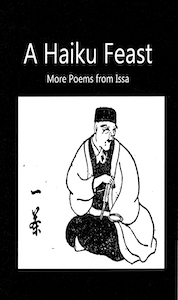
A Haiku Feast: More Poems from Issa serves as a follow-up to A Taste of Issa: Haiku. In it, 1,605 seasonally-arranged haiku of Kobayashi Issa (1763-1828) appear in English translation alongside the original Japanese texts and commentary. |
|
|
A Taste of Issa: Haiku takes a deeper look at the 1,210 haiku presented in Issa's Best, including original Japanese texts and comment notes. |
|
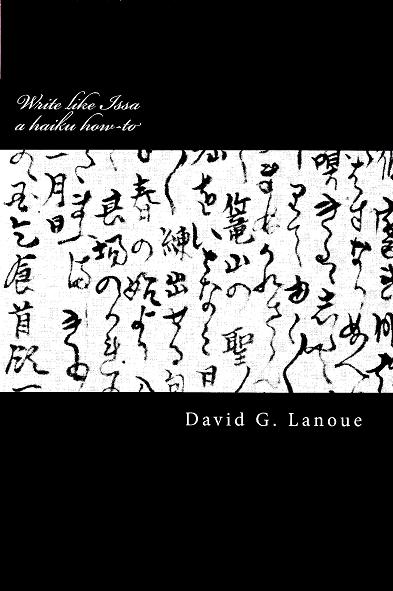
Write like Issa: a Haiku How-to offers lessons on how to write haiku based on examples from Issa and from 21st-century poets who are following his creative path. |
|
|
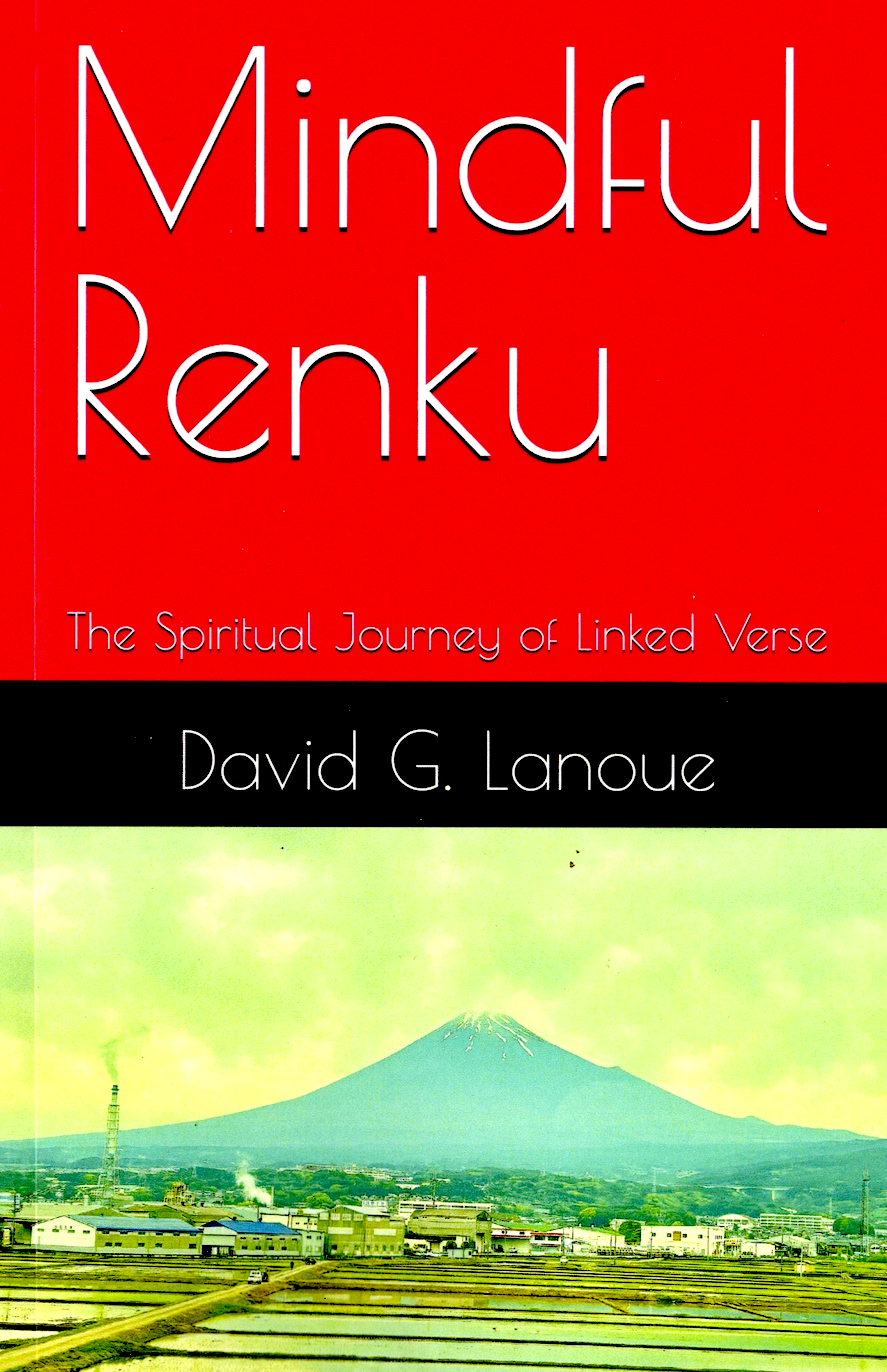
Mindful Renku: The Spiritual Journey of Linked Verse is both a survey of the history of Japanese linked verse and a how-to manual. It explores how renku became a Buddhist ritual in the Muromachi Period with rules designed to (1) promote an awareness of the transience of things and beings; (2) reinforce the doctrine of avoiding samsara, the cycle of birth and death that binds souls to a world of suffering; (3) encourage the contemplation of the Mandala of All Creation, a comprehensive model of the universe created for the specific purpose of learning how to transcend it; and (4) invite participating poets and their readers to realize an enlightenment when they reach the climactic blossom verse. |
|
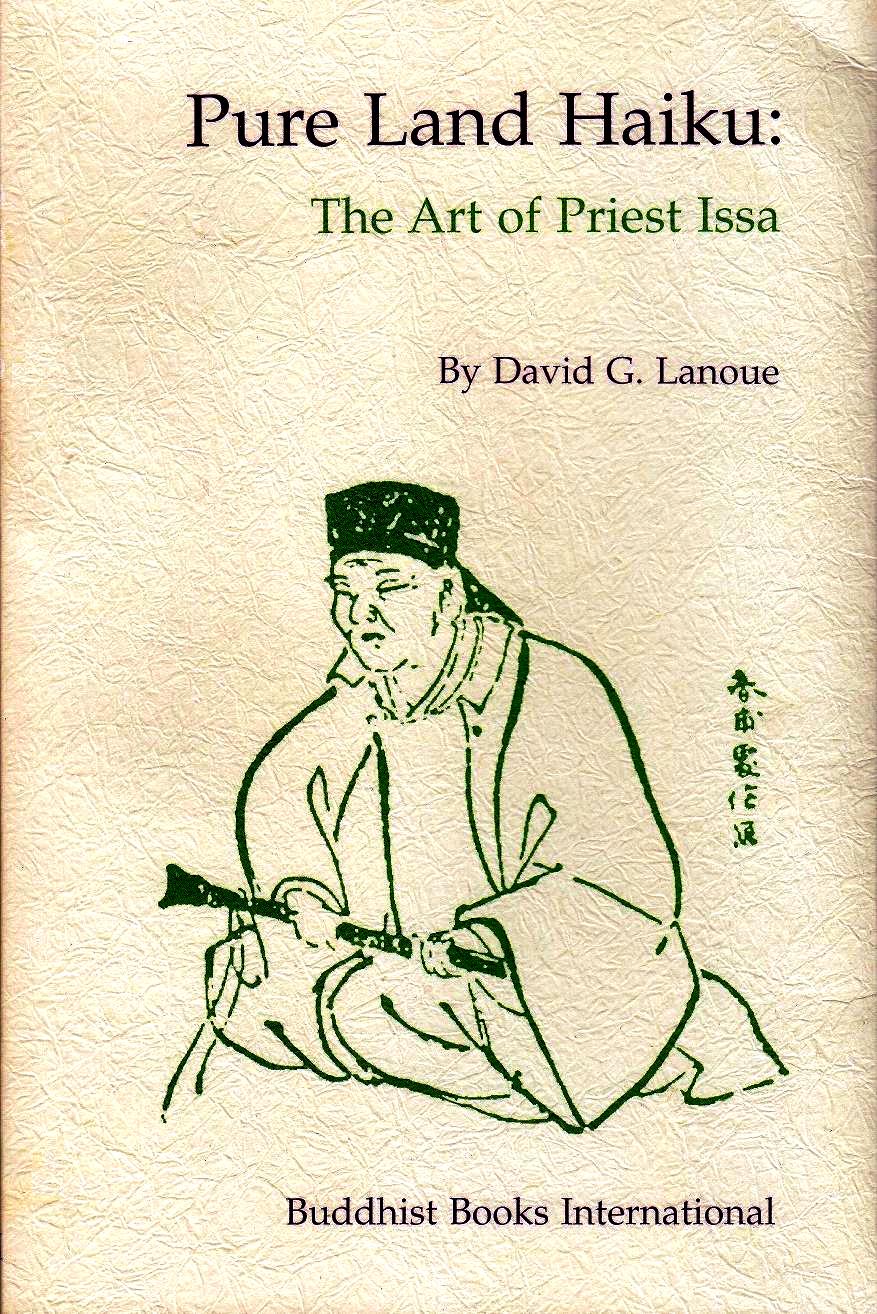
Pure Land Haiku: The Art of Priest Issa is the first book-length English language analysis of Issa's haiku in relation to the Buddhism that he studied and lived. |
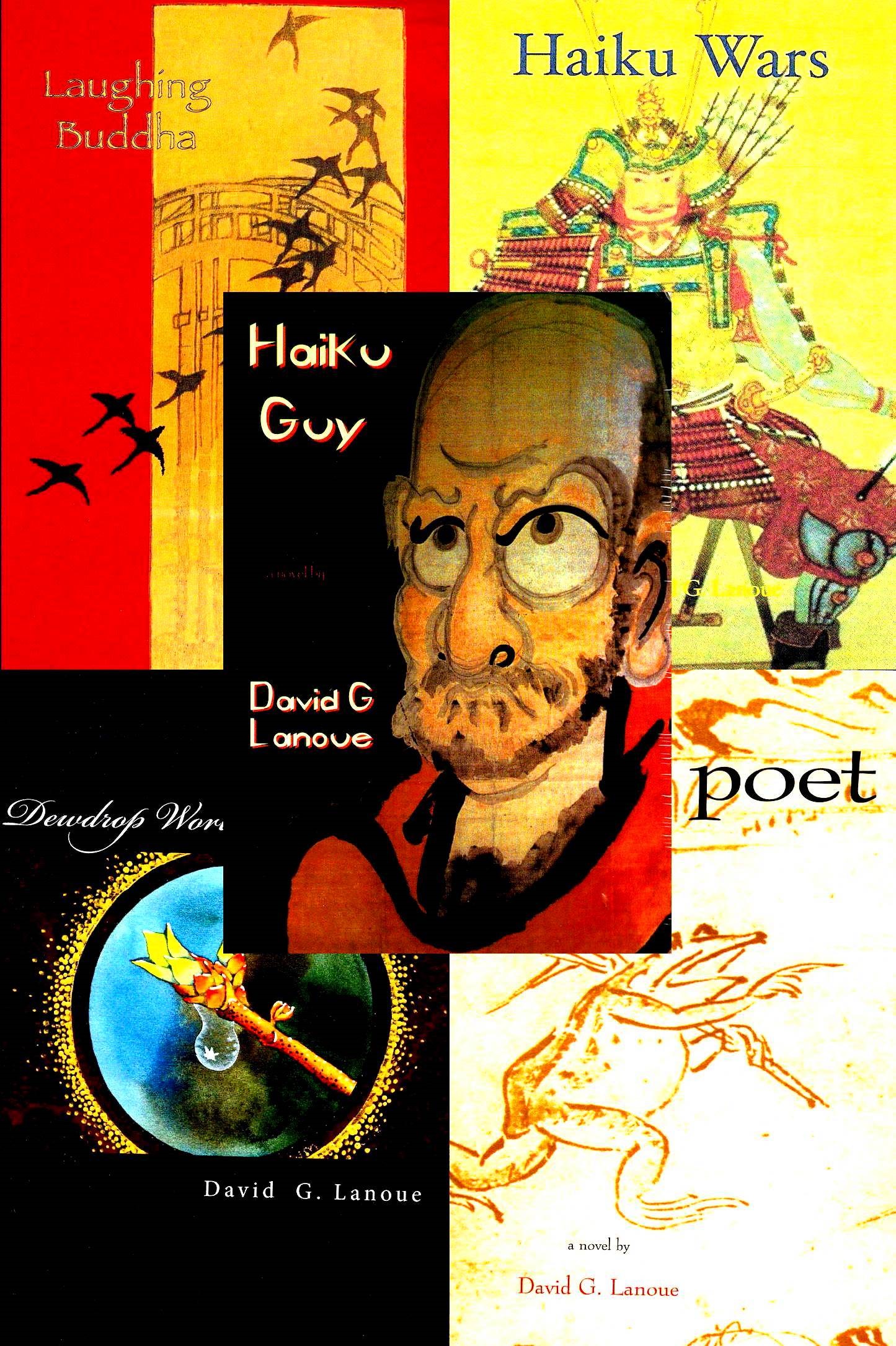
Haiku Guy Omnibus An omnibus edition of five short novels about the art of haiku featuring Cup-of-Tea, a fictionalized Issa: Haiku Guy, Laughing Buddha, Haiku Wars, Frog Poet, and Dewdrop World. |

My Journal with Haiku Sprinkled in A creative imitation of Issa on the 200th anniversary of his great poetic journal, Oraga haru ("My Spring"). |
|
Issa's Best: A Translator's Selection of Master Haiku 1,210 great haiku by Issa in seasonal order—with an introduction to Issa's life and poetry. |
|
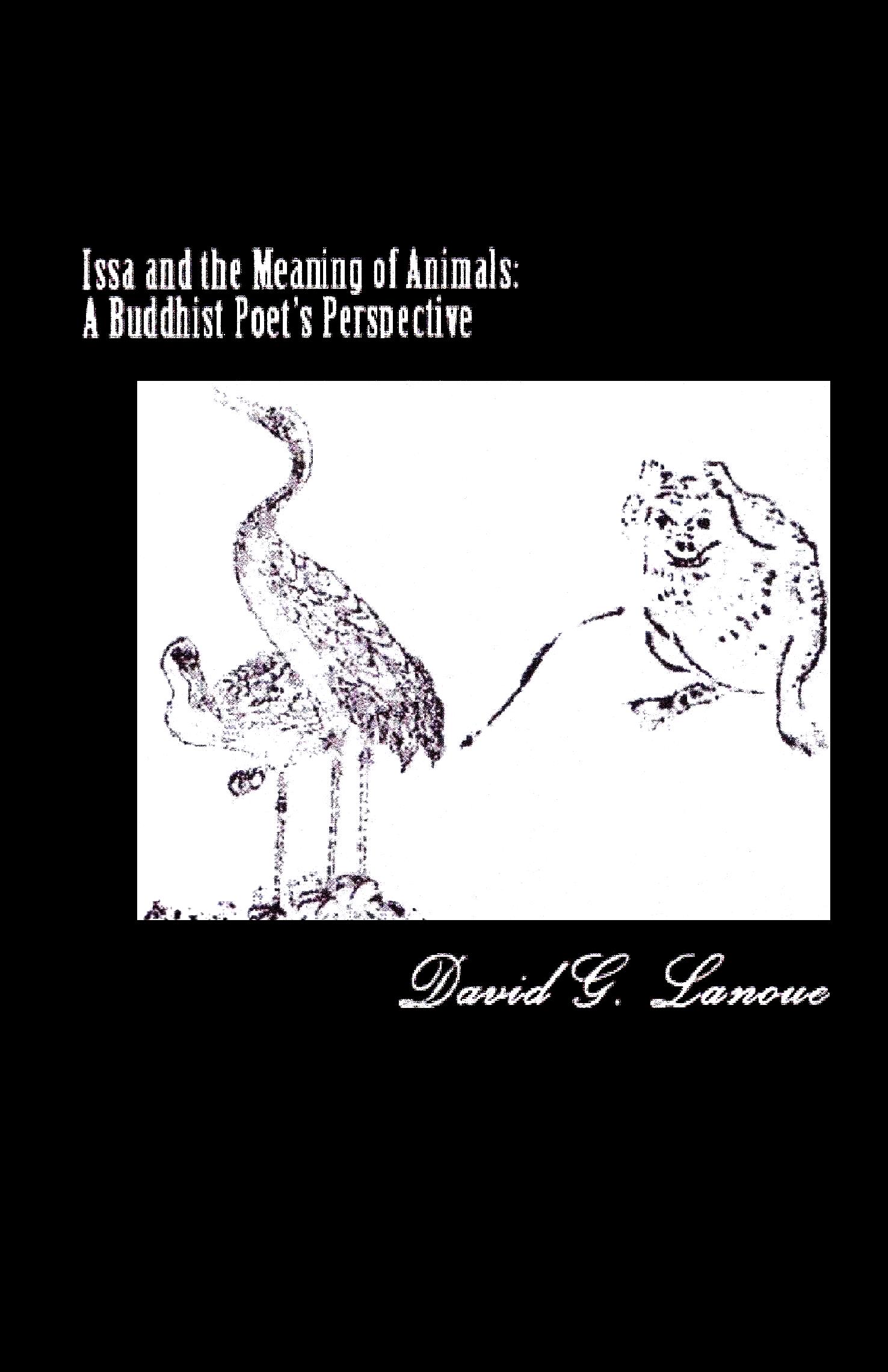
Issa and the Meaning of Animals: A Buddhist Poet's Perspective explores Issa's poetic vision of animals as fellow travelers in a shared world. |
|
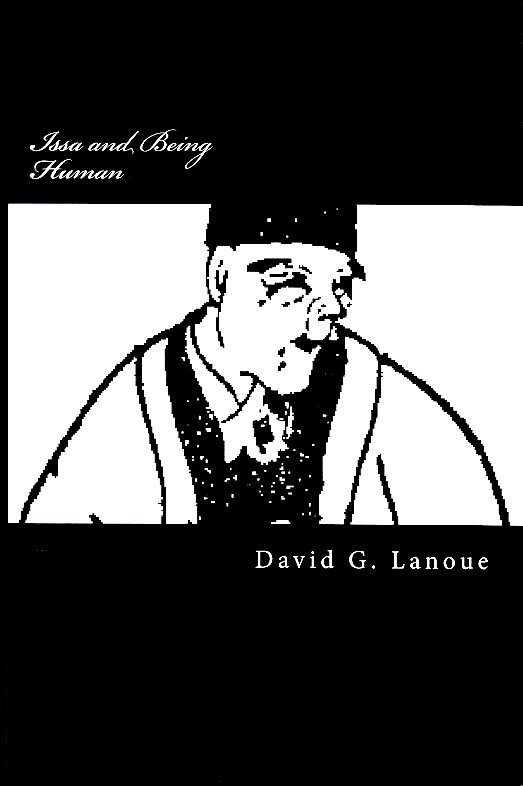
Issa and Being Human: Haiku Portraits of Early Modern Japan explores Issa's poetic answer to the question, What does it mean to be "born human"? |